(The Wall Street Journal 4/19/2015)
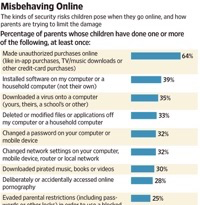
This feature for the Wall Street Journal's Information Security report flagged a new kind of security threat: your kids. The story featured original data on the incidence and management of child security threats, based on a survey I developed, deployed and analyzed.
(The Wall Street Journal 5/1/2016)
Everybody wants to give their children the tools to be a success in life. But let’s think really big for a minute: How could you prepare a child to start the next billion-dollar tech company?
(The Wall Street Journal 9/18/2016)
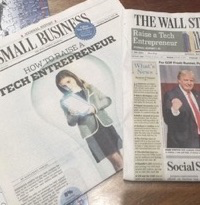
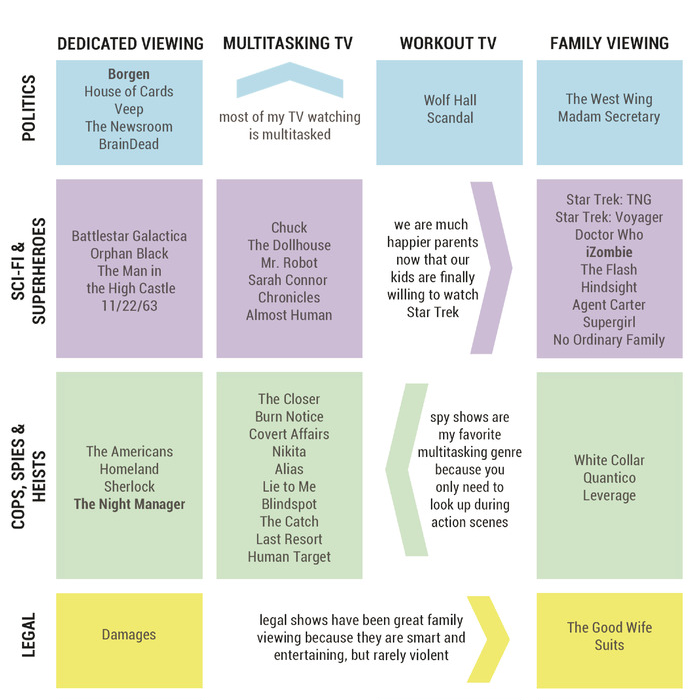
This feature for the Wall Street Journal landed on the cover of their Trends Report, with a teaser on the paper's front page. That visibility spoke to the broad appeal of this story mapping out the best way to organize TV viewing, along with an original infographic I created myself.
(The Wall Street Journal 6/26/2016)
From behavior tracking to digital therapy, there is an ever-growing range of ways technology can help autistic kids. Writing as both a tech expert and the mom of an autistic child, I mapped out some of the most effective ways we can put technology to work for our kids.
(Harvard Business Review 9/14/2015)
Most businesses rely on data behind the scenes, but the smartest companies now turn that data into original, eye-catching content. This story mapping out the latest innovation in content marketing attracted thousands of social media shares.
(JSTOR Daily 5/3/2016)
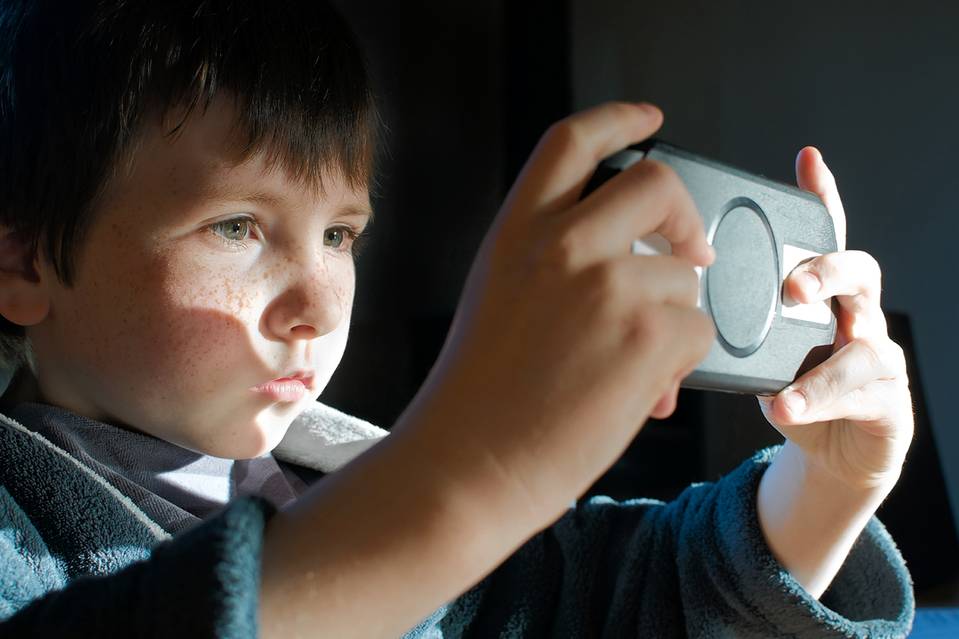
What’s the real reason we worry about kids and screen time? I offered a provocative answer in this Mother’s Day story for my JSTOR Daily column, The Digital Voyage. My post was covered by Vox, Slate, the New York Post and beyond, as well as being widely shared on social media.
(JSTOR Daily 11/29/2016)
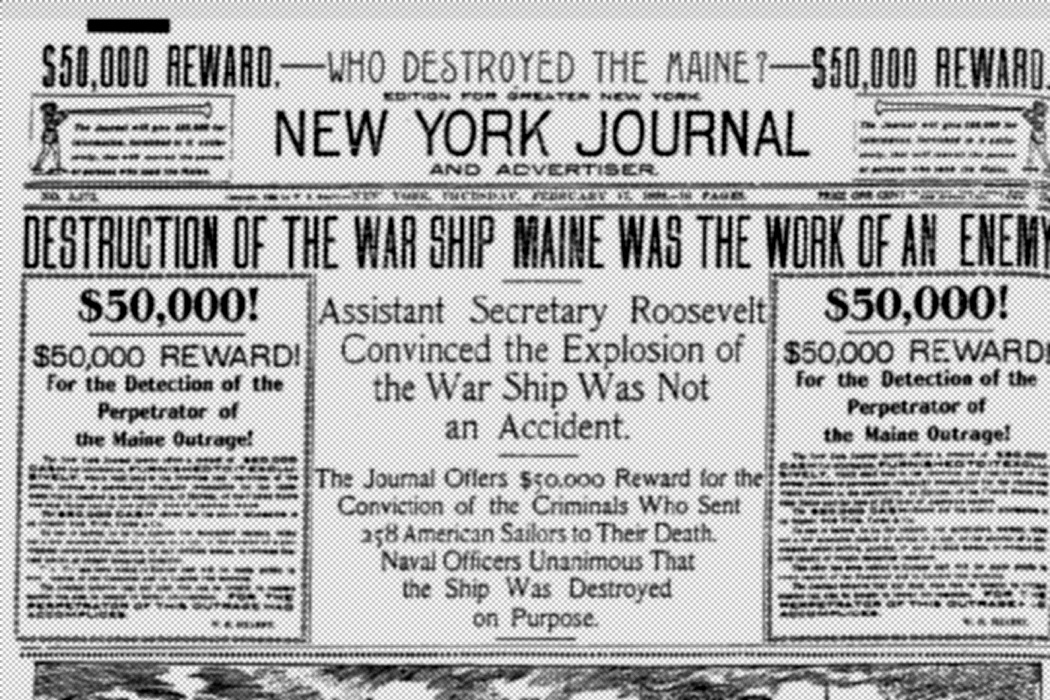
Inspired by the post-election uproar over the role of fake news in the presidential election, I looked into the long history of bad journalism -- and found some useful lessons in the sordid news practices of the early 20th century.
(TheAtlantic.com 2/14/2012)
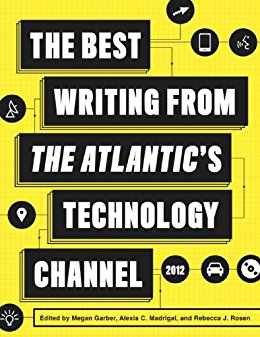
The trick isn't to unplug from our devices -- it's to unplug from the distractions, information overload, and trash that make us unhappy.
This article was featured in the anthology "The Atlantic's Best Technology Writing 2012".
(TheAtlantic.com 11/4/2015)
This data-driven story revealed the key divide among parents today: the divide between parents who enable their kids' tech use, those who limit tech, and those who actively mentor their kids online.
(The Christian Science Monitor's Passcode 11/17/2016)
Tech advocates concerned that the Trump administration may deploy surveillance measures against critics are encouraging activists and others to take steps to protect their privacy.
(The Christian Science Monitor's Passcode 6/8/2016)
Sooner or later, almost everyone gets hacked. In this story, I map out the steps to take when recovering from a hack -- and the steps that can secure your accounts in the future.
(Headspace's Orange Dot 4/27/2016)
Technology doesn't have to make you crazy. My five experiments in thoughtful technology use can help you live in harmony with your many, many devices.
(The Wall Street Journal 12/7/2016)
Email used to run my life -- but it doesn't have to be that way. This feature for the front page of the Journal's Leadership Report caught fire online with its practical, engaging approach to managing email.
(Harvard Business Review 6/16/2011)
My piece on the online aftermath of Vancouver's hockey riots was the first story to sound the alarm about using social media for DIY justice. It shaped an international conversation about online vigilantism, and made me the go-to expert during subsequent examples of large-scale, crowdsourced law enforcement.
(Harvard Business Review 9/7/2016)
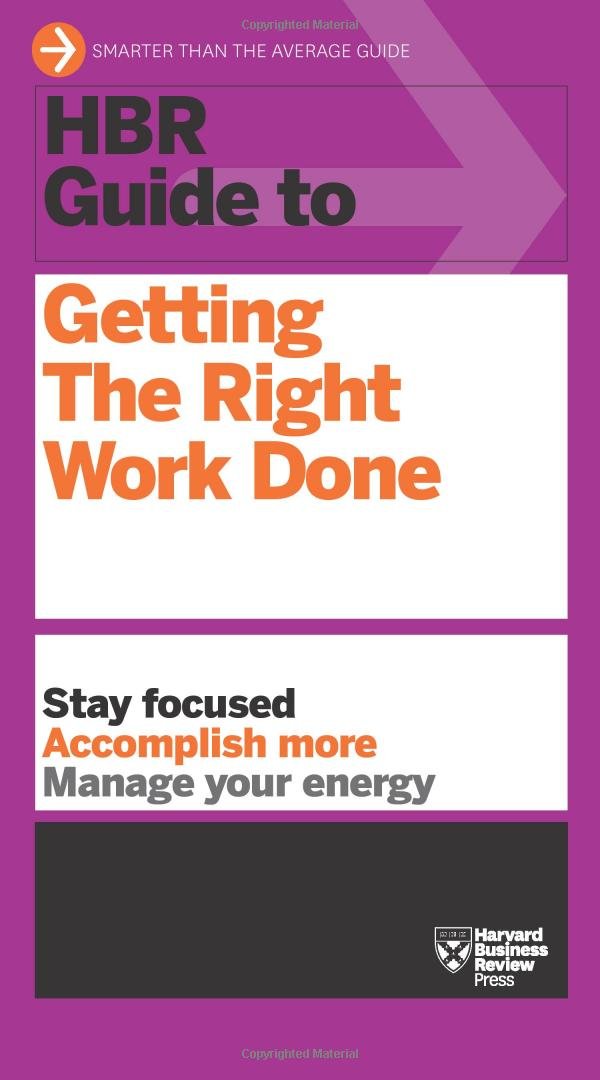
I contributed four chapters to HBR's definitive productivity guide, including "Say Yes to Saying No" and "Reward Yourself for Doing Dreaded Tasks". HBR returned to me to develop half of the tools in a recently released companion toolkit, for which I wrote significant portions of the handbook.
(Harvard Business Review 5/5/2015)
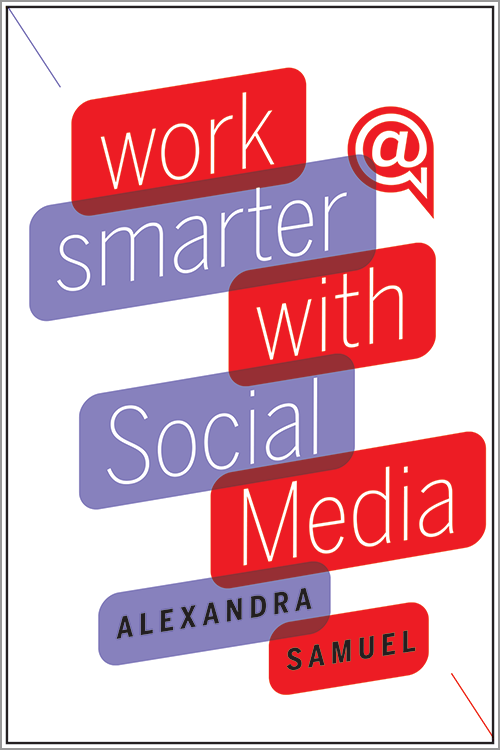
My book, "Work Smarter with Social Media: A Guide to Managing Evernote, Twitter, LinkedIn, and Your Email", shows readers how to use social media tools like a pro.
(Harvard Business Review 4/20/2016)
Marketers should be able to use the Internet without destroying it. My widely-shared manifesto for better online marketing spells out what it takes.
(Vision Critical 10/5/2015)
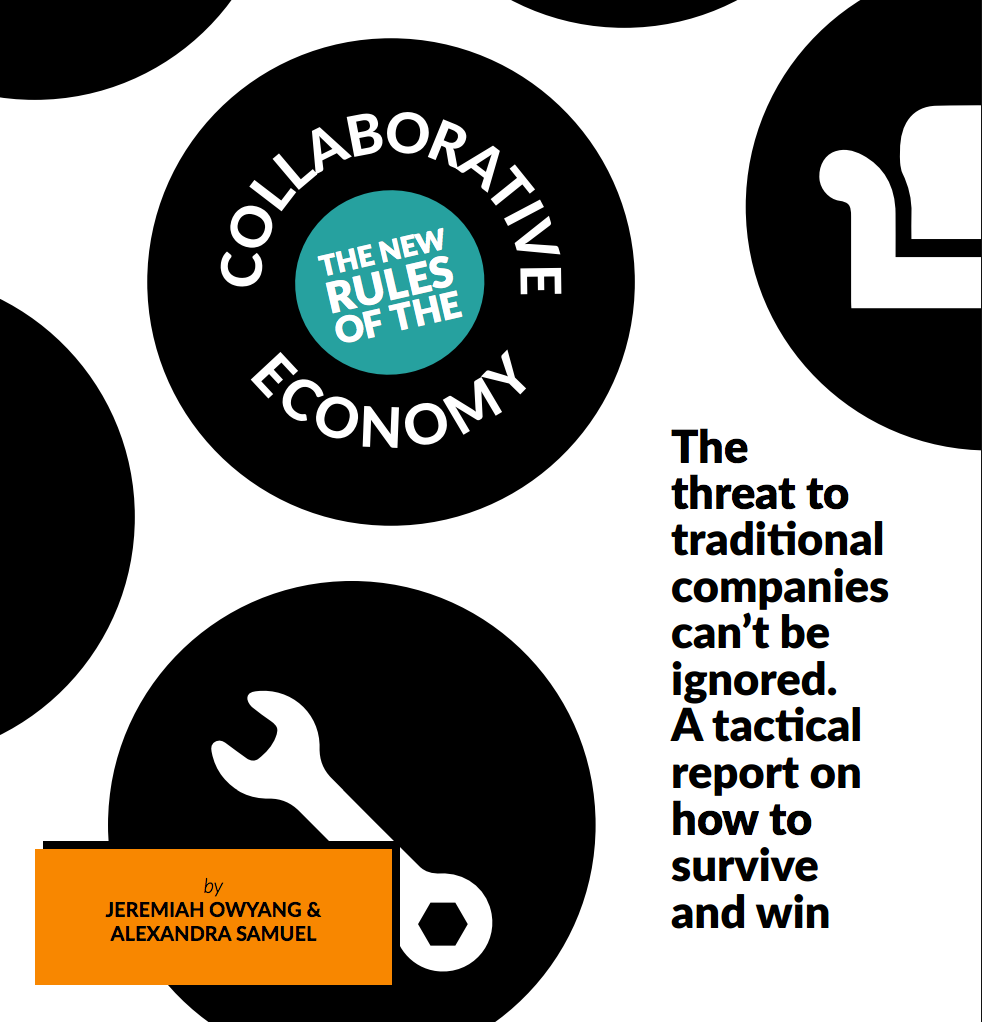
For leading brands, the growth of the collaborative economy presents unrivalled opportunity. That's why they were keen to get their hands on this Vision Critical report, which I co-authored with Jeremiah Owyang.
(Vision Critical 3/3/2014)
This Vision Critical/Crowd Companies report, which I co-authored with Jeremiah Owyang, provided unprecedented insight into who’s participating in the collaborative economy. It gave Vision Critical remarkable media exposure, and attracted nearly 200,000 views on Slideshare.
(Vision Critical 12/9/2014)
Social media listening can profoundly distort the way businesses understand their customers. That's the key insight of this report, based on an innovative pilot program I developed at Vision Critical, merging social media analytics and survey data. The report was widely cited in the media, and its findings drove a standing-room-only panel at SXSWi that trended on Twitter across the United States.
(Vision Critical 7/5/2013)
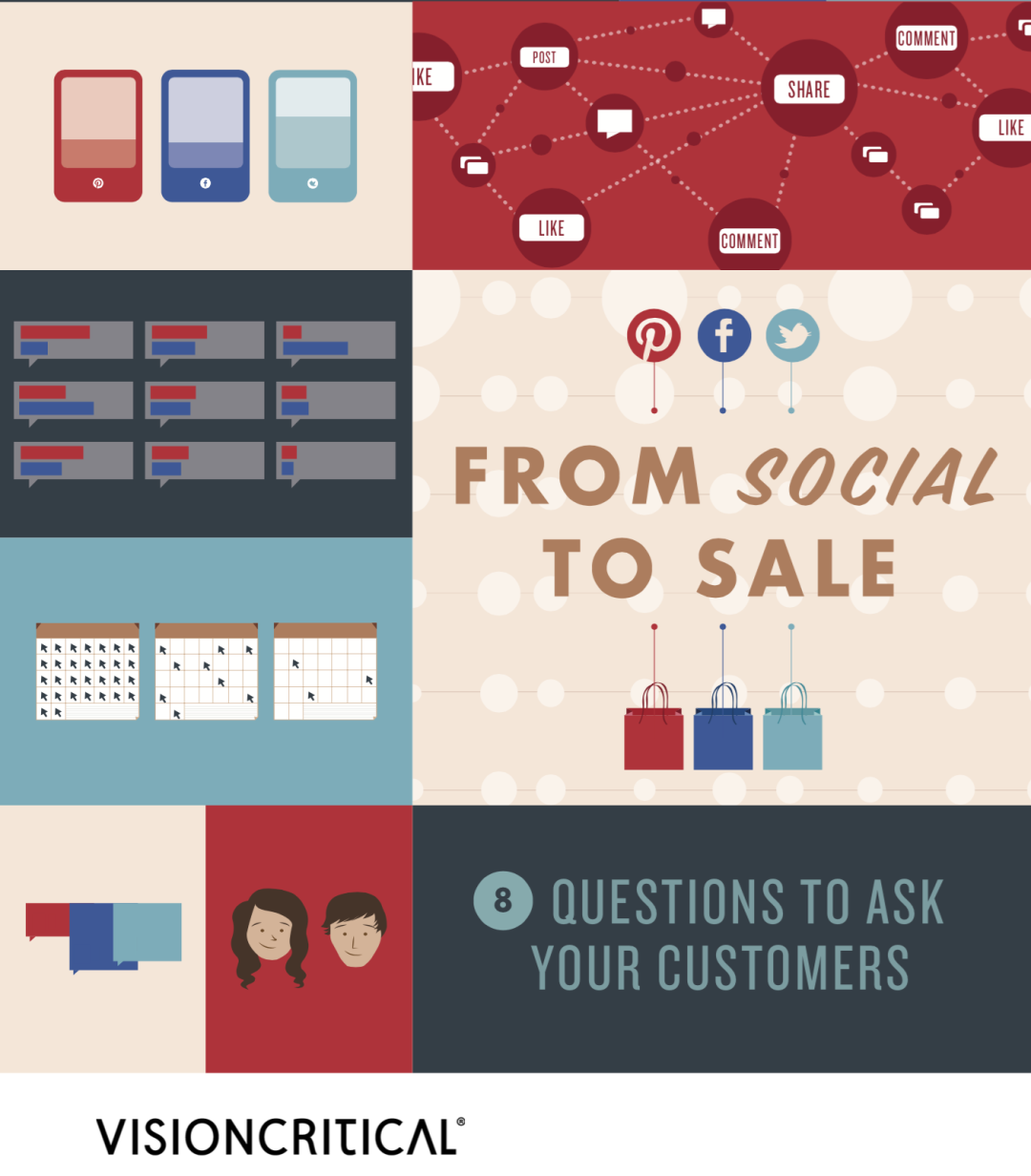
This data-driven report for Vision Critical used feedback from more than 80,000 customers to map the impact of social media on the path to purchase. It was featured in the Harvard Business Review, and named one of the top 10 social media research studies for PR professionals.
(Oprah.com 3/10/2010)
Advice on how to strengthen your marriage with digital tools, in a piece that marries personal reflection with practical tech tips.
(Oprah.com 6/16/2010)
These Father's Day suggestions included a mix of product reviews and ideas for fun family activities online, delivered with affectionate reflections on the dads in my own life.
(Harvard Business Review 6/1/2015)
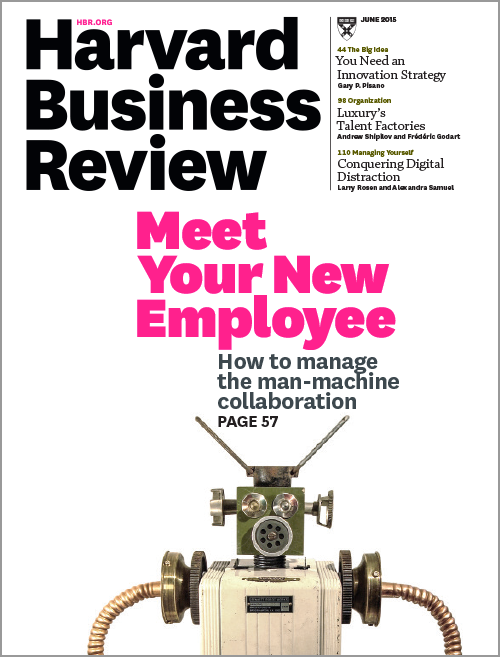
How do you beat digital distraction? In this story for the Harvard Business Review's print edition, I square off with psychologist Larry Rosen on the best way to conquer online overload.