(The Secured Lender Magazine 1/1/2020)
The specter of cybercrime haunts every industry, but none more
so than financial services. If there is considerable money involved
or sensitive client data to steal, then there is certainly some
cybercriminal looking for a financial firm to target. As secured
lenders step up their efforts to secure their own systems and
data, there is a growing understanding of the complexity of that
task. Asset-based lenders and factors are increasingly aware that
their cybersecurity procedures must be ongoing and dynamic
to thwart a network intrusion and to quickly shut down and
mitigate a hack if it does happen.
(EY Parthenon 4/1/2022)
By the time the Commonwealth of Puerto Rico filed for bankruptcy in 2017, the island was struggling under a complex web of US$70 billion in debt issued by more than a dozen government entities and had virtually no money set aside to fund its US$55 billion pension liability. EY professionals helped Puerto Rico exit bankruptcy and created a solid foundation for future economic growth and opportunity.
(Wells Fargo 1/1/2023)
ISO 20022 enables the seamless exchange of financial transaction data through a standardized messaging schema that introduces a more robust data structure.
(Emory Business Magazine 1/9/2018)
Is the time of the employee close at hand? After more than 20 years of downsizing, offshoring, buyouts, and innovation setting fire to traditional rules of the workplace, things are looking up for experienced, in-demand professionals. Many economic trends are on the uptick, and the unemployment rate continues to drop, from 8.2 percent in July 2012 to 4.3 percent in July 2017. For workers with specialized skills, the job market is ripe with opportunity.
(The Secured Lender Magazine 11/1/2023)
Commodity producers face volatile market swings due to factors such as macroeconomics and supply chain stability, creating risks for secured lenders.
(Middle Market Growth Magazine 1/25/2017)
With considerable assets at their disposal, sovereign wealth funds are fast becoming a growing source of capital for private equity— good news for middle-market PE funds. These state-owned investment vehicles, focused on returns to boost the economies of their home countries, tend to be long-term institutional investors with diverse investment portfolios.
(Bank Automation News 5/24/2021)
U.S. banks are looking to automation to aid in the year-end phaseout of the London Interbank Offer Rate (Libor) and to comply with a not-so-friendly push from the Federal Reserve to do so by Dec. 31.
(LifeHealthPRO 9/15/2016)
Low interest rates might be good for homebuyers, but that just isn’t the case for the average investor. For insurance agents, your current and prospective clients may not be financial experts, but they do know what low interest rates mean to them – and will be looking for advice on where to put their money to work hard for them. Life insurance can be a smart way to do just that, but as the advisor, you’ll need to explain its value.
(Dice.com 2/12/2016)
Your company might call it an employee resource group (ERG), affinity group, or network. No matter what the name, the goal is supposed to be the same: a social and professional network for people with a common background. But just because there’s a group of similar people meeting in a room doesn’t necessarily mean they’re going to get something out of it. Not all employee resource groups are created equal.
(The Secured Lender Magazine 10/1/2020)
The onset of the pandemic has certainly changed the fundraising and investing landscape for private equity and other types of alternative financing. While most acknowledge that the lack of face-to-face meetings has made the fundraising process and due diligence on deals more difficult, the private equity industry and its related players remain a resilient lot. Even with the country’s shutdown and the resulting economic problems, private equity firms are prioritizing their existing portfolios, working to figure out ways to shore up these companies.
(Dice.com 5/12/2014)
Experienced SAP professionals would be well-served to take on a hybrid role that straddles the line between technology and business.
(Middle Market Growth Magazine 5/8/2018)
To say that the American mall is dead is a gross exaggeration. While many shopping centers across the country are struggling, so-called Class A mall real estate, typically in densely populated major metropolitan areas with attractive demographics and innovative concepts, is doing well and piquing investor interest.
(Emory Business 1/14/2019)
It’s not every day a research paper sparks a stock sell-off on Wall Street. The reverberations began shortly after Daniel McCarthy, assistant professor of marketing, and his co-author Peter Fader, a professor of marketing at Wharton, published a journal article exploring the valuation of two e-commerce companies, Wayfair and Overstock.com. Using a methodology they named customer-based corporation valuation,” or CBCV, the researchers produced valuations on contractual and non-contractual companies based on customer value. This method is particularly useful for companies that rely heavily on returning customers or subscription models.
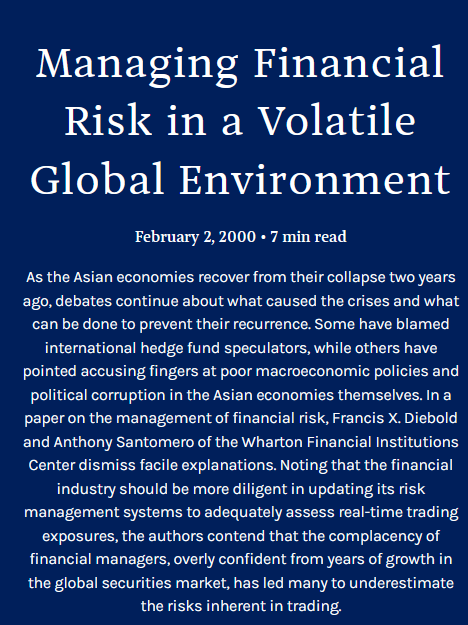
(Knowledge@Wharton 2/2/2000)
As Asian countries, such as Korea and Thailand, slowly recover from their financial collapse of some two years ago, the debate continues as to whether private sector financing or public sector support should be used to shore up the troubled economies of emerging-market countries.
(Knowledge@Emory 10/23/2002)
Today, the number of minority and women CEOs still remain few and far between in Corporate America. But a growing number of them have nonetheless taken center-stage by heading up some of the most well-known and largest companies in the US.
(The Secured Lender Magazine 2/1/2009)
Certainly, the current credit crisis is not a welcomed situation. Yet, asset-based lenders and factors are benefiting from the downturn and the pullback in more traditional lines of credit.
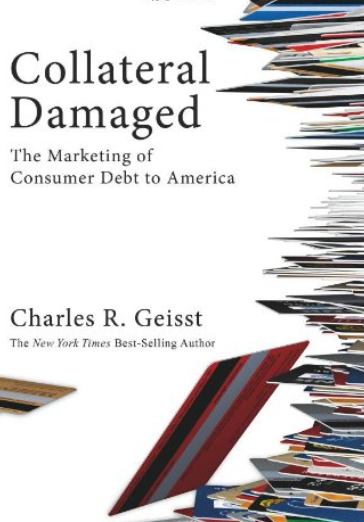
(Publishers Weekly 6/29/2009)
In this exhaustive study of the credit card industry, author Geisst (Undue Influence) delivers a scathing critique of the routine practices that led to the current consumer debt crisis.
(President & CEO Magazine 8/1/2011)
The role of the CFO has rapidly changed in the past decade, propelled by M&A activity, quickly shifting economic sands, and heightened regulatory scrutiny.
(Strategic Finance Magazine 1/1/2008)
The increased use of formal controls in today's business environment may have an unintended consequence: the erosion of trust between management and employees. This study examines the effects that various types of organizational controls have on employee trust and cooperation.
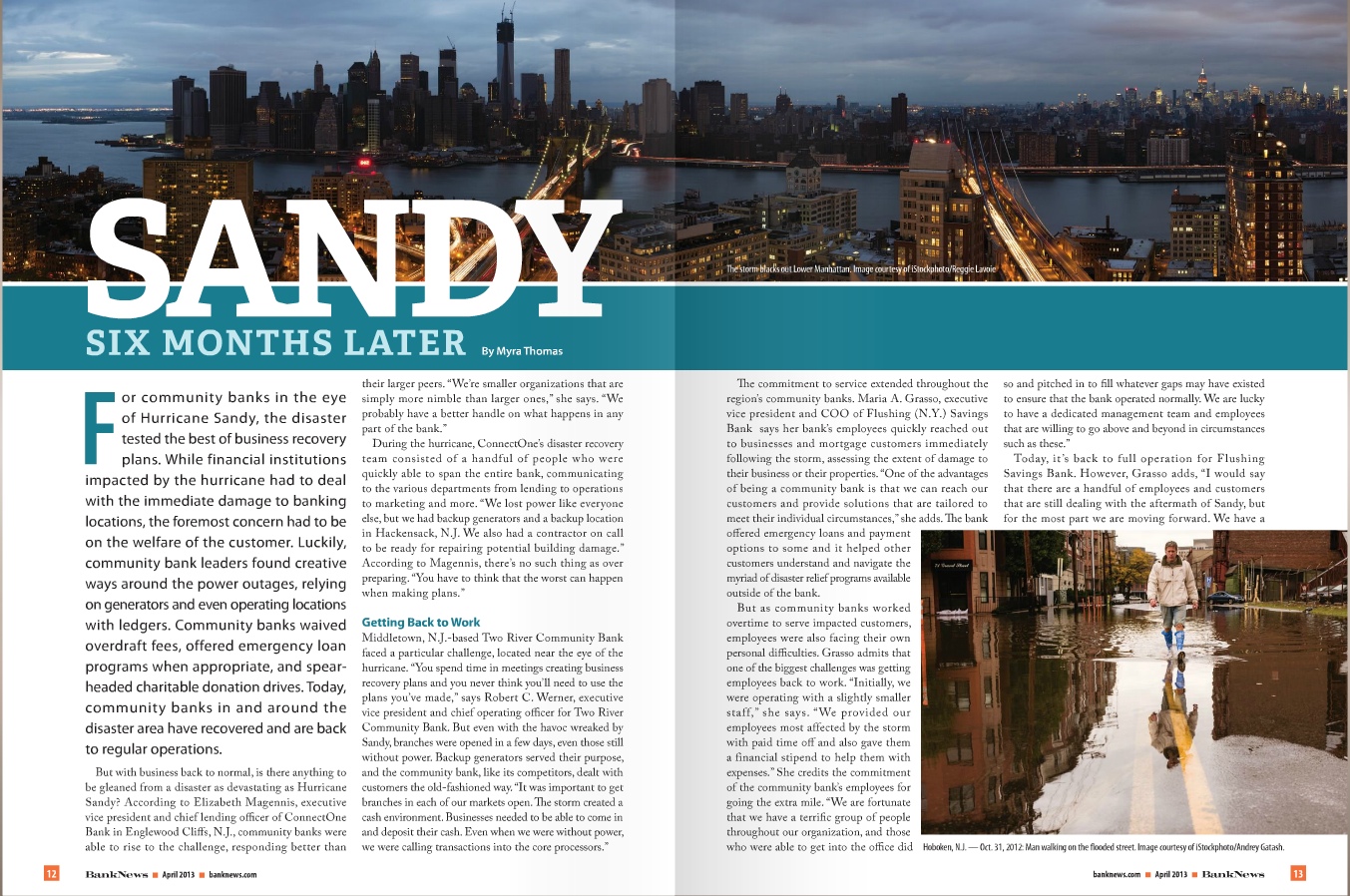
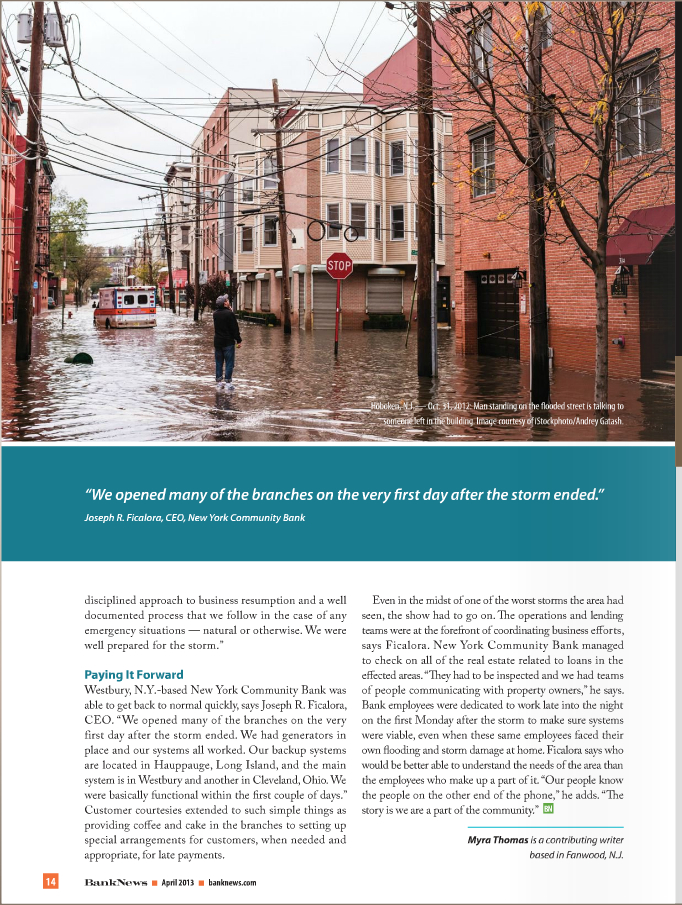
(4/1/2013)
Community banking leaders respond to the challenges presented by Hurricane Sandy, as financial institutions fought to stay open and serve a community in need.
(Knowledge@Emory, the online publication of Emory University's Goizueta Business School 4/9/2008)
The move to use a $29 billion guarantee from the Treasury Department for ailing Bear Stearns was an unprecedented taxpayer-backed bail out. Professors from Emory University’s Goizueta Business School discuss whether or not taxpayer funds should be used to prop up an investment firm.
(FSO Magazine 10/1/2007)
For financial firms today, tapping into new markets is essential. But introducing new product lines to newly identified target markets can be a time consuming and costly process. A skilled business process outsourcing (BPO) partner can often be the solution for a job in need of scalability and flexibility. For Equifax®, one of the U.S.’s largest credit reporting agencies, bringing Sutherland Global Services, a multi-national BPO, into the mix, helped to provide the right answer.
(BankNews Magazine 4/1/2013)
Community banking leaders respond to the challenges presented by Hurricane Sandy, as financial institutions fought to stay open and serve a community in need.