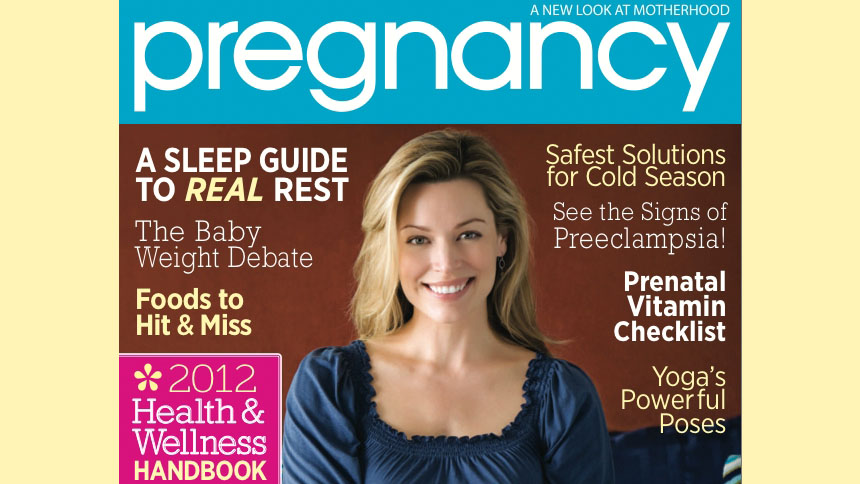
Freelance writer Christy Rippel targeted Pregnancy in part because she had recently given birth and the experience was fresh in her mind. While senior editor Kendra Smith passed on Rippel’s first pitch, she liked her style and requested additional ideas. After quizzing some moms and moms-to-be, Rippel pitched Pregnancy‘s “Stages” section. Smith accepted the idea and it ran in the September 2007 issue. Rippel has since written four additional stories for Pregnancy. Below, Rippel and Pregnancy editor-in-chief Abigail Tuller recall how the pitch went from idea to assignment and break the query down to reveal effective strategies for selling stories.
What the Writer Did
Christy Rippel, freelancer: I was working on making the transition from public relations writing to freelance magazine writing — and Pregnancy was one of the first outlets I approached. The reason I homed in on this publication was that I had just been through my first pregnancy, and had a lot of personal experience to draw from, as well as comments and ideas from fellow moms.
Also on Mediabistro


I sent a pitch to senior editor Kendra Smith by [postal] mail, along with three clips. She passed on that story idea, but sent a nice email reply saying she liked my writing style and encouraged me to send additional pitches. I studied the magazine and felt my best chance of breaking in would be the “Your Body” section that covered a topic relevant to each of the trimesters of pregnancy. After brainstorming a few potential ideas, I concentrated on developing one about how to take advantage of the second trimester — largely thought to be the most comfortable stage of pregnancy. I realized that I didn’t take advantage of how good I felt at that stage of the pregnancy because I didn’t realize that was “as good as it gets.” I thought other women could benefit from that message to relish those few fleeting months. I informally polled some of my friends, asking what they did during that time that made them feel good — or, looking back, what they would have done. Their comments and my own experiences became the pitch.
I heard back within a couple of days that Kendra and EIC Abigail Tuller liked the idea, and with a little discussion about how the article should be shaped, I wrote my first piece for them. This has led to four additional assignments from Pregnancy — and a great working relationship.
Why the Editor Bit
Abigail Tuller, EIC, Pregnancy: At Pregnancy, we cover the same topics repeatedly. The second trimester is a tough pitch, because women are generally feeling pretty good, as the morning sickness is usually over but they haven’t gotten to the third trimester yet. In this pitch, Christy found a unique way for pregnant women to take advantage of feeling so good. It’s not something we’d run in the magazine before, so I was sold.
You can tell from this pitch that Christy gets the way we do things at Pregnancy. She starts with a personal anecdote and then gets into the bigger story. She has the right voice: It’s girlfriend-y without getting into too much detail. Usually, I like writers to cite expert sources, but Christy doesn’t need to in this case because she has such strong examples.
In pitches, I want people to tell me where they see their article running in the magazine, as Christy does here. I also liked that she provided subheads such as “Capture your pregnancy” and “Celebrate.” It’s always good to take your pitch one step beyond and, at least for me, subheads will never hinder. If I don’t like them, I’ll just rewrite them. Including them in your pitch makes it much easier to read when your email comes into my inbox, and helps me remember the idea in the future.
The Pitch
| Kendra: (1) I just got the May issue of the magazine, which looks great — but unfortunately all of the queries I’ve sent you recently are covered in this issue! (2) An additional idea that I think could be a great fit for Stages (3) is below. Best, FOR STAGES — SECOND TRIMESTER: INDULGE: (7) TRAVEL: CAPTURE YOUR PREGNANCY: CELEBRATE: CONNECT WITH YOUR SPOUSE: |
Key Components of the Pitch
(1) The writer and editor have a previous relationship and since the editor had given the writer the okay to send other pitches, the informal salutation works here. If you’re unsure which tone to take when pitching, err on the side of formality. Back to pitch
(2) This is a strong, yet subtle way for the writer to acknowledge she’s read the magazine and has ideas that fit its audience. Back to pitch
(3) Pinpointing a particular section in which your article fits well helps an editor envision it as a published piece. Back to pitch
(4) Providing multiple types of contact makes it easier for editors to respond to your pitches. Make contacting you easy and you’re likelier to receive a response. Back to pitch
(5) Since Pregnancy articles tend to hinge on firsthand experience, opening with a personal anecdote works well. However, you should always be sure to link your own experiences to strong examples and/or expert opinion. Back to pitch
(6) The writer spells out exactly what the editor can expect the story to look like, making it easier for the editor to visualize. The clearer you can be about how your story will be presented, the more enticing your idea will be to editors. Back to pitch
(7) Subheads provide a way an easy and effective way structure your pitch, ensuring that editors understand its full scope. Back to pitch
(8) Since her article centers around feel-good tactics for the mid-pregnancy mom-to-be, the writer’s enthusiasm is warranted. Always be sure your story idea and the language used to describe it are consistent, as is shows editors you’ve though through the query. Back to pitch
(9) The writer shows she knows her stuff by ensuring her pitch takes reader’s safety into account. Showing both sides of an issue helps and editor believe you’re the right person to write about it. Back to pitch
(10) Since the ultimate goal of the magazine is to help women through pregnancy, looking ahead to the final stages is a crucial part of many articles, a point the writer skillfully weaves in here. Back to pitch
(11) Since the writer was already in contact with the editor, including clips or links is unnecessary. However, you should always include writing samples in any first pitch to an editor. Back to pitch
If you’ve got a pitch you’d like featured,send it our way!