Mediabistro Logo Mediabistro Logo
  • Jobs
    Search Creative Jobs Hot Jobs Remote Media Jobs Create Job Alerts
    Job Categories
    Creative & Design Marketing & Communications Operations & Strategy Production Sales & Business Development Writing & Editing
    Quick Links
    Search All Jobs Remote Jobs Create Job Alerts
  • Career Resources
    Career Advice & Articles Media Industry News Media Career Interviews Creative Tools Resume Writing Services Interview Coaching Job Market Insights Member Profiles
  • Mediabistro Membership
    Membership Overview How to Pitch (Premium Tool) Editorial Calendars (Premium Access) Courses & Training Programs Membership FAQ
  • Showcase
    Featured Creative Stories Submit your Story
  • Log In
Post Jobs
Mediabistro Logo Mediabistro Logo
Search Creative Jobs Hot Jobs Remote Media Jobs Create Job Alerts
Job Categories
Creative & Design Marketing & Communications Operations & Strategy Production Sales & Business Development Writing & Editing
Quick Links
Search All Jobs Remote Jobs Create Job Alerts
Career Advice & Articles Media Industry News Media Career Interviews Creative Tools Resume Writing Services Interview Coaching Job Market Insights Member Profiles
Membership Overview How to Pitch (Premium Tool) Editorial Calendars (Premium Access) Courses & Training Programs Membership FAQ
Featured Creative Stories Submit your Story
Log In
Post Jobs
Log In | Sign Up

Follow Us!

How to Pitch

How To Pitch: Fortune

Send pitches that analyze the power and cachet of big businesses

How To Pitch: Fortune
Jess icon
By Jess Focht
@jessfocht
Jess Focht is a writer and content strategist with 6+ years of experience in media, publishing, and brand storytelling. She has contributed to Insider, Grammarly, and The Creative Independent.
4 min read • Originally published April 3, 2023 / Updated March 19, 2026
Jess icon
By Jess Focht
@jessfocht
Jess Focht is a writer and content strategist with 6+ years of experience in media, publishing, and brand storytelling. She has contributed to Insider, Grammarly, and The Creative Independent.
4 min read • Originally published April 3, 2023 / Updated March 19, 2026

Fortune.com Reach: 55M

Fortune Magazine Subscribers: 676K+

Background: Fortune has been in circulation since 1930 and has a long tradition of covering the world of business—from in-depth profiles of business leaders to the popular Fortune 500 list of the world’s top performing companies. “[Industrial life] was clearly a force changing American life at the time when we were founded,” says Andrew Nusca, digital editor. “We don’t exist to glorify executives and businesses independently… we’re quite critical with our journalism. But we do believe that business can be a force for good.

Fortune’s target readership includes everyone from recent graduates who are just starting their careers to C-suite executives; and Fortune sets itself apart from other business media by focusing on power—specifically, “who’s got it, who’s lost it, who wants it,” says Nusca.

What to pitch: Fortune has a healthy number of staff writers, but they like to augment their coverage with new freelance voices. Most of Fortune’s freelancers have been writing for the publication for years, but newbies can get their feet in the door by pitching to the following sections:

The Briefing section is a collection of short business-related news items. Word count: 20-100.

The Focus section is comprised of four sub sections: Tech, Invest, Venture and Passions.

Tech articles must have a tech angle, but stories need not be about so-called tech companies. Editors see technology as the future of every industry, so they’re interested in running stories about people, companies, and trends in a mix of industries: retail, energy, transportation, business services, etc…

All Invest stories must have an investment angle. Editors run traditional investing stories (where to put your money), as well as articles about trends (e.g. changes in corporate reporting rules and the recent effects of the economy on second homes).

Venture is the place to pitch articles about entrepreneurship, and Passions is all about the finer things in life (e.g. fine wines, fast cars, beautiful hotels). The pitch angles can vary from reported pieces and profiles to Q&A stories and trend pieces. Word count: 450-1200 ea.

Freelancers can pitch to the Feature well, but editors have one major rule: “It must be a good yarn,” says Nusca. “We want great stories.” He notes that Fortune’s bread and butter is the corporation as an entity. Extraordinary startups are valid feature subjects from time to time, but stories tend to go big when the companies are big, too—if not the industry as a whole. Features are dedicated to the most important people, companies, and industry trends of our time, says Nusca, so they need to have a big impact.

Word count: 3,000-4,000.

What not to pitch: The Last Bite section is covered in house.

Online opportunities:  Fortune.com covers a variety of topics, including design, energy, autos, entertainment, finance, health, leadership, luxury and tech.

Word count: 450-1200.

What publicists should pitch, and when: Editors look to publicists to provide access to authors, celebrities, etc… who are relevant to the Fortune audience. There’s no need to pitch story ideas. Lead time is 2 months (print); 2 weeks (online)

Percentage of freelance content published: Print: 30-40%; Online: 70%

Percentage of freelance pitches accepted: 25%

Recent freelance stories pitched and published: How to Get a Job in the Cannabis Industry capitalized on spiking interest in the topic and was pitched by a long-time contributing writer who specializes in workplace issues. And Streaming Could Change the Video Game Business Forever was pitched by a writer who is well sourced in the video game industry. He noticed a shifting industry business model and pitched this trend story, which helped our readers stay abreast of change, says Nusca.

“Power to the Peeps—From Humble Easter Treat to Big Peep” is a good example of seemingly lighter annual holiday content, which nonetheless highlights the big business involved in the viral emergence of Peeps as a heavyweight brand.

Etiquette: When crafting your pitch, please make sure you have a clear sense of why the pitch is important for Fortune, and why the editors should run the story now. And please remember that editors are interested in receiving pitches about stories not topics.

Nusca prefers that potential freelancers first reach out to inquire about his current editorial needs. Since the majority of freelance writing does not come from cold pitching, he believes that “it’s better to get on the same page about what you can do and how we can work you into our needs.”

Fortune doesn’t have a separate editorial staff for print and online, so they do not have section editors. Therefore, when you pitch, please make sure you reach out to the editors that cover that specific topic.

Lead time: 2 months (print); 2 weeks (online)

Pay rate: Print rate is generally $2/word, but it varies by editor and section. Online is generally .50-$1/word.
Payment schedule: 30 days once invoice is received
Kill fee: 25% but can vary
Rights purchased: All rights

Contact info:
Fortune
225 Liberty St.
New York, NY 10080
Fortune.com

Twitter: @FortuneMagazine

Facebook: facebook.com/FortuneMagazine

Email:
FirstName.LastName@Fortune.com

Direct pitches to:

  • Please send pitches for lists to Scott DeCarlo.
  • Please send pitches for features to Verne Kopytoff, Steve Mollman, and Indrani Sen.

Topics:

Go Freelance, How to Pitch
How to Pitch

How To Pitch: Brides

Condé Nast's wedding bible appeals to the bride who wants a classic wedding with modern twists and custom details

How To Pitch: Brides
Jess icon
By Jess Focht
@jessfocht
Jess Focht is a writer and content strategist with 6+ years of experience in media, publishing, and brand storytelling. She has contributed to Insider, Grammarly, and The Creative Independent.
6 min read • Originally published April 3, 2023 / Updated March 19, 2026
Jess icon
By Jess Focht
@jessfocht
Jess Focht is a writer and content strategist with 6+ years of experience in media, publishing, and brand storytelling. She has contributed to Insider, Grammarly, and The Creative Independent.
6 min read • Originally published April 3, 2023 / Updated March 19, 2026

Reach: 5.4 million

Background: Brides, Condé Nast’s one and only wedding magazine. While much has changed since the publication was launched in 1934 (the introduction of color photography, for one!), there are similarities between then and now, said executive editor Lauren Iannotti. “It was very fashion focused even then, and very service-y and advice focused,” she explained. These days, the magazine’s mission, in Iannotti’s words, “is to give the stylish bride everything she needs to know to plan her wedding, serve as inspiration, and [offer] a little bit of relationship and marriage advice.” And in the past couple of years, since editor-in-chief Keija Minor came on board (and with a bit of influence from artistic director Anna Wintour), Brides strives to elevate its emphasis on style.

“We really are putting the focus on fashion,” said Iannotti. “Now that fashion is so democratic in style, not just talking about the dress, but the details of the wedding, the décor and just the overall style of the wedding. Our readers across the country are more interested now in the cutting edge of what’s chic, and we are trying to give them a lot more of that.”

In terms of the magazine’s audience, Iannotti said editors want to reach all two million of the brides that get married each year in the United States: “Our target reader is the girl who’s getting married within the next year or year and a half. They often come right to us when they first get engaged. Our goal is to keep them around for a little longer and create sticky content that makes them want to keep coming back.”

Added Iannotti, the Brides reader “is not cookie cutter. She doesn’t want everything to be the same, but she certainly wants a nod to what’s classic. She doesn’t want to look at her wedding photos in 20 years and think, ‘What was I thinking?’ — all due respect to Man Repeller, et cetera, who we love. Our bride [wants] a lot of modern twists and influences, and personalization is a big thing for her.”

What to pitch: Iannotti admitted that most story ideas are generated in house by the magazine’s small staff, and then assigned to freelancers with whom editors have established relationships because they “deliver good work with great reporting and crisp writing.” But new writers are hardly turned away. “We’re always looking to add to that stable — new people who are proven or are hungry,” said Iannotti. Stringers in different regions of the country are especially helpful to contribute to roundups, such as the best photographers or best venues across the United States, she said.

Freelancers interested in contributing should pay special attention to the “Real Wedding” section. “We often hear about weddings from photographers. We are anxious to hear more from writers who are attending beautiful weddings and just think they would be perfect for us,” said Iannotti. And they should be diverse. “We’re looking for gay couples and we’re looking for couples of mixed race. We just want to make sure we’re just hitting what is going on in America,” added Iannotti.

Also open to freelancers is the “Beauty” section. “Anytime we do more than our typical beauty pages, if we do a special section, that’s all hired out,” said Iannotti.

Ideas are also sought for “Plan Like a Pro,” a regular feature. “It’s almost like Esquire‘s ‘What I’ve Learned’ for the bridal set,” said Iannotti. “We have a reporter interview someone [a planner or florist or baker] who’s been to a million weddings and seen it all and will tell us their great wisdom.” A favorite of Iannotti’s was a feature on DJ Mia Moretti.

Bottom line is your query will get a second look if it’s hitting on something that’s relatable and that you won’t find in every other bridal mag. Explained Iannotti: “It’s hard to find super new, fresh ideas that aren’t kooky and weird, and we’re challenged to do it all the time. So any fine reporter out there who can get that surprising service-y nugget that doesn’t come out of left field, that sort of feels real and great, we would love that.”

What not to pitch: Iannotti said it doesn’t make sense to pitch visual pages, such as roundups of beautiful cakes or the color palette’s page. Furthermore, wedding style stories (such as a six-page well story on tabletop) are going to be produced in house.

Online opportunities: Similar to the print magazine, Brides.com seeks stories for its “Real Weddings” section. Other topics freelancers should focus pitches on include planning, relationships, fashion, etiquette and travel. “[Because] the turnover is so much quicker, we just constantly need fodder,” said Iannotti. Just stay clear of celebrity, beauty and registry items, which are generally handled in house. The pay rate for online content varies widely, so it is something to negotiate with Web editor Jennifer Cress.

What publicists should pitch — and when: “We’re always looking for stuff for our ‘Want, Need, Love’ page, which is just exciting things that are bridal or not bridal, but could somehow relate to the wedding,” said Iannotti. But publicists should be aware of the book’s long lead time, around five months.

“We just did a bridal line with Baublebar, which we’re so excited about, and of course because we did it we knew about it early so we could have all kinds of fun with it in the magazine,” said Iannotti. “But any kind of stuff like that, we want — new product lines, fashion, fine jewelry, costume jewelry, all these things. We welcome any and all early warning on great stuff coming down the pike,” she said.

Percentage of freelance content published: 40 percent
Percentage of freelance pitches accepted: 10 percent

Etiquette: Send your pitch — and link to existing work — in the body in the email, advised Iannotti, “and if you have a connection to Brides or if there’s some good selling point, put it in the subject line.” Adding “Pitch from a writer” will also help differentiate you from a publicist’s pitch. Final words of advice: “I encourage people to pick up the magazine and look at the masthead and figure out who their mark is depending on the department. And then you can just use the Condé Nast [email convention] to find the person,” said Iannotti.

Lead time: Five months
Pay rate: $2 a word; may be less or more, depending on the amount of reporting involved, writer experience, etc.
Payment schedule: Invoice on acceptance; payment usually received within two to three weeks. “We are really good about this because I’ve been on the other end of it,” noted Iannotti.
Kill fee: 25 percent. “We don’t kill a lot though. We make [pieces] work,” said Iannotti.
Rights purchased: Worldwide perpetual, but negotiable

Contact info:
1 World Trade Center
New York, NY 10007
www.brides.com
Twitter | Facebook
Email format: FirstName_LastName@condenast.com

Direct pitches to the appropriate editor:
For Real Weddings, real weddings editor Gabriella Rello:
GABRIELLA underscore RELLO at CONDENAST dot COM
For Details, service stories and product pitches, senior editor Shelby Wax:
SHELBY underscore WAX at CONDENAST dot COM

Topics:

How to Pitch
How to Pitch

Real simple

Helping readers enjoy their lives with easy and accessible tips is the way to earn a byline in this mag

Real simple
Jess icon
By Jess Focht
@jessfocht
Jess Focht is a writer and content strategist with 6+ years of experience in media, publishing, and brand storytelling. She has contributed to Insider, Grammarly, and The Creative Independent.
5 min read • Originally published April 3, 2023 / Updated March 19, 2026
Jess icon
By Jess Focht
@jessfocht
Jess Focht is a writer and content strategist with 6+ years of experience in media, publishing, and brand storytelling. She has contributed to Insider, Grammarly, and The Creative Independent.
5 min read • Originally published April 3, 2023 / Updated March 19, 2026

Reach: 6M

Frequency: Monthly (print), daily (digital)

Background: Real Simple is a lifestyle magazine that aims to make every aspect of women’s lives easier, in a simple, friendly, and accessible way. They aim to help readers of all stripes feel a little more calm and joyful in their everyday lives. The magazine makes it clear that you don’t have to have unlimited time or an unlimited budget to love your home, to enjoy your life and family, and to feel good about the way you look.

“We try to stay true to our name in all things,” says Real Simple deputy editor Anna Maltby. “We want our readers’ lives to be simpler, and we want it to be easy for them to get the information and advice they need to make it that way. Our readers love our organizing, food, health, and family stories, and they appreciate that we come to them on all topics from an accessible, friendly POV.”

What to pitch: Truth be told, Real Simple staffers produce a lot of content in house. “Many of our stories are based on the market work and research our editors do themselves,” Maltby explains. But editors are always interested in hearing from writers who know the magazine’s voice and coverage areas well.

“A successful pitch will almost always come from a writer who truly knows our magazine—loyal readers who know what we’ve covered and how we’ve covered it,” Maltby says. “We cover evergreen topics, so coming at them in special new ways is crucial. A clever spin we haven’t done before and wouldn’t have thought of ourselves is a pitch that stands out.”

Consider trying to pitch these entry points:

Real Simplifier, a short (500-700 words) how-to guide that breaks down something that feels overwhelming—like building a campfire or running a marathon—into five bite-sized steps. These are typically projects that wouldn’t be covered elsewhere in the magazine.

Pitches for Moneywise (500-1200 words) should feel actionable and empowering; readers are looking for smart and surprising advice about investing, budgeting, and saving for retirement.

For Career Coach (800-1200 words), keep in mind that RS readers are often confident mid- and senior-level managers, so pitches that help with tricky things like delegating, giving feedback, and dealing with work stress are more intriguing than those about resumes and interview tips. Real Simple’s career coverage also has a strong emphasis on work-life balance advice for men and women, and recognizes that many readers have (or want to have) flexible or nontraditional work situations.

Health, parenting, and family service stories (1200-1500 words) are usually written by freelance writers. For health, ideas should be based on strong science and reputable experts—RS gives only tried and true health advice, focused on positive (not fear-based) strategies to fit in exercise, eat healthfully, reduce stress, and otherwise live a healthy lifestyle. The magazine does not chase health trends or diets.

Parenting and family stories should apply to as wide a range of readers as possible, so pitches that cover multiple ages, stages, and relationships are best. The opener of the Relating section (900 words)—five interesting experts and authors’ answers to the same question—is also a freelance piece, and editors consider both the uniqueness of the suggested question and the potential people to include.

Well and FOB features run at about 1500-1800 words, but occasionally longer. The editors look for profiles of real people giving back and making a difference in their communities, service packages (anything as it relates to making readers’ lives easier), and trend stories. Some recent standout features pitched by freelancers have included a reported personal essay on backyard beekeeping, a profile of a Texas historically black college president who turned the football field into a farm, and a guide to modern dress codes.

In the home department, most stories are written by editors, but they will consider ideas for one-off home-focused feature stories, especially pitches that include multiple visual examples (or, for a proposed home tour, multiple photos of the potential space).

Digital editors accept freelance pitches for evergreen content in home, food, beauty, fashion, careers, money, and holidays. When pitching, keep in mind that the website’s mission is the same as the magazine’s: to simplify people’s lives.

What not to pitch: Three areas that print editors (almost) never take freelance work are food, fashion, and beauty, which are typically done in-house (or by a small pool of trusted and trained contributors).

Little Helpers, Now What?!?, New Uses for Old Things, and Making it Work are always written in-house as well.

What publicists should pitch: Maltby’s advice for publicists is much the same as it is for writers—that is, know the book and know it well. Pitching with a specific section of the magazine in mind can help, too. “We have a section of products called ‘Little Helpers,’ which are products that make life easier,” Maltby says. “Be familiar with what’s run and what’s appropriate for us.”

Other factors that increase a publicist’s chances of landing a placement? Seasonality certainly helps (the magazine runs gift guides in the summer and holiday seasons), as do pitches for products that are “surprising, clever and problem-solving”—for which Real Simple is known.

Percentage of freelance content: About 40 percent

Percentage of freelance pitches accepted: 15 percent

Etiquette: Maltby says a working hed and dek is helpful, shorter is better, and most editors prefer not to receive attachments (other than the home editor, who likes to see visual aids). But, ultimately, the ideal anatomy of a pitch is predicated by the actual story being pitched—in other words, if the story always includes five tips, show what those tips would be.

Lead time: About eight months

Pay rate: $2 a word for print. Digital rates vary depending on the story.

Payment schedule: On acceptance

Kill fee: 25 percent

Rights purchased: All rights

Contact info:
Real Simple
225 Liberty Street
New York, NY 10281
www.RealSimple.com
Twitter | Facebook | Instagram | Pinterest

Email format: FIRSTNAME dot LASTNAME at MEREDITH dot com (If you receive a bounce back, try an underscore instead of a period between the names.)

Direct pitches to:

For food, food editor Samantha Leffler: SAMANTHA dot LEFFLER at MEREDITH dot COM

For home, home editor Katie Holdefehr: KATIE dot HOLDEFEHR at MEREDITH dot COM

For health and wellness, health and wellness editor Maggie Seaver: MAGGIE dot SEAVER at MEREDITH dot COM

For beauty and fashion, beauty and fashion editor Hana Hong: HANA dot HONG at MEREDITH dot COM

Topics:

Go Freelance, How to Pitch
How to Pitch

How to Pitch: Eater New York

Send your best pitches about dining out in New York.

How to Pitch: Eater New York
Jess icon
By Jess Focht
@jessfocht
Jess Focht is a writer and content strategist with 6+ years of experience in media, publishing, and brand storytelling. She has contributed to Insider, Grammarly, and The Creative Independent.
3 min read • Originally published April 4, 2023 / Updated March 19, 2026
Jess icon
By Jess Focht
@jessfocht
Jess Focht is a writer and content strategist with 6+ years of experience in media, publishing, and brand storytelling. She has contributed to Insider, Grammarly, and The Creative Independent.
3 min read • Originally published April 4, 2023 / Updated March 19, 2026

Background: Readers who want the inside scoop on the New York restaurant industry look to Eater New York. “Eater NY’s core audience is people who are obsessed with dining out in New York,” says Serena Dai, editor. “That means they’re interested in what’s new, what’s cool, and what they need to know to be the most informed diner.”

Eater NY is part of the Eater network, which encompasses 24 markets across North America and the UK. Eater content focuses on breaking industry news and dives deeply into cities, restaurants, bars, chefs, ingredients, and restaurant experiences. “We aim to cover the food world in a way that is service oriented, eye-opening, literary, real, and fun to read,” says Dai. “We also tell you where to eat in hundreds of cities around the globe.”

What to Pitch: Editors are looking for pitches in the following areas:

News: Staff writers typically handle news stories that cover restaurant openings/closings, but if you’ve got the inside scoop, by all means…pitch away. This section also covers lawsuits, labor developments and expansions in the restaurant world. Word count: 400-600.

Maps: These roundup-style guides are used to help site visitors find whatever type of food they’re craving in a particular region (e.g. Where to Eat and Drink Near Penn Station and The Hamptons’ 18 Essential Restaurants.) Maps can also cover roundups of “the best” version of a dish, or places to go for big group dinners. Freelancers can also pitch updated versions of maps that are currently on the site (editors like to update these stories about every two years.) Word count varies.

Reported features: This is the section where freelance writers are most likely to strike gold. Trend articles are in high demand, and editors also want to see what you’ve got in terms of profile pitches and historical dives. Pitches should have a news peg or connect restaurants to the larger world in terms of their impact on real estate, business, technology, culture, etc…Check out the Eater NY Reports page to get an idea about the types of feature stories that made the cut. Word count: 1,000-2,000.

Opinion or personal writing: If you have a thought about, well, just about anything having to do with the New York restaurant industry, then editors want to see what you’ve got. Be sure to include a personal element that explains why you’re the authority on this particular subject…and it always helps to put a humorous bent on the story angle. Word count: 500-600.

Photography and illustrated pitches: Editors are open to photo essay pitches as long as they have a strong restaurant element and angle. Illustrated storytelling and comics are OK to pitch as well.

What not to pitch: Editors are not interested in recipes, home cooking stories, restaurant reviews, health and wellness stories, or diet articles—and they don’t want to hear about what you ate at the My City Food Festival last month.

Percentage of freelance-written content? Only about 1-2 stories per month

Etiquette: Submit pitches within the body of an email and keep them short. Editors want a clear, concise summary of the subject and angle as well as your anticipated story structure. Include links to clips along with a short bio that explains why you’re qualified to cover the story you’re pitching.

Pay rate: News posts start at $100 and go up based on scoop, exclusivity, access, timing, etc. Longer reported stories are in the $400 range.

Payment schedule: Payment is issued on the 15th of the month after publication

Kill fee: 50%

Rights purchased: Work for hire for writing; licensing for photography

Direct all pitches to: tips@eater.com

Topics:

Go Freelance, How to Pitch
How to Pitch

How To Pitch: Men’s Health

Break into the world's largest men's magazine with ideas that honor its 'service is king' mantra

How To Pitch: Men’s Health
Jess icon
By Jess Focht
@jessfocht
Jess Focht is a writer and content strategist with 6+ years of experience in media, publishing, and brand storytelling. She has contributed to Insider, Grammarly, and The Creative Independent.
4 min read • Originally published April 10, 2023 / Updated March 19, 2026
Jess icon
By Jess Focht
@jessfocht
Jess Focht is a writer and content strategist with 6+ years of experience in media, publishing, and brand storytelling. She has contributed to Insider, Grammarly, and The Creative Independent.
4 min read • Originally published April 10, 2023 / Updated March 19, 2026

Print Audience: 9M

Print & Digital Reach: 14.9M

Special issues: Style issue (March and September); Tech Guide (December)

Background: A quick scan across any newsstand would cause most people to believe that only women purchase magazines. But there are a hefty number of men out there who are interested in picking up a glossy to read about ways to lead better lives–and Men’s Health seeks to help serve that demographic.

The publication’s mission is to help men negotiate their lives in five areas: physical and mental health, fitness, nutrition, style, and sex/relationships, says Ben Court, deputy editor. Its target readership is health-conscious males ages 18-55+, and the tone of the magazine is authoritative, positive and male-friendly.

What to pitch: Editors typically assign stories to freelancers they’ve worked with before. But they’re always looking for fresh voices.

The Useful Stuff FOB section is one of the best places to pitch. It covers everything from recipes and workout routines to finance. Word count: 300-1,500.

Special Report feature articles are investigative stories that dig deeply into a specific issue. Topics that have been covered in the past include issues surrounding antibiotics and painkillers, as well as the debate about knee replacement surgery and whether men should consume less alcohol. Word count: 2000+.

Editors are also looking for feature stories that cover fitness and health trends, as well as relationships. And when crafting your pitch idea make sure that it’s a “[story] that guys would want to tell other guys about,” says Court. Articles that also have a “life-optimizing aspect” have a greater shot at getting you a byline, he says. Word count: 2000+.

Unfiltered is a photo essay about different “fitness tribes.” Past stories have focused on adventure festivals, a group of 100-year-olds who were living together in Oklahoma, and the Department of Defense Warrior Games, where wounded veterans compete in different athletic endeavors.

Although the Unfiltered article is photo-driven, freelancers only need to provide editors with the pitch. If your idea gets the green light, editors will pair you with a photographer. The print version of the story runs about 500 words, but a long-form digital story of about 3,000 words will accompany the print layout.

Pitches for the Strength, Health & Weight Loss, Sex & Relationships, Nutrition, and Style sections are also in high demand. The word count for all of these sections ranges from 500-1500, with the exception of Style, which only runs about 500 words. Court recommends that writers read the last few issues of the magazine as well as the articles that are posted on social media to get an understanding of the content that will attract an editor’s attention.

What not to pitch: The Exchange Q&A section is handled in house or farmed out to known freelancers.

Online Opportunities: Print articles that make their way onto MensHealth.com are often optimized in different ways. Editors are beginning to assign out more stories with two versions—a shorter version for print and a longer version for digital.

What publicists should pitch—and when: Publicists should make sure that they target their pitches to the correct editor. Feel free to send pitches about products, books or anything else that could be of interest to the target reader. Lead time is 8 weeks

Percentage of freelance-written content: 75 percent

Percentage of freelance pitches accepted: cold pitches: 10 percent; pitches from returning writers: 75 percent

Etiquette: Email story ideas along with links to writing samples. Pitches should include a hed, a dek and be no longer than three short paragraphs. Include a plan of how you’re intending to present the article (reported piece, infographic, etc.) and a list of sources. Writers should also keep in mind that their pitches need to be honed to a Men’s Health audience. If you think the story could work in any other publication, then it’s not right for Men’s Health.

Lead time: 8 weeks

Pay rate: Digital: $50-$500/story; print: $1.50-$3+/word

Payment Schedule: On acceptance

Kill fee: 25%

Rights purchased: All rights

Contact info:

Men’s Health
400 S. 10TH ST.
Emmaus, PA. 10049
MensHealth.com
Twitter handle: @MensHealthMag Facebook

FastName.LastName@Hearst.com

Direct all pitches to:

Please email all questions and submissions to Keith Nelson, Jr., Senior Entertainment/Lifestyle Editor of Men’s Health at: keith.nelson@hearst.com.


Topics:

How to Pitch
How to Pitch

How To Pitch: Wired

Editors are looking for reported stories and profiles that focus on technology.

How To Pitch: Wired
Jess icon
By Jess Focht
@jessfocht
Jess Focht is a writer and content strategist with 6+ years of experience in media, publishing, and brand storytelling. She has contributed to Insider, Grammarly, and The Creative Independent.
3 min read • Originally published May 1, 2023 / Updated March 19, 2026
Jess icon
By Jess Focht
@jessfocht
Jess Focht is a writer and content strategist with 6+ years of experience in media, publishing, and brand storytelling. She has contributed to Insider, Grammarly, and The Creative Independent.
3 min read • Originally published May 1, 2023 / Updated March 19, 2026

Circulation: 870,000+

Reach: 33M

Background: Wired magazine launched in 1993, while HotWired, its online counterpart, came into the world in 1994. The website was eventually renamed, and in the 20+ years since, Wired has been delivering high-caliber technology-focused content to its audience. “Wired is a publication about change and transformation and the future,” says Andrea Valdez, editor of Wired.com. “Its mission is to track technology and how it effects humanity.”

The Wired audience is comprised of people who are curious and want to know how the world works. And they turn to Wired for its ability to offer knowledge, context, and analysis from its rich history, says Valdez.

What to pitch: Profile pitches that focus on interesting people in the tech world will always pique an editor’s interest (anyone from C-suite executives to someone who’s building computers in her home.) But the story should illuminate a larger theme or idea around how technology is shaping the future. Word count: 2500-6000.

Reported technology stories are also valued by editors. And the more details you can provide in your pitch (who you’ve already interviewed, events you’ll be attending, etc…) the better. Pitches that blend personal essays with reporting may also earn you a byline. Word count: 2500-6000.

What not to pitch: News is handled in house.

Online opportunities: The Back Channel section houses 6-8 long-form technology stories per month. Editors will also accept online pitches on transportation, security, and business. Word count: 700-900.

What publicists should pitch: Editors need publicists to help them fill out the online Gear section, which focuses on cool tech products. They also want to know about tech news, including information about papers that are being published in science journals. Lead time: one day to one month.

Percentage of freelance content: 20-30%
Percentage of freelance pitches accepted: 5-10%

Etiquette: Submit a few paragraphs that outline why the article is important and why it’s the right fit for Wired. Editors want to get a sense of your writing style and insight into your reporting skills. Include links to clips.

Lead time: 2-3 months 
Payment schedule: On publication
Kill fee: Varies
Rights purchased: Varies

Contact info:
520 Third Street, Suite 305
San Francisco, CA 94107
Wired.com
Twitter | Facebook
Email format: FirstName_LastName@wired.com

Direct pitches to:  mail@wired.com

How do I find the right editor to pitch?

Here are the editors along with a few of the stories they’ve worked on.

Camille Bromley (camille.bromley@wired.com)
• Stories here, here, here, and here.

Caitlin Kelly (caitlin.kelly@wired.com)
• Stories here, here, here, and here

Jon Eilenberg (jon.eilenberg@wired.com)
• Stories here, here, here, and here.

John Gravois (john.gravois@wired.com)
• Stories here, here, here, and here.

Zak Jason (zak.jason@wired.com)
• Stories here, here, here and here

Michelle Legro (michelle_legro@wired.com)

Anthony Lydgate (anthony.lydgate@wired.com)
• Stories here, here, here, and here.

Matthew McKnight (matthew.mcknight@wired.com)
• Stories here, here, here, and here

Sandra Upson (sandra.upson@wired.com)
• Stories here, here, here, and here.


EDITOR’S NOTE: Though we’ve updated this article recently, the speed at which things move in media means things may have already changed since then. Please email us if you notice any outdated info.

Topics:

Go Freelance, How to Pitch
How to Pitch

How To Pitch: EatingWell

Knowledge of the food industry could earn you a byline in this mag.

How To Pitch: EatingWell
Jess icon
By Jess Focht
@jessfocht
Jess Focht is a writer and content strategist with 6+ years of experience in media, publishing, and brand storytelling. She has contributed to Insider, Grammarly, and The Creative Independent.
2 min read • Originally published May 1, 2023 / Updated March 19, 2026
Jess icon
By Jess Focht
@jessfocht
Jess Focht is a writer and content strategist with 6+ years of experience in media, publishing, and brand storytelling. She has contributed to Insider, Grammarly, and The Creative Independent.
2 min read • Originally published May 1, 2023 / Updated March 19, 2026

Reach: 41MM
Background: EatingWell delivers recipes from around the world that celebrate flavor, fresh ingredients, and farmers, artisans and chefs. Through science-backed wellness advice and sustainability-focused storytelling, the media brand helps readers live their best lives.

What to pitch: The Good Health and Good Life FOB sections are the best places for freelancers to pitch.

Most Good Life pitches focus on either trends or travel. Food trends can include stories that shine a spotlight on the latest dish-of-the moment—from its good-for-you ingredients to its place of origin. And travel pieces always take the form of “Will Travel for…” These stories focus on a food theme and then highlight five locations in a variety of cities and geographic regions that are serving up the best of the best (e.g. vegan dishes, cheese, etc…). Most locations should be in the U.S., but one or two international picks are OK.

The Good Life section also features the Thinking page, which covers a controversial, timely and pressing topic related to food. Pitches can focus on food policy, sustainability, social justice in the food industry, etc…

Good Health is the place to pitch health and nutrition studies. These pitches can include a fresh take on a major food or health-related news story or highlight something new. This section also includes the Fix page, which is devoted to solving health conditions with food and lifestyle habits. Word count for Good Health and Good Life run about 150-400 words.

Online opportunities:  EatingWell.com is looking for articles that focus on health conditions, like diabetes and heart disease. Trend pieces and research-based article ideas that focus on weight loss are in high-demand, as well. Word count: 500-900.

What publicists should pitch — and when: Avoid pitches for fatty, unhealthy products. Remember to keep it healthy! Lead time: five months.

Percentage freelance content: 50%

Percentage of freelance submissions accepted: 5%

Etiquette: Pitches should be emailed and no more than 1-2 paragraphs in length with links to a few clips. And think of your pitch as your first writing sample. This is the time to show off your voice as well as your technical writing skills.

Lead time: 5 months
Payment schedule: Payment upon acceptance
Kill fee: 25%
Rights purchased: All rights (including web rights)

Contact info:
EatingWell.com
Twitter handle: @eatingwell| Facebook
FirstName.LastName@EatingWell.com

Direct all pitches to: EDITOR at EATINGWELL dot COM

Editor-in-Chief Jessie Price: JESSIE dot PRICE at EATINGWELL dot COM

For Food with Purpose and food stories: senior food editor, Carolyn Malcoun: CAROLYN dot MALCOUN at EATINGWELL dot COM

Topics:

Go Freelance, How to Pitch
media-news

Remergify Announces Strategic Partnership with Farrington Capital Group and Near Infrared Imaging, Inc to Incorporate AI into Near-Infrared Medical Technology

By Media News
4 min read • Published March 19, 2026
By Media News
4 min read • Published March 19, 2026

Commercialization of the Vein-Eye Platform Targets Global Medical Markets Across Surgical, and Biometric Applications

MIAMI, FL / ACCESS Newswire / March 19, 2026 / Remergify, Inc. today announced the execution of a Memorandum of Understanding (MOU) establishing a strategic alliance with Farrington Capital Group (FCG) and Near Infrared Imaging, Inc., (NII) to accelerate the development and global commercialization of near-infrared (NIR) medical technology through the Vein-Eye platform.

Under the terms of the agreement, Remergify will serve as Lead Administrator, coordinating daily operations and communications between the three parties, managing contract compliance, and overseeing the administrative roadmap for the partnership’s worldwide initiatives. Farrington Capital Group will serve as the AI Development Engine, responsible for the research, design, and engineering of all artificial intelligence components – including proprietary algorithms for automated bleeding detection, tissue analysis, and ophthalmic diagnostic software. Near Infrared Imaging, LLC contributes its patented full HD near-infrared hardware, existing intellectual property, and specialized NIR data sets required to train the AI models, and will serve as the primary entity for global distribution of the Vein-Eye Carry device.

"Remergify was built to transform promising enterprises into market-ready powerhouses, and this partnership is a perfect expression of that mission," said Stuart Fine, CEO of Remergify. "When you bring together NII’s patented hardware and proprietary data, FCG’s cutting-edge AI capabilities, and Remergify’s operational infrastructure, you have everything required to change how the world’s medical professionals diagnose and monitor patients. We are proud to be at the center of this initiative and committed to making the Vein-Eye platform a global standard of care."

"The data sets and hardware that NII brings to this alliance give our AI team an extraordinary foundation to work from," said Alfred Leroy Farrington II, CEO of Farrington Capital Group. "We are developing algorithms that will redefine the speed and accuracy of bleeding detection and ophthalmic diagnostics. This is the kind of partnership that produces real breakthroughs, and we are energized by what this team will build together."

"Near Infrared Imaging has spent years developing the hardware and intellectual property at the heart of the Vein-Eye platform," said Michael Feeney, CEO of Near Infrared Imaging, Inc. "Pairing our patented NIR technology with Farrington Capital Group’s AI expertise and Remergify’s operational leadership gives us the pathway to bring this technology to healthcare providers at every level – from premier surgical centers to mobile units serving communities around the world. This partnership is the catalyst we’ve been working toward."

The partnership will focus on three high-value medical workflows:

Post-Surgical Monitoring – enabling real-time AI detection of subdermal tissue bleeding and hematoma formation

Biometric Integration – enhancing non-contact vein recognition for secure medical and enterprise environments

Detection of Infiltration and Extravasation – enabling the real-time monitoring of IV infusions for the leakage of blood and medicine from the vein into surrounding tissue.

The parties have committed to delivering the highest quality medical solutions at a price accessible to the global community, with a shared goal of optimizing the Vein-Eye Carry for deployment across diverse healthcare settings worldwide – from high-end surgical suites to mobile medical units in underserved regions.

About Remergify Remergify is a Miami-based strategic corporate transformation and technology company specializing in revitalizing dormant and undervalued enterprises and deploying innovative digital and AI-driven solutions. Through its proprietary methodologies, blockchain-native platforms – including TrustNFT.io and Cerfinity.com – and its Expert Market Protocol (EMP), Remergify injects capital, strategic vision, and operational infrastructure into companies across healthcare technology, blockchain security, digital authentication, and Web3 sectors. For more information, visit www.remergify.com.

About Farrington Capital Group Farrington Capital Group is an AI development firm focused on building proprietary algorithms and intelligent diagnostic software for the medical technology sector. FCG’s engineering capabilities span automated tissue analysis, ophthalmic diagnostics, and real-time surgical monitoring applications. For more information, contact Farrington Capital Group at Alfred Farrington II, CEO, alfred@farringtoncapitalgroup.com.

About Near Infrared Imaging, Inc Near Infrared Imaging, Inc. is a hardware and intellectual property leader in near-infrared medical imaging, holding core patents for the full HD NIR hardware platform and proprietary NIR data sets that power the Vein-Eye product line. NII serves as the primary global distribution entity for the Vein-Eye Carry device.

For more information, contact Near Infrared Imaging, Inc. at info@nearinfraredimaging.com or 508-384-3800 (EST).

Media and Investors:
Stuart Fine
CEO, Remergify
stuart@remergify.com

This press release may contain forward-looking statements. These statements are based on current expectations and involve risks and uncertainties that could cause actual results to differ materially. The parties undertake no obligation to update any forward-looking statements.

SOURCE: Remergify, Inc.

View the original press release on ACCESS Newswire

Topics:

media-news
media-news

CBMJ CEO Rips Legacy Liberal Media Over Iran Coverage on The Schaftlein Report

By Media News
3 min read • Published March 19, 2026
By Media News
3 min read • Published March 19, 2026

Negative Iran coverage from legacy media giants Disney (DIS), Comcast (CMCSA), Warner Bros. Discovery (WBD), and Paramount Global (PSKY) may be driving viewers toward independent outlets like Patriot.TV

ATLANTA, GA / ACCESS Newswire / March 19, 2026 / Conservative Broadcast Media & Journalism Inc. (OTCID:CBMJ), parent company of Patriot.TV, today highlighted a forceful new segment of "The Schaftlein Report" in which CBMJ CEO Mark Schaftlein sharply criticized legacy liberal media for what he described as distorted, agenda-driven, and defeatist coverage of the conflict with Iran, even as key military objectives are being achieved.

During the segment, Schaftlein argued that much of the legacy press continues to frame the conflict through a lens of pessimism and political hostility rather than operational reality. He noted that Iran’s nuclear capabilities have been set back, numerous leadership figures have been eliminated, air superiority has been achieved, and the Iranian navy has been decimated. Yet, according to Schaftlein, much of the reporting from legacy liberal media continues to present the situation as though the United States is losing. The show in its entirety can be viewed at www.patriot.tv

"What we are seeing is a media class so committed to its preferred narrative that it refuses to acknowledge clear strategic gains when they happen," said Mark Schaftlein, CEO of CBMJ and host of The Schaftlein Report. "Instead of giving the public a fair assessment of progress, too many outlets default to pessimism, distortion, and politics-first coverage."

Schaftlein said his criticism is not that the situation is without risk, but that major legacy outlets continue, in his view, to understate meaningful progress while overstating uncertainty, division, and fear. He said that kind of reporting further erodes confidence in traditional media and deepens public frustration with narrative-driven journalism.

CBMJ also notes that legacy media in general, and liberal media even more so, continue to lose viewers as audiences increasingly migrate toward platforms they perceive as more honest, transparent, and less agenda-driven. Management believes this erosion of trust in traditional media is creating a major opening for emerging outlets such as Patriot.TV that are built around conviction, speed, authenticity, and direct analysis. From an investor standpoint, CBMJ believes this audience shift may represent not only a cultural realignment, but a meaningful market opportunity as viewership, engagement, and monetization increasingly move toward independent media brands.

"Trust in the legacy press is collapsing because people can see the agenda," Schaftlein added. "They are tired of narrative management disguised as journalism. They want honest reporting, clear analysis, and voices willing to say what others will not. That is where Patriot.TV has an opportunity to grow, and that is why this moment matters from both a media and investor perspective."

The Schaftlein Report continues to demonstrate the kind of timely, high-conviction programming that can strengthen Patriot.TV’s brand, deepen viewer loyalty, and expand CBMJ’s strategic relevance in a rapidly changing media environment. As audiences continue to move away from institutional news brands and seek more independent alternatives, the company believes Patriot.TV is positioned to benefit from that migration.

About Patriot TV: Patriot TV is a conservative media network (and a wholly owned subsidiary of Conservative Broadcast Media & Journalism, Inc.) dedicated to defending liberty, faith, and the Constitution. Through original programming, investigative reporting, and unapologetic commentary, Patriot TV provides an alternative to corporate media narratives and serves a growing audience seeking truth without compromise. With a cutting-edge, multi-platform distribution strategy, Patriot TV reaches viewers via its website, social channels, and streaming apps, monetizing content through sponsorships, advertising, e-commerce, and subscriptions.

About Conservative Broadcast Media & Journalism, Inc. (OTCID:CBMJ): Conservative Broadcast Media & Journalism, Inc. (CBMJ) is a publicly traded media and digital broadcasting company focused on delivering conservative and faith-based content. Its wholly owned subsidiary, Patriot TV, serves as a premier destination for news, commentary, and original programming that reflects traditional American values. CBMJ’s portfolio also includes online news sites, e-commerce properties, and other media assets aligned with its America-first, pro-freedom mission. For more information, visit Patriot.TV.

Media Contact:
Mark Schaftlein – CEO, Conservative Broadcast Media & Journalism
(877) 704-6773

SOURCE: Conservative Broadcast Media & Journalism, Inc.

View the original press release on ACCESS Newswire

Topics:

media-news
media-news

Houston Declares Feb. 28 as “Dr. Harry Akinola Day” in Honor of Global Leadership Expert

By Media News
3 min read • Published March 19, 2026
By Media News
3 min read • Published March 19, 2026

A city proclamation from the mayor’s office, in partnership with Houston City Councilmember Edward Pollard’s office, honors Dr. Harry Akinola’s global influence in leadership and organizational excellence.

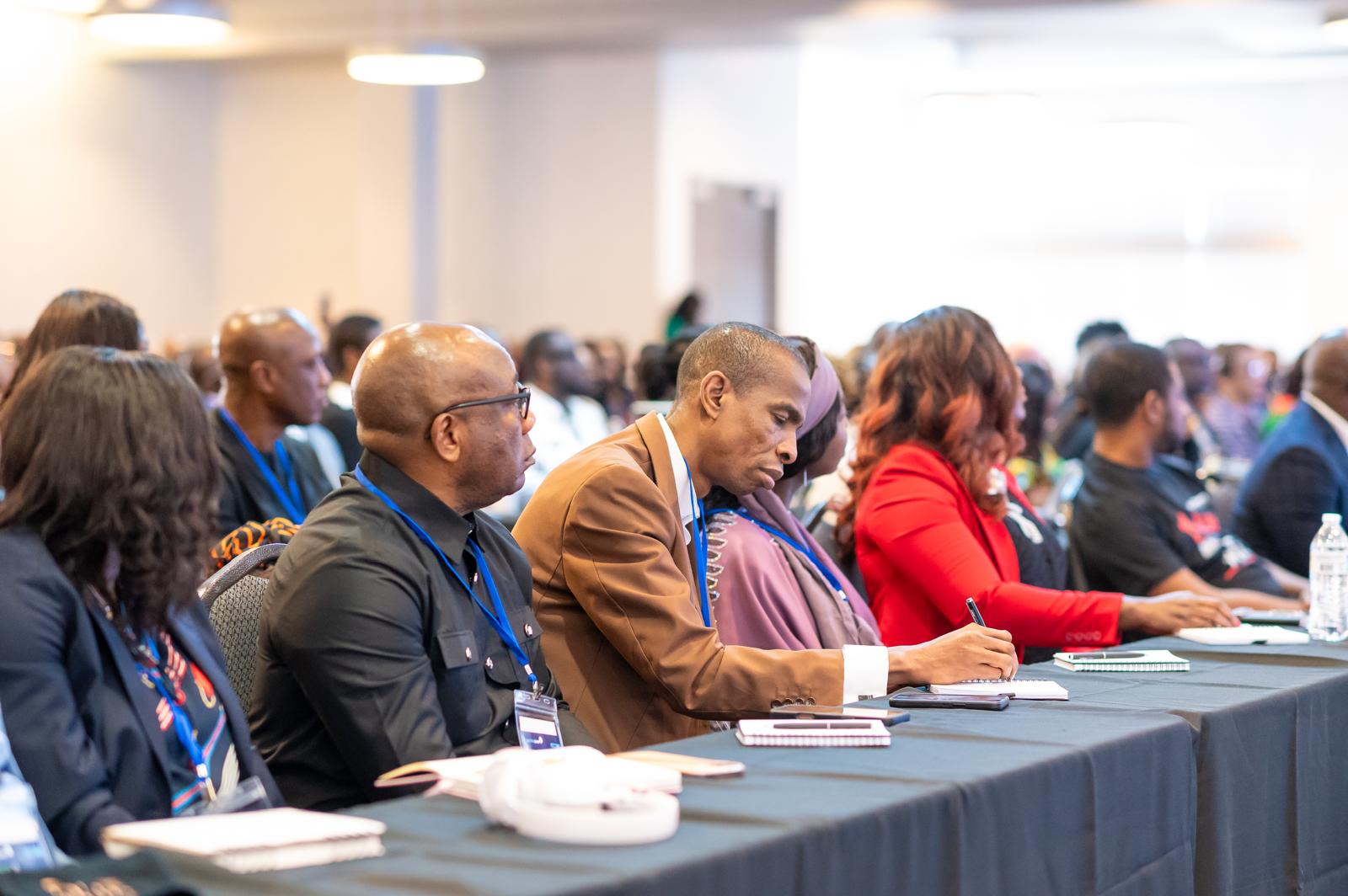
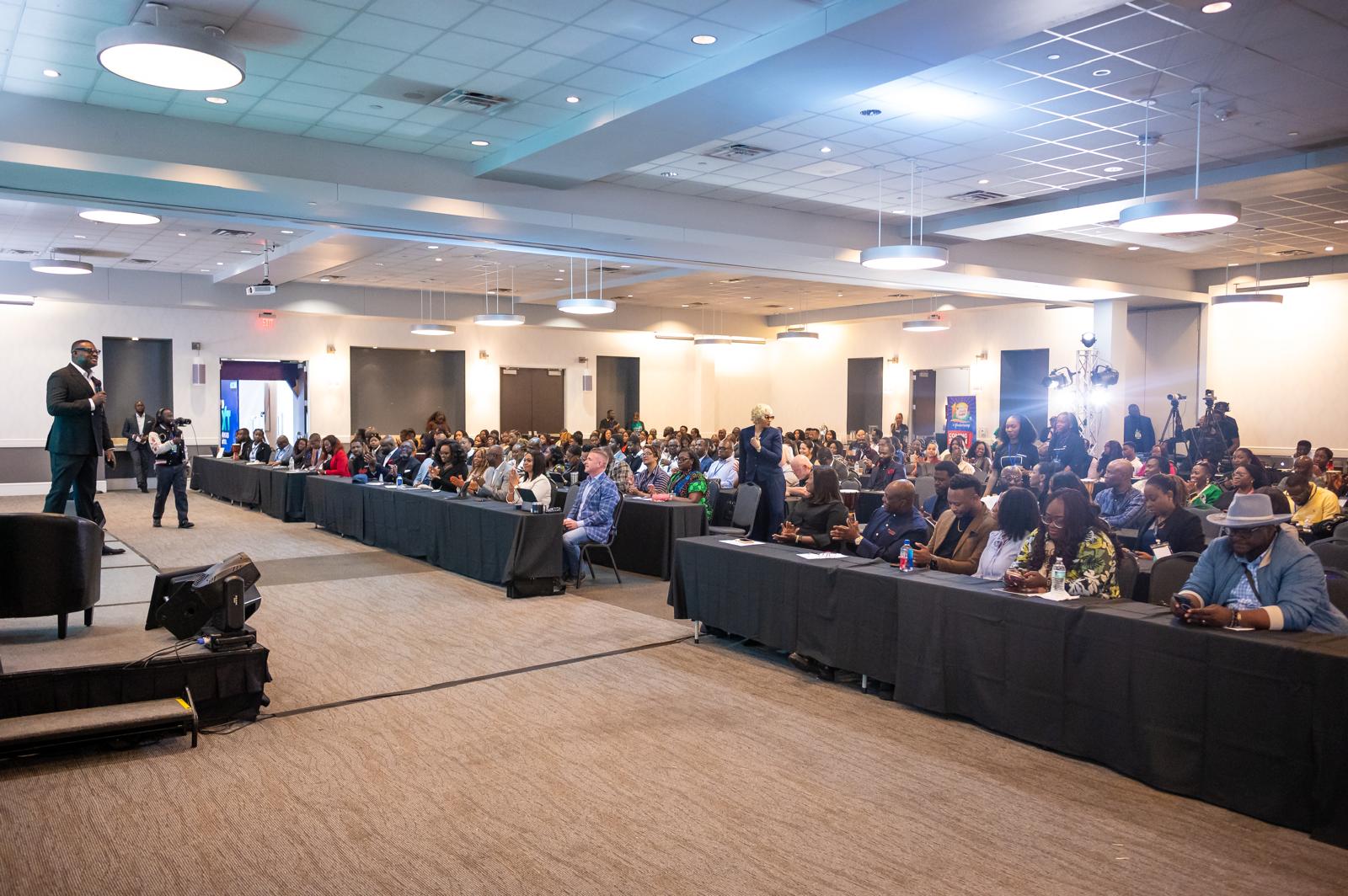
HOUSTON, TX / ACCESS Newswire / March 19, 2026 / The City of Houston has officially declared Feb. 28 as "Dr. Harry Akinola Day", recognizing the global leadership expert Dr. Harry Akinola for his contributions to leadership development, organizational transformation and community advancement. The announcement was made during the Ultra 2026 Global Leadership Summit, which brought together executives, entrepreneurs and emerging leaders from around the world. A representative with the office of Houston City Council Member Edward Pollard presented the recognition.

In the proclamation, Mayor John Whitmire praised Dr. Akinola’s impact, highlighting the importance of leadership innovation in strengthening communities, businesses and institutions. Speaking at the summit, Dr. Akinola said, "Leadership today requires clarity, adaptability, and the courage to rethink how organizations operate."

Dr. Akinola is a global talent and leadership executive with nearly two decades of experience shaping leadership systems, talent strategies and organizational transformation initiatives across Africa, Europe, the Middle East, Asia-Pacific, Central America and North America. He has served as a strategic partner to senior executives, helping organizations align leadership capability with long-term growth, operational transformation and evolving business models. His work has influenced major corporations, including JPMorgan Chase, Puma Energy and Standard Bank Group, where he supported leadership teams managing tens of thousands of employees worldwide.

In 2009, Dr. Akinola founded Ultrashift Inc., a global leadership and professional development platform. Through Ultrashift, he has convened and developed more than 10,000 leaders and professionals across more than 10 countries, connecting senior executives, founders and high-potential professionals through conferences, leadership labs, executive coaching programs and curated leadership experiences.

One of the platform’s flagship initiatives is the Ultra Conference, an international forum designed to equip leaders with practical frameworks for navigating complex organizational environments. The Ultra 2026 summit in Houston brought together leaders from diverse industries to explore leadership transformation, organizational agility and the evolving future of work.

Dr. Akinola advances his leadership and organizational work through two complementary initiatives. Through Ushift Growth Advisory, he works with organizations, founders, boards and senior leadership teams to strengthen leadership capability, organizational design, talent strategy and executive team effectiveness, helping institutions navigate complexity and translate strategy into sustained performance. Through Ultrashift Inc., a nonprofit leadership and community development platform, he convenes leaders, professionals and emerging changemakers through conferences, leadership programs and community initiatives aimed at advancing leadership development and community impact.

Additionally, Dr. Akinola’s contributions extend beyond the corporate sector. He has received honors from Fort Bend County and a United States congressional recognition for his efforts in leadership development and community advancement. In the proclamation, the city’s top-ranking officials also emphasized that initiatives like Ultra not only enhance organizational capacity but also help communities thrive.

He holds a Doctor of Management in Leadership and Organizational Development and multiple professional certifications, including SHRM-SCP, Certified Hogan Practitioner, and Certified NLP Practitioner and Coach. Dr. Akinola is also a professionally trained executive coach with more than 500 hours of experience guiding senior leaders and high-potential professionals across industries. In addition, he has authored five books on leadership, identity and personal development, contributing to global conversations on leadership effectiveness and personal growth.

With the proclamation of Dr. Harry Akinola Day by the City of Houston, this acknowledgment recognizes the growing importance of leadership development, organizational capability and civic engagement in shaping the future of communities and institutions. Speaking during the summit, Dr. Akinola said, "Through strong leadership, organizations and communities can not only navigate disruption but emerge stronger. This day serves as a reminder that investing in leadership is investing in the future."

About Evomah Communications
Evomah Communications is a Houston-based boutique strategic communications firm specializing in brand positioning, media relations, and high-impact event strategy. Founded by Ivy Okoro, the firm partners with entrepreneurs, executives, and organizations to elevate visibility, shape compelling narratives, and deliver culturally relevant, results-driven campaigns across local, national, and global markets.

For Media Inquiry:

Evomah Communications
ivy@evomahcommunications.com

SOURCE: Evomah Communications

View the original press release on ACCESS Newswire

Topics:

media-news

Posts navigation

Older posts
Newer posts
Featured Jobs
Kirkus Media
Editorial Intern
Kirkus Media
New York City, New York (US)

Gaia Inc
MEDIA COORDINATOR
Gaia Inc
Louisville, CO

Gaia Inc
Global Paid Media Specialist
Gaia Inc
Louisville, CO

Gaia Inc
Director of Media Strategy
Gaia Inc
Louisville, CO

Hearst Television
Account Executive
Hearst Television
Milwaukee, WI, United States

All Jobs »
PREMIUM MEMBER

Christine Morrison

Atlanta, GA
26 Years Experience
Following 20+ years in marketing/advertising, with an emphasis in fashion (worked in-house for a designer) and beauty (covered mass and prestige...
View Full Profile »
Join Mediabistro Membership Today

Stand out from the crowd with a premium profile

Mediabistro Logo Find your next media job or showcase your creative talent
  • Job Search
  • Hot Jobs
  • Membership
  • Newsletter
  • Career Advice
  • Media News
  • Hiring Tips
  • Creative Tools
  • About
Facebook YouTube Instagram LinkedIn
Copyright © 2026 Mediabistro
  • Terms of Use
  • Terms of Service
  • Privacy