Circulation: 400,000; readership is closer to 1.8 million, including the tablet edition
Frequency: Biweekly
Special issues involve a rotating list of topics, which can include Tech and Design (fall), Reasons to Love New York (end of year) and two biannual fashion issues (fall and spring)
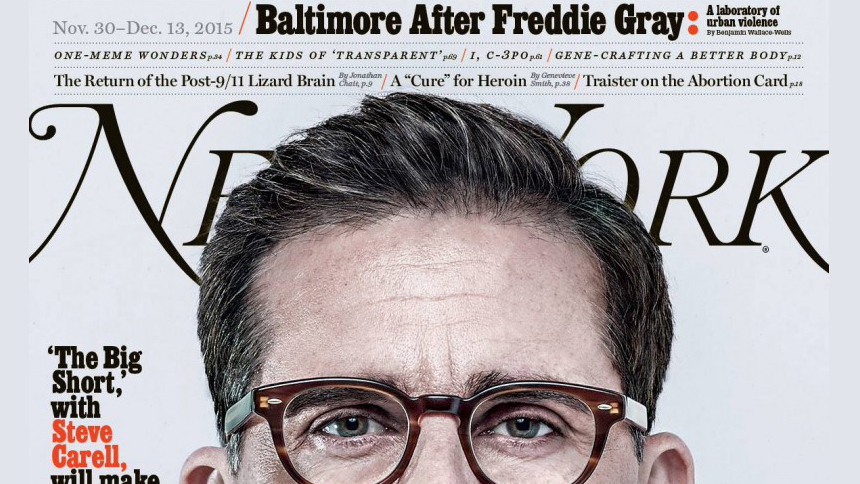
Background: Five boroughs, 8 million people and the distinction of being the “Crossroads of the World” make New York City sheer editorial inspiration. For nearly 45 years, its idiosyncrasies have danced like lights across the Great White Way on the pages of New York magazine. And like NYC itself, the eponymous mag is hip, trendy and always looking for the next big thing.
Born in 1968 after splintering from the New York Herald-Tribune, where it started as an insert, the mag quickly made a place for itself as the trusted print confidante of the city’s most knowing readers. Its original mission was—and will always be—to mirror NYC’s unique energy, while celebrating the stories, culture and style that make New York, New York.
Under the tutelage of current print editor Jared Hohlt, however, the boundaries of editorial content are pressing beyond the five boroughs into national, even international, interests.
“When freelancers are thinking about the types of stories to pitch to us, don’t assume that because it does not take place in the Tri-state area that it’s not right for us,” he explains. “If it’s an interesting story that can be told with a New York viewpoint—and by that, I mean kind of a curious, smart, sometimes skeptical but not default-cynical take on life, politics, culture, whatever— then great. We’re all for it.” In short, think perspective, not necessarily location.
Editorial for the now-biweekly is largely generated in house. The people who make up the masthead are so intimately familiar with New York style and subject matter, it’s easier to roll out content themselves. That doesn’t mean Hohlt and his fellow eds aren’t looking for poignant ideas.
“It’s true that the majority of our stories are written by staff and contract writers. For that reason,” he said, “a freelance pitch that provides unusual insight and access into a slightly more hidden world or scene has a better chance of becoming a story here.”
What to pitch: As with any other mag, some sections are riper for the freelance picking. “Culture” is one of them. The key to getting in there, again, is to create an interesting angle that hasn’t been explored by the staff.
“I think we’re particularly interested in more pitches that have to do with the business of culture, like a reported story about a dispute on a cultural board somewhere or some revealing details about how a cultural product like a movie, play or book got made,” says Hohlt.
Since it’s their business to stay on top of new releases, New York staffers are fiercely savvy about what’s coming down the entertainment pipeline.
There are other beats, however, that staffers aren’t as attuned to and those are the cultural scenes and resulting highlights that excite both editors and readers. Here’s another little nugget to perk you up: Not all of them need a hard news peg.
“This section is not just about covering a movie a week or two before it comes out. One freelance pitch that we ended up publishing as a story was about whether Dorothy Parker, um, ‘borrowed’ a story idea from Nabokov,” Hohlt recalls.
Another front-of-book section, “Intelligencer,” includes the “Minutes With” feature, also prime freelance territory. Detail an encounter with somebody in just about any world—entertainment, politics, business, sports, technology, etc.—and make a narrative out of the moments you spent in his or her company.
“In the best-case scenario, you’re watching that person do something that she or he would have been doing anyway, whether a writer was there or not: conducting business or teaching a dog to play the piano,” Hohlt says. “It’s meant to be an activity with that person, ideally not your run-of-the-mill lunch, that sheds some interesting light on what he or she does professionally and also just likes to do for fun.”
Visual articles for front-of-book are also pitchable, though opportunities for them are scantier and require a stronger hook. The occasional feature “Life In Pictures,” for example, is essentially the visual equivalent of “Minutes With” and photographically outlines a day spent with a noteworthy person.
“That said,” Hohlt adds, “we are always open to interesting, innovative and even totally off-the-wall pitches for other sorts of visual articles.
Do you remember that kid who got lost and rode the subway for a few days by himself a number of months ago? In the wake of his being found and reunited with his parents—thank goodness—we asked an illustrator and a reporter to team up and tell the story of what this boy saw and ran it in a kind of comic-book form.” Get creative with storytelling methods and get editors’ attention.
What not to pitch: The columns in “Intelligencer” are regularly executed by hand-selected writers, so freelancers need not inquire or pitch. Also, don’t bother trying to sell stories on major political figures, athletes, bankers, movie stars or celebrities in the news unless you wield some special relationship with or link to them.
Don’t take it personally if New York eds run a piece on a subject that you pitched and please, oh please, says Hohlt, don’t think staffers stole your story idea. That just means they were already on it before you clicked “send” on your email. Happens to all of us. Better luck next time.
“Chances are, if we are interested in that person, we’ve been interested in that person already, a staff member has a connection to them or we’ve written about them before,” says Hohlt, who added that there are no other hard and fast rules against pitching to any section of the magazine.
Percent of freelance content published: 15-20 percent
Percentage of freelance pitches accepted: Without doing an analysis, Hohlt says it would be tough to say, but not a lot.
Online opportunities: Yes, particularly for timelier stuff. “I think it’s safe to say that the balance of opportunity for freelancers looking to quickly capitalize on breaking news, some fantastic find or reporting tidbit has shifted toward the digital side. There is just more opportunity there,” says Hohlt.
Freelance stories pitched and published: “Meet the 4 Most Desired People in New York (According to OKCupid)” was written by freelance writer and former New York staffer Logan Hill. The piece ran both in the print mag and online, so it lives on in editorial perpetuity. “The Day I Started Lying to Ruth,” by Peter B. Bach, is also another shining example of a pitch gone right.
What publicists should pitch: Along with the move to biweekly frequency, the masterminds behind New York are publishing three special issues, each devoted to a single topic. They promise to be fertile ground for publicists: June is a special health issue, coinciding with the annual Best Doctors list; November boasts a bonus food and drink/holiday entertaining issue; and of course there’s the ultimate holiday gift guide, which will probably include “shoppable” content.
Etiquette: Email pitches along with a few sample clips, and feel free to follow up via email if you haven’t heard back within a week. Pitch one editor at a time—or, at most, two, if they both work on the same section. Sending a blanket email to the entire masthead is a definite no-no.
Lead time: Now that New York is biweekly, print issues are closing every other week, which means turnaround needs to be relatively fast on any story. Hohlt advises that particularly newsy pieces are better off being pitched for online.
Pay rate: Negotiable; starts at $1.50 a word
Payment schedule: On publication
Kill fee: 25 percent
Rights purchased: First world rights for 30 days
Contact info:
New York
75 Varick Street
New York, NY 10013
(212) 508-0700
nymag.com
Twitter | Facebook
Email format: FirstName.LastName@nymag.com
Direct pitches to the appropriate editor:
For “Intelligencer,” senior editor :
NOREEN dot MALONE at NYMAG dot COM (she oversees the Minutes With column);
or Editor in Chief David Haskell: DAVID dot HASKELL at NYMAG dot COM
For “Strategist,” Deputy Editor Alexis Swerdloff or
senior editor Jessica Silvester:
ALEXIS dot SWERDLOFF at NYMAG dot COM; JESSICA dot SILVESTER at NYMAG dot COM
For features:
Editor in Chief David Haskell: DAVID dot HASKELL at NYMAG dot COM;
or
Editor at Large David Wallace-Wells:
DAVID dot WALLACE-WELLS at NYMAG dot COM;
or Features Editor Genevieve Smith: GENEVIEVE dot SMITH at NYMAG dot COM
For “Daily Intel” and Web, NYmag.com Deputy Editor Jebediah Reed:
JEBEDIAH dot REED at NYMAG dot COM
Hohlt says it’s also important for freelancers to direct content to Vulture and the Cut; mention it in the subject line.
EDITOR’S NOTE: Though we’ve updated this article recently, the speed at which things move in media means things may have already changed since then. Please email us if you notice any outdated info.