Mediabistro Logo Mediabistro Logo
  • Jobs
    Search Creative Jobs Hot Jobs Remote Media Jobs Create Job Alerts
    Job Categories
    Creative & Design Marketing & Communications Operations & Strategy Production Sales & Business Development Writing & Editing
    Quick Links
    Search All Jobs Remote Jobs Create Job Alerts
  • Career Resources
    Career Advice & Articles Media Industry News Media Career Interviews Creative Tools Resume Writing Services Interview Coaching Job Market Insights Member Profiles
  • Mediabistro Membership
    Membership Overview How to Pitch (Premium Tool) Editorial Calendars (Premium Access) Courses & Training Programs Membership FAQ
  • Log In
Post Jobs
Mediabistro Logo Mediabistro Logo
Search Creative Jobs Hot Jobs Remote Media Jobs Create Job Alerts
Job Categories
Creative & Design Marketing & Communications Operations & Strategy Production Sales & Business Development Writing & Editing
Quick Links
Search All Jobs Remote Jobs Create Job Alerts
Career Advice & Articles Media Industry News Media Career Interviews Creative Tools Resume Writing Services Interview Coaching Job Market Insights Member Profiles
Membership Overview How to Pitch (Premium Tool) Editorial Calendars (Premium Access) Courses & Training Programs Membership FAQ
Log In
Post Jobs
Log In | Sign Up

Follow Us!

How to Pitch

How To Pitch: Rewire

Nancy icon
By Dana Robinson
Dana Robinson is a freelance health, beauty, and culture writer with 20 years of experience creating content for publications including Shape, WeightWatchers, Wine Enthusiast, AARP, and Southwest: The Magazine. She holds a master's degree in mass communication from California State University-Northridge.
2 min read • Originally published November 20, 2019 / Updated May 3, 2021
Nancy icon
By Dana Robinson
Dana Robinson is a freelance health, beauty, and culture writer with 20 years of experience creating content for publications including Shape, WeightWatchers, Wine Enthusiast, AARP, and Southwest: The Magazine. She holds a master's degree in mass communication from California State University-Northridge.
2 min read • Originally published November 20, 2019 / Updated May 3, 2021

Background: Rewire is a PBS-funded national publication based in St. Paul, Minn., which strives “to publish balanced, educational and inspiring stories,” says Katie Moritz, senior editor. “We provide information and inspiration to people under 40 to help them improve their lives and the world they’re living in through creating and delivering thought-provoking, invaluable content on the platforms they prefer.”

The site’s target audience is Gen Z and millennials who are mobile-first content consumers and “first-stage adults”–people who are making big adult decisions for the first times in their lives, or close to the first time (starting a career, buying a house, starting a family — or not, etc…) “Our mission is to be a non-judgmental, conversational resource for people who are trying to make the right choices for [themselves],” she says.

What to pitch: Pitching to the “Love,” “Work,” “Living” and “Our Future” sections can increase your chances of scoring a byline in Rewire. Editors are more likely to notice pitches that center around identity, mental health, relationships, and civic engagement.

Reported articles that require interviews with sources and experts are typically staffed out, but editors do occasionally assign first-person pieces and hybrid reported/first-person pieces. Check out the stories that are currently on the site and the editorial guidelines.

What not to pitch: Please do not pitch breaking news, politically partisan stories or essays, or stories that have been done to death, have already been published on the site, or aren’t of interest to Rewire’s demographic.

Percentage freelance content: 50%+

Percentage of freelance submissions accepted: 50%+

Recent freelance stories pitched and published: Freelance-generated articles have covered the benefits of improv comedy, the benefits of helping others, and why some queer folks stay closeted.

Etiquette: Pitches should be in the body of an email and include a little information about yourself and your writing experience. Include links to at least three clips that show your reporting and writing abilities.

Pitches don’t have to be super long, but they should allow editors to understand what your story is about, the angle you plan to take, and why you think it’s an important story for the Rewire audience.

Lead time: Stories are typically assigned a month out.

Pay rate: $250 for 800 words; more if photography is included.

Payment schedule: Invoice on acceptance; payment received within 30 days of invoice processing.

Kill fee: None

Rights purchased: All rights

Contact info:
Rewire
172 4th St. East
St. Paul, MN 55101
www.rewire.org
Twitter handle: @rewire_dot_org | Facebook

Direct all pitches to: For all pitches, senior editor Gretchen Brown: GBROWN at REWIRE dot ORG

Topics:

Go Freelance, How to Pitch
How to Pitch

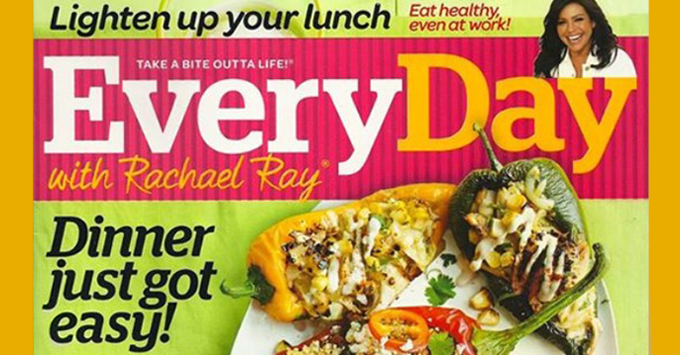
How To Pitch: Every Day with Rachael Ray

Pitch lifestyle stories 'through the lens of food' for this celeb cook's eponymous mag

rachel-ray-htp-feature
Admin icon
By Addie Morfoot
@kamorfoot
Addie Morfoot is a journalist and writer with over 21 years of experience contributing to The New York Times, Variety, the Wall Street Journal, and Crain's New York Business. She holds an MFA in creative writing from the New School and covers film, television, real estate, and entertainment.
4 min read • Originally published February 12, 2018 / Updated April 19, 2021
Admin icon
By Addie Morfoot
@kamorfoot
Addie Morfoot is a journalist and writer with over 21 years of experience contributing to The New York Times, Variety, the Wall Street Journal, and Crain's New York Business. She holds an MFA in creative writing from the New School and covers film, television, real estate, and entertainment.
4 min read • Originally published February 12, 2018 / Updated April 19, 2021

Circulation: 1.7 million
Frequency: 10 issues a year
Special issues: See the editorial calendar on Page 5 of the media kit.

Background:

When Rachael Ray first burst onto the screen and food scene with her bubbly personality and quick-fix meals, it was obvious she was destined to be a star—and not just of the Food Network variety. Since changing the culinary game with her ingenious 30-minute meals, Ray has also churned 23 published titles (9 of which are NY Times bestsellers); a slew of branded products, from EVOO (that’s extra virgin olive oil in Ray-speak) to brightly colored cookware; and a handful of popular TV shows. And there is, of course, her eponymous magazine with a brand new Editor-in-Chief, Lauren Iannotti.

The magazine covers party ideas, travel, DIY projects, shopping tips and tricks, kitchenware, and fashion and style. And there are lots and lots of recipes—75 per issue. In spite of content updates and editorial shifts over the years, food is the book’s center stage. The magazine’s editorial content is 70% food and 30% lifestyle (including home furnishings, health, etc). Meanwhile, everything else is up for reinterpretation, and that’s currently reflected through the “Fast & Fresh” section—full of quick, approachable seasonal recipes that take less than 30 minutes start to finish. There’s also the “Dinner, Done!” section, which focuses on a seasonal theme and provides five relevant dinner recipes that are as easy on the cook as on the wallet.

What to pitch: “The front-of-book sections are a great place to start,” says Senior Food Editor, Alexa Weibel. “The “On Our Radar” is the catchall section that is chockfull of cultural news and trends spotted primarily by Ray and editors, but also by freelancers. Editors are also looking for ideas for the “Shop Talk” section, which covers how people shop for groceries—in the supermarket aisle, at farmer’s markets and online—with helpful shopping tips, new product roundups, app recommendations, etc.”

As for recipe development, Weibel says that “many of our features are developed by Rachael, chefs, or our in-house food team, but we have a few recurring columns that are predominantly developed by freelancers, including our “Fast & Fresh” section, which is a monthly column of about 15 recipes that can be developed in less than 30 minutes from start to finish and our “Dinner, Done!” section, which generally features five dinner recipes that adhere to a new theme each month.”

What not to pitch: Regular style and beauty pages are curated by Ray’s own stylists and, thus, off-limits to freelancers. But writers who are passionate about those topics can still cover them if they can find a way to spin them into a “Word of Mouth” pitch.

Online opportunities: Every Day editors don’t typically assign Web stories to freelancers.

What publicists should pitch: Get familiar with the mag and pitch something that makes sense.

Percentage of freelance content: About 60%
Percentage of freelance submissions accepted: It varies. But editors do review every single pitch, and they are especially interested in pitches from writers who started in the front of the book and are looking to move up the feature ladder.

Recent freelance stories pitched and published: The Fix My Thanksgiving! feature in the November 2017 issue was executed by a freelancer who according to Weibel, “did a masterful job capturing our voice and approachable yet informative tone.”

Etiquette: Pitch a specific story with an angle in mind. Be thorough but concise, explain why you’re the best writer for the assignment and include links to clips.

Lead time: Three to four months for FOB; six to 12 months for features, especially when there’s a need to accommodate scheduling for photography shoots. (For example, Halloween features are typically planned a full year in advance so that fall foliage and pumpkins can be shot while they’re available.)

Pay rate: $1 to $2 a word for stories; generally $300 for longer, more involved recipes; $200 for shorter, talk-through recipes (like those of “Fast & Fresh”)

Payment schedule: On acceptance
Kill fee: 50%
Rights purchased: First-serial rights

Contact info:
805 Third Avenue
New York, NY 10022
www.rachaelraymag.com
Twitter handle: @RachaelRayMag | Facebook
Email format: FirstName.LastName@meredith.com

Direct pitches to the appropriate editor:

Home Editor Hannah Baker: HANNAH dot BAKER at MEREDITH dot COM

Executive Managing Editor Tax Cox: TARA dot COX at MEREDITH dot COM

Editor in Chief Lauren Iannotti: LAUREN dot IANNOTTI at MEREDITH dot COM


Topics:

How to Pitch
How to Pitch

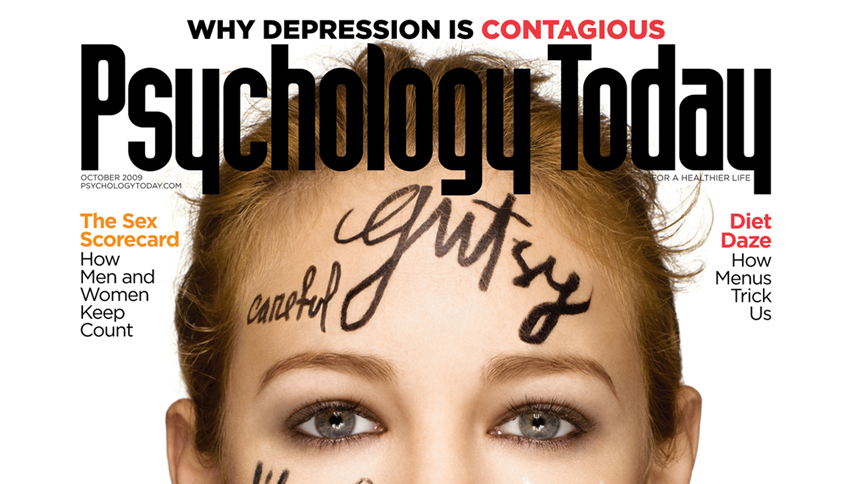
Htp psychology today

Editors seek pitches that explore how and why we do what we do

Psychology magazine cover
John icon
By Addie Morfoot
@kamorfoot
Addie Morfoot is a journalist and writer with over 21 years of experience contributing to The New York Times, Variety, the Wall Street Journal, and Crain's New York Business. She holds an MFA in creative writing from the New School and covers film, television, real estate, and entertainment.
6 min read • Originally published December 14, 2017 / Updated April 19, 2021
John icon
By Addie Morfoot
@kamorfoot
Addie Morfoot is a journalist and writer with over 21 years of experience contributing to The New York Times, Variety, the Wall Street Journal, and Crain's New York Business. She holds an MFA in creative writing from the New School and covers film, television, real estate, and entertainment.
6 min read • Originally published December 14, 2017 / Updated April 19, 2021

Circulation: 3 million
Frequency: Bimonthly
Special issues: None

Background: In 1967, Nicholas Charney, Ph.D founded a magazine that dealt exclusively with the study of the human mind. Nearly 20 years later, Psychology Today was adopted as the house magazine for the American Psychological Association, and it’s now independently published by Sussex Publishers

Why bring a nerdy niche magazine into the mainstream? Because it’s exactly what the public wanted.

“Over the last decade or two, what used to be the exclusive domain of Psychology Today has become an extremely popular area of coverage in many general-interest magazines,” says senior editor Jennifer Bleyer. “The latest findings in social psychology and psychological science are covered widely, and generate a steady stream of bestselling pop-psych books—yet there’s still a place for us in that media landscape.”

While publications like New Republic, The Atlantic, and The New Yorker all dedicate space to the psychological research, Psychology Today is still a go-to psych guide. Its mission is to “offer compelling, surprising, insightful information and stories about how we think, feel, and behave,” explains Bleyer.

The magazine’s ability to offer coverage on emerging research, scholarship and meta-analysis, while making it relevant to the reader, is what sets it apart from the rest. That readership varies widely, though the heaviest concentration is women in their 20s and 30s. Though not a trade publication, it’s also read by a large number of psychotherapists.

What to pitch: Editors have a stable of go-to writers for most assignments, but they’re always looking for fresh talent. And there are plenty of departments awaiting pitches from new writers.

While not the easiest place to pitch, the FOB section, which includes timely, newsy stories that run 100 to 300 words, is based on a theme every issue—a tidbit of information that isn’t readily available to new writers. But it should help to know that pieces with strong visual or graphic components are likely to get an editor’s attention, as are short Q&As with authors who have a book coming out.

The midsection of the magazine is comprised of a series of 800- to 1,500-word stories that fall under the categories of Relationships (romantic, familial or between friends), Sex (with a science-based research peg) and Mind Your Body (relating to mind, body and health).

Editors want to know about the latest findings in the field, but Bleyer notes that pitches for these departments “have to be surprising, fresh, and perhaps counterintuitive—not just another story about 6 Steps for Happiness or what yoga does for you.” A successful pitch will have a unique, timely hook.

Another section, Two-Minute Memoir, runs in almost every issue. Although editors receive a lot of pitches for this section, Bleyer admits “it’s tricky to say what makes a good memoir.” The best pitches include a weighty story (though not extraordinarily sad or depressing), in which the writer experiences a challenge and resolution of that challenge, and can articulate the insight gained because of it.

If you’re writing a story about something that happens to a lot of people (aging parents, death of a loved one, etc.) there has to be something different about your experience to make it work. Note that memoirs, which run about 1,500 to 2,000 words, should be submitted on spec.

Also open to writers is the Person of Interest department, which profiles a notable person. If you have access to a celebrity, then bring on your pitch. And environmentalists will want to pitch the Outside In section, which takes a look at how the environment impacts us. The word count for both of these departments is about 1,000.

When pitching the features section, in which stories run from 3,000 to 4,000 words, profiles are typically a safe bet. Editors are looking for items on compelling field researchers, as well as interesting news figures, such as L’Wren Scott, the fashion designer and former girlfriend of Mick Jagger who took her own life.

Editors are also interested in stories about how science is being applied in real-world scenarios, such as a recent article about treatments for sex offenders and a story about new CBT-based methods for reducing youth violence. Keep in mind that editors are also interested in boosting the magazine’s coverage of neuroscience and neuropsychology.

Bleyer says freelancers shouldn’t be too concerned about labeling their pitches for a particular section. If the pitch is good, then editors will take on the challenge of finding the right department to house your idea.

What not to pitch: All sections are open to freelancers.

Online opportunities: Psychology Today has a very large network of bloggers, but they tend to be pros in the field, such as Ph.D. psychologists or psychiatrists. Journalists do have a shot at a coveted blog spot, but editors would prefer them to be exclusively research based.

Payment for bloggers works out to be about $2.50 per 1,000 cumulative page views. Writers are also free to pitch guest blog posts (without pay) about their field of expertise.

What publicists should pitch: Publicists who are representing researchers or universities have the best shot of getting into the publication. Editors are always interested in hearing about the latest research findings or a new psych-related book.

Percentage of freelance content published: 75 percent

Percentage of freelance pitches accepted: 5 percent

Recent freelance stories pitched and published: Double Take explores how twins try to recreate their bond via other relationships. The essay was published in the Two-Minute Memoir section of the magazine. “Twins are a topic that people kind of never tire of reading about, and this was a take on it I’d never heard before,” says Bleyer. “I loved the real oddity at the center of this writer’s story—that her twin had married another twin. So this worked in a way because the story itself was so unusual, and also that she showed me in her pitch that besides having a unique story to tell, she would offer some real insight.”

The Vlogging Cure is feature that was recently pitched and published. Bleyer explains that the story piqued her interest because it “combined both one of our bread-and-butter areas of interest—mental health—with this very contemporary phenomenon of people documenting their mental health issues on YouTube, and it had all these inherent questions (who does this help? how might this hurt?)”

Etiquette: Keep your pitches to about two paragraphs. Editors also want to see a short bio and links to clips, as well as the reason why the article is relevant right now.

Don’t get too discouraged if you send a couple of pitches that don’t quite make the cut. A near-miss pitch can be enough to get you on an editor’s radar, which could lead to an assignment down the line. Be very patient—it can take editors’ weeks or even months to respond to a pitch. And do feel free to follow up after a couple weeks.

Lead-time: Three to four months
Pay rate: $1 to $1.25 a word
Payment schedule: Payment on publication
Kill fee: 20 percent
Rights purchased: All rights

Contact info:
Psychology Today
115 E. 23rd Street, 9th Floor
New York, NY 10010
www.psychologytoday.com
Twitter | Facebook
Email format: FirstName@psychologytoday.com

Direct pitches to:
Senior Editor Matt Huston: MATT at PSYCHOLOGYTODAY dot COM

Senior Editor Gary Drevitch: GARY dot DREVITCH at PSYCHOLOGYTODAY dot COM;

Deputy Editor Lybi Ma: LYBI at PSYCHOLOGYTODAY dot COM

Editor at Large Hara Estroff Marano: HARA at PSYCHOLOGYTODAY dot COM

Editor in chief Kaja Perina: KAJA at PSYCHOLOGYTODAY dot COM

Topics:

Go Freelance, How to Pitch
How to Pitch

How To Pitch: Popular Science

This long-running publication wants scientific pitches with a strong news hook

popular-science-htp-feature
Admin icon
By Dana Robinson
Dana Robinson is a freelance health, beauty, and culture writer with 20 years of experience creating content for publications including Shape, WeightWatchers, Wine Enthusiast, AARP, and Southwest: The Magazine. She holds a master's degree in mass communication from California State University-Northridge.
5 min read • Originally published November 10, 2015 / Updated April 19, 2021
Admin icon
By Dana Robinson
Dana Robinson is a freelance health, beauty, and culture writer with 20 years of experience creating content for publications including Shape, WeightWatchers, Wine Enthusiast, AARP, and Southwest: The Magazine. She holds a master's degree in mass communication from California State University-Northridge.
5 min read • Originally published November 10, 2015 / Updated April 19, 2021

Circulation: 1.3 million
Frequency: Monthly
Special issues: None

Background: Very few magazines on newsstands today can claim they covered the invention of the telephone and the evolution of the automobile. And even fewer can boast a pantheon of contributing writers that includes Alexander Graham Bell, Thomas Edison and John Steinbeck. But The Popular Science Monthly, as it was known in its founding year of 1872, has covered it all, and then some, in the worlds of science, technology and innovation. “Popular Science has a very long and respected history of describing the technological innovations of the day… and really looking into the future to examine what [it] will bring,” says executive editor Jennifer Bogo.

The publication has been fulfilling this mission by delivering science and technology news to the masses. “We try to reach everybody,” explains Bogo. “Both people who know a lot about science and people who are just curious about it.” The Popular Science audience skews as young as 14, and editors recently received a letter from a reader who’s had a magazine subscription for 80 years.

What really sets Popular Science apart from its competitors is its dedication to exploring science and technology in a way that’s approachable, engaging and entertaining. But you won’t find any fluffy stories within its pages. The publication is dedicated to telling scientific stories with a strong news hook.

What to pitch: While a lot of story ideas are conceived in house and then farmed out to trusted freelancers, editors are always on the lookout for new writers with fresh voices.

The “Now” section is always ready to entertain pitches about personal technology that’s here today. But this is not a simple product review department. Editors are seeking deeper stories about the innovations behind the products that can put them in the context of their respective fields. The word count is 100 to 500.

Freelancers who have the inside scoop on the next big thing should direct their pitches toward the “Next” section. This department focuses on ideas, technologies and thought leaders who are really shaping the future. Stories should have a human voice and reflect cutting-edge research and new findings. Most importantly, the articles should make a connection between the idea and the wider implications to the world at large. Articles run from 100 to 500 words.

If you ever wondered what lies at the intersection between science and DIY, look no further than the magazine’s “Manual” section. It’s the most service-oriented department of Popular Science as well as one of the most loved. It highlights “mind-blowing homemade contraptions,” says Bogo, as well as useful hacks and cool projects that readers can build. Articles run 100 to 500 words.

The features well is also open to freelance pitches, so bring on your articles that exhibit great storytelling with compelling characters and interesting narratives. This section is also a great place to pitch articles that provide a window into a trend and debunk common myths about science and technology. Articles run 800 to 3,500 words.

Popular Science has also carved out a reputation for excellent data visualization features. So if you have a rich data set that can be used to tell a story, then editors want to know about it. “We’ll typically pair a writer up with a visualization specialist or create the graphic in house,” says Bogo. A recent example is “Your History in a Drop of Blood.” Word count is 300 to 500 words.

What not to pitch: All sections are open to freelancers.

Online opportunities: Popsci.com offers much more editorial real estate, so there are plenty of opportunities for freelancers to get a pitch through the gate. Editors are actively looking to assign more online features, and they’re interested in stories about individuals, ideas and trends that are shaping our world. “Our stories strive to make sense of current events and advance the conversation,” says Bogo.

You can’t go wrong with pitching an “explainer” that sheds light on anything from everyday phenomenon to the news. And editors are also looking for articles that provide a deeper exploration of a topic — “like the private space industry cropping up in the Mojave desert… as opposed to a single discovery,” says Bogo. The rate for shorter pieces (300 to 600 words) is about $250, while longer pieces (800 to 2,000 words) are usually $700 to $1,500, plus some travel expenses, if applicable. And it never hurts to include multimedia content with your pitch.

What publicists should pitch: Study the magazine to get an idea of the kinds of products and innovations editors feature.

Percentage of freelance content: 50 percent
Percentage of freelance pitches accepted: 25 percent

Recent freelance story pitched and published: A freelancer pitched “Hyped Up,” a feature on the race to build the hyperloop, an ambitious new form of transportation. The article ran in the July 2015 issue and “was perfectly PopSci,” says Bogo. “[The writer] brought us an angle no one else had. He knew what our competition had already written on the hyperloop and explained how our story would be different and timely. He included descriptions of characters that would bring color to it and secured exclusive access to the company he wanted to profile.”

Etiquette: Freelancers are encouraged to keep their pitches brief (just a few paragraphs) and include links to clips. Outline why the article is significant and appropriate for the Popular Science audience.

Lead time: Three to five months
Pay rate: $2 a word
Payment schedule: On acceptance
Kill fee: 25 percent
Rights purchased: All rights or First North American rights, depending on the assignment

Contact info:
Popular Science
2 Park Avenue, 9th Floor
New York, NY 10016
Popsci.com
Twitter | Facebook
Email format: FirstName@Popsci.com

Direct all pitches to:
Technology editor Stan Horaczek: STAN at POPSCI dot COM

Group Commerce Editor Billy Cadden: BILLY at POPSCI dot COM

Senior Editor Purbita Saha: PURBITA  at POPSCI dot COM

Executive Editor Rachel Feltman: RACHEL at POPSCI dot COM

DIY Editor John Kennedy: JOHN at POPSCI dot COM

Editor in Chief Corinne Lozzio: CORINNE at POPSCI dot COM

NEXT >> How To Pitch: Discover

[EDITOR’S NOTE: Though we’ve updated this article recently, the speed at which things move in media means things may have already changed since then. Please email us if you notice any outdated info.]

Topics:

How to Pitch
How to Pitch

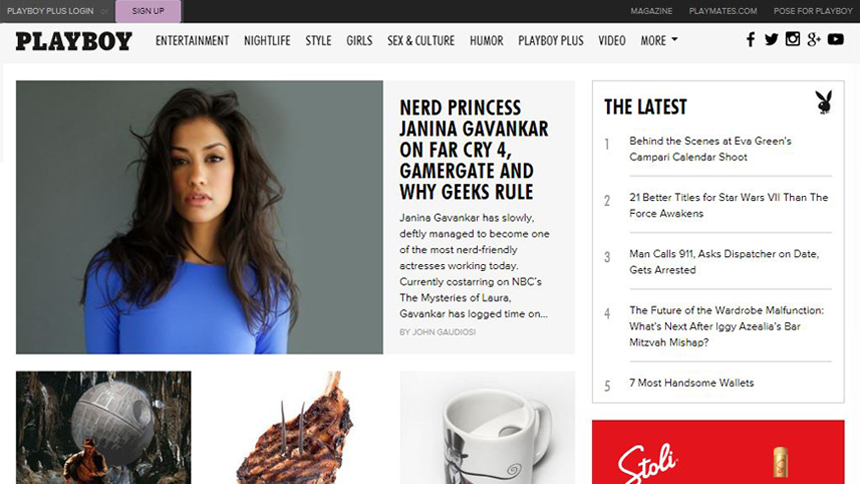
How To Pitch: Playboy.com.com

Since it’s now an SFW site, readers really are interested in the articles

playboy-dotcom-htp-feature
Admin icon
By Dana Robinson
Dana Robinson is a freelance health, beauty, and culture writer with 20 years of experience creating content for publications including Shape, WeightWatchers, Wine Enthusiast, AARP, and Southwest: The Magazine. She holds a master's degree in mass communication from California State University-Northridge.
3 min read • Originally published February 20, 2018 / Updated April 19, 2021
Admin icon
By Dana Robinson
Dana Robinson is a freelance health, beauty, and culture writer with 20 years of experience creating content for publications including Shape, WeightWatchers, Wine Enthusiast, AARP, and Southwest: The Magazine. She holds a master's degree in mass communication from California State University-Northridge.
3 min read • Originally published February 20, 2018 / Updated April 19, 2021

Monthly Unique Visitors: 4 million; 15 million monthly page views

Background: Playboy.com launched in 1996 as the counterpart to the print version of Playboy magazine—the publication started by Hugh Hefner in 1953, which featured high-brow editorial mixed with pictures of naked women. The site became an SFW destination in 2014, but has played host to an increased female audience since the Playboy slug changed from “Entertainment for men” to “Entertainment for all” in 2017. The change represents the fact that Playboy caters to people of all backgrounds, religions, and political affiliations, says Shane Michael Singh, exec. editor, digital. He does note, however, that Playboy is “primarily…a publication for men because that’s what the public expects of us. There’s no value in denying that.”

Playboy.com brings the Playboy editorial experience and point of view to millennials who may not be as familiar with the print publication as their fathers and grandfathers, says Singh. And what sets the site apart from the rest is the Playboy point of view. “Playboy is an authority of sex,” says Singh. Coverage from other outlets about hot-button topics like gender roles, sexual harassment in the workplace or the future of sex “doesn’t feel as organic,” he says.

What to pitch: Playboy.com relies heavily on freelance writers, and the best verticals to pitch to are Entertainment, Sex & Culture, and Off Hours. The Entertainment section tells readers what they should be paying attention to in the entertainment world, while the Sex & Culture section covers civil liberties, environmental issues and politics. Off Hours is the lifestyle section where freelancers can pitch stories about anything that people do outside of work, including cannabis culture, mixology, museums, art, and travel.

Reported pieces and investigative reporting are welcome as well as first-person narratives, but these narratives must be tied to a movement, trend or have some type of cultural relevance. Word count for all sections is 750-3,000.

What not to pitch: Playboy.com runs fiction stories from the print edition and they are off limits to freelance writers. The Bunnies and Heritage verticals are both handled in-house.

What publicists should pitch—and when: Singh recommends that publicists check out the site to get a feel for the products and people that are appropriate for Playboy.com. Lead time is 3 weeks.

Percentage of freelance-written content: 90%
Percentage of freelance pitches accepted: 40%

Recent freelance stories pitched and published: A freelance writer pitched Erotic Rope Bondage is an Art Form. The article centered on a coffee table art book that focuses on the ancient tradition of shibari, which is a “consensual experience for the purposes of art or arousal.” The story worked for Playboy.com because it “not only celebrates sex, but made a sexual subculture that may alienate some seem more accessible,” says Singh.

Justin Timberlake’s Trolling Us All, which is rooted in a listening party for Timberlake’s new album, was also pitched by a freelancer. The pitch was successful because it was part event review, part album review and part analysis of Timberlake’s career, says Singh. The writer used a simple, bland press event as a jumping off point for a greater story, versus having the event become the story itself, says Singh

Etiquette: Pitches should be kept to about 5-7 sentences and reside within the body of the email. Include a proposed headline and word length as well as the news peg. And be sure to include links to relevant clips and mention where else the subject has been covered.

Lead time: 3-4 days
Pay rate: $150-$1,000
Payment schedule: Invoice upon acceptance; net 45 payment
Kill fee: 20%
Rights purchased: All rights; writer gets royalty-free license

Contact info:
Playboy Enterprises
9346 Civic Center Dr. #200
Beverly Hills, CA 90210
Playboy.com
Twitter | Facebook
Email format: FirstInitalLastName@Playboy.com

Direct all pitches to:
Features Editor Anita Little: ALITTLE at PLAYBOY dot COM

Senior Editor Cat Auer: CAUER at PLAYBOY dot COM

Executive Editor Elizabeth Suman: ESUMAN at PLAYBOY dot COM

Editor Dana Hamilton: DHAMILTON at PLAYBOY dot COM

Topics:

How to Pitch
How to Pitch

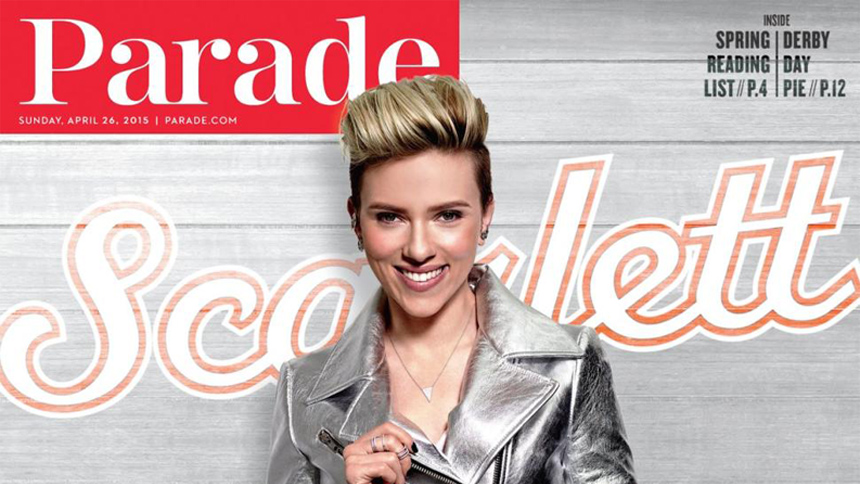
How To Pitch: Parade

This weekly seeks human-interest stories that are cross-generational and tug at heartstring

parade-htp-feature
By Maria Coder
5 min read • Originally published October 12, 2015 / Updated April 19, 2021
By Maria Coder
5 min read • Originally published October 12, 2015 / Updated April 19, 2021

Circulation: 22 million
Frequency: Weekly
Special issues: What People Earn (April), What America Eats (periodic throughout the year), The Giving Issue (December)

Background: Parade is distributed weekly by more than 700 newspapers, including The Boston Globe, the Chicago Tribune, the Los Angeles Times, the Miami Herald, the New York Post and hundreds more. The magazine was founded in 1941 by Chicago businessman Marshall Field III of Field Enterprises. Nearly two decades later, it was acquired by New York Herald Tribune publisher John Hay Whitney, before being purchased by Booth Newspapers in 1973 and subsequently Advance Publications. In 1982, the magazine hired none other than Julia Child as its first food editor. And in late 2014, Parade became part of the Athlon Media Group, based in New York and Nashville.

Today the magazine reaches an estimated 54 million readers, making it the most widely read magazine in the United States. The magazine celebrates its 74th birthday in May 2015. Readers, evenly split at 54 percent female and 46 percent male, are cross-generational, and turn to the mag for a weekly fix of compelling stories that span a wide range of topics.

“So many people tell us they can’t wait to shake it out of their newspaper,” said Anne Krueger, who took over as editor-in-chief in January 2015. “They remember [Parade] from when they were a kid.”

This family favorite relies heavily on freelance writers and is always looking for timely feature ideas that inspire and strike an upbeat chord. “What I love about Parade is how celebratory it is,” said Krueger. “We want to celebrate everything that’s happening in America. We’re a very patriotic magazine, very positive.”

Given its distribution model as a general-interest newspaper supplement, Krueger said there aren’t many other publications that can match its readership. “There’s nobody to compete with Parade in that way,” she said.

What to pitch: Parade seeks to connect and inspire, so readers should laugh or cry or feel better after having read a piece. Editors also want its writers to be scattered across small towns and cities in the United States that can speak to multiple generations with local hooks and national tie-ins. “We’re a weekly, so relevance matters,” said Krueger, who said pitches should pass the ‘Why this, why now?’ test.

The magazine has several departments that provide a great way for new-to-Parade writers to break in, such as:

  • “Why We Love” — This section features a mix of pop psychology and great writing that touches on a recent phenomenon or something readers have in common. Stories here should range from 500 to 600 words. A recent article on why we love steamy romances began with a reference to the recently released “Fifty Shades of Grey” movie, and then told a first-person account of the author’s introduction to love via romance novels.
  • “Sunday With” — This Q&A, which runs from 500 to 600 words, spotlights timely interviews with personalities such as Bernice King, the youngest daughter of civil rights leader Martin Luther King, Jr., who discussed how she spends her Sundays. Another interview with “Mad Men” creator Matthew Weiner focused on the show’s much-anticipated final season.
  • “Views” — These first-person essays run about 600 words and cover life’s most interesting moments. Examples include Pulitzer-Prize-winning writer Connie Schultz giving advice about graduation and novelist Brad Meltzer on the power of gratitude.

The following two new sections currently appear in the print magazine only:

  • “National Treasure” — These stories run from 250 to 750 words and celebrate people, places, traditions and things that make America great. An upcoming story highlights the 450th anniversary of St. Augustine, Florida, the nation’s oldest city. Another example is the story of a conservancy group trying to preserve the historic SS United States ship.
  • “One-Page U” — With its reference to one-day university classes that are popular across the country, this department covers a trending topic in bite-sized segments that fit onto one page of about 750 words. Recent topics have included crowdfunding and superbugs.

What not to pitch: While Parade is topical, it doesn’t cover breaking news. Also, most celebrity stories are generated in house, as is the “Personality Parade” column. Finally, steer clear of fiction pieces and poetry.

Online opportunities: The magazine remains mostly print driven, though its online presence is evolving. “We’re looking for content bloggers who already have a significant following,” said Krueger.

What publicists should pitch: “Think cross-generational,” said Kreuger. “What talent do you have in a variety of age ranges that might be put together to make a great story?” Publicists can pitch buzz-worthy new products for the “Parade Picks” section, and new chefs and cookbooks to the “Around the Table” food section. Editors are always interested in new books and authors that are the cream of the crop.

Percentage freelance content: 90 percent
Percentage of freelance submissions accepted: 5 percent

Recent freelance stories pitched and published: Krueger pointed to the successful pitch for “Anything Is Possible,” a story that ran in the February 2015 issue on how to make your dream of helping others come true. “It just captured the spirit of what Parade is all about,” she said. “The idea that anything is possible and [it isn’t only] millionaires who go on to do amazing things to help other people. It’s just people like you and me who have an idea.”

Another upcoming essay, called “Help Save Mrs. Sherman,” is about an author who writes about a former teacher of his who needs a kidney transplant. “It made you tear up a little bit when you read the pitch,” said Krueger, who favors stories in which the reader can take action and help make a difference.

Etiquette: Email submissions are preferred; queries should be concise and no more than five paragraphs. Freelancers should include information on previous writing experience as well as clips. “We are looking for the writer’s voice to show up in his or her query — and we want to see some packaging chops: an original twist on an idea or a combination of ideas that is particularly appealing to our cross-generational audience,” said Krueger.

Lead time: Six weeks
Pay rate: $1 to $2 a word
Payment schedule: 30 days from acceptance
Kill fee: 25 percent
Rights purchased: All rights

Contact info:
Parade
2451 Atrium Way, Suite 320
Nashville TN 37214
Parade.com
Twitter handle: @ParadeMagazine | Facebook
Email format: FirstInitialLastName@athlonmediagroup.com

Direct pitches to:
For “Why We Love” and “Views,” editor-in-chief Anne Krueger: AKRUEGER at ATHLONMEDIAGROUP dot COM
For “Sunday With” and entertainment, managing editor Neil Pond: NPOND at ATHLONMEDIAGROUP dot COM
For “National Treasure” and “One-Page U” and books, senior editor M.B. Roberts: MBROBERTS at ATHLONMEDIAGROUP dot COM
For food and entertaining, editor Lisa Waddle: LWADDLE at ATHLONMEDIAGROUP dot COM
For News and Culture, editor Maggie Parker: MPARKER at ATHLONMEDIAGROUP dot COM
For online, editor Sherry Phillips: SPHILLIPS at ATHLONMEDIAGROUP dot COM


NEXT >> How To Pitch: Good Housekeeping

[EDITOR’S NOTE: Though we’ve updated this article recently, the speed at which things move in media means things may have already changed since then. Please email us if you notice any outdated info.]

Topics:

How to Pitch
How to Pitch

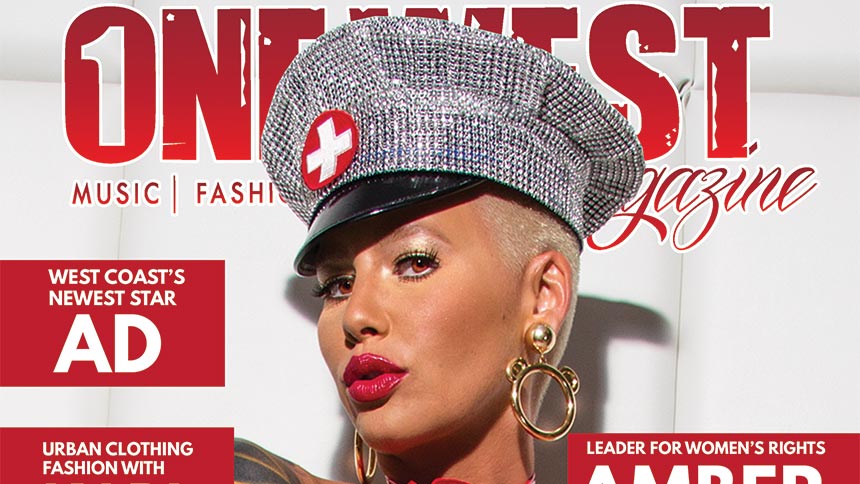
One west magazine

Got knowledge of the music and fashion industry? It may be your key to a byline

One West Magazine
Leah icon
By Mediabistro
The Mediabistro editorial team draws on 25 years of media industry expertise to cover jobs, careers, and trends shaping the industry.
3 min read • Originally published November 14, 2017 / Updated April 16, 2021
Leah icon
By Mediabistro
The Mediabistro editorial team draws on 25 years of media industry expertise to cover jobs, careers, and trends shaping the industry.
3 min read • Originally published November 14, 2017 / Updated April 16, 2021

Circulation: 25,000
Frequency: Quarterly
Special issues: None

Background: Readers who are eager to know all about what’s going on in the hip-hop and R&B music scenes have been flocking to both the print and digital editions of One West Magazine for years. But the title is now on the cusp of an editorial shift.

“We really speak to the urban audience, but we’re diversifying to a more generalized audience,” said Jeremy Bamidele, managing editor. One West has been primarily an interview-based music magazine, featuring conversations with heavyweights like Russell Simmons and Chris Brown. But the title has recently started throwing in a lot more fashion and lifestyle coverage in addition to stories about social issues.

The One West audience is about 65 percent female/35 percent male and its readers range in age from tweens to millennials. The publication also separates itself from the pack by presenting its audience with interviews that nobody else can get. The publisher and EIC have worked in music for more than 20 years, and they can get in touch with just about anyone, said Bamidele.

What to pitch:
Editors work with a host of reliable freelancers, but they’re always looking for new voices. And writers who are based in Los Angeles, New York City, or other major urban cities have an advantage over those from rural areas. That’s because editors love to receive pitches from writers who can provide exclusive coverage of events in the worlds of fashion and music (e.g. the BET Def Comedy Jam, Ebony Fashion Fair, etc…) So, if you’re going to pitch coverage of an event, then you must be able to actually attend the event. Editors are also interested in reported pieces, as well as profiles of movers and shakers in the music and fashion industry—like designer and visual arts expert Michael Edward. Just remember that the pitches must appeal to a national audience. Word count for articles is about 800-1500.

Pitches have a greater chance of actually leading to an assignment if the writer is also able to provide photos and videos. But at One West, a good pitch may also lead to a full-time gig. If you’re consistent with top-of-the-line pitches and editors enjoy working with you, there’s always the possibility that they will offer you a position as a staff writer or photographer, said Bamidele.

What not to pitch: All sections are open to freelancers.

Online opportunities: Print and digital content are kept completely separate. However, editors are still looking for digital pitches that cover events related to music and fashion. And if you’d like to pitch a video story then that’s OK as well. Just keep them to around 5-8 minutes.

What publicists should pitch—and when: Editors welcome pitches from publicists, but they’re not interested in receiving post-event pitches. Editors must have the opportunity to attend any events and get exclusive photos. And if you’re pitching a client, make sure that he or she is available for an in-person interview or a phone interview. Lead time is 1-2 weeks.

Percentage freelance content: 20%
Percentage of freelance submissions accepted: 5-10%

Etiquette: Email your pitches and keep them to around 2-3 paragraphs. Editors like to see that you have experience writing about the subjects that you’re pitching, so be sure to include a link to your portfolio. And if you have sources already lined up let the editor know.

Lead time: 1-2 weeks; as little as three days
Pay rate: $50-$80
Payment schedule: Two weeks after acceptance.
Kill fee: None
Rights purchased: All rights

Contact info:
One West Magazine
Santa Ana, Calif. (The company is in transition and a new office location has not yet been determined.)
OneWestMagazine.com
Social: @onewestmagazine | Facebook
Email Convention: FirstName@OneWestMagazine.com

Direct all pitches to:
Editor in Chief Jason Perea: Jason at ONEWESTMAGAZINE.COM

Topics:

Go Freelance, How to Pitch
How to Pitch

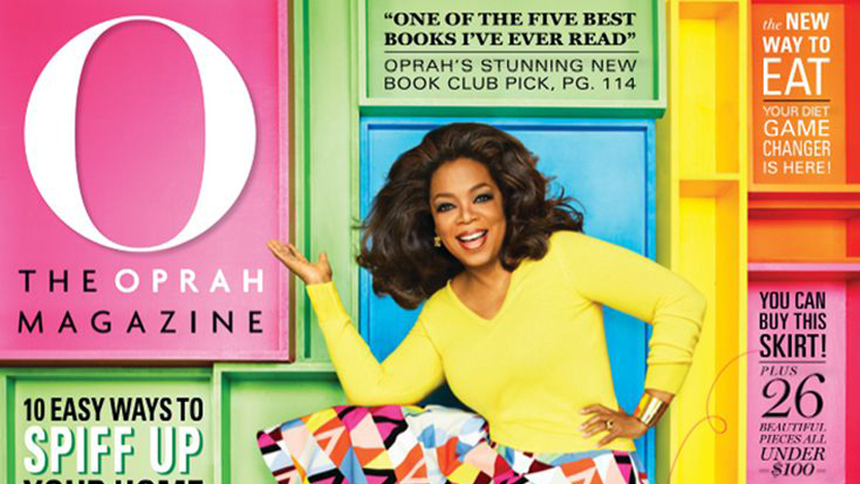
How To Pitch: O, The Oprah Magazine

Focus on personal growth, fulfillment and wellness for this newsstand heavyweight

oprah-htp-feature
Admin icon
By Janelle Harris Dixon
Janelle Harris Dixon is a narrative journalist, copywriter, and content strategist with more than 20 years of experience covering race, culture, equity, and social justice. Her work has appeared in Essence, Ebony, The Atlantic, Rolling Stone, the Washington Post, Smithsonian, and more than 50 other publications. She holds a B.A. from Lincoln University and an M.A. in African American Studies from Temple University.
6 min read • Originally published February 17, 2015 / Updated April 16, 2021
Admin icon
By Janelle Harris Dixon
Janelle Harris Dixon is a narrative journalist, copywriter, and content strategist with more than 20 years of experience covering race, culture, equity, and social justice. Her work has appeared in Essence, Ebony, The Atlantic, Rolling Stone, the Washington Post, Smithsonian, and more than 50 other publications. She holds a B.A. from Lincoln University and an M.A. in African American Studies from Temple University.
6 min read • Originally published February 17, 2015 / Updated April 16, 2021

Circulation: 2.4 million
Frequency: Monthly
Special issues: None. Every issue has a theme.

Background: In the decade and a half since it launched, O, The Oprah Magazine has accumulated media accolades aplenty, including a 2014 National Magazine Award, and amassed an enviable army of devoted readers. Oprah’s brand game is strong, always has been, and that’s been demonstrated in her ability to turn a new book into a national best seller at the mention of its title or a mere human into a superstar with a single appearance on her show.

That said, O has plenty of competition for newsstand sales, including Redbook, Good Housekeeping and Real Simple, none of which are lightweights themselves. But the positive tone of its content and the focus on helping readers live an unapologetically joyful life is what editors believe sets it apart, both for the folks who read it and those who create it.

“O’s mission is to help women live their best lives. Our reader is always searching for deeper meaning and fulfillment, and for advice that will improve her world in ways both large and small,” explained executive editor Amy Maclin, who describes O devotees as open-minded, engaged and compassionate with a sense of humor. “She might come to our magazine to find a career she loves, a favorite new author or just a little bit of peace and quiet amid the chaos of an ordinary day.”

Maclin and other editors want O to be a place where each reader can drop down into herself and discover more about her unique “her-ness.” What’s important to her? What’s her purpose in life? What does she want for herself? How does she want to get better? Who’s her authentic self and what’s great about her?

To help women find answers to those core questions that drive inner peace and self-improvement, content touches on every area of life, starting with self. That’s where freelancers hoping to pitch salable stories would be well-advised to start, as well.

What to pitch: There are topics that always find a home on the pages of O: transformation, makeovers, decluttering, giving and wellness. “We have certain things we’re always coming back to,” said Maclin, “but we also add new things to the mix.” The features well, the soul of the mag, is packaged into monthly themes that focus heavily on service in a sharp, timely way.

Develop a story idea that will deliver life-improving value to the O reader and use the editorial calendar (registration required) to your advantage. Themes for each issue are listed there. But, even if your timing isn’t optimal, a potentially good story will still be considered. “Just because a pitch isn’t right right now doesn’t mean it won’t be right months from now, if it’s an interesting idea,” said Maclin. “It’s not unusual for something to seem really interesting or fun or fresh and for one of us to say, ‘You know what? I like this idea. Can I keep it for another issue if you don’t place it before then?'” Overall, editors place a high premium on excellent writing that tells great narratives and appeals to multigenerational readers.

Another pitchable part of the mag, the “Feeling Good” section, houses far-reaching health content, covering everything from fitness and nutrition to mental health. “One of the great things about the health section in O is that we’re not really following a rubric,” said health editor Jihan Thompson. “There’s really a lot of room to pitch whatever you find out there that is interesting, timely, newsy and that would matter from a women’s health angle.”

Stories range from 450 to 1,200 words and can be Q&As, profiles, reported pieces or anything else freelancers can conjure. Thompson is especially looking for writers who can interpret medical studies and distill the results into easy-to-understand bits for readers.

“It’s really important that when people do send pitches, they really give me an idea of what the science is, what’s happening out there right now to make this a piece we should run,” she said. “Don’t just say there’s a new medical trend; really show me the science to back it up.”

Something else to keep in mind as you’re developing your pitch: make it stand out by packaging your story in an exceptional way. Editors like clever twists on evergreen topics, so thinking creatively—like a list or an unexpected comparative—goes a long way.

What not to pitch: Books, fashion and beauty are now all written in house and the “May We Help You” section is expertly—and exclusively—written by Dr. Oz, Suze Orman and Dr. Phil.

Online opportunities: None

What publicists should pitch: The cardinal rule of pitching O—and any other mag, for that matter—is simply “know the content.” A scattershot approach turns into white noise and doesn’t bode well for the publicist doing it or the others coming after, who may perhaps have good ideas but be lumped into the ignore section, Maclin said. “I get a lot of pitches for things we just don’t cover, like hard liquor or indelicate products. I want to feel that someone has read our magazine and really thought about what our reader wants.” Also: be mindful of which editor should be receiving your pitch. “I’m looking at my inbox right now and I’ve got a pitch for eco-friendly tote bags, but I don’t cover that. Target your pitches to the editor who covers that department,” Maclin added.

Percentage of freelance content published: 40 percent
Percentage of freelance pitches accepted: The percentage is small, but editors are always open to great pitches.

Recent freelance stories pitched and published: Writer Laura Beil pitched a health story, “Should You Say No to a Mammo?,” that ran in the February 2015 issue. Personal essays from the August 2014 “How to Spark a Breakthrough” package included two standout pitched pieces: “They Can be Sparked by the Smallest, Silliest Stuff,” by Sue Fliess and “They Don’t Always Look Like Breakthroughs,” by Beth Levine.

Etiquette: Follow up in two weeks if you haven’t heard back, but there’s really no need to do so more than once. And no phone calls, please.

Lead time: Four to five months
Pay rate: $2 a word
Payment schedule: On acceptance
Kill fee: 25 percent
Rights purchased: First North American

Contact info:
O, The Oprah Magazine
300 West 57th Street, 36th Floor
New York, NY 10019
(212) 903-5366
oprah.com/app/o-magazine.html
Twitter |Facebook
Email format: FirstInitialLastName@hearst.com or FirstName.Lastname@hearst.com

View O, The Oprah Magazine’s masthead

Direct pitches to the appropriate editor:
Associate Editor Zoe Donaldson: ZDONALDSON at HEARST dot COM

Deputy Editor Brie Schwartz; BSCHWARTZ at HEARST dot COM

Contributing Lifestyle Editor Holly Carter: HOLLY dot CARTER at HEARST dot COM

Senior Fashion and Accessories Editor Paula Lee: PAULA dot LEE at HEARST dot COM

Culture Editor Elena Nicolaou : ELENA dot NICOLAOU at HEARST dot COM


EDITOR’S NOTE: Though we’ve updated this article recently, the speed at which things move in media means things may have already changed since then. Please email us if you notice any outdated info.


Topics:

How to Pitch
How to Pitch

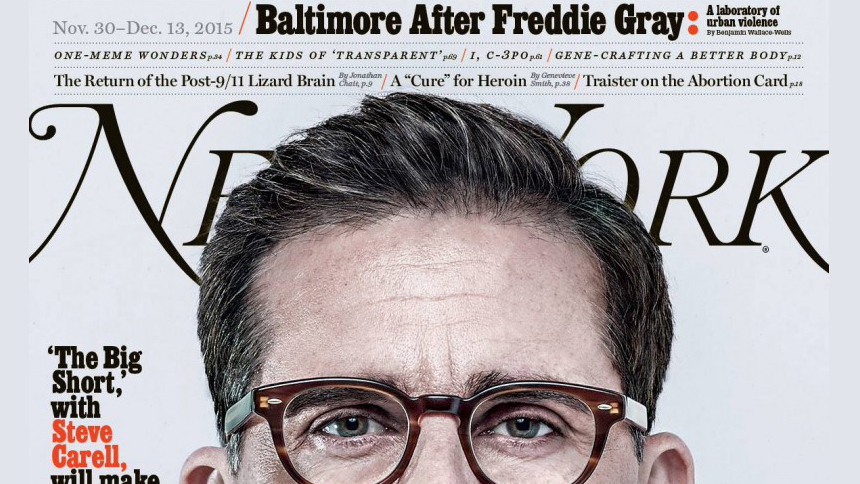
Pitch new york

Pitch editors something scintillating about the city that never sleeps

New York magazine
Admin icon
By Janelle Harris Dixon
Janelle Harris Dixon is a narrative journalist, copywriter, and content strategist with more than 20 years of experience covering race, culture, equity, and social justice. Her work has appeared in Essence, Ebony, The Atlantic, Rolling Stone, the Washington Post, Smithsonian, and more than 50 other publications. She holds a B.A. from Lincoln University and an M.A. in African American Studies from Temple University.
7 min read • Originally published September 6, 2016 / Updated April 13, 2021
Admin icon
By Janelle Harris Dixon
Janelle Harris Dixon is a narrative journalist, copywriter, and content strategist with more than 20 years of experience covering race, culture, equity, and social justice. Her work has appeared in Essence, Ebony, The Atlantic, Rolling Stone, the Washington Post, Smithsonian, and more than 50 other publications. She holds a B.A. from Lincoln University and an M.A. in African American Studies from Temple University.
7 min read • Originally published September 6, 2016 / Updated April 13, 2021

Circulation: 400,000; readership is closer to 1.8 million, including the tablet edition
Frequency: Biweekly
Special issues involve a rotating list of topics, which can include Tech and Design (fall), Reasons to Love New York (end of year) and two biannual fashion issues (fall and spring)

Background: Five boroughs, 8 million people and the distinction of being the “Crossroads of the World” make New York City sheer editorial inspiration. For nearly 45 years, its idiosyncrasies have danced like lights across the Great White Way on the pages of New York magazine. And like NYC itself, the eponymous mag is hip, trendy and always looking for the next big thing.

Born in 1968 after splintering from the New York Herald-Tribune, where it started as an insert, the mag quickly made a place for itself as the trusted print confidante of the city’s most knowing readers. Its original mission was—and will always be—to mirror NYC’s unique energy, while celebrating the stories, culture and style that make New York, New York.

Under the tutelage of current print editor Jared Hohlt, however, the boundaries of editorial content are pressing beyond the five boroughs into national, even international, interests.

“When freelancers are thinking about the types of stories to pitch to us, don’t assume that because it does not take place in the Tri-state area that it’s not right for us,” he explains. “If it’s an interesting story that can be told with a New York viewpoint—and by that, I mean kind of a curious, smart, sometimes skeptical but not default-cynical take on life, politics, culture, whatever— then great. We’re all for it.” In short, think perspective, not necessarily location.

Editorial for the now-biweekly is largely generated in house. The people who make up the masthead are so intimately familiar with New York style and subject matter, it’s easier to roll out content themselves. That doesn’t mean Hohlt and his fellow eds aren’t looking for poignant ideas.

“It’s true that the majority of our stories are written by staff and contract writers. For that reason,” he said, “a freelance pitch that provides unusual insight and access into a slightly more hidden world or scene has a better chance of becoming a story here.”

What to pitch: As with any other mag, some sections are riper for the freelance picking. “Culture” is one of them. The key to getting in there, again, is to create an interesting angle that hasn’t been explored by the staff.

“I think we’re particularly interested in more pitches that have to do with the business of culture, like a reported story about a dispute on a cultural board somewhere or some revealing details about how a cultural product like a movie, play or book got made,” says Hohlt.

Since it’s their business to stay on top of new releases, New York staffers are fiercely savvy about what’s coming down the entertainment pipeline.

There are other beats, however, that staffers aren’t as attuned to and those are the cultural scenes and resulting highlights that excite both editors and readers. Here’s another little nugget to perk you up: Not all of them need a hard news peg.

“This section is not just about covering a movie a week or two before it comes out. One freelance pitch that we ended up publishing as a story was about whether Dorothy Parker, um, ‘borrowed’ a story idea from Nabokov,” Hohlt recalls.

Another front-of-book section, “Intelligencer,” includes the “Minutes With” feature, also prime freelance territory. Detail an encounter with somebody in just about any world—entertainment, politics, business, sports, technology, etc.—and make a narrative out of the moments you spent in his or her company.

“In the best-case scenario, you’re watching that person do something that she or he would have been doing anyway, whether a writer was there or not: conducting business or teaching a dog to play the piano,” Hohlt says. “It’s meant to be an activity with that person, ideally not your run-of-the-mill lunch, that sheds some interesting light on what he or she does professionally and also just likes to do for fun.”

Visual articles for front-of-book are also pitchable, though opportunities for them are scantier and require a stronger hook. The occasional feature “Life In Pictures,” for example, is essentially the visual equivalent of “Minutes With” and photographically outlines a day spent with a noteworthy person.

“That said,” Hohlt adds, “we are always open to interesting, innovative and even totally off-the-wall pitches for other sorts of visual articles.

Do you remember that kid who got lost and rode the subway for a few days by himself a number of months ago? In the wake of his being found and reunited with his parents—thank goodness—we asked an illustrator and a reporter to team up and tell the story of what this boy saw and ran it in a kind of comic-book form.” Get creative with storytelling methods and get editors’ attention.

What not to pitch: The columns in “Intelligencer” are regularly executed by hand-selected writers, so freelancers need not inquire or pitch. Also, don’t bother trying to sell stories on major political figures, athletes, bankers, movie stars or celebrities in the news unless you wield some special relationship with or link to them.

Don’t take it personally if New York eds run a piece on a subject that you pitched and please, oh please, says Hohlt, don’t think staffers stole your story idea. That just means they were already on it before you clicked “send” on your email. Happens to all of us. Better luck next time.

“Chances are, if we are interested in that person, we’ve been interested in that person already, a staff member has a connection to them or we’ve written about them before,” says Hohlt, who added that there are no other hard and fast rules against pitching to any section of the magazine.

Percent of freelance content published: 15-20 percent
Percentage of freelance pitches accepted: Without doing an analysis, Hohlt says it would be tough to say, but not a lot.

Online opportunities: Yes, particularly for timelier stuff. “I think it’s safe to say that the balance of opportunity for freelancers looking to quickly capitalize on breaking news, some fantastic find or reporting tidbit has shifted toward the digital side. There is just more opportunity there,” says Hohlt.

Freelance stories pitched and published: “Meet the 4 Most Desired People in New York (According to OKCupid)” was written by freelance writer and former New York staffer Logan Hill. The piece ran both in the print mag and online, so it lives on in editorial perpetuity. “The Day I Started Lying to Ruth,” by Peter B. Bach, is also another shining example of a pitch gone right.

What publicists should pitch: Along with the move to biweekly frequency, the masterminds behind New York are publishing three special issues, each devoted to a single topic. They promise to be fertile ground for publicists: June is a special health issue, coinciding with the annual Best Doctors list; November boasts a bonus food and drink/holiday entertaining issue; and of course there’s the ultimate holiday gift guide, which will probably include “shoppable” content.

Etiquette: Email pitches along with a few sample clips, and feel free to follow up via email if you haven’t heard back within a week. Pitch one editor at a time—or, at most, two, if they both work on the same section. Sending a blanket email to the entire masthead is a definite no-no.

Lead time: Now that New York is biweekly, print issues are closing every other week, which means turnaround needs to be relatively fast on any story. Hohlt advises that particularly newsy pieces are better off being pitched for online.

Pay rate: Negotiable; starts at $1.50 a word
Payment schedule: On publication
Kill fee: 25 percent
Rights purchased: First world rights for 30 days

Contact info:
New York
75 Varick Street
New York, NY 10013
(212) 508-0700
nymag.com
Twitter | Facebook
Email format: FirstName.LastName@nymag.com

Direct pitches to the appropriate editor:
For “Intelligencer,” senior editor : 
NOREEN dot MALONE at NYMAG dot COM (she oversees the Minutes With column);
or Editor in Chief  David Haskell: DAVID dot HASKELL at NYMAG dot COM

For “Strategist,” Deputy Editor Alexis Swerdloff or
 senior editor Jessica Silvester:
 ALEXIS dot SWERDLOFF at NYMAG dot COM; JESSICA dot SILVESTER at NYMAG dot COM

For features:
Editor in Chief David Haskell: DAVID dot HASKELL at NYMAG dot COM;
or
 Editor at Large David Wallace-Wells:
 DAVID dot WALLACE-WELLS at NYMAG dot COM;
or Features Editor Genevieve Smith: GENEVIEVE dot SMITH at NYMAG dot COM

For “Daily Intel” and Web, NYmag.com Deputy Editor Jebediah Reed:
 JEBEDIAH dot REED at NYMAG dot COM

Hohlt says it’s also important for freelancers to direct content to Vulture and the Cut; mention it in the subject line.


EDITOR’S NOTE: Though we’ve updated this article recently, the speed at which things move in media means things may have already changed since then. Please email us if you notice any outdated info.

Topics:

How to Pitch
How to Pitch

How To Pitch: National Geographic Traveler

A timely pitch and strong narrative voice is in demand at this travel mag for global explorers

How to Pitch National Geographic Traveler
Valerie icon
By Amanda Layman Low
@AmandaLaymanLow
Amanda Layman is a B2B tech content writer and strategist with over 15 years of experience creating content for startups and enterprise brands. She founded Tigris, a content agency serving leading tech companies, and authored The New Freelance: A Book for Writers.
5 min read • Originally published April 18, 2016 / Updated April 13, 2021
Valerie icon
By Amanda Layman Low
@AmandaLaymanLow
Amanda Layman is a B2B tech content writer and strategist with over 15 years of experience creating content for startups and enterprise brands. She founded Tigris, a content agency serving leading tech companies, and authored The New Freelance: A Book for Writers.
5 min read • Originally published April 18, 2016 / Updated April 13, 2021

Circulation: 615,000
Frequency: Six issues a year
Special issues: Best of the World (December)

Background: A perennial favorite among starry-eyed globetrotters, National Geographic Traveler is more than just a magazine. According to features editor Amy Alipio, the colorful, photography-dense publication is the “world’s most trusted source for travel inspiration, planning and experience, whether in print or on digital platforms.”

Launched in 1984, Traveler emphasizes travel over tourism, with stories that focus on local life as well as major hot spots. And as a magazine that distributes content in 16 local languages, Traveler appeals to an international audience.

“Our mission is to provide travel stories that are immediate, immersive, surprising, daring, experiential, authoritative and fun,” says Alipio. “We believe that travel transforms lives and that everyone is an explorer. Travel is not an occasional activity but an ongoing engagement with the world.” The magazine offers its readers global expertise with resources that range from inspiring, action-packed essays to service pieces.

For instance, an August/September 2015 essay, “River Dance,” used sensory-rich imagery and dialogue to take the reader along on a two-week boat trip down the Grand Canyon, offering tidbits of history told through local voices. By contrast, a short October 2015 food-and-drink article highlighted a rising trend in cider-only bars across the United States. And another short piece in that issue, “Maximum Milan,” offered a snappy, 1,000-word tour through a city often overlooked by its grander Italian counterparts.

What to pitch: Alipio says, “We are always open to receiving new pitches from outstanding writers with a distinct voice and compelling story idea.” With that in mind, she states that the front of book is the best place for freelancers to break in. Want to stand out? Craft a pitch that’s timely, and pay extra attention to your craft. Language should be succinct and written “with pizzazz.”

For FOB, Traveler publishes newsy stories that reveal a strong sense of place. The section names differ from issue to issue, but many of these stories are short roundups, language-rich vignettes about an unusual or hard-to-reach location, or brief profiles of famous people with a travel spin.

What’s essential is that the piece is entertaining and has a strong visual element. Story subjects can include art, food, adventure, pop culture, wildlife, hotels and more—the key is to maintain a strong narrative voice.

“Got an obsession or a passion you travel the world for? Found a new angle on an old place, or an old angle on a new place? Do you have some exclusive insight into a destination or travel experience? We’re all ears,” says Alipio. “We’re happy to get pitches on well-known cities and interesting road trips, as much as obscure, hard-to-reach places.”

What not to pitch: The only sections off-limits to freelancers are “Your Shot,” a short profile on a travel photographer, and the back page, which shows a visual and verbal snapshot of a particular place. And, like most renowned travel publications, don’t send a query asking, “Are you interested in a piece on X destination?” These will invariably be answered with, “It depends on the angle.”

Develop your story around a distinct, fresh arc—and make yourself aware of what the magazine has published recently, so as not to tread on material that’s already been covered.

Online opportunities: The same rules apply as for print. Alipio says all pitches should be “well-written, timely, authentic and compelling.” For online, send your queries to TRAVELPITCHES at NATGEO dot COM.

What publicists should pitch? Smart, timely stories that fit Nat Geo Travel’s interest in sense of place.

Percentage of freelance content published: 95 percent
Percentage of freelance pitches accepted: 2 percent for features; 20 percent to 40 percent for departments

Recent freelance story pitched and published: “A Toast to Georgia,” by Tara Isabella Burton, which ran in the June/July 2014, detailed a location that Traveler doesn’t typically cover, but the editors were intrigued because of its authenticity and variety.

“It was packed with travel experiences, from culture to food to adventure, and she had a personal connection to the place, having grown up there,” says Alipio.

The other aspect that caught their eye was that her take was very specific. “The piece was about how Georgian tradition remains strong despite contemporary pressures. She had a young and fresh voice. The piece was full of dialogue, ‘you-are-there’ scenes and nuanced insight.” It was her first piece to appear in Traveler.

Etiquette: Traveler prefers pitches by email. The subject line should begin with “QUERY” in all caps and include a catchy topic described there as well. Direct pitches to the appropriate editor. Include clips in PDF format or as links if it is your first time pitching. A follow-up email after a month is fine, but editors request you don’t follow up by phone.  

Lead time: At least three months, but up to a year or more
Pay rate: $1 to $2 a word, possibly more for features
Payment schedule: Pay on acceptance
Kill fee: 25 percent
Rights purchased: All rights purchased. Copyright is returned 90 days after publication.

Contact Info:
National Geographic Traveler   
1145 17th St. NW
Washington, DC 20036
travel.nationalgeographic.com
Twitter | Facebook | Instagram | Pinterest
Email format: FirstInitialLastName@NatGeo.com or FirstName.LastName@NatGeo.com

View the National Geographic Traveler masthead

Direct pitches to:
Senior Editor Amy Alipio: AMY dot ALIPIO at NATGEO dot COM

Editor In Chief, Executive Editor George W. Stone: GEORGE dot STONE at NATGEO dot COM

Associate Editor Rachel Brown: RACHEL dot BROWN at NATGEO dot COM

Associate Editor Brooke Sabin: BROOK dot  SABIN at NATGEO dot COM


EDITOR’S NOTE: Though we’ve updated this article recently, the speed at which things move in media means things may have already changed since then. Please email us if you notice any outdated info.
Topics:

Go Freelance, How to Pitch

Posts navigation

Older posts
Newer posts
Featured Jobs
Monterey County Weekly
Publisher
Monterey County Weekly
Monterey, CA, USA

Hearst Television
Account Executive
Hearst Television
Array

All Jobs »
PREMIUM MEMBER

Linda Andrews

Milwaukee, WI
33 Years Experience
Writing about health and psychology is my passion. A prolific journalist and author, I focus on health, medicine, mental health, psychology, and the...
View Full Profile »
Join Mediabistro Membership Today

Stand out from the crowd with a premium profile

Mediabistro Logo Find your next media job or showcase your creative talent
  • Job Search
  • Hot Jobs
  • Membership
  • Newsletter
  • Career Advice
  • Media News
  • Hiring Tips
  • Creative Tools
  • About
Facebook YouTube Instagram LinkedIn
Copyright © 2026 Mediabistro
  • Terms of Use
  • Terms of Service
  • Privacy