#1 summer movie the year you graduated high school
Movies have been a defining part of the summer experience for several decades now, with the modern summer blockbuster pioneered by Steven Spielberg in 1975. With his seminal summer horror film “Jaws,” Spielberg changed the filmmaking landscape. Though prosperous, Hollywood had still been in something of a transitional period following the studio system and Hollywood’s Golden Age. But after “Jaws” and the introduction of the “movie brats,” a core group of emerging American directors including Spielberg, Martin Scorsese, George Lucas, Brian De Palma, and Francis Ford Coppola, the American film industry entered an exciting era defined by ambition, creativity, and soaring box office sales.
Also on Mediabistro


Summer is an exciting time in Hollywood, when big-budget movies with wide appeal are often released. It means school’s out, and viewers can frequent the theater chains in droves. This summer is an especially critical one for the movie industry. COVID-19 is no longer a global emergency. Now’s the time for these planned blockbuster movies to show their mettle. If revenues clear $4 billion in domestic box offices, Hollywood can officially claim a return to a pre-pandemic normal.
Do you remember the film that defined the last summer of your high school years? Stacker compiled Box Office Mojo data on summer movies dating back to 1975 and listed the #1 film at the box office for each summer, defined as the first Friday in May through Labor Day weekend. Check out our list to see which iconic film took over the box office the summer you graduated.
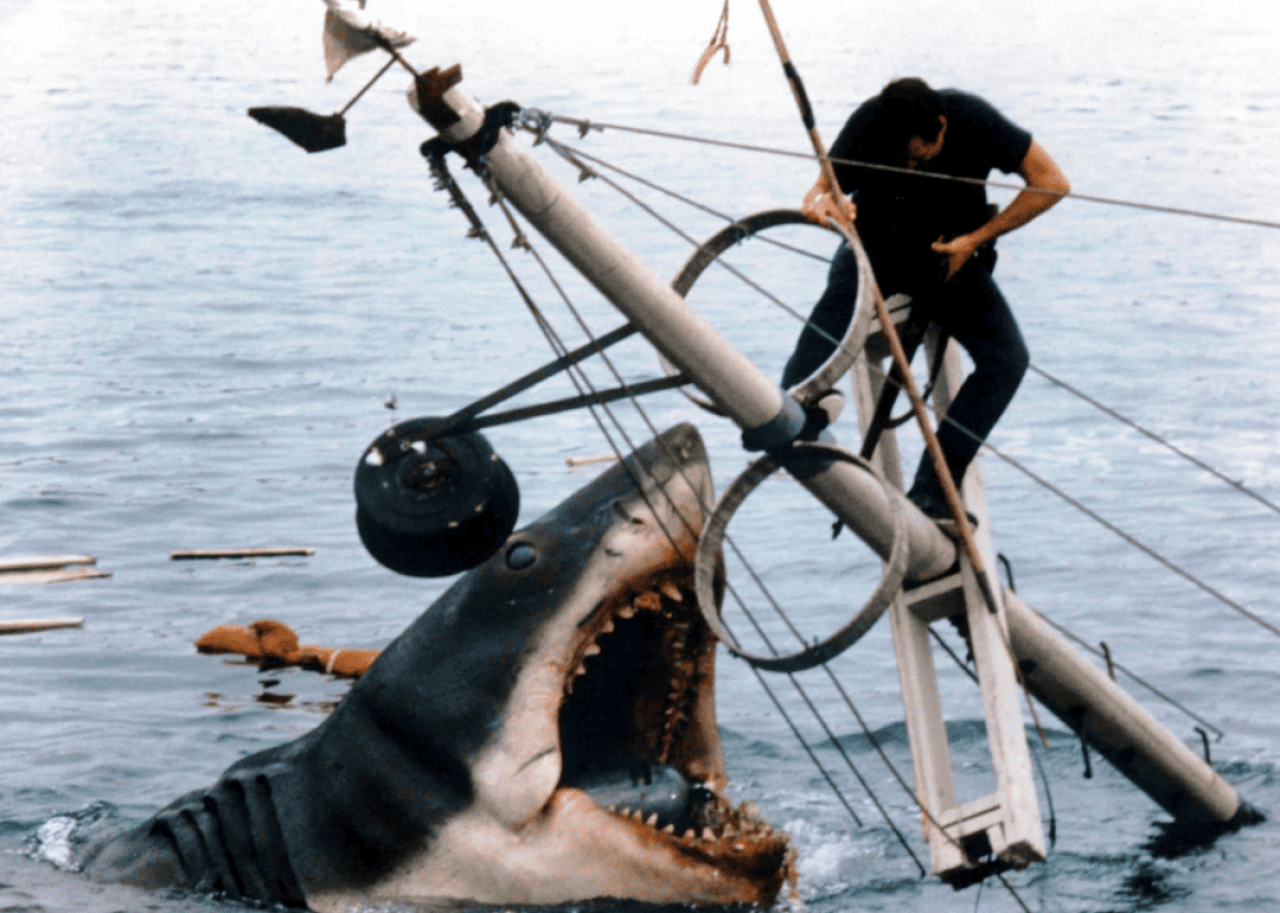
1975: Jaws
– Inflation-adjusted domestic gross: $391,037,321
– Unadjusted domestic gross: $69,725,376
– Box office share in calendar year: data not available
A New England tourist town becomes tormented by the presence of a bloodthirsty shark. The sheriff wants the beaches closed, but the mayor fears the loss of revenue, so it’s up to a marine biologist and an old ship captain to rid the town of the beast for good. “Jaws” had a notoriously troubled production, in part because it was the first major film to be shot on location on the ocean.
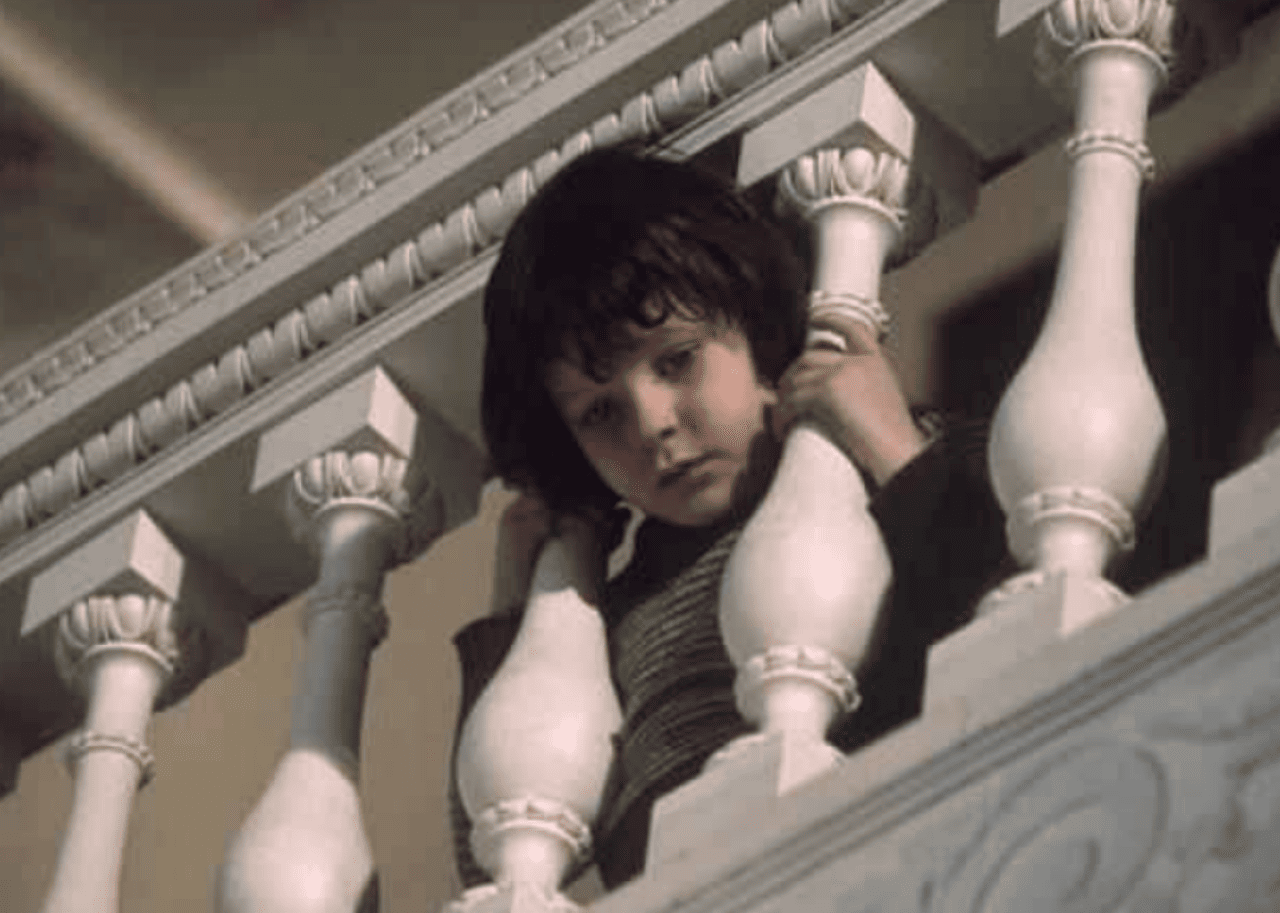
1976: The Omen
– Inflation-adjusted domestic gross: $323,119,814
– Unadjusted domestic gross: $60,922,980
– Box office share in calendar year: data not available
There’s something not quite right about Damien, adopted by an American diplomat and his wife after the stillborn death of their baby. A prescient warning from a priest and a series of deaths sends Robert Thorn down a rabbit hole to figure out whether he adopted the Antichrist. “The Omen” spawned a horror franchise that includes three sequels and a 2006 remake, with a prequel currently in development.
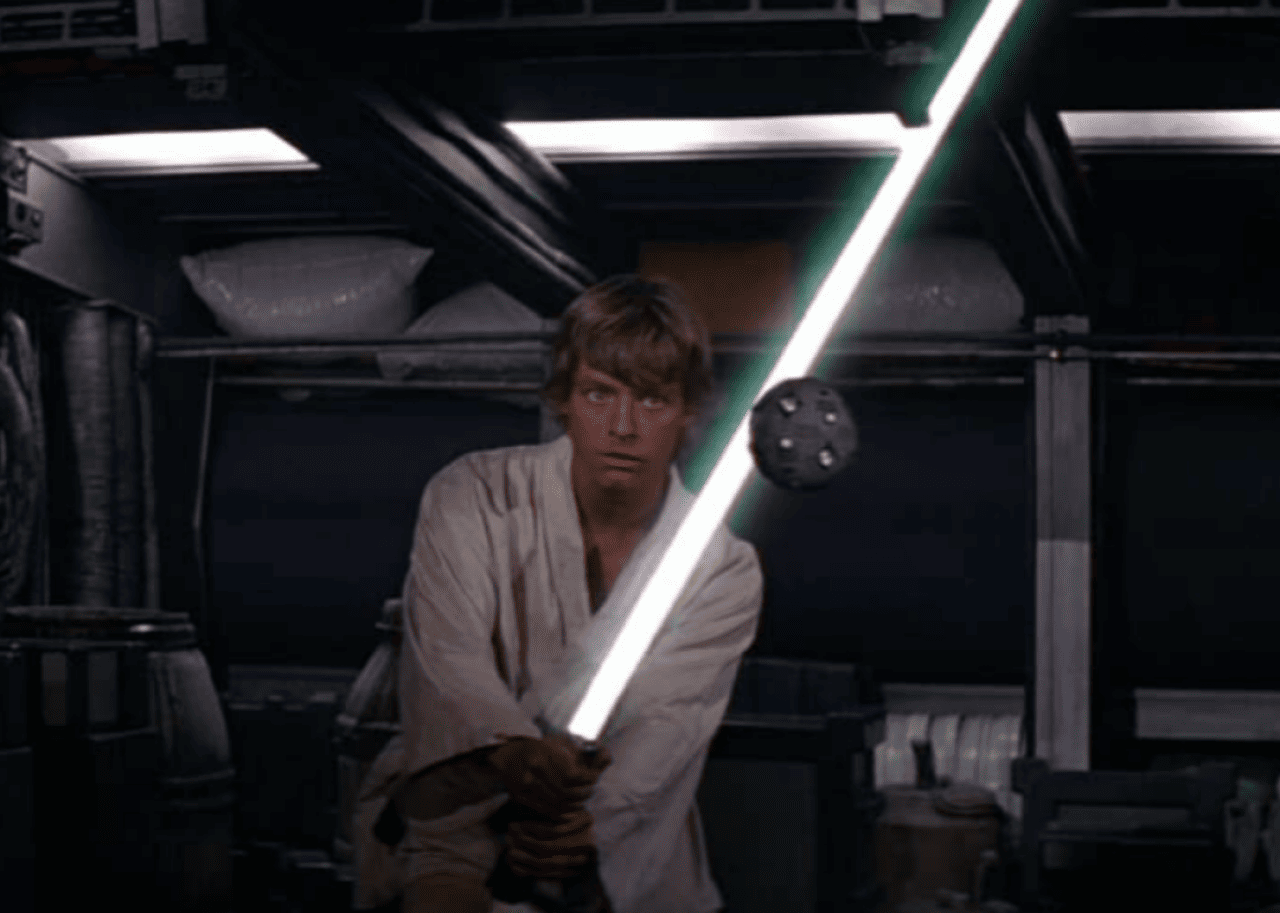
1977: Star Wars: Episode IV – A New Hope
– Inflation-adjusted domestic gross: $627,424,546
– Unadjusted domestic gross: $125,989,616
– Box office share in calendar year: data not available
The first film in George Lucas’s epic trilogy introduces us to hero Luke Skywalker, who must team up with a cocky pilot, his hairy sidekick, and two droids in order to save Princess Leia and the entire galaxy from the evil Darth Vader. Due to troubled production and budgetary issues, many who worked on the film, including Lucas himself, believed it would be a failure.
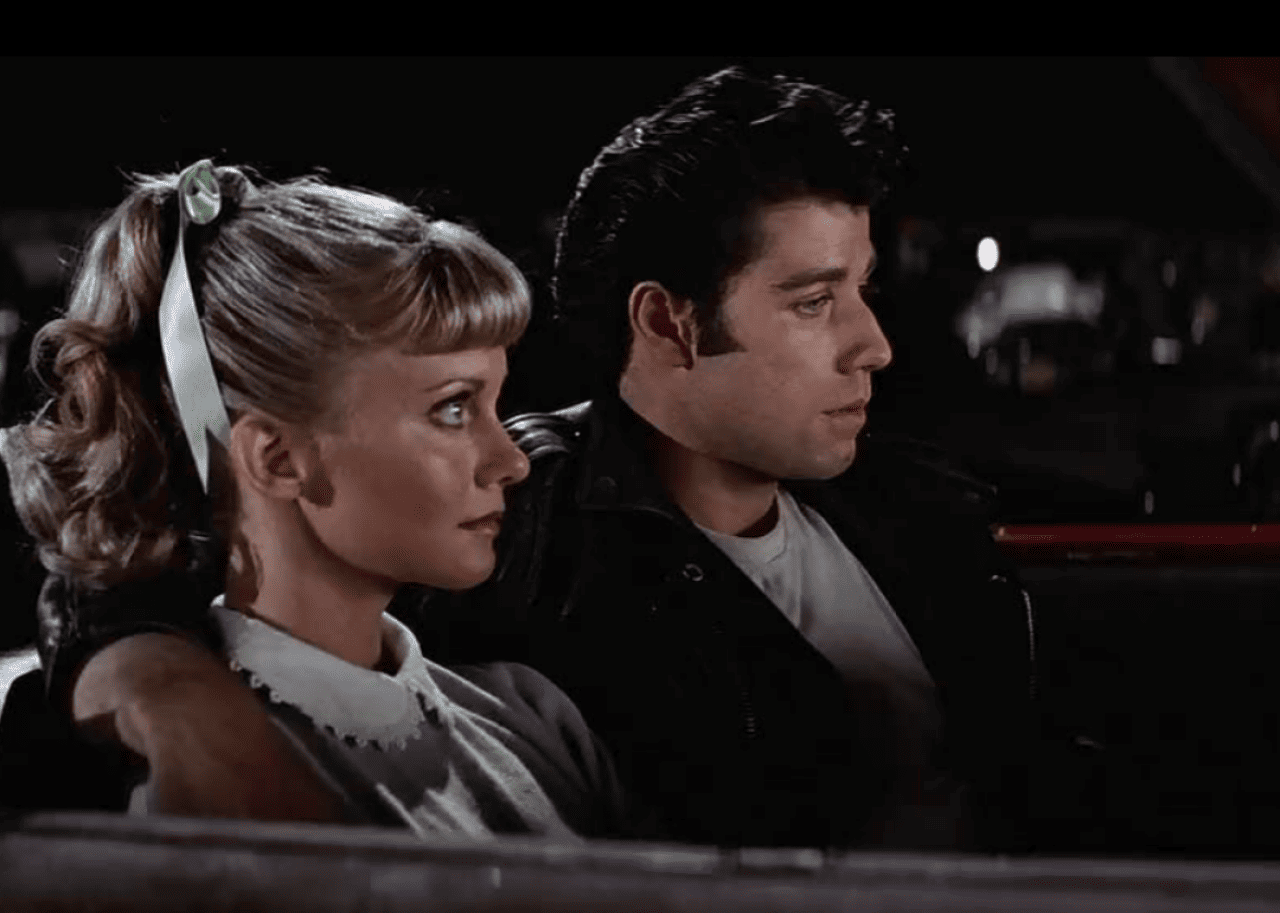
1978: Grease
– Inflation-adjusted domestic gross: $740,263,410
– Unadjusted domestic gross: $159,978,870
– Box office share in calendar year: data not available
Good girl Sandy Olsson has a romantic summer fling with greaser Danny Zuko after she transfers to America from Australia. And while opposites attract, the two high school kids’ dueling cliques would rather see the lovers torn apart. The popular musical starring Olivia Newton-John and John Travolta spawned a sequel as well as a prequel series currently airing on Paramount+.
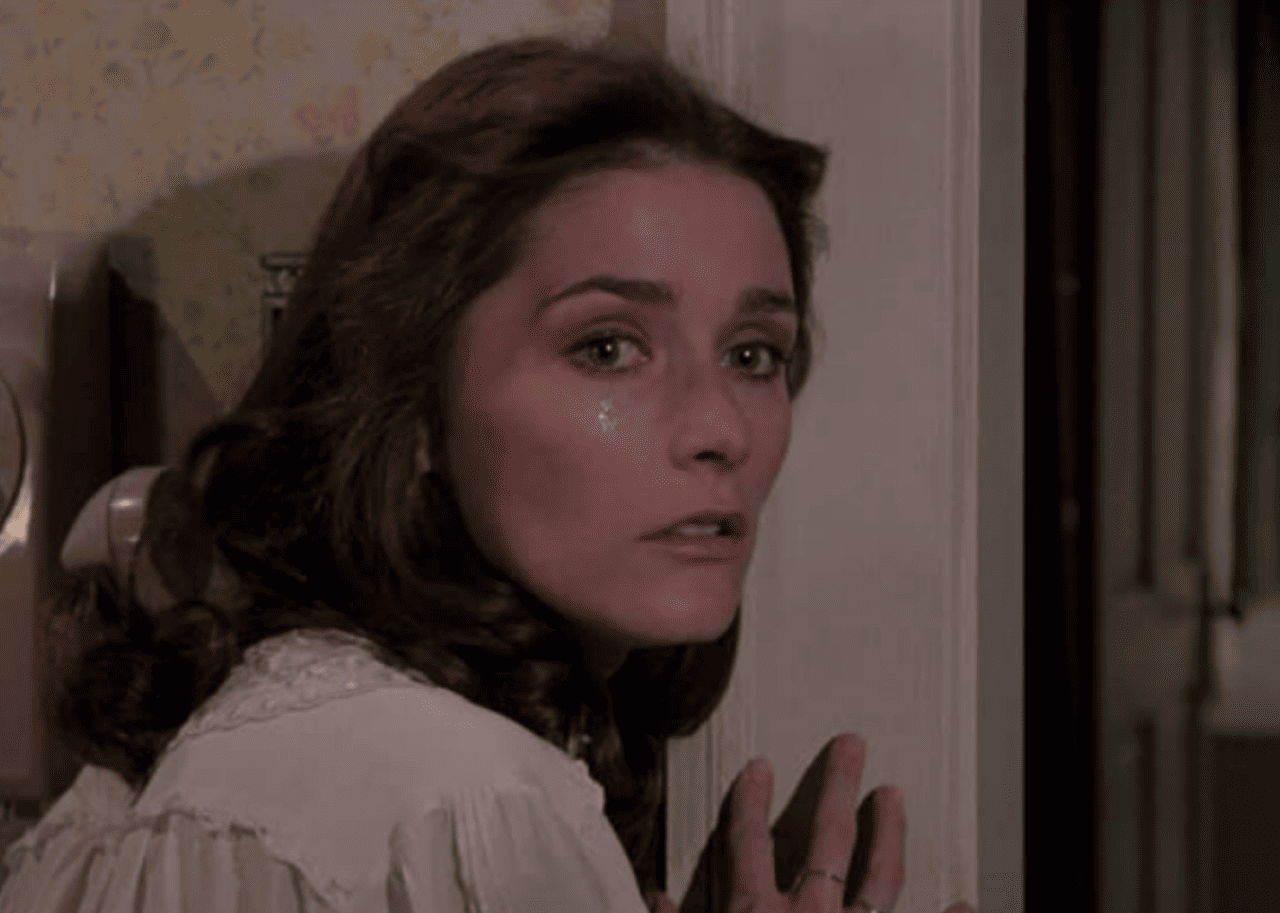
1979: The Amityville Horror
– Inflation-adjusted domestic gross: $359,441,846
– Unadjusted domestic gross: $86,432,000
– Box office share in calendar year: 15.6%
Something horrible happened in the Amityville house, and now it’s coming for father George Lutz and his entire family. It turns out the home was the site of a brutal massacre as well as once the home of a Satanist. The film’s score composed by Lalo Schifrin was nominated for both a Golden Globe and an Academy Award.

1980: Star Wars: Episode V – The Empire Strikes Back
– Inflation-adjusted domestic gross: $563,901,886
– Unadjusted domestic gross: $153,961,603
– Box office share in calendar year: 22.7%
In this thrilling sequel to “A New Hope,” intrepid jedi-in-training Luke Skywalker must journey to the planet Dagobah to learn the ways of the Force from Master Yoda. Meanwhile, the Force’s dark side pulls him into a climactic lightsaber battle with Darth Vader. For this second film in the original trilogy, Lucas handed the directing reins over to Irvin Kershner, who also directed the John Carpenter-penned “The Eyes of Laura Mars” and “RoboCop 2.”
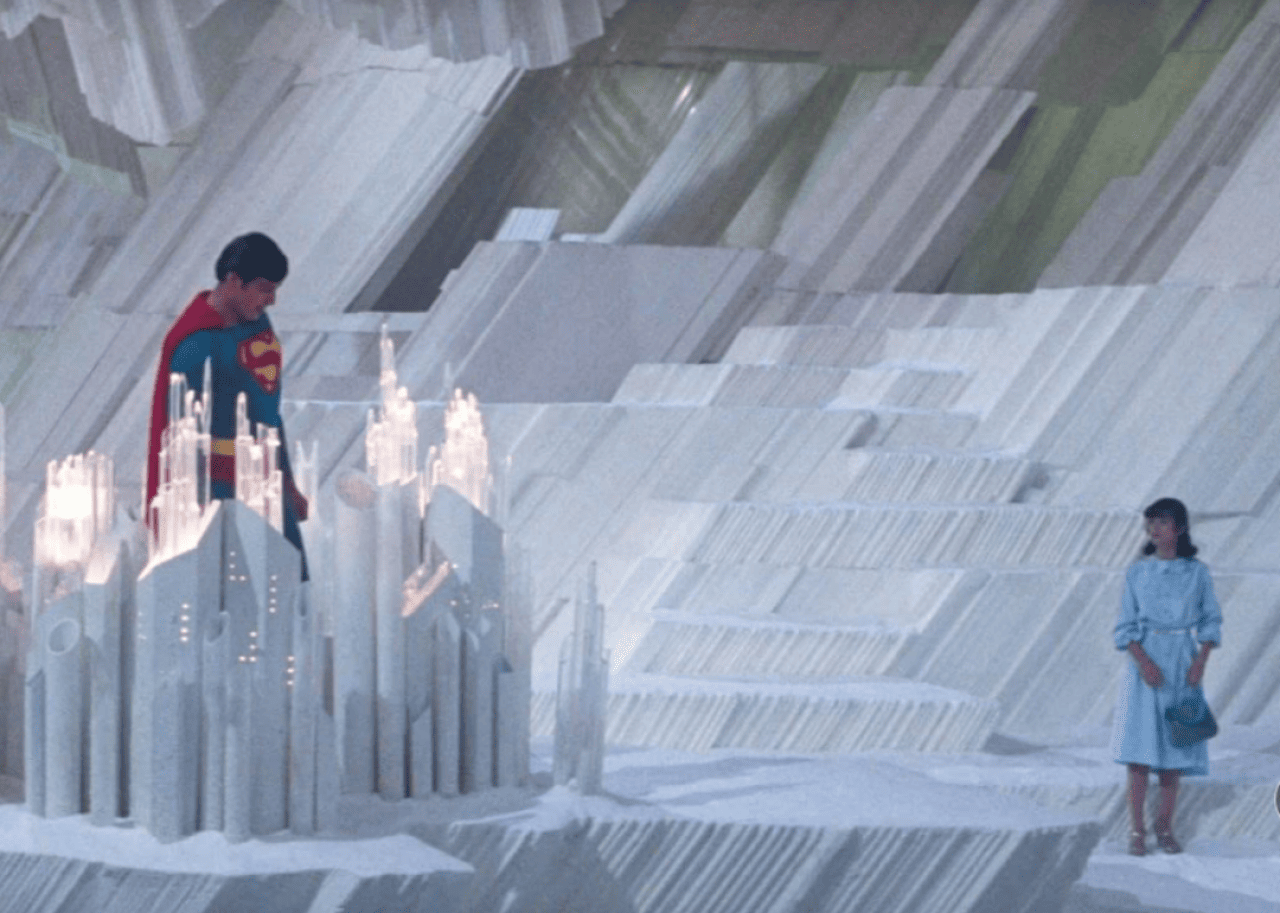
1981: Superman II
– Inflation-adjusted domestic gross: $359,154,650
– Unadjusted domestic gross: $108,185,706
– Box office share in calendar year: 15.7%
While saving the world from a terrorist plot, Superman accidentally frees the Kryptonian villain General Zod and his henchmen — and they’re headed straight to earth. Superman must rise to the occasion, even after deciding to hang up his cape in favor of a normal life. “Superman II” screenwriter Mario Puzo may be better known as the author and Academy Award-winning screenwriter of “The Godfather,” “The Godfather Part II,” and the two films’ eponymous source novel.
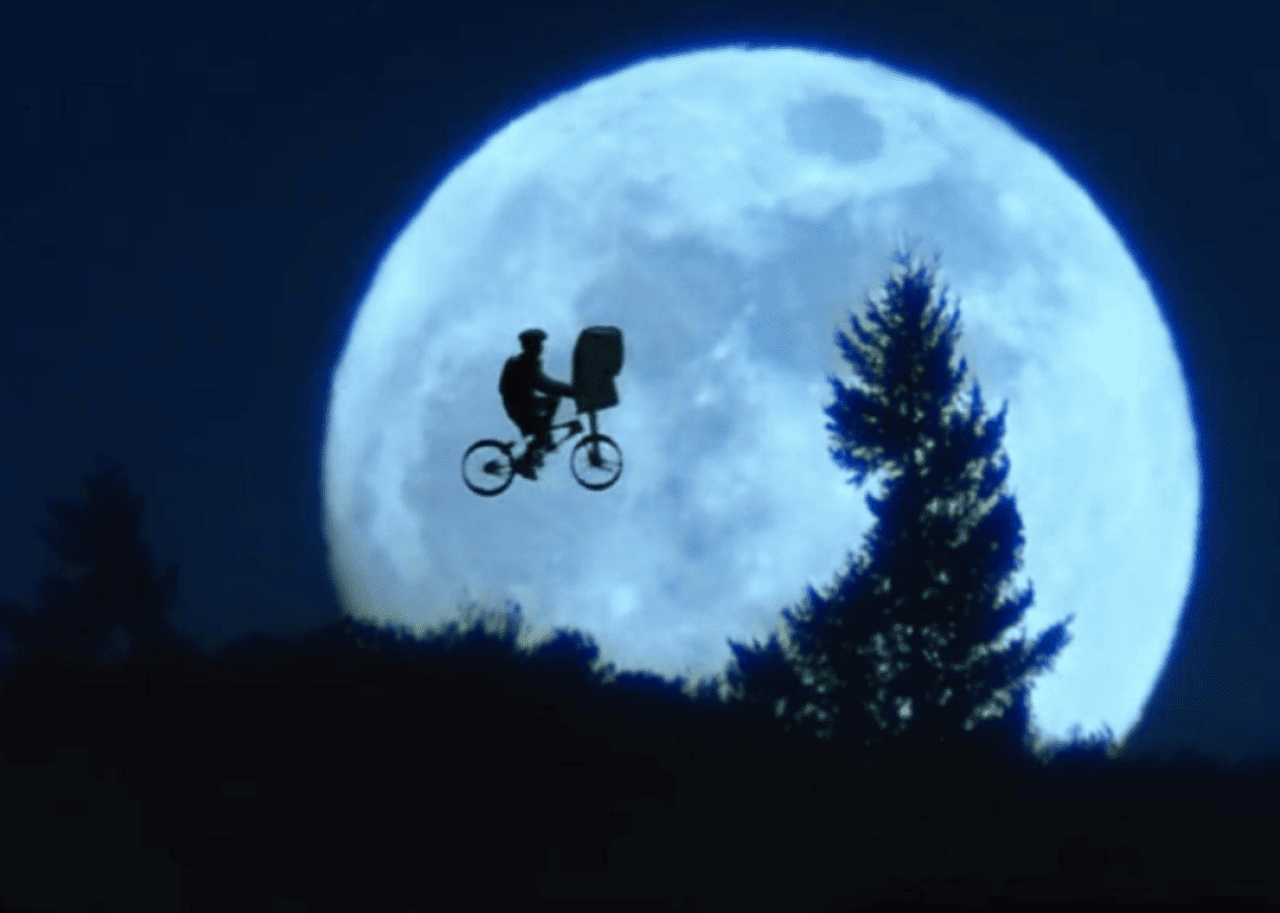
1982: E.T. the Extra-Terrestrial
– Inflation-adjusted domestic gross: $746,445,461
– Unadjusted domestic gross: $238,646,109
– Box office share in calendar year: 18.4%
Stranded on earth, the gentle alien E.T. befriends a young boy and his siblings. But when E.T. falls ill and the government catches wind of his existence, it’s a race to get E.T. on the first spaceship back to his home planet. “E.T. the Extra-Terrestrial” was only the second feature film role for a very young Drew Barrymore.
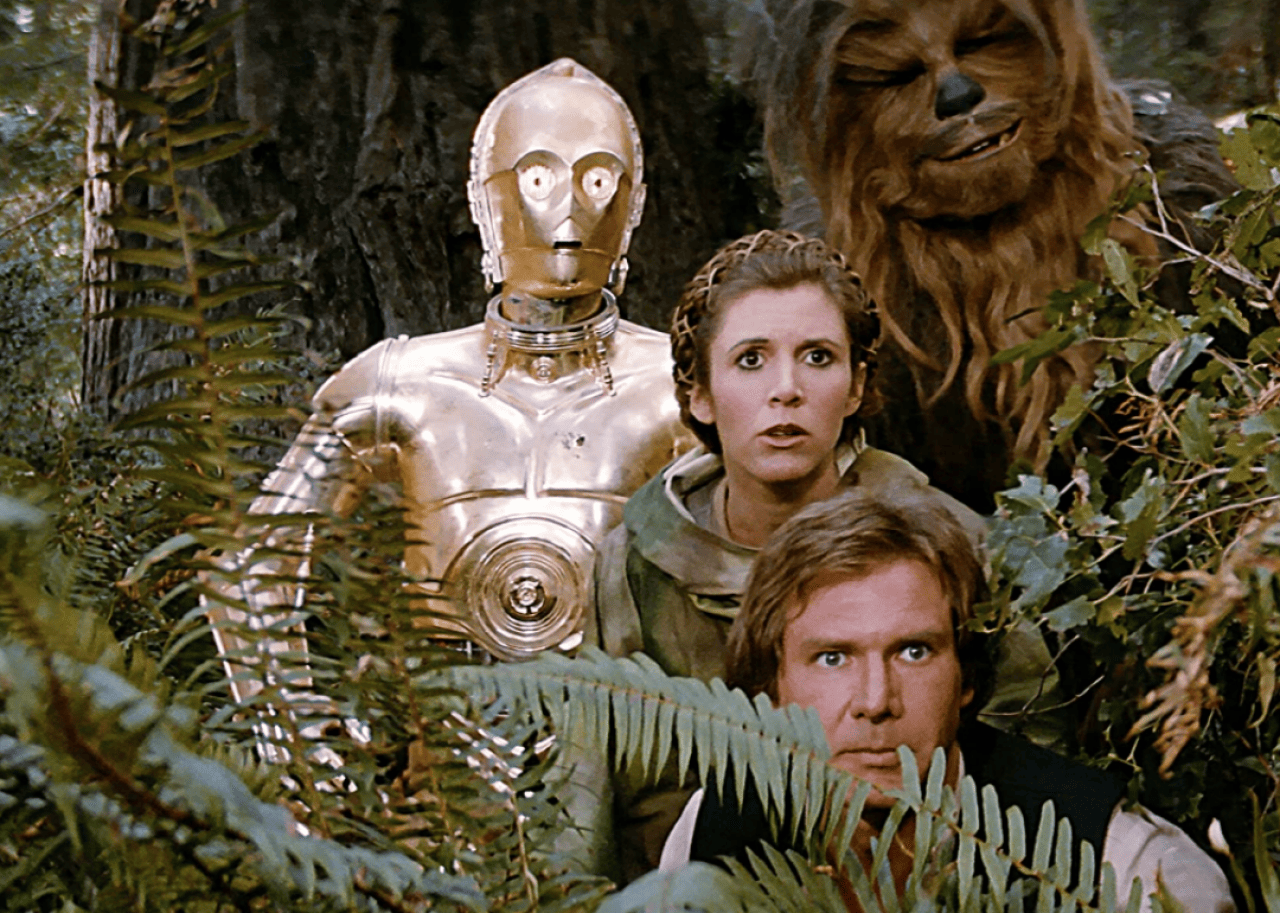
1983: Star Wars: Episode VI – Return of the Jedi
– Inflation-adjusted domestic gross: $700,395,952
– Unadjusted domestic gross: $231,117,020
– Box office share in calendar year: 17.9%
The fate of the galaxy rests in the hands of Jedi Luke Skywalker, who must fight against the cruel Jabba the Hut and his own father: the evil Darth Vader. His friends in the Rebel Alliance, including Princess Leia and Han Solo, battle against the Galactic Empire on the forest planet of Endor. While Richard Marquand directed the film, Steven Spielberg, David Cronenberg, and David Lynch were all considered.
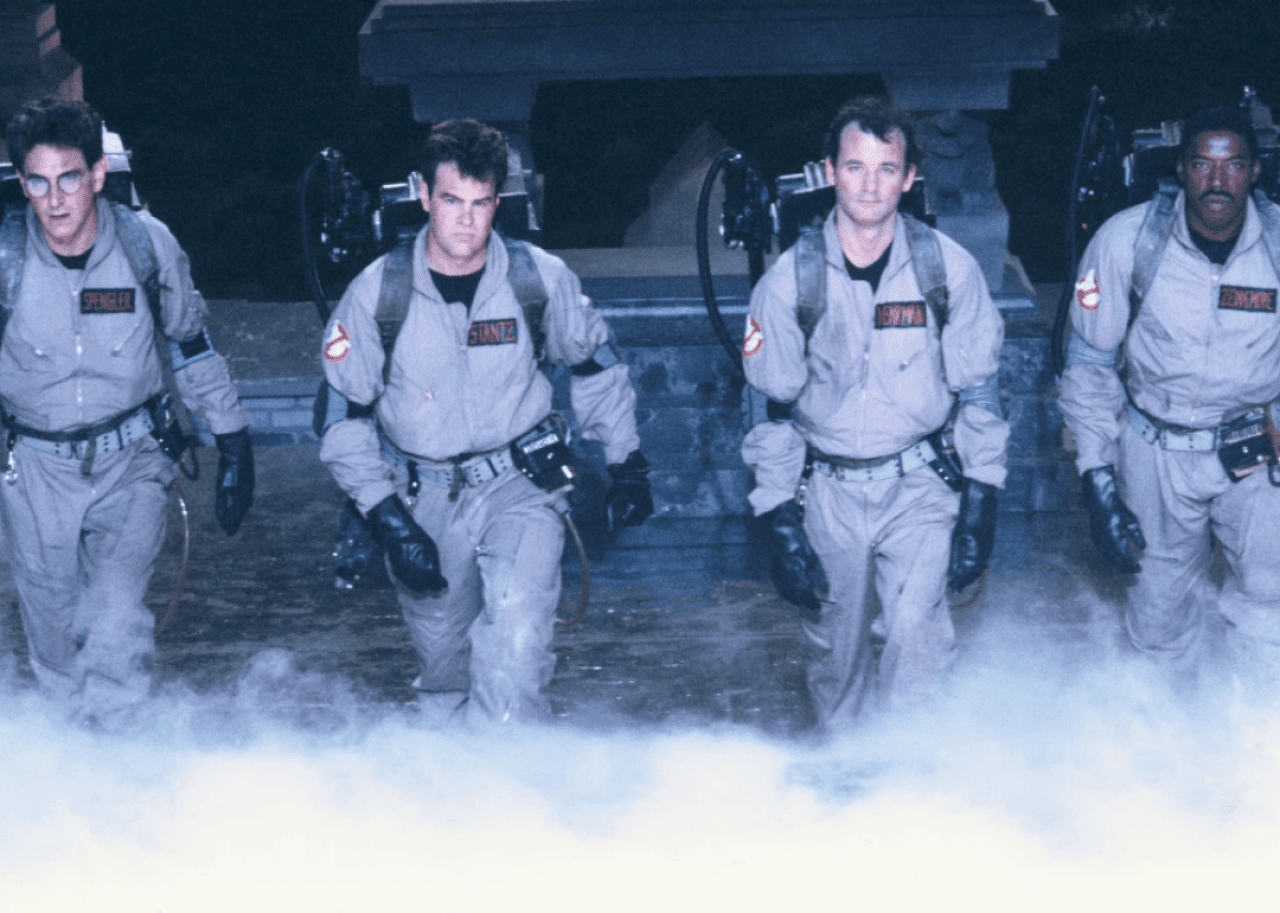
1984: Ghostbusters
– Inflation-adjusted domestic gross: $546,428,253
– Unadjusted domestic gross: $188,058,969
– Box office share in calendar year: 13.2%
“Who you gonna call?” This is the classic film where a group of ex-university professors in New York City team up to fight a scourge more maddening than rats or cockroaches: supernatural forces. But when they accidentally come upon a portal to another dimension, the Ghostbusters are forced to save the entire city.
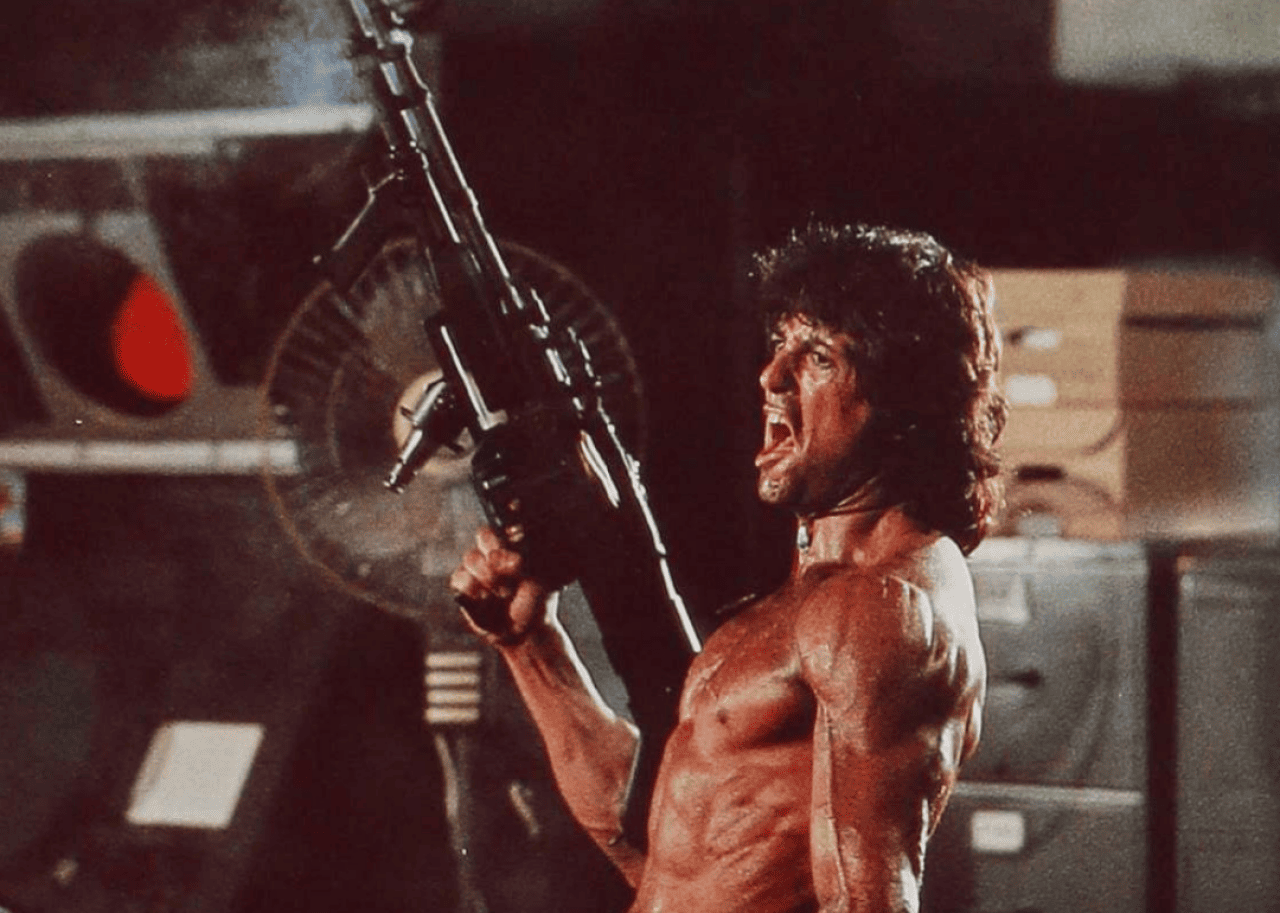
1985: Rambo: First Blood Part II
– Inflation-adjusted domestic gross: $407,966,358
– Unadjusted domestic gross: $145,393,330
– Box office share in calendar year: 11.1%
This sequel to the iconic film sees John Rambo in jail when he’s offered a way out by his former boss. If he travels to Vietnam and finds American POWs, his criminal record will be cleared, but everything changes when the woman he loves is killed by American forces. The director George P. Cosmatos also directed the acclaimed Western “Tombstone.”
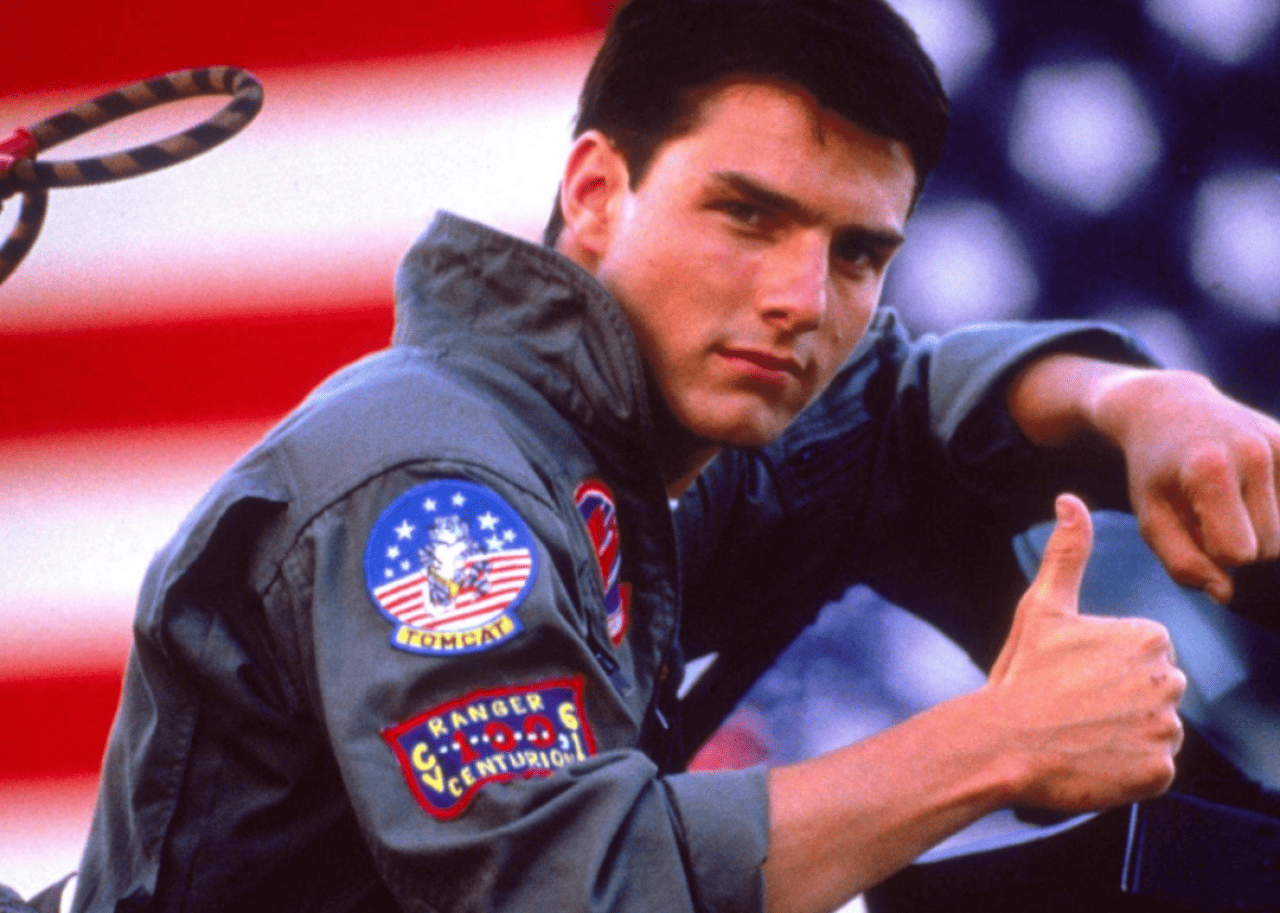
1986: Top Gun
– Inflation-adjusted domestic gross: $357,342,120
– Unadjusted domestic gross: $129,766,727
– Box office share in calendar year: 10.6%
Hotshot pilot Pete “Maverick” Mitchell is sent to the Fighter Weapons School, where his cocky attitude and recklessness create problems with the other students. As Maverick competes to be the best fighter pilot in his class, he also fights for the love of his instructor, Charlotte Blackwood. The film’s appeal is so long-lived that 2022’s sequel, “Top Gun: Maverick,” ended up outperforming the original film at the box office.
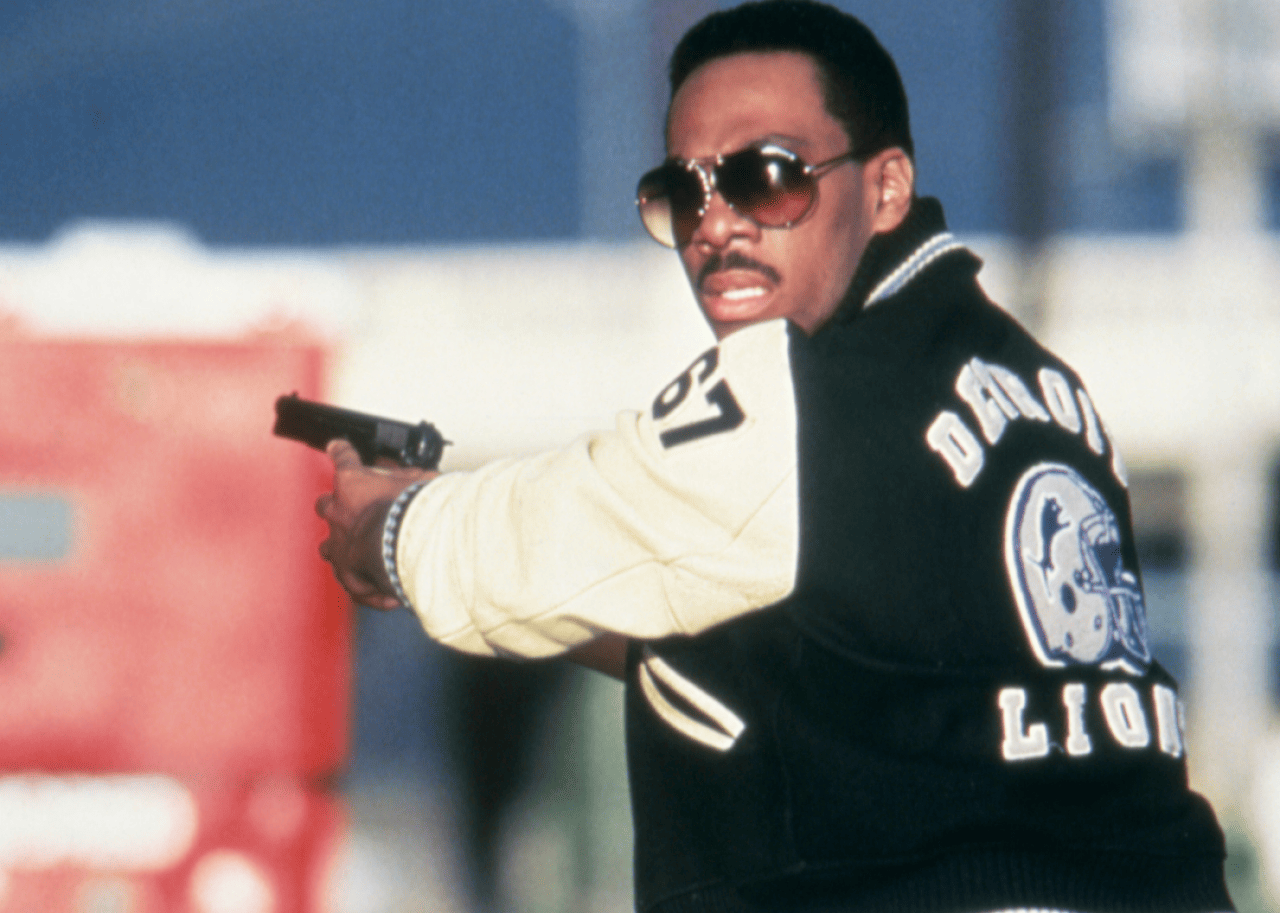
1987: Beverly Hills Cop II
– Inflation-adjusted domestic gross: $408,217,214
– Unadjusted domestic gross: $153,665,036
– Box office share in calendar year: 10.7%
Everyone’s favorite Detroit cop, Axel Foley, returns to L.A. in this hilarious sequel with a brand-new case to crack. Foley is tasked with pinning down a series of robberies dubbed the “alphabet crimes,” which leads him to an illegal weapons dealer. “Beverly Hills Cop II” received both Golden Globe and Academy Award nominations for the song “Shakedown.”
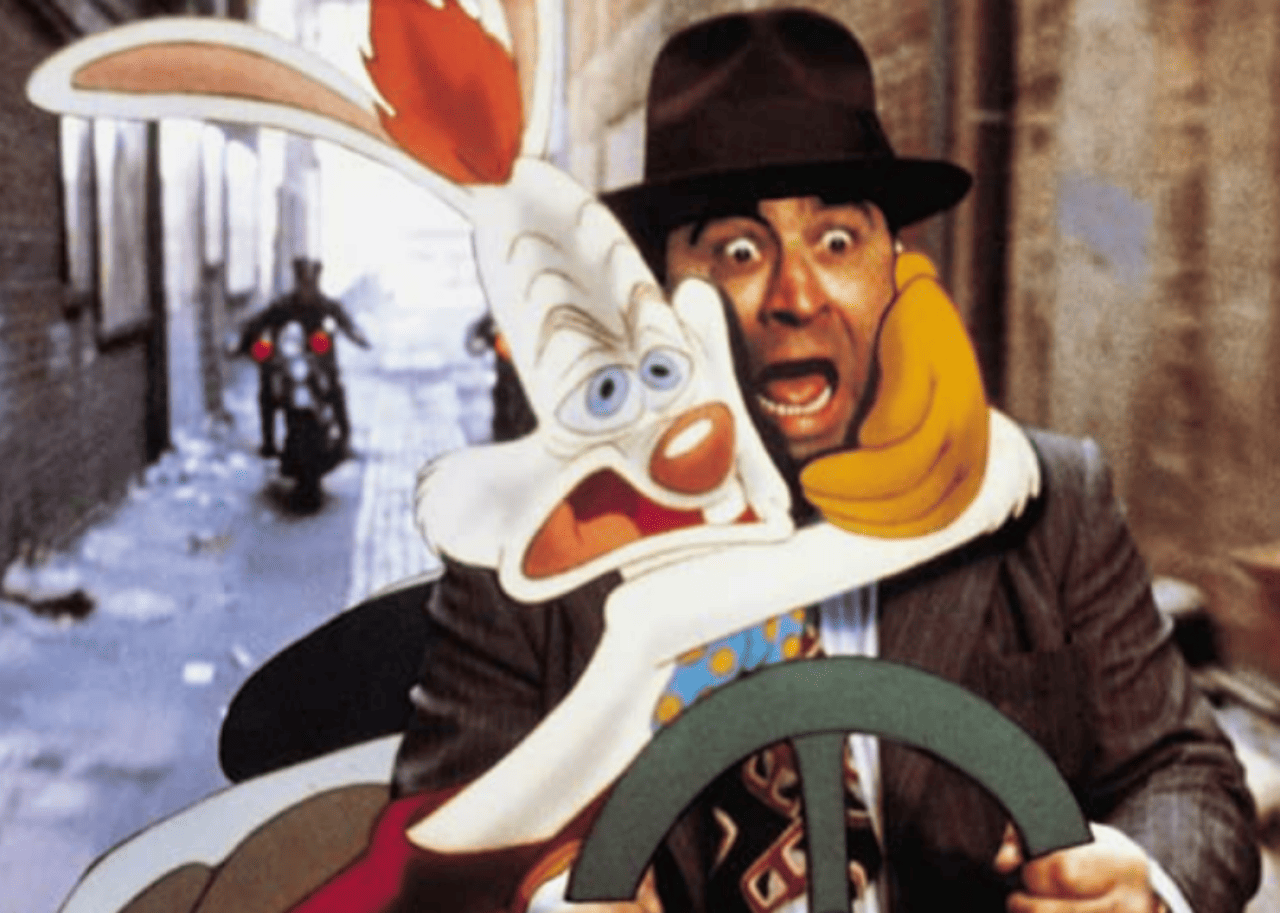
1988: Who Framed Roger Rabbit
– Inflation-adjusted domestic gross: $329,557,605
– Unadjusted domestic gross: $129,121,385
– Box office share in calendar year: 8.7%
When private eye Eddie Valiant is hired to scope out a potential cheating scandal, Valiant finds the alleged other man dead, and the finger is being pointed at the husband: star toon Roger Rabbit. Valiant is then tasked with bridging the worlds of toons and humans to find the man’s real killer and clear Roger’s name. “Who Framed Roger Rabbit” received four Academy Awards: Best Sound Effects Editing, Best Film Editing, Best Visual Effects, and a Special Achievement Award.
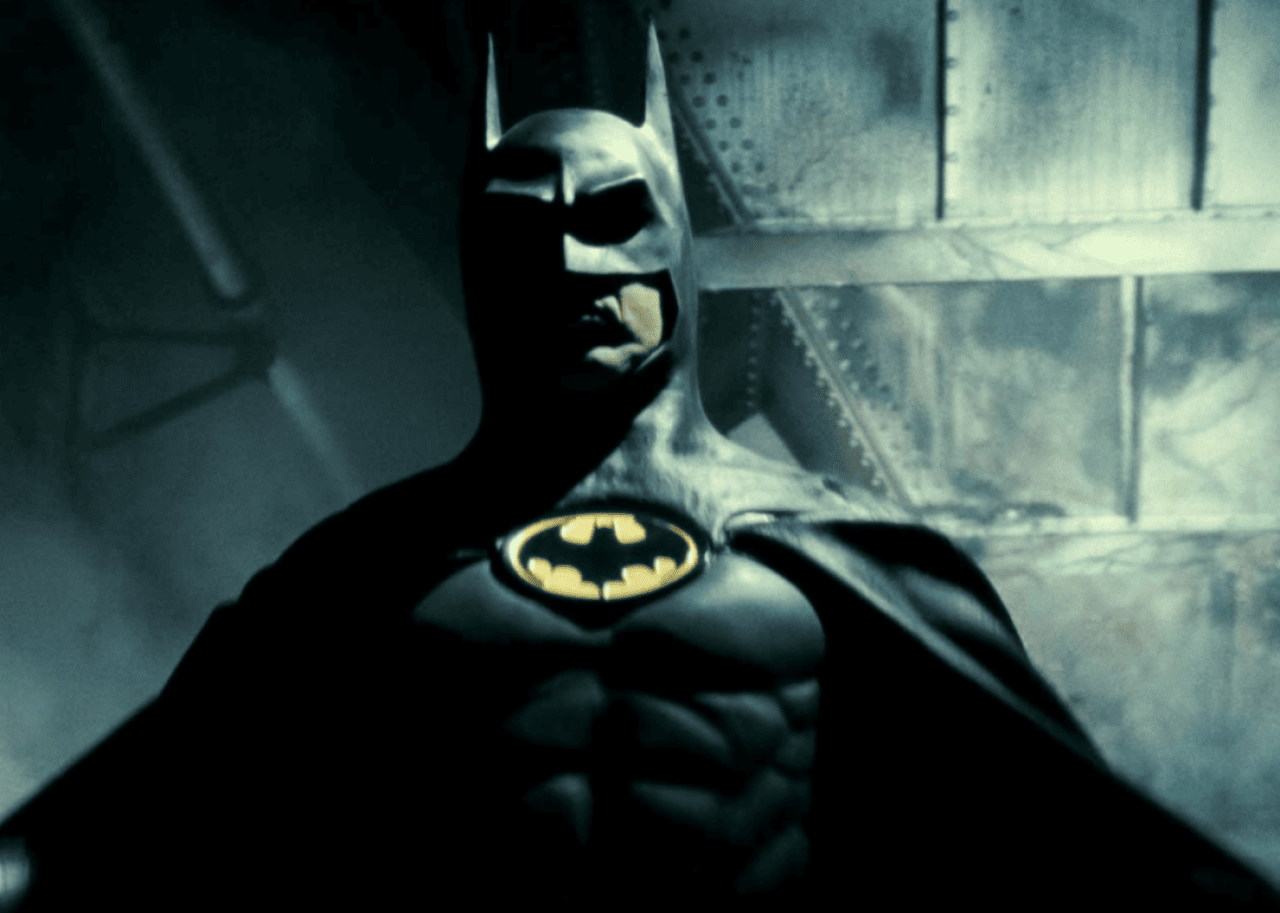
1989: Batman
– Inflation-adjusted domestic gross: $580,832,988
– Unadjusted domestic gross: $238,559,567
– Box office share in calendar year: 13%
Tim Burton’s classic take on the Caped Crusader sees the city of Gotham besieged by a grinning madman known only as “The Joker,” who takes full control of Gotham’s criminal underworld. In this new evil, Batman finds his greatest opponent and must save the city while concealing his true identity and protecting the woman he loves. Before Michael Keaton was eventually cast as Batman, a number of actors were considered for the role, including Mel Gibson, Kevin Costner, Dennis Quaid, Tom Selleck, Charlie Sheen, and Harrison Ford.
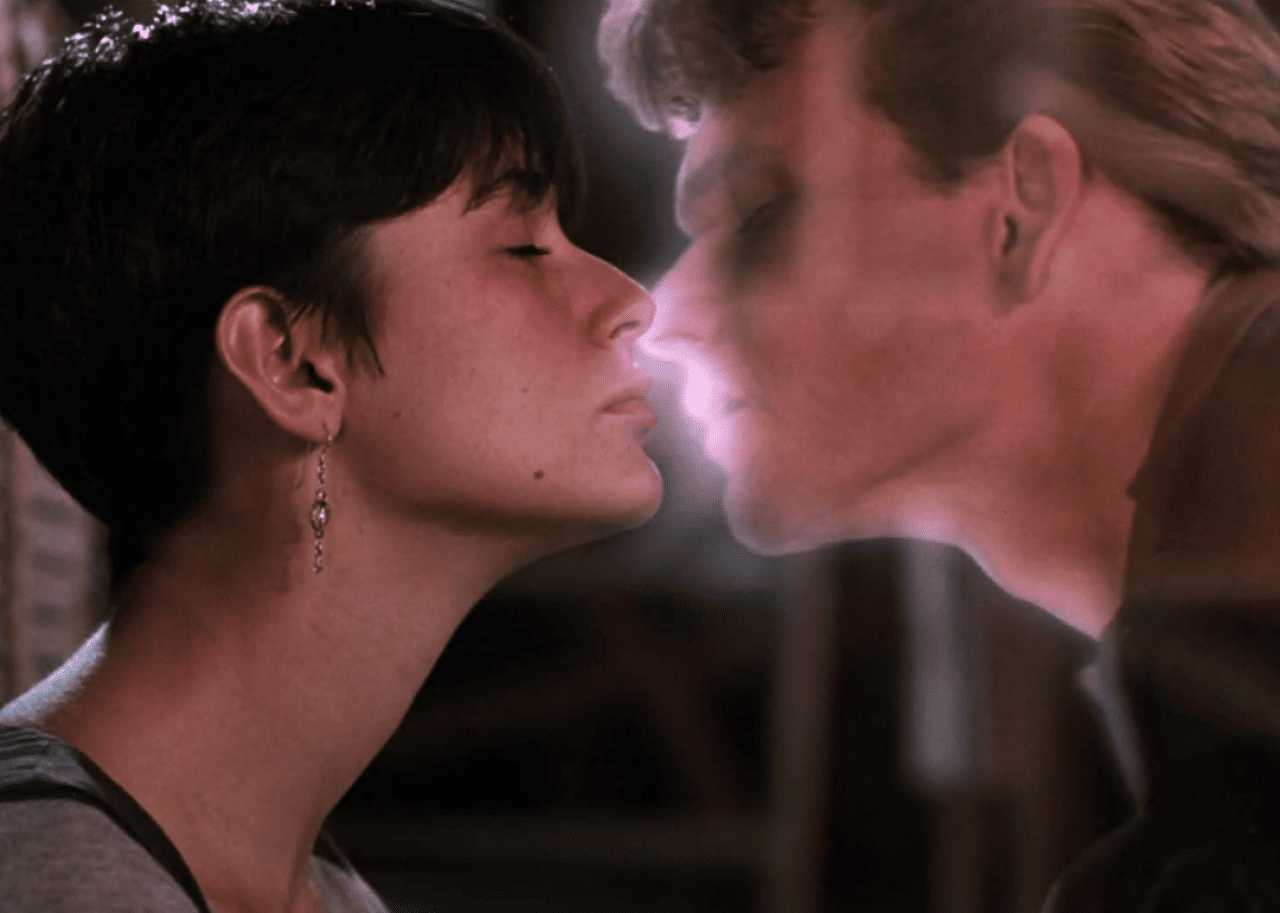
1990: Ghost
– Inflation-adjusted domestic gross: $281,466,635
– Unadjusted domestic gross: $121,842,426
– Box office share in calendar year: 6.9%
When a banker is unknowingly double-crossed by his corrupt friend and murdered over a dubious business deal, he becomes a spirit in between planes of existence. But while he’s dead, he discovers what happened to him, and he seeks help from a psychic to get justice and protect his lover. “Ghost” was directed by Jerry Zucker of the Zucker Brothers comedy directing duo, who along with Jim Abrahams was responsible for such classics as “Airplane!” and “Top Secret!”
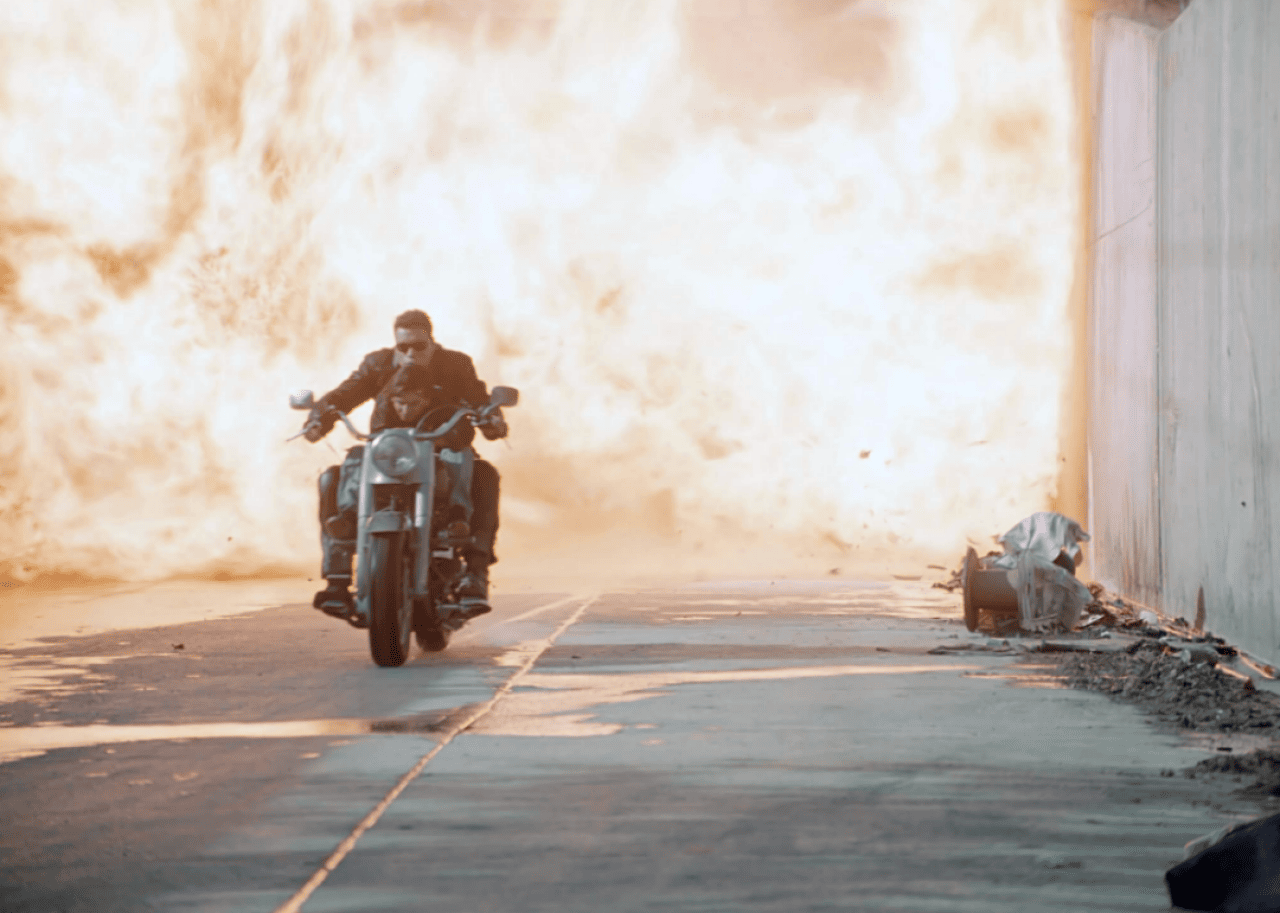
1991: Terminator 2: Judgment Day
– Inflation-adjusted domestic gross: $405,852,493
– Unadjusted domestic gross: $183,122,792
– Box office share in calendar year: 10.8%
Eleven years after the events of the first “Terminator” film, young John Connor becomes the target of a killer T-1000 robot that’s been sent from the future. But another robot from the future, a T-800, has been sent to protect him, and Connor, alongside the robot and his mother, must go on the run in order to save humanity from a robot uprising. “Terminator 2: Judgement Day” earned four wins at the 64th Academy Awards: Best Visual Effects, Best Sound Effects Editing, Best Sound, and Best Makeup.
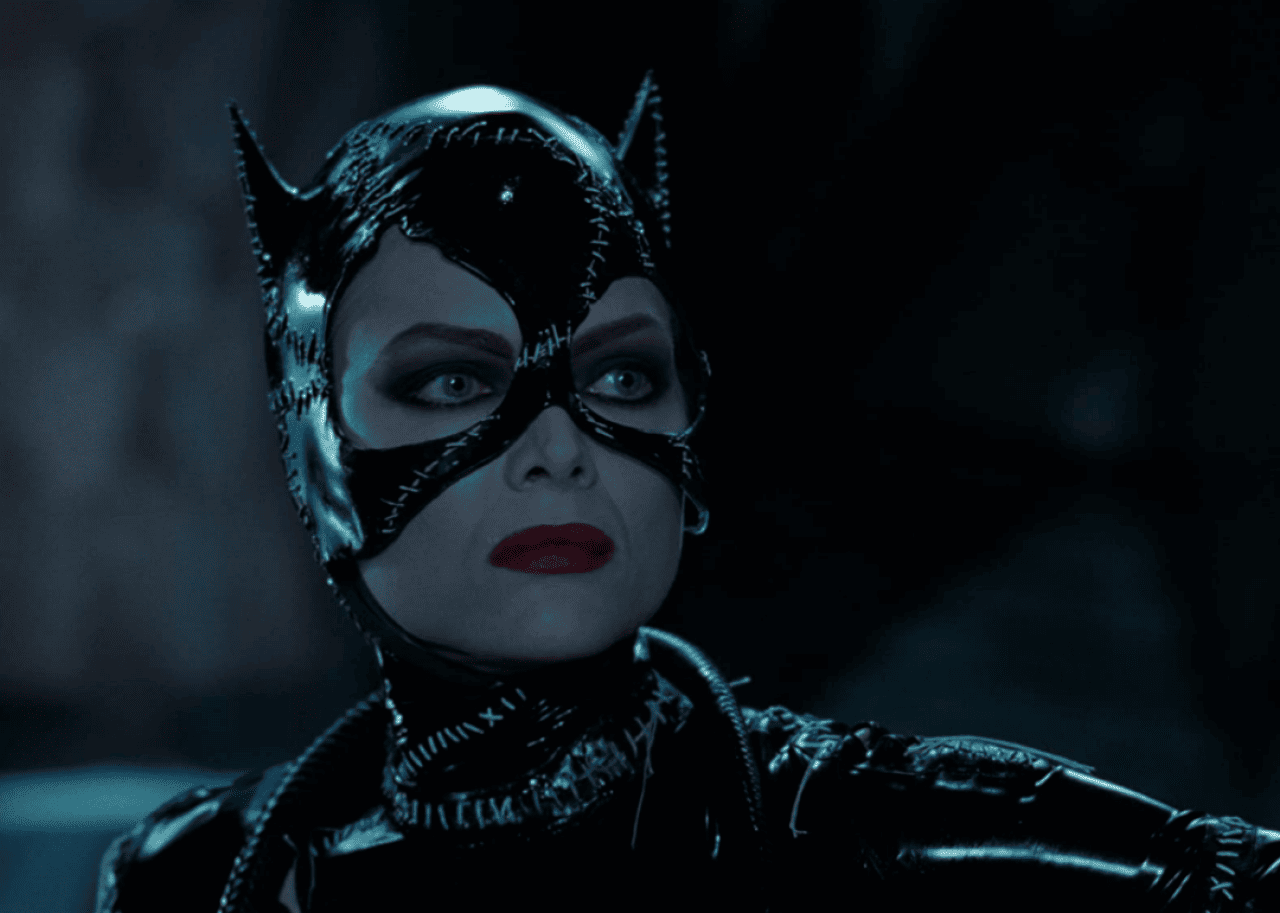
1992: Batman Returns
– Inflation-adjusted domestic gross: $343,221,979
– Unadjusted domestic gross: $159,559,854
– Box office share in calendar year: 9.3%
In this sequel to Tim Burton’s classic take on Batman, the Dark Knight returns as Gotham finds itself overtaken by a mutant, sewer-dwelling man known as “The Penguin” and his goons. The Penguin has teamed up with corrupt businessman Max Shreck to get rid of the Bat once and for all, accompanied by Shreck’s former assistant-turned-Catwoman, Selina Kyle. After the box office failure of “Batman Returns,” Burton was replaced with Joel Schumacher, but Schumacher’s two “Batman” films fared far worse.
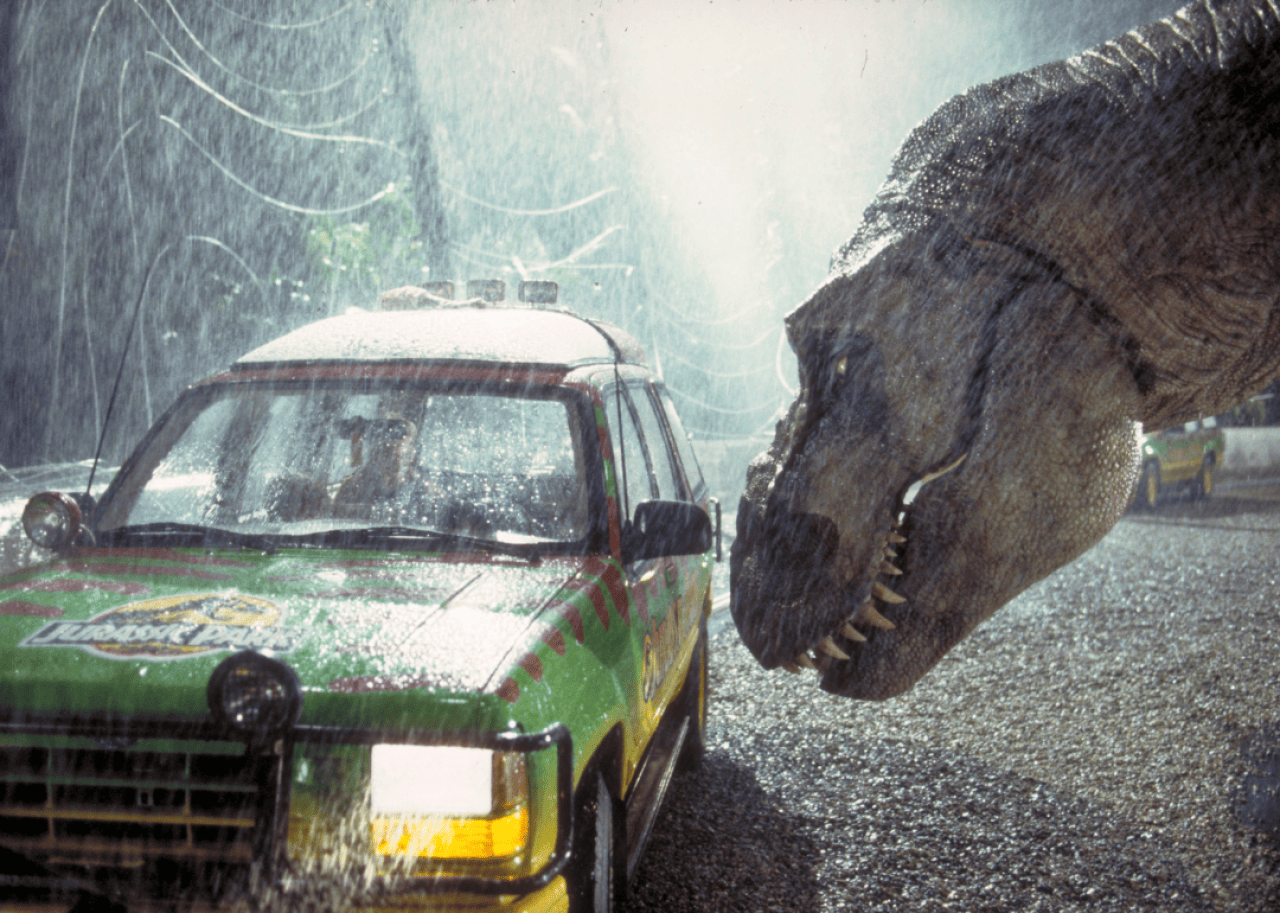
1993: Jurassic Park
– Inflation-adjusted domestic gross: $661,525,662
– Unadjusted domestic gross: $316,609,010
– Box office share in calendar year: 15.2%
Billionaire John Hammond has cracked the code for bringing dinosaurs back to life and decides to create a new kind of zoo to show them off to paying customers. Disaster, of course, ensues. A paleontologist, a paleobotanist, and a mathematician must keep people safe in the facility after an accident forces Hammond to learn just what happens when you play God. “Jurassic Park” employed groundbreaking fusions of CGI and animatronics to literally bring prehistoric creatures to life.
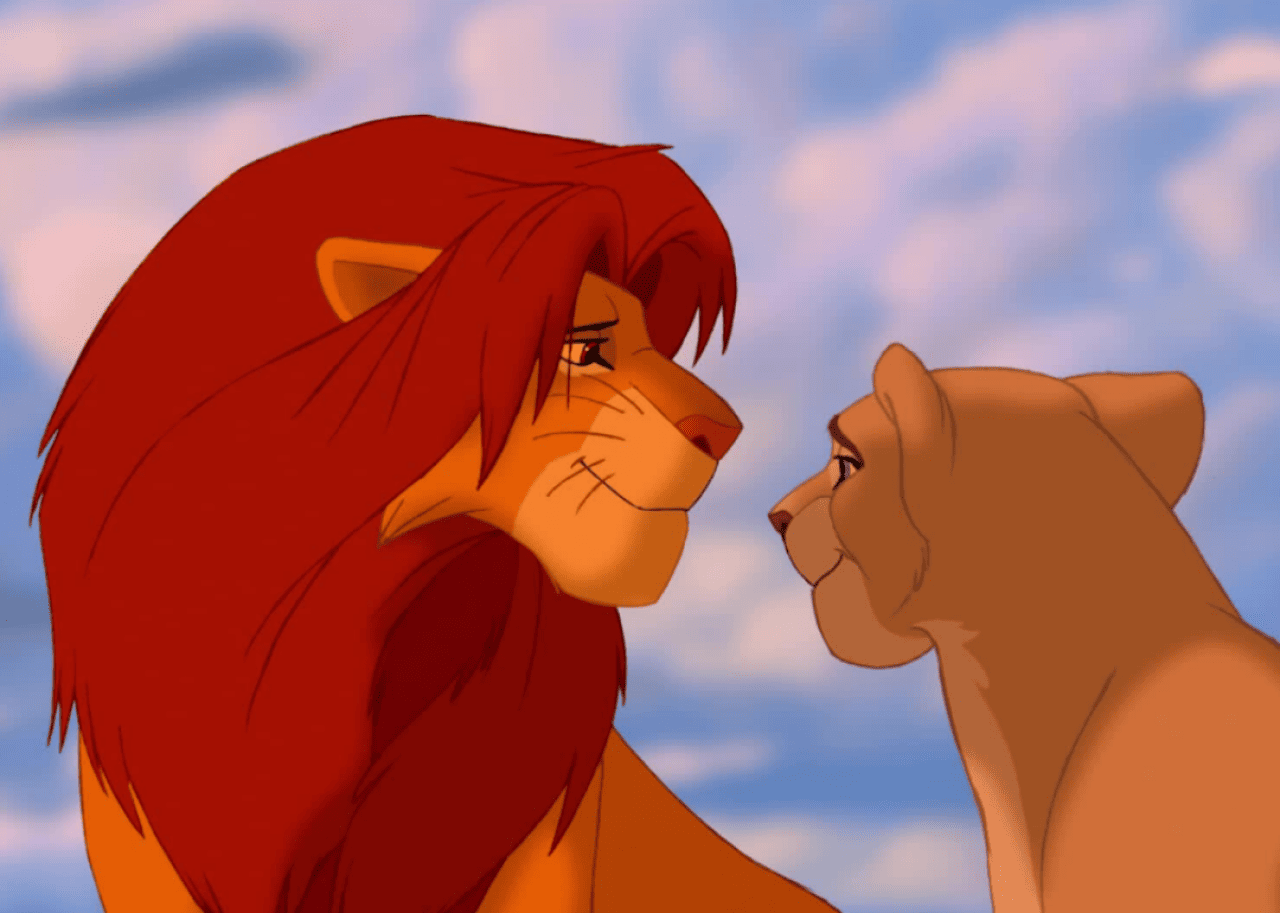
1994: The Lion King
– Inflation-adjusted domestic gross: $531,457,560
– Unadjusted domestic gross: $260,978,278
– Box office share in calendar year: 12.1%
Young lion cub Simba is next in line for his father’s throne, but King Mufasa’s malicious brother, Scar, has other plans. After luring both Mufasa and Simba to a stampede of wildebeests, only Simba makes it out alive, and he eventually must journey home to take back his kingdom. Timon and Pumbaa voice actors Nathan Lane and Ernie Sabella were starring together in “Guys and Dolls” on Broadway and initially wanted to play hyenas together, but they had such good comedic chemistry it was decided they were better as the meerkat and warthog team.
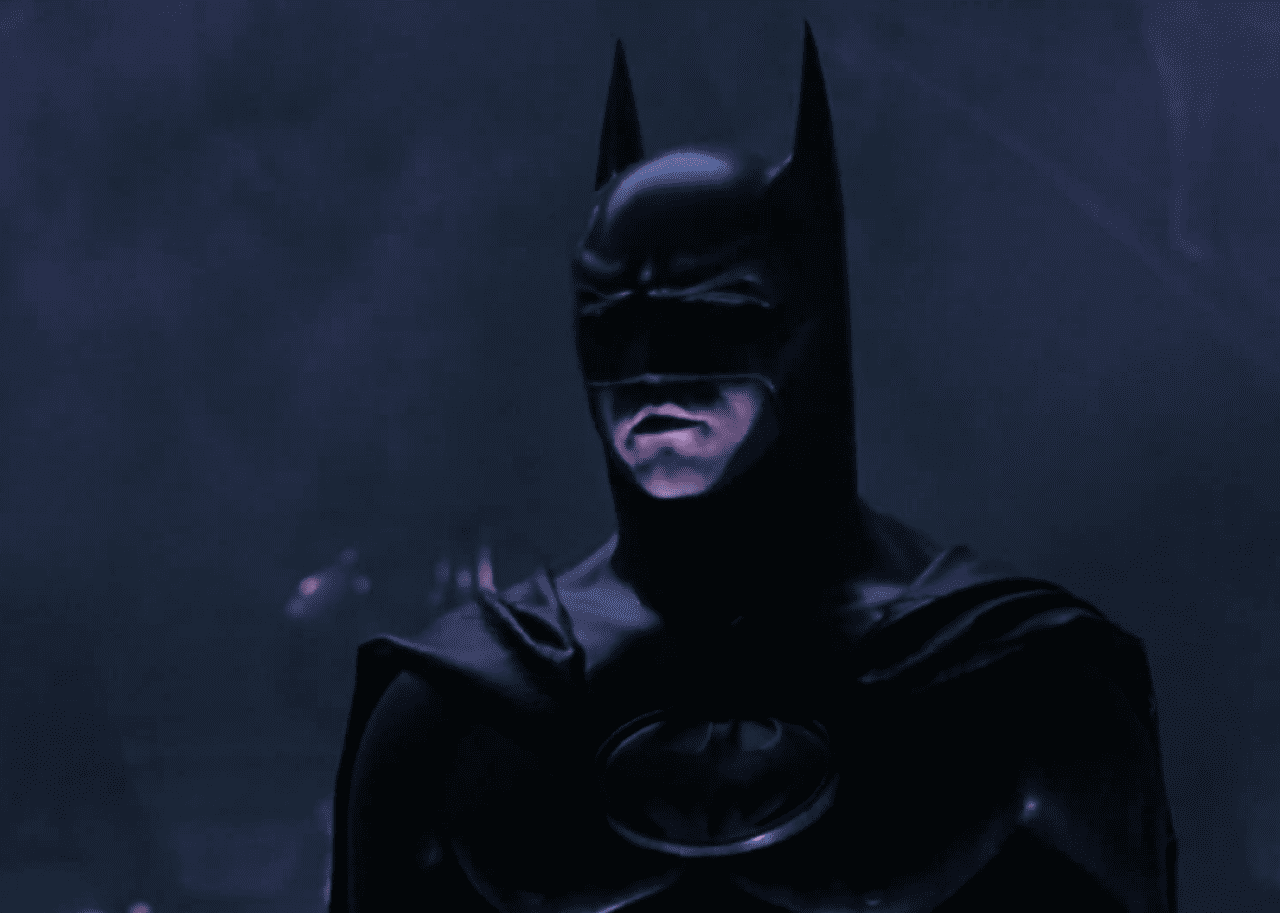
1995: Batman Forever
– Inflation-adjusted domestic gross: $358,884,387
– Unadjusted domestic gross: $181,180,518
– Box office share in calendar year: 8.3%
With Val Kilmer taking over from Michael Keaton, Batman returns for this third sequel to take on two new villains: The Riddler and Two-Face, whom he must defeat with the help of his trusty new sidekick, Robin. In addition to Kilmer, “Batman Forever” boasts a star-studded cast, including Jim Carrey, Tommy Lee Jones, Nicole Kidman, and Drew Barrymore.
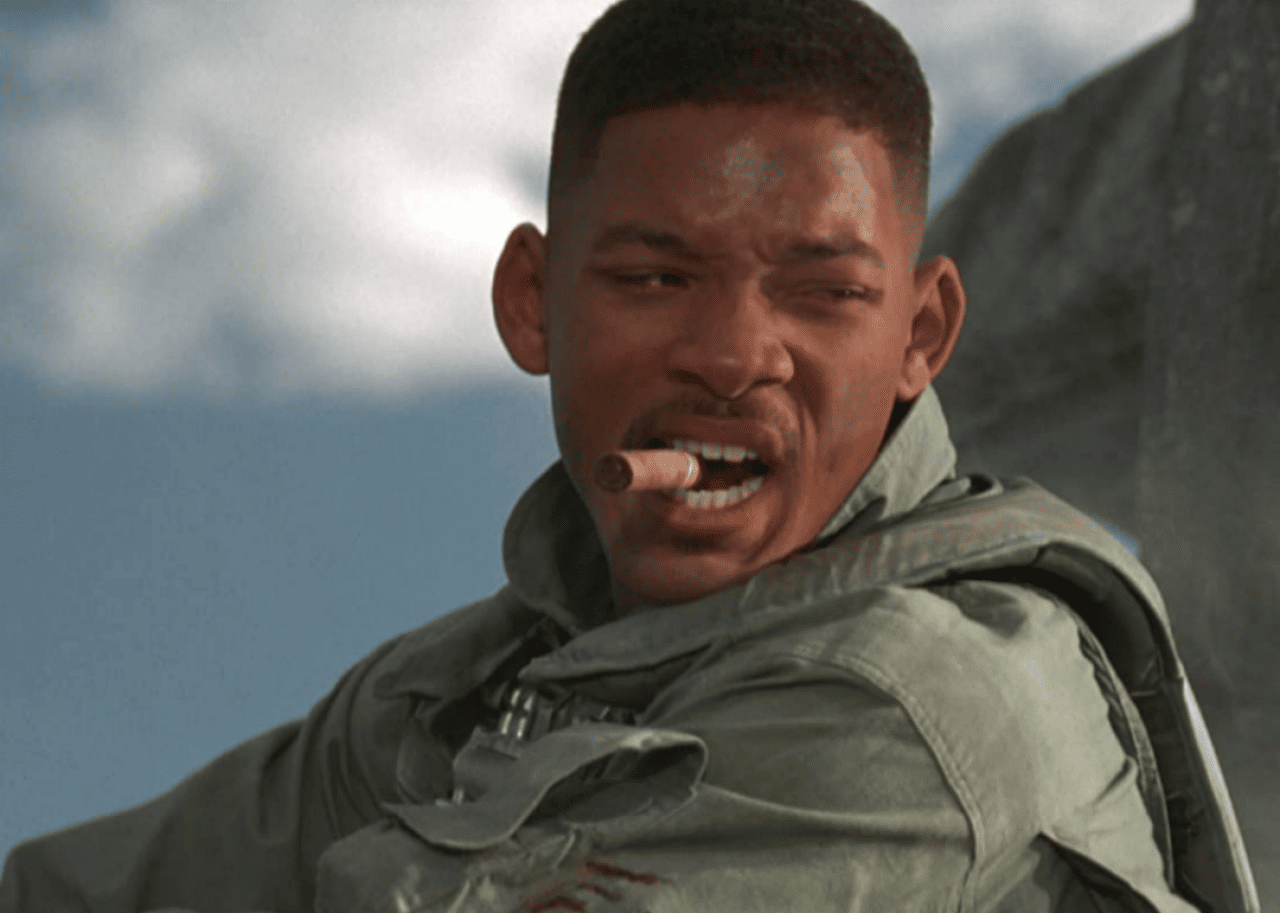
1996: Independence Day
– Inflation-adjusted domestic gross: $542,549,057
– Unadjusted domestic gross: $281,937,276
– Box office share in calendar year: 12.4%
A group of disparate people seemingly connected by fate are what stands between the Earth and total annihilation by an alien insurgence. With millions already killed and the rest of the world at stake, a counterattack is planned for the Fourth of July. In 2016, a sequel to “Independence Day” was released, titled “Independence Day: Resurgence,” and director Roland Emmerich would like to continue the series as a franchise.
Topics:
Entertainment