Kevin Mazur // Getty Images for Coachella
Why Justin Bieber singing with his younger self at Coachella struck a nerve
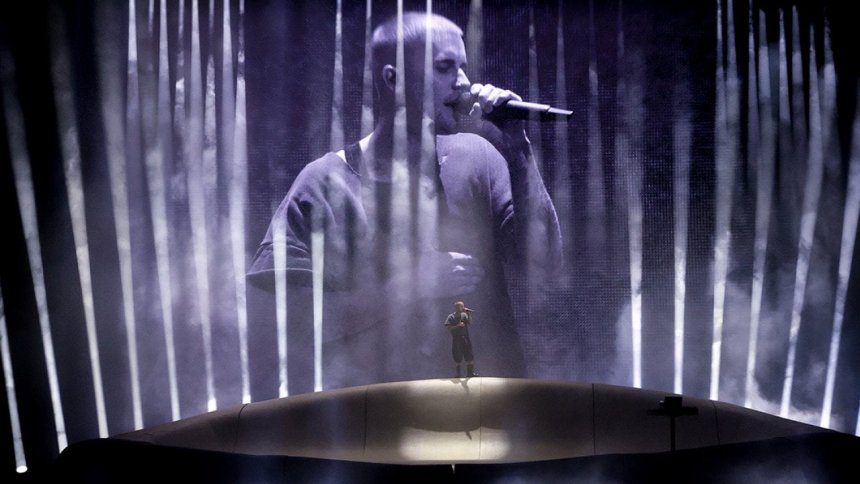
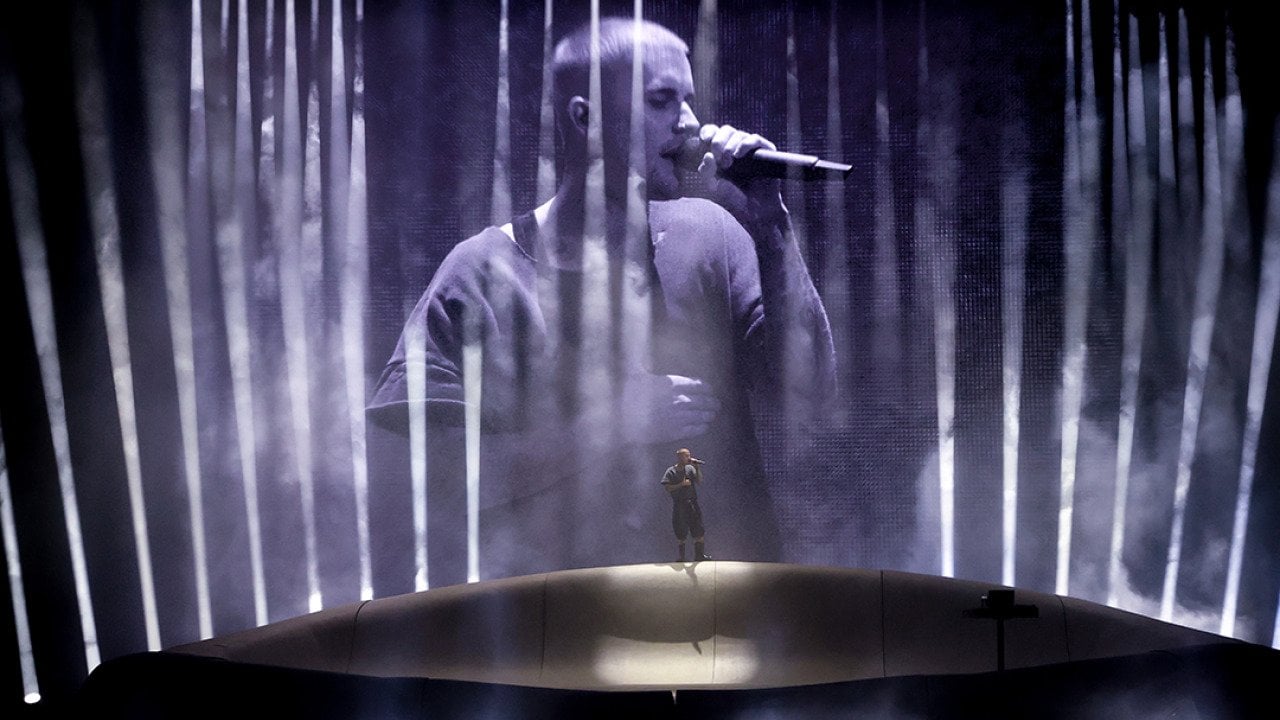
One of the most talked‑about moments from Justin Bieber’s Coachella performance didn’t involve a big drop, a surprise guest or a throwback hit delivered at full volume. Instead, it came when he opened a laptop on stage, pulled up early YouTube videos from the start of his career and sang alongside footage of his younger self.
Also on Mediabistro


The response was swift and sharply divided between praise and criticism. But it wasn’t just about production choices or expectations, according to LifeStance Health. It tapped into something more personal: the experience of revisiting who we used to be and the feelings that can surface when the past shows up in the present.
How nostalgia can trigger both connection and discomfort
Nostalgia is often referred to as a fond remembrance, but the recollection is often layered with complex emotions. Looking back can bring warmth and connection, but it can also surface grief, regret or a sense of distance from who you used to be.
Watching Bieber sing alongside clips of his teenage self, a version many fans associate with their own adolescence, did more than spark memories. It invited people to sit with change. For some, the moment felt reflective and meaningful. For others, it disrupted expectations and felt out of place.
Revisiting earlier versions of ourselves can feel grounding for some people and unsettling for others, especially when the past is tied to pressure or unresolved experiences. Nostalgia can evoke both pride and longing, which is why these moments often land so hard.
Why emotional moments feel heavier under a spotlight
Reflecting on the past can feel vulnerable, and doing it publicly raises the stakes. For artists and public figures, moments that might otherwise pass quietly are immediately interpreted, often without context, and judged in the court of public opinion. Intimate choices are debated as statements, personal reflection is measured against expectations and there’s rarely much room for ambiguity.
Some research suggests that public figures often experience heightened emotional pressure because judgment is immediate and widespread. For Bieber, returning after a significant time away and choosing to show up authentically made that pressure especially pronounced. His performance was quickly framed as either meaningful or lacking with little space in between.
What moments like this reveal about emotional growth
In therapy, people often return to earlier versions of themselves after big life shifts like burnout, illness, trauma or sudden responsibility. The goal isn’t to go back or to erase the past but to understand how those chapters shaped them and how to carry that history forward without being defined by it.
Bieber’s performance can be interpreted as a reflection of that process: opening his laptop, playing the early YouTube clips that launched his career and singing playfully alongside them. It was a rare, unfiltered way of putting past and present in the same frame, with old and new songs sharing the same stage. It carried symbolic weight for many, highlighting that emotional growth can mean acknowledging earlier versions of yourself without getting stuck in them. Or, in Bieber’s case, not allowing others to keep you stuck.
Why this performance sparked such a strong emotional response
The reaction to Bieber’s Coachella appearance wasn’t only about the performance itself. It likely resonated because it reflected something many people recognize: the weight of encountering the past in the present.
Most people don’t invite that kind of moment on a festival stage, but versions of it happen all the time: revisiting old photos, returning to a former job or old neighborhood, running into someone from an earlier chapter of life.
Those experiences can sometimes carry more weight than expected and are often a sign that something meaningful is being stirred up and is worth paying attention to. For Bieber, this was a clear demarcation of past and present, but done with compassion and an acknowledgment of where it all began.
This article references a public figure for informational purposes only. LifeStance does not endorse Justin Bieber or any affiliated brands. This content is not intended as clinical advice or a substitute for professional care.
This story was published by LifeStance Health and reviewed and distributed by Stacker.
Topics:
Entertainment