Mediabistro Logo Mediabistro Logo
  • Jobs
    Search Creative Jobs Hot Jobs Remote Media Jobs Create Job Alerts
    Job Categories
    Creative & Design Marketing & Communications Operations & Strategy Production Sales & Business Development Writing & Editing
    Quick Links
    Search All Jobs Remote Jobs Create Job Alerts
  • Career Resources
    Career Advice & Articles Media Industry News Media Career Interviews Creative Tools Resume Writing Services Interview Coaching Job Market Insights Member Profiles
  • Mediabistro Membership
    Membership Overview How to Pitch (Premium Tool) Editorial Calendars (Premium Access) Courses & Training Programs Membership FAQ
  • Log In
Post Jobs
Mediabistro Logo Mediabistro Logo
Search Creative Jobs Hot Jobs Remote Media Jobs Create Job Alerts
Job Categories
Creative & Design Marketing & Communications Operations & Strategy Production Sales & Business Development Writing & Editing
Quick Links
Search All Jobs Remote Jobs Create Job Alerts
Career Advice & Articles Media Industry News Media Career Interviews Creative Tools Resume Writing Services Interview Coaching Job Market Insights Member Profiles
Membership Overview How to Pitch (Premium Tool) Editorial Calendars (Premium Access) Courses & Training Programs Membership FAQ
Log In
Post Jobs
Log In | Sign Up

Follow Us!

How to Pitch

How To Pitch: The River

How To Pitch: The River
Nancy icon
By Dana Robinson
Dana Robinson is a freelance health, beauty, and culture writer with 20 years of experience creating content for publications including Shape, WeightWatchers, Wine Enthusiast, AARP, and Southwest: The Magazine. She holds a master's degree in mass communication from California State University-Northridge.
2 min read • Originally published March 18, 2020 / Updated January 18, 2022
Nancy icon
By Dana Robinson
Dana Robinson is a freelance health, beauty, and culture writer with 20 years of experience creating content for publications including Shape, WeightWatchers, Wine Enthusiast, AARP, and Southwest: The Magazine. She holds a master's degree in mass communication from California State University-Northridge.
2 min read • Originally published March 18, 2020 / Updated January 18, 2022

Background: The River launched in 2018 with the intent to provide news, analysis, and enterprise reporting to the Hudson Valley and Catskills, a region where journalistic coverage is often incomplete, says Phillip Pantuso, managing editor. “I think of The River as a regional lens on topics of national importance,” he says. “We want it to be a community asset in the tradition of a trustworthy, knowledgeable local paper.”

The site’s target readership is anyone with an interest in the economy, environment, health, politics, education system, criminal justice system, and/or housing of this area. This is in stark contrast to the coverage that the area typically receives from publications based in NYC, which overwhelmingly write about the Hudson Valley and Catskills from a travel and lifestyle perspective, he says.

What to pitch: The outlet has six verticals: health, education, economy, social justice, politics, and the environment. Pitches can take the form of reported pieces on subjects that fall within those categories, as well as features ranging from 1,200-3,000 words; in-depth Q&As; photo series/essays; and (seldomly) short video pieces.

Editors are only interested in cultural or lifestyle journalism if the stories touch on the aforementioned subjects. Editors are not interested in first-person writing unless that POV brings a new depth of understanding to a subject beyond the writer herself.

What not to pitch: The River does not publish op-eds. The weekly analytical roundup, which usually runs on Wednesdays, is written in-house.

What publicists should pitch — and when [lead time]: Events or products related to the economy, environment, health, politics, education system, criminal justice system, and/or housing of the Hudson Valley. Lead time is at least two weeks.

Percentage of freelance-generated content: 30-40%

Percentage of freelance submissions accepted: 10%

Recent freelance stories pitched and published: Freelancers have pitched articles that focus on Fentanyl in the Hudson Valley, New York’s energy future, and a regional slumlord.

Etiquette: Pitches should be included in the body of the email with links to a portfolio or clips.

Lead time: 4-6 weeks before publication

Pay rate: Flat rate that varies by assignment, depending on scope. Range: $300-$1,000

Payment schedule: Invoice on acceptance, payment within 30 days.

Kill fee: 25%

Rights purchased: All rights for one year, after which all rights revert back to the author

Contact info:
The River Newsroom
℅ Chronogram Media
45 Pine Grove Avenue
Kingston, NY 12401
www.therivernewsroom.com
Twitter handle: @RiverNewsroom
phillip.pantuso@chronogram.com

Direct all pitches to:
Managing editor Phillip Pantuso: PHILLIP dot PANTUSO at CHRONOGRAM dot COM
 

Topics:

Go Freelance, How to Pitch
How to Pitch

How To Pitch: Root in Rights

How To Pitch: Root in Rights
Nancy icon
By Dana Robinson
Dana Robinson is a freelance health, beauty, and culture writer with 20 years of experience creating content for publications including Shape, WeightWatchers, Wine Enthusiast, AARP, and Southwest: The Magazine. She holds a master's degree in mass communication from California State University-Northridge.
2 min read • Originally published January 16, 2020 / Updated January 18, 2022
Nancy icon
By Dana Robinson
Dana Robinson is a freelance health, beauty, and culture writer with 20 years of experience creating content for publications including Shape, WeightWatchers, Wine Enthusiast, AARP, and Southwest: The Magazine. She holds a master's degree in mass communication from California State University-Northridge.
2 min read • Originally published January 16, 2020 / Updated January 18, 2022

Background: The Rooted in Rights blog launched in October 2016 and its focus is solely on disability, by and for disabled people, says editor in chief, Emily Ladau. Its mission is to amplify the authentic perspectives of disabled people, especially of multi-marginalized identities, on a range of topics and experiences, she says.

The blog’s target readership is intended to be broad–anyone interested in learning about disability issues, including allies of the disability community and people with disabilities.

What to pitch: Freelancers can pitch on any topics they choose, including: current events, disability history and culture, discrimination and stigma, education, employment, family, healthcare, housing, immigration, intersecting marginalized identities, law, media, mental and physical health, parenting, relationships and sex, sexual harassment and abuse, technology, and transportation.

Editors publish both first-person and reported pieces, but “often encourage a mix of personal narrative and reporting within the same piece – to interweave personal insights and experiences connected to disability with broader cultural issues and current events,” says Ladau. Word count: 1,000-1,500.

Writers must also identify as having a disability.

What not to pitch: Editors do not publish pieces that are explicitly politically partisan.

What publicists should pitch — and when [lead time]: Editors do not accept pitches from publicists.

Percentage of freelance-generated content: 100%

Percentage of freelance submissions accepted: 50%

Recent freelance stories pitched and published: Freelancers have pitched articles that focus on sexual health care; school accessibility, and Showing up in Public in a Disabled Trans Body.

Etiquette: Pitches should be included in the body of the email or as attachments; links to a portfolio or clips should only be submitted upon request. Pitches can also be sent through this form.

Lead time: Evergreen content is accepted on a rolling basis; timely pieces should be submitted at least a week out; extremely time-sensitive pieces should be submitted as soon as possible.

Pay rate: $100-$300

Payment schedule: Invoice on acceptance, payment within 20-30 business days.

Kill fee: Flat rate determined on case-by-case basis.

Rights purchased: All rights

Contact info:

Rooted in Rights
315 5th Avenue S, Suite 850
Seattle, WA 98104

www.rootedinrights.org
Twitter handle: @rootedinrights | Facebook
info@rootedinrights.org

Direct all pitches here

Topics:

Go Freelance, How to Pitch
LA

13.9 percent of households in California receive food stamps

13.9 percent of households in California receive food stamps
By Stacker Feed
2 min read • Published November 24, 2021
By Stacker Feed
2 min read • Published November 24, 2021

Jonathan Weiss // Shutterstock

13.9 percent of households in California receive food stamps

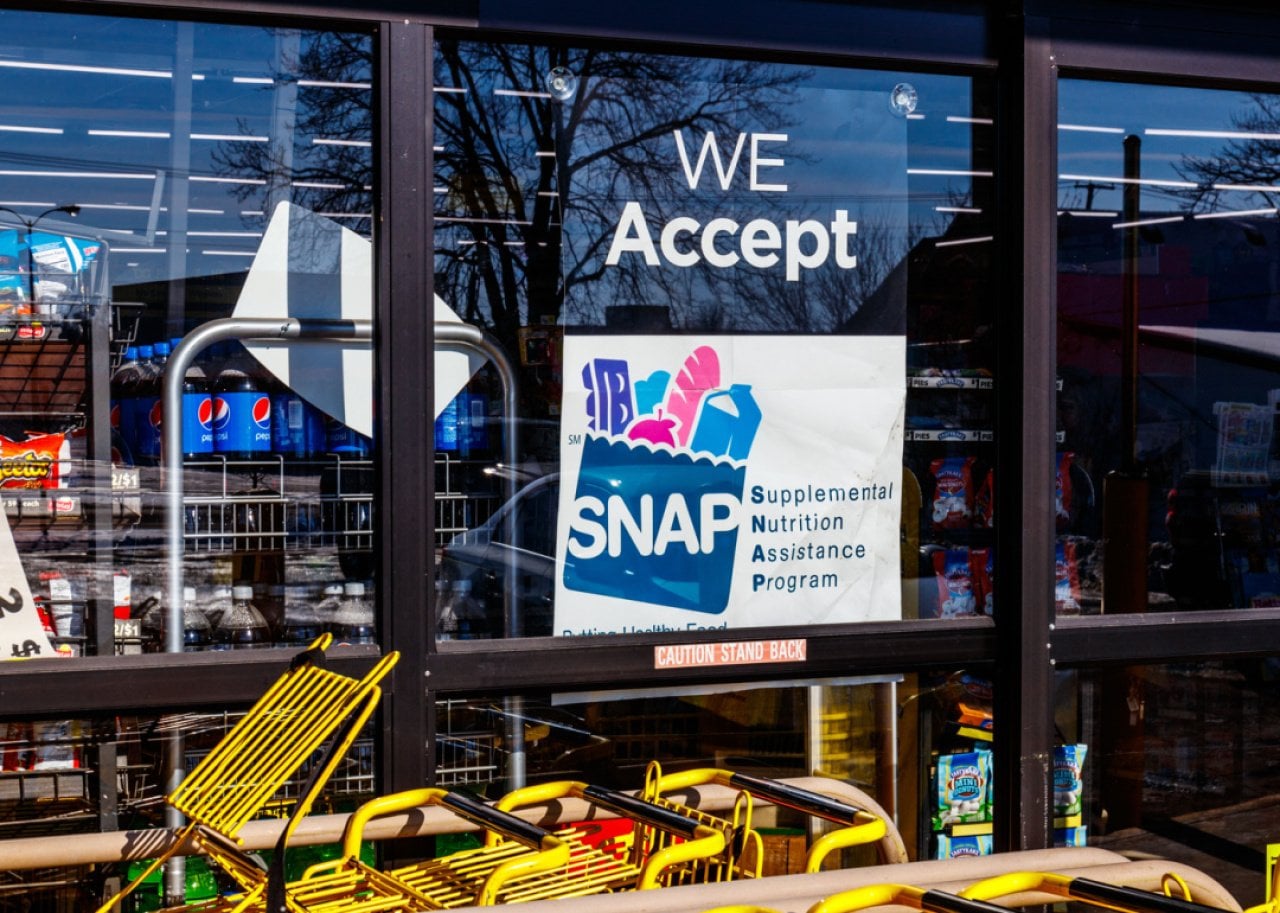
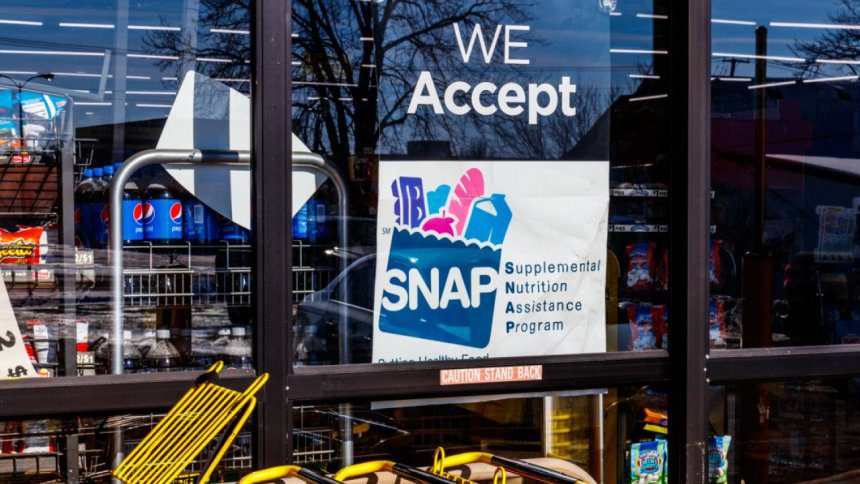
Prior to the coronavirus pandemic, food insecurity throughout the United States affected more than 37 million people, among them 11 million children. That number, though staggering, represented the lowest point of food insecurity in the country in almost 90 years. Against the backdrop of the ongoing pandemic, national hunger-relief organization Feeding America expects more than 42 million Americans to face food shortages during 2021. This demand puts additional strain on already-strapped food pantries and hunger-relief organizations, and drives significant need for increases in the country’s Supplemental Nutrition Assistance Program (SNAP, also known previously as food stamps).

Stacker compiled a list of the states where food stamps are used the most using SNAP data released July 10, 2020, by the USDA. The number of households and the poverty rate are current as of 2019 data from the Census Bureau. States are ranked by the percent of households that received food stamps in April 2020. Additional information came from sources like the Center for American Progress, Feeding America, and state websites and local food banks.

California by the numbers

– Percent of households receiving food stamps: 13.9%
– Total households receiving food stamps: 1,824,382
– Average monthly benefit per household: $263 (#7 highest among all states)

The CalFresh Restaurant Meals Program gives those 60 and older, those experiencing homelessness, and those with disabilities to use their food benefits at participating restaurants. Those receiving food stamp benefits in the state are required to recertify every six months in what is widely considered to be a complicated process that creates a barrier between those in need and the benefits they are eligible for.

Here are the states using food stamps the most and least:

States using food stamps the most
#1. New Mexico (27.6% of households)
#2. Rhode Island (22.2% of households)
#3. Washington D.C. (22.0% of households)

States using food stamps the least
#1. Wyoming (5.0% of households)
#2. Utah (7.0% of households)
#3. North Dakota (7.2% of households)

Topics:

LA
NYC

New York is the #7 state where food stamps are used the most

New York is the #7 state where food stamps are used the most
By Stacker Feed
2 min read • Published November 24, 2021
By Stacker Feed
2 min read • Published November 24, 2021

Jonathan Weiss // Shutterstock

New York is the #7 state where food stamps are used the most

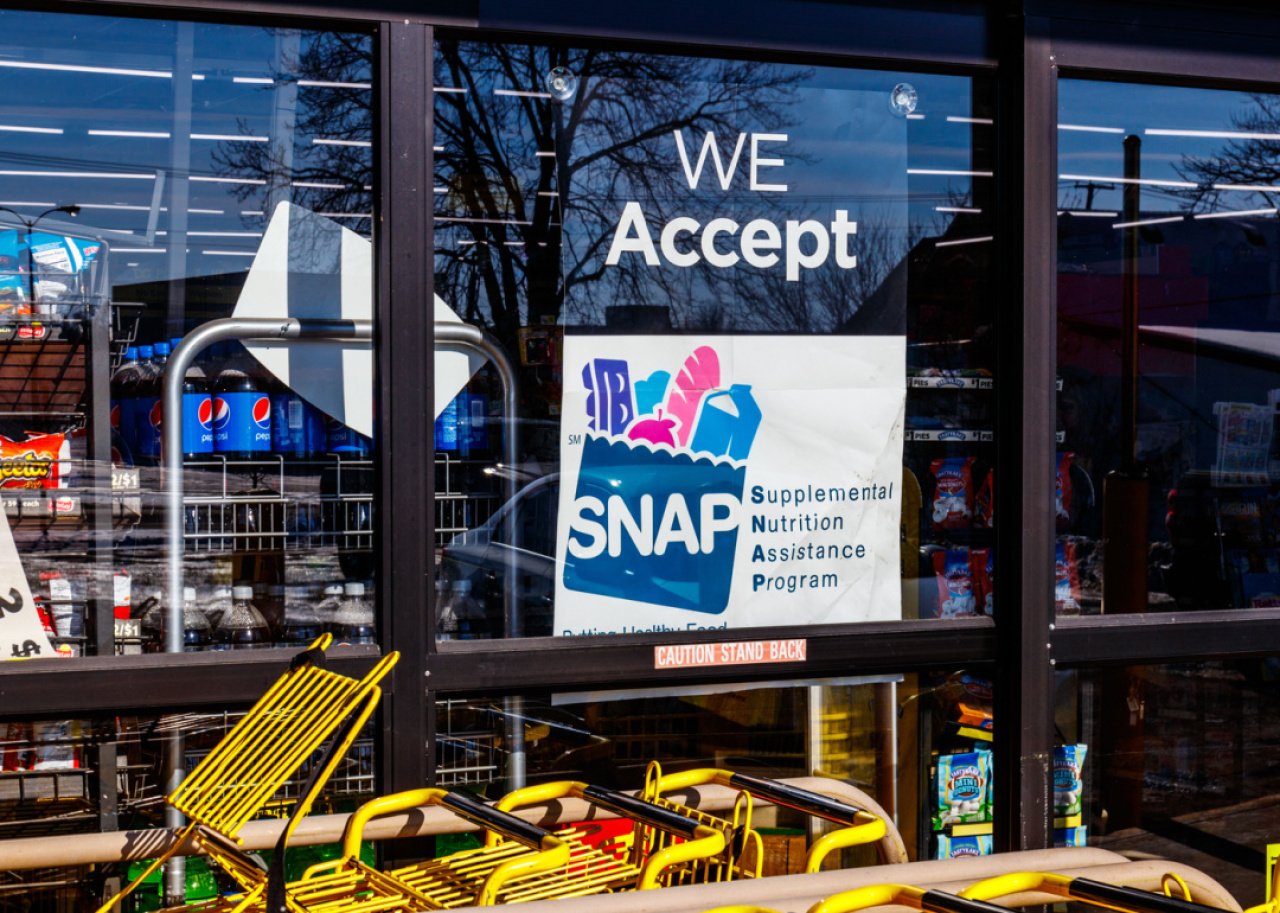
Prior to the coronavirus pandemic, food insecurity throughout the United States affected more than 37 million people, among them 11 million children. That number, though staggering, represented the lowest point of food insecurity in the country in almost 90 years. Against the backdrop of the ongoing pandemic, national hunger-relief organization Feeding America expects more than 42 million Americans to face food shortages during 2021. This demand puts additional strain on already-strapped food pantries and hunger-relief organizations, and drives significant need for increases in the country’s Supplemental Nutrition Assistance Program (SNAP, also known previously as food stamps).

Stacker compiled a list of the states where food stamps are used the most using SNAP data released July 10, 2020, by the USDA. The number of households and the poverty rate are current as of 2019 data from the Census Bureau. States are ranked by the percent of households that received food stamps in April 2020. Additional information came from sources like the Center for American Progress, Feeding America, and state websites and local food banks.

New York by the numbers

– Percent of households receiving food stamps: 20.3%
– Total households receiving food stamps: 1,514,547
– Average monthly benefit per household: $237 (#25 highest among all states)

Organizations like City Harvest attempt to combat food insecurity issues in and more in New York City. In 2018, 34% of New York City’s food pantries and kitchens had to turn people away, reduce portions, or limit operating hours. The city’s poverty rate approached historic lows ahead of the pandemic.

Here are the states using food stamps the most and least:

States using food stamps the most
#1. New Mexico (27.6% of households)
#2. Rhode Island (22.2% of households)
#3. Washington D.C. (22.0% of households)

States using food stamps the least
#1. Wyoming (5.0% of households)
#2. Utah (7.0% of households)
#3. North Dakota (7.2% of households)

Topics:

NYC
LA

26.0 million votes: See the demographics of California's voting population

26.0 million votes: See the demographics of California's voting population
By Stacker Feed
4 min read • Published November 3, 2021
By Stacker Feed
4 min read • Published November 3, 2021

rawpixel.com // Shutterstock

26.0 million votes: See the demographics of California’s voting population

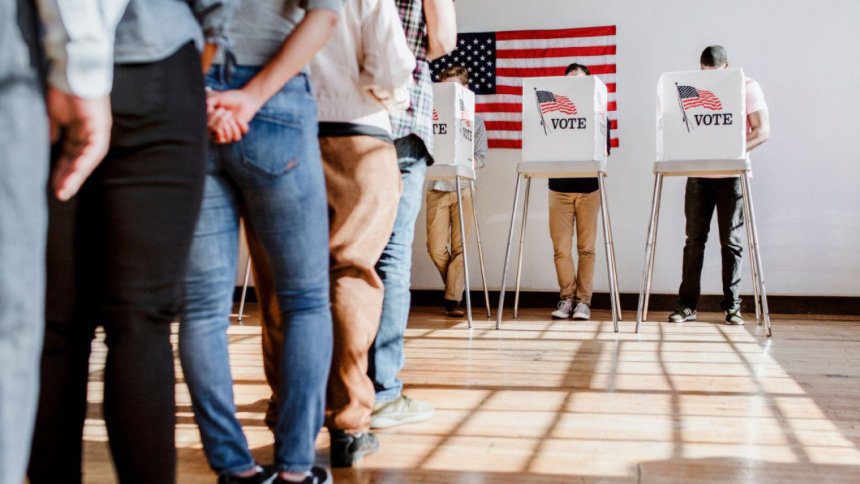
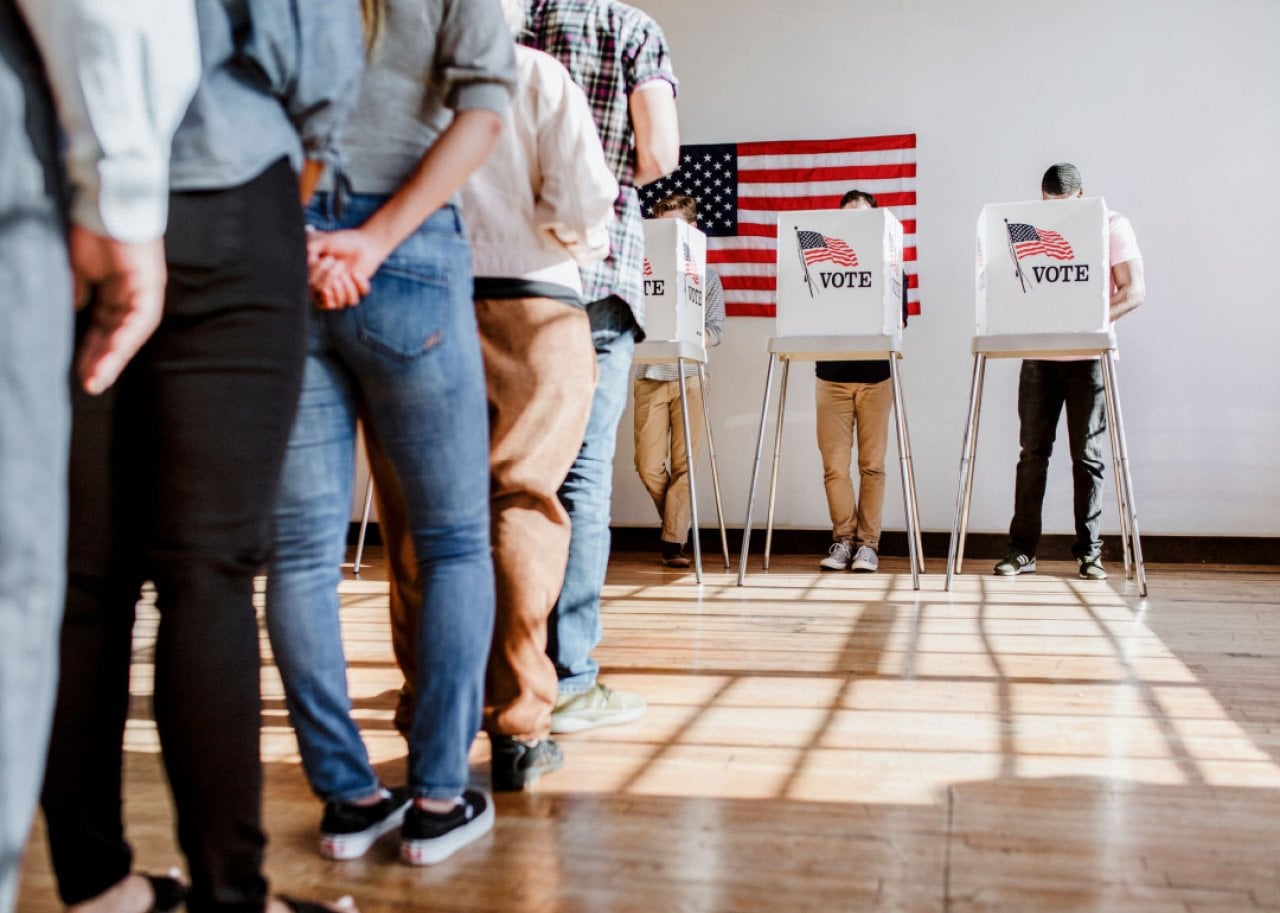
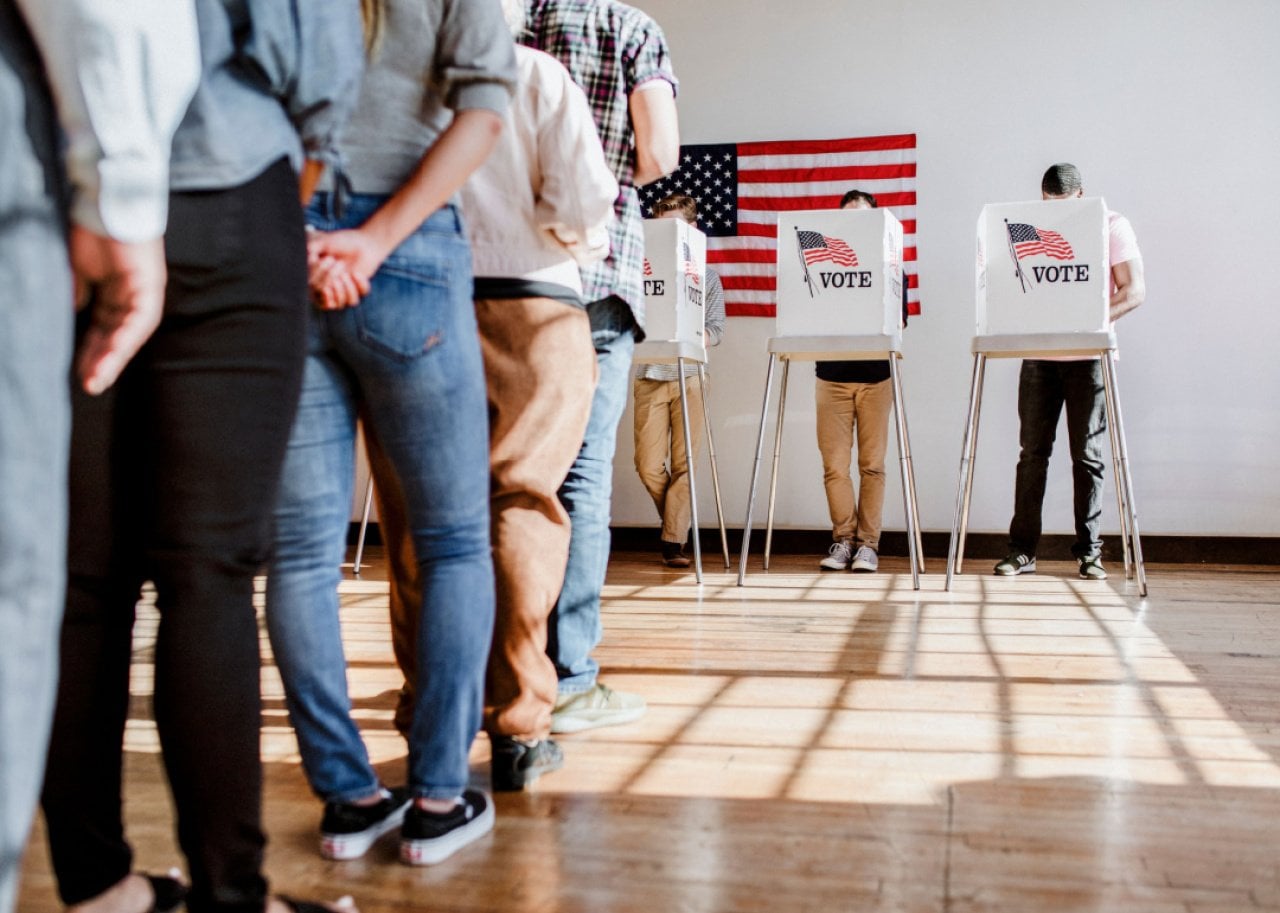
In 2020, 158.4 million citizens—almost two-thirds of estimated eligible voters—voted in the presidential elections, according to the Pew Research Center. The number represented a higher than average turnout, with people voting in numbers not seen since 1980 and possibly well before.

Stacker compiled voter demographics for each state and Washington, D.C., using the 2019 U.S. Census Bureau’s American Community Survey (released in September 2020). Each slide shows the state’s voting-eligible population (citizens who are 18 or older) and the breakdown of that population by sex, age, race, and education. Economic statistics are not included because the American Community Survey does not account for COVID-19, which affected unemployment, poverty, and medical insurance status for millions of Americans. In order to avoid making any assumptions about the data or the participants of the American Community Survey, Stacker used the exact wording of the “race” and “sex” framework that was provided in the census data.

Keep reading to see the voter demographics of your state.

California by the numbers

– Voting-eligible population: 26,032,160
– Breakdown by sex: 49.1% male, 50.9% female
– Breakdown by age: 22.9% 18-29 years old, 25.0% 30-44 years old, 31.4% 45-64 years old, 20.7% 65+ years old
– Breakdown by race: 63.4% White, 6.7% Black or African American, 14.3% Asian, 30.9% Hispanic or Latino, 0.9% Native American or Alaska Native, 0.4% Native Hawaiian or Pacific Islander, 4.1% two or more races
– Breakdown by education: 4.6% less than high school education, 6.3% some high school (no diploma), 21.9% high school graduate or equivalency, 25.1% some college (no degree), 8.2% associate’s degree, 21.8% bachelor’s degree, 12.1% graduate or professional degree

Famous for being blue and giving its U.S.-leading 50+ electoral votes to every Democratic presidential nominee since 1992, the Golden State has 20.9 million registered voters. The percentage of registered voters increased by 10% since 2016 in California, which has one of the lowest rates of prominent white voters, while male and female balloter proportions are nearly equal, on average.

By percentage, voters aged 45–64 are the highest in every state, with registered voters over the age of 45 comprising more than half the country’s population. Older voters also trend toward turning out to vote at a higher rate and played a significant role in former President Donald Trump’s 2016 victory in Florida.

Along racial lines, Black or African American voters in Louisiana and Georgia comprise more than 30% of the state’s registered voters. California and Texas—which award the most electoral votes at 55 and 38, respectively—boast the highest numbers of Latino voters. On the other end of the spectrum, West Virginia and Maine boast the highest percentage of white voters. A number of states had already seen record voter turnouts, with 16 seeing more than half of its registered voters casting a ballot before Election Day.

Continue reading for a glimpse into the voter demographics of neighboring states.

Nevada

– Voting-eligible population: 2,111,932
– Breakdown by sex: 50.0% male, 50.0% female
– Breakdown by age: 20.4% 18-29 years old, 24.8% 30-44 years old, 32.3% 45-64 years old, 22.4% 65+ years old
– Breakdown by race: 69.7% White, 9.9% Black or African American, 7.9% Asian, 20.3% Hispanic or Latino, 1.3% Native American or Alaska Native, 0.7% Native Hawaiian or Pacific Islander, 3.7% two or more races
– Breakdown by education: 2.7% less than high school education, 7.3% some high school (no diploma), 29.5% high school graduate or equivalency, 26.9% some college (no degree), 9.0% associate’s degree, 16.2% bachelor’s degree, 8.5% graduate or professional degree

Made up of a more diverse voting population than other U.S. regions, Nevada’s increased African American, Asian, and Latino populations make minority groups an influential factor in election results. That influence will only increase, as the Battle Born State’s populace rose by 14.1% between 2010–19.

Oregon

– Voting-eligible population: 3,162,204
– Breakdown by sex: 48.9% male, 51.1% female
– Breakdown by age: 19.7% 18-29 years old, 25.2% 30-44 years old, 31.3% 45-64 years old, 23.9% 65+ years old
– Breakdown by race: 87.2% White, 1.8% Black or African American, 3.6% Asian, 8.5% Hispanic or Latino, 1.2% Native American or Alaska Native, 0.3% Native Hawaiian or Pacific Islander, 3.9% two or more races
– Breakdown by education: 1.9% less than high school education, 5.6% some high school (no diploma), 24.2% high school graduate or equivalency, 27.1% some college (no degree), 9.0% associate’s degree, 20.2% bachelor’s degree, 12.1% graduate or professional degree

Oregon’s minority population is much smaller than other U.S. regions. The Beaver State’s largest city, Portland, which is noted as the “Whitest City in America,” is notorious for minority exclusion, as further revealed in Oregon’s low minority voter populations, including Asian and Hispanic groups.

Topics:

LA
NYC

13.8 million votes: See the demographics of New York's voting population

13.8 million votes: See the demographics of New York's voting population
By Stacker Feed
4 min read • Published November 3, 2021
By Stacker Feed
4 min read • Published November 3, 2021

rawpixel.com // Shutterstock

13.8 million votes: See the demographics of New York’s voting population

In 2020, 158.4 million citizens—almost two-thirds of estimated eligible voters—voted in the presidential elections, according to the Pew Research Center. The number represented a higher than average turnout, with people voting in numbers not seen since 1980 and possibly well before.

Stacker compiled voter demographics for each state and Washington, D.C., using the 2019 U.S. Census Bureau’s American Community Survey (released in September 2020). Each slide shows the state’s voting-eligible population (citizens who are 18 or older) and the breakdown of that population by sex, age, race, and education. Economic statistics are not included because the American Community Survey does not account for COVID-19, which affected unemployment, poverty, and medical insurance status for millions of Americans. In order to avoid making any assumptions about the data or the participants of the American Community Survey, Stacker used the exact wording of the “race” and “sex” framework that was provided in the census data.

Keep reading to see the voter demographics of your state.

New York by the numbers

– Voting-eligible population: 13,810,830
– Breakdown by sex: 47.7% male, 52.3% female
– Breakdown by age: 21.0% 18-29 years old, 23.3% 30-44 years old, 33.0% 45-64 years old, 22.6% 65+ years old
– Breakdown by race: 68.5% White, 15.6% Black or African American, 6.7% Asian, 15.2% Hispanic or Latino, 0.4% Native American or Alaska Native, 0.0% Native Hawaiian or Pacific Islander, 2.5% two or more races
– Breakdown by education: 3.8% less than high school education, 6.4% some high school (no diploma), 25.8% high school graduate or equivalency, 18.5% some college (no degree), 8.9% associate’s degree, 21.3% bachelor’s degree, 15.2% graduate or professional degree

Tied with Florida for the third-most electoral votes at 29, New York has voted Democratic in every presidential election since 1988. One-third of the state’s registered voters reside in New York City, with a record 4.6 million on the voter rolls as of 2017. The Empire State is one of the most ethnically diverse in the nation, and nearly 31% of registered voters are Black or Latino.

By percentage, voters aged 45–64 are the highest in every state, with registered voters over the age of 45 comprising more than half the country’s population. Older voters also trend toward turning out to vote at a higher rate and played a significant role in former President Donald Trump’s 2016 victory in Florida.

Along racial lines, Black or African American voters in Louisiana and Georgia comprise more than 30% of the state’s registered voters. California and Texas—which award the most electoral votes at 55 and 38, respectively—boast the highest numbers of Latino voters. On the other end of the spectrum, West Virginia and Maine boast the highest percentage of white voters. A number of states had already seen record voter turnouts, with 16 seeing more than half of its registered voters casting a ballot before Election Day.

Continue reading for a glimpse into the voter demographics of neighboring states.

Rhode Island

– Voting-eligible population: 800,798
– Breakdown by sex: 47.7% male, 52.3% female
– Breakdown by age: 21.3% 18-29 years old, 21.9% 30-44 years old, 34.1% 45-64 years old, 22.8% 65+ years old
– Breakdown by race: 84.0% White, 6.2% Black or African American, 2.6% Asian, 11.6% Hispanic or Latino, 0.0% Native American or Alaska Native, 0.0% Native Hawaiian or Pacific Islander, 2.8% two or more races
– Breakdown by education: 3.4% less than high school education, 6.0% some high school (no diploma), 29.0% high school graduate or equivalency, 21.0% some college (no degree), 8.2% associate’s degree, 19.9% bachelor’s degree, 12.5% graduate or professional degree

With only four electoral votes, Rhode Island’s percentage of picking the successful presidential candidate since 1900 is 73.33%. Like so many other U.S. regions, Rhode Island is seeing record-level numbers regarding early voting, according to the Boston Globe, adding up to 55,000 residents casting their ballots in October 2020.

Vermont

– Voting-eligible population: 498,705
– Breakdown by sex: 49.0% male, 51.0% female
– Breakdown by age: 20.4% 18-29 years old, 20.7% 30-44 years old, 34.1% 45-64 years old, 24.9% 65+ years old
– Breakdown by race: 95.6% White, 1.0% Black or African American, 1.0% Asian, 1.6% Hispanic or Latino, 0.0% Native American or Alaska Native, 0.0% Native Hawaiian or Pacific Islander, 0.0% two or more races
– Breakdown by education: 1.7% less than high school education, 4.9% some high school (no diploma), 29.7% high school graduate or equivalency, 20.2% some college (no degree), 8.2% associate’s degree, 21.3% bachelor’s degree, 14.0% graduate or professional degree

With a low voting-eligible population, the Green Mountain State holds just three electoral votes. Based on the highest percentage, white female voters between the ages of 45–64 who have a bachelor’s degree are the most influential balloters in Vermont. Along with several other U.S. states, Vermont is breaking voting records, turning in more absentee ballots than ever before.

Topics:

NYC
LA

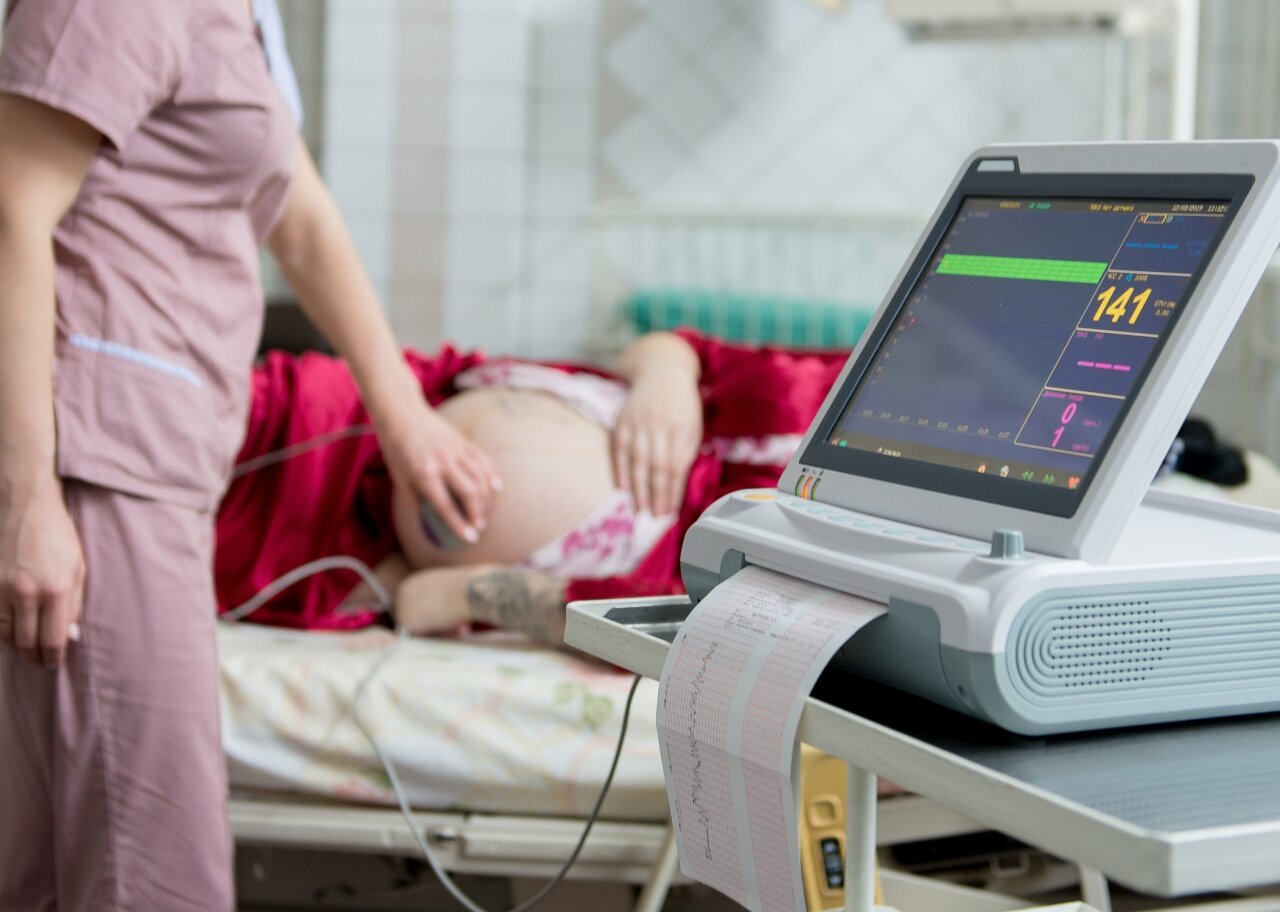
California is the #1 state with the fewest people living in maternal health care deserts

California is the #1 state with the fewest people living in maternal health care deserts
By Stacker Feed
3 min read • Published October 29, 2021
By Stacker Feed
3 min read • Published October 29, 2021

Helen Sushitskaya // Shutterstock

California is the #1 state with the fewest people living in maternal health care deserts

Compared to other developed nations, the United States regularly ranks among the worst countries for maternal and infant health outcomes. Childbirth outcomes are often tied to a birthing parent’s circumstances, fueling wide disparities at the geographic, demographic, and income levels.

Research has shown that access to prenatal care, family planning services, and other contraceptive resources decreases maternal and infant mortality. However, an increasing number of counties throughout the country are losing access to obstetric care. Aging populations, limited staff, and low reimbursement rates for Medicaid patients are factors that have made rural hospital birth units costly to operate.

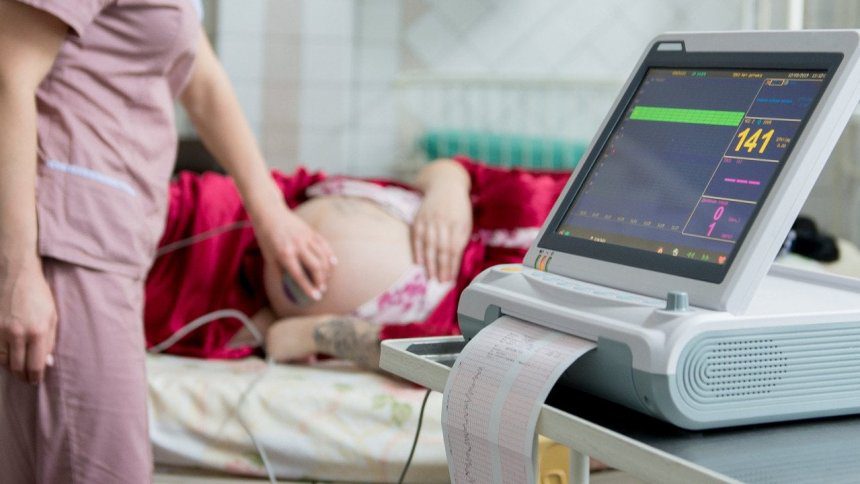
Stacker followed the March of Dimes’ definition of a maternity care desert, including counties with no hospitals with obstetric care, OB/GYNs, or certified nurse-midwives. To identify affected counties, Stacker analyzed the Area Health Resource Files from the Health Resources and Services Administration and merged this data with county-level birth data collected by the National Vital Statistics System to calculate how many births in each state are to parents who live in maternal health care deserts.

Stacker also used 2020 Census population data to calculate what percentage of a state’s population lives in counties without access to maternal health care. Although maternal health care deserts have a disproportionate impact upon people between the ages 15-44 who can get pregnant, Stacker used population data across all sexes and ages to include county-level demographic data and more deeply compare racial disparities.

Keep reading to learn about the challenges facing maternal health care in your state and how state policies and community-driven programs seek to bridge rural and demographic health care disparities, or find the national list here.

California by the numbers

– Percent of state’s births to parents who live in maternal health care deserts: 0.3% (1,127 births)
– Population who lives in maternal health care desert: 0.3%
— 0.5% of state’s white population
— 0.0% of state’s Black population
— 0.6% of state’s Native American population
— 0.2% of state’s Hispanic population
— 0.1% of state’s Native Hawaiian/Pacific Islander population
— 0.1% of state’s Asian population

Even in areas with access to maternal care, other challenges like poverty, limited transit, lack of insurance, and systematic racism can put families at risk of poor maternal and infant health outcomes. Estimates from the CDC show that 60% of pregnancy-related deaths in the U.S. are preventable, but inadequate treatment and identification of health risks contribute to hundreds of maternal deaths annually.

Pregnant Black people face disproportionate risks when giving birth. The infant mortality rate for Black children in the U.S. is double the rate for white children. Maternal mortality rates show similarly grim patterns, with 44 deaths per 100,000 live births among Black people compared to 17.9 per 100,000 live births for white people.

Continue reading to see the states that have the most and fewest people living in maternal health care deserts.

States where the most people live in maternal health care deserts

#1. Mississippi: 23.6% of state’s births to parents who live in maternal health care deserts (8,484 births)
#2. South Dakota: 23.2% of state’s births to parents who live in maternal health care deserts (2,715 births)
#3. Kentucky: 22.4% of state’s births to parents who live in maternal health care deserts (11,821 births)

States where the fewest people live in maternal health care deserts

#1. California: 0.3% of state’s births to parents who live in maternal health care deserts (1,127 births)
#2. New York: 0.3% of state’s births to parents who live in maternal health care deserts (730 births)
#3. Arizona: 0.4% of state’s births to parents who live in maternal health care deserts (311 births)

Topics:

LA
NYC

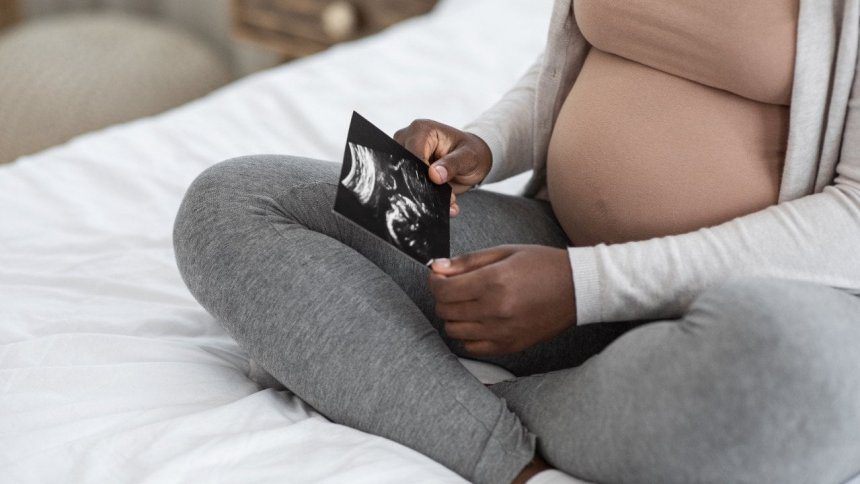
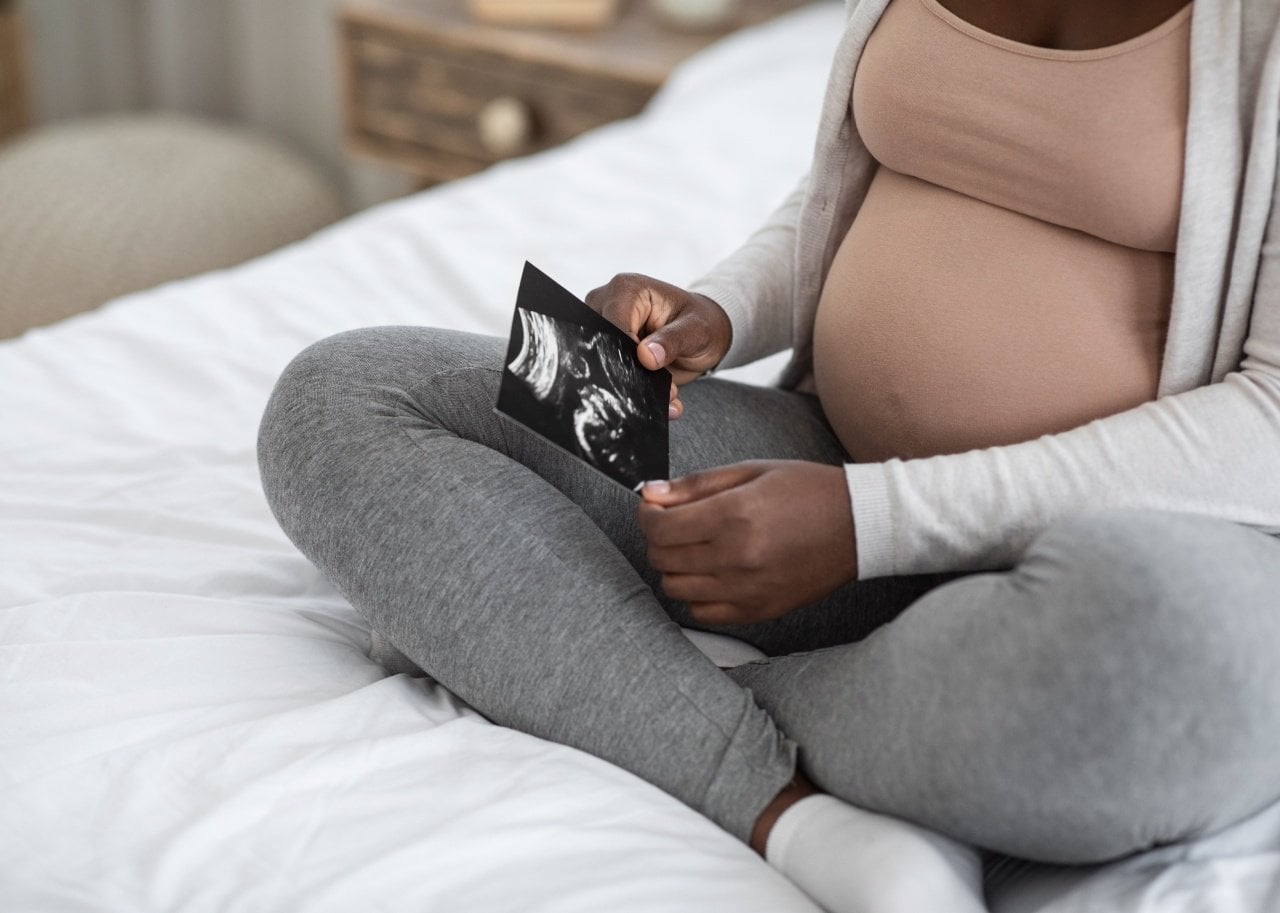
New York is the #2 state with the fewest people living in maternal health care deserts

New York is the #2 state with the fewest people living in maternal health care deserts
By Stacker Feed
3 min read • Published October 29, 2021
By Stacker Feed
3 min read • Published October 29, 2021

Prostock-studio // Shutterstock

New York is the #2 state with the fewest people living in maternal health care deserts

Compared to other developed nations, the United States regularly ranks among the worst countries for maternal and infant health outcomes. Childbirth outcomes are often tied to a birthing parent’s circumstances, fueling wide disparities at the geographic, demographic, and income levels.

Research has shown that access to prenatal care, family planning services, and other contraceptive resources decreases maternal and infant mortality. However, an increasing number of counties throughout the country are losing access to obstetric care. Aging populations, limited staff, and low reimbursement rates for Medicaid patients are factors that have made rural hospital birth units costly to operate.

Stacker followed the March of Dimes’ definition of a maternity care desert, including counties with no hospitals with obstetric care, OB/GYNs, or certified nurse-midwives. To identify affected counties, Stacker analyzed the Area Health Resource Files from the Health Resources and Services Administration and merged this data with county-level birth data collected by the National Vital Statistics System to calculate how many births in each state are to parents who live in maternal health care deserts.

Stacker also used 2020 Census population data to calculate what percentage of a state’s population lives in counties without access to maternal health care. Although maternal health care deserts have a disproportionate impact upon people between the ages 15-44 who can get pregnant, Stacker used population data across all sexes and ages to include county-level demographic data and more deeply compare racial disparities.

Keep reading to learn about the challenges facing maternal health care in your state and how state policies and community-driven programs seek to bridge rural and demographic health care disparities, or find the national list here.

New York by the numbers

– Percent of state’s births to parents who live in maternal health care deserts: 0.3% (730 births)
– Population who lives in maternal health care desert: 0.3%
— 0.5% of state’s white population
— 0.1% of state’s Black population
— 0.2% of state’s Native American population
— 0.1% of state’s Hispanic population
— 0.1% of state’s Native Hawaiian/Pacific Islander population
— 0.0% of state’s Asian population

Even in areas with access to maternal care, other challenges like poverty, limited transit, lack of insurance, and systematic racism can put families at risk of poor maternal and infant health outcomes. Estimates from the CDC show that 60% of pregnancy-related deaths in the U.S. are preventable, but inadequate treatment and identification of health risks contribute to hundreds of maternal deaths annually.

Pregnant Black people face disproportionate risks when giving birth. The infant mortality rate for Black children in the U.S. is double the rate for white children. Maternal mortality rates show similarly grim patterns, with 44 deaths per 100,000 live births among Black people compared to 17.9 per 100,000 live births for white people.

Continue reading to see the states that have the most and fewest people living in maternal health care deserts.

States where the most people live in maternal health care deserts

#1. Mississippi: 23.6% of state’s births to parents who live in maternal health care deserts (8,484 births)
#2. South Dakota: 23.2% of state’s births to parents who live in maternal health care deserts (2,715 births)
#3. Kentucky: 22.4% of state’s births to parents who live in maternal health care deserts (11,821 births)

States where the fewest people live in maternal health care deserts

#1. California: 0.3% of state’s births to parents who live in maternal health care deserts (1,127 births)
#2. New York: 0.3% of state’s births to parents who live in maternal health care deserts (730 births)
#3. Arizona: 0.4% of state’s births to parents who live in maternal health care deserts (311 births)

Topics:

NYC
LA

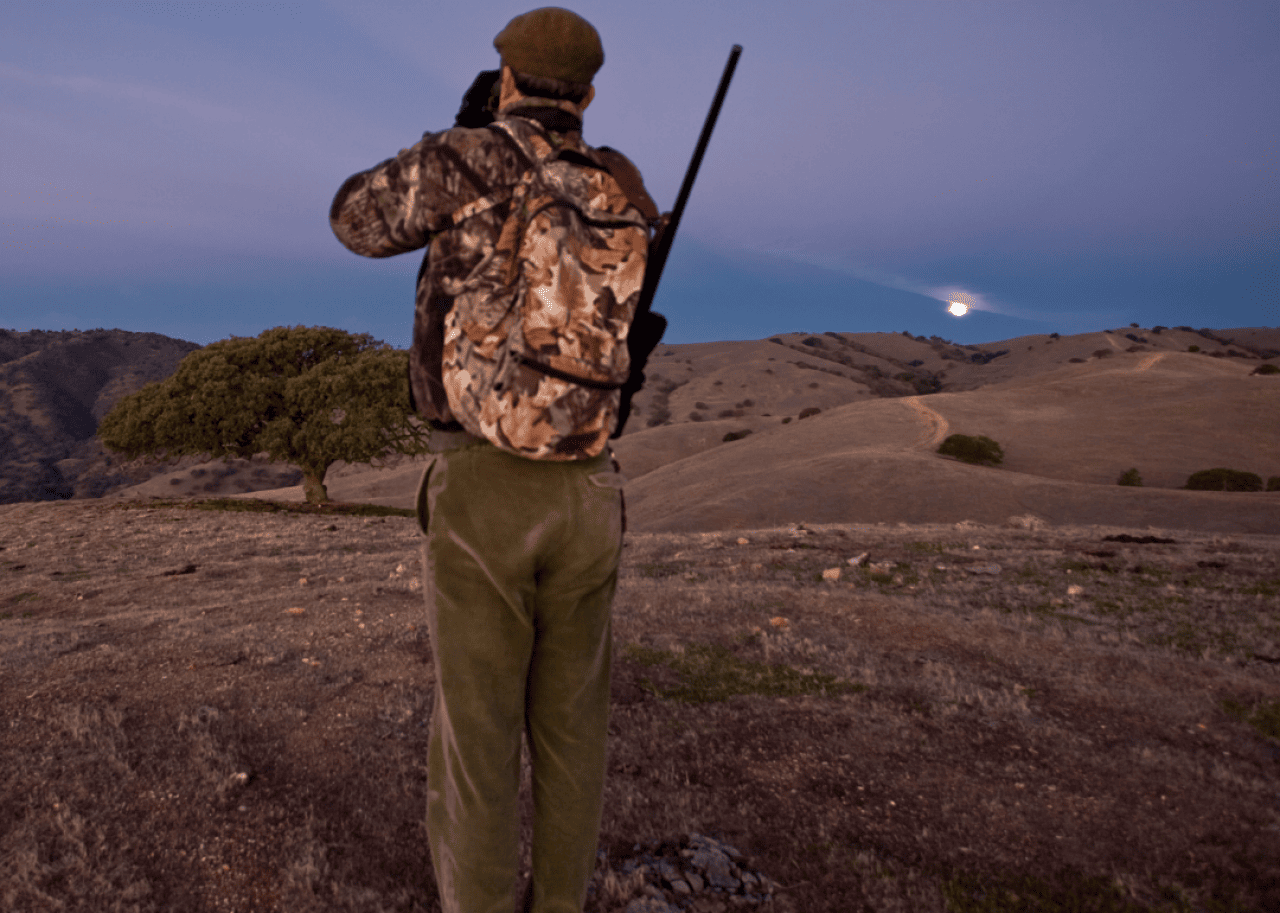
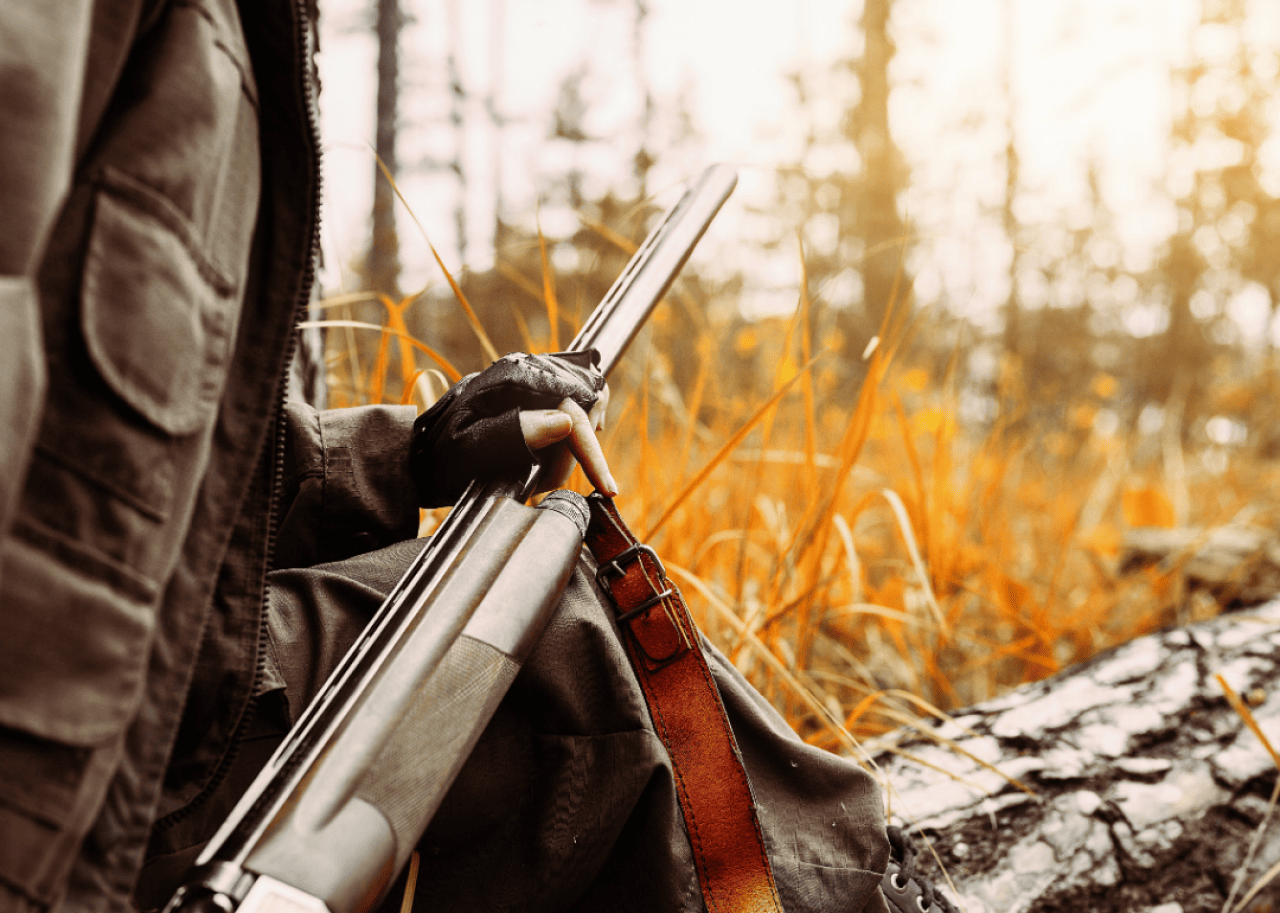
California is the #1 state with the fewest registered hunters

By Stacker Feed
3 min read • Published October 20, 2021
By Stacker Feed
3 min read • Published October 20, 2021

Canva

California is the #1 state with the fewest registered hunters

With a 3 million year record of it, it’s safe to say hunting is one of the oldest forms of human activity. Stacker compiled a complete list of the states with the most registered hunters using 2020 data from the U.S. Fish and Wildlife Service. States are ranked by percent of residents with hunting licenses. Population data is from the Census as of 2018.

There are 15.2 million hunting license holders in the United States. Over the centuries, hunting has largely evolved from necessity to sport—although many hunters in the U.S. do process hunted animals for food. As hunting gained popularity as a leisure activity, ecosystems suffered and led to various regulations in order to help preserve and conserve wildlife resources. In the United States, each state has set dates for hunting seasons, thresholds for how many tags or wild game stamps are allowed, and specific areas that are off-limits to hunting in order to help preserve habitats and animal populations.

In the past several decades, the number of people with hunting licenses in the United States has been on a sharp decline. This can be attributed to a few factors, namely the rise in the urbanization of the United States, the development of farmland, a lack of free time among hunters, and limited access to hunting land, writes the Pennsylvania Game Commission. Licenses dropped from a peak of roughly 17 million in the 1980s to 15 million in 2019, according to The Seattle Times.

California by the numbers

– Percent of residents with paid hunting licenses: 0.7%
– Total paid hunting license holders: 267,170
– Total hunting license, tags, permits and stamps: 991,897
– Gross cost of all hunting licenses: $21,107,452

Over the past 50 years, the number of hunting licenses in California has been on a rapid decline, falling 70% from more than 760,000 in the 1970s to under 268,000 in 2020—even as the state’s population has skyrocketed, according to The Mercury News. Urbanization and strict gun laws, in addition to a drop in overall interest, are why California has the fewest number of hunting licenses in the nation.

The drop-off in revenue from hunting licenses is starting to pose a problem for conservation groups. Thanks to the 1937 Pittman-Robertson Act, an 11% excise tax was placed on the sale of firearms, which was then used for conservation. Not only that, but the profits from hunting licenses themselves also go directly to funding for conservation.

There was a slight uptick in the number of hunters earlier in 2020 as some U.S. meat processors stopped operating because of COVID-19. People also had a lot more time on their hands, according to Reuters. Indiana, for example, saw a 28% jump in turkey license sales during the first week of the season. Whether these results will be sustained remains to be seen.

So which states are holding steady with hunting traditions? Take a look to see which states made the top and bottom of the list.

States with the most registered hunters

#1. South Dakota: 24.1% of residents with paid hunting licenses
#2. Wyoming: 22.7% of residents with paid hunting licenses
#3. Montana: 21.1% of residents with paid hunting licenses

States with the least registered hunters

#1. California: 0.7% of residents with paid hunting licenses
#2. Rhode Island: 0.7% of residents with paid hunting licenses
#3. Hawaii: 0.7% of residents with paid hunting licenses

Topics:

LA
NYC

See how many registered hunters are in New York

By Stacker Feed
3 min read • Published October 20, 2021
By Stacker Feed
3 min read • Published October 20, 2021

Canva

See how many registered hunters are in New York

With a 3 million year record of it, it’s safe to say hunting is one of the oldest forms of human activity. Stacker compiled a complete list of the states with the most registered hunters using 2020 data from the U.S. Fish and Wildlife Service. States are ranked by percent of residents with hunting licenses. Population data is from the Census as of 2018.

There are 15.2 million hunting license holders in the United States. Over the centuries, hunting has largely evolved from necessity to sport—although many hunters in the U.S. do process hunted animals for food. As hunting gained popularity as a leisure activity, ecosystems suffered and led to various regulations in order to help preserve and conserve wildlife resources. In the United States, each state has set dates for hunting seasons, thresholds for how many tags or wild game stamps are allowed, and specific areas that are off-limits to hunting in order to help preserve habitats and animal populations.

In the past several decades, the number of people with hunting licenses in the United States has been on a sharp decline. This can be attributed to a few factors, namely the rise in the urbanization of the United States, the development of farmland, a lack of free time among hunters, and limited access to hunting land, writes the Pennsylvania Game Commission. Licenses dropped from a peak of roughly 17 million in the 1980s to 15 million in 2019, according to The Seattle Times.

New York by the numbers

– Percent of residents with paid hunting licenses: 2.8%
– Total paid hunting license holders: 556,897
– Total hunting license, tags, permits and stamps: 1,389,949
– Gross cost of all hunting licenses: $24,248,161

Less than 3% of the New York State population has a hunting license. However, among that population, women are the fastest-growing demographic. According to New York Hunting & Trapping, women are drawn to the sport to spend more time with family, to put organic and locally sourced food on the table, and to spend more time outside. In 2018, 53,000 women in the state had hunting licenses.

The drop-off in revenue from hunting licenses is starting to pose a problem for conservation groups. Thanks to the 1937 Pittman-Robertson Act, an 11% excise tax was placed on the sale of firearms, which was then used for conservation. Not only that, but the profits from hunting licenses themselves also go directly to funding for conservation.

There was a slight uptick in the number of hunters earlier in 2020 as some U.S. meat processors stopped operating because of COVID-19. People also had a lot more time on their hands, according to Reuters. Indiana, for example, saw a 28% jump in turkey license sales during the first week of the season. Whether these results will be sustained remains to be seen.

So which states are holding steady with hunting traditions? Take a look to see which states made the top and bottom of the list.

States with the most registered hunters

#1. South Dakota: 24.1% of residents with paid hunting licenses
#2. Wyoming: 22.7% of residents with paid hunting licenses
#3. Montana: 21.1% of residents with paid hunting licenses

States with the least registered hunters

#1. California: 0.7% of residents with paid hunting licenses
#2. Rhode Island: 0.7% of residents with paid hunting licenses
#3. Hawaii: 0.7% of residents with paid hunting licenses

Topics:

NYC

Posts navigation

Older posts
Newer posts
Featured Jobs
Monterey County Weekly
Publisher
Monterey County Weekly
Monterey, CA, USA

Hearst Television
Account Executive
Hearst Television
Array

All Jobs »
PREMIUM MEMBER

Susan Barnes

Tampa, FL
14 Years Experience
I am a travel writer based in Tampa, Fla. It's what I do. It's who I am. You see, travel is my passion. It's in my blood. As a (proud) Army brat,...
View Full Profile »
Join Mediabistro Membership Today

Stand out from the crowd with a premium profile

Mediabistro Logo Find your next media job or showcase your creative talent
  • Job Search
  • Hot Jobs
  • Membership
  • Newsletter
  • Career Advice
  • Media News
  • Hiring Tips
  • Creative Tools
  • About
Facebook YouTube Instagram LinkedIn
Copyright © 2026 Mediabistro
  • Terms of Use
  • Terms of Service
  • Privacy