Mediabistro Logo Mediabistro Logo
  • Jobs
    Search Creative Jobs Hot Jobs Remote Media Jobs Create Job Alerts
    Job Categories
    Creative & Design Marketing & Communications Operations & Strategy Production Sales & Business Development Writing & Editing
    Quick Links
    Search All Jobs Remote Jobs Create Job Alerts
  • Career Resources
    Career Advice & Articles Media Industry News Media Career Interviews Creative Tools Resume Writing Services Interview Coaching Job Market Insights Member Profiles
  • Mediabistro Membership
    Membership Overview How to Pitch (Premium Tool) Editorial Calendars (Premium Access) Courses & Training Programs Membership FAQ
  • Log In
Post Jobs
Mediabistro Logo Mediabistro Logo
Search Creative Jobs Hot Jobs Remote Media Jobs Create Job Alerts
Job Categories
Creative & Design Marketing & Communications Operations & Strategy Production Sales & Business Development Writing & Editing
Quick Links
Search All Jobs Remote Jobs Create Job Alerts
Career Advice & Articles Media Industry News Media Career Interviews Creative Tools Resume Writing Services Interview Coaching Job Market Insights Member Profiles
Membership Overview How to Pitch (Premium Tool) Editorial Calendars (Premium Access) Courses & Training Programs Membership FAQ
Log In
Post Jobs
Log In | Sign Up

Follow Us!

How to Pitch

Greatist

Health and fitness pitches aimed at “healthy-ish” readers can score you a byline

Greatist
Leah icon
By Dana Robinson
Dana Robinson is a freelance health, beauty, and culture writer with 20 years of experience creating content for publications including Shape, WeightWatchers, Wine Enthusiast, AARP, and Southwest: The Magazine. She holds a master's degree in mass communication from California State University-Northridge.
3 min read • Originally published December 11, 2018 / Updated April 12, 2021
Leah icon
By Dana Robinson
Dana Robinson is a freelance health, beauty, and culture writer with 20 years of experience creating content for publications including Shape, WeightWatchers, Wine Enthusiast, AARP, and Southwest: The Magazine. She holds a master's degree in mass communication from California State University-Northridge.
3 min read • Originally published December 11, 2018 / Updated April 12, 2021

Monthly Unique Visitors: 10 million

Background: There are lots of people who strive to eat healthier foods and live healthier lives. But there are also plenty of health and fitness outlets that tend to make readers feel badly if they’re unable to swap out a life of red meat and processed foods for a vegan diet in one day. That hole in the market was filled by Greatist in 2011. It launched with the idea of covering health, wellness, lifestyle, and food from a new angle. “No shame, no guilt,” says Ashley Sepanski, branded content editor. “We’re not about restrictions.”

The site offers science- and expert-backed content that’s aimed at a mostly female audience between the ages of 18-35. “We’re also inclusive and realistic about what it takes to ‘be healthy-ish,” says Sepanski. “[We] would never body-shame readers, tell them how to get six-pack abs in six weeks, or make them feel less-than when it comes to their personal health journey.”


What to pitch: The editorial staff assigns stories that are generated in-house to a team of freelancers, but they’re open to interesting pitches from new writers.

Pitches covering Food, Lifestyle, Fitness and Beauty are all open to freelancers.

When conceiving a food-centered pitch writers are encouraged to think about food issues that they struggle with and want to learn more about. Lifestyle pitches can center around relationships as well as stories about small changes that readers can make to achieve a happier, healthier life (this includes first-person essays). Workout roundups as well as stories that put trendy workouts to the test (a.k.a. Does This Workout Really Work?) would fit well into the Fitness section; and Beauty pitches can include first-person stories, how-tos and product roundups. Word count for all of these sections is: 400-700.

What not to pitch: The “Products” and “What’s Good” sections are handled in house.

What publicists should pitch—and when: Pitches about organic beauty products, athletic equipment, and new health foods and beverages are always welcome. Editors also love to see story ideas from food bloggers and influencers. Lead time: 3-4 weeks for most content; 1-week for timely, news-related pitches.


Percentage of freelance-written content: 80%

Percentage of freelance pitches accepted: 30%


Recent freelance stories pitched and published: Freelance writers pitched 4 Reasons You Should Drop the F Bomb During a Workout as well as 7 Birth Control Myths You Should Stop Believing.


Etiquette: Freelancers should send brief pitches (just a few sentences) along with a suggested hed in the body of an email. And be sure to include links to clips or a portfolio. Please do not send whole stories.

Lead time: 2-3 weeks for most content; 1-week for timely, news-related pitches.

Pay rate: $125-$250

Payment schedule: If all financial documents are submitted by the 25th of the month, writers should receive payment by the third week of the month after their story has been received.

 Kill fee: $50

Rights purchased: All rights


Contact info:

Greatist
30 Vandam St, 3rd Flr.
NY, NY 10013
www.greatist.com
Twitter handle: @greatist | Facebook

Direct all pitches to: PITCHES at GREATIST dot COM

Editor in Chief Rita Mauceri: RMAUCERI at HEALTHLINE dot COM

Copy Editor Naomi Farr: NFARR at HEALTHLINE dot COM

Content Editor Ashley Sepanski: ASEPANSKI at HEALTHLINE dot COM

Senior Editor Christal Yuen: CYUEN at HEALTHLINE dot COM


Topics:

Go Freelance, How to Pitch
How to Pitch

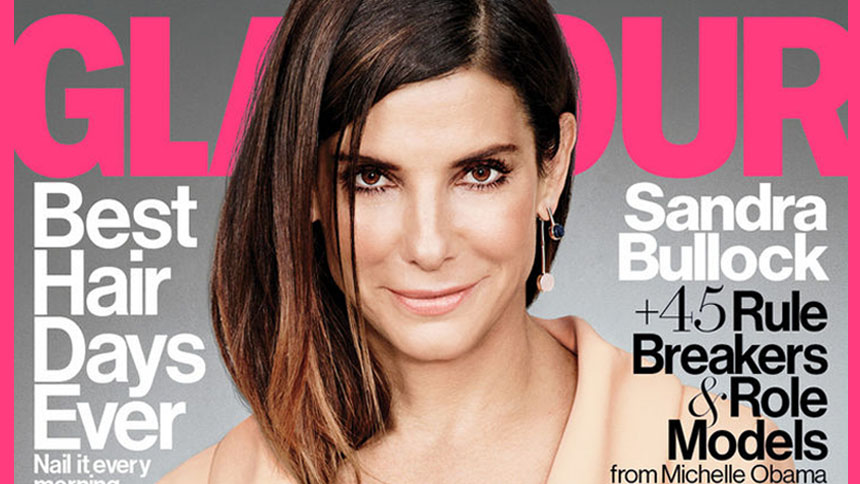
How To Pitch: Glamour

This esteemed women's glossy seeks pitches on careers, relationships and health

glamour-htp-feature
Admin icon
By Andrea Williams
@AndreaWillWrite
Andrea Williams is an author, journalist, and columnist for The Tennessean with over 16 years of experience in journalism and 20 years in copywriting and communications strategy. Her work spans national outlets and high-traffic digital brands.
6 min read • Originally published October 27, 2015 / Updated April 12, 2021
Admin icon
By Andrea Williams
@AndreaWillWrite
Andrea Williams is an author, journalist, and columnist for The Tennessean with over 16 years of experience in journalism and 20 years in copywriting and communications strategy. Her work spans national outlets and high-traffic digital brands.
6 min read • Originally published October 27, 2015 / Updated April 12, 2021

Circulation: 2.3 million
Frequency: Monthly
Special issue: The “Women of the Year” issue runs every December

Background: There’s something alluring about a woman who has impeccable style, who can rock a high-waisted trouser and nude lip like she just floated off the runways of New York Fashion Week. What’s even more impressive, though, is a well-kept woman who can also debate the complexities of the Syrian migration crisis and American immigration reform. And that woman, most likely, is a Glamour reader.

“The Glamour woman is unique,” says senior editor Emily Mahaney. “She has an interest in fashion and beauty, but there’s so much more to her. She’s interested in what’s happening in her world, how to make a difference in her world and how to get ahead in her career. She’s a well-rounded woman, and what she gets from Glamour is a magazine that’s going to cater to all those different areas of her life in a really smart, modern way.”

Glamour, Condé Nast’s darling women’s mag, has long catered to the smart, stylish woman, but in recent years editors have ramped up key content areas even further, including work and money advice. “Obviously, there are more women running businesses and starting businesses than ever,” says Mahaney, “and young readers talk to us all the time about how their careers are a very important aspect of their lives. So we are trying to deliver better and more career content than ever before.”

The magazine is also continuing its coverage of fantastic, award-winning news stories — particularly pieces featuring female heroines and provocative stories about women and the new obstacles they’re facing. The annual “Women of the Year” issue has pushed these incredible stories to the forefront for the last 25 years, and to further expand Glamour‘s focus on strong, powerful women, the magazine now features a monthly “Glamour Woman” column. “Now, instead of just having Glamour ‘Women of the Year’ in our December issue, in every single issue of the magazine you’re going to get a profile of a world-changing leader or an inspiring woman with an incredible story,” Mahaney says.

In short, Mahaney and her colleagues are more committed than ever to Glamour‘s overall mission — to empower women in every aspect of their lives.

What to pitch: For freelancers looking for their first Glamour byline, some great sections of the magazine to pitch include the book’s health pages and “All About You” section. The latter includes stories about relationships, dating and sex, as well as news and human-interest stories.

Editors also seek great pitches for the “Work” section, which features personal finance, money management and overall get-ahead advice, so if you’ve got some good ideas about asking for a raise, getting promoted, launching a side hustle or something related, feel free to pitch away. “The article could be based on a concept, or it could also be based on a personality if there’s a really great young woman who has an insanely impressive career that would be the perfect cornerstone for our piece,” Mahaney explains.

Always on the lookout for compelling female-driven stories, Glamour also runs a lot of as-told-to pieces and essays with women protagonists. “We’ve had essays about everything from a woman battling a drinking problem, to a woman talking about her relationship with her transgender sibling and a woman discussing how she finally learned she was staying too long in relationships,” says Mahaney.

Story lengths vary, as Mahaney notes that she’s assigned everything from a 200-word brief to a feature clocking in at 2,000 words.

What not to pitch: Fashion and beauty content is written in house.

What publicists should pitch: Tip No. 1: Establish a relationship with the editors! According to Mahaney, that is the secret for publicists hoping to score a client placement in Glamour‘s pages. “I think the days of the cold-press release are over,” she says. “I rarely, if ever, look at them. I just don’t have the time. I get 250 emails a day.”

Instead of email-blasting a generic release to every single one of your editorial contacts, Mahaney suggest publicists “read the magazine; look at the masthead; find out who’s working on the pages in which your product fits; and start relationship-building with that person.” And when you do connect with the right person, avoid morphing into the overzealous PR person who follows up on a pitch every hour.

“Be patient and understand that our time is just as important as yours,” Mahaney says.

Percentage of freelance content: About 40 percent
Percentage of freelance pitches accepted: 30 percent, though Mahaney notes that this is the percentage of pitches she’s typically interested in — not necessarily the amount that actually gets published. After receiving a pitch, Mahaney will either correspond with the writer to further flesh out the pitch until it’s worthy of an assignment, or she’ll let the writer know that, while the current pitch misses the mark, she sees enough promise in the writing and idea that she’d like to see more pitches in the future.

Recent freelance story pitched and published: In the fall of 2014, a writer pitched a story around the statistic that female students are most likely to be sexually assaulted on college campuses during the first weeks of the school year. “Everyone knew that sexual violence on campuses had been in the news, but this was a spin that I hadn’t heard before,” Mahaney says. She loved the idea and the story ran in Glamour‘s “Conversation,” a news roundup and analysis page.

Etiquette: As a freelancer trying to land a Glamour byline, you’re probably most concerned with crafting the perfect pitch and, subsequently, how you’ll crush the assignment once given the green light. But for Mahaney, if you can’t deliver a killer headline, you won’t even get the chance to showcase your killer writing skills. “I want to see a headline that could, literally, sell the entire story,” she says. “If you can write a sharp headline, you can write a sharp, voice-y piece.”

Follow that up with a couple of concise paragraphs that explain the topic you want to cover, why your angle is fresh, why the story is newsworthy and how it’s exclusive to Glamour (and not a tired retelling of a story that already exists in 4,527 iterations across the Web) and you’re well on your way to that coveted assignment.

But beware, adds Mahaney: There are some critical mistakes that can ruin even the most well-meaning freelancer’s chances for an assignment. First, avoid boring, evergreen pitches — à la “5 Types of Guys Every Woman Should Date” — like your freelance career depends on it. And don’t make the editor do all the heavy lifting in assessing your idea. “People will pitch with one line, and in that line they’ll hyperlink me to a study or hyperlink to an IMDB page about a movie that’s coming out about the subject,” Mahaney says. “They pitch in a way that’s making me do all the work, and I might not have time — in the 10 minutes I have to respond to emails — to pull up four different Web pages and try to figure out what the angle should be.”

Lead time: Three months
Pay rate: Varies based on assignment, but competitive
Payment schedule: On acceptance
Kill fee: 25 percent
Rights purchased: All rights

View the Glamour masthead

Contact info:
Glamour
1 World Trade Center, 30th Floor
New York, NY 10007
www.glamour.com
Twitter | Facebook | Instagram | Pinterest
Email format: FirstName_LastName@condenast.com

Direct pitches to:
Senior Beauty Editor Lindsay Schallon: LINDSAY underscore SCHALLON at CONDENAST dot COM

Commerce Editor Shanna Shipin: SHANNA underscore SHIPIN at CONEDENAST dot COM

Entertainment Editor Caitlin Brody: CAITLIN underscore BRODY at CONDENAST dot COM

Senior Health Editor Macaela Mackenzie: MACAELA underscore MACKENZIE at CONDENAST dot COM

Executive Editor Natasha Pearlman: NATASHA underscore PEARLMAN at CONDENAST dot COM

Culture Editor Mattie Kahn: MATTIE underscore KAHN at CONDENAST dot COM

Senior Editor Anna Moeslein: ANNA underscore MOESLEIN at CONDENAST dot COM


EDITOR’S NOTE: Though we’ve updated this article recently, the speed at which things move in media means things may have already changed since then. Please email us if you notice any outdated info.

Topics:

How to Pitch
How to Pitch

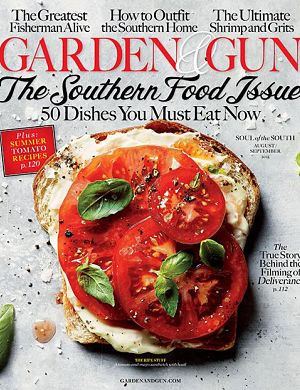
How To Pitch: Garden & Gun

Capture the 'soul of the South' for this award-winning pub

Garden and Gun September 2016
By Mona Zhang
5 min read • Originally published September 11, 2016 / Updated April 12, 2021
By Mona Zhang
5 min read • Originally published September 11, 2016 / Updated April 12, 2021

Circulation: 375,000
Frequency: Bimonthly
Special issues: None

Background: Launched in April 2007, Garden & Gun bills itself as a “dynamic Southern lifestyle magazine with a unique mission—to capture the soul of the South,” according to its mission statement.

“We’re focused on the South, but we are a national magazine,” says deputy editor Dave Mezz. “We have readership that extends well beyond the South, both coasts, all over the country and beyond.”

Even though many readers live outside the region, “they all certainly would have an interest in Southern culture,” says Mezz. “That can extend beyond geographic borders—to Southern food, for instance, conservation issues, art, music and literature.”

Since its inception, the book has been raking in the accolades for its writing and design—great writing and beautiful photography are a priority for the mag. While other Southern-focused pubs are considered competition (Southern Living, Texas Monthly), “Our focus on the land and sporting is certainly something that sets us apart,” says Mezz.

What to pitch: Like many mags, Garden & Gun has its stable of regular freelancers, but editors are happy to accept pitches from new writers as well. “We’re here in Charleston [S.C.], but we really value people being in other parts of the South and other parts of the country too,” says Mezz. “We’ll go outside of the South sometimes, if it’s a story that we feel really relates to our content and readership.”

Mezz recommends that new writers looking to break in start in the FOB. “Talk of the South” is a newsy section that includes several departments, including “In the Garden” (which highlights a great garden), “Conservation” (on saving everything from sea turtles to fireflies), “Openings” (new restaurants, galleries, etc. that have a unique angle) and “Arts.”

Another section called “Good Hunting” focuses on home and style, and includes “Collections,” which features a Southerner who is passionate about collecting a certain object; and “Home Place,” focused on architecture, home restoration and design.

The BOB also offers some opportunities for freelancers: “Due South” is a travel section that includes “Weekends,” about a great weekend getaway; and “Adventures,” which has more of an outdoor focus. There’s also a column called “Good Dog,” which is a personal essay about a dog—”living or dead, good or not-so-good,” says Mezz. These run about 1,200 words and can be pitched or submitted on spec. “For a newer writer, I think submitting as a [draft] piece is probably a better shot,” he said.

For all of the departments mentioned above, the editors are looking for a fresh angle and broad appeal. Make sure your pitch addresses why you think the mag should be covering your topic now. It also should tie into a bigger picture: For example, “it’s rare that we’d cover a restaurant opening unless it really speaks to some kind of larger happening in the world of Southern food,” says Mezz.

Editors advise freelancers to pay attention to the pillars of the magazine: outdoor lifestyle, boating, fishing and hunting; conservation and gardens; Southern food culture, chefs, recipes and origins of food; destinations in the South and beyond, hidden gems, road trips, lodges and city portraits; Southern designers, homes, shopping and fashion; and art, music and literature.

Provided that your pitch reflects one of these pillars, freelancers can even send a query on topics outside of the South. One example might be a piece on Southern winemakers in California.

“They’re not in the South, but they come from the South and they bring a certain sort of philosophy with them that’s rooted in their upbringing,” says Mezz. The pub also did a piece on a new fly fishing lodge in Montana. “That wasn’t particularly Southern, but it related to sporting. If it relates to one of our pillars, then even if it’s not in the South, it might be something our readers would be interested in,” explains Mezz.

What not to pitch: “What’s in Season,” “Drinks,” “Fork in the Road,” “Anatomy of a Classic,” “Books” and “Music” are departments handled by regular columnists.

Online opportunities: Freelancers can pitch short pieces as blog posts or to be featured in the magazine’s weekly email newsletter.

These short pieces should also relate to the mag’s pillars, but should be newsy and actionable. And while including multimedia elements in your pitch doesn’t necessarily increase your chances of landing a byline, editors are looking for ideas that they could pair with multimedia elements. “We’re not asking people to shoot video and send it to us. Some of that we would do ourselves.”

A flat rate per post is negotiated beforehand.

What publicists should pitch—and when: PR pros can pitch new openings, artists, gallery owners, products, restaurants and chefs. There’s also a “G&G Interview” in every issue, which features a prominent Southern personality.

Mezz’s advice to publicists is similar to his advice for writers: “We’re looking for what’s fresh, what hasn’t been written about, what’s surprising about the South. Yes, we’ve written about biscuits and barbecue, but we’re especially interested in going beyond that.”

As mentioned above, just pitching a restaurant opening isn’t going to cut it. But if the chef’s signature dish takes a classic Southern dish and puts his own twist on it, it would be a good fit for the book’s “Anatomy of a Classic” column. “Sea Island’s Second Shot,” a story about a new hunt club in Georgia, originated with a publicist pitch and made it into a past issue.

“Don’t pitch us on a destination that has been around forever and everybody knows about because they have a winter special on rooms. That’s not going to be a reason for us to write about it,” says Mezz.

Publicists should email the editorial email listed below. If editors are interested, they’ll get in touch.

Percentage of freelance content published: 80 percent
Percentage of freelance pitches accepted: 5 percent (not including pitches from freelancers who regularly write for the magazine)

Freelance story pitched and published: “The Fiddle and the Voice,” a story about the old-timey mountain music duo of The Floyd Radio Show in Virginia, made it into the October/November 2013 issue.

Etiquette: Email or snail mail; include three clips
Lead time: Four months or more for longer pieces
Pay rate: $1 a word to start; blogs, from $50 to $100 a post
Payment schedule: On publication
Kill fee: 25 percent
Rights purchased: All rights

Contact info:
701 E. Bay Street
#115
Charleston, SC 29403
GardenandGun.com
Twitter | Facebook
Email format: FirstInitialLastName@gardenandgun.com

Direct all pitches to: EDITORIAL at GARDENANDGUN dot COM

Deputy Editor Dave Mezz: DMEZZ at GARDENANDGUN dot COM

Editor in Chief David DiBenedetto: DDIBENEDETTO at GARDENANDGUN dot COM

Digital Editor Dacey Orr Sivewright: DSIVEWRIGHT at GARDENANDGUN dot COM


EDITOR’S NOTE: Though we’ve updated this article recently, the speed at which things move in media means things may have already changed since then. Please email us if you notice any outdated info.

Topics:

How to Pitch
How to Pitch

Fastcompany com

Business pitches that appeal to millennials are your ticket to a byline

Fastcompany com
Amirah icon
By Dana Robinson
Dana Robinson is a freelance health, beauty, and culture writer with 20 years of experience creating content for publications including Shape, WeightWatchers, Wine Enthusiast, AARP, and Southwest: The Magazine. She holds a master's degree in mass communication from California State University-Northridge.
3 min read • Originally published March 15, 2017 / Updated April 12, 2021
Amirah icon
By Dana Robinson
Dana Robinson is a freelance health, beauty, and culture writer with 20 years of experience creating content for publications including Shape, WeightWatchers, Wine Enthusiast, AARP, and Southwest: The Magazine. She holds a master's degree in mass communication from California State University-Northridge.
3 min read • Originally published March 15, 2017 / Updated April 12, 2021

Monthly Unique Visitors: 10 million

Background: Back in 1995 internet-titans-to-be, like Amazon.com and Match.com, opened their doors for business and people lined up around the block for a chance to purchase Microsoft’s famed Windows 95 operating system. It was also the year that Alan Webber and Bill Taylor, two former Harvard Business Review editors, teamed up to launch Fast Company. The publication set out to shine a spotlight on the world of business, specifically showcasing new business practices as well as how companies create and compete.

FastCompany.com would follow two years later to serve as a home for feature articles from the print version. The site sometimes includes extra web stories or video content. Site visitors can also find timely, news-driven articles. The website is targeted toward young professionals, and its focus on social good, creativity and innovation is what sets the site apart.

“We believe that our readers … are focused on how their businesses can make the world a better place,” said Kathleen Davis, senior editor. “They’re not just concerned with how they can make the most money.”

What to pitch: Editors sometimes assign articles to contracted freelancers, but they’re very interested in receiving pitches from new voices. Pitches should be geared toward a millennial audience and potential writers should familiarize themselves with the site before sending in their story ideas.

Editors are especially interested in receiving pitches for the Leadership section. Topics can range from profiles of innovative leaders to business trends and the future of work.

Editors are also looking for feature stories that focus on data, security, transparency, privacy, and civic technology, as well as social/cultural issues in the tech industry. Writers can also pitch their best investigative and news-related feature story ideas.

Topics of interest also include career advice and productivity, as well as work/life stories on issues of diversity, equality and gender. First-person career stories are welcome, too. The word count for all sections is 1,000-2,000 words.

What not to pitch: The “Most Creative People” and “Most Innovative Companies” sections are sourced from print edition features and handled in house.

What publicists should pitch–and when: Pitches from publicists are rarely accepted, but there is hope. To increase the odds of getting a pitch past the gate, your ideas must be unique, innovative and in line with the type of content that Fast Company publishes. And please don’t pitch ideas that are straight from a press release; add your own angle instead. Lead time is 2-3 weeks.

Percentage freelance content: 30%

Percentage of freelance submissions accepted: 30%

Recent freelance stories pitched and published: A freelancer pitched “This is How Planned Parenthood Is Gearing Up for Its Hardest Fight Yet.” The writer got the assignment because she took a hot button topic and focused on the issue from a business and leadership angle. “This is an angle on something that is in the news that others weren’t covering,” said Davis. “And she got the access to get that story.”

A freelancer also pitched “Microsoft Wants Autistic Coders. Can it Find Them and Keep Them?” The article follows an autistic candidate through the job interview process at Microsoft. It was a winner because the story “tore away the corporate PR and hype, and offered an inside and unflinching look at what works and what doesn’t when it comes to neurodiversity, and diversity in general, in the workplace,” said Davis.

Etiquette: Send your pitch within the body of an email. Your ideas need to be completely fleshed out—no vague one-line concepts. And include links to a few recent stories that are similar to the ideas that you’re pitching.

Lead time: 2-3 weeks

Pay rate: $400-$700

Payment schedule: 60 days after publication

Kill fee: No

Rights purchased: All rights

Contact info:
FASTCOMPANY.COM
7 World Trade Center, 29th Floor
New York, NY 10007
FastCompany.com
Twitter handle: @fastcompany| Facebook
FirstInitialLastName@FastCompany.com

Direct all pitches to: 

Editor Lori Hoffman: LHOFFMAN at FASTCOMPANY dot COM

Features Editor: Marcus Baram: MBARAM at FASTCOMPANY dot COM

Executive Editor Ben Baer: BBAER at FASTCOMPANY dot COM

Deputy Editor, Kathleen Davis: KDAVIS at FASTCOMPANY dot COM

Topics:

Go Freelance, How to Pitch
How to Pitch

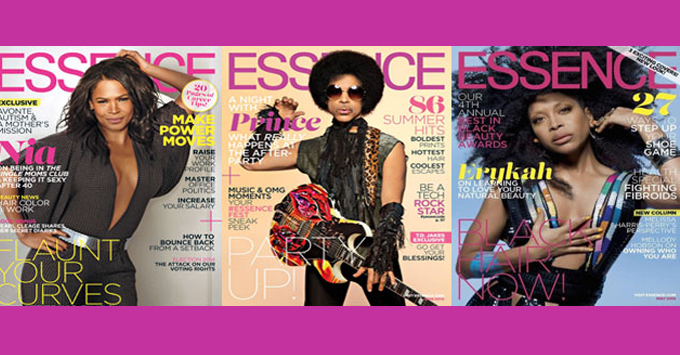
How To Pitch: Essence

This 'authority on black women' looks for timely pieces that enhance readers' lives

essence-htp-feature
Admin icon
By Janelle Harris Dixon
Janelle Harris Dixon is a narrative journalist, copywriter, and content strategist with more than 20 years of experience covering race, culture, equity, and social justice. Her work has appeared in Essence, Ebony, The Atlantic, Rolling Stone, the Washington Post, Smithsonian, and more than 50 other publications. She holds a B.A. from Lincoln University and an M.A. in African American Studies from Temple University.
7 min read • Originally published October 12, 2015 / Updated April 12, 2021
Admin icon
By Janelle Harris Dixon
Janelle Harris Dixon is a narrative journalist, copywriter, and content strategist with more than 20 years of experience covering race, culture, equity, and social justice. Her work has appeared in Essence, Ebony, The Atlantic, Rolling Stone, the Washington Post, Smithsonian, and more than 50 other publications. She holds a B.A. from Lincoln University and an M.A. in African American Studies from Temple University.
7 min read • Originally published October 12, 2015 / Updated April 12, 2021

Circulation: 1.5 million in print; 1 million online
Frequency: Monthly
Special issues: Black women in Hollywood (March); careers (April); beauty (May); body and health (July); holiday season (December)

Background: Since it was founded in 1970, Essence has been more than a general-interest book to its dedicated readership. It’s been a lifestyle resource, a conversation starter, a beauty and fashion bible, a social issue agitator, a how-to for relationships, a recipe book, and a champion for black womanhood. All this, pressed, polished and published monthly onto some 150-odd pages.

Celebrating 45 years as a newsstand mainstay for ladies of African descent, the mag and its site have enjoyed a longevity that few publications in the same market have been able to duplicate. “Black women come to Essence to get inspiration, insight and relevant information about our culture they cannot find anywhere else,” said editor in chief Vanessa K. Bush. “Each month, they count on us to bring the best.”

Although the target market of black women ages 18 to 49 hasn’t changed, the leadership of Essence has over the years. In 2000, the original owners — including Edward Lewis and Clarence Smith, who dreamt up the concept for the magazine and brought on famed photographer, filmmaker and writer Gordon Parks as its editorial director — formed a joint venture with Time Inc. Five years later, that corporate media conglomerate acquired the magazine, adding it to a stable that includes other heavy hitters like Sports Illustrated and People. Devotees worried that the change of ownership would impact the true-to-life content they’d always sought and appreciated.

Still, Essence has continued to expand from the magazine that mothers and grandmothers put on the coffee table to a full-out, multifaceted brand. Essence.com attracts more than 1 million unique monthly visitors, and the Essence Music Festival, approaching its 20th year, draws more than 200,000 attendees for an annual weekend of music and entertainment in New Orleans.

But the pulse that courses through the Essence body of business is still that crisp, printed page on which black women are venerated and celebrated — and where freelancers are encouraged to pitch fresh ideas that speak to that readership.

What to pitch: Many contributors are award-winning journalists, not only for Essence but other major newspapers and magazines. Good for them, but good for aspiring freelancers, too: even with that stable of excellence at their behest, editors enthusiastically invite new writers to pitch stories because they are, above all, interested in recruiting the right talent to speak to their readers. For that reason, the wealth of journalistic storytelling spans cover stories on celebrities like Jill Scott, Gabrielle Union and Michelle Obama to in-depth pieces on issues like gun violence and autism.

As is the case with many other pubs, the front-of-book departments are the best way to break in. Editors are looking for writers with areas of expertise to generate compelling service pieces and news stories for each section that impart something — a fact, an anecdote, an idea — readers hadn’t encountered before. Articles start around 850 words; however, those that open each section are a bit longer. Three key elements by which to pitch: research, timeliness and relevance.

The culture section, now called “Scene,” houses all things entertainment. “We’re always looking for great content, so we work with freelancers quite often for that,” explained deputy managing editor Dawnie Walton. Because black Hollywood is always buzzing with goings-on, she and fellow editors are looking for writers to do short profiles of celebrities, typically tied to a project that they have coming out in film, television, music or stage.

Health reporters should target “Healthy & Happy,” which covers fitness trends and medical news and issues, but most importantly takes a holistic approach to looking and feeling good and living well. Editors are interested in stories that include — but also go beyond — physical health. Think mental, spiritual and emotional well-being to capture and (hopefully) write about the breadth of complete, soul-satisfying happiness that comes from being totally healthy.

Also possibility rich are “Money & Power” and “Sex & Love,” whose section titles are self-explanatory. Two new features of the mag and potential gateways for incoming writers: “Share,” an essay column on the back page of the book that tells a woman’s inspirational story, either as-told-to or personal; and “Women to Watch,” a spotlight on a professional about an impressive achievement in her respective field.

Although not completely off-limits, features are generally assigned to veteran journalists intimately familiar with the nuances of Essence content. But if you’ve got a great idea, a newsy hook or an interesting trend to make the pitch more palatable, go for it. Those pieces typically run 1,200 to 2,500 words.

In all cases, the more detail you offer, the stronger the pitch comes off. Show editors a well-thought-out, complete vision for a potential story with a working hed and dek. Give a little background, including anecdotes, interviews, sources or statistics you propose to use in the piece. Provide a compelling fact or statistic to whet interest. Describe the content of a possible sidebar. Your pitch should also convince editors that now is the particular time to publish this particular story. Most importantly, think about what makes it unique to the Essence reader.

What not to pitch: Fashion and beauty are predominantly done in house.

Online opportunities: As an extension of the Essence brand, the website is a resource for fashion, beauty, entertainment, relationships and news. Editors accept pitches on all topics, but they don’t take any shortcuts on quality just because the material is online. “We tend to like pitches that are based around something that’s either a hot topic or extremely interesting to our audience,” Walton explained. “For instance, when we were covering the verdict in the Michael Dunn trial, we had an attorney write a piece about how she felt the prosecutors had done and some of the unfair blame she felt they were taking in that very sad case. That was someone coming in with a perspective that we don’t necessarily have in house.” In all, timeliness works even better in the online world, so aligning pitches with hot news or upcoming events is generally a good idea.

What publicists should pitch: Like just about every staff at every publication in every market, Essence editors are inundated with press releases and emails from PR folks, which makes understanding the mag, its audience and its mission that much more critical. “The number one thing I want publicists to know is that yes, Essence is a magazine for black women. Our mission statement is ‘We tell black women’s stories like no one else can.’ But,” Walton stressed, “you still need to know a little bit more about the brand than just pitching anything having to do with black people in general.” Also helpful: pitching to the right person. (It sounds snarky, but editors are clear that it’s an ongoing miscommunication and an ever-so-slight annoyance.) Take a look at the masthead and know who covers what to make a press release or story suggestion more targeted.

Percentage freelance content: About 40 percent to 50 percent for the magazine and 15 percent to 20 percent for the website
Percentage freelance submissions accepted: Less than 5 percent

Recent freelance stories pitched and published: “We had a story in our April 2014 issue about Avonte Oquendo’s mother, Vanessa Fontaine, pitched by a writer who lived in the area where Avonte went missing,” said Walton. “The story takes you from her perspective as a mother raising a boy with autism and her tirelessness during his search to her unanswered questions about how this could have happened and the devastation of learning his fate.”

Etiquette: Email a detailed and clear — but punchy and succinct — pitch to editors, highlighting what makes it special for Essence. “Let us evaluate the idea. If you’re a new writer to us, then you should send your LinkedIn page or tell us who you’ve written for,” Walton suggested. Hold off on sending the clips, though. Editors will ask for them when they’re ready. Feel free to send a link to an online portfolio if you have that. Allow two weeks for follow-ups. “Of course, sooner is better if you have something that’s very timely. If you’re offering an exclusive for the website, for instance, feel free to follow up in a day or so because we wouldn’t want to miss that opportunity,” she added. “But if it’s for the magazine, give it a couple of weeks.”

Lead time: Three to four months
Pay rate: $1.50 a word for features and departments (but a flat-rate system is used in some instances)
Payment schedule: A month after publication
Kill fee: 25 percent
Rights purchased: First North American serial rights

Contact info:
Essence Communications Inc.
135 W. 50th St., 4th Floor
New York, NY 10020
(212) 522-1212
www.essence.com
Twitter | Facebook
FirstInitialLastName@essence.com

Direct pitches to the appropriate editor:

Live Events Editorial Programming Lead and Senior Editor Rachaell Davis: RDAVIS at ESSENCE dot COM

Deputy Editor Cori Murray: CMURRAY at ESSENCE dot COM

Entertainment Editor Brande Victorian: BVICTORIAN at ESSENCE dot COM

Online, Essence.com Senior Editor Charli Penn: CPENN at ESSENCE dot COM

News, Politics and Issues Editor Breanna Edwards: BEDWARDS at ESSENCE dot COM

Associate Fashion Features Editor Nandi Howard: NHOWARDS at ESSENCE dot COM

Janelle Harris resides in Washington, D.C., frequents Twitter and lives on
Facebook
.


[EDITOR’S NOTE: Though we’ve updated this article recently, the speed at which things move in media means things may have already changed since then. Please email us if you notice any outdated info.]


Topics:

How to Pitch
How to Pitch

How to Pitch: Equally Wed

How to Pitch: Equally Wed
Nancy icon
By Dana Robinson
Dana Robinson is a freelance health, beauty, and culture writer with 20 years of experience creating content for publications including Shape, WeightWatchers, Wine Enthusiast, AARP, and Southwest: The Magazine. She holds a master's degree in mass communication from California State University-Northridge.
2 min read • Originally published October 10, 2019 / Updated April 12, 2021
Nancy icon
By Dana Robinson
Dana Robinson is a freelance health, beauty, and culture writer with 20 years of experience creating content for publications including Shape, WeightWatchers, Wine Enthusiast, AARP, and Southwest: The Magazine. She holds a master's degree in mass communication from California State University-Northridge.
2 min read • Originally published October 10, 2019 / Updated April 12, 2021

Background: Founded in 2010, Equally Wed is an online LGBTQ+ wedding magazine, book, and educational resource for LGBTQ+ couples and LGBTQ+ inclusive wedding professionals. “Within our inspirational content, we focus on wedding planning, real weddings and engagements, family, travel, marriage equality news, and [we spotlight] LGBTQ+ inclusive wedding vendors,” says Alaina Leary Lavoie, senior editor.

The site’s target readership is made up of LGBTQ+ people and allies, as well as wedding professionals who are working toward inclusion in the industry. “Most wedding publications don’t focus specifically on LGBTQ+ weddings and engagements, while we do,” says Lavoie “And we differ from other publications that focus on LGBTQ+ weddings and engagements because we are queer-owned and operated and we’re built on a strong foundation of journalism, social justice, story telling, and ethics.”

What to pitch: Editors are looking for more first-person essays and opinion pieces throughout all verticals. They’re especially interested in family and travel stories from an LGBTQ+ lens. Pitches from multiply marginalized freelancers on how intersections of their identity impact their experience are welcome, too.

What not to pitch: Our Real Weddings and Engagements sections are curated and published in-house by our editorial team. Writers who are looking to submit their own engagement or wedding story can use the EquallyWed submissions page.

Percentage of freelance-written content: At least one story is published by a freelance writer every month.

Percentage of freelance submissions accepted: 50%

Recent freelance stories pitched and published: Freelance writers pitched stories that tackled a plus-sized queer woman’s quest for a wedding dress, how grandma’s cooking brought a woman and her wife closer together, and a queer Methodist’s views on the anti-LGBTQ+ policy.

Etiquette: Send pitches in the body of an email with links to past relevant clips and/or a portfolio. Editors aren’t able to respond to all freelancers, but they do reach out to writers with promising pitches.

Lead time: 1-4 weeks (sooner for timely news stories)

Pay rate: $50 – $100

Payment schedule: Invoice on publication; payment is net 30

Kill fee: No kill fee

Rights purchased: All rights

Contact info:
Equally Wed
2897 N. Druid Hills Road, Suite 109
Atlanta GA 30329
www.equallywed.com
Twitter Handle: @equallywed | Facebook
firstname@equallywed.com

Direct all pitches to:
Editorial Director Kirsten Ott Palladino; KIRSTEN at EQUALLYWED dot COM

Topics:

Go Freelance, How to Pitch
How to Pitch

How To Pitch: Entrepreneur.com

Prove your stuff for a chance to join Entrepreneur.com's stable of regular freelancers

How To Pitch: Entrepreneur.com
Admin icon
By Andrea Williams
@AndreaWillWrite
Andrea Williams is an author, journalist, and columnist for The Tennessean with over 16 years of experience in journalism and 20 years in copywriting and communications strategy. Her work spans national outlets and high-traffic digital brands.
4 min read • Originally published November 3, 2015 / Updated April 12, 2021
Admin icon
By Andrea Williams
@AndreaWillWrite
Andrea Williams is an author, journalist, and columnist for The Tennessean with over 16 years of experience in journalism and 20 years in copywriting and communications strategy. Her work spans national outlets and high-traffic digital brands.
4 min read • Originally published November 3, 2015 / Updated April 12, 2021

Monthly unique visitors: 13 million
Updated: Daily

Background: Entrepreneurs are the rock stars of the business world. While everyone else seeks to hitch their ride to a train already in motion, entrepreneurs dare to create something from nothing, to forge ahead on the road that has yet to be paved. It’s a daunting challenge, to say the least, but when they are successful, the next Steve Jobs or Sara Blakely of the startup sphere will take their place in pop culture history.

For folks looking to launch a company or grow it to Apple or Spanx juggernaut status, Entrepreneur.com is the website that can teach them how to make it happen. “We are the go-to resource for current and aspiring entrepreneurs — really anyone who is passionate about business and is entrepreneurial about what they do,” says managing editor Jason Fell. And when it comes to coverage, Entrepreneur.com covers the gamut. “We provide actionable advice, information and tools on everything from startup financing to franchising to product development and beyond,” Fell adds. “We also report on important trends, legislation and other topics that are relevant and of interest to people in business — large and small.”

But perhaps the most useful information for readers is that which comes directly from those who’ve walked the path they hope to tread, providing wannabe biz founders with up-close-and-personal tips on what works and what doesn’t. “We tell the stories of startups and their founders,” says Fell. “We get inside their heads and find out what makes them tick.”

In short, adds Fell, “We inform and we inspire.”

What to pitch: Entrepreneur.com publishes a variety of content, from 250-word shorts to 2,000-word profiles and how-tos. But because Entrepreneur.com is such a trusted resource for entrepreneurs, editors typically develop ideas for articles and packages in house and then assign them out to freelancers they know can effectively deliver.

That’s not to say that editors won’t take a pitch from a new freelancer, though. Writers should scan the site to get a feel for typical content and style, and pitch accordingly. Even if that idea falls flat, editors may make space in the stable for future assignments.

What not to pitch: No section is off-limits to freelancers.

What publicists should pitch: The most critical rule for publicists looking to score a placement on Entrepreneur.com is simple: Send the best email ever. “Keep your emails short and to the point,” Fell explains. “Your subject line should immediately communicate what it is you’re contacting us about and how awesome it is. If not, it gets deleted. The email copy itself should get to the point right away. If I need to read to a second paragraph — sometimes even the second sentence — to understand your point, then I’ve already clicked away.”

It’s also important for publicists to check the site to see the types of stories that have already been covered and then use that as a guide to pitch something that’s new, exciting and relevant for global readers. If you’ve done that, someone will likely be in touch. If you must follow-up, though, Fell advises caution. “If you feel compelled to follow up, please be ‘normal’ about it. Send a quick email and leave it at that. We won’t be working with people who email, call incessantly, track us down over social media or dig up our personal cell phone numbers and call us on the weekends.”

Percentage of freelance content: Low
Percentage of freelance submissions accepted: Even lower. As noted, most stories are assigned to the existing stable of freelancers.

Recent freelance stories pitched and published: Because most assignments are generated in house, there are no recent freelance pitches that have resulted in story assignments.

Etiquette: Ultimately, the best way for writers to break into Entrepreneur.com’s coveted stable is by pitching themselves. “We like to find good, smart writers who we know we can turn to for more than just a one-off,” he explains. “If you think you have what it takes to write for us on the regular, give our online masthead a look and email the most appropriate editor. Tell him or her who you are and what your topic specialty is and include a couple of writing samples, as well as two or three sample story pitches.” In that case, Fell adds, the pitches “can give us a sense of your grasp on the topic and your knack for angles.”

Editors are busy, so even if they don’t respond immediately, be assured that they have your information and will reach out if an appropriate assignment comes along for you to handle.

Lead time: It varies — newsy pieces can be turned around the same day, while longer projects may be assigned weeks in advance.

Pay rate: Varies
Payment schedule: On publication
Kill fee: None
Rights purchased: All rights

Contact info:
Entrepreneur Media, Inc.
462 7th Ave., 11th Floor
New York, NY 10018
www.entrepreneur.com
Twitter handle: @Entrepreneur | Facebook
Email format: FirstInitialLastName@entrepreneur.com

Direct pitches to:

Editor in Chief Jason Feifer; JFEIFER at ENTREPRENEUR dot COM

Social Media Editor Andrea Hardalo ; AHARDALO at ENTREPRENEUR dot COM

Editorial Director Dan Bova; DBOVA at ENTREPRENEUR dot com

[EDITOR’S NOTE: Though we’ve updated this article recently, the speed at which things move in media means things may have already changed since then. Please email us if you notice any outdated info.]
Topics:

How to Pitch
How to Pitch

How To Pitch: Ebony

This media institution needs compelling pitches across all matters of African-Americana

Ebony Cover Hero
Admin icon
By Janelle Harris Dixon
Janelle Harris Dixon is a narrative journalist, copywriter, and content strategist with more than 20 years of experience covering race, culture, equity, and social justice. Her work has appeared in Essence, Ebony, The Atlantic, Rolling Stone, the Washington Post, Smithsonian, and more than 50 other publications. She holds a B.A. from Lincoln University and an M.A. in African American Studies from Temple University.
6 min read • Originally published May 2, 2016 / Updated April 6, 2021
Admin icon
By Janelle Harris Dixon
Janelle Harris Dixon is a narrative journalist, copywriter, and content strategist with more than 20 years of experience covering race, culture, equity, and social justice. Her work has appeared in Essence, Ebony, The Atlantic, Rolling Stone, the Washington Post, Smithsonian, and more than 50 other publications. She holds a B.A. from Lincoln University and an M.A. in African American Studies from Temple University.
6 min read • Originally published May 2, 2016 / Updated April 6, 2021

Circulation: 1.3 million
Frequency: Monthly
Special issues: Black Love and Black History Month (February); Black Hollywood (March); Mother’s Day (May); Black Music Month (June)

Background: Ebony is a brand that has reinvented itself several times over and bested other historic titles that have died off.

At 70, Ebony doesn’t look its age. Created by media impresario John Johnson to report and celebrate the achievements in black America, its content still does that, but the mag also compels and entertains its readership in ways that print media has been lacking.

Kierna Mayo became editor in chief in June 2015; she has engaged her community and confronted controversy, including a string of provocative cover stories, such as a reflection on the legacy of “The Cosby Show” in light of sex abuse allegations against the show’s once-heralded star.

It’s the kind of compelling monthly content Mayo and her team are committed to creating: a sexy mix of news, fashion and entertainment that speaks to a multigenerational audience.

“This is really the beginning and the possibilities are truly endless. I’m really excited that my corporate team has given me the greenlight to think outside the box. Of course, it all has to be measured and we’re learning as we go,” Mayo says. “So we’re testing the waters, we’re trying to be smart and beautiful, which is really the tradition of Ebony.”

Mayo is eager to develop new voices and give writers an opportunity to work, which makes it fertile ground for thoughtful, quality freelance pitches. “I’m aware of how stagnant magazines can become, especially in today’s landscape, so keeping things fresh is oftentimes about voice and perspective. So as much as I think it’s important to have your signature writers, I want to think that every issue from now on is going to be a place for the right freelancers, even if they are new people to the fold,” she says.

What to pitch: Study the magazine before you pitch. Then be specific about which section or department you’re targeting.

“I want black people to fall in love with Ebony again,” says senior editor Jamilah Lemieux, who transitioned to print from her position as senior digital editor of Ebony.com. “It is such an important American institution that people are passionate about. These are amazing times we’re living in, and we want to tell stories about black people you’re not going to be able to find elsewhere.”

Writers need not be black to be contributors, but they do need to be able to filter subject matter through an African-American lens. Editors are looking for 750- to 1,500-word pieces on cultural trends, spirituality, lifestyle, sports, relationships and pop culture.

Examine stories on love and relationships for Connect, a section where pieces range from 200 to 1,000 words. Extract new perspectives for The Radar, home to 300- to 1,000-word stories on news, politics, movies, TV, art and trends.

Cover the fresh and fabulous in fashion, beauty and grooming for 250-word pieces in Style. And share the latest in home, food and travel in 200 to 1,500 words for Live.

There are also opportunities to write on wellness and spirituality for Elevate (150 words a piece) and business, work and career for Achieve (400 words a piece).

Features are most often assigned to writers who have an existing relationship with the mag and seasoned freelancers with previous experience penning longer articles.

“I’d like to see more investigative pieces pitched,” says Mayo. “We’re in a time now where people are thinking fast and moving fast and not really delving, and there are some subjects and topics that are very deep for us that we feel deserve dedicated time and the turning of stones.”

“So we need investigative reporters and long-form writers to bring to topics to us that are Pulitzer-ready,” she adds. “We’re ready to go there, but we can only go there with the right journalism.” These stories will run 800 to 2,500 words.

Keep in mind, too, that Ebony caters to both women and men, so stories should inclusively speak to both perspectives and interests.

What not to pitch: While no topic is off-limits, Mayo implores freelancers to dig deeper to get to the core of good storytelling. “I’m not really interested in people who don’t understand nuance and how to bring a multitude of perspectives and intelligence to the voices they’re highlighting.”

“I’m tired of the rote, soft-handed approach,” Mayo adds. “That happens a lot in celebrity reporting and I’m as guilty of it as much as any other writer, so I don’t say this from a higher-than-thou perspective. We’ve got to take people to task. We’ve got to not just grumble about them in our silent corners, but when we’re writing publicly, challenge and provoke.”

Refrain from sending general inquiries with no story idea. “I get a lot of people who send clips and ask for assignments but it’s much easier for me as an editor to work with something that you’ve pitched because when I’m reading your clips, I don’t know how closely an editor worked with you to shape those ideas,” explains Lemieux.

“Start a working relationship,”Lemieux advises. “Come to the table with a formal pitch: how many words, how long it’ll take you to turn it around, what sort of resources you’ll need to get the story done.”

Online opportunities: Although the content in the print magazine and that on the website do a close dance, Ebony.com is its own pitchable entity with a unique wealth of editorials, articles and photo essays. See How to Pitch: Ebony.com to be versed in the editorial needs and submission preferences for the site.

Percentage of freelance content published: 50 percent
Percentage of freelance pitches accepted: 7 percent

What publicists should pitch: Editors work with publicists to get input from experts, who serve as sources for news, entertainment, health and tech stories. Publicists should be familiar with the audience and editorial direction of Ebony (read: all black magazines are not the same).

Though editors rarely develop stories around a PR pitch, publicists who do send ideas should prove they know the magazine well. That goes a long way in building credibility and an ongoing relationship.

Recent freelance story pitched and published: The “Body Brigade” cover story on plus-size body image—which turned into a phenomenon covered by mainstream media outlets—was written by freelance writer Tomika Anderson.

Etiquette: Links and attachments both work for clips, which editors do like to see. Freelancers have a far greater rate of success if they send pitches on weekdays.

“I understand that a lot of times, freelancers are working whenever they can and I respect that,” says Lemieux. “But I encourage writers to try to send pitches and other important emails during business hours because a pitch received at 2 p.m. on a Tuesday is far more likely to be read than one sent at 2 a.m. on a Saturday morning or even 6 a.m. on a Monday morning.”

Unless a pitch is urgent or time-sensitive and requires a quicker response, follow up in a week if you haven’t heard back.

Lead time: Four months
Pay rate: $1 a word
Payment schedule: 60 to 90 days after acceptance
Kill fee: 10 percent
Rights purchased: First North American serial rights

View the Ebony masthead

Contact info:
Ebony
200 South Michigan Avenue
Chicago, IL 60604
www.ebony.com
Twitter | Facebook
Email format: FirstInitialLastName@ebony.com or Firstname@ebony.com

Direct pitches to the appropriate editor:
For features:
MAGAZINEPITCHES at EBONY dot COM
For beauty, style director Joane Amay:
JAMAY at EBONY dot COM or EBONYEDITIORIAL at EBONY dot COM


EDITOR’S NOTE: Though we’ve updated this article recently, the speed at which things move in media means things may have already changed since then. Please email us if you notice any outdated info.

Topics:

Go Freelance, How to Pitch
How to Pitch

How To Pitch: Dwell

Feed readers' love of distinctive architecture and design for this monthly shelter mag

Dwell magazine cover
Admin icon
By Janelle Harris Dixon
Janelle Harris Dixon is a narrative journalist, copywriter, and content strategist with more than 20 years of experience covering race, culture, equity, and social justice. Her work has appeared in Essence, Ebony, The Atlantic, Rolling Stone, the Washington Post, Smithsonian, and more than 50 other publications. She holds a B.A. from Lincoln University and an M.A. in African American Studies from Temple University.
5 min read • Originally published February 1, 2016 / Updated April 6, 2021
Admin icon
By Janelle Harris Dixon
Janelle Harris Dixon is a narrative journalist, copywriter, and content strategist with more than 20 years of experience covering race, culture, equity, and social justice. Her work has appeared in Essence, Ebony, The Atlantic, Rolling Stone, the Washington Post, Smithsonian, and more than 50 other publications. She holds a B.A. from Lincoln University and an M.A. in African American Studies from Temple University.
5 min read • Originally published February 1, 2016 / Updated April 6, 2021

Circulation: 325,000
Frequency: Ten times a year
Special issues: Materials Sourcebook; Your Rooms We Love; Editor’s Gift Guide

Background: There are folks who purchase living spaces—town houses, condos, lofts, apartments, houseboats—roll some flat paint onto the walls, throw an area rug here and there, and live happily ever after. And then there are folks who read Dwell.

It’s an audience equally split between people who make a career in the world of design and others who are simply enthusiasts of it, more male than female with a higher median income than readers of other shelter mags, but they all see the value it adds to their lives. “Dwell has an incredibly diverse audience comprised of professionals, such as designers and architects, as well as those that are enthusiastic about modern design ideas and news,” said editor in chief Amanda Dameron, who oversees the multifaceted media brand.

Launched in 2000 by Lara Hedberg Deam and groomed under the tagline “At Home in the Modern World,” Dwell continues to house content that’s futuristic, sustainable and realistic. It differentiates itself from its neighbors on the newsstand by focusing on architecture and design in a friendly, welcoming and homey way. In other words, it exemplifies the authenticity of real life without subtly bossing readers or dictating their style.

Editors work to expose readers to new information and interesting stories they otherwise may not see. This includes everything from pieces on energy-efficient housing and small dwellings to prefab homes and up-and-coming architects in the United States and beyond, all served up with Dwell’s trademark human spin. That puts a premium on stellar freelance writing.

What to pitch: Tailoring ideas to a specific section of the magazine will skyrocket your chances of getting noticed. It shows that a writer has actually read Dwell and gets what the editors there are trying to do. That familiarization also helps the powers-that-be envision a place for a pitch in the mag.

That said, an idea should be original, meaning it hasn’t been posted on the Web or submitted to another publication. “We like to see [coverage on] projects that are still in process, and we want to see stories that haven’t appeared online. The biggest mistake is pitching a story that’s obviously being pitched elsewhere,” Dameron cautioned. “As a print magazine, we rely on exclusive access to images and projects. That means we prefer to know about stories before they’re finished.” Similarly, she added, “If a PR person is sending us images of a completed project, we know that it’s crossing the desks of all the other design editors at the same time.”

Dwell is a great outlet for writers to break in with a meaty feature, as long as they’ve got a salable story—the more distinctive, the better. The ideal pitch offers a triple threat: a compelling project with interesting people involved and, most importantly, something no one else knows about. “We count on our network of contributors to keep Dwell’s voice fresh,” said Dameron. Features run around 1,000 words. Include pics with your pitch to really sell your idea—editors see so many homes, furniture pieces and concepts that strictly print explanations are bland. Photographs need not be professional. Just help editors get a visual sense of what the story is going to be.

Inside Dwell’s pages, front-of-book pieces range from 200 to 600 words. “My House,” a section running 800 to 1,100 words that focuses on residential spaces and their owners, is a great start (just make sure the occupants are willing to be interviewed before you make the pitch). “Off the Grid” highlights projects with an environmental bent and is another great spot for freelancers.

“Archive” explores the history of a building or project; “Detour” focuses on destinations whose off-the-beaten-path design and architecture is explored by a local expert; and “101,” a meatier back-of-book section with an “everything you need to know about” spin, all make for good freelance starting points.

What not to pitch: Aside from the typically verboten stuff—gallery and book reviews, rehashed press releases, stories that have been featured elsewhere, and pitches about big-name architects, unless you have an exclusive—no area is off limits.

Online opportunities: “We are looking for exclusive glimpses of incredible commercial and residential projects, and our editorial focus is very much aligned with our strategy for the magazine,” Dameron said. “We love renovation stories, stories that show unexpected interventions or unusual programs, small spaces, universal design concepts and clever examples of salvage or re-use.”

What publicists should pitch—and when: Publicists seem to have a better track record wielding their skills on the home products side than the home side of content. Editors aren’t prickly about specific times so long as the material is compelling, particularly when it presents exclusive access or opportunities.

Percentage of  freelance content published: 60 percent
Percentage of freelance pitches accepted: 10 percent

Recent freelance stories pitched and published: What distinguished “Why Your Next Prefab May Be by a World-Famous Designer” from the rest of the pitches was how the writer framed the story. “Janelle Zara framed it as an issue of accessibility,” says associate editor Luke Hopping. “Her story highlights prefab’s incredible potential to bring high-design architecture to a wider audience, a mission Dwell shares.”

And it was a personal narrative that captured the attention of Dwell editors and left them no choice but to accept “A Space-Savvy Garage Renovation Adds 650 Square Feet to a Compact San Francisco Home.” “That personal narrative…elevated the pitch, reminding us that great design comes from facing challenges collaboratively,” says Hopping.

Etiquette: Email is the best method to send your ideas an editor’s way, but don’t worry that a pitch to the general inbox will fall into the abyss of never-checked messages. It’s reviewed weekly. If you haven’t heard back within two weeks, however, feel free to follow up—though more than once is probably unnecessary.

Lead time: Six months, but if a story is time-sensitive, editors will schedule accordingly
Pay rate: $1 a word and up, based on experience
Payment schedule: 45 days
Rights purchased: None purchased

View the Dwell masthead

Contact info:
Dwell Media
192 Lexington Ave
16th Floor
New York, NY 10016
www.dwell.com
Twitter | Facebook
Email format: FirstName@dwell.com

Direct pitches to:

EDITOR-IN-CHIEF William Hanley ; WILLIAM at DWELL dot COM or EDIT at DWELL dot COM


EDITOR’S NOTE: Though we’ve updated this article recently, the speed at which things move in media means things may have already changed since then. Please email us if you notice any outdated info.

Topics:

How to Pitch
How to Pitch

How To Pitch: Clean Eating

Paleo and Keto recipes can earn you a byline in this healthy living mag

Admin icon
By Dana Robinson
Dana Robinson is a freelance health, beauty, and culture writer with 20 years of experience creating content for publications including Shape, WeightWatchers, Wine Enthusiast, AARP, and Southwest: The Magazine. She holds a master's degree in mass communication from California State University-Northridge.
3 min read • Originally published January 8, 2019 / Updated April 6, 2021
Admin icon
By Dana Robinson
Dana Robinson is a freelance health, beauty, and culture writer with 20 years of experience creating content for publications including Shape, WeightWatchers, Wine Enthusiast, AARP, and Southwest: The Magazine. She holds a master's degree in mass communication from California State University-Northridge.
3 min read • Originally published January 8, 2019 / Updated April 6, 2021

Circulation: 200,000
Frequency: 6x/year

Background: Have you recently sworn off foods like Doritos, Pop Tarts, and anything that’s made with an ingredient that you can’t pronounce? If so, then Clean Eating may be the place to aim your next pitch. The publication promotes the benefits of consuming food the way nature delivered it, or as close to it as possible, and it’s full of recipes to help get readers on the path to clean eating and keep them there. “Our goal is to make healthy eating as easy and accessible as possible for our readers,” says Alicia Tyler, editorial director. “So, a lot of our stories have a heavy service component built around meal planning solutions.”

The average Clean Eating reader is female and about 45 years of age with an annual income of $100,000+. And the publication caters to its audience by staying focused on real food and creating dishes from scratch.

What to pitch: Although Clean Eating does farm out in-house-generated articles to trusted writers, they’re always open to receiving pitches for the following sections from fresh voices:

Recipes: About 70 percent of Clean Eating’s content is devoted to recipes, so this is one of the best sections to pitch. Tyler notes that the publication is currently focusing on Paleo and Keto content, so editors are always looking for recipe writers who can create delicious dishes that adhere to those dietary guidelines. But keep the dishes on the savory side. Sweet treats only make up about 5 percent of the recipe content. Recipes should also be as plant-focused as possible, with meat taking a co-staring roll (or better yet, the role of an unnamed background extra.) And try to keep the recipes to about three cooking steps in length.

Features: Performance-based articles that help readers reach a certain health or fitness goal are likely to pique an editor’s interest (e.g. eating for fitness, endurance, weight loss, muscle building, liver detox, etc…) Word count: 800-2000.

Bits and Bites: This FOB section mostly focuses on trends, products and news. Clean Eating readers want to know about clean living as well, so feel free to pitch “green” stories that focus on preventing food waste, having a greener home or tips on leading a greener life. Food/diet trend pieces are always appreciated; and book reviews are also accepted. Word count: 100-300.

Tools: Focuses on the latest kitchen gear and small appliances. Word count: 800.

What not to pitch:  The following sections are handled in-house or by a regular contributor: Sweet Tooth, Mind & Body Boosters, A Greener You, Ask the Doc, and Complements.

Online opportunities: All print content is posted online, so there are currently no separate online opportunities.

What publicists should pitch: Editors are always interested in hearing about natural food products—especially leading up to the Clean Choice Awards issue every March. The following product categories are also welcome: kitchen gadgets, small kitchen appliances, hosting/entertaining, personal care, home care, and fitness. Book author pitches and clean eating experts are accepted, too. Lead time is 4-5 months.

Percentage of freelance content: 70 percent
Percentage of freelance submissions accepted: 5-10 percent

Recent freelance story pitched and published:  The Chemical Conundrum, which explores the connection between household chemicals and weight gain, was created by a freelance writer. Freelancers also penned Everyday Superfoods and The Best Winter Reads.

Etiquette:  Please keep your pitches brief. Editors only need a paragraph with a few well-thought-out bullet points that will support your story idea.

Lead time: 4-5 months
Pay rate: Commensurate with experience
Payment schedule: Payment on acceptance
Kill fee: 25 percent
Rights purchased: All rights

Contact info:
Clean Eating
171 East Liberty Street, Unit 249
Toronto, Ontario M6K 3P6

www.CleanEatingMag.com
Twitter handle: @CleanEatingMag | Facebook

Direct all pitches to:

For features: Editor-in-Chief Alicia Tyler: ATYLER at POCKETOUTDOORMEDIA dot COM

For recipes and features: Food Editor Andrea Gourgy: AGOURGY at POCKETOUTDOORMEDIA dot COM

FOR FOB, book reviews, and food and gear products: Associate Editor Alexandra Emanuelli: AEMANUELLI at POCKETOUTDOORMEDIA dot COM

NEXT >> How To Pitch: Eating Well

[EDITOR’S NOTE: Though we’ve updated this article recently, the speed at which things move in media means things may have already changed since then. Please email us if you notice any outdated info.]

Topics:

How to Pitch

Posts navigation

Older posts
Newer posts
Featured Jobs
Columbia University
Executive Director, Knight Bagehot Fellowship Program
Columbia University
New York, NY USA

Association for Computing Machinery
Executive Editor
Association for Computing Machinery
New York City, NY USA

Delaware River Joint Toll Bridge Commission
Director of Communications
Delaware River Joint Toll Bridge Commission
Yardley, PA

Hearst Television
Account Executive
Hearst Television
Array

All Jobs »

No premium members available to display.

Mediabistro Logo Find your next media job or showcase your creative talent
  • Job Search
  • Hot Jobs
  • Membership
  • Newsletter
  • Career Advice
  • Media News
  • Hiring Tips
  • Creative Tools
  • About
Facebook YouTube Instagram LinkedIn
Copyright © 2026 Mediabistro
  • Terms of Use
  • Terms of Service
  • Privacy