Mediabistro Logo Mediabistro Logo
  • Jobs
    Search Creative Jobs Hot Jobs Remote Media Jobs Create Job Alerts
    Job Categories
    Creative & Design Marketing & Communications Operations & Strategy Production Sales & Business Development Writing & Editing
    Quick Links
    Search All Jobs Remote Jobs Create Job Alerts
  • Career Resources
    Career Advice & Articles Media Industry News Media Career Interviews Creative Tools Resume Writing Services Interview Coaching Job Market Insights Member Profiles
  • Mediabistro Membership
    Membership Overview How to Pitch (Premium Tool) Editorial Calendars (Premium Access) Courses & Training Programs Membership FAQ
  • Log In
Post Jobs
Mediabistro Logo Mediabistro Logo
Search Creative Jobs Hot Jobs Remote Media Jobs Create Job Alerts
Job Categories
Creative & Design Marketing & Communications Operations & Strategy Production Sales & Business Development Writing & Editing
Quick Links
Search All Jobs Remote Jobs Create Job Alerts
Career Advice & Articles Media Industry News Media Career Interviews Creative Tools Resume Writing Services Interview Coaching Job Market Insights Member Profiles
Membership Overview How to Pitch (Premium Tool) Editorial Calendars (Premium Access) Courses & Training Programs Membership FAQ
Log In
Post Jobs
Log In | Sign Up

Follow Us!

How to Pitch

Pitch wine enthusiast

Direct your pitches to the FOB of this wine lover's pub

Admin icon
By Dana Robinson
Dana Robinson is a freelance health, beauty, and culture writer with 20 years of experience creating content for publications including Shape, WeightWatchers, Wine Enthusiast, AARP, and Southwest: The Magazine. She holds a master's degree in mass communication from California State University-Northridge.
4 min read • Originally published November 28, 2018 / Updated May 10, 2021
Admin icon
By Dana Robinson
Dana Robinson is a freelance health, beauty, and culture writer with 20 years of experience creating content for publications including Shape, WeightWatchers, Wine Enthusiast, AARP, and Southwest: The Magazine. She holds a master's degree in mass communication from California State University-Northridge.
4 min read • Originally published November 28, 2018 / Updated May 10, 2021

Circulation: 253,00
Frequency: 13x/year; monthly + an annual regionally themed issue

Background:

To some consumers, wine is just something that you get to drink when you turn 21. But for others it’s a gateway into a world of flavors, textures and experiences that are to be savored as they dance on the palette–and the latter is more likely to be the type of person who reads Wine Enthusiast.

The publication’s lifestyle-oriented content separates itself from other wine-centric publications, and its mission is to reach those who are interested in travel, food, spirits, and beer or are looking to learn more about wine in a more serious way, says Layla Schlack, senior editor. Its readers live primarily on the coasts and the median age is about 45. However, the publication doesn’t really have a demographic target, says Schlack. “We’re really just aiming for people who love wine.”

What to pitch: Wine Enthusiast has a “fairly deep roster” of freelance writers who editors turn to for story ideas that are generated in house. But newbies still have a chance to get their feet in the door by pitches to any of the following sections:

The Crush: This FOB section is filled with reported pieces that are wine-centric and trend driven, but do not focus on a single destination. Word count: 350.

The Last Drop: Editors are looking for a wide range of voices and experiences to fill this personal essay page. The focus must revolve around an interaction with wine, but please avoid pitches that describe a transformative moment that made the writer fall in love with wine—unless you can find a really interesting angle that bumps the story up to a new level. And funny pitches are always appreciated. Word count: 400.

Features: Freelancers are welcome to take a crack at pitching feature ideas, but these stories are more likely to be assigned to established writers who have worked with Wine Enthusiast editors. These articles should be highly technical and address what’s happening in a specific place or a vintage. It can address industry trends, but profiles are discouraged.

Note: Schlack notes that very few pitches come in ready to be assigned exactly as pitched. So if the story idea isn’t quite ready for prime time, the editors will work with the writer to shape it into a pitch that will work for the publication.

What not to pitch:  The Destination and Viewpoint columns are both handled in house.

Online opportunities: Editors are looking for food and trend pieces that can fit into the online Travel, Food and Drinks sections. Think wine-focused city guides; beer, spirits or food trends; (bonus points if those trends have a wine angle) or wine travel. Word count: 750-1250.

Freelancers can also pitch “non-review” content for the Wine Basics section. These articles are aimed at the less-than-expert wine drinkers. Word count: 1250-1500.

Freelancers are paid .50/word for online content.

What publicists should pitch — and when: If you have a celebrity client who has a connection to the wine world, then feel free to send along a pitch. Editors are also interested in hearing about new restaurants and bars that have exceptional wine programs. And please scale back the urge to submit tons of press releases about wine products. Wine Enthusiast doesn’t do a lot of product coverage. Lead time: 6-7 months.

Percentage of freelance content published: 70%
Percentage of freelance pitches accepted: 5%

Recent freelance stories pitched and published: The New Sparkling Wines of the Northeast was pitched by a freelancer, and it “just ticked all of the boxes,” says Schlack. “This style of wine—pet-nats, nontraditional grapes—are on trend. Emerging regions are always of interest to our more knowledgeable readers, while sparkling wines are of interest to everyone. Plus, this writer has a good knowledge of both wine and the region in question.”

A Journey to the Heart of Mexican Wine appeared in The Last Drop first-person section. Schlack notes that most Mexican wines are not available outside of Mexico, so there aren’t many stories dedicated to them. “It’s also an example of how that conceit of ‘I went to a place and drank a great wine,’ can work if there’s just a little more to it,” she says.

Etiquette: Keep your pitches to about one paragraph in length. And it’s perfectly acceptable to pitch 4 or 5 story ideas at a time (but no more than that, please.)

Lead time: 6-7  months
Pay rate: $1 a word
Payment schedule: Invoice on acceptance.
Kill fee: Case by case
Rights purchased: All rights

Contact info:
Wine Enthusiast Media
200 Summit Lake Dr., 4th Fl.
Valhalla, NY 10595
WineMag.com
Twitter handle: @WineEnthusiast | Facebook

FirstInitialLastName@WineEnthusiast.net

Direct pitches to the appropriate editor:

For features: managing editor Lauren Buzzeo: LBUZZEO at WINEENTHUSIAST dot NET

For other print pitches: senior editor Layla Schlack: LSCHLACK at WINEENTHUSIAST dot NET

Life Style and Entertainment Editor Mike DeSimone and Jeff Jenssen: MIKEANDJEFF at WINEENTHUSIAST dot NET

Food Editor Niles Bernstein: NBERNSTEIN at WINEENTHUSIAST dot NET


NEXT >> Pitching Guide to Food Publications

[EDITOR’S NOTE: Though we’ve updated this article recently, the speed at which things move in media means things may have already changed since then. Please email us if you notice any outdated info.]

Topics:

Go Freelance, How to Pitch
How to Pitch

Wholefoods magazine

Pitches that are heavy on science can score you a byline in this trade publication

Wholefoods magazine
Leah icon
By Dana Robinson
Dana Robinson is a freelance health, beauty, and culture writer with 20 years of experience creating content for publications including Shape, WeightWatchers, Wine Enthusiast, AARP, and Southwest: The Magazine. She holds a master's degree in mass communication from California State University-Northridge.
3 min read • Originally published June 28, 2018 / Updated May 10, 2021
Leah icon
By Dana Robinson
Dana Robinson is a freelance health, beauty, and culture writer with 20 years of experience creating content for publications including Shape, WeightWatchers, Wine Enthusiast, AARP, and Southwest: The Magazine. She holds a master's degree in mass communication from California State University-Northridge.
3 min read • Originally published June 28, 2018 / Updated May 10, 2021

Circulation: 15,028

Frequency: Monthly

Special issues: Natural Product Retailer Survey (March); Natural Choice Awards (April); Industry Directory (May); Retailer of the Year Issue (July)

Background: For more than 40 years WholeFoods Magazine has been dedicated to providing its readers with the lowdown on the natural products and whole foods industries. This trade publication is often mistaken for having a connection to the popular Whole Foods Market grocery store chain, but it’s actually an independently run publication. “We’re not affiliated with Whole Foods Market, but we cover whole foods,” says Laurie Peterson, editor-in-chief.

Natural products and whole foods retailers make up the bulk of WholeFoods’ readership, but the publication is also geared toward supermarket owners as well as drug stores owners and industry distributors and manufacturers. The publication sets itself apart from niche outlets by covering the entire natural products market, from health and beauty products to supplements and organic food.


What to pitch: Freelancers are relied upon to pen stories that are conceived in-house along with pitched articles—and the feature well is the best section to aim your dart. Editors are looking for reported pieces that cover everything from children’s health to new scientific developments in the industry.

Feature stories have also been known to dig pretty deeply into the science behind a product or trend—oftentimes including interviews with researchers who conduct scientific studies. “[This allows] someone who is trying to stay up on the latest product developments [to also be] able to educate their customers,” says Petersen.

She also likes to see stories that cover industry trends that have a bit of staying power, like shifts in eating patterns or consumer habits. Having access to heavy-hitters in the industry, like CEO-level titans, can help bump your pitch to the top of the pile. Including multimedia content won’t hurt either.
Word count: 2500-4000.

Editors also accept pitches for advertiser-based custom content, like e-books and white papers. So, if you’re thinking of pitching to this section it’s a good idea to familiarize yourself with WholeFoods’ advertisers.


What not to pitch: The “Vitamin Connection,” “Merchandising Insights,” and “Legal Tips” columns are all handled by dedicated columnists. News stories are handled in-house.


What publicists should pitch—and when: Editors are happy to receive pitches about new natural food and beverage products, as well as health and beauty products, and dietary supplements. But before you press the send button, make sure that the products you’re pitching can be carried by independent retailers. Lead time is two months, but products can also be sent on an ongoing basis.


Percentage of freelance-written content: 10%

Percentage of freelance pitches accepted: 10%


Recent freelance stories published: Freelance writers penned Growing a Healthy Children’s Market and 6 Steps to Start a Private Label Brand.


Etiquette: Keep the emails concise and be sure to include a few samples of your work. If you don’t hear back from an editor in a week or two feel free to follow up. No phone calls, please.


Lead time: Two Months

Pay rate: $350-$500 for features; $1500+ for custom content

Payment schedule: Invoice on acceptance. Payments usually made within 15 days.


Kill fee: None

Rights purchased: All rights


Contact info:

WholeFoods Magazine
51 Cragwood Rd. #100

South Plainfield, NJ 07080

www.wholefoodsmagazine.com
Twitter handle: @WholeFoodsMag | Facebook

FirstnameLastname@wfcinc.com

Direct all pitches to:

Editor-in-Chief Maggie Jaqua: MAGGIEJAQUA at WFCINC dot COM

Topics:

Go Freelance, How to Pitch
How to Pitch

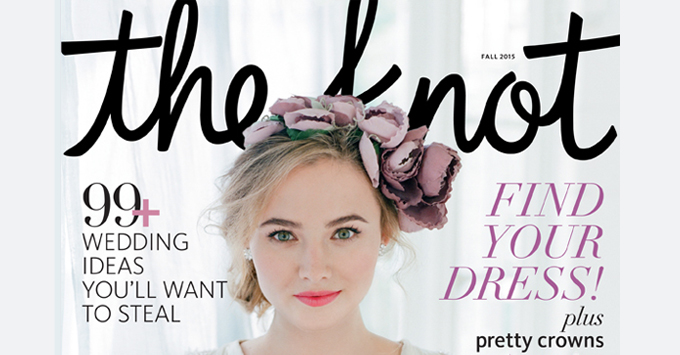
How To Pitch: The Knot

Marry your fresh ideas to readers' planning needs for this trusted bridal brand

the-knot-htp-feature
Admin icon
By Janelle Harris Dixon
Janelle Harris Dixon is a narrative journalist, copywriter, and content strategist with more than 20 years of experience covering race, culture, equity, and social justice. Her work has appeared in Essence, Ebony, The Atlantic, Rolling Stone, the Washington Post, Smithsonian, and more than 50 other publications. She holds a B.A. from Lincoln University and an M.A. in African American Studies from Temple University.
5 min read • Originally published October 12, 2015 / Updated May 10, 2021
Admin icon
By Janelle Harris Dixon
Janelle Harris Dixon is a narrative journalist, copywriter, and content strategist with more than 20 years of experience covering race, culture, equity, and social justice. Her work has appeared in Essence, Ebony, The Atlantic, Rolling Stone, the Washington Post, Smithsonian, and more than 50 other publications. She holds a B.A. from Lincoln University and an M.A. in African American Studies from Temple University.
5 min read • Originally published October 12, 2015 / Updated May 10, 2021

Circulation: The Knot‘s print magazine has a distribution of 330,000, and its regional publications have a total distribution of 1.2 million.
Frequency: The national edition of The Knot publishes four times a year; the regional issues are distributed semi-annually, though not all at the same time; a new same-sex digital magazine publishes every June.

Background: Just like every bride wants her wedding to stand out from the 2.4 million or so others filling up church sanctuaries and garden courtyards every year, The Knot, the flagship brand of parent company XO Group Inc., differentiates itself from competitors in the bridal magazine market by making women feel like part of a larger community. It’s the foundation for their conversational tone, insider approach and four-tiered brand, which includes the 13-year-old national publication, a heavily trafficked website, a new LGBT digital edition and The Knot Weddings, a series of planning guides specific to 16 local markets: Colorado, Michigan, Missouri/Kansas, Texas, Pennsylvania, California, New England, the Carolinas, Florida, Georgia, Ohio, DC/Maryland/Virginia, New Jersey, New York, Minnesota and Chicago.

Editorially, The Knot is responding to trends on the rise. Wedding budgets are increasing — the national average, according to the brand’s annual 2014 Real Weddings Study, is $31,213 — but couples are cutting their guest lists down in order to make their weddings more memorable for the people who witness them. “There’s a big emphasis now on wowing your guests and spending a little more money to make it a great party,” said associate editor Ivy Jacobson. “They’re focusing on great entertainment or a cool lounge or a great after-party, and they’re cutting back on the guest list to create a more thoughtful, intimate guest experience.” Creating content that meets that trend is high on editors’ list of priorities.

The number of brides using their cell phones to plan their weddings has doubled in just three years and TheKnot.com is the top wedding site, so digital offerings are also a compelling and integral part of The Knot‘s continued credibility and community-growing. Still, the common threads between print and digital are loads of service, a tell-it-like-it-is voice and inspiring photos. The brand offers the kind of advice you’d get from your best friend, not your mom. And since it draws from millions of “Knotties” and their real experiences, problems and tips, the content resonates with other researching, planning and working brides-to-be.

What to pitch: One of the biggest opportunities for freelancers, and one of the hallmarks of the magazine are the “Real Weddings” features. Dig into the couple’s personality for great storytelling about who they are and how they designed their magical day — down to the centerpieces and personalized programs — and pair those details with beautiful photography. Editors are looking for interesting angles, fresh themes, and fun photos to really make the pages come to life and give readers loads of new ideas.

“We’re all about a really unique couple’s story or weddings that tossed tradition. Our new corporate motto is ‘yours truly,’ and we’re looking for couples who do something different, go outside the box,” said Jacobson. “With pitches, we’re similarly looking for something different. We have the resources for the planners and the classic tried-and-true stories, so to [approve] a pitch we’d want to see something unique.”

In addition to first-person stories that resonate, editors are looking for more health and fitness pieces, and cool beauty stories that will help brides envision and prepare for their big day. “We prefer more of an expert on the topic. You don’t necessarily have to work in that field, but if you’re a beauty writer, we’d probably look more favorably on that than a lifestyle writer,” explained Jacobson. Admittedly, editors generate story ideas in house and assign them to freelancers to be written more often than they accept pitches from freelancers. So think service, think new perspectives on perennial topics, then think of pitch editors can’t refuse.

What not to pitch: The fashion editor generates most, if not all, of that content, so consider the fashion pages off-limits. Likewise, avoid pitching engagement stories and post-honeymoon pieces — or direct them to The Knot‘s sister outlet The Nest.

Online opportunities: Garnering more than 5 million unique visitors each month, TheKnot.com is the go-to resource for all things wedding. It’s also wide open for bridal-minded freelancers aspiring to write in that premium space. First-person essays are welcome, but overall, the site seeks content that is newsy and compelling, including interesting bridal trends. “There’s some overlap between the magazine and the website — some stories from the magazine go up online and vice versa — but the website generally posts untraditional things you might not see in the magazine,” said Jacobson.

What publicists should pitch: Editors and publicists work together across all sections, so the entire mag is open to relevant pitches. “We get a lot of great story ideas from them and we frequently use their experts,” Jacobson confirmed. Email is the best way to contact eds; follow up in two weeks if you haven’t received a response, just like a freelance pitch.

Percentage of freelance content: There’s no exact figure because it varies from issue to issue.
Percentage of freelance submissions accepted: 10 percent for the national Knot and website; 20 percent for the regional mags

Etiquette: Email pitches to the appropriate editor with clips or a link to samples on a website. Freelancers can expect a response rather quickly, but it’s fine to follow up after two weeks if you haven’t heard back.

Lead time: 12 weeks for the print publication; online can be as short as two days
Pay rate: $.50 to $1 a word
Payment schedule: On acceptance
Kill fee: 40 percent
Rights purchased: All North American rights

Contact info:
The Knot
195 Broadway, 25th Floor
New York, NY 10007
www.theknot.com
Twitter | Facebook | Instagram | Pinterest
Email format: FirstInitialLastName@theknot.com

Direct pitches to:
E- Commerce Editor Emily Platt: EPLATT at THEKNOTWW dot COM

Style and Planning Editor Alyssa Longobucco: ALONGOBUCCO at THEKNOTWW dot COM

Social Media Editor Heather Finn: HFINN at THEKNOTWW dot COM

Senior Fashion and Beauty Editor Shelley Brown: SBROWN at THEKNOTWW dot COM

Deputy Editor of Branded Content Kate Traverson: KTRAVERSON at THEKNOTWW dot COM

Janelle Harris resides in Washington, D.C., frequents Twitter and lives on Facebook.


NEXT >> How To Pitch: Brides

[EDITOR’S NOTE: Though we’ve updated this article recently, the speed at which things move in media means things may have already changed since then. Please email us if you notice any outdated info.]

Topics:

How to Pitch
How to Pitch

How To Pitch: The Bump

A fabulous first-person essay could be your ticket to this website for millennial moms

Admin icon
By Dana Robinson
Dana Robinson is a freelance health, beauty, and culture writer with 20 years of experience creating content for publications including Shape, WeightWatchers, Wine Enthusiast, AARP, and Southwest: The Magazine. She holds a master's degree in mass communication from California State University-Northridge.
3 min read • Originally published January 29, 2019 / Updated May 10, 2021
Admin icon
By Dana Robinson
Dana Robinson is a freelance health, beauty, and culture writer with 20 years of experience creating content for publications including Shape, WeightWatchers, Wine Enthusiast, AARP, and Southwest: The Magazine. She holds a master's degree in mass communication from California State University-Northridge.
3 min read • Originally published January 29, 2019 / Updated May 10, 2021

Monthly Unique Visitors: 6.2 million

Background: The print version of The Bump was left behind a few years back to make way for TheBump.com. The site targets millennial moms with its mobile-first content that helps readers navigate through fertility and pregnancy to the toddler and pre-school years, says Ashlee Neuman, senior editor.

The site separates itself from other mommy-to-be outlets by providing readers with a mix of well-reported, expert-driven content with a fun, relatable voice. “Our readers appreciate it when we tell life like it is. Parenting isn’t always perfect. It’s messy, it’s challenging…so we like to think of ourselves as the voice of a generation that really is all about honesty,” says Neumann. “If you’re reading an article on The Bump we’re hoping that you feel like you’re chatting with a really supportive, understanding, and incredibly informed friend.”

What to pitch: The site is primarily focused on pregnancy and the early stages of parenting. So pitches can run the gamut from health-oriented stories (pregnancy health, health of the child) to lifestyle, travel, product round-ups and trend pieces.

Readers are looking to The Bump for realistic solutions and honest experiences, so editors are also interested in first-person stories. “We really love first-person pieces,” says Neumann. “It does help to make some of the challenges of pregnancy and parenting more relatable and feel more manageable.” Stories can focus on any aspect of parenting, but they are not limited to the views of moms and dads. Aunts, uncles and grandparents should feel free to pitch a first-person story as long as it resonates with readers and feels authentic and honest.

Since the Internet has no space limitations, there are no firm rules about word count. The length of the article depends on how long it takes for the writer to convey her point.

What not to pitch: Most of the news stories are generated in house.

What publicists should pitch—and when: Pitch products that make life easier for parents. Books, experts, and studies are also appreciated, as well as emerging research. Lead time: 1-2 months.

Percentage freelance content: 25%
Percentage of freelance submissions accepted: 10-15%

Recent freelance stories pitched and published: Freelancers pitched stories about keeping spontaneity alive after the baby is born, pregnancy workouts, and even a time-lapse video that captures an entire pregnancy in two minutes.

Etiquette: Pitches should be simple and to the point. Keep them to about 1-2 paragraphs and include links to relevant clips.

Lead time: 1-2 months
Pay rate: Varies depending on the assignment.
Payment schedule: Payment within 30 days of invoice
Kill fee: Varies
Rights purchased: All rights

Contact info:
THEBUMP.COM
195 Broadway 25th Floor
New York, NY 10007
Thebump.com
Twitter handle: @thebump| Facebook
FirstInitialLastName@theknotww.com

Direct all pitches to: 
For stories about health, fitness, food, travel, lifestyle: Deputy Editor, Ashlee Neuman: ANEUMAN at THEKNOTWW dot COM

For stories about trends, news, research, or events: associate editor, Nehal Aggarwal:  NAGGARWAL at THEKNOTWW dot COM

Senior Editor Cassie Kreitner: CKREITNER at THEKNOTWW dot COM

Topics:

How to Pitch
How to Pitch

How To Pitch: The Advocate

Pitch news and culture stories that engage this mag's LGBT readership

the-advocate-htp-feature
Admin icon
By Janelle Harris Dixon
Janelle Harris Dixon is a narrative journalist, copywriter, and content strategist with more than 20 years of experience covering race, culture, equity, and social justice. Her work has appeared in Essence, Ebony, The Atlantic, Rolling Stone, the Washington Post, Smithsonian, and more than 50 other publications. She holds a B.A. from Lincoln University and an M.A. in African American Studies from Temple University.
5 min read • Originally published July 15, 2015 / Updated May 10, 2021
Admin icon
By Janelle Harris Dixon
Janelle Harris Dixon is a narrative journalist, copywriter, and content strategist with more than 20 years of experience covering race, culture, equity, and social justice. Her work has appeared in Essence, Ebony, The Atlantic, Rolling Stone, the Washington Post, Smithsonian, and more than 50 other publications. She holds a B.A. from Lincoln University and an M.A. in African American Studies from Temple University.
5 min read • Originally published July 15, 2015 / Updated May 10, 2021

Circulation: 130,000 (print); 2.6 million monthly unique visitors (online)
Frequency: Bimonthly
Special issues: Feb/March: Spring Travel, Queerest Cities; April/May: Health/HIV; June/July: Pride; Aug/Sept: Fall Travel; Oct/Nov: The Vanguard, which profiles LGBT leaders and thinkers; Dec/Jan: Year in Review/Person of the Year

Background: My, how The Advocate has grown. Sprouting from its humble beginnings as a mimeographed newsletter dispensing information to its then-LA-based audience, its ownership has changed, its coverage has broadened and it was streamlined to a bimonthly production schedule. But its editorial mission of reporting for an LGBT readership is still the same. Now in its 48th year, the title’s commitment to conveying the events, experiences and figures relevant to LGBT interests is still as fresh as it was back in its early days.

Brand expansion over the years means the mag not only appeals to a larger audience in the United States, it’s also garnered a growing international following in Canada, Mexico, Australia and the UK. Published by Here Media, the same company that produces brethren gay fashion, style and culture bible Out, The Advocate is in a class by itself. “There are lesbian-specific publications, there are trans-specific publications, there are gay-men-specific publications,” said editor in chief Matthew Breen, “but in terms of an LGBT magazine, we really don’t have competitors. We’re the only magazine in the space.”

What to pitch: Editors are interested in original reporting and cultural and political analysis which, combined with a relatively long lead time, gives freelancers the opportunity to come up with great story ideas. “I’m less interested in chasing the day-to-day trends than I am at looking at longer-term cultural currents,” Breen added, pointing out that news items’ relativity to the LGBT community is an angle The Advocate is always eager to explore.

Front-of-book stories are pretty equally comprised of assignments farmed out to writers and pitches that have been given the greenlight, and typically run anywhere from 200 to 1,000 words. Writers with something pertinent to share with this audience are encouraged to think up ideas for “The Spectator” section, which houses arts and entertainment pieces on film, TV, music, visual arts, dance, books, theater and travel, as well as longer essays on these topics that range from 1,600 to 2,000 words.

Profiles on amazing individuals, nestled in the meaty part of the mag, are also ripe for the pitching — as are usually-hard-to-nab feature stories, both in the print edition and online (these range from 2,000 to 3,000 words). Also highly pitchable: “Daily Dose,” which runs in every issue and is an HIV-related rotating column covering stigma, dating, relationships, testing and treatment in the form of personal essays or research-driven pieces. The book also opens with a politics essay that freelancers can target.

What not to pitch: Poetry gets an automatic “no,” and fiction pieces are better suited for Out, a fellow Here Media publication that sometimes runs short stories. Reprints — from the Web or print — aren’t accepted, and simultaneous submissions won’t be considered either. Breen and his team also prefer to get pitches rather than completed articles because they “tend not to match our style,” he said.

Online opportunities: The award-winning, pitch-friendly Advocate.com is as ripe for freelance contributions as its print counterpart. A stable of freelancers cover breaking news, bisexuality, marriage equality, transgender issues, HIV, music, TV/film and theater. Sunnivie Brydum, managing editor, admits to being “particularly interested in visual pieces that we can turn into slide shows. This often mean photo projects, gallery shows — if we can run images of the show — or other visually compelling pieces. In general, we want to highlight the untold stories of the LGBT community, not just those that are flashy and grabbing mainstream coverage.” Freelancers won’t be paid, to Brydum’s regret, but the online team is always accepting resumes for traffic-based, part-time paid positions. None are open at the moment, but it’s good to be on file just in case.

Percentage of freelance content: 75 percent
Percentage of freelance pitches accepted: Breen is reluctant to give an estimate because “it varies based on the issue,” he explained.

Recent freelance stories pitched and published: “How PrEP Is Being Blocked By Bureaucracy” chronicled in the May 2015 issue how Los Angeles county officials have slowed the dissemination of HIV-related programming. And “An Ode to Anti-Assimilationist Filmmaking,” also in the May issue, celebrated the work of artist Leo Herrera.

What publicists should pitch: Arts and entertainment pitches are particularly important to “The Spectator” section, so send those judiciously. Breen and his fellow editors are turned off by news and consumer items that lack an LGBT angle specifically or an interesting twist in general. Mass emails are fated with an almost instant deletion. “I’m constantly asking to be taken off of blasted email pitch lists. I know publicists have a lot of work to do, but I find lists irritating and not useful,” he confessed.

Etiquette: “I would encourage freelancers to pitch me on Twitter. I spend a lot of my time there and there’s less white noise,” said Breen. His communication preference also keeps writers’ messages from being lost in his congested email inbox. “Tweet me, I’ll follow back and we can discuss the story idea on direct message.”

Lead time: Three to four months
Pay rate: Varies, according to amount of reporting and the writer’s experience; negotiated at the time of assignment
Payment schedule: 45 days after publication
Kill fee: 25 percent
Rights purchased: Exclusive rights unless the writer elects to request non-exclusivity after 90 days

Contact information:
Grand Editorial
372 Court St., #1
Brooklyn, NY 11231
www.advocate.com
Twitter handle: @TheAdvocateMag | Facebook

Direct pitches to:

For online, email NEWSROOM at ADVOCATE dot COM or submit a pitch through the website’s contact form (category: Send us a tip), which goes to all in-house editors

[EDITOR’S NOTE: Though we’ve updated this article recently, the speed at which things move in media means things may have already changed since then. Please email us if you notice any outdated info.]

Topics:

How to Pitch
How to Pitch

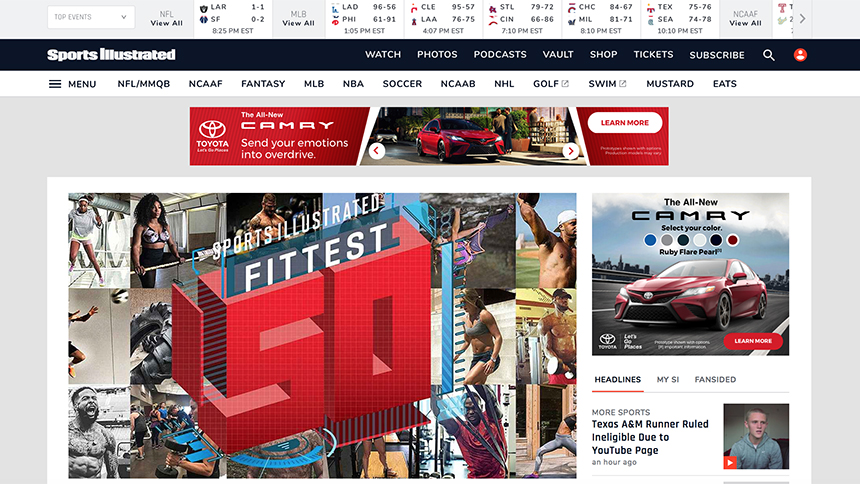
How To Pitch: SI.com

Sport’s Illustrated’s online counterpart is looking for unique sports stories that will get mobile readers to stop in their tracks

How To Pitch: SI.com
Admin icon
By Dana Robinson
Dana Robinson is a freelance health, beauty, and culture writer with 20 years of experience creating content for publications including Shape, WeightWatchers, Wine Enthusiast, AARP, and Southwest: The Magazine. She holds a master's degree in mass communication from California State University-Northridge.
4 min read • Originally published October 11, 2017 / Updated May 7, 2021
Admin icon
By Dana Robinson
Dana Robinson is a freelance health, beauty, and culture writer with 20 years of experience creating content for publications including Shape, WeightWatchers, Wine Enthusiast, AARP, and Southwest: The Magazine. She holds a master's degree in mass communication from California State University-Northridge.
4 min read • Originally published October 11, 2017 / Updated May 7, 2021

Monthly Unique Visitors: 24 million

Background: Sports Illustrated has been keeping its readers up to date on all things related to sports for more than 60 years. But when the digital age came knocking in the mid-90s the brand answered the call with SI.com. The website is no less than a thriving sports news website that features scores of original content, including videos and a live, daily talk show, SI Now.

There are many editorial outlets that offer sports coverage, but SI.com sets itself apart by providing not only the scores and stats that readers want, but also telling stories that no one else is getting. “We’re always looking for ways to tell the stories of the teams and the leagues…without doing the exact same thing that everybody else does,” says Ted Keith, senior editor. The website’s mission is to provide impactful articles that get noticed by its target audience of 18-49-year-old males.

What to pitch: The bad news is that editors are accepting fewer freelance pitches than ever before, thanks to a trimmed-down budget. But the good news is that freelancers with a well-crafted pitch still have a chance to achieve the dream of seeing their byline on SI.com.  

Editors already have access to in-house writers and go-to freelancers who can cover the big stuff, like college basketball and the World Series. So, when you’re preparing your pitch, Keith recommends thinking about stories that would cause you to stop in your tracks if you were looking on a social media feed. Therefore, stories about who won the game last night or basic profiles about an overexposed athlete won’t cut it. “We want the story that is coming from a fresh approach or is telling a story that we haven’t heard before,” says Keith.   

Editors are open to stories pertaining to a myriad of sports, from baseball and basketball to soccer, golf, tennis, hockey, and boxing. The site is mainly focused on stories about sports that are popular in the US, but freelancers may have a chance at scoring a byline about athletes who are popular in other parts of the world if the story is well presented.  

Keith also cautions freelancers about pitching stories about young athletes who have passed away. Readers are most likely checking out the site during their breaks at work or on their daily commute and those types of stories  “[aren’t] always the way you want to spend the break that you have in your day,” says Keith. While the site does run some stories of that nature, editors like to maintain a balance of uplifting as well as neutral stories. Articles for the site typically run 750-1500 words.

What not to pitch: All sections are open to freelancers.

What publicists should pitch — and when: Insuring that your client or product has a sports-related tie-in will help increase your chances of getting through the editorial gates. Lead time is 2-4 weeks.

Percentage of freelance-written content: Less than 10%

Percentage of freelance pitches accepted: Less than 5%

Recent freelance stories pitched and published: One Shot: North Carolina’s Isaiah Hicks Has a Last Chance to Make His Own History was pitched by a college student who later became an SI.com intern. Editors loved the pitch because the writer displayed top-notch reporting skills and had access to a subject that other outlets hadn’t covered yet.

Etiquette: Pitches should be no longer than one or two paragraphs and accompanied by links to clips. And if writers are willing to take a gamble they can even submit an entire completed article for consideration. If the story is about a lesser-known athlete, feel free to submit photos along with your pitch.

Lead time: 2-4 weeks. But if the pitch is surrounding a major athletic event, like spring training or team drafts, then send your ideas in even sooner.

Pay rate: $200-$400 per article

Payment Schedule: Payment received within about 6 weeks.

Kill fee: $100

Rights purchased: All rights

Contact info:

Sports Illustrated

225 Liberty St.

New York, NY 10281

www.SI.com

Twitter handle: @SINow| Facebook

FirstName_LastName@simail.com


Direct all pitches to:

Co Editor in Chief Ryan Hunt: RYAN underscore HUNT at SIMAIL dot COM

Senior Editor Richard O’Brien: RICHARD underscore OBRIEN at SIMAIL dot COM

Senior Editor Jason Schwartz: JASON dot SCHWARTZ at SIMAIL dot COM


EDITOR’S NOTE: Though we’ve updated this article recently, the speed at which things move in media means things may have already changed since then. Please email us if you notice any outdated info.

Topics:

How to Pitch
How to Pitch

How To Pitch: Shape.com

Editors are looking for first person and “as told to” stories about health/fitness.

Admin icon
By Dana Robinson
Dana Robinson is a freelance health, beauty, and culture writer with 20 years of experience creating content for publications including Shape, WeightWatchers, Wine Enthusiast, AARP, and Southwest: The Magazine. She holds a master's degree in mass communication from California State University-Northridge.
2 min read • Originally published February 19, 2019 / Updated May 7, 2021
Admin icon
By Dana Robinson
Dana Robinson is a freelance health, beauty, and culture writer with 20 years of experience creating content for publications including Shape, WeightWatchers, Wine Enthusiast, AARP, and Southwest: The Magazine. She holds a master's degree in mass communication from California State University-Northridge.
2 min read • Originally published February 19, 2019 / Updated May 7, 2021

Monthly Unique Visitors: 5 million

Background: Since it premiered in the early 2000s, Shape.com has been dedicated to providing its audience with information on all things related to health and fitness. “We like to call Shape your girl next door,” says Alyssa Sparacino, deputy digital editor. “It’s really important to us to come off as authoritative, but also friendly and inviting.”

The site’s core millennial audience comes to Shape.com because it tackles health, wellness and fitness in a relatable way. There’s something for everyone, whether you’re a CrossFit champion, marathon runner or are just trying to achieve general health and wellness goals, says Sparacino.

What to pitch: Writers are encouraged to pitch to the all sections of the site, which include: fitness, beauty, fashion, food, health, and sex/relationships. They’re especially interested in first-person stories and “as told to” stories. First-person articles can be on any subject but should have a wellness or mental health angle, while as told to pitches can focus on a celebrity, fitness influencer, or a person with a compelling story that’s gone viral.

Reported pitches are likely to get an editor’s attention as well. They’re specifically interested in deep-dive reported pieces that cover trends in healthy eating, fitness and nutrition (what is it, why is it good for you, pros/cons, etc…). Word counts for all content: 700-1000.

Editors are also generally stepping up their sex and love content as well as their beauty content. So bring on the pitches that focus on skin care, beauty products, and trends.

What not to pitch: All sections are open to freelancers.

What publicists should pitch —and when [lead time]: Products that fit into the wellness, beauty, and workout gear space. Lead time is one month.

Percentage of freelance-written content: 50%

Percentage of freelance pitches accepted: 45-50%

Recent freelance stories pitched and published: Freelance writers pitched articles that explored fasted cardio, healthy casserole recipes, and the benefits of yoga during pregnancy.

Etiquette: Freelance writers pitched articles that explored fasted cardio, healthy casserole recipes, and the benefits of yoga during pregnancy.

Lead time: A few days to a week.

Pay rate: About $150-200, depending on the level of reporting

Payment schedule: 30 days after publication

Kill fee: 50 percent

Rights purchased: All rights.

Contact info:
Shape.com
225 Liberty St. 9th floor
New York, NY 10080

Twitter handle: @Shape_Magazine | Facebook
FirstName.LastName@meredith.com

Direct all pitches to:
Deputy digital editor Alyssa Sparacino: ALYSSA dot Sparacino at MEREDITH dot COM

Senior Fashion Editor Jenn Barthole: JENN dot BARTHOLE at SHAPE dot COM

Associate digital editor Lauren Mazzo: LAUREN dot MAZZO at MEREDITH dot COM

Beauty Editor Shannon Beauer: SHANNON dot BEAUER2 at  MEREDITH dot COM

Topics:

Go Freelance, How to Pitch
How to Pitch

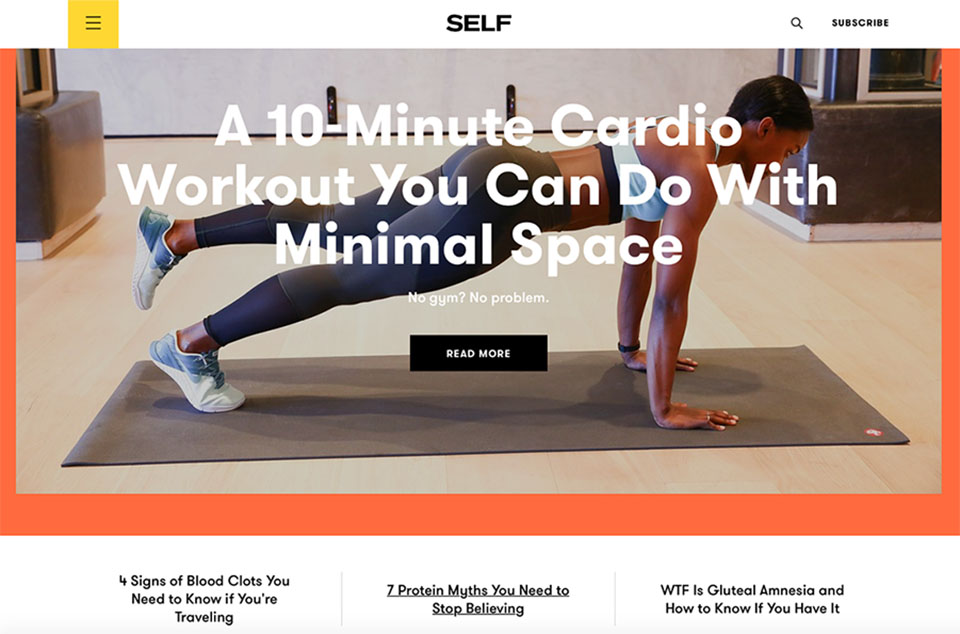
How To Pitch: Self.com

Get a byline on Condé Nast's 'motivated woman's guide to life.'

How To Pitch: Self.com
Admin icon
By Andrea Williams
@AndreaWillWrite
Andrea Williams is an author, journalist, and columnist for The Tennessean with over 16 years of experience in journalism and 20 years in copywriting and communications strategy. Her work spans national outlets and high-traffic digital brands.
6 min read • Originally published May 16, 2017 / Updated May 7, 2021
Admin icon
By Andrea Williams
@AndreaWillWrite
Andrea Williams is an author, journalist, and columnist for The Tennessean with over 16 years of experience in journalism and 20 years in copywriting and communications strategy. Her work spans national outlets and high-traffic digital brands.
6 min read • Originally published May 16, 2017 / Updated May 7, 2021

Background: Hosting a dinner party these days is like drafting a peace treaty in the middle of World War III. You’ve got one friend on the Paleo diet, one who only eats raw food, and another who avoids all grains, unless they’re sprouted. And with so many wellness tribes becoming more entrenched in their unique doctrines—and gaining more followers all the while—it can be difficult to find a media outlet that speaks to everyone.

And then there’s SELF.com.

“One of the main tenants of the coverage that we do is that wellness is different for everyone, and healthy looks different on every body,” says Amanda Schupak, SELF.com’s Deputy Editor of Features. “For some of our readers, wellness might mean really being careful about what they eat, counting macros, and doing two HIIT workouts every week. But for another one of our readers, it might mean taking her depression medication every single day.”

As always, SELF.com aims to help women reach their fullest potential in every area of life, including health, wellness, relationships and more. But while the premise of helping readers become their best overall self isn’t new, the publication has undergone a major change in recent months. The January/February 2017 issue was the last to run in print. Now and going forward, all of SELF’s content is online-only.

That said, the content readers have grown to love isn’t changing. If anything, the digital content will be more robust than ever, with an additional focus on some previously print-exclusive content, like celebrity features. But it’s less, “Who are you dating?” and more, “How do you deal with confidence issues when you’re on set?”

“We look at covering stories that really deal with wellness for women in all facets; so that means fitness, nutrition, and mental health,” says Schupak. “It’s really a holistic view of approaching wellness in a way that makes sense to our various different readers.”

What to pitch: Far and away, the best way to score your first byline on SELF.com is with a first-person story dealing with a health or wellness topic. “That can range from ‘I tried this workout, and I learned so much about exercise that I didn’t know,’ to ‘I started running and it changed my life,’” says Schupak.

Whatever the subject, just be sure that you can translate it into a fully reported piece with actionable takeaways for readers. So even though you believe the new spin class you attended in midtown Manhattan is the Best. Workout. Ever., most of SELF.com’s readers live outside of NYC. So if you can’t explain how the experience of riding a stationary bike in front of a bunch of strangers impacted your life in more general terms, editors are unlikely to give you a green light.

Keep in mind, though, that these first-person articles aren’t diary entries or posts on your personal blog—so you’ll still need your journalism chops. “These stories are all pretty much a combination of first-person and reporting,” Schupak says. “The bulk of it is your experience, and it is bolstered by interviews with experts who explain what’s happening with a certain disease, why a specific treatment is effective for mental health, etc.”

In considering a freelancer who wrote about experimenting with the hygge lifestyle (that is, the idea of being “cozy”), Schupak recommends pitching a lifestyle or wellness trend that you’ve recently tried, or would like to try. “It could be, ‘Here’s how long I’d do it for, and here’s what I think I could get out of it,’ or ‘I just had this experience that I’d really love to write about. Let me tell you about the experience and what my takeaway was,’” she says.

For fitness articles, focus on well-reported pieces that provide expert commentary and serviceable advice on working out (e.g “How to Choose the Right Weights for Strength Training”).

For food stories, editors won’t accept one-off recipes, but they are totally open to nutrition science, the debunking of diet fads, or tips on meal prep and healthy eating—with a caveat. “We do a lot of meal prep tips, and we do a lot of healthy eating tips,” says Schupak. “So if it’s not new and surprising, we’ve probably written about it already.”

However, if you have a food blog on which you regularly post healthy recipes, and you’d like to be included in some of SELF’s recipe roundups, you should definitely reach out to introduce yourself.

What not to pitch: SELF.com doesn’t have a dedicated news vertical, but anything that’s newsy with a particularly tight turnaround is handled in-house.

What publicists should pitch: For publicists, checking to see what type of content is currently covered on SELF.com goes without saying. Outside of that: “Put the pitch in context,” says Schupak. “We’re not going to do a review of an individual energy bar, but if that particular energy bar is formulated to be a great post-workout recovery snack, tell me that.” (At which point Schupak may run a roundup on 10 different post-workout recovery snacks.)

Percentage of freelance content: less than 50%
Percentage of freelance pitches accepted: 25-33%

Recent freelance stories pitched and published:
On “I Practiced Hygge and it’s Kinda the Best Thing Ever”: “Even though it’s not super science-y or technical, it was still reported,” says Schupak. “It did a great job of reporting on the trend while adding her personal experience. And it was written in her voice, with her humor.

On “6 Morning Sickness Remedies Worth Trying”: “This is a more straightforward listicle,” Schupak explains. “But what’s nice about this is that the writer not only did research on some common remedies for morning sickness (and how some work for some women and others don’t), but she then spoke to women who shared whether the remedies worked for them.

Etiquette: If you want to write for SELF.com, you need to send a working headline with your pitch that you could imagine seeing on the site—which means that you need to spend some time digging around to see the types of headlines that are typically used.

Beyond that, a paragraph that sums up the story idea will work. And if you’re a new-to-SELF freelancer, be sure to add a couple of sentences on who you are and what you’ve done, along with links to clips.

Lead time: Varies. Could be as quick as a couple of days, or as long as a couple of weeks.
Pay rate: Varies, based on the amount of reporting involved. But rates are competitive when compared to other large, digital publications.
Payment schedule: On publication
Kill fee: 50%
Rights purchased: All rights

Contact info:
SELF Magazine
1 World Trade Center, 37th Floor
New York, NY 10007
www.SELF.com
Twitter | Facebook
Email format: FirstName_LastName@condenast.com

Direct pitches to:
For health email Patia Braithwaite, Senior Health Editor: PATIA_BRAITHWAITE AT CONDENAST.COM

For Fitness email Christa Sgobba, Senior Fitness Editor: CHRISTA_SGOBBA AT CONDENAST.COM

For beauty (including dermatology and I Tried Its) and style pitches, email Jessica Cruel, Senior Editor, Beauty & Style: JESSICA_CRUEL AT CONDENAST.COM


EDITOR’S NOTE: Though we’ve updated this article recently, the speed at which things move in media means things may have already changed since then. Please email us if you notice any outdated info.

Topics:

How to Pitch
How to Pitch

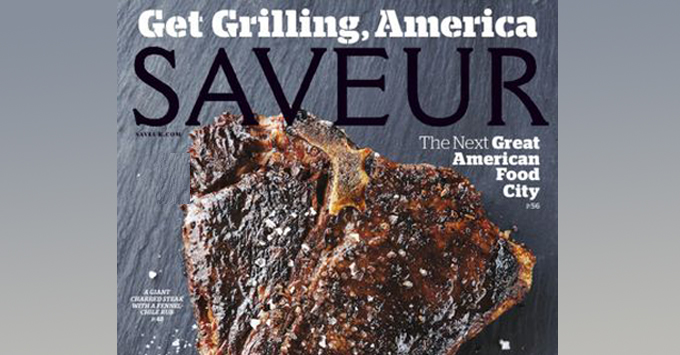
How To Pitch: Saveur

This cuisine-focused mag seeks writers with authority and a sense of adventure

saveur-htp-feature
Admin icon
By Jenell Talley
Jenell Talley is a journalist and program analyst with a background spanning media, government, and editorial work. She holds a journalism degree from Howard University and a master's in human resources management from the University of Maryland.
5 min read • Originally published February 3, 2017 / Updated May 4, 2021
Admin icon
By Jenell Talley
Jenell Talley is a journalist and program analyst with a background spanning media, government, and editorial work. She holds a journalism degree from Howard University and a master's in human resources management from the University of Maryland.
5 min read • Originally published February 3, 2017 / Updated May 4, 2021

Circulation: 250,000 rate base; 428,000 total audience
Frequency: 6 times a year
Special issues: None

Background: You don’t have to be a Michelin-starred chef to appreciate Saveur (pronounced Sa-ver, like “cat fur”). Like the mouthwatering recipes and food porn that fill its pages, the magazine—and its website—satisfies a broad range of tastes.

“It can be for anyone,” says Leslie Pariseau, special projects editor, though, she admits, those who know food may get more out of it. Neophytes may want to ease into it—the far-flung places, weird ingredients and complex recipes commonly featured may take a little getting used to. “But if [they’re] up for it, it’s definitely a great way to challenge [themselves] in the kitchen.”

But Saveur isn’t just about what tastes good. It focuses on food and drink in a more cultural way, and there’s a heavy emphasis on travel. “We’re really nerdy,” says Pariseau. “We tend to obsess about things where some publications go for broader strokes, like, “‘This is what you should be doing if you’re in Barcelona or Paris.’ We’ll find the thing that we can’t get out of our heads and just really go for it. We like to do deep dives, for sure.”

“The internal motto is: It’s not what’s hot, it’s what’s good,” says Max Falkowitz, executive digital editor. “We try to tell the story behind what’s going on rather than reflecting on trends like everybody else out there.” As a result, Saveur more than holds its own against Bon Appétit, Food & Wine, Afar and other mags and sites such as BuzzFeed, GQ, Esquire and Travel + Leisure.

What to pitch: There have been a couple of changes at the mag recently. It bid adieu to its Saveur 100 issue. It’s now focusing more on issues with cohesive themes—the October/November “origins” issue was, from start to finish, all about going back to the beginning of things, examining how something was invented or where certain ingredients came from. It also nixed its FOB section “Agenda.” But the mag is eager as ever to receive pitches.

Start with FOB’s “Eat the World,” which homes in on one thing in a corner of the world. Recent stories include the wine scene in Tokyo, the emergence of underground food clubs in The Big Apple that specialize in Burmese cuisine and an Iranian guy in Atlanta who makes southern Iranian soul food. The stories run the gamut and are typically anywhere from 300 words to 700 words, so there’s room to get creative here.

There’s also “Primer,” which introduces readers to something they may be unfamiliar with. The upcoming piece on dumplings, for example, will cover basic recipes, tools, and techniques. The in-house staff tends to handle this section, but the opportunity for freelancers exists.

A word to the wise: No tricks. Go with something smart and well-written that shows you’re familiar with what Saveur puts out. And if you can sum up your idea in two sentences, all the better.

Online opportunities: “If the front of book is about taking [readers] to very specific places, what we do online is look for ways to bring those international experiences and that sense of worldliness home,” says Falkowitz. There are tons of opportunities on the website.

Bring on the product pitches—tools or ingredients you can buy, either to cook with or to place in your home, that can give you a sense of place or the feel of some destination—and stories that celebrate regional foods and culture.

Pitches should display some sense of urgency. Tell the editors why they should be focusing on your story idea now.

Etiquette: On the print side, send clips that are similar in length and style to the section you’re pitching. If you want to write a feature, the editors want to see that you have a few features under your belt and you know how to work at that length.

On the online side, writers should send everything in the body of an email—the fewer attachments, the better. Include specific links to similar or relevant stories rather than an entire portfolio.

No phone calls, please.

What not to pitch: Aside from “Test Kitchen,” which is written in-house, steer clear of guides or tours, explainer journalism and anything trendy, gimmicky or holiday-y (e.g., Valentine’s Day cocktails). And don’t pitch new chefs you think the editors “just have to know,” unless you’re talking about the weird thing they’re making or the specific region they’re from and why that’s relevant now. “We’re really not that interested in promoting work for more white men,” says Falkowitz. “The fewer white men in your pitch the better.”

What publicists should pitch: Be sure you’re familiar with the magazine before firing off your pitch. “It’s great when you have a publicist reach out and say, ‘Hey, I know you worked on this, [so] maybe you’d be interested in this person I’m working with,’” says Pariseau.

Percentage of freelance content: 50 percent to 70 percent

Percentage of freelance pitches accepted: 10 percent to 15 percent

Recent freelance stories pitched and published: From the September 2016 issue, “Eating Bunny Chow in Durban” takes readers to the South African coastal town to enjoy Indian cuisine.

“A Midwestern Hunter’s Thanksgiving,” from the November 2016 issue,  delves into a the turkey-day traditions of a Minnesota family.

From the website in January 2017, “Learn Some Sweet Pastry Tricks From the Masters of Thai Dessert” serves up the lowdown on delish desserts from Thailand.

Lead time: At least three months for print, but four to six months is preferred. It’s more about timeliness with online stories, but at least three weeks is a safe bet.

Pay rate: Sliding scale starting at $1.50 a word for print. Online rates vary by project.

Payment schedule: Upon acceptance

Kill fee: 25 percent is the average for print; 50 percent for online

Rights purchased: Standard contract is all rights.

View the Saveur masthead

Contact info:
Saveur
15 E. 32nd Street, 12th Floor
New York, NY 10016
(212) 219-7400
www.saveur.com
Twitter | Facebook
FirstName.LastName@bonniercorp.com

Direct pitches to the appropriate editor:
Editor at Large Shane Mitchell: SHANE  dot MITCHELL at BONNIERCORP dot COM

Executive Editor Sarah Gray Miller: SARAHGRAY dot MILLER at BONNIERCORP dot COM

Executive Editor Kat Craddock: KAT at CRADDOCK at BONNIERCORP dot COM

For online, WEBMASTER at SAVEUR dot COM


EDITOR’S NOTE: Though we’ve updated this article recently, the speed at which things move in media means things may have already changed since then. Please email us if you notice any outdated info.

Topics:

How to Pitch
How to Pitch

How To Pitch: Rewire

Nancy icon
By Dana Robinson
Dana Robinson is a freelance health, beauty, and culture writer with 20 years of experience creating content for publications including Shape, WeightWatchers, Wine Enthusiast, AARP, and Southwest: The Magazine. She holds a master's degree in mass communication from California State University-Northridge.
2 min read • Originally published November 20, 2019 / Updated May 3, 2021
Nancy icon
By Dana Robinson
Dana Robinson is a freelance health, beauty, and culture writer with 20 years of experience creating content for publications including Shape, WeightWatchers, Wine Enthusiast, AARP, and Southwest: The Magazine. She holds a master's degree in mass communication from California State University-Northridge.
2 min read • Originally published November 20, 2019 / Updated May 3, 2021

Background: Rewire is a PBS-funded national publication based in St. Paul, Minn., which strives “to publish balanced, educational and inspiring stories,” says Katie Moritz, senior editor. “We provide information and inspiration to people under 40 to help them improve their lives and the world they’re living in through creating and delivering thought-provoking, invaluable content on the platforms they prefer.”

The site’s target audience is Gen Z and millennials who are mobile-first content consumers and “first-stage adults”–people who are making big adult decisions for the first times in their lives, or close to the first time (starting a career, buying a house, starting a family — or not, etc…) “Our mission is to be a non-judgmental, conversational resource for people who are trying to make the right choices for [themselves],” she says.

What to pitch: Pitching to the “Love,” “Work,” “Living” and “Our Future” sections can increase your chances of scoring a byline in Rewire. Editors are more likely to notice pitches that center around identity, mental health, relationships, and civic engagement.

Reported articles that require interviews with sources and experts are typically staffed out, but editors do occasionally assign first-person pieces and hybrid reported/first-person pieces. Check out the stories that are currently on the site and the editorial guidelines.

What not to pitch: Please do not pitch breaking news, politically partisan stories or essays, or stories that have been done to death, have already been published on the site, or aren’t of interest to Rewire’s demographic.

Percentage freelance content: 50%+

Percentage of freelance submissions accepted: 50%+

Recent freelance stories pitched and published: Freelance-generated articles have covered the benefits of improv comedy, the benefits of helping others, and why some queer folks stay closeted.

Etiquette: Pitches should be in the body of an email and include a little information about yourself and your writing experience. Include links to at least three clips that show your reporting and writing abilities.

Pitches don’t have to be super long, but they should allow editors to understand what your story is about, the angle you plan to take, and why you think it’s an important story for the Rewire audience.

Lead time: Stories are typically assigned a month out.

Pay rate: $250 for 800 words; more if photography is included.

Payment schedule: Invoice on acceptance; payment received within 30 days of invoice processing.

Kill fee: None

Rights purchased: All rights

Contact info:
Rewire
172 4th St. East
St. Paul, MN 55101
www.rewire.org
Twitter handle: @rewire_dot_org | Facebook

Direct all pitches to: For all pitches, senior editor Gretchen Brown: GBROWN at REWIRE dot ORG

Topics:

Go Freelance, How to Pitch

Posts navigation

Older posts
Newer posts
Featured Jobs
Monterey County Weekly
Publisher
Monterey County Weekly
Monterey, CA, USA

Hearst Television
Account Executive
Hearst Television
Array

All Jobs »
PREMIUM MEMBER

Trend Hijacking

St. Petersburg, FL
2025 Years Experience
TrendHijacking is your partner in building, acquiring, managing, and scaling e-commerce brands for profitable exits. With a focus on driving 5-10x...
View Full Profile »
Join Mediabistro Membership Today

Stand out from the crowd with a premium profile

Mediabistro Logo Find your next media job or showcase your creative talent
  • Job Search
  • Hot Jobs
  • Membership
  • Newsletter
  • Career Advice
  • Media News
  • Hiring Tips
  • Creative Tools
  • About
Facebook YouTube Instagram LinkedIn
Copyright © 2026 Mediabistro
  • Terms of Use
  • Terms of Service
  • Privacy