
In this article:Landing the Job | Career Path | Day-to-Day Work | Staying Current | Essential Skills | Career Advice | FAQ
Getting your foot in the door and climbing the ladder in media can be a challenge: The industry is always changing, career paths can be ambiguous, and the content cycle never stops.
Also on Mediabistro


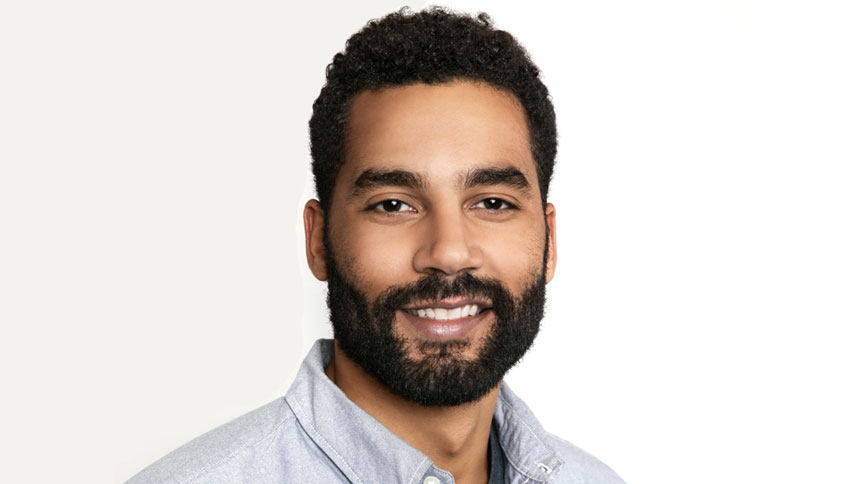
To help you find your way, we talked to John Tejada, video producer at Adweek, who shares real-world insights you can apply to your job search, interviews, and career growth in video production.
How He Landed His First Media Job
What was your first job? And your first job in your chosen career?
“The first job I can remember was a stock boy at a small clothing store in Passaic, New Jersey. I was maybe 15 years old and made $20 for one day’s work.
My first post-college job was as the executive assistant to Michael Wolff, the former editorial director of Adweek.”
How did you land that job at Adweek?
“I was an intern at ‘Inside Edition’ my final semester at MSU. I began working closely with the staff there, asking everyone if they needed a hand with anything and everything.
Pretty soon I was assisting a producer regularly. Over the course of my time there I became her go-to intern. Toward the end of my internship, she said she’d keep an eye out for any entry-level jobs.
Roughly a month later she called me with a tip on the executive assistant position at Adweek—she’s the daughter of Michael Wolff.
The interview process was actually quite simple. Initially, I thought the interview went great. Then I didn’t hear back for a couple of weeks, so I thought I bombed it. But eventually I got the offer.”
His Path to Video Production
Is this where you always thought you’d end up?
“My dream job back in high school was to be a music video producer or director because I was always interested in making videos. In 10th grade at Clifton High School, I joined CAST, a TV production program that let us explore video concepts and create videos.”
The Reality of Video Production Work
What about your job gets you excited to jump out of bed every morning? What makes you want to hide under the sheets?
“Just knowing I’m going to be meeting different people every day is exciting. And I love that no two stories are ever the same. You can make your viewers feel a certain way just by the way you shoot a story.
What keeps me in bed: knowing I’ll spend 10 hours editing a two-minute video.”
What’s your favorite thing about working at your company?
“Again, I think meeting new people is awesome. I mean, I got to meet LeVar Burton, Oscar De La Hoya, and Gigi Hadid!”
What’s the biggest misconception people have about your role?
“It’s not all fun and games. A lot of times you spend six hours shooting, and five to eight hours editing to get to a two-minute web video.”
Staying on Top of Industry Trends
How do you stay on top of trends in your field?
“By checking all my social media feeds and joining an invite-only video group on Facebook. I like Instagram a lot right now. It shows you how creative people can get with just a cell phone.”
Who in your field do you follow on social media?
“Hearst Digital and Condé Nast Entertainment are doing interesting work in digital video. I also love Casey Neistat and pretty much everything from VICE.”
What are you reading and watching right now?
“I’m reading a lot of Charles Bukowski these days. He’s brilliant. Also, Fight Club. It’s such an iconic movie, I just had to read the book. As for what I watch, Anthony Bourdain‘s ‘Parts Unknown’ is amazing.”
Essential Skills for Video Producers
What skills should you have when applying for a video producer job?
“You need to be able to go with the flow and not freak out when things don’t go your way. Things happen. People show up late. Thirty-minute interviews get cut to 10 minutes. So you have to be able to adapt, troubleshoot, and be on your toes at all times.”
Key Skills for Video Producers:
- Adaptability and flexibility under pressure
- Problem-solving and troubleshooting
- Time management (balancing long shoots and edits)
- Storytelling through visual media
- Technical proficiency with cameras and editing software
- Strong interpersonal skills for interviews and collaboration
Career Advice for Aspiring Video Producers
What advice would you give someone looking to break into this field?
“Say ‘yes’ to opportunities—even if you’re not 100 percent sure about them. Figure things out on your own. If you can’t, that’s fine. At least you tried first before you asked for help. People will respect that.”
What tips do you have for those seeking mentorships?
“Look at those people who are great at what they do, and who you idolize. Study and learn everything you can from them. Reach out to them. Once you have them as mentors, they will be fountains of knowledge you can tap when you need them. Just don’t get too annoying about it.”
Ready to start your video production career? Check out our job board for openings in digital media, TV, web, and video production, and advertising.
Frequently Asked Questions
What does a video producer do?
A video producer oversees the creation of video content from concept to completion. This includes planning shoots, coordinating with talent and crew, directing filming, and managing the editing process. In digital media roles, producers often handle multiple projects simultaneously and may shoot and edit their own content.
How do I get started as a video producer?
Start by gaining experience through internships, as John did at “Inside Edition.” Build relationships with colleagues, volunteer to help with projects, and stay in touch with contacts who can alert you to job openings. A degree in broadcasting, film, or communications provides a strong foundation.
What’s the hardest part of being a video producer?
The time investment can be challenging—a two-minute video may require six hours of shooting and five to eight hours of editing. Video producers must also adapt quickly when plans change, such as when interview times get cut or equipment malfunctions.
How much do video producers make?
According to the Bureau of Labor Statistics, producers and directors earn a median salary of around $79,000 per year, though this varies significantly by location, industry, and experience level. Video producers in major media markets like New York City typically earn more.