Mediabistro Logo Mediabistro Logo
  • Jobs
    Search Creative Jobs Hot Jobs Remote Media Jobs Create Job Alerts
    Job Categories
    Creative & Design Marketing & Communications Operations & Strategy Production Sales & Business Development Writing & Editing
    Quick Links
    Search All Jobs Remote Jobs Create Job Alerts
  • Career Resources
    Career Advice & Articles Media Industry News Media Career Interviews Creative Tools Resume Writing Services Interview Coaching Job Market Insights Member Profiles
  • Mediabistro Membership
    Membership Overview How to Pitch (Premium Tool) Editorial Calendars (Premium Access) Courses & Training Programs Membership FAQ
  • Showcase
    Featured Creative Stories Submit your Story
  • Log In
Post Jobs
Mediabistro Logo Mediabistro Logo
Search Creative Jobs Hot Jobs Remote Media Jobs Create Job Alerts
Job Categories
Creative & Design Marketing & Communications Operations & Strategy Production Sales & Business Development Writing & Editing
Quick Links
Search All Jobs Remote Jobs Create Job Alerts
Career Advice & Articles Media Industry News Media Career Interviews Creative Tools Resume Writing Services Interview Coaching Job Market Insights Member Profiles
Membership Overview How to Pitch (Premium Tool) Editorial Calendars (Premium Access) Courses & Training Programs Membership FAQ
Featured Creative Stories Submit your Story
Log In
Post Jobs
Log In | Sign Up

Follow Us!

Careers & Education

Sales email subject lines that actually convert

By Xier Dang for Apollo
11 min read • Published April 1, 2026
By Xier Dang for Apollo
11 min read • Published April 1, 2026

Vector illustration of an email and subject line on a desktop.

Sammby // Shutterstock

Sales email subject lines that actually convert

You’ve spent dozens of hours writing, tweaking, and perfecting the body of your outbound prospecting emails, trying to find the perfect message that will generate meetings and drive revenue.

But all of that stellar sales copy will go unread without a click-worthy email subject. A whopping 64% of email recipients decide to open emails based on subject lines alone.

These 40-character tidbits are the MVPs of email marketing — the salespeople and marketers with the highest open rates craft email subject lines that their subscribers simply can’t resist.

Looking to join them?

Below, Apollo lets you in on what makes the best email subject lines and provides you with dozens of first-rate examples that you can use to instantly boost open and response rates.

Why are email subject lines so important?

Your prospects’ inboxes are flooded with hundreds, potentially thousands, of emails every single day. According to a study by MailerLite, the average click-to-open rate is 6.8%.

This is why catchy, clear email subjects are more important now than ever.

Based on your subject line, they decide right then and there if your email is worth their precious time.

Spending a little extra time on your email subject lines will help you get more customers to open your emails, avoid emails going to the spam folder, get your message in front of the right people, and support you in establishing a high-quality brand.

Email subject line best practices

Understand your target audience

To craft a great subject line, you need to understand two things: who your audience is and what motivates them.

Know exactly what buyer personas you are reaching out to and consider your company’s unique value proposition. To improve your email open rate, find opportunities to communicate that directly in the subject line.

Add personalization

Collecting data with the knowledge, permission, and explicit consent of your prospects and customers will put you ahead of the competition by opening endless personalization opportunities.

You can personalize according to new roles taken, company funding rounds, recent searches, post-purchase follow-ups, and more.

Be descriptive

Sometimes, it’s better to be direct and descriptive rather than trendy.

Popular snippets like “don’t open this email” or “per my last email” don’t offer a specific hook. Instead, try to communicate the benefits of your product or call attention to specific offers.

Keep it short

Shorter is often better, especially considering how many people read emails on mobile devices.

Try to keep your title limited to no more than nine words and 60 characters.

Highlight videos or attachments

Simply including the word “video” in your email subject can increase open rates by as much as double, according to a case study conducted by Sendspark.

Adding a video, linking to a presentation or podcast, or including a helpful guide are all great ways to make your email content varied and more engaging.

If any of these are in the body of your email, make sure you are letting the reader know in the subject line so they don’t miss out!

Get inspired with the S.P.E.C.I.A.L. formula

A helpful framework for nailing your email subject lines and getting the creative writing juices flowing is the S.P.E.C.I.A.L formula:

  • Similarities: Find “uncommon” similarities between you and the receiver. What is something you two can uniquely relate to? (e.g., hockey fans, cities traveled to, pets, unique hobbies).
  • Personalization: As covered above, just a tiny bit of personalization can help you stand out from the crowd.
  • Expiring: Add a sense of urgency or time limit. Subject lines that include dates or a sense of urgency tend to perform better than those that do not.
  • Curiosity: Engage the receiver just enough so they want to open your email. The best curiosity email subject lines leave out just enough info to create a sense of intrigue.
  • Invigorating: Utilize capitalization, exclamation points, or emojis to add excitement and other positive emotions.
  • Avoidance: Avoid the common pitfalls most emails suffer from (e.g., typos, spam words, too many emojis).
  • Length: Choose the right length. When in doubt, keep it short.

What to avoid in sales email subject lines

A great subject line gets you in the door. A bad one gets you sent straight to the spam folder. While you’re getting creative, make sure you steer clear of a few common traps that can hurt your deliverability and credibility.

Avoid spam trigger words

Email services are smart, and they’re looking for words that sound too good to be true. Using words like “free,” “guarantee,” “no obligation,” or “winner” can get your email flagged before your prospect ever sees it. The same goes for using ALL CAPS or too many exclamation points!!! It feels like you’re yelling, and nobody likes that.

Don’t be misleading

Using “Re:” or “Fwd:” to fake a previous conversation is a quick way to lose trust. Your subject line should be an honest preview of what’s inside the email. Clickbait might get you a few opens, but it won’t get you any meetings if the reader feels tricked.

Steer clear of generic phrases

Phrases like “Checking in” or “Quick question” are overused and don’t offer any value. Your prospect has no reason to open them over the other hundred emails in their inbox. Always aim to be specific and relevant to them.

Email subjects that get clicks (and why)

Groupon: “The Deals That Make Us Proud (Unlike our Nephew, Steve)”

Marketers will seldom opt for humor when crafting their email subject lines. But Groupon took a risk here, and it paid off.

If you can get a chuckle out of readers, you can be sure you’re generating interest.

Takeaway: Appropriate humor and taking risks can help you stand out.

Booking.com: “New Year, New Travel deals – {Name}, where do you want to go?”

Who doesn’t like to travel?

Personalization goes a long way. This email may or may not contain all those places that prospects have on their travel list, but it is intriguing enough to open and see what deals they have.

Emails like this insist on urgency, and you just cannot ignore them!

Takeaway: Use open-ended questions, personalization, and urgency to prompt recipients to act.

Quicksprout: “18 Tools for Better Content Creation: Improve Your Writing with Less Effort”

A study conducted by Alchemy Worx analyzed data from 21 billion marketing emails and found that including the word “content” in subject lines can increase open rates by 59%. (With other high-performing words including: “upgrade,” “just,” “go,” and “wonderful”).

This effective subject line also promises to give the reader tangible tips and tools for improving their output if they open it.

Takeaway: Word choice can make a huge difference!

Pizza Hut: “Feed your guests without breaking the bank”

This subject line promises to help readers host their friends for dinner on a reasonable budget.

It addresses a specific pain point that explains to recipients how Pizza Hut’s product or service provides a value that meets their needs.

Takeaway: Get to know your audience and their needs and find opportunities to address them in your subject lines.

“[X] recommended you!”

“X” can be a mutual connection, a close friend, or even just a workplace acquaintance.

Either way, this subject line works because it instills a sense of curiosity and intimacy in recipients. People love to feel known, and this is an email subject that is sure to generate clicks.

Takeaway: Instill a sense of curiosity in your subject lines to compel readers.

50+ sales email subject line examples by category

To help you get a jumpstart on your email campaigns, here are even more examples of great email subject lines for several occasions:

(Note: When reading through all these examples, keep in mind that what works for one brand may not work for yours. It all depends on your brand personality and voice, how you communicate with your audience, and how they view you as sellers!)

Welcome email subject lines

To welcome new subscribers to your email list, give them a friendly introduction to your business. Try thinking of welcome email subject lines as a quick follow-up to thank the new subscriber for joining your list. Your subject line can help with this by picking up where you left off at the signup form or confirmation email.

To start, here are some ideas for welcome email subject lines:

  • Welcome to the crew!
  • Today, you made a great decision
  • Happy to have you in the fam!
  • Everything you need to know about [your business]
  • Are you new here? We are here to help
  • You’re in! Let’s begin
  • A Welcome Offer: 15% off!
  • 4 Ways to Get Started with [business]

Keep in mind: Email automation makes sending out welcome emails a piece of cake.

Fear of missing out (FOMO) subject lines

Playing to your audience’s fear of missing out (or FOMO) is a powerful subject line tactic. Here are some examples:

  • By Invitation Only: Exclusive Rewards Inside!
  • Don’t let this $10 bonus slip away!
  • Grab a {product name} before they’re gone!
  • Click it or miss it, people: [X] is ending
  • You’re missing out on points
  • 73% OFF gone in 3…2…1…
  • Hey, did you forget to open this?
  • Uh-oh, your trial is expiring
  • $55 today, $997 tomorrow
  • [URGENT] You’ve got ONE DAY to watch this…

The goal here isn’t to make anyone feel bad, but instead to prod them to open up your email with the promise of exclusivity and limited-time offers.

Pain-point subject lines

Focusing on your prospect’s pain points can make your subject lines hyperrelevant. Nobody wants to turn down the opportunity to discover a solution to a business problem.

Here are some catchy email subject lines that address pain points:

  • Stop wasting time on mindless work…
  • Struggling with a business decision? I made you a 1-page framework to help!
  • Engaging your prospects can be hard. Video makes it easy.
  • Get up to 20% better email deliverability (and a handy checklist!)
  • Hi, {Name}. Here’s what we think about {pain point}
  • 10 workarounds for your {pain point}
  • Sales are slipping through your fingers
  • Everything you wanted to know about email copy but were too afraid to ask

Question subject lines

Using a question in your subject line tempts readers with curiosity. They work well because subscribers want to know the answer to a question, be it in the email or on your website.

  • Are you a part of the {X}%?
  • {Name}, is it your lucky day?
  • Are you still thinking it over?
  • Do you check your emails when you first wake up in the morning?
  • Can you believe it’s been a month?!
  • Is this the hottest career in marketing?
  • [POLL] Can you answer this?
  • Are you making this landing page mistake?

Personalized subject lines

All of your email subject lines should be personalized to some degree.

But in the instances that you want to give your prospect a small shove with some hyperpersonalization, here are some ideas for your next subject line:

  • You’re eligible, {Name}: We’re giving you an opportunity to earn a $100 referral bonus
  • Congratulations on Series B funding!
  • {Name}, thanks for being a loyal member
  • Happy {brand/company} Anniversary, {Name}!
  • {Name}, check out these handpicked offers!
  • {Name}, for you to enjoy at your leisure
  • I heard you spoke at a conference last week!

Connection and referral subject lines

People respond when they see a familiar name. Whether it’s a mutual connection, a colleague, or someone from their network, these subject lines leverage social proof to get attention:

  • {Mutual connection} suggested I reach out
  • Your colleague {Name} thought we should connect
  • Following up on {Referrer’s} introduction
  • {Name} said you’re the person to talk to about {topic}
  • Recommended by {Company} team
  • {Connection} mentioned your work with {project/initiative}
  • Connecting through {mutual group/event}

Industry-specific subject lines

Speaking your prospect’s language shows you understand their world. These subject lines tap into industry-specific challenges and opportunities:

  • [SaaS] Reduce churn by X% with this approach
  • [Healthcare] HIPAA-compliant solution for {challenge}
  • [Finance] Cut compliance costs without cutting corners
  • [Retail] Turn inventory data into revenue
  • [Manufacturing] Minimize downtime, maximize output
  • [Real Estate] More qualified leads, less cold calling
  • [Education] Streamline admissions without the headaches

Follow-up subject lines

The fortune is in the follow-up, but you need fresh angles to re-engage prospects who’ve gone quiet:

  • Did this get buried in your inbox?
  • Wrong timing? Let me know
  • Still interested in {specific benefit}?
  • Quick update on {their company/initiative}
  • Different approach to {their challenge}
  • Should I close your file?
  • One more thing about {previous topic}
  • Bad timing or bad fit?

Start converting more prospects with better subject lines

Writing a subject line that converts isn’t about finding one magic phrase. It’s about understanding your audience, communicating value, and sparking just enough curiosity to earn a click. The best sellers know that a few extra minutes spent on a subject line can be the difference between a deleted email and a booked meeting.

Now that you have the strategies and examples, it’s time to put them to work. The key is to test what resonates with your audience and optimize your approach based on real data.

Frequently asked questions about sales email subject lines

What should be the subject line for a sales email?

A great sales email subject line should be personalized, relevant, and concise. It needs to grab attention by either sparking curiosity, addressing a specific pain point, or offering clear value. There’s no single perfect subject line, but the best ones make the recipient feel like the email was written specifically for them.

What email subject lines get the most opens?

Subject lines that are personalized with a name or company, ask a relevant question, or create a sense of urgency or exclusivity tend to get the most opens. Referencing a mutual connection or a recent company event also performs extremely well. Ultimately, the highest-performing subject lines are the ones that are most relevant to the recipient’s immediate challenges or goals.

How do you write a killer email subject line?

To write a killer subject line, start by researching your prospect. What are their pain points? What’s new with their company? Use that insight to craft a message that’s hyperrelevant. Keep it under nine words, use numbers or questions to stand out, and always provide a clear reason for them to open the email. The goal is to be intriguing, not vague.

What words should I avoid in sales email subject lines?

You should avoid common spam trigger words like “free,” “sale,” “guarantee,” “winner,” and “act now.” Also, steer clear of using all caps, excessive punctuation, and misleading prefixes like “Re:” or “Fwd:”. These can hurt your email deliverability and damage your credibility with prospects.

How do I know if my subject lines are working?

The best way to know if your subject lines are working is to track your open rates. Use A/B testing to compare different subject lines with the same email body. This allows you to see which style, tone, or topic resonates most with your audience.

This story was produced by Apollo and reviewed and distributed by Stacker.

Topics:

Careers & Education
media-news

TrustNFT Publishes Research on Email Fraud's Devastating Impact on American Seniors, Revealing $3.4 Billion in Annual Losses Among Americans Over 60

By Media News
3 min read • Published April 1, 2026
By Media News
3 min read • Published April 1, 2026

New white paper documents how criminals exploit trusted brands – utilities, Medicare, banks – to defraud the nation’s most vulnerable email users, and what families can do right now to stop it

MIAMI, FL / ACCESS Newswire / April 1, 2026 / TrustNFT.io today released "America’s Most Targeted Inbox: How Email Phishing Scams Target Seniors, Destroy Financial Security, and What Families Can Do to Stop It," a white paper examining the disproportionate impact of email phishing fraud on older Americans and the practical protective measures available to individuals and families.

The white paper, available free at research.trustnft.io, arrives as elder financial fraud reaches historic levels. The FBI’s Internet Crime Complaint Center reported that Americans over 60 lost $3.4 billion to fraud in 2023 – the highest of any age group – with email-delivered scams serving as the primary delivery mechanism. The average loss per elder fraud victim was $35,101, representing many seniors with the loss of life savings accumulated over decades of work.

White Paper Highlights:

One in three Americans over 65 receives a phishing email every week – emails crafted to be indistinguishable from real communications from utilities, Medicare, the IRS, and major banks

78% of senior phishing victims never report the crime – shame, embarrassment, and fear of losing independence prevent victims from seeking help or justice

Elder fraud losses grew 183% between 2019 and 2023, far outpacing fraud growth in other demographic groups

The six psychological factors that make seniors disproportionately targeted – including accumulated wealth, trust in authority, and under-reporting from shame

Detailed analysis of the four most dangerous scam categories: utility billing fraud, Medicare impersonation, IRS phishing, and bank fraud

The family dimension: 62% of adult children helped a parent deal with a fraud attempt in the past 12 months, spending an average of 11 hours per incident

Practical protective steps for individuals, families, and policymakers – including the Guardian consumer protection approach

"The data tells a heartbreaking story about who is being harmed. Seniors who spent their lives building savings are losing them in minutes – to criminals sending convincing fake emails from their electric company or their Medicare plan. The technology to stop this exists. The question is whether we deploy it fast enough."

– Stuart Fine, CEO, TrustNFT / Remergify

The white paper introduces TrustNFT Guardian– a browser extension that automatically monitors emails from companies that seniors trust most and displays a visible badge indicating whether each email is genuine or suspicious. Adult children can configure Guardian for an elderly parent in approximately five minutes, with the senior requiring no technical knowledge or change in how they use email.

About TrustNFT Guardian

TrustNFT Guardian will available at no cost at guardian.trustnft.io. in the next few weeks. The Guardian Pro plan, providing family protection for up to five family members, will be available at $7.99 per month. The extension supports Gmail, Microsoft Outlook, Yahoo Mail, and AOL Mail.

About TrustNFT

TrustNFT is a blockchain-anchored anti-fraud and anti-counterfeiting verification platform developed by Remergify, LLC, headquartered in Miami, Florida. TrustNFT operates two complementary products: TrustNFT Verify, an enterprise email domain verification service for corporations, utilities, financial institutions, and government agencies; and TrustNFT Guardian, a consumer email protection product that helps individuals and families identify phishing emails before clicking on them. TrustNFT Verify uses blockchain technology to create an immutable, unforgeable record of verified corporate sending domains, displayed as a visible trust badge inside consumers’ email clients in Gmail, Outlook, Yahoo Mail, and AOL Mail.

Media Contact

Stuart Fine, Chief Executive Officer
TrustNFT / Remergify, Miami, Florida
Email: stuart@trustnft.io
Web: research.trustnft.io

SOURCE: Remergify, Inc.

View the original press release on ACCESS Newswire

Topics:

media-news
media-news

Chef Cara Di Falco Highlights Easter Recipes, Brunch Ideas and Hosting Ideas for 2026 on TipsOnTv

By Media News
3 min read • Published April 1, 2026
By Media News
3 min read • Published April 1, 2026

Elevated Nostalgia Meets Contemporary Flavor as Chef Cara Di Falco Re-imagines Classic Easter Favorites

ATLANTA, GA / ACCESS Newswire / April 1, 2026 / As spring begins and Easter approaches, Emmy-nominated chef, culinary journalist and Italian food expert Cara Di Falco shares insights on emerging hosting trends for 2026, highlighting how "soft hosting" and "elevated nostalgia" are shaping seasonal celebrations. The trend focuses on affordable seasonal details, simplified menus and thoughtful presentation, offering a fresh approach to entertaining that blends tradition with modern convenience. Di Falco explains how classic Easter favorites are being refreshed with updated flavors and contemporary presentation while remaining approachable for home cooks.

She also highlights décor and entertaining trends defining the season, including easy DIY centerpieces, ready-to-serve brunch staples, premium seasonal sweets and bright, family-friendly activities that help create a festive spring and Easter celebration.

EASILY ADD PERSONALIZED TOUCHES

It is the little details that elevate spring or Easter gatherings, and a full craft room is not needed. Celebrate Spring with Cricut. Using Cricut Joy Xtra and the new Guided Flows in Cricut Design Space, make everything from customized Easter baskets to spring-themed decor. This compact smart cutting machine makes it easy to bring bright, creative ideas to life. It cuts 50-plus materials, and with Cricut Design Space, it’s easy to customize projects, whether a beginner or an experienced crafter. For more information, visit cricut.com

EASY MENU IDEAS

For easy entertaining, lean on Bob Evans. Their ready-to-heat side dishes, including Family Size Macaroni & Cheese and Original Mashed Potatoes provide homestyle comfort, making connection the centerpiece of Easter celebrations. They are microwave ready in minutes, which is a helpful option when hosting. They are also made with real ingredients like 100% real cheese, potatoes, milk and butter. Serve them as-is or use them in recipes, like Macaroni & Cheese Breakfast Casserole, which is well suited for Easter hosting. For more information, visit www.bobevansgrocery.com

SOME SWEET TRADITIONS

Celebrate Easter with something sweet. Unwrap the magic of Easter with Lindt’s iconic GOLD BUNNY, available in rich Milk Chocolate and a new Salted Caramel. They also serve as decorative centerpieces for Easter baskets or spring tables. This year, Lindt introduces new additions to the Easter lineup, including GOLD BUNNY Creamy Milk Chocolate Bunnies, mini bite-sized treats ideal for egg hunts; Lindt Dubai Style Chocolate Eggs featuring a creamy pistachio filling; and LINDOR Carrot Cake Truffles, now available nationwide. For more information, visit www.lindtusa.com

MAKE CELEBRATIONS MORE FUN

Easter is rooted in tradition and togetherness, and adding familiar favorites can enhance the experience. SUNNYD, the tangy orange-flavored citrus punch, remains a popular choice across generations. It is available in multiple sizes, with smaller bottles suitable for baskets and egg hunts, and larger options appropriate for the table. SUNNYD offers a convenient way to add a refreshing beverage to brunch or outdoor celebrations without additional preparation. For more information, visit sunnyd.com

POST/VIDEO

About TipsOnTV

TipsOnTV is a lifestyle blog featuring content as seen on national and local media outlets. Expert hosts share advice for viewers, listeners, and readers. TipsOnTV covers a variety of topics, including food, entertaining, personal finance, technology, travel, health, lifestyle, and more.

TipsOnTV@gmail.com

SOURCE: TipsOnTV

View the original press release on ACCESS Newswire

Topics:

media-news
Advice From the Pros

Elizabeth Graves on Leading Martha Stewart Living as Editor in Chief

From local food reporter, to national magazine editor in chief

Elizabeth Graves on Leading Martha Stewart Living as Editor in Chief
Amirah icon
By Andrea Williams
@AndreaWillWrite
Andrea Williams is an author, journalist, and columnist for The Tennessean with over 16 years of experience in journalism and 20 years in copywriting and communications strategy. Her work spans national outlets and high-traffic digital brands.
7 min read • Originally published March 20, 2017 / Updated April 1, 2026
Amirah icon
By Andrea Williams
@AndreaWillWrite
Andrea Williams is an author, journalist, and columnist for The Tennessean with over 16 years of experience in journalism and 20 years in copywriting and communications strategy. Her work spans national outlets and high-traffic digital brands.
7 min read • Originally published March 20, 2017 / Updated April 1, 2026

Editor’s note: This interview was originally published when Elizabeth Graves was editor in chief of Martha Stewart Living at Meredith Corporation. Since then, she’s moved on from that role and now works independently as an editor, writer, brand consultant, and digital creator. She continues to edit Martha Stewart special issues and recently ghostwrote Gorgeous Gatherings, an event design book published by Chronicle Books. Her career path from editorial assistant at Allure all the way through Conde Nast, Real Simple, and two editor-in-chief titles at Martha Stewart is itself a case study in the advice she shares below. The fundamentals haven’t changed.

Young, driven professionals are looking for a magic bullet, a secret sauce, or some detailed blueprint that will take them from where they are to where they want to be. And for many in the publishing industry, “where they want to be” is atop their favorite glossy’s masthead as editor-in-chief.

But when you’re just beginning as an editorial assistant—or have yet to even secure a position in publishing—even aspiring to such lofty heights can seem downright futile. The truth is that every Miranda Priestly was once an Andy Sachs—full of ambition and blind faith (and, of course, a little awkwardness).

Just ask Elizabeth Graves, the editor in chief of Martha Stewart Living. She got her start in the business with food clips from a local paper, and kept climbing until she reached the top at her dream publication. The good news for you is that Graves didn’t use any unicorn tears or fairy dust, just a lot of hustle.

Here, Elizabeth shares what it really takes to ascend the editorial ranks. Spoiler alert: It’s the same advice she’s followed throughout her own career.

Vital Stats

Name: Elizabeth Graves
Company: Meredith Corporation
Title: Editor in Chief, Martha Stewart Living
Years with Company: 1 year, 1 month
Hometown: Milwaukee, Wisconsin
Current Location: New York, New York (West Village)
Education: St. Mary’s College of Maryland. Psychology major with a concentration in English

How did you first break into publishing?

When I realized it was what I really wanted to do, I basically begged a new newspaper in North Carolina, where I was living right after college, to let me write about local chefs and restaurants. They either took pity on me or loved that I’d basically do it for free—or both.

When I decided I wanted to get into magazines, I debated going back to school. But a dear family friend, who was successfully working for many magazines in New York, suggested trying to get a job as an editorial assistant—and to be open-minded about where I might land (at the time I had my heart set on Martha Stewart Living or Gourmet). I interviewed at Allure, and those little food clips from that tiny newspaper in North Carolina actually helped me get a job there.

I ended up loving it, and I learned more about good reporting and great writing from Editor in Chief Linda Wells and Executive Editor Tom Prince than I ever hoped for. I was fortunate to have had that experience basically right out of college, and to learn about different beats (in this case, beauty and fashion) is always a good thing, because it helps broaden your skill set. Since then, I’ve been lucky to work for so many strong editors. It’s important to seek out the people whom you can learn from, and who will inspire you to do your best.

What inspired you to go after an editor-in-chief position? And what was the most difficult aspect of achieving this level of success in your career?

When the opportunity arose to be editor in chief of Martha Stewart Weddings seven years ago, part of me was thrilled to be considered; the other part found the idea of that responsibility daunting. But sometimes you need to do the things that scare you a bit.

Six years later, when the opportunity came at Martha Stewart Living, I felt ready and excited. I’ve read Living since I was in college, and it was the magazine that got me interested in magazines as a career, so it felt full-circle and right. The weight of the responsibility, however, never goes away. You just have to learn not to get overwhelmed by the big picture and move forward every day.

What about your job gets you excited to jump out of bed every morning? And what makes you want to hide under the sheets?

I’m fortunate. I love my job, and I actually look forward to coming to work. I get excited to see what the editors at Living are going to cook up next—both literally and figuratively. However, there are so many more responsibilities on editors now, that are outside of the original job description—which used to just encompass creating great lineups, helping execute great stories and managing a team.

Today, you have to personally be out there more—on social media and doing press. I have learned to embrace that aspect much more than I did ten years ago, and it’s always good for the brand, but I’m a private person at heart. Some editors love the opportunity for press and limelight; I like the work and the opportunity to put others in the limelight.

What’s the biggest misconception about working in the publishing industry held by people on the outside?

Everything is something out of The Devil Wears Prada. Some parts of the job are fun and fancy, sure, but most of it is work. Fortunately, I like the work!

What’s the one piece of advice you would give to someone looking to break into magazine publishing?

The same that was given to me: Be patient and persistent, watch, read, study, learn, and be open-minded about where you get your start, as good skills will translate to other brands. Above all, stay out of your own way.

If you are already in the business and hope to grow, figure out how you can help solve your boss’s problems, not just your own. If you read everything that your brand creates (not just your beat), and know its mission statement and what its competition is up to, you will be able to contribute on a different level, and you will be a valuable resource.

Are there certain off-the-job skills that young professionals can develop outside of work to help them in publishing?

As a writer or editor, you’re never really off the job. Ideas and inspiration are all around. Keep your eyes peeled as there are incredible human interest stories all around you—it pays to be curious. When you are out and about, maybe at a party or event, ask questions, and take an active (but not obnoxious!) role in learning about other people—where they are from, what they do and what they care about. You never know what you might find out and be able to write about or later use in a story. This helps develop good reporting skills too. Getting a great quote comes from having a rapport with someone, a good conversation really.

What’s your best advice for readers looking to land a mentor who can help them advance in their publishing careers? And does that mentor need to be in the publishing industry?

It certainly helps to be in the publishing industry if you want to learn the ropes in publishing—and even better if you are learning on the job. To find a mentor, my best advice is to look at whose work inspires you. If there is a magazine or site that you love and it really speaks to you, for example, it’s probably a good job fit for your sensibility. Then look to more senior staffers—take note of who has the best ideas in idea meetings and how he or she pitches them or covers and handles topics.

Also, look to your peers. I’ve been lucky to have really talented friends in the trenches with me, and there are many I continue to work with today. Bounce ideas off of each other, get a casual read of your work or theirs before you take it to your boss or pitch it in a meeting. It makes your work better, plus it’s fun to have someone to riff off ideas with.

Publishing has a reputation for being fast-paced and time-consuming; how does Meredith support and encourage work-life balance among employees?

Meredith Corp really cares about the physical and mental health of its employees, and it may sound cliché but it’s true: a healthy and happy worker is also a productive one. There are great benefits and many incentives to stay on top of your health. We have yoga classes twice a week, and we are encouraged to be out of the office by 6—that, however, I’m rarely successful at.

I’ve worked for many publishing houses and they are all unique in their own way. Meredith is no different in the sense that we always strive for high quality content and delivering bottom line results; however, I’ve never felt like I was going to get run over in the process. There is a culture of kindness, support and encouragement to do your best and succeed.

Looking for your next role in media or publishing? Browse open positions on Mediabistro’s job board.

Topics:

Advice From the Pros, Be Inspired
Advice From the Pros

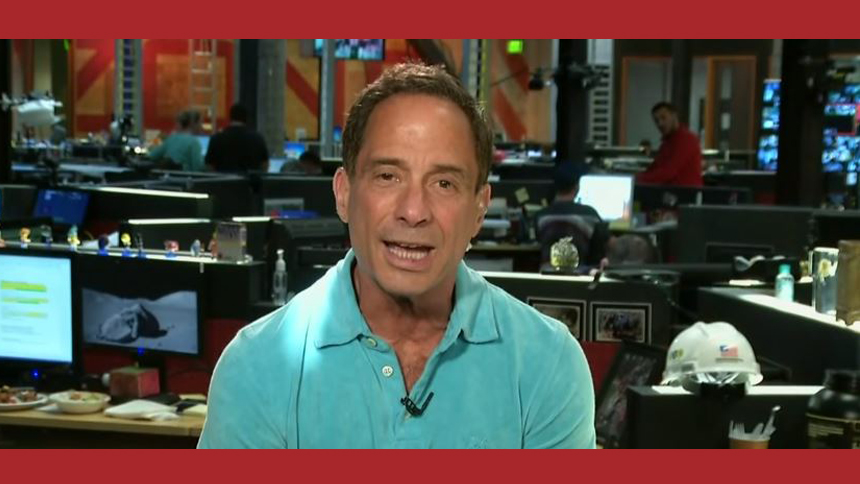
Harvey Levin: Founder and TMZ Host. Interview with the Celebrity News Pioneer

An in-depth interview with the man who revolutionized celebrity journalism

harvey-levin-feature
Admin icon
By Diane Clehane
Diane Clehane is a New York Times bestselling author and award-winning journalist who has covered the British Royal Family for over two decades, with bylines in Vanity Fair, People, Forbes, and Newsweek. She is a regular commentator on CNN and NBC News about the royals.
7 min read • Originally published October 20, 2015 / Updated April 1, 2026
Admin icon
By Diane Clehane
Diane Clehane is a New York Times bestselling author and award-winning journalist who has covered the British Royal Family for over two decades, with bylines in Vanity Fair, People, Forbes, and Newsweek. She is a regular commentator on CNN and NBC News about the royals.
7 min read • Originally published October 20, 2015 / Updated April 1, 2026

Interview originally conducted in 2009

In this article: Quick Facts | Career Overview | Full Interview | FAQs

Harvey Levin is the founder, executive producer, and host of TMZ, the celebrity news outlet that transformed entertainment journalism. Dubbed by The New York Times as the man “who may represent the future of celebrity journalism,” Levin built TMZ into a news operation that consistently breaks major stories before traditional media outlets.

From his beginnings as a law professor to becoming the face of celebrity news, Levin’s unconventional career path led him to create one of the world’s most influential entertainment news brands. TMZ was first to report the deaths of Michael Jackson, Kobe Bryant, Heath Ledger, and numerous other breaking celebrity stories.

Harvey Levin: Quick Facts

Full Name Harvey Robert Levin
Born September 2, 1950 (Age 75)
Hometown Los Angeles, California
Education UC Santa Barbara (B.A. Political Science, 1972); University of Chicago Law School (J.D., 1975)
Known For Founder & Host of TMZ
Previous Roles Law Professor, The People’s Court Producer, Celebrity Justice Creator, OBJECTified Host
Partner Andy Mauer
Daily Routine Wakes at 3 am, gym at 4 am, office by 6 am

Harvey Levin’s Career Timeline

Levin’s path to TMZ was anything but traditional:

  • 1975: Graduated from University of Chicago Law School; began practicing law in California
  • Mid-1970s: Law professor at the University of Miami School of Law
  • Late 1970s: Taught at Whittier College School of Law
  • 1978: Gained public attention by debating Howard Jarvis over Proposition 13
  • 1982: First television job covering legal issues at KNBC-TV Los Angeles
  • 1980s-90s: Legal columnist for the Los Angeles Times for seven years
  • 1990s: Decade of investigative reporting at KCBS-TV, including O.J. Simpson trial coverage
  • 1997: Named co-executive producer and legal anchor for The People’s Court
  • 2002: Created and executive-produced Celebrity Justice
  • 2005: Launched TMZ.com with AOL and Telepictures Productions
  • 2007: TMZ TV syndicated show launched
  • 2009: Produced Beyond Twisted
  • 2014: Created Famous in 12
  • 2016: Began hosting OBJECTified on Fox News Channel
  • 2023: The People’s Court was canceled after 26 years

Interview with Harvey Levin

The following interview was conducted in 2009, shortly after TMZ broke the news of Michael Jackson’s death. It has been edited for length and clarity.

From Law Professor to TV Producer

How does one go from being a law professor to a television reporter to a reality show guru?

“It really was a long, tedious process. I was a law professor, then I practiced law and decided I wanted to go back to teaching. Then something really crazy happened: the dean of my law school took on a campaign against Proposition 13. They were looking for someone to debate Howard Jarvis, and they needed someone who didn’t own a home or look like they belonged to a special interest group.

I started doing stuff on the radio, and after the election, the radio station offered me a job doing a weekend show called Doctor Law, where I’d give advice. I started writing a similar column for the Los Angeles Times, and then started doing these appearances and ended up on Channel 4.

All of a sudden, I got really into investigative reporting, and that’s all I wanted to do for a long time. So much had happened in Los Angeles in the early ’90s, and I had kind of done everything I wanted to do.

I wanted to produce television shows. I had an opportunity to produce The People’s Court for the first couple of years, and so I took a chance. I quit the news, which was a huge deal for me — that was probably the single biggest risk I’ve ever taken — and decided to become a producer.”

Building TMZ

How did TMZ come about?

“Then I got this offer: AOL and Warner Bros. were going to start this Website. At first, I just scoffed at it, and then started thinking, ‘If I turned this into a news operation, it could be really interesting.’ I was just into the Internet. All I wanted to do was the website. I didn’t even want to do the television show when the opportunity came. I couldn’t imagine going back into television.

Now, I love doing the show.”

Does breaking the news of Jackson’s death change the way ‘traditional’ media view TMZ?

“We’ve been quoted tens of thousands of times by everybody from The New York Times to CBS to ABC — everybody quotes us. We will put a story up, and in two minutes, it will be on all the cable networks crediting TMZ. It’s nothing new.”

TMZ’s Philosophy on Celebrity Coverage

How has TMZ affected the way the media covers celebrities?

“I think it’s had a pretty big effect. It’s almost like the Gap in Russia. Everybody wore grey coats, and then the Gap came in, and suddenly you saw blue coats and red coats and green coats. People had choices. When people have choices, you can’t sell that grey coat anymore.

A lot of the other shows and outlets can’t sell that grey coat to anyone, and to some extent are trying to do what we do. The difficulty that some of them are having is that they don’t know exactly who they are.”

What’s the idea behind shooting TMZ inside the newsroom?

“It’s authentic. I had done this for years with my staff, and it felt like an interesting storytelling device because it’s real. So rather than do it in a conventional way where you do track and then sound, and a track and then sound, these were real people who really were involved in the production of the material. It works.”

Which celebrities are the gifts that keep on giving to TMZ?

“Britney [Spears] has always been someone who people are interested in. Over time, she has consistently been the person people are most interested in. She was hugely popular to a certain audience; she was a spectacle to another audience. Enough people were interested in her and things that happened to her that she’s probably number one.

Beyond her, it varies. There are people that we cover a lot and then get bored with. Then there are people that we never cover and then they do something really interesting and become the most interesting thing on the site at a moment in time and then go away.”

Harvey Levin’s Personal Philosophy

What do you consider your greatest success to date?

“[Long pause] I’m so uncomfortable with that. TMZ has been really successful beyond my expectations. To really work hard to make it happen has been really satisfying. I guess I’m still uncomfortable with the notion of success because once you say you’re successful, you get lazy. I’m in a business where you can’t be lazy.”

Do you have a motto?

“Yes, I do. What I always tell my staff is, ‘The key to this job is looking for 10 ways around the word no.’ That, to me, is the essence of what we do and makes a difference in the way we do our job.”

What do you do to detox from all this?

“I don’t have a lot of down time. I get up at three in the morning and I go to the gym at four. I get to the office by six [a.m.]. I go home at seven [p.m.] and go to bed at nine. I’m not complaining about it too much, but it’s been tough these days.”


Frequently Asked Questions About Harvey Levin

What is Harvey Levin’s workout routine?

Harvey Levin is known for his intense fitness regimen. He wakes up at 3 am and hits the gym by 4 am every day. In interviews, he’s described himself as a “health nut” who eats very healthily and has made fitness “the centerpiece” of his life. His dedication to early morning workouts has been consistent for many years.

Is Harvey Levin still on TMZ?

Harvey Levin remains involved with TMZ as its founder and executive producer. While his on-screen role has evolved over the years, he remains a key figure in TMZ’s operations. He also hosted OBJECTified on Fox News Channel starting in 2016. For the most current information about TMZ’s lineup, visit TMZ.com.

What did Harvey Levin do before TMZ?

Before founding TMZ in 2005, Harvey Levin had a diverse career. He was a law professor at the University of Miami and Whittier College, practiced law in California for two decades, worked as a legal correspondent for TV stations (KNBC, KCBS), wrote a legal column for the Los Angeles Times for seven years, and served as co-executive producer of The People’s Court from 1997 until its cancellation in 2023. He also created Celebrity Justice in 2002.

How old is Harvey Levin?

Harvey Levin was born on September 2, 1950, making him 75 years old as of 2026. He was raised in Los Angeles, graduated from Grover Cleveland High School in Reseda, and attended UC Santa Barbara before earning his law degree from the University of Chicago Law School in 1975.

Mediabistro regularly interviews outstanding media personalities who have created amazing careers and businesses. Looking for media jobs for yourself? Browse open positions on Mediabistro’s job board.

Topics:

Advice From the Pros, Be Inspired, Interviews
Interviews

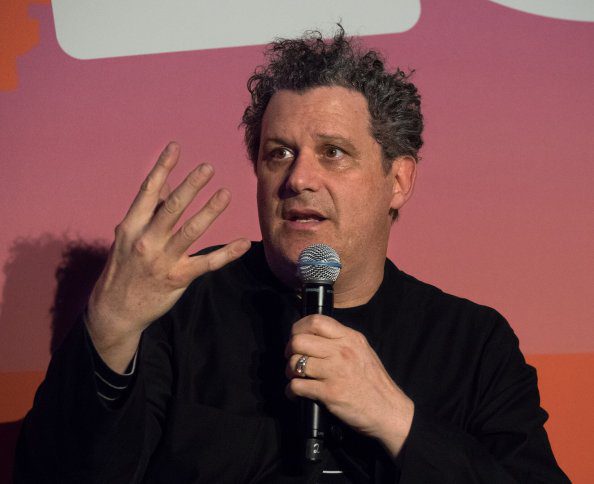
So What Do You Do, Isaac Mizrahi, Fashion Icon and Creative Director?

The consummate Seventh Avenue showman describes his new reality show and the joys of blogging

isaac
Admin icon
By Diane Clehane
Diane Clehane is a New York Times bestselling author and award-winning journalist who has covered the British Royal Family for over two decades, with bylines in Vanity Fair, People, Forbes, and Newsweek. She is a regular commentator on CNN and NBC News about the royals.
16 min read • Originally published February 7, 2024 / Updated March 31, 2026
Admin icon
By Diane Clehane
Diane Clehane is a New York Times bestselling author and award-winning journalist who has covered the British Royal Family for over two decades, with bylines in Vanity Fair, People, Forbes, and Newsweek. She is a regular commentator on CNN and NBC News about the royals.
16 min read • Originally published February 7, 2024 / Updated March 31, 2026

Isaac Mizrahi is a man of many talents: he’s headlined his own one-man off-Broadway show, makes a mean roast chicken, wrote a series of comic books (Sandee the Supermodel), designed costumes for Broadway (The Women, for which he won a Drama Desk Award) and the New York Metropolitan Opera (Orfeo ed Euridice) and just happens to design two of the most talked-about women’s collections of the year.

The man who helped make Target the capital of high-low chic, is currently having a moment. His eponymous line shown during New York’s Fashion Week garnered rave reviews, his first collection for Liz Claiborne has just hit stores, and everyone from Michelle Obama to savvy and newly price-conscious socialites are stepping out in his sunny, cinema-inspired looks.

Mizrahi’s personal story is just as compelling as one of those “fabulous” black-and-white films starring Joan Crawford or Carole Lombard that he can (and will) recite, line by line. Born in Brooklyn, he spent much of his childhood staging puppet shows in his backyard and designing clothes for his mother’s friends. He went on to study at The High School of Performing Arts and Parsons School of Design before launching his own business in 1987.

Mizrahi became a pop cultural phenomenon — and a household name — when he made the 1995 documentary Unzipped, which offered a hilarious and unvarnished look at his life behind the seams in fashion. While his own star continued to rise, his company faltered, and in 1998 backer Chanel shuttered his business.

But Mizrahi came back in a big way in 2003 with his trailblazing line for Target and the launch of several licensed brands. Now newly installed as the creative director for Liz Claiborne, Mizrahi is determined to revive the brand that was a staple of the working woman’s wardrobe in the 1980s with his signature mix of bold brights, whimsical accessories, sunny prints, and public relations savvy.

He’s off to a good start: Just last month, it was announced that Seventh Avenue’s renaissance man would be helming a new reality show on Bravo called — what else? — The Fashion Show. As host and “head judge,” Mizrahi’s presiding over a team of aspiring fashionistas looking for their big break. The show is scheduled to premiere May 7.


Name: Isaac Mizrahi

Position: Creative director, Liz Claiborne, and host of The Fashion Show on Bravo

Resume: Designer, television personality and first-time author (How to Have Style, Gotham Books 2008). Joined Liz Claiborne as creative director last year after a successful six-year run with Target. Winner of four CFDA awards, including a special award in 1996 for Unzipped. Hosted two television series — for Oxygen and the Style Network.

Birthdate: October 14, 1961

Hometown: Brooklyn, New York

Education: Parson’s School of Design

First section of the Sunday Times: “The obituaries. It feeds the morbid side of me that wants to know about people who just died. It also feeds my obsession with my own death. But the first thing I read every morning is the horoscope in the New York Post.”

Favorite TV show: “I love Ugly Betty, The Ghost Whisper and Ace of Cakes on the Food Network and Top Chef.”

Guilty pleasure: “Eating. My addiction is food. I love to cook.”

Last book read: I read a lot of different things at one time. I just read Doris Kearns Goodwin’s No Ordinary Time and Secret Ingredients, a compilation of all the great food writers from The New Yorker. It’s really, really good. There’s this thing in there on casseroles that I loved.”

You’re one very busy man who just got busier. How did the new show come about?

I was talking to Andy Cohen [Bravo’s senior vice president of production and programming], who I think is the most charming, fabulous person on Earth, and we were talking about one project, and he came back and said, ‘What about this?’ I had even more enthusiasm for this idea than the one we had been talking about. A few weeks later, he came back with an offer and here we are. I can’t refuse him anything. Actually, that’s the best part of this relationship — I do adore the Bravo people so much. They’re so smart — smarter than the average network executive.

They certainly are committed to marketing their shows in a big way.

Yes! They’re really taking over — this [fashion reality show] genre belongs to them.

When did this all happen?

Recently — in December. And to all you deal-makers out there: Unless something happens quickly, it’s not going to happen. Unless it takes 10 years. Things either take two months or 10 years.

What can you tell me about your role on the show?

I’m the host and kind of like the head judge. The first day of work was the day after my collection [premiered], and I was so exhausted. It was a day of blocking and I was like, I am not going to make it through these five weeks. I don’t sleep well usually, but I ended up going home after that first day and slept for like 20 hours or something scary like that, and I found myself in the most divine position. I felt like, ‘Oh my God, this is the most fun, engrossing job in the world because when you take away all your preconceived notions about it and get that this is a bunch of struggling young designers who are really trying to prove themselves, the drama of that, at least to me, is irresistible. After almost every elimination, I feel like sobbing. It’s very, very sad for me.

I don’t know how they are going to edit it. They may edit it where I’m telling [the contestants] all the bitchiest, meanest things, but I do think they need to hear that. They do need to rise above the whole personal thing and play it like a game, but it’s tricky. At the same time you’re encouraging them to make it the end-all, be-all of their lives — like, ‘Unless this is completely attached to your ego, don’t bother.’ This is totally personal and not personal at all. Do you know what I mean?

When Unzipped came out, people stopped me in the street and said, ‘That was such a lesson about tenacity and not listening to anyone and just doing what you want and I was so inspired…’ Artists, lay people — all kinds of people were stopping me on the street. I think this is going to inspire people. The message to me, so far, is you have to completely attach yourself and completely detach yourself at the same time. On top of that, you need to enjoy your life. Do something out of a place of joy and fun, otherwise don’t bother. This is what we keep coming back to on the show.

You’re hardly someone who sits home doing nothing to begin with. How are you fitting this into your already jam-packed schedule?

(Laughs) Honestly, I don’t know. I have 10 days of work and one day off. So there’s one day of the week which is quite calm — or really every third day I get a half day of shooting, so I take care of a lot of business on those days. I have a day off every 10 days and a lot of it gets done then. And, I work at night because I don’t really sleep that much.

How many hours a night do you need?

Four. I don’t need a lot. Then, occasionally, I’ll sleep for like 20 hours.

It seems as if Bravo’s plan is to have your show fill the void left by Project Runway. What do you think?

I’m sure strategically that’s part of what the network is thinking. Also, it’s thinking, ‘Hello, we created this genre and somewhere along the line, they took it away from us.’ Of course, I don’t know what critics will think, and I don’t know if Project Runway is totally a beloved thing, but I don’t really see it at all as competing with that show. It’s just a fashion competition show. There should be more than one. There are so many food competition shows on every channel — not just the Food Network. I think it’s just a really entertaining form of reality television.

One big advantage working with Bravo is that you’ve got NBC Universal behind you. Are there promotions or cross-overs with the network planned? I noticed you did the Oscar fashion post-mortem on Today.

Probably. I’ve worked for the Today show a lot. I used to do segments for them.

I know you’ve done some red carpet reporting. The infamous Scarlett Johansson boob grab comes to mind…

That was for E!, actually. (Laughs) Can you refer to it as the ‘underwire grab?’ — because I so was not grabbing her boob. It was more like the ‘underwire feel.’

Speaking of the red carpet, I thought the fashion at this year’s Oscars was bad. And those few women who did look fabulous ditched the red carpet and went in the back door. Bad news for fashion all around. I thought it was dreadful.

Honestly, so did I. There was no color and nothing daring. Nobody took any risks. It’s getting worse and worse that way.

I know you’re a huge television fan. What were your favorite shows growing up?

There were so many. I’m really a television person. Because of the insomnia, I never shut it off. It was always like my best friend. At some point, my parents thought that maybe it was the TV that was keeping me up, so they tried to get rid of it. I threw such a fit, they couldn’t do that. Honestly, it ended with this really bad scene with my mother throwing the TV set on the floor. (Laughs) It was not pretty at all, but I ended up getting my way.

I loved reruns of I Love Lucy. It’s such a typical, trite answer, but I love watching it. It’s not on TV Land anymore — I think it’s on the Hallmark Channel. I happened to see it the other day — it doesn’t matter how many times I’ve seen an episode, I was screaming. It’s the funniest damn thing on television.

I grew up watching talk shows — I loved Merv Griffin, I loved Mike Douglas, I loved Johnny Carson. I was an addict for those. It seemed like people actually talked. When I did my talk shows on Oxygen and Style [Network], I tried to actually talk — I really didn’t just want to promote movies. I wanted to talk about people’s thoughts, and I didn’t want it to be so pre-produced. If I go back to talk television, I’ll do something like that. Just come on because you feel like talking about something.

You’ve always seemed to gravitate toward television in a big way. You’ve been on Oprah and every talk show imaginable, you’ve had your own shows and appeared on Sex & The City and Ugly Betty. You’ve even been on Jeopardy. Why are you so drawn to the medium?

It is true that I gravitate towards it. It’s part of who I am because I’m a ham. I like talking. I like to express myself in many, many ways. I like a lot of things. I don’t just like designing clothes. I’m very inspired by all different forms of expression. I read a ton. It’s not enough just to design clothes. I don’t know what I’ll ever be remember as — if I’ll be remembered. I don’t know what I’ll be remembered for — Unzipped or my clothes or my cabaret act. I have to say a major part of the joy of my life is not knowing that and not looking over my shoulder and wondering why I’m not doing more of one thing and less of another thing.

If people think of it as me reinventing myself, I’m glad. If that’s a good lesson for people, it’s good, but more than anything it’s about me not feeling bored. It’s me being engaged in the moment. I don’t mean to be arrogant about stuff. I used to sew a lot as a kid. When I look at a sample and the pattern maker says, ‘I can’t do any better’ I say, ‘Well, you’re fired because I can do better.’ When I go to a restaurant, I think, ‘This is a roasted chicken? You’ve got to be kidding me!’ There are some things you become really good at, but that doesn’t mean you have to spend the rest of your life roasting chickens. You know what I mean? I do feel at this age — I’m 47 now — I can walk into a room and say to a television executive, ‘I think this is a really good idea.’

Unzipped is arguably the high-water mark for depicting what really goes on in fashion in a very accurate and entertaining way. Fashion is such fodder for movies and television — how do you think the industries have affected each other? Is there any downside to it at all?

I don’t think there’s a downside. I think it’s a paradigm that is continually shifting. The more we portray fashion as something that’s over the top, the more we’re going to sell over the top clothes. There’s the Shakespearean other to side to that coin too, which is the more over the top things there are in the world, more of the opposite of that exists as well. I think the more you shine the light on fashion in the form of entertainment, the better it is for our industry. Unzipped was probably my most important life’s work, unfortunately. No matter what I do as a designer, it will never be as potent as what I did with Unzipped because it made fashion work in that format.

You’re also opening yourself up in much of the same way on your web site and seem really into that. How much time do you spend on that?

Every single day there’s a new reason to log on. Either it’s a three-minute segment or a new video blog or some bit that’s new. We spend three long, full days a month taping. Then I tape my video blog two or three times a week. We also take pictures with my video blog camera, and I put stuff up almost every single day. Of all the things I do, it’s probably my favorite because it’s more personal. It’s really like a scrap book. It’s what I do instead of a talk show now.

Now that the show has added commitment, will you be scaling back your involvement with it?

No. We have shoot dates planned for April. With daily blogging, I’m trying to do what I can in my dressing room. It’s fun. It’s too delicious to give up. (Laughs)

There’s probably no bigger fashion star right now than Michelle Obama. What do you think she’s going to do for American fashion?

I think she’s going to be an unbelievable ambassador for fashion. I love her — especially because she loves clothes. She has such a young take on the whole thing. Young, yet proprietary. She’s kind of like the Carrie Bradshaw of the next 10 years.

You were one of the first proponents of ‘high-low’ style. These days everyone is having to consider what that means. How do you think that phenomenon is going to affect the fashion industry long-term?

Even more than the economy, I think the Obama family is going to affect it. [Michelle Obama] is the perfect example of high-low because she values the J.Crew sweater as much as she does some ensemble by Isabel Toledo. I just think that speaks volumes about the direction everyone has been going in for a number of years.

The acceptance of design at different levels is remarkable now. To me, the greatest luxury is the right thought or the right idea. That could cost very little — the right thinking at the right time. So more and more, as people get conscious of budget, I don’t think ‘fast fashion’ will be as trendy. I think actual design will be valued.

[Michelle Obama’s] choices, for the most part, haven’t been at all mainstream.

That’s true. It’s for the love of something. It’s not because she sat with a million stylists and they said, ‘You should do this or that.’ It’s like someone actually had some passionate feeling for something. And, it’s very politically correct that she wore Isabel Toledo [for the inauguration].

Do you think it’s harder to break into the fashion business now than it was 10 year ago?

(Pauses) No. My answer is no, I don’t. It was so hard breaking into the fashion industry 20 years ago. If you ask Calvin Klein how hard it was breaking into the fashion industry 40 years ago or Ralph Lauren how hard it was 50 years ago … it’s always really hard. It doesn’t get any easier. Every generation thinks, ‘Oh my God, it’s never been so terrible,’ but it has.

Speaking of hard times, your costar Fern Mallis told me not too long ago that she thought the coverage in WWD and other publications has focused too heavily on gloom and doom of the economy — there wasn’t enough cheerleading for the fashion industry and all the negativity almost becomes a self-fulfilling prophecy. What do you think?

I don’t know that people are that gullible anymore. I think WWD is right on. I love the idea of telling it like it is. When I was a kid growing up, it was much less about that. It was kind of like propaganda — ‘Oh, no, everything is great!’ and then you’re out of business. I was once having lunch with Joan Collins and she was in a revival of some Noel Coward play. I said to her, ‘How are tickets selling?’ and she said, ‘Lousy!’ I thought, ‘Wow, imagine, you’re in this play, and you are so fabulous and you can say, ‘I’m sorry the ticket sales suck.’ I wish I was in an industry like that, where you could just say, ‘Business isn’t good right now.’ So I’m a champion of telling it like it is.

Your collections and certainly your attitude toward the business in general have always been very optimistic. How significant a part has that played in your career and your desire to keep trying new things?

I’ve trained myself to think a certain way. For me, there’s nothing in life but bravery. There’s nothing in life but looking at the thing you’re most afraid of and doing it. That, to me, is all. You can see it in my clothes. The clothes for Liz [Claiborne] are so optimistic. If you go and just wear black for the rest of your life now because there’s a recession, the circumstances have won. They’ve won out. You have lost the big hard battle. It just like what President Obama was saying: Now is not the time to lose the battle, now is the time to see all the gray areas and try to work within those areas. I want you to think about a pink print. You take one step at a time, one belt at a time, one shoe at a time, and you’ll get there.

Despite having had some bumps in the road, you’ve continued to do try new things and reinvent yourself in some interesting news ways. What’s the secret to your longevity?

I don’t see this as reinvention, I see it as living my life every single day and not being bored to death. I don’t reinvent anything, I just do what I think is right and seems amusing. I only do things I’m excited about.

What the best piece of advice you could offer to someone looking to get into the business?

(Pauses) Don’t listen to anybody. Do exactly what you think is right, and you’ll find your moment and your audience.

What would you consider your greatest success at this juncture?

Probably the Target thing. Having made that ‘masstige’ [prestige for the masses] thing happen.

What about your biggest disappointment?

Wow. (Pauses) My partnership with Chanel.

How would you say you’ve gotten to where you are?

The way I’ve gotten to where I am was not thinking about getting anywhere. I really mean this — I don’t think about where things are going. I think about where I am and how much I am engaged in what I’m doing. That’s one of the early lessons I learned after 10 years in business: If you feel put upon or if you feel like you have to do something you’re never going to be good at, you’re never going to do it well. The lesson I learned is unless everybody is doing exactly as they please, it’s not going to work. I’ve learned that in hiring and working with people that unless they’re doing exactly as they please and what they feel they are good at and feel challenged in doing, then you’re not going to get good work out of them. Get someone who really needs the thing you want them to do.

Do you have a motto?

I don’t have a motto, but I have this thing that I made up about style: Style is knowing when not to have any.


Diane Clehane is a contributing editor to FishbowlNY and TVNewser. She writes the ‘Lunch’ column.

This interview has been edited for length and clarity. Mediabistro regularly interviews creative professionals who have accomplished amazing things in their careers.

Topics:

Interviews
Advice From the Pros

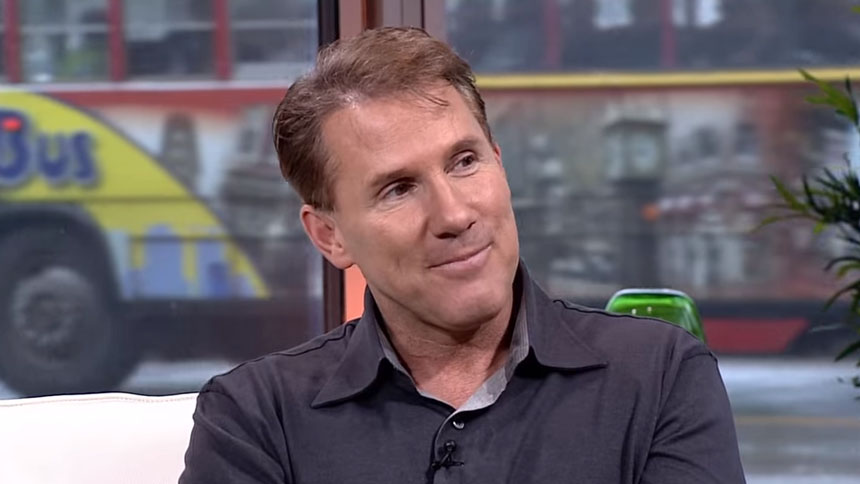
So What Do You Do, Nicholas Sparks, Bestselling Romance Novelist?

Sparks explains his process and why he hates the label 'romance'

nicholas-sparks-feature
By Jeff Rivera
8 min read • Originally published October 15, 2015 / Updated March 31, 2026
By Jeff Rivera
8 min read • Originally published October 15, 2015 / Updated March 31, 2026

He’s been called the “King of Romance” but he rejects the title. People deemed him the “Sexiest Author Alive,” yet he’s a happily married father of five who is equally faithful to his small, North Carolina hometown.

He’s been called a sappy, saccharine writer, yet with 16 bestsellers to his credit, he is undoubtedly the go-to guy whenever Hollywood wants a love story. (The Notebook, anyone?). But who is the real Nicholas Sparks and how did he go from pharmaceutical salesman to multimillionaire? Having met the Safe Haven author and his wife a couple of times, I think the reason for his success is simple: likeability.


Name: Nicholas Sparks
Position: Novelist
Resume: Wrote The Passing as a freshman in college, but never published it. Followed with The Royal Murders in 1989, which received numerous rejections. Worked odd jobs in everything from real estate and restaurants before starting a business manufacturing orthopedic products. Co-authored Wokini with Billy Mills, sold orthopedic business, and entered pharmaceutical sales. Decided to give writing one last serious try in 1994 and penned The Notebook, which was sold to Warner Books for a cool million. Scored 16 more New York Times bestsellers, including six film adaptations.
Birthdate: December 31, 1965
Hometown: Toronto
Education: University of Notre Dame
Marital status: Married


You worked for years as a traveling pharmaceutical salesman before striking gold with your first novel, The Notebook. How did you stay motivated to continue writing during that time?

I suppose the biggest challenge was the simple fact that, at 28-years-old, I had realized I didn’t want to move my family every couple of years. I also knew at the same time that I didn’t want to be a pharmaceutical rep for the rest of my life.

So, I had an epiphany. I said, “Okay, I’m going to give writing another shot” and you know, I came up with the story for The Notebook, and I had two small children at that time. I had from 9 pm to midnight to work and so I did, three or four days a week. Six months later, I had finished the novel. Three years prior to that, I hadn’t written a thing.

You’ve said that you consciously chose the love story genre because there was little to no competition. What is the most challenging aspect of writing the modern day love story?

The most challenging aspect of the genre in which I work is that it deals primarily with internal conflict, and internal conflict is extremely challenging to make as interesting as external conflict. Internal conflict is just hard to write. There’s a big difference between reading a book where suddenly the bad guy appears outside the window holding a knife. Whereas mine deal with ‘will he love me?’ ‘Do I love him?’ ‘Is this the right decision?’ It is much more challenging to make a page-turning novel based on internal conflict.

What other genres do you feel are untapped and might be good for aspiring writers to enter?

I think there’s always room for a great historical fiction. It is a very challenging genre because in a different way it requires a little bit more research than something like mine would, because you have to, of course, get the historical period accurate. But it’s a genre in which I’ve read a lot of interesting novels.

For instance, The Alienist by Caleb Carr was a great historical fiction or Gates of Fire by Steven Pressfield. I think there’s always room for quality writers in that genre.

You have over 16 bestsellers, many of which have become blockbuster movies. How do you choose your storylines so that they cross over well into films?

In the end I don’t know, to be quite frank, so I just try to write the best novel that I can. I have been fortunate in Hollywood; there’s no mistaking that, and you can chalk that up to working with really great producers who made really great films. I have had more than my fair share of luck. But it’s a general rule [that] whenever I conceive of a story, it is primarily as a novel.

Certainly some novels that I was sure would sell didn’t sell in Hollywood — The Guardian or The Choice, for example. I was sure those two would sell but they didn’t. So, you take the good with the bad, and you just keep writing your novels.

You’re also a father of five, including twins. What tips do you have for writers who are juggling family life and their dreams?

You have to set aside time. I mean, you can have plenty of time for both. You just have to give up something else. You might have to give up television or reading the newspaper or things like that, you know. If you’re serious about writing, there’s enough time. If you take away, let’s say, nine hours of working and commuting and eight hours of sleep — and not everyone even gets eight hours — you still have seven hours left in a day to eat and exercise.

Even if you’re down to five or six, you can spend time with the family. You can still squeeze in time to write. For instance, I did it when my wife was going to bed early. You can also get up very early and write before you go to work.

Do you ever incorporate anything from your own romantic life into your books? Where do you get your inspiration?

You know, not necessarily. Some of my stories have been family stories but as far as my own romantic life, I guess the closest you can say about that is that most of the women characters in my novels are very similar to my wife in a lot of ways.

What is your writing process like, and how do you create your characters?

Well, I usually start with a series of “what if…?” questions, and I look back on the work that I’ve done, and I try to find an area that I haven’t covered before. It could be an age group, because every age group faces different dilemmas. And once I have a good idea of what I want, every character needs a character arc whether it’s redemption or hope or loss or death. Then you just start filling in the details.

The one thing I’ve learned about writing is there is no correct way to do it. Stephen King swears he doesn’t know the end to his novels before he starts writing them. I can’t imagine writing that way. John Grisham does a 50-page outline. I don’t outline -– not one page. It can take anywhere from two weeks to two or five months to come up with not only the characters, but every element in the story, and to know every arc of every story and every character and how these things will play off each other.

And all of that’s done in my head.

What is it specifically about the “romance” label that bugs you? You infamously refuse to write storylines about infidelity. Why did you make that decision, and how do you balance writing about your own interests with those of your audience?

In any love story you need a conflict, something that keeps the characters apart. And, without any conflict at all, there’s no drama in the story. So the easiest conflict, the reasons why a couple of characters can’t be together is one or the other is married to someone else. Well, that’s an easy conflict; I find no challenge in that. It’s been done on television, in the movies, in other novels — The Bridges of Madison County or The Horse Whisperer — and there is just no challenge in that.

That’s number one, and number two, I just don’t want to glamorize it. It’s my own personal decision. I certainly would not be happy if my wife had a torrid affair, so why would I try to glamorize it?

It’s an error; that’s what bothers me. It’s like saying two plus two equals five. It just bothers me for that sake and the simple fact that it’s wrong. It’s not what I write in any way. I haven’t written a single book that could even be accepted as a romance novel. I mean, there’s a completely different voice. They’ve got very specific structures; they’ve got very specific character dilemmas; they end completely differently; and they’ve got certain character arcs that are required in their characters — I do none of those things.

It’s like you might as well say, ‘Why have I been bothered by not being called a thriller writer?’ Because I’m not –- that’s not what I write.

Most writers will face rejection at some point. How can they tell when their work is really good and when it’s time to move on or scrap an idea?

When that happens, you have to realize that some ideas just don’t work. I mean, it’s an instinctual thing. I think that comes from writing a lot and reading a lot and knowing what will work and knowing what will not. I mean, I have a very specific criteria for an idea, and if it doesn’t seem to be reaching the level that I think it will, I’ll scrap the idea.

I will do that both in the mental process prior to writing or I’ll throw away a novel that’s 200 pages, which I did just last year for instance. I started to write Saying Goodbye. I was 200 pages in and I said, ‘This isn’t working,’ so I wrote Safe Haven instead.

That novel will probably be buried with me. Most likely, it will never come back, but elements of that novel will. And the different elements will appear in various novels that I write in the future.

This interview has been edited for length and clarity. Mediabistro regularly publishes interviews with top media personalities who have made a dent in the universe. 

Topics:

Advice From the Pros, Be Inspired, Interviews
Advice From the Pros

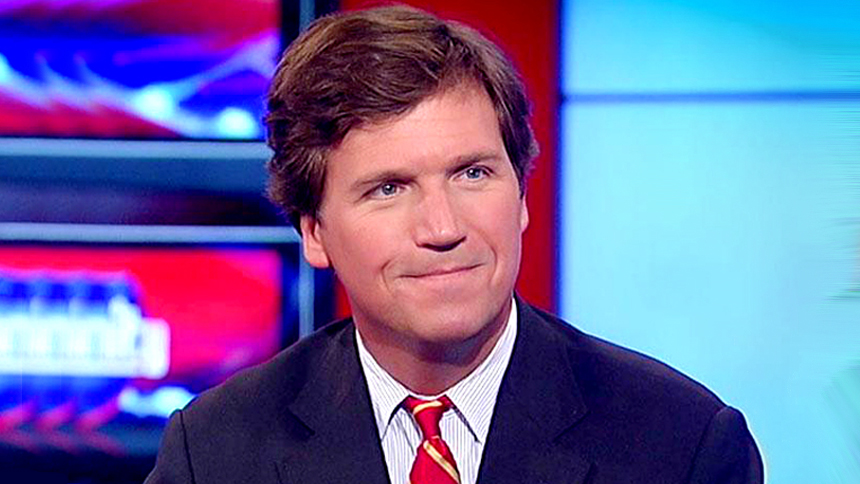
So What Do You Do, Tucker Carlson, Editor-in-Chief, The Daily Caller?

Carlson dishes on operating a 24-hour 'cult-like' news site and responding to media backlash

tucker-carlson-feature
By Betsy Rothstein
5 min read • Originally published October 19, 2015 / Updated March 31, 2026
By Betsy Rothstein
5 min read • Originally published October 19, 2015 / Updated March 31, 2026

Tucker Carlson prefers not to pull a comb or brush through his hair.

It’s among his pet peeves.

So when Mediabistro visited with him in his downtown Washington, D.C. office on a recent weekday, it wasn’t too surprising that his thick wavy hair was awry or that he had donned washed out jeans, sneakers and a preppy red-striped golf shirt for the occasion. As editor-in-chief of The Daily Caller, the always-energized Carlson was busy moving into his new digs.


Name: Tucker Carlson
Position: Editor-in-chief, The Daily Caller
Resume: Started as an editorial staffer at Policy Review, a national conservative journal then published by the Heritage Foundation. Then, moved on to the Arkansas Democrat-Gazette where he was a reporter. Broke into television in 1997 as co-host of CNN’s Crossfire. Followed that with stints at PBS (Tucker Carlson: Unfiltered) and MSNBC (Tucker). Launched The Daily Caller in January 2010. Has also contributed to Esquire, The Weekly Standard, TNR, NYT Magazine and The Daily Beast.
Birthday: May 16, 1969
Hometown: La Jolla, Calif.
Education: Trinity College
Marital status: Married to Susie Andrews Carlson
First section of the Sunday Times: A Section. “I’m pretty linear.”
Favorite TV show: Breaking Bad
Guilty pleasure: Copenhagen snuff
Last book read: Prospecting for Trout, by Tom Rosenbauer. “Highly recommended.”
Twitter handle: @TuckerCarlson


How did you come up with the name of your publication and what were alternative choices?

Oh, I can’t even remember. Every URL in the world is taken. We had all kinds of lunatic ideas. Daily Caller was crisp. It sounded like a newspaper, and best of all, it was available.

When you were contemplating your initial hires, who came to mind?

The very first person was [The Weekly Standard‘s] Matt Labash, who has a good job, but I thought he’d make a fantastic opinion columnist. In general, we found young, desperate people make great reporters, and they have vast reserves of energy.

How do you discuss the delicate issue of money when making a hire?

We’re very up front that we promise long hours and low pay in a cult-like environment. We also let people know that we might move to Guyana and start an agriculture cooperative. We are highly blunt in the interview process. But yes, we’re looking for cult members.

What are the basics of your day — when do you wake up, hit the office…?

I wake up at 6 and try to get some exercise in. Everyone meets here at 8:30 five days a week for a meeting. We go around the room, and we assign stories. It’s very useful. We assigned 11 stories this morning. We try to bang that meeting out in 30 minutes. This is a 24-hour operation.

We’re like L.L. Bean, we won’t shut the doors. We have a permanent overnight position. We have a lot of people here until midnight. We have a pretty good sense of the news. We want to succeed — bad. I scan 30 to 40 sites in the morning.

What is your managerial style? You don’t strike me as being too much of a micromanager.

Screaming. No, I’ve never yelled at anyone. I’m not a yeller. I’m not very self-aware, so I’m not sure what [my style] is. I try to be as direct as possible. I hope I am.

I understand you have a free-for-all attitude in your newsroom as far stories go. I heard reporters don’t have specific beats. How do you make this work? Aren’t reporters at each others’ throats?

No. There is a free-for-all atmosphere. I believe in individual initiative. I think in a year we will have reporters on beats, but I want to let that evolve. I also think that beats can be a problem because people become too [blinded] to the things they see. The tradeoff is you get reporters who don’t know as much. But in general, [having beats] dulls people. They get so inside they forget what readers may be interested in.

How did you make the jump from print to television?

Accidentally. I was a magazine writer and wound up doing a lot of cable news and the next thing I knew, I woke up one morning and was doing it full time. I never intended to do it.

Do you ever think about trying to return to television?

I don’t know. I like what I’m doing now. I go on Fox News a lot. It’s very fun to do — it’s different. It’s harder than it looks, at least for me. Fox has been really nice to me. TV requires you to figure out what you think and to state it clearly.

Do you think having a recognizable figurehead is important in launching a new online venture?

Well, the site isn’t about me. It’s not TuckerCarlson.com, The Carlson Post or the The Tuckington Post. I hope and assume it’ll run long after I’m gone. It’s not a vanity project, that’s for sure.

When you look at the kind of sites that do what you do, what do you think works and what do you think doesn’t work?

I’m amazed by how much more traffic we get from original reporting than aggregate reporting. I’m pleased to report that the market rewards original reporting. I didn’t necessarily think that would be true.

What’s the ratio of aggregated content to original content?

The front section is mostly original. We have a lot of reporters. Certainly the majority of the front page is original reporting.

How are you defining success for The Daily Caller down the road?

We’re well-read, influential and profitable. Like any business, if we’re here in five years, we’ve succeeded; if we’re not, we haven’t.

What do you hope to ultimately accomplish by having the The Daily Caller publish the Journolist emails?

I’ve never had a job outside journalism, and I’ve always defended the business against those (conservatives, mostly) who claim it’s fundamentally corrupt. The things I’ve read on Journolist make it harder to mount that defense. Conventional reporters from established news organizations, some of whom I know pretty well, were colluding on the most effective way to carry water for Democratic politicians. That’s not journalism. It’s repulsive.

Is there anything you’ve said on-air or in a story that you’ve regretted, and why?

Yeah, many things. I wrote a story one time about Sen. Bill Cohen that was so mean I can’t even think about it. He was fundamentally a nice person. I was cruel. I got carried away. I found his poetry — a lot of it was dedicated to his first wife. I see him every year [in Maine]. I always wince, and he’s very nice to me.


This interview has been edited for length and clarity. Mediabistro enjoys bringing you stories of successful and interesting media personalities. Maybe our next interview will be with you!

Topics:

Advice From the Pros, Be Inspired, Interviews
Advice From the Pros

So What Do You Do, Hoda Kotb, Co-Anchor, The Today Show?

Hoda talks career, Today, and why Kathie Lee is 'completely insane'

hoda-kotb-feature
Admin icon
By Diane Clehane
Diane Clehane is a New York Times bestselling author and award-winning journalist who has covered the British Royal Family for over two decades, with bylines in Vanity Fair, People, Forbes, and Newsweek. She is a regular commentator on CNN and NBC News about the royals.
13 min read • Originally published October 20, 2015 / Updated March 31, 2026
Admin icon
By Diane Clehane
Diane Clehane is a New York Times bestselling author and award-winning journalist who has covered the British Royal Family for over two decades, with bylines in Vanity Fair, People, Forbes, and Newsweek. She is a regular commentator on CNN and NBC News about the royals.
13 min read • Originally published October 20, 2015 / Updated March 31, 2026

Don’t tell Hoda Kotb you can’t get a job in television. Not unless you’ve lived in your car for weeks traveling cross country in the same interview suit to find one like she did, that is. “I do think if you are tenacious, somebody will hire you,” she says.

Kotb speaks from experience: The Today show anchor who now sits alongside Kathie Lee Gifford for the show’s female-centric fourth hour was so ” in love” with the news business, she endured 27 rejections before landing her first on-air gig for a CBS affiliate in Greenville, Miss. in 1988. She was a woman on a mission: “I was literally driving around the country in my mom’s car in the same outfit. I slept in that car,” Kotb recalls.

“I had one job interview in Richmond, and the news director watched my tape and said, ‘I’m sorry, you’re just not good enough for Richmond.’ That had not dawned on me that I was not getting that first job. As I was leaving, the guy said, ‘I have a buddy of mine in Roanoke, Virginia who will hire you. Drive there tonight and you’ll catch him.’ So I drove to Roanoke that night, and I met the news director there and he said, ‘I’m sorry. but you’re not ready for Roanoke.’ I thought, ‘Who in the hell is not ready for Roanoke?’ Apparently me. As I was leaving that place, he said, ‘I’ve got a buddy of mine who is hiring in Memphis, but you’ve got to catch him in the morning. So I drove across Tennessee. I met that news director the next morning and he put my tape in and said, ‘No.'”

But then, Kotb says, she got lucky: “As I was driving home, I got lost and I wound up in the Panhandle and there was a television station with a sign — you know how they say, ‘God gives you a sign?’ It said, ‘Greenville, our eye is on you,’ and it had the CBS eye. I walked in there and I gave the guy my tape, and he watched this horrible, terrible tape. He looked at me, and I’ll never forget what he said: ‘I like what I see.’ I burst into tears and he hired me that day. If it wasn’t for that guy on that day, I’d be in PR. I was at the end, out of gas, and I’d done everything I could. When they asked us to bring somebody on the Today show who changed the course of our life, I brought on Stan Sandroni, that news director from Greenville, Mississippi.”


Name: Hoda Kotb
Position: Co-anchor, the Today show’s fourth hour
Resume: Joined Today in August 2007; correspondent for Dateline NBC since April 1998. Began her broadcast career in 1986 with CBS News as a news assistant in Cairo, Egypt. Landed her first anchor gig at WXVT-TV, the CBS affiliate in Greenville, Miss., in 1988. Worked at various local stations in Florida and Illinois and anchored the 10 p.m. news at WWL-TV, the CBS affiliate in New Orleans, from 1992-1998.
Birthdate: August 9, 1964
Hometown: Born in Norman, Okla., “but I grew up in Alexandria, Virginia.”
Education: Virginia Tech: BA, Journalism
Marital status: Divorced
First section of Sunday Times: “‘The Week in Review.’ I usually read Maureen Dowd and all those guys in the back, and I work my way around.”
Favorite TV show: “Law & Order — all of them.”
Guilty pleasure: “Pop Tarts.”
Last book read: “I just finished Elizabeth Berg’s new one, Home Safe, where her husband died and she’s out on her own. She’s a writer teaching writing classes and she’s trying to get back on her feet teaching writing again. I like her writing.”


Fresh out of school, you were a news assistant in Cairo, and now you’re on the Today show chatting with Kathie Lee. How would you characterize your career path?

I think a lot of it was just timing and luck along with hard work. A lot of people work hard, but I think I got lucky with timing. While I was working in a place, I fell in love with that place. I wasn’t about, ‘What’s the next place?’ When you fall in love you really connect, so when I was in Greenville, Miss., I was in.

I read all the local papers, I went to the local haunts, I made good friends. I enjoyed it when I was there, and then when I got my next job in Illinois, it was the same thing. I felt like I became part of the fabric of the place. When that happens, you’re more into your stories and you get better.

There are people who work and think, ‘I gotta get out of here. What am I doing here?’ If you live like that, you’re not going to put out good stories or anything for your reel.

But I do think a lot of it is luck and timing. I was working in New Orleans when Elena Nachmanoff, who is one of the vice presidents here [at NBC], saw some of my work and asked me to come up for an interview. You just get lucky sometimes.

Did you always know you wanted to be in television?

Yeah. I started off just wanting to do it because I liked the live element. I always thought newspapers were yesterday, and I like the current. I wasn’t one of those people who thought, ‘I’m going to be at the network by the time I’m 30.’ I just lived where I lived, took the next step, and moved on.

What did you watch growing up? Anyone on television that caught your eye and made you think, ‘I want to do what they do?’

My dad used to grill us at the dinner table about current events and out of sheer panic, you start learning things. Because of that, I became more interested in learning things. In college I covered an election, and I thought that was interesting. I watched all the great broadcasters, like Barbara Walters. I remember when she interviewed Anwar Sadat and I thought, ‘She’s interviewing the president of Egypt, and it seemed like a conversation.’

I thought that was so cool. There were a lot of women who were breaking barriers, and they made you think, ‘If they could do it, why can’t I?’

Back in the ’80s when you were starting out, there wasn’t a lot of diversity among broadcasters. As a woman who had an unusual last name and didn’t fit the blonde news babe stereotype of the era, what sort of obstacles did you encounter?

My parents are Egyptian, and they came here from Egypt and were so into assimilation. Everyone was to assimilate if you were an immigrant. It wasn’t ‘us and them.’ My parents made us red, white and blue when I was young. You know your name is funny and your hair is frizzy and you look a little weird, but you don’t know it’s because of that.

So throughout my career when I was rejected so many times, it wasn’t because of my background. It was because I wasn’t good. I knew that. I never dawned on me maybe they don’t want me because of ‘X.’ It’s not a racial thing for me. I didn’t see the world that way. So when things didn’t go my way, I just assumed I’m going to get mine somewhere else.

I don’t want to be all Pollyanna about it, but that wasn’t how I saw it. I just kept doing my thing. I’m not lugging that baggage around, which makes your life so much easier when you’re not searching for the answer to ‘Why didn’t I…?’ — because there are going to be a thousand reasons why.

I read in the clips that you were a member of the Delta Delta Delta sorority, which makes sense because when I watch you and Kathie Lee you remind me of college roommates that spend an awful lot of time together.

(Laughs) I was the pledge trainer! Throughout my college years, I lived in the Tri-Delt letters. Some people think sororities are silly, but you learn so much about managing people and learn about all different kinds of women. I loved it. I cried when I left college because of that. It was my thing.

So you and Kathie Lee are like grown-up sorority sisters.

(Laughs) With Kathie Lee, she’s insane — completely insane. She’s funny as all get out. She comes out with stuff and you think, ‘Where on Earth did that come from?’ We get along on the air, and we hang out off the air. For a lot of anchor teams that’s sort of a rare thing — you clock in and clock out.

I liked her when I first met her because she has this sense that she just doesn’t care.

She’s not going to be safe.

I spent my whole life being safe in journalism. I stayed within the margins; I read the prompter and followed what was written. Suddenly, to be set free of that — just her and me sitting there — can be scary because you have to be with some who is not afraid to push the margins, otherwise it’s dull. There has to be trust; otherwise, you can’t let go. There’s a trust factor there.

Are you guys still doing your once-a-week Broadway thing on Wednesdays? What else do you do together?

Yeah, but we’re taking a break now because we’ve seen everything. We do Michael’s usually or some kind of a lunch on Wednesdays and then see a show. I spent Fourth of July at her place in Nantucket. I went with her a few weeks ago to her place in Florida. My mom and I went to her house in Greenwich for Thanksgiving, and her mom was there. It’s really easy with us.

The fourth hour of Today is devoted to much lighter fare than you’d done in other jobs. Do you ever miss doing ‘hard news?’

I get to do Dateline, which is my other job. We did lots of hours of Michael Jackson coverage — because I have that, I still get to have my hand in the pot. I need it. I did nothing but hard news throughout my whole career, so in the last year and a half, it’s sort of switched.

I’m still interested in all of it. When there’s a big story, I want to be on it.

You disclosed your battle with breast cancer a few years back and documented a lot of what you went through for broadcast. How did that feel being the story as opposed to covering it?

I was reluctant to do it. A producer friend of mine said, ‘Why don’t you document it and then do what you want with the tape?’ We documented it, and the whole ordeal was surreal.

When you’re healthy and you don’t see anything coming, and someone tells you something and the next thing you’re talking about is major surgery, a mastectomy, reconstruction and post-treatment — You just can’t believe they’re talking about you. It’s like someone hit you with a baseball bat.

It was one of those things. I journaled. The camera was with me — and sometimes you don’t want to burden someone, so it was nice to just get it out. It was a really hard time. I just pushed through. In my journal, after every entry, I wrote the word ‘forward’ because I kept thinking just, ‘One more day.’ At the end, you’re out of the weeds.

I still remember the day I realized there was a mini silver lining. I was in bed, and I was jolted out of it when I realized these four words: You can’t scare me. I remember thinking, ‘That’s what I get from this whole thing.’ It changes your perspective on things.

It also made me more fearless professionally to ask for things. I usually waited until I was noticed. This was one of the first times I stepped out and said, ‘I’d like to host the fourth hour.’ I just went and saw Jeff Zucker and Steve Capus and just asked.

So when this job came up you approached them?

Yes. It was all after the surgery. I’ll be honest — I think I would have waited for them to come to me otherwise. They may not have. Suddenly I thought, ‘Why not?’ You get one bite of the apple. It was a weird empowering thing in the end.

How does having something like this happen to you affect the way you deal with people who are coping with difficult situations? Do you feel like you’ve become more empathetic?

I think once you’ve been on your knees — once you know how it feels to be that vulnerable, you can’t help but deal with people in a more sensitive way. I thought I was sensitive before, but I don’t think you realize before it’s you.

Ann Curry interviewed me [about having breast cancer], and I remember being really scared being that person putting your trust into someone else’s hands. It’s a scary thing to do. Once I realized just how vulnerable you are sitting there, it raised the sensitivity level for me when I’m interviewing other people. It was there already, but not enough.

You’re a Virginia Tech alum and you spoke at their commencement. What was that like for you?

To be asked to speak at your college commencement is astonishing. It was a huge stadium filled with parents and kids. It was a year after the shooting. I just wanted to do right by them because it was my house. I remember what it was like to be sitting there, and I just wanted to leave them with something. When I was graduating, I don’t even remember who my speaker was. Who remembers?

So I kept thinking, ‘Just give them something to take away.’ It kind of unburdened me a little bit. I talked a little bit about the massacre, but in a healing way.

These kids were going out to a scary world, so I told them my job search story. It was great to be back on that campus. In that huge stadium filled with a zillion people, the bleachers were full and in the front row there was this kid who was totally dead asleep. (Laughs) I couldn’t take my eyes off that kid.

Everything quickly snaps into perspective.

What the best advice you have for someone to get into the business now?

Because it’s so tough, people are going to drop out because they get discouraged. But if you are in love with this profession — and I do think it’s important to find something you’re in love with — the job is going to be there.

In 1987, there was a stock market crash; no one was working, so it was kind of the same thing — not as severe. When I was driving around looking for jobs, most people would have quit after the fourth or fifth rejection. I was stubborn and stupid and kept going showing that bad tape over and over again.

I promise you, I could put a graduate in a car, send them across the country, and if they drove everywhere, someone would hire them. It’s just about how far you’re willing to go. And if you’re not willing to go that far, then you’re probably not going to be that good at the job anyway.

Let people drop out; you stay in.

What would you say has been your greatest success?

Oh Lord, I don’t know. I guess it was the day I was in New Orleans, and I got the phone call from Elena [when] she said, ‘You got it.’ I said, ‘Put it in a sentence for me’ because I wanted to remember the moment. She said, ‘You are a correspondent for Dateline NBC.’

I just freaked. I called my mom, who sat in the same cubicle at the Library of Congress for 25 years, and she stood up and said, ‘My daughter is working at NBC!’ People were all clapping. I remember thinking, ‘This is the best moment ever.’

And your biggest disappointment?

Since both happened at the same time, the end of my marriage and the illness.

They both happened in the same month.

The same month? That must have been really hard. How long were you married for?

Yeah. I knew him for 10 years, and we were married for two. I think sometimes when you have two really big things to deal with in your life, you only have so much grief to go around.

Sometimes when you have to share the grief, it sounds odd, but it feels a little less burdensome because you can only give so much to worrying about your illness if your marriage isn’t right, and you can only think so much about your marriage dissolving if you’re sick.

How would you say you’ve gotten to where you are?

Tenacity and a lot of luck, and just really fortunate timing. So much of it is the stars aligning.

Do you have a motto?

I’m not important enough to have my own motto. (Laughs) ‘You can’t scare me’ has sort of become my mantra. I think that’s it.


This original interview has been edited for length and clarity. Mediabistro regularly features media career interviews with people who have built meaningful careers in the industry.

Topics:

Advice From the Pros, Be Inspired, Interviews
NYC

Bunny baskets and Seder staples: New York's Easter and Passover trends

By Stacker Feed
5 min read • Published March 31, 2026
By Stacker Feed
5 min read • Published March 31, 2026

aerogondo2 // Shutterstock

Bunny baskets and Seder staples: New York’s Easter and Passover trends

When Easter and Passover arrive, shopping carts transform — filling up with chocolate bunnies, fresh florals, and time-honored holiday staples.

This past year, Easter and Passover overlapped, creating one of the busiest and most festive shopping periods of the spring season. Instacart took a look at what customers in New York and across the country added to their carts during Easter week (April 14-20, 2025) and the week leading up to Passover (April 7-13, 2025) to see how Americans celebrated.

Here’s an overview from Instacart of what hopped to the top.

Key Takeaways:

  • Reese’s Peanut Butter Eggs are the undisputed basket MVP. They ranked as the top-selling Easter candy nationwide for the fourth year in a row, leading Instacart’s Top 10 list.
  • Jelly beans have their Easter moment. Jelly beans surged 863% above their yearly average during Easter week — one of the largest candy spikes of the season.
  • Easter weekend doubles as a spring reset. Gardening categories like soil (up 128%), mulch (133%), annual plants (157%), and fertilizer (124%) all saw significant lifts, showing that many people use the holiday as a launchpad for spring refresh projects.
  • ​​Easter décor dominates the holiday surge. Easter décor, including items like Easter baskets, grass, and plastic eggs, skyrocketed 2,742% above its yearly average during Easter week, making it the single biggest seasonal spike.
  • Passover prep is rooted in tradition. In the week leading up to Passover, matzah jumped 1,239% above its yearly average, while gefilte fish (742%), and matzo ball mixes (673%) also surged.

Instacart

Easter Week: Candy, Lamb — and a Side of Mulch

During the seven-day period ending on Easter Sunday, several categories surged far beyond their typical share of sales throughout the year.

Easter dinner centerpieces had a major moment, alongside candy-filled baskets and playful toys. As families headed outdoors for egg hunts after a long winter, gardening supplies also surged, signaling the unofficial kickoff to green thumb season.

Instacart

Easter baskets went big

It’s good news for the kiddos. The spike in sidewalk chalk and bubble wands signals that backyard season has officially begun.

Instacart

The Top 10 Easter Candies in America

When it comes to Easter basket-building, one candy reigned supreme.

During Easter week, Reese’s Peanut Butter Eggs ranked as the top-selling Easter candy by item share for the fourth year in a row.

Chocolate clearly dominates carts, but the presence of Sour Patch Kids, Starburst Jelly Beans, and Nerds shows that sour and fruity favorites still hold their own.

Instacart

Reese’s Dominates — But Not Every State Agrees

Perhaps unsurprisingly, when we mapped the top-selling Easter candy by item share in each state, Reese’s Peanut Butter Eggs topped the charts in 38 states, including New York, reinforcing its status as the undisputed MVP of Easter baskets.

However, 11 states (plus Washington, D.C.) opted for something else.

The Milk Chocolate Loyalists

States along both coasts as well as the Dakotas showed their love for Hershey’s Milk Chocolate as their top candy:

  • California
  • Connecticut
  • Delaware
  • Maryland
  • Nevada
  • New Jersey
  • North Carolina
  • North Dakota
  • South Dakota

The Bunny Believers

In Hawai’i and Maine, customers favored the seasonal classic Lindt Gold Bunny Milk Chocolate.

The Cup Crowd

And in Washington, D.C. and South Carolina, customers preferred Reese’s Peanut Butter Cups over the popular Easter egg-shaped version. Either way, it’s clear Reese’s peanut butter perfection is key for holiday enjoyment. 

Where Jelly Beans and Chocolate Bunnies Shine

Beyond overall top candies, we also looked at how strongly certain Easter staples over-indexed in each state compared to the national average, and two classics stood out: jelly beans and chocolate bunnies.

Instacart

The Jelly Bean Belt

Jelly beans surged nationally during Easter week, up 863% above their yearly average, but some states embraced them even more enthusiastically.

New York ordered 11% less jelly beans as a share of candy items compared to the national average, ranking as the #6 least among all states.

The biggest jelly bean fans were concentrated in the Midwest and Upper Plains:

  • Iowa (39% over national average)
  • North Dakota (37%)
  • Minnesota (37%)
  • Vermont (35%)
  • Wisconsin (35%)
  • Ohio (31%)
  • Michigan (30%)

In these states, jelly beans made up a significantly larger share of candy purchases than the national average, reinforcing their status as an Easter essential.

Meanwhile, states like California (21% below the national average), Hawai’i (22%), and D.C. (39%) purchased jelly beans at notably lower rates than the national average.

Instacart

Chocolate Bunny Strongholds

Chocolate bunnies also saw clear regional differences. New York ordered 9% more chocolate bunnies as a share of candy items compared to the national average, ranking as the #18 most among all states. The biggest chocolate bunny enthusiasts included:

  • Hawai’i (68% above national average)
  • Vermont (55%)
  • Rhode Island (50%)
  • Maine (50%)
  • New Hampshire (31%)

In these states, chocolate bunnies made up a significantly higher share of candy purchases compared to the national average.

One of the more surprising findings was Hawai’i topping the country for chocolate bunny purchases. The state typically under-indexes on highly seasonal purchases, so seeing it lead on such an iconic Easter item really stands out. What makes the trend even more interesting is that Hawai’i ordered jelly beans less often than average — suggesting that in the Aloha State, chocolate bunnies are in and jelly beans are out.

On the other end of the spectrum, Utah (31% below the national average), D.C. (30%), and Nevada (25%) ordered chocolate bunnies the least often, showing that while bunnies may be iconic, they are not equally beloved everywhere.

Utah’s chocolate bunny demand also caught attention. The state is usually at the forefront of seasonal shopping trends, so its lower-than-average demand for chocolate bunnies is a notable departure. For a state that often embraces holiday moments, the inverse this year stands out.

Instacart

Passover Prep: Seder Staples Surge

Looking at the week leading up to Passover (April 7-13, 2025), traditional Seder essentials rose sharply compared to their typical yearly share with matzah (+1,239%), matzo ball mixes (+673%), gefilte fish (+742%), and horseradish root (+1,120%).

Purchases of these key Passover staples follow a sharply seasonal pattern, with their most significant surge of the year occurring in the week leading up to Passover. Compared to their typical baseline, demand for these items skyrockets during the holiday, far outpacing any other point in the calendar year. While smaller lifts appear again around Rosh Hashanah and Hanukkah, those increases are modest in comparison, underscoring Passover as the clear peak moment for these traditional foods.

Baskets, Blooms and Seder Tables Await

With both holidays fast approaching, customers are leaning into the traditions and seasonal favorites that define spring.

This story was
produced by
Instacart
and reviewed and
distributed by Stacker.

Topics:

NYC

Posts navigation

Older posts
Newer posts
Featured Jobs
Kirkus Media
Editorial Intern
Kirkus Media
New York City, New York (US)

Gaia Inc
MEDIA COORDINATOR
Gaia Inc
Louisville, CO

Gaia Inc
Global Paid Media Specialist
Gaia Inc
Louisville, CO

Gaia Inc
Director of Media Strategy
Gaia Inc
Louisville, CO

Hearst Television
Account Executive
Hearst Television
Milwaukee, WI, United States

All Jobs »
PREMIUM MEMBER
am

Alex Mason

new york, AK
2024 Years Experience
View Full Profile »
Join Mediabistro Membership Today

Stand out from the crowd with a premium profile

Mediabistro Logo Find your next media job or showcase your creative talent
  • Job Search
  • Hot Jobs
  • Membership
  • Newsletter
  • Career Advice
  • Media News
  • Hiring Tips
  • Creative Tools
  • About
Facebook YouTube Instagram LinkedIn
Copyright © 2026 Mediabistro
  • Terms of Use
  • Terms of Service
  • Privacy