
Mediabistro Logo Mediabistro Logo
  • Jobs
    Search Creative Jobs Hot Jobs Remote Media Jobs Create Job Alerts
    Job Categories
    Creative & Design Marketing & Communications Operations & Strategy Production Sales & Business Development Writing & Editing
    Quick Links
    Search All Jobs Remote Jobs Create Job Alerts
  • Career Resources
    Career Advice & Articles Media Industry News Media Career Interviews Creative Tools Resume Writing Services Interview Coaching Job Market Insights Member Profiles
  • Mediabistro Membership
    Membership Overview How to Pitch (Premium Tool) Editorial Calendars (Premium Access) Courses & Training Programs Membership FAQ
  • Showcase
    Featured Creative Stories Submit your Story
  • Log In
Post Jobs
Mediabistro Logo Mediabistro Logo
Search Creative Jobs Hot Jobs Remote Media Jobs Create Job Alerts
Job Categories
Creative & Design Marketing & Communications Operations & Strategy Production Sales & Business Development Writing & Editing
Quick Links
Search All Jobs Remote Jobs Create Job Alerts
Career Advice & Articles Media Industry News Media Career Interviews Creative Tools Resume Writing Services Interview Coaching Job Market Insights Member Profiles
Membership Overview How to Pitch (Premium Tool) Editorial Calendars (Premium Access) Courses & Training Programs Membership FAQ
Featured Creative Stories Submit your Story
Log In
Post Jobs
Log In | Sign Up

Follow Us!

Journalism Advice

The 7 Biggest Mistakes Personal Essay Writers Make

Watch out for these pitfalls when penning your true story

mistakes-writers-make
Admin icon
By Joel Schwartzberg
Joel Schwartzberg is a workplace communications coach, speechwriter, and bestselling author whose books include "Get to the Point!" and "The Language of Leadership," with articles published in Harvard Business Review, Fast Company, and Newsweek. He brings over two decades of senior communications and editorial leadership experience at organizations including the ASPCA, PBS, and Time Inc.
5 min read • Originally published June 15, 2015 / Updated March 19, 2026
Admin icon
By Joel Schwartzberg
Joel Schwartzberg is a workplace communications coach, speechwriter, and bestselling author whose books include "Get to the Point!" and "The Language of Leadership," with articles published in Harvard Business Review, Fast Company, and Newsweek. He brings over two decades of senior communications and editorial leadership experience at organizations including the ASPCA, PBS, and Time Inc.
5 min read • Originally published June 15, 2015 / Updated March 19, 2026

As an official judge for the Erma Bombeck Writing Competition, I read a lot of essays, the quality of which fluctuated from powerful to pointless.

Despite this range, what struck me most were the handful-and-a-half common, correctable mistakes that kept many essays, even potentially wonderful ones, from truly hitting their mark.

With input from writers, teachers and magazine editors, here are seven of those mistakes and ways to avoid or correct them so that you can increase your chances of getting published, winning contests or simply bringing your writing to the next level.

1. Starting Too Slowly

The seemingly most practical way to start a personal essay is to set the scene through exposition:

“Supermarkets are the last place you’d expect the surprise of your life. But last Thursday, my kids and I were in the express lane when…”

But that’s also the least interesting way to begin (no matter what happens in the express lane). Consider starting your essay in the middle of your story, with action or with compelling dialogue.

Axing the first paragraph entirely often works for me, but you should do whatever it takes to make sure you and your readers hit the ground running, not stuck in neutral.

2. Not “Showing” Up

“Many writers forget the all-important basic writing advice ‘show, don’t tell,'” says Louise Sloan, deputy editor for Brown Alumni Magazine. “Make your point through personal anecdotes.”

Midge Raymond, longtime writing instructor and co-founder of Ashland Creek Press, agrees that personal stories are a perfect vehicle for your point. “Personal essay writers need to keep in mind that readers want to be told a story,” she says.

Raymond says she receives many submissions from foreign travelers who “write up, essentially, a description of that country without any personal element, without a narrative and without a character arc or any sort of personal revelation,” making it about as fun as your neighbor’s vacation slideshow.

3. Going Nowhere

A good essay, like a road trip, takes you somewhere different from the place you started. Ideally, you’ll arrive at a new and relevant self-realization. But take your time with that journey and its details, says Parade Magazine senior editor Peter Smith.

“The conclusions you eventually reach may seem like a given to you now, but if you jump straight to them, you’ll short pedal the amount of work you had to do to get there and rob the reader of what’s interesting about your story,” he explains.

4. Thinking It Must Be Dramatic

Unlike television movies, personal essays don’t have to be filled with tragedy to engage an audience. “A lot of writers fail to remember that great essays can be written about stuff that’s happy or funny,” says Sloan. “It doesn’t always have to be wrenching, and in fact, we’d often rather it weren’t!”

Strong humor can really sell an essay, but don’t let it overshadow your point. “Some writers fall into the trap of using all their funny bits in one essay so that the piece becomes a rambling mess,” says Debe Tashjian Dockins, who coordinates the Erma Bombeck competition. “Stick to a couple of good ideas and incorporate them into one theme.”

5. Going Broad, Not Niche

You may have a lot to say, but don’t bite off more than you can write. Think large, but write lean, say the experts.

“You don’t need to tell the whole story as an essayist. You don’t even need to follow it through to its real ending,” says essayist and writing consultant Jenna Glatzer, author of Outwitting Writer’s Block and Other Problems of the Pen. “Figure out where the most interesting parts end and tie it off there.”

Paula Derrow, writing instructor and editorial consultant agrees. “The biggest mistake is that people try to squish 20 years of their life into five pages instead of focusing in on specific events and vivid details,” she says. “The best personal essays use focused events to make a larger point.”

Many of the submissions read by Daniel Jones, editor of The New York Times‘ “Modern Love” column, “take on too much, trying to tell too big of a story in too small a space,” he says. “The whole thing becomes a rushed summary of events — told and not shown — which can keep the reader at a distance.”

6. Not Keeping it Real

Sloan says some writers fail because “their voice doesn’t sound authentic: Either it’s cutesy or highfalutin, or their insight lacks subtlety or depth.” Like confessions, personal essays work best when they’re revealing raw truth.

But don’t confuse looking for truth with trying to make yourself feel better, warns Jones. One of the most common mistakes he finds is “when people write to justify their own behavior or opinion, rather than to explore something they don’t understand.”

And don’t settle for easy answers. “People tend to write personal essays in which they’re either the hero or the villain, but most of us are squarely in the middle, which creates an opportunity for a narrative as unexpected as real life,” says Salon.com personal essays editor Sarah Hepola.

“I love it when a writer says, ‘I thought you were the one to blame. But, actually, now that I think about it, maybe I am.'”

So approach all issues, especially your own, with an open mind.

7. Eschewing Feedback

Susan Shapiro, a writing professor and author whose own essays have appeared in The New York Times‘ “Lives” and “Modern Love” columns, warns writers not to trust themselves absolutely.

“The biggest mistake essay writers make is finishing a piece at three in the morning, deciding it’s brilliant and, without getting any feedback, sending it to The New Yorker,” she says. “After you write your piece, get a serious critique in a class, a writing workshop or by a tough ghost editor. Listen carefully to the criticism; then rewrite.”

There’s more to good essay writing than just avoiding these traps, but if you keep them in mind, the next piece you write could be the one that takes you places. And even if it doesn’t, remember this quote from Bombeck herself: “If you can’t make it better, you can laugh at it.”

Topics:

Be Inspired, Journalism Advice, Productivity
Advice From the Pros

Hey, How’d You Get a Book Out of That Modern Love Article?

Amy Sutherland on how her NYT column prompted a book deal

amy-sutherland
By Michaela Cavallaro
5 min read • Originally published June 29, 2015 / Updated March 19, 2026
By Michaela Cavallaro
5 min read • Originally published June 29, 2015 / Updated March 19, 2026

In the spring of 2006, Amy Sutherland was looking for ways to promote her second book, Kicked, Bitten and Scratched.

When her first idea—pitching magazine and newspaper editors stories related to her book’s subject—didn’t pan out, Sutherland took a different tack: targeting The New York Times’ Modern Love column.

A regular reader of the feature, Sutherland studied it intently. In two weeks, she wrote a quirky, 1,500-word personal essay about using animal training techniques on her husband, fellow journalist Scott Sutherland.

She submitted it through the Times’ Web site just as her book was hitting store shelves.

Within a week, Modern Love editor Daniel Jones accepted the piece, and the essay ran in the June 25, 2006 paper under the headline “What Shamu Taught Me About a Happy Marriage.”

A Boston resident, Sutherland went out that Sunday morning to pick up a copy of the paper, mostly out of curiosity about how the illustration that accompanies Modern Love would turn out.

“I’m like any other reporter,” says Sutherland. “I’m just happy that, one, I managed to finish the story, and, two, somebody had accepted it.”

But this was about to become a much bigger deal. By the time Sutherland returned with the paper, her husband reported that her piece was No. 1 on the Times‘ most emailed stories list.

An hour later, the BBC was on the phone, wanting to interview her about the provocative topic. And that was just the start. Interview requests poured in from news outlets around the world. Maureen Dowd wrote a column about the column. And then the Today show called.

Sutherland took that groundswell of attention—the essay ended up being the most emailed Times story in all of 2006—and turned it into a deal with Random House, as well as a feature film slated to star Naomi Watts.

I sat down with Sutherland as she explained how she turned a successful column into a book proposal.

How soon after the Modern Love column appeared did you decide to write a book on the topic?

Within the first week, I was getting emails from movie producers and editors. So by that Wednesday my agent, Jane Chelius, said, ‘You better start working on your proposal.'”

But I couldn’t really devote any time to it because I was flat out with all the other interviews I was doing on the column. I had to do the proposal really fast, though, because Viking [which published Sutherland’s first two books] had the right of first refusal.

And we suspected they would turn it down, because my editor had retired. So Jane wanted to get it to Viking as fast as possible so they could have their pass at it and we could get it out to other publishers. And then I got booked on the Today show.

How did that change things?

Jane wanted the proposal in editors’ hands while I was on the Today show, which was scheduled for the first week of August. In the end I had about a month to write the proposal.

I had worked on the proposal for Cookoff for six months, while I was working at the [Portland, Maine] Press Herald. The proposal for Kicked, Bitten & Scratched I did in about two months, but that’s without trying to juggle interviews at the same time.

How did you figure out how to turn that 1,500 word piece into a whole book? Were there bits of the essay that didn’t make it into the book?

Everything from the original essay stayed in the proposal. But I had to convince publishers that there was more to it—that was my main goal. All my energy went into the overview, where I described how I would expand the column.

I basically blocked out the main points I had covered in the column, then detailed ways I could expand them through additional stories, additional samples or to get into a lot more subtlety.

Then I thought of the animal training that I had applied to humans that I hadn’t included in the column, because not all of it applied to my marriage.

I also knew if I was going to write a book on this, I would want to give a little bit of history as to where modern animal training comes from, and give a more big-picture, philosophical take on it.

What ended up happening with Viking?

They made an offer, and then we were allowed to go get another offer and we got a better one. We went back to Viking, and they passed at that point.

So we went with Random House, which had made a preemptive offer. I’d had a phone conversation with an editor there, Stephanie Higgs, and she totally got the column.

I had talked to a couple other editors who wanted to make it a how-to/self-help book, and that’s not what I wanted to write.

Spinning in the background the whole time was the movie deal. Kicked, Bitten and Scratched and Shamu were optioned [by First Look Pictures, with Naomi Watts attached] before the new book was even written.

That didn’t take a lot of time for me personally, but it definitely added pressure.

So did all of the hoopla about the Modern Love piece help sales for Kicked, Bitten and Scratched?

In some ways it helped sell the book. In other ways it kind of eclipsed the book; I ended up doing interviews on the column with just a mention of the book.

That said, I don’t have any complaints.

Tips on turning a successful column into a book proposal:

1. Think big

“Look at what the big ideas are in the column and immediately start seeing how they could be expanded, and then be looking for all the anecdotal material that you could add.”

2. Learn from the publicity you receive

“Use the press interviews to learn what people are naturally interested in, or whether there’s something you need to address or clarify.”

3. Don’t be afraid to stretch

“Left to my own devices, I probably would never have come up with a book that was so personal or essay driven because I like reporting so much,” says Sutherland.

“Even though it was hard for me to change gears, ultimately I think it was a good thing.”

Topics:

Go Freelance, Hey, How'd You Do That?, Journalism Advice
Skills & Expertise

The Art of the Listicle: Craft a Perfect ‘Top 10’

Insiders explain what makes a listicle a must-read

top-ten-list
Admin icon
By Kristen Fischer
Kristen Fischer is a freelance writer, journalist, and copywriter with over 20 years of experience, currently serving as a health writer for AARP with previous staff roles at WebMD and WW. Her work has appeared in Prevention, Healthline, Woman's Day, Parade, and Writer's Digest, and she is the author of four books.
7 min read • Originally published August 11, 2015 / Updated March 19, 2026
Admin icon
By Kristen Fischer
Kristen Fischer is a freelance writer, journalist, and copywriter with over 20 years of experience, currently serving as a health writer for AARP with previous staff roles at WebMD and WW. Her work has appeared in Prevention, Healthline, Woman's Day, Parade, and Writer's Digest, and she is the author of four books.
7 min read • Originally published August 11, 2015 / Updated March 19, 2026

Everyone loves a good Top 10 list. We see them in magazines, scroll through them on blogs and usually chuckle when Clickhole or McSweeney’s serve up a satirical top ten.

Listicles provide a punchy way to assemble information in an easy-to-read article format. We asked writers and editors what makes a listicle work, why audiences can’t get enough of them and how to craft one.

And, in true listicle fashion, we put it in a list.

1. Come Up with a Strategy

Listicles may look easy to put together, but there is quite a bit of strategizing that goes into these often simple-looking pieces. The first step toward listicle success is to keep the content fresh; tied into something current. “Perhaps there is a movie or popular TV show coming out that would make a good top 10 piece,” says Sarah Sekula, an Orlando-based writer whose “10 Great Places…” series appears regularly in USA Today.

Anahid Lisa Derbabian, founder of Integrity Communications in Michigan, says a good Top 5 or Top 10 article begins with a hot topic that can include an emerging area or current trend. Make sure your audience is going to relate to the theme: “Envision your audience and what they may find compelling, funny, interesting, helpful,” Derbabian says.

While you may not choose a headline first, the headline should have catchy phrasing. You can play off a familiar saying, a movie title, well-known song or an alliteration, says Marissa Spano, branding and marketing consultant in New York City.

Sometimes starting out by jotting down the five, eight, 10 or 15 points is a good start to help get your creative juices flowing. She says writers can branch out on ideas by drawing a diagram to help visualize the piece. “Then, create specific and value-laden points and go back and edit each to make your points impactful with as few words as possible,” says Derbabian.

Good Top 10 lists have topically relevant tidbits in the teaser copy or subheadings to lure in the reader, while the paragraph elaborates on the individual topic, Spano adds. The key is to keep things concise, she notes.

“You’re not writing a book—you’re just listing its chapters,” explains Spano. “With a society stricken with ADD, it’s the easiest way to get across your message.”

Josh Catone, press writer at Seant, said listicles haven’t become popular because people lack attention spans, but because our attention is more fragmented—so the lists work well to convey information. Since Web audiences are generally multitaskers, “a format like the Top 10, which steps the reader from beginning to end in a clear, easy-to-follow, chronological way, works really well,” says the Texas-based editor. “It’s hard to get lost in a list post because you’re being ushered through.”

2. Rank and File

In Sekula’s USA Today listicles, she doesn’t rate the stores or swimming locations to show which is better than the next—all are top picks. Another way to present a top 10 is ranking items from good to best (or bad to worst), and it can be alluring to read your way down to No. 1.

If you do choose to rank your tips, you’ve got to put a lot of thought into the process, says Scott Ferguson, a copywriter from California. He says polling other people from a relevant demographic can help you get ideas for which topics to feature. Once you’ve got what you think is the best of the bunch, ranking them properly is crucial.

“You don’t want your best, most entertaining entry in the No. 8 slot, for instance,” Ferguson says. “If a majority of readers think your No. 10 should really be No. 1, then you’ve sabotaged your list’s integrity.” Some writers may be naturals at ranking; others can tap their original resources to get feedback on list order, Ferguson suggests.

“The list should build in interest, relevance and ‘I-didn’t-know-that’ surprise as you count down to No. 1, Ferguson adds. “The payoff needs to validate the time spent reading the entire list.”

3. Use Humor—and a Little Snark

One thing you’ve probably noticed in your favorite Top 10 lists is that they’re a little edgy—not only in what they say, but in how they say it.

“The art of the list is all about the humor. The snarkier, the better,” says Brock Cooper, an Illinois-based writer.

He notes that many people anticipate what’s in a listicle when they read the title. “It’s how you package that keeps them reading,” adds Cooper. He says that if you hook the reader with the first entry on your list, you’ll likely get them to read the entire thing. But if you fill your article with boring facts, the reader will move on.

Cooper says that as more articles are created using the list format, many are becoming too predictable.

“The readers are familiar with the subject and have an idea of at least what some of the listings are going to be,” he adds. “You have to have three or four that come out of left field.” Cooper recommends including a rare trivia fact or something that will engage the reader in order to make a listicle stand out.

Britt Reints, a Florida-based freelance writer, agrees that adding something unexpected is vital to a solid listicle. “Sure, a few of the items on your list might be no-brainers,” says Reints. “But if you’re not adding anything new to previous discussions, your Top 10 list is nothing more than a regurgitation of other people’s ideas.”

When Reints wrote a listicle about the worst zombie movies of all time, he chose Land of the Dead to start his article. Some readers say movie did not belong on his list, since the director is a pioneer of modern zombie flicks. “It got a rise out of them,” notes Cooper.

4. Boost Shareability to Drive Traffic

Readers like listicles, but there are payoffs for magazines and writers, too. Top 10’s usually generate quite a bit of traffic online, which can boost the reputation of the writer and the publication. Use the right keywords—and not too many of them—and you can strike gold.

“Lists are great for generating traffic, particularly online,” says K. Tighe, former publisher and editor of Poor Taste magazine. “The key is making sure we don’t trade quality content in for the easily searchable kind.”

In addition to the right blend of keywords to drive traffic to a list online, Tighe says another way to drive traffic to an article is to create a buzz around it. She recommends that editors and writers work together to determine which criteria is necessary when doing a ranked list. This ensures the list is well thought-out with the purpose of engaging readers and, in the social media age, getting them to talk to each other about the piece.

“People will disagree, controversy will ensue, which is great for traffic,” says Tighe. “But controversy should never be the goal. Great content should be the goal.”

What’s all the fuss about when it comes to driving traffic? Websites like Digg encouraging people to read listicles helps to get them to read your publication, and ultimately, to purchase your product or service.

Because of the nature of listicles, they are likely to be shared, adds Mashable’s Catone. “There’s something about lists that make them eminently sharable,” says Catone. “The anticipation you experience while reading through a list makes it almost feel participatory. That, coupled with their accessibility, makes lists good material to share with large groups of people, which of course makes them very attractive to editors.”

5. Ask Yourself: “Should I Say It in a List?”

So if you’ve got a monster idea for a listicle, is this the right format for your words?

“Pretty much any piece of journalism can be converted into a listicle, but not every piece should be,” Tighe says.

Because Tighe covers the food industry in her publication, she uses listicles to help identify trends, incorporate dishes and restaurants from different locations and get fresh content up quickly. “If a reader wants to know where to eat the best Chicago hot dog, a long-form piece on its history isn’t going to be much help,” she says. “A pithy list of the 10 greatest dogs in Chicago, with representation from various neighborhoods, is exactly what readers need.”

A listicle can include ramblings off the top of one’s head, or it can incorporate interesting facts and quotes from related sources. According to Catone, it all depends on the goal of the feature, and it depends on the website, as well as the audience.

“At Mashable, if we’re talking about the top 10 ways to market your site on Twitter, we’re going to look for anecdotes, stats, expert opinions and examples to lend credence to our advice,” says Catone. “But for another site, say the personal blog of a known social media expert or someone trying to brand herself as such, just their opinions might suffice.”

So go ahead and get familiar with the numbering feature in your word-processing software. Once you start writing your listicle, it’s hard to stop at 10. And why should you?

Topics:

Climb the Ladder, Skills & Expertise
Advice From the Pros

Your Life in 1,000 Words: The Craft of Personal Essays

Tell your story in a way that resonates with your audience

essay writer
Admin icon
By Amanda Layman Low
@AmandaLaymanLow
Amanda Layman is a B2B tech content writer and strategist with over 15 years of experience creating content for startups and enterprise brands. She founded Tigris, a content agency serving leading tech companies, and authored The New Freelance: A Book for Writers.
7 min read • Originally published October 15, 2015 / Updated March 19, 2026
Admin icon
By Amanda Layman Low
@AmandaLaymanLow
Amanda Layman is a B2B tech content writer and strategist with over 15 years of experience creating content for startups and enterprise brands. She founded Tigris, a content agency serving leading tech companies, and authored The New Freelance: A Book for Writers.
7 min read • Originally published October 15, 2015 / Updated March 19, 2026

There is intrigue in our daily lives, our reactions to events and the harmony or dissonance between our goals and realities. All of these can become inspiring and salable personal essays. But crafting your experiences into written pieces requires focus, a cold eye for editing and professionalism when facing negative feedback.

A good essay is artful, honest and written with a strong angle. Most of all, it is written with an audience in mind. And especially for fiction writers, I recommend the personal essay as a way to cross over into nonfiction. Like fiction, essay writing requires tweaking your observations into something meaningful and palatable to others.

Your built-in sensor for pacing and plot will serve you well when writing essays—I know because I made the transition from fiction hobbyist to paid nonfiction writer two years ago by way of the personal essay.

Let’s take a look at best practices for developing content that truly resonates with your audience, as you craft your personal essay.

Getting Ideas

Strong ideas for essays can come from unusual experiences and milestones in life. But they can also come in a subtler form, like a counter-cultural choice you made, an unusual hobby or a strong reaction to something in the news.

In my experience, when you’re dreaming up ideas for essays, it’s like that moment when you cut into an avocado: You know almost immediately if it’s a good one. It often comes in the form of a statement, not a topic. For instance, “I’m not ashamed I’m still breastfeeding my 2-year-old,” or “It’s difficult being an atheist parent living in the Bible Belt.” Both of these ideas became essays I published on Mommyish.com.

Louise Hung writes first-person pieces for various print and digital publications.

“I’ve had the most success with essays that hit on that ‘I thought I was the only one!’ nerve,” she says. “I think you have to write about something that might be perceived as embarrassing, but do it in a fair and honest way. Self-reflection is key. Eloquence in relating an experience that may be difficult for people to talk about—I find those essays do well for me too.”

Carinn Jade, blogger at Welcome To The Motherhood, also likes to keep her audience in mind when crafting essays. “I get ideas when something happens and I’ve realized it made a big impact on me, or I wonder how other people handle the same thing.”

She also reads her favorite publications and notes the kind of work they’re publishing. “I see what people are talking about and if I have my own take on that. Some issues are evergreen. I’m not looking to reinvent the wheel, I’m just seeing if I can find some inspiration in what somebody else is doing.”

Putting Pen to Page

The advice to “write hot, revise cool” really comes into play when you’re working on an essay. Don’t edit yourself as you get the first draft down. Allow yourself to rant and curse, if applicable, and include as many details as you can. Later, you can give your family members pseudonyms, weed out the extra words and revise those trite metaphors—but your first draft should be honest and real.

Your essay, like any good piece of writing, should have structure. Hung focuses her pieces by presenting an issue, highlighting major emotions or incidents involving it and wrapping it up with some sort of resolution.

“There isn’t always a resolution, but the piece has to go somewhere. I try not to get bogged down in too many feelings, even though it’s easy to do that.” Concrete details often serve your writing better than vague emotions. Anecdotes and imagery resonate with readers, while language describing happiness or anger, no matter how flowery or poetic, doesn’t hold the same power.

Jade emphasizes that essay writers need to “be ready to lay it all out on the line. I think what makes the best essays are ones that are really true for you. Whether that’s true for anybody else isn’t important. If it’s really coming from you, I think that’s what matters to people.”

Of course, there is a danger in being too honest. Jade takes precautions like changing names and details when writing stories about her children, but she also states that she’ll only divulge personal information if she is really passionate about a topic. “I’m not just going to give you details about my body or my life just for the fun of it, and certainly not for 50 bucks.”

Above all, it is your voice that will set you apart from other essayists. Hung recommends thinking about what people find interesting about you in your daily life and how that can translate into your writing. She also suggests you write every day. “Keep a journal, always have a notebook nearby. If you’re writing about your life you have to take notes!”

It’s a fine line to walk, especially on the Internet. Although publishing your stories anonymously may seem a viable alternative, I have done this and faced two major problems. First, an anonymous byline does nothing to further my career and presence as a writer, even if it does help pay the bills.

But the other problem is that I have received character attacks in comments sections that bring down my morale as a writer and a person. As Jade mentions, you may reach a certain point where divulging your life’s details does more harm than good, and isn’t worth any amount of money.

Publishing Your Essay

Unless you already have a relationship with an editor or publication, you need to write your essay before sending it out—rather than selling it as an idea in a pitch letter. Jade prefers to have a particular market in mind when she’s crafting her essays.

“It’s really about knowing the periodical or site, knowing their voice and point of view and tailoring [your piece] to fit with their content.” She recommends reading profusely, finding publications that speak to you and trying to join that community instead of doing a broad search for markets.

Another helpful resource is Mediabistro’s series on personal essay markets: Part I, Part II, Part III and Part IV.

Hung starts by hunting down “submissions” pages on sites she reads regularly. When she’s looking for paying gigs, she follows @WhoPaysWriters on Twitter and Tumblr. “I’m also not above Googling ‘does this place pay writers?’ Whenever I find a website I like, I look into what they want as far as submissions. Everything is a potential job.”

She recommends looking to local print publications, especially if your essay is related to your immediate community.

Dealing With Feedback

If you publish your essay online, especially in a vociferous blogging community, be prepared for anything. I have been called irresponsible, a bully, mean-spirited, lazy and more. I have also been praised for my candor, my writing style and my sense of humor.

Any time you publish your work, you open yourself up to criticism, but with the personal essay, criticism can cut deeper because it’s in response to your personal life.

Learning how to cope with negative feedback is a constant practice, Jade says. “I think 97 percent of my comments have been negative. If I’ve written a piece that’s a real trigger for me, I’ll really try not to read the comments.”

She has to constantly remind herself it’s not personal. “These people don’t know me, they’re reading a couple hundred words I wrote. Maybe they disagree with me, but it’s not about me as a person.”

However, when she’s writing regularly for a particular community, Jade will engage with regular readers whose usernames she recognizes. “If I feel like I wasn’t really clear, like I want to defend what I said, I will engage. But it’s not for the faint of heart.”

Hung says there’s only one situation where she’ll defend herself: “If they say something really horrible that involves someone other than myself or makes a cruel assumption. But I never throw back insults.”

She recounts a crisis in which she was questioning her skill as a writer and not trusting her ideas. “My friend Caitlin basically said to me, ‘Louise, the Internet is not real. MeanCommenter37 is not real. You and the people in your life would never say such cruel things to another person. So these [commenters] are not people you’d want in your life anyway. Don’t let them tear you down.'”

Looking Within

For me, writing personal essays allows me to make sense of my life and find camaraderie in others who struggle with similar issues. However, publishing personal essays requires resilience and introspection—a task that, as Jade rightly put it, isn’t for the faint of heart.

But for the writer who wants to let his unique voice shine, there is no better format than the essay.

“Don’t be afraid to have a strong, unusual opinion,” Hung says. “You can’t please everybody, so you have to be pleased with what you put out into the world. I still struggle with this. I just want to make everybody like me!”

Although you’ll never make everyone like you, if your stories resonate with even one reader, you’ve done your job.


Topics:

Go Freelance, Journalism Advice
Advice From the Pros

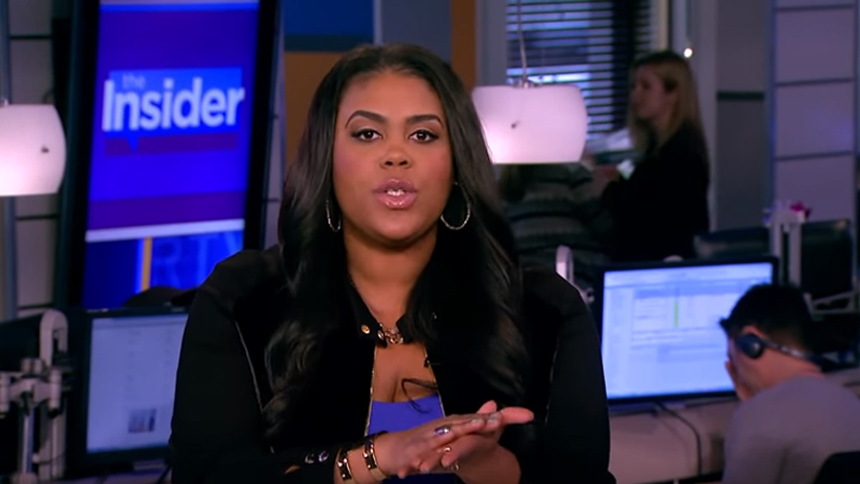
So What Do You Do, Nina Parker, TV Reporter for The Insider?

The celeb journo talks TMZ, paparazzi and developing sources

nina-parker-feature
By Marcus Vanderberg
8 min read • Originally published October 15, 2015 / Updated March 19, 2026
By Marcus Vanderberg
8 min read • Originally published October 15, 2015 / Updated March 19, 2026

Television has been in Nina Parker’s blood from an early age.

“I remember getting a cardboard box and making a TV, cutting it out and getting in it,” Parker said of her childhood. “I was obsessed with [book and cartoon show] The Littles, because I really believed as a kid that there were people in the TV.”

Fast-forward 20 years later and Parker found her way inside the television as a regular on the syndicated nightly entertainment news show TMZ after chucking her corporate gig and moving to Los Angeles on a whim; she graduated to The Insider. And, while entertainment outlets like TMZ are often criticized for reporting every bit of celebrity TMI, Parker said even the most tenacious newshound has to draw the line somewhere.

“If someone is dating someone and they’re out and about, that’s OK,” she explained, “but I think when you start to get in people’s bedrooms and is this person dating this person and who are they sleeping with, that’s a little too much for me.”


Name: Nina Parker
Position: Television reporter for Access Hollywood Live.
Resume: Started in 1999 as an intern at NBC affiliate KRON in San Francisco before eventually getting hired as a production assistant in 2000. Left for New York in 2002 and returned to California in 2003, working a regular 9-to-5 job at Verizon in Sacramento for four years. Hired by TMZ as a runner in 2007 and was promoted to producer four months later. Joined The Insider in September 2011. Currently works as a TV reporter on Access Hollywood Live. 
Birthday: October 22
Hometown: Sacramento, Calif.
Education: B.A., broadcast and electronic communication arts, San Francisco State University
Marital status: Single
Media idol: Oprah Winfrey
Favorite TV show: True Blood
Guilty pleasure: Shopping at the 99 Cents Only store
Last book read: Fifty Shades of Grey by E.L. James. “If I’m going to make fun of something, I need to know the background.”
Twitter handle: @MzGossipGirl


You quietly departed TMZ in 2011. How would you sum up your time at the website?

Great. It was very hectic, grueling. Before I got there, I had never worked that hard in my life. I was literally at times sleeping in my car and then just going to work. My first big assignment there was to sleep outside the jail and wait for Paris Hilton to get out, and come back with the tape from the photographer. That was a shell shock coming from taking a break in the industry to getting tossed in the fire.

That’s really how I learned.

It was very much sink or swim, and I saw a group of people that I started with all fall at the wayside because they couldn’t handle it. For me, it felt like it was my last chance. I was in my late 20s, I wasn’t fresh out of college and I was like, “If I don’t do this, I’m not going to do it.” I just committed to it. I learned a lot, probably more than the average person would, because we all grew together because it was a new company. We were creating positions as we went along and learning about it and growing with how the world was changing and how technology was changing.

Kiri Blakeley of Forbes wrote a piece in 2011 about the boys club of TMZ and how the women on the show don’t get equal camera time. How much truth is there to that?

I think sometimes things happen unintentionally and sometimes people cultivate together and don’t realize that they’re doing that. I would say, for me, I feel like I personally didn’t have those barriers. I felt like they gave me a lot of opportunity. They gave me a lot of camera time. They were very willing to work with me when I decided I wanted to try something new.

I think in the industry it can be a boys club, and you have to really try to work hard to break that glass ceiling. I think I did that and, once they saw how I hard I wanted to work, they gave me any opportunity I wanted. I do think the industry in general can be very much of a boys club but I do think that’s changing.

Do you think the paparazzi get a bad rap from the mainstream media?

Yeah, I do, because I think everybody covers the story. The Kristen Stewart photos that are out now, those were photographed by a paparazzi, and they are on every local news channel, every entertainment show. People can say this photographer was so wrong, but their agency buys the photos. It’s all a machine and nothing would happen if it wasn’t profitable.

I think they get a bad rap, and I think people use the paparazzi sometimes as a scapegoat to hide their hands from what they put into that pot. I like that some of these guys are unapologetic about what they do, and I think more people should be real about what they’re doing as opposed to saying, “We don’t do this.” We all have our hands in it, and that’s why it’s taken the direction it has.

What tricks have you used to develop your sources within the entertainment industry?

I don’t know if I want to tell my tricks. It’s hard. I don’t even know where I would start now that I’ve cultivated some of these relationships that I have. For me, what I’ve always tried to do personally is be 100 percent honest with the people that I’m dealing with. So, if I say I want to shoot this because this is how I’m going to portray you, I try to 100 percent stick to that, so when they see it they know exactly what they’re getting, and I’m not hiding anything.

If I call somebody or a rep about a DUI or about an arrest, I’m telling them I’m reporting this, but I’m going to give you an opportunity to give your side. I think a lot of times people report things and they don’t give two sides to the story. I always just try to give both sides. I’ve had so many people appreciate me just calling to get a statement, because so many people will just post stuff and not bother to get a statement.

You once said in an interview that your curvy figure has helped you connect with people in Hollywood. How so?

I just think people are so used to one type of person on television. When I first moved to L.A. and the weather girls looked like Playboybunnies, I was like, “I can’t even watch the news without L.A. making me feel bad about how I look.” Sometimes, I didn’t connect with that as a viewer. I’m sitting here with my girls in my living room eating pizza, and I don’t want to watch this skinny girl talk about anything. I’m going to change the channel.

For me, a lot of the responses I got on Twitter from women was, “Finally, there’s a woman that looks like me.” What I would talk about on TV is the issues that I had, like I couldn’t go into Forever 21 and go ahead and buy a tank top. I would joke about the issues that I had, and I think we as women and people all have those kind of issues, whether you’re big or small. You have these real issues, but people hide them and people don’t want to talk about it. You gloss over it. I was kind of able to be a bit vulnerable on television, and I think people related to that because it was just what we all go through.

With the influx of celebrity and gossip blogs on the Internet, how can an up-and-comer stand out from the competition?

I think what makes people break out is when they are 100 percent true to who they are. The people I follow, the people I enjoy on Twitter and Tumblr, are the people that are 100 percent themselves. They might not even have a huge following, but they’re funny, intelligent and not trying to be someone else. That’s really transparent.

I think when someone is attempting to be funny or when someone is attempting to be snarky, it’s always so transparent. It turns me off. In the online world, it’s really imperative to be 100 percent who you are. If you’re a girly girl, go for that. Stay in your lane. You aren’t going to ever see me report on sports unless the star gets a DUI. You aren’t going to ever see me report on something I’m not comfortable with.

Reality shows, like Basketball Wives and Shahs of Sunset, are often criticized for marginalizing people of color. Do you think networks like VH1 and Bravo have a social responsibility to feature niche groups and minorities in a positive, non-stereotypical light?

I don’t think the networks have an obligation to society in the sense where programming is concerned. I think we create what’s popular, so we have a responsibility to ourselves… The show Baseball Wives came and went. It wasn’t interesting. Nobody watched it and it went away and nobody ever heard of it again. The same people writing these petitions are the same people who tune in and watch these shows. If we really want to have the programming changed, public opinion has to change because we’re the ones creating the standard.

We’re the ones creating the trends by letting these people trend five out of 10 topics on Twitter. VH1 pays attention to that. It wasn’t always like that. If we wanted more “Pop-Up Video,” they probably would do it. It’s kind of our responsibility and, since we are such a social society, we could do it. We could make that change quickly, I believe. But numbers don’t lie and these networks… people are being delusional if they don’t think these networks are trying to make money. That’s what it’s about.

This interview has been edited for length and clarity.

Topics:

Advice From the Pros, Be Inspired, Interviews
Advice From the Pros

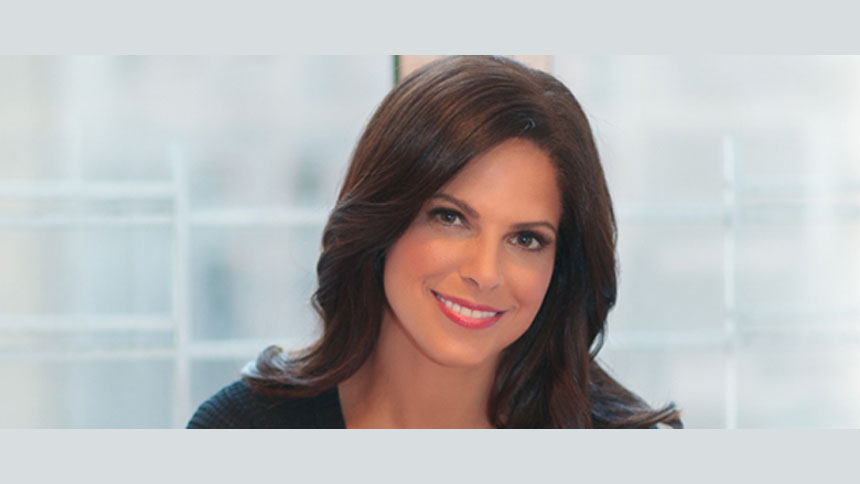
So What Do You Do, Soledad O’Brien, Journalist and CEO of Starfish Media Group?

Award-winning journo on teaching, business, and making the news

soledad-obrien-feature
Admin icon
By Janelle Harris
@thegirlcanwrite
Janelle Harris is a multimedia producer, director, and founder of Harris Two Productions with decades of experience in non-fiction storytelling for networks including Bravo, Discovery, and A&E. A Howard University graduate, she specializes in amplifying diverse voices across television, film, and digital media.
9 min read • Originally published October 15, 2015 / Updated March 19, 2026
Admin icon
By Janelle Harris
@thegirlcanwrite
Janelle Harris is a multimedia producer, director, and founder of Harris Two Productions with decades of experience in non-fiction storytelling for networks including Bravo, Discovery, and A&E. A Howard University graduate, she specializes in amplifying diverse voices across television, film, and digital media.
9 min read • Originally published October 15, 2015 / Updated March 19, 2026

Significant news stories aren’t necessarily guaranteed a space in the annals of public memory — they’re emblazoned there by gifted reporters.

Soledad O’Brien is one of those journalistic storytellers who uses human interest pieces to thread us together by commonalities.

Flanked by passion and a self-proclaimed love of learning, she’s been on the frontlines of the biggest news events for 25 years and has given us insight into some of our most under-reported communities.

In June, she launched Starfish Media Group, a multiplatform company dedicated to uncovering and producing empowering stories and cultivating talent, production and distribution deals with major partners, including HBO, Al Jazeera America and CNN.

The many faces of Soledad make her a media chameleon. Soledad the anchor for HBO’s Real Sports. Soledad the CNN reporter. Soledad the face of the Black in America and Latino in America series. Indeed, she’s all of those things and more. Here, she talks teaching, business building and literally making the news.


Name: Soledad O’Brien
Position: Founder and CEO, Starfish Media Group
Resume: Launched career in 1987 as associate producer and news writer at WBZ-TV in Boston. Left to work at NBC News as producer for Nightly News and Weekend Today. Started at MSNBC in 1996; started reporting for Nightly News a year later. Anchored Weekend Today. Transitioned to CNN in 2003 as co-anchor of American Morning. Won Peabody Awards for coverage of Hurricane Katrina and BP oil spill, an Alfred I duPont-Columbia University Award for her coverage of the South Asian tsunami and Emmys for coverage of Haiti, 2012 election and “Kids on Race.” Founded Starfish Media Group in June 2013 as CEO. Serves as distinguished visiting fellow at Harvard University. Authored two books: Latino in America and The Next Big Story: My Journey Through the Land of Possibilities.
Birthday: September 19, 1966
Hometown: St. James, N.Y.
Education: Bachelor’s degree from Harvard
Marital status: Married
Media idol: Nick Cannon. “His philosophy is very similar to mine, which is to exist across many platforms and do everything with excitement and enthusiasm… I think that there’s something in his philosophy on how he’s running his company that makes a lot of sense.”
Favorite TV shows: Newsroom, Breaking Bad and Scandal
Guilty pleasure: Gummy bears (or worms or fish) and other sugary snacks
Last book read: A Marker to Measure Drift by Alexander Maksik
Twitter handle: @Soledad_OBrien


What skills are you using as the head of a media company that you didn’t or couldn’t as a journalist? How did you know you possessed them in the first place?

I definitely manage more people. I was a reporter, which meant I was a producer in the field. Now that I’m running a company, I’m running it on all fronts: payroll, making money, staffing. Those are things I never did as a reporter, but that’s the basis of running an organization.

That said, I think you pick up a lot of those skills from motherhood. You manage a lot when you’re a parent. You keep everyone on track and figure out who’s happy and are they in the right spot and what needs to be done for each child. I learned a ton about how you keep the train running smoothly by having four kids. There’s a lot of overlap in those people-management skills.

You’ve said that Starfish Media Group allows you to explore topics that you care deeply about. How would a broader adoption of that model affect journalism as a whole?

In a way, I think what you’re seeing already among viewers is that exact model. People are interested in things not necessarily covered by the mainstream media, so they download things online. The categories are growing because people find out that they’re not able to get information about stories that are of interest to them on the evening news. So I think that’s already in place and it’s only going to become more so.

I’m amazed at the degree to which people are interested in the documentaries that we’ve done. I flew out yesterday and sat next to a guy who only wanted to talk about the documentary I did, Gay in America. That’s been years ago. I gave a speech about Latino in America to a bunch of college students.

I think that there’s a sense of “I have a story to tell” or “I would like to see my story reflected” somewhere, especially in a nation that’s more and more demographically diverse.

What would the field look like if journalists could spend the bulk of their time reporting on their areas of passion? How would that translate to the information and the consumers of that information?

I’ll give you an example. Let’s talk about a “shut down the government” story. Most channels are going to be sitting in D.C. going back and forth like, “Here’s John Boehner and the president.” That’s really going to be your coverage, as if the entire world revolves around Washington. As much as they can shut down the government, the impact is not going to be felt solely there. You could tell that story through the communities that are going to be affected. I think that right there, if you told it that way, you could really change the debate that’s going on in the news.

Stories, as we’re taught in journalism school early on, are told through people. Those stories make our documentaries powerful. You can explore someone’s culture, you can explore their experience, you can explore an issue through human beings who are going through it.

It opens up all of these doors to think about it, talk about it, explore it, experience it. A lot of times I just don’t see that as being the case.

When the announcement was handed down that Starfish Media Group will be partnering with Al Jazeera, the news was met with some criticism. Despite the patriotic grumblings, what do you think American news outlets can learn from their brand of storytelling and news delivery?

I think every news organization can learn from another news organization that’s doing it well. We’ve been doing some pieces for Al Jazeera — I’m a special correspondent for their America Tonight show — and I think they’ve done a really good job of pushing for a more nuanced approach and storytelling through human beings. I’ve been impressed that they’ve wanted to focus on the story and digging into the truth.

My most recent one took a look at the money that filtered through Haitians having very different experiences trying to rebuild their lives. I think that’s the way to tell those stories, not through Congress people who will be yelling back and forth when they do a hearing on Haiti in a month and a half. So I think Al Jazeera TV has to grow an audience and get carriage, but I think the work that they’re doing is quality.

What qualities do you look for in partner networks and opportunities? You seem to have embraced quite a variety.

People who do what they say they’re going to do, first and foremost. The world is just full of people who are bullshitters. The nice thing about getting older is that you start to see through those who are all talk and no action.

We’re busy. We have a lot of pieces to produce and docs to work on. I only want to be surrounded by people who also want to get busy and work and have ideas and stories that they genuinely want to bring to fruition.

I’m also not interested in people who want to complain. My mom used to say, “You get to complain for 24 hours and then let’s go.” You need to offload those people and take on others who are really enthusiastic. Being an entrepreneur is a mindset. You have to see things as opportunities all the time. I like to do interviews. I like to push people on certain topics. I like to dig into the stories where there’s not necessarily a right or wrong answer.

We don’t end our stories with: “There, we’ve solved racism. Thanks for joining us.” My partners and I are interested in quality journalism and digging into tough-as-nails conversations.

What’s the most important takeaway you want all viewers to get from the stories of people of color?

That the world is very wide and that, if you dig a little deeper, every community has lots of stories to tell and issues to debate — not just the two or three or four that you might see on the news. They’re very nuanced and complicated and important. People are already having conversations about them in their communities and if you covered that community, you would know this.

Now you’re a Distinguished Visiting Fellow teaching a class at Harvard’s School of Education. What do you want to prepare them to do specifically?

As much as I hate saying it, the cliché about life being a journey is true. When you allow it to be, you get to enjoy it a lot more. I think a lot of these students — and me too, probably — like to know, “Why?” Young people just want an answer. “What should I be studying? What will make me happy? Will there will be jobs in 10 years?” I say, “I don’t know. Figure out your passion.”

In a commencement speech at Harvard earlier this year, you told grads not to “listen to others people’s take on the life you should lead” because “by not listening, you can figure out what your heart is telling you to do.” Can you give an example of when you had to follow your own advice?

Oh my gosh. I have to follow it all the time. When I was leaving NBC News to go to CNN, people would say, “What?! Why would you possibly leave the Today Show to go to cable?” If I would’ve listened to people, I would’ve been on a great platform but I wouldn’t have grown as a journalist. So far, most of the steps in my career have been really good.

When I was at CNN, the opportunity to do the morning show, Starting Point, came up. I had done a morning show before. It’s grueling hours. And people were like, “Do you really want to do this again?” I thought, “Well it’s an interesting time. It’ll be an election year.” I would say modestly that a lot of the big political news made that year was done on my show. We really had impact. That’s what you want to be able to do. It’s less about the situation and more about how you’re handling it.

Even when I started Starfish Media Group, there were a number of people who were sort of perplexed: “What are you doing? Who are you working for?” It’s not a model that other people really do and I have been amazed at the huge opportunities we’ve had.

My biggest challenge has been so many things coming to us that are not TV news, which is really my comfort zone. I do news. I do documentaries. There are so many interesting projects that you constantly have to start thinking outside the box and say, “Well, maybe I should be working on a movie. Maybe I should be helping someone write a screenplay. Maybe I should be doing fiction.” I just never realized that beyond TV news, which I love, and doing documentaries, which I love, there’s this whole tremendous amount of content that people are interested in either creating or funding or underwriting or finding out how to distribute. That’s been fascinating for me.

This interview has been edited for length and clarity. 

Topics:

Advice From the Pros, Be Inspired, Interviews
Advice From the Pros

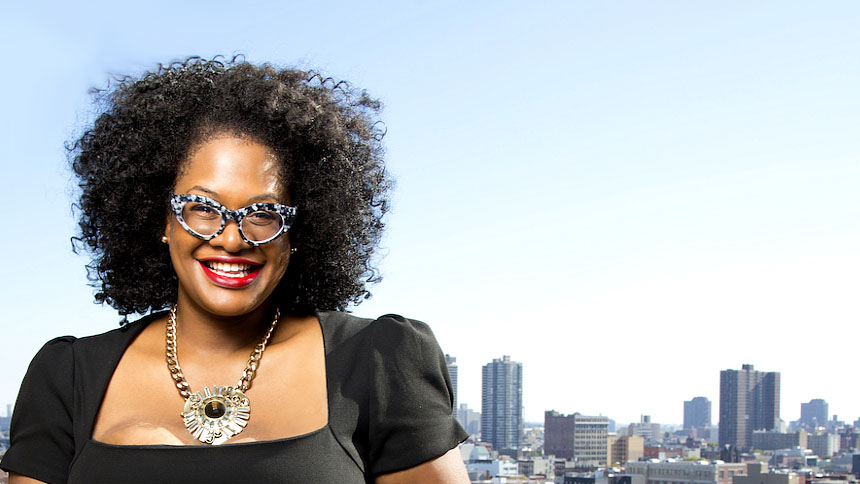
Hey, How’d You Establish Yourself as The Budget Fashionista and founder of digitalundivided, Kathryn Finney?

How Finney styled a media career from a love for frugal fashion

kathryn-finney-feature
Admin icon
By Janelle Harris
@thegirlcanwrite
Janelle Harris is a multimedia producer, director, and founder of Harris Two Productions with decades of experience in non-fiction storytelling for networks including Bravo, Discovery, and A&E. A Howard University graduate, she specializes in amplifying diverse voices across television, film, and digital media.
7 min read • Originally published October 15, 2015 / Updated March 19, 2026
Admin icon
By Janelle Harris
@thegirlcanwrite
Janelle Harris is a multimedia producer, director, and founder of Harris Two Productions with decades of experience in non-fiction storytelling for networks including Bravo, Discovery, and A&E. A Howard University graduate, she specializes in amplifying diverse voices across television, film, and digital media.
7 min read • Originally published October 15, 2015 / Updated March 19, 2026

If you live in Any Metropolis, USA, coming out of the neighborhood coffee shop with a frappuccino and a cheese danish for less than $20 can be a study in quantitative economics. So buying an entire outfit that’s both street legal and stylish for the same price seems more than a little unlikely.

Kathryn Finney proves that it can be done. And she doesn’t just do it herself — she teaches readers of her uber-popular blog, The Budget Fashionista, how to do it too. Growing from a hobby to a respected resource racking up more than a million monthly hits, TheBudgetFashionista.com has made Finney, a former epidemiologist, into a multimedia maven — and a wealthy one at that.

Recently named one of AOL’s Top 10 Women in Money, she’s written a bestselling book, How to be a Budget Fashionista: The Ultimate Guide to Looking Fabulous for Less, and has been featured in more than 600 magazines, all based on one fundamental concept: being stylish has nothing to do with how much you spend but how well you wear what you have. Now, Finney is the founder and managing director of digitalundivided, a social enterprise helping urban entrepreneurs build companies.

Here, the native Midwesterner talks about her entrepreneurial path, building her personal brand, and why her blood runs red for Target.

How did you create the concept for The Budget Fashionista?

At the time, I was living in Philly, and I was broke. All my friends lived in New York, so I would spend time at the King of Prussia Mall and Franklin Mills [Mall] and I would come to the city and go to sample sales. And sometimes I wouldn’t even buy, but I would just write about the stuff that I was seeing or how I was able to do an outfit on $20. I would go into the stores and watch other people shop and talk to the associates and see when they put things on sale and [ask], ‘How can I get this coupon even though I don’t have the credit card?’ I would just use that for content in the blog.

So how did you use a multimedia platform to grow it and get your name out there? How does everything flow together?

The way we tie it all together is just being really consistent in the message, which is real fashion for real women with real budgets. So whether I’m on the Today show or writing for the site, the message doesn’t change. I go to the outlets. If you see me on the street, what I’m wearing, I got on sale. I don’t write about $5 jeans from Wal-Mart and wear $5,000 shoes.

That’s not who I am. Me being the spokesperson for the site and being The Budget Fashionista also helps connect everything because I don’t look like a lot of my friends who are “fashion experts.” I’m very much a real woman. The fact that I look different definitely helps tie the brand across all the different platforms we operate.

What would you say was the pivotal point in your entrepreneurial journey, when things really started to take off?

I worked full-time up until we got the book deal in 2004 because that’s when I realized that this was a serious business. I was like, ‘OK, I’m getting a substantial amount of money to write a book on this. This is real.’ That’s when I started to do The Budget Fashionista full-time. I’m the CEO.

I always have to explain that to people because they’re like, ‘Oh, you’re a blogger’ and I’m like, ‘No, not really. I do write for the blog, but there’s a lot of other stuff that we do.’ There are other projects I’m working on like the book and television, and we’re also working on a line for one of the shopping networks. So it’s a company.

You had great support from your family and friends when you started, but did you have professional roadblocks or obstacles?

Oh, of course. I’m a big black woman from the Midwest running a media company. That alone should tell you. It’s like sure, do I get road-blocked? Of course. Do people have problems because of my identity? Sure. Do I let it stop me? Hell no. And you just have to sort of realize that’s their problem, not yours, and push forward. And that’s what I’ve done.

Recession and budget-friendly topics are in vogue right now. How have you been able to stave off competitors?

For one, I shop at Wal-Mart. I shop at Target. A lot. I’m from Minnesota. That’s where Target’s from, so it’s in my blood. So when I write or go on television, I know what I’m talking about. It’s not some assistant writing notes for me. And while we do have a showroom for these stores and these brands, I actually prefer to go in the store. I like to see what the consumer is buying. What do you buy when you go into Wal-Mart or Target or H&M? What are you getting there?

Because I can go into the showroom and see the stuff, which is great, and the publicist will give me their shpiel. But that’s not the same as what you the consumer buy. For two, we maintain relationships with people. We try to be fair. We might not always write what they want us to write, but our criticisms are fair.

Is there anything you would have done differently now in retrospect as you built The Budget Fashionista?

When I started, there was no roadmap. The Internet was kind of like the poor, bastard cousin — I won’t even say child — of the media family. No one really gave a crap about us. I think what I probably would have done is focus on building more relationships sooner with some of the online properties and print. There’s so many things I would’ve done different in hindsight but yet, it’s all led me here. So I have to have an appreciation for the mistakes.

What’s been your biggest fashion faux pas in the past?

There was a story about me in The New York Times when my husband and I moved from Philadelphia to New York. Look at that picture and you’ll see. It’s that and if you go on my YouTube page, my very first Today show, I seriously looked like a clown slash drag queen.

It was scary. I had somebody do my makeup who didn’t know anything about doing makeup for television. This all happened within a week of each other. And then finally, I sat down with a friend who does a lot of television and he helped me map out a look.

What are some things that other people do that absolutely drives you crazy?

I hate, hate, hate those low-rise jeans that I see young women wearing and sort of stuffing themselves into. Like, you need a bigger size. And the whole hipster look, I just feel like they’re trying too hard to be sort of like grungy dirty. It’s like, ‘Oh look at me, I wear my plaid shirt and my skinny jeans. Look, I’m ironic. I wear a trucker hat.’ I feel like they’re trying too hard to have a look. Other than that… maybe jeggings, because I just think they’re stupid.

Online advertising has taken a real hit, and many sites are going back to instituting paywalls. What are your sites’ main sources of income — anything outside of just display ads?

Well, we do a lot of stuff offline. I have spokesperson relationships with Marshall’s, TJ Maxx. I’ve worked for Sears, PayPal, Charming Shops, Payless — I mean, you name it, we have people that we’ve worked with. We’ve done social media campaigns, I’ve done television campaigns. I just did a big TV thing for Tide for their Tide to Go pen. We’ve really diversified. Online is my bread and butter, that’s my foundation, it’s where I come from. But it’s not the only thing that I do.

Kathryn Finney’s tips for establishing yourself as a fashion expert:

1. Do your homework. “Fashion isn’t just, ‘Oh, I’m a great shopper.’ You need to understand the human body and be able to assess what looks good on someone else.”
2. Design and style for people. “If you can’t get anybody to pay you, ask your family or friends if you can do it [for them] for free. You’ll gain firsthand knowledge on how to dress and work with real women.”
3. Be original. “Assess what’s already out there and ask real people — not family members — what they think of your idea. If no else is buying into it, then your idea is probably not as good as you think it is.”
4. Make connections. “Get a mentor and try to meet as many people in the industry as you can.”
5. Get a life. “A lot of my ideas I get when I’m not [online], just enjoying life and being present and spending time with the people that I love and care about.”

This interview has been edited for length and clarity. 

Topics:

Advice From the Pros, Be Inspired
Advice From the Pros

So What Do You Do, Sara Shepard, Author of Pretty Little Liars?

The YA scribe shares her secrets to success

sara-shepard-feature
Admin icon
By Andrea Williams
@AndreaWillWrite
Andrea Williams is an author, journalist, and columnist for The Tennessean with over 16 years of experience in journalism and 20 years in copywriting and communications strategy. Her work spans national outlets and high-traffic digital brands.
8 min read • Originally published October 15, 2015 / Updated March 19, 2026
Admin icon
By Andrea Williams
@AndreaWillWrite
Andrea Williams is an author, journalist, and columnist for The Tennessean with over 16 years of experience in journalism and 20 years in copywriting and communications strategy. Her work spans national outlets and high-traffic digital brands.
8 min read • Originally published October 15, 2015 / Updated March 19, 2026

The thought of zit-filled yearbook photos, SAT anxiety and awkward interactions with the opposite sex are enough to banish any and all high school recollections to the farthest corners of most people’s minds. The thought of zit-filled yearbook photos, SAT anxiety and awkward interactions with the opposite sex are enough to banish any and all high school recollections to the farthest corners of most people’s minds.

Yet, in the ultimate creative sacrifice, Sara Shepard regularly revisits her adolescence, poring over old journals and gathering enough teenage angst to inspire two bestselling fiction series, Pretty Little Liars and The Lying Game, and their TV spinoffs.

With more than 20 books published (in eight years!), Shepard is one of the hottest writers in the blazing YA genre. But make no mistake; she’s more than just mean-girl cliques and homecoming drama. The uber-prolific scribe also has an adult novel on the way — for those of us who prefer to keep the past in the past.


Name: Sara Shepard
Position: Author
Resume: From 2000 to 2005 worked at Time, Inc. Custom Publishing, producing lifestyle magazines for corporate clients. Started ghostwriting as a freelancer in 2002 and writing her own books in 2005.
Birthdate: April 8
Hometown: Pittsburgh
Education: B.S. from NYU (1999), MFA from Brooklyn College (2004)
Marital status: Single
Media idol: This American Life host Ira Glass. “I love the way he tells stories.”
Favorite TV shows: Mad Men, Girls, Modern Family
Guilty pleasure: “Lying around by myself reading with nobody bothering me”
Last book read: The Burgess Boys by Elizabeth Strout
Twitter handle: @sarabooks


Why did you decide to write in the young adult genre? Were you ever concerned that your decision wouldn’t prove as lucrative or that your work would be less acclaimed as books in the adult genre?

Of course, yeah. I mean, it definitely crossed my mind. The way it happened was sort of by accident. I was going to school to get an MFA in fiction, and I absolutely thought that I was going to be an adult fiction writer, and at the time I was living in New York and took a freelance job ghostwriting a book for 17th Street Productions (now they’re Alloy Entertainment).

So that was a young adult book, and, being a ghostwriter on that, I did learn how to write a book from start to finish, what it was like to be edited and how to write on deadline and all of those things. And, after kind of doing a couple of those books, I kind of realized that I liked YA.

It was a voice that I really embraced, and it was a genre that I was really interested in. And I realized, too, that a lot of my adult fiction — my short stories that I was writing and all that — also were about younger characters. I was like, “Well, let me give this a try.” I was approached by Alloy to develop my own series, which became Pretty Little Liars.

So, there was definitely [the question of] will I be as serious a writer if I’m writing YA and not adult. It definitely crossed my mind. However, I do have a couple of adult novels out as well, and I was really insistent on that for myself. When I was working on Pretty Little Liars 2, I was also working on The Visibles, because it was almost like I wanted to prove to myself that, although I was a YA writer, I also could write adult fiction.

Now it doesn’t bother me as much, because YA is different now, I think, than even the way it was when I started out [in] 2005. I mean, YA is a huge thing now. I think good YA writers are absolutely respected, and a successful YA book does really well. So, I don’t think anybody should be discouraged from going into YA.

What’s the secret for writing books that resonate with teens, as an adult?

That is definitely hard. When I started out, I spoke to a lot of kids online. There wasn’t the same sort of Web presence either; it was MySpace and chat rooms and stuff like that. But the thing is, the emotions that they feel, they’re sort of the same emotions that I felt as a teenager. I kept a journal when I was a teenager, so I definitely look back on those to see how I dealt with friends, and cliques, and getting picked on, or boyfriend breakups.

I think as long as you’re taking your own emotional experience as a teenager and trying to remember what it was like and not approaching it as an adult, that’s the key. I’ve read a lot of fiction from writers just starting out, and the dialogue is a little bit forced, or it’s almost too teenager-y, or too slang-y or putting too much technology or trends in there.

I try to stay pretty trend-neutral. I try not to mention too many current bands or current TV shows. [I] gotta mention phones, obviously, and Twitter and Instagram and all that, but you want to create something that can be timeless as much as possible, so that it doesn’t seem dated 15 years from now.

What’s the best way to write a series? Do you plan each book far in advance or let the characters lead you into each new entry?

I plan the books pretty far in advance. The way Pretty Little Liars works — [and] really anything else that I’ve worked on — I knew at first it was going to be four books, so I knew that at the end of the fourth book I was going to have to reveal who “A” was, who the killer was and stuff like that.

The next deal was for another four books, and then there’s the next deal, which was for four books. So it’s not like I planned to do these 16 books. So, I’m giving more of like a four-book arc, and then some new, horrible thing happens and it starts all over again. But, I have a sense of where they’re getting to at the end of each book.

How do you keep long-running series like The Lying Game and Pretty Little Liars fresh? Do you ever get sick of writing about the same characters?

That’s hard. I’ll come up with a scenario, and then I’ll be like, ‘Oh, no! Wait a minute; that happened to Hanna in book four, or whatever.’ It’s definitely getting harder. I’m revising No. 14 right now; you know, that’s 14 books. That’s a lot of individual stories, because there are four main characters, and they all each have their own story.

I know them so well now; I know what their weaknesses are; I know their default desires and how each of them get in trouble. It’s all different for each of them, so it’s usually just a twist on that… But, I mean, I don’t see the series lasting for too much longer. It’s like, “These poor girls, what else needs to happen to them?”

For writers, a blank page can be paralyzing, yet you’re churning out multiple books a year. What are your top three tips to help other writers write more?

Well, I am a big outliner. For my adult book, The Visibles, I did not outline, and it took me two years to write because I just didn’t outline and I had no path. The other thing is, because I have really crazy deadlines, I have to write everyday. So, I can’t just sit there and stare at the page. So what I usually do is, I write something. Even if it’s bad, even if I go back later, and I’m like, “This is such a bad chapter, and I’m going to have to revise it,” having words down is better than having nothing, for me anyway.

Again, it’s sort of like a guideline. The other thing that I do, too, is if something isn’t quite making sense to me, or if I’ve written a chapter and I know it’s not good, I don’t continue to sit at my desk. For example, I’m a big runner; I like to run five, six miles every day. So I will go running, and lately I consider it part of the process, because while I’m running I actually get ideas. I don’t even really do it for fitness anymore.

How were you able to get both Pretty Little Liars and The Lying Game optioned as TV shows?

That is the brilliance of Alloy Entertainment. Gossip Girl was one of their [shows], and Vampire Diaries, so they have a lot of ties with TV. When [Pretty Little Liars] sold in 2005, there was some talk that it was going to be developed for TV, and I got kind of the big head about it. I was like, “It’s gonna be on TV!”, and then nothing happened for a long time, and I just kinda felt foolish.

So I wrote eight books in five years, and Alloy came in and said ABC Family is developing a script, and they’re going to shoot a pilot. So I was really surprised, because I just thought it was one of those things that came up and then never surfaced again. So that was really exciting, and they got a great crew of people to work on it, and I really love the show. The Lying Game being on TV sort of, I think, came on the heels of that because it was like there was one mystery that worked for ABC Family, so they wanted to try another one.

Have you been satisfied with the shows, or do you feel that some of your creative vision was lost in translation to the TV screen?

With Lying Game, I guess so, although I think it’s a good show, and I think the characters… I think that still feels like the vision. The concept is different, and that’s a little bit sad. But I don’t know if it would have worked for TV anyway, so maybe that’s a good thing. It might have been a total disaster, because in the books there’s a character who’s dead, and she’s the narrator, and that might have been silly doing it on TV.

I don’t know, but Pretty Little Liars I’m really satisfied with. Pretty Little Liars more sticks to what the books are. They take their own liberties, and sometimes their ideas are just great. Sometimes I’m like, “Oh, why didn’t I think of that?” So that’s always really fun. But, I mean, it’s just pretty amazing to see it on TV at all. Even if it wouldn’t have lasted a season, it still would have been this pretty incredible thing.

This interview has been edited for length and clarity. 

Topics:

Advice From the Pros, Be Inspired, Interviews
Advice From the Pros

So What Do You Do, Bevy Smith, Host of Bravo’s Fashion Queens?

How this ad director became a TV host

bevy-smith-feature
Admin icon
By Janelle Harris
@thegirlcanwrite
Janelle Harris is a multimedia producer, director, and founder of Harris Two Productions with decades of experience in non-fiction storytelling for networks including Bravo, Discovery, and A&E. A Howard University graduate, she specializes in amplifying diverse voices across television, film, and digital media.
10 min read • Originally published October 15, 2015 / Updated March 19, 2026
Admin icon
By Janelle Harris
@thegirlcanwrite
Janelle Harris is a multimedia producer, director, and founder of Harris Two Productions with decades of experience in non-fiction storytelling for networks including Bravo, Discovery, and A&E. A Howard University graduate, she specializes in amplifying diverse voices across television, film, and digital media.
10 min read • Originally published October 15, 2015 / Updated March 19, 2026

There are some TV personalities who, perhaps unbeknownst to them, become “friends” to their fans and viewers. You know how it is — the rational part of you realizes they couldn’t pick you out of a two-person lineup, but they’re just so darn likeable the imaginative part of you feels like you could just call them up and invite them to dinner.

That’s the Bevy Smith Effect: scintillating, jump-off-the-screen personality that has endeared her to people from all backgrounds and propelled her transition from a 17-year career in advertising to TV show hostess and style aficionada.

Here, the native New Yorker talks professional shape-shifting, the power of networking and being generally spectacular.For her next professional reinvention, she plans to parlay that ultramagnetic charisma and on-screen experience into stand-up comedy and acting.

It’s a set of goals she intended to accomplish years ago — until legendary acting coach Susan Batson convinced Smith that playing the part of herself was going to make her a star. “She said that who I am is character enough, that I am the book and the movie already.

She told me I could work right now as I am,” Smith remembers. Having done that with a 28-episode deal for Fashion Queens on Bravo and on-air talent gigs for VH1, E!, BET and TV One, among others, her in-demand expertise in pop culture and fashion stands out in an army of contemporaries, proving there’s just something about Bevy.


Name: Bevy Smith
Position: TV show hostess, writer, style expert, motivational speaker and entrepreneur
Resume: Started career in 1989 as a receptionist at Jeff McKay, Inc., in New York City. Promoted first to media planner, then to media director in 10-year tenure working with luxury brands like Shiseido and Via Spiga, and outlets like Vanity Fair and Vogue. Hired as fashion advertising director at Vibe. Developed a client list of high-end beauty and fashion advertisers, including Dior, Armani, Dolce & Gabbana and Prada. Offered position at Rolling Stone as senior director of fashion advertising, where she worked for a year. Became fashion editor-at-large for Vibe, representing the brand as an entertainment and lifestyle expert. Oversaw celebrity fashion shoots and wrote monthly “V Style” column. Founded Dinner with Bevy series to bring together entertainers and media professionals, from Quincy Jones to Chelsea Handler. Contributed freelance articles to Paper, Essence, Vibe Vixen, Interview and Glamour. Featured as on-air talent for various cable networks. Named co-host for Bravo’s Fashion Queens in 2013.
Birthdate: November 2, 1966
Hometown: Harlem
Marital status: Single
Media mentor: Ryan Seacrest. “I love that he has created this multi-tiered media empire, including his own advertising agency. He buys media, creates advertising for his clients, then places the ads that his agency created on his own radio show. That’s pretty impressive.”
Best career advice received: “What I learned is if you do good work and stay above the fray, you’ll be successful.”
Last book read: Undisputed Truth by Mike Tyson
Guilty pleasure: 70s soft rock
Twitter handle: @bevysmith

You left a high-profile job and 17 years in magazine advertising to reinvent yourself as a TV personality. Why?

I’m a goal-oriented person. Once I conquer a goal, it’s time to go. I was at Rolling Stone in pretty much the same position I was in at Vibe except it was a bigger title and bigger pay. I’m not talking about a 10 percent raise. It was a significant amount, but I was miserable. It was just like, ‘I don’t want to do this anymore.’

It’s important to know, though, that it wasn’t really about Rolling Stone. I was only there for a year and I was already fed up by the time I got there. I didn’t want to do that particular profession anymore. I wanted my new self to be a free spirit. I wanted her to be creative. I craved freedom and a life filled with exploration. I had a lot of writer friends, and I loved the way they lived. Now, they didn’t make any money, but I loved the fact that they had their days free.

I felt like I could do that and make money. I read The Artist’s Way by Julia Cameron and one of the biggest takeaways, besides always living your life as a child and having a sense of wonder, was that ‘the starving artist’ is totally BS. You can actually feed your creativity and feed yourself quite well.

You’d been on the advertising side of magazines, but how did you get into writing for major titles?

When I quit Rolling Stone, I quit with the idea that I was going to pursue TV and I was going to write. I was going to become an actress, I was going to do photography, I was going to travel the world and do whatever made me happy. As soon as I quit, I went to South Africa, Zambia, Brazil and Costa Rica for three months. I had an amazing time and cleansed myself of my corporate life.

When I came back, I got a phone call from my dear friend Mimi Valdés, who at the time was the editor-in-chief of Vibe. She said, ‘We would love to have you back.’ Whenever VH1 or BET needed someone to come on and talk about the fab life of XYZ R&B or hip-hop star, I wanted to be the person from Vibe that went on. So I did that and I built up my reel, and that’s also how I started writing.

I have dear friends over at Paper, too — Kim Hastreiter, David Hershkovits and Mickey Boardman — and they were like, ‘We would love for you to write for us.’ The first thing I ever wrote for them was a cover story about Rihanna’s ‘Good Girl Gone Bad.’ I [was] one of the first people to talk to her as she was making herself a unique entity.

Word is you were originally approached to be on Tim Gunn’s Guide to Style. What happened to that opportunity and how did you eventually land Fashion Queens?

I told everyone that I was looking to do TV. I had all these incredibly connected friends that were always trying to introduce me to some agent or executive, but I didn’t use them much. Then a friend said, ‘You’re going to get a call from Bravo. They have a new show with Tim Gunn and you’re going to audition.’ I was nervous, but no matter how nervous I am, I go for it. I got the gig. That was maybe a year into my new life journey. It’s incredible to be offered a show on a top-rated cable network with an icon of fashion.

I was on my way to speak at a women’s symposium and it just so happened that the woman who was leading the panel was a former TV executive, so I asked her if she minded looking at the contract. She said, ‘It’s really bad.’ Then I sent it to Monique Chenault, my television mentor. She really believed in me. She said, ‘Oh Bevy, I want this for you, but this is really bad.’ I turned it over to my lawyer to negotiate it, but they weren’t budging on anything. Nothing.

That taught me a valuable lesson. Even though it was a big deal, I turned it down. I never thought when I did that it would take me five years to get another show. Then [Bravo network exec and host] Andy Cohen called and said, ‘I’m going to find something for us to do together.’ Every year since, he’s put me in some kind of Bravo pilot or show. He’s always been a champion of mine.

But it still took a while for things to take off. Did you feel pressure to stop being selective?

I was invited to be on The Janice Dickinson Show and I was like, ‘I don’t want to do reality. I definitely don’t want to do it with a mean woman who is a bit of a racist.’ I felt like it was a set up for me to fight Janice Dickinson on TV.

Then I got an offer to do another show going into fashion boutiques and helping them build their businesses, which is right up my alley because I’m actually in the business of fashion. I’m a little bit of a commitment phobe — that’s how you wind up 47 and single — and it took me a long time to sign the damn contract. When I finally did, the production company and Oxygen couldn’t come to terms, so that deal went away. I had lots and lots of opportunities, especially for reality TV.

Critics have fired shots about the stereotyping of gay men on Fashion Queens, particularly your co-hosts Derek J and Miss Lawrence. You’ve been a longtime advocate for the LGBT community, so how did you digest those comments?

I’ve seen what people are saying about my boys and I really take offense. If they’re being true to who they really are, then what would we have them do? That’s the way they feel comfortable expressing themselves. That’s not something that Bravo makes them do. They found them in high heels with handbags.

So I don’t feel that they’re being exploited. If the cameras weren’t on, they would be dressed that way. I think it’s sad that there’s that kind of self-loathing, even within that community. If it’s something you truly enjoy, why should you worry about how it’s going to look? At the end of the day, we’re here to make sure that we’re pleasing ourselves and not hurting others. There are certain things I would never do on TV, which is why I wouldn’t do a reality show about my life. But other than that, honey, let’s go. I want to do what I like and I think that’s what my boys are doing. They’re doing what they like.

What was your original vision for Dinner with Bevy and how has it evolved?

Well, my original vision was to bring urban music artists into the fashion fold. Now you see Future, A$AP Rocky and those guys, but in the 90s when [former Vibe editor-in-chief] Emil Wilbekin and I were going to Paris and Milan, there were no black artists — none — except who we brought over. I would take artists to fashion shows and introduce them to the heads of fashion houses. I saw there was a real need, so I created a dinner party series.

The music labels hired me and I would show up at dinner with designers, people in communications, people who can lend the clothes and editors from general market magazines like Vogue, W, GQ, Esquire. I knew they would come because I had amazing relationships with them and they knew they would have a good time. Some of my greatest events ended in full-on dance parties with people really connecting. When you break bread for three hours and there’s good food and the music is going, baby, magic happens.

You weren’t a 20-something starlet when you launched into the on-air portion of your career. Do you see a shift in the way networks are valuing experienced women?

Oh yes, definitely. I think the shift is really not so much about age; it’s about personality.

Gone are the days when you could just be a news reader, like ‘Hello, good evening. Welcome to…,’ that formal kind of thing. Even news is infused with opinion now, so it’s important to be able to offer your opinion in an articulate and entertaining way. People are looking for real. Once upon a time, the gorgeous, 20-something Miss Indiana starlet would’ve been the one getting all the big TV jobs. Do we see a lot of beautiful but vapid girls anymore? Not really.

What worked well for you as you positioned yourself as a media personality?

When I was in the thick of grinding it out, I was really dedicated to my Twitter feed. Every morning, I would tweet for three hours. It was just as important as going to auditions or making sure that I was writing for XYZ magazine. So by the time Fashion Queens came on, I already had 50,000 Twitter followers. Social media is the fifth estate.

When you talk to network executives, they want to know if you’re on Instagram, Facebook, how many followers, all of that because that means big bucks. Every Sunday, I still live tweet Fashion Queens. I’m not paid extra to do that. It just makes it that much more interactive for the people who watch it and follow me.

This interview has been edited for length and clarity. 

Topics:

Advice From the Pros, Be Inspired, Interviews
Advice From the Pros

So What Do You Do, Cathy Hughes, Founder of TV One and Radio One?

This media entrepreneur talks reaching communities of color

cathy-hughes-feature
Admin icon
By Janelle Harris
@thegirlcanwrite
Janelle Harris is a multimedia producer, director, and founder of Harris Two Productions with decades of experience in non-fiction storytelling for networks including Bravo, Discovery, and A&E. A Howard University graduate, she specializes in amplifying diverse voices across television, film, and digital media.
7 min read • Originally published October 15, 2015 / Updated March 19, 2026
Admin icon
By Janelle Harris
@thegirlcanwrite
Janelle Harris is a multimedia producer, director, and founder of Harris Two Productions with decades of experience in non-fiction storytelling for networks including Bravo, Discovery, and A&E. A Howard University graduate, she specializes in amplifying diverse voices across television, film, and digital media.
7 min read • Originally published October 15, 2015 / Updated March 19, 2026

“Mogul” in its present overuse, is like the retired boxer of dictionary words: it used to pack a lot of punch, but now it’s gotten kind of flaccid and nondescript. Cathy Hughes doesn’t care much for the term either, especially when it’s being used to describe her.

“I’m not a mogul. I hate that title because I’m still very much a work in progress,” she insists. Still, its root definition seems a nail-on-the-head way to describe a woman who founded Radio One in 1980, growing it into the largest Black-owned radio chains in the country with 53 stations across 16 markets, oversaw it as CEO for 17 years, then launched its sister network TV One in partnership with Comcast in 2004.

Hughes’ ascension to the executive suite only reads like a fairy tale, though. Before becoming the first woman to own a radio station ranked #1 in any major market and the first African-American woman to head a publicly traded company, she was a divorced single mother who lived with her son in the office space of her first station until she could turn a profit.

Here, the urban media specialist — and sometimes controversial figure — chats about journalism, family business, and not sweatin’ the competition.


Name: Catherine Hughes
Position: Founder, chairperson of the board and secretary of Radio One. Founder of TV One.
Resume: Began career in 1969 at KOWH in her native Omaha, but left for the nation’s capital after being offered a spot as a lecturer at Howard University. Named general sales manager of WHUR, the campus radio station, in 1973; promoted to general manager two years later. In that short time, Hughes had taken annual revenues at the station from $300,000 to more than $3.5 million. In 1979, Hughes and then-husband Dewey Hughes sought financing to purchase their own radio station and were rejected by 32 banks until they secured lending to buy WOL, a small Washington, D.C. station that birthed Radio One in 1980. Almost 15 years later, launched TV One, a network targeting African-American adults and presently available in some 38 million households.
Birthdate: April 22
Hometown: Omaha, NE
Education: Studied at University of Nebraska-Omaha and her father’s alma mater, Creighton University, but never completed her degree
Marital status: Divorced
First section of the Sunday Times: Metro
Favorite TV show: Unsung
Guilty pleasure: “Ice cream. All flavors, all kinds, all brands.”
Last book read: The Stieg Larsson series: The Girl With The Dragon Tattoo, The Girl Who Played with Fire, and The Girl Who Kicked the Hornet’s Nest
Twitter handle: None


You were inducted into the Radio Hall of Fame. Now that you’ve also transitioned into television, is radio still your favorite medium?

Absolutely. No question about it. Radio provides instant gratification. We could go on air and say that a family is in need and immediately get people responding and being of assistance to them. Radio gives you the ability to reach out and assist immediately.

Radio One and TV One are multimillion dollar businesses. How were you able to grow both as independent companies and compete against huge broadcasting corporations?

When you’re community-based, your audience knows that you’re different than a facility that’s there just to entertain them. So you have a different relationship, a more meaningful relationship. We literally outsold our competitors because although we were outresourced by them — meaning they’re much bigger with more money and more people — they were not able to outservice us.

TV One has been making serious inroads against BET with shows like Unsung and Life After. When you first launched the network, what niche were you aiming to fill that BET wasn’t?

An older demographic, an adult population. BET is more youth-oriented. We were more concerned with providing quality programming for African-Americans over the age of 30. BET’s target audience has always been younger and now their average age is like 20.

They lost all of their beer business because their median age was not 21 and when the information became well-known that they are basically a teen network, the liquor companies could no longer advertise with them.

With the launch of the Centric network, do you feel like they’re trying to encroach on your market?

I think they’re setting themselves up to be competitors, but it hasn’t even begun to scratch the surface because Viacom is not a Black corporation, and Black viewers are very sophisticated about Black ownership now.

At one time, I think a lot of BET’s popularity and reach had to do with it being Black-owned. And Black people were like “this is our network.” Even though it was young, it belonged to the young people who watched it. They no longer have that relationship with the African-American consumer. They’re owned by the same company who decides what’s going to be on MTV and VH1, so there’s no relationship there.

TV One debuted Love That Girl, its first original sitcom in 2010, but it received a lot of negative reviews from the press and viewers who thought it was too stereotypical. What did you learn from that experience and do you have plans to do another scripted series?

That was a pilot, sweetie. The ratings were through the ceiling. We just produced 26 episodes and it’s our first scripted sitcom. Let me tell you about Love That Girl. It’s my dream come true because it’s produced by a Black production company in a Black-owned studio — the only Black-owned studio in Los Angeles — and it’s a Black sitcom aired on a Black network.

We’ve got four areas that African-Americans have historically been closed out of. So those four episodes were a test and proved that that’s what our audience wanted to see. Twenty-six episodes means it’ll run a whole year. It’s something that’s never been done. I’m really excited about it, as you can tell.

What do you foresee for radio’s future now that the digital age is making traditional radio formats seem so old school?

Oh, I think radio will continue to reinvent itself. I think it will remain the number one way to reach communities of color. I don’t think that’s going to change.

Because the competition for airtime is so stiff, what advice would you give to those radio personalities looking to stand out and break into large markets?

Be persistent and be willing to go into a smaller market to get discovered. Sometimes you can’t start off in New York. Maybe you have to start off in a St. Louis and get moved to a New York.

 Your son Alfred Liggins is chairman of TV One and CEO and president of Radio One. Is it your plan to step down one day so he can fully run both companies?

He’s already responsible for running both companies from an operations and administrative standpoint. I would hope never to step down as long as God blesses me with good health because, with him doing the operations, it’s freed me up to get more involved in the community.

We just turned 30 years old this year and, instead of the usual parties that most people have to celebrate their anniversaries, we paid our staff — all 1,800 members — to volunteer at various organizations in the community. That was a project that I was charged with overseeing. So, not having to actually run the radio stations has given me more of an opportunity to get involved in the community, which is my first love.

What’s the dynamic of you two working together?

At first, to be honest with you, it was quite challenging. All family businesses are challenging because it’s like, “hey, this is the kid who used to need the key to the front door. Suppose he loses the key to the office?” But he and I have done it for a long period now, so the kinks have pretty much been worked out, and we have a fair division of labor.

Radio One bought out the struggling Giant magazine and made it an online publication. Would you ever launch or buy another print magazine?

Not in this environment. The reality is that magazines are quite challenged because people primarily get their news from the Internet now. They don’t read magazines or newspapers. Giant’s online reach now covers about 82 percent of the entire Black community. It adds another leg to our platform.

What was your lowest point before you reached this level of success?

I don’t view things as lows and highs. Business has its ups and downs and everything in life is a cycle. Everyone’s life has ups and downs, so I don’t take it personally. As the Good Book says, “this too shall pass away” and I live by that adage that bad times will not only pass but so will good times.

I’ve had challenging times, but it’s kind of dangerous to say what was the lowest because you don’t know what the good Lord has in store for you in the future. It may be yet to come.

This interview has been edited for length and clarity. 

Topics:

Advice From the Pros, Be Inspired, Interviews

Posts navigation

Older posts
Newer posts
Featured Jobs
Kirkus Media
Editorial Intern
Kirkus Media
New York City, New York (US)

Gaia Inc
MEDIA COORDINATOR
Gaia Inc
Louisville, CO

Gaia Inc
Global Paid Media Specialist
Gaia Inc
Louisville, CO

Gaia Inc
Director of Media Strategy
Gaia Inc
Louisville, CO

Hearst Television
Account Executive
Hearst Television
Milwaukee, WI, United States

All Jobs »
PREMIUM MEMBER
AV

Alena Varabyeva

Washington, DC
2025 Years Experience
Alena Varabyeva, Washington DC 20011, Booster, General Manager alenvar1995@gmail.com +1 771-210-0891
View Full Profile »
Join Mediabistro Membership Today

Stand out from the crowd with a premium profile

Mediabistro Logo Find your next media job or showcase your creative talent
  • Job Search
  • Hot Jobs
  • Membership
  • Newsletter
  • Career Advice
  • Media News
  • Hiring Tips
  • Creative Tools
  • About
Facebook YouTube Instagram LinkedIn
Copyright © 2026 Mediabistro
  • Terms of Use
  • Terms of Service
  • Privacy