Mediabistro Logo Mediabistro Logo
  • Jobs
    Search Creative Jobs Hot Jobs Remote Media Jobs Create Job Alerts
    Job Categories
    Creative & Design Marketing & Communications Operations & Strategy Production Sales & Business Development Writing & Editing
    Quick Links
    Search All Jobs Remote Jobs Create Job Alerts
  • Career Resources
    Career Advice & Articles Media Industry News Media Career Interviews Creative Tools Resume Writing Services Interview Coaching Job Market Insights Member Profiles
  • Mediabistro Membership
    Membership Overview How to Pitch (Premium Tool) Editorial Calendars (Premium Access) Courses & Training Programs Membership FAQ
  • Log In
Post Jobs
Mediabistro Logo Mediabistro Logo
Search Creative Jobs Hot Jobs Remote Media Jobs Create Job Alerts
Job Categories
Creative & Design Marketing & Communications Operations & Strategy Production Sales & Business Development Writing & Editing
Quick Links
Search All Jobs Remote Jobs Create Job Alerts
Career Advice & Articles Media Industry News Media Career Interviews Creative Tools Resume Writing Services Interview Coaching Job Market Insights Member Profiles
Membership Overview How to Pitch (Premium Tool) Editorial Calendars (Premium Access) Courses & Training Programs Membership FAQ
Log In
Post Jobs
Log In | Sign Up

Follow Us!

media-news

AccreditedEvents and New to The Street Host Exclusive Investor Cocktail Event Featuring MUSQ ($MUSQ), The Music ETF, on September 3 at Hudson Yards

By Media News
3 min read • Published August 1, 2025
By Media News
3 min read • Published August 1, 2025

New to The Street Host Exclusive Investor Cocktail Event Featuring MUSQ ($MUSQ), The Music ETF, on September 3 at Hudson Yards

NEW YORK, NY / ACCESS Newswire / August 1, 2025 / AccreditedEvents, in partnership with New to The Street, proudly announces an exclusive investor cocktail event spotlighting MUSQ ($MUSQ), the innovative Music ETF. The event will take place Wednesday, September 3, 2025, from 6:00 pm to 8:00 pm at Hudson Yards in New York City.

This invitation-only event offers accredited investors and financial industry professionals a rare and intimate opportunity to meet David Schulhof, Founder and CEO of MUSQ Global Music Industry ETF, along with select senior executives from the world’s leading music and entertainment companies possibly including:

  • Spotify

  • Live Nation

  • Universal Music Group

  • Tencent Music

  • CTS Eventim

  • Apple Music

  • YouTube

  • Amazon Music

  • Warner Music

  • Reservoir Media

Guests will have the chance to engage directly with these industry leaders and gain valuable insights into MUSQ’s innovative approach to music industry investments, current market trends, and future growth opportunities.

"We’re delighted to present this exceptional event at Hudson Yards featuring MUSQ," stated Vince Caruso, Director of AccreditedEvents and Founder of New to The Street. "MUSQ is uniquely positioned to capture investor interest by strategically tapping into the thriving global music sector, and this event underscores our commitment to connecting sophisticated investors with pioneering investment opportunities."

The event will commence with an engaging presentation by MUSQ executives, followed by an interactive Q&A session and networking reception, providing attendees the ideal environment to explore alternative investments and build connections with prominent thought leaders in the music and entertainment space.

Event Details:

  • Date: Wednesday, September 3, 2025

  • Time: 6:00 pm – 8:00 pm

  • Location: Hudson Yards, NYC

Space is limited, and attendance is strictly by invitation. Accredited investors and financial professionals interested in attending are encouraged to RSVP promptly.

For further details or to secure your invitation, please contact:
Vince Caruso
Vince.Caruso@NewtoTheStreet.com

About Accredited Events:
AccreditedEvents specializes in curated, invitation-only networking and educational events designed specifically for accredited investors, connecting them with innovative companies and exclusive investment opportunities across a variety of sectors.

About New to The Street:
New to The Street is a leading multimedia financial news and content provider dedicated to showcasing innovative, emerging growth companies to investors. Leveraging national television platforms, digital channels, and exclusive events, New to The Street delivers unmatched exposure through sponsored programming on Bloomberg Television and Fox Business, complemented by a robust social media presence.

Upcoming AccreditedEvents in September and October (Dates T.B.A.):

  • NeOnc Technologies ($NTHI)

  • DataVault Holdings ($DVLT)

  • Synergy CHC ($SNYR)

  • NRx Pharmaceuticals ($NRXP)

  • Health In Tech ($HIT)

  • NewsOut (Private Company)

About MUSQ LLC: MUSQ LLC is the mastermind behind the MUSQ Global Music Industry Index (MUSQIX), and the MUSQ Global Music Industry ETF (NYSE:MUSQ). MUSQ LLC’s founder and CEO, David Schulhof, is an experienced music investor and operator with more than 25 years of investing in and operating public and private companies in the music and entertainment industry.

For more information, please contact: info@musq.com

For a complete list of MUSQ holdings and sector breakdown, please visit musqetf.com. Holdings subject to change. Source: Yang, Lisa, et al., Music in the Air, Goldman Sachs Equity Research, May 01, 2024.

MUSQ Global Music Industry ETF is offered by prospectus. Carefully consider the investment objectives, risks, charges, and expenses. This and other important information can be found in the MUSQ ETF prospectus, which should be read carefully before investing and can be obtained by visiting https://musqetf.com or by calling 1-855-MUSQ-ETF (687-7383).

SOURCE: New To The Street

View the original press release on ACCESS Newswire

Topics:

media-news
media-news

Middle East Media Research Institute (MEMRI) Publishes New Report On How India-UK Free Trade Agreement Offers Crucial Lessons For Stalled India-US Trade Talks Amidst New US Tariffs

By Media News
3 min read • Published August 1, 2025
By Media News
3 min read • Published August 1, 2025

WASHINGTON, DC / ACCESS Newswire / August 1, 2025 / The Middle East Media Research Institute (MEMRI) has published a new report: "What Washington Can Learn From The India-UK Free Trade Agreement." As the United States implements new tariffs on India, including a 25% levy effective August 7, the recently concluded Free Trade Agreement (FTA) between India and the United Kingdom stands as a stark example of successful diplomatic and economic engagement, offering valuable insights for the perpetually stalled trade negotiations between India and the US.

The India-UK FTA, signed in July 2025 after three years of complex but ultimately fruitful discussions, is more than a trade pact; it’s a testament to mutual understanding, strategic alignment, and a shared vision for inclusive growth. The agreement provides zero-duty access for 99% of Indian exports, streamlines professional mobility, and addresses social security contributions, aiming to double bilateral trade to USD 120 billion by 2030.

In sharp contrast, trade negotiations between India and the US remain ensnared in fundamental disagreements. While issues such as agricultural subsidies, digital trade, and Special and Differential Treatment at the WTO are long-standing, the core problem lies in a persistent perception gap. The US often views India’s policies, like MSP-based procurement and digital sovereignty measures, as protectionist, while India sees them as essential for social equity and economic resilience in a country where MSMEs form the backbone of employment and agriculture remains vulnerable.

The US administration, in its pursuit of reciprocal concessions, often overlooks India’s structural realities. It perceives India’s rise as a zero-sum game, fearing that every gain for India comes at the expense of American manufacturing. This mindset not only stifles progress but risks alienating a partner whose strategic alignment with the US is otherwise robust.

The divergence in perception has created a negotiation environment fraught with suspicion and rigidity. The US views India’s economic rise as a signal that it should relinquish its developmental privileges, while India sees itself as a developing economy with legitimate needs for policy space and protective measures.

The success of the India-UK FTA offers a crucial blueprint. Britain engaged with India on equal terms, acknowledging its sensitivities and aspirations. The US has a critical opportunity to reframe its engagement with India, moving beyond a transactional lens to embrace a more nuanced, empathetic posture. Recognizing India’s developmental safeguards not as obstructionism but as principled stands rooted in lived realities is paramount.

"Trade, at its best, is not a contest of concessions but a choreography of shared growth," the MEMRI analyst concluded. The India-US negotiations, if they are to succeed, must rediscover this spirit. The US must move beyond the arithmetic of tariffs and embrace the algebra of trust to become a beacon of 21st-century economic diplomacy.

ABOUT MEMRI

Exploring the Middle East and South Asia through their media, MEMRI bridges the language gap between the West and the Middle East and South Asia, providing timely translations of Arabic, Farsi, Urdu-Pashtu, Dari, Turkish, Russian, and Chinese media, as well as original analysis of political, ideological, intellectual, social, cultural, and religious trends.

Founded in February 1998 to inform the debate over U.S. policy in the Middle East, MEMRI is an independent, nonpartisan, nonprofit 501(c)3 organization. MEMRI’s main office is in Washington, DC, with branch offices in various world capitals. MEMRI research is translated into English, French, Polish, Japanese, Spanish, and Hebrew.

MEMRI – Middle East Media Research Institute: www.memri.org

MEMRI TV – www.memri.org/tv

Jihad & Terrorism Threat Monitor (JTTM) – www.memri.org/jttm

Cyber & Jihad Lab (CJL) – www.memri.org/cjlab

MEMRI Twitter: https://twitter.com/memrireports/

MEMRI YouTube: https://www.youtube.com/channel/UC59Cpk70K2TwdmApJOTuW9g/videos

MEMRI Instagram: https://www.instagram.com/memrireports/

Contact Information:

MEMRI
media@memri.org
202-955-9070
www.memri.org

SOURCE: Middle East Media Research Institute

View the original press release on ACCESS Newswire

Topics:

media-news
media-news

Middle East Media Research Institute (MEMRI) Publishes New Report On How India-UK Free Trade Agreement Offers Crucial Lessons For Stalled India-US Trade Talks Amidst New US Tariffs

By Media News
3 min read • Published August 1, 2025
By Media News
3 min read • Published August 1, 2025

WASHINGTON, DC / ACCESS Newswire / August 1, 2025 / The Middle East Media Research Institute (MEMRI) has published a new report: "What Washington Can Learn From The India-UK Free Trade Agreement." As the United States implements new tariffs on India, including a 25% levy effective August 7, the recently concluded Free Trade Agreement (FTA) between India and the United Kingdom stands as a stark example of successful diplomatic and economic engagement, offering valuable insights for the perpetually stalled trade negotiations between India and the US.

The India-UK FTA, signed in July 2025 after three years of complex but ultimately fruitful discussions, is more than a trade pact; it’s a testament to mutual understanding, strategic alignment, and a shared vision for inclusive growth. The agreement provides zero-duty access for 99% of Indian exports, streamlines professional mobility, and addresses social security contributions, aiming to double bilateral trade to USD 120 billion by 2030.

In sharp contrast, trade negotiations between India and the US remain ensnared in fundamental disagreements. While issues such as agricultural subsidies, digital trade, and Special and Differential Treatment at the WTO are long-standing, the core problem lies in a persistent perception gap. The US often views India’s policies, like MSP-based procurement and digital sovereignty measures, as protectionist, while India sees them as essential for social equity and economic resilience in a country where MSMEs form the backbone of employment and agriculture remains vulnerable.

The US administration, in its pursuit of reciprocal concessions, often overlooks India’s structural realities. It perceives India’s rise as a zero-sum game, fearing that every gain for India comes at the expense of American manufacturing. This mindset not only stifles progress but risks alienating a partner whose strategic alignment with the US is otherwise robust.

The divergence in perception has created a negotiation environment fraught with suspicion and rigidity. The US views India’s economic rise as a signal that it should relinquish its developmental privileges, while India sees itself as a developing economy with legitimate needs for policy space and protective measures.

The success of the India-UK FTA offers a crucial blueprint. Britain engaged with India on equal terms, acknowledging its sensitivities and aspirations. The US has a critical opportunity to reframe its engagement with India, moving beyond a transactional lens to embrace a more nuanced, empathetic posture. Recognizing India’s developmental safeguards not as obstructionism but as principled stands rooted in lived realities is paramount.

"Trade, at its best, is not a contest of concessions but a choreography of shared growth," the MEMRI analyst concluded. The India-US negotiations, if they are to succeed, must rediscover this spirit. The US must move beyond the arithmetic of tariffs and embrace the algebra of trust to become a beacon of 21st-century economic diplomacy.

ABOUT MEMRI

Exploring the Middle East and South Asia through their media, MEMRI bridges the language gap between the West and the Middle East and South Asia, providing timely translations of Arabic, Farsi, Urdu-Pashtu, Dari, Turkish, Russian, and Chinese media, as well as original analysis of political, ideological, intellectual, social, cultural, and religious trends.

Founded in February 1998 to inform the debate over U.S. policy in the Middle East, MEMRI is an independent, nonpartisan, nonprofit 501(c)3 organization. MEMRI’s main office is in Washington, DC, with branch offices in various world capitals. MEMRI research is translated into English, French, Polish, Japanese, Spanish, and Hebrew.

MEMRI – Middle East Media Research Institute: www.memri.org

MEMRI TV – www.memri.org/tv

Jihad & Terrorism Threat Monitor (JTTM) – www.memri.org/jttm

Cyber & Jihad Lab (CJL) – www.memri.org/cjlab

MEMRI Twitter: https://twitter.com/memrireports/

MEMRI YouTube: https://www.youtube.com/channel/UC59Cpk70K2TwdmApJOTuW9g/videos

MEMRI Instagram: https://www.instagram.com/memrireports/

Contact Information:

MEMRI
media@memri.org
202-955-9070
www.memri.org

SOURCE: Middle East Media Research Institute

View the original press release on ACCESS Newswire

Topics:

media-news
media-news

Middle East Media Research Institute (MEMRI) Publishes New Report On How India-UK Free Trade Agreement Offers Crucial Lessons For Stalled India-US Trade Talks Amidst New US Tariffs

By Media News
3 min read • Published August 1, 2025
By Media News
3 min read • Published August 1, 2025

WASHINGTON, DC / ACCESS Newswire / August 1, 2025 / The Middle East Media Research Institute (MEMRI) has published a new report: "What Washington Can Learn From The India-UK Free Trade Agreement." As the United States implements new tariffs on India, including a 25% levy effective August 7, the recently concluded Free Trade Agreement (FTA) between India and the United Kingdom stands as a stark example of successful diplomatic and economic engagement, offering valuable insights for the perpetually stalled trade negotiations between India and the US.

The India-UK FTA, signed in July 2025 after three years of complex but ultimately fruitful discussions, is more than a trade pact; it’s a testament to mutual understanding, strategic alignment, and a shared vision for inclusive growth. The agreement provides zero-duty access for 99% of Indian exports, streamlines professional mobility, and addresses social security contributions, aiming to double bilateral trade to USD 120 billion by 2030.

In sharp contrast, trade negotiations between India and the US remain ensnared in fundamental disagreements. While issues such as agricultural subsidies, digital trade, and Special and Differential Treatment at the WTO are long-standing, the core problem lies in a persistent perception gap. The US often views India’s policies, like MSP-based procurement and digital sovereignty measures, as protectionist, while India sees them as essential for social equity and economic resilience in a country where MSMEs form the backbone of employment and agriculture remains vulnerable.

The US administration, in its pursuit of reciprocal concessions, often overlooks India’s structural realities. It perceives India’s rise as a zero-sum game, fearing that every gain for India comes at the expense of American manufacturing. This mindset not only stifles progress but risks alienating a partner whose strategic alignment with the US is otherwise robust.

The divergence in perception has created a negotiation environment fraught with suspicion and rigidity. The US views India’s economic rise as a signal that it should relinquish its developmental privileges, while India sees itself as a developing economy with legitimate needs for policy space and protective measures.

The success of the India-UK FTA offers a crucial blueprint. Britain engaged with India on equal terms, acknowledging its sensitivities and aspirations. The US has a critical opportunity to reframe its engagement with India, moving beyond a transactional lens to embrace a more nuanced, empathetic posture. Recognizing India’s developmental safeguards not as obstructionism but as principled stands rooted in lived realities is paramount.

"Trade, at its best, is not a contest of concessions but a choreography of shared growth," the MEMRI analyst concluded. The India-US negotiations, if they are to succeed, must rediscover this spirit. The US must move beyond the arithmetic of tariffs and embrace the algebra of trust to become a beacon of 21st-century economic diplomacy.

ABOUT MEMRI

Exploring the Middle East and South Asia through their media, MEMRI bridges the language gap between the West and the Middle East and South Asia, providing timely translations of Arabic, Farsi, Urdu-Pashtu, Dari, Turkish, Russian, and Chinese media, as well as original analysis of political, ideological, intellectual, social, cultural, and religious trends.

Founded in February 1998 to inform the debate over U.S. policy in the Middle East, MEMRI is an independent, nonpartisan, nonprofit 501(c)3 organization. MEMRI’s main office is in Washington, DC, with branch offices in various world capitals. MEMRI research is translated into English, French, Polish, Japanese, Spanish, and Hebrew.

MEMRI – Middle East Media Research Institute: www.memri.org

MEMRI TV – www.memri.org/tv

Jihad & Terrorism Threat Monitor (JTTM) – www.memri.org/jttm

Cyber & Jihad Lab (CJL) – www.memri.org/cjlab

MEMRI Twitter: https://twitter.com/memrireports/

MEMRI YouTube: https://www.youtube.com/channel/UC59Cpk70K2TwdmApJOTuW9g/videos

MEMRI Instagram: https://www.instagram.com/memrireports/

Contact Information:

MEMRI
media@memri.org
202-955-9070
www.memri.org

SOURCE: Middle East Media Research Institute

View the original press release on ACCESS Newswire

Topics:

media-news
media-news

New to The Street Show #682 Premieres on Bloomberg Tonight Featuring Industry Leaders: DataVault, PetVivo, Health In Tech, FLOKI, and NRx Pharma Backed by National TV Commercials and Outdoor Campaigns Sponsored by MUSQ, ArriveAI, and Sustainable Green Team

By Media News
3 min read • Published August 1, 2025
By Media News
3 min read • Published August 1, 2025

Backed by National TV Commercials and Outdoor Campaigns Sponsored by MUSQ, ArriveAI, and Sustainable Green Team

NEW YORK CITY, NEW YORK / ACCESS Newswire / August 1, 2025 / New to The Street, the nation’s leading financial media platform, proudly announces the broadcast of Show #682, airing this evening at 9:30 PM PST on Bloomberg Television as sponsored programming. This episode showcases transformative companies driving innovation across artificial intelligence, veterinary health, blockchain, healthcare SaaS, and pharmaceutical sectors.

Featured Interviews on Episode #682 Include:

– DataVault Holdings Inc. (NASDAQ:DVLT)
CEO Nathaniel Bradley highlights the company’s enterprise expansion, announcing the debut of AI agents powered by IBM watsonx.ai. This breakthrough enables corporate clients to securely monetize data using compliant, intelligent automation. DataVault AI’s growing partnerships with IBM and other tech leaders demonstrate its position at the forefront of AI + Web3 convergence-empowering businesses to unlock value from untapped data assets.

– PetVivo Holdings Inc. (NASDAQ:PETV)
PetVivo continues its rapid commercial rollout of SPRYNG with OsteoCushion Technology, now adopted by over 1,200 veterinary clinics across the United States. The company is also making strategic inroads into the equine space through its new partnership with Commonwealth Thoroughbreds-aimed at advancing equine joint wellness and performance across top-tier racing circuits. This milestone reflects PetVivo’s growing leadership in the $3B+ animal therapeutics market, with SPRYNG providing a drug-free, minimally invasive solution to joint pain in companion and performance animals.

– Health In Tech
Health In Tech presents its disruptive approach to benefits administration via an end-to-end SaaS platform designed for brokers, employers, and TPAs. The solution’s intuitive interface and real-time quoting tools deliver speed, efficiency, and scalability for today’s healthcare benefits landscape.

– FLOKI
Leaders from FLOKI discuss their growing DeFi ecosystem and global presence, with recent expansions into financial education tools, community governance, and real-world payment infrastructure.

– NRx Pharmaceuticals (NASDAQ:NRXP)
CEO Dr. Jonathan Javitt offers an update on the company’s late-stage pharmaceutical developments for bipolar depression, PTSD, and other CNS disorders, while continuing to advance FDA engagement for its proprietary pipeline.

National TV Commercial Support:

High-frequency national commercials and campaigns are airing in conjunction with the show for:

  • NRx Pharmaceuticals

  • ArriveAI

  • Sustainable Green Team (SGTM)

  • MUSQ – The Music ETF

Campaigns are focused on national television and the #1 NYC DMA, targeting high-investor-density zones and financial news audiences.

Cross-Platform Distribution & Outdoor Exposure:

All interviews are distributed via New to The Street’s YouTube channel (3.1M+ subscribers) and promoted across LinkedIn, Twitter/X, Instagram, and Facebook. Clients also receive billboard exposure across Times Square, Wall Street, and NYC Financial District bus shelters, with additional reach through syndicated earned media on ABC, NBC, and CBS local affiliates.

July Performance: A Record Month for Client Renewals

July saw 9 clients signing new or renewed media agreements across broadcast, digital, and outdoor campaigns – driven by demand for New to The Street’s unmatched national visibility and investor engagement platform. These results position the network as the leading multi-channel awareness engine for small- to mid-cap growth companies.

About New to The Street:
New to The Street is a premier television business brand broadcasting sponsored programming on Fox Business and Bloomberg Television. With a loyal YouTube following of over 3.1 million subscribers, iconic outdoor billboard access, and strong earned media distribution, New to The Street delivers a 360-degree media solution for public and private companies seeking scale, credibility, and conversion.

Media Contact:
Monica Brennan
Monica@NewToTheStreet.com
www.NewToTheStreet.com

SOURCE: New to The Street

View the original press release on ACCESS Newswire

Topics:

media-news
media-news

Award-Winning Actor Jonno Davies Teams Up with Manchester’s BWS Studio for New Short Film

By Media News
2 min read • Published August 1, 2025
By Media News
2 min read • Published August 1, 2025

CHESHIRE, UK / ACCESS Newswire / August 1, 2025 / North West creative studio BWS has unveiled its latest original short film, The Man Behind the Monkey, starring award-winning British actor Jonno Davies.

Davies – fresh from portraying Robbie Williams in the upcoming musical biopic Better Man – made global headlines earlier this year when he became the first actor in the 67-year history of the Australian Academy of Cinema and Television Arts (AACTA) Awards to win Best Lead Actor in Film for a motion-capture performance.

Inspired by the intensity of that breakthrough role, BWS founder and creative director Ben Wild invited Davies to collaborate on a different kind of project: a stripped-back, intimate short that explores the actor behind the characters. The result is The Man Behind the Monkey – a raw, emotional portrait of performance, vulnerability, and creative transformation.

Ben Wild, founder of BWS said: "Jonno’s work in Better Man is phenomenal – vulnerable, dynamic, and completely absorbing. I wanted to build something that pulled back the curtain and revealed the actor, not the character. This film is honest, stripped down, and emotionally rich."

Jonno Davies, reflecting on the experience, said: "When Ben reached out, I immediately loved the idea. It wasn’t about spectacle – it was about connection. I was really impressed with BWS’s visual storytelling – they’re always finding new ways to bring scripts to life. This short gave me the space to reconnect with why I love this craft."

Known for standout roles in Kingsman: The Secret Service, Hunters (Amazon Prime), and his stage turn as Alex Delarge in A Clockwork Orange, Davies continues to establish himself as one of the UK’s most compelling acting talents.

Based in Manchester, BWS has earned a reputation for bold, visually rich storytelling – with a client roster spanning the Premier League, CBBC, New Balance, and Amazon Prime. With The Man Behind the Monkey, the studio reinforces its ambition to create original films that blend emotion, innovation, and authenticity.

The Man Behind the Monkey is available to watch now via the BWS YouTube Channel.

Media Contact:

Becky Roberts
beckyrobertspr@outlook.com
07925937080
24 Camberwell Drive, Warrington, Cheshire, WA4 6FE, GB

SOURCE: BWS Studio

View the original press release on ACCESS Newswire

Topics:

media-news
Entertainment

Biggest box-office bombs of all time

Biggest box-office bombs of all time
By Madison Troyer
22 min read • Published May 27, 2025
By Madison Troyer
22 min read • Published May 27, 2025

Biggest box-office bombs of all time

Making an expensive Hollywood movie is kind of like steering a gigantic cargo ship through a thunderstorm.

On board are hundreds of crew members, each performing a specific function. At the vessel’s main helm are a handful of leaders, including the captain (the director), who may still be beholden to the powers that be. Tensions run high, and opinions can clash over the best course of action. It can seem like a miracle when the vessel arrives at its destination intact, but sometimes, it does not.

It’s easy to pinpoint where it all went wrong in certain situations. Perhaps unexpected bumps required a major change, such as bringing in a new director or having to recast the lead. Or maybe external controversies marred a film’s release—at least, that’s what actor Gal Gadot claims happened to 2025’s live-action “Snow White,” which failed to break even on its estimated $250 million budget. Similarly, it’s possible that backlash to Sydney Sweeney accounts for the disastrous underperformance of her biopic “Christy.”

Other 2025 releases, meanwhile, have no outside drama to blame: Despite big-name stars, movies like “The Alto Knights,” “Tron: Ares,” and “The Running Man” failed to break through. Of course, these are only a few recent examples of box-office disappointments. What about the most notable flops in film history?

Stacker is honoring the occasions when big-budget vehicles fail to deliver the goods by ranking the biggest box-office bombs of all time using estimates from The Numbers as of May 2025. More than 6,000 movies—every title with data available—were examined to find the biggest financial flops. Rankings were compiled by determining each movie’s estimated loss, which is the worldwide box-office earnings minus the reported production budget. The box-office gross does not incorporate video or other retail sales. The calculations also do not reflect that theaters receive a significant portion of ticket sales.

The estimated losses presented may underreport how much money studios were really out, as other expenses like marketing spend, distribution costs, and intellectual property rights are not factored in. Because studios keep those costs close to the vest, most of that data is not public and therefore can’t be factored into this ranking, which makes lists like these difficult to calculate. For example, Disney reportedly lost $200 million on its notorious 2012 flop “John Carter” once marketing, distribution, and IP rights are factored in. However, you won’t see that movie on this list since the data we do have—its estimated budget of $263.7 million and its worldwide gross of $282.8 million—make it appear as if the film made about $19 million.

With those caveats in mind, keep reading to discover 50 of the biggest box-office bombs ever. How many have you seen?

#50. Father’s Day

– Estimated loss: $49.3 million
– Production budget: $85.0 million
– Worldwide box-office gross: $35.7 million
– Release date: May 9, 1997

Warner Bros. had high expectations for “Father’s Day,” seeing as it starred Robin Williams and Billy Crystal at the height of their respective careers with comedy veteran Ivan Reitman directing. However, in his 1997 review, Roger Ebert gave the film a one-star rating, calling it “a brainless feature-length sitcom with too much sit and no com.” Meanwhile, this film was just one among many major disappointments for the studio that year.

#49. The Great Raid

– Estimated loss: $49.4 million
– Production budget: $60.0 million
– Worldwide box-office gross: $10.6 million
– Release date: Aug. 12, 2005

“The Great Raid” dramatizes the Raid at Cabanatuan, when American soldiers and Filipino resistance guerrilla fighters joined forces to rescue Allied prisoners from a Japanese POW camp. The film had all the makings of a hit: a dramatic, action-packed storyline; an all-star cast including James Franco, Benjamin Bratt, Connie Nielsen, and Joseph Fiennes; and the backing of a major studio. However, critics were less than impressed by its slow pacing, reliance on overdone war movie cliches, and the film’s bizarre romance subplot.

#48. Legends of Oz: Dorothy’s Return

– Estimated loss: $49.9 million
– Production budget: $70.0 million
– Worldwide box-office gross: $20.1 million
– Release date: May 9, 2014

Based on the book “Dorothy of Oz” by L. Frank Baum’s grandson, Roger Stanton Baum, this computer-animated children’s movie follows our Kansas girl as she returns to the magical city to help save it from a villainous Jester. Despite having a star-studded cast including Lea Michele, Dan Aykroyd, Jim Belushi, Kelsey Grammer, Hugh Dancy, Oliver Platt, Patrick Stewart, and Martin Short, the film was a total flop thanks to its bland plot, cardboard-like characters, terrible animation, and bizarre original songs. The film lost so much money that it caused the studio that produced it, Summertime Entertainment, which was embroiled in investor lawsuits, to shut down completely.

#47. Kraven the Hunter

– Estimated loss: $50.0 million
– Production budget: $110.0 million
– Worldwide box-office gross: $60.0 million
– Release date: Aug. 29, 2024

Set in the Marvel Cinematic Universe, “Kraven the Hunter” explores the backstory of Kraven, a supervillain who frequently appears in Spider-Man tales. Starring Aaron Taylor-Johnson as the titular character and Russell Crowe as his estranged father, the casting was the only thing the movie did right. Stilted dialogue, uneven pacing, and a plot that was haphazardly stitched together doomed this CGI-heavy film from the start.

#46. Hard Rain

– Estimated loss: $50.1 million
– Production budget: $70.0 million
– Worldwide box-office gross: $19.9 million
– Release date: Jan. 16, 1998

This 1998 actioner ups the stakes by pitting an armored truck driver (Christian Slater) against a gang of thieves (led by Morgan Freeman) during a catastrophic rainstorm. A disaster film in every sense, “Hard Rain” was plagued by many problems during filming and in post-production. After a series of reshoots and delays, the movie came out around the same time Slater was dealing with a major scandal involving heavy drug use and violent behavior. Between that and the negative reviews, it was dead on arrival.

#45. Battlefield Earth: A Saga of the Year 3000

– Estimated loss: $50.3 million
– Production budget: $80.0 million
– Worldwide box-office gross: $29.7 million
– Release date: May 12, 2000

More than a mere box-office bomb, “Battlefield Earth: A Saga of the Year 3000” is one of the most ridiculed flops of all time. This big-budget sci-fi thriller, which depicts the future rebellion of humankind against alien overlords (aka Psychlos), was penned by Scientology founder L. Ron Hubbard. Flaunting long dreadlocks and bad teeth, John Travolta plays a Psychlo named Terl. Travolta, a Scientologist, was a producer on the film as well.

#44. Blackhat

– Estimated loss: $50.3 million
– Production budget: $70.0 million
– Worldwide box-office gross: $19.7 million
– Release date: Jan. 16, 2015

After making a string of notable films in the mid-to-late 1990s, director Michael Mann’s output became uneven at best, culminating with this 2015 fiasco. The movie, bogged down by cheap-looking cinematography and a muddled storyline, sees Chris Hemsworth tackling a global ring of cyber terrorists. Most moviegoers didn’t show up to see “Blackhat,” and those who did were largely underwhelmed.

#43. Amsterdam

– Estimated loss: $50.6 million
– Production budget: $80.0 million
– Worldwide box-office gross: $29.4 million
– Release date: Oct. 6, 2022

Three friends—a doctor (Christian Bale), a nurse (Margot Robbie), and a lawyer (John David Washington)—work together to solve the potential murder of a retired army general. Set in the 1930s and based on a real-life conspiracy, this period mystery lacked the rhythm and coherence needed to make it shine. Despite a strong promotional push, the movie wound up losing the studio over $100 million.

#42. R.I.P.D.

– Estimated loss: $50.9 million
– Production budget: $130.0 million
– Worldwide box-office gross: $79.1 million
– Release date: July 19, 2013

Jeff Bridges and Ryan Reynolds might sound like a match made in Hollywood heaven, but the two actors simply couldn’t make 2013’s “R.I.P.D.” work. Based on a comic book, the film comes off as a poorly executed “Men in Black” imitation with the walking undead substituted for aliens.

#41. Reminiscence

– Estimated loss: $51.6 million
– Production budget: $68.0 million
– Worldwide box-office gross: $16.4 million
– Release date: Aug. 18, 2021

“Reminiscence” isn’t a bad film by any stretch of the imagination—it’s just not quite as good as producers Lisa Joy and Jonathan Nolan’s other project, “Westworld.” Both media pieces feature similar themes and are neo-noir, science fiction stories, which led audiences to compare the two. In the end, viewers felt “Westworld” was more original and unique than “Reminiscence.” The favoritism showed in the lackluster ticket sales.

#40. Final Fantasy: The Spirits Within

– Estimated loss: $51.9 million
– Production budget: $137.0 million
– Worldwide box-office gross: $85.1 million
– Release date: July 11, 2001

When making an expensive film based on a video game, it’s probably wise to avoid discarding the elements that made the game such a big hit in the first place. But that’s what this 2001 movie did, and the result was an epic financial disaster. Much of the film’s budget went toward employing photorealistic computer animation, quite groundbreaking for its time and a primary selling point, but it fell flat with audiences and critics.

#39. Knights of the Zodiac

– Estimated loss: $53.0 million
– Production budget: $60.0 million
– Worldwide box-office gross: $7.0 million
– Release date: March 25, 2023

Live-action adaptations of animated properties rarely work out as well as studios hope. “Knights of the Zodiac,” an adaptation of the manga series “Saint Seiya,” is a prime example of this. Critics, like Carlos Aguilar at the Los Angeles Times, pointed to the movie’s attempts to appeal to die-hard fans of the series and wider audiences at the same time, as well as the movie’s low production values, as the primary reasons for its failure at the box office.

#38. Eye See You

– Estimated loss: $53.2 million
– Production budget: $55.0 million
– Worldwide box-office gross: $1.8 million
– Release date: Sept. 20, 2002

Alternatively titled “D-Tox,” “Eye See You” is an early ’00s thriller starring Sylvester Stallone about a cop who finds himself being stalked by a serial killer while stuck at a rehab center. It seems Universal Pictures was aware they had a flop on their hands before it even released the film. After putting the project through multiple rounds of reshoots, it released the movie overseas months before giving it a much more limited U.S. release. Danny Graydon for the BBC said the movie was “a boring, formulaic mix of serial killers and stalk’n’slash, this will not reinvigorate Sly’s action hero status or loosen his maniacal destruction of the quality control button.”

#37. Timeline

– Estimated loss: $53.3 million
– Production budget: $80.0 million
– Worldwide box-office gross: $26.7 million
– Release date: Nov. 26, 2003

Adapted from the bestselling novel by Michael Crichton, this 2003 adventure flick follows a group of archaeologists who travel back in time to 14th-century France. The film might have cost $80 million to produce—$109 million when adjusted for inflation—but critics felt it looked downright cheap. That’s without mentioning its muddled plot, poor writing, cheesy tone, and stiff acting. Audiences weren’t too excited about it either.

#36. Snake Eyes: G.I. Joe Origins

– Estimated loss: $53.3 million
– Production budget: $88.0 million
– Worldwide box-office gross: $34.7 million
– Release date: July 21, 2021

Intended as a reboot of the G.I. Joe franchise, “Snake Eyes: G.I. Joe Origins” was not the fun, campy romp fans hoped it would be. Instead, the film was a dull, poorly shot feature whose only real purpose seemed to be setting the stage for future installments in the series. The only bright spot in the entire thing was Henry Golding’s performance.

#35. Lolita

– Estimated loss: $53.9 million
– Production budget: $55.0 million
– Worldwide box-office gross: $1.1 million
– Release date: July 22, 1998

This second screen adaptation of Vladimir Nabokov’s iconic novel, this version of “Lolita” starred Jeremy Irons, Dominique Swain, Melanie Griffith, and Frank Langella. Much of the film’s box-office failure had to do with protests over its content—it took a full year after the movie was completed for it to find a U.S. distributor—and its more accepting attitude of the darker sexual elements of the story.

#34. Ferrari

– Estimated loss: $54.0 million
– Production budget: $95.0 million
– Worldwide box-office gross: $41.0 million
– Release date: Dec. 14, 2023

“Ferrari” follows the personal and professional struggles of Enzo Ferrari (the brand’s founder) during the lead up to the 1957 Mille Miglia. Adam Driver stars alongside Penélope Cruz, Shailene Woodley, and Patrick Dempsey. Although some critics, like RogerEbert.com Managing Editor Brian Tallerico, loved it, praising the crafting and cinematography, others found the pacing and lack of momentum of any kind off-putting. Peter Bradshaw of The Guardian wrote that the movie had “a stolid, almost joyless determination” in telling the story—not exactly the sort of praise that would drive audiences into theaters.

#33. Lucky Numbers

– Estimated loss: $55.0 million
– Production budget: $65.0 million
– Worldwide box-office gross: $10.0 million
– Release date: Oct. 27, 2000

“Lucky Numbers” proved anything but lucky once its numbers came in. Directed by Nora Ephron (“Sleepless in Seattle”), the comedy follows a down-and-out weatherman (John Travolta) as he engages in a lottery scheme. Why the movie cost so much to make is anyone’s guess. It came out the same year as “Battlefield Earth,” proving the year 2000 was simply not a good one for Travolta.

#32. The SpongeBob Movie: Sponge on the Run

– Estimated loss: $55.2 million
– Production budget: $60.0 million
– Worldwide box-office gross: $4.8 million
– Release date: July 31, 2020

The third installment in the “SpongeBob” movie franchise, “Sponge on the Run,” follows everyone’s favorite yellow sea sponge as he sets out to rescue his pet snail, Gary, who has been kidnapped. Alongside the series’ regular cast, a host of celebrities, like Snoop Dogg, Awkwafina, Tiffany Haddish, Keanu Reeves, and Danny Trejo, lent their voices to the project. Generally well-received by critics and audiences alike, the movie suffered at the box office due to the COVID-19 pandemic, which saw theaters around the world shut down entirely or greatly reduce their capacities and showtimes.

#31. Ballistic: Ecks vs. Sever

– Estimated loss: $55.7 million
– Production budget: $70.0 million
– Worldwide box-office gross: $14.3 million
– Release date: Sept. 20, 2002

A skilled FBI agent (Antonio Banderas) must team up with his mortal enemy (Lucy Liu) to take down a common enemy in this 2002 clunker. More than just a huge box-office bomb, it holds the distinction of having a 0% Rotten Tomatoes score.

#30. The 355

– Estimated loss: $56.1 million
– Production budget: $75.0 million
– Worldwide box-office gross: $18.9 million
– Release date: Jan. 6, 2022

A group of spies from organizations worldwide must work together to prevent WWIII in this action flick. Jessica Chastain, Penélope Cruz, Fan Bingbing, Diane Kruger, and Lupita Nyong’o starred in this film written and directed by Simon Kinberg. It seems the film’s online marketing was to blame for its box-office failure, as it led many fans to believe the movie would be more clichéd and unimaginative than it actually is.

#29. Osmosis Jones

– Estimated loss: $56.4 million
– Production budget: $70.0 million
– Worldwide box-office gross: $13.6 million
– Release date: Aug. 10, 2001

Decades before Pixar’s “Inside Out” took viewers inside the human brain, this 2001 animated flick explored the wonders of the human body—a zookeeper named Frank DeTorre’s body, to be exact. By swallowing a contaminated egg, Frank (Bill Murray) unleashes a deadly virus that could potentially destroy him from the inside out. It’s up to a white blood cell named Osmosis Jones to save the day—with help from a cold pill, of course. Directed by gross-out kings the Farrelly brothers and featuring voices from various comedic talent, the movie kept things strictly PG, appealing to essentially no one as a result.

#28. The Informer

– Estimated loss: $56.6 million
– Production budget: $60.0 million
– Worldwide box-office gross: $3.4 million
– Release date: Aug. 30, 2019

In this 2019 thriller, an ex-convict intentionally gets himself incarcerated again so that he can infiltrate the mob. Based on a Swedish crime novel called “Three Minutes,” the movie suffered from a “TV-procedural quality,” according to Guy Lodge of Variety, and felt more like a recycled string of tropes than an original entry into the genre.

#27. Playmobil: The Movie

– Estimated loss: $58.7 million
– Production budget: $75.0 million
– Worldwide box-office gross: $16.3 million
– Release date: Aug. 7, 2019

Set in the world of Playmobil toys (which, for the uninitiated, are adjacent to Legos) this animated children’s movie follows a young girl as she attempts to save her brother after he’s sucked into this make-believe universe. Like many other movies on this list, it had quite the star-studded cast—Anya Taylor-Joy, Jim Gaffigan, Adam Lambert, Kenan Thompson, Meghan Trainor, Daniel Radcliffe—but their star power wasn’t enough to save it from being a commercial failure. Most viewers felt the film was just a glorified advertisement and that both the plot and original musical numbers came second to selling more toys.

#26. The Postman

– Estimated loss: $59.2 million
– Production budget: $80.0 million
– Worldwide box-office gross: $20.8 million
– Release date: Dec. 25, 1997

One might hear the words “Kevin Costner flop” and think of movies like “Waterworld,” but “The Postman” remains his biggest box-office bomb. Costner directed and starred in the film, which takes place in post-apocalyptic America and follows a self-made postman as he delivers mail. If you’re not intrigued, neither were movie crowds—it failed abysmally.

#25. Renfield

– Estimated loss: $59.3 million
– Production budget: $86.2 million
– Worldwide box-office gross: $26.9 million
– Release date: April 6, 2023

In “Renfield,” we follow the story of Dracula (Nicolas Cage) and his servant (Nicholas Hoult), who has been forced to capture prey for his master for centuries. The premise may sound perfectly campy, but in practice, it’s a rarely funny schlep through 90 minutes of thinly disguised therapy speak about toxic relationships. Its only redeeming qualities are Nicolas Cage’s solo scenes and its perfectly executed gory scenes.

#24. Soldier

– Estimated loss: $60.4 million
– Production budget: $75.0 million
– Worldwide box-office gross: $14.6 million
– Release date: Oct. 23, 1998

Another dud from Paul W.S. Anderson, this 1998 movie takes place in a future society where soldiers are trained from birth. One of those soldiers is Todd 3465 (Kurt Russell), who’s left for dead on a distant planet and is eventually tasked with fighting off a new breed of trained killers. The film mostly comes across as a knock-off of “Universal Soldier.”

#23. Stealth

– Estimated loss: $61.6 million
– Production budget: $138.0 million
– Worldwide box-office gross: $76.4 million
– Release date: July 29, 2005

An action-movie veteran with four decades of experience under his belt, director Rob Cohen has run the full gamut in terms of quality, though most of his films are considered pretty bad. Meanwhile, this 2005 atrocity remains his biggest bomb to date. In the movie, starring Jessica Biel and Jamie Foxx, three pilots struggle to contain an artificial intelligence program before it kicks off a world war.

#22. Fly Me to the Moon

– Estimated loss: $61.8 million
– Production budget: $100.0 million
– Worldwide box-office gross: $38.2 million
– Release date: July 5, 2024

Set against the backdrop of the Apollo 11 mission, “Fly Me to the Moon” follows an ad executive (Scarlett Johansson) and a NASA launch director (Channing Tatum) as they fall in love and work together to prepare a false moon landing in case the real mission fails. If that plot sounds like a lot to you, you’re not alone. The chief complaint of most critics and audience members was that the mix of historical elements and romantic plotlines didn’t quite gel, leaving the film feeling disjointed and imbalanced.

#21. The 13th Warrior

– Estimated loss: $63.3 million
– Production budget: $125.0 million
– Worldwide box-office gross: $61.7 million
– Release date: Aug. 27, 1999

Originally named “Eaters of the Dead,” the title of the Michael Crichton novel upon which it was based, this John McTiernan film underwent drastic re-edits and a name change before arriving in theaters. Such significant restructuring only added to the movie’s already bloated production costs and subsequent losses. In the film, Antonio Banderas plays a prophesied warrior who helps a clan of Vikings fend off an enemy threat.

#20. Monster Trucks

– Estimated loss: $63.4 million
– Production budget: $125.0 million
– Worldwide box-office gross: $61.6 million
– Release date: Dec. 29, 2016

Representing Paramount Animation’s first live-action film and 2017’s first major flop, “Monster Trucks” chronicles the adventures of a young boy and his oil-eating creature friend. Long before the movie was released, early reactions to the trailer ranged from muted to scathing—the outlook was so grim that Paramount’s parent company, Viacom, declared the film a write-down before it even premiered.

#19. Onward

– Estimated loss: $66.6 million
– Production budget: $200.0 million
– Worldwide box-office gross: $133.4 million
– Release date: Feb. 28, 2020

Disney-Pixar’s “Onward,” about two elf brothers who set out to find a magical artifact that will bring their deceased father back to life for 24 hours, was one of the first film victims of the COVID-19 pandemic. Released just a week before most theaters around the country shut down to help stem the spread of the virus, the movie was simply unable to sell tickets and recoup production costs. Still, it managed to be a critical and audience favorite once it hit streaming services, earning nominations for Best Animated Feature Film at the Golden Globes and Academy Awards.

#18. The Alamo

– Estimated loss: $68.1 million
– Production budget: $92.0 million
– Worldwide box-office gross: $23.9 million
– Release date: April 9, 2004

What began as a project intended for Ron Howard ended up in the hands of John Lee Hancock, and things only got worse from there. True to its name, the movie depicts the famous 1836 showdown, where Davy Crockett (Billy Bob Thornton) and James Bowie (Jason Patric) helped a relatively small group of Texans and Tejano men fend off a Mexican army of more than 2,000 soldiers. The battle might have been victorious, but the film was an outright failure for Disney.

#17. Devotion

– Estimated loss: $68.5 million
– Production budget: $90.0 million
– Worldwide box-office gross: $21.5 million
– Release date: Nov. 23, 2022

In this biographical drama, two Navy fighter pilots prove their friendship and loyalty during the Korean War. Jonathan Majors plays Ensign Jesse L. Brown, the first Black naval aviator, and Glenn Powell is Lieutenant Tom Hudner. Despite positive reviews from critics and the movie’s determination to stay away from the cliches and stereotypes that usually dominate films of this type, the movie got lost in the hype surrounding “Black Panther: Wakanda Forever” and lost Columbia Pictures $89.2 million.

#16. The Nutcracker in 3D

– Estimated loss: $69.5 million
– Production budget: $90.0 million
– Worldwide box-office gross: $20.5 million
– Release date: Nov. 24, 2010

Financed primarily by Russian bankers, though filmed in English, this 2010 film barely penetrated the U.S. market and earned just $13.9 million in Russia. Consequently, the investors reportedly lost up to 90% of their backing. Pyotr Ilyich Tchaikovsky’s masterful ballet will live on, but this poorly received adaptation has already been forgotten.

#15. Monkeybone

– Estimated loss: $69.6 million
– Production budget: $75.0 million
– Worldwide box-office gross: $5.4 million
– Release date: Feb. 23, 2001

According to actor Rose McGowan, “Monkeybone” could have been an incredible movie had Fox Studios not fired its original director, Henry Selick. Instead, the film—about a cartoonist (Brendan Fraser) who gets trapped in a world of his own creation—remains one of the biggest flops of all time.

#14. The Last Duel

– Estimated loss: $69.9 million
– Production budget: $100.0 million
– Worldwide box-office gross: $30.1 million
– Release date: Oct. 13, 2021

If you ask director Ridley Scott why he thought this Ben Affleck-Matt Damon-written film was a box-office failure, he’d tell you it was all millennials’ fault. In an interview, Scott said millennials simply weren’t interested in anything beyond their cellphones, and that’s why no one bought tickets to the film. No word on whether he thought its subject (the true story of the last trial by combat in medieval France) or the film’s slow pacing may have had anything to do with it losing nearly $70 million.

#13. How Do You Know?

– Estimated loss: $70.4 million
– Production budget: $120.0 million
– Worldwide box-office gross: $49.6 million
– Release date: Dec. 17, 2010

As the man behind shows like “The Simpsons” and movies like “Broadcast News,” James L. Brooks is responsible for some of Hollywood’s finest offerings. This 2010 dramedy is not one of them. Starring Reese Witherspoon, Owen Wilson, Jack Nicholson, and Paul Rudd, the movie finds its protagonist (Witherspoon) in the middle of a light-hearted love triangle. Brooks decided to reshoot the beginning and end after completing the film, thereby inflating its already outrageous budget. Meanwhile, the lead actors earned a combined payday of $50 million, which didn’t help the bottom line either.

#12. Chaos Walking

– Estimated loss: $72.9 million
– Production budget: $100.0 million
– Worldwide box-office gross: $27.1 million
– Release date: Feb. 3, 2021

Set on a planet where everyone can hear each other’s thoughts and women have ceased to exist, “Chaos Walking” follows a man (Tom Holland) as he seeks to protect a girl (Daisy Ridley) who has crashlanded in his backyard. Early viewers critiqued the film for its disjointed storylines, uneven pacing, and underdeveloped characters. Combined with the negative critical reception it received, the film was certain to become a box-office failure.

#11. Cutthroat Island

– Estimated loss: $73.5 million
– Production budget: $92.0 million
– Worldwide box-office gross: $18.5 million
– Release date: Dec. 22, 1995

Geena Davis and Matthew Modine are a pair of pirates in this legendary turkey from Davis’ then-husband, Renny Harlin. In later interviews, Harlin blamed part of the film’s failure on production company Carolco, which was going under at the time. Another element in the film’s demise? Harlin’s own hubris in the wake of successful efforts like “Die Hard 2” and “Cliffhanger.” A handful of poor casting choices didn’t help either. Consequently, “Cutthroat Island” went down like a hole-ridden ship.

#10. A Sound of Thunder

– Estimated loss: $73.7 million
– Production budget: $80.0 million
– Worldwide box-office gross: $6.3 million
– Release date: Sept. 2, 2005

Adapting a classic short story by Ray Bradbury, this 2005 sci-fi film explores the unintended effects of time travel. The movie features a scientist who travels back in time to the dinosaur era, strays off the designated path, and changes history in catastrophic ways. “The Simpsons” tackled the very same premise in a “Treehouse of Horror” segment.

#9. The Promise

– Estimated loss: $79.4 million
– Production budget: $90.0 million
– Worldwide box-office gross: $10.6 million
– Release date: April 21, 2017

Billionaire Kirk Kerkorian was eager to see a big-budget movie about the Armenian genocide of 1915, so he paid for most of it himself. The result was this 2017 historical drama that floundered at the box office. That’s in part due to some aggressive opposition from the Turkish government, though lukewarm critical reception certainly didn’t help. Adding to its tragedy, Kerkorian passed away before production began.

#8. Soul

– Estimated loss: $79.9 million
– Production budget: $200.0 million
– Worldwide box-office gross: $120.1 million
– Release date: Dec. 24, 2020

This Pixar-Disney animated feature follows a middle school band teacher who falls into a coma after an accident, and works to reunite his soul and body before his upcoming jazz performance. The project won rave reviews and garnered three Academy Award nominations, taking home the Oscar for Best Animated Feature. However, “Soul” still classifies as a box-office flop because it was released straight to streaming, and only a handful of viewers paid to watch it in theaters.

#7. Moonfall

– Estimated loss: $90.9 million
– Production budget: $150.0 million
– Worldwide box-office gross: $59.1 million
– Release date: Feb. 3, 2022

One of the most expensive independent films ever made, “Moonfall,” is about a group of former astronauts and conspiracy theorists who discover the truth about the moon after it suddenly leaves Earth’s orbit. Anxieties about a possible COVID-19-induced shutdown (which affected how many theaters the movie was sent to) and mixed critical reviews led this project to be a commercial failure.

#6. The Adventures of Pluto Nash

– Estimated loss: $92.9 million
– Production budget: $100.0 million
– Worldwide box-office gross: $7.1 million
– Release date: Aug. 16, 2002

After spending nearly two decades in development, “The Adventures of Pluto Nash” finally arrived in theaters in 2002 and swiftly became one of the most infamous duds of the modern era. Starring Eddie Murphy as a lunar nightclub owner in the year 2087, the film went big on camp and short on laughs—a significant drop in quality compared to the actor’s better films. Murphy later said in an interview: “I know two or three people that liked this movie.”

#5. Town & Country

– Estimated loss: $94.6 million
– Production budget: $105.0 million
– Worldwide box-office gross: $10.4 million
– Release date: April 27, 2001

In a textbook case of movie-making gone awry, this disaster reportedly started with a production budget of around $44 million, which climbed to $75 million after several big names—namely Diane Keaton, Garry Shandling, Goldie Hawn, and Warren Beatty—joined the cast. The costs only escalated from there, and that was before the extensive reshoots in the wake of negative test screenings. Ultimately, it took three years for the movie—about the farcical exploits of an architect (Beatty)—to arrive on the big screen, where it went down in flames.

#4. Argylle

– Estimated loss: $103.8 million
– Production budget: $200.0 million
– Worldwide box-office gross: $96.2 million
– Release date: Jan. 31, 2024

Boston.com critic Kevin Slane wrote that “Argylle” was “one of the worst movies I’ve ever seen, full stop.” The spy comedy was marketed as a sort of “Knives Out” and “Kingsman” mashup, with an incredible cast (Henry Cavill, Bryce Dallas Howard, Sam Rockwell, Bryan Cranston, Catherine O’Hara, Dua Lipa, Ariana DeBose, John Cena, and Samuel L. Jackson all star) and massive budget of $200 million. But despite having all of the makings of a blockbuster, its lengthy run time of 139 minutes, convoluted plotlines, and distracting use of CGI doomed it to the slush pile.

#3. Strange World

– Estimated loss: $105.3 million
– Production budget: $180.0 million
– Worldwide box-office gross: $74.7 million
– Release date: Nov. 22, 2022

The Cades, a legendary family of explorers, must overcome their differences to save their planet in this animated Disney feature. One of Disney’s biggest theatrical flops in recent years, the movie grossly underperformed at the box office for several reasons, including mixed critical reviews, a lack of word-of-mouth buzz, and confusion over whether or not it would be immediately available on streaming platforms (like its predecessors “Soul,” “Luca,” and “Turning Red” had been). Then there was also the inclusion of an openly LGBTQ+ character, which led to Disney pulling the movie from smaller, more conservative markets where it would have been challenged.

#2. Mars Needs Moms

– Estimated loss: $110.5 million
– Production budget: $150.0 million
– Worldwide box-office gross: $39.5 million
– Release date: March 11, 2011

This already forgotten Disney film, which cost more than $150 million to make, earned just over $6 million on its opening weekend. Produced by Robert Zemeckis, the film employs motion-capture animation, giving it an off-putting aesthetic. Whatever the reason, the stink on this one was so powerful that Disney removed the word “Mars” from an upcoming film title. That film was “John Carter,” which tanked anyway.

#1. Turning Red

– Estimated loss: $162.7 million
– Production budget: $175.0 million
– Worldwide box-office gross: $12.3 million
– Release date: March 10, 2022

“Turning Red,” an animated Disney feature about a young girl who turns into a red panda whenever she feels intense emotion thanks to a hereditary curse, is perhaps one of the best films to come from the studio in recent years. With a 95% approval rating on Rotten Tomatoes and several major award nominations, including Academy Award, Golden Globe, Critics’ Choice, and BAFTA nods, the reception for the project was largely positive. But with Disney electing to scrap its worldwide theatrical release plans due to the COVID-19 pandemic, the box-office numbers from the handful of theaters it was released in hardly reflect that.

Story editing by Cynthia Rebolledo. Copy editing by Robert Wickwire.

Topics:

Entertainment
Entertainment

Most popular late-night hosts of all time

Most popular late-night hosts of all time
By Madison Troyer
14 min read • Published July 18, 2024
By Madison Troyer
14 min read • Published July 18, 2024

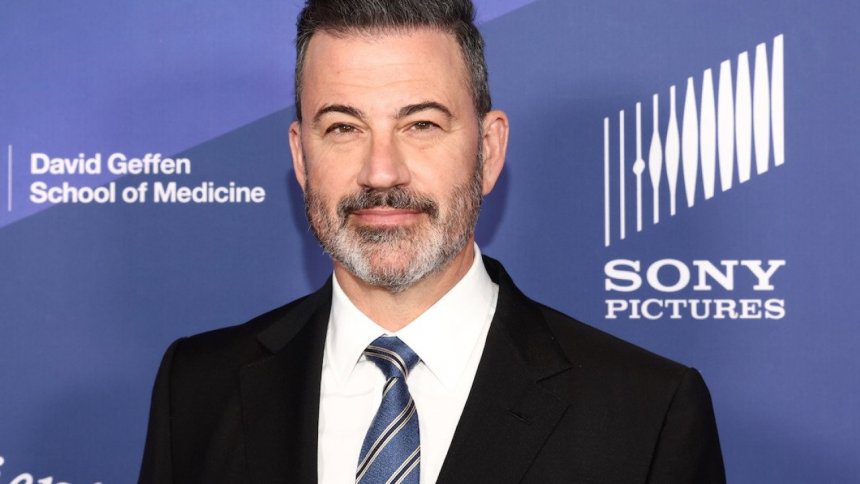
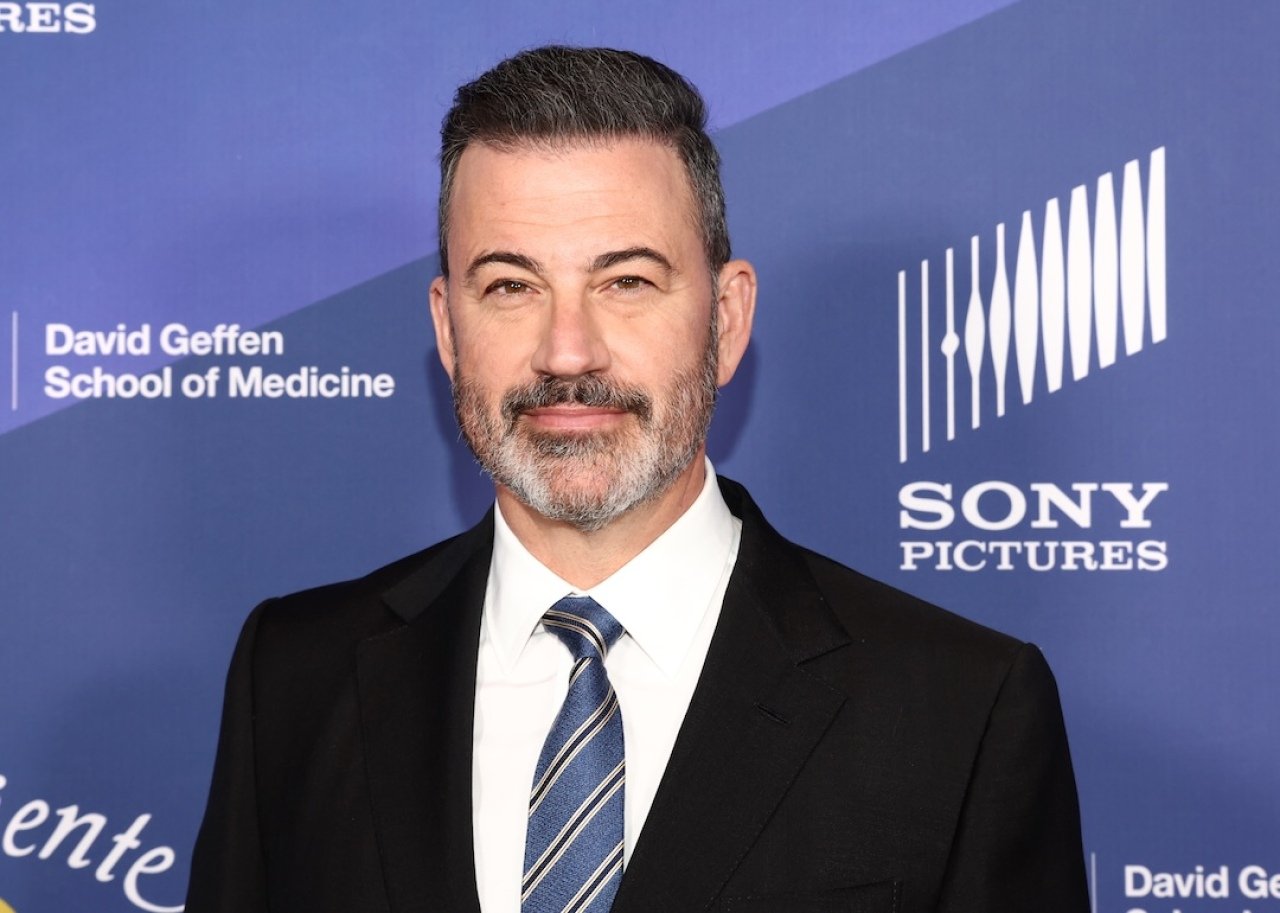
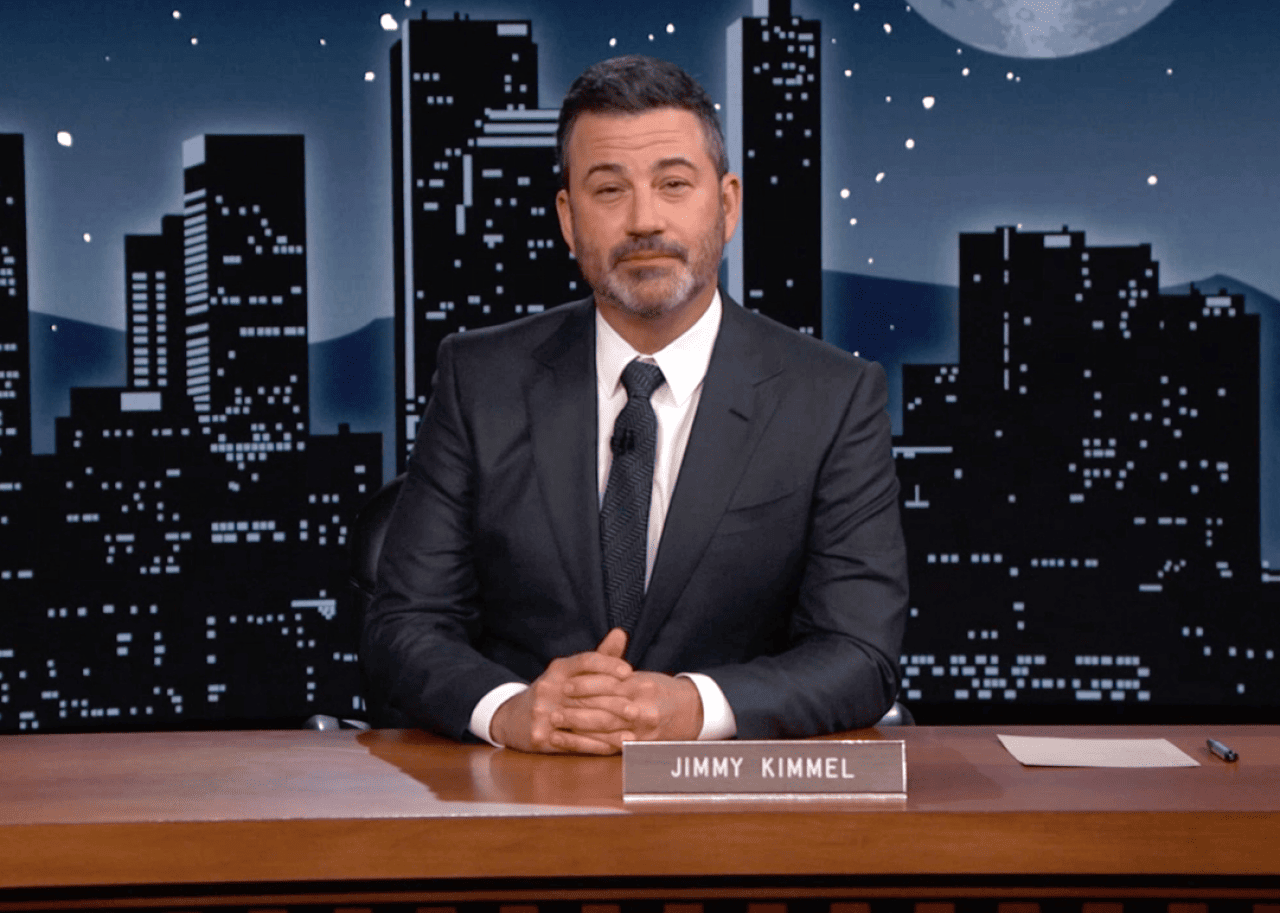
Jimmy Kimmel attends the 28th Annual “Taste for a Cure” in Beverly Hills, California, on May 2, 2025.

Tommaso Boddi // Getty Images for UCLA Jonsson Cancer Center Foundation

Most popular late-night hosts of all time

Late-night TV has been around for 75 years. In 1949, Faye Emerson became the first late-night TV host when her 15-minute self-titled variety series began airing on CBS at 11 p.m. Running for two years, the show covered everything from politics to entertainment, bringing on clowns and other circus performers in the gaps between interviews with people like Tennessee Williams and women’s Air Force and Army brigade leaders.

In one fateful 1951 episode, Emerson invited her friend, Steve Allen, to chat and play the piano on air. A couple of years later, Allen would create “The Tonight Show” for NBC, which is widely considered the first long-form, late-night show to hit national airwaves.

During his tenure on “The Tonight Show,” from 1954 to 1956, Allen solidified the format many late-night shows still follow today: an opening monologue, some audience work, celebrity chats, person-on-the-street interviews, and musical performances. Everyone who has followed in his footsteps—from Johnny Carson to Joan Rivers and Jimmy Kimmel—has added their own twists to the formula with varying levels of success.

That constant evolution is critical, especially since hosts like Kimmel and Seth Meyers have noted that the traditional talk show format is declining in favor of other media like podcasts as of June 2025. Meanwhile, the cancellation of “The Late Show with Stephen Colbert” in July 2025, which many attribute to his criticism of Paramount settling its lawsuit with President Donald Trump, had late-night writers and experts fearing future attempts at censorship. Those concerns were amplified in September 2025, when “Jimmy Kimmel Live!” was temporarily suspended over comments Kimmel made following the death of rightwing activist Charlie Kirk, with the Federal Communications Commission threatening action against ABC affiliates.

The massive backlash, which included fiery defenses of free speech and a Disney boycott, prompted a reversal of the decision. For now, at least, late-night hosts like Kimmel and Colbert are staying loud. And many continue to hold pop cultural sway—some more so than others. To identify the most popular late-night hosts over the years, Stacker used survey data from YouGov on the most well known and liked TV personalities as of the fourth quarter of 2024 to rank the top 20 late-night hosts. They were then ranked by the percentage of survey respondents who had a favorable opinion of them. To qualify, a host had to host a late-night show (a talk show airing at 11 p.m. or later) for at least one full season. Ties were broken internally by YouGov.

Read on to see if your favorite host made the list and to learn more about these individuals’ contributions to the genre.

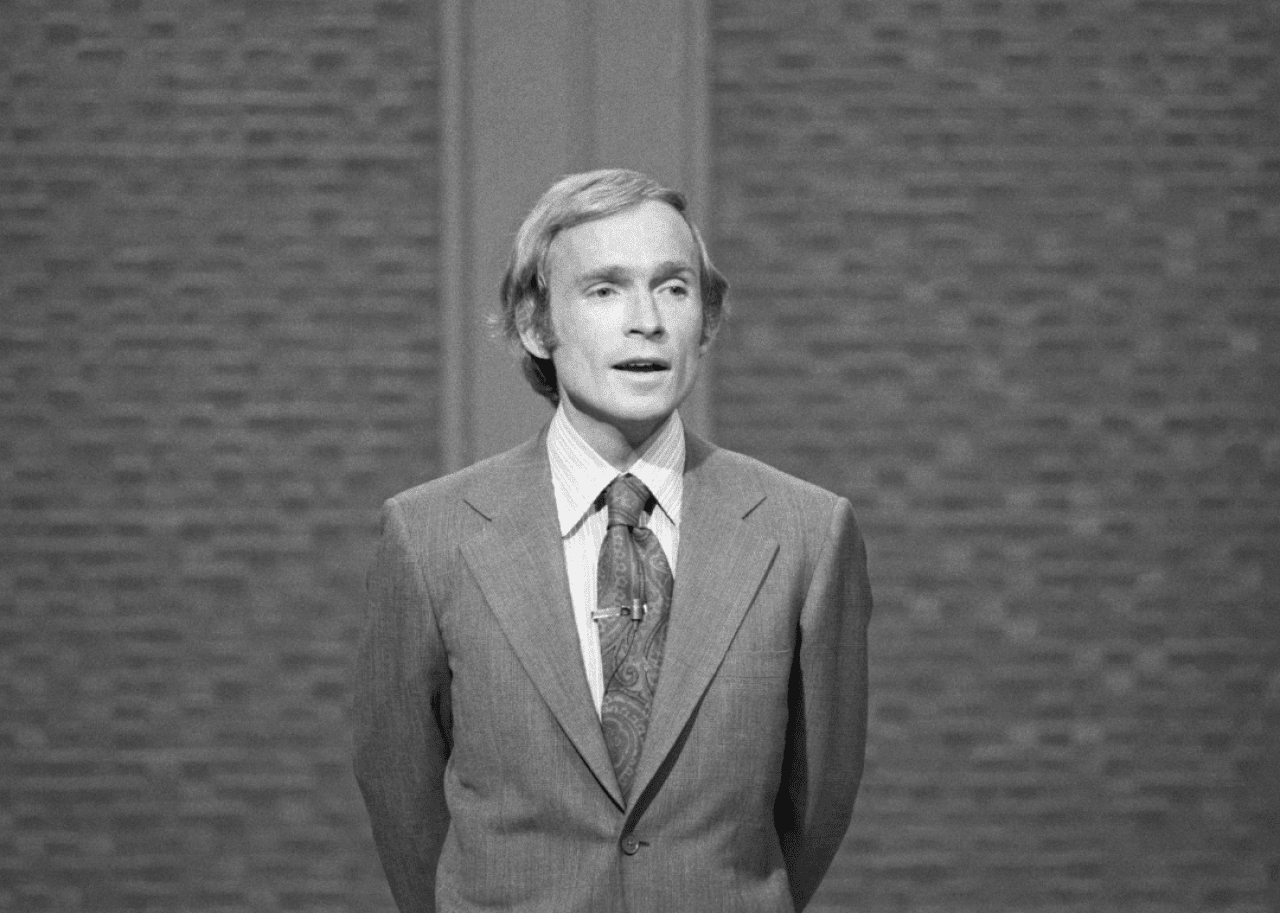
Dick Cavett.

Bettmann // Getty Images

#20. Dick Cavett

– Have positive opinion of: 46%
– Have heard of: 72%

Dick Cavett got his start in late-night TV behind the scenes, writing jokes for the likes of Jack Paar and Johnny Carson. Then, in 1968, ABC offered him his own show, simply titled “The Dick Cavett Show. ” This show ran as the network’s entry in the late-night wars, airing in the 11:30 p.m. slot. Often described as a more cerebral offering, the series ran until 1975 and took home multiple Emmys before Cavett moved on to other projects.

Now 88, Cavett’s latest late-night appearance was on “The Late Show with Stephen Colbert” in 2020. However, he still gives interviews and even made an appearance in a 2024 music video.

Arsenio Hall.

Christopher Polk/Variety // Getty Images

#19. Arsenio Hall

– Have positive opinion of: 46%
– Have heard of: 81%

When ratings for “The Late Show with Joan Rivers” began to sag in the late 1980s, Arsenio Hall was tapped by Fox as a guest host tasked with reviving the series. Though the show eventually folded, Hall impressed executives and audiences enough that he was awarded his own series with Paramount, “The Arsenio Hall Show.” Running from 1989 to 1994, the show was known for booking guests other hosts shied away from (like Public Enemy and Tupac Shakur) and for tackling topics Hall’s competitors often skirted around, from the HIV/AIDS epidemic to gang violence.

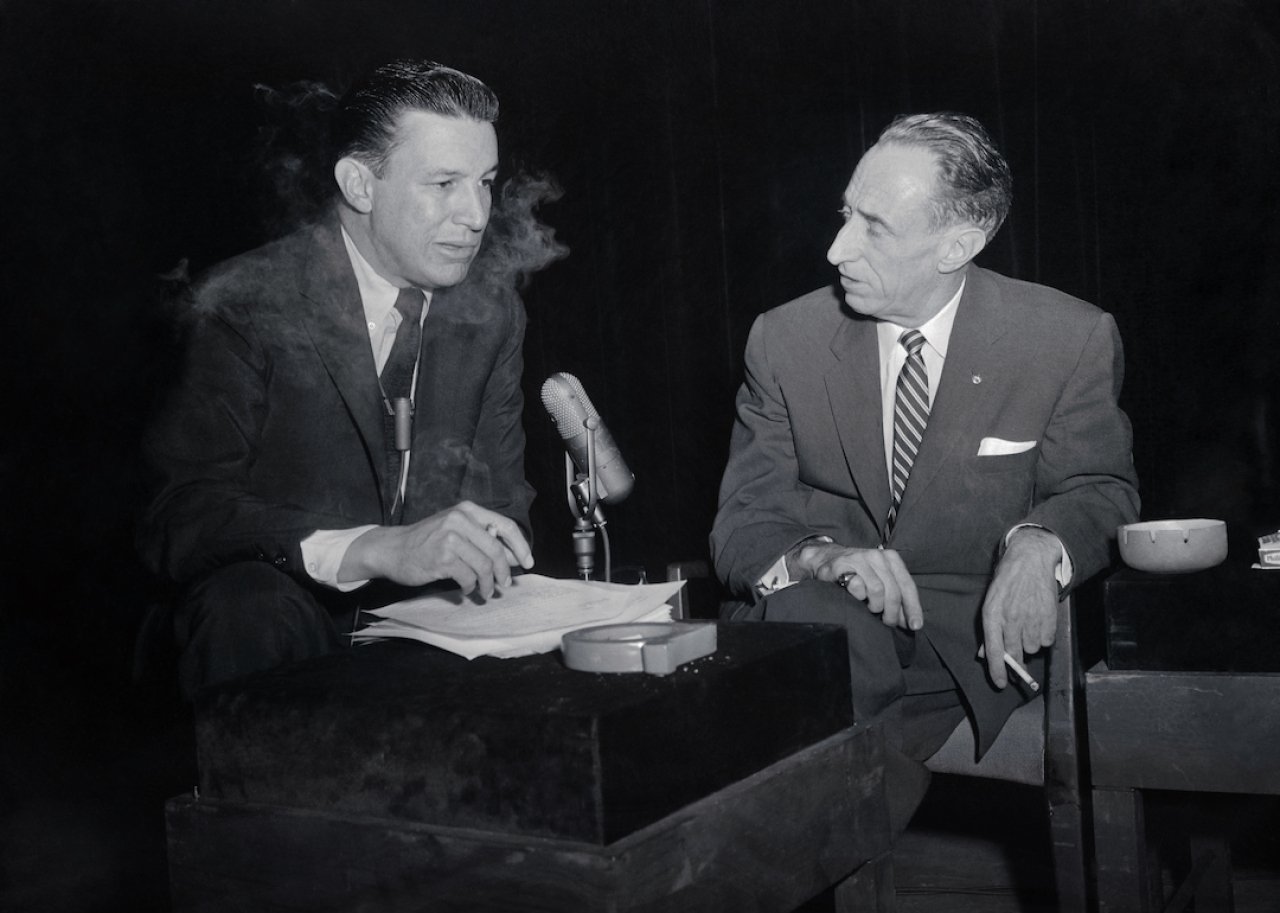
Mike Wallace.

Bettmann // Getty Images

#18. Mike Wallace

– Have positive opinion of: 47%
– Have heard of: 77%

Mike Wallace is best known for his four decades as a correspondent on “60 Minutes.” But before his time on the storied CBS news program began in 1968, Wallace hosted two hard-hitting talk shows in the 1950s: “Night Beat” and “The Mike Wallace Interview.” The former was one of the first half-hour newscasts in TV history, airing Tuesdays through Fridays at 7 p.m. and 11 p.m. and consisting of news segments and sit-down interviews. “We were dinner conversation,” Wallace later told the Television Academy Foundation. “Everybody in sports, in theater, in movies, when they came to town, in politics… everybody wanted to be on ‘Night Beat.'”

“The Mike Wallace Interview” technically isn’t late-night by this list’s standards (it ran once a week on ABC at 10:30 p.m.) but it continued to lay the groundwork for Wallace’s cut-throat interview style. He interviewed a wide range of iconic figures, from authors (like Ayn Rand and Aldous Huxley) and actors (like Gloria Swanson and Tony Perkins) to legendary architects and artists (Frank Lloyd Wright and Salvador Dalí). Wallace lived until he was 93 in 2012.

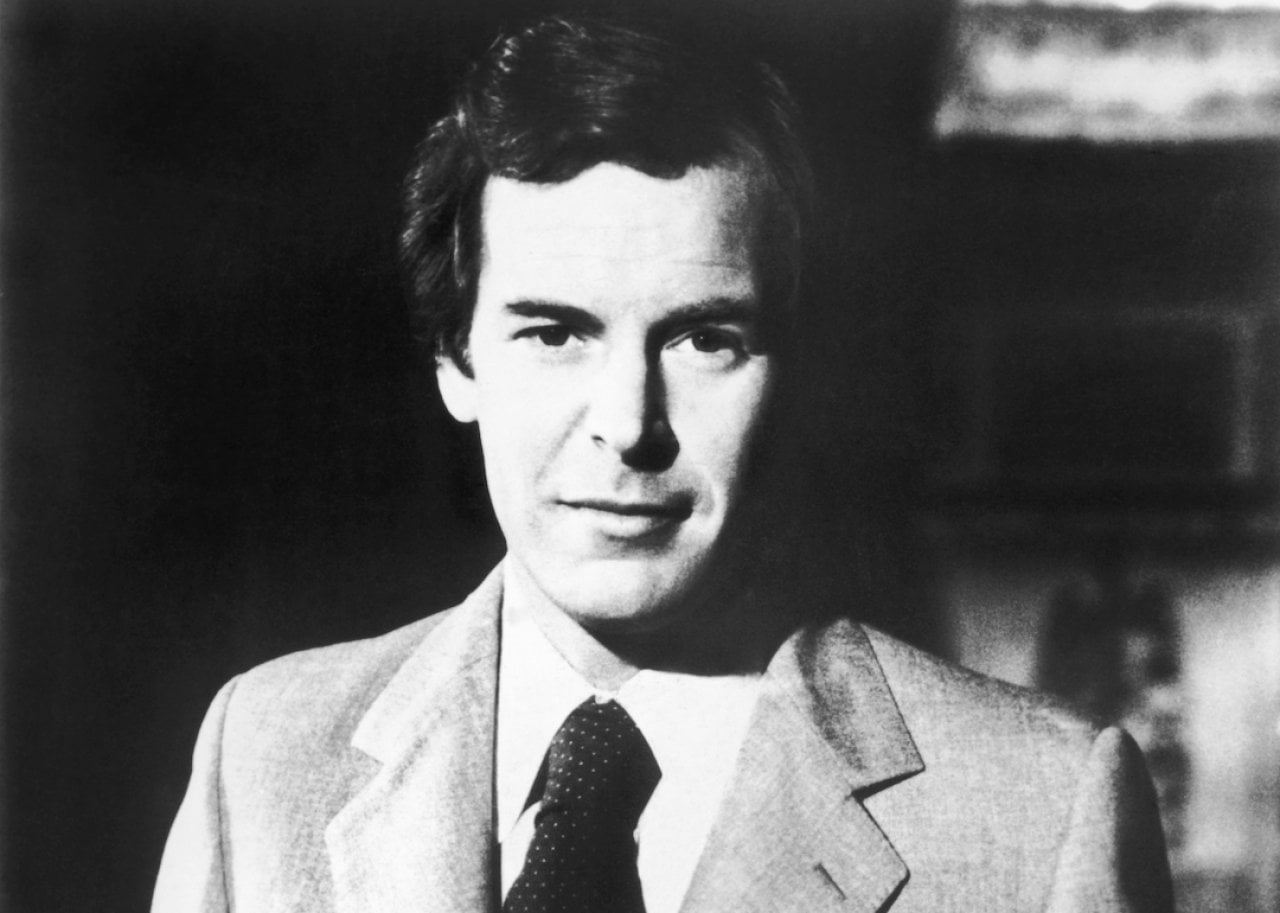
Peter Jennings.

Bettmann // Getty Images

#17. Peter Jennings

– Have positive opinion of: 47%
– Have heard of: 82%

Peter Jennings anchored “ABC World News Tonight” for 22 years, rounding out the “Big Three” news anchors who got their big breaks in the 1980s: Jennings, Tom Brokaw of “NBC Nightly News,” and Dan Rather of “CBS Evening News.” Most people may not think of Jennings as a late-night host, but he actually hosted two late-night series in the 1960s: “Vue” on CJOH-TV in Ottawa, Canada, and then “CTV World News,” which he co-anchored at just 23 years old. Soon thereafter, he’d move stateside to ABC and eventually make history with his coverage of the Sept. 11 attacks. Four months after announcing his lung cancer diagnosis on the air in 2005, he died at the age of 67.

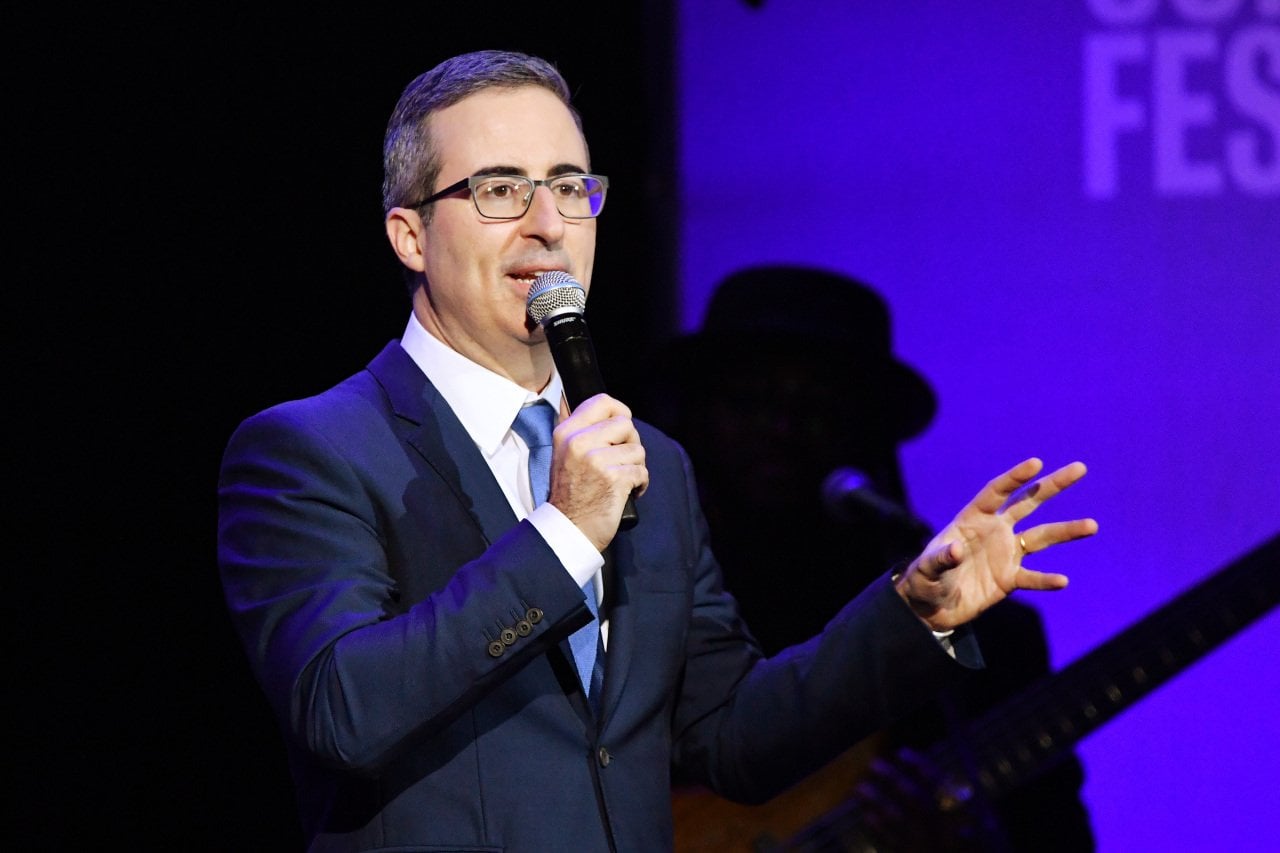
John Oliver.

Mike Coppola/Getty Images for The Bob Woodruff Foundation // Getty Images

#16. John Oliver

– Have positive opinion of: 49%
– Have heard of: 77%

British comedian John Oliver honed his cutting-edge political humor on stand-up stages across the U.K. before hopping across the pond in 2006 to become a correspondent on “The Daily Show.” In 2014, he was given his own late-night series, HBO’s “Last Week Tonight with John Oliver.” The show, which kicked off its 12th season on Feb. 16, 2025, has won 30 Emmys and is frequently praised for its insightful musings and for pressing on political, social, and cultural issues.

Sinbad performing onstage.

Mike Windle/Getty Images for Celebrity Fight Night // Getty Images

#15. Sinbad

– Have positive opinion of: 49%
– Have heard of: 83%

After turns on hit shows “A Different World” and “The Sinbad Show,” a couple of HBO stand-up specials, and several movie roles in the ’80s and ’90s, comedian and actor Sinbad was given the opportunity to host the syndicated late-night show “Vibe” in 1997, replacing the series’ initial host, Chris Spencer. Although the gig only lasted one year, it stood out thanks to the type of audience it attracted—young, urban viewers vs. more middle-aged, suburban watchers.

While Sinbad has been out of the public eye for some time—he experienced a stroke in 2020 that had him hospitalized for five months—he returned to acting with a role in Tyler Perry’s “Straw,” which hit Netflix in June 2025.

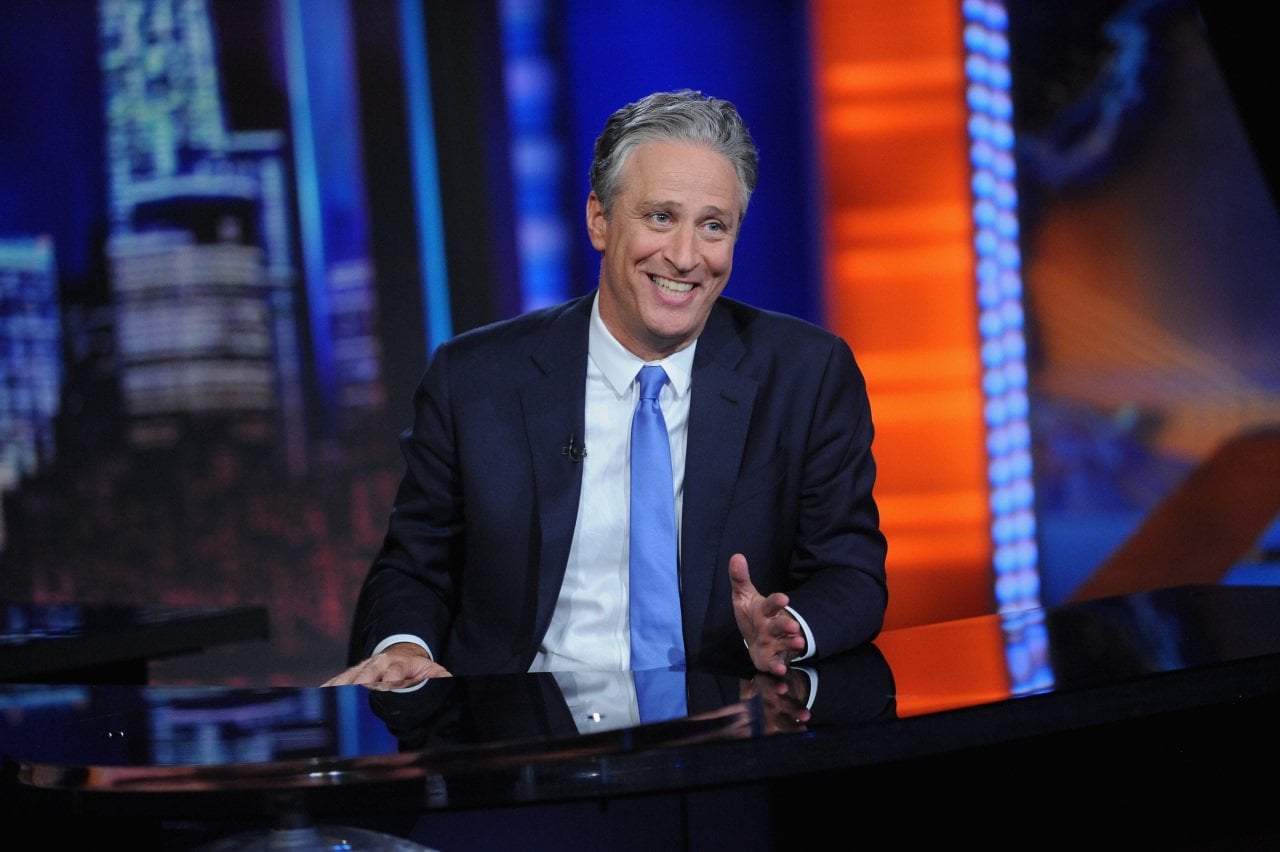
Jon Stewart.

Brad Barket/Getty Images for Comedy Central // Getty Images

#14. Jon Stewart

– Have positive opinion of: 50%
– Have heard of: 86%

Thirty years ago, Jon Stewart launched MTV’s first talk show, “The Jon Stewart Show,” a job that eventually led to him hosting Comedy Central’s “The Daily Show.” From 1999 to 2015, Stewart helmed the late-night show, winning a slew of accolades along the way, including 10 consecutive Emmy Awards for Outstanding Variety Series. After a nearly decade-long hiatus, during which he hosted “The Problem with Jon Stewart” on Apple TV+, Stewart returned to “The Daily Show” in 2024 and is currently slated to stay on through December 2025.

It should come as no surprise that the always outspoken and highly political Stewart has been speaking out about the cancellation of his former colleague Stephen Colbert’s late-night show in July 2025.

Seth Meyers.

2022 Writers Guild Awards/Getty Images for Writers Guild // Getty Images

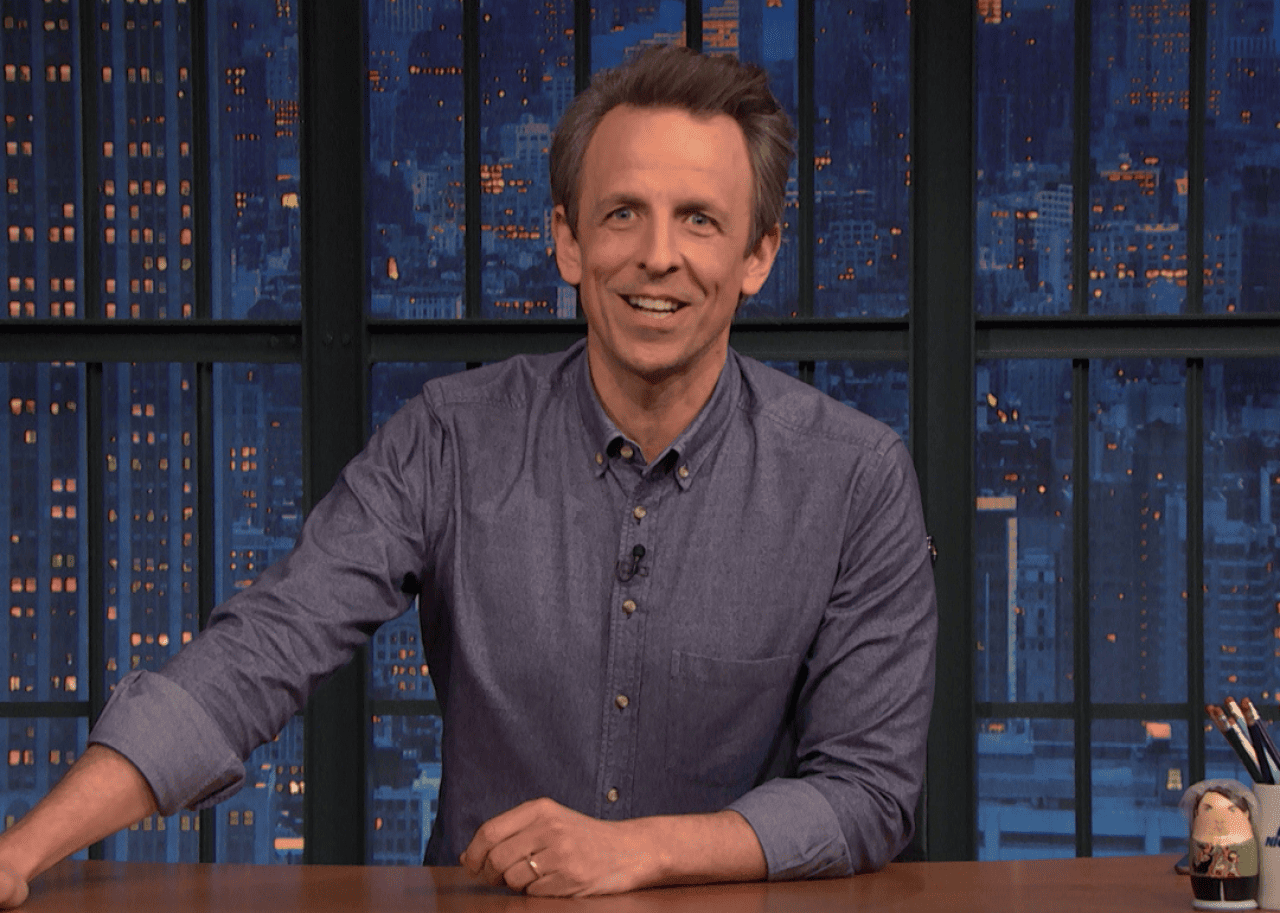
#13. Seth Meyers

– Have positive opinion of: 50%
– Have heard of: 85%

A longtime cast member and writer on “SNL,” Seth Meyers was no stranger to late-night hours when he landed his gig as the host of NBC’s “Late Night” in 2014 after Jimmy Fallon announced his departure for “The Tonight Show” (once Jay Leno left for good). Meyers’ decade on the show since has resulted in 11 Emmy nominations. In his spare time, he has taken on several other projects, including co-creating the mockumentary series “Documentary Now!,” writing a children’s book called “I’m Not Scared, You’re Scared,” and filming a stand-up special, “Seth Meyers: Dad Man Walking,” which was nominated for a 2025 Golden Globe.

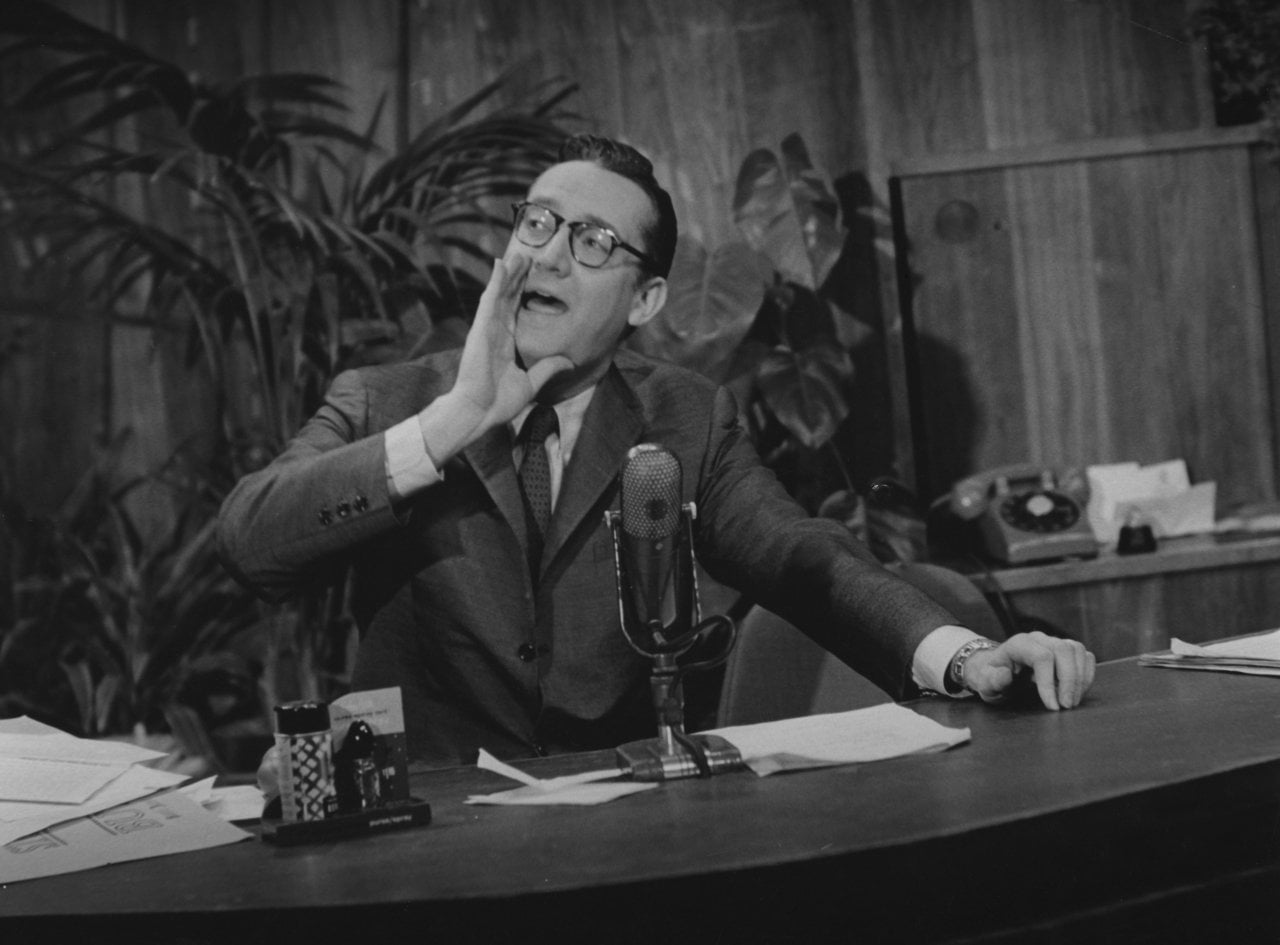
Steve Allen.

Archive Photos // Getty Images

#12. Steve Allen

– Have positive opinion of: 51%
– Have heard of: 76%

Steve Allen got his start in radio in the 1940s before becoming a late-night pioneer in the 1950s. The co-creator and first host of “The Tonight Show” only sat behind the desk for five years (from 1953 to 1957), but his style and sense of humor set the precedent for much of what we still see on these types of shows today, including man-on-the-street interviews and audience participation. After stepping back from “The Tonight Show,” Allen hosted several other game shows, variety shows, and talk shows, and he also composed hundreds of songs for the stage and other artists. He died in 2000 at the age of 78.

Wanda Sykes.

Jamie McCarthy/Getty Images for The Trevor Project // Getty Images

#11. Wanda Sykes

– Have positive opinion of: 51%
– Have heard of: 85%

A 1987 Washington D.C. talent show was the catalyst that led Wanda Sykes to leave her first career as a National Security Agency officer to become one of the most beloved comedians of her generation. After spending five years writing for “The Chris Rock Show” in the 1990s, Fox offered Sykes the opportunity to host her own late-night program, “The Wanda Sykes Show,” in 2009. Though it only lasted for a single season due to low ratings, the fumble hasn’t stopped the comic, who’s appeared on series like “The Marvelous Mrs. Maisel,” “The Good Fight,” “Black-ish,” and “The Upshaws.” In 2023, she even guest-hosted “The Daily Show” after Trevor Noah left the gig in 2022. She’s been nominated for 17 Emmys and won one for her writing on “The Chris Rock Show.”

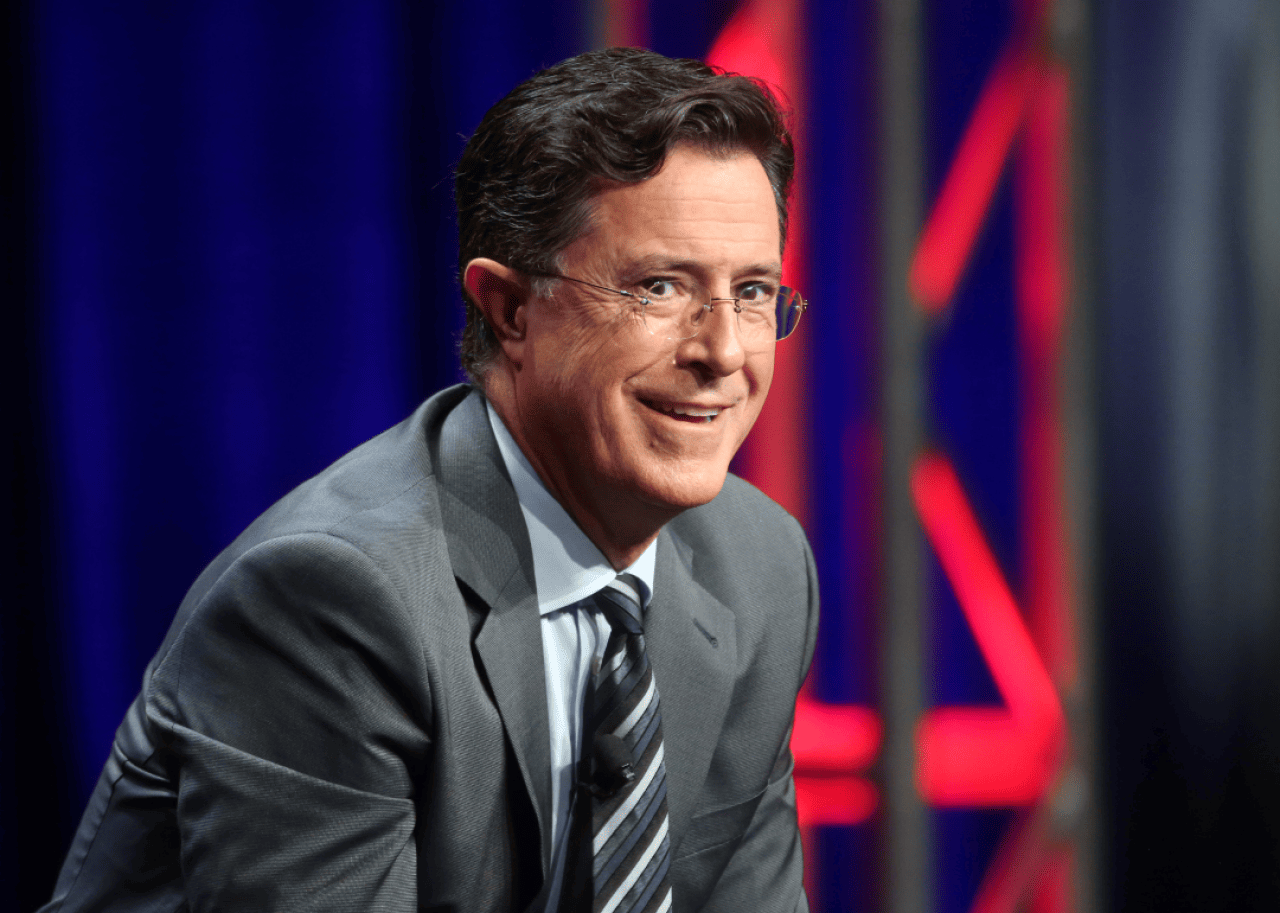
Stephen Colbert.

Frederick M. Brown // Getty Images

#10. Stephen Colbert

– Have positive opinion of: 52%
– Have heard of: 88%

One of the longest-running correspondents on “The Daily Show,” Stephen Colbert was given his own late-night show in 2005, Comedy Central’s “The Colbert Report.” He left that gig in 2014 to take over CBS’s “The Late Show” after David Letterman’s retirement. Now the #1 show on late-night TV, “The Late Show with Stephen Colbert” has won the Peabody Award and has more than 30 Emmy nominations.

On July 17, 2025, CBS announced that it would be ending “The Late Show” after the next TV season, calling the move a “financial decision.” That reasoning didn’t pass muster with many observers, who noted the timing of the firing, mere days after Colbert called out parent company Paramount for settling its lawsuit with President Trump in advance of the FCC deciding on Paramount’s planned merger with Skydance. The massive backlash to CBS’ decision may not save “The Late Show,” but it does have Colbert setting new ratings records.

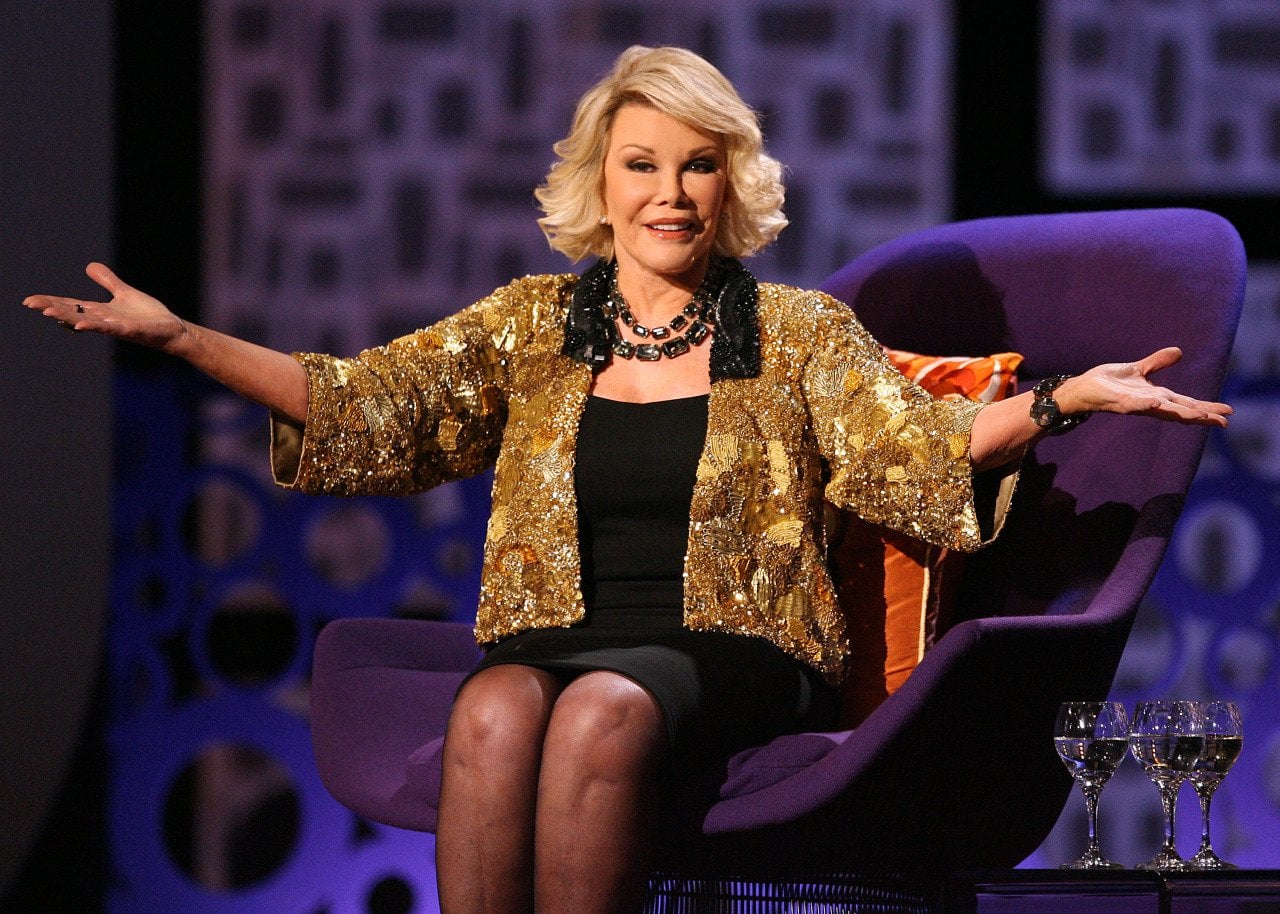
Joan Rivers.

Jason LaVeris/FilmMagic // Getty Images

#9. Joan Rivers

– Have positive opinion of: 53%
– Have heard of: 88%

A trailblazer for women in comedy, Joan Rivers began her stand-up career in the mid-1960s, telling her blunt, self-deprecating, sometimes acerbic jokes on stages all across New York City. In 1965, she was invited to perform on “The Tonight Show Starring Johnny Carson,” and her career took off from there. She became a regular on that show and eventually landed her own groundbreaking late-night program, Fox’s “The Late Show Starring Joan Rivers,” in 1986.

Rivers’ tenure only lasted seven months, thanks to blacklisting from her mentor-turned-rival Carson and fights between her husband-producer Edgar Rosenberg and studio executives. The fallout almost ended her career, but she made a comeback in the early ’90s doing red carpet and fashion commentary until her death in 2014. Rivers will go down in history as the first woman to headline a long-form late-night talk show.

Conan O'Brien.

Tim Mosenfelder // Getty Images

#8. Conan O’Brien

– Have positive opinion of: 54%
– Have heard of: 94%

Conan O’Brien got his start in the entertainment industry writing for hit series like “Saturday Night Live” and “The Simpsons.” In 1993, he made his late-night hosting debut as the second host of NBC’s “Late Night” franchise after David Letterman departed for CBS. In 2009, O’Brien left that show to helm “The Tonight Show with Conan O’Brien” in the wake of Jay Leno’s “retirement,” but he was ousted when Leno decided to come back in one of the most controversial moments in late-night hosting history. O’Brien then left network late-night entirely to host “Conan” on TBS, where he stayed from 2010 to 2021. These days, he keeps busy with a podcast and an HBO Max travel show, which earned him an Emmy in 2024.

Jimmy Fallon.

Gerardo Mora/FilmMagic // Getty Images

#7. Jimmy Fallon

– Have positive opinion of: 54%
– Have heard of: 95%

The other late-night Jimmy, Jimmy Fallon, was castmates with Seth Meyers on “SNL” before he landed his gig on NBC. After succeeding Conan O’Brien as “Late Night” host from 2009 to 2014, Fallon moved to “The Tonight Show,” where he still reigns. In addition to his nightly appearances, Fallon has written several children’s books and still appears in movies and on TV shows, like “Jurassic World” and “Only Murders in the Building,” usually as himself.

Pat Sajak.

Gerardo Mora // Getty Images

#6. Pat Sajak

– Have positive opinion of: 54%
– Have heard of: 85%

Most folks know Pat Sajak as the host of “Wheel of Fortune,” a job he held from 1981 until 2024. But some may remember his brief foray into late-night TV, hosting “The Pat Sajak Show” from 1989 to 1990. While the program is largely forgettable, there was one moment that will go down in history—when conservative commentator Rush Limbaugh acted as a guest host in 1990, bringing up the hot-button issue of abortion and essentially getting yelled out of the studio. The series was canceled two weeks later.

David Letterman.

Paul Natkin/WireImage // Getty Images

#5. David Letterman

– Have positive opinion of: 55%
– Have heard of: 93%

David Letterman spent 33 years on network late-night TV, hosting more than 6,000 episodes of “Late Night” on NBC and “The Late Show” on CBS, making him the longest-serving host in late-night history. Between the two series, he also won five Emmy awards. Since retiring from the “Late Show” desk in 2015, Letterman has focused on his new Netflix talk show “My Next Guest Needs No Introduction,” which has been running since 2018.

Letterman does make occasional appearances elsewhere, including a stop on Busy Philipps’ QVC talk show “Busy This Week” in July 2025, where he admitted, “I just love being on TV.” And though the Letterman YouTube channel is mostly home to clips from his late-night hosting career, Letterman does sometimes post new content. Also in July, he shared a Zoom video, where he called CBS’ firing of Stephen Colbert “gutless.”

Trevor Noah.

Kevin Winter/Getty Images for The Recording Academy // Getty Images

#4. Trevor Noah

– Have positive opinion of: 55%
– Have heard of: 81%

Born and raised in South Africa, comedian Trevor Noah began working as a correspondent on “The Daily Show” in 2014. The following year, Comedy Central announced that he’d be replacing Jon Stewart as full-time host, a position he held until 2022. For that final season, Noah won the Emmy for Outstanding Talk Series. He’s kept very busy since leaving “The Daily Show,” hosting award shows like the Grammys and touring worldwide while filming multiple comedy specials. He’s also the host of the hit interview podcast “What Now?” and made headlines in June 2025 when he moved it from Spotify to SiriusXM.

Jay Leno.

Kevin Winter // Getty Images

#3. Jay Leno

– Have positive opinion of: 55%
– Have heard of: 93%

Comedian Jay Leno began his TV career as a frequent guest on “The Tonight Show” in the 1970s before eventually taking over as host in 1992 when Johnny Carson stepped down. He spent two separate stints behind the “Tonight Show” desk, one from 1992 to 2009 and another infamous one from 2010 to 2014, before permanently moving on to other projects like CNBC’s “Jay Leno’s Garage” and the Fox game show “You Bet Your Life.” In July 2025, Leno provoked ire after criticizing current late-night hosts for being overly partisan.

Jimmy Kimmel.

Media Access Awards Presented By Easterseals/Getty Images for Easterseals // Getty Images

#2. Jimmy Kimmel

– Have positive opinion of: 57%
– Have heard of: 95%

Just a few years after his TV debut on Comedy Central’s “Win Ben Stein’s Money,” Jimmy Kimmel was handed his own late-night series, “Jimmy Kimmel Live!” Now in its 22nd season, the show still draws sizable audiences and is ABC’s longest-running late-night program. However, that all may end sooner rather than later—Kimmel started hinting in February 2024 that he won’t renew his contract, which is set to expire after the show’s 23rd season ends. In an April 2025 interview with Rolling Stone, Kimmel said of his potential retirement, “I’ve realized that there’s no point in talking about it. It upsets the people I work with.”

In September 2025, Kimmel made headlines following comments he made about the death of Charlie Kirk, which prompted FCC threats against ABC affiliates and the temporary suspension of “Jimmy Kimmel Live!” The move prompted an enormous outcry and defenses of Kimmel, including from fellow late-night hosts. When Kimmel returned to the air on Sept. 23, 2025, he did not mince words about the importance of being able to speak out without fear of government reprisal. “A government threat to silence a comedian the president doesn’t like is anti-American,” he said in his first monologue after the suspension. “This show is not important. What’s important is that we live in a country that allows us to have a show like this.”

Johnny Carson.

Michael Ochs Archives // Getty Images

#1. Johnny Carson

– Have positive opinion of: 62%
– Have heard of: 83%

Finally, the most popular host in late-night TV history is Johnny Carson, the 30-year host of NBC’s “The Tonight Show” between 1962 and 1992. Known for his quick wit and casual, conversational hosting style (perhaps as a result of his shy nature), Carson was “seen by more people on more occasions than anyone else in American history,” according to PBS. He died in 2005 at 79 years old, but he’s still known as “The King of Late Night” today.

Additional writing by Jaimie Etkin. Data reporting by Luke Hicks. Story editing by Jaimie Etkin. Copy editing by Tim Bruns. Photo selection by Lacy Kerrick.

Topics:

Entertainment
Entertainment

Best summer rom-coms of all time

Best summer rom-coms of all time
By Beth Mowbray
11 min read • Published May 22, 2024
By Beth Mowbray
11 min read • Published May 22, 2024

Best summer rom-coms of all time

When you hear the term “rom-com,” certain classic movie moments may come to mind: Audrey Hepburn’s glamorous meal outside the title store in “Breakfast at Tiffany’s,” Molly Ringwald’s iconic homemade prom dress in “Pretty in Pink,” or the ding of AOL Instant Messenger as Tom Hanks and Meg Ryan chat online in “You’ve Got Mail.” Yet the definitions of this popular film genre aren’t quite so cut and dried. While Glamour describes a rom-com as “a movie or play that deals with love in a light, humorous way,” the American Film Institute labels it “a genre in which the development of a romance leads to comic situations.”

These subtle differences lend themselves to a wide variety within the genre, with tropes evolving over time. During the 1930s, comedies of manners—when a wealthy character falls for someone less well-off—and screwball comedies—think slapstick—were popular. In the 1950s and ’60s, love interests were often pitted against one another, and the burgeoning sexual revolution encouraged bawdier stories. The ’70s saw a shift away from sex in favor of films questioning true love and championing independence. A neotraditional style emerged and remains popular today, focusing on practical relationship considerations, like compatibility and compromise.

Summer 2025 is offering a predictably eclectic mix of rom-coms. June 13 saw the release of “Materialists,” featuring the buzzy trio of Dakota Johnson, Chris Evans, and Pedro Pascal, with a script and direction from Celine Song of “Past Lives” fame. In July 2025, “Oh, Hi!” hit theaters, starring Molly Gordon and Logan Lerman as a couple off on a romantic weekend that takes a rather unusual turn. And on August 22, 2025, the Cannes film festival hit “Splitsville” will premiere with an even less conventional rom-com storyline.

These films may have different styles and approaches to the genre. Still, they all seem to recognize that summer’s warm, sunny days are perfect for releasing new romantic comedies—not to mention revisiting old favorites. To generate a list of the best, Stacker collected data on all rom-com feature films on IMDb and ranked the top 20 released during the summer by IMDb user ratings. Ties were broken by the number of IMDb user votes. Films released from May to August were considered, along with April releases whose box-office life bled into summer. To qualify, the film had to be listed as both a romance and a comedy on IMDb, have at least 5,000 votes, and have had at least limited distribution in the U.S. Metascores have been provided for critical context.

While some fan favorites didn’t make the cut based on these criteria, the varied selections on this list just might encourage you to use a broader lens when considering what a rom-com can be.

#20. Midnight in Paris (2011)

– Director: Woody Allen
– IMDb user rating: 7.6
– Metascore: 81
– Runtime: 94 minutes

In the first of three Woody Allen films on this list, Owen Wilson stars as Gil, a screenwriter who magically travels back in time while vacationing in Paris with his fiancée (Rachel McAdams). Each day at midnight, Gil is inexplicably transported to the Roaring Twenties, where he escapes his real-life relationship woes to rub elbows with the likes of Salvador Dalí (Adrien Brody), F. Scott Fitzgerald (Tom Hiddleston), and Gertrude Stein (Kathy Bates). These adventures not only provide Gil with fresh inspiration, but he also finds a second love: Pablo Picasso’s mistress, Adriana (Marion Cotillard).

#19. Scott Pilgrim vs. the World (2010)

– Director: Edgar Wright
– IMDb user rating: 7.6
– Metascore: 69
– Runtime: 112 minutes

Based on a series of graphic novels about average Joe-type Scott Pilgrim, played by Michael Cera, who must fight seven of his new girlfriend’s exes, this unique mash-up of fantasy, comic book aesthetics, and romantic comedy boasts a long list of now-famous actors: Kieran Culkin, Chris Evans, Anna Kendrick, and Brie Larson, to name a few. “Scott Pilgrim vs. the World” may not have been a box-office smash—the film grossed $35 million less than its production budget—but the endearing characters attracted a cult following faithful enough to spawn a video game in 2010 and a Netflix anime series in 2023.

#18. The Music Man (1962)

– Director: Morton DaCosta
– IMDb user rating: 7.7
– Metascore: 76
– Runtime: 151 minutes

Before taking on the role of matriarch on the classic ’70s TV show “The Partridge Family,” Shirley Jones starred opposite Robert Preston in “The Music Man.” This adaptation of the hit Broadway musical follows Harold Hill, a con artist whose plan to swindle small-town Iowans by pretending to be a marching band leader is derailed when he falls in love. The film was nominated for six Academy Awards and picked up a Golden Globe win for Best Motion Picture Musical in 1963.

#17. Top Hat (1935)

– Director: Mark Sandrich
– IMDb user rating: 7.7
– Metascore: 93
– Runtime: 101 minutes

This classic musical stars one of film’s most beloved dancing duos, who shine in the fourth of 10 films they headlined together. “Top Hat” is a story of love—and mistaken identity—between an American dancer (Fred Astaire) and a model (Ginger Rogers) in Britain. Film critic Roger Ebert lauded the on-screen dance, saying it reached “such perfection as is attainable.” Irving Berlin’s lively soundtrack, which includes the Oscar-nominated song “Cheek to Cheek,” continues to resonate with viewers nearly 90 years later.

#16. Flipped (2010)

– Director: Rob Reiner
– IMDb user rating: 7.7
– Metascore: 45
– Runtime: 90 minutes

Director Rob Reiner lands on this list with not one but two tales of opposites attracting—first with this adaptation of Wendelin Van Draanen’s young adult novel. Described by The New York Times’ Stephen Holden as Reiner’s tribute to “young love, back when it was innocent and sweet,” the film spans six years in the tween-to-teenage lives of neighbors Juli Baker and Bryce Loski (Madeline Carroll and Callan McAuliffe). The nostalgic 1950s and ’60s setting, paired with an alternating point-of-view as both leads narrate their history, make “Flipped” a rom-com to remember.

#15. Me and Earl and the Dying Girl (2015)

– Director: Alfonso Gomez-Rejon
– IMDb user rating: 7.7
– Metascore: 74
– Runtime: 105 minutes

This sharp and darkly funny coming-of-age story is based on Jesse Andrews’ book of the same name about an unlikely high school trio. Greg, played by Thomas Mann, spends his free time making film parodies with his best friend, Earl, until his mother forces him to spend time with Rachel, a classmate recently diagnosed with leukemia. While the book has found itself on banned-book lists in schools across America for including a joke about sex, the film won both the Grand Jury Prize and the Audience Award for Dramatic Film at Sundance.

#14. When Harry Met Sally… (1989)

– Director: Rob Reiner
– IMDb user rating: 7.7
– Metascore: 76
– Runtime: 95 minutes

Arguably the most iconic friends-to-lovers romantic comedy of all time, “When Harry Met Sally” follows Billy Crystal as Harry Burns and Meg Ryan as Sally Albright, polar opposites who, over the years, banter, become best friends, and ultimately realize their romantic connection. Thirty-five years after the film’s release, director Rob Reiner revealed the script originally ended with the titular couple going their separate ways—but thankfully, when Reiner met his wife, Michele Singer, during filming, he decided to give Harry and Sally a happy ending too.

#13. 500 Days of Summer (2009)

– Director: Marc Webb
– IMDb user rating: 7.7
– Metascore: 76
– Runtime: 95 minutes

Although the title may be misleading, “500 Days of Summer” is about a girl, not the season. Joseph Gordon-Levitt stars as Tom, a broken-hearted man looking back on his whirlwind romance with Summer, played by Zooey Deschanel, in this rom-com that proves not all love stories have happy endings. An unforgettable soundtrack shapes the ups and downs of their relationship: The duo sings karaoke to the Pixies’ “Here Comes Your Man” and Nancy Sinatra’s “Sugar Town,” Tom’s hopeless romanticism is underscored by the Smiths’ “Please, Please, Please, Let Me Get What I Want,” and a song-and-dance number to Hall & Oates’ “You Make My Dreams (Come True)” perfectly conveys what it feels like to fall in love.

#12. Eat Drink Man Woman (1994)

– Director: Ang Lee
– IMDb user rating: 7.8
– Metascore: 80
– Runtime: 124 minutes

Ang Lee is known for directing a diverse array of hits—”Brokeback Mountain,” “Crouching Tiger, Hidden Dragon,” “Life of Pi”—but his film career started in the early ’90s with the so-called “Father Knows Best” trilogy. “Eat Drink Man Woman,” the third in this series of stand-alone films, is a rom-com about the lives and loves of Chu, played by Sihung Lung, a chef in Taiwan, and his three adult daughters. The New York Times’ Janet Maslin compared the film to “Like Water for Chocolate” and praised it as “wonderfully seductive.”

#11. Mr. Deeds Goes to Town (1936)

– Director: Frank Capra
– IMDb user rating: 7.8
– Metascore: Data not available
– Runtime: 115 minutes

Nearly a decade before making “It’s a Wonderful Life,” Frank Capra picked up an Oscar for Best Director with this story about a small-town man navigating life in New York City after receiving a large inheritance. Amid various trials and tribulations, Longfellow Deeds (Gary Cooper) ultimately finds love with big-city reporter Louise “Babe” Bennett (Jean Arthur). The film’s premise was inspired by a short story by Clarence Budington Kelland, and its themes have demonstrated staying power: the film was remade in 2002 and starred Adam Sandler.

#10. You Can’t Take It with You (1938)

– Director: Frank Capra
– IMDb user rating: 7.8
– Metascore: Data not available
– Runtime: 126 minutes

With his second film on this list, Frank Capra not only picked up another Academy Award for Best Director but also the Best Picture Oscar that year. This big-screen adaptation of the Pulitzer Prize-winning play features James Stewart as a banker whose father tries to profit by ousting his future daughter-in-law’s family from their home. The result: an early example of the popular rom-com trope of inlaw-induced chaos, seen in later films like “Meet the Fockers” and “Crazy Rich Asians.”

#9. Manhattan (1979)

– Director: Woody Allen
– IMDb user rating: 7.8
– Metascore: 83
– Runtime: 96 minutes

Perhaps the most controversial film on this list, “Manhattan” stars director Woody Allen as a 42-year-old writer who dates a 17-year-old high school student (Mariel Hemingway)—an age gap that came under increased scrutiny years later, after Allen broke up with girlfriend Mia Farrow to date her college-age daughter. Despite this, many found the film moving, including critic Roger Ebert, who praised how the film’s “tone and timing slip so gracefully between comedy and romance.”

#8. Moonrise Kingdom (2012)

– Director: Wes Anderson
– IMDb user rating: 7.8
– Metascore: 84
– Runtime: 94 minutes

Coming-of-age stories may not be common tropes in the rom-com canon, but eccentric director Wes Anderson’s “Moonrise Kingdom” certainly fits the bill. The film follows a pair of 12-year-olds (Jared Gilman and Kara Hayward) who fall in love and run away into the wild, causing a search party to scour the island for them as a storm approaches. A star-studded cast—featuring some of Anderson’s frequent collaborators, including Bill Murray, Edward Norton, and Jason Schwartzman—makes for pure movie magic in what The Guardian’s Peter Bradshaw calls an “evocation of young love in a more innocent America.”

#7. The Thin Man (1934)

– Director: W.S. Van Dyke
– IMDb user rating: 7.9
– Metascore: 86
– Runtime: 91 minutes

William Powell and Myrna Loy star as Nick and Nora Charles, a married couple who investigate a murder for fun, in this film based on the 1933 novel by Dashiell Hammett. Upon its release, The Hollywood Reporter praised “The Thin Man” as a “murder story with a brilliant cast, a brilliant script, brilliant direction, and photography that tells the story in no mean terms.” This successful combination of mystery and rom-com spawned five sequels over the next several years.

#6. Shrek (2001)

– Directors: Andrew Adamson, Vicky Jenson
– IMDb user rating: 7.9
– Metascore: 84
– Runtime: 90 minutes

The most surprising entry on this list is a film about a cantankerous green ogre who must rescue a princess in order to save his home—but as Shrek himself says, “You know, Donkey, sometimes things are more than they appear.” “Shrek” isn’t just another animated kids film; the outcast love story, paired with lots of laughs, makes it a unique rom-com in its own right. A slate of A-list actors brought “New Yorker” cartoonist William Steig’s children’s book to life, with Mike Myers voicing the title role; Eddie Murphy as his friend, Donkey; Cameron Diaz as Princess Fiona; and John Lithgow as the evil Lord Farquaad.

#5. Roman Holiday (1953)

– Director: William Wyler
– IMDb user rating: 8
– Metascore: 78
– Runtime: 118 minutes

In “Roman Holiday,” Audrey Hepburn plays an overwhelmed European princess befriended by an American reporter (Gregory Peck) who tries to use her for a story before falling in love. The chemistry between the duo is palpable as they cruise the streets of Rome on a Vespa. Although it was her first major movie role, Hepburn earned an Oscar for Best Actress in what the American Film Institute named the fourth greatest cinematic love story of all time.

#4. Annie Hall (1977)

– Director: Woody Allen
– IMDb user rating: 8
– Metascore: 92
– Runtime: 93 minutes

Of the dozens of films Woody Allen has directed during his career, “Annie Hall” is his most beloved romantic comedy, according to IMDb user ratings. This film about comedian Alvy Singer, played by Allen himself, looking back on his failed relationship with aspiring singer Annie Hall, iconically portrayed by Diane Keaton, wasn’t even supposed to be a rom-com—an early draft of the script reportedly focused on a murder mystery subplot. The final product, however, became a huge success at the box office, making $44 million and beating out “Star Wars” for the Best Picture Oscar in 1978.

#3. The Gold Rush (1925)

– Director: Charles Chaplin
– IMDb user rating: 8.1
– Metascore: Data not available
– Runtime: 95 minutes

The oldest—and only silent—film to make this list is Charlie Chaplin’s classic about a prospector who falls in love amid the 1890s gold rush. In an original 1925 review of “The Gold Rush,” Variety raved that Chaplin “transcends everything that has ever gone before in comedy production, and it will be a long time before any one displaces him as the genius of pantomime.” These claims hold true nearly 100 years later, as viewers continue to adore this performance by the man the American Film Institute named the tenth greatest actor of all time.

#2. The Apartment (1960)

– Director: Billy Wilder
– IMDb user rating: 8.3
– Metascore: 94
– Runtime: 125 minutes

The Hollywood Reporter’s 1960 review perfectly captures what makes “The Apartment” stand out from other rom-coms about messy love triangles: Below the surface, it is also “a blistering commentary on contemporary ant-hill society and its amoral inhabitants.” Jack Lemmon stars as an insurance clerk who lets company executives use his New York City apartment for their romantic rendezvous. Things get complicated, however, when he learns the woman he is trying to woo, played by Shirley MacLaine, is also seeing his boss.

#1. Singin’ in the Rain (1952)

– Directors: Stanley Donen, Gene Kelly
– IMDb user rating: 8.3
– Metascore: 99
– Runtime: 103 minutes

The #1 film on this list explores a pivotal time in Hollywood history, as movies were transitioning from silent to talking pictures during the 1920s. The legendary Gene Kelly stars as a silent film star who falls for a chorus girl, played by Debbie Reynolds. Viewers may be surprised to learn that Reynolds was just 19 during filming, and Kelly was sick with a fever of 103 when he shot the film’s most memorable song and dance number, “Singin’ in the Rain.”

Story editing by Eliza Siegel. Copy editing by Paris Close. Photo selection by Clarese Moller.

Topics:

Entertainment
Mediabistro Archive

Networking for Introverts: How to Build Meaningful Media Connections Without Burning Out

By Mediabistro Archives
4 min read • Published January 17, 2024
By Mediabistro Archives
4 min read • Published January 17, 2024
Archive: This article was originally published by Mediabistro around 2024. It is republished here as part of the Mediabistro archive.

Being a freelancer offers so much flexibility, allowing you to decide when and how often you work. It can be freeing for those who may not fit into typical 9-to-5 work schedules. However, many self-employed people forget that they must dictate when to take breaks for themselves.
Many freelancers are reluctant to take breaks, which is understandable. Unlike regular employees, there’s no paid time off. Not working means not earning, which can stir a bit of guilt.
However, skipping those breaks can do more harm than good in the long run. Run through this list to find out why you need to take breaks from your freelance work. 

1. You Simply Work Too Much

Around 2.5 million Americans experience time poverty, the feeling that they do not have enough time in a day. While there are many causes, working is often a primary culprit. Freelancers specifically tend to overwork themselves because these projects are a priority.
The top reason to take a break is that you have simply worked too many hours. Make an assessment of your regular working schedule and see where you can sprinkle in a break or two. If you feel like there’s not enough time for rest, make time.
Here are a few suggestions on when you can plan work breaks:

  • Throughout the day: Have you ever worked through a whole day and realized you skipped lunch or dinner? Set a few 20-minute breaks throughout the day to rest and recuperate from your daily duties. You can also try specific time management techniques, such as Pomodoro, to increase your productivity and rest.
  • On personal occasions: Some freelancers brush off anniversaries and birthdays, thinking, “There’s always next year!” However, it’s important to celebrate those events in your life, especially if they’re important to loved ones. Reschedule your freelance work and take a break to accommodate the occasion.
  • On special holidays: Similarly to special occasions, holidays are a good time to have a work break. Christmas, New Year’s Eve and other similar events are meant for festivities, not for keeping yourself buried in your laptop. Other workers even take time off during these days, so you should try to too.

2. Your Body Needs Downtime

Freelance work that involves coding, writing, graphic design and the like keeps you awake and holed up in one spot for hours. It can become overworking before you know it, taking a toll on your body and making you more susceptible to illness.
It’s essential to sleep and exercise to keep your physical well-being up to par. Plan for breaks and do a few stretches. On the weekends, try to sleep in and go on walks when your afternoons are free.

3. You Need to Relieve Stress

Studies have shown that nearly two-thirds of physician visits are stress-related, from headaches to muscle pain to high blood pressure. Whether it’s the pressure of a deadline or a distracting work environment, stress can take a toll on your physical health. 
Having to shoulder even just an individual hospital visit as a freelancer is scary, especially when it comes out of pocket. Rather than letting stress get the best of you, take a break and breathe. Let your mind wander and rest from working. 

4. Creative Burnout Is Scary

Freelancing depends greatly on your creativity and productivity. That means experiencing burnout is far from ideal for your career. Since it’s harder to beat and recover when you reach that point, make it a priority to set breaks to avoid burnout altogether. When you refresh your physical and emotional energy, you can retain your current workflow better.

5. Boundaries Are Paramount

Some freelancers share stories of having clients calling them up late at night and early in the morning. This lack of regard can stem from the belief that you work 24/7 when you don’t. Set boundaries by scheduling regular breaks. Inform the people that you’re collaborating with or working for so that they know your off hours.

6. There’s More to Life

As a freelancer, work is everything. But there’s so much more to life than the gigs you take on. Visit a relaxing vacation spot you’ve never been to before. Eat good food that you’ve read about. Take up a new hobby. Enjoying life can improve your view of the world and improve your daily drive.

7. You Need to Socialize

Around 23% of remote workers say that loneliness is an issue that they deal with. Freelancers who don’t log into an office may know this feeling all too well. Try to maintain the relationships you currently have and make new meaningful social connections. Make breaks and meet people.

Set Break Times and Days

Freelance work is never-ending and demanding, but it’s important to have a work-life balance. Plot those days and plan something for yourself. Whether it’s to tend to a certain part of your life or to simply take a breather, hit pause on work.

Topics:

Mediabistro Archive

Posts navigation

Older posts
Newer posts
Featured Jobs
Association for Computing Machinery
Executive Editor
Association for Computing Machinery
New York City, NY USA

Delaware River Joint Toll Bridge Commission
Director of Communications
Delaware River Joint Toll Bridge Commission
Yardley, PA

Hearst Television
Account Executive
Hearst Television
Array

All Jobs »

No premium members available to display.

Mediabistro Logo Find your next media job or showcase your creative talent
  • Job Search
  • Hot Jobs
  • Membership
  • Newsletter
  • Career Advice
  • Media News
  • Hiring Tips
  • Creative Tools
  • About
Facebook YouTube Instagram LinkedIn
Copyright © 2026 Mediabistro
  • Terms of Use
  • Terms of Service
  • Privacy