
Circulation: 115,000 for print; 700,000 online
Frequency: Six times a year
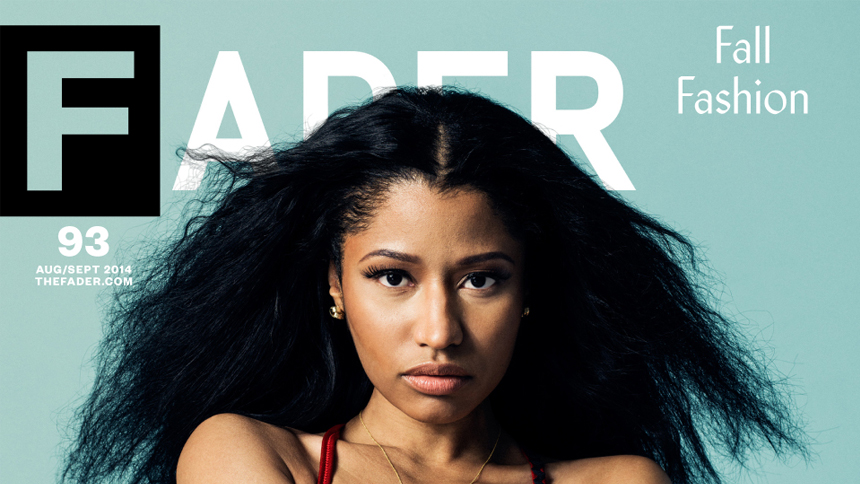
Special issues: Every issue is a special issue. The music and lifestyle magazine is currently exploring ideas for new themes, such as the premiere “Producers” issue (October/November). Other themes explored this year include “Spring Style” (February/March), “Photography” (April/May), “Summer Music” (June/July), “Fall Fashion” (August/September) and “Now” (December/January).
Background: Fader‘s origin story is a clue to the dual-cover issues it produces. The name refers to the DJ tool used to cut songs into each other, gradually softening the levels of one song as it converges with the second and the new sound takes over. And Fader produces its magazine like any expertly composed DJ mix — setting disparate genres and styles against each other, allowing the blend to tell its own story.
If you’re not always sure whether you’ve heard of the musicians covered on the pages of Fader, the magazine is doing its job. “The mission of Fader hasn’t really changed,” says recently appointed editor-in-chief Naomi Zeichner. “It has always been about covering all types of music.” As long as that music is fresh. Since it was founded in 1999, the pub has proved to have an incredibly sharp eye when it comes to recognizing talented musicians on the verge of a breakthrough. Kanye West, MIA, Frank Ocean and Bon Iver are among the artists Fader spotted and featured on its covers before anyone else did.
Fader is that friend from your college days listening to the newest sounds before they hit the mainstream. But it is also a magazine for industry insiders, a trade magazine hiding under a veneer of glossy design and stylized storytelling. Its content speaks to cool kids and pros alike.
What to pitch: Fader finds you, rather than vice versa. If Fader editors don’t know who you are, the likelihood of your pitch getting accepted is tiny. “It’s very rare we’re going to accept a cold pitch,” says Zeichner. “We assign out small and large pieces to writers we feel are the best fit.” Assignments tend to go to writers with an established relationship with Fader.
But if you want to beat the odds, you have to either think small or really big. “Newsprint” and “Style” are the front-of-book sections where first-time freelancers will have the best chance of success. Take note that the fading referenced by the magazine’s name isn’t just about the music. “We’re really interested in intersections,” says Zeichner, “race in music, business in music.” Other pitches to consider are “pop-criticism and explainers that deconstruct complicated stories or issues,” adds Zeichner.
Access to musicians can help, better yet if you and they are based outside of New York, or outside of the country. Fader‘s eye is set on the global music scene.
Who you are can also make a difference. Fader wants to see diversity in its covers and its cover writers, and is looking for “stories written by women, people of color and members of the LGBT community.”
What not to pitch: Lay off the track reviews; those are handled in house. And don’t pitch slide shows. It’s also not a good idea to pitch a story on a well-known artist or one that has been getting a lot of press recently, unless you come at it from an unusual, previously unexplored angle.
Online opportunities: Those who haven’t yet come under Fader‘s radar will want to focus their energies here, especially if you’re pitching what Zeichner describes as a “meaty feature.” Keep in mind stories move faster here, with a lead time of one week to three weeks.
TheFader.com is where you’ll see the publication expanding its editorial territory to 500- to 1,500-word critical and personal essays and “big, reported features” that can run upwards of 2,500 words. Pieces focused on the business and tech sides of music can do well here. The rate for shorter pieces starts at $100.
What publicists should pitch — and when: Flexibility is key. The magazine is interested in “taking a publicist’s idea and shaping it.” As far as which ideas are effective, publicists should focus on big music premieres. “We’re less interested in tour dates or the video premiere of the third track of your album,” says Zeichner. An effective pitch will demonstrate the publicist really gets the magazine.
Percentage freelance-written content: 25 percent
Recent stories pitched and published: “Capital STEEZ: King Capital,” by Eli Rosenberg, a feature that ran in the December 2013/January 2014 issue, about the life and death of a promising young rapper. “Meet the Man Behind Ryan Hemsworth’s Favorite Tokyo Label, Maltine Records,” by Nick Harwood, a profile interview published online on June 30, 2014. “Behind the Scenes of Flying Lotus’ ‘Never Catch Me’ Video with Director Hiro Murai,” by Eric Ducker, an interview published online on October 9, 2014.
Etiquette: “Give me your elevator pitch,” says Zeichner. Keep it brief, but focused. Make sure you know where you’re going with your story and what you want to say. “What’s the headline?” is a question you’ll want to answer in your pitch, as well as a description of how you’re going to report it. Send your pitch in the body of an email, and include links to your writing and social media profiles.
Lead time: Three to six months
Pay rate: It varies; typically from $1,500 to $2,000 per feature
Payment schedule: 30 days after invoice
Kill fee: 25 percent. However, says Zeichner, “We rarely kill a story. We invest a lot in our writers and trust them.”
Rights purchased: All rights
Contact info:
The FADER
71 West 23rd Street, Floor 13
NY, NY 10010
(212) 741-7100
www.thefader.com
Twitter handle: @thefader | Facebook
Direct all pitches to:
EDITORIAL at THEFADER dot COM
| NEXT >> How To Pitch: RS Country |
[EDITOR’S NOTE: Though we’ve updated this article recently, the speed at which things move in media means things may have already changed since then. Please email us if you notice any outdated info.]
Topics:
How to Pitch