Mediabistro Logo Mediabistro Logo
  • Jobs
    Search Creative Jobs Hot Jobs Remote Media Jobs Create Job Alerts
    Job Categories
    Creative & Design Marketing & Communications Operations & Strategy Production Sales & Business Development Writing & Editing
    Quick Links
    Search All Jobs Remote Jobs Create Job Alerts
  • Career Resources
    Career Advice & Articles Media Industry News Media Career Interviews Creative Tools Resume Writing Services Interview Coaching Job Market Insights Member Profiles
  • Mediabistro Membership
    Membership Overview How to Pitch (Premium Tool) Editorial Calendars (Premium Access) Courses & Training Programs Membership FAQ
  • Log In
Post Jobs
Mediabistro Logo Mediabistro Logo
Search Creative Jobs Hot Jobs Remote Media Jobs Create Job Alerts
Job Categories
Creative & Design Marketing & Communications Operations & Strategy Production Sales & Business Development Writing & Editing
Quick Links
Search All Jobs Remote Jobs Create Job Alerts
Career Advice & Articles Media Industry News Media Career Interviews Creative Tools Resume Writing Services Interview Coaching Job Market Insights Member Profiles
Membership Overview How to Pitch (Premium Tool) Editorial Calendars (Premium Access) Courses & Training Programs Membership FAQ
Log In
Post Jobs
Log In | Sign Up

Follow Us!

Networking

4 Ways to Improve Your LinkedIn Profile

Small tweaks that make recruiters stop scrolling and start reading.

man using LinkedIn on a tablet
John icon
By Jenell Talley
Jenell Talley is a journalist and program analyst with a background spanning media, government, and editorial work. She holds a journalism degree from Howard University and a master's in human resources management from the University of Maryland.
3 min read • Originally published January 20, 2016 / Updated March 19, 2026
John icon
By Jenell Talley
Jenell Talley is a journalist and program analyst with a background spanning media, government, and editorial work. She holds a journalism degree from Howard University and a master's in human resources management from the University of Maryland.
3 min read • Originally published January 20, 2016 / Updated March 19, 2026

First impressions are everything, especially when you’re in the market for a job. But making a good one isn’t about planning the perfect power suit for the interview you’re hoping to get. Creating a LinkedIn profile that piques recruiters’ interest will help you land that coveted interview and make you far more memorable than even the best-tailored pair of pants ever could.

“Every recruiter I know is leveraging LinkedIn to source prospects and identify candidates beyond their existing relationships,” says Jason Hanold of executive search firm Hanold Associates, who has placed senior leaders at companies such as Google and Amazon.

A LinkedIn profile is particularly important for those working in or looking for jobs in publishing, marketing, advertising, and technology, industries built on conveying and shaping images, brands and content. “Their perceived effectiveness begins with how they convey their own image, personal brand and how the content and profile descriptors support that,” says Hanold.

But with so many qualified applicants, employers won’t waste time on a candidate whose profile isn’t up to par. Read on for how to create a profile that catches an employer’s eye, and holds it long enough to show you’re a contender.

1. Upload a Profile Photo

Start by putting your best face forward. Career experts estimate profiles with photos are seven times more likely to be viewed. The photo should be professional (headshots work well). A pic of you and your girl squad at karaoke night won’t cut it. And don’t even think about using a selfie. You want to look poised and polished à la Olivia Pope.

2. Beef Up Your Work Experience

Don’t simply tell employers you work as a social media specialist. Tell them the platforms you use, what type of content you produce, how much traffic increased on your watch. It’s all about the details. “The more of them you offer, the more accessible you become for other opportunities,” says Hanold. But be clear and concise. And proofread. No one’s going to hire you for that copy editor job if your profile is riddled with typos.

3. Mention Extracurricular Activities

Include volunteer experience and the clubs you belong to. This isn’t fluff: It helps you stand out. Employers want well-balanced, multidimensional employees, so if you spend your free time teaching inner-city kids HTML, mention it. Show employers you give back to the community. If you’re a member of the Digital Marketing Association, say so. Your membership illustrates your interest and investment in the profession.

4. Monitor Links to Other Social Media

Including links to your blog, Twitter or other social media profiles on your LinkedIn page can give recruiters a good glimpse into your digital footprint, but you need to ensure that all these platforms depict you in a favorable light. Employers use social media to vet potential hires, so steer clear of foul language, risqué photos, and religious or politically charged posts.

Remember, you only get one shot at a first impression, so make sure it’s a slam dunk.

If you’d like to hone your social media skills even more, consider taking a class. Mediabistro’s Online Social Media Courses teach you how to do everything from creating a killer LinkedIn profile to using social media for business.

Topics:

Climb the Ladder, Networking
Job Search

How to Find a Job Before It’s Posted

Use these strategies to get a head start on other job seekers

find-a-job-before-posted
Admin icon
By Kristen Fischer
Kristen Fischer is a freelance writer, journalist, and copywriter with over 20 years of experience, currently serving as a health writer for AARP with previous staff roles at WebMD and WW. Her work has appeared in Prevention, Healthline, Woman's Day, Parade, and Writer's Digest, and she is the author of four books.
5 min read • Originally published January 25, 2016 / Updated March 19, 2026
Admin icon
By Kristen Fischer
Kristen Fischer is a freelance writer, journalist, and copywriter with over 20 years of experience, currently serving as a health writer for AARP with previous staff roles at WebMD and WW. Her work has appeared in Prevention, Healthline, Woman's Day, Parade, and Writer's Digest, and she is the author of four books.
5 min read • Originally published January 25, 2016 / Updated March 19, 2026

You know the drill: A job posts on the Internet; you respond and keep your fingers crossed for an interview. Whether you are looking for a permanent or temporary gig, is there any other way to find out about choice positions before the masses do? Yes, in fact.

Mediabistro’s Revolving Door newsletter is a good way to stay on top of the industry, and job boards like ours are always brimming with opportunities. Following companies and individuals who hire on Twitter and LinkedIn is a good start, too.

We asked creative professionals and career counselors for other strategies to find out about jobs and projects before they are announced.

In trying some of these techniques, you’ll stretch your networking muscles and get a jump on that prized position.

Contact companies directly

Amy Phillip, an executive career coach based in Brooklyn who runs Career Certain, recommends connecting directly with the person that hires. “Find that person on LinkedIn and send an introduction,” she says.

She advises job hunters to create a list of companies that you want to work for, and then use social media or other research methods to find out names and contact information of the individuals you want to target.

“I oftentimes think three points of entry into an organization is the best way to approach it,” she explains. That can entail going through the managing editor, a colleague in the design department and a human resources person.

She notes that you may not want to reach out to the HR director, as he or she is probably very busy. Instead, connect with a junior HR assistant who has less on his plate and is directly responsible for scouting talent instead of leading the company’s human resources strategy.

Human resources departments also have people in charge of recruitment and talent acquisition that you can approach—those are the ones that you should be hitting up, Phillip says.

“That’s what they do for a living; that’s their job. The chance of them responding is far greater than anyone else,” Phillip adds.

Lyuba Ellingson, managing director and co-founder of Red Elixir Business Solutions LLC, recommends using the advanced Twitter search tool.

She says to enter keywords such as “hiring” within a specified number of miles from your current location, and to experiment with various keywords related to your desired position. You can also save the search for later, she adds.

Pop into a chat

Social media is definitely a useful research tool, but did you know you could use it to do more than find contact information?

Ellingson says Twitter chats are a great resource for real-time information. The chats occur with back-and-forth tweets that contain a common hashtag during a specific time. Some chats to check out include #LinkedInChat, #careerchat, #HFchat and #jobhuntchat.

Before participating, make sure your own social media profiles are in tip-top shape, though.

“Once you start communicating with these people, they will look you up. If you don’t look excellent and present your personal brand in a quality manner, you are wasting your time,” she says, adding that recruiters will look for your written communication skills, culture fit, personal brand inconsistencies and yes, even incriminating photos.

“If a job seeker is going to put themselves out there, they need to show the very best,” she says.

See who is viewing your profile

This tip applies specifically to LinkedIn. (And, if you haven’t visited the site lately or updated your profile, you should.)

“One of the most effective things I do on LinkedIn is reaching out to people who have viewed my profile,” Ellingson notes. She sends a note to the viewer to acknowledge the visit and see if the person needs additional information.

The follow-up enables you to make contact with someone who is already potentially interested, so you’re not reaching out to a stranger. If you contact the visitor soon after they saw your profile, the person will probably recall your name more quickly, too.

“The responses to this have been mind blowing,” she says, adding that she has secured jobs this way.

Target your approach

Thursday Bram, a content consultant based in Maryland, says she tries to network with people who hire for the different services she provides, like blogging.

To find leads, she pinpoints companies that design blogs, because their customers most likely will need content for them. “I can make the connection with them, and they then recommend me to their clients,” she explains.

When she was looking to target the real estate industry, for example, she teamed up with a web designer who had clients in that field, and they produced white papers on how real estate pros could better market themselves.

Then, when people searched for real estate marketing help online and came across those papers, they turned to Bram for other projects.

Carol Tice, a freelance writer and writing business mentor based in the Seattle area, says finding gigs isn’t about job hunting as much as it is marketing yourself and your brand. “You have to start marketing your business proactively,” she says.

Tice recommends going beyond just applying for positions and instead thinking about the people who need your services, just as Bram suggests. Once you target them, ask about possible positions or projects.

Tice says freelancers do well with this approach, because some companies have extra tasks to hand off but cannot hire a full-timer. Most of the time, she adds, they are too busy to go find that person.

“That’s why you have to send those letters of introduction and send those queries and present yourself as a solution to their problem,” she adds.

Ask for referrals

Tice says it is imperative to realize that not all jobs will magically appear on the Internet. “In fact, the vast, vast majority of good-paying jobs will never be advertised,” she says. “Stop waiting to spot them in ads.”

Instead, she advises joining networks and stay up to date on competitors in their geographical area. “We do all tend to refer each other,” she says of her fellow acquaintances.

Tice, who mentors other professionals, says she finds that many of them do not ask others if they know someone interested in what they do.

“That is the easiest marketing you’ll ever do,” urges Tice. “And it’s the most effective.”

Improve your LinkedIn presence with the help of a pro. Mediabistro’s LinkedIn Profile Edit will help you refine your profile with easy and effective edits from a career counselor, align your profile with your resume and more.

Topics:

Get Hired, Job Search
Career Transition

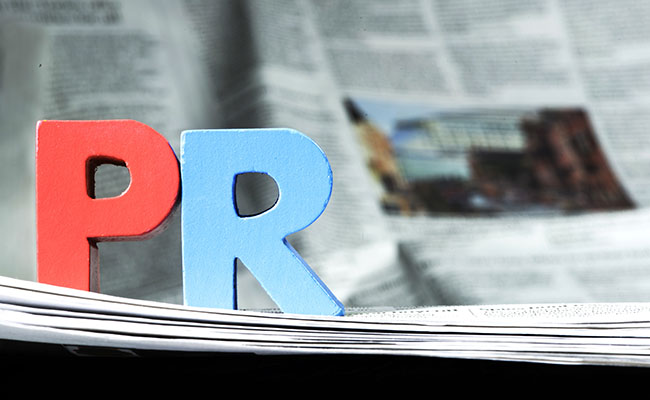
What Journalists Should Know Before Switching to PR

'Get ready to have that ego and personal identity tested'

public-relations
By Jessica Howell
4 min read • Originally published January 26, 2016 / Updated March 19, 2026
By Jessica Howell
4 min read • Originally published January 26, 2016 / Updated March 19, 2026

For those journos who are ready to say “so long” to whittling word rates and chasing checks, we decided to address (and sometimes debunk) a few of the most common myths about jobs in the PR biz.

As it turns out, while the transition is rarely seamless, many seasoned PR pros have made the leap—and are thrilled that they did. Here’s what journalists should know before switching to PR.

TRUE: “PR moves much slower than the newsroom.”

“Here’s one similarity between journalism and corporate communications: No two days are ever the same,” says Paul Nonnenmacher, communications strategist, coach and former reporter.

Yet, when it comes to pace, Nonnenmacher concedes, “The corporate review [and] approval process is more challenging, because deadlines are sacrosanct for journalists but much less so for corporate managers and executives.”

At its worst, the natural inclination to rush and wrap a project can be construed as a half-baked effort by higher ups that are used to far longer timelines.

FALSE: “Publicists have to promote clients they may not believe in (or even like).”

Lauren Gard, a former associate editor at Marie Claire, was turned onto the idea of PR when one of her trusted contacts suggested she’d make a good fit at his small firm. After a couple of years of further prodding, her trepidation gave way and she took him up on the offer.

Today, she’s a partner at Zumado Public Relations, but back then, her primary concern was representing clients who matched her values:

“I think it’s a matter of finding the right opportunity and not just leaping at the first one to come along. For me, initially working at an agency that promoted our clients’ expertise in various professional services fields like law and finance, as opposed to promoting consumer products, for instance, was the perfect fit. When I decided that moving in-house in a PR capacity might be a good option, I found my current position through a personal connection and did a lot of research on the company to be sure it was one I felt personally aligned with.”

This is where that journalism experience comes in handy. Cruise a potential employer’s media site, dig around their product or services pages, interview executives if you have the opportunity, find out what they’re about and, most importantly, trust your gut instincts.

TRUE: “Journalists will respect me more, because I understand what they want.”

“Most journalists have to admit they probably have an ego. Get ready to have that ego and personal identity tested,” advises J.P. Hervis, a 12-year TV news reporter and anchor veteran and new president to his new PR firm, Insider Media Management.

“You are no longer going to be the approached…you will become the ‘approachee.’ An inevitable ego hit comes with that, especially if you are pitching someone who is younger and/or working at a smaller station/paper or magazine than you worked in. It is a real shock early on. You have to constantly remind yourself why you switched.”

For Hervis, it was maintaining the ability to simply be a good storyteller “And isn’t telling a memorable, relatable, relevant story an audience will connect to what journalism, er, PR is all about?” he asks.

FALSE: “PR is easier than journalism.”

According to Nonnenmacher, PR “requires language skills, people skills, a breadth of knowledge, a news sense and an adherence to deadlines, and there’s no place to develop those traits than in a newsroom.”

Yet, while experience in journalism primes a savvy communicator for PR like no other opportunity, it does not ensure that joining a communications team will be a breeze.

“Corporate culture is an adjustment,” explains Ramey Becker, former TV reporter and current strategic communications consultant for msgwrks ltd.

Perhaps most eye-opening, cites an honest Becker, “You realize how much you don’t know about the real (read: business) world.” To soften the blow, Becker maintained connections with a former radio reporter who had successfully transitioned to governmental communications and served as a patient resource and mentor to her.

Lesson learned: Keep networking with those who have crossed over to the dark side.

Tips for journalists making the move to PR:

Know the difference between agency and corporate positions. Agencies often lend the rush and excitement of a start-up, offering new business wins and fresh clients, but corporate roles traditionally offer greater growth and salary opportunities.

Decide what type of communicator you are. Consider your strengths (writing or digital media management, for example) and leverage them if you need to get a foot in the door. Once you’re on staff, commit to learning the generalist trades; it’s critical to developing a well-rounded resume. Think: strategy, event planning, social media and even high-level knowledge of media buying.

“Remember to keep operating as a journalist.” Hervis explains: “The best part about who you are in PR is who you were and where you worked before. My media friends and contacts know they can call me and talk shop anytime, and I’m the same person. They also trust that I won’t pitch them a non-story.”

Looking to break into PR? Start with one of Mediabistro’s Public Relations courses. Taught by industry professionals, these courses help you up your skills, enhance your resume and land your dream job.

Topics:

Be Inspired, Career Transition, Get a Media Job
Journalism Advice

6 Ways to Track Down a Magazine Editor’s Email for Your Pitch

Harness your sleuthing skills to get your pitch into the right hands

writer tracking down editor
Admin icon
By Kristen Fischer
Kristen Fischer is a freelance writer, journalist, and copywriter with over 20 years of experience, currently serving as a health writer for AARP with previous staff roles at WebMD and WW. Her work has appeared in Prevention, Healthline, Woman's Day, Parade, and Writer's Digest, and she is the author of four books.
5 min read • Originally published February 2, 2016 / Updated March 19, 2026
Admin icon
By Kristen Fischer
Kristen Fischer is a freelance writer, journalist, and copywriter with over 20 years of experience, currently serving as a health writer for AARP with previous staff roles at WebMD and WW. Her work has appeared in Prevention, Healthline, Woman's Day, Parade, and Writer's Digest, and she is the author of four books.
5 min read • Originally published February 2, 2016 / Updated March 19, 2026

Creating a winning magazine article idea and then articulating it into a knockout query letter is challenging enough for most writers, but all that hard work can be pointless if the pitch never reaches the right editor.

Publications make it hard to contact them on purpose in order to weed out inexperienced wordsmiths, says Jodi Helmer, a freelance writer based in North Carolina.

And since exploratory skills are an essential part of writing, editors like to know that a journalist is a good enough reporter to find their elusive email addresses.

So, want your pitch to land in the right hands? Follow these tried-and-true strategies to harness your inner Sherlock Holmes.

1. Know the Hierarchy

“I think oftentimes one of the mistakes writers sometimes make is they pitch to the wrong editor,” says Scott Hays, a freelance writer and adjunct college instructor in California.

An editor-in-chief or executive editor of a national publication isn’t likely to read freelance pitches, he says, so instead work your way down the masthead.

If specific sections or topics aren’t listed for each editor, your best bet is to try the managing editor or articles editor, either of whom can generally point your query in the right direction.

And, as you amass information, keep track of it! One idea is to create a color-coded database based on responses received. Even if it’s an out-of-office vacation message, it’s still good to know who you’ve contacted.

2. Hit the Press (and Sales) Room

A magazine’s online press room can be a treasure trove of information. It’s often listed on the parent company’s website under “press” or “media contacts,” and editors working on special issues or events associated with the brand may be quoted in press releases there.
Those releases will end with media contacts for the magazine, who have—you guessed it—an email address.

So, if you see the publicist’s address is maryjones@magazine.com, odds are others at the company follow a similar “firstnamelastname” format.

Another tactic is to look at the magazine’s media kit. Again, these typically list the magazine’s sales reps, and you can use their contact info as a guide.

Only a general email address listed? Just email a request for a media kit, and when a real person responds, follow up with their email address.

Pay attention, though. It’s possible that the publicists or sales reps handle more than one magazine in the company, so their addresses could be @parentcompany.com rather than having the same @magazine.com domain as the editors.
If you’re unsure, just try both until you get a lead.

3. Ask Other Writers

The writing community can be a valuable source of information, especially if you’re not familiar with a specific publication.
Check out FreelanceSuccess, AbsoluteWrite, Upod, and the American Society of Journalists and Authors. You may have to pony up some money to join some organizations, but a good assignment will likely more than cover that expense.

Furthermore, if you read a good story in your favorite publication, hit the Internet to find the writer behind it. Most published writers remember what it was like to be a rookie and will be more than happy to share the email conventions for the publications they work with.

Just don’t expect anyone to copy their entire roster for you. Take time to get to know members of any writing community you join or peers you meet, and be willing to offer help for their projects as well.

4. Use Social Media

Chicago writer Aubre Andrus says she uses Twitter to follow editors at the magazines she has her eye on. If she finds an editor’s message interesting, she’ll retweet it or respond.

“I build up a little relationship, or at least get them to recognize my name, then I send them a tweet asking if I can email them a pitch.
“That’s how I got into National Geographic Traveler,” Andrus says. “The editor sent me a direct message with her email address and we went from there!”

Andrus says virtual tweet-ups also can be a good place to connect live with an editor. “This is also a great way to get your name in front of an editor or at least show that you’re actively involved in the industry,” she adds.

If you spot an editor’s personal website with a non-work email address, resist the temptation to pitch through it.
Editors are people too and typically like keeping their personal and professional inboxes separate; you can come across as a pest by pitching through a side door. Instead, keep using the web to sniff out a work address.

It may take longer, but it will keep you on an editor’s good side and make them more receptive to your ideas.

5. Read Industry News

Media reporters keep up with industry changes and will often cover who’s coming and going well before an IT department can deactivate an email address or an art director can remove a name from a masthead.

If you read about new editorial hires or promotions, chances are those folks will be on the hunt for new ideas as they look to make a good impression in those crucial first 90 days on the job.

6. Pick Up the Phone

“I think too many writers are afraid to do this and rely too heavily on email,” says Kelly James-Enger, author of Six-Figure Freelancing.

Yes, we know dialing up an editor seems kind of analog, but James-Enger says it can still work when all else fails. However, the key isn’t to pitch over the phone—it’s to get accurate contact information.

So, it really doesn’t matter whether you speak to an editorial assistant or a receptionist. Just say something along these lines: “Hi, I’d like to send a pitch for your ‘Easy Recipes’ page. Can you tell me who handles that section?”

Even better: “Hi, I have a great idea for your ‘Easy Recipes’ section, and I have the assigning editor’s email address as JaneRobbins@magazine.com. Can you confirm?”

Nine times out of 10, the person will give you a yay or nay or—if you’re totally off-target—will tell you who to pitch instead.
Either way, demonstrating that you’ve already done most of the legwork frees the person on the other end of the line to simply fill in the blanks and move on to the main objective: getting off the phone.

All this searching and investigating can be draining, but it comes with the job. And you are a reporter, remember?
If you don’t hear back from an editor, says Hays, follow up with a quick reminder or approach another editor for one last push.

He explains, “If I’m really going out of my way to think thoroughly through who I’m pitching, why I’m pitching, what I’m pitching, and I’ve spent time working the pitch, then it’s only respectful that they respond somehow, someway.”

Topics:

Go Freelance, Journalism Advice
Advice From the Pros

How I Broke Into Social Media

“I was the youngest person on staff; I don't recommend that these days.”

Delia Paunescu headshot
By Rebecca Borison
@borisonr
Rebecca Borison is a tech reporter at The Street.
4 min read • Originally published February 9, 2016 / Updated March 19, 2026
By Rebecca Borison
@borisonr
Rebecca Borison is a tech reporter at The Street.
4 min read • Originally published February 9, 2016 / Updated March 19, 2026

Delia Paunescu is rocking at social media. As audience engagement editor at Newsday and amNewYork, she’s on top of the two newspapers’ social channels, but she also keeps up her personal brand across Twitter and Snapchat.

Delia started out as a writer and found her way into social media purely for being the youngest person in her newsroom. While that may have worked for Delia, she warns that age alone is not enough nowadays. Here, Delia passes on tips for aspiring social media pros who won’t be able to rely on their relative youth.

Current job: Audience engagement editor for Newsday Media Group
Past jobs: Social media coordinator for New York Post, social media coordinator for Food Network, assistant editor for Vision Monday, freelance web editor for Parenting Magazine, production intern on Showbiz Tonight
Hometown: Born in Romania, grew up in Tampa, FL
Education: Hofstra University

What do you do as an audience engagement editor?

I oversee the social media team and all our social properties. I’m also in meetings with editors and reporters trying to figure out how social can enhance their upcoming stories and projects, and how those stories and projects can be shaped to have maximum impact on our social properties. ​

How did you get into social media/audience engagement?

​My very first ​reporting job also involved being the social media editor for a small B2B magazine called Vision Monday. I was a retail reporter rooted in the optical industry. I was also the youngest person on staff at the time, so they made me in charge of the Twitter password. I don’t recommend that these days, but it was fairly common practice in 2010.

What’s it like acting as the voice for a large publication?

​It’s great fun but also terrifying. There’s always a fine line between being cheeky and having a personality for your brand and being too off-the-cuff and getting your publication in trouble.​

How do you think social media strategy differs on Twitter versus Facebook or other platforms?

​The platforms are different and the audiences are different. Stories on Facebook ​have a longer shelf life. You never fully know what major brand or celebrity will share your story, when it’s going to grab mass attention or to whom Facebook’s algorithm will show your story. For those reasons, it’s important to really get to know your audience and see what resonates with them.

On Twitter, it’s like a waterfall: information is constantly flowing and any one person will only dip their content cup in so many times throughout the day. It’s important to have something going constantly, but that also means you can play a story several times in the course of a day.

The main commonality for both platforms is that audiences are always receptive to new and cool ways of relaying information. It’s very exciting to see news organizations finally taking some creative freedom with how they present and share their pieces.

What advice do you have for someone trying to get into social media?

First you have to read everything you can. You have to know what’s going on with everything that interests you​ in this field​. When you meet the people ​you’re ideally already following on Twitter and Instagram and Snapchat, the ones ​who are going to help you in your career​, ​you’ll legitimately know what you’re talking about.

You​ also​ have to put yourself out there and ​chat up as many people as you possibly can. You have to ask for what you want, but you also have to do the work to deserve it. Older folks are easily impressed by young go-getters. It’s the “give me a job cause I want one” crowd we steer clear of.

Believe that it’s possible to make it in ​this field. Stick to what you really truly love but make sure you’re as versatile an employee as possible. Modern newsrooms are leaner than ever, so the more you know to do, the better your chances of sticking around.

Who is your favorite person to follow on Twitter?

​This is probably the most difficult question. For that very reason, I made this list of all my favorite ladies on Twitter. It’s amazing to look at during any live event because they all have the most brilliant, non-irritating insights. ​

What’s your personal favorite social media platform?

​Way back when, I loved Xanga. Hated MySpace. Loved Facebook. Loved Instagram. ​Currently obsessed with Snapchat (find me @deliapproved).

This interview has been edited for length and clarity.

If you’d like to hone your social media skills, consider taking a class. Mediabistro’s Online Courses offer social media topics that range from a crash-course in social media engagement to an in-depth analysis of social media metrics.

Topics:

Advice From the Pros, Be Inspired
Job Search

What Job Seekers Should (and Shouldn’t) Include on Their Social Media Profiles

Leverage social media to get the gig

social media logos
Admin icon
By Kristen Fischer
Kristen Fischer is a freelance writer, journalist, and copywriter with over 20 years of experience, currently serving as a health writer for AARP with previous staff roles at WebMD and WW. Her work has appeared in Prevention, Healthline, Woman's Day, Parade, and Writer's Digest, and she is the author of four books.
5 min read • Originally published February 12, 2016 / Updated March 19, 2026
Admin icon
By Kristen Fischer
Kristen Fischer is a freelance writer, journalist, and copywriter with over 20 years of experience, currently serving as a health writer for AARP with previous staff roles at WebMD and WW. Her work has appeared in Prevention, Healthline, Woman's Day, Parade, and Writer's Digest, and she is the author of four books.
5 min read • Originally published February 12, 2016 / Updated March 19, 2026

Social media can be a huge asset for job-seekers. That is, if you have a solid profile.

What does your social media profile say about you? What should you put on it—and what should you leave off? Follow these tips to ensure your Twitter, Facebook, LinkedIn, Pinterest (and whatever comes next) pages are a reflection of your best self.

1. Descriptions of Previous Jobs

Using the job descriptions on a site like LinkedIn, you can paint the picture of how you made an impact in your previous roles by sharing details of your job duties and accomplishments.

“I think it’s bad for anybody not to have content or descriptions,” says Barbara Safani, president of Career Solvers in Manhattan. “For a writer, there’s a lot of opportunities to build [the profile] out past the traditional chronological and achievements of a resume.”

For example, if you’re a reporter, instead of just saying that you covered city hall, tell which stories you broke, that you have over 100 top-level sources in local government or that your investigation led to the modification of a law. Of course, LinkedIn provides much more space for this than Twitter or even Facebook. For those sites, it’s best to keep it brief by listing…

2. A Niche or Specialty

Most social media profiles offer a spot for a headline and summary, so writers need to take advantage of them, Safani notes. You can do this succinctly by mentioning your area of expertise as well as how your unique skill set helps you stand apart from the competition.

Lindsay Oberst, a writer from Atlanta, says it’s important to show a little bit of your personality by including a quirky or interesting detail, as well. “This way, people reading your profile won’t be bored, and you’ll increase the odds that they’ll remember you,” she adds.

3. Links to Your Work or Clips

Safani says that creative people can add personality to a standard profile by using the applications on LinkedIn, which let users showcase some of their work samples. If you do not use applications, you can link to your work whether it’s on your own website, or on your Mediabistro Freelance Marketplace listing.

“You also want to give a brief summary of your professional life anywhere that you are given the option—even in your Facebook profile,” suggests Margo Dill, a freelance writer based in St. Louis who teaches classes for wow-womenonwriting.com.

4. Charity Work and Professional Affiliations

Even if it doesn’t relate to the media biz, fulfilling work you do outside of a paying job can be a great conversation starter. Plus, you never know if the person scoping out your profile knows someone involved in that organization.

So, if you spend Sundays tutoring kids at the local community center or helping your child’s PTA organization, include it on your profile.

Likewise, listing professional groups you belong to is a good idea because it builds credibility.

5. Contact Information

This should go without saying, but unfortunately far too many people forget the basics. As someone who regularly scopes out the Web for creative professionals to interview, I can’t tell you how many wordsmiths do not have their contact information prominently displayed—or added at all.

Even if you simply link to your website or other social media profiles, that’s a pivotal step. The whole point of having a social media profile is to connect with other people, so—duh—give them the means to do so.

6. A Photo of Yourself

“You definitely need a profile photo that is a headshot of you,” says Dill. “It does not have to be from a professional photographer. It can be something your spouse took, but it should be you, smiling, wearing nice clothes.”

A shot of your newborn baby, the dog eating your shoe or that beloved Gandhi quote do not count.

That says, leave off anything incriminating that you wouldn’t want your mama to see. Photos of yourself giving a presentation at a trade organization conference? Add ’em. Pictures of what happened after the after-hours cocktail party? Skip ’em.

7. Professional, Well-Written Content

If your profile is public, prospective employers or industry peers can see anything you have on it. So, whether in the headline, summary or body of the profile, make sure it does not contain any typos. “It’s even more important that a writer have a well-written profile,” Safani says. “They’re under a little bit more of a microscope.”

And, although everyone tends to mix the personal and professional online, be mindful that anything even slightly offensive could reflect poorly on you—even if you aren’t currently job hunting. That includes political cartoons, t-shirts with wacky slogans or images or if you “Like” a statement on someone else’s wall.

Tracey Minkin, a freelance writer based in Providence, R.I., says “I have an eye constantly to the fact that people who want to hire me…would want to look at my Facebook page.”

The Bottom Line

Social media profiles are part of your calling card to the rest of the world, so exercise caution when posting. Keep the more personal content on a separate, private account that isn’t listed under your real name.

If you’re on the fence about what to post and what to leave off, think about how you view other people’s profiles. Would you want to hire someone if a lot of their posts sound depressing or use vulgar language? Probably not.

For Minkin, having an active Facebook wall makes her more hirable. “I’m more appealing because [potential clients and employers] see… I’m not embarrassed to promote my own content and the content that’s important to me,” she says.

When you’re job hunting, it’s a sure thing employers will be checking your LinkedIn profile. Impress them with a LinkedIn Profile Edit: Leverage one of our dedicated career advisers to ensure your profile aligns with your resume and professional experience.

Topics:

Get a Media Job, Get Hired, Job Search
Career Transition

How to Break Into Medical Writing and Editing

If you can handle complex jargon and love research, this growing field could seriously boost your career and your paycheck.

medical-writer
Admin icon
By Kristen Fischer
Kristen Fischer is a freelance writer, journalist, and copywriter with over 20 years of experience, currently serving as a health writer for AARP with previous staff roles at WebMD and WW. Her work has appeared in Prevention, Healthline, Woman's Day, Parade, and Writer's Digest, and she is the author of four books.
6 min read • Originally published February 23, 2016 / Updated March 19, 2026
Admin icon
By Kristen Fischer
Kristen Fischer is a freelance writer, journalist, and copywriter with over 20 years of experience, currently serving as a health writer for AARP with previous staff roles at WebMD and WW. Her work has appeared in Prevention, Healthline, Woman's Day, Parade, and Writer's Digest, and she is the author of four books.
6 min read • Originally published February 23, 2016 / Updated March 19, 2026

If you enjoy research, are skilled in technical writing and can understand complex jargon, becoming a medical writer or editor could be the perfect way to expand your portfolio and your paycheck.

“The opportunity for good medical communicators is tremendous and is continuing to grow,” says Brian Bass, co-author of The Accidental Medical Writer. “The medical communications field is very broad as well as very deep.”

Bass says there are two categories of people who come into the field: those with a scientific background who want to prove they can write or edit, and those who have a strong editorial aptitude but want to show they can handle scientific content.

If you can break into the field, you stand a chance to build a strong career in it. And if you can leverage your existing skill set, it’ll be that much easier to prove your worth.

Immerse Yourself in the Field

There are different tiers in this specialized editorial arena: the publishers of books and medical journals, which tend to pay less, and the higher-paying companies, like advertisers and pharmaceutical companies.

There’s also a market for more consumer-friendly articles in magazines and trade publications. No matter what you tackle, you’ve got to know how to understand and interpret complex lingo.

Bass recommends reading information from drug company websites, foundations, medical magazines and other media to help you see which type of writing is represented in which therapeutic areas.

For instance, you will probably find an article on WebMD easier to read than one in the Journal of Clinical Psychopharmacology.

That’s because audiences vary in the medical communications field: You can write or edit marketing collateral or magazine articles for consumers, or produce technical content geared directly at physicians.

“[To start], you need to start adapting yourself to the language of medicine,” Bass notes.

Knowing how to understand a technical dialect and properly convey it isn’t the only necessary skill. The medical field is governed by some pretty tight regulations, and you’ll be an asset if you know how to understand and apply those standards.

The Food and Drug Administration website is a great place to start learning about what can and cannot be said, Bass advises.

Writing vs. Editing vs. Copy Editing

According to Bass, you don’t have to be Doogie Howser to succeed in the field, especially if you come in on the editing side, which typically requires fewer credentials or industry experience. Editors make sure content is consistent and in compliance with regulatory standards.

Medical writers, however, need to understand more about a therapeutic area and use that in-depth knowledge to relay information about it, so getting in as a freelancer (especially one with no medical background) can be tougher.

But that doesn’t mean it’s impossible. Just as you would build clips in your general portfolio, offer to take on a writing or editing job pro bono, or create a hypothetical piece of content to prove your editorial capability.

You could write a column in your local newspaper on the health industry or offer to create a brochure for a medical practice, suggests Bass. Then once you’re in the industry, you can break into more technical areas, or segue into the more lucrative side: medical writing.

Copy editing can also be a good start, but make sure that’s your preferred field so you don’t get pigeonholed unnecessarily, says Laurie Lewis, a New York City-based medical writer and author of What to Charge: Pricing Strategies for Freelancers and Consultants. If writing is your forte and you’re good at putting information into layman’s terms, try penning articles for a patient education type of medical website. Lewis says the market is flooded with them.

“They need people who are good copy writers in a sense that they can tell a story; they can engage the reader; they can provide information,” she says. “The journalists, they are storytellers. They are educators. And they have to be able to put it into terms that ‘Joe Blow’ can understand.”

Prepare for Pay Day

In general, if you come in on the editing side the pay is less, but that’s still a good way to break in. Full-time medical editors can start at around $24,000 a year (other organizations have the base around $37,000) and earn up to about $70,000, according to PayScale.

Medical writers fare even better. According to an American Medical Writers Association survey, the mean salary for a woman with a bachelor’s degree in the field working full-time was $73,522, while men earned $90,640.

Having a master’s gets you even more dough, according to the survey: Women with those degrees earned $77,339, and men got $86,240. Advanced degrees such as a PharmD are the big payouts: females with advanced degrees got $91,797, and men earned $101,872.

Writing for an academic institution was on the lower side of the pay scale, while writing in the biotechnology or pharmaceutical field paid highest. Freelancers should expect to earn about the same.

A promising payday is great, but you have to make sure you enjoy the work enough. Medical writing and editing isn’t an easy field to “test out.” Research it and be sure you want to work hard to get your foot in the door.

The field is also very competitive. Just as in the media biz, the slow economic recovery has meant even more candidates are vying for jobs. Organizations will be pickier about whom they hire because skills are at a premium.

“There is a perception that there is a lot of work in the medical field and it is very high-paying,” notes Lewis.

“People who want to go the route that I went as a copy editor/proofreader and moving up aren’t necessarily going to find that it’s very well paying. Some of that work is still going to be from the publishing industry, or it’s going to be from companies that don’t want to pay the higher rates that the pharmaceutical work pays.”

Getting Started

Emma Hitt Nichols, PhD, a medical writer who runs her own agency in Georgia, began her career editing dissertations and scientific papers for non-English scientists. Eventually, she finished her PhD and nabbed a master’s in technical writing as well. Today, she creates continuing education materials for doctors specializing in oncology, infectious diseases and other medical topics.

To get started as a medical writer or editor, she suggests that editorial professionals do the following:

1. Join American Medical Writers Association. The AMWA offers an educational certificate that can give you credibility as a medical writer. “For people with some experience in the science/editing field, the BELS exam is good to take. This will give the ‘ELS,’ or ‘Editor in the Life Sciences,’ designation after your name which tells others that you have passed a stringent editing test,” she notes.

2. Join the Council of Science Editors. This is a premier industry organization for medical editors.

3. Get familiar with PubMed. Most medical writers are on PubMed every day, as the site includes 21 million citations for biomedical literature from MEDLINE, or Medical Literature Analysis and Retrieval System Online, a database of life science journals and books online. It is an essential tool for medical writers.

4. Sign up for The Hitt List. That’s Hitt’s free newsletter packed with medical writing job opportunities.

5. Learn AMA style. That’s American Medical Association style; AP and Chicago style is only used at consumer and trade publications. Simply knowing AMA isn’t enough to become a medical writer, warns Hitt, but it can get you in the door as a medical copy editor.

Looking for a medical writer or editor job? Check Mediabistro’s job board, where publishers, advertisers and marketers regularly post related job openings.


Topics:

Be Inspired, Career Transition
Skills & Expertise

Art Director – What They Do and How to Be One

Tap those Photoshop skills and visual sense to make a big impact

above view of art director meeting with creative team
John icon
By Jenell Talley
Jenell Talley is a journalist and program analyst with a background spanning media, government, and editorial work. She holds a journalism degree from Howard University and a master's in human resources management from the University of Maryland.
6 min read • Originally published February 29, 2016 / Updated March 19, 2026
John icon
By Jenell Talley
Jenell Talley is a journalist and program analyst with a background spanning media, government, and editorial work. She holds a journalism degree from Howard University and a master's in human resources management from the University of Maryland.
6 min read • Originally published February 29, 2016 / Updated March 19, 2026

You’ve used your design skills to help others bring their creative vision to fruition long enough. It’s time to take a seat in the art director’s chair and execute your own wildly imaginative ideas. Check out what pros say about art director positions, then get those creative juices flowing!

What exactly does an art director do?

Specific duties of art director positions may vary depending on industry, but in general, art directors set the artistic tone of a project, using visuals to bring concepts to life for websites, magazines and newspapers, ad campaigns, television and film, photo shoots and video games.

“Every day is different, [and] that’s what I love most about my job,” says Kaitlyn Angstadt, senior art director at Brownstein Group, an advertising agency in Philadelphia. Angstadt spends some days holed up in a room with other creatives conceptualizing an ad campaign while others are spent creating a brand’s identity or layouts for a print ad. And then there are the days she’s at a photo shoot overseeing its production, ensuring the concept is realized.

It’s all about kick-ass imagery, according to Michael Brittain, who functioned as FX Networks’ art director during his years as the cable channel’s director of print. Brittain was responsible for coming up with movie, TV and video-game posters and turning those ideas into iconic imagery to use in ad campaigns. “It can be very challenging to create a piece of art that is good enough to hang up on the wall, that you’re proud of, that sets the bar higher for art in entertainment advertising,” says Brittain, now the creative director of Ignition Creative, an integrated marketing agency based in Playa Vista, California.

What skills do you need?

Strong conceptual skills are a given. “To create something meaningful, you must start with a strong idea,” says Angstadt. “This is the backbone of commercial art.”

Good communication skills are also essential. Your team has to understand what you want in order to deliver it. Clearly articulate your vision or risk jeopardizing the quality of the project.

A background in and knowledge of art history, photography, graphic design and typography are important too, says Brittain, as is being able to create with your hands. Photoshop has made art more accessible, but “being a hands-on artist transcends just buying an application for your computer.”

Who would be my boss?

Executive creative directors or associate creative directors are the usual head honchos, the latter often being the next rung on an art director’s career ladder.

Are there other titles with similar responsibilities?

Though they may be higher on some company hierarchies, design directors and creative directors are also responsible for conceptualizing projects and guiding their implementation.

What do I need to get ahead in this position?

As an art director, you’re always on, Angstadt says. “There’s never a time when you’re not thinking of new ideas,” so loving what you do is important. Ditto having a thick skin. In this line of work, as with other creative jobs, you have to be able to take criticism, even when you don’t agree with the feedback. If you don’t hit it out of the park the first or second or third go-round, dust yourself off and try again. It’ll make your home run that much sweeter.

How can I get my foot in the door?

Kick off your career with a degree in art or (graphic) design and a portfolio that will impress potential employers.

Breaking into an art director role

Stepping into the role of an art director is no small feat. It requires not just a mastery of design principles and a deep well of creativity but also the ability to lead, inspire, and communicate effectively with a team. Your journey from honing your craft to leading projects as an art director will be filled with challenges, learning opportunities, and, most importantly, moments of creative triumph.

Remember, the essence of becoming a successful art director lies in marrying visionary ideas with practical execution. It’s about pushing the boundaries of what’s possible while remaining grounded in the projects’ and your team’s needs. As you navigate your path, keep your creative fires burning, remain open to feedback, and never stop learning and experimenting. The world of art direction is dynamic and ever-evolving, offering endless opportunities to those willing to take the reins and drive their creative visions to fruition.

So, arm yourself with a strong portfolio, a resilient spirit, and an unquenchable passion for your craft. The art director’s chair awaits those ready to lead with creativity, imagination, and determination. With each project, you’ll bring visions to life and carve out your unique mark in the creative world. The journey may be complex, but the rewards of seeing your ideas influence and inspire are unparalleled. Here’s to your future as an art director—may it be as vibrant and impactful as the work you aspire to create.

Find the art director position you’ve been searching for on Mediabistro’s job board. 


FAQs on Advancing to an Art Director Position

1. What are the primary responsibilities of an art director?

Art directors are responsible for setting a project’s artistic vision and direction. This role involves using visuals to bring concepts to life across various platforms such as websites, magazines, advertising campaigns, television, film, photo shoots, and video games. Daily tasks vary greatly, from conceptualizing ad campaigns and creating brand identities to overseeing photo shoots to ensure the vision is accurately realized.

2. What skills are crucial for an art director?

Key skills for an art director include strong conceptual abilities, excellent communication to articulate vision and ideas clearly, and a solid background in art history, photography, graphic design, and typography. Being a hands-on artist and having proficiency in tools like Photoshop are also important, but creativity extends beyond software skills.

3. Who typically oversees art directors in a creative organization?

Art directors usually report to executive creative directors or associate creative directors. These positions are often seen as the next steps in an art director’s career progression, offering opportunities for further advancement within the creative hierarchy.

4. Are there similar roles to art directors in the industry?

Yes, roles such as design directors and creative directors carry similar responsibilities, including conceptualizing projects and guiding their execution. These positions might be ranked differently within company structures but share the core task of leading creative direction.

5. How can I stand out and succeed as an art director?

Passion for your work and the ability to continuously generate new ideas are essential for success. Resilience and the ability to accept and learn from criticism are also crucial, as the creative process often involves multiple iterations before achieving excellence. Staying engaged with your creative pursuits and maintaining a thick skin in the face of feedback are key traits of successful art directors.

6. What educational background and initial steps are recommended for aspiring art directors?

A degree in art or graphic design, coupled with a compelling portfolio that demonstrates your creativity and skill, is the foundation for launching a career as an art director. Your portfolio should showcase diverse work and highlight your ability to conceptualize and execute your creative vision effectively.

7. Where can I find job opportunities as an art director?

Job boards dedicated to creative careers, such as Mediabistro, are excellent resources for finding art director positions. Networking within the industry and maintaining an up-to-date portfolio can also open doors to opportunities.

8. What is the importance of having a “thick skin” in the art director role?

Creative work often involves subjective evaluation, which means art directors must be open to feedback and criticism. Developing a thick skin allows you to learn from critiques without taking them personally, enabling growth and improvement in your creative output. In the face of criticism, resilience is crucial for personal and professional development in creative fields.

Topics:

Climb the Ladder, Skills & Expertise
Work Spaces

How to Be Your Own Publicist

Branding experts reveal ways to market your best product: yourself

own-publicist-feature
By Vicki Salemi
5 min read • Originally published March 11, 2016 / Updated March 19, 2026
By Vicki Salemi
5 min read • Originally published March 11, 2016 / Updated March 19, 2026

Whether or not you work in public relations, in this day and age we’re basically all publicists and masters of our own communications.

We have the potential to become personal branding gurus displaying the best product—ourselves—in the best possible light offline, online and all the time.

Brand Thyself

Jeffrey Hayzlett, host of The C-Suite on Bloomberg, explains, “Every person is [his] own brand and you have your own promise to deliver. Do you want somebody else telling that story or do you want to tell it?”

The author, speaker and sometime cowboy adds: “If you don’t tell your story, if you don’t represent yourself, someone else will do it for you. I would much rather control what’s said of me and how it’s said than having other people do it. And I’d like to react to that as well.”

Beth Feldman agrees. The co-founder of full-service public relations consulting firm BeyondPR Group and founder of parenting blog network RoleMommy.com emphasizes putting yourself out there “no matter how uncomfortable that may feel.”

And if you feel uneasy talking about yourself on TV or radio, Feldman suggests hiring a media trainer to get you comfortable in an interview situation.

Feldman also suggests reading Outliers by Malcolm Gladwell, especially the part about the “10,000 hours” rule. The gist is if you can determine in your life where you’ve spent 10,000 hours doing something, then you will feel the most comfortable talking about it and becoming an expert.

“The more experience you have, the more comfortable you will feel and the more people will take you seriously,” Feldman says. Getting taken seriously can be as simple as starting to do radio interviews to get your messaging perfected and then moving onto TV.

Feldman points out, “A platform isn’t built in a day but if you prepare for it with media training and practice, you will eventually break through and make an impact. Making an impact, whether getting your voice heard on local media, involves consistency.”

Never Stop Selling

When it comes to your messaging, “Never stop selling,” says Hayzlett. The key to being effective, he indicates, involves messaging in such a way that doesn’t feel intrusive to the recipient.

Some people may feel tempted to “stand there with a megaphone and just shout it out.” Considering that can get annoying very quickly, he says there are some particular moments when that’s okay.

For example, says Hayzlett, sending an email to everyone you know to say you just landed a television show and you’d love for them to tune in—that’s big news.

“But the fact that I’m speaking at a small group or I just won a small award probably isn’t,” he notes. “You only want to go to the well so many times.” That said, you should develop a rhythm to disseminating information on a regular basis. Leverage social media by reaching people who follow you; they are the most receptive to your updates.

Dan Schawbel, author of Promote Yourself: The New Rules for Career Success, suggests connecting with fellow journalists via Twitter. “Help them find sources, answer their questions and retweet them. This way, they will take notice of you,” he says.

Studying media shouldn’t be a stretch for media folks since we speak the same language. As you reach out to journalists with your bio and pitch, Schawbel recommends reading every article they’ve written within your beat. His advice? “Make a spreadsheet listing the publication, journalist name and email address.”

As you create your media list, Schawbel suggests, write down your professional story that links every work experience you’ve had with your vision for your future. “Without a story that makes sense, is meaningful to you and captures your vision, the media won’t acknowledge you,” he says.

Build a Local Following

Getting acknowledged by the media can be as simple as beginning where you are. Feldman underscores the importance of becoming a rock star in your own backyard.

“Reach out to local media first,” she advises. This means starting with your local newspaper, radio station, blogs and TV stations. After building a local following, leverage that coverage to potentially secure a national booking.

“Third, Feldman says, connect with reporters via social media and attend events where you can actually meet key contacts in person. No matter how effective it is to engage via social media, there is nothing that quite compares to a real life (IRL) connection.”

And keep in mind persistence pays off. Whether you’re looking to plug a recent book you wrote or keep your name out there as an expert, work your connections.

For example, Feldman is launching a new wearable tech health-and-wellness device for dogs called Voyce. After reaching out to media contacts via Twitter and Facebook, she and her group tried different ways to connect with them.

She recalls, “Two of my pitches took several times to finally land a story, but they say, ‘Good things come to those who wait’—we landed placements in the Wall Street Journal and CNN among many others.”

Choose the Right Partners

Another strategy involves cross-promotion. Build your platform with another individual or brand that may have a large following. Feldman explains, “I am a firm believer that synergies with the right partners can absolutely generate additional exposure. I always like to be in my rowboat with more than one person.”

Think outside the box and team up with a brand, retailer or expert who supplements your area of expertise.

If you just wrote a book about the benefits of Pilates and the barre method, she suggests teaming up with Lululemon to do a book signing at their store or build a 10-city tour to appear in their stores and then promote yourself to local media.

This begins with concocting a well-crafted strategy to share why you would add value to them via media exposure.

Feldman says even a few months prior to landing a book deal you should research potential partners: “It’s never too early to plan, and brands typically do their planning 12 to 18 months in advance.”

Be Genuine

Above all, success in becoming your own publicist involves strategy, consistency, persistence and of course, authenticity.

Hayzlett says, “The biggest thing that most speakers, authors and thought leaders have difficulty with is they have to be genuine and relevant.”

While many people want the brass ring, he says, they don’t always want to do the hard steps it takes to get there: “The best way to get it is to be it.” Even as you create a sizzle reel to demonstrate your speaking abilities, he adds, “Show me more of your content than your flash. Show me more meat than sizzle. Spend more time picking up the steak than deciding how to cook it.”

Looking for more ways to up your PR game? Check out Mediabistro’s course: Fundamentals of Public Relations. 

Topics:

Climb the Ladder, Networking
Skills & Expertise

Marketing Storytelling Skills: Why Narratives Make You a Better Business Leader

It’s a common phrase describing a popular method of brand building. Here’s how to do it better

marketing professional using storytelling with presentation
By Laura Montgomery
3 min read • Originally published March 28, 2016 / Updated March 19, 2026
By Laura Montgomery
3 min read • Originally published March 28, 2016 / Updated March 19, 2026

Why Storytelling Skills Make You a Better Business Leader published on The Executive Education Navigator blog.

“Storytelling” has become a ubiquitous buzzword in the business world as the marketers’ pursuit to weave the most creative and compelling narratives about their brands and products races on.

Let’s take a look at why this has become such a hot topic, and what you can do to become a stronger storyteller yourself.

Why Businesses Need Powerful Narratives

Storytelling is being increasingly utilized for building customer loyalty externally, as well as for motivating internal stakeholders and developing stronger connections among employees internally.

Why are stories the chosen tool to achieve these aims? Because they serve as emotional “handholds” for communicating the complex information that we seek, explains storytelling expert Frank Rose.

“You can memorize data, but to have it change opinion and behavior you need story,” says Rose, who co-teaches an executive-education course at Columbia Business School on storytelling strategy.

The Art of Storytelling in a Digital World

Here’s a quick, well, story to illustrate Rose’s view on storytelling strategy: Back in 2006, as a journalist for Wired magazine, Rose interviewed director James Cameron, who was filming Avatar at the time.

“He told me the best way to think about the story was as a fractal experience,” recalls Rose. “The casual viewer could enjoy the movie on a basic level. But for the more intense fan, the meaning could unfold in unlimited powers of ten, all within a unified experience.”

Rose likens Cameron’s approach to cinematic storytelling to contemporary media—a fragmented yet unified universe where we can tell stories that allow greater or lesser degrees of involvement.

Key Ingredients of Successful Storytelling

You can find stories almost anywhere you look in a company—an earnings chart, a corporate timeline, a client testimonial. The real challenge is to develop stories that are true, interesting and engaging to your unique audience.

Whether the end destination is on billboards or in boardrooms, Rose highlights four key qualities of compelling stories:

1. Originality

Do an honest inventory to discover what is unique about your brand or company—its founding, evolution and vision for changing the world.

2. Authenticity

What does your company stand for? How do leaders and employees feel about the business? Try to focus on real people and genuine emotions.

3. Empathy

Even when a story is about your company or product, the customer should always be the focal point. How does who and what you are translate into customer benefits?

4. Consistency

Finally, it’s crucial to define a singular voice and tone you will use to tell your story across various media and platforms. The only question that remains is: What stories could you be telling?

Laura Montgomery is an independent higher-education consultant.

The Executive Education Navigator is a first-of-its-kind search and discovery tool launched by The Economist Careers Network to aid executives’ search for their ideal executive education programs. Its blog includes posts on career hacks and industry trends.

Browse executive courses on storytelling. For a quick introduction to brand storytelling, consider a Mediabistro online course on brand writing.

Topics:

Climb the Ladder, Skills & Expertise

Posts navigation

Older posts
Newer posts
Featured Jobs
A
A
A

h
h
h

h
h
h

H
H
H

M
M
M

All Jobs »
PREMIUM MEMBER
VP

Valeri Petrova

Annapolis, MD
2025 Years Experience
View Full Profile »
Join Mediabistro Membership Today

Stand out from the crowd with a premium profile

Mediabistro Logo Find your next media job or showcase your creative talent
  • Job Search
  • Hot Jobs
  • Membership
  • Newsletter
  • Career Advice
  • Media News
  • Hiring Tips
  • Creative Tools
  • About
Facebook YouTube Instagram LinkedIn
Copyright © 2026 Mediabistro
  • Terms of Use
  • Terms of Service
  • Privacy