
Circulation: 950,000 (total readership: 3.8 million)
Frequency: Monthly
Special issues: Fashion-and-beauty issues are published in fall and spring
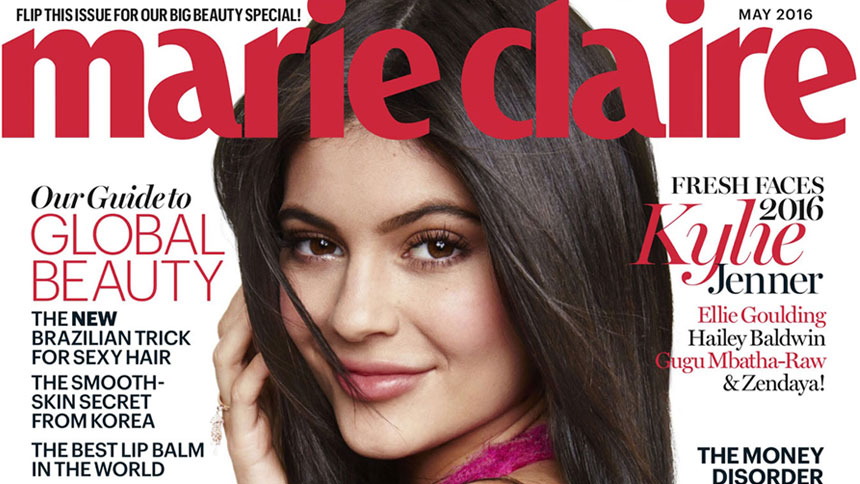
Background: If it matters to women, it matters to Marie Claire. Its roots are in France, where an original version was founded in 1937 to celebrate women’s beauty and fashion. The U.S. edition launched in New York City under Hearst’s empire of publications, and more than half a century later, its pages reflect the allure, honesty and stories of womanhood.
Because Marie Claire is more than a pretty face, editors describe it as the fashion magazine with character, substance and depth for women with a point of view and a sense of humor. Each issue is edited for sexy, stylish, confident readers who aren’t afraid to make intelligence a part of their wardrobe.
The result is content that includes the latest in both aspirational and accessible fashion, the best in beauty and health, career advice from inspiring female role models, reflections on love and modern relationships, and issues important to women around the world.
The mag is now published in 26 countries and read by more than 15 million global devotees. It’s also an ideal platform for forward-thinking freelancers to sell relevant, well-crafted story ideas.
What to pitch: Timely stories about international women doing interesting, important things are in demand for the “News Feed” section of the mag. Past issues have spotlighted Eric Garner’s daughter, Erica Garner; #GamerGate target Anita Sarkeesian; Michelle Knight, one of the Cleveland kidnapping victims; and Ai-jen Poo, director of the National Domestic Workers Alliance.
“News Feed” has also featured writeups on: a new law in Ohio that is training hairdressers to crack down on trafficking; women fighting to raise the legal age of marriage in Malawi; the end of Western-style divorce in Afghanistan; and an all-female ski film. All of these stories began as pitches from freelance writers.
In a similar, news-related vein, editors are looking for long-form, reported features and investigations; real-life survival or adventure stories; and trend pieces that touch on what’s happening in the zeitgeist.
Beauty pitches are also welcome. Editors are always interested in new ways to cover styling as well as first-person essays on beauty experiences tied to a specific trend or news hook (think: experiential “I tried it” stories).
The “@Peak” section, covering health and wellness, is also a good place for pitches. Writers have covered the increasing number of women who find spirituality through their fitness classes; the diet trend of food combining; and revamping your social-media feeds to ease anxiety.
Inside “@Peak” are Marie Claire’s “Love & Sex” essays, which editors describe as nuanced, literary, complicated, emotionally deft narratives that delve into women’s tangled psychological and social lives. They’ve published personal essays about drama-free sex with friends; texting relationships that go nowhere IRL; a threesome that brought the writer closer to her best friend; and a woman who used Tinder to explore Eastern Europe.
Editors’ advice to freelancers: the strongest pitches include a concise and thoughtful summary of your idea and how it connects to a section in the magazine or—if it’s an idea for a feature—a relevant news angle with pictures and ages of the women you propose to write about.
What not to pitch: Timeliness is a major consideration for editors, who say they often get good ideas for print that aren’t pitched far enough in advance and have to either be rejected or scheduled for the Web.
Be mindful of the lead time—issues are slated three or four months out—and avoid pitching an idea that’s too small in scope or doesn’t fit any of Marie Claire’s specific sections. If you can’t figure out where it should go, an editor probably won’t either.
Online opportunities: The bulk of MarieClaire.com’s stories are covered by online staff, but editors do consider compelling, first-person experiential stories, opinion pieces, personal essays and features from freelancers.
Percentage of freelance content published: 30 percent
Percentage of freelance pitches accepted: 10 percent
Recent stories pitched and published: “Pleasure in a Pill?” an in-depth investigation into why all attempts at finding a female equivalent to Viagra have stalled; “Living in Limbo: The Women of Jordan’s Zaatari Refugee Camp,” a profile of the Syrian women making new lives for themselves in refugee camps in Jordan; and “The Ride of Their Lives,” an adventure story about an all-female road rally in the Moroccan Sahara, are all successful examples of story ideas that got the green light.
What publicists should pitch: Editors are interested in stories about fashion, beauty, politics, women in the news and human rights around the world. Please take note of the lead time when considering story ideas and pitches. They matter.
Etiquette: Email a brief but standout idea targeted to a specific section of the magazine, making sure to include a news peg and any info on media coverage the story has gotten already. In doing so, of course, show that you’ve done your homework and understand Marie Claire’s coverage.
Lead time: Three to four months
Pay rate: $2 a word
Payment schedule: Upon approval of the edited story
Kill fee: 25 percent
Rights purchased: Varies
Contact info:
Marie Claire
300 West 57th Street
New York, NY 10019
www.marieclaire.com
Twitter | Facebook | Instagram | Pinterest
Email format: FirstInitialLastName@Hearst.com
View the Marie Claire masthead
Direct pitches to the appropriate editor:
Senior News and Culture Editor Neha Prakash: NEHA dot PRAKASH at HEARST dot COM
Executive beauty Editor Tammy Cohen: TAMMY dot COHEN at HEARST dot COM
Beauty and Health Editor Taylore Glynn: TGLYNN at HEARST dot COM
Fashion Editor Joseph Errico: JOSEPH dot ERRICO at HEARST dot COM
EDITOR’S NOTE: Though we’ve updated this article recently, the speed at which things move in media means things may have already changed since then. Please email us if you notice any outdated info.