20 country one-hit wonders that disappeared almost as fast as they arrived
By
Cu Fleshman
11 min read • Published June 7, 2026
By
Cu Fleshman
11 min read • Published June 7, 2026
Rick Diamond // Getty Images
The one-hit wonders every country music fan will remember
Whether you’re a country music fan or not, nearly everyone has heard of the icons of the genre: Dolly Parton, Loretta Lynn, and Johnny Cash, to name a few. But what about Deana Carter? Or Jamey Johnson?
Sometimes, artists who once appeared to be on the cusp of country music greatness lose that momentum in the highly competitive industry, only to become dreaded one-hit wonders. Take the duo The Wreckers, for example. They released their hit “Leave the Pieces” in 2006, only to unexpectedly break up a year later. Remember the band Sawyer Brown, best known for their 1992 track “Some Girls Do”? Though they went on to release several more albums and singles, none recreated their early ’90s success story.
It’s difficult to define a one-hit wonder, but one clear measure is sales. The aforementioned musicians, and many others like them, released one massive hit that went gold or platinum during their careers but were never able to duplicate that success. These certifications from the Recording Industry Association of America translate to big bucks: Gold means that 500,000 units of a single or album were sold, while platinum singles or albums sold 1 million units. In the era of music streaming, 150 streams is considered equal to one unit sale.
While it’s easy to think that an artist has “made it” once their music goes gold or platinum, it doesn’t guarantee future career stability. In an effort to reflect on some of the most memorable country artists you may have forgotten, Stacker used information from the Recording Industry Association of America to compile a list of 20 one-hit wonders from country music history.
A word to the wise: You might raise your eyebrows at some of the artists on this list since they had other well-known tracks. But popularity—even for songs like John Anderson’s “Seminole Wind” or the Charlie Daniels Band’s “Simple Man”—doesn’t always ensure gold or platinum status.
Bettmann Archive // Getty Images
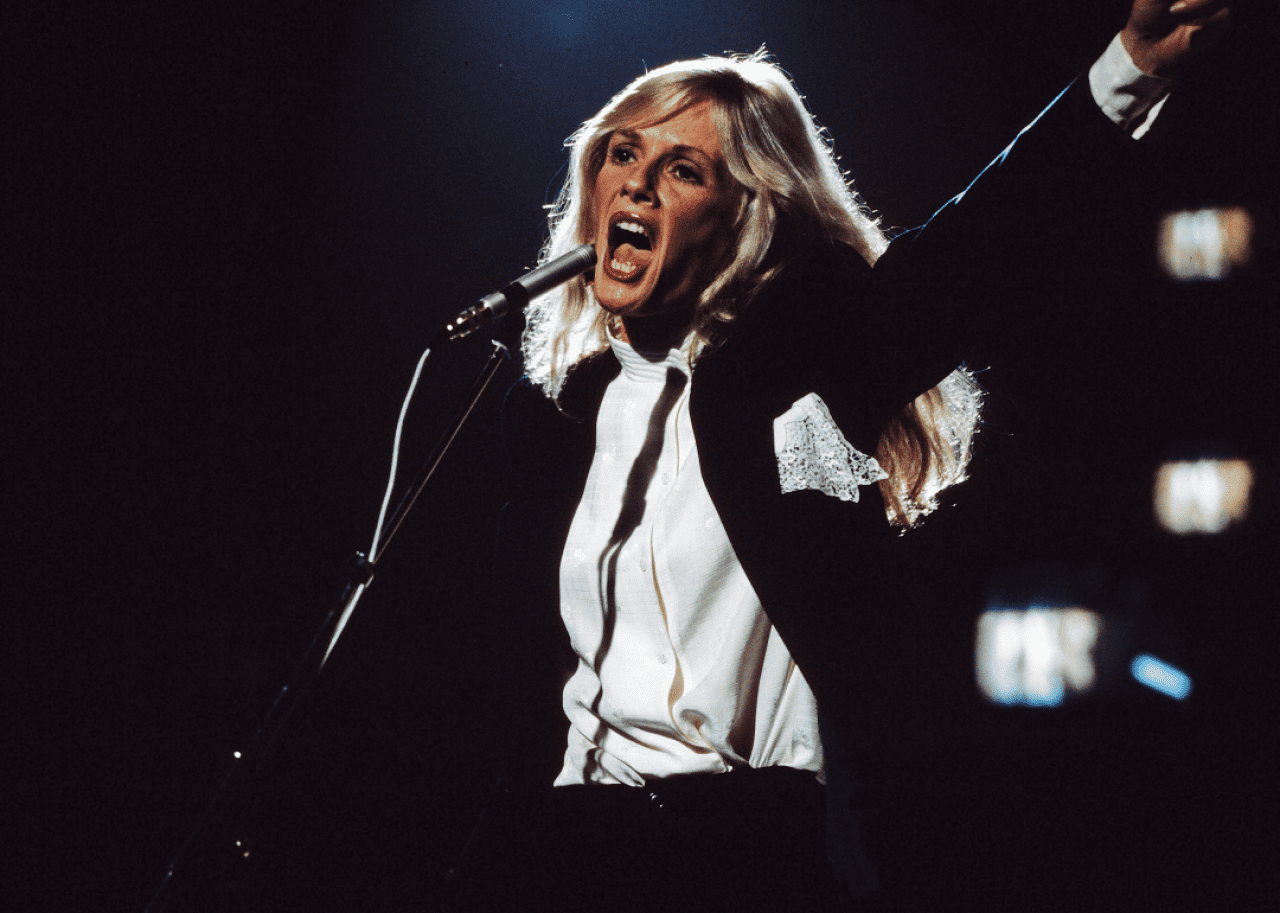
Debby Boone
The ballad “You Light Up My Life” originally appeared on the soundtrack for a 1977 summer romance movie of the same name, where it was performed by studio singer Kasey Cisyk. But it was country crooner Debby Boone’s subsequent cover that made the track go platinum. The song spent 10 weeks atop the Billboard Hot 100 chart (the first to ever do so) and won a Golden Globe and an Oscar. “You Light Up My Life” also propelled Boone to her first Grammy Award win.
But after the hubbub surrounding the track died down, Boone couldn’t replicate the same success with her later releases. Though her future work did feature on Billboard’s country music charts, Boone eventually moved on to perform Christian music and has won two more Grammys since.
Rick Diamond // Getty Images
Charlie Daniels Band
Though it may be hard to believe, the Charlie Daniels Band only scored one RIAA-certified single over the course of their career: “The Devil Went Down to Georgia.” Perhaps one of the most famous country songs of all time, the platinum-selling track blends influences from classic fiddle tunes and the bluegrass storytelling tradition to create an unforgettable earworm about a Faustian bargain in the Deep South. The band did produce several other hits, including “Simple Man” and “In America.” But they didn’t see the same sales as “The Devil Went Down to Georgia.” Daniels, the band’s lead singer and fiddle player, died in 2020 at age 83.
Ethan Miller // Getty Images
Heartland
Any early-aughts country fans are likely familiar with Heartland’s platinum-certified debut single “I Loved Her First.” The slow, sentimental 2006 track about fatherly love shot up to #1 on the Billboard Hot Country Songs chart shortly after its release. The original members of Heartland went their separate ways in 2012 after a string of low-performing songs. But the group got back together with a new lineup in 2023.
Hulton Archive // Getty Images
Jeannie C. Riley
Few could forget Jeannie C. Riley’s spunky 1968 ballad “Harper Valley P.T.A.,” which saw one of the most meteoric rises in Billboard chart history and attained gold status the same year of its release. The song follows a miniskirt-wearing single mother who confronts the local parent-teacher association after receiving complaints about her parenting and personal life.
“Harper Valley P.T.A.” landed Riley a Grammy Award for Best Female Country Vocal Performance and led to a movie and a 1981 TV show of the same name, both starring Barbara Eden. Though Riley recorded a handful of songs that also charted on the Billboard Hot 100 over the course of her career, like “Oh, Singer” and “The Girl Most Likely,” none saw the same success as “Harper Valley P.T.A.”
Paul Natkin // Getty Images
Jamey Johnson
Nostalgia is a perennially popular motif in country music, and Jamey Johnson took the wistful theme to the bank with his gold-certified hit “In Color.” In this mostly acoustic track, a boy and his grandfather look through the family’s black-and-white photographs while reminiscing. After debuting in 2008, “In Color” reached #9 on the Billboard Hot Country Songs chart in early 2009. It won Song of the Year at the Academy of Country Music Awards and Country Music Association Awards.
Johnson has since released several albums and singles and was inducted into the Grand Ole Opry in 2022. In 2017, he revealed that a concussion and a busy touring schedule took their toll on his songwriting abilities, though not enough to prevent him from creating his most recent album, 2024’s “Midnight Gasoline.” Johnson and his wife also launched a nonprofit organization to help communities and provide disaster relief in August 2025.
Moses Robinson // Getty Images
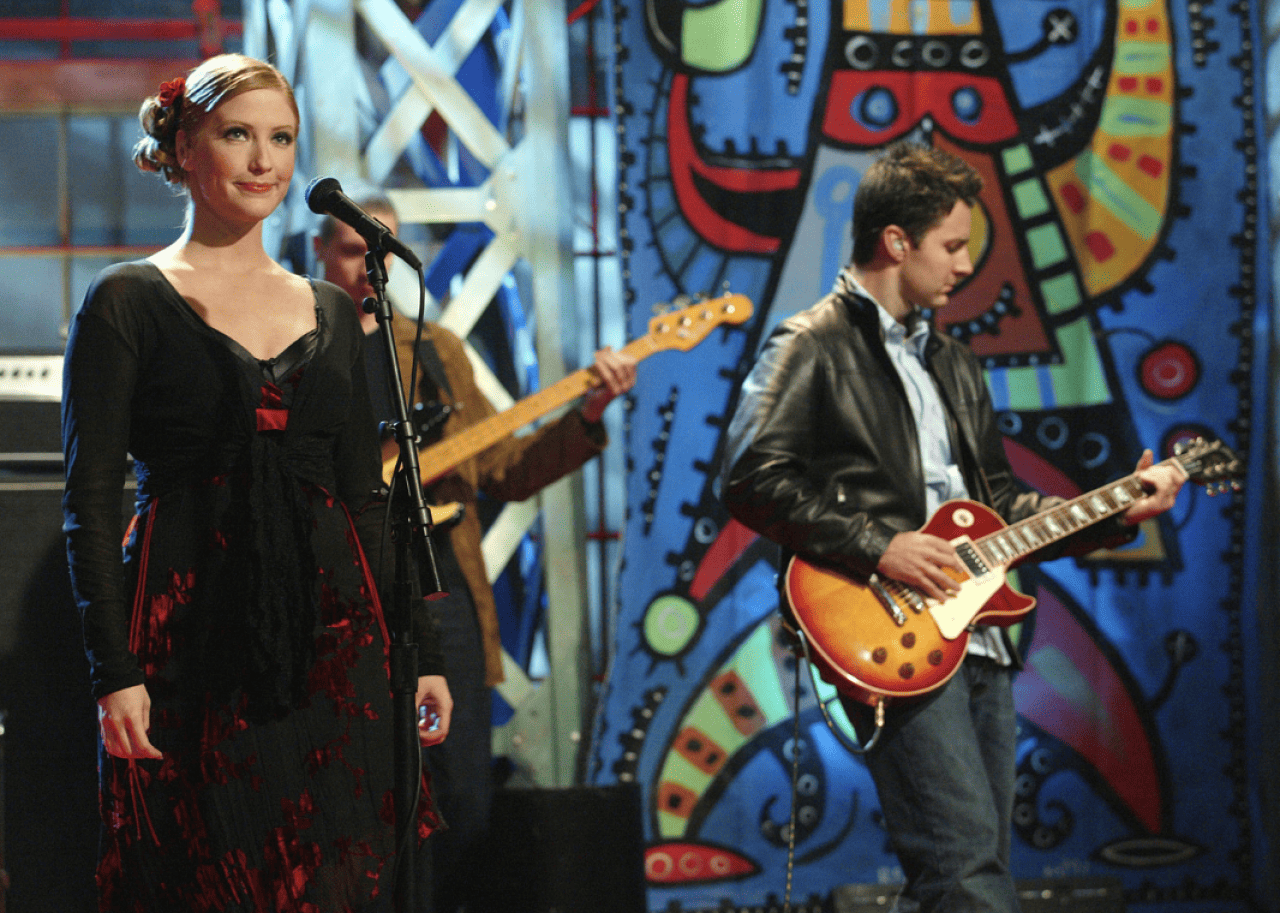
The Wreckers
The early 2000s duo The Wreckers, which consisted of Michelle Branch and Jessica Harp, was a short-lived success story. In 2006, the two released their one and only album together: “Stand Still, Look Pretty.” Its lead single, “Leave the Pieces,” garnered a gold certification and shot to the top of Billboard’s Hot Country Songs chart, making The Wreckers the first duo of women to have a #1 hit with their debut single in more than 50 years. Unfortunately for their newly acquired fanbase, The Wreckers disbanded in 2007, forestalling any hopes for future hits.
Terry Wyatt // Getty Images
Julie Roberts
Some musicians work for decades without releasing a single gold or platinum hit. However, like The Wreckers, singer Julie Roberts knocked it out of the park with her very first single. Her ballad “Break Down Here” was released in 2004 and soared up Billboard’s Hot Country Songs chart, landing in the top 20. The song has since gained a gold certification from the RIAA. Though Roberts has continued to release music over the years despite a number of health struggles, “Break Down Here” remains her biggest hit.
Frazer Harrison // Getty Images
James Otto
James Otto’s name might not be instantly recognizable, but his deep, bass croon probably is. His gold-certified 2007 single “Just Got Started Lovin’ You” showcases that voice at full range, as a narrator sings to his partner that she should spend more time with him because he “just got started” loving her. The song went to #1 on Billboard’s Hot Country Songs chart in 2008 and landed on Billboard’s list of the greatest country songs ever. Though Otto’s later releases have received less attention, he’s still releasing new songs as recently as 2024, when he dropped a cover of Beyoncé’s “Texas Hold ‘Em.”
Paul Natkin // Getty Images
Deana Carter
When Deana Carter’s “Strawberry Wine” first played on radio stations in 1996, countless teens across the U.S. found a new favorite song. The lyrics and gentle guitar backing evoke all the emotions of a first love, brought back by the taste of the title beverage. “Strawberry Wine” was the lead single off Carter’s debut album, “Did I Shave My Legs for This?” and the song has continued to win over listeners, landing a platinum certification in 2021. Carter founded her own record label and continues to release music and tour as of 2026.
Michael Ochs Archives // Getty Images
Vicki Lawrence
Many people know “The Night the Lights Went Out in Georgia” from Reba McEntire’s 1991 cover. But it was actually actor and comedian Vicki Lawrence who sang the original, which tells of a murder in the backwoods of Georgia and the ensuing “make-believe trial.” Upon its 1973 release, Lawrence’s version of the song rose to #1 on the Billboard Hot 100 and earned the singer her one and only gold-certified single.
Frank Mullen // Getty Images
John Anderson
John Anderson has a plethora of popular tracks to his name, including “Seminole Wind” and “Straight Tequila Night.” But his 1983 song “Swingin'” is his only track to achieve gold status. The song tells the story of an innocent first love between a young couple who spend their time simply swinging on the front porch. “Swingin'” won Anderson a Single of the Year award from the Country Music Association and it peaked at #1 on the Billboard Hot Country Songs chart. Of course, Anderson has stayed busy in the decades since—recently, he was inducted into the Country Music Hall of Fame in 2024 and released a new song, “Downstream,” with Bonnie “Prince” Billy (aka Will Oldham) in early 2025.
Bernd Muller // Getty Images
Alannah Myles
Canadian singer Alannah Myles made her debut with “Black Velvet,” a country-blues track about Elvis Presley. The 1989 single won Myles gold certification and a Grammy for Best Female Rock Vocal Performance. But that success soon dried up—her label, Atlantic Records, also gave the track to singer Robin Lee, a move that may have overshadowed Myles’ version. She parted ways with Atlantic in 1997. As soon as she was legally able to re-cut her debut album, Myles wasted no time in re-recording “Black Velvet” and other songs.
Rick Diamond // Getty Images
Lynn Anderson
Lynn Anderson won a Grammy Award in 1971 and, later, RIAA gold certification with her cover of “Rose Garden.” The song charted on both the Billboard Hot 100 (where it peaked at #3) and on the Hot Country Songs chart (where it reached #1). Anderson continued to release music and perform until her death in 2015. All told, “Rose Garden” is her greatest legacy. The song is credited with ushering in a new era of pop-country crossover hits, as the Country Music Hall of Fame and Museum notes.
Tim Mosenfelder // Getty Images
John Michael Montgomery
John Michael Montgomery has had 20 singles hit the top 10 on the Billboard Hot Country Songs charts, including “I Can Love You Like That” and “Sold (The Grundy County Auction Incident).” But those songs haven’t been as celebrated as the gold-certified “I Swear.” Released in 1993 (and since covered by several other bands, including R&B group All-4-One), the track has become a wedding reception standard thanks to its sweet lyrics about the love of a lifetime. After spending more than three decades in the music industry, Montgomery performed “I Swear” live for the last time at his December 2025 final show.
PL Gould // Getty Images
Mac Davis
Lubbock, Texas native Mac Davis wrote a number of hits for Elvis Presley, including “In the Ghetto,” “Memories,” and “Don’t Cry Daddy.” But as an artist himself, Davis scored just one certified gold hit: “Baby Don’t Get Hooked On Me,” a lighthearted song about a man who isn’t ready to settle down. The track also spent three weeks at #1 on the Billboard Hot 100 in 1972. After more than four decades of songwriting, singing, and acting, Davis died in 2020 at 78.
Paul Natkin // Getty Images
Sawyer Brown
Country music group Sawyer Brown only has one platinum hit to their name: “Some Girls Do.” Known for its bouncy melody and cheerful lyrics, the song made it to #1 on Billboard’s Hot Country Songs chart in 1992 and eventually achieved platinum status in 2023. The group added a new guitarist in 2004 and continues to release music and tour together as of 2026.
Paul Natkin // Getty Images
Mark Chesnutt
Mark Chesnutt had his biggest hit with “Bubba Shot the Jukebox,” a 1992 track about exactly what the title suggests. (In Bubba’s defense, the jukebox “played a sad song that made him cry.”) The track landed on the Billboard Hot Country Songs chart and hit gold status in 2022. Despite a series of heart problems, Chesnutt continues to perform across North America in 2026.
Michael Ochs Archives // Getty Images
Crystal Gayle
Loretta Lynn’s younger sister, Crystal Gayle, released “Don’t It Make My Brown Eyes Blue” in 1977. Told from the perspective of a woman struggling to watch her ex move on, the melancholic song spent an impressive 26 weeks on the Billboard Hot 100 and won Gayle her only Grammy Award thus far. But she didn’t just stick to the country genre. Gayle has since branched out into pop and inspirational music, and she still tours in 2026.
Laura Levine // Getty Images
Billy Ray Cyrus
Billy Ray Cyrus has been featured on two RIAA-certified singles: the gold track “Butterfly Fly Away,” his duet with daughter Miley Cyrus, and Lil Nas X’s massive platinum hit “Old Town Road.” But he only has one solo song that’s done the same. Cyrus’ ultra-catchy anthem “Achy Breaky Heart” topped the charts in several countries at the time of its 1992 release, with the music video being credited with bringing line dancing to the mainstream. Whether you love it or consider it one of the worst songs ever (like the late Blender magazine), there’s no denying the decades-long cultural impact of “Achy Breaky Heart.” Cyrus continues to spark conversations today—his disorganized performance at President Donald Trump’s 2025 inauguration led some fans to express concern for the singer, including his own son, Trace.
Paul Natkin // Getty Images
Wynonna Judd
The mother-daughter duo The Judds, composed of the late Naomi Judd and her older daughter Wynonna Judd, produced two gold records and one platinum. As a solo artist, Wynonna continues to make headlines and has released several noteworthy solo singles. But none as big as her gold-certified release “No One Else on Earth.” The song tells the story of a woman who has purposely guarded her heart from love, only to fall for the one person who can get past all of her defenses. Released on Judd’s self-titled, 1992 solo debut album, “No One Else on Earth” spent four weeks at #1 on the Billboard Hot Country Songs chart.
Story editing by Jaimie Etkin. Copy editing by Meg Shields. Photo selection by Clarese Moller.
50 of the best college movies ever made, ranked by fans and critics
By
Kristin Marguerite Doidge
19 min read • Published June 6, 2026
By
Kristin Marguerite Doidge
19 min read • Published June 6, 2026
Warner Brothers // Getty Images
50 of the best college movies
As college students returned to campus for the start of the new semester, anyone who graduated years ago may have felt nostalgic for the days of frat parties, all-nighters, and their first taste of freedom. While reliving the so-called “best years of your life” may not be possible, there is an option for those missing the taste of cheap beer and the smell of a fresh three-ring notebook: college movies.
College movies are a cinema staple, delighting those who attended college with nostalgia and those who did not with plenty of drama, comedy, and general mishaps to hold their interest. Films with college as the backdrop often focus on characters learning what it means to be an adult for the first time, and these stories rarely feature a smooth journey.
In recent years, fewer college stories have been told on screen, though the genre hasn’t dried up entirely. Certain parts of Netflix’s January 2026 rom-com “People We Meet on Vacation” were filmed at Louisiana’s Tulane University, a stand-in for Boston College. And college has also become a popular setting for TV shows, like Prime Video’s steamy 2026 romance series “Off Campus.”
But what about the established classics? Stacker gathered IMDb data on 50 of the most beloved college movies and ranked them by user rating as of Oct. 18, 2024. The top 50 are presented here and ranked from worst to best. Ties were broken by critical ratings from Metacritic, with further ties remaining. While college isn’t always the focus of the films on this list, it is at the very least the setting. Also included are details about how the film and its creators have impacted college students and culture.
Several of the films listed here are based on books. Some won or were nominated for Oscars and other awards, and one was deemed “too controversial” to be shown in Italian theaters. Another film is part of one of the highest-grossing franchises of all time, and one much-loved animated movie even managed to make the top 20. More than one sequel impressively earned a place on this ranking when the original film did not.
A depressed, estranged Carnegie Mellon literature professor (Dennis Quaid) begins a relationship with one of his former students (Sarah Jessica Parker). When his adopted brother (Thomas Haden Church) shows up on his doorstep, he realizes he needs to make some life changes and reconnect with his children (Elliot Page and Ashton Holmes). Reviews for the film were mixed.
A smart high school student’s (Colin Hanks) acceptance into Stanford University is jeopardized when his guidance counselor sends the wrong transcript in with his application. The high-achieving student spends the rest of the film trying to prove he truly is a top applicant, with hilarious help from Jack Black. Roger Ebert gave the film three out of four stars, calling it a “happy project” with stars of Hollywood’s next generation.
With an incisive sense of humor, the satirical “Dear White People” cuts to the quick of race issues at a fictional, predominantly white Ivy League school called Winchester University. Multiracial student Samantha White (Tessa Thompson) begins calling out her fellow classmates’ racist microaggressions via the titular controversial radio show, leading to escalating tensions between Black and white students. The comedy won the Special Jury Prize after premiering at the Sundance Film Festival and led to a Netflix series of the same name.
RLJ Entertainment
#47. The Rewrite (2014)
– Director: Marc Lawrence
– IMDb user rating: 6.3
– Metascore: 51
– Runtime: 107 minutes
“The Rewrite” focuses on a college professor rather than students, starring Hugh Grant as a former screenwriter who takes a break from Hollywood to teach college. Though the romantic comedy features a star-studded cast that includes J.K. Simmons and Marisa Tomei, reviews for “The Rewrite” remain mixed among both audiences and critics.
Good Universe
#46. Neighbors (2014)
– Director: Nicholas Stoller
– IMDb user rating: 6.3
– Metascore: 68
– Runtime: 97 minutes
A young couple moves in next door to a fraternity house and initially tries to get along with the cool fraternity president, played by Zac Efron. A war erupts, however, when they call the cops on the students during a raucous party. The raunchy comedy has echoes of the hard-partying fraternity scenes made famous by “Animal House.”
Columbia Pictures
#45. St. Elmo’s Fire (1985)
– Director: Joel Schumacher
– IMDb user rating: 6.4
– Metascore: 35
– Runtime: 110 minutes
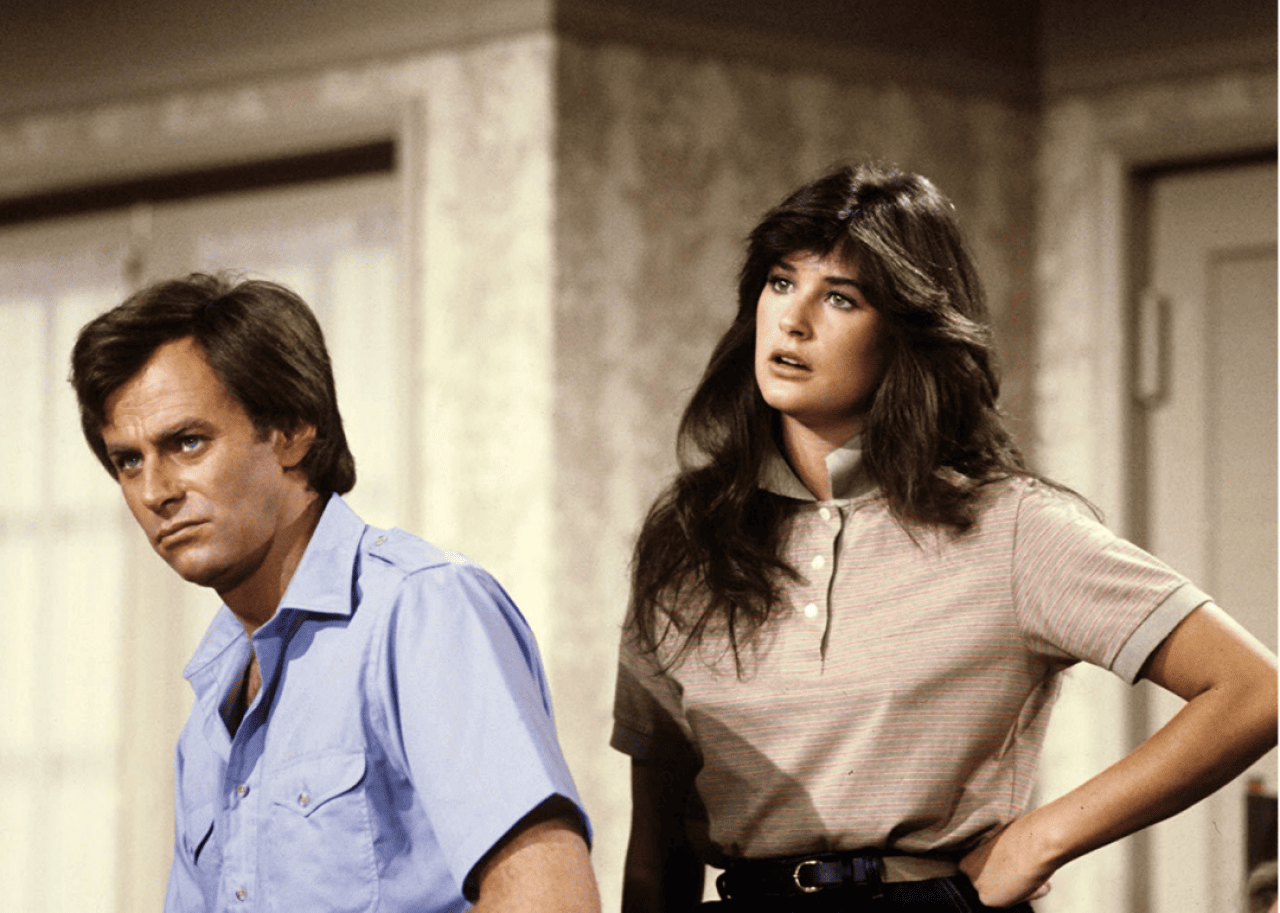
In this classic 1985 “Brat Pack” coming-of-age film, a group of recent Georgetown University graduates struggles with adulthood. The all-star cast features Emilio Estevez, Rob Lowe, Andrew McCarthy, and Demi Moore. Friendship is a major theme in the film, and the college friends continue to support each other through all their misadventures. The theme song even became a #1 hit on the Billboard charts.
The second film in the “American Pie” comedy film series, “American Pie 2” finds the friends reuniting at the beach the summer after their first year of college. The now-iconic and hilarious film franchise—which launched the careers of Jason Biggs and Alyson Hannigan, among others—was a hit among high school and college students. It became one of the highest-grossing franchises of all time, with “American Pie 2” alone grossing $287.5 million worldwide on a $30 million budget, and has had a big influence on the comedy film genre.
Universal Pictures
#43. Accepted (2006)
– Director: Steve Pink
– IMDb user rating: 6.4
– Metascore: 47
– Runtime: 93 minutes
“Accepted” stars Justin Long as Bartleby Gaines, a high school senior who decides to invent a fake college after being summarily rejected by all the schools he applied to. There’s just one problem—word spreads, and suddenly, more and more people want to attend Gaines’ fictitious South Harmon Institute of Technology.
Killer Films
#42. Kill Your Darlings (2013)
– Director: John Krokidas
– IMDb user rating: 6.4
– Metascore: 65
– Runtime: 104 minutes
“Kill Your Darlings” is a biographical drama about a murder involving legendary beatniks Jack Kerouac, Allen Ginsberg, and William Burroughs. John Krokidas’ debut film follows the young poets during their college years, when Ginsberg, played by Daniel Radcliffe, is a freshman at Columbia University.
A high school senior visits the fictional Port Chester University for the weekend and gets a taste of politically correct campus life while staying at the wildest house on campus. The film is notable for its anti-establishment message and its ensemble cast, including Jeremy Piven (pre-“Entourage”), David Spade, and Jon Favreau.
Touchstone Pictures
#40. The Program (1993)
– Director: David S. Ward
– IMDb user rating: 6.5
– Metascore: 51
– Runtime: 112 minutes
This 1993 film, starring Halle Berry and Omar Epps, follows college football players as they try to cope with the pressures of playing at a top university. Some sink into the allure of steroids or hard drugs, while others turn to alcohol to relieve the stress. A controversial scene in which the movie’s hero lies down in the middle of traffic was removed from the film after several teenagers tried it and were either injured or killed.
Columbia Pictures
#39. Higher Learning (1995)
– Director: John Singleton
– IMDb user rating: 6.5
– Metascore: 54
– Runtime: 128 minutes
In this John Singleton-directed ensemble film starring Omar Epps, Ice Cube, Jennifer Connelly, and Laurence Fishburne, a diverse group of freshmen at Columbus University learn about life and cope with sexual assault, racism, and violence on campus. Fishburne won an NAACP Image Award for his work in the film. When “Higher Learning” was released in 1995, violence plagued the cinemas showing the film during its opening week, resulting in two deaths. The conflicts the characters experience on-screen are eerily similar to the real-life issues prevalent on college campuses today.
A group of college students embarks on a wild road trip from New York to Austin, Texas, to save their friend’s relationship. It opened to mixed reviews but reached #3 at the box office, grossing a grand total of $119.8 million worldwide.
Metro-Goldwyn-Mayer (MGM)
#37. Legally Blonde (2001)
– Director: Robert Luketic
– IMDb user rating: 6.5
– Metascore: 59
– Runtime: 96 minutes
A seemingly stereotypical sorority girl enrolls in Harvard Law School—”What, like, it’s hard?”—to try and win back her ex-boyfriend. The 2001 film was hugely popular, inspired a sequel, and can even be credited for inspiring some women to pursue their law school dreams. Reese Witherspoon said starring in “Legally Blonde” motivated her to create more feminist movies, and the film cemented her status as a bankable star.
TriStar Pictures
#36. The Freshman (1990)
– Director: Andrew Bergman
– IMDb user rating: 6.5
– Metascore: 78
– Runtime: 102 minutes
In “The Freshman,” an NYU film student (Matthew Broderick) accepts a job with a local mobster who resembles a famous cinema godfather. The movie was received well by critics, though “The Godfather” alum Marlon Brando, who parodies himself in the film, apparently deemed it a flop. It was the first role he’d had since the 1980 film “The Formula.”
Twentieth Century Fox
#35. Revenge of the Nerds (1984)
– Director: Jeff Kanew
– IMDb user rating: 6.6
– Metascore: 44
– Runtime: 90 minutes
A group of geeky college students is thrown out of their dorm by the Alpha Betas after their fraternity house burns down. Forced to live in dumpy quarters, the nerds reach their breaking point and plot revenge. The 1984 comedy inspired three sequels and foreshadowed the modern trend of nerds becoming mainstream in pop culture.
Sony Pictures Releasing
#34. Mona Lisa Smile (2003)
– Director: Mike Newell
– IMDb user rating: 6.6
– Metascore: 45
– Runtime: 117 minutes
“Mona Lisa Smile” features a veritable all-star cast, including Julia Roberts, Kirsten Dunst, Julia Stiles, Ginnifer Goodwin, and Maggie Gyllenhaal. At the all-girls Wellesley College in the 1950s, professor Katherine Watson (Roberts) encourages her students to challenge societal norms. Though critics didn’t exactly speak highly of “Mona Lisa Smile,” audiences continue to enjoy the movie today.
Dreamworks Pictures
#33. EuroTrip (2004)
– Directors: Jeff Schaffer, Alec Berg, David Mandel
– IMDb user rating: 6.6
– Metascore: 45
– Runtime: 92 minutes
– Director: Roger Avary
– IMDb user rating: 6.6
– Metascore: 50
– Runtime: 110 minutes
“The Rules of Attraction” is a black comedy about the incredibly privileged students of the fictional Camden College and their empty lives. Based on the novel by Bret Easton Ellis, the film received relatively poor reviews, with some critics noting its failure to adequately adapt the story for the screen.
While attending college in Los Angeles, an American (Anton Yelchin) falls in love with a woman from London (Felicity Jones) who violates the terms of her visa, forcing her to return to England. The pair struggles with maintaining a long-distance relationship but keeps returning to each other. The film won the Grand Jury Prize at Sundance when it premiered in 2011 and earned praise from critics.
Warner Bros.
#29. With Honors (1994) (tie)
– Director: Alek Keshishian
– IMDb user rating: 6.7
– Metascore: data not available
– Runtime: 101 minutes
Starring Joe Pesci and Brendan Fraser, “With Honors” reminds audiences of all ages that there’s more to life than book learning. While critics generally panned this tale about an uptight student forming a friendship with a man experiencing homelessness, many audiences enjoyed the movie, particularly Pesci and Fraser’s performances.
Warner Bros.
#29. Fandango (1985) (tie)
– Director: Kevin Reynolds
– IMDb user rating: 6.7
– Metascore: data not available
– Runtime: 91 minutes
Set in 1971, “Fandango” is about five college friends from the University of Texas—led by a young Kevin Costner in one of his first film roles—who embark on a road trip across the Mexican border before facing their post-grad futures. The film garnered a cult following, and fan groups still hold yearly “Fandango” gatherings to tour shooting locations. The film itself was made by a University of Southern California student named Kevin Reynolds, who, according to reports, originally titled the film “Proof.” Steven Spielberg saw it, liked it, and decided to fund a feature-length version.
A 30-something man falls for a college student when he returns to his alma mater in Ohio for a professor’s retirement party. “Liberal Arts” expresses a nostalgic view of college, notably through the protagonist, who hasn’t been truly happy in his lackluster life since he graduated. This aligns with the popular trope that college is the happiest four years of one’s life.
Orion Pictures
#27. Back to School (1986)
– Director: Alan Metter
– IMDb user rating: 6.7
– Metascore: 68
– Runtime: 96 minutes
A concerned father (Rodney Dangerfield) enrolls himself in college to encourage his son to attend, but the uneducated, self-made millionaire faces trouble when he learns how to manipulate the system a little too well. The 1986 Dangerfield comedy is consistently remembered as a classic back-to-school film.
BBC Films
#26. Starter for 10 (2006)
– Director: Tom Vaughan
– IMDb user rating: 6.7
– Metascore: 69
– Runtime: 92 minutes
Produced by Tom Hanks, “Starter for 10” is a 2006 British dramedy about a working-class student who tries out for a popular TV show called “University Challenge” during his first year at Bristol University. Based on a book of the same name by David Nicholls, the movie earned good reviews for its charming, authentic depiction of the British university experience.
A lonely college freshman living in New York City gets pulled into the exciting antics of her adventurous stepsister. The quirky comedy, originally released in Brazil, explores the millennial generation’s relationship with meaningful work environments and their desire for upward mobility.
Columbia Pictures
#24. 21 (2008)
– Director: Robert Luketic
– IMDb user rating: 6.8
– Metascore: 48
– Runtime: 123 minutes
Based on the bestselling nonfiction book “Bringing Down the House” by Ben Mezrich, “21” follows the story of a student at the Massachusetts Institute of Technology who, in order to earn money to pay for medical school, joins a secretive club of brilliant students being trained by a professor in the art of card-counting. The group runs into trouble when they win big at a Las Vegas casino. Kevin Spacey, Jim Sturgess, Laurence Fishburne, and Kate Bosworth left critics with mixed reviews, but the movie was a box-office success.
During the summer of 1987, a recent college graduate (Jesse Eisenberg) plans to travel around Europe before attending graduate school but is instead forced to take a job at the local amusement park. Expecting the worst, he is pleasantly surprised when he finds love with a co-worker.
Two highly intelligent college roommates team up on a project to develop a high-powered laser. Conflict ensues when they learn the CIA intends to use their technology as a weapon. The goofy comedy received positive critic reviews and was one of the first films to be promoted online.
Embassy Pictures
#21. Carnal Knowledge (1971)
– Director: Mike Nichols
– IMDb user rating: 6.9
– Metascore: 77
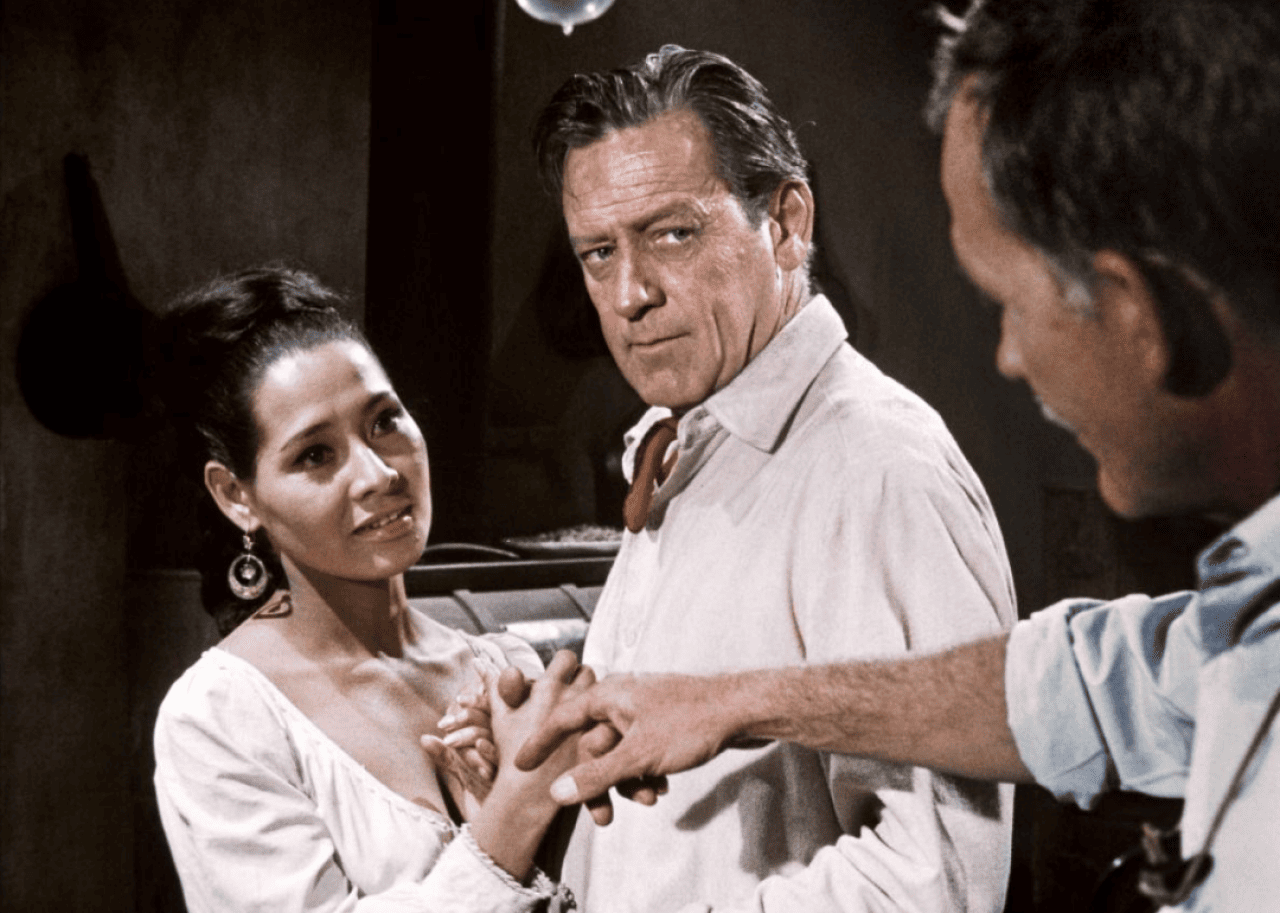
– Runtime: 98 minutes
Released in 1971, Mike Nichols’ iconic “Carnal Knowledge” follows the lifelong sexual development of two men who first become friends as college roommates. The film, which stars Jack Nicholson, Candice Bergen, Art Garfunkel, Rita Moreno, and Ann-Margret, was deemed “too controversial” for its exploration of chauvinism and male psychology to be shown in Italian theaters. A theater operator in Georgia was even taken to the Supreme Court for screening the movie. Still, it was nominated for a number of awards and is still considered a classic.
Annapurna Pictures
#20. Everybody Wants Some!! (2016)
– Director: Richard Linklater
– IMDb user rating: 6.9
– Metascore: 83
– Runtime: 117 minutes
Set in 1980s Texas, a college freshman meets his new baseball teammates and finds a life of disco, parties, and generally unsupervised youth. The film is based on director Richard Linklater’s own college experience as a ballplayer in Texas.
An attorney (Luke Wilson) moves into a new house near a college campus and tries to get his life back together after a bad breakup. His two best friends (Will Ferrell and Vince Vaughn) join him, and the trio opens a new fraternity in an attempt to relive their glory days. “Old School” gained a massive cult following after its release and helped launched the careers of Simon Helberg (“Big Bang Theory”) and Elisha Cuthbert, among other co-stars.
Metro-Goldwyn-Mayer (MGM)
#18. 22 Jump Street (2014)
– Directors: Phil Lord, Christopher Miller
– IMDb user rating: 7.0
– Metascore: 71
– Runtime: 112 minutes
In this sequel to “21 Jump Street,” police officers Schmidt and Jenko go undercover at a local college. The film includes some commentary on the changing views of gender and sexuality on college campuses. Overall, the movie received positive critic reviews and praise for being a successful comedic sequel, which traditionally flop.
Embassy Pictures
#17. The Sure Thing (1985)
– Director: Rob Reiner
– IMDb user rating: 7.0
– Metascore: 76
– Runtime: 95 minutes
College freshman Gib (John Cusack) road trips all the way to California to meet a girl after repeatedly striking out with the women at his own college. On the way, Gib and his passenger, Alison (Daphne Zuniga), fall in love. Rob Reiner directs and Anthony Edwards, Tim Robbins, and Nicollette Sheridan co-star in the film Roger Ebert dubbed “a small miracle.”
Brownstone Productions (II)
#16. Pitch Perfect (2012)
– Director: Jason Moore
– IMDb user rating: 7.1
– Metascore: 66
– Runtime: 112 minutes
College freshman Beca isn’t sure where she fits in on campus until she joins an all-girl a cappella group and becomes immersed in crushing the competition. The female-driven movie was a huge success, grossing $115.4 million worldwide on a $17 million budget. To nobody’s surprise, it also had the bestselling soundtrack of 2013 and a single that rose to #6 on the Billboard Hot 100, launching a full-on franchise. “Pitch Perfect” also helped college a cappella groups reach newfound popularity in the mainstream.
Walt Disney Pictures
#15. Glory Road (2006)
– Director: James Gartner
– IMDb user rating: 7.2
– Metascore: 58
– Runtime: 118 minutes
The new basketball coach at Texas Western College leads the first all-Black starting lineup to the NCAA national championships, an unheard-of achievement in the 1960s. “Glory Road” was loosely based on the true story of the 1966 Texas Western Miners.
Twentieth Century Fox
#13. The Paper Chase (1973) (tie)
– Director: James Bridges
– IMDb user rating: 7.2
– Metascore: 65
– Runtime: 113 minutes
A first-year Harvard law student struggles to keep up with the demands of the school’s stern contracts professor and makes the situation worse by dating the professor’s daughter. The film is based on the hit novel “The Paper Chase” by John Jay Osborn Jr., inspired by his own time as a Harvard Law student. The film received good reviews and was later made into a TV series.
Pixar Animation Studios
#13. Monsters University (2013) (tie)
– Director: Dan Scanlon
– IMDb user rating: 7.2
– Metascore: 65
– Runtime: 104 minutes
In this animated hit, Mike Wazowski enrolls in Monsters University to fulfill his lifelong dream of becoming a Scarer and enters into a rivalry with natural-born Scarer Sulley. The Pixar team painstakingly detailed their animation of a college campus and went on visits to Stanford, Harvard, and the University of California, Berkeley. They even created a fake website for the university.
“Love & Basketball” follows two childhood friends, Monica and Quincy, who both endeavor to play professional basketball. The two begin to fall in love as they grow older, but their diverging paths threaten their relationship. Written and directed by Gina Prince-Bythewood, the film had a lasting impact on sports and romantic comedy genres as well as minority representation on screen.
An English professor copes with his wife leaving him, writer’s block, and the many complex problems of his students in this Curtis Hanson picture. After initially performing poorly at the box office, “Wonder Boys” reopened in 15 theaters nationally in November 2000. It went on to secure three Oscar nominations, winning the award for Best Original Song.
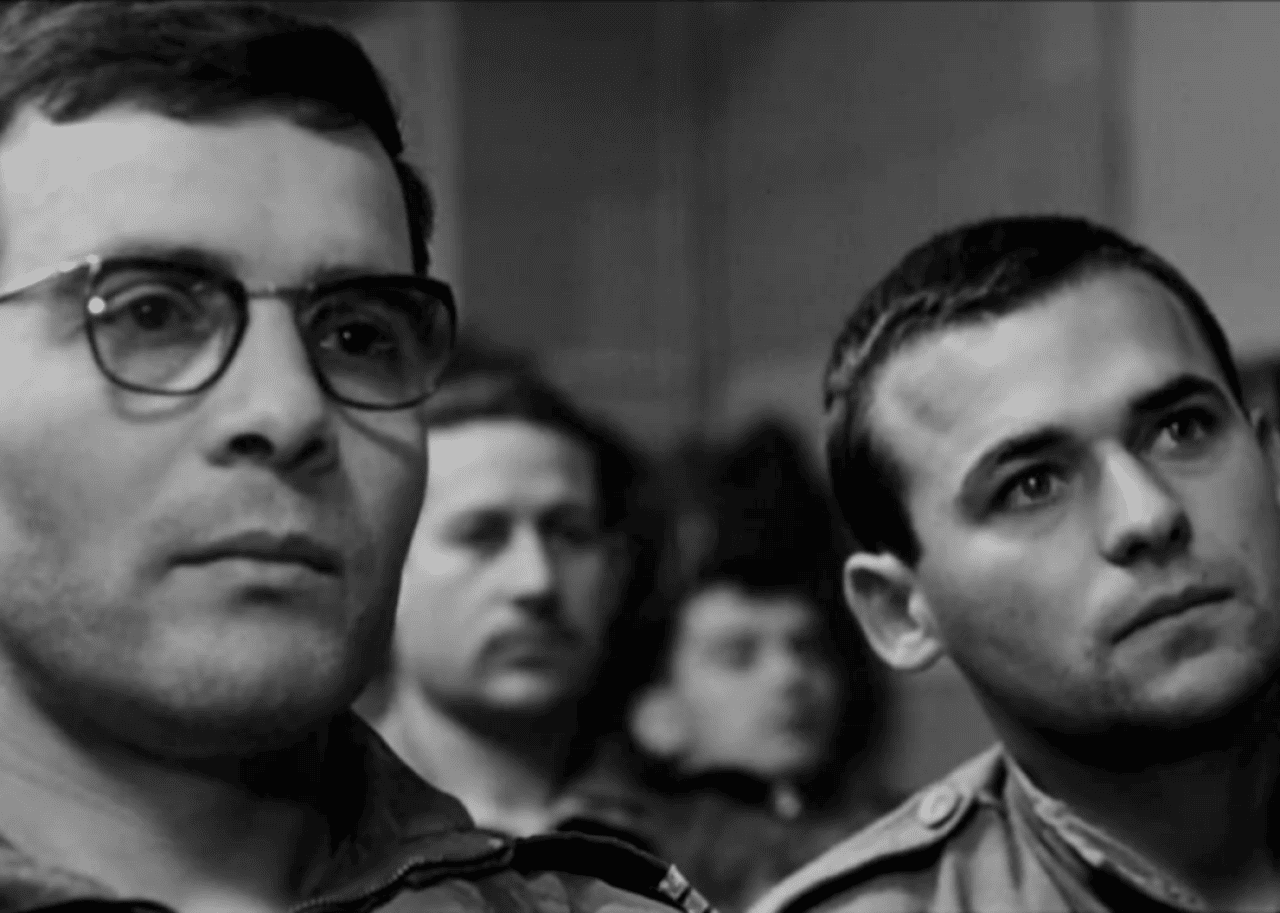
An aimless law school dropout spends a fateful day wandering around Berlin, attempting to make sense of life. The black-and-white German film had a limited release in the United States and won a slew of European awards, including the German Film Award for Best Feature Film.
In “L’auberge Espagnole,” a French university student moves to Barcelona to improve his Spanish language skills and has a life-changing experience living in a house full of international students. Cédric Klapisch reportedly wrote the script in less than two weeks and shot the film in Barcelona on a lightweight digital camera.
Universal Pictures
#8. Animal House (1978)
– Director: John Landis
– IMDb user rating: 7.4
– Metascore: 79
– Runtime: 109 minutes
“Animal House” is the classic college comedy about a disreputable fraternity at the fictional Faber College that throws outrageous parties and continually challenges the authority of the disapproving dean. John Belushi’s famous role as Bluto significantly influenced the comedy genre, and the movie profoundly impacted the image of the college lifestyle in popular culture. The “Animal House” portrayal of competitive Greek life and wild, nonstop partying has been replicated in numerous teen movies, including “Neighbors,” “Accepted,” and “Old School.”
Universal Pictures
#7. American Graffiti (1973)
– Director: George Lucas
– IMDb user rating: 7.4
– Metascore: 97
– Runtime: 110 minutes
In a nostalgic look at 1960s teenagers, George Lucas’ iconic “American Graffiti” follows high school graduates as they cruise down California streets and live it up on their last day of summer vacation. It was almost a TV movie until Francis Ford Coppola signed on as a producer shortly after the release of “The Godfather” and secured more funding. “American Graffiti” was nominated for four Oscars, including Best Director.
Harpo Films
#6. The Great Debaters (2007)
– Director: Denzel Washington
– IMDb user rating: 7.5
– Metascore: 65
– Runtime: 126 minutes
A professor starts a debate team at a predominately Black college in 1935, and his band of intellects becomes the first Black debate team to challenge Harvard’s champions. The film is based on the true story of Melvin B. Tolson and the debate team at Wiley College.
TriStar Pictures
#5. Rudy (1993)
– Director: David Anspaugh
– IMDb user rating: 7.5
– Metascore: 71
– Runtime: 114 minutes
In the iconic 1993 film “Rudy,” a high school student dreams of playing football at the University of Notre Dame, but he doesn’t have the grades nor the money to attend. When his best friend dies, the titular Rudy overcomes obstacles to gain admission to Notre Dame and stubbornly works his way onto the football team. Considered one of the best sports movies of all time, it was inspired by the life story of Notre Dame walk-on Daniel “Rudy” Ruettiger.
Columbia Pictures
#4. The Social Network (2010)
– Director: David Fincher
– IMDb user rating: 7.8
– Metascore: 95
– Runtime: 120 minutes
Based on the real-life story of Facebook founder Mark Zuckerberg, “The Social Network” follows the creation of the life-changing social media site while Zuckerberg was a student at Harvard. The film opened with positive reviews, and Harvard students at the time enjoyed the movie’s depiction of life at the university, overall viewing it as a relatable account. “The Social Network” took home three Academy Awards and four Golden Globes, though Zuckerberg wasn’t pleased with some of the liberties the filmmakers took with his story.
Lawrence Truman Productions
#3. The Graduate (1967)
– Director: Mike Nichols
– IMDb user rating: 8.0
– Metascore: 83
– Runtime: 106 minutes
In Mike Nichols’ seminal film “The Graduate,” Dustin Hoffman plays a recent college graduate who is seduced by a bored housewife while he’s home for the summer, struggling with what to do next in life. The award-winning film became a classic for its relatable depiction of young adulthood, and for capturing the mood of the 1960s college generation, marking a shift in Hollywood and society alike. The movie’s soundtrack, featuring songs by Simon & Garfunkel, also made waves—it was the first time a film had featured a popular rock group’s previously recorded music. College students then and now still repeat some of its most famous lines, such as “wood or wire?” and “one word: plastics.”
Miramax
#2. Good Will Hunting (1997)
– Director: Gus Van Sant
– IMDb user rating: 8.3
– Metascore: 70
– Runtime: 126 minutes
Boston native Matt Damon co-wrote and starred in the award-winning “Good Will Hunting,” a film about a man with the IQ of a genius who works as a janitor at the Massachusetts Institute of Technology and receives life guidance from a psychologist. It catapulted Damon and writing partner Ben Affleck to stardom, earned Robin Williams his sole Oscar, and became director Gus Van Sant’s most profitable film to date, banking $225.9 million worldwide. Still wildly popular among Boston college students more than 20 years later, universities screen “Good Will Hunting” during welcome-week events, and residents visit filming locations around the city.
“Whiplash” tells the story of a talented young drummer (Miles Teller) studying at a competitive music conservatory where he’s physically and mentally abused by a respected professor intent on pushing his students to greatness. While abusive band director Fletcher, played by J.K. Simmons, was met with some criticism, “Whiplash” was nominated for five Academy Awards, including the 2015 Best Motion Picture of the Year, and won three. Director Damien Chazelle (“La La Land”) said his own high school music experience inspired the film, and he used the movie to take the competitive environment to the extreme.
25 movies that are so bad they're actually good
By
Beth Mowbray
11 min read • Published June 6, 2026
By
Beth Mowbray
11 min read • Published June 6, 2026
Paramount // Getty Images
25 iconic movies that are so bad they’re good
Hundreds of films are released in the United States each year. In 2025, 602 movies came out in the U.S. and Canada—a far cry from the pre-pandemic peak of more than 872 in 2018, but a significant recovery from the 460 released in 2022. So, there are bound to be a few duds mixed in with the award winners and box office hits.
Movies are as varied as the tastes of their viewers. Some horror flicks are genuinely terrifying, others campy. Some comedies generate deep belly laughs, while others leave viewers laughing at the film instead of along with it.
Still, many enjoy the guilty pleasure of watching so-called “bad” films. As an August 2024 New York Times article pointed out, hate-watch culture has grown by leaps and bounds in recent years. And data confirms the trend—a 2023 Canvs AI study found a 79% increase in hate-watching between 2021 and 2022, as Primetimer reported.
Several 2026 movies have earned their fair share of hate watches. The Guardian critic Xan Brooks described the documentary “Melania” as “gilded trash,” while Erik Piepenburg of The New York Times called the horror film “Psycho Killer” an “unsuccessful slasher.” Many more horror releases from the past few months have also underwhelmed critics, including the sequel film “Scream 7” and the survival disaster “Thrash.”
Despite what the professionals may say, however, badness is subjective, and plenty of maligned movies number among our favorites. To celebrate them, Stacker researched these bad but beloved films and spotlighted a few that live on in horrible movie history. To make the list, the film had to score less than a 4.0 IMDb user rating with at least 5,000 votes or have a Metascore below 35. Keep reading for 25 movies that are so bad they’re entertaining, listed from highest to lowest IMDb user rating.
Paramount Pictures
Friday the 13th Part VIII: Jason Takes Manhattan (1989)
– Director: Rob Hedden
– IMDb user rating: 4.5
– Metascore: 14
– Runtime: 100 minutes
As the eighth of 12 films in the lengthy “Friday the 13th” series—and a film that takes Jason Voorhees away from the familiar setting of Crystal Lake—it’s no surprise “Jason Takes Manhattan” falls short for many viewers. The movie follows Jason (Kane Hodder) as he is resurrected, murders a group of people aboard a ship, and spends a surprisingly short amount of screen time terrorizing the film’s title borough. The hockey-masked killer still draws fans in, though, with some arguing that this film provides the most important character development in the entire series.
Highlander Productions Limited
Highlander II: The Quickening (1991)
– Director: Russell Mulcahy
– IMDb user rating: 4.2
– Metascore: 31
– Runtime: 91 minutes
Acclaimed film critic Roger Ebert proclaimed “Highlander II: The Quickening” “almost awesome in its badness.” This second of six films in the franchise features highlander Connor MacLeod (Christopher Lambert) fighting to save Earth as the ozone layer disappears. Although the plot is illogical and often difficult to follow, big-name stars like Sean Connery, Michael Ironside, and Virginia Madsen make it interesting to watch.
Reynolds Pictures
Plan 9 from Outer Space (1957)
– Director: Edward D. Wood Jr.
– IMDb user rating: 3.9
– Metascore: 56
– Runtime: 79 minutes
In “Plan 9 from Outer Space,” aliens descend upon Earth to resurrect the dead and implement their evil plan. This cheaply made blend of science fiction and horror elicits more laughs than fear, with plenty of errors visible on-screen: the shadow of a boom mic, a script on an actor’s lap, and scars that move around on a character’s face.
Castle Rock Entertainment
The Adventures of Pluto Nash (2002)
– Director: Ron Underwood
– IMDb user rating: 3.8
– Metascore: 12
– Runtime: 95 minutes
“The Adventures of Pluto Nash” is a futuristic action-comedy about a lunar nightclub owner named Pluto Nash (Eddie Murphy) who refuses to sell his business to mobsters. The $100 million film didn’t just bomb with critics; it also tanked at the box office with just $7.1 million to show for it. But with Eddie Murphy starring and an ensemble cast including Rosario Dawson, Luis Guzmán, Jay Mohr, Joe Pantoliano, and Randy Quaid, even a bad movie can be good for a laugh.
George A. Hirliman Productions
Reefer Madness (1936)
– Director: Louis J. Gasnier
– IMDb user rating: 3.7
– Metascore: 70
– Runtime: 66 minutes
“Reefer Madness,” one of the most well-known propaganda films of all time, was intended to scare viewers about the dangers of marijuana use. The movie reflects the real panic that overtook America in the 1930s, but the campy acting and racist undertones were a recipe for failure. The film resurfaced in the 1970s when it was used to advocate for the legalization of marijuana and was also embraced by the public for its comedic value.
Warner Bros.
Batman & Robin (1997)
– Director: Joel Schumacher
– IMDb user rating: 3.7
– Metascore: 28
– Runtime: 125 minutes
Despite grossing nearly $240 million worldwide at the box office, “Batman & Robin” received scathing reviews from critics and fans. There’s plenty that is laughable about the film, like the anatomically graphic rubber costumes and the plethora of cringey one-liners. Yet the cast (featuring George Clooney, Chris O’Donnell, and Alicia Silverstone) and the soundtrack (showcasing tunes from Bone Thugs-n-Harmony, Jewel, and Smashing Pumpkins) manage to conjure the perfect late ’90s nostalgia that viewers still enjoy today.
Wiseau-Films
The Room (2003)
– Director: Tommy Wiseau
– IMDb user rating: 3.6
– Metascore: 9
– Runtime: 99 minutes
“The Room” is a story viewers have seen before: A woman cheats on her fiancé with his best friend, forever changing their relationship. However, a poorly developed plot and unintelligible dialogue—not to mention an overabundance of absurd sex scenes—hindered the execution of this trope. The film spent only two weeks playing in two theaters upon release, but a combination of monthly midnight shows, private screenings, and word-of-mouth from popular celebrities turned it into a cult classic.
Revolution Studios
The Master of Disguise (2002)
– Director: Perry Andelin Blake
– IMDb user rating: 3.3
– Metascore: 12
– Runtime: 80 minutes
Even comedic icons such as “Saturday Night Live” alum Dana Carvey get it wrong sometimes. In “The Master of Disguise,” Carvey plays an Italian waiter who uses the power of disguise—an outlandish assortment of costumes, makeup, and wigs—to save his parents. The schtick gets old even in a film that lasts only 65 minutes before the outtake-filled credits, but many fans still enjoyed the exaggerated style of slapstick comedy.
Southward Films
Sharknado (2013)
– Director: Anthony C. Ferrante
– IMDb user rating: 3.3
– Metascore: data not available
– Runtime: 86 minutes
“Sharknado” is the type of movie that is purposely absurd, which is exactly why it works. 1990s screen stars Ian Ziering and Tara Reid lead the fight to save Los Angeles from thousands of killer sharks lifted out of the ocean by a waterspout. With a little something for everyone—action, comedy, disaster, and science fiction—the entertainment value is high even though the plot, acting, and special effects are lacking.
HandMade Films
Shanghai Surprise (1986)
– Director: Jim Goddard
– IMDb user rating: 3.2
– Metascore: 16
– Runtime: 97 minutes
“Shanghai Surprise” brings an odd blend of adventure and romance set in late 1930s China. Then-newlyweds Madonna and Sean Penn star as a missionary nurse and the man who helps her find opium to treat her patients’ pain. George Harrison also makes a cameo, is credited as co-executive producer, and wrote music for the film—but his star power isn’t enough to outweigh Madonna’s lackluster performance, which earned her a Razzie Award for Worst Actress.
Touchstone Pictures
Kazaam (1996)
– Director: Paul Michael Glaser
– IMDb user rating: 3.1
– Metascore: 24
– Runtime: 93 minutes
Playing on the old genie-in-a-bottle trope, “Kazaam” stars basketball legend Shaquille O’Neal as a djinn who is accidentally summoned by a boy. Although an athlete transitioning into acting can be dicey, it’s not Shaq’s performance that makes this movie difficult to watch; in fact, he’s one of the bigger draws.
Roger Ebert characterized the film’s downfall as the poor script and lack of originality. His review noted how closely “Kazaam” mirrors Disney’s animated “Aladdin and the King of Thieves,” released later the same year.
Alive Films
Cool as Ice (1991)
– Director: David Kellogg
– IMDb user rating: 2.9
– Metascore: 24
– Runtime: 91 minutes
“Cool As Ice” casts ’90s musician Vanilla Ice in the predictable role of a bad-boy rapper who falls for a small-town girl. Although the film is intended to be serious, the acting—and Ice’s rapping, which of course is incorporated into the storyline—is humorous.
Richard Harrington of The Washington Post summed it up well, calling the film “a cross between an after-school special and MTV video, melding threadbare plot with colorful visuals and delivering a message, which is, basically, Vanilla Ice is cool.”
Filmirage
Troll 2 (1990)
– Director: Claudio Fragasso
– IMDb user rating: 2.9
– Metascore: data not available
– Runtime: 95 minutes
In “Troll 2,” a family on vacation learns the town is filled with hungry goblins pretending to be humans. The low budget, unknown cast, and paltry three-week shooting schedule limited the film’s potential. Yet, somehow, the amateurish acting and memorable script ultimately drove the movie to cult classic status.
Atlantic Entertainment Group
The Garbage Pail Kids Movie (1987)
– Director: Rod Amateau
– IMDb user rating: 2.7
– Metascore: 1
– Runtime: 100 minutes
The Garbage Pail Kids, who literally spawned from the gunk found in a garbage can, began as a spoof on the fresh-faced Cabbage Patch Kids that were popular in the 1980s.
Building on the success of the trading cards that originally introduced the characters, “The Garbage Pail Kids Movie” stars a young Mackenzie Astin in a bizarre coming-of-age tale. The storyline and overall film quality take a back seat to the snot, vomit, and general “gross-out humor” that kids love about these characters.
Signature Pictures
Simon Sez (1999)
– Director: Kevin Alyn Elders
– IMDb user rating: 2.6
– Metascore: 16
– Runtime: 85 minutes
“Simon Sez”, the second film on the list starring a basketball player, features Dennis Rodman as an Interpol agent who is out to get a dangerous arms dealer. It bombed at the box office, grossing less than $300,000—a paltry sum for a film that cost $10 million. Still, Rodman’s larger-than-life persona, alongside the movie’s blend of action and comedy, provides enough entertainment value for many viewers.
Revolution Studios
Gigli (2003)
– Director: Martin Brest
– IMDb user rating: 2.6
– Metascore: 18
– Runtime: 121 minutes
Ben Affleck and Jennifer Lopez headline “Gigli” as two gangsters who fall for each other while on a mission. Cameos by Al Pacino and Christopher Walken can’t save this awkward romantic comedy, which uses a man with an intellectual disability for cheap laughs. The only saving grace: Without “Gigli,” Bennifer never would have happened.
Warner Bros.
Battlefield Earth (2000)
– Director: Roger Christian
– IMDb user rating: 2.5
– Metascore: 9
– Runtime: 118 minutes
John Travolta promoted his film “Battlefield Earth,” based on a novel by Scientology founder L. Ron Hubbard, with bombastic comparisons to the likes of “Pulp Fiction,” “Schindler’s List,” and “Star Wars.” Even so, it was a huge flop; executive producer Andrew Stevens said it “should never have been made.” The storyline of humans fighting to take back their planet from aliens is enough to intrigue some viewers; however, the bizarre cinematography, weak script, and outlandish costumes made this sci-fi flick difficult to watch.
Mariah Carey may be one of the best pop singers of all time, but that doesn’t mean she can play one in a movie. Critics slammed “Glitter” for being boring, unoriginal, and poorly acted. Despite this, fans still enjoy hearing the diva sing on screen, and others get a good laugh from watching her portray a rising songstress.
Trimark Pictures
Chairman of the Board (1997)
– Director: Alex Zamm
– IMDb user rating: 2.3
– Metascore: data not available
– Runtime: 95 minutes
Scott Thompson, better known as Carrot Top, headlines as a surfer-turned-executive in “Chairman of the Board.” The film’s overt ’90s nostalgia combined with the comedian’s signature slapstick style may appeal to some, but much of the humor is crude and culturally insensitive.
Twentieth Century Fox
From Justin to Kelly (2003)
– Director: Robert Iscove
– IMDb user rating: 1.9
– Metascore: 14
– Runtime: 81 minutes
Kelly Clarkson stars alongside Justin Guarini in the musical romance “From Justin to Kelly.” The thin storyline and forced nature of the whole project were enough to make Clarkson beg to be released from her contract before filming even started. Yet “American Idol” fans still enjoyed watching the first season winner and runner-up sing and dance their way to spring break love in this flick.
Cardoza-Francis Productions
The Beast of Yucca Flats (1961)
– Director: Coleman Francis
– IMDb user rating: 1.8
– Metascore: data not available
– Runtime: 54 minutes
In “The Beast of Yucca Flats,” a scientist (Tor Johnson) undergoes a Hulk-like transformation after being exposed to radioactive material. The stiff narration, minimal dialogue, bad acting, and poor production value make this film underwhelming. The end result: A brief but entertaining blend of horror and science fiction that draws laughter instead of fear.
Theater Technologies
Going Overboard (1989)
– Director: Valerie Breiman
– IMDb user rating: 1.8
– Metascore: data not available
– Runtime: 99 minutes
“Going Overboard” features a young Adam Sandler in the predictable role of a struggling comedian who unexpectedly gets his big break on a cruise ship. The plot is flimsy, but it’s a movie worth watching just to see the comedy icon’s film debut.
B.I. and L. Releasing
Monster a Go-Go (1965)
– Directors: Bill Rebane, Herschell Gordon Lewis
– IMDb user rating: 1.7
– Metascore: data not available
– Runtime: 68 minutes
Despite being described as incoherent—perhaps because one filmmaker (Bill Rebane) began the project and another (Herschell Gordon Lewis) completed it—the B-movie styling of “Monster a Go-Go” is sure to entertain. The sci-fi spectacle aims to unravel the potential link between a space capsule that crashed to Earth, a missing astronaut, and a 10-foot-tall radioactive monster.
Norm-Iris
Manos: The Hands of Fate (1966)
– Director: Harold P. Warren
– IMDb user rating: 1.6
– Metascore: data not available
– Runtime: 70 minutes
In “Manos: The Hands of Fate,” a traveling family accidentally happens upon what the movie poster calls “a cult of weird, horrible people who gather beautiful women only to deface them with a burning hand!” The premise sounds catchy enough, but a long list of poor cinematic decisions led to a less-than-stellar finished product.
The dialogue is entirely dubbed, filming often deviated from the script, and the entire movie was edited in just a few hours. Many still find entertainment value in this horror flick, though, partly due to its roasting on the popular comedy series “Mystery Science Theater 3000.”
Titanic Cartoons
Titanic: The Legend Goes On… (2000)
– Director: Camillo Teti
– IMDb user rating: 1.5
– Metascore: data not available
– Runtime: 90 minutes
Perhaps attempting to capitalize on the success of James Cameron’s epic film released three years earlier, “Titanic: The Legend Goes On…” is an animated musical following a couple who falls in love during their ill-fated journey across the Atlantic. There’s no logical reason why the tale of this ocean liner should be marketed toward children, much less with talking animals and a rapping dog, but this level of absurdity is sure to make viewers laugh aloud.
50 of the most quotable movie characters of all time — does your favorite make the list?
By
Beth Mowbray
21 min read • Published June 6, 2026
By
Beth Mowbray
21 min read • Published June 6, 2026
Liaison // Getty Images
50 of the most quotable film characters of all time
Some lines of dialogue in cinema are so memorable that they become part of our shared cultural language. These movie quotes can embody a specific moment in time and perfectly capture a feeling or idea, such that they become a verbal shorthand that connects people.
The most memorable one-liners are often only a few words long. For instance, “Amaze! Amaze! Amaze!” from the March 2026 sci-fi blockbuster “Project Hail Mary” made its way onto an official NASA broadcast in April. At the same time, longer quotes can still break through—though perhaps not in the ways you’d expect. In April 2026, U.S. defense secretary Pete Hegseth made headlines for quoting an altered Bible passage that appears in 1994’s “Pulp Fiction.”
But are any of us repeating our favorite lines correctly? Human memory is imperfect, and sometimes quotes are distorted or misremembered by the public. This phenomenon is known as the Mandela Effect, named for the false belief many people shared that the former president of South Africa, Nelson Mandela, had died in prison when he was actually still alive after his sentence. One example of this can be found in the Disney classic “Snow White and the Seven Dwarfs.” Did you know the film’s famous quote isn’t “Mirror, mirror on the wall,” but “Magic mirror on the wall”? That holds true in the 2025 live-action remake “Snow White,” as much as we want to believe the quote is correct in our heads.
Never fear, as the following list is a collection of accurate lines from some of the most quotable film characters ever. Stacker researched unforgettable quotes in movie history and the characters behind them, highlighting 50 across nearly a century of filmmaking. The results are listed in chronological order by film release date. Keep reading to see how many famous lines you know and how accurately you remember them.
Metro-Goldwyn-Mayer (MGM)
Dorothy Gale
– Actor: Judy Garland
– Film: The Wizard of Oz (1939)
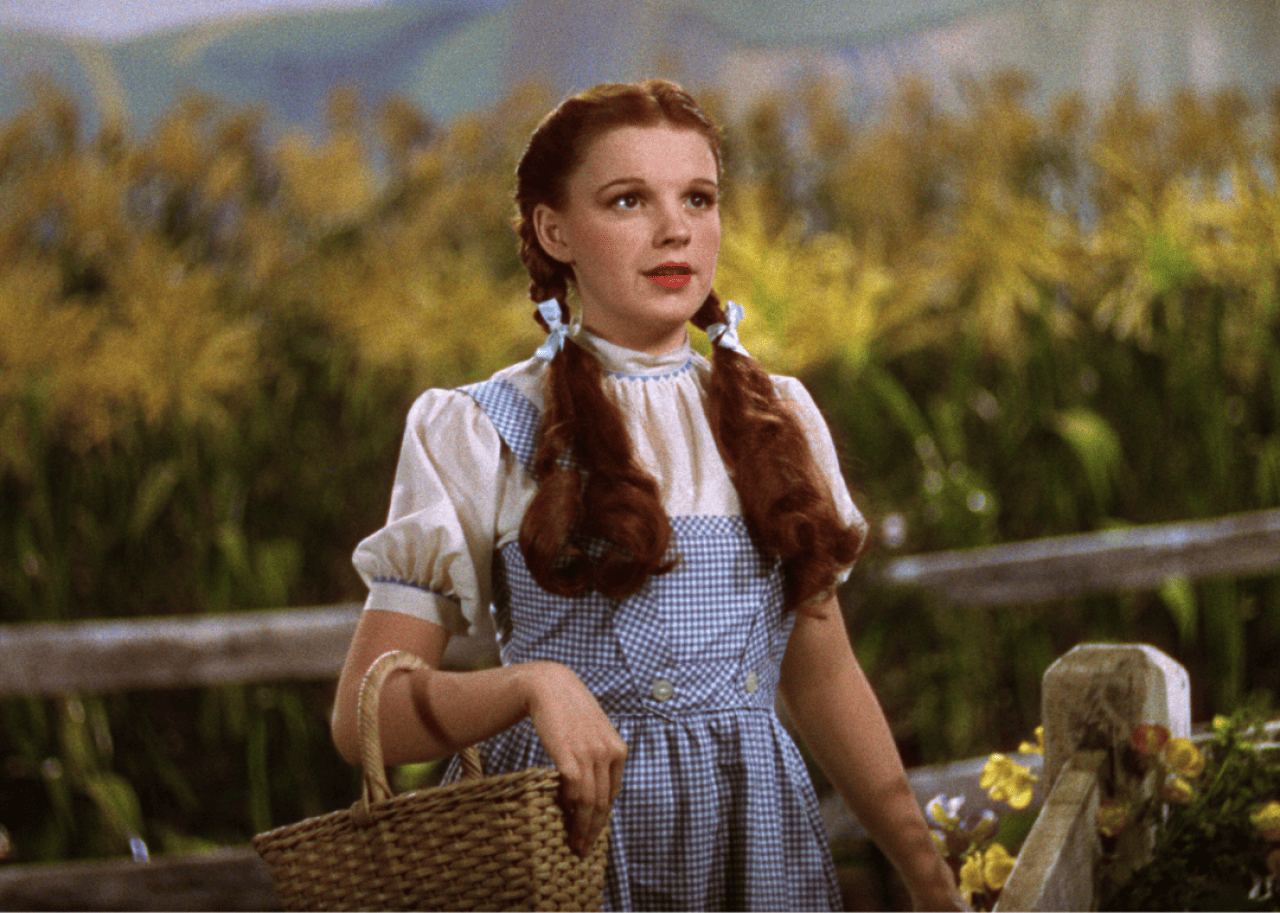
When young Dorothy Gale and her dog are swept up by a tornado, then plunked down in the magical land of Oz, she aptly exclaims “Toto, I’ve a feeling we’re not in Kansas anymore.” This line is frequently misquoted, however, as most people leave out the “I’ve a feeling” part. Nevertheless, it has become a widely used pop culture reference over the years as a way to express feeling out of place or to denote a strange situation.
RKO Radio Pictures
Charles Foster Kane
– Actor: Orson Welles
– Film: Citizen Kane (1941)
“Rosebud” is the first line of this classic film and the last word uttered by Charles Foster Kane before his death. It takes the entire movie to unravel what the word means—the final scene shows an old sled with “Rosebud” painted on it, revealing a link to Kane’s childhood. This symbol of innocence, which suggests Kane’s longing for happier days, is an unexpected contrast to the adult he became: a rich, powerful character based on real-life publishing tycoon William Randolph Hearst.
Although Rick Blaine says “Here’s looking at you, kid” multiple times throughout the film, it wasn’t originally in the script. Humphrey Bogart improvised the line while filming a flashback scene to his Paris affair with on-screen love Ilsa (Ingrid Bergman). This iconic quote has since been referenced in a number of other films, including a scene between Jack Black and Kate Winslet in the 2006 rom-com “The Holiday.”
Twentieth Century Fox
Margo Channing
– Actor: Bette Davis
– Film: All About Eve (1950)
Young Eve Harrington inserts herself into the world of Broadway star Margo Channing in this Academy Award-winning classic. Margo is known for her sharp tongue as she catches on to Eve’s game, and is perhaps best remembered with the quote “Fasten your seat belts, it’s going to be a bumpy night.” People often get this line wrong though, replacing the word “night” with “ride.”
Silent film star Norma Desmond longs to shine again in the new era of talking films but remains hopelessly stuck in the past. Unable to accept that the times have changed, Norma pretends she is still the brightest star in Hollywood, saying “I am big! It’s the pictures that got small.”
Charles K. Feldman Group
Blanche DuBois
– Actor: Vivien Leigh
– Film: A Streetcar Named Desire (1951)
Even after suffering a series of hardships and trauma, including being raped by her sister’s husband Stanley (Marlon Brando), the character of Blanche DuBois does everything she can to maintain her strength and dignity. This adaptation of the Tennessee Williams play closes with Blanche in the midst of a mental health crisis; she still summons the fortitude to tell the doctor “I have always depended on the kindness of strangers.” The movie created such a lasting impact that a 2019 drama titled “The Kindness of Strangers” derived its name from this quote.
Ashton Productions
Osgood Fielding III
– Actor: Joe E. Brown
– Film: Some Like It Hot (1959)
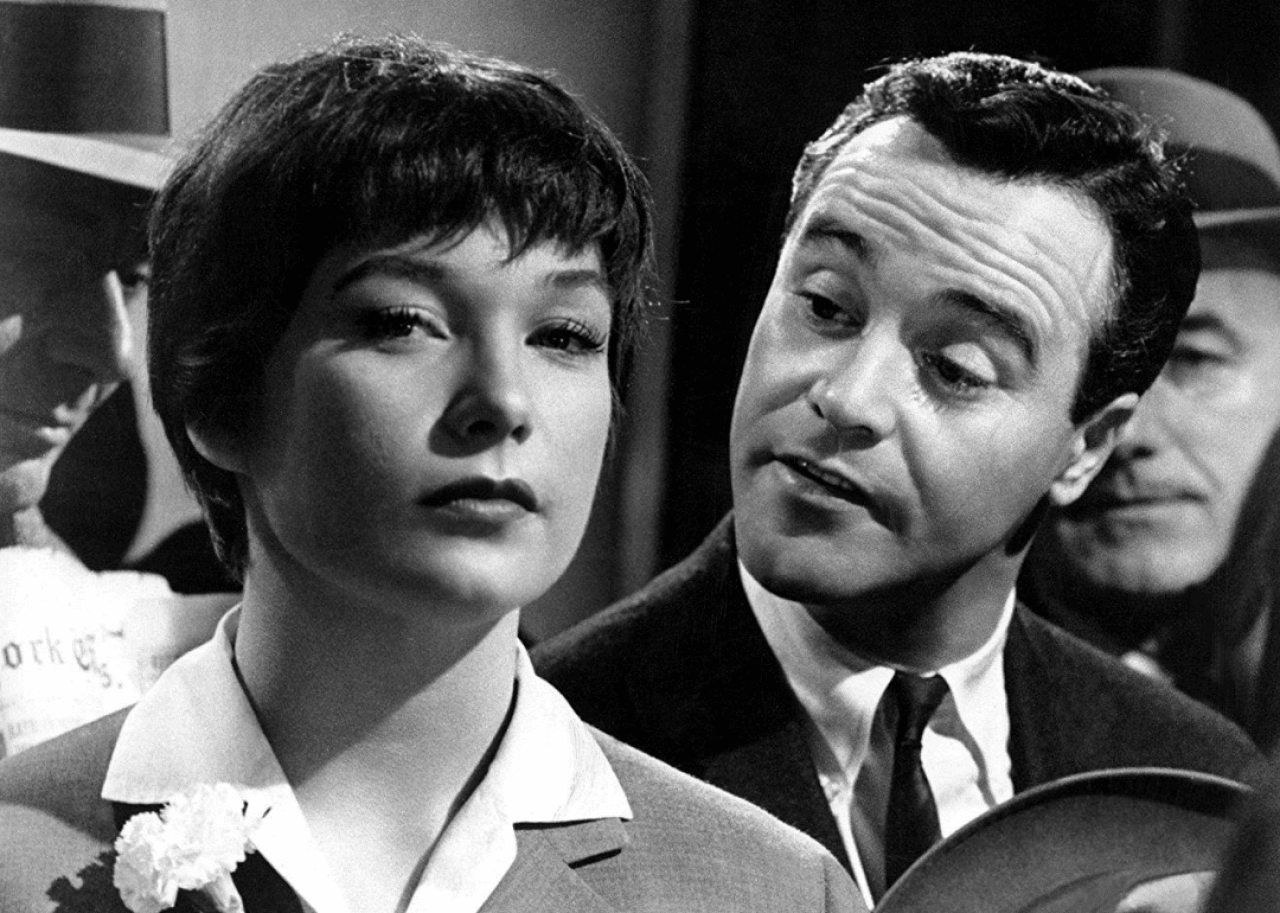
Joe (Tony Curtis) and Jerry (Jack Lemmon) headline this film, disguised as women in order to hide from mobsters, but it’s millionaire Osgood Fielding III that steals the scene with his famous quote at the movie’s end. Osgood falls in love with Jerry’s female persona, Daphne, and seems entirely unphased when it is revealed that she is really a man. Osgood’s response—”Well, nobody’s perfect”—is surprisingly progressive for the time, indicating he doesn’t care (and maybe even knew the entire time) that his love was for a man.
Shamley Productions
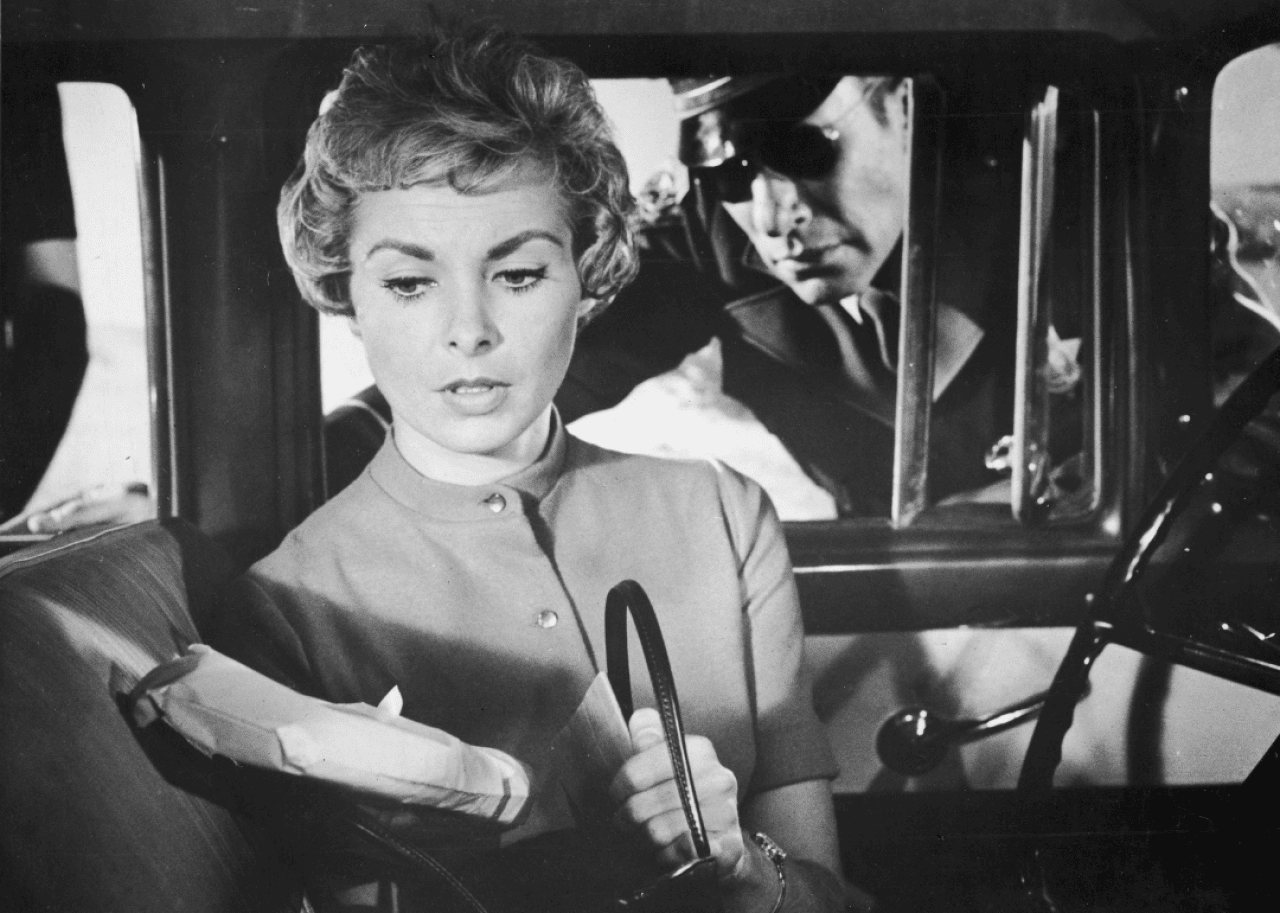
Norman Bates
– Actor: Anthony Perkins
– Film: Psycho (1960)
Before the big reveal that Norma Bates is actually dead, Norman provides a bit of creepy insight and foreshadowing into his unnaturally close relationship with his mother. While dining together, motel guest Marion Crane (Janet Leigh) asks about his friends, questioning Norma’s control over her son. Norman responds with the chilling statement: “Well, a boy’s best friend is his mother.”
Stanley Kubrick Productions
President Merkin Muffley
– Actor: Peter Sellers
– Film: Dr. Strangelove (1964)
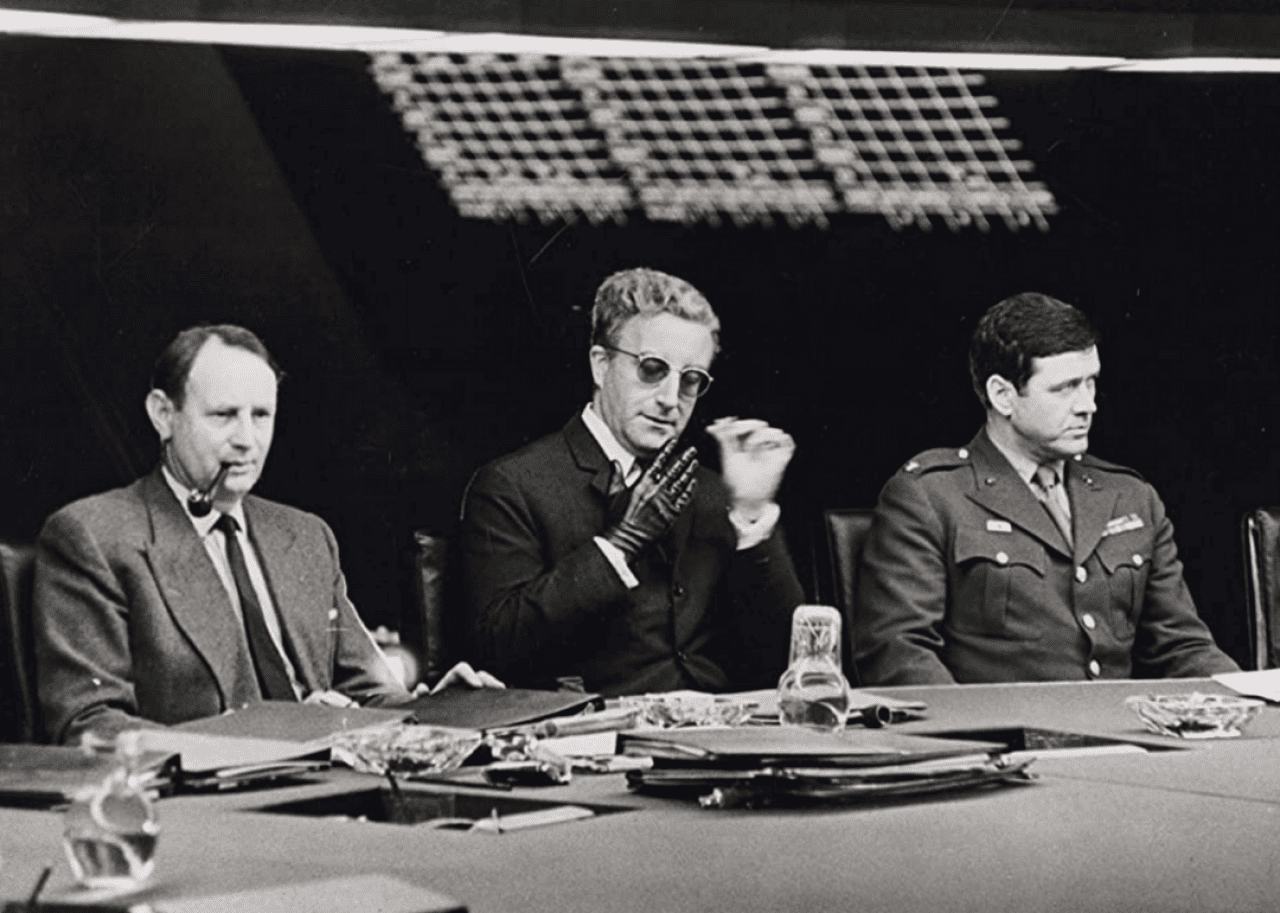
One of the most hilarious moments of Cold War satire “Dr. Strangelove” occurs when an Air Force general comes to inform the president that the Soviet Union is building a massive bomb. President Merkin Muffley responds to the heated discussion with an absurdly contradictory, and utterly memorable, exclamation: “Gentlemen, you can’t fight in here! This is the War Room!”
Jalem Productions
Captain
– Actor: Strother Martin
– Film: Cool Hand Luke (1967)
The titular character Luke (Paul Newman) is a prisoner working on a road crew where the warden delivers both punishment and one of the film’s most memorable lines: “What we’ve got here is failure to communicate.” Out of context, the line sounds wise; but in reality, Captain is a cruel man who rules over his prisoners with an iron fist. This quote stuck in the pop culture lexicon, popping up as a sample in “Civil War,” the opening track on the Guns N’ Roses 1991 album “Use Your Illusion II.”
The Mirisch Corporation
Virgil Tibbs
– Actor: Sidney Poitier
– Film: In the Heat of the Night (1967)
After being called a racial slur by a white Mississippi police chief, Detective Virgil Tibbs snaps back, demanding respect with the unforgettable response “They call me Mister Tibbs!” This line was so impactful it was used as the title for the film’s sequel, released three years later with Poitier reprising his role as the first Black police detective ever to lead a series.
Lawrence Truman Productions
Mr. McGuire
– Actor: Walter Brooke
– Film: The Graduate (1967)
A single word spoken by a minor character comes in at #42 on the American Film Institute’s list of “100 Greatest Movie Quotes Of All Time”: “Plastics.” At a party for the new college graduate, family friend Mr. McGuire pulls Ben Braddock (Dustin Hoffman) aside to offer his opinion on the future viability of the plastics industry, which also serves as a commentary on the corporate culture of the time. This one word even outranked the film’s other most memorable quote—”Mrs. Robinson, you’re trying to seduce me. Aren’t you?”—which lands at number 63 on AFI’s list.
Metro-Goldwyn-Mayer (MGM)
Dave Bowman
– Actor: Keir Dullea
– Film: 2001: A Space Odyssey (1968)
The terrifying potential of artificial intelligence is revealed when HAL 9000—the system that controls the spaceship Discovery One—begins to turn against the crew. What begins as a refusal to follow orders escalates into HAL killing everyone aboard except scientist Dave Bowman. When Bowman becomes stuck outside the spaceship, he famously says, “Open the pod bay doors, HAL,” to which the computer eerily responds, “I’m sorry, Dave, I’m afraid I can’t do that.”
This big-screen adaptation of the hit Broadway musical recounts the story of real-life Vaudeville performer Fanny Brice. The film opens with Fanny walking quietly backstage through the New Amsterdam Theatre before she stops, looks in a mirror, and utters two magical words: “Hello, gorgeous.”
Due to the film’s low budget, actor Dustin Hoffman recalls having to walk through real traffic while filming a scene where his character, hustler Ratso Rizzo, talks with the so-called Midnight Cowboy (Jon Voight).
On the first take, Hoffman claims a cab jumped forward, causing him to impulsively hit the hood and blurt out the now-famous line “Hey! I’m walkin’ here! I’m walkin’ here!”; however, director John Schlesinger recalls that this was scripted. Either way, the line became so famous that it is mimicked by Lieutenant Dan (Gary Sinise) in “Forrest Gump” and Marty McFly (Michael J. Fox) in “Back to the Future Part II,” among other movies.
Paramount Pictures
Vito Corleone
– Actor: Marlon Brando
– Film: The Godfather (1972)
“I’m gonna make him an offer he can’t refuse” is such a memorable line in film history that it ranks as number two on the American Film Institute’s list of “100 Greatest Movie Quotes Of All Time.” Spoken first by head mafioso Vito, this statement serves to emphasize the Corleone family’s immense power. The same statement is then repeated later in the film by Michael (Al Pacino), who is poised to take over the family business from his father.
Metro-Goldwyn-Mayer Studios
Coffy
– Actor: Pam Grier
– Film: Coffy (1973)
The classic Blaxploitation film “Coffy” is filled with punchy dialogue. The title character delivers memorable lines like: “You gonna fly through them pearly gates with the biggest f—— smile St. Peter ever seen!” and “You don’t have any salad,” as she dumps a bowl of some on a woman’s head.
Paramount Pictures
Lawrence Walsh
– Actor: Joe Mantell
– Film: Chinatown (1974)
Jack Nicholson stars as J.J. “Jake” Gittes, a former Los Angeles police officer turned private detective who is hired by Evelyn Mulwray (Faye Dunaway) to investigate her husband’s murder. Following a series of plot twists and turns, this story ends on a bleak note with Evelyn shot down by police while Jake watches, powerless to intervene.
Jake’s former colleague, Officer Lawrence Walsh, encourages him to shake off the troubling events with the film’s iconic last line, which reflects the corruption inherent in America: “Forget it, Jake. It’s Chinatown.”
Zanuck/Brown Productions
Martin Brody
– Actor: Roy Scheider
– Film: Jaws (1975)
About an hour into this suspenseful film, viewers finally get a good look at the shark that is being hunted—a shark so large that Chief Martin Brody backs away to tell the captain “You’re gonna need a bigger boat.” Although this line is often repeated incorrectly, using “we’re” instead of “you’re,” films like “Clerks” and “Evan Almighty” have paid homage to “Jaws” by incorporating it into their scripts.
Columbia Pictures
Travis Bickle
– Actor: Robert De Niro
– Film: Taxi Driver (1976)
The classic scene in “Taxi Driver” where Travis Bickle stands in front of a mirror, practicing his tough guy routine as he prepares to clean up the streets of New York, was actually improvised. With only general direction from screenwriter Paul Schrader, Robert De Niro came up with the now infamous words “You talkin’ to me?” The quote is so popular that De Niro claims someone has said the phrase to him every day for four decades since the film’s release.
Metro-Goldwyn-Mayer (MGM)
Howard Beale
– Actor: Peter Finch
– Film: Network (1976)
When Howard Beale, a news anchor for a failing TV network, is told he will only have a job for two more weeks, he hits the airwaves to share a piece of his mind—and these angry tirades actually improve network ratings. Beale’s speeches aren’t just about his own situation, though; he encourages viewers to fight back against issues large and small, to stand up and shout “I’m as mad as hell, and I’m not going to take this anymore!”
Lucasfilm
Han Solo
– Actor: Harrison Ford
– Film: Star Wars: Episode IV – A New Hope (1977)
“May the Force be with you” is one of the most iconic lines in the Star Wars franchise, spoken by many characters across the various films. Perhaps the most memorable delivery is from Han Solo, who says it to Luke Skywalker as his belief in the Force grows in “Star Wars: Episode IV – A New Hope.” However, the very first character to speak these words in the series was actually General Jan Dodonna to relay good luck to a group of Rebel Alliance pilots after briefing them on a dangerous mission earlier in the same film.
American Zoetrope
Lt. Col. Bill Kilgore
– Actor: Robert Duvall
– Film: Apocalypse Now (1979)
Lt. Col. Bill Kilgore sits on the beach, encouraging his troops to surf while bombs rain down around them, in a scene so famous it is recognized by many who haven’t even seen this film. In an eerily calm, detached voice, Kilgore announces: “I love the smell of napalm in the morning,” stating it “smells like … victory.” This quote, which emphasizes the absurdity of the Vietnam War, has been repurposed over the years in everything from kids’ movies like “Casper” (1995) to adult dramas like “The Bucket List” (2007).
Warner Bros.
Jack Torrance
– Actor: Jack Nicholson
– Film: The Shining (1980)
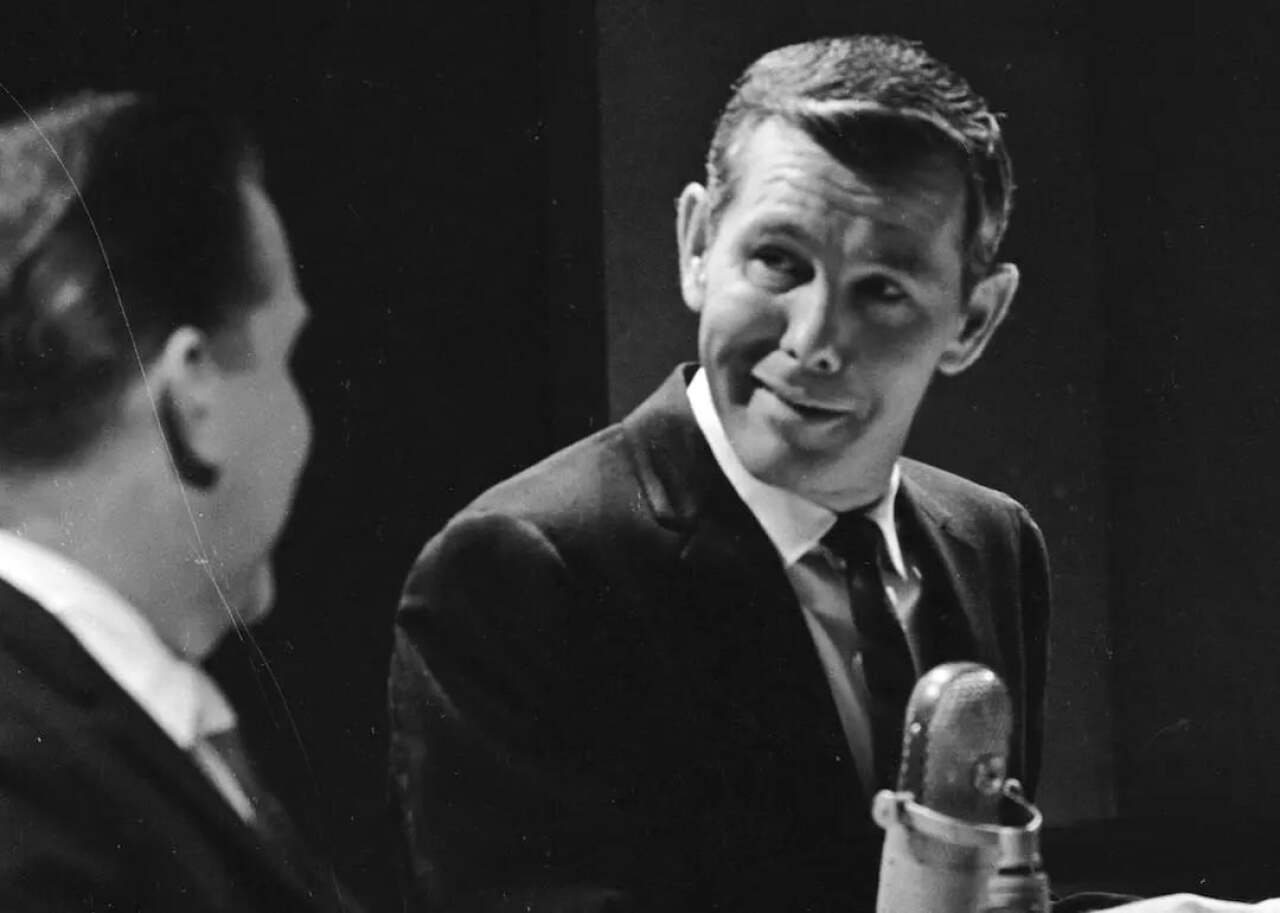
In the midst of a psychological breakdown, Jack Torrance tears through the Overlook Hotel, chops a hole through a door, shoves his face in, and shouts the unforgettable words “Here’s Johnny!” This character’s most iconic line isn’t found in the Stephen King novel that inspired the movie, or in the film’s original script—it was improvised by Jack Nicholson during the three-day shoot of this climactic scene as a reference to “The Tonight Show Starring Johnny Carson.”
Paramount Pictures
Dr. Rumack
– Actor: Leslie Nielsen
– Film: Airplane! (1980)
When the flight crew becomes sick, a former fighter pilot is forced to ensure the plane lands safely. Dr. Rumack is the passenger who informs Ted Striker (Robert Hays) that he must fly the plane, causing Striker to panic and respond with an incredulous “Surely you can’t be serious?” Rumack’s deadpan reply is the film’s most well-known wisecrack: “I am serious—and don’t call me Shirley.”
In her 1978 memoir “Mommie Dearest” which served as the inspiration for the biopic of the same name, Christina Crawford shared how abusive her adoptive mother, film star Joan Crawford, really was. In one particularly difficult revelation, Christina disclosed she was beaten when her mother found wire hangers in her closet. The big-screen adaptation takes this abuse a step further, depicting Joan screaming: “No wire hangers, ever!” before hitting her daughter with one of them.
Incorporated Television Company (ITC)
Ethel Thayer
– Actor: Katharine Hepburn
– Film: On Golden Pond (1981)
Ethel and her grumpy old husband Norman (Henry Fonda) spend each summer at their retreat on Golden Pond, but this year is a bit different: Their daughter, Chelsea (Jane Fonda), decides to visit, fearing her father’s 80th birthday may be his last. The film does a beautiful job of exploring love, family, and aging, particularly via one tender scene where Ethel comforts her worried husband: “Listen to me, mister. You’re my knight in shining armor. Don’t you forget it. You’re going to get back on that horse, and I’m going to be right behind you, holding on tight, and away we’re gonna go, go, go!”
Two little words spoken by a five-year-old child set viewers on edge in the classic ’80s horror flick “Poltergeist.” After moving into a new home, the O’Rourke family awakens to find their youngest child staring at a static-filled TV screen. At first, they don’t understand what Carol Anne means as she sing-songs the creepy words “They’re here,” but then the poltergeist takes their daughter.
Cinema ’84
The Terminator
– Actor: Arnold Schwarzenegger
– Film: The Terminator (1984)
It’s a good thing writer-director James Cameron held his ground against Arnold Schwarzenegger, or the world never would have heard the film’s cyborg killer tell police officers “I’ll be back.” Schwarzenegger didn’t like the line, which morphed from “I’ll come back” to the now infamous quote before Cameron put his foot down and told the actor it wasn’t changing. The Terminator continues to speak those three well-known words through every sequel in the franchise.
Great American Films Limited Partnership
Johnny Castle
– Actor: Patrick Swayze
– Film: Dirty Dancing (1987)
Handsome resort dance teacher Johnny Castle has a lot of memorable on-screen moments, but nothing tops his iconic line in the final scene of “Dirty Dancing.” Marching into the end-of-season celebration, set to prove himself, Johnny approaches Frances “Baby” Houseman (Jennifer Grey) and her family, then utters the classic quote “Nobody puts Baby in a corner.” Viewers swoon, Johnny and Baby perform one last unforgettable dance, and the rest is cinematic history.
Castle Rock Entertainment
Customer
– Actor: Estelle Reiner
– Film: When Harry Met Sally… (1989)
Neither Harry Burns (Billy Crystal) nor Sally Albright (Meg Ryan) speaks the most memorable line in this fan-favorite 1980s rom-com; it’s actually said by a background actor played by director Rob Reiner’s mother. The titular duo is having lunch while discussing the likelihood of women faking orgasms, when Sally decides to prove to Harry that it’s easier than he thinks—by faking one right there in the middle of the restaurant. Following Sally’s performance, the scene concludes with a cut to an older woman eating nearby who hilariously quips “I’ll have what she’s having.”
Strong Heart/Demme Production
Hannibal Lecter
– Actor: Anthony Hopkins
– Film: The Silence of the Lambs (1991)
Cinema’s greatest villain, according to the American Film Institute, is also responsible for one of the most memorable movie quotes of all time. Hannibal Lecter’s polished presentation in some ways belies the monster underneath, but his true nature is revealed through these indelible words shared with FBI trainee Clarice Starling (Jodie Foster): “A census taker once tried to test me. I ate his liver with some fava beans and a nice Chianti.”
Columbia Pictures
Col. Nathan R. Jessep
– Actor: Jack Nicholson
– Film: A Few Good Men (1992)
This film’s most unforgettable quote—one recognized even by those who have never seen the movie—comes as Col. Nathan R. Jessep sits on the stand in military court, under questioning by younger lawyer Lt. Daniel Kaffee (Tom Cruise). As tempers flare and voices begin to rise, Kaffee pressures Jessep to reveal the truth related to the death of one of his men. Jessep emphatically bellows in response: “You can’t handle the truth!”
Paramount Pictures
Forrest Gump
– Actor: Tom Hanks
– Film: Forrest Gump (1994)
Forrest Gump’s life story unfolds through the framework of flashbacks as he sits on a bench, telling tales to the person waiting for a bus beside him. Perhaps the most frequently quoted gem from the film is shared on this bench, as Forrest relays wisdom from his beloved mother: “My mama always said, ‘Life was like a box of chocolates. You never know what you’re gonna get.'” However, many people misremember this quote, making the tiny mistake of using the word “is” instead of “was.”
Miramax
Jules Winnfield
– Actor: Samuel L. Jackson
– Film: Pulp Fiction (1994)
Although it is known as “the Ezekiel 25:17 speech,” Jules Winnfield’s most memorable monologue doesn’t actually match this passage from the Bible—rather, it is adapted from “Karate Kiba,” a 1973 martial arts movie. The content, however, is apropos for a hitman like Jules, especially the section where he screams: “And you will know my name is the Lord when I lay my vengeance upon thee.” Part of his monologue also shows up on the tombstone of Jackson’s character Nick Fury in “Captain America: The Winter Soldier.”
Castle Rock Entertainment
Ellis Boyd ‘Red’ Redding
– Actor: Morgan Freeman
– Film: The Shawshank Redemption (1994)
Although Stephen King’s short story “Rita Hayworth and Shawshank Redemption” ends ambiguously, the big screen adaptation gives viewers some much-needed closure about the friendship between two imprisoned convicts. Andy Dufresne (Tim Robbins) and Red desperately hope to find one another again on the outside, and they ultimately do. This denouement is only made sweeter by Red’s final optimistic lines as he travels toward this reunion: “I hope I can make it across the border. I hope to see my friend and shake his hand. I hope the Pacific is as blue as it has been in my dreams. I hope.”
TriStar Pictures
Rod Tidwell
– Actor: Cuba Gooding Jr.
– Film: Jerry Maguire (1996)
When sports agent Jerry Maguire (Tom Cruise) is fired from his company, he is desperate to retain even one of his former clients. A moment of movie magic is born as Jerry banters on the phone with football player Rod Tidwell, convincing him to stay. Rod has just one request: “Show me the money,” which he forces Jerry to repeat over and over, louder each time, in a hilariously unforgettable scene.
TriStar Pictures
Dorothy Boyd
– Actor: Renée Zellweger
– Film: Jerry Maguire (1996)
The love story between titular character Jerry Maguire (Tom Cruise) and a young mother named Dorothy is like most on-screen romances—it has its ups and downs. Dorothy ultimately feels that Jerry doesn’t truly love her, so she leaves him, setting the story up for one of the most romantic movie reconciliations of all time. When Jerry finally returns to win her back with an impassioned speech, Dorothy cuts him off with the iconic line: “You had me at hello.”
New Line Cinema
Detective James Carter
– Actor: Chris Tucker
– Film: Rush Hour (1998)
Detective James Carter’s most famous line is not the most politically correct. During their first meeting, Carter incorrectly assumes that Chinese investigator Lee (Jackie Chan) does not speak English, prompting his well-known exclamation: “Do you understand the words that are coming out of my mouth?!” This line is also repeated in the 2001 sequel, “Rush Hour 2.”
Fox 2000 Pictures
Tyler Durden
– Actor: Brad Pitt
– Film: Fight Club (1998)
In the movie adaptation of Chuck Palahniuk’s novel, the Narrator (Edward Norton) looks to Tyler Durden—who turns out to be his alter ego—for inspiration to break free from his everyday, mundane life. As the two work together to create a secret fight club, Durden offers up thought-provoking gems like “It’s only after we’ve lost everything that we’re free to do anything.”
Hollywood Pictures
Cole Sear
– Actor: Haley Joel Osment
– Film: The Sixth Sense (1999)
Four little words foreshadow one of the biggest twists in cinematic history. When young Cole tells Dr. Malcolm Crowe (Bruce Willis) “I see dead people,” first-time viewers generally don’t consider what this could imply about the child psychologist. It’s only in hindsight, at the end of the film, that the truth becomes clear: Dr. Crowe is one of the dead people Cole sees.
Warner Bros.
Morpheus
– Actor: Laurence Fishburne
– Film: The Matrix (1999)
In a key turning point of the first film in “The Matrix” series, Morpheus presents his protégé Neo (Keanu Reeves) with a choice: “You take the blue pill—the story ends, you wake up in your bed and believe whatever you want to believe. You take the red pill—you stay in Wonderland and I show you how deep the rabbit hole goes.” The symbolism of the blue pill as willful blindness to reality and the red pill as acceptance of the brutal truth permeates pop culture, with imitations of this famous line showing up in such unexpected places as the 2023 trailer for the “Barbie” movie.
40 Acres & A Mule Filmworks
Quincy McCall
– Actor: Omar Epps
– Film: Love & Basketball (2000)
Quincy and Monica (Sanaa Lathan) are childhood friends who eventually try dating, but ultimately go their separate ways—and later realize this was a mistake. The night before Quincy’s wedding, Monica challenges him to a one-on-one basketball game “for his heart.” Quincy wins, but as Monica walks away sadly, he reveals his true feelings with this unforgettably romantic line: “Hey … double or nothing?”
New Line Cinema
Gollum
– Actor: Andy Serkis
– Film: The Lord of the Rings: The Two Towers (2002)
Quotes from the original source material don’t always make it into the film adaptation, but thankfully one of J.R.R. Tolkien’s most memorable little phrases did. After possessing the Ring for nearly 500 years, it’s no wonder Gollum repeatedly utters “My precious”—with a distinctly sibilant sound—as he yearns to get his prized possession back.
Dreamworks Pictures
Ron Burgundy
– Actor: Will Ferrell
– Film: Anchorman: The Legend of Ron Burgundy (2004)
Ron Burgundy may only be a local 1970s news anchor, but he sees himself as a bona fide star. This grandiose persona leads to lots of laughs, including one of the film’s most frequently repeated quotes: “I’m not quite sure how to put this, but … I’m kind of a big deal.”
This story of two men who unexpectedly fall in love—1960s Wyoming ranchers Jack and Ennis (Heath Ledger)—is a groundbreaking piece of cinematic history. The constant conflict of desire with the pressure to hide their true selves is heart-wrenching to watch, and is reflected most memorably in Jack’s words to Ennis: “I wish I knew how to quit you.”
Paramount Vantage
Daniel Plainview
– Actor: Daniel Day-Lewis
– Film: There Will Be Blood (2007)
Writer-director Paul Thomas Anderson wrote “There Will Be Blood” with Daniel Day-Lewis in mind for the lead role, so it’s no surprise this character powerfully delivers more than a few unforgettable lines. Perhaps none is quite as memorable as “I drink your milkshake,” a quirky phrase that comes during the film’s climax as Daniel verbally, then physically, tears down his enemy, preacher Eli Sunday (Paul Dano). These words are a metaphor, revealing to Eli that the power-hungry oil miner has already drained all the oil from neighboring land—which he does not own—much like siphoning a milkshake through a long straw.
Warner Bros.
The Joker
– Actor: Heath Ledger
– Film: The Dark Knight (2008)
In only three words, viewers are given a deep, dark, and dubious look into how this iconic character came to be the twisted criminal that he is. The Joker claims that his father murdered his mother, and then while asking “Why so serious?” cut his son’s face into the gory wide smile that lends itself to the villain’s nickname—allegedly.
Twentieth Century Fox
Amy Dunne
– Actor: Rosamund Pike
– Film: Gone Girl (2014)
At first, “Gone Girl” seems like the typical mystery story: A happy suburban wife disappears and her husband Nick (Ben Affleck) is a potential suspect. However, halfway through the film, audiences are thrown for a loop with the words “I’m so much happier now that I’m dead.” It turns out Amy isn’t dead after all—she has been carefully faking her own disappearance to frame her husband as revenge for cheating.
A24
Howard Ratner
– Actor: Adam Sandler
– Film: Uncut Gems (2019)
Howard Ratner may not be “all talk and no action” as the saying goes, but he is definitely flashy on the surface while his life underneath remains a real mess. This big city jeweler and obsessive gambler loves to wheel and deal, hoping to catch the next big thing. One memeable quote in a climactic scene captures his confidence beautifully: “This is how I win.”
Additional reporting by Lucas Hicks. Story editing by Chris Compendio. Copy editing by Tim Bruns. Photo selection by Abigail Renaud.
The 50 best movies of the '60s, ranked by fans and critics
By
Jacob Osborn
18 min read • Published June 6, 2026
By
Jacob Osborn
18 min read • Published June 6, 2026
Screen Archives // Getty Images
Top 50 movies of the ’60s
As one of America’s most transformative decades, the 1960s represented a cultural shift on multiple fronts, cinema being no exception. Between the emerging youth market, the collapse of the studio system, the influence of foreign films, increased competition from television, and numerous other factors, the decade ushered in new paradigms of big-screen entertainment. Old Hollywood became New Hollywood, and along with this changing of the guard, there arose an endless sense of possibility and innovation.
It’s almost impossible to overstate the influence of seminal 1960s movies or their respective departures from previous norms. As if spitting in the face of the Hays Code—which officially ended in 1968—films such as “Bonnie & Clyde” and “The Wild Bunch” offered stark depictions of violence. And whereas Old Hollywood movies would often coyly infer their sexual themes, comedies like “The Graduate” put those very same themes front and center. Over in Europe, meanwhile, movements like the French New Wave were likewise exploring new terrain and influencing a legion of aspiring filmmakers in the process.
Even with so much change in the air, however, there was still plenty of room left for a good old-fashioned John Wayne Western or blockbuster musical. In the same sense that Frank Sinatra was a contemporary of The Rolling Stones, movies such as “Funny Girl” and “Oliver!” were released the same year as “2001: A Space Odyssey.” Of course, it was the latter—along with works like “Easy Rider”—that challenged the medium’s very own conventions.
In the immediate wake of this historic transition, there came a slew of talented young visionaries. Having absorbed the technical innovations and narrative devices of 1960s cinema, directors like Francis Ford Coppola, Martin Scorsese, George Lucas, and Steven Spielberg carried the torch into the next decade and beyond. To this day, they remain synonymous with the modern era of filmmaking. But the true modern era started with their influences both in America and abroad.
If these examples don’t give you enough of a sense of the lasting power of 1960s cinema, one need only look at some of the iconic films celebrating their 60th anniversary in 2026, including “The Good, the Bad and the Ugly,” “Blow-Up,” “Persona,” “A Man for All Seasons,” and “Who’s Afraid of Virginia Woolf?” Together, these movies present a perfect picture of the decade’s eclecticism.
To honor the decade in which everything changed, Stacker compiled data on all ’60s movies to come up with a Stacker score—a weighted index split evenly between IMDb and Metacritic scores. To qualify, the film had to have a release date between 1960 and 1969, a Metascore, and at least 5,000 votes. Metascore broke ties, and further ties were broken by IMDb user rating. Counting down from #50 to #1, here are the greatest movies of the 1960s.
Lawrence Turman
#50. The Graduate (1967)
– Director: Mike Nichols
– Stacker score: 89.1
– Metascore: 83
– IMDb user rating: 8.0
– Runtime: 106 minutes
Not only did this seminal comedy capture the spirit of its era, it also ushered in a new mode of American storytelling. It centers on disaffected grad student Ben Braddock (Dustin Hoffman) who gets romantically entangled with both a young woman and her lascivious mother (Anne Bancroft). In addition to its modern themes, the film features unforgettable dialogue and a classic soundtrack from Simon & Garfunkel.
Playfilm Productions
#49. The Miracle Worker (1962)
– Director: Arthur Penn
– Stacker score: 89.6
– Metascore: 83
– IMDb user rating: 8.1
– Runtime: 106 minutes
– Director: Jacques Demy
– Stacker score: 89.6
– Metascore: 86
– IMDb user rating: 7.8
– Runtime: 91 minutes
French multi-hyphenate Jacques Demy directs Catherine Deneuve and Nino Castelnuovo in this musical drama. In the spirit of certain operas or stage musicals, all the film’s dialogue is sung. The story unfolds in three parts and spins a tale of romance against the backdrop of the Algerian War.
Warner Brothers/Seven Arts
#47. Bonnie and Clyde (1967)
– Director: Arthur Penn
– Stacker score: 89.6
– Metascore: 86
– IMDb user rating: 7.8
– Runtime: 111 minutes
If there’s a single film that divides Old Hollywood from new, it could very well be this seminal crime saga. Loosely based on actual events, it follows a small-town waitress (Faye Dunaway) and her ex-con boyfriend (Warren Beatty) on a Depression-era robbery spree. The two anti-heroes at its center took the world by storm, as did the movie’s uncompromising portrayal of gun violence.
Eon Productions
#46. Goldfinger (1964)
– Director: Guy Hamilton
– Stacker score: 89.6
– Metascore: 87
– IMDb user rating: 7.7
– Runtime: 110 minutes
The third official Bond entry is also the best, according to the Tomatometer and numerous fans alike. Sean Connery reprises the role and takes on his most formidable adversary yet, a thieving bullion dealer by the name of Auric Goldfinger. Everything that made the early franchise iconic was either introduced or perfected here.
Continental Distributing
#45. Faces (1968)
– Director: John Cassavetes
– Stacker score: 89.6
– Metascore: 88
– IMDb user rating: 7.6
– Runtime: 130 minutes
Gritty in tone and sweeping in scope, Sergio Leone’s spaghetti Western chronicles a violent dispute over a profitable piece of land. Henry Fonda plays against type as a ruthless mercenary, who kills at the behest of a greedy railroad tycoon. Quentin Tarantino is such a fan that he recently dubbed it “the movie that made [him] consider filmmaking.”
From the director of “Breathless” comes this French New Wave crime dramedy with offbeat overtones. Follow two Hollywood-obsessed crooks as they convince a young woman (Anna Karina) to help them rob her own home. Featured in the film is an improvisation-style dance sequence that took on a life of its own in pop culture.
Bryna Productions
#42. Spartacus (1960)
– Director: Stanley Kubrick
– Stacker score: 90.7
– Metascore: 87
– IMDb user rating: 7.9
– Runtime: 197 minutes
– Director: Robert Stevenson
– Stacker score: 90.7
– Metascore: 88
– IMDb user rating: 7.8
– Runtime: 139 minutes
Entertaining young children to this day, “Mary Poppins” tells the story of its eponymous British nanny (Julie Andrews). Upon descending from the sky by way of a magic umbrella, Poppins whips a family into shape. The blockbuster film won five Academy Awards, including Best Original Music Score.
Twentieth Century Fox
#40. The Innocents (1961)
– Director: Jack Clayton
– Stacker score: 90.7
– Metascore: 88
– IMDb user rating: 7.8
– Runtime: 100 minutes
Adapted from a Henry James novella, this British horror classic explores the fine line between the psychological and supernatural. After arriving at a new estate, a young governess (Deborah Kerr) grows increasingly convinced that the grounds are haunted. Martin Scorsese considers it one of the scariest films of all time.
Warner Brothers Entertainment
#39. 2001: A Space Odyssey (1968)
– Director: Stanley Kubrick
– Stacker score: 91.3
– Metascore: 84
– IMDb user rating: 8.3
– Runtime: 149 minutes
Luchino Visconti’s sweeping Italian drama follows five brothers as they move from a small village to the big city. It breaks down into chapters and dedicates each chapter to the respective story of each brother. An original three-hour version was shortened for foreign distribution and has since been restored.
A series of intense visuals sets the stage for Bergman’s surrealist nightmare. What appears to be a story about a mute actress (Liv Ullmann) and her nurse (Bibi Andersson) doubles as a meditation on various themes, including the nature of cinema itself. Critics and cinephiles are still trying to figure this one out.
Columbia Pictures
#36. A Raisin in the Sun (1961)
– Director: Daniel Petrie
– Stacker score: 91.3
– Metascore: 87
– IMDb user rating: 8.0
– Runtime: 128 minutes
Playwright Lorraine Hansberry adapted her own Broadway play when writing the script for this acclaimed social drama. It tells the story of a struggling African American family, who become the unexpected recipients of a hefty insurance payout. As they hash out their plans, an alternative glimpse of American life unfolds.
Alfred J. Hitchcock Productions
#35. The Birds (1963)
– Director: Alfred Hitchcock
– Stacker score: 91.3
– Metascore: 90
– IMDb user rating: 7.7
– Runtime: 119 minutes
Alfred Hitchcock was at a creative peak when he unleashed this classic horror flick, in which vicious birds descend upon a small town. Both real birds and mechanical ones were used during production, as were a number of “yellow screen” effects. To attract the real birds during the shoot, many of the film’s actors smeared ground meat and anchovies on their hands.
Champs-Élysées Productions
#34. Eyes Without a Face (1960)
– Director: Georges Franju
– Stacker score: 91.3
– Metascore: 90
– IMDb user rating: 7.7
– Runtime: 90 minutes
– Director: John Sturges
– Stacker score: 91.8
– Metascore: 86
– IMDb user rating: 8.2
– Runtime: 172 minutes
Allied prisoners plot a massive escape from a German POW camp in this WWII actioner. While based on actual events, the story does take its liberties. For instance, the real-life escape didn’t involve any motorbike chases.
Columbia Pictures
#32. In Cold Blood (1967)
– Director: Richard Brooks
– Stacker score: 91.8
– Metascore: 89
– IMDb user rating: 7.9
– Runtime: 134 minutes
Truman Capote’s game-changing novel inspired this noirish docudrama. In the wake of a botched robbery turned quadruple homicide, two drifters must come to terms with their heinous act. Naturalistic performances from lead actors Robert Blake and Scott Wilson lend the work a chilling degree of verisimilitude.
Market Square Productions
#31. Night of the Living Dead (1968)
– Director: George A. Romero
– Stacker score: 91.8
– Metascore: 89
– IMDb user rating: 7.9
– Runtime: 96 minutes
Armed with a great idea and an estimated budget of just over $100,000, filmmaker George Romero churned out this landmark horror classic. Not only did it spawn a number of sequels, but it more or less single-handedly launched the entire zombie subgenre. Funnily enough, the word “zombie” is never once uttered in the film.
Sunset Boulevard/Corbis via Getty Images
#30. Repulsion (1965)
– Director: Roman Polanski
– Stacker score: 91.8
– Metascore: 91
– IMDb user rating: 7.7
– Runtime: 105 minutes
Director Jean-Luc Godard turns his attention toward “the children of Marx and Coca-Cola” in this romantic dramedy. At its heart is the Parisian love affair between a wayward idealist (Jean-Pierre Léaud) and rising pop star (Chantal Goya). In addition to its unique sense of self-awareness, the film provides a candid snapshot of 1960s youth culture.
As one of history’s most influential directors, it’s no surprise that Jean-Luc Godard crafted many of the decade’s best films. This one takes place during the Algerian War and follows the affair between two lovers with opposing political views. It was shot in 1960 but initially banned due to stark depictions of torture and a subversive outlook.
Silver Screen Collection // Getty Images
#26. To Kill a Mockingbird (1962)
– Director: Robert Mulligan
– Stacker score: 92.9
– Metascore: 88
– IMDb user rating: 8.2
– Runtime: 129 minutes
Harper Lee’s timeless novel made for an equally timeless film with “To Kill a Mockingbird.” Set in a small Southern town during the Depression, it puts lawyer Atticus Finch (Gregory Peck) up against hostile locals in the midst of a racially charged case. The film features a classic six-and-a-half minute speech from Finch, which was reportedly nailed by Peck in one take.
John Springer Collection/CORBIS/Corbis via Getty Images
#25. The Hustler (1961)
– Director: Robert Rossen
– Stacker score: 92.9
– Metascore: 90
– IMDb user rating: 8.0
– Runtime: 134 minutes
Paul Newman stars as pool shark “Fast” Eddie Felson in this acclaimed 1961 drama. Down on his luck and out of money, Felson hustles his way back to the top, grappling with his own soul along the way. Newman would later reprise the role in the 1986 follow-up “The Color of Money.”
Peace has spread across 17th-century Japan and that’s bad news for thousands of samurai, who are left without a cause or a master. Prepared to commit the honorable act of hara-kiri—a form of ritual suicide—an elder warrior first learns of the tragic fate that befell his son-in-law. So begins a brutal showdown between the lone samurai and a feudal lord.
Federico Fellini’s autobiographical masterpiece follows the misadventures of his thinly veiled counterpart, an overstressed director named Guido Anselmi (Marcello Mastroianni). Against a whirling backdrop of fantasy and memory, Anselmi prepares for his next film. Roger Ebert once called it “the best film ever made about filmmaking.”
Springbok Productions
#22. The Servant (1963)
– Director: Joseph Losey
– Stacker score: 94
– Metascore: 93
– IMDb user rating: 7.9
– Runtime: 116 minutes
This British drama explores the shifting dynamic between a wealthy aristocrat (James Fox) and his scheming servant (Sir Dirk Bogarde). When adapting the source novella, screenwriter Harold Pinter was tasked with tempering its overtly gay themes. The film is also often viewed as a commentary on Britain’s postwar decline.
Adapting multiple Shakespeare plays, this once-overlooked drama follows the adventures of Sir John Falstaff (Orson Welles) and Prince Hal (Keith Baxter). It debuted at Cannes to hostile reception and then all but vanished for decades. Resurrected and reappraised, it’s now considered one of Welles’ greatest achievements.
Comedy legend Mel Brooks presents the story of producers Max Bialystock and Leo Bloom, who put together a play called “Springtime for Hitler.” If the play sounds like a guaranteed disaster in the making, that’s the plan, as both men realize they can make more money by producing a flop. The film pulls off an impressive feat in that it both celebrates and skewers Broadway musicals at the very same time. For somewhat obvious reasons, it was banned in Germany for many years.
Walter Shenson Films
#19. A Hard Day’s Night (1964)
– Director: Richard Lester
– Stacker score: 94
– Metascore: 96
– IMDb user rating: 7.6
– Runtime: 87 minutes
Released at the height of Beatlemania, this whimsical romp spends nearly two days in the life of the Fab Four. Zany antics and killer songs move the story forward at a brisk pace, lending the film a certain timeless allure. The opening scene of the band running from hordes of fans has been more or less ingrained into the collective cultural consciousness.
Warner Bros.
#18. Cool Hand Luke (1967)
– Director: Stuart Rosenberg
– Stacker score: 94.5
– Metascore: 92
– IMDb user rating: 8.1
– Runtime: 127 minutes
A laid-back southerner arrives in prison, where—to the chagrin of a cruel warden—his infectious behavior has a discernible effect on his fellow inmates. So goes 1967’s “Cool Hand Luke,” starring Paul Newman in the iconic title role. An ex-convict named Don Pearce wrote the source novel and also co-wrote the script, basing the character on a real-life legend.
M.C. Productions
#17. The Manchurian Candidate (1962)
– Director: John Frankenheimer
– Stacker score: 94.5
– Metascore: 94
– IMDb user rating: 7.9
– Runtime: 126 minutes
This taut political thriller stars Frank Sinatra as former POW Major Bennett Marco, who gets brainwashed into becoming a Cold War assassin. To get the film greenlit by reluctant studio executives, Sinatra had his friend, President John F. Kennedy, give them a call. It didn’t perform too well at the box office, but has since endured as a favorite among cinema buffs and conspiracy theorists alike.
Warner Bros.
#16. My Fair Lady (1964)
– Director: George Cukor
– Stacker score: 94.5
– Metascore: 95
– IMDb user rating: 7.8
– Runtime: 170 minutes
In this adaptation of a Broadway musical, a phonetics professor (Rex Harrison) wagers he can transform a lowly flower girl into a member of high society. Screen legend Audrey Hepburn plays the female lead, a role portrayed by Julie Andrews in the Broadway version. Both Andrews and Hepburn received Best Actress nominations at the 1965 Golden Globes. It was Andrews who ended up walking away with the award, for her performance in “Mary Poppins.”
A samurai is torn between two codes in this acclaimed Japanese drama. On one side is the demands of a feudal lord and on the other is the love between his son and daughter-in-law. When the daughter-in-law gets kidnapped, all bets are off.
Paramount Pictures
#14. The Man Who Shot Liberty Valance (1962)
– Director: John Ford
– Stacker score: 95.6
– Metascore: 94
– IMDb user rating: 8.1
– Runtime: 123 minutes
One among a number of collaborations between director John Ford and actor John Wayne, this black and white drama centers on a supposedly heroic senator (James Stewart). Heralded as the man who once shot and killed a notorious criminal, he returns to the town in which the deed took place. It’s only then that the true story is revealed.
Striking a balance between satire and sentimentality, Fellini dives into the world of Rome’s elite class. His avatar for the journey is lustful journalist Marcello Rubini (Marcello Mastroianni), who indulges in a variety of hedonistic whims. If not for this film and a character named Paparazzo (Walter Santesso), the word “paparazzi” wouldn’t exist.
Les Films du Carrosse
#12. Jules and Jim (1962)
– Director: François Truffaut
– Stacker score: 95.6
– Metascore: 97
– IMDb user rating: 7.8
– Runtime: 105 minutes
From French New Wave icon François Truffaut comes the story of a love triangle between two men and one woman. Based on a semi-autobiographical novel, it kicks off just before WWI and unfolds over the course of many years. On Empire’s list of “The 100 Best Films Of World Cinema,” this one lands at #46.
William Castle Productions
#11. Rosemary’s Baby (1968)
– Director: Roman Polanski
– Stacker score: 96.2
– Metascore: 96
– IMDb user rating: 8.0
– Runtime: 137 minutes
This horror classic tells the story of Catholic housewife, Rosemary (Mia Farrow), who believes that something’s terribly wrong with her unborn child. As it turns out, she’s carrying the spawn of the devil himself. It’s the second installment in Polanski’s unofficial “Apartment Trilogy.”
Warner Brothers/Seven Arts
#10. The Wild Bunch (1969)
– Director: Sam Peckinpah
– Stacker score: 96.2
– Metascore: 97
– IMDb user rating: 7.9
– Runtime: 135 minutes
Gritty director Sam Peckinpah offers this violent Western, in which a group of aging gunslingers get together for one last job. Set in 1913, the story finds its rugged protagonists struggling to keep pace with a rapidly changing society. The action culminates with a deadly standoff in a Mexican village.
The Mirisch Corporation
#9. The Apartment (1960)
– Director: Billy Wilder
– Stacker score: 96.7
– Metascore: 94
– IMDb user rating: 8.3
– Runtime: 125 minutes
Billy Wilder’s 1960 comedy centers on aspiring corporate type C.C. Baxter (Jack Lemmon), who lends his pad to company executives for their extramarital trysts. Things get complicated when it turns out the personnel director is having an affair with the girl of Baxter’s dreams. The film won five Academy Awards, including Best Picture.
One of the most influential political films ever made, this gripping war drama presents the Algerian Revolution from alternating perspectives. Fact-based storytelling and realistic violence generate a documentary-like aesthetic and so too does the black-and-white palette. Viewers may occasionally forget that they’re watching a fictionalized version of events.
Sergio Leone’s brutal “Dollars Trilogy” redefined the Western genre and made Clint Eastwood one of Hollywood’s hottest stars. In this series apex, three rugged gunslingers square off over a buried fortune. The film’s ruthless characters and unforgettable score continue to bolster its enduring legacy among critics and fans.
Argos Films
#6. Au Hasard Balthazar (1966)
– Director: Robert Bresson
– Stacker score: 97.8
– Metascore: 100
– IMDb user rating: 7.9
– Runtime: 95 minutes
Robert Bresson’s minimalist masterpiece follows the tragic life of a mistreated donkey and the girl who once owned him. A spiritual companion piece to 1967’s “Mouchette,” it likewise tackles themes of powerlessness and abuse in a hostile world. This one is not for the faint of heart.
Italian director Luchino Visconti chronicles the waning days of the Sicilian aristocracy in this historical epic. As the world rapidly changes around him, a prince (Burt Lancaster) proves himself inert against the rising tide. The story builds to a 45-minute ballroom sequence of considerable regard.
Columbia Pictures Corporation
#4. Dr. Strangelove or: How I Learned to Stop Worrying and Love the Bomb (1964)
– Director: Stanley Kubrick
– Stacker score: 98.9
– Metascore: 97
– IMDb user rating: 8.4
– Runtime: 95 minutes
Based on a decidedly non-comic novel, this pitch black comedy escalates a series of military mishaps to the point of global destruction. Actor Slim Pickens—who plays an overzealous cowboy pilot—thought they were making a serious war drama the whole time. While that wasn’t the case, director Stanley Kubrick has indeed depicted war from a more sobering perspective in other films.
This acclaimed thriller adapts a novel of the same name and goes deep into the French underground during WWII. Pulling no punches, it tracks the efforts of resistance fighters as they attempt to take down the Nazi regime. Once a member of the French Resistance himself, director Jean-Pierre Melville drew upon personal experience when crafting the work.
Shamley Productions
#2. Psycho (1960)
– Director: Alfred Hitchcock
– Stacker score: 99.5
– Metascore: 97
– IMDb user rating: 8.5
– Runtime: 109 minutes
Hitchcock went to great lengths to ensure this groundbreaking slasher film delivered maximum thrills and surprises. That included prohibiting late admittance to the theater, and reportedly having his assistant buy up copies of the source novel so as to prevent spoilers. Bear witness to serial killer Norman Bates (Anthony Perkins) and the legendary shower scene that’s still dissected in film schools to this day.
Horizon Pictures (II)
#1. Lawrence of Arabia (1962)
– Director: David Lean
– Stacker score: 100
– Metascore: 100
– IMDb user rating: 8.3
– Runtime: 228 minutes
Winner of seven Academy Awards, director David Lean’s WWI epic tells the story of British officer T.E. Lawrence (Peter O’Toole). On assignment in Arabia, Lawrence helps lead native tribes in a guerrilla war against the Turks. The film’s wide-reaching influence touched down on a number of subsequent blockbusters, including “Star Wars.”
30 classic pop lyrics you've almost certainly been singing wrong
By
Sandi Hemmerlein
11 min read • Published June 6, 2026
By
Sandi Hemmerlein
11 min read • Published June 6, 2026
Gary Gershoff // Getty Images
Misheard lyrics from iconic pop songs
Kids learning the national anthem could be forgiven for hearing the lyric “by the dawnzer lee light”—even though the latter doesn’t make any sense, in any language. The actual line is “by the dawn’s early light.” Author Beverly Cleary immortalized this mistake in her children’s book “Ramona the Pest.”
Misheard lyrics are known as mondegreens, a term that dates back to 1954. American author Sylvia Wright coined it in Harper’s Magazine while recounting a ballad that had confounded her as a child.
But this misfiring of the connections between the ears and the brain can plague anyone of any age. A study from Preply, updated in April 2026, found that Manfred Mann’s 1976 track “Blinded by the Light” ranks as the most easily misheard song. Elton John is the most frequently misheard musical artist, with over 2,500 reports of misunderstood lyrics. The phenomenon of mondegreen is so common that it’s been the subject of academic study and serious journalism. Researchers found that people sing the “wrong” words to a song due to an illusion of sound; it could indicate what we hope to hear, as reported by New York magazine.
If nothing else, mondegreens are almost always funny (if not a bit embarrassing), so Stacker compiled a list of some of the most humorous misheard lyrics from popular music over the last 70 years. To qualify its popularity, each song on this list had to spend time on the Billboard Hot 100 chart—and many became #1 hits. This collection comes from pop culture references, news articles, music publications, social media posts, and community forums on the internet.
ullstein bild // Getty Images
‘Purple Haze’ by Jimi Hendrix
– Misheard: “‘Scuse me while I kiss this guy”
– Correct: “‘Scuse me while I kiss the sky”
This song lyric in Jimi Hendrix’s most popular record was so famously misheard it spawned a series of books by author Gavin Edwards, including his “‘Scuse Me While I Kiss This Guy and Other Misheard Lyrics,” published in 1995. What Hendrix is actually singing in his seminal guitar anthem “Purple Haze” is the lyric, “‘Scuse me while I kiss the sky”—not “this guy.”
Watal Asanuma/Shinko Music // Getty Images
‘Tiny Dancer’ by Elton John
– Misheard: “Hold me closer, Tony Danza”
– Correct: “Hold me closer, tiny dancer”
Even though the correct lyric is contained in the song’s name—”Hold me closer, tiny dancer”—there’s a long tradition of mishearing Elton John’s 1972 single “Tiny Dancer” as an ode to actor Tony Danza (even though his first Hollywood credits didn’t come until 1978). This auditory misfiring even made its way onto an episode of “Friends,” during which Phoebe Buffay (Lisa Kudrow) explains that she hears John crooning to the “Who’s the Boss?” sitcom star.
Chris Walter // Getty Images
‘Billie Jean’ by Michael Jackson
– Misheard: “Billie Jean is not my mother”
– Correct: “Billie Jean is not my lover”
You’d think that after over 40 years since Michael Jackson’s “Billie Jean” went #1 in 1983, hardly anyone could doubt that the woman referenced in the song’s title is whom the line “not my lover” refers to. But one of the most commonly mistaken lyrics still today is “Billie Jean is not my mother.”
Michael Ochs Archives // Getty Images
‘Louie Louie’ by The Kingsmen
– Misheard: “Louie, Louie, grab her way down low”
– Correct: “Louie, Louie, me gotta go”
One of the characteristics of the Kingsmen’s 1963 hit “Louie Louie” is its garage rock sound—with distorted vocals that have created so much confusion over the years, the issue was taken up by the feds. A now-debunked rumor stated that the song was full of concealed obscenities that could only be heard if you played the vinyl record at a slower speed. There’s no consensus as to what those “dirty” lyrics actually are, though—and the FBI never found any proof, despite investigating them for over two years.
Michael Ochs Archives // Getty Images
‘Bad Moon Rising’ by Creedence Clearwater Revival
– Misheard: “There’s a bathroom on the right”
– Correct: “There’s a bad moon on the rise”
Creedence Clearwater Revival was at its peak in 1969 when it released “Bad Moon Rising,” a country-tinged rock tune that asks listeners to heed its warning: “There’s a bad moon on the rise.” But many fans have thought the band’s lead singer, John Fogerty, was giving directions: “There’s a bathroom on the right.” In fact, it’s such a long-running gag that the vocalist (and the song’s lyricist) told New York City radio station Q104.3 he sometimes intentionally sings the wrong words now too.
Steve Jennings // Getty Images
‘Rock and Roll All Nite’ by Kiss
– Misheard: “I wanna rock and roll all night and part of every day”
– Correct: “I wanna rock and roll all night and party every day”
With their theatrical makeup, wild costumes, and pyrotechnics-filled stage shows, members of the band Kiss seem like the ultimate rock stars. So fans might be surprised to hear Gene Simmons sing that he wants to “rock and roll all night” and only “part of every day.” But the truth is, as explained in an episode of Disney’s “The Muppets Mayhem,” it’s “party every day”
Pete Cronin // Getty Images
‘Sweet Dreams (Are Made of This)’ by Eurythmics
– Misheard: “Sweet dreams are made of cheese”
– Correct: “Sweet dreams are made of this”
The 1980s duo Eurythmics exploded onto the American pop music scene with its first U.S. single, “Sweet Dreams (Are Made of This).” The song’s popularity launched largely thanks to an iconic music video featuring singer Annie Lennox in a bright red buzz haircut and a suit. But there must not be too many lip-readers out there, because there are plenty of fans who’ve mistaken the lyric “sweet dreams are made of this” for “sweet dreams are made of cheese”—probably because of Lennox’s pronunciation of “this,” which sounds more like “these.”
United Archives // Getty Images
‘Blinded by the Light’ by Manfred Mann’s Earth Band
– Misheard: “Blinded by the light, wrapped up like a douche”
– Correct: “Blinded by the light, revved up like a deuce”
“Blinded by the Light” is one song your ears might have a hard time hearing correctly—even when you know the real lyrics include “blinded by the light, revved up like a deuce, another runner in the night.” According to the song’s lyricist, Bruce Springsteen, it references the car known as the Little Deuce Coupe—but even knowing that, it may still sound like “wrapped up like a douche.”
Tim Mosenfelder // Getty Images
‘Loser’ by Beck
– Misheard: “So open the door”
– Correct: “Soy un perdedor”
No one probably expected the California-born, ’90s alternative musician Beck to be singing in Spanish in his debut hit song, “Loser.” So instead of the lyrics “soy un perdedor” (which simply translates to mean “I’m a loser”), some listeners have filled in the blanks with more likely—and perhaps more expected—lines, like “So open the door.”
James Devaney // Getty Images
‘Blank Space’ by Taylor Swift
– Misheard: “All the lonely Starbucks lovers”
– Correct: “Got a long list of ex-lovers”
In 2014, Taylor Swift’s lead single from her album “1989” was “Blank Space,” which percolated at the top of the charts and brewed up some controversy when fans heard the line, “All the lonely Starbucks lovers.” The lyric Swift had really written was “got a long list of ex-lovers.” Still, some listeners were unconvinced, including Swift’s own mother, according to a now-deleted tweet posted by the singer.
Fin Costello // Getty Images
‘Don’t Bring Me Down’ by Electric Light Orchestra
– Misheard: “Don’t bring me down, Bruce”
– Correct: “Don’t bring me down, groose”
If you were wondering who “Bruce” is in the Electric Light Orchestra song “Don’t Bring Me Down,” lead vocalist and songwriter Jeff Lynne couldn’t tell you—because the shoutout isn’t actually a man’s name, but a nonsense word made up on the spot: “groose.” Though, in a 2016 Rolling Stone article, Lynne confessed to sometimes giving up his original lyric, giving into the widely held misconception, and just singing “Bruce” in concert.
Michael Ochs Archives // Getty Images
‘Africa’ by Toto
– Misheard: “I miss the rains down in Africa”
– Correct: “I bless the rains down in Africa”
Toto’s biggest hit song—and the band’s only #1 record—is the mysterious and exotic-sounding “Africa,” which actually contains multiple misheard lyrics. In the chorus, some fans hear “I miss the rains down in Africa” instead of “I bless the rains.” What’s more, the confusion deepens when the line in one of the verses, “As sure as Kilimanjaro rises like Olympus above the Serengeti,” sounds like “rises like a lepress” (that is, a woman leper).
Steven Ferdman // Getty Images
‘My Type’ by Saweetie
– Misheard: “Eight-inch bagel… that’s good pipe”
– Correct: “Eight-inch big, ooh, that’s good pipe”
Rapper Saweetie burst onto the mainstream music scene in 2019 with her single “My Type,” which sounds a lot like an ode to a New Yorker’s favorite grab-and-go breakfast. In a sultry growl, she says, “Eight-inch bagel… that’s good pipe”—or does she? Turns out, the actual lyrics are “Eight-inch big, ooh, that’s good pipe.” What the “ooh” is referencing, however, is left to our imagination.
Bonnie Schiffman Photography // Getty Images
‘Rock the Casbah’ by The Clash
– Misheard: “Sherry don’t like it”
– Correct: “Sharif don’t like it”
“Sherry don’t like it” isn’t how the chorus of the Clash’s “Rock the Casbah” begins. Instead, the British punk rockers are singing, “Sharif don’t like it”—a response to the news that Ayatollah Khomeini had banned all Western music in Iran in 1979, according to American Songwriter magazine‘s explanation of the song’s meaning.
Paul Natkin // Getty Images
‘Oh Sherrie’ by Steve Perry
– Misheard: “Cinnamon buns”
– Correct: “You should’ve been gone”
Steve Perry has one of the most distinctive singing voices of any man in the rock ‘n’ roll era—even if his diction isn’t the clearest. In his first solo hit after departing the band Journey, “Oh Sherrie,” it’s the very first line that trips up some listeners, who thought he was calling out, “Cinnamon buns!” The real first line? “You should’ve been gone.”
Gabe Ginsberg // Getty Images
‘Thunder’ by Imagine Dragons
– Misheard: “Fun Dip”
– Correct: “Thunder”
Sometimes the lyrics that are heard incorrectly tell us more about the person listening to the song than the song itself. Case in point: Imagine Dragons’ “Thunder,” one of Billboard’s best songs of 2017. Some hungry fans with a sweet tooth have insisted the word “thunder”—again, right in the song title—sounds just like the candy product “Fun Dip.” It’s even spawned numerous parody videos on social media.
Michael Ochs Archives // Getty Images
‘I’d Really Love to See You Tonight’ by England Dan & John Ford Coley
In the 1970s, England Dan & John Ford Coley were known for their romantic, soft rock sounds that dominated the adult contemporary airwaves. And their biggest hit, “I’d Really Love to See You Tonight,” was no exception—but they did not sing the line “I ain’t talkin’ ’bout the linen.” The correct lyric is: “I ain’t talkin’ ’bout movin’ in.”
In the Electric Light Orchestra song “Evil Woman,” lead vocalist Jeff Lynne sings the word “evil” with three syllables, drawing out the “ee” sound over the course of two notes. The result? A mistaken title (and lyric) that brought the song into an entirely different era: “medieval woman.”
David M. Benett // Getty Images
‘Cold Heart’ by Dua Lipa and Elton John
– Misheard: “Well, I farted, but I kept it hid”
– Correct: “Well, I thought it, but I kept it hid”
The 2021 pop hit “Cold Heart” is actually a mashup of classic Elton John songs, remixed together by EDM trio Pnau and featuring rerecorded vocals by Dua Lipa. One line, in particular, which originally appeared in John’s record “Kiss the Bride,” trips up those who try to sing along: “Well, I thought it, but I kept it hid.” Some internet users have suggested Lipa is singing something entirely different: “Well, I farted, but I kept it hid.”
United Archives // Getty Images
‘Bette Davis Eyes’ by Kim Carnes
– Misheard: “Haul the bathtub just to please you”
– Correct: “All the better just to please you”
Kim Carnes was one of the biggest pop singers of the early 1980s, known for her distinctively raspy vocal style—one that could’ve enunciated just a bit better. In her Grammy Award-winning chart-topper “Bette Davis Eyes,” it might sound like she’s singing, “Haul the bathtub just to please you,” but the real lyrics are: “All the better just to please you.”
Steve Azzara // Getty Images
‘It’s Gonna Be Me’ by ‘N Sync
– Misheard: “It’s gonna be May”
– Correct: “It’s gonna be me”
One of the most widespread misheard lyrics in the modern age is also one of the most celebrated—every year, just before May Day, on April 30. That’s because when Justin Timberlake sings, “It’s gonna be me,” in the ‘N Sync song of the same name, he pronounces “me” like “may”—and in 2012 (12 years after the song was released), the internet exploded with “It’s Gonna Be May” memes.
Andy Sheppard // Getty Images
‘Rolling in the Deep’ by Adele
– Misheard: “Go ahead and sell me out, and I’ll lay your s— bare”
– Correct: “Go ahead and sell me out, and I’ll lay your ship bare”
According to the authoritative music magazine SPIN, Adele’s “Rolling in the Deep” contains the line “Go ahead and sell me out, and I’ll lay your ship bare.” So why is the word “ship” censored in versions played by some radio stations and streaming services?
According to the National Coalition Against Censorship, it’s because it sounded too much like a bad word with the same first three letters—which is a case of music execs either mishearing the lyrics themselves or anticipating audiences mistakenly hearing an expletive. (For what it’s worth, Adele clearly sang the word “ship” during her 2020 appearance on “Saturday Night Live.”)
It sounds like it could be a hit parody by “Weird Al” Yankovic—but fans imagined Gavin Rossdale, the lead singer of ’90s grunge rock band Bush, is singing “Listerine” instead of “Glycerine.” In reality, he’s not urging for daily dental care when he sings, “Don’t let the days go by…”
Michael Ochs Archives // Getty Images
‘Forever in Blue Jeans’ by Neil Diamond
– Misheard: “Reverend Blue Jeans”
– Correct: “Forever in blue jeans”
If you’ve misheard Neil Diamond’s “Forever in Blue Jeans” as “Reverend Blue Jeans,” you’re not the only one. Comedian and former talk-show host Conan O’Brien confessed in a 2023 podcast episode that he’s among the throngs of fans who thought Diamond was paying tribute to a man of the cloth who took Casual Friday very seriously.
Data reporting by Lucas Hicks. Story editing by Chris Compendio. Copy editing by Paris Close. Photo selection by Abigail Renaud.
The 50 longest-running TV series of all time, ranked
By
Chris Compendio
19 min read • Published June 6, 2026
By
Chris Compendio
19 min read • Published June 6, 2026
Keystone Features/Hulton Archive // Getty Images
50 longest-running TV series
Broadcast television has experienced exponential growth in its nearly century of existence. From the first flicker of black-and-white programming to a modern, on-demand smorgasbord of color cable channels, television has become an integral part of American life. What started as just a few networks broadcasting over the air has blossomed into a sophisticated menu of hundreds of channels broadcast via satellite and fixed cable connections.
With this proliferation of content providers has come a vast offering of TV programs. No longer are consumers forced to choose between a few shows running concurrently at prime time. Instead, on-demand, streaming, DVRs, and mobile apps have made choosing and viewing many shows as easy as clicking a button. Some shows never make it to the network, airing only online. Other shows run on broadcast television and streaming platforms.
And while some television programs may come and go in the blink of an eye, others have endured for decades, like “The Simpsons,” which launched in 1989 and is still running. The show wrapped up its 36th season with a dramatic finale in May 2025 and returned for Season 37 in September 2025. However, though “The Simpsons” has been renewed through season 40, the series still doesn’t qualify as one of the 50 longest-lived shows ever. There’s also “Saturday Night Live,” which does earn a spot on the list, as it returned for its 51st season in October 2025. Of course, the show won’t look the same thanks to a significant cast shake-up, but staying fresh is part of what has kept “SNL” going all these years.
Stacker compiled a list of the longest-running United States television series, ordered by how many years each show has been on the air. The gallery includes only first-run series originating in North America and available throughout the United States via national broadcast networks, cable networks, or syndication. Series continuations—with name changes and/or network changes—are noted, but series revivals are treated as separate from the originals, such as “The People’s Court” and “Jeopardy!” Series broadcast within the U.S. but produced in other countries, like “Doctor Who” and “Coronation Street,” both premiered more than half a century ago, were omitted.
Read on for the 50 longest-running TV series.
coyote521 // Flickr
#50. The Bugs Bunny Show
– Total length: 39 years
– Networks: ABC, CBS
– First broadcast: Oct. 11, 1960
– Final broadcast: Sept. 2, 2000
Bugs Bunny is not only the most well-known of the “Looney Tunes” characters—he’s among the most celebrated cartoon characters of all time. His stardom was enough to carry an anthology variety show, running as a hallmark of Saturday morning cartoons, for nearly 40 years straight. “The Bugs Bunny Show” is the longest-running cartoon show on broadcast television.
Bill Hall // Getty Images
#49. NASCAR on CBS
– Total length: 40 years
– Network: CBS
– First broadcast: Feb. 12, 1960
– Final broadcast: July 15, 2000
NASCAR ruled the airwaves at CBS for nearly 40 years. The network debuted the first televised NASCAR event in 1960, and viewers tuned in for decades to watch coverage of the popular Winston Cup, Craftsman Truck, and Busch Series races. NASCAR cashed in on its massive popularity in the late ’90s by negotiating lucrative broadcasting deals with a number of channels, and CBS’ monopoly on the sport ended in 2000. These days, NASCAR fans can tune in on various cable networks as well as on streaming platforms, including Peacock and Hulu + Live TV.
Gilles Mingasson // Getty Images
#48. Romper Room/Romper Room & Friends
– Total length: 41 years
– Network: Syndicated
– First broadcast: Feb. 9, 1953
– Final broadcast: Sept. 1, 1994
“Romper Room” was one of the earliest programs in the growing genre of children’s television, featuring a hostess who led a group of children in several games and activities to teach them about morals, manners, and etiquette. While “Romper Room” was broadcast nationally, there were also several local and international versions of the show.
ABC
#47. All My Children
– Total length: 41 years
– Network: ABC
– First broadcast: Jan. 5, 1970
– Final broadcast: Sept. 23, 2011
Writer Agnes Nixon developed “All My Children” in part as a platform to discuss social issues. The soap opera tackled taboos that other shows were averse to covering, including the Vietnam War in the 1970s and homosexuality in the 1980s. Production company Prospect Park attempted but failed to revive the show for online distribution after its 2011 cancellation. The good news, however, is that Kelly Ripa confirmed in January 2026 that she and husband Mark Consuelos are now working on two “All My Children” television movies for Lifetime.
Buena Vista Television
#46. One Life to Live
– Total length: 43 years
– Network: ABC
– First broadcast: July 15, 1968
– Final broadcast: Jan. 13, 2012
Agnes Nixon, the force behind “All My Children,” created “One Life to Live” to steer daytime television programming away from its predominantly white, upper-class nature by instead depicting ethnically and socioeconomically diverse characters. Ending in 2012, an attempt to revive “One Life to Life” was short-lived online. The show lives on, however: some characters from “One Life to Live” migrated over to fellow long-running series “General Hospital” after “One Life” executive producer Frank Valentini and head writer Ron Carlivati joined that soap.
Lincoln Center for the Performing Arts
#45. Live From Lincoln Center
– Total length: 43 years
– Network: PBS
– First broadcast: Jan. 30, 1976
– Final broadcast: 2019
Since 1976, PBS has aired performances from the world of opera, ballet, and classical music from New York City’s renowned Lincoln Center. Currently hosted by the actress and singer Audra McDonald, “Live from Lincoln Center” has won 17 Emmy Awards and countless more nominations. The program, made possible by grants from several trusts and foundations, remains one of PBS’ most beloved cornerstones, though no new episodes have been released since 2019.
ABC7 WJLA
#44. Inside Washington
– Total length: 44 years
– Network: Syndicated
– First broadcast: 1969
– Final broadcast: Dec. 20, 2013
This political roundtable show got its start as “Agronsky & Co.,” hosted by journalist Martin Agronsky. After Agronsky’s retirement, journalist Gordon Peterson renamed the program “Inside Washington,” with production moving to local D.C. station WJLA. The program was an early pioneer in the “talking head” format of panel discussions.
Robert Riger // Getty Images
#43. Wide World of Sports
– Total length: 45 years
– Network: ABC
– First broadcast: April 29, 1961
– Final broadcast: August 2006
ABC’s “Wide World of Sports” was a popular weekly sports magazine. Episodes began with a musical fanfare and an iconic voice-over promising to show viewers “the thrill of victory” and “the agony of defeat.” As the television market grew and diversified in the late ’90s, “Wide World of Sports” couldn’t compete and was canceled in 1998.
RBC Ministries
#42. Day of Discovery
– Total length: 47 years
– Networks: Syndicated
– First broadcast: May 5, 1968
– Final broadcast: Feb. 6, 2016
“Day of Discovery” was a show imported from Canada and hosted by publisher and broadcaster Brent Hackett. Shot in documentary style, Hackett takes viewers through historical events while providing Christian context.
AFP // Getty Images
#41. Jerry Lewis MDA Telethon
– Total length: 48 years
– Networks: Syndicated, ABC
– First broadcast: Sept. 4, 1966
– Final broadcast: Aug. 31, 2014
The “Jerry Lewis MDA Telethon” raised money for the Muscular Dystrophy Association annually from 1966 to 2014 and was hosted by its namesake, the beloved entertainer Jerry Lewis. The telethon aired every Labor Day weekend, and in total raised more than $2.45 billion. The program eventually aired as the “MDA Show of Strength,” but was canceled in favor of more modern and viral methods of fundraising.
KLRU
#40. Austin City Limits
– Total length: 50 years
– Network: PBS
– First broadcast: 1976
– Final broadcast: Ongoing
“Austin City Limits” is a PBS stalwart featuring performances by Austin, Texas, acts. The show regularly presents music genres such as Texas blues, rock ‘n’ roll, and country, but has also broadened its scope to include other national and international types of music as well. In 2002, Austin City Limits began an annual music festival, which has featured artists ranging from Foo Fighters to Radiohead. The show made the claim of being the longest-running music television series in American history.
KENW PBS
#39. Creative Living With Sheryl Borden
– Total length: 50 years
– Network: Syndicated
– First broadcast: 1976
– Final broadcast: Ongoing
Sheryl Borden hosts this local magazine-formatted crafts show, giving tips about cooking, sewing, and other crafts. Airing since 1976, “Creative Living” is carried by over 118 PBS stations throughout most of the United States and parts of Canada. Though production of the show ended in 2019, PBS still airs reruns today.
ABC
#38. Good Morning America
– Total length: 51 years
– Network: ABC
– First broadcast: Nov. 3, 1975
– Final broadcast: Ongoing
“Good Morning America” (known colloquially as “GMA”) is a breakfast television news show. Hosting the program has often been a stepping stone to more prestigious network news positions, and past anchors like Charlie Gibson and Diane Sawyer both eventually anchored “World News” on prime time. As of April 2026, the show is led by Robin Roberts, Lara Spencer, George Stephanopoulos, Michael Strahan, and Ginger Zee.
Sgt. Aaron Hostutler // dod.defense.gov
#37. PBS NewsHour
– Total length: 51 years
– Network: PBS
– First broadcast: Oct. 20, 1975
– Final broadcast: Ongoing
First broadcast in 1975 and currently hosted by Amna Nawaz and Geoff Bennett, “PBS Newshour” is the network’s flagship daily news program. Jim Lehrer, who sat in the chair from 1976 until 2011, has been the program’s longest-serving anchor. The prestige of the program was recognized when Lehrer was chosen to moderate multiple presidential debates. Gwen Ifill is among the program’s most celebrated hosts, as is Judy Woodruff, who anchored the show until 2022 and has remained on as a senior correspondent as of April 2026.
NBC
#36. Saturday Night Live
– Total length: 51 years
– Network: NBC
– First broadcast: Oct. 11, 1975
– Final broadcast: Ongoing
Producer Lorne Michaels changed the sketch comedy and television landscape with “Saturday Night Live,” or “SNL.” Original cast members included Gilda Radner, Dan Aykroyd, and John Belushi, with episodes featuring celebrity hosts and musical performances, live and pre-taped sketches, and the satirical “Weekend Update” news segment.
The show is famous for its political impressions, such as Will Ferrell as George W. Bush, Tina Fey as Sarah Palin, and Alec Baldwin as Donald Trump. As of February 2026, the cast includes Chloe Fineman, Michael Che, and Kenan Thompson, along with five new Featured Players who joined for Season 51: Tommy Brennan, Jeremy Culhane, Ben Marshall, Kam Patterson, and Veronika Slowikowska. ‘SNL’ holds the record as America’s longest-running sketch comedy and variety show, and Thompson is its longest-tenured cast member; he’s been on the show for over two decades since 2003.
“SNL” continues to evolve; however, Michaels said on the Emmys red carpet on Sept. 14, 2025, “Change is good.” Viewers will have to decide whether they agree, though. Several fan-favorite cast members, including Heidi Gardner, Ego Nwodim, and Bowen Yang, departed before or during the show’s 51st season. Meanwhile, five new players joined “SNL” around the same time.
WGBH
#35. The Victory Garden
– Total length: 51 years
– Network: PBS
– First broadcast: April 16, 1975
– Final broadcast: Ongoing
Beginning as “Crockett’s Victory Garden” under the hosting of James Underwood Crockett, each episode on this show focuses on general garden care. After Crockett passed away in 1979, the show broadened to cover topics like planting, potting, pruning, and pest control, even featuring guests and travel segments. The program is currently on the air under the title “The Victory Garden’s Edible Feast,” and is narrated by Daniel Klein, a James Beard Award-winning filmmaker and chef. Though it’s since expanded its repertoire, “The Victory Garden” is the longest-running gardening show on television.
WGBH
#34. NOVA
– Total length: 52 years
– Network: PBS
– First broadcast: March 3, 1974
– Final broadcast: Ongoing
“NOVA” is the most-watched primetime science program in the United States. Produced by Boston-based WGBH, the weekly program features in-depth reports on scientific and nature topics, as well as interviews with prominent scientists and researchers. “NOVA” is the recipient of numerous Peabody and Emmy awards.
Hanna-Barbera Productions
#33. Scooby-Doo
– Total length: 52 years
– Networks: CBS, ABC, The WB, The CW, Cartoon Network, Boomerang
– First broadcast: Sept. 13, 1969
– Final broadcast: Oct. 1, 2021
The “Scooby-Doo” franchise encapsulates several animated television shows and spin-off movies, with the most famous iteration being titled “Scooby-Doo, Where Are You?” As most popular culture aficionados should know, the premise involves a group of teenagers and their quirky dog driving around in the Mystery Machine Van and solving various mysteries. “I would’ve gotten away with it too, if it hadn’t been for you meddling kids!” yelled each villain of the week after their eventual defeat.
CBS
#32. The Young and the Restless
– Total length: 53 years
– Network: CBS
– First broadcast: March 26, 1973
– Final broadcast: Ongoing
A rivalry between the wealthy Brooks family and the working class Foster family is the centerpiece of the Daytime Emmy-winning “The Young and the Restless.” While the cast frequently changes, the characters Jill Abbott and Christine Blair remain constant. The program began as a half-hour soap opera before expanding to a full hour in 1980 and also crossed over with fellow soap opera “The Bold and the Beautiful.”
PBS
#31. Great Performances
– Total length: 54 years
– Network: PBS
– First broadcast: Nov. 4, 1972
– Final broadcast: Ongoing
As the title implies, “Great Performances” is a platform on PBS to showcase theatrical and artistic productions including plays, musicals, ballets, operas, and even documentaries. Julie Andrews, Whoopi Goldberg, and Walter Cronkite frequently acted as guest hosts for the program. A spin-off called “Great Performances: Dance in America” focused exclusively on dance performances.
Price Productions
#30. The Price Is Right
– Total length: 54 years
– Network: CBS
– First broadcast: Sept. 4, 1972
– Final broadcast: Ongoing
Whether or not they watch the show, many Americans are familiar with “The Price Is Right” catchphrase, “Come on down!” The game show is the longest-running on television and features contestants attempting to guess the cost of certain items. Bob Barker hosted the show from its debut until 2007, when he was succeeded by Drew Carey. In 2022, “The Price Is Right” was inducted into the National Association of Broadcasters Broadcasting Hall of Fame.
Pete Souza // Official White House Photo
#29. Sábado Gigante
– Total length: 53 years
– Network: Univision
– First broadcast: Aug. 8, 1962
– Final broadcast: Sept. 19, 2015
Directly imported from Chile, “Sábado Gigante” was brought to audiences in the United States through Univision. The weekly show provided a variety of entertainment segments, ranging from beauty pageants and comedy sketches to musical performances. “Sábado Gigante” represents the longest-running imported television show in the United States.
Andy Lyons // Getty Images
#28. NASCAR on ABC
– Total length: 53 years
– Network: ABC
– First broadcast: Feb. 26, 1961
– Final broadcast: Oct. 11, 2014
Initially, NASCAR’s business and broadcast involvement with ABC began with presentations through the “Wide World of Sports” program. Beginning in 1981, ESPN would also air NASCAR races until 2002, later starting up again in 2007. The deal between ESPN and NASCAR ended in 2014, ending an almost 50-year run across ABC and ESPN.
Walt Disney Television
#27. The Wonderful World of Disney
– Total length: 54 years
– Networks: ABC, NBC, CBS, Disney Channel
– First broadcast: Oct. 27, 1954
– Final broadcast: Dec. 24, 2008
“The Wonderful World of Disney” presented numerous Disney theatrical releases on network and cable television and often hosted network premieres of popular films (including “Toy Story”). Upon its second run on ABC, the program began running film from other studios, such as the “Harry Potter” films. Despite the series’ end, “The Wonderful World of Disney” title has returned infrequently for special presentations of films like “Frozen.”
CBS // Getty Images
#26. As the World Turns
– Total length: 54 years
– Network: CBS
– First broadcast: April 2, 1956
– Final broadcast: Sept. 17, 2010
Created as a companion for “Guiding Light,” “As the World Turns” was meant to be a slow, contemplative, and character-focused story. The program featured several characters representing different legal and medical professions. It has the third-longest continuous run of any soap opera and was canceled in 2009 due to low ratings.
Carnival Film & Television
#25. Masterpiece Theatre
– Total length: 54 years
– Network: PBS
– First broadcast: Jan. 10, 1971
– Final broadcast: Ongoing
“Masterpiece Theatre” (currently known as “Masterpiece”) presents numerous British dramas to American audiences. Popular programs that have made it stateside through “Masterpiece” include “Sherlock” and “Downton Abbey.” Several performers such as Gillian Anderson, Laura Linney, Alan Cumming, and David Tennant have acted as hosts for “Masterpiece,” but the show now operates without one.
Fans of “Masterpiece” can find more content in the form of a podcast, which features British stars like Helena Bonham Carter discussing roles they’ve played.
ABC
#24. Monday Night Football
– Total length: 55 years
– Network: ABC, ESPN
– First broadcast: Sept. 21, 1970
– Final broadcast: Ongoing
“Monday Night Football” has aired NFL games across ABC and ESPN, for nearly 50 years. It is one of the longest-running prime-time programs on broadcast television. “MNF” often utilizes rotating hosts and guests to provide commentary and entertainment.
Hulton Archive // Getty Images
#23. NBC Nightly News
– Total length: 55 years
– Network: NBC
– First broadcast: Aug. 3, 1970
– Final broadcast: Ongoing
John Chancellor served as the first anchor for NBC’s nightly news program before eventually being succeeded by the legendary Tom Brokaw. After Brokaw’s retirement from the program, Brian Williams took over, only to resign after an embellishment scandal and suspension. Lester Holt now sits as the anchor, with the program still using a musical theme written by John Williams in 1985.
Crystal Cathedral // Wikimdia Commons
#22. Hour of Power
– Total length: 55 years
– Network: ABC
– First broadcast: February 1970
– Final broadcast: Ongoing
First broadcast from the Crystal Cathedral in California, “Hour of Power” showcases Christian music performances and several guests sharing stories about their faith. “Hour of Power” was founded by televangelist Robert H. Schuller, though the program is now hosted by his grandson Bobby Schuller. The program currently airs from Shepherd’s Grove.
Children’s Television Workshop // Getty Images
#21. Sesame Street
– Total length: 55 years
– Networks: NET, PBS, HBO
– First broadcast: Nov. 10, 1969
– Final broadcast: Ongoing
An essential part of many American childhoods, “Sesame Street” was created by the former Children’s Television Workshop and uses puppets to communicate educational and often humorous lessons to children. Human characters are also present in “Sesame Street,” with celebrity guest stars often making appearances. Famous “Sesame Street” characters include Big Bird, Bert, Ernie, and Oscar the Grouch.
Bob Strong // Getty Images
#20. 60 Minutes
– Total length: 57 years
– Network: CBS
– First broadcast: Sept. 24, 1968
– Final broadcast: Ongoing
The ticking noise and graphic that accompanies every bumper in “60 Minutes” has stuck with the minds of viewers since the program’s beginnings in 1968. A news magazine from CBS, “60 Minutes” centers on reporter-focused investigations covering topical issues in the country. With the rise of new media, “60 Minutes” segments have also been distributed through the internet and mobile applications.
Procter & Gamble Productions
#19. Guiding Light
– Total length: 57 years
– Network: CBS
– First broadcast: June 30, 1952
– Final broadcast: Sept. 18, 2009
Holding the record as the longest-running drama and daytime television show of all time, “Guiding Light” leaves a long legacy that began on radio in 1937. The program cycled through various writers, characters, and storylines through the many decades (Agnes Nixon, the creator of various other soap operas such as “All My Children,” is one notable name). The show reached its eventual end in 2009 due to declining ratings.
NFL Films
#18. NFL Films Presents
– Total length: 58 years
– Networks: Syndicated, ESPN, NFL Network
– First broadcast: Sept. 17, 1967
– Final broadcast: Ongoing
NFL Films serves as a resource for archiving some of the most memorable moments in American football history. Through ESPN and the NFL Network, the company provides several documentaries and footage, with “NFL Films Presents” acting as an umbrella title for many programs that do not fit in with existing shows.
PBS
#17. Washington Week
– Total length: 58 years
– Networks: NET, PBS
– First broadcast: Feb. 23, 1967
– Final broadcast: Ongoing
The panel discussion program “Washington Week” first aired on the National Educational Television channel before coming under the banner of PBS. Initially titled “Washington Week in Review,” this program features a moderator and panelists tackling the political issues of the day in a civil fashion. As of March 2026, The Atlantic editor-in-chief Jeffrey Goldberg hosts the show, now called “Washington Week with The Atlantic.”
NBC
#16. Days of Our Lives
– Total length: 59 years
– Network: NBC
– First broadcast: Nov. 8, 1965
– Final broadcast: Ongoing
American soap opera fans have been following the lives of the residents of Salem since 1965. One of the longest-running scripted programs in the world, “Days of Our Lives”—or “Days” as its viewers lovingly call it—features all the romance, plotting, and scheming soap opera lovers expect from the genre, but it also gained a reputation, particularly in its early years, for its almost subversive storylines, including story arcs featuring topics like interracial romance and infertility.
American Broadcasting Company
#15. General Hospital
– Total length: 62 years
– Network: ABC
– First broadcast: April 1, 1963
– Final broadcast: Ongoing
“General Hospital” has the distinction of being the longest-running dramatic series and soap opera that is still in production to this day. The series takes place in what used to be an unnamed town, now known as Port Charles. For most of the series’ run, “General Hospital” has focused on the Quartermaine and Spencer families.
PBA Bowling
#14. Professional Bowlers Tour
– Total length: 63 years
– Networks: ABC, CBS, Fox Sports Net, ESPN
– First broadcast: Jan. 27, 1962
– Final broadcast: Ongoing
It may not have the name recognition of “Wide World of Sports,” but the “Professional Bowlers Tour” still had a long presence on the same ABC television network. Now on ESPN, the program airs matches from the Professional Bowlers Association.
EuclidC // Wikimedia Commons
#13. It’s Academic
– Total length: 63 years
– Networks: WRC-TV, WJZ-TV, WVIR-TV
– First broadcast: Oct. 7, 1961
– Final broadcast: Ongoing
While classified as a game show, “It’s Academic” is based more on local academic competitions. This long-running quiz show is only broadcast in Baltimore, Charlottesville, and Washington D.C., and features quiz competitions for high school students around the country. The program has spun off in other U.S. cities and even internationally.
CBS Sports
#12. NFL on CBS
– Total length: 69 years
– Network: CBS
– First broadcast: Sept. 30, 1956
– Final broadcast: Ongoing
CBS began airing NFL games in 1956, even before the AFL-NFL merger. Factors such as competition from the then-relatively new Fox network led to a period from 1994 to 1997 where CBS was left without football games, leaving the network scrambling for replacement programming.
PBS
#11. The Open Mind
– Total length: 69 years
– Network: Syndicated
– First broadcast: May 1956
– Final broadcast: Ongoing
“The Open Mind” is the longest-running public access program on television, with the goal of serving as a “thoughtful excursion into the world of ideas.” Created by Richard Heffner, the show has attempted to provide insights into politics, science, technology, and the arts. After Heffner’s death in 2013, his grandson Alexander Heffner took over hosting duties.
IIW
#10. It Is Written
– Total length: 69 years
– Network: Syndicated
– First broadcast: March 1956
– Final broadcast: Ongoing
“It Is Written” is the longest-running religious television program to broadcast in color. With the use of satellite uplink technology, this program is also broadcast internationally in over 140 countries. In keeping with modern media trends, “It Is Written” also has a presence through video podcasts and mobile applications.
CBS News
#9. Face the Nation
– Total length: 70 years
– Network: CBS
– First broadcast: Nov. 7, 1954
– Final broadcast: Ongoing
One of several Sunday morning talk shows on network television, “Face the Nation” debuted on CBS as a response to NBC’s “Meet the Press.” Both shows share a similar format, featuring interviews with political figures and panel discussions. The show, currently anchored by Margaret Brennan, started as a half-hour program before expanding to a full hour in 2012 under longtime moderator Bob Schieffer.
NBC
#8. The Tonight Show
– Total length: 71 years
– Network: NBC
– First broadcast: Sept. 27, 1954
– Final broadcast: Ongoing
This long-running late-night talk show was created as a companion to “The Today Show” by Sylvester Weaver, NBC’s vice president. First hosted by Steve Allen and followed by Jack Paar, Johnny Carson’s 30-year run is by far the most famous and influential in late-night television history. The show moved back from Burbank, California, to New York City when Jimmy Fallon, former host of “Late Night,” took over the show from Jay Leno.
ABC News
#7. ABC World News Tonight
– Total length: 72 years
– Network: ABC
– First broadcast: October 1953
– Final broadcast: Ongoing
“ABC World News Tonight” is currently anchored by David Muir, with the long-running program receiving various title changes through the years. Muir succeeds Diane Sawyer, who succeeded Charles Gibson, both having formerly anchored ABC’s “Good Morning America.”
NBC News
#6. Today
– Total length: 73 years
– Network: NBC
– First broadcast: Jan. 14, 1952
– Final broadcast: Ongoing
“Today,” or “The Today Show,” is the first show of its kind and the longest-running morning talk show. “Today” began as a two-hour program with news headlines, interviews, and occasional skits and gimmicks. In the present day, “Today” runs for four hours every weekday morning, currently hosted by Savannah Guthrie, Al Roker, and Carson Daly, among others. Like many other NBC programs, “Today” airs live from 30 Rockefeller Plaza in New York City.
NBC Television // Wikimedia Commons
#5. Hallmark Hall of Fame
– Total length: 73 years
– Networks: NBC, CBS, PBS, ABC, Hallmark Channel
– First broadcast: Dec. 24, 1951
– Final broadcast: Ongoing
Originally titled the “Hallmark Television Playhouse,” this long-running program had its start on the radio and adapted stories from the Reader’s Digest. Productions featured on the program include the plays of Shakespeare and popular Broadway programs. Like many of the shows of its time and unlike those today, this program, which now airs intermittently, features its sponsor in the title.
Candlelight Media Group
#4. Music & the Spoken Word
– Total length: 76 years
– Networks: Syndicated
– First broadcast: October 1949
– Final broadcast: Ongoing
The longest-running non-news television program, “Music & the Spoken Word” focuses on religious music performances and spiritual messages and passages. This program is broadcast on both television and radio and features The Tabernacle Choir at Temple Square. The program received the honor of inclusion to the National Radio Hall of Fame in 2010.
Thomas O’Halloran // Wikimedia Commons
#3. CBS Evening News
– Total length: 77 years
– Network: CBS
– First broadcast: May 3, 1948
– Final broadcast: Ongoing
Douglas Edwards served as the first anchor for “CBS Evening News,” the longest-running network newscast in American history. Walter Cronkite is perhaps the program’s most famous news anchor. Currently, Norah O’Donnell hosts this nightly news program, with her predecessors including Jeff Glor, Scott Pelley, Katie Couric, and Dan Rather.
NBC News
#2. Meet the Press
– Total length: 77 years
– Network: NBC
– First broadcast: Nov. 6, 1947
– Final broadcast: Ongoing
Hosted by Kristen Welker as of April 2026, “Meet the Press” has been on television for almost as long as network television seasons have existed, premiering in 1947. As a result, “Meet the Press” is the longest-running television show in United States broadcasting history. Beginning as a radio show in 1945, the television program initially featured one guest and a panel asking questions in a press conference format. Under the late Tim Russert, the format evolved to one-on-one interviews and in-depth panel discussions.
Harry How // Getty Images
#1. NFL on NBC
– Total length: 85 years
– Network: NBC
– First broadcast: Oct. 22, 1939
– Final broadcast: Ongoing
NBC’s relationship with the NFL began in 1939, with televised broadcasts of football games leading to a rise in popularity for the NFL. NBC found themselves in heavy competition with the rival network CBS over broadcasting rights for the league, with CBS gaining the upper hand in 1997. After renegotiations, NBC began airing NFL games and the occasional Super Bowl starting in 2006.
30 pop songs most people don't realize are covers
By
Michele Zipkin
15 min read • Published June 6, 2026
By
Michele Zipkin
15 min read • Published June 6, 2026
Michael Ochs Archives // Getty Images
30 pop songs you may not know are covers
There is a saying that once a musician puts a song into the world, it no longer belongs to them. When other musicians cover a song, they might change the piece’s style or inherent meaning by playing their own version.
Take Beyoncé’s cover of Dolly Parton’s iconic tune “Jolene” on her 2024 country album “Cowboy Carter,” for example—she rewrote the lyrics to make the song’s narrator more assertive. She reimagined the chorus as a veiled threat to Jolene instead of a plea. As with many covers, audiences were divided. But other covers, like Robert Plant’s July 2025 rendition of the Low track “Everybody’s Song” and Benson Boone’s August 2025 take on Adele’s “When We Were Young,” have won over old and new fans alike.
In some instances, a cover can even surpass the original’s success. Amy Winehouse’s version of The Zutons’ “Valerie,” with instrumental tracks reworked by Mark Ronson, made such an indelible impression on listeners that it became Winehouse’s song in a way. Many people don’t know that it was technically a cover.
At times, a song can “belong” more to its cover artist when it takes on a new cultural significance. Most prominently, Aretha Franklin transformed Otis Redding’s “Respect” into a symbol of women’s rights. Cyndi Lauper’s version of “Girls Just Want to Have Fun” also became a feminist song.
Even if a cover song does not necessarily eclipse its predecessor in popularity, it can still provide a new way of hearing the music, with new instrumentation and a new voice. An example is Kings of Leon’s decelerated version of Robyn’s “Dancing on My Own,” in which the (all-male) band turned a club hit into a rock ballad and even kept the female point of view.
Stacker has compiled a list of popular songs that many listeners might not realize were written by someone other than the performer who made them famous. The list was compiled via various websites, including VH1.com, Buzzfeed, and Culture Trip. The background information on the song and artist comes from multiple sources, including NPR, MTV, and the New York Daily News.
Information on chart performance was mainly taken from the Billboard Hot 100 chart, the U.K. Official Singles Chart, the British Phonographic Industry, and the Australian Recording Industry Association. Data on singles sold was derived from the Recording Industry Association of America, the U.K. Singles Chart, and ARIA certification status.
Express Newspapers // Getty Images
‘Respect’ by Aretha Franklin
When Aretha Franklin covered this Otis Redding original in 1967, she re-stylized it as a downtempo R&B pop song and reframed it as a feminist anthem. Franklin’s version sold half a million singles in the U.S. and earned a #1 spot on the Billboard Hot 100 chart, staying there for two weeks. Although Franklin and the recording industry acknowledged that Redding wrote the song, he initially criticized Franklin for taking the song from him.
YouTube
‘I Love Rock and Roll’ by Joan Jett & the Blackhearts
Joan Jett first recorded this 1975 Alan Merrill original with Steve Jones and Paul Cook of The Sex Pistols, but re-recorded it with her band The Blackhearts and released it in 1982. It clocked in at #1 on the Billboard Hot 100, and the record of the same name went on to sell 1 million copies in the U.S. While Merrill might be less well-known, he had a varied career that included hosting the TV show “Across the Pond.” His lasting recordings, including the theme song for “Across the Pond” and a Valentine’s Day single titled “Your Long Song,” were released in 2018 and 2019, respectively. Merrill died in March 2020 from COVID-19 complications at age 69.
Patrick Riviere // Getty Images
‘Girls Just Want to Have Fun’ by Cyndi Lauper
Many listeners might know Cyndi Lauper as the voice behind this pop jam from 1983, but Robert Hazard actually wrote and recorded it in 1979. Lauper’s version reached #2 on the Billboard Hot 100 chart in 1984, became certified platinum, and sold 1 million copies in the U.S., a combined total of physical and digital formats. When Lauper and her producer approached Hazard about covering the song, he apparently rewrote some of the lyrics with her over the phone to change the song’s perspective from a man’s to a woman’s. When Lauper started telling the press that she wrote part of the song, however, Hazard wasn’t too thrilled and sent her a cease and desist order.
Eric Koch/Anefo // Wikimedia Commons
‘Twist and Shout’ by The Beatles
Phil Medley and Bert Berns wrote this song in 1961, and The Top Notes first recorded it. The Fab Four’s 1963 remake was a smash hit, peaking at #2 on the Billboard Hot 100, and selling 1 million copies in the U.S. and 200,000 singles in the U.K. The Beatles acknowledged that it was not their song but at one point thought the Isley Brothers wrote it, considering they made their own version shortly before The Beatles. Medley wrote a few moderately successful songs throughout his career and died in 1997, and Berns most famously co-wrote “Piece of My Heart” and produced “Brown Eyed Girl.”
YouTube
‘Blinded by the Light’ by Manfred Mann’s Earth Band
Manfred Mann’s Earth Band popularized this Bruce Springsteen original four years after it came out in 1973. The British band’s slightly more upbeat, pop-forward cover earned a #1 spot on the Billboard Hot 100 chart, selling 500,000 singles in the U.S. Manfred Mann acknowledged Springsteen as the original songwriter, though he unintentionally changed some of his original lyrics, switching the line “cut loose like a deuce” with “wrapped up like a deuce.”
Simone Joyner // Getty Images
‘Valerie’ by Amy Winehouse and Mark Ronson
Most people attribute this old-school pop jam to the late Amy Winehouse, but British band The Zutons first wrote it as part of their 2006 album “Hanging Around.” Their cover rides on a beat from the song “A Town Called Malice” by the band The Jam, with Winehouse’s sultry alto transforming the essence of the song. Ronson and Winehouse’s cover clocked in at #2 on the U.K. Singles Chart and #28 on the Billboard R&B/Hip-Hop Digital Song Sales chart and sold 767,000 copies as of 2012, a combined total of Winehouse’s solo cover and the collaborative version.
The Zutons split up in 2009, but reunited in 2018 for a reunion tour. The band has remained active since then, releasing their fourth studio album, “The Big Decider,” in April 2024 — their first album in 16 years.
George Rose // Getty Images
‘I Will Always Love You’ by Whitney Houston
Dolly Parton originally wrote and recorded this heartfelt hit in 1973, and it was met with success. Whitney Houston’s 1992 version of the song made an even bigger impact than Parton’s; it spent 14 weeks at #1 on the Billboard Hot 100 Single Sales chart and is one of the best-selling singles by a woman in the history of music. Although tabloids reported a rift between Parton and Houston concerning the song, Parton refuted this claim in a 2003 interview with CNN.
William Lovelace // Getty Images
‘Time is on My Side’ by The Rolling Stones
The Rolling Stones propelled this 1963 Jerry Ragovoy original into the limelight with two versions that came out in 1964 and ’65. The Rolling Stones kept aspects of Thomas’ recording, including reciting an impassioned monologue over the song’s musical breakdown. The Stones’ version reached #6 on the U.S. Billboard Hot 100 chart. Their record containing the song sold half a million copies in the U.S. Some of Ragovoy’s most notable songs include “Stay with Me” and “Piece of My Heart,” which he co-wrote with Bert Berns; Ragovoy died in 2011.
Scott Gries // Getty Images
‘It’s My Life’ by No Doubt
To help promote their first compilation of greatest hits in 2003, No Doubt decided to record their own version of this pop song by the British band Talk Talk. The band’s cover version was met with success in the U.S., selling 500,000 digital copies and reaching #10 on the Billboard Hot 100 chart. Mark Hollis and Tim Friese-Greene originally wrote the song in 1984 as part of Talk Talk, whom No Doubt credited when they released their version. Talk Talk broke up in 1991, though Hollis put out one solo album in 1998 and left the music industry shortly after. Holis died in February 2019 at age 64 after a short illness.
Kevin Winter // Getty Images
‘Killing Me Softly with His Song’ by The Fugees and Lauryn Hill
The Fugees and Lauryn Hill won a Grammy for their R&B recording of this song, but Charles Fox and Norman Gimbel wrote it in 1971, with some conceptual collaboration with Lori Lieberman, who first recorded it. The Fugees’ version made charts in Europe and the U.S., including a #1 spot on Billboard’s Mainstream Top 40 chart. Their album containing the song, “The Score,” sold 6 million copies in the U.S. Gimbel went on to write lyrics to pop songs and TV and movie themes; he died in 2018.
YouTube
‘Tainted Love’ by Soft Cell
This ’60s pop hit was originally written by Ed Cobb of the band The Four Preps and first recorded by Gloria Jones in 1964. Soft Cell recorded and stylized their own synth-forward version in 1981, which made it to #1 on the U.K. Singles Chart, selling over 1.35 million copies in the U.K. as of 2017. Soft Cell credited Cobb when they released their version of the song, and Cobb went on to work as a producer for the Standells, Fleetwood Mac, and Pink Floyd throughout his career.
YouTube
‘Dancing in the Moonlight’ by Toploader
King Harvest originally wrote and performed this feel-good hit song in 1972. However, English rock band Toploader catapulted the song into multi-platinum status with their popified, organ-forward version in 2000. It peaked at #7 on the U.K. Singles Chart in 2001 and became certified double platinum by BPI for selling 1.2 million copies in the U.K. King Harvest broke up in the ’70s, but put out a single in 2016 called “Our Old Songs.”
YouTube
‘Red Red Wine’ by UB40
Neil Diamond composed this mellow ballad in 1967, but UB40’s reggae-flavored cover really made a splash in 1983. Their cover version reached #1 on the Billboard Hot 100 chart and sold 500,000 copies in the U.S. UB40 originally misattributed the song to Tony Tribe, who had also done a version, before realizing that Diamond wrote the song. Despite the loss of recognition for that one song, Diamond went on to enjoy a full career that included a Grammy award.
YouTube
‘Mickey’ by Toni Basil
Most people probably think Toni Basil penned this snappy pop hit, but Mike Chapman and Nicky Chinn actually wrote it about a girl named Kitty. Basil’s cover made it to #1 on Billboard’s Hot 100 chart, selling 1 million singles in the U.S. As a songwriting duo, Chinn and Chapman broke up in 1983.
YouTube
‘Torn’ by Natalie Imbruglia
Australian singer Natalie Imbruglia certainly made this song famous, but Scott Cutler, Anne Preven, and Phil Thornalley first wrote it in 1993. Imbruglia’s cover ranked highly on several Billboard charts, including a #1 spot on Mainstream Top 40 and #37 on Australia’s ARIA chart. It sold at least 1.2 million singles in the U.K. alone. As songwriters, Cutler and Preven have worked with major recording artists, including Beyoncé and Katy Perry.
Staff // Getty Images
‘Landslide’ by The Dixie Chicks
This heartbreaking song came from the mind of Stevie Nicks, who first recorded it with Fleetwood Mac in 1975. Though audiences loved the original, the Chicks put out their slightly bluegrass version in 2002, which made it to #1 on Billboard’s Adult Contemporary chart and sold 500,000 copies in the U.S. There appeared to be no hard feelings between the two bands when the country trio performed the song with Nicks at VH1 Divas Las Vegas in ’02.
Nicks is still playing music and was inducted into the Rock and Roll Hall of Fame for the second time in March 2019.
Public Domain // Wikimedia Commons
‘Hound Dog’ by Elvis Presley
This ’50s hit has historically been associated with Elvis Presley, but Jerry Leiber and Mike Stoller wrote it, and Willie Mae “Big Mama” Thornton first recorded it in 1952. After Presley’s version climbed many Billboard charts, earning #1 positions on the Hot 100 and Most Played on Jukeboxes charts, it went on to sell 4 million copies in the U.S. The song has also been the subject of numerous copyright suits, as Thornton was hardly recognized for having first recorded the song and only made $500 for her performance.
Evening Standard // Getty Images
‘Dazed and Confused’ by Led Zeppelin
After Jake Holmes wrote this originally folky song in 1967 and the Yardbirds arranged and rock-ified it the following year, Led Zeppelin recorded their own version of the song, which became an integral part of their career. Although the song didn’t make Billboard charts or the U.K. Singles Chart, it has made several best-of lists, including the Rock and Roll Hall of Fame’s 500 Songs that Shaped Rock and Roll. Holmes tried to get in touch with Jimmy Page in the ’80s to sort out writing credit, but Page never responded, and Holmes filed a lawsuit against him, which was eventually settled outside of court.
YouTube
‘Don’t Turn Around’ by Ace of Base
Many artists covered this 1986 original by Diane Warren and Albert Hammond, first recorded by Tina Turner. Ace of Base covered it in a minor key with slight reggae tones in the beat and instrumentals. The song made it to #4 on Billboard’s Hot 100 and sold 500,000 copies in the U.S. Hammond went on to write for many artists over his career, including Celine Dion and Whitney Houston; Warren is still an active songwriter and has written for the likes of Aretha Franklin, Barbra Streisand, and Beyoncé.
Vince Bucci // Getty Images
‘I’m a Believer’ by Smash Mouth
Although The Monkees’ recording of this Neil Diamond original was successful in its own right in 1966 (it reached #1 on the Billboard Hot 100), Smash Mouth recorded a version of the song in 2001 as part of the soundtrack for the movie “Shrek.” The cover hit #25 on the Billboard Hot 100 chart and also made charts in Europe, New Zealand and Australia. It sold over 70,000 singles in Australia and peaked at #36 on the ARIA chart the year it came out.
Scott Gries // Getty Images
‘The First Cut is the Deepest’ by Sheryl Crow
Soul singer P.P. Arnold first recorded this Cat Stevens song in 1967, but a few other musicians successfully covered it before Sheryl Crow did in 2003, including Rod Stewart and Papa Dee. The tune became one of Crow’s most popular radio songs and sold 500,000 singles in the U.S. It earned a #14 spot on the Billboard Hot 100 chart and #1 on other Billboard charts. Stylistically, Crow’s version sits somewhere between country and pop.
Alain Fulconis // Getty Images
‘It’s All Coming Back to Me Now’ by Celine Dion
Jim Steinman originally wrote this song in the late 1980s for a female pop group he put together called Pandora’s Box. Celine Dion made the song veritably famous when she covered it in 1996, reaching #1 on Billboard’s Hot 100 and Mainstream Top 40 charts and selling over 1.5 million singles in the U.S. For much of his career, Steinman was the primary songwriter for Meat Loaf, who wanted to record a version of the song, but Steinman took legal action against him because he felt the song was meant to be sung by a woman. Elaine Caswell of Pandora’s Box was reportedly crushed when she heard Dion singing the song on the radio years later.
Kevin Winter // Getty Images
‘There She Goes’ by Sixpence None the Richer
The La’s saw success with their initial release of this song in 1988, written by frontman Lee Mavers. When Sixpence None the Richer covered the song in 1999, it made it to numerous charts in the U.S., Europe, and Australia, placing #32 on the Billboard Hot 100 and #7 on Billboard’s Adult Top 40 chart. The single sold 1 million copies in the U.S. The La’s essentially broke up in 1992, but reunited in various formations later in the ’90s and early 2000s. Mavers’ last known live performance was in Manchester, England, in 2011.
Joe Haupt // Flickr
‘State of Independence’ by Donna Summer
Longtime Yes frontman Jon Anderson teamed up with Vangelis to write this song in 1981, but Donna Summer nailed the vocals in her own version a year later. Her cover, which mimics the original in style, saw a lot of success and made it to #41 on the Billboard Pop Singles chart. Summer’s self-titled album containing the song sold half a million copies in the U.S. Anderson continues to make music and tour. He released his 15th solo record, “1000 Hands: Chapter One,” in 2019, followed by “True” with The Band Geeks in 2024. He remains active in the music industry with ongoing tours and new projects.
Joost Evers // Wikimedia Commons
‘Turn! Turn! Turn!’ by The Byrds
The Byrds took this 1950s Pete Seeger song to mainstream status when they covered it in 1965, having changed it to more of a rock song from its folky original. The Byrds’ cover ranked #1 on the Billboard Hot 100 chart and #26 on the U.K. Singles Chart. Seeger continued to perform until just before his death in 2014.
Phillipe AIMAR // Getty Images
‘Whatta Man’ by Salt-N- Pepa and En Vogue
David Crawford first wrote this R&B song in 1968, originally titled “What a Man,” which Linda Lyndell first recorded. Salt-N-Pepa and En Vogue sampled and revamped it in 1993, and their version became a hit. It made numerous charts, including a #3 spot on the Billboard Hot 100 chart, and sold 1 million singles in the U.S. As a songwriter, producer, and radio personality, Crawford wrote songs for Jackie Moore and Candi Staton and started his own record label.
Hulton Archive // Getty Images
‘I Fought the Law’ by The Clash
Sonny Curtis of the Crickets first wrote this popular song and released it with the band in 1960. After the Bobby Fuller Four covered it successfully in 1966, The Clash made their own version in ’79 that would become the most recognized version of the song. It ranked #29 on the U.K. Singles Chart in 1988. Curtis most recently released a self-titled record in 2007. He still plays music and was inducted into the Rock and Roll Hall of Fame in 2012 as a member of The Crickets.
Fotograaf Onbekend // Wikimedia Commons
‘Drift Away’ by Dobie Gray
Dobie Gray popularized this Mentor Williams original in 1973, three years after Williams wrote it and a year after John Henry Kurtz first recorded it. Gray’s version made it to #5 on the Billboard Hot 100 and sold half a million copies in the U.S. Gray and Uncle Kracker recorded a slightly poppier version together in 2003, which also gained traction and performed well on Billboard charts. Williams famously wrote the song “When We Make Love” by the band Alabama.
Bigotes de Gato // Flickr
‘If I Were a Boy’ by Beyoncé
Beyoncé recorded this chart-topper as part of her album “I Am…Sasha Fierce,” but BC Jean and Toby Gad first wrote it, and Jean first recorded it. Jean and Gad co-produced the song with Beyoncé for her version, which made it to #3 on the Billboard Hot 100 and reached top chart positions throughout Europe, the U.K., and Australia. It sold 2.5 million copies in the U.S. Jean is making music with her partner Mark Ballas as the duo Alexander Jean. Gad is still making music as a songwriter and producer and has worked with Leona Lewis, John Newman, and Tori Kelly.
YouTube
‘Nothing Compares 2 U’ by Sinead O’Connor
Prince initially wrote this heartfelt song in 1985 for his band The Family, though Sinead O’Connor’s synthy, balladic version soared to the top of charts in the U.S. and Europe after its release in 1990. It reached #1 on both the Billboard Hot 100 and Alternative Songs charts, and #1 on the U.K. Singles Chart, having sold 1 million copies in the U.S. Prince told Paul Peterson, singer for The Family, that he didn’t care for O’Connor’s version of the song. Because O’Connor recorded the song without Prince’s knowledge, he had asked her to come to his house to talk about it, and things apparently got violent. Over the course of his successful musical career, Prince was an icon known for his genre-defying songs and eccentric, colorful stage presence. He died in 2016 and was posthumously elected into the Rhythm and Blues Music Hall of Fame.
25 iconic outfits from film history that everyone still recognizes
By
Madison Troyer
13 min read • Published June 6, 2026
By
Madison Troyer
13 min read • Published June 6, 2026
George Rinhart // Corbis via Getty Images
25 iconic outfits from film history
Costuming is one of the most unsung aspects of the movie industry. For the most part, when done right, the viewer hardly even notices it. A beautiful, period-appropriate, Gilded Age gown, for example, only helps sink the viewer further into a story about the turn of the 20th-century woman. It’s when the costuming is done poorly, when it doesn’t match the time and space and pulls us from the world, that we tend to take note of it.
Once in a while, however, an outfit stands out for all the right reasons. Maybe a certain costume perfectly encapsulates a character’s identity: In “Project Hail Mary,” Ryan Gosling’s Dr. Ryland Grace dons a variety of cozy-looking sweaters, at least one of which has gone viral on social media in the wake of the sci-fi flick’s March 2026 release. Or maybe the entire cast ends up in scene-stealing attire, as in Guillermo del Toro’s Victorian era-set “Frankenstein,” which won the Academy Award for Best Costume Design in March 2026.
To celebrate these outstanding moments in costuming, Stacker dug into fashion in film history to highlight 25 of the most iconic outfits ever to grace the silver screen. From Audrey Hepburn’s “Breakfast at Tiffany’s” dress to Uma Thurman’s “Kill Bill” getup and everything in between, these looks live in our minds rent-free.
Paramount Pictures // Getty Images
Audrey Hepburn’s little black dress
Say what you will about Holly Golightly’s morals, but there’s no denying the “Breakfast at Tiffany’s” socialite was an absolute fashion plate. Her most iconic outfit comes right at the film’s start—the “little black dress” she pairs with pearls, a croissant, and a cup of takeout coffee to look at Tiffany’s window displays.
Designed by Hubert de Givenchy, the dress is made of Italian silk and has been described as a perfect example of 1960s fashion—chic, delicate, sensual, and Parisian. All told, there were three versions of the dress: one that sits in Givenchy’s archives, one in a Madrid museum, and one that sold to a private collector at auction for $807,000 in 2006.
Sunset Boulevard/Corbis via Getty Images
Grace Kelly’s white, strapless gown
In Grace Kelly’s third and final collaboration with Alfred Hitchcock, she dons the most iconic costume of their partnership—a white, strapless organza dress accessorized with an elaborate diamond necklace. Worn in 1955’s “To Catch a Thief,” the dress was designed by costumer Edith Head, who had worked with Hitchcock on many of his other films. While the actress-turned-princess throws on the gown to watch fireworks from her hotel room with her love interest (who is also a suspected cat burglar), modern designers have recreated the timeless dress for a much bigger occasion: your wedding day.
Bettmann // Getty Images
Marilyn Monroe’s white subway grate dress
Costume designer William Travilla’s white cocktail dress for Marilyn Monroe’s role in “The Seven Year Itch” is arguably the most iconic clothing item she’s ever worn. If nothing else, the shot of her attempting to hold down the draped skirt as it billows around her due to the whoosh of a subway train is one of Hollywood’s defining images.
According to Hollywood lore, Monroe’s then-husband, Joe DiMaggio, stormed off set after seeing the scene filmed, feeling that the dress was too revealing—and while we may not bat an eye at it now, it definitely showed a lot of leg for 1955. In 2011, the dress sold at auction for $4.6 million.
Carolco Pictures
Sharon Stone’s icy white interrogation dress
The film “Basic Instinct” is widely praised for the groundbreaking way it depicts sex and sexuality. A prime example of this revolutionary approach is the dress Sharon Stone’s Catherine Tramell wears—or, rather, what she doesn’t wear—while under police interrogation. The white, high-necked, sleeveless dress she dons was designed to allow Stone to sit and move like a man, acting decisions that felt very in line with the essence of the character. In 2022, Stone told InStyle that she’d kept the dress but hadn’t tried it on since filming wrapped.
Paramount Pictures/Sunset Boulevard/Corbis via Getty Images
Olivia Newton-John’s black spandex pants
The high-waisted spandex pants Olivia Newton-John wears in the final scenes of “Grease” were already vintage when the film was shot in 1977 and released the following year. They were so tight that, according to Vogue, she had to be sewn into them each morning and could barely move without fearing split seams.
In 2019, the actress auctioned off both the pants and the matching leather jacket to raise money for cancer research. Together, the items sold for $405,700, though the buyer returned the jacket to Newton-John just days later, saying it rightfully belonged to her and shouldn’t be relegated to some billionaire’s collection for bragging rights. Newton-John died on Aug. 8, 2022, at age 73 after a decades-long battle with breast cancer; she remained an advocate for cancer research until her death.
Metro-Goldwyn-Mayer (MGM)
Reese Witherspoon’s pink Jackie O look
Before filming began on “Legally Blonde,” costume designer Sophie De Rakoff visited several sororities around Los Angeles to get a feel for what colors college-age girls were gravitating toward. She was searching for a signature color for Elle Woods and, after her visits, said she realized it just had to be pink. The color carries over into “Legally Blonde 2: Red, White & Blonde,” where Reese Witherspoon dons this Jackie O-inspired look.
The actress reportedly had it written into her contract that she could keep every one of the outfits she wore in the second film, so, as far as we know, this iconic getup is still taking up space in the back of one of her closets.
Warner Home Video
Judy Garland’s Dorothy dress
If you’re at all familiar with the making of “The Wizard of Oz,” you’re probably well aware of the fact that several pairs of Dorothy’s ruby slippers have disappeared since the film wrapped in 1939. What you may not know is that her blue-and-white gingham dress was also lost for years.
It was only rediscovered in 2021 when the Catholic University of America (to which the dress was donated back in the 1970s) was doing a major cleanout of its drama department and found it tucked away in an unassuming bag. The pinafore’s color was reportedly chosen so it would pop against Oz’s other vibrant colors, and the straps, according to a Smithsonian expert, show signs of being mended over and over, indicating that Garland frequently ripped the costume during shooting.
Sunset Boulevard/Corbis via Getty Images
Madonna’s eclectic vintage look
Susan Seidelman, the director of “Desperately Seeking Susan,” said Madonna won the role of the film’s main character, a grifter named Susan, because she embodied 1980s downtown Manhattan. This is why Seidelman and costume director Santo Loquasto dug through the pop star’s closet for wardrobe inspiration.
The character Susan’s jacket, a cropped tuxedo fit with gold mosaic lapels and a bedazzled pyramid emblem on the back, wasn’t pulled directly from Madonna’s private collection the way other costume pieces were, but it sounds as if it could have been. In 2016, the iconic garment sold for $87,500 at auction.
Paramount Pictures
Alicia Silverstone’s yellow plaid suit
According to Alicia Silverstone, who played Cher Horowitz in “Clueless,” the costume designer had three color options for the Dolce & Gabbana plaid suit she wears near the film’s beginning. Ultimately, they decided to go with yellow because they felt it was most appropriate for the scene. As for where the suit is today, Silverstone tells Vogue no one knows; it’s been lost to the annals of Hollywood.
Touchstone Pictures
Julia Roberts’ red gown and white gloves
Vivian Ward’s outfits in “Pretty Woman” tell the story of a woman on a journey. At the beginning of the film, her clothes are more revealing and look cheaply made, but by the time the opera scene happens—where she dons this stunning red evening gown—she’s started to dress more demurely, like a “real lady.”
The costume is just sexy enough, however, with its off-the-shoulder sweetheart neckline and sky-high slit, to assure the viewer Vivian hasn’t totally lost sight of herself. According to costume designer Marilyn Vance, producers initially wanted the dress to be black, but she convinced them that red was the way to go.
000 USA Films/ Online USA
Maggie Cheung’s rose-covered cheongsam
The clothing in “In the Mood for Love” is so critical to the storytelling that it’s essentially its own character. The film’s costumer, William Chang, designed 50 cheongsams (which were very popular in 1960s Hong Kong, having descended from the robes Qing dynasty women had worn for centuries) for Maggie Cheung, though she only wore about 30 of them. The multicolored, rose-covered cheongsam pops up at the film’s climax when Cheung and Tony Leung Chiu-wai’s characters confess their love for one another.
Cineteca di Bologna
Anita Ekberg’s fountain gown
“La Dolce Vita” introduced the world to Italian fashion—clean, simple clothes that flattered the wearer’s figure rather than overshadowing it. The black strapless gown Anita Ekberg’s character, Sylvia, wears as she frolics in the Trevi Fountain is a perfect example of this. Designed by the Fontana sisters, the dress is featured front and center on the film’s poster.
Paramount Pictures
Diana Ross’ tangerine kimono
Legend has it that Diana Ross, who both starred in and designed the costumes for “Mahogany,” took eight months to come up with all 50 of her character’s looks. While many of the outfits are over-the-top and campy, some scholars have argued that they helped address the bias many held against flashy and brightly colored clothing, which, at the time, was largely worn by women of color and seen as cheap or of bad taste. The tangerine kimono in question is worn by Ross while she walks a runway and is adorned with a sequined Chinese-style dragon across the front.
Metro-Goldwyn-Mayer (MGM)
Vivien Leigh’s curtains from the window
Back in 2010, the University of Texas raised $30,000 to restore the green “curtain” dress Vivien Leigh wore as Scarlett O’Hara in the 1939 film “Gone with the Wind.” In the movie, Scarlett tears down the curtains in her living room and uses the material to make a dress meant to impress Rhett Butler. In real life, the gown wasn’t made of actual curtains but of green velvet treated to look aged and sun-worn. Some 70 years later, the dress was literally falling apart at the seams because, as one conservationist told NPR, it was only made to last for as long as it took to film the movie.
Paramount Home Entertainment
Sarah Jessica Parker’s wedding gown
At the outset of “Sex and the City: The Movie,” Sarah Jessica Parker’s Carrie Bradshaw heads downtown to marry Mr. Big. The wedding doesn’t happen, of course, but the enormous Vivienne Westwood gown she wore stuck in audiences’ minds nonetheless. It was so legendary that, according to Glamour, a knock-off version of the dress reportedly sold out within hours of being released.
Touchstone // Getty Images
Lisa Kudrow and Mira Sorvino’s metallic minis
The maximalist style in “Romy and Michele’s High School Reunion” is iconic across the board, but the pink and blue metallic minidresses Lisa Kudrow and Mia Sorvino’s characters wear near the end of the movie really stand out. Ironically, the fashion moment almost didn’t happen.
The film’s costume designer, Mona May, had originally planned to put Kudrow in a flowy, pink chiffon number, but the comedian pushed for something that looked more like Sorvino’s outfit to illustrate the friends’ closeness and unity.
Bettmann // Getty Images
Diane Keaton’s menswear mashup
Woody Allen had so much faith in Diane Keaton’s ability to portray Annie Hall that he gave her almost free rein to compose the character exactly how she wanted; that included creating Annie’s costumes. The classic menswear mashup she wears in one of the film’s first scenes was entirely Keaton’s own creation and was very much a play on her personal sense of style.
When Susan Nininger was tapped to create the costumes for “The Bodyguard,” it was the first major film she had ever worked on. While the pressure may have been too much for some, she certainly rose to the occasion and created one of the most iconic outfits in all of film history—Whitney Houston’s futuristic performance costume.
When Jack first stumbles upon Rose in the 1997 blockbuster “Titanic,” she’s wearing this iconic red-and-black sequined dress and preparing to throw herself over the side of the ship, fed up with living life in a gilded cage. He talks her down, of course, and one of cinema’s greatest love stories begins.
Designed by Deborah Lynn Scott (who won an Oscar for her costume work in the movie), the dress was made in multiples so that the necessary stunts could be completed. The design involved a lot of intricate beading, as was popular with evening gowns at the time. In 2012, the dress sold for $330,000 at a movie memorabilia auction.
Miramax
Uma Thurman’s black-and-yellow tracksuit
Uma Thurman’s skintight black-and-yellow tracksuit from “Kill Bill” might be a favorite Halloween costume among 20-something women, but the actress reportedly hated wearing it. This might come as a shock, as the costume appears to be one of the more comfortable on our list, but as Thurman told reporters when she first put it on back in 2003, she had just given birth to her son and didn’t yet feel comfortable in her new skin.
The form-fitting tracksuit revealed more than she was comfortable with, and she felt quite anxious about having to wear it (and move so actively in it) for months, day after day.
Salvador Perez, the president of the Costume Designers Guild from 2013 to 2022, once told The Hollywood Reporter the most iconic costume from the beautifully fashioned 1964 film “My Fair Lady” was Audrey Hepburn’s black-and-white ascot race dress and hat. The longsleeved lace dress, accessorized with graphic black-and-white ribbons and an elaborate hat sure made an impression even with several designers.
The ensemble inspired a good portion of Ralph Lauren’s Spring/Summer 2008 collection, and L’Wren Scott designed a red carpet outfit for Nicole Kidman in 2012 that was nearly identical to the original.
Sunset Boulevard // Corbis via Getty Images
Elizabeth Taylor’s gold, phoenix-inspired design
Elizabeth Taylor wore over 65 costumes in “Cleopatra,” the film that would spark her infamous affair with Richard Burton and make her the highest-paid woman in the world. But the one that stands out the most is, without a doubt, her gold, phoenix-inspired getup. The bird on the cape is made of 24-karat gold and decorated with thousands of beads. Taylor’s outfits cost the film $194,800 on costumes (the largest budget for a single actor’s wardrobe in film history). It was auctioned off for a whopping $59,365 in 2012.
Twentieth Century Fox
Marilyn Monroe’s hot pink gown
The hot pink dress Marilyn Monroe wears while singing “Diamonds Are a Girl’s Best Friend” in “Gentlemen Prefer Blondes” was costume designer William Travilla’s backup option. He originally wanted to put the bombshell in a skin-toned bodystocking covered with fishnet hose and carefully placed jewels, but when her calendar scandal broke, producers insisted he return to the drawing board. So he came up with a pink silk dress lined with green billiard felt (for shaping) that she would essentially be folded and sewn into. His last-minute vision was clearly successful, and in 2010, the dress (or at least, one version of the dress) was sold at auction for over $300,000.
George Rinhart/Corbis via Getty Images
Rita Hayworth’s strapless black satin gown
Jean Louis, the mastermind behind the strapless black dress Rita Hayworth wears in “Gilda,” teamed up with the actress on nine other films. As a result of their longtime collaboration, he knew what would work on her body almost as well as she did, which allowed this moment of movie magic to take place.
The gown, worn during Hayworth’s scene, is reportedly based on the dress in John Singer Sargent’s famous “Madame X” portrait and has three hidden stays in the torso that ensured it wouldn’t budge an inch no matter how risqué her dance moves got. The dress has come up for auction several times, but a sale has never been finalized, and the gown remains in a private collection as of this writing.
Universal Pictures
Keira Knightley’s emerald green gown
Jacqueline Durran, the Oscar-winning costume designer who crafted the brilliant, emerald green gown Keira Knightley’s character wore in “Atonement,” told Entertainment Weekly the idea for the gown began with just two specifics from director Joe Wright: bare-backed and full-skirted.
A compilation of stylistic elements from the ’30s, ’40s, and early 2000s, the dress, worn in the film’s climactic scene, is an outfit that has really stuck with viewers thanks to its eye-catching color and sexy, sultry feel. Duplicates of the gown (some from the set, some made by outside parties) have sold for tens of thousands of dollars.
CBS Fires Scott Pelley. The Star Tribune Cuts Staff.
When institutional memory becomes expendable and great journalism can't save jobs, the industry's core promises no longer hold.
By
Mediabistro Team
6 min read • Published June 5, 2026
By
Mediabistro Team
6 min read • Published June 5, 2026
Scott Pelley spent 29 years at CBS News and 17 seasons on “60 Minutes.” The network fired him.
The move came after Pelley clashed with Nick Bilton, the show’s new executive producer, over editorial direction and story selection. Tony Dokoupil opened “CBS Mornings” with a tribute to his former colleague, calling Pelley “a journalist who valued truth at all costs.” Read the full story at Variety.
The same week, The Minnesota Star Tribune announced it would eliminate 15% of its staff after producing some of the most consequential immigration enforcement reporting in recent memory. YouTube’s head of EMEA told publishers that paywall integration is coming “very soon,” offering a revenue channel that might help or might just deepen platform dependency.
These stories share a diagnosis: the institutions that built American journalism are being forced to choose between their identities and their balance sheets.
“60 Minutes” Is Testing How Much History You Can Fire
The Pelley firing is about philosophy, not performance.
According to Poynter’s analysis, the conflict centered on Bilton’s push to modernize the show and Pelley’s resistance to what he saw as the erosion of editorial standards. These were two visions of what “60 Minutes” should be in 2026, and CBS chose the one that required firing a reporter who had helped define the broadcast for nearly two decades.
Dokoupil’s on-air tribute signals how the decision is landing internally. He didn’t offer bland corporate language about transitions. He praised Pelley’s commitment to truth “at all costs,” which reads as pointed when your employer just decided those costs were too high.
Key Takeaway: If you can fire Scott Pelley from “60 Minutes,” institutional memory and editorial credibility have to be seen as negotiable assets in this age.
The calculus isn’t irrational. Legacy broadcast formats are expensive to maintain and hard to monetize. Bilton’s mandate is presumably to make “60 Minutes” work for audiences who consume investigative journalism differently than they did in 2005 or 1995.
But the public nature of this break suggests CBS couldn’t execute that shift without making the old guard expendable. That raises real questions about what kind of journalists the network wants to keep.
For media professionals: Pelley had three decades of institutional credibility and a track record most reporters would consider untouchable. It didn’t insulate him from a philosophical disagreement with new management. If you’re navigating editorial pivots at your own organization, institutional loyalty is no longer a reliable hedge.
The Star Tribune Paradox, and a Possible Lifeline From YouTube
Three weeks ago, The Minnesota Star Tribune published revelatory coverage of Operation Metro Surge, the immigration enforcement operation that reshaped Minneapolis and St. Paul.
Poynter’s detailed account shows how Tom Scheck’s investigative team tracked scattered enforcement actions, built source networks across frightened communities, and produced journalism that mattered when it was dangerous and difficult to do.
The juxtaposition is crushing but clarifying. The Star Tribune didn’t fail at journalism. It succeeded at journalism while the business model collapsed underneath it. The reporters who produced that immigration coverage are now wondering if they’ll survive the next round of budget cuts.
That’s the industry’s core problem in its sharpest form: excellent work no longer guarantees institutional stability.
The YouTube paywall integration that YouTube’s EMEA head previewed to Press Gazette might offer a revenue path, though it comes with familiar tensions. The pitch: publishers can gate video content behind paywalls directly on YouTube, keeping subscription revenue while tapping the platform’s massive distribution.
The obstacle, according to YouTube, is user privacy, which is careful language for “we need to figure out data sharing that doesn’t trigger regulatory scrutiny.”
For newsrooms like the Star Tribune, this is both an opportunity and a trap. YouTube could provide genuine revenue without requiring publishers to build video infrastructure from scratch. It could also lock them into another platform dependency.
Local news has been through this before with Facebook, where initial traffic windfalls gave way to algorithm changes that gutted referral numbers and left publishers with expensive social media teams and nothing to show for it.
The difference this time might be money. YouTube is talking about paywall integration, meaning direct subscriber revenue rather than ad share. That’s more sustainable if the platform doesn’t take an unsustainable cut and if publishers can actually convert YouTube audiences into paying subscribers. Two big ifs.
Audiences Are Paying for Presence
Phoebe Bridgers sold out Madison Square Garden for a phone-free acoustic show featuring eight new songs.
According to Variety’s concert review, 18,000 people willingly locked their devices into Yondr pouches to hear stripped-down versions of her catalog in a venue designed for spectacle. “It’s weird not having a phone, isn’t it?” Bridgers told the crowd. “I love it. I appreciate you allowing this to be an internet-free zone.”
The same night, Paramount and Miramax’s “Scary Movie” reboot pulled in $7.5 million in Thursday previews, according to Deadline’s box office tracking. That puts it near “Scream 7” territory and well ahead of Amazon MGM’s $170 million “Masters of the Universe,” which took in $4 million. Both films are theatrical experiences audiences could wait to stream. They didn’t.
Key Takeaway: People are paying for communal presence and cultural moments over convenience. The value proposition isn’t access to content. It’s being there when it happens, in a room with other people who chose to be there.
For media professionals, this matters. Scarcity and liveness still command premium attention and dollars even as most content becomes instantly accessible everywhere.
The institutions struggling hardest are often the ones built around commodity information: breaking news replicated across 47 sites within minutes, analysis interchangeable with competitors. The experiences people pay for tend to be unreplicable. This reporter’s access to this source. This critic’s perspective on this film. This artist playing these songs in this venue on this night.
The phone-free element adds another layer. Audiences didn’t just pay for presence. They paid for enforced presence, the agreement that no one in the room would fracture their attention by documenting the experience for people who weren’t there. That’s a luxury good now: the option to be fully present without the pressure to perform presence for an online audience.
What This Means
CBS had the resources to make a choice about its editorial direction and chose to fire a 29-year veteran rather than accommodate his vision. The Star Tribune produced extraordinary journalism yet had to cut 15% of its staff because its business model couldn’t sustain the work.
YouTube’s paywall pitch might help newsrooms, or it might create another dependency that extracts value without solving the underlying revenue crisis.
Examples from the experience economy suggest what audiences will actually pay for: presence, scarcity, and shared moments that can’t be replicated or delayed. The work that survives tends to be unreplicable, whether that’s investigative reporting requiring unique access, criticism offering perspectives audiences can’t get elsewhere, or coverage of communities no one else is watching.
If you’re evaluating your position in this landscape, browse open roles on Mediabistro to see where newsrooms are hiring and what skills they’re prioritizing. If you’re leading a team navigating these economics, post a job on Mediabistro to reach professionals who understand the industry’s realities.
The institutions that built American journalism are rewriting their own rules. The question for everyone in this industry is whether you’re building work unreplicable enough to survive those rewrites.
This media news roundup is automatically curated to keep our community up to date on interesting happenings in the creative, media, and publishing professions. It may contain factual errors and should be read for general and informational purposes only. Please refer to the original source of each news item for specific inquiries.


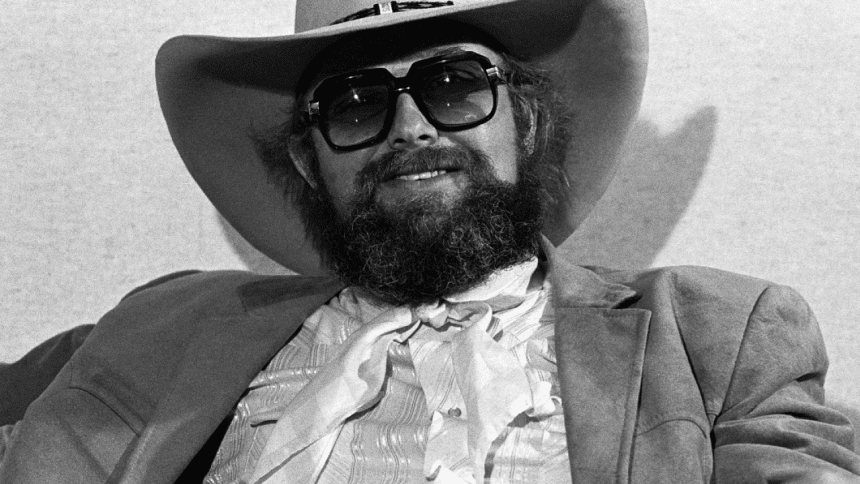
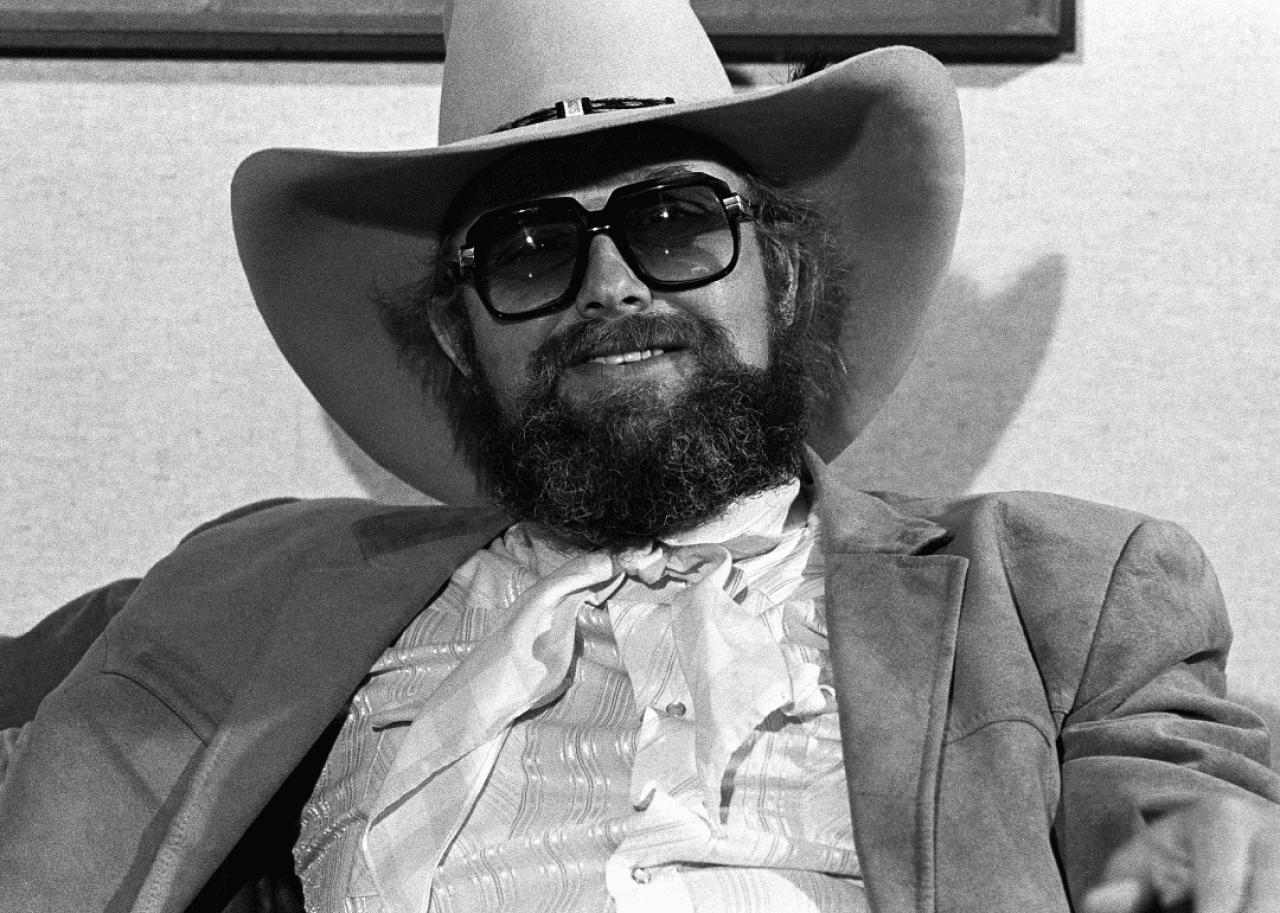
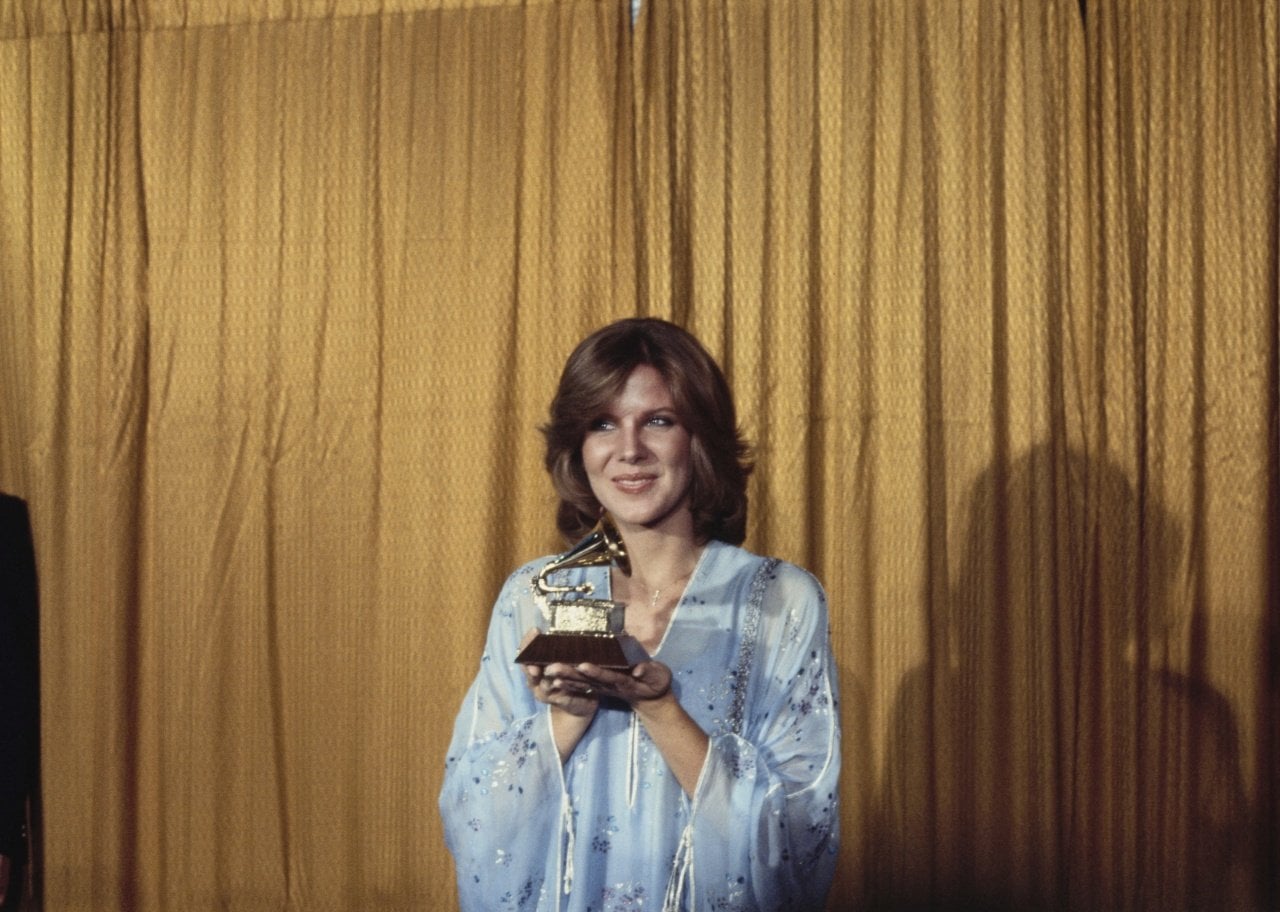
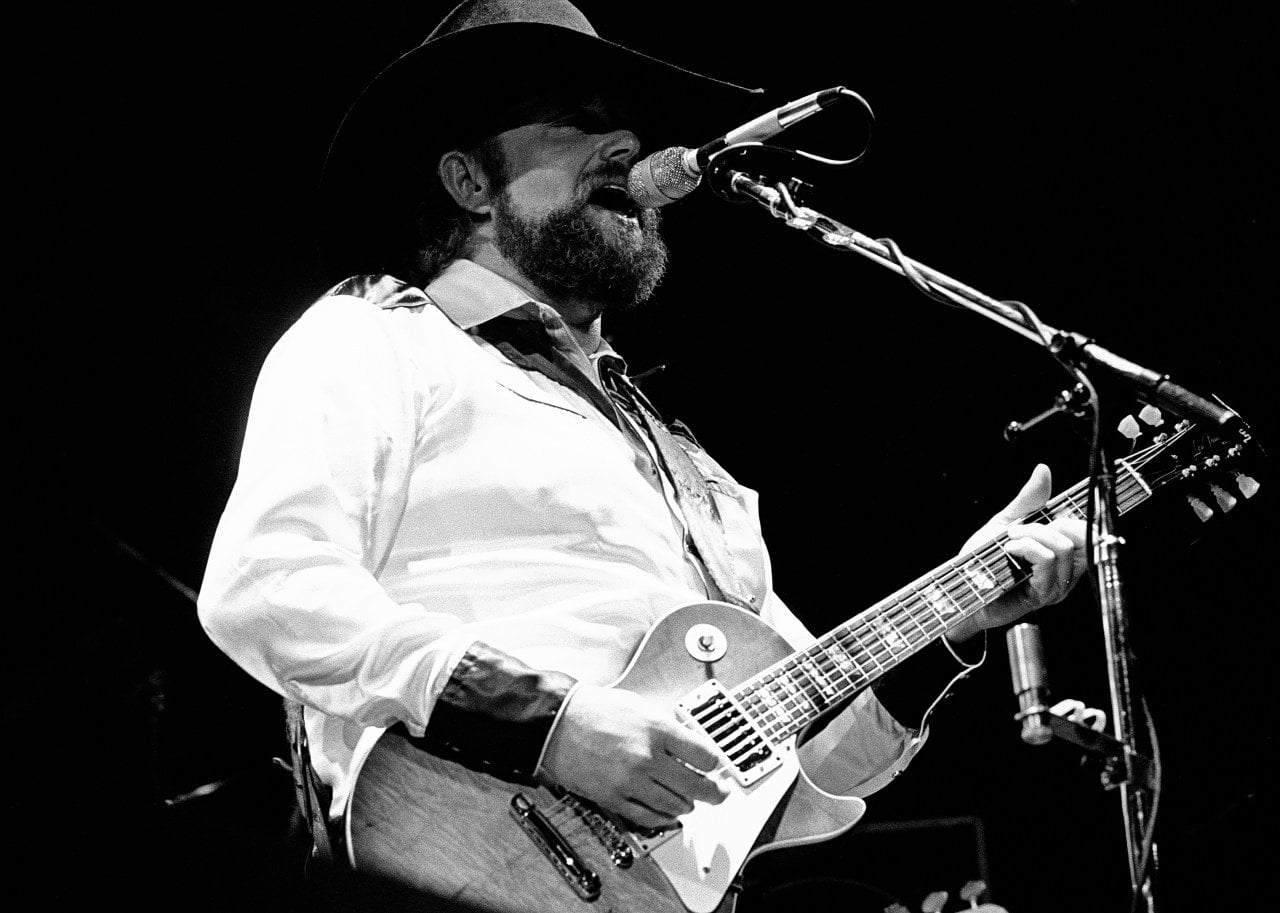
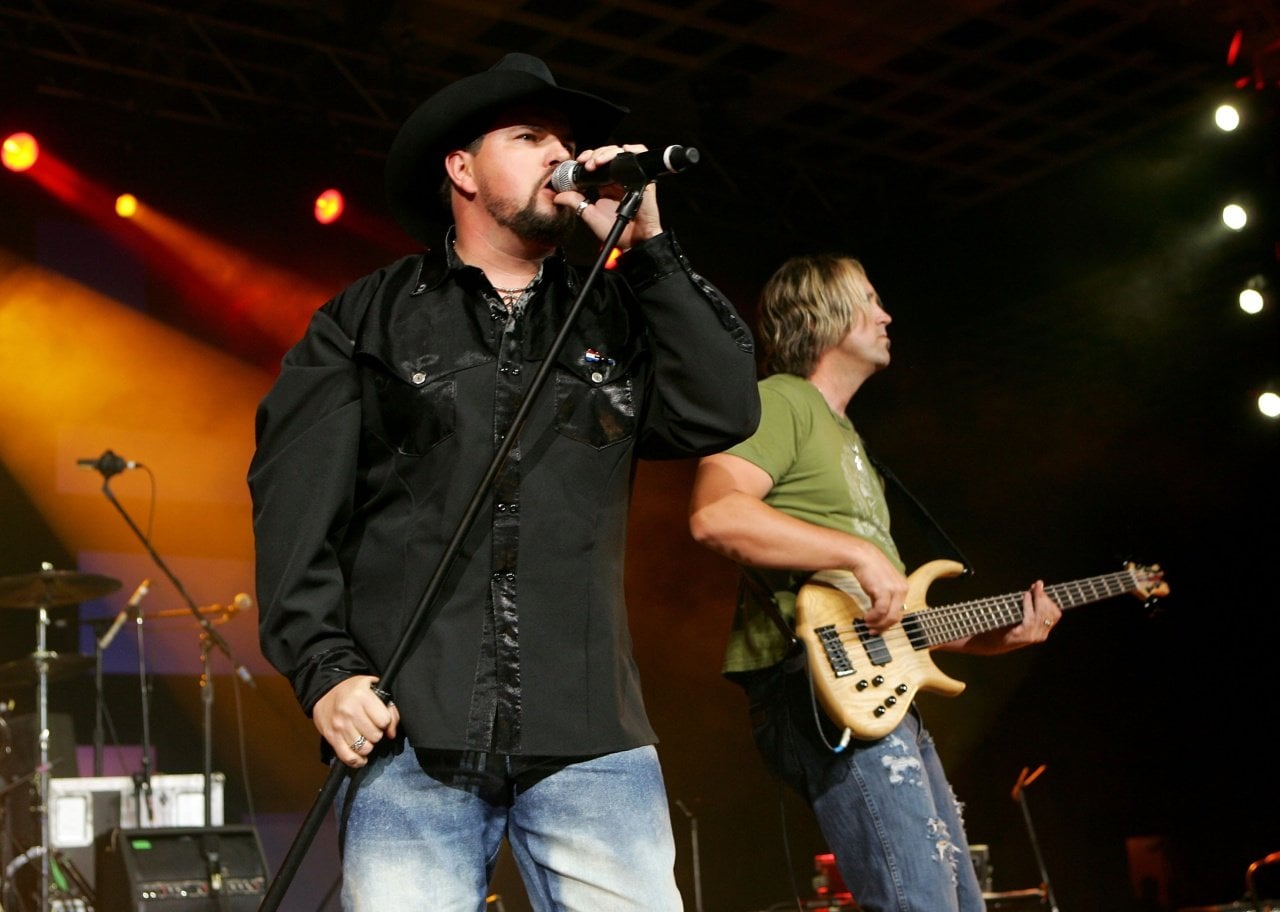
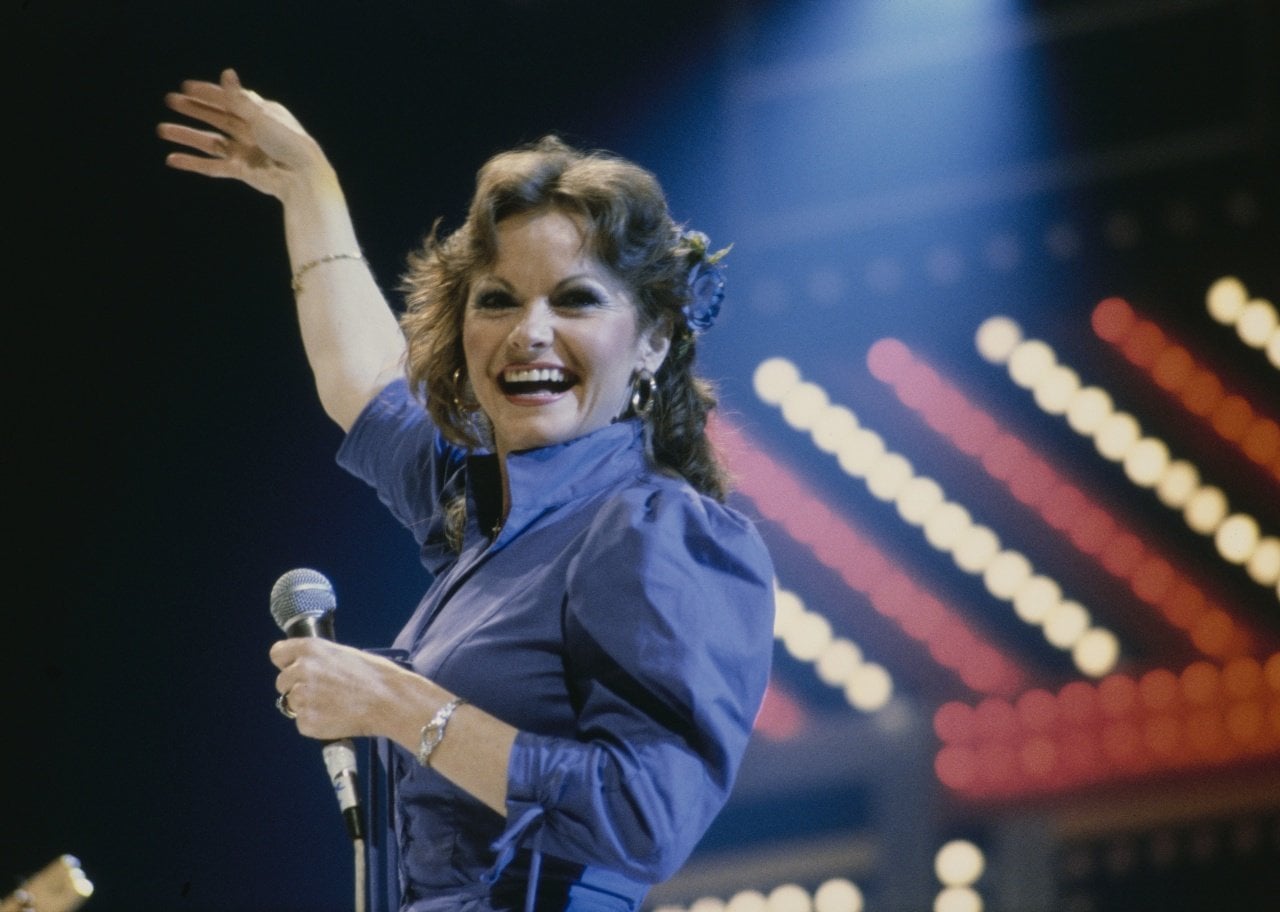
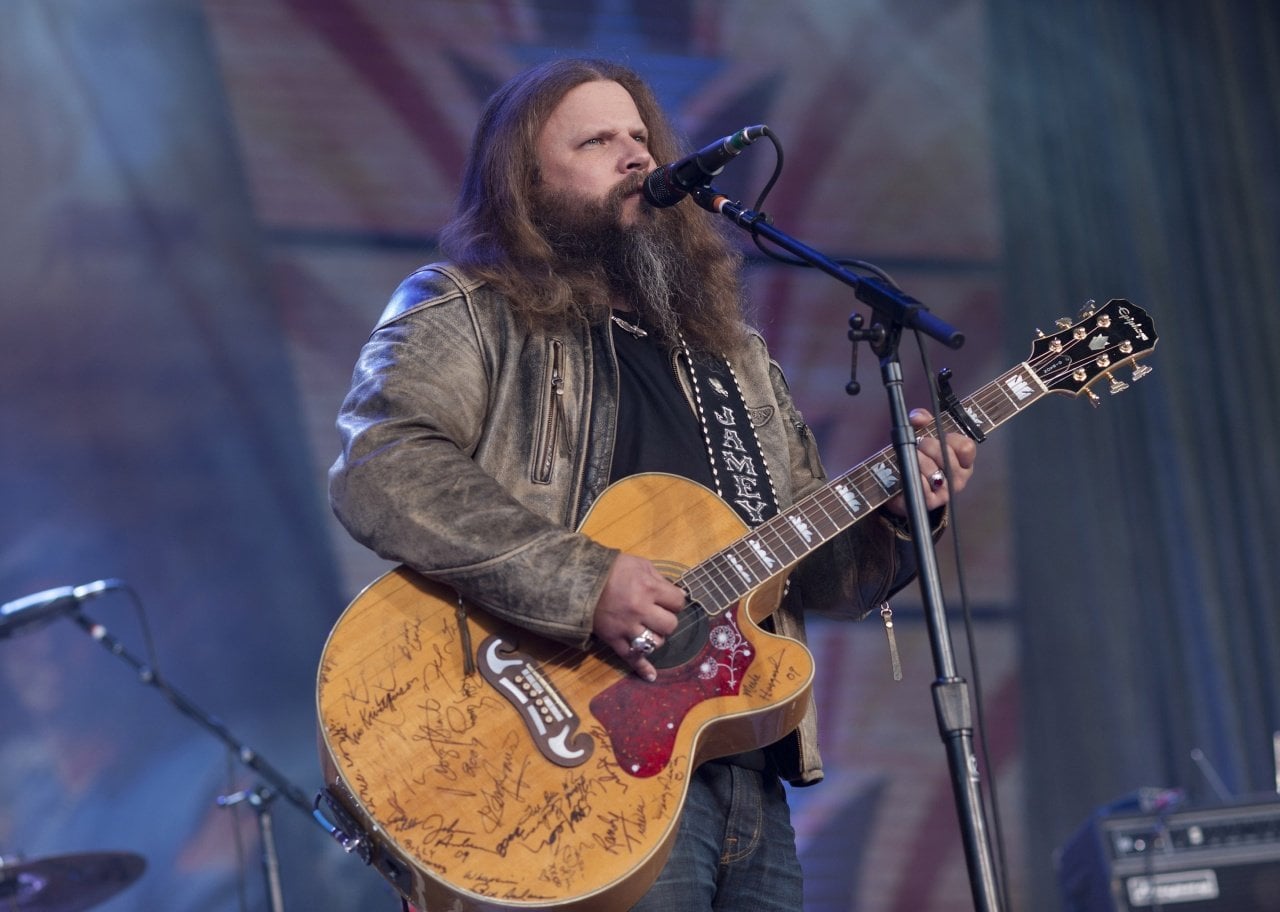

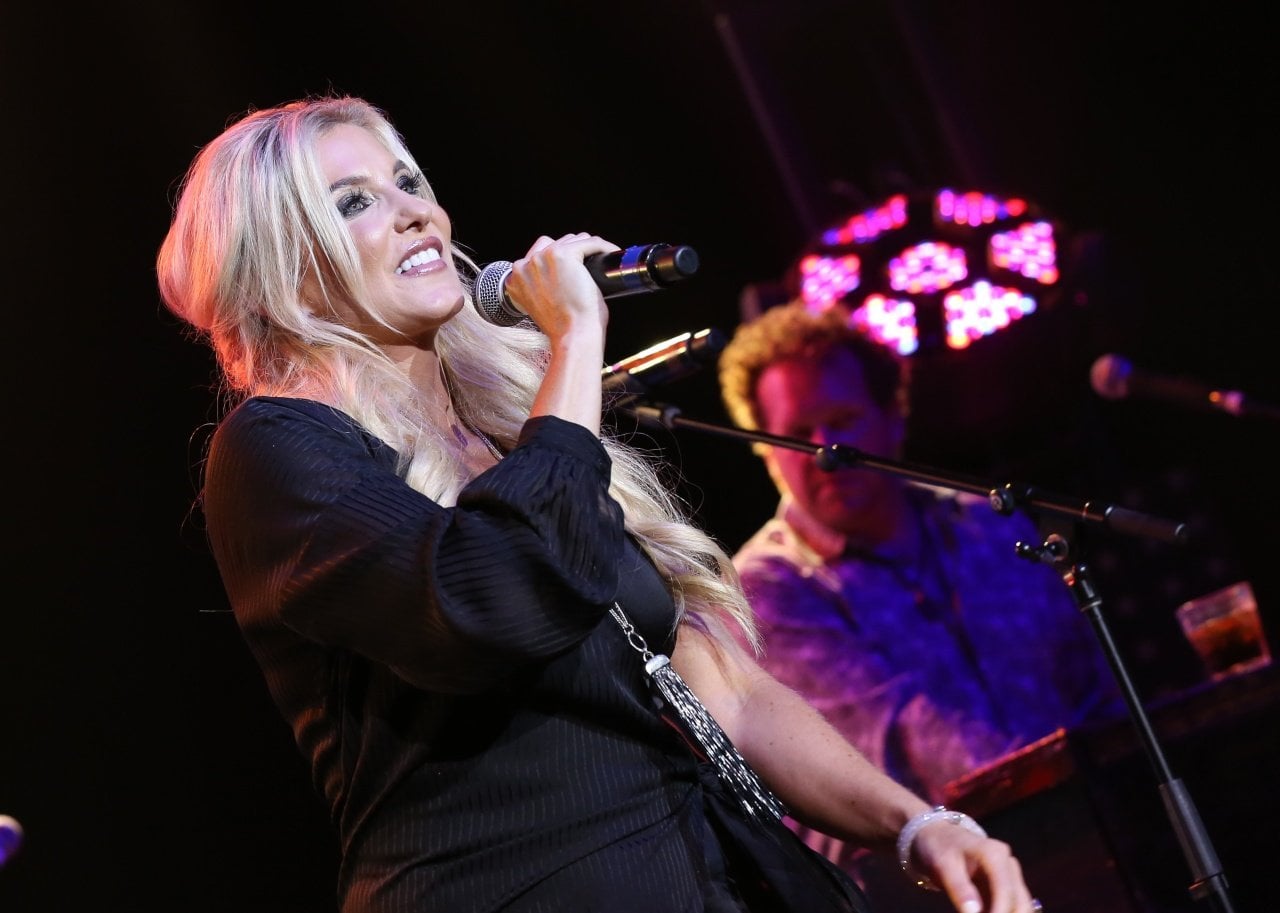
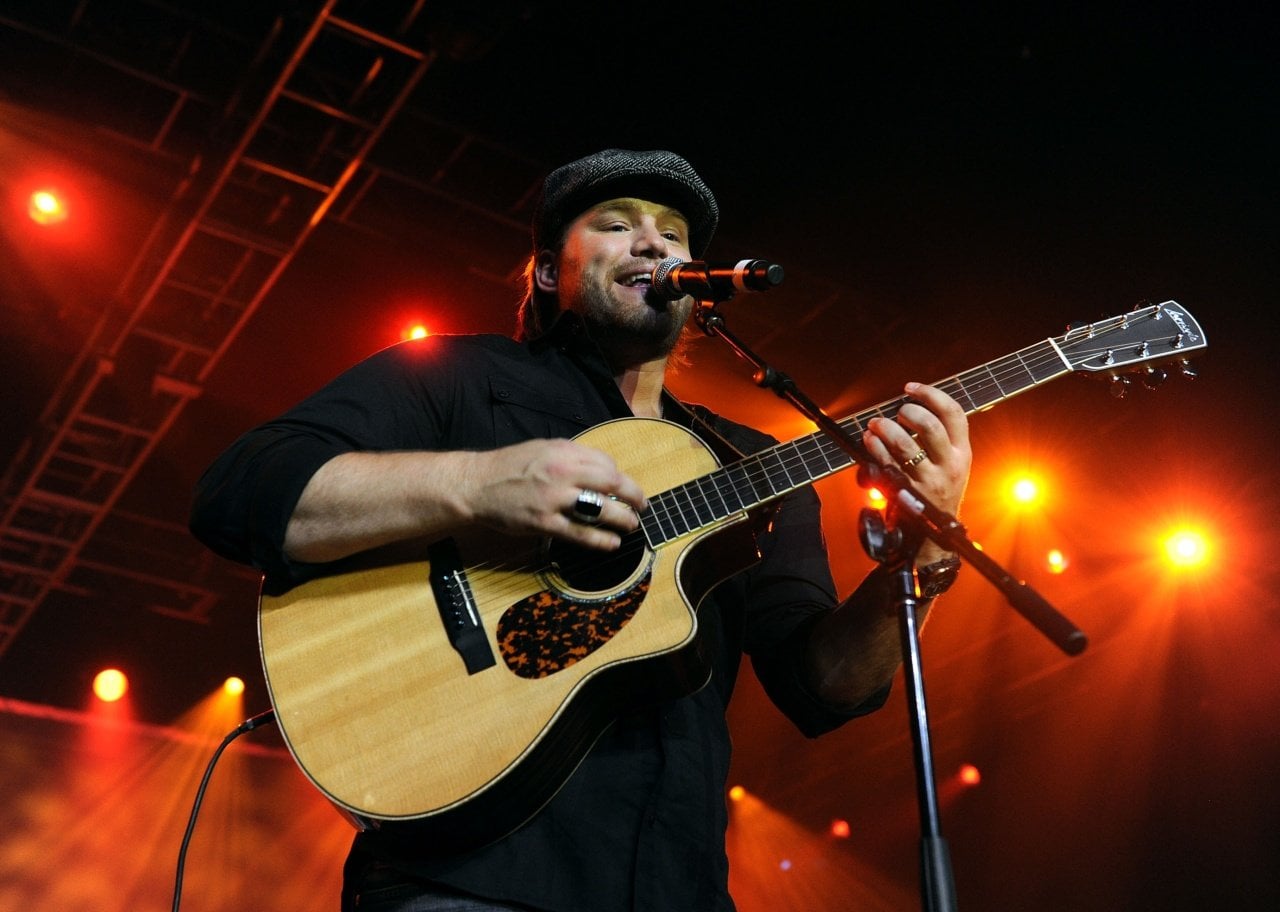
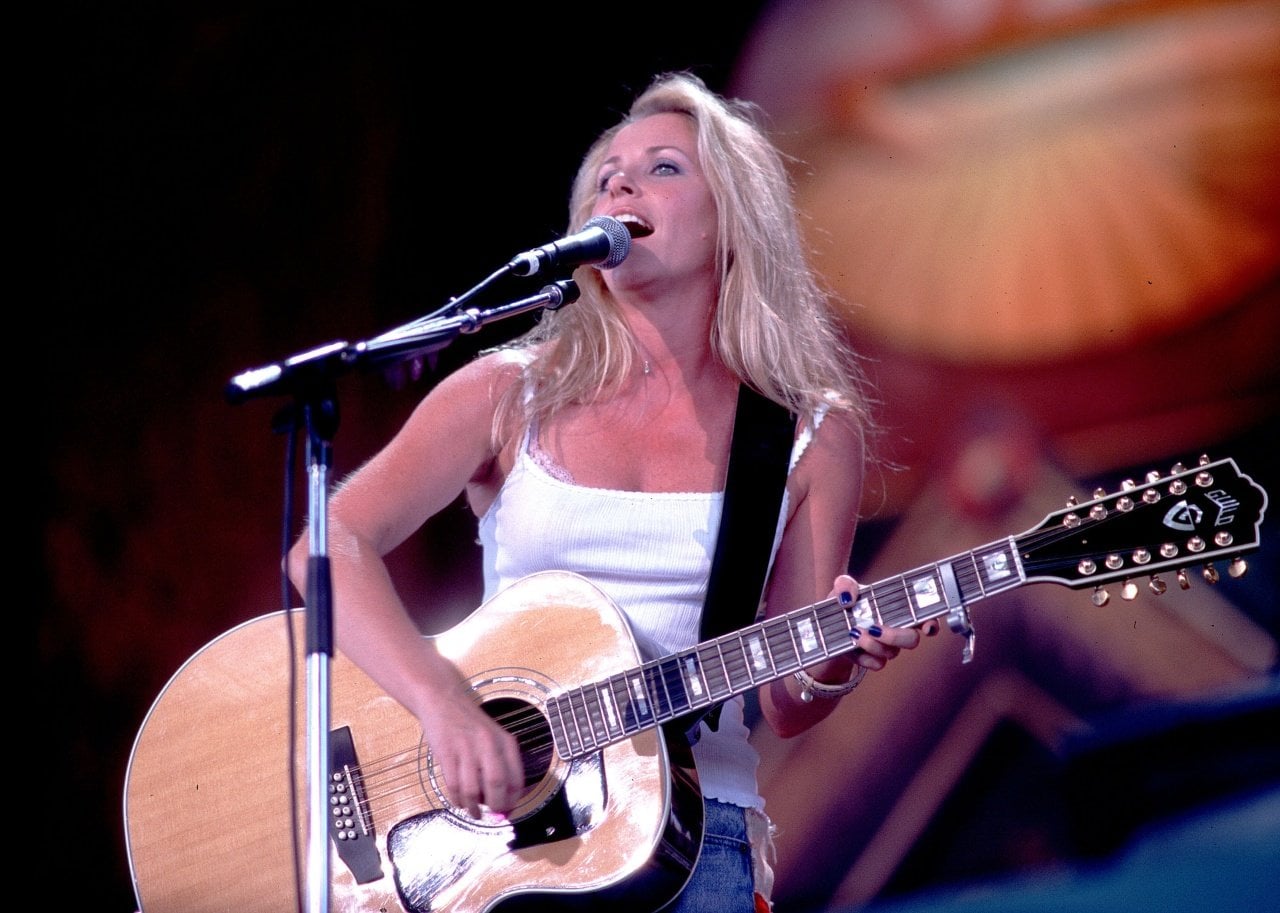
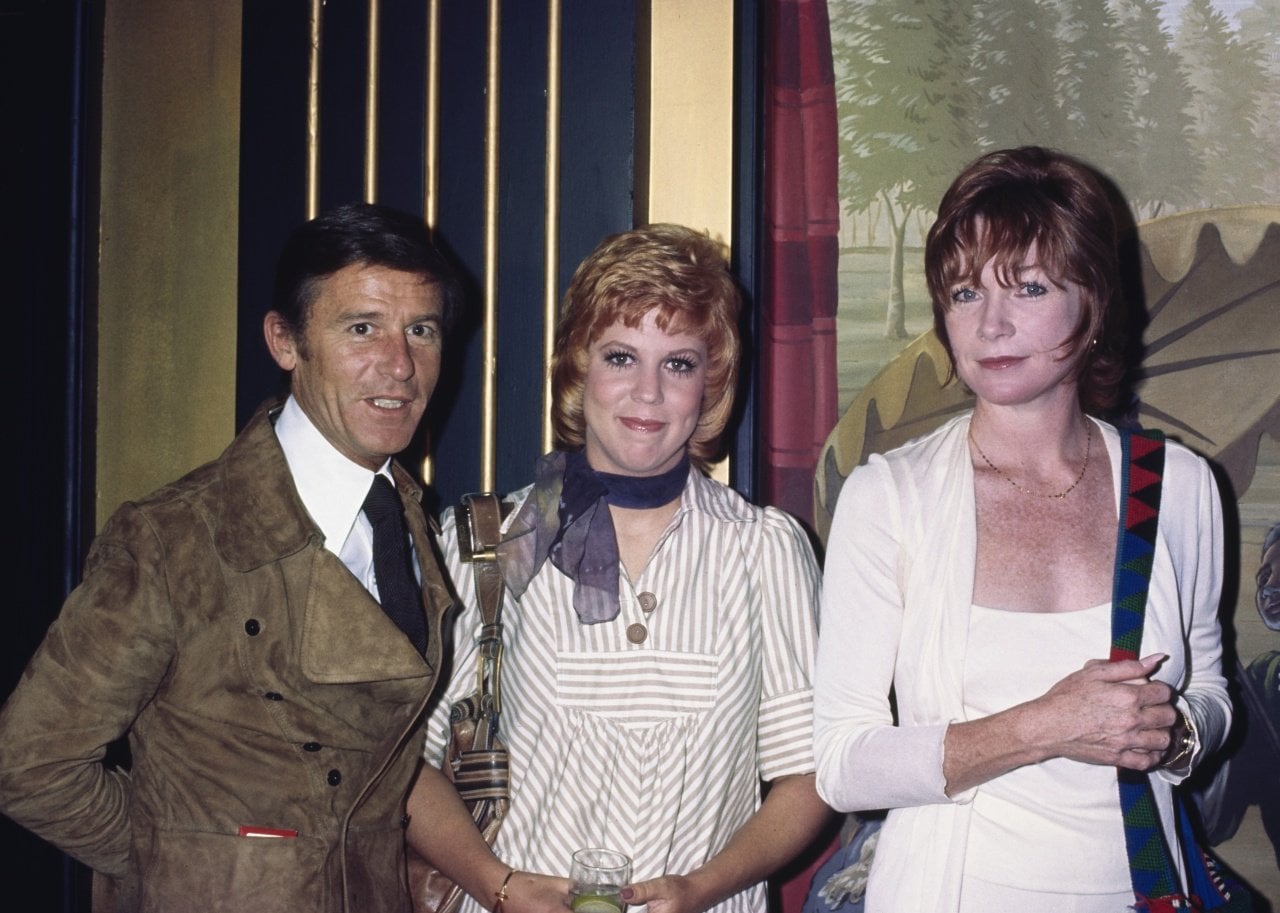
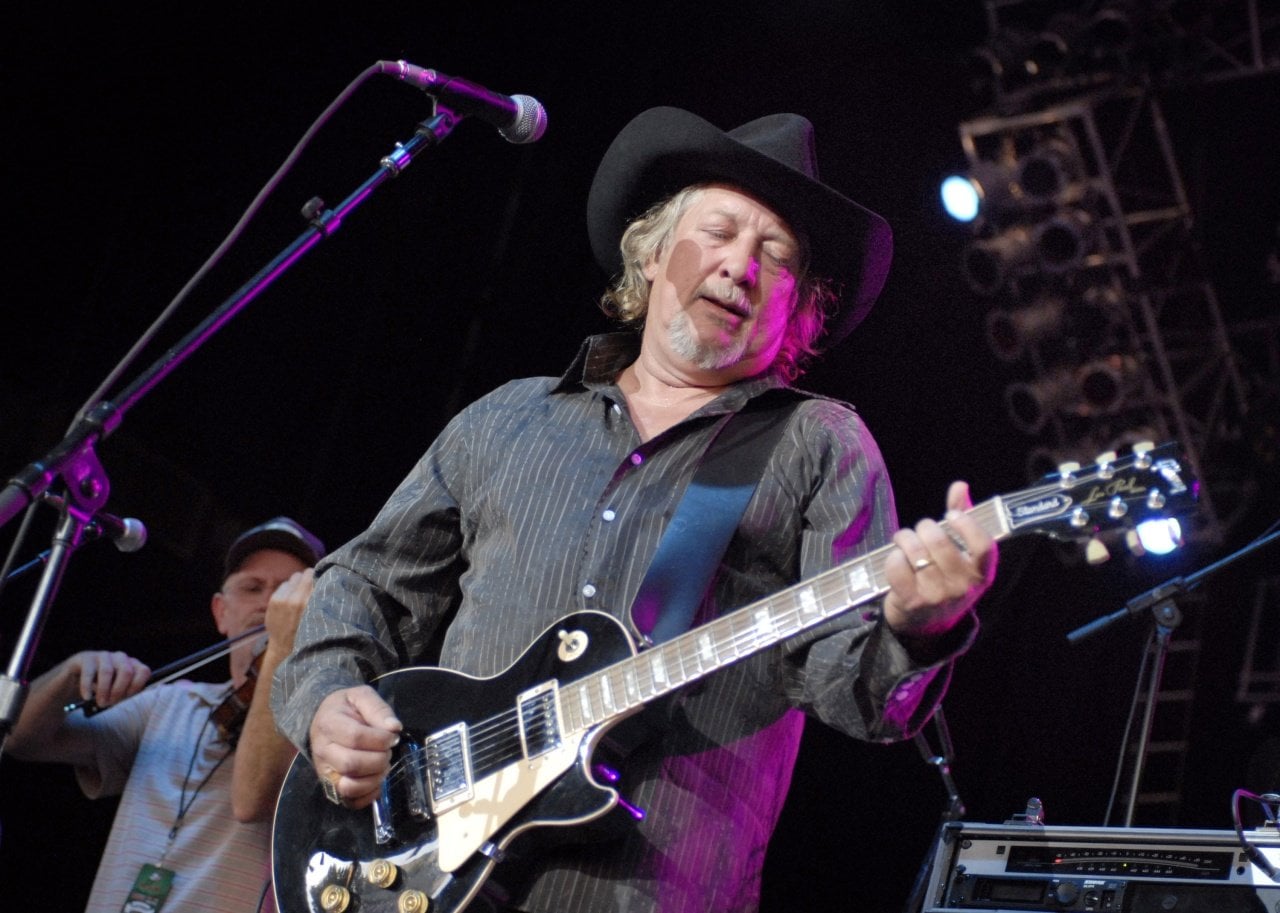
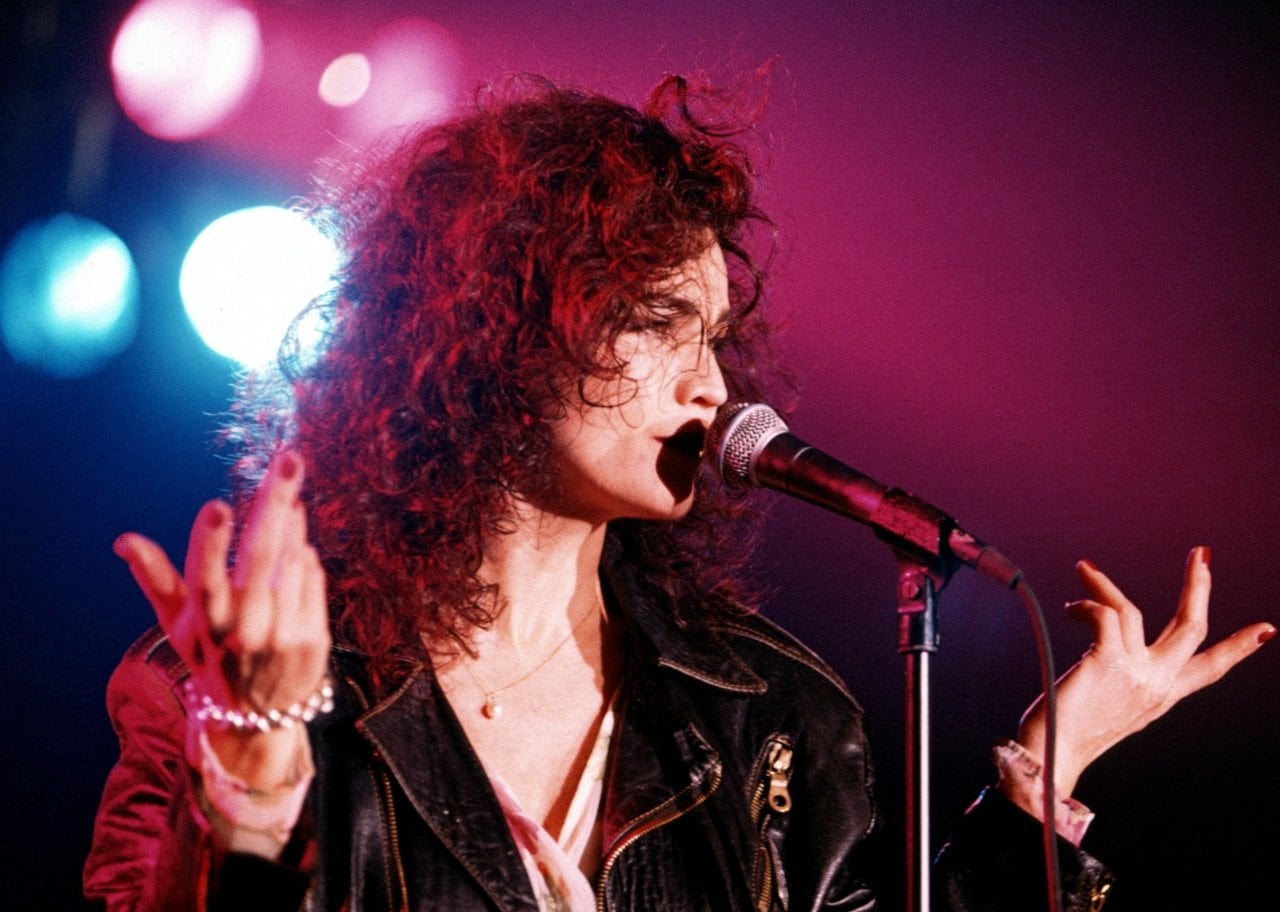
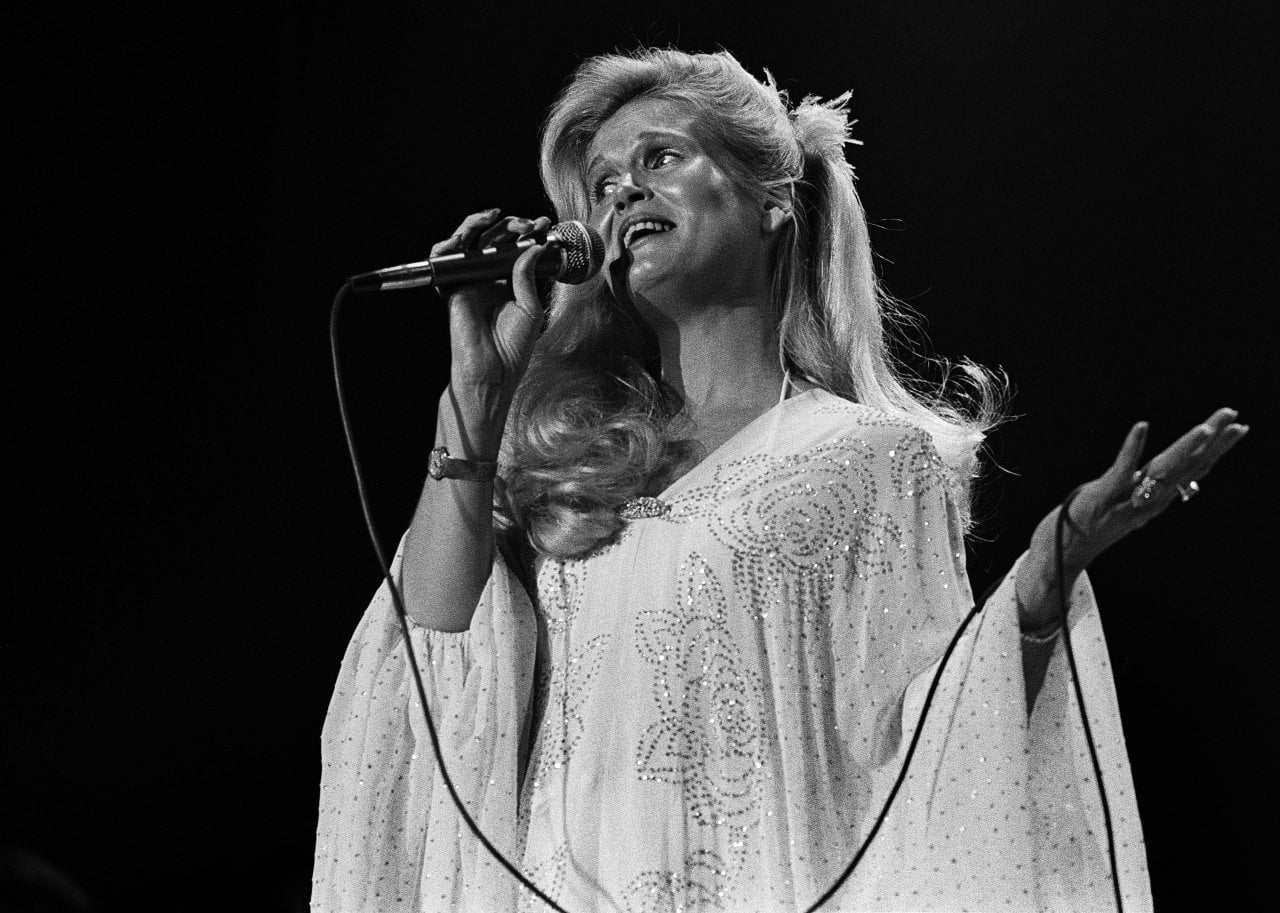
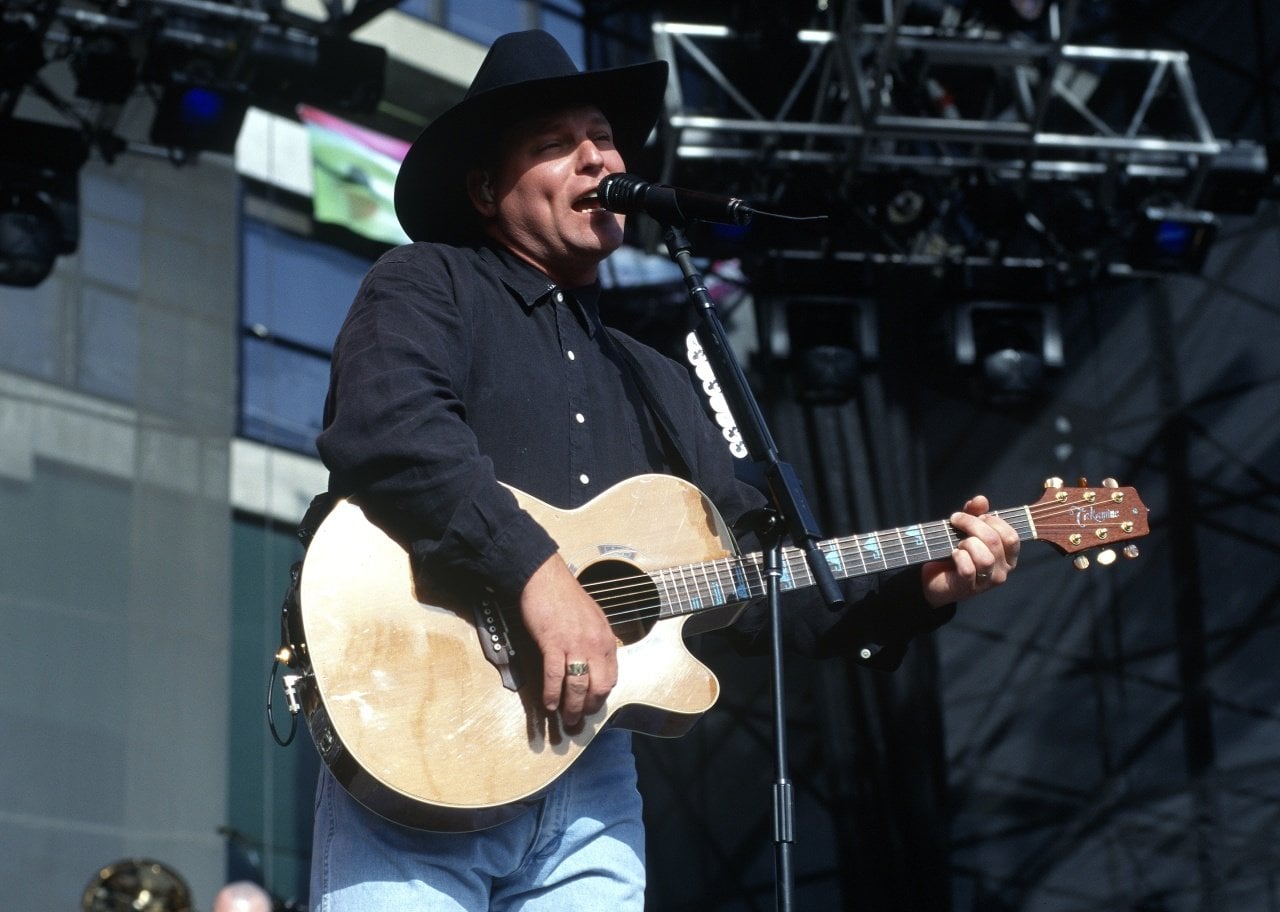
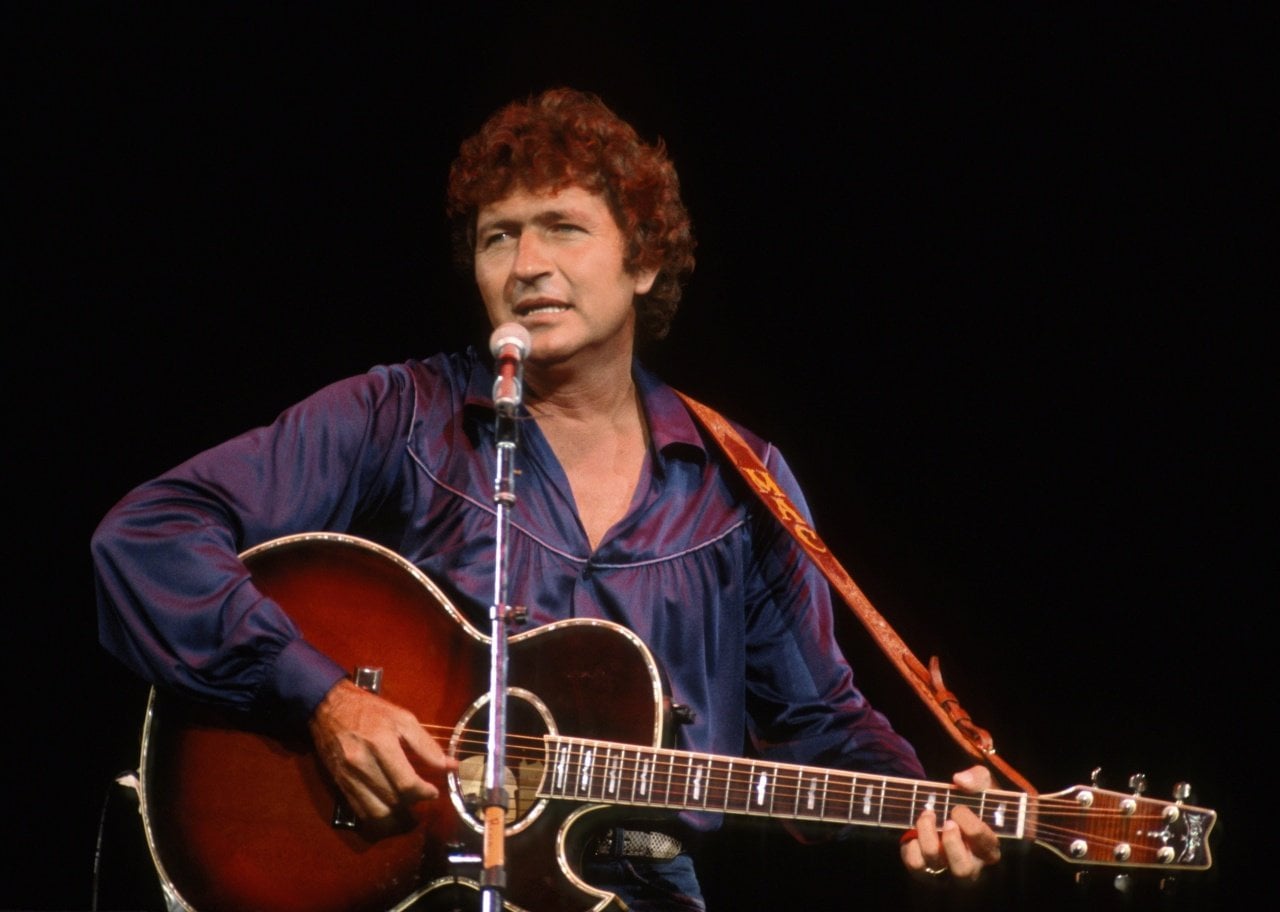
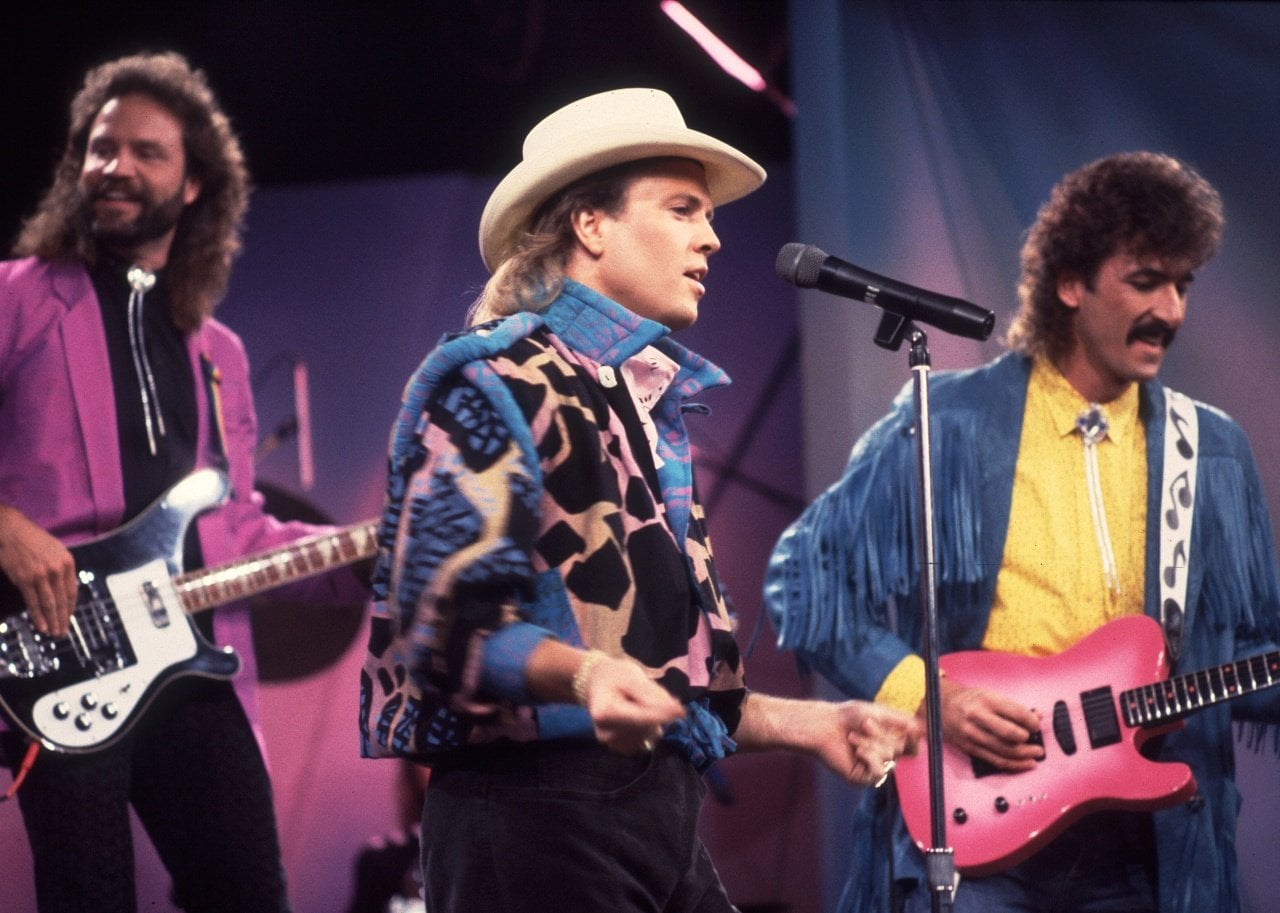
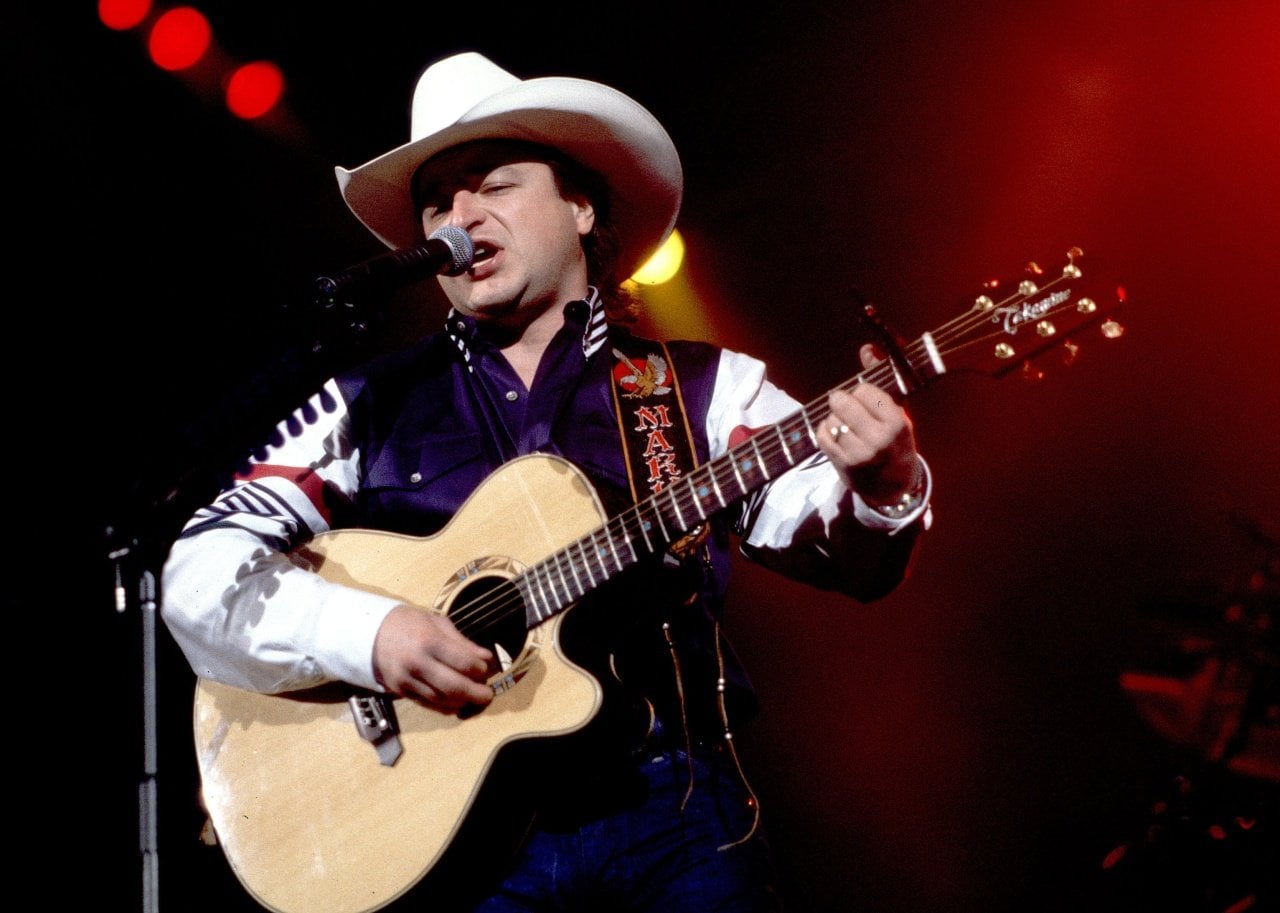
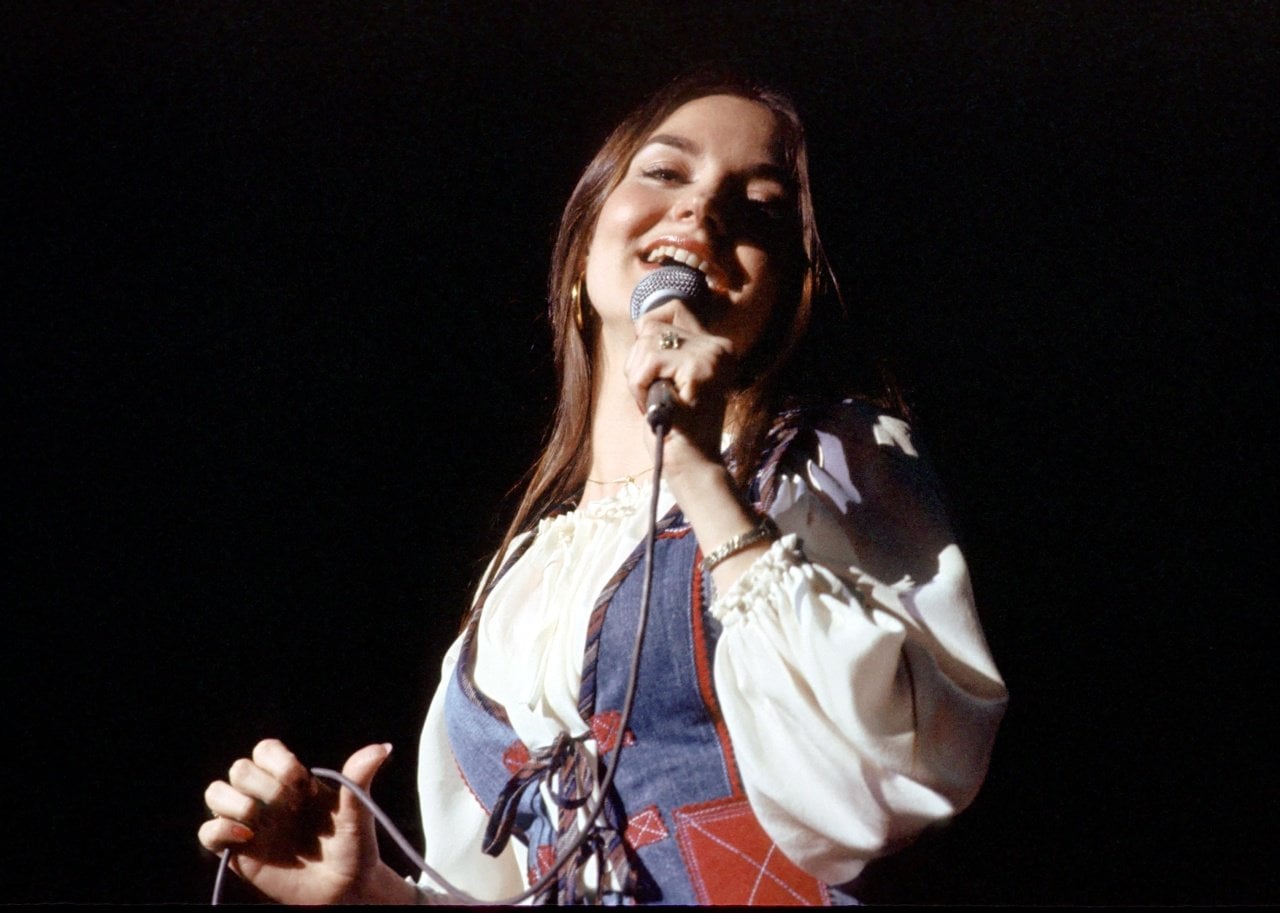
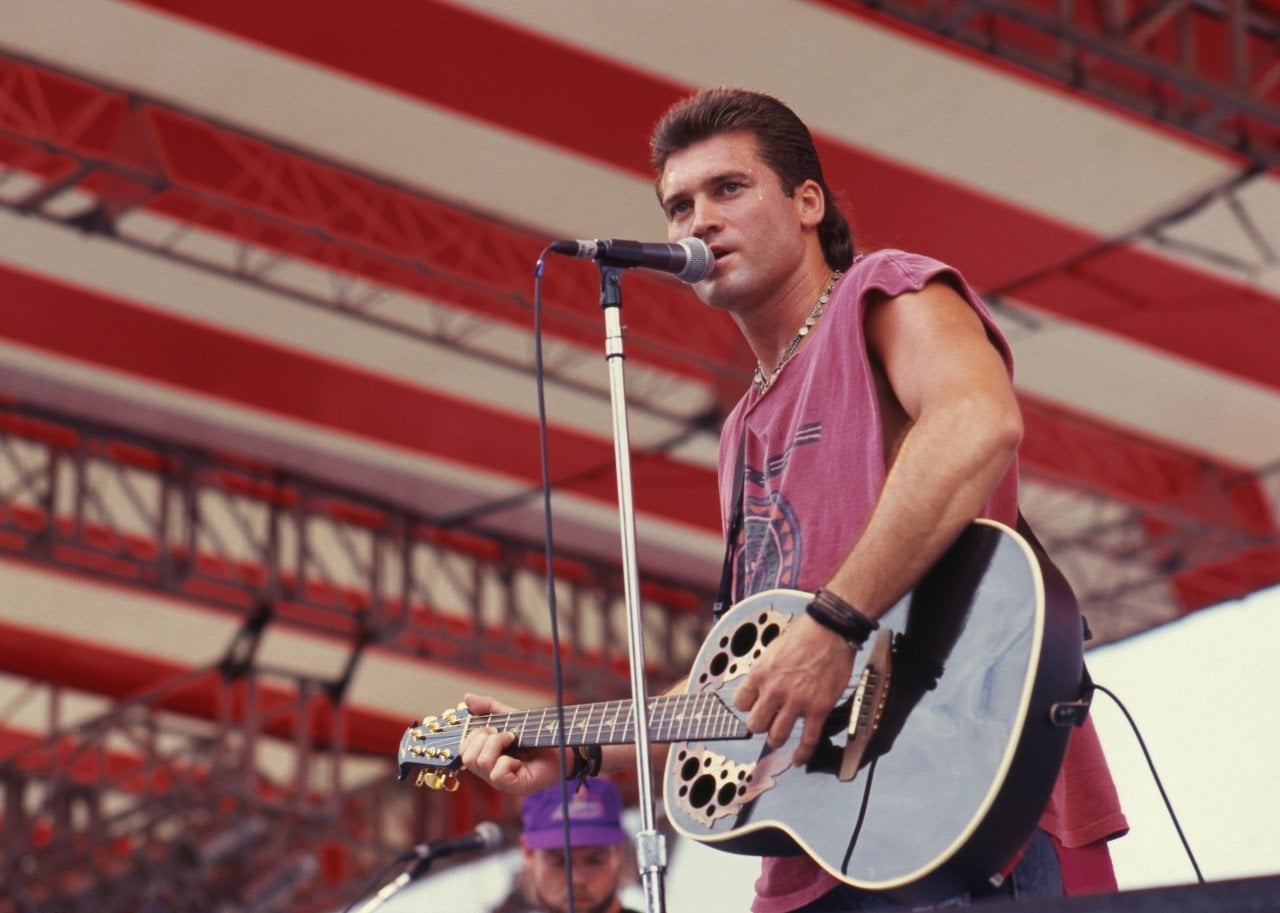
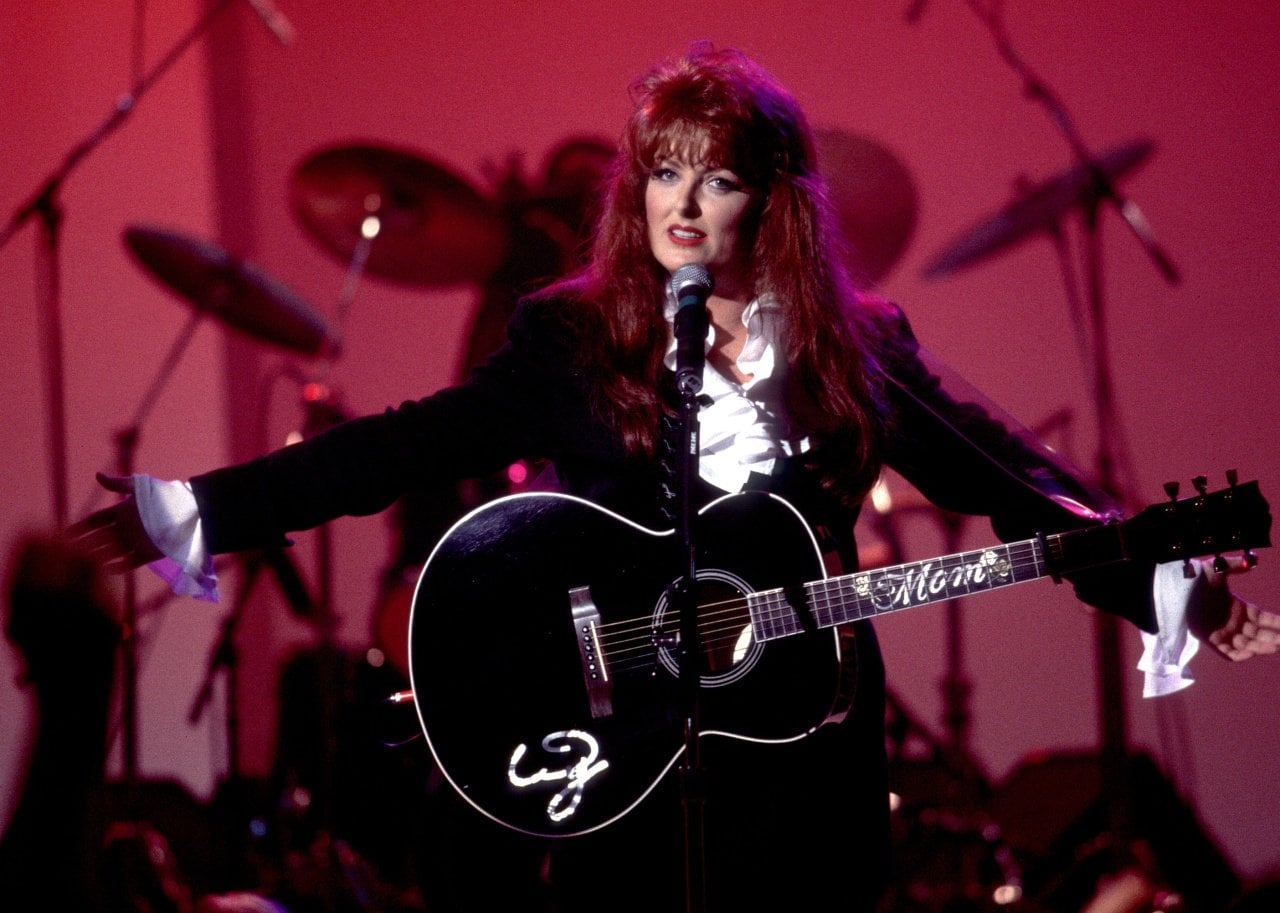
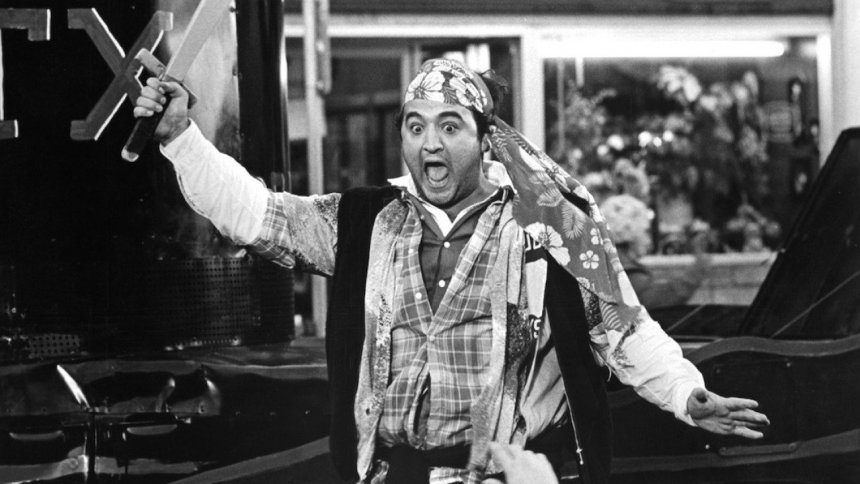
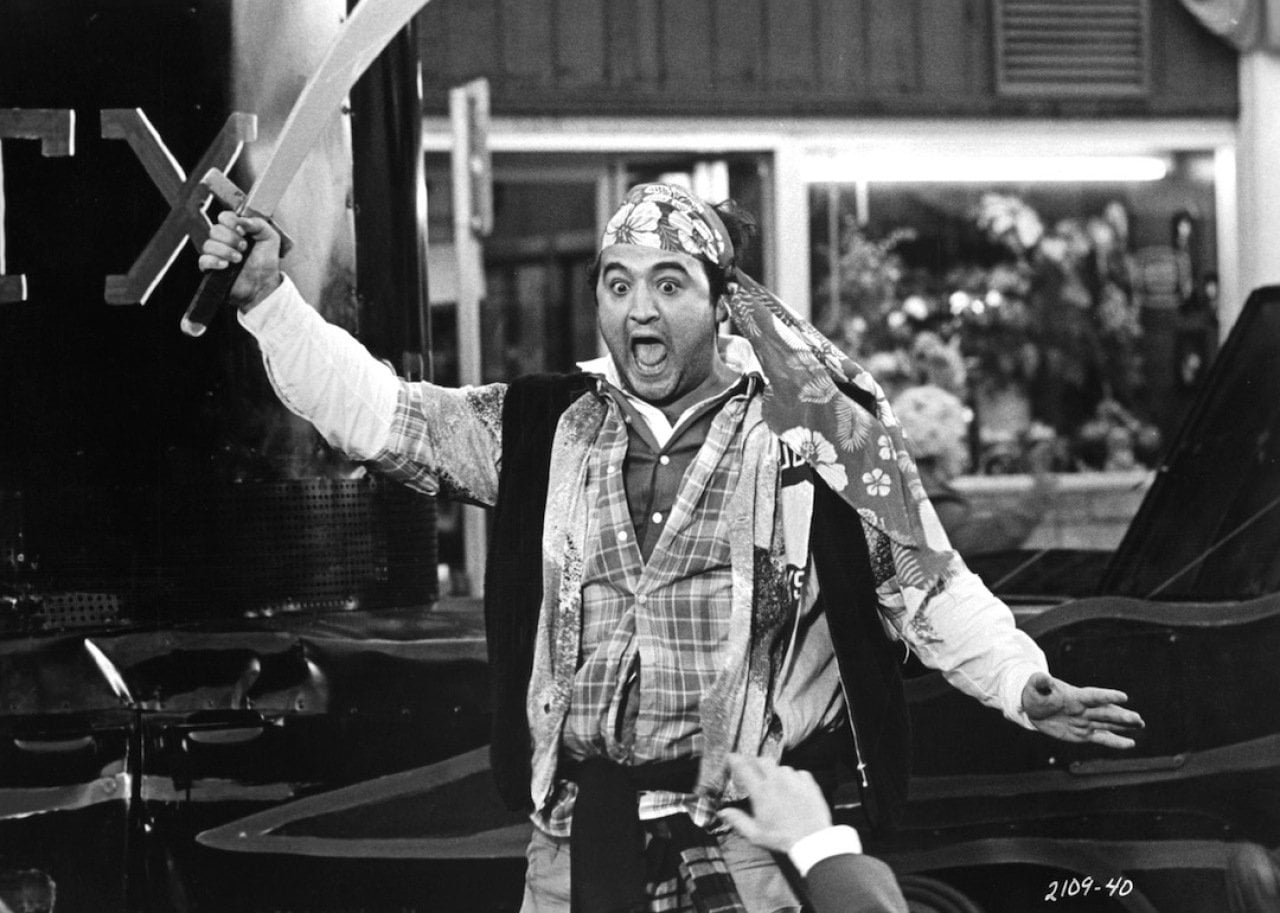
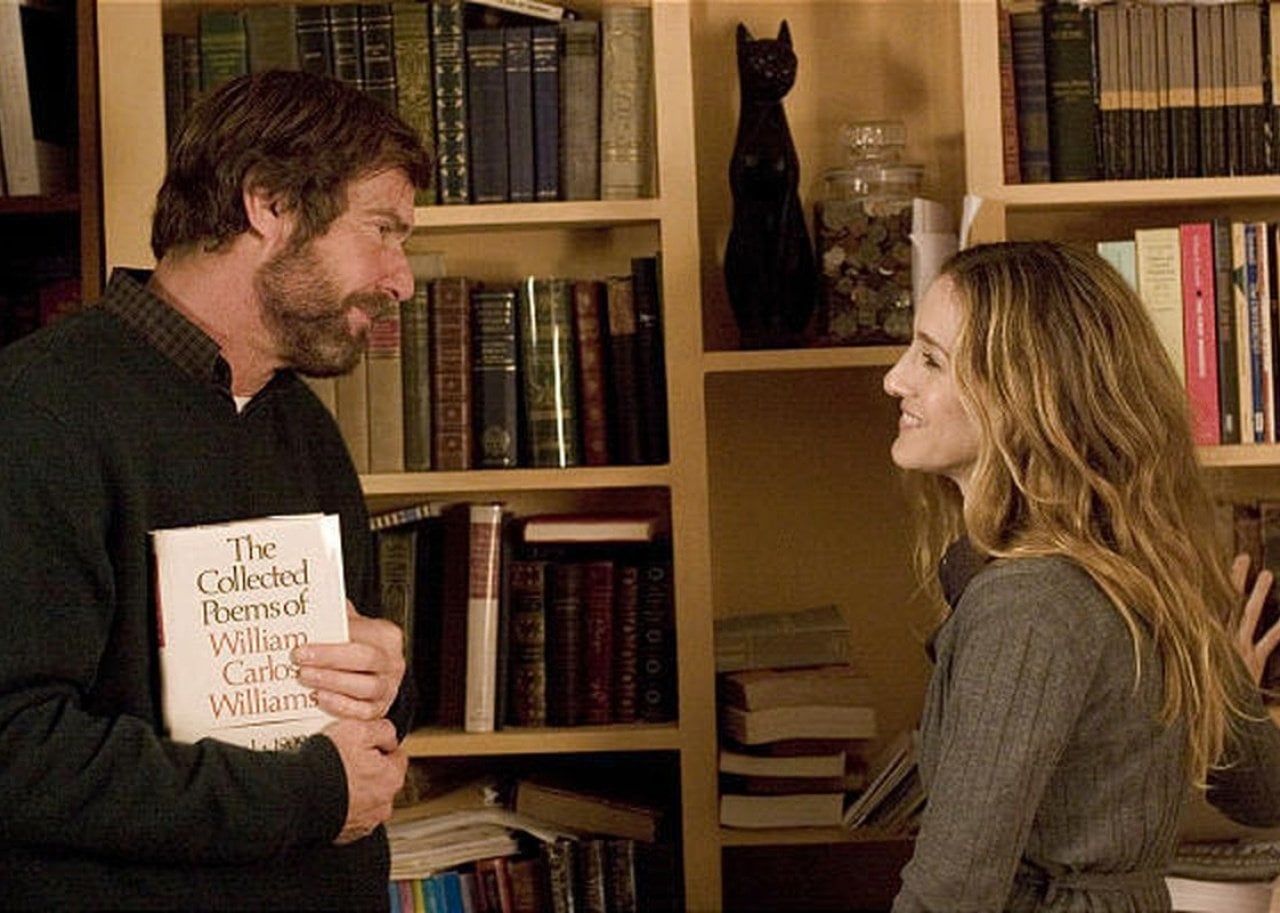
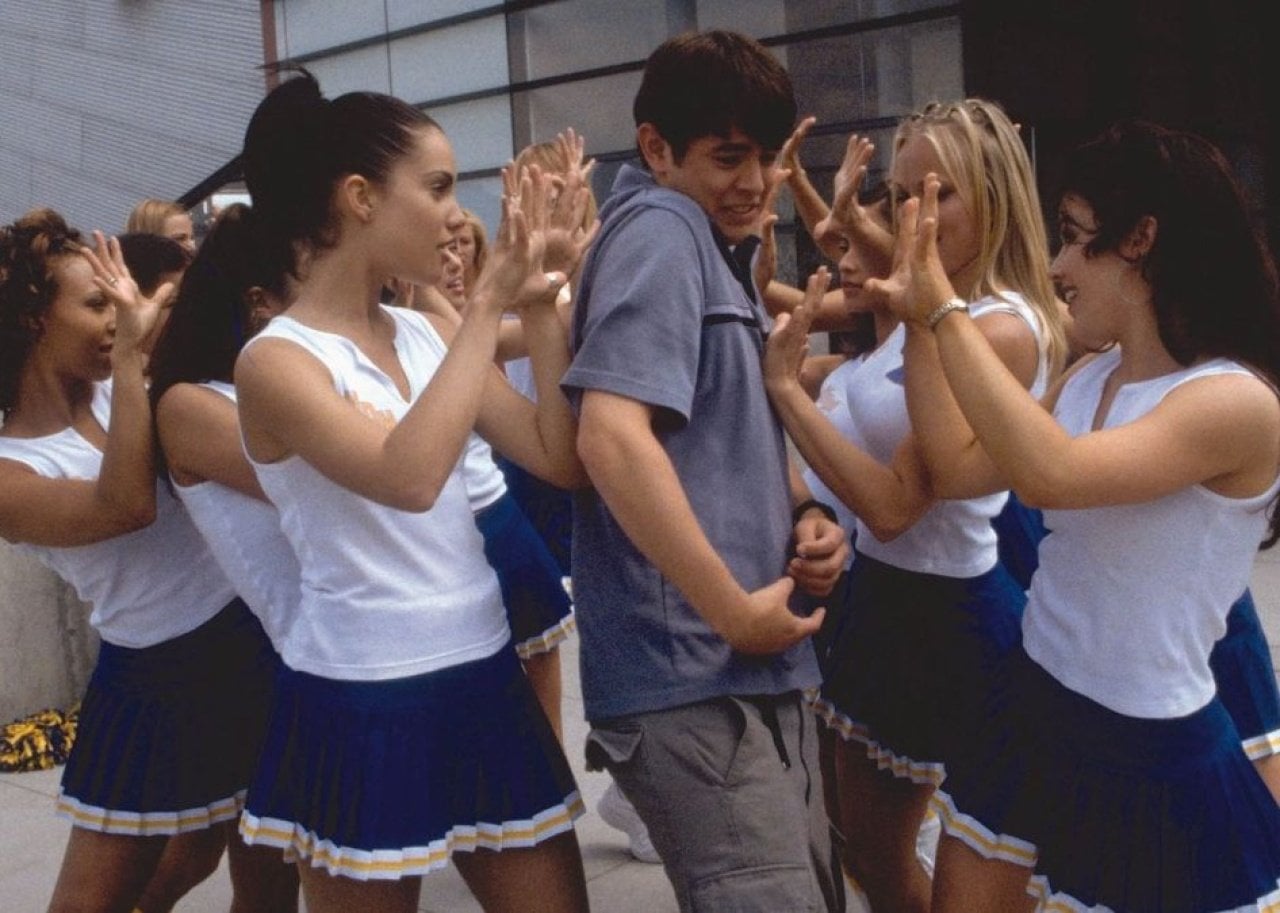
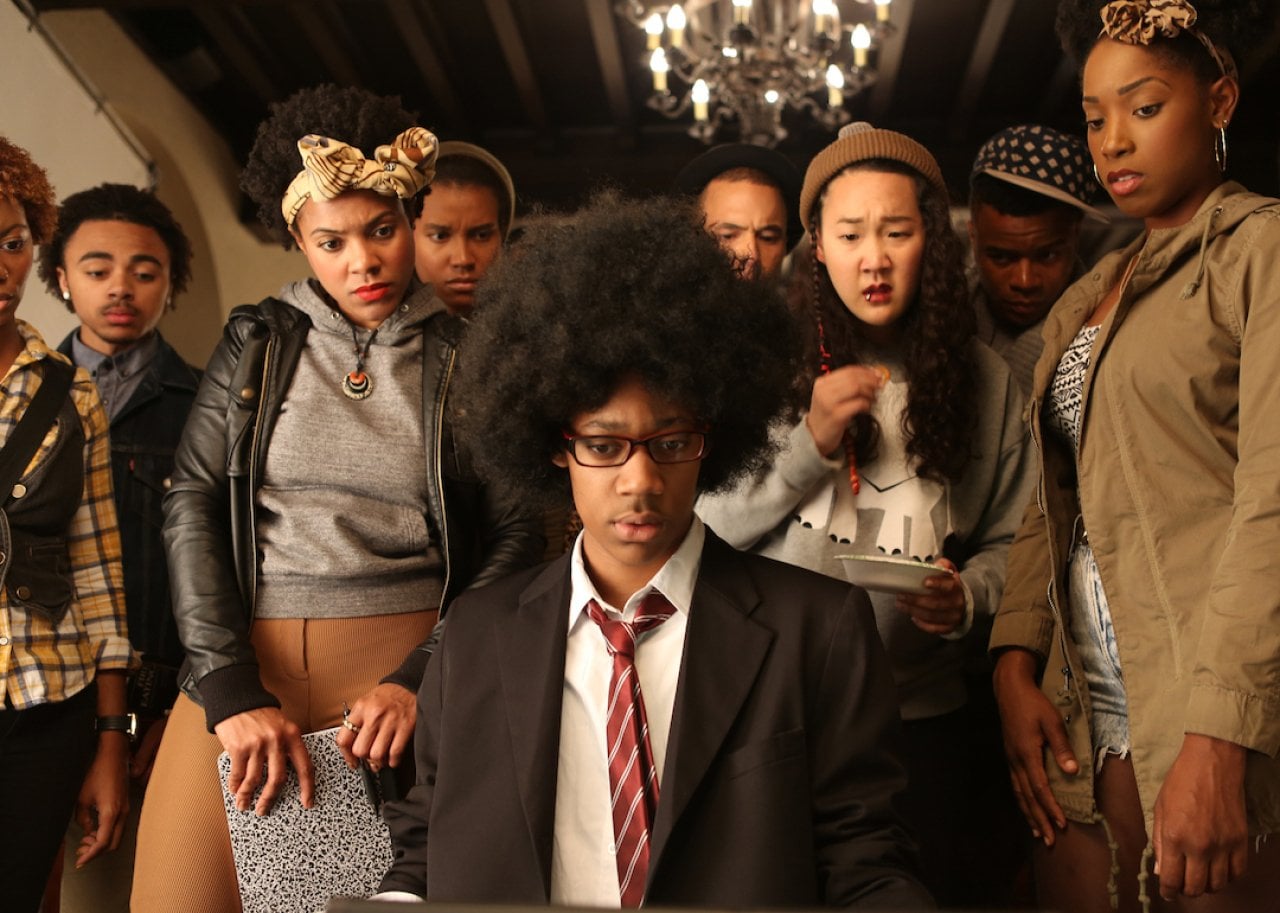
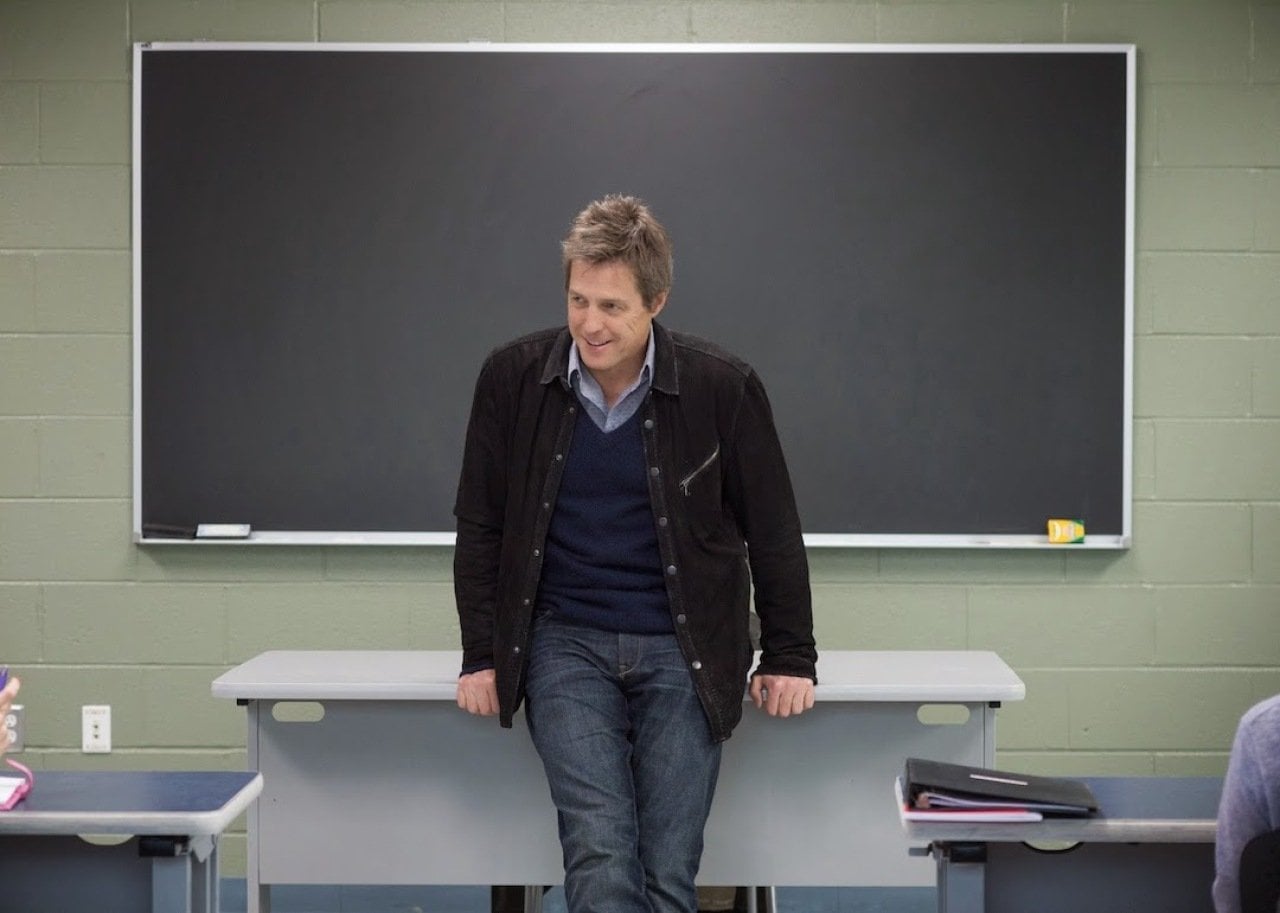
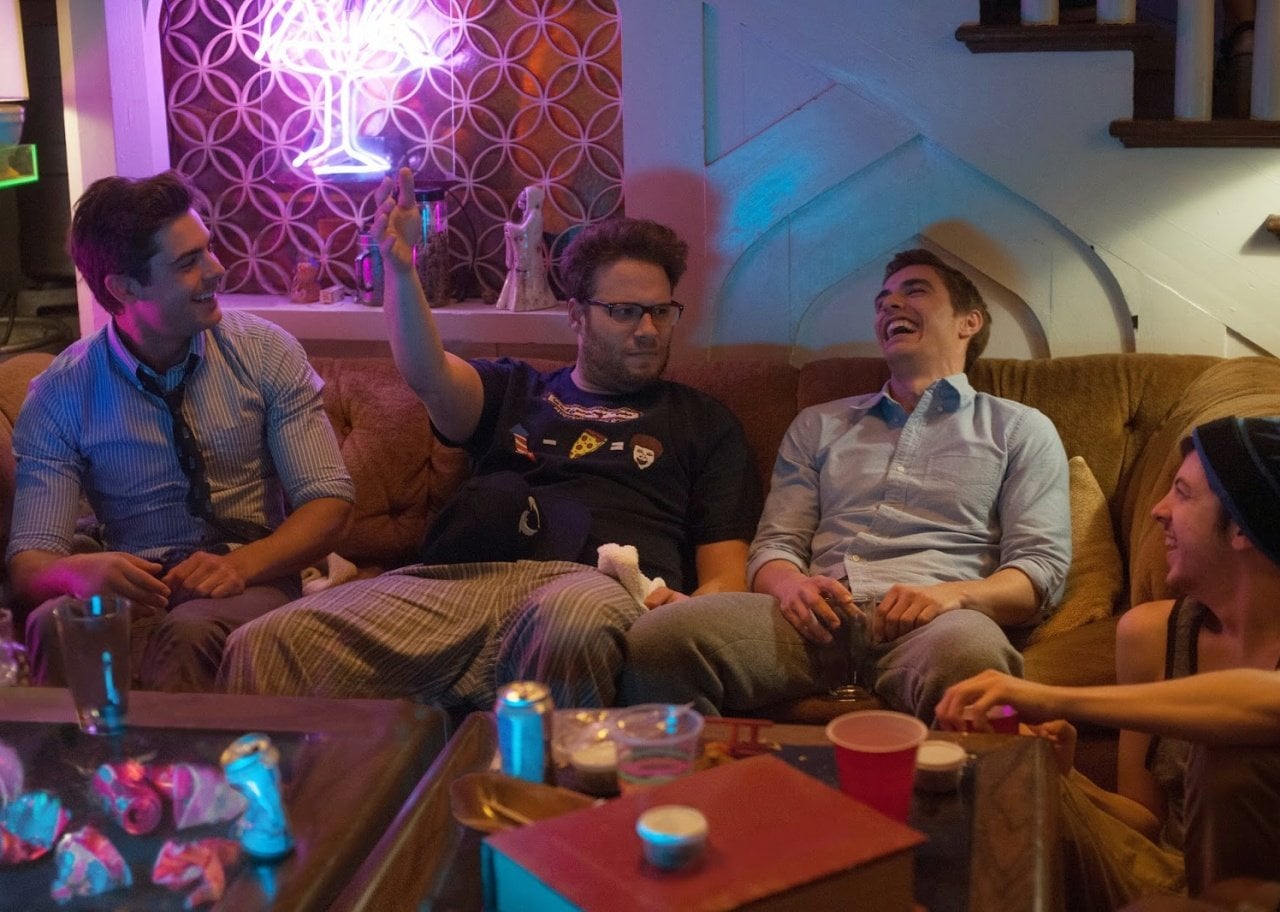
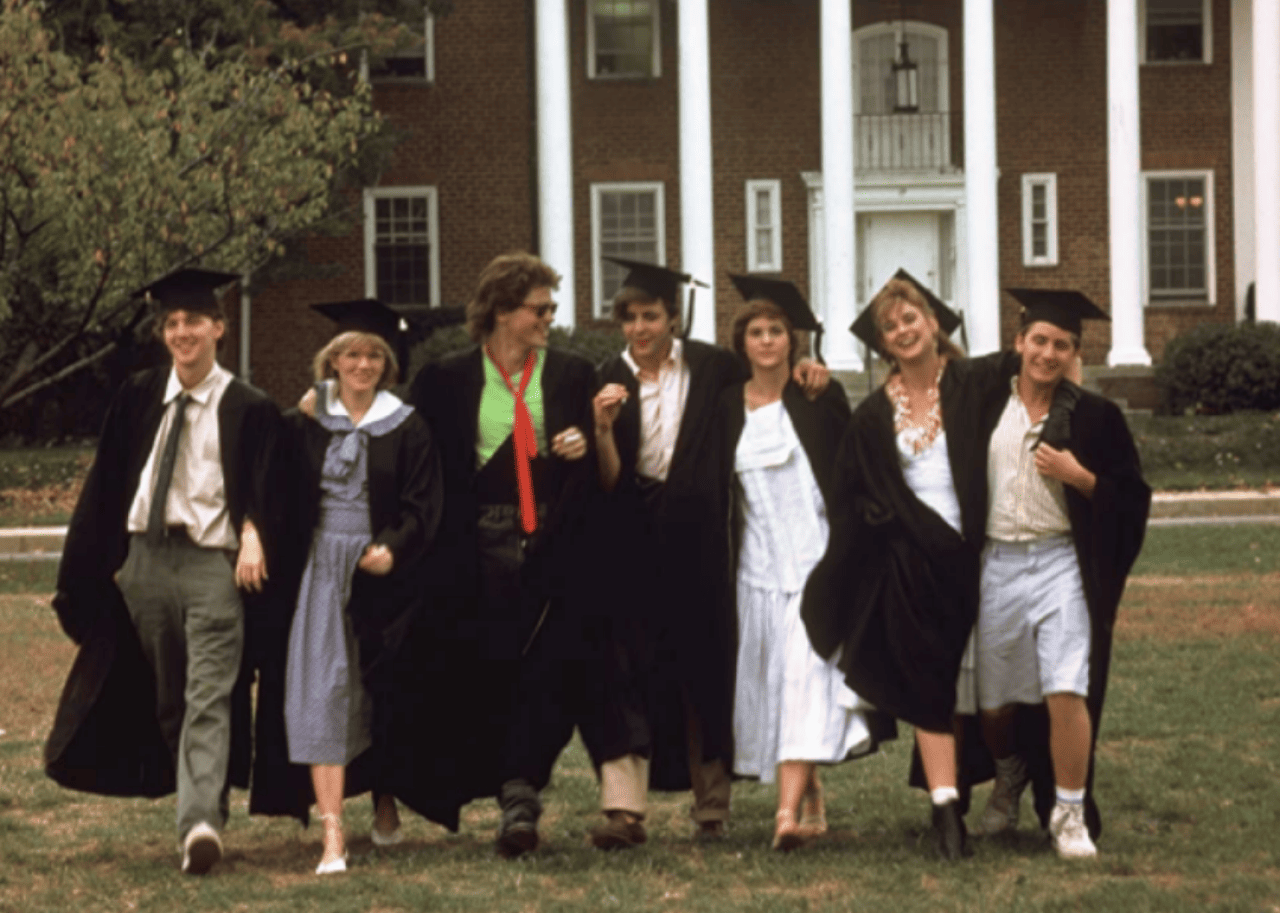
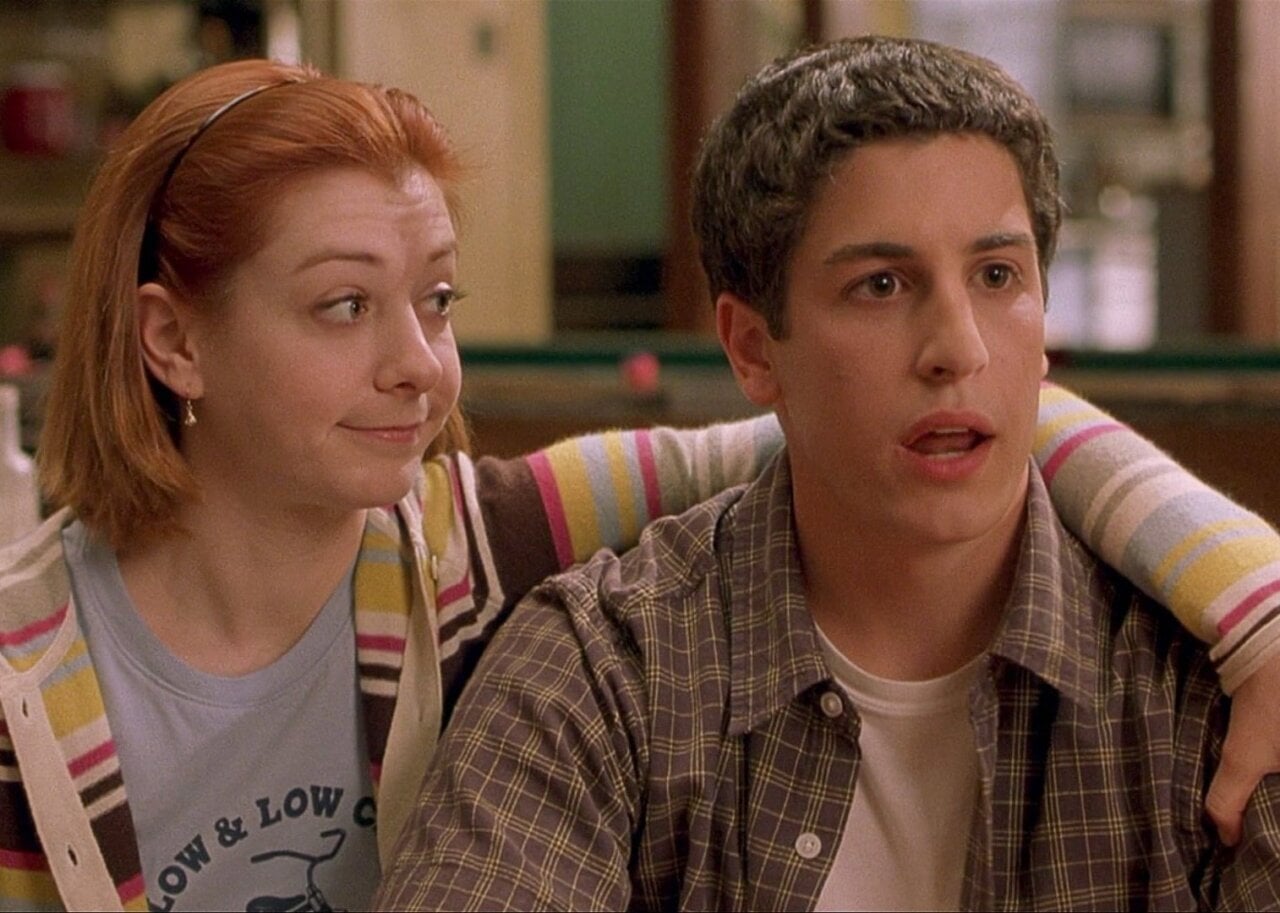
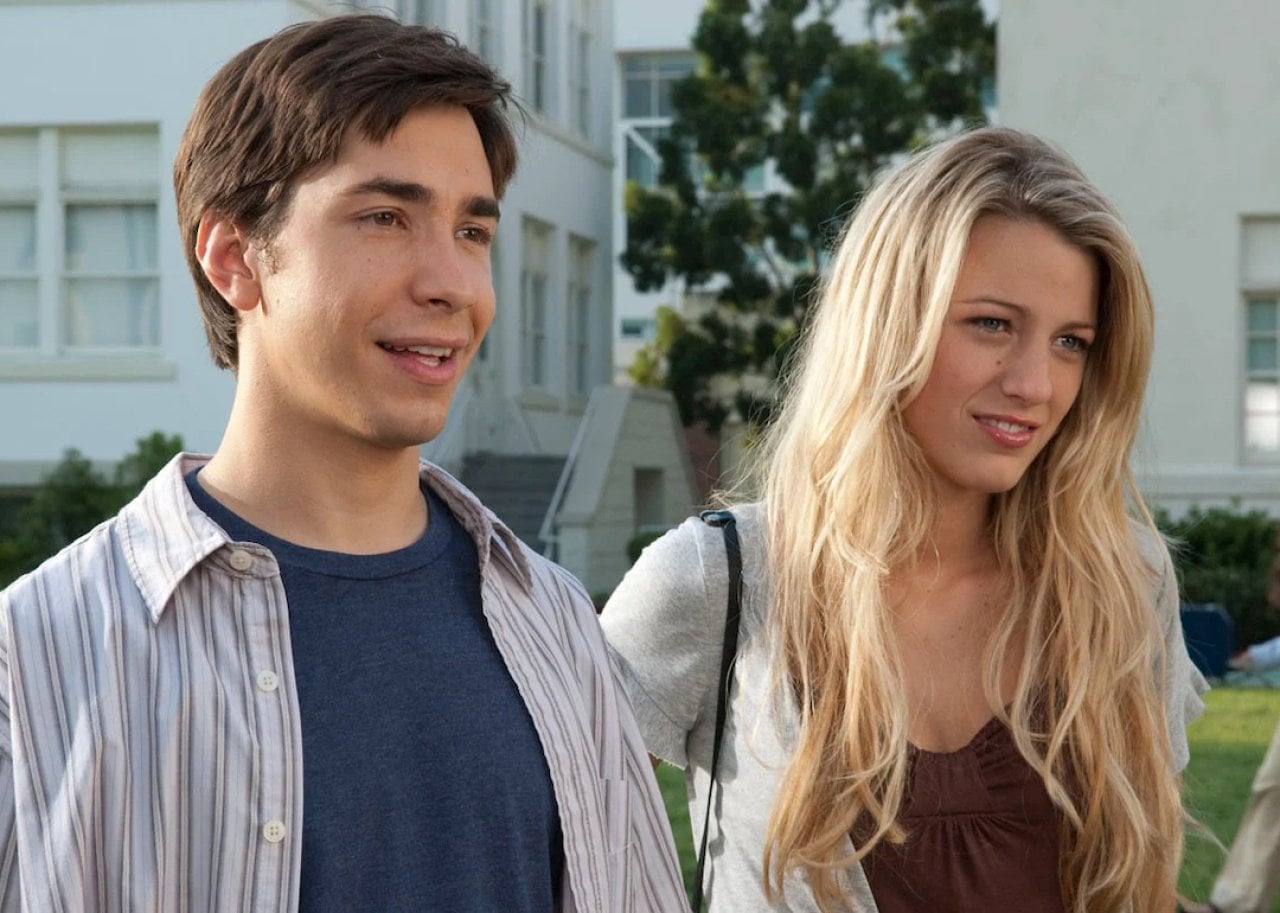
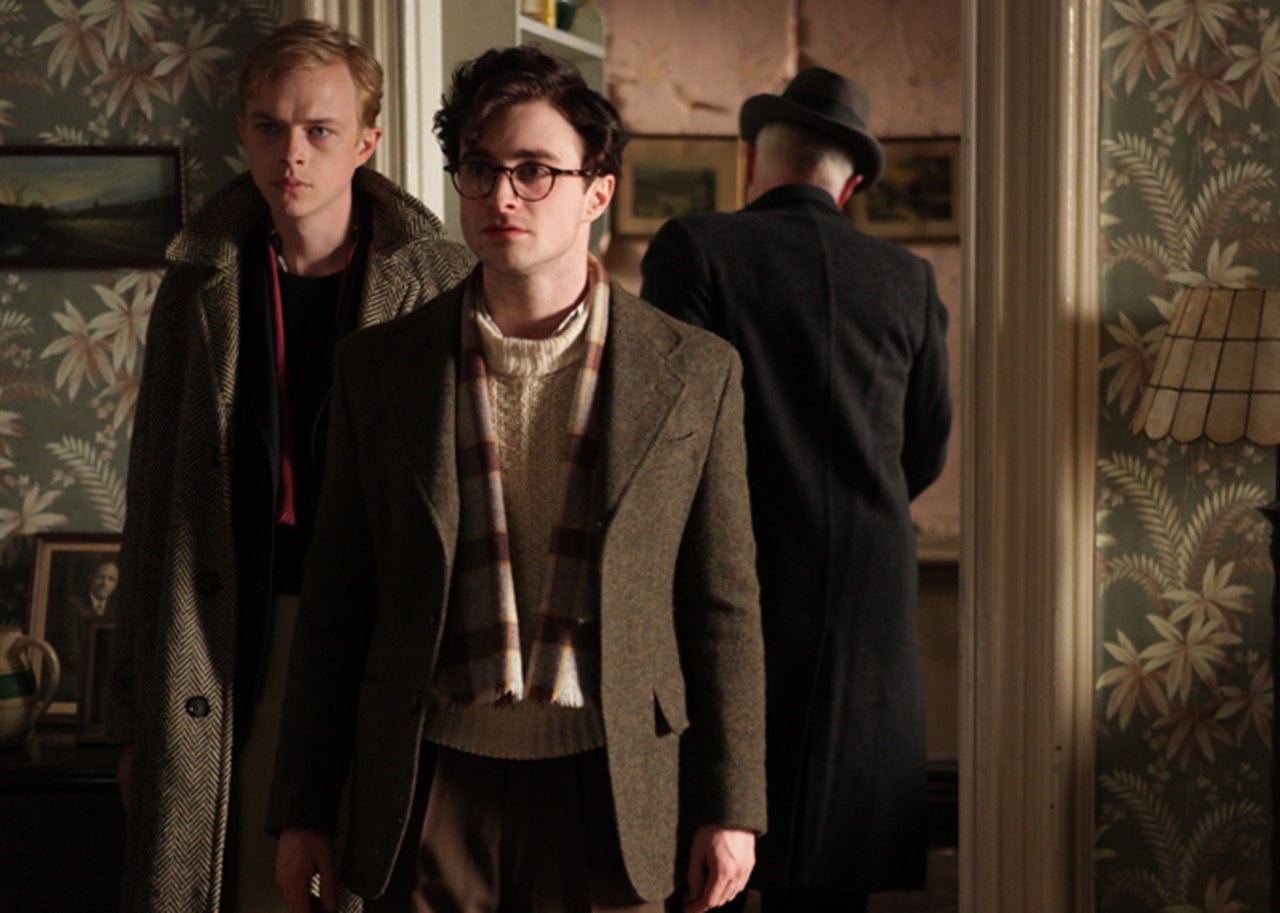
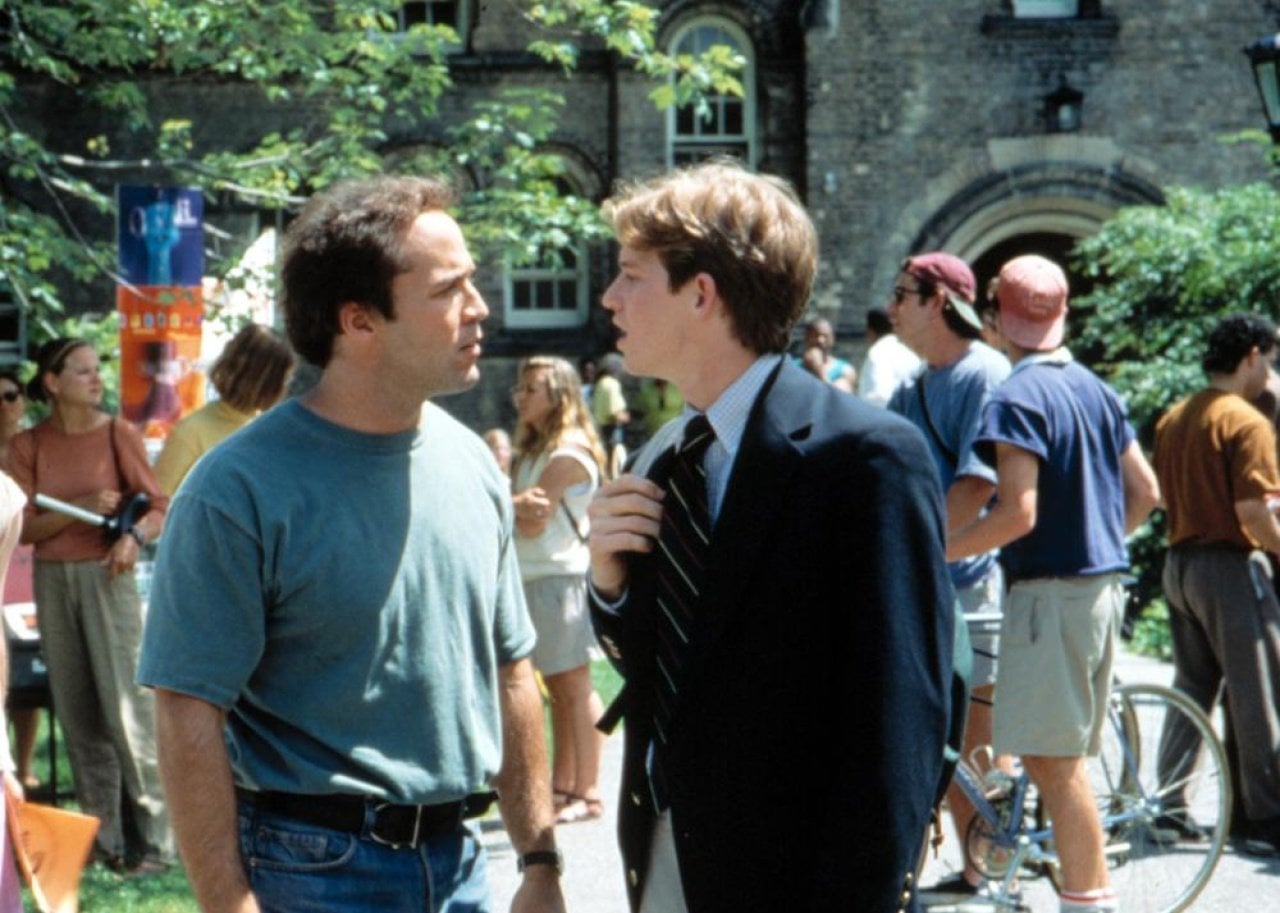
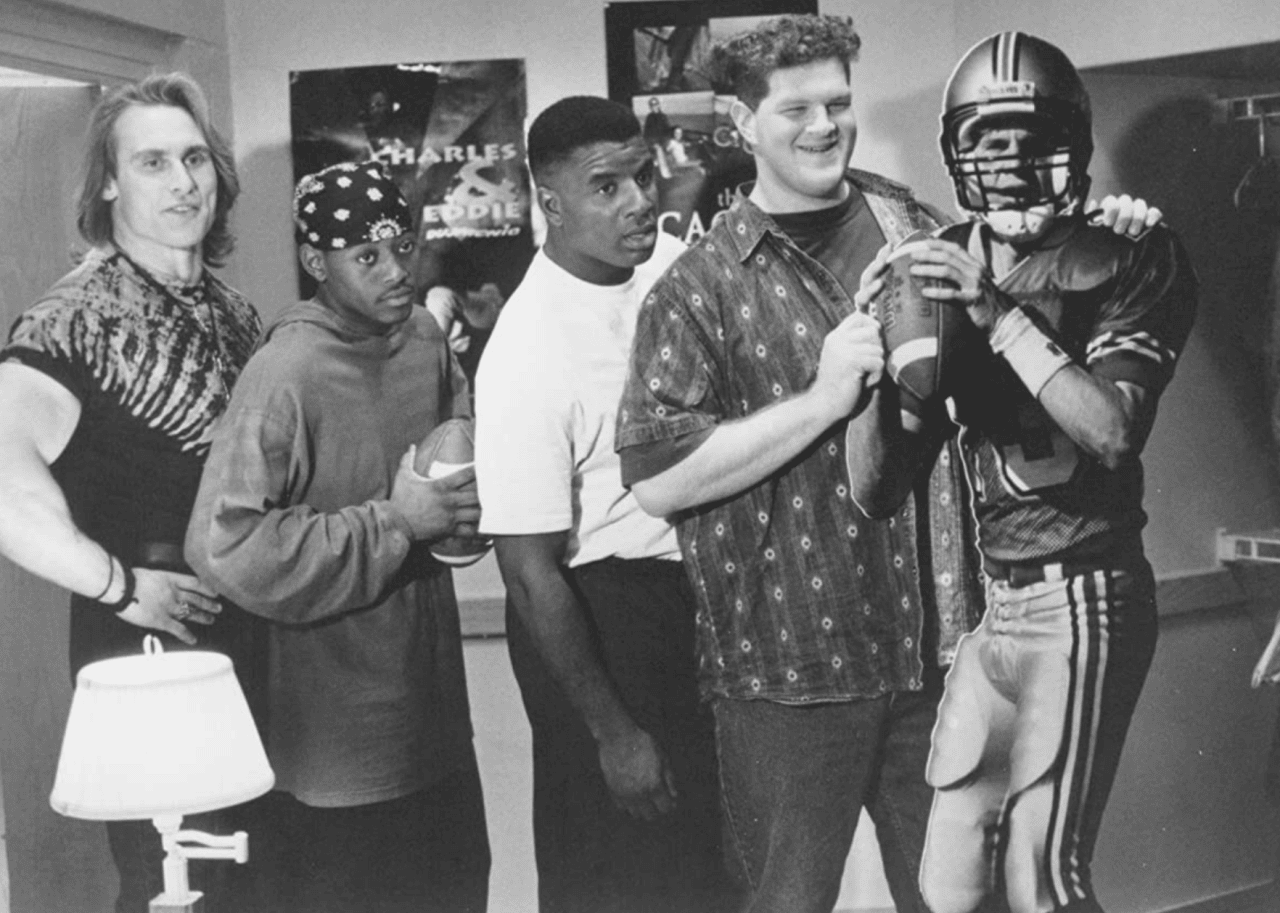
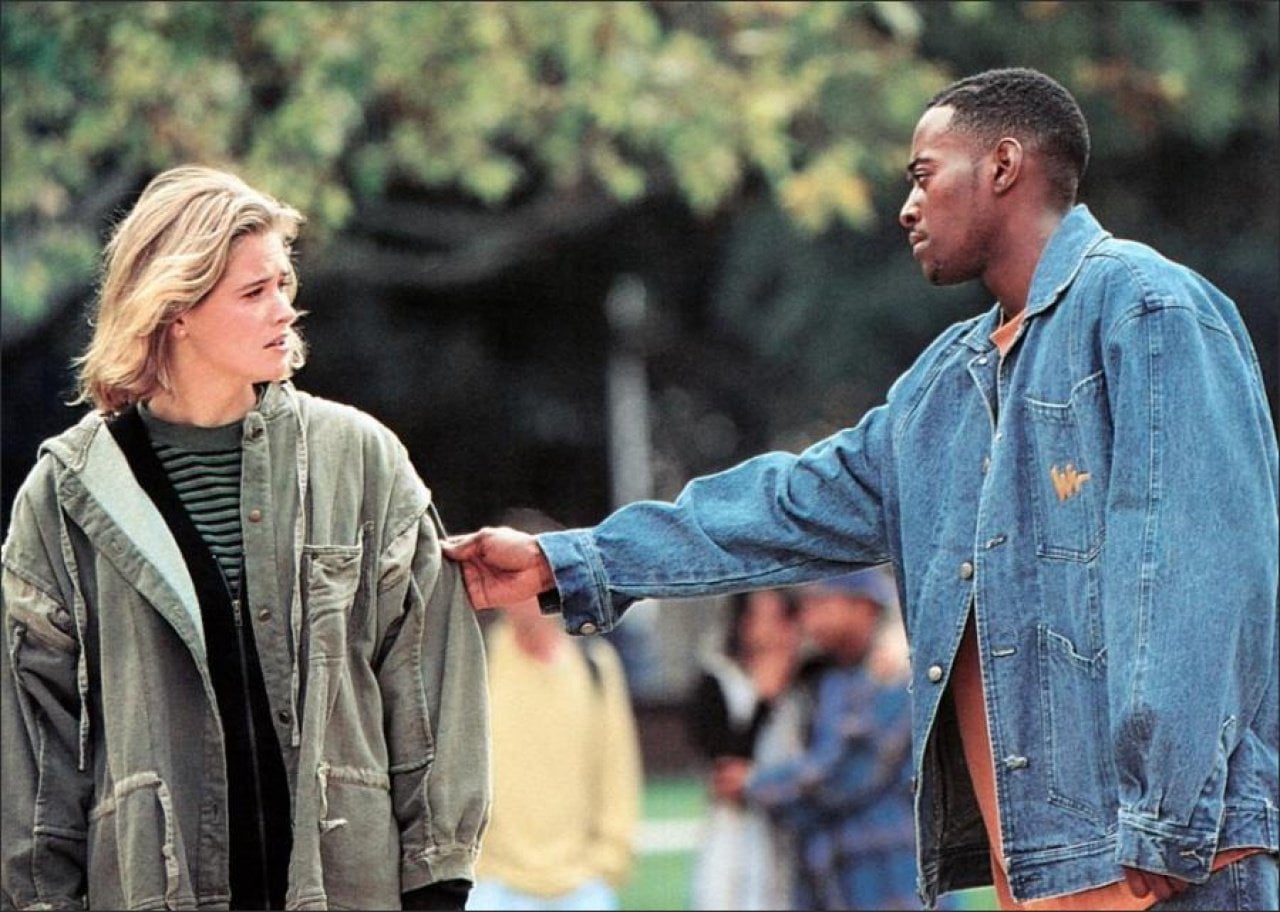
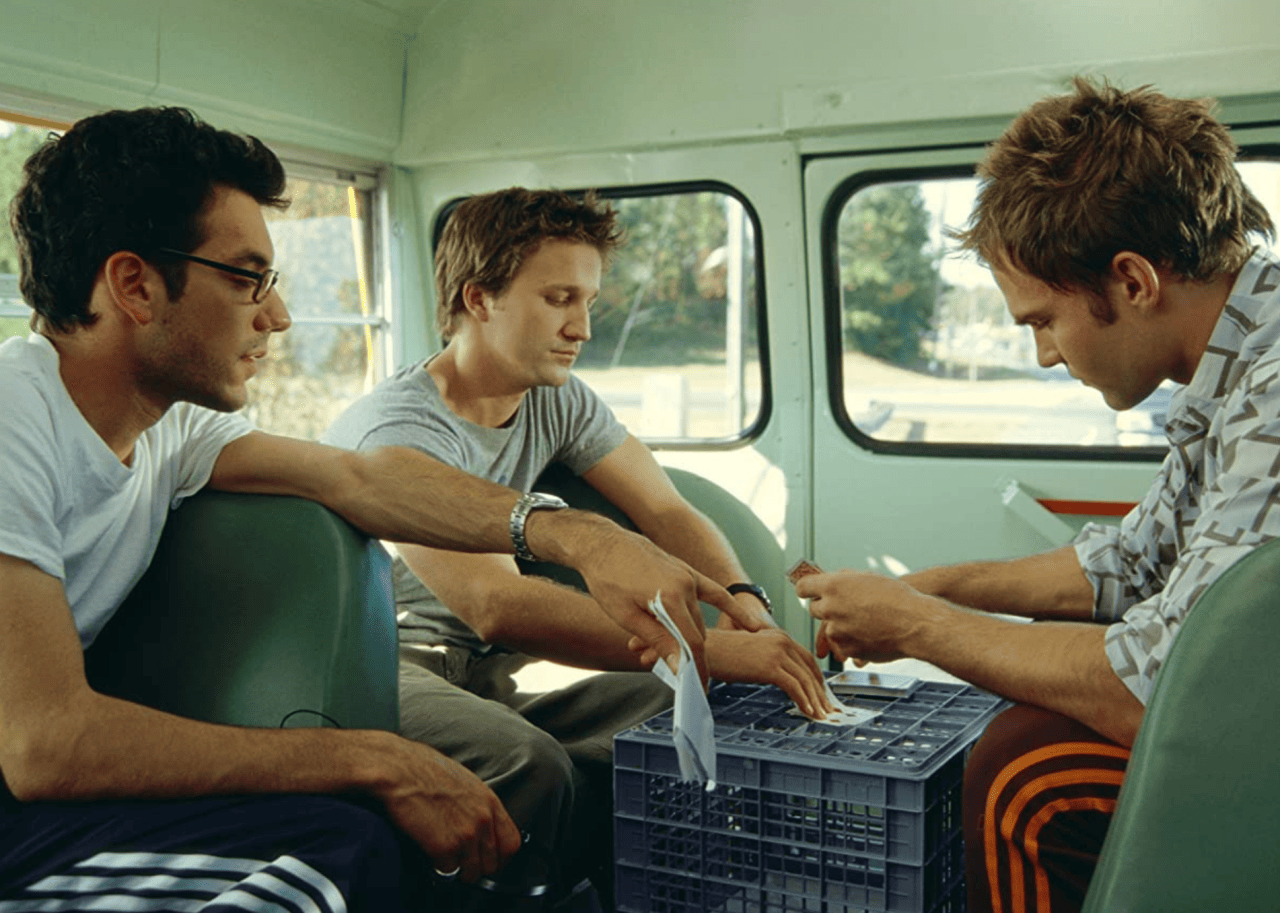
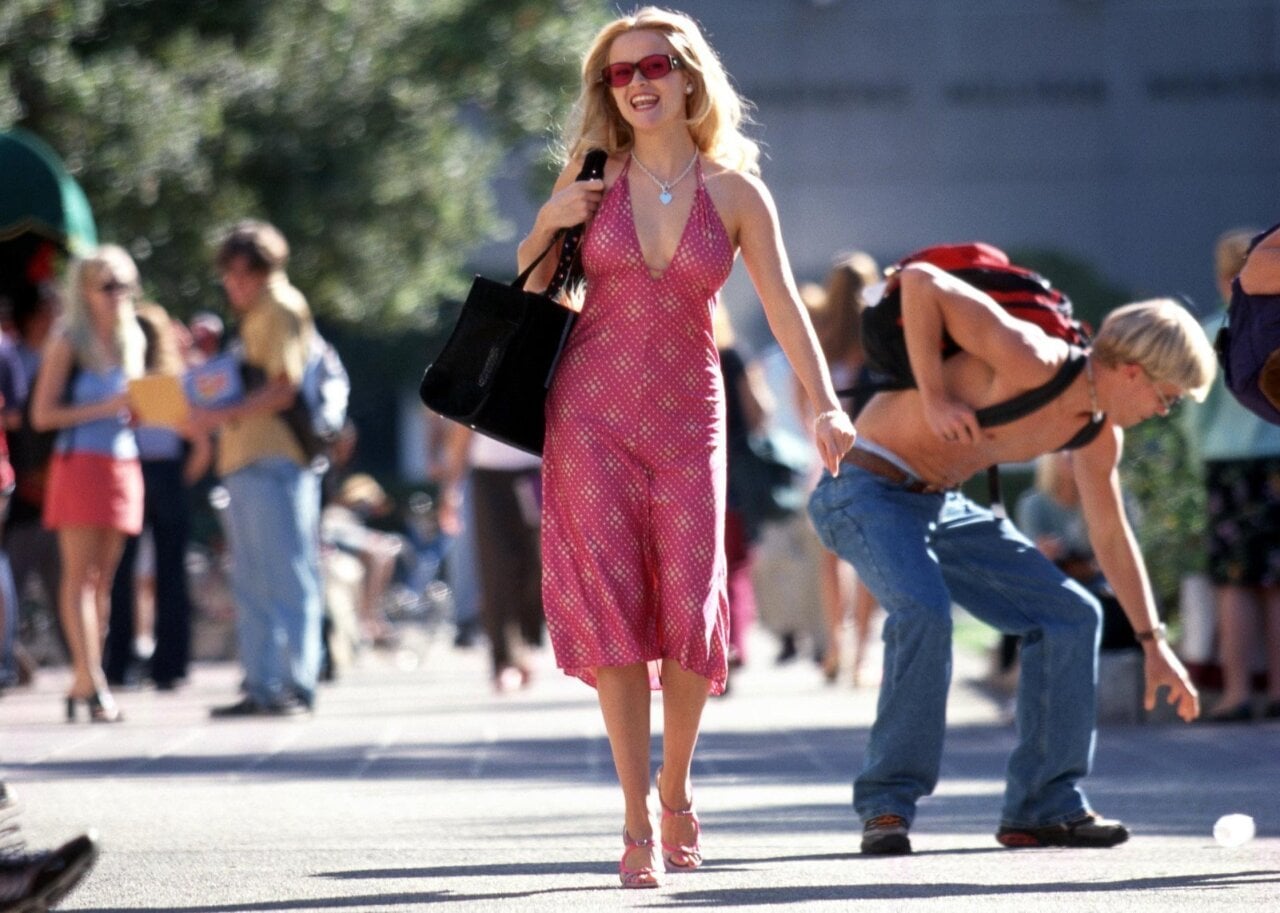
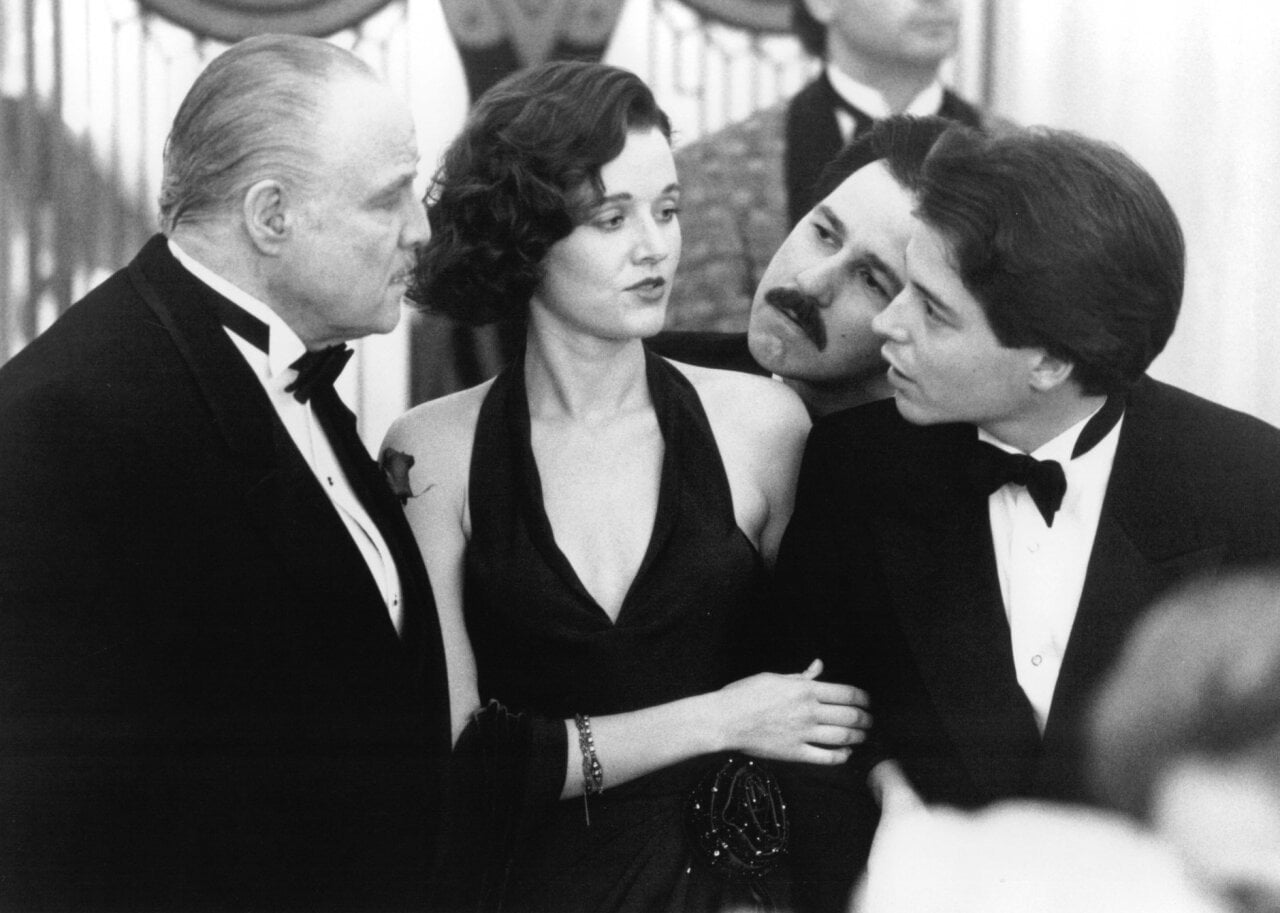
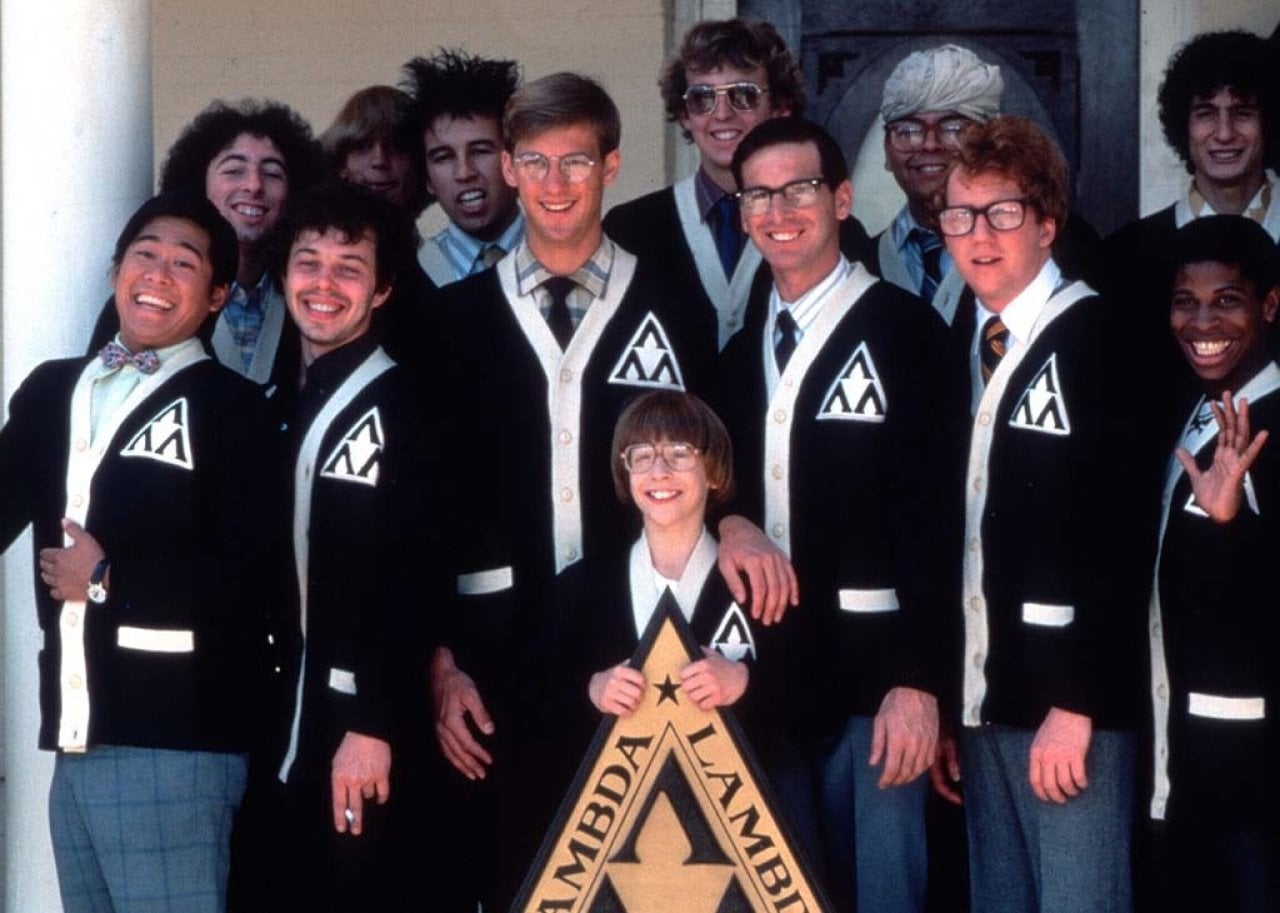
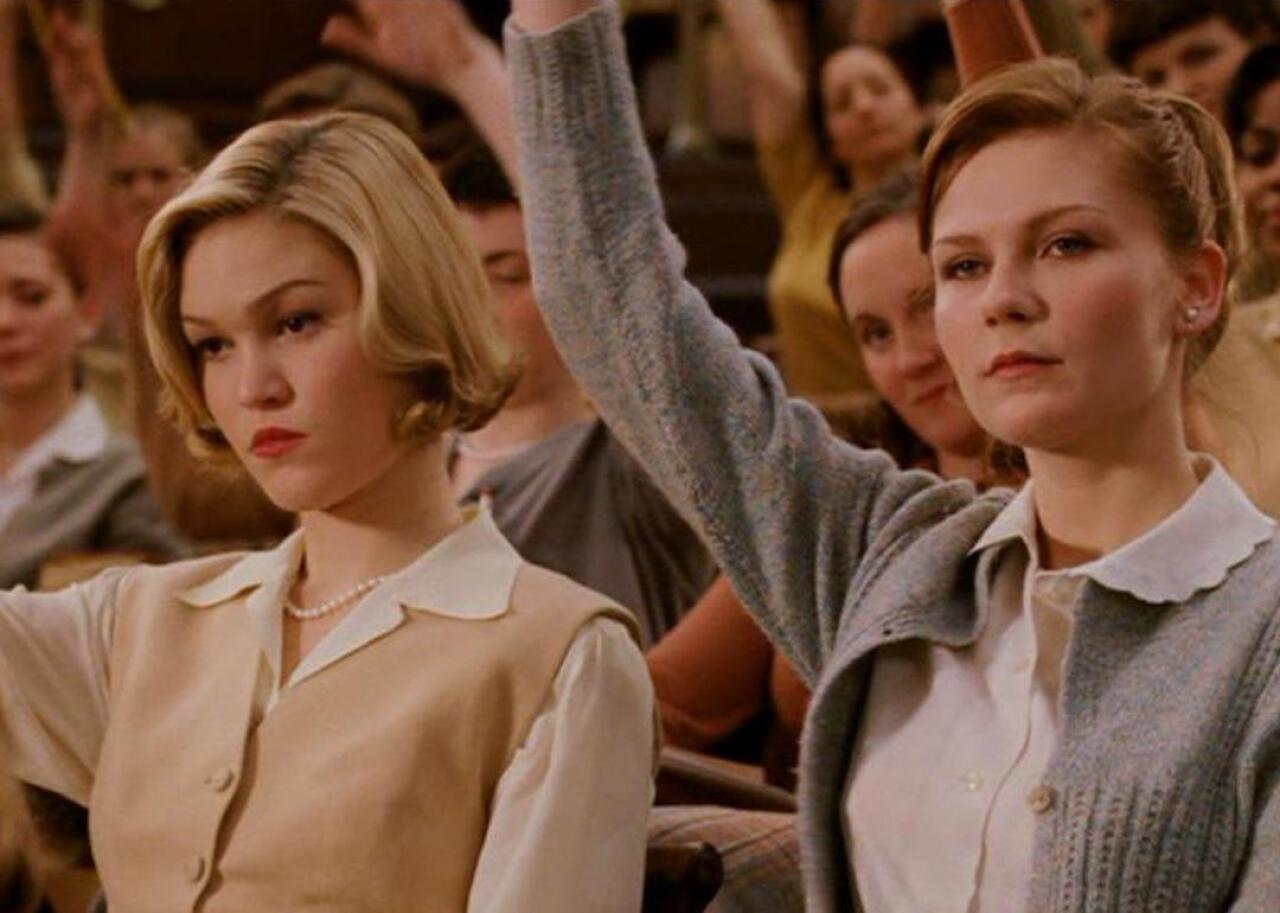
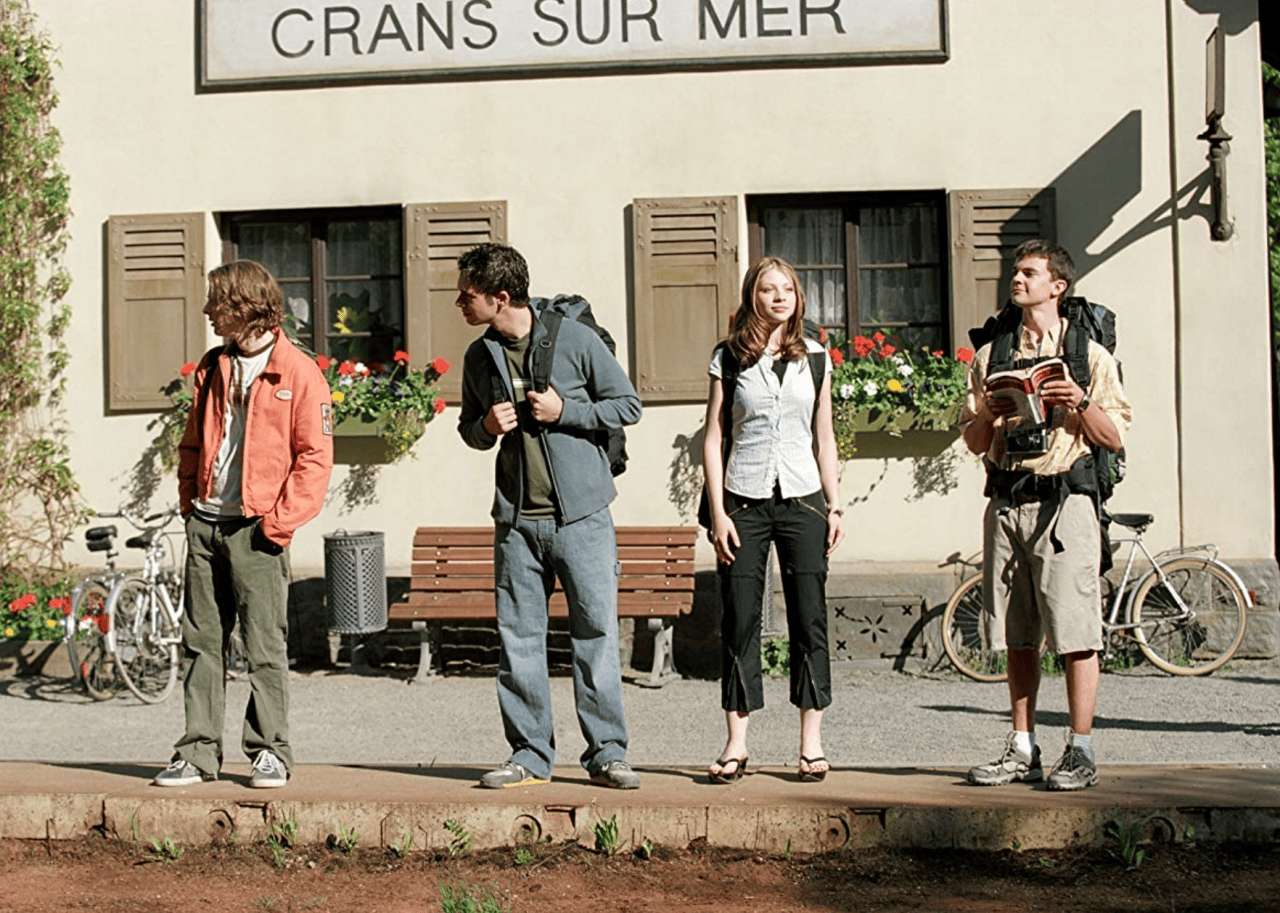
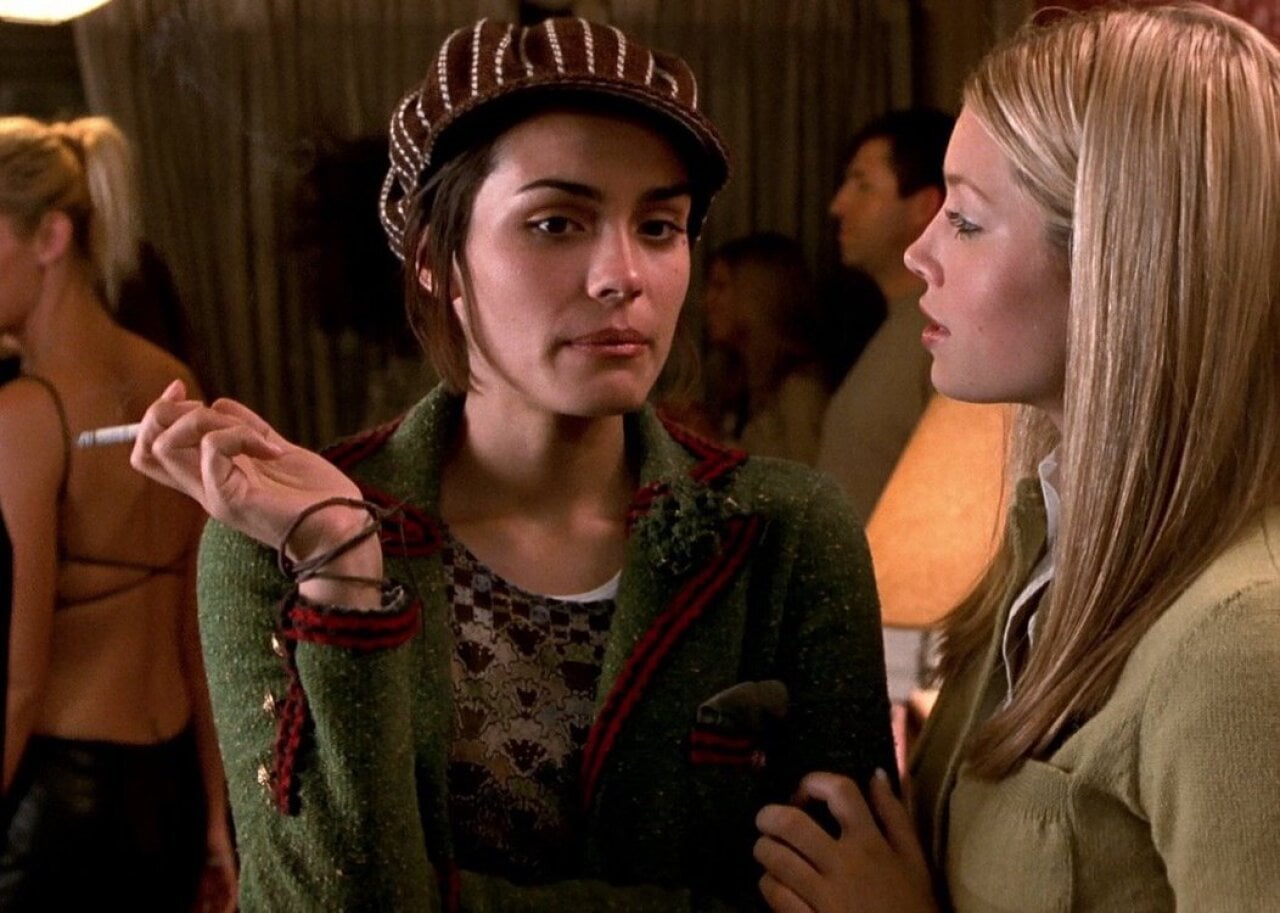

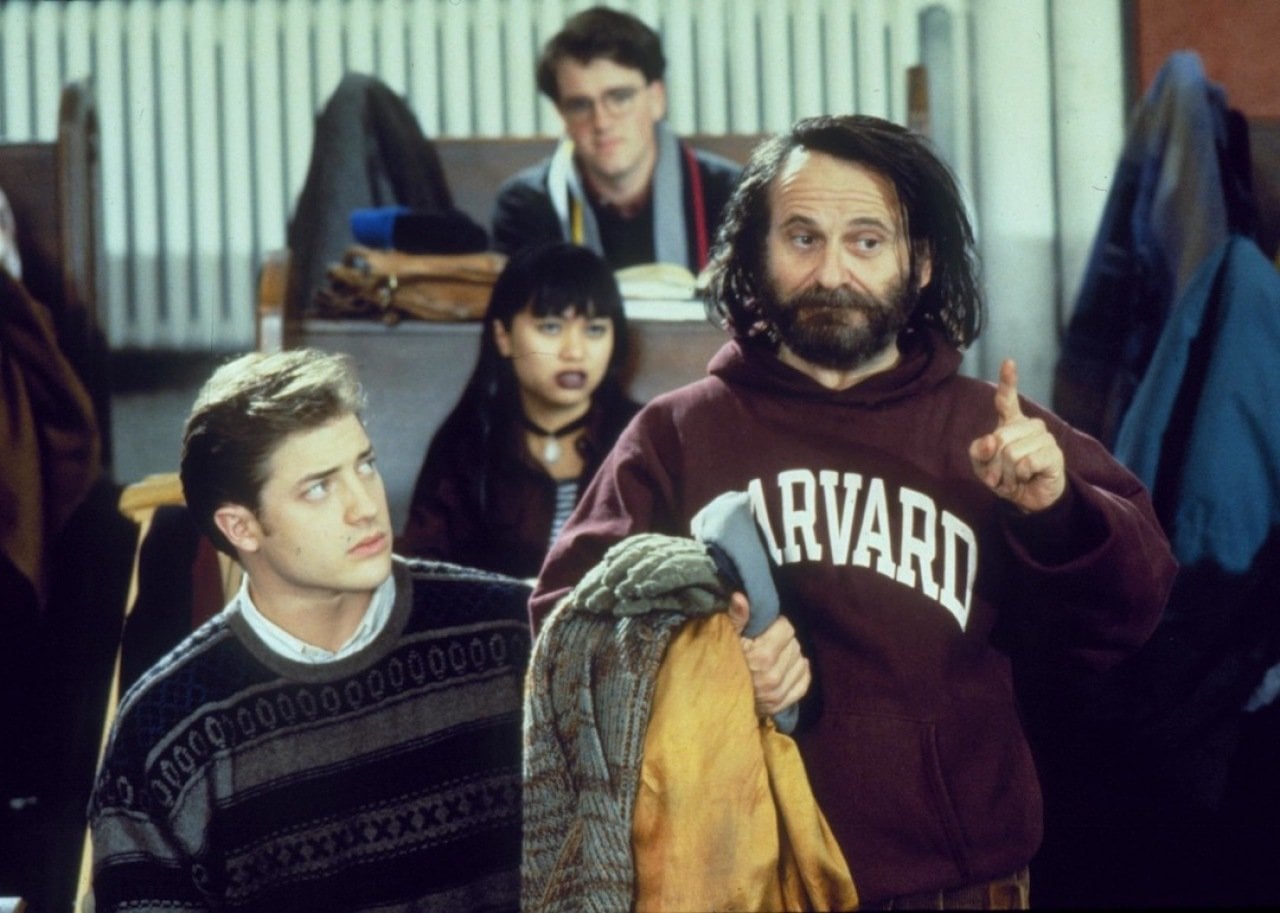
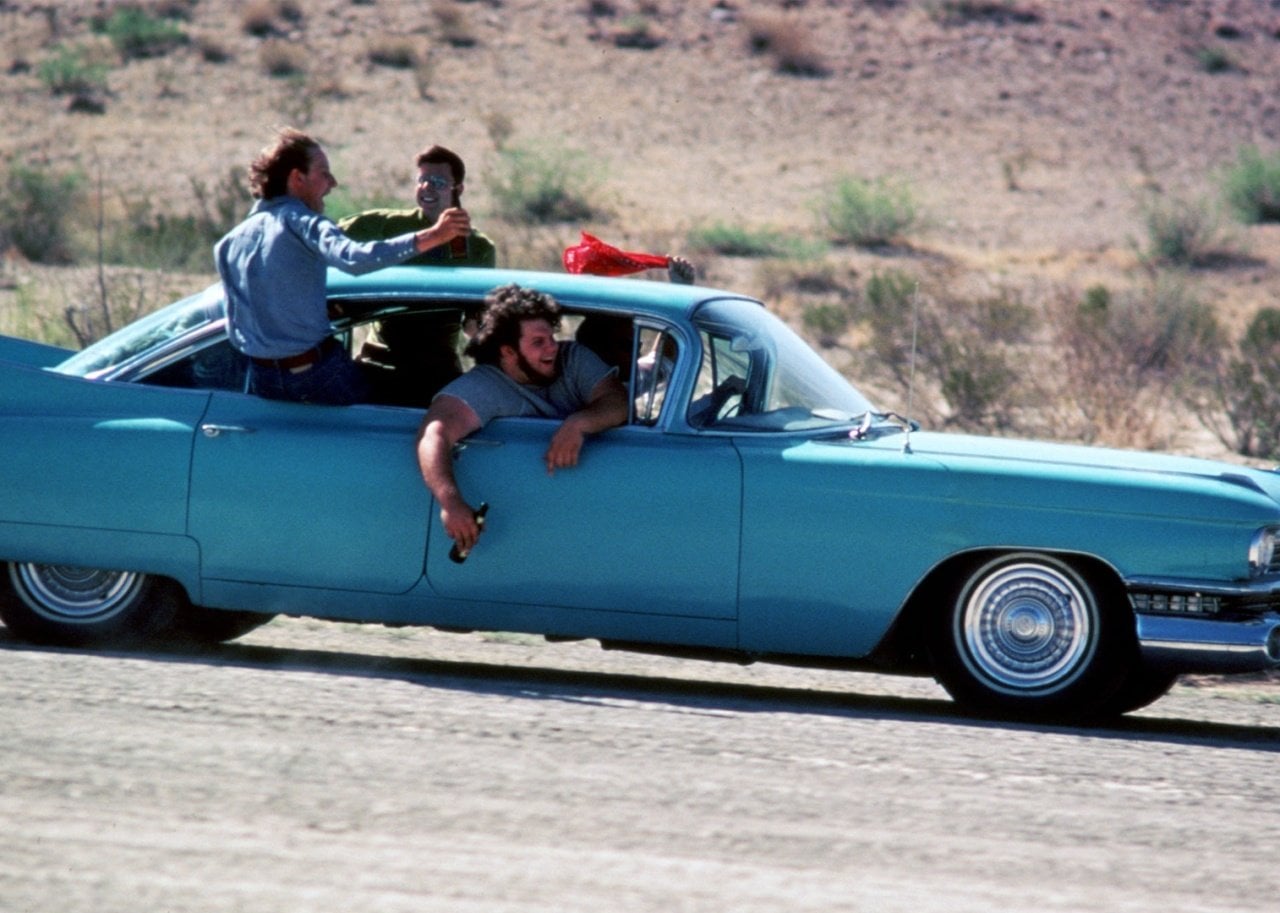
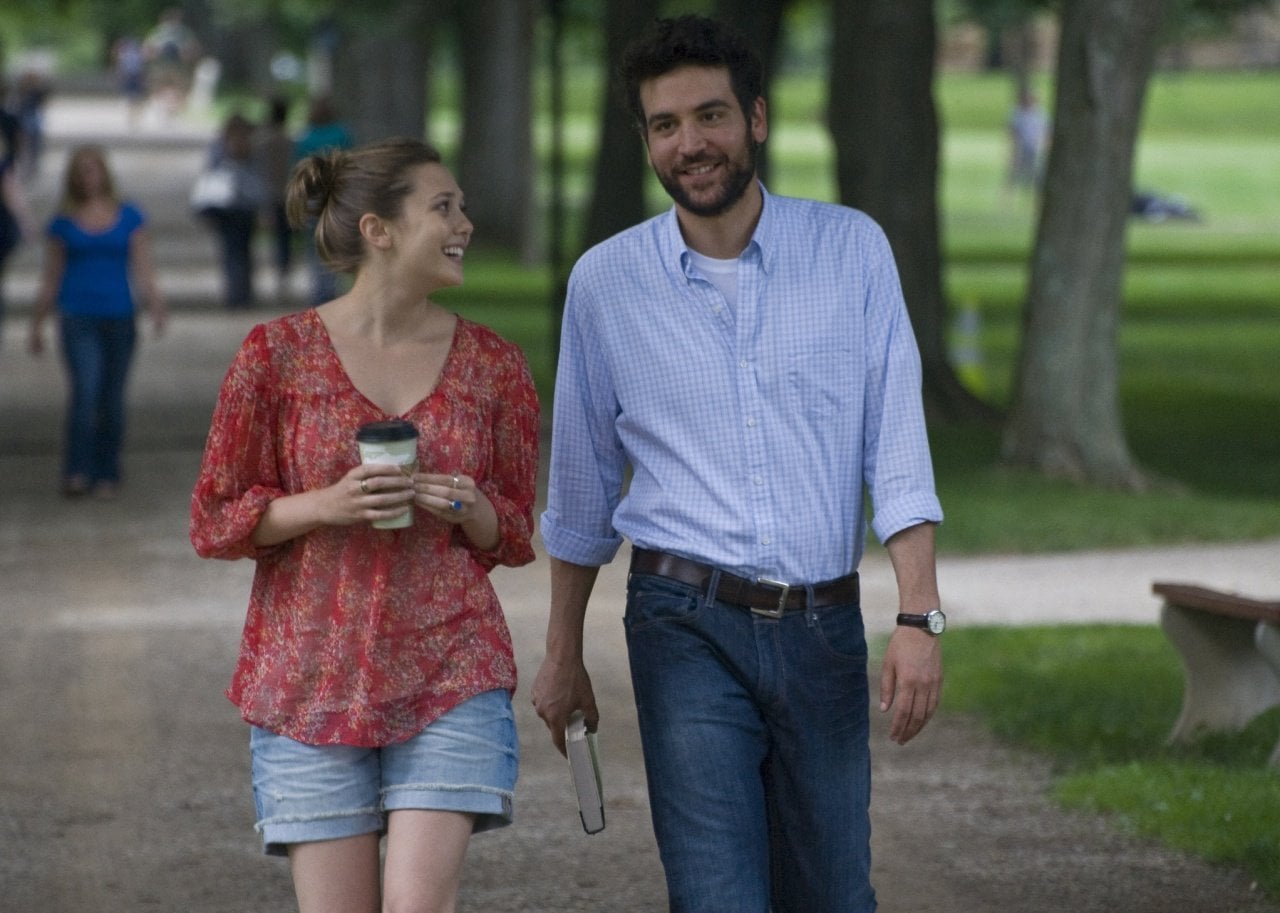
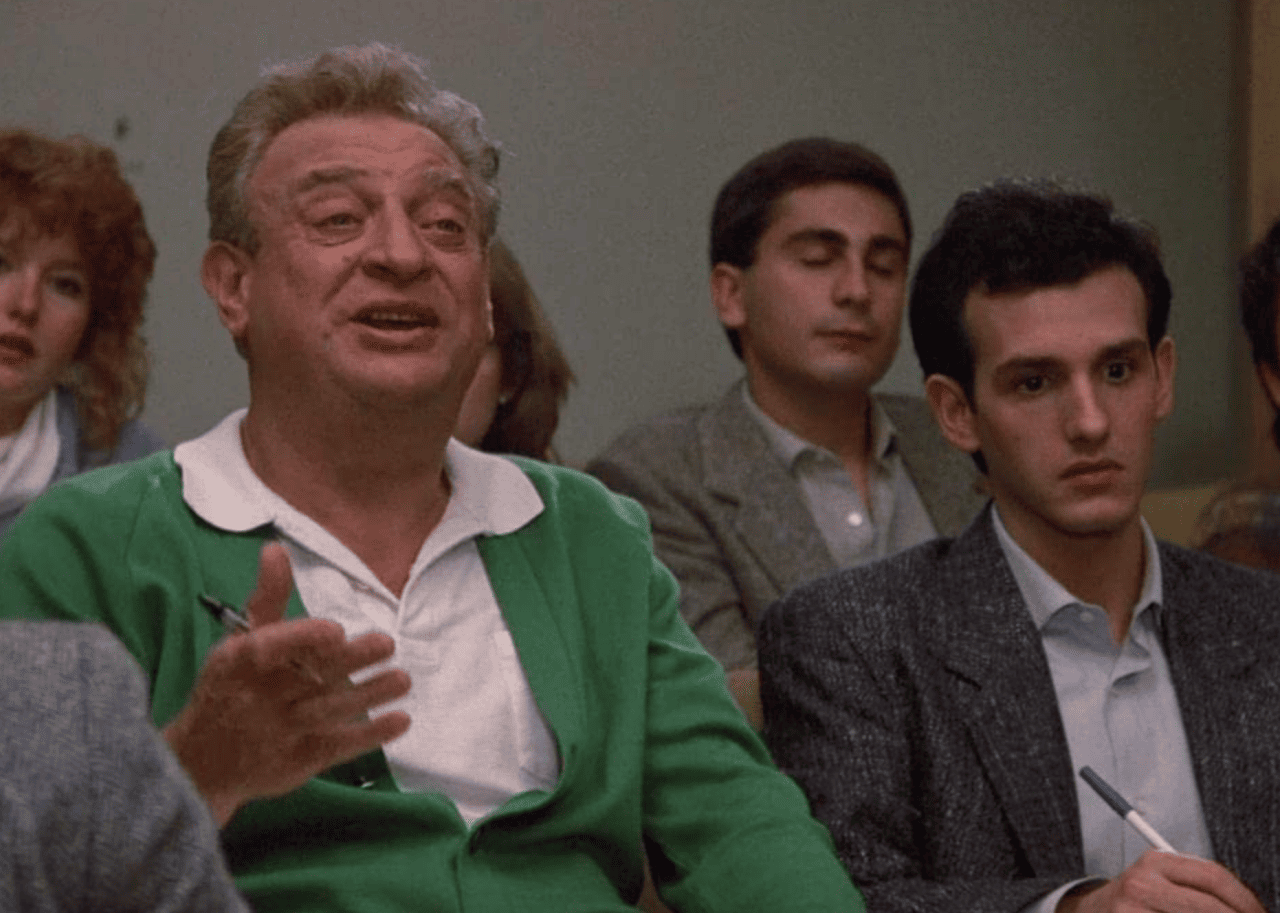
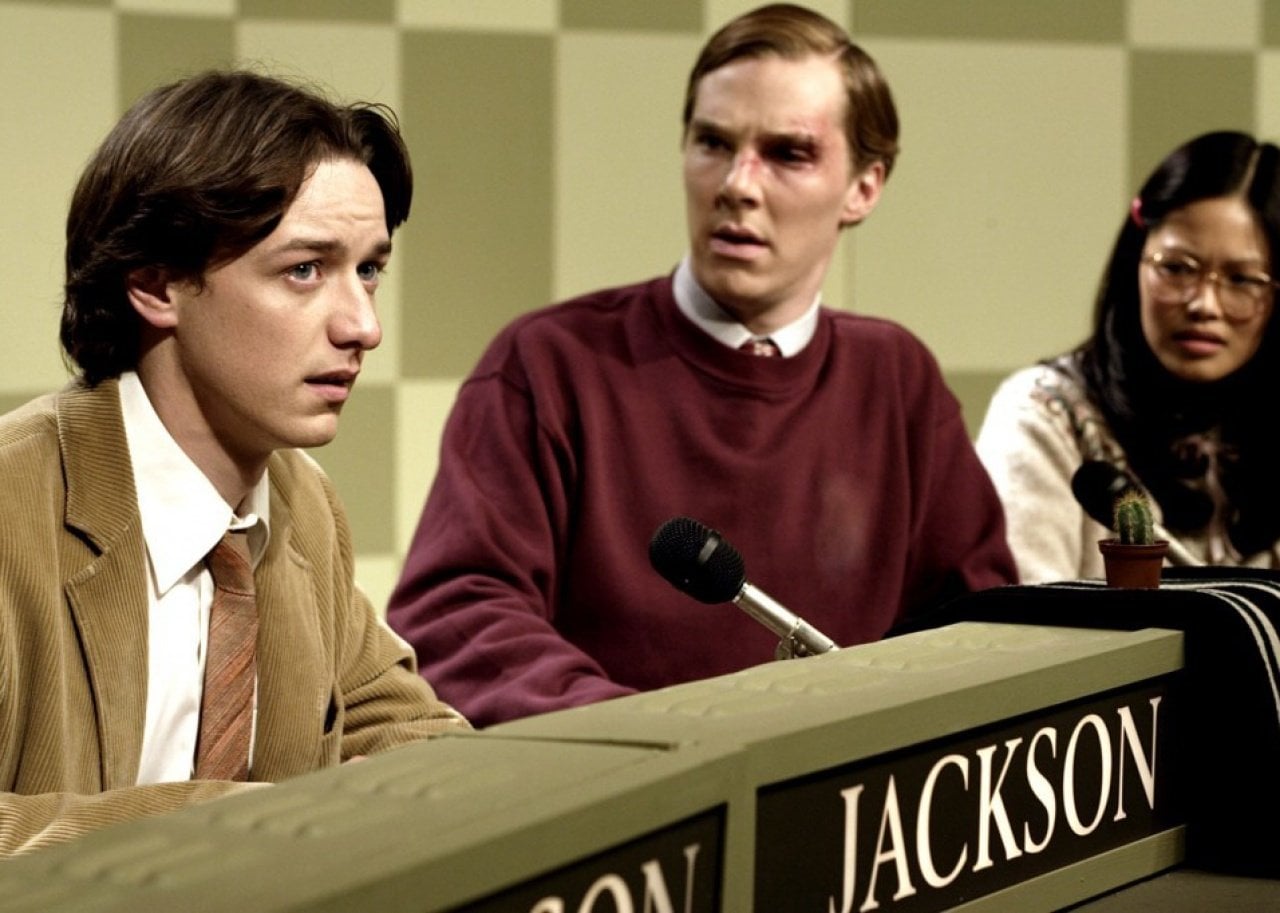

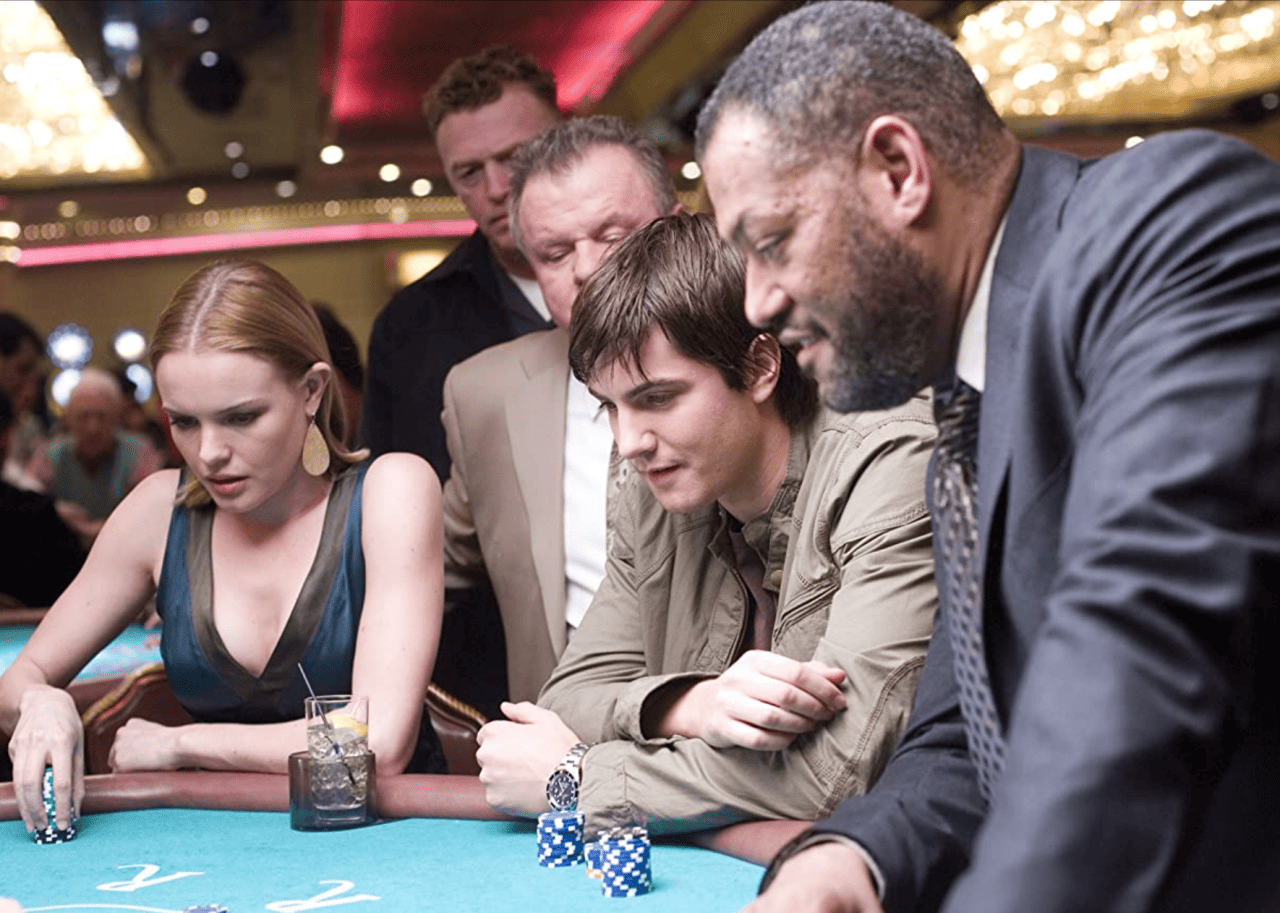
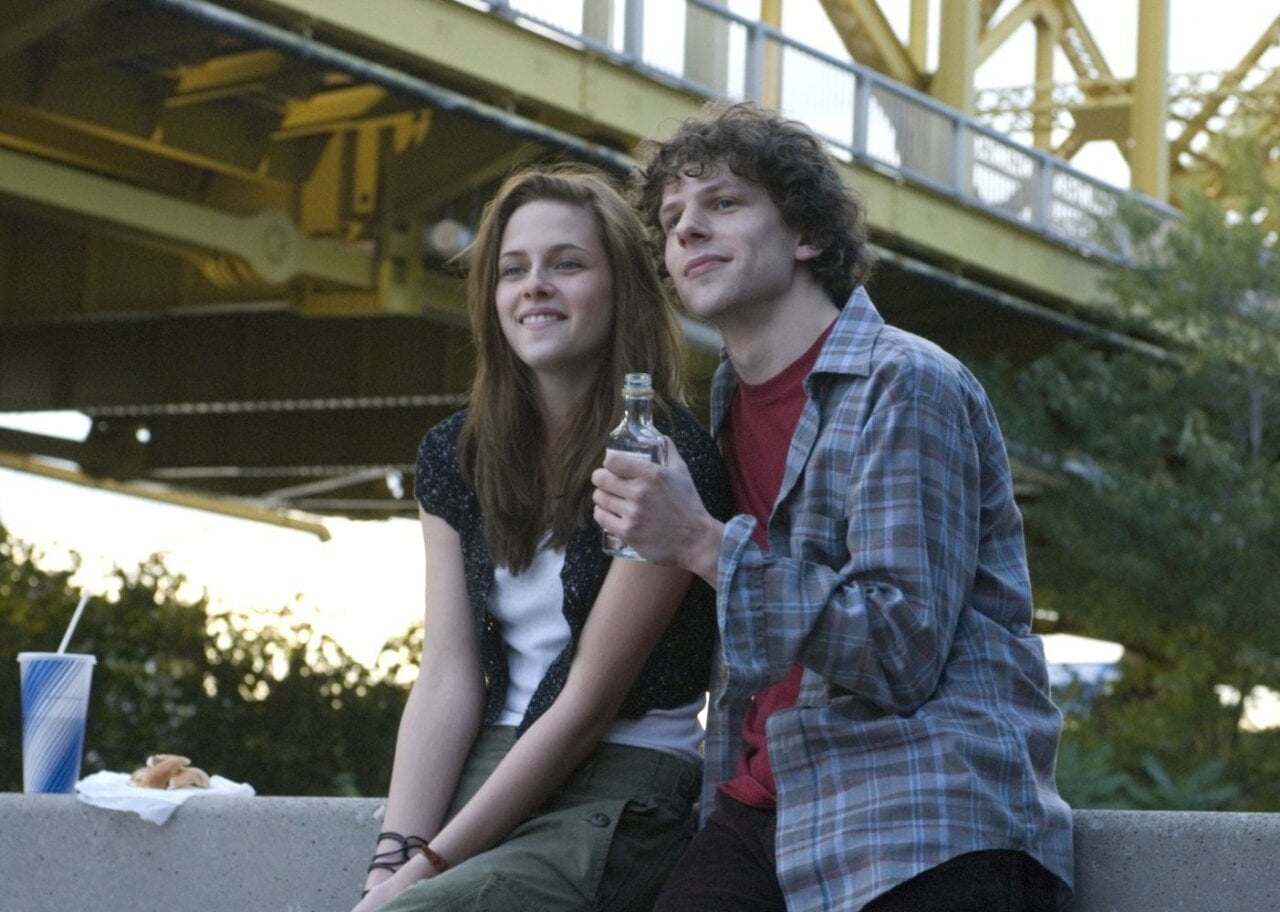
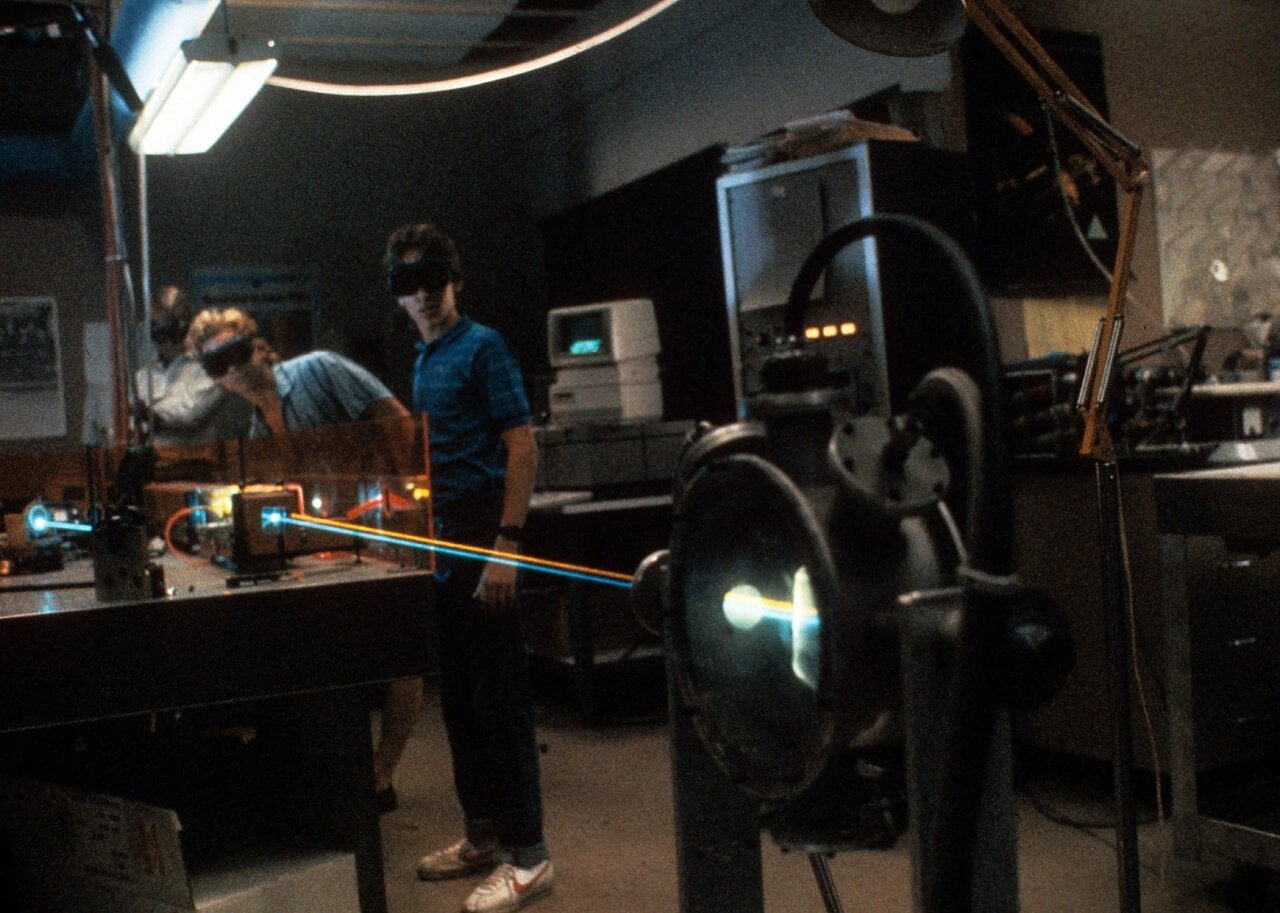
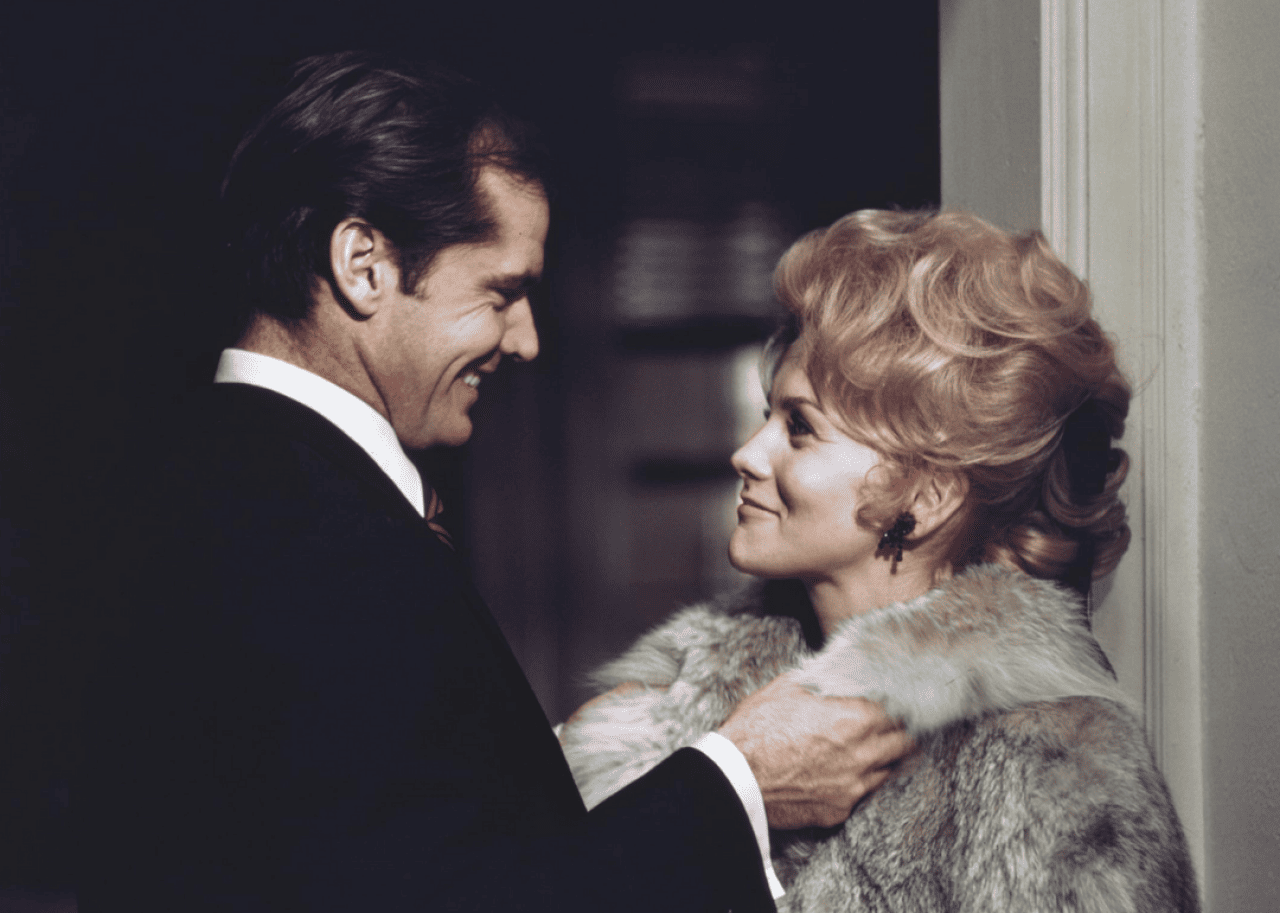
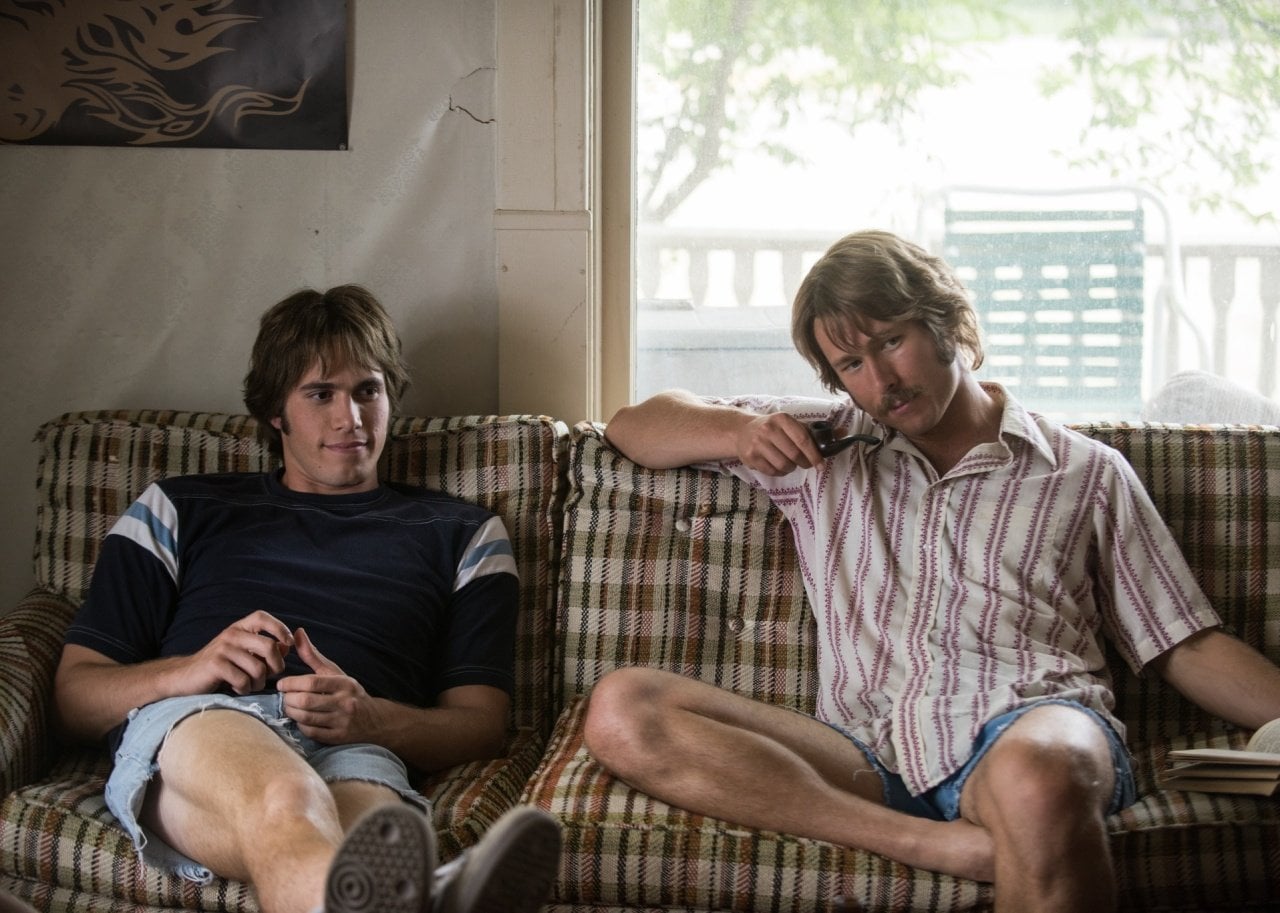
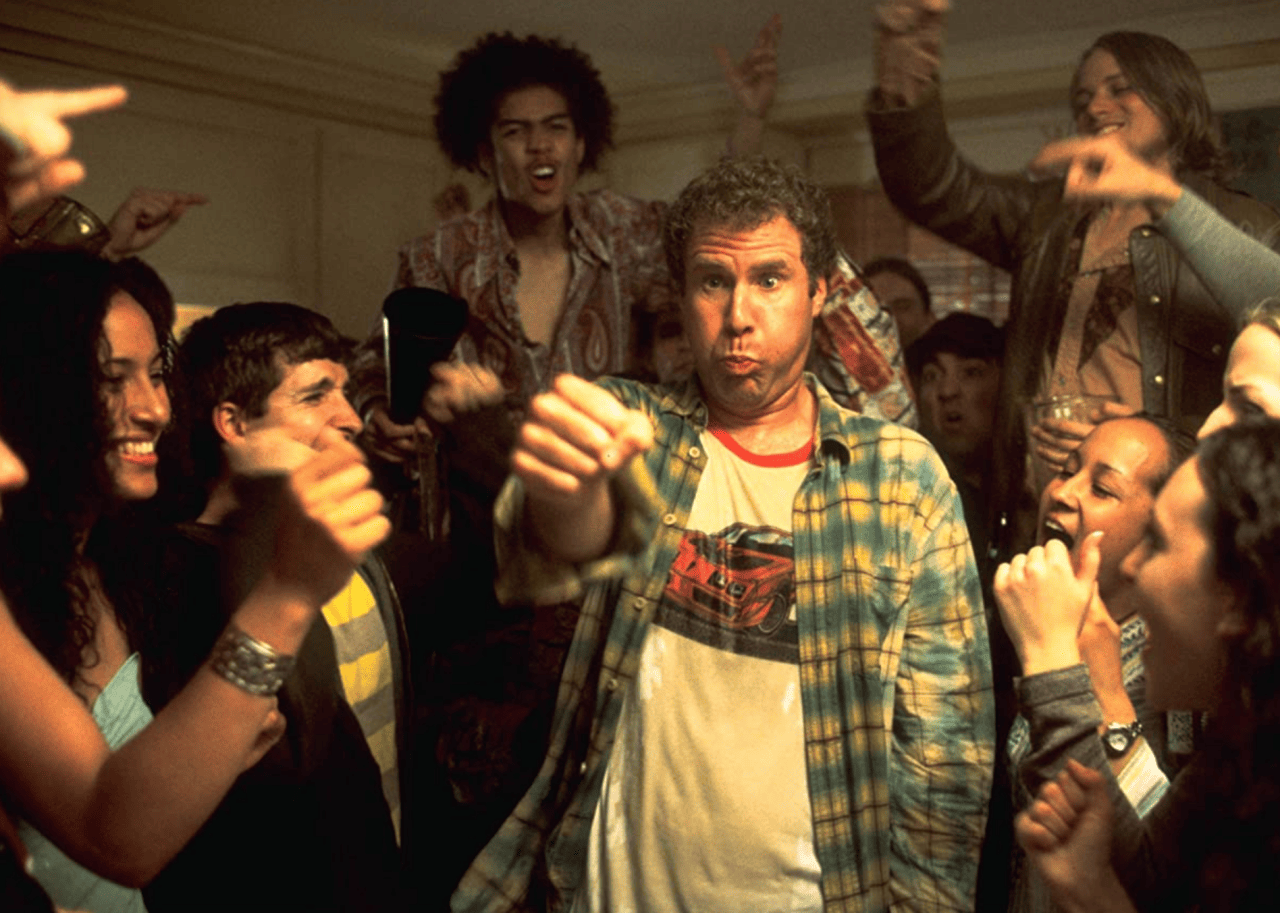
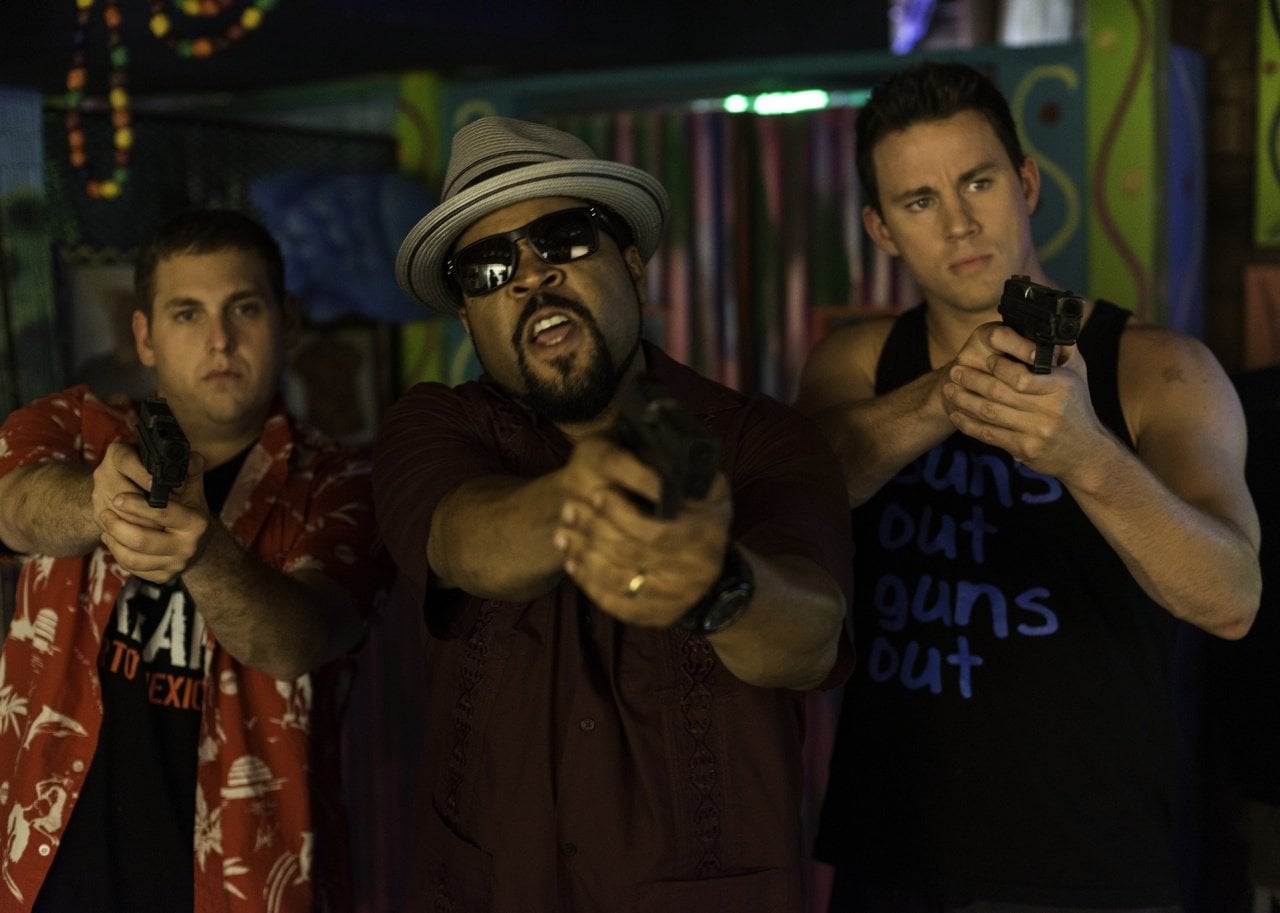
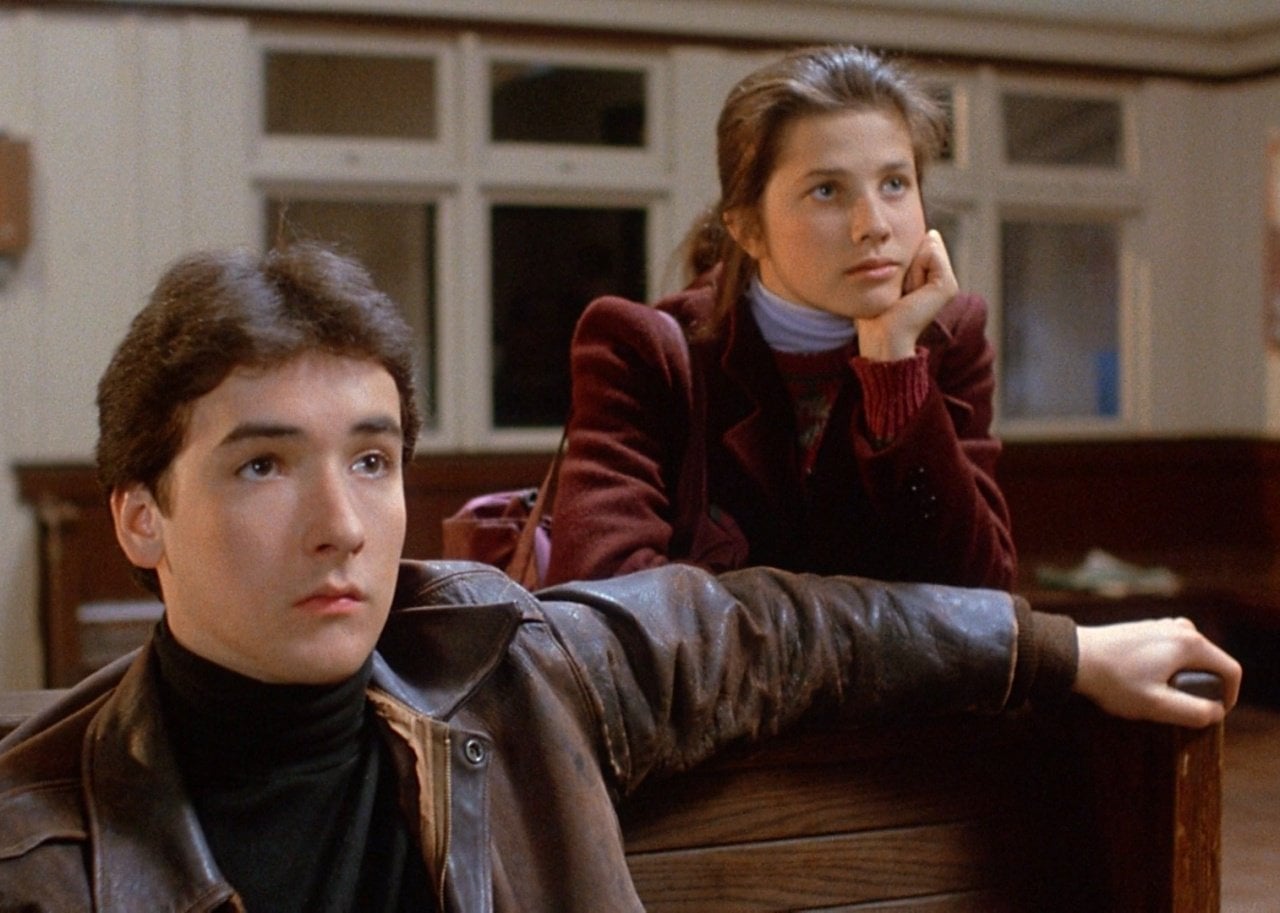
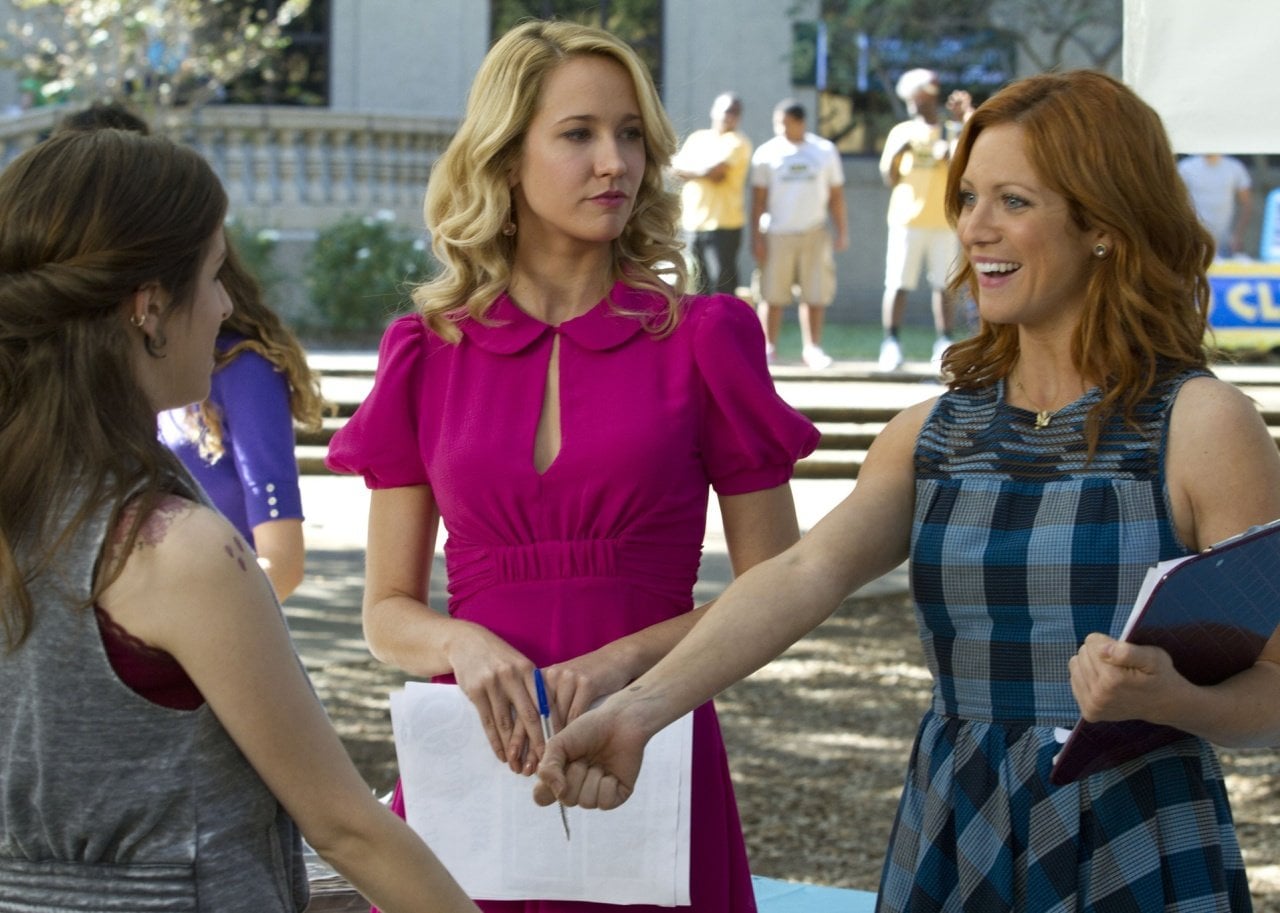
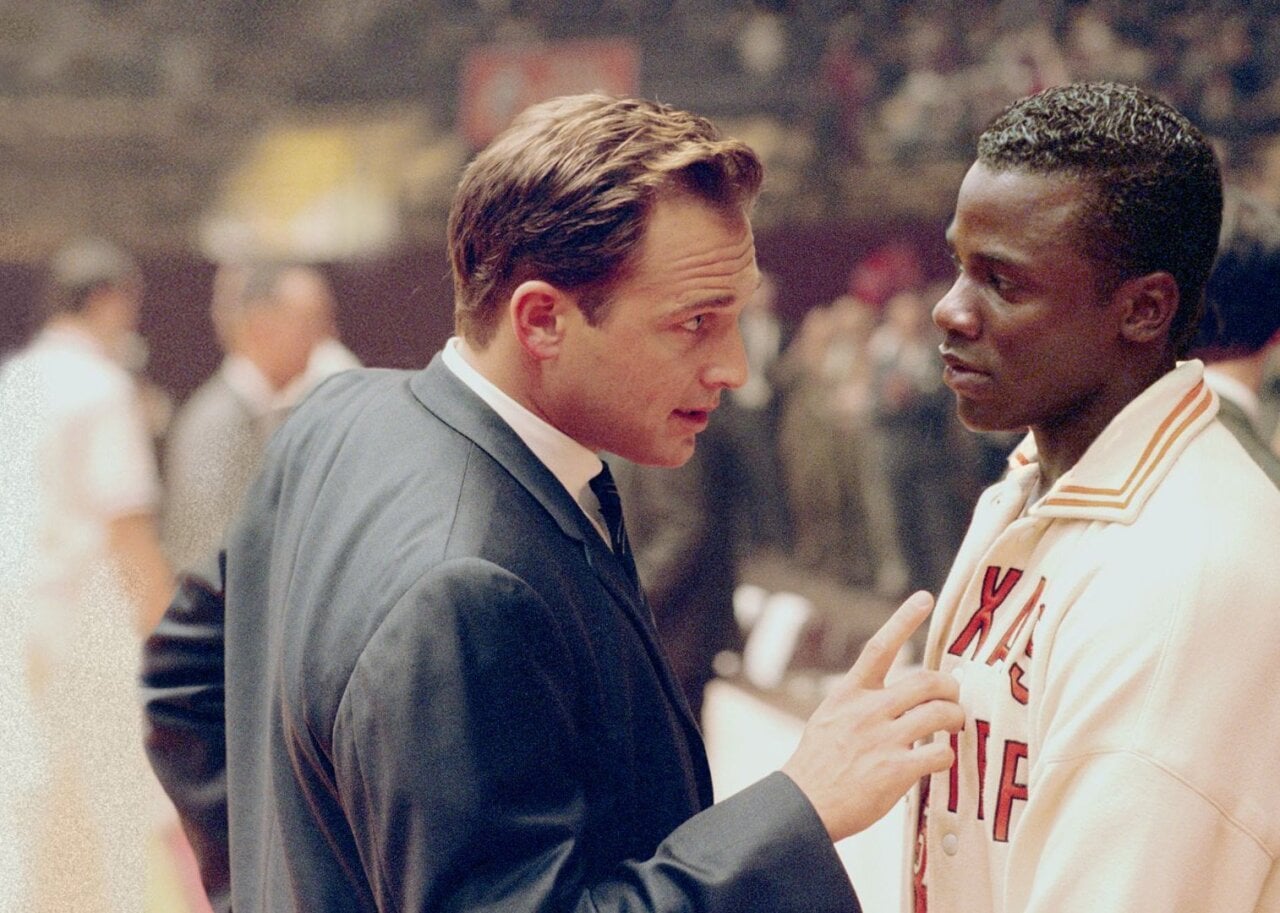
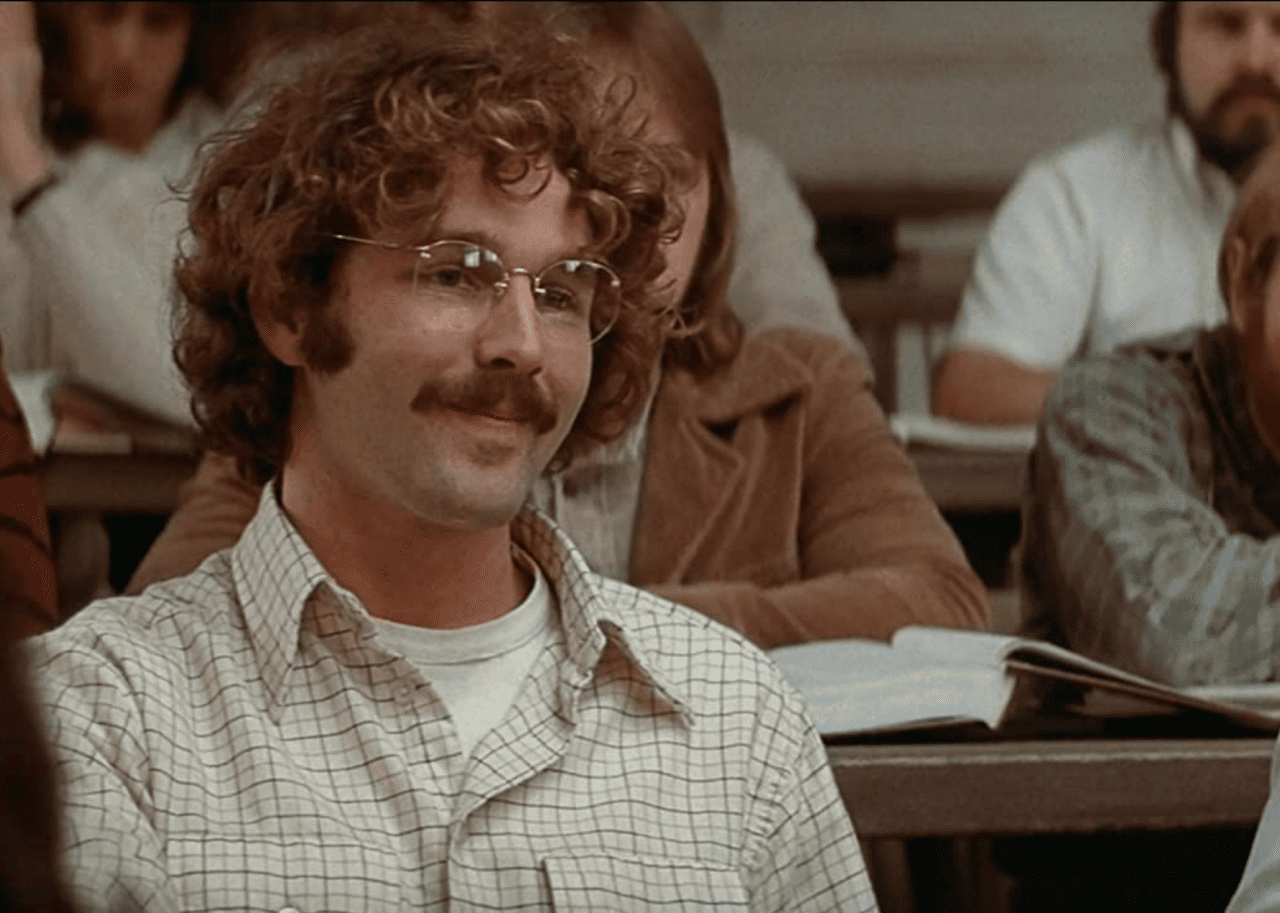
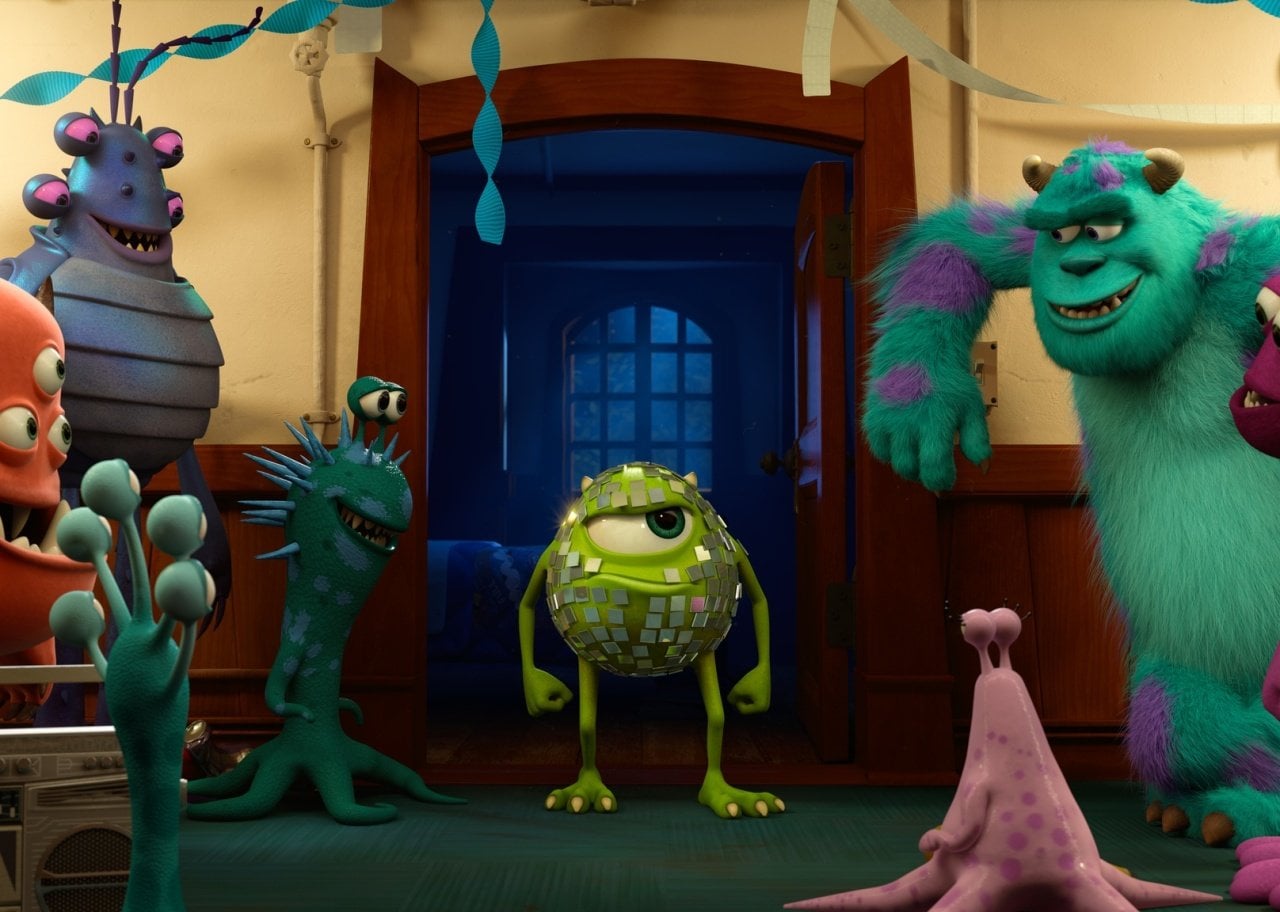
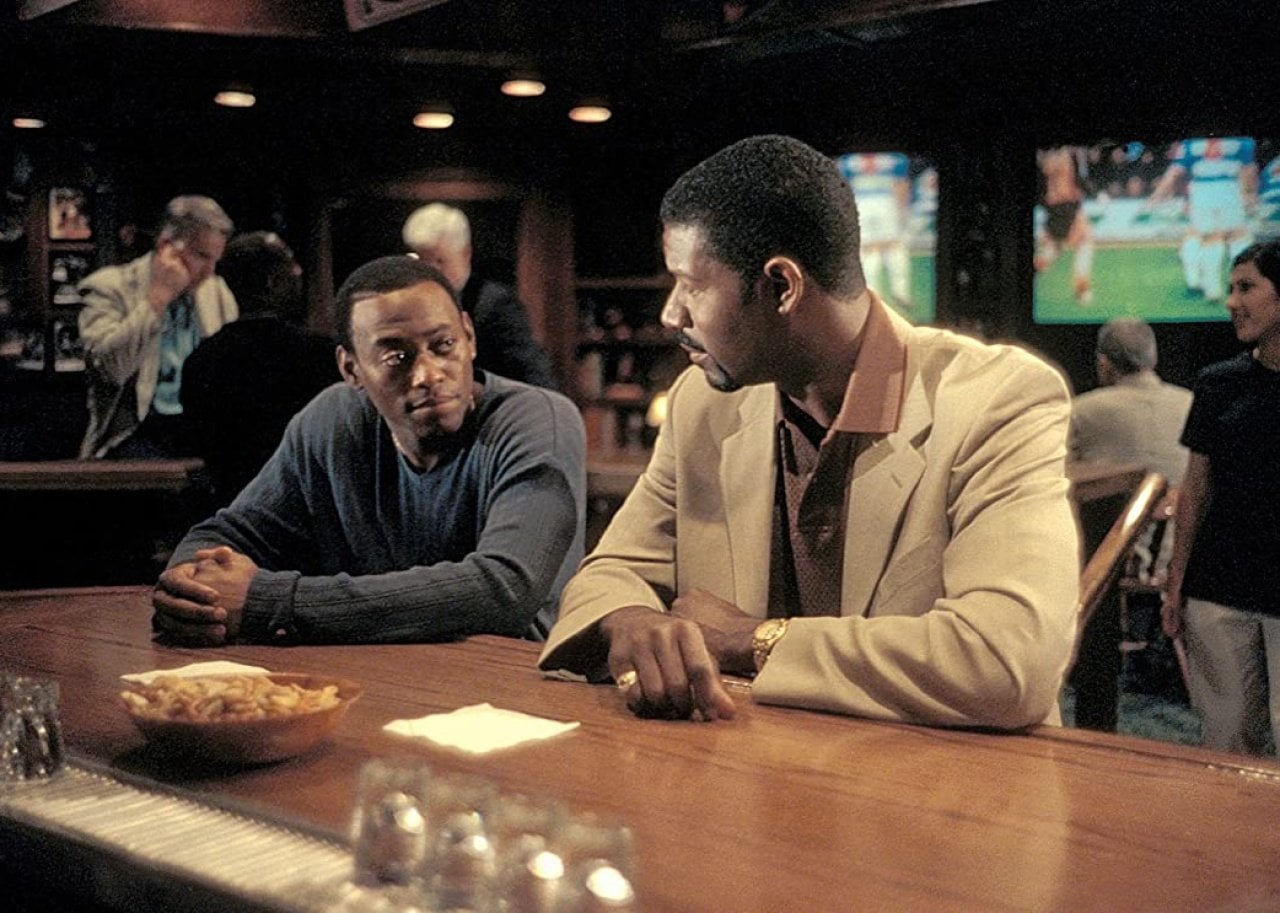
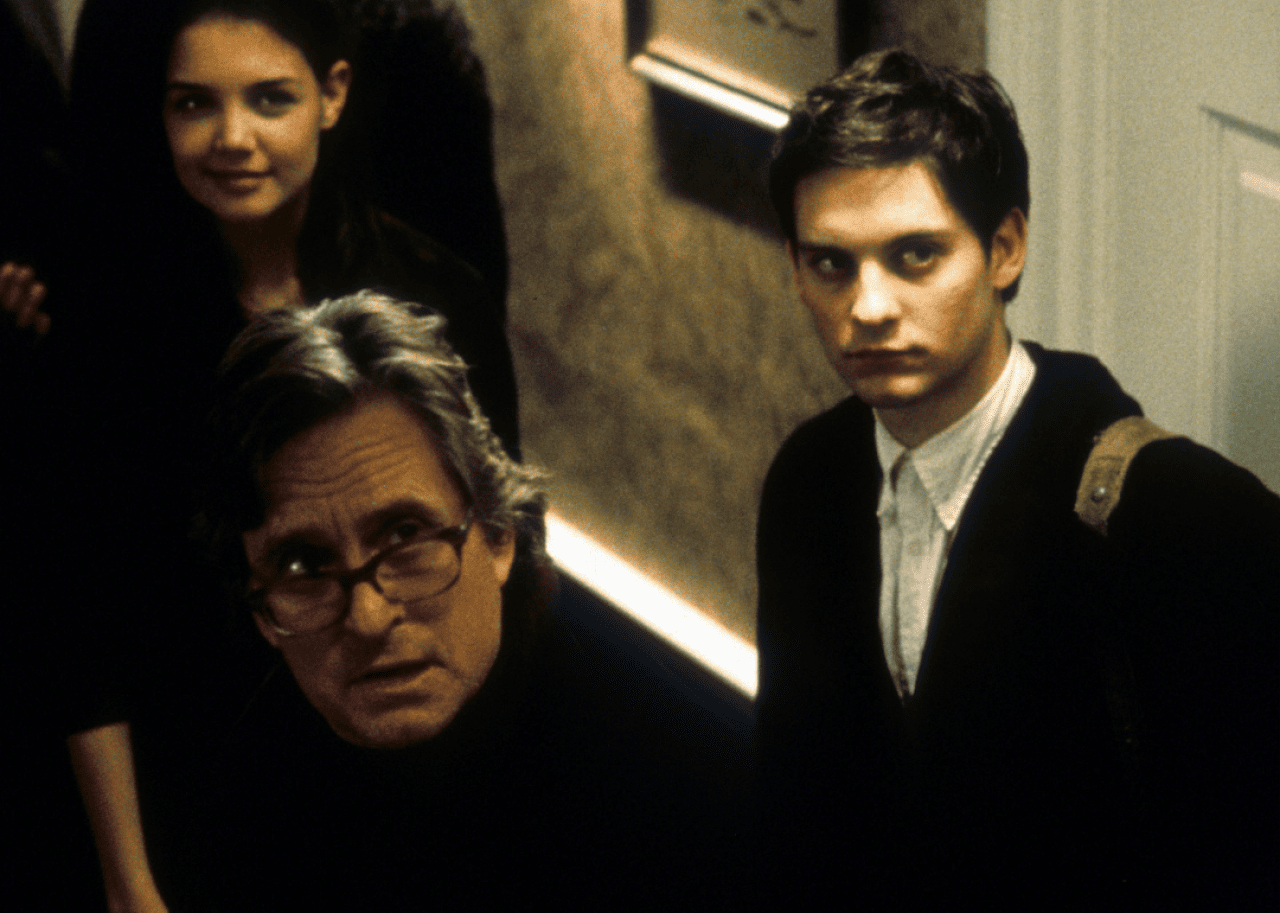
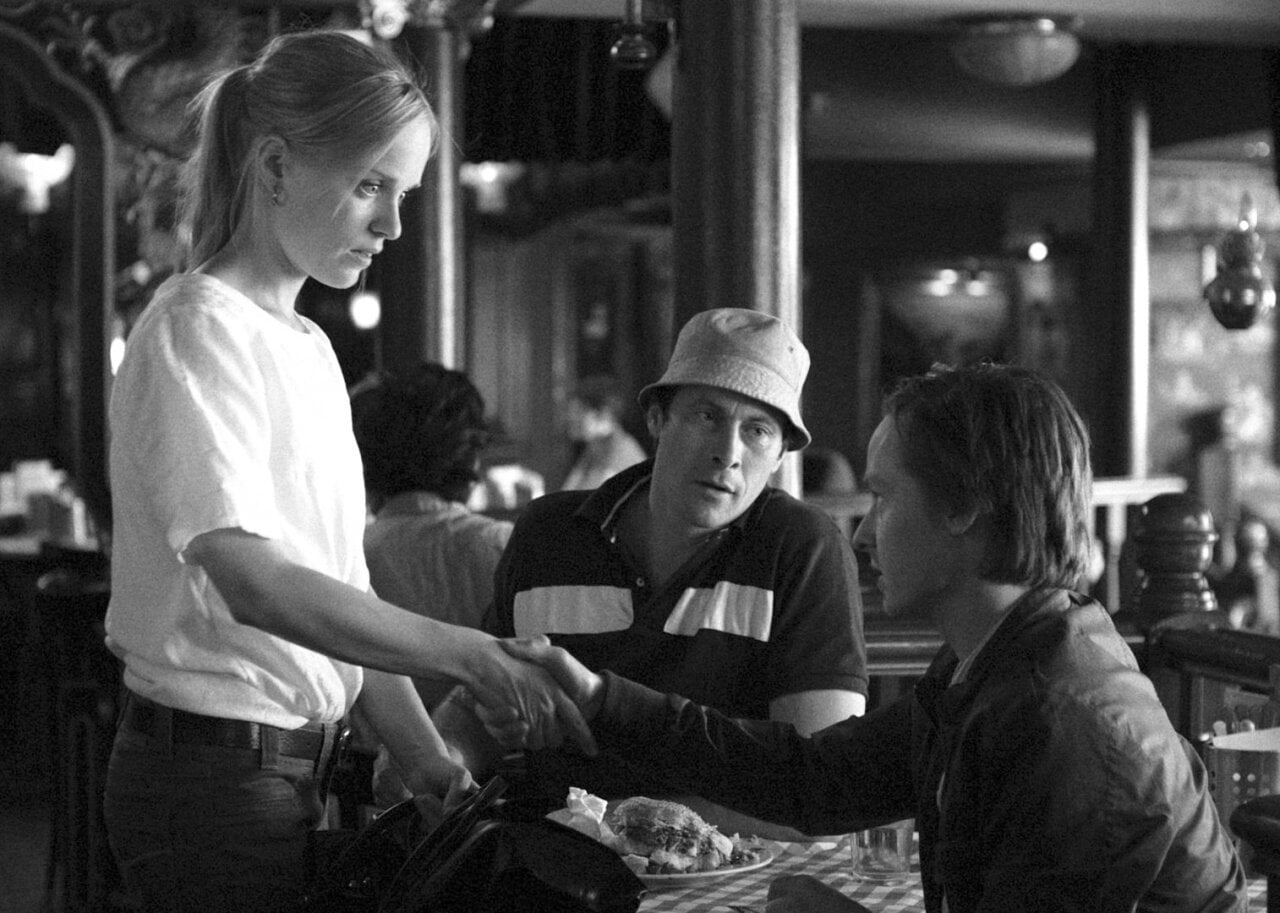
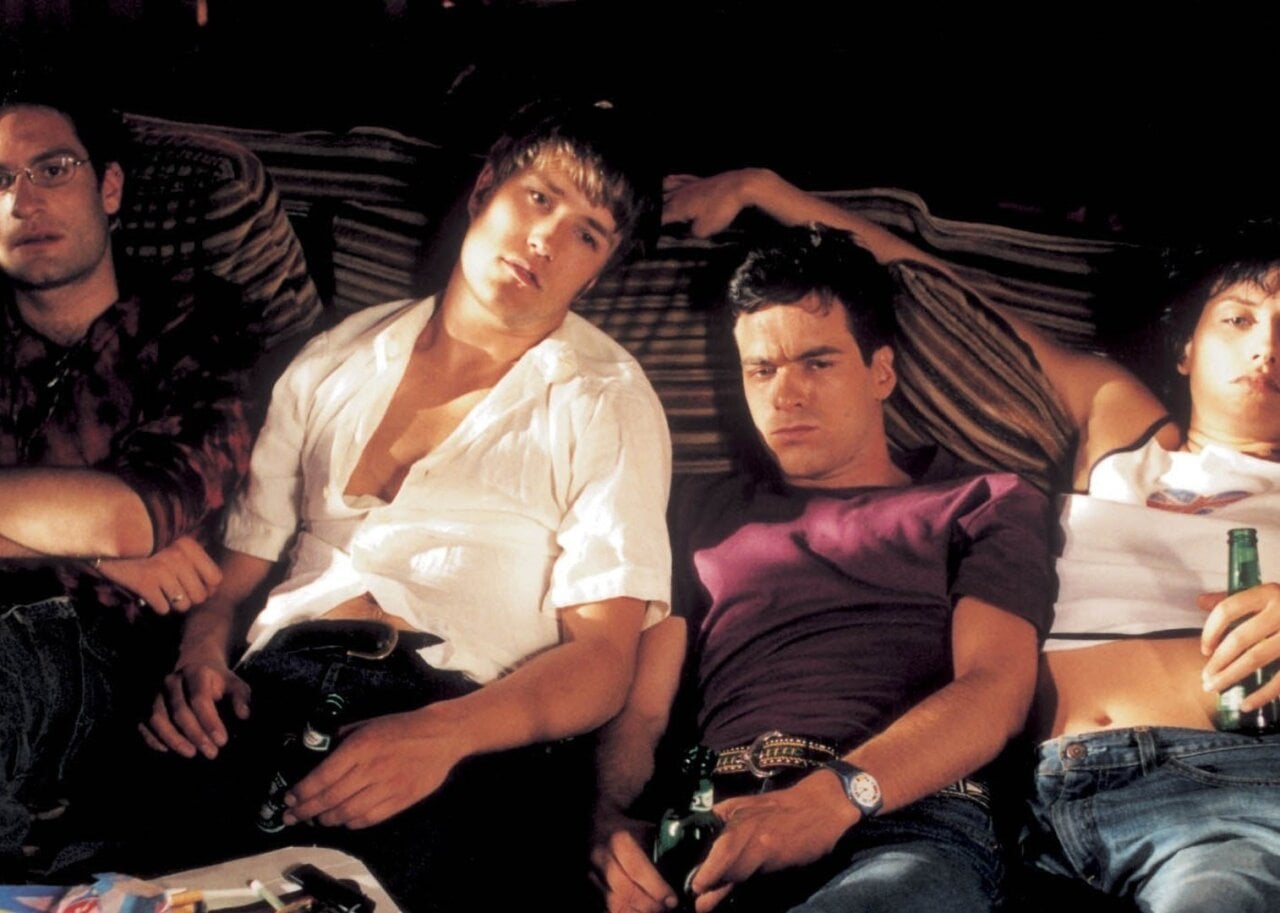
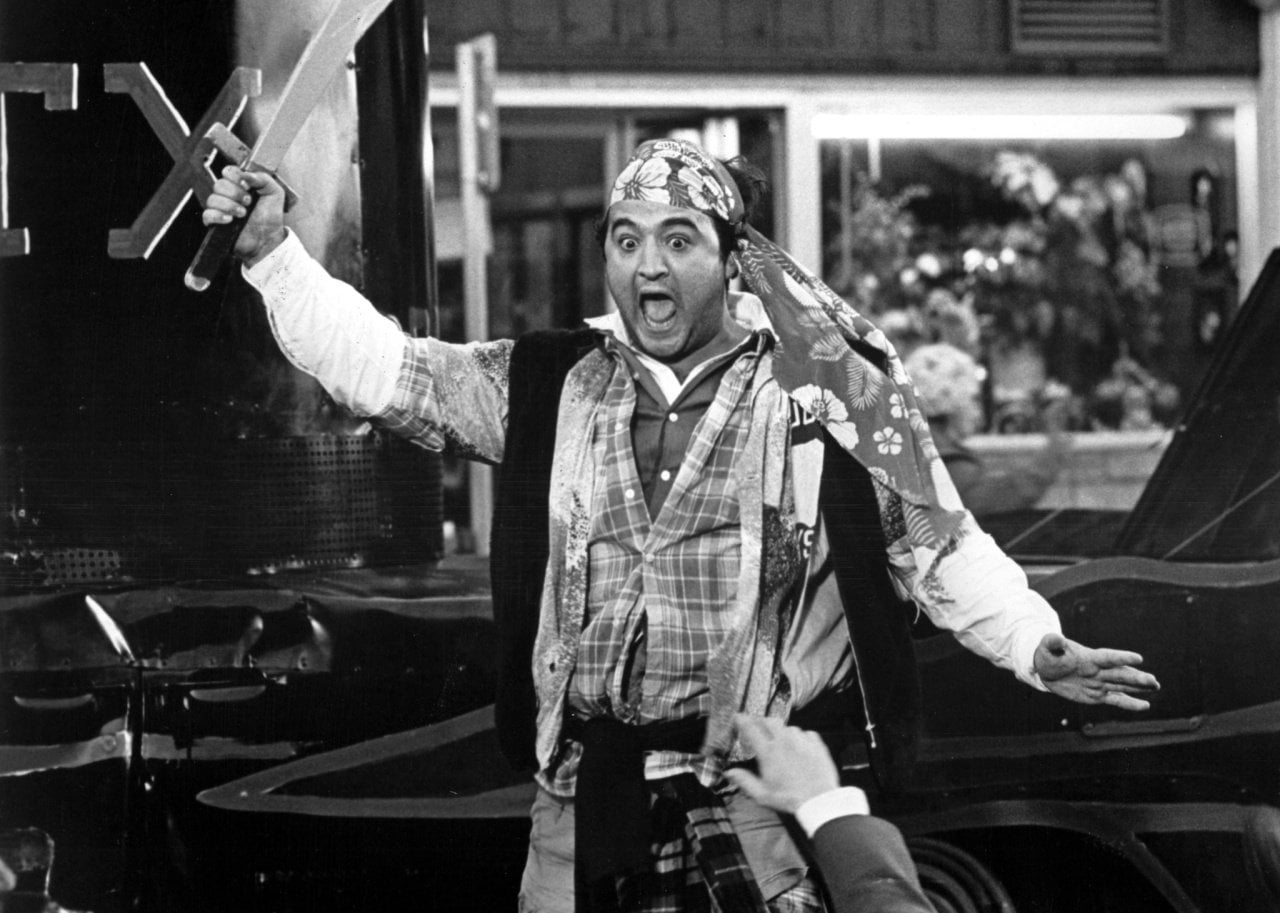
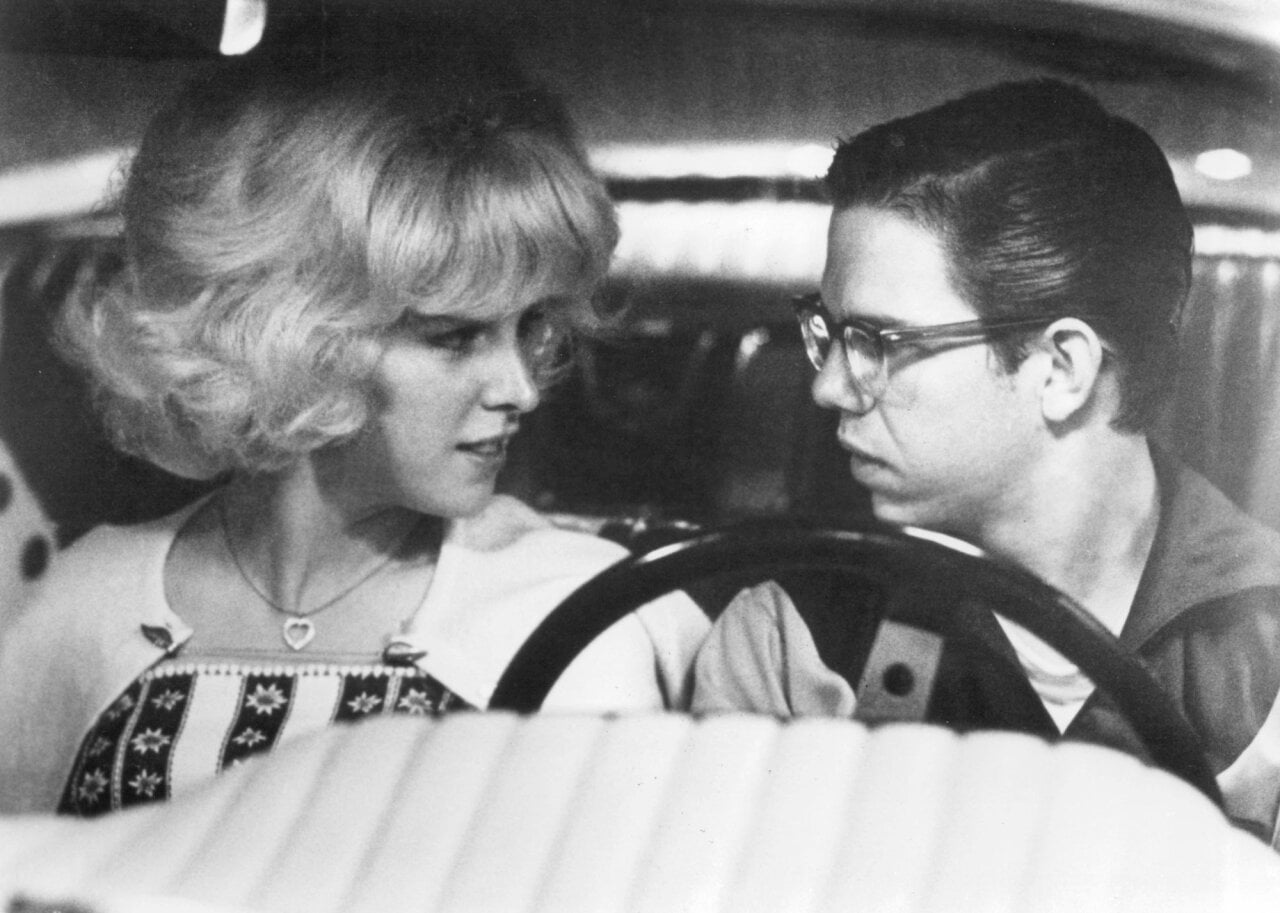
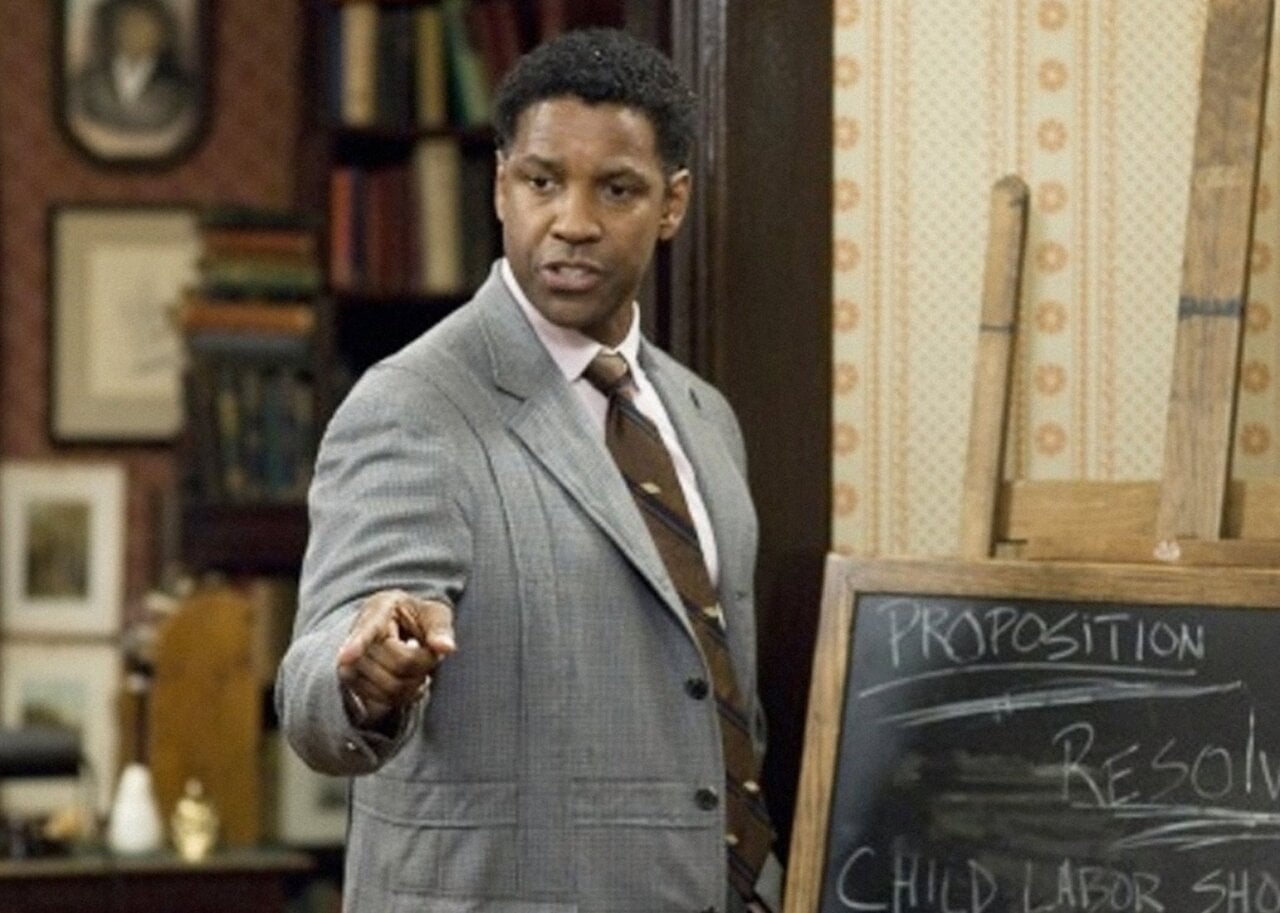
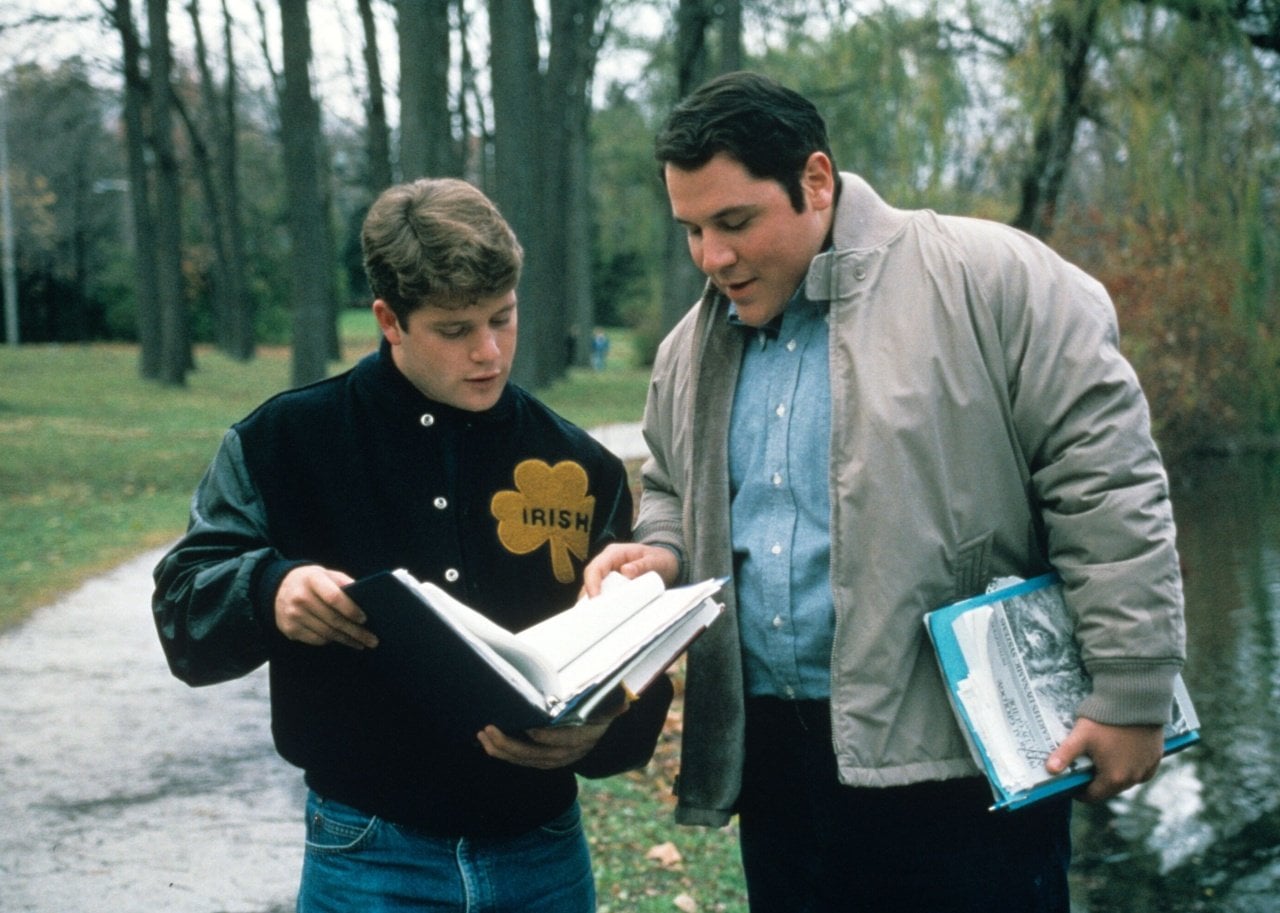
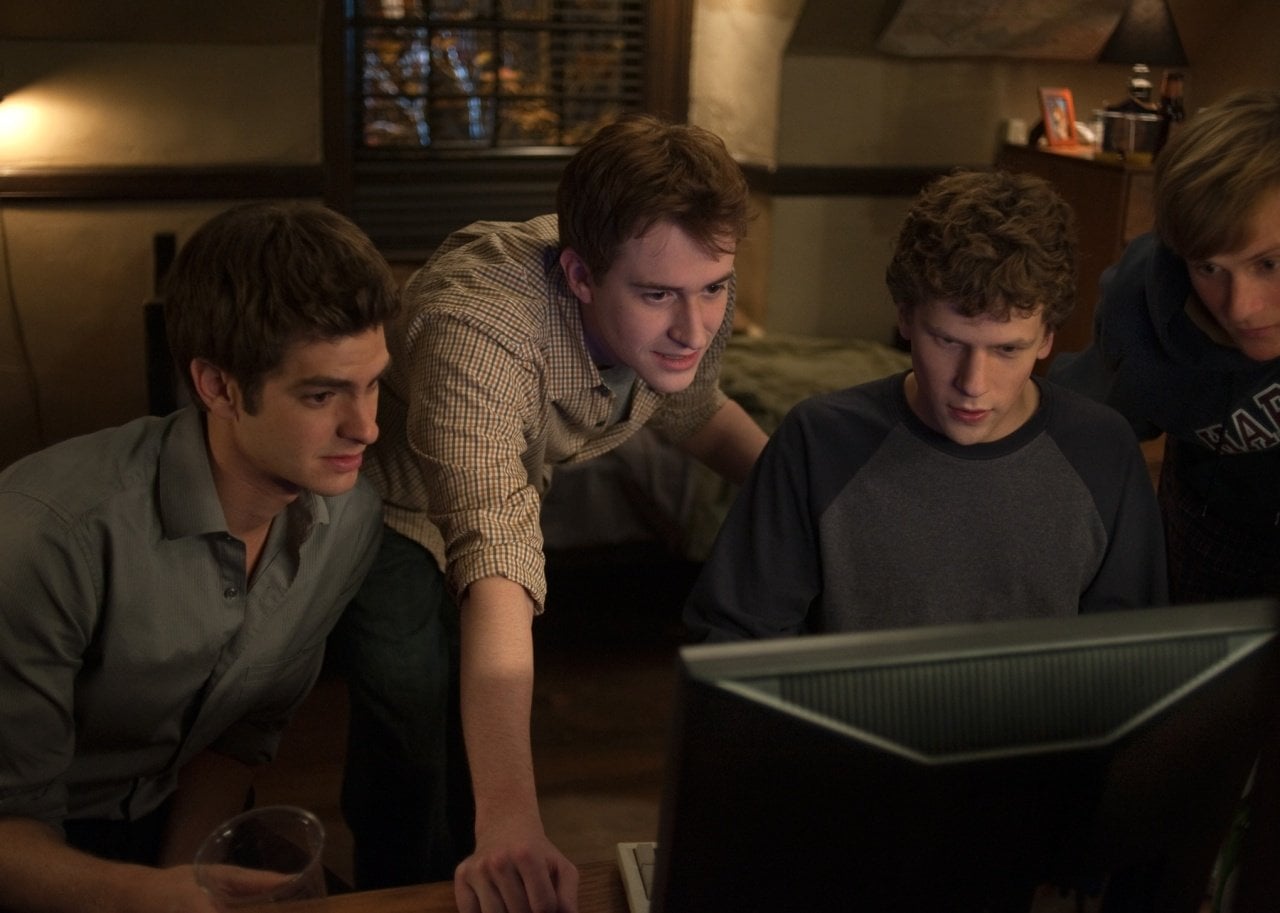
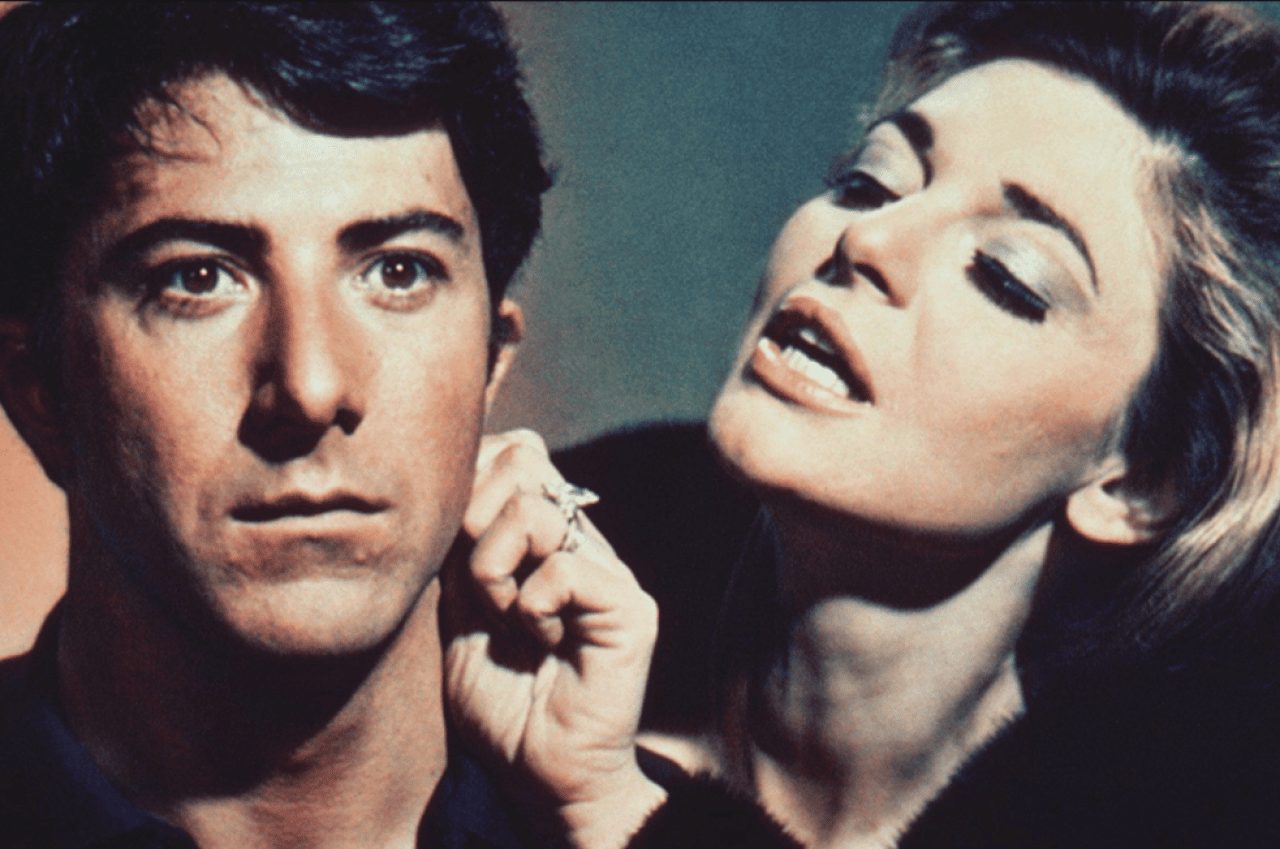
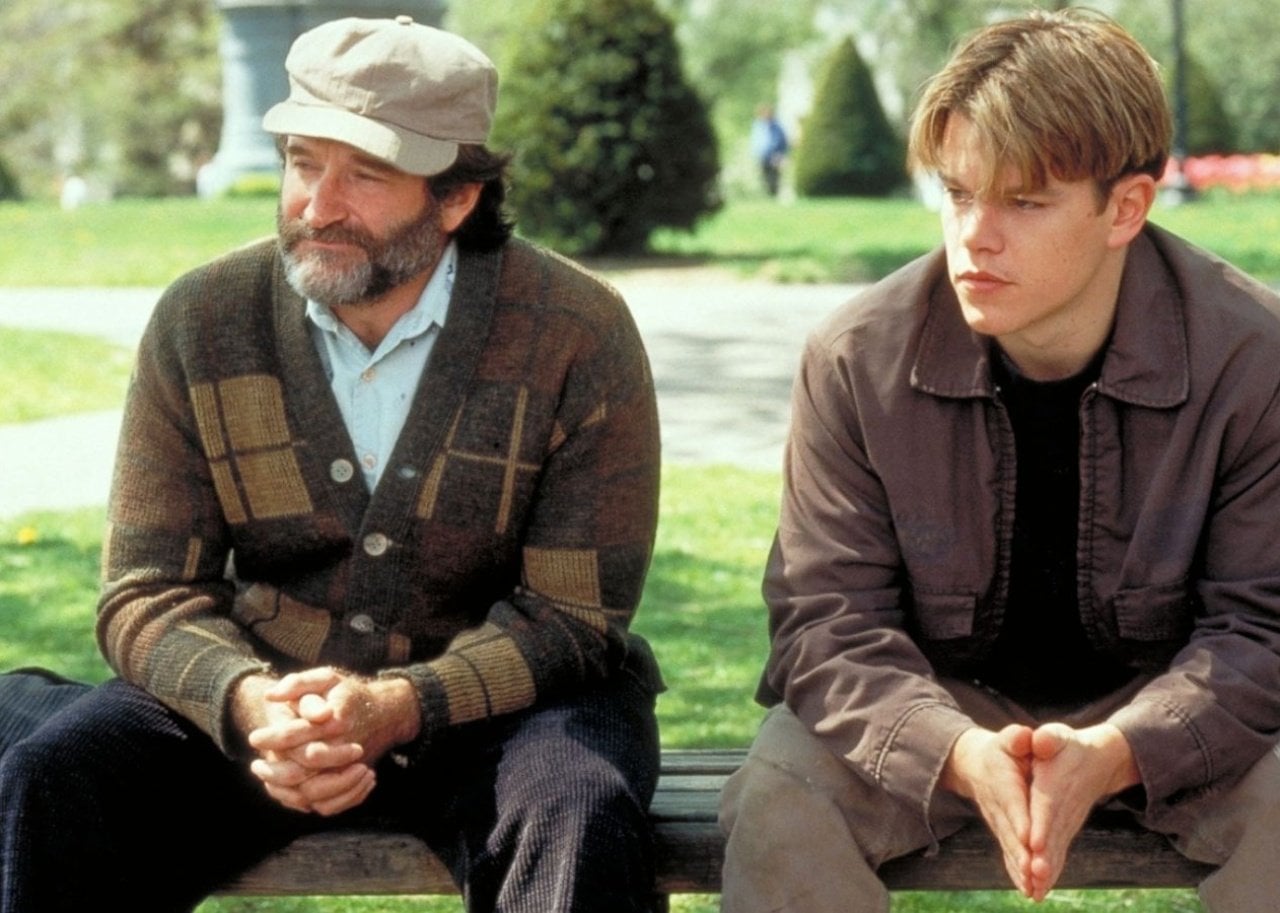
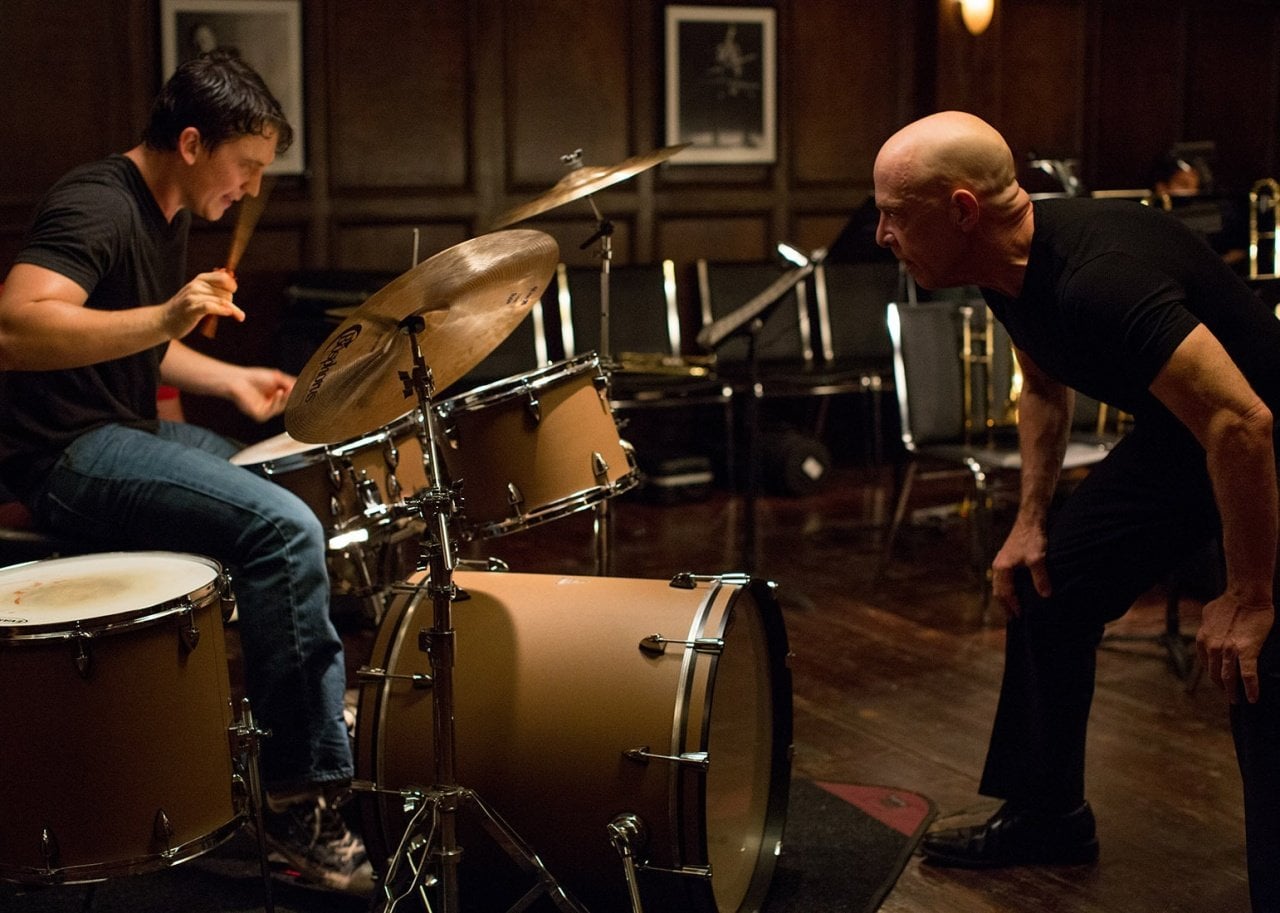
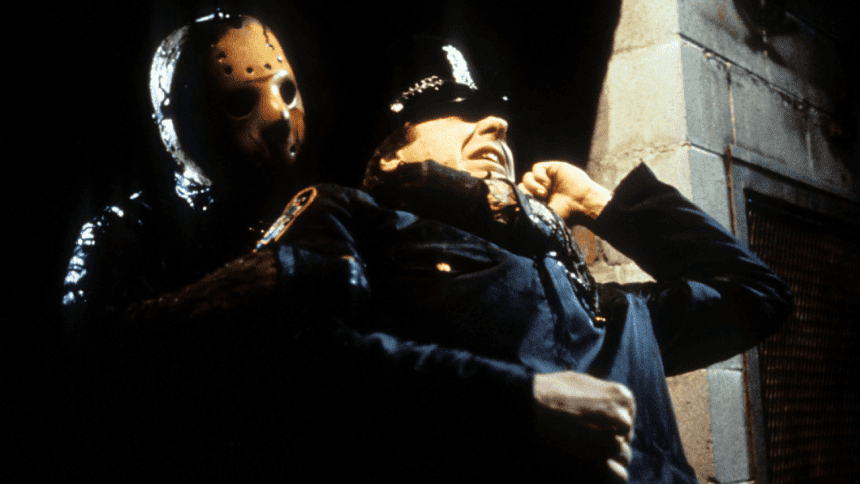
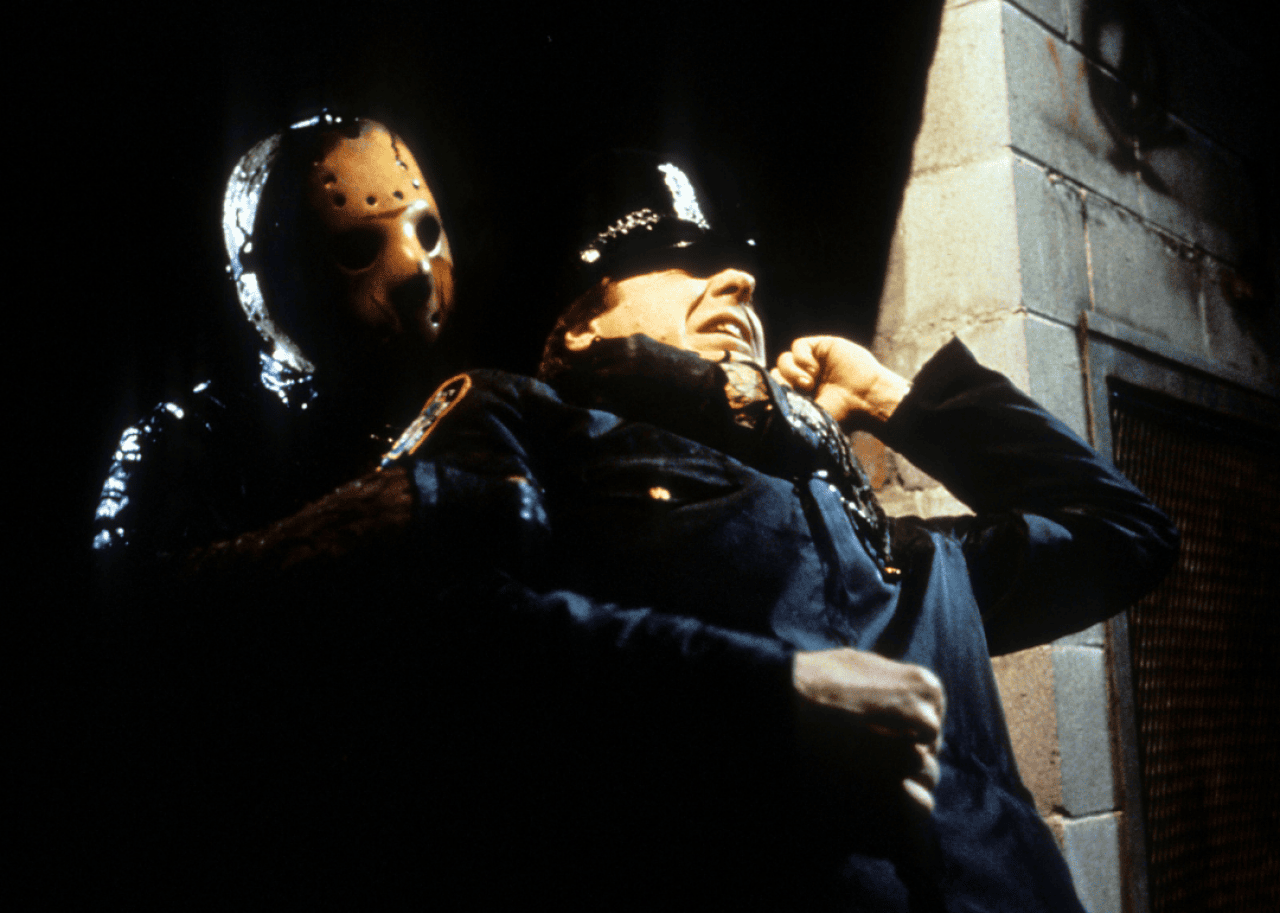
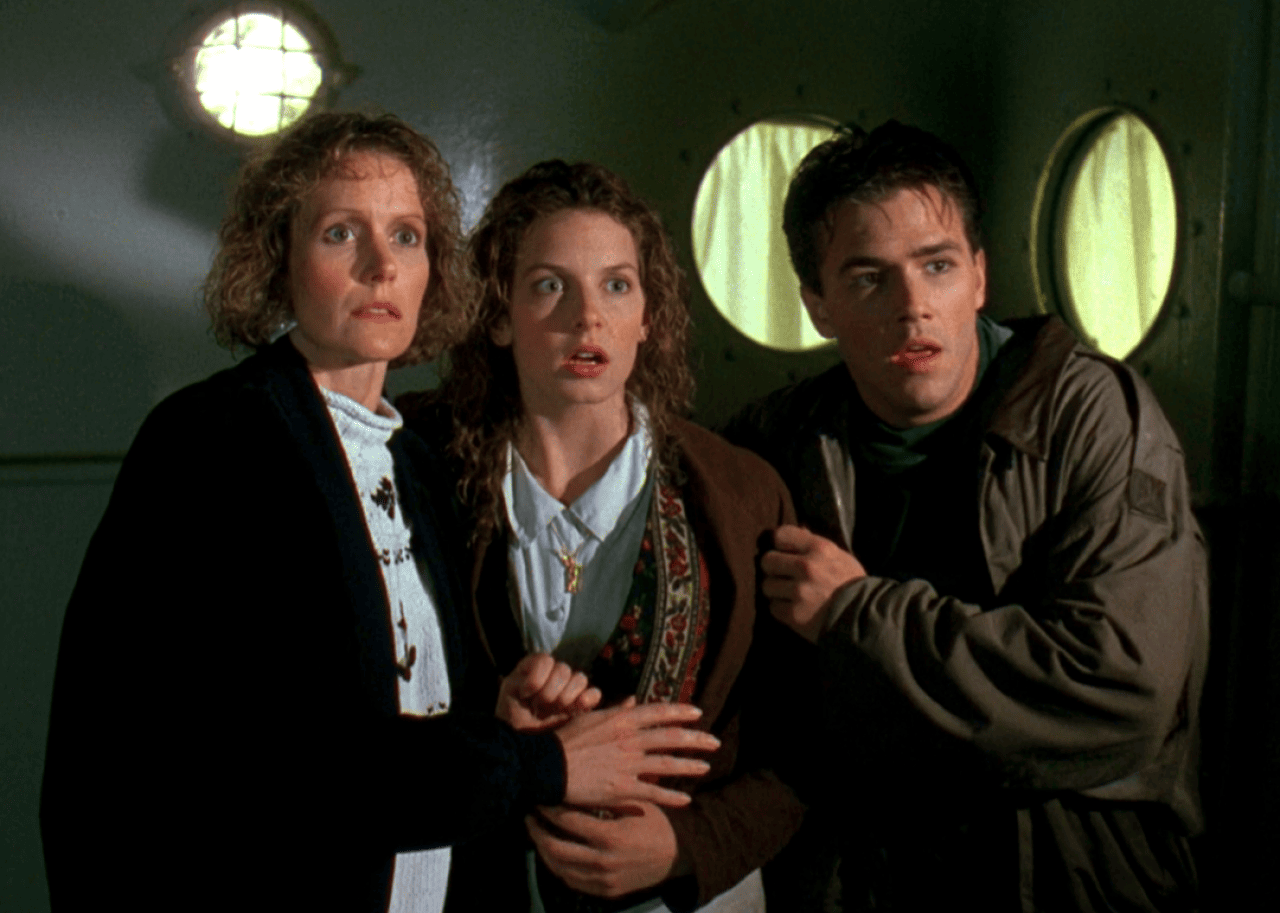
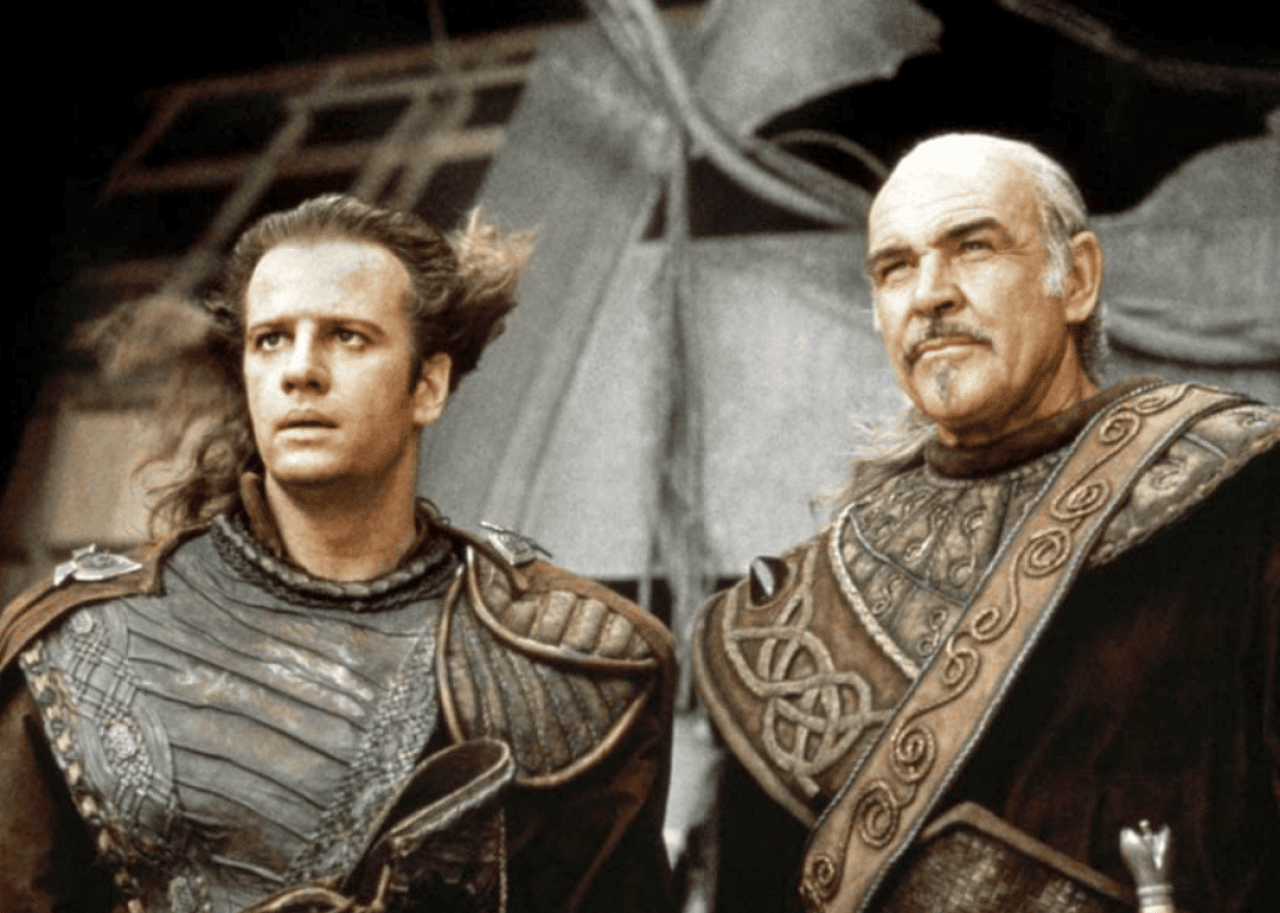
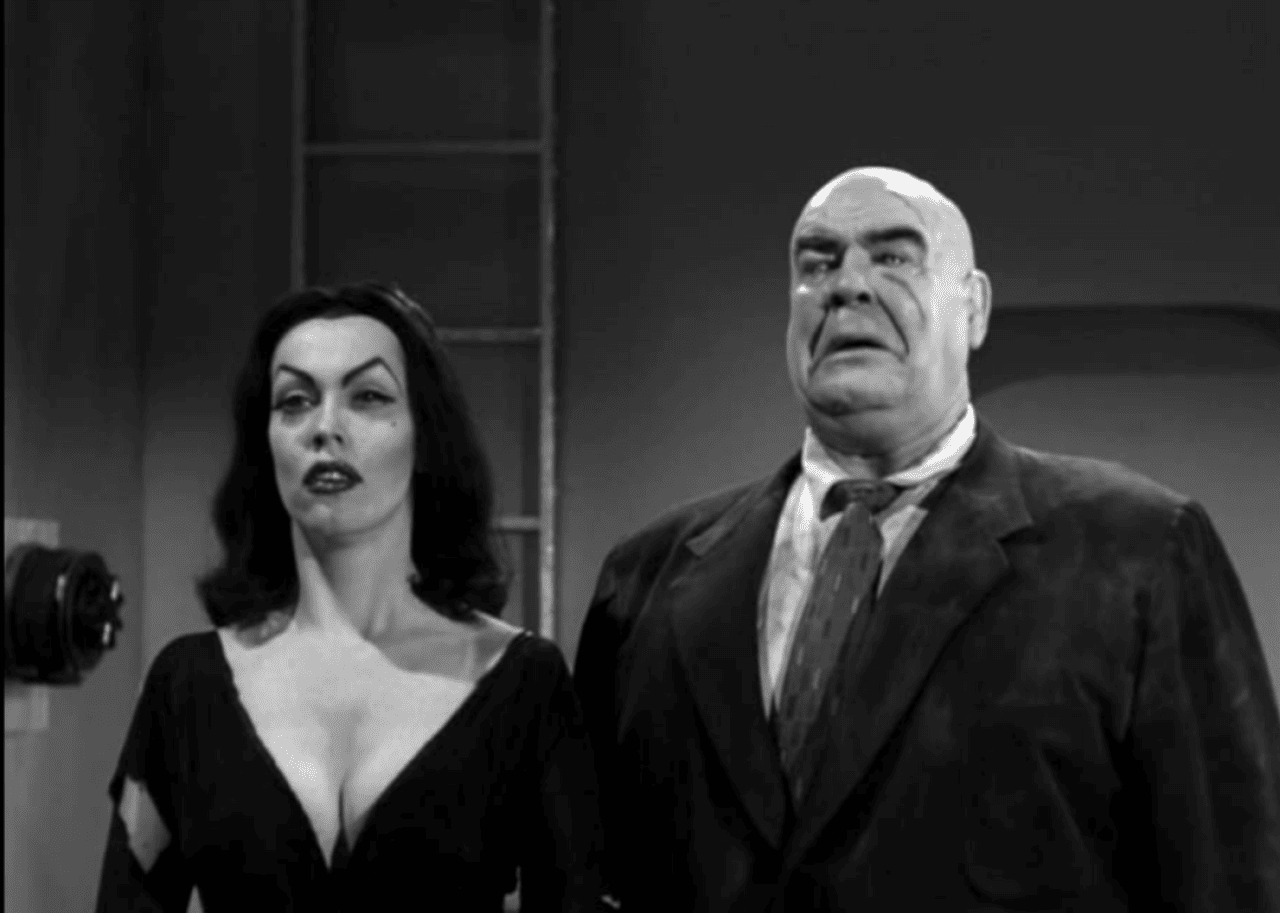
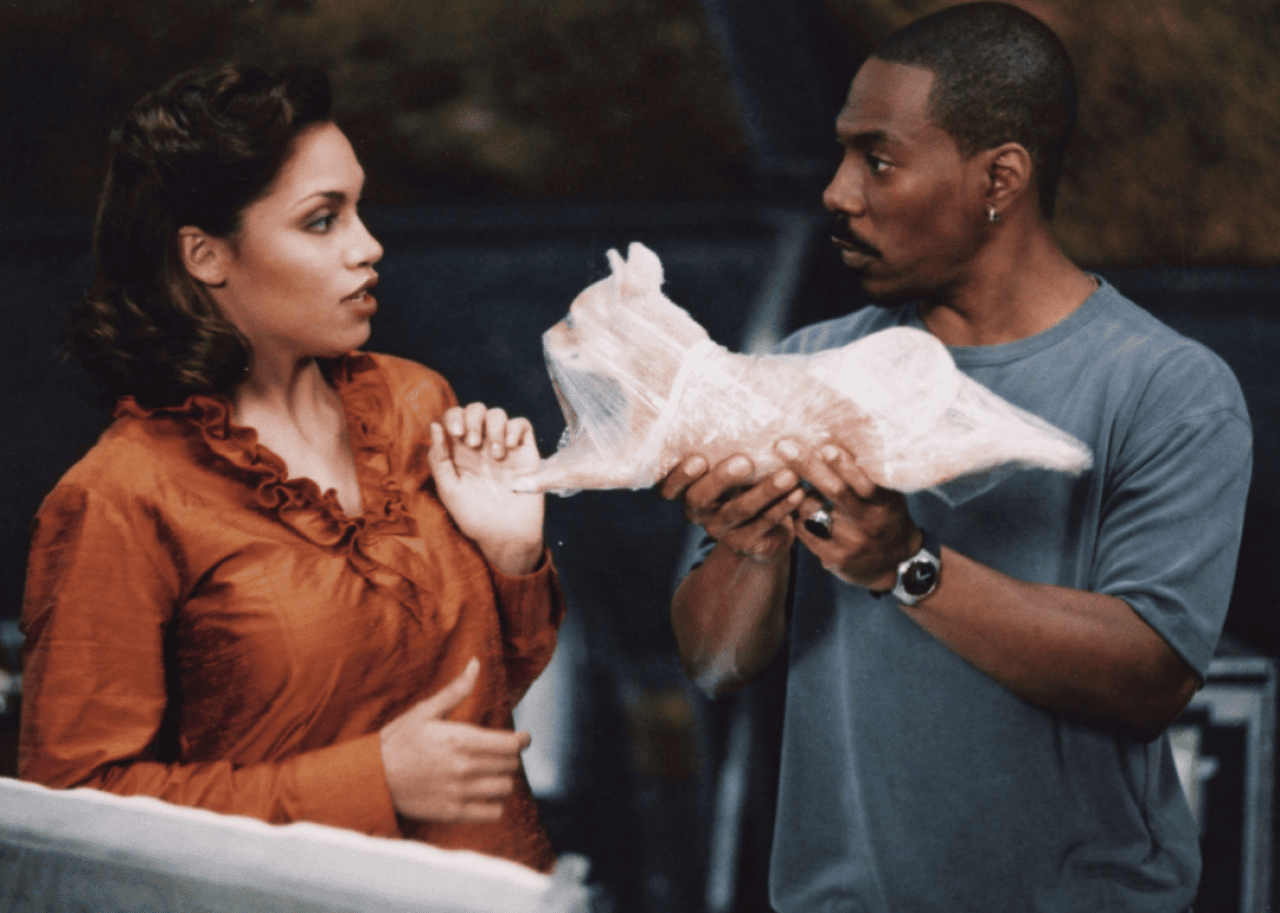
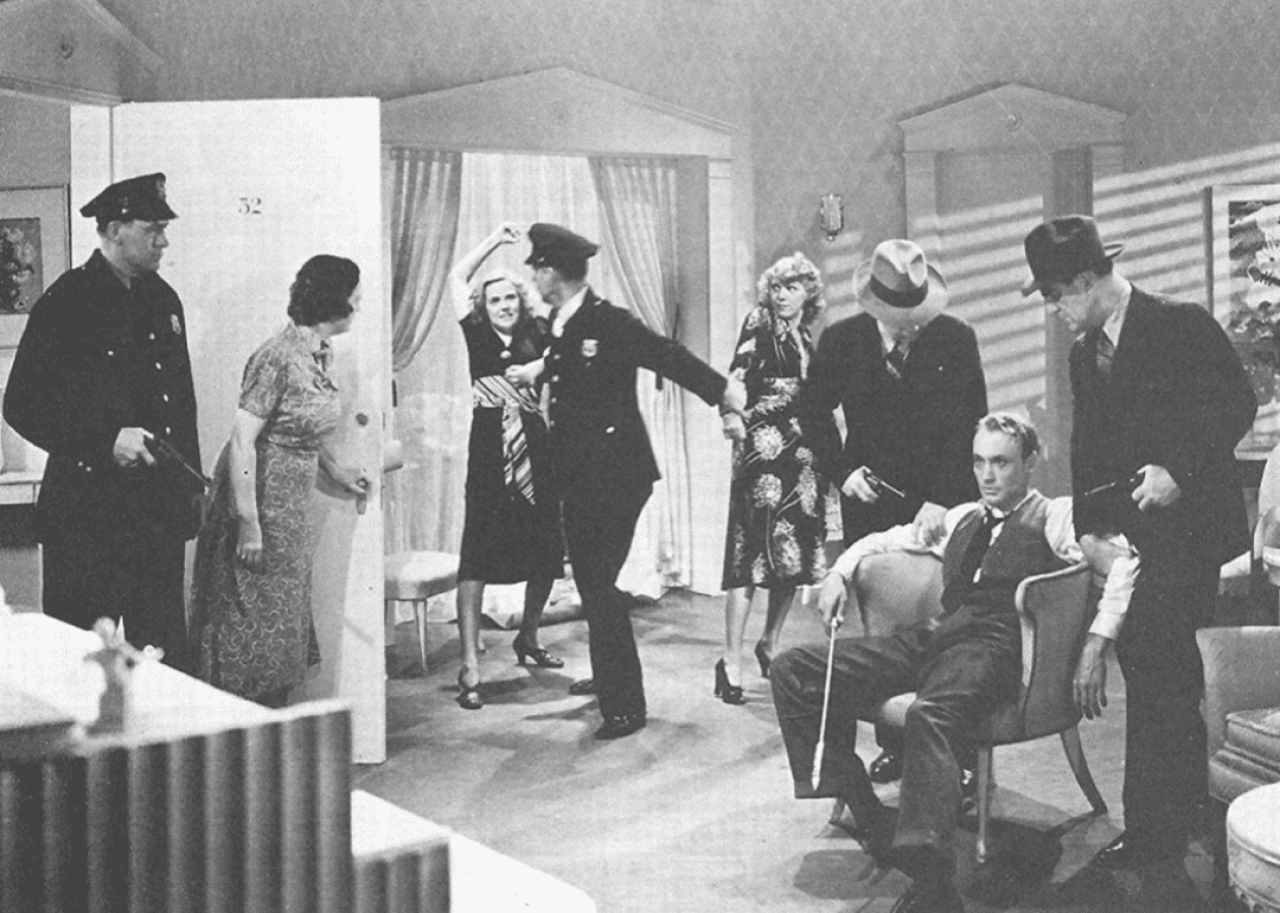
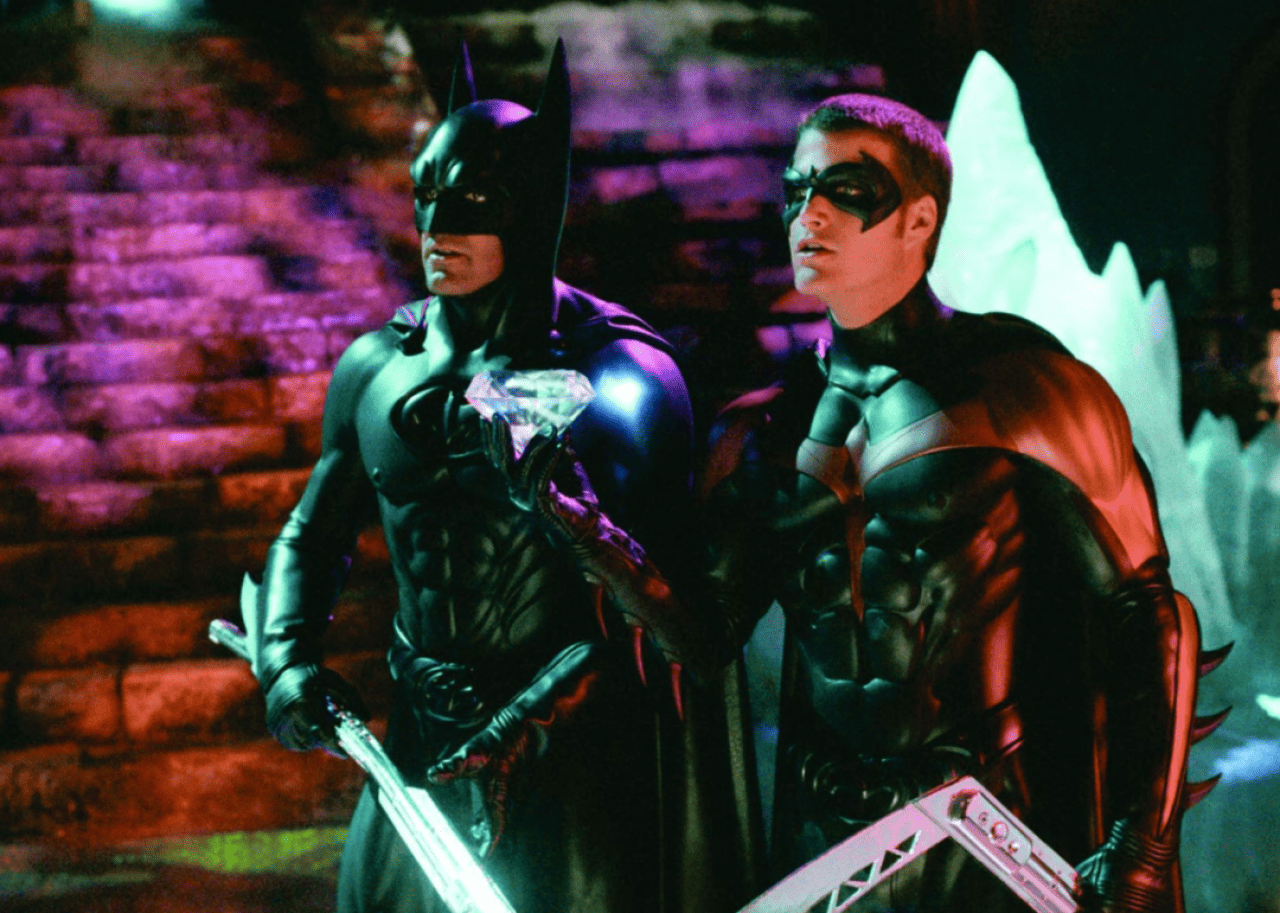
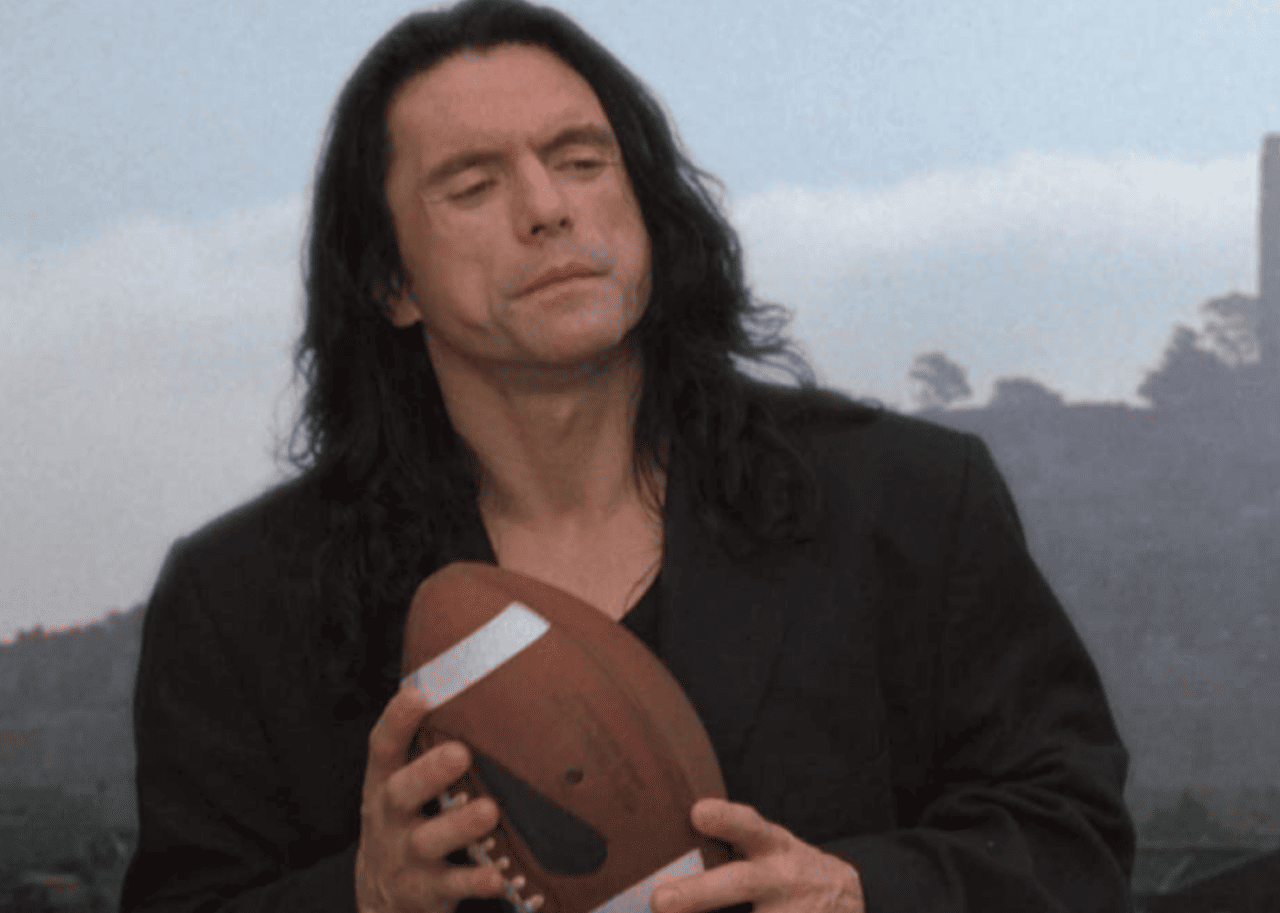
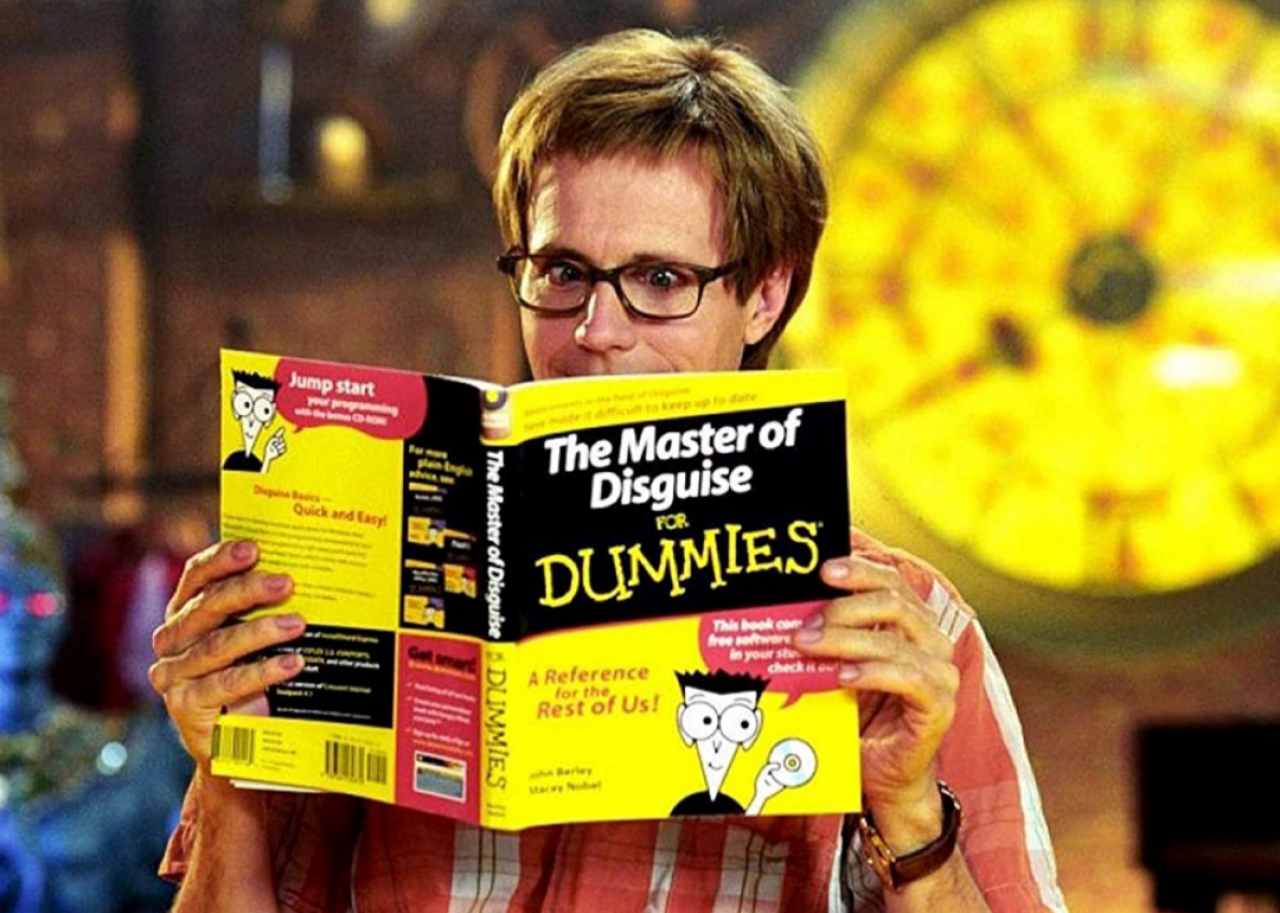
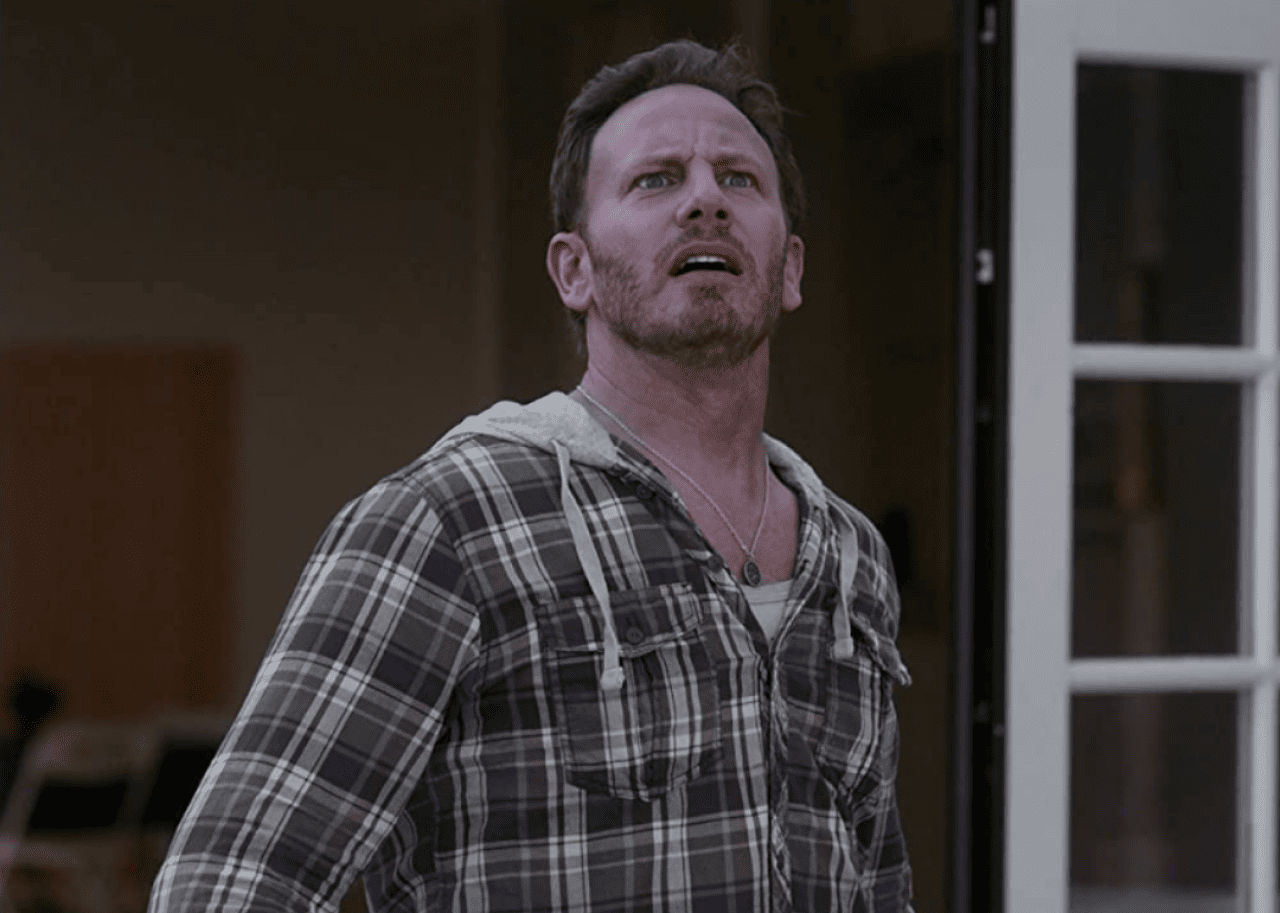
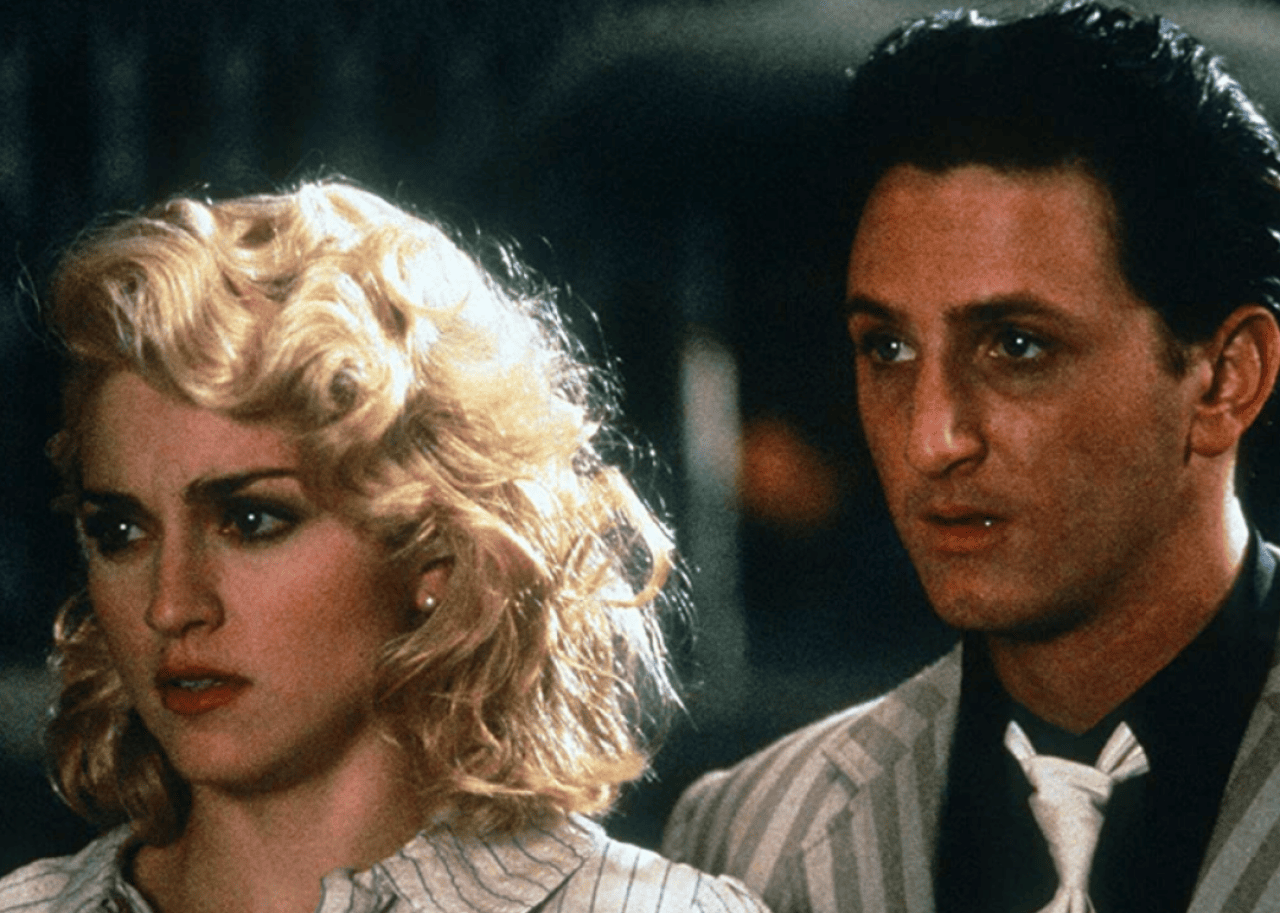
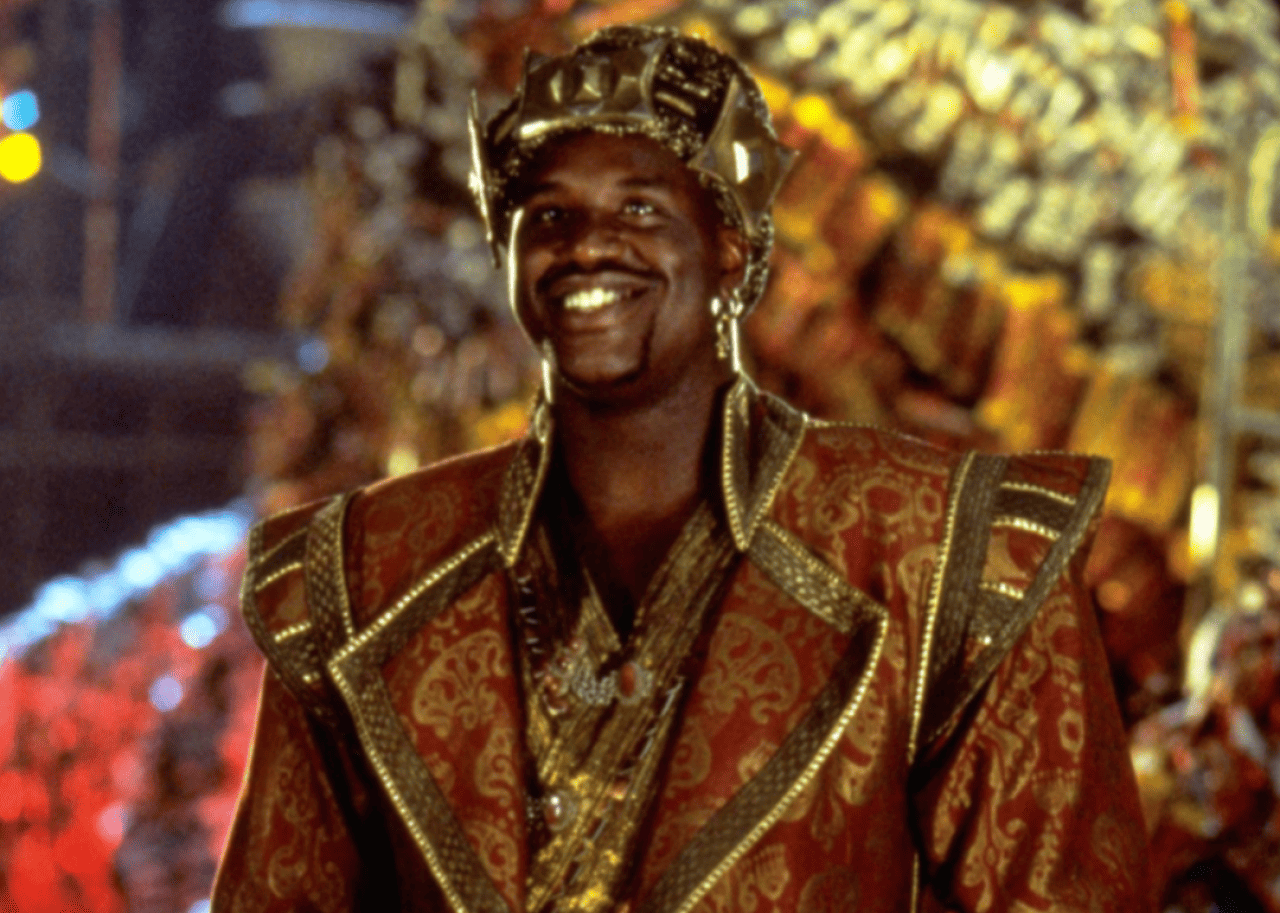
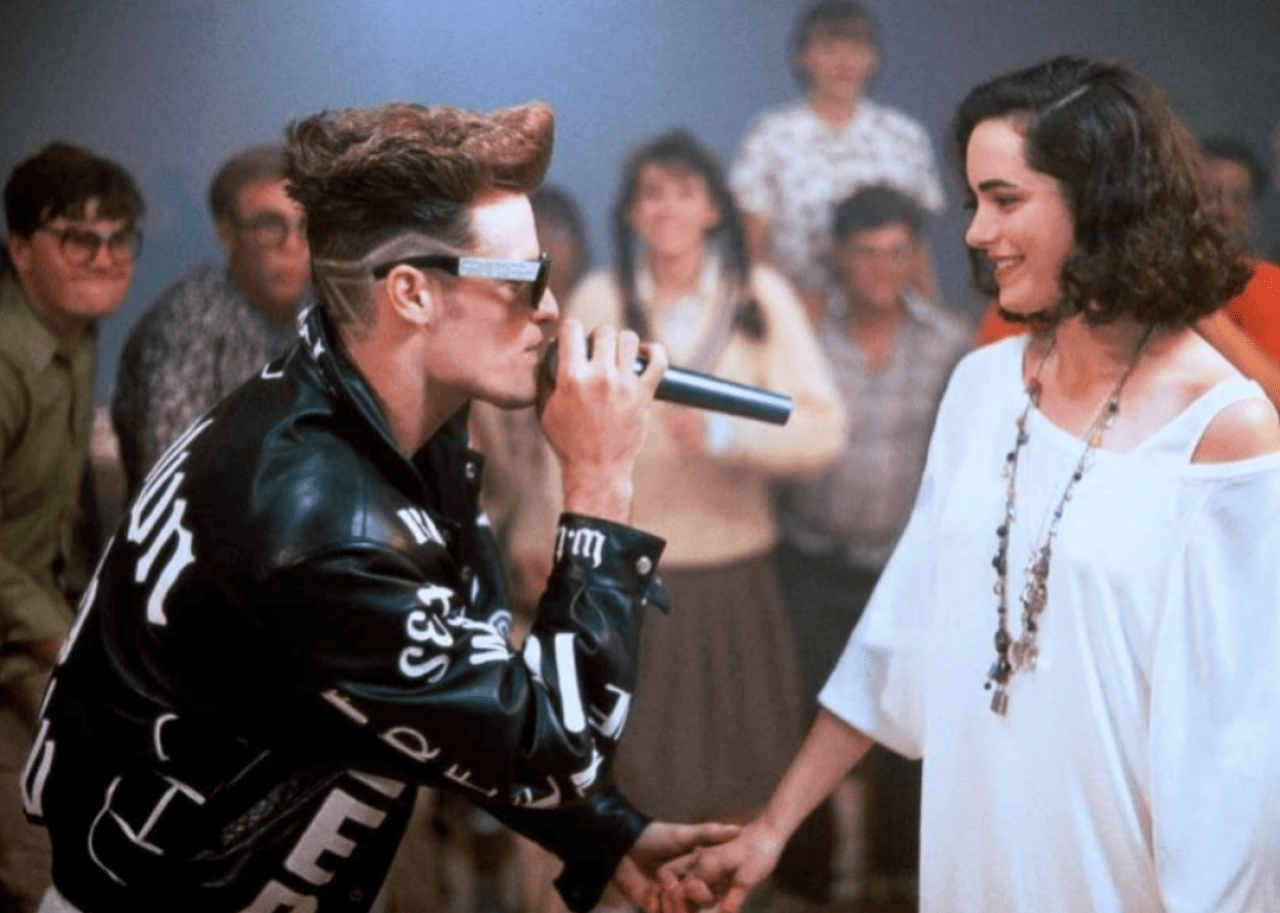
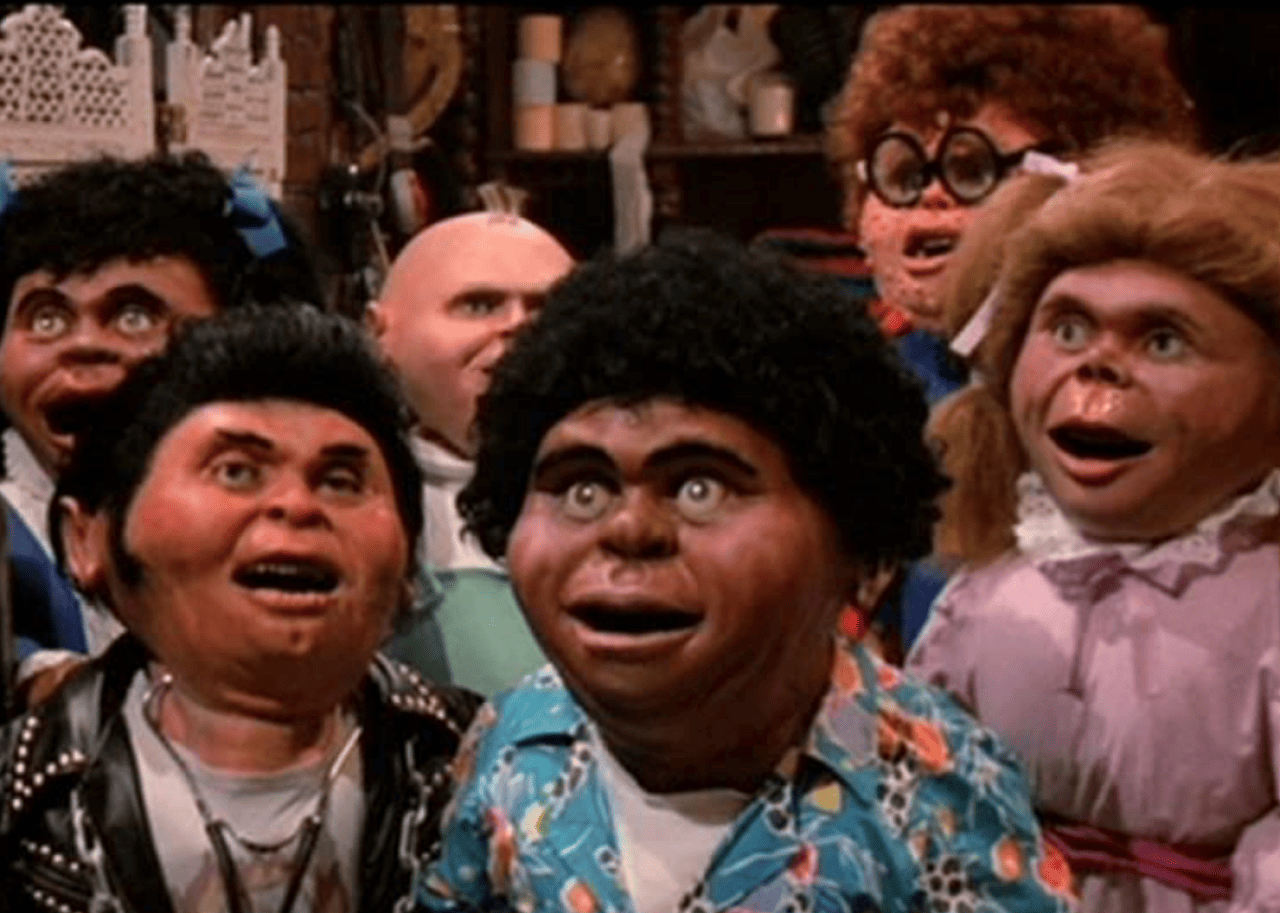
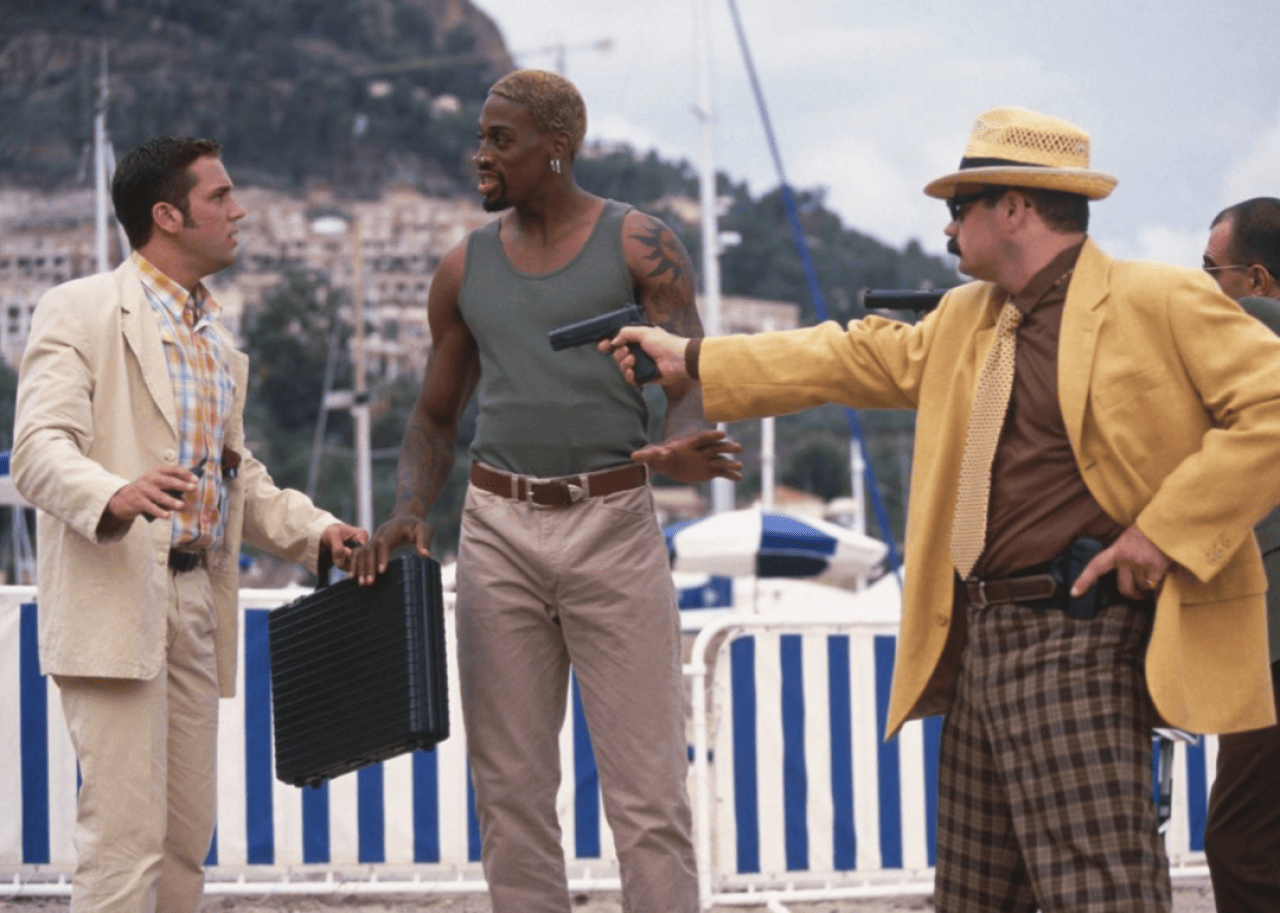
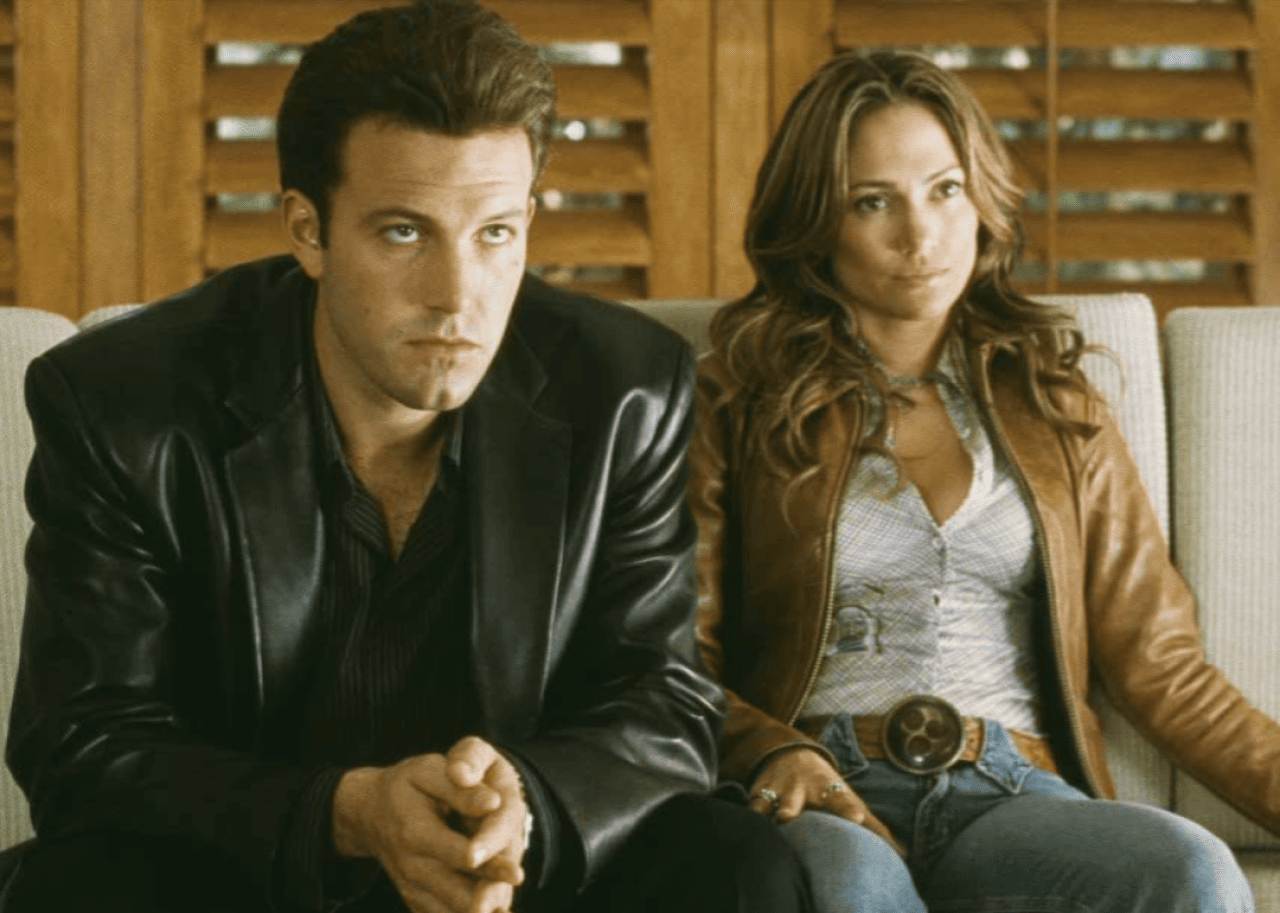


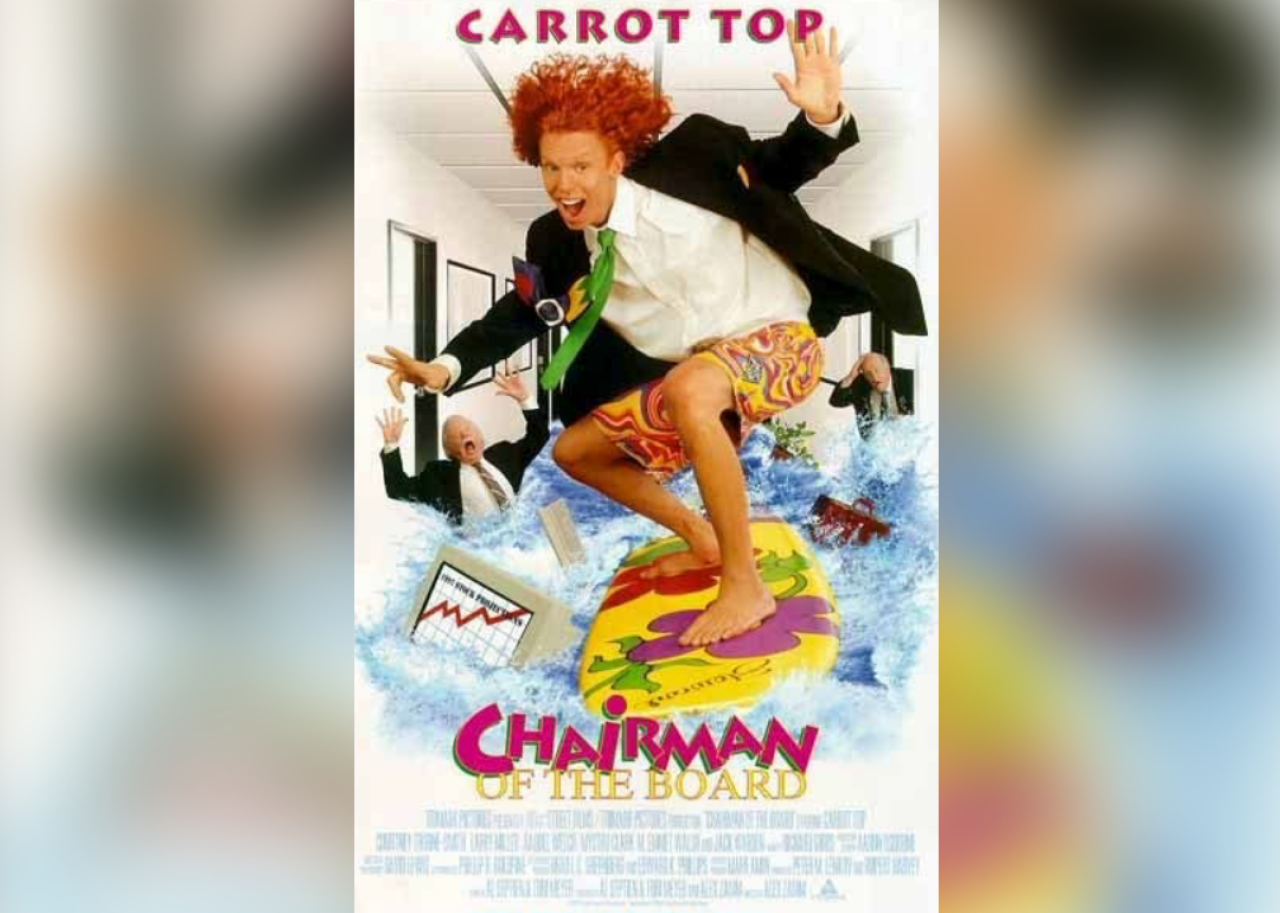
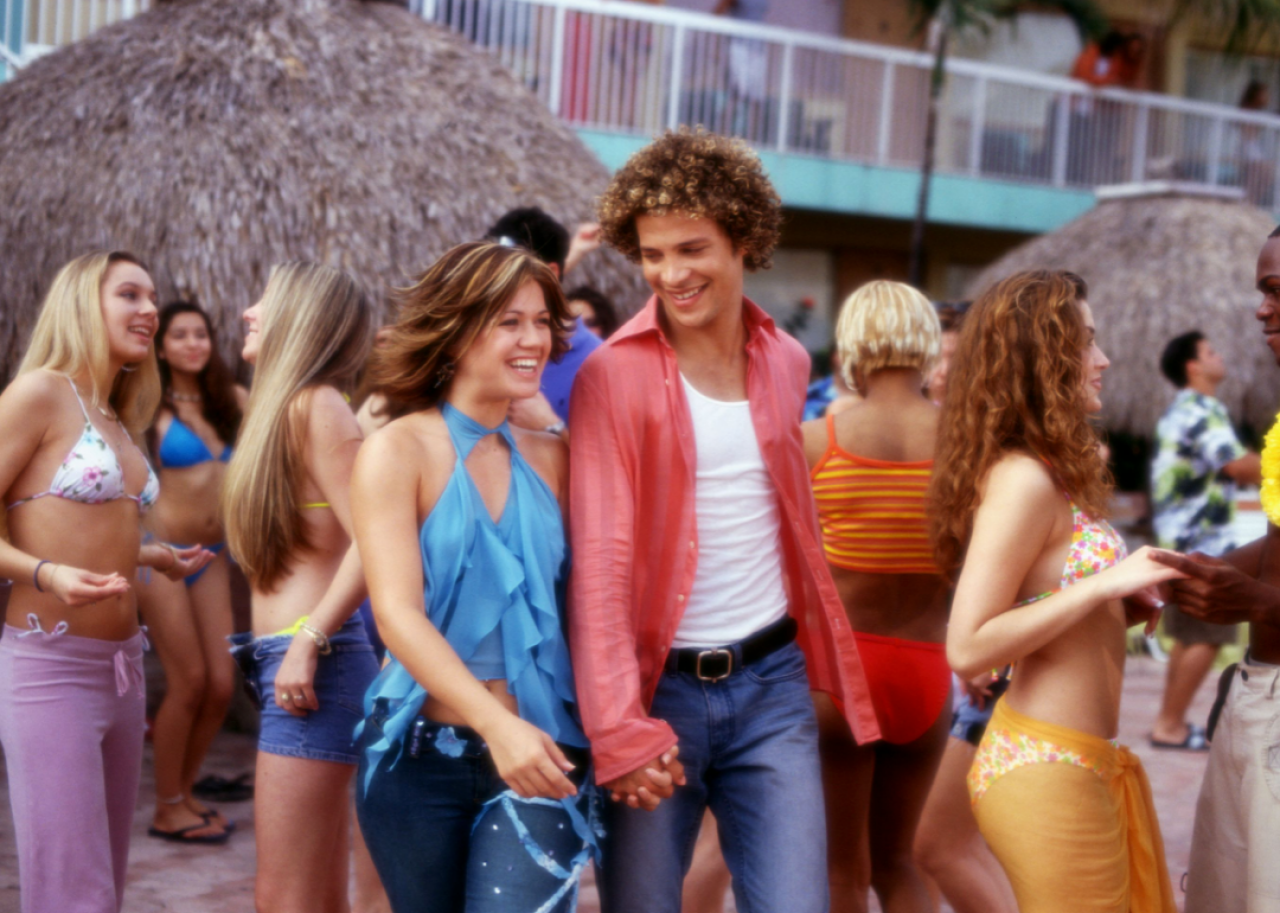
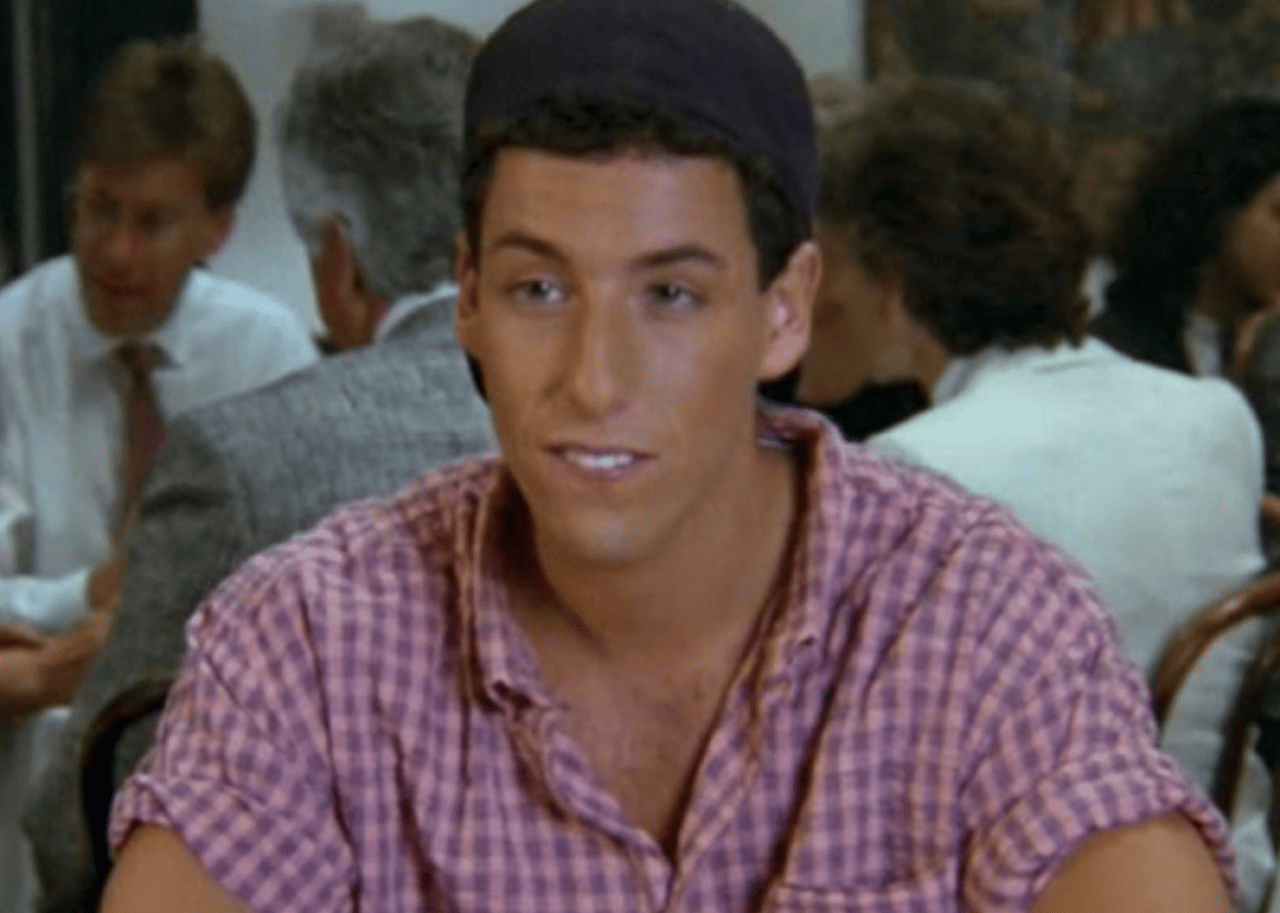
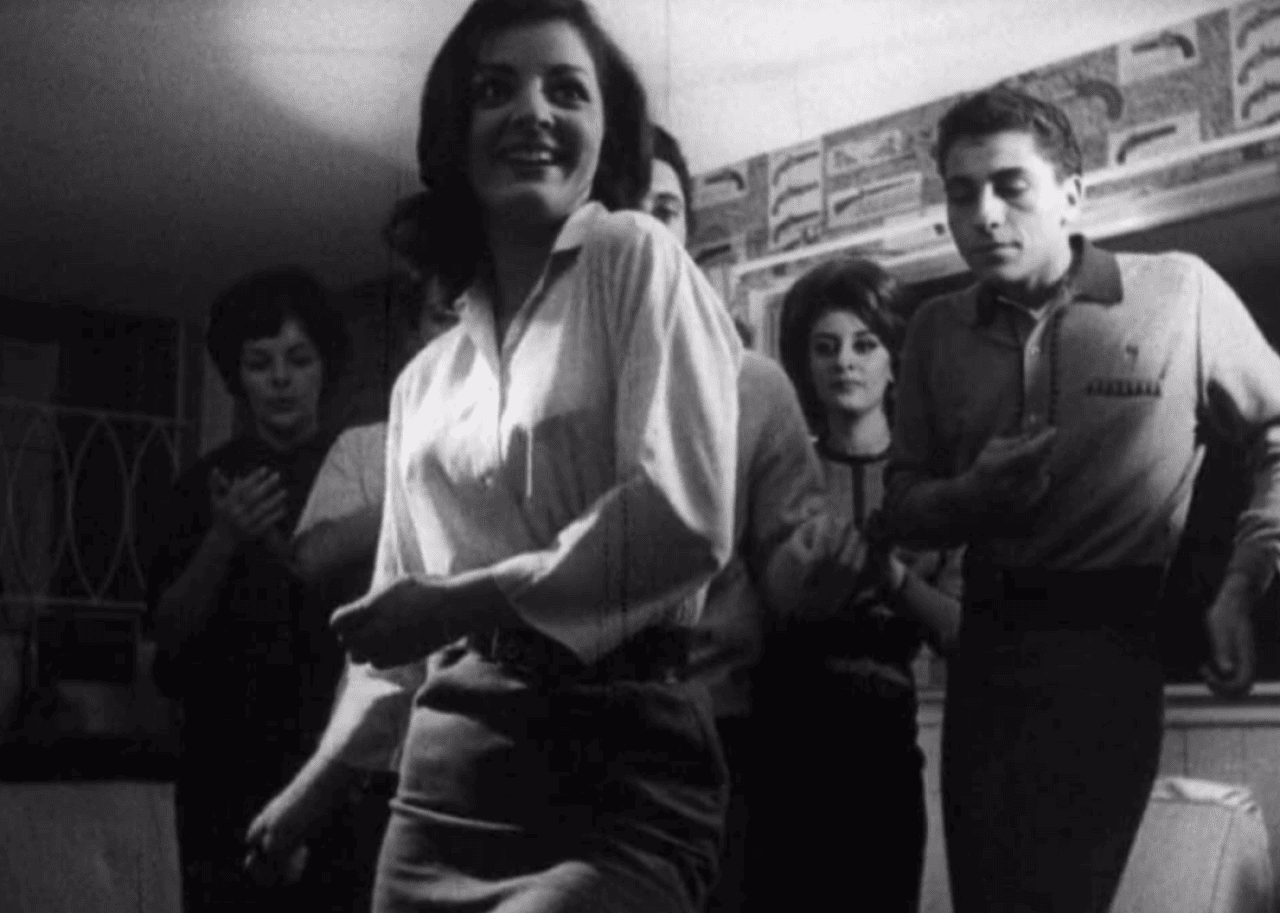
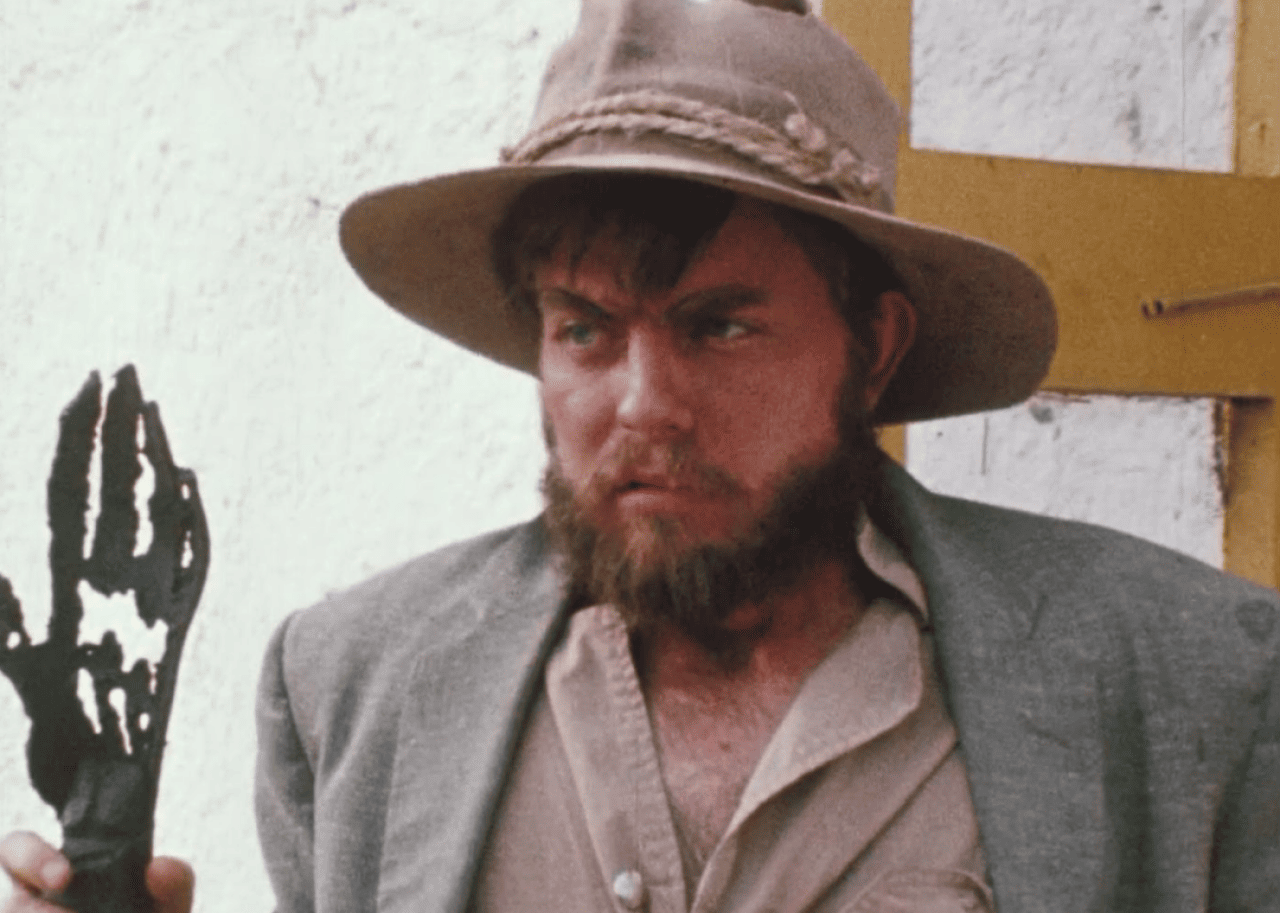
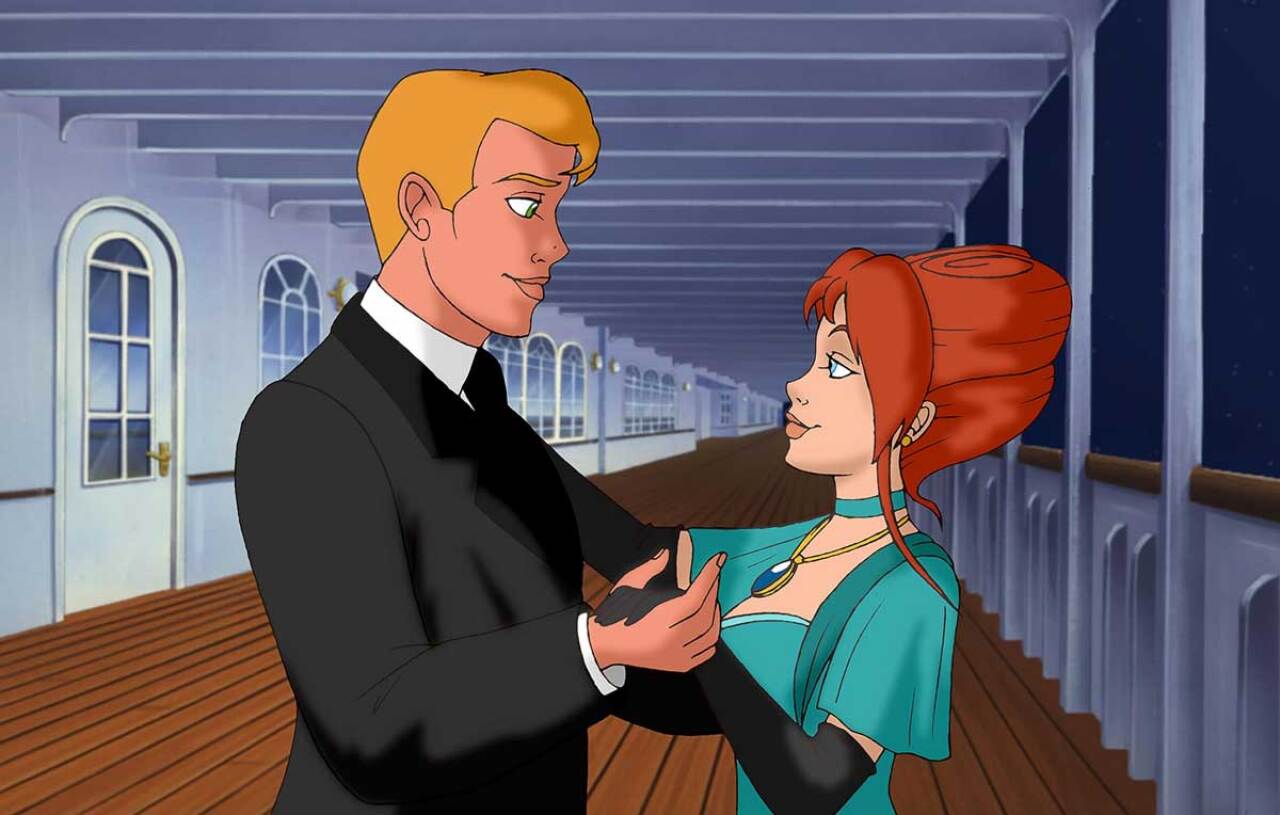
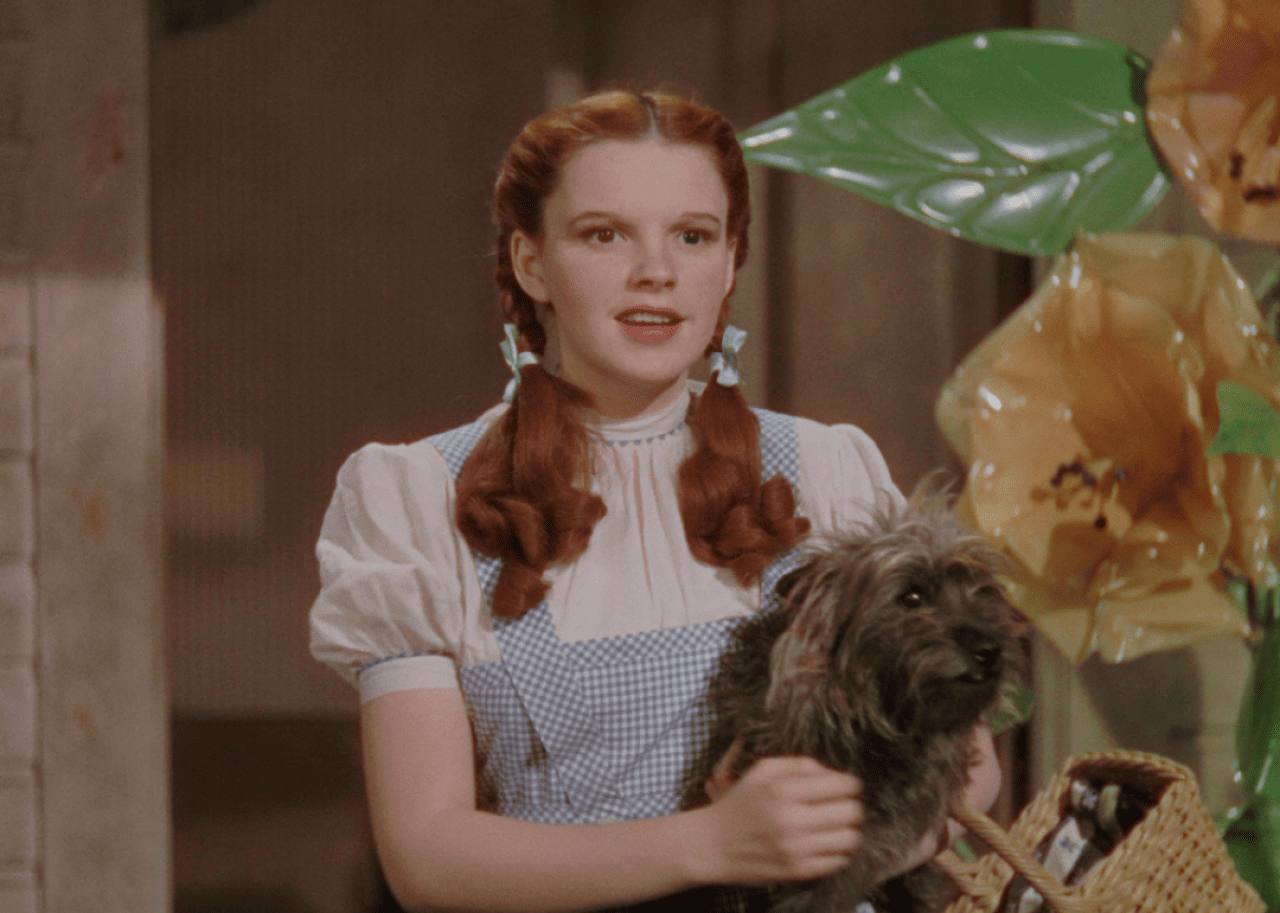
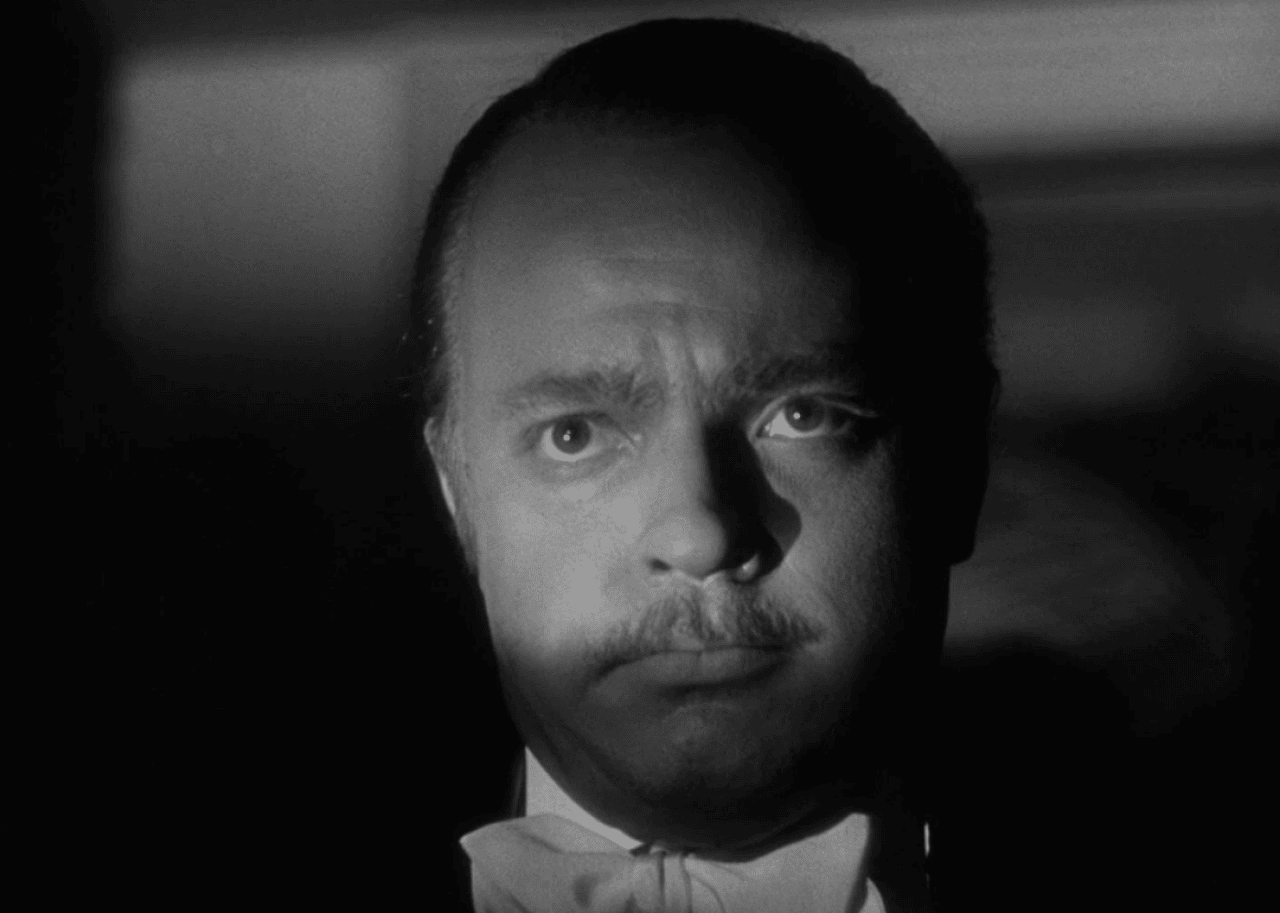
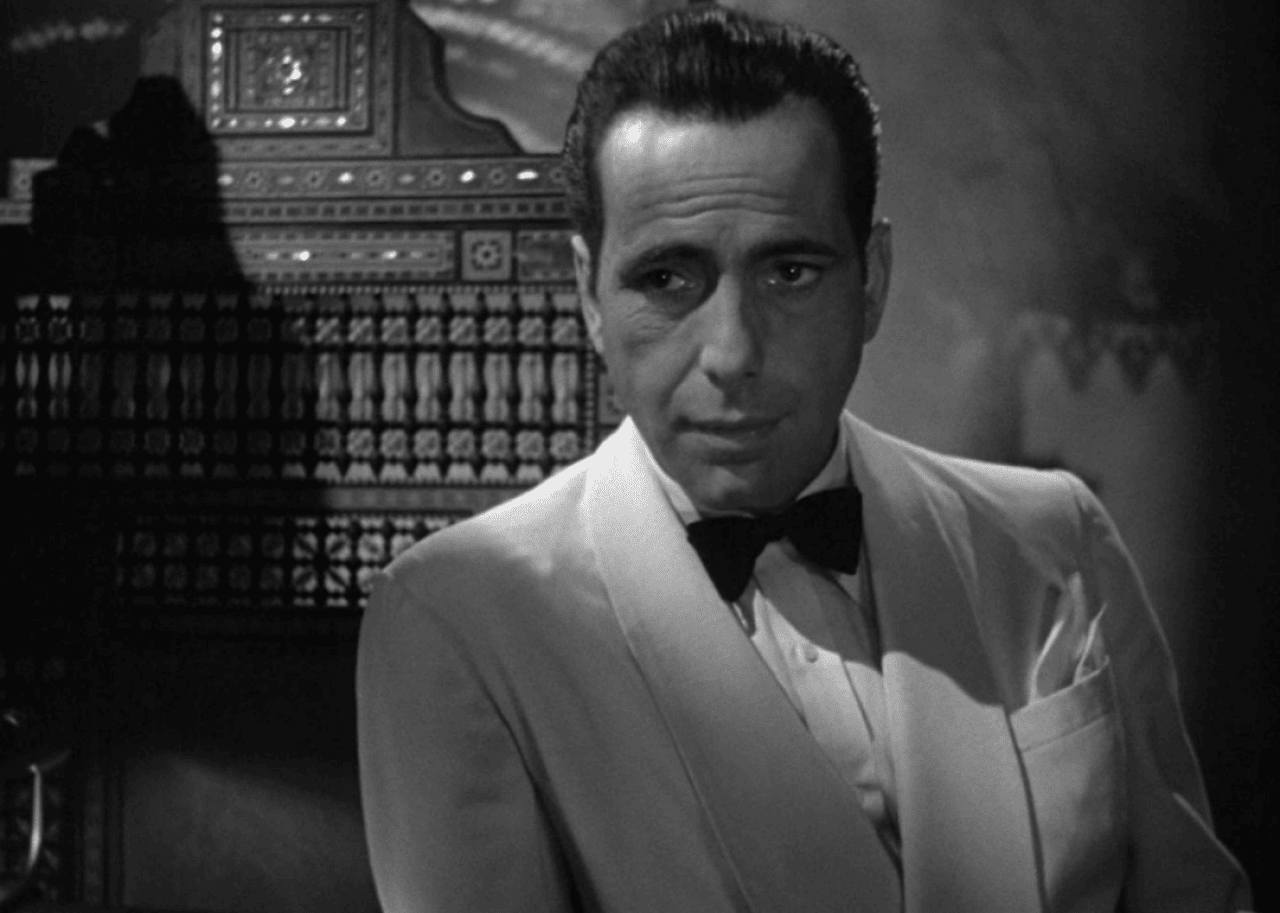
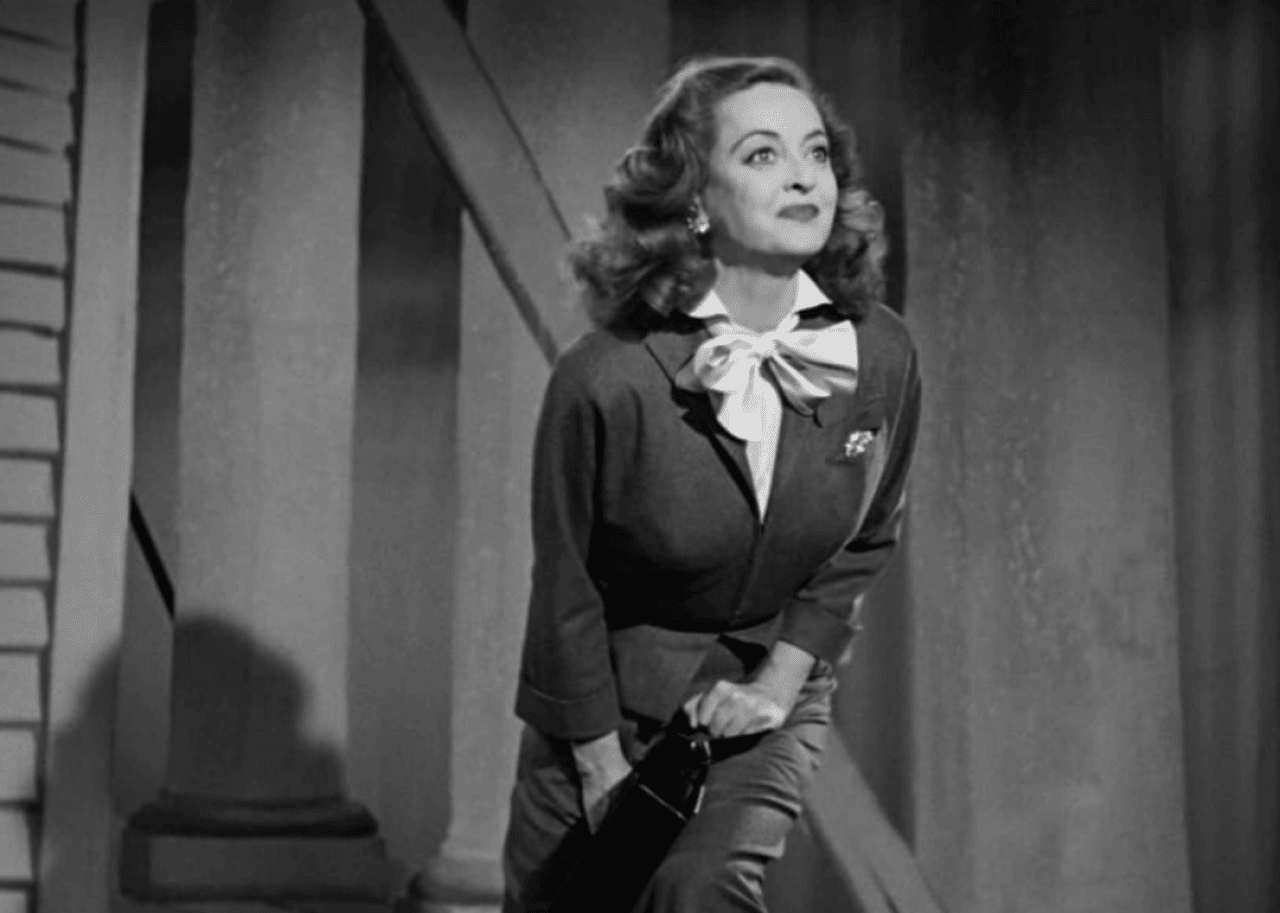
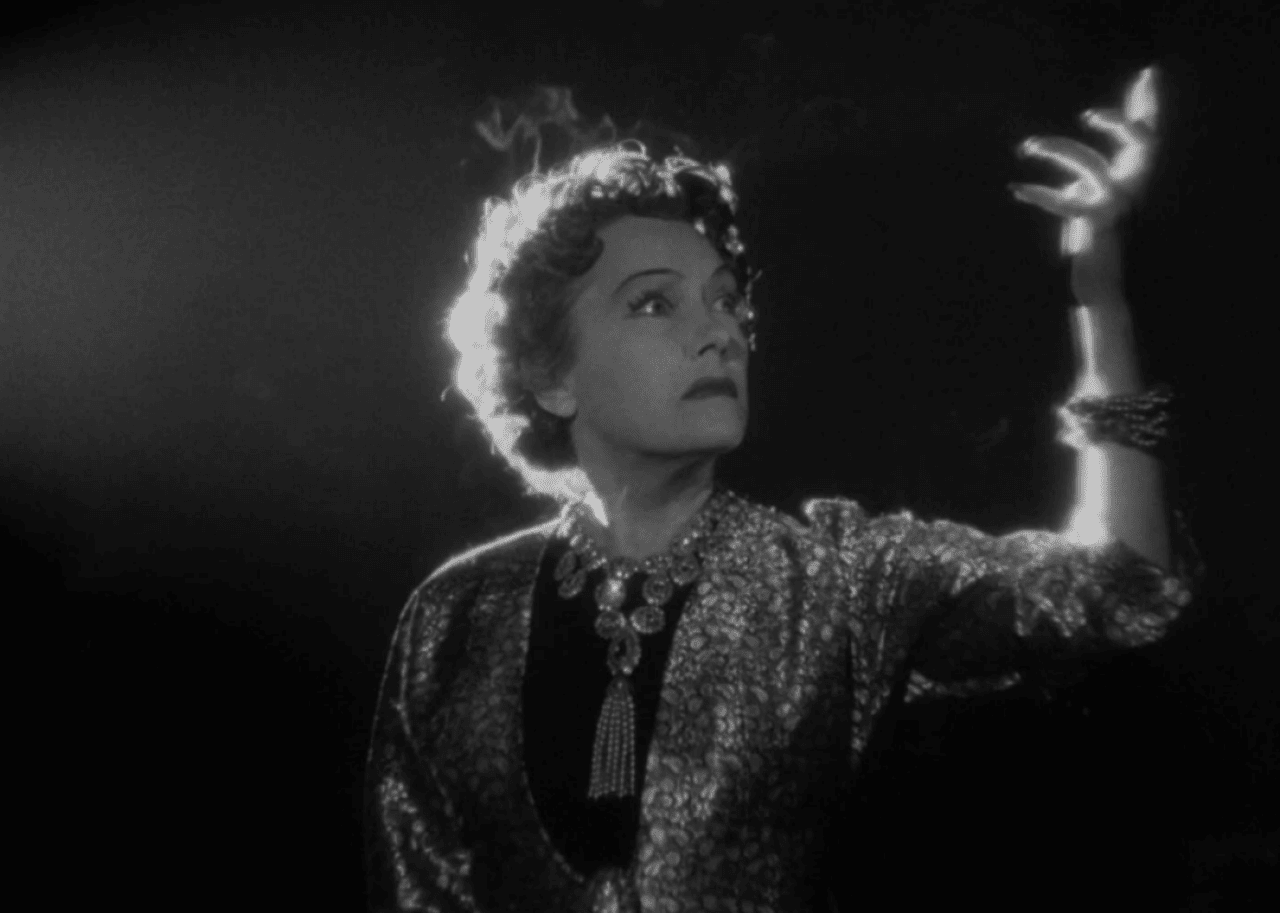
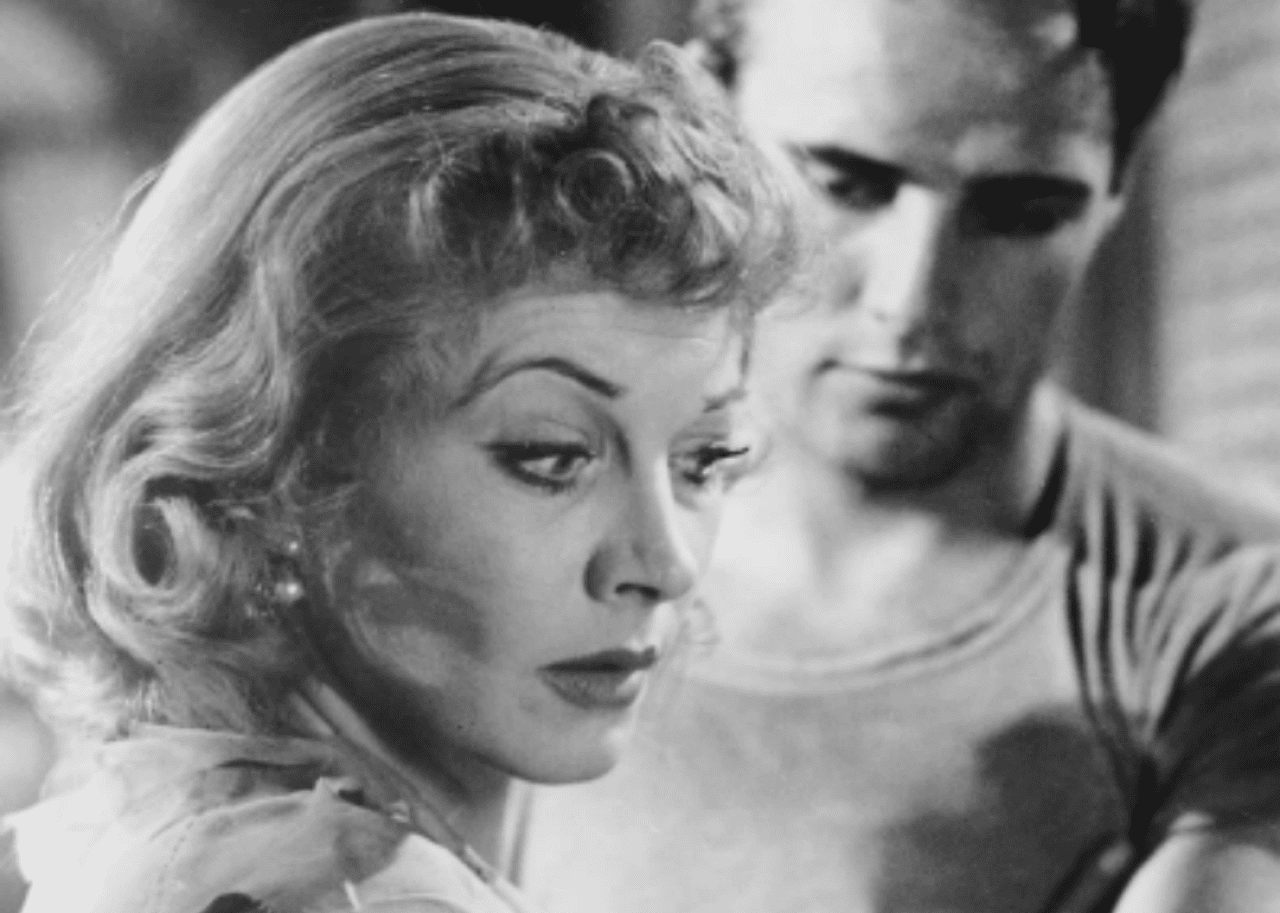
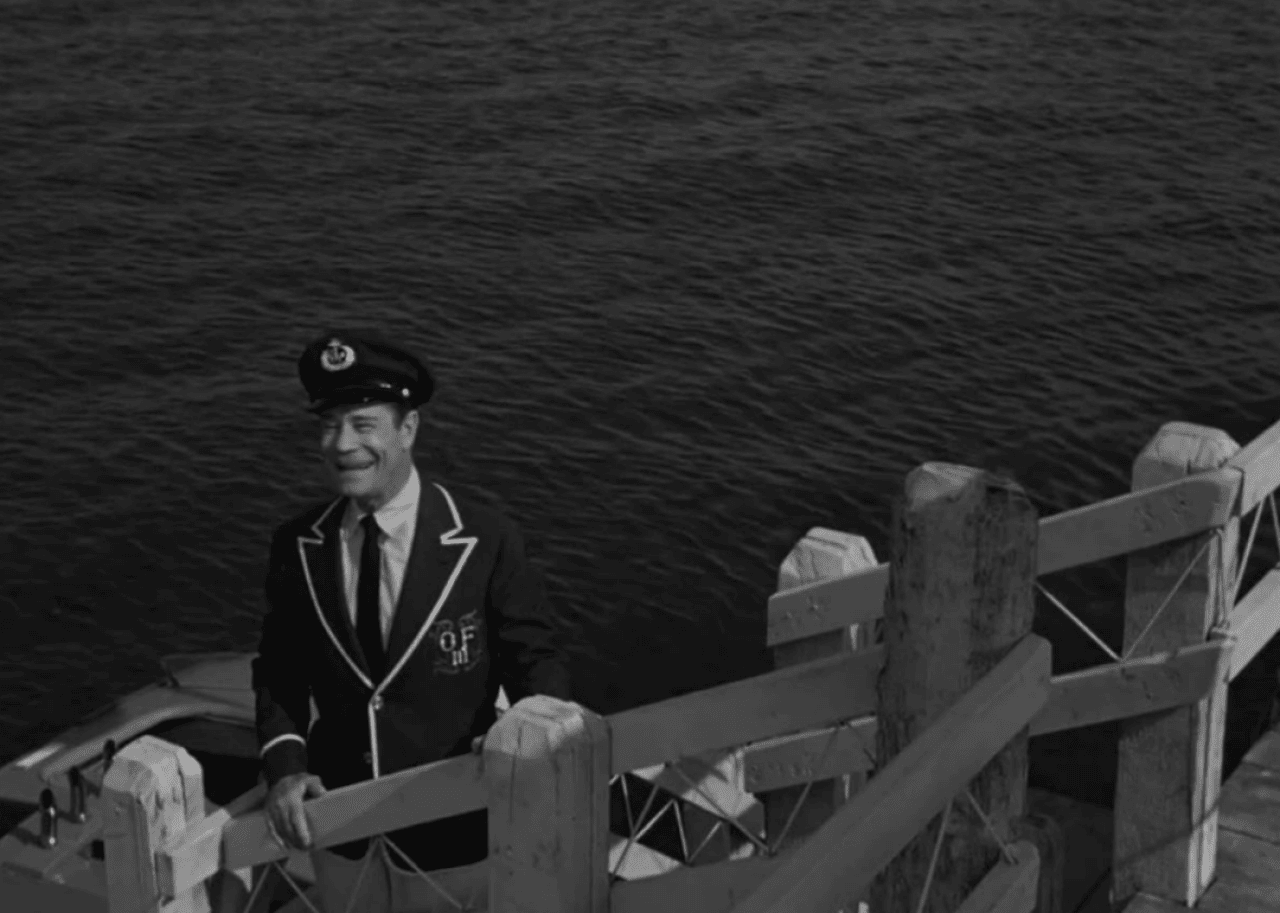
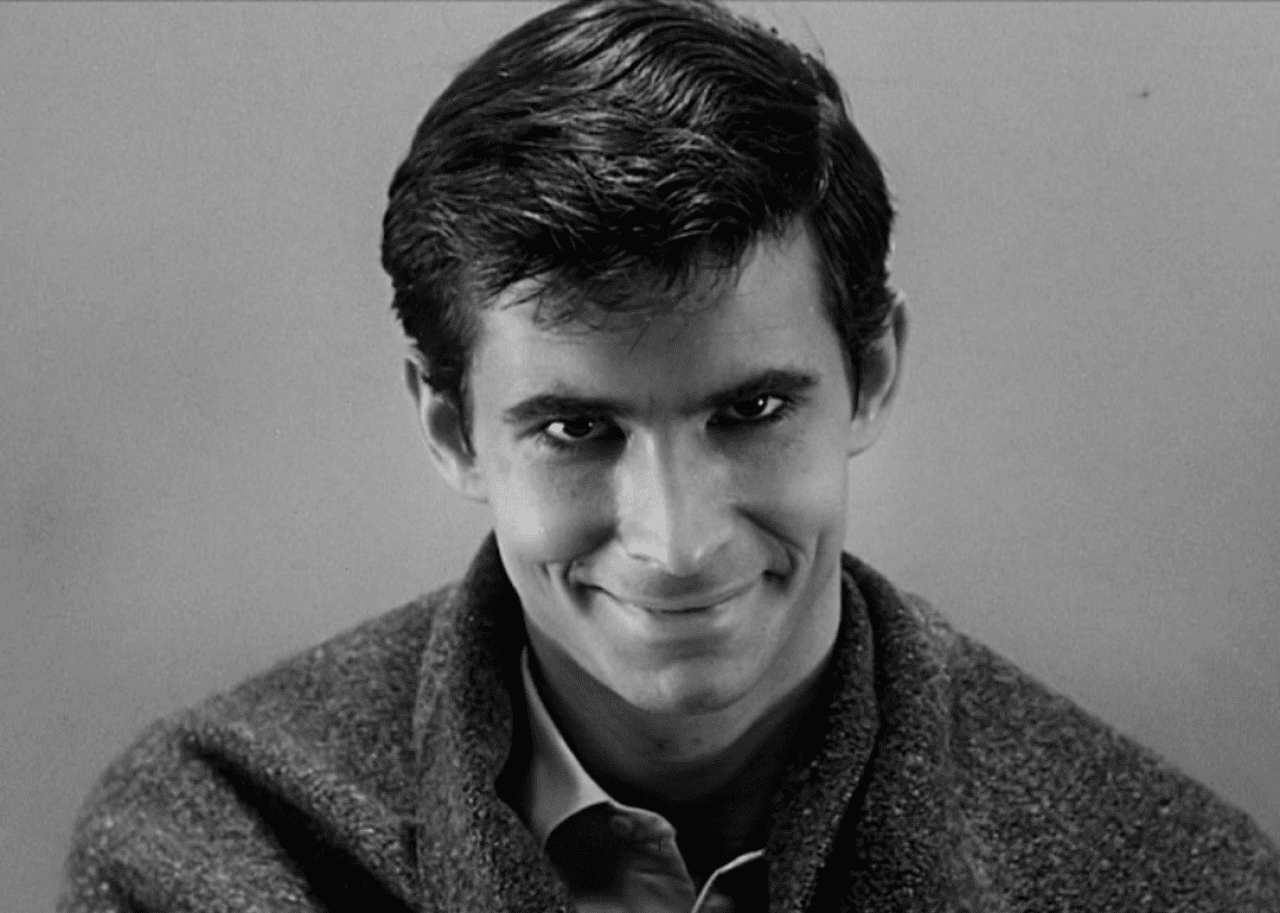
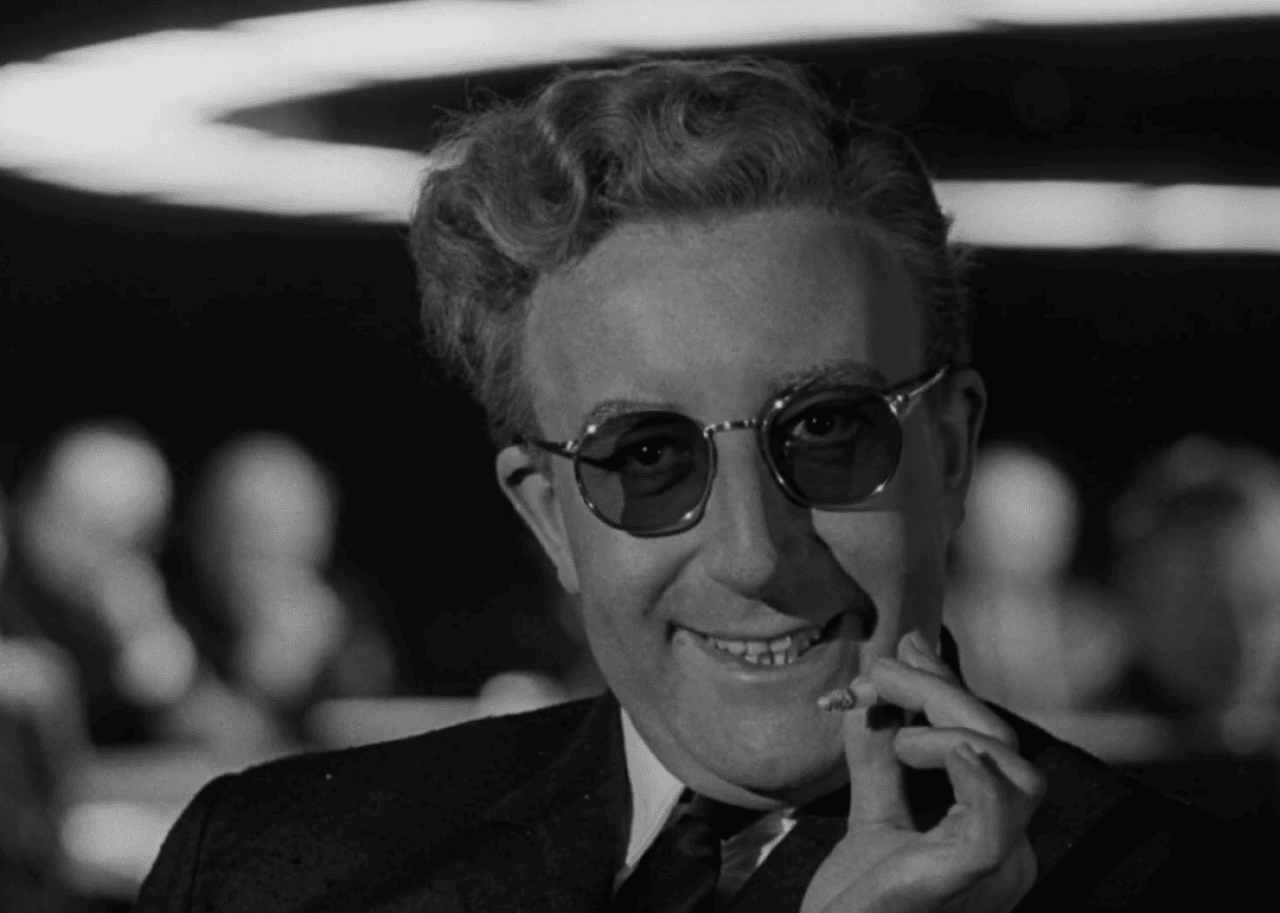
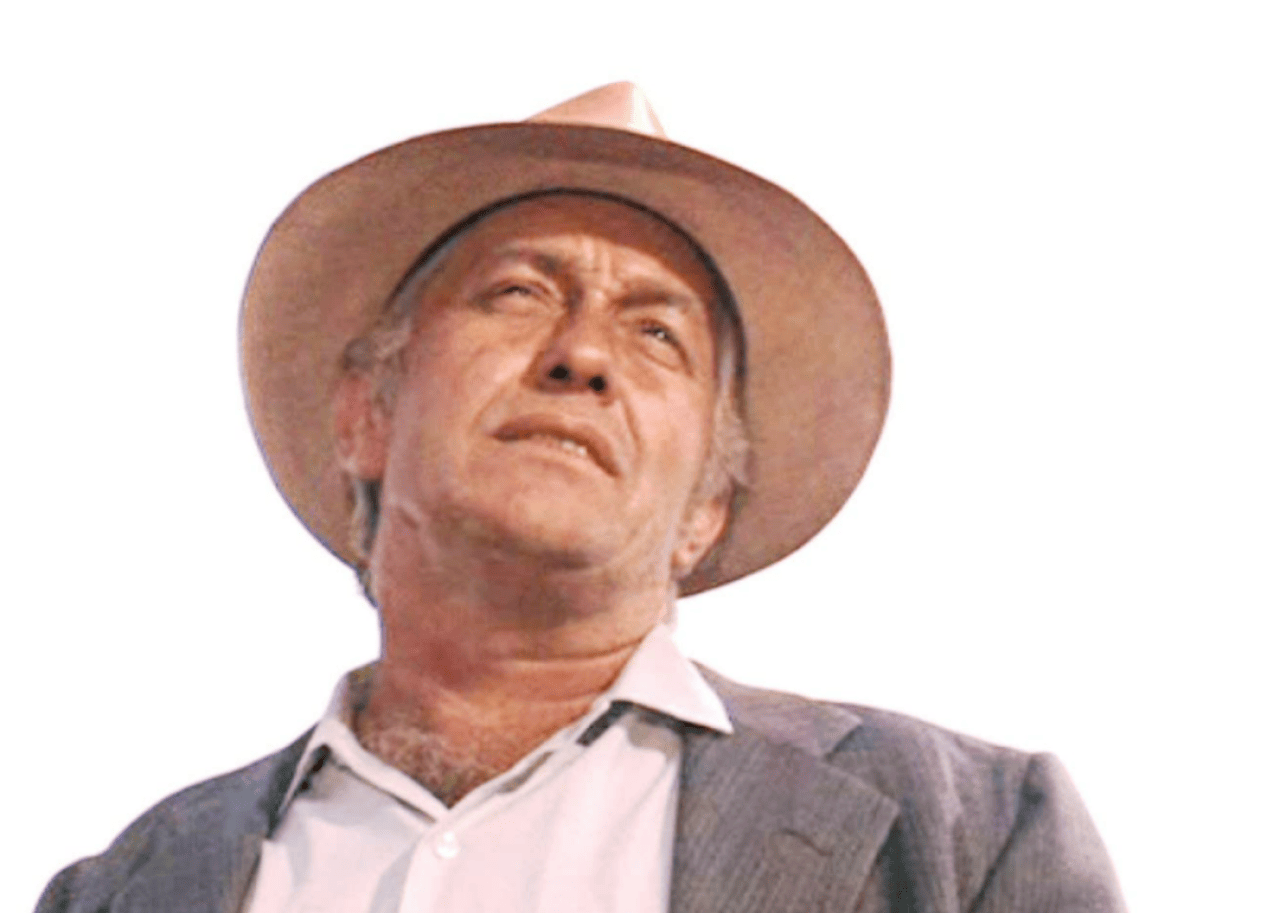
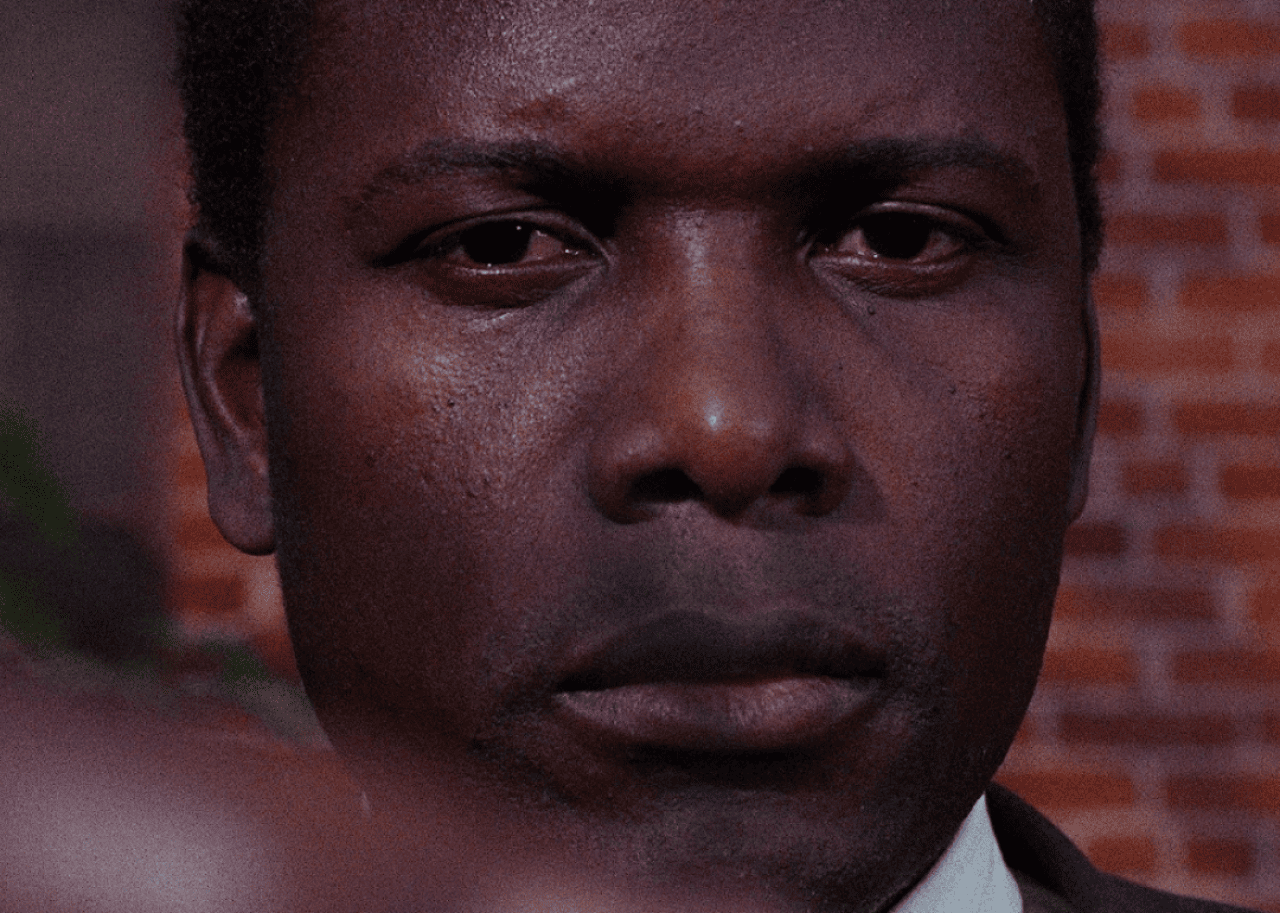
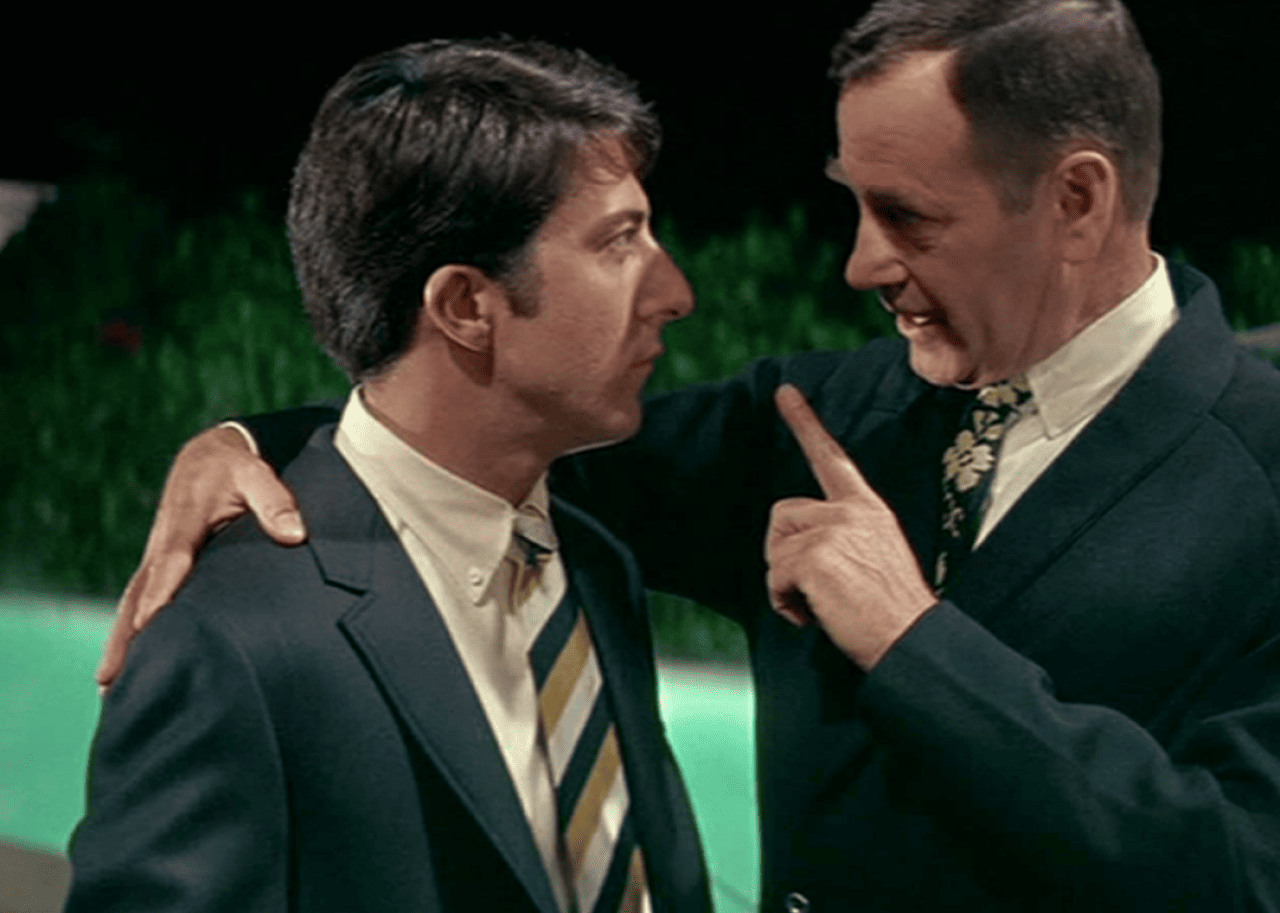

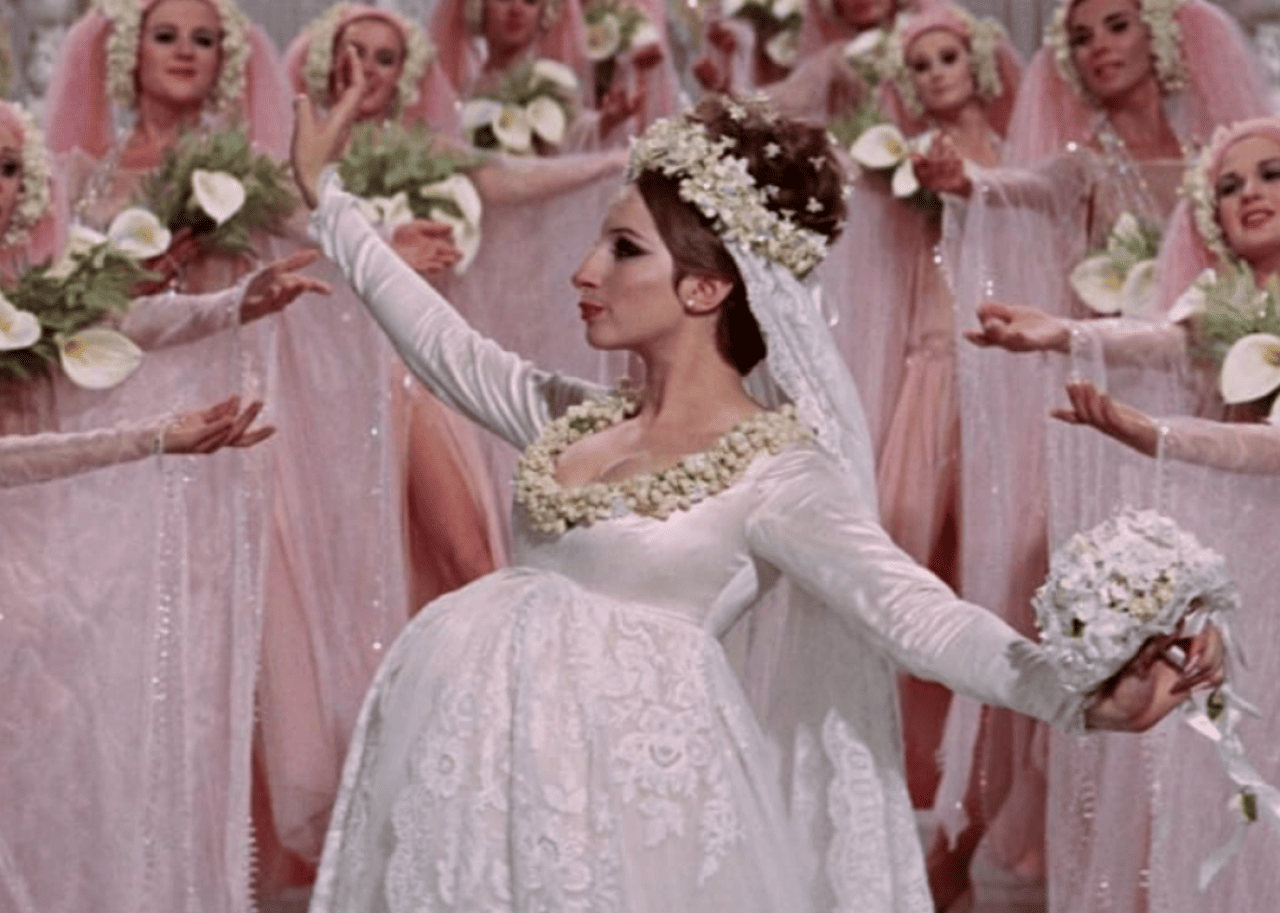
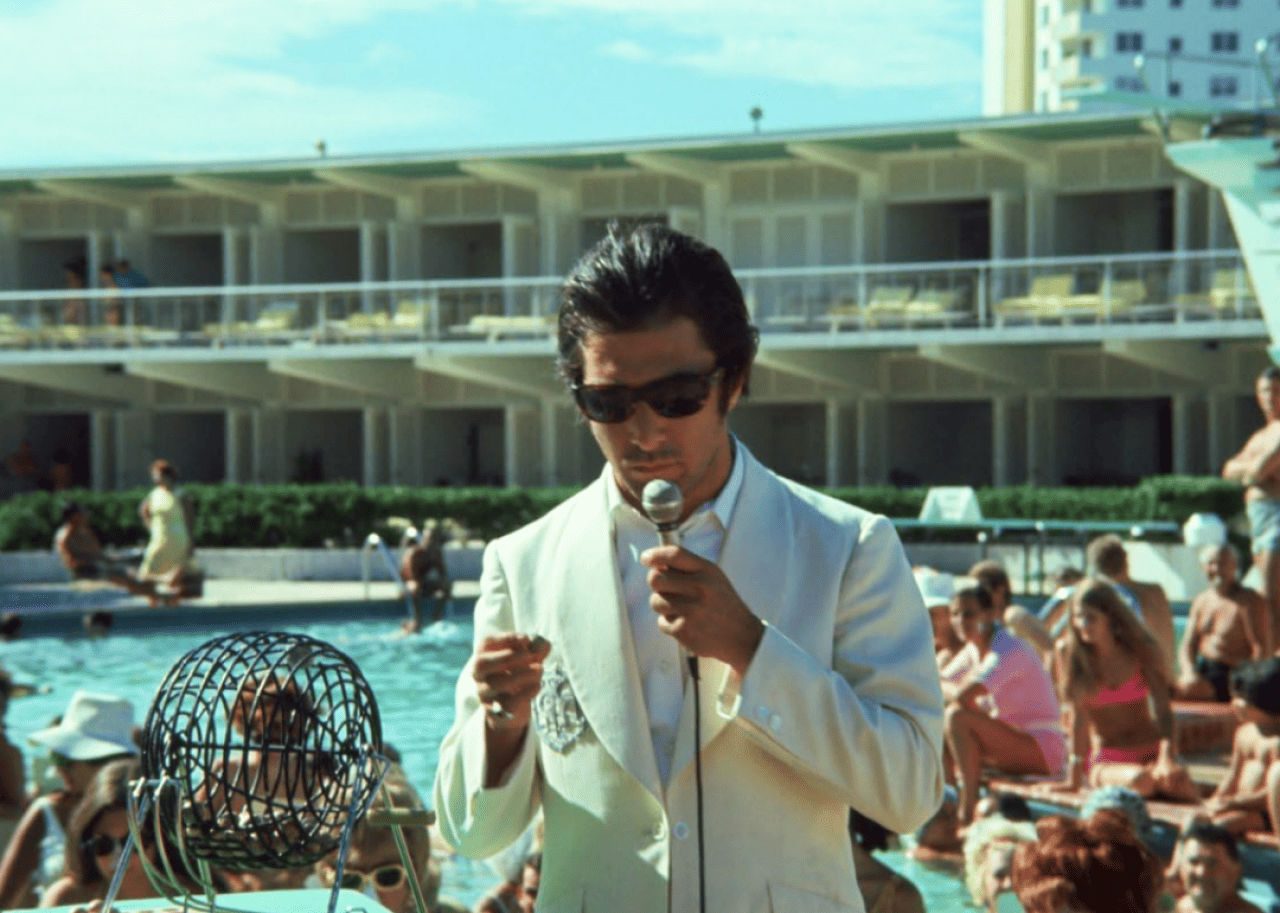
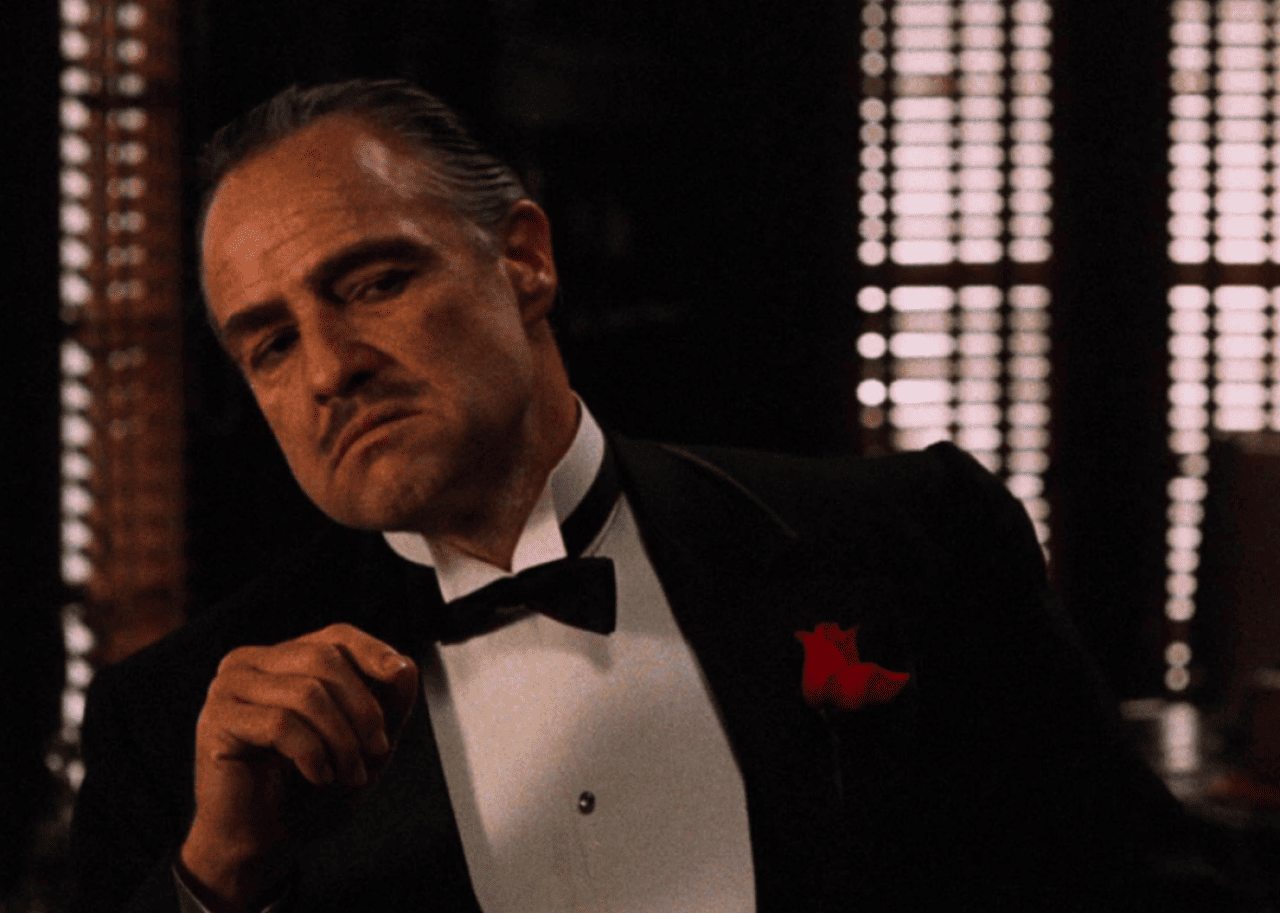
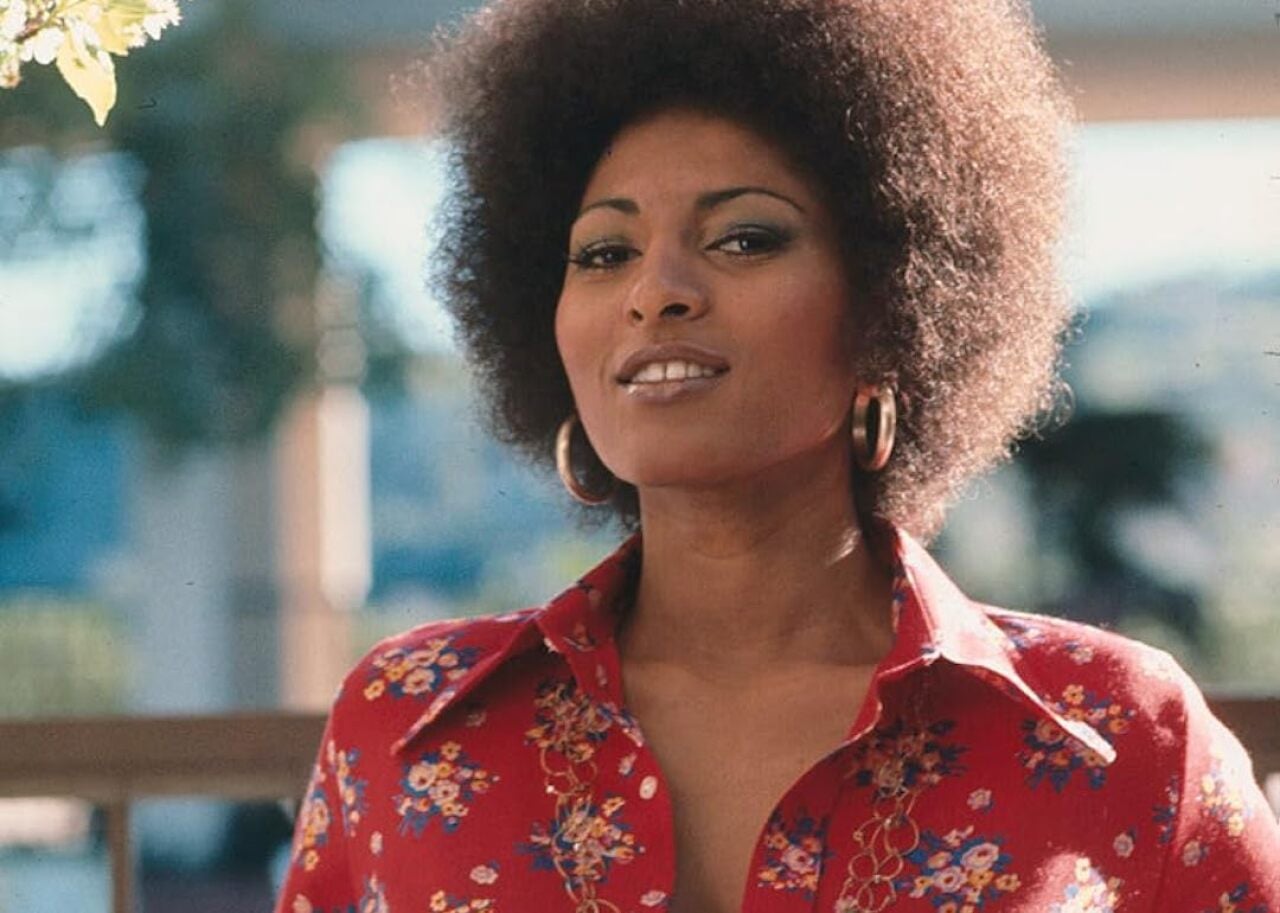
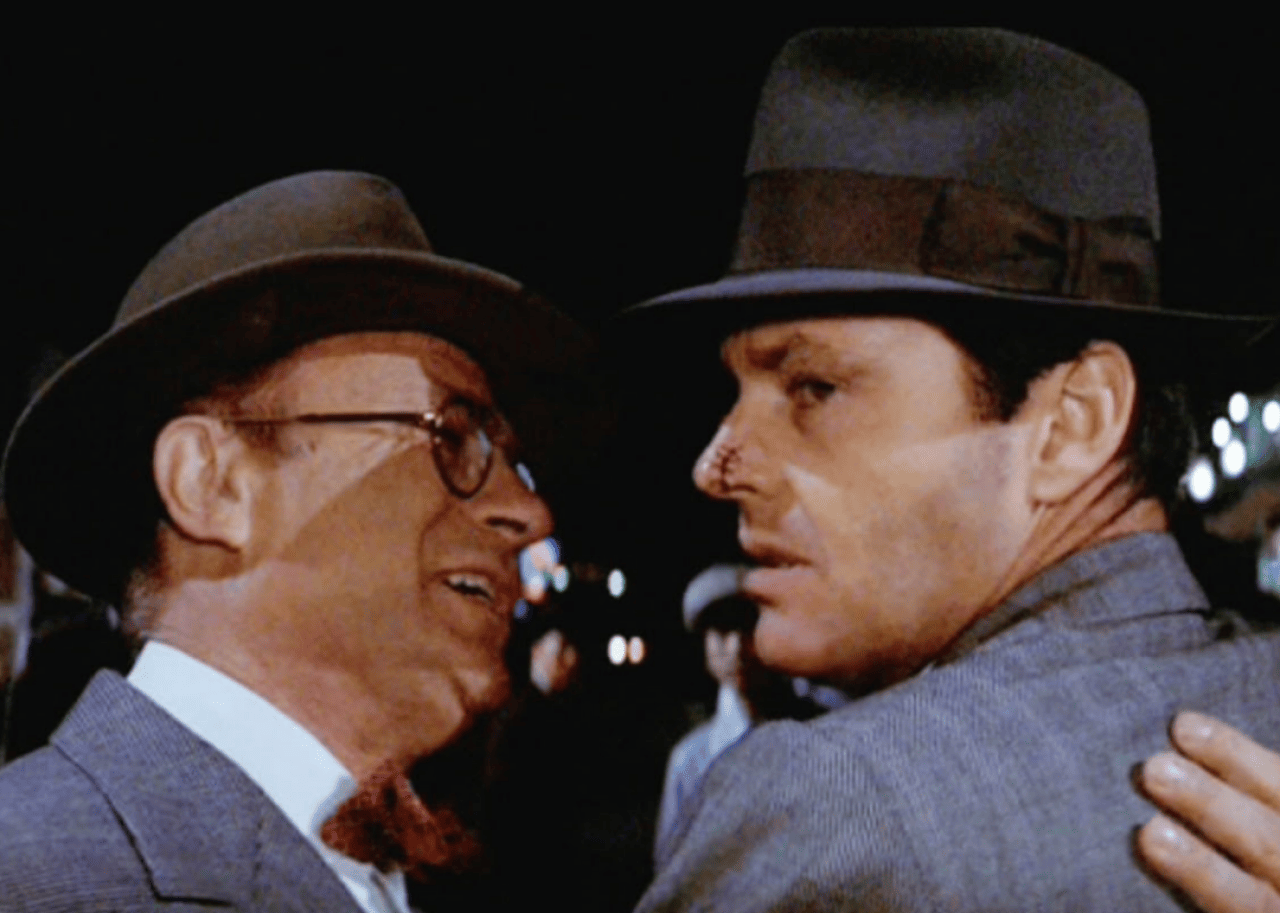
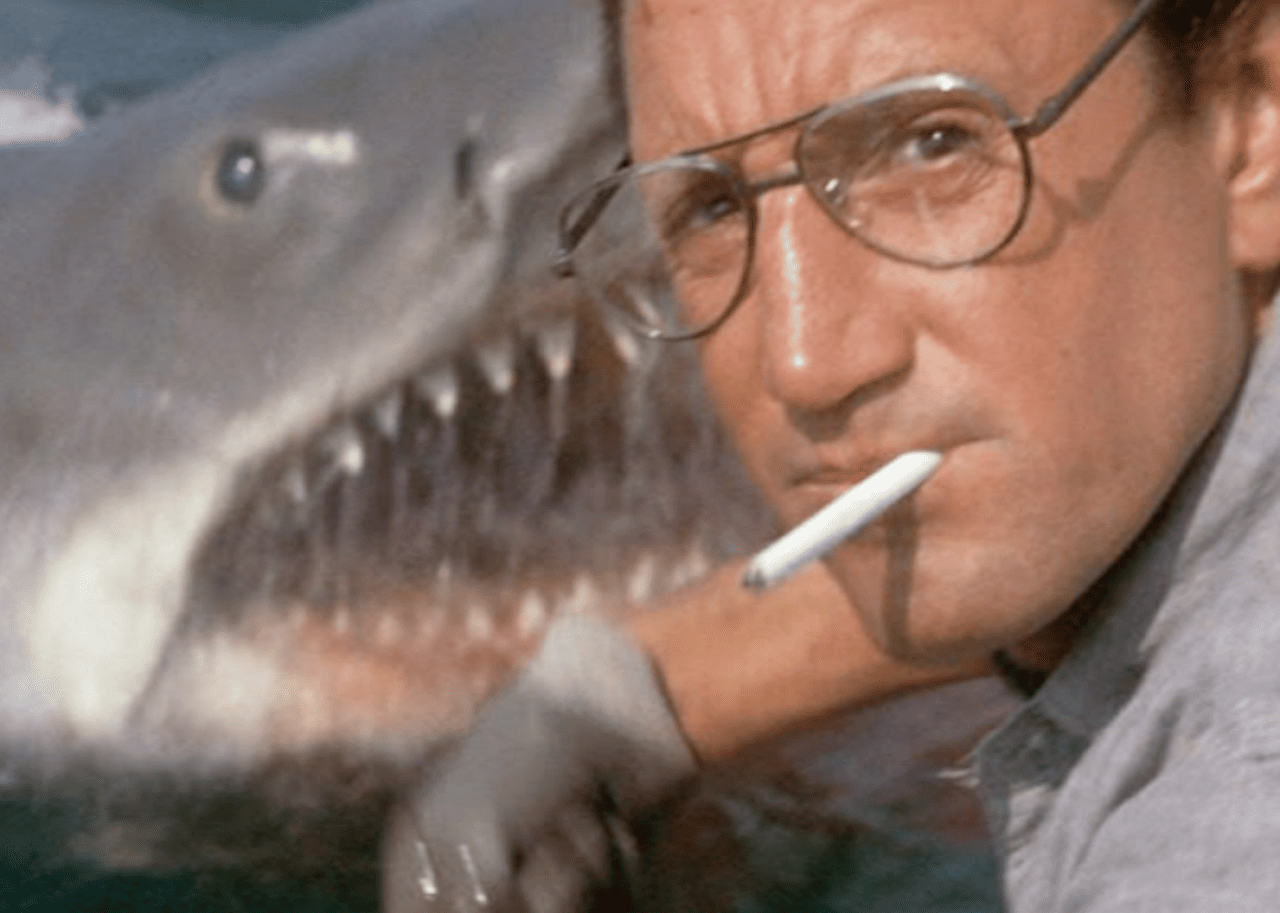
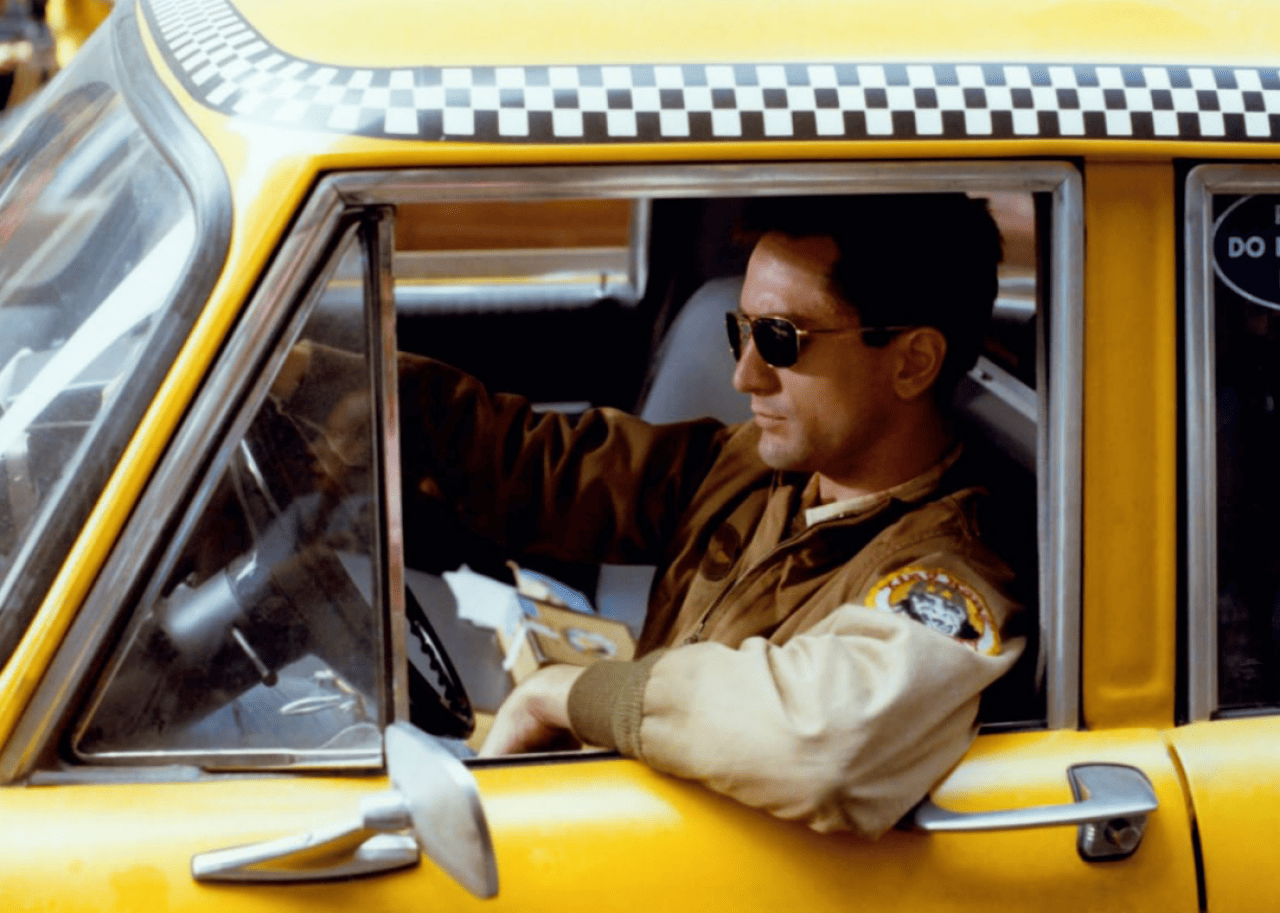
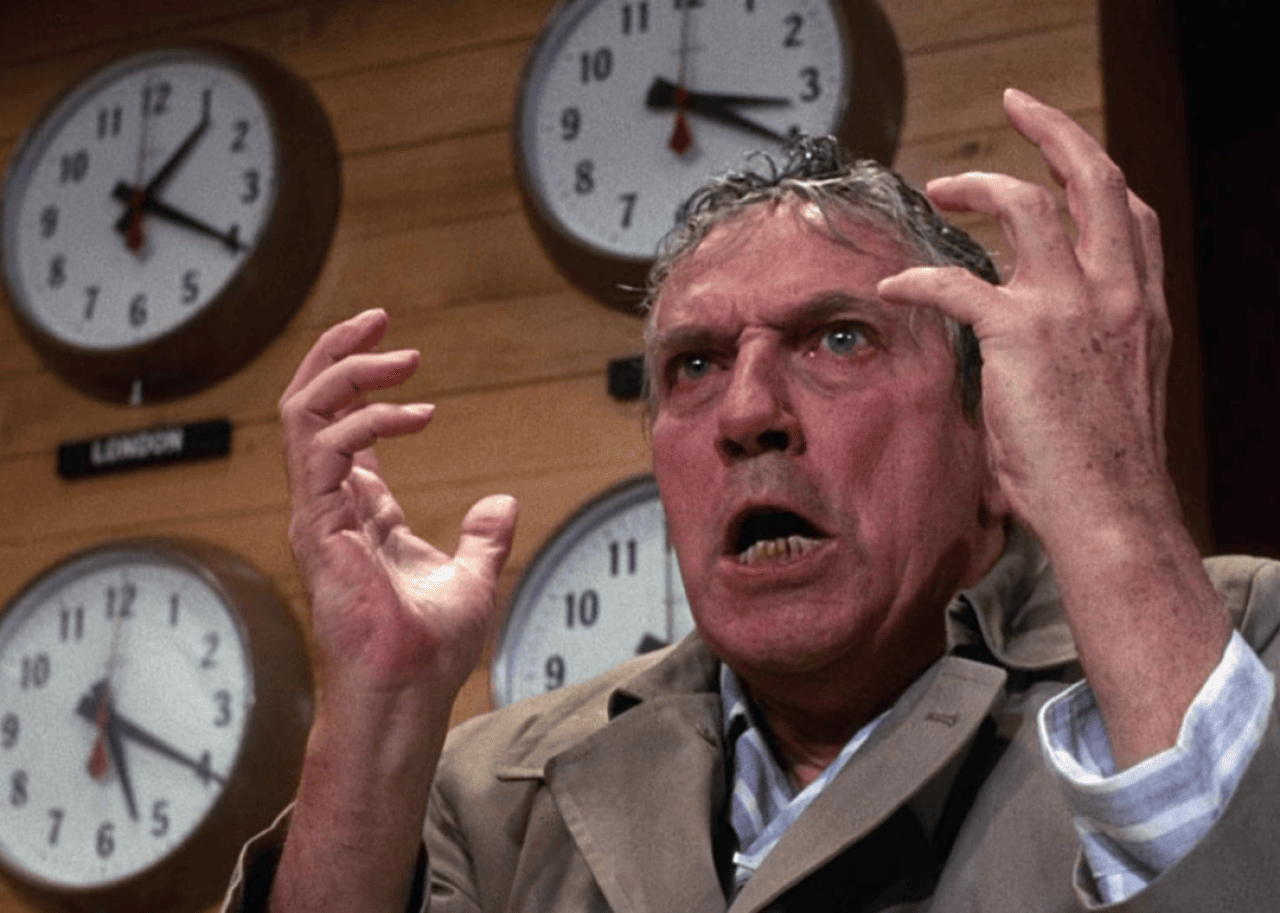
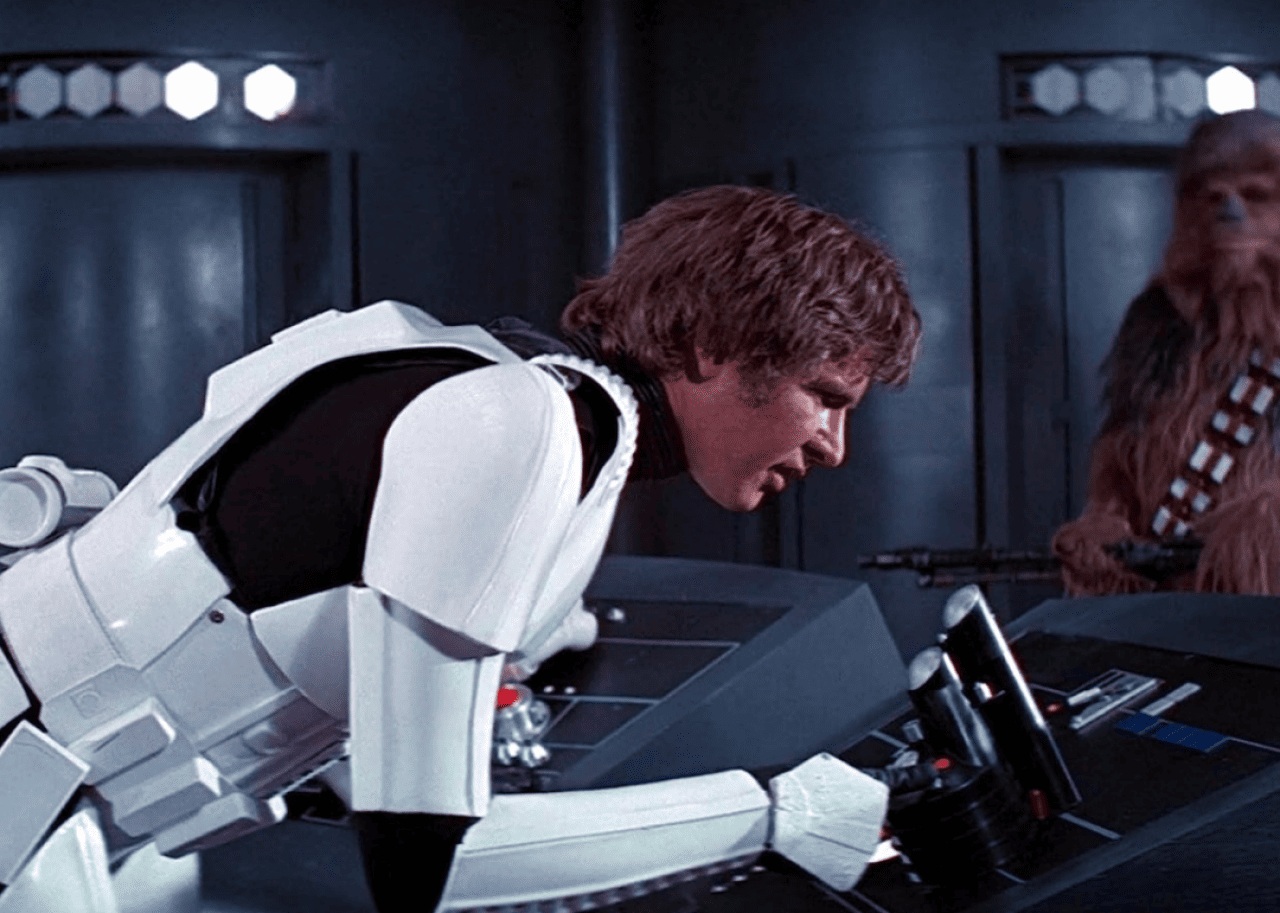
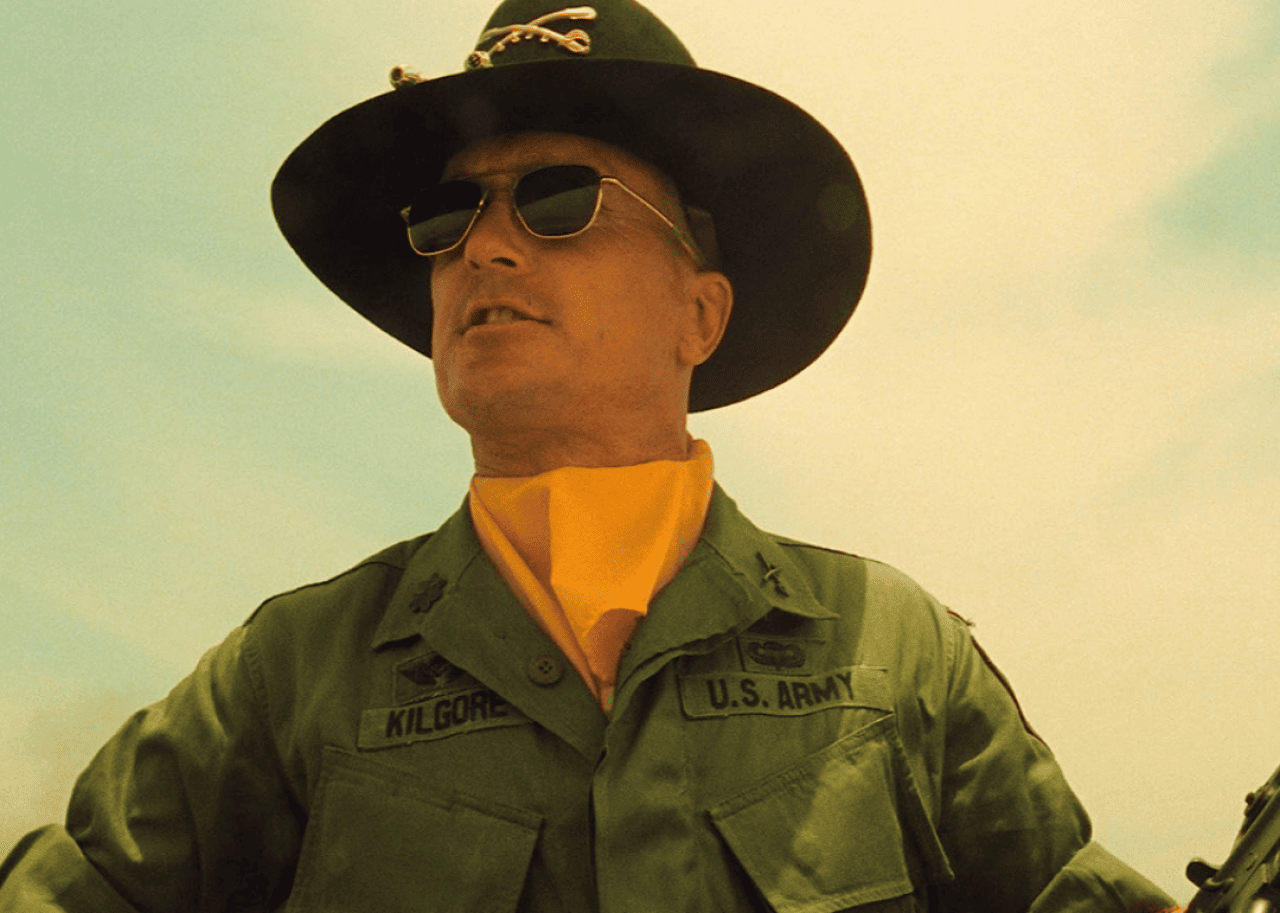
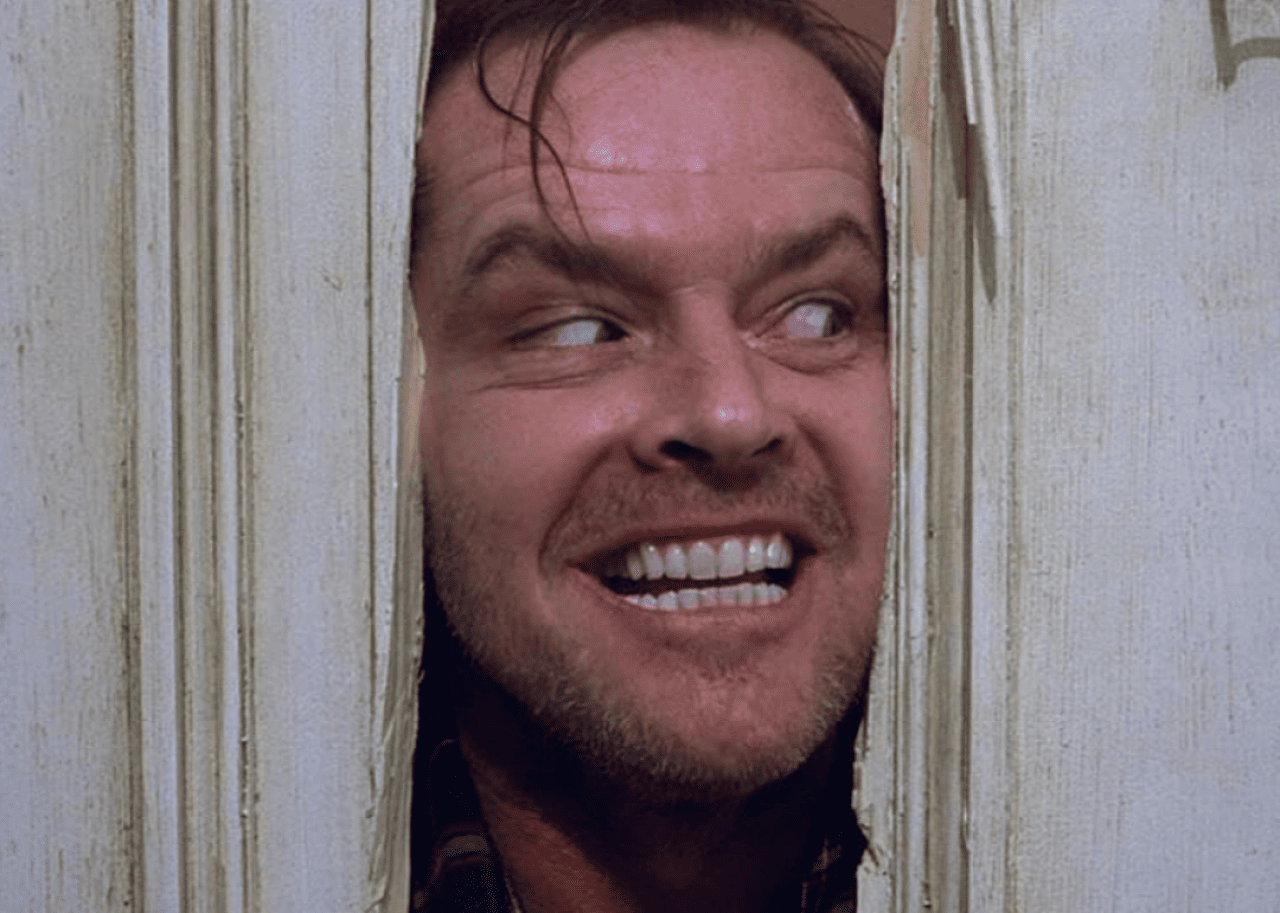
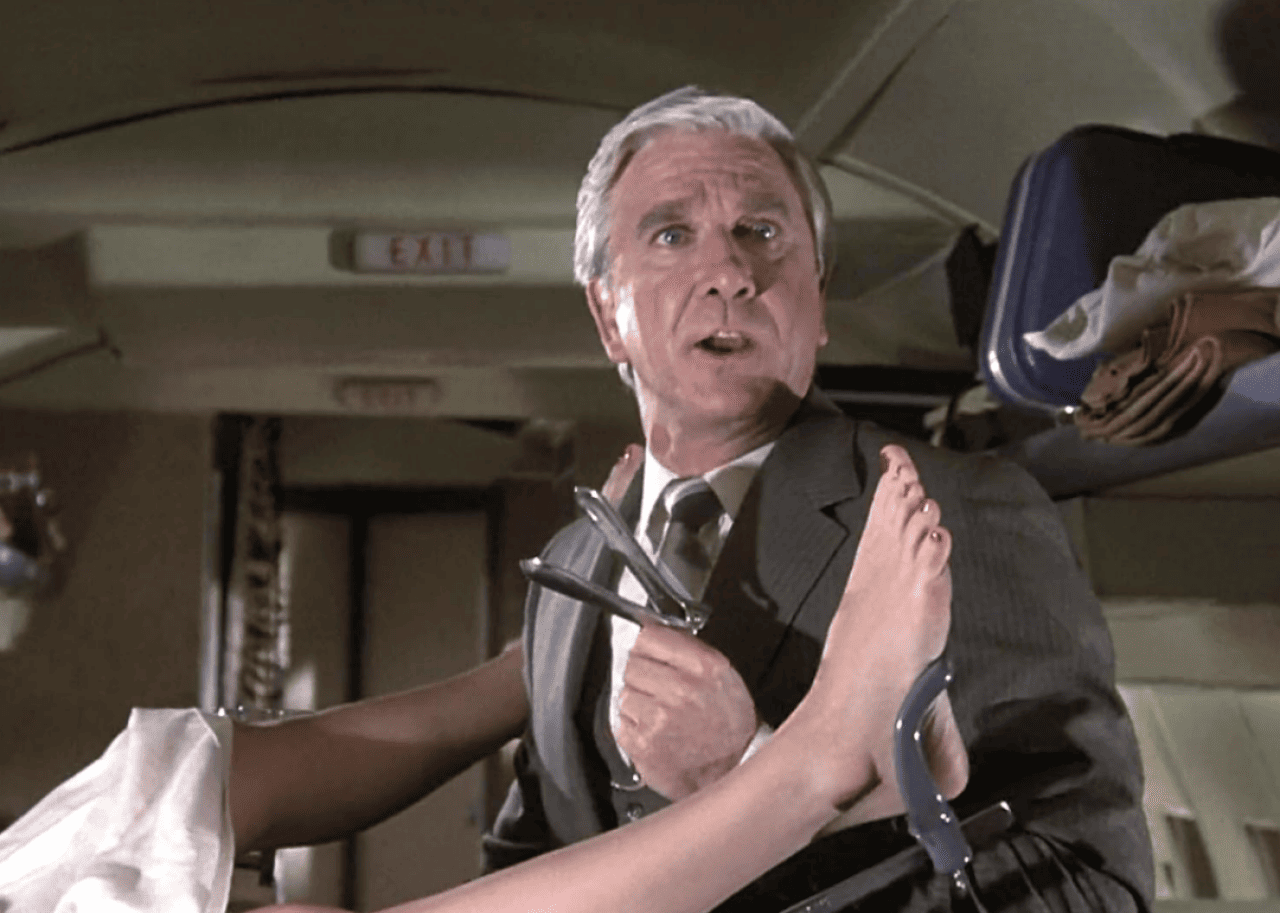
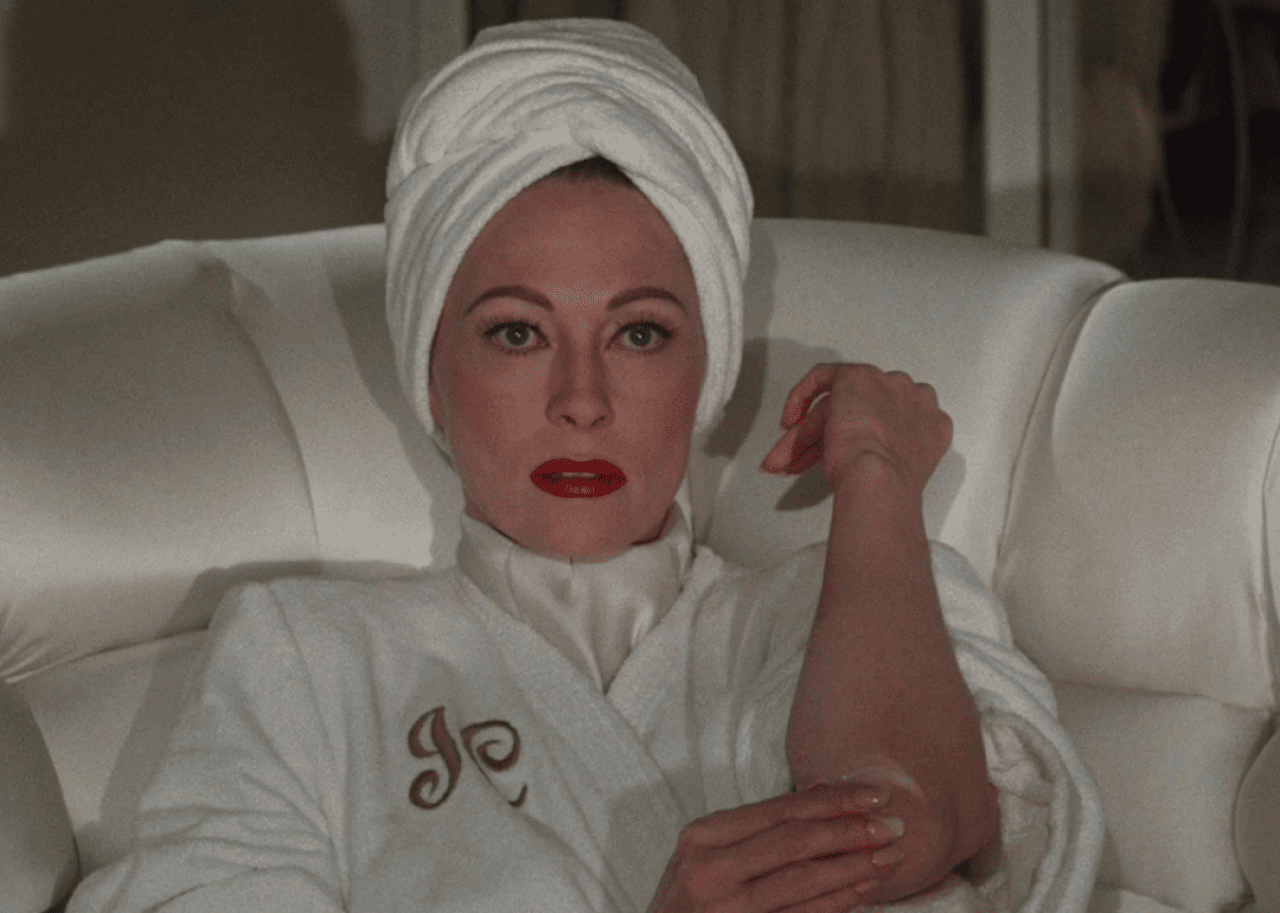
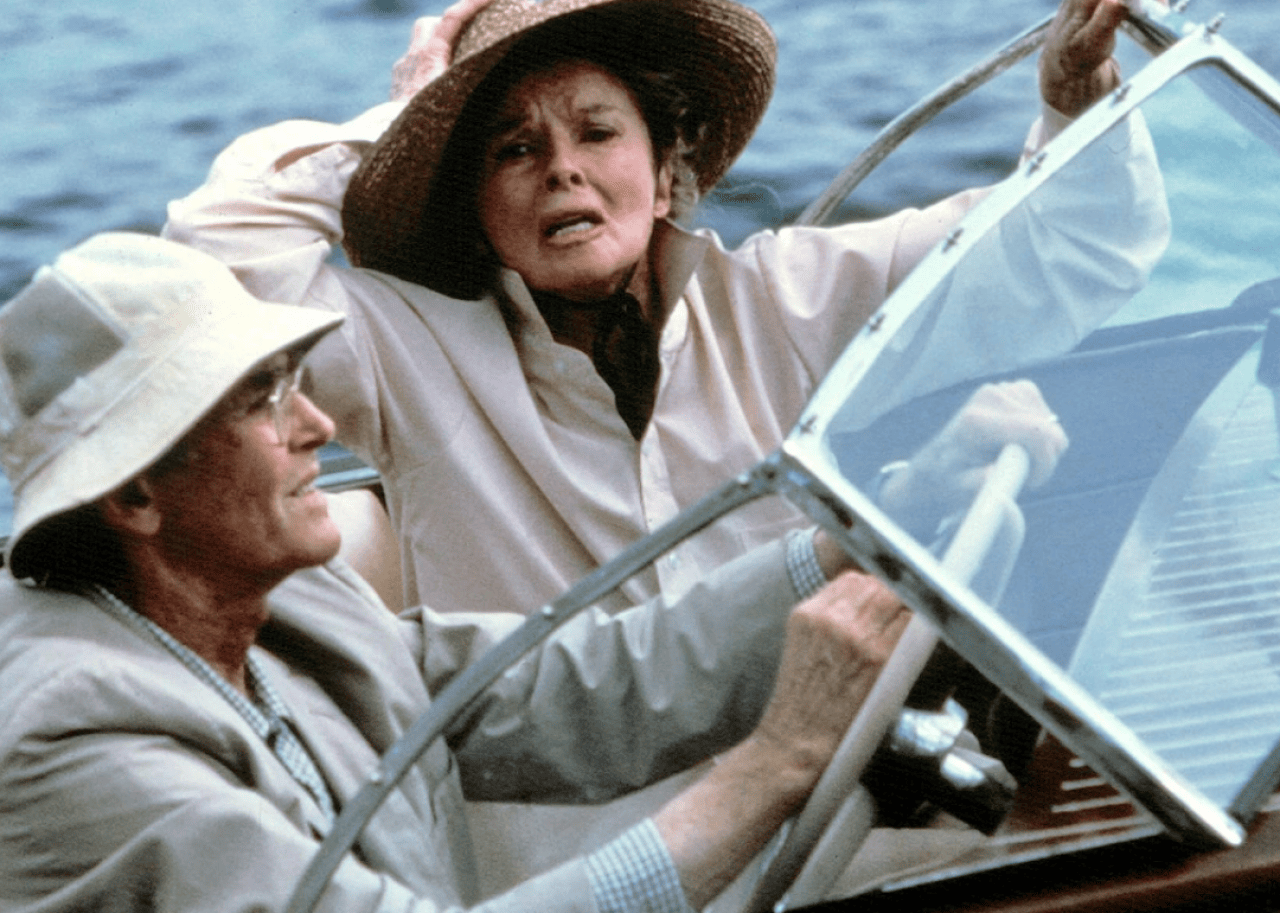
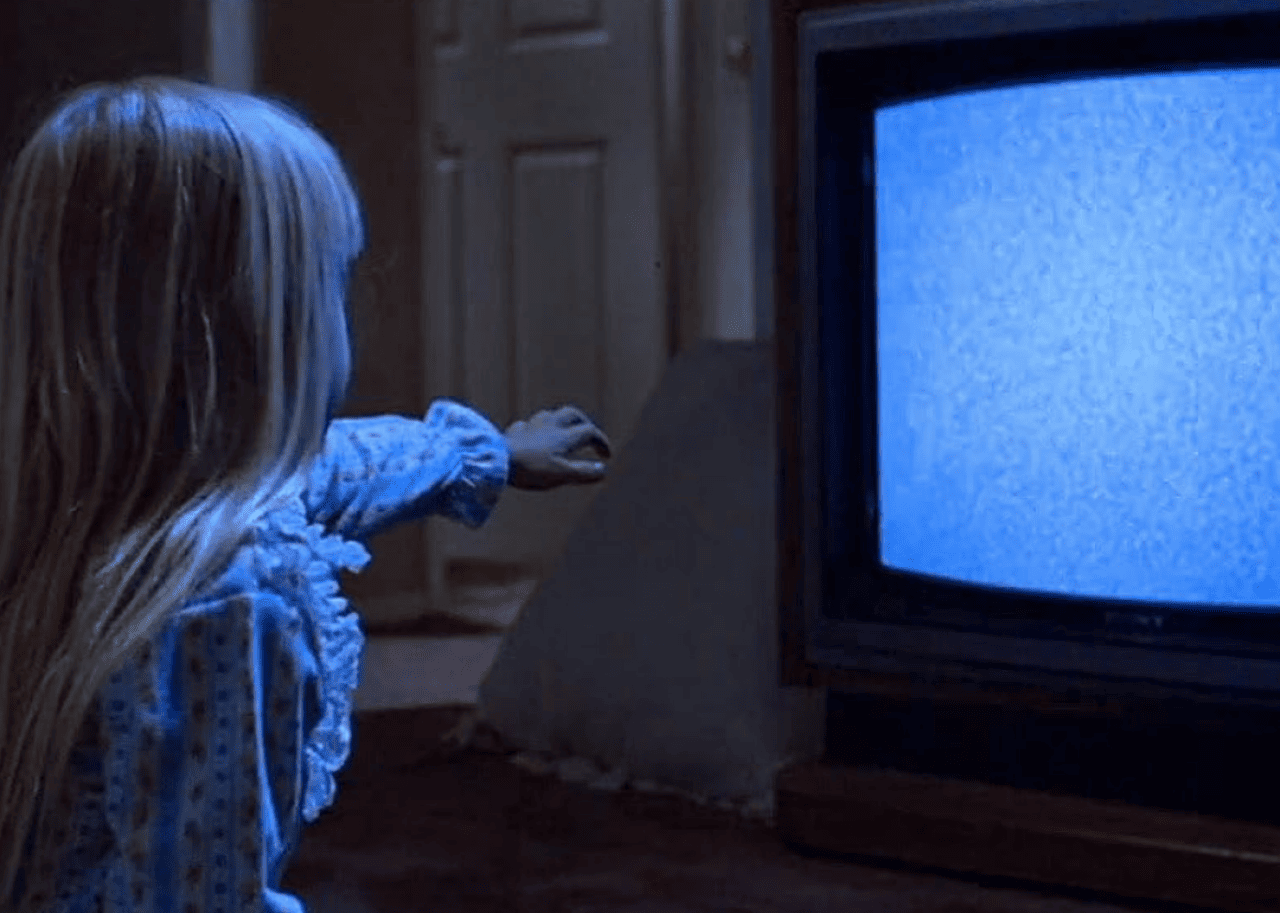
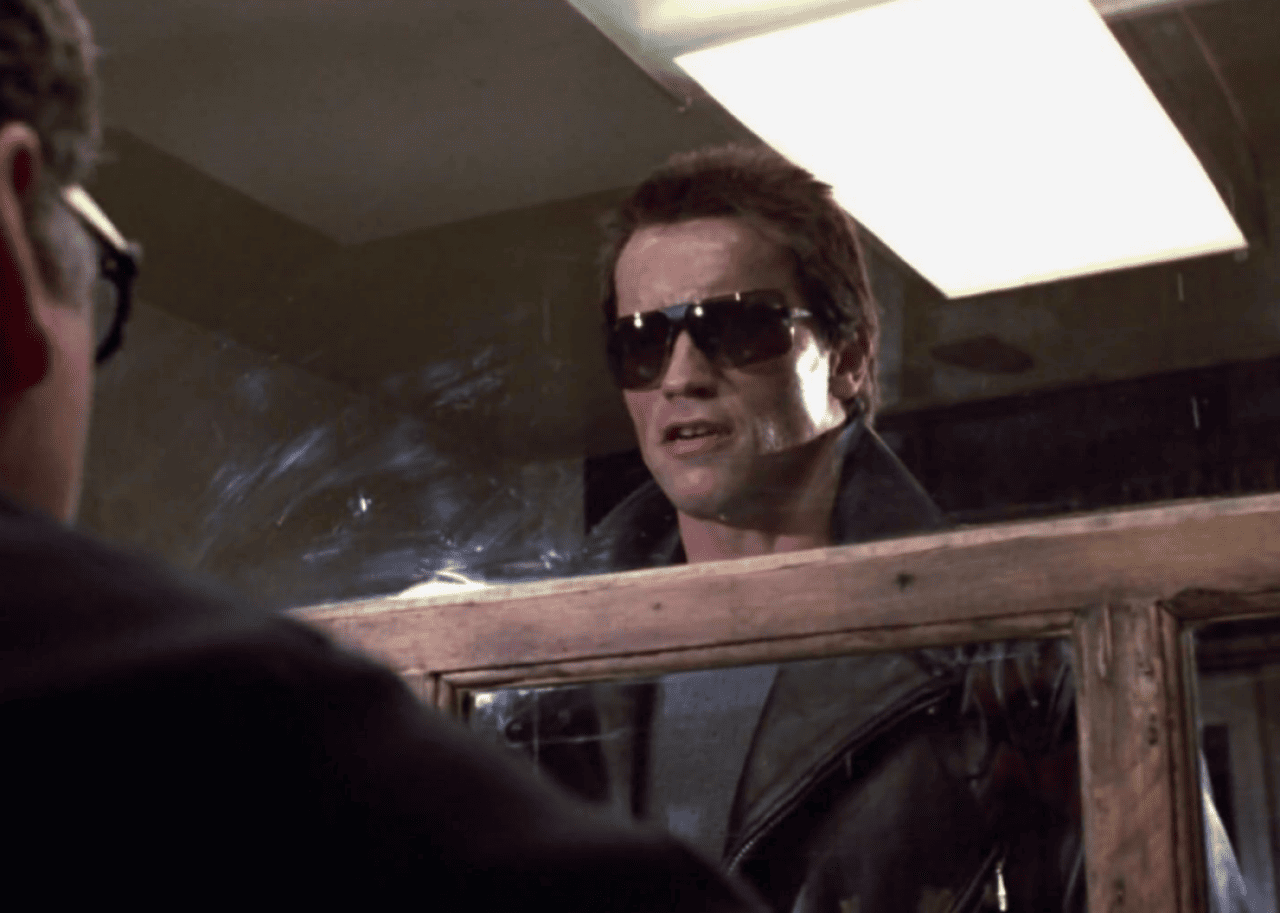
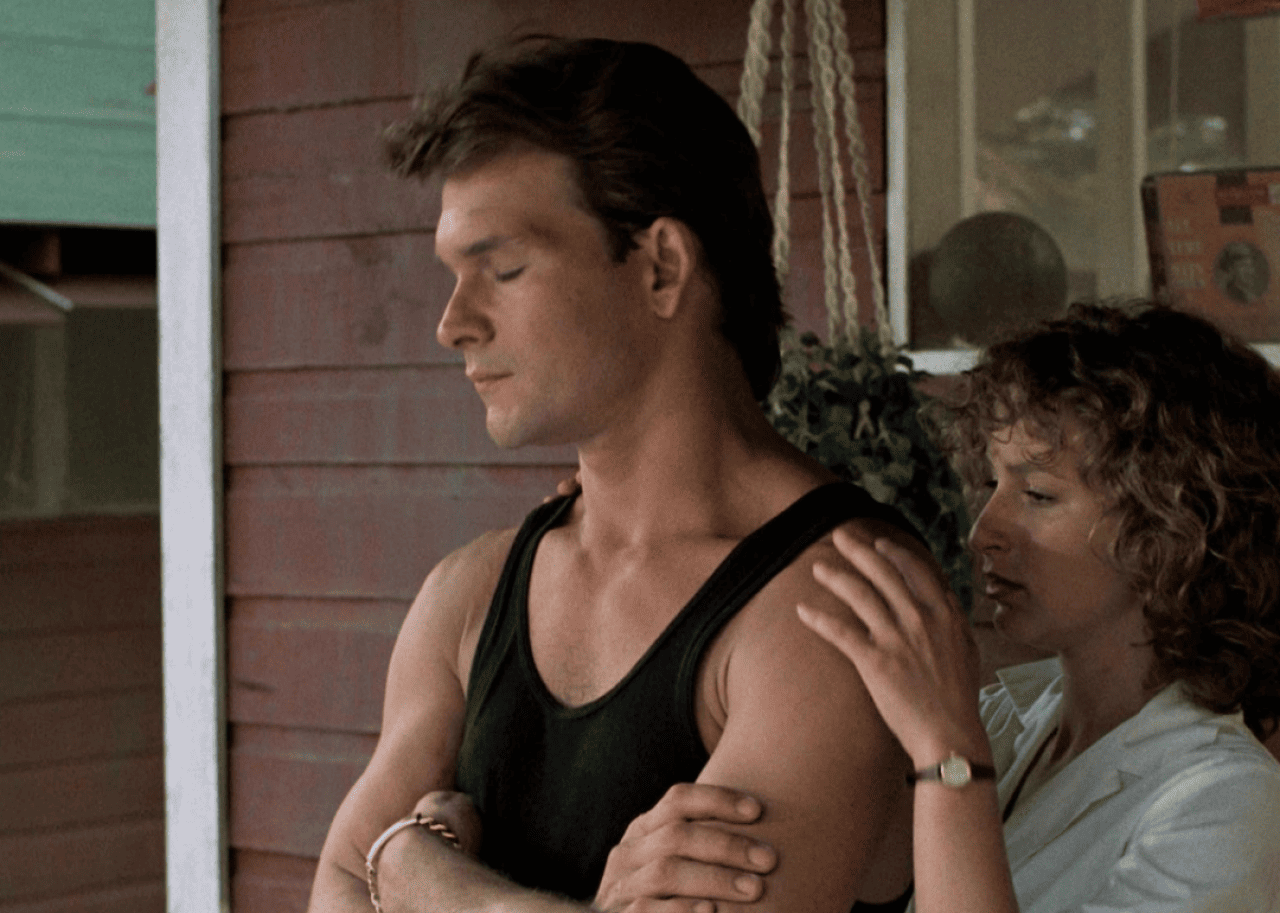
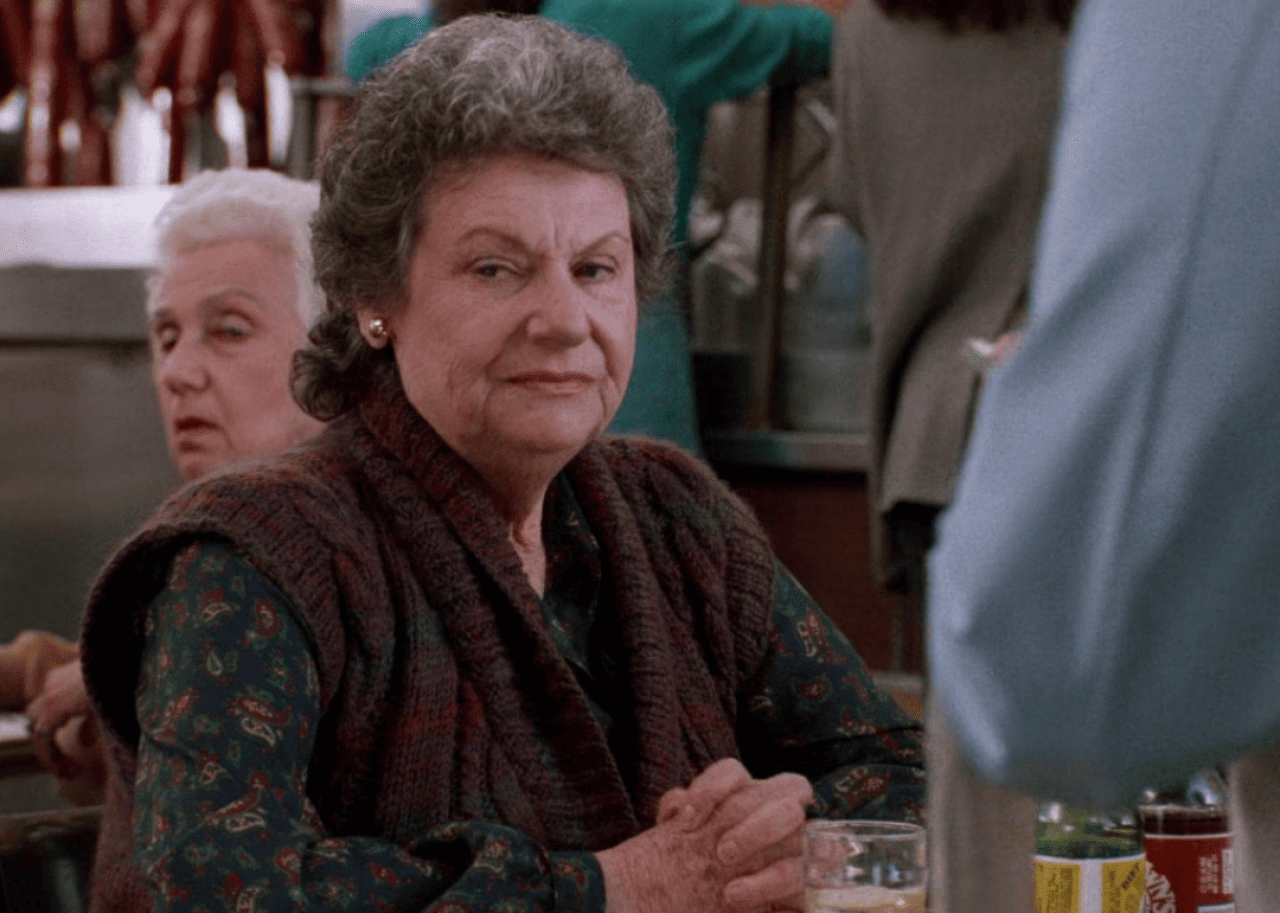
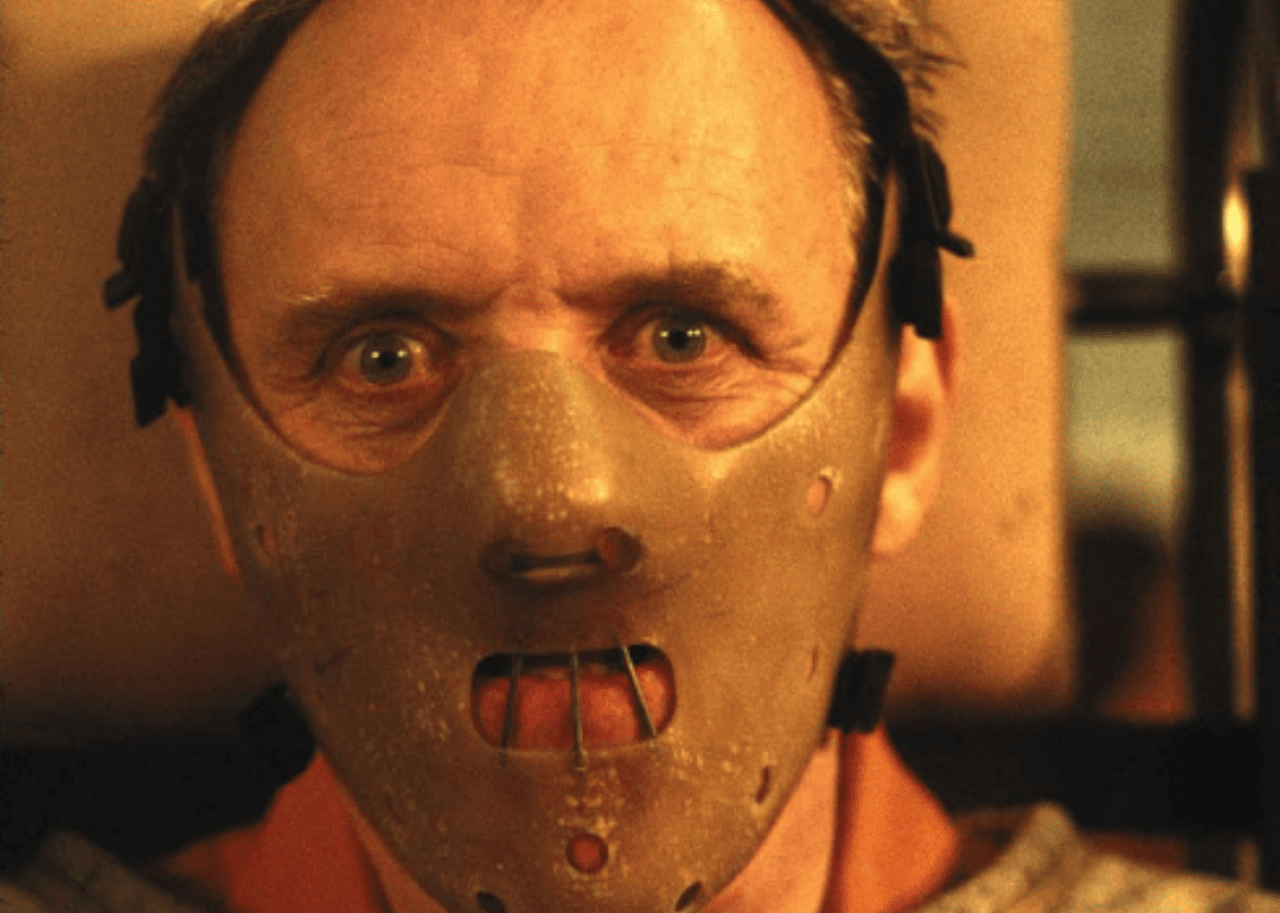
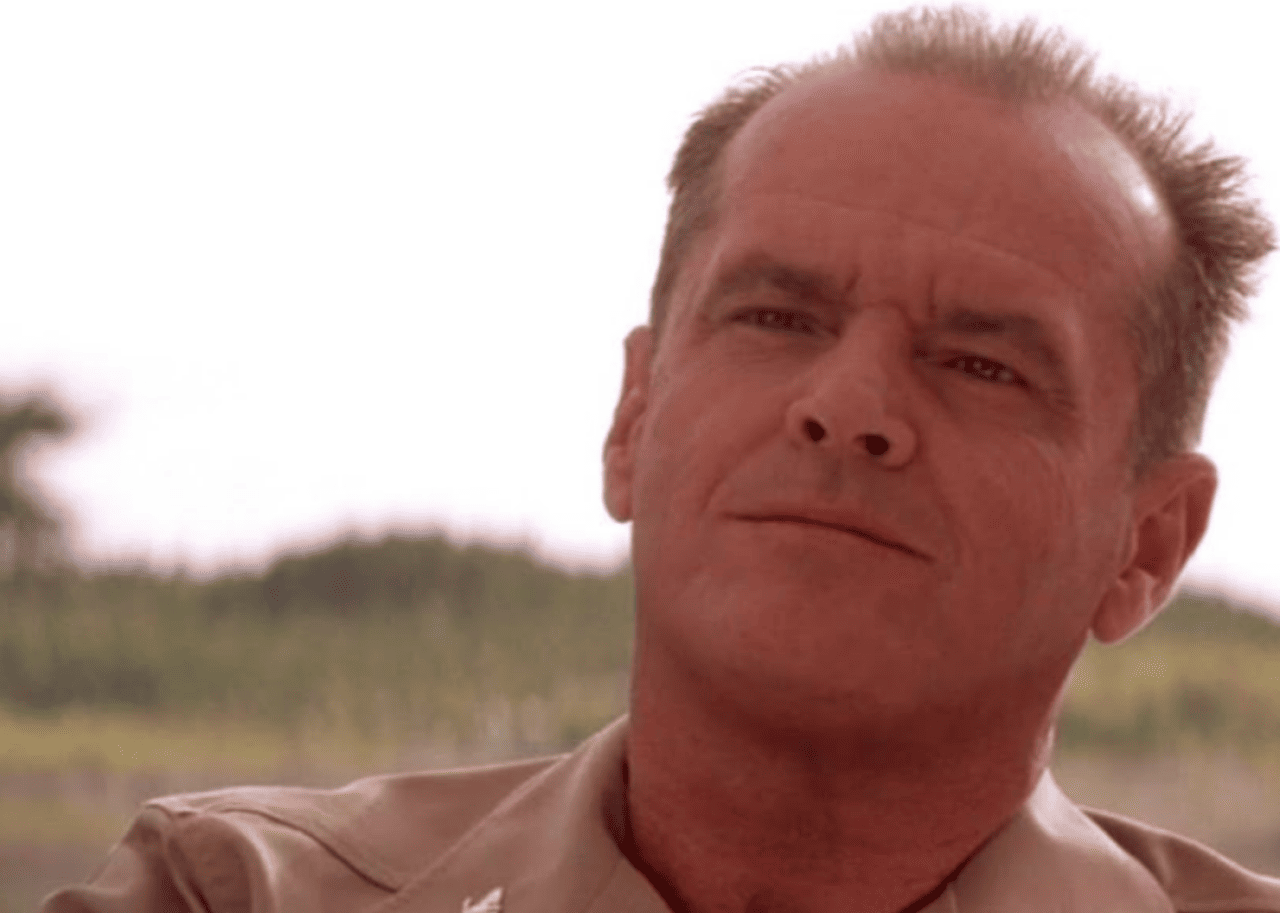
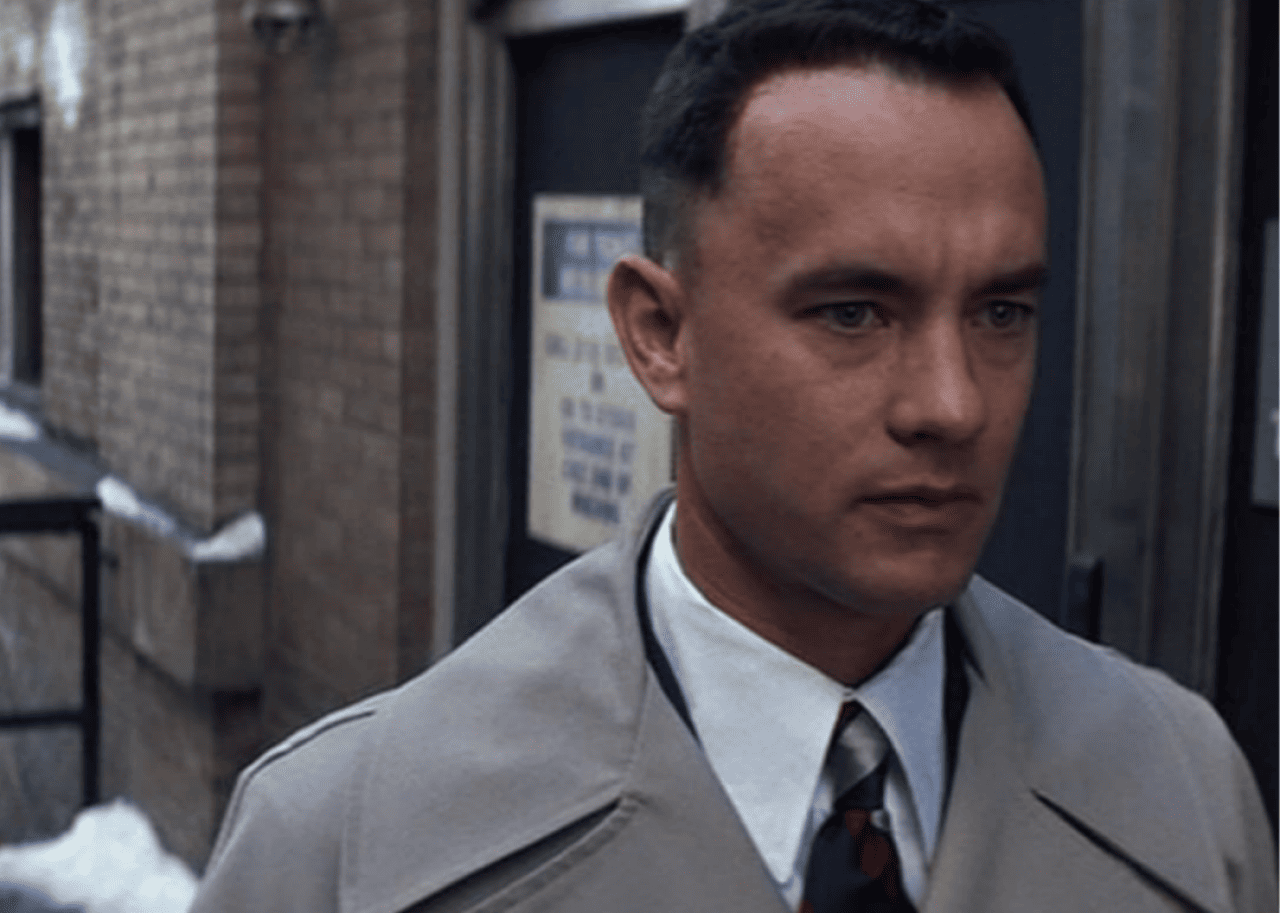
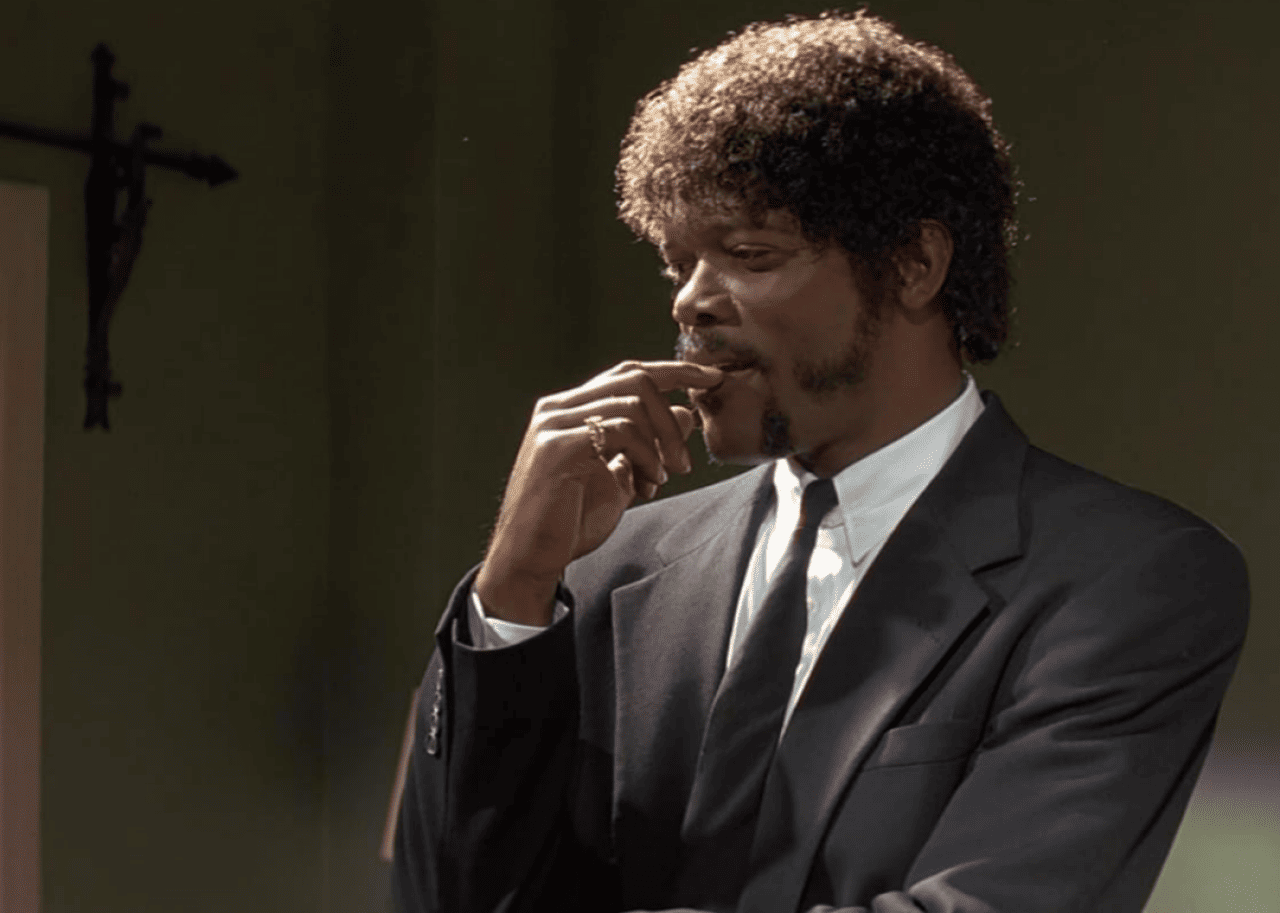
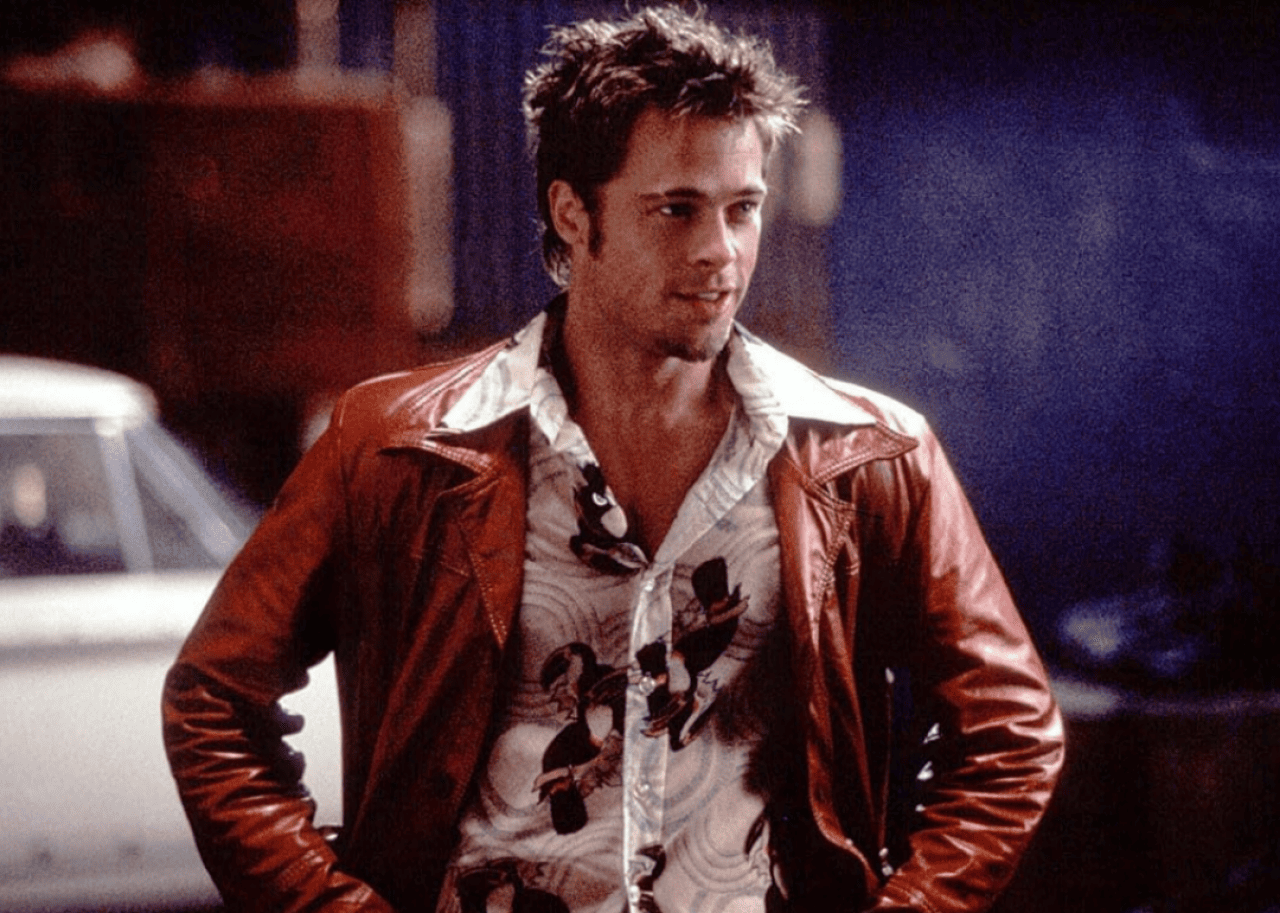
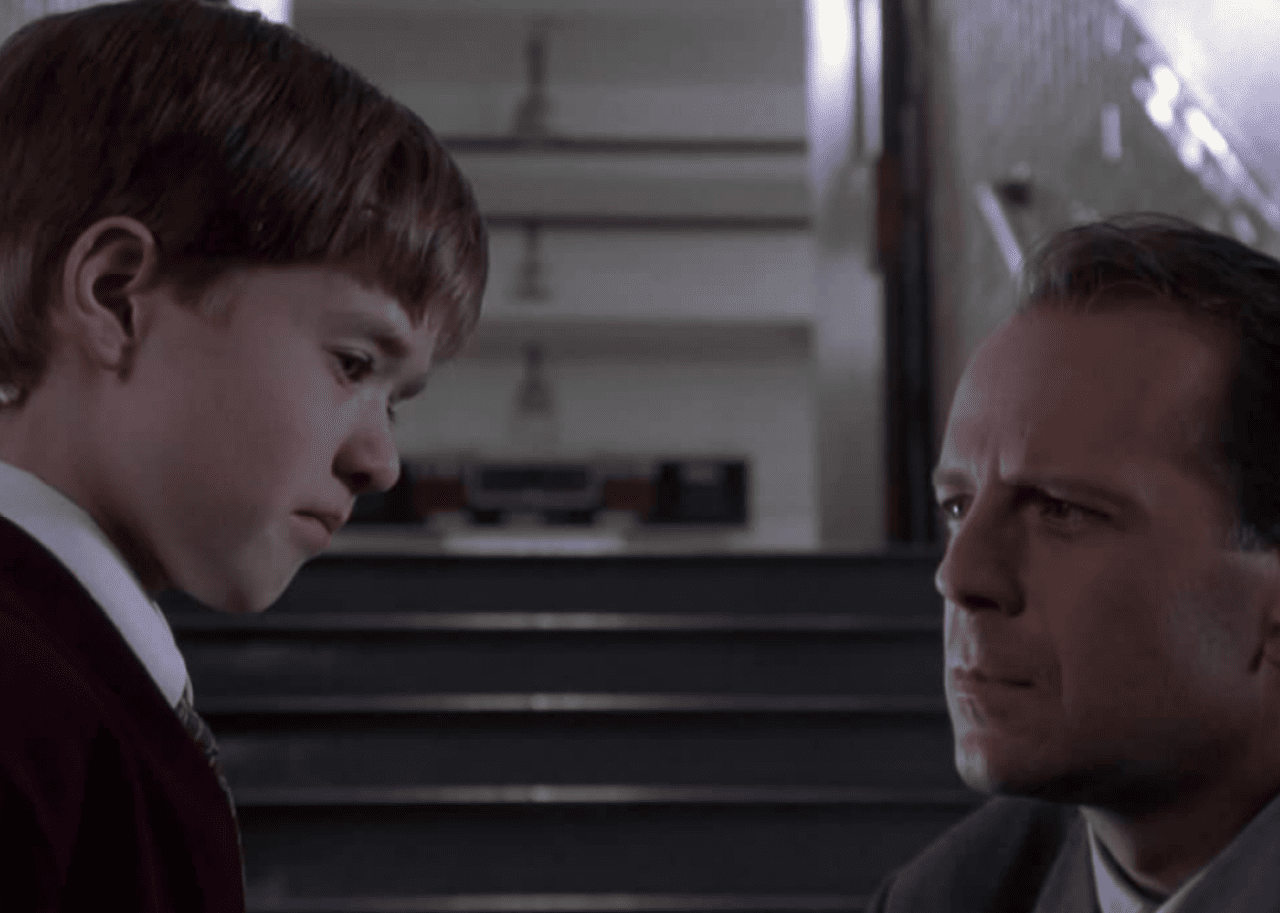

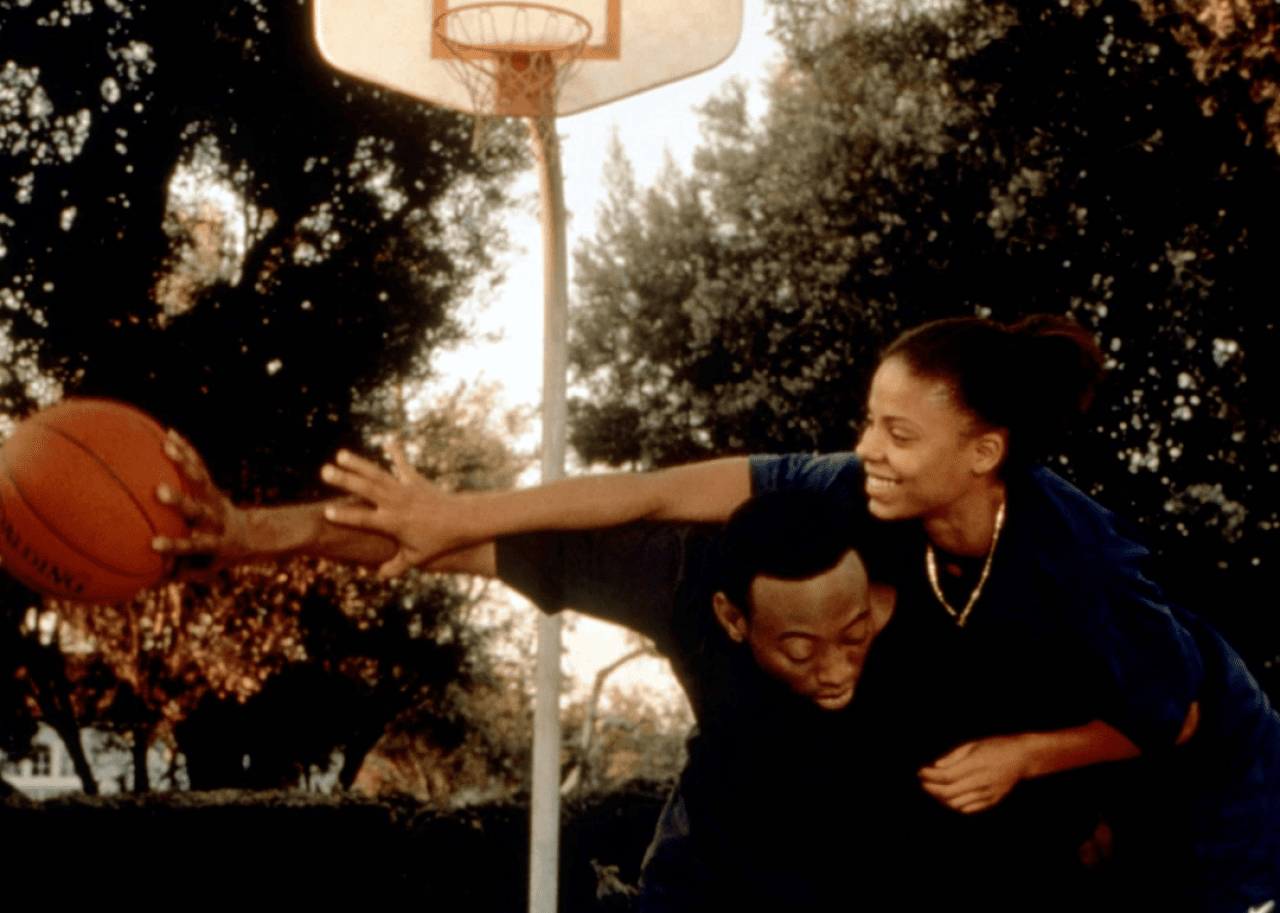

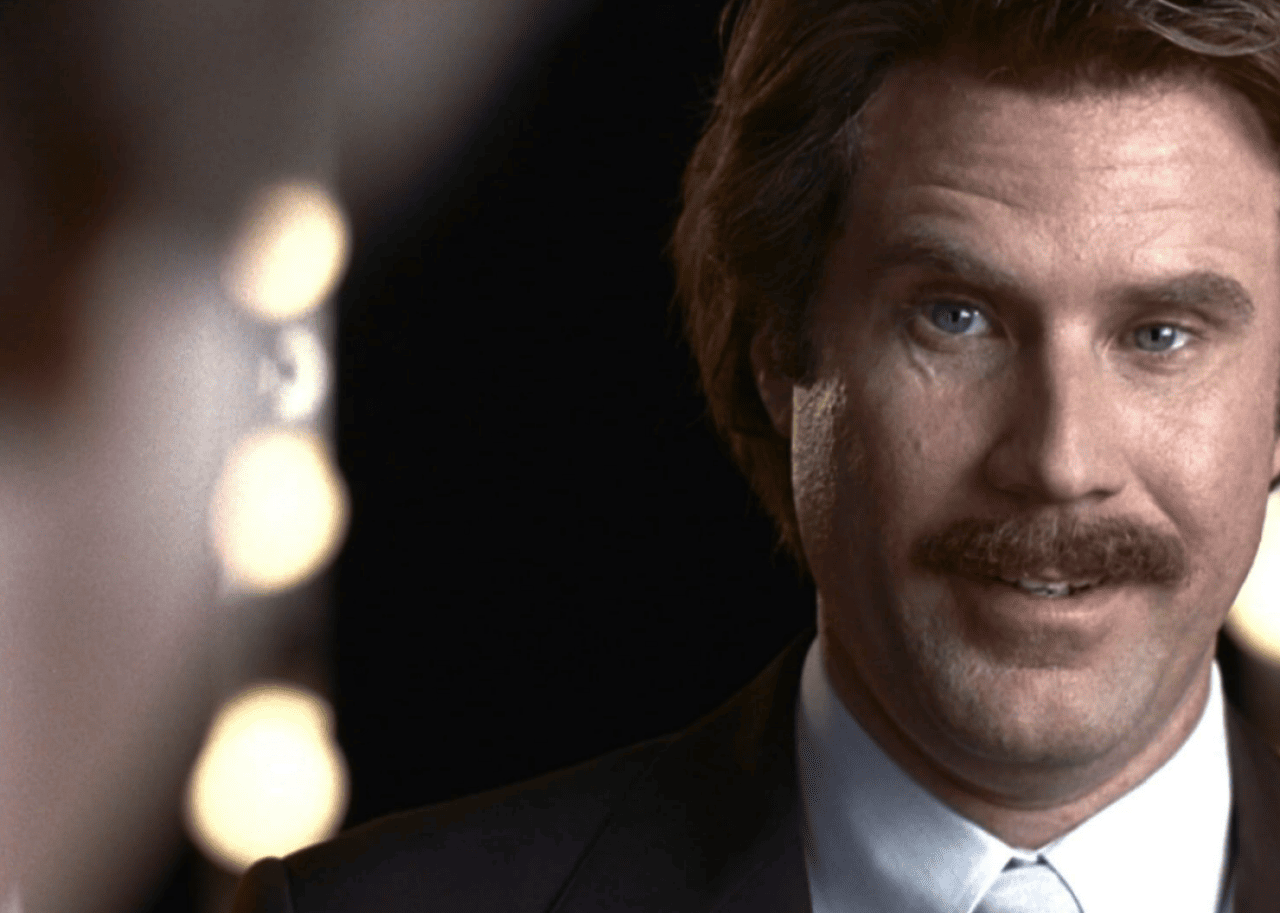
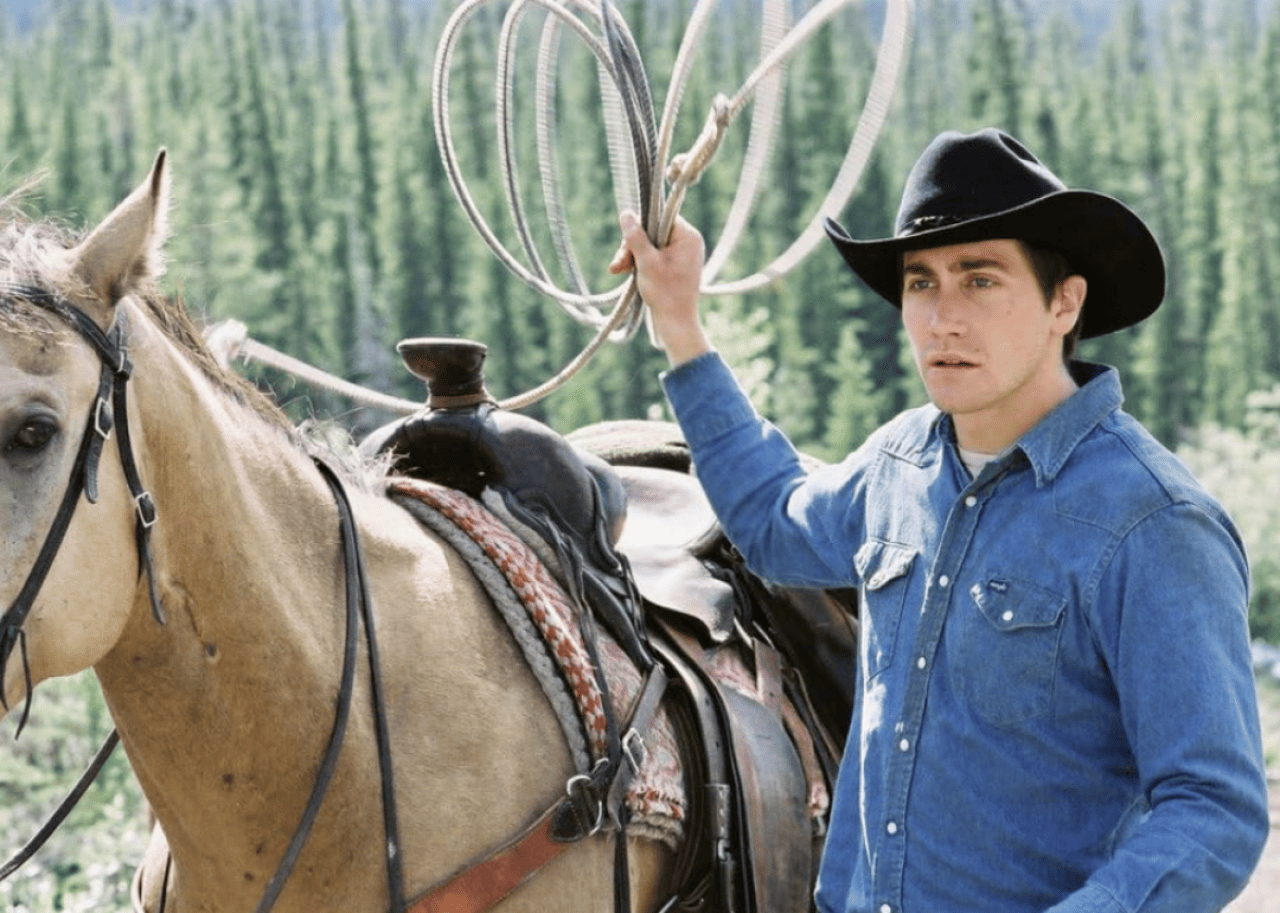
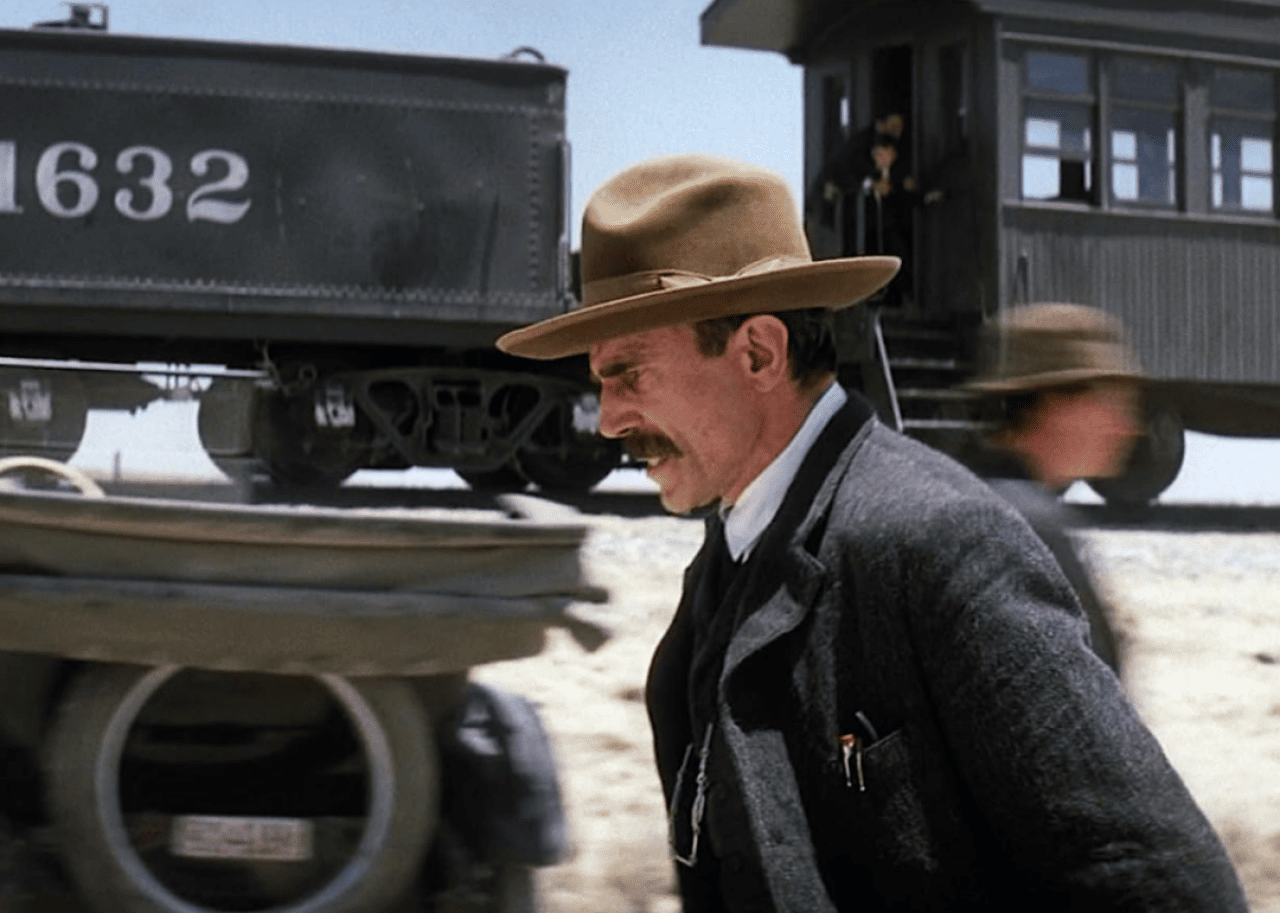

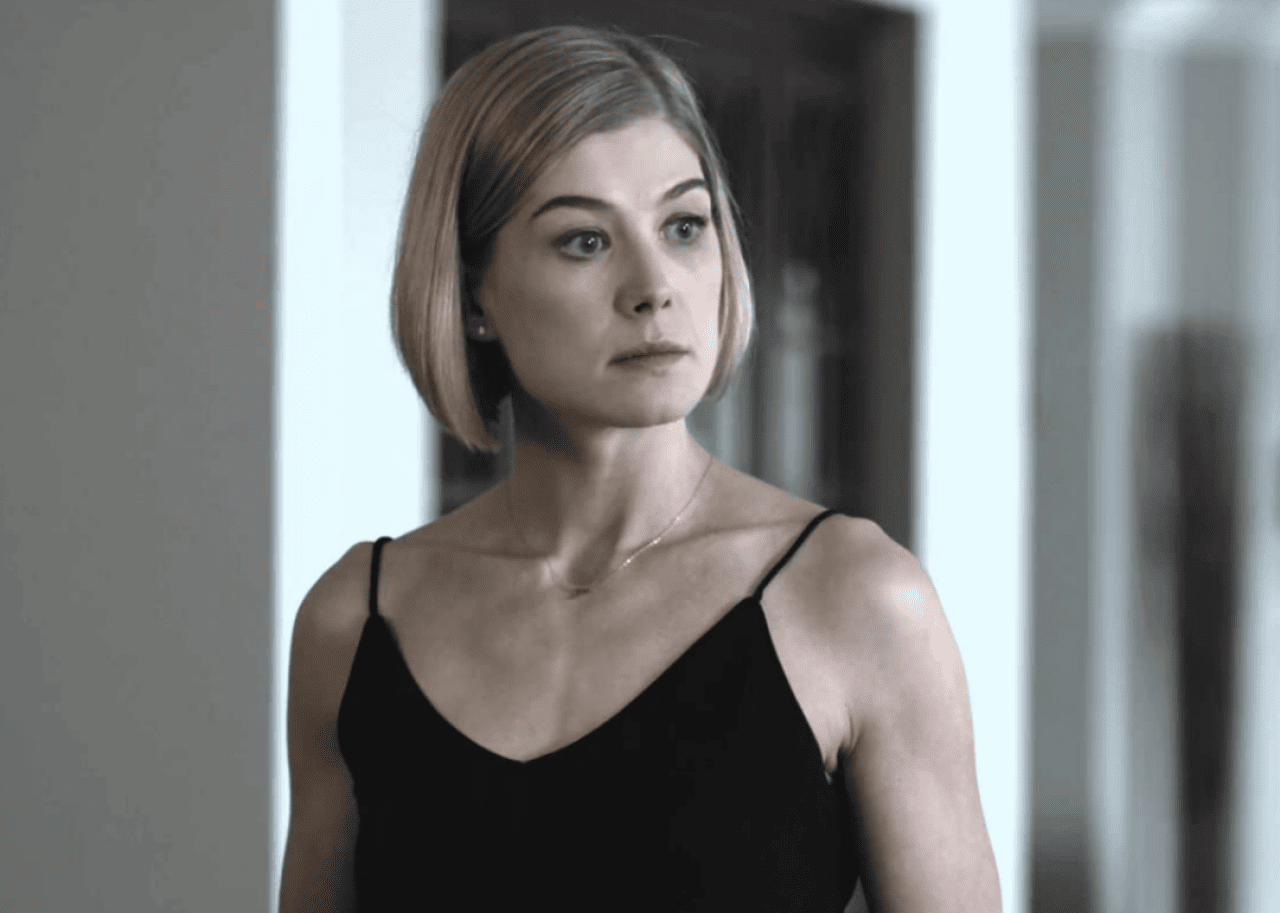
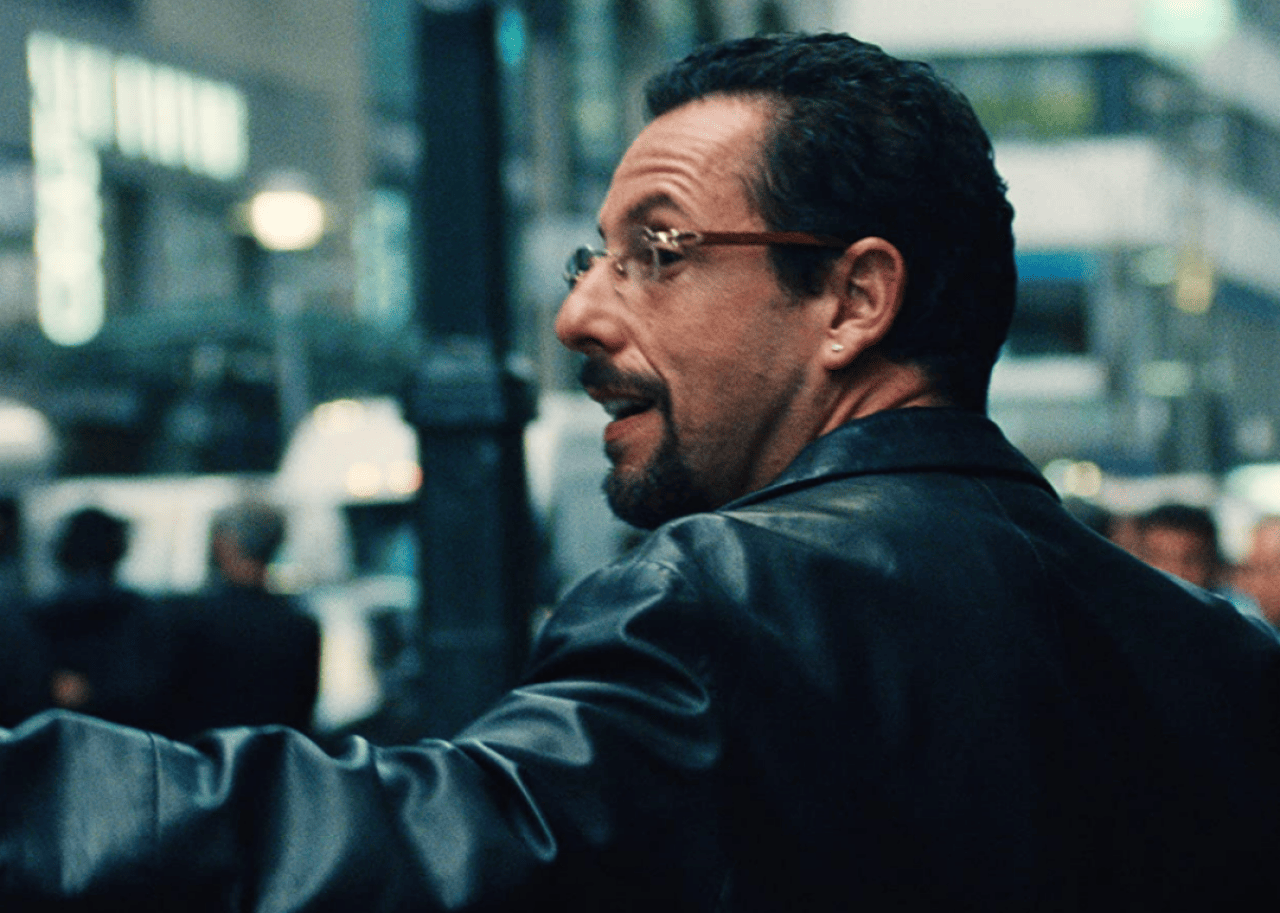
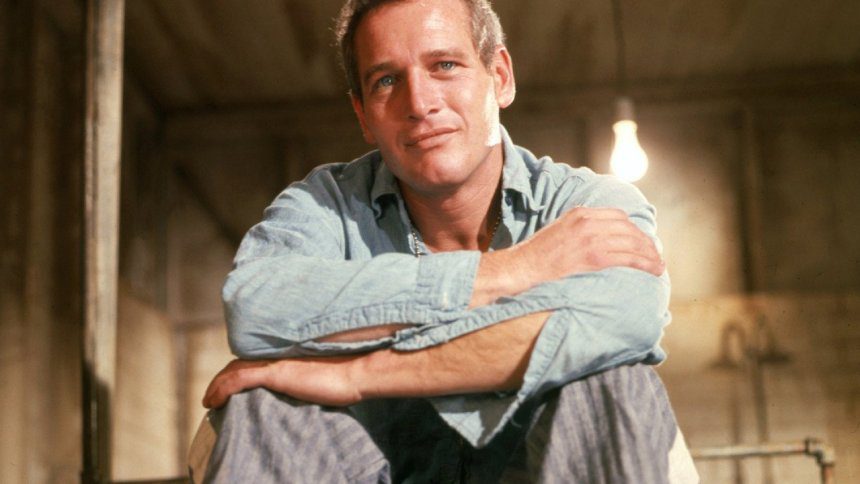
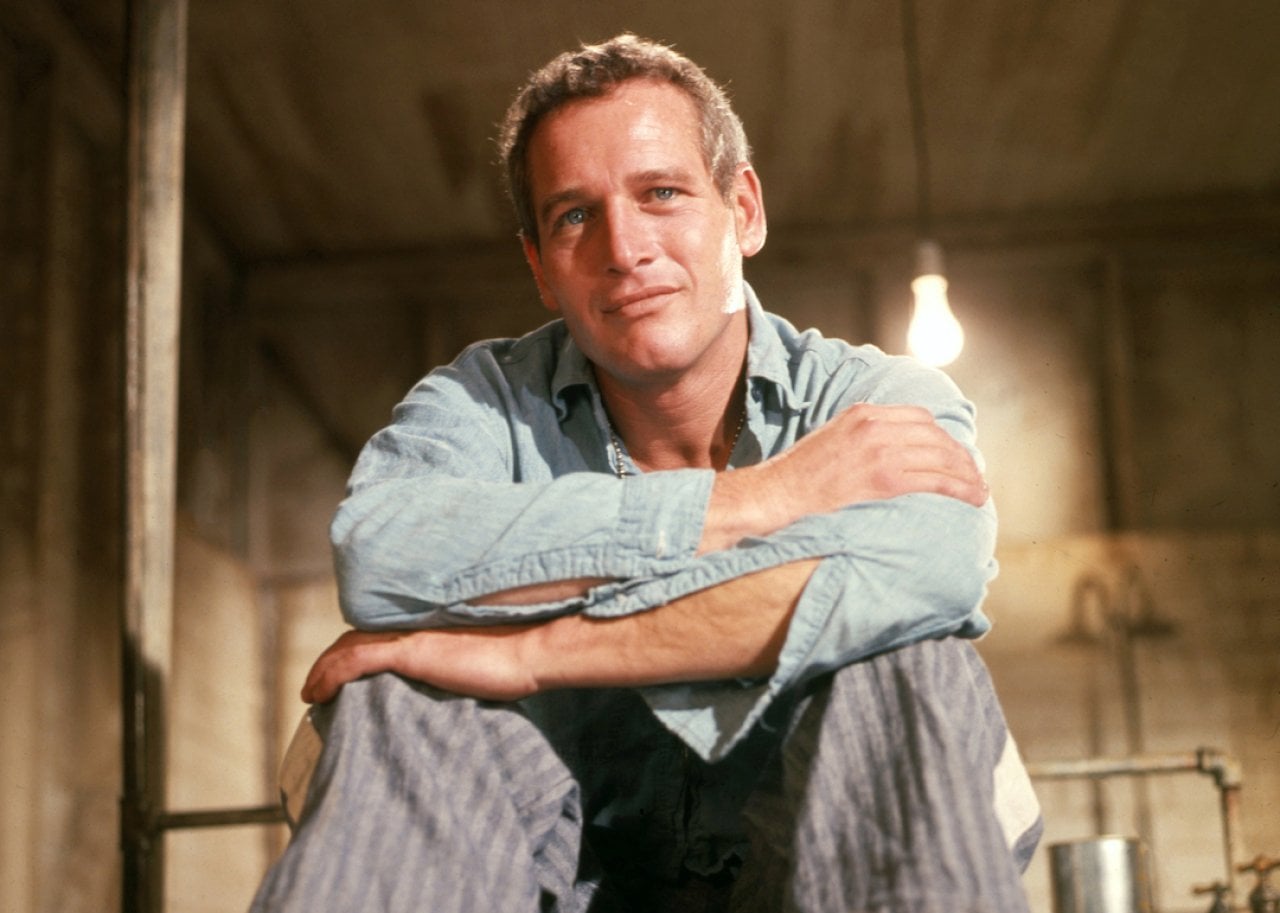
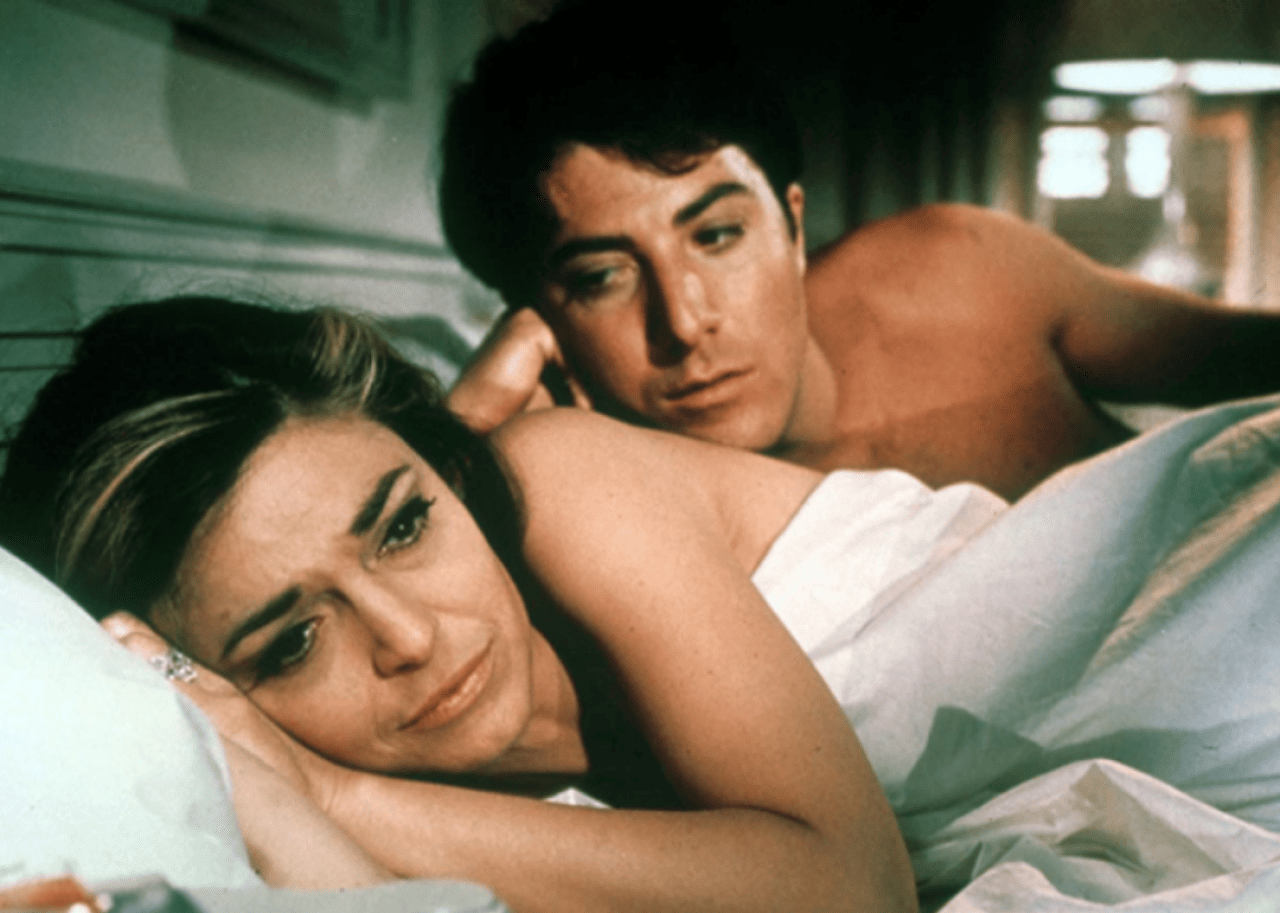
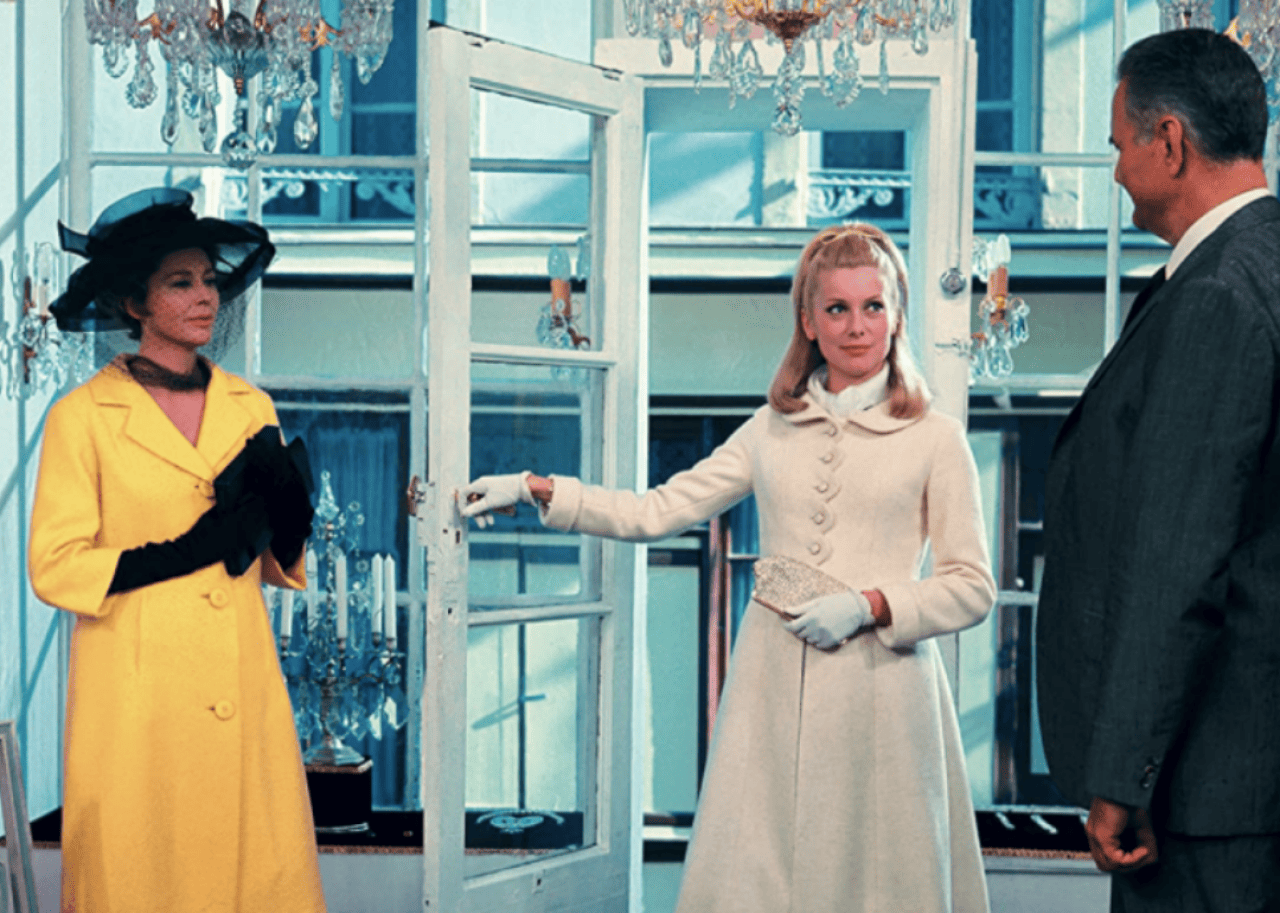
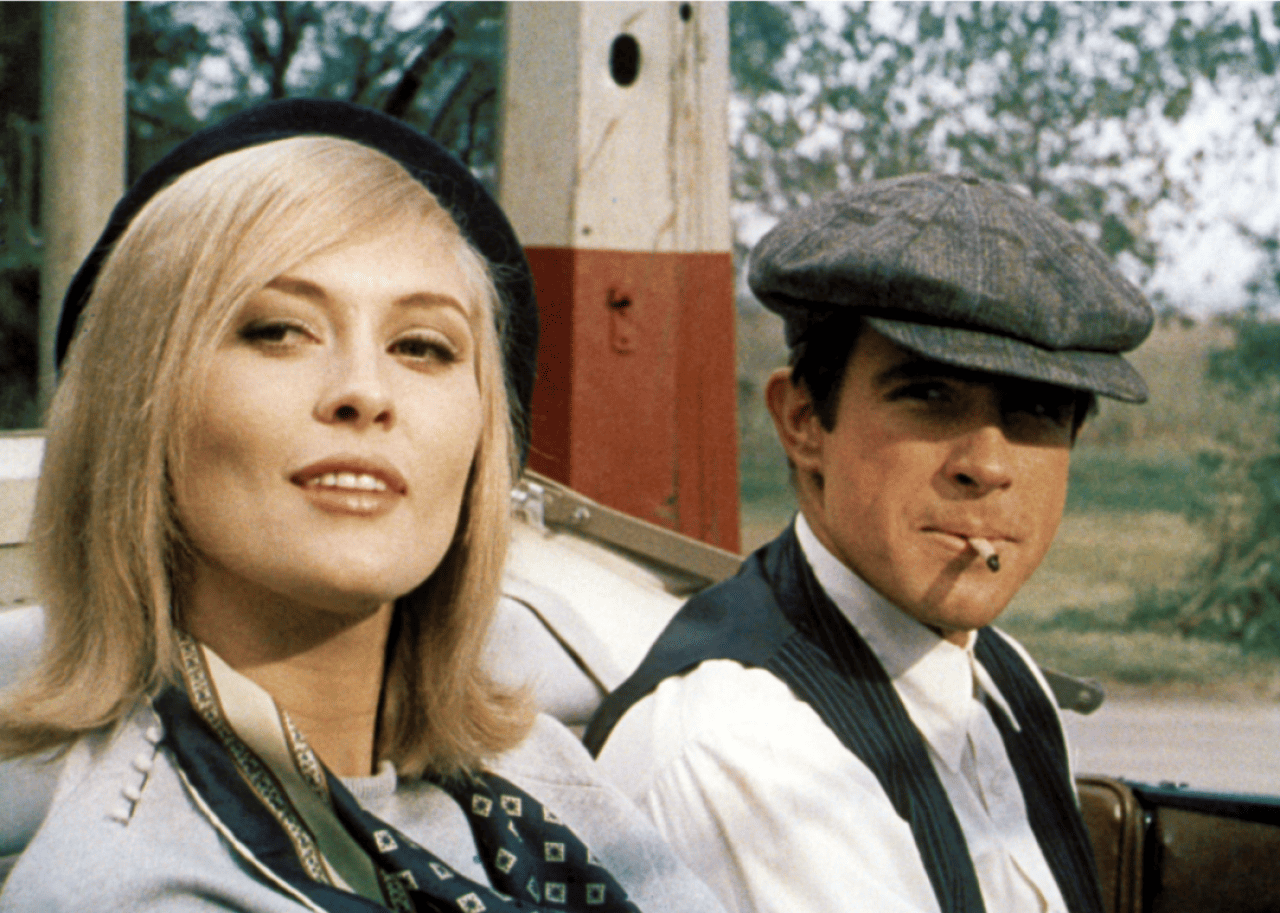
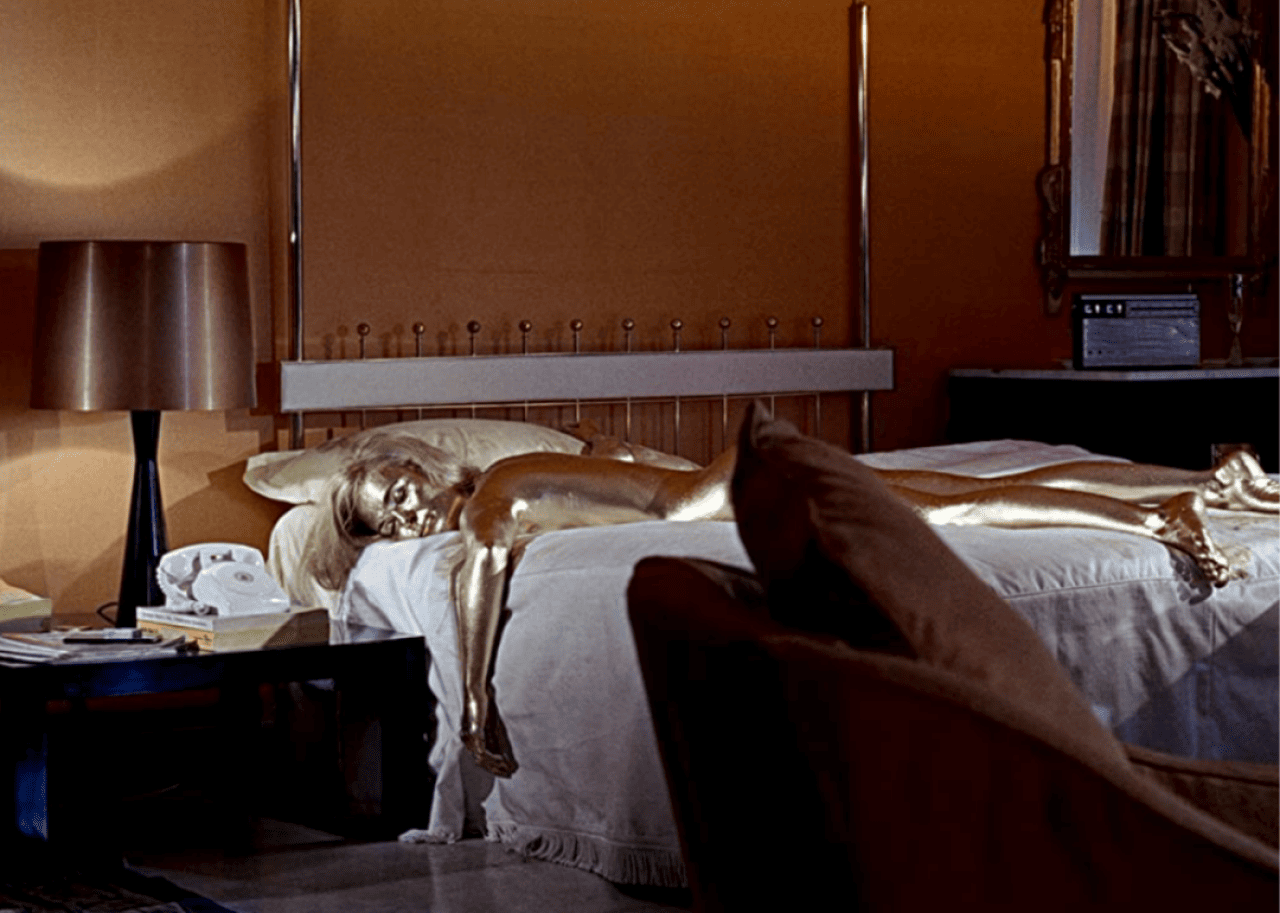
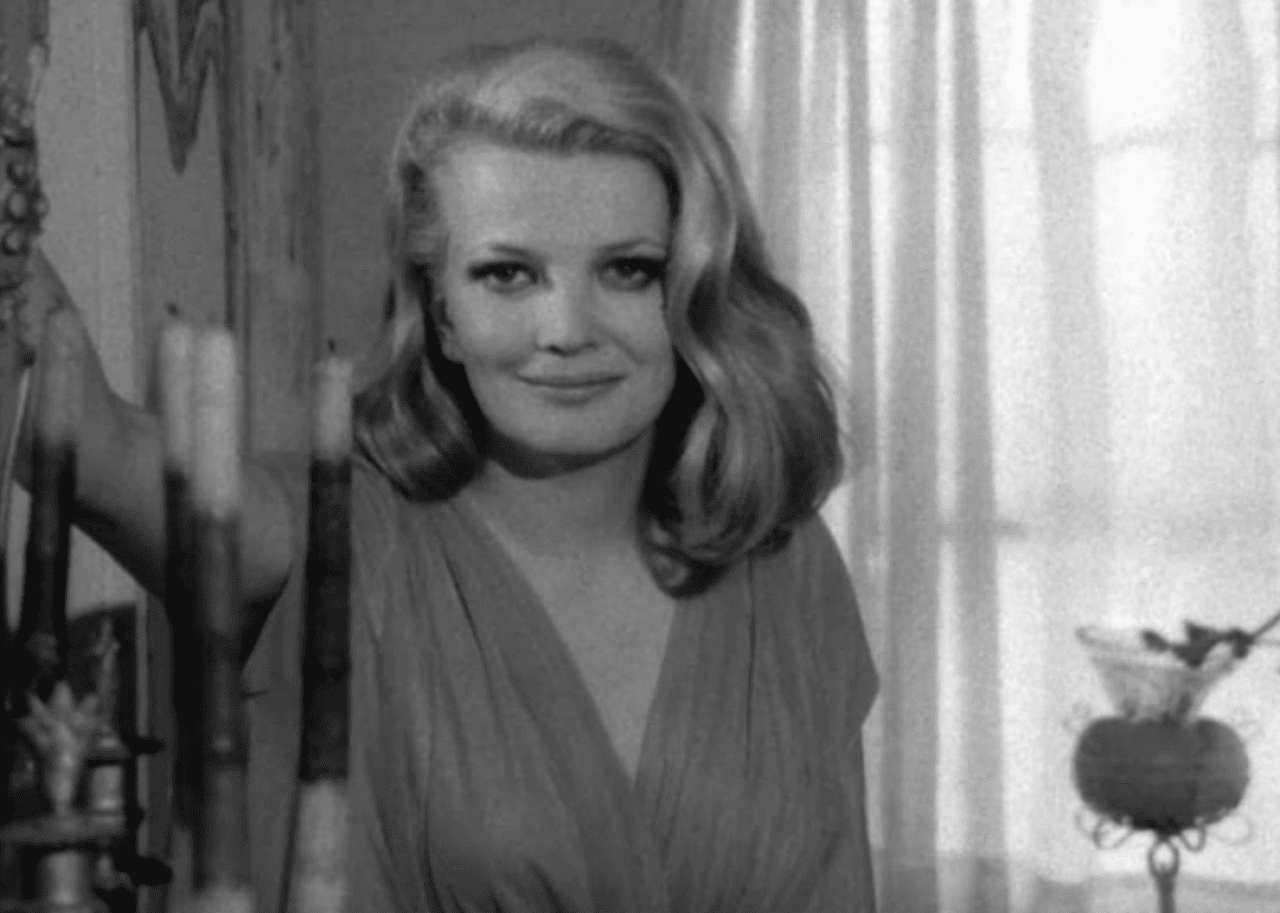
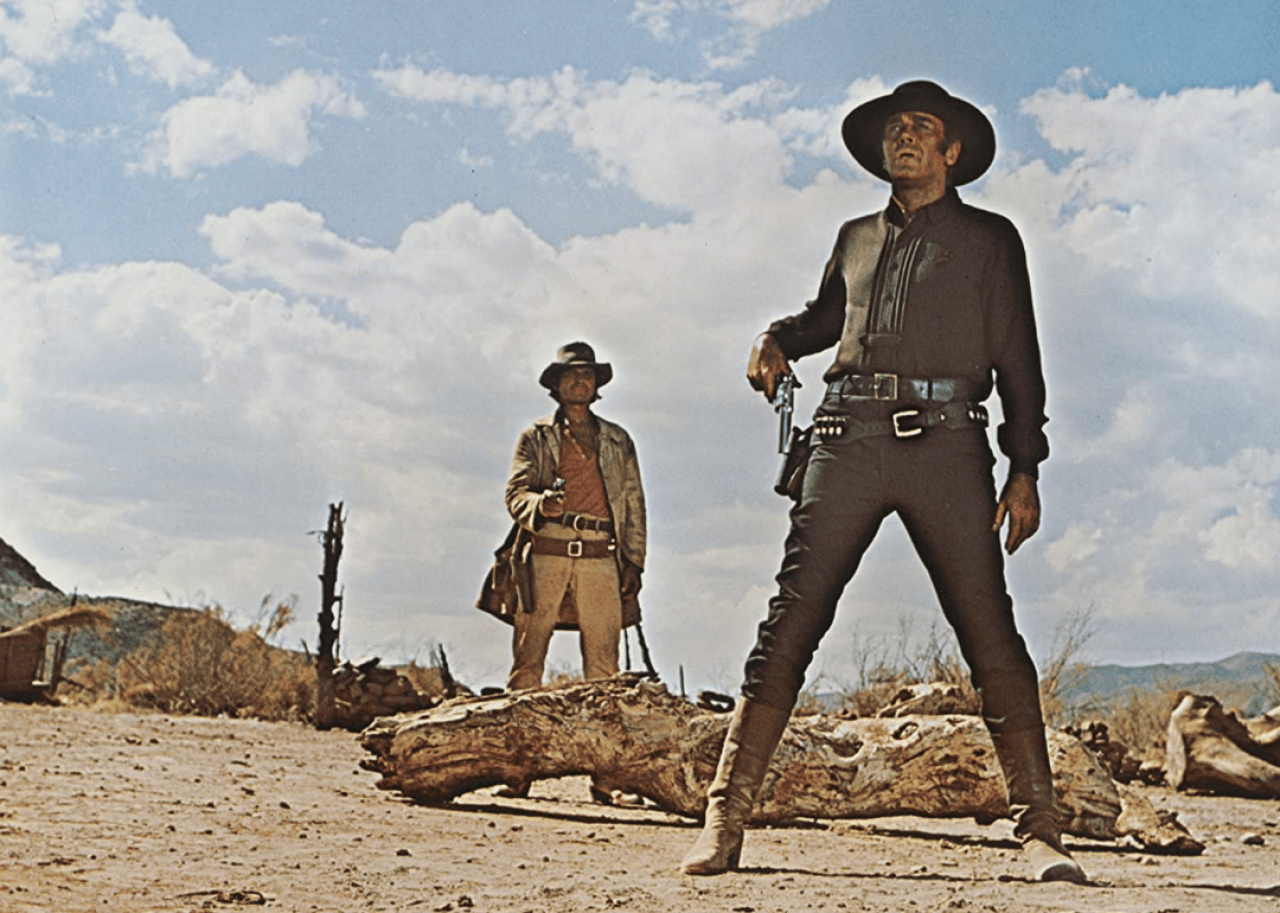
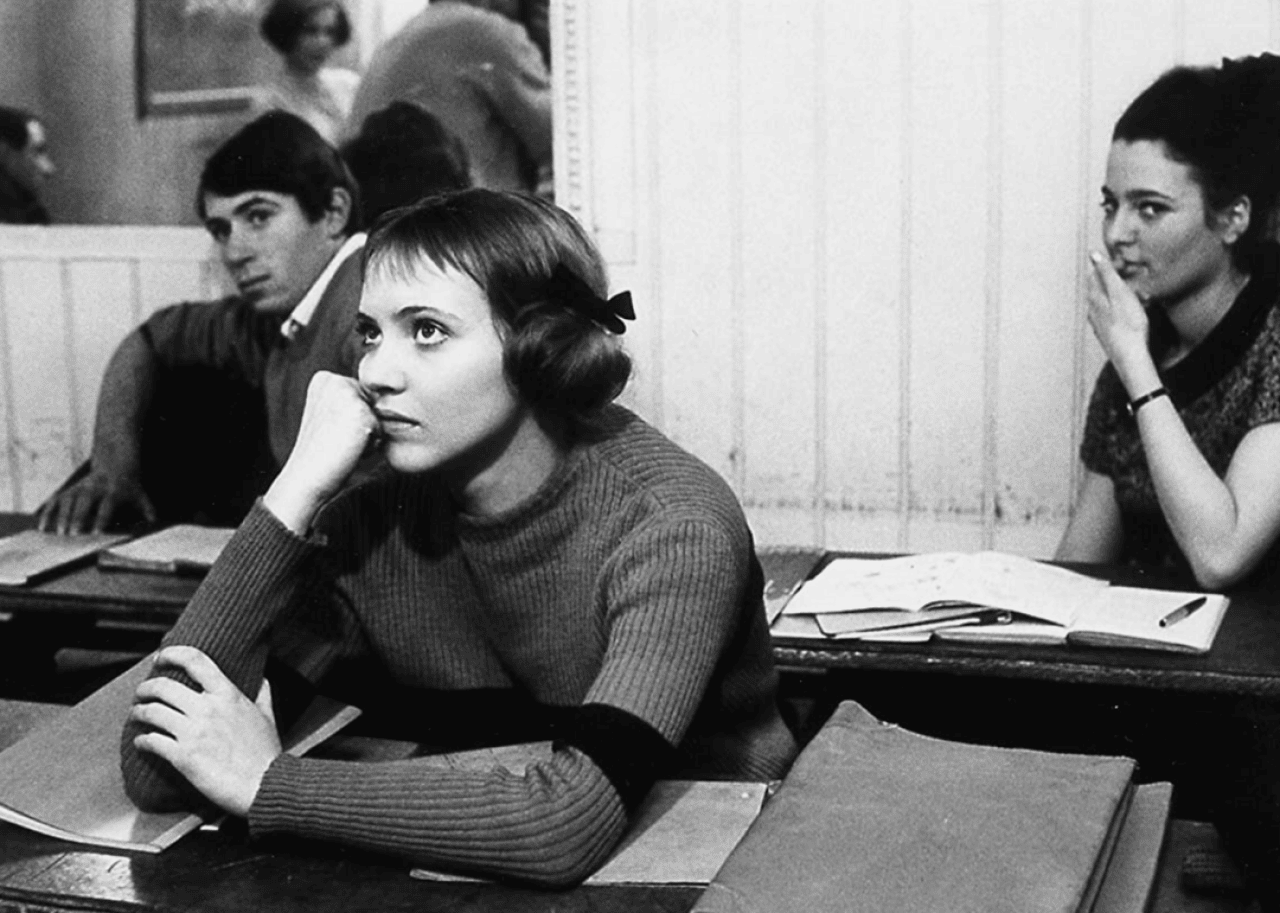
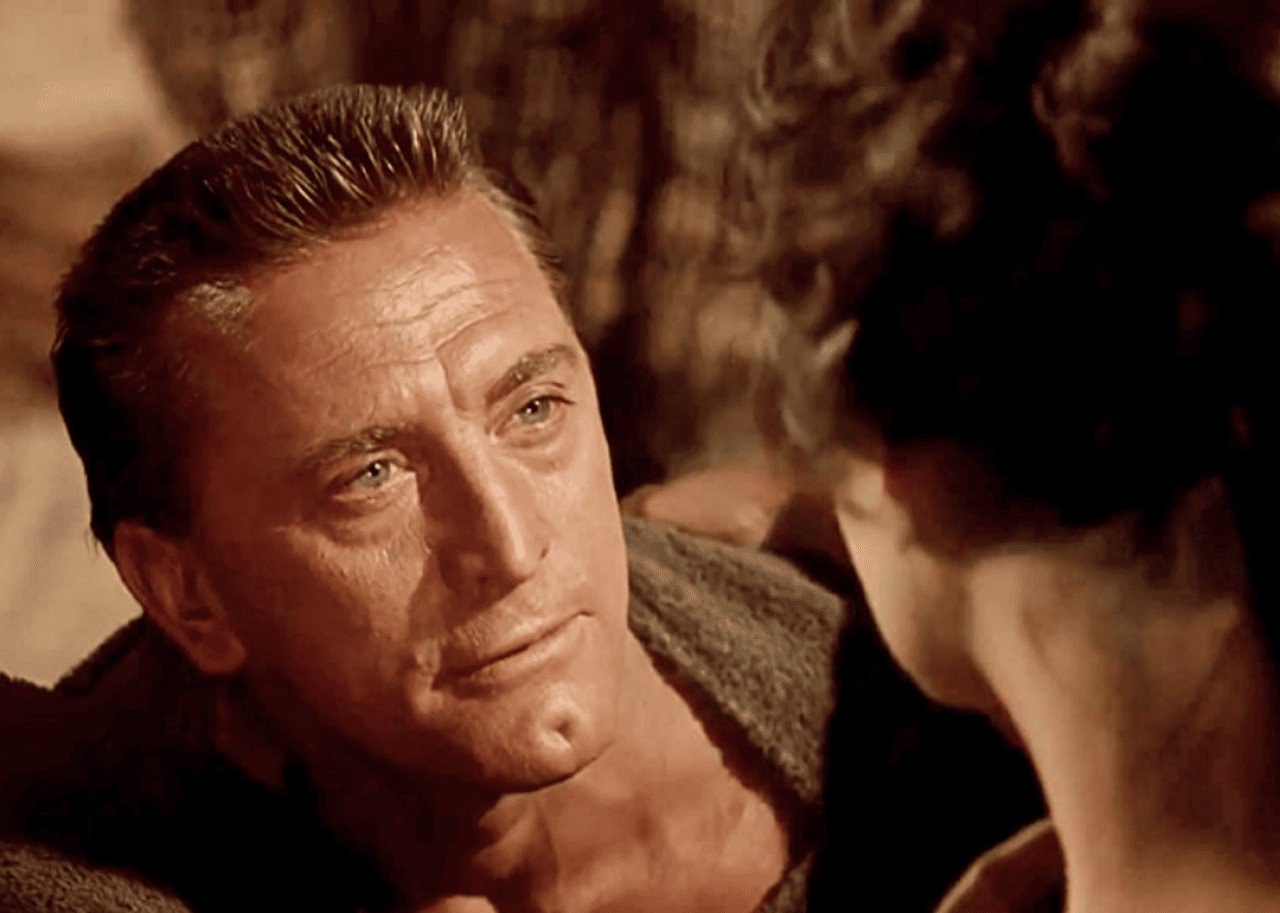
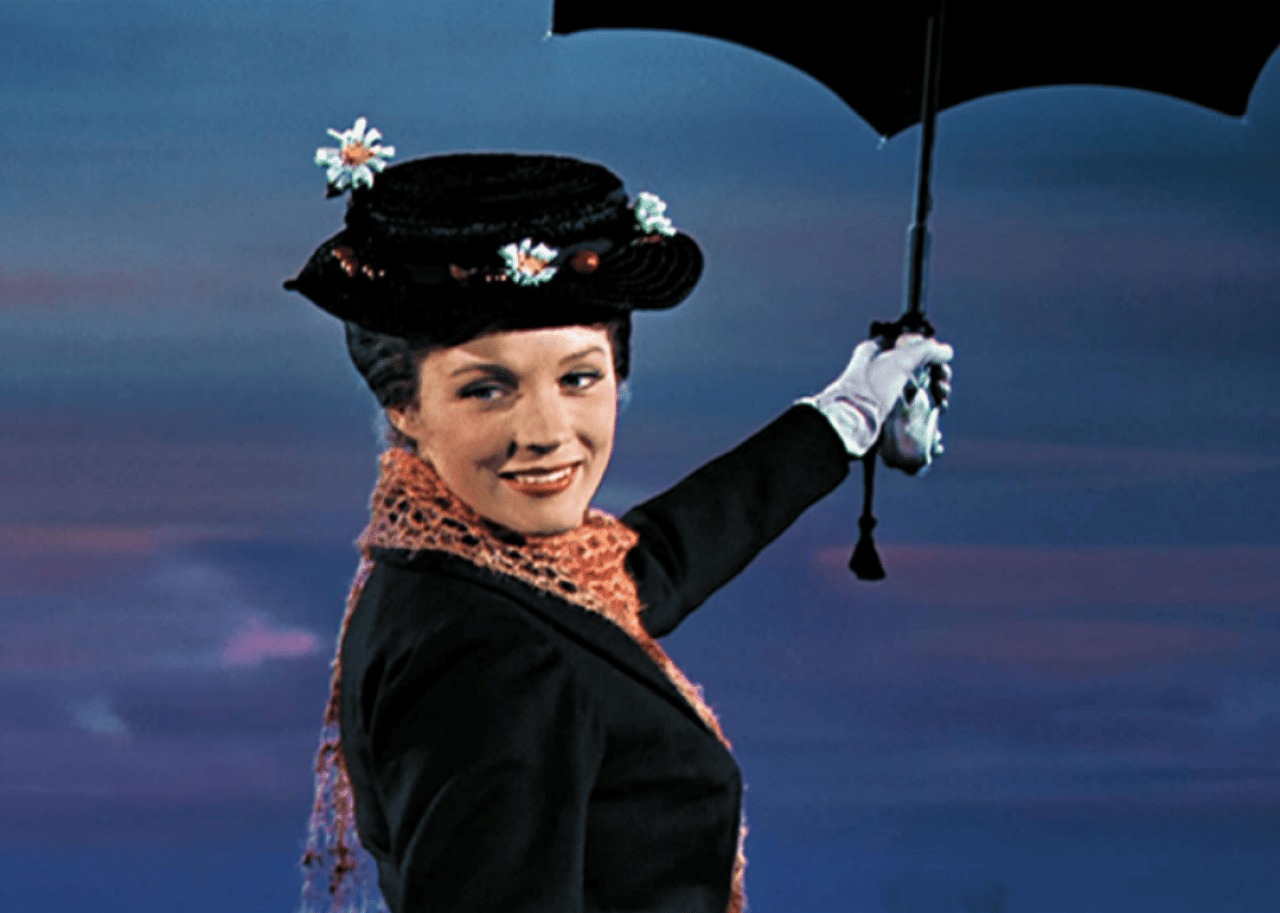
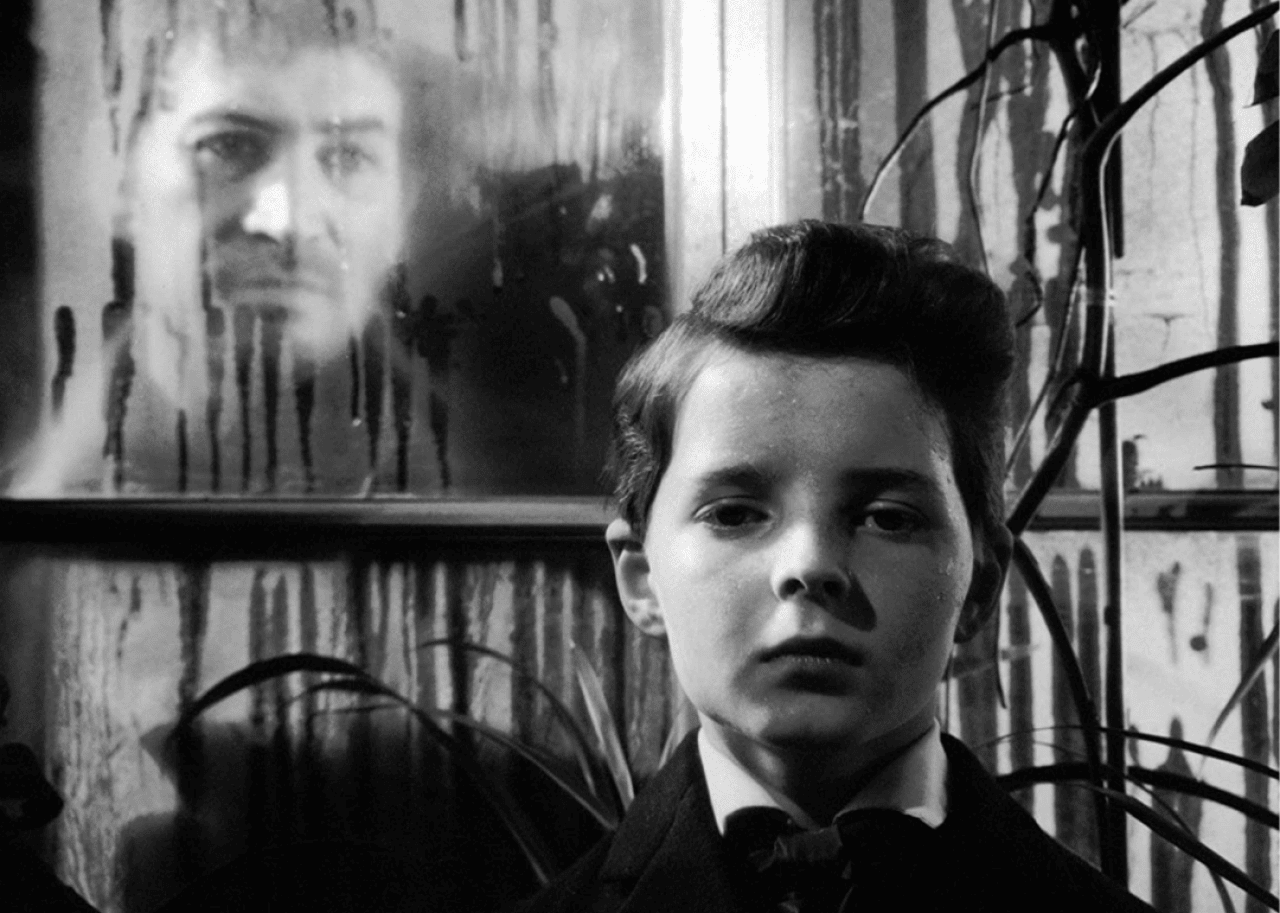
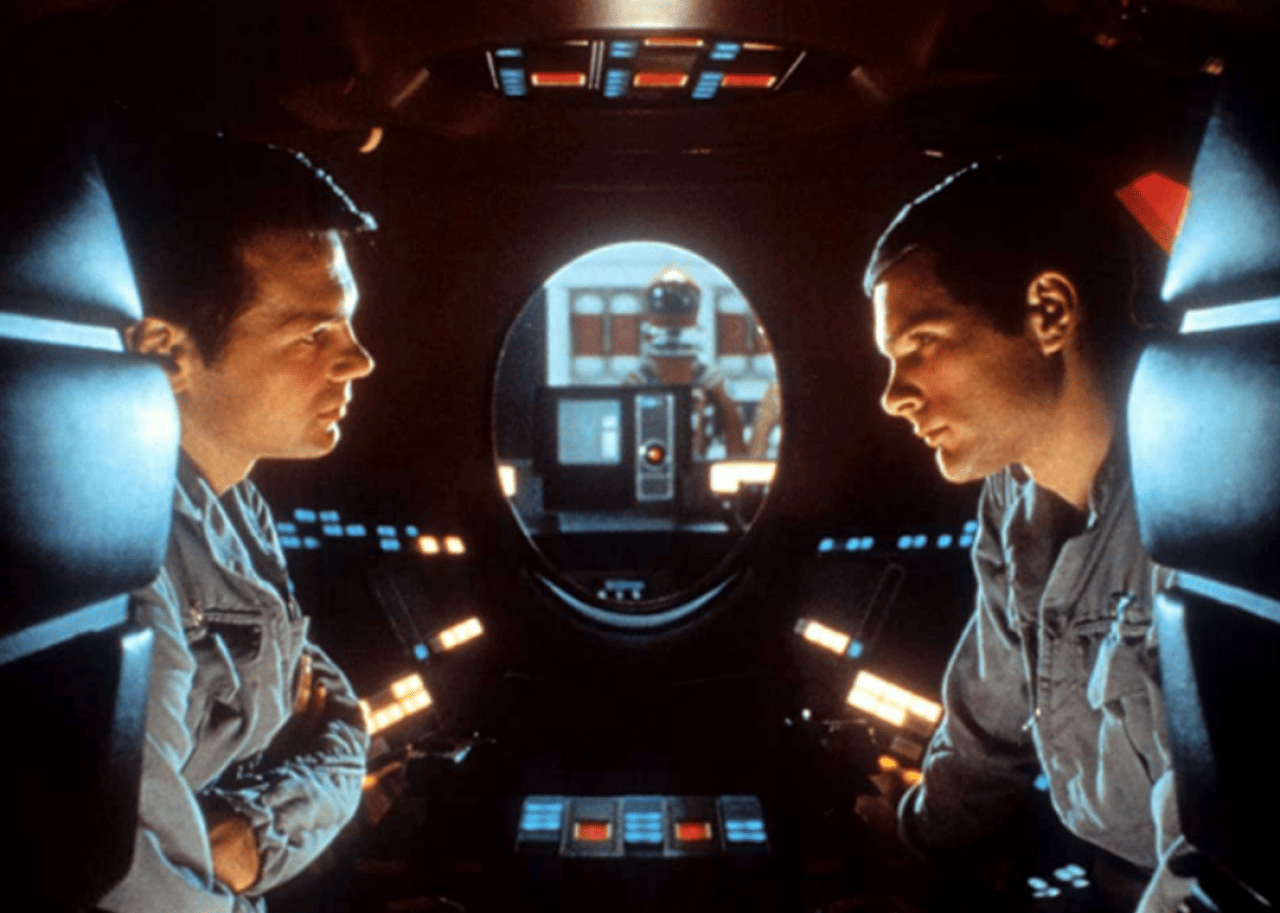
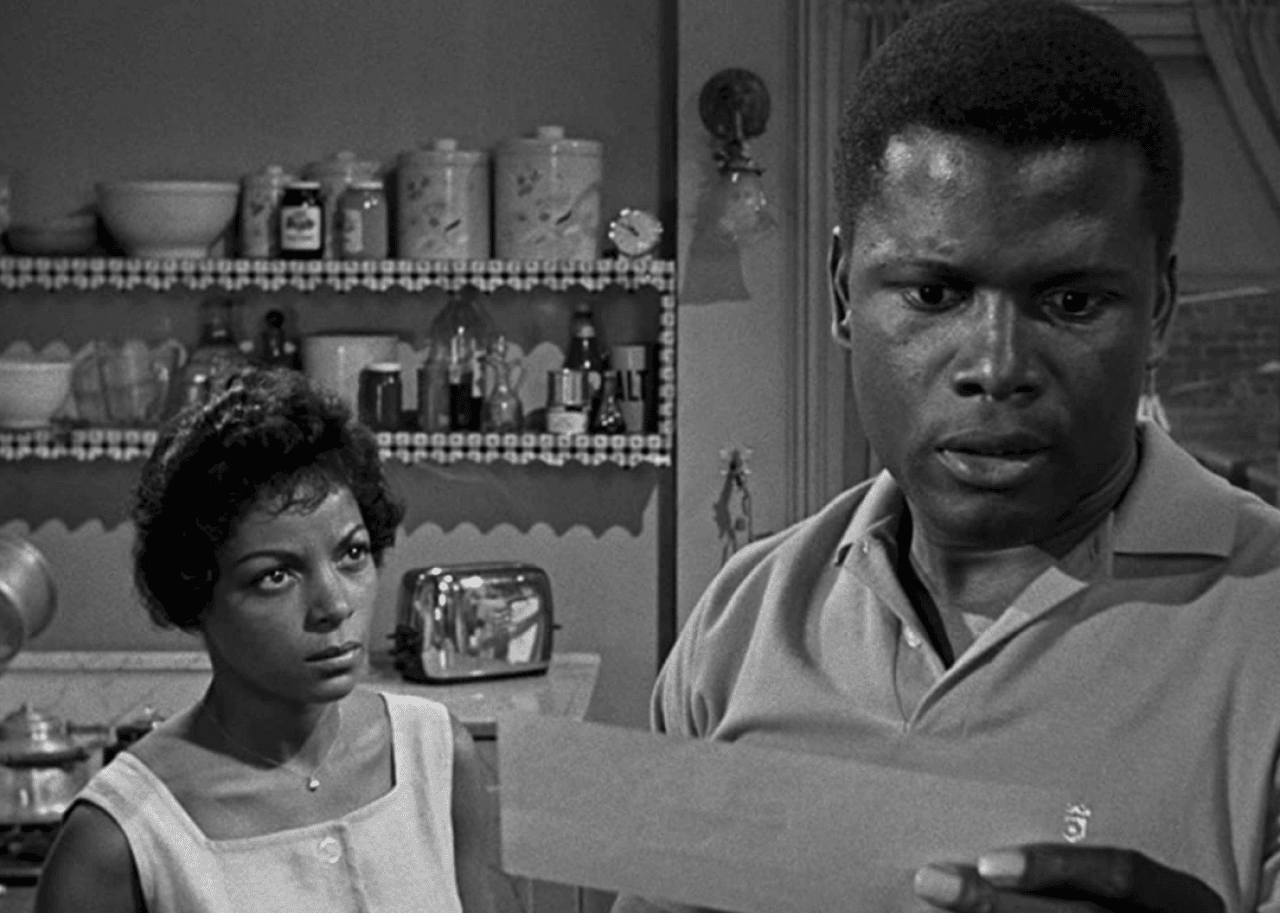
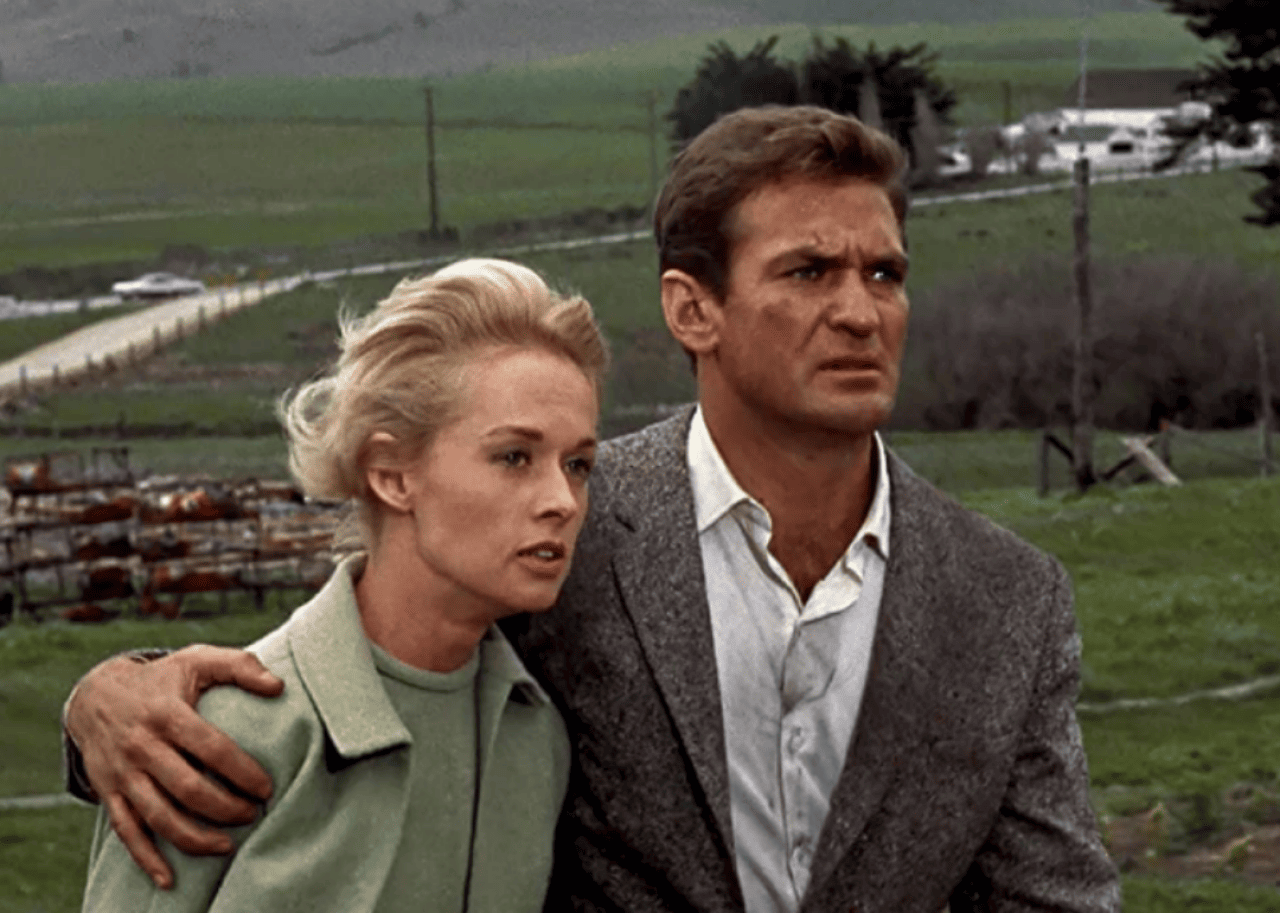
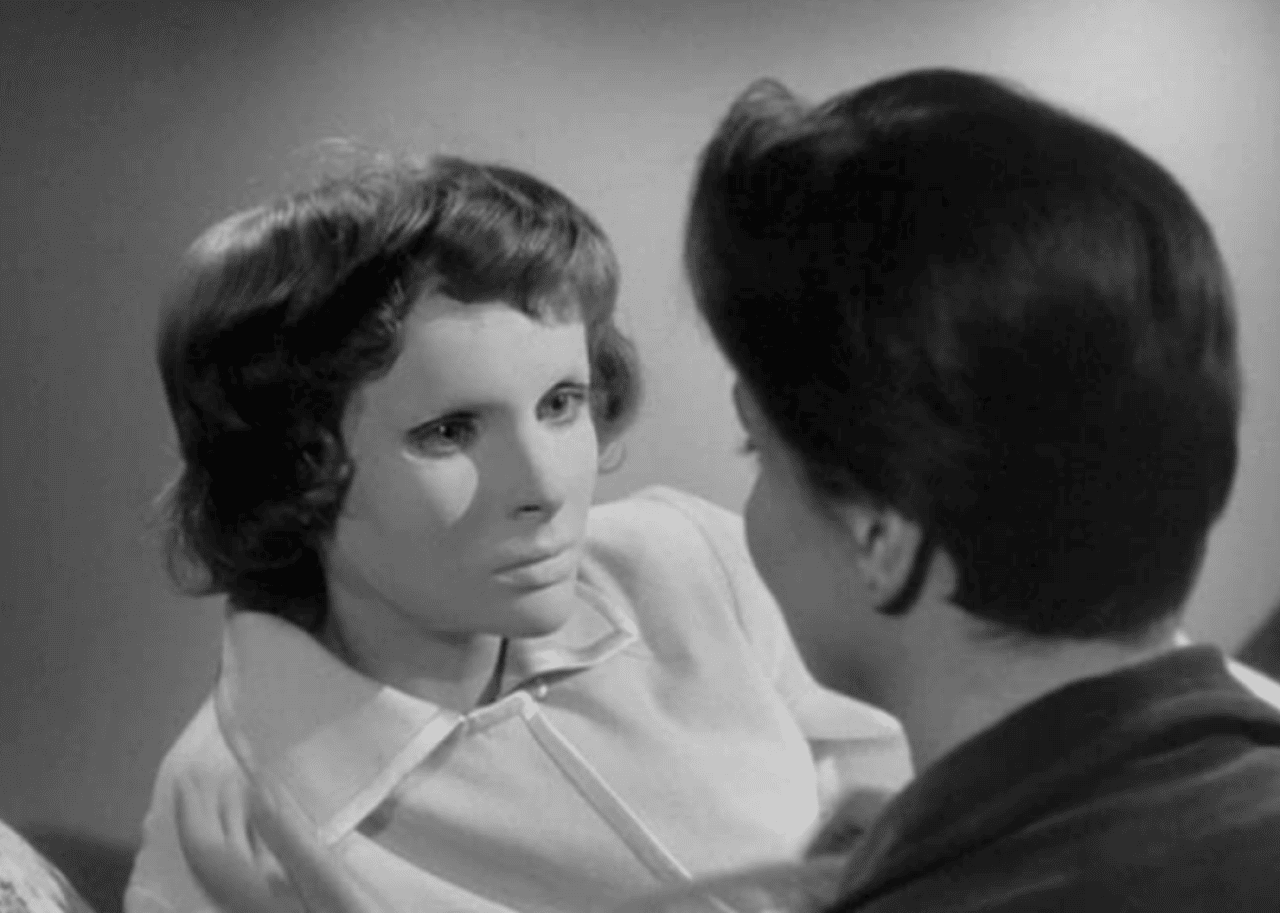
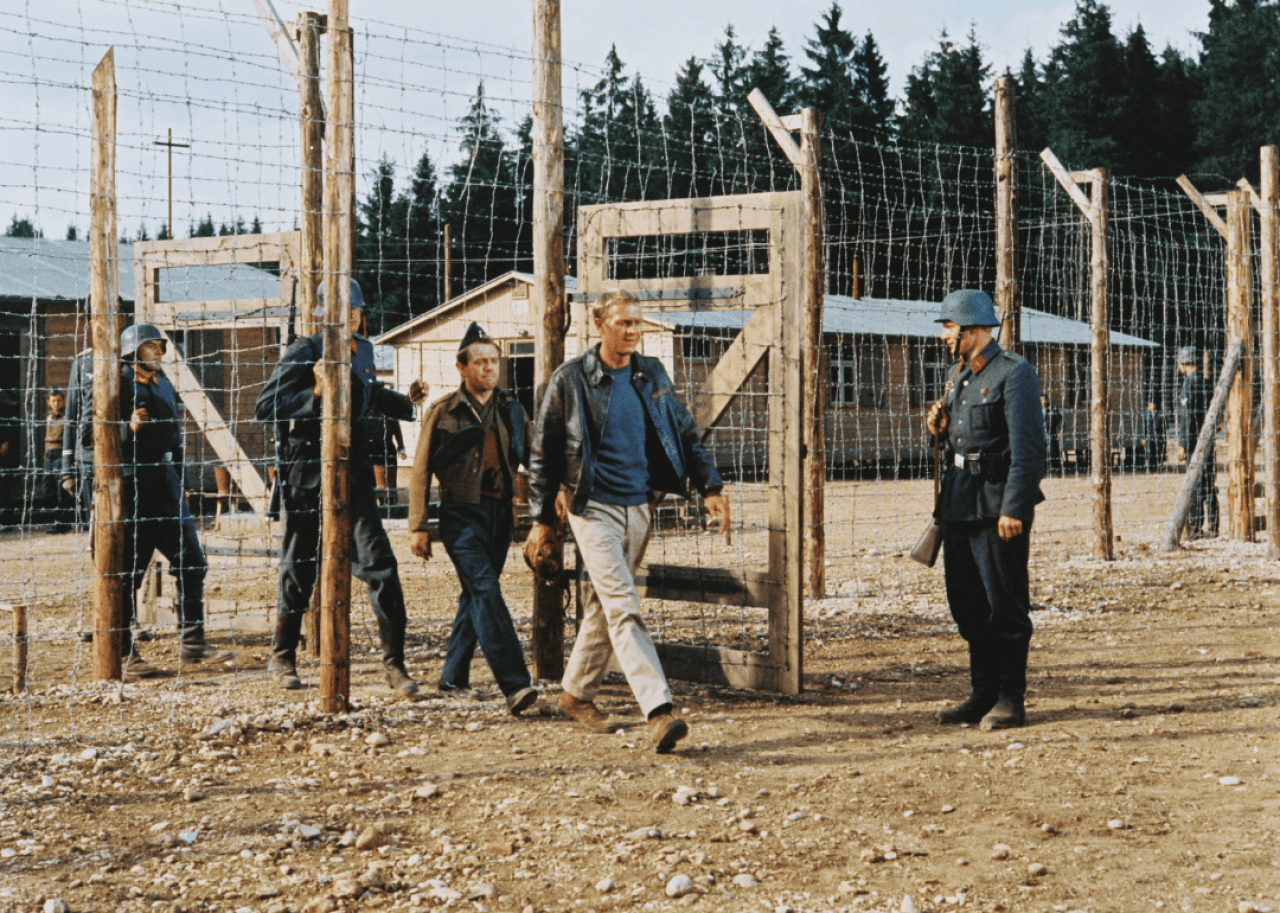
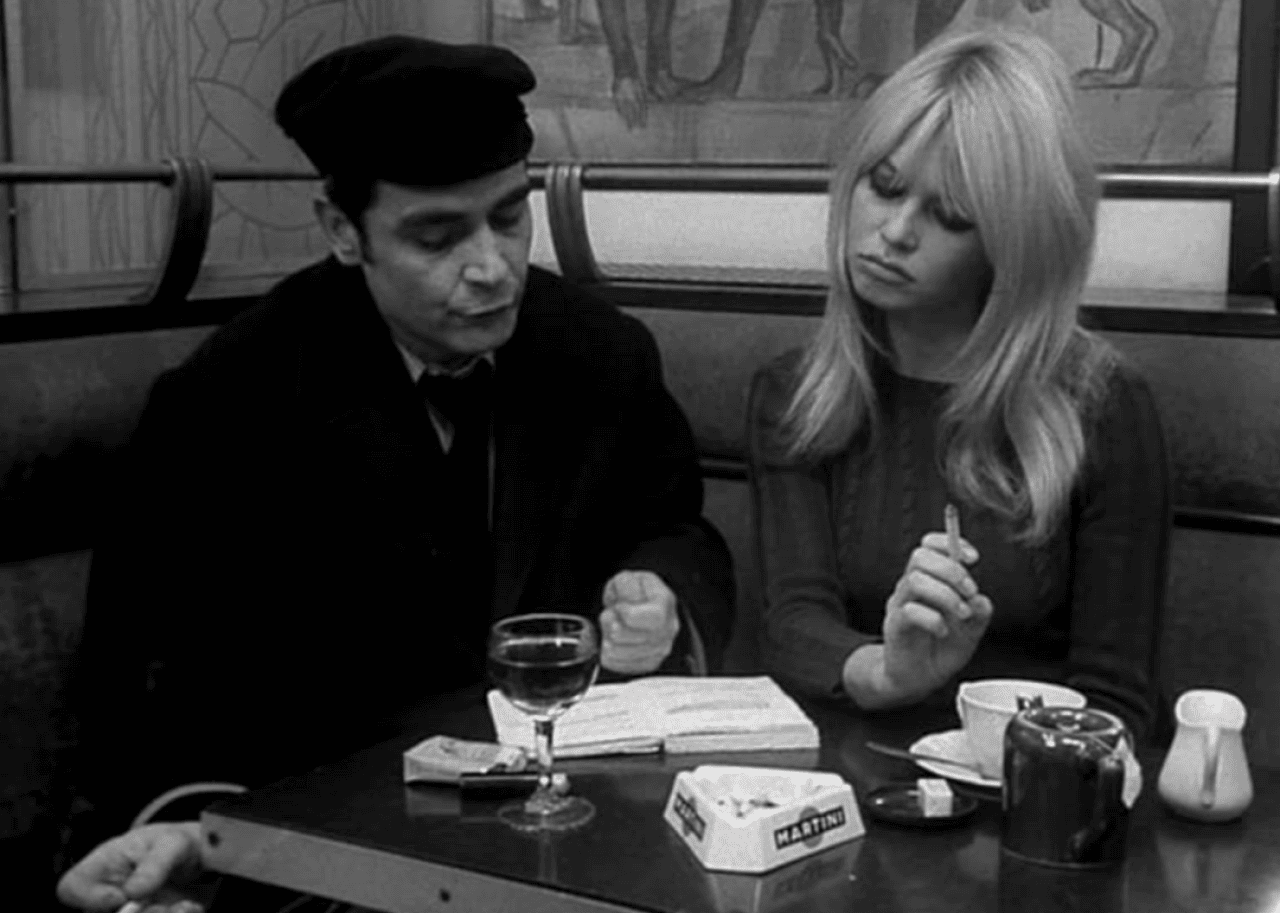
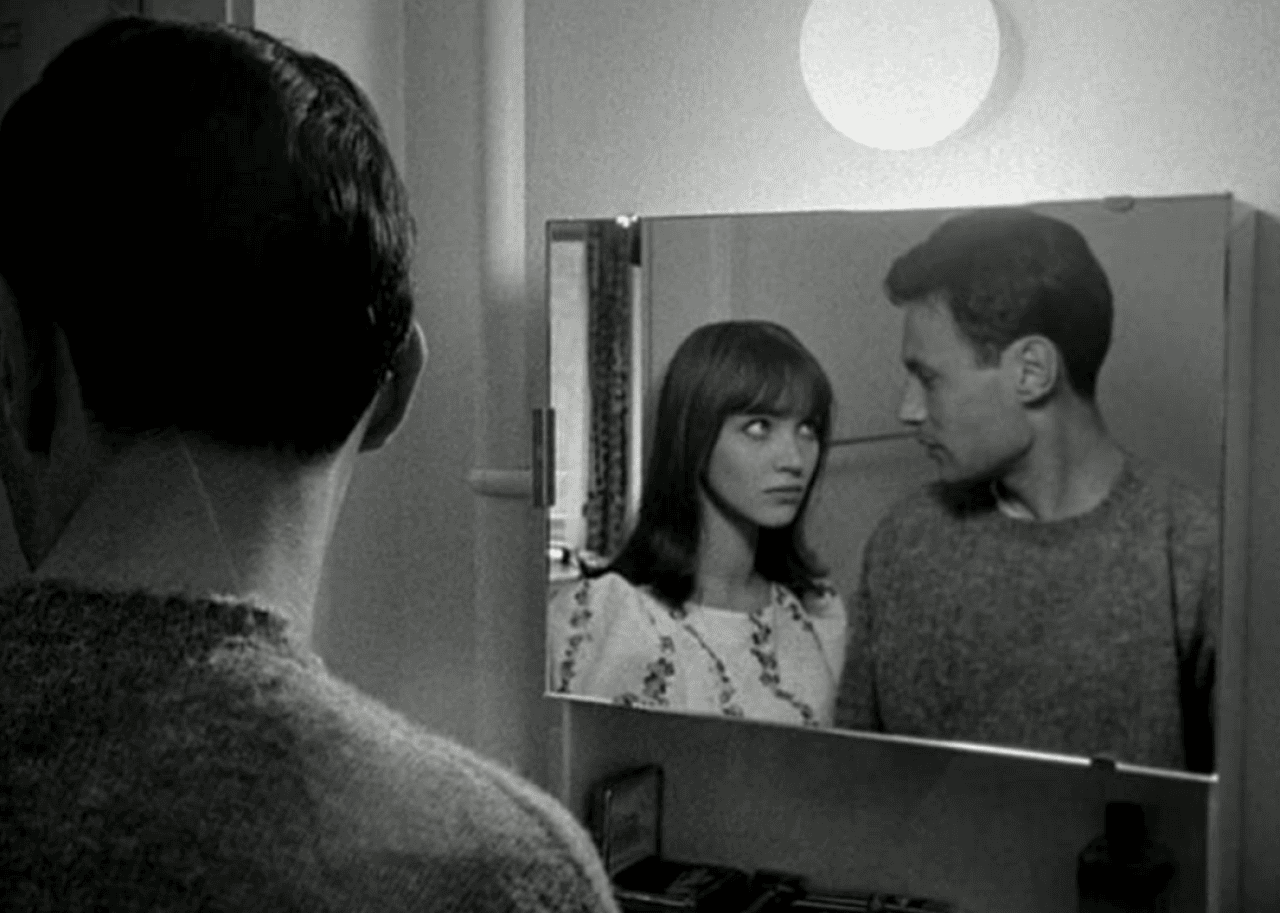
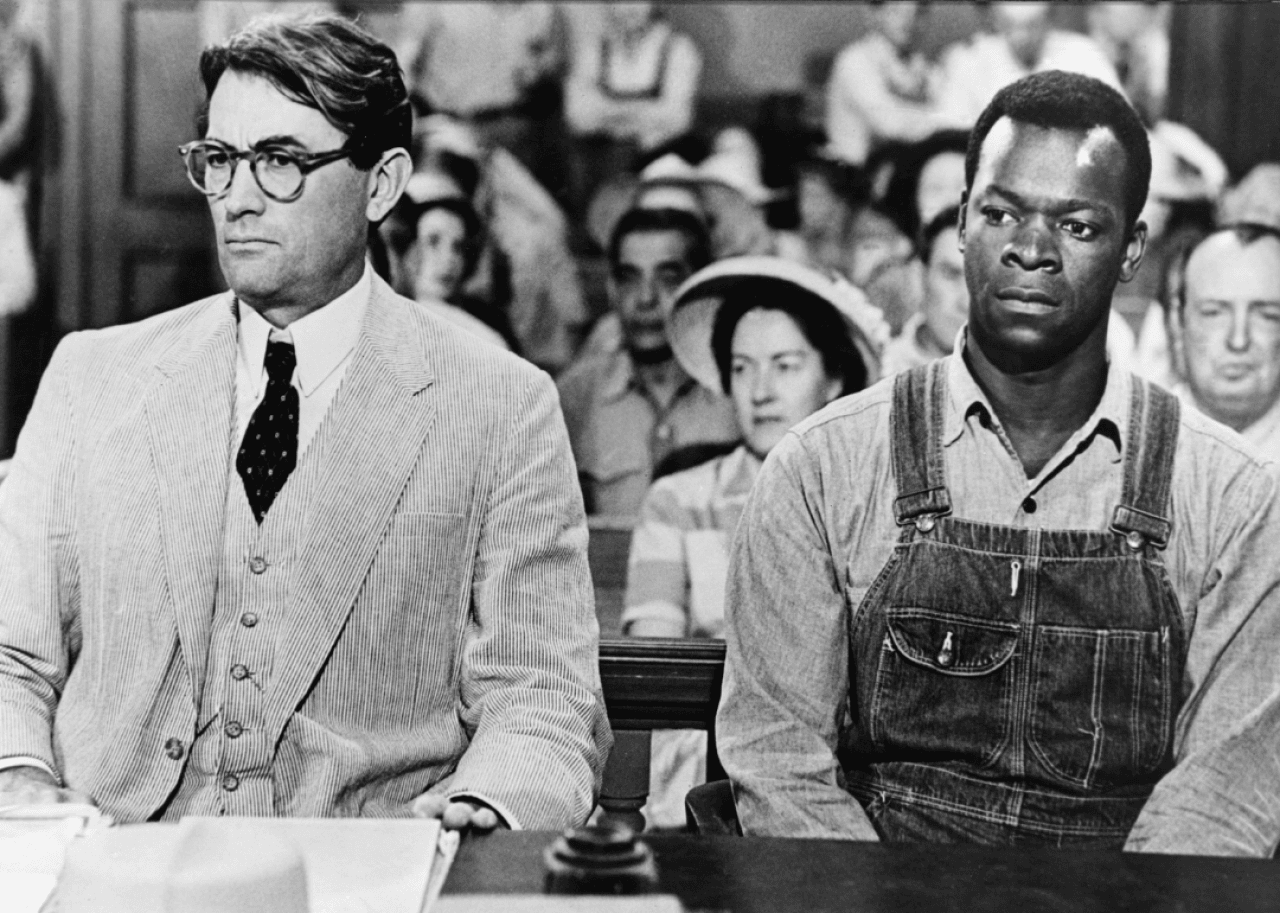
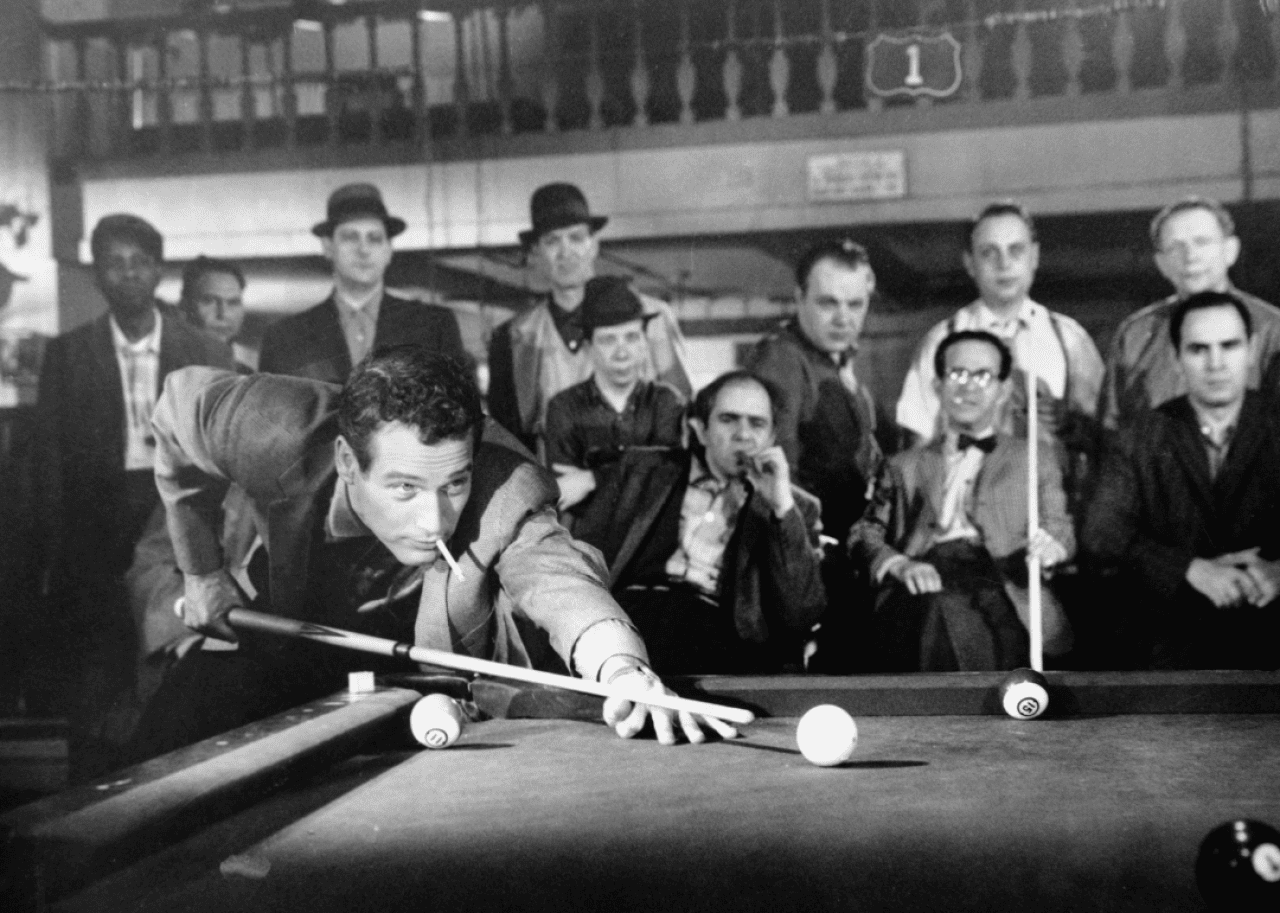
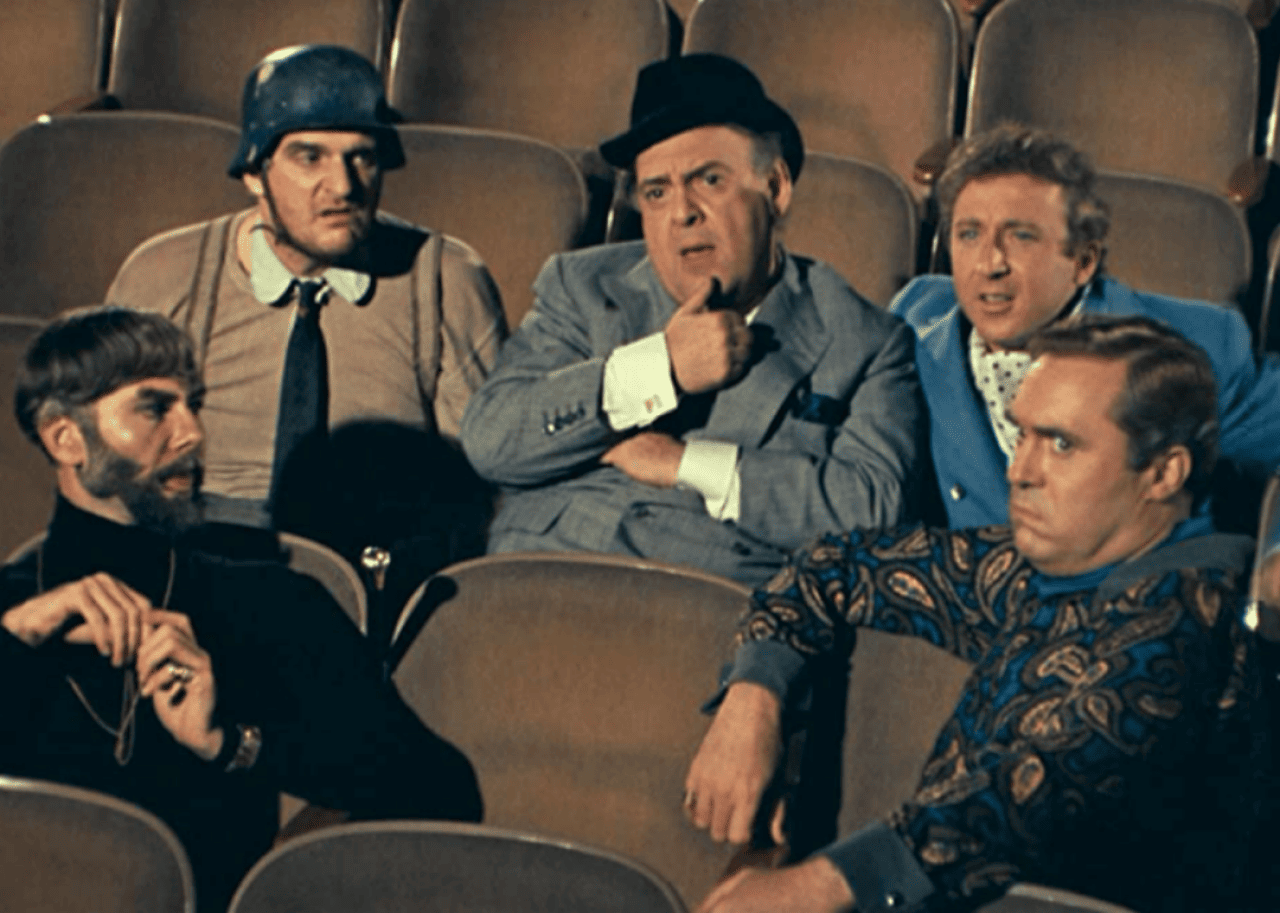
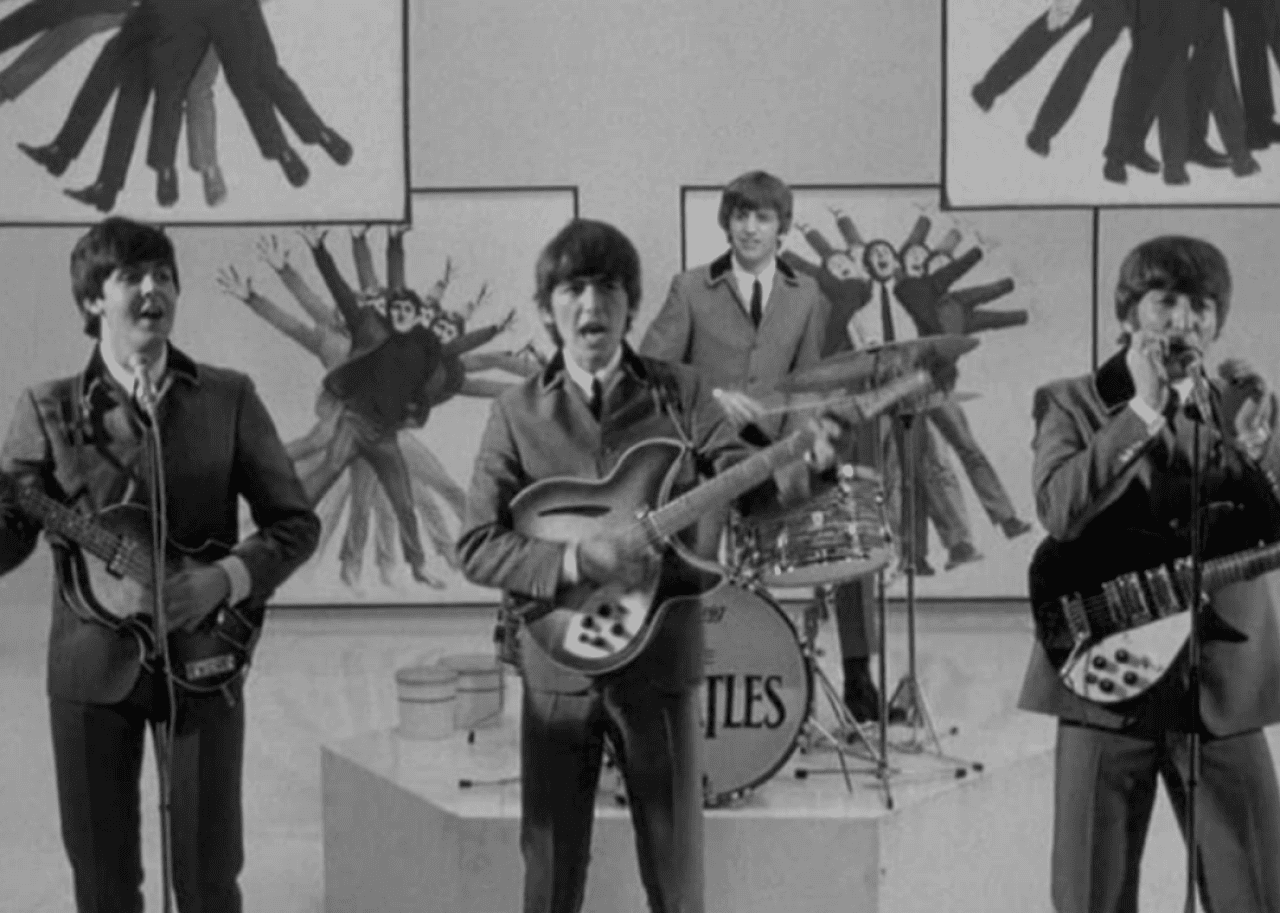
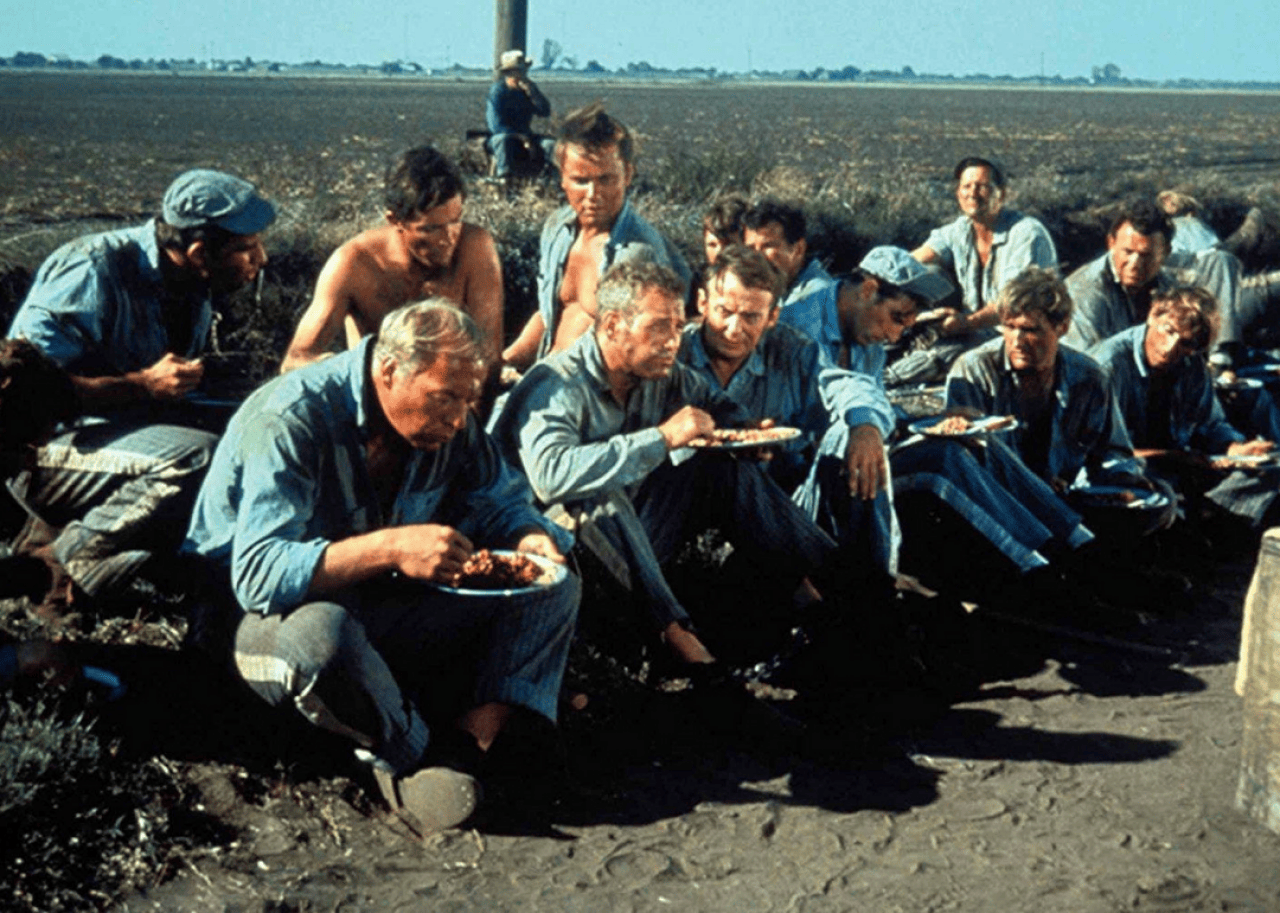
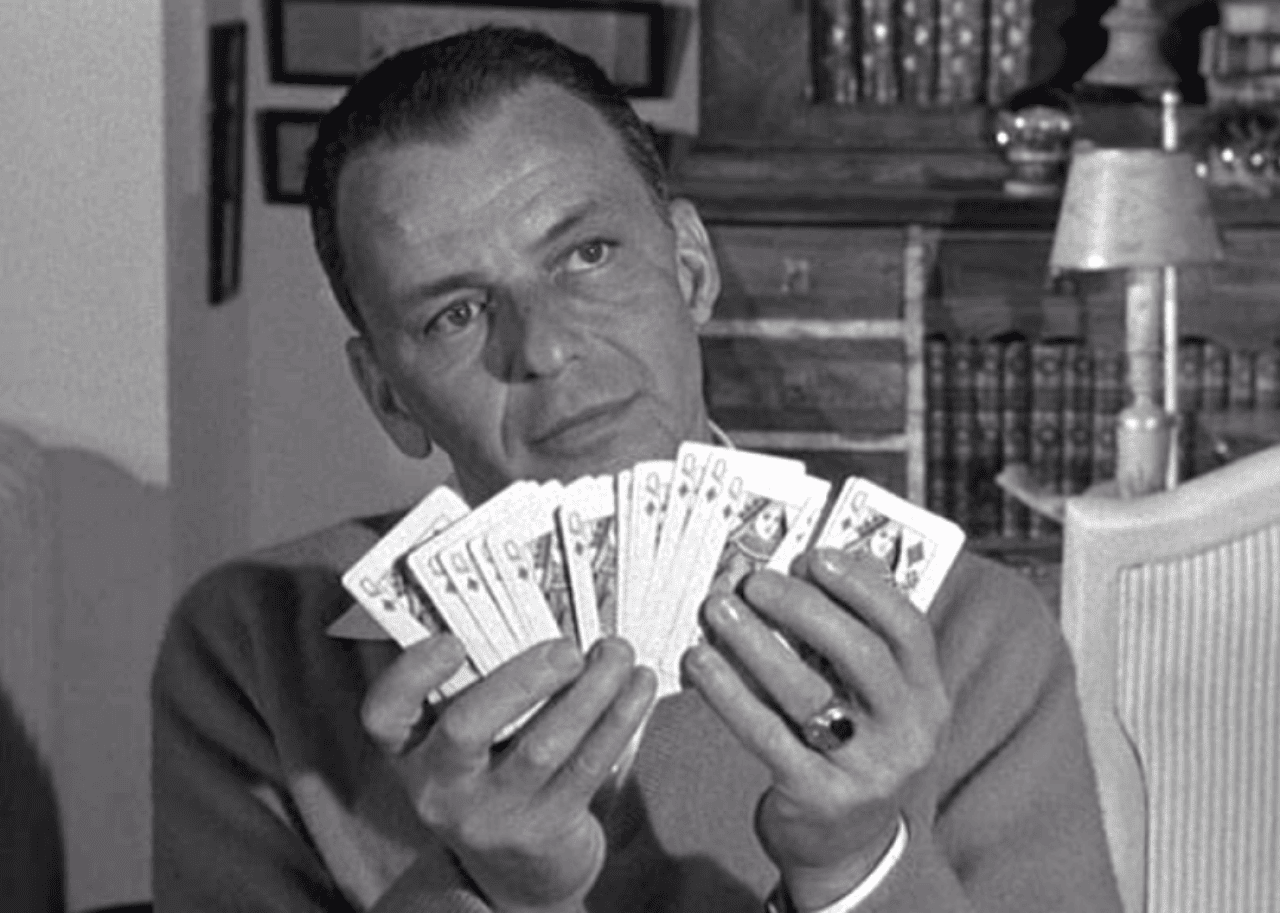
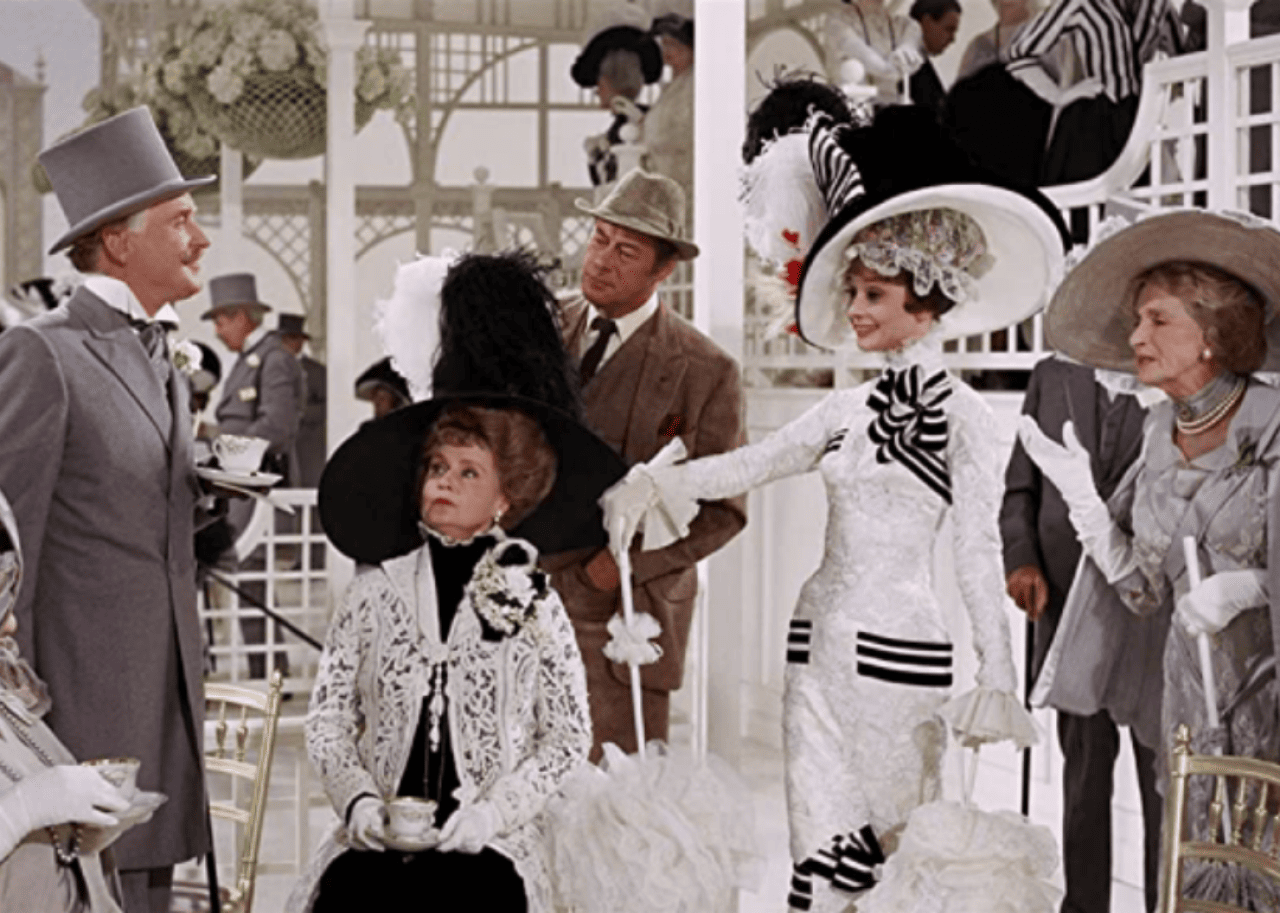
.png)