Mediabistro Logo Mediabistro Logo
  • Jobs
    Search Creative Jobs Hot Jobs Remote Media Jobs Create Job Alerts
    Job Categories
    Creative & Design Marketing & Communications Operations & Strategy Production Sales & Business Development Writing & Editing
    Quick Links
    Search All Jobs Remote Jobs Create Job Alerts
  • Career Resources
    Career Advice & Articles Media Industry News Media Career Interviews Creative Tools Resume Writing Services Interview Coaching Job Market Insights Member Profiles
  • Mediabistro Membership
    Membership Overview How to Pitch (Premium Tool) Editorial Calendars (Premium Access) Courses & Training Programs Membership FAQ
  • Log In
Post Jobs
Mediabistro Logo Mediabistro Logo
Search Creative Jobs Hot Jobs Remote Media Jobs Create Job Alerts
Job Categories
Creative & Design Marketing & Communications Operations & Strategy Production Sales & Business Development Writing & Editing
Quick Links
Search All Jobs Remote Jobs Create Job Alerts
Career Advice & Articles Media Industry News Media Career Interviews Creative Tools Resume Writing Services Interview Coaching Job Market Insights Member Profiles
Membership Overview How to Pitch (Premium Tool) Editorial Calendars (Premium Access) Courses & Training Programs Membership FAQ
Log In
Post Jobs
Log In | Sign Up

Follow Us!

Skills & Expertise

What Does a Marketing Manager Do? Key Skills, Responsibilities & Career Path

Here's the scoop on what it takes to be a kickass marketing manager

marketing-manager-feature
By Joyce Manalo
@jjoycemanalo
Joyce Manalo is a writer, photographer and digital strategist.
3 min read • Originally published January 25, 2016 / Updated March 19, 2026
By Joyce Manalo
@jjoycemanalo
Joyce Manalo is a writer, photographer and digital strategist.
3 min read • Originally published January 25, 2016 / Updated March 19, 2026
marketing-manager-feature

So you’ve been eyeing marketing manager positions and you’ve read through the job description at companies that appeal to you. But maybe you’re still not exactly sure what the role is really all about. Allow us to break it down for you.

What exactly does a marketing manager do?

Well, it depends on the size, structure and goals of the company, but the core responsibility is to implement and report on marketing initiatives. The role is focused on the what (as in, what actions need to be executed), as opposed to the role of a marketing director, who explores the why and the how of those actions, explains Simon Yi, growth marketing lead at digital concierge service Reserve.

For example, Natalie Bonacasa, senior marketing manager at travel platform Skift, is tasked with renewing and retaining existing subscribers through campaigns that involve newsletters, sponsored content, partnerships, ads and events. She also works closely with the creative and development teams to create engagement-worthy emails and ads displayed online, in print and via social media.

What skills do you need?

These days, it’s not enough to know the pros and cons of both print and digital channels. You need to be a numbers person, an excellent project manager and a team player. “Things are becoming more measured and focused on the return on investment, and I’m finding that marketing managers who have quantitative skills is very important,” notes Yi.

Bonacasa says she juggles the duties of a project manager by having checklists and timelines for each campaign. “I loop in whoever needs to be included so we’re all on the same page,” she adds. “Being likable is important, too,” she explains, especially when you need cooperation from team members across departments.

Who is a marketing manager’s boss?

Depending on the size of the company, your boss may be a marketing director, VP of marketing, chief marketing officer (CMO) or, at smaller businesses, the CEO or company founder.

As for direct reports, a marketing manager at a startup may have none, besides perhaps an intern or two. At a larger company, you will likely have marketing assistants or associates that report to you, or a team of content producers.

Are there other titles with similar responsibilities?

Yi’s title, growth marketing lead, is a digital marketing role that carries many of the same responsibilities as a marketing manager. In his case, Yi is a specialist who analyzes consumer activity on Reserve’s digital channels and uses those data points to plan marketing campaigns. Marketing managers can also be platform specific (e.g. email or social media marketers) or in charge of initiatives executed in certain cities, regions or countries.

What do you need to get ahead in this position?

Being on the pulse of new marketing platforms (mobile, video and beyond), advertising technology and Internet culture is a huge advantage. For Yi, success in his position means staying curious; for Bonacasa, it’s about keeping the team on task.

If you’re looking to up your marketing game, consider taking a class. Mediabistro’s online courses include a whole line up of marketing courses, from crash courses in content marketing and social media engagement, to more in-depth instruction on search marketing and marketing with Pinterest, Instagram and Tumblr.

Topics:

Climb the Ladder, Skills & Expertise
Business Basics

How to Make the Editing Process Go Smoothly as a Freelancer

Because there will always be edits, be ready to take them on

freelancer editing a client draft
John icon
By Celeste Mitchell
Celeste Mitchell is an editorial writer and editor with nearly 30 years of experience creating consumer lifestyle content for publications including Marie Claire, Cosmopolitan, Good Housekeeping, and SELF. She previously served as Deputy Editor at Cosmopolitan and taught journalism courses through Mediabistro.
4 min read • Originally published November 21, 2003 / Updated March 19, 2026
John icon
By Celeste Mitchell
Celeste Mitchell is an editorial writer and editor with nearly 30 years of experience creating consumer lifestyle content for publications including Marie Claire, Cosmopolitan, Good Housekeeping, and SELF. She previously served as Deputy Editor at Cosmopolitan and taught journalism courses through Mediabistro.
4 min read • Originally published November 21, 2003 / Updated March 19, 2026

It’s hard enough to land a freelance writing assignment, but, sometimes, a grueling editing process can be even worse. You want the process to go smoothly, but you also want to keep your work from getting walked all over. You want to stand up for language and structure that you labored over, but you also don’t want to jeopardize your relationship with the publication.

For guidance on how to make the editing process work best, we checked in with freelance editor and journo professor, Charlie Butler, who works with many of the magazine’s freelancers.

“Being a freelance writer is tough,” he says. “Of course you have to be a solid writer and reporter, but it’s also important to handle yourself in a way that makes the process collaborative.” So how do you make the process collaborative? Here are Charlie’s tips:

1. While you’re working on the article, it’s hugely important to keep your editor updated, whether by phone or email. This is particularly key if this is a new relationship; there’s a lot of anxiety—on both sides—the first time around. Most editors are in a position to offer a bit of wiggle room on a deadline as long as you give them one to two weeks’ warning. Whatever you do, don’t surprise them on the actual due date with a note saying the piece isn’t ready.

2. Follow the instructions laid out in the assignment letter. When an editor gives you specific details about what to include in the piece, make every attempt to get them. If during the reporting process you find that some of the information just doesn’t exist or you can’t track it down, contact your editor and brainstorm a solution. If you find yourself veering off track, let your editor know. If you’re having trouble getting the sources the magazine needs, see if he can help open a door and lead you down the right path. No editor wants to be surprised when the piece comes in.

3. Don’t hand in crummy copy. Know the level of writing a magazine regularly publishes, and meet it on your first attempt—or at least give it your best shot.

4. Don’t get cranky when an editor asks for additions to your original manuscript or a revision with a different spin. He knows you’re ready to move on to the next project, and he appreciates the time and effort you’ve devoted up to that point. He’s ready to move on as well, but until the article is up to snuff, you’re still the one responsible for fixes.

5. Don’t be late with a revise. By the time you’ve been through a second or third draft, there’s precious little time remaining in the production schedule for playing around. Make the changes and kick it right back.

6. Approach the process as a collaboration between you and your editor. It is not a competition, so drop your battle gear and never get defensive or emotional. Attempt to resolve all differences in a respectful manner. Remember, both of you share a common goal to produce an article of the highest quality. If you don’t like or don’t understand something your editor has done to your copy, raise the issue in a professional way.

7. During the revise phase, focus your attention on answering the specific questions your editor has asked. This is not the time to add new topics that you think might be better.

8. When your editor asks for more substance in an anecdote, or for greater depth in your reporting, don’t balk. These are reasonable requests. While it’s tempting for writers to think an editor is overreaching, it’s unlikely. Think of it this way: It’s your editor’s job to understand the idiosyncrasies of his magazine, as well as the unique preferences of its editor. Often, requests for additional reporting fall into those categories. So instead of saying, “I looked everywhere and can’t find it,” just roll up your sleeves and start digging.

9. Don’t hit your editor with a major fact-checking change in the final stages of production (i.e., close week). And even more importantly, don’t rely on the magazine’s fact checker to catch sloppy reporting.

10. And speaking of closing week, don’t be that MIA writer so many editors find annoying. You’re the primary point person for this article and the person your editor turns to for answers to last-minute questions from his bosses or the fact checkers. The night your story is shipping is not the time for a spur-of-the-moment trip to a secluded cabin out of cell-phone range.

At least not if you want to work for that mag again.

Topics:

Business Basics, Go Freelance
Journalism Advice

Pitches That Worked: The Query Letter That Landed a Parents Magazine Assignment

We break down why a query landed its writer a Parents assignment

parents magazine
By Rebecca L. Fox
6 min read • Originally published September 11, 2006 / Updated March 19, 2026
By Rebecca L. Fox
6 min read • Originally published September 11, 2006 / Updated March 19, 2026

Welcome to Pitches That Worked, a new feature for AG members that takes an actual query letter that landed its writer an assignment, and breaks down just what made it successful. Consider it your guide to the nuts and bolts of assignment-worthy pitches, complete with comments from the author of the pitch and the editor who fielded it about what made it work.

In this first installment, we illustrate (with numbered, hyperlinked comments) how freelancer Betsy Noxon’s pitch to Parents magazine has the ingredients essential to a convincing query. Plus, she and Parents‘ articles editor, Mary Hickey, describe in their own words how Noxon’s pitch led to a published piece.

What the Writer Did

Betsy Noxon: “The idea for this pitch first generated with thoughts on pre-teens and envy. My nephew commented that some of his friends had all the cool electronics and games. This got me thinking about all the pressure kids feel about having material things so they can fit in at school. I spoke to some friends whose kids are this age, too, and recalled my experiences as a 9-12 year old.

“I called upon an expert in the area to verify that indeed, kids coping with being a part of the in crowd is a natural part of a child’s development.

“My original pitch focused on envy, but when Mary called to discuss, she felt my pitch was more about fitting in. Around this time, I was taking mediabistro’s online ‘Master The Pitch Letter’ class with James Sturz. I reworked the pitch, submitted it to my class for review, then revised and emailed it to Mary. I heard back from her later that day, [saying] she wanted to go ahead with the piece.”

The Pitch

March 17, 2005

Mary C. Hickey (1)
Articles Editor
Parents
375 Lexington Ave.
New York, NY 10017

Dear Mary: (2)

From the latest PlayStation game to the hottest jeans to the right haircut – kids gotta have it to fit in. If not, their worlds fall apart. (3)

For your “As They Grow” department for the 9-12 age group (4) I propose a 1,000- word piece (5) on why kids need to fit in with their friends and how parents can handle this need. (6) I’ll examine what parents can do to nurture individuality, while caring for their child’s self-esteem.

The article will give an example
(7) of a family that deals with the issues their child faces when trying to fit in and show how they are successfully working through it. The piece will give parents tips on how to handle their kids’ need to fit in and what to do when their child isn’t part of the “in” group. (8) I will also address how parents can negotiate with their kids on the things they want. Ben Shain, MD, PD, head of the Child and Adolescent Developmental Psychiatry department at Highland Park Hospital in Highland Park, Illinois notes (9), “During these years parents shouldn’t dismiss their child’s need to fit in, but empathize with their child.” A sidebar (10) will give a bulleted list on how kids can handle teasing and cliques, as suggested by child development experts.

I am a parent of two young sons and have a niece and nephew, both age nine, who are dealing with these issues now. (11) We met at the Writers & Editors Conference in Chicago last summer. (12) Since then, I’ve mailed some of my clips to you for your file. I’ve published parenting and health stories in North Shore magazine, Chicago Parent magazine and The Chicago Tribune, and have a piece on scholarships to be published in AARP The Magazine’s May/June issue. (13)

I look forward to hearing from you soon about my proposal.

Best,
Betsy Noxon

Why the Editor Bit

Mary Hickey: “The pitch was very clearly focused and showed that [Noxon] was completely familiar with the section of the magazine she was pitching this for. She knew the format of the column — i.e., that it always includes a sidebar. And, she also did a little research and talked to an expert to establish that this is, in fact, an issue that parents of kids in this age group are dealing with.

“So many pitches I get are for stories that we’ve done within the past year. I think a lot of writers make the mistake of not looking at back issues to make sure their idea isn’t something we’ve done fairly recently. I don’t expect them to go back over years of issues, but they certainly should look at the last ten or so issues.”

Key Components of the Pitch

(1) Correct address information for the outlet’s assigning editor, formatted properly for a business letter, is essential — including the properly spelled name and title of the person to whom the pitch is addressed. Back to pitch

(2) Noxon addresses her pitch directly to Hickey, avoiding the impersonal “To whom it may concern.” Back to pitch

(3) Noxon jumps right in without any distracting preamble. Her tone is clear and authoritative from the start, implying that she knows their subject. Back to pitch

(4) Noxon targets a particular section of the magazine, showing that she’s familiar with Parents. Back to pitch

(5) Stipulating a word count shows that Noxon has thought about how long her story should be to adequately cover her topic. Word count is consistent with the length of pieces that typically run in the section she’s writer is targeting; again, demonstrating her knowledge of Parents. Back to pitch

(6) Heightening its potential appeal to Hickey, Noxon proposes a story with a dual purpose: explaining children’s need to fit in, and arming parents with ways to deal with it. The idea has a service element to in line with Parents content’s goal of helping parents guide their children by providing useful insights. Back to pitch

(7) Now that she’s clearly laid out her story idea, Noxon shows how she’ll flesh it out, concisely describing an example she can provide, thus showing Hickey that she’s already done research to back up her story and can provide evidence to prove her piece’s thesis. Back to pitch

(8) By mentioning her intended article’s “tips” component in her pitch, Noxon again plays up the service aspect. Back to pitch

(9) Citing an expert source with a direct quote lends depth to Noxon’s pitch and proves that with her story idea, she’s onto a larger phenomenon. Back to pitch

(10) Suggesting a related sidebar is consistent with the format of the Parents section Noxon’s targeting, again lending depth to her proposal and proving she knows the magazine’s format. Back to pitch

(11) Referencing the children in her own life helps Noxon illustrate the issues within her proposed story on a personal level, lending yet another dimension to her pitch and further proving to Noxon the need for this proposed story. By explaining that her niece and nephew are “dealing with these issues now,” Noxon telegraphs an actual need for her piece without veering into melodrama. Back to pitch

(12) Referring to how she met Hickey, Noxon describes where and when it occurred — a sound strategy, since Hickey may not recall their encounter. Back to pitch

(13) Concluding with examples of where the she’s been published and which topics she’s covered always works, but it’s especially helpful when, as in Noxon’s case here, those topics correspond with the story being proposed. Noxon wraps up with concrete evidence (i.e. previously published pieces) that she can deliver. Back to pitch


Topics:

Go Freelance, Journalism Advice, Pitches That Worked
Journalism Advice

Pitches That Worked: How a First-Time Pitcher Landed in Time Out New York

This writer's pitch had one NY weekly thirsting for his article

time out new york magazine
By Rebecca L. Fox
5 min read • Originally published October 16, 2006 / Updated March 19, 2026
By Rebecca L. Fox
5 min read • Originally published October 16, 2006 / Updated March 19, 2026

Welcome to Pitches That Worked, a new feature for AG members that takes an actual query letter that landed its writer an assignment, and breaks down just what made it successful. In our third installment, we illustrate (with numbered, hyperlinked comments) how first-time article-pitcher St. John Frizell crafted a “perfectly pegged” pitch on beer gardens — in one of mb’s own travel writing classes with James Sturtz — that had Time Out New York thirsting for his story.

What the Writer Did

St. John Frizell: I was in James Sturz’s “Intro to Travel Writing” class at the time, and this pitch was a class assignment: Pitch a travel-style article to a local magazine or newspaper. For some time, I had been doing my own research on New York’s German restaurants, and I had just discovered Zum Schneider and Hallo Berlin. October was six weeks away, and an Oktoberfest roundup seemed like a no-brainer. Jean Tang, a fellow student, liked the pitch and told me I should send it to her friend Maile Carpenter, then food editor at Time Out New York. It seemed like a perfect fit for Time Out, where easily digestible food/entertainment roundups are king.

I made sure to include Jean’s name in the letter, and I wrote it as much in “Time Out–style” as possible. It was sent via email, but I don’t remember the subject line. I also said that I was a Bon Appétit staffer, which was true — though I was a copywriter at the time, not an editor. I was never asked to clarify. The editor bit on the pitch right away, because it was perfectly pegged — I sent the pitch in mid-August, just when they were finalizing their content for late September and early October. She emailed me back a couple of days later, with a few refinements to the pitch: a shorter article, two sidebars, and she only wanted to feature restaurants that were hosting some kind of Oktoberfest celebration — which prompted one of the venues to think up a celebration on the spot.

The Pitch

August 13, 2002

Dear Maile Carpenter,

Germans may not be known for their ability to have a good time, but they did invent the beer garden, which may be a perfect recreational concept — perfect, that is, if you prefer to enjoy your beer, bratwurst and polka in the great outdoors. And in the first days of autumn, when the air is crisp and the lager’s crisper, what New Yorker doesn’t? (1)

I propose a roundup of New York City’s beer gardens for Time Out New York, just in time for Oktoberfest (2). Our mutual associate Jean Tang (3) assured me that this article was right up your alley (4). I’ve catalogued local beer gardens using the following criteria: (5) The establishments must offer a) beer; b) a garden; and c) the critical element, without which a beer garden is just a patio bar: sausage.

I’ll tell TONY readers what Queens landmark cooks bratwurst the way God intended (6) — simmered in beer, then grilled — and what outer-borough patio bar serves Polish swojsk that goes “from the smokehouse to your belly in two days.” I’ll introduce them to some old Bohemiam beer slingers, and the sausage-mad chef (7)at a New York “yacht club with no dress code, no walls, no ceiling and no running water. Sidebars will define key beer garden terms (8), so TONY readers will be able to tell a knackwurst from a weisswurst and pronounce the Teutonic tongue-twisting names of beers, like Reissdorf Koelsch and Schlenkerla Rauch Bier.

As a Bon Appétit staffer and a green-thumbed beer gardener (9), I’m certain I could have a 2,000-word (plus sidebars) article to you before your October deadlines (10). Clips (or apreview of the article (11) — I have extensive notes) are available on request. I’ll call you on Thursday to discuss this further (12).

Prosit! (13)

Yours,
St. John Frizell

Key Components of the Pitch

(1) Posing his story idea as a rhetorical question, the writer marries several surefire elements to pique a New York-centered magazine’s interest: activities New Yorkers enjoy, a celebration of the season, and beer-drinking. By capturing the reader’s interest early on, the pitch is immediately off to a compelling start. Back to pitch

(2) Early in his pitch, the writer states a clear hook (i.e. reason) for his piece: Oktoberfest, the annual German festival celebrated worldwide, in which beer plays a central role. Back to pitch

(3) Referring to their shared contact as a “mutual associate” confers professionalism — more appropriate to business correspondence than “my friend.” Back to pitch

(4) The writer clearly states that he’s tailored his pitch to the publication, music to most editors’ ears. Back to pitch

(5) Listing his “criteria” proves that the writer’s not just using his own personal preference to evaluate the beer gardens, but that there’s some objective standard by which he’s judging them. Back to pitch

(6) Phrasing like “I’ll tell… readers” underscores the writer’s intimate knowledge of his subject, enabling him to dispense the kind of insider information that’s TONY‘s bread and butter. Back to pitch

(7) Referring to characters like a “sausage-mad chef” shows that the writer’s got sources he can go to for quotes, and proves he’ll be filling his article with colorful, engaging details — not to mention zany personalities. Back to pitch

(8) Proposing sidebars to accompany the main article underscores that the writer’s topic merits coverage, and that he’s knowledgeable enough about the subject to communicate information in an easily-digestible sidebar format. Back to pitch

(9) Combining a mention of his related credentials (i.e. working for Bon Appétit) with a witty description of his knowledge of beer — and the gardens where it’s consumed — is a great way for the writer to tout his relevant experience without seeming pretentious. Back to pitch

(10) Specifying the intended length and format of his proposed piece and mentioning the October timing gives the editor important details she needs to schedule an article. The writer’s knowlege of the editorial needs means it’s that much easier for the editor to go ahead and assign the piece. Back to pitch

(11) For newer writers (read: those with fewer clips) or those pitching an outlet for the first time, offering a piece on spec is a great way to show editors that you can produce the piece you’re promising. Back to pitch

(12) Indicating exactly when and how you plan to follow up gives an editor advance notice on when they can expect to hear from you — a good tactic, so you can follow up without seeming as if you’re badgering them. Back to pitch

(13) Don’t be afraid to end on a fun note: Here, the writer’s cute closing makes perfect sense, as “prosit” means “cheers” in German. Back to pitch


Topics:

Go Freelance, Journalism Advice, Pitches That Worked
Journalism Advice

Pitches That Worked: How a Contrarian Angle Won Over Salon’s Editors

Arguing against majority opinion landed this writer an assignment

salon magazine
By Rebecca L. Fox
7 min read • Originally published September 28, 2007 / Updated March 19, 2026
By Rebecca L. Fox
7 min read • Originally published September 28, 2007 / Updated March 19, 2026

In October 2003, writer Mat Honan cold-pitched Salon a query centering around a newly-passed piece of anti-spam legislation that, he argued in his pitch, would wind up worsening the spam situation rather than remedying it. Running counter to coverage hailing the legislation as a boon to email users, Honan’s well-researched, forcefully-argued query piqued the interest of Andrew Leonard, Salon’s then-technology editor (now a senior technology writer there). We got their recollections of the query, and break down the pitch to show how Honan’s unique angle led to an assignment.

What the Writer Did

Mat Honan: I had covered [the Burns-Wyden anti-spam bill, a.k.a. the “Can-Spam Act,”] for Tech Daily (National Journal) previously, and had strong feelings that it was going to be an ineffective piece of legislation. When it passed, I couldn’t believe a lot of the coverage I was seeing in newspapers that really gave the bill more credit than it deserved. I didn’t think the opposing viewpoint — that the act was going to be ineffective — was getting enough traction. Salon has a long history of covering both technology and politics, and they tend to run a lot of pieces where someone argues for a particular viewpoint. [The piece I was proposing] really seemed like a natural fit.

I was familiar with Salon, since I’d been reading it for years and had always loved it (and still do). But before I pitched I looked around to find out who edited the technology section. I more or less just looked at the “About ” page and found the technology editor (Andrew Leonard). I was familiar with his byline, of course, but prior to that I didn’t realize he edited the section.
This was my first pitch to Salon, and I pitched Andrew blindly. So, I felt I really needed to back up my pitch. I’d long meant to [pitch Salon], but never pulled the trigger. But like I said, I thought that the CAN-SPAM story was a really great fit for Salon. When I was inspired to pitch it, the first thing I thought was that it would make a great Salon story, and I’d be crazy not to take the chance to send it to them.

I [got] a response from Andrew — I don’t recall when, exactly, but it was pretty quick. He accepted the pitch, gave me a deadline, told me about payment, and that was it. As I recall, I filed within a few days of pitching. The piece ran a week later. Andrew turned out to be a great guy and we wound up working together again several times after [this]. I wrote several other stories, some that I pitched, and some that Andrew assigned me. I have not been doing as much for them lately as I once did, and this kind of reminds me I should really shoot him an idea or two again sometime soon.

Why the Editor Bit

Andrew Leonard: Spam is a topic of enduring reader interest, and Mat offered a contrarian take, which was that a highly touted law aimed at stopping spam would actually create more of it. As an editor, I always found contrarian pitches more attractive than conventional wisdom pitches. That may have been just a personal predilection (although it was also in line with Salon’s general attitude), but I think in general, when pitching a story, the best way to catch an editor’s attention is to have an angle that is different than what the reader or editor might expect.

Mat’s approach caught my attention because it had a clear argument, got right to the point, provided clips, and was written cleanly. The vast majority of pitches stunningly do not manage to fill all those categories. For a writer to understand the publication he or she is pitching to builds confidence in the editor. A list of potential sources never really meant that much to me. By reviewing [Mat’s] clips, I could tell he would do the legwork. That’s actually the easiest part. Far more important is writing style and a good argument.

The Pitch

Hi Andrew,

The Burns-Wyden anti-spam bill, or the so-called “Can-Spam Act,” passed overwhelmingly in the Senate last week (1) and was heralded on front pages across the country as an anti-spam victory. “Senate Votes 97-0 To Restrict E-Mail Ads,” the Washington Post announced. “Senate Votes to Crack Down on Some Spam,” proclaimed The New York Times. “Senate OKs do-not-spam plan,” bellowed the [San Jose] Mercury News in giant Hearst-sized type across the top of the page. (2) There’s just one problem: Burns-Wyden will make the scourge of spam worse and effectively legitimize the practice of sending unsolicited bulk email. (3)

By eliminating a consumer’s right to sue, over-riding state legislation, and providing for truthful-yet-unwanted email from so-called legitimate spammers, Burns-Wyden will create a flood of spam, all of it legal. What’s more, the “do-not-spam” list tacked onto the bill at the last moment is utterly unenforceable, and worse, could be used by spammers to harvest valid email addresses. (4) Can spam? More like spam can. (5)

I’d like to write a piece arguing Burns-Wyden is bad for consumers; is indeed worse than no law at all. (6) I’ll get quotes from people on the frontlines. (7) Attorneys who have won significant court cases against spammers (such as Pete “The Spammer Hammer” Wellborn and/or David Kramer), FTC representatives (who have called the “do-not-spam” list unenforceable), and email service providers. I’ll also contact representatives from California — where the nation’s first anti-spam legislation with real teeth was set to take effect on January 1 — and other states with anti-spam laws already on the books. (8)

My articles have appeared in numerous publications, including Mother Jones, The National Journal’s Technology Daily, MacWorld, CNN.com, Online Journalism Review, The San Francisco Bay Guardian, and Bankrate.com, to name a few. I’ve worked as a regular technology columnist for the New York Sun, and am currently a regular Silicon Valley contributor for The National Journal’s Tech Daily. (9) I’ve pasted two clips below. The first is a piece from a spam roundtable at ISPCON in Santa Clara last week, (10) straight up reporting. The second is a more stylistic piece on (now ubiquitous) text ads, or micro ads, that I wrote for Online Journalism Review a couple of years back. (11)

Best,
Mat Honan

Key Components of the Pitch

(1) By making the “last week” reference early in the pitch, the writer immediately conveys to the editor that the subject he’s discussing is of the moment. Back to pitch

(2) Citing the various examples of other outlets’ coverage of the law not only helps the writer frame his argument, but is a way of showing the editor that he is up on how his subject is being covered elsewhere in the media, and not writing his pitch in a vacuum. Back to pitch

(3) The writer succinctly articulates the conflict he seeks to highlight, and offers a definitive assessment of the problem. Back to pitch

(4) If you’re going to argue against popular/majority opinion as the crux of a story idea, backing yourself up is crucial. Here, the writer illustrates exactly why his assessment runs counter to that of others. Back to pitch

(5) Here, the writer’s earned the right to be witty and engage in a bit of wordplay, since he’s effectively set up his argument and captured the reader’s attention. Be sparing with humor like this, and only chance it if you’re confident you’ve already stated your story idea clearly and convincingly. Back to pitch

(6) The writer succeeds in pushing the story forward and indicating his confidence in his idea by not merely arguing against something, but also arguing for something — in this case, the absence or elimination of this legislation. Back to pitch

(7) Referring to potential sources this way emphasizes the rhetorical battle between Honan and those who support the legislation. Playing up the element of conflict heightens the excitement factor for the reader. Back to pitch

(8) When citing whom you’ll speak with for a prospective piece, take this writer’s cue and mention those on all sides of the issue. It’ll assure the editor/reader that your approach to the piece, even if it’s opinion-driven, will be balanced. Back to pitch

(9) Mentioning where you’ve published related standalone articles helps show you’re versed in the subject at hand, but being able to say you’re a regular contributor on such topics is even better. Back to pitch

(10) Including a clip relevant to your pitch published as recently as the previous week shows you’re consistently working within your designated area of expertise. Back to pitch

(11) Using an older clip is OK, since the writer has included a newer one, and using both to illustrate the range of his coverage (“straight-up reporting” versus “more stylistic”). Back to pitch

Topics:

Go Freelance, Journalism Advice, Pitches That Worked
Journalism Advice

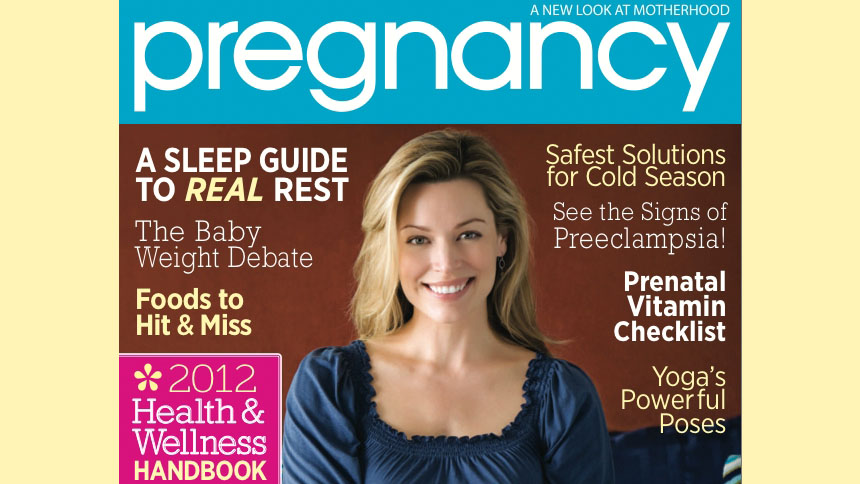
Pitches That Worked: How a Personal Story Landed an Assignment at Pregnancy Magazine

We study a winning pitch and explain how it sold Pregnancy's editors

pregnancy magazine
Admin icon
By Noah Davis
Noah Davis is a freelance writer and co-founder of Three Point Four Media whose work has appeared in The New Yorker, The New York Times, GQ, The Wall Street Journal, ESPN The Magazine, Sports Illustrated, and Wired, among others. He served as an editor at Mediabistro's FishbowlNY and SportsNewser, and later as a senior editor at Street Fight. He holds a B.A. in Rhetoric from Bates College.
6 min read • Originally published February 27, 2008 / Updated March 19, 2026
Admin icon
By Noah Davis
Noah Davis is a freelance writer and co-founder of Three Point Four Media whose work has appeared in The New Yorker, The New York Times, GQ, The Wall Street Journal, ESPN The Magazine, Sports Illustrated, and Wired, among others. He served as an editor at Mediabistro's FishbowlNY and SportsNewser, and later as a senior editor at Street Fight. He holds a B.A. in Rhetoric from Bates College.
6 min read • Originally published February 27, 2008 / Updated March 19, 2026

Freelance writer Christy Rippel targeted Pregnancy in part because she had recently given birth and the experience was fresh in her mind. While senior editor Kendra Smith passed on Rippel’s first pitch, she liked her style and requested additional ideas. After quizzing some moms and moms-to-be, Rippel pitched Pregnancy‘s “Stages” section. Smith accepted the idea and it ran in the September 2007 issue. Rippel has since written four additional stories for Pregnancy. Below, Rippel and Pregnancy editor-in-chief Abigail Tuller recall how the pitch went from idea to assignment and break the query down to reveal effective strategies for selling stories.


What the Writer Did

Christy Rippel, freelancer: I was working on making the transition from public relations writing to freelance magazine writing — and Pregnancy was one of the first outlets I approached. The reason I homed in on this publication was that I had just been through my first pregnancy, and had a lot of personal experience to draw from, as well as comments and ideas from fellow moms.

I sent a pitch to senior editor Kendra Smith by [postal] mail, along with three clips. She passed on that story idea, but sent a nice email reply saying she liked my writing style and encouraged me to send additional pitches. I studied the magazine and felt my best chance of breaking in would be the “Your Body” section that covered a topic relevant to each of the trimesters of pregnancy. After brainstorming a few potential ideas, I concentrated on developing one about how to take advantage of the second trimester — largely thought to be the most comfortable stage of pregnancy. I realized that I didn’t take advantage of how good I felt at that stage of the pregnancy because I didn’t realize that was “as good as it gets.” I thought other women could benefit from that message to relish those few fleeting months. I informally polled some of my friends, asking what they did during that time that made them feel good — or, looking back, what they would have done. Their comments and my own experiences became the pitch.

I heard back within a couple of days that Kendra and EIC Abigail Tuller liked the idea, and with a little discussion about how the article should be shaped, I wrote my first piece for them. This has led to four additional assignments from Pregnancy — and a great working relationship.

Why the Editor Bit

Abigail Tuller, EIC, Pregnancy: At Pregnancy, we cover the same topics repeatedly. The second trimester is a tough pitch, because women are generally feeling pretty good, as the morning sickness is usually over but they haven’t gotten to the third trimester yet. In this pitch, Christy found a unique way for pregnant women to take advantage of feeling so good. It’s not something we’d run in the magazine before, so I was sold.

You can tell from this pitch that Christy gets the way we do things at Pregnancy. She starts with a personal anecdote and then gets into the bigger story. She has the right voice: It’s girlfriend-y without getting into too much detail. Usually, I like writers to cite expert sources, but Christy doesn’t need to in this case because she has such strong examples.

In pitches, I want people to tell me where they see their article running in the magazine, as Christy does here. I also liked that she provided subheads such as “Capture your pregnancy” and “Celebrate.” It’s always good to take your pitch one step beyond and, at least for me, subheads will never hinder. If I don’t like them, I’ll just rewrite them. Including them in your pitch makes it much easier to read when your email comes into my inbox, and helps me remember the idea in the future.


The Pitch


Kendra: (1)

I just got the May issue of the magazine, which looks great — but unfortunately all of the queries I’ve sent you recently are covered in this issue! (2) An additional idea that I think could be a great fit for Stages (3) is below.
Have a nice weekend.

Best,
Christy Rippel
Daytime: [redacted]
Evening: [redacted]
E-mail: [redacted]@mac.com (4)

FOR STAGES — SECOND TRIMESTER:
I often joke that I didn’t know how good the second trimester was until it was over. (5) For many moms-to-be, the second trimester is the golden time of pregnancy — most women have recovered from first trimester morning sickness, and haven’t yet met the aches, pains, and swollen feet of the third trimester. I propose an article on taking advantage of the second trimester through five distinct ways listed below, (6) expanded on through advice from experts and personal stories:

INDULGE: (7)
Since your belly is finally blossoming, buy some new clothes that show off your changing figure, or get that hair highlight that your doctor said to avoid in the first trimester. Schedule a pregnancy massage or a pedicure — do what feels good! (8)

TRAVEL:
Consider a babymoon or travel with friends since it will be more difficult after baby arrives, and you could possibly be on travel restriction in the third trimester. I would also include information about anywhere that a pregnant woman should NOT travel. (9)

CAPTURE YOUR PREGNANCY:
It’s a great time to schedule that photo session with a photographer, or to make a cast of your belly.

CELEBRATE:
If your friend is dying to throw you a shower, tell her to go ahead and make the plans for the end of your second trimester. You’ll definitely look the part of the glowing mom-to-be, but you’ll be more comfortable traveling, as well as standing and sitting for long periods chatting with old friends. An added bonus? You’ll get gifts far enough in advance to allow you to finalize the nursery and buy what else you need. (10)

CONNECT WITH YOUR SPOUSE:
Go on dates — savor some time alone when you aren’t talking nursery paint colors, baby names or birth plans. In the unpredictable third trimester, you’ll be glad you did! (11)

Key Components of the Pitch

(1) The writer and editor have a previous relationship and since the editor had given the writer the okay to send other pitches, the informal salutation works here. If you’re unsure which tone to take when pitching, err on the side of formality. Back to pitch

(2) This is a strong, yet subtle way for the writer to acknowledge she’s read the magazine and has ideas that fit its audience. Back to pitch

(3) Pinpointing a particular section in which your article fits well helps an editor envision it as a published piece. Back to pitch

(4) Providing multiple types of contact makes it easier for editors to respond to your pitches. Make contacting you easy and you’re likelier to receive a response. Back to pitch

(5) Since Pregnancy articles tend to hinge on firsthand experience, opening with a personal anecdote works well. However, you should always be sure to link your own experiences to strong examples and/or expert opinion. Back to pitch

(6) The writer spells out exactly what the editor can expect the story to look like, making it easier for the editor to visualize. The clearer you can be about how your story will be presented, the more enticing your idea will be to editors. Back to pitch

(7) Subheads provide a way an easy and effective way structure your pitch, ensuring that editors understand its full scope. Back to pitch

(8) Since her article centers around feel-good tactics for the mid-pregnancy mom-to-be, the writer’s enthusiasm is warranted. Always be sure your story idea and the language used to describe it are consistent, as is shows editors you’ve though through the query. Back to pitch

(9) The writer shows she knows her stuff by ensuring her pitch takes reader’s safety into account. Showing both sides of an issue helps and editor believe you’re the right person to write about it. Back to pitch

(10) Since the ultimate goal of the magazine is to help women through pregnancy, looking ahead to the final stages is a crucial part of many articles, a point the writer skillfully weaves in here. Back to pitch

(11) Since the writer was already in contact with the editor, including clips or links is unnecessary. However, you should always include writing samples in any first pitch to an editor. Back to pitch


If you’ve got a pitch you’d like featured, send it our way!

Topics:

Go Freelance, Journalism Advice, Pitches That Worked
Advice From the Pros

Amy Astley on Building Teen Vogue From the Ground Up

Teen Vogue's EIC on style, identity in a struggling teen mag category

amy astley, teen vogue eic
By Stephanie Murg
15 min read • Originally published September 2, 2009 / Updated March 19, 2026
By Stephanie Murg
15 min read • Originally published September 2, 2009 / Updated March 19, 2026

“Fashion starts here” is the motto of Teen Vogue, and the magazine itself starts with Amy Astley. Tapped by Vogue editor-in-chief Anna Wintour to create a smart, fashion-savvy younger sister to Condé Nast’s fashion flagship, Astley edited four Teen Vogue test issues before the publication launched in January 2003.

Since then, she has forged a strong yet endearingly quirky identity for a magazine that prizes creativity and personal style while answering reader questions such as “How do I rock the season’s band jacket without looking like I’m leading a parade?”

The magazine’s latest venture is The Teen Vogue Handbook: An Insider’s Guide to Careers in Fashion, which will be published next month by Razorbill. Astley describes the book as “a useful, practical reference guide” to the areas of fashion design, styling, photography, and journalism. Through tips and life lessons from the Teen Vogue team, as well as industry heavyweights such as Marc Jacobs, Karl Lagerfeld, Pat McGrath, and Robin Givhan, the book provides advice on everything from building a portfolio to landing a coveted magazine internship. As New York gears up for Fashion Week, Astley sat down with mediabistro.com to discuss all things Teen Vogue, from the magazine’s distinctive aesthetic and proudly “girl-centric” voice, to the new book and the educational initiatives that are at the core of both the magazine and Astley’s job description.


Name: Amy Astley
Position: Editor-in-chief, Teen Vogue
Background: Spent four years at HG [the Condé Nast shelter magazine established in 1901 as House & Garden] as assistant to editor-in-chief, assistant editor, and associate editor before moving to Vogue in 1993; served as beauty director at Vogue before being tapped by Anna Wintour to launch and edit Teen Vogue in June 2002.
Birthday: June 5
Hometown: East Lansing, Michigan
Education: Michigan State University (B.A., English literature)
First section of the Sunday New York Times: Business
Favorite TV show: “I’m just getting into Mad Men, but I’ll be honest with you, I’ve seen every episode of Hannah Montana. I love Miley Cyrus. She is so talented. She’s a triple threat.”
Last book read: Losing Mum and Pup by Christopher Buckley and currently reading Crazy for the Storm by Norman Ollestad (“I’m loving it.”)
Guilty pleasure: “Ice cream cones with my kids on the North Fork of Long Island… but I don’t feel guilty about it. I think I deserve it.”


Where did you begin your career in magazines?

I started my career at HG [Condé Nast’s House & Garden]. I was Nancy Novograd’s assistant. It was my first job out of college, and she was the editor-in-chief at that time. I worked at HG for about four years, until the magazine was closed, in 1993. And then I went to Vogue.

Was what your experience at HG like?

HG was a wonderful place to start my career. I love interiors still. I’m crazy about decorating and really thought I would be a decorating editor. That’s what I was training to do, and I had great opportunities at HG. I did styling of interiors, and I wrote a lot. I love writing. I was always a bookworm as a kid — a real bookworm and a words person. I was drawn to work in magazines because I love putting pictures and words together.

I think of myself as style journalist. I love interiors. I love flowers. I love decorating. I love food and tabletop. I love clothes, obviously fashion, so it’s all of a piece to me. At HG, I was lucky that it was a small staff and you could do a lot of different things: style interiors, go on shoots, write copy, learn about the market. I was in the D&D Building, I did fabrics, tabletop, a little bit of everything. I was a junior editor by the time the magazine closed.

When HG closed, how did you make the move to Vogue?

This is something I discuss in The Teen Vogue Handbook, in the context of networking. In any job, it’s important to network like crazy with everybody, not in a calculated way, but in a smart way. No one likes to feel that they’re being worked over or operated on. Interns, for example, should network with each other and also the person who is supervising them — and that could be a very junior person. I’ve seen this happen so many times: the guy who runs [the Teen Vogue fashion] closet will decide who the two best interns were for that summer, and those [are the] two that will be recommended for jobs at Teen Vogue or Allure or Vogue.

Vogue wasn’t really a logical move for me. I was in the decorating world. When HG closed, a man named Charles Gandee, who had been creative director at HG and had left for Vogue a year earlier, recommended me to Anna Wintour. I had happened to do a lot of stories about young, fashion-y people at home and was working for Wendy Goodman, who was a great editor. I ended up at Vogue because he suggested me to her. I think the real story is Anna said to him, “I have a few positions open here. Is there anyone from HG you would suggest?” And he said, “Talk to Amy.” He was someone I admired and respected, and I had interacted with him in a positive way. For me, it was good example of the importance of networking and being open to new opportunities.

The tagline of Teen Vogue is “Fashion Starts Here.” What do you see as the mission of the magazine?

Teen Vogue is about fashion and style, but it’s really about creativity. What I wanted Teen Vogue to be about was telling girls “Be an individual, be creative, have fun.” It’s not about “How skinny can you be?” or “Do you have the right bag?” Teen Vogue has always been about personal style, customization, DIY, vintage. If you look, for example, on TeenVogue.com at our forums, the girls are really individualistic, and they come to us to affirm their own creativity. And I always use the word “girl-centric.” It’s a girl-centric place. It’s not about boys, and girls like that.

One of the signatures of Teen Vogue is the design elements: the colors, the typefaces. It’s such a visually exciting publication. You have a strong creative team, but is that something that’s also at the top of your mind as editor-in-chief?

Absolutely. I don’t think there’s much point in a fashion magazine that isn’t interesting to look at. That’s absolutely what drives it. And then the voice that comes through in the text is critical, too. I always say to the editors here that when girls are reading the magazine, the words give them a sense of our value system, but the pictures are definitely what drives it and pulls people in. The features are critical, too. To me, the features give you your voice and connect you to the readers. They allow people to find out who you are and what you look like. We’ve always had strong art directors. It’s really key to me. I’m an intensely visual person and care deeply about my environment. I’m obsessed with beauty, to be honest.

The closing page (Last Look / A Room of My Own) of each issue leaves readers with a visual punch — by featuring the bedroom of a “real girl.” I suspect it’s the first page a lot of people turn to.

Ah, the room, I know. Well, the room came from me out of my love of decorating. I always wanted to see what girls were doing with their own bedroom, their own space, and it’s such an important space for girls. And their mom, if she’s even remotely a cool mom, will let them do what they want in there.
I let my kids do what they want in their bedrooms. I just was always fascinated to see how girls personalize their own space, so that’s why that page exists.

Teen Vogue also has a very distinct look that comes through in the fashion spreads. How would you describe that aesthetic and what direction do you and your creative team give to sustain it?

In the beginning, we worked very hard to establish what the Teen Vogue look is, and now I’m really proud that people will point to something and say, “Oh, that’s very Teen Vogue” or “That girl looks very Teen Vogue.” That’s because we did a good job in the early days of establishing what our style is. It’s quirky, it’s personal, a little bit eccentric, definitely layered, lots of accessories. It’s not a designer look head-to-toe. It’s not about being expensive or conforming. It’s really about a personal mix. That’s the Teen Vogue girl.

How did you go about establishing that look when editing the test issues (2000-2002) and officially launching the magazine in January 2003?

I picked good stylists who spoke my language, visually, the right taste. My job is to find people who understand my vision and taste for the magazine and who can push it. I like it when people push me out of my comfort zone and take me to a place that isn’t where I expected to go. I really like that in photographers and stylists, and the best ones take you there because they want to keep growing.

Honestly, every shoot should be a shoot that could only exist in Teen Vogue. And it’s a gut thing. The photographers and stylists either feel it in their gut, as I do, or they don’t, and then we can’t work together. Because you can’t explain everything with words — we’re talking about a sensibility. But really, that’s the best way I can explain it to you.

Given the intuitive nature of the sensibility you’re talking about, how do you address or explain that when things are off the mark?

What I say to stylists, if I’m trying to explain why I don’t like the results of a shoot is “It looks like it could be somewhere else.” If it looks like it could be in a European fashion magazine… Does it look too conceptual? Does it look too arty? Trying too hard? Does it look like it could be in a more junior magazine than ours? It needs to have that Teen Vogue touch. The Emma Watson shoot in August is a perfect example to me. It’s sophisticated, it has Vogue quality, real fashion ideas, [a] charming girl, and a lot of life comes through in the pictures. And that’s what we look for. Not every shoot is great, but I hope all the shoots are good. And I always want shoots that are memorable, because there’s just so much stuff out there. What’s the point in putting out more stuff — images — unless they’re memorable?

In addition to the Emma Watson cover shoot you mentioned, what is another example of a recent Teen Vogue feature that you consider particularly memorable?

Also in the August issue, we did a story on baggy boyfriend jeans, which have been out there and celebrities have been shot wearing, but we did it Elvis style. The girl had a little pompadour and little loafers, and it just made a big splash in the fashion community. People really latched onto it as fashion looking new.

Given how the Internet has accelerated and affected the news cycle, has this caused you to adjust how you go about curating the print publication, now that you have the Web site to get things out there immediately?

Not at all. I think that they’re two different animals. Our Web site is not just an extension of the magazine. We don’t just plop the print articles there. We try to give more and different stuff there — things that can’t go in the magazine. I think they’re equally viable places.

Really, the Web site is really a different way for kids to experience Teen Vogue. I don’t edit the magazine differently because of the Web. The thing to me about the Web is that the magazines that have fallen away tend to be gossip and celebrity publications. So, what keeps fashion magazines alive? It’s beautiful photography. That core thing that is Vogue and Teen Vogue — which is beautiful fashion photography — we’re very fortunate that still isn’t really delivered on the Web. People still want to experience it in print.

Teen Vogue has expanded beyond print to gain a presence on a lot of different platforms, from the Web to television, with the MTV reality show The Hills.

Yes, and we’re going to do more TV. We’re working on another project right now.

You’ve also had success with events, such as Teen Vogue Fashion University.

Definitely. Fashion U and also the Haute Spot [a pop-up shop and lounge], which is in malls. We’re about to do our third one, with our advertising team. It’s basically bringing Teen Vogue into the mall, and girls have a space they can come into. We also do a Young Hollywood Party every year in Los Angeles to celebrate our October issue. It’s a major party and a big event there.

Is the goal of activities like these primarily to build and strengthen your readership? To build a community?

We have, and we have to, and we want to, but really, what we’re about is not social platforms. We’re really about education, giving girls opportunities. So we just want to reach them. Maybe we reach them in print, maybe on Twitter, maybe on our Web site, maybe in an email blast. Any way that we can reach them, we’ll reach them.

That brings us to The Teen Vogue Handbook. What led you to develop this book and why now?

Over the years, so many girls asked me how to get into the fashion industry, and I just felt that we needed to give them something real, which is this book: a compilation of serious information, combined wisdom. It’s about how to get a job, very practical, but you can extrapolate that it’s about how to be creative. It’s how to have faith in yourself and follow your own path. A lot of girls who think they want to be designers aren’t going to be designers, but I think when they read this book, and they read people’s stories like Guido [Palau], a famous hairdresser who was kicked out of Vidal Sassoon and told he had no talent, they’ll be inspired.

Does The Teen Vogue Handbook have a core message, or do you see it as essentially a how-to guide?

Really, the message that comes through is to think for yourself. Think about what you really like to do, what you really want to do, and do it! I say this to kids everyday — whether they’re in my office, the interns, the people who email me — and it’s a cliché and I know it sounds Pollyanna-ish, but you can do the things that you want to do. I’m always saying to girls, “You do have the power to pursue your path.” I’m not saying if you tell me you want to be an actress, you’re going to be Cate Blanchett, but if you want to be actress, you should go pursue being an actress. Maybe you’re going to end up managing a theater, maybe you’re going to end up in PR, I don’t know, but you can work within an industry that you love. And that’s how I feel about fashion, too.

You’ve remarked upon how, in the six years since Teen Vogue launched, you’ve been struck by how the questions young people ask you have changed from “Have you met Justin Timberlake?” to “How can I get an internship?”

This is what’s shocking and amazing. Kids move fast — many of the teen magazines, such as Teen People, which was a huge success, now they’re gone. The world is moving fast, and you have to be ahead of it. You certainly have to keep up, ideally be ahead of it, and you have to be offering something different from what everybody else has. That’s what we try to do at Teen Vogue.

When I started working on the test issue of Teen Vogue [in 2000], the girls all wanted to be a model. Or they’d say, “Do you know Britney Spears?” But now, sometimes people will ask me if I’ve met a celebrity, I’ll get that a little bit, especially from younger girls, but the older ones say, “Tell me about you. Tell me about your job. Tell me about so-and-so’s job on your staff. How do I get an internship? What should I study in college?” It’s relentless. I try very hard to give them real information — something they can work with. I’ve always felt very strongly that every kid who is interested in Teen Vogue and what we do, we owe it to them to give them back as much as we can.

That belief is manifested literally with the CFDA/Teen Vogue scholarship, which the magazine awards annually in partnership with Target. How did that program come about?

So many kids say, “I want to be a designer.” So you find yourself cobbling together an email for a million different people, saying try this, try that. But the scholarship was a way to say, look, we are going to support you. You have to apply, and it’s a full-on process with mood boards, transcripts, and recommendations. But if they get through all that, we know that they’re serious and then we do a selection process. Designers — Proenza Schouler, Phillip Lim, all of these people — have helped me choose the winners. We just chose our third winner, and the top winner gets $25,000 to go to design school. It’s major. It’s a major thing for a high school student to find out in the fall of their senior year that they’re getting $25K, or $5K for the runner-up, from Teen Vogue. It’s a way for us to put our money where our mouth is to give back to them. It’s important to us to show our support for young people, to support young design talent, and to be specific: You want to be a designer? Okay, we’re going to help you.

So education is always something you’re thinking about?

Yes. Our bigger picture is education. Even [with] The Hills, it was a fluffy show, but the two girls were interns, and they were struggling with questions such as “How do I balance my personal life and my work life?” and “How do I have a career?”

It’s interesting, because that educational focus comes through in many of the magazine’s features, but you’re not beating people over the head with it.

The thing I always say, too, is that I came into this thinking, “I’m a fashion person. I’m making a great style magazine.” Oh, no! Within a short time, a year into it, I thought, “Oh my God, I am a guidance counselor, an adviser.” I write to them. I mean, the kids want guidance. They see you as inspiring. When I say “you,” I mean the magazine, the magazine’s world. They see our world. I say that in the book: “Welcome to our world,” the creative world. They see us and everybody who works here as role models, because we have an interesting career. They see that we’re passionate and that the product we create is a wonderful product. It’s transporting them, and they want to be part of it. So, they kind of forced it on me. The idea came from them that, “You’re going to help me make the life I want.”

Does that responsibility — to act as a kind of guidance counselor as well as an editor-in-chief — ever overwhelm you?

I am personally involved with a lot of girls who have come through Teen Vogue over the years. You can’t touch everybody in a personal way, but I hope that the things we do, like Fashion U — 500 kids come through every year and they love it — will touch them personally. The book will touch them personally, and the magazine does also. They really want to be inspired and guided, and there’s a lot of yucky stuff out there for kids to look at and a lot of, I think, really degrading images of women out there in pop culture. And I hope that when they’re in the world of Teen Vogue they see yes, it’s about beauty and enjoying fashion, but we’re also very much about their careers and their health: the whole picture. We care about them.

[This interview has been edited for length and clarity.]

Topics:

Advice From the Pros, Be Inspired
Journalism Advice

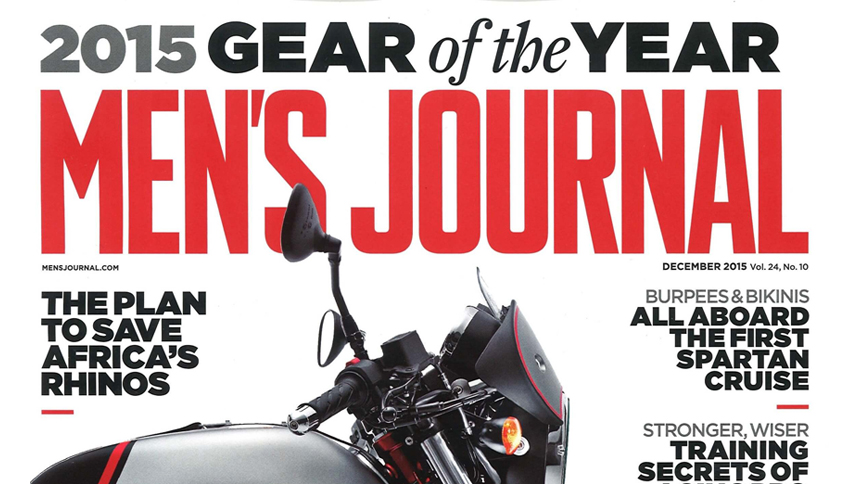
Pitches That Worked: Turning a Small News Story Into a Men’s Journal Feature

We map a pitch from a news-based nugget to a 6,000-word epic

men's journal magazine
By Blake Gernstetter
7 min read • Originally published July 12, 2010 / Updated March 19, 2026
By Blake Gernstetter
7 min read • Originally published July 12, 2010 / Updated March 19, 2026

When a small local news item captivated writer Justin Heckert, he knew there was a bigger story to be told. “I read a small, buried article on CNN.com about this extraordinary event in which a dad and his autistic son were swept out to sea,” says Heckert. “They survived, treading water, after they’d been separated during the night. It seemed perfect for an ambitious narrative story.” Heckert pitched the idea to a few outlets, including Esquire and The New Yorker, but it never got off the ground. A few months later, he got a serendipitous email from Terrance Noland, executive editor at Men’s Journal, whom he had met earlier at an industry event, asking if Heckert had any story ideas. “I never geared the pitch any differently for any publication I sent it to,” says Heckert. “I was certain, initially, that it was just a story about a father and son.” Here, Heckert and Noland explain how his story idea surfaced as a 6,000 word feature, Lost in the Waves, in the November 2009 issue of Men’s Journal.


What the Writer Did

Justin Heckert:

I initially pitched the story to an editor at Esquire a few months before I got that initial email from Terry. I’d written a few things for the editor before, but never a feature. The editor loved the Walt-and-Christopher idea when I sent it to him in the winter of 2008. I had also called Walt and told him I was a writer interested in talking about what happened to him — something I thought would help the pitch, and help me to sell the idea to an editor, if they already knew Walt was on board. The Esquire editor was going to try and get it green-lit, and he said he’d get back to me. I badgered him for a little while, never hearing much back, and so I had to move on. About five months had gone by since I first pitched it, and that’s when I heard from Terry, which was the journalistic equivalent of a godsend. Terry and I were judging the same category in the City and Regional Magazine Association awards last year [2009], and he sent me an email and asked if I had any story ideas. So it wasn’t a normal circumstance of me reaching out to Terry and trying to get him to pay attention to it. He was already paying attention.

At first I sent him a few sentences about the idea. When he said he was really interested in this particular idea (which turned out to be “Lost in the Waves”), I sent him the pitch. The pitch wasn’t that long, and it wasn’t that masterful, and it wasn’t something I’d worked to polish like I was writing a shorter version of the story. I hate writing long pitches — I just wanted to get the idea out there in a few paragraphs.

The Pitch


From: Justin Heckert
To: Terrance NolandThe father and son drifted out into the ocean.(1) They were treading water, slipping below the surface and fighting for air. Walter and Chris Marino were pulled out to sea at 7:30 p.m. on a Saturday night in early September by the outgoing tide at Ponce de Leon Inlet, in Florida, where they had been swimming together. As the sun dropped below the surface, and as the light dimmed from the water, Walter, 47, the father, finally let go of his son so they wouldn’t drag each other under. (2)As the night went on, they drifted farther apart, miles from shore. Walter tried to keep Chris, 12, calm, yelling out phrases from Disney movies like Toy Story. “To infinity!” he would shout, and Chris, who is autistic and doesn’t say much, would yell back, “And beyond!” (3) After several more hours, Walter heard only silence. Then he was alone in the complete black of the sky and water, treading for his life.When Walter no longer got a reply from his son, he yelled some more, and then was convinced Chris was gone. And so that whole night, in the dark, he thought about his daughter. He could not let his daughter lose her brother and her father on the same day. He forced his legs to move.

When the coast guard found him the next morning, after he’d treaded water alone for 15 hours, Walter was asked if he’d wanted to go to a hospital or stay on the boat and continue the search for his son. “They asked me if I wanted to be above or below,” he told a Florida newspaper, “And I chose to be below because I knew Christopher, in my mind — that Christopher was gone and I didn’t want to see, you know, my son floating facedown.”(4)

“So the Coast Guard stops the boat and says, ‘Mr. Marino, we need you to come up,’ which I thought was code for ‘We need you to come up and identify the body.’ And that was my green mile. Those three steps — I mean, I just needed help to get up to the top to see. And when I got up there, they pointed to the helicopter and said, ‘See that helicopter over there? That has your son, and he’s fine.'”

Which is the other part of this story. Chris survived, too, miles away from his father, treading as he’d been taught in the pool by Walter. Three men in a fishing boat found him 9 miles from the coast, head bobbing, legs kicking. (Both father and son had only severe hypothermia, and were stung several times by jellyfish.)

Walter had taught his son how to swim at the local YMCA, while he was growing up, had taught him how to float, too, and Chris had remembered everything he was taught. Chris, his dad says, has always loved to float and tread. And those things saved his life. (5)

I think this is a story of a richly compelling narrative of the ordeal that both of them experienced in the ocean, a story of epic survival (6); I also think it’s really a story about a father and son. (7)

Why the Editor Bit

Terrance Noland, executive editor, Men’s Journal

I was familiar with Justin’s work from judging the City and Regional Magazine Association Awards. He’d won “writer of the year” when I was judging that category, so I knew he was talented and I knew what he was capable of producing. Then we connected by email when he was a co-judge in a later year of that same contest. Out of that interaction I actually invited him to pitch me ideas, asked him if he had anything special percolating, and he sent me this pitch. No doubt my familiarity with his work had a big influence on how receptive I was. It didn’t matter to me whether those were stories from a national magazine; when I look at clips I’m just looking to see if someone can flat-out write — if there is a real voice there, if he or she can tell a story, and if there’s some spark there or some risk-taking in the writing that elevates their pieces beyond the standard fare.

We didn’t know how just how layered the piece would become, but there was at least the whiff of possibility, and sometimes that’s enough to take a leap. It ran as a major feature in the magazine. I think I assigned it at 3,500 words, and it wound up running more like 6,000, which says a lot about Justin. It turned out to be an amazing story, one that evolved as Justin reported it. The core survival tale remained, but all the complex family issues — the difficulty of raising an autistic son and the split between parents on how best to do that, and the pivotal moment/decision at sea when the father has to push the son away — all that was like a gift from the gods. But I credit Justin for seeing those things for what they were and for fully utilizing them in the piece. My experience with him on this piece definitely made me want to use him again, and in fact right now he’s looking into another possible feature for us.

Key Components of the Pitch

(1) Use a lead that grabs the editor’s attention. Back to pitch

(2) The writer concisely introduces the characters, date, time, location, and conflict. Back to pitch

(3) Including dialogue brings the reader into the moment. Back to pitch

(4) By quoting a newspaper, the writer demonstrates he has researched the subject. Back to pitch

(5) The writer is able to convey the survival tale succinctly. “Too many writers will send a long sprawl of an idea, and it’s clear they don’t have a good bead on the story,” says Noland. “They are just throwing a bunch of information at me, hoping something will stick. That gives me no confidence in the writer. I like to feel that the writer has a good sense of the story and what it could be.” Back to pitch

(6) Noland says, “I also like to see some conviction, some passion from them. But you can’t fake that passion. If you don’t really believe in a story, don’t push it as if you do. That will burn you down the line.” Back to pitch

(7) In your pitch, be sure to indicate why this particular story will resonate with the publication’s audience. “While there was an obvious compelling survival tale at the core, it hinted there was something more going on — that there was a father and son element that would resonate with readers and elevate the piece beyond merely an adventure tale,” Noland says. “As an editor, I’m always looking for those extra layers that will give a piece some complexity and depth.” Back to pitch


Topics:

Go Freelance, Journalism Advice, Pitches That Worked
Journalism Advice

Pitches That Worked: From Casual Conversation to American Way Feature

Clear vision, unique premise, and smart research got this writer in

american way magazine
By Blake Gernstetter
7 min read • Originally published August 31, 2010 / Updated March 19, 2026
By Blake Gernstetter
7 min read • Originally published August 31, 2010 / Updated March 19, 2026

A good writer can recognize a glint of a story in almost any situation. When this freelance writer discovered an unusual character in passing, he pursued the nugget to a full-fledged narrative pitch. Here, the writer and editor chronicle how a casual convo between friends led to a 2,000-word feature in American Way‘s July 15, 2009, issue — not to mention an ASJA award and repeat gigs with the pub.

What the Writer Did

Steven Beschloss: I’m always looking for unexpected profile subjects — especially stories with strong twists and turns where people changed their lives to follow their passion. So when a friend mentioned in passing that a Sonoma County resort has a croquet pro, I stopped her and asked lots of questions. I learned that Jerry Stark is a former autoworker who quit the GM assembly line to play the unlikely game of croquet, that he’s one of the best in the world and a hall of famer on a pro circuit that I never even knew existed. Once I discovered that — and saw a picture of him clad in whites with a long red beard — I knew I had a story.

Then it was a matter of finding a magazine that would “get” the story. I was looking for a magazine for travel stories and profiles, so I was looking at a lot of in-flight magazines. I knew American Way ran longer profiles, so I picked that one. I send all my pitches through email, especially to editors I don’t know. Actually, mediabistro.com’s How To Pitch column on American Way helped me with a lot of details. I knew [Chris] was the one to contact since he was the one the article interviewed.

I pitched to him on July 29th, and I didn’t hear back for 10 days. (I usually wait about a week to ten days after I pitch to a publication to hear back.) So I re-sent it just to make sure they got it on August 6th. I assumed it wouldn’t be happening, since I didn’t hear back for two and a half months. But then, Chris emailed me back saying, ‘We’d like you to do this.’

By that time I had already started looking for other magazines. I never doubted that this story was a bad story; it just needed to find the right home. I pitched to Reader’s Digest and a couple more in-flight magazines. Not much changed in the form of the pitches — it felt like the pitch itself was Jerry’s story, and it didn’t need to be changed. I only pitched to magazines that I felt would take it the way I had written it.

Our agreement was a 2,000 word piece and most of the piece was a focus on Jerry’s narrative on his story. As we started, Chris wanted a little bit more of Jerry (the profile subject)’s voice through quotes. He also wanted the lead of the story to be more effective. Otherwise, not much was changed. The pitch was pretty clear from the beginning what the story would be about and with Chris, he was very good with describing what he wanted. Most editors aren’t as clear about what they want, but Chris was great with telling me how he envisioned it. American Way has gone on to ask me about other articles. The result of this first-time pitch ended up winning a writing award from ASJA, the American Society of Journalists and Authors. A happy ending.


The Pitch


From: Steven Beschloss
To: Chris WesslingFor your consideration:Playing Croquet, Seriously:
When Jerry Stark lost his auto assembly plant job in Kansas City (1), he donned his whites and joined the professional croquet circuit. His friends thought he was crazy, and not just because there wasn’t money in it. Come on! Isn’t croquet a game kids play in lumpy backyards with chipped balls and bent wire wickets? (2)

Today, Stark is having the last laugh (3) — and the time of this life. As the resident pro at Meadowood Resort in Napa Valley for nearly two decades (which also produces wine), this croquet world champion and national hall of famer teaches guests the art, ethics and sheer force needed to play and enjoy croquet. A big man with an orange handlebar mustache (4), Stark joins them in his finest whites on a pristine, full-sized lawn (35 X 28 yards), one of the nation’s best venues. I propose joining Stark there (5) to tell the improbable and amusing story of one man’s unlikely journey and share with readers some surprising facts about a game that they thought they knew. (6)

By way of background (7), for the last three years I worked as Managing Executive Editor and occasional writer at The Ritz-Carlton magazine (links to two of my cover features from Moscow and London are below) and served as the founding editor of 6 magazine, a new luxury lifestyle magazine launching this fall. I have contributed to dozens of publications, including The New York Times, The New Republic, The San Francisco Chronicle, TV Guide and The Village Voice.

I hope this idea intrigues. I’d be glad to send you others.(8)

Best Regards,
Steven Beschloss
[Phone number redacted]
An award-winning writer, editor and filmmaker with more than 20 years of experience producing content for international audiences, Steven has a passion for travel and a deep commitment to excellence in art, design, style and fine writing. A former editor of The Ritz-Carlton magazine, Steven has written for dozens of publications, including The New York Times, The New Republic, The Village Voice, TV Guide and The Wall Street Journal. A graduate of Haverford College and the master’s program of Northwestern’s Medill School of Journalism, Steven’s film work has been seen in more than 20 countries and translated into more than a dozen languages.

MOSCOW feature: (9)
https://www.mediabistro.com/portfolios/samples_files/ouXLQYDZCEXrr_KXxVeDHfuTd.pdf

LONDON feature:
https://www.mediabistro.com/portfolios/samples_files/tiyUjU3HYiS2Z9yGk9bmLHgKZ.pdf

Why the Editor Bit

Chris Wessling, senior editor, American Way: Steven’s pitch was our initial introduction. The fact that Steven had written for a number of major publications was a plus, as it helped establish his credentials. But beyond that, I liked how he crafted his pitch as much as the angle of the story itself. I don’t have set-in-stone requirements for new writers — a lengthy list of clips from well-known publications is a help, but it’s not a must-have. A great pitch is really what catches my eye and holds my interest.

Key Components of the PitchSteven’s pitch was spot-on in a number of respects. It was brief and clear. If a writer can’t clearly explain what he/she wants to write about in a graf or two (and make it compelling), then I start to wonder if the writer really has a strong vision on how a 1,000- or 2,000-word story will come together. It was already written like the lede of an actual story, so it was easy to see that Steven understood the writing style we prefer at American Way. It had the “who knew?” factor — who knew there were pro croquet players. It had the “take this job and shove it” factor — a fantasy that millions of people have every day. It had the “fish out of water” factor — auto factory employee transforms himself from a blue-collar worker to a whites-wearing croquet player. It had the “perseverance and dreams do come true” factor — Jerry Stark pursued his unlikely dream despite the doubters, eventually becoming a hall of famer.

(1) This attention-grabbing lead draws you in, and immediately relates to the reader. Said Wessling, “It had the ‘take this job and shove it factor — a fantasy that millions of people have every day.” Back to pitch

(2) This “who knew?” element adds intrigue to the story idea. Back to pitch

(3) Not only has the writer approached his pitch the same way he might approach the story (“It was easy to see that Steven understood the writing style we prefer,” said Wessing), he introduces a character transformation to the narrative. Back to pitch

(4) Incorporating telling details, like the subject’s orange handlebar mustache and pristine outfit, help the editor picture the scene. Even better, they prove the writer’s interest in the story idea, and they show the writer has done some research. Back to pitch

(5) The writer’s suggestion indicates he would have access to the subject and has thought about the reporting process. Back to pitch

(6) A direct reference to the takeaway for the magazine’s readers is another selling point for an editor evaluating whether a story pitch is a fit. But remember — it only works if it would genuinely resonate with the magazine’s audience. Back to pitch

(7) Always demonstrate why you’re the writer for the job — provide a short bio highlighting relevant experience. Back to pitch

(8) By signing off this way, the writer leaves room for discussion: Even if the editor should pass on this idea, the writer offers to suggest others in the future. Back to pitch

(9) Including links to clips, rather than attachments, is frequently the preference of editors. Try to limit your selection to the most relevant, recent stories. Back to pitch

Topics:

Go Freelance, Journalism Advice, Pitches That Worked
Job Search

How to Research a Potential Employer Before You Apply

It's not what you know about a company you're interviewing with—but how much

How to Research a Potential Employer Before You Apply
Admin icon
By Kristen Fischer
Kristen Fischer is a freelance writer, journalist, and copywriter with over 20 years of experience, currently serving as a health writer for AARP with previous staff roles at WebMD and WW. Her work has appeared in Prevention, Healthline, Woman's Day, Parade, and Writer's Digest, and she is the author of four books.
4 min read • Originally published December 16, 2011 / Updated March 19, 2026
Admin icon
By Kristen Fischer
Kristen Fischer is a freelance writer, journalist, and copywriter with over 20 years of experience, currently serving as a health writer for AARP with previous staff roles at WebMD and WW. Her work has appeared in Prevention, Healthline, Woman's Day, Parade, and Writer's Digest, and she is the author of four books.
4 min read • Originally published December 16, 2011 / Updated March 19, 2026

After scouring our job board you found an awesome potential lead. Now there’s nothing to do but send in your standard resume and cover letter and hit apply. But wait!

With the high amount of quality candidates competing for gigs, you’ll need to up your game in order to get noticed. And if there’s one surefire way of doing that, it’s showing you really know the company via your cover, resume and—fingers crossed—your subsequent interview.

Even if you’re not looking to jump ship just yet, researching companies in your field is smart as an ongoing practice.

“The more you know about your industry and the companies in it, the better positioned you’ll be to grow your career when you’re ready to make a move,” says Alison Doyle, the job search expert for TheBalance.com.

Here are some solid tips on getting started.

Comb Through the Company Site

The most logical step to get a feel for a company is to visit its website, where you can find details about its mission, projects, services and employees.

Dawn S. Bugni, a master resume writer based in North Carolina, says reading a company’s website can also help you get familiar with their corporate speak. For example, if a company refers to “customer service” as “client relations,” you can then change one or two references in your resume or cover letter to their language.

“Speaking the language of the rest of the company transmits a feeling of subliminal affiliation or a sense that you already belong,” Bugni says. “That sense of belonging makes initial introductions and contacts more comfortable all around.”

A few other things to research on the company site: the number of years the company’s been in business, the different office locations, how many people the company employs and any notable clients.

Research Outside Sources

There are a variety of ways to learn about a company. Doyle recommends searching Google news results to see if the company shows up. This could bring up details about a corporate event—or a recent complaint.

To get the inside scoop on salary, interview questions, company info and reviews, be sure to swing by Glassdoor. Posts are anonymous, but offer a valuable way to learn more about what a company is like.

You may also want to set up a Google Alert using the company’s name (or your industry) to find out what’s new. This will help you keep on top of your knowledge of the company, and your field in general. Just make the alert name as specific as possible so you don’t get overwhelmed with results.

“Those mentions can be of great importance or some obscure detail giving insight into culture and mission,” says Bugni. “The obscure also makes for great interview fodder, ‘I saw your CEO won XYZ Golf Tournament for ABC Charity. I volunteered with ABC back in high school. What a small world!'” Again, a great conversation piece as long as the news is positive.

Follow Their Socials

Checking out a company’s social channels can give you a good feel for the company’s culture, the people who work there and news about the company and its industry.

Doyle notes with LinkedIn you can view first- and second-degree connections while also researching the company. Bugni suggests looking at specific employee profiles, because you can browse their memberships and affiliations, which will give you another layer for connecting.

When it comes to the company’s Facebook page, Doyle says, “It may give you a more casual perspective than LinkedIn or the corporate website.” Here, you can learn about company culture, events and even business reviews.

And don’t forget about Twitter: Monitoring their tweets will give you an idea of the information they value, trends they’re following and the way they present themselves. Pro tip: It would never hurt to like or re-tweet one of their posts around the time you apply.

Analyze the Competition 

Another great way to learn about a company is to consider it in a context with its competitors. Employ the same tactics outlined above, and check out sites like Crunchbase and Hoovers, to find out the latest news and information about similar companies in your field. “This will help you hone in on what’s unique and different about this story relative to what’s already being discussed in the market,” says David Capece, founder and CEO of the digital agency Sparxoo.

Knowing about your industry, as well as a company, is an invaluable asset. Even if you can’t spout off statistics on a company’s earnings or list names of their board of directors, staying in touch with your field—and knowing where you want to go in it—is a true pillar of advancing your career.

Topics:

Get Hired, Job Search

Posts navigation

Older posts
Newer posts
Featured Jobs
Yellow House Creative Consulting
Account Executive
Yellow House Creative Consulting
Boston, MA, USA

Yellow House Creative Consulting
Social Media Manager
Yellow House Creative Consulting
Miami, FL, USA

Hearst Television
Account Executive
Hearst Television
Array

All Jobs »
PREMIUM MEMBER
SK

Sharon Knolle

Los Angeles, CA
18 Years Experience
Seasoned entertainment journalist with in-depth knowledge of film, television, music and pop culture, past and present. Also passionate about...
View Full Profile »
Join Mediabistro Membership Today

Stand out from the crowd with a premium profile

Mediabistro Logo Find your next media job or showcase your creative talent
  • Job Search
  • Hot Jobs
  • Membership
  • Newsletter
  • Career Advice
  • Media News
  • Hiring Tips
  • Creative Tools
  • About
Facebook YouTube Instagram LinkedIn
Copyright © 2026 Mediabistro
  • Terms of Use
  • Terms of Service
  • Privacy