Mediabistro Logo Mediabistro Logo
  • Jobs
    Search Creative Jobs Hot Jobs Remote Media Jobs Create Job Alerts
    Job Categories
    Creative & Design Marketing & Communications Operations & Strategy Production Sales & Business Development Writing & Editing
    Quick Links
    Search All Jobs Remote Jobs Create Job Alerts
  • Career Resources
    Career Advice & Articles Media Industry News Media Career Interviews Creative Tools Resume Writing Services Interview Coaching Job Market Insights Member Profiles
  • Mediabistro Membership
    Membership Overview How to Pitch (Premium Tool) Editorial Calendars (Premium Access) Courses & Training Programs Membership FAQ
  • Log In
Post Jobs
Mediabistro Logo Mediabistro Logo
Search Creative Jobs Hot Jobs Remote Media Jobs Create Job Alerts
Job Categories
Creative & Design Marketing & Communications Operations & Strategy Production Sales & Business Development Writing & Editing
Quick Links
Search All Jobs Remote Jobs Create Job Alerts
Career Advice & Articles Media Industry News Media Career Interviews Creative Tools Resume Writing Services Interview Coaching Job Market Insights Member Profiles
Membership Overview How to Pitch (Premium Tool) Editorial Calendars (Premium Access) Courses & Training Programs Membership FAQ
Log In
Post Jobs
Log In | Sign Up

Follow Us!

How to Pitch

How To Pitch: Prevention

The ramped-up digital presence of this health mag means tons of writing opportunities

Admin icon
By Addie Morfoot
@kamorfoot
Addie Morfoot is a journalist and writer with over 21 years of experience contributing to The New York Times, Variety, the Wall Street Journal, and Crain's New York Business. She holds an MFA in creative writing from the New School and covers film, television, real estate, and entertainment.
3 min read • Originally published December 10, 2018 / Updated January 3, 2019
Admin icon
By Addie Morfoot
@kamorfoot
Addie Morfoot is a journalist and writer with over 21 years of experience contributing to The New York Times, Variety, the Wall Street Journal, and Crain's New York Business. She holds an MFA in creative writing from the New School and covers film, television, real estate, and entertainment.
3 min read • Originally published December 10, 2018 / Updated January 3, 2019

Circulation: 500,000
Frequency: Monthly
Special issues: There are 16 Prevention-branded bookazines scheduled for 2019 on topics like eating clean, detoxing from sugar, and mindfulness.

Background:  For more than 60 years, the Prevention brand has been a leading provider of trustworthy health information, empowering readers with practical strategies to improve their physical, mental, and emotional well being.

In 2017 Hearst agreed to acquire Prevention from past publisher, Rodale. In 2018 Sarah Smith became the Executive Editor of Prevention Magazine. Smith, came to Prevention from Redbook Magazine. She says that Prevention’s motto is “the science of good health.”

“We are the science-backed health and wellness magazine,” explains Smith. “So we have an open mind about natural treatments, but we are also very supportive of medical interventions when necessary. It’s all about where the research is.”

In spite of a new publisher, the health related brand still maintains a loyal readership and an audience that is 40-plus.

“At Prevention we don’t just say what is going to help you,” says Smith. “We explain why and how. What’s the science behind how anything from exercise to cancer treatment works and how exactly does it work in your body.”

What to pitch:  Since Hearst took over the publication the magazine has been reorganized into six sections: Pulse, Wellness, Health, Science, Food and Family. While the Pulse section of the magazine is done entirely in-house, the other five sections are open to freelancers.

Smith says that in each of the five sections there is usually between three and five stories and two to three of those stories are written by freelancers.

Topics including yoga, mental health and cleaning your home for better mental health fall into the Wellness section. If a doctor’s visit is in involved, then the story will be placed in the Health section while Fitness stories, Smith says, could go in either section depending on what kind of fitness it is. The Science section involves more in depth reporting that could debunk a topic or explain the research behind a topic. She sites a November 2018 article about cannabidiol, or CBD, as a good example. And while the Food section is mostly done in-house, sometimes, Smith says, “we’ll assign out a nutrition story.” Smith describes the Family section as a place to discover family activities meaning healthy mind and body activities for families to do together.

“At Prevention we want to be at the forefront of thinking about health in a different way,” Smith explains. “We want to give people information that clarifies something that seems confusing or give our readers information about something that they hadn’t realized yet that they want to know about.”

What not to pitch: The Pulse section.

What publicists should pitch: Smith said that she is always interested to hear about wellness products and new survey results as well as scientific studies. She is also looking for experts with great credentials who can explain health related trends.

Percentage freelance content: 20%

Recent freelance stories pitched and published: Meryl Davids Landau pitched a big report on for-profit stem cell clinics. The story ran in the October 2018 issue of Prevention.

Etiquette:  Plan to wait, on average, about six weeks for a response to your pitch.

Lead time: Four months for print.

Pay rate: $2/word

Payment schedule: Payment upon acceptance
Kill fee: 25 percent
Rights purchased: All rights

Contact info:
Prevention
300 W 57th St., 28th Fl.
New York, NY, 10019

https://www.prevention.com/

Social: @PreventionMag | Facebook | Pinterest

Direct all pitches:

Sarah Smith
Executive Editor, Prevention
Wellness Director, Good Housekeeping Institute
SRSMITH at HEARST DOT COM


[EDITOR’S NOTE: Though we’ve updated this article recently, the speed at which things move in media means things may have already changed since then. Please email us if you notice any outdated info.]

Topics:

How to Pitch

How to Pitch

How To Pitch: CleanEatingMag.com

This site seeks blog posts that satisfy a hunger for sustainable foods and a clean lifestyle

clean-eating-dotcom-htp-feature
By Maria Coder
4 min read • Originally published June 3, 2018 / Updated June 4, 2018
By Maria Coder
4 min read • Originally published June 3, 2018 / Updated June 4, 2018

Monthly impressions: 1.5 million
Updated: About two pieces of new content are published on the blog each week, with plans to ramp up production

Background: Like its print counterpart, CleanEatingMag.com defines its mission as helping readers foster a healthy lifestyle that goes far beyond simply making healthier food choices. Staff nutritionists for the Clean Eating brand, owned by Active Interest Media, have strict guidelines for the food featured in print and online. “We don’t just follow food fads like, ‘Oh now everyone loves agave sugar’ when actually none of our recipes would even feature agave because it doesn’t meet our criteria for a healthy sweetener,” said former web editor Jennifer Davis-Flynn.

Davis-Flynn took over the reins of the website, which counts its biggest competitors as the digital components of Cooking Light and EatingWell, in September 2014 and has been working toward a new look and feel, a friendlier interface, and a much larger blog network. Davis-Flynn said what sets CleanEatingMag.com apart is the site’s focus on cooking with unprocessed foods; eating organic when it makes sense; and purchasing products that are sustainable and good for the environment. “It’s [about living] a whole, clean lifestyle,” she added.

What to pitch: While recipes are a large part of the site content, as are meal plans and features that have run in the print magazine, Davis-Flynn is primarily seeking service-driven pieces for the blog that cover the broader topics of lifestyle, health and wellness. “I’d love to find someone who is great at writing attention-grabbing listicles,” she noted. So think along the lines of: “10 Ways to Get More Protein Into Your Diet,” “5 Ways to Reduce Stress at Work” or “5 Ways to Reduce Emotional Eating.” Blog posts should range from 500 to 1,000 words.

Davis-Flynn suggested that writers familiarize themselves with the Clean Eating food guidelines and use the information to craft a story around one or more of the basic elements. For example, a story on what to look for when reading food labels would be ideal.

While you aren’t required to provide photos with submissions, it’s a bonus if you have one or more suggested images to accompany a piece.

What not to pitch: The blog’s only column, “Conversation with a Food Blogger,” is written in house. However, freelancers are welcome to pitch a concept for a new column.

What publicists should pitch: The blog is always looking for influencers to interview for its “Conversation with a Food Blogger” column. PR folks can also pitch news on chefs and restaurants known for preparing unprocessed, organic meals; encouraging farm-to-table experiences; and publishing relevant cookbooks.

Percentage of freelance content: 95 percent
Percentage of freelance submissions accepted: 40 percent

Recent freelance stories pitched and published: Davis-Flynn said “Reconsider Tap Water: The Healthiest Water Options” was a good fit for the blog because the post was built around the Clean Eating guidelines and guided readers through how to test their tap water and choose the best purification method for their homes.

“Refresh and Renew with a 24-Hour Reset” looked at one-day detoxes and stress-releasing techniques that can help you form new habits and establish a healthier day-to-day lifestyle. “Detoxing and cleanses are so big and people are searching for them,” Davis-Flynn said. “That post performed very well for us.”

Another story tackled the definition of organic farming. “The [phrase] gets thrown around a lot,” said Davis-Flynn, who was especially open to the story because it was pitched by an organic farmer.

Etiquette: Email only (as Davis-Flynn works remotely), write “Pitch” in the subject line, keep your message short and sweet, and include some clips. Bonus points if you provide a proposed hed and dek with your synopsis.

Lead time: From a few days (for timely items) to four weeks (for evergreen stories)
Pay rate: From $75 to $125, based on word count, research, original photos, etc.
Payment schedule: Writers must sign a contract and invoice; payment within 90 days of publication
Kill fee: 25 percent
Rights purchased: All rights for 90 days

Contact info:
60 Atlantic Ave, Suite 200
Toronto, Ontario
M6K 1X9
(437) 222-2020
Twitter handle: @CleanEatingMag | Facebook

Direct all pitches to:
Digital Director Maureen Farrar: MFARRAR at AIMMEDIA dot COM


[EDITOR’S NOTE: Though we’ve updated this article recently, the speed at which things move in media means things may have already changed since then. Please email us if you notice any outdated info.]

Topics:

How to Pitch
How to Pitch

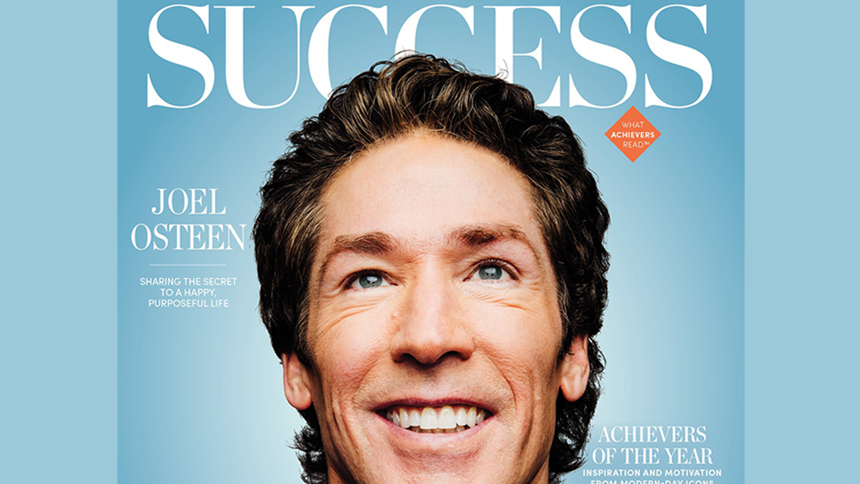
Pitch success magazine

Pitch stories on the dos and don'ts of starting your own business at this digital service mag

Success magazine cover
Admin icon
By Andrea Williams
@AndreaWillWrite
Andrea Williams is an author, journalist, and columnist for The Tennessean with over 16 years of experience in journalism and 20 years in copywriting and communications strategy. Her work spans national outlets and high-traffic digital brands.
3 min read • Originally published February 26, 2016 / Updated January 22, 2018
Admin icon
By Andrea Williams
@AndreaWillWrite
Andrea Williams is an author, journalist, and columnist for The Tennessean with over 16 years of experience in journalism and 20 years in copywriting and communications strategy. Her work spans national outlets and high-traffic digital brands.
3 min read • Originally published February 26, 2016 / Updated January 22, 2018

Circulation: March 2018 will be the last print edition
Frequency: Monthly
Special issues: Check monthly themes on the mag’s editorial calendar.

Background: Established in 1897, Success is a magazine that focuses on people who take full responsibility for their own personal development and income. Associate editor Jamie Friedlander says Success “isn’t a how-to guide for becoming a great business person, but rather a personal development magazine for entrepreneurs and anyone committed to their own improvement in life and work.”

Success readers understand that the classic employer-to-employee relationship has changed from a patriarchal to a transactional one. With 80 percent of readers being self-employed or in a company with fewer than 10 people, the Success audience is largely made up of entrepreneurs who are heavily invested in their own goals. The magazine attracts primarily male readers between 35 and 54, while the web version, Success.com, draws a slightly younger audience.

The magazine features service pieces and profiles, with the latter featuring stories of those who are self-made. (Recent cover subjects included Sara Blakely, Joel Osteen, Jimmie Johnson and The Sharks of ABC’s “Shark Tank”). Most readers are already in business for themselves, and the rest are aspiring entrepreneurs, freelancers or people from the corporate world who value the magazine’s emphasis on personal development.

What to pitch: Pitch fresh story ideas geared toward Gen-X to older millennial readers. For writers looking to score their first assignment in Success, the front-of-book section “Startup” is the best place to start. Assignments are generally around 300 words and cover a mix of personalities and happenings in the world of business. And for freelancers who can show—even in a few hundred words—that their writing is stylish and entertaining, longer assignments won’t be far behind.

The following are other good sections to pitch: “Making a Difference,” a column that profiles individuals with a philanthropic streak who are working to better humanity and the world around them. Here, staffers are looking to hear about folks who are resourceful and making a lot happen with a little.

Freelancers can also pitch stories on unique entrepreneurs who they think would be a good fit for a back-of-the-book Q&A. The feature well is open to freelancers, but it’s less common for new writers to snag a gig here. If pitching for the feature well, aim for interesting profiles and unique personal development pieces.

Online opportunities: Success.com editors are looking for compelling articles and blog posts with a personal development angle on growth, soft skills and self-discovery. They’re seeking articles with tangible tips and takeaways, research and relevant examples and anecdotes that illustrate personal experience or expertise.

What publicists should pitch: Publicists can greatly increase the odds of scoring a placement for their clients by having a thorough knowledge of the magazine and where the product or personality would have the best fit. Pitch clients who have a unique story to tell—and one that readers can learn from.

Percentage freelance content: 75 percent

Recent freelance stories pitched and published: For the February 2014 issue, a freelancer pitched a story on how to handle negative people in your life—including bosses, coworkers and employees—without letting them bring you down.

Etiquette: Pitch a fully fleshed-out article instead of just a couple of sentences. Also, make sure you know who you’re directing your pitch to by consulting the Success About Us page.

For new writers, send links to two or three clips, and feel free to follow up after a week.

Lead time: Three months
Pay rate: Print rates are typically flat and vary based on experience and history writing for Success. Online stories pay $0-.50/word.
Payment schedule: On acceptance
Kill fee: 25 percent
Rights purchased: Exclusive, royalty-free license to the content

Contact info:
Success Magazine
5800 Democracy Dr.
Plano, TX 75024
(877) 577-6504

Success.com
Facebook | Twitter

Direct all pitches to:
For print pitches: EDITOR at SUCCESS dot COM
For Web pitches: WEBEDITOR at SUCCESS dot COM

[EDITOR’S NOTE: Though we’ve updated this article recently, the speed at which things move in media means things may have already changed since then. Please email us if you notice any outdated info.]

Topics:

How to Pitch

Hot Jobs

Bloomberg hiring

A bunch of brand new job openings to apply to before the year ends

Bloomberg hiring
Leah icon
By Mediabistro
The Mediabistro editorial team draws on 25 years of media industry expertise to cover jobs, careers, and trends shaping the industry.
1 min read • Originally published December 15, 2017 / Updated December 15, 2017
Leah icon
By Mediabistro
The Mediabistro editorial team draws on 25 years of media industry expertise to cover jobs, careers, and trends shaping the industry.
1 min read • Originally published December 15, 2017 / Updated December 15, 2017

Right now is the perfect time to start thinking about making big moves for the new year—and Bloomberg has a bunch of great opportunities for you to check out.

They’re hiring across the organization with job openings in radio, TV, digital, account management and more. Take a look & get your applications in for a great start to 2018.

Looks like these Jobs were too popular and got filled. Find more hot jobs.

Find out more about careers at Bloomberg


Topics:

Get Hired, Hot Jobs
Be Inspired

Support media givingtuesday

Do some good this holiday season by donating to these media nonprofits

Support media givingtuesday
Leah icon
By Mediabistro
The Mediabistro editorial team draws on 25 years of media industry expertise to cover jobs, careers, and trends shaping the industry.
2 min read • Originally published November 28, 2017 / Updated November 28, 2017
Leah icon
By Mediabistro
The Mediabistro editorial team draws on 25 years of media industry expertise to cover jobs, careers, and trends shaping the industry.
2 min read • Originally published November 28, 2017 / Updated November 28, 2017

The number one lesson we try to teach about the holidays is that the very best gifts are the ones we give. That’s why after a full weekend of unabashed consumerism, Cyber Monday is followed by #GivingTuesday, a day devoted to charitable giving.

If you’re looking for a good cause to support, we’ve cobbled together a list of really great organizations devoted to supporting writers, journalists, nonprofit news orgs and media education. Check ‘em out and give today (and maybe some other days throughout the year too). Happy #GivingTuedsay!

Institute for Nonprofit News

The Institute for Nonprofit News Supports journalists in 140 nonprofit newsrooms increasing independent, public service reporting for thousands of communities.

Society of Professional Journalists Sigma Delta Chi Foundation

Donations to the Sigma Delta Chi Foundation support training and education for journalists and awards grants to the journalism community.

SPJ also collects donations for the Legal Defense Fund, the First Amendment Forever Fund and the President’s Club, all devoted to fighting for press freedom, defending journalists’ First Amendment rights and furthering excellence in journalism.

Poets & Writers

Poets & Writers is the nation’s largest nonprofit organization serving creative writers.
Their mission is to foster the professional development of poets and writers, to promote communication throughout the literary community, and to help create an environment in which literature can be appreciated by the widest possible public.

Global Investigative Journalism Network

The Global Investigative Journalism Network (GIJN) is an international association of nonprofit organizations that support, promote, and produce investigative journalism, including ProPublica, The Freedom of Information Center, Investigative Reporters & Editors, and over 150 more.

Columbia Journalism Review

CJR works as a media watchdog and is an advocate for a sustainable, viable, and free press. As one of the most respected voices on press criticism, it shapes the ideas that make media leaders and journalists smarter about their work.

Consortium for Media Literacy

The Consortium for Media Literacy addresses the role of global media in citizenship, education and health through the design and delivery of research-based implementation programs for youth, educators, parents and adults.

Media Education Foundation

The Media Education Foundation produces and distributes documentary films and other educational resources to inspire critical thinking about the social, political, and cultural impact of American mass media.

Media Literacy Now

Media Literacy Now is the leading national advocacy organization for media literacy and digital citizenship education policy. Their mission is to spark policy change in every state and at the national level to ensure all K-12 students receive comprehensive media literacy education and skills.

Topics:

Be Inspired
How to Pitch

How To Pitch: Rhapsody

Bring your travel, culture and fashion pitches to this upscale magazine in the sky

How To Pitch: Rhapsody
Admin icon
By Dana Robinson
Dana Robinson is a freelance health, beauty, and culture writer with 20 years of experience creating content for publications including Shape, WeightWatchers, Wine Enthusiast, AARP, and Southwest: The Magazine. She holds a master's degree in mass communication from California State University-Northridge.
4 min read • Published September 27, 2017
Admin icon
By Dana Robinson
Dana Robinson is a freelance health, beauty, and culture writer with 20 years of experience creating content for publications including Shape, WeightWatchers, Wine Enthusiast, AARP, and Southwest: The Magazine. She holds a master's degree in mass communication from California State University-Northridge.
4 min read • Published September 27, 2017

Circulation: 2 million

Frequency: Monthly

Special issues: None

Background: In 2013 United Airlines unveiled its first issue of Rhapsody. The publication is accessible to the airline’s business- and first-class travelers, as well as those who are awaiting their next flight in United’s club and airport lounges. Rhapsody’s readership is more than 75 percent male, and while its pages cover the travel and luxury markets, it prides itself on looking at culture through the lens of travel, says editor-in-chief, Ellen Carpenter. “I think we’re presenting readers with a very different experience than what they expect from an airline magazine,” says Carpenter.

The publication has a high-end look and has been graced by writers like Sebastian Junger, Joyce Carol Oates and Rick Moody. “Getting these big-name writers to write for us says a lot about the publication,” says Carpenter. “I think [it] shows that we’re in a different league.”

What to pitch: Freelancers who are looking to get their first byline should aim their pitches at the Upfront FOB section. These pages cover everything from culture and cars to sports, hotels, drinks, and food. Word count: 300-500.

The Mode section covers all things fashionable and is the perfect place to pitch designer profiles. But freelancers shouldn’t limit their pitches to fashion designers.  Editors are looking for profiles of interior as well as landscape designers. “It’s kind of a broad look at the word ‘designer,’” says Carpenter. And because the publication’s high-end readership tends to wear equally high-end watches, editors are looking to increase their coverage of the watch industry. Pitches can focus on interesting aspects of the business, including designers and new trends.  Word count: 800.

First Person, Far Flung is a feature personal essay that should focus on the writer’s travel experience to a specific destination. Carpenter notes that writers should have a deeply personal reason for taking that trip. Essays about traveling to Paris because you’ve always wanted to go there will not cut it. Word count: 1500.

Feature stories are also open to freelance writers. Stories with a business angle are always appreciated, but topics can range from sports to trends to personal profiles. Word count: 1500-2000.

Plane Spoken is a back page essay. Writers should feel free to pitch stories about any personal experience they’ve had related to plane travel. Word count: 700.

Note: If you’re pitching a story about a particular destination, make sure that it’s a location where United Airlines flies.

What not to pitch: Celebrity cover stories are handled in-house, as well as the Rhap Session and Taking Off sections.

Online Opportunities: Although there is some online-only content on the Rhapsody website, editors are not accepting pitches for the site at this time.

What publicists should pitch—and when: “New” is the buzzword that publicists should keep in mind when preparing their pitches. Editors are interested in receiving press releases about travel and luxury products, as well as bars, hotel renovations, movies, and actors. Since the publication has such a high male readership editors are more likely to feature men’s fashion and products. Lead time is 3-4 months.

Percentage of freelance-written content: 50 percent

Percentage of freelance pitches accepted: 10 percent

Recent freelance stories pitched and published: First Person, Far Flung: Toronto recounts the freelancer’s experience of taking her hockey-obsessed husband to the Hockey Hall of Fame in Toronto. Editors loved the pitch because it offered a truly personal story and a focused look into a city.

A Day at the Races with Bob Baffert is a profile of the legendary horse trainer. The article examines one important figure while also touching on the sport of horse racing as a whole—making it a perfect sports story for Rhapsody.

Etiquette: Pitches should be positioned in the body of the email and no more than a paragraph in length. Also include links to your other writing samples.  

Lead time: 3-4 months

Pay rate: .80-$1.00/word

Payment Schedule: On acceptance  

Kill fee: 50 percent

Rights purchased: 90 days exclusive

Contact info:

Ink Global

Rhapsody magazine

68 Jay St., Ste. 315

Brooklyn, NY 11201

Rhapsodymag.com

Twitter handle: @RhapsodyMag

FirstName.LastName@Ink-global.com


Direct all pitches to:

Editor in chief Ellen Carpenter: ELLEN dot CARPENTER at INK-GLOBAL dot COM

Executive editor Nicholas DeRenzo: NICHOLAS dot DERENZO at INK-GLOBAL dot COM

NEXT >> How To Pitch: Hemispheres

[EDITOR’S NOTE: Though we’ve updated this article recently, the speed at which things move in media means things may have already changed since then. Please email us if you notice any outdated info.]

Topics:

How to Pitch

Mediabistro Archive

5 Warning Signs That You’re About to Get Fired From Your Media Job

By Mediabistro Archives
5 min read • Published April 17, 2017
By Mediabistro Archives
5 min read • Published April 17, 2017
Archive: This article was originally published by Mediabistro around 2017. It is republished here as part of the Mediabistro archive.

Layoffs tend to be caused by a myriad of events that have absolutely nothing to do with you. (It’s not your fault if the company gets sold or the CEO embezzled all of this year’s profits.) But getting fired, well, that’s a whole other animal.

The causes for getting dismissed can be traced back to anything from poor work performance to a drunken encounter at the office Christmas party. Offensive social media posts have even been known to take some of the blame. But the good news is that just like layoffs, getting fired can sometimes come with a few warning signs. So, prepare to pack up your personals if you spot any of these telltale signs.

You Were Warned

If you’re not very good at your job, odds are that your boss isn’t going to keep paying you to do it. Some companies (typically very small ones) may simply let you go without giving you any clear indications that your job performance was lacking. But larger companies usually have a very strategic protocol for calling attention to bad performances.

It often takes the form of highlighting the problem with a deadline to fix it—a sure indication that the end may be near. “It shows that they are putting a limitation and direct expectations on your performance,” says Lisa DiVirgilio, an HR software consultant. “If you cannot meet that within the timeframe, there is a good chance that it is not a solid fit between you and the position.” The time expectation can vary, so you may choose to use that time to improve your performance…or circulate your resume.

Fewer Responsibilities

There’s nothing to fear from the occasional light workload day. It should be celebrated with a long lunch or catching up on half a dozen John Oliver segments on your iPhone. But beware if those lighter days begin to get more frequent—especially if everyone else around you seems to be extremely busy.

“If you find yourself with less work than normal, to the point where you question what to do with your day, you might be in a dangerous spot,” says DiVirgilio. “Your boss may be reassigning your responsibilities to other individuals before removing you from the team.”

This (permanent) break in your responsibilities is actually designed to keep the workflow chugging along with fewer speed bumps after you’ve been dismissed.

Temperature Changes

Has a brisk cold front settled around your cubicle lately? Have co-workers who were formerly very chatty stopped making eye contact and seem to scurry away when you walk into the break room? “If you get the sense that your colleagues are steering clear of you, they may know something you don’t,” says Amanda Augustine,” career advice expert for TopResume.

While notifications about impending pink slips aren’t typically circulated to everyone in the office, secrets can be very hard to keep. This means that at least a handful of people who shouldn’t know that you’re about to get fired (people who are outside of human resources or who aren’t even in your department) probably do. And since it’s hard to have a friendly chat with someone who’s marked for dismissal, the easier thing to do is just avoid that person altogether.

But getting iced out isn’t the only temperature change that could indicate an imminent change in employment status. Sometimes the thermostat can swing too far in the opposite direction.

Jenny Larsen, career development expert and owner of 2:10 Consulting, notes that sometimes employees (including your boss) can develop feelings of guilt once they’re made aware of the fact that you’re about to be fired. This can lead to behavior that’s a bit out of character, like acting friendlier than normal for no apparent reason.

Changing of the Guard

Nobody likes change, especially when it comes with a pink slip. But dismissals can sometimes happen when a new manager is hired to lead the team.

“It’s not uncommon for a new executive to come in and clean house,” says Augustine. She notes that stress levels can sometimes be high in an office when a new boss shows up, but the arrival of a new body in the cockpit is no reason to panic.

However, if the new boss has settled in, the tension persists and she’s spending a lot of time behind closed doors with people in the human resources department “remain on high alert,” she says.

Teamwork is Not Making the Dream Work

Meeting fiscal goals isn’t just for the advertising sales department anymore. These days, no matter what section of the company you work in (marketing, editorial, public relations, etc…) odds are that there is some type of numeric goal that your department is required to reach. So, if the team’s organic click numbers are down by a large margin or a major project the team’s been working on goes south, it might be a sign that your job security is in danger, says Augustine.

In order to spot brewing trouble ahead of time, she recommends understanding which metrics matter most to the work you’re involved in. Then, take a good, hard look around the office to try and get a sense of how people are working and feeling. “If company morale is at an all-time low, and you’re losing faith in your department head’s ability to turn things around, proceed with caution,” says Augustine. You, and perhaps your entire team, might be headed for the unemployment line.

Related:

  • Media Career Advice

Topics:

Mediabistro Archive
Mediabistro Archive

What It Takes to Build a Sustainable Career in Today’s Media Industry

By Mediabistro Archives
5 min read • Published March 21, 2017
By Mediabistro Archives
5 min read • Published March 21, 2017
Archive: This article was originally published by Mediabistro around 2017. It is republished here as part of the Mediabistro archive.

Robert McGuire, currently publisher and editor of Nation1099.com, and owner of McGuire Editorial & Consulting, once worked as a reporter at weekly newspaper publisher, Community Newspapers, Inc. One thing that’s stuck with McGuire from his tenure at the paper, was the authority of the staff’s junior-level fact checker.

“She could pull the brake on the train in ways nobody else could,” McGuire recalled. “Even the desk editors were afraid of her. They had worked on and approved stories that now someone less senior had the power to shove right back at them and say, ‘We can’t print this.’” Ouch.

Just the Facts, Ma’am

So what does a fact checker, or researcher, do exactly? They check facts, sure. But what’s that really mean? Like, what facts? What are we talking here, Reese Witherspoon’s government name or how many times 50 Cent got shot? Gigi Hadid’s diet? Or the stats and statements candidates make during a presidential debate? The short answer: all the above. Fact checkers verify it all, even the seemingly obvious.

Fact checkers help a source of news or information maintain credibility and integrity, says Jake Tully, editor in chief and de facto fact checker of a popular trade website. “They ensure that writing isn’t just good, but that it is also factual.”

To that end, McGuire tells his team not to take anything for granted. “If the source says [his] name is Bob, ask how it’s spelled”—a lesson McGuire learned the hard way, as an obituary writer. “The first time it’s your fault that a misspelling of the deceased or of their bereaved shows up in print, you learn how important it is to check everything,” he added.

The Devil’s in the Details

In fact (pun intended), sometimes the lighter stuff is tougher to verify than hard news. “Because all of the material can seem less significant, the story lies in the small details,” says Sharmila Venkatasubban, BuzzFeed copy editor . “And in pieces that involve celebrities, the most minute details can be really important.” In pop-culture writing, misidentifying the type of shampoo a celebrity uses or the car she drives is big, as those particulars could be the result of contractual brand obligations.

Fact checkers verify all the facts and claims in a story are accurate and represented fairly, says Venkatasubban, who splits her time between copy editing and fact checking. This involves reading through a reporter’s notes, audio, and transcripts. Checking court records, video footage, research documents, any materials that the reporter used (or didn’t) in researching and reporting on a piece is imperative.

“Fact-checkers also look for holes in stories. They research sources to make sure they don’t have their own conflicts of interest and what they’re providing can be relied upon. And they read very closely on a sentence level to make sure the research and reporting [haven’t] been framed in a way that makes for good copy but doesn’t represent what exactly the reporter found. This involves what is often described as reporting in reverse,” adds Venkatasubban.

Learn what facts to check and where to check them by enrolling in our upcoming Fact Checking course. Sign up to be notified when the course launches and get our early-bird discount.

Attribution is Everything
Publications rely on fact checkers to help them maintain their credibility. Of course, writers and reporters bear responsibility too. If they write it, they better be able to attribute it. Submitting notes accumulated while writing a piece, a list of credible sources (sorry, Wikipedia doesn’t count), and source contact information may be required. But not every publication uses fact checkers.

“Many magazines, particularly those that publish longer reporting, employ fact checkers,” says Venkatasubban. “News desks that publish breaking news and shorter stories—that are responding quickly to the news cycle often don’t.” This may explain why many newspapers don’t use fact checkers, though some have a research department that may assist with investigative pieces with longer turnaround times.

“For many industry-specific sites, specifically those that are not entertainment-related, I think the reporters themselves are policing their own articles,” offers Tully. “Certainly, the larger news sources have a department or team dedicated solely to fact checking, but I suspect that many other writers are doubling up on their duties. I don’t predominantly consider myself a fact checker, per se; it’s more of an inherited duty.”
Politically Correct
But mags aren’t the only game in town for fact checkers. There’s plenty work for those committed to verifying the veracity of political claims at outfits such as Politifact, a Tampa Bay Times offshoot. The process at Politifact is a bit different, but the mission is the same: truth telling.
A typical day for a fact checker at Politifact begins with reviewing the news and checking out a list of factual claims, usually gathered by interns who comb transcripts of TV interviews, explains Bill Adair, Politifact’s founder and former editor. Reporters reach out to the person who made the statement, or that person’s press secretary, and request background to verify any claims made.

This evidence is usually government data or a report from a think tank, explains Adair, also a Knight professor of the practice of journalism and public policy at Duke University and director of the DeWitt Wallace Center for Media and Democracy, the school’s journalism program. Next, the fact checkers find their own sources—independent experts whenever possible—and start their check.

The process is similar at Verbatim, the fact-checking arm of nonprofit, nonpartisan collaborative political encyclopedia, Ballotpedia. First, freelance researcher Kent Klein gets assigned a claim made by an elected official or other public figure. He researches the claim and then assembles an outline in which he answers a series of questions posed by editors, including whether the claim can be proven or disproven and who’d be interested in the outcome.

Truth Seeking
Klein is quick to point out that fact checkers—at least at Verbatim and other such projects—aren’t on a witch hunt. They’re not conspiring to take someone down. “Contrary to what some may believe, reputable fact checkers do not have a partisan agenda, but are simply interested in finding the truth.”

As is any fact checker worth his or her salt. Because the fact of the matter is (yep, another pun intended) good journalism can’t exist without stone-cold facts.

For more in-depth lessons on fact checking, and an exclusive discount for being first in line, click here to be notified when our Fact Checking course launches.

Related:

  • Media Career Advice

Topics:

Mediabistro Archive
Mediabistro Archive

How Media Professionals Can Take Their Careers to the Next Level

By Mediabistro Archives
5 min read • Published February 22, 2017
By Mediabistro Archives
5 min read • Published February 22, 2017
Archive: This article was originally published by Mediabistro around 2017. It is republished here as part of the Mediabistro archive.

These days you’d be hard pressed to find a job in media that doesn’t list “analytics” as a required skill. You may be applying for a copywriting gig, a job as a social content producer or even a reporting role, yet your creativity and ability to communicate a message are no longer enough.

You probably won’t be asked to develop complex models and forecasts in these roles, but at the very least you’ll be expected to analyze the performance of your work across major channels.

Considering the important role that social media plays in driving traffic and engaging your audience, being able to analyze your social performance is enough to confidently show that you know “analytics.”

While the term sounds very official and math-y, there’s no need to be intimidated. If you know how to read numbers, ask the right questions—and make a plan of action based on the answers to those questions—you can learn to analyze social media data.

However, before you can create actionable social analytics reports you need to recognize and understand the difference between metrics and analytics. Here, we’re breaking it down so you can turn your social metrics into insights that will help you focus your efforts and improve your social marketing success.

What are social metrics?

Metrics can be thought of as The What—What did this social post do for the business? How many people saw it or engaged with it?

There are a number of social analytics tools that can provide you with metrics. Each social platform has its own built-in analytics tool. The terminology used and metrics provided differs from channel to channel, but for the most part they can all fall into one of three categories:

  1. Reach (impressions, # of people who saw your post, # of times your brand was mentioned, # of followers)
  2. Engagement (likes, shares/retweets, comments/replies, clicks, video plays)
  3. Conversions (downloads, sign ups, sales, new followers)

Social Reporting Tools

Not all of these metrics are native to the various social platforms. However, there are third-party tools like the web analytics system you use on your website, or tools that consolidate reporting from various channels. Regardless of where you get your metrics, it’s important to understand that these numbers are just that, numbers. They are simply data points.

They are useful for letting you know what is happening and what is changing over a period of time. These numbers and trends are fairly easy to access and it’s also quite simple to put them into a clean report with a bunch of official looking graphs.

The built-in tools on the most popular platforms, like Facebook, Twitter and LinkedIn, provide these reports out-of-the-box, which you can easily export. While these built-in tools are given names like “Insights” or “Analytics” they aren’t actually analytics reports or insightful at all. They are just social metrics reports. And the problem is that there isn’t much value in tracking or reporting on these numbers if you’re not going to analyze them or act on them.

What is analytics?

If metrics are The What, analytics is the So What? Knowing if a number is high or low, or if it went up or down since the last time you reported on it is not enough. You need to be able to answer: why? So what if more people clicked on your content than last month? So what if you got fewer likes on your tweets? Why did this happen?

The true value in collecting social media metrics is knowing what you can do with the numbers. It’s less about pulling the numbers together and more about making sense of those numbers and how you’ll use them to make more decisions. This is social media analytics.

How to analyze social media data

The first and most essential step to measuring social media success is to determine the goals of your social marketing strategy. Are you trying to drive traffic to your website? Increase brand exposure? Drive sales? If you don’t know what you’re trying to achieve, it doesn’t make sense to measure anything.

Once you know what you’re trying to achieve, you’ll know what metrics matter for your goals. This is important because some of the platforms, like Facebook, give you so many data points that you can waste a lot of time examining and reporting on numbers that have nothing to do with your goals.

It is a waste of time to report on metrics that don’t support your goals. The ones that do matter are called Key Performance Indicators (KPIs). If you know what you’re trying achieve, you’ll know what KPIs to pay attention to. For example, if you’re trying to drive more people to your website, reporting on your follower growth is pointless. Your number of followers may not translate to website visitors, so you’ll want to consider if this number is necessary to track.

Ask the right questions

Now that you know what KPIs to pay attention to, you can start to ask the questions that will help you make sense of (and take action on) the data in your social metrics reports. Here are a few questions you might want to ask (and answer) when reviewing each report:

  • Did my plan work?
  • If it worked, why?
  • If it didn’t work, why not?
  • What should I do differently?
  • What should I do more of?
  • How can I do better?

The answers to these questions are not in the numbers. The numbers can help lead you to the right answers. But you’re going to have to put a bit of thought into it.

If your numbers went up from the previous period you need to try to answer why this happened. Did you do something differently this period vs. last period? Is there a common thread amongst the posts that did well vs. the ones that didn’t?

There’s no guarantee that you’ll answer correctly, but the answer will lead you to a plan of action and that’s what you really want out of social media analytics. There’s no sense in tracking metrics, or reporting on them if you’re not going to try to influence them with future actions.

For more in-depth lessons on this topic, check out this 4-part Social Media Analytics course.

Related:

  • Media Career Advice

Topics:

Mediabistro Archive
Hot Jobs

Marketing jobs 0921016

Marketing Jobs
Katie icon
By Mediabistro
The Mediabistro editorial team draws on 25 years of media industry expertise to cover jobs, careers, and trends shaping the industry.
1 min read • Originally published September 21, 2016 / Updated November 4, 2016
Katie icon
By Mediabistro
The Mediabistro editorial team draws on 25 years of media industry expertise to cover jobs, careers, and trends shaping the industry.
1 min read • Originally published September 21, 2016 / Updated November 4, 2016

This week, NBC News & MSNBC is looking for a senior director of marketing strategy, while Meredith is seeking an influencer marketing specialist.

Starwood Hotels & Resorts needs a field marketing manager, and Taylor & Frances Group is on the hunt for a marketing manager for its education textbook portfolio.

Get the scoop on these openings and more below, and find additional just-posted gigs on our job board.

Senior Director, Marketing Strategy NBC News & MSNBC (New York)

Influencer Marketing Specialist Meredith (New York)

Field Marketing Manager Starwood Hotels & Resorts (New York)

Marketing Manager Taylor & Frances Group (New York)

Marketing Manager, Publishing American Society of Mechanical Engineers (New York)

Marketing and Communications Specialist BJE: Builders of Jewish Education (Los Angeles)

Digital Marketing Specialist Discovery Family Channel (Miami)

Find more great marketing jobs on the Mediabistro job board. Looking to hire? Tap into our network of talented marketing pros and post a risk-free job listing.

Topics:

Uncategorized

Posts navigation

Older posts
Newer posts
Featured Jobs
Association for Computing Machinery
Executive Editor
Association for Computing Machinery
New York City, NY USA

Delaware River Joint Toll Bridge Commission
Director of Communications
Delaware River Joint Toll Bridge Commission
Yardley, PA

Hearst Television
Account Executive
Hearst Television
Array

All Jobs »
PREMIUM MEMBER
VW

Victoria Wurdinger

Brooklyn, NY
25 Years Experience
As a storyteller who specializes in beauty, business, wellness and real estate. I’ve written editorial, blogs, websites, books, educational...
View Full Profile »
Join Mediabistro Membership Today

Stand out from the crowd with a premium profile

Mediabistro Logo Find your next media job or showcase your creative talent
  • Job Search
  • Hot Jobs
  • Membership
  • Newsletter
  • Career Advice
  • Media News
  • Hiring Tips
  • Creative Tools
  • About
Facebook YouTube Instagram LinkedIn
Copyright © 2026 Mediabistro
  • Terms of Use
  • Terms of Service
  • Privacy