
Mediabistro Logo Mediabistro Logo
  • Jobs
    Search Creative Jobs Hot Jobs Remote Media Jobs Create Job Alerts
    Job Categories
    Creative & Design Marketing & Communications Operations & Strategy Production Sales & Business Development Writing & Editing
    Quick Links
    Search All Jobs Remote Jobs Create Job Alerts
  • Career Resources
    Career Advice & Articles Media Industry News Media Career Interviews Creative Tools Resume Writing Services Interview Coaching Job Market Insights Member Profiles
  • Mediabistro Membership
    Membership Overview How to Pitch (Premium Tool) Editorial Calendars (Premium Access) Courses & Training Programs Membership FAQ
  • Log In
Post Jobs
Mediabistro Logo Mediabistro Logo
Search Creative Jobs Hot Jobs Remote Media Jobs Create Job Alerts
Job Categories
Creative & Design Marketing & Communications Operations & Strategy Production Sales & Business Development Writing & Editing
Quick Links
Search All Jobs Remote Jobs Create Job Alerts
Career Advice & Articles Media Industry News Media Career Interviews Creative Tools Resume Writing Services Interview Coaching Job Market Insights Member Profiles
Membership Overview How to Pitch (Premium Tool) Editorial Calendars (Premium Access) Courses & Training Programs Membership FAQ
Log In
Post Jobs
Log In | Sign Up

Follow Us!

Journalism Advice

Elements strong pitch

Learn how to make your pitch stand out

strong pitch getting hooked by editor
Admin icon
By Paula Vasan
Paula Vasan is a four-time Emmy-winning investigative journalist and communications strategist whose reporting has influenced legislation and reached millions across broadcast and digital platforms. Her career spans Wall Street reporting at Yahoo Finance, senior investigative roles at TEGNA, and communications leadership at TEDx, with bylines in The Atlantic, CNBC, and The Boston Globe.
6 min read • Originally published April 6, 2015 / Updated April 1, 2016
Admin icon
By Paula Vasan
Paula Vasan is a four-time Emmy-winning investigative journalist and communications strategist whose reporting has influenced legislation and reached millions across broadcast and digital platforms. Her career spans Wall Street reporting at Yahoo Finance, senior investigative roles at TEGNA, and communications leadership at TEDx, with bylines in The Atlantic, CNBC, and The Boston Globe.
6 min read • Originally published April 6, 2015 / Updated April 1, 2016

Successful freelancers will admit that it takes a lot of patience and hard work, not to mention tough skin to deal with rejection and criticism, to evolve into a better writer with a steady flow of assignments.

But knowing a few basic tips will make the process a little less trying — and more fruitful. Read on for ways to help perfect your pitch.

Master the pitch email.

Start with the right subject line. John Surico, who has been freelancing full time for the last three and a half years, includes the word “Pitch” in the subject line, usually followed by the proposed headline of the article. If an editor is skimming his or her inbox, you want yours to stand out.

In terms of composing the pitches themselves, freelancers have different approaches. In general, if working with a new editor, it’s best to write a longer, more fleshed out story pitch with a brief bio, and perhaps a resume and links to previous work samples within an active online portfolio.

“The body of the email will change based on how comfortable I am with a particular editor,” says Surico. Whether informal (because you know the editor) or formal (because you don’t know her), just be sure the tone of the email is upbeat and accommodating.

Hook the editor within the first two sentences.

It goes without saying that editors receive a ton of email, many of which are pitches from PR reps, as well as from new writers hoping to entice them with a story idea that may or may not be suitable for the publication being pitched. So if you want to avoid being skipped over in an editor’s inbox, the first couple of lines in your pitch have got to be stellar.

For the past four years, full-time freelancer Farran Powell has been writing for CNN Money, TheStreet.com and several other news outlets. When dealing with editors, especially ones she’s never worked with before, she makes sure that the editor will have a sense of her personality by the second sentence of her pitch email. “It’s just like reading a book… someone will glaze over if you don’t write in an exciting way, so I have something in the first sentence or two that shows my personality right off the bat,” she says. “I make it clear that I’m from Texas, for example, which helps add color about who I am.”

Full-time freelancer Noah Davis concurs. The best way to hook an editor is to make him care about your story right from the start, he says.

As an example, here is an article Davis wrote for The Boston Globe about two sisters taking the world of squash by storm.

The actual pitch went like this:

Hi Francis,

Would you be interested in a profile of Amanda Sobhy? She’s a Harvard senior and also the first American to reach the top 10 on the pro squash tour, which she did in September. There’s a good chance she could be the first American-born player to win a world championship… unless her younger sister, Sabrina, who will start at Harvard in the fall and play No.1, does so first. Sabrina beat Amanda at the 2014 U.S. nationals. They come from a squash-crazy family. Father was a highly-ranked junior player in Egypt, their mom won a U.S. national championship in the 1970s, and their brother Omar won a collegiate national championship. Amanda’s dominance at Harvard is impressive. She didn’t lose a game, much less a match, last season. She plays for the college team and also frequently travels to international tournaments, reaching the semifinals of big events in Hong Kong and Maccau this summer.

Davis had previously worked with the editor, so his pitch was a little more informal, but he made sure to be concise in his first couple of sentences: Here is the subject I’m pitching and here is why she would be an extraordinary subject.

Tailor your story to the editor and publication.

To be successful, freelancers must develop relationships with editors and know what they’re looking for. This might mean checking in via email every so often to find out if editors are pursuing any specific topics. It might mean going out for lunch with your clients to discuss what they’re looking for and regularly talking about story ideas you have in mind. It also means reading publications regularly to know the style of writing and coverage areas specific editors pursue.

“My pitch to Vice is wildly different from my pitch to The New York Times metro desk,” says Surico. “My pitches are also very different based on how well I know specific editors.” You want to get to the point when you can almost predict how an editor will receive your pitch. Again, it’s all about the relationship you establish.

Have a remarkable, special or unusual idea.

The most important aspect of a pitch is the idea itself. It’s essential for reporters to provide an idea that the publication itself or its competitors have not already written about. Or at least present a unique spin on that topic. Even better is a trendy or timely idea. “That brings a sense of urgency,” Powell says. “You have to make a splash.”

As an example, Powell describes a story she wrote a couple of years ago for DNAinfo about guerrilla weddings in New York City. The story was later picked up by Business Insider. “When you have other publications citing your name and the publication where your story originally appeared, it shows they wish they had written it,” she says.

More recently, Powell wrote a story for CNN Money about how the American craft brewing craze had finally hit the South. Her reporting was then referenced and story linked to by Bloomberg Business in an article on how obsolete laws (such as limiting the alcoholic content of beer to 5 percent) are stifling job growth.

Leverage available resources.

Resources like Mediabistro’s How To Pitch series, which outline the background, writing style, points of contact and other relevant pieces of information for various outlets, can make the story pitching process more effective.

As for resources for staying on top of news that can be used for inspiration, Surico says he looks to social media and news feeds: “I’m a Twitter obsessive, as well as a newsletter subscriber to things like Capital New York’s Morning Read, The Daily Beast’s Cheat Sheet, the New Yorker daily, and the New York Times’s First Draft.”

Also tap your friends and relatives. “My best resource is my girlfriend or my roommate. If they want to read my story after seeing the pitch, or have more questions, that’s a good sign,” Surico says.

Whether it’s hooking the editor from the very first point of contact, tailoring your pitch to the editor or having a winning idea, the art of story pitching is an evolving process. It improves with practice. A story pitch to an editor should simply be the start of a longer conversation between you and the editor — one that will expand the pitch from an idea into a fleshed-out story geared to a very specific audience.


 

Topics:

Go Freelance, Journalism Advice
Journalism Advice

Hire book coach

Aspiring authors may benefit from one of these pros

writer meeting with book coach
Admin icon
By Jenny Rough
Jenny Rough is a writer and former attorney with over 20 years of experience crafting stories for magazines, newspapers, and podcasts, and currently serves as letters editor for AARP The Magazine and AARP Bulletin. She holds a J.D. summa cum laude from Pepperdine and a bachelor's in creative writing from Miami University.
9 min read • Originally published June 30, 2015 / Updated April 1, 2016
Admin icon
By Jenny Rough
Jenny Rough is a writer and former attorney with over 20 years of experience crafting stories for magazines, newspapers, and podcasts, and currently serves as letters editor for AARP The Magazine and AARP Bulletin. She holds a J.D. summa cum laude from Pepperdine and a bachelor's in creative writing from Miami University.
9 min read • Originally published June 30, 2015 / Updated April 1, 2016

Author Liz Alexander has been writing since she could pick up a pen. For the past 27 years she’s worked as a professional journalist with stints in related areas. With 15 nonfiction books to her name, she’s also advised dozens of business executives through the publication process as they have put out their own work. But when Alexander decided to write a novel, she was perplexed. Just because she could write tight copy and craft a meaningful sentence, and had mastered the art of devising fresh angles didn’t mean she could tackle fiction. A novel was an entirely different beast. Without a handle on narrative arc and emotion-driven storytelling, she knew what would happen: “I’d be writing really excellent crap.” Thinking and reporting her way through this type of book wouldn’t work—she’d have to feel her way through. But how? She decided to hire a book coach.

What is a book coach?

A book coach instructs and supports aspiring authors. Unlike a book doctor (someone who fixes a problem, such as rewriting an ending that doesn’t work) and unlike a book editor (someone who gives feedback on a finished manuscript, which may involve macro-level changes or line-by-line polishing), a book coach will see you through the long-range, says Jennie Nash*, who has been in the business for four years and previously worked at Random House.

A book coach will help you develop your idea, provide ongoing editorial feedback on your manuscript, guide you through the nuts and bolts of queries and proposals, and connect you with agents and editors when your work is ready. Book coaches also provide a fair amount of emotional support. “A book coach will deal much more with the habits of your writing and the doubts you have about what you’re doing,” Nash says. “You wouldn’t expect a book editor or book doctor to get on the phone and listen to you have an emotional meltdown.” But Nash has done that—and then encouraged writers through their crises of faith.

A children’s book writing coach since 2000, Esther Hershenhorn likes to describe herself as a compilation of people: cheerleader, fan, teacher. “I assess and evaluate a manuscript and highlight what works and what needs to work better, but then I go a step further and show you how to do it,” she says. And she stresses that she’s not just investing in a single manuscript; she’s investing in the writer. “I care in a 1950s kind of way,” explains Hershenhorn.

“Book coaches have been around for a long time, but they’ve reached a new level of popularity,” says Brooke Warner, a former executive editor at Seal Press who now coaches writers and attributes the demand for her services to changes in the publishing industry, including the self-publishing revolution. There was a time when an author’s agent and publishing house editor basically filled the role of a book coach. While that may still be true in some cases today, it can be difficult for first-time authors to even land an agent—let alone a book deal—until they already have a publish-ready manuscript.

Do you need a book coach?

The big advantage to a coach versus, say, taking a class or participating in a writer’s group, is the individual attention. While classes and group settings can be an excellent way to build a writing community and may led to networking opportunities, writers are often limited to bringing a small amount of pages per workshop or semester, plus they need to keep up with the work of other students. That can make for a painfully slow process, and it’s precisely why Alexander decided to go with a book coach instead of one of the other options. “I wanted the personalization,” she says. “I’ve been in writer’s groups before and you’re going to wait a period of time and do your fair bit of reading other people’s stuff, and I didn’t want to take the time on that.”

Similarly, Lindsay Robertson (name has been changed at writer’s request), who has a draft of her first book, is currently shopping for a book coach after she decided against taking a novel-writing workshop at a writer’s institute near her home. “For me, personally,” says Robertson, “I’d rather have regular feedback than workshop 75 pages once in the fall and 75 pages once in the spring. It feels like too long of a wait for where I am.”

Every writer will get something different out of a book coach because every writer has different needs. For example, Hershenhorn, the children’s book coach, says some writers just need a critique of a picture book. Others need help moving the story to a more meaningful level or help with research so they can better understand their competition. And still others may think they have a book when, in fact, it’s an idea that works better as a magazine story.

When should you hire a book coach?

If the book-writing process is viewed in five stages—idea, first draft, rewrite, revision and polish—there are two ideal times to hire a book coach. The first is when you have an idea. “At that stage of the project, writers are usually completely overwhelmed,” says Nash. Where to start? What to do? How to organize? “A book coach can help you with all of those things and set a strong foundation,” adds Nash.

The idea stage is when Alexander contacted her book coach, Lisa Cron. They currently meet twice a month over Skype, and content is due before they talk. Regular deadlines help keep Alexander accountable, but the process unfolded differently than she expected. “I imagined at first I’d be like Stephen King—you know, get the first draft out in three months and then go back [to revise it].” Instead, Cron had Alexander write several scenes, and the two of them dissected the scenes over a call. “Lisa kept saying, ‘You haven’t gotten the emotion piece down yet,'” Alexander recalls.

Alexander wrote the scenes over. And over. Her characters still came across as bloodless. When Cron coached Alexander through a mini breakdown, Alexander realized she was feeling the exact same emotion her character was experiencing, and she was able to draw on those feelings and express them on the page. She’s grateful now that Cron held her back from rushing forward with her story too quickly. To nail down the emotion and psychology of her characters made moving forward easier in the long run.

Warner has most of her clients start with chapter summaries instead of a scene. “I call the process scaffolding,” she says. In essence, it’s taking a bare bones outline and dressing it up in a way that conceptualizes the whole story before the author starts writing. It leaves enough flexibility for changes when surprising plot points develop. Warner also likes to get a sense of the writer’s personality so that she knows how to best help him or her. As a result, she often suggests writers take the Enneagram, a personality profile. If writers have perfectionist tendencies, Warner helps them see that so they don’t spend forever fiddling with one sentence. For those who spread themselves thin, she helps them prioritize and focus. And for those who get bogged down in research, she steers them away from too much information gathering.

Nash likes to have her authors draft the book jacket copy first. “It’s no more than 200 words, but it’s shocking how many writers can’t do it—or can’t do it well,” she says. “They have no idea what their book is really about, what their point is, why readers might care.” Her approach, she explains, helps writers think before they write and thus avoid stumbling blocks down the road.

Even though the idea stage is an ideal place to begin, it can be expensive to hire a book coach from ground zero. To save money, Nash suggests the next best time to hire a book coach is with a revision where “you have gotten as far as you can on your own and are ready to do some tough work.” Nash says this is likely somewhere between revision stages three and four. At this point, you’ve hopefully incorporated initial feedback, and the manuscript has been dissected and rewritten. “You feel like it’s in pretty good shape, but you’re not going to freak out if somebody says, ‘You have to ax these 50 pages,’ or ‘You’re starting in the wrong place.'”

Warner and Nash often find that writers come to them too late in the game. “People come to me at the point that they’re being rejected by agents and editors, and they can’t understand why,” Warner says. “I’ll often see blaring problems in the manuscripts that are being rejected, and then the author is like, ‘Oh, yeah, that makes sense.'” A book coach will help the author dig out of the mess, but this role is more of book doctor (described above). Plus, both Warner and Nash say by then writers are more reluctant to make changes because they’re too attached to all the hard work they’ve already done.

How much does a book coach cost?

Hershenhorn charges $325 to critique a picture book, which includes assessing the manuscript, writing up notes, researching the marketplace, meeting with the writer for two or three hours, and sending follow-up notes. Or she’ll work for an hourly rate of rate of $125. Nash has three options for writers: a self-study course with videos and assignments for $49; an Author Accelerator program with weekly feedback from one of her affiliate editors, starting at $199 a month; or a one-on-one book startup package with her at $3,200.

Warner charges per session but then adds extra fees for excess editorial work. (By comparison, The Writer’s Center in Bethesda, Maryland, is offering a 12-month class called “The Novel Year” that is structured like an M.F.A program for around $5,000; small group workshops led by a private instructor will vary, but one such group in Los Angeles, organized by author Linzi Glass, costs $200 for a four-session workshop). Referrals are probably the best way to find a book coach. Talk with writers who have used a coach, check the acknowledgments section in your favorite novels, and read the client success stories on a book coach’s website.

What’s the secret to success?

Do book coaches have any insight on why some writers make it to publication and others don’t? Book coaches say the difference boils down to two things: perseverance and platform. “The ones that end up getting the [book] deal are persistent, committed and open to criticism,” says Nash. And those are the writers, she adds, who are in it for the long haul—the long haul, of course, means doing the work necessary to build an audience, which leads to the second key component of success: platform.

Good writing matters, too. In the children’s book world, Hershenhorn says, “All editors are looking for a good story well told, so well it resounds in the reader’s heart.” But Warner says that with memoirs and novels, there is a lot of good writing out there, so unless it’s a high-concept idea, gorgeous prose might not be enough. Ideally, while writing a book, authors should simultaneously be developing their websites, understanding their competition and learning how to reach their audience. Of course, that can also be an overwhelming task, especially for the introverted sci-fi writer who never leaves his parent’s basement. So what’s a writer who has trouble with platform to do?

Well, maybe keep an eye out for a marketing coach.

*Jennie Nash offers aspiring authors a free, five-day “Book Startup” mini course with lessons and instructional videos. 


Topics:

Go Freelance, Journalism Advice
Business Basics

How to Know When It’s Time to Quit Your Job to Be a Full-Time Blogger

Former staffers reveal the steps to become a full-time blogger

Full-time blogger working
By Vicky Sullivan
5 min read • Originally published September 2, 2015 / Updated April 1, 2016
By Vicky Sullivan
5 min read • Originally published September 2, 2015 / Updated April 1, 2016

The ultimate dream of many bloggers, both experienced and those just starting out, is to earn a living from their beloved websites. But how does a professional blogger know when it’s time to leave a steady full-time job to pursue life as a full-time blogger?

While the answer may vary based on your financial situation, willingness to take a risk and numerous other factors, the best way to make the decision is to know how to prepare and what challenges to expect.

Here’s some advice from bloggers who’ve taken the leap.

Crunch the numbers.

No matter how talented or passionate you are about your blog, it’s never wise to make it your full-time gig if you can’t afford to support yourself. Like any budding venture, earnings can be incredibly unpredictable or even nonexistent in the beginning. So before you put in your two weeks’ notice, be sure to budget, save and plan.

It may also be a good call to do some freelance work on the side to make up for what is likely going to be a temporary decrease in income. Of course, how much money you need to set aside for everyday expenses varies based on where you live and how you live. Someone residing in Manhattan would need to save a lot more than someone living in a Midwestern suburb, where the cost of living is much lower.

When graphic designer Jessica Bishop, founder of The Budget Savvy Bride, left her job to blog full time she was already making more from her online venture than she was from her salaried job, and had a good amount of money saved. Having these factors in place gave her the confidence to move forward as a full-time blogger.

“It just so happened that it all came together around the same time my husband and I were planning on moving to New York City,” says Bishop. “I decided to give it a trial period of a few months to see if I could really sustain [the blog] as a full-time business, and it went so well that I never sought out another job.”

Marketing veteran Lara Eurdolian, who founded Pretty Connected, concurs that you need to take a serious look at your finances before making such a big career change.

“My student loans were paid off, and I had about $15,000 saved up when I made the official leap to go full time,” says Eurdolian. “The goal, though, is not to tap into your savings—just to have it as a nest egg in case you fall short one month. If you start to notice your account is drastically going down every month, you need to either cut down your expenses or get a part-time job to supplement the income.”

When Sarah Boyd left her job in PR to start Simply Stylist, she budgeted for three months without pay and did some freelance consulting for a few brands. While her freelance jobs helped her immensely during the transition, she soon got away from freelancing to focus on her main goal of growing her own brand rather than someone else’s.

Whether your blog turns out to be profitable to a small or large degree, you need to be prepared to file taxes quarterly and sign up for your own health insurance. You should also start an LLC and work with a lawyer to get your personal brand trademarked. And since taxes won’t be automatically taken out of your paycheck like they are at a salaried job, get in the habit of putting 30 percent to 40 percent of your blogging revenue aside for the IRS. To save as much as you can on taxes, be very aware of write-offs such as designer fees, travel expenses and technology upgrades needed to keep your blog running.

Be prepared for a new routine.

If you’re mulling over the idea of taking your blog full time, transitioning from the routine of a 9-to-5 gig to a completely flexible routine can be difficult. Every blogger needs to understand there’s a huge difference between blogging as a hobby and being a full-fledged professional blogger. The leap can be comparable to going from high school football to the NFL.

One of the biggest challenges bloggers face when they go full time is struggling with time management and lack of structure. You may not miss working in a cubicle, but the lack of socialization and routine are new realities you’ll have to get used to.

“You have to be very self-motivated and be your own boss, which can be challenging when all you want to do is give yourself the day off,” admits Eurdolian. “I also miss having a room full of co-workers to collaborate with.”

When working at home, as many full-time bloggers do, it’s often hard to find a balance between home life and keeping up with the blog. Boyd says she balanced things out by making to-do lists every day. She also recommended displaying your goals for inspiration.

“I made a huge vision board when I first started [Simply Stylist] with dream speakers, sponsors and partners,” says Boyd. “I look back at it now sometimes, and many of them have come true. If you don’t know what you want, you’ll never achieve it!”

While it can take years and years of hard work for your blog to take off, there’s nothing better than waking up every morning and doing what you love. A flexible schedule where you can work on your own time never hurts either. But even if you’re not quite ready to leave your day job for a new venture, this doesn’t mean you can’t still invest time and effort in your passion project. One of the best ways to ensure the growth (and eventually revenue) of your blog is to be flexible and evolve with the ever-changing online world.

Keep the dream alive.

“When I started my blog, Twitter was in its infancy, Facebook didn’t have fan pages and Pinterest didn’t even exist,” says Bishop. “The biggest thing I’ve learned from this journey is that you have to be adaptable and forward-thinking. Things change all the time and you have to be willing to change too.”

However, it’s important to keep in mind that no matter how well you’ve budgeted, saved or worked toward your goal of being a full-time blogger, you’ll need a backup plan.

“At the end of the day, there are no guarantees,” notes Eurdolian. “I never expected this would be my job, especially long-term. My fallback plan was to [return] to a full-time job in beauty, and in many ways it still is. But every year I build a stronger brand and my income goes up. So until that changes, I’m just riding the wave and soaking up as many fun and cool experiences as I can.”

Topics:

Business Basics, Get a Media Job, Go Freelance
Job Search

Icymi 9 career advice stories to help you with your job search job skills social media and more

A quick lineup of the career advice you need to know this week

job seeker checking phone and laptop
John icon
By Katie Hottinger
@katiehottinger
Katie Hottinger is a content strategist and UX designer with over 15 years of editorial experience across brands including JPMorgan Chase, Google, Condé Nast Traveler, and Mediabistro. She specializes in digital content strategy and multi-platform editorial execution.
2 min read • Originally published March 24, 2016 / Updated March 24, 2016
John icon
By Katie Hottinger
@katiehottinger
Katie Hottinger is a content strategist and UX designer with over 15 years of editorial experience across brands including JPMorgan Chase, Google, Condé Nast Traveler, and Mediabistro. She specializes in digital content strategy and multi-platform editorial execution.
2 min read • Originally published March 24, 2016 / Updated March 24, 2016

The workweek can be crazy busy. But with the weekend coming, we know you’ll want to catch up on recent Mediabistro stories that may have escaped you.

In case you missed it, here is Mediabistro’s job and career coverage of the past few days to check out at your leisure before heading out of the office for the weekend—or while kicking back at home Saturday or Sunday—to help you get ready for the week to come.

1. Refresh the Job Search and Get Hired This Spring: The job market is about to snap out of hibernation. Are you? Here’s how to spring-clean your job search and find a new position before summer.

2. What Every Media Professional Needs to Know About SEO: Search engine optimization has evolved way past keywords. And everyone working in media needs a good grasp of at least the fundamentals. Here’s what you need to know to do your job (or your next one) even better.

3. Nail These 4 Interview Questions to Land The Job: Recruiters and hiring managers often ask variations on the same questions. Here’s how to answer them without sounding insincere or unimpressive.

4. 25 Content Marketing Terms that Make You Sound Like a Pro: Anyone whose work deals with content or marketing (or content marketing) could use a refresher about what these key terms of the trade really mean. Read ‘em and reap results.

5. Use Bad PR to Your Advantage in Your Job Search: Negative publicity about a company can be a bad-news-good-news situation: Bad news for them can mean good news for you, the job candidate, who’s suddenly competing with a much smaller applicant pool. Here’s how to play it.

6. 4 Questions Managers Must Ask Millennials During a Job Interview: Hiring managers: Here are questions you’ve just gotta ask those younger applicants. Younger applicants: Here are questions your hiring managers are going to ask you.

7. 8 Ways You Should Be Using LinkedIn (but Probably Aren’t): Posting your resume isn’t enough: Here’s how to rock it on LinkedIn, one of the most valuable social media channels for finding your next job.

8. 9 Solid Pieces of Career Advice from This Week: Hate cover letters, video interviews, short-term gigs on your resume and applying to a job online and never hearing back? You’re in luck: This roundup of career advice stories has sane, simple solutions to all these job-search quandaries.

9. The #WeekendJobSearch: Let’s Do This!: Let’s face it: Finding a new job is a huge hassle. Our new Weekend Job Search helps make it less painful, breaking down the whole process into small, totally-doable tasks to tackle on your Saturday-Sunday downtime. Kick it off with us now with our first assignment: giving your documents a good, old-fashioned purge.

Topics:

Get Hired, Job Search
Job Search

Icymi mediabistro quick links

A cheat sheet for the career and job-search advice you need to know this week

media professional working on computer
John icon
By Katie Hottinger
@katiehottinger
Katie Hottinger is a content strategist and UX designer with over 15 years of editorial experience across brands including JPMorgan Chase, Google, Condé Nast Traveler, and Mediabistro. She specializes in digital content strategy and multi-platform editorial execution.
2 min read • Originally published March 17, 2016 / Updated March 18, 2016
John icon
By Katie Hottinger
@katiehottinger
Katie Hottinger is a content strategist and UX designer with over 15 years of editorial experience across brands including JPMorgan Chase, Google, Condé Nast Traveler, and Mediabistro. She specializes in digital content strategy and multi-platform editorial execution.
2 min read • Originally published March 17, 2016 / Updated March 18, 2016

They’re what Friday afternoons were made for: Links to fresh Mediabistro stories, just in case you missed ’em. Check these out before or after you wrap up your to-do list, clean up your desk and tie up any loose ends as you get ready for the weekend, and for the week to come.

How to Be Your Own Publicist: Because, let’s face it: If you don’t promote yourself, no one else will. Here’s how to show your favorite product (you!) in the best possible light offline, online and all the time.

Elements of a Successful Job Listing [Infographic]: If you’re lucky enough to be a hiring manager looking for an ideal new employee, this printable reference will help you craft the perfect listing to find one.

How to Break Into Content Strategy: Journalism meets marketing in this hybrid digital role that may be your next new job.

Here’s Why You Still Haven’t Found a New Job: Bad news: The reason you’re still looking for a job could be you. Good news: Here are eight things you can do differently, and get those offers rolling in.

Find Your Own Voice to Succeed: Um, guys? So, like, the words you use? And the tone you speak in? Turns out, they’re, like, totally important when it comes to succeeding at work.

12 Hot Jobs in Washington, D.C.: What with the 2016 presidential race picking up steam, House of Cards on binge—hell, even the cherry blossoms about to pop—Washington, D.C., is having a moment. And the moment is right for finding a new media job in the capital, too. Here are a few of our favorites.

What to Do When You Have Multiple Job Offers: When it rains, it pours, and when you’ve been actively searching for a new job, sometimes you get more than one offer at a time. Here’s how to juggle them, you lucky dog.

What Does a Creative Director Do?: A hint: It takes a lot of creativity, and a fair amount of directing. Here’s what media pros with this key role do, and how to get the job yourself.

Break These 12 Bad Habits—Before They Sabotage Your Job Search: The devil, they say, is in the details. Here are the little things you might not even realize you’re doing that can keep you from getting the job.

Topics:

Get Hired, Job Search
Journalism Advice

Pitching Guide to Food Publications

These titles are hungry for your food stories

food-outlets-feature
Admin icon
By Jenny Rough
Jenny Rough is a writer and former attorney with over 20 years of experience crafting stories for magazines, newspapers, and podcasts, and currently serves as letters editor for AARP The Magazine and AARP Bulletin. She holds a J.D. summa cum laude from Pepperdine and a bachelor's in creative writing from Miami University.
8 min read • Originally published November 19, 2015 / Updated March 17, 2016
Admin icon
By Jenny Rough
Jenny Rough is a writer and former attorney with over 20 years of experience crafting stories for magazines, newspapers, and podcasts, and currently serves as letters editor for AARP The Magazine and AARP Bulletin. She holds a J.D. summa cum laude from Pepperdine and a bachelor's in creative writing from Miami University.
8 min read • Originally published November 19, 2015 / Updated March 17, 2016

Whether you live to eat or eat to live, food plays an important role in the lives of everyone. Food is so encompassing, it influences the region we live in, our health and wellbeing and even our faith practices. It’s also a great market for foodie writers. Read on for 10 outlets that crave your food- and drink-related submissions.

1. BonAppetit.com
Bon Appetit describes itself as a magazine in which food and culture meet. “We are particularly interested in how food intersects with other areas of lifestyle—fashion, culture, politics, etc.,” says digital editor Carey Polis, who is seeking pitches for the magazine’s website.
What to pitch: “We’re interested in the stories we don’t necessarily have the bandwidth for on staff. So [pitch] topics that involve a lot of research and interviews.”
Length: For BonAppetit.com, length varies widely
Pay: Varies, depending on the scope of the article
Assigning editor: Carey Polis, CAREY underscore POLIS at CONDENAST dot COM
Polis’ advice: “Teach me something I don’t know about!”

2. Eater
If you’re looking to get away from short blurbs and tight word-count limits, consider writing a narrative piece for Eater.com. Its “Longform” section runs stories that are deeper, more rigorous and wider-ranging than what you might read in standard lifestyle magazines. It’s written, edited and produced with high standards, says features editor Helen Rosner. When pitching “Longform,” think along the caliber of The Atlantic and The New York Times Magazine.
What to pitch: Eater receives a large volume of “Life in Chains” submissions (stories about the roles chain restaurants play in our lives that optimally should be submitted as a finished essay or with a detailed outline). What the publication is really on the lookout for are “thoughtful pitches for analytical, non-fluff-piece profiles and narrative-driven reported stories,” Rosner says. Pitch in accordance with the site’s guidelines, which the editors consider the first step in the collaborative conversation.
Length: “Longform” reported features are around 4,000 to 4,500 words. “We generally don’t run things longer than 6,500, but the beauty of the Internet is that stories can expand or contract to fit what’s best for them,” Rosner says.
Pay: Low thousands for long-form reported stories.
Assigning editors: Helen Rosner and Meghan McCarron; FirstName@eater.com
Rosner’s advice: “We’re looking for writers who’ve already thought through a story and know what they want to talk about and who they want to talk to. Pitches should show us that you already have a pretty good sense of what the thesis or nut of your story will be. Don’t pitch topics—pitch stories. And please don’t bury your actual pitch under two paragraphs of scene setting. Give me reasons to say yes.”

3. Edible Communities Publications
Edible Communities is a network of local food publications that focuses on distinct culinary regions throughout the United States and Canada. There are over 84 titles, all individually owned and published. “About 80 percent of what we produce for our magazine is about local topics specific to that area or city,” says Susan Able, publisher of Edible DC. “Our mission is to transform the way consumers shop for, cook, eat and relate to local food. Edible strives to connect consumers with local growers, retailers, chefs and food artisans, enabling those relationships to grow and thrive in a mutually beneficial, healthful and economically viable way in our local communities.”
What to pitch: “Most editors are open to pitches from freelance writers for both departments and features,” Able says.
Length: Blurbs run around 50 words; department articles, around 500 to 1,500 words; and features up to 2,000 words.
Pay: Individually negotiated with each publication
Assigning editor: Check the Publications page and then the contact pages of the individual magazines to determine the owner/publisher of the region you’re interested in pitching. Email format is FirstName@edible.com.
Able’s advice: “Be familiar with the Edible Communities mission and the previous content that has been covered for the Edible you are pitching. We are seasonally focused—so if you want to write about something with a summer focus, pitch the editor in early spring or even earlier. Look for unusual back stories for farmers, food artisans and chefs, which would appeal to Edible readers. Be open to writing for digital platforms as a way to start writing for the print publication.”

4. Garden & Gun
Garden & Gun describes itself as a magazine that covers the best of the South. It publishes a number of stories in each issue related to the culinary arts. “Our food and drink stories have a Southern focus. They relate to a trend originating in the South, something traditional that’s relevant or newsworthy, or center around a person or place doing something original that’s impacting the food and drink landscape,” says senior editor Jessica Mischner.
What to pitch: The magazine is open to fresh voices, and the front of the book is the best place to break in.
Length: 500 to 800 words
Pay: $1 a word and up
Assigning editor: Jessica Mischner, JMISCHNER at GARDENANDGUN dot COM
Mischner’s advice: “Review both print and digital stories before pitching to know the types of content we cover. And be mindful of the fact that we only publish six times per year, which means we don’t have as much room for these types of stories as we’d like.”

5. NPR’s The Salt
Calling all food bloggers! The Salt is NPR’s food blog that runs stories on the health, science, culture, politics and economics of food. “A lot of people think of food as a fluff topic,” says senior editor Maria Godoy, “but we approach it with the same journalistic rigor we’d use to cover any other subject.”
What to pitch: “We always welcome pitches for our regular “Tea Tuesday” feature,” Godoy says. “Stories with a strong visual angle are also encouraged. We’d love to get more science stories on the anthropology of food, and more business-of-food pitches.” Also wanted: items on people and areas of the food-supply system that don’t get a lot of coverage.
Length: 500 to 800 words
Pay: $200 a post and up; The Salt also pays for photo submissions
Assigning editors: Maria Godoy and Eliza Barclay; FirstInitialLastName@npr.org, but editors recommend using the website’s online submission form to send a pitch.
Godoy’s advice: “Keep your pitches short and tightly focused. Think hard about what the story is—what’s new or different or surprising? Why should a reader care? If we’ve covered the topic in the past, think about how your story advances our coverage. Keep the tone conversational.”

6. Serious Eats
Serious Eats is a food website with an audience that loves deeper stories, nerdy details, historical intricacies and food science.
What to pitch: The editors are looking for pitches on iconic American foods, food history, international travel, food humor, as well as expertise in specific cuisines, ingredients, dishes and dining regions. They also like stories about local food with national appeal.
Assigning editors: Max Falkowitz, Niki Achitoff-Gray and Maggie Hoffman; FirstName@SeriousEats.com
Length: 700 to 2,000 words
Pay: Varies, but competitive and comparable with similar websites
Falkowitz’s advice: “Be sure to answer why a local dish most of our readers will never try is worth covering in depth. We aim to publish experts: show us why you’re the best person to write a particular story.”

7. Taste for Life
Taste for Life publishes articles and recipes on natural, organic and healthy foods and products.
What to pitch: “We have a “Gluten Free Focus” department that runs every month. Fresh ideas there would be welcome,” says Lynn Tryba, the magazine’s chief content officer. Likewise, its “Natural Beauty” section is in need of pitches.
Assigning editor: LYNN dot TRYBA at TASTEFORLIFE dot COM
Length: 400 to 800 words
Pay: $150 to $400
Tryba’s advice: “We are currently finalizing our 2016 editorial content. Now would be a great time for established writers to pitch me ideas or throw their hats into the ring for the plum assignments that will appear on our editorial calendar. We need to have scientifically sourced articles for our magazine. Readers need to be able to see where we get our information.”

8. The Village Voice
This New York City alt weekly has a food section that presents “short, buzzy and easily consumed content,” says food editor Karen Tedesco. “We also strive to publish food journalism with a backstory, stories that aren’t being told anywhere else.”
What to pitch: Freelance writers are welcome to pitch articles on food, drinks, openings, news, people and anything or anyone with an interesting, NYC-connected story.
Assigning editor: Karen Tedesco, KAREN dot A dot TEDESCO at GMAIL dot COM
Length: 200 words for blurbs; 1,500 to 2,000 words for long profile stories
Pay: $50 to $150, depending on length and reporting
Tedesco’s advice: “We’re always looking for food-related subjects that show how New York City is like no other place in the world—a real tapestry of vibrant culture and history.”

9. Wine Enthusiast
Grapes. Hops. Rye. Rice. Write about fermented grapes and grains for Wine Enthusiast, which is different from other food magazines in the sense that “our contributions take into account our readers’ strong interest in wine (and other forms of beverage alcohol) and incorporate them into nearly every story,” says managing editor Joe Czerwinski.
What to pitch: “Last Drop,” the back page personal essay, and “The Crush,” a portion of its front of the book
Assigning editor: The magazine is currently seeking a senior editor who would vet these pitches; in the meantime, send “Last Drop” or “The Crush” queries to JOECZERWIN at WINEENTHUSIAST dot NET.
Length: 300 to 500 words per page. “Last Drop” is one page. “The Crush” is one to two pages.
Pay: $1 a word
Czerwinski’s advice: “Email is the preferred form of communication. We don’t typically entertain phone pitches, nor do we return unsolicited manuscripts.”

Other titles to try:
Afar
Clean Eating
Cultures & Cuisines
EatingWell
Every Day with Rachael Ray
Latina
Midwest Living
New York
Prevention
San Francisco
Saveur
Spirituality and Health
The Latin Kitchen
Washingtonian

Topics:

Go Freelance, How to Pitch
How to Pitch

How To Pitch: Latina

Earn $1 a word at this mag for women with strong ties to their Latin roots

cover of march 2016 Latina magazine
By Julie Schwietert Collazo
5 min read • Originally published March 16, 2016 / Updated March 17, 2016
By Julie Schwietert Collazo
5 min read • Originally published March 16, 2016 / Updated March 17, 2016

Circulation: 500,000
Frequency: 10 issues a year
Special issues: None

Background: As its name suggests, Latina is a women’s magazine geared toward the needs and interests of “acculturated Latinas.” The publication’s audience consists of women who were born and educated in the United States, speak English and are immersed in American culture while maintaining a firm connection to their Latina roots. This growing target market isn’t a hot trend being seized upon by Latina‘s editors; the magazine has been in existence for nearly 20 years and its team considers itself to be the definitive publication for Latinas, covering topics ranging from fashion and beauty to food, travel, and social and political activism.

What to pitch: Freelancers’ work comprises a substantial number of the magazine’s pages, and writers looking to land a byline in Latina have plenty of opportunities to do so; virtually every department is open. Writers don’t need to be Hispanic to earn an assignment. It is, however, crucial that queries hit the right cultural notes. If, for example, you are pitching a story on food, it should have a Latin peg.

Demonstrating a grasp of cultural complexities isn’t the only way to capture the editors’ attention. The more work you do for the editors in your pitch, the more likely you are to be offered an assignment. Explain why you’re the person to write the piece you’re proposing, let the editors know whether you have supporting media — photos and video, especially — that could run in the magazine or online, include ideas for sidebars, and explain any special expertise about or access to your subject. Latina‘s editors are well connected to celebrities and their publicists, so unless you have “the perfect hook,” says entertainment editor Jesús Triviño, you’ll have a tougher time cracking into “All Access,” the magazine’s entertainment section.

Departments to pitch include “The Good Life,” the magazine’s lifestyle section, which offers service-oriented stories on work, money, health and fitness, parenting, and relationships. A sense of lightheartedness characterizes these one- to two-page pieces. Greater emotional complexity is typical of the personal essay that appears in each issue. For this page, which also appears in “The Good Life,” Latina editors look for a real woman’s story, written as a first-person piece or an as-told-to style article. These essays are characterized by unique takes on relatable subjects and a sense of redemption or humor.

The features well is also open to freelancers. Most issues include a 1,500-word in-depth and thought-provoking feature. The types of topics are not the mainstream subjects any women’s magazine can do. Here, cultural competence is key.

What not to pitch: While the beauty and fashion departments aren’t closed to freelancers, it’s tough to land an assignment in these sections; 99 percent of their content is conceptualized and written in house. If pitching these sections, a very strong background in the field and the ability to write with authority are essential.

Online opportunities: Latina‘s online properties include Latina.com, which is a nimble, timely, digital extension of the print magazine, and The Latin Kitchen, a website devoted to Latin food and drink stories. For Latina.com, editors generate ideas for posts in house and assign them to their stable of writers. Breaking news stories and other time-sensitive posts tend to be handled in house, while evergreen stories and listicles are assigned out. This doesn’t mean you can’t pitch a story, though. Exceptional story ideas that can be assigned to the writer who pitched them are welcome. If you have quality photos or video that can accompany your text, tell the editors; these can help seal the deal for an assignment if they reflect a strong story angle.

Payment for online pieces varies depending on a variety of factors, including how involved a piece is and the experience of the writer. For new writers, the first piece is typically paid at a flat rate so the editors can see if the writer is a good fit for the site.

The Latin Kitchen has its own editorial team. While it has a robust and consistent roster of freelance contributors who are subject experts, the site is open to freelance pitches as well.

What publicists should pitch — and when: With nearly 20 years of publishing history, Latina‘s editorial team has strong relationships with publicists, but its staff is particularly interested in celebrity exclusives and pitches that present a client as an expert or source. Of particular interest are Latinas who can be cited as sources for stories on food, relationships, money, entertainment, health and parenting.

If pitching products or profiles, you’ll need to do so with a four- or five-month lead time. It’s essential that publicists are familiar with the magazine and websites, and pitches should reflect an understanding of the Latina mission. Demonstrating this understanding can be achieved by referencing something done recently in the magazine’s pages. Editors do not cover someone merely because he or she is Latino or Latina; it simply has to be a compelling story.

Finally, press releases should be sent in English.

Percentage freelance content: 60 percent (print); 30 percent (online)
Percentage of freelance submissions accepted: Varies.

Etiquette: Email pitches to corresponding section editors. If you do not receive a response within two weeks, following up via email is OK. Keep in mind, however, that editors receive hundreds of pitches daily, so they can’t respond to every freelance query. Calling editors is strongly discouraged.

Lead time: Four months
Pay rate: $1 a word for the print magazine; digital rates vary by post.
Payment schedule: 60 to 90 days after publication.
Kill fee: 25 percent.
Rights purchased: All rights

Contact info:
Latina
120 Broadway, 34th Floor
New York, NY 10271
Latina.com
Twitter handle: @latina | Facebook
FirstName.LastName@latina.com

Direct all pitches to:

For The Good Life section, including travel, career, money, health, parenting, essays and news stories, managing editor Jessica Rodriguez: JESSICA dot RODRIGUEZ at LATINA dot COM
For entertainment, entertainment editor Jesús Triviño: JESUS dot TRIVINO at LATINA dot COM
For fashion, fashion director Ebby Antigua: EBBY dot ANTIGUA at LATINA dot COM
For features, beauty and lifestyle, executive editor Robyn Moreno: ROBYN dot MORENO at LATINA dot COM
For food, beverages, and culinary travel, food content director Amanda Cargill: AMANDA dot CARGILL at LATINA dot COM
For digital pitches (including style, entertainment, and lifestyle), senior editor Priscilla Rodriguez: PRISCILLA dot RODRIGUEZ at LATINA dot COM


NEXT >> How To Pitch: The Latin Kitchen

[EDITOR’S NOTE: Though we’ve updated this article recently, the speed at which things move in media means things may have already changed since then. Please email us if you notice any outdated info.]

Topics:

How to Pitch
Business Basics

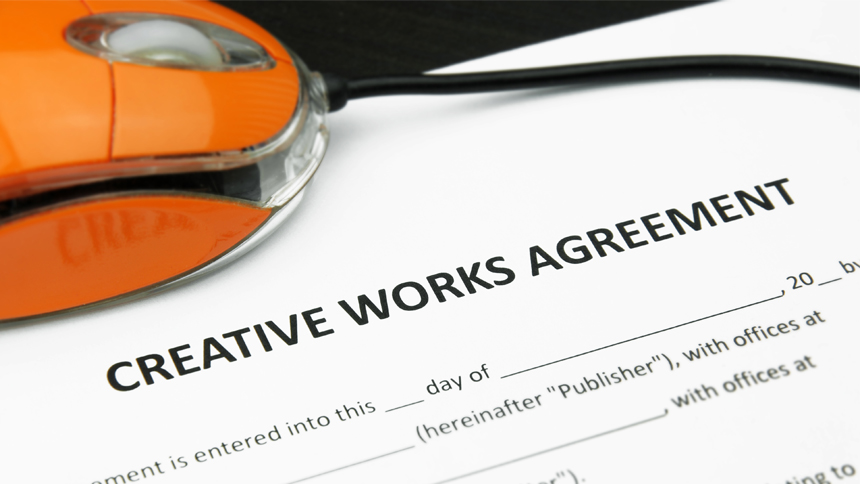
9 Terms to Know Before Signing a Freelance Contract

Learn what all that legalese in your client contracts really means

freelance contract
Admin icon
By Brittany Taylor
Brittany Taylor is an enterprise marketing manager and content strategist with over a decade of experience in B2B content marketing, brand building, and ghostwriting, with bylines in SELF, Teen Vogue, and Mediabistro. She currently leads content and branding across multiple brands at HireQuest Inc.
6 min read • Originally published November 19, 2015 / Updated March 7, 2016
Admin icon
By Brittany Taylor
Brittany Taylor is an enterprise marketing manager and content strategist with over a decade of experience in B2B content marketing, brand building, and ghostwriting, with bylines in SELF, Teen Vogue, and Mediabistro. She currently leads content and branding across multiple brands at HireQuest Inc.
6 min read • Originally published November 19, 2015 / Updated March 7, 2016

If you’ve got a JD diploma hanging in your office, you can probably go ahead and skip to the next article. But if you aren’t a member of the state bar, you may have a few questions about the fine print you’ve read on your client contracts. For example, what the difference is between “work for hire” and being an “independent contractor.”

Here are the terms you need to know, broken down by lawyers specializing in contracts for freelancers in creative fields, so you can confidently handle your next freelance contract.

Copyright

This is all about ownership. Whether you’re writing a nonfiction article or software code, designing an illustration or website wireframe, you automatically own the copyright to that work. You don’t have to register the work, though this can be helpful if you have to go to court to defend your copyright.

A contract for freelance creative work includes deliverables—aka what you create. And you’ll be selling licenses for others to use those deliverables. There are a slew of licenses available within your umbrella copyright ownership.

The various licenses you might see in a contract include print rights, worldwide rights, first serial rights, nonexclusive rights, foreign language rights and translation rights. A quick Google search can shed a little light on which bit of your overall copyright that license refers to.

Most companies want to buy all the rights they can for the cheapest price possible. And many freelancers instinctively want to give up as few rights as possible. As you read through a contract and consider negotiating the rights you’d be signing over, you need to understand the balance of power between you and the company you’re contracting with, says Kiffanie Stahle, a lawyer focusing on creative entrepreneurs in San Francisco and founder of The Artist’s J.D.

Some rights—like worldwide publication rights for an article posted online—are a given because the publisher’s website is globally accessible. Others might not be of any value to you, so they may be bargaining chips you’re willing to hand over.

Governing Law and Venue

This clause dictates where your contract dispute would be heard, should you and your company butt heads and be unable to work it out in a civil manner, explains lawyer Paul Menes, who specializes in entertainment and media law.

If you and the company are located in the same state, you’re golden. “If not,” Menes says, “it means that in the event of a dispute, the freelancer would likely have to travel to where the company would have home-field advantage in court or arbitration.”

Indemnity

Here’s where the blame game comes into play. Indemnity clauses dictate who is to blame if the contract’s deliverables get the company into trouble, often because of plagiarism, trademark infringement, or non-compete or non-disclosure violations. Most companies will make their freelancers 100 percent liable for any problems that arise.

Stahle says as long as you are being responsible about the work you submit, you shouldn’t worry too much about indemnity. But there are two ways to protect yourself. First, don’t “borrow” someone else’s work. “Keep your eyes on your own page and create using your own voice,” she says. Second, obtain liability insurance. “When buying coverage, it is important to double-check that your policy will cover intellectual property claims,” Stahle adds. “If it won’t, this coverage is usually available via a rider.”

Independent Contractor

This is basic and should be worry-free. Menes says this clause “usually states that not only is the freelancer responsible for his or her own taxes, but also for their own insurance, such as health, disability and workers’ compensation, as well as any ‘tools’ necessary to do their job.” This is where you might find guidelines for reimbursement of expenses, which are often negotiable.

Non-Compete

Don’t freak out when you read your first non-compete clause. While some may appear over-arching and way too broad for your comfort, they’re also common and, for large companies, typically non-negotiable. You’ll have to weigh the positives and negatives for yourself.

When you do, consider this: Are you realistically going to have another project before this non-compete expires that would jeopardize your work for this company—and would that theoretical new project be worth the damage it could cause your current working relationship?

Keep in mind, too, that “these clauses are used as a scare tactic and they don’t carry much legal weight,” Stahle says. “However, the likelihood that a court will enforce these terms varies greatly depending on where you live.” In California, non-competes are difficult to enforce and are very circumstantial.

In Florida, they’re far easier to uphold. Familiarize yourself with your state’s laws, and the states in which the companies you work with reside (remember that “Governing Law and Venue” bit above? It comes into play here).

Non-Disclosure

This one is a biggie, particularly for editors, consultants and ghostwriters, says Emmett Collazo, a copyright, patent and trademark attorney in the New York Tri-State area. This term governs what you can say about the work you did for your client.

Can you include the work in your portfolio? Can you put the company’s logo on your website? You want to nail this term down so it’s both mutually beneficial and crystal clear. And remember, the more exclusive your client wants the work to be, the more money you should be earning.

Scope

The scope or deliverables section covers the work you’ll be doing. For everyone’s benefit, this section should be as comprehensive as possible, says Menes. It should include the project’s expectations, milestones, due dates, timeline for payment, the terms of delivery and anything else you and the contracting company deem necessary.

If you have an ongoing contract with a company, the scope of individual projects might be listed on a separate rider. The initial contract will govern your relationship with your client, while the rider will govern each project you complete for them.

Warranty

Think of warranties as oaths you’re promising to uphold, such as: “I promise all my work is 100 percent original and is not plagiarized” and “My work for this company under this contract does not violate any other contracts I’ve signed previously.”

“These are common clauses in most types of contracts,” Menes explains. “Very basically, they mean that if the freelancer makes a promise in the contract and breaks it and a third party sues the company as a result, the freelancer has to cover and pay for any liability to the company, usually including legal fees.”

The best way to not violate warranties is to not make any promises you can’t keep. Understanding your contracts is an essential part of that.

Work for Hire

Most freelancers (and their lawyers) dislike work-for-hire clauses. Why? Because when you sign a contract that has one, you’re transferring 100 percent of your ownership of the deliverables over to your client.

Here’s the catch: A lot of contracts that specify “work for hire” don’t follow the U.S. Copyright Act’s definition of work for hire. So, Stahle says, “these clauses usually have a backup. The backup states that if a court determines that it isn’t a work for hire, then you will transfer your copyright to the client. Either way, the freelancer doesn’t own the copyright of the final deliverables.”

“At a minimum,” Menes adds, “freelancers should make sure they get credit for their work and the right to use it for their own promotional purposes.”

Now that you’ve got a handle on some of the legalese buried in freelance agreements, you’ll no doubt feel more confident the next time you have to sign on the dotted line. Of course, if you still have questions, don’t hesitate to get legal advice from a licensed attorney.


Topics:

Business Basics, Go Freelance
Business Basics

9 Lessons Freelancers Can Learn From Successful Entrepreneurs

Use the advice from these small-business owners to boost your freelance career

entrepreneur-feature
Admin icon
By Brittany Taylor
Brittany Taylor is an enterprise marketing manager and content strategist with over a decade of experience in B2B content marketing, brand building, and ghostwriting, with bylines in SELF, Teen Vogue, and Mediabistro. She currently leads content and branding across multiple brands at HireQuest Inc.
4 min read • Originally published November 19, 2015 / Updated March 7, 2016
Admin icon
By Brittany Taylor
Brittany Taylor is an enterprise marketing manager and content strategist with over a decade of experience in B2B content marketing, brand building, and ghostwriting, with bylines in SELF, Teen Vogue, and Mediabistro. She currently leads content and branding across multiple brands at HireQuest Inc.
4 min read • Originally published November 19, 2015 / Updated March 7, 2016

Yes, you’re a writer. But you’re also a business, and the sooner you start treating yourself that way, the more profitable you’ll be. Need a nudge? We asked crazy-successful entrepreneurs to open up about what they’ve learned since day one. Use their lessons as a kick in the pants, as a reminder that it does get better, and as an affirmation that you’ve totally got this.

1. Slow down.

Starting your own business, whether you’re a sole proprietor or a corporation, is a marathon, not a sprint, says Beerud Sheth, CEO of Teamchat and Webaroo and founder of freelance network Elance (now Upwork). “Sprinting can lead to mental and physical burnout,” he adds. “Pacing yourself well is critical to success.”

2. There will never be a perfect time. 

“The best advice I can give is to start today. Start before you’re ready, because you’ll never be ready,” advises former network news journalist Carlota Zimmerman. Now, Zimmerman is a coach for other small-business owners, but she wasted years worrying whether someone like her, with zero business background, could launch a successful startup.

“I was terrified of not knowing all the answers,” like should she become an LLC or how she would pay her taxes. “The search for perfection is a huge waste of time,” she says.

3. The more the criticism hurts, the more it has the potential to help.

Former architect Lori Cheek thought Shark Tank would be the perfect launch pad for Cheekd, her dating startup. However, she ended up not with a deal, but with some biting criticism from the sharks. Though Cheek was tempted to lick her wounds, “I heard what they said and decided to make a change,” she says.

A month later, she and her partner had pivoted the platform—and were pulling in more money than she’d asked the sharks for originally.

4. Understand the upside of a quick “no, thank you.”

Pitching magazines might feel different than working retail, but this doesn’t mean there aren’t similarities. Just like with that pair of jeans that keeps making the circuit from dressing room to sales floor, “not every idea is right for every individual,” Sheth advises. “I’d rather get a rejection quickly, save time and focus on real prospects.”

5. Pass on projects that aren’t a good fit for you.

It’s the first thing Melissa Dowler, co-owner of Long Haul Films, wishes she’d learned when she made the move from an advertising agency to her side-hustle production company.

“You have limited time and resources, and you want to spend that time working on projects that are most aligned with your vision and goals,” Dowler explains. “For a long time, we said ‘yes’ to opportunities even if we didn’t feel the fit was completely right. Trust your instincts.”

6. Learn how to juggle the roles of CEO, CFO and COO.

CEOs, CFOs and COOs run businesses, including the not-so-fun parts, like managing clients and projects, sending out and following up on invoices and seeing to it that your insurance premiums are paid and your taxes are filed on time.

Joe Koller, founder and CEO of digital media firm Slot Right, was astonished by the number of hats his startup supplied him with. “The key,” he says, “was to figure out a disciplined schedule which you need to stick to day to day and focus on the bottom line.”

7. Don’t be precious.

Ellen Jovin, who co-owns her communication skills training business, Syntaxis with her husband, emphasizes the importance of the hustle. It’s not enough to get out there and sell; you have to “get off your behind and think about what the customer needs and values,” she says.

“Audience awareness is key. This is about getting a job done for someone else who is not you and who does not care that you know what a participle is or that you think ‘incentivize’ should not be a word.”

8. Hit up industry alpha dogs.

A year ago, personal branding and online business strategist Kimra Luna was, she says, a digital nobody. She’s since taken her business from $0 to $1 million, but back then, she had no business acumen and no connections—and she was terrified to talk to people who did.

“Connecting with influencers who I admire and look up to has turned out to be way easier than I ever thought it could be,” she shares. “It turns out most people are totally open to hanging out with the new kid on the block once you’ve shown you’ve got chops for business.”

9. Think about the big picture.

It’s easy to think about what you want to do, career-wise. But what do you want your entire life to look like, now and decades from now? These are the questions Matt Urmy, CEO of Artist Growth, a music industry startup that builds data collection tools for artists, wants you to ask.

“Once you understand what you want your life to look like,” he explains, “you can begin the process of building the roadmap to get there. Then it just becomes a question of how badly you want it. If you want it badly enough, you’ll get it done.”


Topics:

Business Basics, Go Freelance
Networking

Networking apps

Swipe right to make brand-new professional connections

woman using a networking app on her phone
John icon
By John Lombard
John Lombard is a content strategist and writer with over a decade of experience creating interactive and video content for brands like Apple, IBM, and Samsung. He previously worked at Mediabistro and now serves as a Client Strategist at Ceros.
2 min read • Originally published March 4, 2016 / Updated March 7, 2016
John icon
By John Lombard
John Lombard is a content strategist and writer with over a decade of experience creating interactive and video content for brands like Apple, IBM, and Samsung. He previously worked at Mediabistro and now serves as a Client Strategist at Ceros.
2 min read • Originally published March 4, 2016 / Updated March 7, 2016

You know the importance of networking. You understand how a good connection can land you a new job or move you up in your company. But your time is limited and networking can be a real time-suck.

Hey, no worries. We’ve got you covered. Check out these three apps that make networking simple, painless and fast.

1. Shapr

The idea behind this networking app is simple: Every day, Shapr curates a list of top contacts using your information such as location, interests and career seniority.

Swipe left to pass on a connection or swipe right to “meet” the person. Then, if the feeling’s mutual, you’ll engage in conversation via Shapr’s chat.

The best part? Since you only receive a list of top possible matches once a day, you’ll save plenty of time. The app’s developers say checking your matches takes just a minute, so add it into your morning routine or maybe do it while you’re waiting on your salad order during your lunch break.

2. Weave

Think of Weave as the friend who’s always saying, “I’m getting you in touch with a buddy of mine. You’ll meet him Saturday. No excuses.” Don’t have a friend like this? Well then maybe you need Weave.

In a classic Tinder-style, once you’re matched with a person of aligning interests, and Weave sets up a meeting time and date. After the meeting, you share your thoughts with the app, which helps refine your future matches.

The great thing about Weave: It brings the human element back to networking. No LinkedIn messages back and forth, just a real, in-person meeting. Terrifying thought, right?

3. Lanyrd

Before you get all “but this is a conferencing app,” hear us out: Lanyrd might not cut down on the time it takes to attend a conference, but it can help save your precious conference-planning minutes by making it incredibly fast and easy to discover upcoming conferences and events in your field.

Because if you’re looking to boost your network, you really should attend conferences.

When you’re at the conference, Lanyard provides important networking information like who’s speaking, who’s attending and it even provides you with the conference’s official hashtag.

And if you’re killing it on social, this app might be perfect for you as it shows the events your LinkedIn and Twitter followers are interested in attending.

Boost your networking efforts with insights of one of our experts, who can help you learn how to develop and maintain your professional network to help you achieve your goals, in a one-hour career counseling session.

Topics:

Climb the Ladder, Networking

Posts navigation

Older posts
Newer posts
Featured Jobs
Association for Computing Machinery
Executive Editor
Association for Computing Machinery
New York City, NY USA

Delaware River Joint Toll Bridge Commission
Director of Communications
Delaware River Joint Toll Bridge Commission
Yardley, PA

Hearst Television
Account Executive
Hearst Television
Array

All Jobs »
PREMIUM MEMBER

Liza Burby

Northport, NY
40 Years Experience
As an award-winning journalist, author and editor I focus on business, health, science, environment, education, families, lifestyles, parenting,...
View Full Profile »
Join Mediabistro Membership Today

Stand out from the crowd with a premium profile

Mediabistro Logo Find your next media job or showcase your creative talent
  • Job Search
  • Hot Jobs
  • Membership
  • Newsletter
  • Career Advice
  • Media News
  • Hiring Tips
  • Creative Tools
  • About
Facebook YouTube Instagram LinkedIn
Copyright © 2026 Mediabistro
  • Terms of Use
  • Terms of Service
  • Privacy