Mediabistro Logo Mediabistro Logo
  • Jobs
    Search Creative Jobs Hot Jobs Remote Media Jobs Create Job Alerts
    Job Categories
    Creative & Design Marketing & Communications Operations & Strategy Production Sales & Business Development Writing & Editing
    Quick Links
    Search All Jobs Remote Jobs Create Job Alerts
  • Career Resources
    Career Advice & Articles Media Industry News Media Career Interviews Creative Tools Resume Writing Services Interview Coaching Job Market Insights Member Profiles
  • Mediabistro Membership
    Membership Overview How to Pitch (Premium Tool) Editorial Calendars (Premium Access) Courses & Training Programs Membership FAQ
  • Showcase
    Featured Creative Stories Submit your Story
  • Log In
Post Jobs
Mediabistro Logo Mediabistro Logo
Search Creative Jobs Hot Jobs Remote Media Jobs Create Job Alerts
Job Categories
Creative & Design Marketing & Communications Operations & Strategy Production Sales & Business Development Writing & Editing
Quick Links
Search All Jobs Remote Jobs Create Job Alerts
Career Advice & Articles Media Industry News Media Career Interviews Creative Tools Resume Writing Services Interview Coaching Job Market Insights Member Profiles
Membership Overview How to Pitch (Premium Tool) Editorial Calendars (Premium Access) Courses & Training Programs Membership FAQ
Featured Creative Stories Submit your Story
Log In
Post Jobs
Log In | Sign Up

Follow Us!

Networking

10 Instagram Accounts Every Media Professional Should Follow

Between double-taps on Kim Kardashian West’s latest selfies, add these accounts to your feed to better your own career

10 Instagram Accounts Every Media Professional Should Follow
By Franny Goldberg
4 min read • Originally published May 2, 2016 / Updated March 19, 2026
By Franny Goldberg
4 min read • Originally published May 2, 2016 / Updated March 19, 2026

How many times a day do you check your Instagram? (If you said less than three, you’re lying. But we digress.) Want to feel a little less guilty about your IG addiction? Start following these 10 Instagram accounts to add some career-fuel to your feed between the #foodporn and puppy accounts.


1. @Adweek

Covering breaking news and trends in media, marketing, advertising and technology, this is the ad industry’s go-to IG account, featuring everything within Adweek’s pages and beyond.

Hit the bio link to read our latest cover feature on how millennial icon, Kylie Jenner, built a sprawling audience – and a booming brand – at age 18. :camera_with_flash:: @maxabadian #Repost @kyliejenner . . . 1 day 2 covers. Thank you @adweek #thepowerofkylie

A photo posted by Adweek (@adweek) on Apr 11, 2016 at 12:43pm PDT

2. @Evachen212

Former Lucky editor in chief turned head of fashion partnerships for Instagram, Eva Chen gives her followers an inside look into everything New York, fashion and Facebook. (Plus, you know you’ve stalked #EvaChenPose on IG.)

According to @ginnynam, this is the nerdiest picture I’ve ever taken (fiddling with the Oculus Gear headset while fake-playing chess at Facebook… I guess she’s right).

A photo posted by Eva Chen (@evachen212) on Mar 30, 2016 at 8:57am PDT

3. @thefatjewish

Josh “The Fat Jewish” Ostrovsky is behind the laugh-out-loud graphics that flood your Instagram feed. And as a marketing or media pro, you know the power of a REALLY good meme, right?

Being unemployed is great because you can eat cereal in your underpants and watch the Real Housewives of Beverly Hills while blowing out billowing vape clouds, but not sick due to the spiraling depression of being poor and judged by your peers! Have fun on the job hunt! (@buzzfeed)

A photo posted by thefatjewish (@thefatjewish) on Feb 18, 2016 at 12:44pm PST

4. @iboommedia

A team of social media specialists, iboommedia helps customers see social media results and build social audiences. Their Instagram account is filled with helpful tips, tricks and stats that any social media marketer could use.

Social Media is the new way to go for your business. Here are 7 helpful tips to get you started! 1) Your profile is the no. 1 thing-First impression is everything. 2)Don’t use your personal page-You need a professional business page. 3) Create Valuable Content-Value is what people are looking for. 4) Be social-If all you do is post and ever engage with your fans, you will never get a huge following. 5) Post more often-The more active you are, the better. 6)Make it about your audience-Who are you talking to? 7) Pick the right platform for your business These tips may sound simple, but they will make all the difference! #iBoomMedia #socialmedia #socialmediamarketing #facebook #twitter #instagram #pinterest #realengagement #realfollowers #reachpeople #morefollowers

A photo posted by IBoom Media (@iboommedia) on Mar 11, 2016 at 2:01pm PST

5. @businessinsider

Click “follow” on Business Insider’s account to receive your daily dose of breaking news, media coverage and office tips and tricks.

Today, Arianna Huffington gives us some #mondaymotivation to jump start our week. Huffington reminds us to never stop pursuing our dreams even if we are fearful. What are your dreams? For more with @ariannahuff visit businessinsider.com/video. #motivationmonday #quote #advice #dreambig #career #pursuit #fear #determination #huffingtonpost #sleeprevolution

A photo posted by Business Insider (@businessinsider) on Apr 4, 2016 at 9:21am PDT

6. @suebzimmerman

Sue Zimmerman and her team help brands find success on Instagram. Her IG profile’s feed is filled with inspiring quotes, a look into their clients and up-to-date info on marketing events, workshops, classes and more.

When you #RespectYourSelfie EVERYTHING comes into place! Who agrees? #repost @sbzteam :||: #theinstagramexpert

A photo posted by The INSTAGRAM Expert is #Sue? (@suebzimmerman) on Feb 19, 2016 at 7:51pm PST

7. @richardbranson

Virgin Group founder and world-renowned entrepreneur Richard Branson fills his Instagram with event photos, adventure shots and insight into his billion-dollar mind.

A photo posted by Richard Branson (@richardbranson) on Feb 29, 2016 at 3:47am PST

8. @prnews

This feed is naturally public-relations heavy, but the funny memes, motivational quotes, industry event photos and media stats would be helpful to any media pro.

Trying to stay up to speed with everything happening at #SXSW? Follow these four hashtags!

A photo posted by @prnews on Mar 11, 2016 at 7:43am PST

9. @360i

This award-winning global digital agency gives its Instagram followers a behind-the-scenes look into its team, its clients, and the industry these professionals thrive in.

360 degrees of awesome. @advertisingage #AListers 4 years straight #proud

A photo posted by 360i (@360i) on Jan 25, 2016 at 11:29am PST

10. @mediabistro

Shameless self-promotion time: We’re on Instagram! Follow our Instagram feed for career advice, contests and giveaways, digital mentorship from media pros, and a deeper dive into the Mediabistro community.

Just because you didn’t get that callback, interview, or promotion you wanted doesn’t mean you won’t. Lucky for you, we’re in the #Lemonade business ??? Head to mediabistro.com for expert #advice on the next steps for your career

A photo posted by Mediabistro (@mediabistro) on Apr 26, 2016 at 3:39pm PDT

Topics:

Climb the Ladder, Networking
How to Pitch

How to Pitch Edible Philly: Freelance Writer’s Guide

This hyperlocal foodie mag savors storytelling that highlights personal connections to Philadelphia

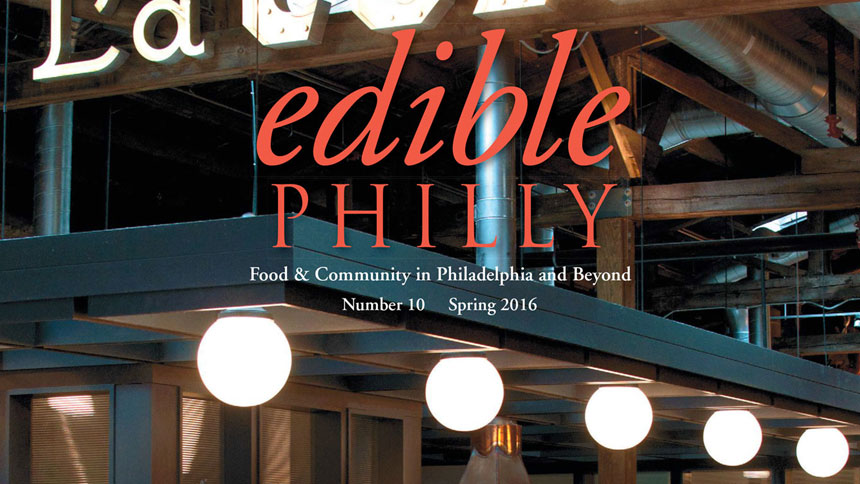
Edible Philly Cover spring 2016
Valerie icon
By Andrea Williams
@AndreaWillWrite
Andrea Williams is an author, journalist, and columnist for The Tennessean with over 16 years of experience in journalism and 20 years in copywriting and communications strategy. Her work spans national outlets and high-traffic digital brands.
5 min read • Originally published May 2, 2016 / Updated March 19, 2026
Valerie icon
By Andrea Williams
@AndreaWillWrite
Andrea Williams is an author, journalist, and columnist for The Tennessean with over 16 years of experience in journalism and 20 years in copywriting and communications strategy. Her work spans national outlets and high-traffic digital brands.
5 min read • Originally published May 2, 2016 / Updated March 19, 2026

Circulation: 25,000
Frequency: Quarterly
Special issues: None

Background: Philadelphia—and the entire southeastern Pennsylvania region, from downtown Philly to Lancaster and Lehigh Valley—has much more going on in its food scene than famous local cheesesteak joints.

There’s a whole culinary world out there—one that Joy Manning, as editor of Edible Philly—works to document. Since 2013, Edible Community Publications has been publishing the Philadelphia-area mag, one of the newest of its 100-plus titles across the country that each celebrate regional food culture.

It’s that hyperlocal focus that sets it apart from competitors. “We’re kind of the opposite of the big glossy magazines that aim to be so universal,” Manning says.

In Philly, this means using food as a backdrop to discuss important community issues like environmental sustainability. “We have the big farm-to-table movement in the restaurants,” Manning explains. “We also have a huge agriculture theme here; we have people interested in decreasing food waste; and [fighting] hunger—all of that stuff is of interest to us and our readers.”

Manning likes to keep the quarterly Edible Philly evergreen, dishing up content that won’t spoil before readers have a chance to dig in. “We don’t really focus on trends and things that are new,” she says, “and we really like things where the writer of the story has some kind of personal connection with the subject—like a story they can only tell.”

What to pitch: Every issue of Edible Philly is free online. In the archives, you’ll find that coverage spans everything from restaurants to home cooking, markets and shopping to gardening.

There are established departments, and, with a knowledgeable, well-written pitch, each of them is relatively easy to break into. One example is “Road Trips,” which profiles a different neighborhood or town in agricultural Philly.

“If you live in a neighborhood or town that you want to talk about in that column, I’ll assign that without hesitation, particularly if you can show me that you are an insider in that place,” Manning says.

Other pitchable sections include the front-of-book, which features 200-word “snack-size” items that cover some aspect of local food news, events, trends or food artisans and their products.

The features well spotlights 1,500- to 3,000-words pieces on a variety of topics. For example, “Global City” is a column celebrating international food; it can be singularly focused or a roundup of places or personalities with a common theme.

Manning previously ran a roundup of all the West African restaurants in a Philly neighborhood, but any similar stories—say, a new collection of ethnic markets or a gardener growing traditional Cambodian vegetables—are up for grabs as well.

Essays are fair game, too, and at 800 words, the qualifying subjects are as wide-ranging as the writers who pen them.

“One writer wrote an essay about this gouda that was a cheese she had loved in her childhood,” says Manning. “She wrote about how she bought up a few cases before it went off the market and brought the gouda to her father who had Alzheimer’s, and how this gouda made him happy and created a wonderful moment between the two of them.”

What not to pitch: There are no closed sections.

Online opportunities: None at this time

What publicists should pitch: Because of publishing frequency as well as a desire to remain grounded in local, under-the-radar storytelling, Manning is careful to avoid regurgitating the same stories that are running in local blogs and newspapers.

If you’re thinking about sending the same pitch you sent to one of those outlets—don’t. “I would really love it if publicists read the magazine and were sensitive to our way of doing things,” she explains. “We like to tell the untold story.”

Percentage of freelance content published: 90 percent
Percentage of freelance pitches accepted: 30 percent

Recent freelance story pitched and published: In the winter 2015 issue, Manning ran a story called “Culture Club,” about the rebirth of a local brand of cultured butter.

“It had a distinct, compelling main character who was on a quest,” says Manning on why she liked the pitch. “The subtext is ‘one chef’s quest for another taste of the best butter.’ He had bought this butter as a younger person and always remembered it, and when it vanished, he made it his business to find out where that butter went and how to get it back.”

Etiquette: Sending over a well-written pitch with your idea is a given, but it’s also important to show what makes you knowledgeable about the region.

If you don’t live in the area, do you have family that you visit regularly? A summer home? Did you attend a local college?

For Manning, these details are just as important as the story itself. “I really like people to have a connection,” she says. “Edible readers know our local voice, and it’s really community-driven.”

Lead time: Six months to a year, but Manning does like to hear from people with great, seasonal stories she can photograph now to publish next year.
Pay rate: $50 for a short story to $375 for a feature. And while Manning acknowledges that some titles pay much more, she notes that establishing a relationship can bring much more work in the future.
Payment schedule: On publication
Kill fee: None. “I can tell you, though, I don’t kill stories,” Manning says.
Rights purchased: First rights. Once published, all rights revert to the writer.

Contact info:
Edible Philly
3401 Grays Ferry Avenue
Philadelphia, PA 19146
(215) 933-9266
ediblephilly.com
Twitter | Facebook
Email format: FirstName@ediblephilly.com

View the Edible Philly masthead

Direct all pitches to:
EDIBLEPHILLYPITCHES at GMAIL dot COM


EDITOR’S NOTE: Though we’ve updated this article recently, the speed at which things move in media means things may have already changed since then. Please email us if you notice any outdated info.

Topics:

Go Freelance, How to Pitch
Skills & Expertise

Top Marketing Experts You Should Follow on Twitter Right Now

Get your marketing career on the right track by following the musings of these industry pros

Experts to follow on Twitter
Valerie icon
By Molly Folse
@MollyFolse

Molly Folse is a marketing leader with 20 years of experience in content strategy and social media, currently serving as Director of Content and Creative at Protective Life. She has led award-winning content and digital campaigns across financial services, higher education, travel, and consumer brands.

2 min read • Originally published May 3, 2016 / Updated March 19, 2026
Valerie icon
By Molly Folse
@MollyFolse

Molly Folse is a marketing leader with 20 years of experience in content strategy and social media, currently serving as Director of Content and Creative at Protective Life. She has led award-winning content and digital campaigns across financial services, higher education, travel, and consumer brands.

2 min read • Originally published May 3, 2016 / Updated March 19, 2026

Twitter is great for keeping up with celebrity gossip. But it’s even better for staying up to date with the latest industry trends.

Be sure to keep these marketing stars on your radar.

Neil Patel
@neilpatel

Follow popular columnist and founder of KISSmetrics for inspirational quotes and links to his latest blog posts and webinars on digital marketing.

Michael A. Stelzner
@Mike_Stelzner

As the founder of Social Media Examiner, Stelzner regularly shares social media insights with his followers. 

Jay Baer
@jaybaer

Jay Baer is president of Convince and Convert, an influencer marketing, customer experience, content marketing and social media service. According to a Leadtail.com study, he’s “the most re-tweeted person in the world among digital marketers.”

Rand Fishkin
@randfish

Moz founder Rand Fishkin puts out 30 to 40 tweets each week on marketing, SEO, technology and startups.

Ann Handley
@MarketingProfs

This head of content at MarketingProfs and author of Everybody Writes is waging war on mediocrity in content marketing. Follow her to make sure you don’t get caught in the crossfire.

Dharmesh Shah
@dharmesh


HubSpot’s founder doesn’t just tweet about inbound marketing and startups. His followers enjoy the entrepreneur’s humorous observations and conversations with other thought leaders.

Joe Pulizzi
@JoePulizzi

Want to stay up to date on all things content marketing? Content Marketing Institute founder and industry leader Joe Pulizzi is your guy.

Kim Garst
@kimgarst

A Forbes Top 10 social media influencer, Kim Garst shares her expertise in social media selling and lead generation.

Topics:

Climb the Ladder, Skills & Expertise
Interview Tips

Are You Really Ready for Your Job Interview? A Checklist

Check off this to-do list of before you meet your potential new boss

Job interview preparation
Valerie icon
By John Lombard
John Lombard is a content strategist and writer with over a decade of experience creating interactive and video content for brands like Apple, IBM, and Samsung. He previously worked at Mediabistro and now serves as a Client Strategist at Ceros.
4 min read • Originally published May 4, 2016 / Updated March 19, 2026
Valerie icon
By John Lombard
John Lombard is a content strategist and writer with over a decade of experience creating interactive and video content for brands like Apple, IBM, and Samsung. He previously worked at Mediabistro and now serves as a Client Strategist at Ceros.
4 min read • Originally published May 4, 2016 / Updated March 19, 2026

You’ve got a meeting about a prospective new job on the horizon, and even though you’ve been prepping for it, you can’t help but wonder if you’re really ready for that job interview.

We spoke to a few hiring veterans from top digital media companies, and compiled a final checklist, to help you gauge whether you’re good to go.

Have you done your research?

The first thing you need to do to prep for your upcoming interview is research. The second thing is research. And the third thing is, yes, more research.

Knowing the company inside and out shows the hiring manager you’re actually invested in this opportunity, and having this information can help you develop questions to ask the interviewer.

Jodie Cook, managing director of JC Social Media Limited, a UK–based social agency, recommends reading the company’s last 10 blog posts, looking over their About Us page and checking out their client list and case studies.

And if you’re interviewing at an agency, be ready to talk recent awards, client wins and any industry news that might be affecting the company. Cook also says it’s important to know which clients of theirs you’d like to work with if you got hired.

Did you research the people you’re interviewing with?

Oh, yes, there’s even more research: Before your interview, ask the hiring manager who you will be meeting with on the big day. You’ll show you want to be as prepared as possible for your interview, and you’ll be able to develop probable interview questions and responses tailored to the people in the room.

Once you have the names of the people you’ll be interviewing with, look them up on LinkedIn and other social channels. Check out their background and their skills. If you’re going to be meeting with somebody in the same position as you, get clues about the job by reading how the person describes the role on LinkedIn.

Have you prepared your questions?

Here’s where all that research comes in. At the end of every interview, the hiring manager is going to ask, “What questions do you have for me?” This is your opportunity to show your knowledge of the industry, the company you’re applying for and your interviewer.

It’s also your chance to showcase yourself in this role by asking a question such as, “What is the most important or most immediate task that needs to be tackled?”

Cook recommends having at least three questions for the interviewer at the ready, so formulate some good ones before you call this task done.

Are you ready for curveball questions?

While you can never be totally prepared for any tricky interview question, you can at least enter the interview with a solid understanding as to why these questions are asked. That way, you’ll able to answer them with the interviewer’s goal in mind: Seeing how you think on the fly.

“Since marketing and digital media is so fluid, our workers need to be nimble on how they attack problems,” says Mike Matus, CEO and owner of Tower Marketing, a Pennsylvania-based marketing agency, “Being able to answer those questions well that they’re not ready for is a good indicator on how well they will do on the job.”

Do you have a story to tell about your resume?

One great way to humanize your past work experience is to create a resume story. Laura MacLeod, human resources expert, LMSW and creator of From The Inside Out Project, says a resume story is used to show who you are “beyond the piece of paper.”

To develop your resume story, MacLeod suggests discussing something from a previous job you found interesting or humorous, or talking about an early mistake you made in your career. “This shows your humanity and ability to make mistakes and learn from them,” says MacLeod.

At any media job, you’ll be interacting with people, sharing interests and collaborating on a team. So show how you’ll be able to do these things in your resume story, says MacLeod: “Know who you are—as a person—and share that.”

Do you understand your value?

Rather than solely proving you have the technical skills to land the job, Juhea Kim, editor in chief at pulsd and co-founder of the healthy living site Peaceful Dumpling, says interview prep is more about recognizing value from both parties.

“When you can succinctly and confidently state how this is a uniquely, exceptionally beneficial arrangement for both sides, you’re ready for that interview,” says Kim.

One way to get the ball rolling on this is to take a good look at the responsibilities and required skills in the job description. The more you can make connections between past experience and skills needed in the prospective job, the more you can show the value you’d be able to contribute to this role.

Did you check every item off this list?

Small things, like remembering to print out your resume, can have a big impact come interview day. Prep everything on this list the days before to avoid forgetting key interview items.

  • Prepare interview outfit (ironed, cleaned, hanging up ready to go)
  • Print out enough resumes for everyone in the room, including a couple extras
  • Tackle any personal primping (haircut, nails)
  • Double check the interview information, ensuring you’re bringing everything requested

Looking for more interview tips? Check out Mediabistro’s career services to help you land that perfect gig.

Topics:

Get Hired, Interview Tips
Job Search

How Professional Associations Can Supercharge Your Job Search

The #WeekendJobSearch Assignment #7: Join an association to boost your career and job prospects

Professional associations to join for your #weekendjobsearch
Valerie icon
By John Lombard
John Lombard is a content strategist and writer with over a decade of experience creating interactive and video content for brands like Apple, IBM, and Samsung. He previously worked at Mediabistro and now serves as a Client Strategist at Ceros.
2 min read • Originally published May 6, 2016 / Updated March 19, 2026
Valerie icon
By John Lombard
John Lombard is a content strategist and writer with over a decade of experience creating interactive and video content for brands like Apple, IBM, and Samsung. He previously worked at Mediabistro and now serves as a Client Strategist at Ceros.
2 min read • Originally published May 6, 2016 / Updated March 19, 2026

Welcome back! We’re on week 7 of The #WeekendJobSearch, our ongoing series that breaks the whole job-search process into 13 totally doable to-do items.

Last week, we helped you start networking, taking a few small steps toward connecting you with professionals and influencers in your field. This week, we’re powering your network even further by getting you enrolled and involved in professional associations.

The #WeekendJobSearch Assignment #7

Join an Association

There are plenty of great reasons to join a media association. Here are just a few of the benefits these organizations offer:

  • Chances to connect at sponsored events with others in your field at various points in their careers
  • Opportunities for professional development with conferences, classes, newsletters and webinars that keep you up on industry trends
  • Discounts on event admissions
  • Hiring managers’ interest when they see your membership listed on your LinkedIn profile

Sure, most associations are not free—though local organizations tend to be less expensive than national ones—but if you’re serious about becoming the job seeker employers are scrambling over, consider this an investment in your future, super-hirable self.

Check out this list below to get started. If you can foot the bill, sign up for an association today within your media niche. And if you’re strapped for cash, join a LinkedIn group right now. Here’s a good start: Ask to join this popular digital marketing group or become a bronze member of The Association of Strategic Marketing—it’s free.

Marketing

Direct Marketing Association
American Marketing Association

Advertising

American Advertising Federation
Advertising Women of New York

Digital Marketing

Internet Marketing Association
Digital Analytics Association

Digital Media

International Digital Media and Arts Association

Editorial & Journalism

American Copy Editors Society
Society of Professional Journalists

PR & Communications

Public Relations Society of America
International Association of Business Communicators

Social Media

Social Media Association
Social Media Club

And that’s it for week 7! Next week, we’ll be tackling interview prep so you can go into your next meeting with a recruiter or hiring manager confident, prepared and ready to close the deal.

  • Start from the beginning: #WeekendJobSearch Assignment #1
  • Share your progress on Twitter: #WeekendJobSearch

Topics:

Get Hired, Job Search
Job Search

Weekend Reads: Essential Job Search and Career Advice

Missed the latest Mediabistro coverage? No worries. Here’s what you need to know about your career and job search now.

ICYMI: career and job search advice
Valerie icon
By Katie Hottinger
@katiehottinger
Katie Hottinger is a content strategist and UX designer with over 15 years of editorial experience across brands including JPMorgan Chase, Google, Condé Nast Traveler, and Mediabistro. She specializes in digital content strategy and multi-platform editorial execution.
4 min read • Originally published May 12, 2016 / Updated March 19, 2026
Valerie icon
By Katie Hottinger
@katiehottinger
Katie Hottinger is a content strategist and UX designer with over 15 years of editorial experience across brands including JPMorgan Chase, Google, Condé Nast Traveler, and Mediabistro. She specializes in digital content strategy and multi-platform editorial execution.
4 min read • Originally published May 12, 2016 / Updated March 19, 2026

Friday’s almost here; can you feel it. As you start formulating those weekend plans, be sure to slate in time to catch up on the latest Mediabistro career and job search coverage—you know, in case you missed it.

Check out the links below now, or add them to your polish-off-before-the-weekend to-do list.

1. Update Your Resume—Painlessly, We Promise—With These Easy Steps: Giving your CV a refresh doesn’t have to fill you with dread. We’ll show you how to do it—and help make yourself irresistible to hiring managers—in just a few minutes with these easy-to-follow step-by-step instructions.

2. Get the Most Out of Your Next Conference—and Give Your Career a Boost: Maximize your job prospects and expand your network with these simple tips for conference attendance that’ll take you from registration to the event to follow-up with your new contacts.

3. Employers Want These Traits in Entry-Level Hires: If you’re a workforce newbie, you’re probably wondering what your prospective bosses are looking for in employees. Here’s a crash course on what hiring managers love, and how to give it to them.

4. What Does a Graphic Designer Do?: If you’ve got a keen visual sense and know how to deliver what the client wants, you may just have what it takes to get ahead in this always-in-demand design role.

5. How to Ask for a Referral Without Looking Sleazy: Psst! If you’re looking for a new job—and chance are if you’re reading this you’re at least thinking about it—one of the best ways to get your foot in the door is to get an employee referral. Here’s how to do it without seeming pushy.

6. Here’s What Hiring Managers REALLY Hate: Want your future boss to like you? It’s easy—just steer clear of these four really annoying, all-too-common job candidate pitfalls.

7. 14 Awesome Behind-the-Scenes TV Jobs: If you’re looking to break into a career in television, or if you’re already on your way and looking for your step up, here are 14 great jobs—in news or content, project management, digital storytelling and more—open now on our job boards.

8. The Web Analytics Skills You Need to Know: Want to know who clicks on a website, where, when and how often? Here are the essential analytical skills every media pro needs to know—and that can turn you into one of the most valuable people at work.

9. Super-Easy Ways to Enhance Your Job Search—Especially If You Hate to Network: Networking doesn’t have to make you cringe. Here’s how to do it quickly and easily by taking just a few small steps toward connecting with professionals and influencers in your field.

10. 10 Instagram Profiles Every Media Professional Should Follow: Sure, there are plenty of Kim Kardashian selfies and #foodporn shots to be found on Instagram. But here are the profiles to follow if you want to power your media career.

11. What Does a Business Development Director Do?: There’s more to this key biz dev position than driving sales. Discover the ins and outs of this never-boring position that’s about creating opportunity.

12. 8 Media and Marketing Experts to Follow on Twitter: The ubiquitous social media platform is great for keeping up on celebrity gossip. But Twitter can also keep your marketing career on track, thanks to the frequent 140-characters-or-less musings of media and marketing leaders. Here are the ones to follow.

13. 22 Health-Related Jobs to Check Out Right Now: If you’ve got a background in health and wellness, you’re going to love the health-related job openings available right now on our job board. Here are 22 to check out, stat.

14. Are You Ready for Your Job Interview?: You’ve been prepping for your meeting with a potential new boss, but how to know if you’re really good to go? Here’s a quick checklist to get you there—and yep, it involves doing some research.

15. Grow Your Professional Know-How and Make Powerful Connections in One Simple Step: Here’s how to boost your career and job prospects by tapping into the power of media professional associations.

16. How to Use Instagram to Find a Job: Learn how to turn this visual platform into a job-search secret weapon to interact with brands, and put your best, photogenically manicured foot forward.

17. Employers: Get More Job Candidates With One Simple Phrase: If you’re a hiring manager looking to fill a role, you could be missing out on the best candidates just because they don’t know how to apply. Here’s how to lure ’em in using an encouraging “call to action.”

18. 11 Ways to Crush It in Your New Job: Congrats! You got a new job! Here’s how to impress the new boss, and get yourself rising through the ranks in no time flat.

19. 10 Jobs in Academic Publishing You’d Be Smart to Check Out: Calling all academics who aspire to work in book publishing—we’ve got jobs that might be right up your alley.

20. Why You Need to Hire a Professional Resume Writer: If you’re applying to jobs and not hearing back, it may not be you; it could be your resume. Here’s how hiring a professional resume writer can turn your CV into one that gets recruiters’ attention.

Topics:

Get Hired, Job Search
How to Pitch

How to Pitch Edible Jersey: Freelance Writer’s Guide

This Garden State publication showcases the “untold stories” of local food makers and markets

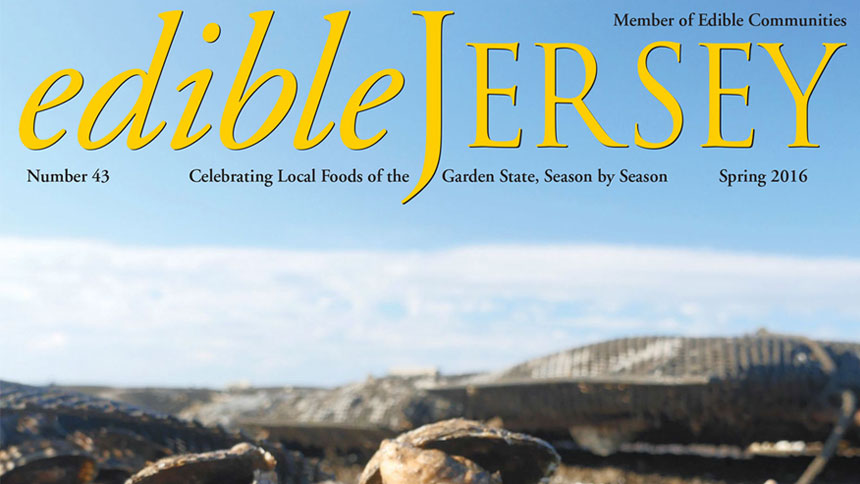
Edible Jersey Cover spring 2016
Valerie icon
By Andrea Williams
@AndreaWillWrite
Andrea Williams is an author, journalist, and columnist for The Tennessean with over 16 years of experience in journalism and 20 years in copywriting and communications strategy. Her work spans national outlets and high-traffic digital brands.
5 min read • Originally published May 12, 2016 / Updated March 19, 2026
Valerie icon
By Andrea Williams
@AndreaWillWrite
Andrea Williams is an author, journalist, and columnist for The Tennessean with over 16 years of experience in journalism and 20 years in copywriting and communications strategy. Her work spans national outlets and high-traffic digital brands.
5 min read • Originally published May 12, 2016 / Updated March 19, 2026

Circulation: 40,000
Frequency: Bimonthly
Special issues: None

Background: Edible Jersey—part of Edible Communities, a network of more than 100 local publications produced and distributed across the country—has been around since 2007. And lest you think the Jersey food scene is all hot dogs and funnel cakes at the Shore, executive editor Joy Manning’s magazine proves otherwise: New Jersey is the Garden State, after all.

There’s coverage of restaurants and food shopping, of course, but Edible Jersey is also full of articles about big farmers and small gardeners, plus the home cooks who bring those harvests to life.

There are features on artisan food makers and the specialty food markets. And there’s ample coverage of food-related issues, like hunger and agricultural policy, and how those topics manifest with the everyday people in New Jersey neighborhoods.

“We’re kind of the opposite of the big glossy magazines that aim to be so universal,” Manning explains.

This goal—to shirk all direct competition and become the local, grass-fed burger place to everyone else’s fast-food joint—is perhaps the most singular force driving Manning’s editorial focus.

“A lot of what we think about when we’re assigning stories is what can we assign that is not going to be covered in New Jersey Monthly or on a blog,” she says. “We don’t really focus on trends and things that are new, and we really like things where the writer of the story has some kind of personal connection with the subject—like a story they can only tell.”

What to pitch: According to Manning, any story idea that’s food-focused and grounded in the local New Jersey scene is fair game. But if you’re looking for more concrete direction, she suggests these departments as the most freelancer-friendly:

Tidbits: These 150- to 200-word “snack size” items cover some aspect of local food news, an event, food artisans and their products, or a trend. Though they’re usually written in house, they’re still open for pitches.

Edible Health: This section covers health and wellness with a local food angle, like a recent piece that examined raw milk in New Jersey.

First Person: Manning loves to see pitches for personal essays that focus on a food theme and also have a local hook of some kind—though she says that, sometimes, the fact that the author lives in New Jersey is enough. These pieces usually run around 800 words and can include a recipe if it’s relevant.

Features: The Edible Jersey features well houses pieces from 1,500 to 3,000 words in length and covering a variety of topics, including farming, restaurants, food artisans, home cooking, markets and shopping, policy and the environment and more.

“Edible Jersey features are always people-focused, and the people behind the food is often what we’re driving at,” Manning explains. “When you pitch a feature, it should always be clear who the story’s main character is. And that character could be you—we love a reported, first-person feature.”

Drinks: “In each issue, we like to cover some aspect of local beer, wine or craft spirits culture,” says Manning. “It can be about making it, serving it or even enjoying it.” These stories are around 1,000 words.

Melting Pot: This column celebrates international food across the Garden State and can focus on one particular person or establishment, or a roundup of places around a common theme. This piece runs roughly 1,000 words as well.

What not to pitch: There are no closed sections.

Online opportunities: None at this time

What publicists should pitch: First tip for publicists looking to pitch Edible Jersey: Read the magazine. All of the back issues are available for free online, says Manning, so there’s no excuse for not understanding the exact tone of the book, as well as the types of personalities and products that typically get covered.

“We’re not going to go for something that’s packaged in New Jersey, but we are going to be interested in something that’s made from New Jersey–grown produce,” she explains.

In keeping with Edible Jersey’s focus on stories that aren’t being regurgitated across all other media outlets, Manning also notes that this due diligence could inspire a new pitch that a publicist may not have previously considered.

“I would really love it if publicists read the magazine and were of sensitive to our way of doing things,” she explains. “We like to tell the untold story.”

Percentage of freelance content published: 90 percent
Percentage of freelance pitches accepted: 30 percent

Recent freelance story pitched and published: “Oysters and Knots,” the cover story of the spring 2016 issue, is about the tension between local oyster farmers and environmentalists.

“We liked that the story wasn’t just a rah-rah, ‘How great are our local oysters?’ piece,” Manning says. “It exposed an almost counterintuitive issue. Everyone always thinks that oysters seem so environmentally friendly, but in reality, some environmentalists are anxious because oyster farming might be threatening a shorebird called the Red Knot. That’s a very interesting story we haven’t heard.”

Etiquette: According to Manning, Edible Jersey is “very easy to pitch,” in the sense that if you are familiar with the magazine, can write a clear and compelling pitch, and have an engaging writing style, you’re very likely to score an assignment.

One other must: Detailing your relationship with New Jersey and the local food scene. “I really like people to have a connection,” Manning says. “Edible readers know our local voice, and it’s really community-driven.”

Lead time: Six months to a year, but Manning is open to pitches on seasonal stories she can photograph now for publication next year.
Pay rate: $50 for a short story to $375 for a feature. Manning also notes that getting in the door and turning out a successful story can lead to regular assignments—and paychecks—in the future.
Payment schedule: On publication
Kill fee: None, as Manning says she doesn’t kill stories
Rights purchased: First rights. Once published, all rights revert to the writer.

Contact info:
Edible Jersey
P.O. Box 279
Maplewood, NJ 07040
(973) 763-6691
ediblejersey.com
Twitter | Facebook
Email format: FirstName@ediblephilly.com

View the Edible Jersey masthead

Direct all pitches to:
EDIBLEJERSEYPITCHES at GMAIL dot COM

Topics:

Go Freelance, How to Pitch
Job Search

#MBJobChat Recap: How to Launch Your Career After College

#MBJobChat Recap: How to Launch Your Career After College
Katie icon
By Mediabistro
The Mediabistro editorial team draws on 25 years of media industry expertise to cover jobs, careers, and trends shaping the industry.
1 min read • Originally published May 13, 2016 / Updated March 19, 2026
Katie icon
By Mediabistro
The Mediabistro editorial team draws on 25 years of media industry expertise to cover jobs, careers, and trends shaping the industry.
1 min read • Originally published May 13, 2016 / Updated March 19, 2026

We partnered with Lauren Berger, the “Intern Queen” (@InternQueen), for our second Twitter chat to discuss how recent graduates and college students getting ready for graduation can succeed in today’s job market. See some of the highlights and our community’s answers below: 

Topics:

Get Hired, Job Search
Skills & Expertise

Career Wisdom: Expert Advice From Top Marketing Leaders

Top media pros reveal their secrets to career success

expert advice from marketers
Valerie icon
By Mediabistro
The Mediabistro editorial team draws on 25 years of media industry expertise to cover jobs, careers, and trends shaping the industry.
2 min read • Originally published May 17, 2016 / Updated March 19, 2026
Valerie icon
By Mediabistro
The Mediabistro editorial team draws on 25 years of media industry expertise to cover jobs, careers, and trends shaping the industry.
2 min read • Originally published May 17, 2016 / Updated March 19, 2026

As you kick off your career, you probably get lots of advice from just about everyone you know. And maybe some from people you don’t know.

But we’re pretty sure none of that counsel stacks up to the pearls of wisdom from these experts who have not only been in your shoes and lived to tell the tale, but have successfully secured top spots among the marketing elite.

Take a load off.  

“Your job as an entry-level team member is to take some of the load off your new teammates. If you are not delivering for your teammates, you won’t have to wait for your boss to get mad; your team will likely throw you overboard if you are dead weight.” —Mike Harris, co-founder of Uproar PR

Go confidently in the direction of your dreams, just don’t be a jerk about it.

“Be confident about the things you do well and humble enough to admit when you have no idea what you’re doing. Showing people you know the difference will make them trust your instincts, and your strengths will become your calling card, making you invaluable.” —Alana Yankowitz, publicist at PR DEPT

“Don’t demand authority. Eagerly take responsibility. Relentlessly give credit.” —Seth Godin, marketing expert and author, sethgodin.com

Realize you don’t know everything…yet.

“Be open and fully committed to learning… You’re bound to excel in one area over the others such as media, strategy or client relations, but commit to developing the entire skill set, and success will follow.” —Stacy Berns, founder and president of Berns Communications Group

“I’ve heard this from a few people, but you should always be learning in your job. If you’re not learning, it’s time to move on.” —Mollie Chen, editorial director at Birchbox

“Be endlessly curious. Read blogs daily. Use new platforms that are gaining traction.” —Tom Pettus, EVP, group creative director at Deutsch

Don’t shy away from a challenge.

“If your boss asks if you want to work on a direct marketing account with almost no brand awareness or money, say yes.” —Steve Bassett, Group Creative Director at The Martin Agency

Be yourself—and all these other things, too.

“Be hungry. Be brief. Be aware. Be consistent.” —Sarah Hofsteter, CEO of 360i


Topics:

Climb the Ladder, Skills & Expertise
Job Search

How to Convince Your Boss to Let You Work From Home

The dos and don'ts of getting past the "on-site only" job requirement

home office set up for employee to work from home
Admin icon
By Kristen Fischer
Kristen Fischer is a freelance writer, journalist, and copywriter with over 20 years of experience, currently serving as a health writer for AARP with previous staff roles at WebMD and WW. Her work has appeared in Prevention, Healthline, Woman's Day, Parade, and Writer's Digest, and she is the author of four books.
5 min read • Originally published May 19, 2016 / Updated March 19, 2026
Admin icon
By Kristen Fischer
Kristen Fischer is a freelance writer, journalist, and copywriter with over 20 years of experience, currently serving as a health writer for AARP with previous staff roles at WebMD and WW. Her work has appeared in Prevention, Healthline, Woman's Day, Parade, and Writer's Digest, and she is the author of four books.
5 min read • Originally published May 19, 2016 / Updated March 19, 2026

You’ve spotted an opening on the job board for the perfect full-time or freelance gig, but the position is based miles away. What do you do—apply anyway?

Although most media professionals can do the majority (if not all) of today’s work from a home office simply with a decent Internet connection and a working phone, not every company is open to flexible working solutions. If a listing explicitly states “on-site only” and you don’t live within commuting distance, warns John Poore, a director of staffing services who works with Facebook, don’t even waste your time applying, as those companies may have had bad experiences with remote employees. “You’ll spend more of your time on their objections,” he says.

Yet, with a little research and a positive attitude, it is possible to convince a hiring manager that you’re the right person for the job, regardless of your location. Here are some dos and don’ts to help you get past that “in-house” mentality.

DO: Assess your own candidacy

Taking time to see if you’re a match for the position is important, because then you can build your elevator pitch around it. “For the best candidate, companies will become flexible,” Poore notes.

But that entails proving you are the best, so it’s important to consider a few things before pressing forward: Are you set up to work from home with regard to equipment, space, privacy and self-motivation? Do you have systems in place to track time spent on projects? If you’re trying to convince an employer to embrace a new arrangement, the onus is on you to prove that you’re worth it. So, arm yourself with evidence to rebuff any possible objections.

DON’T: Pitch working off-site off the bat

Caroline Ceniza-Levine, a career expert based in New York City, says expressing your desire to work remotely in a cover letter is a huge no-no. “It is potentially a turn-off because it requires the employer to accommodate you,” she says. “Now, it might not be hard to accommodate you, but until you know more about the job and company, you don’t know that so it’s presumptuous on your part.”

Instead, concentrate on impressing the hiring manager with a strong resume highlighting your skills and experience first. Once you’ve secured an initial interview, then you can present your case. “Get the employer to want you, and then figure out all the details to make off-site work good for both of you,” says Ceniza-Levine.

DO: Devise a practical plan

The best time to negotiate is when the employer is interested. Ceniza-Levine advises media professionals put themselves in the employer’s shoes and come up with a logistical plan on how telecommuting will work. “How you will communicate with the team, do you need any special equipment or access, how you still stay connected to the office culture…” she notes.

Let the company know during that first interview that you want a flexible work option. If you wait until a second or third interview, the company could feel like they’ve been misled, Poore adds.

“When you think about the ability to work remotely, it’s all built on trust,” he notes. So, once you make that connection, let the person know upfront that you are interested in flexible work and demonstrate that you can save the company time and money by doing so.

DON’T: Make it all about you

When pitching your proposal, be open to what will work best for the company as well. A good idea is to ask if other employees have flexible working arrangements and how they operate. You may be able to state that you can emulate an already-successful model, so the company doesn’t feel like it’s creating a new platform just for you.

Another tip is seeing how your potential superiors like to communicate. If they prefer conference calls to email, offer to accommodate their preference. They may want a daily check-in via Skype, email or IM, or require that you be available for in-person meetings. You want to show that you’re open to developing the working relationship and that your plan is just a starting point that can be fine-tuned if necessary.

“Build your strategy around what makes it easy for your manager and colleagues,” says Ceniza-Levine. “This is what keeps resentments at bay… when people don’t have to accommodate your off-site work habits, they won’t mind.”

Poore says that offering to discount your rate is another appealing approach for many companies. “You have to be willing to have a trade off as well,” he adds.

DO: Offer to put in face time, if you can

Again, an ability to come into the office when you’re needed can really help you land the gig. Many companies want to see and interact with the people they’re paying. After they know who you are, they may be able to offer a virtual work option.

That’s worked for Alisha Miranda, a freelance writer and social media manager who has telecommuted from her home in Brooklyn with teams in Manhattan. One strategy she has used to convince clients that she can be a valuable member of a team is by offering to attend monthly meetings in person or via conference calls. In her case, most of her clients have been close enough to make an occasional meeting doable.

She has successfully interviewed for full-time positions in the past and persuaded the company to take her on in a freelance, telecommuting capacity. “It’s about proving yourself as a valuable asset and negotiating shorter-term gigs,” she says.

DON’T: Get too comfortable

We talked about sweetening the deal and building trust; a great way to do so during your pitch is to offer a two-week trial period. Give the company the option to reconvene later to determine the long-term potential of your flexible work agreement, Poore says.

But make sure to put the agreement—and any metrics that will gauge your success—in writing. You can come back in two weeks and say things are going great, but the employer may want to see a list of projects completed, the time it took and how you saved them time and money. So, include quantifiable results in any reports you create on your progress. And if the employer says it’s not working out, stop the sales pitch right there. You don’t want to beg for work or be an inconvenience.

DO: Have strong references handy

Poore says that another way to get the gig is to demonstrate that a flexible arrangement has worked for you (and other organizations) in the past. The best way to do that is to get previous clients to highlight your competencies and your ability to work under little direction. “Once that first project is under the belt, it makes it easier to do that again,” Poore adds.

Topics:

Get Hired, Job Search

Posts navigation

Older posts
Newer posts
Featured Jobs
Kirkus Media
Editorial Intern
Kirkus Media
New York City, New York (US)

Gaia Inc
MEDIA COORDINATOR
Gaia Inc
Louisville, CO

Gaia Inc
Global Paid Media Specialist
Gaia Inc
Louisville, CO

Gaia Inc
Director of Media Strategy
Gaia Inc
Louisville, CO

Hearst Television
Account Executive
Hearst Television
Milwaukee, WI, United States

All Jobs »
PREMIUM MEMBER
AA

Angela Andaloro

New York, NY
10 Years Experience
View Full Profile »
Join Mediabistro Membership Today

Stand out from the crowd with a premium profile

Mediabistro Logo Find your next media job or showcase your creative talent
  • Job Search
  • Hot Jobs
  • Membership
  • Newsletter
  • Career Advice
  • Media News
  • Hiring Tips
  • Creative Tools
  • About
Facebook YouTube Instagram LinkedIn
Copyright © 2026 Mediabistro
  • Terms of Use
  • Terms of Service
  • Privacy