Circulation: 25,000
Frequency: Quarterly
Special issues: None
Background: Philadelphia—and the entire southeastern Pennsylvania region, from downtown Philly to Lancaster and Lehigh Valley—has much more going on in its food scene than famous local cheesesteak joints.
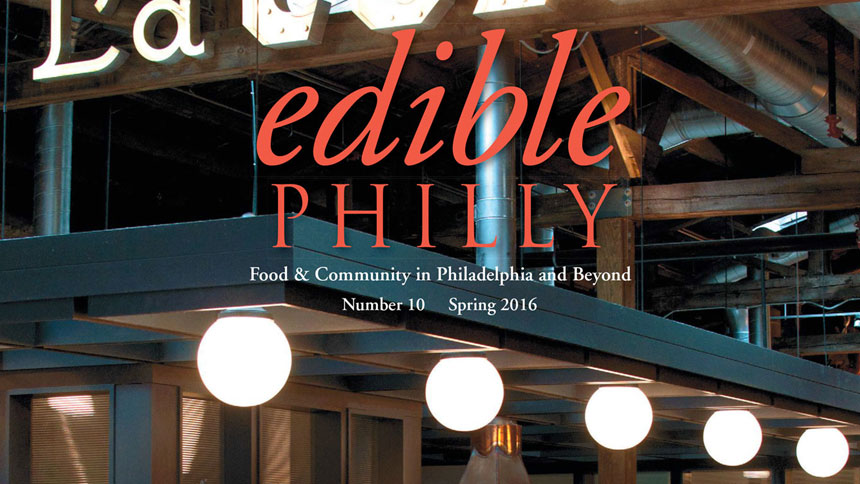
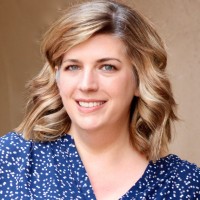
There’s a whole culinary world out there—one that Joy Manning, as editor of Edible Philly—works to document. Since 2013, Edible Community Publications has been publishing the Philadelphia-area mag, one of the newest of its 100-plus titles across the country that each celebrate regional food culture.
It’s that hyperlocal focus that sets it apart from competitors. “We’re kind of the opposite of the big glossy magazines that aim to be so universal,” Manning says.
In Philly, this means using food as a backdrop to discuss important community issues like environmental sustainability. “We have the big farm-to-table movement in the restaurants,” Manning explains. “We also have a huge agriculture theme here; we have people interested in decreasing food waste; and [fighting] hunger—all of that stuff is of interest to us and our readers.”
Manning likes to keep the quarterly Edible Philly evergreen, dishing up content that won’t spoil before readers have a chance to dig in. “We don’t really focus on trends and things that are new,” she says, “and we really like things where the writer of the story has some kind of personal connection with the subject—like a story they can only tell.”
What to pitch: Every issue of Edible Philly is free online. In the archives, you’ll find that coverage spans everything from restaurants to home cooking, markets and shopping to gardening.
There are established departments, and, with a knowledgeable, well-written pitch, each of them is relatively easy to break into. One example is “Road Trips,” which profiles a different neighborhood or town in agricultural Philly.
“If you live in a neighborhood or town that you want to talk about in that column, I’ll assign that without hesitation, particularly if you can show me that you are an insider in that place,” Manning says.
Other pitchable sections include the front-of-book, which features 200-word “snack-size” items that cover some aspect of local food news, events, trends or food artisans and their products.
The features well spotlights 1,500- to 3,000-words pieces on a variety of topics. For example, “Global City” is a column celebrating international food; it can be singularly focused or a roundup of places or personalities with a common theme.
Manning previously ran a roundup of all the West African restaurants in a Philly neighborhood, but any similar stories—say, a new collection of ethnic markets or a gardener growing traditional Cambodian vegetables—are up for grabs as well.
Essays are fair game, too, and at 800 words, the qualifying subjects are as wide-ranging as the writers who pen them.
“One writer wrote an essay about this gouda that was a cheese she had loved in her childhood,” says Manning. “She wrote about how she bought up a few cases before it went off the market and brought the gouda to her father who had Alzheimer’s, and how this gouda made him happy and created a wonderful moment between the two of them.”
What not to pitch: There are no closed sections.
Online opportunities: None at this time
What publicists should pitch: Because of publishing frequency as well as a desire to remain grounded in local, under-the-radar storytelling, Manning is careful to avoid regurgitating the same stories that are running in local blogs and newspapers.
If you’re thinking about sending the same pitch you sent to one of those outlets—don’t. “I would really love it if publicists read the magazine and were sensitive to our way of doing things,” she explains. “We like to tell the untold story.”
Percentage of freelance content published: 90 percent
Percentage of freelance pitches accepted: 30 percent
Recent freelance story pitched and published: In the winter 2015 issue, Manning ran a story called “Culture Club,” about the rebirth of a local brand of cultured butter.
“It had a distinct, compelling main character who was on a quest,” says Manning on why she liked the pitch. “The subtext is ‘one chef’s quest for another taste of the best butter.’ He had bought this butter as a younger person and always remembered it, and when it vanished, he made it his business to find out where that butter went and how to get it back.”
Etiquette: Sending over a well-written pitch with your idea is a given, but it’s also important to show what makes you knowledgeable about the region.
If you don’t live in the area, do you have family that you visit regularly? A summer home? Did you attend a local college?
For Manning, these details are just as important as the story itself. “I really like people to have a connection,” she says. “Edible readers know our local voice, and it’s really community-driven.”
Lead time: Six months to a year, but Manning does like to hear from people with great, seasonal stories she can photograph now to publish next year.
Pay rate: $50 for a short story to $375 for a feature. And while Manning acknowledges that some titles pay much more, she notes that establishing a relationship can bring much more work in the future.
Payment schedule: On publication
Kill fee: None. “I can tell you, though, I don’t kill stories,” Manning says.
Rights purchased: First rights. Once published, all rights revert to the writer.
Contact info:
Edible Philly
3401 Grays Ferry Avenue
Philadelphia, PA 19146
(215) 933-9266
ediblephilly.com
Twitter | Facebook
Email format: FirstName@ediblephilly.com
View the Edible Philly masthead
Direct all pitches to:
EDIBLEPHILLYPITCHES at GMAIL dot COM
EDITOR’S NOTE: Though we’ve updated this article recently, the speed at which things move in media means things may have already changed since then. Please email us if you notice any outdated info.