Mediabistro Logo Mediabistro Logo
  • Jobs
    Search Creative Jobs Hot Jobs Remote Media Jobs Create Job Alerts
    Job Categories
    Creative & Design Marketing & Communications Operations & Strategy Production Sales & Business Development Writing & Editing
    Quick Links
    Search All Jobs Remote Jobs Create Job Alerts
  • Career Resources
    Career Advice & Articles Media Industry News Media Career Interviews Creative Tools Resume Writing Services Interview Coaching Job Market Insights Member Profiles
  • Mediabistro Membership
    Membership Overview How to Pitch (Premium Tool) Editorial Calendars (Premium Access) Courses & Training Programs Membership FAQ
  • Showcase
    Featured Creative Stories Submit your Story
  • Log In
Post Jobs
Mediabistro Logo Mediabistro Logo
Search Creative Jobs Hot Jobs Remote Media Jobs Create Job Alerts
Job Categories
Creative & Design Marketing & Communications Operations & Strategy Production Sales & Business Development Writing & Editing
Quick Links
Search All Jobs Remote Jobs Create Job Alerts
Career Advice & Articles Media Industry News Media Career Interviews Creative Tools Resume Writing Services Interview Coaching Job Market Insights Member Profiles
Membership Overview How to Pitch (Premium Tool) Editorial Calendars (Premium Access) Courses & Training Programs Membership FAQ
Featured Creative Stories Submit your Story
Log In
Post Jobs
Log In | Sign Up

Follow Us!

Showcase

Why a Structured Work Schedule Is the Secret to Freelance Writing Success

freelance writer
By Cora Gold
7 min read • Originally published October 5, 2023 / Updated March 19, 2026
By Cora Gold
7 min read • Originally published October 5, 2023 / Updated March 19, 2026

Being a freelance writer comes with many perks. You get to choose your own schedule, work from anywhere and be your own supervisor. Writers and creatives are often drawn to that kind of work freedom, but many quickly realize it’s not as easy as it sounds. When you don’t have to clock in or report to a boss every day, it’s easy to find yourself slacking.

Even as a freelancer, it’s essential to create a structured work schedule to keep up. Following a schedule helps you maintain a healthy work-life balance and prevents burnout when writing. Here’s why a structured schedule is important for freelance writers.                                                                                                                                                                                                                                                                                                                                                                                   

What Are the Benefits of a Structured Schedule?

A structured schedule can help you improve your workflow, productivity and organization. Here’s how it can help freelance writers:                

  • Keeps you on track with priorities and deadlines: A schedule will help you complete tasks on time and see when to work on specific assignments.
  • Reduces stress and decision fatigue: Research shows that the average American adult makes 35,000 decisions daily, which can take up a lot of mental space and energy. Make it easier for yourself by streamlining your routines and workflow. Planning your day saves the time and energy you would use to make decisions so you can get work done instead.
  • Helps you set accurate benchmarks: Over time, you will see how long it takes to complete a task, which will help you create more effective schedules.
  • Maintains your reputation: You want to be known as reliable. Schedules help you allocate time correctly and communicate your availability and capacity. Without a plan, you might spread yourself thin by overestimating how long tasks take to complete.
  • Minimizes mistakes and revisions: Preparation will help you feel calm and collected. As a result, you’re more likely to remember additional information or instructions for projects. You’ll also make fewer mistakes when you’re focused. 
  • Provides better work-life balance: Many freelancers find themselves working at all times of the day. While you do have the flexibility to work when you want to, having set hours will ensure that you don’t overwork yourself. If you have kids or a spouse, try to get your work done while they are at school or work. That way, you can spend time with them when they get home.

How Do You Create a Suitable Schedule?

Creating a schedule that suits your needs will make your workdays more productive. Here’s how to establish one that will improve your life as a freelance writer.

1.   Have a Set Start and Finish Time

A designated start time adds structure to your day and ensures you don’t spend too much time working. You will be able to make the most of your time and finish tasks before your workday ends.

2.   Establish Morning and Evening Routines

Your workday starts long before you sit at a desk and start typing. Everything you do before you start working can impact your productivity for the rest of the day.

Many remote workers fall into the habit of waking up minutes before they need to start working. If you set your start time to be 9:00 a.m., you don’t want to wake up at 8:50. Instead, give yourself time to eat breakfast, exercise, journal, get dressed and do anything else to energize you. Act like you’re getting ready to go into the office, even if you work from home.

In the evening, close your computer and put work issues aside until the following day.

A shutdown routine can look like making a list of incomplete tasks or projects, planning when to finish them, taking your dog for a walk or going to the gym. These habits will relax your brain after work and allow you to enjoy your evening.

3.   Write Down All Goals

Make a list of goals you want to work on for the week or month. Write down five small steps that you can take to reach that objective.

For example, write out all of the current projects you have to work on and give them each a deadline. For each project, write out all of the actions you need to complete, such as creating an outline, conducting research, scheduling interviews, writing the first draft and submitting it. Then, give each task a time block on your weekly calendar.

Breaking goals into smaller tasks will make projects feel less daunting and help you finish them on time.

4.   Create Time Blocks for Every Type of Task

Set aside time blocks for a specific task or a group of them. For example, you could block out 10 a.m. to noon for project outlines and research, noon to 1 p.m. for lunch, and 2 p.m. to 5 p.m. for writing.

If you repeat these actions at the same time every day, you’ll turn them into habits. After lunch, your brain will know it’s time to write, so you’ll already be mentally prepared to dive in. 

More to Consider

There are a few more things you should consider when creating an effective schedule:

  • Incorporate processing and cleanup time: A clear desk is a clear mind. Clutter and dust in your workspace can cause mental health issues and allergies and disrupt sleep patterns. No wonder work stressors amount to $190 billion in yearly health care costs for American businesses. Wipe down your desk regularly, sort papers and toss unnecessary items. A clean workspace will boost your productivity by reducing stress, maintaining health, increasing focus and saving time.
  • Be flexible: Plan for the unexpected. You may need to change your schedule slightly if disruptions or tasks take longer than expected. Incorporate breathing room and extra time to deal with issues without disrupting your scheduled plans.
  • Use apps and time-tracking tools: You can use Google Calendar or Todoist for time blocking and Zenwriter or Pomodoro timers to help you focus when writing. Find apps to suit your workflow and use them to make things easier.
  • Keep it simple: Whatever time-tracking method you choose, keep your schedule easy to follow and focused.
  • Learn your energy flow: Keep a log of how long it takes to do things at certain times of the day. Plan to tackle bigger projects when you have the most energy to prevent burnout. You may prefer to write in the afternoon and have meetings in the morning. Perhaps you feel more awake after lunchtime and can better focus on creating blog content. Optimize your schedule to work with your energy levels.

Manage Your Time Well for Success

It’s up to you to make your schedule. While this means you can work when and where you want, it can be challenging if you don’t have an effective system. A structured daily routine adds a sense of preparedness to your day and ensures you get everything done.

Author bio: Cora Gold is a freelance writer and editor of women’s lifestyle magazine, Revivalist. As a freelancer, Cora writes about wellness and balancing work with family. Connect with Cora on LinkedIn and Twitter.

Topics:

Be Inspired, Productivity, Showcase
Climb the Ladder

5 Proven Strategies to Fast-Track Your Career at a Media Corporation

writer
By Mediabistro Education
3 min read • Originally published October 19, 2023 / Updated March 19, 2026
By Mediabistro Education
3 min read • Originally published October 19, 2023 / Updated March 19, 2026

The media landscape is an ever-shifting battleground, with the proliferation of digital platforms catalyzing the obsolescence of traditional models. The insatiable quest for audience attention amplifies every day, and is, arguably, in ever-shorter supply due to social media. In this turbulent milieu, media professionals grapple with distinctive hurdles en route to scaling the corporate hierarchy. Regardless of your designation – a content creator, an editor, or a strategist, career ascension transcends mere job proficiency—it entails a nuanced understanding of the dynamics of a rapidly evolving industry. Here’s a compendium of five empirically-backed strategies to bolster your career trajectory.

  1. Master the Art of Adaptability
    Media behemoths are akin to living entities—incessantly metamorphosing. The linchpin to advancement is adaptability—a professional finesse to recalibrate your work ethos vis-a-vis the prevailing industry contours.
    • Action Steps:
      • Keep abreast of industry trends such as the rising predominance of streaming services, which, of course, have seen massive surges in subscribers throughout last year, as per a report by Statista.
      • Acquaint yourself with emergent tools and platforms like TikTok, which saw an astronomical user growth of 75% in the US alone, as reported by Forbes.
      • Dabble in lateral skill augmentation like video editing if you’re a writer, or SEO basics if you’re a designer to stay relevant.
  2. Establish a Strong Internal Network
    A robust internal network is an unsung hero in large media conglomerates. Knowing the right individuals could be a game-changer—catapulting you from middle management to a leadership echelon.
    • Action Steps:
      • Be a regular at inter-departmental rendezvous.
      • Pinpoint mentors and allies within the corporate ecosystem.
      • Lend your expertise to internal ventures or campaigns that resonate with your career aspirations.
  3. Showcase Measurable Results
    The media domain is staunchly results-oriented. Your performance metrics are your staunchest allies. It’s pivotal to quantify your contributions—transcending generic claims of enhancing social media engagement to showcasing a quantifiable uptick in user interactions over a month or quarter, corroborated by data from platforms like Google Analytics.
    • Action Steps:
      • Harness analytics apparatus to meticulously track and evaluate your projects.
      • Render your insights in user-friendly formats like graphs or dashboards.
      • Broach your metrics during performance appraisals.
  4. Focus on Soft Skills
    While technical acumen can secure an entry, soft skills are your ticket to climbing the corporate ladder. Proficiencies in leadership, communication, and problem resolution often tip the scales in favor during promotional considerations.
    • Action Steps:
      • Enroll in workshops or courses to hone your soft skills.
      • Exhibit these competencies in team environments and under high-stress scenarios.
      • Solicit feedback from peers and superiors regarding your interpersonal efficacy.
  5. Be Your Own Advocate
    Don’t bide your time for opportunities; carve them out. Express your ambition, but ensure you embody the requisite skills and traits for elevated roles.
    • Action Steps:
      • Engage in dialogues about your career objectives with supervisors.
      • Shoulder projects that are aligned with your envisioned career path.
      • Relentlessly update your portfolio to mirror your evolving skill set.

In a media corporation, a melange of specialized skills, networking acumen, and a results-driven approach can be the jet fuel for your career advancement. Armed with these strategies, you’re not merely navigating the corporate labyrinth—you’re mastering it.

Topics:

Climb the Ladder, Skills & Expertise
Career Transition

Reporting Jobs in Journalism: The Inside Scoop on a Career Behind the Byline

reporting jobs
By Mediabistro Education
3 min read • Originally published October 24, 2023 / Updated March 19, 2026
By Mediabistro Education
3 min read • Originally published October 24, 2023 / Updated March 19, 2026

If you’ve got an ear finely tuned to the whispers of a city, an insatiable curiosity that borders on nosy, and a knack for telling stories that make people stop and think, then you, my friend, are cut out for a reporting job in journalism. Let’s deep-dive into the nitty-gritty of this fast-paced profession.

I think journalism gets measured by the quality of information it presents, not the drama or the pyrotechnics associated with us.

Bob Woodward

What Exactly Does a Reporter Do?

Reporters are the field agents of journalism, always on the prowl for news and crafting stories that serve the public good. Whether you’re working for a newspaper, a TV station, or an online outlet, you’ll be the magician turning mundane press releases into headline news, weaving together in-depth features, and sometimes even exposing scandals. “Journalists educate the public about events and issues and how they affect their lives… They spend a lot of time in the field, conducting interviews and investigating stories,” from the Bureau of Labor Statistics.

The landscape is incredibly dynamic. Imagine one moment you’re tucked into a city council meeting, notebook in hand, and the next you’re out interviewing a community hero. It’s like a box of chocolates; each day serves something different.

Required Skills for Reporting Jobs, Anyone?

The ideal reporter is adventurous, intensely curious, and armed with a healthy dose of skepticism—because, let’s face it, not everyone you meet will tell you the truth. Rock-solid research skills are given, and the savvy reporter knows how to tap into social media for leads and contacts. Adapting to different topics, tones, and sometimes even other mediums is a must. Oh, and let’s not forget, you have to write compellingly.

Flexibility and Resilience

In this line of work, flexibility isn’t just an excellent quality; it’s a requirement. You’ll often find yourself tweaking your approach to align with different subject matters or editorial guidelines. And let’s talk resilience. Deadlines are unforgiving and stressful, sources can be fickle, and yes, criticism is part of the job. That’s journalism for you.

Do Reporters Have Uniform Job Responsibilities?

Well, not exactly. The essence of reporting—staying atop current events, digging deep, and relaying information—remains the same across the board. However, the subject matter can vary wildly. One reporter might specialize in politics, while another dives into lifestyle and entertainment. The roles can even be more specific when working for large news agencies covering specialized beats like cybersecurity or the electric vehicle industry.

Who’s the Boss?

Hierarchies vary based on where you’re employed. You might find yourself reporting to an Editor, a News Director, or even directly to an audience if you’re freelancing.

Side Hustles and Sibling Jobs

Feature writers, columnists, and even some content creators are doing work similar to reporting, just framed differently. Dabbling in these areas can add flair to your stories or offer a fresh challenge.

The Evolving Landscape of Journalism

  • Data-Driven Stories: The rise of big data is arming reporters with tools to craft more in-depth and factual stories.
  • Multimedia Reporting: If you’re just writing, you’re behind the times. Video, podcasts, and interactive elements are the new norms.
  • Ethics and Responsibility: In an era rife with fake news, ethical reporting is not just a catchphrase; it’s a solemn responsibility.
  • Global Audience: The internet has blown the doors off traditional geographic boundaries, so understanding how to communicate to a diverse audience is key.

Breaking into Reporting Jobs

You might find that a journalism degree gives you a leg up, but it’s not strictly necessary. A solid portfolio showcasing your skill and passion for storytelling will get you through the door. Freelancing can offer a path to accumulating those crucial bylines.

So, are you ready to chase stories, dig deep, and make your mark in journalism? Your byline awaits.

Check out open reporting positions and other media jobs on Mediabistro’s job board.

Topics:

Career Transition
Career Transition

Your First 90 Days in Journalism: An Insider’s Guide to Navigating the Newsroom

journalism career
By Mediabistro Education
3 min read • Originally published October 24, 2023 / Updated March 19, 2026
By Mediabistro Education
3 min read • Originally published October 24, 2023 / Updated March 19, 2026

So you’ve unpacked your bags, set up your desk, and brewed that first cup of newsroom coffee. Welcome to the bustling, chaotic, and downright enthralling world of journalism. You’re probably a mix of excitement, nervousness, and curiosity, like a cub reporter on the hunt for their first big scoop. So, let’s help you navigate the maze that is your first three months in a journalism career.

Month 1: Settle In but Don’t Settle Down

Your first month in a journalist role is all about orientation, but let’s not kid ourselves; this isn’t summer camp. Expect to get your first assignments quickly, sometimes within days or even hours. Use this time wisely:

  • Know Your Team: Take time to meet editors, senior reporters, and even the tech guys who can save you when your computer crashes.
  • Learn the Tools: Familiarize yourself with the Content Management System (CMS), social media protocols, and any news-gathering software your outlet uses.
  • Digest the Style Guide: Every publication has its idiosyncrasies in how they like their stories told. Learn them.
  • File Your First Story: Don’t aim for a Pulitzer. Your first stories will likely be small pieces to test the waters. Focus on accuracy and clarity.

Month 2: Flex Those Reporting Muscles

Alright, you’ve dipped your toes; now let’s dive in. The second month is about upping the ante.

  • Pitch Stories: By now, you should have a feel for what kind of stories resonate with your audience and editors. Start pitching.
  • Expand Your Network: Continue to meet more people both inside and outside your newsroom. You never know who might give you your next big story.
  • Experiment with Formats: If your newsroom allows it, try your hand at different types of stories: feature pieces, interviews, and maybe even some multimedia content.
  • Feedback Loop: Make it a habit to seek feedback from your editors and even your peers. It’s the fastest way to grow.

Month 3: Find Your Groove

You’re no longer the ‘new kid’—well, at least not the newest. Month three is about refining your process and starting to specialize:

  • Own Your Beat: Whether it’s politics, culture, or technology, start to focus more on the areas that interest you. Become the go-to person for that subject in your newsroom.
  • File Faster: You should be comfortable enough to produce stories more quickly without sacrificing quality. Deadlines are the bread and butter of this industry.
  • Explore Side Projects: Got an idea for a podcast or a video series? Pitch it. Newsrooms love initiative.
  • Self-Review: Look back at your articles from the first and second months. Notice the improvements and understand where you need to focus more.

Quickfire Tips for Your First 90 Days:

  • Stay Curious: Always be on the hunt for stories, even when you’re off the clock.
  • Verify, Verify, Verify: Never sacrifice accuracy for speed. A retraction can set you back far more than a missed deadline.
  • Respect Off-the-Record: If someone says it’s off the record, it stays off the record. Period.
  • Listen More Than You Speak: The best stories often come when you let other people do the talking.
  • Stay Humble: You’re going to make mistakes. Own them, learn from them, and move on.

Congratulations! You’ve made it through the initiation of your first three months in journalism. From here on out, the stories are more significant, the deadlines tighter, and the coffee probably just as terrible. But hey, you’re in it for the bylines, not the brews, right? Welcome to the tribe.

Topics:

Career Transition
Careers & Education

Private Colleges With the Best Return on Investment for Your Career

Private Colleges With the Best Return on Investment for Your Career
By Meagan Drillinger
6 min read • Originally published November 13, 2023 / Updated March 19, 2026
By Meagan Drillinger
6 min read • Originally published November 13, 2023 / Updated March 19, 2026

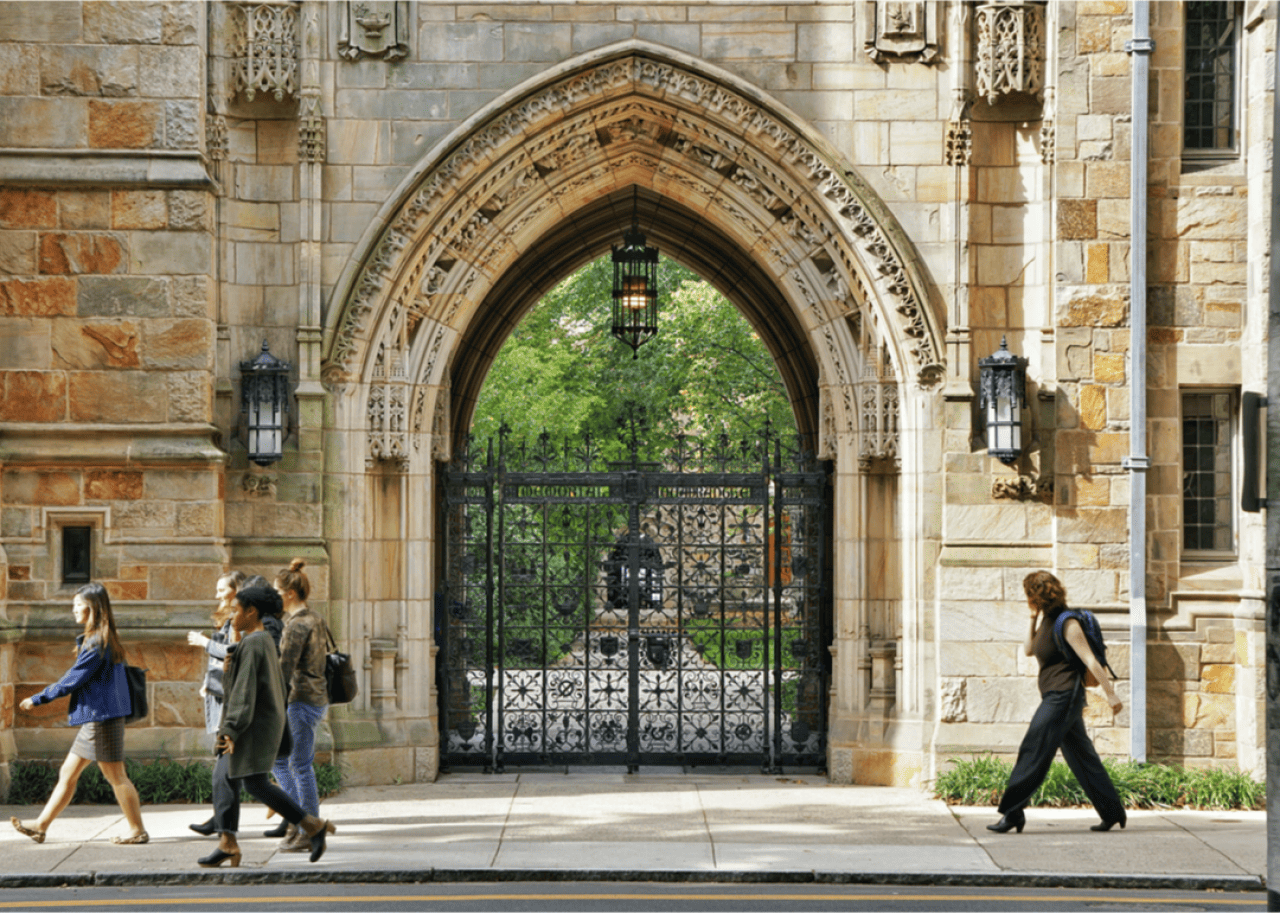
A building at Yale University.

Winston Tan // Shutterstock

Private colleges with the best return on investment

For high school graduates, choosing the right college can be one of the most important decisions in their lives. The college experience can be a key step to figuring out who they are as adults and what they will do with the rest of their lives, but it can also be a daunting decision.

Enrolling in a private college is a financial investment, as well as an emotional one. American private colleges can be among the most expensive higher learning institutions in the world. However, according to a 2025 analysis from CollegeBoard, private school tuition costs are increasing more slowly than their public counterparts, up by just 4% over the past decade. In fact, public universities may soon see an even steeper jump in tuition, as President Donald Trump’s 2025 spending bill (aka the “Big, Beautiful Bill”) is expected to both increase tuition costs at public universities and cut back on federal student loan programs. 

Even so, these prices are nothing to sneeze at. Per U.S. News & World Report, the average total for tuition and fees at private universities in the 2024-2025 school year exceeds $43,000. But many universities are much more expensive. Harvey Mudd College, for example, costs more than $93,000, according to the college’s own website. With nationwide student debt swelling past $1.84 trillion as of December 2025, making such a large investment in education and the future can be a reach for many students, so it’s important to make sure they’re getting their money’s worth.

Stacker compiled a list of the private colleges with the best return on investment using a study from Georgetown University’s Center on Education and the Workforce. Nonprofit private colleges that primarily issue bachelor’s degrees were considered. Colleges are ranked by the highest 40-year return on investment, as measured by the net present value of costs plus projected earnings 40 years after enrollment.

A college’s ROI factors in tuition and living expenses, student fees, food, and transportation, among other things. These elements are matched up against prospective careers, salary expectations, and potential earnings.

Here’s a breakdown of some of the key factors that went into the researchers’ calculations.

– 40-year NPV: What the sum of all earnings 40 years after enrollment is worth today, adjusted for the cost of education at the school.
– Median earnings after 10 years: Typical annual salary 10 years after enrollment.
– Net price: The average price students pay per year after scholarships and financial aid, including books and living expenses.
– Graduation rate: Share of students who complete bachelor’s degrees within six years.
– Median debt: The typical amount of student debt graduates from this school hold.

Whether you’re considering any of the private colleges on this list or you graduated from college many decades ago, keep reading to discover the private colleges in America with the best return on investment.

f.t.Photographer // Shutterstock

#50. Illinois Institute of Technology

– 40-year NPV: $1,654,000
– Median earnings after 10 years: $77,682
– Net-price: $22,831
– Graduation rate: 71.0%
– Median debt: $19,428

View of the college campus of George Washington University.

EQRoy // Shutterstock

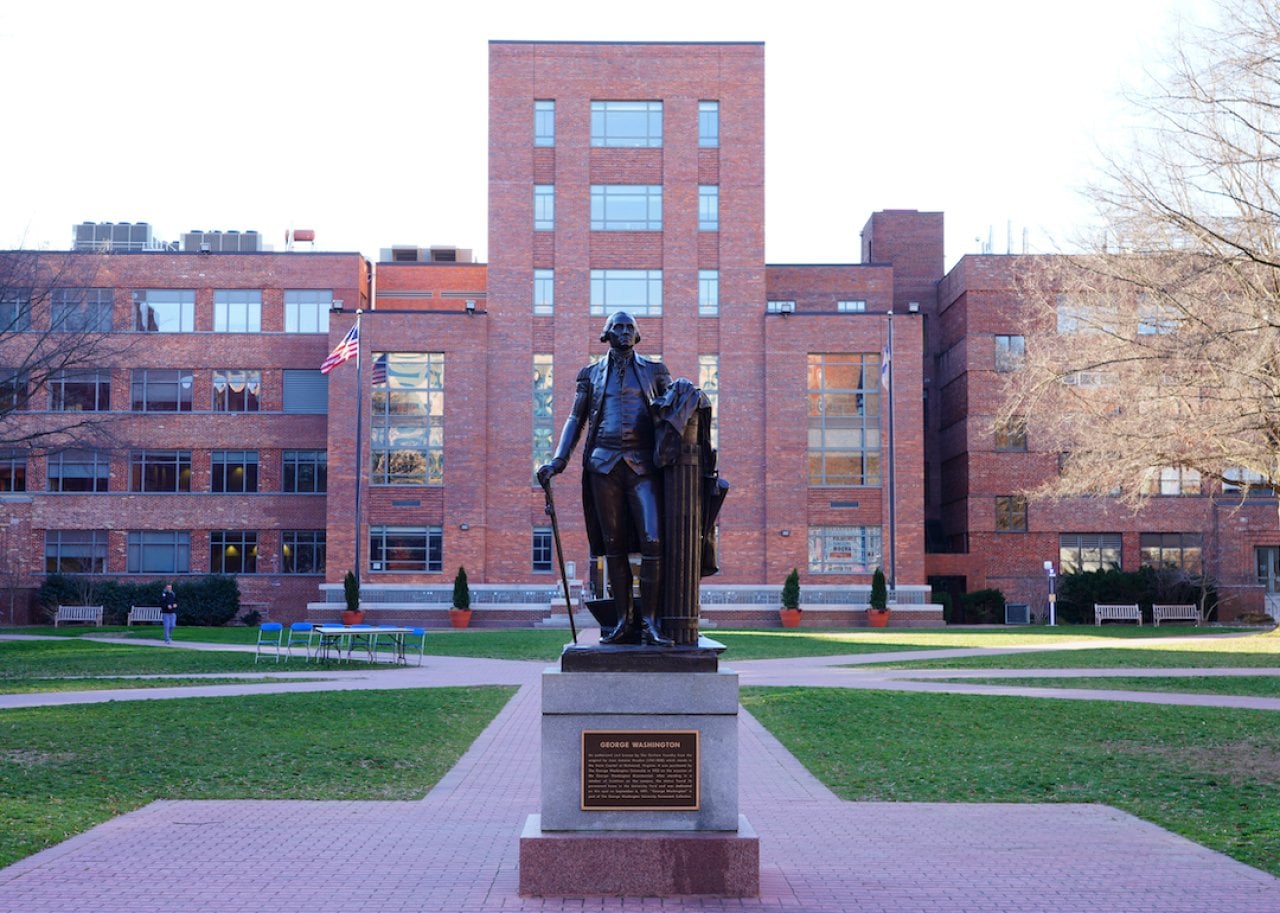
#49. George Washington University

– 40-year NPV: $1,661,000
– Median earnings after 10 years: $80,606
– Net-price: $33,719
– Graduation rate: 82.0%
– Median debt: $19,500

Embry–Riddle Aeronautical University in Daytona Beach, Florida.

JHVEPhoto // Shutterstock

#48. Embry-Riddle Aeronautical University-Worldwide

– 40-year NPV: $1,666,000
– Median earnings after 10 years: $77,768
– Net-price: $20,333
– Graduation rate: 23.0%
– Median debt: $14,000

A frontal view of the Northeastern University campus.

Ritu Manoj Jethani // Shutterstock

#47. Northeastern University

– 40-year NPV: $1,668,000
– Median earnings after 10 years: $79,786
– Net-price: $31,093
– Graduation rate: 89.0%
– Median debt: $22,500

Rice University Lovett Hall in the afternoon.

cheng // Shutterstock

#46. Rice University

– 40-year NPV: $1,686,000
– Median earnings after 10 years: $77,683
– Net-price: $16,999
– Graduation rate: 94.0%
– Median debt: $10,500

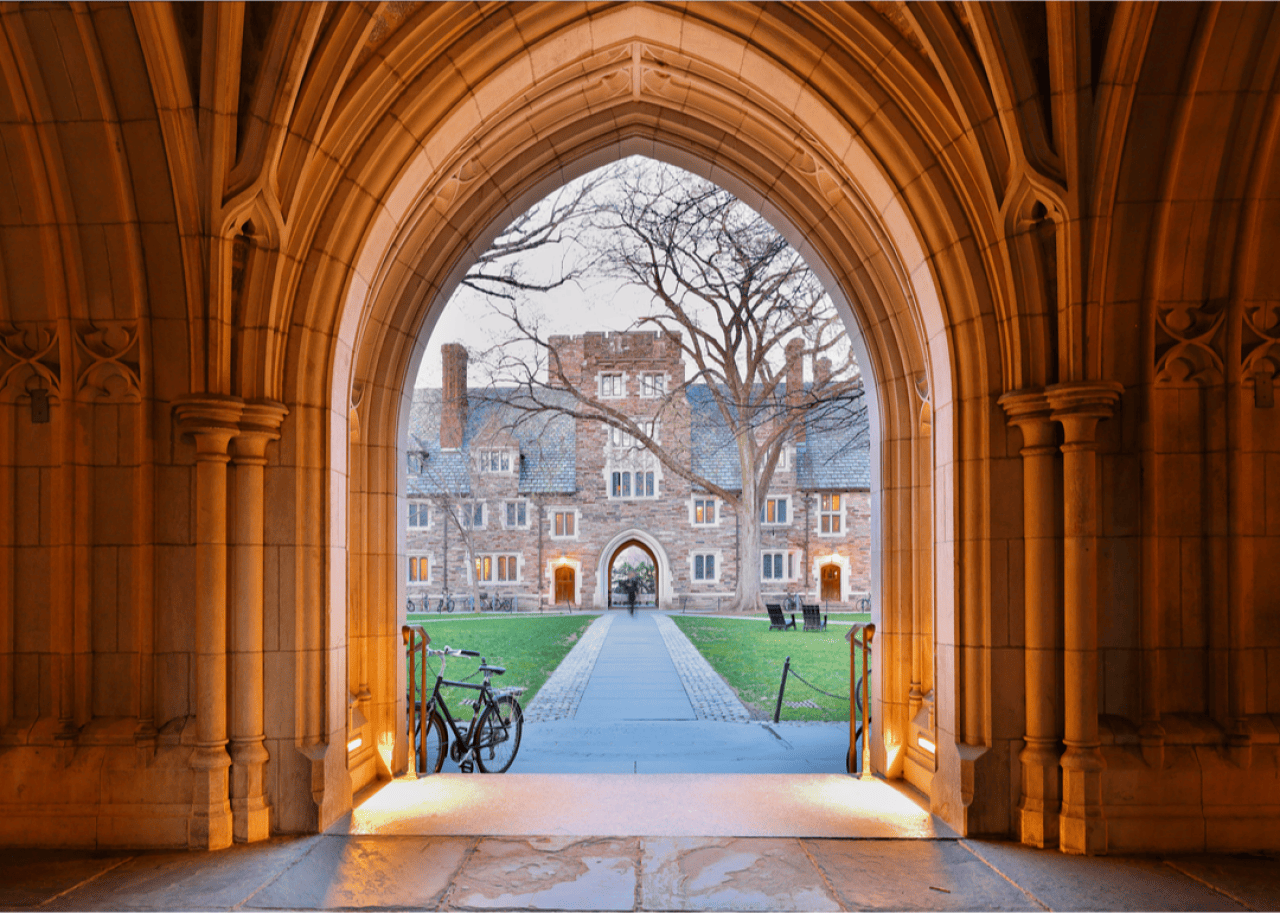
An arched entryway to the Northwestern University campus.

EQRoy // Shutterstock

#45. Northwestern University

– 40-year NPV: $1,703,000
– Median earnings after 10 years: $80,033
– Net-price: $24,664
– Graduation rate: 94.0%
– Median debt: $14,000

Aerial view of Old Snell Hall of Clarkson University in Potsdam, New York.

Wangkun Jia // Shutterstock

#44. Clarkson University

– 40-year NPV: $1,706,000
– Median earnings after 10 years: $81,358
– Net-price: $29,015
– Graduation rate: 76.0%
– Median debt: $24,205

A clock tower is seen through green leaves on the campus of Vanderbilt University.

Sean Pavone // Shutterstock

#43. Vanderbilt University

– 40-year NPV: $1,719,000
– Median earnings after 10 years: $79,872
– Net-price: $19,432
– Graduation rate: 93.0%
– Median debt: $12,420

ESB Professional // Shutterstock

#42. College of the Holy Cross

– 40-year NPV: $1,732,000
– Median earnings after 10 years: $84,653
– Net-price: $37,292
– Graduation rate: 91.0%
– Median debt: $26,000

Tony Savino // Shutterstock

#41. Milwaukee School of Engineering

– 40-year NPV: $1,735,000
– Median earnings after 10 years: $81,328
– Net-price: $24,440
– Graduation rate: 69.0%
– Median debt: $23,500

Sunny view of the Brookings Hall of Washington University in St. Louis at Missouri

Evan Meyer // Shutterstock

#40. Washington University in St Louis

– 40-year NPV: $1,741,000
– Median earnings after 10 years: $82,732
– Net-price: $26,869
– Graduation rate: 95.0%
– Median debt: $15,046

A college student intently writing in a classroom.

Gorgev // Shutterstock

#39. Manhattan University

– 40-year NPV: $1,747,000
– Median earnings after 10 years: $83,117
– Net-price: $28,153
– Graduation rate: 72.0%
– Median debt: $22,000

Ganna Tokolova // Shutterstock

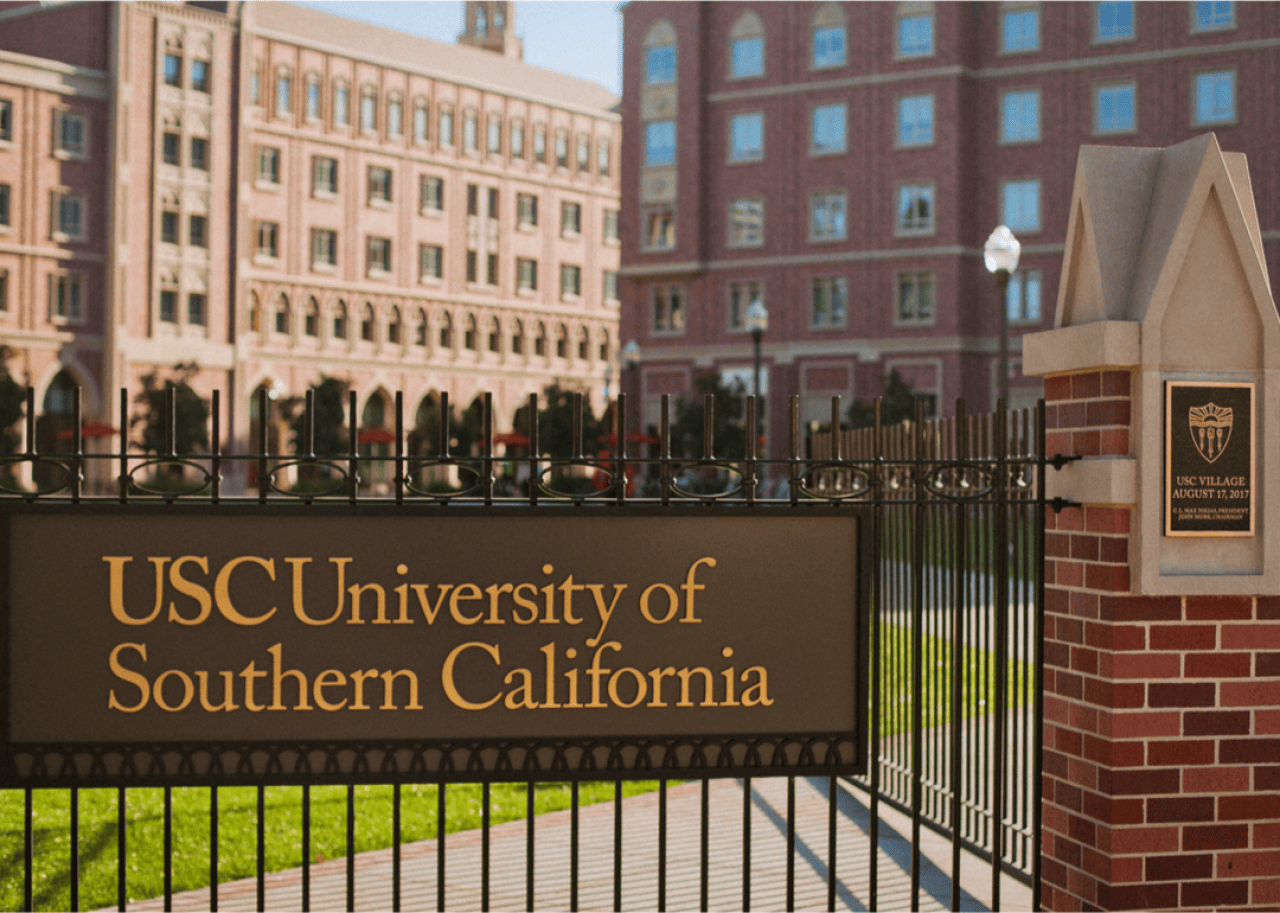
#38. University of Southern California

– 40-year NPV: $1,748,000
– Median earnings after 10 years: $83,426
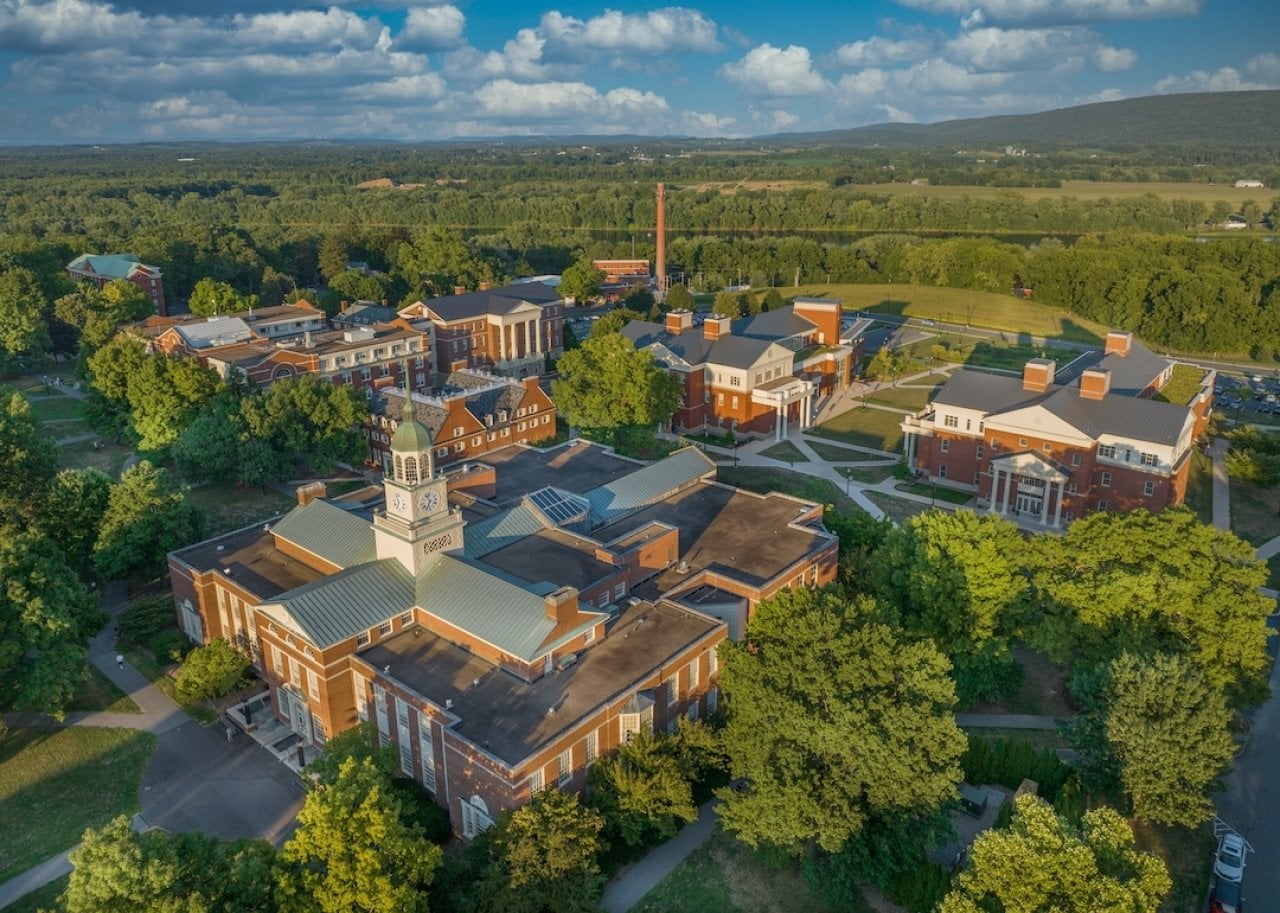
– Net-price: $29,528
– Graduation rate: 92.0%
– Median debt: $17,250

The entrance to Fairfield University's campus.

Connecticut Post via Getty Images

#37. Fairfield University

– 40-year NPV: $1,754,000
– Median earnings after 10 years: $86,060
– Net-price: $38,869
– Graduation rate: 82.0%
– Median debt: $24,450

Jon Bilous // Shutterstock

#36. Johns Hopkins University

– 40-year NPV: $1,763,000
– Median earnings after 10 years: $83,287
– Net-price: $29,342
– Graduation rate: 93.0%
– Median debt: $11,750

Cynthia Farmer // Shutterstock

#35. Lafayette College

– 40-year NPV: $1,766,000
– Median earnings after 10 years: $84,939
– Net-price: $32,551
– Graduation rate: 87.0%
– Median debt: $16,000

Aerial view of Bucknell University in Lewisburg, Pennsylvania.

tokar // Shutterstock

#34. Bucknell University

– 40-year NPV: $1,789,000
– Median earnings after 10 years: $88,154
– Net-price: $42,502
– Graduation rate: 89.0%
– Median debt: $21,928

Kristi Blokhin // Shutterstock

#33. Washington and Lee University

– 40-year NPV: $1,828,000
– Median earnings after 10 years: $86,020
– Net-price: $22,615
– Graduation rate: 95.0%
– Median debt: $18,750

Jay Yuan // Shutterstock

#32. Worcester Polytechnic Institute

– 40-year NPV: $1,855,000
– Median earnings after 10 years: $89,405
– Net-price: $39,756
– Graduation rate: 88.0%
– Median debt: $26,795

College students working on computers at the student library.

GaudiLab // Shutterstock

#31. Bryant University

– 40-year NPV: $1,857,000
– Median earnings after 10 years: $91,105
– Net-price: $39,234
– Graduation rate: 81.0%
– Median debt: $23,250

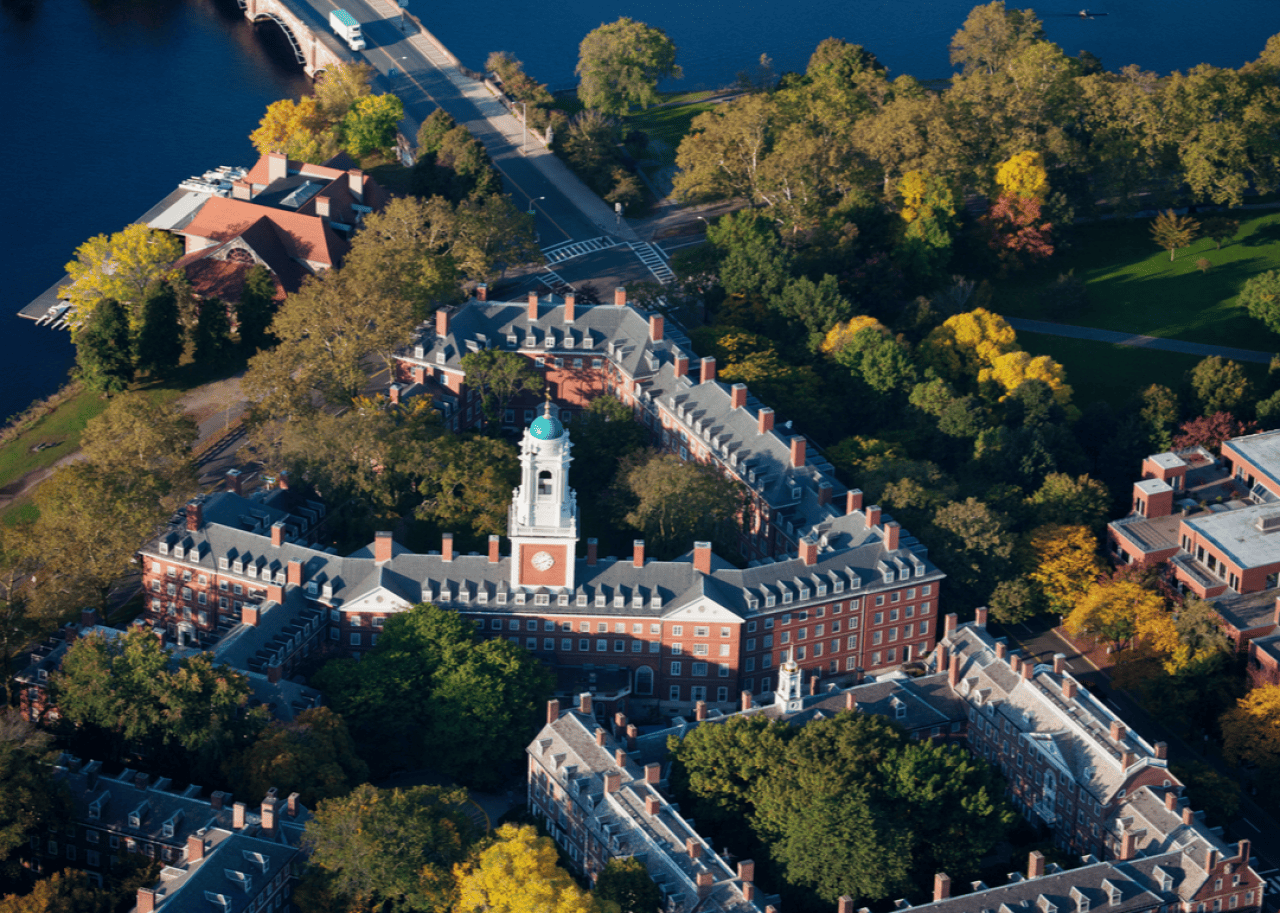
Joseph Sohm // Shutterstock

#30. Harvard University

– 40-year NPV: $1,859,000
– Median earnings after 10 years: $84,918
– Net-price: $15,386
– Graduation rate: 97.0%
– Median debt: $12,072

Entrance Sign to Villanovia University.

Amy Lutz // Shutterstock

#29. Villanova University

– 40-year NPV: $1,860,000
– Median earnings after 10 years: $90,613
– Net-price: $41,027
– Graduation rate: 90.0%
– Median debt: $24,988

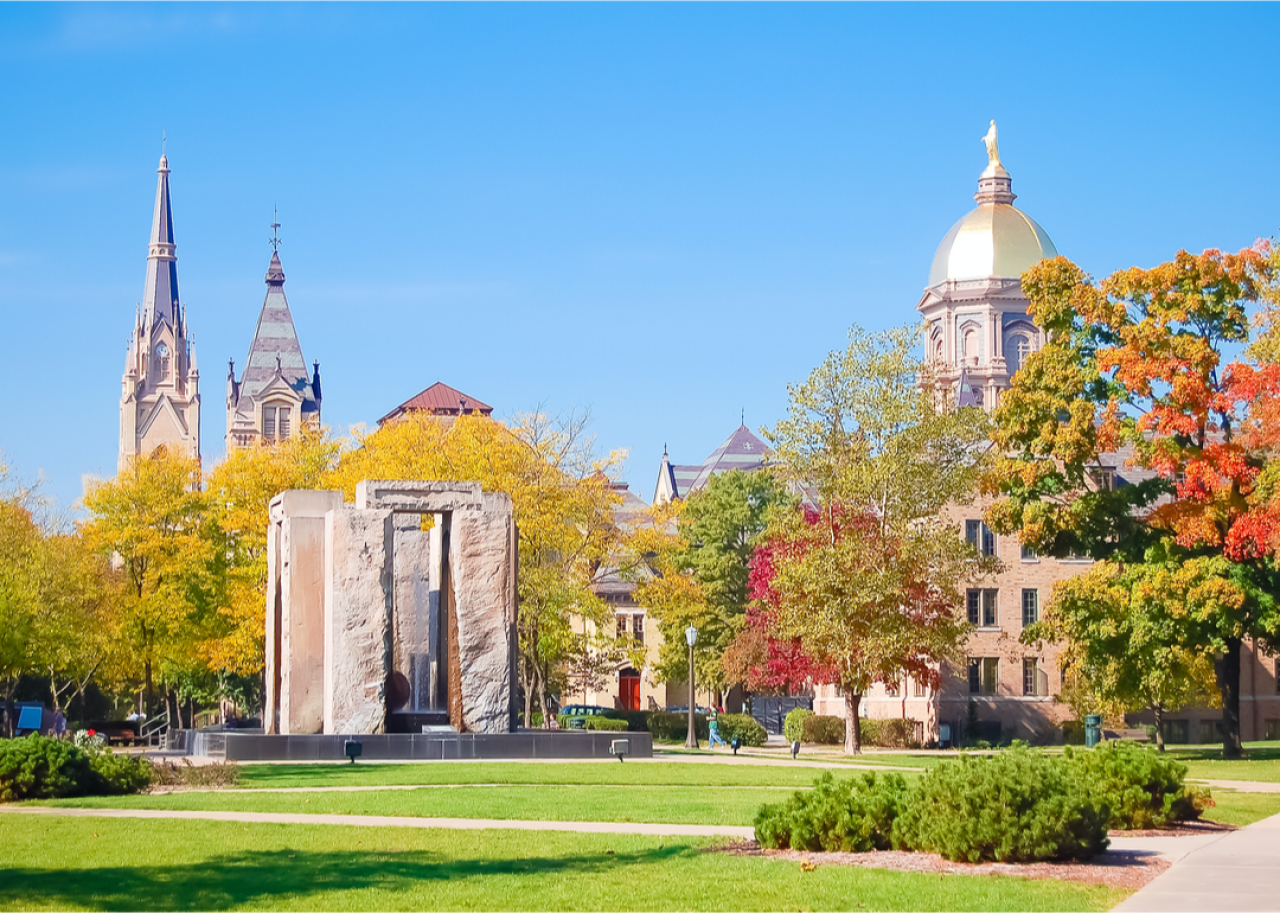
Chuck W Walker // Shutterstock

#28. University of Notre Dame

– 40-year NPV: $1,863,000
– Median earnings after 10 years: $88,962
– Net-price: $33,025
– Graduation rate: 96.0%
– Median debt: $19,000

Lewis Liu // Shutterstock

#27. Cornell University

– 40-year NPV: $1,884,000
– Median earnings after 10 years: $91,176
– Net-price: $40,126
– Graduation rate: 95.0%
– Median debt: $13,108

Barbara Kalbfleisch // Shutterstock

#26. Claremont McKenna College

– 40-year NPV: $1,889,000
– Median earnings after 10 years: $86,571
– Net-price: $22,161
– Graduation rate: 92.0%
– Median debt: $12,070

Jay Yuan // Shutterstock

#25. Dartmouth College

– 40-year NPV: $1,895,000
– Median earnings after 10 years: $91,627
– Net-price: $33,574
– Graduation rate: 95.0%
– Median debt: $14,500

Helioscribe // Shutterstock

#24. Yale University

– 40-year NPV: $1,917,000
– Median earnings after 10 years: $88,655
– Net-price: $17,549
– Graduation rate: 97.0%
– Median debt: $12,000

Jay Yuan // Shutterstock

#23. Boston College

– 40-year NPV: $1,924,000
– Median earnings after 10 years: $93,021
– Net-price: $35,899
– Graduation rate: 93.0%
– Median debt: $16,999

Mariusz S. Jurgielewicz // Shutterstock

#22. Santa Clara University

– 40-year NPV: $1,940,000
– Median earnings after 10 years: $93,291
– Net-price: $38,327
– Graduation rate: 91.0%
– Median debt: $16,999

James R. Martin // Shutterstock

#21. Kettering University

– 40-year NPV: $1,943,000
– Median earnings after 10 years: $93,893
– Net-price: $37,518
– Graduation rate: 63.0%
– Median debt: $27,000

Suchan // Shutterstock

#20. Columbia University in the City of New York

– 40-year NPV: $1,946,000
– Median earnings after 10 years: $89,871
– Net-price: $23,306
– Graduation rate: 96.0%
– Median debt: $19,250

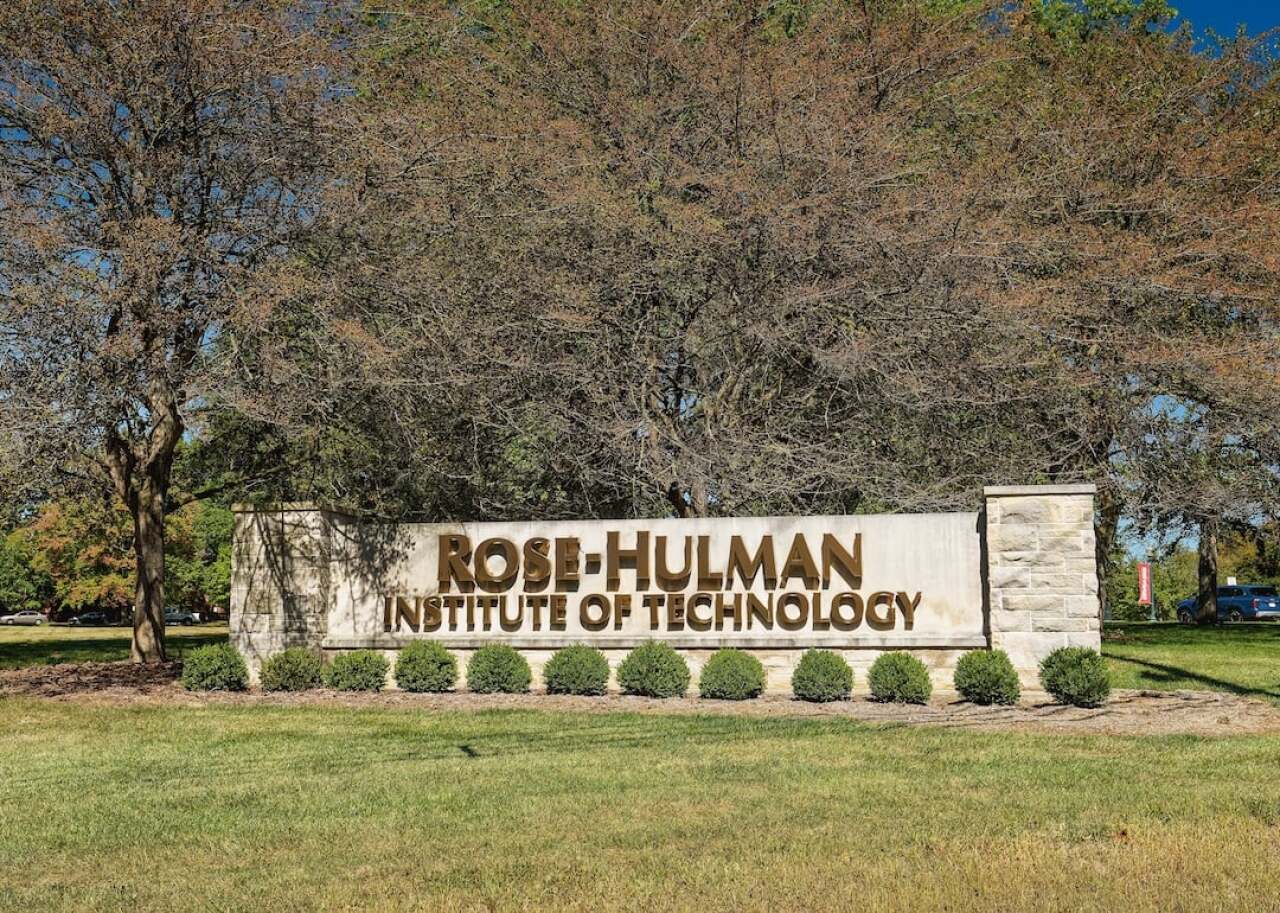
Entrance sign of Rose‑Hulman Institute of Technology.

Rosemarie Mosteller // Shutterstock

#19. Rose-Hulman Institute of Technology

– 40-year NPV: $1,947,000
– Median earnings after 10 years: $94,131
– Net-price: $39,076
– Graduation rate: 84.0%
– Median debt: $22,577

Modern glass university building.

Jay Yuan // Shutterstock

#18. Rensselaer Polytechnic Institute

– 40-year NPV: $1,949,000
– Median earnings after 10 years: $93,416
– Net-price: $35,464
– Graduation rate: 85.0%
– Median debt: $21,000

Entrance sign of Duke University in Durham, North Carolina.

Jay Yuan // Shutterstock

#17. Duke University

– 40-year NPV: $1,976,000
– Median earnings after 10 years: $93,115
– Net-price: $27,020
– Graduation rate: 95.0%
– Median debt: $12,500

Jay Yuan // Shutterstock

#16. Lehigh University

– 40-year NPV: $2,019,000
– Median earnings after 10 years: $95,033
– Net-price: $29,301
– Graduation rate: 89.0%
– Median debt: $20,024

Orhan Cam // Shutterstock

#15. Georgetown University

– 40-year NPV: $2,027,000
– Median earnings after 10 years: $96,375
– Net-price: $28,909
– Graduation rate: 95.0%
– Median debt: $14,493

Brick building facade of Stevens Insitute of Technology.

Jeffrey Vock Photography // Shutterstock

#14. Stevens Institute of Technology

– 40-year NPV: $2,047,000
– Median earnings after 10 years: $98,159
– Net-price: $37,588
– Graduation rate: 86.0%
– Median debt: $25,000

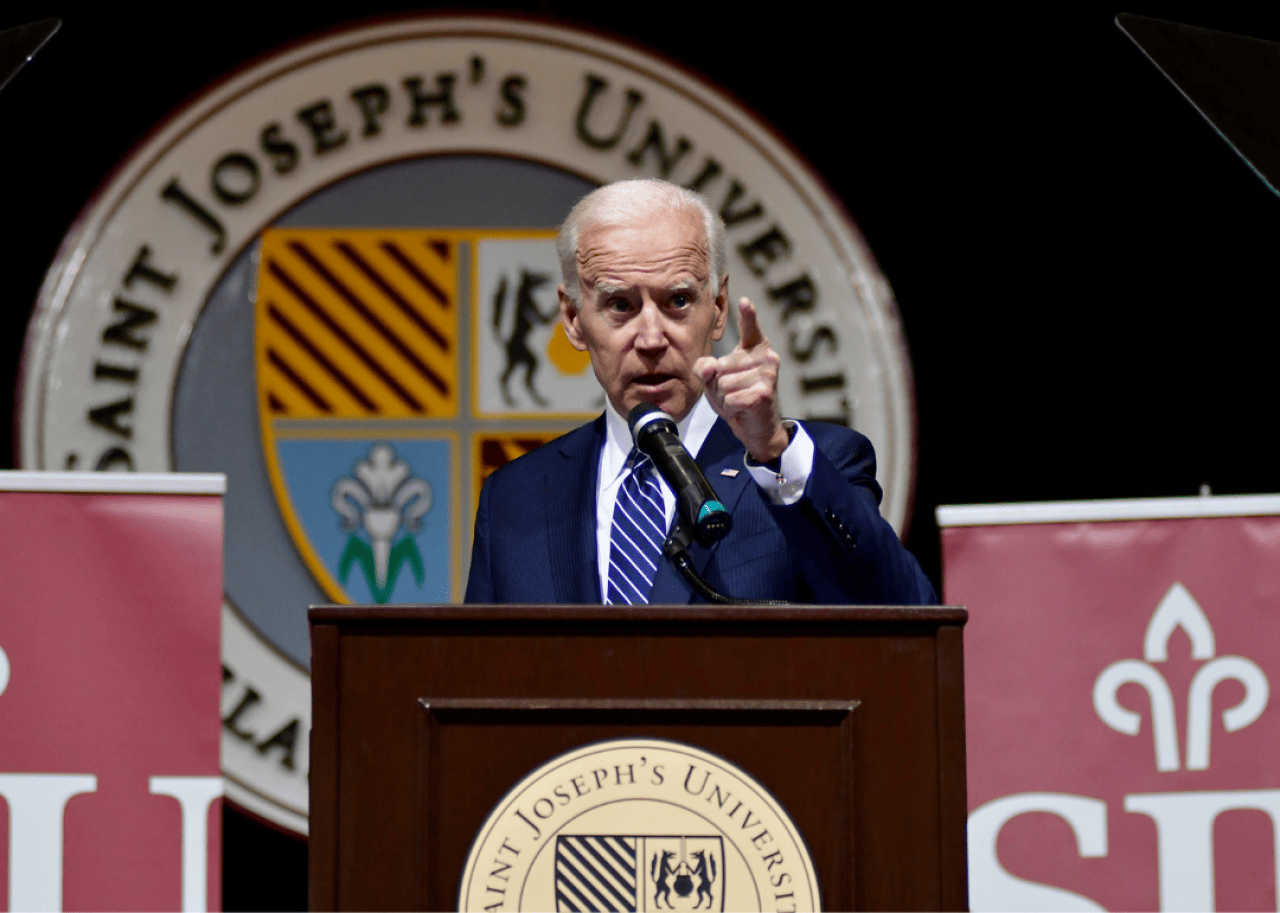
President Biden delivers a speech at SJU.

NurPhoto // Getty Images

#13. University of the Sciences

– 40-year NPV: $2,080,000
– Median earnings after 10 years: $98,779
– Net-price: $33,637
– Graduation rate: 77.0%
– Median debt: $26,920

Jay Yuan // Shutterstock

#12. Carnegie Mellon University

– 40-year NPV: $2,119,000
– Median earnings after 10 years: $99,998
– Net-price: $34,508
– Graduation rate: 90.0%
– Median debt: $19,000

Jay Yuan // Shutterstock

#11. Princeton University

– 40-year NPV: $2,126,000
– Median earnings after 10 years: $95,689
– Net-price: $11,317
– Graduation rate: 97.0%
– Median debt: $10,355

Diego Grandi // Shutterstock

#10. Stanford University

– 40-year NPV: $2,200,000
– Median earnings after 10 years: $97,798
– Net-price: $11,496
– Graduation rate: 94.0%
– Median debt: $11,000

EQRoy // Shutterstock

#9. University of Pennsylvania

– 40-year NPV: $2,211,000
– Median earnings after 10 years: $103,246
– Net-price: $25,802
– Graduation rate: 96.0%
– Median debt: $14,000

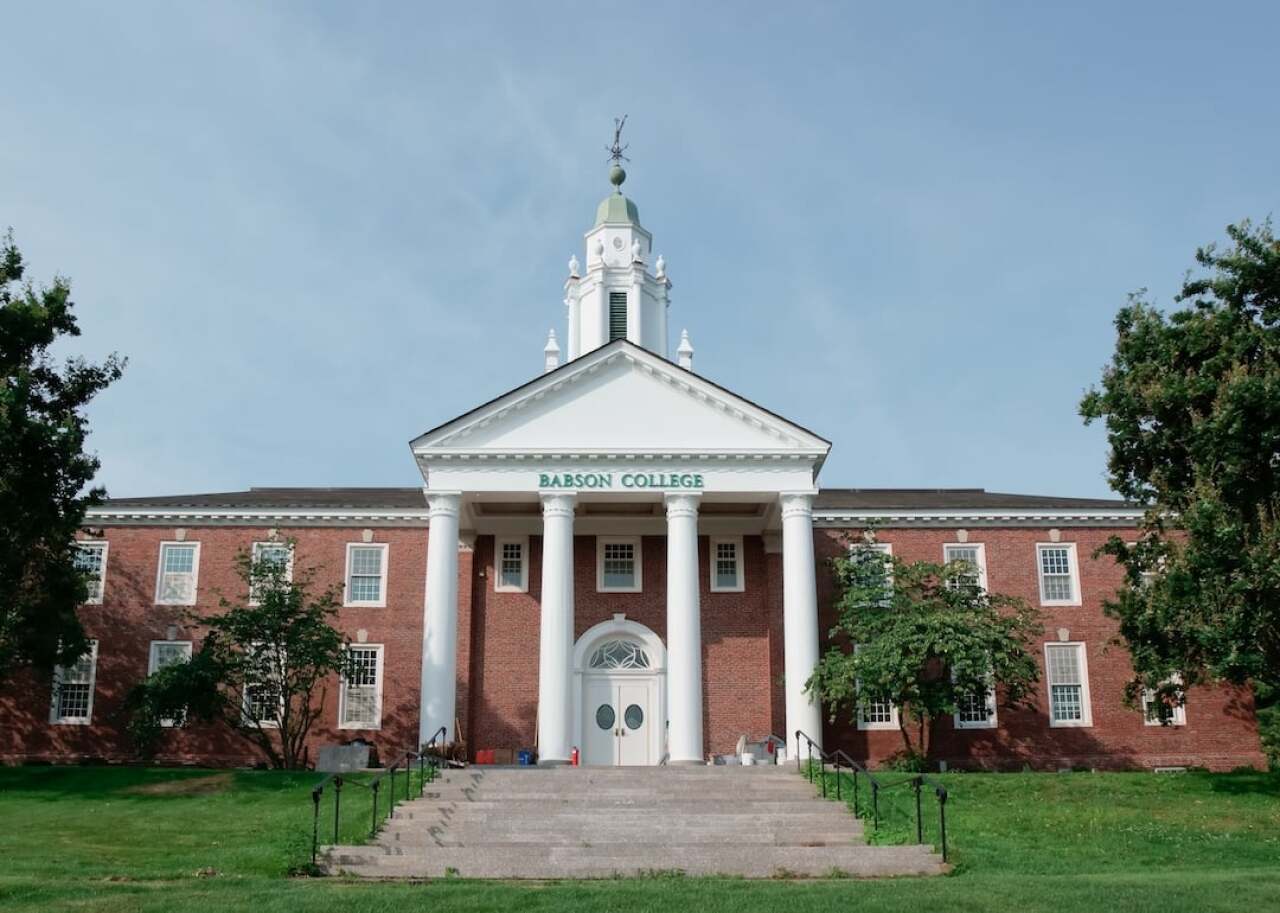
Main campus of Babson College in Wellesley, Massachusetts.

Yingna Cai // Shutterstock

#8. Babson College

– 40-year NPV: $2,242,000
– Median earnings after 10 years: $106,595
– Net-price: $34,606
– Graduation rate: 92.0%
– Median debt: $20,500

Aerial view of Bentley University main campus in downtown Waltham, Massachusetts.

Wangkun Jia // Shutterstock

#7. Bentley University

– 40-year NPV: $2,247,000
– Median earnings after 10 years: $107,974
– Net-price: $38,986
– Graduation rate: 89.0%
– Median debt: $23,250

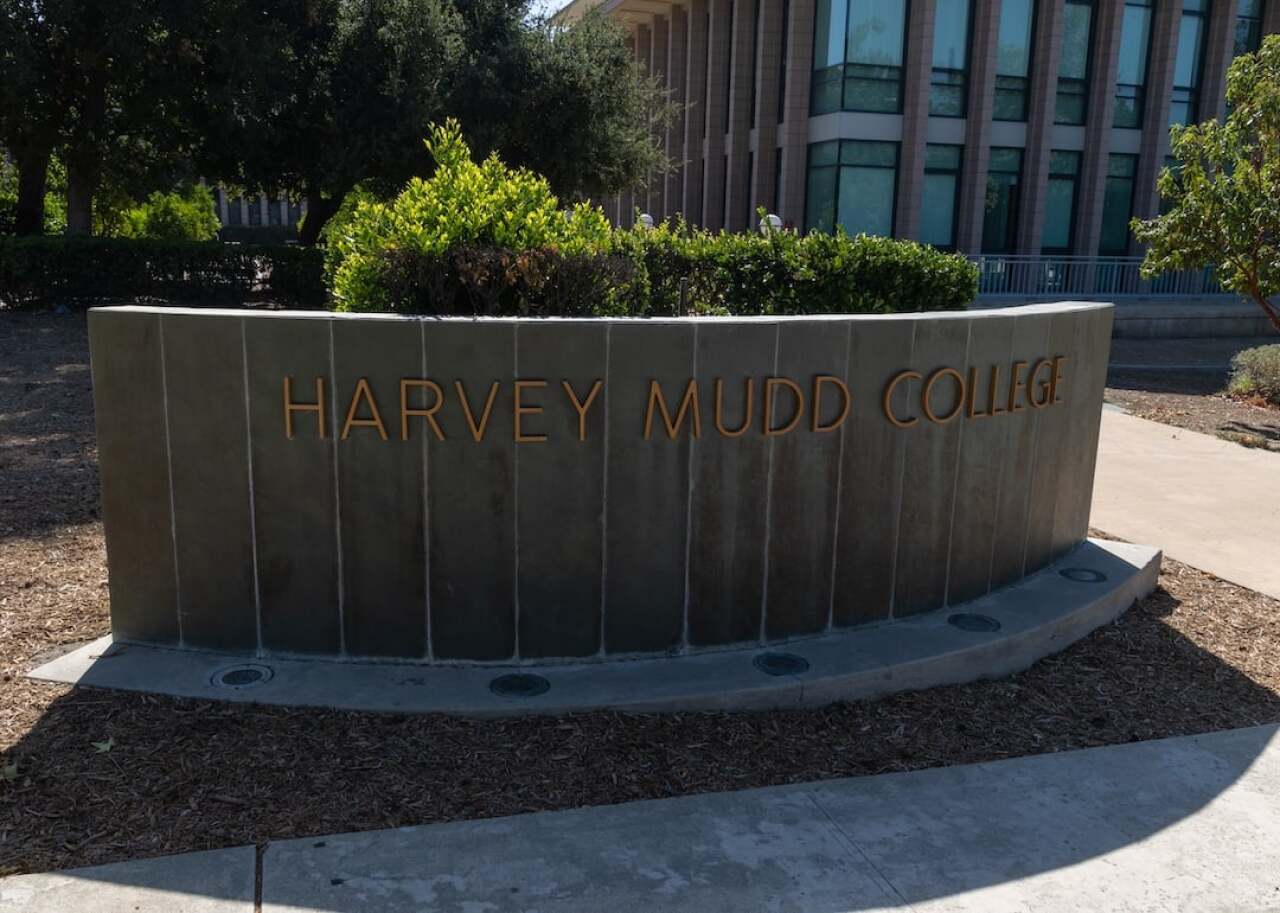
Entrance sign to Harvey Mudd College.

Jim_Brown_Photography // Shutterstock

#6. Harvey Mudd College

– 40-year NPV: $2,370,000
– Median earnings after 10 years: $108,988
– Net-price: $32,727
– Graduation rate: 92.0%
– Median debt: $19,500

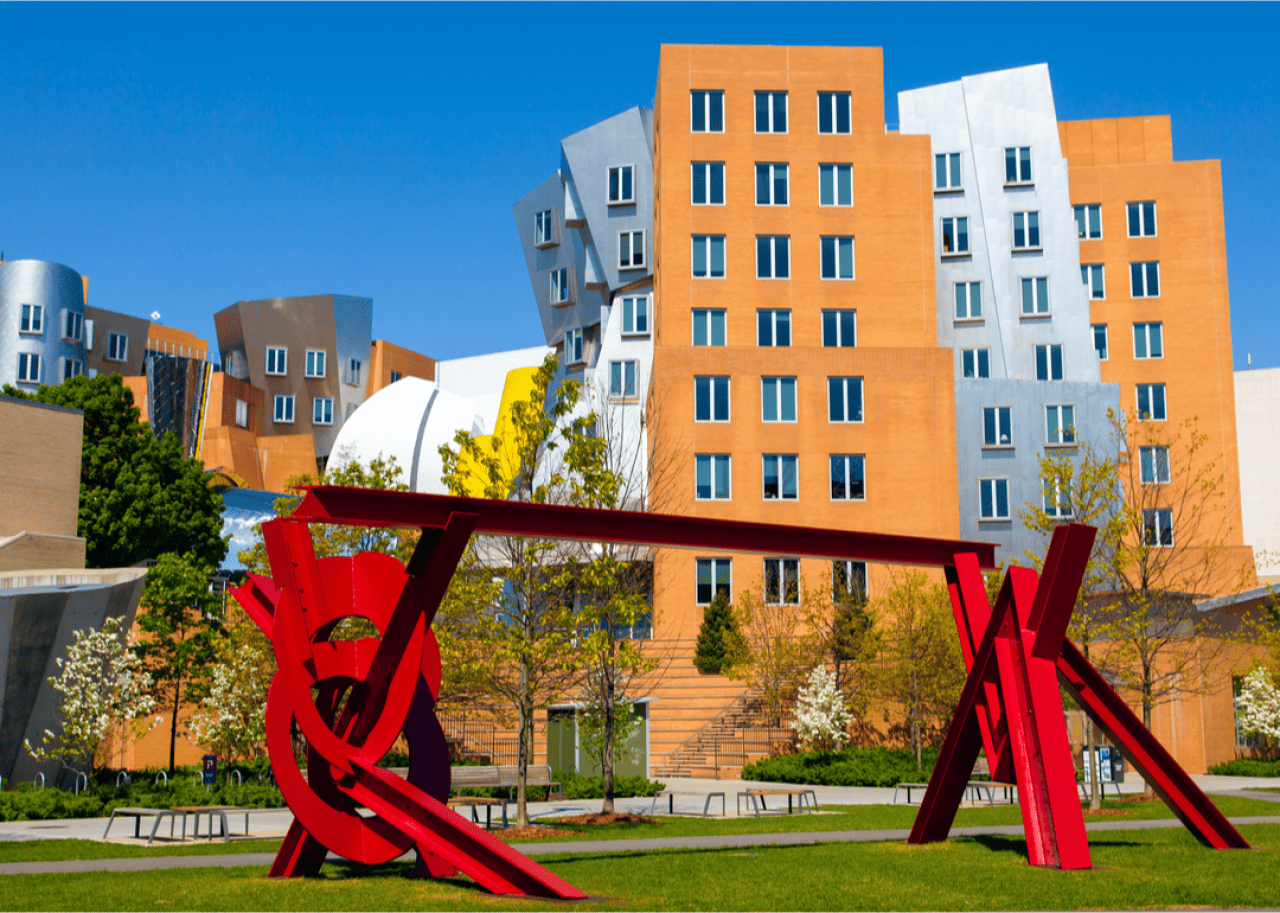
cdrin // Shutterstock

#5. Massachusetts Institute of Technology

– 40-year NPV: $2,490,000
– Median earnings after 10 years: $111,222
– Net-price: $16,636
– Graduation rate: 95.0%
– Median debt: $12,000

Ken Wolter // Shutterstock

#4. California Institute of Technology

– 40-year NPV: $2,490,000
– Median earnings after 10 years: $112,166
– Net-price: $24,274
– Graduation rate: 93.0%
– Median debt: $9,867

The exterior of a Massachusetts College of Pharmacy and Health Science building.

Boston Globe // Getty Images

#3. MCPHS University

– 40-year NPV: $2,509,000
– Median earnings after 10 years: $118,171
– Net-price: $37,712
– Graduation rate: 73.0%
– Median debt: $25,000

metamorworks // Shutterstock

#2. Albany College of Pharmacy and Health Sciences

– 40-year NPV: $2,608,000
– Median earnings after 10 years: $119,112
– Net-price: $29,116
– Graduation rate: 68.0%
– Median debt: $25,000

fizkes // Shutterstock

#1. University of Health Sciences and Pharmacy in St. Louis

– 40-year NPV: $2,680,000
– Median earnings after 10 years: $121,576
– Net-price: $27,282
– Graduation rate: 84.0%
– Median debt: $15,500

Story editing by Jeff Inglis. Copy editing by Kristen Wegrzyn.

Topics:

Careers & Education
Showcase

How to Manage Your Freelance Workload During the Holiday Season

freelancer on holiday
By Cora Gold
5 min read • Originally published November 15, 2023 / Updated March 19, 2026
By Cora Gold
5 min read • Originally published November 15, 2023 / Updated March 19, 2026

Freelancing offers freedom and flexibility, but it can make your holidays challenging. You deserve a break as much as anyone, but you may be worried about halting your momentum or losing out on paying opportunities. However, taking the much-needed time off while managing your workload is possible.

Why You Need a Holiday

Are you feeling guilty about stepping back from work? You’re not alone — nearly 62% of Americans experience remorse for taking time off. On top of that, women are 20% more likely to feel that way.

Studies from the American Psychological Association show that taking a vacation reduces your stress levels, because you’re removing yourself from the sources of your stress. Whether you plan to travel for the holidays or simply spend quality time with family at home, taking a break can do wonders for your mental health.

Tackling Your Workload

When you work in an office, you can put work out of your mind as soon as you leave the building. You may not feel the same way as a full-time freelancer, especially if you work from home. However, you can take some of the same measures to ensure your work doesn’t creep into your time off.

  • Notify your editors or clients: Let your editors or clients know about your plans. Shoot them an email with the dates you’re unreachable and when you’ll return to work. Notify them at least a week in advance about your break so you have time to wrap up anything they need before you’re away.
  • Use a holiday “out of office” message: Craft an away message to send back to your clients when they send you an email. Include the dates you’re unavailable and will return in your message. However, if you still want to remain available, inform them to reach out on a separate platform.
  • Pay bills before you leave: Settle all your bills before the holiday rush gets in. Update invoices, schedule your payments and pay off your contractors earlier so they can enjoy the holidays, too.
  • Hire a virtual assistant: If there are tasks that can’t wait, you can hire a virtual assistant to cover for you. Administrative tasks, plotting your schedule and making phone calls are some activities you can give them.
  • Finish urgent tasks before the holidays: If there are jobs you can finish before the holidays, try your best to complete them earlier than their deadline. Ask your clients or anyone you work with if there’s anything you can do to help them before you take some time off.

Be Productive

In some cases, you may not be able to stop working completely. Freelance writers, for example, may have seasonal content to work on with hard deadlines. Others may actually want to take on more work during the holidays to earn extra spending money for gifts and travel. If that sounds like you, there are still ways to manage your workload while celebrating the season.

The best thing you can do is manage your schedule and avoid working overtime. Map out your holiday schedule in advance so you can plan your work around your family gatherings, holiday events and gift shopping. Maybe you work an extra hour a few days so you can free up time other days.

Doing more tasks in less time is another way to help you plan better for the holidays. Here’s what you can do to help maximize your productivity so you don’t find yourself work on the holidays:

  • Identify your most productive time of the workday: Pay attention to your energy and focus levels. Do you feel most alert when the sun’s up or when the house is quieter at night?
  • Take breaks during your workdays and weekends: Allow yourself to rest after working hard so you’ll be refreshed the next day.
  • Use time-management strategies and techniques: Try strategies like the Pomodoro technique or time-blocking system. If you frequently pause to scroll on your phone, use social-media-blocking applications to improve your focus.
  • Work in a conducive environment: If you work from home, dedicate a quiet room or space where you can work for hours. Try working in a café or co-working space if you’re more productive outside your home.
  • Listen to music: For some,it helps improve their concentration.
  • Tidy up your workplace before working: An organized space helps you focus better.

Take a Breather

Detaching from work during the holidays is good for your health, providing benefits such as a lower risk of heart disease, reduced stress and better job satisfaction. They’re a perfect time to take care of your well-being. Here’s how you can squeeze in some me-time amidst the holiday hustle and bustle:

  • Set aside time for yourself: You may have a full schedule this holiday, but always try to carve out time for yourself. Quality time alone is a great way to destress. Whether it’s playing an instrument, watching a TV series or journaling, some quiet time can do your mental health plenty of good.
  • Exercise regularly: It’s normal to look forward to holiday food, but try to stay on top of your health. Make time for exercise — even short bursts of physical activity — to keep up your energy.
  • Reflect: Take time to think about the past months. How was your freelance journey? What about your wins? Are you better at writing now?  Do you take feedback better now? It’s so easy to overlook small successes and growth milestones because of how fast paced the industry is. This holiday, take time to pat yourself on the back for doing your best every day.
  • Get rid of the guilt: It’s easy to feel guilty about all the money you could earn if you didn’t take some time off. But remember, you’re human — you deserve to enjoy the holidays with your friends and family, too.

Enjoy the Holidays

Full-time freelancers deserve to enjoy time off. While looming deadlines and workloads make it seem impossible initially, these tips will help you manage your time a few days before your well-deserved rest. Happy holidays!

Topics:

Go Freelance, Showcase
Careers & Education

Public Colleges With the Best Return on Investment for Your Career

Public Colleges With the Best Return on Investment for Your Career
By Madison Troyer
7 min read • Originally published November 20, 2023 / Updated March 19, 2026
By Madison Troyer
7 min read • Originally published November 20, 2023 / Updated March 19, 2026

Public colleges with the best return on investment

As of December 2025, student loan debt totals more than $1.84 trillion in the U.S. According to the Education Data Initiative, about 42.5 million adults across America have outstanding student loan debt, averaging about $42,600 per person. Those astronomical numbers have caused some to wonder if college is a sound investment.

Researchers from the Foundation for Research on Equal Opportunity say it is—in many cases, anyway. A May 2024 report found that higher education credentials, including bachelor’s degrees, doctorates, and undergraduate certificates, generally offer a significant return on investment (the money spent on tuition and other expenses). However, the study also notes that the exact amount of return varies based on the degree and, notably, the institution.

To help future students make a more informed decision, the research team behind the studies ranked 4,500 colleges, determining the best financial options. To do this, the team used data collected by College Scorecard.

The study ranks schools by the net present value, a measure of the projected earnings of an investment against the anticipated costs, both in today’s dollars and taking into account discounting interest rates, to determine whether an investment is worth making. Colleges were then ranked by the highest 40-year return on investment, with ties broken by the 10-year return.

Stacker looked at the public colleges with the best return on investment, highlighting information like graduation rates, net price, and median debt. This story only considers four-year, public colleges that predominantly grant bachelor’s degrees.

Here’s a breakdown of some key factors in the researchers’ calculations.

– 40-year NPV: What the sum of all earnings 40 years after enrollment is worth today, adjusted for the school’s education cost.

– Median earnings after 10 years: The typical annual salary 10 years after enrollment.

– Net price: The average price students pay per year after scholarships and financial aid, including books and living expenses.

– Graduation rate: The share of students who complete bachelor’s degrees within six years.

– Median debt: The typical amount of student debt graduates from this school hold.

#50. Rutgers University-New Brunswick

– 40-year NPV: $1,389,000
– Median earnings after 10 years: $65,661
– Earn more than high school graduates after 10 years: 85%
– Net-price: $21,654
– Graduation rate: 82%
– Median debt: $19,000

#49. New Mexico Institute of Mining and Technology

– 40-year NPV: $1,393,000
– Median earnings after 10 years: $64,650
– Earn more than high school graduates after 10 years: 83%
– Net-price: $14,595
– Graduation rate: 53%
– Median debt: $11,870

#48. University of Wisconsin-Madison

– 40-year NPV: $1,400,000
– Median earnings after 10 years: $65,213
– Earn more than high school graduates after 10 years: 88%
– Net-price: $17,708
– Graduation rate: 87%
– Median debt: $18,250

#47. George Mason University

– 40-year NPV: $1,402,000
– Median earnings after 10 years: $66,148
– Earn more than high school graduates after 10 years: 84%
– Net-price: $21,048
– Graduation rate: 70%
– Median debt: $16,000

#46. University of Rhode Island

– 40-year NPV: $1,403,000
– Median earnings after 10 years: $66,484
– Earn more than high school graduates after 10 years: 83%
– Net-price: $20,607
– Graduation rate: 68%
– Median debt: $17,750

#45. Purdue University-Main Campus

– 40-year NPV: $1,415,000
– Median earnings after 10 years: $65,257
– Earn more than high school graduates after 10 years: 86%
– Net-price: $13,986
– Graduation rate: 81%
– Median debt: $15,162

#44. Texas A & M University-College Station

– 40-year NPV: $1,418,000
– Median earnings after 10 years: $66,566
– Earn more than high school graduates after 10 years: 86%
– Net-price: $19,057
– Graduation rate: 82%
– Median debt: $15,404

#43. Rutgers University-Newark

– 40-year NPV: $1,425,000
– Median earnings after 10 years: $65,661
– Earn more than high school graduates after 10 years: 85%
– Net-price: $14,109
– Graduation rate: 67%
– Median debt: $19,000

#42. University of Florida-Online

– 40-year NPV: $1,425,000
– Median earnings after 10 years: $64,463
– Earn more than high school graduates after 10 years: 85%
– Net-price: $7,492
– Graduation rate: Not available
– Median debt: $14,986

#41. University of California-Santa Barbara

– 40-year NPV: $1,427,000
– Median earnings after 10 years: $66,491
– Earn more than high school graduates after 10 years: 85%
– Net-price: $15,884
– Graduation rate: 83%
– Median debt: $12,500

#40. Rutgers University-Camden

– 40-year NPV: $1,428,000
– Median earnings after 10 years: $65,661
– Earn more than high school graduates after 10 years: 85%
– Net-price: $13,660
– Graduation rate: 61%
– Median debt: $19,000

#39. University of Florida

– 40-year NPV: $1,431,000
– Median earnings after 10 years: $64,463
– Earn more than high school graduates after 10 years: 85%
– Net-price: $6,302
– Graduation rate: 89%
– Median debt: $14,986

#38. Stony Brook University

– 40-year NPV: $1,436,000
– Median earnings after 10 years: $66,678
– Earn more than high school graduates after 10 years: 85%
– Net-price: $15,160
– Graduation rate: 75%
– Median debt: $15,000

#37. Citadel Military College of South Carolina

– 40-year NPV: $1,443,000
– Median earnings after 10 years: $67,770
– Earn more than high school graduates after 10 years: 86%
– Net-price: $18,548
– Graduation rate: 73%
– Median debt: $18,500

#36. University of Delaware

– 40-year NPV: $1,447,000
– Median earnings after 10 years: $67,298
– Earn more than high school graduates after 10 years: 88%
– Net-price: $17,220
– Graduation rate: 81%
– Median debt: $21,000

#35. The University of Texas at Austin

– 40-year NPV: $1,449,000
– Median earnings after 10 years: $67,839
– Earn more than high school graduates after 10 years: 85%
– Net-price: $18,023
– Graduation rate: 84%
– Median debt: $18,500

#34. Oregon Institute of Technology

– 40-year NPV: $1,457,000
– Median earnings after 10 years: $67,184
– Earn more than high school graduates after 10 years: 86%
– Net-price: $16,210
– Graduation rate: 49%
– Median debt: $16,475

#33. San José State University

– 40-year NPV: $1,463,000
– Median earnings after 10 years: $67,365
– Earn more than high school graduates after 10 years: 84%
– Net-price: $14,928
– Graduation rate: 64%
– Median debt: $12,000

#32. University of Washington-Seattle Campus

– 40-year NPV: $1,500,000
– Median earnings after 10 years: $68,925
– Earn more than high school graduates after 10 years: 86%
– Net-price: $13,297
– Graduation rate: 84%
– Median debt: $12,545

#30. CUNY Bernard M Baruch College

– 40-year NPV: $1,509,000
– Median earnings after 10 years: $67,136
– Earn more than high school graduates after 10 years: 82%
– Net-price: $3,562
– Graduation rate: 69%
– Median debt: $9,500

#31. University of California-Davis

– 40-year NPV: $1,509,000
– Median earnings after 10 years: $69,766
– Earn more than high school graduates after 10 years: 86%
– Net-price: $14,669
– Graduation rate: 87%
– Median debt: $11,500

#29. University of Washington-Bothell Campus

– 40-year NPV: $1,511,000
– Median earnings after 10 years: $68,925
– Earn more than high school graduates after 10 years: 86%
– Net-price: $11,060
– Graduation rate: 66%
– Median debt: $12,545

#28. University of Washington-Tacoma Campus

– 40-year NPV: $1,512,000
– Median earnings after 10 years: $68,925
– Earn more than high school graduates after 10 years: 86%
– Net-price: $10,817
– Graduation rate: 57%
– Median debt: $12,545

#27. South Dakota School of Mines and Technology

– 40-year NPV: $1,521,000
– Median earnings after 10 years: $71,287
– Earn more than high school graduates after 10 years: 88%
– Net-price: $19,815
– Graduation rate: 49%
– Median debt: $20,500

#26. University of Connecticut

– 40-year NPV: $1,527,000
– Median earnings after 10 years: $72,460
– Earn more than high school graduates after 10 years: 86%
– Net-price: $22,012
– Graduation rate: 84%
– Median debt: $19,292

#25. University of Maryland-College Park

– 40-year NPV: $1,541,000
– Median earnings after 10 years: $71,837
– Earn more than high school graduates after 10 years: 87%
– Net-price: $19,045
– Graduation rate: 87%
– Median debt: $17,369

#24. Virginia Military Institute

– 40-year NPV: $1,544,000
– Median earnings after 10 years: $71,910
– Earn more than high school graduates after 10 years: 89%
– Net-price: $17,804
– Graduation rate: 79%
– Median debt: $17,674

#23. University of Illinois Urbana-Champaign

– 40-year NPV: $1,550,000
– Median earnings after 10 years: $71,539
– Earn more than high school graduates after 10 years: 89%
– Net-price: $15,880
– Graduation rate: 85%
– Median debt: $17,000

#22. University of California-Irvine

– 40-year NPV: $1,551,000
– Median earnings after 10 years: $71,961
– Earn more than high school graduates after 10 years: 86%
– Net-price: $14,783
– Graduation rate: 84%
– Median debt: $14,390

#21. Binghamton University

– 40-year NPV: $1,557,000
– Median earnings after 10 years: $72,980
– Earn more than high school graduates after 10 years: 87%
– Net-price: $19,353
– Graduation rate: 82%
– Median debt: $15,000

#20. Virginia Polytechnic Institute and State University

– 40-year NPV: $1,559,000
– Median earnings after 10 years: $73,159
– Earn more than high school graduates after 10 years: 88%
– Net-price: $21,198
– Graduation rate: 85%
– Median debt: $19,500

#19. Maine Maritime Academy

– 40-year NPV: $1,571,000
– Median earnings after 10 years: $72,837
– Earn more than high school graduates after 10 years: 85%
– Net-price: $23,239
– Graduation rate: 73%
– Median debt: $24,250

#18. University of Connecticut-Stamford

– 40-year NPV: $1,576,000
– Median earnings after 10 years: $72,460
– Earn more than high school graduates after 10 years: 86%
– Net-price: $11,982
– Graduation rate: 66%
– Median debt: $19,292

#17. University of Connecticut-Avery Point

– 40-year NPV: $1,585,000
– Median earnings after 10 years: $72,460
– Earn more than high school graduates after 10 years: 86%
– Net-price: $9,981
– Graduation rate: 59%
– Median debt: $19,292

#16. University of Connecticut-Waterbury Campus

– 40-year NPV: $1,594,000
– Median earnings after 10 years: $72,460
– Earn more than high school graduates after 10 years: 86%
– Net-price: $8,046
– Graduation rate: 64%
– Median debt: $19,292

#15. Michigan Technological University

– 40-year NPV: $1,595,000
– Median earnings after 10 years: $73,541
– Earn more than high school graduates after 10 years: 87%
– Net-price: $16,463
– Graduation rate: 69%
– Median debt: $20,164

#14. University of California-Los Angeles

– 40-year NPV: $1,597,000
– Median earnings after 10 years: $73,744
– Earn more than high school graduates after 10 years: 85%
– Net-price: $14,279
– Graduation rate: 91%
– Median debt: $14,035

#13. University of California-San Diego

– 40-year NPV: $1,622,000
– Median earnings after 10 years: $74,771
– Earn more than high school graduates after 10 years: 86%
– Net-price: $14,232
– Graduation rate: 87%
– Median debt: $14,988

#12. University of Michigan-Ann Arbor

– 40-year NPV: $1,646,000
– Median earnings after 10 years: $75,842
– Earn more than high school graduates after 10 years: 88%
– Net-price: $15,336
– Graduation rate: 93%
– Median debt: $16,633

#11. University of Virginia-Main Campus

– 40-year NPV: $1,649,000
– Median earnings after 10 years: $77,048
– Earn more than high school graduates after 10 years: 88%
– Net-price: $20,397
– Graduation rate: 94%
– Median debt: $15,711

#10. New Jersey Institute of Technology

– 40-year NPV: $1,717,000
– Median earnings after 10 years: $80,043
– Earn more than high school graduates after 10 years: 89%
– Net-price: $19,706
– Graduation rate: 66%
– Median debt: $17,500

#9. California Polytechnic State University-San Luis Obispo

– 40-year NPV: $1,730,000
– Median earnings after 10 years: $80,643
– Earn more than high school graduates after 10 years: 87%
– Net-price: $21,595
– Graduation rate: 82%
– Median debt: $16,500

#8. Missouri University of Science and Technology

– 40-year NPV: $1,749,000
– Median earnings after 10 years: $80,289
– Earn more than high school graduates after 10 years: 89%
– Net-price: $14,262
– Graduation rate: 64%
– Median debt: $18,500

#7. University of California-Berkeley

– 40-year NPV: $1,752,000
– Median earnings after 10 years: $80,364
– Earn more than high school graduates after 10 years: 87%
– Net-price: $15,329
– Graduation rate: 92%
– Median debt: $12,390

#6. SUNY Maritime College

– 40-year NPV: $1,832,000
– Median earnings after 10 years: $84,443
– Earn more than high school graduates after 10 years: 90%
– Net-price: $20,616
– Graduation rate: 71%
– Median debt: $18,250

#5. United States Merchant Marine Academy

– 40-year NPV: $1,880,000
– Median earnings after 10 years: $83,209
– Earn more than high school graduates after 10 years: 89%
– Net-price: $6,433
– Graduation rate: 82%
– Median debt: $7,000

#4. Colorado School of Mines

– 40-year NPV: $1,922,000
– Median earnings after 10 years: $90,060
– Earn more than high school graduates after 10 years: 90%
– Net-price: $26,750
– Graduation rate: 82%
– Median debt: $19,500

#3. Georgia Institute of Technology-Main Campus

– 40-year NPV: $1,947,000
– Median earnings after 10 years: $88,196
– Earn more than high school graduates after 10 years: 91%
– Net-price: $14,739
– Graduation rate: 89%
– Median debt: $20,250

#2. Massachusetts Maritime Academy

– 40-year NPV: $1,971,000
– Median earnings after 10 years: $91,668
– Earn more than high school graduates after 10 years: 92%
– Net-price: $20,485
– Graduation rate: 75%
– Median debt: $23,099

#1. California State University Maritime Academy

– 40-year NPV: $1,977,000
– Median earnings after 10 years: $91,461
– Earn more than high school graduates after 10 years: 91%
– Net-price: $20,597
– Graduation rate: 64%
– Median debt: $19,500

Additional writing by Jeff Inglis. Story editing by Ashleigh Graf. Copy editing by Kristen Wegrzyn. Photo selection by Ania Antecka.

Topics:

Careers & Education
Showcase

7 Ways to Handle Rejection as a Freelance Writer (and Keep Going)

7 Ways to Handle Rejection as a Freelance Writer (and Keep Going)
By Cora Gold
4 min read • Originally published December 6, 2023 / Updated March 19, 2026
By Cora Gold
4 min read • Originally published December 6, 2023 / Updated March 19, 2026

As a freelance writer, you’ve probably had your fair share of rejection. Rejection can come in many forms, from kind and constructive feedback to no response at all. No one is immune to the occasional disappointment that comes with rejection. However, there are ways to handle it without losing confidence.

Is Getting Rejection Common as a Freelancer?

There are 73.3 million freelancers in the U.S. in 2023. Almost every industry is competitive and the writing world is no exception. Plenty of people find this part intimidating, as every writer is vocal about the obstacles they experience, including rejection.

Every great journalist, screenwriter, author and content writer has had their fair share of dismissal. It’s even more challenging when you’re self-employed, as having a piece rejected can mean you miss out on payment or an important byline.

Dealing with Rejection in Freelance Writing

With the high frequency of rejections as a freelance writer, it’s a testament to how important it is to stay determined. Some people throw away the pen altogether after feeling discouraged, which usually marks the end of their journey. It’s essential to look at rejection as a way to get better with these seven tips.

1. Take a Deep Breath

Having that initial feeling of sadness when getting rejected is perfectly normal. When getting into freelance writing, you don’t have to turn robotic and bury every negative emotion. It’s understandable to feel some disappointment, as you did work hard on the project.

When you get that rejection letter, the first thing you just need to do is breathe. Read through the email or note, and try to remember the dismissal is not personal in any way, shape or form.

2. Ask for Constructive Feedback

Rejection notes are short and general, with clients saying they might have found someone else for the project or your piece didn’t meet their expectations. Since they’re quite vague, try to ask for some constructive feedback.

Request specifics when seeking feedback so you receive well-thought-out suggestions on the project and know what points you can work on in the future. Plus, it gives you some peace of mind if the final verdict was just a mismatch in tone for their brand.

3. Think About the Silver Lining

While improving your writing, there might be a tiny voice in your head berating you for your previous work. A writer is often their biggest critic, but it’s one thing to coach yourself to do better and another to call yourself an impostor.

Instead of planting self-doubt, practice leading a pura vida mindset or lifestyle. Don’t get caught up in worries or responsibilities. Think of the dismissal as an opportunity to improve in the long run because this is what it truly is. Many people find reciting positive affirmations to be helpful. You can choose a phrase that’s meaningful to you, like “pura vida,” which reminds you to focus on what really matters in life.

4. Revisit Your Written Work

After receiving feedback, head back to your piece. The evaluation can give you a new perspective on your output and you might realize there are some points you can rework to develop.

In addition to revisiting your documents, it’s also good to search online for similar content. Try to find and fill any gaps to make your writing publication ready. Maybe writers had a friendlier tone when discussing the same topic as you did.

5. Improve Your Writing Process

Look at which area of the writing process you can improve on. The past two steps of seeking feedback and looking at other pieces give you information on refining your writing, but it’s time to implement them.

Incorporate comments from others and yourself. You can also reexamine the writing process before submitting again to ensure everything flows and is accurate.

6. Request Resubmission

When you’re done reworking the submission, reread the piece to see the improvements you’ve gone through. Treat it as a mental pat on the back for taking the rejection like a champ and bringing the content to its final form.

Consider returning to the client and requesting a resubmission of the project if they weren’t seeking it already. If you have any more doubts, get a family member or close friend to review your work. Having someone in your corner to cheer you on can motivate you to click send.

7. Rewrite and Submit Elsewhere

If a client or publication won’t accept a resubmission, it’s not the end of the line. You can submit your written piece to another outlet if you’re able to under your contract.

Keep the document as a writing sample if there’s nowhere else for your written work to go. It can come in handy the next time you run into a prospective brand looking for independent writers with experience in that industry.

Accept, Remember and Continue

Freelance writers who can handle rejection can find much success in the industry. It’s a skill that takes time to develop, but its impact on your career is unmatched. Use the tips above and keep writing!

Topics:

How to Pitch, Showcase
Entertainment

The 50 Best Seinfeld Episodes of All Time, Ranked

The 50 Best Seinfeld Episodes of All Time, Ranked
By Jacob Osborn
20 min read • Originally published December 8, 2023 / Updated March 19, 2026
By Jacob Osborn
20 min read • Originally published December 8, 2023 / Updated March 19, 2026

50 best ‘Seinfeld’ episodes of all time

Throughout its nine-season run from 1989 to 1998, Jerry Seinfeld and Larry David’s sitcom “Seinfeld” upended every conceivable norm society could throw its way. A sitcom landscape once dominated by family-oriented fare was taken over by four perennially single friends—Jerry (played by himself), George (Jason Alexander), Elaine (Julia Louis-Dreyfus), and Kramer (Michael Richards)—whose Manhattan-based misadventures made for some of television’s most memorable moments.

It’s no wonder the show still endures through reruns and streaming services like Netflix, which paid $500 million for the rights to “Seinfeld” for five years, from 2021 to 2026, after Hulu’s $180 million deal expired. The series’ cultural relevance is alive and well, too, with events like the Elaine Dance Contest amusing audiences at an August 2025 Brooklyn Cyclones game. And, as noted in a December 2024 report from CNN, many “Seinfeld” fans still celebrate Festivus, a Christmas-adjacent holiday made famous by a 1997 episode.

Frequently advertised as a show about nothing, “Seinfeld” was, in fact, quite the opposite. Specifically, the 180-episode series knits together multiple seemingly unrelated storylines to masterful effect within any given episode, ultimately leaving no subject unexplored. One might even say that “Seinfeld” was so adept at layering plots and jokes within jokes that it can be hard to remember which joke came from which episode.

Here, Stacker ranked the 50 best “Seinfeld” episodes of all time. The list was curated using IMDb user ratings as of April 2025; if multiple episodes have the same rating, they were sorted by the number of user votes. Counting down from #50 to #1, here are the best episodes from one of the most celebrated television comedies of all time.

#50. The Cheever Letters

-IMDb user rating: 8.5
– Director: Tom Cherones
– Season 4, episode 8
– Air date: Oct. 28, 1992

Jerry gives dirty bedroom talk his best shot and upsets his date in the process. Similarly out of her element is Susan, who discovers that her father once had a torrid love affair with author John Cheever. As luck would have it, the secret never would have come out had Kramer not burned down her father’s cabin in a previous episode.

#49. The Pick

-IMDb user rating: 8.5
– Director: Tom Cherones
– Season 4, episode 13
– Air date: Dec. 16, 1992

Embarrassment abounds in this episode. Elaine sends out a personalized Christmas card that is too personal. Then, Jerry’s girlfriend thinks she sees him picking his nose, which more or less ends the relationship. That same girlfriend works at Calvin Klein, which has a new beach-themed fragrance on the market: Ocean. The only problem is Kramer thought of the idea first.

#48. The Invitations

-IMDb user rating: 8.5
– Director: Andy Ackerman
– Season 7, episode 22
– Air date: May 16, 1996

Season seven ended on a rather dark—albeit thoroughly comedic—note with “The Invitations.” In the episode, George is crippled by stress over his upcoming wedding, then granted a last-minute reprieve when Susan spontaneously passes away. The cause of her death? Licking the poisonous envelopes for their wedding invitations, naturally. Not including the series finale, this was the last episode written by Larry David before he exited the show.

#47. The Mango

-IMDb user rating: 8.5
– Director: Tom Cherones
– Season 5, episode 1
– Air date: Sept. 16, 1993

In the season five premiere, Jerry suffers a sexual identity crisis when Elaine reveals that she faked pleasure during some of their previous encounters. To make up for it, Jerry persuades Elaine to give him one last chance in the bedroom, where he struggles to perform. Perhaps one of Kramer’s mangos, supposedly an aphrodisiac, will help.

#46. The Pitch

-IMDb user rating: 8.5
– Director: Tom Cherones
– Season 4, episode 3
– Air date: Sept. 16, 1992

While the “Seinfeld” writers frequently modeled their story ideas after real-life experiences, Larry David took that concept to the next level in season four, when he incorporated a story arc based loosely on the show’s origins. Kicking off the arc is “The Pitch,” in which George and Jerry put together a sitcom “based on nothing.” The sitcom television landscape—and “Seinfeld” itself—was never quite the same.

#45. The Library

-IMDb user rating: 8.5
– Director: Joshua White
– Season 3, episode 5
– Air date: Oct. 16, 1991

The closest “Seinfeld” ever got to “Rashomon” was this episode, in which Jerry swears he returned “The Tropic of Cancer” back to the library in 1971. After speaking with some people from his past, however, Jerry realizes his memory might not be as sharp as he thought. Putting on the pressure is a library cop named Sam Bookman, played by actor Philip Baker Hall. By the end of the episode, Jerry and George are no closer to finding out what happened to the book. Just before the credits roll, it’s revealed that the book ended up in the hands of their old gym coach, Mr. Heyman, who’s now homeless and living outside the library.

#44. The Pothole

-IMDb user rating: 8.6
– Director: Andy Ackerman
– Season 8, episode 16
– Air date: Feb. 20, 1997

Future “Sex and the City” star Kristin Davis appears as Jerry’s girl of the week, Jenna, in this episode. What could be a slightly longer relationship is derailed after Jenna uses a toothbrush that falls in the toilet. For Jerry—a perpetual neat freak—it’s simply too much to handle. The tables are turned, however, when Jenna puts something of Jerry’s in the toilet and doesn’t tell him what. When both parties agree to move past the issue, the relationship finally seems back on track until Jenna’s sewage pipes explode while she’s in the bathroom.

#43. The Susie

-IMDb user rating: 8.6
– Director: Andy Ackerman
– Season 8, episode 15
– Air date: Feb. 13, 1997

Larry David exited “Seinfeld” after the seventh season, but that didn’t stop the eighth season from churning out some of the show’s most iconic episodes. Among them was “The Susie,” in which Elaine gets mistaken by a co-worker for someone named Susie. Once the situation escalates, Elaine and Jerry realize they have no choice but to kill off the nonexistent woman. The episode ends at Susie’s funeral, where J. Peterman confesses that he and the actual Susie were once an item, and Jerry and Elaine are accused of murder.

#42. The Package

-IMDb user rating: 8.6
– Director: Andy Ackerman
– Season 8, episode 5
– Air date: Oct. 17, 1996

In this episode, Jerry and Kramer commit mail fraud, triggering an intense showdown with Newman at the post office. George and Elaine have their own respective adventures. For George, that means engaging in what he thinks is a tit-for-tat picture exchange with an attractive girl at the photo place. For Elaine, it’s searching all over New York for a doctor who will tend to her rash and coming up empty-handed after being labeled as “difficult” on her medical report.

#41. The Caddy

-IMDb user rating: 8.6
– Director: Andy Ackerman
– Season 7, episode 12
– Air date: Jan. 25, 1996

In this episode, Kramer and Jerry get into a car crash after being distracted by Sue Ellen Mischke (played by Brenda Strong), a formerly braless candy bar heiress who now wears a bra—a gift from Elaine—as a top. With his golf swing compromised from the crash, Kramer takes Sue Ellen Mischke to court, where his caddy suggests that she try on the bra that distracted them. In an obvious nod to the O.J. Simpson trial, the bra doesn’t fit, and the lawsuit falls apart.

#40. The Wink

-IMDb user rating: 8.6
– Director: Andy Ackerman
– Season 7, episode 4
– Air date: Oct. 12, 1995

A squirt of juice from a grapefruit causes George to develop an uncontrollable winking habit. Misconstruing one of George’s winks is Kramer, who consequently sells a birthday card signed by the New York Yankees, meant for Yankees owner George Steinbrenner. The card ends up in the hands of a little boy, who will give it back if Paul O’Neill hits two home runs in the next game.

#39. The Engagement

-IMDb user rating: 8.6
– Director: Andy Ackerman
– Season 7, episode 1
– Air date: Sept. 21, 1995

The premiere of season seven presented viewers with a long-term commitment, a concept they never expected to play out on “Seinfeld.” Specifically, the episode finds George proposing to former girlfriend Susan Ross, kicking off an arc that would run through the entire season. On the opposite side of the tracks is Elaine, who hires Kramer and Newman to kidnap a dog that’s been keeping her up at night, only to subsequently wonder if she has hit rock bottom.

#38. The Bottle Deposit

-IMDb user rating: 8.6
– Director: Andy Ackerman
– Season 7, episode 20
– Air date: May 2, 1996

In another two-part episode, “The Bottle Deposit” follows Kramer and Newman as they embark on a cross-country journey in a mail truck, all to play the margins in a bottle deposit scheme—which, as it turns out, is illegal in real life. The plan is compromised when Kramer spots Jerry’s stolen car and hastily gives chase, only to have JFK’s golf clubs thrown at the mail truck windshield. Abandoning the truck, Kramer and Newman make their way to a farm, where chaos naturally ensues.

#37. The Fire

-IMDb user rating: 8.6
– Director: Tom Cherones
– Season 5, episode 20
– Air date: May 5, 1994

Starring Jon Favreau as Eric the clown, this episode takes George’s self-centeredness to some truly shameless heights. It begins when a fire breaks out during a boy’s birthday party. George—who’s dating the boy’s mother—swiftly adopts an “every man for himself” attitude, pummeling both old women and young children on his way out the door. In other words: classic George.

#36. The Stall

-IMDb user rating: 8.6
– Director: Tom Cherones
– Season 5, episode 12
– Air date: Jan. 6, 1994

Jerry’s girlfriend Jane (played by Jami Gertz) won’t share her toilet paper and doesn’t have a “square to spare” when Elaine begs for one from the adjacent bathroom stall. To avoid a potential disaster, Jerry goes to great lengths to keep Jane and Elaine apart. Speaking of disaster, George and Kramer go rock-climbing with Elaine’s boyfriend, Tony, who ends up falling and smashing his handsome face.

#35. The Pilot

-IMDb user rating: 8.6
– Director: Tom Cherones
– Season 4, episode 23
– Air date: May 20, 1993

Not to be confused with the show’s actual pilot, season four’s hour-long episode “The Pilot” sees Jerry and George’s sitcom finally hitting the airwaves. No longer exclusively a show about nothing, “Jerry” stars Jerry himself in the lead role: a middle-aged New Yorker who ends up with a court-ordered butler on his hands. After being viewed by a swath of “Seinfeld” characters, NBC cancels the pilot abruptly. Thankfully, “Seinfeld” didn’t suffer a similar fate when it first aired in 1989, despite suffering low ratings at the time.

#34. The Implant

-IMDb user rating: 8.6
– Director: Tom Cherones
– Season 4, episode 19
– Air date: Feb. 25, 1993

In this episode, Jerry has mammaries on his mind as he struggles to figure out whether or not a girl named Sidra (played by Teri Hatcher) has breast implants. To get to the bottom—or top—of things, he enlists help from Elaine, who accidentally lunges at Sidra’s bosom in the gym sauna. Despite the encounter, Elaine’s diagnosis remains inconclusive. When Jerry’s plot is eventually exposed, Sidra heads out the door, but not before informing Jerry that “they’re real, and they’re spectacular.”

#33. The Boyfriend

-IMDb user rating: 8.6
– Director: Tom Cherones
– Season 3, episode 17-18
– Air date: Feb. 12, 1992

Sparks fly in “The Boyfriend” first between Jerry and former Major League Baseball star Keith Hernandez, then between Hernandez and Elaine. Suddenly, Jerry and Elaine find themselves battling for his affection. Meanwhile, Kramer and Newman discuss the time Hernandez hit them both with a single loogie, wondering aloud if there was, in fact, a second spitter. And that’s just the first part.

#32. The Chinese Restaurant

-IMDb user rating: 8.6
– Director: Tom Cherones
– Season 2, episode 11
– Air date: May 23, 1991

Reportedly inspired by Larry David’s own experiences waiting for a table at Los Angeles restaurant Genghis Cohen, this groundbreaking episode finds Jerry and the gang waiting for a table at a Chinese restaurant. And that’s pretty much the whole premise. For somewhat obvious reasons, NBC initially balked at the idea, until David threatened to quit the show. In the end, David won, and television history was made.

#31. The Nap

-IMDb user rating: 8.7
– Director: Andy Ackerman
– Season 8, episode 18
– Air date: April 10, 1997

George Costanza might be a lazy sociopath. But that doesn’t mean he can’t experience the occasional flash of brilliance. Proving as much is “The Nap,” in which George has a special compartment built into his office desk, allowing him to take midday naps without getting caught. The plan goes awry when Steinbrenner plants himself in George’s office and refuses to leave until George appears.

#30. The Frogger

-IMDb user rating: 8.7
– Director: Andy Ackerman
– Season 9, episode 18
– Air date: April 23, 1998

George and Jerry visit a pizza place they used to frequent as teenagers. Once there, they discover that the place is about to go out of business, taking George’s top Frogger score along with it. To save the top score, George finds himself playing a game of real-life Frogger as he navigates the arcade machine through traffic.

#29. The Calzone

-IMDb user rating: 8.7
– Director: Andy Ackerman
– Season 7, episode 19
– Air date: April 25, 1996

In this episode, George spontaneously finds himself on Steinbrenner’s good side, thanks exclusively to the calzones they both eat for lunch daily. However, once a tipping fiasco gets George banned from the Italian restaurant that makes the calzones, George turns to Newman and then Kramer for help. As one might expect, things don’t go exactly as planned, especially after Kramer shows up at the restaurant with a sack full of pennies.

#28. The Fusilli Jerry

-IMDb user rating: 8.7
– Director: Andy Ackerman
– Season 6, episode 20
– Air date: April 27, 1995

The first episode to feature David Puddy as Elaine’s boyfriend, “The Fusilli Jerry” has Puddy imitating one of Jerry’s sexual “moves.” Feeling like he’s had material stolen, Jerry demands that Puddy stop using the move. In response, Puddy comes up with his own move, described by Elaine as a “big-budget movie with a story that goes nowhere.” Meanwhile, Kramer makes a name for himself as the “A**man,” and also makes a pasta statue of Jerry that ends up in Mr. Costanza’s rear end.

#27. The Strike

-IMDb user rating: 8.7
– Director: Andy Ackerman
– Season 9, episode 10
– Air date: Dec. 18, 1997

While called “The Strike” in honor of Kramer’s temporary job—and subsequent strike—at a New York bagel store, this episode is better known for introducing the world to Festivus. It’s a holiday that George’s father invented involving bizarre rituals, including wrestling matches known as “feats of strength.” As Elaine says concerning George’s often inexplicable personality: “Another piece of the puzzle falls into place.”

#26. The Junior Mint

-IMDb user rating: 8.7
– Director: Tom Cherones
– Season 4, episode 20
– Air date: March 17, 1993

Elaine visits an ex-boyfriend named Roy in the hospital to find he’s whipped himself into shape since they broke up. They make plans to get together after Roy’s surgery, but things take a turn for the worse after Kramer and Jerry—who are watching the surgery from a viewing deck—accidentally drop a Junior Mint into Roy’s body. Meanwhile, Jerry has his own problems in that he can’t remember the name of the girl he’s dating, despite her clue that it rhymes with a female body part.

#25. The Tape

-IMDb user rating: 8.7
– Director: David Steinberg
– Season 3, episode 8
– Air date: Nov. 13, 1991

George orders an experimental cream from China to reverse his baldness. Spoiler alert: it doesn’t work. As for Jerry, he’s preoccupied with a tape he recorded during his most recent stand-up routine, which features seductive utterances from a mysterious woman. As it turns out, the woman is Elaine, who was completely joking when she made the recording. Nevertheless, Jerry, George, and Kramer suddenly become infatuated with their dirty-minded friend.

#24. The Subway

-IMDb user rating: 8.7
– Director: Tom Cherones
– Season 3, episode 13
– Air date: Jan. 8, 1992

Another episode largely centered around a central location—or in this case, four separate locations—”The Subway” chronicles the misadventures of the show’s four main characters as they ride four respective subway cars. For Jerry, that means sitting across from a naked man. For George: getting swindled by a subway siren.

#23. The Bubble Boy

-IMDb user rating: 8.7
– Director: Tom Cherones
– Season 4, episode 7
– Air date: Oct. 7, 1992

In this legendary episode, Jerry, Elaine, George, and Susan head up to Susan’s family’s cabin, but not before stopping at a house along the way. Residing in the house is a young boy named Donald, a huge fan of Jerry’s who happens to live in a plastic bubble for medical reasons. After losing Jerry on the road, George and Susan arrive alone at Donald’s house, where a bitter match of Trivial Pursuit ensues.

#22. The Parking Garage

-IMDb user rating: 8.7
– Director: Tom Cherones
– Season 3, episode 6
– Air date: Oct. 30, 1991

Another episode in the location-based tradition, “The Parking Space” finds Jerry and the gang lost in a mall parking garage. While trying to remember where they parked, Jerry gets caught publicly urinating, and Elaine’s goldfish dies. At the end of the episode, they finally find the car, only to discover that the engine won’t start.

#21. The Rye

-IMDb user rating: 8.8
– Director: Andy Ackerman
– Season 7, episode 11
– Air date: Jan. 4, 1996

Representing a bonafide recipe for disaster, George’s parents come over for dinner at Susan’s parents’ apartment, bringing a loaf of rye bread as a gift. When they realize the bread was not served, the Costanzas take it back, causing George to look bad by association. Eager to make it appear as if the loaf never left the apartment, George and Jerry concoct a scheme involving a fishing rod and Kramer’s horse. What could go wrong?

#20. The Serenity Now

-IMDb user rating: 8.8
– Director: Andy Ackerman
– Season 9, episode 3
– Air date: Oct. 9, 1997

Most characters on “Seinfeld” could use some good old-fashioned relaxation. As this season nine episode proves beyond a shadow of a doubt, repeatedly chanting “serenity now” is not that therapeutic. The technique doesn’t work for Lloyd Braun or Mr. Costanza, and it certainly doesn’t work for Kramer, who destroys a bunch of computers in a fit of cathartic rage. Unfortunately, those computers belonged to George, who was hiding them from his father after claiming he sold them to nonexistent customers.

#19. The Puffy Shirt

-IMDb user rating: 8.8
– Director: Tom Cherones
– Season 5, episode 2
– Air date: Sept. 23, 1993

In this brilliant episode, Kramer is dating a “low talker,” meaning a woman who speaks with a very soft voice. That makes it hard to hear what she’s saying during dinner with Jerry and Elaine, who find themselves nodding reflexively. As it turns out, Jerry agreed to wear a puffy-sleeved, pirate-style shirt on an upcoming TV appearance, a move that could have disastrous consequences. Meanwhile, George rises to success—and then quickly flames out—as a well-paid hand model. As for the puffy shirt, it’s on display at the Smithsonian National Museum of American History.

#18. The Little Kicks

-IMDb user rating: 8.9
– Director: Andy Ackerman
– Season 8, episode 4
– Air date: Oct. 10, 1996

Elaine might not be aware of it, but she’s quite possibly the world’s worst dancer. George discovers as much in this episode, when he attends Elaine’s office party and witnesses her dance moves with his own eyes. Meanwhile, Jerry is forced by Kramer’s friend into a career as a movie bootlegger. This is one among many “Seinfeld” episodes to feature made-up films like “Cry, Cry Again” and “Death Blow.”

#17. The Chicken Roaster

-IMDb user rating: 8.9
– Director: Andy Ackerman
– Season 8, episode 8
– Air date: Nov. 14, 1996

In this episode, a Kenny Rogers Roasters moves in next door to Jerry and Kramer’s building, and the restaurant’s glowing red sign keeps Kramer up at night. As a result, he and Jerry switch apartments … and personalities in the process. Jerry forces Kramer to move back upon finding out that Kramer is hooked on the chicken. Unfortunately for Kramer, however, the restaurant shuts down after Jerry distributes rat fur all over its interior.

#16. The Jimmy

-IMDb user rating: 8.9
– Director: Andy Ackerman
– Season 6, episode 18
– Air date: March 16, 1995

While at the gym, Jerry and the gang meet an interesting basketball player named Jimmy. While Jimmy is a rock star on the court—until he gets injured, that is—he has the idiosyncratic tendency to refer to himself in the third person. That’s a problem for Elaine, who thinks Jimmy’s setting her up on a date with a guy named “Jimmy,” when he’s asking her out himself.

#15. The Switch

-IMDb user rating: 8.9
– Director: Andy Ackerman
– Season 6, episode 11
– Air date: Jan. 5, 1995

This iconic “Seinfeld” episode is considered downright essential for two reasons. The first is the delivery of one of George Costanza’s most diabolical schemes, which involves having Jerry make a lewd suggestion to his girlfriend of the week to allow Jerry to start dating her roommate instead. The other reason is the reveal of Kramer’s elusive first name: Cosmo. Cosmo?! Cosmo.

#14. The Race

-IMDb user rating: 8.9
– Director: Andy Ackerman
– Season 6, episode 10
– Air date: Dec. 15, 1994

Like something out of his wildest “Superman”-based fantasies, Jerry starts dating a dark-haired girl named Lois. There’s just one major problem: Lois’ boss is Duncan Meyer, an old rival of Jerry’s who insists correctly that Jerry once cheated in an important high school race. Rather than clear up the matter with another showdown, Jerry boldly declares, “I choose not to race.” After Duncan threatens to fire Lois, however, Jerry is forced to prove himself a worthy runner again.

#13. The Airport

-IMDb user rating: 8.9
– Director: Tom Cherones
– Season 4, episode 12
– Air date: Nov. 25, 1992

Jerry Seinfeld’s stand-up routines frequently skewer airlines, yet his character has no complaints when flying first class in this episode. On the other hand, Elaine has a miserable experience back in coach, prompting her to try and sneak into first class no matter how desperate her attempts may seem. Over at the airport, Kramer and George have their misadventures as they wait for Jerry and Elaine’s plane to arrive.

#12. The Betrayal

-IMDb user rating: 8.9
– Director: Andy Ackerman
– Season 9, episode 8
– Air date: Nov. 20, 1997

“Seinfeld” fans thought they’d seen it all by season nine, and then “The Betrayal” came along. This boldly experimental episode starts at the end and journeys backward, making it truly unique in the annals of television. Most of the plot centers on Sue Ellen Mischke’s wedding in India, though it’s the show’s backward execution that continues to impress viewers to this day.

#11. The Limo

-IMDb user rating: 8.9
– Director: Tom Cherones
– Season 3, episode 18
– Air date: Feb. 26, 1992

An episode few “Seinfeld” fans are likely to forget, “The Limo” dives into spy thriller territory, complete with mistaken identities and lethal handguns. It begins when George pretends to be a man named Mr. O’Brien, so he and Jerry can steal O’Brien’s limo ride from the airport. As it turns out, however, Mr. O’Brien is a notorious neo-Nazi, in town for a major speech at Madison Square Garden.

#10. The Abstinence

-IMDb user rating: 9.0
– Director: Andy Ackerman
– Season 8, episode 9
– Air date: Nov. 21, 1996

In this episode, George is forced to give up sex for six weeks, and the experience opens up new pathways in his previously preoccupied brain. On the flip side of that coin is Elaine, who also gives up sex, only to discover that it plunges her into a dim-witted stupor. Meanwhile, Jerry is bumped from a gig at his old junior high school, and Kramer becomes the new Marlboro Man.

#9. The Bizarro Jerry

-IMDb user rating: 9.0
– Director: Andy Ackerman
– Season 8, episode 3
– Air date: Oct. 3, 1996

Like something from a “Superman” comic book, this episode finds Elaine making three new friends, each representing a “bizarro” version of Jerry, George, and Kramer. Meanwhile, George finagles his way into a secret underground club filled with gorgeous models. Having slightly less luck is Jerry, who’s dating a woman with oversized “man hands.”

#8. The Yada Yada

-IMDb user rating: 9.0
– Director: Andy Ackerman
– Season 8, episode 19
– Air date: April 24, 1997

Giving “Seinfeld” one of its most enduring colloquialisms is this season eight episode, in which George’s girlfriend “yada-yadas” through every story, cutting right to the chase. At first, George is delighted with the technique until she potentially “yada-yadas” over an affair with her ex-boyfriend. Tormented by the prospect, George asks her to go back and elucidate on her previous stories. The good news is she didn’t sleep with her ex. The bad news, however, is that she’s a kleptomaniac.

#7. The Merv Griffin Show

-IMDb user rating: 9.0
– Director: Andy Ackerman
– Season 9, episode 6
– Air date: Nov. 6, 1997

Kramer finds discarded set pieces from “The Merv Griffin Show” sitting out by the trash, and proceeds to create a talk show in the middle of his apartment. At first, Kramer and his sidekick Newman adopt a wholesome, traditional approach, but then they decide to mix up the format, mirroring shows like “Jerry Springer” instead. That doesn’t bode well for Jerry, who’s been secretly drugging his girlfriend to play with her vintage toys. Jerry admits as much on Kramer’s show, just before the girlfriend emerges from backstage.

#6. The Hamptons

-IMDb user rating: 9.0
– Director: Tom Cherones
– Season 5, episode 21
– Air date: May 12, 1994

Few “Seinfeld” episodes pack in as many jokes per scene as “The Hamptons.” In the episode, Jerry and the gang visit a couple’s beach house, where the couple introduces their ugly baby. Soon after, Jerry’s girlfriend walks in on George in a state of undress. Normally, George wouldn’t mind, but in this particular instance, he’d just been in the pool—where the water was cold.

#5. The Marine Biologist

-IMDb user rating: 9.2
– Director: Tom Cherones
– Season 5, episode 14
– Air date: Feb. 10, 1994

Presenting a monologue for the ages is this episode, in which George pretends to be a marine biologist to impress a woman he’s dating. The ruse is going well enough until the two come upon a beached whale with breathing problems, whom only a marine biologist can save. As George explains in the historic closing monologue, the sea was angry that day, “like an old man trying to send soup back at a deli.” After a wave launches him atop the whale’s back, George reaches into the blowhole to withdraw the obstruction: one of Kramer’s golf balls.

#4. The Outing

-IMDb user rating: 9.4
– Director: Tom Cherones
– Season 4, episode 17
– Air date: Feb. 11, 1993

In this classic episode, Jerry and George are mistaken for a gay couple—”not that there’s anything wrong with that”—by a local reporter. After the Associated Press picks up the story, Jerry must clear things up with friends and family. On the other hand, George decides to go along with the story, using his presumed homosexuality as an excuse to break up with his girlfriend.

#3. The Opposite

-IMDb user rating: 9.5
– Director: Tom Cherones
– Season 5, episode 22
– Air date: May 19, 1994

Things finally start going George’s way in this episode, in which he does the opposite of everything he would normally do. Not only does such a maneuver land him a hot date, it eventually scores him a job with the New York Yankees. Making his grand debut as the voice of Yankees owner George Steinbrenner is none other than series co-creator Larry David.

#2. The Soup Nazi

-IMDb user rating: 9.5
– Director: Andy Ackerman
– Season 7, episode 6
– Air date: Nov. 2, 1995

Inspired by a real-life—and now bankrupted—operation, “The Soup Nazi” centers on a chef with a very strict ordering-out policy. When a customer fails to abide by the policy, the man retracts the order, famously shouting, “No soup for you!” The episode is so enduring and iconic that actor Larry Thomas, who played the Soup Nazi, claimed he’s recognized more for the role nowadays than when the episode first aired.

#1. The Contest

-IMDb user rating: 9.5
– Director: Tom Cherones
– Season 4, episode 11
– Air date: Nov. 18, 1992

It’s no secret that “Seinfeld” co-creator—and real-life George Costanza—Larry David based numerous storylines on his personal experiences. And nowhere does this personal connection work to the show’s advantage more than in “The Contest.” This edgy, Emmy Award-winning episode finds Jerry and the gang making a bet to see who can be “master of their domain.”

The result was must-see TV at its finest and a major contributor to the show’s historic success. In 2009, TV Guide named it the best TV episode of all time, and rightfully so. It’s also the #1 “Seinfeld” episode based on IMDb user ratings when paired with the number of votes.

Data reporting by Luke Hicks and Wade Zhou. Copy editing by Robert Wickwire.

Topics:

Entertainment
Interviews

Q&A With Toby Young: On Journalism, Theater, and the Art of Burning Bridges

Professional persona non grata Toby Young tells us why some members of the media will call off their vendettas long before his wife does, and reveals which of his writings should really have his enemies running scared

By Rebecca L. Fox
9 min read • Originally published February 7, 2024 / Updated March 19, 2026
By Rebecca L. Fox
9 min read • Originally published February 7, 2024 / Updated March 19, 2026

media toby youngMeet Toby Young at mediabistro’s July 12 celebration and reading of The Sound of No Hands Clapping.

mediabistro: You’ve worked in multiple industries, including theater, journalism, books, and filmmaking. What’s the relative bridge-burning quotient in each? Which industry (or individuals within it) forgives quicker, which forgets, and which will never stop punishing you for prior offenses?

Toby Young: The general rule is that success absolves you of any sin. In my first
book, for instance, I was pretty heretical about Condé Nast, but I
got away with it because the book did quite well. Once it got onto
The New York Times‘ bestseller list, Si Newhouse had to call off his
assassins. If it had done badly, by contrast, I think I would have
disappeared without a trace. (This may be a total fantasy on my part.
It could be that Si is completely unaware of the book to this day.)

There is an exception to this rule: actors. Woe betide the writer who
dares to criticize an actor—and the better known the writer, the
more heinous the foul. For the past five years, I’ve been the drama
critic of the Spectator (Britain’s equivalent of The New Yorker) and
I don’t think a single actor I’ve given a bad notice to has forgiven
me. They have the memory of elephants.

EXCERPT:

The Sound of No Hands Clapping

This reminds me of an anecdote related by the Oscar-winning
screenwriter Frederic Raphael. It dates back to the 1970s when he was
writing plays for British television: “An actor came up to me and
asked whether I thought that the hydrogen bomb really represented a
threat to the future of the human race. I answered with a lot of on
the one hand, and then again on the other. I had given him, he said,
a lot to think about. Another actor sidled up to me and said, “May I
say something? When an actor asks whether you think that the human
race is threatened by atomic weapons, the required answer is, ‘I
think you’re giving an absolutely wonderful performance.'”

mediabistro: How do you follow up a success like your previous book? Was it
easier or harder to get started on The Sound of No Hands Clapping?

Young: Undoubtedly much harder. I knew that people would be gunning for me
after the success of the first book and that made me much more self-
critical. I’d write a chapter, read it back, and then screw it up
into a ball and hurl it across the room, saying, “It’s going to have
to be a lot better than that.”

In the end, after several deadlines had sailed past, I just decided
to get on with it. I realized there was no point in worrying what the
critics would say because they’ll all say the same thing: “I loved
the first one, but this one sucks.” And, of course, some of the
critics saying this will be the same ones who said that my first book
sucked five years ago.

mediabistro: Who/what friends or bigwigs have you alienated since your latest
book? How about those you pissed off around the time of the first
one—have any come back around?

Young: The Sound of No Hands Clapping was published in America on July 4 and
doesn’t come out in Britain until September 7, so it’s too early to
say. I’m hoping not to receive any threatening letters from high-
powered attorneys, which I did first time round. Having said that, I
did receive a call from Stephen Woolley, the guy who’s producing the
movie version of my first book and who appears as a character in the
latest one. He said he wasn’t particularly delighted with the way
I’ve portrayed him—and then added, as if the two things were
entirely unconnected, that he’s arranged to review it for The Times
of London.

mediabistro: What do you think about the “fake writer” controversies of late, for
example, James Frey and Kaavya Viswanathan?

Young: Well, those are two different controversies. In the case of James
Frey, he could have avoided all the trouble by including a simple
disclaimer at the beginning of A Thousand Little Pieces admitting
that he’d altered a few of the facts. It’s only because he tried to
pass off everything in his book as 100 percent true that he got busted.

I’ve
always made it very clear that only 95 percent of my books are true. It
probably helps that my memoirs are supposed to be funny. I think
readers grant authors a certain latitude if they make them laugh.
David Sedaris is a case in point. No one reading a book by him thinks
that every story he tells happened exactly the way he describes it.
They know he’s given things a little twist in order to make them
funny, in the same way you would if you were telling a story to a
group of friends in a bar.

Kaavya Viswanathan has been accused of plagiarism, which is a very
different charge. The thing that amazes me about cases like hers is
why the authors don’t bother to put what they’ve lifted from other
sources in their own words. I mean, even when I copied out large
chunks from text books in my school essays I knew enough to do that.
I do feel sorry for Kaavya Viswanathan, though. It’s terrible for a
writer’s career to be ended at such a young age. I hope she has
another go at writing a book, only this time all in her own words.

mediabistro: Where do your memoirs land on the authenticity spectrum? Is there
more pressure now to quantify how much you massaged actual events to
make them entertaining to readers? Did this come up between you and
your agent, editor or anyone else at Da Capo?

Young: I made it very clear to my editor at Da Capo, both in the case of How to Lose Friends and The Sound of No Hands Clapping, that I’ve given
some of the stories in both books a bit of top spin. He responded by
saying he wouldn’t have expected anything less and that, in fact,
he’d be very disappointed if I hadn’t made some things up. I’ve kept
a copy of that email because I have this terrible vision of some
diligent journalist going through both books with a fine-toothed comb
and teasing out all the fabrications. If that ever happens, at least
I’ll be able to prove that I never tried to hoodwink my editor.

mediabistro: What do you think of Oprah? Is she good for publishing?

Young: Yes, undoubtedly. I’m a huge fan—and I’m not just saying that
because I’d like to be on her show. What’s not to like about the fact
that she promotes books? The only people who object to it are snobs
who don’t like the idea of their own treasured little habits being
taken up by the hoi polloi. Literary culture is in decline and
anything that slows that process down is to be applauded.

mediabistro: What are you working on right now? What will your next book be
about? If you don’t know, what are you leaning towards?

Young: I’ve just co-authored a sex farce about the Royal Family that’s
debuting in an off-West End theatre on July 20. It’s the second play
I’ve written with Lloyd Evans, a fellow journalist whom I also share
the theatre beat with at the Spectator, and I hope we’ll write
several more. Plays don’t make any money—at least, ours don’t—but
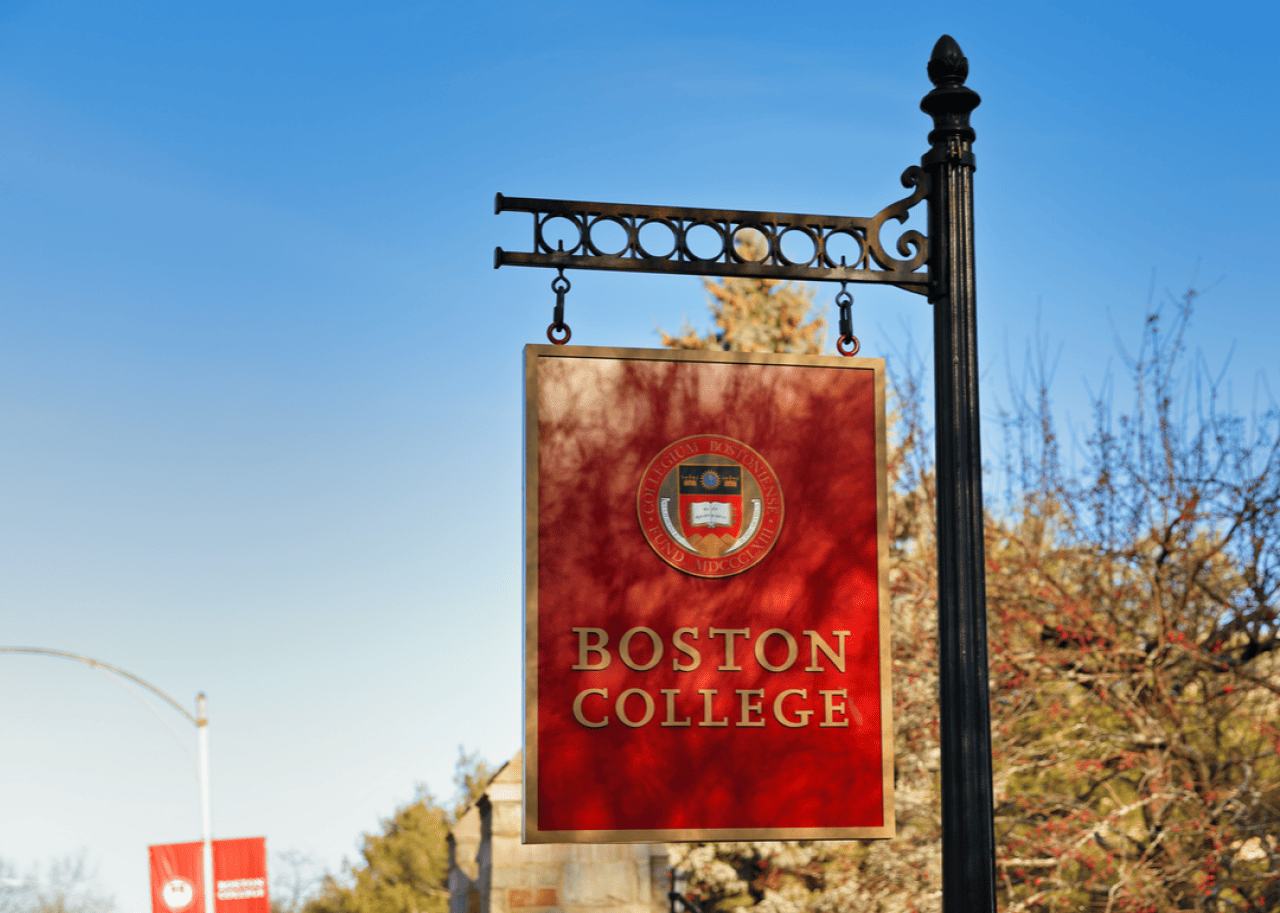
it’s tremendously good fun writing them and putting them on. One of
the best things about playwriting is that the author is king. The
director literally can’t change a word without the writer’s consent.
That’s very different from the movie business, obviously, and that’s
one of the reasons successful screenwriters are so well paid—it’s a
way of compensating them for being so incredibly disrespected. As one
screenwriter said about working for the Hollywood studios: “They ruin
your stories. They trample on your pride. They massacre your ideas.
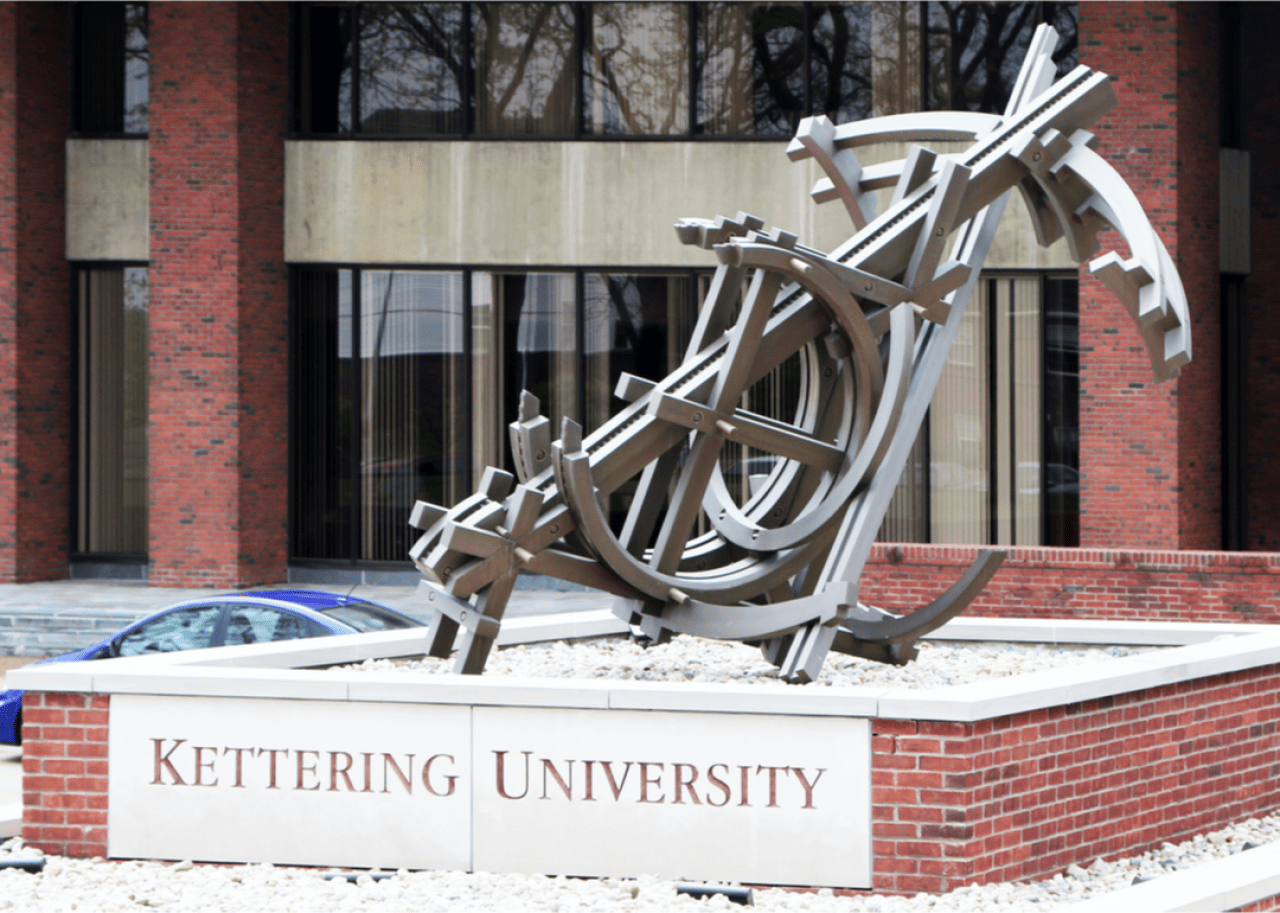
And what do you get for it? A fortune.”

mediabistro: What is the state of book publishing—best and worst thing about the
industry right now?

Young: It’s a winner-take-all economy. If you’re in the winner’s enclosure,
that’s great, obviously, but if you’re not, it’s terrible. The number
of authors who actually make a living from book-writing in the United
States—and I’m talking about proper books, rather than text books—
is less than 200. As a career choice, writing books is about as
rational as playing the New York Lottery. Still, there are
compensations. You get to describe yourself as a “published author”
at parties and prestigious Web sites solicit your opinions about stuff.


“I write down
every juicy piece of gossip I hear, particularly about celebrities. I
can’t publish any of it now because of the libel laws—it’s all
rumor and hearsay, obviously—but if I wait for the subjects to
shuffle off their mortal coils, I’ll be fine.”


mediabistro: How long can you make a living going places, then being cast out?
At a
certain point, will you have to live in a cave?

Young: I think I have one more memoir in me, then I’m going to wait 25
years, and start publishing my diaries. Otherwise, as you say, I’d
have to live in a cave. The great thing about the diary form is that
you really can burn all your bridges there because you’re so close to
death by the time they’re published that you’ve got nothing to lose.

I started keeping a diary four years ago and I think I’ve already
accumulated enough material for at least one volume. I write down
every juicy piece of gossip I hear, particularly about celebrities. I
can’t publish any of it now because of the libel laws—it’s all
rumor and hearsay, obviously—but if I wait for the subjects to
shuffle off their mortal coils, I’ll be fine. You can’t libel the
dead. Or, rather, you can, but they can’t sue you for it. As Mae West
said, “Keep a diary and some day it’ll keep you.”

mediabistro: The current obsession with celebrities was just picking up steam
when
you came to New York as a journalist in the mid-90’s- does the fact that
popular culture is fixated on celebs these days make your life/job any
easier, considering your area of expertise (pissing off big names, then
documenting it)?

Young: I’m interested in celebrities as a collective group but I can’t
muster much interest in individual celebrities any more. They all
tend to blend into one another. Like most other journalists, I’m
waiting with bated breath for the public to turn on the celebrity
class, but every time you think people’s interest in them must have
peaked, it then increases exponentially. Indeed, I think it might even
be possible to come up with a similar rule to the one about
microprocessor speed: the number of column inches about celebrities
in the national press doubles every 18 months. One of my long-term
projects is a novel called Starmaggedon about a dystopian future in
which celebrities have become the underclass. Realistically, though,
I don’t think that’s going to happen for a very long time.

mediabistro: With the focus on family life in your latest book, and the
associated revelations, some might accuse you of going soft. Share
a recent story/anecdote to the contrary.

Young: One story that isn’t in the book is that a day after my first child
was born I waited for my wife and baby to fall asleep and then crept
out of the house and went to a party. Unfortunately, for the rest of
the evening I kept bumping into my wife’s friends, all of whom asked
what on earth I was doing out drinking given that Caroline had had a
baby 24 hours earlier. I managed to sneak back into the house without
waking up my wife, but the following day all her friends called her
to tell her they’d seen me out the night before. My marriage still
hasn’t recovered from that.

**

Rebecca L. Fox is mediabistro’s features editor.

Topics:

Interviews

Posts navigation

Older posts
Newer posts
Featured Jobs
Kirkus Media
Editorial Intern
Kirkus Media
New York City, New York (US)

Gaia Inc
MEDIA COORDINATOR
Gaia Inc
Louisville, CO

Gaia Inc
Global Paid Media Specialist
Gaia Inc
Louisville, CO

Gaia Inc
Director of Media Strategy
Gaia Inc
Louisville, CO

Hearst Television
Account Executive
Hearst Television
Milwaukee, WI, United States

All Jobs »
PREMIUM MEMBER

Heather Mundt

Longmont, CO
22 Years Experience
Heather Mundt is a Colorado native from Longmont, Colorado. A wife and mom of two boys (and two rescue huskies), she loves adventuring throughout the...
View Full Profile »
Join Mediabistro Membership Today

Stand out from the crowd with a premium profile

Mediabistro Logo Find your next media job or showcase your creative talent
  • Job Search
  • Hot Jobs
  • Membership
  • Newsletter
  • Career Advice
  • Media News
  • Hiring Tips
  • Creative Tools
  • About
Facebook YouTube Instagram LinkedIn
Copyright © 2026 Mediabistro
  • Terms of Use
  • Terms of Service
  • Privacy