Mediabistro Logo Mediabistro Logo
  • Jobs
    Search Creative Jobs Hot Jobs Remote Media Jobs Create Job Alerts
    Job Categories
    Creative & Design Marketing & Communications Operations & Strategy Production Sales & Business Development Writing & Editing
    Quick Links
    Search All Jobs Remote Jobs Create Job Alerts
  • Career Resources
    Career Advice & Articles Media Industry News Media Career Interviews Creative Tools Resume Writing Services Interview Coaching Job Market Insights Member Profiles
  • Mediabistro Membership
    Membership Overview How to Pitch (Premium Tool) Editorial Calendars (Premium Access) Courses & Training Programs Membership FAQ
  • Showcase
    Featured Creative Stories Submit your Story
  • Log In
Post Jobs
Mediabistro Logo Mediabistro Logo
Search Creative Jobs Hot Jobs Remote Media Jobs Create Job Alerts
Job Categories
Creative & Design Marketing & Communications Operations & Strategy Production Sales & Business Development Writing & Editing
Quick Links
Search All Jobs Remote Jobs Create Job Alerts
Career Advice & Articles Media Industry News Media Career Interviews Creative Tools Resume Writing Services Interview Coaching Job Market Insights Member Profiles
Membership Overview How to Pitch (Premium Tool) Editorial Calendars (Premium Access) Courses & Training Programs Membership FAQ
Featured Creative Stories Submit your Story
Log In
Post Jobs
Log In | Sign Up

Follow Us!

Networking

Why Fall Is the Best Season to Network and Find a Job

A marketing pro shares tips on making the most networking in fall 

Networking tips for fall.
Katie icon
By John Lombard
John Lombard is a content strategist and writer with over a decade of experience creating interactive and video content for brands like Apple, IBM, and Samsung. He previously worked at Mediabistro and now serves as a Client Strategist at Ceros.
3 min read • Originally published September 14, 2016 / Updated March 19, 2026
Katie icon
By John Lombard
John Lombard is a content strategist and writer with over a decade of experience creating interactive and video content for brands like Apple, IBM, and Samsung. He previously worked at Mediabistro and now serves as a Client Strategist at Ceros.
3 min read • Originally published September 14, 2016 / Updated March 19, 2026

Leaves are starting to turn, the air is crisp and the job boards are filling up with some of the year’s best opportunities. And while fall is a great time to find a job, it’s an even better time to up your networking. So don’t let this season pass you by—here, see why fall should be your season to network and reconnect, and how to do just that.

Why Fall?

While fall is a certainly a great time to look for a job, as those key to the hiring process begin returning from vacations, it’s an even better time to network.

“As the year comes to a close, those making hiring decisions are likely to turn their attention to end-of-year reviews, raises and often budgets will dwindle,” says Shelby Sledge, VP of services at marketing and public relations firm Shelton Interactive. “Fall becomes a great season for networking so that when the new year rolls around and hiring picks up, you’re top-of-mind for a hiring option.”

So, it helps to plan a little more long-term this time of year, working to get your foot in the door with hiring managers for the possibility January hiring.

Up Your Networking

One of the best things you can do this time of year is to get active in your community. This means signing up for events and conferences, and maybe even calling up one of your top companies for an informational interview.

Then, as Sledge says, “make sure you’re taking your ‘face-to-face’ network virtual by connecting with a handful of key people met at an industry event on Twitter or LinkedIn.”

And speaking of social, this is also the perfect time of year to up your networking on sites like LinkedIn—by joining groups and becoming part of the discussion—and on Twitter—by increasing the amount of industry-related news and insights you share.

Check In With Your Network

If you made connections in the past that fell to the wayside, or even jobs you applied to that never panned out, now’s a good time to reconnect.

“I’m often impressed with job seekers who reach out maybe initially to see about a new position and then cleverly stay on the radar in non-pushy ways,” says Sledge.

Sledge talks about a candidate who—after reaching out for an internship when the timing wasn’t right on the employer’s end—did a few things to stay on the radar. “She was savvy to keep in touch by seeking advice in a very authentic way and just generally making me remember our previous conversation,” says Sledge.

And if you’re drawing blanks on how you can reach out to reconnect, Sledge points to a few great ways to do just that:

  • Ask for advice from someone in your network.
  • Send an update on where you are in your career.
  • Send a “this made me think of you” email, where you can share a bit of industry related news or something related to what you and the person discussed previously.

There’s a fine line between being pushy and checking in. To stay safe, just make sure you don’t overwhelm your connections with too many emails or phone calls. And in your communications, Sledge has one simple tip: “Be authentic.”

Topics:

Climb the Ladder, Networking
Job Search

Diversity Jobs in Media: Open Positions and Industry Insights

Most publishers and advertising agencies are overwhelmingly white; these tips can help you discover — and work with — the ones that are trying to diversify their ranks

How to Find an Employer That Values Diversity
Katie icon
By Andrea Williams
@AndreaWillWrite
Andrea Williams is an author, journalist, and columnist for The Tennessean with over 16 years of experience in journalism and 20 years in copywriting and communications strategy. Her work spans national outlets and high-traffic digital brands.
4 min read • Originally published September 22, 2016 / Updated March 19, 2026
Katie icon
By Andrea Williams
@AndreaWillWrite
Andrea Williams is an author, journalist, and columnist for The Tennessean with over 16 years of experience in journalism and 20 years in copywriting and communications strategy. Her work spans national outlets and high-traffic digital brands.
4 min read • Originally published September 22, 2016 / Updated March 19, 2026

It didn’t take long for the backlash to begin after the advertisement for Gap Kids—one in which a white girl is pictured resting her arm on a black girl’s head—was released in April. It was racist, said many digital onlookers, because it presented the sole non-white child in the ad as a “prop” for her white peer.

Fast forward a couple months and the American Red Cross was flailing in the deep end, thanks to its pool safety poster that depicted black and brown kids committing nearly all of the “not cool” offenses, while the other, well-behaved children were noticeably white.

Then, in late summer, Good Morning America co-anchor Amy Robach was taken to task for referring to “colored people” during a segment on diversity in Hollywood.

Diversity. It’s the buzzword that never seems to run out of gas, the pat accompaniment to an endless stream of mea culpas. But regardless of your position on the aforementioned affronts, and whether you found them personally offensive, one fact remains true: All of these incidents—and others—could have been avoided if the decision makers at those companies more closely represented the true diversity of our society.

“People from diverse backgrounds will bring creativity [to media organizations] based on their wide range of experiences and socialization,” says Rochelle Ford, professor and chair of the public relations department at the S.I. Newhouse School of Public Communications. “Diversity does include race, ethnicity, sexual orientation and gender, but it also includes different socioeconomic levels, religions and colleges and universities. And not having diversity leads to harmful stereotypes, unintentional offenses and insensitivity, as well as the exclusion important stories that should be told.”

Find a job at a company that truly values diversity on Mediabistro’s job board.

Apparently, many media companies haven’t gotten this memo. According to the 2015 Diversity Baseline Survey by children’s publisher Lee & Low Books, the book publishing industry is nearly 80% white, while The Atlantic asserts that the magazine industry isn’t faring much better. In advertising, a 2008 survey found that blacks made up a paltry 5.8% of all professionals and just 3.2% of managers, and they certainly aren’t the only underrepresented group.

There are always exceptions, though, and those media companies that take diversity seriously are in position to secure the best talent that will continue to drive their inclusive efforts into the future.

So how can you find employers that are working to be a part of the diversity solution and not the problem? Follow these tips:

Attend Career Fairs

In 2009, shortly after the advertising industry’s damning report card was released, The One Club, a nonprofit “dedicated to promoting creative excellence in advertising and design” launched the Here Are All the Black People career fair, to be held in New York on September 30.

As the name suggests, it’s a multicultural fair that gives students, recent grads and other professionals the opportunity to network with top ad agencies, and events like these are a great way to get face time with companies that are serious about diversity.

“Participants have opportunities to interview, network, learn, interact with and gain invaluable knowledge from top creative professionals, as well as attend portfolio-building workshops, portfolio reviews, and participate in our popular live elevator pitch,” says Traecy Smith, The One Club’s director of diversity.

Other diversity-promoting media career fairs include The Center’s LGBT Career Fair and the New York City Bilingual and Diversity Job Fair, presented by Diversity Jobs.

Research Sponsoring Companies

If you can’t attend a job fair, or if you do attend but don’t have the chance to rub elbows with reps from inclusive companies, you can still use diversity events as a jumping off for research.

“Take a look at the Here Are All the Black People website, and you’ll find a whole host of sponsoring agencies who are walking the walk—not just by contributing funds, but by dedicating time to mentor, review portfolios and network,” says Smith. The companies on this year’s roster includes presenting sponsor Verizon, Y&R, Wunderman and Leo Burnett.

Scour LinkedIn

Smith isn’t the only media professional with the word “diversity” in her title. According to a recent Forbes.com article about diversity hiring practices, companies are proving their commitment to inclusion by creating positions that make diversity a key focus—and titling those roles accordingly. The good news? You can typically search for those titles on LinkedIn. “This will provide you with some insight on their background and what experience they might be applying internally within the company when it comes to diversity and inclusion,” says Kathy Chow, executive director of the Asian American Journalists Association.

Check Company Websites

This may seem like a no-brainer, but checking out a company’s website may be one of the best ways to gauge diversity efforts.

“Almost all companies will have their philosophy on how they value diversity and inclusion in the workforce,” says Chow. “Does the company have a diversity council? Does the company have affinity groups such as an Asian Pacific Islander employee group or an LGBT group? Does the company sponsor events such as Chinese New Year parade, etc? Often companies will list the groups or sponsorships they have provided during the year. This list will give you an idea how inclusive they are in their support of the community.”

Topics:

Get Hired, Job Search
Climb the Ladder

Why an English degree is just as important as a STEM major

Why an English degree is just as important as a STEM major
Jess icon
By Jess Focht
@jessfocht
Jess Focht is a writer and content strategist with 6+ years of experience in media, publishing, and brand storytelling. She has contributed to Insider, Grammarly, and The Creative Independent.
4 min read • Originally published September 27, 2016 / Updated March 19, 2026
Jess icon
By Jess Focht
@jessfocht
Jess Focht is a writer and content strategist with 6+ years of experience in media, publishing, and brand storytelling. She has contributed to Insider, Grammarly, and The Creative Independent.
4 min read • Originally published September 27, 2016 / Updated March 19, 2026

I’m sick of hearing about the “STEM Crisis” in America. Read any report on American education from the past decade, and you’ll see an excessive amount of hand-wringing over the fact that American students are failing to engage fully with the new gods of our modern era: Science, Technology, Engineering, and Math. According to a recent study, America is 27th in the world in math, and 20th in science. ~gasp~

Aside from the fact that grooming all of us young Americans into great Astronauts and Airplane-Builders feels like a remnant of the Cold War Space Race, and aside from all the American exceptionalism that underlies this assumption that we, as a country, should be the best in Science/Technology/Engineering/Math, I take issue with the fact that this emphasis on STEM is making the humanities an afterthought in American education, and that people think you can’t get a job without a STEM major, when, in fact, only half of STEM graduates actually find STEM jobs.

The US Department of Education has done some damage control to assuage the type of rage I’ve displayed above. They assert that liberal arts style education is still relevant. They also continue to push the STEM agenda with programs like Educate to Innovate!

I do not have a STEM degree. I am pursuing an English degree at a liberal arts college. (Quoth the haters: “How useless!” “What are you going to do with that degree? Write? Teach?”)

But I wasn’t always this way.

I’m decent at math and science, and I started out my college career as a Computer Science major, before I decided to opt out of it (I still got a minor). I had a choice between a STEM path and a Humanities one. I chose the humanities, and I don’t regret it at all.

By choosing my English major, I was able to study abroad in Glasgow, UK. With my program of study there, I read Scottish literature in the place where it was written. By reading ancient and modern Scottish texts, I developed a deep understanding of the historical precedence for the Independence Referendum Scotland was voting on at the time. Literature, as much as anything else, helped me gain a sense of Glasgow. I don’t think learning about the Fibonacci Search Technique would have done the same.

Ultimately, I decided to pursue my studies of English over Computer Science because I believe reading, responding to, and creating literature makes me a better person who’s better able to empathize with those around me, and who’s better able to zero in on the heart of any issue presented to me. There’s actually science to back this up.

I preferred my humanities classes at college to my STEM ones because we had discussions in my literature and workshop classes. We debated and created knowledge and opinions about the ideas in our readings and our writings. On the other end of the spectrum, I took a linear algebra class where I was forced to memorize theories and interpret numbers with a narrow matrix-centric lens.

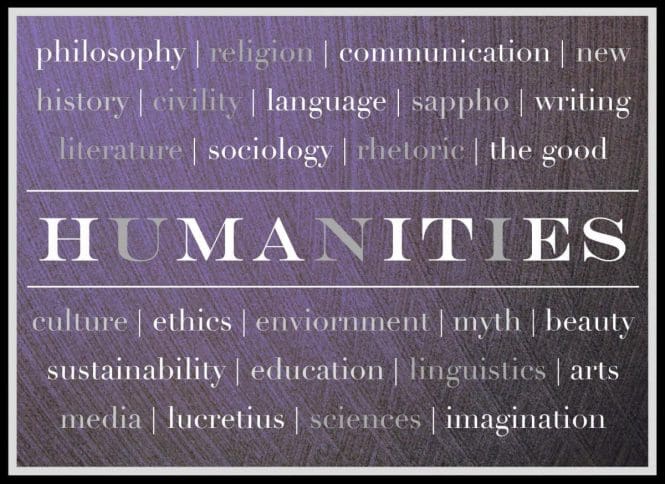
humanities_graphic

I’m going a little too far. Some math needs to be broken up into bite size, matrixy pieces to make sense. And, at its best, computer science is a highly creative field. What it came down to was that, in English classes, I felt like I was becoming a better citizen of the real (not binary) world. And that’s more important to me than making scientific breakthroughs (although I sincerely hope all people don’t feel this way — we need that cancer cure now).

The STEM jobs just aren’t out there for the picking. And technical or narrowly focused education might not be the best preparation for careers in general — not just STEM careers. According to this report by the Harvard/MIT research pairing of Frank Levy and Richard J. Murnane, nowadays, “the fastest growing occupations involv[e] unstructured problem-solving, working with new information, and non-routine physical activity.” Levy and Murnane also say that the increase in “computerized work” has increased the baseline literacy level needed to be a successful worker.

My study of English definitely helped up my literacy. But, in a more general sense, two of these three skills needed for modern work — ”unstructured problem-solving,” and “working with new information” — are definitely not STEM or humanities specific. My psychoanalytic, feminist analysis of The Country of the Pointed Firs helped me develop these skills just as much as implementing a novel approach to titrating acids (or whatever chemistry majors do).

The “soft” skills gained from a humanities-focused or liberal arts education can be just as valuable as “hard” STEM skills in making productive members of society — in teaching people how to run governments and start companies and build buildings and, yes, write and teach.

Just look at me: I got paid to write this blog post. 🙂

And don’t just listen to me: the speakers on this episode of the TED Radio Hour make some great points about how critical thinking is more important than ever in the age of big data.

Topics:

Candidates, Climb the Ladder
Job Search

8 Warning Signs of a Bad Job Offer

8 Warning Signs You’ve Gotten an Offer From a Bad Employer
Katie icon
By Bizzy Coy
Bizzy Coy is a freelance copywriter and humorist whose creative writing has appeared in The New Yorker and McSweeney's, and who is the author of "Personal Space." She has received fellowships from Fulbright, MacDowell, and NYSCA/NYFA, and has written for clients including Disney, Condé Nast, and Broadway.
4 min read • Originally published October 3, 2016 / Updated March 19, 2026
Katie icon
By Bizzy Coy
Bizzy Coy is a freelance copywriter and humorist whose creative writing has appeared in The New Yorker and McSweeney's, and who is the author of "Personal Space." She has received fellowships from Fulbright, MacDowell, and NYSCA/NYFA, and has written for clients including Disney, Condé Nast, and Broadway.
4 min read • Originally published October 3, 2016 / Updated March 19, 2026

You found the perfect job listing. You applied. You scored an interview. But something seems… off. Are you dealing with a bad employer? Here are eight warning signs to look out for during your job search.

1. Details are hazy

One of the biggest red flags is lack of concrete information about the job. Maybe the job description is too short. Maybe it’s too long, filled with lots of meaningless industry jargon. Maybe there’s no job description at all. Or, the interviewer is cagey about the details.

“There is a lack of transparency if the interviewer is not able to speak to career development, culture, work life balance, benefits or perks,” says Theresa Vargas, Human Resources Manager for Grant Associates, a workforce development company.

Always be suspicious if you can’t lock down real information.

2. Disorganization reigns

“An unorganized interview process is a red flag,” says Vargas, and it’s often the sign of a disorganized workplace in general.

Let’s say your interview date and time keeps changing. Or your interviewer forgets to show up. Or they lose your application altogether. This is not normal! Imagine what it might be like to work there under similar chaotic circumstances.

Find the right position—and employer for you: Search for your next job on Mediabistro’s job board.

3. Follow-up takes forever

“Your recruiter or HR contact shouldn’t take a long time to follow up during the recruiting process,” says Vargas.

Hiring decisions can take weeks or months, but that’s no excuse for ignoring your phone calls or emails in the meantime. You want to work in a respectful, communicative environment.

4. They’re in a big rush

On the flipside, be leery if the process seems rushed and you’re pushed to commit in a tight time frame. You might hear phrases like “We want you to start this week,” “Our last employee walked out and we need to replace her ASAP,” and “How quickly can you start?”

Don’t get caught in a situation where an employer is looking for any warm body to fill the role instead of the right person to fill the role. Finding the perfect match takes time.

5. Your interview is one-sided

Have you ever had an interview where you can’t get a word in edgewise? They talk about the company, themselves, the weather, but don’t ask you any questions or seem that concerned about your experience or what you’ll bring to the company. That’s a sign of an employer who doesn’t take their hiring decisions seriously.

6. You can’t meet the team

“Not being able to meet with the people you will be working with is concerning,” says Vargas, “because you don’t know if you will be a right fit for the team.”

If the employer doesn’t offer an interview or meet-and-greet with team members, ask them directly if that’s possible. Meeting your colleagues is a crucial part of determining whether you want to take the job.

7. You can’t see the office

Likewise, if the employer doesn’t invite you to interview at or tour their workplace, ask. It may be a simple oversight, or it could mean the business is hiding something.

“Not being able to see the actual working environment could leave you with regrets after accepting the job,” says Vargas. “If you knew in advance that you would be working in a closet, it might change your mind.”

8. They don’t know what they’re looking for

This is a common problem, and it spells trouble. Keep an eye out for an employer who wants one person to do the work of a full team, an employer who doesn’t understand what you do, a salary that doesn’t match the position or a position that seems like it was created in haste.

Also: an employer who says you’ll “figure it out” once you’re on board. No way!

What next?

If you spot any of these red flags, proceed with caution. When in doubt, dig a little deeper. Seek out more information from the employer as well as external sources: workplace review websites, current and previous employees, and a general web search.

And always, always trust your gut. If something feels wrong, better to address it now than committing to a workplace that’s not right for you.

Topics:

Get Hired, Job Search
Skills & Expertise

Copy Editor: The Role, Responsibilities, and Breaking in to the Job

If you're a super speller and a great grammarian, and have a killer eye for details, this always-in-demand role could be the one for you

What Does a Copy Editor Do?
Katie icon
By Jenell Talley
Jenell Talley is a journalist and program analyst with a background spanning media, government, and editorial work. She holds a journalism degree from Howard University and a master's in human resources management from the University of Maryland.
4 min read • Originally published October 3, 2016 / Updated March 19, 2026
Katie icon
By Jenell Talley
Jenell Talley is a journalist and program analyst with a background spanning media, government, and editorial work. She holds a journalism degree from Howard University and a master's in human resources management from the University of Maryland.
4 min read • Originally published October 3, 2016 / Updated March 19, 2026

Are you fanatical about the use or non-use of serial commas? Does misuse of “their,” “they’re,” and “there” drive you insane? Does an article that vacillates between “10” and “ten” make your blood boil? How about channeling that talent into a copy editor job?

We got a few professional copy editors extraordinaire to spill the beans for you on the position. Read what they had to say—we promise you won’t find any mistakes in our write-up.

What exactly does a copy editor do?

Sure, copy editors correct misspellings (it’s “supersede,” not “supercede”) and whip grammar into shape (between you and me, don’t let a writer get away with “between you and I”), but there’s a lot more to it.

These grammar Svengalis are also charged with reviewing content for proper punctuation, usage and syntax; creating and/or updating in-house style rules; fine-tuning structure, tone, and voice; and ensuring clarity, coherence, and logical flow and consistency in words, typography, art, and style.

“Style can include the specifics of any particular publishing company, as well as the type of guide being used, such as the Chicago Manual of Style,” says Ciara Larkin, a senior copy editor in book publishing at Thomson Reuters.

Some copy editors also function as proofreaders, fact-checkers, and even project managers who oversee workflow and communicate with other departments throughout the production process, Larkin says. At some companies, duties include performing rewrites, writing headlines, and reshaping leads.

What skills are required to be a copy editor?
This should go without saying, but what the heck: Know the English language like the back of your hand, says Larkin, who notes proper spelling and grammar are undervalued these days.

There’s no getting around attention to detail, says Jenna Rose Robbins, an editor, writer and web consultant at Siteseeing Media & Web Consulting. “And some people just can’t be taught because it requires a specific type of focus,” she adds. “I know some amazing line editors who are terrible copy editors.”

You need to know Associated Press and/or Chicago style. “This is just something that has to be learned, like memorizing the periodic table of the elements, only in more detail,” Robbins says.

You also need to be curious and crazy organized, says Jennifer Bright Reich, co-founder and editorial director of Momosa Publishing. The ability to meet deadlines is also important.

Who is a copy editor’s boss?
It varies by company, but a copy chief, editor-in-chief, or managing editor is the usual suspect.

What do you need to get ahead in this position?
It takes an undying desire to produce perfect copy to excel at this job. “Copy editing is one of those rare cases where perfectionism is an asset,” Robbins says.

How can you get your foot in the door?
A degree in journalism or English could help, but your knack for the English language is your ace in the hole. “I’ve never heard of anyone getting a copy-editing job based on a degree or certification,” says Robbins. “Almost every copy editor I’ve known has had impeccable grammar skills.” Show yours off by interning, freelancing, or starting your own sharply written, error-free blog.

How the future is shaping up for copy editors

As we wrap up this dive into the world of copy editing, let’s gaze into the crystal ball and explore what the future holds for this meticulous and crucial profession. The world of publishing and content creation is ever-evolving, and so is the role of a copy editor.

In the coming years, the rise of digital media and AI technologies will likely transform how copy editors work, but fear not – this is less about replacement and more about enhancement. For instance, while AI can help with basic spell checks and grammar, the nuanced understanding of context, style, and tone still lies in the human domain. Embracing these tech tools can free up your time for more complex editing tasks where your expertise truly shines.

Moreover, the increasing demand for content across diverse digital platforms presents new opportunities for copy editors. We’re talking about editing for websites, apps, multimedia presentations, and even virtual reality experiences. The core principles of clear, coherent, and engaging content remain the same, but the ways to apply them are multiplying.

For those looking to future-proof their copy editing career, it’s about being adaptable, continuously learning, and expanding your skills beyond traditional boundaries. Stay curious about new publishing platforms, familiarize yourself with basic SEO principles, and maybe dabble in some content strategy. Learn about new immersive technologies and gameplay.

Remember, at its heart, copy editing is about safeguarding the quality of information in an age of information overload. It’s a noble pursuit, and as we step into the future, your role becomes not just about correcting commas and catching typos but also about upholding the integrity and clarity of information in our digital world.

So, keep honing those skills, embrace the changes, and leap into the opportunities that lie ahead. The future of copy editing is bright and needs sharp minds like yours. Now go forth and edit boldly in this brave new world!

Get started in a new copy editor role and others with our media job board.

Topics:

Climb the Ladder, Skills & Expertise
Skills & Expertise

How to Become a Cookbook Writer and Break Into Food Media

You don’t need your own Food Network show to be a professional cookbook author

How to Become a Cookbook Writer
Katie icon
By Allie Misch
Alexandria Misch is a multimedia journalist and content strategist with over a decade of freelance experience, with bylines in New York Magazine, Esquire, the Los Angeles Times, and The Verge. She is based in New York City and works across writing, editing, photography, and production.
7 min read • Originally published October 19, 2016 / Updated March 19, 2026
Katie icon
By Allie Misch
Alexandria Misch is a multimedia journalist and content strategist with over a decade of freelance experience, with bylines in New York Magazine, Esquire, the Los Angeles Times, and The Verge. She is based in New York City and works across writing, editing, photography, and production.
7 min read • Originally published October 19, 2016 / Updated March 19, 2026

So you want to launch a career in food media, but you haven’t heard back after a single job application. Or maybe you think your sociology degree won’t get you past the hiring manager’s desk even though your food Instagram just hit 50,000 followers.

Either way, your friends tell you print is dead and you should get on with your life.

But before your fears force you to forgo that childhood dream of creating a cookbook, take note of these tips from seasoned food writers whose unconventional careers lead them to write real, live, culinary books in our ever-evolving digital society.

First, find your niche.

“There are so many people out there who deserve to do a cookbook,” says food writer JJ Goode. But if you ask him, he wouldn’t make his own list.

“I’m from New Jersey,” he explains. “I grew up liking food a lot, but like really trashy food.” Frozen pizza, instant macaroni and cheese, and chicken nuggets peaked the palate of the future food critic at a young age.

“It wasn’t a very romantic start,” he says. “I never went to culinary school, I never worked in a restaurant and I’m a little bit clueless in the kitchen.” So after working on 12 cookbooks with several authors, Goode finds he is exactly what certain chefs need: an advocate for the home cook.

“Chefs cook so instinctually, they sometimes forget things like, you know, measurements, temperature settings—the stuff us mortals find useful,” says Kerry Diamond, editorial director of Cherry Bombe magazine.

While the first of her two-book deal with Clarkson Potter is set to be published next year, Diamond never planned to make food her full-time focus. She started dating a chef who asked if she would open a restaurant with him.

“That was my gateway drug,” she says of finding her foundation in food.

Sarah Black, the author of One Dough, Ten Breads, shares similar romantic sentiments when it comes to finding your fit.

“It is like falling in love, I think—hard to put into words—you just know when it’s right for you,” Black says. “‘Use your instincts. ‘You know more than you realize’ is my mantra.”

Love to write? Find a great new job as a writer on Mediabistro’s job board.

Then write what you know.

Like all writing, it’s a lot easier to let it flow when you’re familiar with the subject. Black suggests finding your niche, learning everything you can, then writing from the heart.

“Baking changed my life. I wanted to give this opportunity to others who might be struggling to find their way—by inspiring, teaching and training how two hands can change the world,” she says.

Starting with an authentic story will make a book proposal feel more like meeting a new friend than an application to become an author.

“Publishers like to see the chefs voice on the page,” says Goode. “I think a cookbook should be really personal. You want to read it and feel like you’re at the stove with the chef.”

Share your work online.

Diana Yen is the brilliant brain behind the multidisciplinary creative studio The Jewels of New York and author of A Simple Feast, but many know her from her perfectly styled Instagram account.

“[Social media] connected me to people I wouldn’t have otherwise met and it led to lots of new business opportunities,” says Yen. “I was lucky enough to find a smaller publisher, Roost Books. It’s a family run business and the president was a fan of my site.”

She suggests trying to do everything yourself at the beginning to grow your individual talents, then share your creations online and get feedback from the community. This can also be a way to pick up media coverage.

“I think my business, online blog and press definitely helped in setting me apart and getting my book published,” Yen says.

Network as often as you Instagram.

It’s easier than ever to introduce yourself to industry leaders because of the Internet, yet even virtually it can often feel intimidating.

Go ahead and “politely bother people,” says Goode.

“No one’s that cool in food,” he says. “It’s not fashion or sports writing. There’s nobody too cool for school…except for a few people.”

When Goode was looking to make the move from his entry-level position at Epicurious, he sent out cold emails to food writers like current New York Times restaurant critic Pete Wells and Food52 co-founder Amanda Hesser.

“They didn’t know me. They had no reason to respond to me,” says Goode. Yet almost everyone responded and agreed to meet him.

“There was nothing they could do really. They couldn’t just give me work, but I stayed in touch with a lot of these people.”

Goode found that these contacts would think of him for opportunities such as a quick 250-word essay or even when looking to fill a new position.

“Write to people. Buy them coffee. Bother them on the phone. Be persistent,” Goode advises.

But even when trying to get a foot in the door, the rules of etiquette still apply, warns Yen.

“The biggest turn off for me is when strangers ask to ‘pick my brain,’” she says. Initially offering something mutually beneficial to a mentor can go a long way.

“Reach out in a professional [manner] through email and offer your assistance, even if they don’t need it. There’s a big chance they will open the door and share some knowledge,” Yen says.

Start right now, where you are.

“It was really hard in the beginning when you’re starting out and the only thing on your resume is ‘proficient in Microsoft Word’ or something like that,” Goode remembers.

He says even relatively inexperienced writers should approach their favorite chef to build a relationship.

“The chef isn’t thinking ‘Oh he’s a good writer, not a great writer.’ No, the chef is thinking ‘Could I spend a year talking to and meeting with this person? Is that going to drive me crazy or that going to be okay?’” he says of his own experience.

Once you have an idea, Goode says to try your hand at writing a proposal. He suggests asking around to find examples of book proposals to glean inspiration to go forth on your own.

“One cool thing about cookbooks is it’s still kind of like the ‘Wild Wild West,’” says Goode. “I didn’t know someone who wasn’t a great cook could even do cookbooks.”

Traditional training in food media is still sparse, but Yen says it’s wise to become active in the community by showing up to lectures, food fairs, and pop-up dinners.

“Try interning at your favorite companies, publications or shadow a stylist. Learn to recognize your inner talents and continue in that direction,” she says.

Keep refining your craft.

In any creative industry, it takes a lot to stand out among the competition.

“I think a curious mind is never content,” says Yen. “I’m always trying to devour inspiration through social media, books, and engaging in conversations about the ever-changing food world. I go through periods where I simply absorb information, and once I’m full, I go and create something new from it.”

Food writing, like cooking and baking, takes practice. Black tests her recipes at least 25 times. Goode studies his subjects in-depth enough to mimic their speech patterns. Yen rents apartments in foreign countries to cook up a feast using their local ingredients.

But like perfecting a recipe that’s been years in the making, it is often followed by a sweet reward.

“It’s the best, it’s really the best,” Goode says about co-authoring with chefs. “I get to basically learn, watch them cook, eat their food, and ask all these dumb questions. But I feel like I’m doing something important.”

And never give up on print.

Even though BuzzFeed Food videos may dominate your Facebook feed, these authors are confident the cookbook will survive the digital age.

“The craft of baking is all about touch, and holding a book, staining its pages with sticky fingers, marking a book as you work with it is a ritual that also involves your senses,” Black says of a cookbook’s place on the shelf.

“I think cookbooks will be around forever. It’s like any book,” says Goode. “Do you think they’re going to stop making novels or histories of old white former presidents? There’s like 20,000 books on Thomas Jefferson and John Adams, so there can be more cookbooks in the world.”


Topics:

Climb the Ladder, Skills & Expertise
Climb the Ladder

How to Network in Three Easy Steps

How to Network in Three Easy Steps
Jess icon
By Jess Focht
@jessfocht
Jess Focht is a writer and content strategist with 6+ years of experience in media, publishing, and brand storytelling. She has contributed to Insider, Grammarly, and The Creative Independent.
5 min read • Originally published November 2, 2016 / Updated March 19, 2026
Jess icon
By Jess Focht
@jessfocht
Jess Focht is a writer and content strategist with 6+ years of experience in media, publishing, and brand storytelling. She has contributed to Insider, Grammarly, and The Creative Independent.
5 min read • Originally published November 2, 2016 / Updated March 19, 2026

Three easy steps to make you dread it a lot less

Photo by Farhad Sadykov (licensed via Flickr Creative Commons)

Sometimes when you say the word “networking”, you can actually see people shudder.

There aren’t many terms that bring up such acute feelings of dread for so many people. And if you’ve ever had to stand in a corner at an event wondering how to approach someone, the anxiety can be all too real.

But you’re also not alone. Most people don’t relish the activity. And what’s more, people are coming to realize that relying too much on networking can actually exclude people.

Recently I interviewed someone building an LGBTA+ technologist community. She explicitly told me she wouldn’t be planning happy hour events. Why not? Because too much networking discourages introverts, people uncomfortable discussing their queer or trans identity. Instead the group will focus on open hacking and resource sharing.

Its great communities are harnessing new ways to connect. But odds are everyone still needs networking at some point. Whether it’s for finding jobs, funding, or mentors, the fact is that networking is often your gateway to resources.

The bottom line is that no one says you have to enjoy doing it. But that doesn’t mean you can’t be good at it. So if you want to dread less and do more, here are the three skills you need to network like a boss.

Lay your groundwork

Photo by Tim Sackton (licensed via Flickr Creative Commons)

This first step is crucial, and time-consuming. Laying the groundwork is about setting yourself up to make a plan, and be able to answer questions about yourself.

Start with social media. Do you have any public channels people can check out — like a twitter handle, or a GitHub account? Start producing content so people can get a sense of your interests, and make sure to add profiles pictures. Don’t forget to be professional. If you have a Facebook, consider adjusting changing your privacy settings to “friends only”. We at Scouted have never seen anyone get a job from their social media, but we have seen lots of people lose out on opportunities because the tone of their facebook account did not mesh with the company culture.

The next step is to update your resume, and your LinkedIn. Design your resume in whatever format works for you, MS Word: use online resume makers like Cvmkr, or a free designer program like Canva. At the end of the day, it should be one page, clean and well articulated. Your LinkedIn is arguably more important, and if you don’t have one, sign up for an account today[rl2] .

The earlier you do this, the better. Start it right now (after reading the rest of this article.) And don’t forget this is about continuity: schedule time to post on social media, and update your LinkedIn.

Do your homework

Photo by jwyg (licensed via Flickr Creative Commons)

This is the next important step, and it’s also the one you’re least likely to have learned in college. After you’ve started establishing a digital presence for yourself, it’s time to figure out what you want.

Figure out what your goal is. Are you looking to get hired? To get advice on a project? Nail down the industries you’re operating in, and learn the “big names” that shape it. Follow the social media of your industry’s trendsetters to stay on top of new developments and learn which news outlets cover them.

Once you have a better feel for the game, you’ll know who you want to talk to. Maybe it’s the professor who wrote the eminent research paper on your topic. Maybe it’s an employee at that company you decided you really want to work for. But until you do your research, you won’t know for sure, and you won’t be able to hold a good conversation once you meet them.

And perhaps most importantly prepare for every networking conversation you are having, if you know about it in advance. Know who the people are, their companies, and career paths. Make special note of common connections that may create a bond with the people you are meeting — a shared alma mater, friend or colleague or even if you grew up near each other.

Get out there (and follow-up)

That brings us to the last step of networking: The Conversation.

The last step can seem ominous. But the standards of conduct here are pretty simple: if it’s an event, make sure to follow the dress code; if it’s an appointment, be on time; if it’s an informal meeting, offer to buy coffee or help cook.

As for the talking part? Just do your best to reach out to people and introduce yourself. Tell them who you are, what you do, and what you’re looking for. Ask them about themselves, about their work, about that new development that just published in Wired. Be an active listener and don’t do all the talking. Perhaps the best advice I can give / get is to ask for advice and guidance — do not be transactional!

Most importantly, be yourself, and try to enjoy it. You’ve done all the heavy lifting preparing for this conversation. You’re ready for it, and you’re ready to learn what you came there for. If appropriate, give them your contact information and thank them when you leave.

The crucial part about this is remembering to follow-up.

If you met someone, had a good conversation, and you think there’s a chance they can help you out, then remember to send them an e-mail that same day. If you met someone and you don’t think they can help you? Send them an e-mail, too.

It’s not always about finding the exact person you need to help you out (although that’s nice). It’s about building a community who knows you and can pass opportunities your way. Sometimes the accidental meet-ups become fruitful later down the line.

Topics:

Candidates, Climb the Ladder
Advice From the Pros

How My Corporate Media Gig Prepared Me for the Entertainment Industry

This NBCUniversal employee tells us how her corporate day job is helping her find success with her passion projects

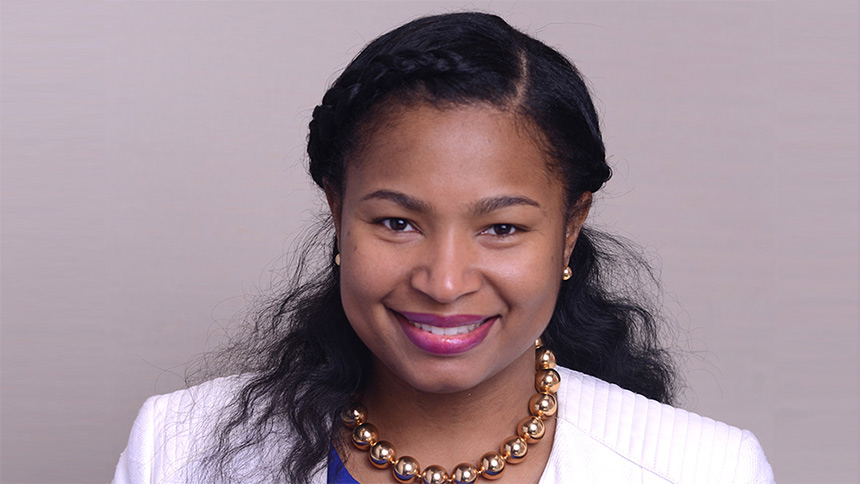
Angela McCrae headshot
Leah icon
By Andrea Williams
@AndreaWillWrite
Andrea Williams is an author, journalist, and columnist for The Tennessean with over 16 years of experience in journalism and 20 years in copywriting and communications strategy. Her work spans national outlets and high-traffic digital brands.
6 min read • Originally published November 30, 2016 / Updated March 19, 2026
Leah icon
By Andrea Williams
@AndreaWillWrite
Andrea Williams is an author, journalist, and columnist for The Tennessean with over 16 years of experience in journalism and 20 years in copywriting and communications strategy. Her work spans national outlets and high-traffic digital brands.
6 min read • Originally published November 30, 2016 / Updated March 19, 2026

Tens of thousands of people move to Los Angeles every year, and thanks to the allure of red carpets and flashing lights, it’s safe to say that many of those Cali imports have their sights set on Hollywood. Angela McCrae was one of those people eight years ago when—after starting her career on the east coast in radio broadcasting, then moving to television audio engineering and ultimately launching her own production company—she packed up everything and journeyed west.

While McCrae’s side endeavors fulfill her creative yearnings (she recently screened her first short film, #WhereIsBeauty, which follows a young woman as she deals with the pressures of social media in search of her true identity), it is her day job as Creative Content Protection Coordinator at NBCUniversal that provides her with the wisdom needed to navigate the LA scene with confidence and power. Here, she discusses those key lessons learned, while also providing tips for other entertainment industry wannabes.

Name: Angela McCrae
Title: Content Protection Coordinator/Co-hub leader, Young Professionals Network @NBCUniversal (SoCal)
Company: NBCUniversal
Years with Company: 5.5 years
Hometown: Hyattsville, MD
Currently lives: Los Angeles, CA
Instagram: @angelamccrae
Twitter: @angelamccrae01
Linkedin: https://www.linkedin.com/in/angelamccrae
Education:  Morgan State University—Broadcast Journalism/Television Production 

How did you end up in your current role?

My background is in broadcast news. I started out at the radio station on campus at Morgan State University, and I was an assistant news intern and able to do news stories live on air. Then I got the opportunity to intern at a local television station, and that was a great experience for me, because it opened my eyes to television. I became the full-time audio engineer for the morning news show, and I was the first audio mixer for that show. I helped design the sound—we used to do a lot of innovative stuff, partnering with the radio station and doing live [music] sets, which was really unheard of at the time.

From there, I started my own production company, and it got me into this creative space, where instead of me just being the operator or technician for live news, I was now able to create my own content. I was doing marketing videos and local commercial spots, which also afforded me a lot of relationships in the DC and the Baltimore area. I was still also balancing freelance audio mixing when an opportunity to go to LA came up. It was an entry-level video and coding job, so it was pretty much right at the helm of digital media. The only problem was that it paid just $16 an hour. But I took a chance and because the job was only three days a week, I was also able to continue doing some of the work I had lined up on the east coast. So I was bi-coastal for the first year and a half.

Eventually, though, that ended. Then an opportunity at NBC opened up; I got an opportunity to work here, and I’ve been here ever since.

What are your day-to-day responsibilities?

I work in creative content protection, so my day-to-day is very much on the corporate side of things. I deal with managing budgets, office management facilities, research, event planning, vendor relations and accounts receivable.

How has your job at NBC helped you as you pursue other career ventures in film production?

Since I’ve been at NBC, I’ve grown professionally. This is what I needed—the corporate environment to help me hone my business skills and understand professionalism and communication style. And being in this coordinator role and being able to interface with EVPs from all the different business units gives me a bird’s-eye view of how this company is structured. I’ve also learned how to be gracious in dealing with executives and be comfortable speaking in that space.

In my first job, when I had to ask for a raise, it did not go well and I ended up quitting. Sometimes, when you go into a situation and you don’t have your structured messaging in place, people see it. Some people who aren’t good people just want to break you down, but when you go to them with the confidence to look at them in their eye, and you speak on their level—even if you’re not on their level—they respect you. And that’s what this position has given me. My confidence has grown so much, and being able to change my mentality about circumstances and not take things personally is growth for me.

Get a closer look at NBCUniversal. They’re hiring like crazy right now.

The LA entertainment scene is notoriously difficult to crack. What advice do you have for people who don’t currently live on the west coast but still want to break in?

If you’re looking to break into the film industry, remember that people are shooting films with their cell phones. I’ve seen kids shoot something, edit it and even add music in 15 minutes for a 30-second video. So there’s no excuse. If you have a passion; if you have a dream, just do it. Just strategize and take the first step.

The other thing is to reach out to people. There are people who reach out to me on LinkedIn all the time who aren’t in LA, but they contact me and ask me for suggestions. There’s a young girl who’s in Atlanta—she just graduated from college, and she’s trying to break into the industry. So when there are opportunities that come my way from Atlanta, I forward them to her, because I know she’s there, and I know she’s passionate.

Another thing that I tell people to do is to have informational interviews with people in the industry. Structure them so it’s more of a learning opportunity so you can learn about what that person does, the challenges, the benefits, their story and their path. Then you can actually get inspiration and figure out if their job is something that you really want to do or not, because there are more jobs in LA than you can even imagine.

How does your job at NBC impact your non-professional life?

It has made me more cognizant of how I go about consuming my content, so I’m not going to those weird websites and weird links. It also made me realize that, as content creators, even the selfie pictures or videos that we put up of our family gatherings on Instagram or Facebook, are our content, and we need to protect that. Nowadays, people are sharing things; they’re taking other people’s videos and creating memes and ridiculing them. There’s so much craziness that goes on.

So we have to also realize what our free rights are. What are the copyright and free use laws? How are we able to now be educated on not just the convenience of technology, but of the impact of technology on our original content and on us, as content creators? I think right now the technology companies are in a position where they have the upper hand because people aren’t taking the time to really care about how these companies are monetizing their content. I think Instagram was sold for a billion dollars, and the Washington Post was sold for a quarter of a billion dollars. So how does that work? How does an institution like the Washington Post get sold for $250 million, but then an app that’s only been around for a few years, that was started by only eight people, sells for over a billion dollars? And it’s on the back of other people’s content that’s not even given any type of compensation.

Topics:

Advice From the Pros, Be Inspired
Skills & Expertise

Social Media Metrics vs. Social Media Analytics: Learn the Difference

The distinction can have a huge effect on the value of your reports and the success of your future efforts

Creating a social media analytics report
Leah icon
By Mediabistro
The Mediabistro editorial team draws on 25 years of media industry expertise to cover jobs, careers, and trends shaping the industry.
5 min read • Originally published February 27, 2017 / Updated March 19, 2026
Leah icon
By Mediabistro
The Mediabistro editorial team draws on 25 years of media industry expertise to cover jobs, careers, and trends shaping the industry.
5 min read • Originally published February 27, 2017 / Updated March 19, 2026

These days you’d be hard pressed to find a job in media that doesn’t list “analytics” as a necessary skill. You may be in marketing, PR or content, yet you’re required to do way more than turn a creative phrase or craft a persuasive message. Now you’re expected to evaluate your efforts and prove that the things you spend your time on are contributing to the company’s success.

So each week you go into your social platforms and look at the reports. Maybe you export them and repackage them into a very professional-looking slide deck. Then you proudly present to your boss that your followers grew x% and you got y more clicks than the previous week and while video views were slightly down they’re still up over last month. Your boss, likely pleased with the positive numbers, tells you to keep up the good work.

This seems like a perfectly acceptable way to report on your social media performance, but it’s actually not useful at all. In order to produce social media analytics reports that will help you drive meaningful results (and really impress your boss), you need to understand the difference between social metrics and social analytics.

Here, we’re breaking it down so you can turn your social metrics into insights that will help you focus your efforts and improve your social marketing success.

What social metrics are … and aren’t

Metrics can be thought of as The What—What did this social post do for the business? How many people saw it or engaged with it?

There are a number of social analytics tools that can provide you with metrics. Each social platform has its own built-in analytics tool. The terminology used and metrics provided differs from channel to channel, but for the most part they can all fall into one of three categories:

  • Reach (impressions, # of people who saw your post, # of times your brand was mentioned, # of followers)
  • Engagement (likes, shares/retweets, comments/replies, clicks, video plays)
  • Conversions (downloads, sign ups, sales, new followers)

Not all of these metrics are native to social platforms, but there are third-party tools, like the web analytics system you use on your site, that can fill in the holes. Regardless of where you get your metrics, it’s important to understand that these numbers are just that, numbers. They are simply data points.

They are useful for letting you know what is happening and what is changing over a period of time. These numbers and trends are fairly easy to access and it’s also quite simple to put them into a clean report with a bunch of graphs and charts that make it all feel very official.

The built-in tools on the most popular platforms, like Facebook, Twitter and LinkedIn, provide these reports out-of-the-box, which you can easily export. But, while these built-in tools are given names like “Insights” or “Analytics” they aren’t actually analytics reports or insightful at all. They are just social metrics reports. And the problem is that there isn’t much value in tracking or reporting on these numbers if you’re not going to analyze them or act on them.

From metrics to analytics

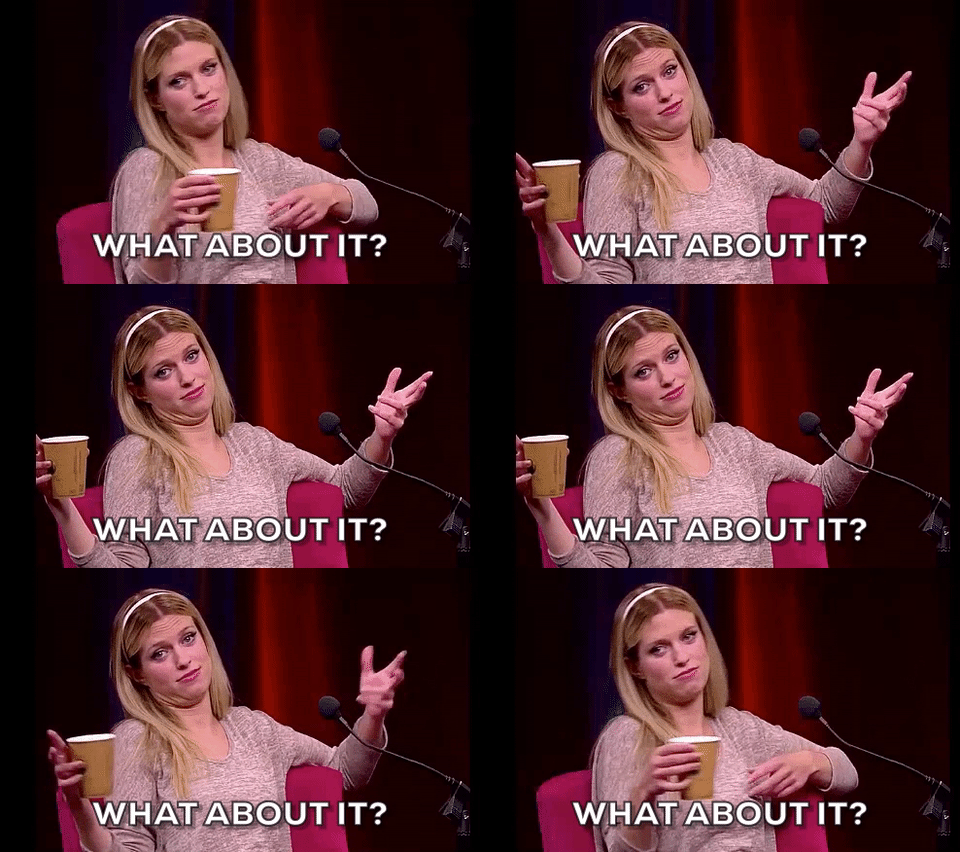
If metrics are The What, analytics is the So What? Knowing if a number is high or low, or if it went up or down since the last time you reported on it is easy. The real skill is being able to answer why. So what if more people clicked on your content than last month? So what if you got fewer likes on your tweets? Why did this happen?

social-analytics-so-what

The true value in collecting social media metrics is knowing what you can do with the numbers. It’s less about pulling the numbers together and more about making sense of those numbers. Figuring out how you can use them to make better decisions. This is social media analytics.

Finding the social data that matter

The first and most essential step to measuring social media success is to determine the goals of your social marketing strategy. Are you trying to drive traffic to your website? Increase brand exposure? Drive sales? If you don’t know what you’re trying to achieve, it doesn’t make sense to measure anything.

Once you know what your objective is, you’ll know what metrics matter for your goals. This is important because some of the platforms, like Facebook, give you so many data points that you can waste a lot of time examining and reporting on numbers that have nothing to do with your goals.

It is a waste of time to report on metrics that don’t support your goals. The ones that do matter are called Key Performance Indicators (KPIs). If you know what you’re trying achieve, you’ll know what KPIs to pay attention to. For example, if you’re trying to drive more people to your website, reporting on your follower growth is pointless. Your number of followers may not translate to website visitors, so you’ll want to consider if this number is necessary to track.

If you can eliminate the noise and zero in on the metrics that matter, you’ll save time and find it much easier to analyze what’s going on.

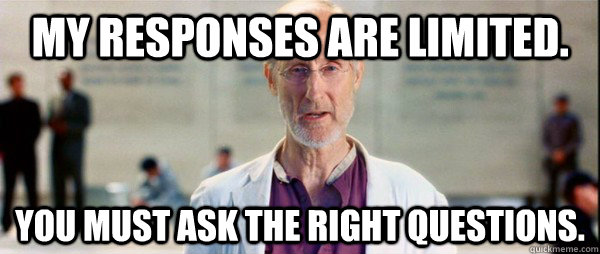
The most helpful answers start with the right questions

social-media-analytics-questions

Now that you know what KPIs to pay attention to, you can start to ask the questions that will help you make sense of (and take action on) the data in your social metrics reports. Here are a few questions you might want to ask (and answer) when reviewing each report:

  • Did my plan work?
  • If it worked, why?
  • If it didn’t work, why not?
  • What should I do differently?
  • What should I do more of?
  • How can I do better?

The answers to these questions are not in the numbers. The numbers can help lead you to the right answers. But you’re going to have to put a bit of thought into it.

If your numbers went up from the previous period you need to try to answer why this happened. Did you do something differently this period vs. last period? Is there a common thread amongst the posts that did well vs. the ones that didn’t?

There’s no guarantee that you’ll answer correctly, but the answer will lead you to a plan of action and that’s what you really want out of social media analytics. There’s no sense in tracking metrics, or reporting on them if you’re not going to try to influence them with future actions.

Topics:

Climb the Ladder, Skills & Expertise
Journalism Advice

How to Get Your First Magazine Feature Story Accepted

Break into the coveted "well" with these editor-approved strategies that go beyond killer ledes and stellar portfolios.

How to Get Your First Magazine Feature Story Accepted
Admin icon
By Kristen Fischer
Kristen Fischer is a freelance writer, journalist, and copywriter with over 20 years of experience, currently serving as a health writer for AARP with previous staff roles at WebMD and WW. Her work has appeared in Prevention, Healthline, Woman's Day, Parade, and Writer's Digest, and she is the author of four books.
5 min read • Originally published March 8, 2017 / Updated March 19, 2026
Admin icon
By Kristen Fischer
Kristen Fischer is a freelance writer, journalist, and copywriter with over 20 years of experience, currently serving as a health writer for AARP with previous staff roles at WebMD and WW. Her work has appeared in Prevention, Healthline, Woman's Day, Parade, and Writer's Digest, and she is the author of four books.
5 min read • Originally published March 8, 2017 / Updated March 19, 2026

Last updated: January 2026

In this article: News & Numbers | Add Anecdotes | Package Your Pitch | Nail the Headline | Go Beyond Ideas | Sell Yourself | FAQ

Every magazine editor says the same thing: to land your first byline, pitch the FOB (front of the book) first. Editors at major publications consistently tell new writers to start with shorter pieces before attempting features.

“For features, we typically generate the ideas in-house, then assign them out to well-traveled, proven freelancers who have written extensively for our FOB departments and know our brand well,” explain editors at leading lifestyle magazines.

But what if you’re determined to write a feature story? Landing your first assignment in the coveted “well” of a magazine requires more than a compelling topic. Your timing must be perfect, and you need to convince editors that you’re the ideal writer for the assignment.

Here are six strategies that work, according to successful freelancers and magazine editors:

1. Include News and Numbers

Pitching a generic story about women and depression to major publications like Glamour will likely earn you a “we’ve already covered it” response. However, incorporating information from a new study gives your pitch a fresh angle that editors can’t ignore.

“Get an editor excited,” says Jon Finkel, a Florida-based sports writer. “A good statistic or recent study can give an old topic new life.”

Compelling data can also create urgency, pushing editors to publish sooner rather than later. Stay current with trending stories through:

  • EurekAlert for scientific studies
  • PR Newswire for corporate announcements
  • Google Trends for popular search topics
  • Regional publications for local stories with national appeal
Pro Tip: Your story doesn’t need to focus on the latest development, but that timely angle can be what secures the assignment.

2. Add an Anecdote

Numbers grab attention, but don’t forget your role as a storyteller. Medical exposes often open with personal stories because they help readers connect emotionally with the topic.

“You definitely want to make it look like you’ve made some outreach with a prospective source,” says Oregon-based writer Teri Cettina, whose work has appeared in major parenting publications. While she doesn’t always include anecdotes, doing so demonstrates commitment and shows you’ve invested time in the concept.

A strong anecdote in your pitch proves you can:

  • Connect with your audience
  • Find compelling sources
  • Tell stories that resonate

3. Package Your Pitch

From sidebar tips to infographics, thoughtful packaging can make your story stand out and show editors you understand magazine layout.

“It would be a big mistake if you felt like creating visual aids was the job of the editor,” says Cristina Goyanes, a writer who previously worked as an editor at Women’s Health. “They need to see you’ve thought about the complete package.”

Consider including:

  • Fact boxes with key statistics
  • Resource lists for readers
  • Sidebar suggestions
  • Photo or video opportunities

Keep packaging recommendations brief—just a few sentences. As Goyanes notes, “They don’t want the whole story until they’re intrigued by the bait.”

4. Nail the Headline

Sometimes a compelling headline alone can secure an assignment.

“If you’re still working on fleshing out the story details, but the headline is too good to pass up, it can save your butt,” Goyanes explains.

Effective headlines:

  • Match the publication’s style
  • Create urgency (“The Dangers of Missing Breakfast”)
  • Challenge assumptions (“Is Sleeping Making You Fat?”)
  • Use numbers when appropriate (“5 Ways to…”)

Even if your headline doesn’t make it to print, including one shows thoroughness and professionalism.

5. Go Beyond an Idea

Writing your pitch in the story’s actual tone helps editors envision the piece in their publication and evaluate your writing style.

Cettina says writing the first few paragraphs as if they were the actual article has helped her land major bylines. While this requires more upfront investment, it often pays off.

If you’re hesitant to write before getting approval, focus on demonstrating your research instead:

  • List confirmed interview sources
  • Show your research depth
  • Mention exclusive access opportunities
Remember: If one publication passes, you can tweak and pitch elsewhere—as long as the story remains unpublished. Just don’t submit simultaneous pitches for the same story.

6. Sell Yourself

A compelling story idea isn’t enough—editors need to know why you’re the perfect writer for the assignment.

Your unique qualifications might include:

  • Personal experience with the topic
  • Industry connections
  • Specialized knowledge
  • Geographic advantage
  • Social media following

“There are so many places where the goal isn’t just an awesome article but tons of clicks,” Finkel notes. Publications want writers who understand promotion and can help amplify their content.

Today’s pitch is also a business pitch. Show editors you’re thinking about:

  • How to promote the finished piece
  • Your social media reach
  • Your ability to drive traffic

Building Long-Term Success

Even the best pitches get rejected for reasons beyond your control. Timing, editorial calendars, and budget constraints all play a role.

“Persistence can be just as important as having great ideas,” Cettina emphasizes. She focused on a few target magazines and pitched them consistently before breaking into the industry.

Regular pitching builds name recognition. “The first time an editor sees my name, they might dismiss me,” Cettina explains. “If they see my name routinely coming across their email, they start to pay attention.”

Ready to pitch? Browse current magazine job opportunities and freelance assignments at Mediabistro Jobs.

Frequently Asked Questions

Should I pitch feature stories to multiple magazines simultaneously?

No. Wait until you’re certain one publication has passed before querying another with the same story idea. However, you can pitch different angles of the same topic to different publications.

How long should my feature story pitch be?

Keep pitches concise—typically 3-4 paragraphs. Include your hook, why it’s timely, your approach, and why you’re qualified to write it.

Do I need to write the full article before pitching?

No, but writing the opening paragraphs can help editors visualize your story and writing style. At minimum, show you’ve done preliminary research and have sources lined up.

How do I find the right editor to pitch?

Check the magazine’s masthead for section editors, visit their website’s contributor guidelines, or use resources like MediaBistro’s database to find current contact information.

What if an editor doesn’t respond to my pitch?

Follow up once after 1-2 weeks, then move on. No response typically means no interest. Focus your energy on new pitches and publications.

Topics:

Go Freelance, Journalism Advice

Posts navigation

Older posts
Newer posts
Featured Jobs
Kirkus Media
Editorial Intern
Kirkus Media
New York City, New York (US)

Gaia Inc
MEDIA COORDINATOR
Gaia Inc
Louisville, CO

Gaia Inc
Global Paid Media Specialist
Gaia Inc
Louisville, CO

Gaia Inc
Director of Media Strategy
Gaia Inc
Louisville, CO

Hearst Television
Account Executive
Hearst Television
Milwaukee, WI, United States

All Jobs »
PREMIUM MEMBER

Lisa N. Peterson

Newtown , CT
40 Years Experience
Lisa N. Peterson is an award-winning writer, journalist, and public relations professional. Born in Sleepy Hollow, New York, Lisa N. Peterson pens...
View Full Profile »
Join Mediabistro Membership Today

Stand out from the crowd with a premium profile

Mediabistro Logo Find your next media job or showcase your creative talent
  • Job Search
  • Hot Jobs
  • Membership
  • Newsletter
  • Career Advice
  • Media News
  • Hiring Tips
  • Creative Tools
  • About
Facebook YouTube Instagram LinkedIn
Copyright © 2026 Mediabistro
  • Terms of Use
  • Terms of Service
  • Privacy