Mediabistro Logo Mediabistro Logo
  • Jobs
    Search Creative Jobs Hot Jobs Remote Media Jobs Create Job Alerts
    Job Categories
    Creative & Design Marketing & Communications Operations & Strategy Production Sales & Business Development Writing & Editing
    Quick Links
    Search All Jobs Remote Jobs Create Job Alerts
  • Career Resources
    Career Advice & Articles Media Industry News Media Career Interviews Creative Tools Resume Writing Services Interview Coaching Job Market Insights Member Profiles
  • Mediabistro Membership
    Membership Overview How to Pitch (Premium Tool) Editorial Calendars (Premium Access) Courses & Training Programs Membership FAQ
  • Showcase
    Featured Creative Stories Submit your Story
  • Log In
Post Jobs
Mediabistro Logo Mediabistro Logo
Search Creative Jobs Hot Jobs Remote Media Jobs Create Job Alerts
Job Categories
Creative & Design Marketing & Communications Operations & Strategy Production Sales & Business Development Writing & Editing
Quick Links
Search All Jobs Remote Jobs Create Job Alerts
Career Advice & Articles Media Industry News Media Career Interviews Creative Tools Resume Writing Services Interview Coaching Job Market Insights Member Profiles
Membership Overview How to Pitch (Premium Tool) Editorial Calendars (Premium Access) Courses & Training Programs Membership FAQ
Featured Creative Stories Submit your Story
Log In
Post Jobs
Log In | Sign Up

Follow Us!

Climb the Ladder

What Does an SEO Copywriter Do? Skills, Day-to-Day & How to Break In

If you’ve got the writing chops and SEO savvy, then SEO copywriter could be the job for you

What Does an SEO Copywriter Do? Skills, Day-to-Day & How to Break In
Amirah icon
By Jenell Talley
Jenell Talley is a journalist and program analyst with a background spanning media, government, and editorial work. She holds a journalism degree from Howard University and a master's in human resources management from the University of Maryland.
3 min read • Originally published February 1, 2017 / Updated March 19, 2026
Amirah icon
By Jenell Talley
Jenell Talley is a journalist and program analyst with a background spanning media, government, and editorial work. She holds a journalism degree from Howard University and a master's in human resources management from the University of Maryland.
3 min read • Originally published February 1, 2017 / Updated March 19, 2026

If you’ve got the writing chops and SEO savvy, then we’ve got the job for you: SEO copywriter. It may be the coolest job you’ve ever heard of. See what a few people in the field say about the position. Then, tell us we were right. We’ll be here, waiting.

What Exactly Does an SEO Copywriter Do?

An SEO copywriter writes copy that helps boost a website’s search engine rankings. The job is similar to that of an SEO specialist, but they aren’t the same. While an SEO specialist focuses on analyzing, reviewing, and executing changes to existing content to boost a site’s standing, an SEO copywriter typically creates original content to support the specialist’s strategy. An SEO copywriter must balance writing for search engines and writing for people, appealing to—and persuading—readers.

“The primary purpose of this role is to write copy that is search engine optimized through including keywords,” says James Nuttall, a copywriter who does SEO copywriting at Roman Blinds Direct. “This involves writing content across an entire website, from page descriptions to blog articles, helping to push your site up Google’s rankings.”

SEO copywriters craft Tweets, blog and Facebook posts, product descriptions, sales and promotional copy, and other content. Their specialty is considering keyword density and prominence as well as tone, style, and readability. Common tasks include:

  • Researching product attributes, competitive keywords, and content landscape.
  • Auditing websites to help develop off-site and on-site SEO campaigns.
  • Monitoring searcher and customer behaviors.

What Skills Do You Need?

You have to know how to write well. The word is copywriter, after all. “No matter how well your content may be optimized, if the words on the page aren’t worth reading, your target audience will not be interested—not to mention Google can tell the difference between good and bad copy,” says Nuttall.

“Knowing who your audience is and how they interact with your content is essential to creating copy that will convert, inform and be shared,” says Kevin Rossignol, senior SEO copywriter and editor at BudgetDumpster.com.” You also need a working knowledge of technical SEO, PR and analytics to consistently improve your copy, he adds.

And you should be able to take constructive criticism—any writer should, frankly. You can’t always get a hole in one, so don’t take it personally when someone doesn’t love what you wrote.

Who Is an SEO Copywriter’s Supervisor?

It depends on the company, but you could report to a web content supervisor, an SEO content manager, or someone in the marketing department.

What Does It Take to Excel at This Job?

“You must be a good writer, although that’s secondary,” says Eric Brantner, an SEO copywriter and managing editor at Scribblrs.com, a blogging and content marketing site. “It’s more understanding how to talk to people, then [putting] it on ‘paper,’” he says.

How Can Someone Break Into This Field?

No degree is typically required, except maybe at the agency level, says Brantner, who recommends getting started by putting together your own site or mock business sites to showcase your talent.

Topics:

Climb the Ladder, Skills & Expertise
Skills & Expertise

What Does a Journalist Do? Job Responsibilities, Skills, and Career Path

From breaking news to long-form investigations, here's what journalists actually do every day (and the skills you need to get hired).

Journalist working hard on a story
Leah icon
By Jenell Talley
Jenell Talley is a journalist and program analyst with a background spanning media, government, and editorial work. She holds a journalism degree from Howard University and a master's in human resources management from the University of Maryland.
3 min read • Originally published January 11, 2017 / Updated March 19, 2026
Leah icon
By Jenell Talley
Jenell Talley is a journalist and program analyst with a background spanning media, government, and editorial work. She holds a journalism degree from Howard University and a master's in human resources management from the University of Maryland.
3 min read • Originally published January 11, 2017 / Updated March 19, 2026

So you’ve wanted to be a journalist since you were 12 and have a framed picture of Dan Rather on your nightstand to prove it. Cool. Hashtag career goals.

Kick off “Operation Become a Journalist” by getting the scoop on the job from a couple of seasoned pros. Then go break that story.

What exactly does a journalist do?

Journalists are storytellers. They write and report news stories about everything, from social issues and politics to sports and entertainment. A journalist presents information so folks can form opinions and make prudent decisions. “Journalists educate and inform the public about events and issues and how they affect their lives,” says Rebecca Briscoe, Houston Style Magazine national features reporter.

With newsrooms operating leaner and more digital than ever, journalists today juggle more roles than their predecessors. Beat reporters file for multiple platforms. Investigative journalists produce videos alongside their longform pieces. The job description has widened even as staffs have shrunk.

But getting to the story takes some legwork. A journalist spends time perusing press releases and developing story ideas; verifying facts; researching and investigating a single topic (sometimes for years!) for in-depth, long-form pieces; cultivating sources and relationships; and interviewing subjects.

And depending on where the journalist works, the job may entail anchoring a newscast, on-the-spot reporting, taking photos and producing content, including videos, for social media platforms.

What skills does a journalist need?

A mean pen game goes without saying. That includes having a voice that stands out. “The same way a verbal storyteller has a voice and a presentation style, so too should the journalist,” explains freelance writer Cari Shane, who’s written articles for various publications, including The Washington Post, Budget Travel and The Huffington Post. “The way words are written is key to the final product.”

Interviewing and interpersonal skills are important too. Extracting info from some subjects can be like pulling teeth, after all. You should also understand how media is consumed.

Does that mean I need digital skills?

You don’t have to be a digital deity, but experience with HTML and CMS, on-air content systems such as ENPS (Electronic News Production System), digital editing software and analytics is smiled upon.

“Hootsuite is a great way to manage social media platforms, Dropbox is the best method for me to share secure files, and Tweetbinder is my lifesaver when I want to quantify social media trends and engagement,” offers Briscoe.

Speaking of the digital space, are bloggers and people who report on celebrities journalists?

There’s no consensus on what makes someone a journalist, so the answer depends on whom you ask.

“They’re journalists if they approach their work as journalists [do]—that is, taking the job seriously, being a stickler for accuracy and writing well,” says Kent Klein, substitute host of the POTUS channel on SiriusXM.

“I consider myself a journalist because I have fact checked and researched my topic thoroughly,” says Briscoe, adding that most of her pieces offer serious, thought-provoking content.

Who’s my supervisor?

An editor, also known as the gatekeeper.

Do I need a journalism degree to break into the field?

“There’s nothing wrong with a journalism degree, but I would prefer a content-based discipline—economics, politics or foreign relations, for example,” says Klein. But experience is what really seals the deal. If you can get the story and translate it to paper, you’re as good as hired. Knock out a couple of internships while you’re still in school to get a head start.

Now, hop on over to the job board to find the perfect journalism job.

Topics:

Climb the Ladder, Skills & Expertise
Skills & Expertise

What Does a Copywriter Do? Responsibilities, Skills & Career Guide

Job description, skills, salary, and how to start your copywriting career.

What does a copywriter do?
Katie icon
By Jenell Talley
Jenell Talley is a journalist and program analyst with a background spanning media, government, and editorial work. She holds a journalism degree from Howard University and a master's in human resources management from the University of Maryland.
8 min read • Originally published September 19, 2016 / Updated March 19, 2026
Katie icon
By Jenell Talley
Jenell Talley is a journalist and program analyst with a background spanning media, government, and editorial work. She holds a journalism degree from Howard University and a master's in human resources management from the University of Maryland.
8 min read • Originally published September 19, 2016 / Updated March 19, 2026

A copywriter creates written content designed to persuade, inform, and engage audiences. From website copy and email campaigns to social media posts and product descriptions, copywriters are the voices behind the brands you interact with every day.

If you’re considering a career in copywriting—or hiring a copywriter for your team—this guide covers everything you need to know: what copywriters actually do, the skills required, salary expectations, and how to break into the field.

Quick Links

  • What Does a Copywriter Do?
  • Copywriter Skills
  • Digital & SEO Skills
  • Copywriter Salary
  • Tools & Software
  • How to Become a Copywriter
  • FAQs

What Does a Copywriter Do?

Good copywriting can sell products; great copywriting can make a company.

A copywriter creates clear, compelling copy to sell products, educate consumers, and build brand awareness. This includes writing for websites, blog posts, email campaigns, social media, product descriptions, print ads, video scripts, landing pages, sales letters, white papers, and other marketing materials.

Typical Copywriter Responsibilities

  • Writing persuasive copy for websites, ads, emails, and social media
  • Researching topics, products, and target audiences
  • Adapting tone and style to match different brands and platforms
  • Collaborating with designers, marketers, and creative directors
  • Editing and proofreading content for clarity and accuracy
  • Brainstorming concepts and developing creative campaigns
  • Optimizing content for SEO when required
  • Ensuring consistent brand voice across all channels
  • Meeting deadlines and managing multiple projects

Copywriters may also produce internal materials—employee communications, policies, training content—rather than external marketing campaigns.

“A typical day might include researching a topic online or conducting an interview, figuring out how to convey an idea to a specific audience, writing and editing copy, and finding images to accompany the content,” says Susan Hawkins, owner of POP Qs Party Games and a copywriter with more than 25 years of experience.

Who Does a Copywriter Report To?

Reporting lines depend on the work environment:

  • At agencies: Creative Director, Copy Chief, or Associate Creative Director
  • In-house (brands): Marketing Director, Content Manager, or Brand Manager
  • Freelance: Directly to clients, often the marketing director or business owner

Copywriter Skills: What You Need to Succeed

Writing skills, of course. But it’s more than stringing together coherent sentences.

“As a professional, you have to know how to write copy that sells to the client’s specific audience,” says freelance copywriter Helen Holt of Writing-preneur Copywriting Services. “A copywriter’s job is providing deliverables—custom-made to order.”

Essential Copywriting Skills

  • Persuasive writing — Crafting copy that motivates action
  • Adaptability — Writing for different brands, audiences, and platforms
  • Research skills — Quickly learning about unfamiliar topics and industries
  • Grammar and editing — Flawless spelling, punctuation, and proofreading
  • Headline writing — Capturing attention in a few words
  • Storytelling — Building narratives that connect emotionally
  • Meeting deadlines — Delivering quality work on time, every time
  • Taking direction — Executing a client’s vision while adding creative value

“Grammar, spelling, and punctuation count,” adds Hawkins. “Know the difference between ‘everyday’ and the phrase ‘every day’—they’re not interchangeable. Spelling can make or break your career.”

“If you can’t deliver quality content on a given deadline, you probably won’t make it as a copywriter,” she says.

Digital Skills: SEO and Beyond

In a word: essential. Writing content is no longer enough.

“You have to know how to optimize the content to drive traffic to your client’s website, landing page, or blog,” says Holt. “This means keeping current with digital technology, including Google’s algorithm changes, so you know which SEO techniques are most effective.”

Digital Skills for Modern Copywriters

  • SEO fundamentals — Keyword research, on-page optimization, meta descriptions
  • Content management systems — WordPress, Webflow, HubSpot, etc.
  • Analytics basics — Understanding how to measure content performance
  • Social media writing — Platform-specific formats and best practices
  • Email marketing — Subject lines, CTAs, and email copywriting conventions
  • AI writing tools — Familiarity with tools like ChatGPT, Jasper, Copy.ai

Copywriter Salary

Copywriting offers diverse financial prospects depending on experience, specialization, and work arrangement.

According to Glassdoor, the average base salary for a copywriter in the United States is approximately $65,000–$80,000 per year, with significant variation based on location, industry, and seniority.

Copywriter Salary by Experience Level

Level Typical Salary Range
Junior Copywriter $45,000 – $60,000
Copywriter $55,000 – $75,000
Senior Copywriter $70,000 – $95,000
Lead Copywriter / Copy Chief $85,000 – $115,000
Associate Creative Director (Copy) $100,000 – $140,000+

Freelance copywriters typically charge per word ($0.10–$1.00+), per hour ($50–$150+), or per project. Rates vary widely based on experience, niche, and client type.

Specializing in high-value industries—tech, finance, healthcare, SaaS—can significantly increase earning potential.

Tools and Software for Copywriters

Modern copywriters need proficiency beyond a word processor:

  • Writing & editing: Google Docs, Microsoft Word, Grammarly, Hemingway Editor
  • SEO tools: SEMrush, Ahrefs, Clearscope, Surfer SEO
  • Content management: WordPress, HubSpot, Contentful, Webflow
  • Project management: Asana, Monday.com, Trello, Notion
  • AI assistants: ChatGPT, Jasper, Copy.ai, Writer
  • Design basics: Canva, Adobe Creative Suite (helpful for collaborating with designers)

The Impact of Copywriting on Branding

A significant part of a copywriter’s role is contributing to a brand’s identity. While marketing executives may set the overarching brand strategy, the copywriter brings this vision to life in words.

Copywriters help define the brand voice, ensuring consistency across all channels. Whether it’s an advertisement, a social media post, or an email campaign, the language must align with the brand’s personality and objectives. A skilled copywriter can elevate a brand, making it more memorable and relatable to its target audience.

How to Become a Copywriter

A bachelor’s degree in journalism, English, marketing, or communications can help, but what matters most is your portfolio. A collection of strong writing samples—from classes, internships, freelance work, or pro bono projects—is what will land you jobs.

Steps to Break Into Copywriting

  1. Study the craft — Read books on copywriting (Ogilvy, Sugarman, Schwartz), take online courses
  2. Build a portfolio — Create spec work, volunteer for nonprofits, start a blog
  3. Learn SEO basics — Understanding optimization makes you more marketable
  4. Develop a niche — Specializing (tech, health, finance, e-commerce) can accelerate your career
  5. Network — Connect with other copywriters, marketers, and creative directors
  6. Apply for entry-level roles — Look for Junior Copywriter, Content Writer, or Marketing Writer positions
  7. Consider freelancing — Build experience through platforms like Contently, Upwork, or direct outreach

“Practice writing and develop a style,” advises Hawkins. “And for the love of chocolate, don’t ever, ever plagiarize. You’ll be outed faster than a cheating politician.”

Career Path for Copywriters

Copywriting offers multiple paths for career growth:

  1. Junior Copywriter — Learning the fundamentals, supporting senior writers
  2. Copywriter — Managing projects independently, developing expertise
  3. Senior Copywriter — Leading campaigns, mentoring juniors
  4. Lead Copywriter / Copy Chief — Overseeing copy quality across projects
  5. Associate Creative Director (Copy) — Strategic creative leadership
  6. Creative Director — Leading creative vision across copy and design

Some copywriters transition into related roles, such as content strategy, UX writing, brand strategy, or marketing leadership. Others build successful freelance or consulting businesses.

Ongoing Learning and Development

The copywriting industry evolves constantly, making continuous learning essential. This could mean taking courses in new writing techniques, attending workshops on consumer psychology, or staying current with digital marketing trends.

Personal blogging can help copywriters refine their voice and sharpen technical skills. Though it may be difficult to write during a job that requires heavy writing, maintaining your own platform keeps you at the top of your game.

Stay open to feedback and continually refine your craft based on performance metrics and audience engagement. Keeping a finger on the pulse of cultural shifts and emerging platforms provides a competitive edge.

Find Copywriter jobs on Mediabistro


FAQs About Copywriting Jobs

Q: What does a copywriter do?

A: A copywriter creates written content designed to persuade, inform, or engage an audience. This includes website copy, advertisements, email campaigns, social media posts, product descriptions, and other marketing materials. The goal is to communicate a brand’s message effectively and drive desired actions from readers.

Q: What’s the difference between a copywriter and a content writer?

A: Copywriters typically focus on persuasive, sales-oriented writing (ads, landing pages, email campaigns), while content writers often produce longer-form informational content (blog posts, articles, guides). However, the lines are increasingly blurred, and many writers do both.

Q: How much do copywriters make?

A: The average copywriter salary in the U.S. is approximately $65,000–$80,000 per year, with senior roles earning $85,000–$115,000+. Freelance copywriters charge anywhere from $50 to $150+ per hour, depending on experience and specialization. High-value niches like tech and finance often pay more.

Q: Do I need a degree to become a copywriter?

A: A degree in English, journalism, marketing, or communications can help, but it’s not strictly required. What matters most is your portfolio—demonstrating strong writing samples that show you can craft compelling copy. Many successful copywriters are self-taught.

Q: What skills do copywriters need?

A: Essential skills include persuasive writing, research ability, grammar and editing, adaptability across tones and formats, meeting deadlines, and understanding audience psychology. Digital skills like SEO, content management systems, and email marketing are increasingly important.

Q: How important is SEO for copywriters?

A: Very important for digital copywriting. Understanding keyword research, on-page optimization, and how search engines work makes copywriters significantly more valuable—especially for web content, blog posts, and landing pages.

Q: Can I become a copywriter with no experience?

A: Yes. Build a portfolio through spec work (creating samples for hypothetical or real brands), volunteer projects for nonprofits, personal blogging, or taking copywriting courses that include portfolio-building assignments. Many copywriters start freelancing to gain experience before landing full-time roles.

Q: What industries hire copywriters?

A: Virtually every industry needs copywriters: advertising agencies, tech companies, e-commerce, healthcare, finance, consumer brands, media companies, nonprofits, and more. Any organization that communicates with customers needs someone to write.

Q: What’s the career path for a copywriter?

A: The typical progression is Junior Copywriter → Copywriter → Senior Copywriter → Lead Copywriter/Copy Chief → Associate Creative Director → Creative Director. Some copywriters transition into content strategy, UX writing, brand strategy, or build freelance businesses.

Q: How do copywriters work with AI writing tools?

A: Many copywriters use AI tools like ChatGPT, Jasper, or Copy.ai to speed up first drafts, generate ideas, or handle repetitive tasks. However, AI output still requires significant human editing for quality, accuracy, and brand voice. The best copywriters use AI as an assistant, not a replacement.

Q: Is copywriting a good career?

A: Yes—copywriting offers strong demand, competitive salaries, creative work, and flexibility (including remote and freelance options). As long as businesses need to communicate with customers, they’ll need skilled copywriters. The key is continually developing your skills as platforms and technologies evolve.

Last updated: January 2026

Topics:

Climb the Ladder, Skills & Expertise
Skills & Expertise

What Does a Creative Director Do? Skills, Salary & How to Break In

Job description, skills, salary, and how to break into this leadership role in design and advertising.

image of a creative director's desk
John icon
By Jenell Talley
Jenell Talley is a journalist and program analyst with a background spanning media, government, and editorial work. She holds a journalism degree from Howard University and a master's in human resources management from the University of Maryland.
8 min read • Originally published March 16, 2016 / Updated March 19, 2026
John icon
By Jenell Talley
Jenell Talley is a journalist and program analyst with a background spanning media, government, and editorial work. She holds a journalism degree from Howard University and a master's in human resources management from the University of Maryland.
8 min read • Originally published March 16, 2016 / Updated March 19, 2026

A creative director is a senior-level role responsible for setting the creative vision for a brand, campaign, or project—and leading a team to bring that vision to life. It’s one of the most sought-after positions in advertising, design, marketing, and media.

But what does the job actually involve? What skills do you need? And how do you break into creative direction? This guide covers everything you need to know about creative director jobs—from daily responsibilities to salary expectations and career paths.

Quick Links

  • What Does a Creative Director Do?
  • Creative Director Skills
  • Creative Director Salary
  • Similar Job Titles
  • How to Become a Creative Director
  • Career Path & Progression
  • FAQs

What Does a Creative Director Do?

A creative director sets the creative vision for a brand or project and brings it to life through digital, print, film, and interactive design. The job is to maintain a cohesive look, feel, and message across a project—whether that’s an advertising campaign, fashion line, video game, publication, or brand identity.

Daily responsibilities typically include:

  • Defining and communicating the creative vision for projects
  • Leading and mentoring designers, copywriters, and other creatives
  • Reviewing and approving creative work (designs, copy, concepts)
  • Presenting ideas and pitches to clients or stakeholders
  • Managing budgets, timelines, and resources
  • Collaborating with account managers, strategists, and marketing teams
  • Ensuring brand consistency across all deliverables
  • Staying current with design trends, technology, and culture

While daily duties vary by industry and company, leading and inspiring others is always central to the role.

“Creative director is a bit of a misnomer; a more appropriate title would be ‘thought wrangler,'” says Mike Lichter, creative director at Cardwell Beach, a digital marketing agency in Brooklyn. “A creative director’s main role is to guide—to recognize, nurture, and protect people’s good ideas.”

Who Does a Creative Director Report To?

Reporting lines vary by organization:

  • At agencies: Chief Creative Officer (CCO) or Executive Creative Director
  • At magazines/publishers: Editorial Director or Editor-in-Chief
  • At brands (in-house): VP of Marketing, CMO, or Head of Brand
  • At startups: CEO or founder directly

“I report to the chief creative officers at my agency,” says Nick Ace, creative director at Collins, a brand consultancy in New York, “but the structure varies widely depending on the organization.”

Creative Director Skills: What You Need to Succeed

Beyond raw creativity, successful creative directors need a blend of hard and soft skills.

Hard Skills

  • Design proficiency — Deep expertise in graphic design, typography, and visual communication
  • Software knowledge — Adobe Creative Suite (Photoshop, Illustrator, InDesign), Figma, etc.
  • Art direction — Ability to guide visual style across photography, video, and illustration
  • Copywriting/content understanding — Even if you’re not writing, you need to evaluate and direct copy
  • Brand strategy — Understanding how creative work connects to business goals
  • Project management — Managing timelines, budgets, and multiple workstreams
  • Presentation skills — Pitching and selling creative ideas to clients and executives

Soft Skills

  • Leadership — Inspiring, mentoring, and getting the best work out of your team
  • Communication — Articulating creative vision to both creatives and non-creatives
  • Collaboration — Working effectively with strategists, account teams, and clients
  • Emotional intelligence — Navigating feedback, conflict, and team dynamics
  • Adaptability — Staying flexible as projects, priorities, and industries evolve
  • Humility — Being open to other ideas and knowing when to step back

“You need humility, perspective, openness, and resolve—and the wisdom to know which to employ and in what combination,” says Lichter. “You also need a good dose of doubt. Doubt can be crippling, but it can also be empowering because it causes you to question your assumptions and evolve your thinking. It helps temper ego, which can crush collaboration—the lifeblood of the creative process.”

Ace adds that cultural fluency is essential: “You need knowledge of art history, design history, pop culture, and counterculture. You have to keep up with art, technology, politics, and social issues. Everything can be relevant if you allow it to be.”

Creative Director Salary

Creative director is a senior-level role, and compensation reflects that. According to Glassdoor, the average base salary for a Creative Director in the United States is approximately $125,000–$135,000 per year, though this varies significantly based on industry, company size, and location.

Creative Director Salary by Experience

Level Typical Salary Range
Junior Creative Director $90,000 – $115,000
Creative Director $115,000 – $150,000
Senior Creative Director $140,000 – $180,000
Executive Creative Director $170,000 – $250,000+
Chief Creative Officer (CCO) $200,000 – $400,000+

Total compensation often includes bonuses, profit sharing, and equity (especially at agencies or startups). Location matters significantly—creative directors in New York, San Francisco, and Los Angeles typically earn 15–25% more than the national average.

Understanding the financial side of the role is crucial, especially when transitioning from a mid-level position like art director or senior designer. It’s not just about salary—it’s about understanding budget allocation, client billing, and team resource planning.

Similar Job Titles

If you’re searching for creative director jobs, you may encounter related titles with overlapping responsibilities:

  • Art Director — Focuses on visual design elements; often a step below Creative Director
  • Design Director — Oversees design disciplines (graphic, UI/UX, product); similar scope to CD
  • Executive Creative Director (ECD) — Senior to CD; oversees multiple teams or departments
  • Chief Creative Officer (CCO) — C-level; sets creative vision for entire organization
  • Head of Creative — Often interchangeable with CD; may have more managerial focus
  • Brand Director — Focuses on brand identity and guidelines; mix of creative and strategy
  • Content Director — Similar to CD but focused on editorial/written content
  • Creative Lead — Leads specific projects; usually below Creative Director
  • Visual Director — Common in fashion/retail; oversees visual presentation and merchandising
  • Creative Manager — More junior; often manages day-to-day creative operations

How to Become a Creative Director

There’s no single path to creative direction, but most creative directors share a common trajectory: they started as designers, copywriters, or art directors and worked their way up over 8–15+ years.

Typical Career Path

  1. Junior Designer / Junior Copywriter — Learn the fundamentals, build your craft
  2. Mid-Level Designer / Copywriter — Take on more complex projects, develop a specialty
  3. Senior Designer / Senior Copywriter — Lead projects, mentor juniors
  4. Art Director / Associate Creative Director — Direct visual or conceptual work, manage small teams
  5. Creative Director — Set vision, lead teams, own client relationships
  6. Executive Creative Director / CCO — Oversee multiple teams or the entire creative organization

Tips for Breaking In

“A fine arts degree, such as a BFA or MFA, is helpful, but it may take more than that to break into creative direction,” says Lichter. “It’s like anything else these days—you need to know someone, or better yet, someone needs to know you.”

Ace advises aspiring creative directors to “identify the companies you want to learn from and apply there. Then try your hand at a little bit of everything, figure out what moves you, and work your way up the ranks.”

  • Build a strong portfolio — Showcase your best work and demonstrate range
  • Develop leadership experience — Lead projects, mentor others, take initiative
  • Network intentionally — Build relationships in the industry; many CD roles are filled through referrals
  • Stay culturally curious — Keep up with design, art, technology, and culture
  • Learn the business side — Understand budgets, timelines, and client dynamics

Career Progression for Creative Directors

If you’re eyeing a long-term career in creative direction, continuous learning and adaptability are essential. The creative landscape evolves constantly—driven by technology, platforms, and shifts in consumer behavior.

Career progression may include:

  • Executive Creative Director — Overseeing multiple creative directors or departments
  • Chief Creative Officer (CCO) — Setting creative vision at the organizational level
  • Lateral moves — Into brand strategy, marketing leadership, or product roles
  • Entrepreneurship — Starting your own agency or consultancy
  • Advisory/consulting — Working with multiple brands as a fractional or contract CD
  • Teaching — Sharing expertise at design schools or through workshops

It’s a multifaceted career path with many avenues for growth—provided you’re willing to keep expanding your skill set and stay open to new challenges.

Find Creative Director jobs on Mediabistro. Hiring a creative director? Post your job on Mediabistro.


FAQs About Creative Director Jobs

Q: What does a creative director do?

A: A creative director sets the creative vision for a brand, campaign, or project and leads a team to execute that vision across digital, print, video, and other media. They’re responsible for ensuring all creative work is cohesive, on-brand, and aligned with business goals—while also managing budgets, timelines, and client relationships.

Q: What skills do you need to be a creative director?

A: Essential skills include design expertise, art direction, brand strategy, and project management. Equally important are soft skills: leadership, communication, collaboration, and emotional intelligence. Cultural awareness—staying current with art, design, technology, and social trends—is also critical.

Q: How much do creative directors make?

A: The average creative director salary in the U.S. is approximately $125,000–$135,000 per year, with senior and executive roles earning $150,000–$250,000+. Compensation varies significantly by industry, location, and company size. Bonuses and profit sharing are common.

Q: What’s the difference between a creative director and an art director?

A: An art director typically focuses on visual design execution and often reports to a creative director. A creative director has broader responsibilities—setting overall creative vision, managing multiple disciplines (design, copy, video), leading teams, and owning client relationships. An art director is usually a stepping stone to a creative director.

Q: Do you need a degree to become a creative director?

A: A degree (BFA or MFA) in graphic design, advertising, or a related field is helpful but not strictly required. What matters most is your portfolio, experience, and leadership ability. Many creative directors rise through the ranks based on the quality of their work and their ability to lead teams.

Q: How long does it take to become a creative director?

A: Most creative directors have 8–15+ years of experience before reaching the role. The typical path involves progressing from designer or copywriter to senior creative roles, then to art director or associate creative director, before becoming a full creative director.

Q: What industries hire creative directors?

A: Creative directors work across many industries: advertising agencies, design studios, in-house brand teams, publishers, fashion, entertainment, gaming, tech companies, and startups. Any organization that produces creative work may employ a creative director.

Q: What’s the difference between a creative director and an executive creative director?

A: An executive creative director (ECD) is senior to a creative director and typically oversees multiple teams, departments, or major accounts. ECDs are more strategic and less hands-on with individual projects, focusing on overall creative quality and team leadership.

Q: What’s the career path for a creative director?

A: After creative director, progression typically leads to executive creative director, then chief creative officer (CCO). Some CDs transition into brand strategy, marketing leadership, entrepreneurship (starting their own agencies), or consulting/advisory roles.

Q: How important is networking for becoming a creative director?

A: Very important. Many creative director roles are filled through referrals and relationships. Building a strong network in the industry—through agencies, conferences, social media, and professional communities—can significantly accelerate your path to a CD role.

Last updated: March 2026

Topics:

Climb the Ladder, Skills & Expertise
Skills & Expertise

What Does a Marketing Manager Do? Key Skills, Responsibilities & Career Path

Here's the scoop on what it takes to be a kickass marketing manager

marketing-manager-feature
By Joyce Manalo
@jjoycemanalo
Joyce Manalo is a writer, photographer and digital strategist.
3 min read • Originally published January 25, 2016 / Updated March 19, 2026
By Joyce Manalo
@jjoycemanalo
Joyce Manalo is a writer, photographer and digital strategist.
3 min read • Originally published January 25, 2016 / Updated March 19, 2026
marketing-manager-feature

So you’ve been eyeing marketing manager positions and you’ve read through the job description at companies that appeal to you. But maybe you’re still not exactly sure what the role is really all about. Allow us to break it down for you.

What exactly does a marketing manager do?

Well, it depends on the size, structure and goals of the company, but the core responsibility is to implement and report on marketing initiatives. The role is focused on the what (as in, what actions need to be executed), as opposed to the role of a marketing director, who explores the why and the how of those actions, explains Simon Yi, growth marketing lead at digital concierge service Reserve.

For example, Natalie Bonacasa, senior marketing manager at travel platform Skift, is tasked with renewing and retaining existing subscribers through campaigns that involve newsletters, sponsored content, partnerships, ads and events. She also works closely with the creative and development teams to create engagement-worthy emails and ads displayed online, in print and via social media.

What skills do you need?

These days, it’s not enough to know the pros and cons of both print and digital channels. You need to be a numbers person, an excellent project manager and a team player. “Things are becoming more measured and focused on the return on investment, and I’m finding that marketing managers who have quantitative skills is very important,” notes Yi.

Bonacasa says she juggles the duties of a project manager by having checklists and timelines for each campaign. “I loop in whoever needs to be included so we’re all on the same page,” she adds. “Being likable is important, too,” she explains, especially when you need cooperation from team members across departments.

Who is a marketing manager’s boss?

Depending on the size of the company, your boss may be a marketing director, VP of marketing, chief marketing officer (CMO) or, at smaller businesses, the CEO or company founder.

As for direct reports, a marketing manager at a startup may have none, besides perhaps an intern or two. At a larger company, you will likely have marketing assistants or associates that report to you, or a team of content producers.

Are there other titles with similar responsibilities?

Yi’s title, growth marketing lead, is a digital marketing role that carries many of the same responsibilities as a marketing manager. In his case, Yi is a specialist who analyzes consumer activity on Reserve’s digital channels and uses those data points to plan marketing campaigns. Marketing managers can also be platform specific (e.g. email or social media marketers) or in charge of initiatives executed in certain cities, regions or countries.

What do you need to get ahead in this position?

Being on the pulse of new marketing platforms (mobile, video and beyond), advertising technology and Internet culture is a huge advantage. For Yi, success in his position means staying curious; for Bonacasa, it’s about keeping the team on task.

If you’re looking to up your marketing game, consider taking a class. Mediabistro’s online courses include a whole line up of marketing courses, from crash courses in content marketing and social media engagement, to more in-depth instruction on search marketing and marketing with Pinterest, Instagram and Tumblr.

Topics:

Climb the Ladder, Skills & Expertise
Business Basics

How to Make the Editing Process Go Smoothly as a Freelancer

Because there will always be edits, be ready to take them on

freelancer editing a client draft
John icon
By Celeste Mitchell
Celeste Mitchell is an editorial writer and editor with nearly 30 years of experience creating consumer lifestyle content for publications including Marie Claire, Cosmopolitan, Good Housekeeping, and SELF. She previously served as Deputy Editor at Cosmopolitan and taught journalism courses through Mediabistro.
4 min read • Originally published November 21, 2003 / Updated March 19, 2026
John icon
By Celeste Mitchell
Celeste Mitchell is an editorial writer and editor with nearly 30 years of experience creating consumer lifestyle content for publications including Marie Claire, Cosmopolitan, Good Housekeeping, and SELF. She previously served as Deputy Editor at Cosmopolitan and taught journalism courses through Mediabistro.
4 min read • Originally published November 21, 2003 / Updated March 19, 2026

It’s hard enough to land a freelance writing assignment, but, sometimes, a grueling editing process can be even worse. You want the process to go smoothly, but you also want to keep your work from getting walked all over. You want to stand up for language and structure that you labored over, but you also don’t want to jeopardize your relationship with the publication.

For guidance on how to make the editing process work best, we checked in with freelance editor and journo professor, Charlie Butler, who works with many of the magazine’s freelancers.

“Being a freelance writer is tough,” he says. “Of course you have to be a solid writer and reporter, but it’s also important to handle yourself in a way that makes the process collaborative.” So how do you make the process collaborative? Here are Charlie’s tips:

1. While you’re working on the article, it’s hugely important to keep your editor updated, whether by phone or email. This is particularly key if this is a new relationship; there’s a lot of anxiety—on both sides—the first time around. Most editors are in a position to offer a bit of wiggle room on a deadline as long as you give them one to two weeks’ warning. Whatever you do, don’t surprise them on the actual due date with a note saying the piece isn’t ready.

2. Follow the instructions laid out in the assignment letter. When an editor gives you specific details about what to include in the piece, make every attempt to get them. If during the reporting process you find that some of the information just doesn’t exist or you can’t track it down, contact your editor and brainstorm a solution. If you find yourself veering off track, let your editor know. If you’re having trouble getting the sources the magazine needs, see if he can help open a door and lead you down the right path. No editor wants to be surprised when the piece comes in.

3. Don’t hand in crummy copy. Know the level of writing a magazine regularly publishes, and meet it on your first attempt—or at least give it your best shot.

4. Don’t get cranky when an editor asks for additions to your original manuscript or a revision with a different spin. He knows you’re ready to move on to the next project, and he appreciates the time and effort you’ve devoted up to that point. He’s ready to move on as well, but until the article is up to snuff, you’re still the one responsible for fixes.

5. Don’t be late with a revise. By the time you’ve been through a second or third draft, there’s precious little time remaining in the production schedule for playing around. Make the changes and kick it right back.

6. Approach the process as a collaboration between you and your editor. It is not a competition, so drop your battle gear and never get defensive or emotional. Attempt to resolve all differences in a respectful manner. Remember, both of you share a common goal to produce an article of the highest quality. If you don’t like or don’t understand something your editor has done to your copy, raise the issue in a professional way.

7. During the revise phase, focus your attention on answering the specific questions your editor has asked. This is not the time to add new topics that you think might be better.

8. When your editor asks for more substance in an anecdote, or for greater depth in your reporting, don’t balk. These are reasonable requests. While it’s tempting for writers to think an editor is overreaching, it’s unlikely. Think of it this way: It’s your editor’s job to understand the idiosyncrasies of his magazine, as well as the unique preferences of its editor. Often, requests for additional reporting fall into those categories. So instead of saying, “I looked everywhere and can’t find it,” just roll up your sleeves and start digging.

9. Don’t hit your editor with a major fact-checking change in the final stages of production (i.e., close week). And even more importantly, don’t rely on the magazine’s fact checker to catch sloppy reporting.

10. And speaking of closing week, don’t be that MIA writer so many editors find annoying. You’re the primary point person for this article and the person your editor turns to for answers to last-minute questions from his bosses or the fact checkers. The night your story is shipping is not the time for a spur-of-the-moment trip to a secluded cabin out of cell-phone range.

At least not if you want to work for that mag again.

Topics:

Business Basics, Go Freelance
Journalism Advice

Pitches That Worked: The Query Letter That Landed a Parents Magazine Assignment

We break down why a query landed its writer a Parents assignment

parents magazine
By Rebecca L. Fox
6 min read • Originally published September 11, 2006 / Updated March 19, 2026
By Rebecca L. Fox
6 min read • Originally published September 11, 2006 / Updated March 19, 2026

Welcome to Pitches That Worked, a new feature for AG members that takes an actual query letter that landed its writer an assignment, and breaks down just what made it successful. Consider it your guide to the nuts and bolts of assignment-worthy pitches, complete with comments from the author of the pitch and the editor who fielded it about what made it work.

In this first installment, we illustrate (with numbered, hyperlinked comments) how freelancer Betsy Noxon’s pitch to Parents magazine has the ingredients essential to a convincing query. Plus, she and Parents‘ articles editor, Mary Hickey, describe in their own words how Noxon’s pitch led to a published piece.

What the Writer Did

Betsy Noxon: “The idea for this pitch first generated with thoughts on pre-teens and envy. My nephew commented that some of his friends had all the cool electronics and games. This got me thinking about all the pressure kids feel about having material things so they can fit in at school. I spoke to some friends whose kids are this age, too, and recalled my experiences as a 9-12 year old.

“I called upon an expert in the area to verify that indeed, kids coping with being a part of the in crowd is a natural part of a child’s development.

“My original pitch focused on envy, but when Mary called to discuss, she felt my pitch was more about fitting in. Around this time, I was taking mediabistro’s online ‘Master The Pitch Letter’ class with James Sturz. I reworked the pitch, submitted it to my class for review, then revised and emailed it to Mary. I heard back from her later that day, [saying] she wanted to go ahead with the piece.”

The Pitch

March 17, 2005

Mary C. Hickey (1)
Articles Editor
Parents
375 Lexington Ave.
New York, NY 10017

Dear Mary: (2)

From the latest PlayStation game to the hottest jeans to the right haircut – kids gotta have it to fit in. If not, their worlds fall apart. (3)

For your “As They Grow” department for the 9-12 age group (4) I propose a 1,000- word piece (5) on why kids need to fit in with their friends and how parents can handle this need. (6) I’ll examine what parents can do to nurture individuality, while caring for their child’s self-esteem.

The article will give an example
(7) of a family that deals with the issues their child faces when trying to fit in and show how they are successfully working through it. The piece will give parents tips on how to handle their kids’ need to fit in and what to do when their child isn’t part of the “in” group. (8) I will also address how parents can negotiate with their kids on the things they want. Ben Shain, MD, PD, head of the Child and Adolescent Developmental Psychiatry department at Highland Park Hospital in Highland Park, Illinois notes (9), “During these years parents shouldn’t dismiss their child’s need to fit in, but empathize with their child.” A sidebar (10) will give a bulleted list on how kids can handle teasing and cliques, as suggested by child development experts.

I am a parent of two young sons and have a niece and nephew, both age nine, who are dealing with these issues now. (11) We met at the Writers & Editors Conference in Chicago last summer. (12) Since then, I’ve mailed some of my clips to you for your file. I’ve published parenting and health stories in North Shore magazine, Chicago Parent magazine and The Chicago Tribune, and have a piece on scholarships to be published in AARP The Magazine’s May/June issue. (13)

I look forward to hearing from you soon about my proposal.

Best,
Betsy Noxon

Why the Editor Bit

Mary Hickey: “The pitch was very clearly focused and showed that [Noxon] was completely familiar with the section of the magazine she was pitching this for. She knew the format of the column — i.e., that it always includes a sidebar. And, she also did a little research and talked to an expert to establish that this is, in fact, an issue that parents of kids in this age group are dealing with.

“So many pitches I get are for stories that we’ve done within the past year. I think a lot of writers make the mistake of not looking at back issues to make sure their idea isn’t something we’ve done fairly recently. I don’t expect them to go back over years of issues, but they certainly should look at the last ten or so issues.”

Key Components of the Pitch

(1) Correct address information for the outlet’s assigning editor, formatted properly for a business letter, is essential — including the properly spelled name and title of the person to whom the pitch is addressed. Back to pitch

(2) Noxon addresses her pitch directly to Hickey, avoiding the impersonal “To whom it may concern.” Back to pitch

(3) Noxon jumps right in without any distracting preamble. Her tone is clear and authoritative from the start, implying that she knows their subject. Back to pitch

(4) Noxon targets a particular section of the magazine, showing that she’s familiar with Parents. Back to pitch

(5) Stipulating a word count shows that Noxon has thought about how long her story should be to adequately cover her topic. Word count is consistent with the length of pieces that typically run in the section she’s writer is targeting; again, demonstrating her knowledge of Parents. Back to pitch

(6) Heightening its potential appeal to Hickey, Noxon proposes a story with a dual purpose: explaining children’s need to fit in, and arming parents with ways to deal with it. The idea has a service element to in line with Parents content’s goal of helping parents guide their children by providing useful insights. Back to pitch

(7) Now that she’s clearly laid out her story idea, Noxon shows how she’ll flesh it out, concisely describing an example she can provide, thus showing Hickey that she’s already done research to back up her story and can provide evidence to prove her piece’s thesis. Back to pitch

(8) By mentioning her intended article’s “tips” component in her pitch, Noxon again plays up the service aspect. Back to pitch

(9) Citing an expert source with a direct quote lends depth to Noxon’s pitch and proves that with her story idea, she’s onto a larger phenomenon. Back to pitch

(10) Suggesting a related sidebar is consistent with the format of the Parents section Noxon’s targeting, again lending depth to her proposal and proving she knows the magazine’s format. Back to pitch

(11) Referencing the children in her own life helps Noxon illustrate the issues within her proposed story on a personal level, lending yet another dimension to her pitch and further proving to Noxon the need for this proposed story. By explaining that her niece and nephew are “dealing with these issues now,” Noxon telegraphs an actual need for her piece without veering into melodrama. Back to pitch

(12) Referring to how she met Hickey, Noxon describes where and when it occurred — a sound strategy, since Hickey may not recall their encounter. Back to pitch

(13) Concluding with examples of where the she’s been published and which topics she’s covered always works, but it’s especially helpful when, as in Noxon’s case here, those topics correspond with the story being proposed. Noxon wraps up with concrete evidence (i.e. previously published pieces) that she can deliver. Back to pitch


Topics:

Go Freelance, Journalism Advice, Pitches That Worked
Journalism Advice

Pitches That Worked: How a First-Time Pitcher Landed in Time Out New York

This writer's pitch had one NY weekly thirsting for his article

time out new york magazine
By Rebecca L. Fox
5 min read • Originally published October 16, 2006 / Updated March 19, 2026
By Rebecca L. Fox
5 min read • Originally published October 16, 2006 / Updated March 19, 2026

Welcome to Pitches That Worked, a new feature for AG members that takes an actual query letter that landed its writer an assignment, and breaks down just what made it successful. In our third installment, we illustrate (with numbered, hyperlinked comments) how first-time article-pitcher St. John Frizell crafted a “perfectly pegged” pitch on beer gardens — in one of mb’s own travel writing classes with James Sturtz — that had Time Out New York thirsting for his story.

What the Writer Did

St. John Frizell: I was in James Sturz’s “Intro to Travel Writing” class at the time, and this pitch was a class assignment: Pitch a travel-style article to a local magazine or newspaper. For some time, I had been doing my own research on New York’s German restaurants, and I had just discovered Zum Schneider and Hallo Berlin. October was six weeks away, and an Oktoberfest roundup seemed like a no-brainer. Jean Tang, a fellow student, liked the pitch and told me I should send it to her friend Maile Carpenter, then food editor at Time Out New York. It seemed like a perfect fit for Time Out, where easily digestible food/entertainment roundups are king.

I made sure to include Jean’s name in the letter, and I wrote it as much in “Time Out–style” as possible. It was sent via email, but I don’t remember the subject line. I also said that I was a Bon Appétit staffer, which was true — though I was a copywriter at the time, not an editor. I was never asked to clarify. The editor bit on the pitch right away, because it was perfectly pegged — I sent the pitch in mid-August, just when they were finalizing their content for late September and early October. She emailed me back a couple of days later, with a few refinements to the pitch: a shorter article, two sidebars, and she only wanted to feature restaurants that were hosting some kind of Oktoberfest celebration — which prompted one of the venues to think up a celebration on the spot.

The Pitch

August 13, 2002

Dear Maile Carpenter,

Germans may not be known for their ability to have a good time, but they did invent the beer garden, which may be a perfect recreational concept — perfect, that is, if you prefer to enjoy your beer, bratwurst and polka in the great outdoors. And in the first days of autumn, when the air is crisp and the lager’s crisper, what New Yorker doesn’t? (1)

I propose a roundup of New York City’s beer gardens for Time Out New York, just in time for Oktoberfest (2). Our mutual associate Jean Tang (3) assured me that this article was right up your alley (4). I’ve catalogued local beer gardens using the following criteria: (5) The establishments must offer a) beer; b) a garden; and c) the critical element, without which a beer garden is just a patio bar: sausage.

I’ll tell TONY readers what Queens landmark cooks bratwurst the way God intended (6) — simmered in beer, then grilled — and what outer-borough patio bar serves Polish swojsk that goes “from the smokehouse to your belly in two days.” I’ll introduce them to some old Bohemiam beer slingers, and the sausage-mad chef (7)at a New York “yacht club with no dress code, no walls, no ceiling and no running water. Sidebars will define key beer garden terms (8), so TONY readers will be able to tell a knackwurst from a weisswurst and pronounce the Teutonic tongue-twisting names of beers, like Reissdorf Koelsch and Schlenkerla Rauch Bier.

As a Bon Appétit staffer and a green-thumbed beer gardener (9), I’m certain I could have a 2,000-word (plus sidebars) article to you before your October deadlines (10). Clips (or apreview of the article (11) — I have extensive notes) are available on request. I’ll call you on Thursday to discuss this further (12).

Prosit! (13)

Yours,
St. John Frizell

Key Components of the Pitch

(1) Posing his story idea as a rhetorical question, the writer marries several surefire elements to pique a New York-centered magazine’s interest: activities New Yorkers enjoy, a celebration of the season, and beer-drinking. By capturing the reader’s interest early on, the pitch is immediately off to a compelling start. Back to pitch

(2) Early in his pitch, the writer states a clear hook (i.e. reason) for his piece: Oktoberfest, the annual German festival celebrated worldwide, in which beer plays a central role. Back to pitch

(3) Referring to their shared contact as a “mutual associate” confers professionalism — more appropriate to business correspondence than “my friend.” Back to pitch

(4) The writer clearly states that he’s tailored his pitch to the publication, music to most editors’ ears. Back to pitch

(5) Listing his “criteria” proves that the writer’s not just using his own personal preference to evaluate the beer gardens, but that there’s some objective standard by which he’s judging them. Back to pitch

(6) Phrasing like “I’ll tell… readers” underscores the writer’s intimate knowledge of his subject, enabling him to dispense the kind of insider information that’s TONY‘s bread and butter. Back to pitch

(7) Referring to characters like a “sausage-mad chef” shows that the writer’s got sources he can go to for quotes, and proves he’ll be filling his article with colorful, engaging details — not to mention zany personalities. Back to pitch

(8) Proposing sidebars to accompany the main article underscores that the writer’s topic merits coverage, and that he’s knowledgeable enough about the subject to communicate information in an easily-digestible sidebar format. Back to pitch

(9) Combining a mention of his related credentials (i.e. working for Bon Appétit) with a witty description of his knowledge of beer — and the gardens where it’s consumed — is a great way for the writer to tout his relevant experience without seeming pretentious. Back to pitch

(10) Specifying the intended length and format of his proposed piece and mentioning the October timing gives the editor important details she needs to schedule an article. The writer’s knowlege of the editorial needs means it’s that much easier for the editor to go ahead and assign the piece. Back to pitch

(11) For newer writers (read: those with fewer clips) or those pitching an outlet for the first time, offering a piece on spec is a great way to show editors that you can produce the piece you’re promising. Back to pitch

(12) Indicating exactly when and how you plan to follow up gives an editor advance notice on when they can expect to hear from you — a good tactic, so you can follow up without seeming as if you’re badgering them. Back to pitch

(13) Don’t be afraid to end on a fun note: Here, the writer’s cute closing makes perfect sense, as “prosit” means “cheers” in German. Back to pitch


Topics:

Go Freelance, Journalism Advice, Pitches That Worked
Journalism Advice

Pitches That Worked: How a Contrarian Angle Won Over Salon’s Editors

Arguing against majority opinion landed this writer an assignment

salon magazine
By Rebecca L. Fox
7 min read • Originally published September 28, 2007 / Updated March 19, 2026
By Rebecca L. Fox
7 min read • Originally published September 28, 2007 / Updated March 19, 2026

In October 2003, writer Mat Honan cold-pitched Salon a query centering around a newly-passed piece of anti-spam legislation that, he argued in his pitch, would wind up worsening the spam situation rather than remedying it. Running counter to coverage hailing the legislation as a boon to email users, Honan’s well-researched, forcefully-argued query piqued the interest of Andrew Leonard, Salon’s then-technology editor (now a senior technology writer there). We got their recollections of the query, and break down the pitch to show how Honan’s unique angle led to an assignment.

What the Writer Did

Mat Honan: I had covered [the Burns-Wyden anti-spam bill, a.k.a. the “Can-Spam Act,”] for Tech Daily (National Journal) previously, and had strong feelings that it was going to be an ineffective piece of legislation. When it passed, I couldn’t believe a lot of the coverage I was seeing in newspapers that really gave the bill more credit than it deserved. I didn’t think the opposing viewpoint — that the act was going to be ineffective — was getting enough traction. Salon has a long history of covering both technology and politics, and they tend to run a lot of pieces where someone argues for a particular viewpoint. [The piece I was proposing] really seemed like a natural fit.

I was familiar with Salon, since I’d been reading it for years and had always loved it (and still do). But before I pitched I looked around to find out who edited the technology section. I more or less just looked at the “About ” page and found the technology editor (Andrew Leonard). I was familiar with his byline, of course, but prior to that I didn’t realize he edited the section.
This was my first pitch to Salon, and I pitched Andrew blindly. So, I felt I really needed to back up my pitch. I’d long meant to [pitch Salon], but never pulled the trigger. But like I said, I thought that the CAN-SPAM story was a really great fit for Salon. When I was inspired to pitch it, the first thing I thought was that it would make a great Salon story, and I’d be crazy not to take the chance to send it to them.

I [got] a response from Andrew — I don’t recall when, exactly, but it was pretty quick. He accepted the pitch, gave me a deadline, told me about payment, and that was it. As I recall, I filed within a few days of pitching. The piece ran a week later. Andrew turned out to be a great guy and we wound up working together again several times after [this]. I wrote several other stories, some that I pitched, and some that Andrew assigned me. I have not been doing as much for them lately as I once did, and this kind of reminds me I should really shoot him an idea or two again sometime soon.

Why the Editor Bit

Andrew Leonard: Spam is a topic of enduring reader interest, and Mat offered a contrarian take, which was that a highly touted law aimed at stopping spam would actually create more of it. As an editor, I always found contrarian pitches more attractive than conventional wisdom pitches. That may have been just a personal predilection (although it was also in line with Salon’s general attitude), but I think in general, when pitching a story, the best way to catch an editor’s attention is to have an angle that is different than what the reader or editor might expect.

Mat’s approach caught my attention because it had a clear argument, got right to the point, provided clips, and was written cleanly. The vast majority of pitches stunningly do not manage to fill all those categories. For a writer to understand the publication he or she is pitching to builds confidence in the editor. A list of potential sources never really meant that much to me. By reviewing [Mat’s] clips, I could tell he would do the legwork. That’s actually the easiest part. Far more important is writing style and a good argument.

The Pitch

Hi Andrew,

The Burns-Wyden anti-spam bill, or the so-called “Can-Spam Act,” passed overwhelmingly in the Senate last week (1) and was heralded on front pages across the country as an anti-spam victory. “Senate Votes 97-0 To Restrict E-Mail Ads,” the Washington Post announced. “Senate Votes to Crack Down on Some Spam,” proclaimed The New York Times. “Senate OKs do-not-spam plan,” bellowed the [San Jose] Mercury News in giant Hearst-sized type across the top of the page. (2) There’s just one problem: Burns-Wyden will make the scourge of spam worse and effectively legitimize the practice of sending unsolicited bulk email. (3)

By eliminating a consumer’s right to sue, over-riding state legislation, and providing for truthful-yet-unwanted email from so-called legitimate spammers, Burns-Wyden will create a flood of spam, all of it legal. What’s more, the “do-not-spam” list tacked onto the bill at the last moment is utterly unenforceable, and worse, could be used by spammers to harvest valid email addresses. (4) Can spam? More like spam can. (5)

I’d like to write a piece arguing Burns-Wyden is bad for consumers; is indeed worse than no law at all. (6) I’ll get quotes from people on the frontlines. (7) Attorneys who have won significant court cases against spammers (such as Pete “The Spammer Hammer” Wellborn and/or David Kramer), FTC representatives (who have called the “do-not-spam” list unenforceable), and email service providers. I’ll also contact representatives from California — where the nation’s first anti-spam legislation with real teeth was set to take effect on January 1 — and other states with anti-spam laws already on the books. (8)

My articles have appeared in numerous publications, including Mother Jones, The National Journal’s Technology Daily, MacWorld, CNN.com, Online Journalism Review, The San Francisco Bay Guardian, and Bankrate.com, to name a few. I’ve worked as a regular technology columnist for the New York Sun, and am currently a regular Silicon Valley contributor for The National Journal’s Tech Daily. (9) I’ve pasted two clips below. The first is a piece from a spam roundtable at ISPCON in Santa Clara last week, (10) straight up reporting. The second is a more stylistic piece on (now ubiquitous) text ads, or micro ads, that I wrote for Online Journalism Review a couple of years back. (11)

Best,
Mat Honan

Key Components of the Pitch

(1) By making the “last week” reference early in the pitch, the writer immediately conveys to the editor that the subject he’s discussing is of the moment. Back to pitch

(2) Citing the various examples of other outlets’ coverage of the law not only helps the writer frame his argument, but is a way of showing the editor that he is up on how his subject is being covered elsewhere in the media, and not writing his pitch in a vacuum. Back to pitch

(3) The writer succinctly articulates the conflict he seeks to highlight, and offers a definitive assessment of the problem. Back to pitch

(4) If you’re going to argue against popular/majority opinion as the crux of a story idea, backing yourself up is crucial. Here, the writer illustrates exactly why his assessment runs counter to that of others. Back to pitch

(5) Here, the writer’s earned the right to be witty and engage in a bit of wordplay, since he’s effectively set up his argument and captured the reader’s attention. Be sparing with humor like this, and only chance it if you’re confident you’ve already stated your story idea clearly and convincingly. Back to pitch

(6) The writer succeeds in pushing the story forward and indicating his confidence in his idea by not merely arguing against something, but also arguing for something — in this case, the absence or elimination of this legislation. Back to pitch

(7) Referring to potential sources this way emphasizes the rhetorical battle between Honan and those who support the legislation. Playing up the element of conflict heightens the excitement factor for the reader. Back to pitch

(8) When citing whom you’ll speak with for a prospective piece, take this writer’s cue and mention those on all sides of the issue. It’ll assure the editor/reader that your approach to the piece, even if it’s opinion-driven, will be balanced. Back to pitch

(9) Mentioning where you’ve published related standalone articles helps show you’re versed in the subject at hand, but being able to say you’re a regular contributor on such topics is even better. Back to pitch

(10) Including a clip relevant to your pitch published as recently as the previous week shows you’re consistently working within your designated area of expertise. Back to pitch

(11) Using an older clip is OK, since the writer has included a newer one, and using both to illustrate the range of his coverage (“straight-up reporting” versus “more stylistic”). Back to pitch

Topics:

Go Freelance, Journalism Advice, Pitches That Worked
Journalism Advice

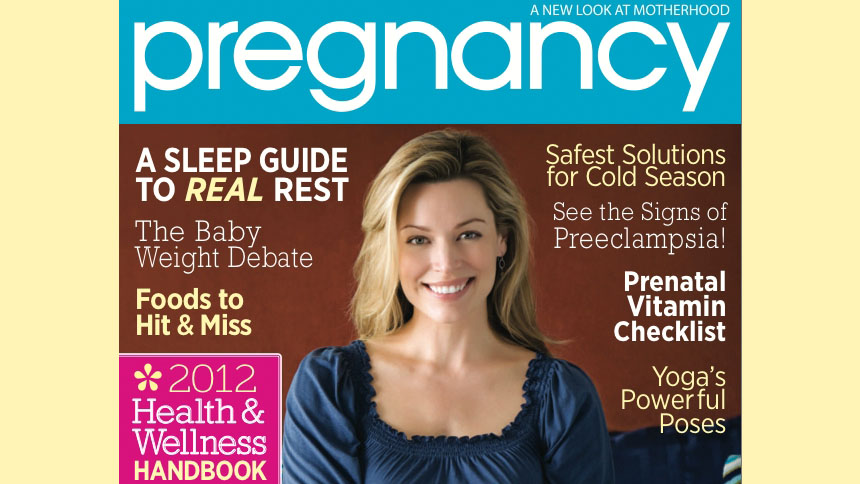
Pitches That Worked: How a Personal Story Landed an Assignment at Pregnancy Magazine

We study a winning pitch and explain how it sold Pregnancy's editors

pregnancy magazine
By Noah Davis
6 min read • Originally published February 27, 2008 / Updated March 19, 2026
By Noah Davis
6 min read • Originally published February 27, 2008 / Updated March 19, 2026

Freelance writer Christy Rippel targeted Pregnancy in part because she had recently given birth and the experience was fresh in her mind. While senior editor Kendra Smith passed on Rippel’s first pitch, she liked her style and requested additional ideas. After quizzing some moms and moms-to-be, Rippel pitched Pregnancy‘s “Stages” section. Smith accepted the idea and it ran in the September 2007 issue. Rippel has since written four additional stories for Pregnancy. Below, Rippel and Pregnancy editor-in-chief Abigail Tuller recall how the pitch went from idea to assignment and break the query down to reveal effective strategies for selling stories.


What the Writer Did

Christy Rippel, freelancer: I was working on making the transition from public relations writing to freelance magazine writing — and Pregnancy was one of the first outlets I approached. The reason I homed in on this publication was that I had just been through my first pregnancy, and had a lot of personal experience to draw from, as well as comments and ideas from fellow moms.

I sent a pitch to senior editor Kendra Smith by [postal] mail, along with three clips. She passed on that story idea, but sent a nice email reply saying she liked my writing style and encouraged me to send additional pitches. I studied the magazine and felt my best chance of breaking in would be the “Your Body” section that covered a topic relevant to each of the trimesters of pregnancy. After brainstorming a few potential ideas, I concentrated on developing one about how to take advantage of the second trimester — largely thought to be the most comfortable stage of pregnancy. I realized that I didn’t take advantage of how good I felt at that stage of the pregnancy because I didn’t realize that was “as good as it gets.” I thought other women could benefit from that message to relish those few fleeting months. I informally polled some of my friends, asking what they did during that time that made them feel good — or, looking back, what they would have done. Their comments and my own experiences became the pitch.

I heard back within a couple of days that Kendra and EIC Abigail Tuller liked the idea, and with a little discussion about how the article should be shaped, I wrote my first piece for them. This has led to four additional assignments from Pregnancy — and a great working relationship.

Why the Editor Bit

Abigail Tuller, EIC, Pregnancy: At Pregnancy, we cover the same topics repeatedly. The second trimester is a tough pitch, because women are generally feeling pretty good, as the morning sickness is usually over but they haven’t gotten to the third trimester yet. In this pitch, Christy found a unique way for pregnant women to take advantage of feeling so good. It’s not something we’d run in the magazine before, so I was sold.

You can tell from this pitch that Christy gets the way we do things at Pregnancy. She starts with a personal anecdote and then gets into the bigger story. She has the right voice: It’s girlfriend-y without getting into too much detail. Usually, I like writers to cite expert sources, but Christy doesn’t need to in this case because she has such strong examples.

In pitches, I want people to tell me where they see their article running in the magazine, as Christy does here. I also liked that she provided subheads such as “Capture your pregnancy” and “Celebrate.” It’s always good to take your pitch one step beyond and, at least for me, subheads will never hinder. If I don’t like them, I’ll just rewrite them. Including them in your pitch makes it much easier to read when your email comes into my inbox, and helps me remember the idea in the future.


The Pitch


Kendra: (1)

I just got the May issue of the magazine, which looks great — but unfortunately all of the queries I’ve sent you recently are covered in this issue! (2) An additional idea that I think could be a great fit for Stages (3) is below.
Have a nice weekend.

Best,
Christy Rippel
Daytime: [redacted]
Evening: [redacted]
E-mail: [redacted]@mac.com (4)

FOR STAGES — SECOND TRIMESTER:
I often joke that I didn’t know how good the second trimester was until it was over. (5) For many moms-to-be, the second trimester is the golden time of pregnancy — most women have recovered from first trimester morning sickness, and haven’t yet met the aches, pains, and swollen feet of the third trimester. I propose an article on taking advantage of the second trimester through five distinct ways listed below, (6) expanded on through advice from experts and personal stories:

INDULGE: (7)
Since your belly is finally blossoming, buy some new clothes that show off your changing figure, or get that hair highlight that your doctor said to avoid in the first trimester. Schedule a pregnancy massage or a pedicure — do what feels good! (8)

TRAVEL:
Consider a babymoon or travel with friends since it will be more difficult after baby arrives, and you could possibly be on travel restriction in the third trimester. I would also include information about anywhere that a pregnant woman should NOT travel. (9)

CAPTURE YOUR PREGNANCY:
It’s a great time to schedule that photo session with a photographer, or to make a cast of your belly.

CELEBRATE:
If your friend is dying to throw you a shower, tell her to go ahead and make the plans for the end of your second trimester. You’ll definitely look the part of the glowing mom-to-be, but you’ll be more comfortable traveling, as well as standing and sitting for long periods chatting with old friends. An added bonus? You’ll get gifts far enough in advance to allow you to finalize the nursery and buy what else you need. (10)

CONNECT WITH YOUR SPOUSE:
Go on dates — savor some time alone when you aren’t talking nursery paint colors, baby names or birth plans. In the unpredictable third trimester, you’ll be glad you did! (11)

Key Components of the Pitch

(1) The writer and editor have a previous relationship and since the editor had given the writer the okay to send other pitches, the informal salutation works here. If you’re unsure which tone to take when pitching, err on the side of formality. Back to pitch

(2) This is a strong, yet subtle way for the writer to acknowledge she’s read the magazine and has ideas that fit its audience. Back to pitch

(3) Pinpointing a particular section in which your article fits well helps an editor envision it as a published piece. Back to pitch

(4) Providing multiple types of contact makes it easier for editors to respond to your pitches. Make contacting you easy and you’re likelier to receive a response. Back to pitch

(5) Since Pregnancy articles tend to hinge on firsthand experience, opening with a personal anecdote works well. However, you should always be sure to link your own experiences to strong examples and/or expert opinion. Back to pitch

(6) The writer spells out exactly what the editor can expect the story to look like, making it easier for the editor to visualize. The clearer you can be about how your story will be presented, the more enticing your idea will be to editors. Back to pitch

(7) Subheads provide a way an easy and effective way structure your pitch, ensuring that editors understand its full scope. Back to pitch

(8) Since her article centers around feel-good tactics for the mid-pregnancy mom-to-be, the writer’s enthusiasm is warranted. Always be sure your story idea and the language used to describe it are consistent, as is shows editors you’ve though through the query. Back to pitch

(9) The writer shows she knows her stuff by ensuring her pitch takes reader’s safety into account. Showing both sides of an issue helps and editor believe you’re the right person to write about it. Back to pitch

(10) Since the ultimate goal of the magazine is to help women through pregnancy, looking ahead to the final stages is a crucial part of many articles, a point the writer skillfully weaves in here. Back to pitch

(11) Since the writer was already in contact with the editor, including clips or links is unnecessary. However, you should always include writing samples in any first pitch to an editor. Back to pitch


If you’ve got a pitch you’d like featured, send it our way!

Topics:

Go Freelance, Journalism Advice, Pitches That Worked

Posts navigation

Older posts
Newer posts
Featured Jobs
Kirkus Media
Editorial Intern
Kirkus Media
New York City, New York (US)

Gaia Inc
MEDIA COORDINATOR
Gaia Inc
Louisville, CO

Gaia Inc
Global Paid Media Specialist
Gaia Inc
Louisville, CO

Gaia Inc
Director of Media Strategy
Gaia Inc
Louisville, CO

Hearst Television
Account Executive
Hearst Television
Milwaukee, WI, United States

All Jobs »
PREMIUM MEMBER

Joanna Lentini

New York, NY
5 Years Experience
I am a writer and photographer that specializes in underwater environments, adventure travel, and conservation issues. Some of my projects have...
View Full Profile »
Join Mediabistro Membership Today

Stand out from the crowd with a premium profile

Mediabistro Logo Find your next media job or showcase your creative talent
  • Job Search
  • Hot Jobs
  • Membership
  • Newsletter
  • Career Advice
  • Media News
  • Hiring Tips
  • Creative Tools
  • About
Facebook YouTube Instagram LinkedIn
Copyright © 2026 Mediabistro
  • Terms of Use
  • Terms of Service
  • Privacy