What artist data reveals about the rise of Amapiano, a house music subgenre
By
Kristian Gorenc for Viberate Analytics
5 min read • Published March 23, 2026
By
Kristian Gorenc for Viberate Analytics
5 min read • Published March 23, 2026
Frennie Shivambu // Gallo Images via Getty Images
What artist data reveals about the rise of Amapiano, a house music subgenre
Music trends often arrive with a sense of urgency. A song goes viral, a dance spreads across social platforms, and a genre is suddenly labeled as “next up.” But viral moments do not always translate into lasting growth. To understand whether a genre is truly expanding, it helps to look past individual hits and examine how audiences are growing across artists over time.
To evaluate genre-level growth patterns, this story analyzed artist data from Viberate Analytics, including profiles accessible via its artist search feature. By analyzing artist-level performance data across multiple genres, it asks which genre shows signs of sustained, structural growth rather than short-lived attention. The findings point consistently in one direction: Amapiano.
Looking beyond chart spikes
Many of the world’s most recognizable genres already command enormous audiences. Pop, hip-hop, and electronic music regularly dominate global charts, but short-term changes in those genres are often driven by superstar releases, promotional cycles, or seasonal listening patterns. That makes it difficult to tell whether a genre itself is growing or whether attention is simply shifting among familiar names.
To address that challenge, this analysis focused on growth behavior instead of scale. Rather than asking which genre is biggest, it examined how growth is distributed across artists and whether that growth holds up over time.
The data came from global Top 500 artist charts filtered by genre and observed over two timeframes: a 30-day snapshot and a three-month snapshot. Each genre was analyzed using the same approach, allowing patterns to be compared on equal footing.
How growth was measured
Four indicators were used to evaluate whether a genre could reasonably be described as rising.
First, growth distribution measured whether listener gains were shared across many artists or concentrated at the very top. If most growth comes from a small handful of stars, the genre may be popular without expanding.
Second, pipeline strength looked at whether mid-tier and smaller artists were growing faster, in percentage terms, than established leaders. This pattern often signals that new listeners are entering the genre through multiple artists rather than circulating among the same few names.
Third, persistence examined how many artists appeared in both the 30-day and three-month charts. A stable but not overwhelming overlap suggests continuity without stagnation.
Finally, temporal consistency compared short-term growth with three-month trends to reduce the risk of mistaking short-lived spikes for meaningful momentum.
Comparing genres on equal terms
Several genres were evaluated using this framework, including Amapiano, Afrobeat, Afropop, K-pop, and Techno. Each of these genres is influential in different ways, and each showed strength in at least one dimension.
Afrobeat and Afropop posted strong short-term growth, but much of that growth was concentrated among a small group of top artists. K-pop showed high persistence across timeframes, with many of the same artists remaining visible month after month, though growth was heavily centered on its biggest acts. Techno, meanwhile, displayed remarkable stability but relatively modest growth, consistent with a mature genre in equilibrium.
Amapiano stood apart because it combined several favorable signals at once.
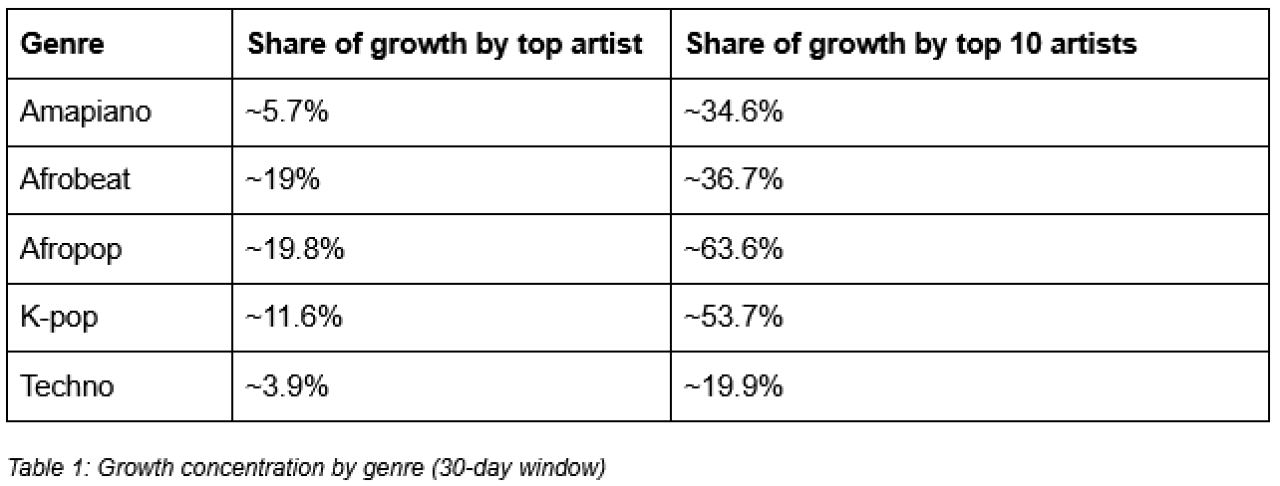
Viberate Analytics
Lower concentration indicates that listener growth is spread across more artists, rather than being driven by a small number of top acts.
Amapiano’s growth is widely shared
In the 30-day snapshot, Amapiano showed one of the lowest levels of growth concentration among the genres analyzed. The top artist accounted for less than 6% of observed listener gains, while the top 10 together represented just over one-third. In comparison, the top 10 artists in K-pop captured more than half of all observed growth.
This distribution matters because it suggests that Amapiano’s momentum does not hinge on a single breakout moment. Instead, growth is spread across dozens of artists at the same time.
A clear pipeline of rising artists
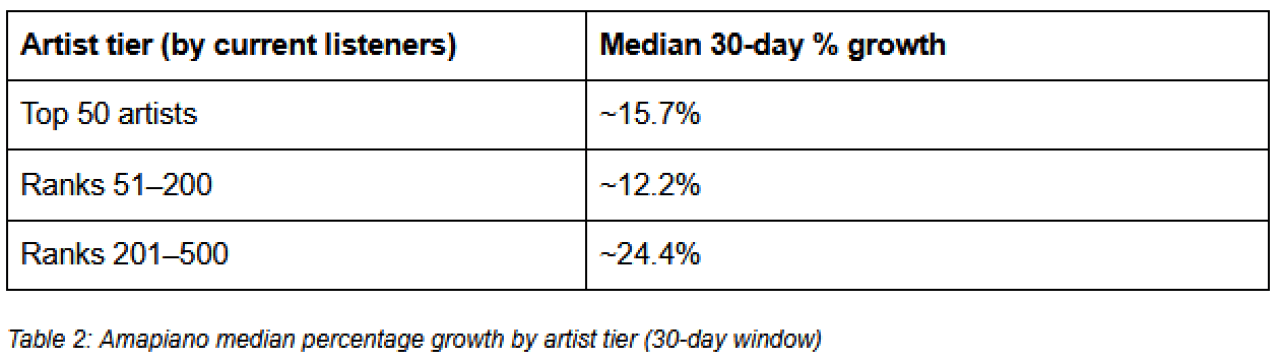
Tier-level analysis reinforced this picture. When artists were grouped by current listener size, smaller Amapiano artists showed faster median percentage growth than the genre’s leaders. Artists ranked outside the top 200 recorded median percentage growth above 24% in the 30-day window, compared with under 16% for the top tier.
That pattern points to a functioning pipeline, where new and mid-level artists are attracting listeners at a faster relative pace. In genres with flatter pipelines, growth tends to recycle attention among established names rather than bringing in new audiences.
Viberate Analytics
The upward trend toward smaller artists highlights the genre’s ability to generate new audience growth beyond its most established names.
Momentum that holds over time
Short-term growth can be misleading if it fades quickly. To address that risk, the analysis compared Amapiano’s 30-day and three-month charts.
Of the Top 500 artists in each period, 281 appeared in both. More than three-quarters of those overlapping artists recorded positive growth in both windows. At the same time, over 200 artists entered or exited the chart between snapshots, showing that the genre continues to renew itself.
This balance between persistence and turnover suggests that Amapiano’s rise is not a fleeting surge but an ongoing process.
What individual artists show
Artist-level examples mirror the broader trend. Established figures such as Kabza De Small and DJ Maphorisa continued to add listeners across both timeframes, showing that leading artists are still expanding their reach. Mid-tier artists like Tyler ICU recorded steady gains, while artists such as Mellow & Sleazy and Scotts Maphuma posted strong relative growth over both the short and medium term.
Not every artist followed the same path, and some experienced periods of stabilization. Taken together, however, these trajectories align with the genre-level pattern of distributed and sustained growth.
A genre in expansion
Across all measures used in this analysis, Amapiano stands out as the clearest example of structural genre growth among those examined. Its rise is not defined by a single hit or star, but by broad, persistent audience gains across its artist ecosystem.
For readers trying to understand how genres evolve in a crowded global music landscape, Amapiano offers a case study in how sustained growth looks when viewed through music analytics rather than headlines alone.
Bell Rose Capital Launches Revolutionary UniteThe99 Social Media Platform on iOS and Android
By
Media News
5 min read • Published March 23, 2026
By
Media News
5 min read • Published March 23, 2026
Developed under the 4biddenknowledge Inc. (4BK) brand, UniteThe99 represents a bold departure from traditional social media platforms that rely heavily on algorithmic manipulation, data harvesting, and content suppression. The platform is built on a core principle: people-not algorithms-should determine what is seen, shared, and valued online.
LOS ANGELES, CA / ACCESS Newswire / March 23, 2026 / UniteThe99 Launches Revolutionary Social Media Platform on iOS and Android, Challenging Algorithm-Driven Control and Data Exploitation
A New Era of Digital Freedom Emerges Under the 4biddenknowledge Brand, a Subsidiary of Bell Rose Capital Inc. (OTC PINK:BELR)
Billy Carson developed the UniteThe99, a groundbreaking new social media platform designed to empower users and restore authentic digital communication, is now officially available on both Apple iOS and Google Play Android devices.
Developed under the 4biddenknowledge Inc. (4BK) brand, UniteThe99 represents a bold departure from traditional social media platforms that rely heavily on algorithmic manipulation, data harvesting, and content suppression. The platform is built on a core principle: people-not algorithms-should determine what is seen, shared, and valued online.
A Platform Built for Truth, Transparency, and Unity
UniteThe99 is engineered to eliminate the systemic biases and opaque systems that dominate mainstream platforms. Unlike conventional social media ecosystems, UniteThe99 combines the best features of platforms like Facebook and Instagram into one unified experience, while removing the elements that users have grown increasingly concerned about.
Key differences include:
No manipulative algorithms pushing propaganda, political agendas, or curated narratives
No selling of user data to government agencies, private corporations, or private military contractors
No reliance on behavioral manipulation systems designed to control visibility and engagement
Organic reach and real engagement, allowing content to surface based on authentic interaction
All-in-one functionality, integrating the most powerful features of Facebook and Instagram into a single streamlined platform
While traditional platforms monetize user behavior and data, UniteThe99 is committed to user sovereignty, privacy, and transparency.
Quote by Bell Rose Capital President, Billy Carson "For too long, social media has been used as a tool to divide, manipulate, and profit off the people. UniteThe99 breaks that system. No propaganda algorithms. No data sold to governments or private military contractors. Just real people, real voices, and real connection."
Mission: Unite the 99%
At its core, UniteThe99 is more than an app-it is a movement.
Bridge ideological, cultural, and socioeconomic divides
Empower individuals with control over their digital voice
Create a global network driven by collaboration rather than division
Break long-standing "divide and conquer" dynamics embedded in modern digital systems
"Our mission is simple but powerful-to unite the world by removing artificial barriers and restoring authentic human connection," said Billy Carson, Founder of 4biddenknowledge Inc. "UniteThe99 gives power back to the people while combining the best parts of existing platforms-without the surveillance, manipulation, or data exploitation."
Strategic Positioning Within a Publicly Traded Ecosystem
UniteThe99 is launched under 4biddenknowledge Inc., a subsidiary of Bell Rose Capital Inc. (OTC:BELR), providing the platform with:
Public market transparency
Strategic capital infrastructure
Scalable growth potential
Institutional-level expansion capabilities
This alignment positions UniteThe99 for rapid adoption and global scaling as demand increases for ethical, user-first social platforms.
Availability
UniteThe99 is now available for download:
Apple App Store (iOS)
Google Play Store (Android)
Users can join immediately and become part of a growing global movement focused on unity, truth, and digital sovereignty.
This press release contains forward-looking statements within the meaning of federal securities laws. These statements include, but are not limited to, statements regarding future growth, strategic initiatives, expansion plans, monetization strategies, product development, and market opportunities. Forward-looking statements are based on current expectations and assumptions and are subject to risks and uncertainties that could cause actual results to differ materially. Bell Rose Capital Inc. (OTC PINK:BELR) and 4biddenknowledge Inc. undertake no obligation to update these statements except as required by applicable law.
About Bell Rose Capital Inc. (OTC PINK:BELR)
Bell Rose Capital Inc. (OTC PINK:BELR) is a diversified public holding company focused on acquiring, developing, and scaling high-growth businesses across technology, digital infrastructure, media, artificial intelligence, and consumer ecosystems. The Company pursues long-term enterprise value creation through strategic acquisitions, disciplined capital formation, and operational optimization within scalable verticals.
Operating under a public market framework, Bell Rose provides governance infrastructure, capital markets access, and strategic leadership to its subsidiaries. The Company evaluates opportunities in technology-enabled services, logistics platforms, AI-driven applications, digital publishing, streaming media, and emerging consumer ecosystems with recurring revenue potential.
Bell Rose’s model emphasizes:
Strategic acquisitions of operating businesses with proven traction
Capital structure optimization and institutional positioning
Revenue diversification across scalable digital platforms
Long-term shareholder value creation through disciplined execution
By combining public-market transparency with entrepreneurial growth strategy, Bell Rose Capital is positioning itself as a scalable platform for innovative enterprises seeking expansion, monetization, and institutional credibility.
About 4biddenknowledge Inc. (4BK)
4biddenknowledge Inc. ("4BK") is a diversified digital media, education, and artificial intelligence company founded by bestselling author and entrepreneur Billy Carson. Established in 2017, 4BK has evolved into a global, creator-led ecosystem spanning streaming media, publishing, online education, live events, AI-powered consumer applications, and e-commerce platforms.
The Company operates 4biddenknowledge TV, a subscription-based conscious streaming network; 4BK Academy, serving a growing international student base; a publishing division featuring multiple bestselling titles; and a portfolio of proprietary AI-driven tools designed to support career development, personal insight, and applied analytics. 4BK’s content and digital infrastructure reach millions of followers across YouTube, Instagram, TikTok, podcast platforms, and global event audiences.
Built through direct-to-consumer engagement and diversified digital monetization, 4BK has demonstrated consistent revenue growth across media, technology, and education verticals. The Company’s integration into Bell Rose Capital Inc. (OTC PINK:BELR) marks the expansion of its operations into a publicly traded structure, positioning 4BK for institutional scaling, strategic partnerships, and continued global growth.
DISRPT Agency, a Division of Dolphin Subsidiary The Door Powers "Art of Glam" During Oscars Week, Driving Cultural Momentum Into Camille Rose's Upcoming Beauté Noir
By
Media News
3 min read • Published March 23, 2026
By
Media News
3 min read • Published March 23, 2026
Samuel L. Jackson, Kelly Rowland, Ruth E. Carter, and Da’Vine Joy Randolph Among Attendees Celebrating the Creative Forces Behind Awards Season Beauty and Style
LOS ANGELES, CA / ACCESS Newswire / March 23, 2026 / DISRPT Agency, a leading cultural force in creative media relations and brand-building-and a powerhouse within Dolphin (Nasdaq:DLPN) subsidiary, The Door-continues to set the standard as a culture-forward entertainment and lifestyle partner for acclaimed multicultural haircare brand Camille Rose. Held during Oscars Week on March 11, 2026 at The Maybourne Hotel in Los Angeles, the inaugural Art of Glam: Honoring the Hands Behind the Beauty awards dinner convened industry-leading talent and creatives shaping the beauty and fashion moments seen across Hollywood’s biggest stages.
Curated by The Door’s DISRPT division, the evening featured an elite roster of honorees and A-list presenters, underscoring the agency’s expertise in crafting culturally impactful, high-profile experiences. The event also marks continued momentum for Camille Rose, as the brand and DISRPT build toward the return of Beauté Noir this Juneteenth, a multi-day experience celebrating Black beauty, entrepreneurship, and innovation.
"Art of Glam was about bringing Janell Stephens’, founder of Camille Rose, vision to life in a way that truly honors the creatives shaping beauty and culture at the highest level," said Adriane Jefferson, Founder & Managing Partner of DISRPT at The Door. "Our role was to build the right platform, talent, and experience to match the depth of that vision. This is part of a larger cultural narrative we’re building with Camille Rose, with Beauté Noir as the next chapter."
The Door’s DISRPT division led media relations, talent strategy and booking, and guest curation for the evening’s festivities, securing honorees and A-list presenters, while also curating a VIP guest list spanning entertainment, beauty, and broader pop culture. The evening was hosted by Cori Murray, Editorial EVP of EBONY Magazine. This year’s distinguished roster of honorees included Ruth E. Carter (Janell Stephens Lifetime Achievement Award), Camille Friend (Cinematic Hairstylist Visionary Award), Sheika Daley (Makeup Stylist Visionary Award), Sergio Hudson (Fashion Visionary Award), Vincent Smith (Style Disruptor Award), Tym Wallace (Red Carpet Hair Visionary Award), and John Mosley (Barber Visionary Award). The A-list group of presenters included Da’Vine Joy Randolph, Samuel L. Jackson, Kelly Rowland, Inga Beckham, Durand Bernarr, Tamara Taylor, and Archie Davis.
"When you’re working with a client whose purpose is clear, culture becomes a powerful tool to move that mission forward," said Emily Maldonado, Senior Account Supervisor at DISRPT and project lead. "Art of Glam is a reflection of what that looks like in practice."
The event welcomed over 200 guests, including top-tier media, tastemakers, and cultural leaders across entertainment, beauty, and fashion. Notable attendees included Claressa Shields, Bianca Lawson, Kyla Pratt, and more. The night sparked strong momentum across social and media, generating viral conversation and signaling Art of Glam as a new cultural moment during Oscars Week, setting the stage for Camille Rose’s upcoming Beauté Noir this June, where the celebration of Black beauty and creative excellence will continue.
ABOUT DOLPHIN:
Dolphin (NASDAQ:DLPN) is where cultural creation meets marketing execution. Founded in 1996 by Bill O’Dowd, Dolphin operates as both a venture studio-developing and investing in breakthrough content, products, and experiences-and a marketing consortium, featuring leading agencies across every communications discipline.
At its core, the venture studio creates, produces, finances, markets, and promotes new businesses and cultural ideas – ranging from acclaimed film, television, and digital content to consumer goods, live events and partnerships that define entertainment and lifestyle. Surrounding this entrepreneurial engine, Dolphin’s marketing prowess brings together best-in-class firms including 42West, The Door, Shore Fire Media, Elle Communications, Special Projects and The Digital Dept. Together, this collective delivers unmatched cross-marketing expertise and relationships across every vertical of pop culture – from film, television, music, influencers, sports, hospitality, and fashion to consumer brands and purpose-driven initiatives. Dolphin marketing has been the recipient of many accolades, including #1 Agency of the Year on the Observer PR Power List in 2025, The PR Net 100, and the PR News Elite 120.
The Mediabistro editorial team draws on 25 years of media industry expertise to cover jobs, careers, and trends shaping the industry.
4 min read • Published March 23, 2026
Specialists Are Having Their Moment
Generalists have dominated media hiring for the better part of a decade. The “do everything” job description became so common that it meant nothing. Today’s most compelling listings flip that script entirely. The roles worth paying attention to right now are those that ask for genuine depth in a specific domain.
Consider the range: one company wants someone who can evaluate AI-generated fiction with a trained literary eye. A regional lifestyle magazine needs an art director who understands print production, photo direction, and Southern editorial aesthetics. A fundraising agency is hiring a paid media manager who lives inside the Google Ads ecosystem for progressive nonprofits. These aren’t interchangeable skill sets, and the employers posting them know it.
The throughline is clear. Companies that serve well-defined audiences are hiring people who already understand those audiences. If you’ve spent years going deep on a particular content vertical or format, the market is finally valuing that expertise over breadth.
Today’s Hot Jobs
AI Content Editor, Fiction at Research on Point
Why it caught our eye: This role sits at the exact intersection where publishing is headed. The company has integrated AI drafting into its editorial pipeline and needs experienced fiction editors to ensure every piece meets human literary standards. The job description is refreshingly honest about what AI does well (volume) and what it doesn’t (voice, consistency, emotional resonance). That’s where you come in.
Strong command of fiction craft: narrative structure, dialogue, pacing, and character development
Ability to reshape AI-generated prose into polished, publishable content
Experience with editorial pipelines and content management systems
U.S.-based candidates only; fully remote at $25-35/hour on a freelance contract
What makes this role special: Hands-on creative leadership at an award-winning regional magazine is increasingly rare. Virginia Living covers food, culture, homes, gardens, and destinations across the state, and the Art Director sets the visual identity across both print and digital. You’ll be directing photo shoots, commissioning illustrators, negotiating creative contracts, and making typography decisions that shape each issue. This is a true creative ownership role at a publication with a loyal readership and a clear editorial voice.
Proven experience leading visual direction for a print publication
Skills in photography art direction, illustration commissioning, and layout design
Ability to manage freelance creatives, negotiate fees, and oversee production timelines
Based in Richmond, VA with a close-knit editorial team
The appeal here: Avalon is a full-service fundraising agency working with nonprofits in environmental conservation, social justice, and cultural arts. The Paid Media Manager runs campaigns across paid search, paid social, CTV, and programmatic channels, all in service of organizations that depend on donor acquisition to survive. If you’ve been running paid media for e-commerce brands and want your platform skills to fund something you care about, this is the transition point. Fully remote and U.S.-based.
Hands-on experience managing campaigns in Google Ads, Microsoft Ads, and paid social platforms
Ability to build audiences, set bidding strategies, and optimize toward fundraising KPIs
Collaboration with creative, analytics, and client service teams
Comfort with programmatic and CTV campaign execution
Worth a close look: The Forward, one of the most storied names in Jewish journalism, is building out its social video operation. This producer role combines writing, editing, and platform-native storytelling with real editorial sensibility. You’ll collaborate directly with reporters and editors to turn news and culture coverage into video that performs on social platforms. The listing specifically welcomes both on-camera talent and behind-the-scenes producers, which signals flexibility in how they want to fill this seat. For anyone building a career at the intersection of journalism and social video, understanding the core language of digital media will give you an edge.
Track record producing social-first videos that have reached large audiences
Experience with platform-native analytics to inform audience development decisions
Strong writing and scripting ability for short-form video formats
Willingness to mentor colleagues who appear on camera
If your resume reads like a list of platforms you’ve touched, today’s listings are a signal to rewrite it. The roles generating the most hiring energy right now reward candidates who can demonstrate mastery of a specific content world, whether that’s fiction editing, regional lifestyle publishing, nonprofit fundraising funnels, or social journalism. Hiring managers scanning applications want to see that you’ve already lived inside their audience’s ecosystem.
In practice, that means tailoring every application to your deepest vertical experience. Lead with the domain knowledge, then layer the tools and tactics underneath. A paid media manager who understands donor psychology is more valuable than one who simply knows Google Ads. An editor who reads fiction seriously will outperform a generalist copy editor in the AI content pipeline. If you want to build your professional brand, start by owning a niche completely.
Film Distributors Are Buying Fast Again. Here’s What Changed.
By
Mediabistro Team
5 min read • Published March 23, 2026
By
Mediabistro Team
5 min read • Published March 23, 2026
The international film market has its appetite back. Three separate acquisitions closed in quick succession, spanning arthouse, genre thriller, and mid-budget romance.
The velocity matters more than any individual deal. After two years of cautious positioning and compressed slates, distributors are moving faster and buying across multiple tiers.
Paradise City Sales closed territorial deals on Warwick Thornton’s “Wolfram,” a Berlinale competition entry, with buyers in Benelux, Italy, Greece, and ex-Yugoslavia. Cappu Films wrapped a global sales round for “Fox Hunt,” the Tony Leung Chiu-wai thriller, placing it in German-speaking territories, the Middle East, and multiple Asian markets. Quiver Distribution acquired the North American and UK rights to “A Love Like This,” a romantic drama from John Asher, set for an April theatrical release.
Together, these deals suggest distributors believe audiences will show up for the right titles, and that the economics can close without waiting for streaming clarity.
Meanwhile, at CPH:DOX, documentary professionals turned their attention to AI as a structural threat, borrowing survival strategies from journalism. And in Hollywood’s franchise machinery, Marlon Wayans offered public tribute to James Van Der Beek ahead of Scary Movie 6‘s June release.
Distributors Are Back at the Table
Paradise City Sales moved quickly on “Wolfram” out of Berlin. The film, Thornton’s latest after “Sweet Country” and “The New Boy,” premiered in competition at the Berlinale.
That means buyers arrived with mandates and budgets ready.
Tony Leung’s star power drove similar momentum for “Fox Hunt.” Cappu Films wrapped deals with Blacktop International for German-speaking markets, Dimeo for the Middle East, and multiple Asian distributors during the European Film Market.
Quiver Distribution’s acquisition of “A Love Like This” widens the lens beyond festival-driven sales. The romantic drama starring Emmanuelle Chriqui and Hayes MacArthur represents the mid-tier market that collapsed hardest during the pandemic.
Pattern Recognition: Buyers are not waiting for perfect information or hedging with day-and-date streaming. They are betting on theatrical, moving quickly, and closing across multiple territories simultaneously.
For professionals tracking distribution strategy or managing global project timelines, this is the clearest signal that the market has stabilized.
Documentary’s AI Reckoning Gets Frank
CPH:DOX wrapped its industry programming with more than €110,000 in awards distributed across documentary projects in development. But the most consequential conversations happened in panels focused on artificial intelligence.
Documentary professionals are treating AI as a structural threat comparable to what journalism faced with digital disruption, and they are explicitly studying how newsrooms responded.
The anxiety is specific: if generative AI can produce acceptable nonfiction content at scale, what happens to the labor market for documentary producers, editors, and field coordinators?
The journalism parallel is intentional. Documentary professionals see newsrooms as 10 years ahead in navigating technological displacement. Some outlets invested in investigative depth and premium storytelling as differentiation. Others automated commodity reporting and cut staff.
The documentary sector is debating which path to follow, with particular focus on positioning human editorial judgment and original reporting as irreplaceable.
For media professionals working across the journalism-documentary overlap, these conversations matter. The skill sets that protect against AI displacement in one sector translate to the other: source development, narrative architecture, ethical judgment, complex editorial project management.
The awards themselves reward exactly those defensible skills. Shourideh C. Molavi and Shrouq Alaila’s “Everything Is Red and Grey,” executive produced by Laura Poitras, took home both the Al Jazeera Documentary Film Festival Award and additional development funding. The project requires deep source relationships and editorial trust that no AI tool can replicate.
Franchise Nostalgia Meets Real Tribute
Marlon Wayans remembered James Van Der Beek’s cameo in the original “Scary Movie” with public warmth ahead of the franchise’s June return.
The cameo worked because it played against type. The “Dawson’s Creek” star agreed to lampoon his own image at the peak of teen drama ubiquity, a choice that read as generous rather than desperate.
Franchise revivals depend on actors willing to revisit material that may no longer serve their current positioning. Van Der Beek’s willingness to participate helped establish the franchise’s self-aware tone from the start.
“Scary Movie 6” arrives June 5 after a 12-year gap. The franchise has generated more than $896 million globally across five films. Wayans’s return signals Paramount is betting on legacy cast to anchor the revival rather than attempting a full reboot.
For professionals tracking franchise development or intellectual property management, the “Scary Movie” approach offers a middle path: honor the original cast, acknowledge the time gap, trust that audiences retain affection for the property.
What This Means
The international film market is closing deals across multiple tiers with speed and confidence. For professionals in distribution, acquisitions, or international sales, buyer appetite is the strongest it has been since pre-pandemic levels.
Skills That Matter: The CPH:DOX conversations about AI offer a playbook for anyone in nonfiction content. The capabilities that protect against displacement are source relationships, narrative judgment, ethical decision-making, and complex editorial project management.
If you are building expertise in documentary, journalism, or content strategy, invest in capabilities that require human judgment rather than technical execution.
If you are navigating the media job market or exploring new opportunities, browse open roles on Mediabistro in documentary production, international sales, and content strategy. For employers building teams in distribution, nonfiction, or franchise development, post a job on Mediabistro to reach professionals tracking exactly these industry shifts.
This media news roundup is automatically curated to keep our community up to date on interesting happenings in the creative, media, and publishing professions. It may contain factual errors and should be read for general and informational purposes only. Please refer to the original source of each news item for specific inquiries.
The history of the worst 'Star Wars' movie ever made
By
Nicole Caldwell
6 min read • Published March 22, 2026
By
Nicole Caldwell
6 min read • Published March 22, 2026
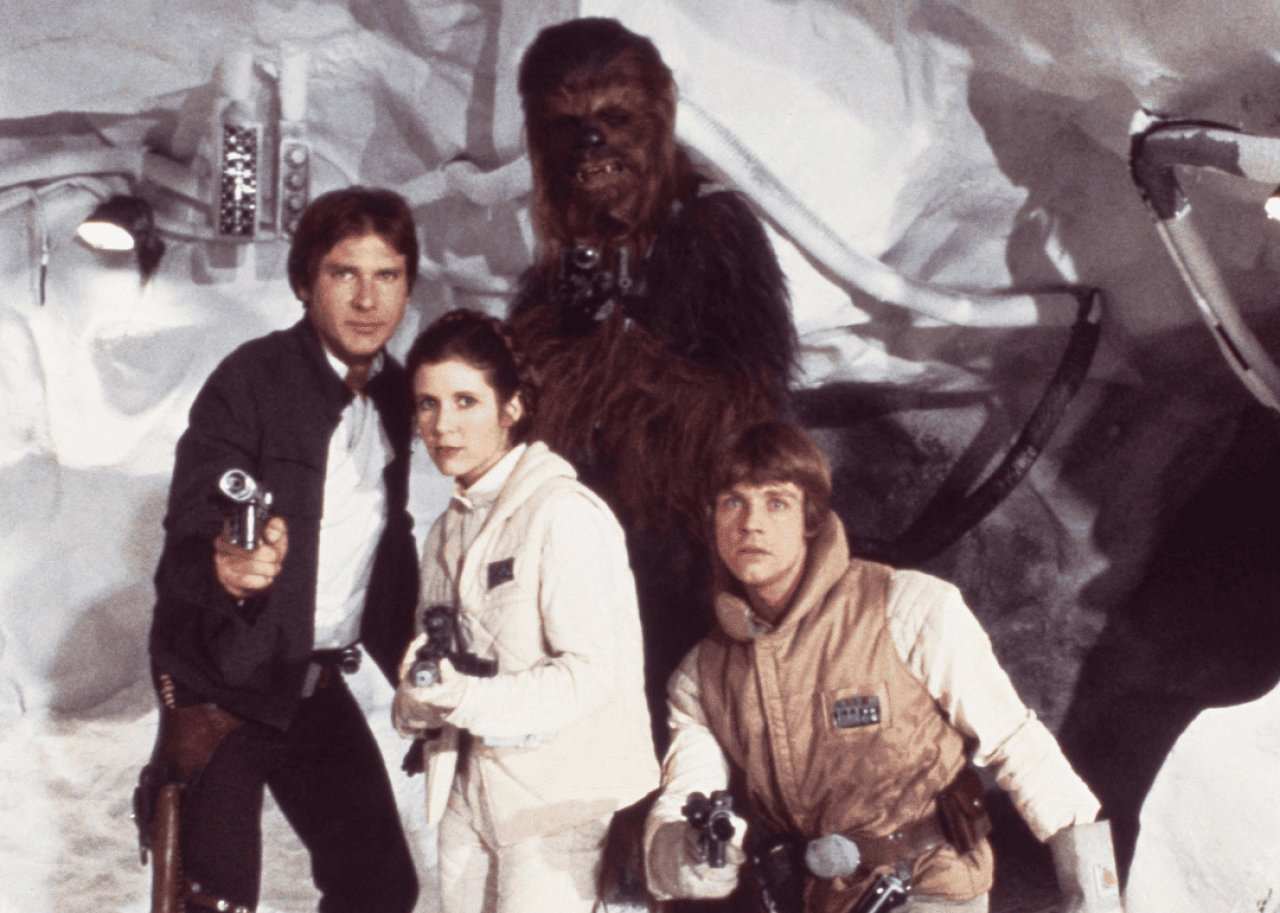
Mark Sennet // Getty Images
A brief history of the infamously terrible ‘Star Wars Holiday Special’
George Lucas’ “Star Wars” saga stands as the most dominant pop-culture franchise of the last half-century. The space western has permeated virtually every medium, from film and video game to slippers and theme parks. But one piece of “Star Wars” memorabilia is notably absent from the canon: the resoundingly panned, time-immemorially terrible “Star Wars Holiday Special.”
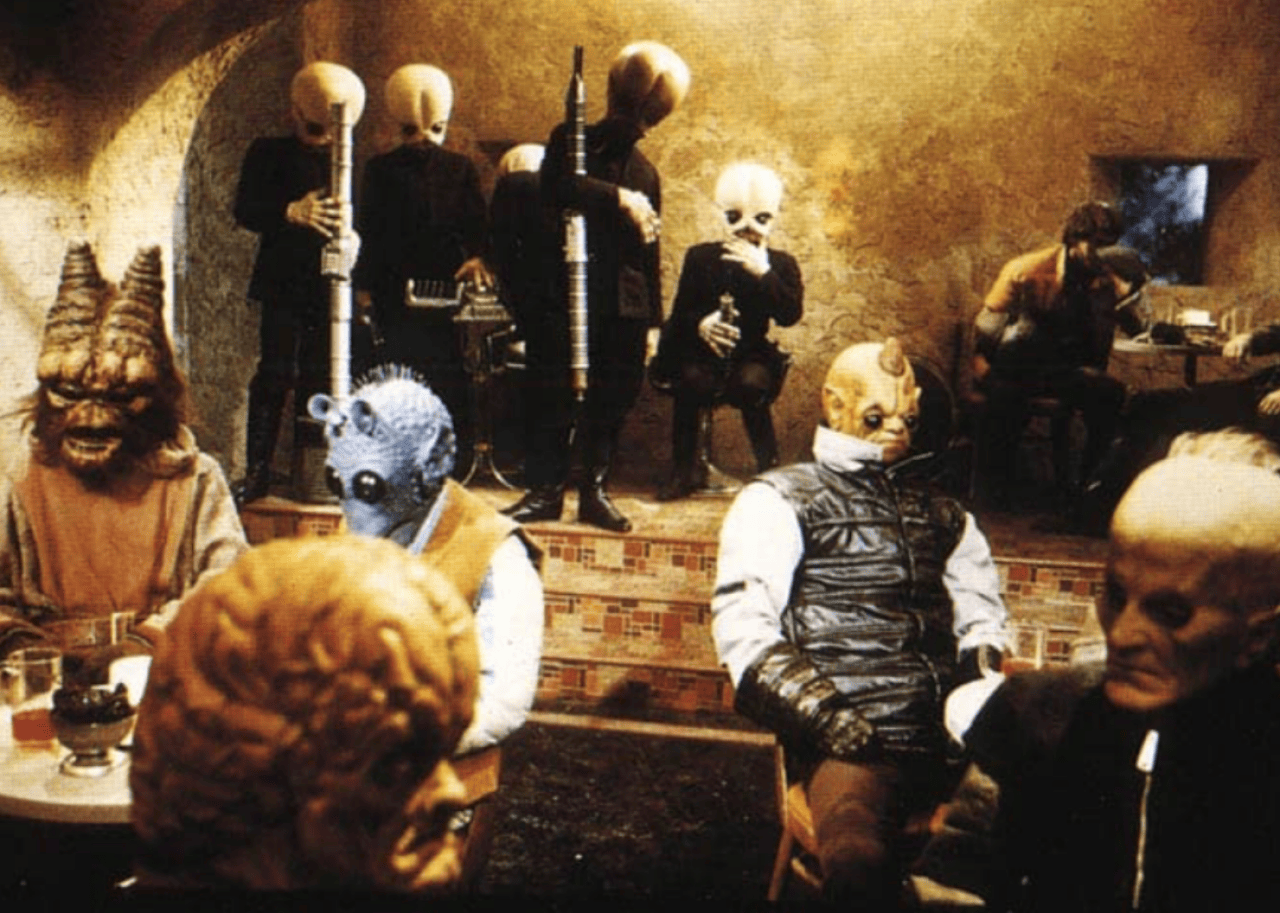
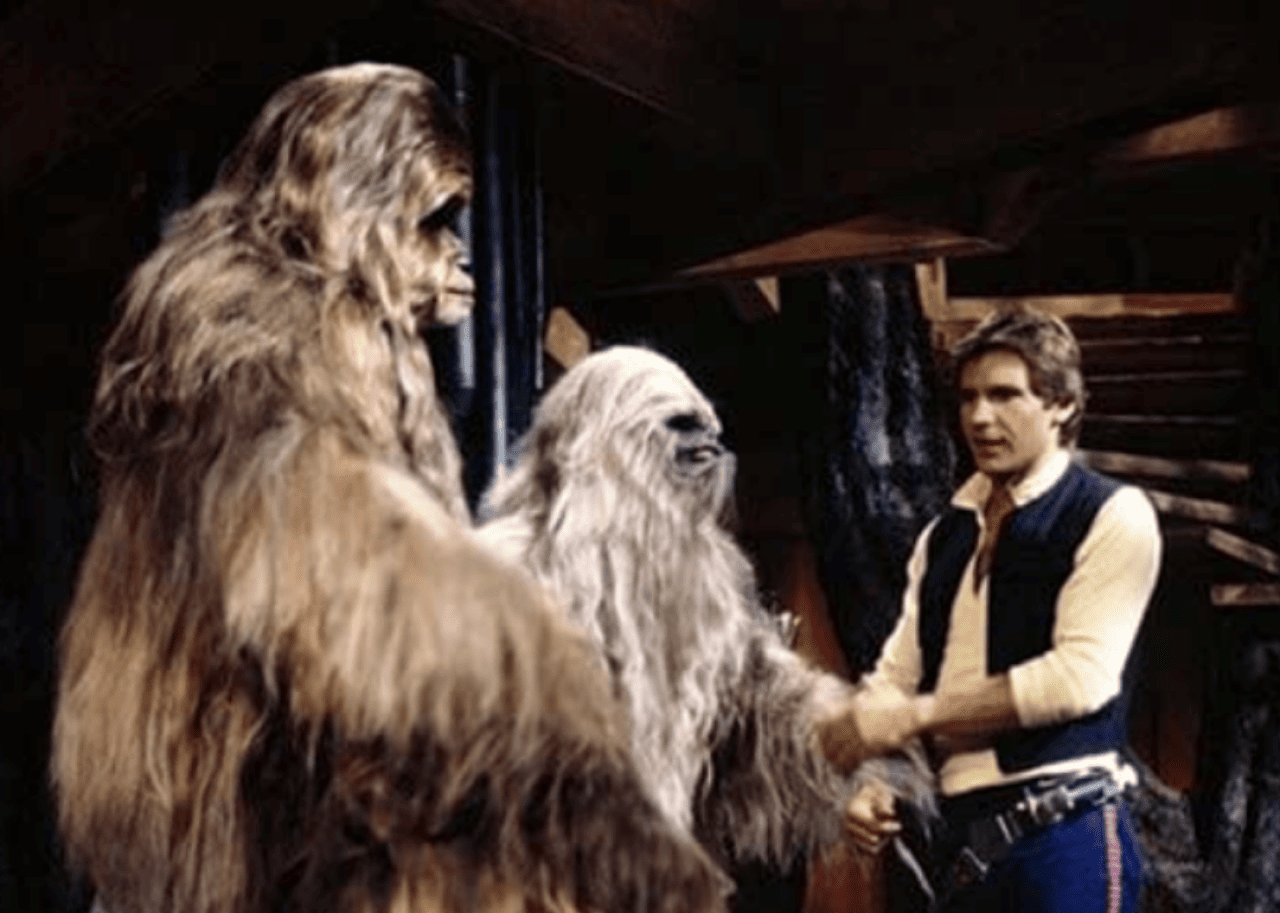
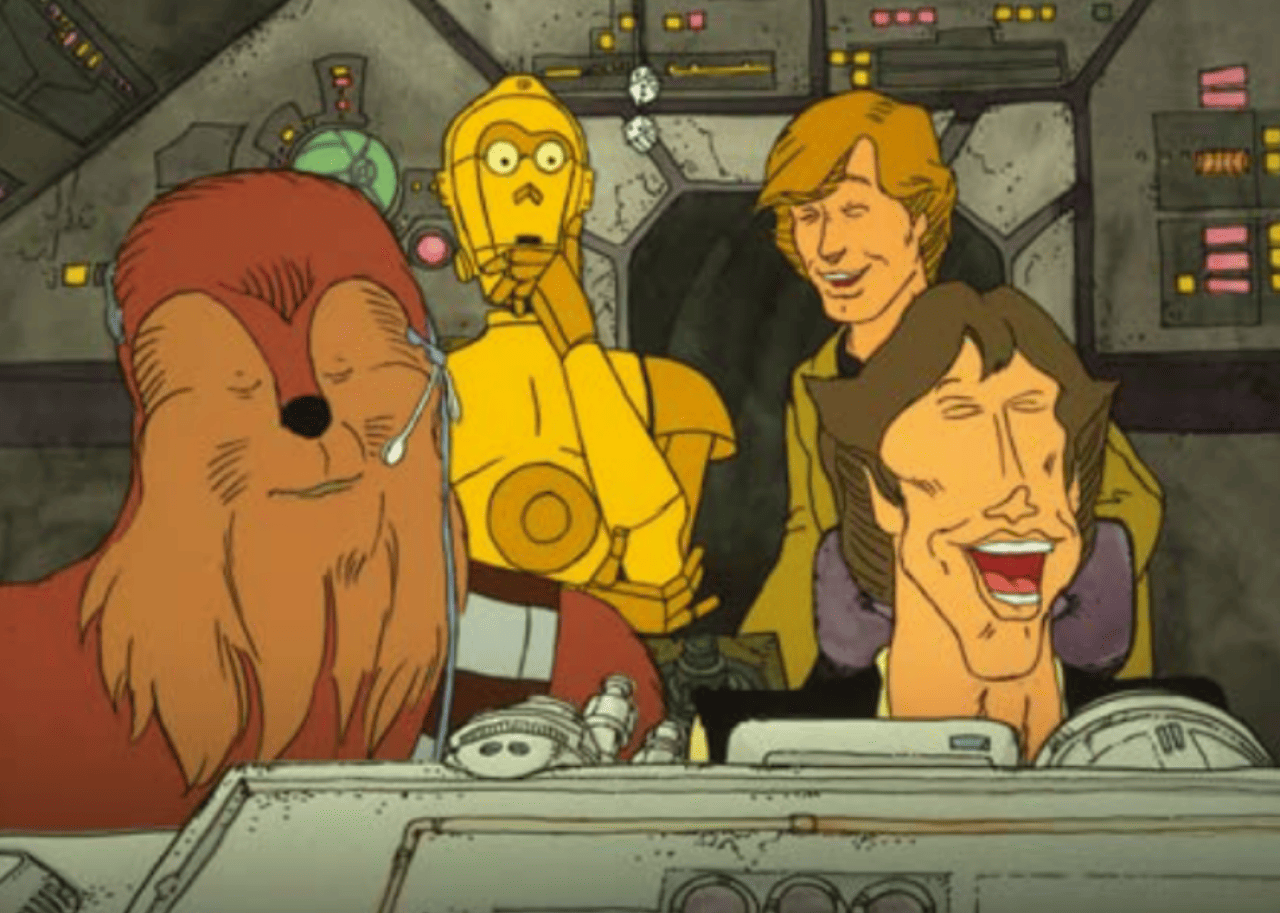
To memorialize that which filmmaker George Lucas has made every effort to erase, Stacker has done the difficult, at-times-unpleasant work of compiling a brief history of the ever-campy, 1978 TV variety show. The special’s plot centers on Chewbacca’s family, awaiting his return to the planet of Kashyyyk. While the family waits, and the Empire stalks the rebels, viewers gain an inside view of Wookiee family life. The (perhaps unintended) high point of the whole fiasco is the short cartoon midway through the special when the world is introduced for the first time to Boba Fett.
Following the staggering, instant success of “Star Wars: A New Hope,” Lucas’ attention and time were elsewhere—notably on work for “The Empire Strikes Back.” While he was looking the other way, production of the TV special went sideways, churning through two directors while Bea Arthur crooned in a cantina, Jefferson Starship performed a reasonably good song about UFOs, and Carrie Fisher, Harrison Ford, and Mark Hamill popped in for regrettable cameos. The star power was strong—Harvey Korman features in three roles including one as a Julia Child-inspired alien chef preparing “Bantha Surprise” with his myriad arms—but even that wasn’t enough to save what for all ostensible purposes ought to have been a slam dunk.
The show, which is unavailable for streaming and can not be found on professionally sanctioned DVD or VHS (though you’ll have no trouble finding pirated versions online and as DVDs in their entirety), has served as the butt end of many jokes in the decades since its release. Namely, Carrie Fisher quipped that she put the holiday special on at parties as a way of enticing her guests to leave at the end of the night. Lucas famously attempted (and failed) to destroy all hard evidence of the special’s existence altogether.
Keep reading to discover everything you could possibly ever want to know about the “Star Wars Holiday Special.”
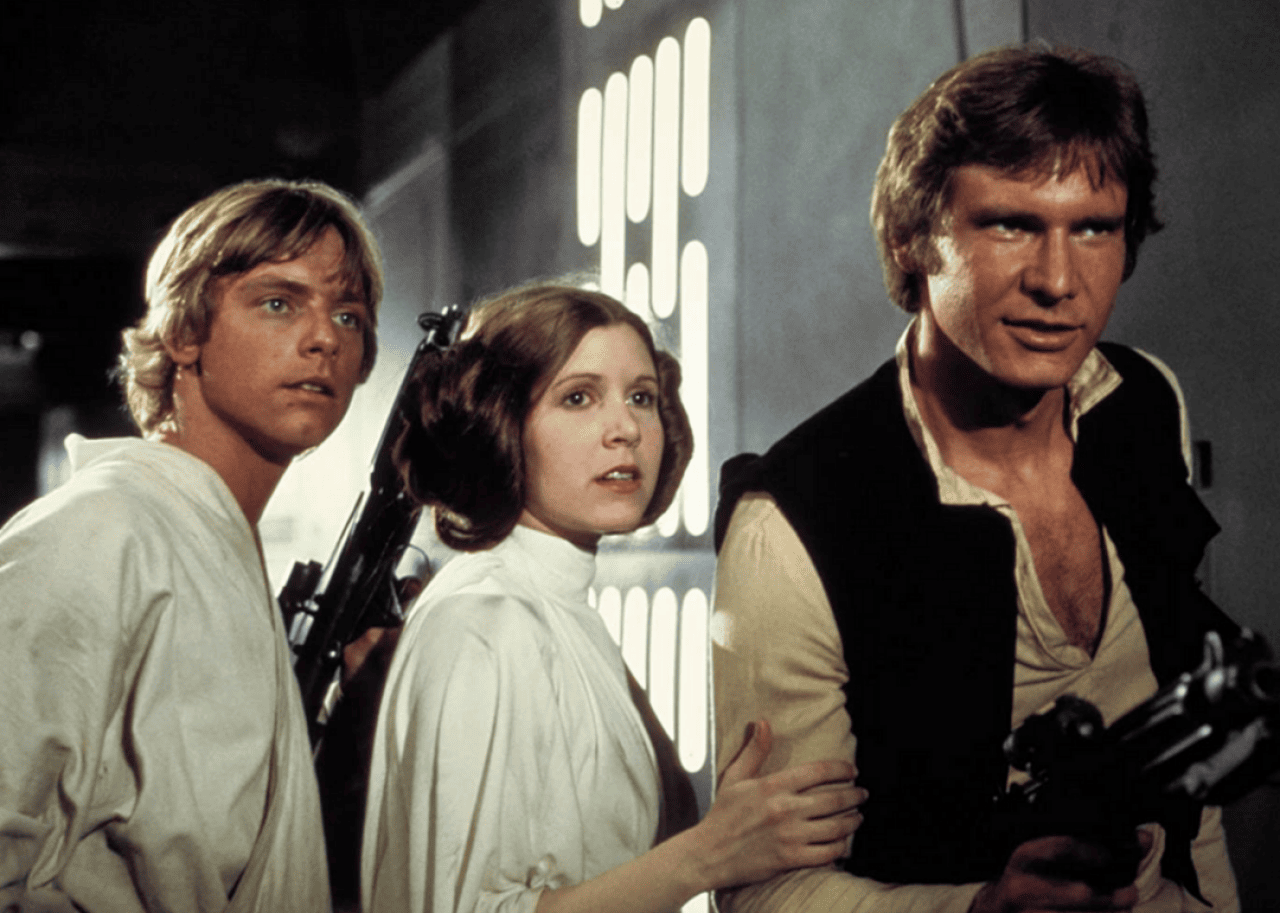
Lucasfilm Ltd.
May 25, 1977: ‘Star Wars: Episode IV – A New Hope’ debuts to a stunning, surprising reception
The runaway success of “Star Wars: A New Hope” made Lucas’ brainchild the highest-grossing movie in history, nudging out 1975’s “Jaws” and grossing $775 million. The film wasn’t surpassed until 1982’s “E.T. the Extra-Terrestrial.” “A New Hope” came complete with a unique lexicon, mythology, and intimidating potential for merchandising.
Universal Pictures
June 16, 1978: ‘Jaws 2’ released
Small-budget films with quick turnarounds like the James Bond series enjoyed enormous popularity in the ’60s and ’70s, but big-budget franchises and sequels were virtually nonexistent. That changed with “Jaws 2,” which made nearly $200 million worldwide on a $30 million budget. The sequel was the definition of big-budget, exceeding the original “Jaws” budget by more than four times.
Lucasfilm Ltd.
July 1978: Lucas funds production of ‘Empire’ with his own money
The first run of “A New Hope” ended July 20, 1978, and was re-released the following day in response to demand. The return engagement netted $10.1 million in three days. Meanwhile, George Lucas was already nearly a year into plans for “Star Wars: Episode V—The Empire Strikes Back.” To retain creative control over the sequel, Lucas funded “Empire” with his own money.
It was a risky move unlike any that had been tried before in movie history—particularly as the budget exceeded “A New Hope” by more than 150%.
Lucasfilm Ltd.
1978: Fears mount that ‘Star Wars’ characters won’t hang on
As costs mounted for “Empire,” fears grew that the “Star Wars” universe and its characters wouldn’t maintain a hold on public consciousness long enough for the franchise’s sequel to make a splash in the box office. With little precedent for sequels being promising ventures, ideas began to form for a way to maintain the relevancy of “Star Wars” while gaining new fans in the process.
Lucasfilm Ltd.
Summer 1978: CBS pitches a variety hour
Variety shows were among the earliest offerings of television, gaining steam throughout the ’30s and ’40s and enjoying explosive growth during the Golden Age of television. By the ’70s, major networks had canceled many variety shows that appealed to more rural demographics in favor of catering to wealthier parts of society. Most variety shows had ceased production by the end of the decade, which adds to the mystique of why CBS went ahead and pitched Lucas on a variety show centered on the Star Wars universe to be broadcast around the Thanksgiving holiday—and why the famed filmmaker jumped at the opportunity.
Getting “Star Wars” stars and other celebrity household names proved to be a separate challenge: Harrison Ford was particularly difficult to convince; and Bea Arthur, who played the cantina’s bartender, later said she only agreed to participate because her youngest child was a diehard fan of “A New Hope.”
Lucasfilm Ltd.
Lucas hands over a simple-if-ill-fated concept
With Lucas preoccupied developing “Empire Strikes Back,” CBS took the reins on production of the “Star Wars Holiday Special.” The caveat would be the death knell for the operation: an insistence by Lucas that the storyline center on Wookiees—namely, Chewbacca’s family. The film creator offered up a six-page treatment for the special.
Lead writer Bruce Vilanch, who later admitted to copious drug use during the screenwriting process, objected to focusing entirely on creatures who grunt unintelligibly without subtitles. Lucas was apparently firm, and the storyline moved forward.
Lucasfilm Ltd.
A chaotic production ensues
Director David Acomba made it through a small handful of titular scenes—including the cantina and Jefferson Starship’s performance—before departing the production and being replaced by Steve Binder.
Mayhem on set was second nature—from characters passing out during the cantina scene due to lack of oxygen inside the masks and Mark Hamill having to wear almost comical makeup to disguise scars from his recent car accident to an entire scene in which Chewbacca’s father, Itchy (Paul Gale), watches—on primetime TV the week before Thanksgiving, no less—a holographic adult film.
With a plot full of holes and a handful of celebrities begrudgingly taking part, the “Star Wars Holiday Special” made its debut. For his part, Lucas was mortified and successfully halted the show’s broadcast in most territories outside of the U.S. and Canada. At one Star Wars convention, Lucas famously said, “If I had the time and a sledgehammer, I would track down every copy of that show and smash it.”
Lucasfilm Ltd.
Ratings nosedive halfway through
The “Star Wars Holiday Special” drew in roughly 13 million viewers nationwide, failing to rate among Nielsen’s Top 10 for the night and losing out to shows including “The Love Boat” and a Pearl Harbor miniseries called “Pearl.” Nielsen data further shows that the largely plotless special hemorrhaged ratings about an hour into the show and immediately following Boba Fett’s debut.
The show was never rebroadcast.
Lucasfilm Ltd.
Decades later, the special is the stuff of legend
For all of Lucas’ attempts to buy and destroy every master copy of the production, and the ongoing embarrassment of almost every actor who took part in the production, nothing could stop the “Star Wars Holiday Special” from living on in infamy.
Modern-day plugs—from podcasts like “Stuff You Should Know” to Disney+’s adoption of “The Story of the Faithful Wookiee” interlude cartoon featuring Boba Fett—have contributed to enshrining the “Star Wars Holiday Special” into our cultural fabric. Interviews with cast members have only added to the intrigue: In 2006 as a guest on “Conan O’Brien,” Harrison Ford claimed to have never seen the special and wouldn’t admit it ever happened.
Meanwhile, “The Empire Strikes Back” was released May 21, 1980; it stands as the 11th-most successful of the “Star Wars” movies.
New to The Street Announces Broadcast of Show #739 on Bloomberg Television Across the U.S. at 6:30 PM EST
By
Media News
2 min read • Published March 21, 2026
By
Media News
2 min read • Published March 21, 2026
Featured Companies Include FreeCast (NASDAQ:CAST), KLED.ai, Lantern Pharma (NASDAQ:LTRN), and BlackBarn Restaurant
NEW YORK CITY, NY / ACCESS Newswire / March 21, 2026 / New to The Street, one of the longest-running U.S. and international sponsored television brands, proudly announces the nationwide broadcast of Show #739, airing tonight at 6:30 PM EST on Bloomberg Television across the United States.
This week’s episode delivers a compelling lineup of innovative companies and industry leaders across technology, healthcare, digital infrastructure, and hospitality:
FreeCast (NASDAQ:CAST) – Transforming digital media aggregation and streaming access for consumers worldwide
KLED.ai – Advancing AI-driven enterprise and data intelligence solutions
Lantern Pharma (NASDAQ:LTRN) – A leader in AI-powered oncology drug development
BlackBarn Restaurant – A premier New York City culinary destination known for its farm-to-table excellence
Powering Visibility Through Multi-Platform Distribution
New to The Street continues to set the standard by combining national television, digital scale, and iconic outdoor media, delivering unmatched exposure for its clients.
Each broadcast is amplified across:
New to The Street TV YouTube Channel – 4.44 million subscribers
NewsOut Digital Network – 700,000+ subscribers
Combined platform reach exceeding 5.1 million subscribers
LinkedIn, X, Instagram, and Facebook distribution
Iconic billboard placements across Times Square and NYC’s Financial District
NRx Pharmaceuticals (NASDAQ:NRXP) – Advanced therapeutics for critical conditions
PetVivo Holdings – Veterinary regenerative medicine
DataVault AI (NASDAQ:DVLT) – Data monetization and tokenization infrastructure
Roadzen (NASDAQ:RDZN) – AI-powered insurance and mobility platform
Stardust Power (NASDAQ:SDST) – Lithium and energy infrastructure solutions
CISO Global (NASDAQ:CISO) – Enterprise cybersecurity leader
The Sustainable Green Team (OTC:SGTM) – Climate-focused and sustainable infrastructure solutions
A Platform Built for Scale, Visibility, and Market Leadership
Filming regularly from the NASDAQ MarketSite and NYSE, New to The Street has become the premier platform for companies seeking predictable, scalable exposure across television, digital, and outdoor media.
With a combined audience now exceeding 5.1 million subscribers, New to The Street continues to outperform traditional financial media platforms in reach, engagement, and measurable impact, positioning itself as the dominant force in next-generation financial media.
About New to The Street
New to The Street is a leading financial media brand broadcasting weekly as sponsored programming on Bloomberg Television and Fox Business, as sponsored programming reaching millions of households across the U.S., Latin America, and MENA regions. The platform integrates long-form interviews, commercial production, earned media, digital distribution, and outdoor advertising into a single, powerful media ecosystem.
The Mediabistro editorial team draws on 25 years of media industry expertise to cover jobs, careers, and trends shaping the industry.
4 min read • Published March 21, 2026
The Editorial Pipeline Is Changing, and These Roles Prove It
Three very different jobs posted on Mediabistro right now share a common thread: each one reflects how content actually gets made in 2026. A nonprofit newsroom needs a video-first storyteller. An independent publisher wants someone who can sell books through TikTok and Amazon ads. And a company you’ve never heard of is hiring fiction editors to refine AI-generated drafts into publishable prose.
That last one deserves a pause. AI content editing is emerging as a genuine specialization, with its own skill requirements and pay scale. We’re past the debate about whether AI will change editorial work. These postings show it already has, and the people filling these roles will shape what “editor” means for the next decade.
Meanwhile, the global paid media space keeps demanding multilingual talent. Today’s batch of listings includes a role that requires French, German, and Spanish fluency alongside platform expertise, a combination that’s becoming table stakes for brands expanding internationally. Here are four roles worth a close look.
Today’s Hot Jobs
Social Video Producer at The Forward
Why this role matters right now: The Forward, one of the most storied names in American journalism, is building out its video operation with a hire who will collaborate directly with reporters and editors. This is social-first video tied to real reporting, which separates it from the branded content mill positions flooding the market. The role is remote-friendly and includes the option to stay behind the camera or step in front of it, a flexibility that signals the Forward cares more about output quality than on-screen personality.
What they need from you:
Proven track record producing social-first videos that have reached large audiences on major platforms
Experience producing video in connection with journalism, not just branded or promotional content
Comfort using platform-native analytics to drive audience development decisions
Ability to mentor colleagues who appear on camera and help them develop video skills
Associate Director, Digital Marketing at Topix Media Lab
The opportunity here: Topix Media Lab is a small, independent publishing house with a catalog spanning graphic novels, gaming guides, card decks, and children’s titles. This role owns full-funnel digital marketing for frontlist and backlist titles, from Amazon advertising to influencer partnerships. If you’ve been wanting to run campaigns for actual books instead of software subscriptions, this is your opening. The position is remote and includes mentoring an Associate Publicist, so you’ll be building a team alongside building campaigns. For anyone who loves the creative challenge of social media strategy, doing it for book launches adds a layer of storytelling most brand roles lack.
The ideal candidate brings:
Proven record developing and executing direct-to-consumer marketing programs, including digital advertising and influencer outreach
Experience building relationships with authors, agents, and influencers in genre book publishing
Strategic fluency across Amazon, TikTok, Instagram, and emerging platforms
AI Content Editor (Fiction) at a Confidential Client via Research on Point
What makes this different: This freelance role is one of the clearest examples yet of AI editing becoming a defined editorial discipline. The company has integrated AI-assisted drafting into its fiction pipeline but routes every piece through human editors who shape, refine, and elevate the output. At $25 to $35 per hour, it’s positioned for experienced editors who want flexible remote work and are curious about where publishing technology is heading. Fiction editing skills are the core requirement here, with AI fluency as the accelerant.
Core qualifications:
Strong fiction editing background with an eye for narrative structure, voice, and pacing
Comfort working within an AI-assisted editorial pipeline
U.S.-based candidates only, working on a contract basis
Ability to transform machine-generated drafts into polished, publishable content
Why this stands out: Gaia is a streaming platform focused on yoga, meditation, and consciousness content, and their Global Paid Media Specialist role comes with a clear salary range of $70,000 to $90,000. The multilingual requirement (French, German, and Spanish) elevates this well beyond a standard paid media position. You’ll own multi-country activation strategy across Google and Meta, working directly with agency partners to localize campaigns and optimize performance across international markets. For media professionals building platform expertise, adding international campaign management to your resume is a significant differentiator.
Key requirements:
Strong technical expertise across Google Ads (Search, Display, Performance Max, YouTube) and Meta Ads
Multilingual capabilities in French, German, and Spanish for ad copy validation and localization
Experience with multi-country budget allocation and regional performance optimization
Track record driving qualified lead volume and ROAS across global territories
Today’s listings reveal a premium on hybrid skill sets. The strongest candidates in this market combine a core editorial or marketing competency with something adjacent: video production paired with journalism instincts, book marketing paired with influencer strategy, fiction editing paired with AI pipeline experience, paid media paired with multilingual fluency.
If your resume reads as a single discipline, consider which complementary skill could make you the obvious choice for roles like these. The people getting hired fastest right now are the ones who collapse two job descriptions into one person.
The #1 summer blockbuster of every year since 1970—how many have you seen?
By
Brianna Zigler
10 min read • Published March 20, 2026
By
Brianna Zigler
10 min read • Published March 20, 2026
Archive Photos // Getty Images
#1 summer movie the year you graduated high school
Movies have been a defining part of the summer experience for several decades now, with the modern summer blockbuster pioneered by Steven Spielberg in 1975. With his seminal summer horror film “Jaws,” Spielberg changed the filmmaking landscape. Though prosperous, Hollywood had still been in something of a transitional period following the studio system and Hollywood’s Golden Age. But after “Jaws” and the introduction of the “movie brats,” a core group of emerging American directors including Spielberg, Martin Scorsese, George Lucas, Brian De Palma, and Francis Ford Coppola, the American film industry entered an exciting era defined by ambition, creativity, and soaring box office sales.
Summer is an exciting time in Hollywood, when big-budget movies with wide appeal are often released. It means school’s out, and viewers can frequent the theater chains in droves. This summer is an especially critical one for the movie industry. COVID-19 is no longer a global emergency. Now’s the time for these planned blockbuster movies to show their mettle. If revenues clear $4 billion in domestic box offices, Hollywood can officially claim a return to a pre-pandemic normal.
Do you remember the film that defined the last summer of your high school years? Stacker compiled Box Office Mojo data on summer movies dating back to 1975 and listed the #1 film at the box office for each summer, defined as the first Friday in May through Labor Day weekend. Check out our list to see which iconic film took over the box office the summer you graduated.
Zanuck/Brown Productions
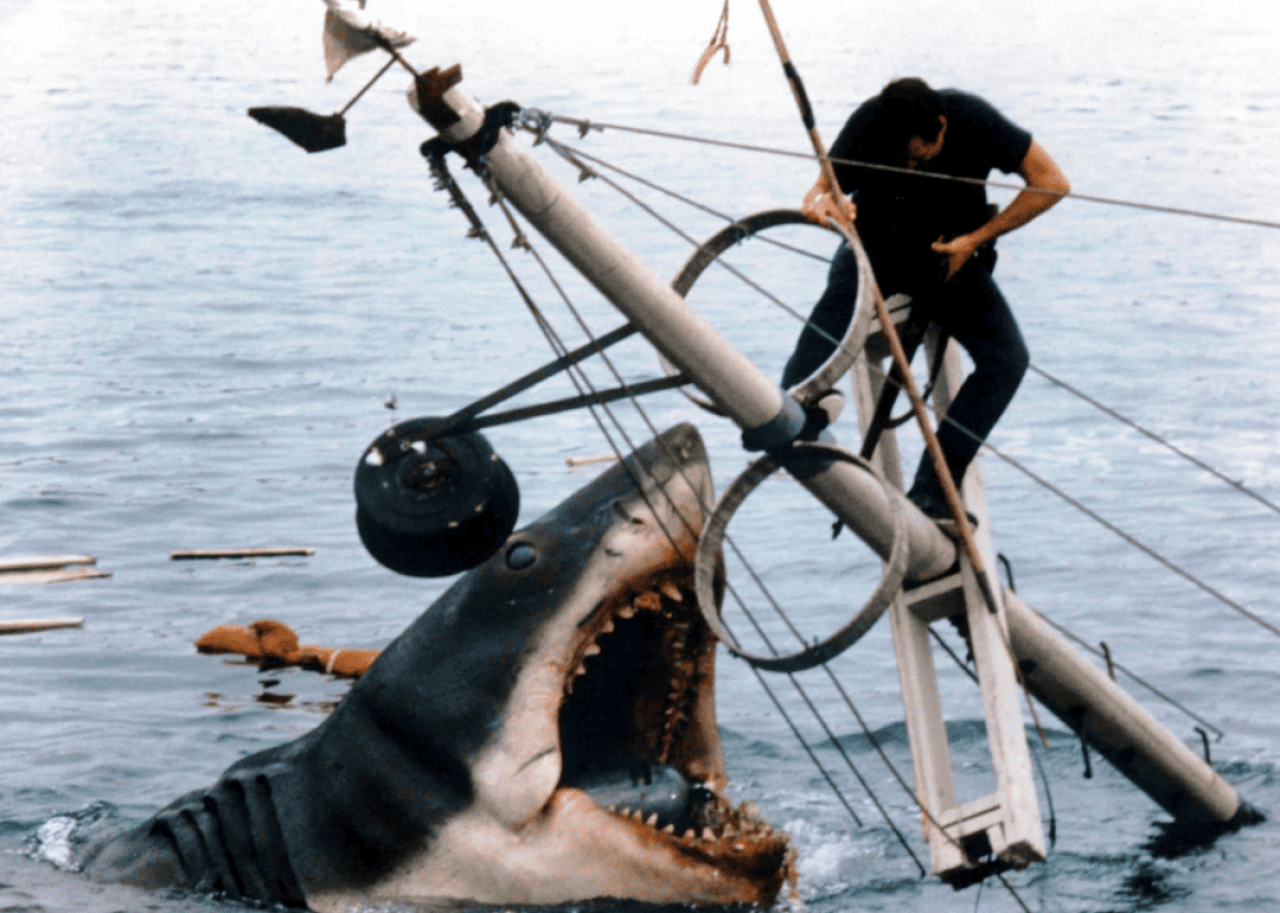
1975: Jaws
– Inflation-adjusted domestic gross: $391,037,321 – Unadjusted domestic gross: $69,725,376 – Box office share in calendar year: data not available
A New England tourist town becomes tormented by the presence of a bloodthirsty shark. The sheriff wants the beaches closed, but the mayor fears the loss of revenue, so it’s up to a marine biologist and an old ship captain to rid the town of the beast for good. “Jaws” had a notoriously troubled production, in part because it was the first major film to be shot on location on the ocean.
Twentieth Century Fox
1976: The Omen
– Inflation-adjusted domestic gross: $323,119,814 – Unadjusted domestic gross: $60,922,980 – Box office share in calendar year: data not available
There’s something not quite right about Damien, adopted by an American diplomat and his wife after the stillborn death of their baby. A prescient warning from a priest and a series of deaths sends Robert Thorn down a rabbit hole to figure out whether he adopted the Antichrist. “The Omen” spawned a horror franchise that includes three sequels and a 2006 remake, with a prequel currently in development.
Lucasfilm
1977: Star Wars: Episode IV – A New Hope
– Inflation-adjusted domestic gross: $627,424,546 – Unadjusted domestic gross: $125,989,616 – Box office share in calendar year: data not available
The first film in George Lucas’s epic trilogy introduces us to hero Luke Skywalker, who must team up with a cocky pilot, his hairy sidekick, and two droids in order to save Princess Leia and the entire galaxy from the evil Darth Vader. Due to troubled production and budgetary issues, many who worked on the film, including Lucas himself, believed it would be a failure.
Paramount Pictures
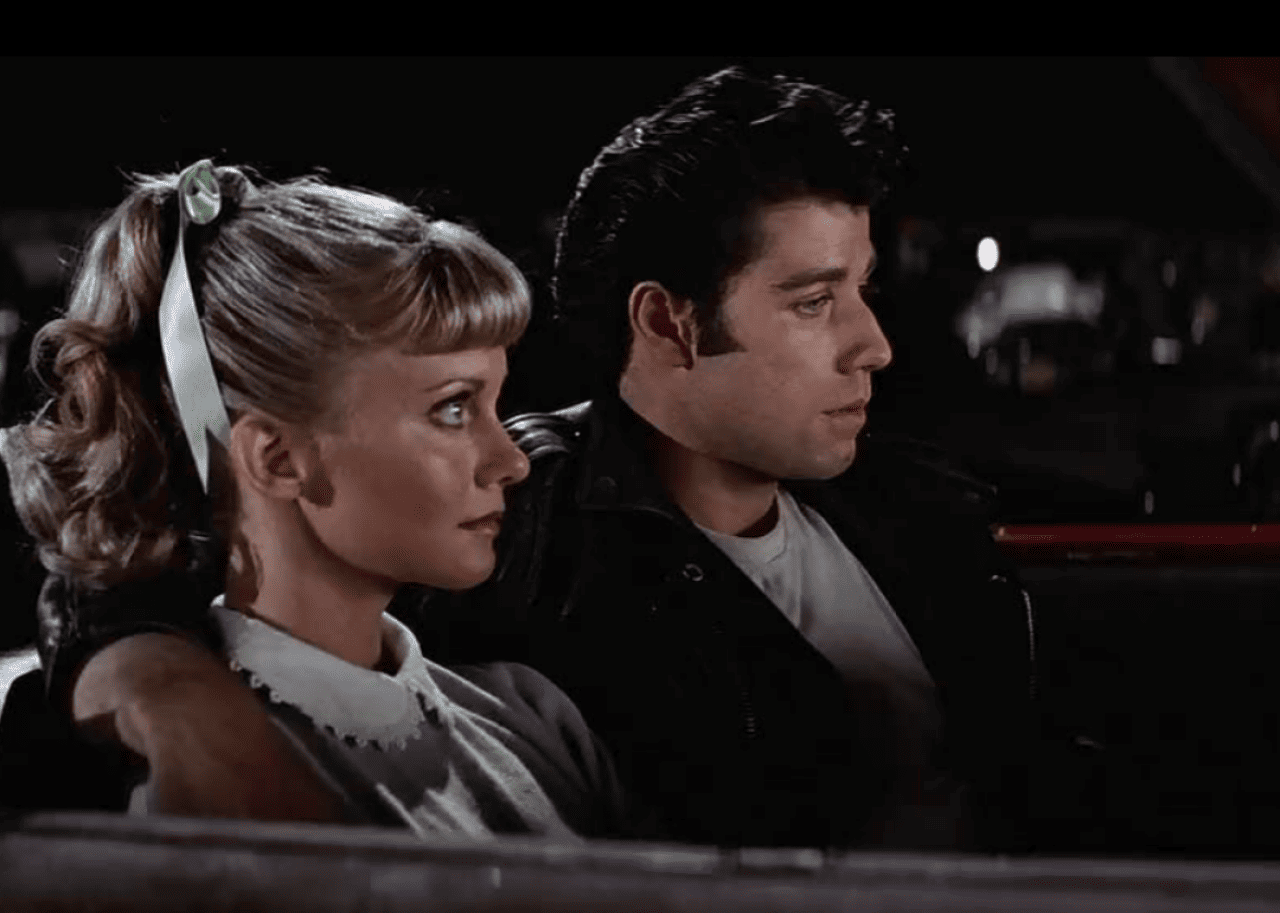
1978: Grease
– Inflation-adjusted domestic gross: $740,263,410 – Unadjusted domestic gross: $159,978,870 – Box office share in calendar year: data not available
Good girl Sandy Olsson has a romantic summer fling with greaser Danny Zuko after she transfers to America from Australia. And while opposites attract, the two high school kids’ dueling cliques would rather see the lovers torn apart. The popular musical starring Olivia Newton-John and John Travolta spawned a sequel as well as a prequel series currently airing on Paramount+.
Something horrible happened in the Amityville house, and now it’s coming for father George Lutz and his entire family. It turns out the home was the site of a brutal massacre as well as once the home of a Satanist. The film’s score composed by Lalo Schifrin was nominated for both a Golden Globe and an Academy Award.
Lucasfilm
1980: Star Wars: Episode V – The Empire Strikes Back
In this thrilling sequel to “A New Hope,” intrepid jedi-in-training Luke Skywalker must journey to the planet Dagobah to learn the ways of the Force from Master Yoda. Meanwhile, the Force’s dark side pulls him into a climactic lightsaber battle with Darth Vader. For this second film in the original trilogy, Lucas handed the directing reins over to Irvin Kershner, who also directed the John Carpenter-penned “The Eyes of Laura Mars” and “RoboCop 2.”
While saving the world from a terrorist plot, Superman accidentally frees the Kryptonian villain General Zod and his henchmen — and they’re headed straight to earth. Superman must rise to the occasion, even after deciding to hang up his cape in favor of a normal life. “Superman II” screenwriter Mario Puzo may be better known as the author and Academy Award-winning screenwriter of “The Godfather,” “The Godfather Part II,” and the two films’ eponymous source novel.
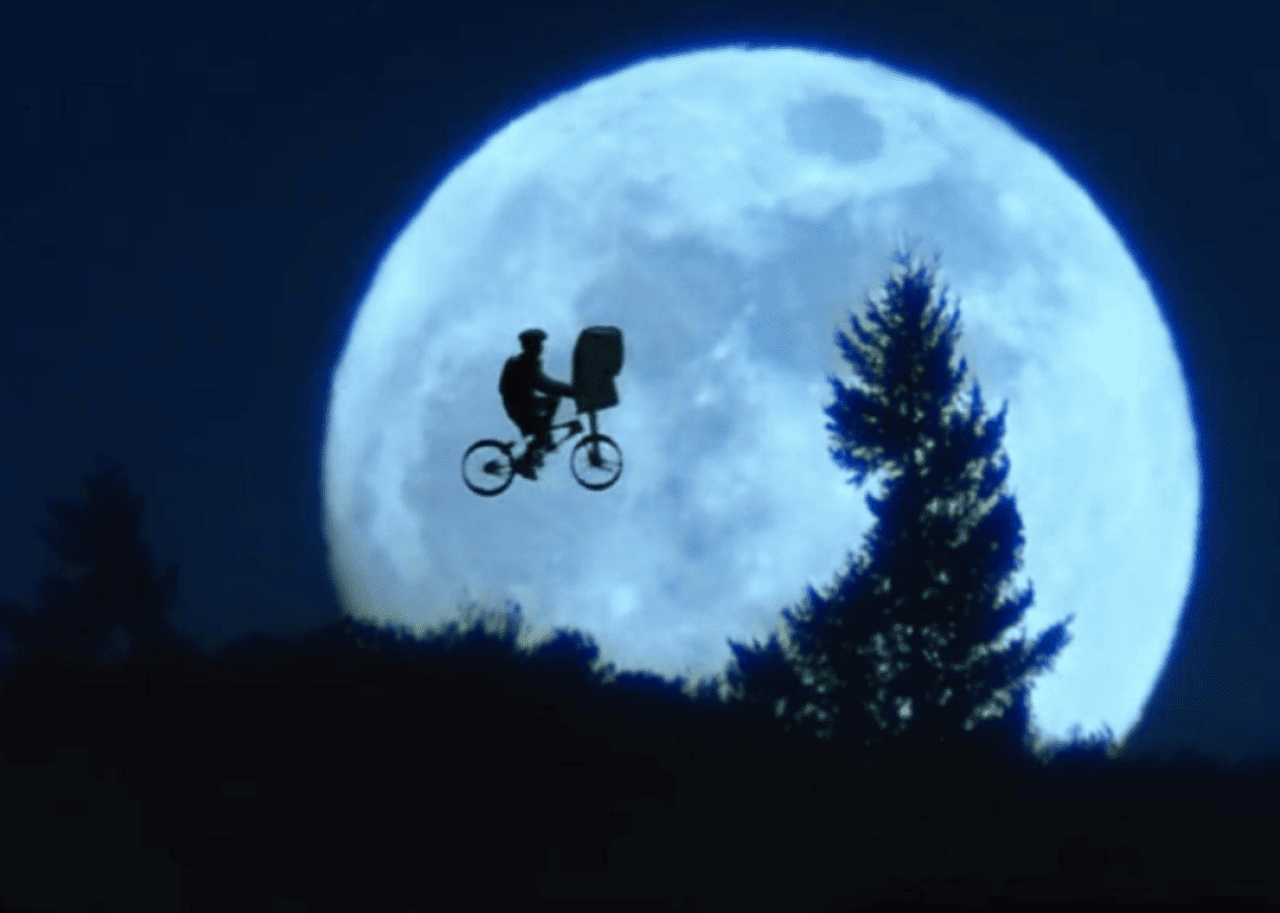
Stranded on earth, the gentle alien E.T. befriends a young boy and his siblings. But when E.T. falls ill and the government catches wind of his existence, it’s a race to get E.T. on the first spaceship back to his home planet. “E.T. the Extra-Terrestrial” was only the second feature film role for a very young Drew Barrymore.
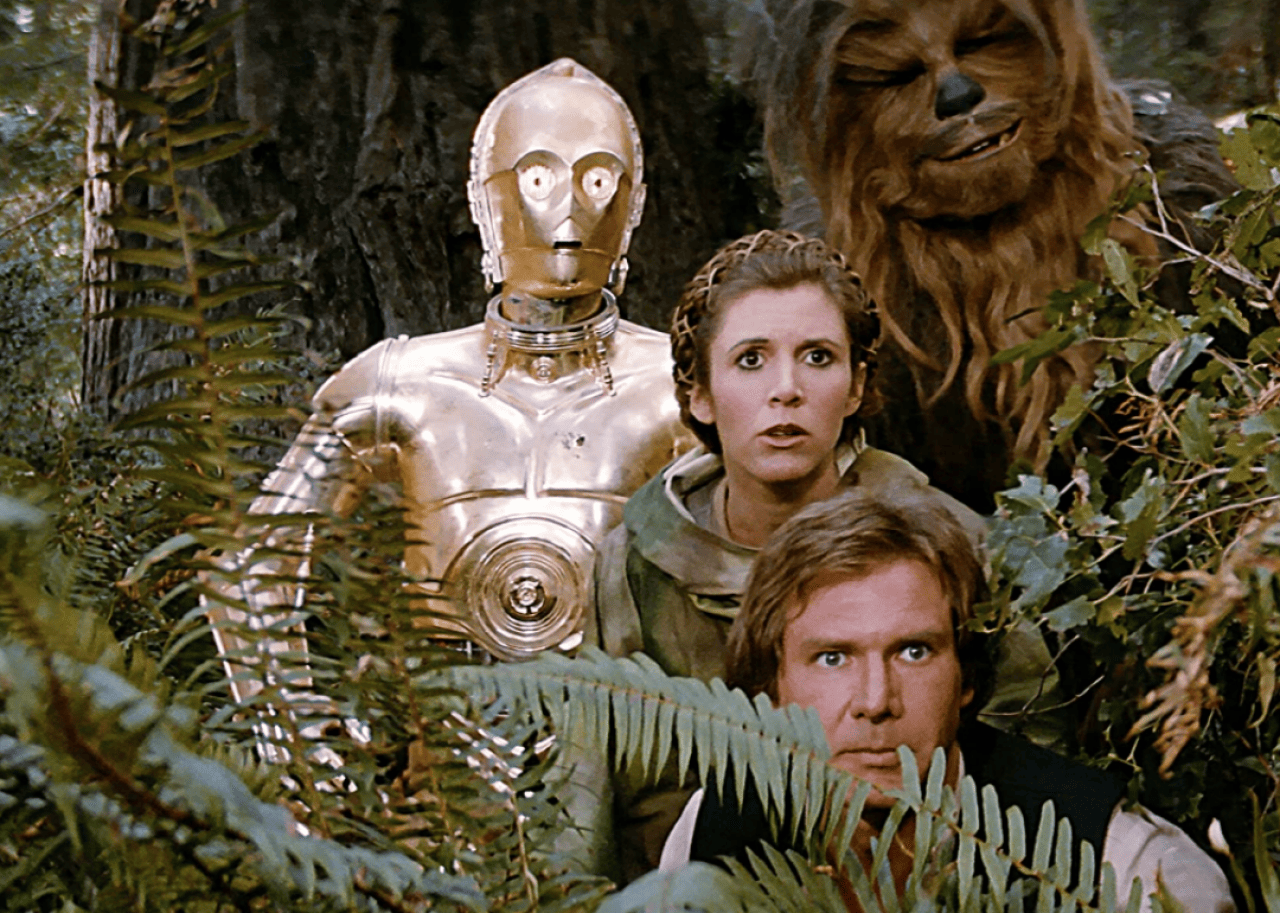
The fate of the galaxy rests in the hands of Jedi Luke Skywalker, who must fight against the cruel Jabba the Hut and his own father: the evil Darth Vader. His friends in the Rebel Alliance, including Princess Leia and Han Solo, battle against the Galactic Empire on the forest planet of Endor. While Richard Marquand directed the film, Steven Spielberg, David Cronenberg, and David Lynch were all considered.
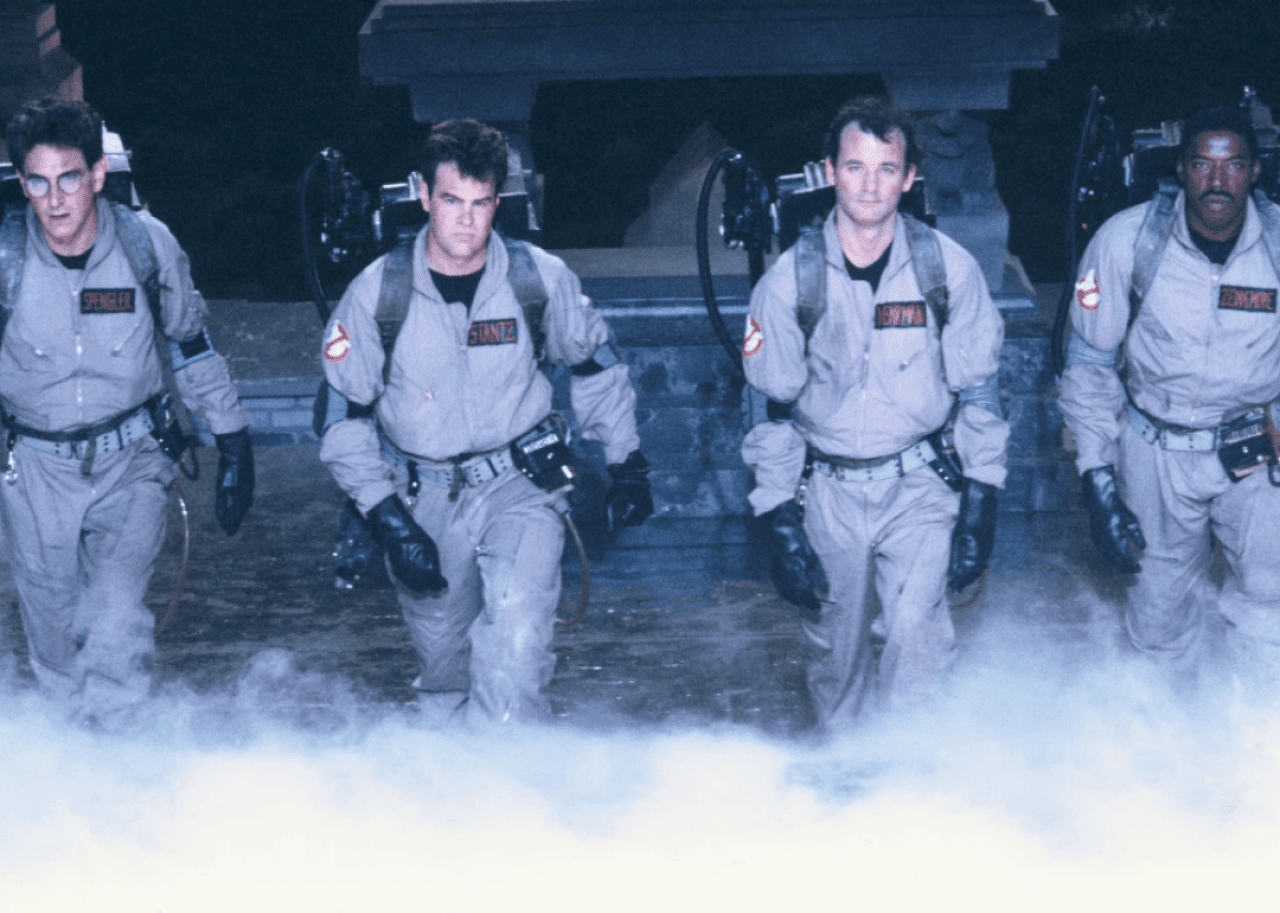
“Who you gonna call?” This is the classic film where a group of ex-university professors in New York City team up to fight a scourge more maddening than rats or cockroaches: supernatural forces. But when they accidentally come upon a portal to another dimension, the Ghostbusters are forced to save the entire city.
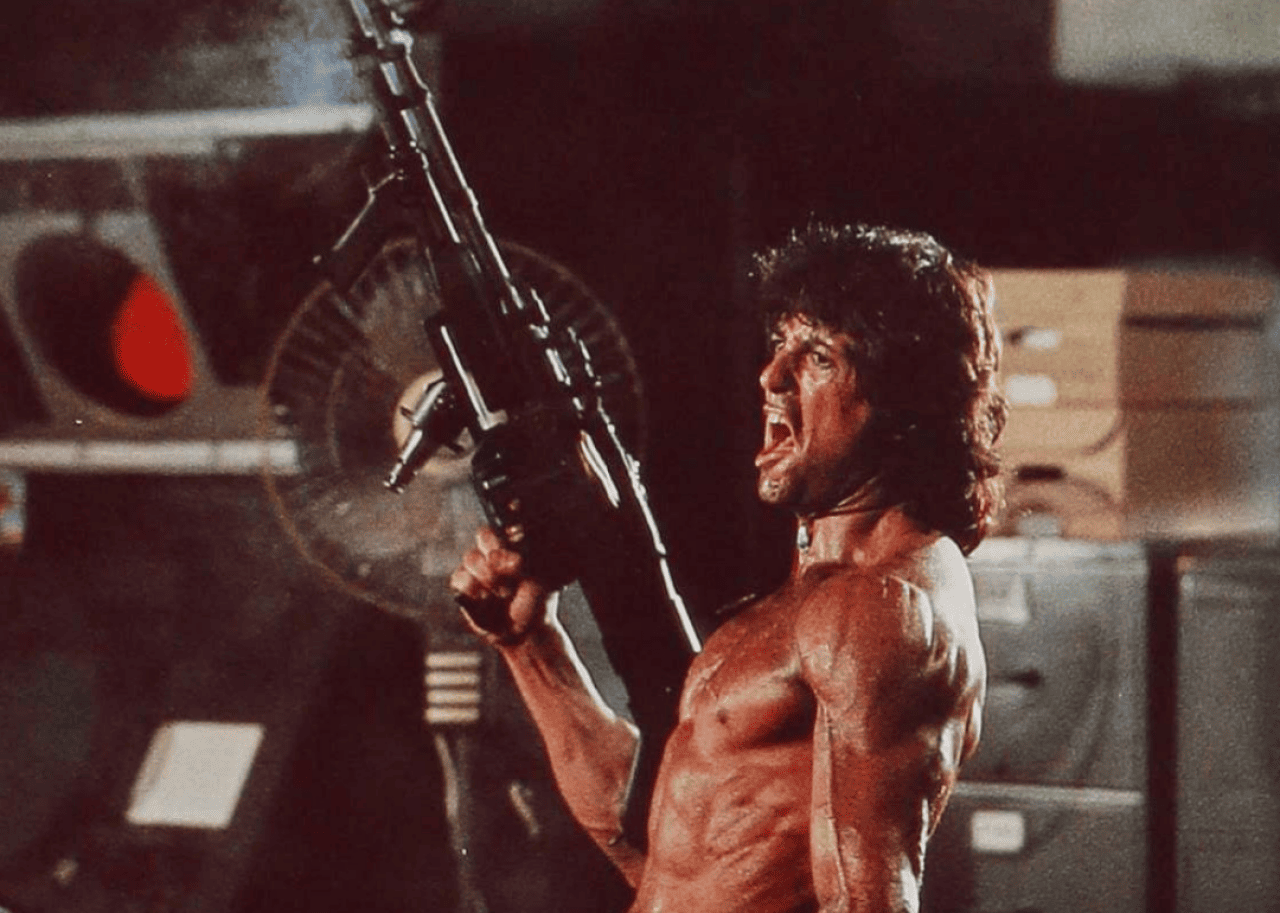
This sequel to the iconic film sees John Rambo in jail when he’s offered a way out by his former boss. If he travels to Vietnam and finds American POWs, his criminal record will be cleared, but everything changes when the woman he loves is killed by American forces. The director George P. Cosmatos also directed the acclaimed Western “Tombstone.”
Hotshot pilot Pete “Maverick” Mitchell is sent to the Fighter Weapons School, where his cocky attitude and recklessness create problems with the other students. As Maverick competes to be the best fighter pilot in his class, he also fights for the love of his instructor, Charlotte Blackwood. The film’s appeal is so long-lived that 2022’s sequel, “Top Gun: Maverick,” ended up outperforming the original film at the box office.
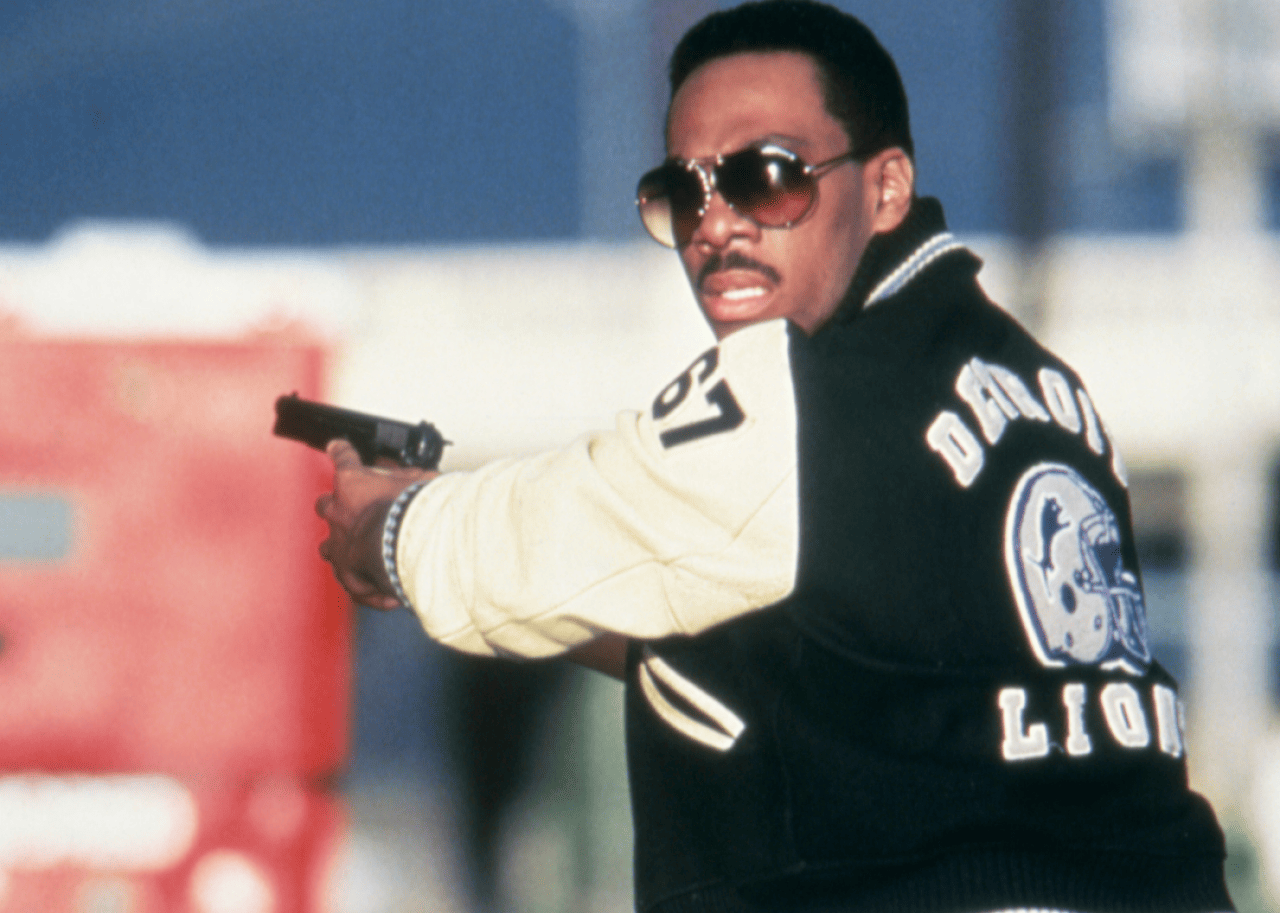
Everyone’s favorite Detroit cop, Axel Foley, returns to L.A. in this hilarious sequel with a brand-new case to crack. Foley is tasked with pinning down a series of robberies dubbed the “alphabet crimes,” which leads him to an illegal weapons dealer. “Beverly Hills Cop II” received both Golden Globe and Academy Award nominations for the song “Shakedown.”
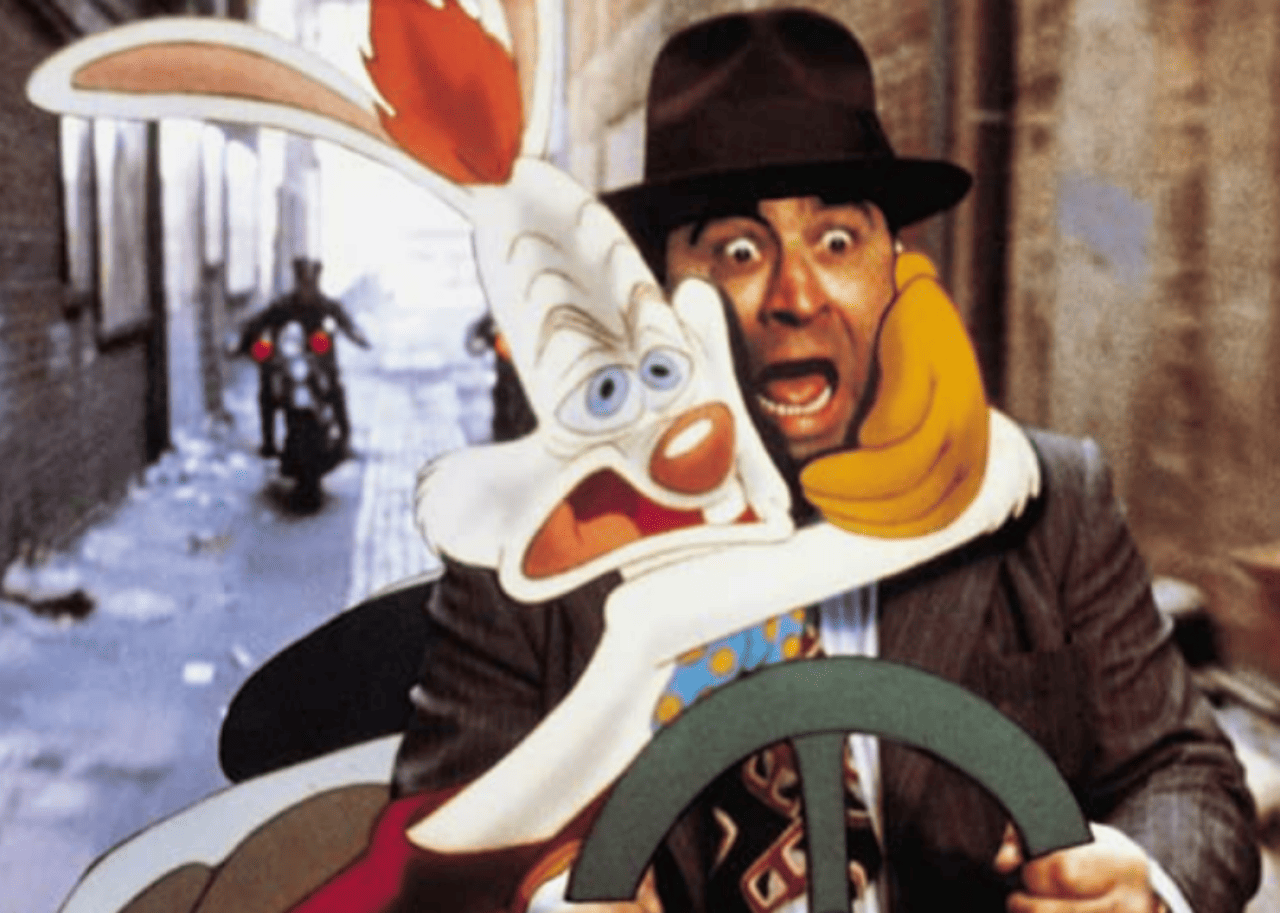
When private eye Eddie Valiant is hired to scope out a potential cheating scandal, Valiant finds the alleged other man dead, and the finger is being pointed at the husband: star toon Roger Rabbit. Valiant is then tasked with bridging the worlds of toons and humans to find the man’s real killer and clear Roger’s name. “Who Framed Roger Rabbit” received four Academy Awards: Best Sound Effects Editing, Best Film Editing, Best Visual Effects, and a Special Achievement Award.
Tim Burton’s classic take on the Caped Crusader sees the city of Gotham besieged by a grinning madman known only as “The Joker,” who takes full control of Gotham’s criminal underworld. In this new evil, Batman finds his greatest opponent and must save the city while concealing his true identity and protecting the woman he loves. Before Michael Keaton was eventually cast as Batman, a number of actors were considered for the role, including Mel Gibson, Kevin Costner, Dennis Quaid, Tom Selleck, Charlie Sheen, and Harrison Ford.
When a banker is unknowingly double-crossed by his corrupt friend and murdered over a dubious business deal, he becomes a spirit in between planes of existence. But while he’s dead, he discovers what happened to him, and he seeks help from a psychic to get justice and protect his lover. “Ghost” was directed by Jerry Zucker of the Zucker Brothers comedy directing duo, who along with Jim Abrahams was responsible for such classics as “Airplane!” and “Top Secret!”
Eleven years after the events of the first “Terminator” film, young John Connor becomes the target of a killer T-1000 robot that’s been sent from the future. But another robot from the future, a T-800, has been sent to protect him, and Connor, alongside the robot and his mother, must go on the run in order to save humanity from a robot uprising. “Terminator 2: Judgement Day” earned four wins at the 64th Academy Awards: Best Visual Effects, Best Sound Effects Editing, Best Sound, and Best Makeup.
In this sequel to Tim Burton’s classic take on Batman, the Dark Knight returns as Gotham finds itself overtaken by a mutant, sewer-dwelling man known as “The Penguin” and his goons. The Penguin has teamed up with corrupt businessman Max Shreck to get rid of the Bat once and for all, accompanied by Shreck’s former assistant-turned-Catwoman, Selina Kyle. After the box office failure of “Batman Returns,” Burton was replaced with Joel Schumacher, but Schumacher’s two “Batman” films fared far worse.
Billionaire John Hammond has cracked the code for bringing dinosaurs back to life and decides to create a new kind of zoo to show them off to paying customers. Disaster, of course, ensues. A paleontologist, a paleobotanist, and a mathematician must keep people safe in the facility after an accident forces Hammond to learn just what happens when you play God. “Jurassic Park” employed groundbreaking fusions of CGI and animatronics to literally bring prehistoric creatures to life.
Young lion cub Simba is next in line for his father’s throne, but King Mufasa’s malicious brother, Scar, has other plans. After luring both Mufasa and Simba to a stampede of wildebeests, only Simba makes it out alive, and he eventually must journey home to take back his kingdom. Timon and Pumbaa voice actors Nathan Lane and Ernie Sabella were starring together in “Guys and Dolls” on Broadway and initially wanted to play hyenas together, but they had such good comedic chemistry it was decided they were better as the meerkat and warthog team.
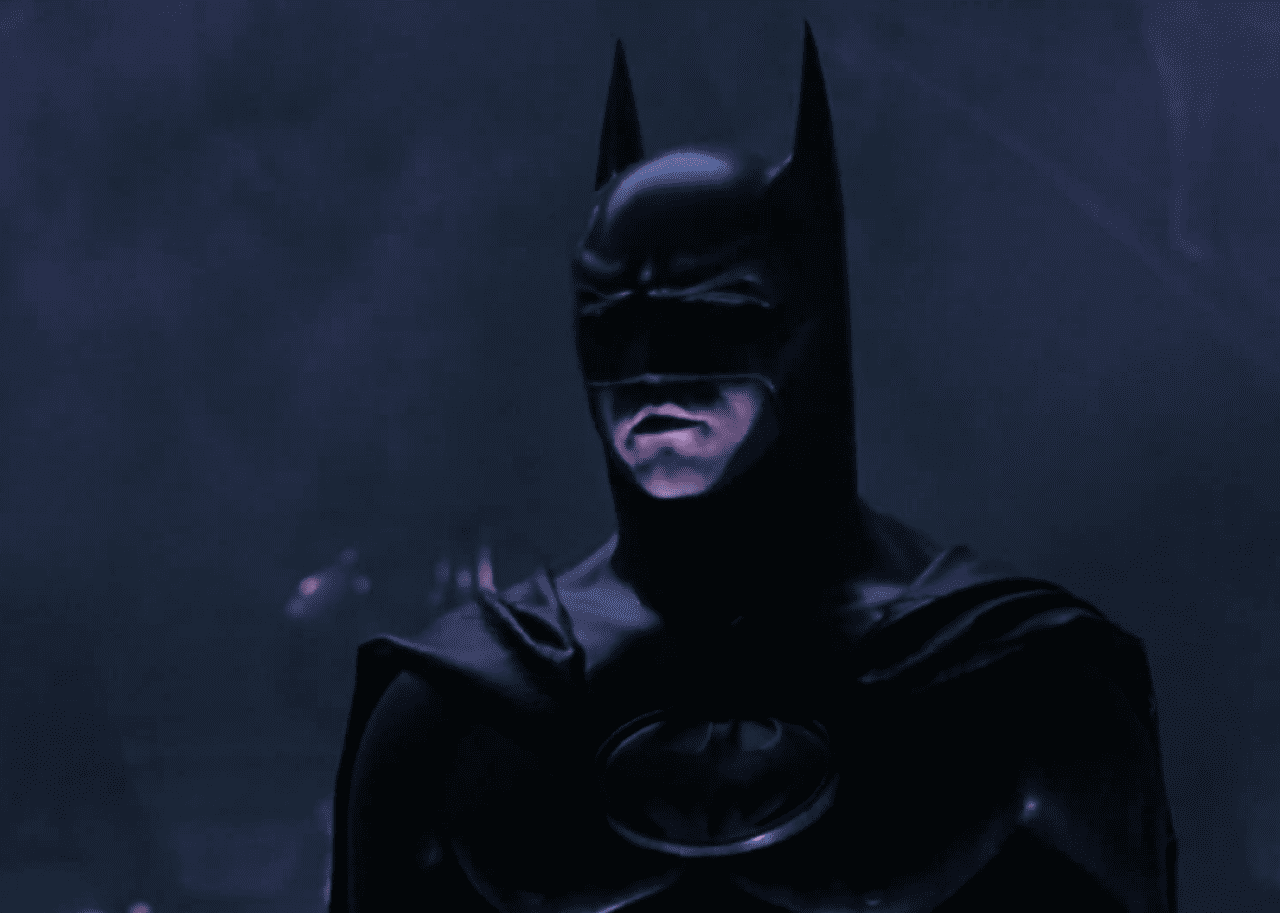
With Val Kilmer taking over from Michael Keaton, Batman returns for this third sequel to take on two new villains: The Riddler and Two-Face, whom he must defeat with the help of his trusty new sidekick, Robin. In addition to Kilmer, “Batman Forever” boasts a star-studded cast, including Jim Carrey, Tommy Lee Jones, Nicole Kidman, and Drew Barrymore.
A group of disparate people seemingly connected by fate are what stands between the Earth and total annihilation by an alien insurgence. With millions already killed and the rest of the world at stake, a counterattack is planned for the Fourth of July. In 2016, a sequel to “Independence Day” was released, titled “Independence Day: Resurgence,” and director Roland Emmerich would like to continue the series as a franchise.
The 10 Best Things to Watch on Netflix This Weekend
By
Colby Droscher
4 min read • Published March 20, 2026
By
Colby Droscher
4 min read • Published March 20, 2026
Netflix
March arrived quietly and then detonated. Over the past two weeks, Netflix dropped a long-awaited Peaky Blinders film, a second season of the best live-action anime adaptation in years, a Rachel Weisz limited series, and a Bob Odenkirk action sequel — plus a Duffer Brothers horror show landing Thursday. If your watchlist hasn’t been touched since January, this is the weekend to fix that.
Here are ten things on Netflix right now worth your time.
Peaky Blinders: The Immortal Man
Netflix
Film | Dropped March 20
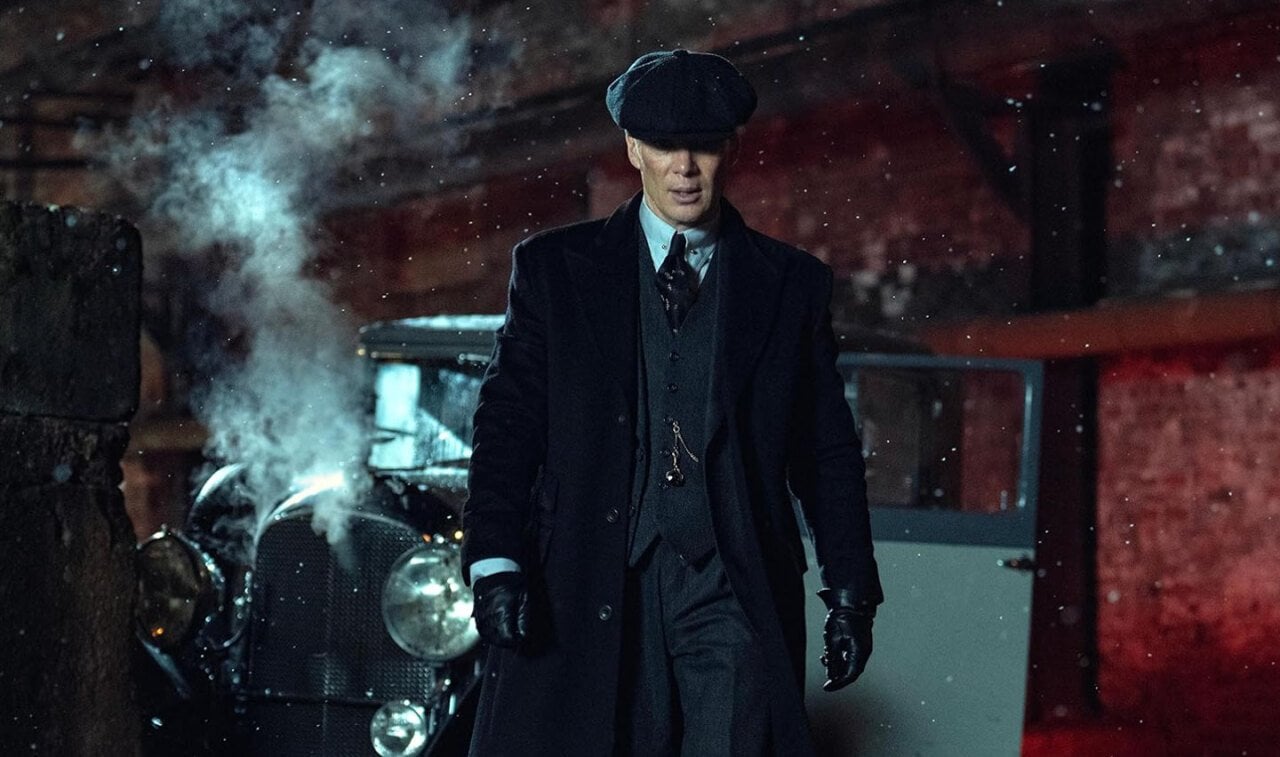
Four years after the series finale, Tommy Shelby is back. It’s WWII now, which means the stakes got considerably higher than Birmingham gang turf wars. Cillian Murphy, fresh off his Oscar for Oppenheimer, returns to the role that made him a household name. Creator Steven Knight wrote the film specifically as a cinematic continuation, not a cash-grab epilogue. On Rotten Tomatoes, the film has a 92% rating based on 71 reviews (at the time of writing). It dropped today, which means you can watch it before anyone spoils it.
ONE PIECE Season 2
Netflix
Series | Dropped March 10
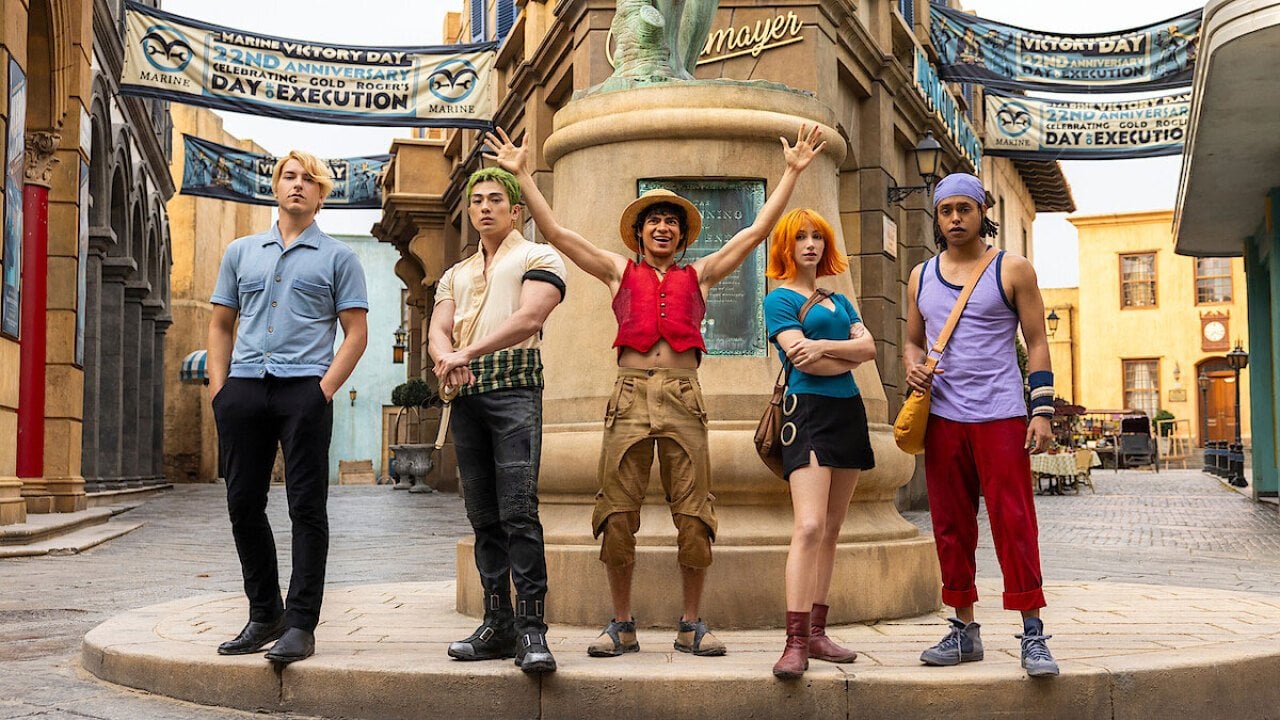
In its first four days, the show pulled 16.8 million views, reaching number one in 43 countries. Critics handed it a 100% on Rotten Tomatoes, a major jump from Season 1’s 84%, and on Metacritic it sits at 80/100, on par with prestige titles like The White Lotus. Season 2 picks up with Luffy and the Straw Hats heading into more dangerous waters, and critics are calling it bigger and better than the first. If you haven’t started Season 1 yet, that’s good news: you have a whole weekend’s worth of TV ahead of you.
Vladimir
Netflix
Limited Series | Dropped March 5
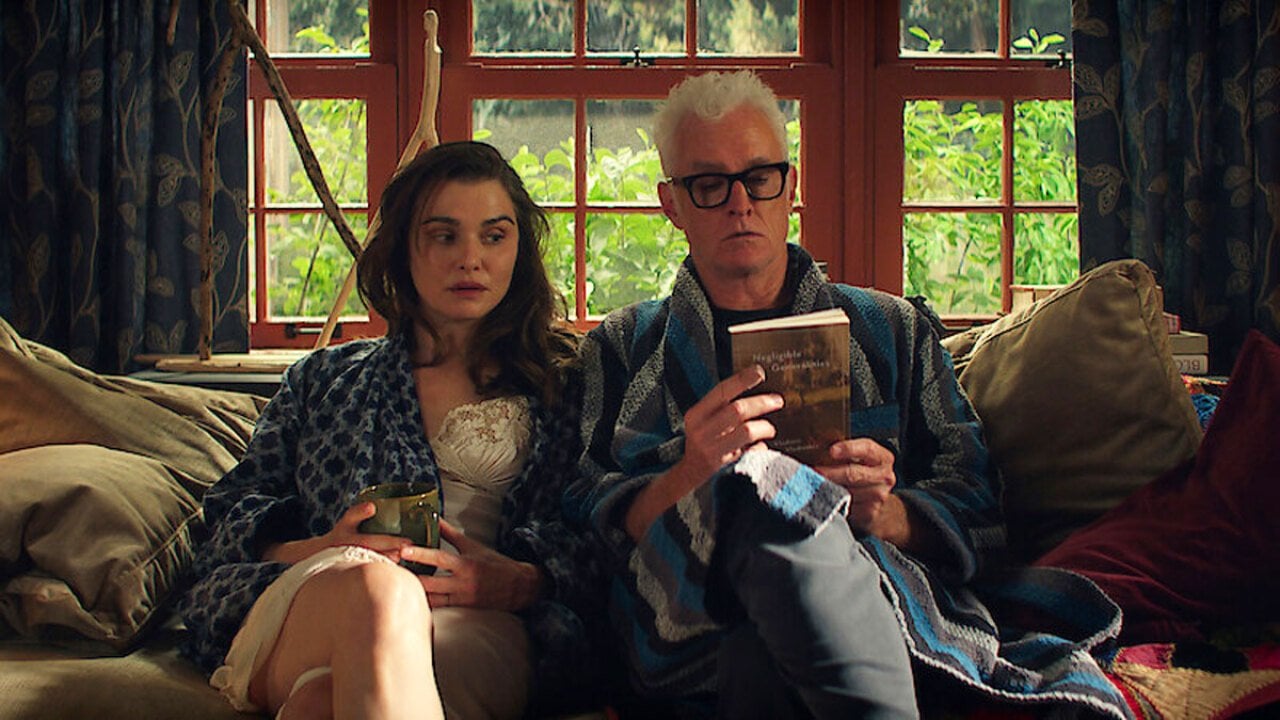
Rachel Weisz plays a college professor who becomes dangerously fixated on a younger colleague, and the whole thing unravels from there. Based on Julia May Jonas’s acclaimed novel, it’s sharp, uncomfortable, and intentionally provocative. The kind of limited series that exists specifically to make you argue about it afterward. Weisz is essentially a one-woman reason to watch anything she touches.
Nobody 2
Netflix
Film | New to Netflix
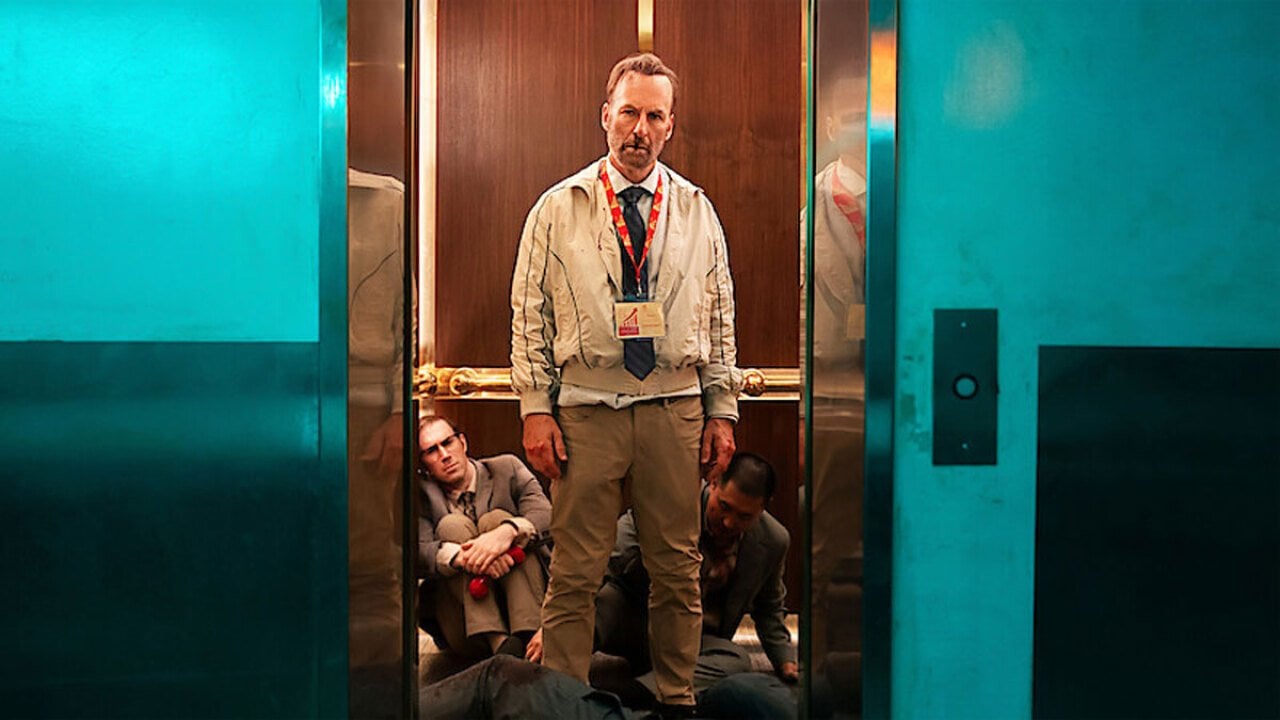
Bob Odenkirk as an ex-assassin is still one of the more delightful premises in recent action cinema, and the sequel delivers more of it. It holds a 76% on Rotten Tomatoes from critics and an 88% audience score. It’s not trying to be anything other than what it is, which is exactly why it works.
Anatomy of a Fall
Netflix
Film | New to Netflix
If you skipped this during its Oscar run, you made a mistake, and now you can correct it. On Rotten Tomatoes, 96% of critics’ reviews are positive, with an average rating of 8.5/10, and the consensus calls it “a smart, solidly crafted procedural anchored in family drama, with star Sandra Hüller and director Justine Triet operating at peak power.” One of the best films of the decade so far, now finally streamable.
Jo Nesbø’s Detective Hole
Netflix
Series | New Episodes Weekly
For the Scandi-crime crowd, this is the adaptation they’ve been waiting for. Harry Hole is one of crime fiction’s great antiheroes, a brilliant, tormented homicide detective going head-to-head with a corrupt colleague while hunting a serial killer. If The Snowman left a bad taste (it did, for everyone), this is the version of Jo Nesbø done right.
War Machine
Netflix
Film | Dropped March 6
Alan Ritchson fights a giant robot. That’s the pitch. It’s currently sitting at 70% on Rotten Tomatoes, with critics agreeing it’s a fun popcorn movie that delivers exactly what it promises. Sometimes that’s exactly what a Saturday afternoon calls for.
Virgin River Season 7
Netflix
Series | Dropped March 12
It’s Netflix’s longest-running original series now, which is a fact that should tell you something. Season 7 debuted at No. 2 on the US chart and No. 3 globally, with Mel and Jack navigating newlywed life while the mystery of Charmaine’s disappearance pulls the town back into chaos. Not every weekend needs prestige cinema. Sometimes it needs 10 episodes of small-town drama in a place that looks like it was designed by someone who really loves rain and flannel. This is that show.
The Dinosaurs
Netflix
Limited Documentary Series | Dropped March 6
Executive produced by Steven Spielberg, made by the Our Planet team, covering 150 million years of prehistoric life. It functions as ambient television that occasionally stops you mid-scroll to actually watch. Good for Sunday morning. Good for any morning, honestly.
The Plastic Detox
Netflix
Documentary | Dropped March 16
This documentary follows six couples who embark on a plastic detox within their homes, examining what microplastics are doing to our health, from hormone disruption fueling a worldwide fertility crisis to increasing rates of cancer, early heart attack, and stroke. Directed by Louie Psihoyos, the Oscar-winning filmmaker behind The Cove. You will look at a water bottle differently by the time it’s over. Whether that’s a good reason to watch or a reason to avoid it entirely is between you and your anxiety.