Mediabistro Logo Mediabistro Logo
  • Jobs
    Search Creative Jobs Hot Jobs Remote Media Jobs Create Job Alerts
    Job Categories
    Creative & Design Marketing & Communications Operations & Strategy Production Sales & Business Development Writing & Editing
    Quick Links
    Search All Jobs Remote Jobs Create Job Alerts
  • Career Resources
    Career Advice & Articles Media Industry News Media Career Interviews Creative Tools Resume Writing Services Interview Coaching Job Market Insights Member Profiles
  • Mediabistro Membership
    Membership Overview How to Pitch (Premium Tool) Editorial Calendars (Premium Access) Courses & Training Programs Membership FAQ
  • Showcase
    Featured Creative Stories Submit your Story
  • Log In
Post Jobs
Mediabistro Logo Mediabistro Logo
Search Creative Jobs Hot Jobs Remote Media Jobs Create Job Alerts
Job Categories
Creative & Design Marketing & Communications Operations & Strategy Production Sales & Business Development Writing & Editing
Quick Links
Search All Jobs Remote Jobs Create Job Alerts
Career Advice & Articles Media Industry News Media Career Interviews Creative Tools Resume Writing Services Interview Coaching Job Market Insights Member Profiles
Membership Overview How to Pitch (Premium Tool) Editorial Calendars (Premium Access) Courses & Training Programs Membership FAQ
Featured Creative Stories Submit your Story
Log In
Post Jobs
Log In | Sign Up

Follow Us!

Career Transition

7 Secrets to Launching Your Freelance Career While Still Employed

If you're thinking about making the leap into freelancing while keeping your current job, follow these tips for success

Designer at work thinking about freelancing
Leah icon
By Aja Frost
Aja Frost is a growth marketing leader who has spent nearly a decade at HubSpot building and scaling the company's growth engine across SEO, AEO, content, and product-led acquisition. She is also the co-founder of Platonic Love, a media brand with a bestselling Substack newsletter.
5 min read • Originally published December 26, 2016 / Updated March 19, 2026
Leah icon
By Aja Frost
Aja Frost is a growth marketing leader who has spent nearly a decade at HubSpot building and scaling the company's growth engine across SEO, AEO, content, and product-led acquisition. She is also the co-founder of Platonic Love, a media brand with a bestselling Substack newsletter.
5 min read • Originally published December 26, 2016 / Updated March 19, 2026

Getting your freelancing career off the ground while you’re still at a traditional job is a smart strategy. Most people take a sharp hit in income when they first begin working for themselves—however, waiting to leave your current position until you’ve gotten your solo career semi-established will help you avoid this pay cut.

In addition, you can figure out the ins and outs of freelancing while you still have a safety net. Mistakes become a lot more serious when you’ve only got one source of income (and it’s irregular, to boot).

But as wise as this approach may be, beginning freelancers often struggle to get started. If you don’t know what to do, use this roadmap.

1. Review Your Job Contract

If you’re in a writing-related role, it’s possible your employer has prohibited you from creating similar content. You don’t want to violate a non-compete clause — even if your employer doesn’t fire you or take legal action, your professional reputation will undoubtedly suffer.

Cover your bases by double-checking your contract and reviewing all the fine print.

2. Talk to Your Manager

Although telling your boss about your freelancing aspirations isn’t necessary, there are several possible outcomes. First, she will be able to tell you definitively whether your work is above board. There may be certain caveats; for example, if your day job involves writing about the medical device industry, your supervisor might say you can freelance about any topic but this industry.

Second, you’re far better off letting your manager know you’re freelancing than having her stumble across your work online.

When you give her the heads up, make sure you communicate this role is still your priority. You might be planning on leaving eventually (or soon!), but that’s a conversation for a different time. Plus, plans change. It could be dangerous for your boss to doubt your commitment if you decide to stay longer than you’d anticipated.

3. Make a Schedule

At the end of a full day at the office, the idea of sitting down to work more may sound completely unappealing. But you can’t launch a freelance career without regularly producing. Setting a schedule is essential.

When you begin, start with a fairly undemanding quota — maybe 25 to 30 minutes per weekday and two hours over the weekend. As time goes on, consider ramping up to 45 minutes to an hour on weekdays and four hours on Saturday and Sunday.

4. Set Aside a Dedicated Time to Pitch

Many freelancers are surprised to discover pitching is just as—if not more—important as doing to getting your freelance career off the ground. However, while working regularly will help you hone your skills, you won’t be able to score any bylines or clients without pitching.

After you’ve become established, you’ll receive queries from repeat customers, referrals and clients who have seen your work elsewhere. For now, you’ll need to proactively reach out to clients. Dedicate at least four hours per week to finding, researching and sending pitches to your targets.

5. Look for Freelance Gigs

Along with proactively pitching publications, you should also browse job boards like Mediabistro to find freelance gigs. Searching “freelance writer” “contract writer,” “writer for hire,” “freelance blogger,” “short-term writer,” “remote blogger,” and other variations on those terms will help you hone in on the relevant jobs. Just sub in “designer”,”producer”,”photographer”,etc.—whatever your speciality is—to find the opportunities that are right for you.

You should consider a couple of things when deciding which gigs to apply for.

First, does it require deep subject matter expertise or extensive experience? It’s pretty unlikely someone looking for an expert will hire a new writer.

Second, will you get a byline or credit? There’s nothing wrong with ghostwriting, but those new to freelancing should prioritize credited pieces. When you pitch new editors or clients, apply to other gigs, or add clips to your portfolio, you need content with your name on it.

Third, how much time will the gig take? It’s easy to get excited and overcommit yourself. Because you’re still working a full-time job, smaller freelancing projects are optimal. If you tackle something you don’t end up finishing on time, you’ll damage your reputation in the freelancing community.

6. Tell Your Network

Your friends, family and professional contacts can be a fantastic source of clients as well. Use social media to distribute the news that you’re freelancing at scale. For instance, you could write a LinkedIn status along the lines of:

“Excited to say I’m now freelancing on the side. If you’re interested in X types of projects (or know someone who is), please email me at yourname@gmail.com.”

Meanwhile, you might post on Twitter:

“Now accepting clients for X types of projects, please email me at yourname@gmail.com if interested.”

Facebook and Instagram are good sites to update as well if you’re hoping to score referrals or jobs from your personal network.

7. Create a Portfolio

The majority of editors and clients will want to see samples of your work, if not your entire portfolio. Rather than waiting until you’ve got a sizable body of published pieces, shortcut the process by creating a portfolio site and uploading samples for hypothetical publications or brands.

For instance, if you’re hoping to cover music, you could write a long-form piece on a local band for an imaginary magazine. Or if you want to go into recipe writing, you might develop four or five recipes for a cooking publication.

There are several easy-to-use website creators. We recommend Squarespace, Wix and Journo Portfolio.

If you’re serious about going down this path, sign up for our course on Developing a Successful Freelance Career, to learn everything you need to know about navigating contracts, pitching clients and marketing yourself.


Topics:

Be Inspired, Career Transition
Job Search

The Best Career Advice We Published in 2016

From practical job search advice to the skills you need to get ahead, here's what you all read and shared the most last year

Crowd going wild
Leah icon
By Mediabistro
The Mediabistro editorial team draws on 25 years of media industry expertise to cover jobs, careers, and trends shaping the industry.
2 min read • Originally published January 4, 2017 / Updated March 19, 2026
Leah icon
By Mediabistro
The Mediabistro editorial team draws on 25 years of media industry expertise to cover jobs, careers, and trends shaping the industry.
2 min read • Originally published January 4, 2017 / Updated March 19, 2026

It’s been nearly a whole year since we relaunched the Mediabistro website with a stronger focus on helping you land your next gig and find success in your career.  From answering every job seeker’s most pressing questions to sharing advice and stories from pros in the trenches, here’s what industry pros like you read and shared the most in 2016.

  1. No One Is Responding to My Job Applications. What Should I Do?
    We’ve all been there. Based on the comments and questions from some of you, it’s not surprising this one topped our list.
  2. Keep These Words off Your Resume
    It seems like those cliche terms make your resume sound like it should, but they really don’t.
  3. 10 Instagram Profiles Every Media Professional Should Follow
    These accounts will help you be better at your job and enjoy your day a bit more.
  4. Nailed the Interview but Didn’t Get the Job? Here’s Why
    If only being great at interviews were all it took to land the job.
  5. Nail These 4 Interview Questions to Land the Job
    These expected interview questions need to have unexpected answers.
  6. How to Find a Job in a New Field When You Have No Experience
    The career transition can be a hard nut to crack, but it’s 100% doable.
  7. 10 Digital Skills Every Media Pro Needs to Master
    Forget about what your “role” is. You need all of these skills. Period.
  8. 8 Key Steps After the Interview to Land the Job
    There’s the interview prep, the interview itself and then there’s everything after.
  9. Social Media Skills You Need to Hone Now
    These are the social media skills that matter (right now).
  10. Breaking into Medical Writing and Editing
    A steady AND lucrative writing/editing career? Makes sense this one made the cut.

Topics:

Get Hired, Job Search
Business Basics

The Freelancer’s Essential Guide to Managing Money

Our best info on setting your rate, getting paid and keeping your books in order

Freelancer organizing her books
Leah icon
By John Lombard
John Lombard is a content strategist and writer with over a decade of experience creating interactive and video content for brands like Apple, IBM, and Samsung. He previously worked at Mediabistro and now serves as a Client Strategist at Ceros.
3 min read • Originally published January 4, 2017 / Updated March 19, 2026
Leah icon
By John Lombard
John Lombard is a content strategist and writer with over a decade of experience creating interactive and video content for brands like Apple, IBM, and Samsung. He previously worked at Mediabistro and now serves as a Client Strategist at Ceros.
3 min read • Originally published January 4, 2017 / Updated March 19, 2026

If you’re a freelancer, chances are a good portion of your time is spent on monetary tasks, like checking up on invoices and determining your rate for different clients and projects. Yup, without an accounting department, you’re running the show. And if you’re just breaking into freelancing, this might seem a little overwhelming at first. So to help, here is our best advice to you on all things money.

1. Prepare for the Initial Lull

If you’re making the move from full-timer to freelancer, it’s going to take a bit of time until you start to see a steady flow of income. In our article Biggest Mistakes of Now-Successful Freelancers, Brooklyn–based writer Noah Davis says he had imagined a four to six month ramp-up period would be enough time to have the checks rolling in. Turns out, it took him closer to eight months. The lesson here? Save big before you make the dive into freelancing, or make it your side hustle until you’re more established.

2. Get Organized

It can be easy to forget about a past-due invoice if you don’t have a system in place. While there are many programs and sites out there to help organize and track your invoices and payments, a good old-fashioned spreadsheet might be your best bet. Essayist and blogger Jodi Doff says in our article, The Beginner’s Guide to Freelancing, she uses a Google Drive Sheet to keep track of all her payments.

3. Hire a Subcontractor

When you’re scaling up business, sometimes it can help to hire a subcontractor to handle certain tasks, as this can open you up to take on a larger client load. In our article, Why Hiring a Subcontractor Could Make Your Freelance Biz More Profitable, the author says a contractor can be used for many tasks including transcriptions, proofreading, administration tasks and even writing.

4. Plan for Tax Season

If you’re new to freelancing, you’ll quickly learn that taxes work differently when you’re working for yourself. One of the biggest tips—as explained in Tax Tips for Freelance Writers—is to save money for taxes, as you’ll likely owe this year. And if you’ll be making over a grand in earnings, then you’ll also want to consider quarterly estimated taxes to avoid a penalty—also explained in the article.

5. Make Sure You Get Paid

It’s happened to the best of us, we turn in stellar work only to wait months for a paycheck. While there will always be a difficult client—or difficult accounting teams—that can slow down or halt the process of you getting paid, there are steps you can take to avoid these situations from the beginning. The number one piece of advice from our article How Freelancers Can Avoid Not Getting Paid, is get everything in writing before you start.

Topics:

Business Basics, Go Freelance
Productivity

The Ultimate Guide to Avoiding Distractions and Staying Focused at Work

Five tips to help you overcome distraction and be more productive

Woman at desk distracted while working
Leah icon
By Andrea Williams
@AndreaWillWrite
Andrea Williams is an author, journalist, and columnist for The Tennessean with over 16 years of experience in journalism and 20 years in copywriting and communications strategy. Her work spans national outlets and high-traffic digital brands.
5 min read • Originally published January 9, 2017 / Updated March 19, 2026
Leah icon
By Andrea Williams
@AndreaWillWrite
Andrea Williams is an author, journalist, and columnist for The Tennessean with over 16 years of experience in journalism and 20 years in copywriting and communications strategy. Her work spans national outlets and high-traffic digital brands.
5 min read • Originally published January 9, 2017 / Updated March 19, 2026

Steven Pressfield wrote an entire book documenting the difficulties for writers to simply plant their butts in chairs and get stuff done. He called it The War of Art, and as many scribes would agree, the effort to move from blank page to completed document is, indeed, a battle.

Often, distractions are to blame: You get a can’t-miss phone call; the fire alarm goes off at work; the menu from the new smoothie bar across the street has you drooling all over your keyboard. Whatever the case, these distractions have the potential to derail even the best-laid writing plans, and for those of us whose jobs depend on efficient wordsmithing, that’s officially no bueno.

Read on for five tips to help you win the battle against Resistance and keep the cursor moving.

Clear Your Workspace

There’s a reason why Marie Kondo’s theory on tidiness has taken the entire world by storm, and it’s about much more than having a sink that’s free of dirty dishes and laundry that’s washed and folded.

According to Kondo, clutter doesn’t just affect your living space—it affects your mind. So if you’re on deadline and desperately trying to knock out 1,000 words by lunchtime, understand that your first step actually has nothing to do with writing.

“When I am on deadline to finish a project, I have only that project in front of me,” says author, journalist and playwright Walter Meyer. “I move all notes—even my digital recorder, which likely has an interview for another story on it—out of my line of sight. The only things I have in my view are things pertaining to the thing I need to finish.”

Creating a distraction-free workspace also includes clearing your mind, says blogger and author Karen Koenig. “Don’t start writing while you have other deadlines and tasks hanging over your head. For example, if you promised to call your mother, need to make a doctor’s appointment, or have to do food shopping because your cupboards are bare, take care of business first.”

Use Tech to Your Advantage

Like dieters who can’t say no to an extra helping of ice cream, it turns out that we often have a difficult time mustering up the willpower to turn away from potential distractions (I’m looking at you, internet).

The bright side? The same world wide web that constantly beckons with promises of Real Housewives gossip and acrobatic cats is also equipped to stiff-arm us against those very diversions. Thanks to apps like Cold Turkey and Freedom, you never have to feign willpower again.

Copywriter Scott Sterling, who uses the Chrome extension StayFocusd, explains his process: “I set a time limit to screw around—15 minutes per day works for me—and add sites to the list on which I know I’ll waste time. Once the 15 minutes is up, StayFocusd will completely block those sites until my time resets again for the next day.

Remember Your “Why”

Entrepreneurs practice this exercise when they’re up to their eyeballs in debt, running on three hours of sleep and wondering if their seed of a business will ever grow roots and take off. When they remember the reason why they decided to sell the farm in the first place (whether it was to send the kids to private school, become independently wealthy or stop global warming), it makes it easier to stick through the tough times—because, inevitably, the tough times do come.

Author Griselda Benavides believes this process is just as effective for distraction-prone writers, and she employed it herself as she struggled to finish the manuscript for A Plenitude of Heartbeats last summer.

“Think about why you’re doing this,” she says. “Either it’s your job and you have to finish it, or it’s a passion or dream and [you have to] keep thinking of the finish line. That was my biggest motivation when I was finishing my novel, and what kept me going was Rebecca, my main character. I kept thinking of her, [knowing that] she wants to be read, but she won’t be read until I finish.”

Change Your Thinking

Even with the right mindset, and the right apps and a crystal-clear desk, distractions will likely still arise. The key, then, is to keep those distractions from becoming all-consuming, causing you to waste hours—instead of minutes—of time.

This is possible with a simple mindset shift, because when you view distractions as evil time-sucks instead of guilty pleasures, they become much less appealing.

“It’s all about what we believe,” says Koenig. “[It’s] not that a distraction is a welcome break from writing, which is boring or difficult, but that a distraction is an unwelcome intrusion into writing that is bringing you pleasure—and maybe paying your bills.”

Give In to Distraction (A Little)

But what if reframing your perspective and fighting against your natural urges to surf the net and walk the dog aren’t actually the best strategies against distractions? What if taking a break to watch a little TV (with a bowl of ice cream) can actually improve your word count?

“Distraction is essentially an unscratched itch,” says John Nesler, lead content writer and in-house editor for Sacramento, California-based Post Modern Marketing. “Just as leaving an itch unscratched isn’t a recipe for a great time, not dealing with distraction will hurt your productivity. So, if you’re distracted, you need to give your mind a break. Take a walk. Go sit down somewhere and eat a snack. Play a game on your phone. Scratch that itch for a few minutes, and then go back to work.” The trick here is to keep your scratching brief.

Topics:

Be Inspired, Productivity
Career Transition

4 Warning Signs You Might Be Getting Laid Off

Find out what to look for, so you can take steps to secure your future

4 Warning Signs You Might Be Getting Laid Off
Amirah icon
By Dana Robinson
Dana Robinson is a freelance health, beauty, and culture writer with 20 years of experience creating content for publications including Shape, WeightWatchers, Wine Enthusiast, AARP, and Southwest: The Magazine. She holds a master's degree in mass communication from California State University-Northridge.
4 min read • Originally published January 17, 2017 / Updated March 19, 2026
Amirah icon
By Dana Robinson
Dana Robinson is a freelance health, beauty, and culture writer with 20 years of experience creating content for publications including Shape, WeightWatchers, Wine Enthusiast, AARP, and Southwest: The Magazine. She holds a master's degree in mass communication from California State University-Northridge.
4 min read • Originally published January 17, 2017 / Updated March 19, 2026

Although 2008 and the Great Recession are far behind us, the media industry is still dealing with its fair share of layoffs. Just a few months ago The Detroit News, Gannett, USA Today, and Bloomberg announced layoffs. More recently the Associated Press let 25 of it’s employees go, Medium cut its staff by a third and The Seattle Times laid off two dozen employees.

Sometimes the axe can drop quickly, but like hurricanes, layoffs don’t typically come out of nowhere. The warning signs can slowly swirl around the office for weeks, causing panic and a somber work environment, before the boom is finally lowered.

I’ve been laid off three times during my editorial career, and although the companies were different, the warning signs were all very similar. Here are a few of the top indicators that I (as well as many of my friends who’ve been let go over the years) observed:

Freelancers Aren’t Getting Paid

This symptom occurred at two publication companies (one print; one digital) where I once worked. They were both start-ups, and the angry messages from freelancer writers and web designers who had not been paid for their services began to hit my inbox and voice mail shortly just a few weeks to a few months after my start date.

I took the messages to my managers who then paid out only a handful of invoices, and I was instructed to tell the rest of the freelancers that their payments were “coming soon.” In both cases the companies became defunct within a few months and several dozen freelancers were never paid.

Susan Peppercorn, career coach with Positive Workplace Partners, believes that this is a move that companies make in order to conserve cash. But freelancers are specifically targeted because contract workers are usually not as critical to the overall operation as full-time employees, who may be responsible for multiple programs and projects.

Hand Over Your Laptop…and Passwords and Notes

If there’s nothing wrong with your company-issued laptop you might want to think long and hard about why your boss is suddenly asking you to hand it over and remove any personal photos you may have on it—oh, and don’t forget to hand over your passwords, too.

“Unless equipment or assets are being replaced, refurbished or recalled due to misuse, there is no reason to confiscate [these items] unless [your bosses] are planning to get rid of [you],” says Janine Truitt, owner of Talent Think Innovations, a business strategy consulting firm.

Vicki Salemi, career expert for Monster.com, notes that being asked to return company property should raise a red flag because it’s outside the scope of your everyday responsibilities. Plus, it indicates that the company is taking stock of what they own.

But laptops aren’t the only thing that your boss can ask you to return before sending you straight out the door. A few weeks after returning from an overseas business trip, my manager asked me to turn over all of the business cards from the contacts that I had made during my trip. She also wanted all of the notes that I had taken during a number of seminars, and she wanted everything NOW!

I was laid off about a week later and the company officially folded shortly thereafter.

You’re Not Needed in This Meeting

Overtly being omitted from meetings, internal communications and events is usually a sign that your job is in jeopardy, says Truitt. And it’s the abruptness factor that makes it such a telltale sign.

She notes that if your bosses were planning on keeping you on board they would address any problems that they were having with you rather than immediately shutting you out altogether.

Sometimes this hint of things to come can happen uncomfortably close to the dismissal date—so close that you may feel blindsided. “I was told I didn’t need to attend a business development meeting (which was out of the norm) and I got laid off the next day,” says a former marketing manager of a now defunct law firm. “The next thing I knew I was packing up my office.”

Nobody’s Buying

Mike Rivers, a former tech employee, lost his job after a product launch went south. Although the company was expecting to move millions of units, it received fewer than 50 orders after the product was offered on the Home Shopping Network. “Less than a month later, most of us were laid off…the company folded a few months later,” said Rivers.

And while no one can foresee how much product your company will sell or if advertising sales revenues will be down next quarter, what you can do is keep your eyes and ears open for any information about your employer’s business status.

“If it’s a public company, watch the news around earnings results for hints,” says Fred Goff, CEO of Jobcase. He also recommends setting up a Google alert for any information that pops up online about your company. This will help keep you from being blindsided internally by something that is common knowledge externally, he says. If things are looking bad it might be a sign that a round of layoffs is in your future.

If you’re lucky enough to see the warning signs far enough down the road, you might have just enough time to hit the job boards and make a fast exit before you’re asked to clear out your cubicle. And this is an excellent place to start.

Topics:

Be Inspired, Career Transition
Climb the Ladder

What Does a Managing Editor Do? Duties, Skills & Career Path

Plan content, rally the troops and more in this key role

What does a managing editor do?
Katie icon
By Jenell Talley
Jenell Talley is a journalist and program analyst with a background spanning media, government, and editorial work. She holds a journalism degree from Howard University and a master's in human resources management from the University of Maryland.
3 min read • Originally published January 19, 2017 / Updated March 19, 2026
Katie icon
By Jenell Talley
Jenell Talley is a journalist and program analyst with a background spanning media, government, and editorial work. She holds a journalism degree from Howard University and a master's in human resources management from the University of Maryland.
3 min read • Originally published January 19, 2017 / Updated March 19, 2026

You went to J-school. You put in work as an editorial assistant, assistant editor and copy editor. Now the managing editor position is calling your name. Before you answer, check out what we learned about the job from those in the know.

What exactly does a managing editor do?

A managing editor administers the day-to-day operations of a publication or website. This includes generating story ideas; planning, assigning and editing content; overseeing spending; commissioning stories and art; overseeing production schedules and editorial calendars; and supervising editorial staff and freelancers. A managing editor may also write copy, and monitor and/or edit social media posts.

“I am responsible for everything that appears on the website except advertising and sponsorships,” says Jerry Hirsch, editor and VP of content for trucks.com. “I assign and edit every story published,” says Hirsch, who also works with the production editor to ensure there are photo, video and graphic assets with the articles.

“Every publication is set up differently, depending on the size of [its] workforce and the nature of [its] content,” says Lynda Bekore, managing editor of SmallBizClub.com. Bekore curates content for the daily mag, creates editorial and posting policies and negotiates with potential partners and syndicators.

Check out open managing editor positions on Mediabistro’s job board.


What skills are required?

Know good writing when you see it. “Quality content is about connecting with your readers as much as it is about good grammar and knowledge of your topic,” says Bekore.

“Be tenacious—it’s all about the follow-up,” says Ashley Strang, managing editor at Complex Media, a multimedia platform includes Complex magazine, complex.com and several other sites. There’s more to managing a production schedule than setting deadlines, Strang says. Know your staff, know the workload and know what can get done in the allotted time.

“It’s also important to know when editors need an extra push,” she adds. Master the “delicate balance of being persistent but not annoying.”

Is working at a print publication the same as working at a website?

“Working for a website that publishes daily means accepting that not all deadlines and live dates can be set in stone, which M.E.s at print publications are accustomed to,” says Strang. You need to be flexible and fast—without sacrificing quality—to succeed in the online world.


Who is a managing editor’s boss?

It depends on how the company is structured.  You may report to the editor in chief. At a smaller organization, you may report to the CEO.


Are there any similar jobs?

Executive editors, editorial directors and content managers often have similar job duties.


What do I need to get ahead in this position?

“Journalism, editing and management skills,” says Hirsch. “Good reporters often rise through the ranks to management positions,” he says, “but strong writing and reporting skills say nothing about an individual’s ability to manage a workforce.” Know how to deal with writers and creatives, who, says Hirsch, can be more difficult to manage than other employees because they’re paid to challenge conventional ideas.

Good listening skills and effective leadership also go a long way. Hold writers and editors accountable while also being a resource for them, says Strang.


How can I get my foot in the door?

Though it could be helpful, you don’t need a degree in journalism or English. More important is your reporting, writing and editing experience. Know how to get a scoop, compose a story and fine-tune good writing until it’s great.

Topics:

Climb the Ladder, Skills & Expertise
Advice From the Pros

How to Handle Criticism From Your Boss (And Grow From It)

Criticism can benefit you in your career— especially with a plan on how to handle it

How to Handle Criticism From Your Boss (And Grow From It)
Amirah icon
By Dana Robinson
Dana Robinson is a freelance health, beauty, and culture writer with 20 years of experience creating content for publications including Shape, WeightWatchers, Wine Enthusiast, AARP, and Southwest: The Magazine. She holds a master's degree in mass communication from California State University-Northridge.
4 min read • Originally published January 23, 2017 / Updated March 19, 2026
Amirah icon
By Dana Robinson
Dana Robinson is a freelance health, beauty, and culture writer with 20 years of experience creating content for publications including Shape, WeightWatchers, Wine Enthusiast, AARP, and Southwest: The Magazine. She holds a master's degree in mass communication from California State University-Northridge.
4 min read • Originally published January 23, 2017 / Updated March 19, 2026

It may take the form of an annual performance review, or perhaps it’s an impromptu come-into-my-office-so-we-can-discuss-a-few-things conversation. But no matter what shape it arrives in, critical comments from your boss can be hard to digest. The good news is that criticism can actually help you in your career—but only if you know how to handle it.

Don’t Panic

When those first few words of criticism are handed down you may feel the urge to panic. But criticism doesn’t necessarily mean that your job is in jeopardy or that your boss thinks that you’re incompetent. In fact, it’s quite the opposite. “Generally, when an employee is about to be fired, a boss won’t even bother giving criticism,” says Valerie Streif, senior advisor for job search firm, Mentat. “Instead, [she’ll] be silent on issues until the employee is let go.” Streif notes that criticism indicates that your bosses want to see changes from you in the future, which means that they still intend to see you working around the office in the weeks and months ahead.

Have a Plan

You can even look at criticism as an opportunity to obtain insider information about how to impress your boss, says Tarah Keech, corporate business consultant with Tara Keech Consulting. But this golden opportunity to make changes to your performance won’t amount to much if you’re not adequately prepared to receive the criticism.

Keech notes three key points for getting the most out of the experience:

First, learn all you can about the gap in expectations. Ask for specific examples of how your performance was not up to standards and for recommendations or examples about how you can improve.

Second, you should ensure that your boss knows that you’re open to making improvements. It never hurts to simply say, “I’m ready and willing to do whatever it takes to improve. How can I restore your confidence that this is being managed well?”

The third, and most crucial component of the process, is actually delivering the change. Request a timeframe by which your boss would like to see improvement, then make sure that the changes get made!

Keep Your Emotions in Check

It all sounds easy, but sometimes the most difficult part of listening to criticism is preventing your emotions from taking over. Crying happens and so do flaring tempers, defensive attitudes, and an urge to tell your boss what you really think of her—none of which will score you any points in an office environment.

If you do anticipate receiving criticism during a meeting and know that your emotions may get the best of you, Mikaela Kiner, executive coach and CEO of UniquelyHR, recommends giving yourself permission to just listen during the meeting. Then arm yourself with a simple one liner like, “Thank you for sharing this with me, I’ll need some time to think it over.”

You can then make an appointment to have a discussion with your boss at a later date, after you’ve collected yourself. It’s also perfectly OK to ask for a break to give yourself time to gather your thoughts, says Kiner.

Agree to Disagree

Sometimes bosses get it wrong—completely wrong, and Kiner believes that it’s OK to disagree with the criticism, as long as you take a little time to assess why you really object to the comments.

“Is it because the feedback stings, or is it one-sided or factually incorrect?,” says Kiner. “It’s appropriate to clear things up with your boss if she has the facts wrong….[but] if the facts are off [and] the feedback is accurate, focus on how you’re going to improve.”

If you think that your boss is way off base, Keech recommends responding carefully and strictly stating fact-based details. By keeping your responses calm and professional, and listening to everything your boss says before you begin your rebuttal, she’ll be more likely to hear your reasoning without bias since you didn’t start out defensively, says Keech. She adds that, “you’ll have demonstrated your respectability and maturity with your willingness to hear and receive criticism even if it wasn’t applicable.”

Make a Choice

It’s not right, but the fact is that sometimes people in positions of power decide that they don’t like you and they want you gone. And they may use performance criticism (nitpickingnit picking over every little thing that you do) as grounds for your dismissal. Streif notes that an absence of advice about how to improve your performance coupled with personal attacks and grossly exaggerating small situations are all signs that your boss is just trying to get under your skin.

Finding yourself in this situation means that you’ve now got a choice to make. You can either stay at your job or dust off your resume and search for greener pastures.

But even if you are planning your escape, just remember that you’re not safely out the door yet. Therefore, Jon Minners, career advice blogger and senior marketing manager at Vault.com, recommends that you maintain your same sense of professionalism toward your boss after you’ve received the criticism. There’s no sense in angering someone who may know people that have the ability to further your career down the line.

He also recommends resisting the urge to slack off while you’re searching for your new job. “Continue to work hard,” says Minners. “ Make them miss you when you’re gone.”

Topics:

Advice From the Pros, Be Inspired
Climb the Ladder

What Does a Digital Media Manager Do? Role, Skills & Career Path

Learn the ins-and-outs of the digital media manager position

What Does a Digital Media Manager Do? Role, Skills & Career Path
Amirah icon
By Jenell Talley
Jenell Talley is a journalist and program analyst with a background spanning media, government, and editorial work. She holds a journalism degree from Howard University and a master's in human resources management from the University of Maryland.
3 min read • Originally published January 25, 2017 / Updated March 19, 2026
Amirah icon
By Jenell Talley
Jenell Talley is a journalist and program analyst with a background spanning media, government, and editorial work. She holds a journalism degree from Howard University and a master's in human resources management from the University of Maryland.
3 min read • Originally published January 25, 2017 / Updated March 19, 2026

So you’re looking for a job that’ll put your strategic communication, web analytics and social media skills to good use, but you’re not having any luck. Well, consider us your personal four-leaf clover because we’ve got the job for you. Ever thought about becoming a digital media manager? You should. Read what a couple pros have to say about the position and see why.

What exactly does a digital media manager do?

A digital media manager oversees a company’s digital media efforts, including websites and platforms such as Facebook, Instagram, Twitter and Pinterest. Responsibilities include creating and curating shareable content; determining which platform is best suited for each piece of content; building and managing social media profiles and presence; directing paid search and social campaigns and analyzing the performance of those campaigns; maintaining brand consistency across platforms; assessing SEO configurations; monitoring analytics; managing the digital budget; and fostering vendor relationships.

“There’s something new every day,” says Diana Williams, digital editor and strategist for BackStory with the American History Guys, a radio broadcast/podcast. “It’s a 25/8 job, but it’s incredibly rewarding,” adds Williams, who manages BackStory’s digital presence, making content decisions for the website, blogs and social media. Williams handles everything from writing and editing stories and posts and determining where the content will live in the digital universe to reviewing data trends.

What skills does a digital media manager need?

You should be a quick study in this line of work, says Mike Crimmins, search specialist at digital marketing agency FSC Interactive. Things are always changing in the digital realm, so the ability—and drive—to continually learn new things and readily adapt to change is an essential part of the job. So is the ability to think conceptually and analytically at the same time, adds Crimmins, who divides his time among reviewing key performance metrics, determining which ad best resonates with an audience and gauging content value.  

Rock-solid writing and editing skills are also important. You have to be able to write clearly and concisely and tell a story in an interesting and engaging way, explains Williams.

Search for ‘digital media manager’ positions on the Mediabistro job board.

Who is a digital media manager’s supervisor?

A digital media manager might report directly to the head of a communications arm or the director of the paid media department.

What does it take to excel in this position?

“It’s a mix of being [a] problem-solving scientist and creative wordsmith/designer, with a healthy understanding of the audiences mixed in,” says Crimsons.

Offers Williams, “You have to be on and available [because] the Internet does not shut down, ever.” There’s little time for downtime in digital media. You have to keep on keeping on.

How can I break into this field?

A degree in communications, marketing or a related field and/or a certification in Google AdWords may help your resume stand out.  But there’s nothing like a trusty internship.

“I think experience is more important than anything,” says Williams, “[but] I mean actual experience, not the ‘I have a Twitter account, so I can manage a Twitter account’ type of experience.”

Topics:

Climb the Ladder, Skills & Expertise
Skills & Expertise

5 Ways to Win Super Bowl Sunday With Your Social Media Strategy

Brands on social media can find a way to make a hit on Super Bowl Sunday

Football endzone
By Hal Conick
4 min read • Originally published January 31, 2017 / Updated March 19, 2026
By Hal Conick
4 min read • Originally published January 31, 2017 / Updated March 19, 2026

5 Ways to Score on Super Bowl Sunday with Social Media was originally published by the American Marketing Association.

Big or small, brands have a chance to pick up steam—and perhaps go viral—any given Super Bowl Sunday.

Influence Central’s 2017 Biggest Game in Football report says 78% of consumers engage in social media while watching the Super Bowl.

According to the report:

  • 38% want to share their thoughts on the commercials.
  • 32% want to react to the game.
  • 18% want to share photos of game-day parties.
  • 10% want to see what their network is doing.
  • 2% want to share strategy about the game.

Stacy DeBroff, CEO and founder of Influence Central, says even smaller brands have a chance of getting in front of a highly focused, gigantic audience on during Super Bowl Sunday.

Here are five tips for getting the attention of one of the biggest audiences of the year:


1. Focus on Pinterest before the game.

There’s a lot going on pre-game, according to DeBroff. This is where brands can focus on Pinterest, as 68% of people surveyed by Influence Central say they go to this social media platform when planning for game-day parties. Another 26% say they focus on Facebook and 17.2% say Instagram.
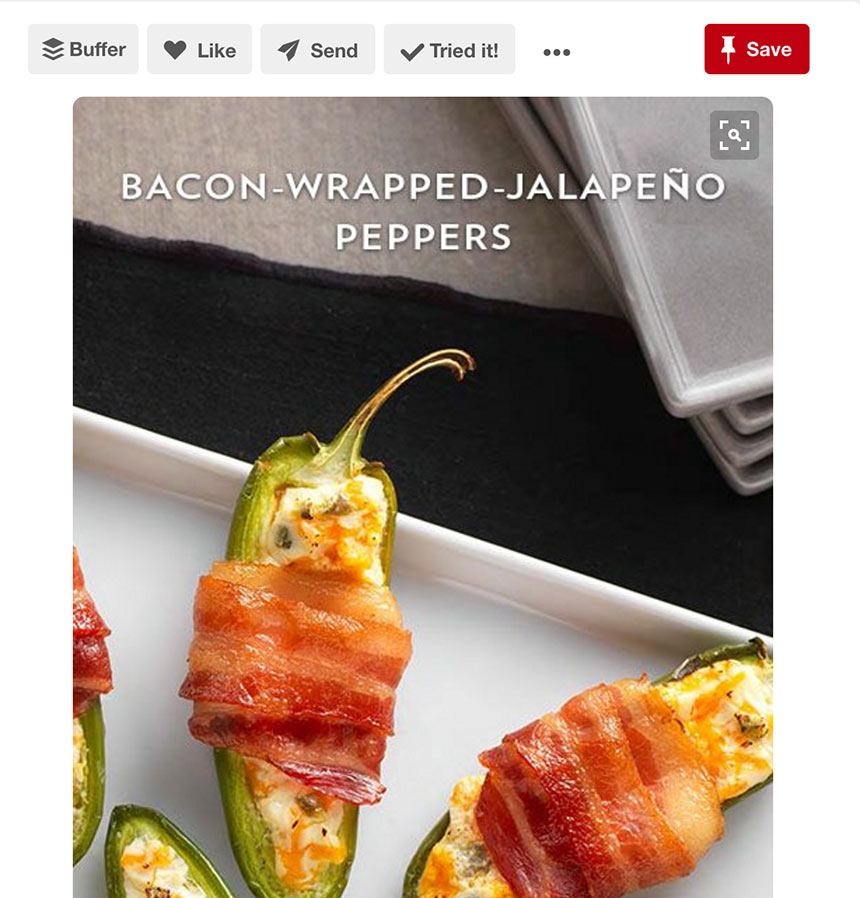
Super Bowl Food on Pinterest


“Over the weekend, everyone is going to be looking to set up these parties,” she says. “It turns out that people really want to design [parties themselves]. When it comes to this sort of creative casual fare, they’re turning to Pinterest to be included. That’s a moment where brands can put up—if you’re a food brand—pictures of a party spread or the recipe for your bean dip in the shape of a football or the colors of the teams.”

2. Focus on Facebook and Twitter during the game.

Parties are getting smaller for the 2017 Super Bowl, DeBroff says, as fans now have big screens at home and an instant ability to tap into an online party via social media. During the Super Bowl, fans look for real-time news on Twitter and their friends’ reactions on Facebook.

“When you realize the primary focus is going to be on Facebook and tweeting, it gives marketers a focus in advance,” DeBroff says, adding a possible example of posting branded picture every time a team scores a touchdown.

3. Use geotargeted influencers.

With so many people on social media during the Super Bowl, there will be plenty of people posting updates, looking at posts and liking them. DeBroff says brands should use this to their advantage by finding geotargeted influencers to place brand products or services before the big game.

“In this case, visuals are really amazing,” DeBroff says. Another great way to expand reach is actively searching for someone who is using a brand’s product, then amplifying what the social media user is posting. “The amplification of that is an opportunity for this elusive real-time marketing.”

Targeting users can be a great way for smaller or regional brands to get involved on game day, DeBroff says. “You want to reach your passionate consumers who are tied into the game,” she says.

4. Put a twist on the commercials.

While it isn’t legally advisable to hijack a hashtag or use imagery from another brand​, DeBroff says companies can still find unique ways to play off of Super Bowl commercials.

“The reason people are spending a lot of time on social is we now have a consumer demographic who all considers themselves to be discerning consumers,” DeBroff says. “We’re always analyzing the creative and the messaging to come up with our own determination of creditability.”

Companies can find ways to send their own message after an ad airs, DeBroff says–perhaps in an industry their brand works in, perhaps something a bit more creative.

DeBroff gives an example of a craft beer company playing off a Budweiser commercial by immediately posting a status, tweet or picture featuring a statistic on how many people drink craft beer during the Super Bowl, or something as easy as a toast to craft beer.

“You know within an audience [of beer drinkers] there will be people who feel strongly about craft beer,” DeBroff says. “You’re not hijacking, but adding something relevant.”

5. Be creative to go viral.

What’s at stake as a marketer? It could be a few stray impressions and a day or two of work, or it could be a brand being unveiled for the first time to an audience of millions. DeBroff says the only way to truly know what happens is to make some creative content and get involved.

“It means that you have a chance of getting a very focused audience,” she says. “If you can capture a small amount their attention, you have a chance of going viral.”

Hal Conick is a staff writer for the AMA’s magazines and e-newsletters. He can be reached at hconick@ama.org or on Twitter at @HalConick.

The American Marketing Association is the pre-eminent force in marketing for best and next practices, thought leadership and valued relationships, across the entire discipline of marketing. Its online publications include posts on industry trends, career advice and more.

Topics:

Climb the Ladder, Skills & Expertise
Advice From the Pros

4 Brilliant Marketing Ideas to Steal From Super Bowl’s Top Brands

A $5.5 million Super Bowl ad may not be in your budget, but here a few techniques you can afford to copy

4 Brilliant Marketing Ideas to Steal From Super Bowl’s Top Brands
Amirah icon
By Amirah Bey
Amirah Bey is a digital marketing strategist with over 10 years of experience across global brands including Amazon Web Services, Procore Technologies, and Mediabistro. A Howard University graduate and Army National Guard veteran, she specializes in lifecycle marketing, analytics-driven strategy, and digital experience optimization.
4 min read • Originally published February 6, 2017 / Updated March 19, 2026
Amirah icon
By Amirah Bey
Amirah Bey is a digital marketing strategist with over 10 years of experience across global brands including Amazon Web Services, Procore Technologies, and Mediabistro. A Howard University graduate and Army National Guard veteran, she specializes in lifecycle marketing, analytics-driven strategy, and digital experience optimization.
4 min read • Originally published February 6, 2017 / Updated March 19, 2026

With millions of viewers each year, the Super Bowl lives on as the premiere event for brands everywhere. More than the most-watched televised event, it is the one time of the year where viewers welcome and anticipate commercial breaks.

The prestige of these slots means advertisers bring their A-game, so we’ve compiled the best of the best Super Bowl brand ideas for you to emulate in your marketing efforts.

  1. Express Yourself

Set to a moving score of violins, Budweiser’s Super Bowl ad paid tribute to its founder and the immigrant history of America. Many took the ad to be a commentary on immigration and today’s political climate, and speculated the 60-second spot was a criticism of the current administration.


Audi also switched gears to debut a touching commercial about a father’s hope for gender equality (equal pay) for his young daughter.

Both immigration and equal pay are often topics fraught with discord and bipartisan friction, but these brands took chances that paid off. They sparked a ton of conversation, made multiple headlines and trended on social media.

Taking a stand on an issue is something that should be meticulously evaluated and carefully executed. However, aligning your brand with the values of your employees and consumers can generate awareness and engender loyalty.

  1. Try Real Time

Viewers were first treated to a live Super Bowl commercial in 1981, when Jos. Schlitz Brewing Company ran a taste test. This year Snickers also decided to unwrap their ad live during the big game.

Think of ways you can incorporate live streaming into your marketing and communications plans. Many consumers crave the authenticity and immediacy that live action provides.In order to have a successful broadcast you’ll also want to publicize the time you’re set to go live. Snickers released teasers in the days prior to the game to pump up anticipation. The candy brand also set up a 36-hour live stream leading up to the game that resulted in tons of shareable content.

BREAKING: @BettyMWhite is about to show up on set at #SNICKERSLive! Go to https://t.co/ef8ayGifTi #SB51 pic.twitter.com/yfTmoI1kU6

— SNICKERS® (@SNICKERS) February 2, 2017

  1. Go Long

Buffalo Wild Wings actually released a series of spots featuring NFL icon Brett Favre. The campaign, “The Conspiracy” features Favre on a mission to uncover the forces behind a scheme that led to his all-time interception record. In the finale of this long-form ad, Favre resolves that Buffalo Wild Wings was behind the plot to drive up his number of interceptions.

Think of how you can stretch out your content. Break up that long article into a series of mini blog posts or develop an engaging video series. This keeps visitors coming back to your content and your brand top-of-mind.

  1. Cover the Field

Not only did 84 Lumber premiere their first-ever Super Bowl commercial, “The Journey Begins,” they drove viewers to a related microsite in the ad. During the spot we see a mother and daughter on a grueling trek across Mexico. We don’t see where the journey ends, because the ad cuts to a prompt for viewers to visit a microsite to see the remainder of the commercial. Interest in the conclusion of the family’s story was intense as traffic flooded the site and crashed it temporarily.

Squarespace also used a microsite to interact with their audience across different platforms. The ad begins with John Malkovich, very confusedly asking, “How is it that JohnMalkovich.com is taken?” Malkovich becomes even more angry when sees who it is actually occupying his domain.

In actuality John Malkovich has made the transition to fashion designer. Those who head to JohnMalkovich.com are treated to a splash page of the other John Malkovich, an award-winning fisher, that falls away to reveal Malkovich’s fashion website presented by Squarespace.

In what ways can you bring your brand campaigns to life? Consider creating a microsite or a landing page to attract more leads and engage visitors longer. Be sure to decide how you’ll coordinate these efforts across social media channels.

  1. Tie In Pop Culture

50 Shades of Grey is a pop culture phenomenon and whether you love or loathe the film, you’re sure to know what it’s about. With the sequel premiere set for the same week as the Super Bowl, T-Mobile’s “Fifty Shades of Grey” spoof was a strong example of the timely use of a pop culture tie-in.

Stay abreast of news and popular culture and look for ways that you can tie your message into these trends. This technique allows you to hook your audience with a buzzed-about topic and communicate your brand messages.

Topics:

Advice From the Pros, Be Inspired

Posts navigation

Older posts
Newer posts
Featured Jobs
Kirkus Media
Editorial Intern
Kirkus Media
New York City, New York (US)

Gaia Inc
MEDIA COORDINATOR
Gaia Inc
Louisville, CO

Gaia Inc
Global Paid Media Specialist
Gaia Inc
Louisville, CO

Gaia Inc
Director of Media Strategy
Gaia Inc
Louisville, CO

Hearst Television
Account Executive
Hearst Television
Milwaukee, WI, United States

All Jobs »
PREMIUM MEMBER
KB

Katie Bacon

Brookline, MA
19 Years Experience
I'm an experienced writer and editor who's written long-form profiles, features, and book reviews for national publications and edited articles,...
View Full Profile »
Join Mediabistro Membership Today

Stand out from the crowd with a premium profile

Mediabistro Logo Find your next media job or showcase your creative talent
  • Job Search
  • Hot Jobs
  • Membership
  • Newsletter
  • Career Advice
  • Media News
  • Hiring Tips
  • Creative Tools
  • About
Facebook YouTube Instagram LinkedIn
Copyright © 2026 Mediabistro
  • Terms of Use
  • Terms of Service
  • Privacy