Jess Focht is a writer and content strategist with 6+ years of experience in media, publishing, and brand storytelling. She has contributed to Insider, Grammarly, and The Creative Independent.
1 min read • Originally published July 7, 2022 / Updated March 19, 2026
Jess Focht is a writer and content strategist with 6+ years of experience in media, publishing, and brand storytelling. She has contributed to Insider, Grammarly, and The Creative Independent.
1 min read • Originally published July 7, 2022 / Updated March 19, 2026
New month, new Mediabistro roles.
Mediabistro is the #1 job board, community, and career destination for media and content professionals. Once a week, we’ll be updating this list with different types of creative jobs featured. Take a look below:
The Gender Pay Gap in Media: What You Can Do About It
By
Sara Gelsheimer
Sara Gelsheimer is a senior wealth manager at Plancorp, a full-service wealth management company serving families in 44 states.
5 min read • Originally published July 11, 2022 / Updated March 19, 2026
By
Sara Gelsheimer
Sara Gelsheimer is a senior wealth manager at Plancorp, a full-service wealth management company serving families in 44 states.
5 min read • Originally published July 11, 2022 / Updated March 19, 2026
It’s been more than 40 years since Dolly Parton released her iconic hit “9 to 5.” The song, written for the film of the same name, helped bring issues of workplace sexual harassment, misogyny, and gender discrimination to the fore. Women have made incredible strides in the workplace since then, but as they say, the more things change, the more they stay the same. There’s no denying it: We still haven’t reached the equity that this catchy tune alludes to, particularly where the gender pay gap is concerned.
In 1980 (when “9 to 5” debuted), women aged 16-plus earned 64 cents for every dollar earned by men. Since then, the gender pay gap has gotten smaller — but only by incremental annual amounts. In 2022, there are still marked gender differences in pay, despite women making considerable gains in education, work experience, and occupational segregation. In fact, for every dollar men make in 2022, Payscale estimates that women will earn only 82 cents.
The real question is why the gender pay gap is still an issue today. Like all inequity challenges, the answer is complicated. Gender-based wage discrepancy is multilayered, and enduring systems and structural mechanisms work to reinforce it. For instance, women-dominated occupations like nursing and teaching typically pay less than stereotypically “men” jobs.
We also can’t ignore how intersecting identities create larger pay gaps for women of color, disabled women, and working mothers. During the global pandemic, many women were forced to exit the workforce to care for loved ones. If and when they return to work, there’s a good chance they’ll face disproportionate compensation penalties from being unemployed. All that’s to say that figuring out how to fix the gender pay gap is tricky. Fortunately, there are steps you can take to join the fight for equal pay in your own job:
1. Find a sponsor
The gender pay gappersists, in part, due to unconscious biases. As humans, we naturally feel more affinity for individuals who look, sound, and act like us. Because white cisgender men largely dominate workplace leadership, they’re more likely to advocate for and promote people who are similar to them — at the expense of women and other marginalized groups.
To help break this cycle and advance your career, seek out a sponsor. Look for an influential individual who can advocate for you and boost your business-impacting accomplishments for a promotion or salary increase. It’s important to note that a sponsor isn’t the same as a mentor. Mentors are great, but they aren’t as valuable in the fight for equal paybecause their primary role is to provide general career advice.
While a mentor will coach you through the play, a sponsor will go to bat for you. That can make all the difference. Per a 2019 Payscale report, employees who have sponsors are paid nearly 12 percent more than those who don’t. Unfortunately, who you choose as your sponsor still matters. That same report found that women with women sponsors make almost 15 percent less than women with men sponsors. And women of color with sponsors of the same race or ethnicity also tend to have lower pay than women of color with white sponsors.
2. Speak truth to power
Money has long been considered a taboo topic, particularly among women. According to a Fidelity study, most women deem money “too personal“ for open discussion. This secrecy is outdated and only helps to perpetuate the gender pay gap.
After all, if you don’t know what you’re making compared to people in similar roles, it will be harder to benchmark and negotiate your salary. In contrast, when women talk freely about compensation — and encourage their workplaces to do the same — we give ourselves and others more clarity around what we could or should be earning. That kind of radical transparency opens the door for personal and political progress.
However, avoid sharing your current salary details while job hunting because it could undermine your negotiating power. Luckily, some local laws forbid employers from inquiring about your current salary. But even if the employer is within their rights to ask, you can still decline to answer by telling them you’d like to learn more about the role before discussing compensation.
3. Take action
From the time they’re children, men are socialized to advocate for themselves in ways that women simply aren’t. It’s why they’ll apply for jobs when they only meet 60 percent of the qualifications. In comparison, women won’t apply for a job unless they meet all qualifications, and that lack of confidence also impacts their ability to negotiate their salary. In fact, 60 percent of women say they’ve never negotiated a raise.
No one is born knowing how to negotiate a salary. Like any other skill, it’s something you have to practice and hone. When you’re preparing to ask for a pay raise, come to the table with clear reasons why you deserve a raise. What value do you bring to the company? And what kind of numbers do you have to back that up? Be sure to include the figures you’ve gathered from your compensation discussions and research, such as pay figures from people in similar roles.
Fixing the gender pay gap can seem overwhelming. So start with yourself. Find a sponsor. Unapologetically talk about earnings. And ask for what you need — whether that’s increased compensation, more flexibility, or better benefits. Now go and make Dolly proud.
Disclosure: This material has been prepared for informational purposes only and should not be used as investment, tax, legal, or accounting advice. All investing involves risk. Past performance is no guarantee of future results. Diversification does not ensure a profit or guarantee against a loss. You should consult your own tax, legal, and accounting advisors.
Sara Gelsheimer is a senior wealth manager at Plancorp, a full-service wealth management company serving families in 44 states.
Jess Focht is a writer and content strategist with 6+ years of experience in media, publishing, and brand storytelling. She has contributed to Insider, Grammarly, and The Creative Independent.
1 min read • Originally published July 17, 2022 / Updated March 19, 2026
Jess Focht is a writer and content strategist with 6+ years of experience in media, publishing, and brand storytelling. She has contributed to Insider, Grammarly, and The Creative Independent.
1 min read • Originally published July 17, 2022 / Updated March 19, 2026
New month, new Mediabistro roles.
Mediabistro is the #1 job board, community, and career destination for media and content professionals. Once a week, we’ll be updating this list with different types of creative jobs featured. Take a look below:
Jess Focht is a writer and content strategist with 6+ years of experience in media, publishing, and brand storytelling. She has contributed to Insider, Grammarly, and The Creative Independent.
4 min read • Originally published July 17, 2022 / Updated March 19, 2026
Jess Focht is a writer and content strategist with 6+ years of experience in media, publishing, and brand storytelling. She has contributed to Insider, Grammarly, and The Creative Independent.
4 min read • Originally published July 17, 2022 / Updated March 19, 2026
Sabrina Proffitt, editor-in-chief of The Zillennial Zine, shares her career path and journey starting her own lifestyle magazine.
1. What made you want to start your own magazine?
I’ve worked for a ton of magazines, newspapers and online publications in the past. And while I’ve loved every opportunity I’ve had, I felt like something was missing. A lot of online magazines focus on older generations – the mommy blogs, the highly curated lifestyle magazines… I was looking for something a little crazy, a little raw and a little real. I wanted to create a space for the messy, penny-pinching, incredibly diverse range of people in my generation. The Zillennials. It’s funny to me because the internet has been so shaped by this generation, but we’re not often represented in the media portion of it. We’re glazed over. The Zillennial Zine is for the people who feel like they are in between two major generations, the Millennials (the dog moms, man buns and “hipster vegans”) and Gen Z (Robloxers, tide pod eaters, TikTok dancers). There are so many of us who are in the middle of these two generations. Who often might have a little bit of a hipster vegan vibe to us (we’re environmentalists through and through), and those of us who will scroll through TikTok all damn day (but won’t dance on it, ever). I wanted to make a space for them. On the Zillennial, TikTok trends are discussed regularly, new musicians and small women and LGBT-owned brands are spotlighted, fashion and beauty trends are extreme and fun, self-care is vital and we fill in that middle ground.
2. And you freelance on the side! Walk us through a typical work day for you.
In order to fund the magazine of my dreams, I have to work a ton of side jobs. In terms of freelancing, I’ve written for a ton of different magazines, newspapers and online publications. I also do some other writing side gigs like SEO work for all different types of clients. You would not believe how much information I’ve garnered about random technology like cybersecurity or the number of articles I’ve written about vasectomies or total knee replacement surgery. Freelance work is all about using your skills to make some extra cash on the side. On a typical work day, I’m usually going down my list of deadlines, checking off my month’s work, all while curating, writing, posting, formatting and working on The Zillennial’s website.
3. Tell us a bit about the Zillennial’s audience. How did you grow an engaging readership?
As mentioned above, it’s a highly curated age range. It’s important to me to write about what’s important to us, as a generation. It’s actually really funny how niche you have to get to harbor a following. Some of our most popular articles have been SO tightly targeted to our generation. For example, one of our most popular articles ever was about which Bath & Body Works candle smells like each Harry Potter character. Our newest most popular articles are about what to wear to a Harry Styles concert or the Utah dirty soda trend. It’s pretty niche and specific because we’re covering things that other publications aren’t. We’re creating a space for information you can’t find anywhere else. What’s a “Hot Girl Walk” or what is shifting? We’ve got it on our site. Along with that, we love highlighting small businesses and small musicians so they can get their name out there (and we can get our name out there too! It’s a win-win!).
4. What advice would you give people who want to start their own online magazine or blog?
Find a niche. You are a unique person with such a valuable and unique perspective. Share that. Don’t worry about what everyone else is doing. Make your magazine or blog your own special place! Find a way to make it unique and unlike anything else out there! On the technical side, watch a ton of YouTube videos. I learned so much about WordPress, SEO, Yoast, social media and so much more about running my own magazine through online tutorials.
5. And then back to freelancing…do you have any tips for people who are just getting their freelance feet wet?
Simply ask around! I found most of my freelance jobs by emailing them directly, asking if they were looking for writers. It’s a common misconception that you have to wait until a publication posts on a job listing site like LinkedIn or Indeed. There are some great opportunities there too, but don’t feel too nervous to just reach out to publications you are actually really interested in. All they can do is say no, but even if they do, they might remember your name later when they ARE looking for someone. Get out there and start networking, whether that’s digitally or in person!
6. Anything else you’d like to add?
Please check out The Zillennial Zine if you have the chance. If you are interested in TikTok trends, new up-and-coming musicians, fashion, beauty and more, give us a read! There are so many cool things to come, so be on the lookout or follow us on social media @thezillennialzine.
Frankie Wallace is a freelance content writer covering technology, sustainability, and business trends, with a background in journalism from the University of Montana.
5 min read • Originally published July 18, 2022 / Updated March 19, 2026
Frankie Wallace is a freelance content writer covering technology, sustainability, and business trends, with a background in journalism from the University of Montana.
5 min read • Originally published July 18, 2022 / Updated March 19, 2026
We’ve all heard the saying, “Do what you love, love what you do.” It’s supposed to be the secret to working without it feeling like work. Many people would advise you to turn your favorite hobby into a business to live out this saying. But before you go full force into monetizing your passions and hobbies, consider these seven things.
1. The logistics of running a business
The first consideration you want to make when monetizing a hobby is if you’re ready to take on the logistics of running a business. If you want to make real money with your passion, you must treat it as a business.
Study the logistics of actually running a business. You’ll need to understand things like business finances, marketing, sales, and customer service. You’ll also need to comprehend business cybersecurity. Understanding things like botnet attacks and how they can impact your business devices is essential to ensuring your customers can safely interact with you online.
If you aren’t ready to run a business, you won’t be able to gain momentum monetizing your hobbies. You may have started by freelancing, but this is a big step that transitions freelancing to full-time work. Do your research and prepare to run a business as best you can before jumping in.
2. How much money you want to make
How much money do you want to make when turning your passion into a business? Knowing how you want to fare financially will help carve out a direction for your monetization efforts.
Assess where you are first. If you’re doing well financially, you may not need to make a lot of money immediately with your hobby. You may even be able to invest more upfront when starting up your hobby-turned-business. On the other hand, if you’re struggling, you may need to fast-track your monetization process to get stable.
Once you understand where you are financially and where you want to be, you can create an actionable plan to move forward with making a living with your hobby or just bringing in some extra cash on the side.
3. If it interferes with your enjoyment of the hobby
It’s imperative to consider whether monetizing your hobby will interfere with how much you enjoy it. It’s easy to say your enjoyment won’t waver if your heart is set on making money with your passion. However, you should work through a formal decision-making process with this one.
First, identify the question you want to answer. In this case, the question is whether or not turning your hobby into a business will interfere with how much you enjoy it now and in the future. Next, gather relevant information that will help you answer this question insightfully. Then, list potential answers to your question.
Finally, carefully consider each possible solution before choosing the one that feels right. It’s okay to decide not to move forward with monetizing your hobby if you feel you’re going to hate it after turning it into a business. After all, hobbies are supposed to decrease your stress rather than add to it.
4. Holistic health implications
Running a business generally can be draining, especially when you’re at the beginning stages. Long hours, wearing many hats, and lots of sacrifices are typical. But if you want to be successful, you have to find balance. And that requires you to tend to your holistic health throughout the journey.
Consider how turning your hobby into a business will affect your mental, physical, and emotional health. How will you care for your holistic health when so much of your time and effort is dedicated to taking your passion to the next level?
Monetizing your hobby is much more manageable when your holistic health is in a good place. Make sure that you carve out time to destress — even if that means picking up some more relaxing hobbies to unwind in your downtime.
5. How your loved ones could be affected
Your loved ones will typically be affected by your decision to monetize your hobby. If you don’t consider how the journey will affect their lives, you may negatively impact the relationship.
Open conversations with loved ones about your plans to monetize a passion are crucial. Give them space to express their concerns. But fight for your dreams and show them how this could be an excellent thing for your family’s future.
If you can’t turn your hobby into a business without it being detrimental to your family, it’s probably a good idea to hold off on your plans. Consider fully how it could affect them in financial and emotional ways. Financial security may not be worth it if you are sacrificing quality time with them.
6. Your vision
Consider whether turning your hobby into a business gets you closer to your vision. Assessing if monetizing your hobby will be a part of your life long-term is essential. Consider how making this change may add or detract from the life you have in mind for yourself.
Map out your life’s trajectory. Think about your family, career, and social life in five, 10, 15, and 20 years. Visualize what would make your life purposeful, passionate, and meaningful. Then, explore how monetizing your hobby fits your life goals and pushes you closer to your dream life and career. If monetizing your passions and hobbies helps you achieve these goals, it may be a good move.
7. Whether or not you can commit
You must gauge your commitment level when monetizing your hobbies. Be honest about how devoted you are to take your hobby to the next level. You won’t get the results you want if you aren’t truly dedicated to it. Ask yourself if you are genuinely determined to monetize your hobby. Can you stay committed to the process when things get tough? Are you all-in regarding growing an actual business?
If you can commit to growing a business, develop discipline, and become self-motivated, you can make headway in monetizing your passions. Make sure the market isn’t too saturated, and your idea is unique in some way. In order for your hobby to be monetized, it must be marketable and sustainable.
Turning a favorite hobby into a business is how many successful entrepreneurs get started. You can be the next person to flourish as a business owner if you thoughtfully go into it with careful planning. Considering these caveats when monetizing your passions and hobbies will help you go into the journey with insight and intention.
Jess Focht is a writer and content strategist with 6+ years of experience in media, publishing, and brand storytelling. She has contributed to Insider, Grammarly, and The Creative Independent.
2 min read • Originally published July 19, 2022 / Updated March 19, 2026
Jess Focht is a writer and content strategist with 6+ years of experience in media, publishing, and brand storytelling. She has contributed to Insider, Grammarly, and The Creative Independent.
2 min read • Originally published July 19, 2022 / Updated March 19, 2026
If you’re a freelance writer, a photographer, a filmmaker, or a creative professional of any kind, odds are you have a portfolio to showcase your work. Portfolios are essentially a type of resume; they’re a way for clients to know if they want to hire you. They (hopefully) open doors and opportunities. Whether you’re a seasoned freelancer or are just getting started working for yourself and getting used to showing your work, here are five tips you don’t want to overlook when enhancing your freelance portfolio.
1. Be clear with your mission
Who are you? What do you do? What makes your work stand out? Answering all these questions will work in your favor when enhancing your portfolio and attracting customers. Website visitors should be able to spend just a few minutes on your website and immediately know your mission—and if it suits them, which it hopefully will.
2. Do your research
Which portfolios excite you—and why? Gather examples of different portfolios that inspire you and use them as a reference when creating your own. With user-friendly websites such as Squarespace and Wix, you can personalize your portfolio while also drawing inspiration from their templates and designs.
3. Include your best work
This tip seems obvious—but make sure to show the work you’re the proudest of. Like a resume, you don’t want to include anything in your portfolio that’s dated or unnecessary. You also don’t want to overwhelm your portfolio visitor. Similar to putting your best foot forward, including your best work will increase the odds of creating the best first impression.
4. Elaborate on your projects
In your portfolio, you want to show and tell. Depending on the form, some work doesn’t need much explanation. However, it’s a good idea to expand upon your work in your portfolio. It adds a personal touch while providing context for your processes and strategies. You can add information about your work type if you’re a freelance writer. If you’re a photographer, you can do the same—and maybe even share your experience from behind the camera.
5. Update your portfolio regularly
So you’re done enhancing your portfolio. But odds are you’re not really done. Having a portfolio is an ongoing process. You should keep it relevant, adding new work when you can, so clients can see not only your most recent work but also that you care enough to maintain it.
With these five tips, you have the tools to maintain a stellar portfolio—and hopefully a stellar freelance career.
Jess Focht is a writer and content strategist with 6+ years of experience in media, publishing, and brand storytelling. She has contributed to Insider, Grammarly, and The Creative Independent.
8 min read • Originally published July 22, 2022 / Updated March 19, 2026
Jess Focht is a writer and content strategist with 6+ years of experience in media, publishing, and brand storytelling. She has contributed to Insider, Grammarly, and The Creative Independent.
8 min read • Originally published July 22, 2022 / Updated March 19, 2026
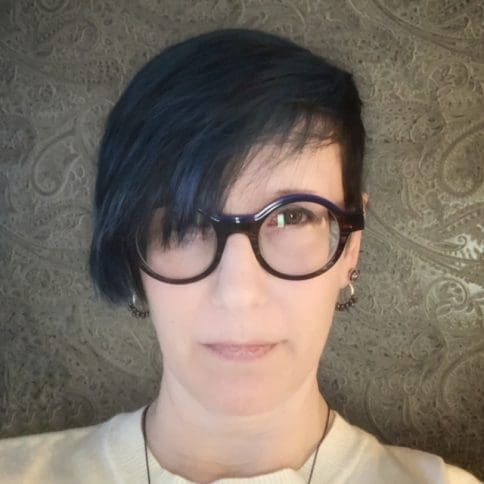
Senior Digital Strategist Eileen Marable shares her career path.
1. Tell me a little bit about your career journey. What different jobs have you had?
I’ve always been curious about everything asking, “why, how or what’s the connection?” since I was a little girl. And when you’re interested in so many topics it was overwhelming to pick one topic of study. I went as broad as possible and pursued an undergrad degree in International Arts and later a Masters in International Arts & Business, hoping I’d find the right path.
My first jobs were tracing lost international mail for the USPS which used my language skills and hinted at my ability to project manage and recognize patterns in data. I then assisted lobbyists at Consumers Union, part of Consumers Reports magazine.
I did everything from organizational duties to help field studies on redlining in banking and grocery stores and special projects related to product safety. I worked on my project management, learned a great deal about research, and how to write to convince an audience.
Throughout these early jobs I liked what I was learning but felt like I was missing a passion. I have said to mentees, who like myself, have may have felt like they were in the wrong job that it’s never a waste to find out what you don’t want to do. The trick is putting yourself out there until you do.
One day in the late 90s, I saw a job ad for a temp at a “major television company” located in Bethesda. Discovery Communications was the only company that fit the bill at the time.
Something stirred something in me. Television and movies had always been a passion for me – anything in the media and pop culture really. I used to sneak downstairs before doing homework to watch re-runs of Laverne & Shirley and probably watched every episode of Great Chefs on Discovery Channel while in college. Don’t get me started about primetime soaps.
I hadn’t studied for a career, creative or otherwise, in television or media because it wasn’t something that was suggested as a career path at my small, all-girl high school and it seemed so remote to me before I saw that temp opening.
I made it my mission to slay that interview and I was hired, beginning what would be a more than 20-year career at Discovery. I’m proof that keeping an open mind about what you do and don’t like until you recognize your goal can sometimes be a good strategy if you don’t feel like you’ve found what you’re looking for.
Discovery was the ideal place for me to thrive. It fed my curiosity in so many ways. I got to work on different topics of programming, such as Monster Garage, MythBusters, Mysteries of the Universe, cars, animals, wilderness shows, and so much more. I got to ask why and get an answer every day.
More importantly I got to learn the ins-and-outs of television production, digital media, and streaming from some of the very best in the business. I learned about quality control, what makes genuinely valuable content, and how to understand data.
I learned from “invisible mentors” about how to be a good colleague, the kind of leader I should be, and what loyalty means. These were some of the senior staff who guided our direction and who got in the trenches with us to make the most amazing things happen. Their work ethic and genuine enthusiasm inspired the best in me and in the colleagues I still call friends to this day.
If you raise your hand, you can do a lot of things in twenty years. During my time at Discovery, I was a Manager for PR and worked my way to Director of Program Marketing for Discovery Channel. When I made the change to digital my role was as Senior Producer of Digital and Social, and I served several networks over time.
As a Director of Marketing, I handled full marketing campaigns for large series, including traditional media, creating live touring events and OOH stunts. When moving to the digital media side as a Senior Producer of Digital and Social, the goal was very similar as it was in marketing. It was still about promoting shows and OTT content, just without some of the traditional tactics.
At the end of the day, everything boiled down to making unique, informative companion content for our programming to help promote our platforms or clients. We also made topical content to keep people coming to our platforms.
2. What does your day-to-day look like right now?
Mike Ring was one of my close friends while working at Discovery. I loved his creative genius on the projects we worked on there and on the projects he’s done since he left and founded his own agency, The Garden Creative.
The Garden is a boutique video production & creative agency, and I had consulted with them on digital strategy for one of their Fortune 500 clients in the banking category. The Garden was creating videos with stories about their employees and clients and their financial goals. My goal was to help optimize them in the digital space, prioritizing YouTube and organic search.
I joined the staff at The Garden and continue to create unique digital strategies for clients as well as drive marketing outreach for The Garden itself.
My day is spent doing research, optimizing inbound and outbound SEO, checking webpages and tags, watching and planning video, and writing. I absolutely love it.
I had wanted to work with Mike again for a long time and I’m glad I can be a part of his incredibly talented and passionate team. I’m getting to scratch my newfound itch for data. And, once again the topics and clients are varied enough to keep my busy brain happy!
3. The digital world is growing at such a rapid pace. What shifts have you seen within digital storytelling in the past few years?
When I first started in digital, one of the biggest things in content were web cams. People would sit for hours hoping to see something that might or might not happen.
Looking back on that kind of basic content and the fluid measurement in place during the early years of the digital publishing makes me cringe. Even then though, there were a few sites and mediums that knew the power of a good story would keep people coming back.
The ability of a story to move people or inform them so that they act is the key to storytelling that is never going to change. You can’t underestimate your audience. You must know what they want and show/tell them how you’re going to give it to them or entertain them.
What has shifted dramatically over my time in digital is the amount of data available. Measurement has become an art form that can be used to keep your loyal audiences engaged with content created just to serve them. Another run of data can give you precise information about what content will best attract potential audiences.
And then of course there is SEO, working with keywords and backlinks to help raise your content in search engine algorithms. I love the variety of data that can help you push just about any kind of content forward for sampling.
It used to be you’d create content and maybe rely more on a paid buy, link swaps, or some other kind of barter to help gain visibility for it. Now you are creating content and thinking of the clues you’ve been given to write it or the bread crumbs you can leave so more people than ever will find it.
I think today’s data and measurement capabilities have really changed how content creators approach their subject matter.
Plus, how we create content will expand as we are on the cusp of Web3. Already we are seeing content in the forms of NFTs, custom or branded avatars or rooms in the metaverse, AI programs and apps just to name a few. The near future will bring an explosion of new forms of storytelling, but it will always need to provide value or move people.
4. What inspires you within your career?
Hands down it has been people over the years that have and continue to inspire me. And teach me.
They are all the people who love their work so much they pass along knowledge of their craft as a matter of daily course. They are the people who are dedicated and serious about their work, but when a job is finished will play “Never Have I Ever” over Zoom to blow off steam. They are the people who are quiet geniuses, some who aren’t quiet, but all are unfailingly kind and helpful.
They are the people you want to work with at your next job.
5. What is your advice to anyone trying to break into this space?
If you’retrying to break into digital media or the media industry as a whole, I’d advise joining student or professional groups to learn as much as you can about the industry, what people are talking about the most, network, and hopefully find a mentor. If not a mentor, perhaps someone whose work you admire whose career you could follow.
As you move forward, I advocate for asking questions. Don’t be shy. It’s how you learn the best information. And, as much as you can and still keep a proper work/life balance, take on new challenges or create new things/processes at work. You’ll become invaluable and gain a seat at some very interesting tables. Pay it forward by mentoring others.
And remember, you are never at a place so secure that you can’t learn something new from those around you. Keep listening, keep learning, and keep making connections.
6. Anything else you’d like to add?
I love the quote from Bill & Ted’s Excellent Adventure: “Be excellent to each other!” It really is some pretty wise advice with some huge payoffs.
Jess Focht is a writer and content strategist with 6+ years of experience in media, publishing, and brand storytelling. She has contributed to Insider, Grammarly, and The Creative Independent.
1 min read • Originally published July 22, 2022 / Updated March 19, 2026
Jess Focht is a writer and content strategist with 6+ years of experience in media, publishing, and brand storytelling. She has contributed to Insider, Grammarly, and The Creative Independent.
1 min read • Originally published July 22, 2022 / Updated March 19, 2026
New month, new Mediabistro roles.
Mediabistro is the #1 job board, community, and career destination for media and content professionals. Once a week, we’ll be updating this list with different types of creative jobs featured. Take a look below:
Jess Focht is a writer and content strategist with 6+ years of experience in media, publishing, and brand storytelling. She has contributed to Insider, Grammarly, and The Creative Independent.
2 min read • Originally published July 25, 2022 / Updated March 19, 2026
Jess Focht is a writer and content strategist with 6+ years of experience in media, publishing, and brand storytelling. She has contributed to Insider, Grammarly, and The Creative Independent.
2 min read • Originally published July 25, 2022 / Updated March 19, 2026
Most adults who have full-time jobs spend a lot of their time at work. In fact, it’s estimated that one-third of an adult’s life is spent at work. That’s a long time, so it’s important to make sure the type of workplace culture you’re apart of is right for you.
Forbes defines workplace culture as “the shared values, belief systems, attitudes and the set of assumptions that people in a workplace share.” What has made you evaluate your workplace culture or your workplace cultures in the past? The toxic workplace environment has become a more recent topic of discussion in light of The Great Resignation and as more jobs have shifted to become remote or more flexible.
Whether you’re aware of it or not, there are eight common types of workplace environments, according to O.C. Tanner, a software company that focuses on cultures at work. There’s clan culture, hierarchy culture, and purpose-driven culture. There’s adhocracy culture, market-driven culture, and innovative culture. There’s customer-focused culture and creative culture. And while there’s a possibility that some jobs could just not be right for you, your own success and comfort at a job could depend on the culture category type it falls under—and how well it suits your needs.
Clan culture
Clan culture refers to a small, tight-knit company. Think family-owned businesses. There are not many employees are the managerial level and the communication styles are informal.
Hierarchy culture
Hierarchy cultures make up the majority of workplaces. They rely on structure—with managers, supervisors, and employees who are aware of their ranking. Think finance and healthcare.
Purpose-driven culture
Purpose-driven cultures are made up of employees who feel called to the mission of the business. Think TOMS Shoes. Employees are community-focused.
Adhocracy culture
Adhocracy culture is innovative and not afraid to take risks. Think start-ups and tech companies. The employees are typically high-energy and flexible to change.
Market-driven culture
Market-driven cultures are highly competitive cultures, relying on results and direct data. Companies such as these usually put results before employee culture. Think Amazon.
Innovative culture
Innovative cultures are—you guessed it—always innovating. They’re in favor of new ideas. Think Pixar.
Customer-focused culture
Customer-focused cultures heavily focus on the customers’ needs. Think businesses such as REI, Whole Foods, and Southwest. The employees work to build a positive relationship with their client, so the culture is positive in return.
Creative culture
Creative cultures are focused on the end product(s) of their company’s mission and collaborate to bring it into existence. Think major film companies like Warner Bros. and HBO. Employees who work in these environments are less motivated by individual goals and instead are eager to accomplish goals as a team.
Jess Focht is a writer and content strategist with 6+ years of experience in media, publishing, and brand storytelling. She has contributed to Insider, Grammarly, and The Creative Independent.
3 min read • Originally published July 27, 2022 / Updated March 19, 2026
Jess Focht is a writer and content strategist with 6+ years of experience in media, publishing, and brand storytelling. She has contributed to Insider, Grammarly, and The Creative Independent.
3 min read • Originally published July 27, 2022 / Updated March 19, 2026
Remote work has been on the rise in the last couple of years, but it isn’t right for everyone. If you’re deciding to apply for a remote job and want to make sure it’s the right fit for you, here are five questions you can ask yourself.
1. Are you an independent worker?
This question may seem like a given for working remotely. But independent work isn’t just being introverted or happy with solitude each day; it’s much more than that. Remote jobs require one to be content sitting alone for several hours a day, completing tasks without any in-person support or guidance. Although it’s not the same as in-person communication, managers and coworkers are typically just a chat or video call away. Remote work does force one to become more independent if they’re not already. It requires one to create their own structure day-to-day.
2. Are you self-disciplined?
The idea of remote work sounds appealing to many—especially the concept of working in your pajamas, creating your own schedule, and cooking delicious work-from-home lunches. However, remote work is still work. Successfully working from home requires self-discipline and diligence. It requires the ability to work amidst possible distractions in your home—or wherever you’re working. Remember that working remotely is more productive for those who practice these things.
3. Do you have a designated workspace?
You may be interested in working remotely so you can sit on your couch with your laptop all day. And while that may be the most comfortable and efficient for some, it’s imperative for you to carve out your own space, just for work. Create a home office. If you don’t have an extra room available, create a space—even if it’s small—just for your time spent working. You can also look into shared workspaces. Doing so creates consistency and boundaries for yourself as you navigate remote work-life balance.
4. Do you crave flexibility?
The working world has never adjusted to remote work as swiftly and effectively as it has in the past couple of years. This is due to the pandemic and companies having to become remote overnight. With this came flexibility. And with flexibility comes the ability to work from anywhere, create your own schedule, and much more depending on your company policy. If you don’t want to be trapped in a cubicle and want the ability to hop on a plane for your next adventure, it could be the right fit for you.
5. Does your employer promote a healthy work/life balance and remote culture?
This one can easily be overlooked—especially if the company in question has a remote work policy. Unfortunately, just because they’re remote doesn’t mean they promote a healthy remote culture, which includes a healthy work-life balance. For example, just because you work from home doesn’t mean you’re “online” all the time. A healthy work-life balance would include setting boundaries for yourself during workdays. Your employer ideally would be helping you create those boundaries for yourself.