How to Use Social Media Marketing to Land Your Next Creative Job
By
Miles Oliver
Miles is an independent writer with a background in business and passion for tech, design, and news. When he is not writing, he is most likely mountain biking or kicking back with a cup of tea.
6 min read • Originally published June 2, 2023 / Updated March 19, 2026
By
Miles Oliver
Miles is an independent writer with a background in business and passion for tech, design, and news. When he is not writing, he is most likely mountain biking or kicking back with a cup of tea.
6 min read • Originally published June 2, 2023 / Updated March 19, 2026
Create, and the work will speak for and sell itself. That’s the dream, right? Maybe so. But the reality is that work can’t do everything. The most successful artists, musicians, makers, and creatives rely on solid marketing to build their brands, sell their products, and land new clients within their respective industries. If you’ve yet to create a real marketing strategy, now’s the time.
Marketing on social media has proven to be one of the best tactics for creative job seekers. From how many people you can reach to how easy it is to create and share unique content that goes viral, social media is a sure bet for starting your marketing journey and showcasing your work.
Use the following guide to plan and execute a successful social media marketing strategy that elevates your creative career.
Determine What You Want To Use Social Media For
Many creatives get on social media and go with the flow. They don’t have any real direction, and the results they’re getting (or not getting) clearly indicate that.
If you want to get something out of social media marketing, you need to determine what that something is. In other words, what are your social media marketing goals? What would be your ideal results from a successful social media marketing strategy? What types of clients are you hoping to attract? Which gigs are you hoping to land?
Whether it’s brand awareness, showcasing your portfolio, creating a community, or another goal, determine what you want to use social media for and be clear about it.
Write Out an Actual Plan
Once you know what you want to use social media for and the ideal results you want from your strategy, it’s time to write out an actual plan. Get the details of your marketing strategy down on paper or in a digital document.
Discuss the specifics of who you’re targeting on social media. Think about how you will present yourself on social media in order to showcase your best work. Dig into details about the platforms you’ll be on and the kind of content you’ll create for each. Detail everything you will do on social media to create the best experience for your fans and followers.
Your plan is the roadmap you’ll follow to ensure you’re successful on social media.
Get Into a Content Creation Routine
Creating content is the most time-consuming part of social media marketing. You need to create a lot of it and post often to break through the oversaturation plaguing social media today.
The thing is, you can’t just create any old content and expect it to take off. You must invest time and effort to develop high-quality, original content. A content creation routine will help you get into this habit.
Start with designing a dedicated space for creating content. In it, you’ll be able to get into your creative “zone” much easier. Intentional colors, shapes, lighting, and accessories can all facilitate comfort, creativity, and a good mind for creation. Additionally, any photography, videography, and visuals you create will have a great backdrop.
Once you’ve got your content studio set up, develop a routine around creating content. Choose the days you’ll focus on creating and editing content. Time block to ensure you’re getting as much as possible done during those days. And be specific about what you’re working on, and what your goals are.
Experiment With Various Kinds of Content
Social media isn’t a place for boring, stagnant content. Nor can you expect to stand out doing everything that every other job seeker does. It’s essential to experiment with various kinds of content for a few reasons:
You need to figure out what type of content gets the most engagement from your audience, and what resonates most with the clients that you are trying to attract;
You need to find the content that supports who you are as a creative and brand;
Different types of content allow you to connect with more people.
Experiment, and do it with conviction. Get into reels. Create a lot of video content. Shoot standout images and post them. Go live. Make infographics, polls, and surveys. Throw some written words in there.
The key is that you create content that showcases your authentic self. While the exact type of content you create may vary, you want to make sure that your tone and the way that you present yourself online are in line with how you present yourself as a creative professional, especially if you are using social media to land a job.
Understand Data Analytics and Use It to Your Advantage
Data analytics is not everyone’s strong suit. But to get results from your marketing, you must understand data analytics and learn to use it to your advantage. Yes, learning about how to collect, process, and analyze social media data can be overwhelming.
However, breaking the learning process down into digestible chunks and giving yourself time to really comprehend what you’re looking at will help. Set aside time each week to learn the analytics tools on each social media platform you’re using.
Familiarize yourself with how to access these tools. Then, look at the data and note what you think it means.
Taking a social media data analytics course or asking a specialist for guidance will help you leverage data even better.
Spend a Lot of Time Engaging With Your Followers and Fans
You can post a lot of content on social media. But if you aren’t getting any engagement on your posts, you just put in a lot of time and effort creating content that won’t get results.
The first step is creating high-quality content that motivates people to leave comments, direct messages, and start conversations. In other words, create content that inspires action.
When you get people to take action, ensure you’re following it up by engaging with them. Spend time responding to every comment and shoutout you get. Answer every direct message with something thoughtful. Always thank those who share your work or engage with you on live streams.
Each follower you have could be a potential client, so be sure to always put your best foot forward. At its core, social media is about meeting other people, and you can use it to network effectively if you know the right techniques.
Think Long-Term Marketing and Campaign-Specific
You should think about social media marketing in two ways:
A long-term, ongoing strategy;
Individual campaigns for specific reasons.
You’ll need to continuously market yourself and your work for the life of your creative career. But you’ll also need to develop individual campaigns for product launches, new partnerships, upcoming shows, and so forth. Balancing both is critical.
Sometimes you’ll have to work diligently on an individual campaign, and your ongoing strategy will take a backseat, and vice versa. This is okay. So long as the time you spend on each type of campaign eventually equals out. You’ll know you need to adjust your approach if progress stalls on either.
Social media is one of the best places for a creative to market themselves, their work, and their brands, and can also be a major networking opportunity. Putting effort into your social media presence and marketing upfront can go a long way toward getting you to the career you want.
Jess Focht is a writer and content strategist with 6+ years of experience in media, publishing, and brand storytelling. She has contributed to Insider, Grammarly, and The Creative Independent.
2 min read • Originally published June 5, 2023 / Updated March 19, 2026
Jess Focht is a writer and content strategist with 6+ years of experience in media, publishing, and brand storytelling. She has contributed to Insider, Grammarly, and The Creative Independent.
2 min read • Originally published June 5, 2023 / Updated March 19, 2026
Reach: 6.2M subscribers
Background: Bon Appétit is a monthly American food and entertaining magazine, that typically contains recipes, entertaining ideas, restaurant recommendations, and wine reviews. Owned by Condé Nast, it is headquartered at the One World Trade Center in Manhattan, New York, and has been in publication since 1956. Here’s how to pitch for the popular food media brand, Bon Appetit.
General pitch guidelines:
First, check to see if Bon App has covered something similar recently. If they have, consider what you hope to add with your story.
Propose a few sample headlines.
Include a brief (about a paragraph or so!) explanation of the story you want to tell.
If the story requires reporting or investigating, show them you’ve done some groundwork to support the angle you wish to pursue.
Include a few links to relevant articles you’ve written.
Their standard rates begin at $250 for stories in the 400-word range and go up from there as determined by word count, experience, and the complexity and/or amount of reporting in the piece.
If there’s a social component that makes sense, please include that in your pitch. (Let’s say you’re going to write about pajeon, and you think an Instagram Story would be a great way to show how you make it.) We provide additional compensation for social storytelling.
Direct pitches to:
For cooking pitches, please email cooking@bonappetit.com with “PITCH: [your idea here]” as the subject line.
How Augmented Reality Is Changing the Landscape of Graphic Design
By
Mediabistro Education
4 min read • Originally published June 19, 2023 / Updated March 19, 2026
By
Mediabistro Education
4 min read • Originally published June 19, 2023 / Updated March 19, 2026
As technology continues to evolve at an unprecedented pace, the realms of graphic design and augmented reality (AR) have begun to intersect in fascinating ways. Augmented reality, a technology that overlays digital information onto the physical world, is changing the very fabric of graphic design. From interactive branding experiences to enhanced learning and collaboration, AR is opening new avenues for innovation in graphic design. This article delves into the various ways augmented reality is transforming the graphic design landscape and the potential implications for professionals in the media industry.
A New Dimension to Design
Beyond Two-Dimensional Space Traditional graphic design has mostly been confined to two-dimensional spaces. AR, however, introduces a third dimension to design. This added depth allows designers to create immersive experiences that engage users on multiple levels. For instance, with AR, a poster can come to life with moving graphics or a 3D model that users can interact with.
Spatial Awareness Augmented reality is inherently spatial – it understands and responds to the environment’s geometry. This means that graphic elements in AR are not just static images; they can react to the world around them. For example, an AR-infused logo could react to the viewer’s proximity or orientation, creating a dynamic and personalized branding experience.
Revolutionizing Branding and Advertising
Interactive Campaigns Brands are using AR to create marketing campaigns that are interactive and engaging. By overlaying digital content onto the physical world, companies can provide consumers with an immersive experience that transcends traditional advertising methods. For instance, a customer might scan a product’s packaging with their smartphone to unlock an AR experience, such as a 3D model of the product or an interactive game.
Personalized Experiences AR enables brands to offer personalized experiences based on user data and preferences. For instance, an AR application might use a user’s location data to offer location-specific content or use facial recognition to tailor content to the user’s emotions.
Enhancing Education and Training
Interactive Learning Materials Educational institutions and companies can use AR to create interactive learning materials. For instance, a textbook could come to life through AR, allowing students to interact with 3D models and animations that reinforce learning.
Skill Development for Designers For professionals in the graphic design industry, AR offers a new set of tools and skills to learn. Understanding AR technologies, 3D modeling, and programming can make a designer more versatile and valuable in the job market.
Streamlining Collaboration
Virtual Design Spaces AR enables remote teams to collaborate in virtual spaces that mimic physical environments. For example, designers could use AR glasses to interact with a shared 3D model, annotate it, and see each other’s changes in real time.
Client Presentations Presenting designs to clients through AR can provide a more comprehensive understanding of the concepts. Clients can interact with the designs, providing immediate feedback and fostering a more collaborative relationship.
Challenges and Considerations
Technological Limitations Although AR holds immense potential, it’s also subject to technological limitations such as device compatibility, processing power, and battery life. These constraints can sometimes hinder the full realization of an AR graphic design project.
Ethical Considerations As with any technology that collects user data, there are ethical considerations surrounding privacy and data security. Designers must consider these concerns and employ best practices to ensure user trust.
Augmented reality is undeniably reshaping the landscape of graphic design by adding depth, interactivity, and personalization. While there are challenges and considerations to be considered, the opportunities for innovation are immense. For professionals in the media industry, staying abreast of AR technologies and honing relevant skills is vital for career advancement and contributing to the evolution of graphic design.
As the lines between the physical and digital worlds continue to blur, the role of the graphic designer is expanding. Those who embrace augmented reality as a tool for creativity and communication will find themselves at the forefront of a transformative wave in design. Incorporating AR into graphic design not only enhances the way we engage with content but also has the potential to redefine the very nature of visual communication.
Graphic designers and media professionals should consider investing time in understanding the technical aspects of AR, collaborating with experts in the field, and experimenting with new design approaches. Through innovation and adaptation, augmented reality can be a powerful medium for telling stories, creating immersive experiences, and connecting with audiences in novel and meaningful ways.
In the years to come, as AR technology becomes more advanced and accessible, it is expected to become an integral part of the graphic design process. From branding and advertising to education and collaboration, AR promises to enrich the graphic design landscape with endless possibilities.
By staying informed, adaptable, and open to innovation, graphic designers and media professionals can harness the potential of augmented reality to create a more dynamic, engaging, and transformative visual landscape for all.
The 50 Best Western Films of All Time, According to Critics
By
Jane Garfinkel
15 min read • Originally published July 5, 2023 / Updated March 19, 2026
By
Jane Garfinkel
15 min read • Originally published July 5, 2023 / Updated March 19, 2026
50 best Western films of all time, according to critics
For decades, the most popular movie genre in America was the Western. Audiences could not get enough gun-slinging sheriffs, dashing outlaws, thundering cattle drives, horseback pursuits, and majestic landscapes. In fact, more Westerns were produced in the 1950s than all other movie genres combined. These days, Hollywood produces far fewer Westerns due to the smaller crowds they tend to attract. But for many movie buffs, they still have a persistent appeal.
Early Westerns like “Red River” and “Stagecoach” set the standard for the genre with plenty of shootouts and cowboys played by Gary Cooper and John Wayne. These big hits inspired genre spinoffs like spaghetti Westerns, products of the Italian film industry in the ’60s and ’70s like “The Good, the Bad and the Ugly,” and meat pie Westerns, the Australian equivalent that includes films like “The Sundowners.”
Modern Westerns focus more on themes than escapades, as in the Oscar-nominated “Killers of the Flower Moon” in 2023. But while Scorsese’s lauded film was a period piece, many contemporary Westerns are set in the present day—or in very recent history, like Ari Aster’s July 2025 film “Eddington,” which uses traditional Western tropes to explore the early days of the COVID-19 pandemic. There’s also “Broke,” starring Wyatt Russell as a rodeo rider, which began streaming on Netflix on Aug. 21, 2025, and the Bob Odenkirk-led violent dark comedy “Normal,” which premiered at the Toronto International Film Festival on Sept. 7, 2025.
In the coming years, we’ll discover which, if any, of these recent releases will stand the rest of time. For now, Stacker has rounded up a list of the 50 best Western films of all time, from the age-old classics to more contemporary box-office hits. The list was compiled using data (as of June 10, 2024) from Metacritic, a site that collects reviews from respected critics and uses them to determine the average rating.
Whether you’re a longtime Western fan checking in on your favorites or new to the genre, there’s a film on this list for you.
Viggo Mortensen stars in “Jauja” as Captain Gunnar Dinesen. After Dinesen’s daughter runs away with a soldier, he must travel into unknown worlds to find her. The film claimed the FIPRESCI Prize in the Un Certain Regard section at the 2014 Cannes Film Festival.
Chon Wang (Jackie Chan) attempts to save a princess who has been kidnapped and brought to the United States. Along the way, he teams up with the train robber Roy O’Bannon (Owen Wilson). This is the first movie in the “Shanghai” series, the second being “Shanghai Knights.”
#48. The Nightingale (2019)
– Director: Jennifer Kent
– Metascore: 77
– Runtime: 2 hours 16 minutes
Set in Tasmania in 1825, “The Nightingale” follows a young Irish woman as she sets out to pursue revenge with the help of an Aboriginal tracker with his own agenda. Viewers should take note—the film is so graphic and brutal that audiences walked out of multiple theatrical screenings.
John Bernard Books led a long life as a talented shootist, but now he is suffering from cancer and searching for the best way to die. Books was John Wayne’s final film role; he himself died of stomach cancer a few years after the film was released.
Marilyn Monroe and Clark Gable star in the story of a divorced woman and an aging cowboy. At the time, Monroe was married to Arthur Miller, who wrote the film’s screenplay. Their union unraveled during filming in part because Monroe discovered Miller’s notebook, in which the writer described how he truly felt about her. Gable died of a heart attack just days after filming ended, and Monroe died about a year and a half later.
Country music legend Willie Nelson stars in this ’80s Western about the unusual partnership between a young, inexperienced farmhand and a famous outlaw. An often overlooked film, “Barbarosa” has been critically praised for its acting, relative levity, and storytelling.
Set in Oregon during the California gold rush, a pair of assassins known as the Sisters brothers chase down a man who claims to have developed a formula for finding gold. John C. Reilly and Joaquin Phoenix star as the titular duo.
After the skeleton of a despised sheriff is discovered, the current sheriff, Sam Deeds, begins an investigation into the murder. “Lone Star” was highly rated by critics and nominated for several awards, including the Academy Award for writing.
The Coen brothers wrote and directed this Western anthology, which follows six stories set in the American frontier. Each chapter has a different cast, featuring actors like James Franco, Liam Neeson, Tom Waits, and Zoe Kazan.
Based on a short story by Louis L’Amour, “Hondo” stars John Wayne as an army dispatch rider who becomes the de facto protector for a widow and her young son after they find themselves in the middle of a Native American battle. The movie is unique among Westerns of the era as it is one of the few to be shot in 3D, a popular technology in the ’50s.
“Sweetgrass” is a documentary about shepherds working in the mountains of Montana. Anthropologist Lucien Castaing-Taylor directed the film with his wife Ilisa Barbash. The film won the audience award at the 2010 International Documentary Film Festival of Navarra Punto de Vista.
“Lucky” marks one of the final roles of Harry Dean Stanton, a prolific character actor who had roles in everything from “Cool Hand Luke” to “The Avengers.” In this slow-moving drama, he plays an aging cowboy who’s coming to terms with his own morality and wrestling with spiritual issues.
In this Chilean production, three men are paid to protect an estate purchased by a wealthy businessman only to discover that their real job is to decimate a native population. The film won the FIPRESCI prize at the 2023 Cannes Film Festival.
A pair of bounty hunters set off in Mexico on the trail of a man wanted by a wealthy father for impregnating his daughter. It stars Warren Oates, Emilio Fernández, Gig Young, and Robert Webber, with an appearance from Kris Kristofferson as a biker. While now critically revered, the movie was trounced by critics when it was originally released.
“True Grit” is a Coen brothers adaptation of a novel by Charles Portis, which had already been made into a movie in 1969. Hailee Steinfeld plays Mattie Ross, a girl seeking to avenge her father’s death. She hires U.S. Marshal Rooster Cogburn (Jeff Bridges) to assist her.
In this mid-century classic, a down-on-his-luck cattle rancher agrees to escort a captured outlaw to the train that will bring him to jail. The escapade, of course, turns into a classic game of cat and mouse as the outlaw’s gang does their best to free him.
James Stewart is Thomas Jefferson Destry Jr., a deputy sheriff who wants to keep the peace in the lawless town of Bottleneck without using guns. Marlene Dietrich plays Frenchy, a not-to-be-trusted saloon singer. The film is based on the 1930 novel of the same name by Max Brand.
A freed enslaved man (Jamie Foxx) journeys to save his wife (Kerry Washington) from a Mississippi plantation, accompanied by a German bounty hunter. Quentin Tarantino wrote and directed the film, which is his highest-grossing movie in the U.S.
A remote town in Brazil disappears off satellite maps, loses its cellular service, and empty coffins appear at the side of the road. The town’s oddball cast of characters then must defend themselves against corrupt and greedy politicians and businesses. Former President Barack Obama listed it as one of his favorite movies of 2020.
#31. 3 Godfathers (1949)
– Director: John Ford
– Metascore: 82
– Runtime: 1 hour 46 minutes
Three fugitive bank robbers—played by John Wayne, Harry Carey Jr., and Pedro Armendáriz—risk capture to take care of a newborn baby. John Ford had directed an earlier silent version of the film, titled “Marked Men,” with Harry Carey Sr.
A classic example of a meat pie Western, “The Sundowners” follows the rising tensions in one family as half its members desire a more settled lifestyle. In contrast, the other half prefers their current, nomadic sheep-herding existence. Although it was nominated for five Academy Awards, including Best Picture and Best Adapted Screenplay, the movie didn’t ultimately bring any trophies home.
#29. Once Upon a Time in the West (rerelease) (2005)
A harmonica-wielding stranger teams up with a desperado to save a widow in this spaghetti Western. While initially receiving mixed reviews, “Once Upon a Time in the West” has since received many accolades, including being named as one of Time magazine’s 100 greatest films of all time.
John Wayne takes top billing in the story of gruff, one-eyed U.S. Marshal Rooster Cogburn, who sets off to help avenge a killing, accompanied by a teenage girl (Kim Darby) and a Texas Ranger (Glen Campbell). Elvis Presley is said to have been considered for the Texas Ranger role, but when his manager Col. Tom Parker wanted Presley to get top billing, the part went to Campbell.
Set in 19th-century Romania, an enslaved man has run away from his enslaver’s home after having an affair with his wife. A local policeman is hired to find him. The film won director Radu Jude the Silver Bear Award for best director at the 65th Berlin International Film Festival.
This Western epic stars Rock Hudson as a Texas cattle rancher, Elizabeth Taylor as his wife, and James Dean as cowhand Jett Rink. It was Dean’s last movie role. The young actor had major roles in only three films before he was killed in an auto collision accident in 1955, before “Giant” was released. George Stevens won an Oscar for Best Director.
This Western survival film follows a group of settlers traveling across an Oregon desert. It becomes apparent that their guide is lost. The ensemble cast includes Michelle Williams, Bruce Greenwood, Shirley Henderson, and Neal Huff.
Clint Eastwood directed, produced, and stars in this highly lauded Western. Eastwood plays William Munny, a retired bandit who takes on one final job in hopes of putting the money toward his failing farm. It won Oscars for Best Picture, Best Director, Best Supporting Actor, and Best Film Editing.
The saga of a Western land conflict between cattlemen and settlers was supposed to be shot in 48 days with a budget of less than $2 million. Instead, it took 75 days to shoot and cost more than $3 million, in part due to a long editing process. The lines “Shane! Shane! Come back!” became iconic.
John Wayne, Robert Mitchum, and James Caan star in the story of a gunfighter and a sheriff caught up in a battle between rival ranchers over water rights. Howard Hawks also directed such acclaimed films as “Scarface,” “His Girl Friday,” “To Have and Have Not,” “The Big Sleep,” and “Gentlemen Prefer Blondes.” A scene of Caan impersonating a Chinese man is often edited out of television rebroadcasts of “El Dorado” as racist.
Chloé Zhao directed this Western drama, which centers on Brady Blackburn, a young man struggling to find his purpose after a brain injury halts his rodeo career. “The Rider” won the Art Cinema Award at the 2017 Cannes Film Festival.
Robert Greene’s documentary centers on a town bordering Arizona and Mexico. The community grapples with its past by holding a reenactment of a day that occurred 100 years earlier when 1,200 immigrant miners were deported.
#19. She Wore a Yellow Ribbon (1949)
– Director: John Ford
– Metascore: 87
– Runtime: 1 hour 44 minutes
Directed by John Ford and starring John Wayne, “She Wore a Yellow Ribbon” was one of the most expensive Westerns made up to that point with a budget of $1.6 million. The second installment in the so-called “Cavalry trilogy,” the movie follows an army captain on the brink of retirement whose last mission is to bring a group of women to safety before their settlement is attacked by Native Americans.
Described by The Guardian as being “so good it’s criminal,” “Hell or High Water” tells the story of two brothers who rob a series of banks to save their family farm and the pair of Texas Rangers who are attempting to stop them. Chris Pine, Ben Foster, Jeff Bridges, and Gil Birmingham star in the Oscar-nominated production.
Set in the Australian outback, “Sweet Country” explores what happens when an Aboriginal farmer kills a white man in self-defense and is forced to flee for his life. Warwick Thornton directs this Western featuring Sam Neill, Bryan Brown, and Hamilton Morris.
Will Kane (Gary Cooper) faces a dilemma when outlaws threaten to kill him. His wife (Grace Kelly) wants him to leave town rather than defend himself. A number of U.S. presidents have listed “High Noon” as one of their favorite films.
With a whopping 12 Academy Award nominations, “The Power of the Dog” was undeniably one of the best movies of 2021. Starring Benedict Cumberbatch, Kirsten Dunst, and Jesse Plemons, the movie follows a troubled family—two brothers, one of their wives, and her child—as they attempt to live harmoniously and wrestle with the secret truths they harbor within themselves. If that synopsis sounds vague, it’s because the movie itself intends to be subtle, slow, and confusing.
#14. Western (2015)
– Director: Bill Ross IV, Turner Ross
– Metascore: 89
– Runtime: 1 hour 32 minutes
This documentary by the Ross brothers focuses on the small border towns of Eagle Pass, Texas, and Piedras Negras, Mexico. It explores the lives of the residents in these communities with intimate storytelling capturing their daily experiences in the context of increasing drug-related violence and tensions along the border. The film is the third installment of the filmmakers’ Americana trilogy.
Based on the 2017 book of the same name by David Grann, “Killers of the Flower Moon” tells the true story of the Osage Nation murders after oil was discovered on their reservation. Nominated for 10 Academy Awards, the Martin Scorsese-directed film stars Leonardo DiCaprio, Robert De Niro, Lily Gladstone, and Jesse Plemons.
This epic spaghetti Western stars Clint Eastwood, Lee Van Cleef, and Eli Wallach as rough characters seeking Confederate gold. Italian director Sergio Leone did not speak English, and he had to use an interpreter to communicate with his English-speaking actors. The film is part of a trilogy that includes “A Fistful of Dollars” and “For a Few Dollars More.”
Set in the mid-19th century, long before the Oregon territory where it takes place was fully settled, “First Cow” is a buddy film that follows a quiet chef and a Chinese outlaw who hitch their fortunes together with grim outcomes. Nominated for dozens of awards, the film isn’t as high-action as the other entries on this list. Still, it’s a valuable watch with much to say about the perils of capitalism and the joys of companionship.
Two lawmen agree to accompany a cache of gold across the mountains only to face a crisis of conscience when the temptation to steal it arises. According to Turner Classic Movies, the movie was the genesis of director Sam Peckinpah’s favorite theme to explore in film, namely the decline of the West.
#9. Stagecoach (1939)
– Director: John Ford
– Metascore: 93
– Runtime: 1 hour 36 minutes
This story of passengers on a besieged stagecoach is John Wayne’s first starring role in a John Ford film. Wayne had worked as an extra, a stuntman, and an actor in other low-budget productions. Wayne wore his own cowboy hat, which he would continue to wear in several Westerns until 1959, when it started falling apart.
Warren Beatty and Julie Christie play a gambler and a sex worker who team up as business partners in a remote town that comes under threat for its mining riches. Set in the Pacific Northwest mining town of Presbyterian Church, Roger Ebert said the movie “was a perfect film and one of the saddest he has ever seen.”
A sheriff (John Wayne) teams up with the town drunk (Dean Martin); an elderly deputy named Stumpy (Walter Brennan), and a young cowboy (Ricky Nelson), to help keep the murderous brother of a wealthy rancher in jail. Director Howard Hawks gave his daughter, Barbara Hawks, writing credit on the film for giving him the idea to throw dynamite, she is listed under the pseudonym B.H. McCampbell.
#6. The Gunfighter (1950)
– Director: Henry King
– Metascore: 94
– Runtime: 1 hour 25 minutes
Gregory Peck plays Jimmy Ringo, a gunfighter who runs into his estranged wife. Even though trouble seems to follow him everywhere, he hopes to convince her he has been reformed and win her back. The film focuses on themes of guilt and regret, setting it apart from the more action-oriented Westerns of the time.
#5. The Searchers (1956)
– Director: John Ford
– Metascore: 94
– Runtime: 1 hour 59 minutes
John Wayne plays a Confederate Army veteran tracking down Comanche Indians who massacred his family, burned their ranch, and kidnapped his young niece. The film is based on the novel by Alan LeMay and inspired by the true-life story of Cynthia Ann Parker, who was kidnapped by Comanches in 1836.
#4. The Man Who Shot Liberty Valance (1962)
– Director: John Ford
– Metascore: 94
– Runtime: 2 hours 3 minutes
When U.S. Sen. Ranse Stoddard returns to the West to attend a funeral, he is forced to rehash his past, including the truth regarding the killing of an infamous outlaw. This black-and-white film was directed by John Ford and stars James Stewart, John Wayne, and Vera Miles. For the movie, Ford returned to filming on sound stages and in monochrome lending to the melancholic undertones of the film.
#3. Red River (1948)
– Director: Howard Hawks, Arthur Rosson
– Metascore: 96
– Runtime: 2 hours 13 minutes
A fictionalized account of the first cattle drive along the Chisholm Trail, from Texas to Kansas, “Red River” stars John Wayne and Montgomery Clift as a father-son team with different ideas about how to best get the job done. Hollywood history fans may be interested to know that the iconic Red River D belt buckles—which are so often associated with Wayne fandom—stemmed from this film as the wrapped gift the actor gave to several of his co-stars and crew.
Penniless Americans Fred Dobbs (Humphrey Bogart) and Bob Curtin (Tim Holt) go on a gold-prospecting trip, joined by an older prospector named Howard. Director John Huston won the Academy Award for Best Director, and his father, Walter Huston, who played Howard, won the Oscar for Best Supporting Actor. Bogart was not nominated for playing Dobbs, which was considered a snub.
William Holden and Ernest Borgnine play gang members heading to Mexico to execute one final heist as the traditional America West dies around them in the early 20th century. The movie used more than 90,000 rounds of blank ammunition, and Warner Bros. said in publicity material for the film that it was more ammunition than had been used in the Mexican Revolution.
Additional writing by Madison Troyer. Story editing by Cynthia Rebolledo. Additional editing by Paris Close. Copy editing by Meg Shields. Photo selection by Clarese Moller.
The 50 Best Talk Shows in Television History, Ranked
By
Katrina Sirotta
19 min read • Originally published August 7, 2023 / Updated March 19, 2026
By
Katrina Sirotta
19 min read • Originally published August 7, 2023 / Updated March 19, 2026
Bettmann // Getty Images
50 best talk shows in TV history
“The Joe Franklin Show” was filmed in a dingy New York City basement where the “no smoking” sign aimed to ensure no wayward spark would cause a conflagration. The series, which remained on the air until 1993, is among the first (and longest-running) talk shows in the United States. Although it never achieved national syndication, it has become a cultural institution.
The talk show floodgates opened since Franklin’s program first aired. From long-standing broadcast institutions like “The View” to streaming releases like John Mulaney’s new weekly live series, which premiered on Netflix in March 2025, viewers can watch hosts discuss any topic they desire on any platform they can reach. The variety of styles and formatting is endless, including late-night celebrity talk shows, dramatic daytime series, political satire, and sports news programs, each filled with banter and debates. There are even talk shows that parody the traditional talk show format.
Of course, certain kinds of talk shows may not be around forever. In a June 2025 interview with Variety, “Late Night” host Seth Meyers echoed the sentiments of fellow host Jimmy Kimmel, who had previously stated that late-night hosts might not be around in a decade. “Unless some major sea change happens, I don’t think there’s going to be a whole new wave of network hosts, in the way there always has been,” Meyers said. “If you’re a great lover of the institution of late-night talk shows, there’s probably some sadness in your future.”
That sadness might be coming sooner than expected, as fans of “The Late Show with Stephen Colbert” learned in July 2025 after the show’s abrupt cancellation by CBS amid rumors of political motivation. There was added cause for concern in September 2025 when “Jimmy Kimmel Live!” was temporarily pulled off the air following comments made by the host about the death of Charlie Kirk, and threats from the Federal Communications Commission to pull ABC affiliate licenses. When Kimmel returned on Sept. 23, 2025, he spoke out about the importance of defending free speech.
For now, at least, there are plenty of talk shows—late-night and otherwise—to admire, along with countless classics from decades prior. With that in mind, Stacker is tipping its hat to the best talk shows throughout history. We analyzed IMDb data as of July 2023 to create the list, using its user ratings to rank shows. Anything before 1990 required at least 500 votes for consideration, whereas shows after 1990 needed at least 1,500 votes.
American Movie Classics (AMC)
#50. Talking Dead
– IMDb user rating: 7.2
– On air: 2011-2022
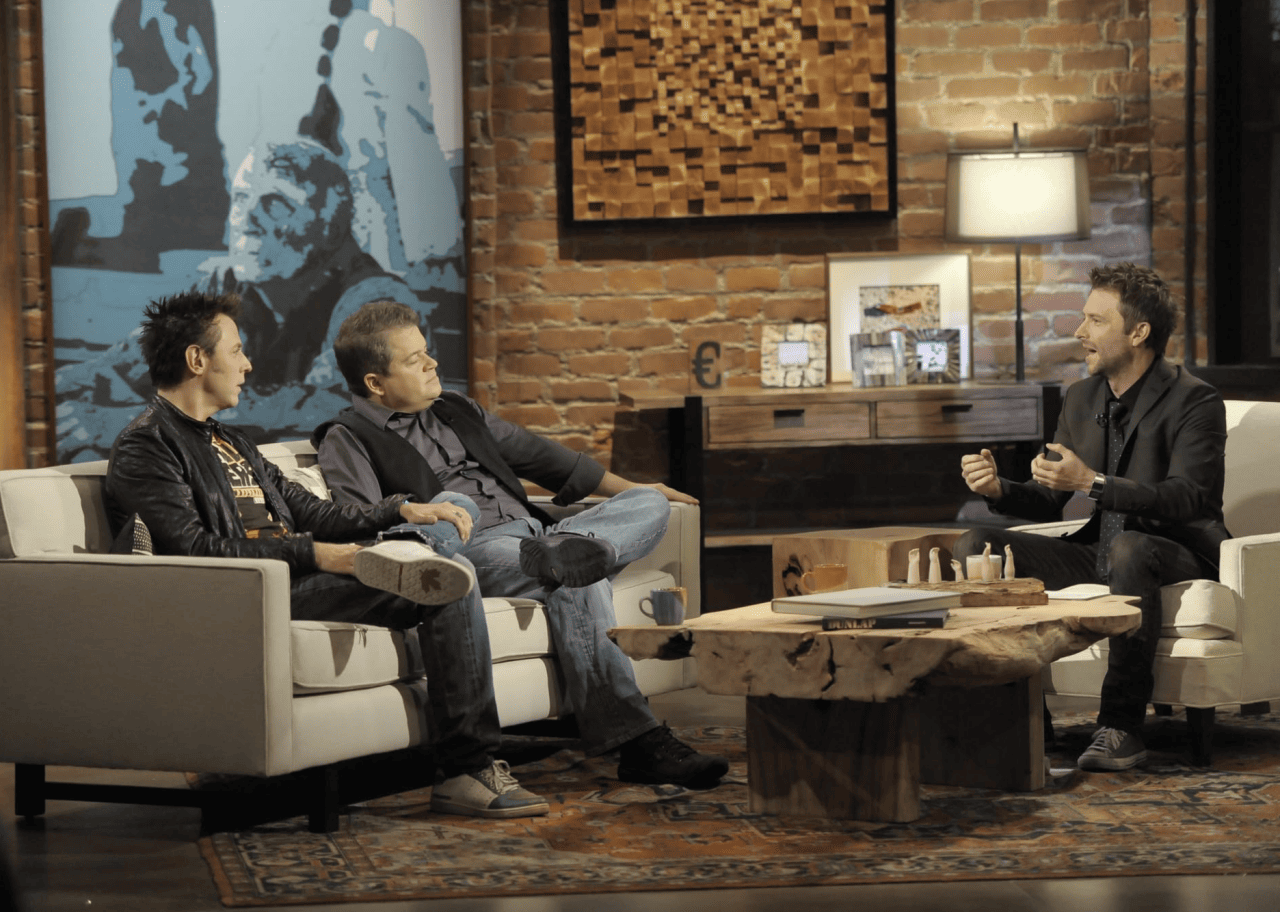
The Chris Hardwick-hosted, celebrity-heavy talk show that breaks down “The Walking Dead” (and the cult show’s many spinoffs) aired initially after the zombie show’s second season premiere in 2011. Twelve years, 10 seasons, four spinoffs (including shows on “Breaking Bad” and “Better Call Saul”), two Emmy nominations, and 243 episodes later, it came to a close in November 2022 with “The Walking Dead” finale.
CBS Television Studios
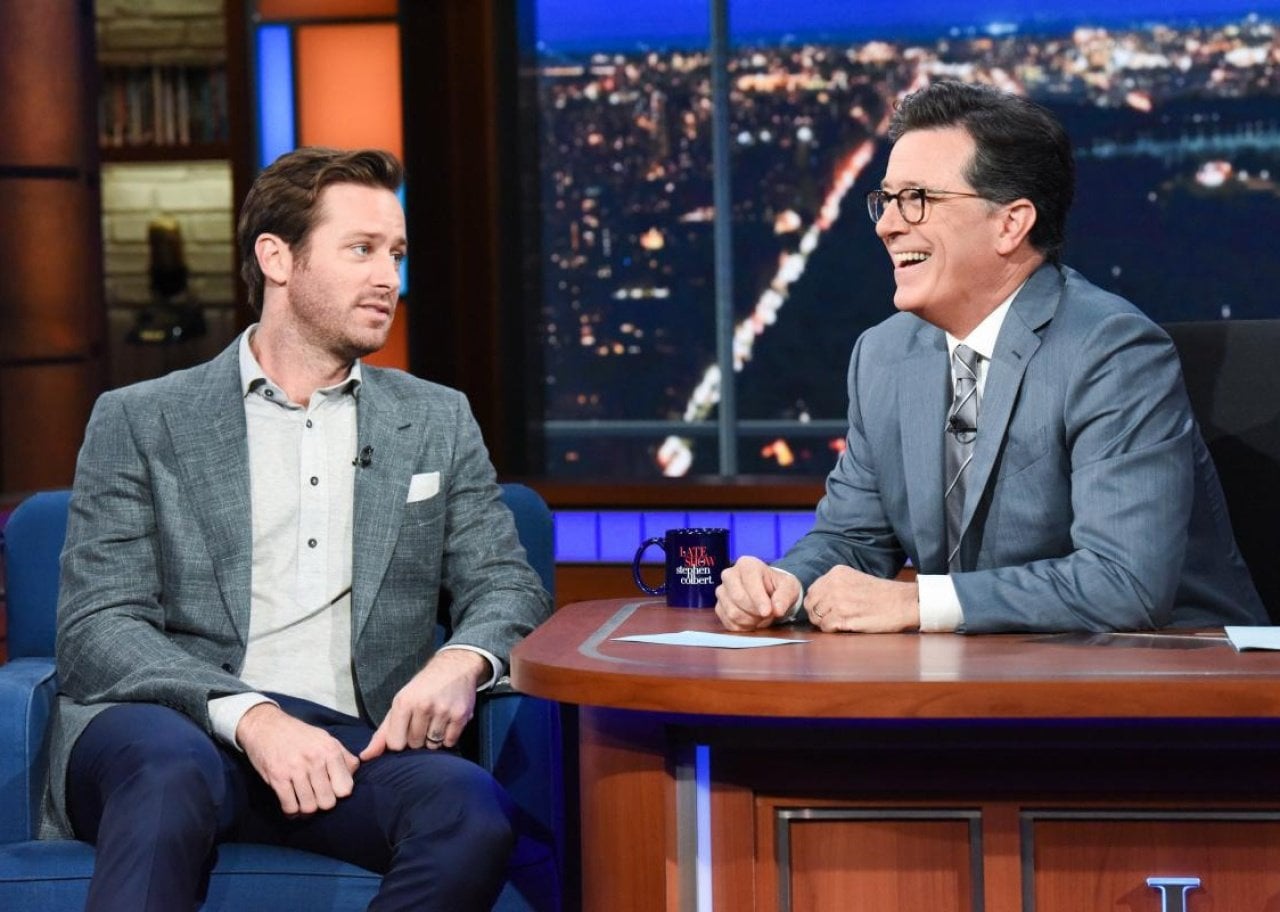
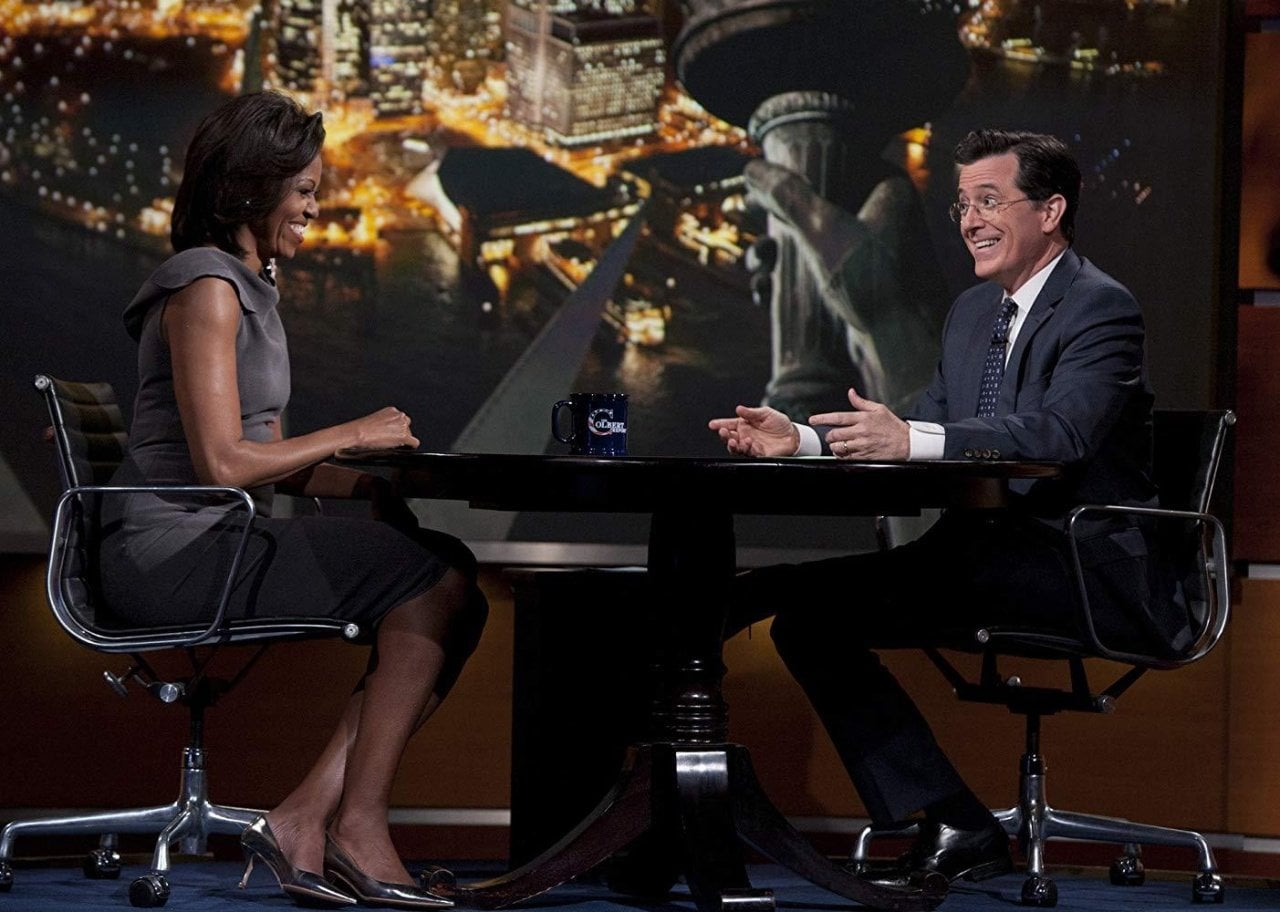
#49. The Late Show with Stephen Colbert
– IMDb user rating: 7.2
– On air: 2015-present
When David Letterman retired after more than 20 years hosting “The Late Show,” comedian Stephen Colbert took the reins. Already well known for his work on “The Daily Show” and its spinoff “The Colbert Report,” Colbert’s show was fairly well-received right out of the gate. Donald Trump’s presidential run proved a ratings boon; the show’s ratings climbed even more once Colbert shifted to a more political approach.
Busboy Productions
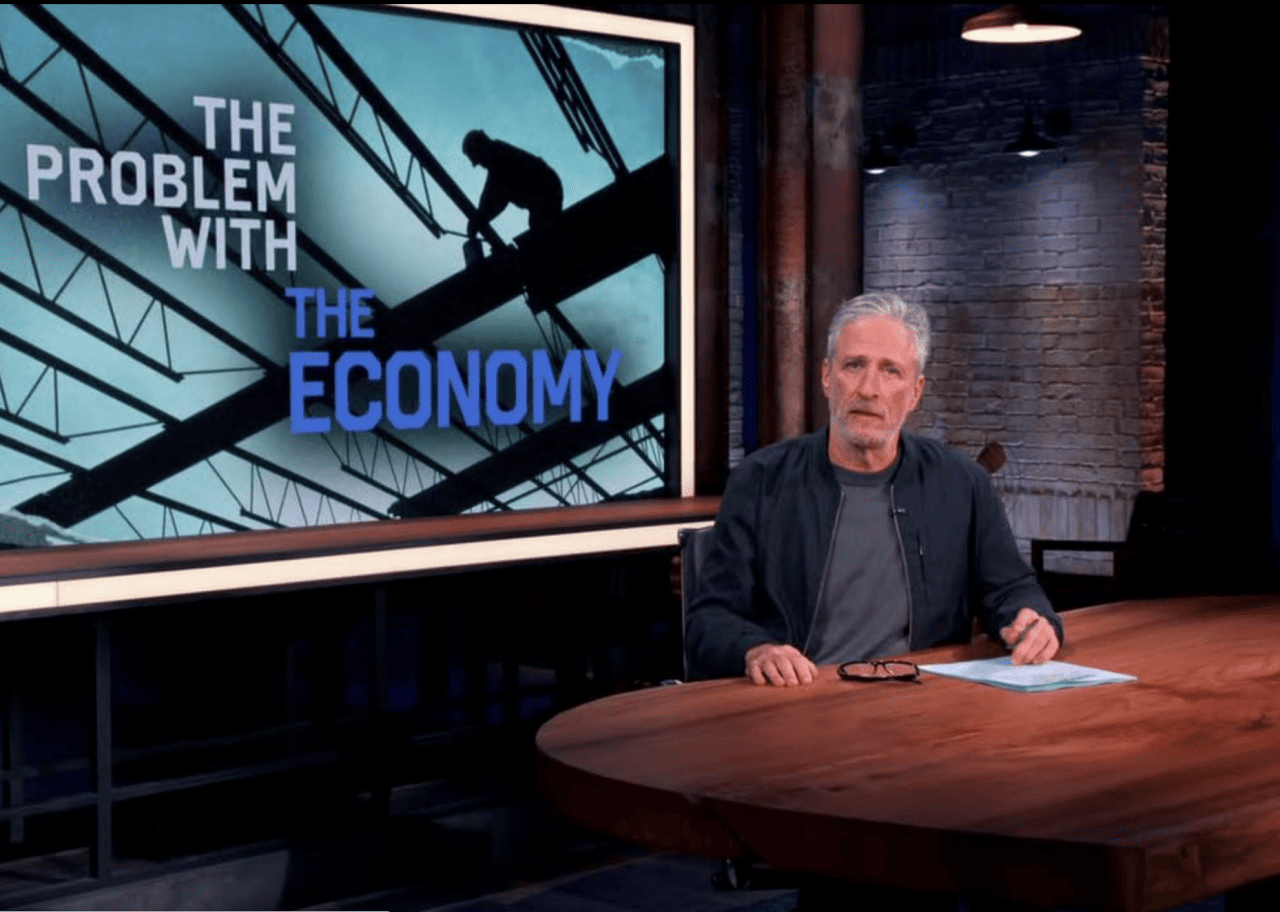
#48. The Problem with Jon Stewart
– IMDb user rating: 7.3
– On air: 2021-2023
Jon Stewart left his post on “The Daily Show” in 2015 but couldn’t stay away from the political arena for too long. In 2021, his new show, “The Problem with Jon Stewart,” debuted on Apple TV+. Unlike “The Daily Show,” each episode focused on a singular issue. Stewart also hosted a podcast of the same name that acted as a spill-over discussion of what didn’t make the TV cut.
Nugget Productions
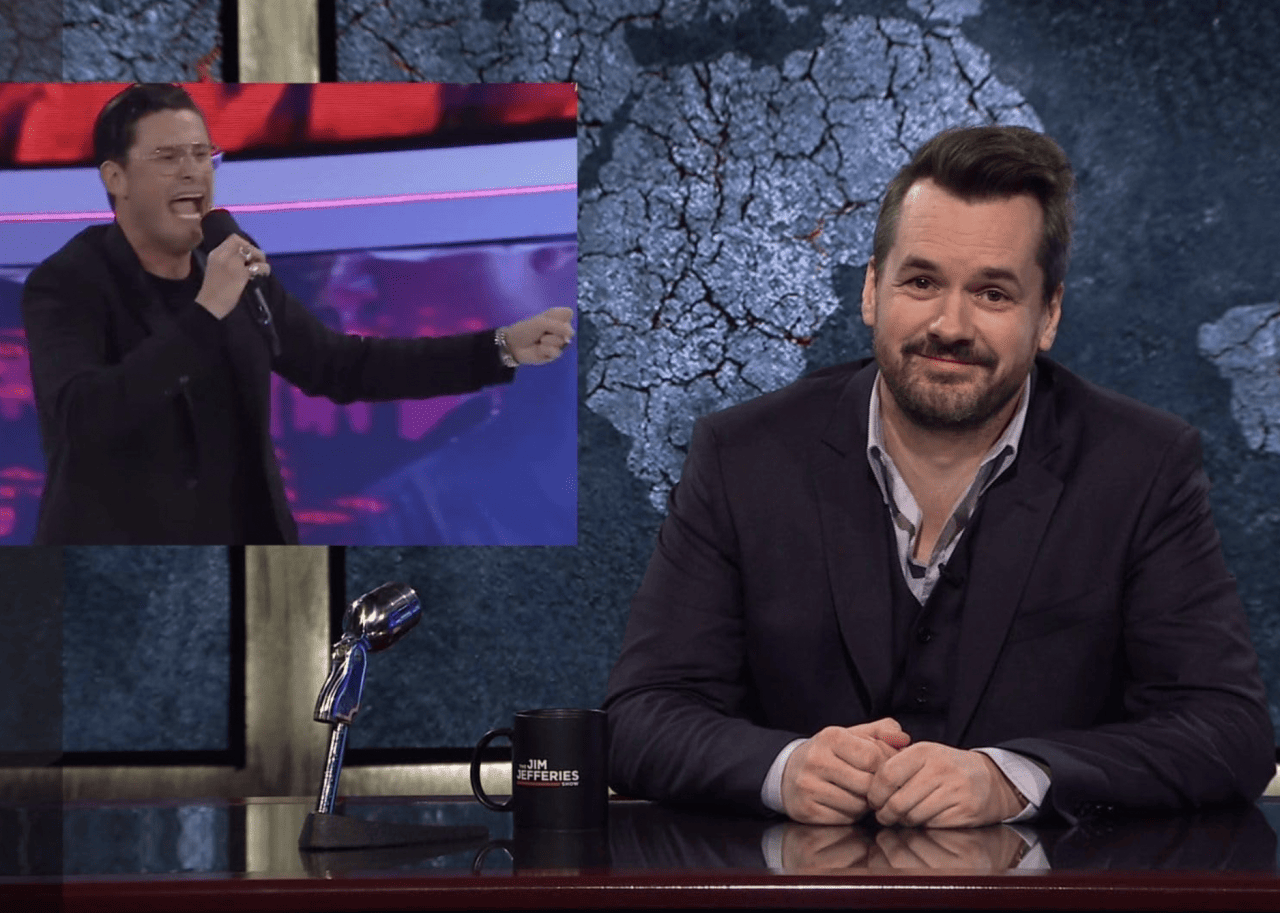
#47. The Jim Jefferies Show
– IMDb user rating: 7.5
– On air: 2017-2019
Jim Jefferies was no stranger to television or politics when Comedy Central offered the Australian comic his weekly news satire show. From 2013 to 2014, he starred in “Legit,” a sitcom he co-created. In 2014, he delivered a popular bit about gun control in his stand-up special (which again went viral eight years after a Texas school shooting), and two years later, he spoke about Donald Trump in his “Jim Jefferies: Freedumb” special. Though his take on politics became a popular one, what might have been the best thing about “The Jim Jefferies Show” was Brad Pitt playing the weatherman. Fun fact: The A-list actor only got paid $400 per episode.
Carson Productions
#46. Late Night with David Letterman
– IMDb user rating: 7.5
– On air: 1982-1993
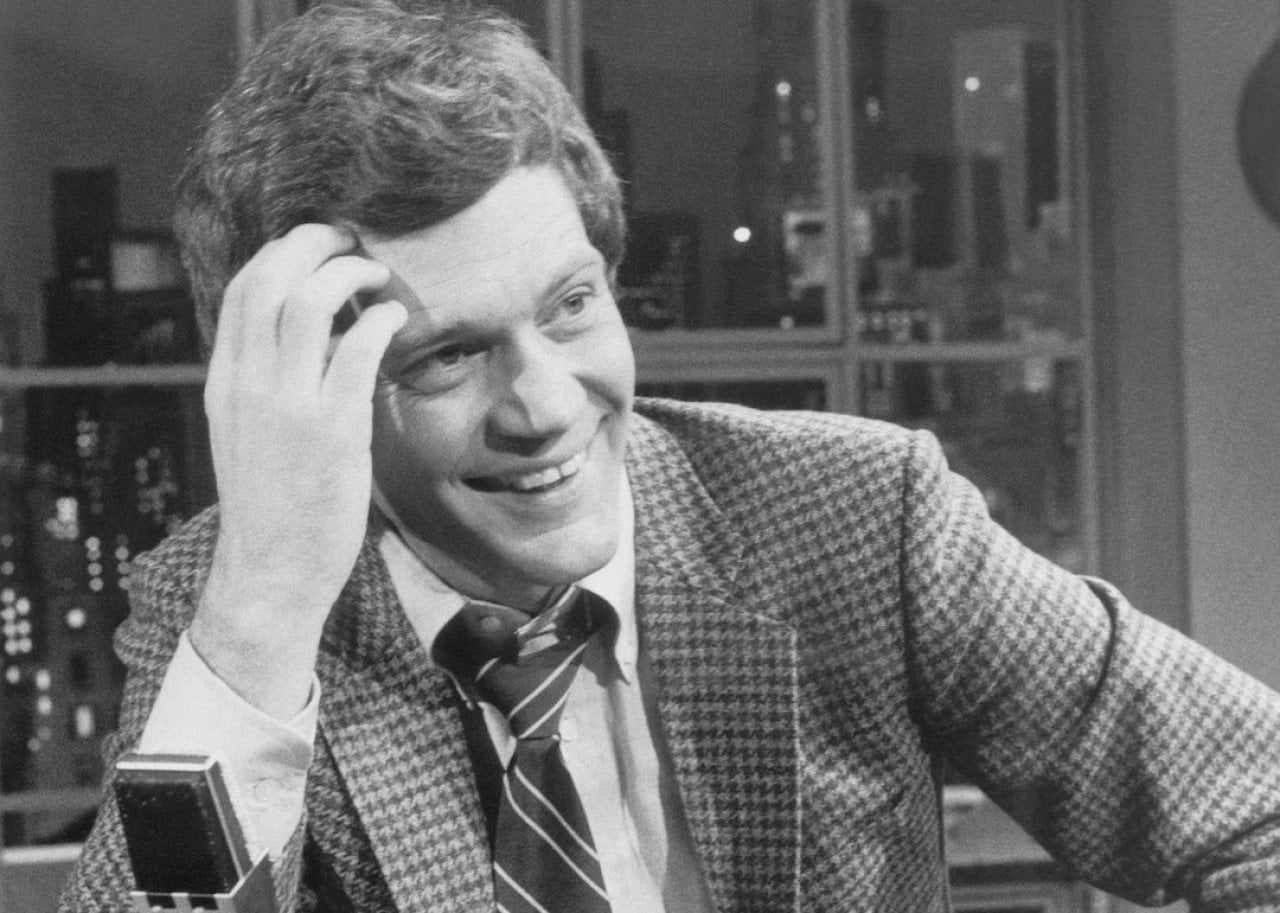
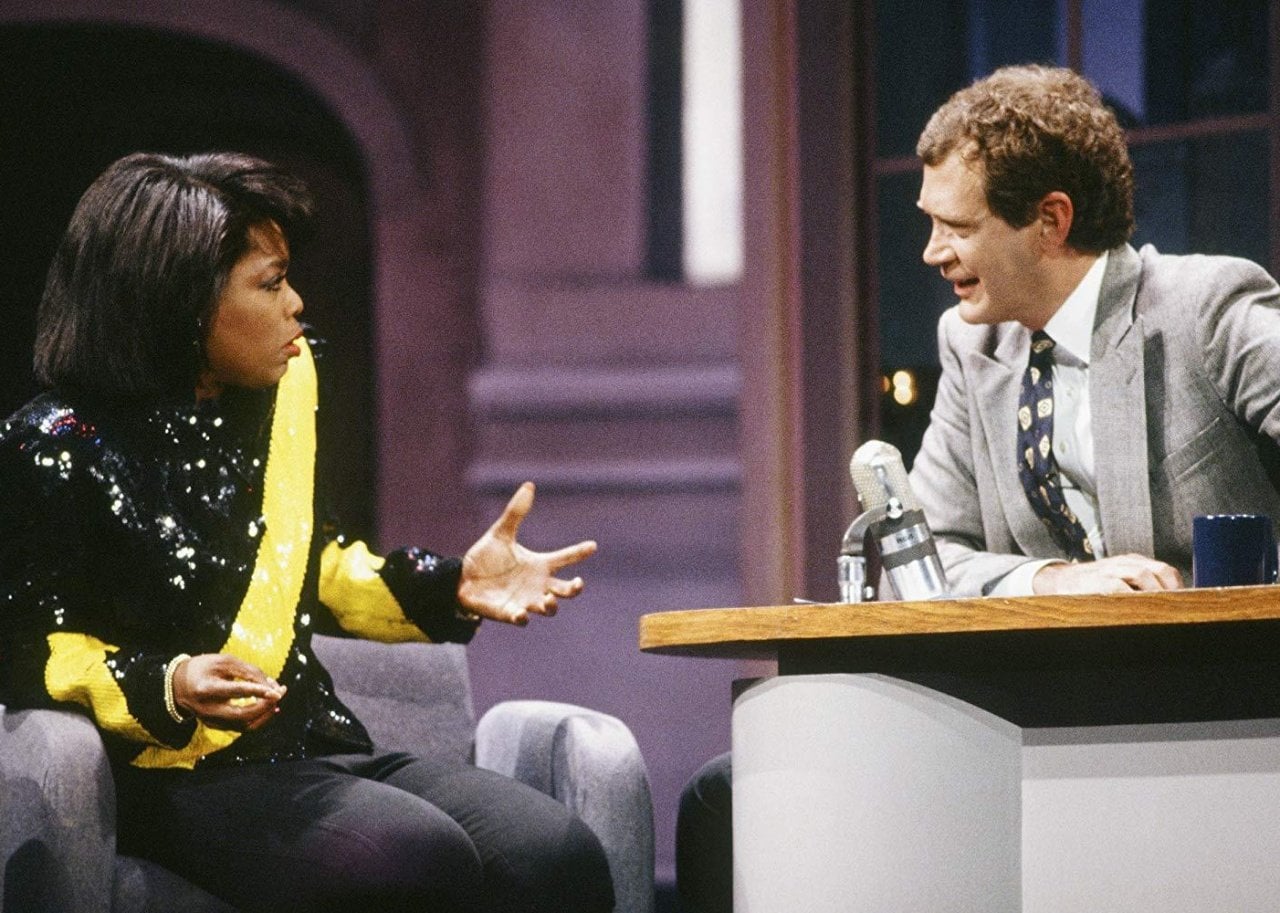
Before the “Late Show,” David Letterman spent 11 years at NBC, establishing his late-night voice and carving out a name for himself. It was here he debuted his famous “Top Ten List” (later to become CBS’s “Late Show Top Ten”) and performed recurring skits like “Stupid Human Tricks” and “Viewer Mail.”
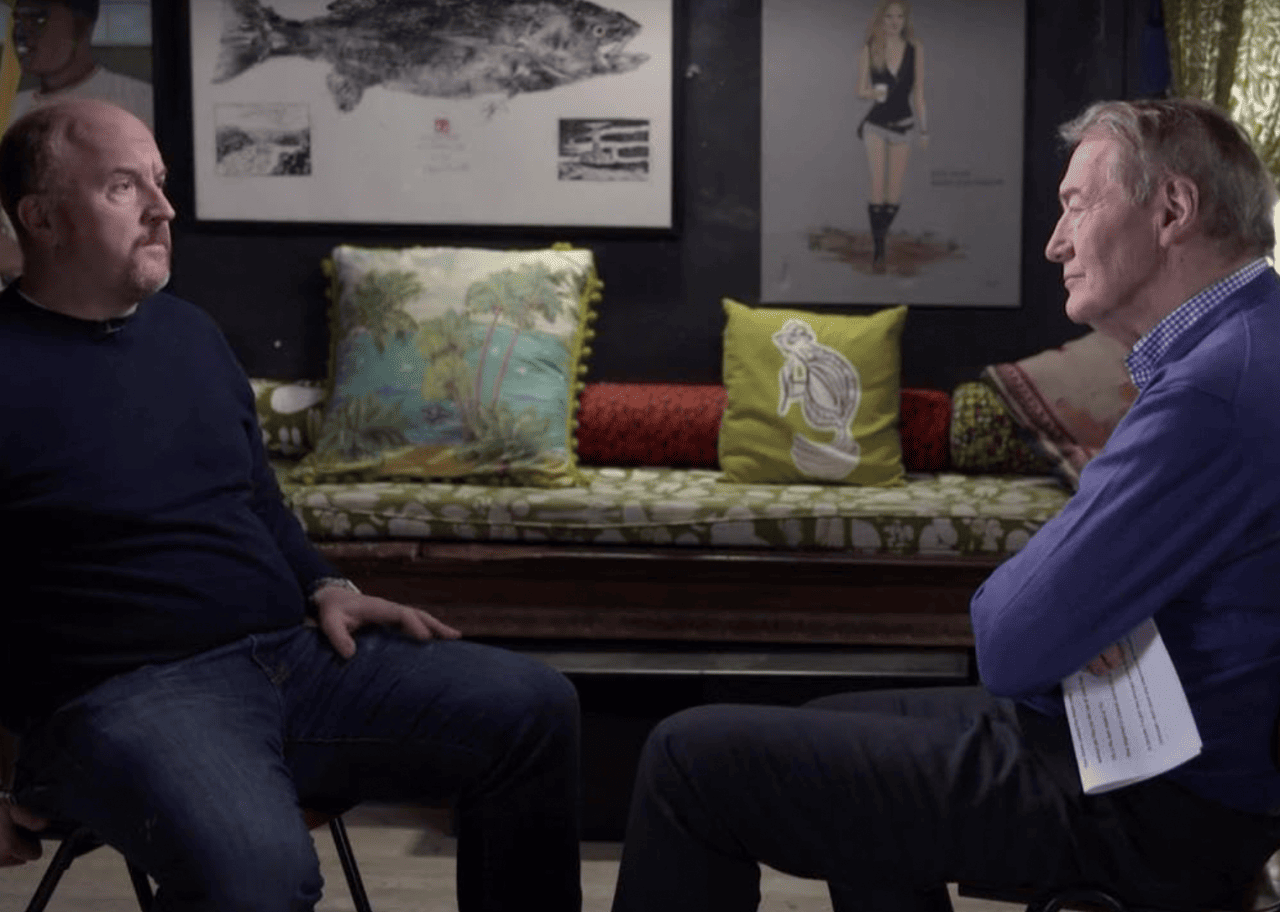
Charlie Rose
#45. Charlie Rose
– IMDb user rating: 7.6
– On air: 1991-2017
For 27 years, Charlie Rose interviewed everyone from Al Gore to Jon Bon Jovi on his eponymous talk show. He was an iconic broadcast journalist; however, the “Charlie Rose” show came to a screeching halt after its host was accused of sexual harassment by several former employees in 2017. PBS swiftly fired Rose, and Bloomberg Television severed ties after The Washington Post published a report detailing eight women’s abuse allegations.
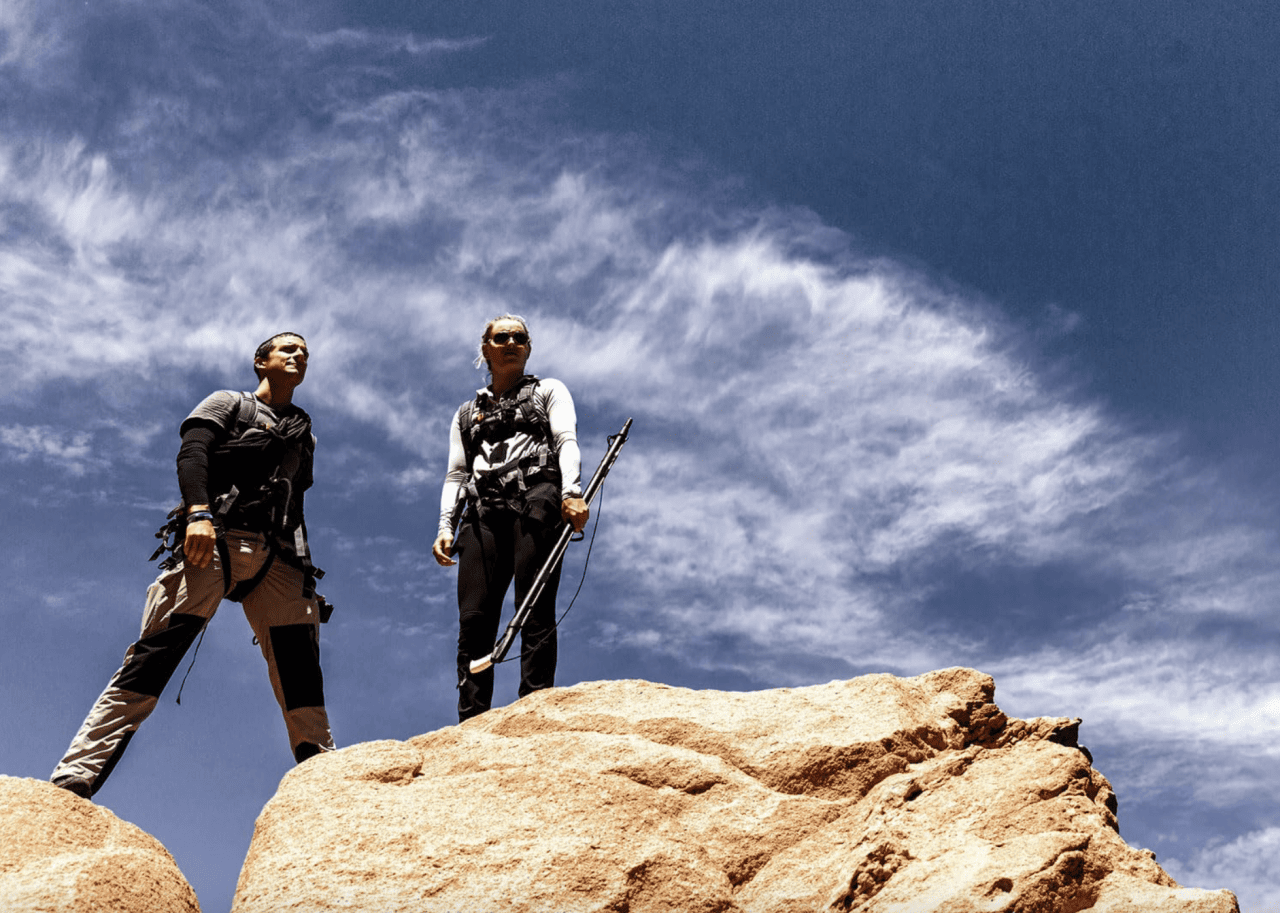
Bear Grylls Ventures
#44. Running Wild with Bear Grylls
– IMDb user rating: 7.6
– On air: 2014-present
Adventurer extraordinaire Bear Grylls became a household name with “Man vs. Wild”—a show in which he showed viewers how to survive some of the planet’s most grueling environments. Though he usually ventured on his own, some of the episodes featured a celebrity tagging along. In 2014, that concept became the focal point of a new show, “Running Wild with Bear Grylls.” The survival skills reality series has starred the likes of Kate Winslet, Channing Tatum, and more A-list celebrities.
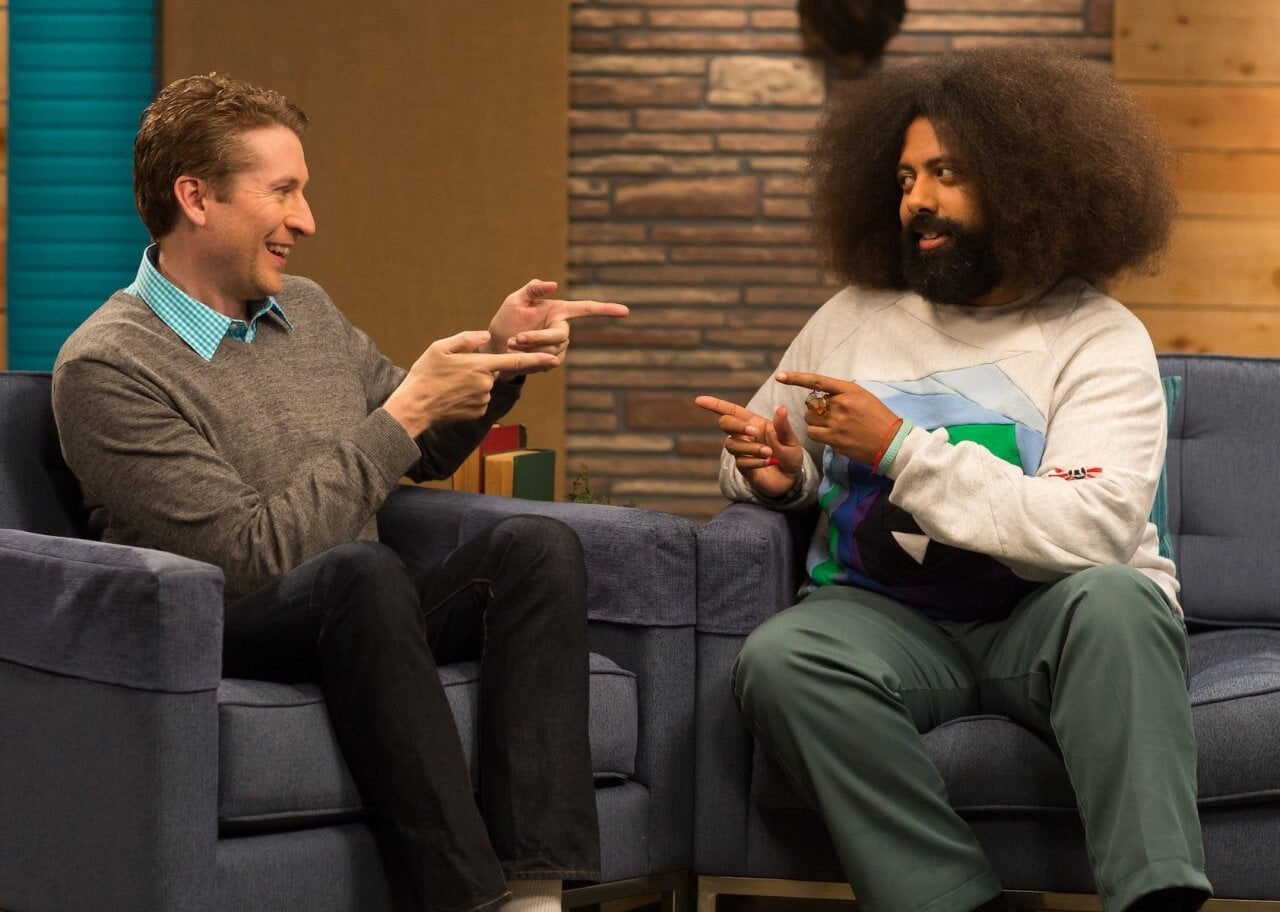
Abso Lutely Productions
#43. Comedy Bang! Bang!
– IMDb user rating: 7.6
– On air: 2012-2016
A spinoff of a podcast of the same name, “Comedy Bang! Bang!” was a parody of late-night talk shows. The series featured real celebrity guests alongside comedy sketches and animated clips, spoofing late-night tropes while conducting real (albeit light) interviews. The show, well-received by both audiences and critics, aired for five seasons, while the podcast that inspired it is still in production.
CBS News Productions
#42. CBS News Sunday Morning
– IMDb user rating: 7.9
– On air: 1979-present
“CBS News Sunday Morning” has been going strong since 1979. In its 40-plus years on the air, the news magazine show has had three permanent hosts: Charles Kuralt, Charles Osgood, and current host Jane Pauley. Despite its long history, the past decade has been the show’s most successful—winning five Daytime Emmys in the Outstanding Morning Program category since first being nominated in 2013.
Columbia Broadcasting System (CBS)
#41. The Ed Sullivan Show
– IMDb user rating: 7.9
– On air: 1948-1971
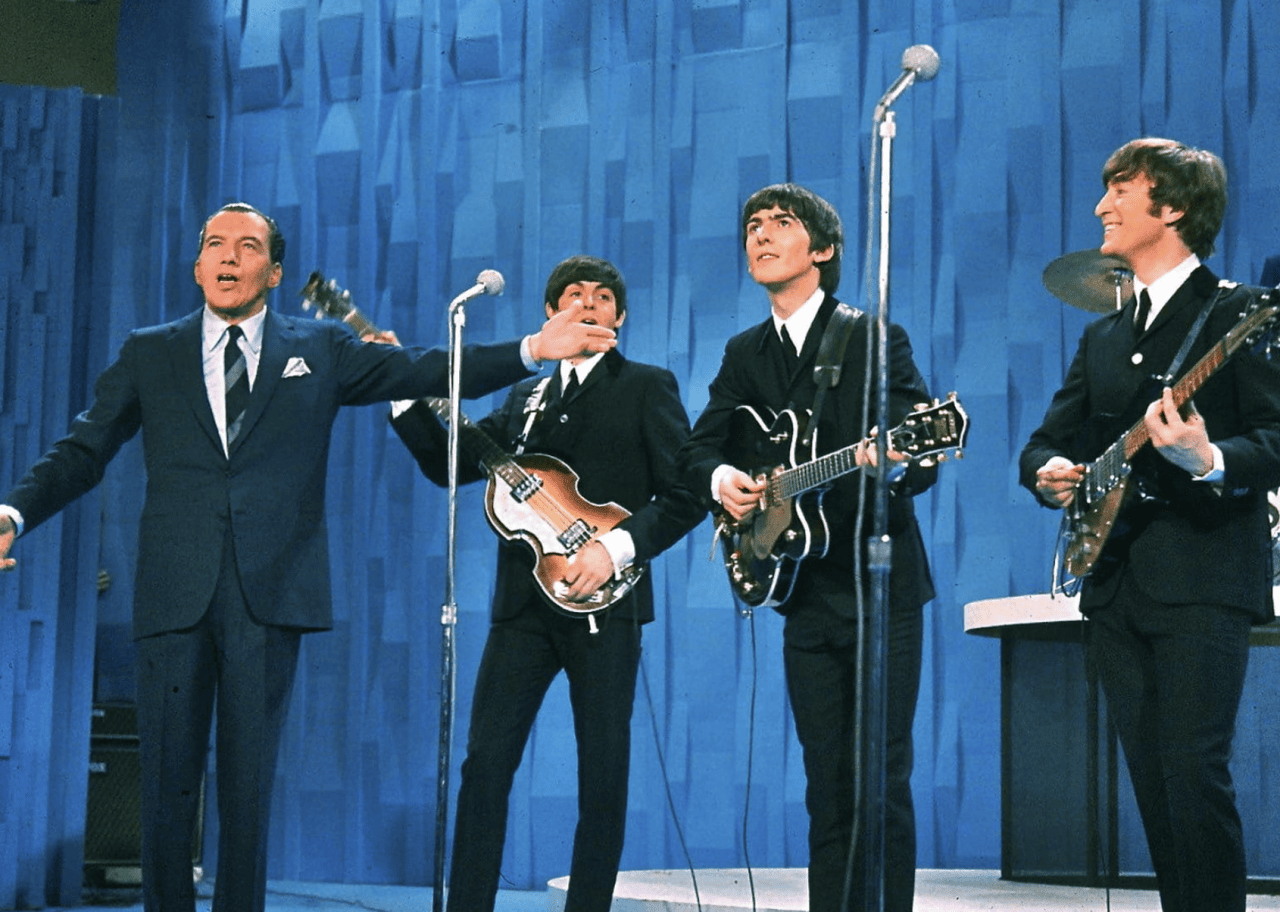
“The Ed Sullivan Show” hit its prime just as television became widely popular in the U.S. The weekly variety show aired every Sunday at 8 p.m. Eastern time. In 1964, the height of its success, it pulled in 14 million weekly viewers. The program’s biggest claim to fame is booking the Beatles’ first live performance in America, which has since become one of the biggest moments in television history.
Eye on Excellence Productions
#40. Eye on Entertainment
– IMDb user rating: 7.9
– On air: 2005-present
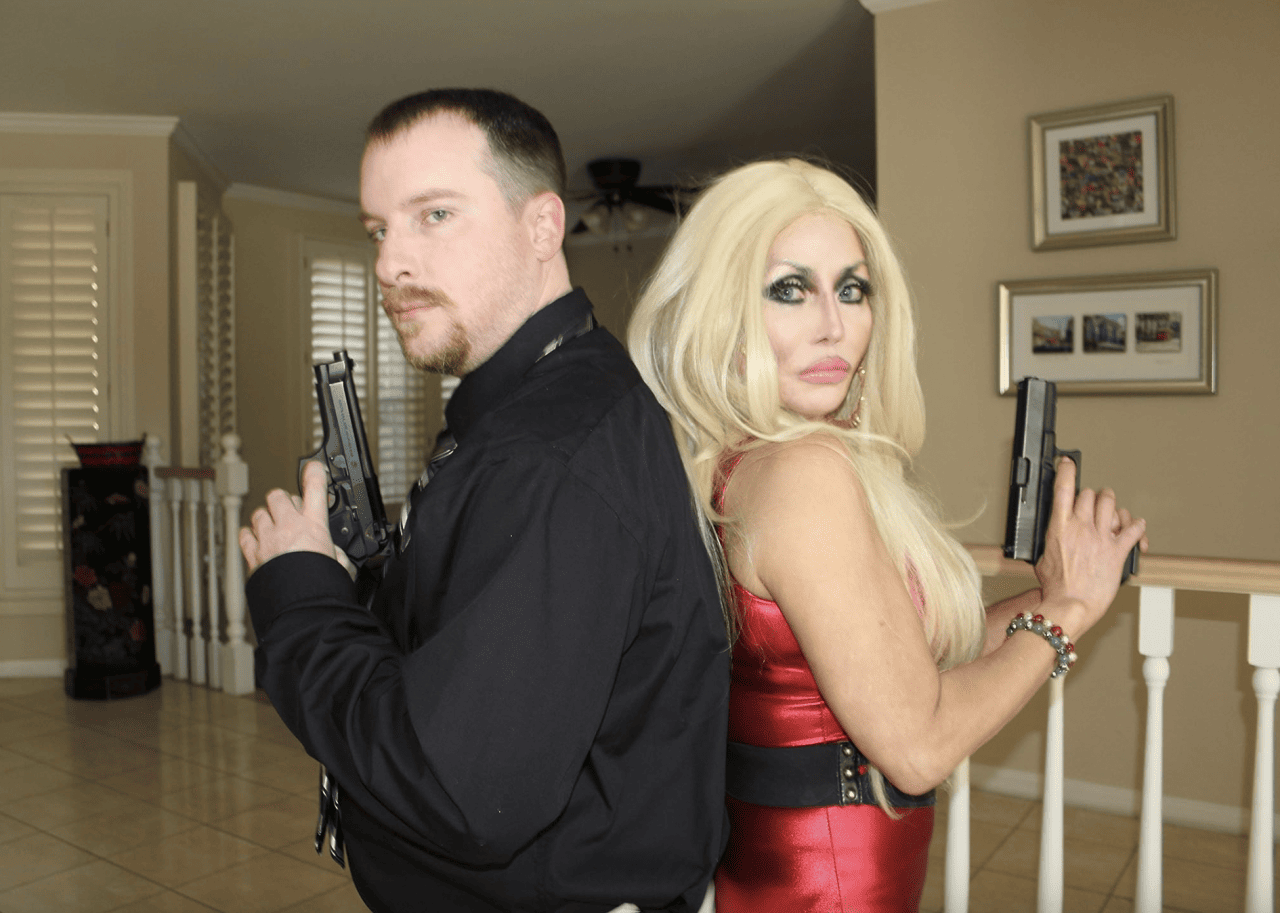
Dawna Lee Heising created and hosts “Eye on Entertainment.” Each episode features the actor interviewing figures from different facets of the entertainment industry, from fellow actors and musicians to producers, artists, and more, focusing on independent arts. In January 2025, the show began its 21st season.
RadicalMedia
#39. My Next Guest Needs No Introduction with David Letterman
– IMDb user rating: 7.9
– On air: 2018-present
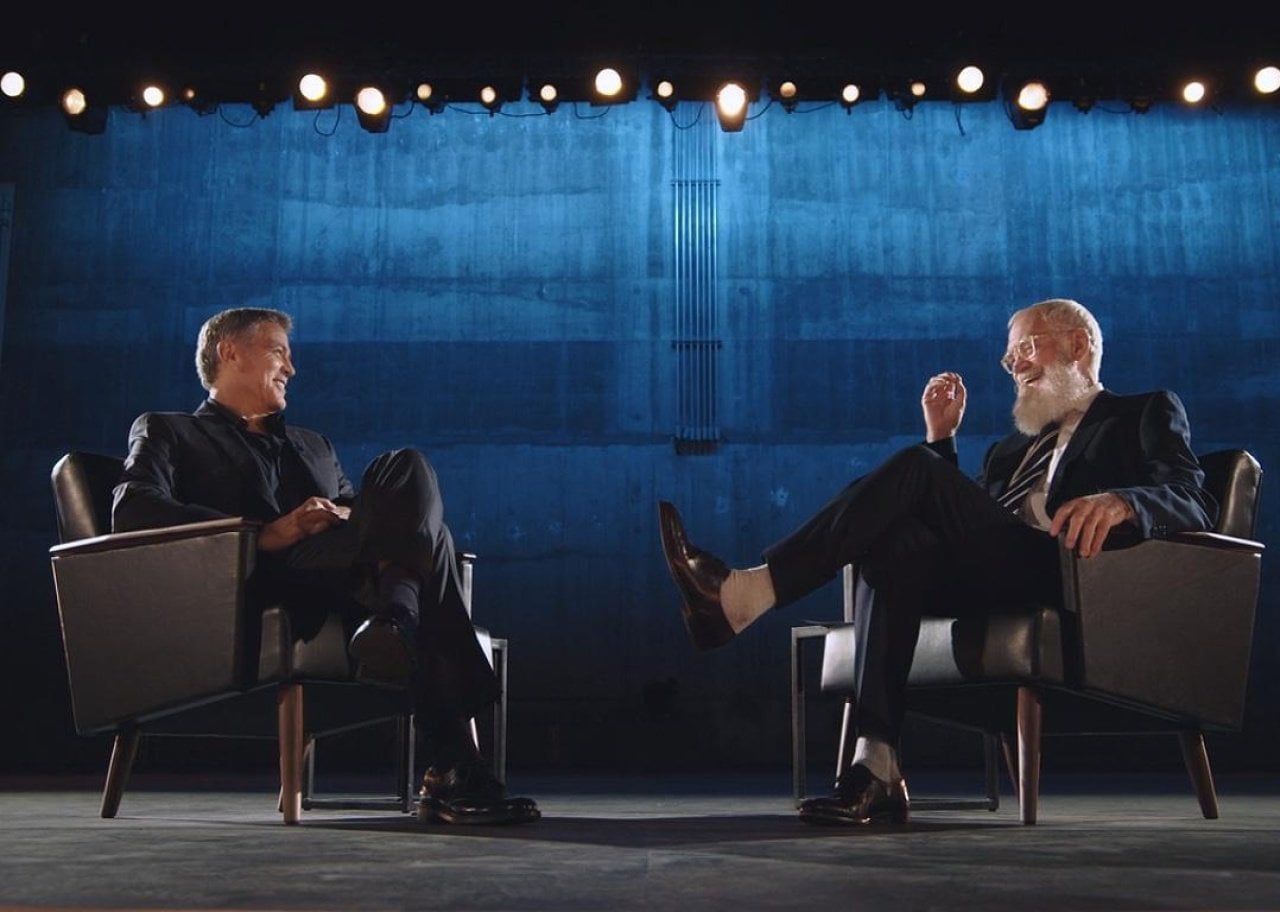
Just a few years after retiring from late-night TV, host David Letterman launched this Netflix series, in which he interviews world leaders and other major celebrities with an intimate, personal approach. While the show is occasionally humorous, it has a much more subdued tone than his late-night work.
Cartoon Network
#38. Space Ghost Coast to Coast
– IMDb user rating: 7.9
– On air: 1993-2012
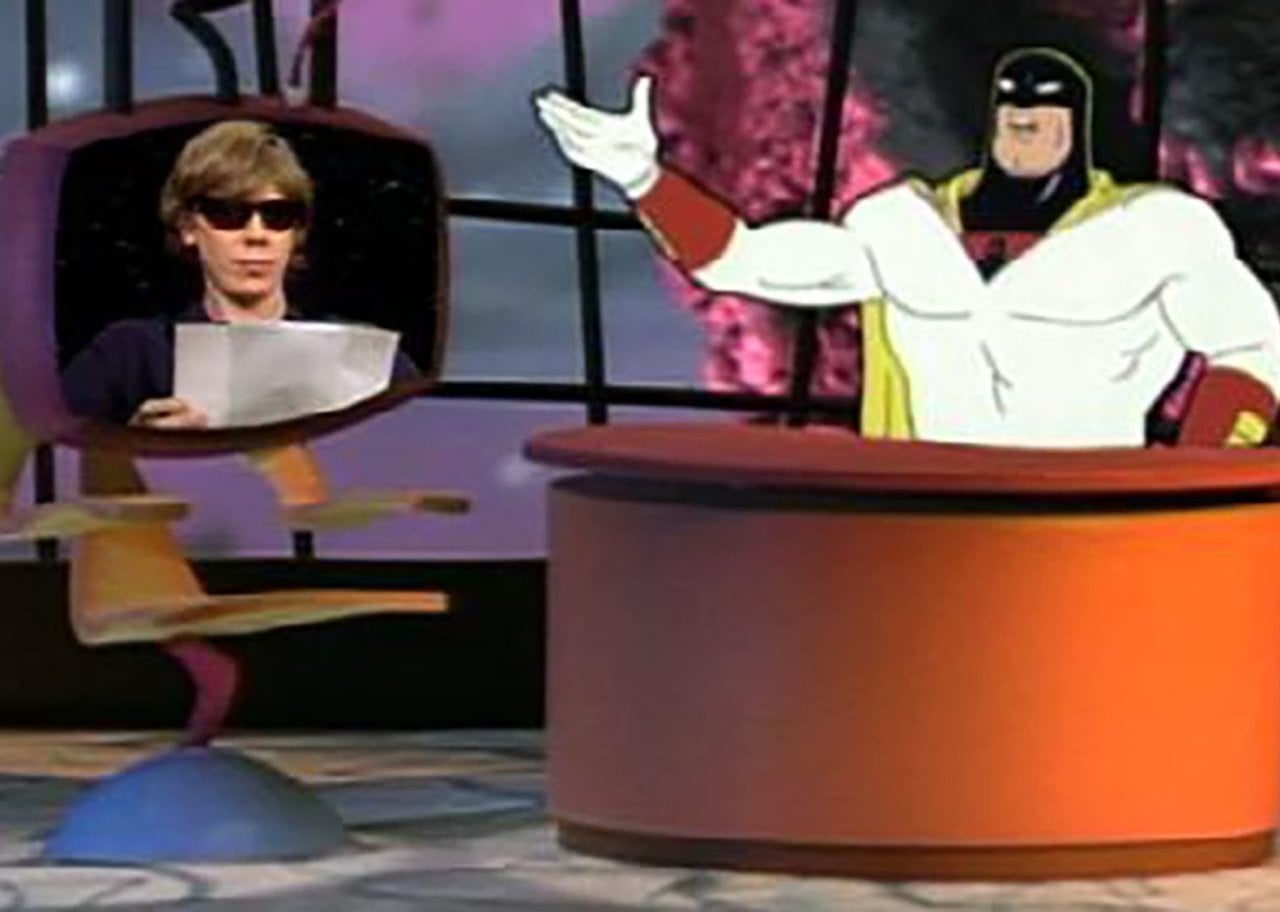
“Space Ghost Coast to Coast,” another parody talk show, was an animated series aimed at adults and hosted by the Hanna-Barbera character Space Ghost. Cartoon Network’s first original series aimed at adults featured interviews with real celebrities and ordinary citizens, completed via an ” intergalactic video phone.” Despite its awkward and occasionally hostile humor, the series was a hit with fans. The show would pave the way for Adult Swim and arguably the random, recontextualized humor prevalent today.
Michael Buckner // Getty Images
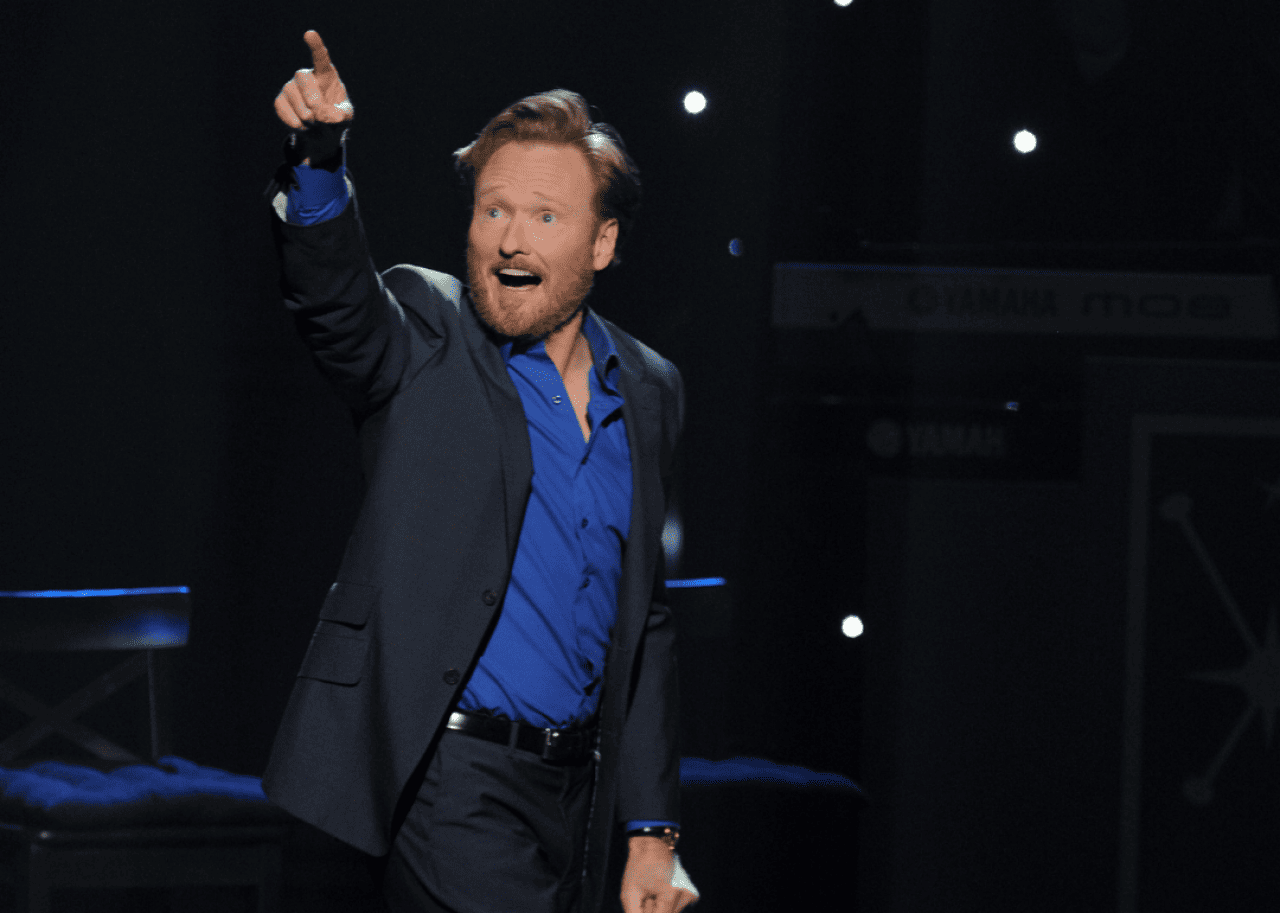
#37. The Tonight Show with Conan O’Brien
– IMDb user rating: 8.0
– On air: 2009-2010
Conan O’Brien in 2009 was promoted from NBC’s “Late Night,” which he’d hosted since 1993, to the network’s premiere program “The Tonight Show”—a position he’d allegedly been promised in 2001. Six months later, however, O’Brien left the show amid a network feud with Jay Leno.
Sony Pictures Television
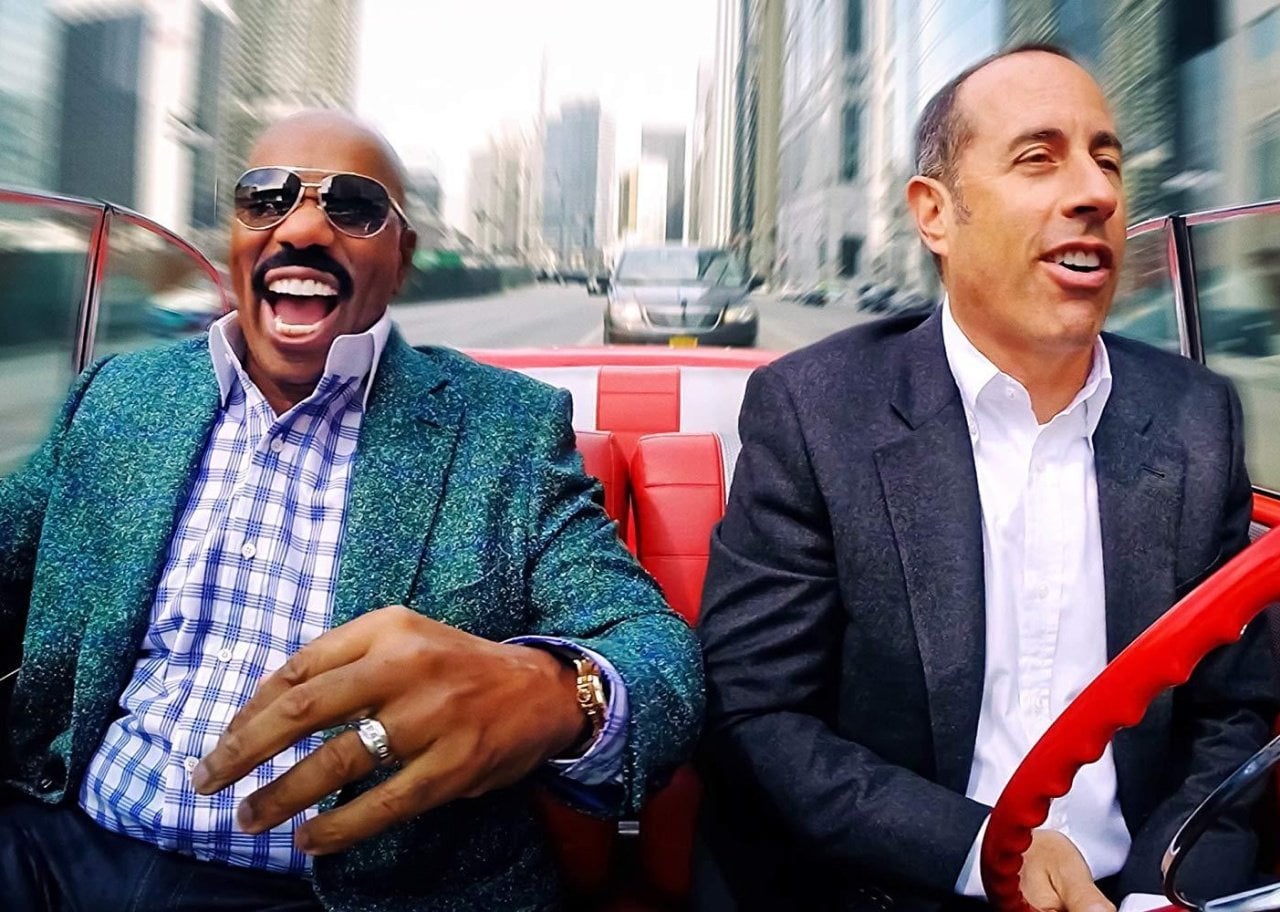
#36. Comedians in Cars Getting Coffee
– IMDb user rating: 8.0
– On air: 2012-2019
Hosted by longtime funnyman Jerry Seinfeld, “Comedians in Cars Getting Coffee” was a low-key Netflix series where the host invited fellow comedians to drive around in vintage cars with him and eat food or drink coffee at nearby cafes. It was nominated for five Emmys and won five Producers Guild of America Awards. While the show aired its final episode in 2019, it wasn’t until November 2021 that Seinfeld confirmed he was done with the series.
Cornelius-Griffey Entertainment Inc.
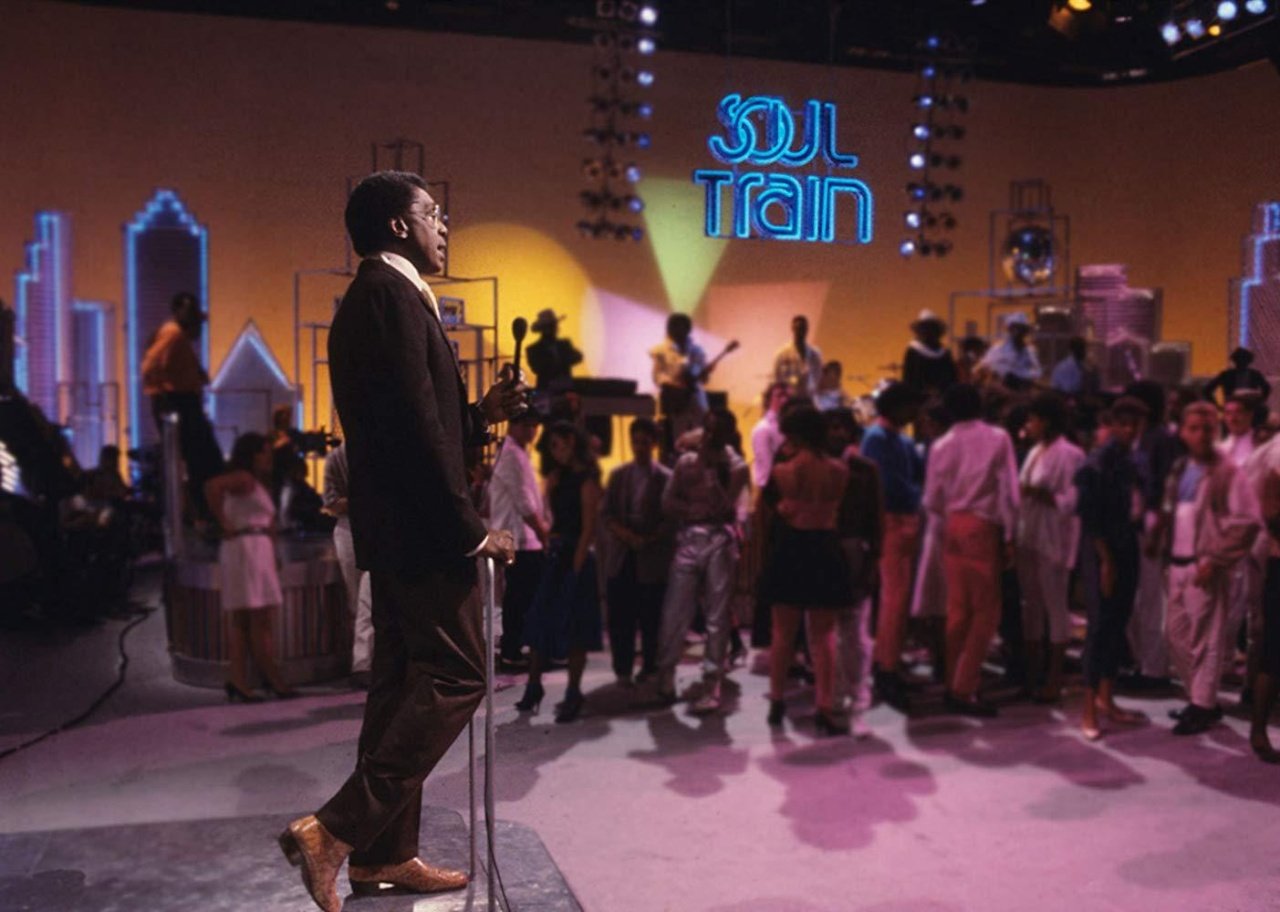
#35. Soul Train
– IMDb user rating: 8.1
– On air: 1971-2006
This musical variety show, which launched in the early ’70s and ran all the way up until 2006, featured music and dance performances by artists rooted primarily in R&B, soul, pop, and hip-hop. In its 35-year run, the show was often called the “Black American Bandstand,” although its original host and creator, Don Cornelius, refuted the title, saying it was for everybody. It held the title of America’s longest-running first-run, nationally syndicated program until 2016, when “Entertainment Tonight” took the title.
ESPN (Entertainment & Sports Programming Network)
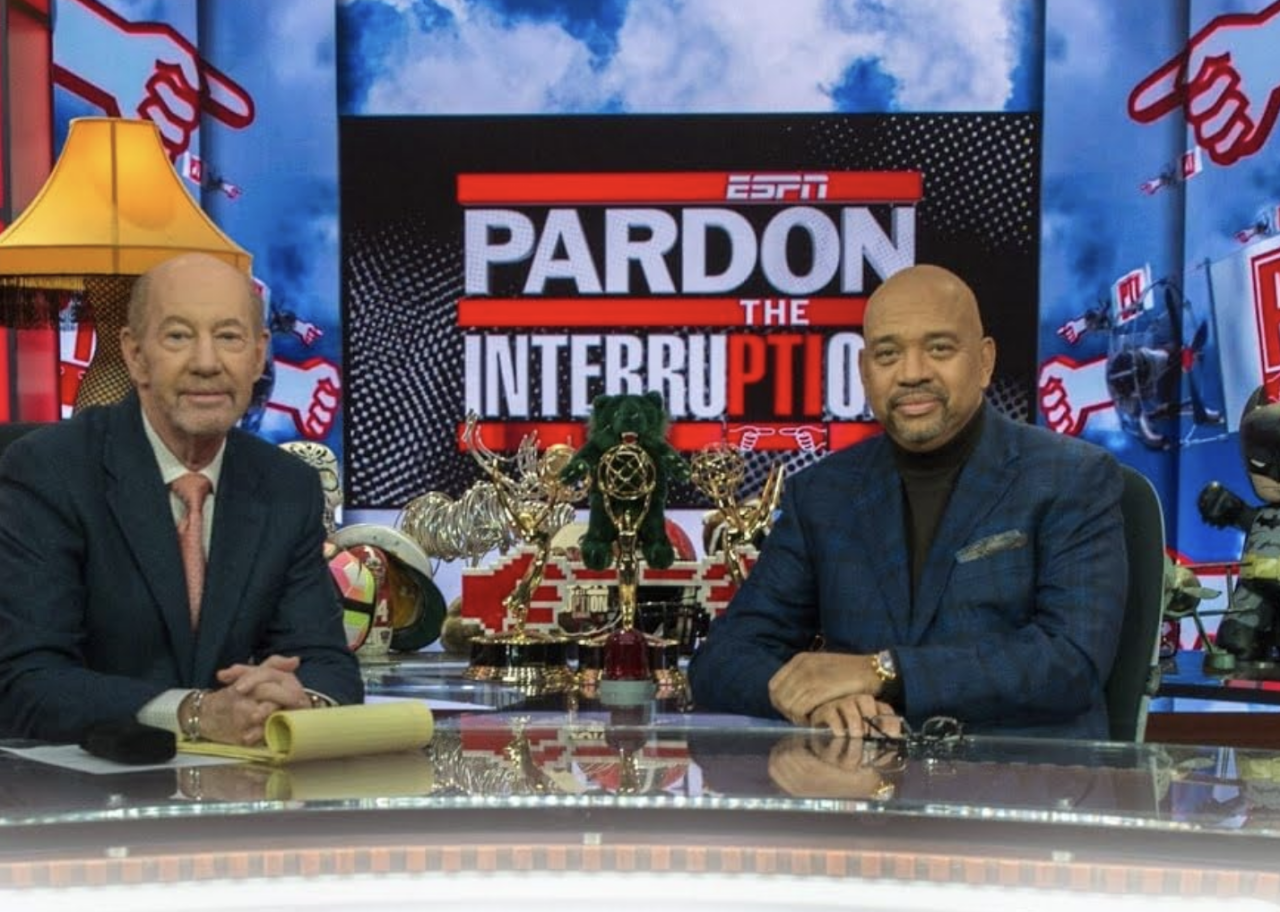
#34. Pardon the Interruption
– IMDb user rating: 8.1
– On air: 2001-present
“Pardon the Interruption” is a weekday sports show that airs on ESPN. Hosts Tony Kornheiser and Michael Wilbon cram a lot into the 30-minute airtime, including national headlines, “Five Good Minutes” interviews with sports figures, various games, and the “Big Finish,” where the co-hosts discuss topics at a rapid pace. As the name suggests, Kornheiser and Wilbon often interrupt each other and debate over the topics of the day.
Taylor Hill // Getty Images
#33. SportsCenter
– IMDb user rating: 8.1
– On air: 1979-present
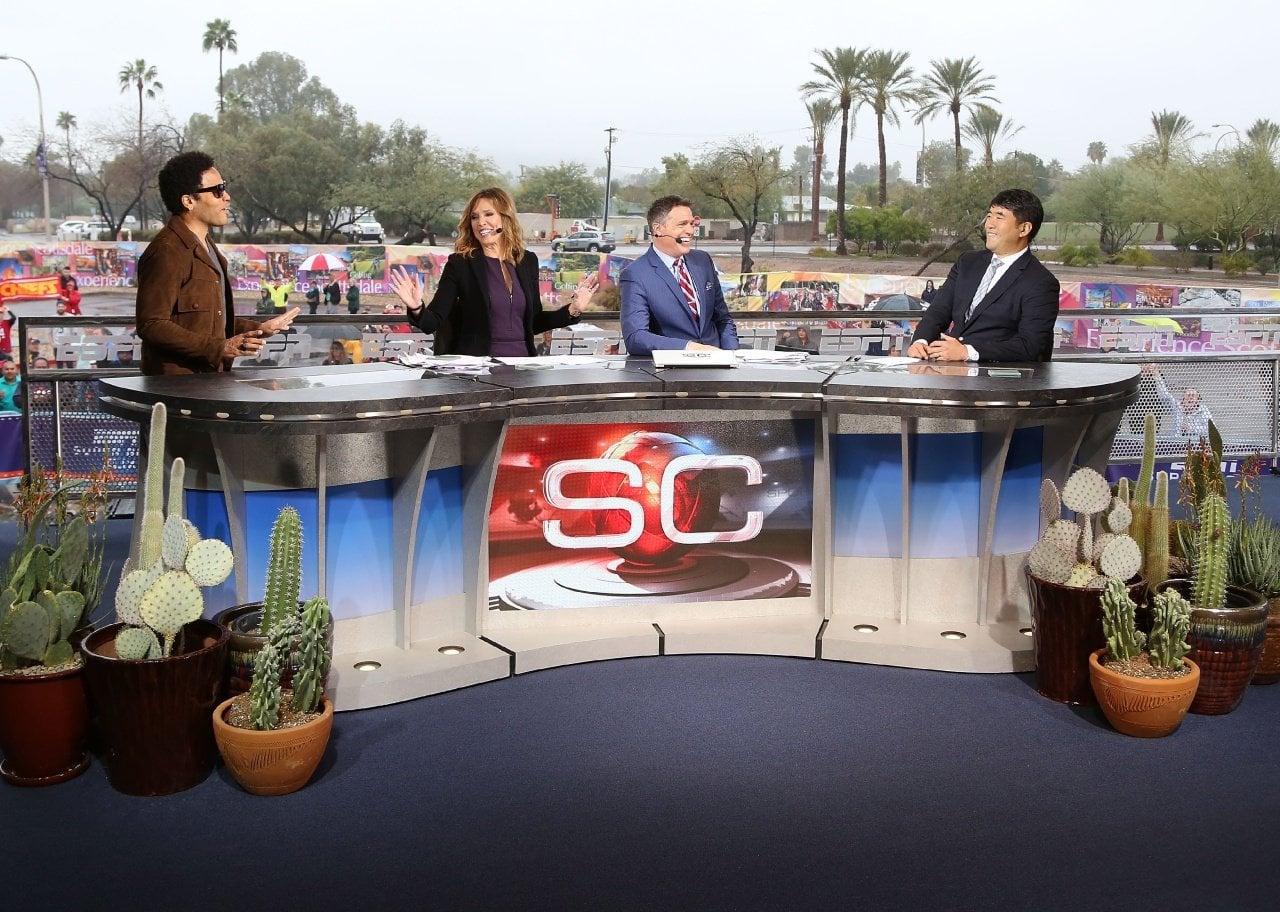
“SportsCenter” is ESPN’s flagship sports program that airs up to 12 times a day under different editions, offering viewers up-to-date clips of major highlights from games, score reviews, and general sporting news. Almost three dozen anchors currently host the show’s various iterations, including long-timers John Anderson, Linda Cohn, and David Lloyd.
Nice Little Day
#32. Adam Ruins Everything
– IMDb user rating: 8.1
– On air: 2015-2019
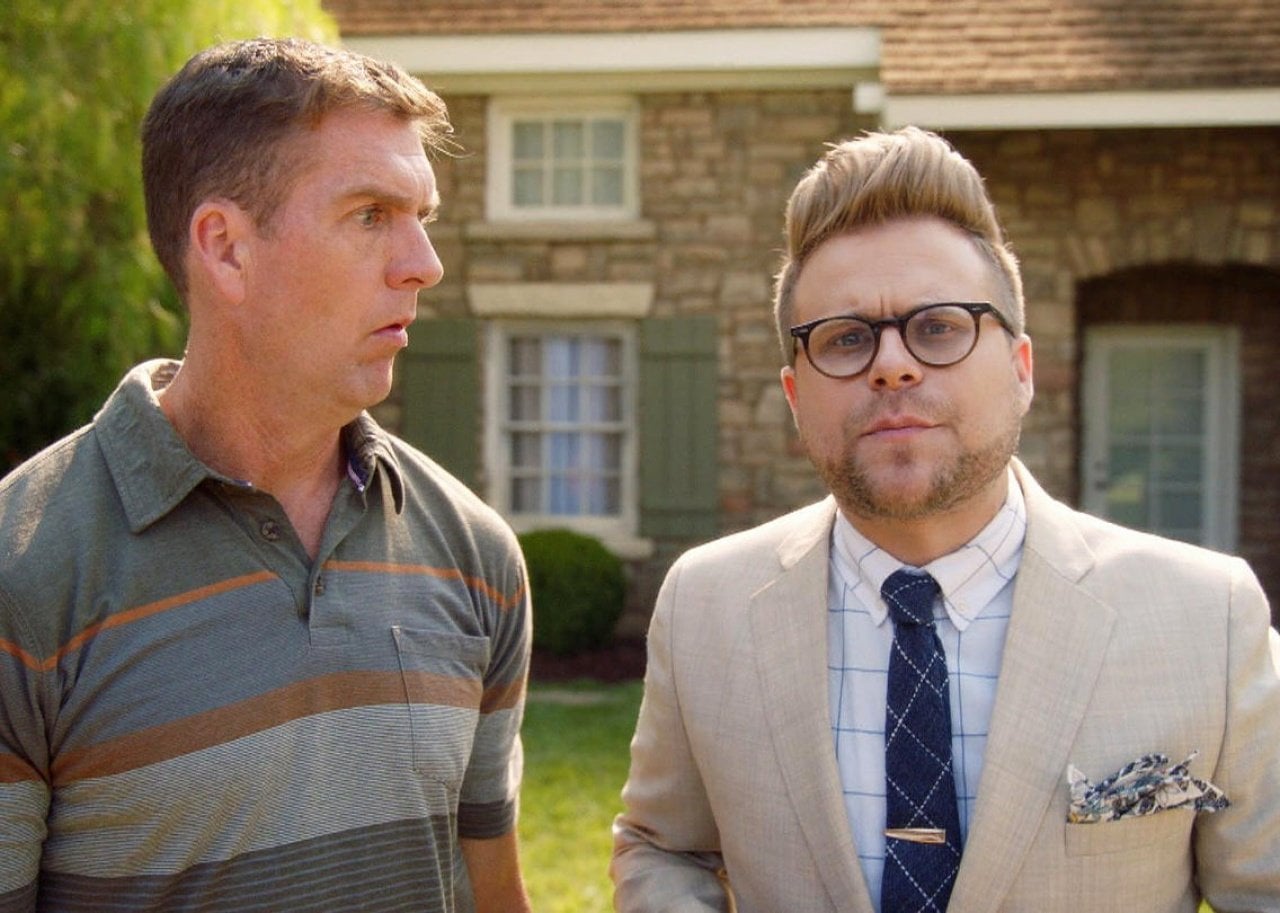
CollegeHumor comedian Adam Conover was the host of “Adam Ruins Everything,” an educational comedy show that debunked common misconceptions viewers held about…everything. During the show’s three seasons, Conover tackled topics ranging from presidential elections to counting calories, encouraging critical thinking from his audience while providing, as critic Andy Dehnart put it, “a highly effective model for overcoming the roadblocks between our brains and reality.”
The series ended in 2019, but Conover went on to host the Obama-produced Netflix limited series “The G Word with Adam Conover” in 2022.
Dana Edelson // Getty Images
#31. Late Night with Conan O’Brien
– IMDb user rating: 8.2
– On air: 1993-2009
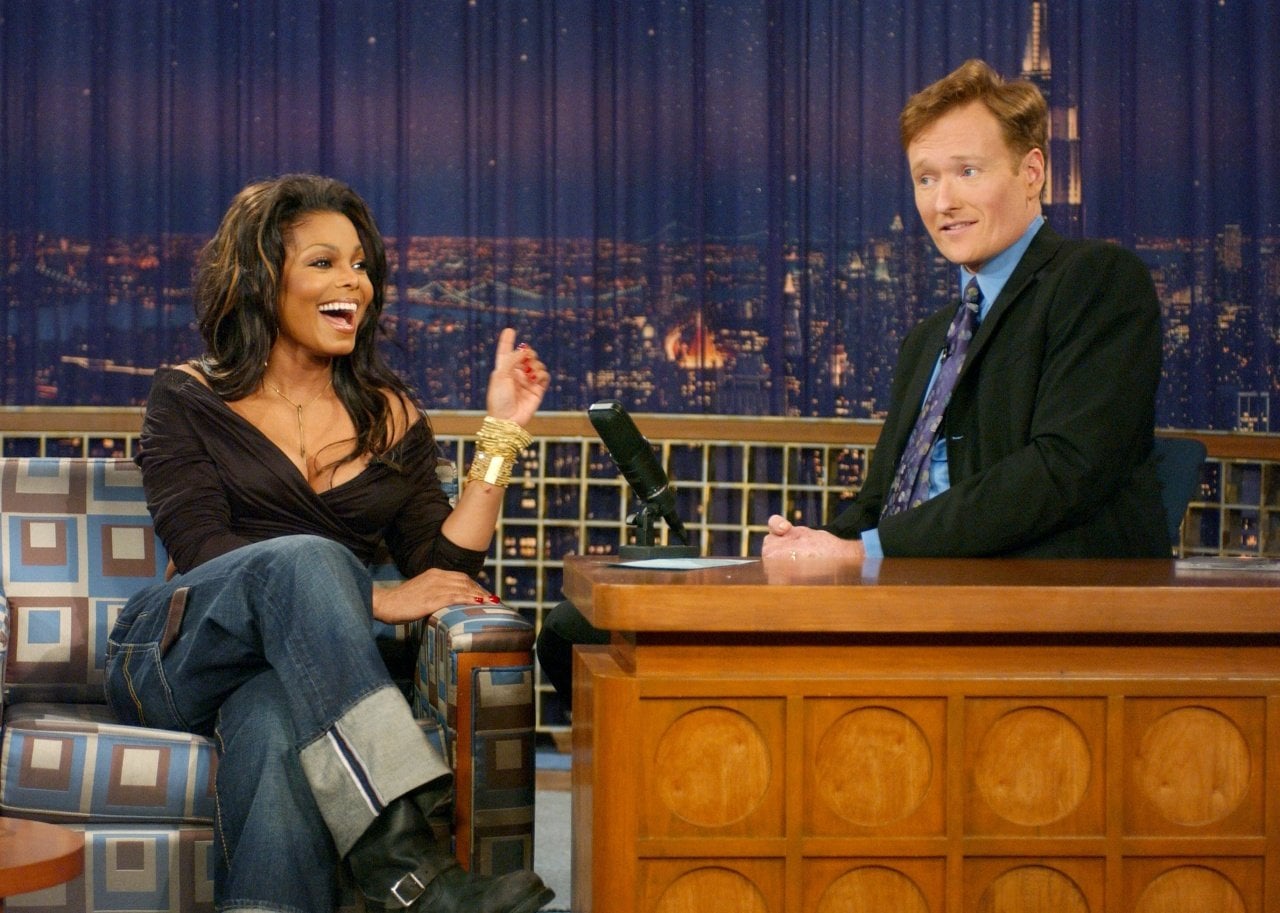
Prior to his TBS show “Conan,” the popular late-night comedian spent 17 years performing on NBC’s “Late Night” franchise after its original host David Letterman moved to the network’s “Tonight Show.” O’Brien’s humor was goofy and often edgy, with lots of wacky stunts and silly sketches. The host spent time riffing with his house band’s drummer Max Weinberg and frequently did skits with Amy Poehler before she joined “SNL.”
Conaco
#30. Conan
– IMDb user rating: 8.2
– On air: 2010-2021
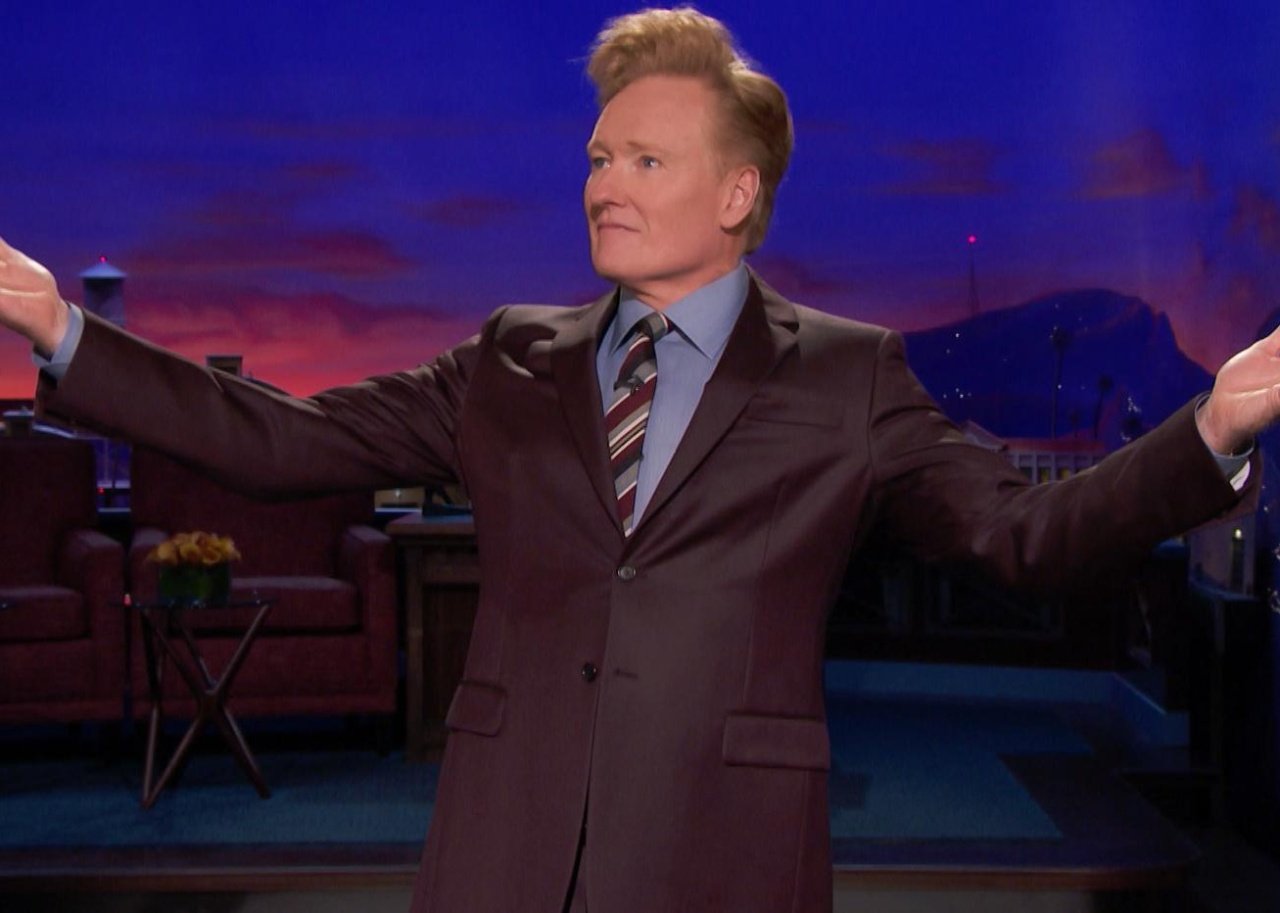
After the flap with NBC and Jay Leno, late-night host Conan O’Brien permanently separated from his long-time network and migrated to TBS, where “Conan” lived from 2010 to 2021. The half-hour program is similar to its predecessors, albeit skewed toward a younger audience, with a monologue followed by celebrity interviews and a musical guest.
ABC Television Network
#29. The Dick Cavett Show
– IMDb user rating: 8.3
– On air: 1968-1988
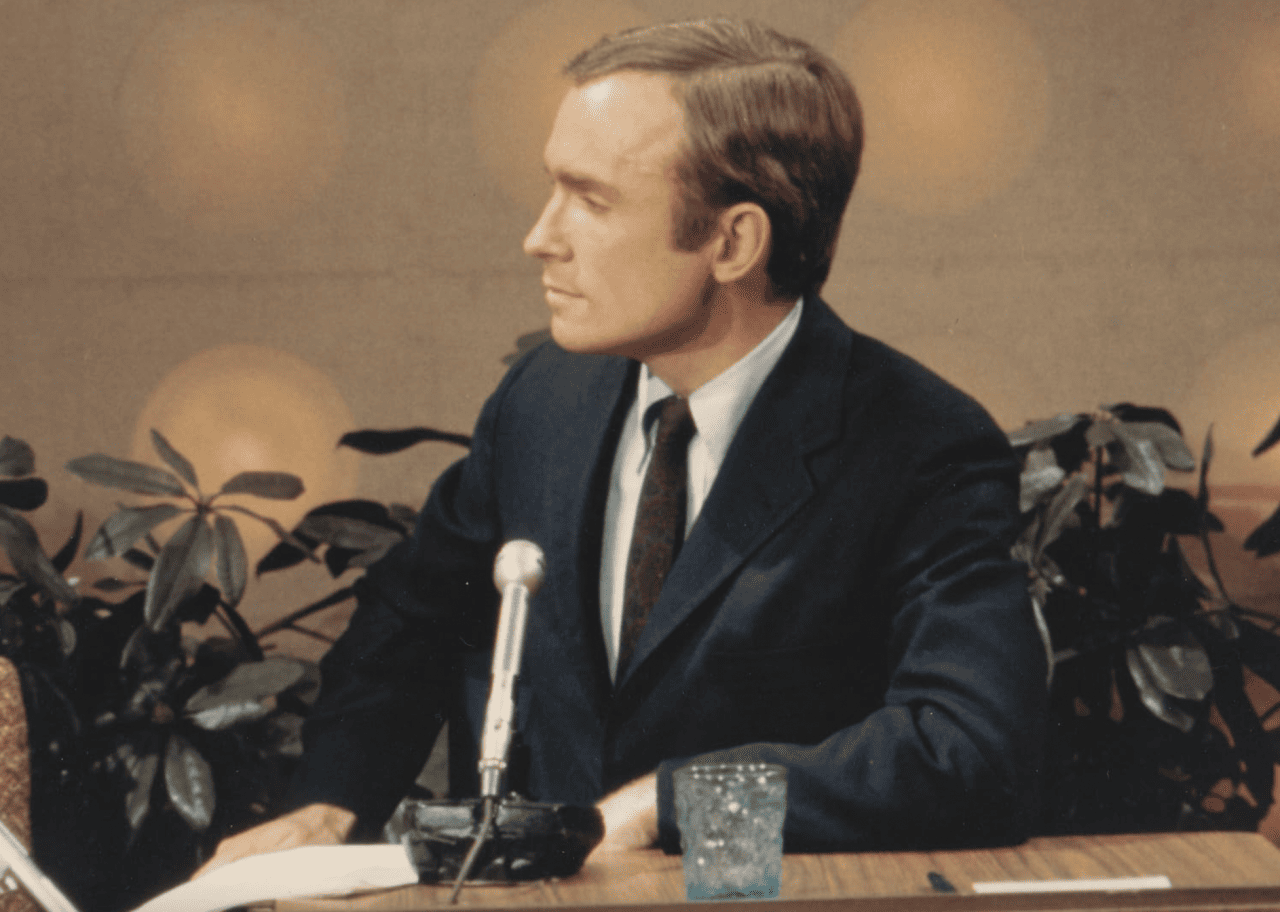
“The Dick Cavett Show” premiered in 1968, six years after “The Tonight Show Starring Johnny Carson.” Though Carson was the king of late night at the time, Cavett’s show was always seen as the cool alternative because of his rapport with rock ‘n’ roll icons like Janis Joplin and Jimi Hendrix, despite not caring about the genre itself.
Alex Beltman
#28. I Hate Everything
– IMDb user rating: 8.3
– On air: 2013-present
Alex Beltman’s series “I Hate Everything” is aptly titled. The YouTuber has been posting videos for the past decade where he slams things like popular video games and movies, toys, and even brands, using black comedy to back his opinions. Beltman may hate a lot of things, but there is one thing he loves: the minions.
Brad Barket // Getty Images
#27. The Daily Show
– IMDb user rating: 8.3
– On air: 1996-present
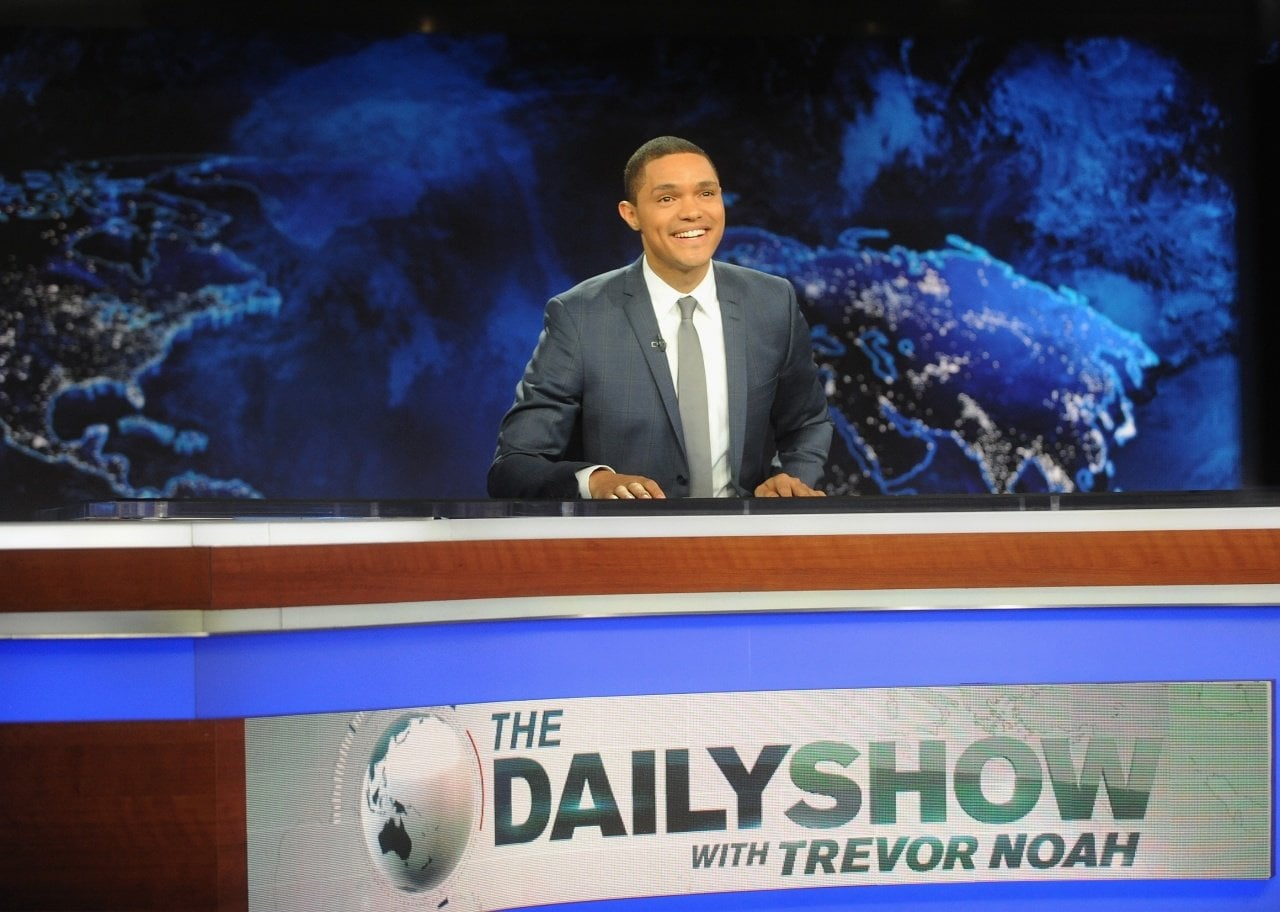
Although “The Daily Show” was originally hosted by comedian Craig Kilborn, it was his successor Jon Stewart who made it famous with his quick wit and sharp political commentary. Stewart was succeeded by Trevor Noah, a fellow comedian who began as a recurring contributor on the satirical news show, which includes monologues, news roundups, political analysis, and guest interviews. Comedy Central said the goal of Noah’s tenure, which began in 2015 and ended in 2022, was to recalibrate the program for a new, younger generation. As of 2025, the series has rotating hosts, including Stewart, who generally takes the helm once a week.
July Moon Productions
#26. Selena + Chef
– IMDb user rating: 8.4
– On air: 2020-2023
Selena Gomez isn’t just a singer and actor; she’s also an aspiring cook. In “Selena + Chef,” the pop star invites acclaimed chefs into her home to help her make a meal. There are often mistakes along the way, making this show perfect for a viewer learning how to cook themselves. “Selena + Chef” closed out its run on HBO Max in 2022, with a final holiday season airing on Food Network in 2023. The spinoff “Selena + Restaurant” debuted on Food Network in 2024.
Complex Media
#25. Hot Ones
– IMDb user rating: 8.4
– On air: 2015-present
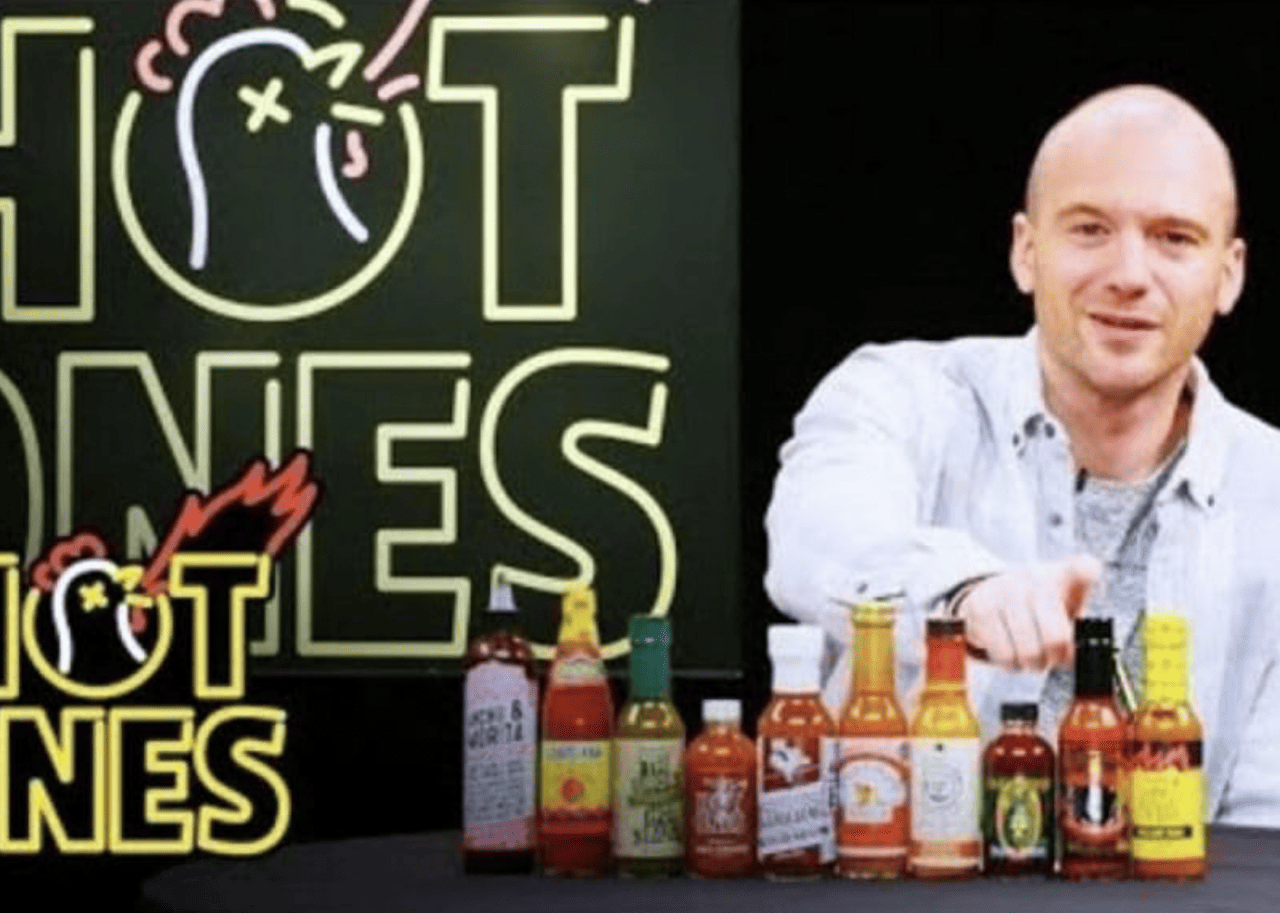
“Hot Ones” has been heating up the internet since it premiered in 2015. Host Sean Evans interviews celebrities while simultaneously going through a gauntlet of 10 hot sauce-drenched chicken wings that increase in intensity. By the bite of the last wing (if the guest can even get to it), the reactions are priceless and never get old, even 26 seasons in.
Art & Industry
#24. Patriot Act with Hasan Minhaj
– IMDb user rating: 8.4
– On air: 2018-2020
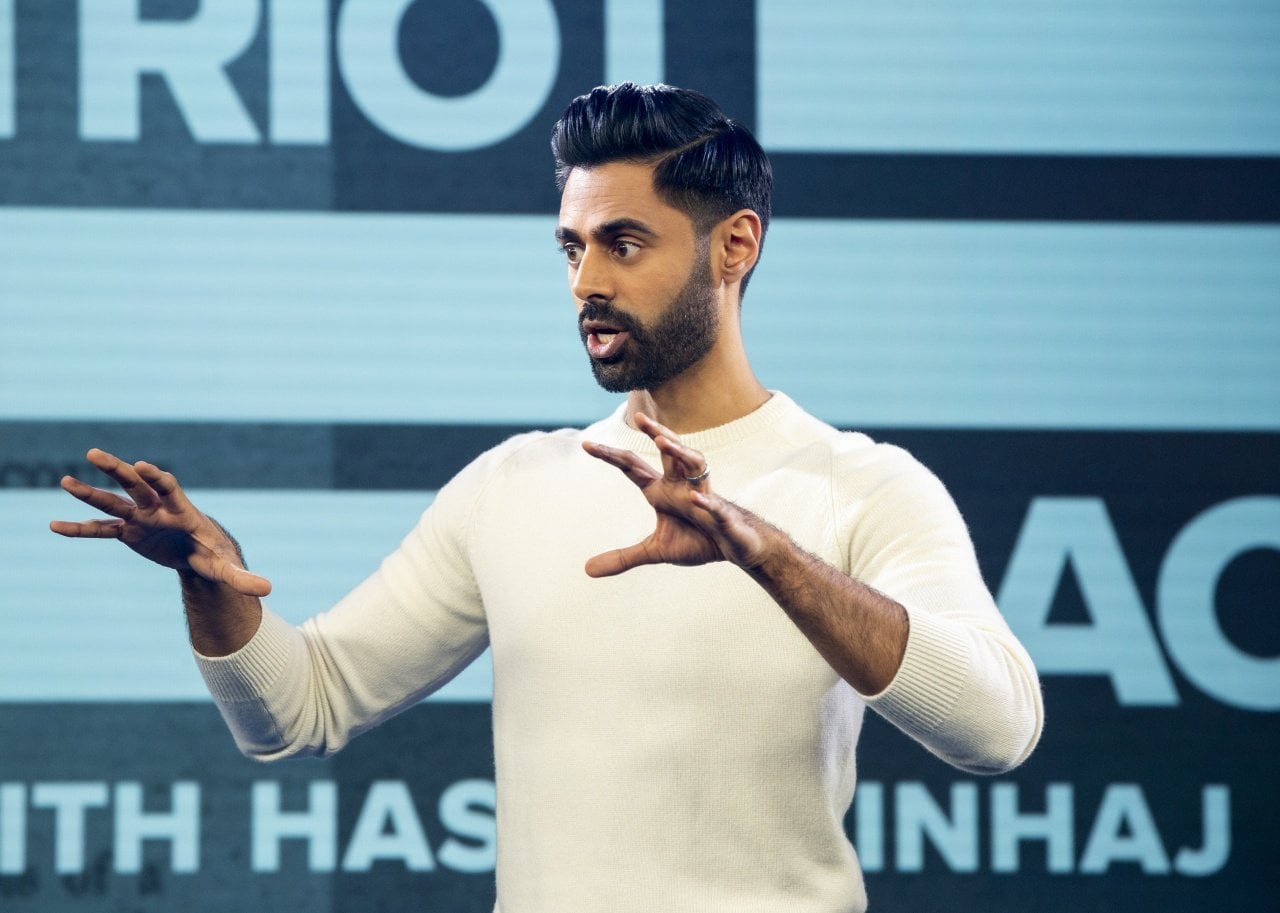
Hasan Minhaj hosted six seasons of this comedy news show on Netflix, focusing on the parts of American society that make us the angriest and providing pathways to solutions. With several accolades, including Emmy and Peabody Awards, the show was not without controversy (the streaming service pulled an early episode that criticized Saudi Arabia). But fans loved it regardless, even petitioning Netflix to reconsider the decision to cancel. “Patriot Act” was the first weekly talk show in the United States hosted by an Indian American.
Funny or Die
#23. Between Two Ferns with Zach Galifianakis
– IMDb user rating: 8.4
– On air: 2008-present
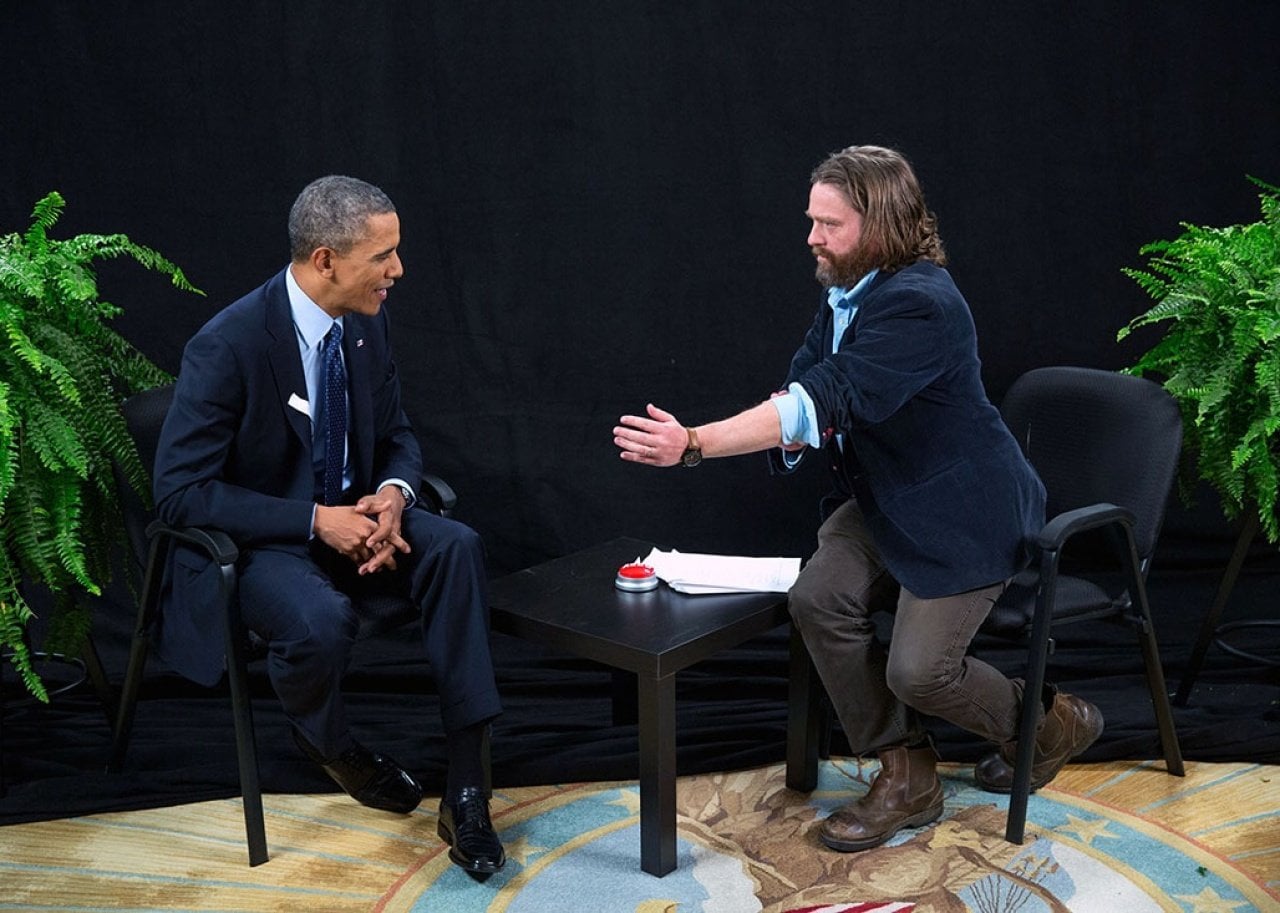
This quirky online talk show features Zach Galifianakis sitting awkwardly between two potted ferns while exchanging antagonistic jabs with his guests. The short-form sketches, uploaded to “Funny Or Die” and typically last five or six minutes, often become viral videos. Notable guests have included Hillary Clinton, former President Barack Obama, Bruce Willis, Brad Pitt, Jimmy Kimmel, Justin Bieber, and Bradley Cooper.
Worldwide Pants
#22. The Late Late Show with Craig Ferguson
– IMDb user rating: 8.4
– On air: 2005-2015
The third incarnation of CBS’s “Late Late Show” franchise, Craig Ferguson followed in the footsteps of his predecessors Tom Snyder and Craig Kilborn. The late-night show, which ran for over a decade with mostly positive reviews, featured a funny cold open that often included his animatronic skeleton sidekick Geoff Peterson, followed by guests, music, sketches, gags, and other offbeat humor.
British Broadcasting Corporation (BBC)
#21. The Graham Norton Show
– IMDb user rating: 8.4
– On air: 2007-present
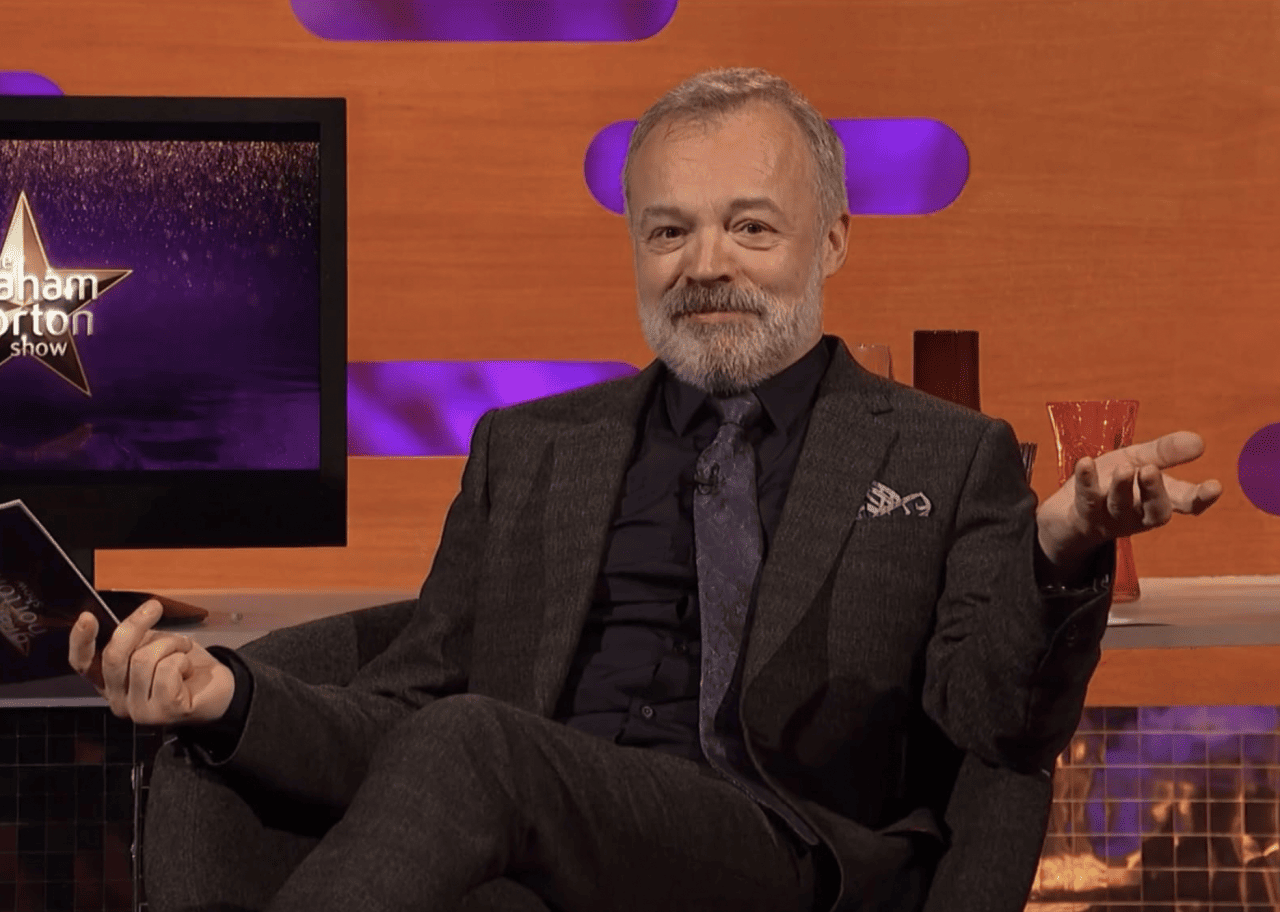
“The Graham Norton Show” is the quintessential late-night show in the U.K. The weekly program features the eponymous host using his comedic skills while interviewing celebrities in a group interview format. Daily Beast praised the U.K. show’s “pure, unapologetic fun.” Since premiering in 2007, “The Graham Norton Show” has won five BAFTA Awards.
Wildbrain Entertainment
#20. The Ricky Gervais Show
– IMDb user rating: 8.4
– On air: 2010-2012
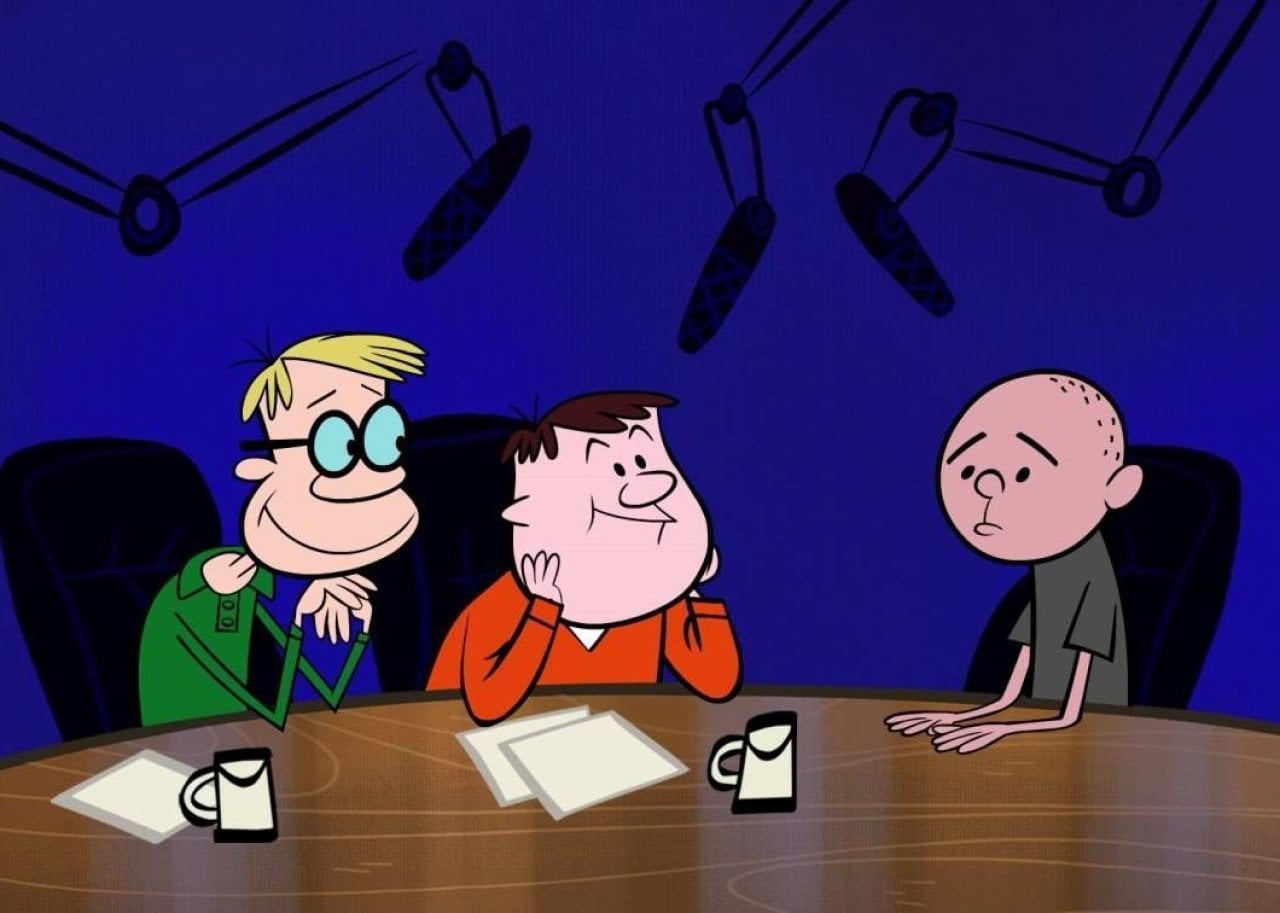
“The Ricky Gervais Show” was an animated version of the namesake host’s popular British radio program. Gervais, perhaps most famous for being a co-creator of “The Office,” performed the show with fellow comedians Stephen Merchant and Karl Pilkington. It was essentially a cartoon that followed a casual, comedic conversation between the three men, facilitating jokes along the way.
WTTW National Productions
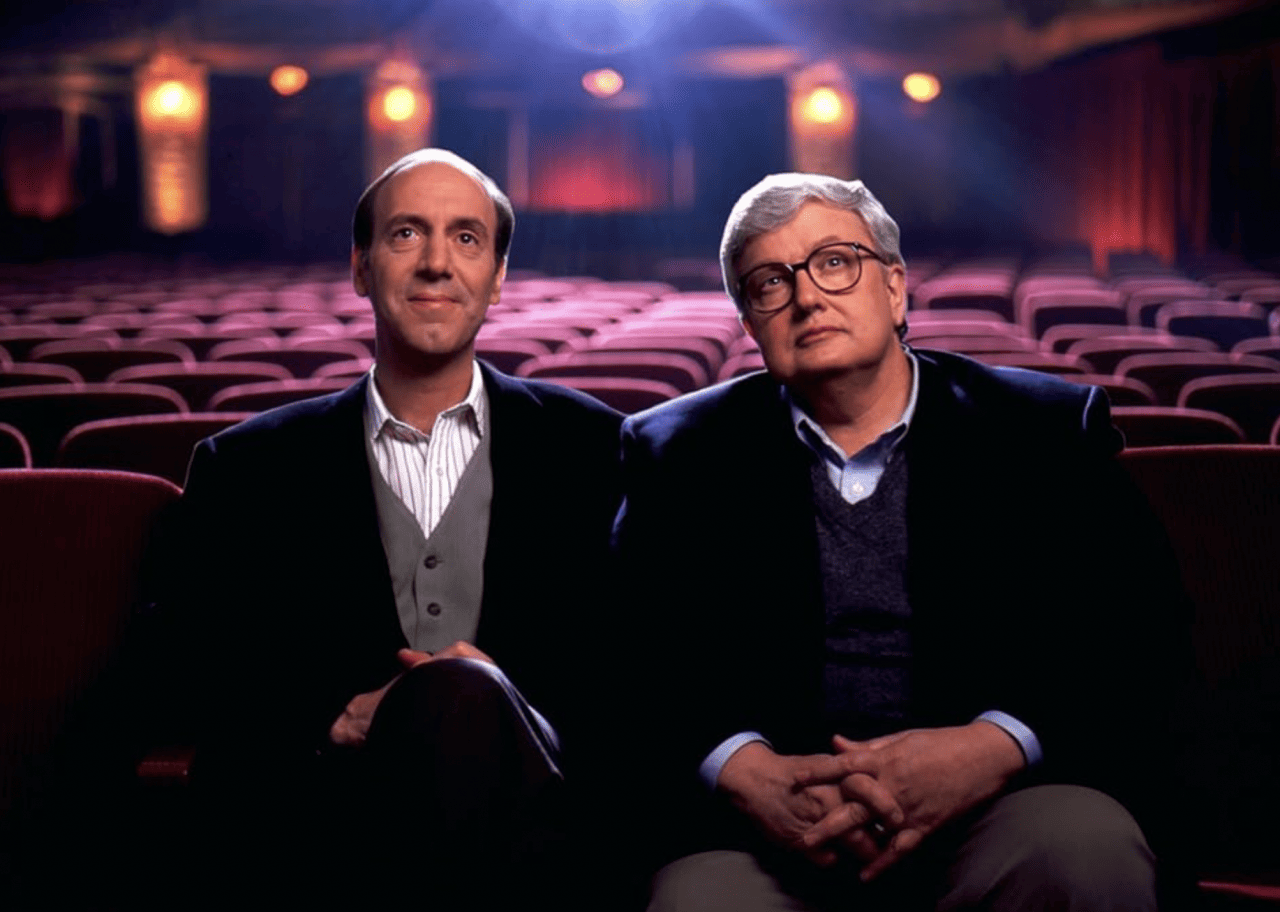
#19. Sneak Previews
– IMDb user rating: 8.5
– On air: 1975-1996
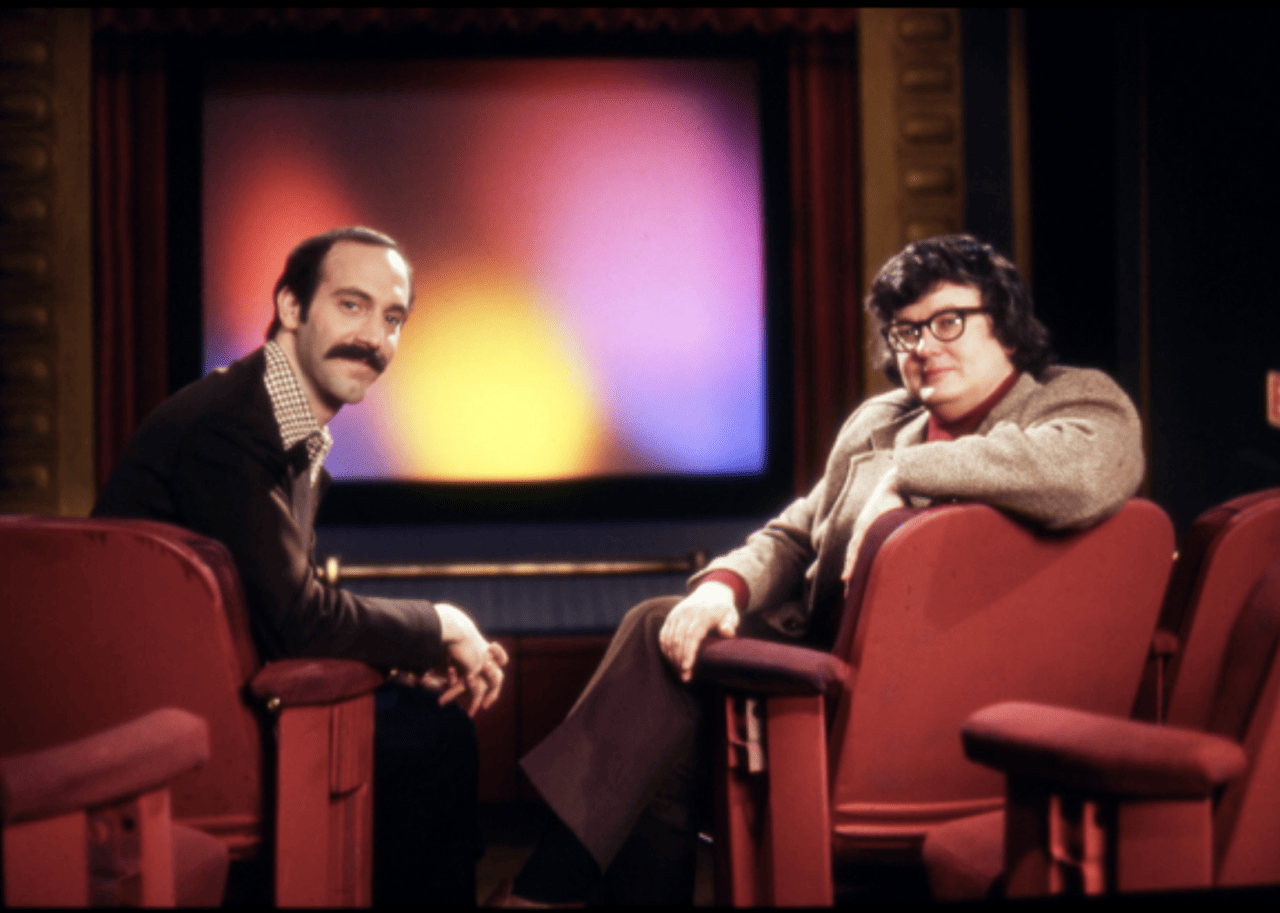
“Sneak Previews” was Gene Siskel and Roger Ebert’s first film review show, which ran on PBS. The critics, who had a rocky relationship in their early years, discussed the latest movies each week and dissected what they did or didn’t like. At the end of each episode, one of the critics would sign off by saying, “See you at the movies.” The show continued after the pair left in 1981.
FilmCraft Productions
#18. You Bet Your Life
– IMDb user rating: 8.5
– On air: 1950-1961
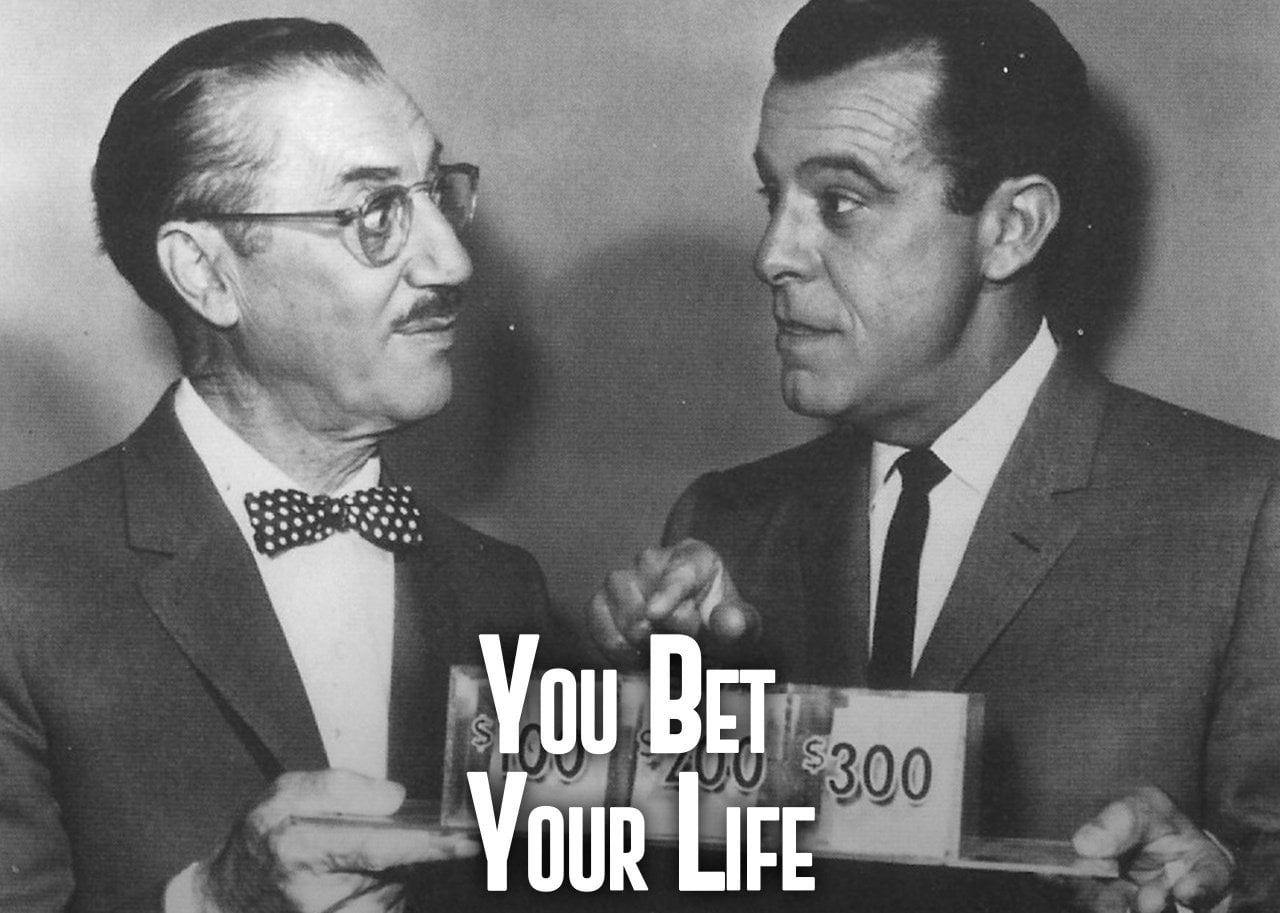
Originally a radio show before moving to NBC in 1950, “You Bet Your Life” was a quiz show hosted by Groucho Marx. Unlike many of today’s game shows, the series featured a significant amount of conversation between the host and participants, giving it much more of a talk show feel. In 2021, Jay Leno began hosting a reboot of the series, which ended its run in 2023 amid the Writers Guild of America strike.
Tribune Entertainment
#17. At the Movies
– IMDb user rating: 8.5
– On air: 1982-1986
After leaving “Sneak Previews” in 1981, Gene Siskel and Roger Ebert moved to Tribune Entertainment, where they starred in “At the Movies.” The duo left the show in 1986 amid a contract dispute, and the series continued for several more years with film critics Rex Reed and Bill Harris.
Carson Productions
#16. The Tonight Show Starring Johnny Carson
– IMDb user rating: 8.5
– On air: 1962-1992
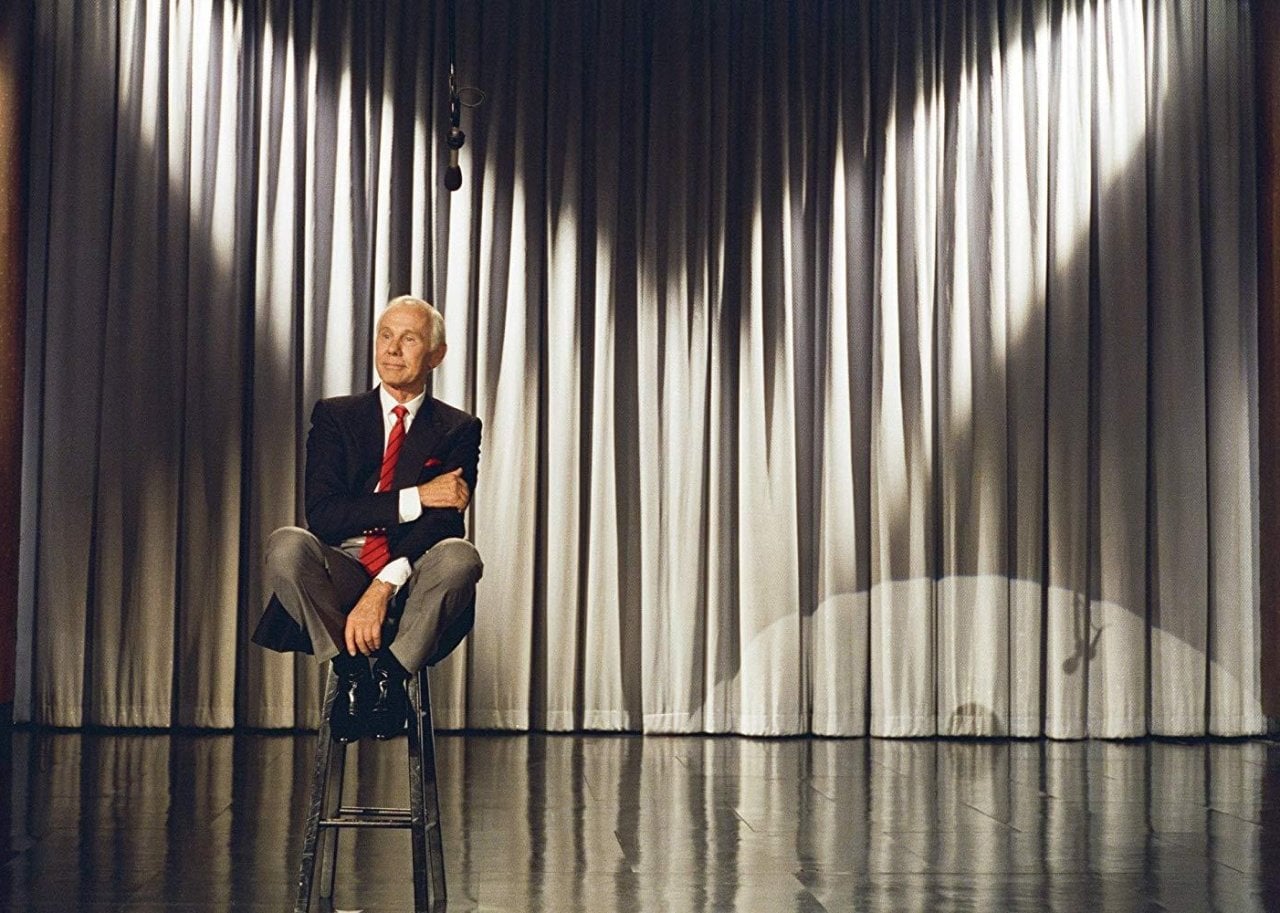
The original “King of Late Night,” Johnny Carson took over the “Tonight Show” from Jack Paar in 1962. Carson helmed the megalithic talk show for 30 years. The comedian, prone to light-hearted jokes and friendly, sophisticated humor, launched dozens of comedic careers, including those of Jerry Seinfeld, Jay Leno, Ellen DeGeneres, Joan Rivers, and others.
The Shooting Eye
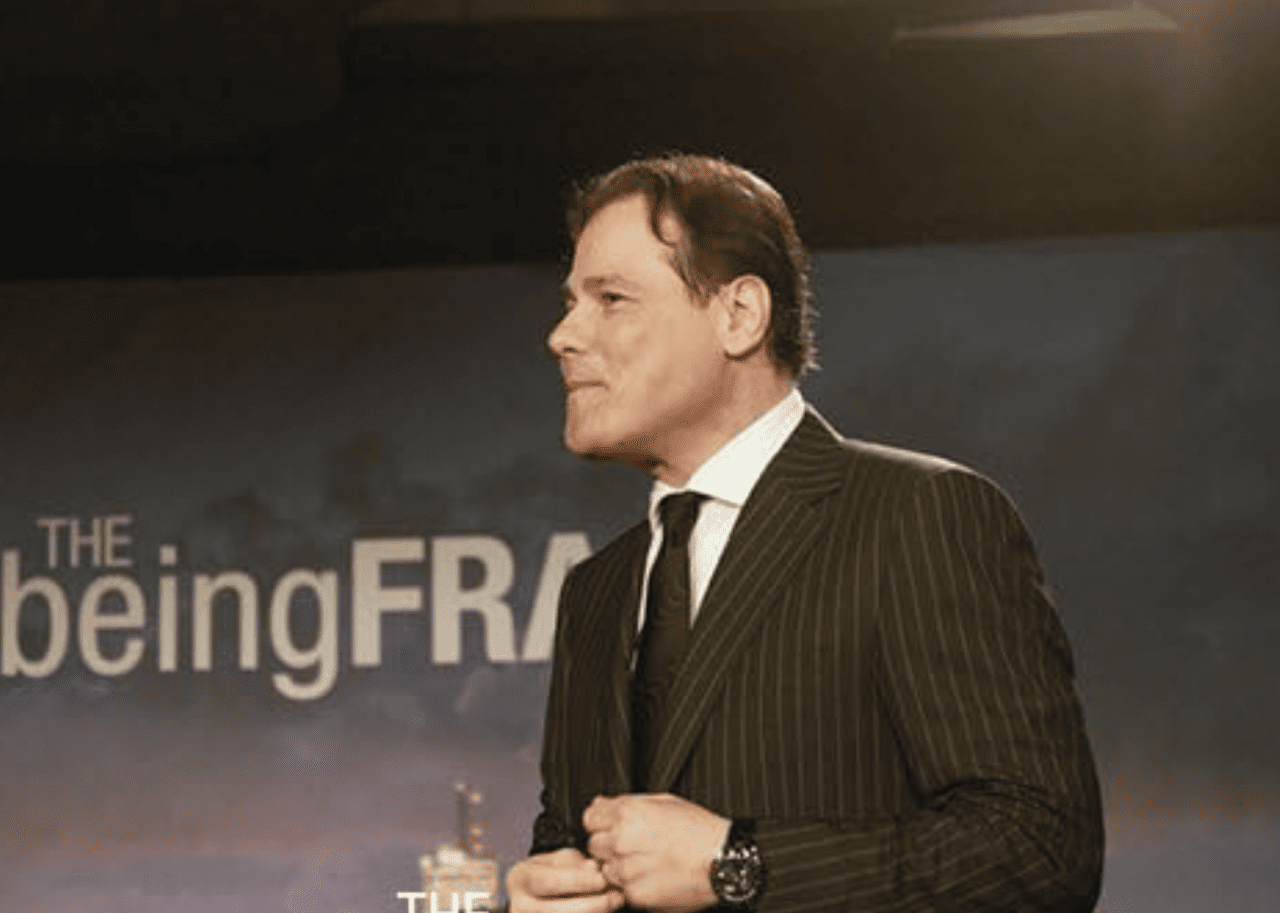
#15. The Being Frank Show
– IMDb user rating: 8.5
– On air: 2010-present
Frank D’Angelo is a comedian and entrepreneur, and both aspects of his career are on display on “The Being Frank Show.” The Canadian variety show is equal parts celebrity interviews, comedy sketches, and commercials for his products.
Busboy Productions
#14. The Colbert Report
– IMDb user rating: 8.5
– On air: 2005-2014
After Stephen Colbert’s enormously popular recurring role on Jon Stewart’s “The Daily Show,” Colbert got his spinoff in 2005. “The Colbert Report” ran for almost 10 years before the comedian left to host the “Late Show” on CBS. The news satire program centered around a fictional political pundit who was extremely uninformed and prone to senseless arguments. Colbert stayed in character constantly—through improv sketches and when he interviewed guests.
Buena Vista Television
#13. Siskel & Ebert
– IMDb user rating: 8.6
– On air: 1986-2010
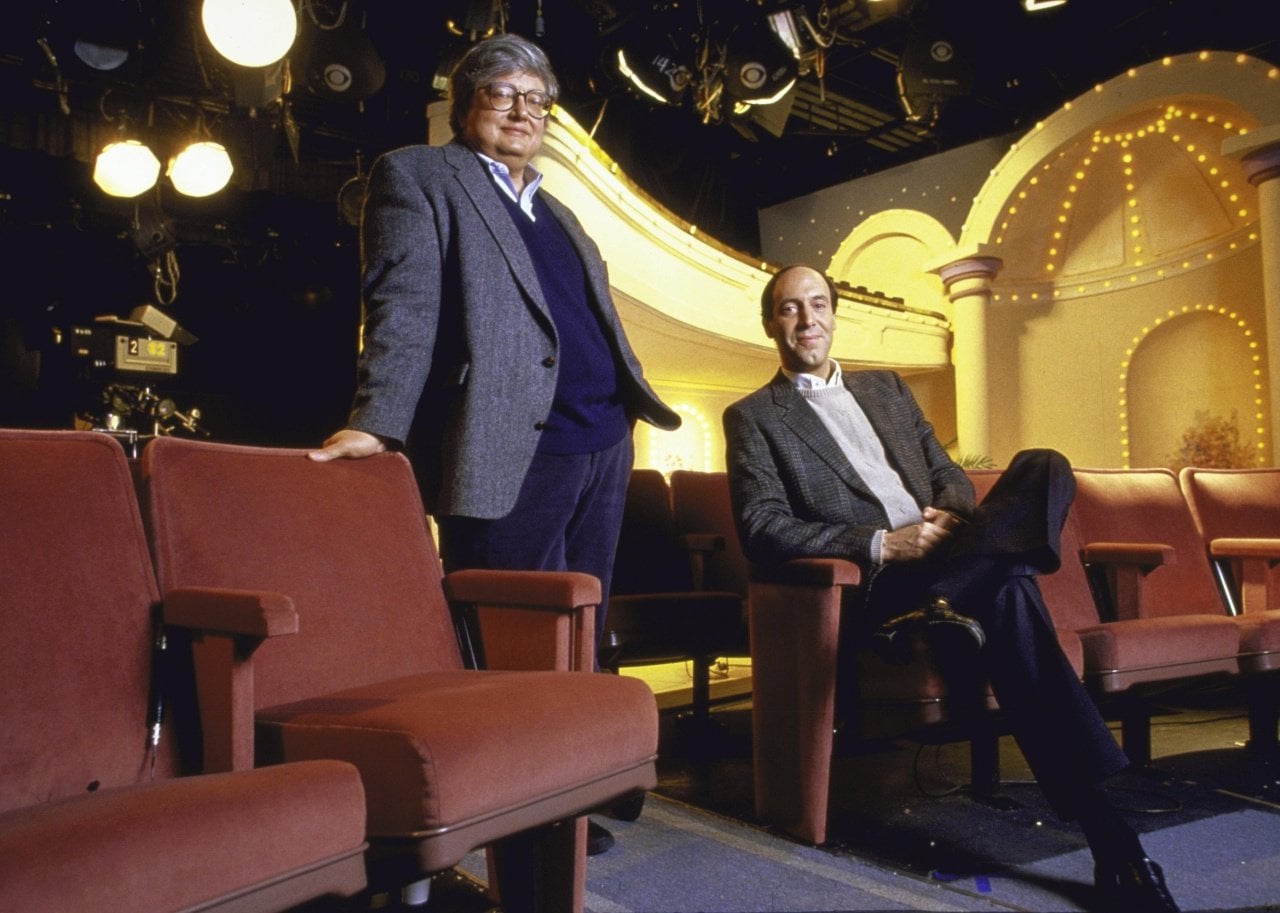
Following “At the Movies,” Gene Siskel and Roger Ebert became the title stars of a new show. For 25 years, viewers could tune in to “Siskel & Ebert” to see the duo’s honest takes on movies. Siskel tragically died in 1999 after suffering surgery complications due to brain tumor treatment. Richard Roeper took his place the following year alongside Ebert.
In the Moment Productions Ltd.
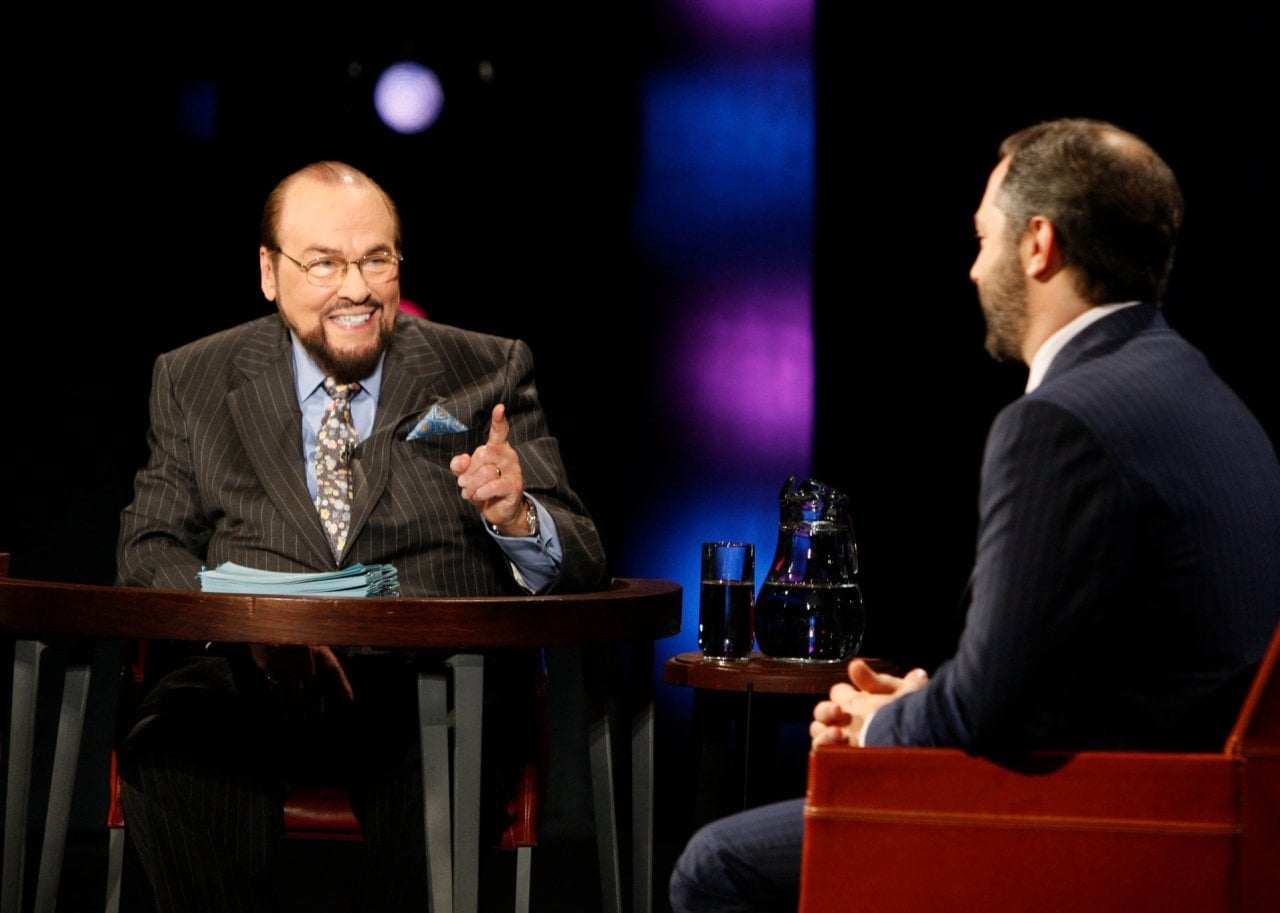
#12. Inside the Actors Studio
– IMDb user rating: 8.6
– On air: 1994-2019
For 25 years, host James Lipton interviewed some of Hollywood’s most famous actors as part of “Inside the Actors Studio.” The show began as a televised seminar for students of the Actors Studio Drama School, where Lipton was dean emeritus. The Bravo network’s flagship program received 18 Emmy nominations, one of which it won for Outstanding Informational Series or Special in 2013. It moved to Ovation for its 23rd and final season in 2019, which was not hosted by Lipton, who passed away at 93 in March 2020.
Abso Lutely Productions
#11. Check It Out! with Dr. Steve Brule
– IMDb user rating: 8.6
– On air: 2010-2017
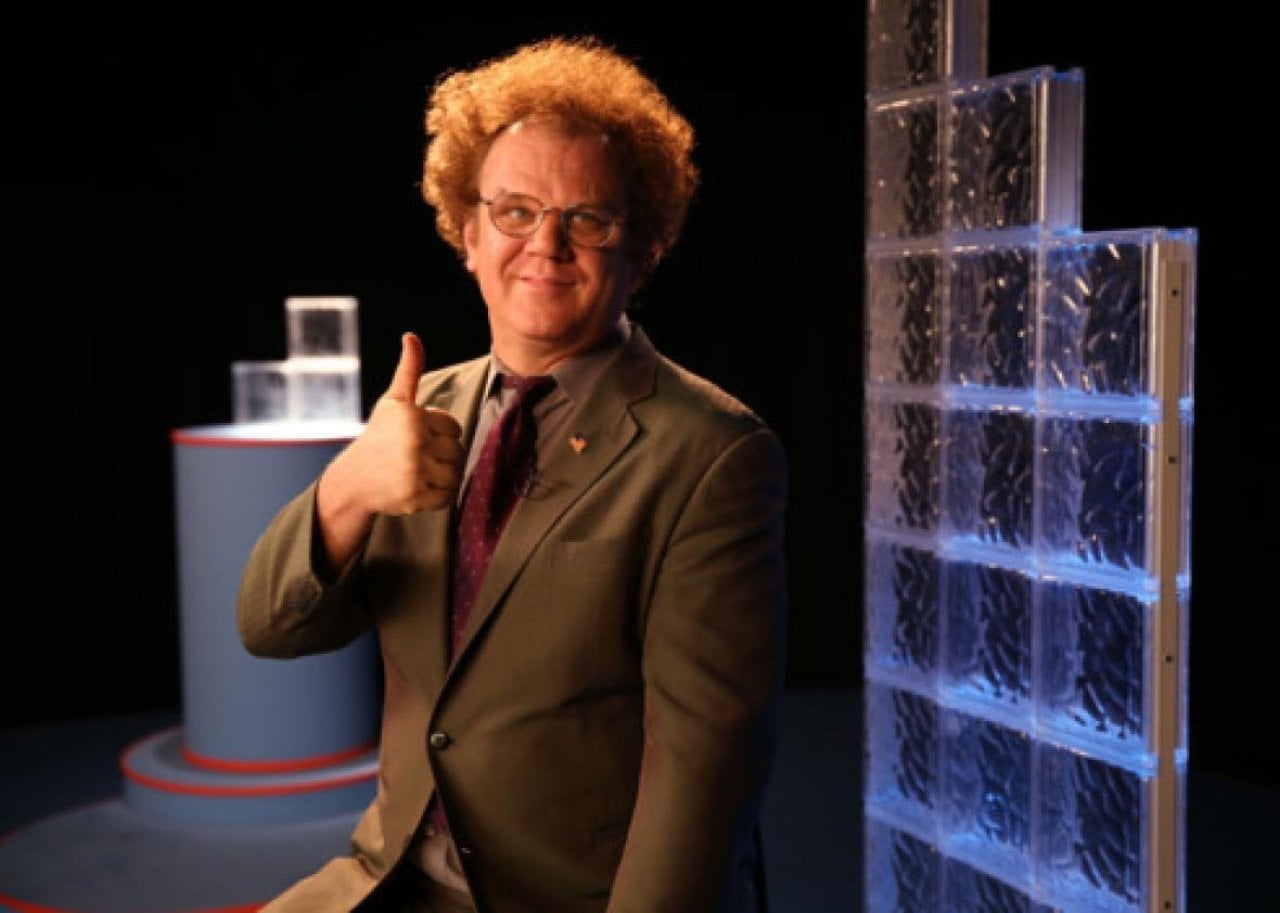
Cartoon Network series “Check It Out! with Dr. Steve Brule” saw John C. Reilly play Dr. Brule, host of a predawn public-access talk show. Reilly’s character is inept and socially awkward—not at all the type of person you’d imagine would host a talk show, fictional or not. During each episode, Dr. Brule invites his audience to join him as he “checks out” some of the most basic facets of human life, from money to boats to relationships.
Abso Lutely Productions
#10. The Eric Andre Show
– IMDb user rating: 8.6
– On air: 2012-present
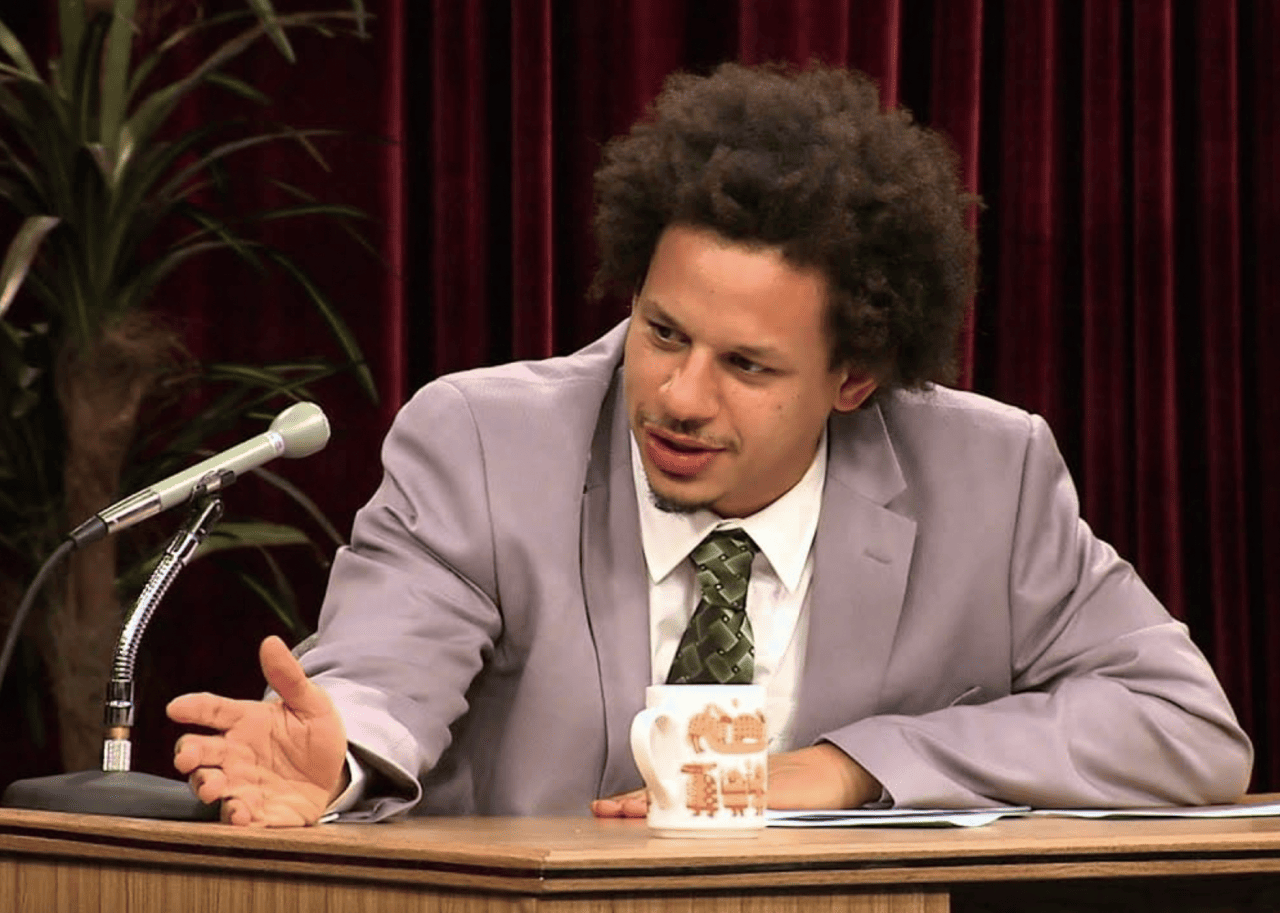
Eric Andre’s off-the-wall sense of humor is on full display during the comedian’s namesake show. The format is a talk show parody-sketch comedy hybrid that digresses into absolute and pure chaos by the episode’s end. But in a good way.
NBA Entertainment
#9. Inside the NBA
– IMDb user rating: 8.7
– On air: 1988-present
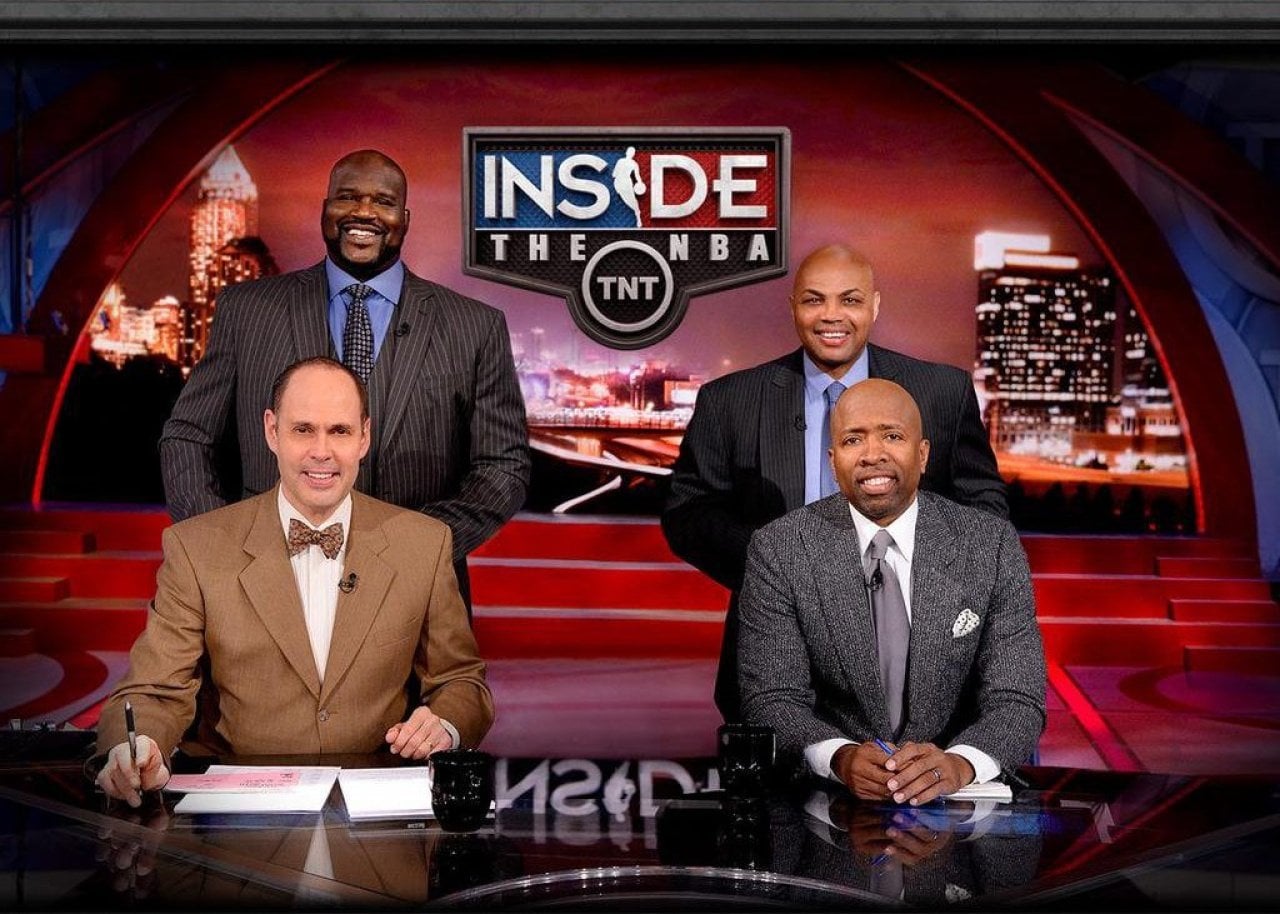
Charles Barkley, Shaquille O’Neal, Kenny Smith, and Ernie Johnson make up the panel of experts on TNT’s “Inside the NBA.” During each episode, the group discusses basketball news, analyzes gameplay, and makes bets about upcoming matchups. The series has won 21Sports Emmy Awards throughout its extensive run.
W. Chump & sons
#8. The Grand Tour
– IMDb user rating: 8.7
– On air: 2016-present
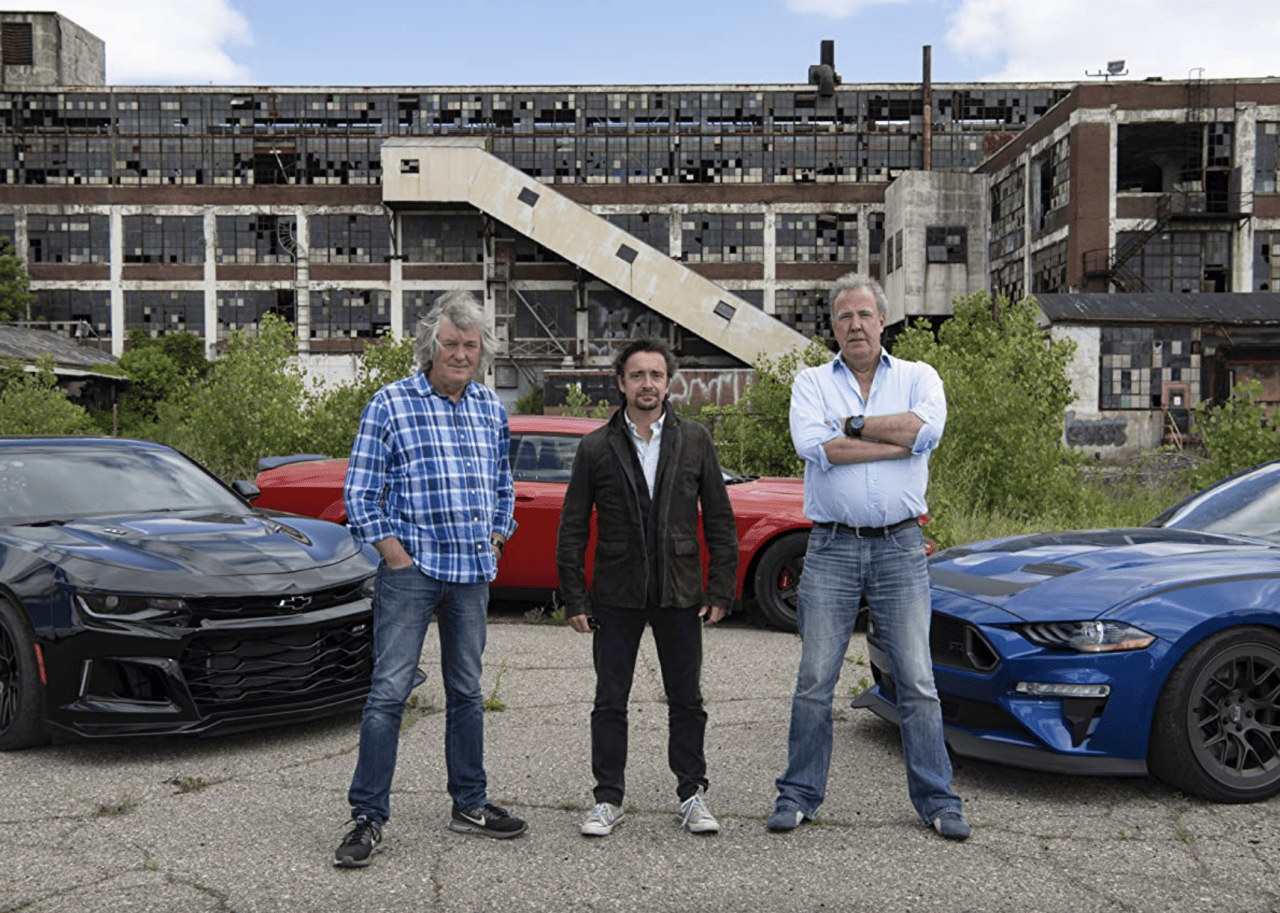
“The Grand Tour” is a British motoring show on Amazon Prime Video hosted by Jeremy Clarkson, Richard Hammond, and James May. The three hosts began producing the show after Clarkson was suspended from their previous BBC show “Top Gear” amid complaints of racism and other ongoing issues. In each episode of “The Grand Tour,” the hosts travel to a different destination to drive cars and discuss auto-related topics.
Framestore
#7. Top Gear
– IMDb user rating: 8.7
– On air: 2002-2022
“Top Gear” has been a British television institution since it first aired in 1977. The show’s most recent iteration, which premiered in 2002, picked up where its predecessor left off. Its enthusiastic hosts, Jeremy Clarkson, Richard Hammond, and James May, turned the conventional car show on its heels, informing viewers of automobile news through creative (and often humorous) segments that included races and interviewing celebrities in “reasonably priced” cars.
After the original hosts left amid controversy involving Clarkson, BBC found a new trio (Freddie Flintoff, Paddy McGuinness, and Chris Harris) to get into the driver’s seat. Production for the 34th season was halted due to an accident involving Flintoff, and in November 2023, BBC announced the show would not return for the “foreseeable future.”
Sixteen String Jack Productions
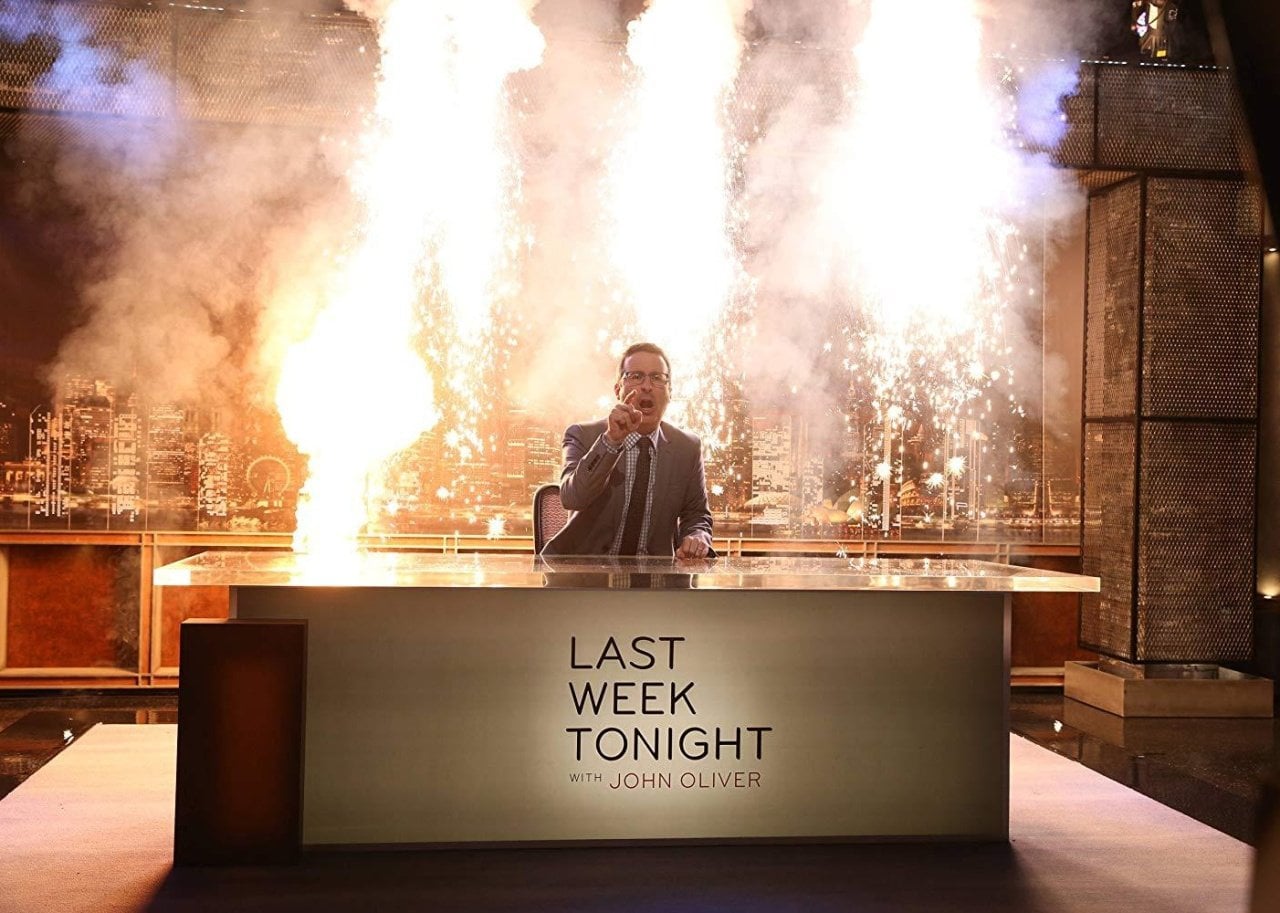
#6. Last Week Tonight with John Oliver
– IMDb user rating: 8.9
– On air: 2014-present
This satirical late-night news show on Max features comedian John Oliver, a one-time correspondent and fill-in host for “The Daily Show.” The program begins with Oliver performing a humorous and sometimes critical recap of the week’s biggest news events. From there, the show morphs into a panel discussion broken up by funny segments and comedic sketches.
Mansion House
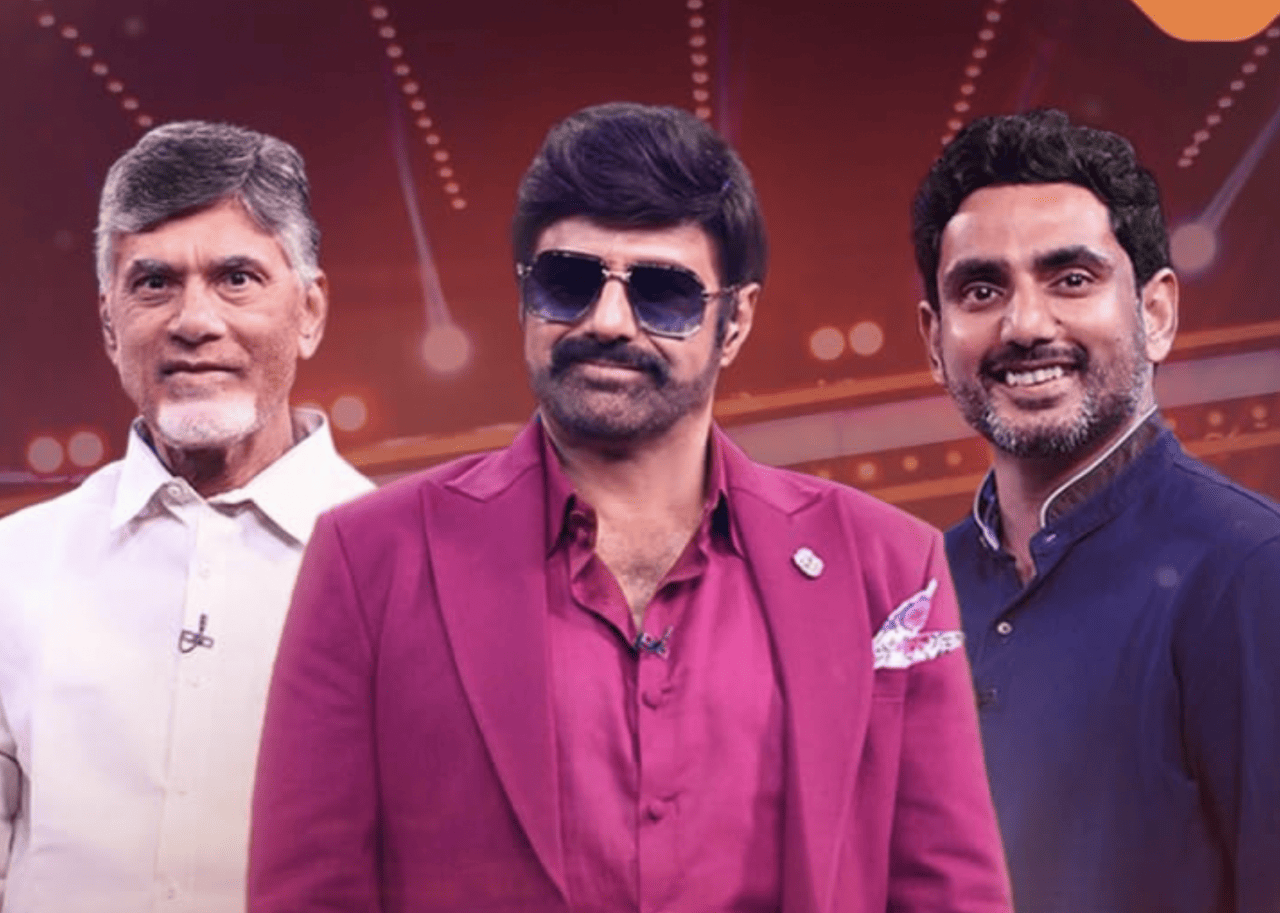
#5. Unstoppable with NBK
– IMDb user rating: 9.1
– On air: 2021-present
“Unstoppable with NBK” is an Indian talk show that’s known for its host Nandamuri Balakrishna’s ability to ask his guests the tough questions. The web series airs on Aha and was the streaming platform’s most popular celebrity talk show after its first season.
Abso Lutely Productions
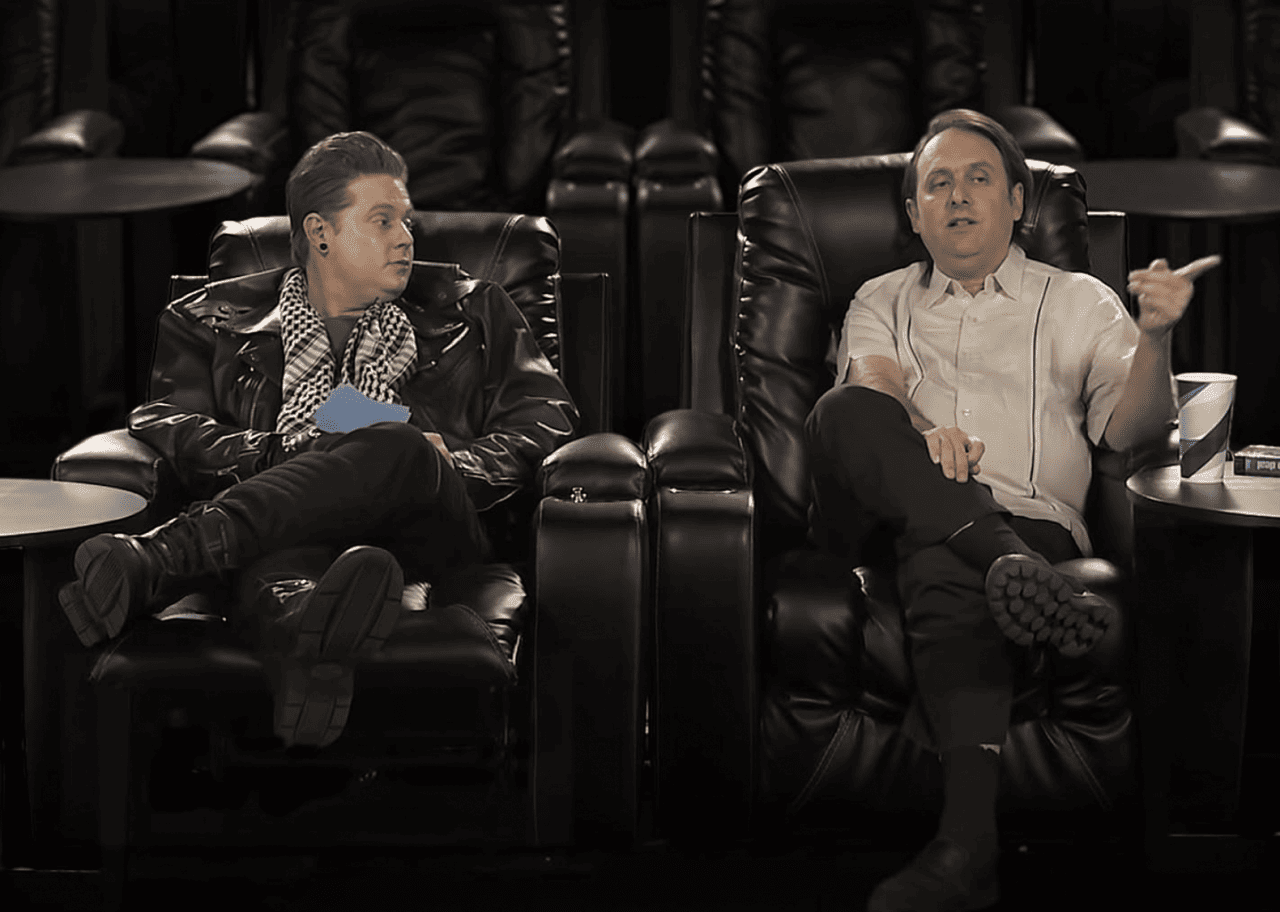
#4. On Cinema
– IMDb user rating: 9.2
– On air: 2012-present
On its surface, “On Cinema” is a parody of a film critic talk show, but at its core, the series is much more complex (and strange). Hosted by Tim Heidecker and Gregg Turkington, both known for their bizarre brand of comedy, each episode begins with a review of a movie neither character has seen before, devolving into arguments and rants about Heidecker and Turkington’s fictional lives. “On Cinema” began as a podcast and has transformed into a wacky universe with numerous spinoffs.
Jash Network
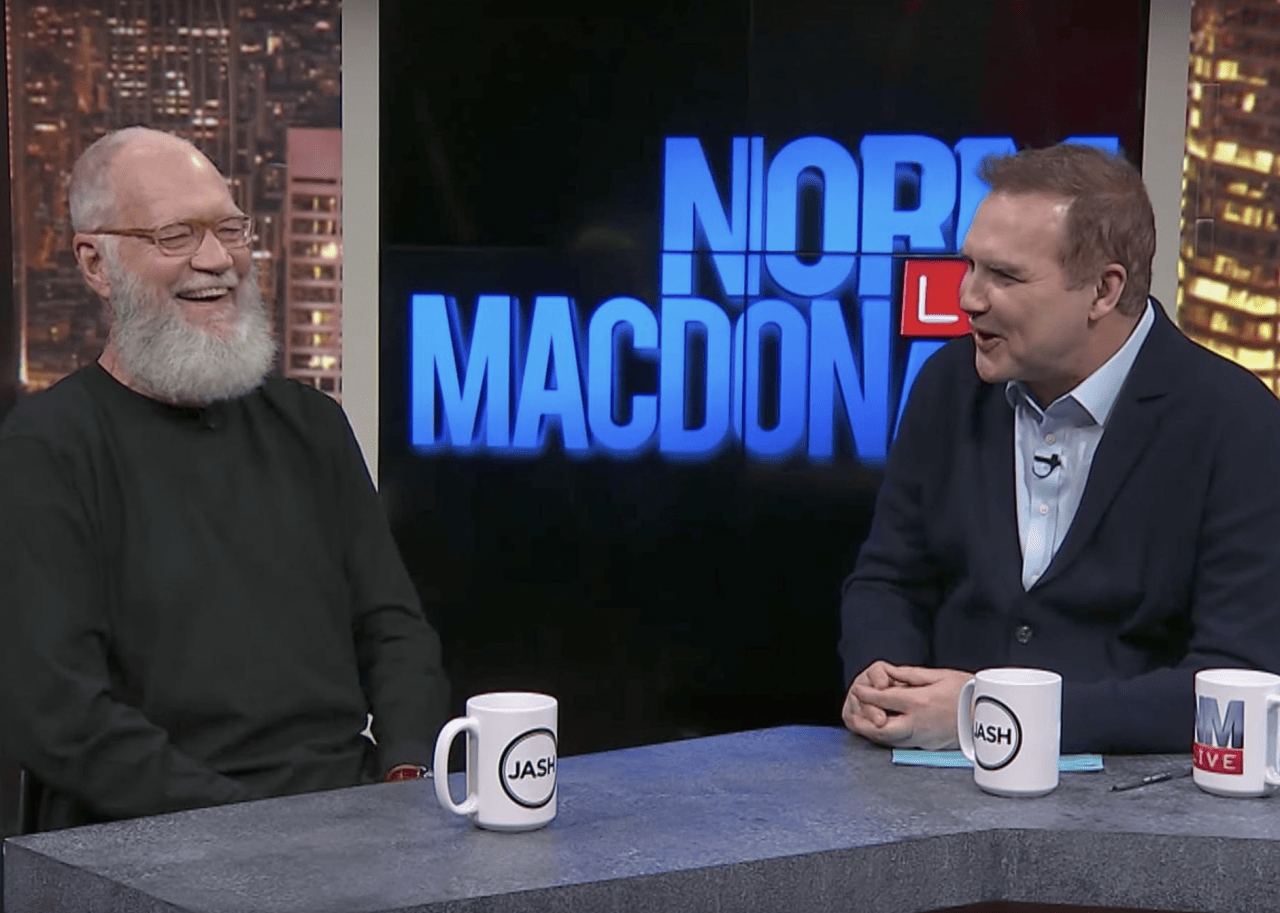
#3. Norm Macdonald Live
– IMDb user rating: 9.2
– On air: 2013-2017
Contrary to its name, “Norm Macdonald Live” wasn’t filmed in front of a live audience. Though it shared the same format as a talk show, the series was technically a video podcast that saw Macdonald and fellow comedian Adam Eget indulge in co-host banter, celebrity interviews, and spewing off one-liners.
Red Letter Media
#2. Best of the Worst
– IMDb user rating: 9.4
– On air: 2013-present
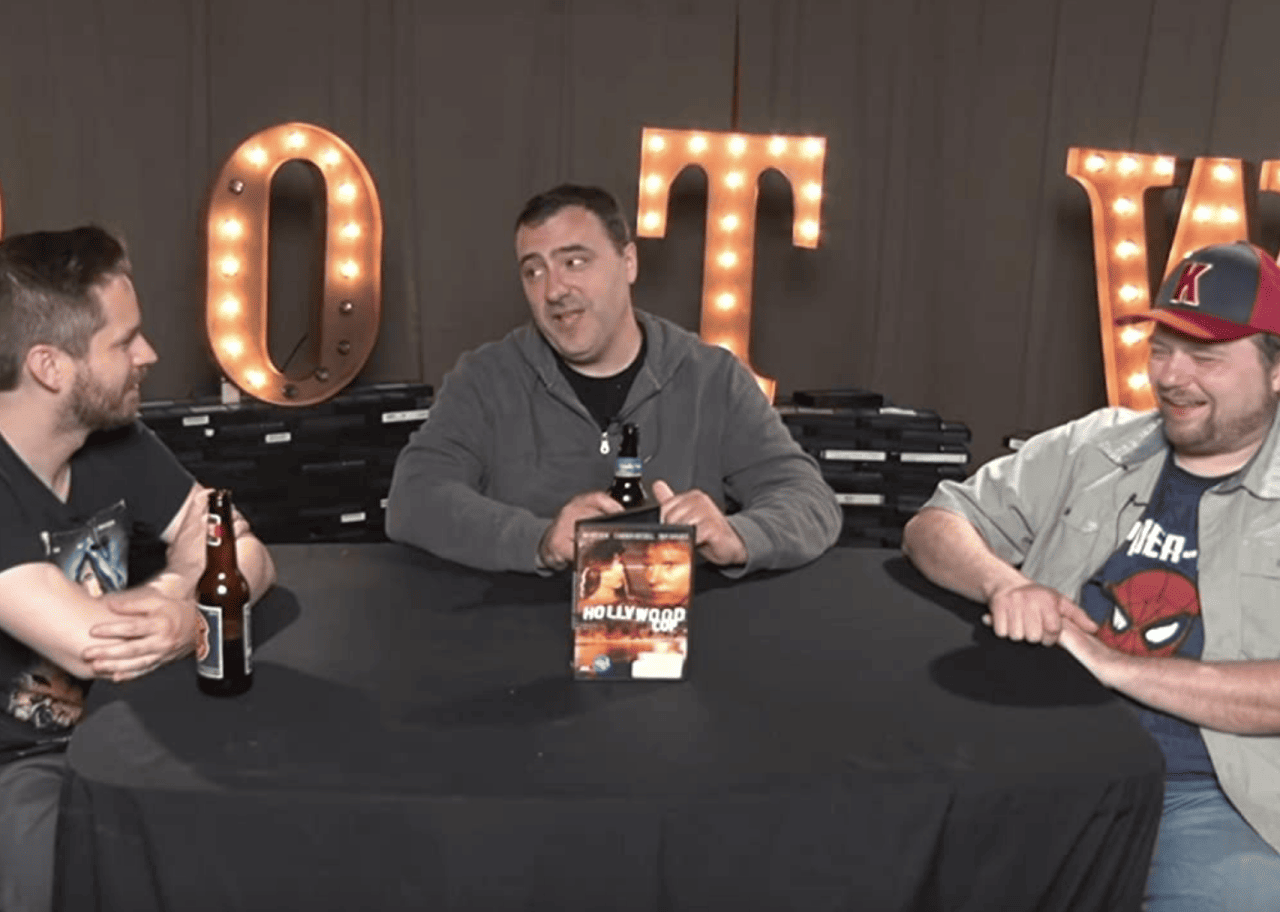
“Best of the Worst” centers on three commentators disparaging the worst B movies, educational films, and instructional videos ever created. The panel typically consists of a combination of Red Letter Media personalities with the occasional special guest. Like “Half in the Bag” (another Red Letter Media production), viewers can only find the series on YouTube.
Not the Funeral Home
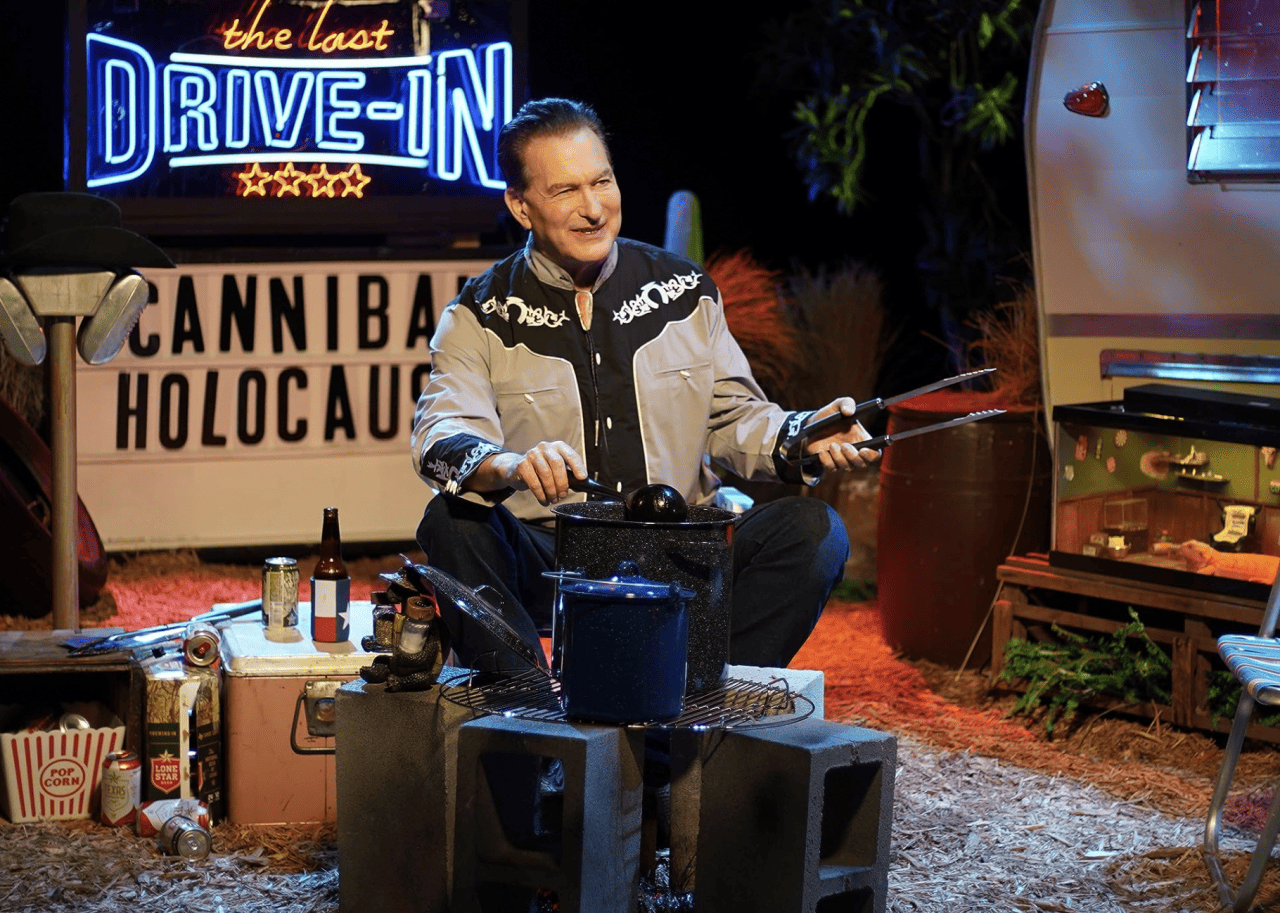
#1. The Last Drive-In with Joe Bob Briggs
– IMDb user rating: 9.5
– On air: 2018-present
Joe Bob Briggs has been a horror icon since the ’80s when he hosted a show called “Joe Bob’s Drive-in Theater.” In 1996, he became even more well-known after taking over hosting duties on “MonsterVision.”
Fans were devastated when the movie commentary show ended in 2000, but it wouldn’t be the last time they saw their favorite horror film buff. The critic made his triumphant return in 2018 with “The Last Drive-In with Joe Bob Briggs”—a variety show that sees Briggs not only host horror double features, but also discuss the film’s history, accolades, and importance to the genre during its runtime.
Data reporting by Luke Hicks. Story editing by Carren Jao. Copy editing by Kristen Wegrzyn. Photo selection by Clarese Moller.
Why a Structured Work Schedule Is the Secret to Freelance Writing Success
By
Cora Gold
7 min read • Originally published October 5, 2023 / Updated March 19, 2026
By
Cora Gold
7 min read • Originally published October 5, 2023 / Updated March 19, 2026
Being a freelance writer comes with many perks. You get to choose your own schedule, work from anywhere and be your own supervisor. Writers and creatives are often drawn to that kind of work freedom, but many quickly realize it’s not as easy as it sounds. When you don’t have to clock in or report to a boss every day, it’s easy to find yourself slacking.
Even as a freelancer, it’s essential to create a structured work schedule to keep up. Following a schedule helps you maintain a healthy work-life balance and prevents burnout when writing. Here’s why a structured schedule is important for freelance writers.
What Are the Benefits of a Structured Schedule?
A structured schedule can help you improve your workflow, productivity and organization. Here’s how it can help freelance writers:
Keeps you on track with priorities and deadlines: A schedule will help you complete tasks on time and see when to work on specific assignments.
Reduces stress and decision fatigue: Research shows that the average American adult makes 35,000 decisions daily, which can take up a lot of mental space and energy. Make it easier for yourself by streamlining your routines and workflow. Planning your day saves the time and energy you would use to make decisions so you can get work done instead.
Helps you set accurate benchmarks: Over time, you will see how long it takes to complete a task, which will help you create more effective schedules.
Maintains your reputation: You want to be known as reliable. Schedules help you allocate time correctly and communicate your availability and capacity. Without a plan, you might spread yourself thin by overestimating how long tasks take to complete.
Minimizes mistakes and revisions: Preparation will help you feel calm and collected. As a result, you’re more likely to remember additional information or instructions for projects. You’ll also make fewer mistakes when you’re focused.
Provides better work-life balance: Many freelancers find themselves working at all times of the day. While you do have the flexibility to work when you want to, having set hours will ensure that you don’t overwork yourself. If you have kids or a spouse, try to get your work done while they are at school or work. That way, you can spend time with them when they get home.
How Do You Create a Suitable Schedule?
Creating a schedule that suits your needs will make your workdays more productive. Here’s how to establish one that will improve your life as a freelance writer.
1. Have a Set Start and Finish Time
A designated start time adds structure to your day and ensures you don’t spend too much time working. You will be able to make the most of your time and finish tasks before your workday ends.
2. Establish Morning and Evening Routines
Your workday starts long before you sit at a desk and start typing. Everything you do before you start working can impact your productivity for the rest of the day.
Many remote workers fall into the habit of waking up minutes before they need to start working. If you set your start time to be 9:00 a.m., you don’t want to wake up at 8:50. Instead, give yourself time to eat breakfast, exercise, journal, get dressed and do anything else to energize you. Act like you’re getting ready to go into the office, even if you work from home.
In the evening, close your computer and put work issues aside until the following day.
A shutdown routine can look like making a list of incomplete tasks or projects, planning when to finish them, taking your dog for a walk or going to the gym. These habits will relax your brain after work and allow you to enjoy your evening.
3. Write Down All Goals
Make a list of goals you want to work on for the week or month. Write down five small steps that you can take to reach that objective.
For example, write out all of the current projects you have to work on and give them each a deadline. For each project, write out all of the actions you need to complete, such as creating an outline, conducting research, scheduling interviews, writing the first draft and submitting it. Then, give each task a time block on your weekly calendar.
Breaking goals into smaller tasks will make projects feel less daunting and help you finish them on time.
4. Create Time Blocks for Every Type of Task
Set aside time blocks for a specific task or a group of them. For example, you could block out 10 a.m. to noon for project outlines and research, noon to 1 p.m. for lunch, and 2 p.m. to 5 p.m. for writing.
If you repeat these actions at the same time every day, you’ll turn them into habits. After lunch, your brain will know it’s time to write, so you’ll already be mentally prepared to dive in.
More to Consider
There are a few more things you should consider when creating an effective schedule:
Incorporate processing and cleanup time: A clear desk is a clear mind. Clutter and dust in your workspace can cause mental health issues and allergies and disrupt sleep patterns. No wonder work stressors amount to $190 billion in yearly health care costs for American businesses. Wipe down your desk regularly, sort papers and toss unnecessary items. A clean workspace will boost your productivity by reducing stress, maintaining health, increasing focus and saving time.
Be flexible: Plan for the unexpected. You may need to change your schedule slightly if disruptions or tasks take longer than expected. Incorporate breathing room and extra time to deal with issues without disrupting your scheduled plans.
Use apps and time-tracking tools: You can use Google Calendar or Todoist for time blocking and Zenwriter or Pomodoro timers to help you focus when writing. Find apps to suit your workflow and use them to make things easier.
Keep it simple: Whatever time-tracking method you choose, keep your schedule easy to follow and focused.
Learn your energy flow: Keep a log of how long it takes to do things at certain times of the day. Plan to tackle bigger projects when you have the most energy to prevent burnout. You may prefer to write in the afternoon and have meetings in the morning. Perhaps you feel more awake after lunchtime and can better focus on creating blog content. Optimize your schedule to work with your energy levels.
Manage Your Time Well for Success
It’s up to you to make your schedule. While this means you can work when and where you want, it can be challenging if you don’t have an effective system. A structured daily routine adds a sense of preparedness to your day and ensures you get everything done.
Author bio: Cora Gold is a freelance writer and editor of women’s lifestyle magazine, Revivalist. As a freelancer, Cora writes about wellness and balancing work with family. Connect with Cora on LinkedIn and Twitter.
5 Proven Strategies to Fast-Track Your Career at a Media Corporation
By
Mediabistro Education
3 min read • Originally published October 19, 2023 / Updated March 19, 2026
By
Mediabistro Education
3 min read • Originally published October 19, 2023 / Updated March 19, 2026
The media landscape is an ever-shifting battleground, with the proliferation of digital platforms catalyzing the obsolescence of traditional models. The insatiable quest for audience attention amplifies every day, and is, arguably, in ever-shorter supply due to social media. In this turbulent milieu, media professionals grapple with distinctive hurdles en route to scaling the corporate hierarchy. Regardless of your designation – a content creator, an editor, or a strategist, career ascension transcends mere job proficiency—it entails a nuanced understanding of the dynamics of a rapidly evolving industry. Here’s a compendium of five empirically-backed strategies to bolster your career trajectory.
Master the Art of Adaptability Media behemoths are akin to living entities—incessantly metamorphosing. The linchpin to advancement is adaptability—a professional finesse to recalibrate your work ethos vis-a-vis the prevailing industry contours.
Action Steps:
Keep abreast of industry trends such as the rising predominance of streaming services, which, of course, have seen massive surges in subscribers throughout last year, as per a report by Statista.
Acquaint yourself with emergent tools and platforms like TikTok, which saw an astronomical user growth of 75% in the US alone, as reported by Forbes.
Dabble in lateral skill augmentation like video editing if you’re a writer, or SEO basics if you’re a designer to stay relevant.
Establish a Strong Internal Network A robust internal network is an unsung hero in large media conglomerates. Knowing the right individuals could be a game-changer—catapulting you from middle management to a leadership echelon.
Action Steps:
Be a regular at inter-departmental rendezvous.
Pinpoint mentors and allies within the corporate ecosystem.
Lend your expertise to internal ventures or campaigns that resonate with your career aspirations.
Showcase Measurable Results The media domain is staunchly results-oriented. Your performance metrics are your staunchest allies. It’s pivotal to quantify your contributions—transcending generic claims of enhancing social media engagement to showcasing a quantifiable uptick in user interactions over a month or quarter, corroborated by data from platforms like Google Analytics.
Action Steps:
Harness analytics apparatus to meticulously track and evaluate your projects.
Render your insights in user-friendly formats like graphs or dashboards.
Broach your metrics during performance appraisals.
Focus on Soft Skills While technical acumen can secure an entry, soft skills are your ticket to climbing the corporate ladder. Proficiencies in leadership, communication, and problem resolution often tip the scales in favor during promotional considerations.
Action Steps:
Enroll in workshops or courses to hone your soft skills.
Exhibit these competencies in team environments and under high-stress scenarios.
Solicit feedback from peers and superiors regarding your interpersonal efficacy.
Be Your Own Advocate Don’t bide your time for opportunities; carve them out. Express your ambition, but ensure you embody the requisite skills and traits for elevated roles.
Action Steps:
Engage in dialogues about your career objectives with supervisors.
Shoulder projects that are aligned with your envisioned career path.
Relentlessly update your portfolio to mirror your evolving skill set.
In a media corporation, a melange of specialized skills, networking acumen, and a results-driven approach can be the jet fuel for your career advancement. Armed with these strategies, you’re not merely navigating the corporate labyrinth—you’re mastering it.
Reporting Jobs in Journalism: The Inside Scoop on a Career Behind the Byline
By
Mediabistro Education
3 min read • Originally published October 24, 2023 / Updated March 19, 2026
By
Mediabistro Education
3 min read • Originally published October 24, 2023 / Updated March 19, 2026
If you’ve got an ear finely tuned to the whispers of a city, an insatiable curiosity that borders on nosy, and a knack for telling stories that make people stop and think, then you, my friend, are cut out for a reporting job in journalism. Let’s deep-dive into the nitty-gritty of this fast-paced profession.
I think journalism gets measured by the quality of information it presents, not the drama or the pyrotechnics associated with us.
Bob Woodward
What Exactly Does a Reporter Do?
Reporters are the field agents of journalism, always on the prowl for news and crafting stories that serve the public good. Whether you’re working for a newspaper, a TV station, or an online outlet, you’ll be the magician turning mundane press releases into headline news, weaving together in-depth features, and sometimes even exposing scandals. “Journalists educate the public about events and issues and how they affect their lives… They spend a lot of time in the field, conducting interviews and investigating stories,” from the Bureau of Labor Statistics.
The landscape is incredibly dynamic. Imagine one moment you’re tucked into a city council meeting, notebook in hand, and the next you’re out interviewing a community hero. It’s like a box of chocolates; each day serves something different.
Required Skills for Reporting Jobs, Anyone?
The ideal reporter is adventurous, intensely curious, and armed with a healthy dose of skepticism—because, let’s face it, not everyone you meet will tell you the truth. Rock-solid research skills are given, and the savvy reporter knows how to tap into social media for leads and contacts. Adapting to different topics, tones, and sometimes even other mediums is a must. Oh, and let’s not forget, you have to write compellingly.
Flexibility and Resilience
In this line of work, flexibility isn’t just an excellent quality; it’s a requirement. You’ll often find yourself tweaking your approach to align with different subject matters or editorial guidelines. And let’s talk resilience. Deadlines are unforgiving and stressful, sources can be fickle, and yes, criticism is part of the job. That’s journalism for you.
Do Reporters Have Uniform Job Responsibilities?
Well, not exactly. The essence of reporting—staying atop current events, digging deep, and relaying information—remains the same across the board. However, the subject matter can vary wildly. One reporter might specialize in politics, while another dives into lifestyle and entertainment. The roles can even be more specific when working for large news agencies covering specialized beats like cybersecurity or the electric vehicle industry.
Who’s the Boss?
Hierarchies vary based on where you’re employed. You might find yourself reporting to an Editor, a News Director, or even directly to an audience if you’re freelancing.
Side Hustles and Sibling Jobs
Feature writers, columnists, and even some content creators are doing work similar to reporting, just framed differently. Dabbling in these areas can add flair to your stories or offer a fresh challenge.
The Evolving Landscape of Journalism
Data-Driven Stories: The rise of big data is arming reporters with tools to craft more in-depth and factual stories.
Multimedia Reporting: If you’re just writing, you’re behind the times. Video, podcasts, and interactive elements are the new norms.
Ethics and Responsibility: In an era rife with fake news, ethical reporting is not just a catchphrase; it’s a solemn responsibility.
Global Audience: The internet has blown the doors off traditional geographic boundaries, so understanding how to communicate to a diverse audience is key.
Breaking into Reporting Jobs
You might find that a journalism degree gives you a leg up, but it’s not strictly necessary. A solid portfolio showcasing your skill and passion for storytelling will get you through the door. Freelancing can offer a path to accumulating those crucial bylines.
So, are you ready to chase stories, dig deep, and make your mark in journalism? Your byline awaits.
Check out open reporting positions and other media jobs on Mediabistro’s job board.
Your First 90 Days in Journalism: An Insider’s Guide to Navigating the Newsroom
By
Mediabistro Education
3 min read • Originally published October 24, 2023 / Updated March 19, 2026
By
Mediabistro Education
3 min read • Originally published October 24, 2023 / Updated March 19, 2026
So you’ve unpacked your bags, set up your desk, and brewed that first cup of newsroom coffee. Welcome to the bustling, chaotic, and downright enthralling world of journalism. You’re probably a mix of excitement, nervousness, and curiosity, like a cub reporter on the hunt for their first big scoop. So, let’s help you navigate the maze that is your first three months in a journalism career.
Month 1: Settle In but Don’t Settle Down
Your first month in a journalist role is all about orientation, but let’s not kid ourselves; this isn’t summer camp. Expect to get your first assignments quickly, sometimes within days or even hours. Use this time wisely:
Know Your Team: Take time to meet editors, senior reporters, and even the tech guys who can save you when your computer crashes.
Learn the Tools: Familiarize yourself with the Content Management System (CMS), social media protocols, and any news-gathering software your outlet uses.
Digest the Style Guide: Every publication has its idiosyncrasies in how they like their stories told. Learn them.
File Your First Story: Don’t aim for a Pulitzer. Your first stories will likely be small pieces to test the waters. Focus on accuracy and clarity.
Month 2: Flex Those Reporting Muscles
Alright, you’ve dipped your toes; now let’s dive in. The second month is about upping the ante.
Pitch Stories: By now, you should have a feel for what kind of stories resonate with your audience and editors. Start pitching.
Expand Your Network: Continue to meet more people both inside and outside your newsroom. You never know who might give you your next big story.
Experiment with Formats: If your newsroom allows it, try your hand at different types of stories: feature pieces, interviews, and maybe even some multimedia content.
Feedback Loop: Make it a habit to seek feedback from your editors and even your peers. It’s the fastest way to grow.
Month 3: Find Your Groove
You’re no longer the ‘new kid’—well, at least not the newest. Month three is about refining your process and starting to specialize:
Own Your Beat: Whether it’s politics, culture, or technology, start to focus more on the areas that interest you. Become the go-to person for that subject in your newsroom.
File Faster: You should be comfortable enough to produce stories more quickly without sacrificing quality. Deadlines are the bread and butter of this industry.
Explore Side Projects: Got an idea for a podcast or a video series? Pitch it. Newsrooms love initiative.
Self-Review: Look back at your articles from the first and second months. Notice the improvements and understand where you need to focus more.
Quickfire Tips for Your First 90 Days:
Stay Curious: Always be on the hunt for stories, even when you’re off the clock.
Verify, Verify, Verify: Never sacrifice accuracy for speed. A retraction can set you back far more than a missed deadline.
Respect Off-the-Record: If someone says it’s off the record, it stays off the record. Period.
Listen More Than You Speak: The best stories often come when you let other people do the talking.
Stay Humble: You’re going to make mistakes. Own them, learn from them, and move on.
Congratulations! You’ve made it through the initiation of your first three months in journalism. From here on out, the stories are more significant, the deadlines tighter, and the coffee probably just as terrible. But hey, you’re in it for the bylines, not the brews, right? Welcome to the tribe.
Private Colleges With the Best Return on Investment for Your Career
By
Meagan Drillinger
6 min read • Originally published November 13, 2023 / Updated March 19, 2026
By
Meagan Drillinger
6 min read • Originally published November 13, 2023 / Updated March 19, 2026
Winston Tan // Shutterstock
Private colleges with the best return on investment
For high school graduates, choosing the right college can be one of the most important decisions in their lives. The college experience can be a key step to figuring out who they are as adults and what they will do with the rest of their lives, but it can also be a daunting decision.
Enrolling in a private college is a financial investment, as well as an emotional one. American private colleges can be among the most expensive higher learning institutions in the world. However, according to a 2025 analysis from CollegeBoard, private school tuition costs are increasing more slowly than their public counterparts, up by just 4% over the past decade. In fact, public universities may soon see an even steeper jump in tuition, as President Donald Trump’s 2025 spending bill (aka the “Big, Beautiful Bill”) is expected to both increase tuition costs at public universities and cut back on federal student loan programs.
Even so, these prices are nothing to sneeze at. Per U.S. News & World Report, the average total for tuition and fees at private universities in the 2024-2025 school year exceeds $43,000. But many universities are much more expensive. Harvey Mudd College, for example, costs more than $93,000, according to the college’s own website. With nationwide student debt swelling past $1.84 trillion as of December 2025, making such a large investment in education and the future can be a reach for many students, so it’s important to make sure they’re getting their money’s worth.
Stacker compiled a list of the private colleges with the best return on investment using a study from Georgetown University’s Center on Education and the Workforce. Nonprofit private colleges that primarily issue bachelor’s degrees were considered. Colleges are ranked by the highest 40-year return on investment, as measured by the net present value of costs plus projected earnings 40 years after enrollment.
A college’s ROI factors in tuition and living expenses, student fees, food, and transportation, among other things. These elements are matched up against prospective careers, salary expectations, and potential earnings.
Here’s a breakdown of some of the key factors that went into the researchers’ calculations.
– 40-year NPV: What the sum of all earnings 40 years after enrollment is worth today, adjusted for the cost of education at the school.
– Median earnings after 10 years: Typical annual salary 10 years after enrollment.
– Net price: The average price students pay per year after scholarships and financial aid, including books and living expenses.
– Graduation rate: Share of students who complete bachelor’s degrees within six years.
– Median debt: The typical amount of student debt graduates from this school hold.
Whether you’re considering any of the private colleges on this list or you graduated from college many decades ago, keep reading to discover the private colleges in America with the best return on investment.
f.t.Photographer // Shutterstock
#50. Illinois Institute of Technology
– 40-year NPV: $1,654,000
– Median earnings after 10 years: $77,682
– Net-price: $22,831
– Graduation rate: 71.0%
– Median debt: $19,428
EQRoy // Shutterstock
#49. George Washington University
– 40-year NPV: $1,661,000
– Median earnings after 10 years: $80,606
– Net-price: $33,719
– Graduation rate: 82.0%
– Median debt: $19,500