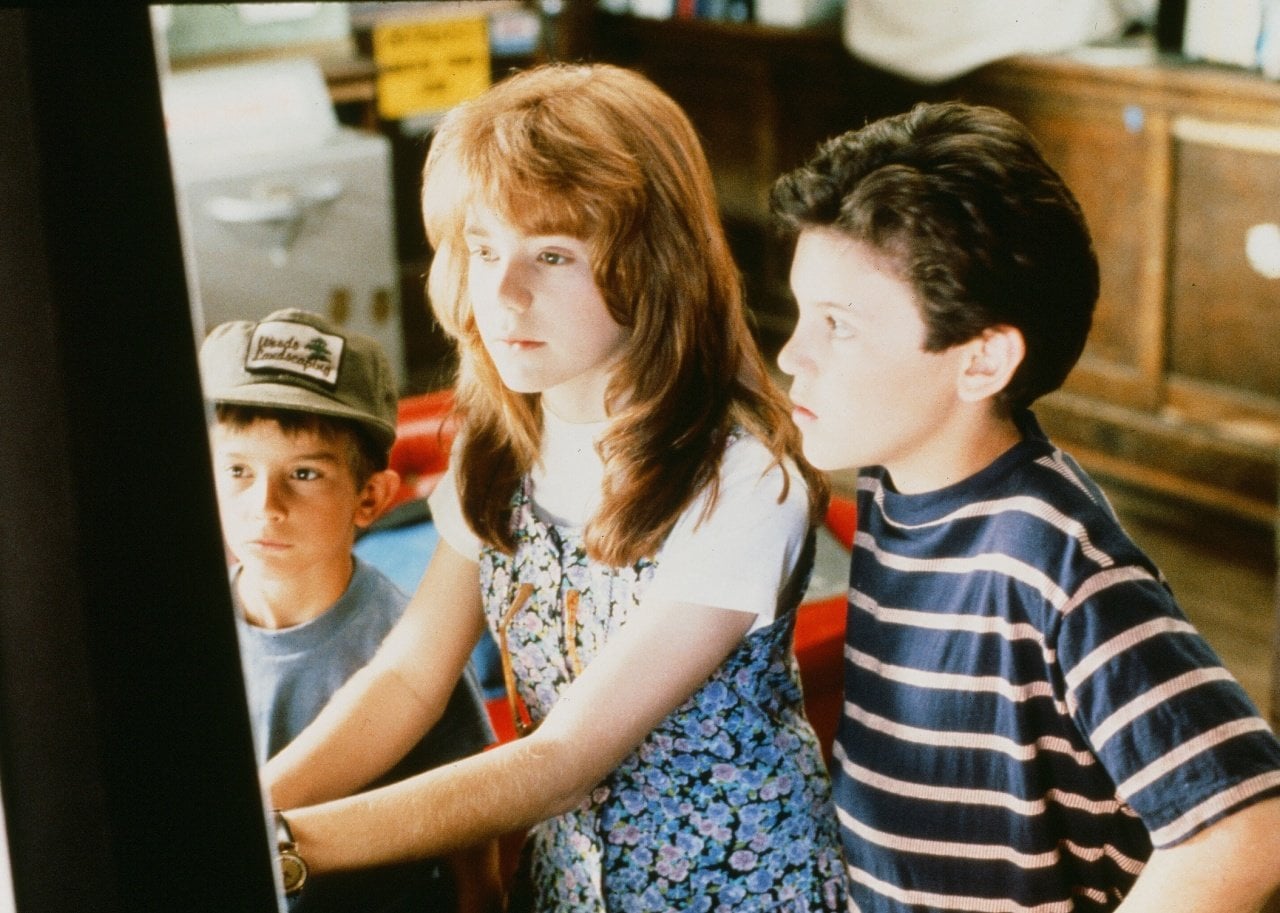
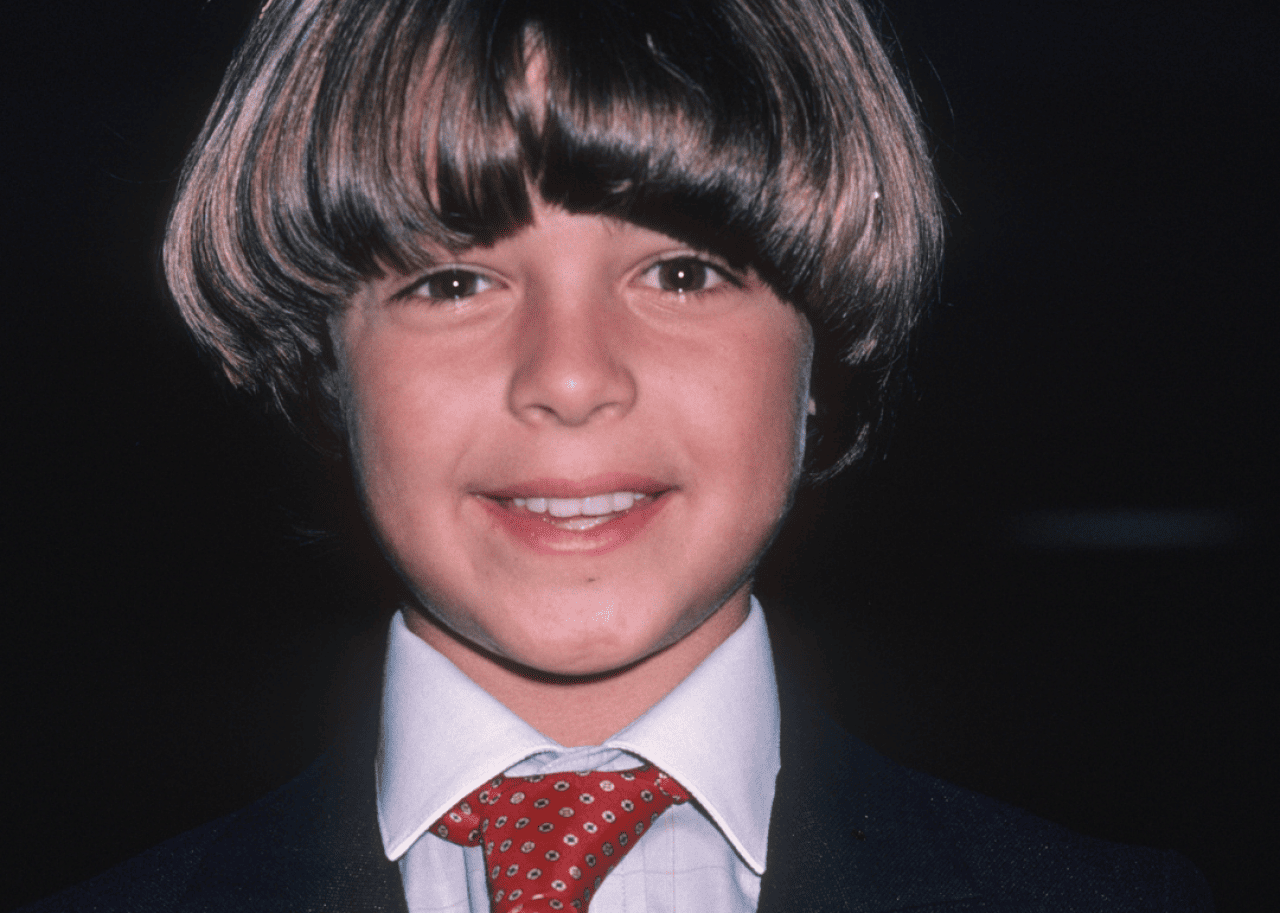
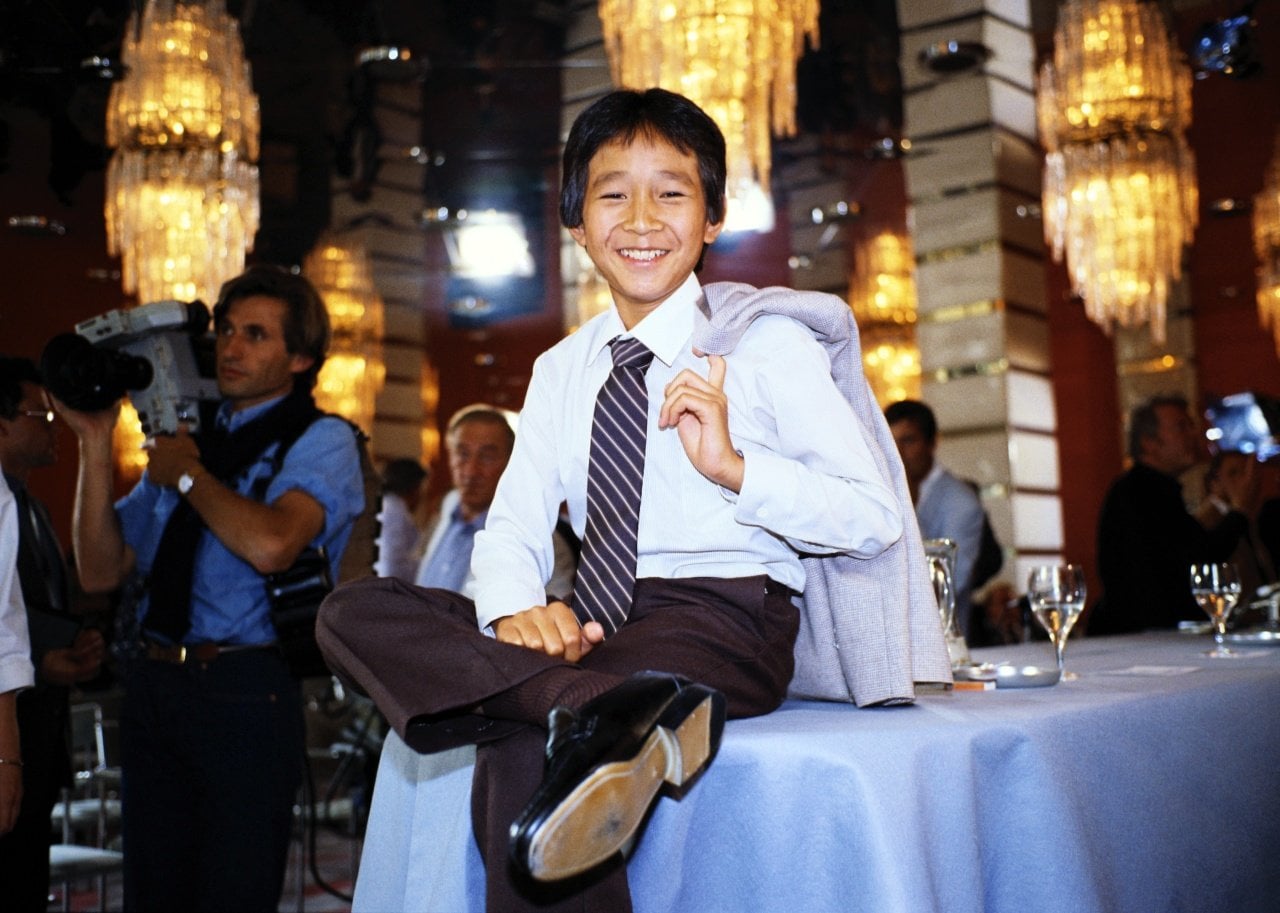
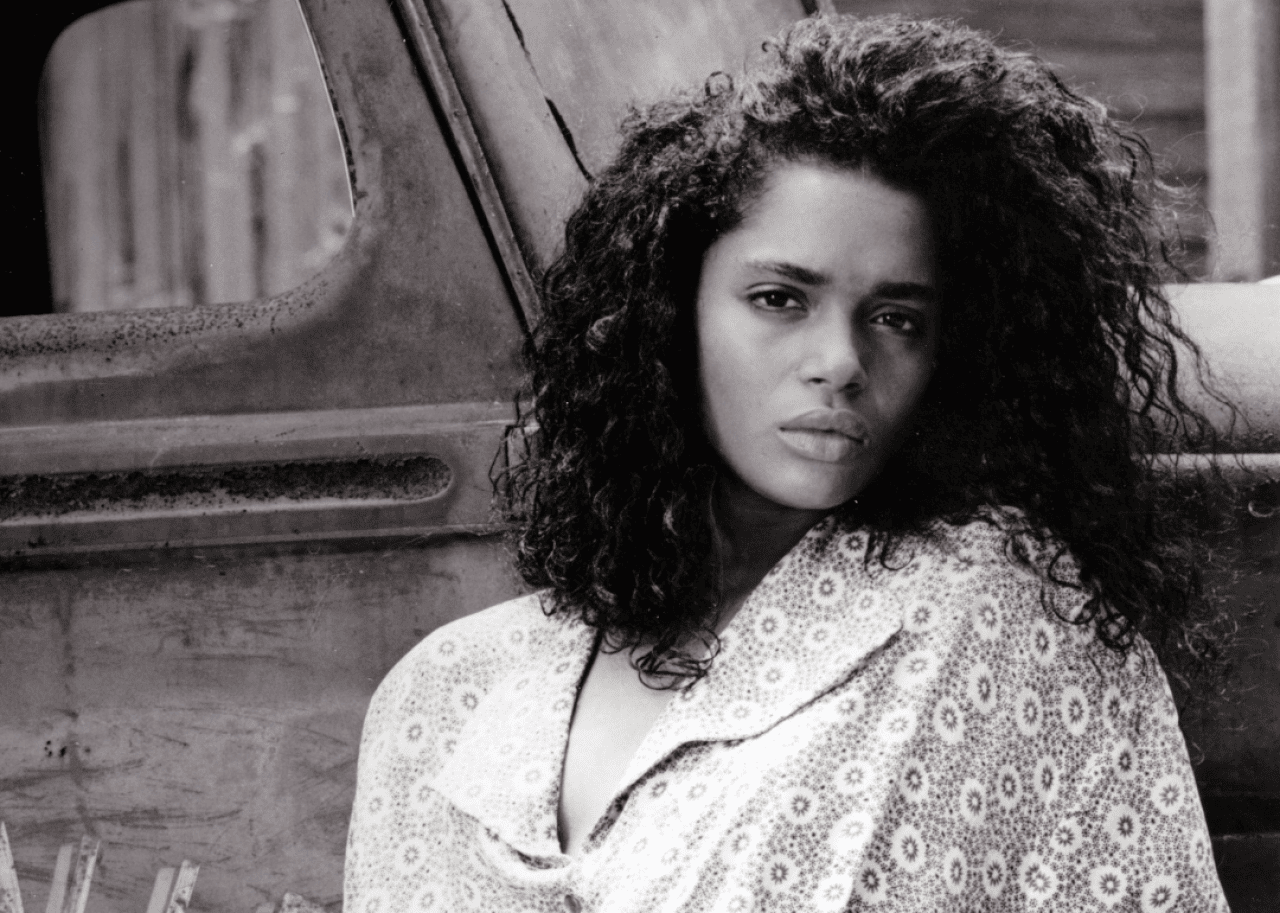
25 iconic child stars of the '80s — and where they are now
By
Chris Compendio
14 min read • Published June 8, 2026
By
Chris Compendio
14 min read • Published June 8, 2026
Ron Galella // Ron Galella Collection via Getty Images
Iconic child stars of the ’80s
No matter what decade it is, nostalgia for the 1980s never seems to fade. Throwback parties featuring ’80s fashion and music are still prominent in American culture. The aesthetics of this decade are often commercialized in flashy clothing or even hit television shows like “Stranger Things.”
The 1980s was a period of commercialization. Malls and their food courts became essential hangout spots for Americans of all ages, and big-name brand toys were must-haves that shoppers would fight over. Considering a sense of optimism defined the 1980s, it’s no wonder we keep returning to that decade.
Meanwhile, the emergence of future film franchises in this decade like “Star Wars,” “The Terminator,” “Back to the Future,” “Top Gun,” and “Indiana Jones” defined what it meant to be a Hollywood blockbuster. Some of these titles permeated pop culture for so long that they still receive sequels to this decade. On the small screen, television shows such as “Cheers,” “The Cosby Show,” “The Golden Girls,” and “Miami Vice” helped to characterize the cultural zeitgeist of the time.
Through several of these ’80s films and television shows—many of which still cling to the collective memory of society—countless young performers got their professional start. The career of a child star can be tumultuous, being thrust into the public eye on such a large platform. With commercial pop culture reaching such heights in the ’80s, child stardom was a more frequent occurrence. As with child stars of other decades, some of these entertainers eventually became embroiled in personal and public controversies, sometimes leaving the industry altogether, but many of these actors and actresses continue to work in Hollywood today.
Stacker has compiled a list of just 25 of these prominent child stars from 1980s American pop culture. This list is based on information from resources like IMDb and news outlets, including Entertainment Weekly and more. Read on to learn more about the most famous child stars of the ’80s and what they might be up to today.
Ron Galella/Ron Galella Collection // Getty Images
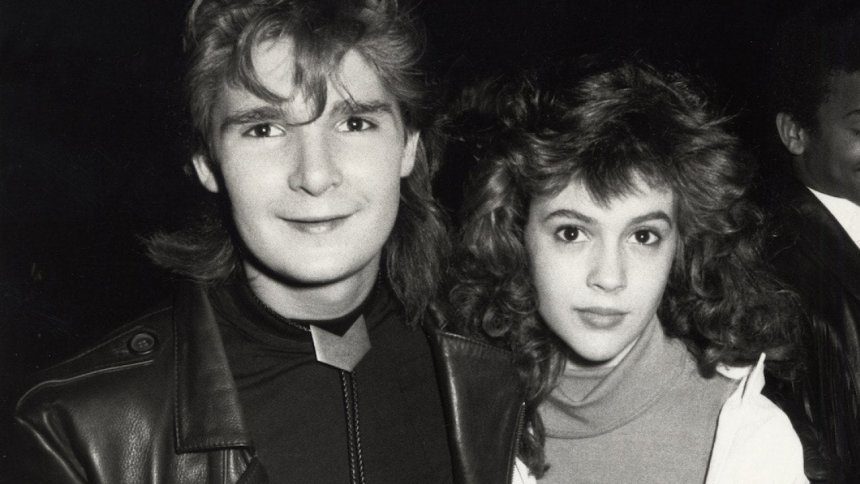
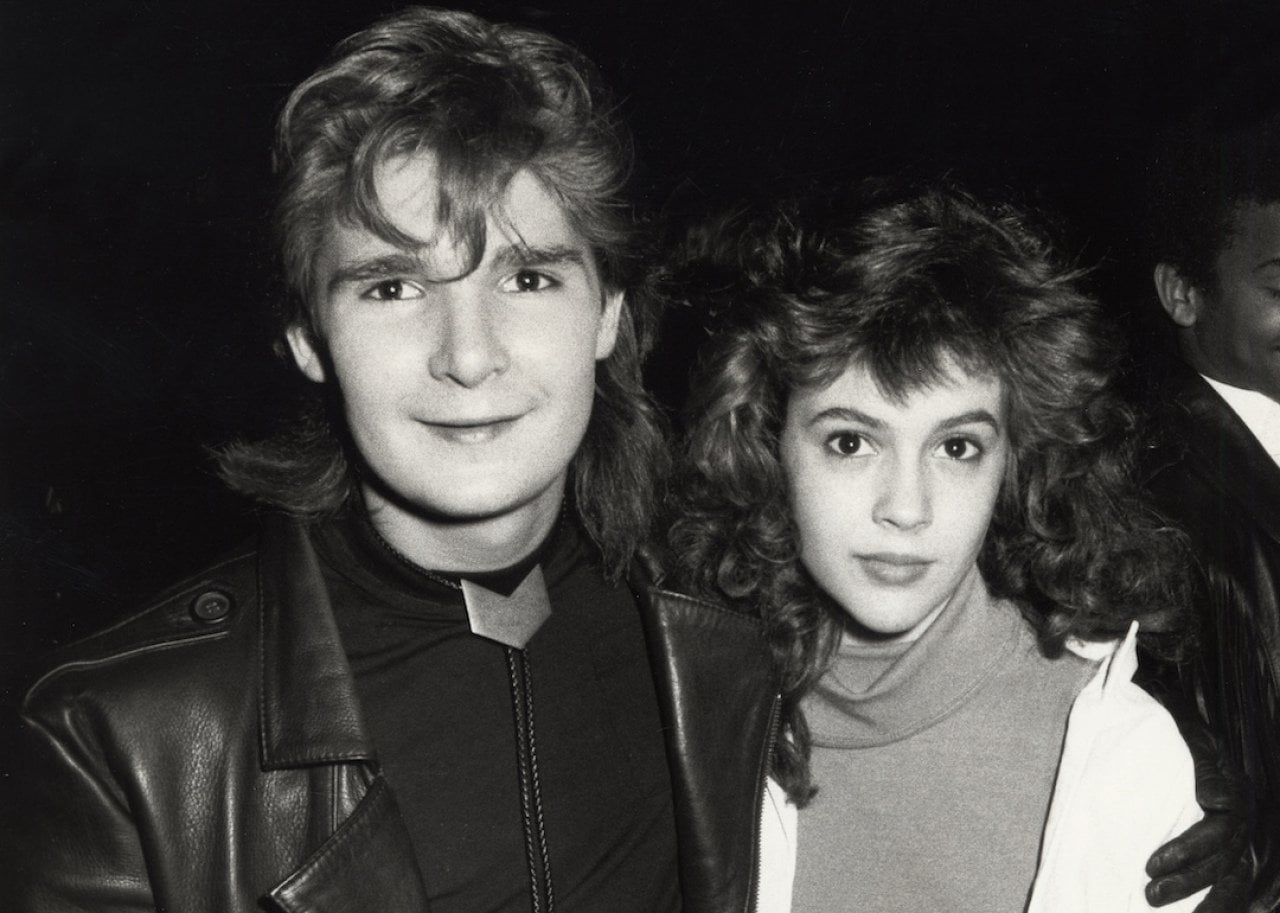
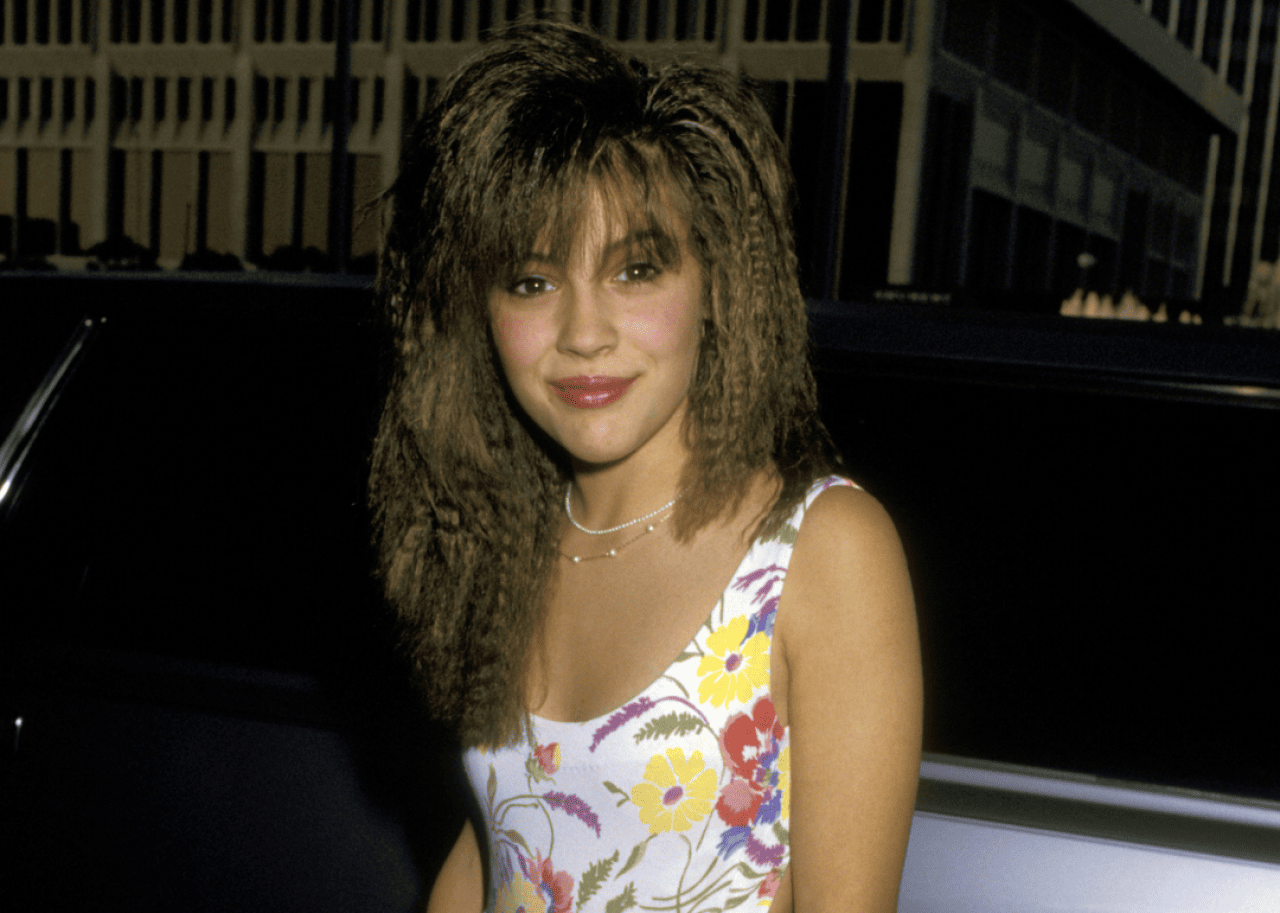
Alyssa Milano
Audiences fell in love with then-teen idol Alyssa Milano when she starred in “Who’s the Boss?” Playing the daughter of Tony Danza’s character, Milano became a household name and went on to appear in “Commando” (this time playing the daughter of an ex-Special Forces colonel opposite Arnold Schwarzenegger) and later one of the witchy lead roles in “Charmed.” Her fame is so pervasive that the main ship in Marvel’s “Guardians of the Galaxy” is named the “Milano” after the main character Peter Quill’s childhood crush on her, a reference that Milano herself thinks is “pretty cool.”
Milano is still acting today, having appeared in the TV series “Elsbeth” and wrapped filming on the thriller “The Night Driver” alongside Josh Lucas and David Arquette in 2025.
J.Sciulli/WireImage // Getty Images
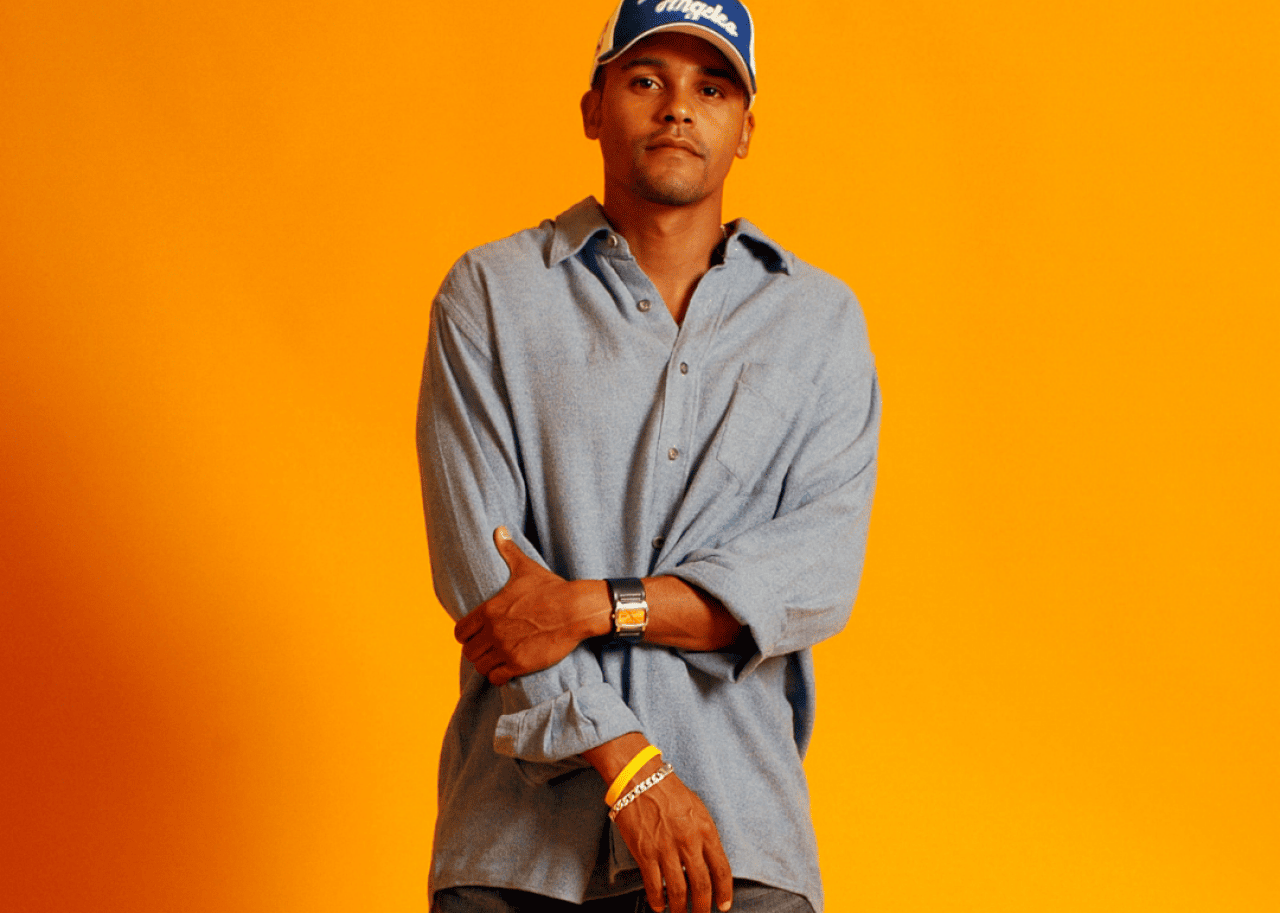
Bumper Robinson
As a young actor, Larry “Bumper” Robinson made appearances in a number of programs, including “Family Matters,” “The Jeffersons,” and “Days of Our Lives.” Robinson’s most prolific role was in the original “Night Court” as Leon, a child whom the main character Harry Stone befriends.
While you may not recognize Robinson’s face as an adult, you may have heard his voice in animated shows, movies, and video games such as “Avengers Assemble” and “Justice League: Doom,” usually voicing Marvel’s Falcon or DC’s Cyborg.
Epics // Getty Images
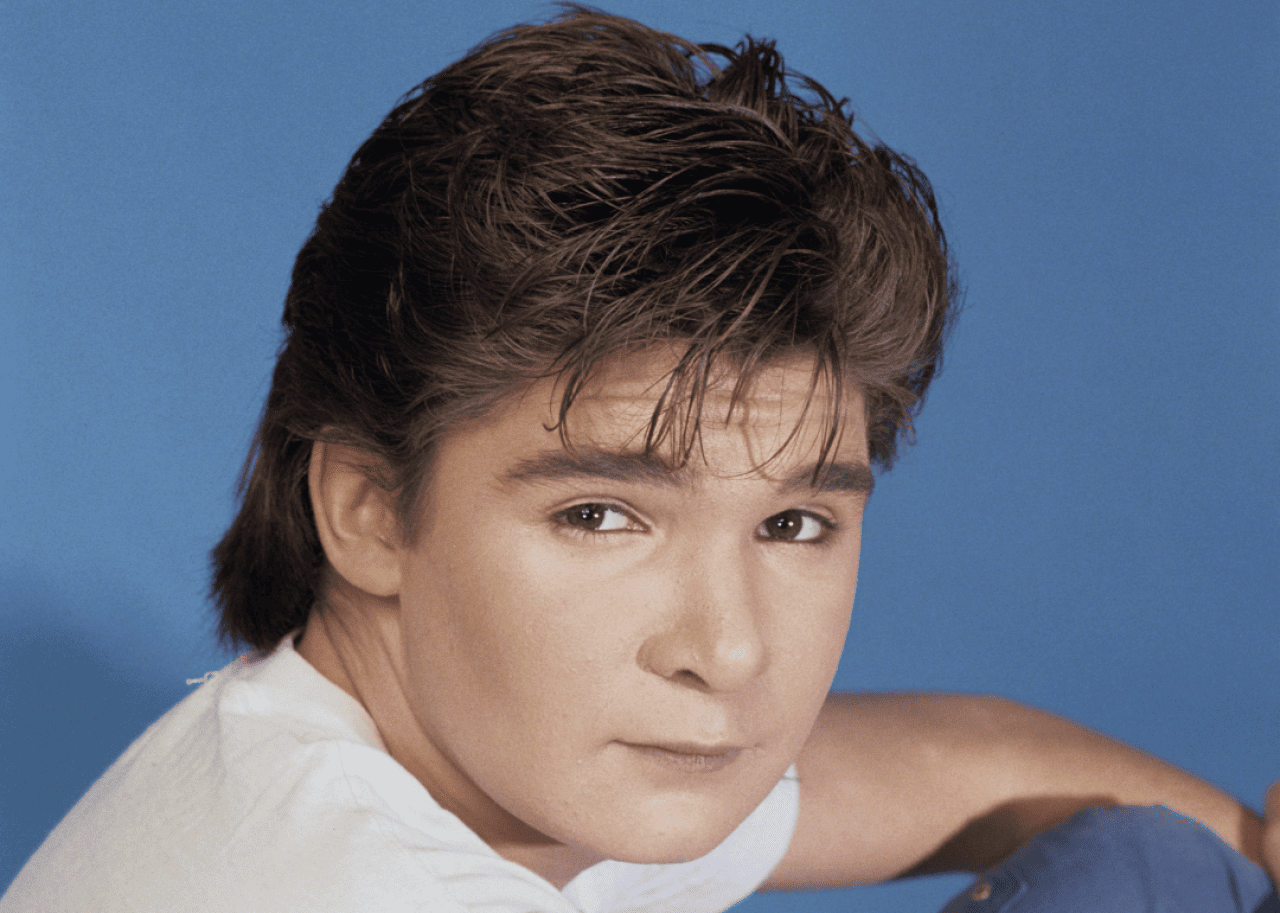
Corey Feldman
Appearing in ’80s classics such as “Gremlins,” “The Goonies,” and “Stand by Me,” Corey Feldman’s childhood career is often associated with Corey Haim, his co-star in “The Lost Boys.” Unfortunately, both Coreys dealt with substance abuse issues in their adult lives, with neither Hollywood career fully recovering—Haim passed away in 2010.
In recent years, Feldman has been acting as a public advocate against sexual abuse of young stars in Hollywood, claiming to be a victim himself and even producing a documentary about these claims regarding himself and Haim.
Barry Sutton/Fotos International // Getty Images
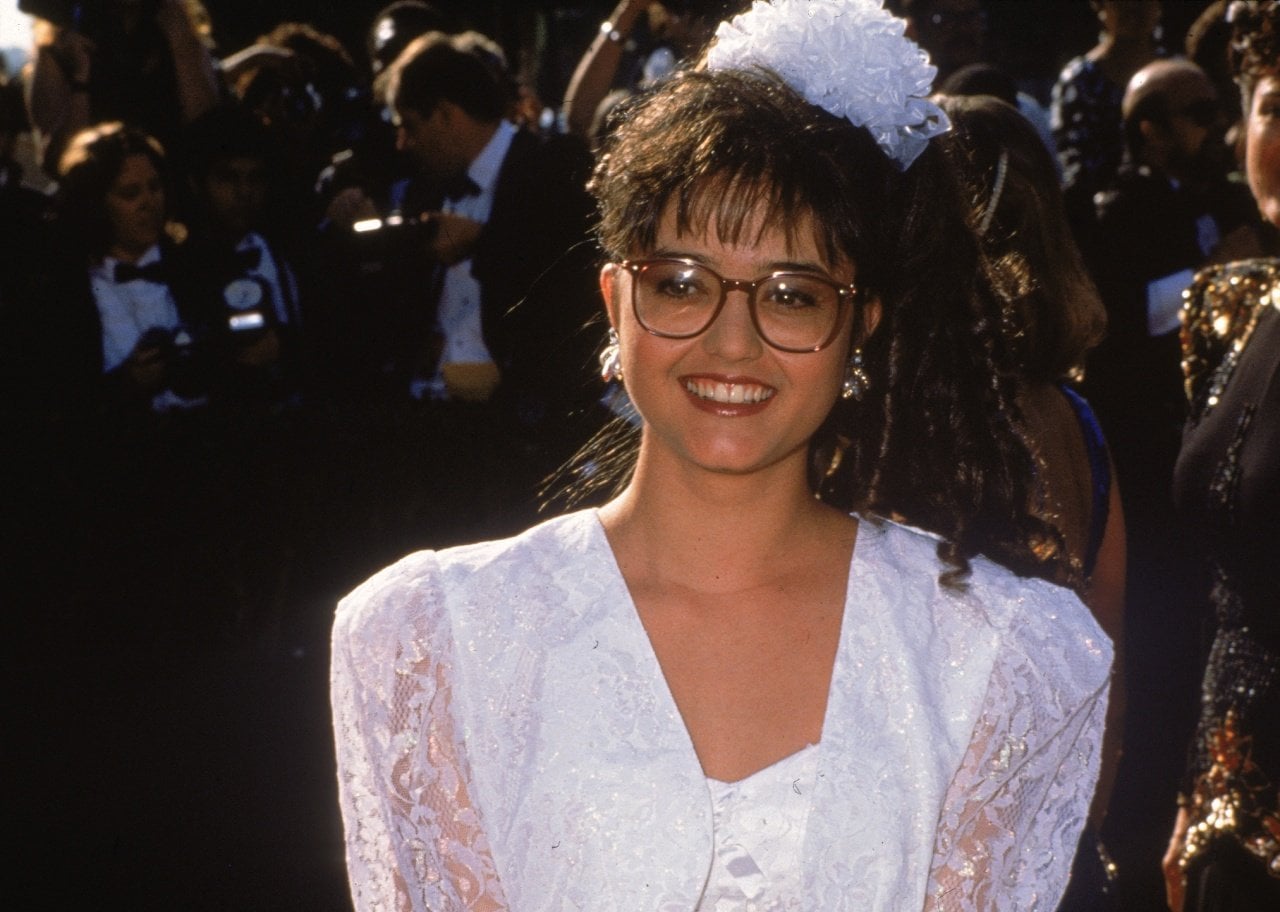
Danica McKellar
Best known for starring opposite Fred Savage in “The Wonder Years,” Danica McKellar was originally only meant to appear in one episode of the coming-of-age show but secured a regular role due to her chemistry with Savage. Crediting her parents for keeping her “grounded” during her period of young stardom, McKellar would appear in a number of Hallmark Channel films through the years.
Additionally, McKellar has been a prolific voice actress, voicing various DC superheroines in television shows and even inheriting the role of Judy Jetson in an animated film.
Sunset Boulevard/Corbis // Getty Images
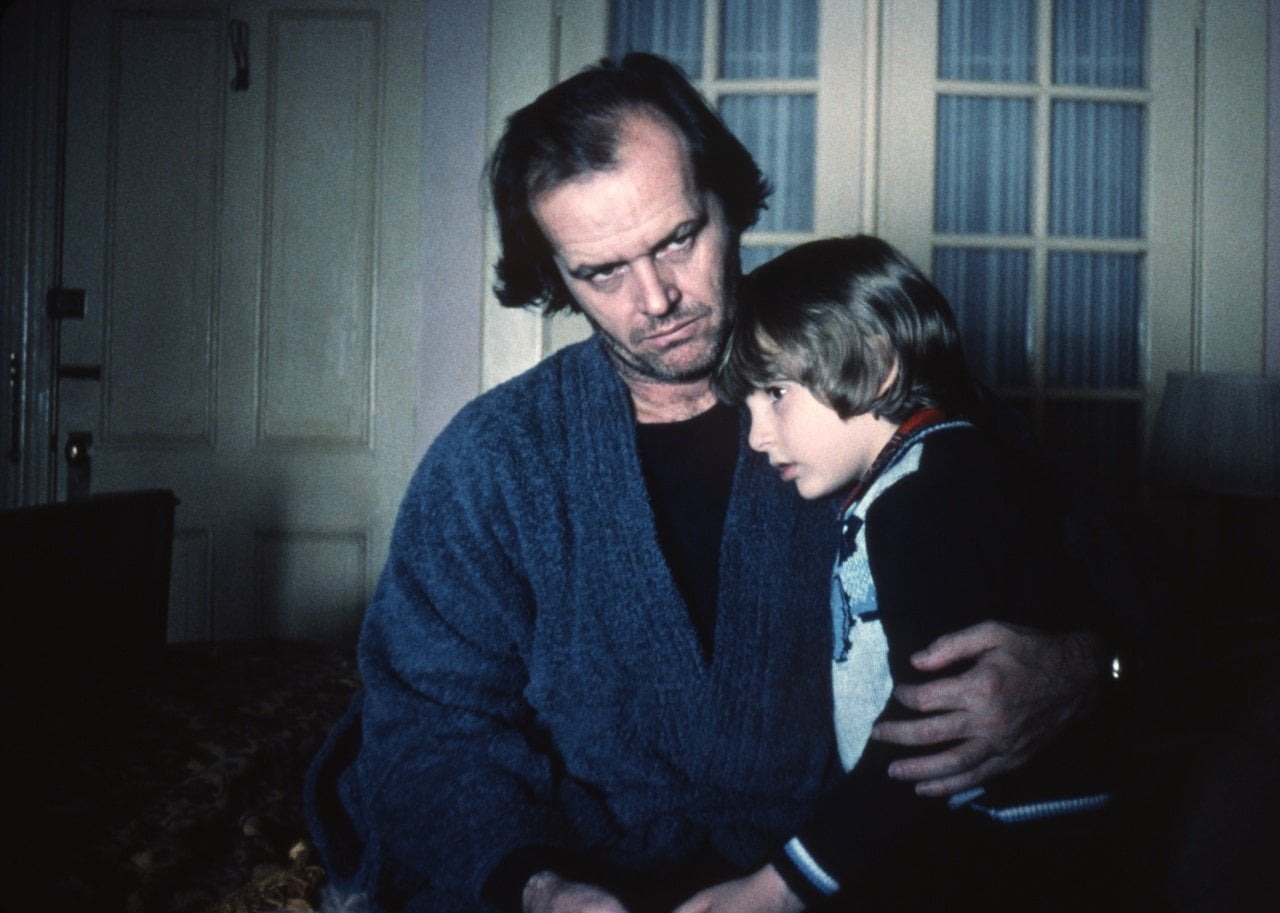
Danny Lloyd
Some child stars find early on that acting is not meant to be their one true vocation, and that appeared to be the case with Danny Lloyd. Lloyd’s one big role was Danny Torrance in Stanley Kubrick’s adaptation of “The Shining,” a film that young Lloyd didn’t realize was a horror film during the shoot.
As an adult, Lloyd became a biology professor, though he couldn’t resist accepting the opportunity to cameo in the sequel to “The Shining” titled “Doctor Sleep,” which starred Ewan McGregor as an adult Danny Torrance.
Yvonne Hemsey // Getty Images
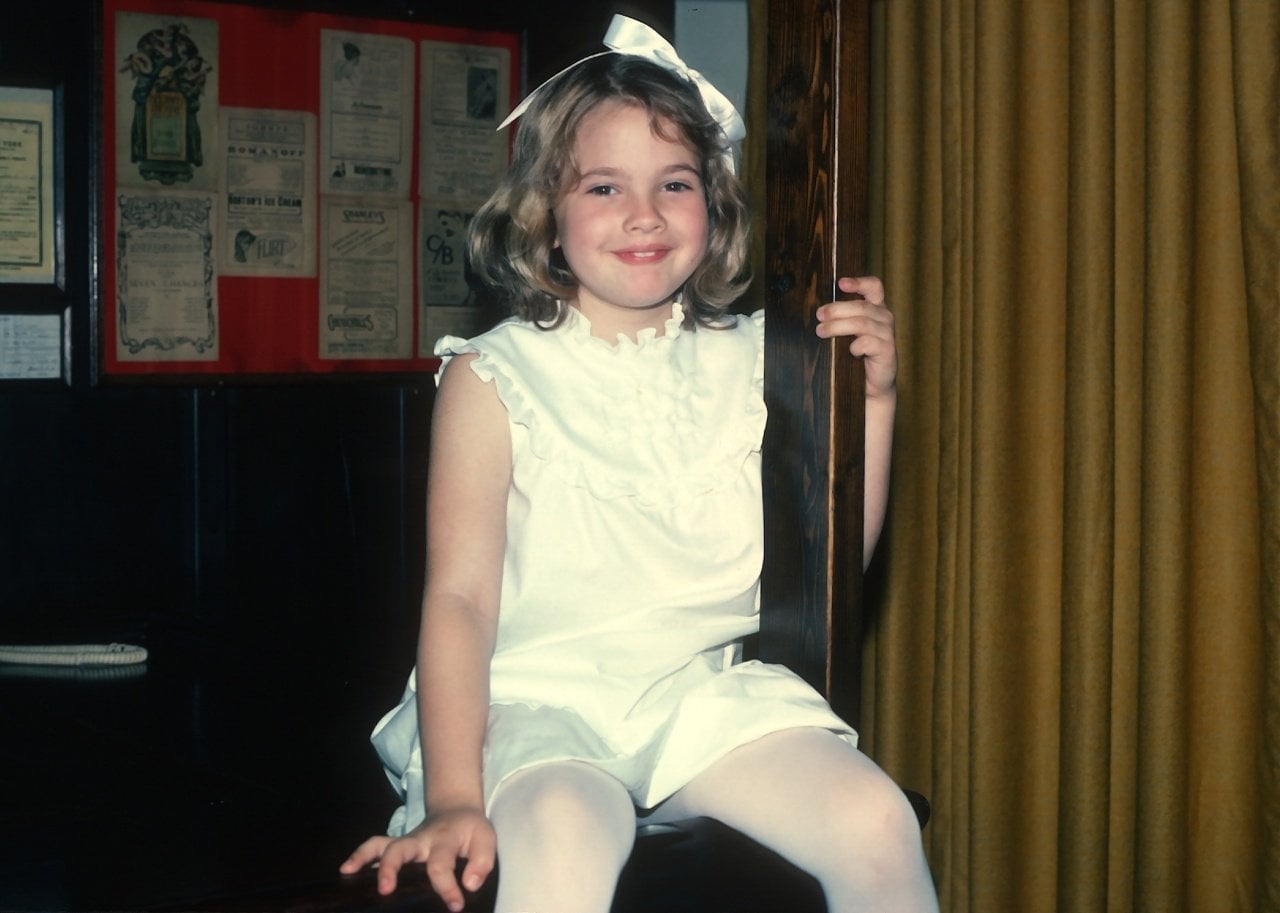
Drew Barrymore
Coming from a family of actors, it’s no surprise that Drew Barrymore has the prolific Hollywood career she does. After appearing in Steven Spielberg’s “E.T. the Extra-Terrestrial,” Barrymore’s filmography became too large to summarize, ranging from action blockbuster roles like “Charlie’s Angels,” a Netflix comedy in “Santa Clarita Diet,” a number of Adam Sandler slapstick films like “50 First Dates,” and a memorable opening kill scene in the original “Scream.” Even to this day, Barrymore still credits Spielberg for acting as a father figure early in her life and career.
Though she doesn’t act as much these days, she has portrayed herself in several recent films and has hosted “The Drew Barrymore Show” since 2020, with the show renewed for its seventh and eighth seasons in March 2026.
Santi Visalli // Getty Images
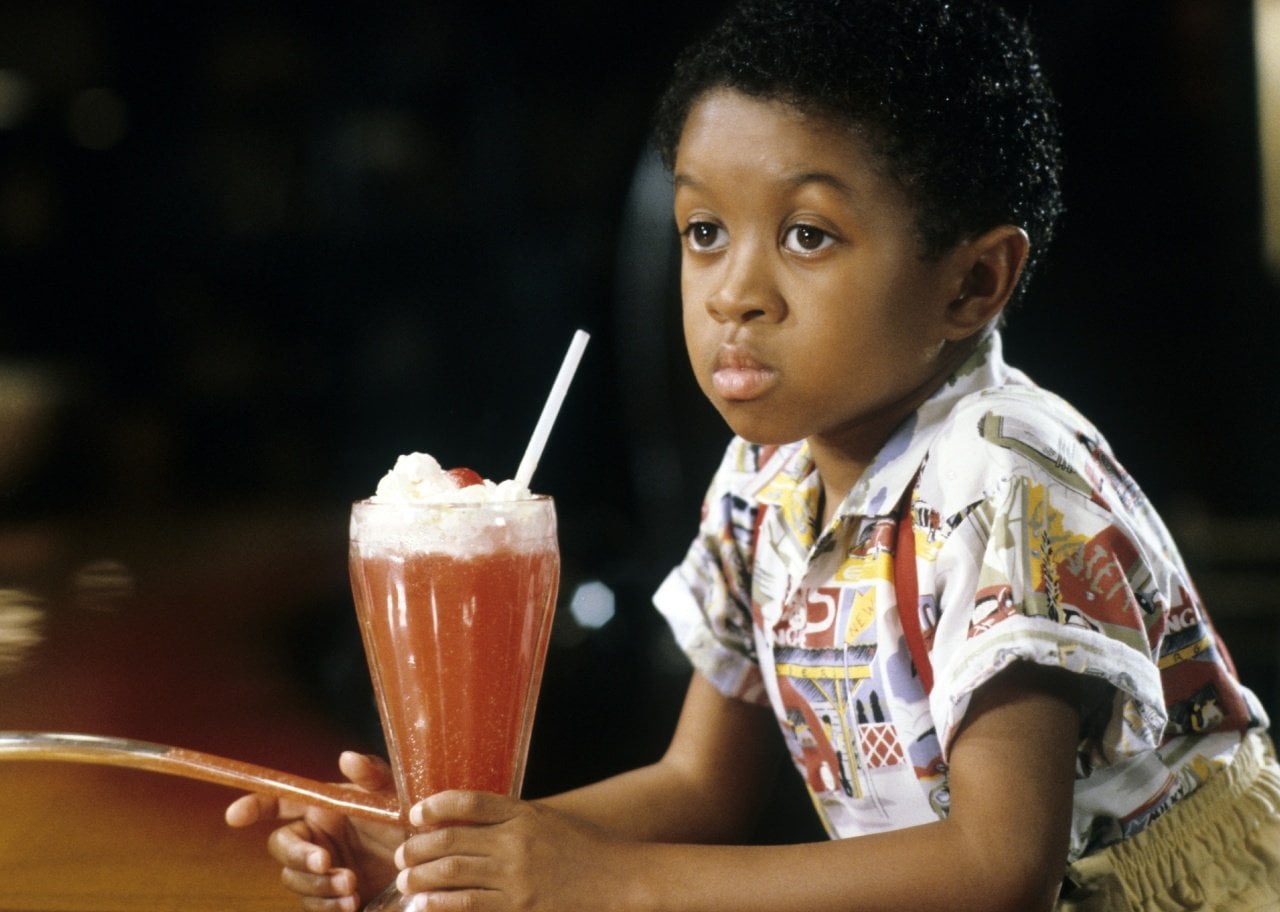
Emmanuel Lewis
As a young actor, Emmanuel Lewis got his big shot as the child spokesperson for Burger King, a part that led to his starring role as the eponymous character in the 1980s sitcom “Webster.” The show depicted a young African American boy who lost his parents and was subsequently taken in by an upper-class white couple.
In adulthood, Lewis still looks quite young, barely growing any taller; he has gathered few Hollywood credits since then, but he is still known for being a practitioner of tae kwon do.
George Rose // Getty Images
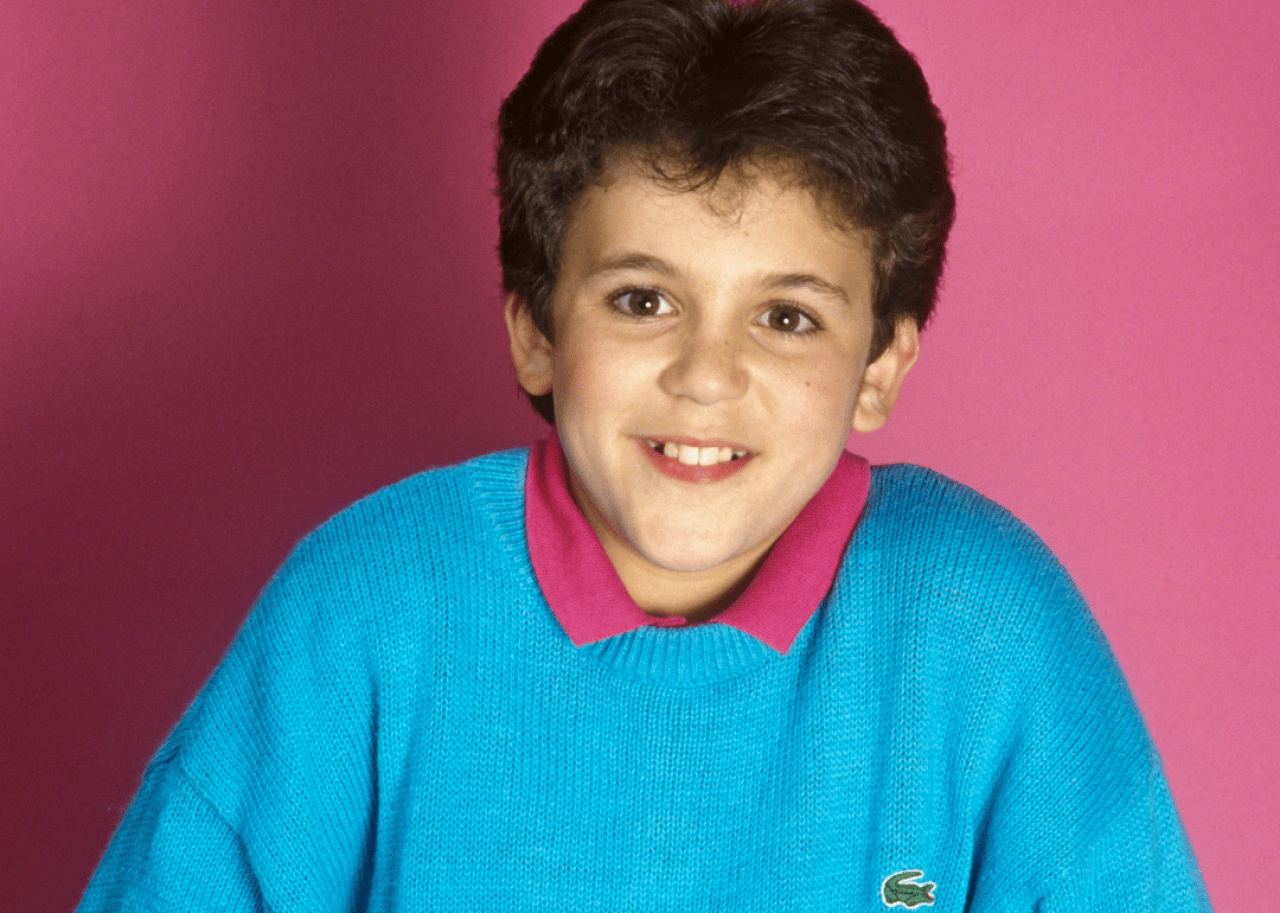
Fred Savage
One of the most beloved films of the 1980s is “The Princess Bride,” in which child actor Fred Savage appeared as a grandson being read a fairy tale. Shortly after, Savage starred in “The Wonder Years,” a coming-of-age television show that earned the young actor two Emmy nominations, an unprecedented feat at the time at the age of 13.
Transitioning to directing and producing, Savage was involved in a number of television shows, including “Phil of the Future,” “Boy Meets World,” “Drake & Josh,” and countless Disney Channel and Nickelodeon shows. Savage even directed episodes of the reboot of “The Wonder Years,” though he was dismissed for alleged inappropriate conduct on set. These days, Savage has pivoted to entrepreneurship, founding Timepiece Grading Specialists, a watch authentication and appraisal company he launched in 2025.
Ron Galella/Ron Galella Collection // Getty Images
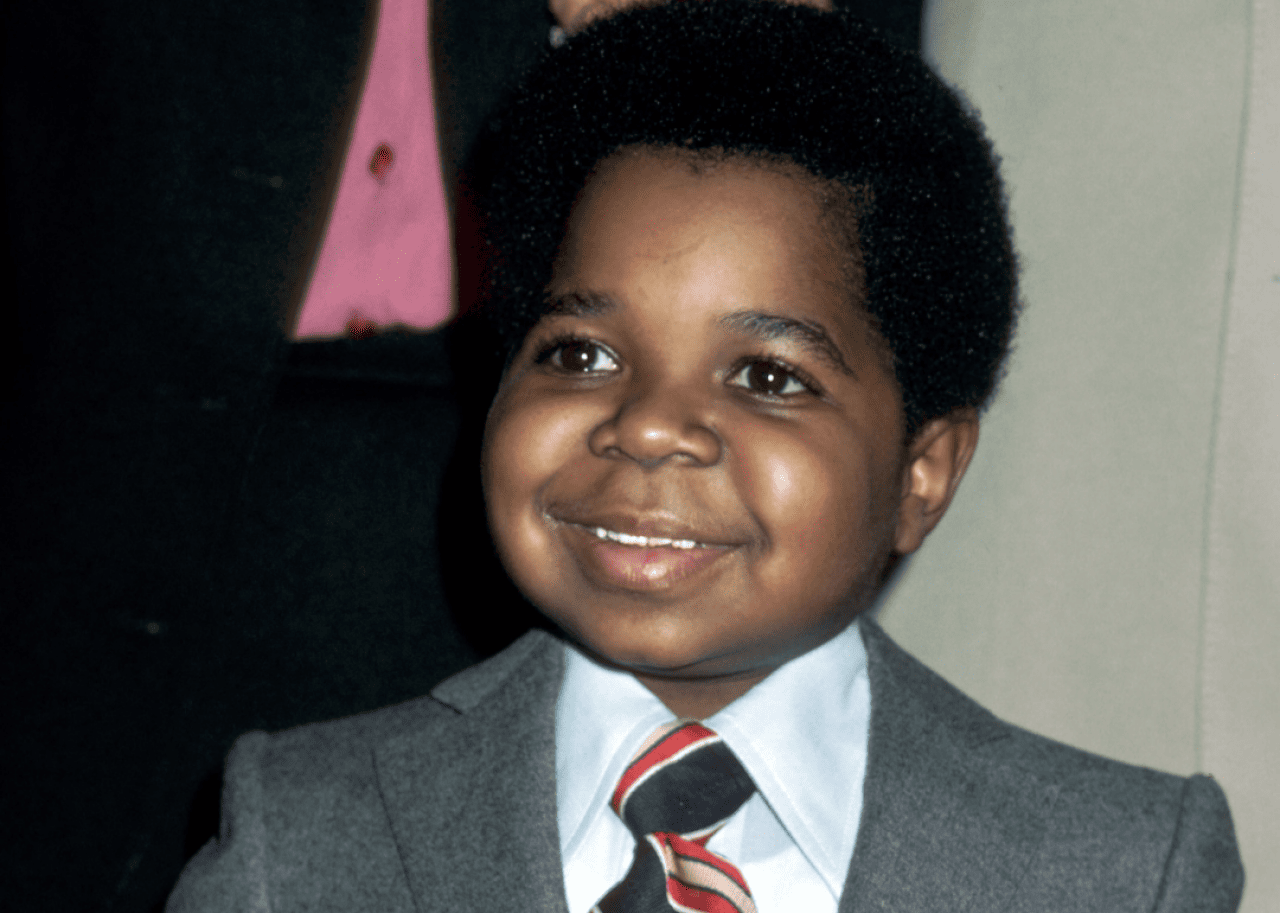
Gary Coleman
Few child stars have gone through public hardships quite like actor Gary Coleman did. The young Coleman made a name for himself in “Diff’rent Strokes,” a sitcom that produced his well-known catchphrase, “Whatchoo talkin’ bout Willis?” Unfortunately for Coleman, his career and personal life spiraled down from there, with bankruptcy, legal issues, and marital problems becoming the center of his image, all the way to his untimely and accidental death from a fall in 2010. The Peacock documentary “Gary,” released in August 2024, explores his turbulent life story.
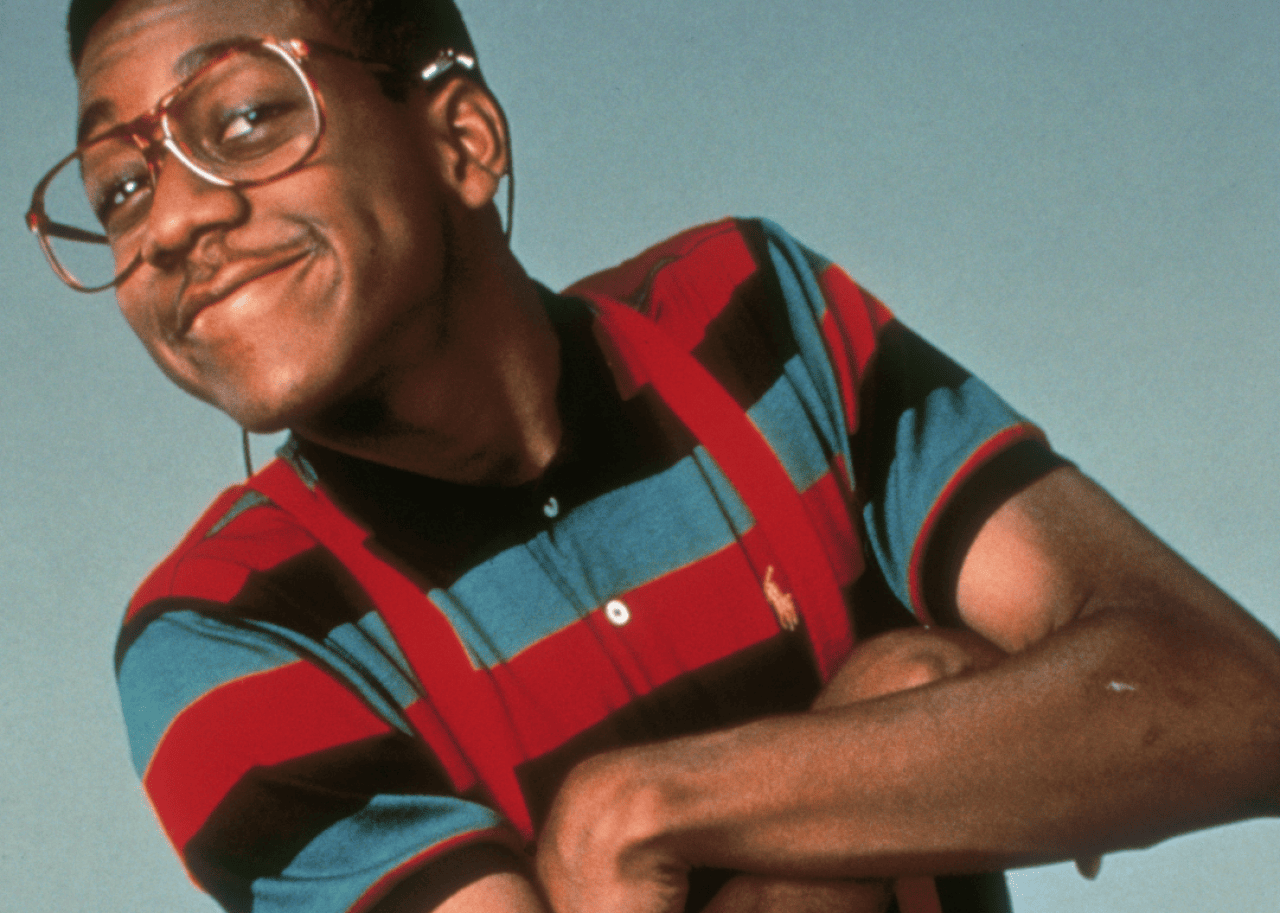
When talking about the concept of a “breakout character” in television, Urkel in “Family Matters” is by far one of the most prominent examples. Portrayed by Jaleel White, the nerdy and high-pitched-voiced Steve Urkel was originally meant to be a guest character in the 1989 sitcom, but the positive reception to his portrayal led to him becoming a main character and essentially the new protagonist of the family show—though some cast members initially resented the shift. White also voiced Sonic the Hedgehog on a handful of animated shows and has made various appearances in television dramas and comedies, sometimes as himself.
Warner Brothers // Getty Images
Jeff Cohen
Jeff Cohen has been in Hollywood for decades, though audiences have only seen him on the screen during the 1980s. As a child, Cohen’s biggest role was “Chunk” in “The Goonies,” directed by Richard Donner and written by Steven Spielberg and Chris Columbus. Because of Donner, Cohen was able to attend college and eventually pursue entertainment law; most recently, Cohen negotiated the contract of his “Goonies” co-star Ke Huy Quan when the latter was cast in “Everything Everywhere All at Once.”
Hulton Archive // Getty Images
Jenny Lewis
In her youth, Jenny Lewis appeared in commercials for Barbie dolls, Jell-O, and the Toys R Us retail chain, but her most prominent film roles were in “Troop Beverly Hills” and the Fred Savage-starring “The Wizard.” But in the late 1990s onward, besides some fleeting roles in television shows and films, Lewis fully transitioned into a music career. She formed the band Rilo Kiley with Blake Sennett, her then-boyfriend, after the band broke up in the early 2010s; Lewis has enjoyed a solo music career with five albums to date. Lewis reunited with her Rilo Kiley bandmates in 2025 to perform across the U.S. and release a greatest hits album.
Ron Galella, Ltd./Ron Galella Collection // Getty Images
Joey Lawrence
Actor, musician, and television presenter Joey Lawrence has amassed numerous credits in various sitcoms, children’s programs, and reality shows, but what brought Lawrence to fame was his role in “Gimme a Break!” Even before turning 18, Lawrence had already starred in Disney animated film “Oliver & Company” and the NBC show “Blossom” with Mayim Bialik. Lawrence would continue his acting career alongside his brothers Matthew and Andrew Lawrence, starring with them in “Brotherly Love” and Disney Channel films like “Jumping Ship.”
In 2023, the Lawrence brothers launched a “Brotherly Love” podcast exploring the trio’s unique family.
Bryn Colton // Getty Images
Ke Huy Quan
Everyone loves a Hollywood comeback story, and Ke Huy Quan gave them one during the 2022-2023 awards season. Best known for charming audiences as Short Round in “Indiana Jones and the Temple of Doom” and appearing in “The Goonies” the year after, Quan’s acting career slowed down as he struggled to find work in adulthood. He would later go on to become an assistant director and stunt choreographer.
After watching “Crazy Rich Asians,” Quan was inspired to return to acting, doing so in an Oscar-winning turn for Best Supporting Actor in “Everything Everywhere All at Once.” Quan is firmly back in the limelight these days, starring in the 2025 movies “Love Hurts” and “Zootopia 2.”
Images // Getty Images
Lisa Bonet
In a decade where sitcoms with African American stars were becoming mainstream, young stars like Lisa Bonet became an inspiration to young women of color. Bonet portrayed daughter Denise Huxtable in “The Cosby Show,” even garnering an Emmy nomination and starring in her own spin-off called “A Different World” that followed Denise in college.
Bonet has appeared in more recent shows, including “Ray Donovan” and “Girls,” although her family life has arguably received more attention: She married (and later divorced) Lenny Kravitz, with whom she had a daughter (now established actor Zoë Kravitz), and then married (and later divorced) Jason Momoa.
Sunset Boulevard/Corbis // Getty Images
Lukas Haas
It’s unlikely that you’d see Lukas Haas in a major leading role, but you’ve undoubtedly seen this character actor in one of many films or television shows. Known for his “intense” performances, even as a child, Haas won critical acclaim for his 1980s childhood roles in “Witness,” “Music Box,” and “The Ryan White Story.” In adulthood, Haas has played small but memorable roles for directors such as Rian Johnson in “Brick,” Christopher Nolan in “Inception,” and Steven Spielberg in “Lincoln.”
In September 2024, Prime Video announced that Haas will star alongside Nicolas Cage in the upcoming Marvel series “Spider-Noir.” He also appeared in the 2025 film “High Rollers,” reprising his role from 2024’s “Cash Out.”
Ron Galella, Ltd./Ron Galella Collection // Getty Images
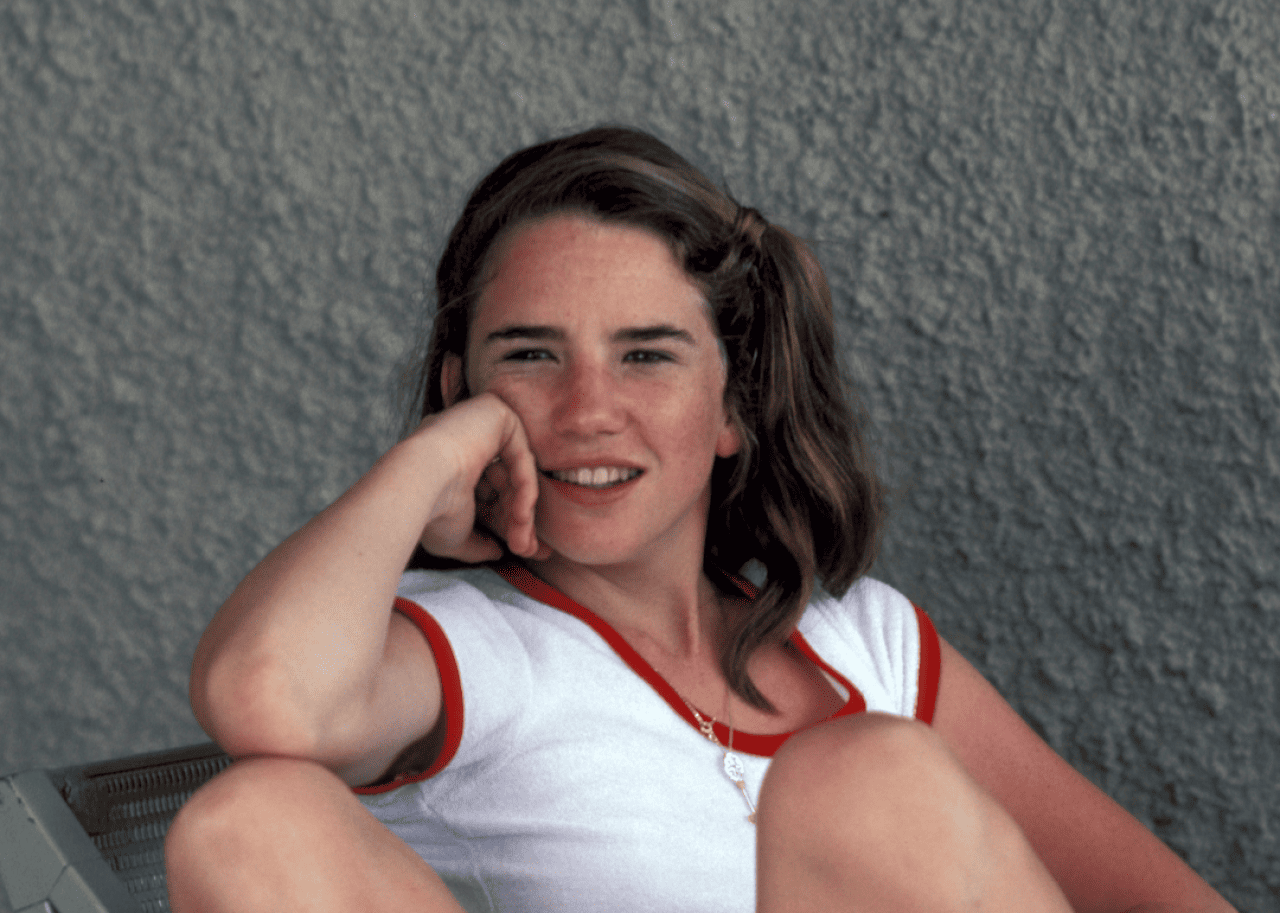
Melissa Gilbert
The extensive career of Melissa Gilbert started in her young childhood in the 1960s and ’70s, with her most famous role being that of Laura Ingalls Wilder in “Little House on the Prairie,” which ended in 1983. Throughout the 1980s, Gilbert appeared in television films practically every year of the decade, including some television specials as Laura Wilder post-show.
Later in adulthood, Gilbert served as the president of the Screen Actors Guild and abandoned a 2016 congressional campaign due to health concerns. She also made headlines in 2024 for her efforts to raise awareness for pancreatic cancer, which led to the deaths of her friends Patrick Swayze and Michael Landon. She has continued her Hallmark connection, guest-starring in “When Calls the Heart” season 12 in 2025, alongside executive producer Michael Landon Jr.
Michael Ochs Archives // Getty Images
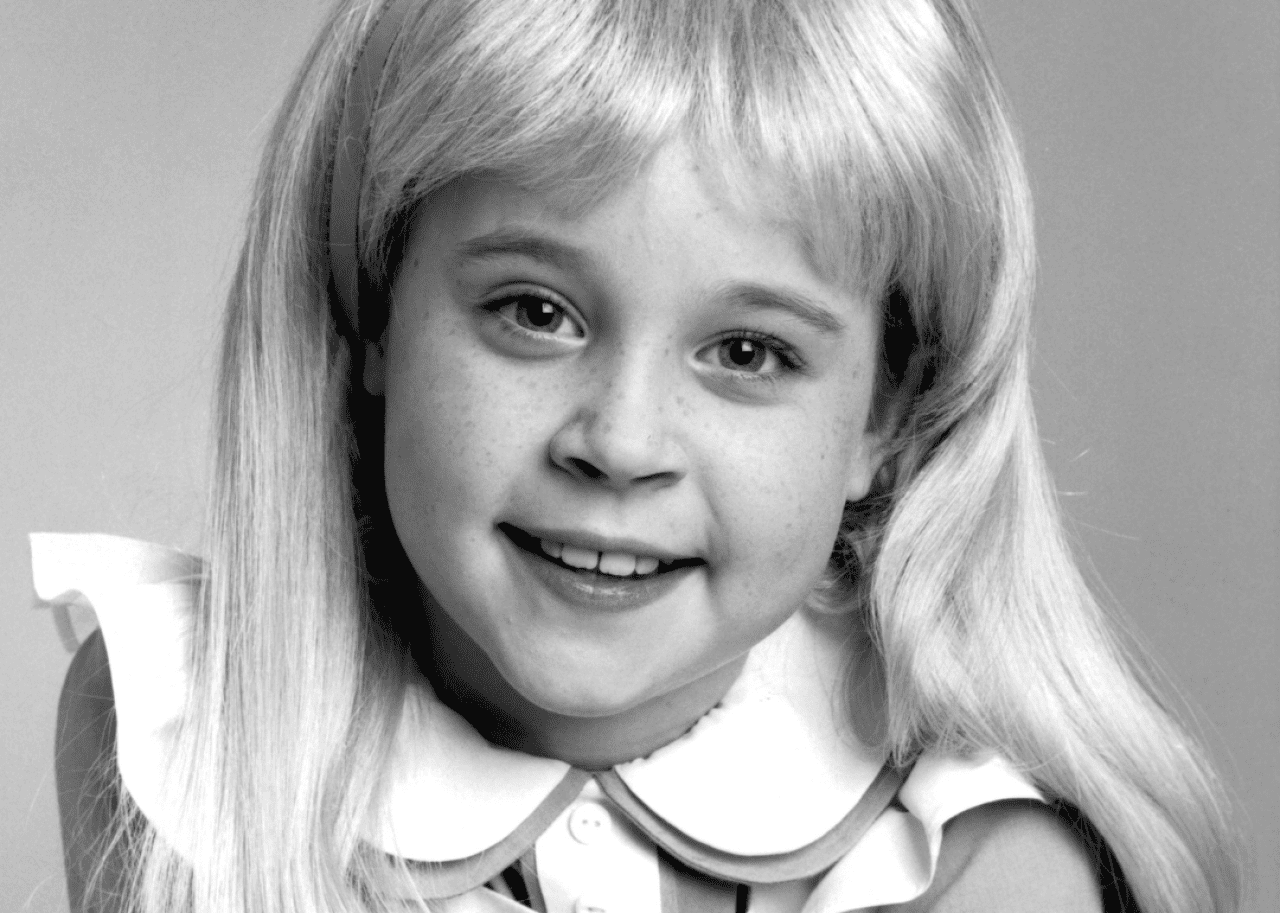
Natalie Gregory
The short-lived film and television career of Natalie Gregory reached its height in 1985 when at age 10, she played the title character in a television film adaptation of “Alice in Wonderland.” Her performance was praised by critics, but besides some minor television appearances, Gregory’s only other major role was as a voice in Disney’s “Oliver & Company.” Since then, Gregory has stayed out of the public limelight.
Nancy R. Schiff // Getty Images
Neil Patrick Harris
Today, actor and singer Neil Patrick Harris is best known for roles in “How I Met Your Mother,” “A Series of Unfortunate Events,” and the “Harold & Kumar” films, as well as hosting essentially every major award show. But in 1989, Harris made it big as the eponymous character in “Doogie Howser, M.D.,” a show in which he portrayed a teenage doctor.
His career has thrived since then, with five Emmy Award wins and a Tony Award. Along with recent appearances in “The Matrix Resurrections” and “How I Met Your Father” (reprising his Barney Stinson role), Harris starred in the first Broadway revival of Yasmina Reza’s “Art” alongside Bobby Cannavale and James Corden in 2025, performed in other Broadway productions, and voiced characters in video games.
Ron Galella, Ltd./Ron Galella Collection // Getty Images
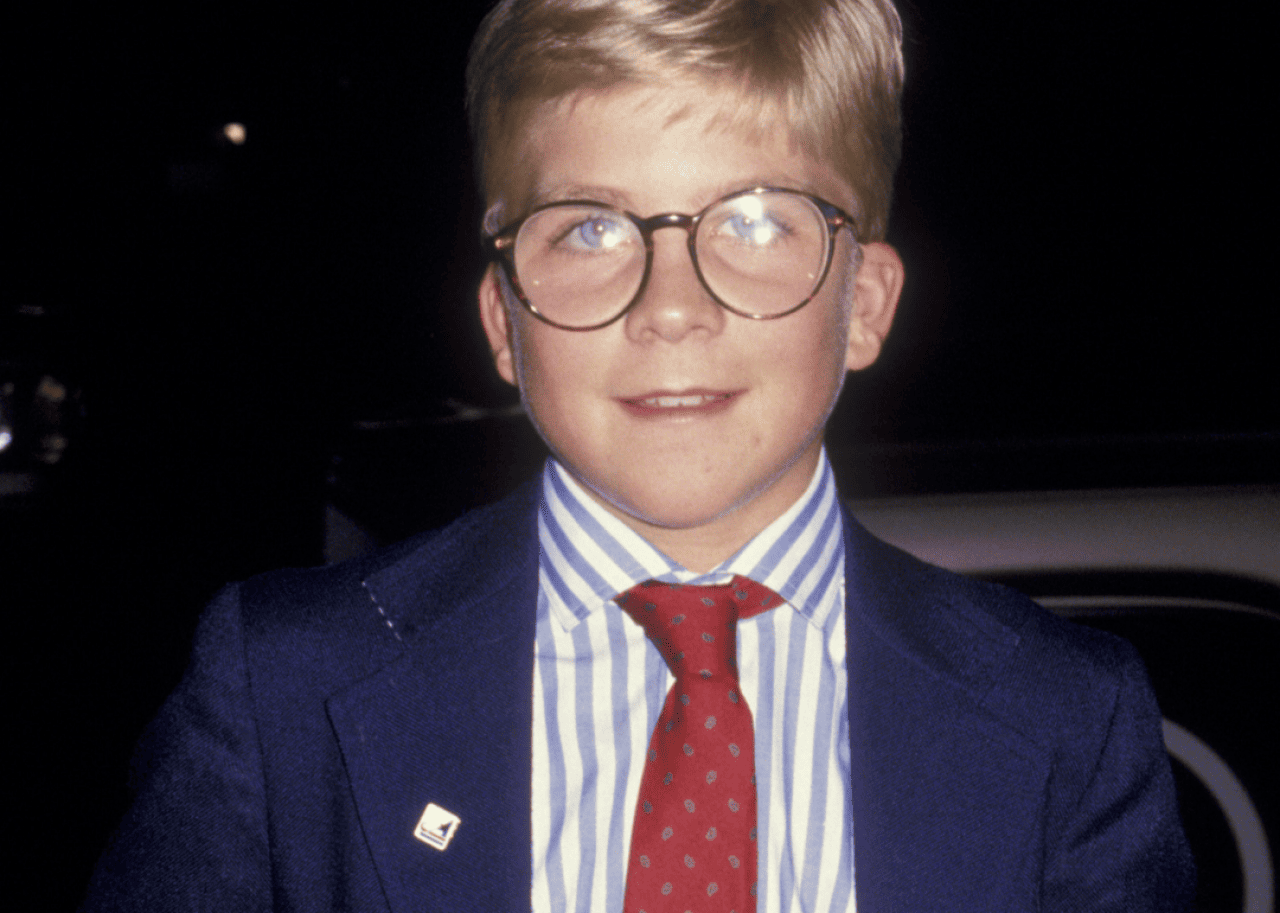
Peter Billingsley
Families watch a few standby movies every Christmas, and the 1983 movie “A Christmas Story” is certainly one of them—if that’s the case, you’re used to seeing Peter Billingsley’s iconic childhood face every year. Billingsley made appearances on famous shows, including “Who’s the Boss?” and “The Wonder Years,” and won a Young Artist Award for his leading role in “The Dirt Bike Kid.”
Billingsley recently had a supporting role in the Marvel Cinematic Universe, playing a minor character in “Iron Man” and “Spider-Man: Far From Home,” but he made a return to his iconic role of Ralphie in the cheekily named “A Christmas Story Christmas” in 2022.
George Rose // Getty Images
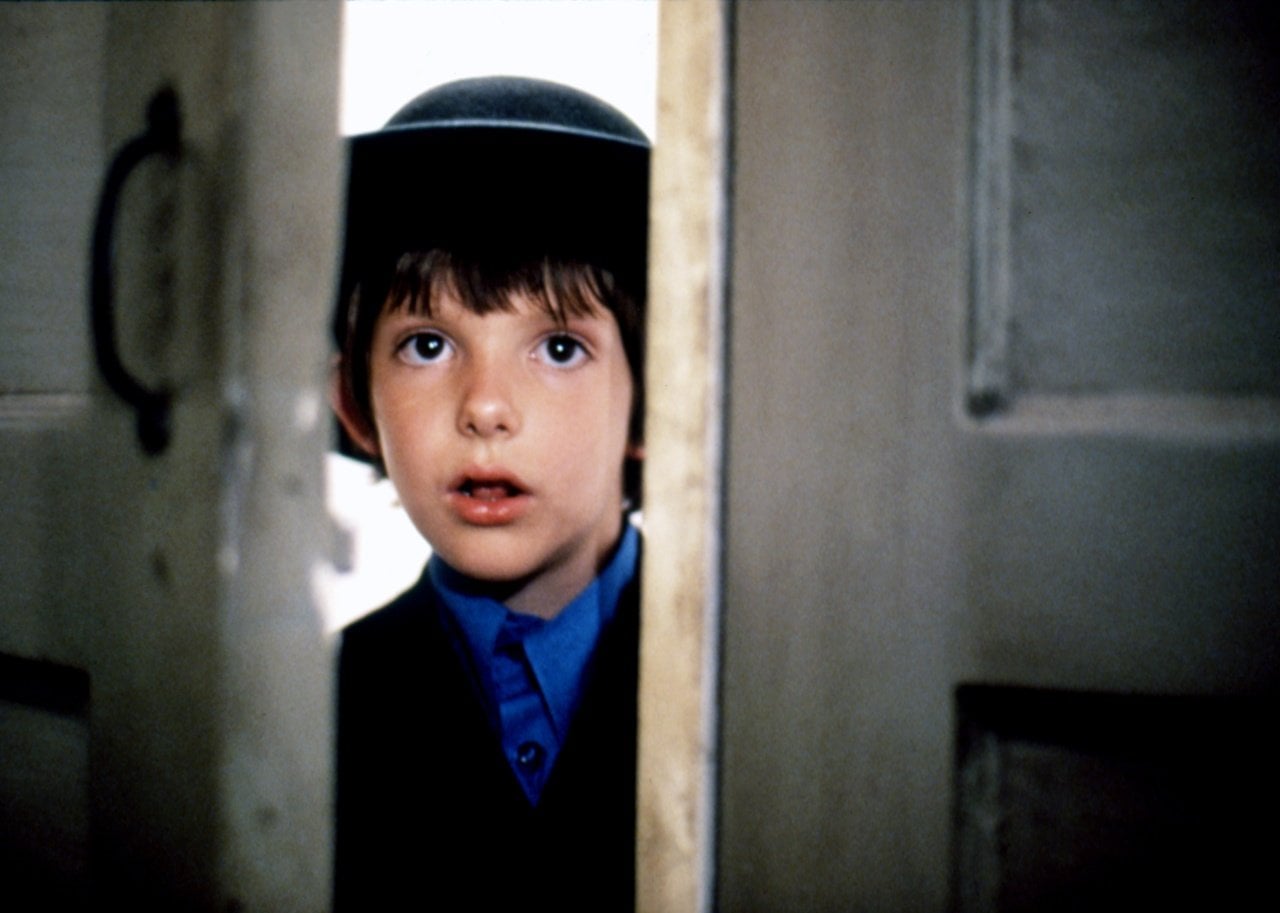
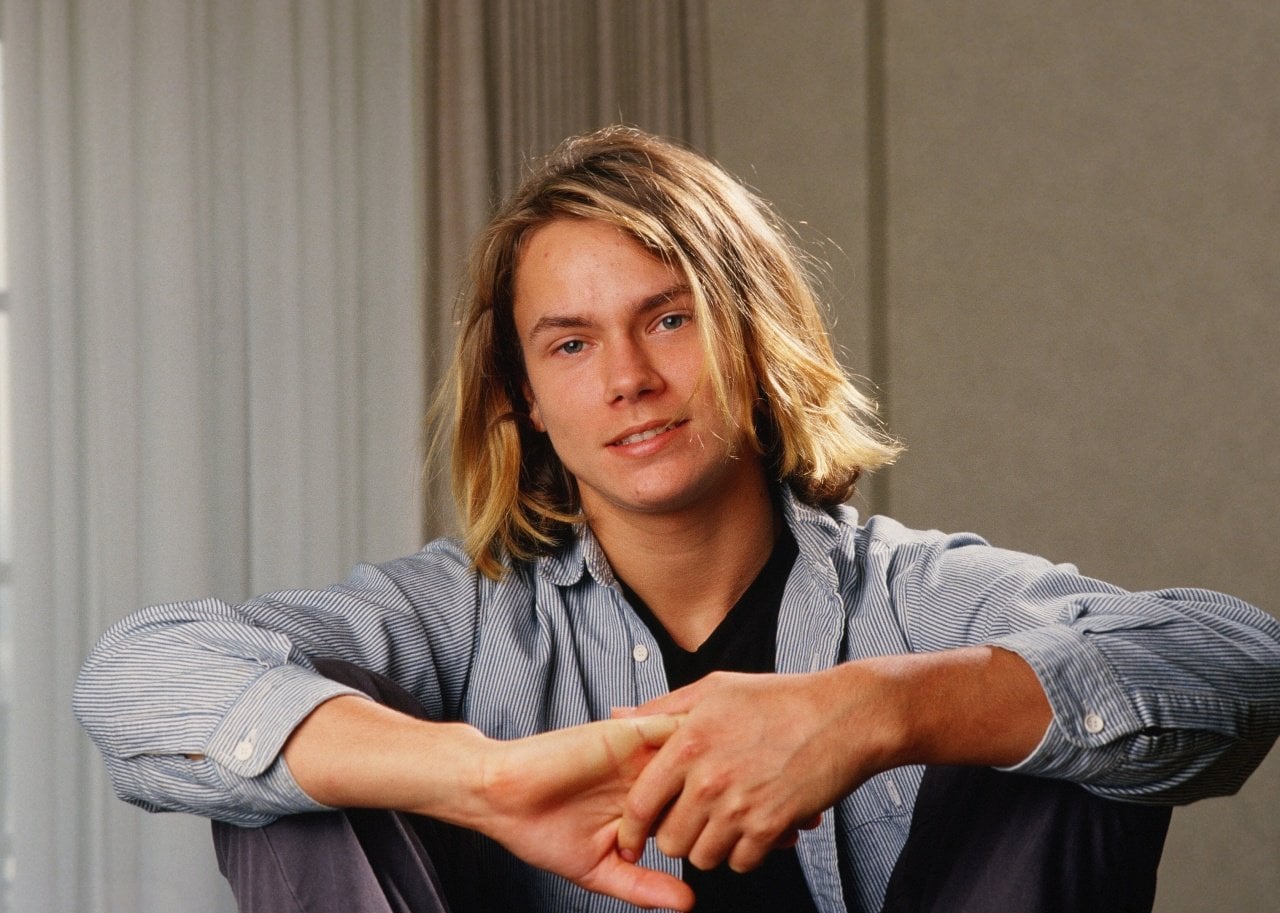
River Phoenix
Young actor River Phoenix—older brother of Joaquin Phoenix—had a prolific but unfortunately short-lived career. Phoenix played one of the lead roles in the coming-of-age 1986 film “Stand by Me” with Corey Feldman and Wil Wheaton, though Phoenix didn’t take long to pursue more mature parts. For his role in “Running on Empty,” Phoenix became one of the youngest actors to be nominated for an Academy Award, receiving his nomination at age 18—unfortunately, his promising career was cut short by his sudden death in 1993. His final unfinished film, “Dark Blood,” would not be officially released until two decades later.
Aaron Rapoport/Corbis // Getty Images
Sean Astin
Actor Sean Astin has had prolific roles through the decades, starting with “The Goonies” in 1985 at 13. In the 1990s, Astin portrayed the main character in the football drama “Rudy,” but pop culture enthusiasts today most commonly associate Astin with Samwise Gamgee in “The Lord of the Rings” trilogy, which was released in the early 2000s.
In today’s binge-watching age, a Sean Astin role that’s recently gotten traction is the charming character Bob in the second season of “Stranger Things,” which recalls the spirit of his early ’80s roles. Astin made his Broadway debut in 2024 and appeared alongside Ke Huy Quan in “Love Hurts” in 2025.
Michael Ochs Archives / Stringer // Getty Images
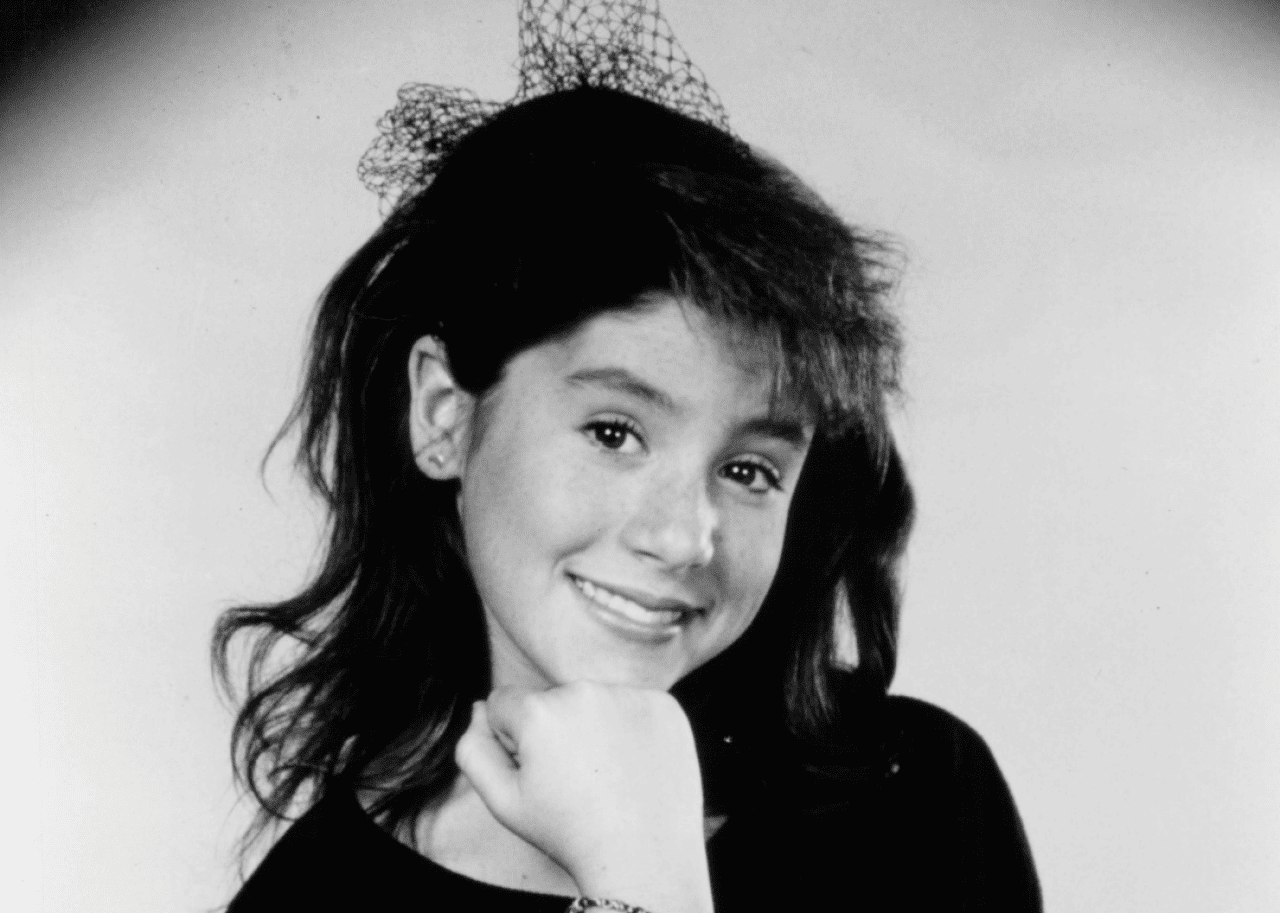
Soleil Moon Frye
Since 1984, actress Soleil Moon Frye has been associated with the character of Punky Brewster, who helmed her own sitcom. Frye carried “Punky Brewster” through four seasons of television, even starring in a short-lived revival of the show in 2021. Frye continues to be a prolific voice actor, with her latest role being Zoey in “The Proud Family: Louder and Prouder,” a Disney+ reboot.
Michael Ochs Archives // Getty Images
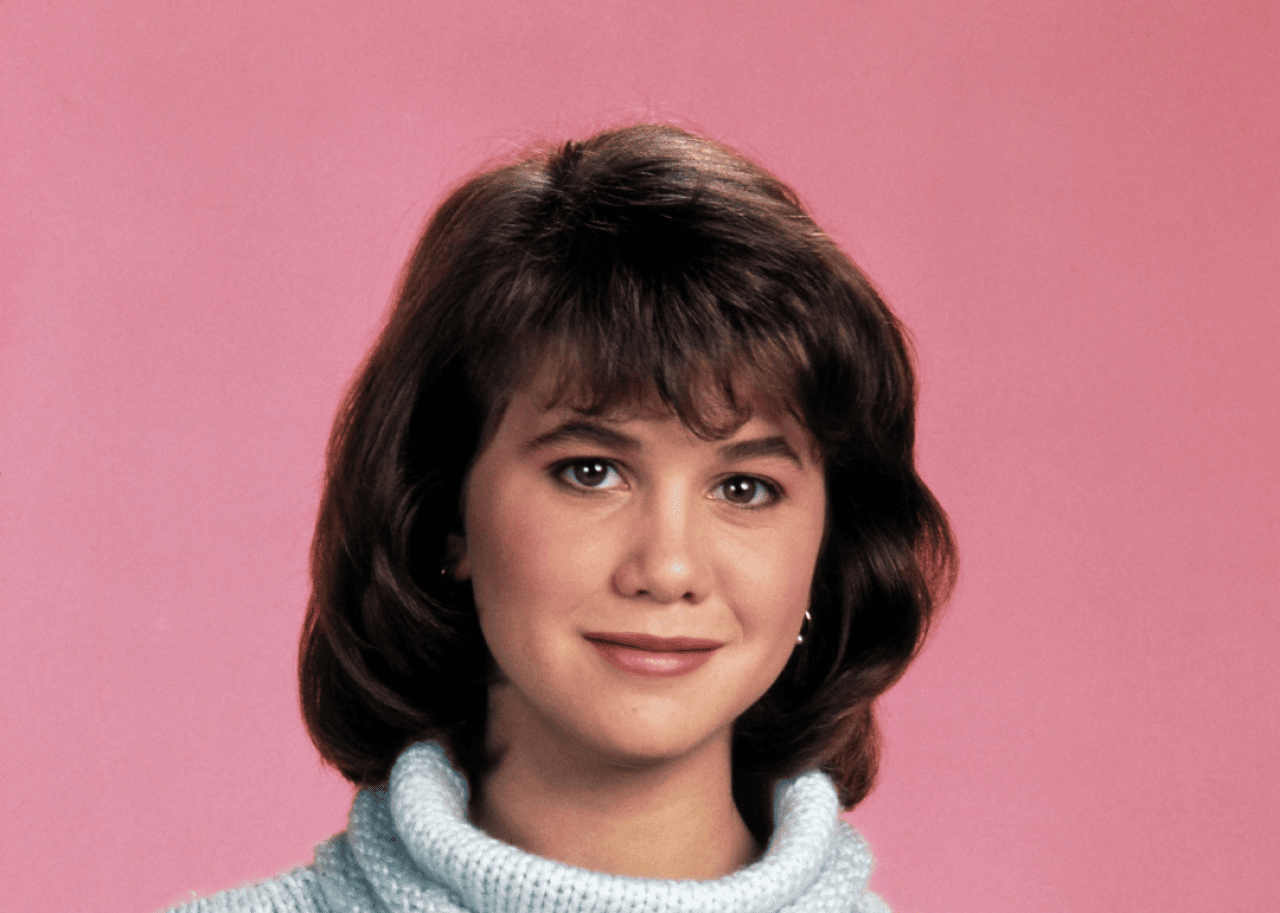
Tracey Gold
As with several child stars, Tracey Gold got her start acting in commercials, though she landed a major role in the sitcom “Growing Pains” starting in 1985. During her time as a teen star, Gold had a highly publicized battle with anorexia, eventually recovering in the early ’90s. While Gold has had some minor appearances on television since then, most of her appearances in recent years have been in TV movies.
kpa/United Archives // Getty Images
Warwick Davis
To young Warwick Davis’ fortune, R2-D2 actor Kenny Baker became too ill to take the role of Wicket the Ewok in 1983’s “Return of the Jedi,” and Davis, whose dwarfism is essential to the character, took on the pivotal role; this eventually led him to the Lucasfilm production “Willow.”
Davis is now an iconic actor in some major franchises, portraying even more alien characters in the “Star Wars” films and Professor Flitwick in the “Harry Potter” series. Davis continues to work to this day, receiving the BAFTA Fellowship for lifetime achievement in 2025 and being appointed Officer of the Order of the British Empire (OBE) in the 2026 New Year’s honors. He previously created a self-parody series called “Life’s Too Short” with Ricky Gervais and Stephen Merchant. In 2024, Davis lost his wife, Samantha, with whom he had co-founded the charity Little People UK.
Story editing by Carren Jao. Copy editing by Tim Bruns. Photo selection by Lacy Kerrick.
Hollywood Just Set Its AI Rules. Hardly Anyone Voted.
By
Mediabistro Team
5 min read • Originally published June 8, 2026 / Updated June 8, 2026
By
Mediabistro Team
5 min read • Originally published June 8, 2026 / Updated June 8, 2026
Fewer than one in five SAG-AFTRA members decided how artificial intelligence will be used to replicate actors for the next four years. The contract passed with 91.4% approval, but turnout was 19.3%.
Roughly 30,000 guild members shaped AI policy for 160,000.
That math should bother people. This is the first major entertainment union contract with enforceable synthetic performance protections, the kind of language that journalists, content creators, and marketing professionals will be negotiating in their own industries within 24 months.
And most of the people it governs stayed home.
Meanwhile, Taylor Swift and Disney announced a partnership from positions of maximum leverage. And James Handy, an 81-year-old character actor with credits in Top Gun: Maverick, Jumanji, and The Verdict, was killed in a stabbing in Los Angeles.
Three stories about who has agency in entertainment, and who shows up to claim it.
91% Approval, 19% Turnout
The SAG-AFTRA contract is substantive. According to Variety, the four-year deal includes first-of-its-kind provisions requiring informed consent before studios can create synthetic replicas of performers, compensation for digital likenesses, and merger of the union’s two pension funds.
Genuine wins, negotiated after last year’s 118-day strike.
Key Numbers: Out of more than 160,000 eligible voters, 30,849 cast ballots. Lowest turnout for a major contract ratification in recent memory.
Deadline reports the approval margin was decisive, but the participation rate suggests either deep confidence in leadership or profound disengagement. Possibly both.
The AI provisions are the headline. For the first time, a major union has language preventing studios from training generative models on actors’ performances without explicit permission and payment.
That matters well beyond Hollywood. Print journalists don’t have SAG-AFTRA. Content marketers don’t have SAG-AFTRA. Freelance producers don’t have SAG-AFTRA. But they’re all facing the same questions about who owns their work when a model can replicate it.
The pension merger is less glamorous but more immediately consequential for working performers. SAG-AFTRA has operated two separate pension plans since the 2012 merger of Screen Actors Guild and the American Federation of Television and Radio Artists. Consolidating them reduces administrative overhead and stabilizes benefits for retirees who’ve worked across both legacy unions. For character actors and day players (the bulk of the membership), pension security is the entire point of collective bargaining.
Yet most members skipped the vote. Some of that is structural. SAG-AFTRA’s membership ranges from A-list film stars to voice actors doing regional commercials to stunt performers on streaming shows. Many work outside the industry for years at a time. Turnout has always been hard for guilds with geographically dispersed, intermittently employed memberships. Still, 19% feels different when the stakes are synthetic performance rights and retirement funds.
The parallel for media professionals is direct. When content strategy gets decided at the executive level without input from the people who actually produce the work, you get policies that look good on paper but fail in practice.
SAG-AFTRA’s contract is stronger than it would have been without the strike. The question is whether members who didn’t vote will notice when the AI language protects them, or when it doesn’t.
Swift, Pixar, and the Oscar-Season Soundtrack Play
Taylor Swift wrote an original country song for Toy Story 5. The track, “I Knew It, I Knew You,” debuted on streaming services, and the genre choice is the real story.
Swift built her career in country before pivoting to pop. Returning to the sound for Pixar’s biggest franchise is a calculated move by two parties that each get exactly what they want.
Disney gets a marketing moment that will dominate streaming algorithms and social feeds for weeks. Swift gets an awards-track vehicle (original songs for animated features are Oscar bait) and proof she can toggle between genres without losing credibility.
Deadline notes Swift described the project as “a musical departure and coming home at the same time.” Polished messaging, but also true. Country radio will play this. Film Academy voters will remember it.
The contrast with the SAG-AFTRA story is leverage. Swift doesn’t need Pixar. Pixar doesn’t need Swift. But both benefit because they’re negotiating from strength. That’s the opposite of a union vote where 80% of members don’t participate.
The genre specificity matters for anyone tracking brand partnerships. This isn’t a catalog placement. Swift wrote new material, which signals investment and gives Disney/Pixar ownership over something that didn’t exist before. For content creators and marketers negotiating with larger partners, the lesson is plain: original work commands different terms than repurposed assets.
There’s also an audience calculation. Toy Story skews multi-generational, and country music skews broad. Swift’s pop catalog would have worked fine, but country signals authenticity and nostalgia, two of Pixar’s core brand attributes. Same logic that drives casting decisions, soundtrack curation, and guest placement on branded podcasts. Match the talent to the audience, and let the partnership do the marketing work.
A Working Actor’s Career, and Its Violent End
Sadly, James Handy was stabbed to death on Wednesday morning in the Tarzana neighborhood of Los Angeles. He was 81. Variety reports LAPD responded to a call around 9:30 a.m. and found Handy in the front yard of a residence. His girlfriend’s son has been arrested.
Handy’s filmography is a map of the working actor’s life. He appeared in Top Gun: Maverick as the bartender, Jumanji, Arachnophobia, and The Verdict. According to Deadline, he had guest roles on dozens of television shows across four decades.
Steady work. Recognizable credits. The kind of professional consistency that requires both talent and stamina.
What This Means
Synthetic performance rights, digital likeness protections, and AI training consent are coming to journalism, marketing, and content production. The unions and guilds that negotiate those terms will only be as strong as their members’ participation.
If 19% turnout becomes the norm, the contracts will reflect that.
This media news roundup is automatically curated to keep our community up to date on interesting happenings in the creative, media, and publishing professions. It may contain factual errors and should be read for general and informational purposes only. Please refer to the original source of each news item for specific inquiries.
The Mediabistro editorial team draws on 25 years of media industry expertise to cover jobs, careers, and trends shaping the industry.
5 min read • Published June 8, 2026
The Jobs Big Media Keeps Cutting Are Showing Up Elsewhere
Digital news producer. Pre-press specialist. Media sales for a civic engagement startup. These are the kinds of roles that legacy media companies have been shedding for years, often folded into someone else’s already overstuffed job description. So it’s worth paying attention when smaller, mission-driven organizations post them as dedicated positions with real scope.
Today’s most interesting listings share a common thread: they come from organizations that still believe in specialization. Maine Public wants a digital news producer who owns the editorial-to-platform pipeline. Schiffer Publishing needs someone who lives in the technical space between design files and the printing press. Project Pulso is building out a sales function to monetize Latino-focused civic media. None of these are glamorous Silicon Valley titles, and that’s precisely why they matter.
For candidates tired of roles where “digital” means “everything, all at once, for less money,” these postings represent something increasingly rare: clearly defined work at organizations with clear missions. As digital-first strategy continues to reshape media careers, the organizations investing in distinct roles signal they understand what sustainable newsrooms and publishers actually need.
Today’s Hot Jobs
Digital News Producer at Maine Public
Why This Role Matters: Public media newsrooms rarely post digital-specific production roles. Maine Public is investing in someone whose sole focus is getting journalism from the newsroom onto digital platforms with the right headlines, images, and interactive elements. The role bridges editorial judgment and technical execution, a combination that’s becoming the backbone of modern news operations. The hybrid schedule (based in Portland, Maine, after training) adds flexibility without abandoning the newsroom culture that makes public media work.
Responsible for posting news stories, managing social media content, and crafting headlines across platforms
Must handle breaking news production across the 24-hour cycle
Works with audio, visual, and interactive content alongside NPR and PBS partners
Schedule is Monday through Friday, 10:30 AM to 7:00 PM, with hybrid eligibility after onboarding
What Makes This Different: Project Pulso is a Latino-led social enterprise building civic engagement through digital storytelling on platforms like Instagram, TikTok, and Facebook Messenger. This six-month contract sales role is fully remote and focused on driving advertising, sponsorship, and branded content revenue across original programming, including series like Office Hours, Tia’s Choice, and Latino history content. Selling media for a mission-driven organization requires a specific skill set: you need commercial instincts paired with genuine cultural fluency.
Drive advertising, sponsorship, and branded content revenue across Pulso’s platforms
Lead new business development with brands, agencies, and strategic marketing partners
Secure underwriting and sponsorship for original series and programming
Fully remote, six-month contract with a U.S.-based team
Pre-Press and Production Specialist at Schiffer Publishing
A Role You Don’t See Often: Schiffer Publishing, an independent publisher based in Atglen, Pennsylvania, is hiring for a position that sits at the intersection of design, editorial, and manufacturing. This is hands-on production work: evaluating printer quotes, reviewing design files, managing proofing cycles, and optimizing across offset, short-run, and print-on-demand methods. For anyone who loves the physical craft of bookmaking and wants to work at a publisher with a deep backlist and a hybrid schedule, this is a rare find.
Manage production from initial design through print, including reprint oversight
Evaluate quotes and optimize printer selection across production methods
Review design files for manufacturing and quality standards
Hybrid role requiring minimum three days per week at Atglen, PA headquarters
If your resume is built around a specific craft, whether that’s digital news production, print manufacturing, or culturally informed media sales, stop trying to sand off the edges to fit generalist postings. The organizations hiring right now at the independent and mission-driven level are looking for depth, not breadth. Lean into the specificity of what you know. Tailor your application materials to show exactly how your expertise solves the particular problem each role describes.
When a publisher says they need someone who understands the difference between offset and print-on-demand economics, or a newsroom says they need someone who can produce breaking news for digital platforms, they mean it. Specialists are having a moment, especially at organizations small enough to know what they actually need. If you’re brushing up on your application strategy, Mediabistro’s guide to providing job references is a smart place to tighten up the details that close the deal.
Also on the Web
Beyond Mediabistro, these managing editor roles are also making waves across the industry, and they reveal a consistent demand for editorial leaders who can bridge content strategy with digital execution.
Managing Editor, Content Strategy at Harvard University
Harvard is hiring a managing editor focused explicitly on content strategy, a title combination that reflects how even the most traditional institutions now treat editorial work as a strategic function. Posted just hours ago in Boston.
Regional newspapers continue to build out digital leadership. Tulsa World’s managing editor role is specifically digital-focused, a signal that legacy print brands are restructuring their mastheads around platform priorities.
Sports media remains one of the most active hiring sectors. NASCAR’s digital arm is looking for an editorial leader to run its flagship site, a role that blends real-time event coverage with year-round content programming.
Longest-running #1 songs of the '60s, according to Billboard
By
Evan Saunders
15 min read • Published June 8, 2026
By
Evan Saunders
15 min read • Published June 8, 2026
JIJI Press // AFP via Getty Images
Longest-running Billboard #1 singles from the 1960s
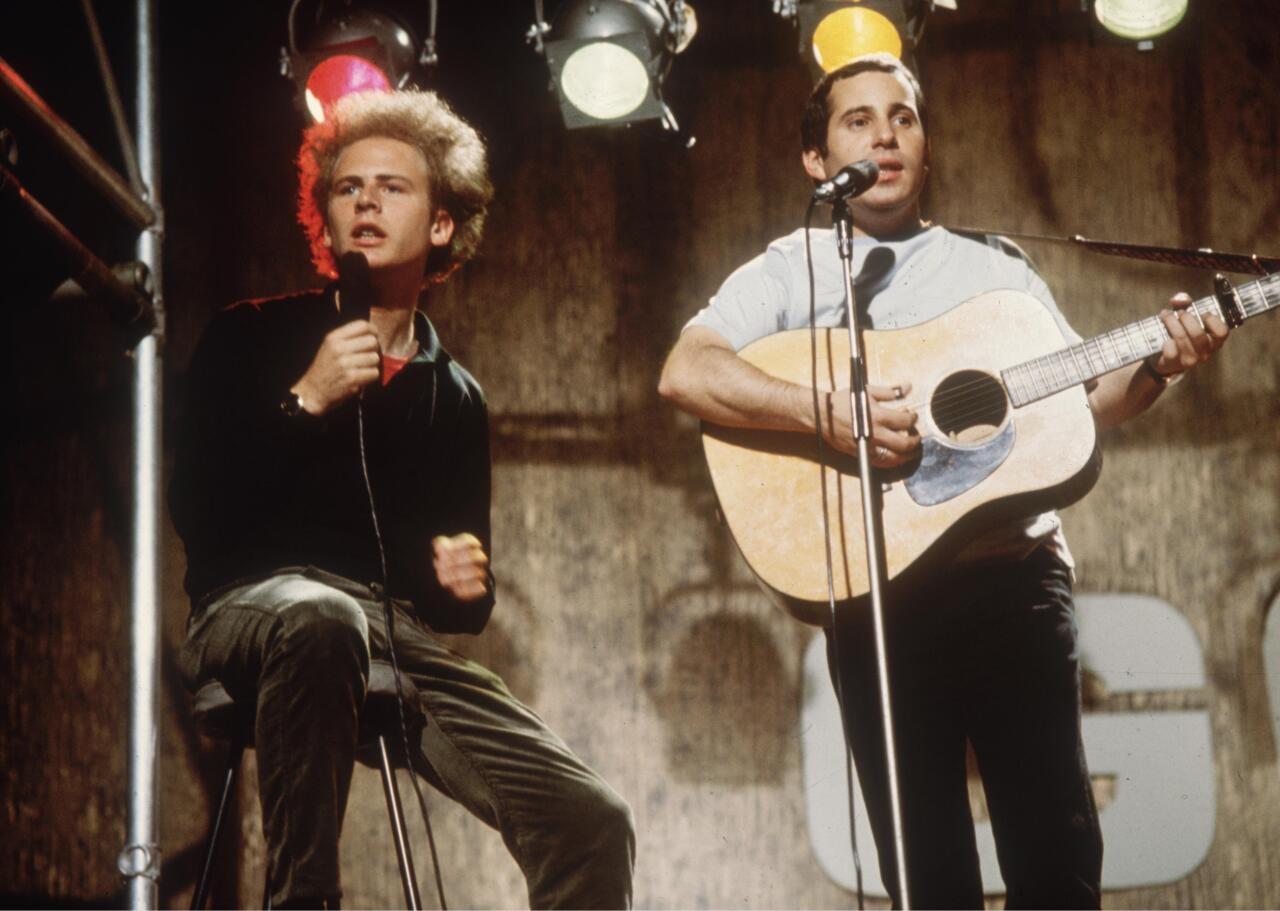
The 1960s are often remembered as a decade of social and political change, in a manner not dissimilar to today’s climate. Amid the upheaval of gender norms and racial bias, popular music was undergoing its own revolution. While the music of the 1960s began with the lullaby-like sounds of Elvis Presley and the Everly Brothers, the decade of peace and love ended with the socially conscious grooves of Marvin Gaye and the psychedelic funk of Sly & The Family Stone and the 5th Dimension.
Plenty of ’60s songs remain a part of pop culture today. Herb Alpert’s 1965 instrumental release “Ladyfingers” gained new traction on social media in the 2020s, catapulting the song to billions of listens on Spotify. “I’ve had over four billion streams on it,” Alpert remarked in an April 2026 interview with the BBC. “I looked at the census for when I was born in 1935, and there were 2.7 billion people in the world… So let’s back up, put that in perspective, and be like, wow, man.”
While Alpert was one of the best-selling musicians of the ’60s, it can be tough to tell whether other acts from the decade were as popular as today’s culture suggests, or if society is merely remembering them through rose-colored glasses. Stacker turned to the Billboard charts to sort it all out. Using data from the Billboard Hot 100 archives, Stacker compiled a ranking of all #1 singles between 1960-1969. Songs that spent the same amount of time on the charts are ranked in the order they were released. Read on to see which singles kept Billboard listeners grooving up through the Summer of Love and beyond.
Central Press // Getty Images
#44. Sugar, Sugar
– Artist: The Archies
– Number of weeks at #1: 4
– Date first entered into Hot 100: Sept. 20, 1969
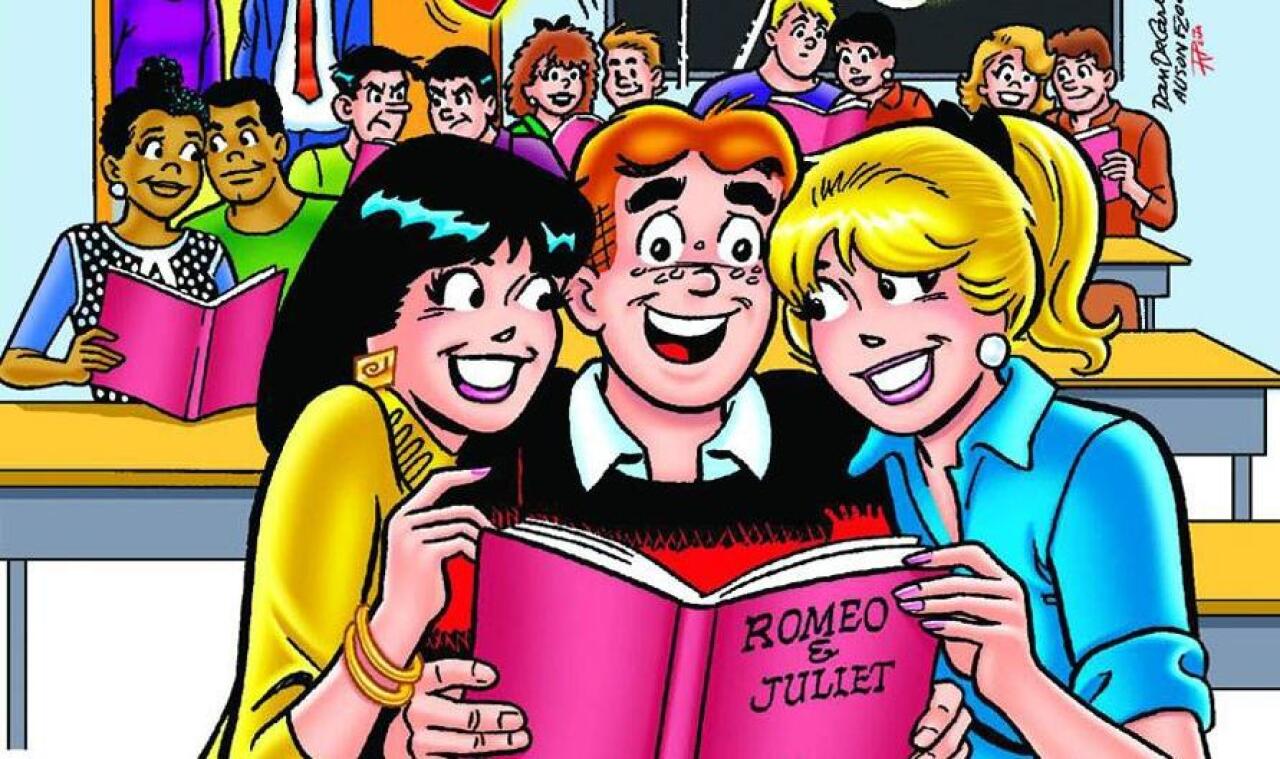
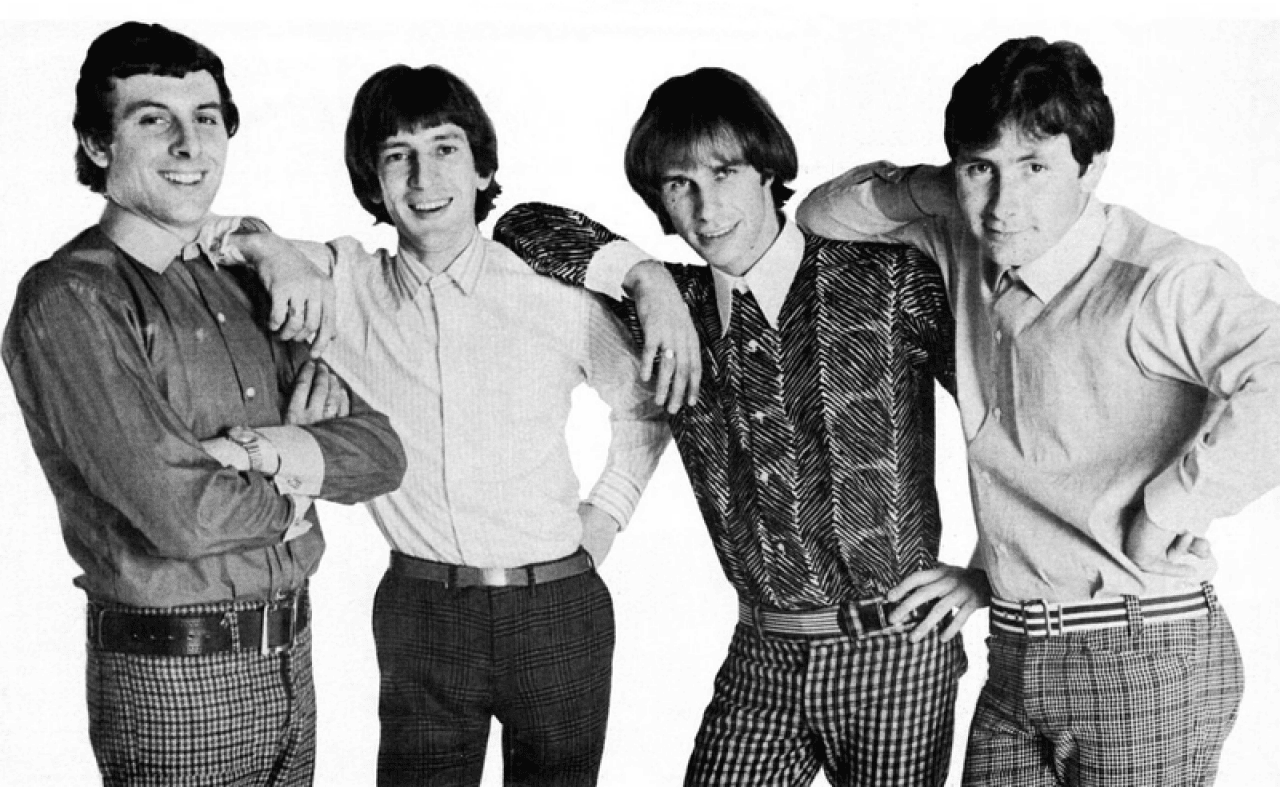
While Archie, Veronica, Betty, and Jughead were featured on The CW’s teen drama “Riverdale,” they were busy tearing up the charts in 1969. The fictional band—comprised of co-songwriter Andy Kim and local session musicians—was assembled by Don Kirshner, the talent manager who put together The Monkees, among other famous groups of the era.
Terry Disney/Express // Getty Images
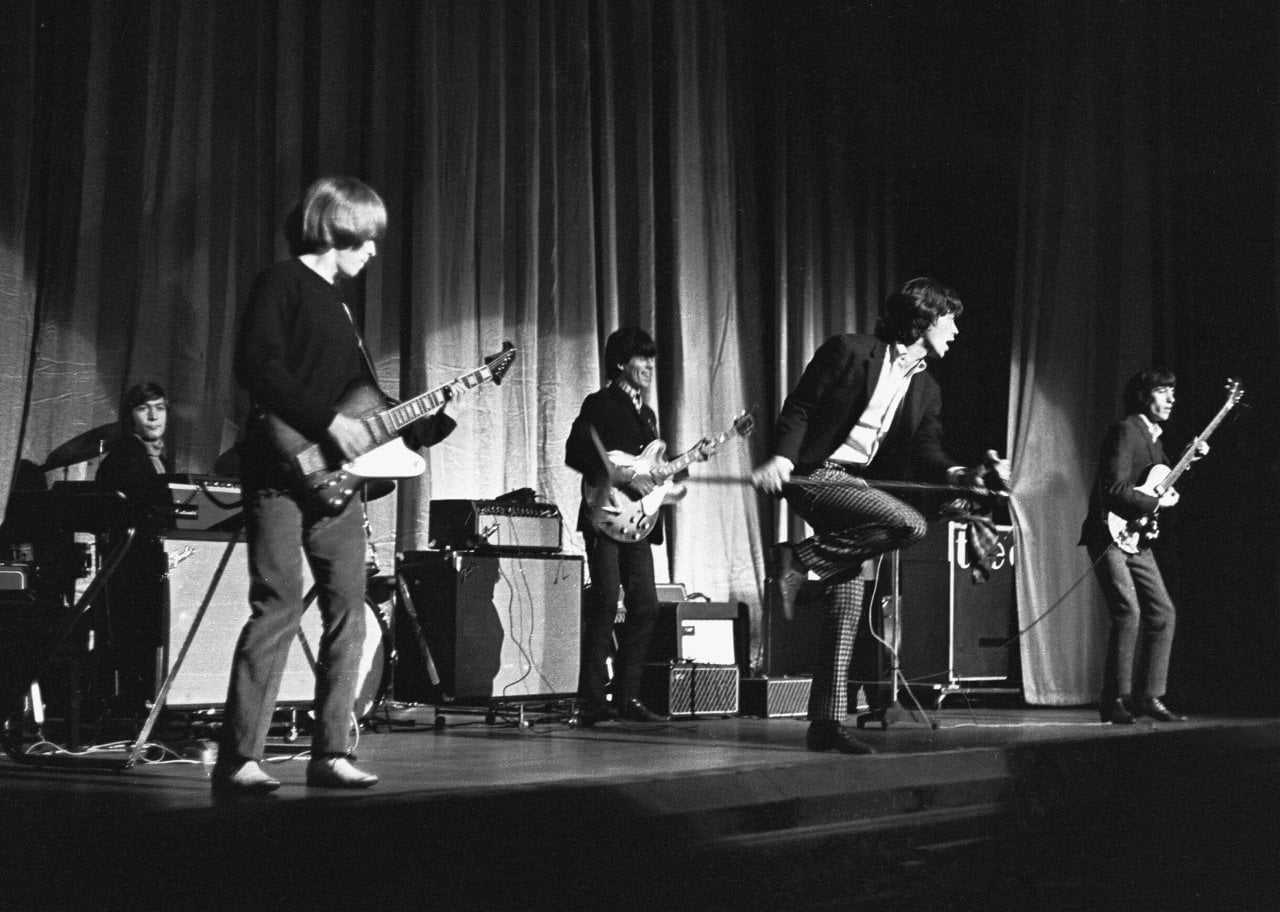
#43. Honky Tonk Women
– Artist: The Rolling Stones
– Number of weeks at #1: 4
– Date first entered into Hot 100: Aug. 23, 1969
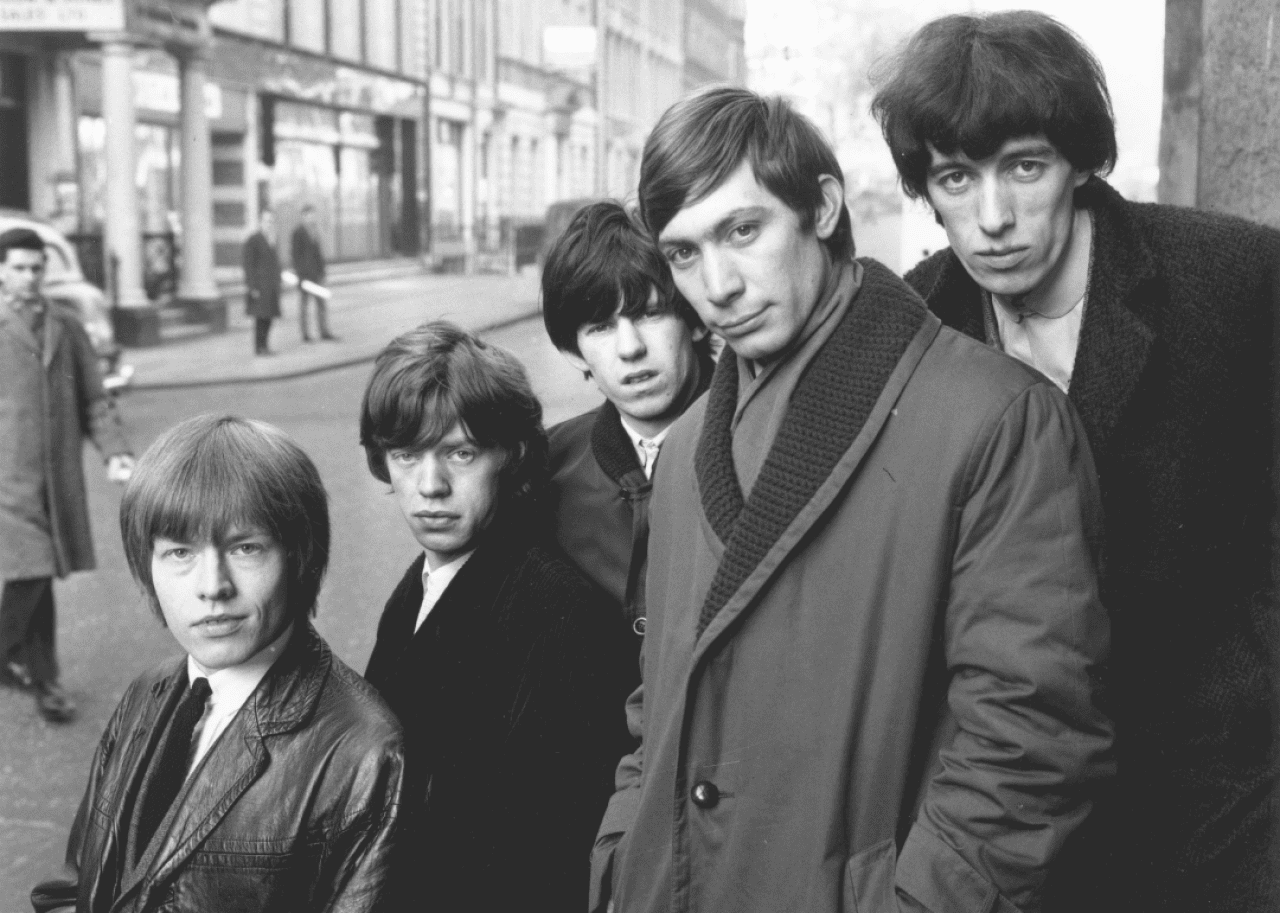
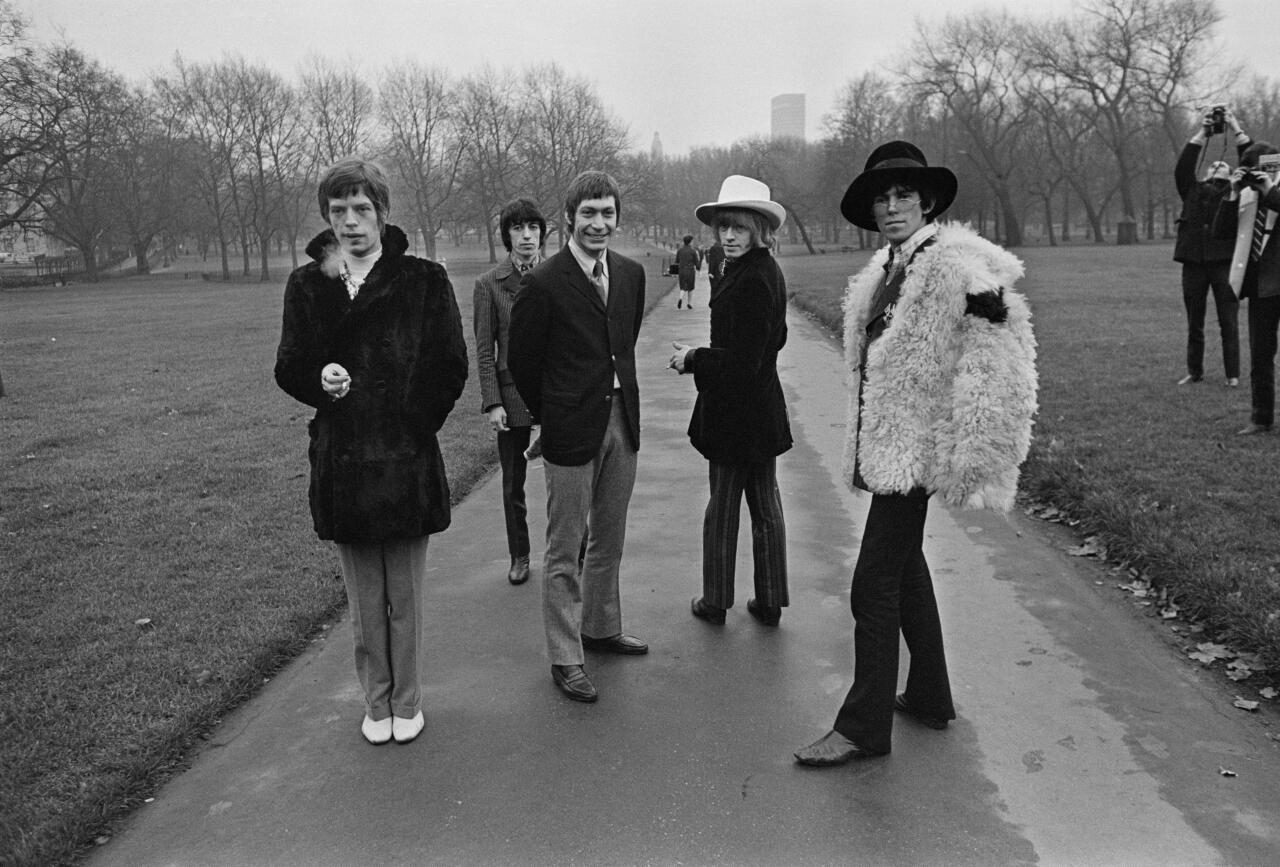
The first single to be released after the death of their rhythm guitarist, Brian Jones, this country-influenced tune helped get the Stones their third #1 on the Billboard chart. Although the song’s lyrics reference the American West, Mick Jagger and Keith Richards wrote it while on tour in Brazil.
PA Images // Getty Images
#42. Dizzy
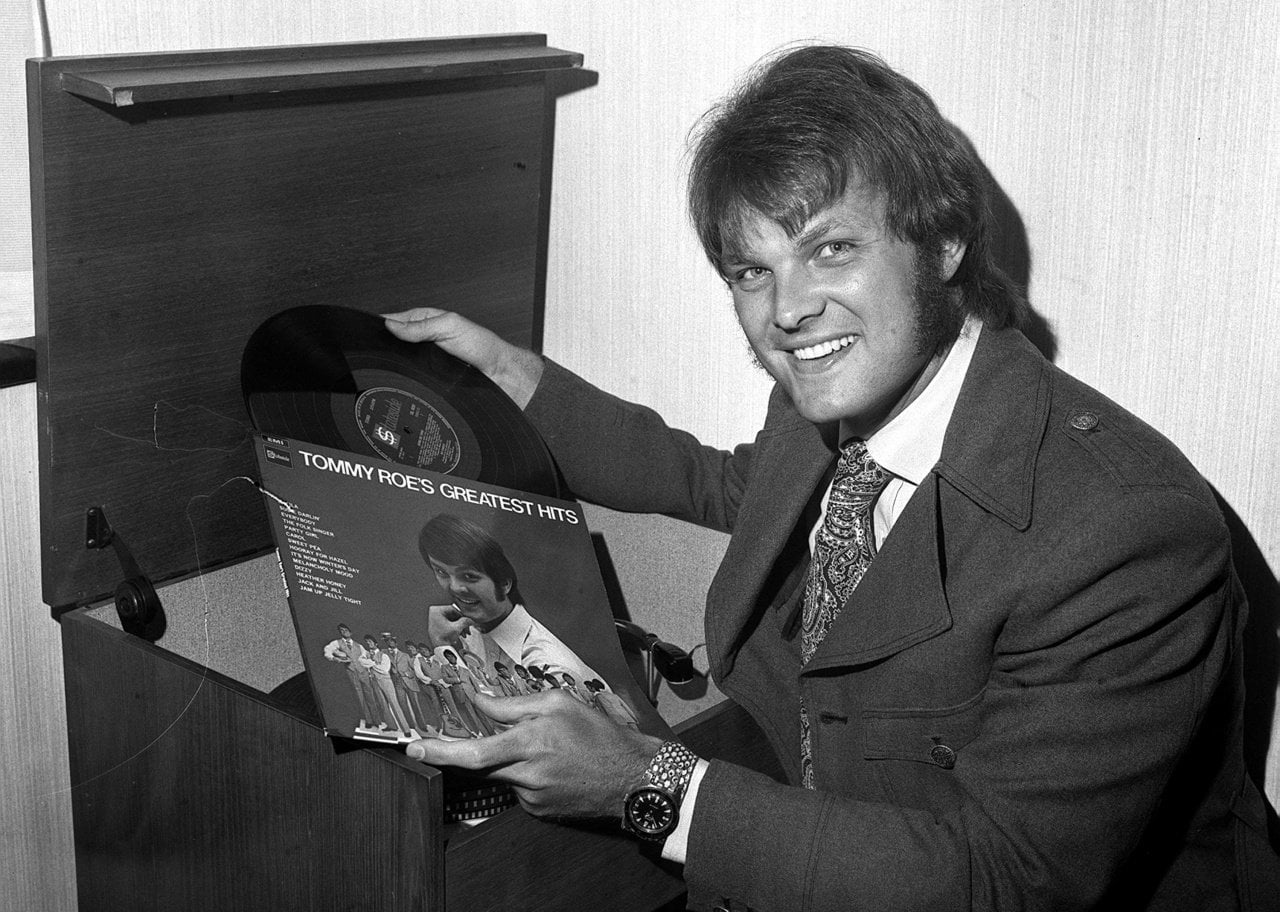
– Artist: Tommy Roe
– Number of weeks at #1: 4
– Date first entered into Hot 100: March 15, 1969
Although this song spent four weeks at the top of the charts, it was the last #1 hit for Tommy Roe. The song lives on, however, having been covered numerous times since its release in 1968.
Michael Ochs Archives // Getty Images
#41. Everyday People
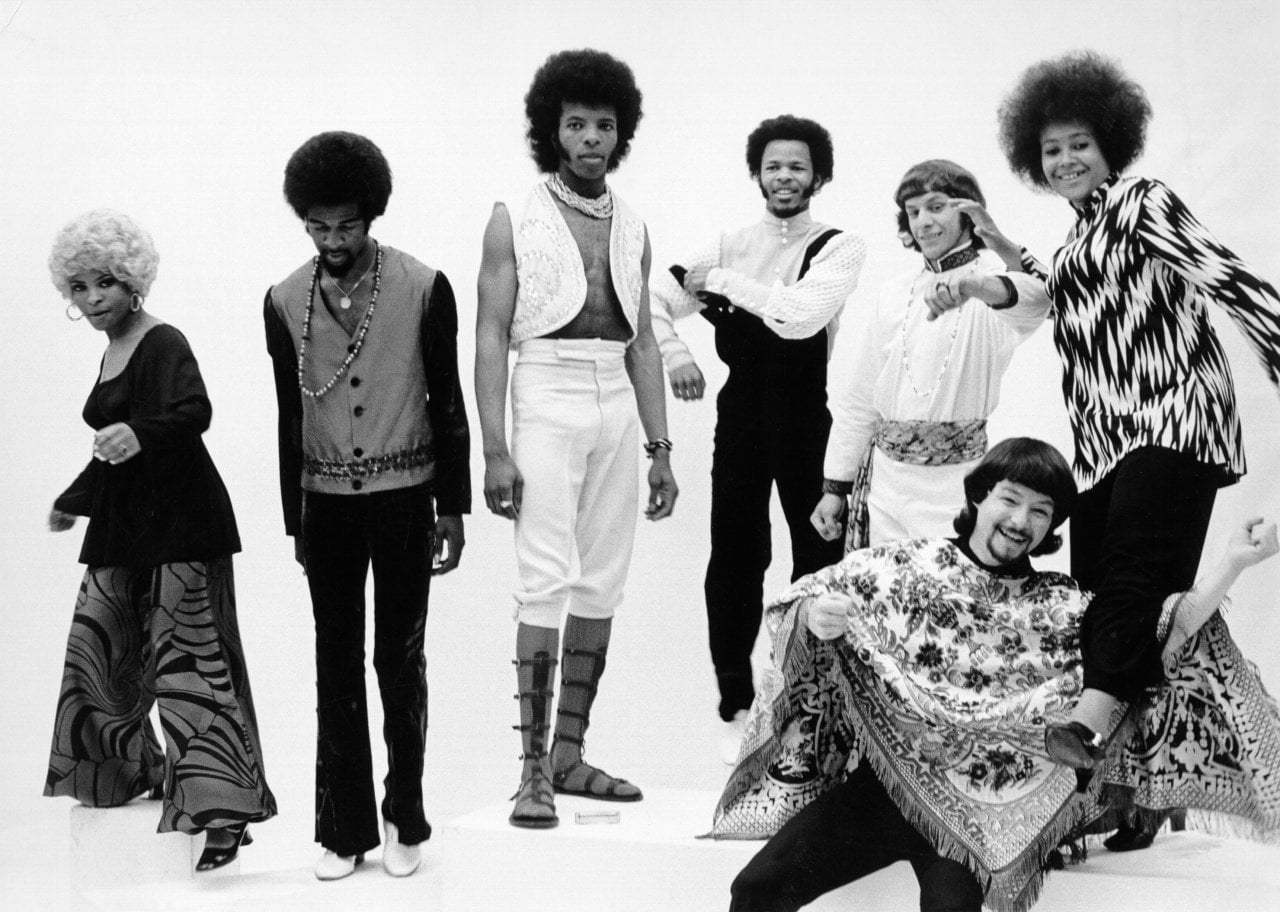
– Artist: Sly & the Family Stone
– Number of weeks at #1: 4
– Date first entered into Hot 100: Feb. 15, 1969
This first #1 hit from Sly and the Family Stone was also the first single from their fourth album, “Stand!” Some have argued that Sly’s message of racial acceptance is just as relevant today as it was in 1968.
Silver Screen Collection // Getty Images
#40. This Guy’s in Love with You
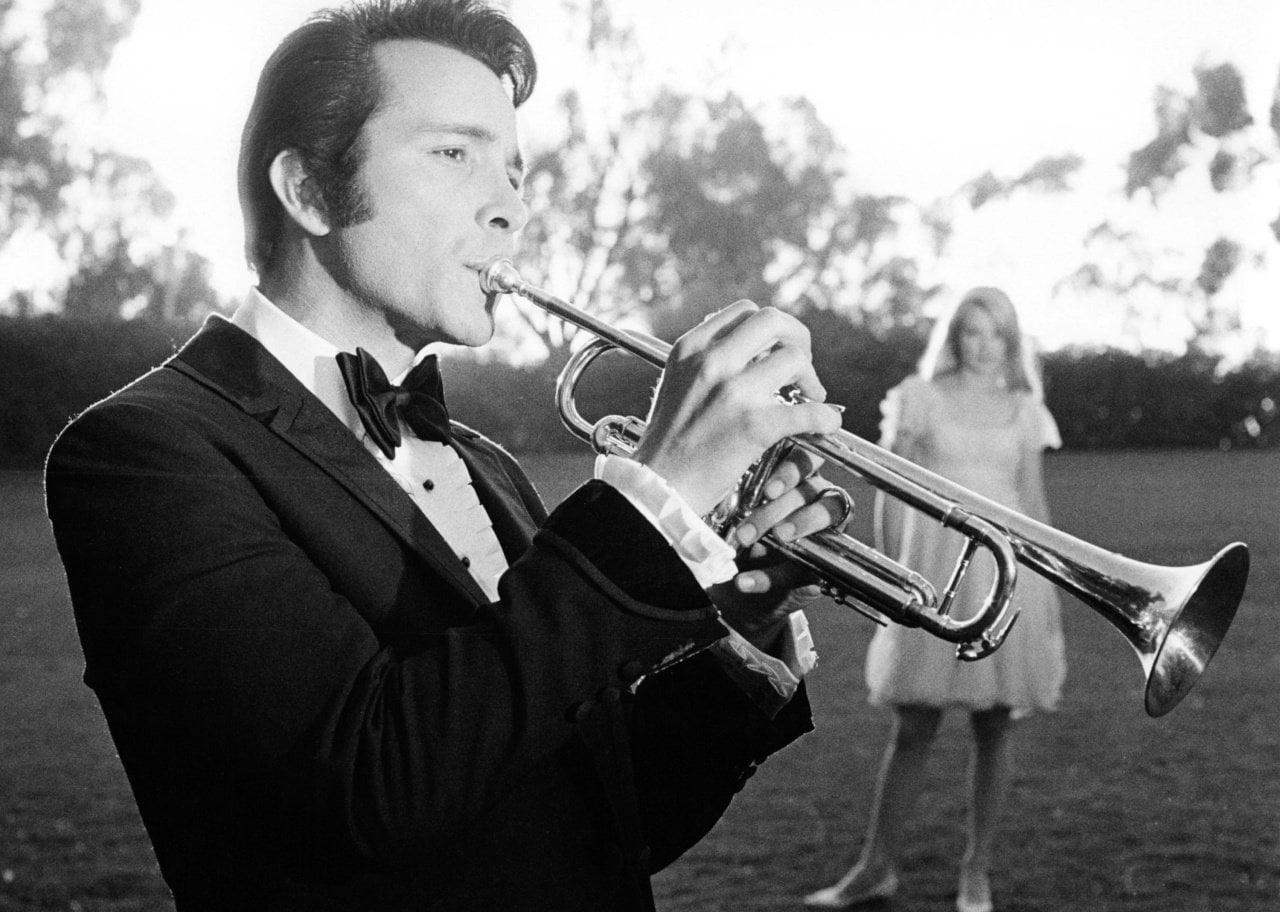
– Artist: Herb Alpert
– Number of weeks at #1: 4
– Date first entered into Hot 100: June 22, 1968
As an artist who split his time between singing and playing trumpet in the Tijuana Brass Band, Herb Alpert is considered an unlikely chart success by today’s standards. However, Alpert would see the top of the Billboard charts again in 1979 with the instrumental track “Rise.”
Billboard, page 7, 7 January 1967 // Wikimedia Commons
#39. (Sittin’ On) The Dock of the Bay
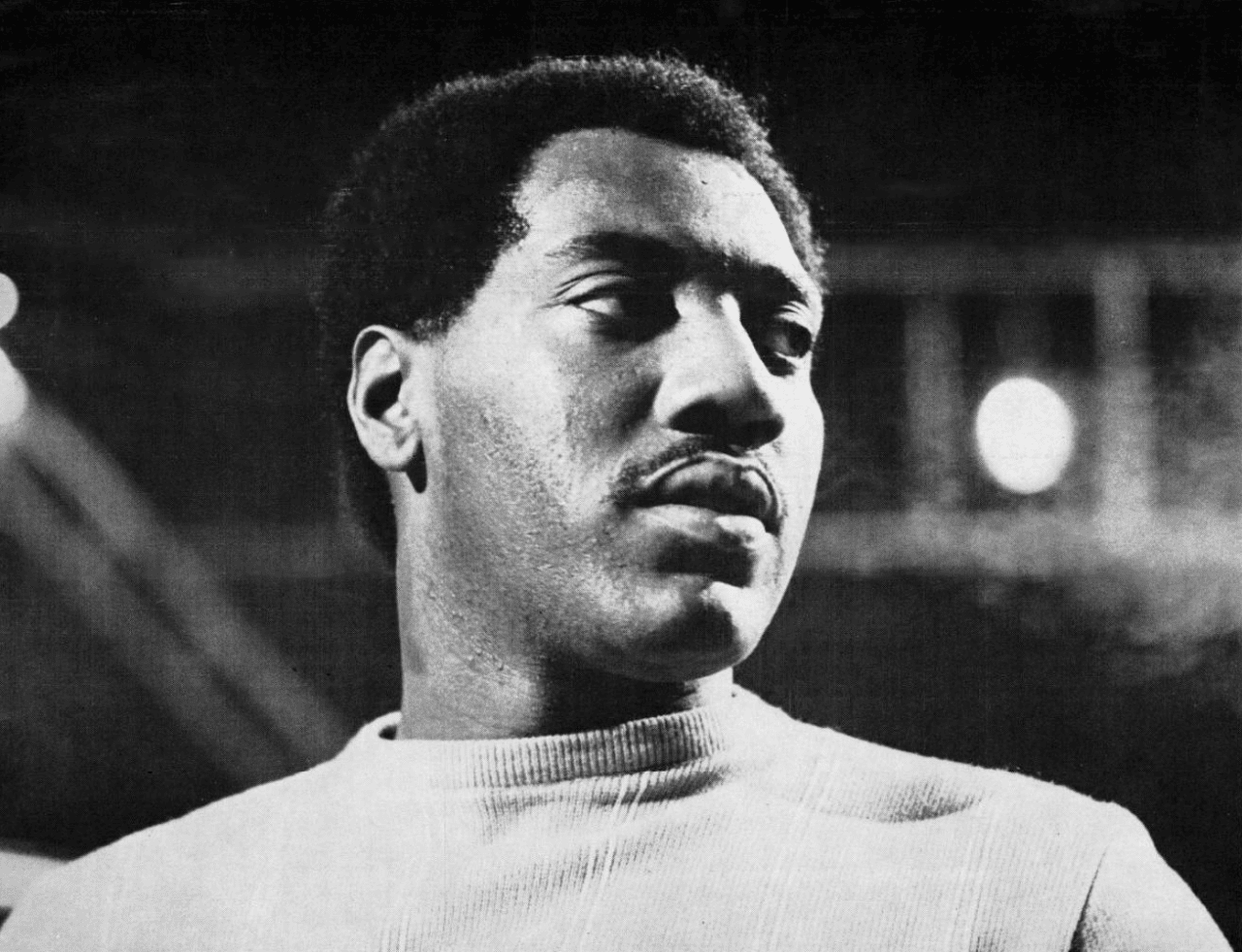
– Artist: Otis Redding
– Number of weeks at #1: 4
– Date first entered into Hot 100: March 16, 1968
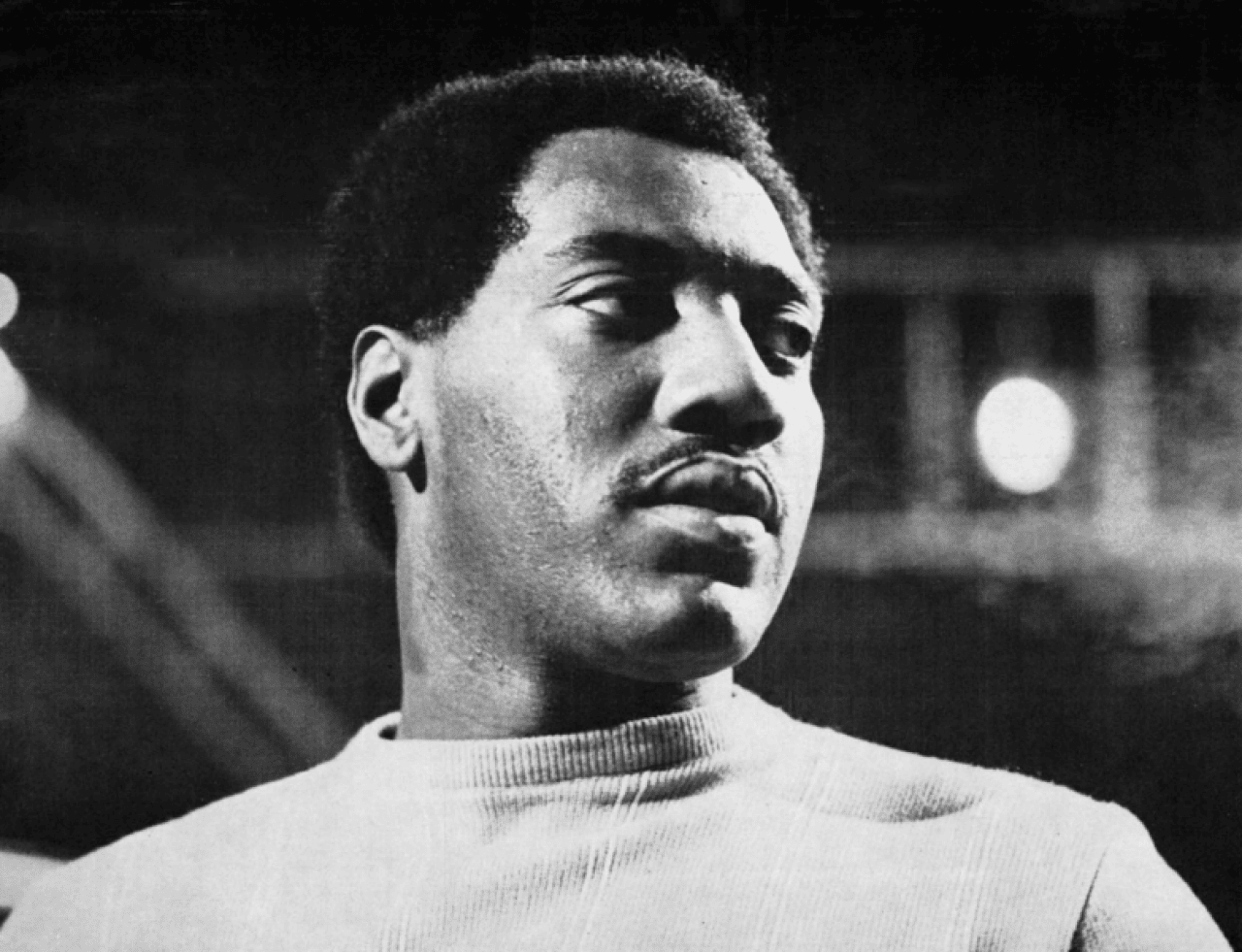
This posthumous release from Otis Redding won two Grammys in 1968, for Best Rhythm and Blues Performance and Best Rhythm and Blues Song. Although it has since become one of Redding’s most popular songs, record executives almost didn’t release it after it was recorded.
Billboard // Wikimedia Commons
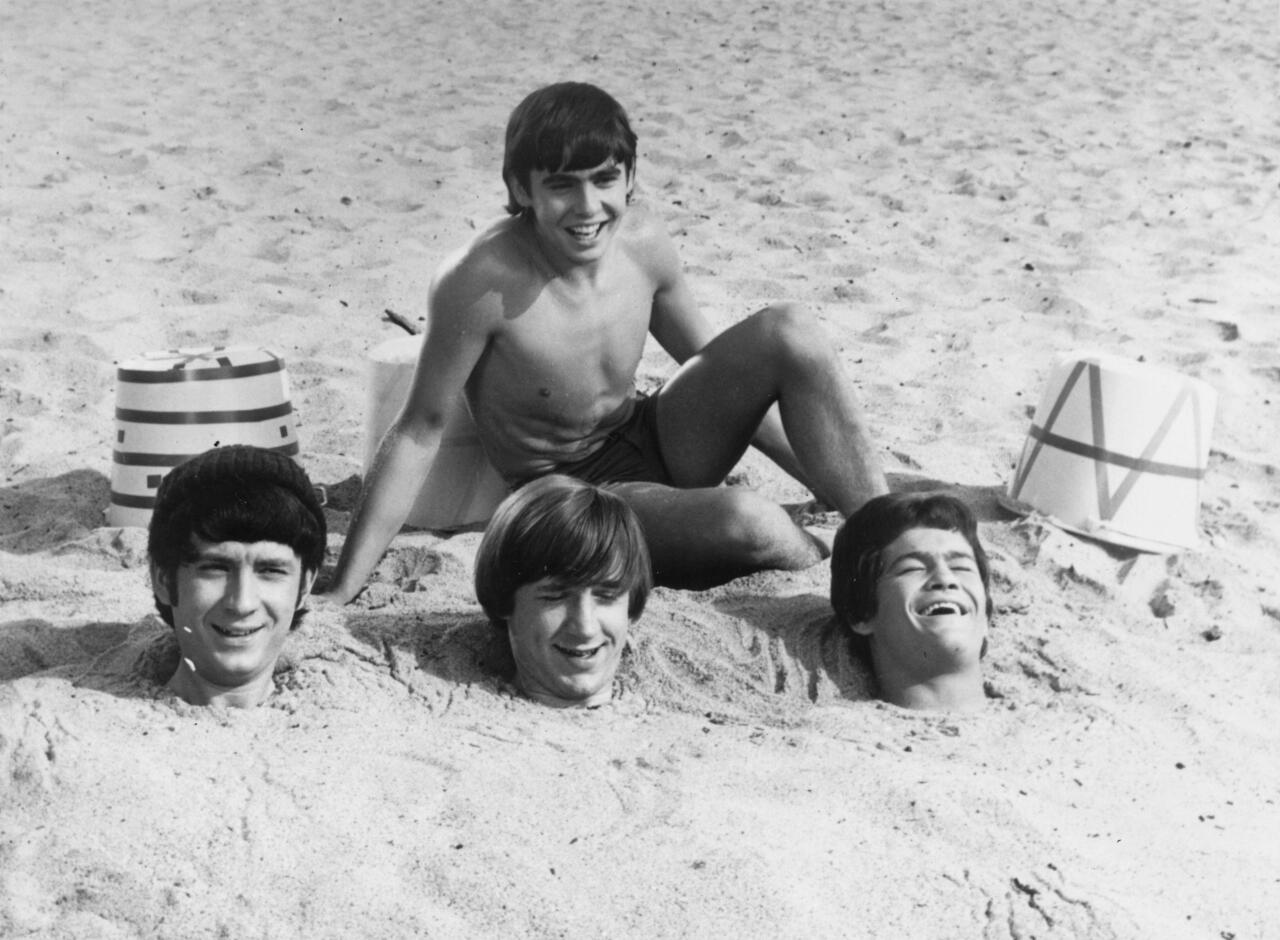
#38. Daydream Believer
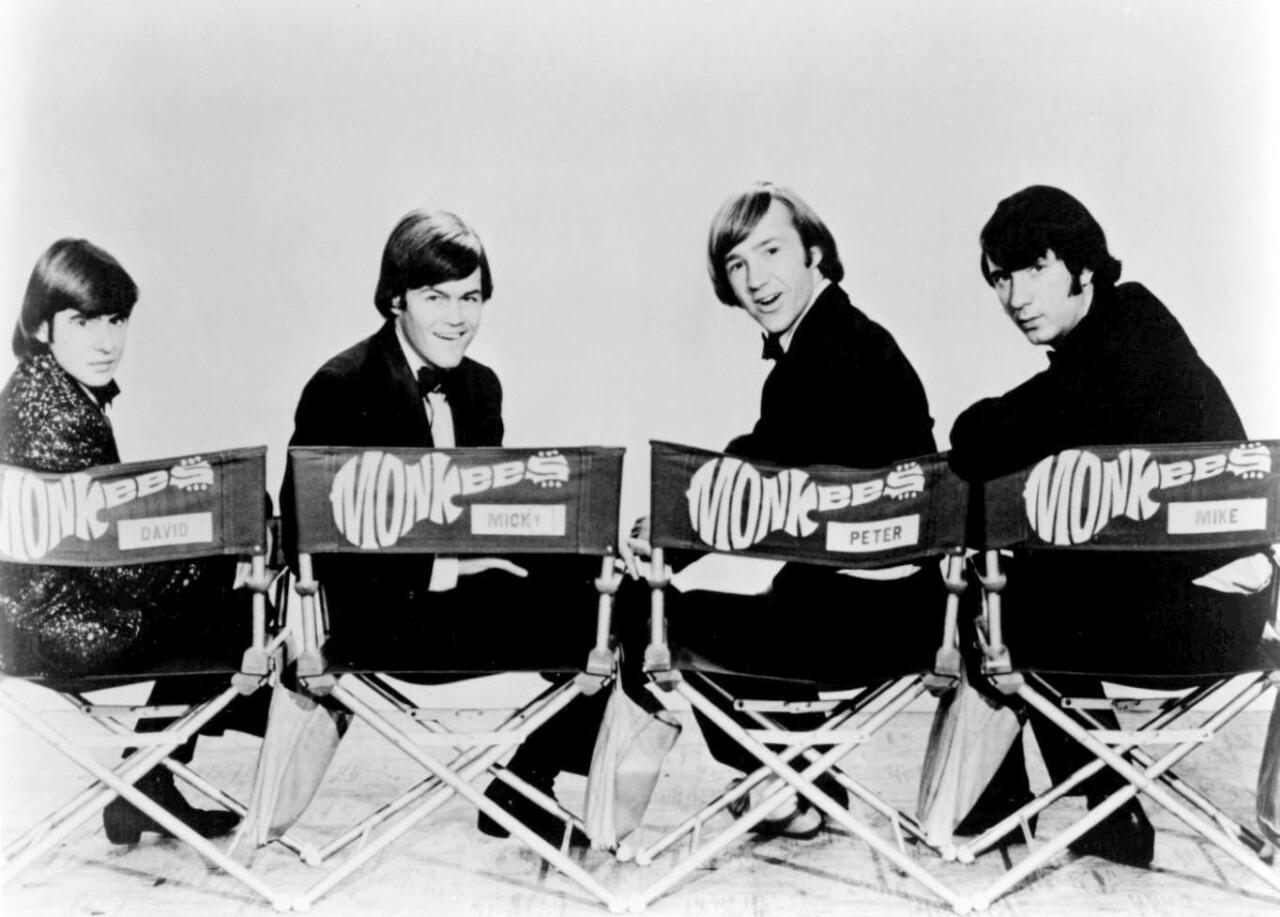
– Artist: The Monkees
– Number of weeks at #1: 4
– Date first entered into Hot 100: Dec. 2, 1967
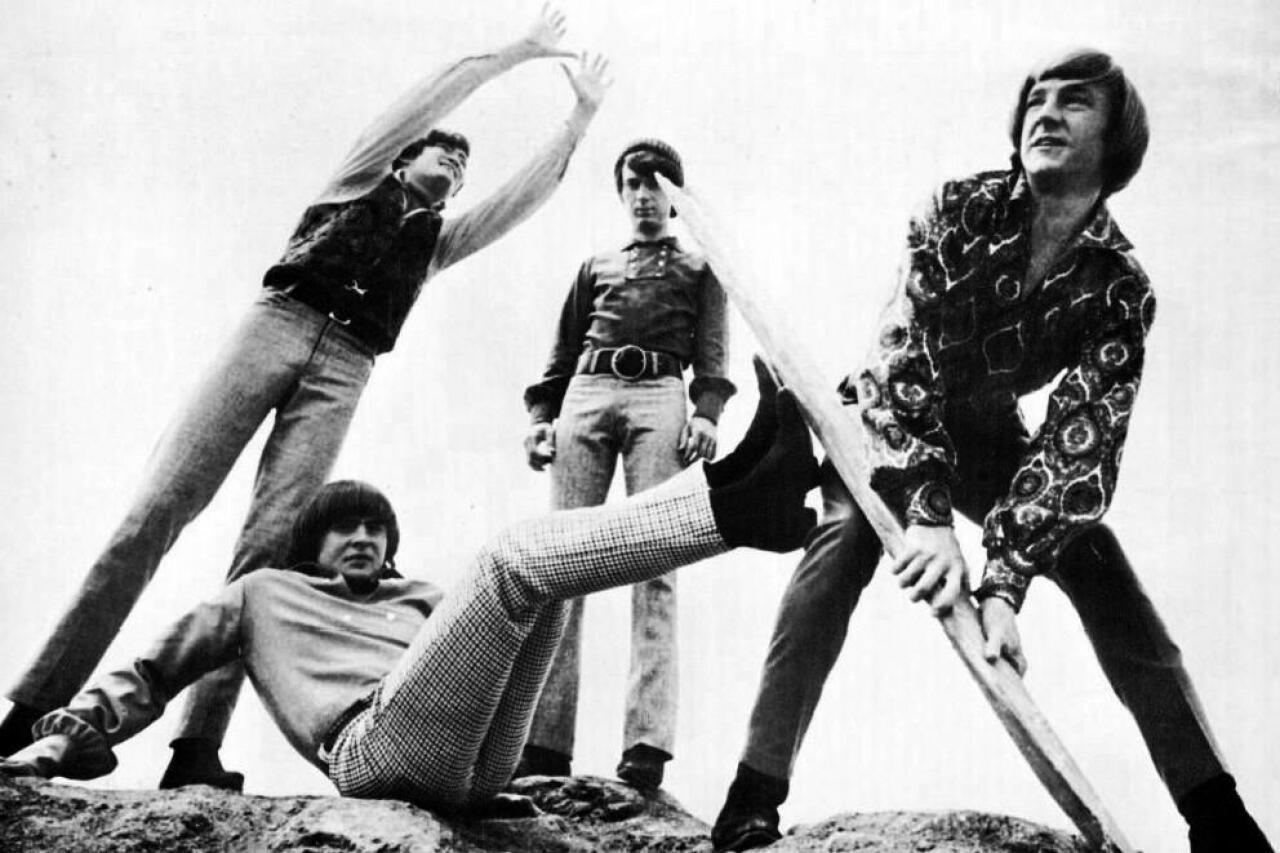
This last #1 hit for The Monkees was written by songwriter John Stewart, who had previously made his name as a part of the Kingston Trio. Despite the song’s dark lyrics about the pitfalls of suburban marriage, it provided a successful swan song for the teen-pop band.
Michael Ochs Archives // Getty Images
#37. The Letter
– Artist: Box Tops
– Number of weeks at #1: 4
– Date first entered into Hot 100: Sept. 23, 1967
This blue-eyed soul hit introduced listeners to singer Alex Chilton, who would later go on to front the cult classic ’70s group Big Star. As if being the frontman of two successful rock groups wasn’t enough, Chilton recorded the vocals for “The Letter” when he was only 16.
David Redfern // Getty Images
#36. Ode to Billie Joe
– Artist: Bobbie Gentry
– Number of weeks at #1: 4
– Date first entered into Hot 100: Aug. 26, 1967
At the time of its release, the plot of this mysterious country ballad left listeners so fascinated that it was later adapted into a novel and a film. Although Bobbie Gentry abruptly retired from music in 1983, she has continued to serve as an influence for today’s country and folk artists.
Michael Ochs Archives // Getty Images
#35. Windy
– Artist: The Association
– Number of weeks at #1: 4
– Date first entered into Hot 100: July 1, 1967
This song was the second #1 hit for The Association, a California pop band with multiple vocalists. Jazz guitarist Wes Montgomery later scored his highest-charting hit with his cover of the song.
Bettmann // Getty Images
#34. Groovin’
– Artist: The Young Rascals
– Number of weeks at #1: 4
– Date first entered into Hot 100: May 20, 1967
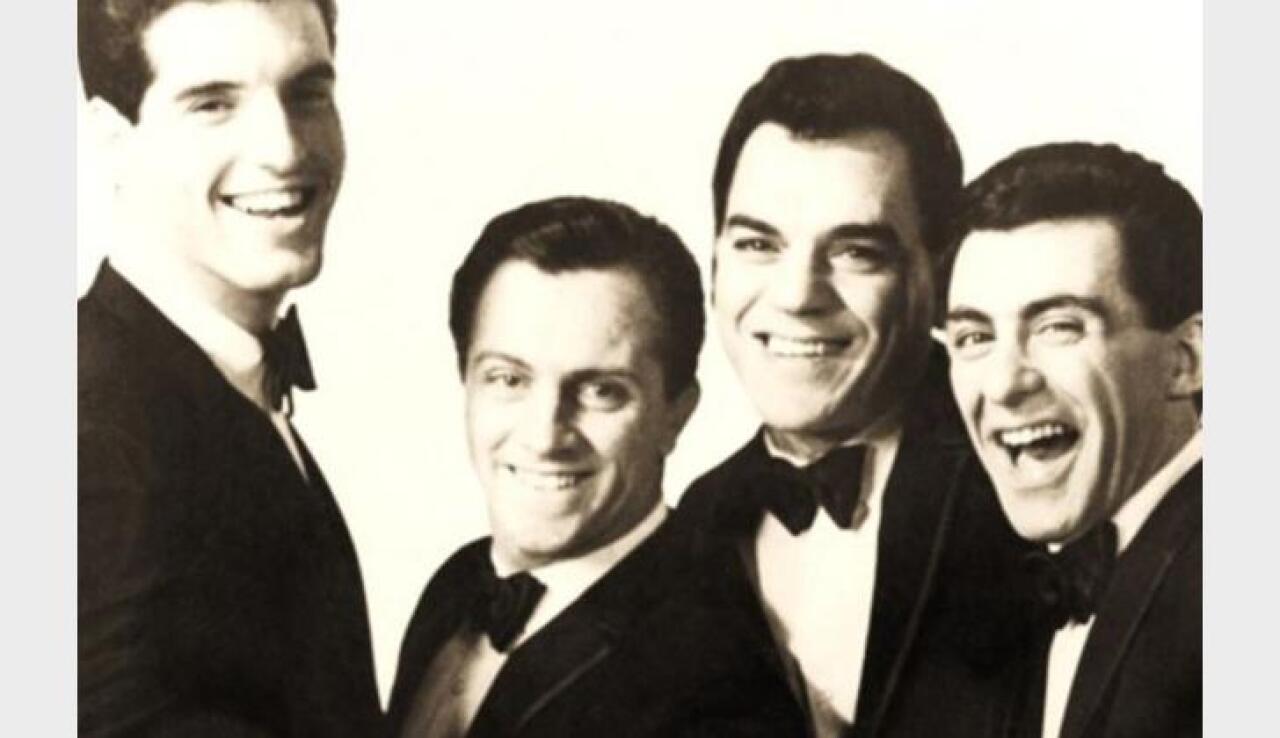
By the time the Young Rascals released this 1967 hit, they were widely known for soul and R&B numbers like “Lonely Too Long” and “I Ain’t Gonna Eat Out My Heart Anymore.” However, it took the Latin grooves of “Groovin’,” inspired by lead singer Felix Cavaliere’s time in New York’s Catskill Mountains, to send them to the top of the charts.
CBS Television // Wikimedia Commons
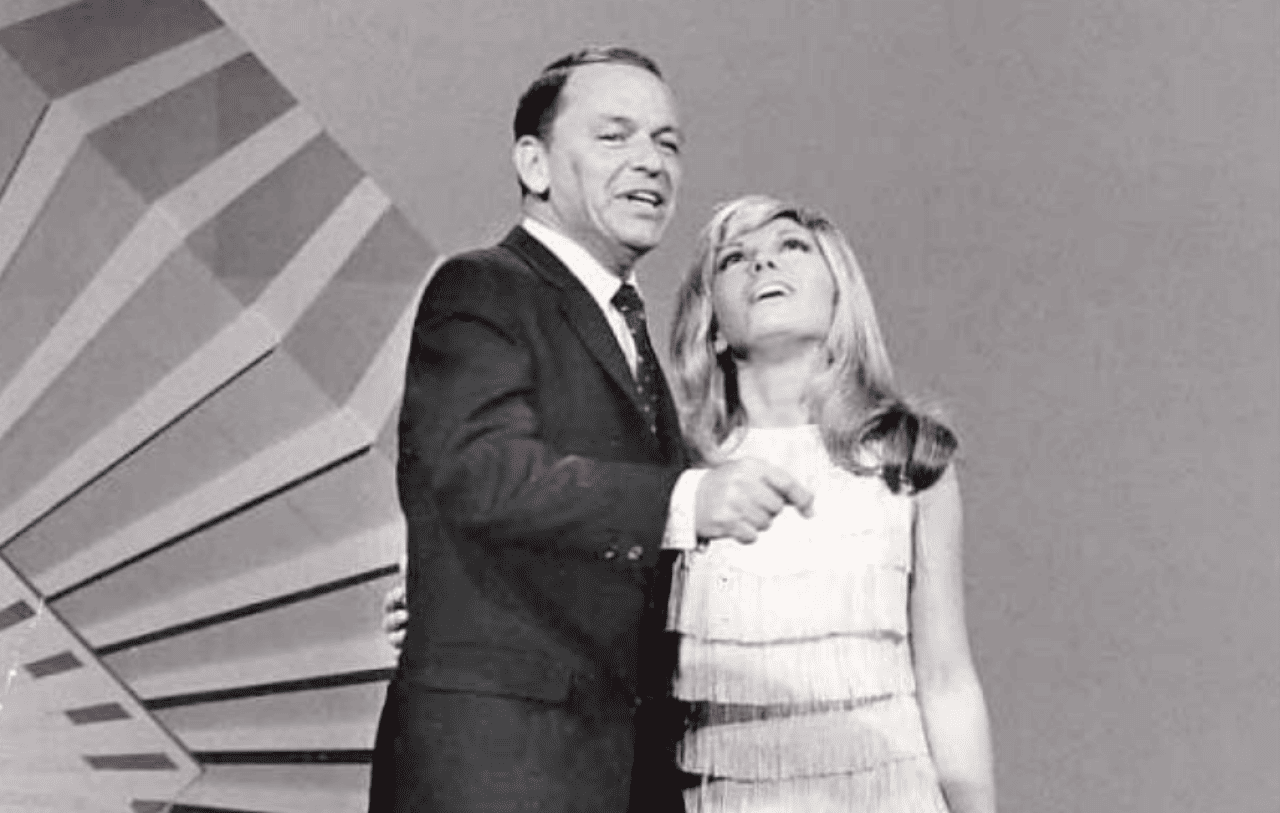
#33. Somethin’ Stupid
– Artist: Nancy Sinatra and Frank Sinatra
– Number of weeks at #1: 4
– Date first entered into Hot 100: April 15, 1967
This duet between Nancy Sinatra and Ol’ Blue Eyes himself is known as the only father-daughter duet to hit #1 on the Billboard charts. Although the song’s romantic lyrics left some listeners feeling uneasy, the duo would sing together again on the singles “Feelin’ Kinda Sunday” and “Life’s a Trippy Thing” in 1970 and 1971, respectively.
Mirrorpix // Getty Images
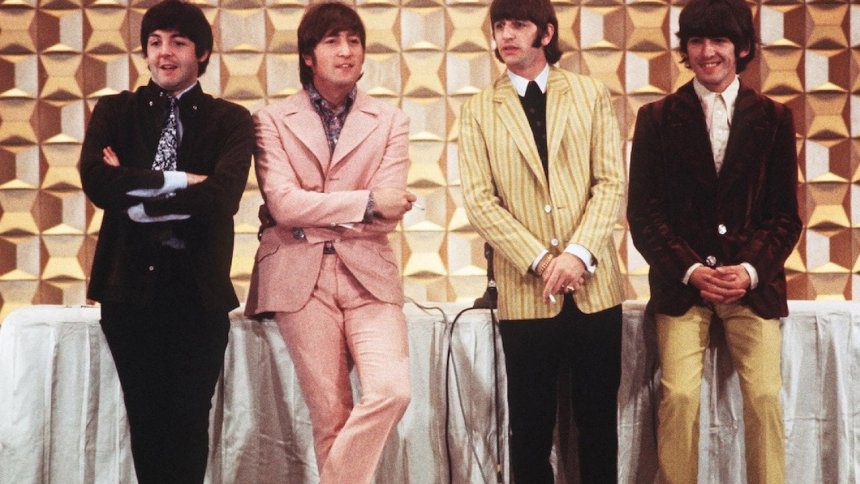
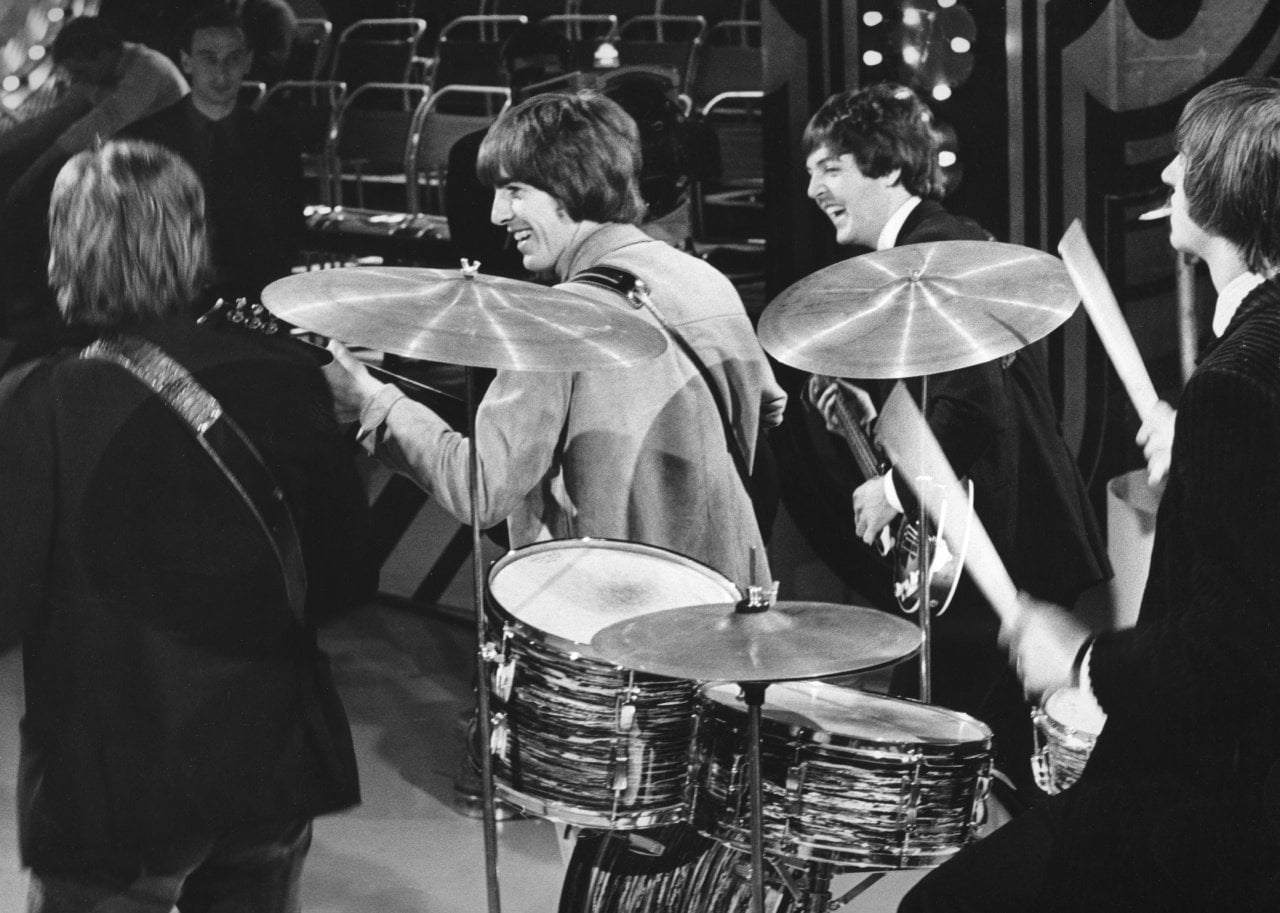
#32. Yesterday
– Artist: The Beatles
– Number of weeks at #1: 4
– Date first entered into Hot 100: Oct. 9, 1965
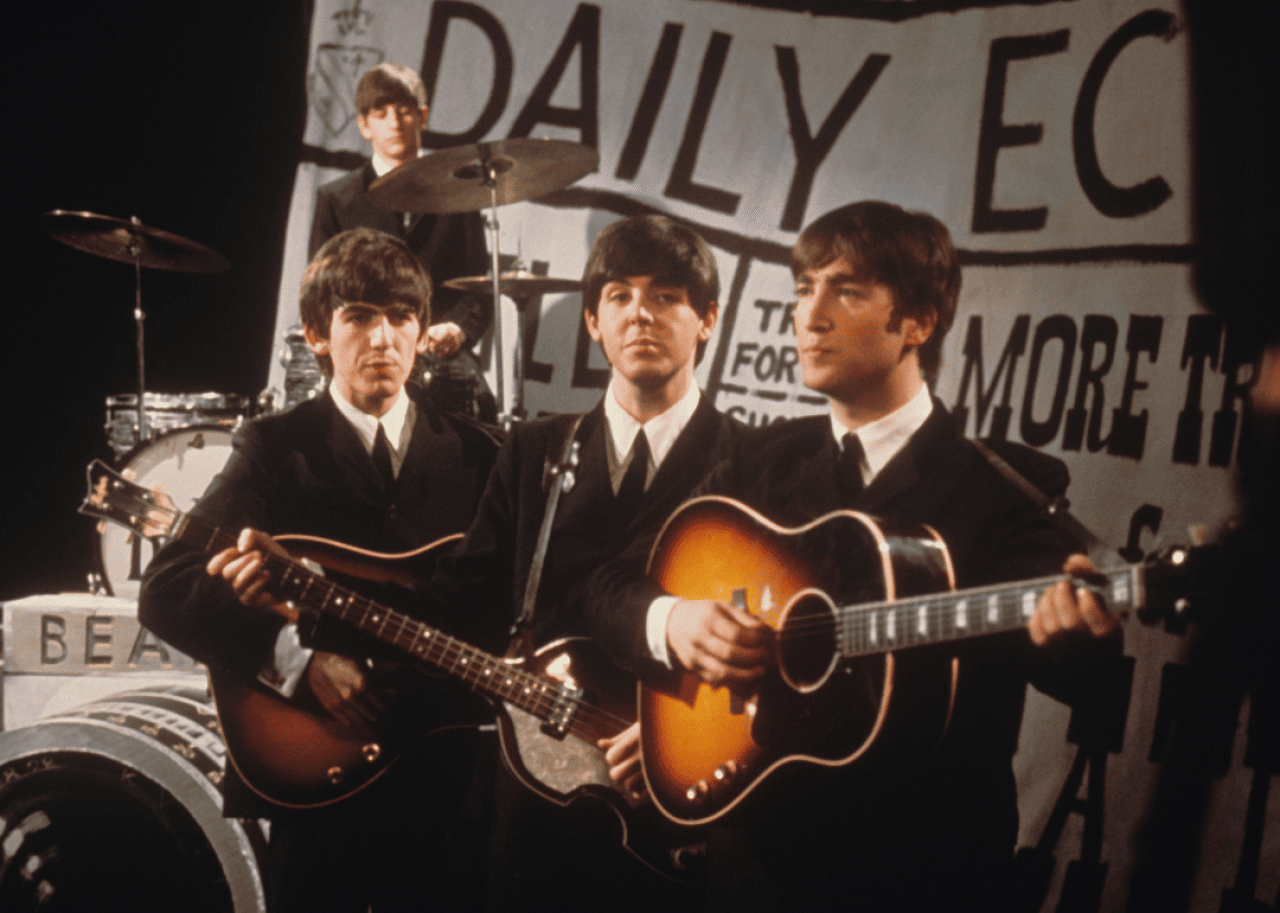
This melancholy ballad kept Paul McCartney and the rest of the Beatles on top of the charts for four weeks straight. It continues to be a regular part of McCartney’s setlist whenever he tours. Not bad for a song that started out as an ode to breakfast food.
Mirrorpix // Getty Images
#31. (I Can’t Get No) Satisfaction
– Artist: The Rolling Stones
– Number of weeks at #1: 4
– Date first entered into Hot 100: July 10, 1965
Although this song became famous for its now-iconic guitar riff, it could have had a much different sound. Keith Richards recorded the riff in his sleep after hearing it in a dream, and intended to replace it with a horn section in the recording studio.
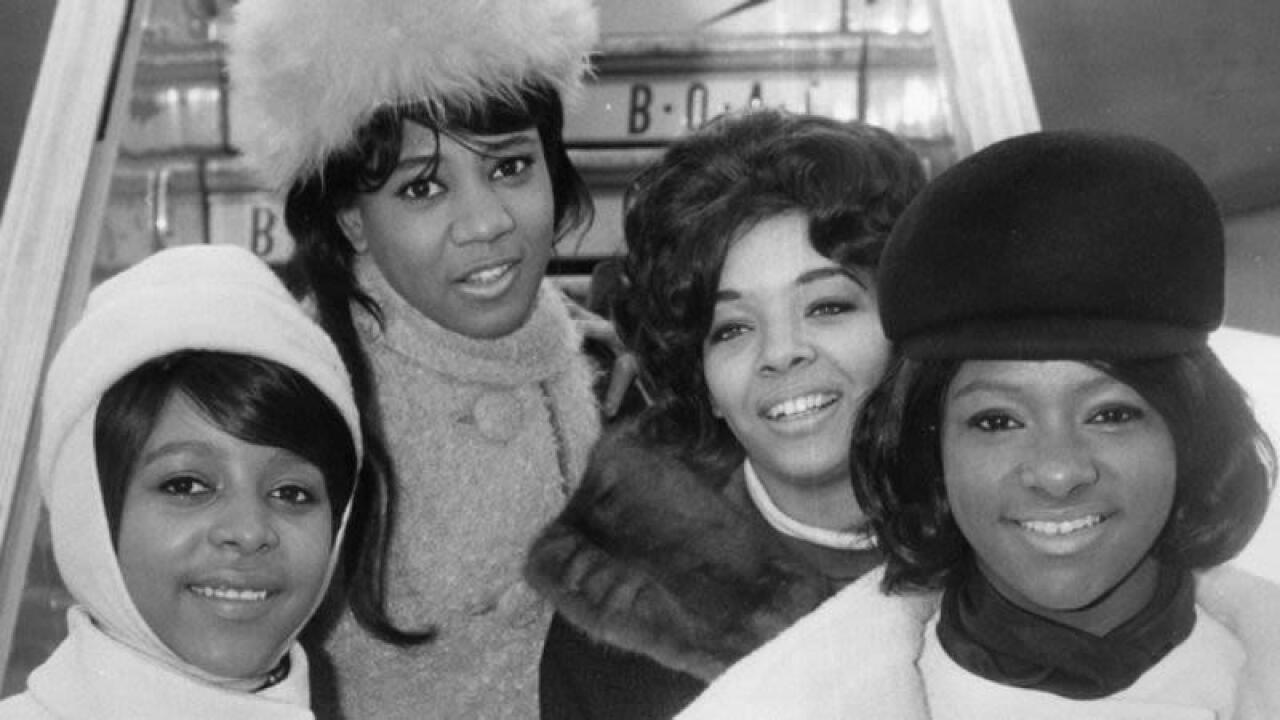
GAC-General Artists Corporation-IMTI-International Talent Management Inc. // Wikimedia Commons
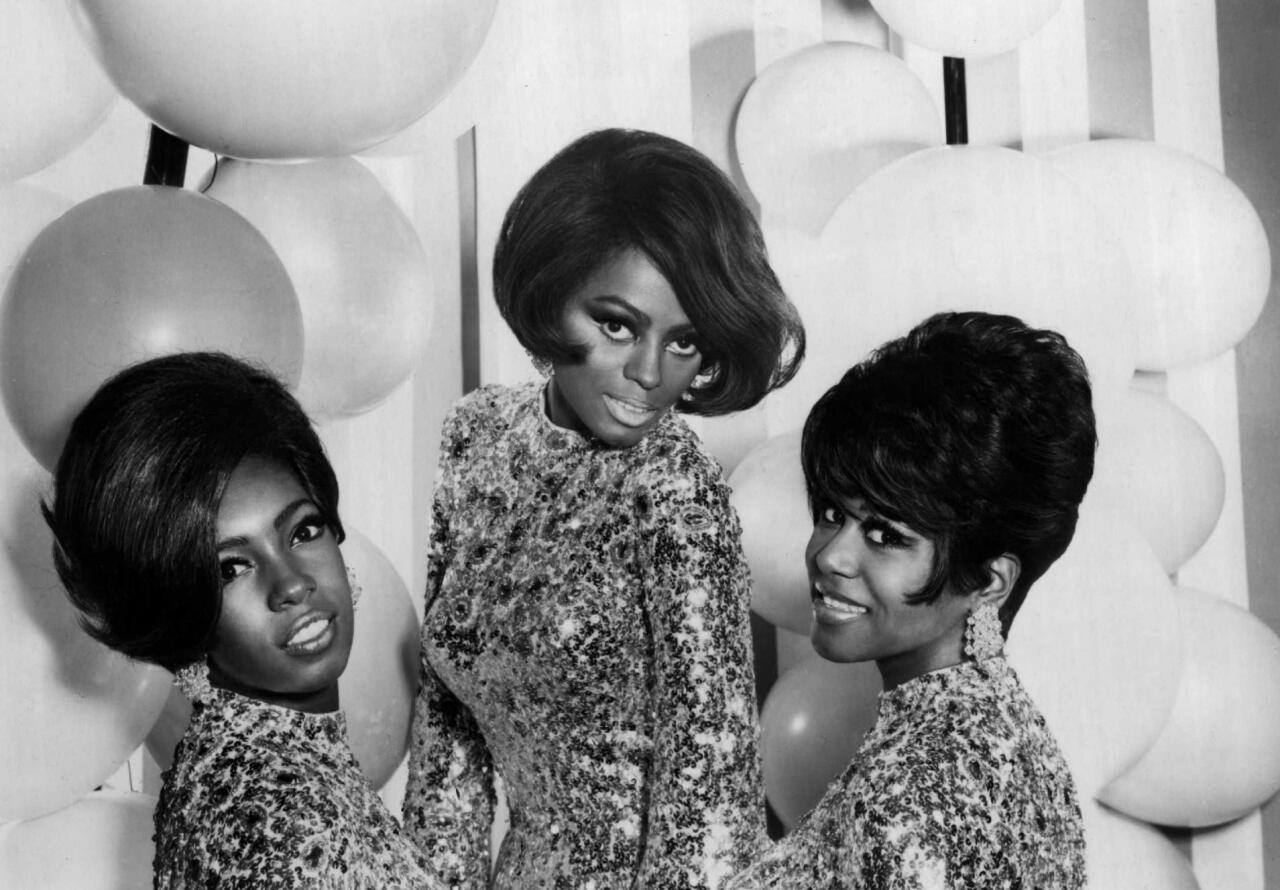
#30. Baby Love
– Artist: The Supremes
– Number of weeks at #1: 4
– Date first entered into Hot 100: Oct. 31, 1964
By the time the Supremes recorded this classic R&B number, they were struggling to shake their reputation as a “no-hit” girl group. Fortunately for them, “Baby Love” was the first of the group’s five #1 hits, two of which they’d earn within the same year.
CBS Television // Wikimedia Commons
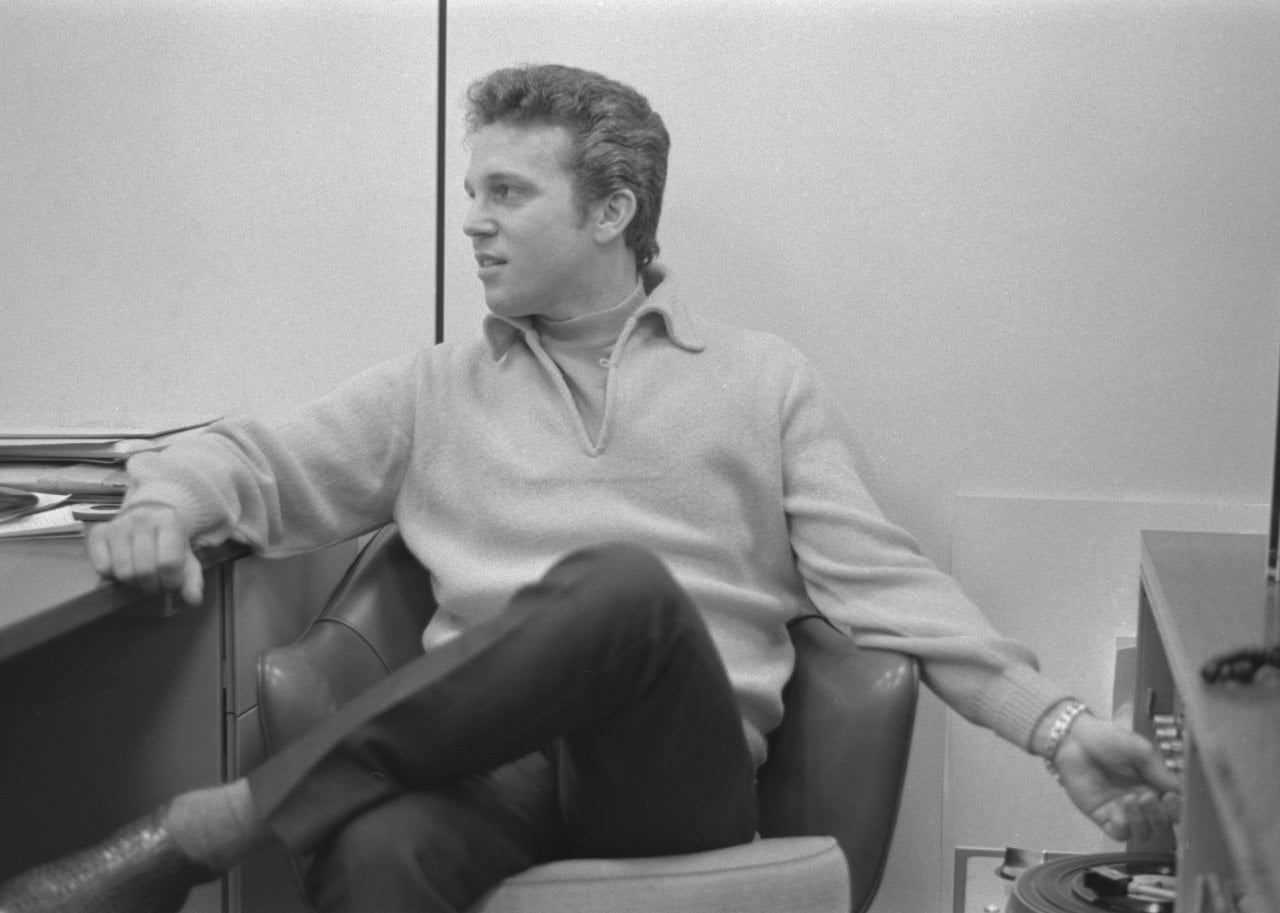
#29. There! I’ve Said It Again
– Artist: Bobby Vinton
– Number of weeks at #1: 4
– Date first entered into Hot 100: January 4, 1964
Bobby Vinton recorded the vocals for his cover of this 1945 hit in one take. He’d later see the top of the charts at the end of 1964 with his hit “Mr. Lonely.”
Keystone // Getty Images
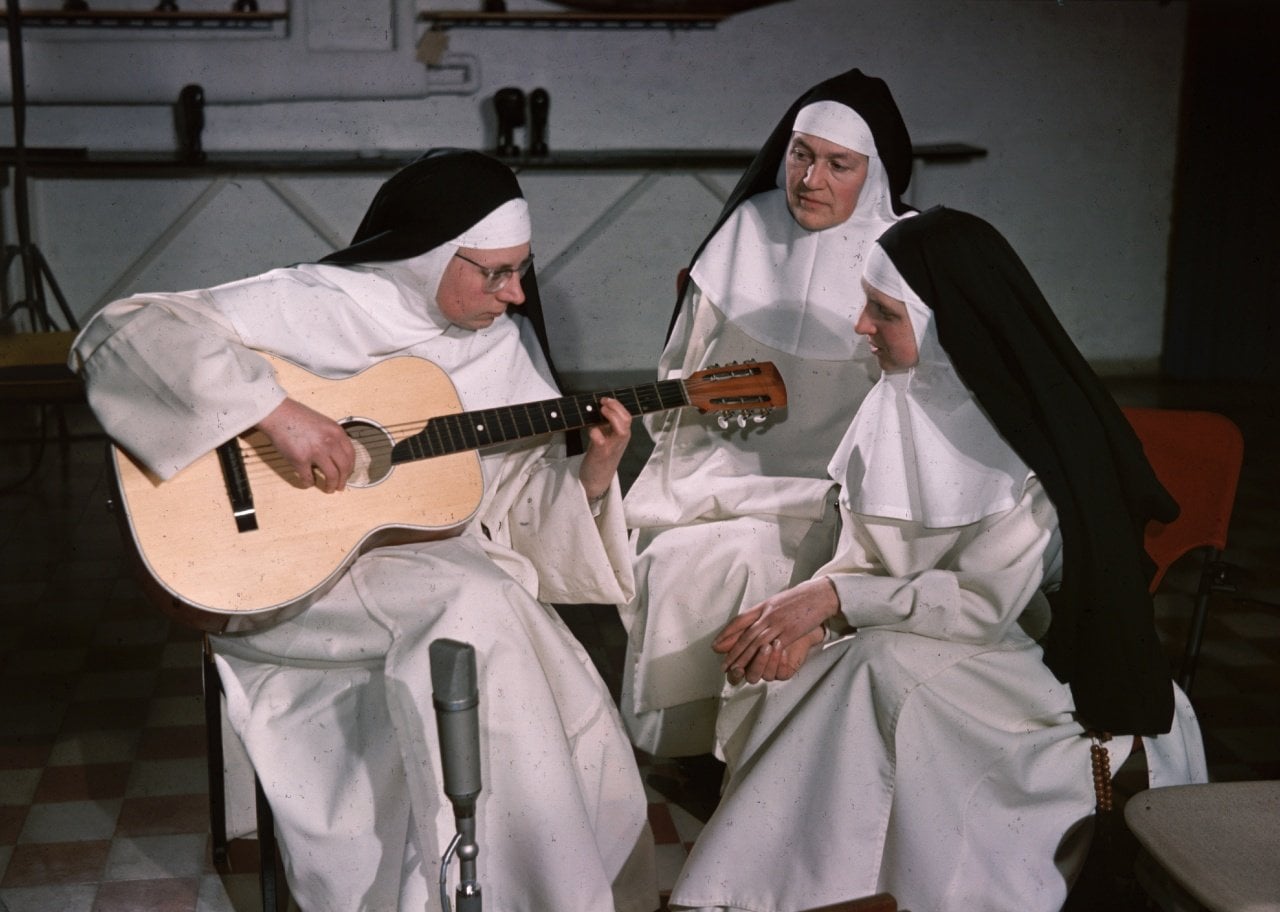
#28. Dominique
– Artist: The Singing Nun
– Number of weeks at #1: 4
– Date first entered into Hot 100: Dec. 7, 1963
This 1963 track from former Dominican nun Jeannine Deckers is known as the only Belgian track to hit #1 on the American Billboard charts. While “The Singing Nun” never again reached the commercial heights of “Dominique,” a 2009 biopic drew new attention to her unlikely pop career.
Blank Archives // Getty Images
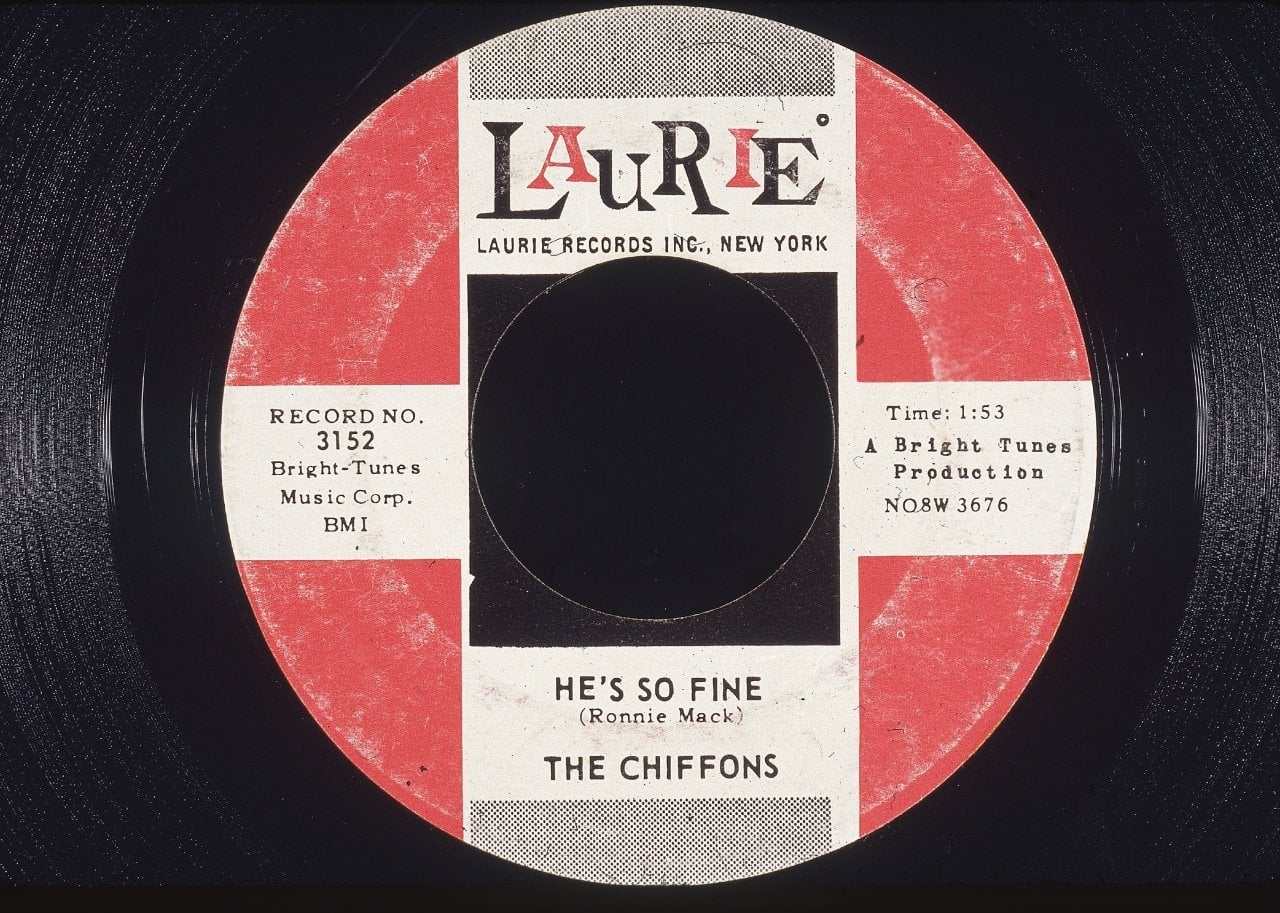
#27. He’s So Fine
– Artist: The Chiffons
– Number of weeks at #1: 4
– Date first entered into Hot 100: March 30, 1963
Although this debut single from the Chiffons was enough to send them to the top of the charts, it was the group’s only #1 hit. The song later became the focal point of a lawsuit against former Beatle George Harrison, who was accused of plagiarizing the song for his 1970 hit “My Sweet Lord.”
Michael Ochs Archives // Getty Images
#26. Roses Are Red (My Love)
– Artist: Bobby Vinton
– Number of weeks at #1: 4
– Date first entered into Hot 100: July 14, 1962
This 1962 hit was a career-saver for Bobby Vinton, who picked the song from a pile of rejects after a meeting with his record label turned sour. The song would later be featured in Martin Scorsese’s film “Goodfellas,” where it was lip-synced by Vinton’s son Robbie.
Donaldson Collection // Getty Images
#25. Runaway
– Artist: Del Shannon
– Number of weeks at #1: 4
– Date first entered into Hot 100: April 24, 1961
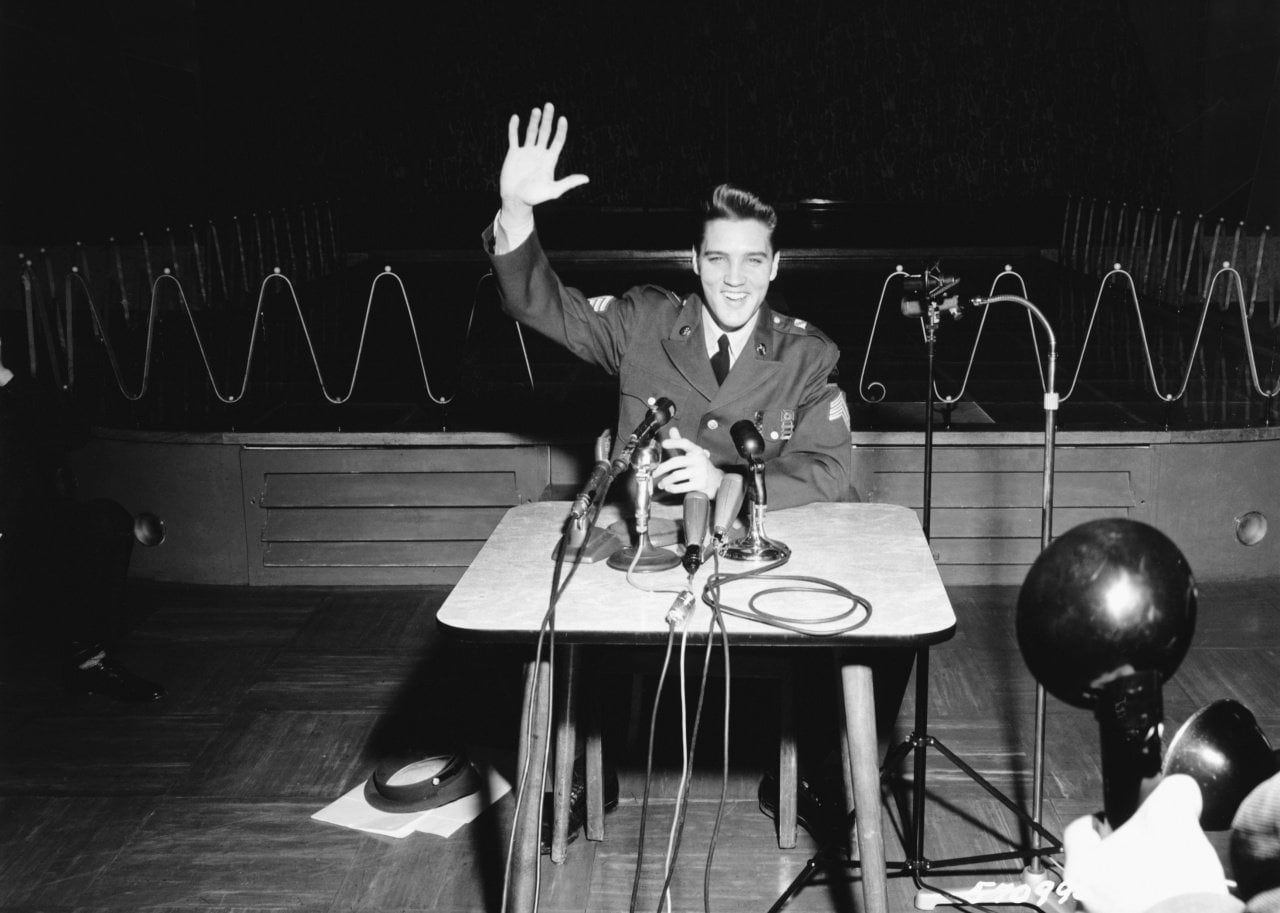
– Artist: Elvis Presley
– Number of weeks at #1: 4
– Date first entered into Hot 100: April 25, 1960
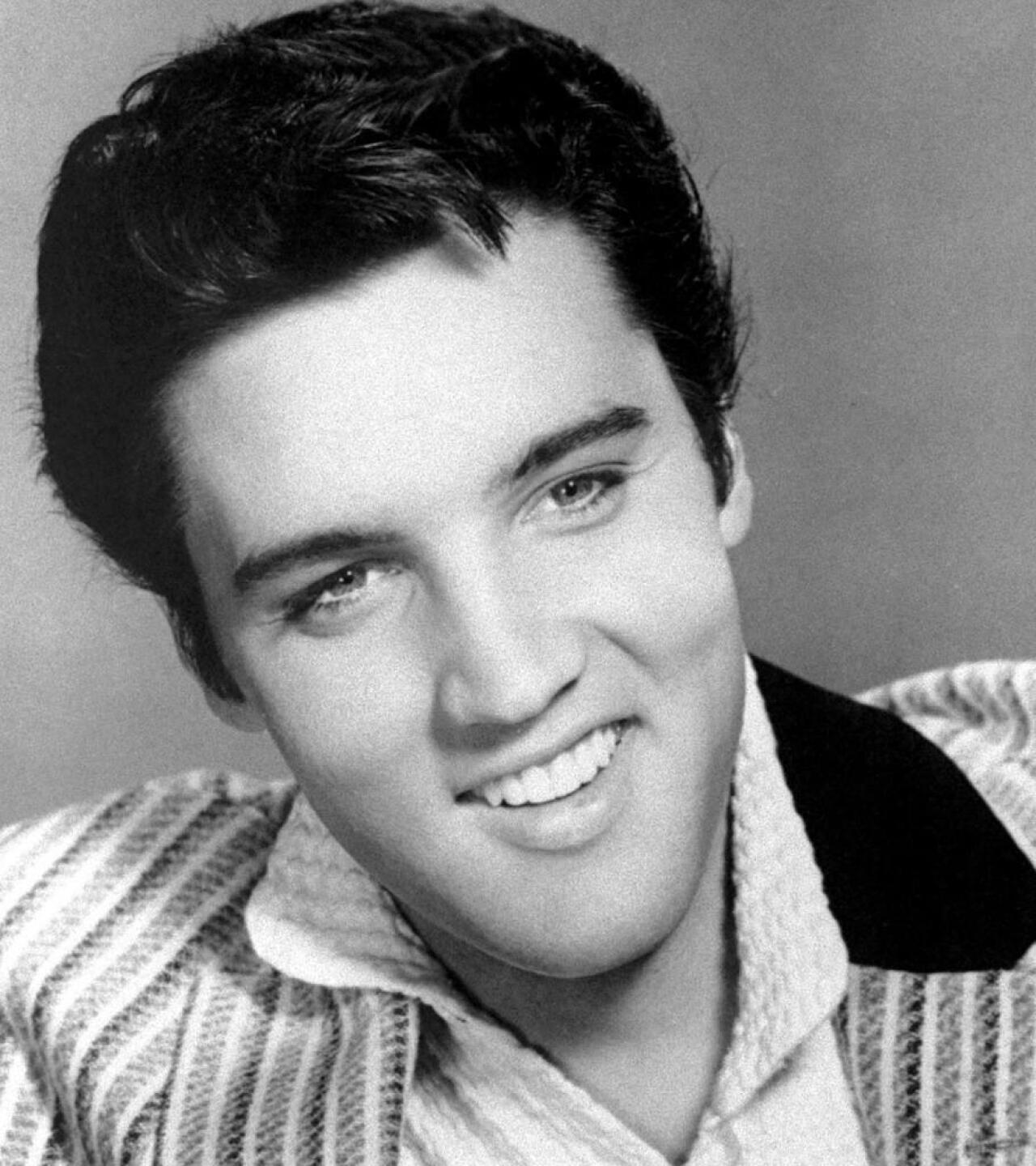
Elvis Presley’s first #1 hit marked his return to the charts after a two-year stint in the U.S. Army. He later performed the track on “The Frank Sinatra Timex Show: Welcome Home Elvis,” where Sinatra introduced the King of Rock and Roll to an even wider audience.
Bettmann // Getty Images
#23. Get Back
– Artist: The Beatles with Billy Preston
– Number of weeks at #1: 5
– Date first entered into Hot 100: May 24, 1969
This 1969 track was recorded for a hypothetical album called “Get Back,” meant to serve as a shot in the arm for the Fab Four after the difficult sessions for their 1968 self-titled “White” album. Although the “Get Back” album wasn’t released until after the Beatles’ breakup in 1970—then retitled “Let It Be”—the track was a late-career success for the band.
Michael Ochs Archives // Getty Images
#22. People Got to Be Free
– Artist: The Rascals
– Number of weeks at #1: 5
– Date first entered into Hot 100: Aug. 17, 1968
Coming just one year after the success of their #1 hit “Groovin’,” “People Got to Be Free” marked the last time the Rascals saw the top of the charts. The song was inspired by the racial tension the band witnessed when touring the southern U.S.
Ivan Keeman // Getty Images
#21. Honey
– Artist: Bobby Goldsboro
– Number of weeks at #1: 5
– Date first entered into Hot 100: April 13, 1968
Bobby Goldsboro’s only #1 hit tells the story of a widower as he remembers his deceased wife. While the song’s tear-jerking lyrics were enough to send it to #1 for five weeks, it hasn’t been remembered fondly by some members of the Flower Power generation.
Blank Archives // Getty Images
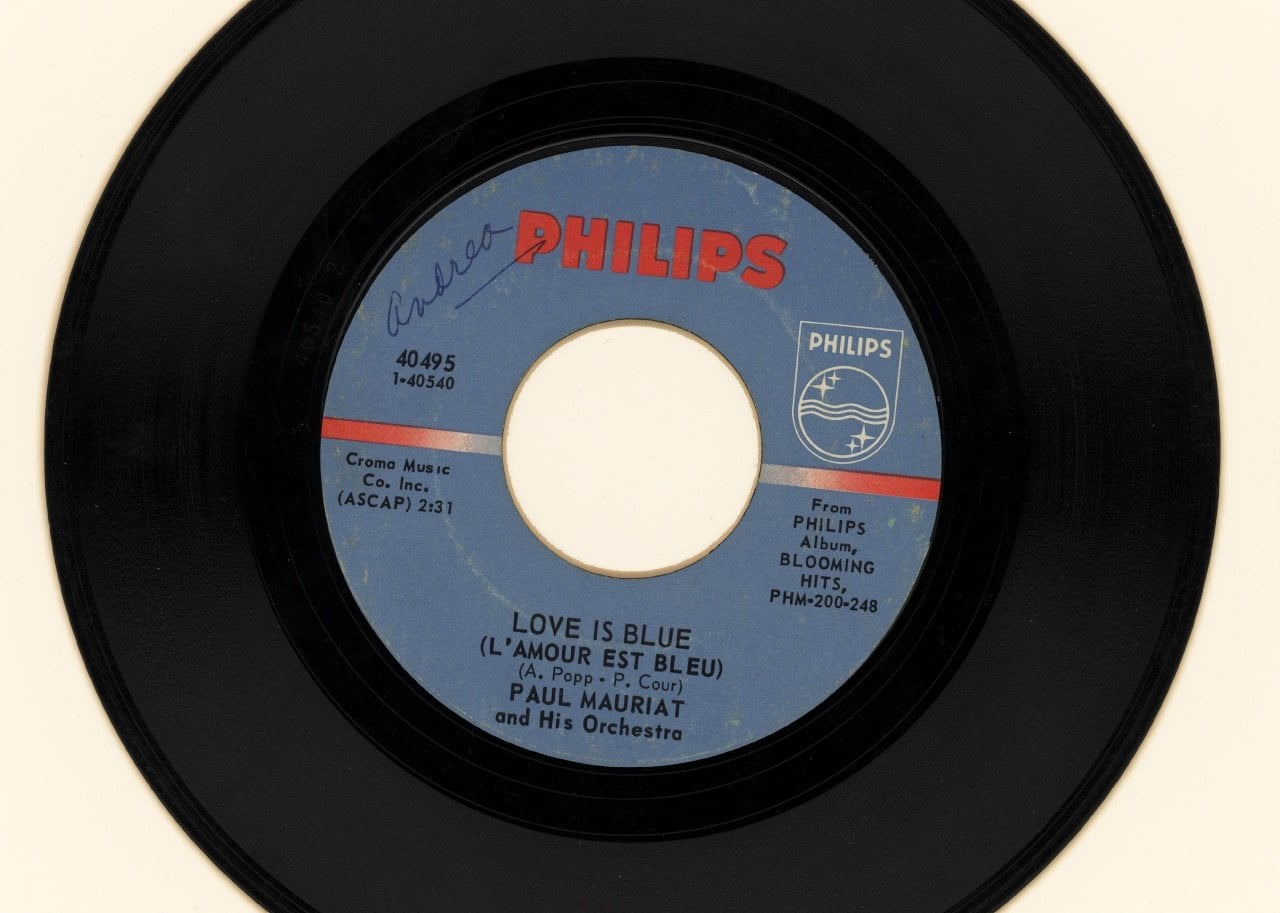
#20. Love is Blue
– Artist: Paul Mauriat
– Number of weeks at #1: 5
– Date first entered into Hot 100: Feb. 10, 1968
Although this song debuted as an entry in the 1967 Eurovision Song Contest, it was Paul Mauriat’s instrumental cover that took “Love is Blue” to the top of the charts. Mauriat’s recording is emblematic of the “easy-listening” genre that became popular in the 1960s and was even featured on a season finale of the ’60s period drama “Mad Men.”
Michael Putland // Getty Images
#19. To Sir With Love
– Artist: Lulu
– Number of weeks at #1: 5
– Date first entered into Hot 100: Oct. 21, 1967
This #1 comes from the soundtrack of the 1967 film of the same name, in which Sidney Poitier plays a Black engineer who takes a job teaching a class of white children. “To Sir With Love” came into the spotlight once again in 2017 when the “Saturday Night Live” cast parodied the song as a farewell to former U.S. President Barack Obama.
Blank Archives // Getty Images
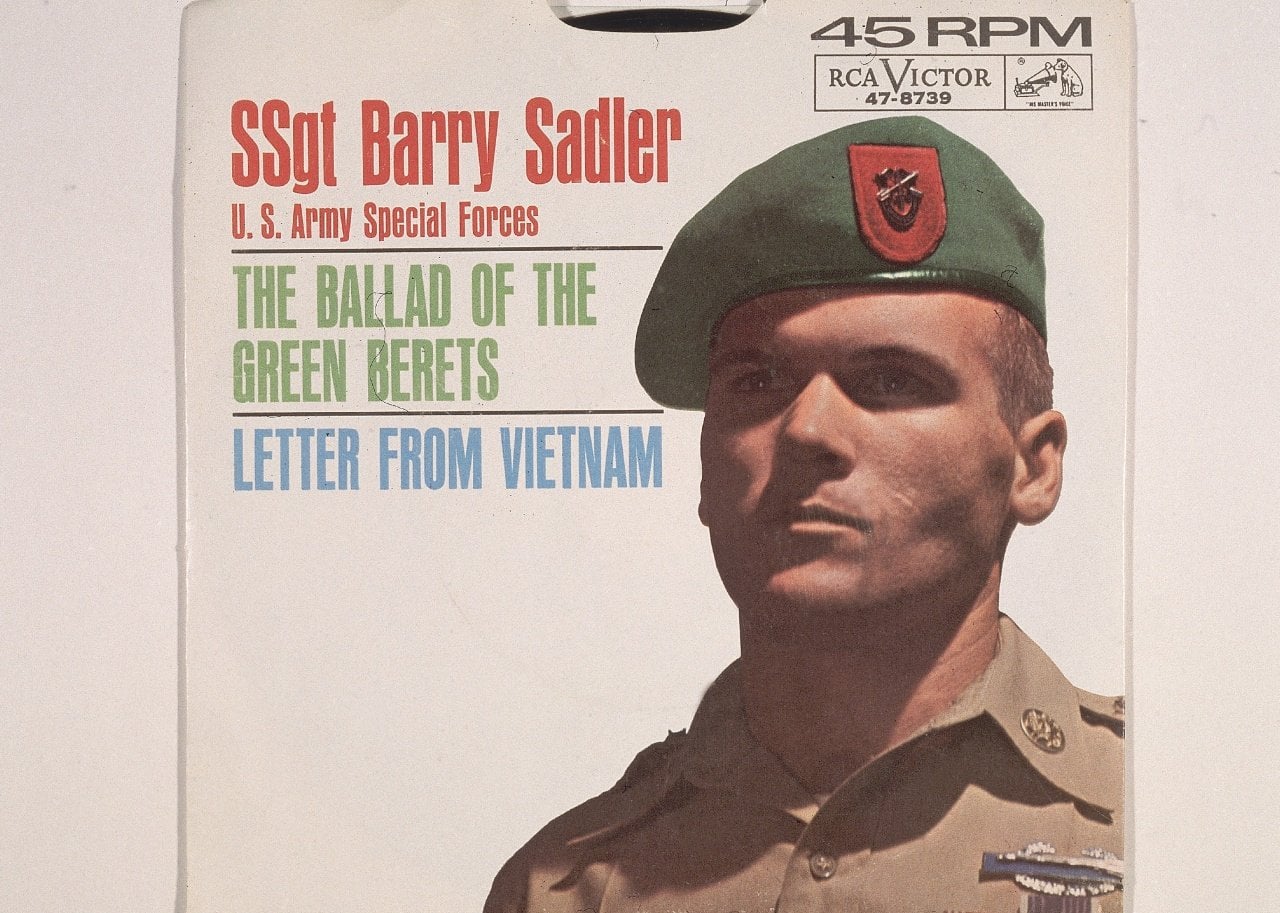
#18. Ballad of the Green Berets
– Artist: SSgt Barry Sadler
– Number of weeks at #1: 5
– Date first entered into Hot 100: March 5, 1966
In contrast to many of the anti-war songs of the 1960s, this #1 hit is a send-up to the Green Berets of the Army Special Forces. Songwriter Barry Sadler was a member of the Special Forces himself and wrote the song after leaving the military due to injuries.
West Midlands Police // Wikimedia Commons
#17. Can’t Buy Me Love
– Artist: The Beatles
– Number of weeks at #1: 5
– Date first entered into Hot 100: April 4, 1964
This 1964 hit for the Beatles was written while the group was playing a residency in Paris. The song’s romantic, anti-consumerist lyrics have caused listeners to speculate that it may be an ode to prostitution. However, songwriter Paul McCartney has strongly denied these allegations.
We hope // Wikimedia Commons
#16. Sugar Shack
– Artist: Jimmy Gilmer and the Fireballs
– Number of weeks at #1: 5
– Date first entered into Hot 100: Oct. 12, 1963
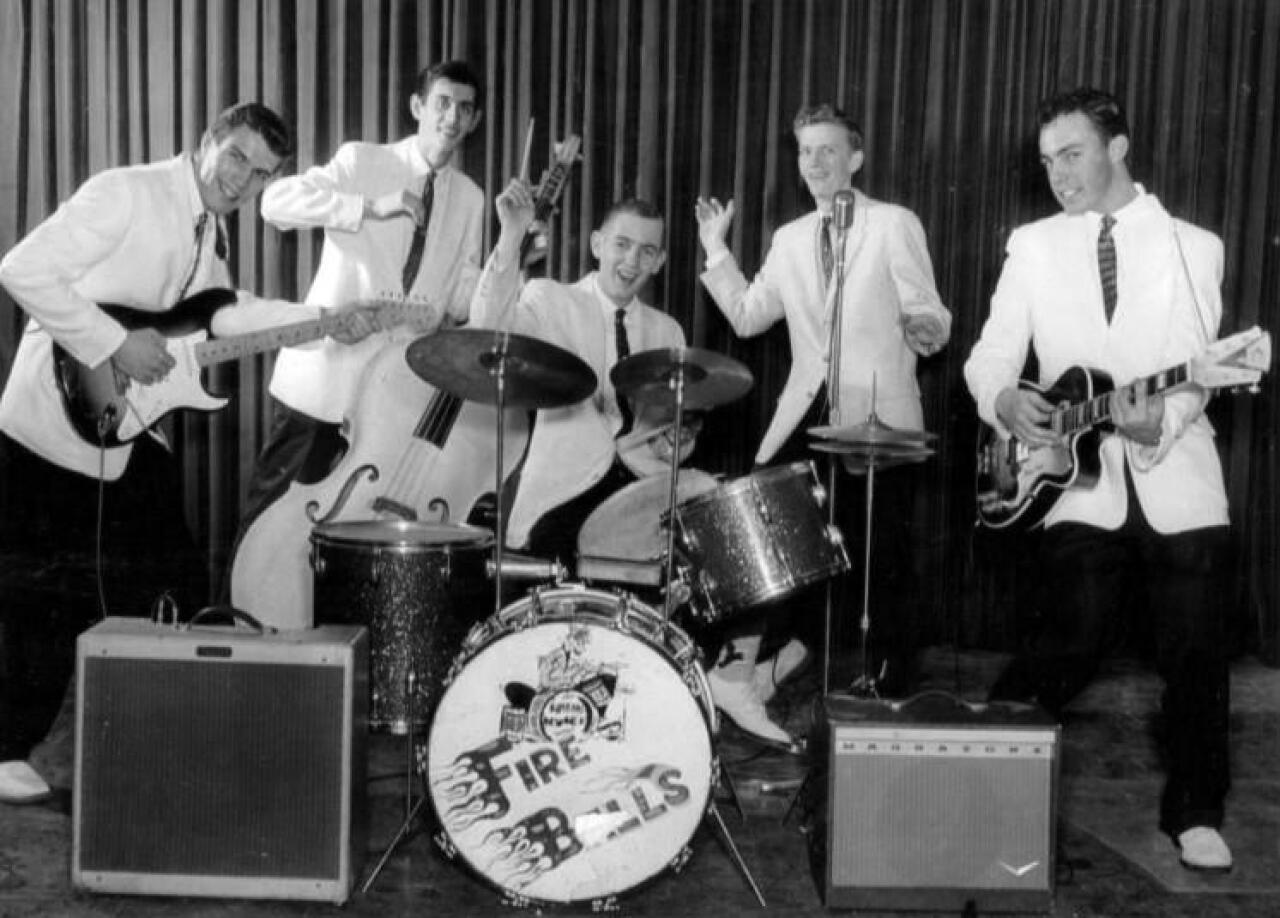
This song’s famous whistle-sounding riff is the product of a 1940s Hammond organ, played in the studio by producer Norman Petty. It was the only #1 for Jimmy Gilmer and the Fireballs, who made the charts for the first time in 1964 with “Ain’t Gonna Tell Anybody.”
Archive Photos // Getty Images
#15. Big Girls Don’t Cry
– Artist: The Four Seasons
– Number of weeks at #1: 5
– Date first entered into Hot 100: Nov. 17, 1962
The second #1 hit for the Four Seasons,”Big Girls Don’t Cry” features the same falsetto vocals that sent their debut “Sherry” to the top of the charts. The song’s lyrics were inspired by the strained gender relations depicted in films like “Tennessee’s Partner.”
Michael Ochs Archives // Getty Images
#14. Sherry
– Artist: The Four Seasons
– Number of weeks at #1: 5
– Date first entered into Hot 100: Sept. 15, 1962
The Four Seasons’ debut single was also the band’s first of five #1 hits. Songwriter and keyboardist Bob Gaudio claimed to have written the song in 15 minutes, a process that was later depicted in the hit Broadway musical and film “Jersey Boys.”
REPORTERS ASSOCIES // Getty Images
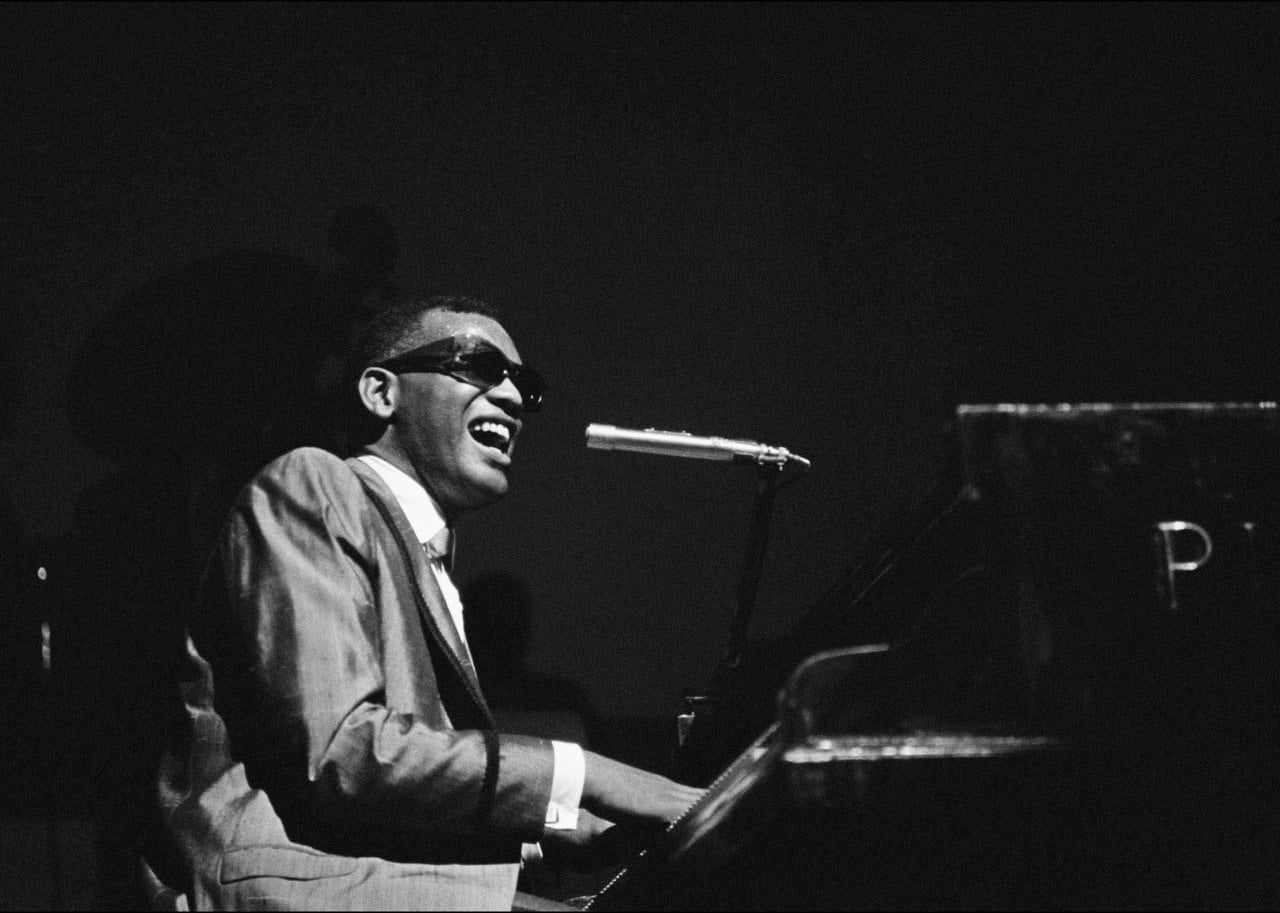
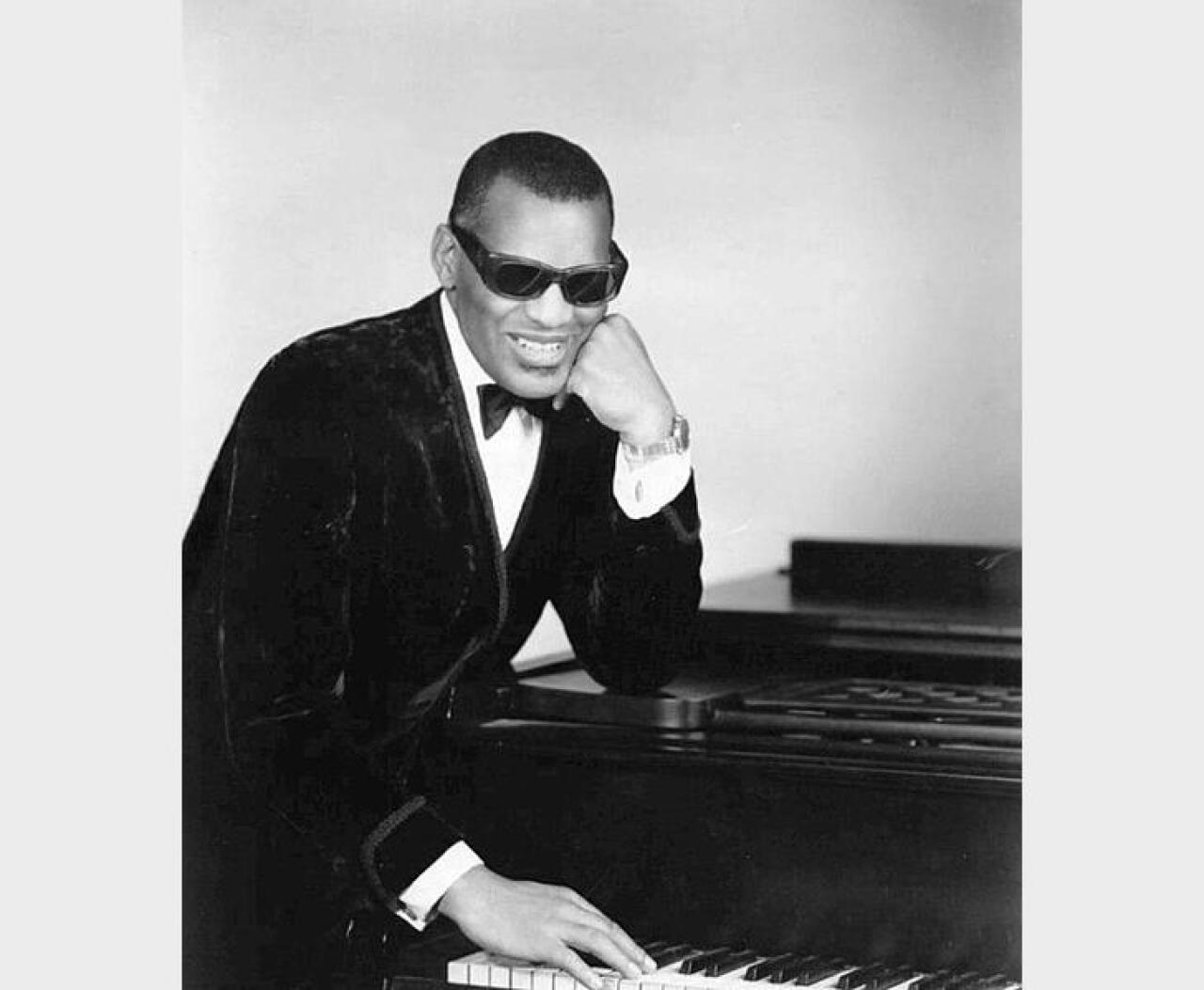
#13. I Can’t Stop Loving You
– Artist: Ray Charles
– Number of weeks at #1: 5
– Date first entered into Hot 100: June 2, 1962
This 1962 single comes from Charles’ album “Modern Sounds in Country and Western Music.” At the time when the Civil Rights Movement was still a grassroots campaign, Charles’ decision to record a country album was seen as a radical choice by the music industry.
GAB Archive // Getty Images
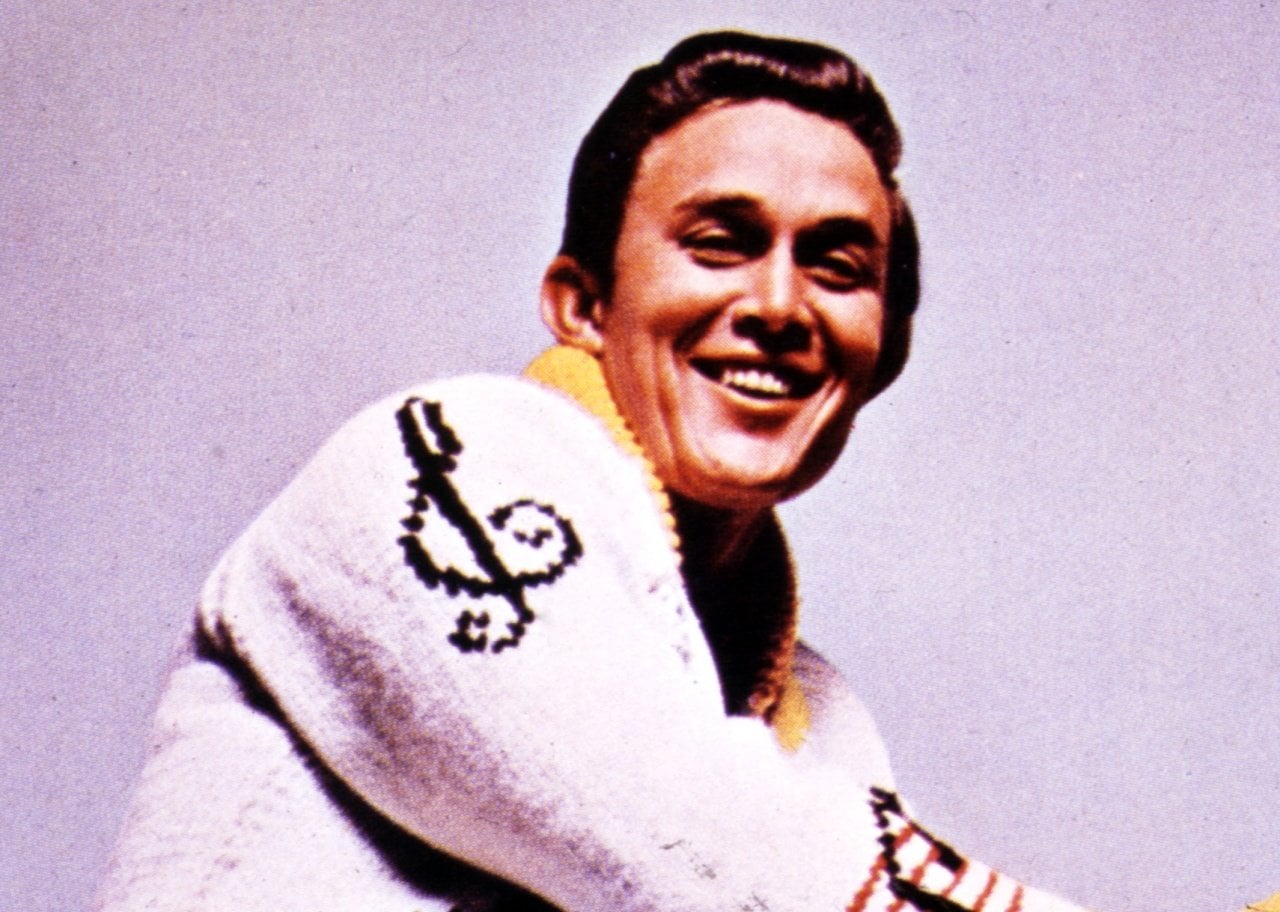
#12. Big Bad John
– Artist: Jimmy Dean
– Number of weeks at #1: 5
– Date first entered into Hot 100: Nov. 6, 1961
The inspiration for this 1961 hit came from John Minto, an actor Jimmy Dean had befriended earlier in his career. Although the song was Jimmy Dean’s only #1 hit, the singer’s name would later become ubiquitous through his popular brand of breakfast sausages.
Historical // Getty Images
#11. It’s Now or Never
– Artist: Elvis Presley
– Number of weeks at #1: 5
– Date first entered into Hot 100: Aug. 15, 1960
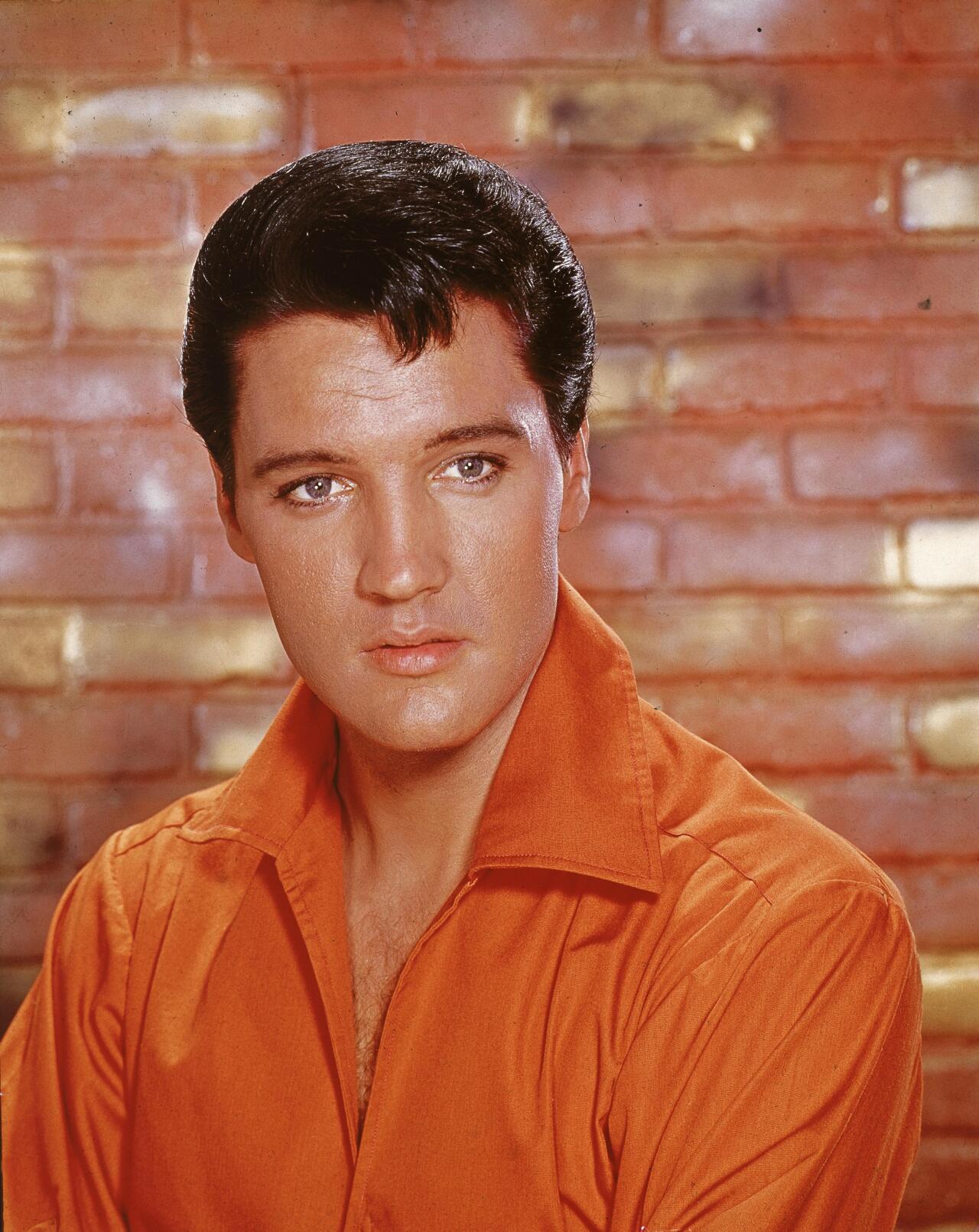
Although Elvis became famous for the raucous sound of hits like “Hound Dog” and “A Big Hunk O’ Love,” it was this reworking of a 1901 Italian tune that would become one of his biggest hits. Elvis was introduced to the song while serving in the U.S. Army and requested that his publisher write English lyrics for the tune originally known as “O Sole Mio.”
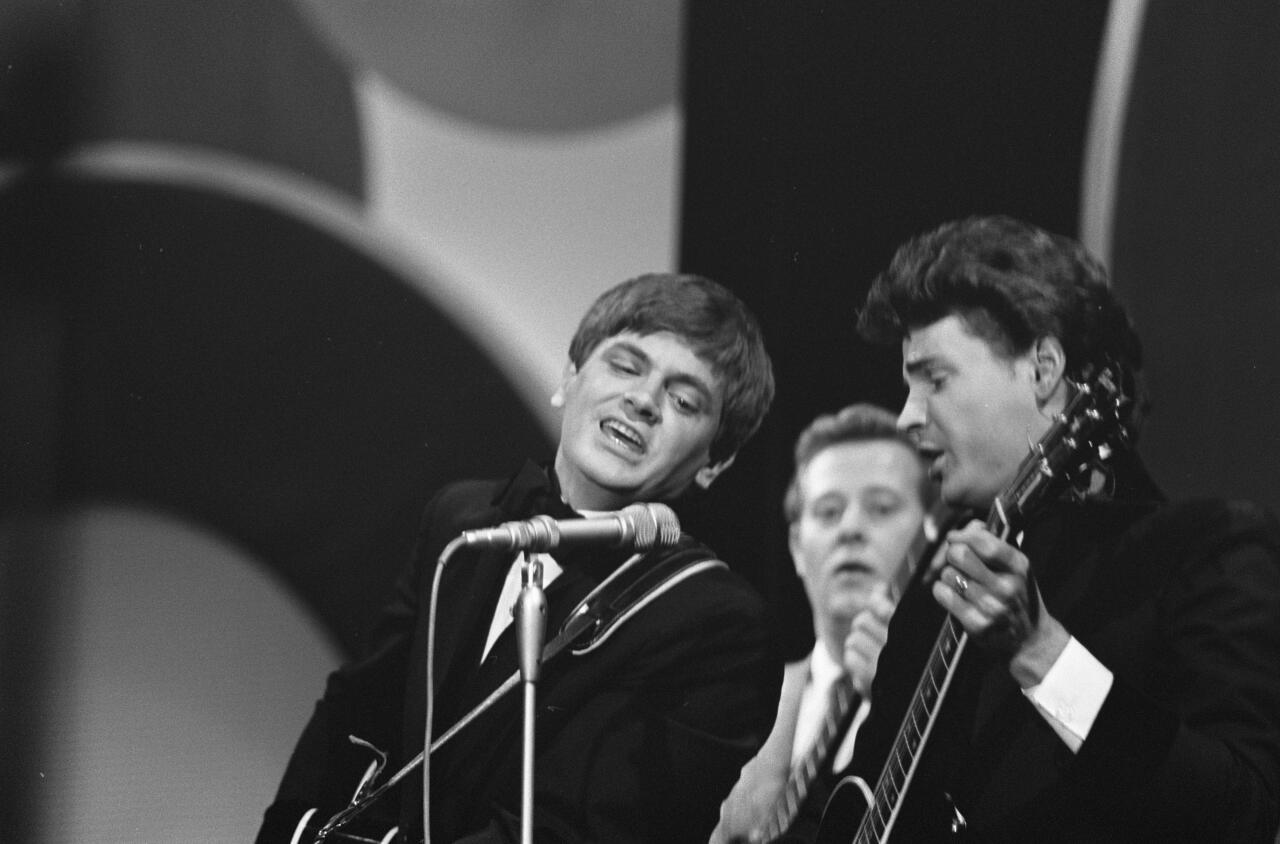
– Artist: The Everly Brothers
– Number of weeks at #1: 5
– Date first entered into Hot 100: May 23, 1960
The Everly Brothers’ first #1 hit after signing a $1 million contract with Columbia Records didn’t come easy to the duo. “Cathy’s Clown” was the ninth single they recorded for their label debut. The song was later an unlikely #1 for Reba McEntire, who recorded the song with slightly altered lyrics in 1989.
Michael Ochs Archives // Getty Images
#9. In the Year 2525 (Exordium and Terminus)
– Artist: Zager and Evans
– Number of weeks at #1: 6
– Date first entered into Hot 100: July 12, 1969
Although this futuristic 1969 hit sent Zager and Evans blasting off to the top of the charts, their pop career would stall out well before the year 2525. None of the band’s subsequent singles cracked the Billboard Hot 100, landing the group firmly on “planet one-hit wonder.”
Arnie Lee // Wikimedia Commons
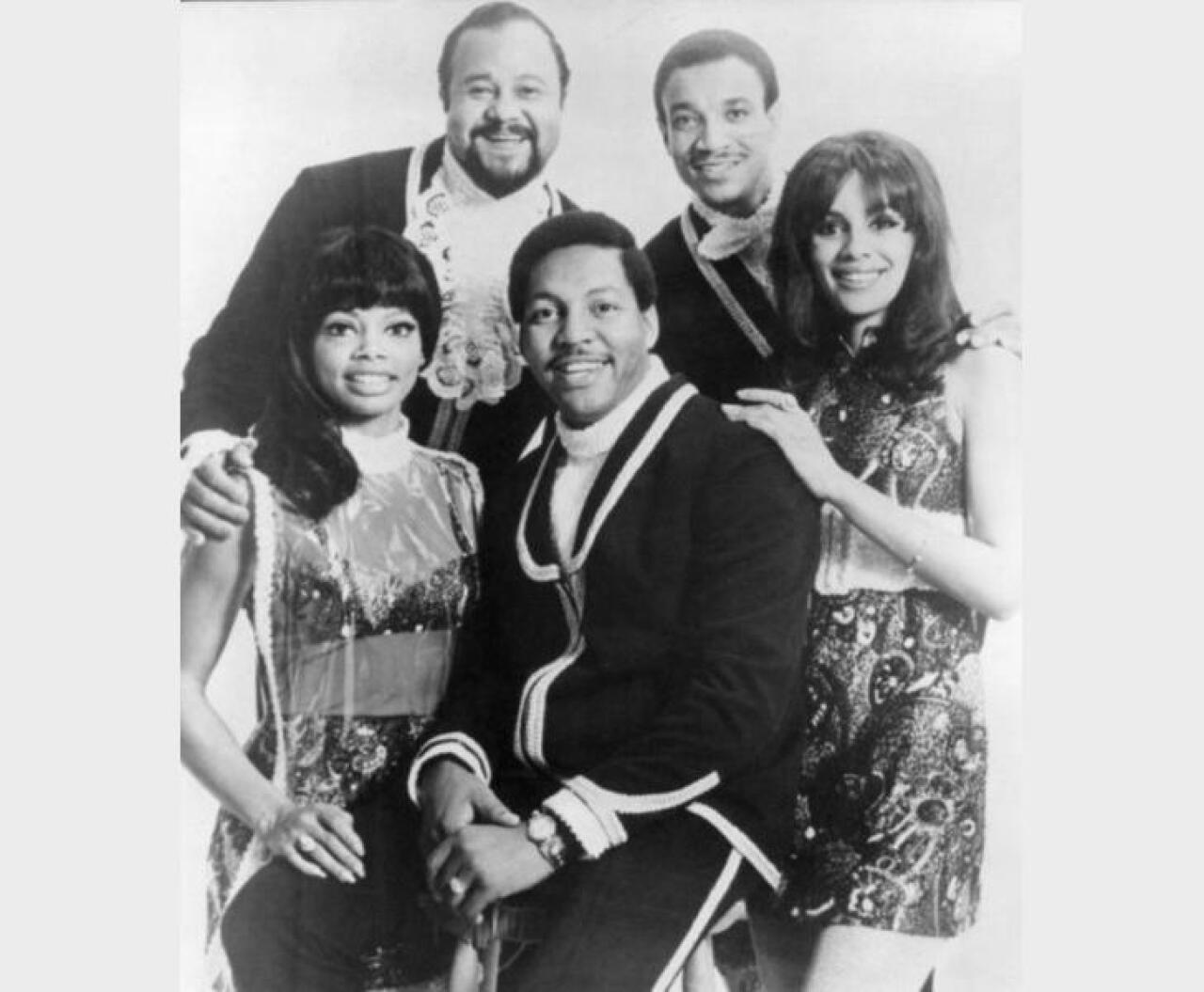
#8. Aquarius/Let the Sunshine In (The Flesh Failures)
– Artist: The 5th Dimension
– Number of weeks at #1: 6
– Date first entered into Hot 100: April 12, 1969
While the 1967 musical “Hair” garnered controversy for its open depictions of the free love movement, its music had no problem wooing listeners. This medley of two tracks from the musical granted the 5th Dimension their first #1 hit.
Hulton Archive // Getty Images
#7. Are You Lonesome Tonight?
– Artist: Elvis Presley
– Number of weeks at #1: 6
– Date first entered into Hot 100: Nov. 28, 1960
Much like “It’s Now or Never,” “Are You Lonesome Tonight?” was a reworking of a decades-old pop hit. Although “Lonesome” was written in 1926 by Roy Turk and Lou Handman, Elvis Presley’s modern, quiet croon and vocal echo made the tune a hit with audiences more than three decades later.
GAB Archive // Getty Images
#6. I Heard It Through the Grapevine
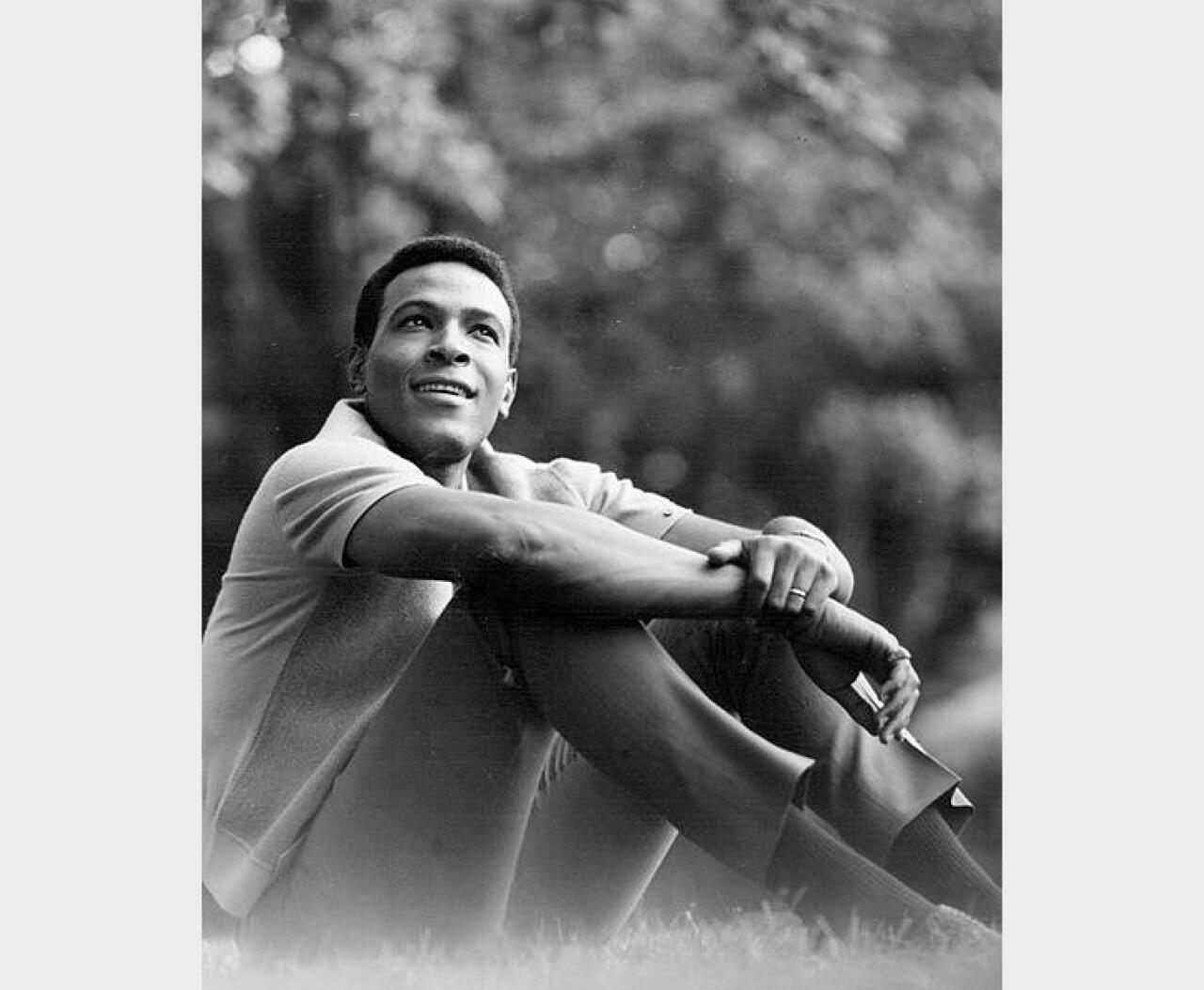
– Artist: Marvin Gaye
– Number of weeks at #1: 7
– Date first entered into Hot 100: Dec. 14, 1968
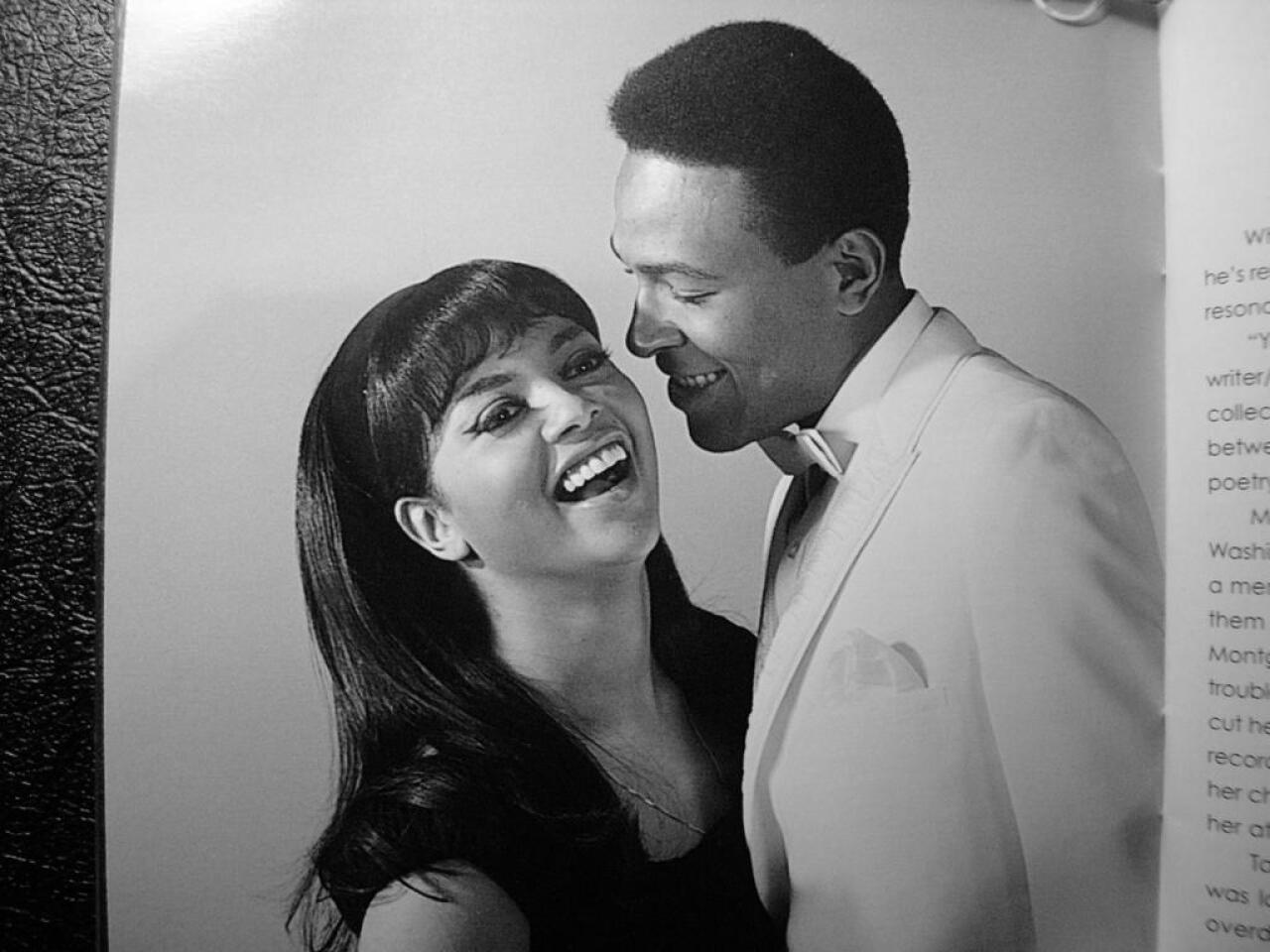
When Marvin Gaye took to the microphone to record “Grapevine,” the song was already a Motown classic, having been recorded by Gladys Knight in 1967. Fortunately, listeners didn’t mind hearing Gaye’s take on the song, which inspired a number of covers from artists like Creedence Clearwater Revival, Roger Troutman, and punk band the Slits.
Billboard // Wikimedia Commons
#5. I’m a Believer
– Artist: The Monkees
– Number of weeks at #1: 7
– Date first entered into Hot 100: Dec. 31, 1966
The Monkees’ second #1 hit was penned by acclaimed songwriter Neil Diamond, who would later go on to have three #1 hits of his own. Smash Mouth covered the song for the soundtrack of the 2001 film “Shrek,” albeit to much less acclaim.
David Redfern/Redferns // Getty Images
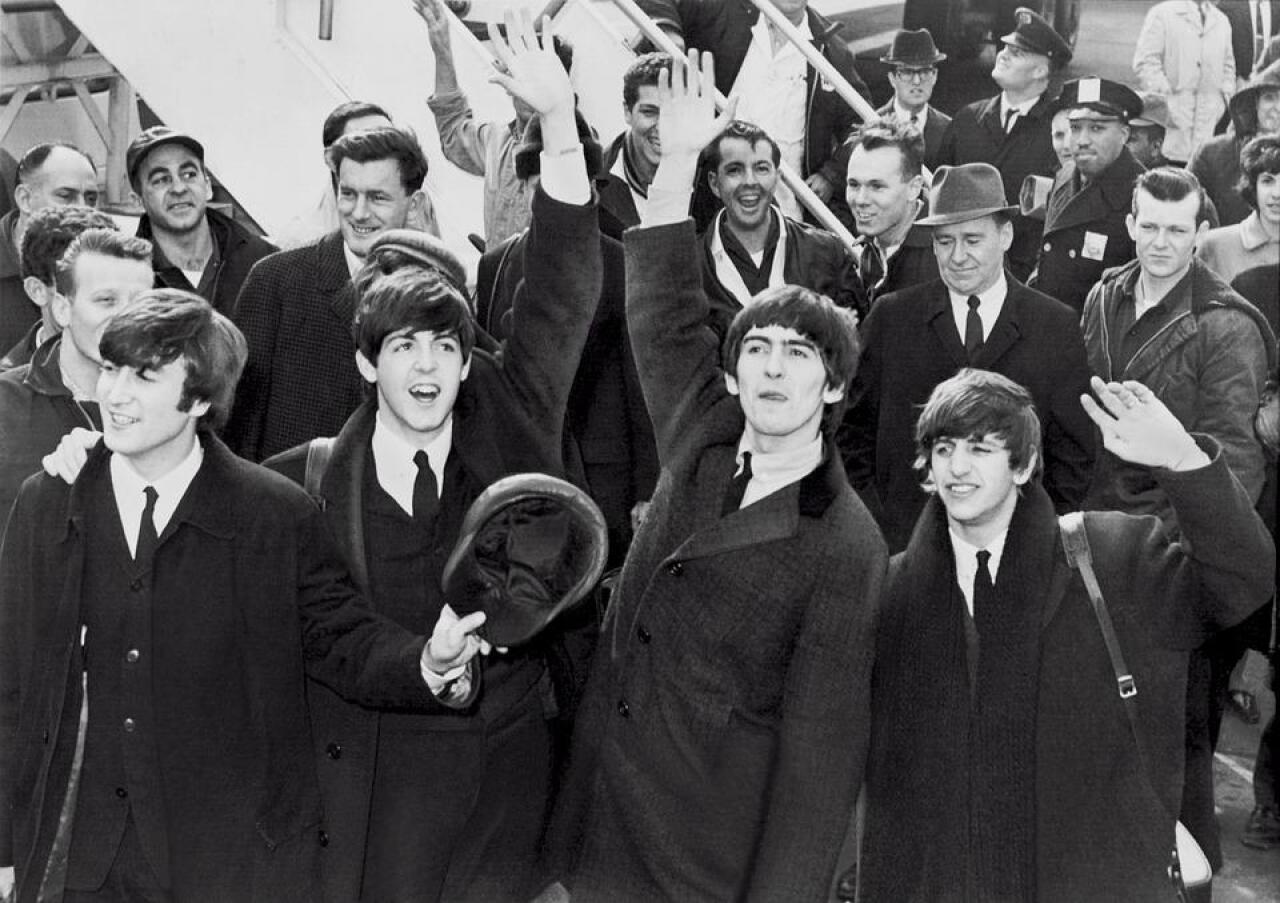
#4. I Want to Hold Your Hand
– Artist: The Beatles
– Number of weeks at #1: 7
– Date first entered into Hot 100: Feb. 1, 1964
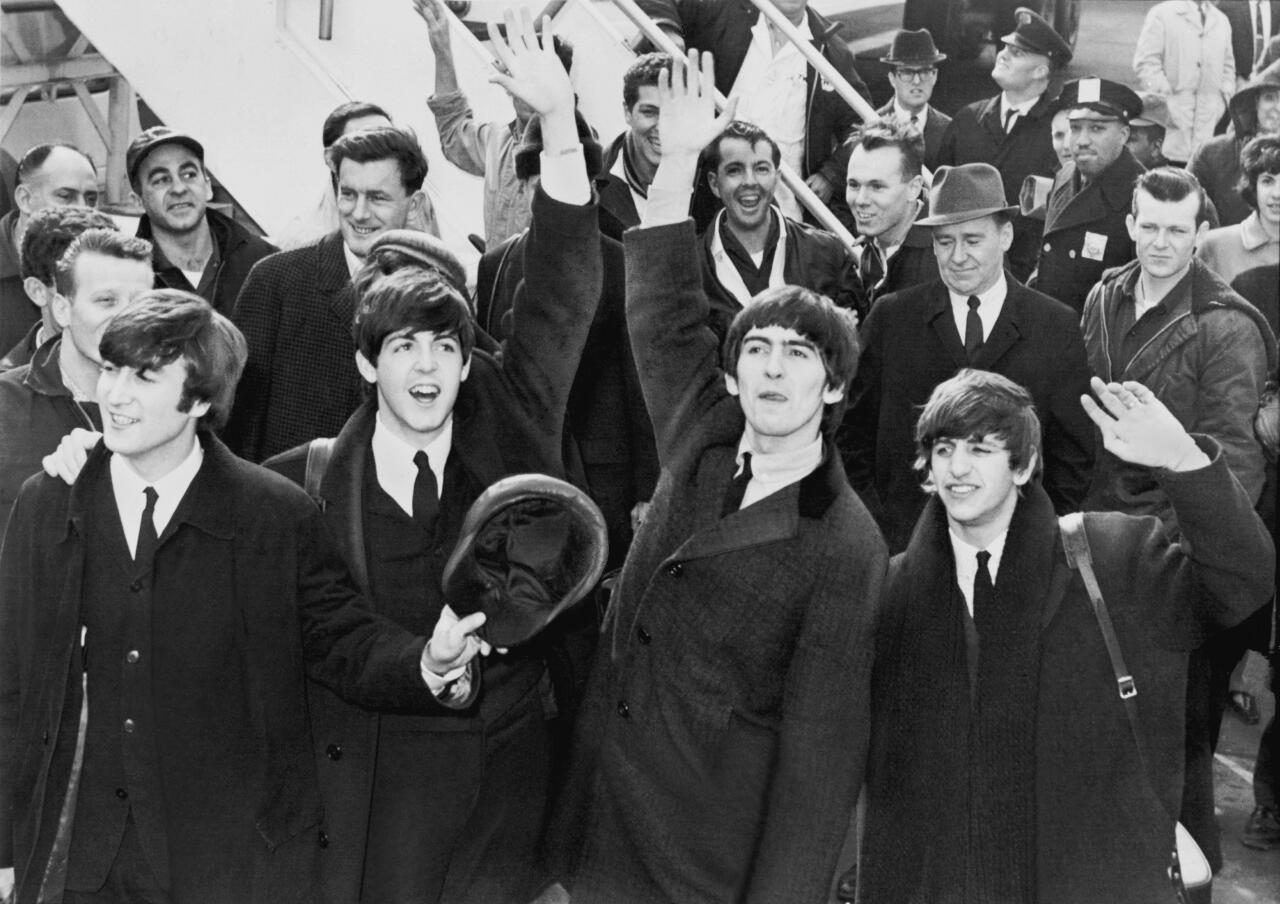
The Beatles’ first #1 hit in America marked the start of the British Invasion, as well as the Beatles’ dominance over the pop charts for the rest of the decade. Over the course of their six-year career, their songs would top the Billboard Hot 100 for a grand total of 59 weeks.
Michael Ochs Archives // Getty Images
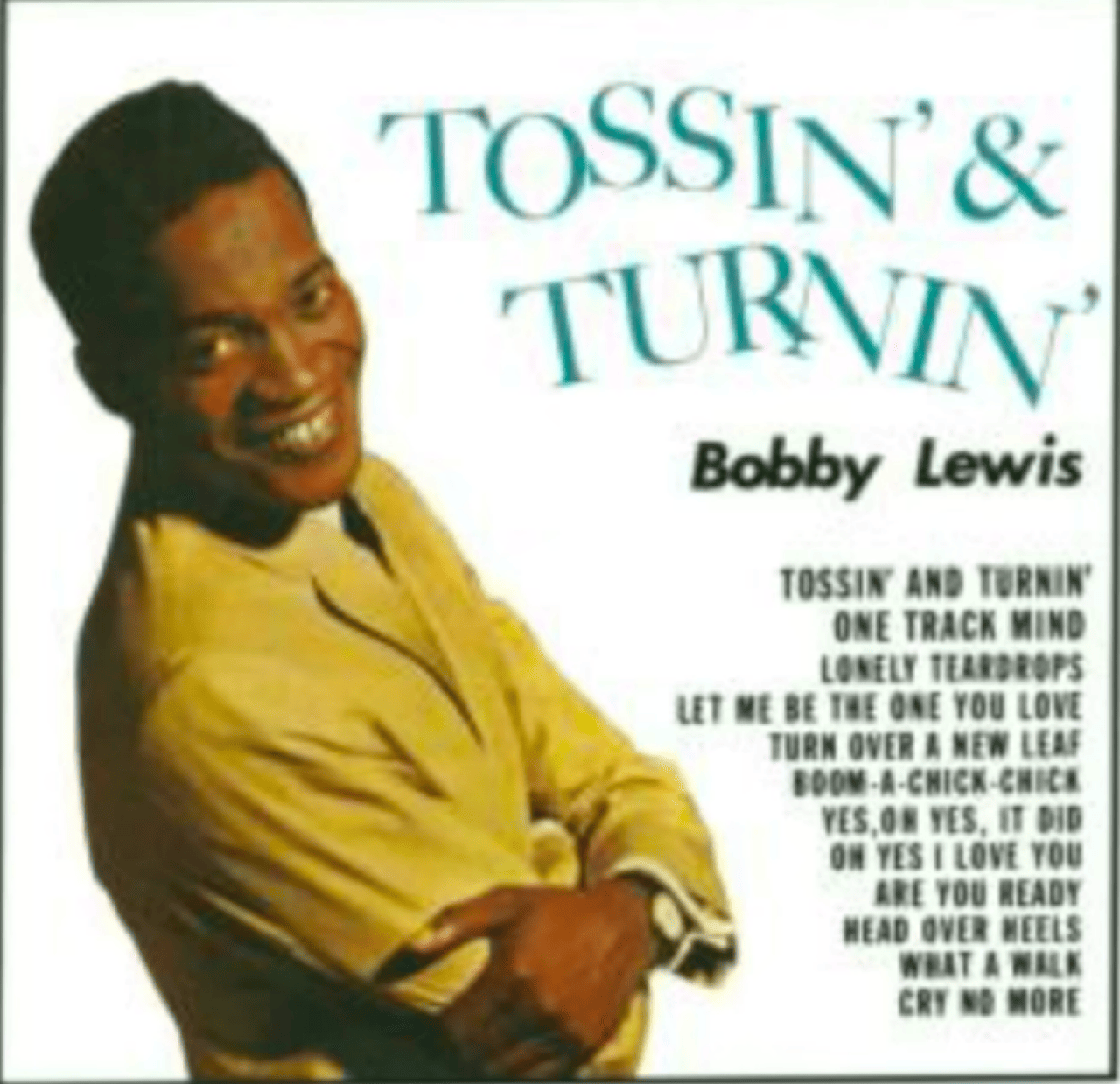
#3. Tossin’ and Turnin’
– Artist: Bobby Lewis
– Number of weeks at #1: 7
– Date first entered into Hot 100: July 10, 1961
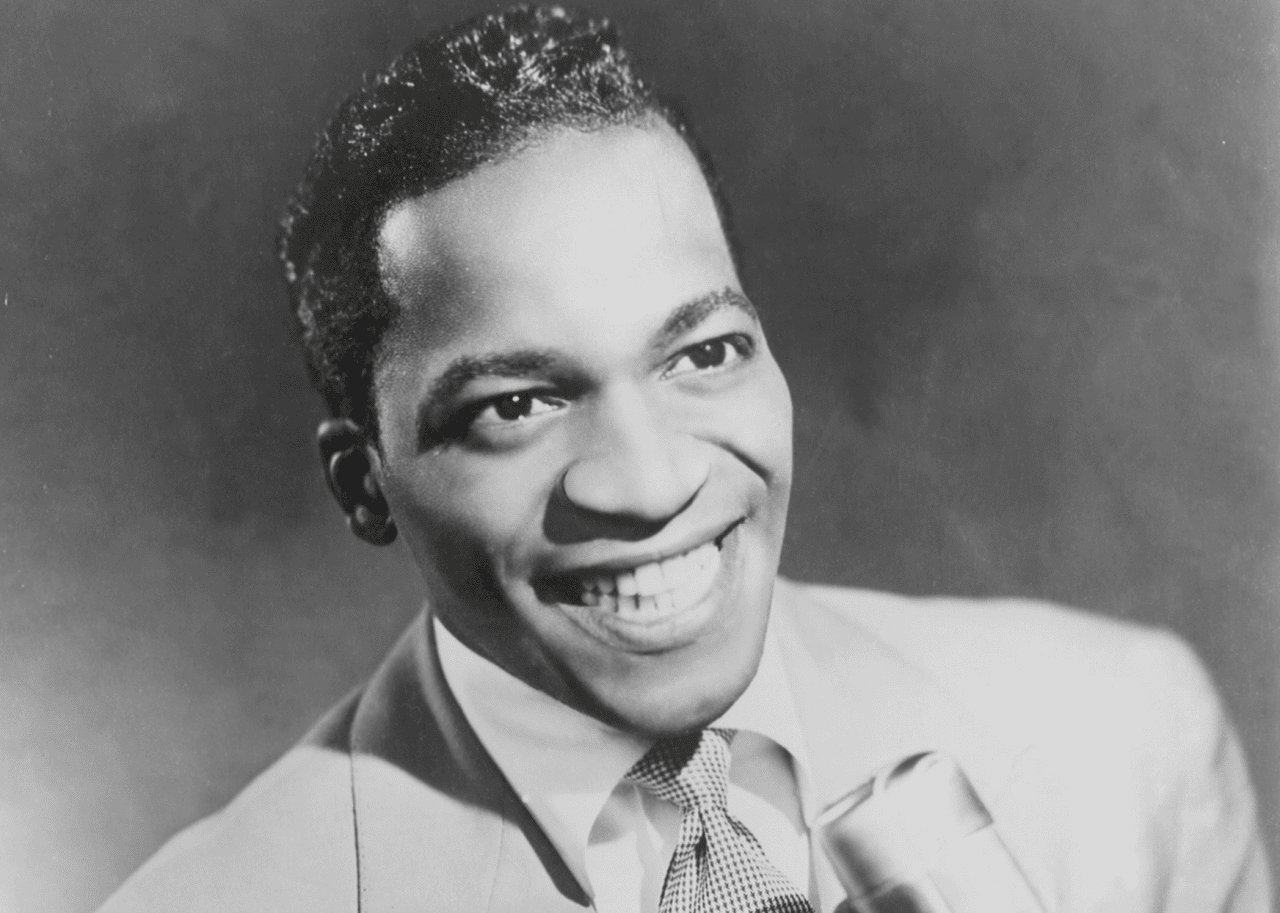
Although Bobby Lewis’ debut single sent him tossin’ and turnin’ to the top of the charts, once he tumbled down, he never got back up. The singer followed the biggest hit of 1961 with three more singles, none of which matched the success of “Tossin’ and Turnin’.”
DLindsley // Wikimedia Commons
#2. Hey Jude
– Artist: The Beatles
– Number of weeks at #1: 9
– Date first entered into Hot 100: Sept. 28, 1968
This Beatles ballad marked the first single released by the group’s then newly minted label, Apple Records. Written by Paul McCartney as a pick-me-up for John Lennon’s son, Julian, the song became the longest-charting single the Beatles ever released. The song remains a favorite among fans of the Fab Four, with a handwritten copy of the song’s lyrics going up for sale for $375,000 in 2018.
OTRR.org // Wikimedia Commons
#1. Theme from A Summer Place
– Artist: Percy Faith and His Orchestra
– Number of weeks at #1: 9
– Date first entered into Hot 100: February 22, 1960
Remarkably, the Beatles’ only match for chart length in the ’60s is this instrumental recording of a song from the 1959 film “A Summer Place.” Although the song marks Percy Faith’s only #1 hit, it won him the Grammy for Record of the Year in 1960.
More stories about chart-topping hits through the decades
Photos of 20 famous movie casts when their franchise started vs. when the latest movie came out
By
Cu Fleshman
16 min read • Published June 8, 2026
By
Cu Fleshman
16 min read • Published June 8, 2026
Dave Hogan // Getty Images and John Furniss // Getty Images
The stars of 20 iconic movie franchises when the first movie premiered vs. the last
When it comes to movie franchises, most people think of the sprawling Marvel Cinematic Universe, or perhaps the still-enchanting “Harry Potter” series. These days, franchises comprise most ticket sales at American movie theaters, but the movie franchise is hardly a new phenomenon.
Franchises, which include movie series that share titles, characters, and/or a fictional universe, have been around since the dawn of cinema. Take the 1931 hit “Frankenstein,” for instance. Universal Pictures’ early horror flick spawned “The Bride of Frankenstein,” “The Son of Frankenstein,” “The Ghost of Frankenstein,” and several other Frankenstein pics over more than a decade.
The origins of successful franchises vary widely. Some film series stemmed from a single, unexpected hit, like “The Terminator.” Other franchises made it big based on their characters or fascinating storylines. Then there are franchises that rely on the strength of their preexisting intellectual property (looking at you, Marvel).
No matter what led to a franchise’s success, chances are the films had the support of a strong, dare we say legendary, cast. These actors banded together to put their respective movies on the map, and while many casts have changed significantly over the years, certain central actors still return to the screen time and again to reprise their older roles.
To celebrate these stars, Stacker combed through cinematic history to find photos of the casts of 20 popular movie franchises, then compared images from the original movie premieres to photos from the most recent release. Read on to find out where your favorite film franchises started, and learn how the years have impacted these hit series.
United Artists/Courtesy of Getty Images
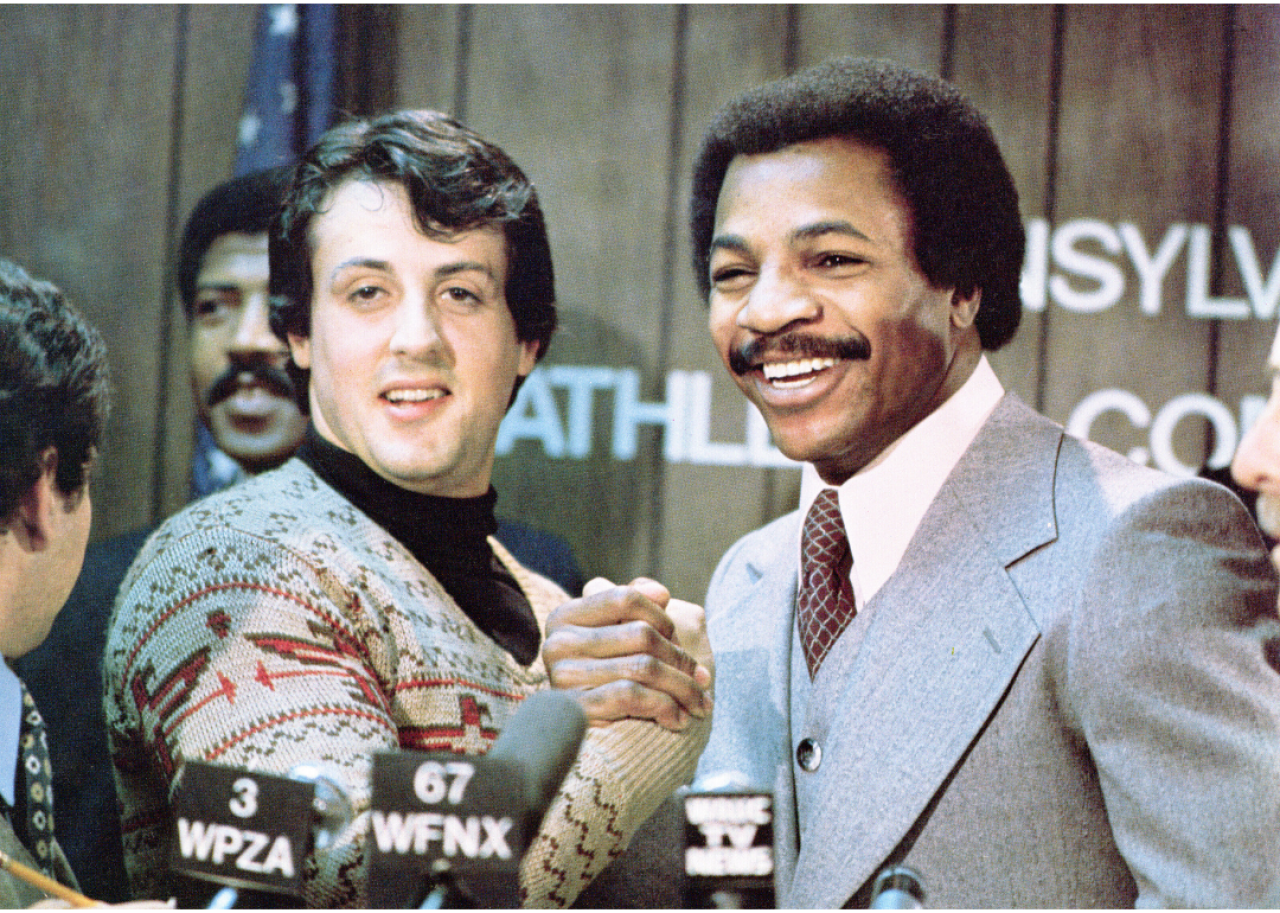
The ‘Rocky’ franchise: 1976
This rags-to-riches tale about a Philadelphia boxer’s shot at the big time parallels a real-life underdog story. Sylvester Stallone, who starred as Rocky Balboa and wrote the script, worked odd jobs for years—including a stint in adult entertainment—before he gathered enough financial and studio backing to make the film. “Rocky” became a near-instant classic and won three Academy Awards, including the Best Picture Oscar.
Daniel Zuchnik/WireImage // Getty Images
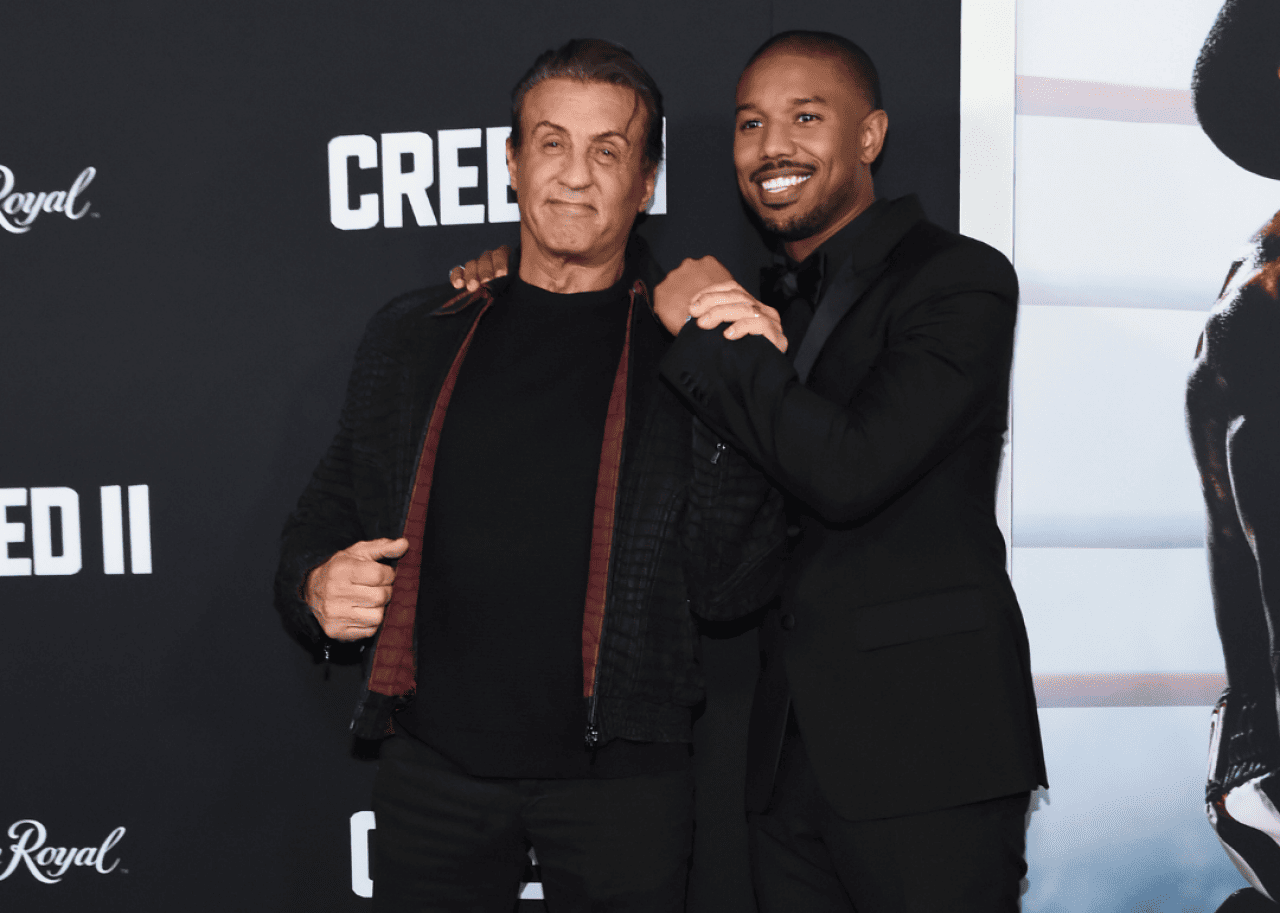
The ‘Rocky’ franchise: 2018
Stallone starred in seven more “Rocky” movies and most recently appeared in the 2018 release “Creed II,” which saw Rocky coaching new champ Adonis Creed (Michael B. Jordan). Though the franchise continues, Stallone bowed out of 2023’s “Creed III” due to creative differences and longstanding tensions with producer Irwin Winkler, who also helped create the earlier “Rocky” movies.
In a March 2025 interview, Winkler said Jordan will return to direct and star in “Creed IV,” with a script in development. Jordan confirmed in December 2025 that the film is still “eventually, definitely” happening.
Sunset Boulevard/Corbis via Getty Images
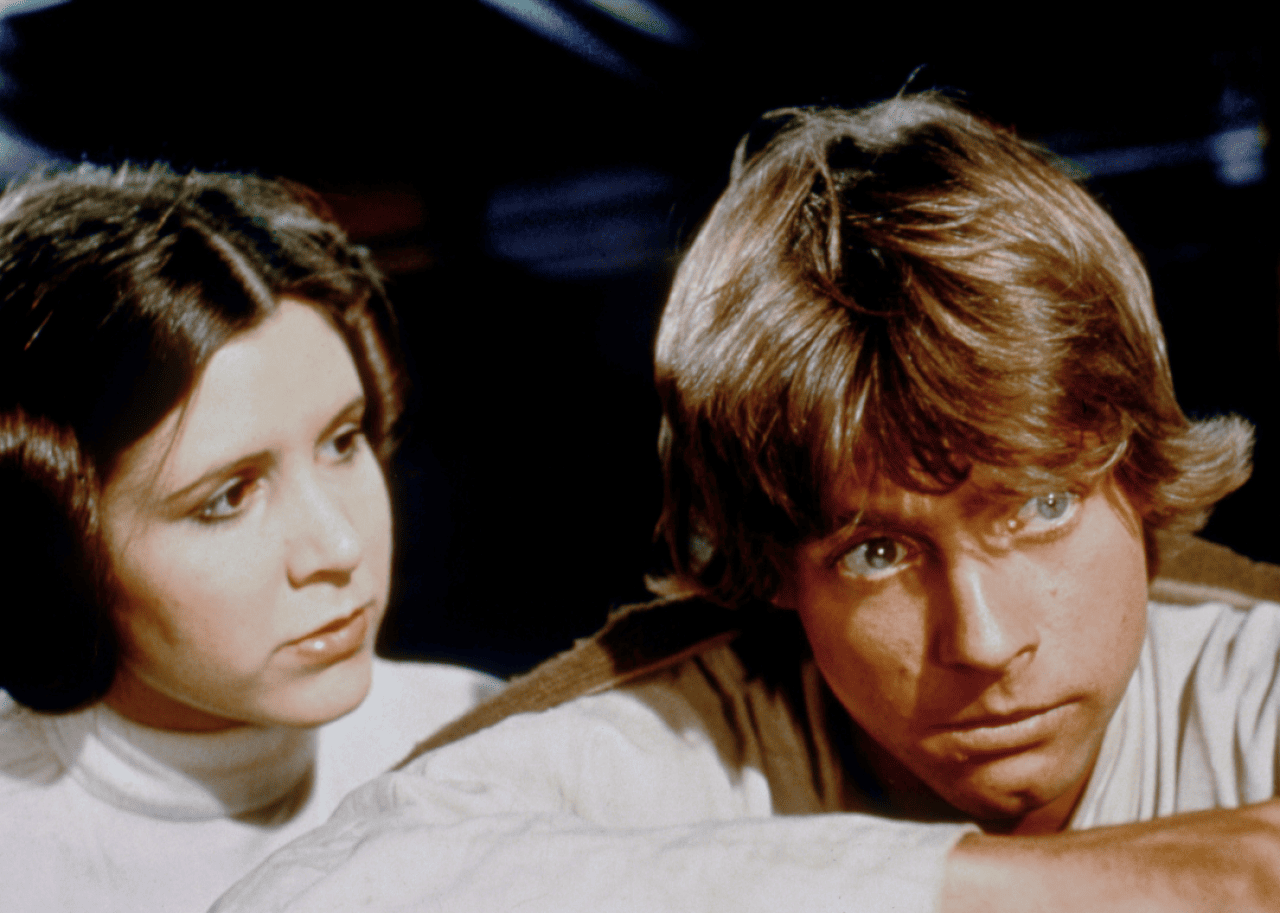
The ‘Star Wars’ franchise: 1977
At the request of Leia Organa (Carrie Fisher), a young Luke Skywalker (Mark Hamill) teams up with a ragtag group of rebels to save the galaxy from a powerful threat. Though some critics—in particular, those at The Wall Street Journal and New York Magazine—did not initially appreciate “Star Wars,” the movie launched director George Lucas and the rest of the cast into the spotlight. The first “Star Wars” remains a pioneering sci-fi classic, defining multiple generations of pop culture.
Rich Fury // Getty Images
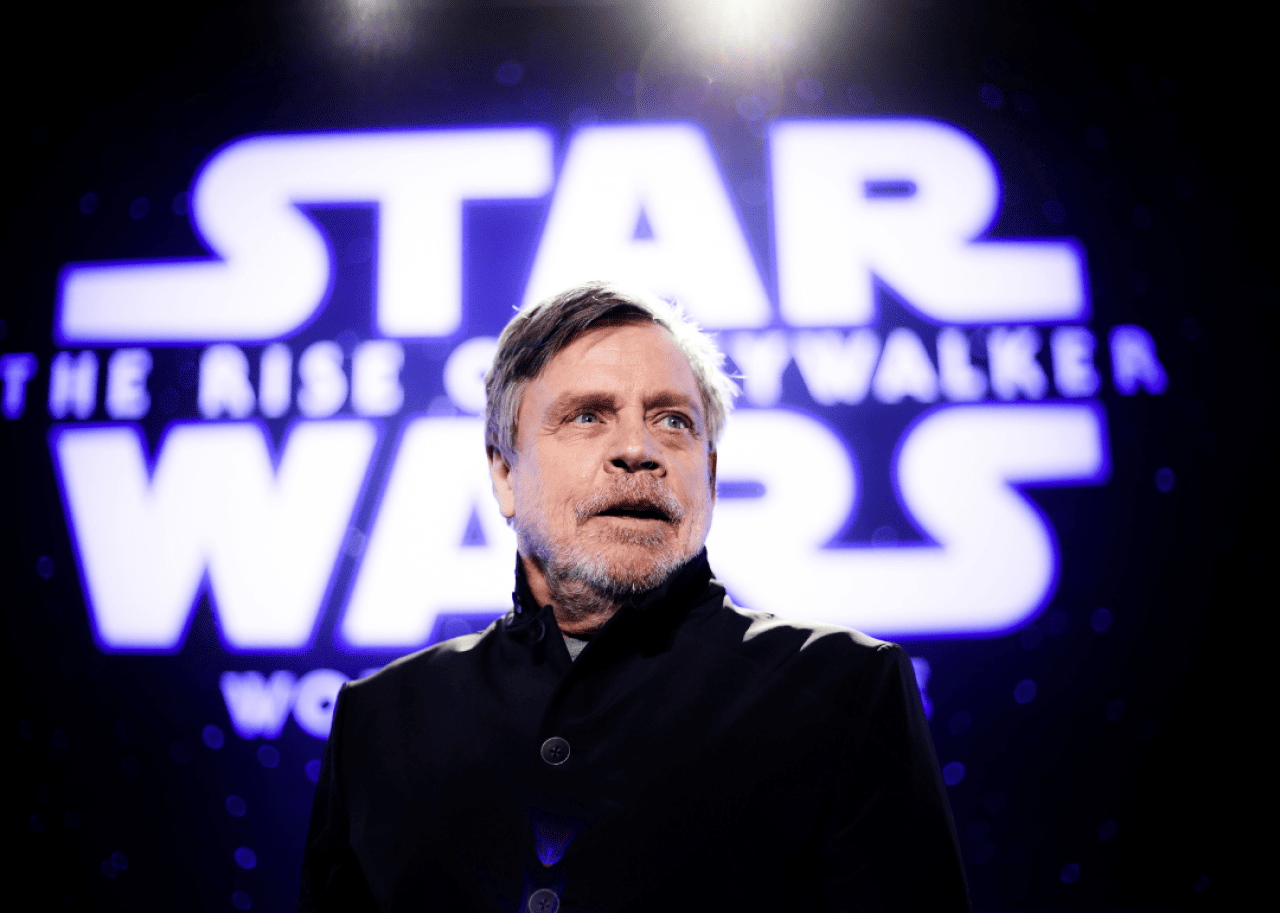
The ‘Star Wars’ franchise: 2019
No less than 11 more movies and over 20 TV shows followed “Star Wars,” which has been retitled “Star Wars: Episode IV – A New Hope.” Disney acquired rights to the franchise in 2012 after purchasing George Lucas’ production company, Lucasfilm, and new installments continue to be released. Dave Filoni and Lynwen Brennan took over as Lucasfilm co-presidents in January 2026 following Kathleen Kennedy’s departure. As for the franchise itself, the film “The Mandalorian and Grogu” premiered in May 2026, with “Star Wars: Starfighter” planned for 2027.
Compass International Pictures/Sunset Boulevard/Corbis via Getty Images
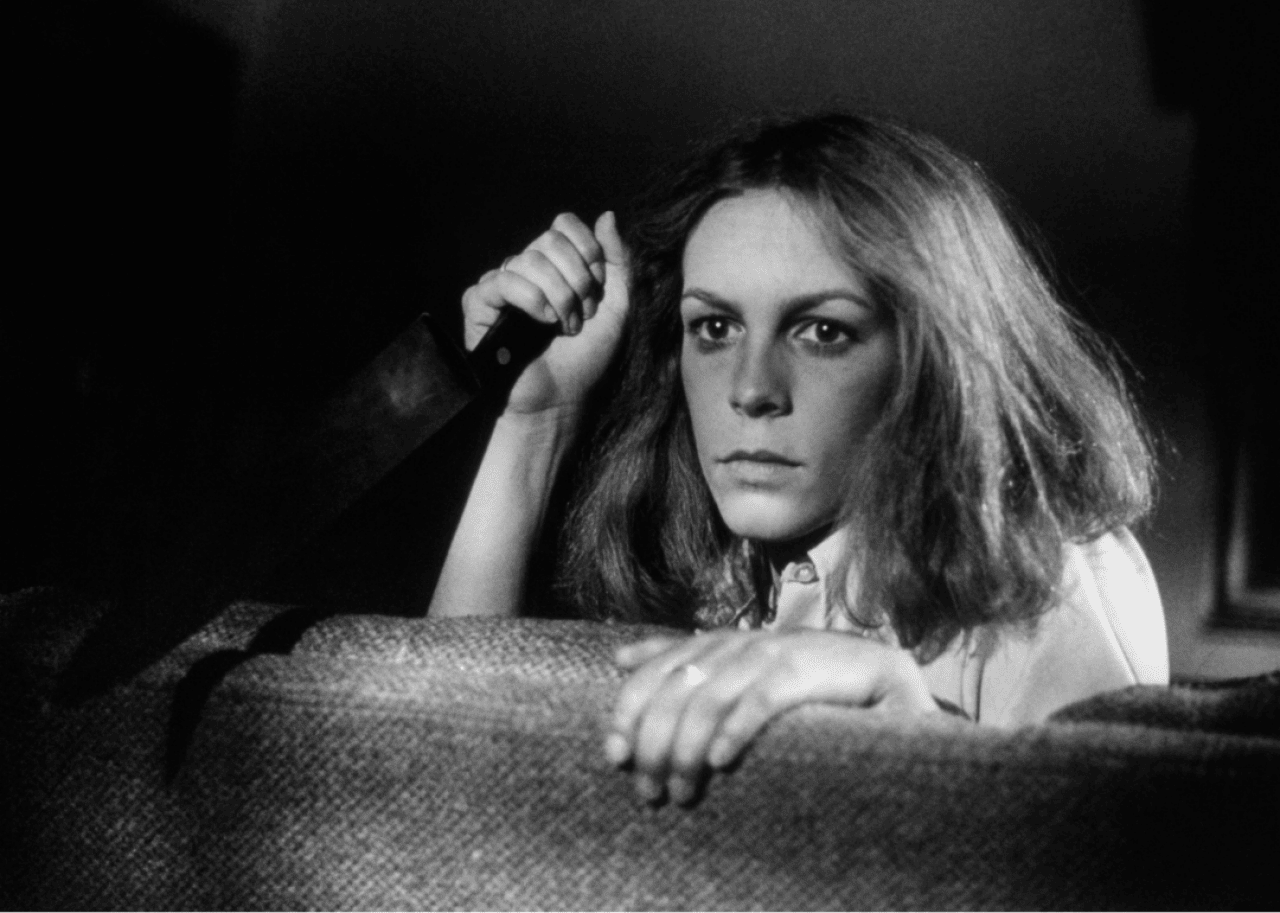
The ‘Halloween’ franchise: 1978
Starring Jamie Lee Curtis in one of her most memorable roles, “Halloween” revolutionized the slasher movie genre and has become a long-lasting horror favorite. The original John Carpenter film sees Michael Myers (Tony Moran) don his now-famous mask to terrorize several teenage girls, among them Curtis’ Laurie Strode. Ruthlessly economical in its storytelling, which offers no motivations for Myers’ killing spree, the movie still frightens many viewers today.
Jon Kopaloff // Getty Images
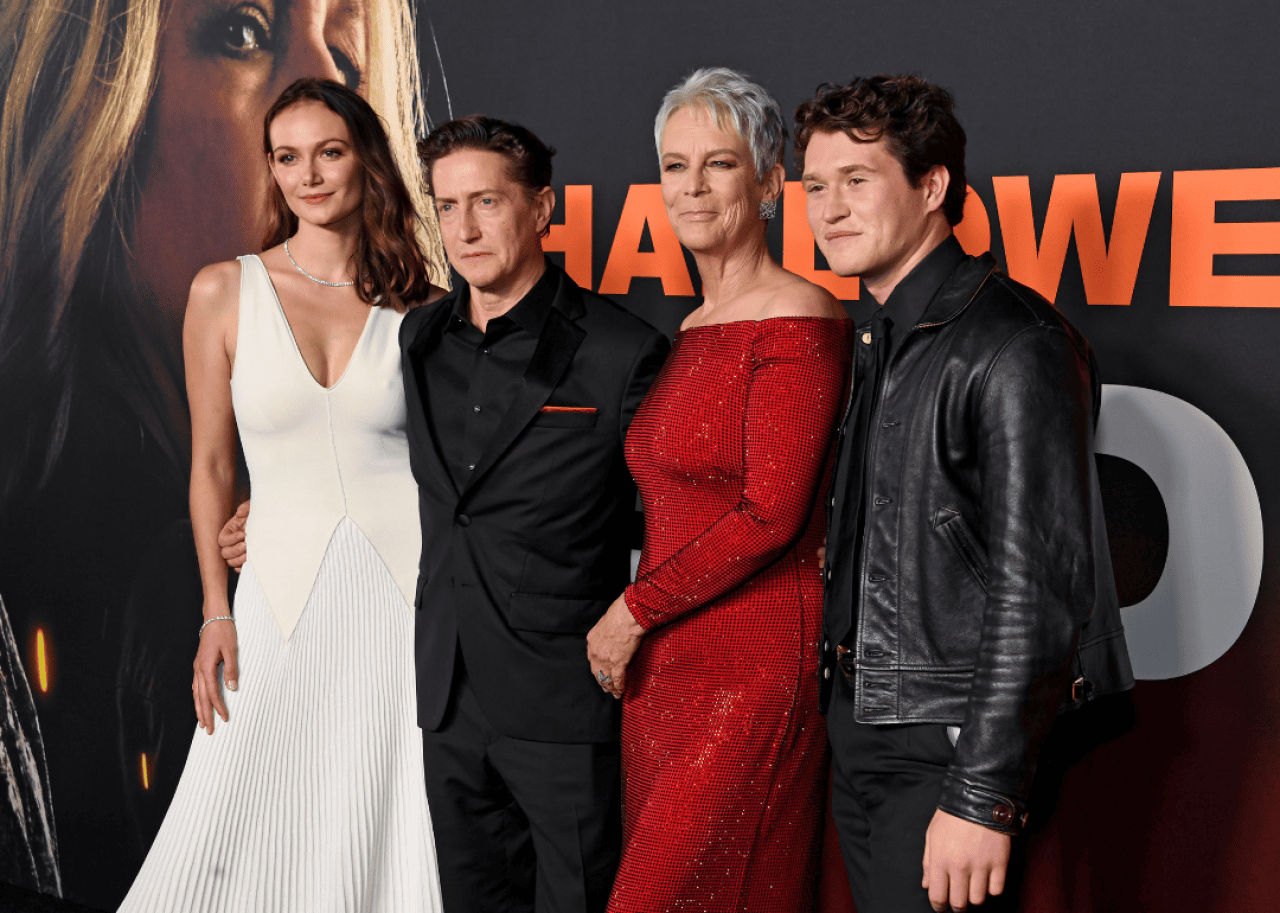
The ‘Halloween’ franchise: 2022
The “Halloween” franchise now consists of 13 movies, many of which star original cast member Curtis. The franchise has also featured a rotating assortment of newer stars, including actors Andi Matichak and Rohan Campbell, who appeared in 2022’s “Halloween Ends.” Still, as Carpenter did not return to direct any of the sequels, many die-hard (no pun intended) “Halloween” fans say the follow-ups can’t hold a candle to the original. In March 2024, Miramax bought the TV rights to “Halloween,” with a promise to keep the franchise going.
Sunset Boulevard/Corbis via Getty Images
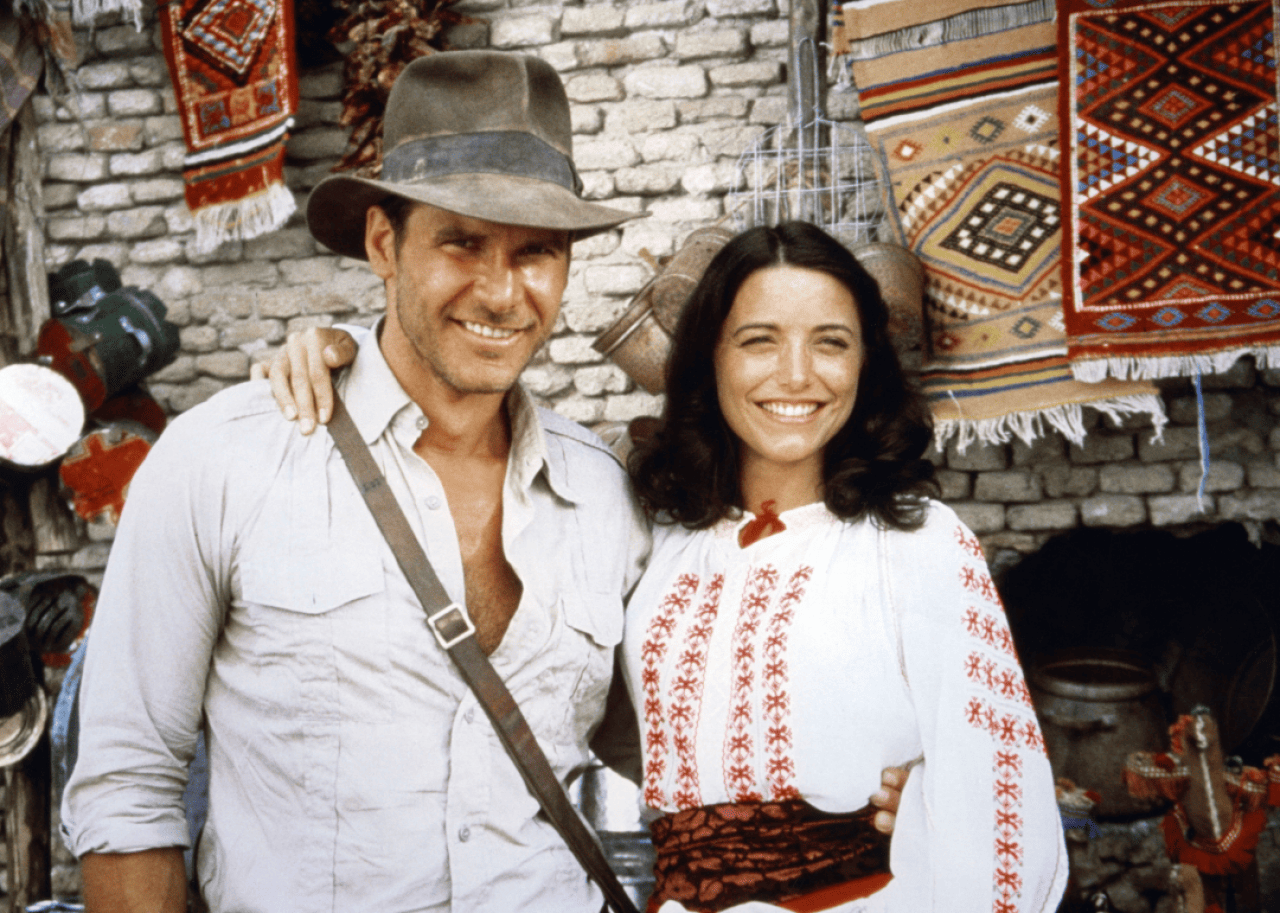
The ‘Indiana Jones’ franchise: 1981
Director Steven Spielberg introduced audiences to daredevil archeologist Indiana Jones (Harrison Ford) for the first time in 1981’s “Raiders of the Lost Ark.” On his 1936 quest to find the long-lost Ark of the Covenant, Jones faces off against a group of Nazis and kindles a romance with Marion Ravenwood (Karen Allen), the daughter of a fellow archaeologist. Jones’ escapades won over audiences to the tune of $168 million at the domestic box office, making “Raiders of the Lost Ark” the top-grossing film of 1981.
Vittorio Zunino Celotto // Getty Images
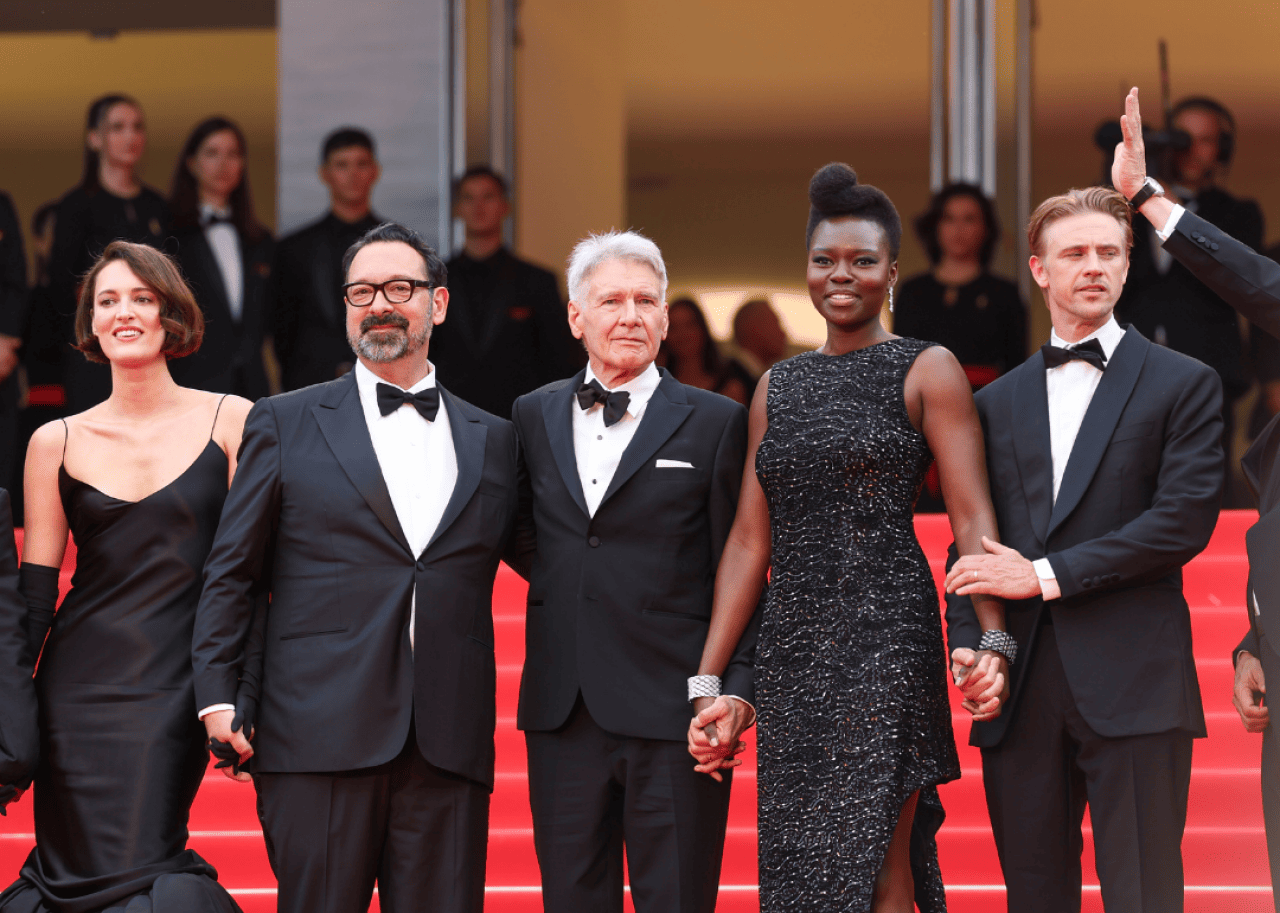
The ‘Indiana Jones’ franchise: 2023
Spielberg ultimately directed three more “Indiana Jones” films, including the divisive “Indiana Jones and the Kingdom of the Crystal Skull.” However, James Mangold took the reins for the franchise’s fifth installment, 2023’s “Indiana Jones and the Dial of Destiny.” Ford has returned for all subsequent sequels and starred alongside Phoebe Waller-Bridge, Shaunette Renée Wilson, Boyd Holbrook, and Mads Mikkelsen in “Dial of Destiny,” featuring a cameo from Allen.
Frederic meylan/Sygma via Getty Images
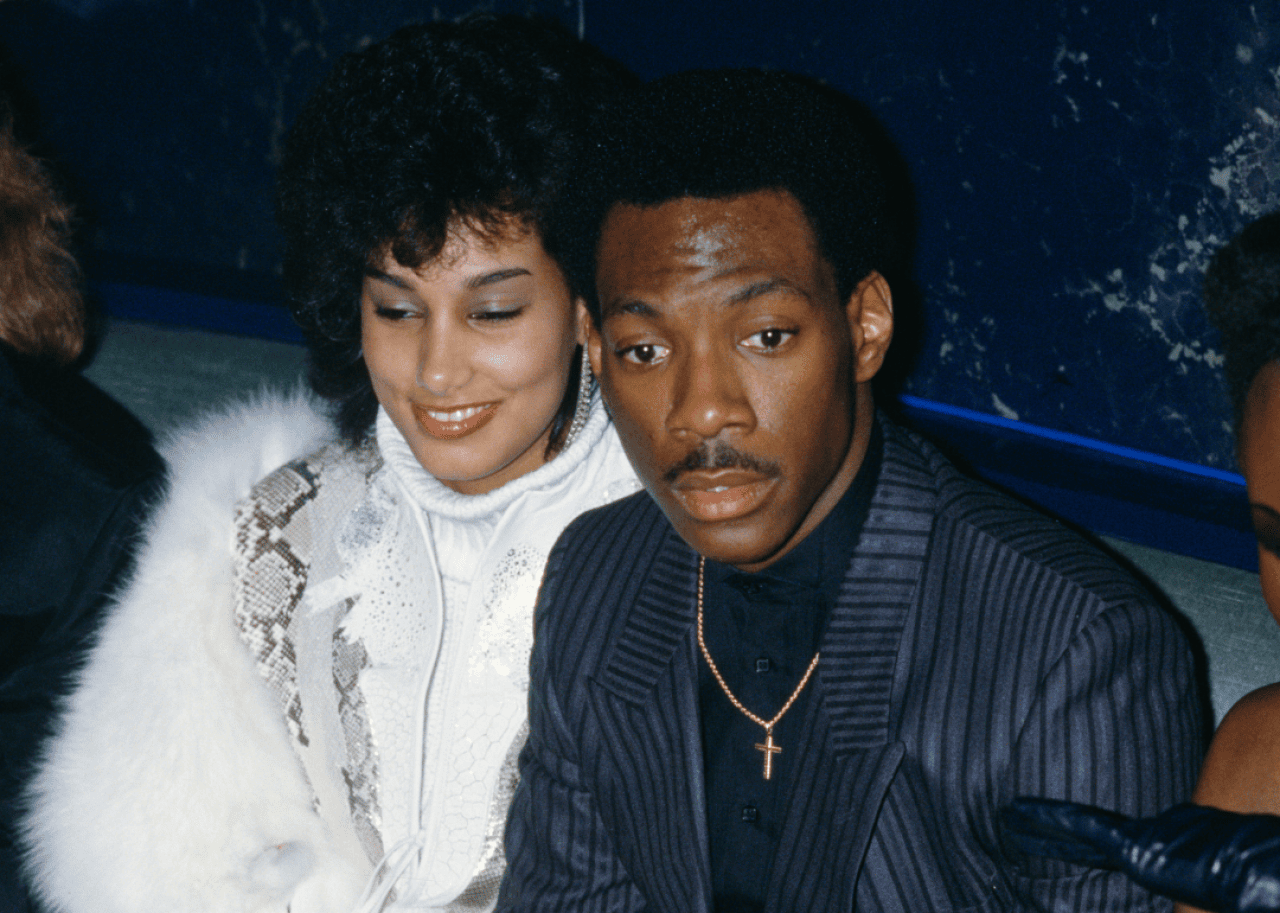
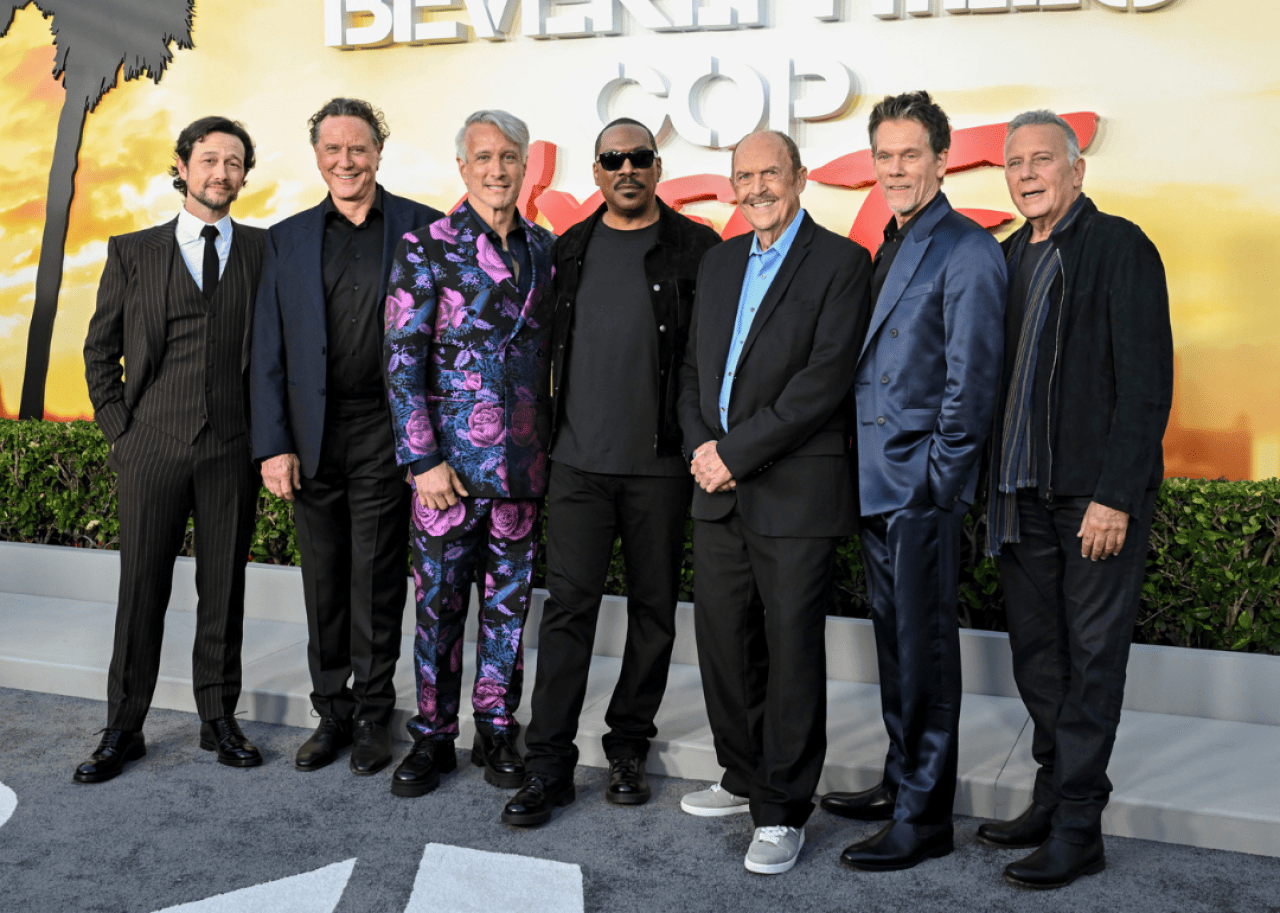
The ‘Beverly Hills Cop’ franchise: 1984
Though Eddie Murphy’s career had been gathering steam for years before the 1984 premiere of “Beverly Hills Cop,” the film all but ensured his movie-star status. Murphy stars as streetwise Detroit cop Axel Foley, who dives into the glitz and glam of Beverly Hills to investigate his best friend’s murder. Both critics and audiences raved about “Beverly Hills Cop,” and the movie earned more than $316 million globally.
Gilbert Flores/Variety via Getty Images
The ‘Beverly Hills Cop’ franchise: 2024
Forty years and three more movies later, Murphy has continued to turn in winning performance after winning performance as Axel, who has evolved from a devil-may-care youngster to a protective parent (without losing his signature sense of humor, of course). Murphy last played Axel in 2024’s “Beverly Hills Cop: Axel F” and says plans for a fifth film with producer Jerry Bruckheimer are moving ahead; however, longtime franchise star John Ashton passed away in September 2024.
Sunset Boulevard/Corbis via Getty Images
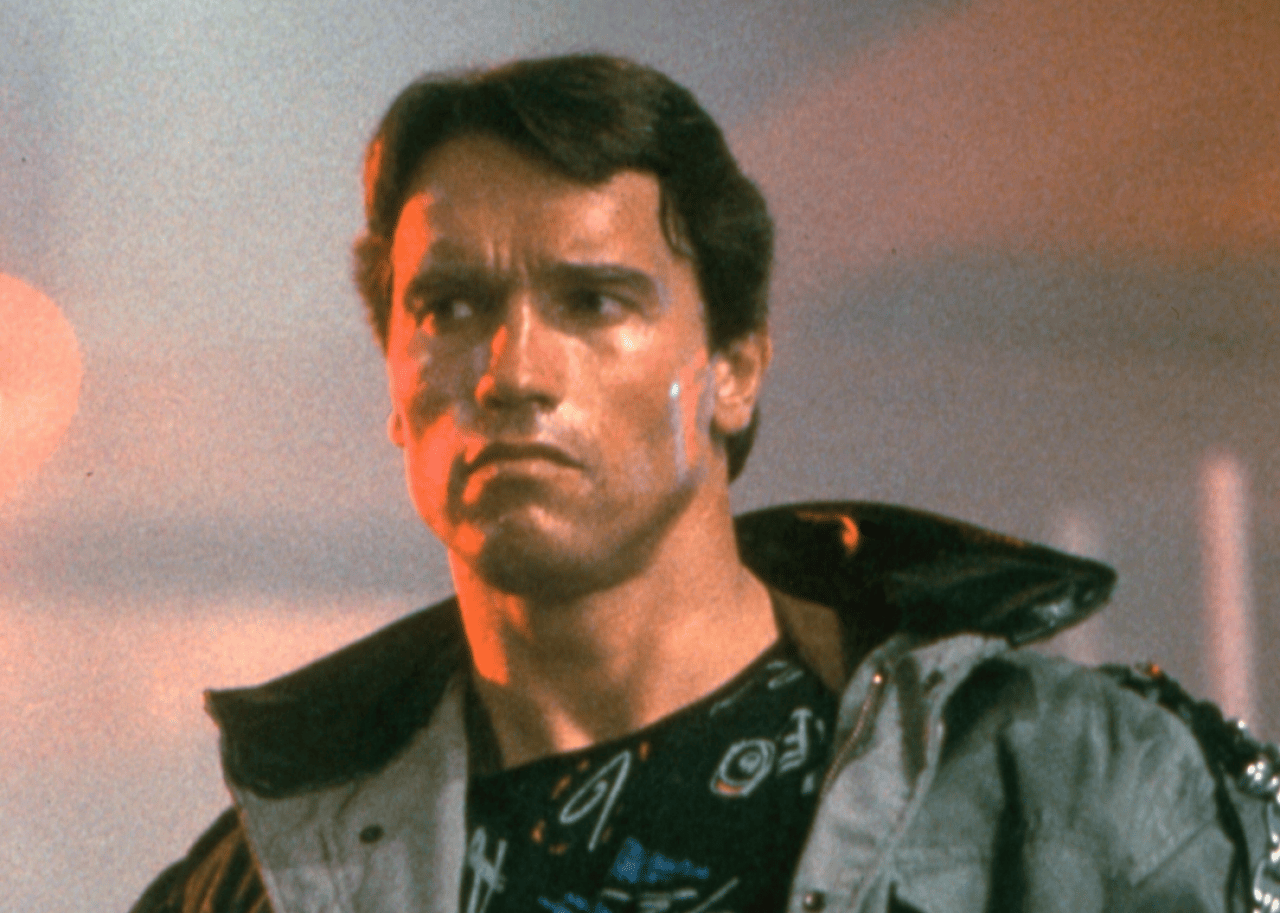
The ‘Terminator’ franchise: 1984
Killer robot movies featuring abundant CGI are nothing new these days, but when “The Terminator” premiered in 1984, James Cameron’s film took theaters by storm. The movie owes at least some of its success to Arnold Schwarzenegger’s unparalleled performance as the titular cyborg. To prepare for the role, Schwarzenegger taught himself how to expertly handle firearms… and took out an insurance policy on his eyebrows.
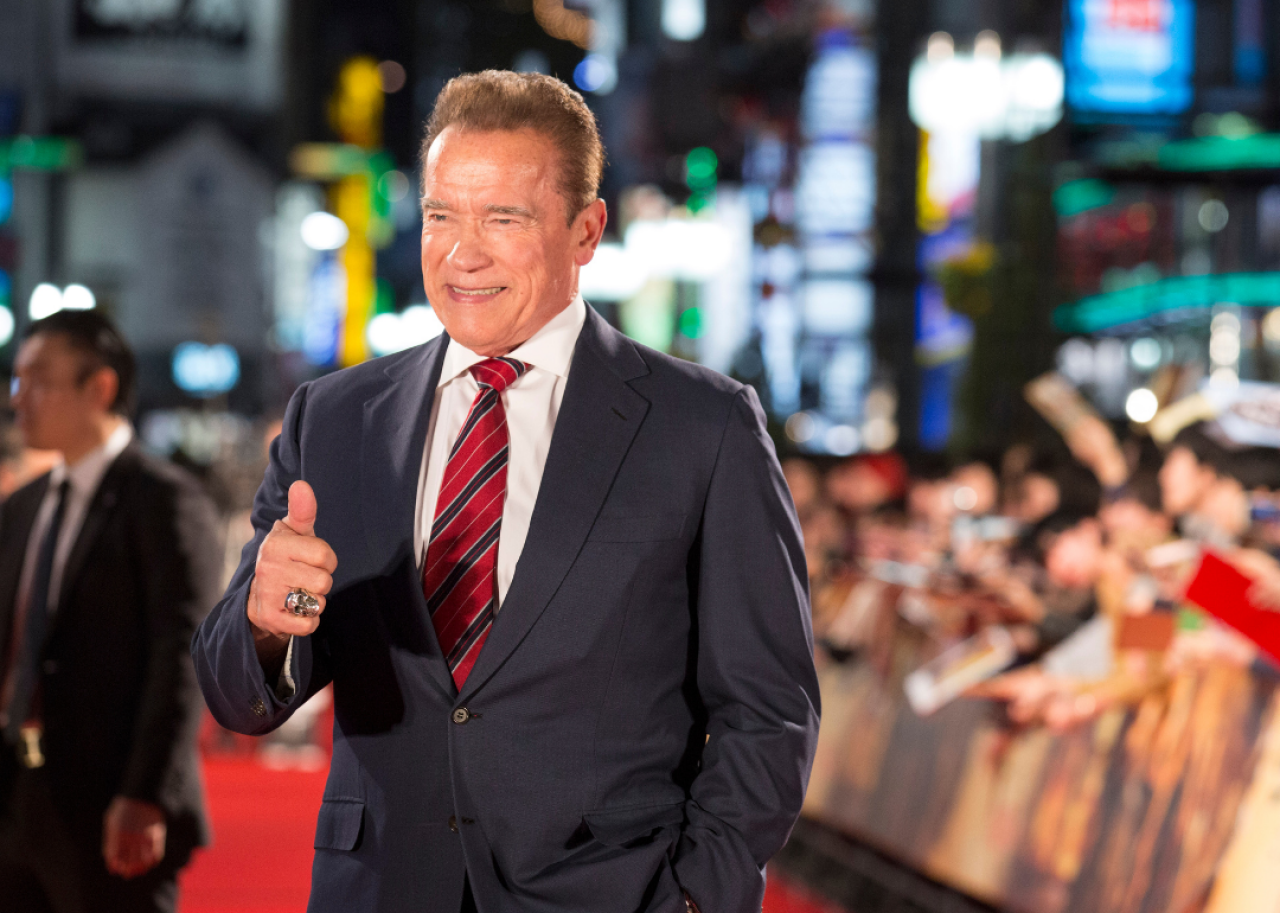
Yuichi Yamazaki/Getty Images
The ‘Terminator’ franchise: 2019
Though the first movie became a modest box-office hit, grossing around $78 million globally, there was little indication at the time that “The Terminator” would give rise to a massive franchise. The series now includes a TV show and six films, the latest of which, “Terminator: Dark Fate,” premiered in 2019. Schwarzenegger continues to return as the Terminator—perhaps appropriate for an actor who so famously uttered the words, “I’ll be back.” Hamilton, meanwhile, said in February 2024 that she was done with the franchise, so we likely won’t see her in any of the future films that Cameron has planned.
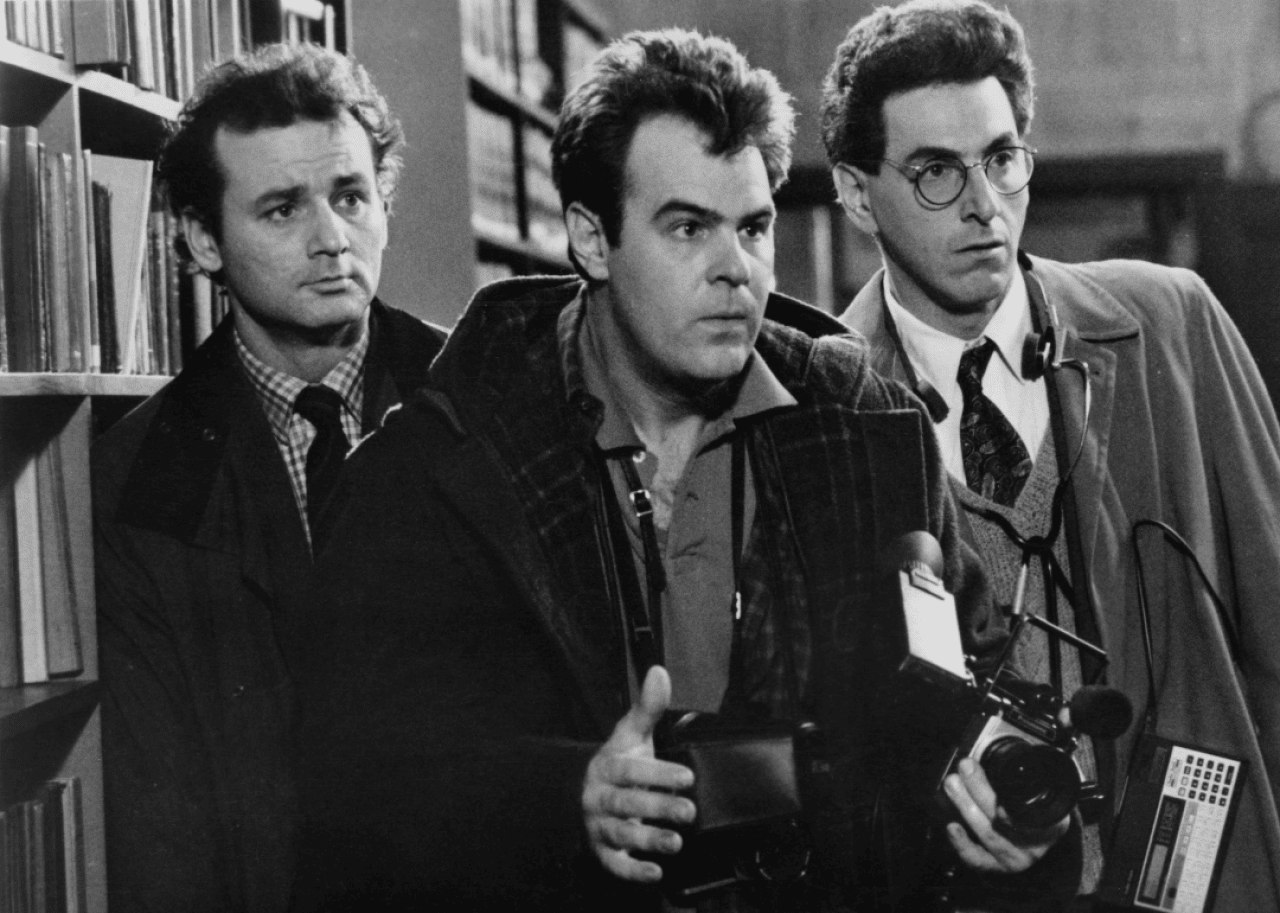
Columbia Pictures/Archive Photos // Getty Images
The ‘Ghostbusters’ franchise: 1984
Featuring a winning mix of comedy, fantasy, and action, not to mention one of the catchiest movie theme songs ever written, “Ghostbusters” quickly picked up a massive following after its premiere. In fact, “Ghostbusters” beat out “Indiana Jones and the Temple of Doom” and “Gremlins” to reach #1 at the domestic box office in 1984. Bill Murray, Dan Aykroyd, Harold Ramis, and Ernie Hudson star as four paranormal exterminators who band together to defend New York City from the undead.
Dimitrios Kambouris // Getty Images
The ‘Ghostbusters’ franchise: 2024
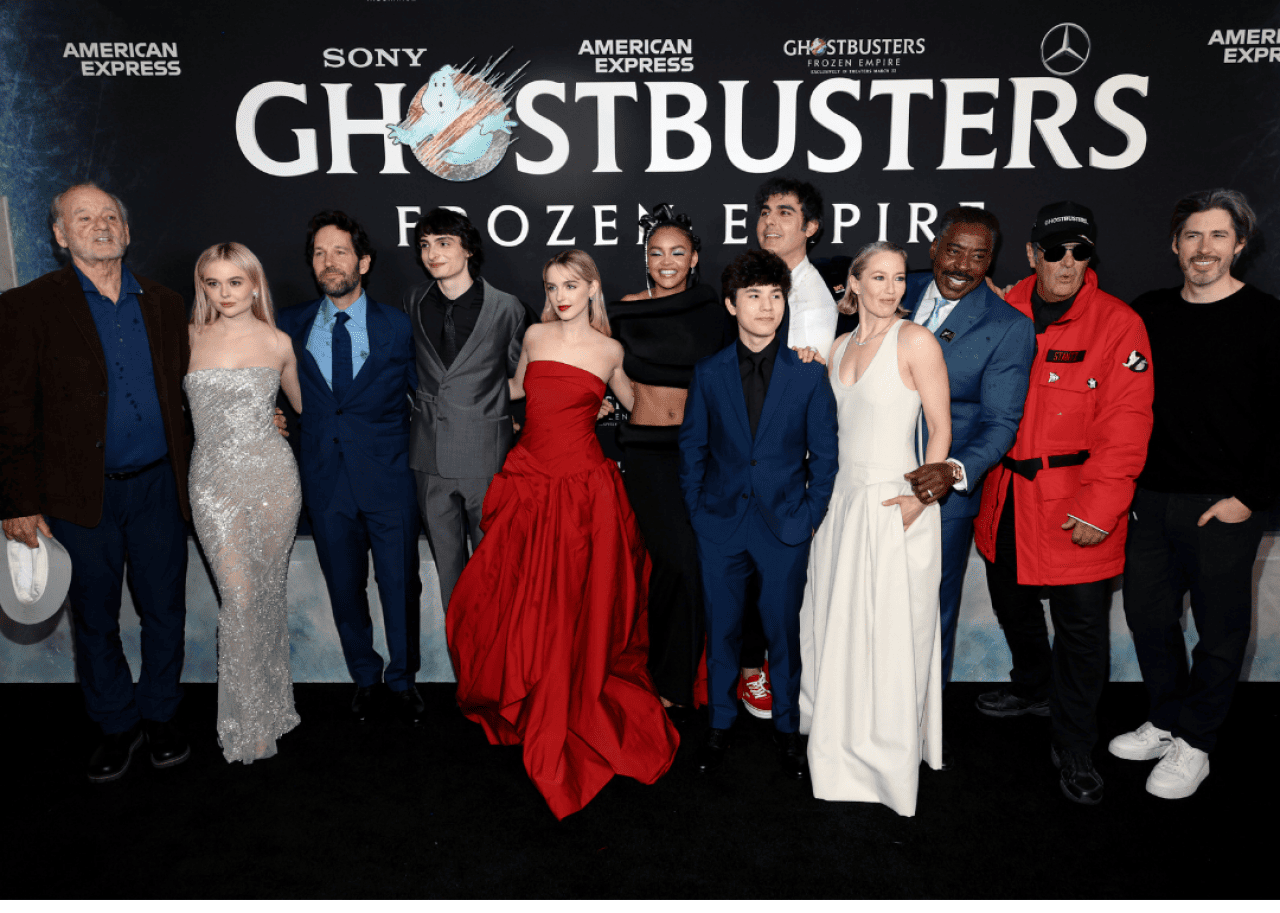
Though Ramis passed away in 2014, Murray, Aykroyd, and Hudson continue to appear in “Ghostbusters” movies, with new stars like Finn Wolfhard and Paul Rudd by their side. Despite middling critical reviews, 2024’s “Ghostbusters: Frozen Empire” performed well at the box office. The franchise’s fourth film raked in more than $200 million globally to become one of the year’s top releases. It’s perhaps no surprise, then, that director Gil Kenan confirmed in October 2024 that more films were in the works.
Ron Galella, Ltd./Ron Galella Collection via Getty Images
The ‘Top Gun’ franchise: 1986
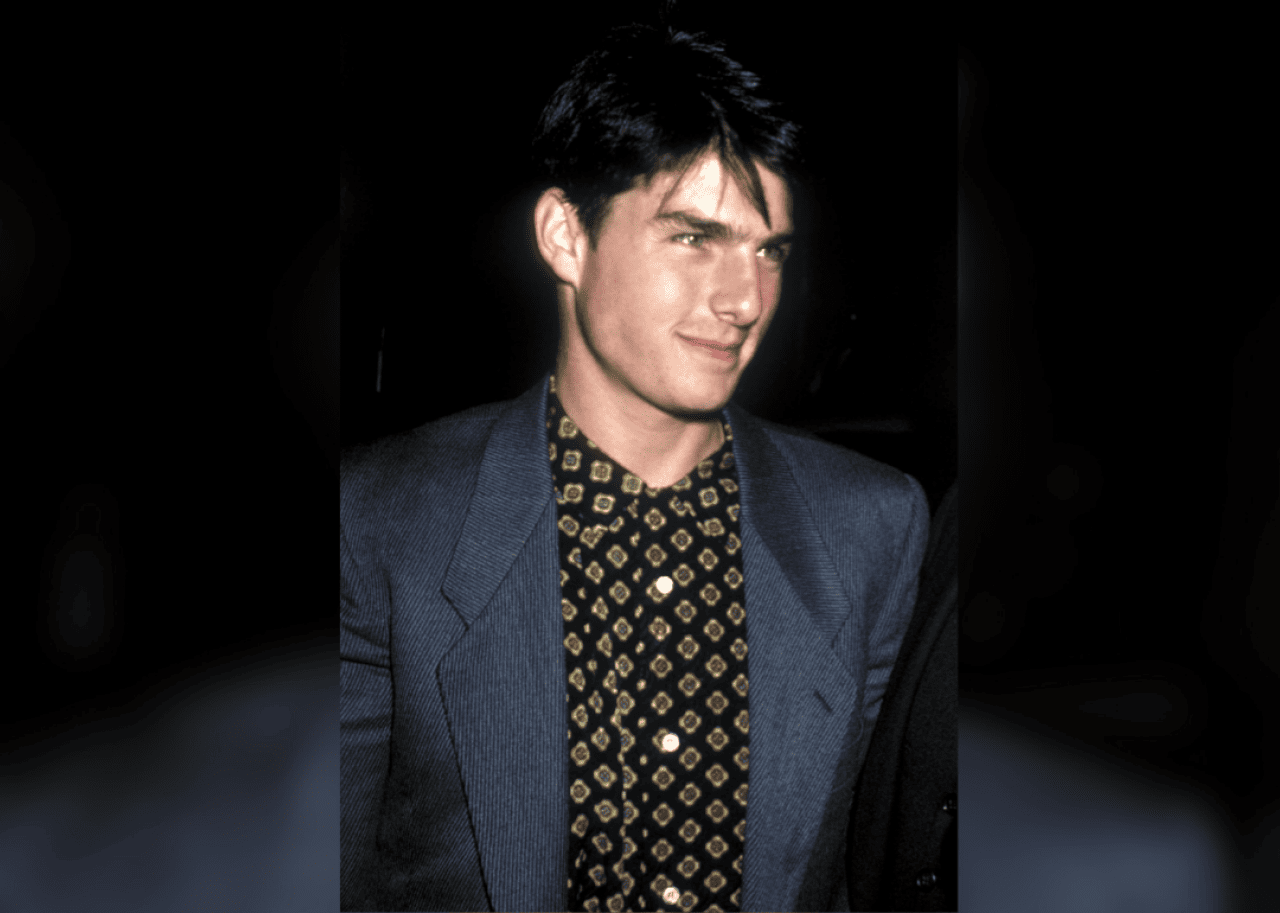
A 24-year-old Tom Cruise starred in “Top Gun” as hotheaded fighter pilot Maverick, who quickly butts heads with the more experienced Iceman (Val Kilmer). Remembered for its impressive stunt work, the movie also has an iconic soundtrack featuring “Take My Breath Away,” which won the Academy Award for Best Original Song in 1987.
ristan Fewings/Getty Images for Paramount Pictures
The ‘Top Gun’ franchise: 2022
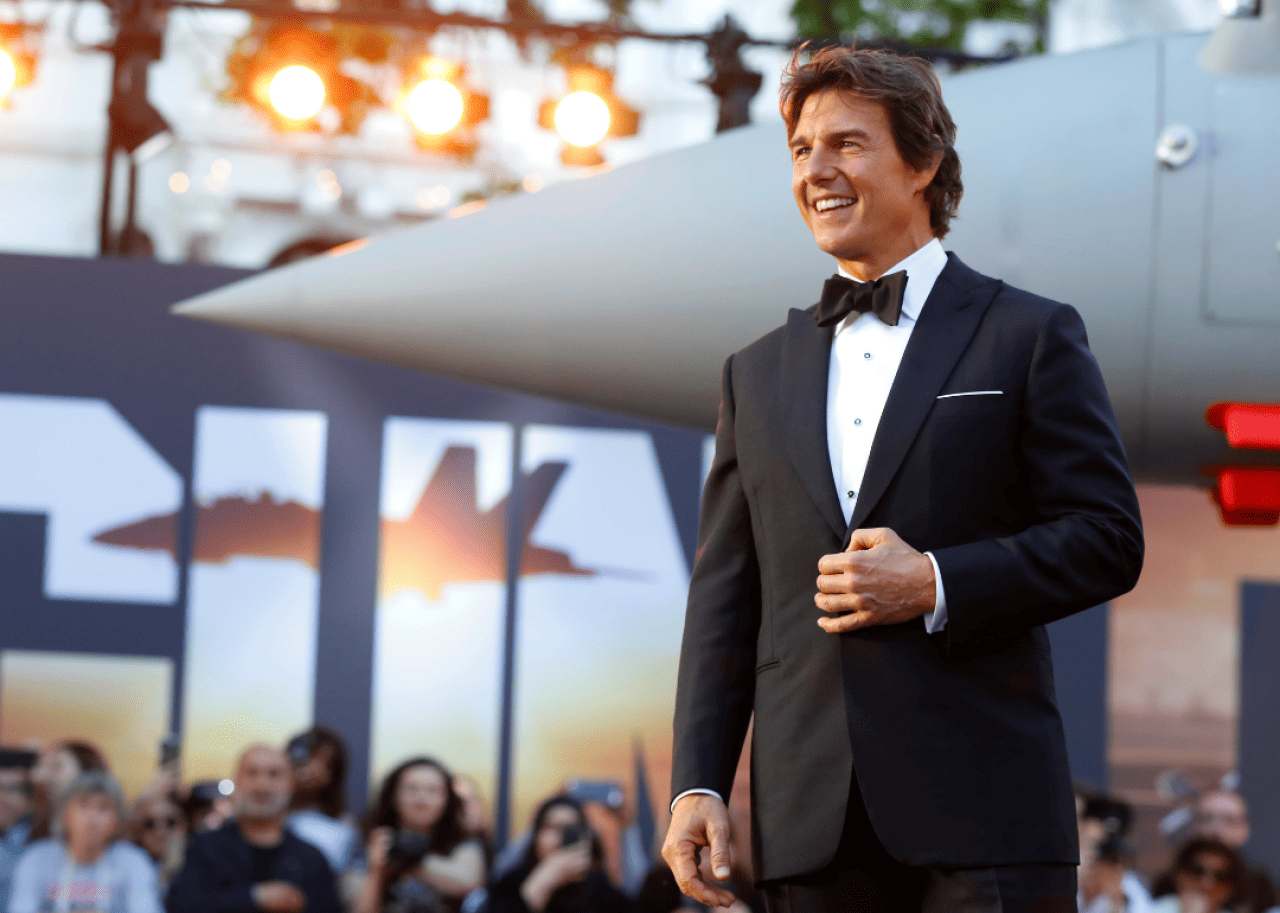
More than 30 years later, Cruise donned Maverick’s flight suit once again to star in “Top Gun: Maverick.” This 2022 movie packs in even more dizzying aerobatic tricks and another memorable track: Lady Gaga’s Oscar-nominated “Hold My Hand.” Despite the lengthy time period between the first and second movies, a third “Top Gun” is in the works, with “Maverick” director Joseph Kosinski telling GQ in June 2025 that there’s “one last ride” for Cruise’s character in a script written by Ehren Kruger. Paramount’s Dana Goldberg reiterated that “‘Top Gun’ is a priority for us” in August 2025.
Sunset Boulevard/Corbis via Getty Images
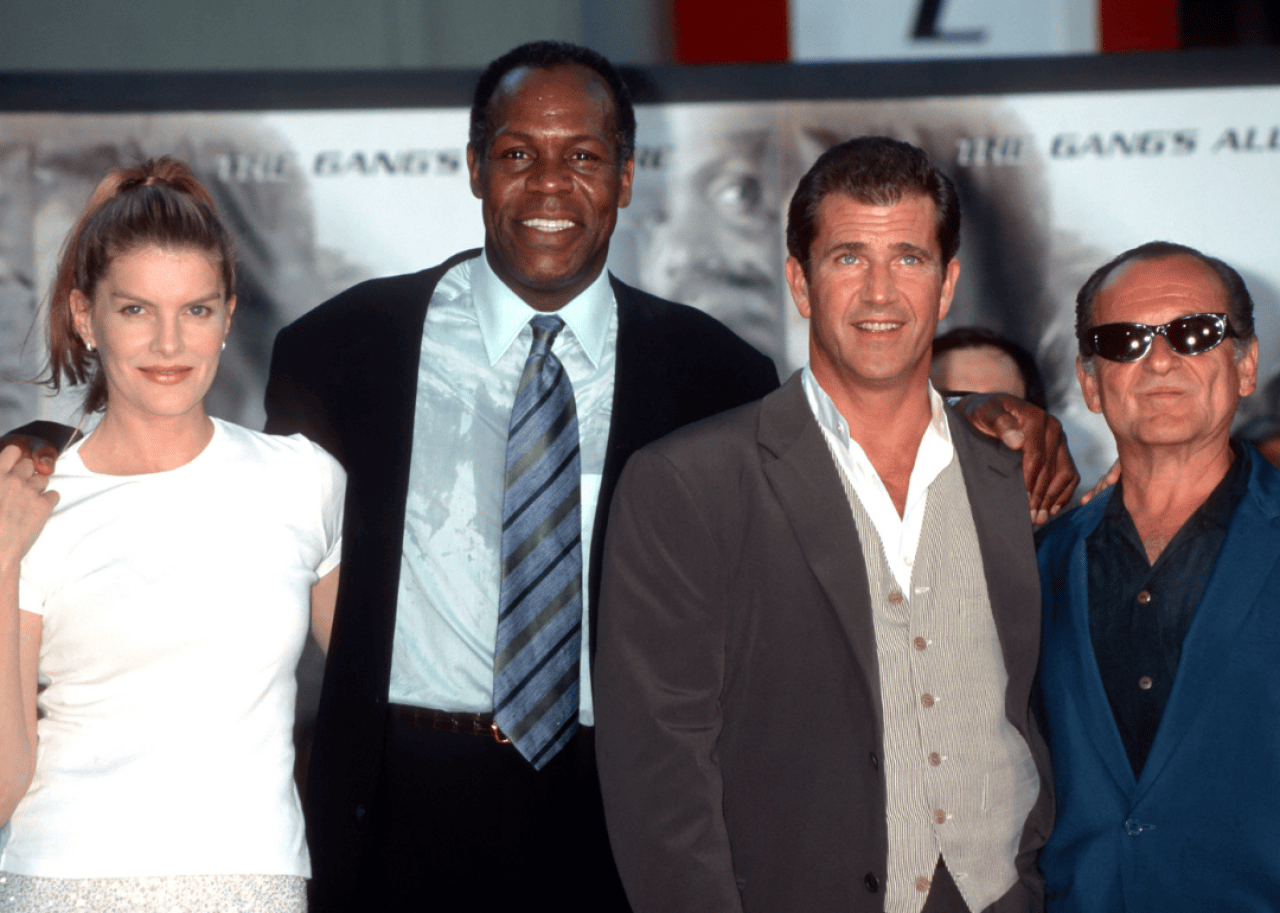
The ‘Lethal Weapon’ franchise: 1987
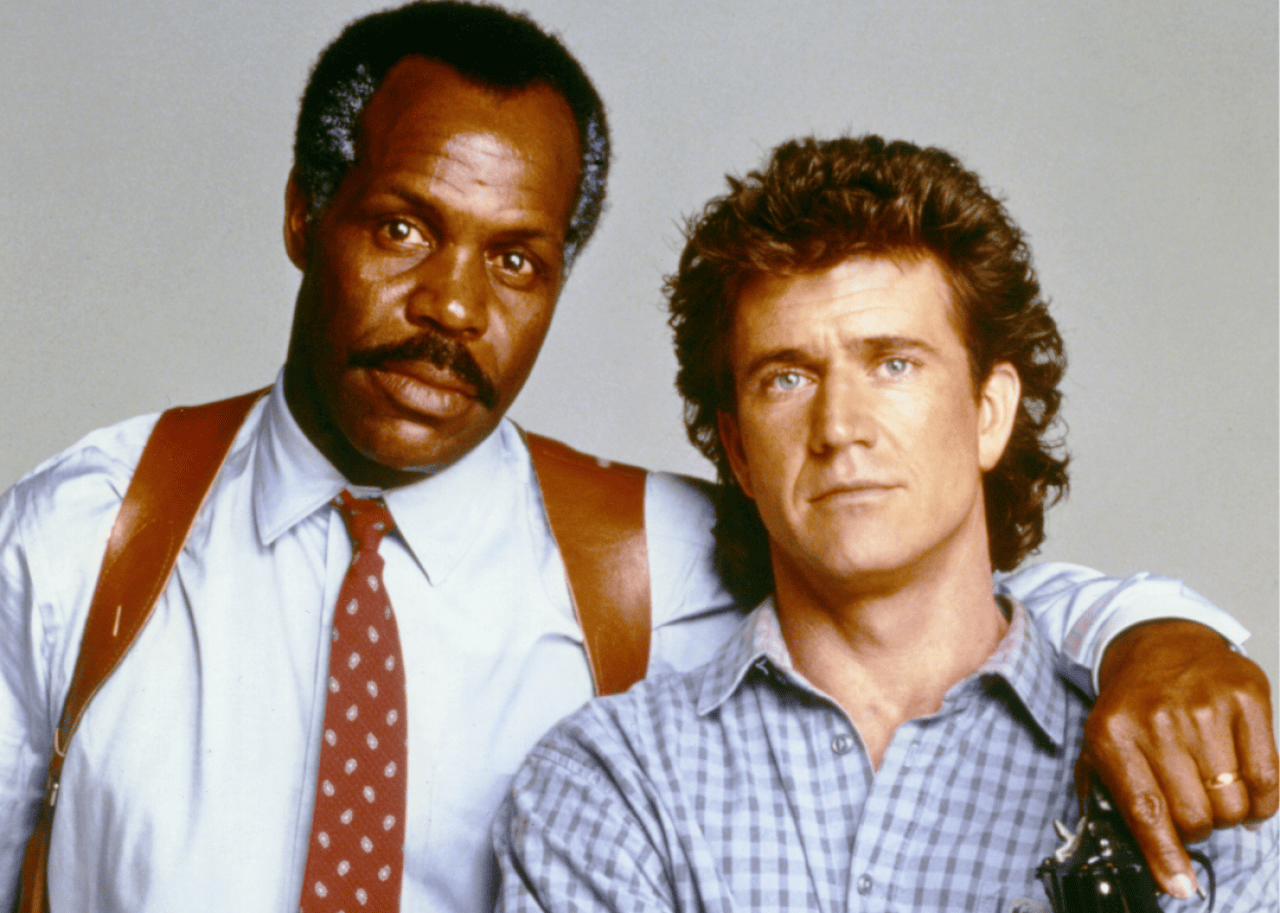
The buddy-cop movie “Lethal Weapon” has stood the test of time mainly thanks to the on-screen dynamics between stars Mel Gibson and Danny Glover. The two play a mismatched pair of Los Angeles police officers who must learn how to overcome their differences and function as partners. “Lethal Weapon” became a box-office sensation in 1987, grossing over $120 million worldwide against a $15 million budget.
Ron Galella, Ltd./Ron Galella Collection via Getty Images
The ‘Lethal Weapon’ franchise: 1998
Glover and Gibson teamed up for three more movies, the latest of which, “Lethal Weapon 4,” premiered in 1998. A three-season TV show starring Damon Wayans and Clayne Crawford also ran from 2016 to 2019. More than 25 years after “Lethal Weapon 4,” fans may yet see “Lethal Weapon 5” hit theaters, as Gibson confirmed in 2024 that he plans to work on the next movie. As for Glover’s potential involvement, it’s probably a good sign that he made a surprise appearance at a fan convention panel with Gibson in February 2025.
20th Century-Fox // Getty Images
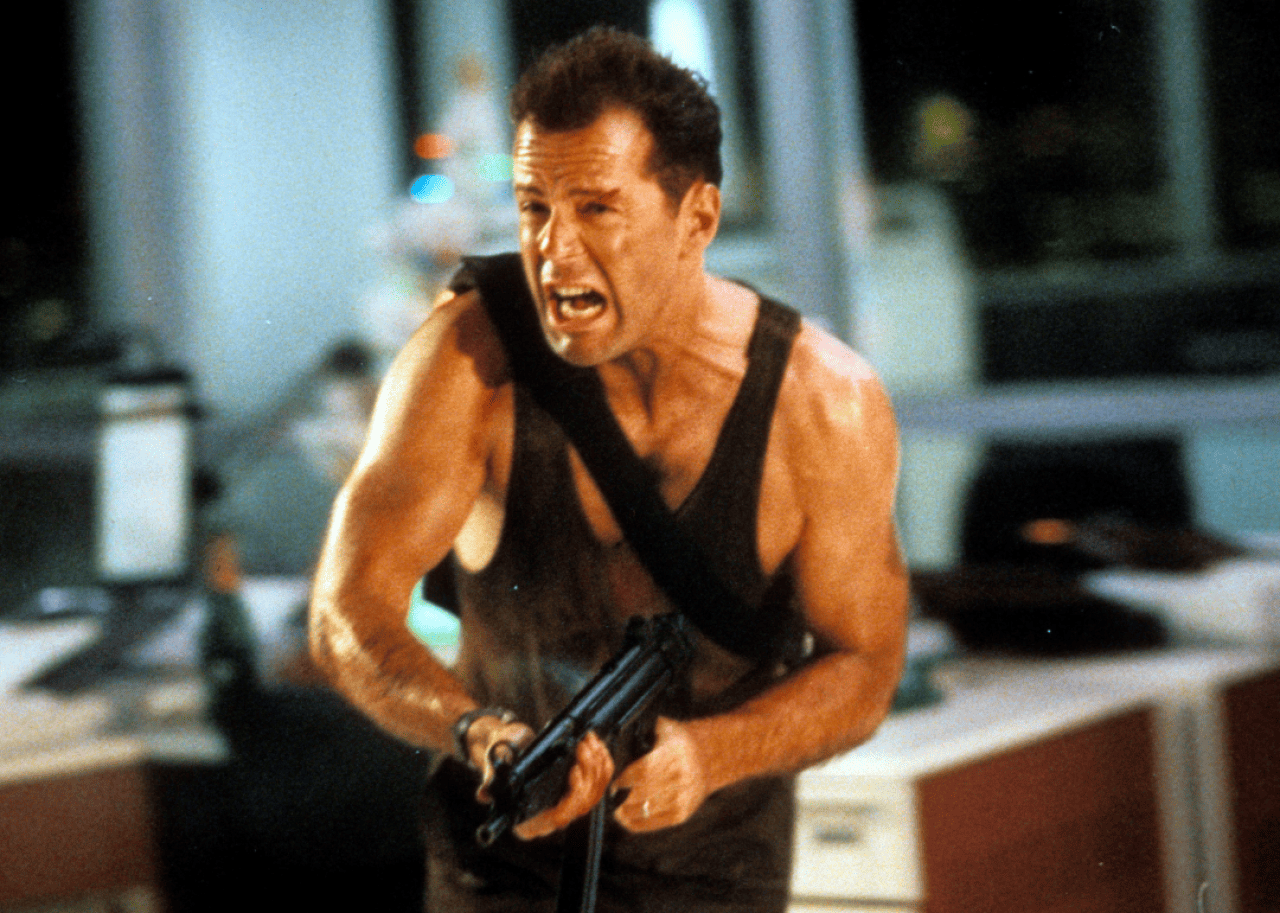
The ‘Die Hard’ franchise: 1988
Based on the 1979 novel “Nothing Lasts Forever,” “Die Hard” stars Bruce Willis as New York cop John McClane, who faces off against terrorist Hans Gruber (Alan Rickman) in the skyscraper Nakatomi Plaza. Between the movie’s stellar acting, expert comedic timing, and fast-paced fight scenes, “Die Hard” has become an action classic. The film also has no shortage of highly quotable, profanity-laced lines, perhaps most famously, “Yippee-ki-yay, motherf—–!”
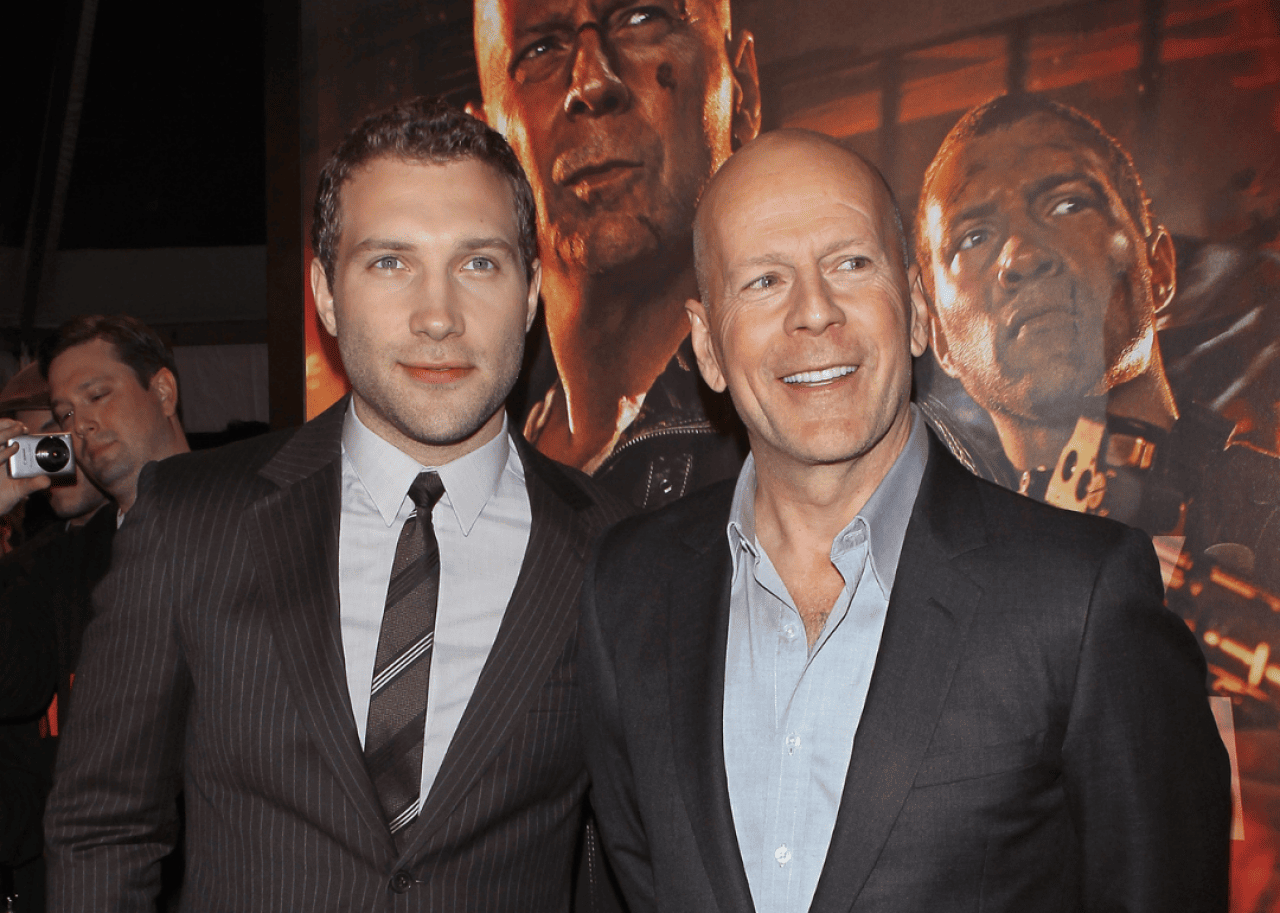
Jim Spellman/WireImage // Getty Images
The ‘Die Hard’ franchise: 2013
Willis returned as John McClane in four subsequent “Die Hard” movies, including the latest installment, 2013’s “A Good Day to Die Hard.” Though fans long entertained hopes of a sixth “Die Hard” film, producer Lorenzo di Bonaventura officially put an end to those rumors in 2021, telling Polygon, “It’s not happening.” Moreover, Willis, who retired from acting in 2022 following his aphasia diagnosis, was subsequently diagnosed in 2023 with frontotemporal dementia, a debilitating disease that heavily impairs the actor’s memory.
J. DAVID AKE/AFP via Getty Images
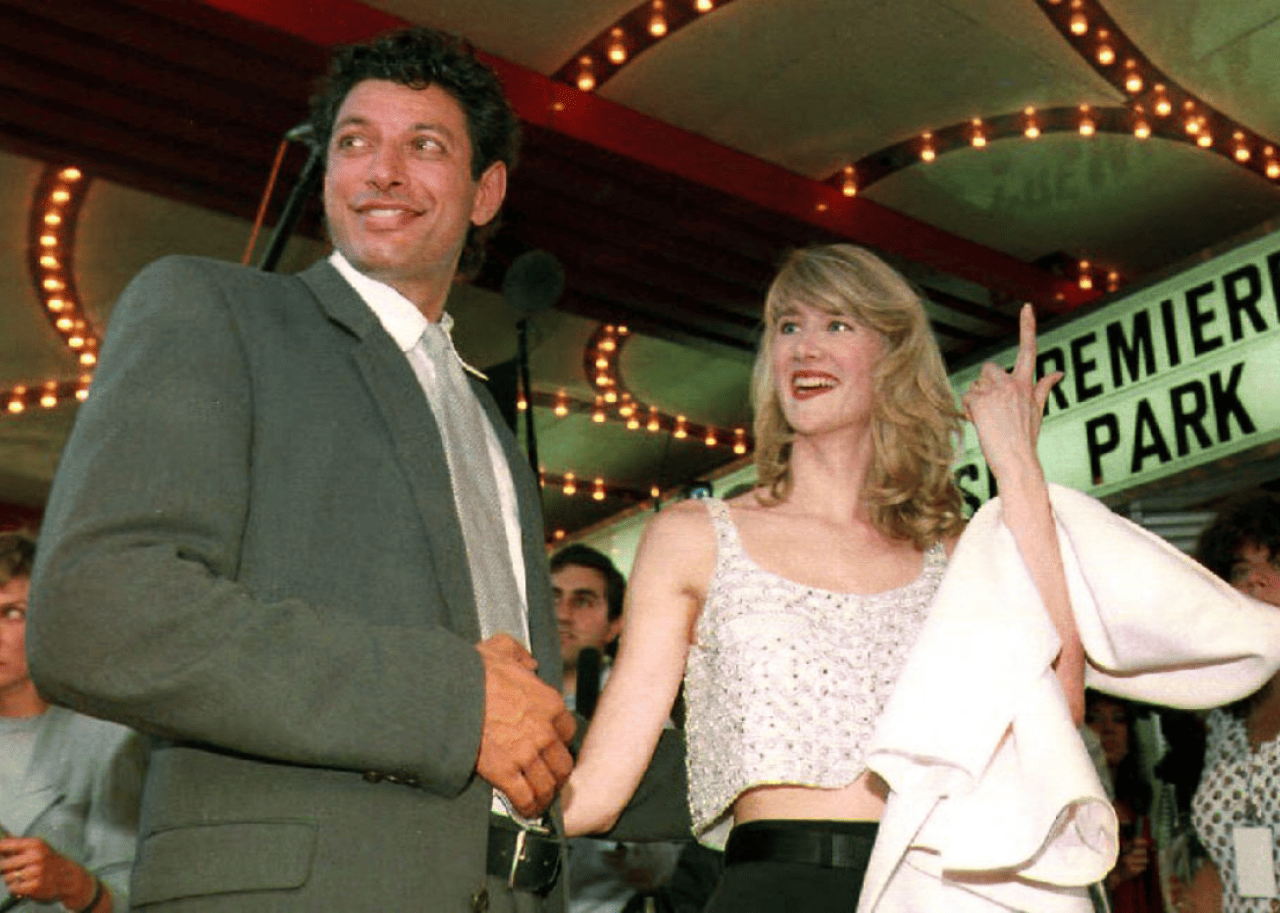
The ‘Jurassic Park’ franchise: 1993
Another hit film series originated by Steven Spielberg, the “Jurassic World” franchise began in 1993 with the action-packed “Jurassic Park.” Laura Dern and Jeff Goldblum star as Ellie and Malcolm, who visit a theme park centered on real, live dinosaurs. Of course, the park’s main attractions quickly exhibit their wilder natures, forcing the protagonists into a fight for survival.
Han Myung-Gu/WireImage // Getty Images
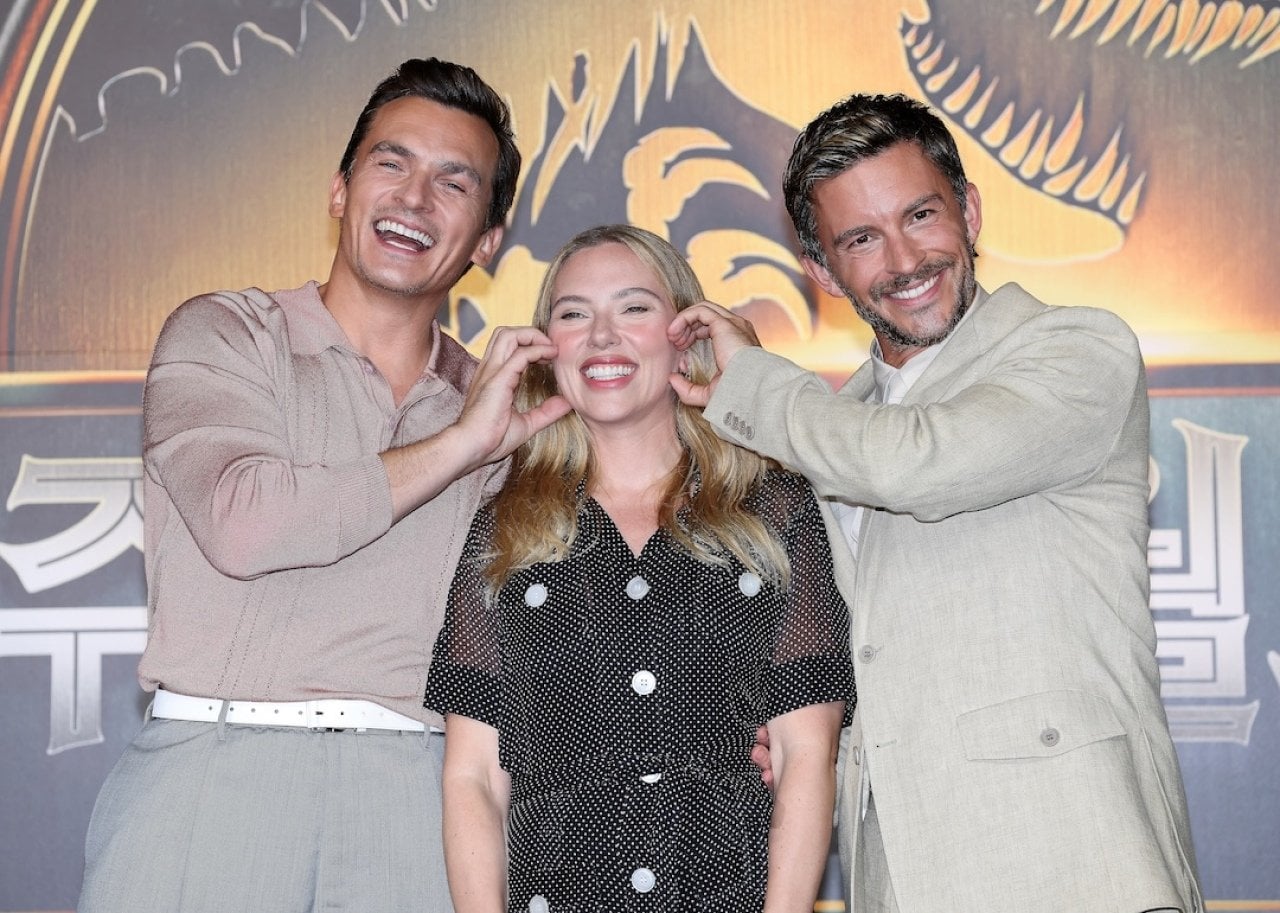
The ‘Jurassic Park’ franchise: 2025
Two sequels quickly followed the first “Jurassic Park,” but after “Jurassic Park III” hit theaters to a lukewarm critical reception in 2001, another “Jurassic Park” movie wouldn’t arrive until 14 years later with “Jurassic World.” Starring Chris Pratt and Bryce Dallas Howard, the film roared into theaters in 2015 and single-handedly revived the franchise’s earlier popularity. Goldblum returned to the series for “Jurassic World: Fallen Kingdom” and “Jurassic World Dominion,” the latter of which also featured Dern. The seventh film in the “Jurassic Park” series, “Jurassic World: Rebirth,” stars franchise newcomers Scarlett Johansson, Jonathan Bailey, and Mahershala Ali and premiered in July 2025.
Columbia Pictures // Getty Images
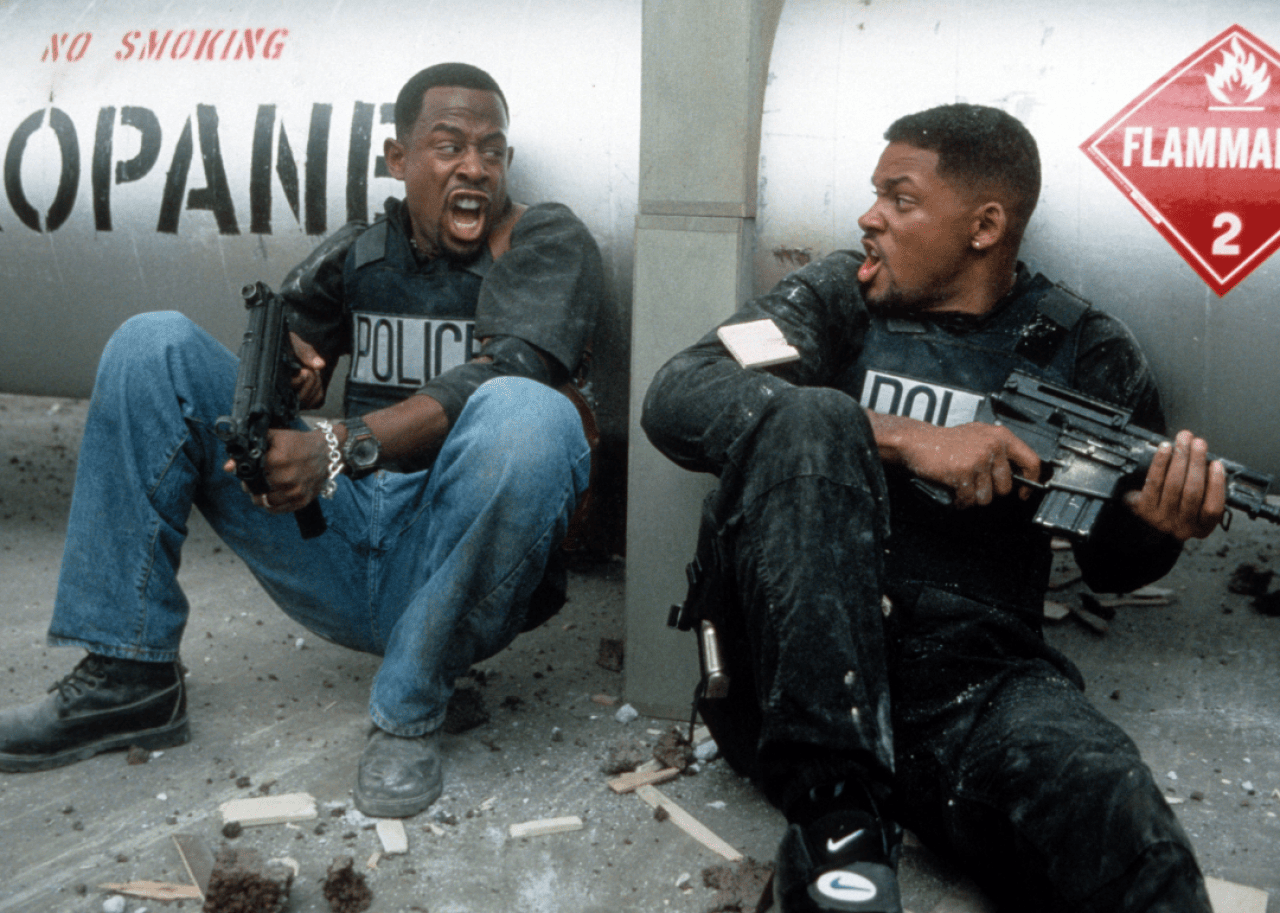
The ‘Bad Boys’ franchise: 1995
Directed by Michael Bay, “Bad Boys” stars Will Smith and Martin Lawrence as Miami detectives Mike Lowrey and Marcus Burnett. When $100 million worth of heroin goes missing from police headquarters, the two “bad boys” must hunt down the missing drugs in just five days. Despite middle-of-the-road reviews, the movie grossed over $141 million at the global box office.
Hector Vivas // Getty Images
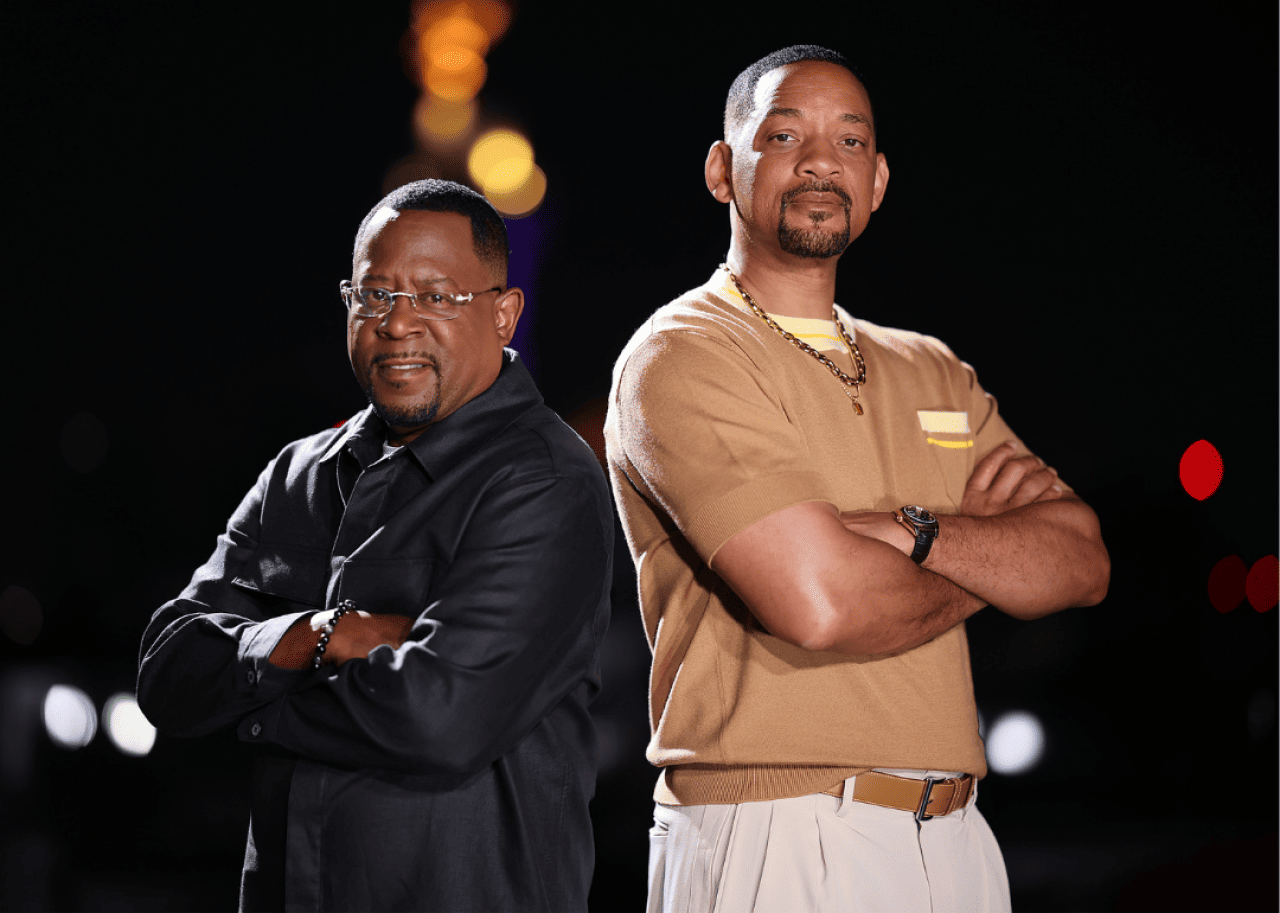
The ‘Bad Boys’ franchise: 2024
Nearly 30 years later, Mike and Marcus’ partnership lives on in three subsequent franchise installments, including 2024’s “Bad Boys: Ride or Die.” A fifth “Bad Boys” film seems likely, as the movie’s stars and directors have all confirmed they would be interested in a reunion. In an April 2025 interview, Lawrence said there are already conversations at Sony about the next sequel.
Murray Close // Getty Images
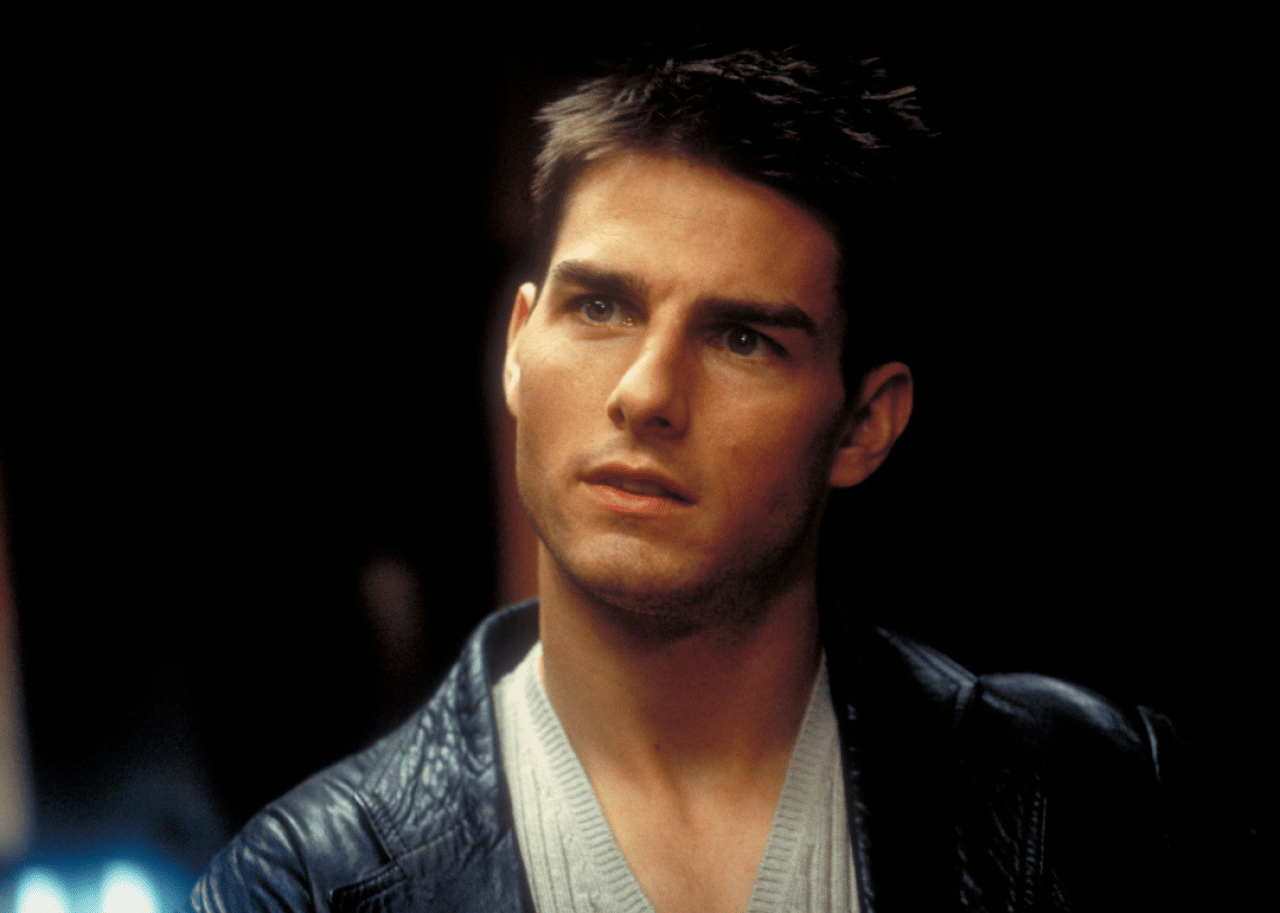
The ‘Mission: Impossible’ franchise: 1996
The first “Mission: Impossible” stars Tom Cruise as American intelligence agent Ethan Hunt. Framed for the murders of several other operatives, Ethan must infiltrate a highly secure room at CIA headquarters to prove his innocence. Director Brian De Palma ratchets up a sense of tension in the film’s most suspenseful sequences, like the iconic Langley heist scene.
Dia Dipasupil // FilmMagic via Getty Images
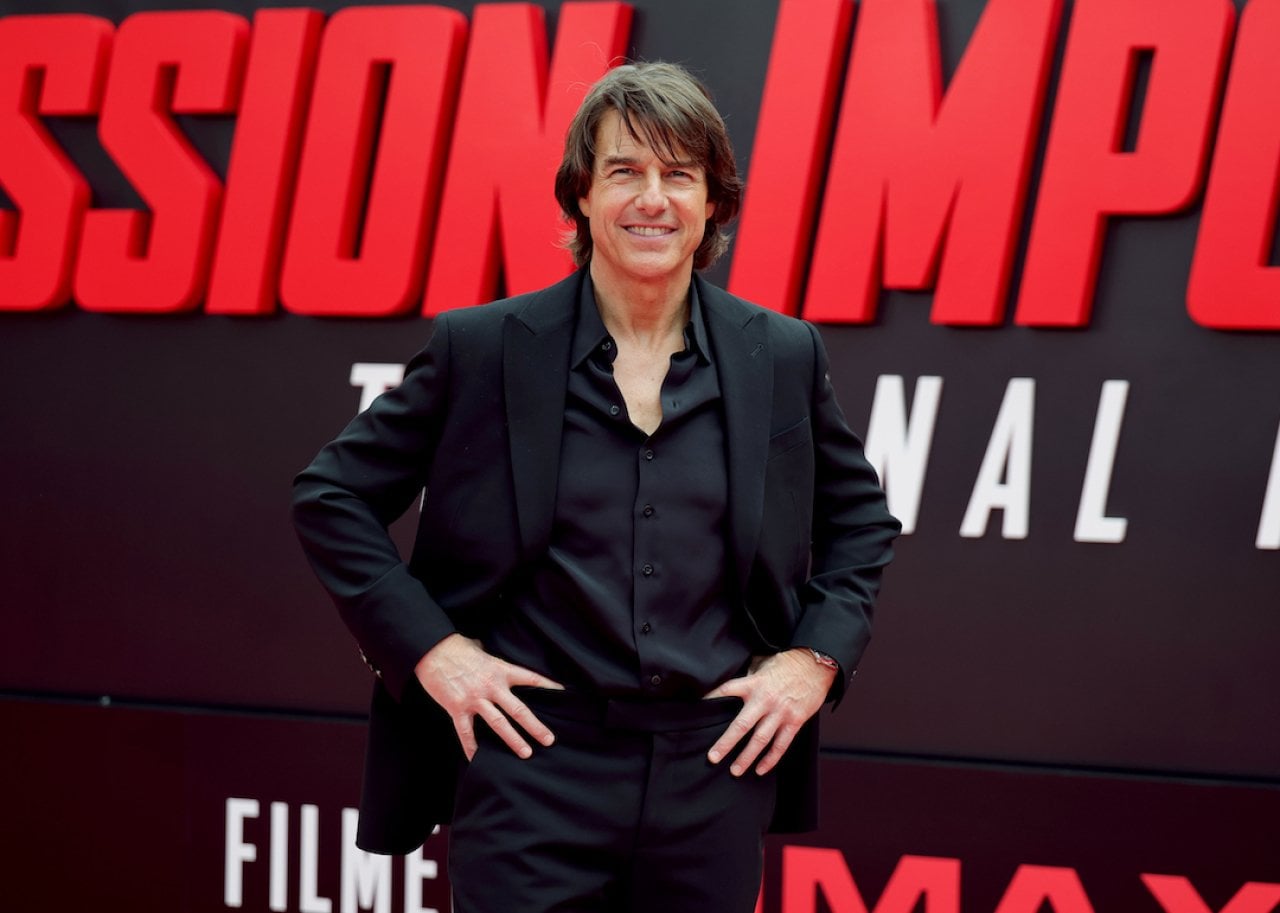
The ‘Mission: Impossible’ franchise: 2025
Ethan’s death-defying antics have continued across eight “Mission Impossible” movies. Cruise has famously handled many of the franchise’s stunts himself rather than relying on a body double to, say, climb a skyscraper or cling to a flying airplane. The latest “Mission: Impossible” movie, “Mission Impossible – The Final Reckoning,” was released in theaters May 2025, with the future of the series beyond that still unclear.
Patrick Riviere // Getty Images
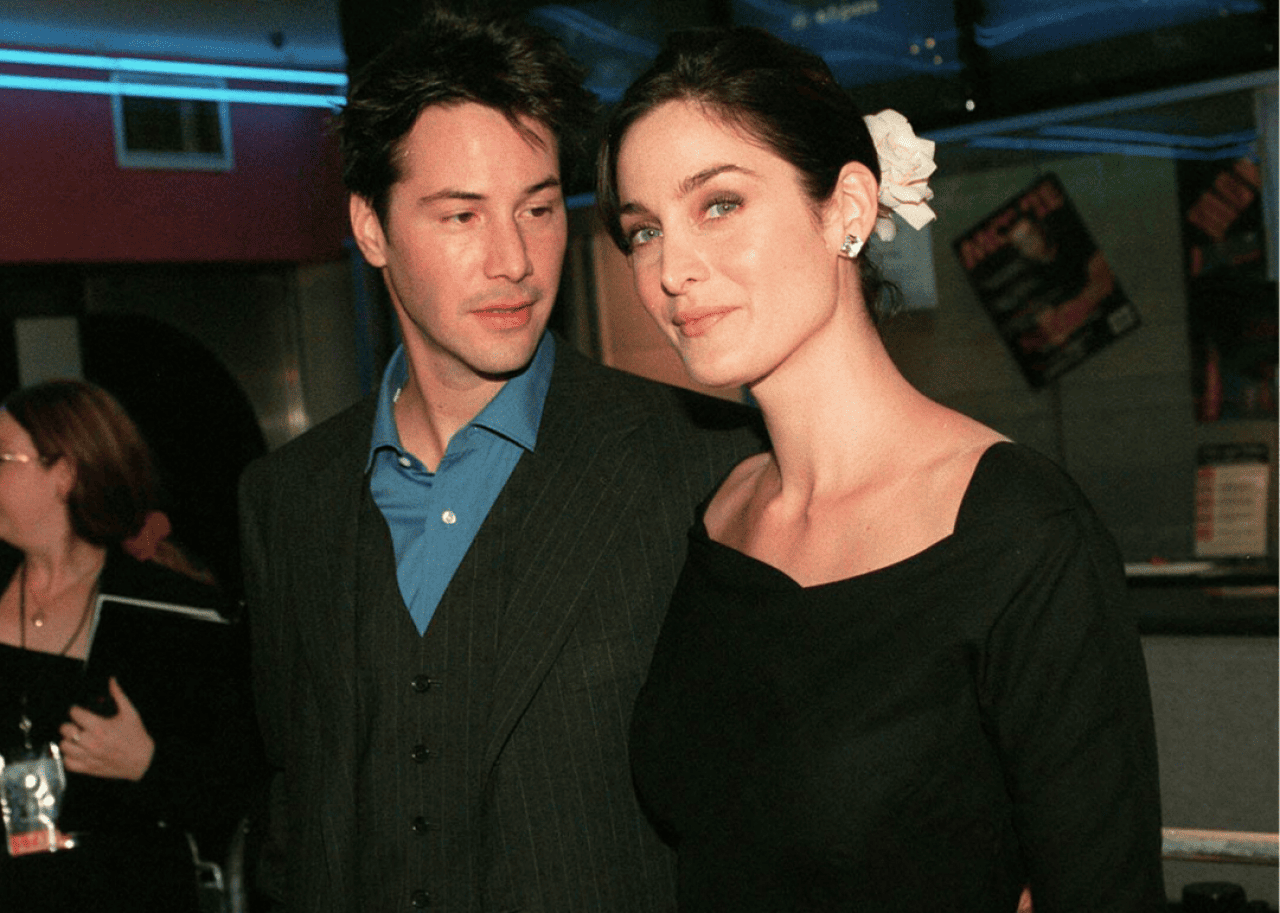
The ‘Matrix’ franchise: 1999
There’s no overstating the cultural impact “The Matrix” made upon its 1999 premiere. This sci-fi action megahit stars Carrie-Anne Moss as Trinity and Keanu Reeves as Neo, a young hacker who must save humanity from a sinister computer interface known as the Matrix. Some of the film’s many memorable moments include the red pill, blue pill quandary and Neo’s oft-quoted “I know kung fu” line.
Eric Charbonneau/Getty Images for Warner Bros
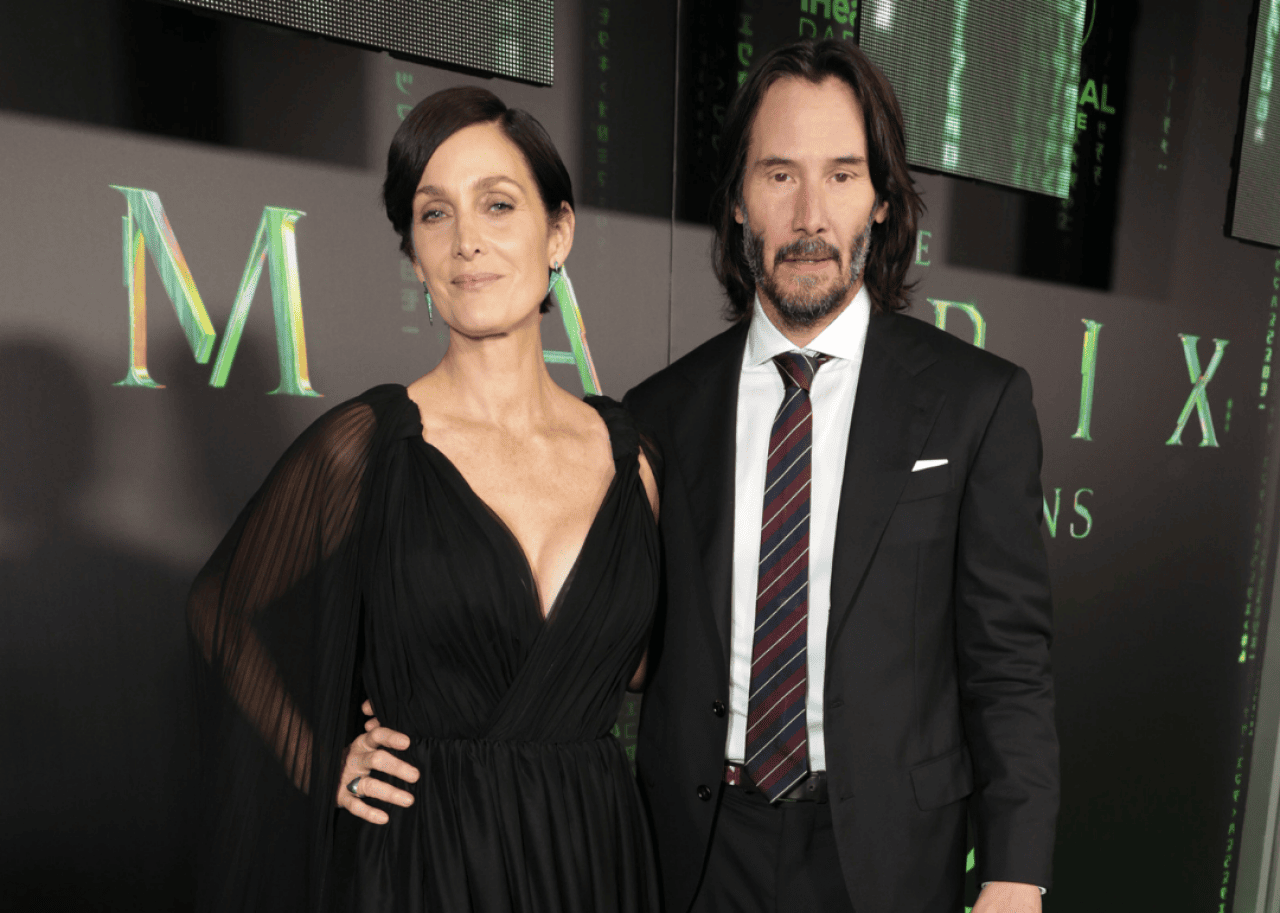
The ‘Matrix’ franchise: 2021
Though two more “Matrix” movies premiered in 2003, neither earned quite the same critical or audience acclaim as the first. Nearly 20 years passed before Reeves and Moss returned as Neo and Trinity in 2021’s “The Matrix: Resurrections.” Production on the franchise’s fifth installment is underway, but the next movie will not be directed by the Wachowski sisters, who directed the original movies.
DMIPhoto/FilmMagic // Getty Images
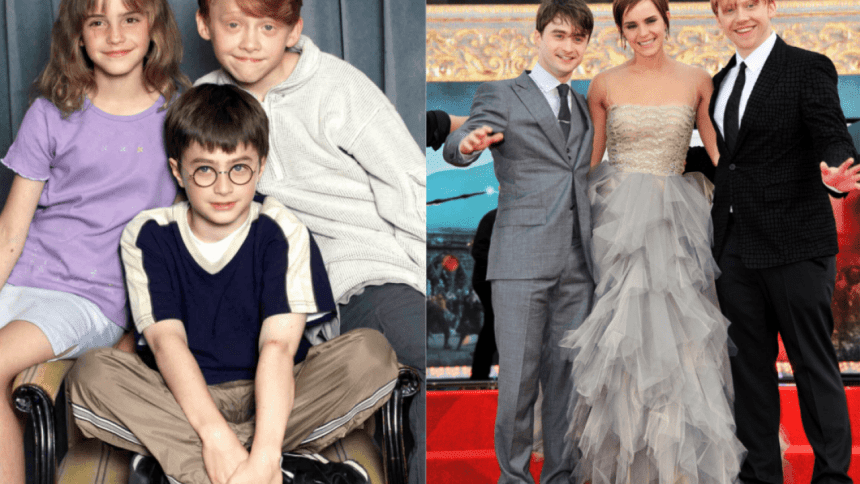
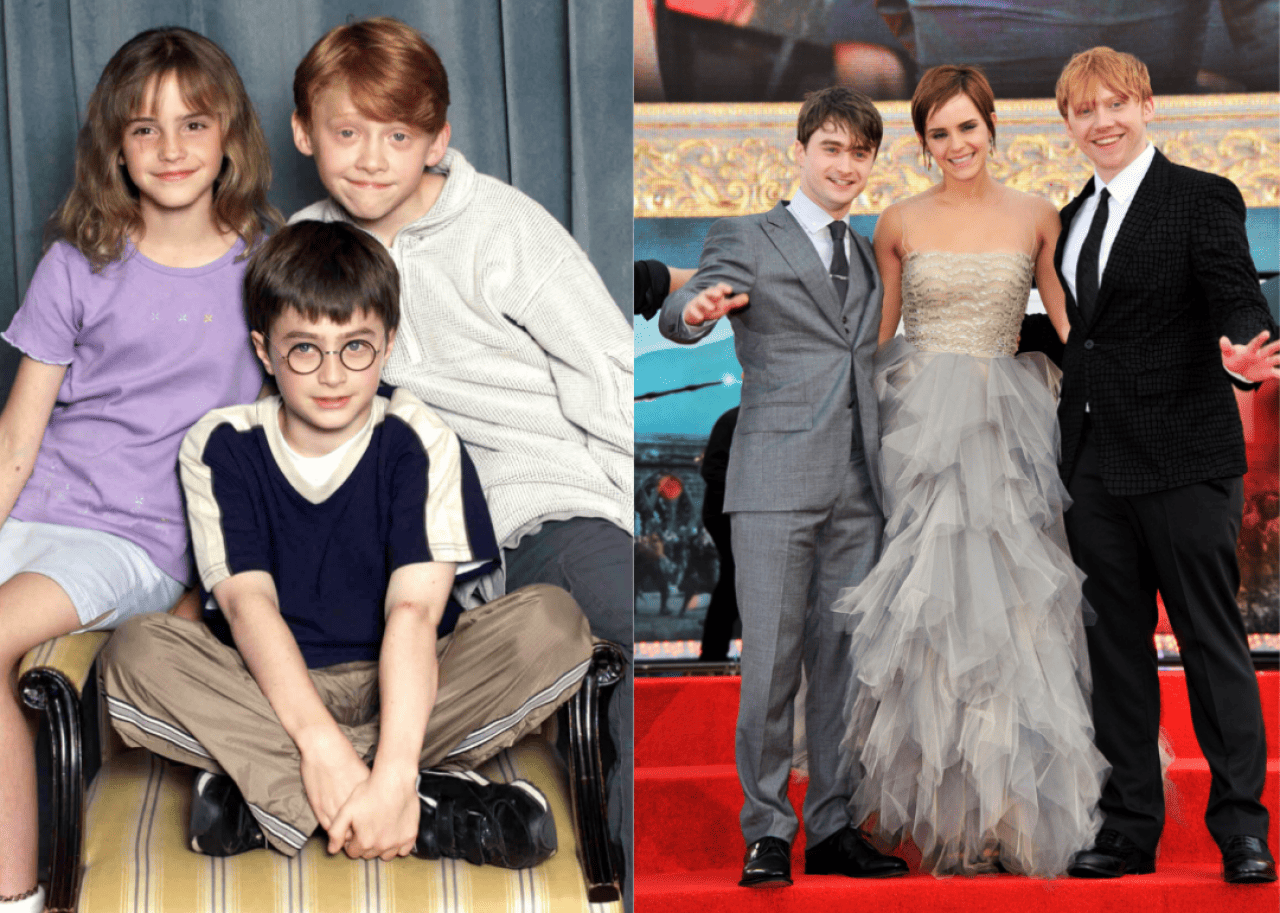
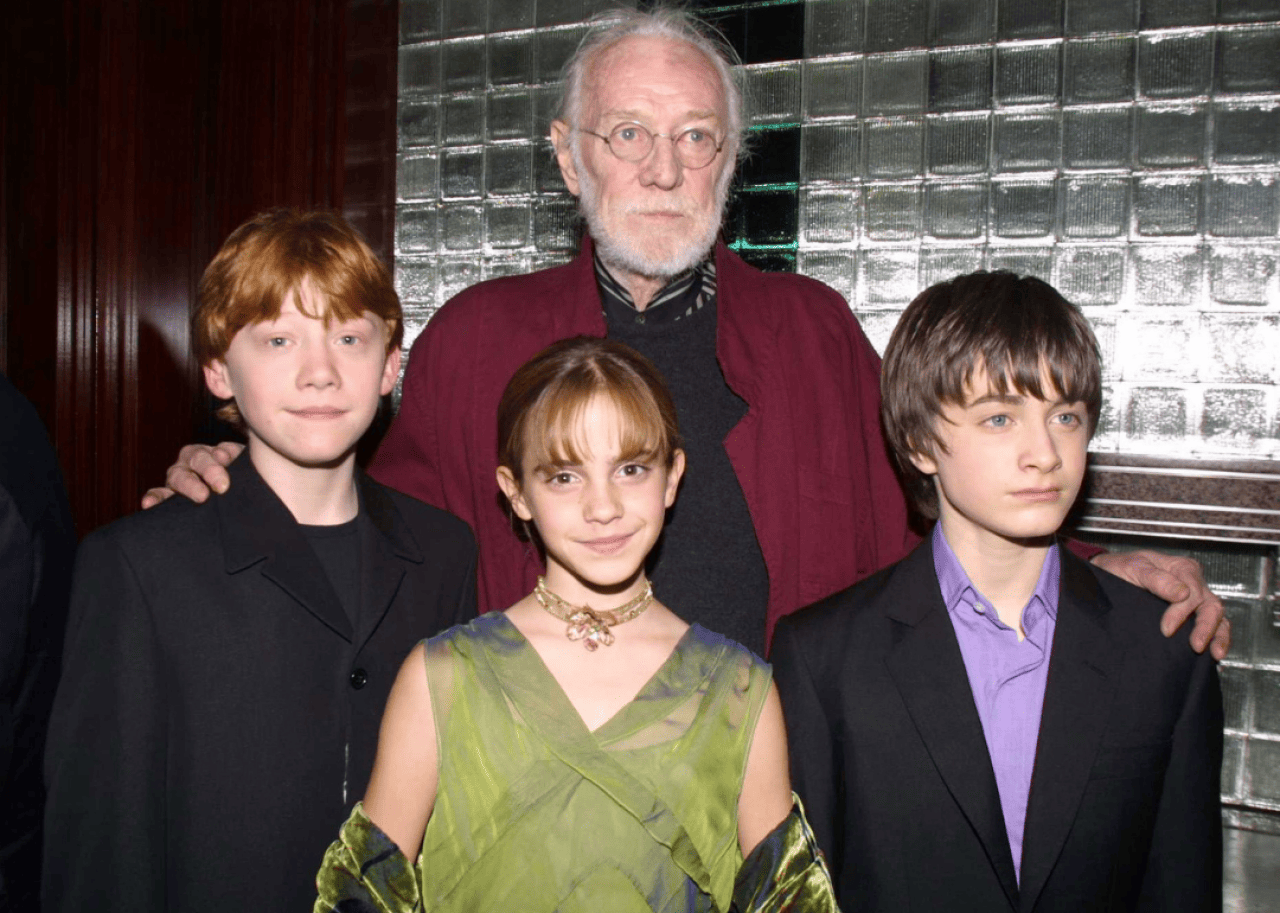
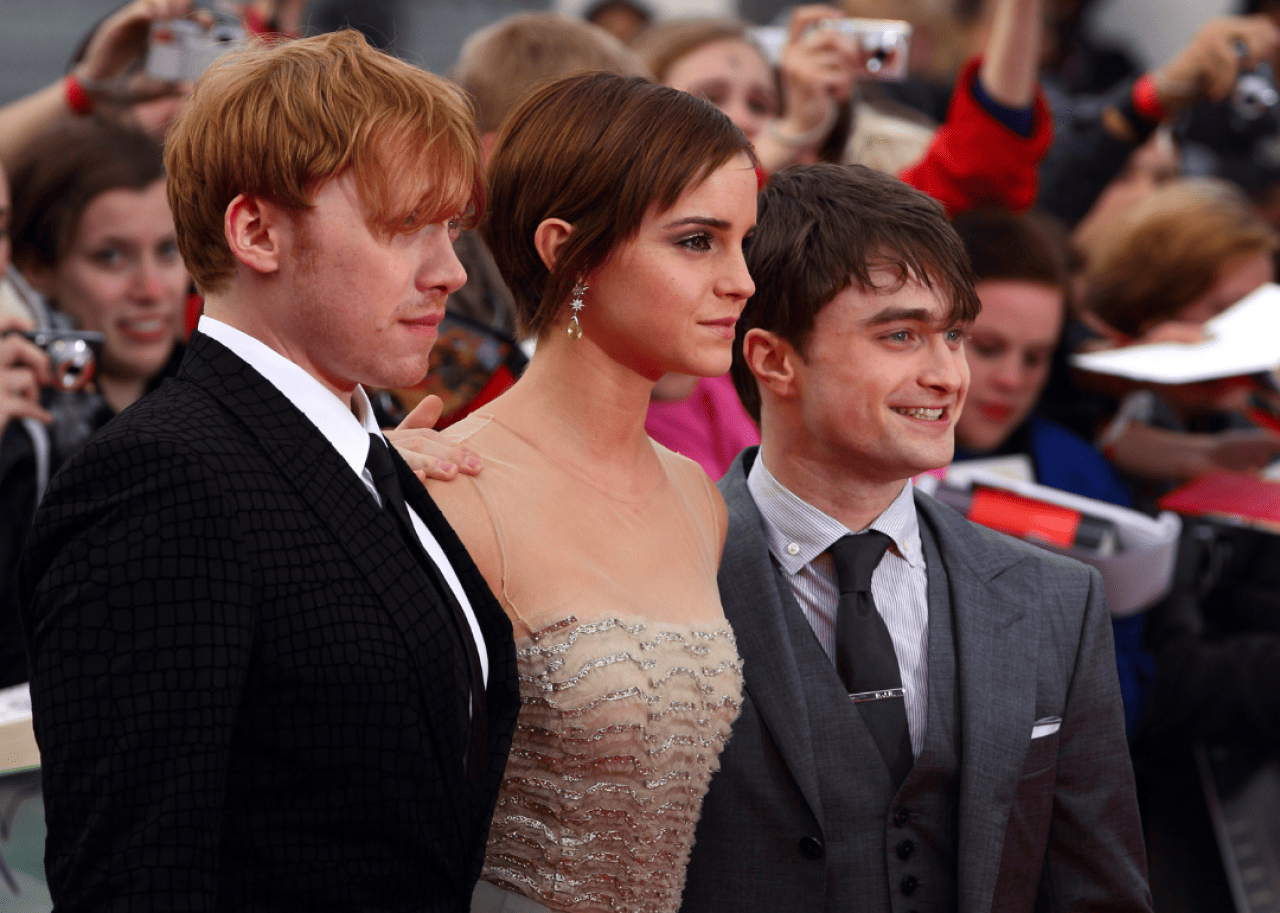
The ‘Harry Potter’ franchise: 2001
Based on the bestselling novel series by J.K. Rowling, the “Harry Potter” franchise catapulted its three young stars directly into the limelight. Daniel Radcliffe stars as the titular young wizard, aided by friends Hermione Granger (Emma Watson) and Ron Weasley (Rupert Grint) in a quest to defeat the evil Lord Voldemort (later played by Ralph Fiennes).
Mike Marsland/WireImage // Getty Images
The ‘Harry Potter’ franchise: 2011
Radcliffe, Watson, and Grint grew up on the sets of the “Harry Potter” franchise, with all three stars remaining on board from the first “Harry Potter and the Sorcerer’s Stone” to the final “Harry Potter and the Deathly Hallows: Part 2.” The trio have continued to act but have not returned for any subsequent releases in the “Harry Potter” universe, including the “Fantastic Beasts” prequel films.
As for the franchise, the next “Harry Potter” release will be an HBO TV series slated to premiere on Christmas Day 2026, starring Dominic McLaughlin as Harry Potter, Arabella Stanton as Hermione Granger and Alastair Stout as Ron Weasley.
Kevin Winter // Getty Images
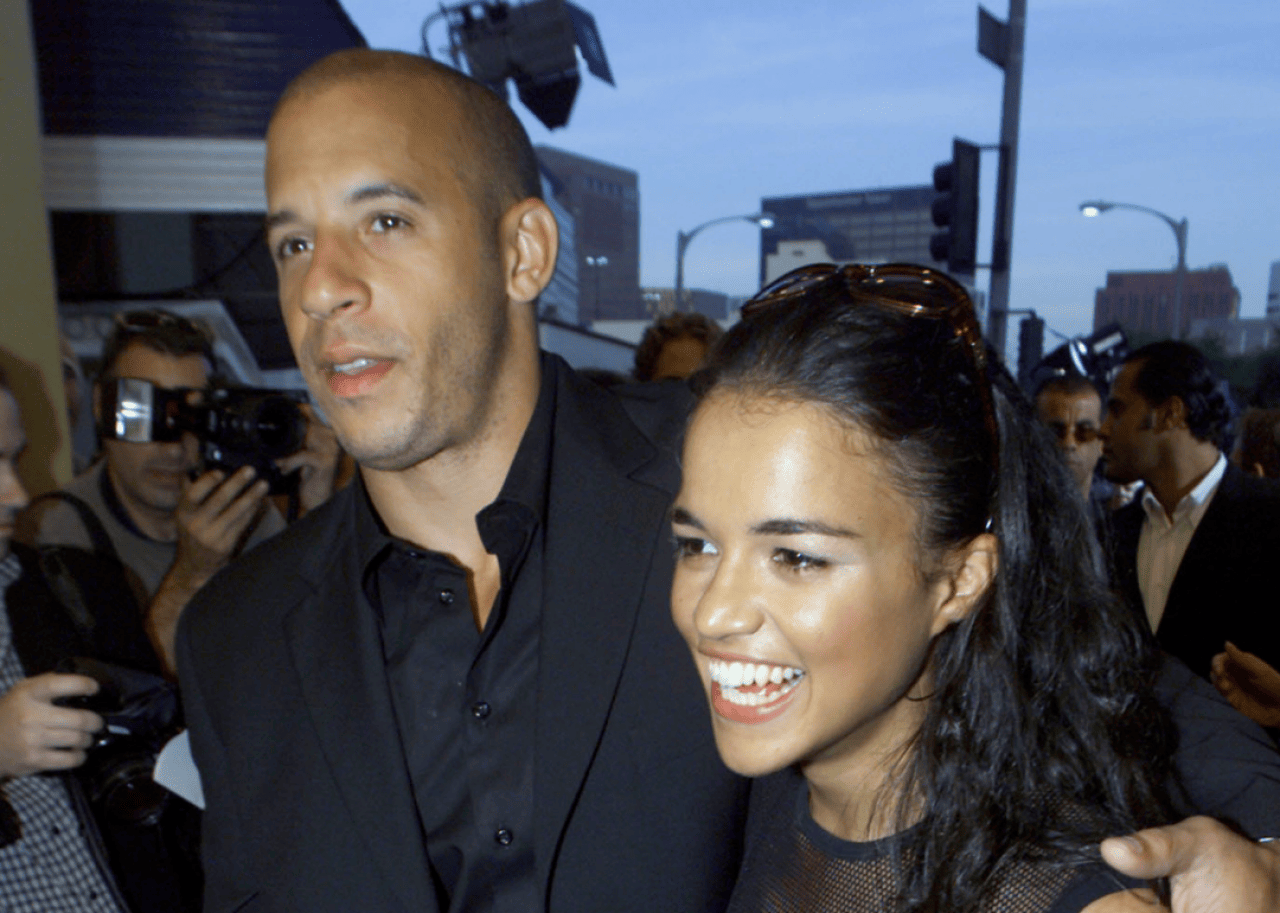
The ‘Fast & Furious’ franchise: 2001
Despite a tepid critical response, “The Fast and the Furious” quickly gained a massive fanbase after its 2001 premiere, particularly among street racing and car enthusiasts. Boasting action-packed racing sequences and a cast led by Vin Diesel, Michelle Rodriguez, and Paul Walker, the movie grossed over $200 million worldwide. Sure, “The Fast and the Furious” might not have won any Oscars, but the film did score several MTV Movie Award and Teen Choice Award nominations.
Manuel Velasquez // Getty Images
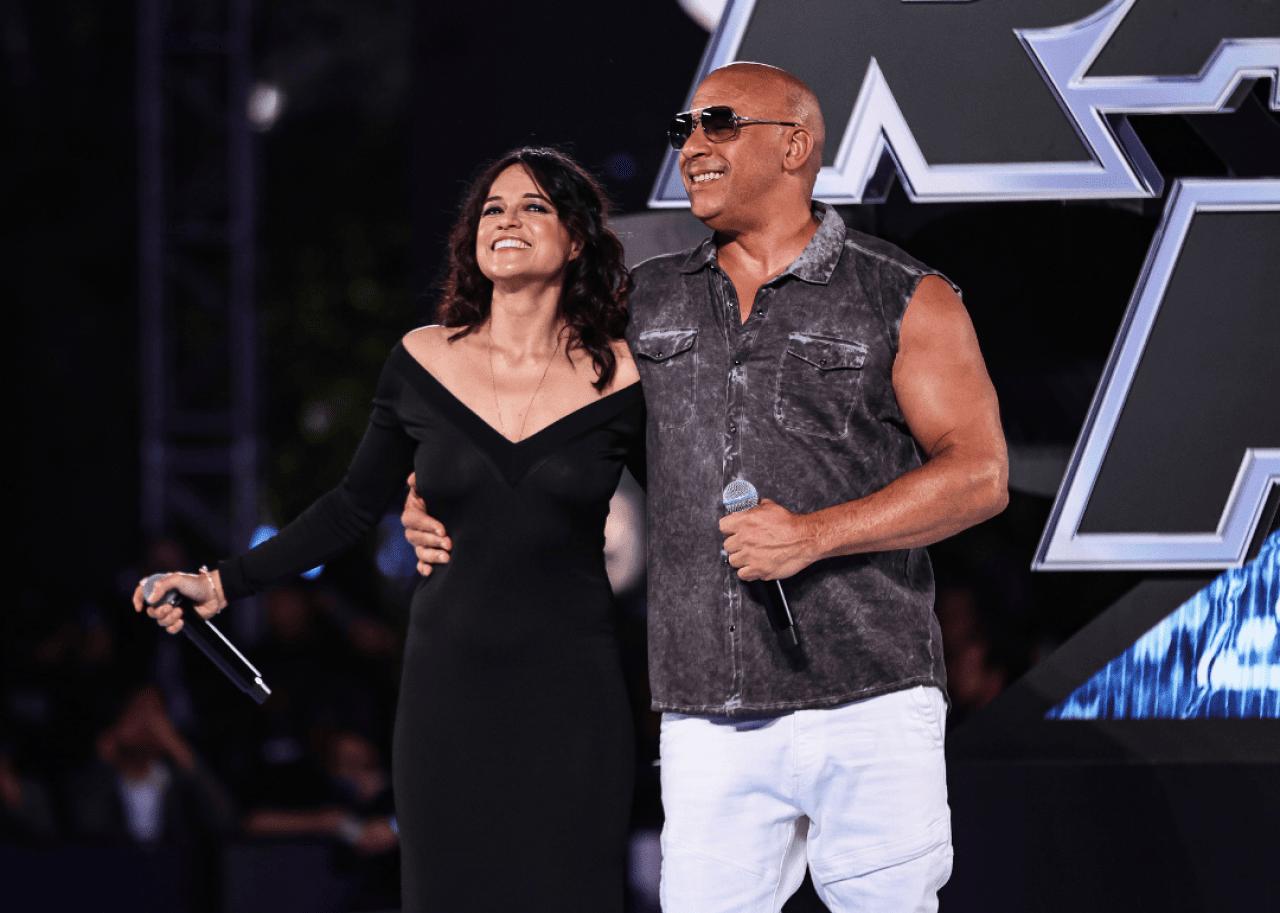
The ‘Fast & Furious’ franchise: 2023
After Walker died in 2013, the “Fast & Furious” franchise has lived on with original cast members Diesel and Rodriguez. Throughout 11 movies, numerous other A-listers have come and gone from the franchise, including Sung Kang, Dwayne “The Rock” Johnson, and Gal Gadot. As audiences often note, the films’ quality has fluctuated over the years. Even so, the “Fast & Furious” series retains its sizable following: The latest release, 2023’s “Fast X,” grossed more than $700 million worldwide.
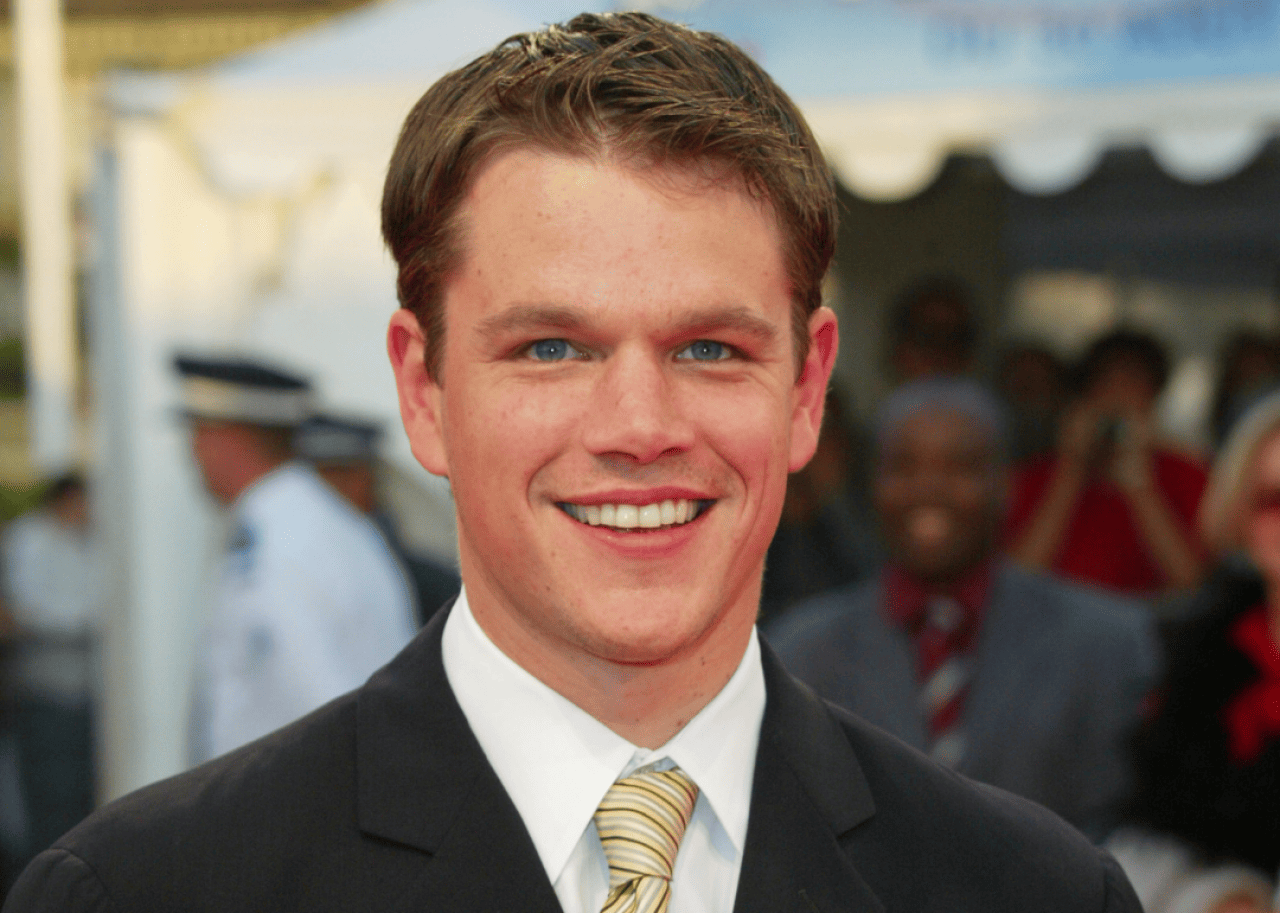
While Matt Damon had already built up a stacked acting résumé before starring in “The Bourne Identity,” his role in the thriller turned him into a bona fide action movie hero. Based on Robert Ludlum’s novel of the same name, the 2002 movie follows Damon’s amnesia-stricken protagonist as he attempts to recover his former identity—and learn why so many assassins are out to kill him.
Chris Jackson // Getty Images
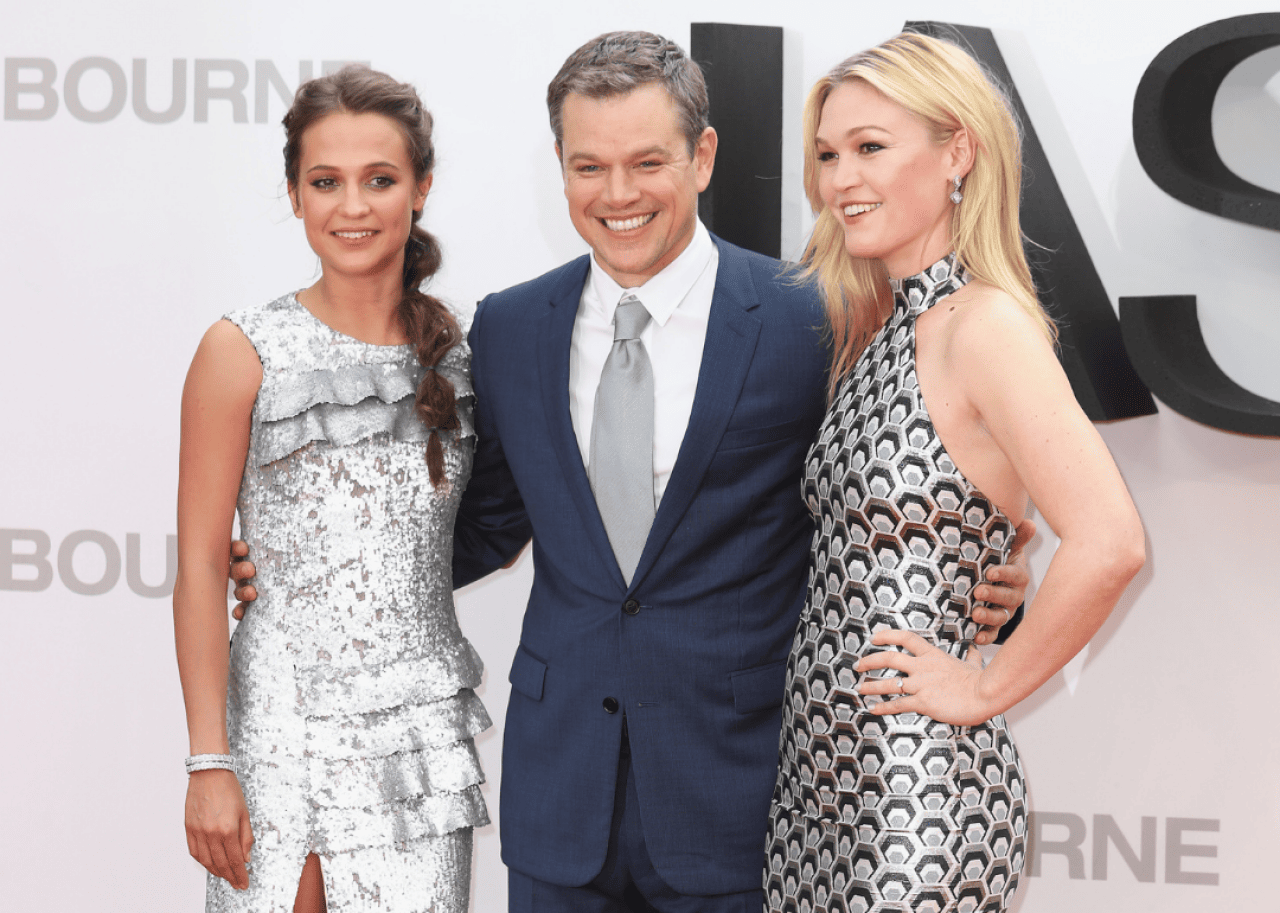
The ‘Bourne’ franchise: 2016
Damon went on to play Jason Bourne in three more movies, including 2016’s “Jason Bourne,” which also stars Alicia Vikander and Julia Stiles. Jeremy Renner briefly stepped into a central role for the 2012 release “The Bourne Legacy,” but, despite its title, the movie does not feature Damon’s character. The franchise also includes the short-lived USA Network series “Treadstone,” which ran for one season in 2019. Universal temporarily lost the movie rights to Jason Bourne in March 2025, but the studio reacquired the property in August 2025, suggesting continued interest in the series.
L. Cohen/WireImage // Getty Images
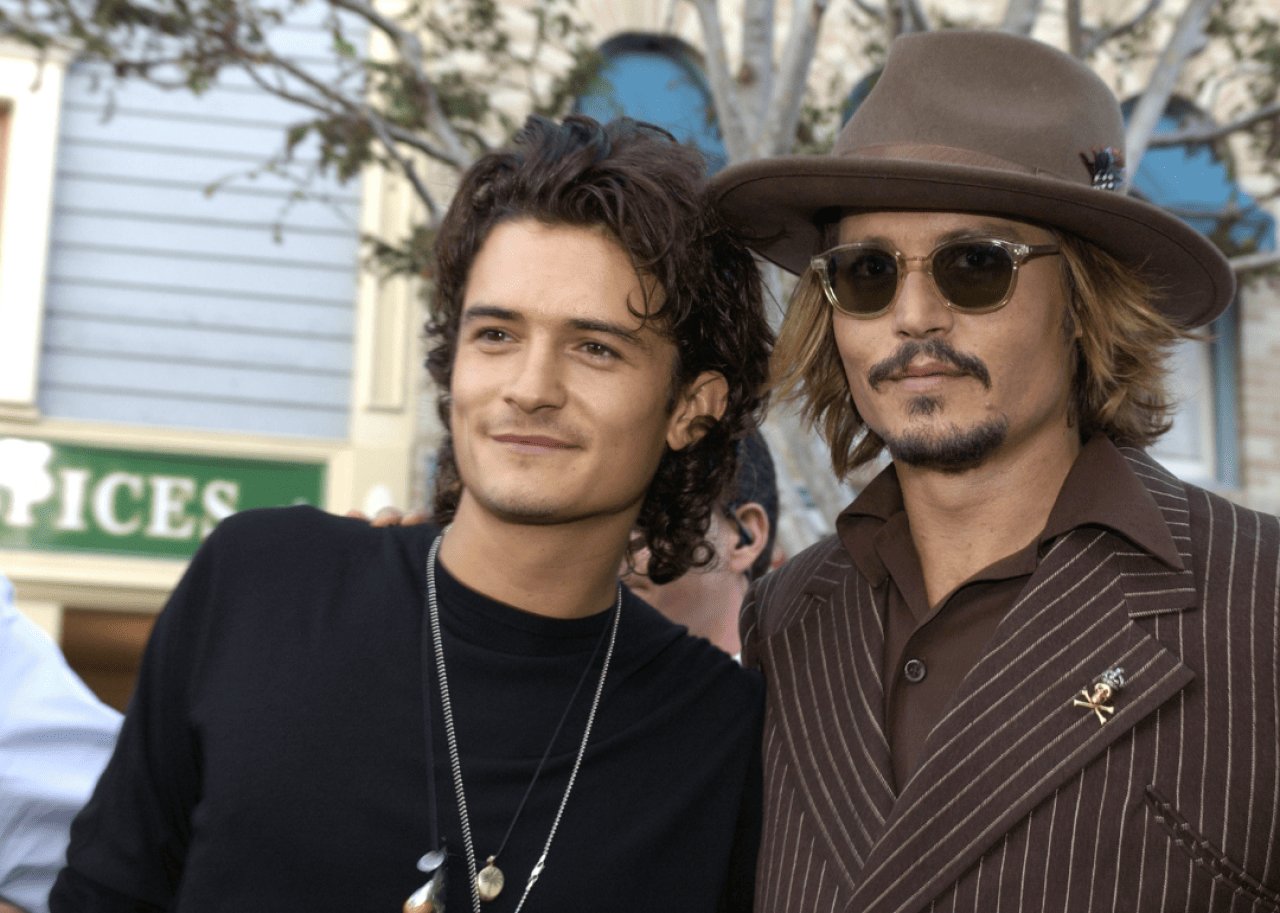
The ‘Pirates of the Caribbean’ franchise: 2003
“Pirates of the Caribbean: The Curse of the Black Pearl” stars Orlando Bloom, Johnny Depp, and Keira Knightley as an unlikely trio caught up by both supernatural and British naval forces. Scenes of swashbuckling derring-do and a biting sense of humor made “The Curse of the Black Pearl” a near-instant hit among critics and audiences alike—a somewhat surprising outcome for a movie based on a Disneyland theme park ride.
Jesse Grant/Getty Images for Disney
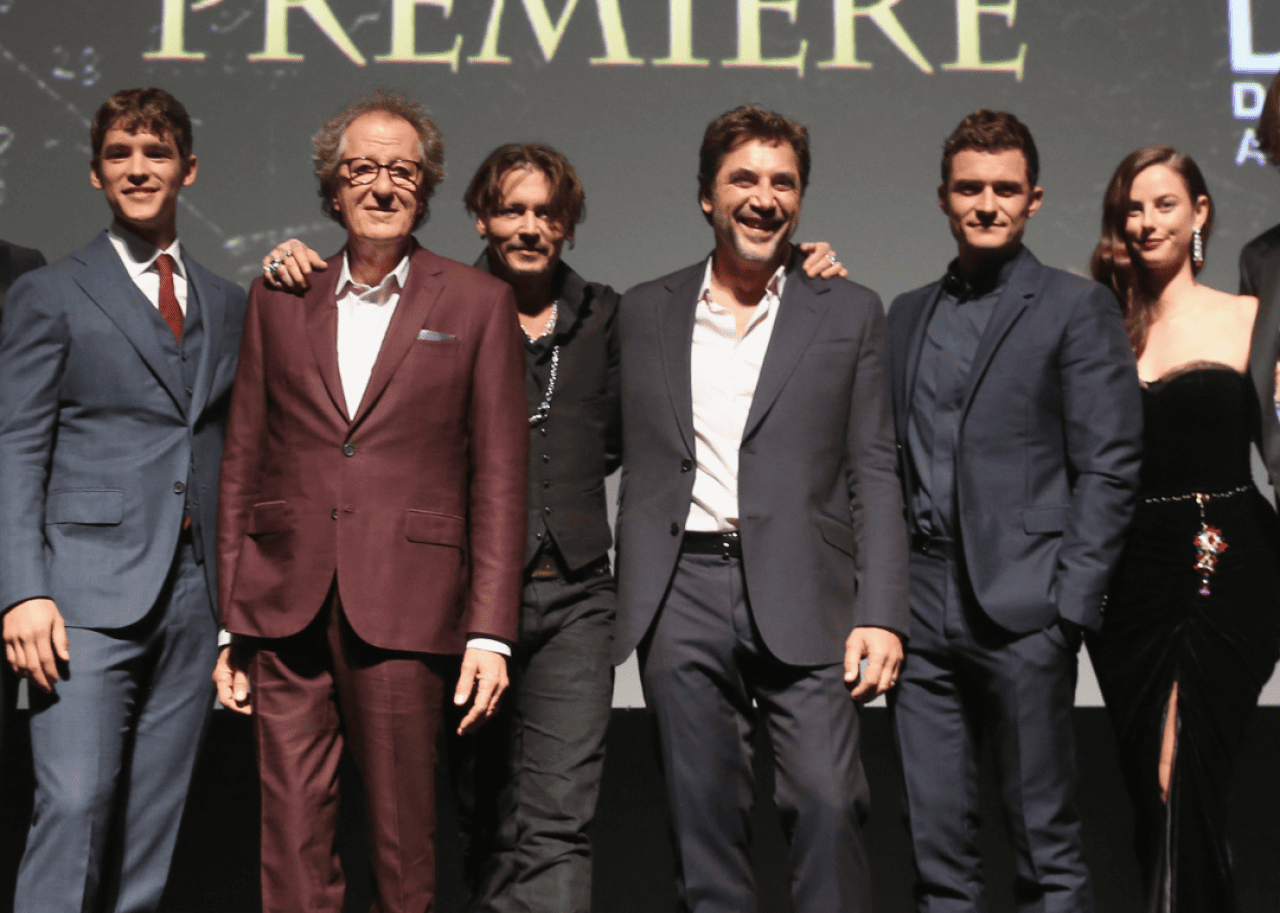
The ‘Pirates of the Caribbean’ franchise: 2017
Producer Jerry Bruckheimer was the driving force behind four more “Pirates of the Caribbean” movies after “The Curse of the Black Pearl.” While Bloom didn’t appear in 2011’s “Pirates of the Caribbean: On Stranger Tides,” he did reprise his role as Will Turner for 2017’s “Pirates of the Caribbean: Dead Men Tell No Tales.” Though the later films didn’t earn the same praise as “The Curse of the Black Pearl,” they grossed hundreds of millions at the global box office. A sixth “Pirates” movie has yet to materialize, but it was reported in December 2024 that Bruckheimer was developing two separate scripts, one of which would return Depp to the franchise.
J. Vespa/WireImage // Getty Images
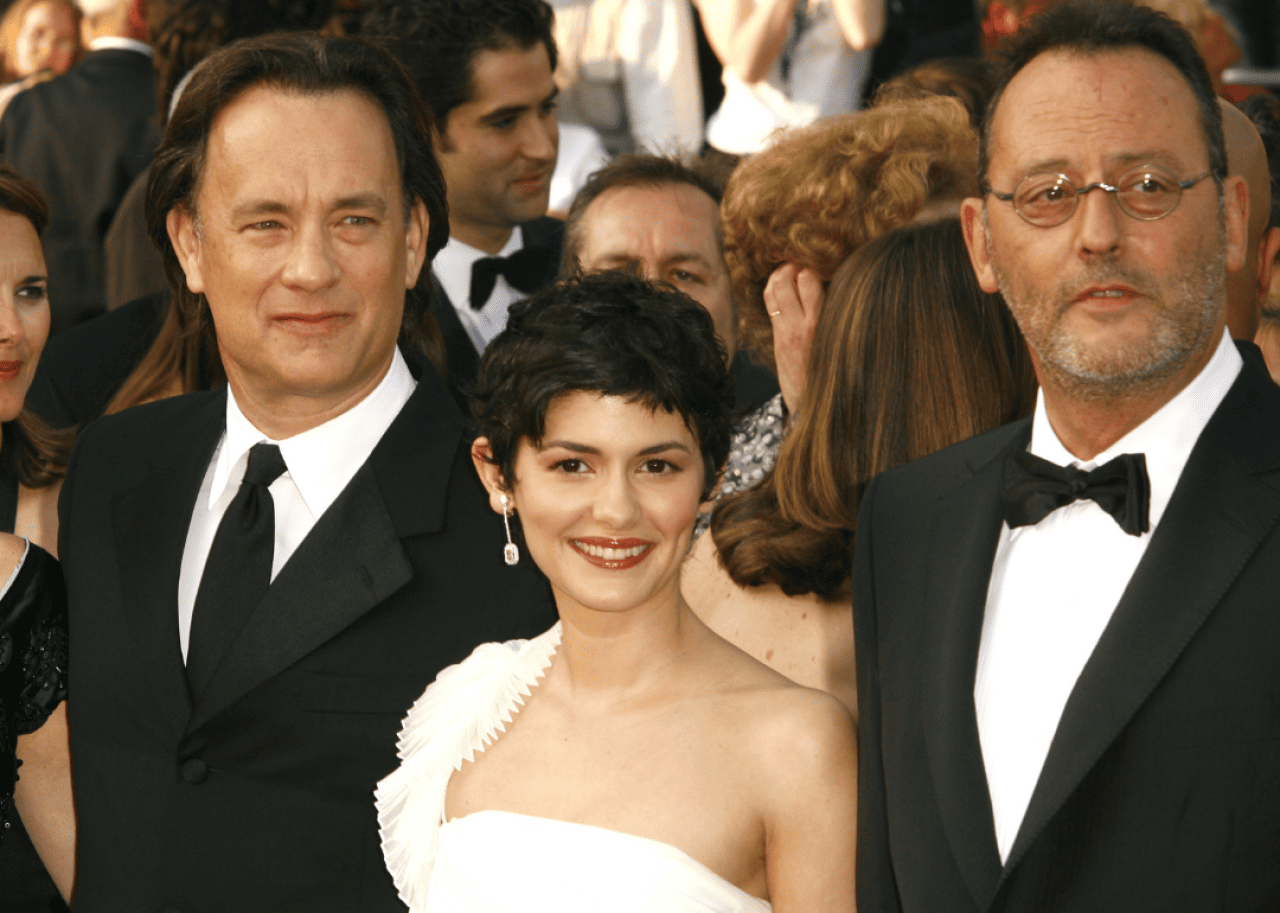
The ‘Da Vinci Code’ franchise: 2006
“The Da Vinci Code” is based on Dan Brown’s bestselling mystery book series and stars Tom Hanks in the central role, Robert Langdon. A symbologist at Harvard University, Robert must team up with cryptologist Sophie Neveu (Audrey Tautou) and police inspector Bezu Fache (Jean Reno) to solve a mysterious murder at Paris’ Louvre Museum. However, as the heroes explore the crime further, they become ever more entangled in a web of dangerous secrets and plots.
Sean Gallup/Getty Images for Sony Pictures
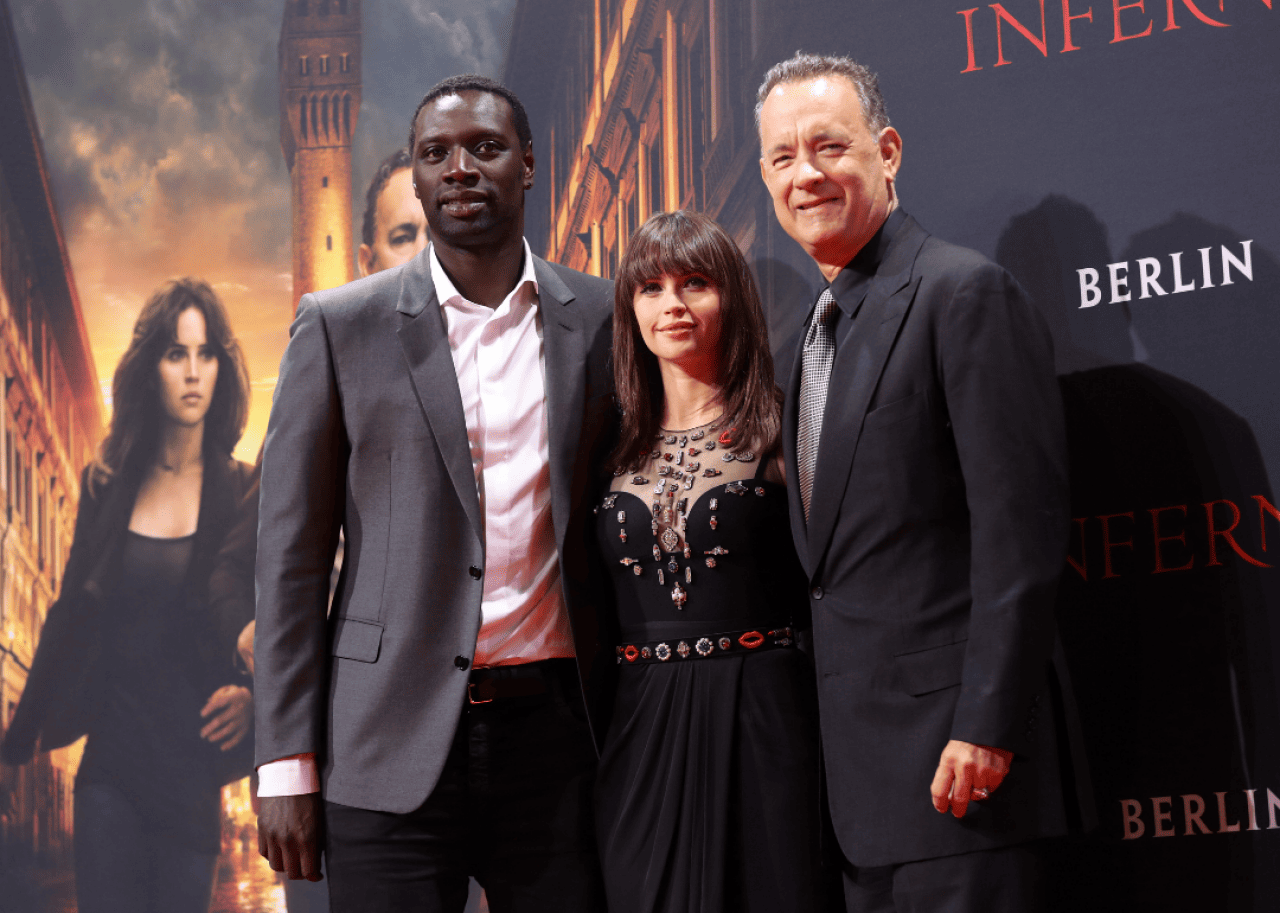
The ‘Da Vinci Code’ franchise: 2016
Though “The Da Vinci Code” was an enormous box-office success, its two sequels didn’t fare as well. “The Da Vinci Code” pulled in some $760 million globally, but the trilogy’s final film, “Inferno,” earned just $220 million worldwide. A few years after “Inferno” premiered in 2016, the TV series “The Lost Symbol” recast the role of Langdon and ran for just one season in 2021.
In May 2025, Netflix ordered a TV series adaptation of Dan Brown’s “The Secret of Secrets,” co-created by Brown and showrunner Carlton Cuse. The book was released Sept. 9, 2025, with the series currently in development.
David M. Benett/WireImage // Getty Images
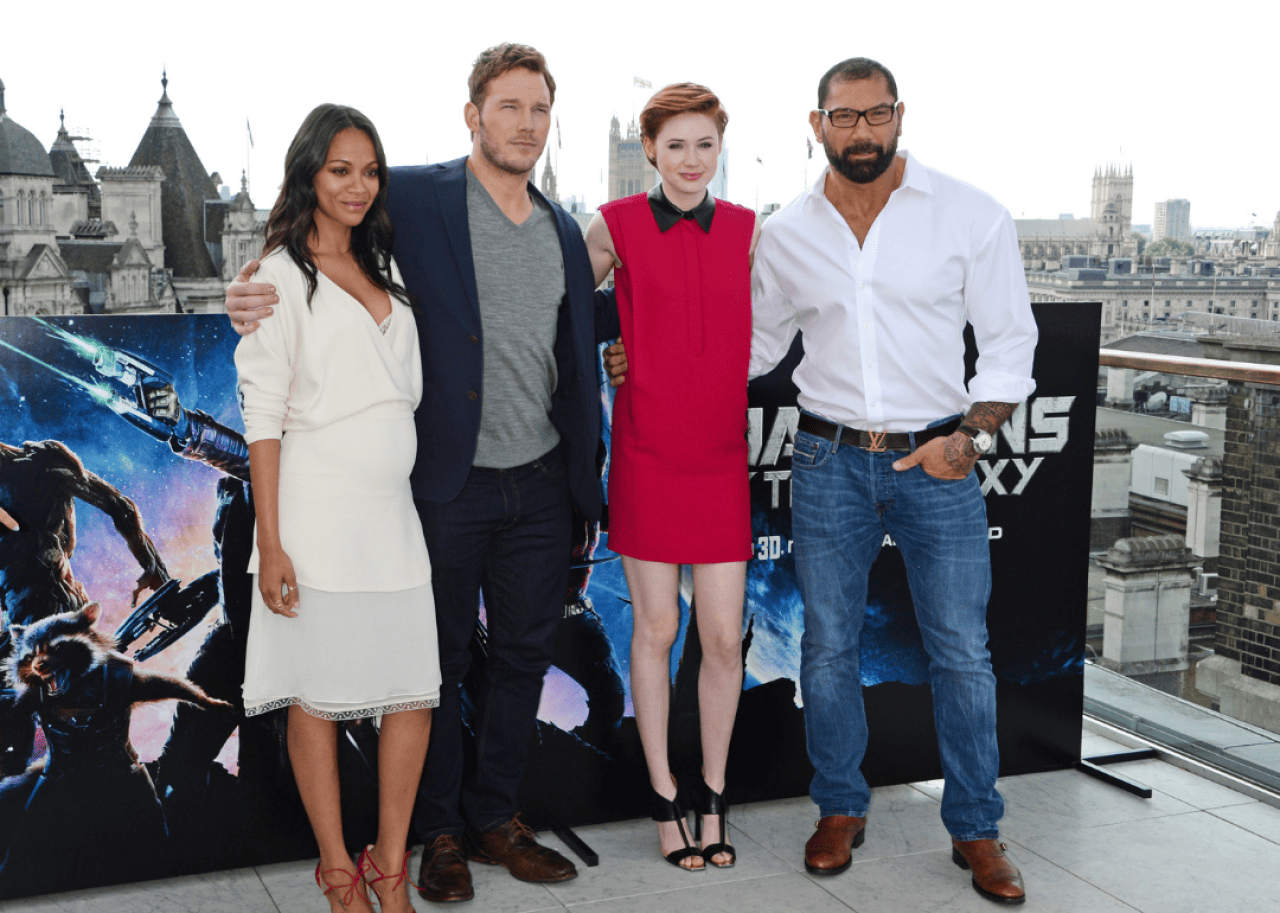
The ‘Guardians of the Galaxy’ franchise: 2014
One of several long-running film series in the MCU, “Guardians of the Galaxy” follows a crew of misfits, led by Peter Quill (Chris Pratt), on an intergalactic adventure to save the universe. Besides the impressive performances from its leading cast, the movie’s cheeky dialogue and far-ranging soundtrack won over legions of fans.
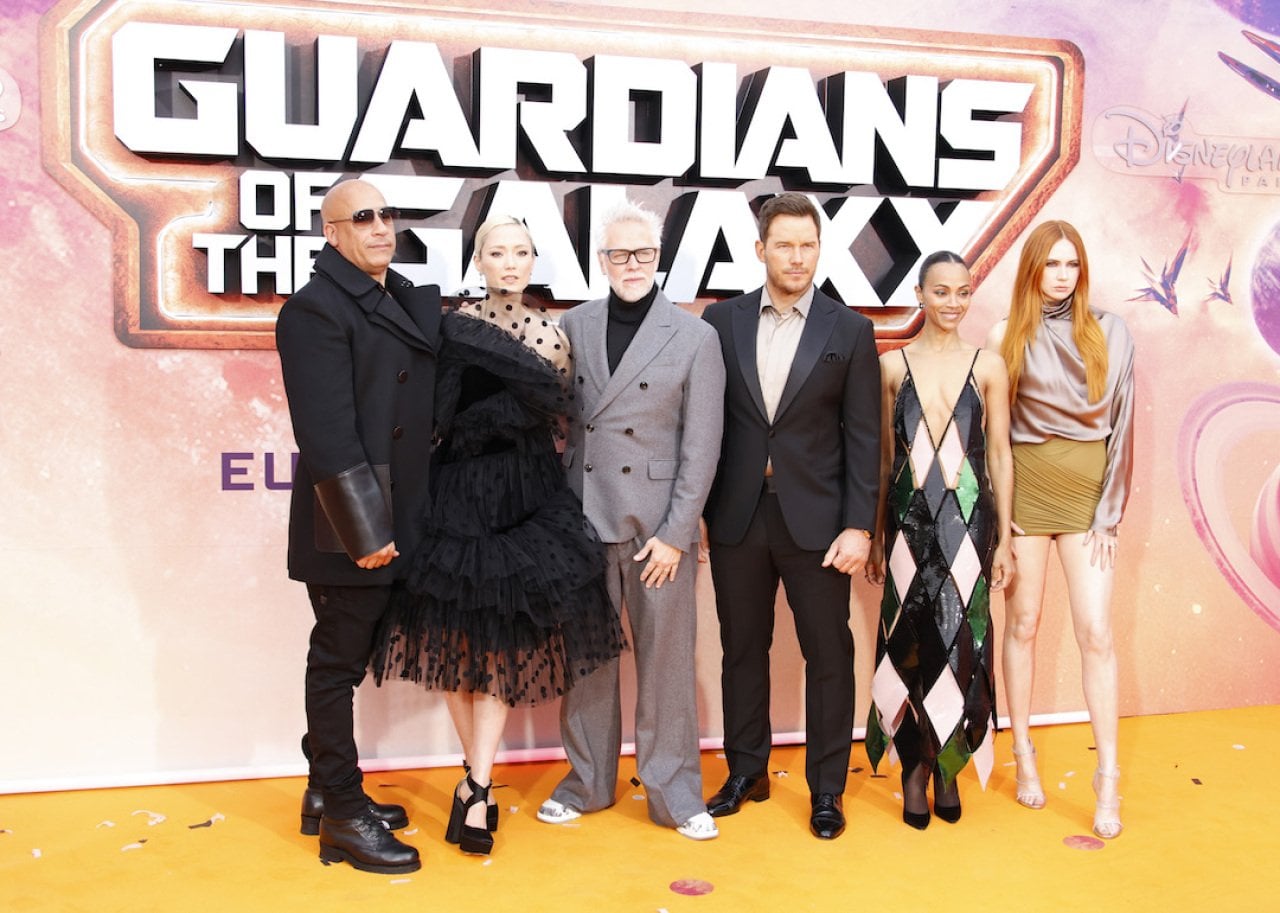
Julien Hekimian/Getty Images
The ‘Guardians of the Galaxy’ franchise: 2023
Intertwined with other events in the MCU, the “Guardians of the Galaxy” franchise concluded after just three movies. “Guardians of the Galaxy Vol. 3” premiered in 2023, and the trilogy’s curtain call earned a largely positive response. Be advised, though: According to the franchise’s fans, you may need a tissue or two while you watch.
More stories about movie franchise stars and their careers:
20 iconic songs written by music icons but made famous by other artists
By
Zuri White-Gibson
12 min read • Published June 7, 2026
By
Zuri White-Gibson
12 min read • Published June 7, 2026
Graham Wiltshire // Getty Images, Harry Langdon // Getty Images
20 hit songs you may not know were written by music icons
When we listen to a song on the radio or in a soundtrack, we tend to assume the voice we’re hearing is the same person who brought the song into existence. In reality, many steps need to happen before the artist even makes it into the studio, from writing the lyrics to recording the instruments to fine-tuning the mix in post-production. More often than we realize, the singers we hear have nothing to do with a song’s original creation.
Even when a song is written with someone specific in mind, the desired singer doesn’t always provide the vocals for the final track. For example, the songwriter behind Doechii’s 2023 breakout hit “What It Is (Block Boy),” Bianca “Blush” Atterberry, revealed in an April 2025 TikTok that the song was originally intended for singer Normani. On the other hand, some songs are put up for grabs and singers must vie for the right to breathe life into them. It can also be the case that a songwriter has no choice but to put their songs on the market to fulfill a contract and pay their bills.
There are numerous cases across music history, especially in the 1960s and ’70s, where the legal rights to original songs and their subsequent rearrangements are confusing and ambiguous. This can result in artists not receiving royalties, regardless of how popular a song may be.
Sometimes artists are specifically known for staying out of the limelight with a pen in hand (looking at you, Calvin Harris), allowing others to feature as surprise writing credits on the album. Indeed, the fine print on who created a track is always available. But for many, unless awards enter the picture, writers (and producers) tend not to get their kudos until much later, if at all. To shine a light on songwriters, Stacker compiled 20 hit songs released between 1960 and today that were written by a famous artist other than the singer, sourcing from Rolling Stone, Billboard, American Songwriter, and other news outlets.
Kevin Mazur/WireImage // Getty Images
‘Pretty Hurts’ by Beyonce, written by Sia
Beyoncé’s 2013 song “Pretty Hurts” resonated with fans for its hard-hitting themes of eating disorders and feminism. But not everyone knows the song was not only written by another artist but was also originally intended for someone else.
Australian singer-songwriter Sia wrote the ballad and shared that she originally had “California Gurls” singer Katy Perry in mind during the writing process. Sia sent an email offering Perry first dibs on the song, but when the singer missed the email, “Pretty Hurts” found itself in a custody battle between Rihanna and Beyoncé. When Rihanna’s team dragged their feet for eight months without paying to secure the track, Bey’s team swept in.
Herrick Strummer // Getty Images
‘We Found Love’ by Rihanna, written by Calvin Harris
Scottish songwriter, DJ, and producer Calvin Harris is known for cranking out popular pop and dance hits, especially in the 2000s and ’10s. “We Found Love,” sung by Rihanna, was one such banger, which took over the playlists of radio stations, department stores, and dance clubs alike.
While it’s common knowledge the recording artist produced “We Found Love,” it’s worth noting that Harris also penned the song. In a 2013 interview with Fuse, Harris explained that Rihanna first heard the tune while they were on tour together. The song was also offered to Leona Lewis and Nicole Scherzinger.
OBYN BECK/AFP via Getty Images
‘Irreplaceable’ by Beyonce, written by Ne-Yo
Beyoncé’s fierce persona perfectly matches the mood of her 2006 hit “Irreplaceable.” But it was singer-songwriter Ne-Yo who was the lyrical talent behind this catchy, confident track. Ne-Yo initially planned to sing the song himself but was worried, stating that “a man singing it comes across a little bit misogynistic, a little bit mean.” Furthermore, he figured listeners would find it “empowering” coming from a woman.
Kevork Djansezian // Getty Images
‘I Will Always Love You’ by Whitney Houston, written by Dolly Parton
Though excited about the possibility of Elvis Presley recording her song, Parton blocked The King from covering it because it would have meant sharing the publishing revenue. Ultimately, it was Houston’s “The Bodyguard” co-star Kevin Costner who was responsible for having Parton’s hit song in the movie and the rest was box-office and music history.
Kevin Winter // Getty Images
‘Little Things’ by One Direction, written by Ed Sheeran
Ed Sheeran has undoubtedly caught the attention of many a swooning fan with hits like “Shape of You” and “Thinking Out Loud.” But he’s also penned multiple memorable tunes for other performers, including the boy band One Direction.
“Little Things” was originally written about a woman named Fiona Bevan when Sheeran was 17. As they grew up, Bevan and Sheeran remained in touch, although the song Sheeran had written for her was temporarily misplaced. Fortunately, Bevan found the song and reminded the songwriter of it, just in time to shop it to the boys of One Direction.
PL Gould/IMAGES // Getty Images
‘My Way’ by Frank Sinatra, written by Paul Anka
One of crooner Frank Sinatra’s biggest hits, “My Way,” was written by Paul Anka. But while Ol’ Blue Eyes didn’t write the classic tune, he inspired it. After Sinatra told Anka he wanted to retire during a dinner together in Vegas, Anka channeled what he felt into his typewriter that night, churning out the hit in just a few hours.
“The Rat Pack was over. He was tired. He was being hassled by the FBI and all that kind of stuff. And I was motivated at that moment to write a song for him,” Anka told AZ Central.
Ethan Miller // Getty Images
‘Get the Party Started’ by Pink, written by Linda Perry (4 Non Blondes)
Pink’s blend of edgy and poppy music is well-characterized by one of her early hits, “Get the Party Started.” But the spiky-haired singer didn’t write this early 2000s song, nor was it originally meant for her.
Linda Perry of 4 Non Blondes penned the song with Madonna in mind, but Madge ultimately declined. Shortly after, Perry received a call from Pink, who idolized the former rock band leader. “She left me this really crazy message how she would come find me if I didn’t call her back,” Perry told Rolling Stone.
Because Perry had “Get the Party Started” on hand, she sent the tune over. The upbeat song helped push Pink up in the charts and onto everyone’s radar.
SGranitz/WireImage for Lifetime Television LA // Getty Images
‘Breakaway’ by Kelly Clarkson, written by Avril Lavigne
“Breakaway” is one of the best-known songs from “American Idol” darling Kelly Clarkson. But it turns out rock singer-songwriter Avril Lavigne is the talent behind the words of Clarkston’s hit single.
According to Lavigne, she’d written the song for her first album when she was young. “I was leaving my small town, went to the city, I took a chance, I took a leap of faith on my career,” Lavigne relayed to “The Kelly Clarkson Show.” “It was like, a very scary thing, leaving my world behind and taking a chance is what the song was written about.”
When “Breakaway” didn’t make it onto Lavigne’s album, the Canadian artist gave it to Clarkson to use on her second album of the same name, released in 2004.
Tim Mosenfelder // Getty Images
‘Can We Talk’ by Tevin Campbell, written by Babyface
Anyone who is a fan of ’90s R&B is familiar with Tevin Campbell’s “Can We Talk.” The young performer’s distinctive voice made a perfect companion to singer-songwriter Babyface’s sympathetic lyrics about a shy guy looking to approach someone special.
Already at the height of his prowess with hits for Boyz II Men under his belt, Babyface provided Campbell with this signature song that still hits hard today. There were rumors that “Can We Talk” was almost given to singer Usher. But the legendary producer confirmed that the song was written specifically with the then-17-year-old Campbell in mind.
“It all depends on the voice,” Babyface said on The Breakfast Club when asked if he had reservations about giving the song to a young Campbell. “And if someone has that voice and gives it a good feeling … that’s ultimately what you want. You can give it to someone that’s seasoned, but that doesn’t necessarily mean that they’ll pull it off the same way.”
Don Paulsen/Michael Ochs Archives // Getty Images
‘My Girl’ by The Temptations, written by Smokey Robinson
An iconic Motown band, The Temptations are responsible for such memorable tunes as “Just My Imagination (Running Away With Me)” and “Ain’t Too Proud to Beg.” But one of their best hits is probably “My Girl.” The song, still played in many weddings today, was the band’s first #1 Billboard Hot 100 hit. And it’s all thanks to songwriter and former member of The MiraclesSmokey Robinson, with the help of fellow group member Ronald White.
Robinson originally wrote the song about his wife, Claudette Rogers Robinson, and made some adjustments to fit the voices and personalities of The Temptations. Since the song’s release in 1964, “My Girl” has been played worldwide and was introduced to the National Recording Registry in 2017.
Jack Robinson // Getty Images
‘(You Make Me Feel Like a) Natural Woman’ by Aretha Franklin, written by Carole King
“American history wells up when Aretha sings,” former President Barack Obama told The New Yorker, and “(You Make Me Feel Like a) Natural Woman” is a song inextricably linked with the iconic artist. Yet, this top 10 hit was written by then-songwriting couple Carole King and Gerry Goffin. According to King, she and her husband were walking down a New York street one day when a top music exec came up in a limo and asked them to write a hit for the R&B legend. That night, the couple got to work with music and lyrics.
PL Gould/IMAGES // Getty Images
‘Islands in the Stream’ by Kenny Rogers and Dolly Parton, written by the Bee Gees
There are conflicting stories about who the Bee Gees originally wrote “Islands in the Stream” for. Some reports sayMarvin Gaye was front of mind, though Barry Gibb of the Bee Gees told Billboard he wanted Diana Ross.
At any rate, the track named after an Ernest Hemingway novel went from an R&B track to a country song when Kenny Rogers caught wind of it. Rogers looped in Dolly Parton and the track was reworked to fit the duo. Despite the genre switch, the song did reach #1 on the Billboard Hot 100 chart.
Steve Granitz/WireImage // Getty Images
‘Nothing Compares 2 U’ by Sinead O’Connor, written by Prince
Sinéad O’Conner’s version of “Nothing Compares 2 U” was originally written by Prince, who wrote it for The Family, a band he created and produced music for. According to Susan Rogers, Prince’s former sound engineer, the song was written in 1984 when the artist was on a “creative roll.”
Rogers told The Guardian that the lyrics were connected to Sandy Scipioni, Prince’s housekeeper, who left temporarily when her father had a heart attack and the artist’s growing feelings for someone in The Family. “One day, he went into a room with a notebook and, within an hour, emerged with the lyrics to ‘Nothing Compares 2 U’… The song came out like a sneeze,” Rogers said. The song was later given to O’Connor in 1990 and became one of her most popular tracks.
Staff/Mirrorpix // Getty Images
‘Red Red Wine’ by UB40, written by Neil Diamond
Although UB40 knew they were covering a song written by another artist, because of their reggae style, they had no idea “Red Red Wine” was penned by the legendary Neil Diamond. That’s why the British group actually miscredited the song’s origins during its 1983 release.
Reflecting on the blunder, Terence Wilson, aka Astro of UB40, told Billboard, “You could’ve knocked us out with a feather when we found out it was actually Neil Diamond.” The band had only ever known the song as performed by Jamaican singer Tony Tribe. Even when the band saw the “N. Diamond” writing credit, they thought it referred to a Jamaican artist, a Neville or Negus Diamond perhaps.
AFP via Getty Images
‘Chain Reaction’ by Diana Ross written by the Bee Gees
After disco’s decline, the Bee Gees took a step back from performing and concentrated on writing music for other artists. One of their major projects was writing all the songs for Diana Ross’ “Eaten Alive” album, which included “Chain Reaction.”
The last song written for the album, “Chain Reaction” almost never made it to the release since it closely matched Ross’ earlier sound with the Supremes. Fortunately, the former Supreme had a change of heart and heard the makings of a hit.
Lester Cohen // Getty Images
‘Manic Monday’ by the Bangles, written by Prince
“Manic Monday” perfectly captured that wish for another day in the weekend; a mundane sentiment that came, surprisingly, from none other than eccentric songwriter Prince. It seemed that the song came to the Bangles by kismet.
In 1984, after Prince and the Bangles were introduced and had the chance to play alongside each other, he let them know he wanted them to listen to a song he’d written for them. It was also around the time the Bangles were recording their second album. As the band hovered around a cassette player, each member was “smitten,” Susanna Hoffs, a member of the Bangles told NPR. The Bangles worked on the track a bit more and finally released the song in 1986, forever giving hardworking employees something to sing to when the weekend draws to a close.
Michael Ochs Archives // Getty Images
‘I’m a Believer’ by The Monkees written by Neil Diamond
Some of us may recognize “I’m a Believer” from the “Shrek” soundtrack. But it was originally performed by The Monkees in 1966. The lyrical credit goes to Neil Diamond, who originally thought country singer Eddy Arnold might take the song. However, in the hands of the Monkees, the pop tune topped the charts for seven weeks and became one of Rolling Stones’ 500 Greatest Songs of All Time.
Val Wilmer/Redferns // Getty Images
‘Respect’ by Aretha Franklin written by Otis Redding
Originally penned by Otis Redding, Aretha Franklin transformed “Respect” into an anthem for a woman demanding her due, with the help of her sister Carolyn’s backup vocals. Though it is now seen as Franklin’s song, the singer never received any monetary benefit from her hard work and popularity, with Redding’s estate continuing to receive royalties.
Michael Ochs Archives // Getty Images
‘Crazy’ by Patsy Cline, written by Willie Nelson
While most of us are familiar with Willie Nelson, the country music rebel, this wasn’t always the case. Like many artists, Nelson had humble beginnings. At one time, the singer-songwriter was working multiple jobs, vying for the attention of the right person in Nashville.
It was at Tootsie’s Orchid Lounge where Nelson met Patsy Cline’s husband, Charlie Dick, who loved the song so much he brought Nelson home to play it for his wife at 1 a.m. Other accounts say Dick played the song for his wife over and over again.
No matter its origins, the song became a country hit in 1961 and went up to #2 on the Hot 100. It also became Cline’s signature song.
RB/Redferns // Getty Images
‘I Wanna Be Your Man’ by The Rolling Stones, written by The Beatles
When the Rolling Stones were still relatively new, and lacking a song to record, their manager asked John Lennon and Paul McCartney of the Beatles to support the new group by writing a single for them when the Stones suddenly lacked a song to record.
The two finished “I Wanna Be Your Man” for the Rolling Stones in a few minutes, supposedly inspiring Mick Jagger and Keith Richards to try their own hand at songwriting down the line. The Beatles-penned song ultimately climbed to #12 on the U.K. charts.
Story editing by Carren Jao. Copy editing by Meg Shields.
The 2-year degrees that actually earn the most money, according to data
By
Madison Troyer
33 min read • Published June 7, 2026
By
Madison Troyer
33 min read • Published June 7, 2026
Canva
2-year degrees that can earn you the most money
It’s no secret that the cost of college in America is skyrocketing. According to a July 2025 Bankrate report, four-year public universities cost out-of-state students $30,780 annually. Add in expenses like housing, transportation, and other supplies, and that number goes up to $49,080. That’s to say nothing of private institutions, where—with those extra expenses included—students could be looking at $62,990 annually.
Think that’s a lot? Elite institutions are even worse, and as the Class of 2030 will soon learn, costs continue to rise. The University of Pennsylvania, for example, is set to raise undergraduate tuition by 3.8% for the 2026-27 academic year, bumping up the total cost to $94,582. Duke University approved an even more daunting 5% jump, resulting in a $96,597 price tag. Sticker shock feels like an understatement.
These numbers make it easy to see why a four-year college degree is simply out of the question for many Americans. High school graduates are unwilling to take on the lifetime of debt the degree would bring, or lack the resources to attend public or private universities without taking out loans. It’s perhaps not surprising that in a November 2025 poll from NBC News, two-thirds of respondents said they no longer see four-year degrees as worth it.
Luckily, a four-year degree isn’t the only higher education option. Plenty of colleges offer two-year programs at a much more affordable rate. While associate degrees don’t improve earning prospects as much as bachelor’s degrees, they still increase job stability and wages.
In the following slides, Stacker has compiled a list of the associate degrees that earn the most money, using data from PayScale. Degrees are ranked by mid-career pay (as of 2021). So before you commit to a four-year program, read on to discover your other, cheaper options.
Canva
#100. Engineering technology
– Early career pay: $44,700
– Mid-career pay: $67,100
There’s a decent amount of overlap between engineering and engineering technology, but what ultimately separates them is that engineering focuses more on the conceptual side of things. In contrast, engineering technology focuses on the practical application of said concepts. The line of study requires a strong grasp of math and the sciences. Upon graduation, students can find work as product testers, in design, or as technicians in manufacturing engineering, product engineering, and field engineering.
Canva
#97. Information technology (tie)
– Early career pay: $42,100
– Mid-career pay: $67,200
A field with a wide scope, information technology often sounds more complicated than it is. Essentially, it’s the study of the design and implementation of technologies (like computers) for storing, retrieving, and sending information. Careers that fall under this umbrella include things like web development, computer programming, and cybersecurity.
Canva
#97. Electronics engineering technology (tie)
– Early career pay: $45,900
– Mid-career pay: $67,200
Electronics engineering technology is concerned with designing, manufacturing, and testing the various electronics that surround us in the modern world, from televisions to smartphones. The clearest career path for those with a two-year degree in the subject is an electronics engineering technician. In this role, they’d assist those with more advanced degrees in conceptualizing, building, and refining new technologies.
Canva
#97. Biomedical equipment technology (tie)
– Early career pay: $45,200
– Mid-career pay: $67,200
A two-year biomedical equipment technology program equips students with the necessary skills to repair and maintain a variety of medical devices, including heart monitors, respiratory therapy devices, defibrillators, and medical imaging equipment. While the most obvious post-graduation jobs include biomedical equipment technicians and biomedical equipment specialists, some students choose to find employment in other medical industry areas, including medical sales or equipment trainers for doctors and nurses.
Canva
#96. Technical studies
– Early career pay: $43,900
– Mid-career pay: $67,700
Unlike many of the other entries on this list, technical studies doesn’t necessarily refer to one specific discipline like engineering or computer sciences. Instead, it’s a more broad term that refers to the hands-on and practical aspects of various fields. That being said, a graduate who holds a degree in technical studies could go on to be anything from a welder to a computer repairman to a mechanical technician. Because many students are now choosing degree programs that focus on the more theoretical side of a field, students who hold these vocational degrees are in higher demand and can command a larger salary.
Canva
#94. Network security (tie)
– Early career pay: $45,100
– Mid-career pay: $67,800
With so much of our lives spent online, our personal information, internet connections, and identities must be as secure as possible. Providing this cyberprotection is the main job of professionals with a network security degree. While in school, these individuals learn to do things like design security protocols and repair potential security breaches, before stepping into positions like network administrators or cybersecurity specialists.
Canva
#94. Electrical construction and maintenance (tie)
– Early career pay: $47,100
– Mid-career pay: $67,800
For the average person, planning and installing a home electrical system is a task way outside of their wheelhouse. This is why we turn to those who hold an associate degree or higher in electrical construction and maintenance to do the work for us. These individuals, who most often work as electricians, are trained in the mathematical concepts necessary to plan out a safe, working electrical system, and the technical principles needed to install it.
Canva
#93. Industrial electronic technology
– Early career pay: $45,300
– Mid-career pay: $68,000
The first of many similar areas of study on this list, industrial electronic technology focuses on the installation, operation, maintenance, and repair of electronic or electrical equipment that is used in industry and manufacturing. Individuals who obtain a two-year degree in this field can often be found working as repairmen for commercial and industrial equipment or as semiconductor processors. The field is an excellent choice for those who enjoy putting things together and work well with their hands.
Canva
#92. Civil engineering technology
– Early career pay: $41,500
– Mid-career pay: $68,100
Civil engineering technology focuses on the construction of public works like bridges, highways, and sewer systems. The work requires strong math skills, and many programs require a placement exam before admitting students. Careers for those who hold a civil engineering associate degree include cartography, land surveying, and CAD operator.
Canva
#90. Manufacturing engineering technology (tie)
– Early career pay: $46,000
– Mid-career pay: $68,200
Potential job titles for students who hold an associate degree in manufacturing engineering technology include assistant industrial or manufacturing engineer, quality or industrial engineering technician, and estimator. The course of study focuses on making manufacturing processes more effective: faster, better, and less expensive.
Canva
#90. Electronics and computer technology (tie)
– Early career pay: $41,400
– Mid-career pay: $68,200
Electronics and computer technology students spend their time in school learning how to build and repair physical devices (like a laptop computer), the basics of creating an operating system, and the fundamentals of both local area networks and wide area networks. Upon graduation, they are equipped to build, maintain, and repair a network system at any level—an increasingly important job as computer technology continues to advance, and we become more reliant on it. Typical jobs post-graduation include computer or office machine repair specialist, computer support specialist, or electronics technician.
Canva
#89. Industrial engineering technology
– Early career pay: $48,900
– Mid-career pay: $68,300
The primary goal of industrial engineers is to make a single industry and the individual workers within that industry as productive as possible. To do this, they employ their problem-solving skills to design, develop, and implement systems for government agencies, consulting firms, and individual businesses. Henry Ford, often considered the father of the modern assembly line, is one example of an industrial engineer.
Canva
#88. Computer engineering
– Early career pay: $43,000
– Mid-career pay: $68,500
Computer engineering combines electronic engineering with computer science to create the physical devices we use for computing and the software we run on said devices. A two-year computer engineering degree can lead to careers developing software and hardware or repairing preexisting hardware. Famous computer engineers who’ve made a fortune off of this line of study include Steve Wozniak of Apple and Bill Gates of Microsoft.
Canva
#87. Robotics
– Early career pay: $50,300
– Mid-career pay: $68,800
Those with an associate degree in robotics will learn the general concepts behind installing, troubleshooting, operating, and testing robotic systems. These programs provide plenty of hands-on training to equip graduates for jobs as robotics technicians in fields as varied as construction, defense, medicine, and aerospace.
Canva
#85. Microcomputer and network technology (tie)
– Early career pay: $50,400
– Mid-career pay: $68,900
With so much of the world dependent on computers, it’s more important than ever before that our computer networks are installed, maintained, optimized, and protected correctly. This demand has led to an increase in the need for properly trained microcomputer and network technicians. Learners who pursue a two-year degree in this field can easily find work as technical or network support specialists for private businesses, health care companies, and government agencies among other things.
Canva
#85. Data processing (tie)
– Early career pay: $35,000
– Mid-career pay: $68,900
A subset of information processing, data processing entails manipulating raw data so that it can provide meaningful information to a company. Students will study topics like database management, spreadsheet application, and programming basics in this computer-based degree.
While these professionals play an important role in business and government, it is important to note that, according to the U.S. Bureau of Labor Statistics, career opportunities are projected to decline 4% from 2024 to 2034, making additional education or specialization increasingly important for career advancement.
Canva
#82. Aviation maintenance technology (tie)
– Early career pay: $43,300
– Mid-career pay: $69,100
If you’ve ever set foot on an airplane and arrived safely in your destination, you have, in large part, aviation maintenance technicians to thank. These individuals, who are certified by the FFA, are tasked with keeping aircraft operating safely and efficiently. Their day-to-day tasks include everything from cleaning the airplanes to running pre-flight inspections and servicing engines when necessary.
Canva
#82. Electronics (tie)
– Early career pay: $46,800
– Mid-career pay: $69,100
An incredibly general field of study, electronics covers the entire branch of physics and technology that is concerned with building devices run by transistors, microchips, and the like. While there is not one specific career path for students who hold an associate degree in this field, potential employment options could include an electrical technician, electrical engineering positions, or electrical repair work. Electronics would make a great starting point for an individual who intends to move on to study a more focused area.
Canva
#82. Electromechanical technology (tie)
– Early career pay: $45,900
– Mid-career pay: $69,100
Electromechanical technicians work alongside mechanical or electrical engineers to create, install, and maintain the cabling and sensors used in automatic production equipment and other electromechanical equipment. Upon obtaining an associate degree in this field, graduates can choose to specialize in different parts of these processes, working as installation technicians, fluid power technicians, and field service technicians, among other things.
Canva
#80. Aircraft mechanic technology (tie)
– Early career pay: $42,300
– Mid-career pay: $69,300
An associate degree in aircraft mechanic technology prepares students to pass the bevy of exams the FAA requires to be a certified airplane mechanic. During the two years of study, students will cover topics like electrical circuitry and mechanical systems. There is plenty of hands-on work done in a lab setting to familiarize prospective mechanics with the specialized tools and equipment needed to do the job.
Canva
#80. Information technology and systems (tie)
– Early career pay: $44,600
– Mid-career pay: $69,300
Closely tied to information technology, the field of information systems bridges the fields of business and tech. It connects these individual pieces of technology, like computers, into a web that can create, store, and distribute data. Careers in the field include computer systems analyst and business analyst.
Canva
#79. Mechanical design
– Early career pay: $45,800
– Mid-career pay: $69,400
Professionals in mechanical design spend their time in school learning how to use computer-aided drafting and design software (CADD) to create an array of products from kitchen appliances to factory equipment. After graduation, their comprehensive understanding of the complete design process typically allows professionals to find employment as associate engineers, design engineer technicians, drafters, or detailers.
Canva
#78. Fire protection engineering
– Early career pay: $38,500
– Mid-career pay: $69,900
Fire protection technology courses teach people how to prevent fires from happening. There’s an emphasis placed on the technical knowledge of flammable materials, building construction, and fire detection systems, as well as quick decision-making. Popular career paths include fire safety inspector, fire prevention specialist, and fire investigator.
Canva
#77. Electrician studies
– Early career pay: $36,200
– Mid-career pay: $70,000
Trained electricians are highly skilled professionals who can find work in the public and private sector, working either indoors or outdoors to keep electrical systems up and running. The U.S. Bureau of Labor Statistics projects 9% employment growth for electricians from 2024 to 2034, much faster than the average for all occupations.
Canva
#76. Computer programming
– Early career pay: $45,800
– Mid-career pay: $70,100
At its core, computer programming is writing the code that instructs a computer or software program how to respond to commands. Students will learn different coding languages that can be used to speak to a computer, like JavaScript, Python, and C++. After completing the coursework, a computer programming degree can be used to secure a job as a computer programmer or web developer.
Canva
#75. Organizational leadership
– Early career pay: $41,400
– Mid-career pay: $70,200
This is a field of business management in which leaders help companies set strategic goals for their future and help individuals complete tasks that will move them towards this goal. Organizational leadership requires individuals who are vision-driven, detail-oriented, and great communicators. Graduates who hold diplomas in this field typically work in human resources or specific leadership roles within public or private companies.
Canva
#74. Engineering design
– Early career pay: $44,300
– Mid-career pay: $70,400
Engineering design refers to the initial conceptualization phase of a project. Because of the field’s broad nature, individuals who pursue this sort of degree can find work in civil, mechanical, and electrical engineering fields, designing products and systems of all types. The career path would make an excellent fit for those with good problem-solving skills, as much of the work centers around identifying issues and providing solutions.
Canva
#72. Radiographic technology (tie)
– Early career pay: $45,400
– Mid-career pay: $70,500
Like radiology, radiographers are trained in medical imaging. However, these individuals tend to be more focused on the technical side of the process—working the imaging machines, taking the pictures, and verifying that all safety protocols are being followed for both the patient and the medical staff. Employed at hospitals, clinics, and family practices, radiographers work under a licensed radiologist’s direct supervision.
Canva
#72. Land surveying (tie)
– Early career pay: $40,800
– Mid-career pay: $70,500
Land surveying is measuring land in order to define property boundaries so that it can be sold, built on, or used for other purposes. Beyond the considerable paycheck, land surveying jobs provide several benefits, like the ability to work outside, away from the office, in a role that isn’t too labor-intensive. Students can choose to focus their studies in areas like construction surveying, forensic surveying, hydrographic surveying, or environmental surveying.
Canva
#71. Construction technology
– Early career pay: $42,900
– Mid-career pay: $70,600
Two-year construction technology programs train students in construction management as well as the technical aspects of the process. Classes cover topics like building codes, team management, understanding blueprints, and becoming familiar with various building materials. With an associate degree and a few years of work experience, many graduates can work their way up to construction manager positions or establish their own construction companies.
Canva
#69. Electronics engineering (tie)
– Early career pay: $46,800
– Mid-career pay: $70,800
Those who hope to design the next world-changing electronic device should consider beginning by obtaining an associate degree in electronics engineering. This will allow them to learn the basics of circuitry, physics, and computer programming, in order to continue their education at a higher level. Currently, certified electronics engineers must hold a bachelor’s degree to be hired above an assistant level.
Canva
#69. Nursing education (tie)
– Early career pay: $56,000
– Mid-career pay: $70,800
While obtaining a degree in nursing education is a two-year process, it is important to note that the career path is only open to those who already hold a bachelor’s degree in nursing. This makes sense when you consider that those with nursing education credentials are tasked with training and preparing the next generation of nurses—a job that can’t be done well if the nurse in question has little practical experience themselves. A nursing education path is popular among mid-career nurses who are looking to step back from the floor while not abandoning the profession entirely.
Canva
#68. Environmental health and safety
– Early career pay: $46,100
– Mid-career pay: $70,900
The largest employer of environmental health and safety graduates is the government, which employs 18% of the workforce, followed by manufacturing, which employs 16% of the workforce. Individuals who hold an associate degree or higher in the field are in high demand, as concern about the general quality of the environment has gone up, and organizations find themselves increasingly held accountable for their individual impacts on it. Environmental health and safety technicians are largely responsible for ensuring that the environmental policies a company enacts are being carried out and complied with by individual employees.
Canva
#67. Airframe and powerplant technology
– Early career pay: $51,000
– Mid-career pay: $71,000
Another course of study designed to help students pass an FAA exam, airframe and powerplant technology covers everything one would need to know to become a certified airplane mechanic. A typical program begins by looking at aviation materials and moves on to topics like hydraulics, engine systems, and fire protection systems. Career paths here are pretty focused, but vary slightly from A&P technician to aircraft mechanic or restorer, or maintenance supervisor.
Canva
#65. Electronic and computer technology (tie)
– Early career pay: $47,600
– Mid-career pay: $71,600
Over the course of two years in an electronic and computer technology program students learn how to install and maintain systems or equipment that relies on electronic or computer components to run (which could be everything from the smartphone in your pocket to the GPS in your car). After completing their education, students can work as engineering technicians, electronics manufacturers or repairmen, or in telecommunications.
Canva
#65. Associate degree in nursing (tie)
– Early career pay: $57,600
– Mid-career pay: $71,600
An associate degree in nursing (ADN) is a popular option for those looking to enter the medical field. It provides quicker entry to the hospital floor than a typical four-year degree. An ADN bypasses the standard general education requirements of a bachelor’s degree, focusing instead on the coursework needed to be an effective nurse. After graduating and passing the National Council Licensure Exam, ADNs have a variety of entry-level nursing positions open to them in hospitals, family practices, geriatric care facilities, and rehabilitation centers.
Canva
#64. Mechanical engineering technology
– Early career pay: $44,400
– Mid-career pay: $71,900
Mechanical engineering technology varies slightly from a classic engineering degree. It focuses most of the coursework on the application of engineering concepts, or the hands-on portion of the job, rather than the conceptual aspects. So while a mechanical engineer might develop the idea for a new machine, a mechanical engineering technologist will give feedback on whether that machine could actually be manufactured. Considering this, mechanical engineering technicians tend to do less office work and more fieldwork.
Canva
#63. Software development
– Early career pay: $50,400
– Mid-career pay: $72,000
A software developer is responsible for creating or altering software, which is the complex set of instructions that tells your computer hardware what to do. Possible career paths for graduates of this field include game and app developers, database administrators, business application developers, and webmasters.
Canva
#62. Quality management
– Early career pay: $51,400
– Mid-career pay: $72,100
A quality management professional ensures that all aspects of the production and manufacturing processes are maintained at their highest caliber, so that companies are creating products that are valuable to their customers. This involves testing and inspecting the products themselves, managing teams of employees, and working closely with manufacturing engineers. Popular career options in this field include product auditing agent, quality control coordinator, and manufacturing inspector.
Canva
#61. Cardiac sonography
– Early career pay: $54,900
– Mid-career pay: $72,200
A cardiac sonographer’s job is to capture pictures of the heart and its chambers, using an ultrasound machine, so that a doctor may identify and diagnose any potential abnormalities. Working under the supervision of a physician, cardiac sonographers can find work in hospitals, doctor’s offices, clinics, and universities after obtaining a minimum of an associate degree. A two-year cardiac sonography program teaches students how to properly use the equipment, as well as knowledge of basic anatomy and physiology needed to capture the images correctly and completely.
Canva
#60. Industrial engineering
– Early career pay: $46,700
– Mid-career pay: $72,300
An associate degree in industrial engineering will focus almost exactly on the same concepts as an associate degree in industrial engineering technology. The primary difference between the two is that a technology degree emphasizes the hands-on part of the job. In contrast, the standard degree focuses slightly more on the conceptual aspects of engineering. For the most part, owners of either degree can hold the same jobs, although some engineering firms will pay more for employees with a concept-focused degree.
Canva
#58. Nursing (tie)
– Early career pay: $57,400
– Mid-career pay: $72,500
Another two-year option for those seeking to enter the medical profession is a registered nurse diploma. While not technically a college degree, the program prepares students to take the NCLEX-RN exam to become a licensed nurse. Hospitals and vocational schools most often run RN programs, and these hospitals are the primary employers for students after graduation.
Canva
#58. Electronics and communications engineering (tie)
– Early career pay: $50,400
– Mid-career pay: $72,500
Telecommunication has become a staple of the modern world, which explains the high salary of electronics and communications engineers. These folks spend their time in school learning about the wide range of telecommunication networks and how to install, test, and maintain them all. The most popular career choice for associate degree holders is a communications engineering technician.
Canva
#56. Fire technology (tie)
– Early career pay: $42,500
– Mid-career pay: $72,700
While there may be no clear career path for electronics students, there’s an obvious career path for fire technology students: firefighter. In this arena, two-year programs focus on fire protection and prevention, covering things like fire behavior, suppression techniques, and fire management. Working for a municipal fire department may be an obvious choice, but forestry agencies, corrections departments, and military bases also seek to hire those who hold associate degrees in the subject.
Canva
#56. Diagnostic medical sonography (tie)
– Early career pay: $58,100
– Mid-career pay: $72,700
Diagnostic medical sonography is health care lingo for the subject of ultrasound technology. Associate programs in ultrasound technology are composed of a mixture of classroom lectures and clinical work, designed to teach students not only how to use the imaging equipment, but also to give them a basic understanding of what they’re viewing (via anatomy and physiology classes) and how to provide the best possible patient care. As with other health care professions, medical sonographers can choose to work in hospitals, private offices, or clinics.
Canva
#55. Cardiovascular technology
– Early career pay: $56,800
– Mid-career pay: $72,900
A cardiovascular technician assists in diagnosing heart and blood vessel problems and ailments. After graduation, most professionals who remain in the field find work in hospitals, doctor’s offices, and clinics performing diagnostic tests like electrocardiograms and stress tests and fitting patients with Holter monitors.
Canva
#54. Fashion design
– Early career pay: $39,400
– Mid-career pay: $73,000
Fashion design is an incredibly creative field that is highly paid but difficult to break into. Many established companies seek out lead designers who hold a bachelor’s degree or higher, but associate degree holders can find plenty of work in support positions, as assistant buyers and textile designers, social media associates, or sales assistants.
Canva
#52. Telecommunications (tie)
– Early career pay: $44,700
– Mid-career pay: $73,100
A general telecommunications degree begins by teaching students the history of telecommunications, before moving into more specialized courses on operating systems, data transmissions, and computer concepts. The line of study tends to be more conceptual than telecommunications technology, and prepares students for careers as computer support technicians and information systems security experts.
Canva
#52. Automated manufacturing technology (tie)
– Early career pay: $47,000
– Mid-career pay: $73,100
The vast majority of the products and goods we use in our day-to-day lives are produced through automated manufacturing processes or processes that are more robotic than human. Individuals who pursue a degree in automated manufacturing technology learn how to maintain, install, and operate these systems. Possible career paths after graduation include automated systems technician, electromechanical technician, and system specialist.
Canva
#51. Electronics and instrumentation
– Early career pay: $52,200
– Mid-career pay: $73,200
In short, programs in electronics and instrumentation teach students about the basics of electronics, programming, and circuitry. Employment in the field, which can take the form of a variety of jobs, is expected to remain stable over the next 10 years, with little or no change in either a positive or negative direction.
Canva
#47. Economics (tie)
– Early career pay: $36,400
– Mid-career pay: $73,400
Economics is the study of data pertaining to the production, distribution, and consumption of goods and services. Typical jobs that follow this course of study include economist, financial adviser, and investment banker. However, those careers all require a bachelor’s degree for entry-level roles. Those who hold an associate degree may work as assistants to these individuals, in related fields, or may use their degree as a stepping stone to pursuing higher education.
Canva
#47. Electrical and electronics engineering (tie)
– Early career pay: $45,000
– Mid-career pay: $73,400
Electrical and electronics engineering focuses on the construction, optimization, and maintenance of electrical components, devices, and systems. A four-year degree is required to obtain full status as an electrical or electronics engineer, but those who stop after two years of study can find work as electronics engineering technicians, assisting on projects rather than leading them.
Canva
#47. Mechanical engineering (tie)
– Early career pay: $44,000
– Mid-career pay: $73,400
In the course of a two-year mechanical engineering program, students will learn about the entire cycle of bringing a mechanical project to life, from conception to manufacturing. This STEM program often places a heavy emphasis on the sciences, computer programming, and mathematics. Popular jobs in the field include laboratory technician, technical sales representative, draftsman, and product designer.
Canva
#47. Manufacturing engineering (tie)
– Early career pay: $47,600
– Mid-career pay: $73,400
Manufacturing engineers work out the concepts and designs for systems and technologies that make manufacturing processes faster and more economically viable. They work alongside manufacturing engineering technicians, who do the more hands-on work of physically putting these systems together.
Canva
#46. Robotics and automation
– Early career pay: $50,200
– Mid-career pay: $73,500
Robotics and automation students are responsible for innovating and creating the robots and automatic systems that have come to rule so much of the world around us. Those who earn associate degrees in the subject learn how to install, troubleshoot, and test these robots by taking courses in technical mathematics and computing, digital electronics, engineering, and programmable controls. Upon graduation, many of these students take jobs as robotics technicians or manufacturing technicians in spheres like defense, space, and construction.
Canva
#40. Nursing science (tie)
– Early career pay: $57,800
– Mid-career pay: $74,100
There are two possible degrees a nursing science graduate could hold at the associate level: associate of science degree in nursing (ASN) or associate of applied science in nursing (AAS). Except for one or two courses, the degrees are essentially identical, and provide the same career opportunities as an associate degree in nursing (ADN) upon completion of the NCLEX exam.
Canva
#40. Electromechanical engineering (tie)
– Early career pay: $47,100
– Mid-career pay: $74,100
By combining electrical engineering and mechanical engineering studies, electromechanical engineering works to design machinery that can be controlled by electricity (for example, unmanned offshore oil drilling equipment). While a bachelor’s degree is required to be a full-blown electromechanical engineer, those who hold an associate degree in the subject can readily find technician jobs in electricity, electronic, or mechanical engineering fields.
Canva
#40. Echocardiography (tie)
– Early career pay: $57,800
– Mid-career pay: $74,100
Echocardiography uses ultrasound waves to take images of the heart to obtain an overall picture of an individual’s heart health. While in school, students learn how to use ultrasound technology, capture images of the heart, and give EKG exams. After finishing their programs, echocardiography students can either become cardiac sonographers or EKG technicians.
Canva
#40. Computer science (tie)
– Early career pay: $43,000
– Mid-career pay: $74,100
A computer science program should train students in four main topics needed to program and maintain computers: algorithms, programming languages, theory, and architecture. While many of these subjects can be learned independently online, most companies prefer to hire formally educated applicants. When it comes to landing a job, many former computer science majors end up working as computer programmers, computer systems analysts, or computer support specialists.
Canva
#40. Business and information technology (tie)
– Early career pay: $34,600
– Mid-career pay: $74,100
A business and information technology degree is more focused than a simple information technology degree, which accounts for the significant bump in pay. In this field of study, students acquire the basic computer knowledge one needs to know to run a business effectively. Topics individual programs cover typically include database management, business math, desktop publishing, and IT skills.
Canva
#40. Process technology (tie)
– Early career pay: $54,100
– Mid-career pay: $74,100
Process technology is the art of extracting natural chemicals, like gas and oil, and processing or refining them for use in everyday life. Process technology is used in a host of industries, from power to waste to pharmacology. The field is expected to grow in the coming years, leaving accredited graduates with their pick of career opportunities.
Canva
#39. Civil engineering
– Early career pay: $38,600
– Mid-career pay: $74,200
Arguably the oldest form of engineering, civil engineering deals with the creation of our built environment (aka homes and shared buildings, as well as bridges, roadways, sanitation systems, and water supply systems). While a higher level of education may be required to be a chief engineer on a project, graduates with an associates degree in civil engineering can work on transportation, hydraulic, sanitation, and geo-technical projects. They can also find work as compliance officers and construction managers.
Canva
#38. Web development
– Early career pay: $47,800
– Mid-career pay: $74,400
A two-year degree with huge potential growth, the U.S. Bureau of Labor Statistics predicts that web development and digital designer employment will grow 7% from 2024 to 2034, much faster than the average for all occupations. The role of web development professionals is to create websites for clients, which requires them to have a mix of technical and creative skills, and strong communication abilities.
Canva
#37. Construction trades
– Early career pay: $46,400
– Mid-career pay: $74,500
A more general degree than either construction technology or construction engineering technology, construction trades allows students the opportunity to focus on learning in a particular arena, like construction management or electrical and power transmission installment. Alongside the classroom learning, many colleges require students to complete an apprenticeship, where they can learn the tricks of the trade first hand.
Canva
#36. Construction engineering technology
– Early career pay: $42,000
– Mid-career pay: $74,600
Construction engineering technology programs prepare students for a more administrative role in the construction process than do construction technology programs. In a two-year program of this nature, students will learn about scheduling builds, estimating costs, and other skills necessary to oversee a project. With this degree, you can find work in contracting companies, building agencies, or architectural firms as field supervisors, job superintendents, or safety specialists.
Canva
#35. Chemical engineering
– Early career pay: $38,500
– Mid-career pay: $74,800
A chemical engineer works to create artificial chemicals, refine naturally occurring chemical compounds, and process chemicals into products. The coursework for this major is understandably very science-heavy, and requires several chemistry classes. Associate-level graduates can hold jobs as chemical technicians, working under certified chemical engineers.
Canva
#34. Dental hygiene
– Early career pay: $66,200
– Mid-career pay: $74,900
Courses included in a dental hygiene program include basic sciences like anatomy and physiology, clinical sciences like dental hygiene and dental materials, as well as clinical hours where qualified instructors supervise students. Upon the completion of the two-year program, students may take the National Board Dental Hygiene Examination. If they pass, they are certified and free to work under dentists in all types of settings.
Canva
#33. Computer science and engineering
– Early career pay: $41,200
– Mid-career pay: $75,000
A field of study that integrates computer engineering and computer science, computer science and engineering covers various topics, from programming languages and design to hardware construction and algorithms. While this particular subject isn’t offered at every college, those who do complete the degree have a future in software design and development or networking and security administration.
Canva
#31. Telecommunications technology (tie)
– Early career pay: $37,500
– Mid-career pay: $75,100
A telecommunications technology program equips students with the necessary skills to install, run, manage, and repair communication systems like the telephone and radio. A practical rather than a conceptual course of study, telecommunications technology students become line installers and repairers, telecommunication equipment installers, and electronic equipment repairers.
Canva
#31. Philosophy (tie)
– Early career pay: $33,600
– Mid-career pay: $75,100
Philosophy, or the examination of mankind’s most elemental and existential questions through critical thinking, is one of the oldest courses of study in the world. While simply being a philosopher isn’t really a thing in our modern-day civilization, those who hold associate degrees in the subject can start a career in almost any field they want, from business to law to education to nonprofit work.
Canva
#29. Power plant technology (tie)
– Early career pay: $56,500
– Mid-career pay: $75,300
Power plants can be fueled by coal, water, nuclear energy, electricity, and renewable energy. Students enrolled in a power plant technology program will learn the fundamentals of all of these energy sources and the basics of pollution control systems. Once they’ve finished school, most of these students will pursue work as power plant operators.
Canva
#29. Construction project management (tie)
– Early career pay: $43,400
– Mid-career pay: $75,300
The vast majority of the content covered in a construction management degree and a construction project management degree is the same. Not many colleges and vocational schools offer construction project management degrees, with most organizations sticking to classic construction management. Upon graduation, construction project managers are capable of overseeing projects from planning and design to completion of the build.
Canva
#28. Engineering
– Early career pay: $41,700
– Mid-career pay: $75,500
An associate degree in engineering is the best option for an individual who wants to get into the field but has no idea which particular branch they’d like to pursue. The coursework will introduce them to basic engineering concepts, a variety of sciences and mathematics, and beginner-level computer programming. Upon graduation, you’d have all the necessary qualifications to work as an engineering technician, and would be perfectly poised to pursue further education in a more narrow vein of study.
Canva
#27. Electrical engineering technology
– Early career pay: $44,500
– Mid-career pay: $75,800
An electrical engineering technology degree is perfect for the individual who wants to go straight to work after finishing their education. These programs teach the basics of designing, maintaining, and installing electrical systems, perfectly priming students for entry-level jobs as electrical engineering technicians. As they gain more experience on the job, employees can establish a specialization in industries like manufacturing or power generation.
Canva
#26. Nuclear medicine technology
– Early career pay: $60,700
– Mid-career pay: $76,100
A nuclear medicine technologist is a health care professional who gives patients small doses of radioactive drugs, and then uses imaging equipment to take pictures of the brain and other internal organs to diagnose any abnormalities. Certification is required for employment, but associate degree programs teach you everything you need to know to ace these tests.
Canva
#23. Aviation (tie)
– Early career pay: $47,800
– Mid-career pay: $76,200
The first step towards a career in the aviation industry, an associate degree in aviation can prepare you for multiple job paths. These programs are designed to give you the basic knowledge necessary to take pilot licensing and air traffic controller exams, or to take on more corporate roles like that of an airline manager. It’s important to note that higher-education aviation programs can often have different focuses. Significant research must be done before enrolling to ensure that the program you have in mind will help you meet your specific goal.
Canva
#23. Cardiovascular ultrasound (tie)
– Early career pay: $55,400
– Mid-career pay: $76,200
Essentially doing the same job as a cardiac sonographer, cardiovascular ultrasound technicians undergo the same equipment and patient training as their co-workers. The only difference between the two positions is that cardiovascular ultrasound technicians are additionally trained in recording and analyzing information about the blood vessels and blood flow, and can sit for an additional licensing exam.
Canva
#23. Computer aided design (tie)
– Early career pay: $41,900
– Mid-career pay: $76,200
Obtaining a degree in computer aided design leads to a number of career pathways for graduates, the most popular among them being drafters and engineering technicians. The two-year program teaches students the basics of design as well as how to use a specific computer program to easily complete and better optimize these designs.
Canva
#21. Electrical and computer engineering (tie)
– Early career pay: $42,100
– Mid-career pay: $77,100
Yet another way to get your foot in the door of the engineering and computing worlds, this compound degree focuses on the overlap between electrical circuits and computing technology. Individuals in this field are usually leading the charge in developing new technologies and designing new products (like the electrical and computer engineers behind the iPhone more than a decade ago). As with all associate engineering degrees, graduates are qualified to be electrical and computer engineering technicians and are primed to pursue more education in the field.
Canva
#21. Information technology management (tie)
– Early career pay: $43,800
– Mid-career pay: $77,100
An information technology manager spends their days monitoring and administering an organization’s information technology (aka its hardware—like computers—software, and data). These programs typically place a significant amount of emphasis on project management and leadership skills, and graduates can find employment as security analysts, computer systems analysts, and database administrators among other things.
Canva
#18. Nuclear medicine (tie)
– Early career pay: $62,600
– Mid-career pay: $77,300
Nuclear medicine technologists, who hold a two-year degree, are responsible for preparing and administering radioactive drugs for imaging and disease therapy. Most often working in hospitals, clinics, and imaging centers, these individuals take basic medical courses in the classroom and spend time in a clinical setting before graduating.
Canva
#18. Diagnostic medical ultrasound (tie)
– Early career pay: $53,300
– Mid-career pay: $77,300
Diagnostic medical ultrasound is an umbrella term for the line of medical work that uses ultrasound waves to assess and identify various medical conditions. As we’ve already discussed, students can be trained to take ultrasounds of the heart and blood vessels. This technology can also be used to check for pregnancy and musculoskeletal problems and to identify masses in the abdomen and breast. Graduates who hold an associate degree in this subject will be trained to run all of those tests, and be educated in the necessary science and appropriate bedside manner.
Canva
#18. Construction management (tie)
– Early career pay: $45,200
– Mid-career pay: $77,300
Construction projects, regardless of their size, are expensive endeavors that require effective management to ensure they’re completed on time and budget. Graduates with an associate degree in construction management are the perfect people to lead these costly projects. They’re able to apply their knowledge of financial accounting, construction safety, and construction costs to the task at hand. Beyond taking charge of individual builds, construction managers can work as land developers, land use planners, and construction contractors.
Canva
#17. Industrial design
– Early career pay: $45,900
– Mid-career pay: $77,500
As opposed to industrial engineering, industrial design is focused on an individual product rather than the production process. Industrial designers develop products for manufacture or seek to improve upon existing products, blending their artistic abilities with their problem-solving skills. Industrial designers will most often work for a design firm, although they will occasionally find employment in an engineering or architecture firm.
Canva
#16. Occupational health and safety
– Early career pay: $50,200
– Mid-career pay: $77,800
As opposed to many of the frontline workers on this list, occupational health and safety professionals work largely behind the scenes. Their primary job is to ensure that workplaces are clear of any potential dangers—they identify workplace hazards, ensure all state and federal safety regulations are being adhered to, and enforce the running of any necessary health programs. The day-to-day work varies wildly depending on the industry these professionals find themselves in. Many companies will pay a steep price to ensure they won’t be shut down over safety concerns.
Canva
#15. Management information systems
– Early career pay: $45,400
– Mid-career pay: $78,400
The U.S. Bureau of Labor Statistics predicts computer and information systems manager employment will grow 15% from 2024 to 2034, much faster than average, with about 55,600 openings projected each year as companies continue to digitize their operations. A degree in the management of information systems teaches students everything they need to know about telecommunication networks, system design, and cybersecurity, so that they can land positions as information technology managers and architects or, in some cases, software developers.
Canva
#14. Electrical engineering
– Early career pay: $45,400
– Mid-career pay: $78,700
Electrical engineering deals with electricity technology, from tiny microchips to massive robots. Early pioneers in the field, like Thomas Edison and Nikola Tesla, did the same work that modern electrical engineers do: design, test, and repair assorted electrical equipment. Associate degree holders in this profession can work as electrical engineering technicians.
Canva
#13. Biomedical engineering technology
– Early career pay: $49,500
– Mid-career pay: $78,900
Focusing on the science and function of medical equipment, a biomedical engineering technology degree sets up students for a hands-on career selecting and installing medical equipment for patients. Additionally, graduates may be trained in maintenance and inspection procedures. These technicians always work under the supervision of a physician.
Canva
#12. Instrumentation and control
– Early career pay: $57,400
– Mid-career pay: $80,700
A complex branch of engineering, instrumentation and control seeks to find ways to analyze, process, and control variables that come up in manufacturing by using different tools. This type of engineering is essential in all industrial and manufacturing industries, as production must be optimized and safe. Those who hold associate degrees in this field can work as technicians or assistants, and are primed to pursue further education.
Canva
#11. Network engineering
– Early career pay: $50,000
– Mid-career pay: $81,300
An associate degree program in network engineering prepares students to handle and secure computer network infrastructures competently. They gain skills in maintaining client systems and servers; configuring and troubleshooting WANs, LANs, and intranets; and troubleshooting software and hardware on individual devices.
Employment of network and computer systems administrators is projected to decline 4% from 2024 to 2034, according to the U.S. Bureau of Labor Statistics. However, about 14,300 openings are still projected each year due to the need to replace workers who retire or change careers.
Canva
#10. Biomedical engineering
– Early career pay: $44,900
– Mid-career pay: $81,800
Biomedical engineering is another course of study that focuses on the science and function of medical equipment. This particular vein of study gets more into the conceptualization and design of these devices, which can diagnose illnesses and improve patient’s health. That being said, a four-year bachelor’s degree is required to work as a full-blown engineer. Without additional education, associate degree holders are limited to the path of a biomedical engineering technician.
Canva
#9. Instrumentation technology
– Early career pay: $47,800
– Mid-career pay: $82,400
In an instrumentation technology program, students learn how to measure variables, calibrate machines, and how to program machinery to regulate itself automatically. After graduation, these individuals are often employed by manufacturing plants to ensure machines are running as effectively as possible, and make any necessary repairs.
Canva
#8. Applied computer science
– Early career pay: $41,800
– Mid-career pay: $84,500
A fairly new program, created in response to businesses’ needs for more focused IT-professionals, applied computer science degrees teach students about the technical aspects of computer programming while largely bypassing the theoretical aspects of the discipline. Graduates tend to be well-rounded in their knowledge, but don’t typically have a specialization like many standard computer science graduates do. After obtaining a two-year degree in this field, one can work in web development, software development, or cybersecurity.
Canva
#7. Project management
– Early career pay: $49,200
– Mid-career pay: $84,700
The Project Management Institute (PMI) is responsible for creating the curriculum that most project management programs follow. The coursework includes classes on time management, project planning, and leadership. Graduates are poised for leadership positions within organizations, including roles like supply chain manager, business project leader, and wholesale project manager.
Canva
#6. Instrumentation and control engineering
– Early career pay: $54,000
– Mid-career pay: $85,400
Instrumentation and control engineers are responsible for designing the technical components of manufacturing and production systems. Students who undertake this course of study will learn how to develop system codes and analyze program languages alongside a host of other technical skills that enable them to tell computers and machines how to make a product. It is important to note that growth in this highly skilled field is expected to be slow (2%) over the next decade.
Canva
#5. Computer science and mathematics
– Early career pay: $41,300
– Mid-career pay: $85,900
An associate degree in computer science and math combines two separate but complementary studies, to make students more employable with a more well-rounded knowledge base. Many of the same opportunities are open to these graduates as are open to computer science graduates, namely computer programmer, computer systems analyst, and computer support specialist.
Canva
#4. Software engineering
– Early career pay: $50,600
– Mid-career pay: $89,600
An associate-level software engineering program equips students with the technical knowledge necessary to develop and troubleshoot all types of applications and systems. During their two years of school, learners will take classes on security, web design, network structure, and coding. After finishing school, popular career paths include web development, database administration, and software engineering technician.
Canva
#3. Advertising and marketing communications
– Early career pay: $36,400
– Mid-career pay: $90,000
Two-year degrees in advertising and marketing communications allow graduates to contribute to all aspects of advertising and promotions from designing campaigns to working on press releases to crafting special events. The U.S Bureau of Labor Statistics projects employment of advertising, promotions and marketing managers will grow 6% from 2024 to 2034, faster than the average for all occupations, making this line of work and study an excellent choice for those seeking stability.
Canva
#2. Radiation therapy
– Early career pay: $62,300
– Mid-career pay: $92,600
A radiation therapist works under a radiologist to administer radiation treatments, locate tumors, and update patient’s charts and treatment plans. A two-year degree will impart all the theoretical and clinical knowledge a student needs to pass the national examinations most employers require.
Canva
#1. Physician assistant studies
– Early career pay: $53,800
– Mid-career pay: $99,400
Finally, while an associate of science degree in physician assistant studies can earn you the most money, it also has one of the most selective admissions processes, usually requiring some prior health care experience. Students take many of the same courses a four-year medical student would take, including pharmacology, pathophysiology, and physical diagnosis. Upon graduation, they can do everything from obtaining patient histories to performing physical examinations and completing various procedures.
If you remember these 50 songs, you definitely grew up in the '60s
By
Keri Wiginton
12 min read • Published June 7, 2026
By
Keri Wiginton
12 min read • Published June 7, 2026
Getty Images
Songs you’ll remember if you grew up in the ’60s
The 1960s were a great era for music. Beatlemania took over the world, Chubby Checker inspired a dance craze, and Nancy Sinatra sent girls flocking to buy go-go boots. In 1964, Motown Records—which launched in 1959—got its first #1 single on the Billboard Hot 100 with “My Guy,” a song written for Mary Wells by Smokey Robinson.
As the civil rights movement gained force and the Vietnam War raged on, Bob Dylan sang about racial injustice and a possible nuclear apocalypse. The Rolling Stones, Beach Boys, Etta James, Aretha Franklin, and Johnny Cash also graced the radio waves. Popular songs like “Mrs. Robinson” by Simon & Garfunkel, “I Heard It Through The Grapevine” by Marvin Gaye, and “Hey Jude” all topped the charts. At 63 years old, Louis Armstrong became the oldest man to get a #1 hit with “Hello Dolly,” a record that stood until 2023 when Brenda Lee topped the chart at age 78.
For a walk down musical memory lane, Stacker combed through news reports about influential songs in the 1960s and consulted data from the Billboard Hot 100 to create a list of 50 songs you’ll remember if you grew up during the decade. Read through to see which hits take you back.
Getty Images
The Twist
Chubby Checker released his version of “The Twist” first in the summer of 1960 and then again in the winter of 1962, reaching #1 on the Billboard Hot 100 both times. The song not only topped the charts, it inspired a dance craze that spread across the nation in the early 1960s.
Getty Images
Hey Jude
The Beatles gave the world “Hey Jude” in 1968. It was a tribute to friendship, written by Paul McCartney for John Lennon’s son Julian during Lennon’s divorce from his first wife. The Beatles performed the song on the “Smothers Brothers Comedy Hour” instead of “The Ed Sullivan Show” for its U.S. television premiere.
Getty Images
Ring of Fire
Johnny Cash released “Ring of Fire” in the summer of 1963. June Carter, his future wife, co-wrote the song for her sister Anita Carter, who also recorded a version of the song. Johnny Cash said he decided to add mariachi trumpets after hearing them in a dream. Carter’s version topped both the country and pop charts, becoming one of his most iconic hits.
YouTube
Tossin’ and Turnin’
“Tossin’ And Turnin'” topped the Hot 100 for seven weeks during the summer of 1961. Bobby Lewis only had one other Top 10 hit in his career: “One Track Mind,” released the same year.
Pixabay
I Want to Hold Your Hand
The Beatles released “I Want To Hold Your Hand” in 1963. The Lennon-McCartney collaboration fueled Beatlemania in the U.S, staying at #1 for seven weeks right before the group made its first appearance on “The Ed Sullivan Show” in 1964. By that time, more than 2 million copies of the single had been sold in the U.S.
Getty Images
I’m a Believer
“I’m a Believer” was written by Neil Diamond and recorded by the Monkees in 1966, the same year the boy band’s sitcom started on NBC. The television show aired for two years. During the summer of 1967, the Monkees sold more albums than the Beatles and The Rolling Stones, combined.
Soul City Records // Wikimedia Commons
Aquarius/Let the Sunshine in
Sometimes called “The Age of Aquarius” or “Let the Sunshine In,” this medley of songs first appeared in the musical “Hair” in 1968. The recording by the 5th Dimension spent six weeks at #1 on the Billboard Hot 100 in 1969.
Bagogames // Flickr
Sugar, Sugar
The Archies, a cartoon band, introduced fans to the bubblegum pop hit “Sugar, Sugar” in 1969. The song, composed by Jeff Barry and Andy Kim, spent four weeks at #1.
J. Edward Bailey // Wikimedia Commons
I Heard It Through The Grapevine
In 1968, Marvin Gaye reached #1 for the first time with “I Heard It Through The Grapevine.” Smokey Robinson and Gladys Knight had already released versions of the song, but Gaye’s vocals made the tune famous. It became the best-selling Motown single of the 1960s.
Elvis Galery // Flickr
Are You Lonesome Tonight
Originally written in 1927 by Lou Handman and Roy Turk, Elvis Presley made this song an international success when he covered it in 1960. Fans loved his 1969 live version, when the King broke out into laughter on stage.
Getty Images
It’s Now or Never
Elvis Presley recorded this ballad in 1960. “It’s Now or Never” sold 25 million copies worldwide, making it the best-selling single of Presley’s career.
Maurice Seymour // Wikimedia Commons
I Can’t Stop Loving You
“I Can’t Stop Loving You” by Ray Charles spent five weeks at #1 in 1962, making it the biggest Hot 100 hit for Charles. Don Gibson wrote the song in 1957, and it has since been covered by more than 700 artists.
Getty Images
I’m Sorry
In 1960, a teenage Brenda Lee topped the charts with “I’m Sorry.” The song earned Lee a Grammy nomination for Best Pop Female Vocal. In 2023, Lee would make history again when ‘Rockin’ Around the Christmas Tree’ hit #1, making her the oldest person ever to top the Billboard Hot 100 at age 78.
A. V. Club Music
Then He Kissed Me
“Then He Kissed Me” by the Crystals hit #6 on the Billboard Hot 100 in September of 1963. In 1962, the group released “He Hit Me (And It Felt Like A Kiss),” written by Carole King and Gerry Goffin, and recorded by the now-convicted murderer Phil Spector, who was later convicted of murder and died in prison in 2021.
World Telegram // Wikimedia COmmons
Hello, Dolly!
Louis Armstrong recorded the title track for the musical “Hello Dolly!” in 1963, despite not being familiar with the show. Apparently, Armstrong was not all that impressed with the song. It reached the top spot on the Billboard Hot 100 in 1964, making the then-63-year-old Armstrong the oldest person at the time to have a #1 hit record—a distinction he held until 2023, when Brenda Lee topped the chart at age 78 with ‘Rockin’ Around the Christmas Tree.’
Long Center
Big Girls Don’t Cry
Frankie Valli and the Four Seasons reached #1 in November of 1962 with this break-up song. The band also had hits with “Sherry” and “Walk Like A Man” the same year.
House of Photograph // Wikimedia Commons
Sugar Shack
“Sugar Shack” by the Fireballs was the best-selling song of 1963. The pop hit also topped the charts in Australia, Hong Kong, Sweden, and South Africa. According to frontman Keith McCormack, the song was composed over coffee during breakfast.
Getty Images
Honky Tonk Women
The Rolling Stones released “Honky Tonk Women” on July 4, 1969, a day after the death of their former band member Brian Jones. The song marked the band’s shift from pop to rock.
Volt Records // Wikimedia Commons
(Sittin’ On) The Dock of the Bay
This 1968 classic was the first and only Billboard #1 hit for Otis Redding. It topped the charts the year after Redding died in a plane crash. The song was written as an overture to the Tet Offensive, assassinations of Dr. Martin Luther King, Jr. and Sen. Robert Kennedy, and the election of President Richard Nixon.
Getty Images
Itsy Bitsy Teenie Weenie Yellow Polka Dot Bikini
In the summer of 1960, Brian Hyland released the bubblegum pop classic “Itsy Bitsy Teenie Weenie Yellow Polka Dot Bikini.” The catchy tune—which debuted during a time when two-piece swimsuits were not yet mainstream—hit #1 on Aug. 8, 1960. The song helped popularize and destigmatize the bikini.
Capitol Records // Wikimedia Commons
Good Vibrations
This American classic was almost called “Good Vibes,” but Beach Boys frontmen Mike Love and Brian Wilson changed it to vibrations and a hit was born. The song was the last #1 hit written by Wilson, who later struggled with mental health issues and addiction. Wilson died in June 2025 at age 82.
Karen // Flickr
My Girl
Smokey Robinson, one of the biggest Motown songwriters of the 1960s, wrote “My Girl” for the Temptations because he liked the sound of David Ruffin’s voice, effectively making Ruffin the band’s new lead singer. In 1965, it became the band’s first #1 song.
Jaq. de Nijs // Wikimedia Commons
(I Can’t Get No) Satisfaction
In the summer of 1965, The Rolling Stones released one of their most famous songs: “(I Can’t Get No) Satisfaction.” It became the band’s first #1 hit in the U.S. In Rolling Stone magazine’s 2024 update of its ‘500 Greatest Songs of All Time‘, it ranks #31. According to Keith Richards, he recorded the 30-second riff that inspired the song while he was asleep.
Scandor/ Shayne // Wikimedia Commons
Louie Louie
The Kingsmen released “Louie Louie” in 1963, sparking interest with the Federal Bureau of Investigation after a complaint that the lyrics weren’t suitable for the public. For two years, the FBI analyzed the song before determining “it was not possible to determine whether this recording is obscene.”
tomovox // Flickr
Where Did Our Love Go
In August of 1964, “Where Did Our Love Go” by The Supremes reached #1 on the Billboard Hot 100. The trio—Diana Ross, the late Mary Wilson (who died in 2021), and the late Florence Ballard—didn’t like the song at first, but they weren’t in a position to turn it down. Just a few weeks later, the group had another hit with “Baby Love.”
YouTube
Unchained Melody
Before Demi Moore and Patrick Swayze molded clay to “Unchained Melody” in the movie “Ghost,” the Righteous Brothers made the song a success in 1965. The group recorded the hit almost a decade after its original release by Todd Duncan, and it is one of the most-performed songs of the 20th century.
GAC // Wikimedia Commons
Be My Baby
In 1964, Dick Clark told the country that “Be My Baby” by The Ronettes would be “the record of the century.” In 2017, Billboard put the song at the top spot on their “100 Greatest Girl Groups of All Time” list. Lead singer Ronnie (born Veronica Bennett), who died in 2022, met future husband Phil Spector—whom she divorced in 1974—while recording the album. Phil Spector died in prison in 2021.
Atlantic Records // Wikimedia Commons
Respect
On Valentine’s Day in 1967, an up-and-coming gospel singer named Aretha Franklin recorded “Respect.” Franklin rearranged the Otis Redding song to have a more feminist tilt, making it an anthem for the women’s rights movement and launching her career. Franklin released “(You Make Me Feel Like) A Natural Woman” later the same year.
Getty Images
My Guy
In 1964, Motown Records got its first #1 single on the Billboard Hot 100 with “My Guy.” Smokey Robinson wrote and produced the song for singer Mary Wells, who toured with The Beatles.
GAC // Wikimedia Commons
Mrs. Robinson
In 1968, Simon & Garfunkel released “Mrs. Robinson,” made famous in the film “The Graduate.” The song is known for referencing the older love interest of Dustin Hoffman in the movie, but it originally paid homage to Eleanor Roosevelt.
Liz West // Flickr
Turn! Turn! Turn!
The Byrds hit #1 with their single “Turn! Turn! Turn! (To Everything There Is A Season)” in 1965. Pete Seeger originally wrote the song, which he adapted from the third chapter of the book of Ecclesiastes in the 1950s. In 2003, the song was turned into an illustrated book.
Fontana Records // Wikimedia Commons
Wild Thing
“Wild Thing” was written by Chip Taylor and released by The Troggs in 1966. Dozens of musicians have covered the song. Jimi Hendrix famously ended his set at the 1967 Monterey Pop Festival playing the hit, and even Animal from “The Muppets” performed the tune.
Hubert Long // Wikimedia Commons
Stand By Your Man
In August of 1968, Tammy Wynette recorded “Stand By Your Man.” Wynette originally wanted to call it “I’ll Stand By You, You Please Stand By Me,” but Ben E. King had already hit #1 with “Stand By Me.”
tomovox // Flickr
Ain’t No Mountain High Enough
In 1967, Marvin Gaye and Tammi Terrell hit #1 with “Ain’t No Mountain High Enough.” The husband-and-wife writing team of Nickolas Ashford and Valerie Simpson wrote the song, and the voices of Gaye and Terrell made it a hit.
Getty Images
I Got You Babe
Sonny Bono and Cher’s hit “I Got You Babe” topped the Billboard Hot 100 on Aug. 14, 1965, spending three weeks at the top of the chart. Bono wrote the song, which Cher did not think would be a hit.
Bob Dylan claims it took him 10 minutes to write “Blowin’ in the Wind,” which he recorded in 1962. It became an anthem of the civil rights movement, with Dylan singing the song at a voter registration rally in Greenwood, Mississippi, in 1963.
Capitol Records // Wikimedia Commons
I Get Around
In the summer of 1964, the Beach Boys had their first #1 hit in the U.S. with “I Get Around.” The song spent two weeks at the top of the charts. The following year, the band hit #1 with “Help Me, Rhonda.”
Getty Images
Fortunate Son
In 1969, John Fogerty wrote “Fortunate Son” as member of Creedence Clearwater Revival. Fogerty penned the song about men being drafted into the Vietnam War. Despite what some people may think, the lyrics about a “senator’s son” do not reference former Vice President Al Gore. Instead, it’s a reference to David Eisenhower, who is the the grandson of President Dwight D. Eisenhower and the son-in-law of President Richard Nixon.
Jac. de Nijs // Wikimedia Commons
Pretty Woman
Roy Orbison wrote “Pretty Woman” about his first wife Claudette Frady, who died in a motorcycle accident two years after the song hit #1. The Library of Congress added the song to the National Recording Registry in 2008.
Getty Images
California Dreamin’
Michelle Phillips and her husband John—half of the Mamas & the Papas—wrote “California Dreamin” after the former West Coast residents spent a winter in New York. The couple divorced in 1970, and in 2001, Michelle said she was shocked when her ex claimed she didn’t deserve any creative credit on the song.
Pando Company Inc
Born to be Wild
Songwriter Mars Bonfire—or Dennis Edmonton—said his Ford Falcon was the inspiration behind “Born to be Wild.” The following year, the tune appeared in the the counterculture classic “Easy Rider.”
comunicom.es // Flickr
At Last
Etta James released her version of “At Last” in 1960. The song was originally written in 1941 for the musical film “Sun Valley Serenade.” In 2009, Beyoncé sang the song at the inauguration of President Barack Obama, though James didn’t approve of the performance.
Getty Images
These Boots Are Made for Walkin’
In 1961, Nancy Sinatra made go-go boots a must-have after the music video for “These Boots Are Made for Walkin'” was released. Sinatra said she immediately knew the song would be hit after she recorded it.
Getty Images
Purple Haze
In 1967, Jimi Hendrix released “Purple Haze.” Hendrix said the lyrics for the song came to him during a dream after he read a sci-fi novel before going to sleep. His band, The Experience, performed the song for the first time in the U.S. at the 1967 Monterey Pop Festival, the show where Hendrix lit his guitar on fire.
Getty Images
Twist and Shout
The Beatles performed their version of “Twist and Shout” in 1964 on “The Ed Sullivan Show.” Despite popularizing the hit, the Beatles did not write it. The original song was written by Bert Berns for the group The Top Notes in 1961.
Getty Images
The Sound of Silence
The original recording of “The Sound of Silence” wasn’t an instant hit. In 1965, the record company remixed Simon & Garfunkel’s folk version with more rock. It hit #1 three months later.
Getty Images
Stand by Me
Ben E. King released “Stand by Me” in 1962. The group’s producer was originally upset that the band—and an accompanying orchestra—took longer than expected to record the song. It went on to become a #1 hit, and inspired author Stephen King, whose novella was the basis for the 1986 film “Stand By Me.”
Getty Images
Sweet Caroline
Neil Diamond’s “Sweet Caroline” hit the radio waves in 1969. In 2007, Diamond said the song was an ode to President John F. Kennedy’s daughter, Caroline. In 2014, however, he told “Today” that the love song was actually written about his wife. He just couldn’t couldn’t think of anything to rhyme with Marsha.
YouTube
Brown Eyed Girl
In 1967, Van Morrison released his first solo album, including the hit song “Brown Eyed Girl.” The song was a hit, but Morrison didn’t continue his foray into pop. Instead, he created “Astral Weeks,” an artistic success that wasn’t considered to be a commercial hit.
25 of the most famous film roles that were almost played by someone else
By
Eliza Siegel
11 min read • Published June 7, 2026
By
Eliza Siegel
11 min read • Published June 7, 2026
Buena Vista // Getty Images
25 iconic movie roles that almost went to other actors
Many of the most well-loved and legendary film characters are inextricable from the actors who played them, so much so that it’s often impossible to imagine any other performer in the role.
Even remakes of cinematic classics have a difficult time filling the shoes of the original cast members, not because the actors in the newer version are untalented, but because it’s hard not to compare them to the originators of the roles. Is the quintessential couple in “Sabrina” Julia Ormond opposite Harrison Ford from 1995, or is it Audrey Hepburn and Humphrey Bogart in the original 1954 version? Does Timothée Chalamet’s Willy Wonka truly fill out the purple jacket and top hat as well as Gene Wilder did?
Finding the right actor to breathe life into a role is a true challenge—one that can mean accolades and a revered place in movie history or being forgotten in the endless shuffle of Hollywood. Not only does casting mean finding the perfect actor to play a part, but navigating the morass of shoot schedules, contract conflicts, and disagreements between directors and studios as well.
Oftentimes, the actors who ended up in career-defining roles were not the first—or even the second—choices of the directors, yet they were lucky enough to be available at the right time with no major issues from other big names attached to the project. Once a movie has launched and released, however, the best actors for the roles have made it hard to imagine anyone else in their place. Could there be any “Pretty Woman” other than Julia Roberts? Would “The Matrix” be the same without Keanu Reeves?
More recent releases have changed drastically thanks to notable recastings. The August 2025 film “Weapons,” one of the most surprising hits of last year, almost had an entirely different cast that included Pedro Pascal, Brian Tyree Henry, and Renate Reinsve. How would those actors have changed the horror movie’s reception? Then there’s Guillermo del Toro’s November 2025 “Frankenstein” adaptation, which very nearly starred Andrew Garfield as The Creature. The role ultimately went to Jacob Elordi just nine weeks before production began, and despite the short notice, Elordi later landed his first-ever Academy Award nomination for his performance.
In short, these pivotal casting decisions affect not only film history, but also the real lives of the actors, shaping their career trajectories and even, on occasion, introducing them to future romantic partners. Stacker compiled a list of 25 iconic movie roles that almost went to other famous actors—and the stories behind these choices—using film databases and news reports.
Bettmann // Getty Images; Ron Galella/Ron Galella Collection via Getty Images
Michael Corleone, “The Godfather”
Al Pacino’s turn as Michael Corleone in “The Godfather” transformed him from an emerging theater actor with only one previous film under his belt to a Hollywood heavy-hitter. The role was career-defining for Pacino, but Hollywood history almost went in a different direction. In 2004, Jack Nicholson told Movieline that he turned down the role because “Indians should play Indians and Italians should play Italians.” Things didn’t turn out badly for Nicholson, who instead starred in his own iconic films like “One Flew Over the Cuckoo’s Nest” and “Chinatown” during the years following “The Godfather.”
Twentieth Century Fox Pictures/Sunset Boulevard/Corbis via Getty Images; Vinnie Zuffante/Michael Ochs Archives // Getty Images
Edward, “Edward Scissorhands”
Edward Scissorhands is now one of Johnny Depp’s most memorable roles. But while director Tim Burton always wanted Depp for the role, the film’s studio, 20th Century Fox, wanted Burton to meet with Tom Cruise and consider him for the lead. During this meeting, Cruise reportedly asked so many logistical questions about how Edward Scissorhands did basic tasks like eat, drink, and use the bathroom, that he was ultimately passed over for the role. Cruise also expressed a desire for a happier ending, which to Burton indicated a fundamental difference of opinion on the film that would be too large to surmount.
Buena Vista/Getty Images; Bob Riha, Jr./Getty Images
Vivian Ward, “Pretty Woman”
“Pretty Woman” was among the films that helped launch Julia Roberts’ career. It remains a classic—if a somewhat complicated one—over three decades later. The role of Vivian was almost played by another famous red-headed actor, however; Molly Ringwald turned down the role because she didn’t like the story, telling The Guardian that “Even then, I felt like there was something icky about it.”
Sunset Boulevard/Corbis via Getty Images; Ron Galella/Ron Galella Collection via Getty Images
Han Solo, “Star Wars”
Playing Han Solo in the “Star Wars” films made Harrison Ford a household name and solidified Ford’s working relationship with director George Lucas, which would later serve as an entry point into the “Indiana Jones” movies. The role was almost played by Al Pacino, who turned it down because he “didn’t understand the script.”
Universal Pictures // Getty Images; Jeff Kravitz/FilmMagic // Getty Images
Jason Bourne, “The Bourne Identity”
Matt Damon became the face of the Jason Bourne film franchise, which is based on the Robert Ludlum book series, in 2002. It was not originally Damon, however, but Brad Pitt, who was lined up to play the starring role. After Pitt exited the film at the last minute because of a scheduling conflict with the movie “Spy Game,” Damon stepped in and would go on to play Jason Bourne in three additional sequels.
James Devaney // Getty Images; Tim Whitby // Getty Images
Black Widow, “The Avengers”
Scarlett Johansson has portrayed Black Widow in four “Avengers” films, as well as the standalone movie “Black Widow.” She was not Marvel Studios’ first choice for the role, however. Emily Blunt was their original pick, but she was unable to take the job due to her contract to work on 2010’s “Gulliver’s Travels”—a scheduling conflict she still regrets.
In auditions for a new actor to replace Pierce Brosnan as James Bond, Henry Cavill reportedly impressed the director, Martin Campbell, enough to be in the final running for the role. Unfortunately for Cavill, he looked a little too young to play the iconic spy in “Casino Royale,” and Daniel Craig was cast instead.
Vince Bucci // Getty Images; Ron Galella, Ltd./Ron Galella Collection via Getty Images
Viola de Lesseps, “Shakespeare in Love”
Gwyneth Paltrow won an Oscar for Best Actress for her role in “Shakespeare in Love,” but she almost didn’t play the role of Viola. Paltrow told Variety that an earlier iteration of the film had Julia Roberts attached to the part, but that version of the film eventually fell apart. Paltrow initially turned the role down without reading the script due to personal troubles, but eventually, after reading it, quickly accepted the role.
L. Cohen/WireImage // Getty Images; Tim Graham/Corbis via Getty Images
Neo, “The Matrix”
Before Keanu Reeves accepted what would become his most famous role, the part of Neo was offered to Will Smith. Around that time, Smith had just starred in “Men in Black” and “Independence Day” and was reluctant to be known only as “the alien movie guy.” Later, that concern along with a convoluted pitch meeting with the Wachowskis, led Smith to pass on “The Matrix,” one of his biggest career regrets.
Rachel McAdams played Allie opposite Ryan Gosling’s Noah in the iconic romance film, and the two went on to date in real life once production wrapped. But several other actors were up for the role of Allie, including Britney Spears, who knew Gosling from their “Mickey Mouse Club” days. Spears made it to the final two, but ultimately, McAdams won the part because of her strong performance despite being an unknown at the time.
Eric Robert/Sygma/Sygma via Getty Images; ANNE-CHRISTINE POUJOULAT/AFP via Getty Images
Patrick Bateman, “American Psycho”
Conflicts over the casting of Patrick Bateman roiled “American Psycho” before its production, leading to the ousting and subsequent rehiring of screenwriter and director Mary Harron. Harron wanted to cast Christian Bale, who was lesser known then, in the starring role rather than the studio’s pick, Leonardo DiCaprio. The studio fired Harron and briefly hired Oliver Stone to direct and DiCaprio to star before DiCaprio dropped out. Ultimately, Harron cast her first choice, Christian Bale, in a role that propelled him to stardom.
Michael Ochs Archives // Getty Images; Eric Robert/Sygma/Sygma via Getty Images
Clarice Starling, “The Silence of the Lambs”
Jodie Foster famously portrayed FBI agent Clarice Starling in “The Silence of the Lambs” and won an Oscar for Best Actress for the role. But it was Michelle Pfeiffer who was first offered the role. At that point, Pfeiffer had already worked with “The Silence of the Lambs” director Jonathan Demme on a previous film, “Married to the Mob.” Pfeiffer turned down the offer because she felt that the film contained “such evil” that it made her uncomfortable.
Shane Gritzinger/FilmMagic // Getty Images; rune hellestad/Corbis via Getty Images
Buddy, “Elf”
Will Ferrell’s iconic portrayal of oversized elf Buddy has made the film a holiday classic since its release in 2003. Originally, it was not Ferrell who was intended for the role, but Jim Carrey. After the film took its sweet time in development (roughly a decade), Carrey moved on from it, leaving Ferrell as the perfect actor for the job.
Astrid Stawiarz // Getty Images; Taylor Hill/FilmMagic // Getty Images
Tiffany Maxwell, “Silver Linings Playbook”
Before Jennifer Lawrence accepted the role of Tiffany in “Silver Linings Playbook,” a part that would win her an Academy Award, Anne Hathaway was offered the job opposite Mark Wahlberg. Hathaway originally accepted but left the film early on due to “creative differences” with director David O. Russell, and Lawrence stepped in opposite new co-star Bradley Cooper. Hathaway went on to work on “The Dark Knight Rises” instead and ultimately won her own Oscar for her supporting role in “Les Misérables” the same year Lawrence won.
Steve Eichner // Getty Images; Kurt Krieger/Corbis via Getty Images
Russell Hammond, “Almost Famous”
Brad Pitt spent four months developing the role of rockstar Russell Hammond with “Almost Famous” director Cameron Crowe. He was set to play the part long before other major roles, like Penny Lane, had been cast. He eventually left the production, and Billy Crudup took over the part.
Few film performances are more instantly recognizable than Reese Witherspoon as Elle Woods in “Legally Blonde.” But before Witherspoon accepted the role, Christina Applegate turned it down, in large part because she had just finished playing a similar part on the sitcom “Married… with Children,” and didn’t want to box herself in.
Sunset Boulevard // Corbis via Getty Images; Eric Robert/Sygma/Sygma via Getty Images
Catherine Tramell, “Basic Instinct”
The part of Catherine Tramell in “Basic Instinct” was offered to a number of the most popular actors of the time, including Meg Ryan, Geena Davis, and Michelle Pfeiffer, but they all passed on it. Sharon Stone, whose career was in a slump, fought hard for the role and ultimately got it, catapulting her to new levels of stardom.
Frank Trapper/Corbis via Getty Images; Barry King/WireImage // Getty Images
Jack Dawson, “Titanic”
Leonardo DiCaprio’s performance as Jack in “Titanic” solidified him as one of Hollywood’s most desirable actors of the time, but he almost lost out on the part to Matthew McConaughey. According to DiCaprio’s co-star Kate Winslet, she and McConaughey auditioned together. McConaughey was reportedly favored by the studio for the role, but director James Cameron preferred DiCaprio, and he ultimately got his way.
KMazur/WireImage // Getty Images; Justin GoffUK Press via Getty Images
Rose DeWitt Bukater, “Titanic”
The part of Jack was not the only casting decision that could’ve gone another way for “Titanic.” Gwyneth Paltrow was approached to play the part of Rose, but she turned it down in order to be in “Great Expectations.” Kate Winslet ultimately won the role, overcoming concerns that she was too well-known for historical dramas already.
Stephen Sullivan/WWD/Penske Media via Getty Images; Eric Neitzel/WireImage // Getty Images
Andy Sachs, “The Devil Wears Prada”
Anne Hathaway was largely known for her starring roles in films for young people until “The Devil Wears Prada” came along. But before Hathaway won the part of Andy, the studio pursued Rachel McAdams for the role. McAdams turned it down several times on the grounds of wanting to do less mainstream work.
Ian West – PA Images/PA Images via Getty Images
Albus Dumbledore, “Harry Potter and the Prisoner of Azkaban”
The role of Albus Dumbledore was played by Richard Harris for the first two “Harry Potter” films, but he died before production on the third movie started. Ian McKellen, who had played the wizard Gandalf in “The Lord of the Rings” films, was asked to replace him, but he turned down the offer because, according to McKellen, the late Richard Harris disapproved of him as an actor. Instead, Michael Gambon played Dumbledore in the remaining films.
Steven Henry // Getty Images; Mark Cuthbert/UK Press via Getty Images
Jenna Rink, “13 Going on 30”
Jennifer Garner’s portrayal of Jenna Rink, a 13-year-old in a 30-year-old’s body, has remained a classic for many since its release in 2004. Before director Gary Winick was attached to the project, however, Renée Zellweger was up for the lead role.
Vince Bucci // Getty Images; Peter Kramer // Getty Images
Jane Smith, “Mr. & Mrs. Smith”
“Mr. & Mrs. Smith” is famous for introducing Brad Pitt and Angelina Jolie as a couple, but the pop culture-defining power couple almost didn’t meet on the film set. Originally, Nicole Kidman was set to star alongside Pitt, but she dropped out at the last minute, prompting Pitt to leave as well. Once Jolie joined the production, Pitt came back to make the film.
Jeff Kravitz/FilmMagic, Inc // Getty Images; y Ron Galella, Ltd./Ron Galella Collection via Getty Images
Amber Mariens, “Clueless”
Amber Mariens, Cher’s campy rival in “Clueless,” was played by Elisa Donovan. But the role was almost played by another ’90s superstar: Sarah Michelle Gellar. Gellar was offered the role but had to refuse because of her contract with the show “All My Children.”
Sunset Boulevard // Getty Images; Eric Robert/Sygma/Sygma via Getty Images
Forrest Gump, “Forrest Gump”
Tom Hanks’ performance as the titular character may have won him a Best Actor Oscar, but he wasn’t the first choice to play Forrest Gump. John Travolta was approached first, but he turned down the film in favor of playing Vincent Vega in Quentin Tarantino’s film “Pulp Fiction.” Despite losing the Oscar for Best Actor to Hanks for their respective performances that year, “Pulp Fiction” became one of Travolta’s career-defining moments.
Story editing by Carren Jao. Copy editing by Tim Bruns.
First impressions are important—in life and in film. The first shot of the film often establishes the world audiences allow themselves to get lost in for a few hours. To invest, they must be fully engaged in the fantasy world flickering on the screen in front of them.
Each shot, each frame, pulls them further into the story, but the final closing shot may be the most important. It can validate or destroy the fictional world audiences have surrendered to, hoping to get lost in another dimension. Consider the last moments of “The Godfather,” in which Kay watches the door close as Michael is first called “Don Corleone,” underlining the character’s transformation. Or what about the haunting final image in “The Shining,” which sees Jack Torrance as the caretaker of the Overlook Hotel long before he actually arrived? The best of these moments stay with us long after the movie is over.
To explore other famed final scenes, Stacker compiled 25 iconic closing shots from film history, using magazine and newspaper articles and film footage to explore the film’s plot and the context of the shot.
These shots include the final moments of anguish, elation, surprise, and wonder. The films on the list represent a multitude of genres and decades. They leave audiences fulfilled, bewildered, and just plain thrilled to witness final moments and frames filled with brilliance.
Whether it is a storm after the film’s battered hero believes he has found peace, a boy bathed in moonlight looking back at his future self, or a wondrous moment where the film’s heroes go riding off into the desert sunset, join Stacker as we explore a list of 25 iconic closing shots that have helped to define cinema.
Pathe Entertainment
Thelma & Louise (1991)
This iconic road trip movie features two women, played by Susan Sarandon and Geena Davis, who find themselves on the run from the law. The final shot of them sailing over the Grand Canyon in a Thunderbird wasn’t actually shot in Arizona, but rather in Utah, a decision made by director Ridley Scott.
A24
Moonlight (2016)
Directed by Barry Jenkins and shot on digital, “Moonlight” tells the story of a Chiron, a Black man struggling with his sexuality and identity as he comes of age. The final sentence of the film, “You’re the only man that’s ever touched me,” carries through the last frame, which features a young Chiron bathed in somber moonlight, seemingly looking back at the adult version of himself.
Paramount Pictures
Indiana Jones and the Last Crusade (1989)
The third film in the franchise finds adventurer Indiana Jones searching for the Holy Grail and his missing father. While much of the action film was shot abroad in Spain, Italy, Jordan, and Germany, the final shot, featuring four men riding off into a brilliant sunset, was actually filmed at the Figure 3 Ranch near Claude, Texas, on the rim of Palo Duro southeast of Amarillo.
Fox 2000 Pictures
Fight Club (1999)
In this mind-bending David Fincher film featuring Brad Pitt and Edward Norton, two men form an underground fight club. The last shot shows the nameless narrator, after he finally comes to terms with who he really is, holding his love interest Marla’s hand while they watch highrises burst into flame.
Lawrence Truman Productions
The Graduate (1967)
Mike Nichols’ film about recent college graduate Benjamin Braddock and his affair with an older woman won him an Oscar for Best Director; the film received several nominations as well. The movie ends with a close-up of Benjamin and his ex’s daughter Elaine as they sit at the back of a bus they just hopped, headed toward a new beginning after they finally chose each other. Their neutral expressions, however, leave the viewer wondering whether this is really the happy ending they envisioned.
40 Acres & a Mule Filmworks
She’s Gotta Have It (1986)
A woman asserts her sexual freedom and juggles three lovers in Spike Lee’s debut film. The final shot features Lee holding a film clapboard from the movie, looking ever the confident filmmaker. Soon, he would shoot into the stratosphere with a stellar career that has spanned decades and genres, and this shot seems to show that he knows that.
Paramount Vantage
There Will Be Blood (2007)
Director Paul Thomas Anderson brings audiences a film about oil prospecting at the turn of the century. In the concluding shot, seen from the butler’s point of view, Daniel Plainview sits down in a bowling alley after brutally ridding himself of his enemy, which marks a pattern throughout his life—getting rid of anyone who stands in his way.
Twentieth Century Fox
The Planet of the Apes (1968)
This science-fiction film is about a crew who lands on a planet in the distant future where talking apes rule and humans are enslaved and oppressed. The top of the Statue of Liberty lies in the sand in the telling final shot, which reveals a truth the human astronauts are not happy to face: this is Earth.
Cinepro
The Quiet Earth (1985)
Zac Hobson wakes up alone in the world and tries to find others, but when he does, they have their own plans. In the final shot, Zac stands on the beach watching a ringed planet and clouds that look as if they are falling into the ocean, leaving the audience to wonder about many things, including the fate of Zac’s two companions.
Frenesy Film Company
Call Me by Your Name (2017)
A romance blossoms between two men with a significant age difference in 1980s Italy in the award-winning film. The audience is left with a shot of Elio sitting by the fire as he reflects on his phone call with Oliver and settles in to grapple with the unique sadness only a broken heart can bring.
Shamley Productions
Psycho (1960)
In this classic Hitchcock film, a woman on the run finds herself staying at a hotel with a strange man and his mother, with whom he has a very close and unhealthy relationship. In the revealing final shot, Norman Bates stares straight ahead with a smirk on his face and the viewer understands that the troubled young man is no longer himself and has truly left the building after his mother has taken over.
Cinereach
Beasts of the Southern Wild (2012)
In Benh Zeitlin’s film, 6-year-old Hushpuppy must face the harsh realities of her life in a struggling Louisiana bayou community. The final moving shot of the film features a ragtag community continuing on after the storm, weathered but not beaten.
Campanile Productions
Butch Cassidy and the Sundance Kid (1969)
“Butch Cassidy and the Sundance Kid” tells the tale of the real-life outlaws as they attempt to go on the run after a train robbery goes wrong. The final shot, a freeze-frame, features the Western outlaws dirty and battered with guns blazing, proving they will not go down without a fight. The truth about whether they died in the depicted Bolivian shootout is still debated today.
Warner Bros.
Inception (2010)
This Christopher Nolan film stars Leonardo DiCaprio as Dom Cobb, a thief skilled at extracting subconscious secrets during the dream state. Viewers are left with a sense of ambiguity as Cobb’s totem, a top, is left spinning on a table, leaving us to wonder whether it will continue to spin or fall—and whether this is a dream or reality.
Caviar
The Rider (2017)
A young cowboy searches for himself and his place in the world after suffering a near-fatal injury in this Western. The last shot of the film is Brady’s goodbye to his life as a rider, as sad as it is hopeful.
Dacia Films
Irma Vep (1996)
A once-renowned French film director remakes a vampire film with a Chinese actress in “Irma Vep.” While the whole film is an exercise in experimentation, the final shot features a blurred Maggie Cheung in a manipulated and mutilated image that becomes its own art form.
London Films Productions
The Third Man (1949)
In postwar Vienna, novelist Holly Martins looks into an old friend’s mysterious death. The final shot reveals that the film ends exactly where it began: in a cemetery where Holly waits for Anna, who walks past him.
American Zoetrope
THX 1138 (1971)
Based on an award-winning student film, “THX 1138” marked filmmaker George Lucas’s film debut. The futuristic sci-fi movie stars Robert Duvall as the title character, a man who rebels against the rigid confines of a controlled society. An orange sun fills half the frame in the film’s final shot, as THX emerges from the subterranean dystopia. Though the audience knows he’s chosen freedom, his future remains a mystery left to interpretation.
Film4
The Lobster (2015)
In this unique love story set in a dystopian future, single people are forced to go to a hotel and find a match within 45 days, or else they will be transformed into an animal and released into the woods. At the film’s close, Rachel Weisz, as the Short-Sighted Woman, sits in a diner awaiting the return of David, who is in the bathroom contemplating the true nature of love.
AMLF
Amadeus (1984)
The life story of composer Wolfgang Amadeus Mozart is told from the point of view of jealous foe and fellow composer Antonio Salieri in this Milos Forman film. In a final tracking shot, Salieri is wheeled through the hectic hallway of a mental hospital.
Warner Bros.
Casablanca (1942)
In this classic film starring Humphrey Bogart and Ingrid Bergman, an expat cafe owner, Rick, battles with whether to help an old flame and her husband escape from the Nazis in Morocco. The final shot features Rick staring into the foggy sky, alongside Captain Renault, after having watched his former love walk off toward a future without him.
Focus Features
A Serious Man (2009)
This Coen brothers’ film features a Midwestern physics professor, Larry Gopnik, whose suburban life unravels in what many believe is a modern Job-like religious parable. Just as Larry finally appears to be getting a handle on his life, the final shot shows a tornado moving toward his son Danny’s Hebrew school.
Metro-Goldwyn-Mayer
2001: A Space Odyssey (1968)
A mysterious artifact leads to a space quest and a battle between man and technology in this epic Stanley Kubrick sci-fi classic. The final shot, of a baby floating in what appears to be a sac surrounded by light, left audiences wondering just what they’d watched and what it all meant. A recently discovered video featuring a man who sounds a lot like Kubrick offers one possible explanation.
Les Films du Carrosse
The 400 Blows (1959)
This French François Truffaut film is a coming-of-age tale about a young boy, Antoine, with little supervision who commits several petty crimes. The final shot features Antoine facing the camera after running to the sea, fresh from his escape from juvie, leaving the audience to figure out what happens next.
Paramount Pictures
Sunset Boulevard (1950)
A screenwriter gets involved with silent film star Norma Desmond, whose light has dimmed since the talkies came along, in Billy Wilder’s “Sunset Boulevard.” The audience understands how far Norma is gone when they see her posing for her closeup as the police arrive in the final shot of this iconic, often parodied film.