Mediabistro Logo Mediabistro Logo
  • Jobs
    Search Creative Jobs Hot Jobs Remote Media Jobs Create Job Alerts
    Job Categories
    Creative & Design Marketing & Communications Operations & Strategy Production Sales & Business Development Writing & Editing
    Quick Links
    Search All Jobs Remote Jobs Create Job Alerts
  • Career Resources
    Career Advice & Articles Media Industry News Media Career Interviews Creative Tools Resume Writing Services Interview Coaching Job Market Insights Member Profiles
  • Mediabistro Membership
    Membership Overview How to Pitch (Premium Tool) Editorial Calendars (Premium Access) Courses & Training Programs Membership FAQ
  • Showcase
    Featured Creative Stories Submit your Story
  • Log In
Post Jobs
Mediabistro Logo Mediabistro Logo
Search Creative Jobs Hot Jobs Remote Media Jobs Create Job Alerts
Job Categories
Creative & Design Marketing & Communications Operations & Strategy Production Sales & Business Development Writing & Editing
Quick Links
Search All Jobs Remote Jobs Create Job Alerts
Career Advice & Articles Media Industry News Media Career Interviews Creative Tools Resume Writing Services Interview Coaching Job Market Insights Member Profiles
Membership Overview How to Pitch (Premium Tool) Editorial Calendars (Premium Access) Courses & Training Programs Membership FAQ
Featured Creative Stories Submit your Story
Log In
Post Jobs
Log In | Sign Up

Follow Us!

Climb the Ladder

What’s Your Role in Your Company’s DEI Strategy?

What’s your place in your company’s DEI strategy?
Scouted.io icon
By Scouted
Scouted was a hiring marketplace that matched candidates to roles based on potential, serving clients from high-growth startups to Fortune 500 companies.
4 min read • Originally published February 19, 2021 / Updated March 19, 2026
Scouted.io icon
By Scouted
Scouted was a hiring marketplace that matched candidates to roles based on potential, serving clients from high-growth startups to Fortune 500 companies.
4 min read • Originally published February 19, 2021 / Updated March 19, 2026

What’s your place in your company’s DEI strategy?

Everyone has their part to play in your company’s DEI strategy—here’s where you can help. Of course, this is far from a comprehensive guide, but it’s a place to start to ensure that all employees, direct reports, and coworkers feel as though they can thrive in the workplace.

Entry-Level Employees

Value all coworkers for their strengths

It’s essential to be aware of unconscious biases in ourselves and within our workplace. Unconscious bias refers to beliefs that do not necessarily align with our conscious or declared beliefs, making them even more important to pay attention to and keep in check.

There’s a fair amount of literature about how diversity in teams positively impacts creativity and innovation, and the case for an inclusive culture is only growing stronger. There’s value in experiences with multiple perspectives, which inspire new ways of thinking and different approaches to problem-solving.

When we understand and value the strengths and insights that all team members bring, we can tap into what motivates us and how we do our best work. We can also identify blind spots in observing, evaluating, or demonstrating respect for others.

Create space for open dialogue

Not every employee will feel comfortable speaking to senior leadership—or even their direct manager—about workplace issues related to inclusivity. This hesitation may very well be fueled by their fear that speaking up will result in being fired. So, how do you promote a culture in which individuals at all levels and of all backgrounds feel supported enough to speak up?

Jennifer Brown, author of Inclusion: Diversity, the New Workplace & the Will to Change, suggests forming a council that can meet to discuss broader goal-setting, address employee engagement, review feedback, and troubleshoot crisis scenarios.

Every company has its own tolerance for what is appropriate or inappropriate in the workplace, but it’s important to keep in mind that celebrating diversity is not enough. We must be open to difficult conversations that allow our coworkers to voice their opinions and help leaders understand the changes needed to address workplace inequities.

Managers

Build a culture where every employee can use their voice.

One Gallup study analyzed the effects of race differences between managers and employees on respondents’ intentions to stay with or leave their current employer. An employee’s intention to leave an organization was higher when the employee and manager were of different races, and it was amplified when the employee was actively disengaged at work. However, when managers and employees were of different races and had high levels of engagement, employees’ intentions to stay were higher than those of employees who were the same race as their manager and in an engaging work environment.

Despite this, Gallup also found that few organizations are effective at creating a culture that truly promotes, embraces, and actively seeks each employee’s unique contributions.

Today we know that companies that prioritize DEI understand that it’s part of the fundamental fabric of their business and overall strategy, similar to how today’s most successful companies understand that their talent strategy is no longer a back-office function but rather a key component of their company’s future relevance and success. And, just like any core strategy, it takes constant attention.

The fact that diversity is not synonymous with inclusivity is a critical distinction often overlooked. The truth is, if we do not foster an inclusive workplace—an environment where people from all backgrounds and walks of life feel safe, supported, and engaged—then we’re unlikely to have a successful, diverse workforce.

The C-Suite

C-suite executives must go beyond company policies and make inclusion central to their company’s culture and employee experience. When leaders and managers welcome diverse backgrounds, experiences, and viewpoints, they gain a competitive advantage.

But few organizations know how to create a culture that truly promotes, embraces, and seeks each employee’s unique contributions.

Building a comprehensive DEI strategy and plan can feel all-consuming, but taking small, deliberate steps in the right direction can lead to impactful and lasting change within your organization.

Start by trying to understand the state of the union at your company: What do your company’s demographics look like, and, even more importantly, how do people feel about your company culture? The support of the C-suite is, of course, necessary for all DEI efforts to be effective, but it’s your employees on the ground who are truly experiencing your company culture, and they need to be the most involved. You need to know how they feel working at your company and ensure they are empowered to voice their concerns.

Consider sending a survey to your employees to collect anonymous feedback, and plan to follow up with them based on the survey data. Without trust, it’s impossible to have effective, open dialogue between managers and employees at all levels of your company. Just because you allow someone to speak out, it doesn’t mean they’ll feel comfortable doing so.

Again, taking stock is not a one-time, checked-the-box action item but rather an ongoing “pulse” check. Each person who joins your team, and each who leaves, changes the dynamics of your work environment. Building an inclusive culture and a representative team is an everlasting, ongoing process.

Change won’t happen overnight, but it’s important to remember that representative teams make better teams. The driving force behind an effective DEI strategy is a consistent push toward better outcomes for your employees.

Topics:

Candidates, Climb the Ladder
Entertainment

100 best documentaries of all time, according to critics

100 best documentaries of all time, according to critics
By Abby Monteil
27 min read • Originally published February 22, 2021 / Updated March 19, 2026
By Abby Monteil
27 min read • Originally published February 22, 2021 / Updated March 19, 2026
Rhythmic gymnast Margarita Mamun adjusts her hair in the documentary 'Over the Limit.'

Canva

100 best documentaries of all time, according to critics

At their best, documentaries shine a light on captivating, important true stories that would often go unnoticed otherwise. By doing so, the filmmakers can help spark greater conversations about political, historical, and social phenomena after viewers have seen them.

To highlight the best of nonfiction filmmaking, Stacker set out to discover the 100 best documentaries ever released, according to film critics. In order to do so, the site compiled data on all feature-length documentaries with at least four critical reviews through the review aggregation website Metacritic. Stacker then ranked those 100 films according to their Metascores as of Jan. 25, 2021, with ties broken internally by Metacritic.

The earliest documentary films date back to the late 19th century, as the Lumière brothers created short films like “Workers Leaving the Lumière” and “The Gardener” to document things that were happening in the world around them. Documentaries now come in a variety of forms and tackle a number of important subjects, but they all use storytelling to give real-life events deeper meaning through artistry and research.

Nevertheless, there are common threads that can be found in many successful modern-day documentaries. Some, like Amir Bar-Lev’s “The Tillman Story” and Alexander Nanau’s “Collective,” work to uncover hidden scandals like a military cover-up and a dangerous Romanian health care fraud. Others, such as Spike Lee’s “David Byrne’s American Utopia” and Alan Elliott and Sydney Pollack’s “Amazing Grace,” are in-depth concert documentaries about major musical figures.

Documentary filmmaking can also help viewers and filmmakers alike process harrowing atrocities in human history. Some documentarian auteurs built careers out of doing just that. Claude Lanzmann provided an intimate look at how the Holocaust happened through his films “Shoah” and “Shoah: Four Sisters.” Meanwhile, Rithy Panh uncovered the Cambodian genocide and its aftermath through films like “Graves Without a Name.”

Keep reading to find the right documentary for your next movie night.

Diamond Docs

#100. The Tillman Story (2010)

– Director: Amir Bar-Lev
– Metascore: 86
– IMDb user rating: 7.7
– Runtime: 94 minutes

“The Tillman Story,” tells the true story of NFL player-turned-soldier Pat Tillman, who died in Afghanistan in 2004. Bar-Lev’s documentary follows his family’s discovery that the military lied and covered up the truth about how Tillman actually died. Rolling Stone critic Peter Travers wrote that “this documentary succeeds triumphantly on so many levels that its full impact doesn’t hit you until you have time to register its aftershocks…it will get under your skin.”

Zeitgeist Films

#99. Gregory Crewdson: Brief Encounters (2012)

– Director: Ben Shapiro
– Metascore: 87
– IMDb user rating: 7.4
– Runtime: 78 minutes

This documentary centers on celebrated photographer Gregory Crewdson, who’s known for his haunting photos of small-town America. Variety’s Ronnie Scheib described the film as “a perfect canvas for Crewdson’s epic creations” and a “must-see for art lovers.”

ICON production

#98. The Autobiography of Nicolae Ceausescu (2010)

– Director: Andrei Ujica
– Metascore: 87
– IMDb user rating: 7.7
– Runtime: 180 minutes

Using over 1,000 hours of filmed Romanian propaganda, director Andrei Ujica uses “The Autobiography of Nicolae Ceausescu” to explore the public image of the country’s former dictator. The New York Times critic Manohla Dargis described the film as “a cinematic tour de force that tracks the rise, reign, and grim fall of its subject.”

Lions Gate Films

#97. Grizzly Man (2005)

– Director: Werner Herzog
– Metascore: 87
– IMDb user rating: 7.8
– Runtime: 103 minutes

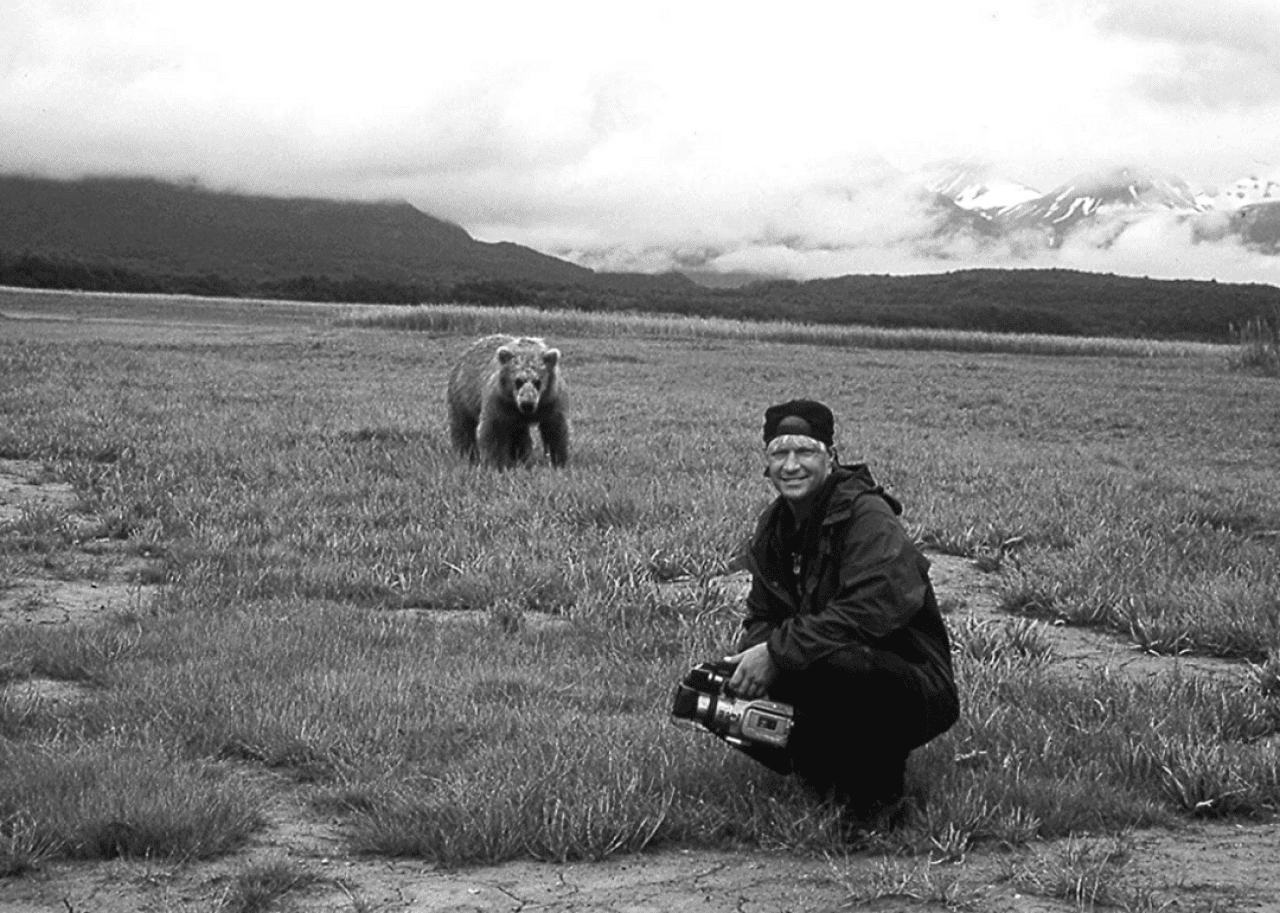
In “Grizzly Man,” German director Werner Herzog uses late conservationist Timothy Treadwell’s personal footage to track the man’s life with wild Alaskan grizzly bears. The film also tells the story of how one of the bears ultimately turned on Treadwell and his girlfriend, Amie Huguenard, resulting in their deaths. Critic Roger Ebert noted that “the documentary is an uncommon meeting between Treadwell’s loony idealism and Herzog’s bleak worldview.”

Doc Society

#96. Bisbee ’17 (2018)

– Director: Robert Greene
– Metascore: 87
– IMDb user rating: 6.7
– Runtime: 112 minutes

Robert Greene’s “Bisbee ’17” is part-documentary, part-historical fiction. It examines the 1917 Bisbee Deportation, in which 1,200 immigrant workers were violently deported from Bisbee, Arizona, by featuring both re-enactments and interviews with Bisbee citizens 100 years later.

Step 1 Productions

#95. Rewind (2019)

– Director: Sasha Joseph Neulinger
– Metascore: 87
– IMDb user rating: 8.0
– Runtime: 86 minutes

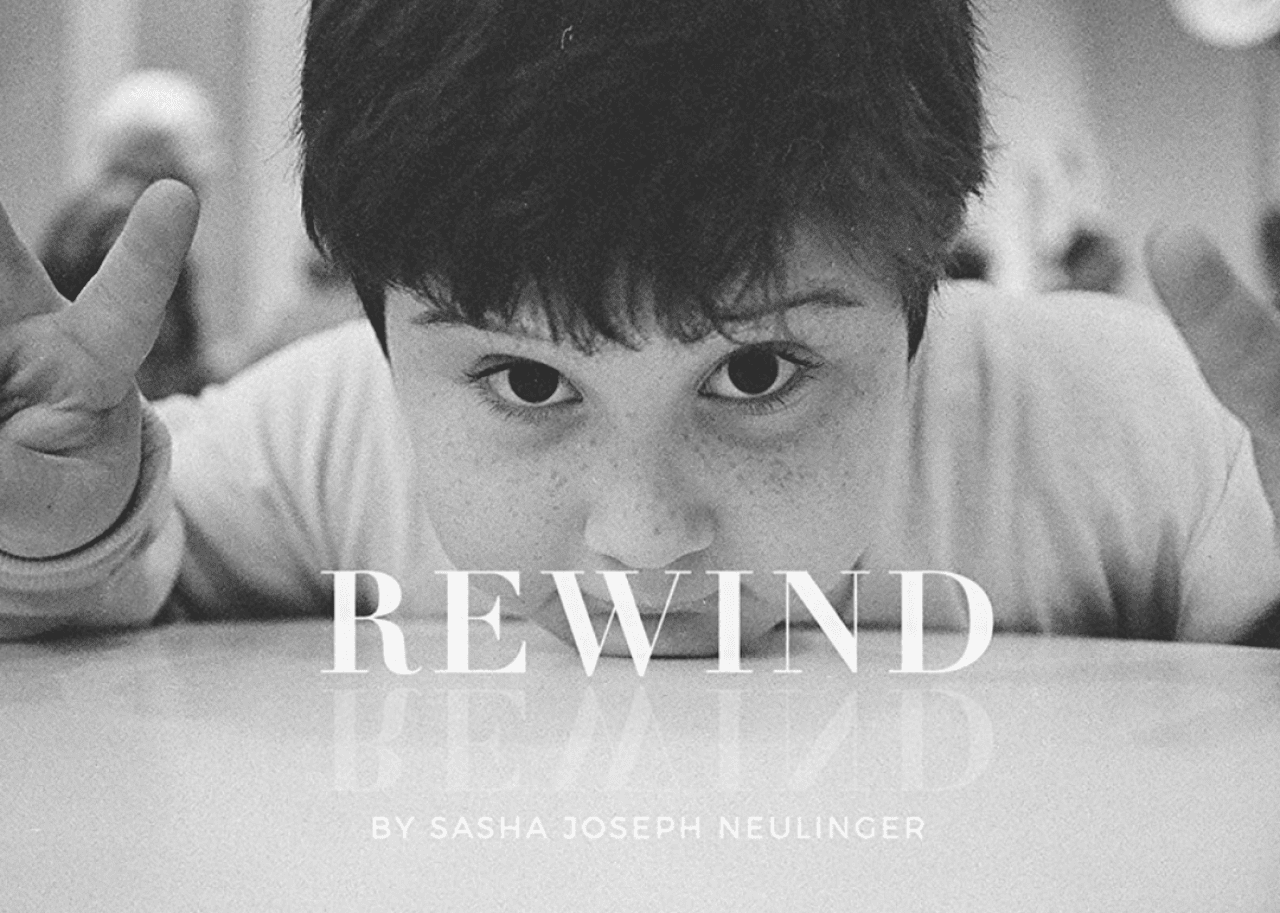
In “Rewind,” documentary filmmaker Sasha Joseph Neulinger works through his childhood sexual abuse by going back through his old home videos. Variety critic Owen Gleiberman gave it a positive review, noting that “watching the movie is like staring at a blurred image of the past that gradually, over 86 minutes, comes into terrifying focus.”

CNN Films

#94. Life Itself (2014)

– Director: Steve James
– Metascore: 87
– IMDb user rating: 7.8
– Runtime: 121 minutes

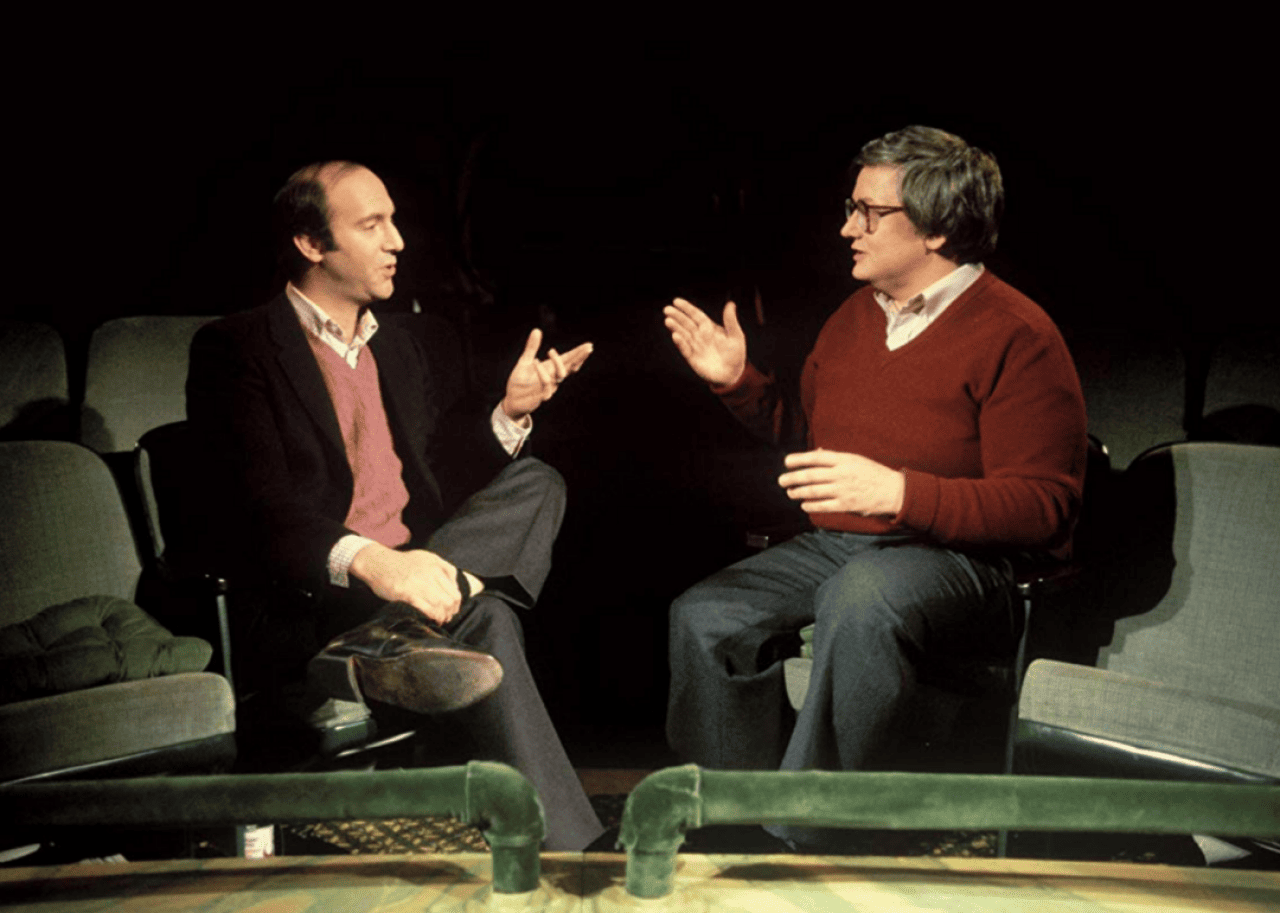
“Life Itself” examines the life and work of acclaimed film critic Roger Ebert, looking at the final months of his life and his rivalry with fellow journalist Gene Siskel. It won an Emmy Award for Outstanding Editing: Documentary & Long-Form, and was named for Ebert’s 2011 memoir of the same name.

Paramount Pictures

#93. Murderball (2005)

– Directors: Henry Alex Rubin, Dana Adam Shapiro
– Metascore: 87
– IMDb user rating: 7.7
– Runtime: 88 minutes

In “Murderball,” the quadriplegic U.S. rugby team describes the impact that the sport has had on their lives while gearing up to play against the Canadian team at the 2004 Paralympic Games. It was later nominated for Best Documentary Feature at the 2006 Oscars.

Tarnation Films

#92. Tarnation (2003)

– Director: Jonathan Caouette
– Metascore: 87
– IMDb user rating: 7.1
– Runtime: 88 minutes

Through “Tarnation,” director Jonathan Caouette uses multimedia like VHS tapes and answering machine messages to work through his relationship with his schizophrenic mother. Memorably, he made it on an iPhone, with an ultra-low budget of under $250.

Particle Fever

#91. Particle Fever (2013)

– Director: Mark Levinson
– Metascore: 87
– IMDb user rating: 7.4
– Runtime: 99 minutes

“Particle Fever” follows a team of physicists as they attempt to figure out the origins of the universe by recreating the big bang. It received overwhelmingly positive reviews, as the Rotten Tomatoes consensus noted that while “the concepts behind its heady subject matter may fly over the heads of most viewers […] ‘Particle Fever’ presents it in such a way that even the least science-inclined viewers will find themselves enraptured.”

Sony Pictures Entertainment

#90. The Fog of War: Eleven Lessons from the Life of Robert S. McNamara (2003)

– Director: Errol Morris
– Metascore: 87
– IMDb user rating: 8.1
– Runtime: 107 minutes

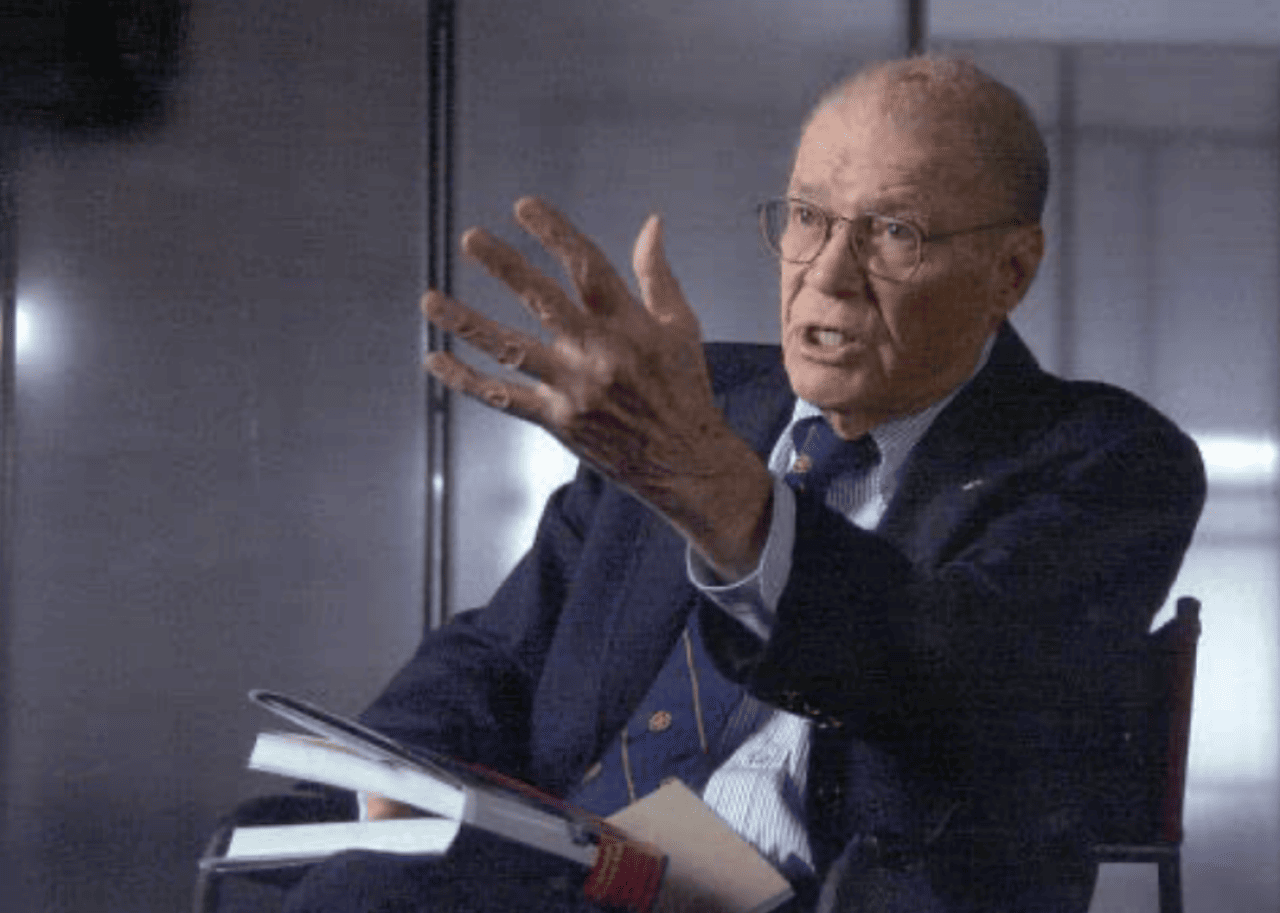
“The Fog of War” centers on controversial former U.S. Defense Secretary Robert S. McNamara’s work and thoughts on the ideology surrounding warfare. It won the Best Documentary Feature Oscar at the 2004 Academy Awards, and was named after the military idea of “the fog of war.”

HBO Documentary Films

#89. Gideon’s Army (2013)

– Director: Dawn Porter
– Metascore: 87
– IMDb user rating: 7.7
– Runtime: 96 minutes

“Gideon’s Army” follows three Southern public defenders who dedicate their lives and careers to serving people who cannot afford lawyers otherwise. New York Times critic Stephen Holden noted that it was a “bare” documentary approach, and Dawn Porter’s documentary won the Candescent Award at the Sundance Film Festival.

Cutler Productions

#88. Listen to Me Marlon (2015)

– Director: Stevan Riley
– Metascore: 87
– IMDb user rating: 8.2
– Runtime: 103 minutes

“Listen to Me Marlon” allows famous actor Marlon Brando to reflect on his life and work in his own words, using hours of audiotape recordings. Vulture critic David Edelstein named it one of the “most searching” and best documentaries made about any actor, and it was nominated for a BAFTA Award for Best Documentary.

Little Bear

#87. My Journey Through French Cinema (2016)

– Director: Bertrand Tavernier
– Metascore: 87
– IMDb user rating: 7.8
– Runtime: 201 minutes

“My Journey Through French Cinema” looks back at some of the country’s notable auteurs, from Jean-Luc Godard to Edmond T. Gréville. Its filmmaker, Bertrand Tavernier, is regarded as one of the most respected directors in the French film world.

Shirley Clarke Productions

#86. Portrait of Jason (1967)

– Director: Shirley Clarke
– Metascore: 87
– IMDb user rating: 7.2
– Runtime: 105 minutes

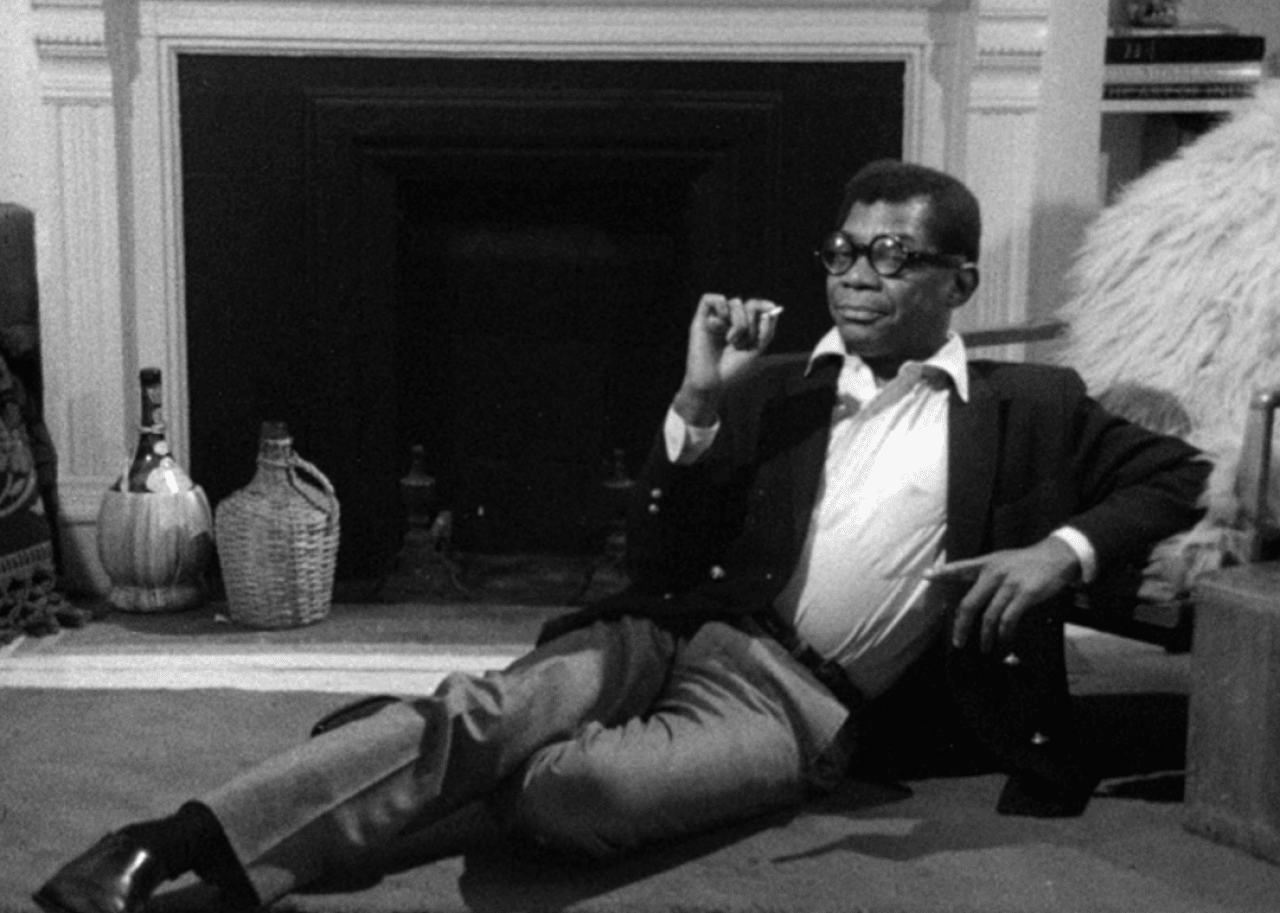
This groundbreaking documentary was filmed over 12 hours, as Shirley Clarke spoke with aspiring cabaret dancer and Black gay sex worker Jason Holliday. While some have argued that it’s exploitative, it provided key insights into Black LGBTQ+ life in the 1960s.

National Geographic

#85. Jane (2017)

– Director: Brett Morgen
– Metascore: 87
– IMDb user rating: 7.8
– Runtime: 90 minutes

Using more than 100 hours of National Geographic archival footage, “Jane” explores the life and work of famous primatologist Jane Goodall. “It’s most evocative as a memorable portrait of a woman […] Who, in doing so, helped make the world a better place,” wrote Seattle Times critic Moira Macdonald.

Les Films de l’Astrophore

#84. Level Five (1997)

– Director: Chris Marker
– Metascore: 87
– IMDb user rating: 7.1
– Runtime: 106 minutes

In the French documentary “Level Five,” actress Catherine Belkhodja is the only human featured in an otherwise total virtual reality. The movie was meant to hypothesize the primarily digital world that has become a reality in 2021 in many ways.

Les Films de l’Astrophore

#83. F for Fake (1973)

– Directors: Orson Welles, Gary Graver, Oja Kodar, François Reichenbach
– Metascore: 87
– IMDb user rating: 7.8
– Runtime: 89 minutes

In Orson Welles’ 1973 docudrama “F for Fake,” Elmyr de Hory looks back on his work as an infamous art forger. Incorporating Welles playing himself, the director felt he was creating “a new kind of film.“

Stemal Entertainment

#82. Fire at Sea (2016)

– Director: Gianfranco Rosi
– Metascore: 87
– IMDb user rating: 6.8
– Runtime: 114 minutes

“Fire At Sea” explores how Italy’s island of Lampedusa became an important location for European migrants fleeing in search of a better life. Meryl Streep called it “a daring hybrid of captured footage and deliberate storytelling that allows us to consider what documentary can do.”

Molj Perfiferi Film

#81. Stray (2021)

– Director: Elizabeth Lo
– Metascore: 87
– IMDb user rating: 7.1
– Runtime: 72 minutes

“Stray” follows stray dogs on the streets of Istanbul, Turkey, as they fight to survive and form close bonds with nearby humans. Specifically, it centers on three dogs: Zeytin, Nazar, and a puppy named Kartal.

Maïa Films

#80. To Be and To Have (2002)

– Director: Nicolas Philibert
– Metascore: 87
– IMDb user rating: 7.8
– Runtime: 104 minutes

“To Be and To Have” spotlights the work of rural French school teacher Georges Lopez, who teaches 12 kids ranging in age from 4 to 11. The movie was celebrated by critics for its focus on the impact a tireless, dedicated educator can have on young minds.

Crossing the Line Productions

#79. The Farthest (2017)

– Director: Emer Reynolds
– Metascore: 87
– IMDb user rating: 8.1
– Runtime: 121 minutes

This Irish documentary revolves around the creation of the Voyager program, which resulted in the probe Voyager 1 becoming the first human creation to ever bypass our Solar System. Los Angeles Times writer Noel Murray praised director Emer Reynolds for “weaving together insightful and unexpectedly poetic interviews.”

Alice Films

#78. Of Men and War (2014)

– Director: Laurent Bécue-Renard
– Metascore: 87
– IMDb user rating: 7.0
– Runtime: 142 minutes

This documentary takes place at a now-closed veteran treatment facility called “Of Men and War.” There, it features interviews with several Iraq and Afghan war veterans, shedding light on the trauma that these people often face in the aftermath.

Strand Releasing

#77. The Missing Picture (2013)

– Director: Rithy Panh
– Metascore: 87
– IMDb user rating: 7.4
– Runtime: 92 minutes

The Cambodian documentary “The Missing Picture” recounts the atrocities committed under the Khmer Rouge regime. Director Rithy Panh lived through the regime when he was a young teenager, and recreates major events using clay figurines and archival footage.

Aborama

#76. Restless Creature: Wendy Whelan (2016)

– Directors: Linda Saffire, Adam Schlesinger
– Metascore: 87
– IMDb user rating: 7.1
– Runtime: 90 minutes

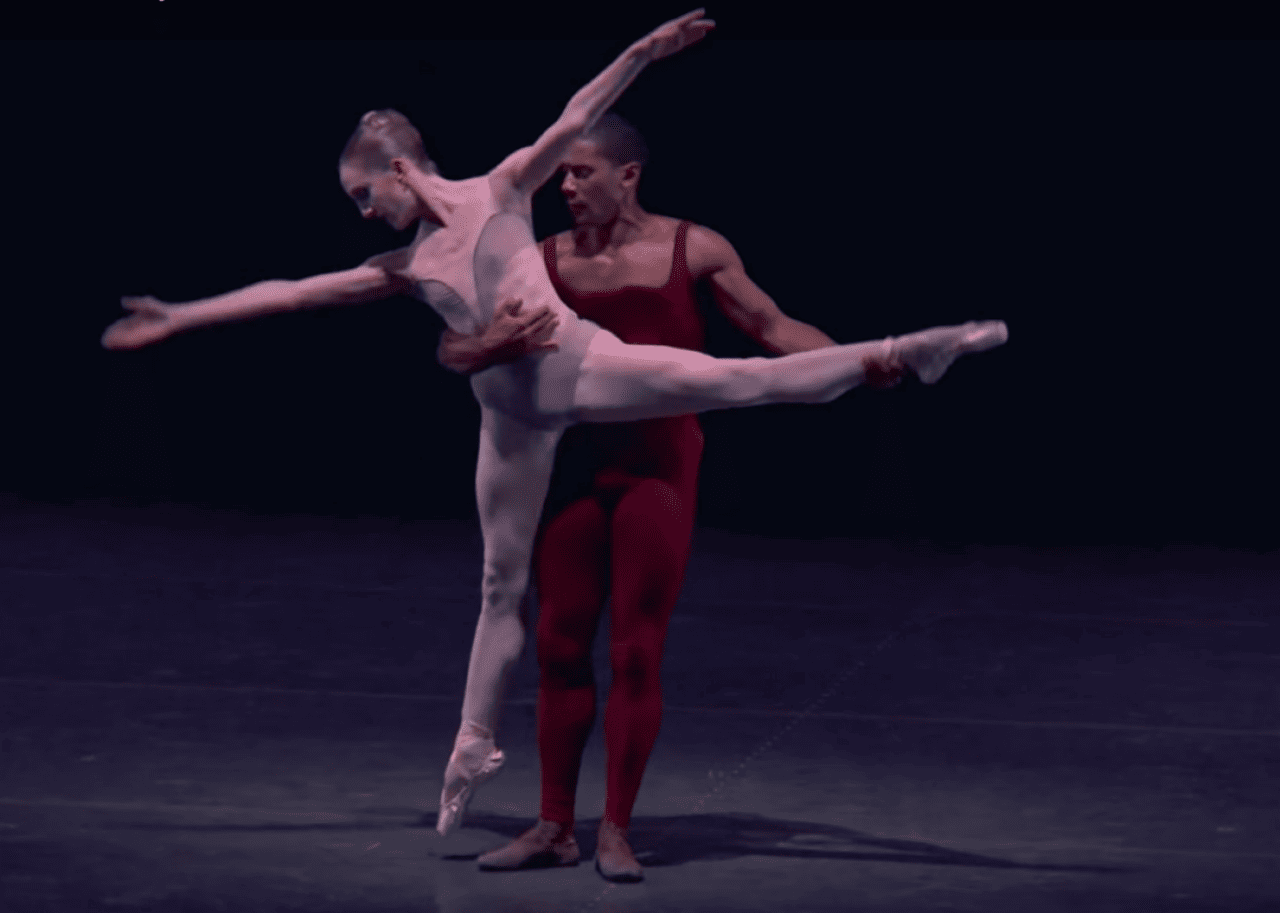
This documentary follows renowned ballerina Wendy Whelan, who was a longtime principal dancer in the New York City Ballet. As she confronts the reality of aging, the film raises questions about the physical limitations and constantly changing relationship to art that many dancers face.

ITVS Mile 22 LLC

#75. Newtown (2016)

– Director: Kim A. Snyder
– Metascore: 87
– IMDb user rating: 6.8
– Runtime: 85 minutes

“Newtown” shines a light on the town of Newtown, Connecticut, who suffered a mass shooting resulting in the deaths of several teachers and elementary school children in 2012. Vulture’s Bilge Ebiri gave the documentary a positive review, noting that “it is as much about the complex, dull horror of memory as it is about the brute, sharp horror of that day.”

HBO Documentary Films

#74. Jane Fonda in Five Acts (2018)

– Director: Susan Lacy
– Metascore: 87
– IMDb user rating: 8.0
– Runtime: 133 minutes

Susan Lacy’s documentary dives deep into the public highs and lows of beloved actor Jane Fonda. It tackles many elements of her life and career, from her marriage to a billionaire to her anti-war activism.

HBO Documentary

#73. Everything Is Copy (2015)

– Directors: Jacob Bernstein, Nick Hooker
– Metascore: 88
– IMDb user rating: 7.4
– Runtime: 89 minutes

“Everything Is Copy” is a documentary tribute to renowned writer and filmmaker Nora Ephron. It features interviews with many of her well-known frequent collaborators, such as Tom Hanks and Meg Ryan.

CNN Films

#72. Apollo 11 (2019)

– Director: Todd Douglas Miller
– Metascore: 88
– IMDb user rating: 8.2
– Runtime: 93 minutes

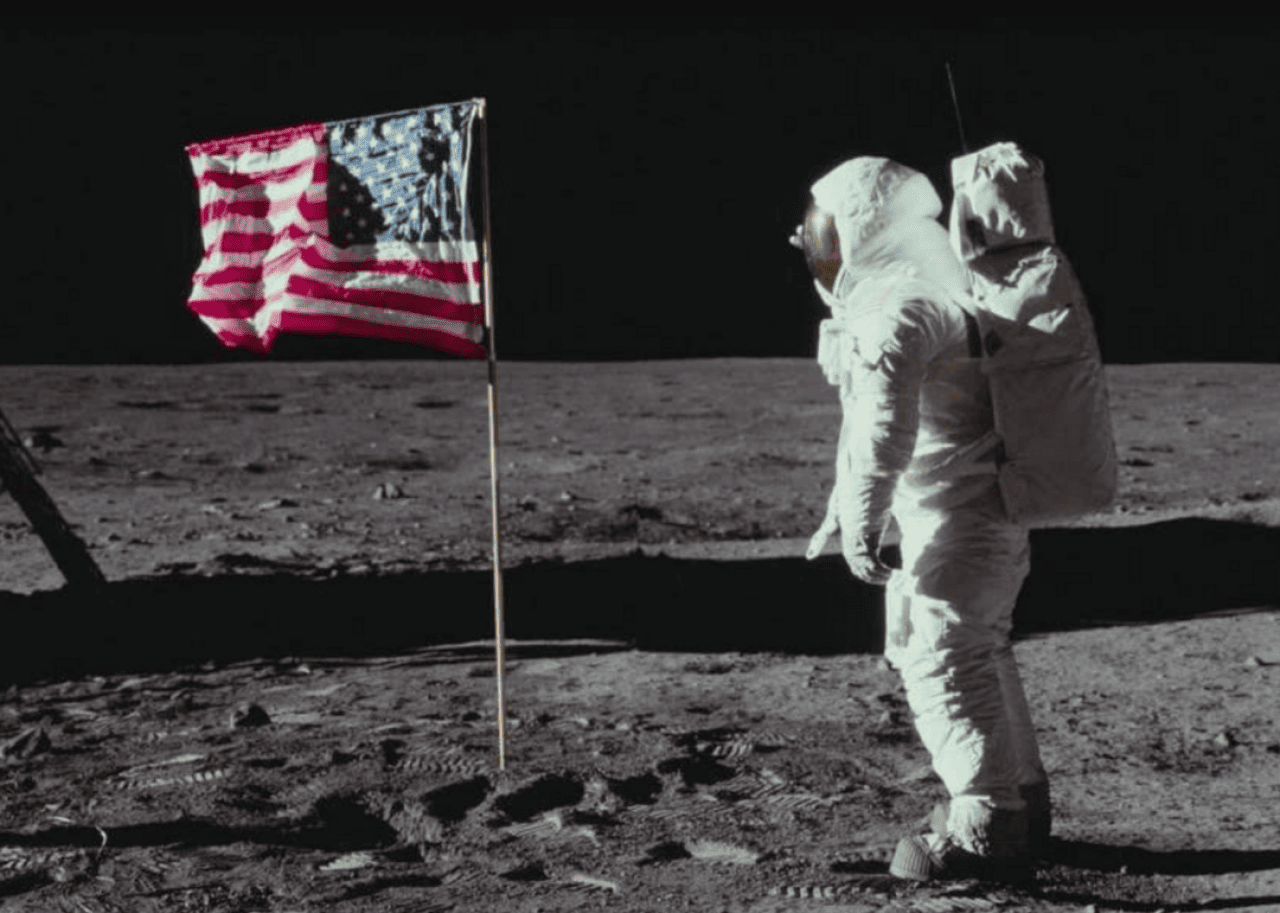
“Apollo 11” didn’t receive widely positive critical reviews, with The New Yorker’s Richard Brody arguing it’s remarkable that the movie manages to be dull in spite of its historic subject matter. Nevertheless, Todd Douglas Miller’s documentary about the well-known space mission includes exclusive footage from the event.

The Ross Bros.

#71. 45365 (2009)

– Directors: Bill Ross IV, Turner Ross
– Metascore: 88
– IMDb user rating: 7.1
– Runtime: 90 minutes

“45365” is named for the zip code of the small town of Sidney, Ohio, where this documentary takes place. The filmmaking brother duo uses it to shine a light on the everyday lives and dreams of Middle Americans, providing a portrait of life in the late 2000s.

Cinereach

#70. Shirkers (2018)

– Director: Sandi Tan
– Metascore: 88
– IMDb user rating: 7.4
– Runtime: 97 minutes

“Shirkers” tells the story of Singaporean filmmaker Sandi Tan’s lost first film, which was hijacked and stolen by her older American mentor. Tan’s honest examination of loss and creativity won the World Cinema Documentary Directing Award after premiering at the 2018 Sundance Film Festival.

Sony Pictures Classics

#69. Inside Job (2010)

– Director: Charles Ferguson
– Metascore: 88
– IMDb user rating: 8.2
– Runtime: 109 minutes

“Inside Job” examines the factors that led to the 2008 financial crash and plunged the United States into a serious economic recession. It went on to win the Academy Award for Best Documentary Feature at the 2011 ceremony.

Radius-TWC

#68. Citizenfour (2014)

– Director: Laura Poitras
– Metascore: 88
– IMDb user rating: 8.0
– Runtime: 114 minutes

“Citizenfour” examines what happened when Edward Snowden released classified documents to director Laura Poitras and journalist Glenn Greenwald, resulting in a whistleblower scandal. The Guardian writer Peter Bradshaw noted that Poitras’ documentary was “as gripping as any thriller,” and like “a [Michael] Moore film with the gags and stunts removed.”

Oscilloscope

#67. A Film Unfinished (2010)

– Director: Yael Hersonski
– Metascore: 88
– IMDb user rating: 7.4
– Runtime: 88 minutes

In “A Film Unfinished,” director Yael Hersonski contextualizes a recently discovered film reel from an unfinished Nazi film called “Das Ghetto.” Using interviews with surviving cameramen, he shines a light on a dark propaganda machine filmed amid the Holocaust’s greatest atrocities.

TheTruthAlwaysRises

#66. Quest (2017)

– Director: Jonathan Olshefski
– Metascore: 88
– IMDb user rating: 7.0
– Runtime: 104 minutes

“Quest” centers on the ups and downs of the Raineys, a Black family raising their daughter in Philadelphia. The documentary takes place over eight years, utilizing moments from over 300 hours of footage.

Maysles Documentary Center

#65. In Transit (2015)

– Directors: Albert Maysles, Lynn True, David Usui, Nelson Walker III, Ben Wu
– Metascore: 88
– IMDb user rating: 7.3
– Runtime: 76 minutes

“In Transit” gives a rare voice to the everyday passengers and employees on the Empire Builder Amtrak train. Because the movie’s financier Al Jazeera America shuttered in 2016, the film was not distributed for some time.

Zipporah Films

#64. City Hall (2020)

– Director: Frederick Wiseman
– Metascore: 88
– IMDb user rating: 7.3
– Runtime: 272 minutes

Documentarian Frederick Wiseman’s picture of the Boston city government’s inner workings is on the longer side, clocking in at 4.5 hours. In reviewing the film, Austin Chronicle critic Josh Kupecki noted, “While the phrase ‘required viewing’ gets thrown around a lot, I cannot think of another film that plainly and comprehensively lays bare both the complex apparatus at work, and the people dedicated to serving its populace.”

Hulu

#63. Crime + Punishment (2018)

– Director: Stephen T. Maing
– Metascore: 88
– IMDb user rating: 7.4
– Runtime: 112 minutes

“Crime and Punishment” details how a number of Black and Latinx NYPD police officers attempted to expose the police department’s systemic wrongdoings. The Guardian writer Jake Nevins lauded it as a “shocking” film taking aim at a corrupt American institution.

40 Acres & A Mule Filmworks

#62. 4 Little Girls (1997)

– Director: Spike Lee
– Metascore: 88
– IMDb user rating: 7.8
– Runtime: 102 minutes

Spike Lee’s “4 Little Girls” focuses on the 1963 Alabama church bombing that killed four young Black girls. It was nominated for Best Documentary at the 1998 Academy Awards.

Upfront Films

#61. Democrats (2014)

– Director: Camilla Nielsson
– Metascore: 88
– IMDb user rating: 7.4
– Runtime: 100 minutes

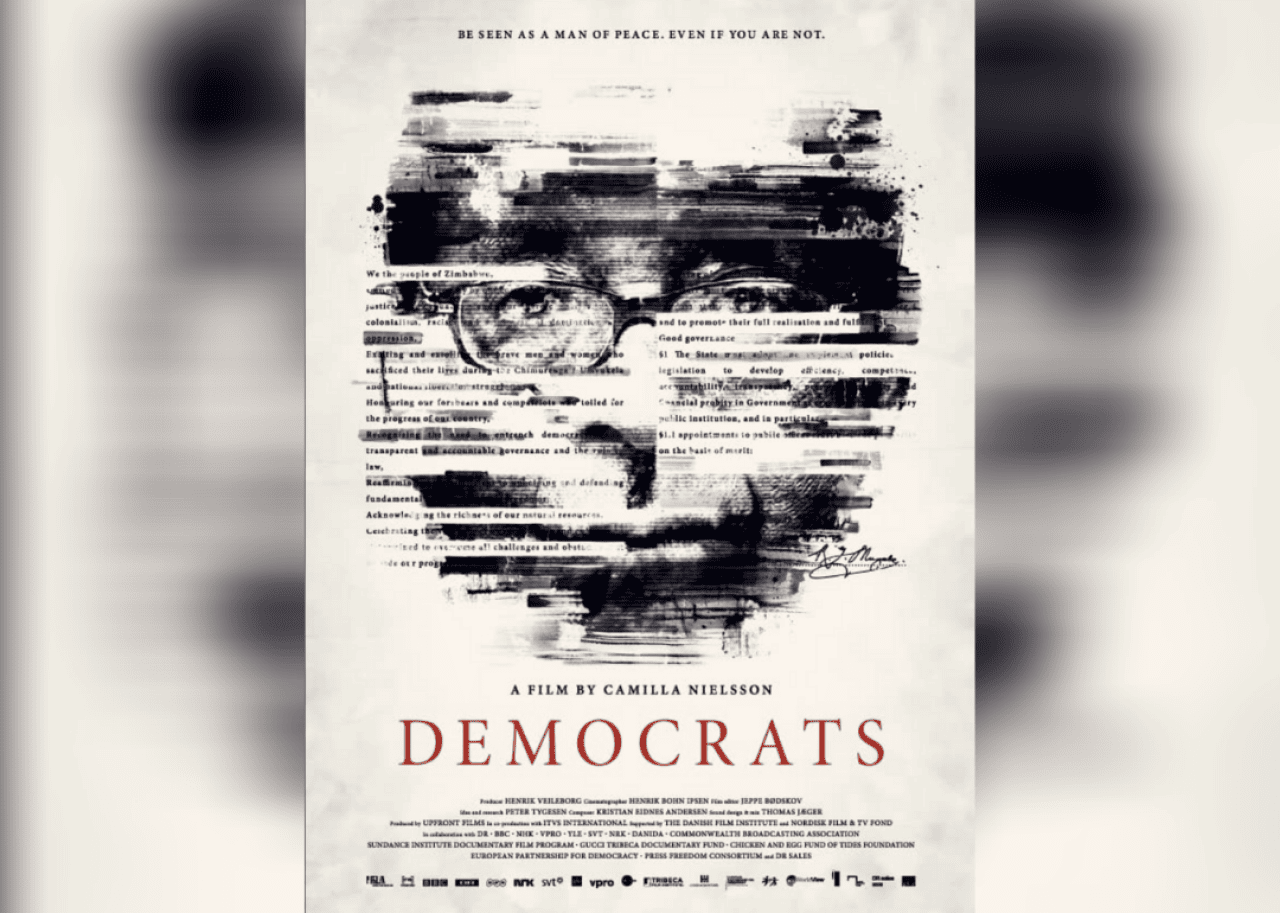
Camilla Nielsson’s “Democrats” documents the tenuous political situation in modern Zimbabwe, where a new constitution is being put together in the face of personal political interests threatening to weigh it down. Variety’s Guy Lodge said that “even the slyest political satire couldn’t outdo this riveting docu study of Zimbabwe’s troubled coalition government.”

Artangel Media

#60. The Arbor (2010)

– Director: Clio Barnard
– Metascore: 88
– IMDb user rating: 7.3
– Runtime: 94 minutes

“The Arbor” chronicles acclaimed Bradford playwright Andrea Dunbar’s difficult early years living in the U.K. The film uses a blend of fictional recreations (including direct quotes from Dunbar’s real life) and nonfictional accounts.

United Artist Films

#59. The Last Waltz (1978)

– Director: Martin Scorsese
– Metascore: 88
– IMDb user rating: 8.2
– Runtime: 117 minutes

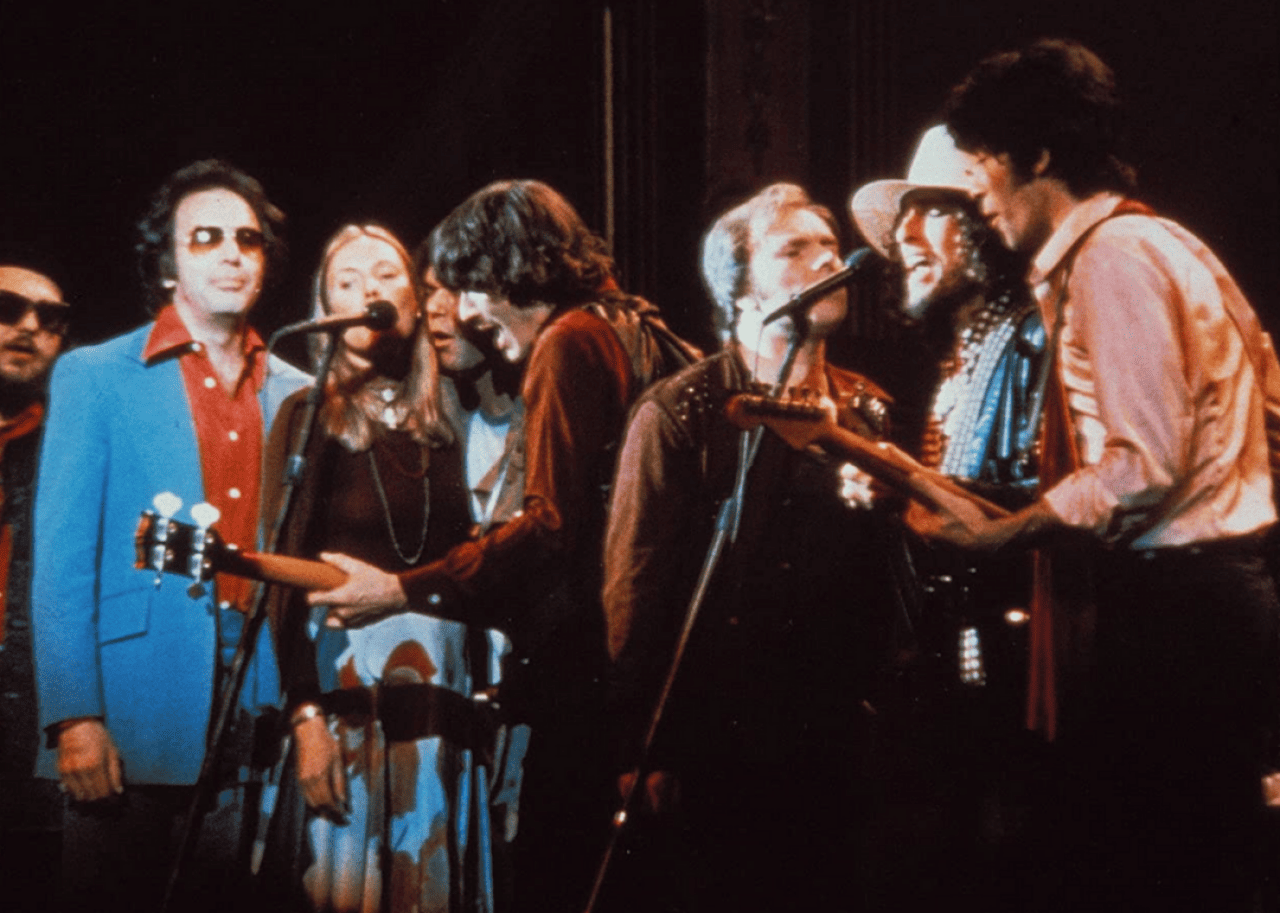
This Martin Scorsese documentary follows the iconic rock group The Band’s final concert together, reflecting on their legacy. While it’s been praised as one of the best concert movies out there, it has faced a degree of criticism for largely leaving out musician Robbie Robertson.

Netflix Worldwide Entertainment

#58. Dick Johnson Is Dead (2020)

– Director: Kirsten Johnson
– Metascore: 89
– IMDb user rating: 7.5
– Runtime: 89 minutes

Director Kirsten Johnson made this film as a way to help process her father’s impending death by dementia. In the documentary, she stages different ways in which he could die, and Washington Post critic Ann Hornaday gave it a positive review for making “a dread-filled fantasy that brims with love, humor, and of all things, life.”

Grasshopper Film

#57. Dead Souls (2018)

– Director: Wang Bing
– Metascore: 89
– IMDb user rating: 8.1
– Runtime: 495 minutes

“Dead Souls” features intimate interviews with over 100 survivors of China’s labor detention camps. As Wang Bing notes, these camps have a long-spanning history, as they were established in the 1950s.

Beth Harrington Productions

#56. The Winding Stream (2014)

– Director: Beth Harrington
– Metascore: 89
– IMDb user rating: 7.7
– Runtime: 90 minutes

“The Winding Stream” takes a close look at the Carters, an endlessly influential family within the world of American country music. It’s particularly notable given that it features an exclusive interview with an older Johnny Cash, which was conducted right before his death.

Palm Pictures

#55. Stop Making Sense (1984)

– Director: Jonathan Demme
– Metascore: 89
– IMDb user rating: 8.6
– Runtime: 88 minutes

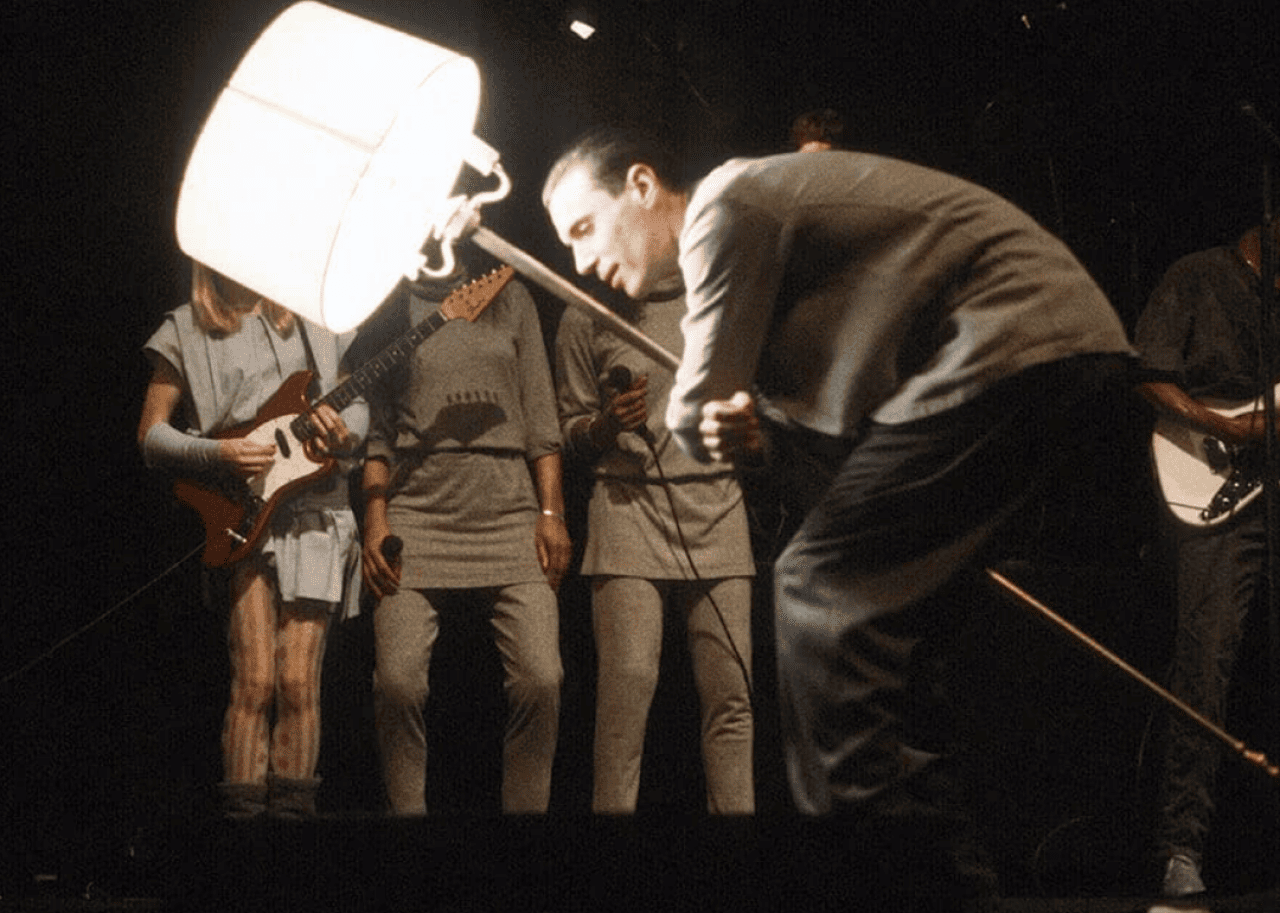
The concert documentary “Stop Making Sense” revolves around the iconic band the Talking Heads, particularly their lead singer, David Byrne. A spiritual sequel about Byrne’s Broadway show titled “American Utopia” premiered on HBO in 2020.

Acquire Talent Agency,

#54. Western (2015)

– Directors: Bill Ross IV, Turner Ross
– Metascore: 89
– IMDb user rating: 5.9
– Runtime: 92 minutes

“Western” centers on border politics and increasing cartel violence threatening the peaceful relationship between the border towns of Piedras Negras, Mexico, and Eagle Pass, Texas. Variety writer Scott Foundas called it an “elegiac portrait of modern frontier life.”

Red Envelope Entertainment

#53. No End in Sight (2007)

– Director: Charles Ferguson
– Metascore: 89
– IMDb user rating: 8.2
– Runtime: 102 minutes

“No End in Sight” offers a scathing look at the American invasion of Iraq, and why the Bush administration insisted on unnecessarily perpetuating the war. It received a nomination for Best Documentary Feature at the 2008 Academy Awards.

Idéale Audience

#52. National Gallery (2014)

– Director: Frederick Wiseman
– Metascore: 89
– IMDb user rating: 7.3
– Runtime: 180 minutes

“National Gallery” offers an in-depth glimpse of the many art pieces within London’s National Gallery. The Washington Post critic Stephanie Merry called it “remarkably engaging” and “bursting with beauty.”

Lucid Inc.

#51. Uncertain (2015)

– Directors: Ewan McNicol, Anna Sandilands
– Metascore: 89
– IMDb user rating: 7.2
– Runtime: 82 minutes

In the rural Texas town of Uncertain (which is spotlighted in “Uncertain”), elderly fisherman Henry’s livelihood is thrown into jeopardy when a parasitic infestation takes over the local lake. The Museum of Modern Art’s official description for the film calls it “an exemplary portrait of three generations of men processing personal and political trauma with the scarcest of resources.”

HBO Documentary Films

#50. When the Levees Broke: A Requiem in Four Acts (2006)

– Director: Spike Lee
– Metascore: 89
– IMDb user rating: 8.5
– Runtime: 255 minutes

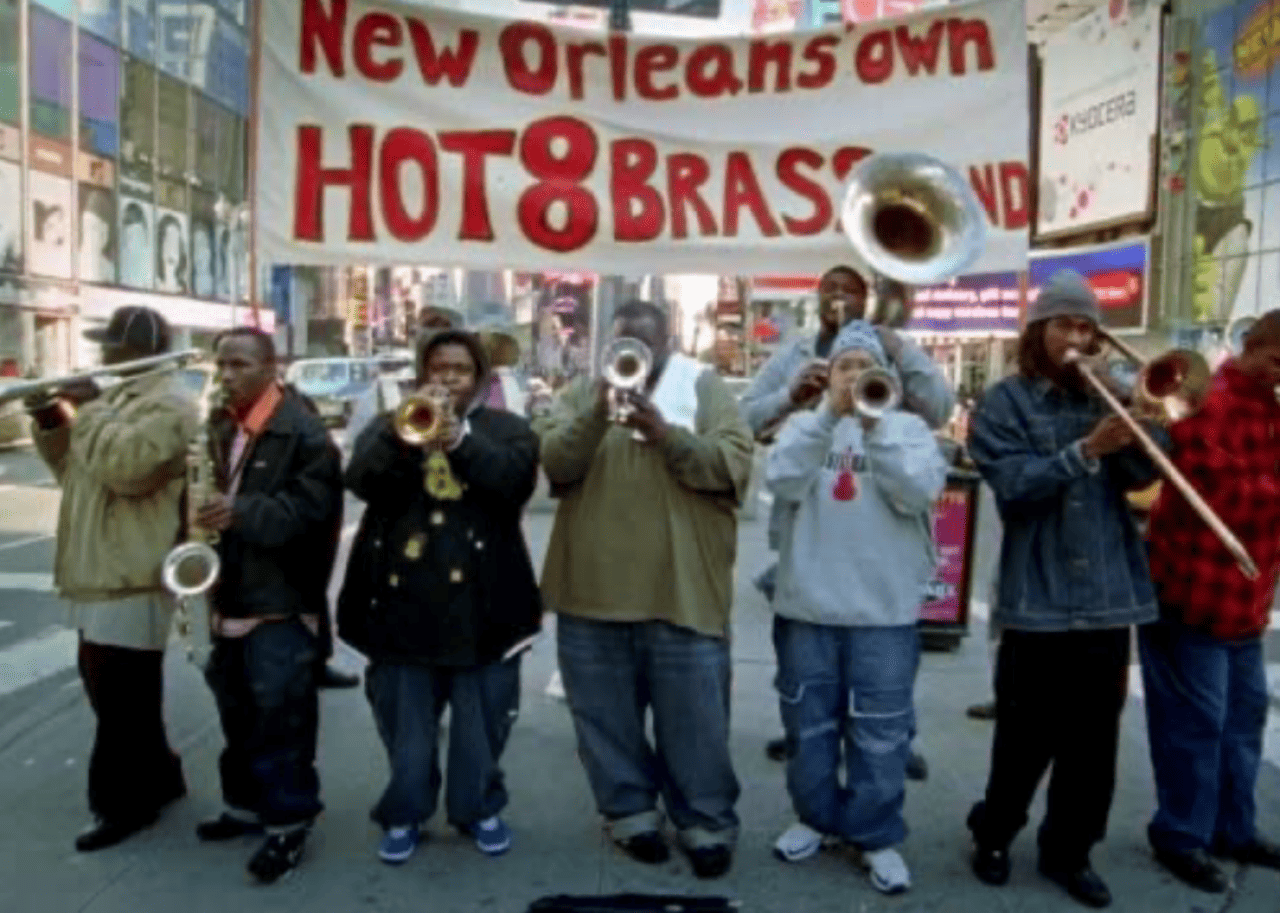
This documentary by renowned filmmaker Spike Lee dives deep into the American government’s handling of the cataclysmic disaster that was Hurricane Katrina. Lee features interviews with many New Orleans residents impacted by the hurricane and allows them to explain how the city has rebuilt itself since.

Chanel 4

#49. For Sama (2019)

– Directors: Waad Al-Kateab, Edward Watts
– Metascore: 89
– IMDb user rating: 8.5
– Runtime: 100 minutes

This film follows a Syrian woman named Waad Al-Kateab as she recounts five years of living through the war in Aleppo, Syria. The movie was nominated for Best Documentary Feature at the 2020 Academy Awards.

Discovery Films

#48. Man on Wire (2008)

– Director: James Marsh
– Metascore: 89
– IMDb user rating: 7.7
– Runtime: 94 minutes

“Man on Wire” explains the famous 1974 event in which tightrope artist Philippe Petit walked on a high wire in between New York City’s Twin Towers. It was later turned into a 2015 feature-length movie starring Joseph Gordon-Levitt.

Sisyfos Film Production

#47. Scheme Birds (2019)

– Directors: Ellen Fiske, Ellinor Hallin
– Metascore: 89
– IMDb user rating: 7.2
– Runtime: 90 minutes

“Scheme Birds” centers on pregnant Scottish teenager Gemma, who runs into trouble in the fading town of Jerviston. In the Tribeca Film Festival’s synopsis for the film, Julie Rozite describes it as an “absorbing story of survival.”

Albert+ Sustainable production

#46. 63 Up (2019)

– Director: Michael Apted
– Metascore: 89
– IMDb user rating: 8.2
– Runtime: 145 minutes

In “63 Up,” documentarian Michael Apted once again follows up with several British people of varying socioeconomic backgrounds after seven years. NPR critic Ella Taylor commented on the “fundamental decency of just about every participant in this long cultural experiment.”

Drafthouse Films

#45. The Overnighters (2014)

– Director: Jesse Moss
– Metascore: 89
– IMDb user rating: 7.4
– Runtime: 102 minutes

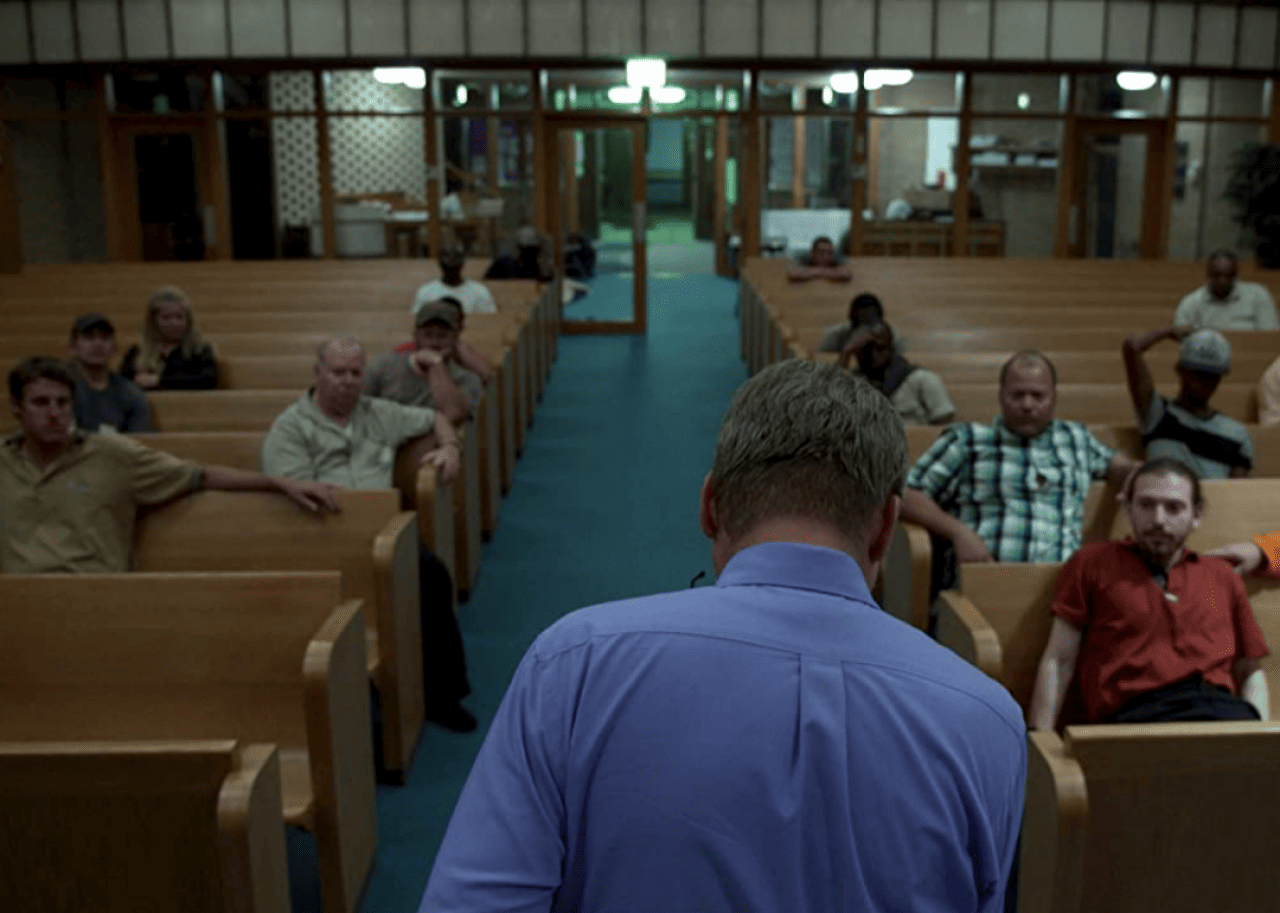
“The Overnighters” highlights North Dakota pastor Jay Reinke, who became a controversial figure in the town of Williston after providing housing for many homeless people. Indiewire’s Katie Walsh called it a “starkly bleak and devastatingly humane” film.

Fin & Fur Films

#44. The River and the Wall (2019)

– Director: Ben Masters
– Metascore: 89
– IMDb user rating: 6.1
– Runtime: 97 minutes

“The River and the Wall” follows five friends as they travel from El Paso to the Gulf of Mexico, hoping to expose the American-Mexican border wall’s negative impacts on the environment. The New York Times critic Jeannette Catsoulis wrote that it was a “passionate and spectacularly photographed political message.”

ITVS

#43. Minding the Gap (2018)

– Director: Bing Liu
– Metascore: 90
– IMDb user rating: 8.1
– Runtime: 93 minutes

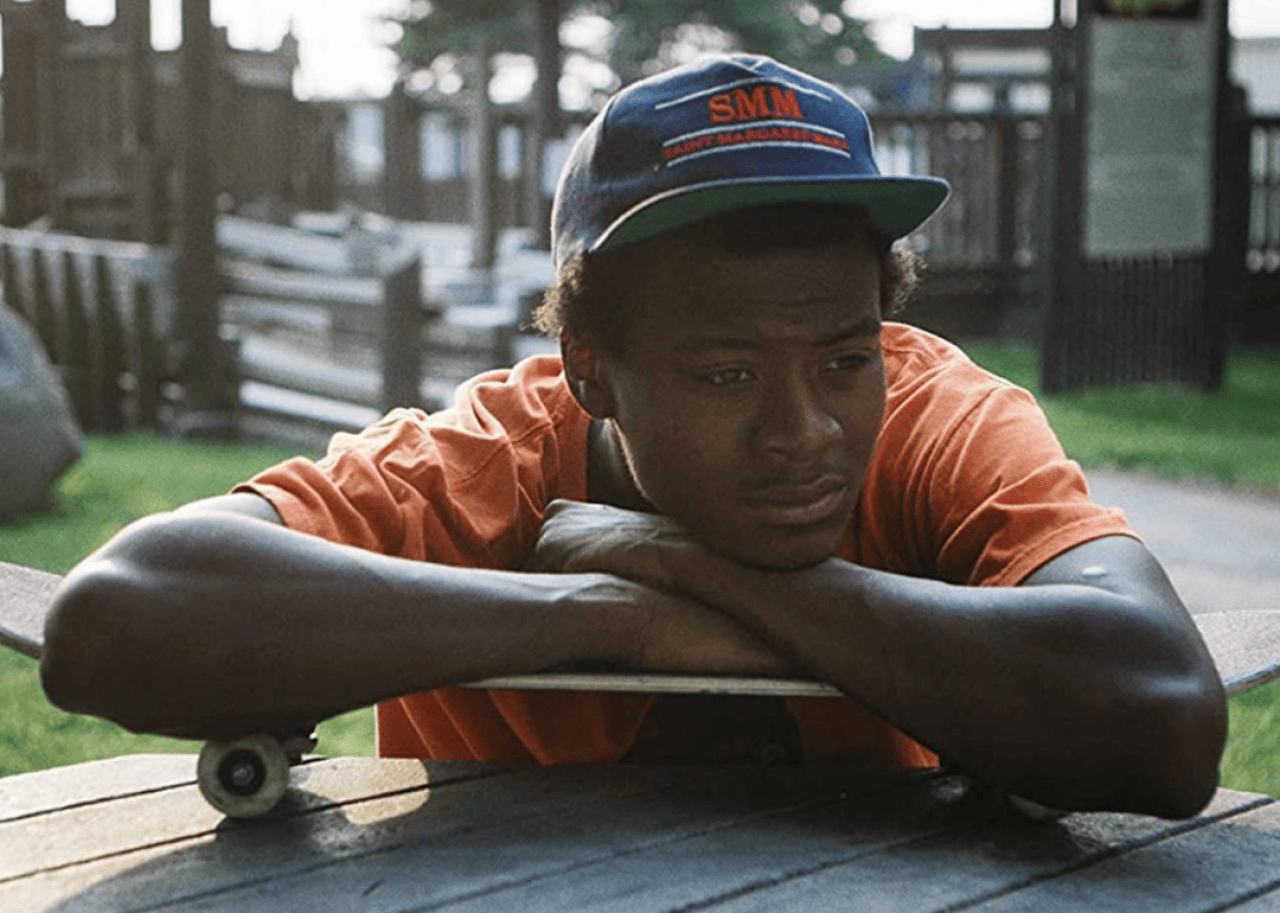
“Minding the Gap” centers on three young men in a Rust Belt Illinois town who use skateboarding as an escape from abusive homes and systemic prejudice, as they ponder their futures. New Yorker critic Richard Brody wrote that the film’s “near-at-hand intimacy gives rise to a film of vast scope and political depth.”

Magnolia Pictures

#42. Capturing the Friedmans (2003)

– Director: Andrew Jarecki
– Metascore: 90
– IMDb user rating: 7.7
– Runtime: 107 minutes

In “Capturing the Friedmans,” Andrew Jarecki explores the trial of two men from the same family who were convicted of child sexual abuse in the 1980s. Although it was nominated for an Oscar in 2004, some of the subjects’ family members protested the nomination.

Boynton Films Production

#41. Big Men (2013)

– Director: Rachel Boynton
– Metascore: 90
– IMDb user rating: 7.1
– Runtime: 99 minutes

This Rachel Boynton film shines a light on corruption within Africa’s oil industry. The movie drew acclaim for its nuance from New York Times’ critic Jeannette Catsoulis, and for being a “cool and incisive snapshot of global capitalism at work.”

Jafar Panahi Film Productions

#40. This Is Not a Film (2011)

– Directors: Mojtaba Mirtahmasb, Jafar Panahi
– Metascore: 90
– IMDb user rating: 7.4
– Runtime: 75 minutes

Iranian documentarian Jafar Panahi made “This Is Not a Film” about modern life in Iran in response to the government threatening him. The movie was smuggled to the Cannes Film Festival using a flash drive hidden in a birthday cake.

Red Square Productions

#39. My Perestroika (2010)

– Director: Robin Hessman
– Metascore: 90
– IMDb user rating: 7.2
– Runtime: 88 minutes

“My Perestroika” tracks the series of events that led to the USSR’s collapse in 1991. Robin Hessman examines the fallout by interviewing five Russians who were there about how their perception of their national identity has changed.

MediaTrade

#38. My Voyage to Italy (1999)

– Director: Martin Scorsese
– Metascore: 90
– IMDb user rating: 8.2
– Runtime: 246 minutes

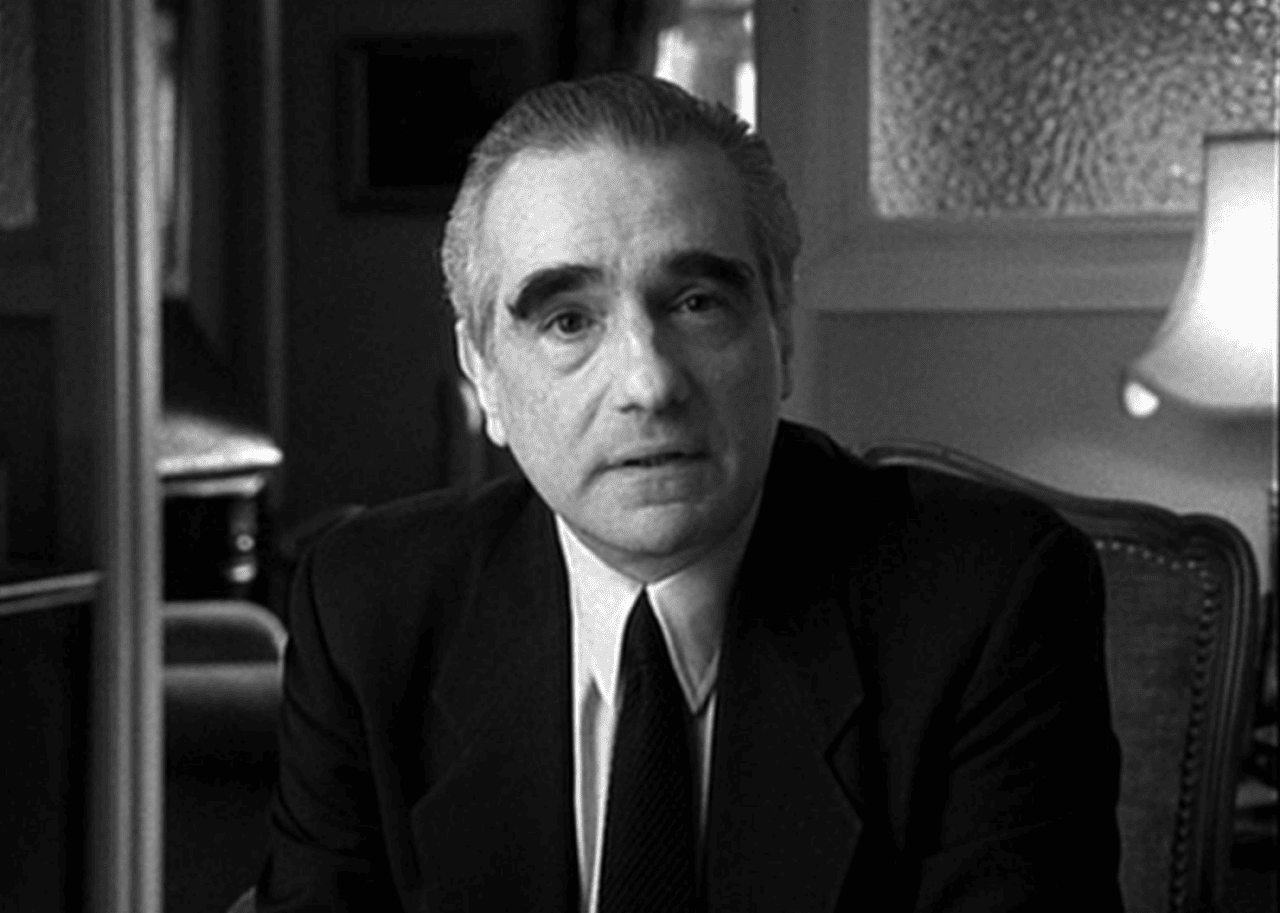
“My Voyage to Italy” recounts acclaimed filmmaker Martin Scorsese’s upbringing in New York City. He also lists his own film influences, noting Roberto Rossellini’s work in particular.

Egil Håskjold Larsen/Sant & Usant

#37. Gunda (2020)

– Director: Viktor Kossakovsky
– Metascore: 90
– IMDb user rating: 7.5
– Runtime: 93 minutes

“Gunda” follows a day in the life of a pig and its fellow farm animals: a one-legged chicken and two cows. Oscar-winning actor Joaquin Phoenix serves as an executive producer on this documentary.

Kasper Collin Produktion

#36. I Called Him Morgan (2016)

– Director: Kasper Collin
– Metascore: 90
– IMDb user rating: 7.3
– Runtime: 92 minutes

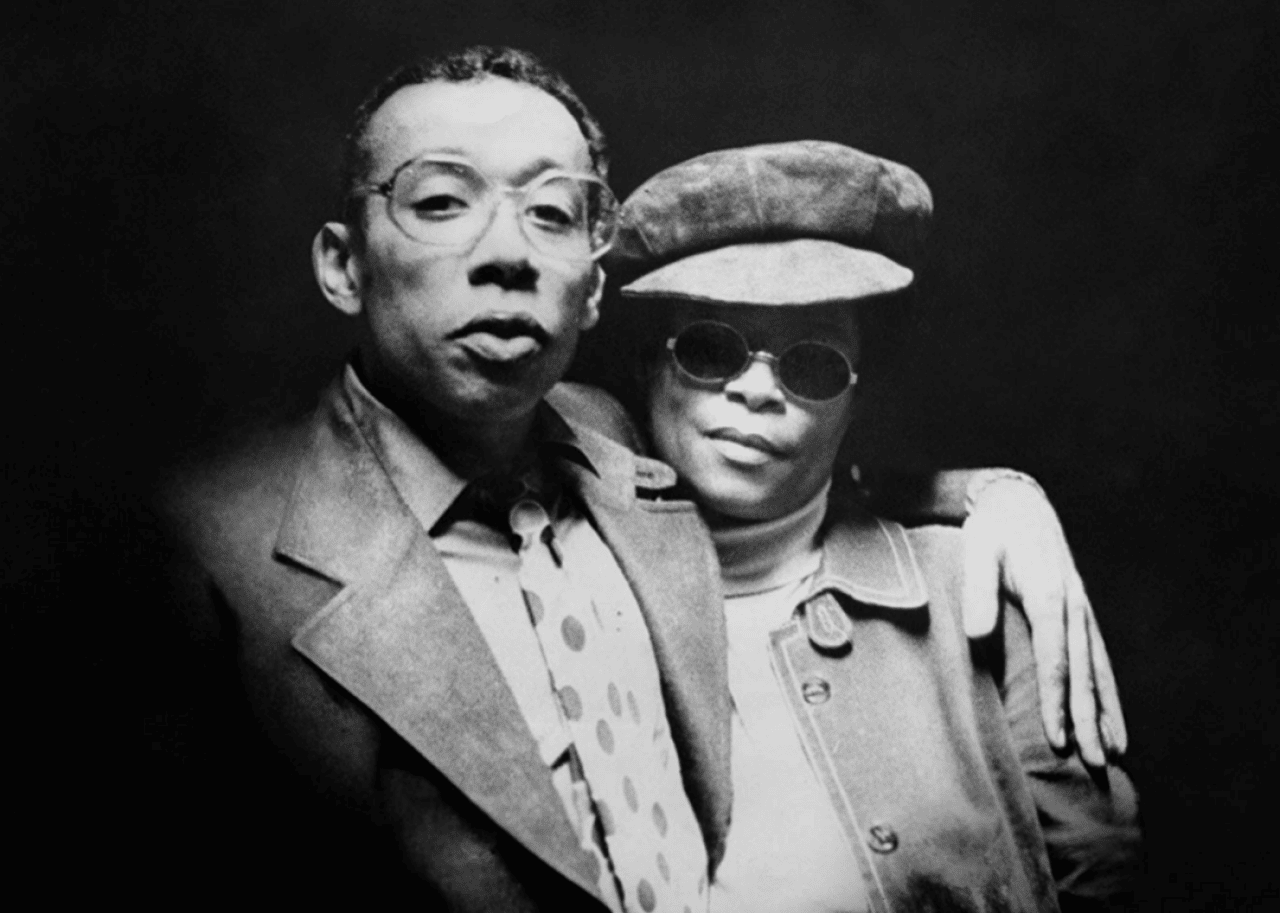
“I Called Him Morgan” chronicles the relationship between jazz musician Lee Morgan and his wife Helen, who was implicated in his 1972 murder. The Guardian writer Jordan Hoffman praised it, calling the film “spellbinding, mercurial, hallucinatory, exuberant, tragic.”

Artist Tribe

#35. The Girls in the Band (2011)

– Director: Judy Chaikin
– Metascore: 90
– IMDb user rating: 7.4
– Runtime: 81 minutes

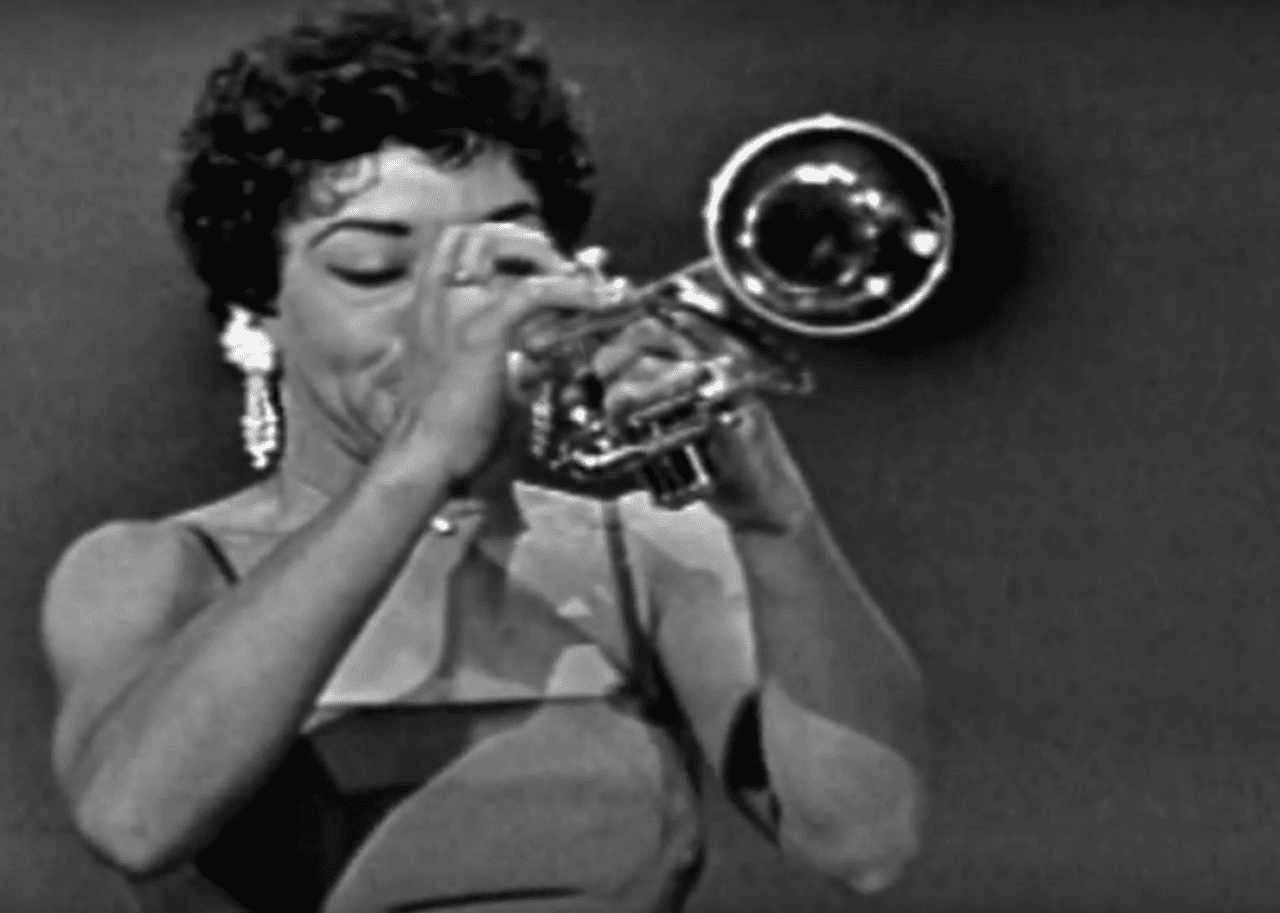
“The Girls in the Band” spotlights often-forgotten all-women bands who toured America in the 1930s and 1940s. Jeannette Catsoulis, critic for The New York Times, praised Judy Chaikin’s documentary for including “humor, determination, and raw talent,” while still investigating the music industry sexism that let these women’s reputations be largely buried in history.

Sony Pictures Classics

#34. The Gatekeepers (2012)

– Director: Dror Moreh
– Metascore: 91
– IMDb user rating: 7.6
– Runtime: 101 minutes

“The Gatekeepers” interviews six members of Shin Bet, Israel’s central intelligence agency. The interviewees speak about the agency’s handling of the Six-Day War, although some Israeli citizens weren’t happy with its generally positive depiction of the organization.

Atacama Productions

#33. Nostalgia for the Light (2010)

– Director: Patricio Guzmán
– Metascore: 91
– IMDb user rating: 7.6
– Runtime: 90 minutes

“Nostalgia for the Light” is set in Chile’s Atacama Desert. It follows a group of astronomers, as well as a team of archaeologists searching for ancient civilization relics.

Arte G.E.I.E.

#32. Over the Limit (2017)

– Director: Marta Prus
– Metascore: 91
– IMDb user rating: 7.4
– Runtime: 74 minutes

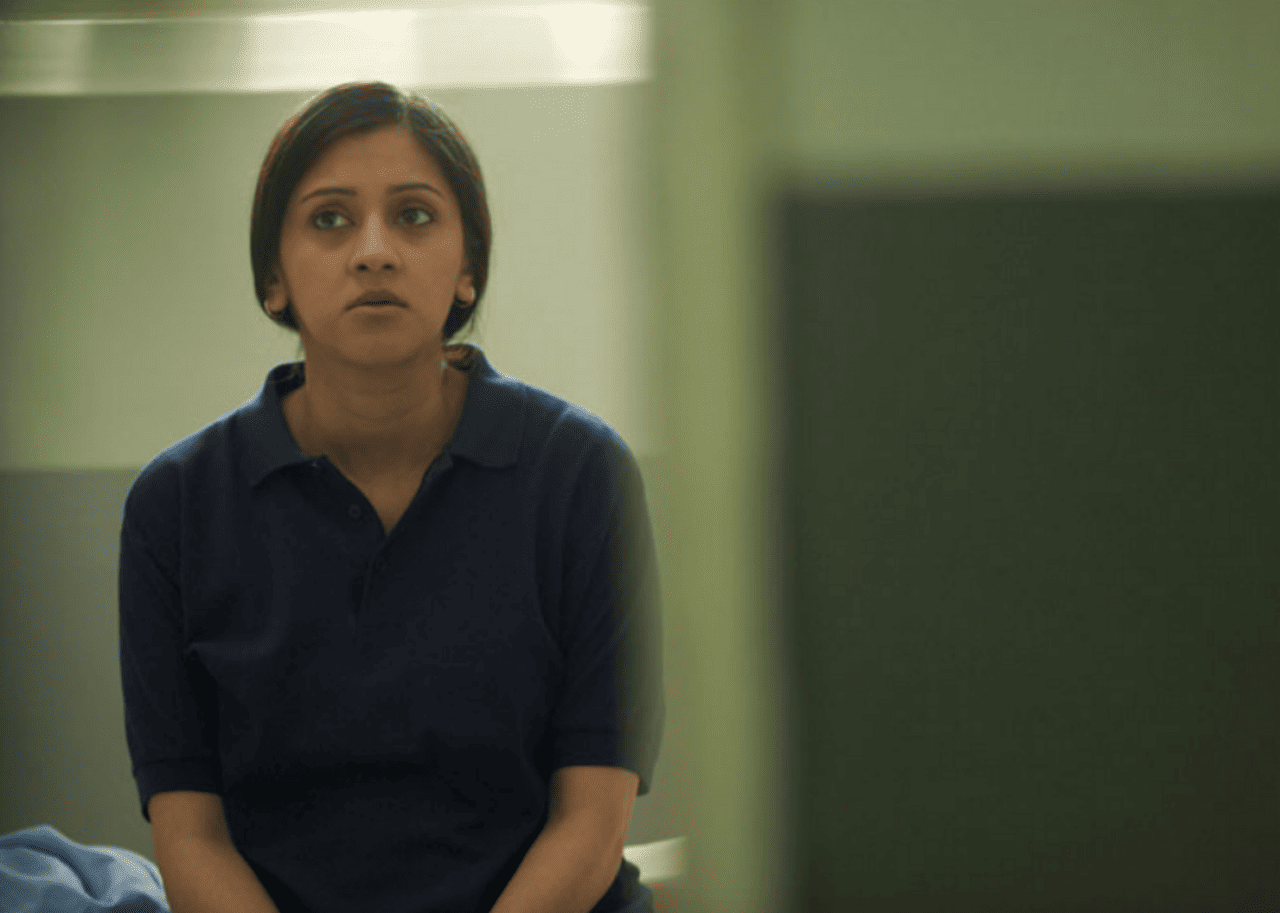
“Over the Limit” follows Russian gymnast Margarita Mamun as she prepares to compete in the 2016 Olympic Games. Variety writer Guy Lodge compared it to Darren Aronofsky’s ballet psychodrama “Black Swan.”

Zipporah Films

#31. Ex Libris: The New York Public Library (2017)

– Director: Frederick Wiseman
– Metascore: 91
– IMDb user rating: 7.4
– Runtime: 197 minutes

“Ex Libris: New York Public Library” provides an in-depth look at the various branches and inner workings of the New York Public Library. The documentary also looks at how the library functions as an equalizer by providing accessible books and education to all.

Warner Bros. Pictures / Imperial War Museum

#30. They Shall Not Grow Old (2018)

– Director: Peter Jackson
– Metascore: 91
– IMDb user rating: 8.3
– Runtime: 99 minutes

Although Peter Jackson is arguably best known for directing the “Lord of the Rings” films, he also was nominated for a BAFTA Award for helming this documentary about World War I. “They Shall Not Grow Old” uses archival footage from the Imperial War Museum to tell the story of what it was like for World War I soldiers fighting in the trenches.

Drafthouse Films

#29. The Act of Killing (2012)

– Directors: Joshua Oppenheimer, Anonymous, Christine Cynn
– Metascore: 91
– IMDb user rating: 8.2
– Runtime: 117 minutes

“The Act of Killing” details the mass killings of exposed Indonesian communists. Because of its sensitive nature, one of the directors is an anonymous Indonesian filmmaker.

Roadside Attractions

#28. Stories We Tell (2012)

– Director: Sarah Polley
– Metascore: 91
– IMDb user rating: 7.5
– Runtime: 108 minutes

This Sarah Polley documentary dives deep into her family’s complicated personal history, such as the fact that she was born out of an extramarital affair. The film is composed using Super 8 footage meant to look like home movies, as well as interviews with close friends and family members.

ARTE

#27. Graves Without a Name (2018)

– Director: Rithy Panh
– Metascore: 91
– IMDb user rating: 6.5
– Runtime: 115 minutes

With “Graves Without a Name,” filmmaker Rithy Panh continues his journey of documenting the aftermath of the Cambodian genocide through documentary footage. In this follow-up to his film “The Missing Picture,” he follows a young boy who attempts to search for his family’s graves after losing them in the Cambodian Civil War.

Concordia Studio

#26. Time (2020)

– Director: Garrett Bradley
– Metascore: 91
– IMDb user rating: 7.2
– Runtime: 81 minutes

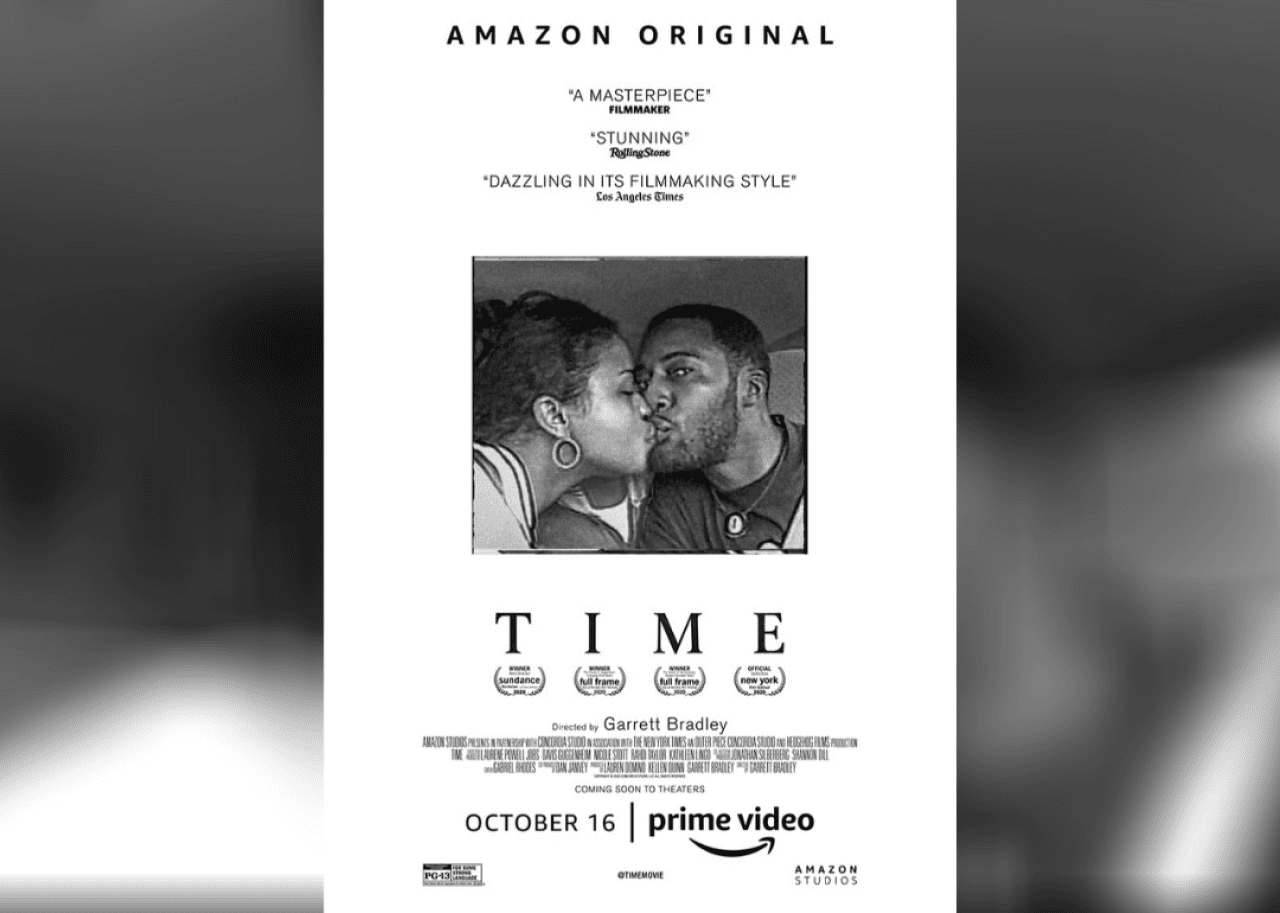
This Garrett Bradley documentary follows matriarch Fox Rich, who fights for prison abolition while working to free her incarcerated husband, who was sentenced to 60 years. Utilizing home video footage from two decades, “Time” looks at the impact American mass incarceration disproportionately has on families of color.

Shoes In The Bed Productions

#25. Mr. Soul! (2018)

– Directors: Melissa Haizlip, Sam Pollard
– Metascore: 91
– IMDb user rating: 8.2
– Runtime: 104 minutes

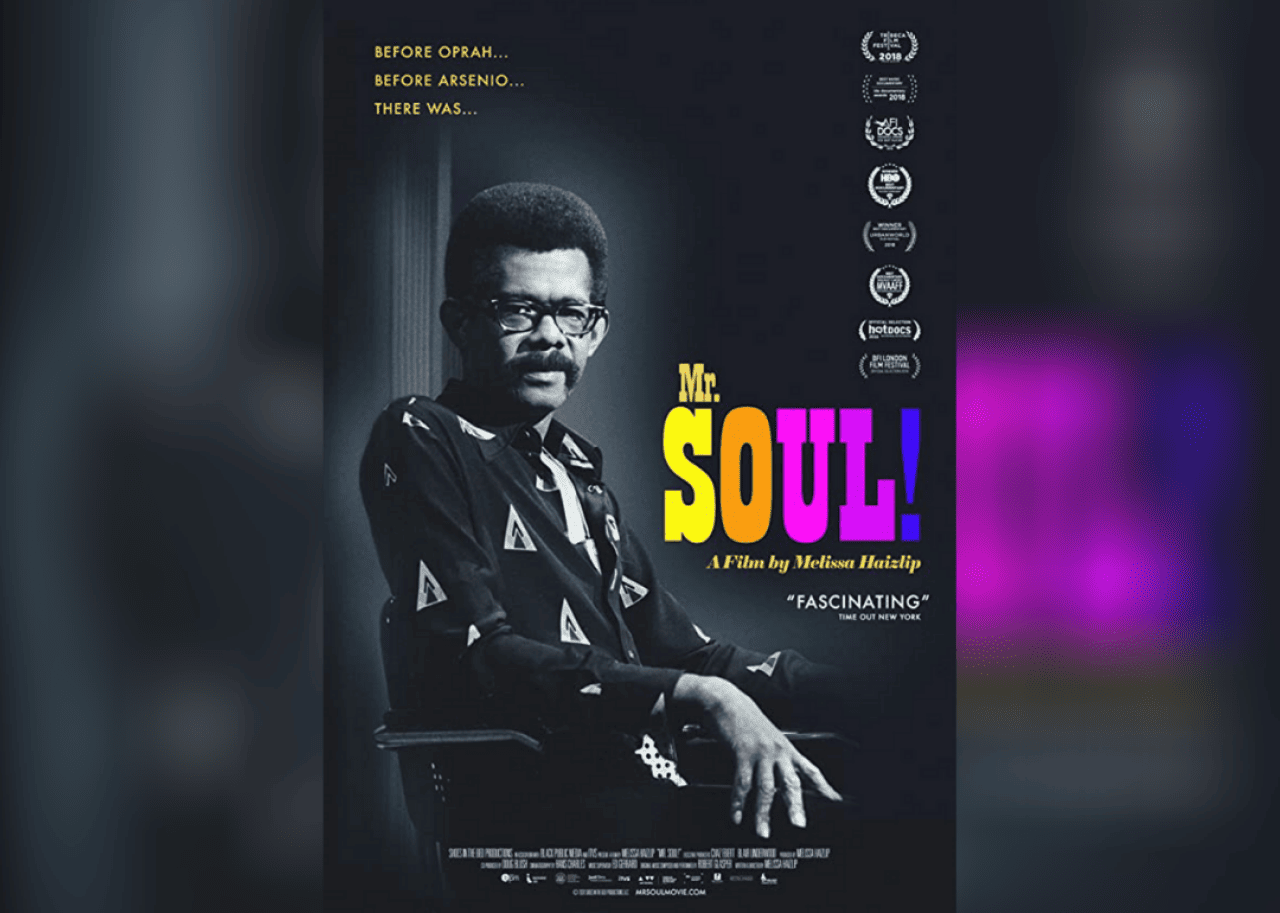
“Mr. Soul!” tells the story of Ellis Haizlip, who hosted the TV show of the same name from 1968 to 1973. The documentary explores how it was an early series aimed at a Black audience, and won the 2020 Critic’s Choice Documentary Award for Best First Documentary Feature.

Go-Valley

#24. Tower (2016)

– Director: Keith Maitland
– Metascore: 92
– IMDb user rating: 8.0
– Runtime: 82 minutes

“Tower” recounts a 1966 mass shooting at the University of Texas at Austin, in which a gunman opened fire from the main campus tower, and ultimately killed 16 people. It features interviews with survivors and recreates their accounts of what happened using animation.

Britdoc Foundation

#23. The Look of Silence (2014)

– Director: Joshua Oppenheimer
– Metascore: 92
– IMDb user rating: 8.3
– Runtime: 103 minutes

“The Look of Silence” spotlights Indonesian optometrist Ali, who confronts the men who killed his brother during a series of mass killings in the 1960s. It’s regarded as a companion film to the documentary “The Act of Killing,” and was nominated for Best Documentary Feature at the Oscars.

Icarus Films

#22. A Man Vanishes (1967)

– Director: Shôhei Imamura
– Metascore: 92
– IMDb user rating: 7.2
– Runtime: 130 minutes

This Japanese documentary tells the story of a businessman who suddenly disappears without a trace. The New York Times writer Manohla Dargis praised the documentary, calling its filmmaking “wildly startling.”

Lincoln Square Productions

#21. Let It Fall: L.A. 1982-1992 (2017)

– Director: John Ridley
– Metascore: 92
– IMDb user rating: 7.8
– Runtime: 144 minutes

“Let It Fall” tracks the racial tension in Los Angeles that culminated in the 1992 race riots. Vogue’s Julia Felsenthal noted that “‘Let It Fall,’ in the broadest sense, is about memory: what we remember, how we remember it, and how the collective accretion of individual memories can illuminate the complexity of history in a way that official institutional memory cannot.”

Asphalt Films

#20. Out of the Clear Blue Sky (2012)

– Director: Danielle Gardner
– Metascore: 92
– IMDb user rating: 6.7
– Runtime: 107 minutes

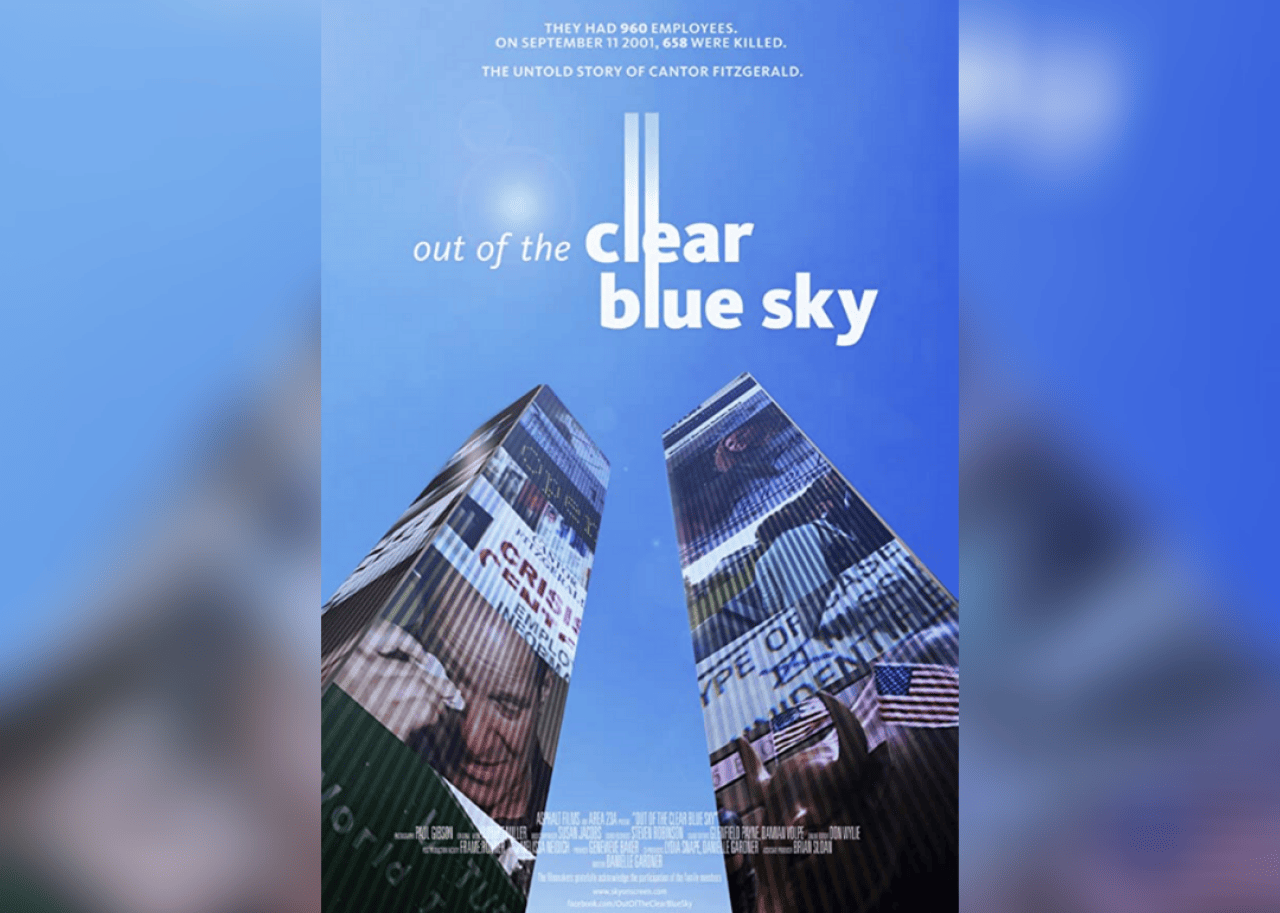
“Out of the Clear Blue Sky” examines the devastating impact that 9/11 had on the firm Cantor Fitzgerald, a company that lost hundreds of employees killed during the terrorist attacks. In his review of the film, Slate Magazine critic Rob Humanick wrote, “Danielle Gardner’s work also suggests how Americans might yet unify even as the world around them threatens to tear itself apart.”

Iconoclast

#19. One More Time With Feeling (2016)

– Director: Andrew Dominik
– Metascore: 92
– IMDb user rating: 8.3
– Runtime: 113 minutes

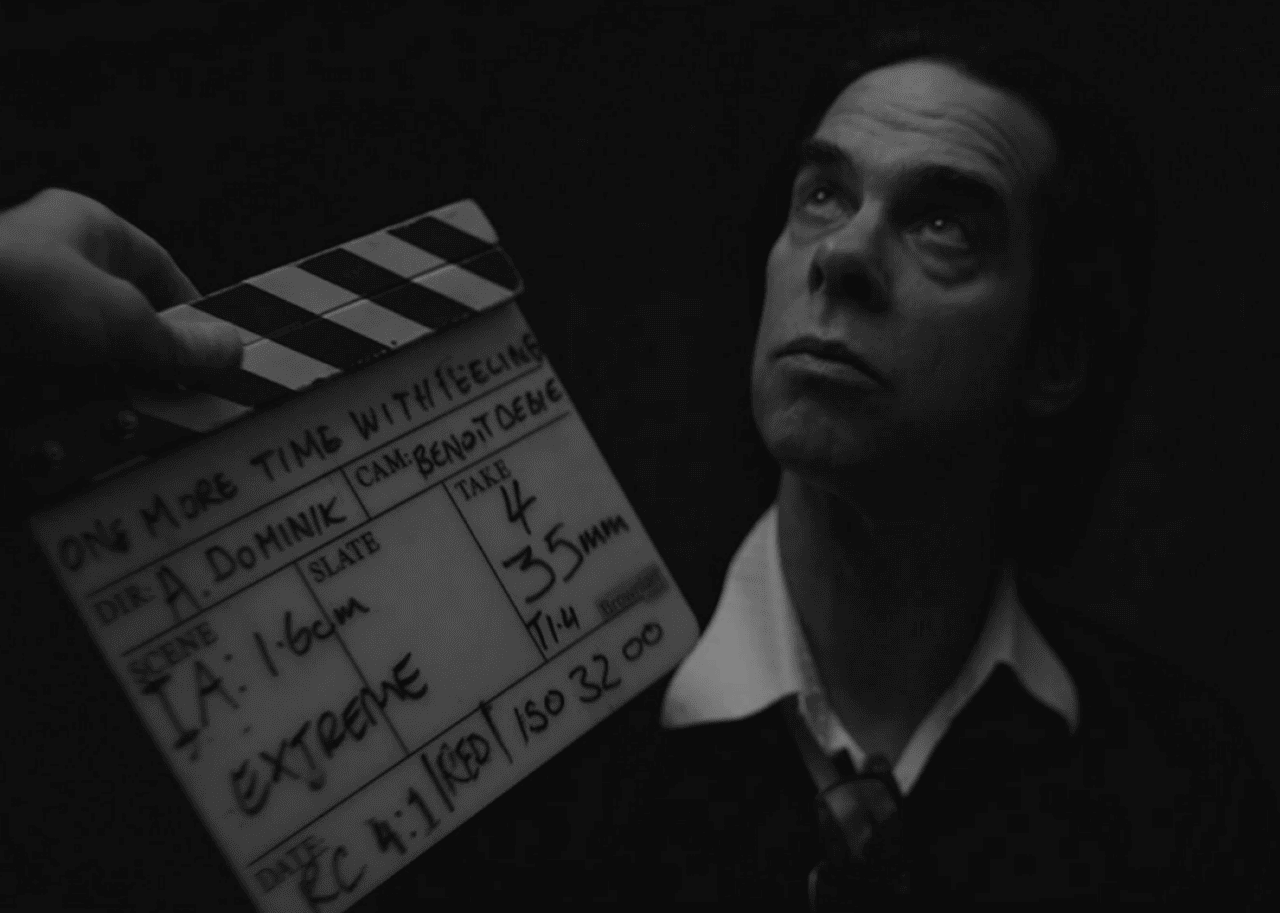
“One More Time With Feeling” follows Nick Cave after he records an album following the death of his 15-year-old son. The movie was shot in 10 days, utilizing a crew of over seven people.

Superior Pictures

#18. Crumb (1994)

– Director: Terry Zwigoff
– Metascore: 93
– IMDb user rating: 8.0
– Runtime: 119 minutes

Terry Zwigoff uses “Crumb” to provide an intimate look at his famous and controversial cartoonist friend Robert Crumb’s complicated family life. San Francisco Examiner critic Jeffery M. Anderson later called it “the greatest documentary ever made” in 2012.

Desert Wind Films

#17. Brother’s Keeper (1992)

– Directors: Joe Berlinger, Bruce Sinofsky
– Metascore: 93
– IMDb user rating: 7.5
– Runtime: 104 minutes

“Brother’s Keeper” details a 1990 murder case in which a young upstate New York man named Delbert Ward is accused of murdering his brother William. The documentary also looks at how the media clash with the inhabitants of the brothers’ small town.

Spheeris Films

#16. The Decline of Western Civilization (1981)

– Director: Penelope Spheeris
– Metascore: 93
– IMDb user rating: 7.6
– Runtime: 100 minutes

This Penelope Spheeris documentary examines the ’70s Los Angeles punk scene, including bands like X, Catholic Discipline, and Black Flag. Although the film received critical acclaim, the Los Angeles chief of police wrote a letter demanding it not be shown in the city again upon its release.

Arrow Media

#15. Sherpa (2015)

– Director: Jennifer Peedom
– Metascore: 93
– IMDb user rating: 7.7
– Runtime: 96 minutes

“Sherpa” recounts a deadly 2014 Mount Everest avalanche from the perspectives of sherpas who lived through it. In his review, Empire critic Patrick Peters wrote, “This is a spectacular, intimate, and politically provocative exposé of the dangers, racial tensions, and harsh economic realities on the world’s highest mountain.”

Synecdoche

#14. Shoah: Four Sisters (2018)

– Director: Claude Lanzmann
– Metascore: 93
– IMDb user rating: 8.2
– Runtime: 273 minutes

“Shoah: Four Sisters” features interviews conducted in the 1970s with four female Holocaust survivors. The movie is made up of footage from Claude Lanzmann’s previous “Shoah” documentary and debuted on TV as a four-part series.

40 Acres & A Mule Filmworks

#13. David Byrne’s American Utopia (2020)

– Director: Spike Lee
– Metascore: 93
– IMDb user rating: 8.3
– Runtime: 105 minutes

Acclaimed director Spike Lee helmed this recording of longtime Talking Heads frontman David Byrne’s Broadway show of the same name. The A.V. Club’s writer Erik Adams praised the movie, writing, “The key to [the film’s] resonance isn’t so much one of joy versus despair as it is connection versus isolation.”

Ciné Tamaris

#12. Faces Places (2017)

– Directors: JR, Agnès Varda
– Metascore: 94
– IMDb user rating: 7.9
– Runtime: 94 minutes

“Faces Places” centers on the unlikely friendship between directors JR and Agnés Varda, who reflect upon life and art as they travel France together. It was the last movie that Varda released during her lifetime, and Film Comment critic Amy Taubin referred to it as “an exploration of the arts in the face of mortality.”

HBO Documentary

#11. First Cousin Once Removed (2012)

– Director: Alan Berliner
– Metascore: 94
– IMDb user rating: 7.5
– Runtime: 78 minutes

“First Cousin Once Removed” tells the story of poet and university professor Edwin Honig’s life, career, and struggle with Alzheimer’s disease. The title comes from the fact that Honig and director Alan Berliner are first cousins once removed.

Red Flag Releasing

#10. We Were Here (2011)

– Directors: David Weissman, Bill Weber
– Metascore: 94
– IMDb user rating: 7.9
– Runtime: 90 minutes

Filmmaker David Weissman moved to San Francisco in 1976, just as Harvey Milk was elected as the city’s openly gay mayor. He later worked on “We Were Here,” which memorializes gay San Franciscans who lost their lives throughout the AIDS epidemic.

40 Acres & A Mule Filmworks

#9. Amazing Grace (2018)

– Directors: Alan Elliott, Sydney Pollack
– Metascore: 94
– IMDb user rating: 7.5
– Runtime: 89 minutes

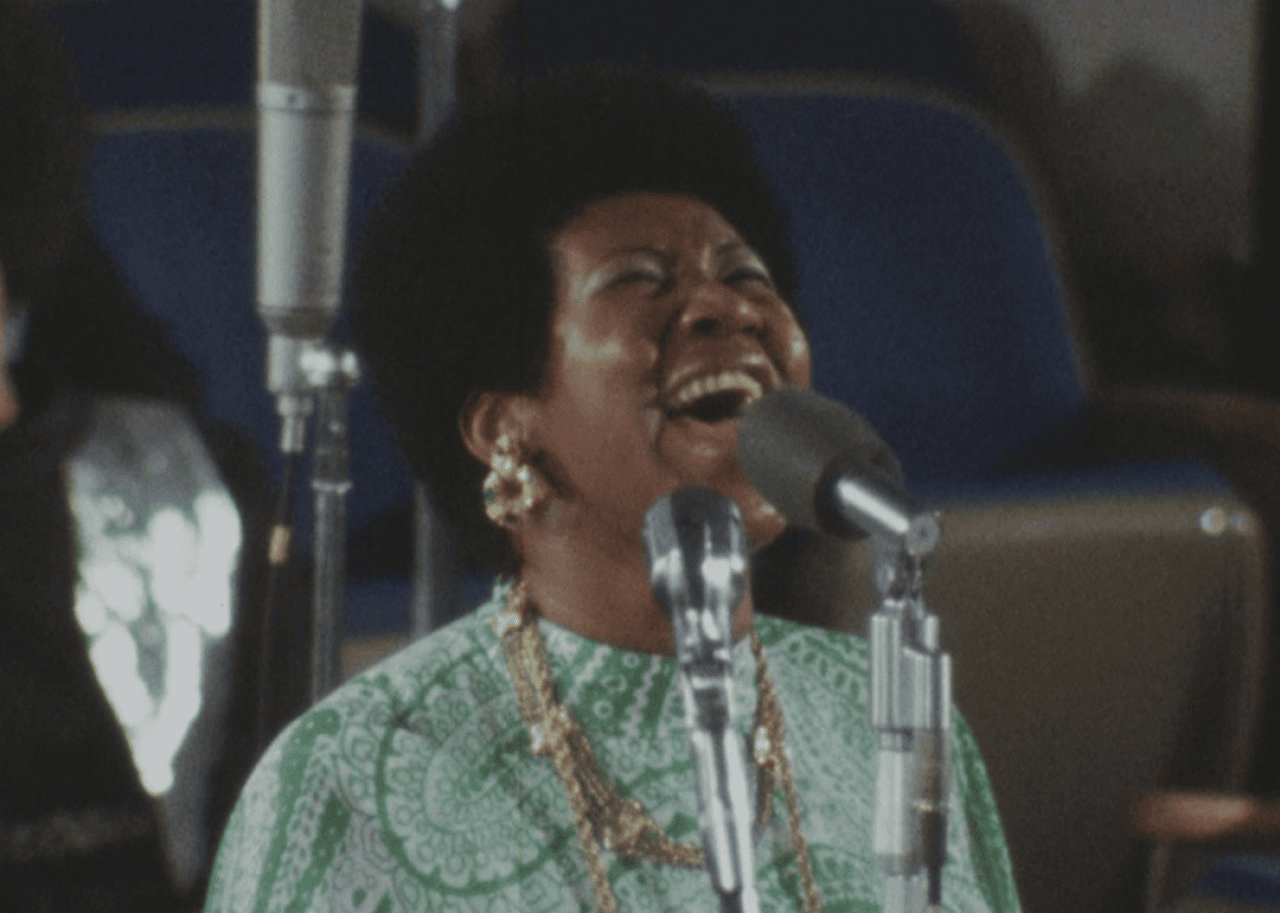
This concert documentary follows legendary singer Aretha Franklin as she performs in Los Angeles in 1972. While the movie was first planned back in the 1970s, it was only released in the late 2010s because of technical troubles syncing audio and visuals.

Alexander Nanau Production

#8. Collective (2019)

– Director: Alexander Nanau
– Metascore: 95
– IMDb user rating: 8.4
– Runtime: 109 minutes

“Collective” centers on Romanian journalists from the newspaper Gazeta Sporturilor as they expose a secret health care fraud behind a 2015 Bucharest nightclub fire that killed numerous people. Variety critic Jay Weissberg praised it as “a documentary for our times, deserving of widespread exposure.”

Wadleigh-Maurice

#7. Woodstock (1970)

– Director: Michael Wadleigh
– Metascore: 95
– IMDb user rating: 8.2
– Runtime: 184 minutes

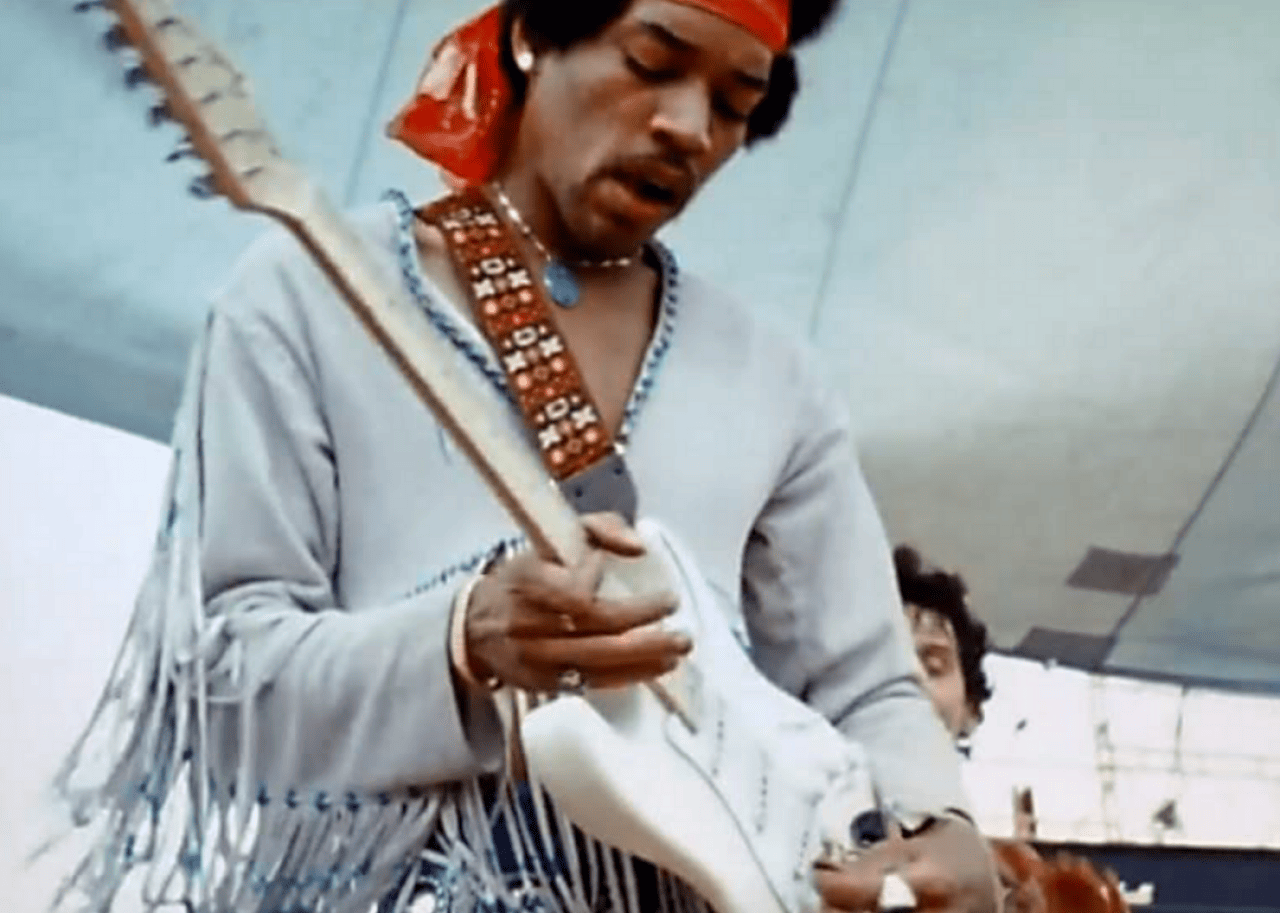
“Woodstock” dives deep into the history of the iconic 1969 music festival of the same name, which attracted half a million people. In 1996, Entertainment Weekly called it one of the most entertaining documentaries in history, as well as a “benchmark” of concert films.

ARTE Films

#6. I Am Not Your Negro (2016)

– Director: Raoul Peck
– Metascore: 95
– IMDb user rating: 7.9
– Runtime: 93 minutes

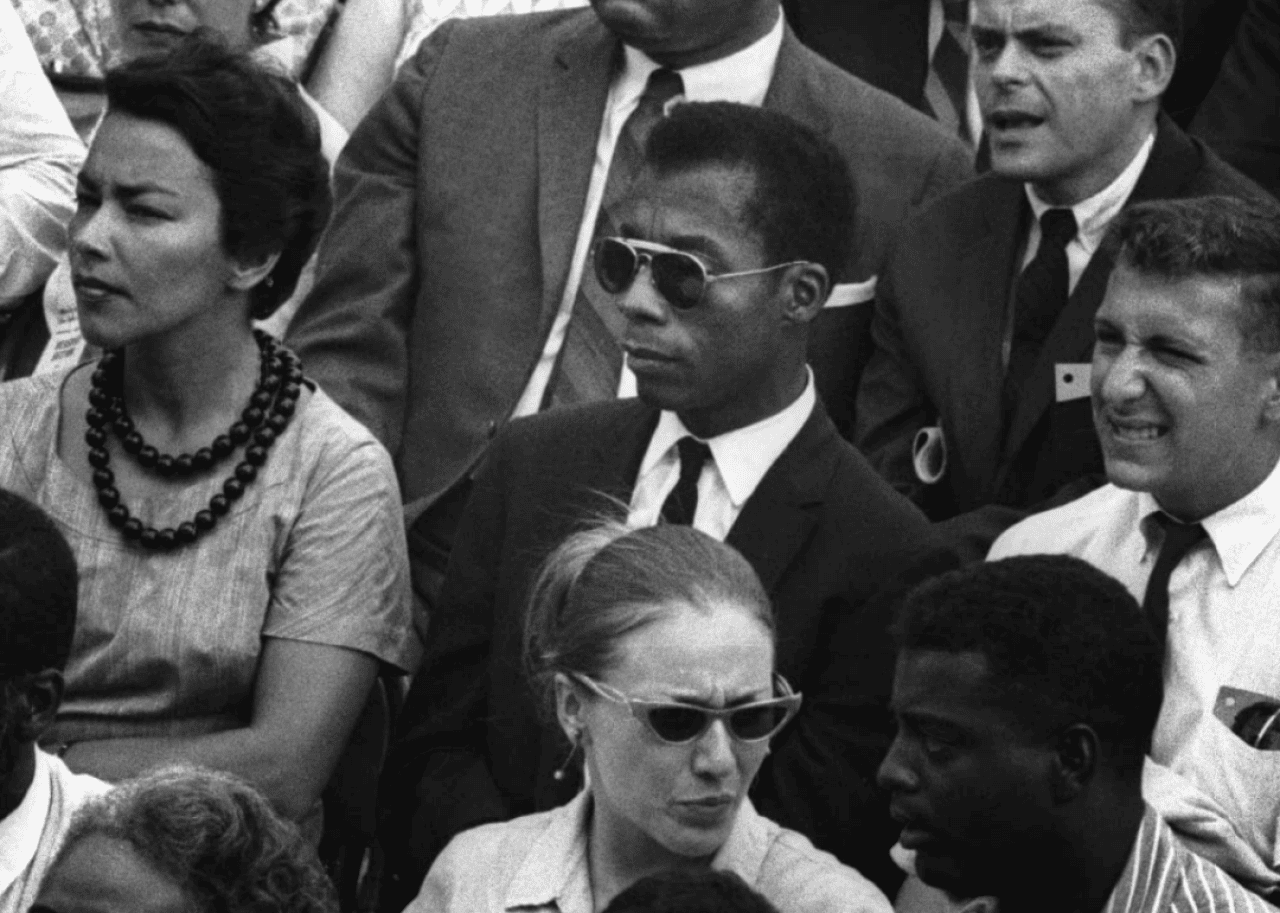
Raoul Peck’s documentary explores the history of systemic anti-Blackness in America by using passages from James Baldwin’s unfinished manuscript, “Remember This House.” Samuel L. Jackson narrated the film, which also spotlights Baldwin’s friendships with civil rights leaders such as Martin Luther King Jr. and Malcolm X.

Netflix

#5. Virunga (2014)

– Director: Orlando von Einsiedel
– Metascore: 95
– IMDb user rating: 8.2
– Runtime: 100 minutes

“Virunga” follows a team of park rangers in the Congo Virunga National Park, who work to protect endangered mountain gorillas from poachers. It was nominated for Best Documentary Feature at the 2015 Academy Awards.

HBO Documentary

#4. King In The Wilderness (2018)

– Director: Peter W. Kunhardt
– Metascore: 97
– IMDb user rating: 8.0
– Runtime: 111 minutes

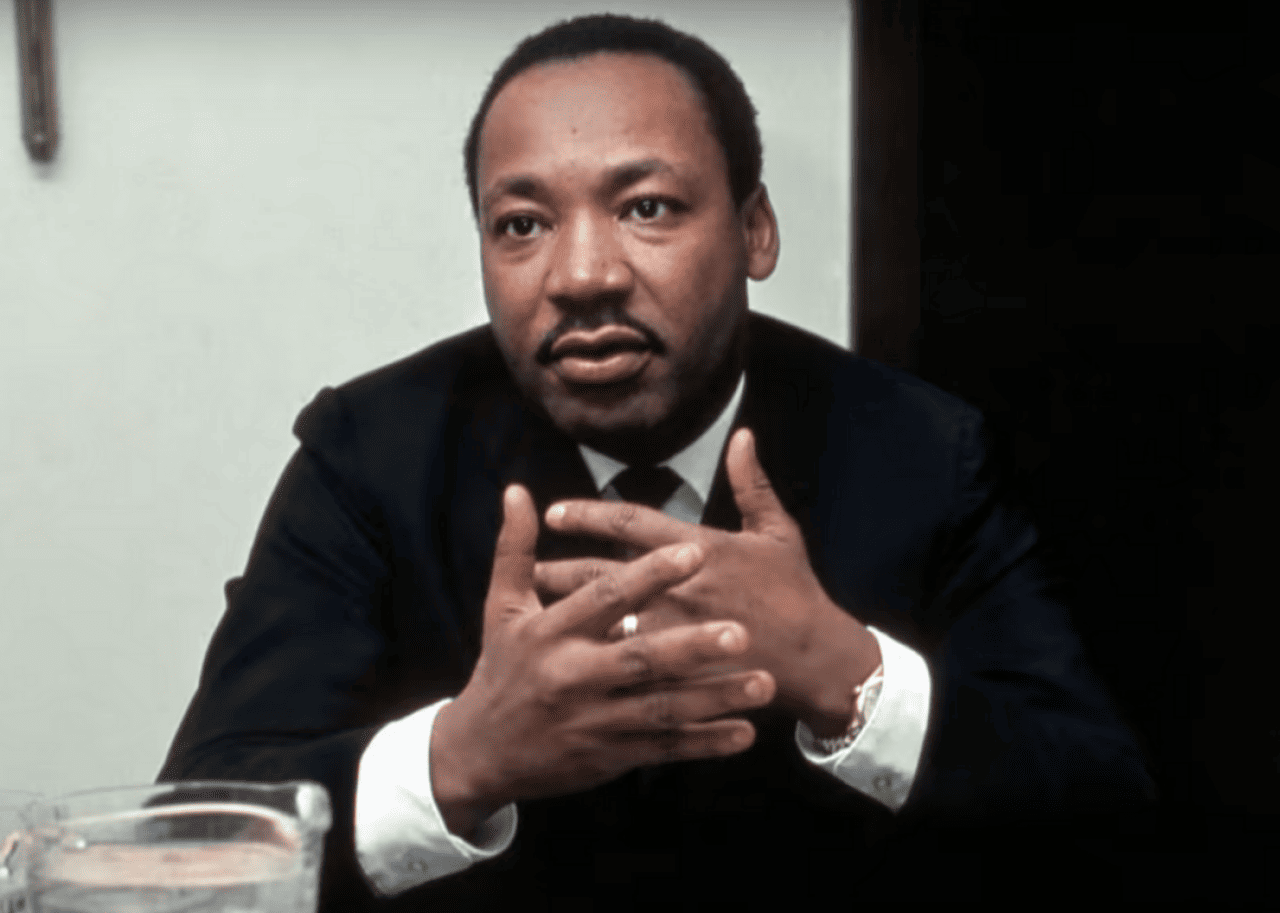
“King In the Wilderness” explores the work and interiority of Martin Luther King Jr. during the final 18 months of his life. The Hollywood Reporter critic Owen Gleiberman described it as “a searing portrait” that “captures the Civil Rights leader in a purgatory of anxiety and conflict.”

Fine Line Features

#3. Hoop Dreams (1994)

– Director: Steve James
– Metascore: 98
– IMDb user rating: 8.3
– Runtime: 170 minutes

“Hoop Dreams” follows two inner-city Chicago boys who work to become college basketball players by playing at a predominantly white high school known for its basketball program. It was originally meant to be a 30-minute short film but resulted in over 250 hours of footage.

British Broadcasting Corporation (BBC)

#2. Shoah (1985)

– Director: Claude Lanzmann
– Metascore: 99
– IMDb user rating: 8.7
– Runtime: 566 minutes

The harrowing 9.5-hour documentary “Shoah” recounts the atrocities of the Holocaust, as told by witnesses, survivors, and perpetrators. The movie received plenty of critical acclaims, winning Best Documentary at the BAFTA Awards and the New York Film Critics Circle Awards.

BKS Film

#1. Best Kept Secret (2013)

– Director: Samantha Buck
– Metascore: 100
– IMDb user rating: 7.5
– Runtime: 85 minutes

Because many educational documentaries disproportionately focus on white, middle- to upper-class kids, it’s refreshing to see the lives of special needs children and children of color spotlighted in “Best Kept Secret.” The documentary centers on a special needs student teacher, who works with her students in the 18 months before graduation.

Topics:

Entertainment
Entertainment

25 best Western films of all time, according to critics

25 best Western films of all time, according to critics
By Jane Garfinkel
9 min read • Originally published April 20, 2021 / Updated March 19, 2026
By Jane Garfinkel
9 min read • Originally published April 20, 2021 / Updated March 19, 2026

25 best Western films of all time, according to critics

For decades, the most popular movie genre in America was the Western. Audiences loved gun-slinging sheriffs, dashing outlaws, thundering cattle drives, horseback pursuits, and majestic landscapes. That love ran so deep that more Westerns were produced in the 1950s than all other genres combined. And while the Western has attracted substantially smaller crowds in the decades since, it continues to hold a persistent appeal.

Early Westerns set the standard with cowboys played by the likes of Gary Cooper and John Wayne before spaghetti Westerns—products of the Italian film industry in the ’60s and ’70s—came along and demythologized the conventions and traditions canonized by those first iterations. More modern Westerns subvert the genre standards even more in that they tend to be more romantic and thoughtful; think “Hell or High Water” and “First Cow.”

In 2025, Ari Aster gave Western fans an entirely new take on the genre with “Eddington,” which hit theaters on July 18 and immediately divided critics over the way it blended classic genre tropes with the COVID-19 pandemic. Meanwhile, the 1880s-set “Long Shadows,” released Sept. 26, aims to prove that more traditional Westerns are still viable today.

In celebration of the genre and all that it’s offered audiences over the years, Stacker compiled the 25 best Western films of all time using data from Metacritic, which rates films based on reviews from respected critics. To qualify, the film had to have at least seven reviews from Metacritic-approved publications. Ties are broken internally at Metacritic, and data was collected in July 2024. Whether you’re a longtime movie fan checking in on your favorites or new to the genre, there are films on this list for you.

#25. Meek’s Cutoff (2010)

– Director: Kelly Reichardt
– Metascore: 85
– Runtime: 1 hour 44 minutes

This Western survival film follows a group of settlers traveling across an Oregon desert. It becomes apparent that their guide is lost. The ensemble cast includes Michelle Williams, Bruce Greenwood, Shirley Henderson, and Neal Huff.

#24. Unforgiven (1992)

– Director: Clint Eastwood
– Metascore: 85
– Runtime: 2 hours 10 minutes

Clint Eastwood directed, produced, and starred in this highly lauded Western. Eastwood plays William Munny, a retired bandit who takes on one final job in hopes of putting the money toward his failing hog farm. It won Oscars for Best Picture, Best Director, Best Supporting Actor, and Best Film Editing.

#23. Shane (1953)

– Director: George Stevens
– Metascore: 85
– Runtime: 1 hour 58 minutes

In his book “The Life and Times of the Western Movie,” author Jay Hyams writes that “Shane” “marks the beginning of graphic violence in Westerns.” There’s definitely a good amount of gunfighting in the film, given that it tells the story of a wandering ex-gunslinger who joins a community of homesteaders intent on defending their land from a greedy cattle baron. But modern audiences shouldn’t be too worried—compared to more recent Westerns like “The Power of the Dog,” the violence is nothing to write home about.

#22. El Dorado (1966)

– Director: Howard Hawks
– Metascore: 85
– Runtime: 2 hours 6 minutes

John Wayne, Robert Mitchum, and James Caan star in the story of a gunfighter and a sheriff caught up in a battle between rival ranchers over water. Hawks also directed such acclaimed films as “Scarface,” “His Girl Friday,” “To Have and Have Not,” “The Big Sleep,” and “Gentlemen Prefer Blondes.” A racist scene of Caan impersonating a Chinese man is often edited out of television rebroadcasts.

#21. The Rider (2017)

– Director: Chloé Zhao
– Metascore: 85
– Runtime: 1 hour 44 minutes

Chloé Zhao directed this Western drama, which centers on Brady Blackburn, a young man struggling to find his purpose after a brain injury halts his rodeo career. “The Rider” won the Art Cinema Award at the 2017 Cannes Film Festival.

#20. Bisbee ’17 (2018)

– Director: Robert Greene
– Metascore: 87
– Runtime: 1 hour 52 minutes

Robert Greene’s documentary centers on a town bordering Arizona and Mexico. The community grapples with its past by holding a reenactment of a day that occurred 100 years earlier when 1,200 immigrant miners were deported.

#19. She Wore a Yellow Ribbon (1949)

– Director: John Ford
– Metascore: 87
– Runtime: 1 hour 44 minutes

“She Wore a Yellow Ribbon,” the second installment in John Ford and John Wayne’s “The Cavalry Trilogy,” follows a mounted army captain (Wayne) who, on the eve of his retirement, attempts to stop a war with the Native Americans before it begins. Beautifully shot, the film won the Academy Award for Best Color Cinematography at the 1950 ceremony.

#18. Hell or High Water (2016)

– Director: David Mackenzie
– Metascore: 88
– Runtime: 1 hour 42 minutes

Chris Pine and Ben Foster play two brothers who carry out a series of bank robberies to avoid losing their family ranch in “Hell or High Water.” Dubbed “so good, it’s criminal” by The Guardian’s Adam Fleet, the movie isn’t your typical cops and robbers story, electing to focus more on the morally grey areas in many of these tales.

#17. Sweet Country (2017)

– Director: Warwick Thornton
– Metascore: 88
– Runtime: 1 hour 53 minutes

Set in the Australian outback, “Sweet Country” explores what happens when an Aboriginal farmer kills a white man in self-defense and is forced to flee for his life. Warwick Thornton directs this Western starring Sam Neill, Bryan Brown, and Hamilton Morris.

#16. High Noon (1952)

– Director: Fred Zinnemann
– Metascore: 89
– Runtime: 1 hour 25 minutes

Will Kane (Gary Cooper) faces a dilemma when outlaws threaten to kill him. His wife (Grace Kelly) wants him to leave town rather than defend himself. Several U.S. presidents have listed “High Noon” as one of their favorite films.

#15. The Power of the Dog (2021)

– Director: Jane Campion
– Metascore: 89
– Runtime: 2 hours 6 minutes

Equal parts Western and psychological drama, “The Power of the Dog” follows a coarse, cruel cowboy who meets his match in the son of his brother’s new wife. Starring Benedict Cumberbatch, Kirsten Dunst, Jesse Plemons, and Kodi Smit-McPhee, the movie was nominated for 12 Academy Awards, including one for Jane Campion as Best Director (which she won, becoming only the third woman to ever take home that particular honor).

#14. Western (2015)

– Directors: Bill Ross, Turner Ross
– Metascore: 89
– Runtime: 1 hour 32 minutes

This documentary by the Ross brothers focuses on the small border towns of Eagle Pass, Texas, and Piedras Negras, Mexico. It explores the lives of the residents in these communities with intimate storytelling capturing their daily experiences in the context of increasing drug-related violence and tensions along the border. The film is the third installment of the filmmakers’ Americana trilogy.

#13. Killers of the Flower Moon (2023)

– Director: Martin Scorsese
– Metascore: 89
– Runtime: 3 hours 26 minutes

Based on the 2017 book of the same name by David Grann, “Killers of the Flower Moon” tells the true story of the Osage Nation murders after oil was discovered on their reservation. Starring Leonardo DiCaprio, Robert De Niro, Lily Gladstone, Brendan Fraser, John Lithgow, and Jesse Plemons, the film—which New York Times Chief Film Critic Manohla Dargis called an “unsettling masterpiece“—was nominated for 10 Academy Awards in 2024.

#12. The Good, the Bad and the Ugly (1966)

– Director: Sergio Leone
– Metascore: 90
– Runtime: 2 hours 58 minutes

The epic spaghetti Western stars Clint Eastwood, Lee Van Cleef, and Eli Wallach as rough characters seeking Confederate gold. Italian director Sergio Leone did not speak English, and he had to use an interpreter to communicate with his English-speaking actors. The film is part of a trilogy that includes “A Fistful of Dollars” and “For a Few Dollars More.”

#11. First Cow (2019)

– Director: Kelly Reichardt
– Metascore: 90
– Runtime: 2 hours 2 minutes

In “First Cow,” two outsiders on the western frontier form a friendship—and gamble on their future—when they begin an illicit business. Set in 1820s Oregon, the movie’s deceptively simple premise has much to say about relationships and the tensions capitalism places on them.

#10. Ride the High Country (1962)

– Director: Sam Peckinpah
– Metascore: 92
– Runtime: 1 hour 34 minutes

A classic tale of double-crossing, “Ride the High Country” tells the story of two friends tasked with transporting a load of gold from a mining community to the bank. While studio executives didn’t have much faith in the project—MGM’s chief executive reportedly fell asleep during a screening—critics loved it as did audiences in Europe.

#9. Stagecoach (1939)

– Director: John Ford
– Metascore: 93
– Runtime: 1 hour 36 minutes

The story of passengers on a besieged stagecoach is John Wayne’s first starring role in a John Ford film. Wayne had worked as an extra, a stuntman, and an actor in other low-budget productions. He wore his own cowboy hat, which he would continue to wear in six Westerns, that sold at auction in 2014.

#8. McCabe & Mrs. Miller (1971)

– Director: Robert Altman
– Metascore: 93
– Runtime: 2 hours

Warren Beatty and Julie Christie play a gambler and a sex worker who are business partners in a remote Western town that comes under threat for its mining riches. Roger Ebert said the movie was a perfect film and “one of the saddest” he has ever seen.

#7. Rio Bravo (1959)

– Director: Howard Hawks
– Metascore: 93
– Runtime: 2 hours 21 minutes

A sheriff played by John Wayne teams up with the town drunk (Dean Martin), an elderly deputy named Stumpy (Walter Brennan), and a young cowboy (Ricky Nelson) to help keep the murderous brother of a wealthy rancher in jail. Director Howard Hawks gave his daughter Barbara Hawks writing credit on the film (listed under the pseudonym B.H. McCampbell) for giving him the idea to throw dynamite.

#6. The Gunfighter (1950)

– Director: Henry King
– Metascore: 94
– Runtime: 1 hour 25 minutes

Gregory Peck plays Jimmy Ringo, a gunfighter who runs into his estranged wife. Even though trouble seems to follow him everywhere, he hopes to convince her he has reformed and win her back. The film focuses on themes of guilt and regret, setting it apart from the more action-oriented Westerns of the time.

#5. The Searchers (1956)

– Director: John Ford
– Metascore: 94
– Runtime: 1 hour 59 minutes

John Wayne plays a Confederate Army veteran tracking down Comanche Indians who massacred his family, burned their ranch, and kidnapped his young niece. The film is based on the novel by Alan LeMay and inspired by the true-life story of Cynthia Ann Parker, who was kidnapped by Comanches in 1836.

#4. The Man Who Shot Liberty Valance (1962)

– Director: John Ford
– Metascore: 94
– Runtime: 2 hours 3 minutes

When U.S. Sen. Ranse Stoddard returns to the West to attend a funeral, he is forced to rehash his past, including the truth regarding the killing of an infamous outlaw. This black-and-white film was directed by John Ford and stars James Stewart, John Wayne, and Vera Miles. For the movie, Ford returned to filming on soundstages and in monochrome lending to the melancholic undertones of the film.

#3. Red River (1948)

– Directors: Howard Hawks, Arthur Rosson
– Metascore: 96
– Runtime: 2 hours 13 minutes

A dramatized retelling of the Chisholm Trail cattle drives, “Red River” examines the feud between the tyrannical ranch owner and his adopted son. Starring John Wayne and Montgomery Clift (in his breakout role), the movie was a massive commercial hit, earning over $4 million in its first run.

#2. The Treasure of the Sierra Madre (1948)

– Director: John Huston
– Metascore: 98
– Runtime: 2 hours 6 minutes

Penniless Americans Fred Dobbs (Humphrey Bogart) and Bob Curtin (Tim Holt) go on a gold-prospecting trip, joined by an older prospector named Howard. Director John Huston won the Academy Award for Best Director, and his father, Walter Huston (who played Howard), won the Oscar for Best Supporting Actor. Bogart was not nominated for playing Dobbs, which was considered a snub.

#1. The Wild Bunch (1969)

– Director: Sam Peckinpah
– Metascore: 98
– Runtime: 2 hours 15 minutes

William Holden and Ernest Borgnine play gang members heading to Mexico to execute one final heist as the traditional American West dies around them in the early 20th century. The movie used more than 90,000 rounds of blank ammunition, and Warner Bros. said in publicity material for the film that it was more ammunition than had been used in the Mexican Revolution.

Additional writing by Madison Troyer. Story editing by Cynthia Rebolledo. Copy editing by Paris Close. Photo selection by Lacy Kerrick.

Topics:

Entertainment
Careers & Education

Jobs That Might Not Exist in 50 Years

From taxi drivers to tax preparers, these careers face an uncertain future as AI, robotics, and automation reshape the workforce.

Jobs That Might Not Exist in 50 Years
By Andrew Lisa
16 min read • Originally published October 21, 2021 / Updated March 19, 2026
By Andrew Lisa
16 min read • Originally published October 21, 2021 / Updated March 19, 2026

Jobs that might not exist in 50 years

On the surface, unemployment figures in the United States may paint a picture of resilience. In June 2025, the country added 147,000 jobs—more than expected—which brought the unemployment rate down slightly to 4.1%. Dig deeper into the data, however, and you’ll find a more concerning picture. Job growth has been restricted to certain industries, namely health care, leisure, and hospitality. Overall, experts caution, the most recent report is a weak one.

That adds to existing concerns for other industries, like tech. While 2024 was a year of heavy layoffs at companies like Google, Microsoft, and Tesla, the technology sector continues to account for a significant portion of job losses, with 2025 layoffs at Amazon, Meta, and Intel, among many others.

Although many factors can lead to layoffs, the growing prevalence of artificial intelligence may have played a significant role. The World Economic Forum’s latest Future of Jobs Report, released in February 2025, found that 41% of employers plan to cut employees because of AI. In the U.S. specifically, that figure goes up to 48% of employers. It’s no secret: Amazon CEO Andy Jassy even confirmed in a June 2025 memo that AI would shrink the company’s workforce in the coming years.

It’s not just tech industry employees who should be concerned. By 2030, activities that currently account for up to 30% of hours worked across the U.S. economy could be automated, according to a July 2023 McKinsey report on the future of work in America. This seismic shift means jobs that involve repetitive tasks, data collection, and data processing are likely to experience future losses, given the efficiency of automated systems to handle these duties. Office support, customer service, and food services are predicted to be among the roles most impacted.

Whether or not these positions become obsolete remains to be seen, but technology has long sent jobs the way of the dinosaur by automating manual tasks. In 1950, the job of elevator operator was among the 270 careers listed on the United States Census. That job title is now extinct, representing the only known instance of an entire occupation being obliterated by automation in the 50 years that followed. The next half-century may be even less forgiving.

Sophisticated software, robotics, automation, AI, and changing trends threaten the livelihoods of everyone from taxi drivers and restaurant servers to computer programmers and librarians. Many economists predict that automation, not outsourcing, will lead to the loss of more than 1.5 million jobs in America’s manufacturing sector. These technical innovations will soon render many longstanding skills and trades obsolete—and the occupational Grim Reaper will discriminate according to class.

Many of the jobs most likely to disappear are among the last well-paying jobs one can get with only a high school diploma. Low-paying, unskilled jobs with low educational entry barriers are most susceptible to automation. These are the jobs that robots will do. Manufacturing will require greater technical skills to operate and program computers. Those who lose their jobs will largely be shut out of the high-paying, highly skilled jobs that remain, many of which will go to specialists tasked with tending to and improving upon the very machines and programs that replaced the human workers.

Here, Stacker unveils the high-risk careers that will probably wilt over the next 50 years.

Taxi driver

In a 2016 op-ed for the Los Angeles Times, Steven Greenhouse, a labor and workplace reporter for the New York Times, predicted that the rise of automated cars would erase 5 million American jobs. Few are expected to be hit harder than taxi drivers, who face unemployment not only from driverless vehicles but because of ridesharing apps like Uber as well. Forbes reported on a study that suggested many cabbies would be forced to join the enemy, becoming Uber drivers themselves.

Mail sorter, letter carrier, and clerks

Forbes predicted the positions of mail sorter, letter carrier, and clerk would soon join taxi driver on the ash heap of jobs. In 2010, the combined positions employed 524,300 postal workers. As of May 2023, that has dropped to 331,600, a nearly 37% decrease.

Pilot

As early as 2016, the New York Post had already been reporting that pilots were likely to find their jobs on the chopping block, thanks to competition from robots. Autopilot features have long supported pilots in the air—in fact, pilots generally assume control of their airplanes only during takeoff and landing. Those two tasks, however, are being taught to their mechanical competitors, and it’s likely that both humans and cargo will soon be shuttled around in pilotless planes.

Bill, account collector

Few people will miss hearing from bill collectors and account agents, like the kind who call to bug you when you don’t pay up. Love them or not, USA Today offers evidence that this middle-class job is already disappearing, thanks to the rise of software and automation that can perform the same task. Another culprit: the global consolidation of overseas collection agencies.

Surveyors and mapping technicians

Although some specialized positions in the field require advanced education, most surveyors can enter this profession with only a high school diploma. That option, however, will likely soon be off the table as robotics and other technological advancements render their skills obsolete.

Parking enforcement

It’s bad enough when a robot steals your job, but a flying robot is something different altogether. That is exactly the airborne threat facing parking enforcement officers, once called “meter maids.” Drones can already deliver everything from packages to missiles with pinpoint precision. It’s likely that they’ll soon be recalibrated to observe parking offenders, and even deliver tickets.

Meter reader

If you live in a modern structure, chances are good that part of your tax bill is dedicated to paying someone to walk through your neighborhood and take readings of the outdoor utility meters. Soon, simple and cheap smart devices that are part of the mass energy storage movement will make that walk—and that job—unnecessary.

Bus driver

Job insecurity will soon be a reality for millions of drivers of all sorts, thanks largely to automation and the rise of driverless vehicles. Among the hardest and likely soonest affected will be bus drivers. Self-driving electric buses are already a reality on the streets of Switzerland.

Engine and machine assembler

Ever since Henry Ford perfected the assembly line, humans have worked alongside machines assembling sophisticated mechanical components like engines—and the human-to-machine ratio has been falling ever since. That steady drop, however, is quickly turning into an extinction-level event thanks to sophisticated automation and robotics.

Coal miner

Those touting the return of the coal industry might as well be telling unemployed Blockbuster employees that they’re going to bring back movie rental stores. According to the New York Times, engineers and coders now dominate the industry, and their skills propel the technology that does most of the actual mining. Even more, coal is a finite resource that is rapidly dwindling as the world embraces cleaner energy sources.

Switchboard operator

If you’ve ever called a business and been asked to press buttons for options, you’ve interacted with a computer doing a job that was once done by a human switchboard operator. There are still some of them left, but they’re a dying breed: Nearly one in four switchboard operator positions have disappeared since 2010.

Computer operator

Computer operators, whose job entails entering commands, dealing with error messages, and monitoring systems, are rapidly being phased out thanks to software that can do everything they can do—and then some. About one in five computer operator jobs that existed in 2014 will be gone by 2024, according to USA Today.

Prepress technician

There was a time when typesetters arranged individual letters for each page of a print publication before it went to press. Technology eliminated that job and ushered in the era of the prepress technician, who also works to ensure the integrity of printed materials before the presses start running. Thanks to sophisticated publishing software, however, the tides have turned once more and the industry is expected to forfeit half its jobs over 10 years.

Fast-food worker

Fast-food restaurants are essentially assembly lines, and just as robots are beginning to dominate the assembly lines that churn out engines, so, too, will the ones that churn out burgers and fries. Robots are already running the show at one New York City Shake Shack.

Truck driver

The Guardian recently referred to truck drivers as “the last humans left in the modern supply chain.” They’re also the last of a dying breed. The largest auto companies and the largest tech companies are pouring billions of dollars into the emerging driverless vehicle industry, and truck drivers are clearly in the crosshairs of the coming revolution.

Print binding and finishing worker

From books to newspapers to magazines, it’s no secret that the print industry is in freefall, one of the earliest victims of online content and devices like e-readers. Binders and finishers are among the last humans to physically assemble print reading materials, but their repetitive and routine jobs can, and likely soon will be done by machines.

Wrangler and herder

Horses, dogs, and people have long been charged with corraling and moving large groups of cattle, sheep, and other domestic livestock. The people and their pooches, however, are getting out of the herding and wrangling business, whether they like it or not. Drones will likely soon do the work that was once the realm of cowboys.

Referee

In 2018, the Daily Star predicted that giant leaps in artificial intelligence would lead to robots and computers muscling European soccer referees out of their jobs by 2030. That trend will likely hold true for sports—and referees—of all stripes. ESPN also reported that even the commissioner of Major League Baseball believes that flawlessly accurate computers will soon be available to replace umpires.

Florist

When buying flowers, consumers are now much more likely to turn to a website or their local grocery store instead of their local florist. The downward trend for florists is so severe, in fact, that the industry shed more than 6,000 jobs from 2010 to 2020, according to jobs website Monster.com.

Photo processor

Although it’s been a generation since the masses dropped off film to be developed at their local drug store or one-hour photo, there are actually roughly 27,000 people still employed as photo processors. They largely serve customers who need digital photos edited and printed. But as home photo printers continue to improve and mobile-based editing technology advances, the last remaining photo processors will likely be phased out.

Telemarketer

According to The Guardian, few jobs are more endangered than telemarketing, which the publication gives a 99% chance of falling victim to automation. The highly repetitive job is a perfect target for machines, but don’t worry, those machines will probably find a way to call as soon as you sit down to eat dinner, as their human predecessors have always done.

Dispatchers

From Google Maps to Uber, people have more ways than ever to bypass traditional transportation dispatchers, who are clinging to one of the least secure jobs in existence. In 50 years, it’s hard to imagine that young people will be able to comprehend a time when people had to call another person to schedule a ride.

Air traffic controller

Like lighthouse masters of old, air traffic controllers have long been beacons for pilots, helping them find their destination airport and guiding them along their way. That guidance, however, is already being replaced with automation and it likely won’t take anywhere near 50 years for person-less flight towers to become a reality.

Farm worker

Humanity will always be reliant on agriculture, but the farmworkers who for millennia have performed agricultural labor are already being replaced by the likes of automatic weeders, apple pickers, lettuce thinners, harvest drones, and vineyard pruners.

Insurance underwriter

Insurance companies are in the business of evaluating risk, and underwriters are, at least for the time being, the last line of defense in calculating that risk as it pertains to the potential for loss or profit. From life insurance to mortgage applications, computers are already instrumental in crunching the mountains of data needed to evaluate risk, and the human operators of those computers will likely go the way of the horse and buggy.

Data entry keyer

Experts predict there will still be 160,000 data entry keyers in 2026. That number, however, will represent a loss of more than one in five jobs compared to 2016. The process of manually keying information into the computers tasked with processing that information will soon be a job that doesn’t require human fingers.

Sonographer

The military invented robots capable of performing sonograms to get technology to soldiers on the battlefield without putting human sonographers at risk. Now, human sonographers are the ones who are at risk—of losing their jobs to the very robots designed to protect them, that is.

Drilling and boring machine tool setters

There are already fewer than 18,000 people left who earn a living by tending to and operating drilling and boring tools in the manufacturing industry. The once-common job is set to dwindle even further to just over 14,000 jobs by 2024, thanks to automation and artificial intelligence. That’s a loss of one in five jobs in the near future.

Restaurant servers

Although automatic, self-ordering table kiosks are already available in many restaurants, the standard protocol of verbally placing an order with a human server is still standard dining protocol. That trend, however, is likely to change as AI improves to the point where robots can act as the liaison between diners and the kitchen. Robotic servers are already waiting tables in China.

Gaming cage workers

When gamblers buy or cash in chips at casinos, the transaction is completed by a person behind bars—a gaming cage worker, that is. That trend is likely to become a thing of the past as casinos seek to eliminate human error and improve security by automating this job.

Locomotive firer

There is probably no job in America that is dying more quickly than that of the locomotive firer, the person tasked with riding trains and looking out for hazards on the track. There were only 1,200 locomotive firers left in 2016, and by 2026, it’s predicted that there will only be 300 of these endangered jobs left in existence.

Interpreter or translator

Machine translation has been in development for more than half a century, and for a long time, translators thought they were safe because computers could never learn to understand and capture the nuance of language, including accents, dialects, and secondary word meanings. Well, those computers are almost there and the machine translation industry is an $8 billion a year industry.

Purchasing agents

Companies hire purchasing agents to buy new inventory, from machines to clothing, when business is running low. Now, sophisticated inventory, tracking, ordering, and invoicing software can do that for them, which puts purchasing agents on shaky employment ground moving forward.

Bank teller

People have bypassed tellers and used ATMs for decades to make withdrawals, check balances, and deposit checks and cash. The rise of mobile banking apps have reduced the relevancy of the human teller even more. Today, branches are smaller, the technology is in the front, and what Business Insider calls the “ATM of the future” will likely consign old-fashioned tellers to the annals of history.

Cashier

Many grocery stores already have self-checkout aisles that let ambitious customers bypass clerks and ring themselves up. The role of cashier is becoming less and less necessary, thanks to the high degree of repetition the job entails. Throw in mobile apps that let you pay on your phone even while you’re in a physical store, and it becomes clear that the person behind the cash register may not have a job for much longer.

Disc jockey

The DJ booth has always been one of the most coveted spots in the nightclub. Thanks to services like iTunes and Spotify, however, many of those booths are already staffed by machines. Many venues are already asking themselves why they should pay to hire disc jockeys to spin tunes with bulky equipment when they could plug in their phones and have complete control over their own playlists.

Financial adviser

The financial industry is already being disrupted by the rise of robo-advisers, automated platforms that use sophisticated algorithms and real-time information to offer custom-tailored investment advice. All of this comes with much lower costs than hiring a professional financial adviser, whose advice is subject to both human bias and human error. AI has not yet rendered the financial adviser obsolete, but the future is here and the clock is ticking.

Jeweler

Career experts are already expecting negative job growth of more than 12% for jewelers, thanks to the dominance of online shopping over brick-and-mortar jewelry store purchases in addition to the widespread outsourcing of the occupation. Not only are jewelry stores disappearing, but fewer people are taking their jewelry to get repaired, which paints a bleak picture for the role.

Tech support

“Have you tried restarting?” “Are you sure it’s plugged in?” These painfully unhelpful questions might soon be a thing of the past for anyone who calls tech support for help with a computer on the fritz, a printer that refuses to update drivers, or just about any device with a mechanical brain. Huge numbers of tech help desk support jobs have already been exported to cheap overseas labor, and many of those are on their way to automation.

Assemblers of processors and semiconductors

As is the case with so many highly automated jobs, semiconductor and processor assemblers have robots to blame for their already-disappearing jobs. Experts predict that more than 14,000 such jobs will disappear by the end of the decade. In 50 years, it’s likely that the chips themselves won’t even still be in use, much less the people who were once paid to make them.

Typist or word processor

Your smartphone allows you to dictate and transcribe notes just by talking into its microphone. Corporations have far more sophisticated transcription technology that is already sending typists and word processors the way of the dodo bird. Nearly one in five typist positions are expected to disappear in just the next few years alone.

Tax preparers

Tax firm H&R Block developed Watson, a computer that helps with tax preparation. TurboTax assists customers with its tax bot. Computers and programs like these, however, will likely soon gobble up the jobs of the very people they were designed to assist. Although millions of people are still employed as accountants, the writing is on the wall. Machines can now analyze massive data sets and organize the results efficiently enough to make tax preparation a real possibility. After all, crunching numbers is what computers were born to do.

Loan officer

Professionals whose jobs can be automated are at the greatest risk of technology-driven extinction. According to The Guardian, only telemarketers are more susceptible to automation than loan officers, who collect and analyze applicant information and then process it for the purpose of either greenlighting or rejecting loan applications. That’s exactly the type of work most at risk of total machine takeover.

Lumberjack

Long considered the job that thoroughly embodied manliness, the work of lumberjacks is soon not likely to be done by humans at all. The world is moving away from wood, and like lumberjacks’ colleagues in the coal mines, the difficult, dangerous work of timber harvesting is now conducted largely by efficient and highly technical machines.

Watch repair technician

Like jewelers, watch repair technicians are disappearing. It’s expected that one in four jobs in the industry will be gone by the end of the decade ending in 2024. Cleaning, fixing, and tuning timepieces is a service that fewer and fewer people seek. In the future, it’s likely that robots will easily handle this delicate, precise work.

Toll taker

All the way back in 2011, NBC reported that the Florida Turnpike was eliminating the option to pay with cash and announced the layoffs of the 200 people who were paid to receive and make change for that cash. It was just one domino of many to fall. The rise of electronic toll-taking systems like E-ZPass in the 1990s quickly made the job of toll taker feel archaic. A generation later, in 2017, the last manned toll booth in South Florida closed. In 50 years, the concept of handing cash out of a car window to a person in a booth will almost certainly be a distant memory.

Librarian

Librarians don’t want to hear that their jobs are in mortal danger, but they are. Computers turned the age-old card catalog into a museum relic, and schools stopped teaching the Dewey Decimal System. Now, thanks to a bevy of book-related devices and technologies, as well as universal search tools like the all-familiar Google, librarians—and even the libraries they serve—are becoming fewer and fewer.

Computer programmer

Once listed among the most coveted white-collar jobs in the world, computer programmers wrote the codes that drove the machines that changed the world. Unfortunately, those machines are now so good at their jobs that they’ll likely soon have the ability to do the work of the very men and women who gave them life in the first place.

Flight attendant

It’s becoming clearer with every new technological update that pilots aren’t the only airborne employees facing a permanent grounding. As early as 2012, the Skybot automated bartender was already on planes helping flight attendants ferry drinks to passengers. By 2016, Pepper the robot could remember every passenger’s flight information, take requests, give information about connecting flights, and prowl the aisles while his human colleagues were required to be belted into seats. That leap happened in just four years—imagine what the next 50 will hold.

Metal and plastic mold makers

By 2024, there are projected to be 25% fewer metal and plastic mold makers compared to 2014. There will be fewer than 100,000 of these positions by then, thanks largely to automation, robotics, and technological advances like 3D printing.

Additional writing by Alizah Salario.

Topics:

Careers & Education
Climb the Ladder

How to Use Social Media to Get Hired

How to Use Social Media to Get Hired
Jess icon
By Jess Focht
@jessfocht
Jess Focht is a writer and content strategist with 6+ years of experience in media, publishing, and brand storytelling. She has contributed to Insider, Grammarly, and The Creative Independent.
3 min read • Originally published February 16, 2022 / Updated March 19, 2026
Jess icon
By Jess Focht
@jessfocht
Jess Focht is a writer and content strategist with 6+ years of experience in media, publishing, and brand storytelling. She has contributed to Insider, Grammarly, and The Creative Independent.
3 min read • Originally published February 16, 2022 / Updated March 19, 2026

We live in a world that’s becoming more connected each day. The internet and social media continue to evolve, creating new ways for users to express themselves, keep up with friends and family, post pictures of their dinner from that night, you name it.

Social media mixed with job hunting used to be a taboo—especially for young people just getting out of college, searching for jobs, told to put their accounts on private so they can get hired. While this still can ring true for certain careers, the world of content creation has also evolved since then. And people looking for creative jobs have the ability to showcase their work—before they even get an interview—through social media.

In fact, 70 percent of employers use social media to screen candidates before hiring, according to a recent CareerBuilder survey.  

Not only are employers looking, but people have taken to social media to specifically get hired.

If you’re looking to find your next job in a more creative way, here’s how you can utilize social media to get hired.

Showcase your personality

Your social media accounts are somewhere you can show off not only your creative skills but also your personality. It’s an immediate way for hiring managers to see if you could potentially be a good fit within their team or company, who will most likely do a google search before your interview. The more genuine and authentic your personality comes off, the more likely you’ll be able to attract a company or team that’s a good fit.

Gain connections in your field

Connections, connections, connections! These are especially important within many creative fields that rely heavily on them. It’s important to stay connected on LinkedIn, but also websites such as Twitter and Facebook—where you can engage in online forums and with people in that specific community.

Share your online portfolio

Once again, LinkedIn is a wonderful tool to share your online website and portfolio but consider linking it to your Instagram and Twitter. It’s an immediate way for employers or recruiters to get a feel for your work and let them know you’re serious about your work being seen by others online. Linking to your portfolio through multiple outlets will also help your SEO rankings.

Establish your brand

We currently live in a world where most companies are branding and re-branding themselves. And now, even people are creating their own brands on social media. Even if you don’t take it that far, it’s important to portray a consistent tone and voice through your posts. Are you a creative writer? Make that clear. Are you an amateur videographer wanting to land a gig? Post videos about your journey. Are you an aspiring comedian? Tweet bits from your standup. It will make an immense difference in your potential employer’s first impression.

Follow people at your dream companies

Lastly, be sure to be on the lookout for people within your company whom you look up to. What is their career? How does it intersect with social media, if at all? How do they communicate their job through social media and why is it interesting to you?

Following people at your dream company is an excellent source of inspiration for you as a job seeker. And you never know, they may be able to help you find your dream job too.

Topics:

Climb the Ladder, Skills & Expertise
Climb the Ladder

Video Interviewing Tips to Help You Land the Job

Video Interviewing Tips to Help You Land the Job
Jess icon
By Jess Focht
@jessfocht
Jess Focht is a writer and content strategist with 6+ years of experience in media, publishing, and brand storytelling. She has contributed to Insider, Grammarly, and The Creative Independent.
3 min read • Originally published March 7, 2022 / Updated March 19, 2026
Jess icon
By Jess Focht
@jessfocht
Jess Focht is a writer and content strategist with 6+ years of experience in media, publishing, and brand storytelling. She has contributed to Insider, Grammarly, and The Creative Independent.
3 min read • Originally published March 7, 2022 / Updated March 19, 2026

Now that remote work is common practice at most companies, so is video interviewing. Regardless of if you’ve interviewed with companies before or are just getting started in your job search, it’s likely that the new factor of interviewing online will emerge into your life. Here are some tips that will set you up for success as you head into a virtual interview.

Make sure you have a stable internet connection

This may seem like an obvious one, but having a stable internet connection is the first step to a successful video interview. Test your connection to make sure you have a bandwidth speed of at least 1 megabit per second. Also, closing out extra tabs on your computer will also help. It will not only help your Internet speed but will also limit possible distractions that could occur during the interview.  

Have your résumé handy

A perk that naturally comes with the nature of a video interview is the ability to be overprepared—especially when it comes to any questions you could be asked. Make sure to have a printed (or digital) résumé on hand so you can speak to any questions the interviewer may ask about your skills, qualifications, and background.

Test your microphone and webcam

“You’re on mute!” may be the most common Zoom phrase of the past few years due to the resurgence of remote work and people forgetting to unmute themselves on their computer before speaking. Testing your microphone and webcam are crucial steps to take before going into an interview—making sure the interviewer will be able to see and hear you properly.

Make sure you have a distraction-free setting

Video interviews quite literally invite the hiring managers or recruiters into your home, and most of the time you only have so much space and settings to work with. Even if you don’t have the fanciest background, make sure it’s at least neutral, without distractions, and will help give the interviewer a sense that you’re organized and thoughtful about your surroundings. Also, be sure you’ll be free from interruptions during the time allotted for the interview.

Pro-tip: set your phone to silent.

Dress professionally

Anyone who has been on a video interview knows you don’t technically have to wear dress pants, but make sure to wear a professional top and look as presentable as possible. Once again, since the interview is remote, there’s only so much you can show off to the person on the other end. Make sure that what you do show is impactful and makes a good impression.

Try to maintain eye contact & confident body language

Maintaining eye contact and confident body language may seem impossible through a virtual medium, but you may be surprised to learn that people on the other end of the screen can still pick up if you’re feeling confident and comfortable (or not). Here are some more tips on body language.

Go into the interview prepared to troubleshoot and remember there’s only so much you can control. Good luck!

Topics:

Climb the Ladder, Skills & Expertise
Climb the Ladder

Work Horror Stories: The Scariest Job Experiences From Our Community

What's spookier than a bad job?

Work Horror Stories: The Scariest Job Experiences From Our Community
Jess icon
By Jess Focht
@jessfocht
Jess Focht is a writer and content strategist with 6+ years of experience in media, publishing, and brand storytelling. She has contributed to Insider, Grammarly, and The Creative Independent.
4 min read • Originally published October 27, 2022 / Updated March 19, 2026
Jess icon
By Jess Focht
@jessfocht
Jess Focht is a writer and content strategist with 6+ years of experience in media, publishing, and brand storytelling. She has contributed to Insider, Grammarly, and The Creative Independent.
4 min read • Originally published October 27, 2022 / Updated March 19, 2026

Spooky season is here, and as we decorate for Halloween and watch scary movies, let’s not forget the scariest situation in everyday life: being stuck in a horrible job. 

We asked and you answered. Here are the Mediabistro community’s top work horror stories.


“I was hired by a nonprofit that wanted me to fill five roles into one position: digital marketer, graphic designer, content editor, social media expert, sales person. And the boss acted like the character in The Devil Wears Prada.”

-Anonymous

“The owner of a company I worked for several years ago was just plain scary. Moody, micromanaging, and he had his favorite employees who could do no wrong. Everyone else was expendable, even though we were the ones who produced the bulk of the product.

My cubicle was next to his spacious office, so I heard everything. I heard him yell at an employee for being absent the day before. I heard her crying, “My mother-in-law died last night.” When she wanted one of us underlings, instead of calling the individual directly, she would use the interoffice PA, which was very disturbing, jarring and distracting to those of us who did most of the work via phone interviews.”

-Anonymous

“I was pressured to fill in for one of my supervisors during their parental leave. Without backup (I’m usually back up to this position), I worked a very busy period that included 32 days without break (including weekends) and two back-to-back 80-hour weeks. None of which is legal. When I told higher-ups, they were mildly sympathetic but didn’t bat an eye about the hours. When my supervisor returned, I was tossed back to my original job without ceremony — no promotion or raise. In fact, I wasn’t permitted to take a couple of days off in between because things were busy and they needed me to jump right back to it.”

-Anonymous

“I was intensely recruited for a role and made it to the final round of interviews only to then be ghosted by the company. I realized I didn’t get the job because I never heard from them again.”

-Anonymous

“I was working as a commissioned salesman at a pool, spa and billiard store and took it upon myself to take charge of organizing and ordering the billed accessories because I thought it would increase sales. It did, and the owner made me assistant manager of the store. That task involved some more paperwork, which included reconciling the hot tub inventory versus those sold. One day we sold one for cash (about $3,000), but I couldn’t find the paperwork. Shortly afterward, the owner’s brother was showing off a $25,000 engagement ring he had purchased. I observed that every spa sold for cash was getting the same treatment. I then told the owner that the new position was distracting me and I would rather go back to my sales position (and avoid complicity in their embezzling). I soon returned to school to study another field.”

-Anonymous

“87% turnover in 6 months. The stats say it all.”

-Anonymous

“Around this time last year, I was catfished by my (former) executive editor and his business partners to join their ‘growing’ local, digital newspaper in my hometown, per relations with a shared (ex) acquaintance. He’s well-known in my community and I was initially drawn by his passion for serving residents, so I saw it as an opportunity to position myself as a reporter in a grassroots newsroom.

Fast-forward a few months, my editor (who later admitted he didn’t really care about journalism and only wanted to grow his business) promoted me to managing editor. Considering my credentials, I accepted, as I had already been working with other freelance reporters on editing.

But things got weird real quick after that when he began trying to dump random tasks and requests my way and abruptly made changes to my pay, all in violation of my *updated* contract. Among other noticeable red flags, he dragged his feet at implementing mentoring resources (this was one of my stipulations up front), appeared to care little about basic journalistic ethics, and I later learned he had joined one of his business partners in verbally harassing two former freelancers.

I’m now long gone from that position and company, but still I believe his ‘newspaper endeavor’ serves as only to masquerade his manipulative character and not as the hub for reliable, local reporting I once believed. I’m horrified at my naivety, and it was a hard lesson learned at the time, but I’m grateful it happened when it did. I understand my power and worth as a writer so much more now because of it.”

-Anonymous

“I worked for a publishing company that did not have higher-up leadership whatsoever. Once the pandemic hit and we began working remotely, my boss began to emotionally manipulate me and verbally harass me via Zoom. I went to HR about it every week and they didn’t take it seriously enough until I left and she was eventually fired about a year after it started happening.”

-Anonymous

Topics:

Climb the Ladder, Skills & Expertise
Entertainment

50 best albums of the 21st century, according to critics

50 best albums of the 21st century, according to critics
By Ellen Wulfhorst
16 min read • Originally published October 28, 2022 / Updated March 19, 2026
By Ellen Wulfhorst
16 min read • Originally published October 28, 2022 / Updated March 19, 2026

50 best albums of the 21st century, according to critics

Every generation is defined by pop culture and the slang, style, music, and movies that emerged during their time. Of course, it’s easy to pick out groundbreaking art in hindsight, but it can be more difficult to recognize it in the moment. Albums released in 2025, like Bad Bunny’s “Debí Tirar Más Fotos,” Sleep Token’s “Even in Arcadia,” Morgan Wallen’s “I’m the Problem,” and Taylor Swift’s “The Life of a Showgirl,” have all spent their share of time atop the Billboard 200 chart. But how will these releases hold up in history?

We may not be able to answer those questions yet, but we can get insights into how recent albums are holding up so far. To do so, Stacker set out to find the best albums of the 21st century, compiling data from Metacritic as of July 2024. Albums were ranked according to their Metascore, which represents an aggregation of critic reviews. EPs, rerelease box sets, reissues, and compilations were not considered. Ties were broken internally by Metacritic.

On this list, there are plenty of artists whom music lovers of many generations will recognize, from Bob Dylan for ’60s kids to Fiona Apple for those who grew up in the ’90s.

Some of the top albums—ranging from music by country legend Loretta Lynn to pop-punk darlings the Wonder Years—might get listeners to sing along or even forget about the outside world for a few minutes. At the other end of the spectrum, there’s no shortage of music for getting angry and letting it all out, from the Chariot’s thrashing post-hardcore to Deafheaven’s black metal. Discover artists who honor their predecessors while helping to shape the world we live in today. Composer David Lang, for example, channeled Hans Christian Andersen and Johann Sebastian Bach for his Pulitzer Prize-winning choral piece. Or get ready to be transported far away by the West African sounds of Ali Farka Touré. Those looking for something to get them moving can turn to the hip-hop sounds of N.E.R.D., the seductive R&B offerings of Amaarae, or BERWYN’s genre-bending sound that combines elements of trap with bedroom pop.

Read on for the 50 best albums of the 21st century so far, according to critics.

#50. ‘In Search Of…’ by N.E.R.D.

– Metascore: 92
– Release date: Aug. 6, 2001

‘In Search Of…’ is the debut album by N.E.R.D., a side project for the Neptunes’ members Pharrell Williams and Chad Hugo. The group served as an outlet for the hip-hop veterans to experiment with other sounds, from funk rock to bossa nova. “In Search Of…” is notable for being released in two versions: The first is electronic, produced by the Neptunes, and came out in 2001; the second is a rock version produced by Spymob released in 2002.

#49. ‘Sunbather’ by Deafheaven

– Metascore: 92
– Release date: June 11, 2013

Deafheaven’s “Sunbather” is filled with black metal’s trademark screaming vocals and crashing percussion. However, the San Francisco Bay Area band also mixed in the sounds of shoegaze, a musical style marked by distortion, reverb, and high volume.

#48. ‘Pull Up Some Dust and Sit Down’ by Ry Cooder

– Metascore: 92
– Release date: Aug. 29, 2011

American singer, songwriter, and musician Ry Cooder is perhaps best known for producing the hugely popular “Buena Vista Social Club” album of Cuban musicians in 1996. Fifteen years later, his political album, “Pull Up Some Dust and Sit Down,” earned accolades for protesting bank bailouts, inequality, and war.

#47. ‘Ants From Up There’ by Black Country, New Road

– Metascore: 92
– Release date: Feb. 4, 2022

Seven-piece British rock outfit Black Country, New Road followed an acclaimed studio album debut with this sophomore standout. It features tighter songwriting and incorporates both string instruments and horns. But just before the album was released, frontman Isaac Wood unexpectedly left the band, though they’ve continued touring and recording music.

#46. ‘Lemonade’ by Beyoncé

– Metascore: 92
– Release date: April 23, 2016

Beyoncé’s “Lemonade,” her sixth album released along with an hourlong film, tackles issues of infidelity, family, relationships, and race. In the film “Lemonade,” viewers see her husband Jay-Z’s grandmother at her 90th birthday party, ostensibly explaining the album’s name, saying she had been given lemons and “made lemonade.”

#45. ‘Prioritise Pleasure’ by Self Esteem

– Metascore: 92
– Release date: Oct. 22, 2021

British singer-songwriter Rebecca Taylor—aka Self Esteem—conjures personal themes and bombastic melodies on her sophomore album. Various critics have hailed “Prioritise Pleasure” as a radical pop masterpiece, picking up where previous artists such as Madonna and Britney Spears left off.

#44. ‘Supernova’ by Nova Twins

– Metascore: 92
– Release date: June 17, 2022

The second studio album from British duo Nova Twins was shortlisted for the Mercury Prize in 2022, the coveted annual award given to the musical act from the U.K. or Ireland with the best album of the year. “Supernova” spans a variety of aggressive rock styles while dipping its toes into hip-hop and EDM.

#43. ‘Golden Xplosion’ by Marius Neset

– Metascore: 92
– Release date: April 25, 2011

When jazz saxophonist and composer Marius Neset released “Golden Xplosion” in 2011, an esteemed Norwegian jazz journalist called him “the most talented Norwegian saxophonist since Jan Garbarek in the 1960s.” The then-25-year-old musician’s mature songwriting, paired with energetic performances, set him apart.

#42. ‘Flight’ by Dave Stapleton

– Metascore: 92
– Release date: June 19, 2012

For his seventh album, jazz pianist Dave Stapleton recruited aforementioned saxophonist Marius Neset, drummer Olavi Louhivuori, bassist Dave Kane, and the Brodowski String Quartet. “Flight” is widely considered Stapleton’s most ambitious project, blending contemporary jazz with classical music.

#41. ‘On the Impossible Past’ by The Menzingers

– Metascore: 93
– Release date: Feb. 21, 2012

The Menzingers are a popular punk band from Scranton, Pennsylvania. After two indie releases, “The Impossible Past” is their debut album with Epitaph Records. The album notably moves away from their initial hardcore punk sound to, as Anna Gaca of Pitchfork described it, “melodic pop-punk comfort food.”

#40. ‘Care for Me’ by Saba

– Metascore: 93
– Release date: April 5, 2018

Saba’s “Care for Me” is a deep dive into grief as he raps about his late cousin, who was stabbed to death on a train in Chicago. The deeply personal album also features guest appearances by Chance the Rapper, Kaina, and theMIND.

#39. ‘The Returner’ by Allison Russell

– Metascore: 93
– Release date: Sept. 8, 2023

Allison Russell’s sophomore solo album, “The Returner,” garnered her four Grammy nominations, including one win. The Americana artist took home the Best American Roots Performance award for the album’s track “Eve Was Black.”

#38. ‘Renewal’ by Billy Strings

– Metascore: 93
– Release date: Sept. 24, 2021

Billy Strings incorporated an array of influences in his fourth studio album. The result sees the bluegrass musician embrace elements of heavy metal, psychedelic, and classic rock without straying too far from his signature sound. The experiment worked: “Renewal” topped Billboard’s Bluegrass Albums chart for nine weeks.

#37. ‘Love and Theft’ by Bob Dylan

– Metascore: 93
– Release date: Sept. 11, 2001

Bob Dylan’s 31st studio album, “Love and Theft,” was released on the same day as the terrorist attacks on the World Trade Center and Pentagon. Some hardcore fans and conspiracy theorists have argued that premonitions were hidden in the lyrics. The album, filled with sounds of blues and swing, won a Grammy for Best Contemporary Folk Album, along with two other nominations.

#36. ‘Room 25’ by Noname

– Metascore: 93
– Release date: Sept. 14, 2018

Noname, a Chicago rapper born Fatimah Warner, made “Room 25” as a follow-up to her mixtape “Telefone.” She financed the album’s production and imbued it with the same humor and conversational tone her first project delivered.

#35. ‘A Crow Looked at Me’ by Mount Eerie

– Metascore: 93
– Release date: March 24, 2017

Songwriter Phil Elverum, who records under the name Mount Eerie, made the concept album “A Crow Looked at Me” as a tribute to his late wife, Geneviève Castrée. She died of pancreatic cancer in 2016, leaving him with their young daughter. On the painfully honest album, he sings about grief, memory, loss, and gratitude.

#34. ‘Untitled (Rise)’ by Sault

– Metascore: 93
– Release date: Oct. 9, 2020

“Untitled (Rise)” was the second album British R&B group Sault released in 2020. Like its predecessor “Untitled (Black Is),” which came out in June, “Untitled (Rise)” explores the modern-day Black experience. The album was shortlisted for the 2021 Mercury Prize.

#33. ‘Madvillainy’ by Madvillain

– Metascore: 93
– Release date: March 23, 2004

“Madvillainy” is a collaborative creation of rapper MF Doom and producer Madlib, released under the name Madvillain. The album was enormously popular, and fans have been hoping for a reunion of the two stars of underground hip-hop ever since.

#32. ‘Desire, I Want To Turn into You’ by Caroline Polachek

– Metascore: 94
– Release date: Feb. 14, 2023

From 2005 to 2017, Caroline Polachek was one-half of the indie pop group Chairlift. The split came as a shock, as the members seemed to get along and continued to grow in each of their three albums. However, after the breakup, Polachek kept evolving as a solo artist, and Pitchfork’s Cat Zhang called this sophomore solo album the best of her career. In addition to receiving critical acclaim, “Desire, I Want To Turn Into You” was also nominated for a Grammy.

#31. ‘Motomami’ by Rosalía

– Metascore: 94
– Release date: March 18, 2022

The third studio album from Spanish singer Rosalía is a creative tour de force that draws upon various influences and genres, from reggaetón to hip-hop. It features contributions from hit-makers like Pharrell Williams and the Weeknd. The album won Rosalía the Latin Grammy for Album of the Year and Best Latin Rock or Alternative Album at the 65th Grammys.

#30. ‘The Livelong Day’ by Lankum

– Metascore: 94
– Release date: Oct. 25, 2019

“The Livelong Day” is Lankum’s second album since changing their name from Lynched. The Irish band is folk on paper, but their music fuses the genre with components of psychedelia and punk to create something brand new. “The Livelong Day” won the Choice Music Prize for Album of the Year, a top honor in their home country.

#29. ‘One Wing’ by The Chariot

– Metascore: 94
– Release date: Aug. 28, 2012

“One Wing” is the fifth and final album by Atlanta-based post-hardcore band the Chariot. The band was founded by former Norma Jean singer Josh Scogin, who wanted to go in a more punk-metal direction than his former bandmates. After a decade together, the Chariot disbanded in 2013, a year after the release of “One Wing.”

#28. ‘My Beautiful Dark Twisted Fantasy’ by Kanye West

– Metascore: 94
– Release date: Nov. 22, 2010

Kanye West’s fifth album, “My Beautiful Dark Twisted Fantasy,” has an array of guest appearances, including Nicki Minaj, John Legend, Bon Iver, Kid Cudi, Beyoncé, and Jay-Z. The acclaimed album wasn’t nominated for the Grammys’ Album or Record of the Year, which many saw as a snub at the volatile artist. In 2022, awards predictors at Gold Derby called it one of the 10 most “unforgivable Grammy snubs” for Album of the Year.

#27. ‘Savane’ by Ali Farka Toure

– Metascore: 94
– Release date: July 25, 2006

“Savane” is the final solo album by Ali Farka Touré. It was released posthumously in July 2006, just months after the African blues star died from bone cancer at age 66. Pitchfork’s Joe Tangari called it “a deeply felt album that stands among his best.”

#26. ‘Brat’ by Charli XCX

– Metascore: 95
– Release date: June 7, 2024

Charli XCX delivered her most successful album to date with “Brat.” The pop star’s sixth album showcases her love of French dance music from the late ’90s and 2000s, with Pitchfork’s Meaghan Garvey calling it “one of the best pop albums of the year.” It sparked the viral trend “brat summer” (which even 2024 Democratic presidential candidate Kamala Harris got in on). “Brat” was also shortlisted for the 2024 Mercury Prize.

#25. ‘Skeleton Tree’ by Nick Cave and the Bad Seeds

– Metascore: 95
– Release date: Sept. 9, 2016

“Skeleton Tree” was the 16th album by Australian rocker Nick Cave and the Bad Seeds. It was recorded as Cave mourned the loss of his 15-year-old son, who fell from a cliff in England in 2015, though most of its somber sounds and dark lyrics were written before the accident.

#24. ‘The Sky Will Still Be There Tomorrow’ by Charles Lloyd

– Metascore: 95
– Release date: March 15, 2024

Like many, Charles Lloyd was troubled by the state of the world in 2020, so the legendary jazz saxophonist set out to create music with a new ensemble featuring pianist Jason Moran, bassist Larry Grenadier, and drummer Brian Blade. Together, they made “The Sky Will Still Be There Tomorrow,” an album that shows all sides of the musician, who turned 86 on the day of its release.

#23. ‘Conflict of Interest’ by Ghetts

– Metascore: 95
– Release date: Feb. 19, 2021

British rapper Ghetts (aka Justin Clarke) ‘s third studio album is his first on a major recording label. Filled with gritty stories of life in East London, it mixes a hip-hop sound with funk, strings, and horns.

#22. ‘Some Things Last Longer Than You’ by Doe

– Metascore: 95
– Release date: Sept. 9, 2016

After putting out four EPs, Doe released their debut album, “Some Things Last Longer Than You,” in 2016. The London-based indie rock trio took inspiration from bands like Sleater-Kinney and Weezer and showcased that influence while wearing their hearts on their sleeves.

#21. ‘WHO AM I’ by BERWYN

– Metascore: 95
– Release date: July 12, 2024

After his debut mixtape, “DEMOTAPE/VEGA,” was shortlisted for the Mercury Prize in 2021, BERWYN followed it up with a critically acclaimed debut album. “WHO AM I” sees the Trinidad-born, London-bred singer-songwriter tap into genres ranging from trap to bedroom pop as he navigates personal subjects like addiction and racism in his lyrics.

#20. ‘Eternal Forward Motion’ by Employed to Serve

– Metascore: 95
– Release date: May 10, 2019

“Eternal Forward Motion” is the third album from U.K.-based metalcore band Employed to Serve. The woman-fronted group meshes punk and metal with pop sensibilities and continues to evolve with each album while staying true to its core sound.

#19. ‘Summerlong’ by Rose City Band

– Metascore: 95
– Release date: June 19, 2020

Rose City Band isn’t a band but rather the moniker for Ripley Johnson’s solo project. The second album from the artist of Wooden Shjips and Moon Duo fame sees him straddling the line between psychedelia and country rock music, enhancing the sound with the jaw harp, mandolin, and pedal steel guitar.

#18. ‘Fly or Die Fly or Die Fly or Die (world war)’ by Jaimie Branch

– Metascore: 95
– Release date: Aug. 25, 2023

Jaimie Branch’s third and final album was released posthumously after the avant-garde trumpeter died of an accidental drug overdose in 2022. Critics praised “Fly or Die Fly or Die Fly or Die (world war)” for bringing punk rock ethos to jazz music, showcasing the incredible potential Branch had as a genre-defying artist before her tragic death.

#17. ‘Of All Things I Will Soon Grow Tired’ by Joyce Manor

– Metascore: 95
– Release date: April 3, 2012

California band Joyce Manor is known for mixing power pop, emo, and punk sounds, and their sophomore album did just that. The nine-track album is also a picture of efficiency, clocking in at just over 13 minutes. As DIY Magazine’s Heather McDaid said: “It speaks volumes on their fearlessness to release an album so short and so stripped back, yet pull it off so seamlessly.”

#16. ‘Black Messiah’ by D’Angelo

– Metascore: 95
– Release date: Dec. 15, 2014

R&B star D’Angelo released his third album, “Black Messiah,” following a 14-year absence. Filled with protest songs, the album arrived amid political turmoil over police brutality after the killings of two unarmed Black men in the summer of 2014—Eric Garner in New York and Michael Brown in Ferguson, Missouri. Their deaths are directly referenced in D’Angelo’s track “The Charade.” “Black Messiah” went on to win Best R&B Album at the 58th Grammys.

#15. ‘Rough and Rowdy Ways’ by Bob Dylan

– Metascore: 95
– Release date: June 19, 2020

When Bob Dylan released “Rough and Rowdy Ways” in 2020, it marked the first time in eight years that he’d given the world new original music. A quick listen revealed the prolific Dylan hadn’t lost his touch, with each track containing the myths, magic, and truths we’ve come to expect from the then-79-year-old singer-songwriter.

#14. ‘DAMN.’ by Kendrick Lamar

– Metascore: 95
– Release date: April 14, 2017

Not only did “DAMN.” win a Grammy for Best Rap Album, but it also made history in 2018 as the first album to win a Pulitzer Prize that wasn’t classical or jazz. The committee said “DAMN.” had “vernacular authenticity and rhythmic dynamism” that captured “the complexity of modern African American life.”

#13. ‘Stankonia’ by OutKast

– Metascore: 95
– Release date: Oct. 31, 2000

“Stankonia” is the fourth album by the funky hip-hop duo OutKast, comprised of Big Boi and André 3000. The album, which Pitchfork’s Kris Ex praised as “the group’s most expansive and abrasive effort,” went on to win the Grammy for Best Rap Album in 2001. The hit single “Ms. Jackson” took home the award for Best Performance by a Duo or Group.

#12. ‘Diamond Jubilee’ by Cindy Lee

– Metascore: 95
– Release date: March 27, 2024

Cindy Lee is the drag alter ego of Patrick Flegel. Under the moniker, the former frontperson of the band Women explores themes like alienation and gender identity washed in haunting avant-garde pop songs. “Diamond Jubilee” is Lee’s seventh studio album, and when it came out in March 2024, its 9.1 rating made it the highest-scoring album on Pitchfork since Fiona Apple’s “Fetch the Bolt Cutters” earned a perfect 10 in 2020.

#11. ‘Fountain Baby’ by Amaarae

– Metascore: 95
– Release date: June 9, 2023

“Fountain Baby” is the second album by Ghanaian American artist Amaarae. The 14-song collection tackles themes like race and gender through unconventional R&B sounds, combined with her tantalizing vocals. With her sophomore album, NPR’s Tarisai Ngangura said Amaarae “redefines herself as a pop auteur.”

#10. ‘Bloodstone & Diamonds’ by Machine Head

– Metascore: 96
– Release date: Nov. 10, 2014

“Bloodstone & Diamonds” is Machine Head’s eighth studio album and the first with bassist Jared MacEachern. The project notably builds on the intense sound the metalcore pioneers established on the band’s previous two albums, “The Blackening” and “Unto the Locust.”

#9. ‘The Little Match Girl Passion’ by David Lang

– Metascore: 96
– Release date: June 9, 2009

Composer David Lang’s choral piece was inspired by two famous works: Hans Christian Andersen’s “The Little Match Girl” and Johann Sebastian Bach’s “Saint Matthew Passion.” The piece premiered at Carnegie Hall in 2007, won the Pulitzer Prize for Music in 2008, and was released to the public a year later.

#8. ‘Ghosteen’ by Nick Cave and the Bad Seeds

– Metascore: 96
– Release date: Oct. 4, 2019

Nick Cave described “Ghosteen” as having two acts: The songs in the first half are the children, and the songs in the second are their parents, according to Rolling Stone. Like “Skeleton Tree,” “Ghosteen,” Cave’s 17th album with the Bad Seeds, is imbued with his grief over the death of his teenage son four years earlier. On the album, Cave “sounds simultaneously alone at the edge of the world and surrounded by benevolent spirits,” as AV Club described.

#7. ‘To P*mp a Butterfly’ by Kendrick Lamar

– Metascore: 96
– Release date: March 16, 2015

The working title of Kendrick Lamar’s second major label studio release was “Tu P*mp a Caterpillar” in honor of the late rapper Tupac Shakur. Touching on highly personal topics like fame, depression, and death, “To P*mp a Butterfly” scored Lamar five Grammys, including Best Rap Album in 2015. He was nominated for 11 awards that year, the most for any artist since Babyface scored 12 nods in 1996.

#6. ‘The Greatest Generation’ by The Wonder Years

– Metascore: 97
– Release date: May 14, 2013

“The Greatest Generation” is the Wonder Years’ fourth full-length album. In addition to being praised for its creativity, it also brought the Philadelphia-based pop-punk outfit mainstream success. It was the band’s first album to land in the top 20 on the Billboard 200 chart and outsold all of its predecessors.

#5. ‘Van Lear Rose’ by Loretta Lynn

– Metascore: 97
– Release date: April 27, 2004

Produced by Jack White of the White Stripes, “Van Lear Rose” is widely considered one of Loretta Lynn’s best albums. It was the 42nd studio album by the country music legend from Butcher Hollow, Kentucky, who was married at 13 and had four children by age 18. It features the song “Miss Being Mrs.,” about the death of her husband. “Van Lear Rose” won the Grammy for Best Country Album and picked up another for her and White’s “Portland Oregon” in the Best Country Collaboration with Vocals category.

#4. ‘SMiLE’ by Brian Wilson

– Metascore: 97
– Release date: Sept. 28, 2004

Former Beach Boy Brian Wilson made “SMiLE” from the band’s unfinished 1967 album “Smile,” recreating songs that include a lively, pared-down version of “Good Vibrations.” Though he’d earned four Grammy nominations with the Beach Boys nearly four decades earlier, the album won Wilson his first award: Best Rock Instrumental Performance for “Mrs. O’Leary’s Cow.”

#3. ‘From Caplan to Belsize’ by Muncie Girls

– Metascore: 98
– Release date: March 4, 2016

Muncie Girls wowed the pop-punk world with their politically charged debut album “From Caplan to Belsize,” with NME’s James McMahon calling it “one of the most special indie rock records to emerge in an age.” The U.K.-based trio released its sophomore album “Fixed Ideals” in 2018 before breaking up in 2023.

#2. ‘Fetch the Bolt Cutters’ by Fiona Apple

– Metascore: 98
– Release date: April 17, 2020

“Fetch the Bolt Cutters” was the first album singer-songwriter Fiona Apple released in eight years (and as of September 2024, she hasn’t released another). It was recorded in the house where the reclusive artist had been living, and its title comes from a line in the British mystery series “The Fall” starring Gillian Anderson.

#1. ‘Ten Freedom Summers’ by Wadada Leo Smith

– Metascore: 99
– Release date: May 22, 2012

“Ten Freedom Summers” is a 19-track, four-disc set by jazz trumpeter and composer Wadada Leo Smith. It centers on 10 key years of the Civil Rights Movement, from the Dred Scott v. Sandford case of 1857, which stated that enslaved people were not citizens of the U.S., to the post-9/11 landscape in which it was released. JazzWire’s Kevin Le Gendre praised the album—a finalist for the 2013 Pulitzer Prize in music—as a “deeply moving and artistically ambitious work.”

Story editing by Jaimie Etkin. Copy editing by Robert Wickwire. Photo selection by Lacy Kerrick.

Topics:

Entertainment
Entertainment

Oscar Best Picture winners from worst to first

Oscar Best Picture winners from worst to first
By Chris Compendio
37 min read • Originally published March 10, 2023 / Updated March 19, 2026
By Chris Compendio
37 min read • Originally published March 10, 2023 / Updated March 19, 2026

Oscar Best Picture winners from worst to first

Every year, the Academy of Motion Picture Arts and Sciences votes on the best and most influential films of the year. The Oscars are a reflection of excellence within all aspects of filmmaking in a given year, with an Academy Award for Best Picture being the crowning achievement that every filmmaker has dreamed of winning.

“Anora” was named the victor at the 2025 Academy Awards ceremony, but will a relatively underseen indie win again in 2026? The top contenders for Best Picture among 2025 movies include blockbusters like “Sinners” and “Wicked: For Good” alongside somewhat more under-the-radar fare like “One Battle After Another” and “Hamnet.” We’ll have to wait until January 22, 2026 to see which films earn coveted noms—and we won’t know until March 15, 2026 who’s taking home the gold.

No matter which films ultimately triumph, awards season has become a hotbed of discourse. With the media and public opinion playing an increasingly important part in the broader discussion of the Academy Awards in recent years, the nominees and eventual winners undergo a significant amount of scrutiny. The Best Picture trophy, in particular, receives the most attention and controversy. When the Oscars shifted from including films of all genres to focusing on prestige arthouse dramas in the major categories, backlash from audiences who perceived a snubbing of “The Dark Knight” in 2008 led to an expansion of the Best Picture category from five nominees to 10, at most. Since then, animated films and genre pictures have been recognized in this prestigious category.

The Academy voting body has also been the subject of particular examination over the last decade, as its overwhelmingly white and male voters have often selected Best Picture winners that reflect this demographic, while slighting films made by or centering women and people of color. Public pressure led the Academy to put new diversity, equity, and inclusion standards into place in 2024, though some critics argue they do not go far enough.

Time will tell how these new guidelines influence Best Picture winners going forward, but for now, Stacker used IMDb data to rank every Oscar Best Picture-winning movie. The films are ranked according to their IMDb user rating, with ties broken by the number of votes each movie received. Ratings are up to date as of April 18, 2025.

Keep reading to see each of these Best Picture winners, and learn more about how they have—or haven’t—stood the test of time.

#98. The Broadway Melody (1929)

– Director: Harry Beaumont
– IMDb user rating: 5.5
– Metascore: 66
– Runtime: 100 minutes

The musical film “The Broadway Melody” was monumental in many respects: It was the first sound film, the first film with a Technicolor sequence, and the first musical film to win Best Picture. The film, which focused on a pair of vaudeville sisters trying to make it big on Broadway, was the top-grossing film of 1929 and is considered the first “complete” Hollywood musical. However, many contemporary critics and movie-watchers consider “The Broadway Melody” highly derivative and clichéd.

#97. Cavalcade (1933)

– Director: Frank Lloyd
– IMDb user rating: 5.8
– Metascore: 73
– Runtime: 112 minutes

Considered a compelling and well-acted story, “Cavalcade” follows two English families from differing socioeconomic classes and their respective tragedies and triumphs. The film spans from 1899 to 1933, with several historical events affecting the families differently. However, “Cavalcade” isn’t well-remembered today, and the story is considered incohesive and sentimental by modern standards.

#96. Cimarron (1931)

– Director: Wesley Ruggles
– IMDb user rating: 5.8
– Metascore: 70
– Runtime: 123 minutes

Produced by long-defunct studio RKO, “Cimarron” was the first Western to receive the coveted Best Picture trophy. The film is epic in scale, starting with the Oklahoma land rush of 1899 and going to 1929. However, the storytelling is described as “scattershot” by contemporary critics, and its racial overtones and stereotypes are considered unacceptable by modern standards.

#95. Tom Jones (1963)

– Director: Tony Richardson
– IMDb user rating: 6.4
– Metascore: 77
– Runtime: 129 minutes

Based on a novel by Henry Fielding, “Tom Jones” was one of the most acclaimed comedies of its time. Starring Albert Finney as the eponymous character, the film takes place in 18th-century England and follows the exploits of a lively and womanizing man. Even beating out the epic film “Cleopatra,” “Tom Jones” was an unusual film for its time, featuring a silent filmlike opening and constant fourth-wall-breaking.

#94. The Greatest Show on Earth (1952)

– Director: Cecil B. DeMille
– IMDb user rating: 6.5
– Metascore: 76
– Runtime: 152 minutes

Cecil B. DeMille’s 2.5-hour film centers around the Ringling Bros. and Barnum & Bailey Circus, featuring Charlton Heston as the circus manager and James Stewart as a clown who never removes his makeup. The film also featured the real-life circus troupe, showcasing over a thousand people and hundreds of animals, making this movie a logistical triumph. However, the film was thought in later decades to be overstuffed, bloated, and dull.

#93. The Great Ziegfeld (1936)

– Director: Robert Z. Leonard
– IMDb user rating: 6.6
– Metascore: 69
– Runtime: 176 minutes

This musical and drama film was a fictionalized account and tribute to Broadway producer and impresario Florenz Ziegfeld Jr. William Powell takes the lead in “The Great Ziegfeld,” which features several elaborate sets and dance numbers. While the film set a standard for musical filmmaking and biographical pictures, “The Great Ziegfeld” is now looked back upon as excessive and too lengthy, with the running time coming at nearly three hours.

#92. Gigi (1958)

– Directors: Vincente Minnelli, Charles Walters
– IMDb user rating: 6.6
– Metascore: 82
– Runtime: 115 minutes

Based on Colette’s novella of the same name, “Gigi” follows a carefree woman and a rich playboy in Paris as their relationship blooms. The film is a romantic musical, featuring many original songs from writer Alan Jay Lerner and composer Frederick Loewe, who previously collaborated to make “My Fair Lady.” The film set a then-record for winning nine Academy Award wins.

#91. Around the World in 80 Days (1956)

– Directors: Michael Anderson, John Farrow
– IMDb user rating: 6.7
– Metascore: 69
– Runtime: 175 minutes

The Jules Verne novel “Around the World in Eighty Days” received its most successful adaptation in 1956, with an epic adventure-comedy film that ultimately won five Academy Awards. The film tells the classic tale of Phineas Hogg (David Niven) and his valet Passepartout (Mexican comedian Cantinflas), who has made a bet that a person can travel the entire globe in just 80 days. The film was praised as funny, although it is also thought to be long-winded.

#90. Going My Way (1944)

– Director: Leo McCarey
– IMDb user rating: 7
– Metascore: 90
– Runtime: 126 minutes

Bing Crosby established himself in Hollywood as a massive box-office draw with “Going My Way,” a light-hearted musical starring Crosby, Barry Fitzgerald, and Risë Stevens. Crosby plays Father Chuck O’Malley, a priest who is transferred to a church in New York City. The church is failing financially, but O’Malley’s unconventional style leads to success and inspires his older superior. The film is best known for introducing the song “Swinging on a Star,” which also won an Academy Award for Best Original Song.

#89. The Life of Emile Zola (1937)

– Director: William Dieterle
– IMDb user rating: 7.1
– Metascore: data not available
– Runtime: 116 minutes

Nineteenth-century French author Émile Zola is the subject of this biographical film that explores his role in the political scandal known as the Dreyfus affair. However, the film mostly failed in exploring antisemitic injustice in 19th-century France—due to being produced during the Great Depression, the Nazi rise to power in Germany, and a period of censorship and timidity in Hollywood.

#88. An American in Paris (1951)

– Director: Vincente Minnelli
– IMDb user rating: 7.1
– Metascore: 83
– Runtime: 114 minutes

The musical-comedy “An American in Paris,” based on the 1928 orchestral composition of the same name, features the music of George Gershwin and stars Gene Kelly, who also provided the choreography for the film. The film is considered one of the best movie musicals of all time, ending with a 17-minute dance number featuring Kelly and Leslie Caron. However, modern critics believe the film pales compared to the many musicals of the era.

#87. Chariots of Fire (1981)

– Director: Hugh Hudson
– IMDb user rating: 7.1
– Metascore: 78
– Runtime: 125 minutes

Depicting two athletes who competed in the 1924 Olympics, “Chariots of Fire” stars Ben Cross and Ian Charleson as athletes Eric Liddell and Harold Abrahams, respectively. Liddell is a devout Christian running for the “glory of God,” while Abrahams is a Jewish man trying to overcome antisemitism and prejudice. Perhaps the most famous aspect of the film is its soundtrack, as the theme and the famous beach-running scene are continually referenced in pop culture.

#86. Out of Africa (1985)

– Director: Sydney Pollack
– IMDb user rating: 7.1
– Metascore: 69
– Runtime: 161 minutes

“Out of Africa” contains plenty of prestige, having been directed by Sydney Pollack and starring Robert Redford and Meryl Streep. Loosely based on the autobiography of the same name by Karen Blixen, written under the pseudonym Isak Dinesen, the film takes place in colonial Kenya, with Streep playing Blixen, a Danish baroness, and Redford as a game hunter with whom Blixen has a passionate love affair. The film received lukewarm reviews on release for its length and slow pace, with its Best Picture win coming as a surprise.

#85. Shakespeare in Love (1998)

– Director: John Madden
– IMDb user rating: 7.1
– Metascore: 87
– Runtime: 123 minutes

Imagining an affair between playwright William Shakespeare (Joseph Fiennes) and a woman (Gwyneth Paltrow), “Shakespeare in Love” features several moments and characters meant to allude to Shakespeare’s most famous plays, culminating in Shakespeare’s “Twelfth Night.” Now-disgraced Harvey Weinstein was one of the producers behind the film, with his Oscars campaign being infamously aggressive. The film controversially beat out Steven Spielberg’s World War II film “Saving Private Ryan” for the coveted Best Picture award.

#84. Gentleman’s Agreement (1947)

– Director: Elia Kazan
– IMDb user rating: 7.2
– Metascore: data not available
– Runtime: 118 minutes

Gregory Peck stars in “Gentleman’s Agreement” as a journalist who poses as a Jew to research antisemitic behavior in affluent neighborhoods and areas in New York City and Connecticut. The film was praised in its time for its depiction of prejudice, although some still considered the protagonist naive. Still, the film was declared historically significant and selected for preservation by the Library of Congress in 2017.

#83. Chicago (2002)

– Director: Rob Marshall
– IMDb user rating: 7.2
– Metascore: 81
– Runtime: 113 minutes

“Chicago” is based on the musical of the same name, which originally debuted on Broadway in 1975. The film retells the story of a couple of murderers who find themselves imprisoned and preparing for trial in 1920s Chicago. The film switches between “real-life” scenes and imaginative vaudeville musical numbers in the characters’ heads. Renee Zellweger, Catherine Zeta-Jones, Richard Gere, Queen Latifah, and John C. Reilly star in the film that beat out “The Hours,” “The Pianist,” and “Lord of the Rings: The Two Towers” for Best Picture.

#82. Grand Hotel (1932)

– Director: Edmund Goulding
– IMDb user rating: 7.3
– Metascore: 79
– Runtime: 112 minutes

“Grand Hotel” still has the distinction of being the only film to win Best Picture at the Oscars without being nominated in any other category. The 1932 drama film takes place in a luxurious hotel in Berlin, with several different occupants dealing with their respective dramas as they intersect through the story. The complexly structured film was selected by the Library of Congress for preservation in 2007. Still, it is better known as a 1989 Broadway musical featuring performers like Jane Krakowski and Michael Jeter.

#81. Driving Miss Daisy (1989)

– Director: Bruce Beresford
– IMDb user rating: 7.3
– Metascore: 81
– Runtime: 99 minutes

Based on Alfred Uhry’s play of the same name, “Driving Miss Daisy” explores racial relations between Miss Daisy, a 72-year-old Jewish woman portrayed by Academy Award-winning actor Jessica Tandy, and a Black chauffeur named Hoke (Morgan Freeman). The two bond as they both experience different kinds of prejudices. The film received the Best Picture trophy over contenders such as “My Left Foot” and “Dead Poets Society,” yet, unusually, didn’t garner a Best Director nomination.

#80. Nomadland (2020)

– Director: Chloé Zhao
– IMDb user rating: 7.3
– Metascore: 87
– Runtime: 107 minutes

Chloé Zhao took home her first Oscar for Best Director for “Nomadland,” a film that follows Fern (Frances McDormand) as she packs her life up and hits the road in her van following the death of her husband. Based on the nonfiction book “Nomadland: Surviving America in the Twenty-First Century,” the film explores transience and how a community can form even amongst people who don’t put down roots. McDormand won her third Best Actress Oscar for her role in the movie.

#79. The Shape of Water (2017)

– Director: Guillermo del Toro
– IMDb user rating: 7.3
– Metascore: 87
– Runtime: 123 minutes

Guillermo del Toro directs yet another dark fantasy film with “The Shape of Water,” which is set in 1962 and follows a cleaner who doesn’t speak (Sally Hawkins) who falls in love with a humanoid amphibian creature (Doug Jones). Like many of del Toro’s films, “The Shape of Water” has themes of conformity, otherness, and silence while touching on Cold War paranoia. The movie was praised for its visuals, cinematography, musical score, and performances.

#78. All the King’s Men (1949)

– Director: Robert Rossen
– IMDb user rating: 7.4
– Metascore: data not available
– Runtime: 110 minutes

The film noir “All the King’s Men” is based on a novel by Robert Penn Warren and was directed, produced, and written by Robert Rossen. Broderick Crawford stars as politician Willie Stark, a role that earned Crawford the Academy Award for Best Actor; the film depicts Stark’s rise and eventual fall in various governmental positions. “All the King’s Men” touches on power, corruption, and passion, all with a distinct noirish touch.

#77. Oliver! (1968)

– Director: Carol Reed
– IMDb user rating: 7.4
– Metascore: 74
– Runtime: 153 minutes

“Oliver!” is based on the stage musical of the same name, which in turn was an adaptation of the classic Charles Dickens novel, “Oliver Twist.” Like the novel, the film centers on a young orphan named Oliver Twist, who, after being punished for asking for more food, resorts to a life of pickpocketing. Some critics considered the film to be better than the stage version, saying that the film appealed to people of all ages.

#76. Terms of Endearment (1983)

– Director: James L. Brooks
– IMDb user rating: 7.4
– Metascore: 79
– Runtime: 132 minutes

James L. Brooks won three Academy Awards for his roles in writing, producing, and directing “Terms of Endearment,” a family comedy-drama. The film focuses on a mother-daughter duo (Shirley MacLaine and Debra Winger) and their relationship as their individual lives change over the course of 30 years. The film, starring Jack Nicholson, Danny DeVito, Jeff Daniels, and John Lithgow, is still regarded as a classic “tearjerker” with memorable acting performances.

#75. The English Patient (1996)

– Director: Anthony Minghella
– IMDb user rating: 7.4
– Metascore: 86
– Runtime: 162 minutes

Taking place during World War II, “The English Patient” tells the story of four individuals who each move into an abandoned Italian villa in the final days of the war. The titular English patient has suffered burns and is unrecognizable. He tells his story to the nurse who treats him and reveals his life story and identity from before the war began. While the film is lengthy and complex, the emotional power of actors Ralph Fiennes and Kristin Scott Thomas led the film to Best Picture success.

#74. Moonlight (2016)

– Director: Barry Jenkins
– IMDb user rating: 7.4
– Metascore: 99
– Runtime: 111 minutes

“Moonlight” made history as the first film with an all-Black cast and LGBTQ+ themes to win an Academy Award for Best Picture. This coming-of-age drama was based on an unpublished play that follows the character of Chiron Harris in three different stages of his life, with three different actors portraying him at three different ages. The film explores masculinity, father figures (through Mahershala Ali’s Oscar-winning supporting role), and sexual identity.

#73. Wings (1927)

– Directors: William A. Wellman, Harry d’Abbadie d’Arrast
– IMDb user rating: 7.5
– Metascore: 78
– Runtime: 144 minutes

The first-ever winner of the Best Picture award is “Wings,” a silent romantic war film that takes place during the First World War. The film had an elaborate production, with several realistic aviation sequences and hundreds of actors and pilots involved in the shoot. The film, which has since been preserved, set a standard in American film production for its realism and use of avant-garde filming techniques.

#72. Hamlet (1948)

– Director: Laurence Olivier
– IMDb user rating: 7.5
– Metascore: 82
– Runtime: 154 minutes

Sir Laurence Olivier, who directed multiple Shakespearean adaptations, found awards success with his film adaptation of “Hamlet,” with Olivier taking the eponymous role. Like in the original play, “Hamlet” centers on a young prince whose father was usurped by his brother, Hamlet’s uncle Claudius. The film cut some political elements from the original play for the sake of time. Nevertheless, the film was well-received enough to win Best Picture and Best Actor.

#71. Anora

– Director: Sean Baker
– IMDb user rating: 7.5
– Metascore: 91
– Runtime: 139 minutes

Even though it wasn’t considered the frontrunner for most of awards season, “Anora” picked up a Best Picture trophy along with four other awards. One of those accolades was a Best Actress Oscar for star Mikey Madison in the titular role, with her fiery performance helping her beat out Demi Moore in “The Substance,” who was expected to triumph. In “Anora,” adult entertainment worker Ani enters into a transactional relationship with Nikolai, the son of a Russian oligarch, but she begins to believe her life is changing for good when he asks her to marry him. Sean Baker’s film is not the fairy tale it might seem at first blush, though it’s not a tragedy either—Ani’s relentless determination turns the story into something more bittersweet, and one that managed to win over Academy voters.

#70. The Hurt Locker (2008)

– Director: Kathryn Bigelow
– IMDb user rating: 7.5
– Metascore: 95
– Runtime: 131 minutes

Iraq War thriller “The Hurt Locker” also won Best Director for Kathryn Bigelow, the first woman to win the top directing prize. The film does not have an antagonist and is told through an episodic structure to depict the psyches of Iraq War soldiers. Jeremy Renner portrays the new leader of an Explosive Ordnance Disposal unit in Iraq after the previous one is killed. While the independent film was highly praised, Army veterans criticized inaccuracies throughout the film and the attitude of Renner’s character.

#69. Mrs. Miniver (1942)

– Director: William Wyler
– IMDb user rating: 7.6
– Metascore: data not available
– Runtime: 134 minutes

“Mrs. Miniver” had a unique place in history, being shot during and also taking place and focusing on World War II. The titular Mrs. Miniver is a British housewife who finds herself affected by the war. As the film was in pre-production before the United States’ entry into the war, the script and many of the scenes underwent many changes to reflect the country’s pro-war stance, with speeches and scenes essentially acting as propaganda. The melodrama is still considered an influential and significant film.

#68. Mutiny on the Bounty (1935)

– Director: Frank Lloyd
– IMDb user rating: 7.6
– Metascore: 87
– Runtime: 132 minutes

The mutiny on the HMS Bounty has been depicted in a number of different films and documentaries. However, the Best Picture-winning “Mutiny on the Bounty” is considered the greatest of these films. The tyrannical ship captain attempts to act revenge on his mutineers in a film that is considered to be historically inaccurate but is still said to be thrilling and gripping.

#67. From Here to Eternity (1953)

– Director: Fred Zinnemann
– IMDb user rating: 7.6
– Metascore: 85
– Runtime: 118 minutes

Three U.S. Army soldiers are the focus of “From Here to Eternity,” a novel-based film that takes place in Hawaii in the months leading up to the Pearl Harbor attack by the Japanese. The three soldiers are portrayed by Burt Lancaster, Montgomery Clift, and Frank Sinatra, who each undergo different tribulations. The film received instant acclaim from critics and audiences for its performances, although the Army did not take too kindly to how the military was depicted.

#66. West Side Story (1961)

– Directors: Jerome Robbins, Robert Wise
– IMDb user rating: 7.6
– Metascore: 86
– Runtime: 153 minutes

The 1957 Broadway musical “West Side Story” received new life as a 1961 film, co-directed by choreographer Jerome Robbins and film director Robert Wise. A reimagining of “Romeo and Juliet,” the film depicts a gang war between the Italian Jets and the Puerto Rican Sharks and the forbidden love affair between a former Jet and the sister of the Sharks’ leader. The film won 10 of the 11 Academy Awards for which it was nominated and still contains several memorable musical numbers, like “Cool,” “America,” “I Feel Pretty,” and many more.

#65. How Green Was My Valley (1941)

– Director: John Ford
– IMDb user rating: 7.7
– Metascore: 88
– Runtime: 118 minutes

Director John Ford, usually known for making Western films, directed a film that focused on a working-class Welsh mining family. The stern father and gentle mother work tirelessly to ensure their children will have a better life, with Ford’s style and the cast lifting the film up. However, the film is probably most infamous for beating out classics “Citizen Kane” and “The Maltese Falcon” in the Best Picture category.

#64. Marty (1955)

– Director: Delbert Mann
– IMDb user rating: 7.7
– Metascore: 82
– Runtime: 90 minutes

This expansion of the teleplay “Marty” has Ernest Borgnine starring in the 1955 film adaptation. The titular Marty is an unmarried butcher who has given up on love but ends up connecting with a school teacher (Betsy Blair) he meets at a dance and begins to fall for. The film features strong performances and robust dialogue, with purposely “ordinary” and relatable characters.

#63. A Man for All Seasons (1966)

– Director: Fred Zinnemann
– IMDb user rating: 7.7
– Metascore: 72
– Runtime: 120 minutes

“From Here to Eternity” director Fred Zinnemann directed yet another Best Picture winner with “A Man for All Seasons,” based on a play by Robert Bolt. The film depicts the final years of Sir Thomas More, who refused to sign King Henry VIII’s letter requesting an annulment of his marriage. The film was praised for its cinematography and the performance of Paul Scofield, who portrayed More.

#62. Ordinary People (1980)

– Director: Robert Redford
– IMDb user rating: 7.7
– Metascore: 86
– Runtime: 124 minutes

Actor Robert Redford made his directorial debut with “Ordinary People,” starring Donald Sutherland and Mary Tyler Moore as a married couple whose son dies accidentally and whose other son attempts suicide, straining the relationships between all of the family members. The film cast Moore against type in addition to invigorating the careers of actors Judd Hirsch and Elizabeth McGovern. To the ire of some movie enthusiasts, the film beat out “Raging Bull” and “The Elephant Man” for Best Picture.

#61. My Fair Lady (1964)

– Director: George Cukor
– IMDb user rating: 7.7
– Metascore: 95
– Runtime: 170 minutes

The stage musical “My Fair Lady” became a popular and successful feature film with Audrey Hepburn and Rex Harrison in the lead roles. The film, as does the original musical and play, has Professor Henry Higgins (Harrison) make a bet regarding a flower girl’s (Hepburn) ability to become presentable to higher society. The movie has been rereleased multiple times and is still considered a lively and intelligent musical film.

#60. The Last Emperor (1987)

– Director: Bernardo Bertolucci
– IMDb user rating: 7.7
– Metascore: 76
– Runtime: 163 minutes

Puyi, the last Emperor of China, is the subject of “The Last Emperor,” an epic historical film based on the Emperor’s autobiography. The nearly three-hour film stars John Lone as the adult Puyi and covers his entire life. The film is vast and dense, requiring 19,000 extras. “The Last Emperor” beat out “Fatal Attraction,” “Broadcast News,” and “Moonstruck” for the top prize at the Oscars.

#59. The French Connection (1971)

– Director: William Friedkin
– IMDb user rating: 7.7
– Metascore: 94
– Runtime: 104 minutes

Gene Hackman stars in the action crime thriller “The French Connection” by famed director William Friedkin. Hackman portrays police detective Jimmy “Popeye” Doyle, who stumbles onto a heroin-smuggling job with a French connection. With suspense, an iconic car chase scene, and a breakneck pace, “The French Connection” is undoubtedly a classic that also won Best Actor, Best Director, Best Adapted Screenplay, and Best Editing.

#58. Crash (2004)

– Director: Paul Haggis
– IMDb user rating: 7.7
– Metascore: 66
– Runtime: 112 minutes

The ensemble film “Crash” explores racial and social tension in the city of Los Angeles, following several people whose lives intertwine and collide literally and metaphorically. The ensemble includes Sandra Bullock, Don Cheadle, Matt Dillon, Brendan Fraser, and Terrence Howard, among others. The film had an upset win at the Oscars, beating “Capote,” “Good Night, and Good Luck,” “Munich,” and the frontrunner, “Brokeback Mountain,” and garnered criticism for its tone-deaf and oversimplified understanding of racism.

#57. Argo (2012)

– Director: Ben Affleck
– IMDb user rating: 7.7
– Metascore: 86
– Runtime: 120 minutes

The Canadian Caper, as it is often called, is depicted in Ben Affleck’s film “Argo,” which he directed, produced, and starred in. After six diplomats are trapped in Iran, CIA agent Tony Mendez (Affleck) comes up with a scheme to retrieve them with a fake Hollywood production. The film received awards buzz, but namely for Affleck’s lack of a Best Director nomination—regardless, “Argo” won the Best Picture award.

#56. Birdman or (The Unexpected Virtue of Ignorance) (2014)

– Director: Alejandro G. Iñárritu
– IMDb user rating: 7.7
– Metascore: 87
– Runtime: 119 minutes

A meta-tale starring Michael Keaton as a washed-up Hollywood actor, “Birdman” was shot and edited to give the illusion of one long, continuous take. Keaton portrays fictional actor Riggan Thomson, former star of the “Birdman” superhero films (a clear analogy to Keaton’s stint as Batman), who attempts to adapt a Raymond Carver short story for Broadway. Thomson imagines his former franchise character as his unraveling psyche. The film pulled an upset win against “Boyhood,” with other nominated films including “The Grand Budapest Hotel” and “Selma.”

#55. You Can’t Take It with You (1938)

– Director: Frank Capra
– IMDb user rating: 7.8
– Metascore: data not available
– Runtime: 126 minutes

The highly influential director Frank Capra found success yet again with “You Can’t Take It with You,” a romantic comedy based on the stage play of the same name. In this movie, a man who comes from money becomes engaged to a woman with an eccentric family. While thought to be dated today as part of the screwball comedy genre, the film was vastly appealing upon release.

#54. Midnight Cowboy (1969)

– Director: John Schlesinger
– IMDb user rating: 7.8
– Metascore: 79
– Runtime: 113 minutes

“Midnight Cowboy” is a buddy film with several iconic scenes and lines and depicts the unlikely friendship between a male prostitute (Jon Voight) and a street hustler (Dustin Hoffman). Originally released with an X rating, the film instantly won praise for its pair of actors, also producing quotable phrases like “I’m walkin’ here!” The film beat out “Hello, Dolly!” and “Butch Cassidy and the Sundance Kid” for Best Picture.

#53. Kramer vs. Kramer (1979)

– Director: Robert Benton
– IMDb user rating: 7.8
– Metascore: 77
– Runtime: 105 minutes

Divorce is at the center of “Kramer vs. Kramer,” which depicts a married couple (Dustin Hoffman and Meryl Streep) undergoing a tumultuous custody battle over their son. As the proceedings continue, both parents deepen the wounds started by the separation while also learning more about themselves as parents. The film was acclaimed as thoughtful and well-acted, with Hoffman and Streep winning respective Oscars for their performances. The film even beat out the Francis Ford Coppola classic “Apocalypse Now” for Best Picture.

#52. The Artist (2011)

– Director: Michel Hazanavicius
– IMDb user rating: 7.8
– Metascore: 89
– Runtime: 100 minutes

French director Michel Hazanavicius created a throwback to the silent film era with “The Artist,” a film that depicted the transition to sound films, or “talkies.” Jean Dujardin portrays a famous silent movie actor who struggles during the transition, with a woman he helps to become famous overcoming him in success. The film was praised as delightful and the visuals as creative, beating out other 2011 films such as “The Descendants,” “Midnight in Paris,” and “Moneyball.”

#51. Everything Everywhere All at Once (2022)

– Directors: Daniel Kwan, Daniel Scheinert
– IMDb user rating: 7.8
– Metascore: 81
– Runtime: 139 minutes

This genre- and mind-bending sci-fi drama was a critical smash, winning in three out of four of the Oscars acting categories at the 2023 ceremony. Balancing absurdism with heavy emotional breakthroughs, “Everything Everywhere All at Once” follows Michelle Yeoh as a Chinese American immigrant who is tasked with saving the multiverse—and her family—from falling apart. The film beat out nine other films (including “Tár,” “Elvis,” and “The Banshees of Inisherin”) for the Best Picture trophy, and also took home the awards for Best Original Screenplay, Best Director, and Best Film Editing.

#50. The Lost Weekend (1945)

– Director: Billy Wilder
– IMDb user rating: 7.9
– Metascore: data not available
– Runtime: 101 minutes

Billy Wilder directed and co-wrote “The Lost Weekend,” based on a 1944 novel of the same name exploring alcoholism. Actor Ray Milland portrayed the protagonist, who “loses” a weekend during a four-day drinking binge. The film mixed film noir style with gritty realism in depicting the main character’s state of mind.

#49. In the Heat of the Night (1967)

– Director: Norman Jewison
– IMDb user rating: 7.9
– Metascore: 76
– Runtime: 110 minutes

Sidney Poitier first played the iconic police detective Virgil Tibbs in “In the Heat of the Night,” a mystery drama based on a novel by John Ball. Known for his famous line “They call me Mister Tibbs!,” Tibbs is investigating a murder in a racist Southern town. The film was intense and is still thought to have relevance today for its depiction of racism and racial tensions.

#48. Patton (1970)

– Director: Franklin J. Schaffner
– IMDb user rating: 7.9
– Metascore: 86
– Runtime: 172 minutes

George C. Scott’s most iconic film role would have to be that of George S. Patton for the biographical war film “Patton.” The general fought in World War II, with the film depicting his struggles and his time in the North African and European theaters of the war. Scott won the Academy Award for Best Actor but famously declined it, stating his distaste for the voting process of such awards.

#47. Annie Hall (1977)

– Director: Woody Allen
– IMDb user rating: 7.9
– Metascore: 92
– Runtime: 93 minutes

The most famous film from Woody Allen’s lengthy career in filmmaking is “Annie Hall,” a romantic comedy that stars Allen as a comedian recalling his failed relationship with the titular character (Diane Keaton). The film is an exploration of love and sexuality, as well as another showcase of New York City and Allen’s own infamously neurotic behavior. Allen generally declines to attend the Academy Awards ceremonies, though his film beat out the original “Star Wars” for Best Picture.

#46. Titanic (1997)

– Director: James Cameron
– IMDb user rating: 7.9
– Metascore: 75
– Runtime: 194 minutes

At one point the top-grossing film of all time, James Cameron’s “Titanic” featured a fictional romance against the real, tragic sinking of the passenger ship Titanic. Leonardo DiCaprio and Kate Winslet portray passengers from different social classes who fall for each other before the ship’s fateful collision with an iceberg. The film spawned the phrase “I’m king of the world,” and the Celine Dion song “My Heart Will Go On.”

#45. CODA (2021)

– Director: Sian Heder
– IMDb user rating: 8
– Metascore: 72
– Runtime: 111 minutes

This inspiring drama made Oscar history when it became the first Best Picture winner to premiere on a streaming platform (Apple TV+). It tells the story of a teen, Ruby (Emilia Jones), the only hearing person in an otherwise deaf family. The film impressed as “a coming-of-age story meant to move,” critic Becca James wrote for the Chicago Reader.

#44. Gandhi (1982)

– Director: Richard Attenborough
– IMDb user rating: 8
– Metascore: 79
– Runtime: 191 minutes

Ben Kingsley portrays the historical figure Mohandas Karamchand Gandhi, an ethicist who led a national nonviolent movement against the British rule of India. The film covers his life, from his ejection from a train with an all-white compartment to his assassination in 1948. This film was over three hours long, but critics felt the running time was worth it for Kingsley’s Oscar-winning performance.

#43. Dances with Wolves (1990)

– Director: Kevin Costner
– IMDb user rating: 8
– Metascore: 72
– Runtime: 181 minutes

Actor Kevin Costner directed and starred in “Dances with Wolves,” which author Michael Blake adapted from his own novel of the same name. Costner portrays a Union Army lieutenant who goes to a remote western outpost and ends up befriending wolves and the Indigenous people. The film’s epic filmmaking and cinematography were highly lauded, although the film was criticized for having a “white savior” narrative. The film beat “The Godfather: Part III” and “Goodfellas” for Best Picture.

#42. Rain Man (1988)

– Director: Barry Levinson
– IMDb user rating: 8
– Metascore: 65
– Runtime: 133 minutes

Dustin Hoffman won the Academy Award for Best Actor for playing an autistic savant in “Rain Man,” which also stars Tom Cruise. Cruise portrays a selfish car dealer who learns that not only has his father passed away, but his multimillion-dollar estate has been bequeathed to his brother (Hoffman), whose existence he was unaware of. The road film was carried by the two lead actors, both receiving much praise for their portrayal of a growing relationship between the brothers.

#41. The King’s Speech (2010)

– Director: Tom Hooper
– IMDb user rating: 8
– Metascore: 88
– Runtime: 118 minutes

King George VI suffered from a stammer, and “The King’s Speech” depicts his speech therapy as he finds himself as an important voice after Britain declares war on Germany at the onset of World War II. Colin Firth won his first Oscar in the role of King George VI, supported by Helena Bonham Carter as his wife, Queen Elizabeth, and Geoffrey Rush as his speech therapist. The film overtook “Black Swan,” “Inception,” and “The Social Network” for Best Picture.

#40. Slumdog Millionaire (2008)

– Directors: Danny Boyle, Loveleen Tandan
– IMDb user rating: 8
– Metascore: 84
– Runtime: 120 minutes

A young man (Dev Patel) who had his upbringing in the slums of India finds himself in a position to win big, being a contestant on the Indian version of “Who Wants to Be a Millionaire?” The energetic Danny Boyle-directed film flashes back to his life with his love interest Latika (Frieda Pinto) and his older brother being important figures in his life. The film was a phenomenon upon its release, as was its original song, “Jai Ho.”

#39. Sunrise (1927)

– Director: F.W. Murnau
– IMDb user rating: 8.1
– Metascore: 95
– Runtime: 94 minutes

From the innovative German director behind “Nosferatu,” “Sunrise” was one of the first films to use a moving camera to tell its story rather than a stationary image. The movie depicts a doomed love triangle between three characters only identified as The Man, The Wife, and The Woman From the City. In addition to Best Picture, “Sunrise” won Best Actress (Janet Gaynor), Best Cinematography (Charles Rosher and Karl Struss), and Best Unique and Artistic Picture at the very first Academy Awards ceremony in 1929.

#38. All Quiet on the Western Front (1930)

– Director: Lewis Milestone
– IMDb user rating: 8.1
– Metascore: 91
– Runtime: 152 minutes

The classic novel “All Quiet on the Western Front” also became a highly acclaimed and iconic film, focusing on soldiers facing the hardships of World War I. Harrowing and gritty, the film easily won the Best Picture trophy at the Academy Awards. However, the film wasn’t taken well in Germany, especially during the rise of the Nazi Party.

#37. The Best Years of Our Lives (1946)

– Director: William Wyler
– IMDb user rating: 8.1
– Metascore: 93
– Runtime: 170 minutes

Three United States servicepeople attempt to readjust to normal civilian life after World War II in “The Best Years of Our Lives.” Their return to small-town America turns out to be difficult, as they find that their families are quite different from how they left them. Critics enthusiastically endorsed the film’s ensemble, and audiences made the film a large box-office hit.

#36. It Happened One Night (1934)

– Director: Frank Capra
– IMDb user rating: 8.1
– Metascore: 87
– Runtime: 105 minutes

Frank Capra directed several iconic and famous films, but “It Happened One Night” took home the most Oscar gold of all of them. Starring Clark Gable as a reporter and Claudette Colbert as a socialite who falls in love with him, this film won Best Picture, Best Director, Best Actor, Best Actress, and Best Adapted Screenplay. The film was well-liked for its lightheartedness, and its simple but effective plot created the template for the entire “cold then hot” romantic comedy genre.

#35. Rebecca (1940)

– Director: Alfred Hitchcock
– IMDb user rating: 8.1
– Metascore: 86
– Runtime: 130 minutes

Despite his extensive and industrious career, Alfred Hitchcock only made one film that won the Best Picture Oscar with “Rebecca.” A romantic psychological thriller, “Rebecca” stars Laurence Olivier as an aristocratic widower whose new marriage is deeply affected by his memories of his first marriage. The film was described as haunting and suspenseful.

#34. On the Waterfront (1954)

– Director: Elia Kazan
– IMDb user rating: 8.1
– Metascore: 91
– Runtime: 108 minutes

One of Marlon Brando’s highly regarded roles was in “On the Waterfront,” which depicts corruption and union violence on the waterfronts of New Jersey. Brando portrays an ex-boxer who must stand up to his corrupt union bosses. “On the Waterfront” is continuously cited as a landmark movie for Brando’s performance.

#33. The Bridge on the River Kwai (1957)

– Director: David Lean
– IMDb user rating: 8.1
– Metascore: 88
– Runtime: 161 minutes

“The Bridge on the River Kwai” depicted the Japanese theater of World War II, with the titular bridge being built by Allied prisoners of war by their Japanese captors. The film stars William Holden and Alec Guinness, with Guinness winning an Academy Award for his performance. The film presents challenging moral scenarios and thus was highly praised for its thought-provoking nature.

#32. Ben-Hur (1959)

– Director: William Wyler
– IMDb user rating: 8.1
– Metascore: 90
– Runtime: 212 minutes

The second film adaptation of the “Ben-Hur” novel proved to be the definitive version, featuring an unforgettable chariot race sequence. The 212-minute film starred Charlton Heston and featured a massive budget and considerable sets to tell the story of a prince sent into slavery and seeking revenge. The biblical tale is highly regarded for its epic scale.

#31. The Sound of Music (1965)

– Director: Robert Wise
– IMDb user rating: 8.1
– Metascore: 63
– Runtime: 172 minutes

The Rodgers and Hammerstein musical “The Sound of Music” went on to become a hit film starring Julie Andrews and Christopher Plummer. Directed by “West Side Story” co-director Robert Wise, “The Sound of Music” told the tale of a woman (Andrews) who leaves a convent and becomes a governess to the children of a naval officer and widower. This story of the von Trapp Family not only won Best Picture but became one of the most financially successful films of its time.

#30. The Deer Hunter (1978)

– Director: Michael Cimino
– IMDb user rating: 8.1
– Metascore: 90
– Runtime: 183 minutes

“The Deer Hunter” features a masterclass cast, with Robert De Niro, Christopher Walken, and John Savage portraying three steelworkers whose lives are changed after participating in the Vietnam War. John Cazale (in his last film role before his death) and Meryl Streep star in supporting roles. The film features a stressful and controversial scene in which the main characters, prisoners of war to the Vietcong, are forced to play a game of Russian roulette. The film was praised as the best American drama since “The Godfather.”

#29. Platoon (1986)

– Director: Oliver Stone
– IMDb user rating: 8.1
– Metascore: 92
– Runtime: 120 minutes

Oliver Stone is known for making politically charged films, and “Platoon” was no exception. Based on his experiences in the Vietnam War, the film centers on an Army soldier (Charlie Sheen) and his squabbling superiors (Tom Berenger and Willem Dafoe). The film’s cinematography and realistic battle sequences are often cited as the high points of this Best Picture winner.

#28. Spotlight (2015)

– Director: Tom McCarthy
– IMDb user rating: 8.1
– Metascore: 93
– Runtime: 129 minutes

“Spotlight” told a timely tale about a timely topic, calling attention to the abuse of children by Catholic priests. The film is named after and follows the Boston Globe’s “Spotlight” team, known for its investigative journalism and exposés, with the subject of this investigation involving widespread and systemic child abuse and the resulting cover-up. In a highly competitive year, “Spotlight” overtook “Mad Max: Fury Road” and “The Revenant” for Best Picture.

#27. Rocky (1976)

– Director: John G. Avildsen
– IMDb user rating: 8.1
– Metascore: 70
– Runtime: 120 minutes

“Rocky” was written by its star Sylvester Stallone. Rocky Balboa is an underdog boxer and a working-class debt collector based in Philadelphia who gets the opportunity to fight heavyweight champion Apollo Creed (Carl Weathers) and falls in love with pet store owner Adrian (Talia Shire). The film elevated Stallone to stardom, produced iconic scenes like the library steps run, and spawned several sequels and spin-off films.

#26. Million Dollar Baby (2004)

– Director: Clint Eastwood
– IMDb user rating: 8.1
– Metascore: 86
– Runtime: 132 minutes

Clint Eastwood portrayed an elderly and gruff boxing trainer who takes in a determined and aspiring boxer portrayed by Hilary Swank; Morgan Freeman also co-starred as Eastwood’s character’s gym assistant. Eastwood made a film that critics thought was heartfelt and avoided narrative cliches, despite having a dire and tragic ending. The film beat ambitious movies like “The Aviator” and “Finding Neverland” for the Best Picture award.

#25. 12 Years a Slave (2013)

– Director: Steve McQueen
– IMDb user rating: 8.1
– Metascore: 96
– Runtime: 134 minutes

Solomon Northup’s slave memoir “12 Years a Slave” was brought to the big screen by English director Steve McQueen, with Chiwetel Ejiofor portraying Northup. A free and educated man, Northup is kidnapped and sold into slavery, going through a harrowing time where he meets an enslaved woman named Patsey (Lupita Nyong’o). The film edged out “Gravity,” which had won many technical Academy Awards the same night.

#24. All About Eve (1950)

– Director: Joseph L. Mankiewicz
– IMDb user rating: 8.2
– Metascore: 98
– Runtime: 138 minutes

Margo Channing (Bette Davis) is a fading Broadway star who suddenly finds her career threatened by an ambitious fan named Eve (Anne Baxter). “All About Eve,” praised for its cast and music, was nominated for a record number of 14 Academy Award nominations and is still thought to be a smart and sophisticated classic.

#23. Gone with the Wind (1939)

– Directors: Victor Fleming, George Cukor, Sam Wood
– IMDb user rating: 8.2
– Metascore: 97
– Runtime: 238 minutes

Arguably one of the most famous films ever made, “Gone with the Wind” also holds the distinction of being the highest-grossing film of all time when adjusting for inflation. The film follows Scarlett O’Hara (Vivien Leigh), the daughter of a plantation owner, against the backdrop of the American Civil War and Reconstruction. The film has a number of iconic lines—such as “Frankly, my dear, I don’t give a damn”—still quoted to this day.

#22. Unforgiven (1992)

– Director: Clint Eastwood
– IMDb user rating: 8.2
– Metascore: 85
– Runtime: 130 minutes

Clint Eastwood reenergized the Western genre in the early 1990s with “Unforgiven,” which stars Eastwood himself against Gene Hackman. Eastwood portrays an aging outlaw, while Hackman plays the violent local sheriff. The film was a mature take on the Western, featuring themes of age, violence, and heroism.

#21. Green Book (2018)

– Director: Peter Farrelly
– IMDb user rating: 8.2
– Metascore: 69
– Runtime: 130 minutes

Often compared to “Driving Miss Daisy,” this Best Picture winner stars Viggo Mortensen as Italian American bouncer Frank Vallelonga, who becomes the driver and bodyguard for classical and jazz pianist Don Shirley (Mahershala Ali). The film explores racism as the pair travel through the South. The film was produced by Vallelonga’s son, although Shirley’s family disputes the accuracy of the film. The film beat out “Roma,” “A Star Is Born,” and “Black Panther.”

#20. A Beautiful Mind (2001)

– Director: Ron Howard
– IMDb user rating: 8.2
– Metascore: 72
– Runtime: 135 minutes

A beautiful mind is the story of John Nash, a brilliant mathematician who begins to develop paranoid schizophrenia and delusions, which affect his relationships with friends and loved ones. The film was criticized for not being accurate with some parts of Nash’s life, but Russell Crowe’s performance of Nash still garnered significant critical praise. The film beat out “Moulin Rouge!” and “The Lord of the Rings: The Fellowship of the Ring” in the same year for Best Picture.

#19. No Country for Old Men (2007)

– Directors: Ethan Coen, Joel Coen
– IMDb user rating: 8.2
– Metascore: 92
– Runtime: 122 minutes

The Coen brothers sidestepped from comedy and quirkiness in making “No Country for Old Men,” adapted from the Cormac McCarthy novel of the same name. The film portrays a cat-and-mouse game, with Javier Bardem as hitman Anton Chigurh seeking out Llewyn Moss (Josh Brolin), while Sheriff Bell (Tommy Lee Jones) is similarly on the trail for Chigurh.

#18. The Apartment (1960)

– Director: Billy Wilder
– IMDb user rating: 8.3
– Metascore: 94
– Runtime: 125 minutes

A premise controversial for its time was the center of “The Apartment,” which starred Jack Lemmon and Shirley MacLaine. Lemmon portrayed an insurance clerk who, in his attempts to move up in the company, begins to allow his superiors to have affairs in his apartment. The film was comedic and light-hearted, winning critics and audiences alike.

#17. The Sting (1973)

– Director: George Roy Hill
– IMDb user rating: 8.3
– Metascore: 83
– Runtime: 129 minutes

Robert Redford and Paul Newman co-star in “The Sting.” The movie is a caper film that follows two grifters (Newman and Redford) that work to con a mob boss. The film was and is still considered a stylish masterpiece and became a box office smash. It beat out close contenders such as “American Graffiti” and “The Exorcist.”

#16. Lawrence of Arabia (1962)

– Director: David Lean
– IMDb user rating: 8.3
– Metascore: 100
– Runtime: 218 minutes

One of the most influential films of all time stars Peter O’Toole as T.E. Lawrence, the British army officer and writer. The epic film was shot on location and featured several stunning shots, with the story involving Lawrence uniting the different Arab tribes to fight against the Turks. The visual style has since been emulated by many contemporary filmmakers, including Ridley Scott and Martin Scorsese.

#15. Oppenheimer (2023)

– Director: Christopher Nolan
– IMDb user rating: 8.3
– Metascore: 90
– Runtime: 180 minutes

Starring Cillian Murphy, Florence Pugh, Robert Downey Jr., and Emily Blunt, this historical drama took home a staggering seven Academy Awards at the 2024 ceremony, including Best Director, Best Actor (Murphy), Best Supporting Actor (Downey Jr.), and Best Cinematography. The film tells the story of J. Robert Oppenheimer and his involvement in the development and eventual deployment of the atomic bomb during World War II. In the summer of 2023, “Oppenheimer” was memorably released the same day as its aesthetic opposite, “Barbie,” leading to the viral juxtaposition of the two films under the name “Barbenheimer.” Though the latter was snubbed by the Oscars, both films were also huge box office successes.

#14. Braveheart (1995)

– Director: Mel Gibson
– IMDb user rating: 8.3
– Metascore: 68
– Runtime: 178 minutes

Mel Gibson crafted and starred in “Braveheart,” an epic war film that has Gibson in the role of Scottish warrior William Wallace. The film depicts Wallace’s leadership of the Scots against England in the 13th century, featuring large-scale battles and plenty of inspirational speeches. The film beat out “Babe,” “Sense and Sensibility,” and “Apollo 13” in the top Oscar award.

#13. American Beauty (1999)

– Director: Sam Mendes
– IMDb user rating: 8.3
– Metascore: 84
– Runtime: 122 minutes

Kevin Spacey portrays Lester Burnham, a white-collar advertising executive dissatisfied with his place in life and society. Lester becomes infatuated with his teenage daughter’s best friend, while his insecure daughter bonds with their strange neighbor. “American Beauty” was overwhelmingly thought to be the best film of 1999, though more contemporary reviews of the film are less kind.

#12. Amadeus (1984)

– Director: Milos Forman
– IMDb user rating: 8.4
– Metascore: 87
– Runtime: 160 minutes

The biographical drama film “Amadeus” revolved around composer Antonio Salieri (F. Murray Abraham) but was truly the story of Wolfgang Amadeus Mozart (Tom Hulce). The epic focused on Salieri’s fictional rivalry with the younger Mozart, with Salieri confessing to murdering Mozart. The film was considered an achievement in period filmmaking, even with its alterations to history.

#11. Casablanca (1942)

– Director: Michael Curtiz
– IMDb user rating: 8.5
– Metascore: 100
– Runtime: 102 minutes

“Here’s looking at you, kid” is only one of many iconic moments and lines in “Casablanca,” a film starring Humphrey Bogart and Ingrid Bergman. Set during World War II, the film stars Bogart as an American expatriate who reaches a crossroads between his love for a former flame and whether or not to help her and her husband escape French Morocco. “Casablanca” is still highly influential and is often included in any list or conversation about the best film of all time.

#10. Parasite (2019)

– Director: Bong Joon Ho
– IMDb user rating: 8.5
– Metascore: 97
– Runtime: 132 minutes

Korean master Bong Joon Ho crafts a thrilling story of a wealthy family steadily infiltrated by a poor family who exploit the guilelessness of the well-off to secure livelihoods. With wild tonal swings from drama to comedy to something close to horror, “Parasite” is grounded by a stellar cast and a plot that thoughtfully examines what Korea’s lower class must do to make a living while the country’s wealthy live a very different life, literally looming above the poor in the landscape of the city. “Parasite” won the Palm D’Or at Cannes as well as becoming the first foreign film to win the Oscar for Best Picture.

#9. The Departed (2006)

– Director: Martin Scorsese
– IMDb user rating: 8.5
– Metascore: 85
– Runtime: 151 minutes

Martin Scorsese finally won big at the Academy Awards with “The Departed,” an American version of the Hong Kong film “Infernal Affairs.” This adaptation has a Boston touch, depicting a mob mole within the Boston police; all the while, the police have an undercover cop infiltrating the same criminal organization. The film, which features Leonardo DiCaprio, Matt Damon, Jack Nicholson, and Mark Wahlberg, is full of shocking surprises and twists.

#8. Gladiator (2000)

– Director: Ridley Scott
– IMDb user rating: 8.5
– Metascore: 67
– Runtime: 155 minutes

The beginning of the millennium also brought an epic historical drama film with Ridley Scott’s “Gladiator,” which starred Russell Crowe. Crowe portrays a former Roman general who is betrayed and reduced to slavery, forced to rise in the ranks to enact revenge for the murders of his family and emperor. The film brought back the film genre of Greek and Roman epics, also earning several awards for its craftsmanship and Crowe’s acting.

#7. The Silence of the Lambs (1991)

– Director: Jonathan Demme
– IMDb user rating: 8.6
– Metascore: 86
– Runtime: 118 minutes

The Hannibal Lecter film that most think of first is likely “The Silence of the Lambs,” based on the Thomas Harris novel of the same name. Anthony Hopkins won an Oscar for his role as Lecter, a psychiatrist and cannibalistic serial killer who provides advice for FBI trainee Clarice Starling (Jodie Foster in an Oscar-winning performance), who is seeking another killer. Those who consider the work a horror film also think it to be the first horror to win Best Picture.

#6. One Flew Over the Cuckoo’s Nest (1975)

– Director: Milos Forman
– IMDb user rating: 8.7
– Metascore: 84
– Runtime: 133 minutes

Ken Kesey’s classic novel “One Flew Over the Cuckoo’s Nest” came to the big screen in 1975, with Jack Nicholson playing the lead role of troublemaker Randle McMurphy. McMurphy is the newcomer in a mental institution, causing discord and rebellion in the hospital run by the tyrannical Nurse Ratched (Louise Fletcher). Balancing comedy and tragedy, the film received substantial critical acclaim, particularly for Nicholson and Fletcher, both winning Oscars for their acting.

#5. Forrest Gump (1994)

– Director: Robert Zemeckis
– IMDb user rating: 8.8
– Metascore: 82
– Runtime: 142 minutes

Tom Hanks has played many culturally relevant characters throughout his career, but perhaps none as prolific as Forrest Gump. The film, based on the novel of the same name, features a slow-witted but extraordinarily kind man stumbling his way through American history, participating in the Vietnam War, and falling in love with his childhood friend (Robin Wright), who becomes a political and countercultural activist. Along with being funny and having several quotable moments, the film, which beat out “Pulp Fiction” at the Oscars, was a technical achievement in inserting Hanks in many historical moments and pieces of footage.

#4. The Godfather Part II (1974)

– Director: Francis Ford Coppola
– IMDb user rating: 9
– Metascore: 90
– Runtime: 202 minutes

A rare sequel thought to be not only as good but possibly better than the original film is “The Godfather Part II.” Coppola’s epic crime film tells two stories: one focusing on Michael Corleone (Al Pacino) attempting to keep order as the new Don of the family, and another flashing back to his father Vito Corleone (Robert De Niro) from his Sicilian childhood to his arrival in America. The film is thought to be the finest work from Coppola, Pacino, and De Niro, with De Niro and Coppola winning Oscars for their roles. It is the first sequel to win the Best Picture award.

#3. Schindler’s List (1993)

– Director: Steven Spielberg
– IMDb user rating: 9
– Metascore: 95
– Runtime: 195 minutes

Director Steven Spielberg crafted perhaps his most emotionally harrowing film with “Schindler’s List,” a period drama presented in black and white about German businessman Oskar Schindler. The real-life figure is credited with saving over a thousand Jewish refugees from the Holocaust by employing them. The film is intensely sad, with Schindler’s heroic actions representing a small source of hope during this depressing era.

#2. The Lord of the Rings: The Return of the King (2003)

– Director: Peter Jackson
– IMDb user rating: 9
– Metascore: 94
– Runtime: 201 minutes

The final installment of Peter Jackson’s “Lord of the Rings” trilogy, based on the work of J.R.R. Tolkien, ended up sweeping the Academy Awards. The epic fantasy has Frodo and Sam finally reaching Mount Doom to destroy the One Ring while coming into conflict with Gollum, all while Gandalf, Aragorn, and the others prepare to battle Sauron and his forces at Gondor and, eventually, the Black Gates of Mordor. The film beat out “Mystic River” and “Lost in Translation,” making up for the previous losses in the Best Picture category of “The Fellowship of the Ring” and “The Two Towers.”

#1. The Godfather (1972)

– Director: Francis Ford Coppola
– IMDb user rating: 9.2
– Metascore: 100
– Runtime: 175 minutes

Director Francis Ford Coppola turned Mario Puzo’s novel “The Godfather” into what is considered one of the greatest films of all time. Starring Marlon Brando as mafia boss Vito Corleone, the film depicts the transformation of his son Michael (Al Pacino) into a ruthless enforcer and leader within the family. The film ended up vitalizing the careers of Brando, Coppola, and Pacino.


Topics:

Entertainment
Careers & Education

Best private colleges in America

Best private colleges in America
By Lauren Liebhaber
9 min read • Originally published April 4, 2023 / Updated March 19, 2026
By Lauren Liebhaber
9 min read • Originally published April 4, 2023 / Updated March 19, 2026

Best private colleges in America

Heading off to college comes with a hefty price tag. 

At ranked public schools, 2025-2026 tuition costs rose 3.3% on average for in-state students and about 3.7% for those coming from out of state compared to the year prior, according to a survey from U.S. News and World Report. These days, tuition and fees to attend a ranked public school will cost $11,371 for in-state students and about $25,415 for out-of-staters. However, it’s not all bad news: January 2025 College Board research reveals that tuition is actually down 4% from a decade prior, when taking inflation into account. And when you factor in grants and financial aid, the overall cost is down 40% over the decade.

Private schools, as always, remain a different story. Per U.S. News and World Report, average tuition at these institutions has grown to $44,961 per year. These tuition increases have slowed, according to the College Board, with an increase of 4% over the decade compared to a staggering 68% increase from two decades prior. But the bottom line is that the cost of attending college, and private college in particular, remains a significant impediment for many families. After all, those high prices can still affect a student’s finances even after graduation—according to the Education Data Initiative, the average private school student graduates with more than $42,000 in student loan debt as of August 2025, compared to public school students who carry nearly $29,000 in debt on average.

Recently, skyrocketing college costs have drawn attention in the political arena. In October 2025, President Donald Trump proposed a compact with nine of the nation’s top universities, including private schools like the University of Southern California and Brown University. Under the agreement, colleges would receive funding and other benefits by agreeing to certain conditions, such as publicly assessing the views of staff and students and freezing tuition costs. As of November 2025, seven of those nine colleges have turned down the offer. Still, there’s one main reason why private schools tend to be more expensive. While public colleges and universities are at least partially subsidized by state government funding, private schools are funded by tuition dollars, endowments, grants, and donations. 

Both private and public schools play important roles in the postsecondary landscape, offering top-tier education and valuable opportunities outside the classroom. But some characteristics of private institutions—namely size, reputation, and flexibility—make them more appealing to prospective students. For one thing, these schools tend to be highly selective about their student bodies. Top private colleges like Yale, Columbia, and the Massachusetts Institute of Technology each accepted less than 5% of applicants during the 2024-25 college application cycle, so merely being accepted to a private school can be an achievement in itself. 

To find out which other private universities top the rest, Stacker compiled a list of the best private colleges in America, using data from Niche released in 2023. Niche ranks schools based on a variety of factors, including academic, admissions, financial, and student life.

Read on to see which schools made the cut!

#100. Rhode Island School of Design

– Location: Providence, RI
– Students: 1,736
– Acceptance rate: 27%
– Graduation rate: 89%
– Faculty ratio: 6:1
– Six-year median earnings: $51,100

#99. Yeshiva University

– Location: New York, NY
– Students: 2,553
– Acceptance rate: 67%
– Graduation rate: 77%
– Faculty ratio: 5:1
– Six-year median earnings: $58,500

#98. Wabash College

– Location: Crawfordsville, IN
– Students: 868
– Acceptance rate: 63%
– Graduation rate: 75%
– Faculty ratio: 9:1
– Six-year median earnings: $56,300

#97. Creighton University

– Location: Omaha, NE
– Students: 4,330
– Acceptance rate: 64%
– Graduation rate: 82%
– Faculty ratio: 6:1
– Six-year median earnings: $59,700

#96. University of Dayton

– Location: Dayton, OH
– Students: 8,285
– Acceptance rate: 81%
– Graduation rate: 81%
– Faculty ratio: 11:1
– Six-year median earnings: $55,100

#95. Stevens Institute of Technology

– Location: Hoboken, NJ
– Students: 4,025
– Acceptance rate: 53%
– Graduation rate: 88%
– Faculty ratio: 12:1
– Six-year median earnings: $89,200

#94. American University

– Location: Washington, DC
– Students: 7,453
– Acceptance rate: 39%
– Graduation rate: 79%
– Faculty ratio: 7:1
– Six-year median earnings: $61,000

#93. University of San Diego

– Location: San Diego, CA
– Students: 5,294
– Acceptance rate: 59%
– Graduation rate: 80%
– Faculty ratio: 8:1
– Six-year median earnings: $60,000

#92. Loyola Marymount University

– Location: Los Angeles, CA
– Students: 6,383
– Acceptance rate: 50%
– Graduation rate: 83%
– Faculty ratio: 9:1
– Six-year median earnings: $61,300

#91. Denison University

– Location: Granville, OH
– Students: 2,258
– Acceptance rate: 28%
– Graduation rate: 80%
– Faculty ratio: 9:1
– Six-year median earnings: $48,800

#90. St. Olaf College

– Location: Northfield, MN
– Students: 2,916
– Acceptance rate: 51%
– Graduation rate: 85%
– Faculty ratio: 12:1
– Six-year median earnings: $50,400

#89. Worcester Polytechnic Institute

– Location: Worcester, MA
– Students: 5,010
– Acceptance rate: 59%
– Graduation rate: 89%
– Faculty ratio: 12:1
– Six-year median earnings: $84,900

#88. Mount Holyoke College

– Location: South Hadley, MA
– Students: 2,200
– Acceptance rate: 52%
– Graduation rate: 84%
– Faculty ratio: 10:1
– Six-year median earnings: $48,600

#87. Saint Louis University

– Location: St. Louis, MO
– Students: 6,847
– Acceptance rate: 56%
– Graduation rate: 79%
– Faculty ratio: 5:1
– Six-year median earnings: $56,500

#86. Occidental College

– Location: Los Angeles, CA
– Students: 1,938
– Acceptance rate: 41%
– Graduation rate: 84%
– Faculty ratio: 9:1
– Six-year median earnings: $50,600

#85. Wheaton College – Illinois

– Location: Wheaton, IL
– Students: 2,195
– Acceptance rate: 87%
– Graduation rate: 88%
– Faculty ratio: 9:1
– Six-year median earnings: $48,400

#84. Union College – New York

– Location: Schenectady, NY
– Students: 2,030
– Acceptance rate: 41%
– Graduation rate: 86%
– Faculty ratio: 9:1
– Six-year median earnings: $65,400

#83. Trinity College – Connecticut

– Location: Hartford, CT
– Students: 2,167
– Acceptance rate: 36%
– Graduation rate: 82%
– Faculty ratio: 9:1
– Six-year median earnings: $66,100

#82. Brandeis University

– Location: Waltham, MA
– Students: 3,465
– Acceptance rate: 33%
– Graduation rate: 89%
– Faculty ratio: 8:1
– Six-year median earnings: $57,900

#81. The University of Tulsa

– Location: Tulsa, OK
– Students: 2,819
– Acceptance rate: 69%
– Graduation rate: 73%
– Faculty ratio: 8:1
– Six-year median earnings: $48,500

#80. Bryn Mawr College

– Location: Bryn Mawr, PA
– Students: 1,421
– Acceptance rate: 38%
– Graduation rate: 85%
– Faculty ratio: 8:1
– Six-year median earnings: $54,600

#79. Pepperdine University

– Location: Malibu, CA
– Students: 3,132
– Acceptance rate: 42%
– Graduation rate: 89%
– Faculty ratio: 6:1
– Six-year median earnings: $65,500

#78. Rensselaer Polytechnic Institute

– Location: Troy, NY
– Students: 6,262
– Acceptance rate: 57%
– Graduation rate: 87%
– Faculty ratio: 14:1
– Six-year median earnings: $82,000

#77. Rose-Hulman Institute of Technology

– Location: Terre Haute, IN
– Students: 2,058
– Acceptance rate: 77%
– Graduation rate: 83%
– Faculty ratio: 11:1
– Six-year median earnings: $80,900

#76. Skidmore College

– Location: Saratoga Springs, NY
– Students: 2,510
– Acceptance rate: 32%
– Graduation rate: 86%
– Faculty ratio: 8:1
– Six-year median earnings: $49,700

#75. Reed College

– Location: Portland, OR
– Students: 1,492
– Acceptance rate: 42%
– Graduation rate: 77%
– Faculty ratio: 9:1
– Six-year median earnings: $42,200

#74. Santa Clara University

– Location: Santa Clara, CA
– Students: 5,478
– Acceptance rate: 51%
– Graduation rate: 92%
– Faculty ratio: 8:1
– Six-year median earnings: $72,600

#73. Texas Christian University

– Location: Fort Worth, TX
– Students: 9,448
– Acceptance rate: 48%
– Graduation rate: 82%
– Faculty ratio: 11:1
– Six-year median earnings: $52,800

#72. Scripps College

– Location: Claremont, CA
– Students: 1,095
– Acceptance rate: 35%
– Graduation rate: 88%
– Faculty ratio: 10:1
– Six-year median earnings: $54,100

#71. Colorado College

– Location: Colorado Springs, CO
– Students: 2,190
– Acceptance rate: 14%
– Graduation rate: 88%
– Faculty ratio: 10:1
– Six-year median earnings: $45,400

#70. Trinity University

– Location: San Antonio, TX
– Students: 2,471
– Acceptance rate: 34%
– Graduation rate: 79%
– Faculty ratio: 9:1
– Six-year median earnings: $54,900

#69. Brigham Young University

– Location: Provo, UT
– Students: 30,039
– Acceptance rate: 69%
– Graduation rate: 75%
– Faculty ratio: 21:1
– Six-year median earnings: $59,700

#68. George Washington University

– Location: Washington, DC
– Students: 10,141
– Acceptance rate: 43%
– Graduation rate: 85%
– Faculty ratio: 6:1
– Six-year median earnings: $69,600

#67. Bucknell University

– Location: Lewisburg, PA
– Students: 3,686
– Acceptance rate: 38%
– Graduation rate: 88%
– Faculty ratio: 9:1
– Six-year median earnings: $70,800

#66. Lafayette College

– Location: Easton, PA
– Students: 2,457
– Acceptance rate: 36%
– Graduation rate: 90%
– Faculty ratio: 9:1
– Six-year median earnings: $68,600

#65. Pitzer College

– Location: Claremont, CA
– Students: 802
– Acceptance rate: 17%
– Graduation rate: 83%
– Faculty ratio: 9:1
– Six-year median earnings: $48,700

#64. College of the Holy Cross

– Location: Worcester, MA
– Students: 2,966
– Acceptance rate: 38%
– Graduation rate: 93%
– Faculty ratio: 10:1
– Six-year median earnings: $71,000

#63. Kenyon College

– Location: Gambier, OH
– Students: 1,610
– Acceptance rate: 37%
– Graduation rate: 89%
– Faculty ratio: 8:1
– Six-year median earnings: $48,700

#62. Smith College

– Location: Northampton, MA
– Students: 2,160
– Acceptance rate: 37%
– Graduation rate: 87%
– Faculty ratio: 6:1
– Six-year median earnings: $46,200

#61. Macalester College

– Location: Saint Paul, MN
– Students: 2,207
– Acceptance rate: 39%
– Graduation rate: 93%
– Faculty ratio: 11:1
– Six-year median earnings: $47,600

#60. Southern Methodist University

– Location: Dallas, TX
– Students: 6,616
– Acceptance rate: 53%
– Graduation rate: 81%
– Faculty ratio: 7:1
– Six-year median earnings: $60,700

#59. University of Richmond

– Location: University Of Richmond, VA
– Students: 3,028
– Acceptance rate: 31%
– Graduation rate: 88%
– Faculty ratio: 6:1
– Six-year median earnings: $64,500

#58. The Cooper Union for the Advancement of Science and Art

– Location: New York, NY
– Students: 802
– Acceptance rate: 18%
– Graduation rate: 79%
– Faculty ratio: 8:1
– Six-year median earnings: $64,900

#57. Carleton College

– Location: Northfield, MN
– Students: 1,918
– Acceptance rate: 21%
– Graduation rate: 94%
– Faculty ratio: 8:1
– Six-year median earnings: $54,200

#56. Vassar College

– Location: Poughkeepsie, NY
– Students: 2,409
– Acceptance rate: 25%
– Graduation rate: 88%
– Faculty ratio: 8:1
– Six-year median earnings: $54,600

#55. Grinnell College

– Location: Grinnell, IA
– Students: 1,459
– Acceptance rate: 19%
– Graduation rate: 87%
– Faculty ratio: 7:1
– Six-year median earnings: $49,100

#54. University of Rochester

– Location: Rochester, NY
– Students: 6,100
– Acceptance rate: 35%
– Graduation rate: 86%
– Faculty ratio: 2:1
– Six-year median earnings: $61,200

#53. Wesleyan University

– Location: Middletown, CT
– Students: 2,836
– Acceptance rate: 21%
– Graduation rate: 91%
– Faculty ratio: 7:1
– Six-year median earnings: $54,700

#52. Villanova University

– Location: Villanova, PA
– Students: 6,793
– Acceptance rate: 31%
– Graduation rate: 92%
– Faculty ratio: 8:1
– Six-year median earnings: $77,900

#51. Colby College

– Location: Waterville, ME
– Students: 2,155
– Acceptance rate: 10%
– Graduation rate: 90%
– Faculty ratio: 9:1
– Six-year median earnings: $58,100

#50. Case Western Reserve University

– Location: Cleveland, OH
– Students: 5,286
– Acceptance rate: 30%
– Graduation rate: 85%
– Faculty ratio: 4:1
– Six-year median earnings: $74,600

#49. Lehigh University

– Location: Bethlehem, PA
– Students: 5,374
– Acceptance rate: 50%
– Graduation rate: 88%
– Faculty ratio: 9:1
– Six-year median earnings: $81,900

#48. Tulane University

– Location: New Orleans, LA
– Students: 8,231
– Acceptance rate: 11%
– Graduation rate: 86%
– Faculty ratio: 5:1
– Six-year median earnings: $61,700

#47. Hamilton College

– Location: Clinton, NY
– Students: 2,043
– Acceptance rate: 18%
– Graduation rate: 91%
– Faculty ratio: 9:1
– Six-year median earnings: $60,200

#46. University of Miami

– Location: Coral Gables, FL
– Students: 12,089
– Acceptance rate: 33%
– Graduation rate: 83%
– Faculty ratio: 8:1
– Six-year median earnings: $60,100

#45. Bates College

– Location: Lewiston, ME
– Students: 1,876
– Acceptance rate: 14%
– Graduation rate: 92%
– Faculty ratio: 10:1
– Six-year median earnings: $59,200

#44. Babson College

– Location: Wellesley, MA
– Students: 2,457
– Acceptance rate: 27%
– Graduation rate: 95%
– Faculty ratio: 12:1
– Six-year median earnings: $96,100

#43. Colgate University

– Location: Hamilton, NY
– Students: 3,023
– Acceptance rate: 27%
– Graduation rate: 91%
– Faculty ratio: 9:1
– Six-year median earnings: $63,600

#42. Haverford College

– Location: Haverford, PA
– Students: 1,419
– Acceptance rate: 18%
– Graduation rate: 93%
– Faculty ratio: 8:1
– Six-year median earnings: $60,700

#41. New York University

– Location: New York, NY
– Students: 25,854
– Acceptance rate: 21%
– Graduation rate: 88%
– Faculty ratio: 4:1
– Six-year median earnings: $61,900

#40. Wake Forest University

– Location: Winston-salem, NC
– Students: 5,391
– Acceptance rate: 32%
– Graduation rate: 89%
– Faculty ratio: 3:1
– Six-year median earnings: $63,800

#39. Boston University

– Location: Boston, MA
– Students: 16,026
– Acceptance rate: 20%
– Graduation rate: 89%
– Faculty ratio: 5:1
– Six-year median earnings: $65,300

#38. Northeastern University

– Location: Boston, MA
– Students: 15,131
– Acceptance rate: 20%
– Graduation rate: 90%
– Faculty ratio: 10:1
– Six-year median earnings: $67,400

#37. Middlebury College

– Location: Middlebury, VT
– Students: 2,835
– Acceptance rate: 22%
– Graduation rate: 94%
– Faculty ratio: 9:1
– Six-year median earnings: $58,200

#36. Williams College

– Location: Williamstown, MA
– Students: 1,917
– Acceptance rate: 15%
– Graduation rate: 96%
– Faculty ratio: 6:1
– Six-year median earnings: $59,000

#35. Amherst College

– Location: Amherst, MA
– Students: 1,745
– Acceptance rate: 12%
– Graduation rate: 95%
– Faculty ratio: 7:1
– Six-year median earnings: $65,000

#34. Boston College

– Location: Chestnut Hill, MA
– Students: 9,532
– Acceptance rate: 26%
– Graduation rate: 92%
– Faculty ratio: 9:1
– Six-year median earnings: $72,500

#33. Tufts University

– Location: Medford, MA
– Students: 5,938
– Acceptance rate: 16%
– Graduation rate: 94%
– Faculty ratio: 6:1
– Six-year median earnings: $75,800

#32. Washington and Lee University

– Location: Lexington, VA
– Students: 1,853
– Acceptance rate: 25%
– Graduation rate: 93%
– Faculty ratio: 7:1
– Six-year median earnings: $76,100

#31. Wellesley College

– Location: Wellesley, MA
– Students: 2,375
– Acceptance rate: 20%
– Graduation rate: 94%
– Faculty ratio: 7:1
– Six-year median earnings: $60,800

#30. Emory University

– Location: Atlanta, GA
– Students: 6,814
– Acceptance rate: 19%
– Graduation rate: 90%
– Faculty ratio: 3:1
– Six-year median earnings: $66,000

#29. Davidson College

– Location: Davidson, NC
– Students: 1,983
– Acceptance rate: 20%
– Graduation rate: 93%
– Faculty ratio: 9:1
– Six-year median earnings: $58,900

#28. Barnard College

– Location: New York, NY
– Students: 2,651
– Acceptance rate: 14%
– Graduation rate: 90%
– Faculty ratio: 10:1
– Six-year median earnings: $57,900

#27. Swarthmore College

– Location: Swarthmore, PA
– Students: 1,437
– Acceptance rate: 9%
– Graduation rate: 97%
– Faculty ratio: 6:1
– Six-year median earnings: $56,700

#26. Bowdoin College

– Location: Brunswick, ME
– Students: 1,948
– Acceptance rate: 9%
– Graduation rate: 95%
– Faculty ratio: 9:1
– Six-year median earnings: $65,500

#25. Claremont McKenna College

– Location: Claremont, CA
– Students: 1,240
– Acceptance rate: 13%
– Graduation rate: 92%
– Faculty ratio: 7:1
– Six-year median earnings: $72,900

#24. University of Southern California

– Location: Los Angeles, CA
– Students: 18,560
– Acceptance rate: 16%
– Graduation rate: 92%
– Faculty ratio: 7:1
– Six-year median earnings: $74,000

#23. Cornell University

– Location: Ithaca, NY
– Students: 15,735
– Acceptance rate: 11%
– Graduation rate: 95%
– Faculty ratio: 8:1
– Six-year median earnings: $77,200

#22. Carnegie Mellon University

– Location: Pittsburgh, PA
– Students: 6,341
– Acceptance rate: 17%
– Graduation rate: 93%
– Faculty ratio: 5:1
– Six-year median earnings: $83,600

#21. Johns Hopkins University

– Location: Baltimore, MD
– Students: 5,766
– Acceptance rate: 11%
– Graduation rate: 94%
– Faculty ratio: 2:1
– Six-year median earnings: $73,200

#20. Pomona College

– Location: Claremont, CA
– Students: 1,756
– Acceptance rate: 9%
– Graduation rate: 94%
– Faculty ratio: 8:1
– Six-year median earnings: $58,100

#19. University of Notre Dame

– Location: Notre Dame, IN
– Students: 8,833
– Acceptance rate: 19%
– Graduation rate: 97%
– Faculty ratio: 7:1
– Six-year median earnings: $78,400

#18. Harvey Mudd College

– Location: Claremont, CA
– Students: 821
– Acceptance rate: 18%
– Graduation rate: 93%
– Faculty ratio: 8:1
– Six-year median earnings: $88,800

#17. Georgetown University

– Location: Washington, DC
– Students: 6,610
– Acceptance rate: 17%
– Graduation rate: 94%
– Faculty ratio: 4:1
– Six-year median earnings: $93,500

#16. University of Chicago

– Location: Chicago, IL
– Students: 7,020
– Acceptance rate: 7%
– Graduation rate: 96%
– Faculty ratio: 3:1
– Six-year median earnings: $68,100

#15. Washington University in St. Louis

– Location: Saint Louis, MO
– Students: 7,348
– Acceptance rate: 16%
– Graduation rate: 94%
– Faculty ratio: 4:1
– Six-year median earnings: $70,100

#14. Northwestern University

– Location: Evanston, IL
– Students: 8,095
– Acceptance rate: 9%
– Graduation rate: 95%
– Faculty ratio: 3:1
– Six-year median earnings: $69,000

#13. Vanderbilt University

– Location: Nashville, TN
– Students: 6,983
– Acceptance rate: 12%
– Graduation rate: 93%
– Faculty ratio: 5:1
– Six-year median earnings: $69,000

#12. Columbia University

– Location: New York, NY
– Students: 7,509
– Acceptance rate: 7%
– Graduation rate: 96%
– Faculty ratio: 2:1
– Six-year median earnings: $83,300

#11. University of Pennsylvania

– Location: Philadelphia, PA
– Students: 9,960
– Acceptance rate: 9%
– Graduation rate: 96%
– Faculty ratio: 4:1
– Six-year median earnings: $85,900

#10. Dartmouth College

– Location: Hanover, NH
– Students: 4,169
– Acceptance rate: 9%
– Graduation rate: 95%
– Faculty ratio: 5:1
– Six-year median earnings: $75,500

#9. Brown University

– Location: Providence, RI
– Students: 6,605
– Acceptance rate: 8%
– Graduation rate: 95%
– Faculty ratio: 7:1
– Six-year median earnings: $67,500

#8. Duke University

– Location: Durham, NC
– Students: 6,838
– Acceptance rate: 8%
– Graduation rate: 96%
– Faculty ratio: 2:1
– Six-year median earnings: $84,400

#7. California Institute of Technology

– Location: Pasadena, CA
– Students: 901
– Acceptance rate: 7%
– Graduation rate: 92%
– Faculty ratio: 2:1
– Six-year median earnings: $85,900

#6. Rice University

– Location: Houston, TX
– Students: 4,150
– Acceptance rate: 11%
– Graduation rate: 94%
– Faculty ratio: 6:1
– Six-year median earnings: $65,400

#5. Princeton University

– Location: Princeton, NJ
– Students: 4,689
– Acceptance rate: 6%
– Graduation rate: 98%
– Faculty ratio: 4:1
– Six-year median earnings: $74,700

#4. Yale University

– Location: New Haven, CT
– Students: 4,696
– Acceptance rate: 7%
– Graduation rate: 96%
– Faculty ratio: 2:1
– Six-year median earnings: $83,200

#3. Harvard University

– Location: Cambridge, MA
– Students: 5,699
– Acceptance rate: 5%
– Graduation rate: 98%
– Faculty ratio: 3:1
– Six-year median earnings: $89,700

#2. Stanford University

– Location: Stanford, CA
– Students: 5,752
– Acceptance rate: 5%
– Graduation rate: 95%
– Faculty ratio: 2:1
– Six-year median earnings: $94,000

#1. Massachusetts Institute of Technology

– Location: Cambridge, MA
– Students: 4,234
– Acceptance rate: 7%
– Graduation rate: 96%
– Faculty ratio: 3:1
– Six-year median earnings: $104,700

Topics:

Careers & Education

Posts navigation

Older posts
Newer posts
Featured Jobs
Kirkus Media
Editorial Intern
Kirkus Media
New York City, New York (US)

Gaia Inc
MEDIA COORDINATOR
Gaia Inc
Louisville, CO

Gaia Inc
Global Paid Media Specialist
Gaia Inc
Louisville, CO

Gaia Inc
Director of Media Strategy
Gaia Inc
Louisville, CO

Hearst Television
Account Executive
Hearst Television
Milwaukee, WI, United States

All Jobs »
PREMIUM MEMBER
SI

Salima Ismailova

Washington, DC
2025 Years Experience
Salima Ismailova, Washington DC20011, Hospital, Nurse salisma1989@gmail.com +1 202-702-8418
View Full Profile »
Join Mediabistro Membership Today

Stand out from the crowd with a premium profile

Mediabistro Logo Find your next media job or showcase your creative talent
  • Job Search
  • Hot Jobs
  • Membership
  • Newsletter
  • Career Advice
  • Media News
  • Hiring Tips
  • Creative Tools
  • About
Facebook YouTube Instagram LinkedIn
Copyright © 2026 Mediabistro
  • Terms of Use
  • Terms of Service
  • Privacy