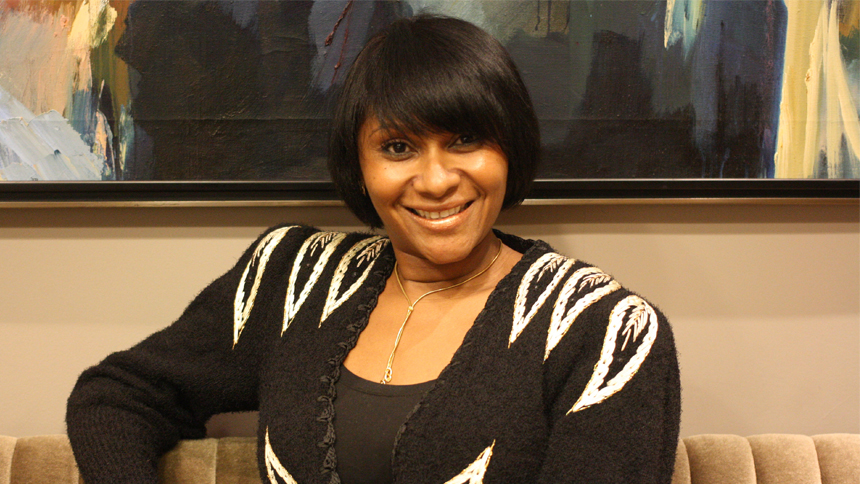

Jess Focht is a writer and content strategist with 6+ years of experience in media, publishing, and brand storytelling. She has contributed to Insider, Grammarly, and The Creative Independent.
2 min read • Originally published January 12, 2022 / Updated March 19, 2026
Jess Focht is a writer and content strategist with 6+ years of experience in media, publishing, and brand storytelling. She has contributed to Insider, Grammarly, and The Creative Independent.
2 min read • Originally published January 12, 2022 / Updated March 19, 2026
It’s a new year, which also means a clean slate and time to reflect and set goals for your journey ahead. If you’ve been wanting to be your best creative self but need an extra push of inspiration, you can start by taking advice from creative leaders who have made their mark by thinking outside the box. Here are some quotes on creativity, habit, determination, and the power of imagination.
“You can’t use up creativity. The more you use, the more you have.”
― Maya Angelou (writer, poet, performer, social activist, teacher)
“It’s very important to take risks. I think that research is very important, but in the end you have to work from your instinct and feeling and take those risks and be fearless.”
― Anna Wintour (editor-in-chief, American Vogue)
“A creative life is an amplified life. It’s a bigger life, a happier life, an expanded life, and a hell of a lot more interesting life. Living in this manner—continually and stubbornly bringing forth the jewels that are hidden within you—is a fine art, in and of itself.”
― Elizabeth Gilbert (journalist and author)
“We are cups, constantly and quietly being filled. The trick is, knowing how to tip ourselves over and let the beautiful stuff out.”
― Ray Bradbury (writer)
“That’s the kind of movie that I like to make, where there is an invented reality and the audience is going to go someplace where hopefully they’ve never been before. The details, that’s what the world is made of.”
― Wes Anderson (filmmaker)
“I feel like, what’s the point of design and art if you’re not creating and thinking freely? It’s the duty of artists to dream out loud in a productive way. For me, it’s depressing if an industry based on creativity just makes decisions on a practical basis.”
― Virgil Abloh (fashion designer and entrepreneur)
“Odd how the creative power at once brings the whole universe to order”
― Virginia Woolf (writer)
“Don’t think about making art, just get it done. Let everyone else decide if it’s good or bad, whether they love it or hate it. While they are deciding, make even more art.”
Jess Focht is a writer and content strategist with 6+ years of experience in media, publishing, and brand storytelling. She has contributed to Insider, Grammarly, and The Creative Independent.
3 min read • Originally published January 18, 2022 / Updated March 19, 2026
Jess Focht is a writer and content strategist with 6+ years of experience in media, publishing, and brand storytelling. She has contributed to Insider, Grammarly, and The Creative Independent.
3 min read • Originally published January 18, 2022 / Updated March 19, 2026
How necessary are cover letters these days? Research shows that more companies prefer you to have them more so than not.
Does that mean you should still include one? Most resources say yes. Think of it as a security blanket, or extra icing on a cake. If you’re applying to a job and their cover letter section is optional, it doesn’t hurt to include one. And there are even chances that it could help. To stand out in a sea of candidates, you’ll need to make a compelling case for yourself, past your résumé and general application—which is where your cover letter may play a significant role. We’ve already written about what every cover letter should have, but this time I’ll be outlining what they shouldn’t have. Be sure your cover letter is flawless with these tips.
Repeating your résumé
The point of a cover letter is not to simply repeat your résumé. You want to go above and beyond what your résumé says and provide the employer with more context of your previous roles and experience. This is your chance to expand on your résumé—and then add detail and examples that you couldn’t fit. This is also your chance to focus on your duties instead of achievements, adding information about how you’d fit into this company or workplace.
Copying & pasting
Applying for jobs is time-consuming. We get it. However, try to avoid copying and pasting a generic cover letter and simply changing a few words or phrases from another job you applied to. This is especially important because recruiters and hiring managers can usually see right through it. As I’ll outline below, a cover letter doesn’t need to be too long, and you can surely repeat similar things about yourself that you’d include in previous applications. However, copying and pasting a generic cover letter could also lead to typos—increasing the odds of the wrong company or name getting lost within the paragraphs.
Overwriting
One rule to always remember when writing cover letters: keep it concise! Yes, this is a chance to showcase your writing and skills—things that will show how qualified you are for the role you’re applying to. But remember you don’t need to write a novel. Make sure your writing is straightforward, to the point, informative and enthusiastic, but also be sure not to bore your audience with too many words. Your cover letter is probably one of many in a sea of applicants; your goal is to grab the recruiter or hiring manager’s attention—and to keep it.
Bringing up salary expectations
While more companies are becoming transparent about expected salaries upfront, your cover letter is not the place to bring up the topic. It’s valid to want to know what you’ll be compensated for your potential new job, but it’s best to wait for the interview process to start before asking salary-related questions.
Typos
Last but certainly not least, review your cover letter with a fine-tooth comb. Make sure there are no spelling or grammatical errors. Read it a few times over and then out loud to yourself if you need to. An error-free cover letter is the first step to getting closer to your dream job. In fact, The Economist predicts that the written word will just gain prominence in the post-pandemic workplace.
Jess Focht is a writer and content strategist with 6+ years of experience in media, publishing, and brand storytelling. She has contributed to Insider, Grammarly, and The Creative Independent.
2 min read • Originally published January 24, 2022 / Updated March 19, 2026
Jess Focht is a writer and content strategist with 6+ years of experience in media, publishing, and brand storytelling. She has contributed to Insider, Grammarly, and The Creative Independent.
2 min read • Originally published January 24, 2022 / Updated March 19, 2026
In the past couple of years, the number of employees leaving their jobs for new ones has only increased—and statistics show that this trend will likely not go away any time soon. According to Upwork, freelancers have contributed $1.3 trillion to the U.S. economy in annual earnings in 2021, up $100 million from the prior year.
One thing most freelancers know: a typical work day, week, or month is unpredictable. Cushion is set up to help freelancers navigate their schedule, predict their fluctuating monthly income levels, track time working, and much more.
2. Harvest
Do you have many different projects going at once and have a hard time tracking them all, along with the money you’re owed? Harvest is a website that makes it easy to track both time and invoices.
3. Asana
Mostly known for its user-friendly software that makes team projects and collaboration easier, Asana can also be used for project management and creating to-do lists. They have more than 200 integrations so you can easily sync up your tasks and have them live in one place
4. Proposify
Working for yourself means carving out time to do things like creating proposals for your clients on top of your day-to-day work. If you’re looking to cut down that time spent, Proposify provides you with templates and allows you to send proposals through its platform. It also lets you know if the proposal has been viewed (or not).
5. Mediabistro
Last but certainly not least, our Freelance Connect portal allows you to create your own profile and connect with editors to pitch to, along with access to a freelance job portal. Our Unlimited membership also includes guides on how and when to pitch.
Jess Focht is a writer and content strategist with 6+ years of experience in media, publishing, and brand storytelling. She has contributed to Insider, Grammarly, and The Creative Independent.
3 min read • Originally published January 26, 2022 / Updated March 19, 2026
Jess Focht is a writer and content strategist with 6+ years of experience in media, publishing, and brand storytelling. She has contributed to Insider, Grammarly, and The Creative Independent.
3 min read • Originally published January 26, 2022 / Updated March 19, 2026
There’s no denying that we’re in a workers’ economy. As remote work continues to be a new normal for companies, employees have more of a chance now, more than ever, to embark on a new career adventure. Or simply gain access they didn’t previously have to jobs they wouldn’t have had access to previously.
With that being said, virtual interviewing has also become a new norm. Virtual interviewing breaks down many barriers, mostly having to do with travel to the company: arriving there early, wearing proper clothes (head-to-toe), and much more. However, recent studies show that applicants are being ghosted—and we’re not talking about within their dating lives. What we’re referring to is applicants being ghosted by a company they’re interviewing with.
What does this mean for you if you’re job-seeking in a new, remote world? Here are some ways you can take precautions heading into interviews—with hopes they will help you from getting ghosted.
Ask for a timeline and follow-up information
Have you ever ended an interview and have no clue how long the process will take or don’t know when you’ll hear back from the employer? If that’s the case, make it a habit to always ask for a timeline from them on when they expect to move forward. This way, you’re not waiting around for an email or phone call from them and can plan around it.
Have plenty of applications out there
It’s a common saying, but especially true when it comes to your job search: try not to have all your eggs in one basket. Apply to as many jobs as you can, interview for as many as you get interviews for, and keep your eyes open to all the possibilities around you. Remember that nothing is in its final stages until you have an offer letter from the company.
Reach out to someone at the organization
Before heading into an interview, you may want to search employees from the company on LinkedIn, add them, and ask any questions you may have about their experience within the company. It never hurts to gain more connections and get your name out there. You never know, they could pass your name on to the recruiter or hiring manager.
If it happens, try not to take it personally
If you take precautions going into an interview, ask for a timeline, are communicative, and still get ghosted by the employer—well, unfortunately, it’s out of your control at that point. As long as you did the best you could on your end, that’s all you can do. It’s not fun to spend so much time interviewing when you may not end up getting hired, but it’s practice and experience in itself. Try not to take it personally and keep persevering through the job-hunting process.
Jess Focht is a writer and content strategist with 6+ years of experience in media, publishing, and brand storytelling. She has contributed to Insider, Grammarly, and The Creative Independent.
3 min read • Originally published January 28, 2022 / Updated March 19, 2026
Jess Focht is a writer and content strategist with 6+ years of experience in media, publishing, and brand storytelling. She has contributed to Insider, Grammarly, and The Creative Independent.
3 min read • Originally published January 28, 2022 / Updated March 19, 2026
Have you recently felt uninspired or less creative than usual? This can happen to everyone—even the people you’d consider the most creative or imaginative. A simple fact is that we’re all creatives, whether we want to embrace it and practice it or not. As Maya Angelou said, “You can’t use up creative energy. The more you have, the more you have.” Creativity is a bottomless well of wonder. If you’re stuck in a rut, here are some ways you can get out of that rut and keep your creative energy flowing.
Start a morning routine
Starting a morning routine that involves time for yourself to reflect can radically improve your day-to-day creativity. Set aside 30 minutes or more and practice something that forces you to sit still and relax. This could be a time to read a book, meditate, journal, write a to-do list—the possibilities are endless. If your practice is consistent, it’ll help you get into the creative zone.
Unplug & move around
As great as technology can be, it’s also a double-edged sword as one of our biggest distractions. Instead of mindlessly scrolling on social media when you have a break, try turning your phone off and going for a walk instead. As cliché as it may sound, it does clear your head. Feeling fresh air on your skin and putting your body in motion does wonders for your mind—positively affecting your creativity as well.
Go to a museum
If you live near a museum and can go to one (or more), don’t miss out on the opportunity. Museums of all kinds are full of different art and artifacts that you can pull inspiration from in numerous ways. Walking around and being in the presence of art has the ability to get your creative gears turning. There’s a high possibility you’ll walk out of it with a plethora of ideas.
Free write
Have you ever grabbed a sheet of paper and written whatever comes to mind for fifteen minutes? If you’re a writer or previous English major, then probably. If you’re unfamiliar with this method, it’s straightforward. Just write and don’t fret about what you’re writing and how you’re writing it. This practice is one of the most underrated ways to not only clear your brain but also boost self-awareness and mental health. And you never know—you may get a brilliant idea from it.
Take a class for something you know you’re not good at
One of the most common reasons people don’t try new things is because they think they must be experts at it; they don’t want to fail or be embarrassed. This attitude towards trying new things, especially when it pertains to creative outlets, can limit your creativity as a whole. Have you ever been scared to take a painting class because you know you’re not a good painter? Have you wanted to try dancing but don’t want to embarrass yourself? We get it. It feels daunting at the time, but stepping out of your comfort zone to try new things will help unleash your creativity.
Be open to collaboration
Lastly, be open to bouncing ideas off other people who may want to give you creative advice or work with you on a project. This method can help you realize new things you may not have thought of before and will allow you to see other people’s creative methods and thinking, possibly inspiring you to think in a new light.
Andrew Ng, formerly of Google and now of Baidu, believes in this method.
“In my own life, I found that whenever I wasn’t sure what to do next, I would go and learn a lot, read a lot, talk to experts,” he said. “I don’t know how the human brain works but it’s almost magical: when you read enough or talk to enough experts, when you have enough inputs, new ideas start appearing.”
Jess Focht is a writer and content strategist with 6+ years of experience in media, publishing, and brand storytelling. She has contributed to Insider, Grammarly, and The Creative Independent.
4 min read • Originally published January 31, 2022 / Updated March 19, 2026
Jess Focht is a writer and content strategist with 6+ years of experience in media, publishing, and brand storytelling. She has contributed to Insider, Grammarly, and The Creative Independent.
4 min read • Originally published January 31, 2022 / Updated March 19, 2026
1) What is your role at Grammarly?
I’m the Global Head of People at Grammarly, the market leader in communication assistance. My job is to make sure our 600+ global team members are energized every day to work toward our mission of improving lives by improving communication.
From our recent shift to a remote-first hybrid work model to our ambitious hiring goals in 2022, Grammarly is constantly evolving to provide the best workplace experience for our team members and the best product offerings for our customers—and I love being a part of that.
2) How would you say the job market has changed in the last couple of years? Do you think this has directly affected how people are searching for jobs?
We are experiencing the greatest workplace experiment of our lifetime as remote and hybrid work becomes the norm. The desire for flexibility has upended how companies operate, who they hire, how people search for jobs—and the criteria they use to do so.
At the same time, there are an almost unprecedented number of jobs available, with workers intrigued by the motivations behind the Great Reshuffle phenomenon. The current environment has incentivized people to change industries, strike out on their own, or turn a passion into a profession—it’s an excellent time for the curious to reexamine their career path.
3) Many companies are hiring remotely. Do you think this is an advantage or disadvantage for job seekers?
In so many ways, remote work is an advantage, and the benefits it brings were part of our decision to adopt a remote-first hybrid model at Grammarly. Today, job seekers face far fewer geographic hurdles when looking for a new role. This diversity helps companies build better teams with fresh perspectives and new ideas—an advantage for professionals looking to learn and collaborate with other bright minds and for companies in need of creativity and innovation.
4) What is your advice to anyone looking for a job right now? How can they make their candidacy stand out?
A typo-free resume is no longer enough (although a good resume still speaks volumes)! With remote collaboration becoming standard, hiring managers want to be confident that a potential candidate is a skilled asynchronous communicator and understands how to convey tone, explain ideas efficiently, and collaborate effectively in writing.
Grammarly and the Harris Poll recently released research that found poor communication is actually costing businesses money—approximately $12,506 per employee every year. Being a strong communicator is no longer just a ‘nice-to-have’ but a business imperative. And demonstrating mastery of nuanced communication abilities in the hiring process can make all the difference in standing out for the best jobs.
5) Do you think writing and communication skills are more important now than ever?
Absolutely. We already know communication is challenging. It’s tricky to know when you’re understood as intended, and that’s all the more difficult in a digital medium without the help of body language cues.
Our data findings underscore just how important effective communication is in our day-to-day lives. Professionals lose nearly 8 hours each week—a whole workday!—to resolving problems caused by miscommunication. Beyond the direct costs of wasted time and money, inadequate communication also has indirect consequences in the workplace, with 86% of professionals citing “increased stress” as the top impact of poor communication.
Grammarly’s own move to a remote-first environment and more asynchronous work has allowed us to further empathize with these difficulties and double-down on improving our product, so users are empowered to face these everyday communication challenges head-on.
6) Is there anything else you want to add?
Thoughtful communication is crucial for our professional and personal relationships to thrive — but it’s also hard to get right! Technology can provide the time savings and reassurance that make it a little easier. And—Grammarly is hiring! People who want to learn more about our open roles should visit https://www.grammarly.com/jobs.
Grammarly’s AI-powered technology currently helps 30 million people and 30,000 teams across thousands of organizations communicate clearly and effectively wherever they write. It provides recommendations for correctness, clarity, engagement, and delivery, helping users improve their writing while learning along the way through our detailed explanations for each suggestion. Grammarly is for everyone, and they offer three plans to meet different needs:
Grammarly Premium is their paid offering for individuals and provides everything from clarity-focused sentence rewrites and inclusive language suggestions to tone adjustments and plagiarism detection (in addition to spelling and grammar correction, of course).
Grammarly Business is built to enhance clear and professional communication within teams and includes all the elements of Grammarly Premium, plus style guides, brand tones, and other team-based features.
They also offer a free product for individuals, which delivers feedback on spelling, grammar, punctuation, and conciseness and detects tones.
Jess Focht is a writer and content strategist with 6+ years of experience in media, publishing, and brand storytelling. She has contributed to Insider, Grammarly, and The Creative Independent.
2 min read • Originally published February 7, 2022 / Updated March 19, 2026
Jess Focht is a writer and content strategist with 6+ years of experience in media, publishing, and brand storytelling. She has contributed to Insider, Grammarly, and The Creative Independent.
2 min read • Originally published February 7, 2022 / Updated March 19, 2026
Have you been looking to pivot to a job that’s a hybrid of writing and marketing? Are you just graduating from school with writing skills you don’t know what to do with? Or do you want to start making money from your writing sometime soon?
If any or all these questions are the case, you may be the perfect fit for a copywriting job. Here’s what you need to know before you give it a shot.
There typically aren’t any bachelor’s degrees for it
While not many schools actually have bachelor’s degrees in copywriting, it’s common for someone with an English, Journalism, Marketing, or Communications major to go into a copywriting job. Candidates looking into such positions should have strong writing skills and the ability to write concisely.
It requires a strong portfolio
So how do you get your foot in the door if you’ve never been a Copywriter before and there usually aren’t degrees in it? The main thing most companies or clients look for when hiring a Copywriter is a strong portfolio. To get your foot in the door, you can create your own copywriting projects—fake ads, websites, or social media copy. Even if you’ve never actually done any copywriting work, you can use your portfolio to present what kind of copy you’d provide to a company.
Most copywriters are freelancers
According to the Bureau of Labor Statistics, most Copywriters work as freelancers. There’s a chance you may need to work for an ad agency or marketing firm before you are able to build clients and work for yourself.
However, once you make the leap to being self-employed, it can be worth it.
It’s a fast and evolving career
Writing is more important now than ever, and with that being said, companies are hiring Copywriters at a fast pace.
As Copywriter Jacob McMillenhighlights, you can make up to $100k or more with this job.
“I’ve been a freelance copywriter since 2013. I went full-time in 2016 and earned around $80k. I netted $130k the following year and $220k in 2018,” he shares.
Jess Focht is a writer and content strategist with 6+ years of experience in media, publishing, and brand storytelling. She has contributed to Insider, Grammarly, and The Creative Independent.
4 min read • Originally published February 9, 2022 / Updated March 19, 2026
Jess Focht is a writer and content strategist with 6+ years of experience in media, publishing, and brand storytelling. She has contributed to Insider, Grammarly, and The Creative Independent.
4 min read • Originally published February 9, 2022 / Updated March 19, 2026
The first quarter of 2020 included many things for the world to adjust to—specifically one shift: work from home. And just when people thought it could be a temporary practice, it became more and more permanent throughout companies across the United States. With those transitions, remote work became the new normal. Leaders of companies were left with one question when pandemic restrictions loosened up: where are their employees more productive—in the office or at home?
There is plenty of data to back the fact that employees who can work from home are just as—or more—productive. The Becker Friedman Institute for Economics at the University of Chicago surveyed 10,000 employees, with results pointing to one key finding: people said they thought they were just as productive working from home compared to working in the office.
Remote work is not going away anytime soon. And while you may be getting more done at home, be sure you have a healthy relationship with work. Randy Simon, an expert on work-life balance told TODAY that a lot of setting yourself up for work-from-home success comes down to boundaries.
Here are some ways to avoid burnout in a remote world.
Create a designated workspace
If you have just started working remotely in the recent past, you may have noticed how convenient it is not having to leave your home but feel like you can never truly leave work because it is now within your home. If that’s the case, think about creating a designated space that’s solely for work. Once you set boundaries for your own space, you should feel like you can separate work and your personal life—physically and then eventually mentally.
Virtually connect with your coworkers
Just because you’re working remotely doesn’t mean you can’t connect on a virtual level with your coworkers. If you just talk with them during weekly meetings, consider reaching out to them to plan a happy hour or a designated time to talk about non-related work topics. While you can’t simply wander over to their desk, small talk and getting to know each other can still exist within your work life.
Allow short breaks for yourself
Have you ever worked remotely and found yourself staring at your screen too long—losing track of time? If you’d been used to taking breaks within the office at one point—or simply getting up to get water or go to get lunch, don’t let work from home deter you from still taking time for yourself. Plan breaks, even if they’re just 10 minutes long. A few breaks a day will help give your mind a rest so you can fully focus once you’re back at your desk.
Put time on your calendar for these breaks if you need to, especially so your coworkers are aware of this special time carved out just for you.
Schedule time for your hobbies
You shouldn’t just schedule time for breaks—but also make sure you’re not overworking yourself, allowing room in your days or nights to practice a hobby. You are a human being after all, not a robot, and it’s normal to have interests outside of work.
“Without a daily commute, it’s easy to think that we will have so much added free time, but it’s easy to just add that time on to our workday,” shares writer and hobby advocate Betsy Ramser Jaime.
Turn on ambience videos
Working remotely means you’re not in an office and can control your own background noise. If you need extra help focusing and creating a calm work environment, check out YouTube’s different ambience videos—from a cozy cabin to a fall coffee shop to an enchanted forest. Ironically, creating a mood that makes you feel like you’re somewhere else can help you stay more present.
Take vacation (and sick) days seriously
Lastly, don’t forget to use your vacation and sick days when you need to. Just because you’re not traveling to and from an office doesn’t mean you don’t get to take time away from your job. In fact, it’s been scientifically proven that taking vacation days increases overall productivity and well-being. And if you don’t feel well but think you should keep working because you’re home, think again. Your sick days are provided to you for a reason. So use them and be kind to yourself about using them. It will help you maintain better boundaries with work, overall improving your work-life balance.
Jess Focht is a writer and content strategist with 6+ years of experience in media, publishing, and brand storytelling. She has contributed to Insider, Grammarly, and The Creative Independent.
2 min read • Originally published February 18, 2022 / Updated March 19, 2026
Jess Focht is a writer and content strategist with 6+ years of experience in media, publishing, and brand storytelling. She has contributed to Insider, Grammarly, and The Creative Independent.
2 min read • Originally published February 18, 2022 / Updated March 19, 2026
In the world of remote work, job search clubs can be crucial to not only landing a job, but can help also keep you from feeling isolated.
Remember in your younger school days when you used to join extracurricular clubs? You may have been a part of the chess club, drama club, or anime club.
These clubs may have transferred into a hobby as you grew up and got busy with other things like college, internships, or moving to new places.
However, in the world of remote work, some clubs can be crucial to not only landing a job—but can help keep you from feeling too isolated. That’s why job search clubs exist. Yes, you read that correctly. These are a bit different from associations; they are clubs for adults solely dedicated to being a support group for job-hunting, providing tools for one to land their next gig. The job search can feel lonely, especially if you’ve recently been laid off or fired. Luckily, job search clubs are easier to find and join because of the pandemic.
Want to know more?
Why Should I Join a Job Search Club?
Looking for the next career move isn’t always easy, and job clubs understand that. With the goal of helping people spend less time job-hunting, these clubs typically hold job-seekers accountable by making sure they’re on track with their job search. They meet regularly and create a support system for anyone feeling particularly isolated while trying to find a new job.
These clubs also can serve as networking opportunities, with info sessions and speakers who may have previously been in the club(s). Additionally, members of the club have the opportunity to take part in mock interviews, have their cover letters and resumes reviewed, and go through training for specific job skills.
How Do I Find a Job Search Club?
We recommend starting with the US Department of Labor‘s job service website, CareerOneStop. This site provides a tool for you to search for job clubs depending on your location.
You can also most likely find job clubs in your local community, at places like the public library, community college, or local universities—with job clubs usually listed on their website.
We also recommend looking for these types of clubs on social media, as they can come in the form of Twitter, Facebook, and LinkedIn groups.
Job hunting doesn’t have to be a lonely experience if you’re able to utilize a job club as a resource. And you never know, you may gain new friends and connections along the way.
Jess Focht is a writer and content strategist with 6+ years of experience in media, publishing, and brand storytelling. She has contributed to Insider, Grammarly, and The Creative Independent.
3 min read • Originally published February 23, 2022 / Updated March 19, 2026
Jess Focht is a writer and content strategist with 6+ years of experience in media, publishing, and brand storytelling. She has contributed to Insider, Grammarly, and The Creative Independent.
3 min read • Originally published February 23, 2022 / Updated March 19, 2026
Take a second and think about the role creativity plays in your life. Do you consider yourself a creative person? Do you utilize your creative potential and carve out time for it? Do you wish you had more time to explore it within you?
While it may seem hard to describe, the dictionary defines creativity as “the ability to transcend traditional ideas, rules, patterns, relationships, or the like, and to create meaningful new ideas, forms, methods, interpretations, etc.”
We’ve outlined the importance of routines and how sticking to them will help you maintain your creative energy. Now here are some daily habits that you can put in place to help your creativity blossom—and thrive.
Journaling
As Joan Didion said, “I write entirely to find out what I’m thinking, what I’m looking at, what I see and what it means. What I want and what I fear.” Taking time to write down your thoughts not only helps your creative energy flow and gets your thoughts down on paper, but also is a therapeutic daily habit. When you dedicate time to focus solely on your thoughts, without putting too much pressure on the output element, you may come up with a brilliant new idea—or simply set time aside for yourself. In fact, there are many studies on the art of journaling and how it increases one’s daily functioning, improves communication skills, and improves one’s physical and psychological health.
Meditation
Like journaling, mediation is a time dedicated to sitting with your thoughts. This can have many benefits on your creativity, especially in a world that is keen on multitasking and constantly being plugged in. Meditation can quiet your racing mind and help you get to an imaginative and creative space. In fact, neuroscience findings show that it correlates with brain wave activity—which is increased in areas associated with the creative and mystical during mediation.
Walking
There has been a long history of researchers linking creativity with many kinds of movement. And this doesn’t have to be an extreme, strenuous workout. A recent Standford study proved that walking boosts creative inspiration, especially when compared to sitting down.
“A person walking indoors – on a treadmill in a room facing a blank wall – or walking outdoors in the fresh air produced twice as many creative responses compared to a person sitting down, one of the experiments found.”
Reading
Those who are avid readers may already be very familiar with the many benefits of reading: not only does it exercise your brain and improves your vocabulary, but it also boosts your empathy and imagination. People who read literary fiction specifically are more likely to understand the feelings and beliefs of others.
How does this relate to your own creativity? Well, the more imaginative you become through other people’s work, the better you’ll be able to carry out empathy—and creativity—in your own.
Unplugging from electronics
This one may seem like it goes hand-in-hand with every tip on this list—and it does, but its importance should only be reiterated. Unplugging from electronics—even if it’s just for thirty minutes to an hour a day—can radically improve your brain’s ability to generate original thought and find inspiration from within. While the internet can be a great place to find ideas from others, it’s important to carve out some time away from it too.
Resting
Last but certainly not least, and one you may not typically think of, resting is crucial to fueling creativity. The benefits of sleep have recently been examined more, as more than a third of Americans are not getting enough sleep on a regular basis according to the CDC. Neuroscientist Matthew Walker shares in his book Why We Sleep, “Sleep is the single most effective thing we can do to reset our brain and body health each day—Mother Nature’s best effort yet at contra-death.”
If you make time for a full night’s rest or carve out thirty minutes for a nap, you are doing yourself—and your creativity—a favor. This will allow you to clear your mind, focus, and eventually become more creative in your day-to-day life.