
Mediabistro Logo Mediabistro Logo
  • Jobs
    Search Creative Jobs Hot Jobs Remote Media Jobs Create Job Alerts
    Job Categories
    Creative & Design Marketing & Communications Operations & Strategy Production Sales & Business Development Writing & Editing
    Quick Links
    Search All Jobs Remote Jobs Create Job Alerts
  • Career Resources
    Career Advice & Articles Media Industry News Media Career Interviews Creative Tools Resume Writing Services Interview Coaching Job Market Insights Member Profiles
  • Mediabistro Membership
    Membership Overview How to Pitch (Premium Tool) Editorial Calendars (Premium Access) Courses & Training Programs Membership FAQ
  • Showcase
    Featured Creative Stories Submit your Story
  • Log In
Post Jobs
Mediabistro Logo Mediabistro Logo
Search Creative Jobs Hot Jobs Remote Media Jobs Create Job Alerts
Job Categories
Creative & Design Marketing & Communications Operations & Strategy Production Sales & Business Development Writing & Editing
Quick Links
Search All Jobs Remote Jobs Create Job Alerts
Career Advice & Articles Media Industry News Media Career Interviews Creative Tools Resume Writing Services Interview Coaching Job Market Insights Member Profiles
Membership Overview How to Pitch (Premium Tool) Editorial Calendars (Premium Access) Courses & Training Programs Membership FAQ
Featured Creative Stories Submit your Story
Log In
Post Jobs
Log In | Sign Up

Follow Us!

Be Inspired

Want to Monetize Your Hobby? 7 Things to Consider First

Want to Monetize Your Hobby? 7 Things to Consider First
Frankie icon
By Frankie Wallace
Frankie Wallace is a freelance content writer covering technology, sustainability, and business trends, with a background in journalism from the University of Montana.
5 min read • Originally published July 18, 2022 / Updated March 19, 2026
Frankie icon
By Frankie Wallace
Frankie Wallace is a freelance content writer covering technology, sustainability, and business trends, with a background in journalism from the University of Montana.
5 min read • Originally published July 18, 2022 / Updated March 19, 2026

We’ve all heard the saying, “Do what you love, love what you do.” It’s supposed to be the secret to working without it feeling like work. Many people would advise you to turn your favorite hobby into a business to live out this saying. But before you go full force into monetizing your passions and hobbies, consider these seven things.

1. The logistics of running a business

The first consideration you want to make when monetizing a hobby is if you’re ready to take on the logistics of running a business. If you want to make real money with your passion, you must treat it as a business.

Study the logistics of actually running a business. You’ll need to understand things like business finances, marketing, sales, and customer service. You’ll also need to comprehend business cybersecurity. Understanding things like botnet attacks and how they can impact your business devices is essential to ensuring your customers can safely interact with you online. 

If you aren’t ready to run a business, you won’t be able to gain momentum monetizing your hobbies. You may have started by freelancing, but this is a big step that transitions freelancing to full-time work. Do your research and prepare to run a business as best you can before jumping in.

2. How much money you want to make

How much money do you want to make when turning your passion into a business? Knowing how you want to fare financially will help carve out a direction for your monetization efforts. 

Assess where you are first. If you’re doing well financially, you may not need to make a lot of money immediately with your hobby. You may even be able to invest more upfront when starting up your hobby-turned-business. On the other hand, if you’re struggling, you may need to fast-track your monetization process to get stable.

Once you understand where you are financially and where you want to be, you can create an actionable plan to move forward with making a living with your hobby or just bringing in some extra cash on the side. 

3. If it interferes with your enjoyment of the hobby

It’s imperative to consider whether monetizing your hobby will interfere with how much you enjoy it. It’s easy to say your enjoyment won’t waver if your heart is set on making money with your passion. However, you should work through a formal decision-making process with this one. 

First, identify the question you want to answer. In this case, the question is whether or not turning your hobby into a business will interfere with how much you enjoy it now and in the future. Next, gather relevant information that will help you answer this question insightfully. Then, list potential answers to your question. 

Finally, carefully consider each possible solution before choosing the one that feels right. It’s okay to decide not to move forward with monetizing your hobby if you feel you’re going to hate it after turning it into a business. After all, hobbies are supposed to decrease your stress rather than add to it.

4. Holistic health implications

Running a business generally can be draining, especially when you’re at the beginning stages. Long hours, wearing many hats, and lots of sacrifices are typical. But if you want to be successful, you have to find balance. And that requires you to tend to your holistic health throughout the journey. 

Consider how turning your hobby into a business will affect your mental, physical, and emotional health. How will you care for your holistic health when so much of your time and effort is dedicated to taking your passion to the next level?

Monetizing your hobby is much more manageable when your holistic health is in a good place. Make sure that you carve out time to destress — even if that means picking up some more relaxing hobbies to unwind in your downtime.

5. How your loved ones could be affected

Your loved ones will typically be affected by your decision to monetize your hobby. If you don’t consider how the journey will affect their lives, you may negatively impact the relationship.

Open conversations with loved ones about your plans to monetize a passion are crucial. Give them space to express their concerns. But fight for your dreams and show them how this could be an excellent thing for your family’s future. 

If you can’t turn your hobby into a business without it being detrimental to your family, it’s probably a good idea to hold off on your plans. Consider fully how it could affect them in financial and emotional ways. Financial security may not be worth it if you are sacrificing quality time with them.

6. Your vision

Consider whether turning your hobby into a business gets you closer to your vision. Assessing if monetizing your hobby will be a part of your life long-term is essential. Consider how making this change may add or detract from the life you have in mind for yourself. 

Map out your life’s trajectory. Think about your family, career, and social life in five, 10, 15, and 20 years. Visualize what would make your life purposeful, passionate, and meaningful. Then, explore how monetizing your hobby fits your life goals and pushes you closer to your dream life and career. If monetizing your passions and hobbies helps you achieve these goals, it may be a good move. 

7. Whether or not you can commit

You must gauge your commitment level when monetizing your hobbies. Be honest about how devoted you are to take your hobby to the next level. You won’t get the results you want if you aren’t truly dedicated to it. Ask yourself if you are genuinely determined to monetize your hobby. Can you stay committed to the process when things get tough? Are you all-in regarding growing an actual business?

If you can commit to growing a business, develop discipline, and become self-motivated, you can make headway in monetizing your passions. Make sure the market isn’t too saturated, and your idea is unique in some way. In order for your hobby to be monetized, it must be marketable and sustainable. 

Turning a favorite hobby into a business is how many successful entrepreneurs get started. You can be the next person to flourish as a business owner if you thoughtfully go into it with careful planning. Considering these caveats when monetizing your passions and hobbies will help you go into the journey with insight and intention.

Topics:

Be Inspired, Career Transition
Go Freelance

5 Proven Ways to Make Your Freelance Portfolio Stand Out

5 Proven Ways to Make Your Freelance Portfolio Stand Out
Jess icon
By Jess Focht
@jessfocht
Jess Focht is a writer and content strategist with 6+ years of experience in media, publishing, and brand storytelling. She has contributed to Insider, Grammarly, and The Creative Independent.
2 min read • Originally published July 19, 2022 / Updated March 19, 2026
Jess icon
By Jess Focht
@jessfocht
Jess Focht is a writer and content strategist with 6+ years of experience in media, publishing, and brand storytelling. She has contributed to Insider, Grammarly, and The Creative Independent.
2 min read • Originally published July 19, 2022 / Updated March 19, 2026

If you’re a freelance writer, a photographer, a filmmaker, or a creative professional of any kind, odds are you have a portfolio to showcase your work. Portfolios are essentially a type of resume; they’re a way for clients to know if they want to hire you. They (hopefully) open doors and opportunities. Whether you’re a seasoned freelancer or are just getting started working for yourself and getting used to showing your work, here are five tips you don’t want to overlook when enhancing your freelance portfolio.  

1. Be clear with your mission

Who are you? What do you do? What makes your work stand out? Answering all these questions will work in your favor when enhancing your portfolio and attracting customers. Website visitors should be able to spend just a few minutes on your website and immediately know your mission—and if it suits them, which it hopefully will.

2. Do your research

Which portfolios excite you—and why? Gather examples of different portfolios that inspire you and use them as a reference when creating your own. With user-friendly websites such as Squarespace and Wix, you can personalize your portfolio while also drawing inspiration from their templates and designs.

3. Include your best work

This tip seems obvious—but make sure to show the work you’re the proudest of. Like a resume, you don’t want to include anything in your portfolio that’s dated or unnecessary. You also don’t want to overwhelm your portfolio visitor. Similar to putting your best foot forward, including your best work will increase the odds of creating the best first impression.

4. Elaborate on your projects

In your portfolio, you want to show and tell. Depending on the form, some work doesn’t need much explanation. However, it’s a good idea to expand upon your work in your portfolio. It adds a personal touch while providing context for your processes and strategies. You can add information about your work type if you’re a freelance writer. If you’re a photographer, you can do the same—and maybe even share your experience from behind the camera.

5. Update your portfolio regularly

So you’re done enhancing your portfolio. But odds are you’re not really done. Having a portfolio is an ongoing process. You should keep it relevant, adding new work when you can, so clients can see not only your most recent work but also that you care enough to maintain it.

With these five tips, you have the tools to maintain a stellar portfolio—and hopefully a stellar freelance career.

Topics:

Business Basics, Go Freelance
Be Inspired

How Eileen Marable Built a Career as a Senior Digital Strategist

How Eileen Marable Built a Career as a Senior Digital Strategist
Jess icon
By Jess Focht
@jessfocht
Jess Focht is a writer and content strategist with 6+ years of experience in media, publishing, and brand storytelling. She has contributed to Insider, Grammarly, and The Creative Independent.
8 min read • Originally published July 22, 2022 / Updated March 19, 2026
Jess icon
By Jess Focht
@jessfocht
Jess Focht is a writer and content strategist with 6+ years of experience in media, publishing, and brand storytelling. She has contributed to Insider, Grammarly, and The Creative Independent.
8 min read • Originally published July 22, 2022 / Updated March 19, 2026

Senior Digital Strategist Eileen Marable shares her career path.

1. Tell me a little bit about your career journey. What different jobs have you had?

I’ve always been curious about everything asking, “why, how or what’s the connection?” since I was a little girl. And when you’re interested in so many topics it was overwhelming to pick one topic of study. I went as broad as possible and pursued an undergrad degree in International Arts and later a Masters in International Arts & Business, hoping I’d find the right path.

My first jobs were tracing lost international mail for the USPS which used my language skills and hinted at my ability to project manage and recognize patterns in data. I then assisted lobbyists at Consumers Union, part of Consumers Reports magazine.

I did everything from organizational duties to help field studies on redlining in banking and grocery stores and special projects related to product safety. I worked on my project management, learned a great deal about research, and how to write to convince an audience.

Throughout these early jobs I liked what I was learning but felt like I was missing a passion. I have said to mentees, who like myself, have may have felt like they were in the wrong job that it’s never a waste to find out what you don’t want to do. The trick is putting yourself out there until you do.

One day in the late 90s, I saw a job ad for a temp at a “major television company” located in Bethesda. Discovery Communications was the only company that fit the bill at the time.

Something stirred something in me. Television and movies had always been a passion for me – anything in the media and pop culture really. I used to sneak downstairs before doing homework to watch re-runs of Laverne & Shirley and probably watched every episode of Great Chefs on Discovery Channel while in college. Don’t get me started about primetime soaps.

I hadn’t studied for a career, creative or otherwise, in television or media because it wasn’t something that was suggested as a career path at my small, all-girl high school and it seemed so remote to me before I saw that temp opening.

I made it my mission to slay that interview and I was hired, beginning what would be a more than 20-year career at Discovery. I’m proof that keeping an open mind about what you do and don’t like until you recognize your goal can sometimes be a good strategy if you don’t feel like you’ve found what you’re looking for.

Discovery was the ideal place for me to thrive. It fed my curiosity in so many ways. I got to work on different topics of programming, such as Monster Garage, MythBusters, Mysteries of the Universe, cars, animals, wilderness shows, and so much more. I got to ask why and get an answer every day.

More importantly I got to learn the ins-and-outs of television production, digital media, and streaming from some of the very best in the business. I learned about quality control, what makes genuinely valuable content, and how to understand data.

I learned from “invisible mentors” about how to be a good colleague, the kind of leader I should be, and what loyalty means. These were some of the senior staff who guided our direction and who got in the trenches with us to make the most amazing things happen. Their work ethic and genuine enthusiasm inspired the best in me and in the colleagues I still call friends to this day.

If you raise your hand, you can do a lot of things in twenty years. During my time at Discovery, I was a Manager for PR and worked my way to Director of Program Marketing for Discovery Channel. When I made the change to digital my role was as Senior Producer of Digital and Social, and I served several networks over time.

As a Director of Marketing, I handled full marketing campaigns for large series, including traditional media, creating live touring events and OOH stunts. When moving to the digital media side as a Senior Producer of Digital and Social, the goal was very similar as it was in marketing. It was still about promoting shows and OTT content, just without some of the traditional tactics.

At the end of the day, everything boiled down to making unique, informative companion content for our programming to help promote our platforms or clients. We also made topical content to keep people coming to our platforms.

2. What does your day-to-day look like right now?

Mike Ring was one of my close friends while working at Discovery. I loved his creative genius on the projects we worked on there and on the projects he’s done since he left and founded his own agency, The Garden Creative.

The Garden is a boutique video production & creative agency, and I had consulted with them on digital strategy for one of their Fortune 500 clients in the banking category. The Garden was creating videos with stories about their employees and clients and their financial goals. My goal was to help optimize them in the digital space, prioritizing YouTube and organic search.

I joined the staff at The Garden and continue to create unique digital strategies for clients as well as drive marketing outreach for The Garden itself.

My day is spent doing research, optimizing inbound and outbound SEO, checking webpages and tags, watching and planning video, and writing. I absolutely love it.

I had wanted to work with Mike again for a long time and I’m glad I can be a part of his incredibly talented and passionate team. I’m getting to scratch my newfound itch for data. And, once again the topics and clients are varied enough to keep my busy brain happy!

3. The digital world is growing at such a rapid pace. What shifts have you seen within digital storytelling in the past few years?

When I first started in digital, one of the biggest things in content were web cams. People would sit for hours hoping to see something that might or might not happen.

Looking back on that kind of basic content and the fluid measurement in place during the early years of the digital publishing makes me cringe. Even then though, there were a few sites and mediums that knew the power of a good story would keep people coming back.

The ability of a story to move people or inform them so that they act is the key to storytelling that is never going to change. You can’t underestimate your audience. You must know what they want and show/tell them how you’re going to give it to them or entertain them.

What has shifted dramatically over my time in digital is the amount of data available. Measurement has become an art form that can be used to keep your loyal audiences engaged with content created just to serve them. Another run of data can give you precise information about what content will best attract potential audiences.

And then of course there is SEO, working with keywords and backlinks to help raise your content in search engine algorithms. I love the variety of data that can help you push just about any kind of content forward for sampling.

It used to be you’d create content and maybe rely more on a paid buy, link swaps, or some other kind of barter to help gain visibility for it. Now you are creating content and thinking of the clues you’ve been given to write it or the bread crumbs you can leave so more people than ever will find it.

I think today’s data and measurement capabilities have really changed how content creators approach their subject matter.

Plus, how we create content will expand as we are on the cusp of Web3. Already we are seeing content in the forms of NFTs, custom or branded avatars or rooms in the metaverse, AI programs and apps just to name a few. The near future will bring an explosion of new forms of storytelling, but it will always need to provide value or move people.

4. What inspires you within your career?

Hands down it has been people over the years that have and continue to inspire me. And teach me.

They are all the people who love their work so much they pass along knowledge of their craft as a matter of daily course. They are the people who are dedicated and serious about their work, but when a job is finished will play “Never Have I Ever” over Zoom to blow off steam. They are the people who are quiet geniuses, some who aren’t quiet, but all are unfailingly kind and helpful.

They are the people you want to work with at your next job.

5. What is your advice to anyone trying to break into this space?

If you’retrying to break into digital media or the media industry as a whole, I’d advise joining student or professional groups to learn as much as you can about the industry, what people are talking about the most, network, and hopefully find a mentor. If not a mentor, perhaps someone whose work you admire whose career you could follow.

As you move forward, I advocate for asking questions. Don’t be shy. It’s how you learn the best information. And, as much as you can and still keep a proper work/life balance, take on new challenges or create new things/processes at work. You’ll become invaluable and gain a seat at some very interesting tables. Pay it forward by mentoring others.

And remember, you are never at a place so secure that you can’t learn something new from those around you. Keep listening, keep learning, and keep making connections.

6. Anything else you’d like to add?

I love the quote from Bill & Ted’s Excellent Adventure: “Be excellent to each other!” It really is some pretty wise advice with some huge payoffs.

Eileen Marable is a Senior Digital Strategist at The Garden Creative.

Interested in a creative gig? We have some open jobs for you!

Topics:

Advice From the Pros, Be Inspired
Get Hired

This Week’s Top Media & Creative Job Openings — July 22

This Week’s Top Media & Creative Job Openings — July 22
Jess icon
By Jess Focht
@jessfocht
Jess Focht is a writer and content strategist with 6+ years of experience in media, publishing, and brand storytelling. She has contributed to Insider, Grammarly, and The Creative Independent.
1 min read • Originally published July 22, 2022 / Updated March 19, 2026
Jess icon
By Jess Focht
@jessfocht
Jess Focht is a writer and content strategist with 6+ years of experience in media, publishing, and brand storytelling. She has contributed to Insider, Grammarly, and The Creative Independent.
1 min read • Originally published July 22, 2022 / Updated March 19, 2026

New month, new Mediabistro roles.

Mediabistro is the #1 job board, community, and career destination for media and content professionals. Once a week, we’ll be updating this list with different types of creative jobs featured. Take a look below:


Financial Reporter

@ PrivateEquityCareer.com LLC

(Remote)


Executive Editor

@ In These Times

(Chicago, IL)


Deputy Editor, Breaking News

@ The New Republic

(Washington, DC)


Staff Reporter

@ Beverly Hills Courier

(Beverly Hills, CA)


None of these feel like a match? Check out more Mediabistro roles here.

Topics:

Get Hired, Hot Jobs
Climb the Ladder

How to Find a Workplace Culture That Actually Fits You

How to Find a Workplace Culture That Actually Fits You
Jess icon
By Jess Focht
@jessfocht
Jess Focht is a writer and content strategist with 6+ years of experience in media, publishing, and brand storytelling. She has contributed to Insider, Grammarly, and The Creative Independent.
2 min read • Originally published July 25, 2022 / Updated March 19, 2026
Jess icon
By Jess Focht
@jessfocht
Jess Focht is a writer and content strategist with 6+ years of experience in media, publishing, and brand storytelling. She has contributed to Insider, Grammarly, and The Creative Independent.
2 min read • Originally published July 25, 2022 / Updated March 19, 2026

Most adults who have full-time jobs spend a lot of their time at work. In fact, it’s estimated that one-third of an adult’s life is spent at work. That’s a long time, so it’s important to make sure the type of workplace culture you’re apart of is right for you.

Forbes defines workplace culture as “the shared values, belief systems, attitudes and the set of assumptions that people in a workplace share.” What has made you evaluate your workplace culture or your workplace cultures in the past? The toxic workplace environment has become a more recent topic of discussion in light of The Great Resignation and as more jobs have shifted to become remote or more flexible.

Whether you’re aware of it or not, there are eight common types of workplace environments, according to O.C. Tanner, a software company that focuses on cultures at work. There’s clan culture, hierarchy culture, and purpose-driven culture. There’s adhocracy culture, market-driven culture, and innovative culture. There’s customer-focused culture and creative culture. And while there’s a possibility that some jobs could just not be right for you, your own success and comfort at a job could depend on the culture category type it falls under—and how well it suits your needs.

Clan culture

Clan culture refers to a small, tight-knit company. Think family-owned businesses. There are not many employees are the managerial level and the communication styles are informal.

Hierarchy culture

Hierarchy cultures make up the majority of workplaces. They rely on structure—with managers, supervisors, and employees who are aware of their ranking. Think finance and healthcare.

Purpose-driven culture

Purpose-driven cultures are made up of employees who feel called to the mission of the business. Think TOMS Shoes. Employees are community-focused.

Adhocracy culture

Adhocracy culture is innovative and not afraid to take risks. Think start-ups and tech companies. The employees are typically high-energy and flexible to change.

Market-driven culture

Market-driven cultures are highly competitive cultures, relying on results and direct data. Companies such as these usually put results before employee culture. Think Amazon.

Innovative culture

Innovative cultures are—you guessed it—always innovating. They’re in favor of new ideas. Think Pixar.

Customer-focused culture

Customer-focused cultures heavily focus on the customers’ needs. Think businesses such as REI, Whole Foods, and Southwest. The employees work to build a positive relationship with their client, so the culture is positive in return.

Creative culture

Creative cultures are focused on the end product(s) of their company’s mission and collaborate to bring it into existence. Think major film companies like Warner Bros. and HBO. Employees who work in these environments are less motivated by individual goals and instead are eager to accomplish goals as a team.

Topics:

Climb the Ladder, Skills & Expertise
Be Inspired

Is Remote Work Right for You? Key Questions to Ask Yourself

Find out by answering these five questions

Is Remote Work Right for You? Key Questions to Ask Yourself
Jess icon
By Jess Focht
@jessfocht
Jess Focht is a writer and content strategist with 6+ years of experience in media, publishing, and brand storytelling. She has contributed to Insider, Grammarly, and The Creative Independent.
3 min read • Originally published July 27, 2022 / Updated March 19, 2026
Jess icon
By Jess Focht
@jessfocht
Jess Focht is a writer and content strategist with 6+ years of experience in media, publishing, and brand storytelling. She has contributed to Insider, Grammarly, and The Creative Independent.
3 min read • Originally published July 27, 2022 / Updated March 19, 2026

Remote work has been on the rise in the last couple of years, but it isn’t right for everyone. If you’re deciding to apply for a remote job and want to make sure it’s the right fit for you, here are five questions you can ask yourself.

1. Are you an independent worker?

This question may seem like a given for working remotely. But independent work isn’t just being introverted or happy with solitude each day; it’s much more than that. Remote jobs require one to be content sitting alone for several hours a day, completing tasks without any in-person support or guidance. Although it’s not the same as in-person communication, managers and coworkers are typically just a chat or video call away. Remote work does force one to become more independent if they’re not already. It requires one to create their own structure day-to-day.

2. Are you self-disciplined?

The idea of remote work sounds appealing to many—especially the concept of working in your pajamas, creating your own schedule, and cooking delicious work-from-home lunches. However, remote work is still work. Successfully working from home requires self-discipline and diligence. It requires the ability to work amidst possible distractions in your home—or wherever you’re working. Remember that working remotely is more productive for those who practice these things.

3. Do you have a designated workspace?

You may be interested in working remotely so you can sit on your couch with your laptop all day. And while that may be the most comfortable and efficient for some, it’s imperative for you to carve out your own space, just for work. Create a home office. If you don’t have an extra room available, create a space—even if it’s small—just for your time spent working. You can also look into shared workspaces. Doing so creates consistency and boundaries for yourself as you navigate remote work-life balance.

4. Do you crave flexibility?

The working world has never adjusted to remote work as swiftly and effectively as it has in the past couple of years. This is due to the pandemic and companies having to become remote overnight. With this came flexibility. And with flexibility comes the ability to work from anywhere, create your own schedule, and much more depending on your company policy. If you don’t want to be trapped in a cubicle and want the ability to hop on a plane for your next adventure, it could be the right fit for you.

5. Does your employer promote a healthy work/life balance and remote culture?

This one can easily be overlooked—especially if the company in question has a remote work policy. Unfortunately, just because they’re remote doesn’t mean they promote a healthy remote culture, which includes a healthy work-life balance. For example, just because you work from home doesn’t mean you’re “online” all the time. A healthy work-life balance would include setting boundaries for yourself during workdays. Your employer ideally would be helping you create those boundaries for yourself.

Topics:

Be Inspired, Work Spaces
Be Inspired

How Nikki Carter Built a Career as a Writer and Editor

How Nikki Carter Built a Career as a Writer and Editor
Jess icon
By Jess Focht
@jessfocht
Jess Focht is a writer and content strategist with 6+ years of experience in media, publishing, and brand storytelling. She has contributed to Insider, Grammarly, and The Creative Independent.
4 min read • Originally published July 28, 2022 / Updated March 19, 2026
Jess icon
By Jess Focht
@jessfocht
Jess Focht is a writer and content strategist with 6+ years of experience in media, publishing, and brand storytelling. She has contributed to Insider, Grammarly, and The Creative Independent.
4 min read • Originally published July 28, 2022 / Updated March 19, 2026

Writer & editor Nikki Carter shares her career path.

1. Tell me about your career journey.

Since I was young, I wanted to be a writer. For as long as I can remember, I’ve written stories, poems, and essays. I originally went to college as an English major, but enough people expressed doubts about my future career options that I switched to Marketing. Then I got my MBA.

I graduated right before the 2008 recession technically began, but I had a very hard time finding a job in any business or business-related field after I finished school. I ended up accepting a role in a medical clinic; from there, I transitioned to healthcare administration roles within hospitals and hospital systems.

I began keeping a blog in the early days of the internet but around 2009, I decided to use it as a “portfolio” of sorts to apply to different writing jobs. I got a gig writing 1-2 blog posts a month for a New Orleans travel site—I made $25 a post, and I was over the moon to get paid to write. I also did volunteer work for other New Orleans companies in order to get more bylines and portfolio examples.

Things continued to ramp up with my side hustle and in 2018, I left healthcare completely to focus on freelancing. Now, I mostly work with entrepreneurs or companies in the tech/education/wellness spaces, although I do venture outside of that. I create all sorts of content for my clients, and I still write as myself for different outlets. I also run a monthly newsletter for women of color called Will & Way, and I’m querying my first finished novel manuscript.

2. Have you always wanted to work for yourself?

No, but I did have a challenging time fitting into rigid corporate environments. I think that’s what drove me to where I am now—I wasn’t cut out to answer to many other people besides myself. I was constantly questioning things that didn’t make sense to me, like making everyone adhere to the same work schedule or being more focused on an 8-hour workday than the actual quality of work being done.

I never saw myself becoming an entrepreneur—although when I think back, I was always doing little side hustles to earn money, from babysitting to melting Jolly Ranchers and cooling them around plastic spoons and selling those “lollipops” at school!

3. Some freelancers find it challenging to find a work/life balance. Do you have any tips for achieving this?

I still struggle with this, and I’ve been thinking about doing a weekly 24-hour tech sabbatical. It’s so hard when you feel like work bleeds over into all other aspects of your life. The best advice I can offer is to have firm boundaries and create structure for yourself. If I make myself go to my coworking space for a set time during the day and then completely log off when I leave, I feel better than I do on the days when I just kind of do things around the house and work in between tasks.

I also think “batching” tasks is helpful. If I have a meeting, I’ll try to schedule other meetings on the same day so I’m not doing a stop-and-start every single day to join a meeting. Or I’ll do all of my lead hunting/job board scouring at the same time, instead of looking every single day. It helps you to get into a rhythm and be more efficient.

4. How have you grown your clientele over the years and what tips do you have?

I read recently that opportunities come through people, and I think that’s valid. Let your network know what you want to do and what you’re up to; you may be surprised who reaches out or refers you to someone else.

I belong to a number of online communities, and I stay up to date on who’s looking for what within those communities. That’s helped me meet people, and sometimes those people remember me and refer me to their colleagues or friends.

Beyond that, when I work for anyone, I try to be super responsive, communicative, and to always deliver an exceptional finished product. I tend to have repeat customers for that reason, and a lot of times they’ll pass on my info to other people they know who are looking for writing or editing services.

5. What’s the most exciting part about your job?

A core value of mine is freedom, and I really enjoy that aspect of freelancing. I love that no one can tell me what to do and, for the most part, I get to control how I work and my final work product. I’ve also loved watching my own growth over the years and seeing my earning potential expand. Lastly, I would say getting to network with and meet other creatives is an amazing perk.

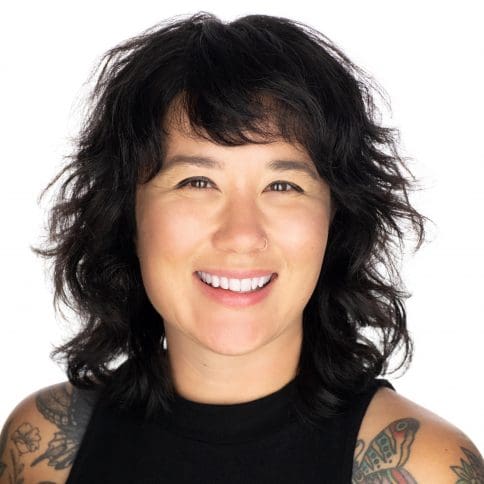
Nikki Carter is a writer and editor. You can view her work at www.nikkimcarter.com.

Interested in a creative gig? We have some open jobs for you!

Topics:

Advice From the Pros, Be Inspired
Get Hired

This Week’s Top Media & Creative Job Openings — July 29

This Week’s Top Media & Creative Job Openings — July 29
Jess icon
By Jess Focht
@jessfocht
Jess Focht is a writer and content strategist with 6+ years of experience in media, publishing, and brand storytelling. She has contributed to Insider, Grammarly, and The Creative Independent.
1 min read • Originally published July 29, 2022 / Updated March 19, 2026
Jess icon
By Jess Focht
@jessfocht
Jess Focht is a writer and content strategist with 6+ years of experience in media, publishing, and brand storytelling. She has contributed to Insider, Grammarly, and The Creative Independent.
1 min read • Originally published July 29, 2022 / Updated March 19, 2026

New month, new Mediabistro roles.

Mediabistro is the #1 job board, community, and career destination for media and content professionals. Once a week, we’ll be updating this list with different types of creative jobs featured. Take a look below:


Senior Designer – Penguin Young Readers

@ Penguin Random House

(New York, NY)


Publicity Assistant, Putnam

@ Penguin Random House

(New York, NY)


Marketing & Communications Director

@ First Book

(Washington, DC)


Art Director/Books

@ Soho Publishing

(New York, NY)


None of these feel like a match? Check out more Mediabistro roles here.

Topics:

Get Hired, Hot Jobs
Climb the Ladder

5 Workplace Phrases That Undermine Your Credibility

5 Workplace Phrases That Undermine Your Credibility
Jess icon
By Jess Focht
@jessfocht
Jess Focht is a writer and content strategist with 6+ years of experience in media, publishing, and brand storytelling. She has contributed to Insider, Grammarly, and The Creative Independent.
3 min read • Originally published August 1, 2022 / Updated March 19, 2026
Jess icon
By Jess Focht
@jessfocht
Jess Focht is a writer and content strategist with 6+ years of experience in media, publishing, and brand storytelling. She has contributed to Insider, Grammarly, and The Creative Independent.
3 min read • Originally published August 1, 2022 / Updated March 19, 2026

Your words matter. Not only that, but they greatly matter when it comes to the workplace—and the phrases you use within it. In fact, writing and communication are more important now than they’ve ever been before. Poor communication also has indirect consequences in the workplace, with 86% of professionals citing “increased stress” as the top cause of poor communication.

Some work settings are formal, some are more relaxed. However, the language you choose when collaborating and interacting with your team can have a great impact on your—and their—day-to-day. There’s no denying that your communication with fellow coworkers is important whether you work in an office or remotely. Here are some phrases to avoid in the workplace if you want to remain professional.

“This may be a stupid idea, but…”

It’s not uncommon to feel vulnerable with your ideas, but phrases such as this one imply that you have little confidence in yourself. Using this qualifier also starts your sentence and idea out with a negative lens. Try cutting out the first phrase to engage with your coworkers more confidently.

“Let me know”

This may be the most common phrase of all time in the workplace—especially when it comes to asking for things. However, it’s not a proactive phrase. Instead of saying “let me know when you want to meet,” you could say “Let’s meet at 3pm. Does that work for you?” This provides that missing action—and makes things more efficient for you and your team.

“It’s the way we’ve always done it”

Take a second and think about this phrase the next time you want to say it aloud. Is there a reason you’re even having to say it? Odds are, the way you (or the company) have always done something isn’t working. Therefore, it’s time for a new way. Phrases such as this one signal your reluctance for change and innovation—two things that are crucial for growth.

“I told you so”

There are a lot of issues with this one, but the main one is that it’s rude and makes you sound immature. It’s also passive-aggressive. Your coworkers are also most likely trying their best and working on something that has the potential of failing. Telling them “I told you so” will just make them feel worse. Instead of saying this phrase, you could offer words of encouragement or another solution.

“That’s not my problem”

Last but not least, you want to avoid saying this phrase within the workplace at all costs. While something may technically not be your problem, the only thing this phrase does is signal that you don’t care. It’s unnecessary and adds negativity to the problem, regardless of whose it is. Try taking responsibility for the tasks and projects you’re in charge of—then act as a leader to the best of your ability without taking on extra work or tasks that don’t fall within your realm. Odds are, there’s a nicer, more mature way of phrasing a similar sentiment.

Topics:

Climb the Ladder, Skills & Expertise
Be Inspired

8 Content Marketing Mistakes That Are Hurting Your Brand

8 Content Marketing Mistakes That Are Hurting Your Brand
By Shane Barker
Shane Barker is a digital marketing consultant who specializes in influencer marketing, content marketing, and SEO. He is also the Founder and CEO of Content Solutions, a digital marketing agency. He has consulted with Fortune 500 companies, influencers with digital products, and a number of A-List celebrities.
7 min read • Originally published August 2, 2022 / Updated March 19, 2026
By Shane Barker
Shane Barker is a digital marketing consultant who specializes in influencer marketing, content marketing, and SEO. He is also the Founder and CEO of Content Solutions, a digital marketing agency. He has consulted with Fortune 500 companies, influencers with digital products, and a number of A-List celebrities.
7 min read • Originally published August 2, 2022 / Updated March 19, 2026

Content marketing is an essential component of advertising in the modern world. It’s a way of getting brand recognition and setting yourself apart from the competition. The only issue is that it can be difficult to come up with an effective content marketing strategy to rise above the ocean of content available already.

It’s a given now. Every website you visit has articles and blogs. It’s a great way of attracting organic traffic to your website. However, companies and brands tend to rush their content strategy or overlook important parts of it.

Here are eight content marketing strategies you should avoid.

1. Creating content with the sole motive to sell products

Content marketing is important, especially for small businesses. Content marketing’s sole purpose isn’t to sell a product or service, but to maintain a steady number of users through posting interesting and informative content regularly. Many start-up companies forget this important rule and end up churning out large quantities of articles in hopes that people will purchase a product through one of those articles.

But here’s the problem: if your article intends to sell, not inform, the reader won’t spend much time reading the article. Users who click on informative blog posts are there to have a question answered, not to be sold a product.

Remember to inform first, and sell later.

2. Not focusing on SEO

A lot has been said about SEO over the years, and plenty of content marketers are still on the fence about it.

With that said, 69% of content marketers invest in SEO. With more than half of content marketers actively investing in SEO, it should be on any brand or company’s radar.

Working on bettering your SEO will:

  • Increase organic traffic.
  • Increase ROI.
  • Decrease other customer acquisition efforts.
  • Get you higher on the SERP.

The best way to increase your SEO is by mastering the use of keywords. This includes using keywords at frequent intervals, as long as they fit within the context of whatever you’re writing. You also need to try and use keywords in your H2 and H3 headings. If you’re having trouble writing well, SEO-optimized articles, you can find plenty of online writing tools to get you started.

3. Overlooking email marketing

There was an estimated 319.6 billion e-mails sent daily in 2021. Although a lot of the younger generation have moved over to social media applications like Instagram, emails are still important. Emails are still used daily whether it be applying for jobs, sending work information, or reminders about promotions. There is still a place for emails in the world of business and marketing.

Email marketing is a great way to keep your customers and followers up to date with the latest news about your brand. This can be promotions, new blogs, or event reminders. If you’re still not sure, email marketing offers an excellent ROI, with $42 earned for every dollar spent. Never underestimate the power of email marketing.

4. Writing content that isn’t useful or well researched

More than 70% of users reading thought-leadership content online claim that it delivers no valuable information to them. The reason someone is reading your article is that they want an answer to a question they have. This is especially true when writing informative articles on company blogs. An article that meanders and doesn’t answer the question the reader has quickly, they’ll find another page that does.

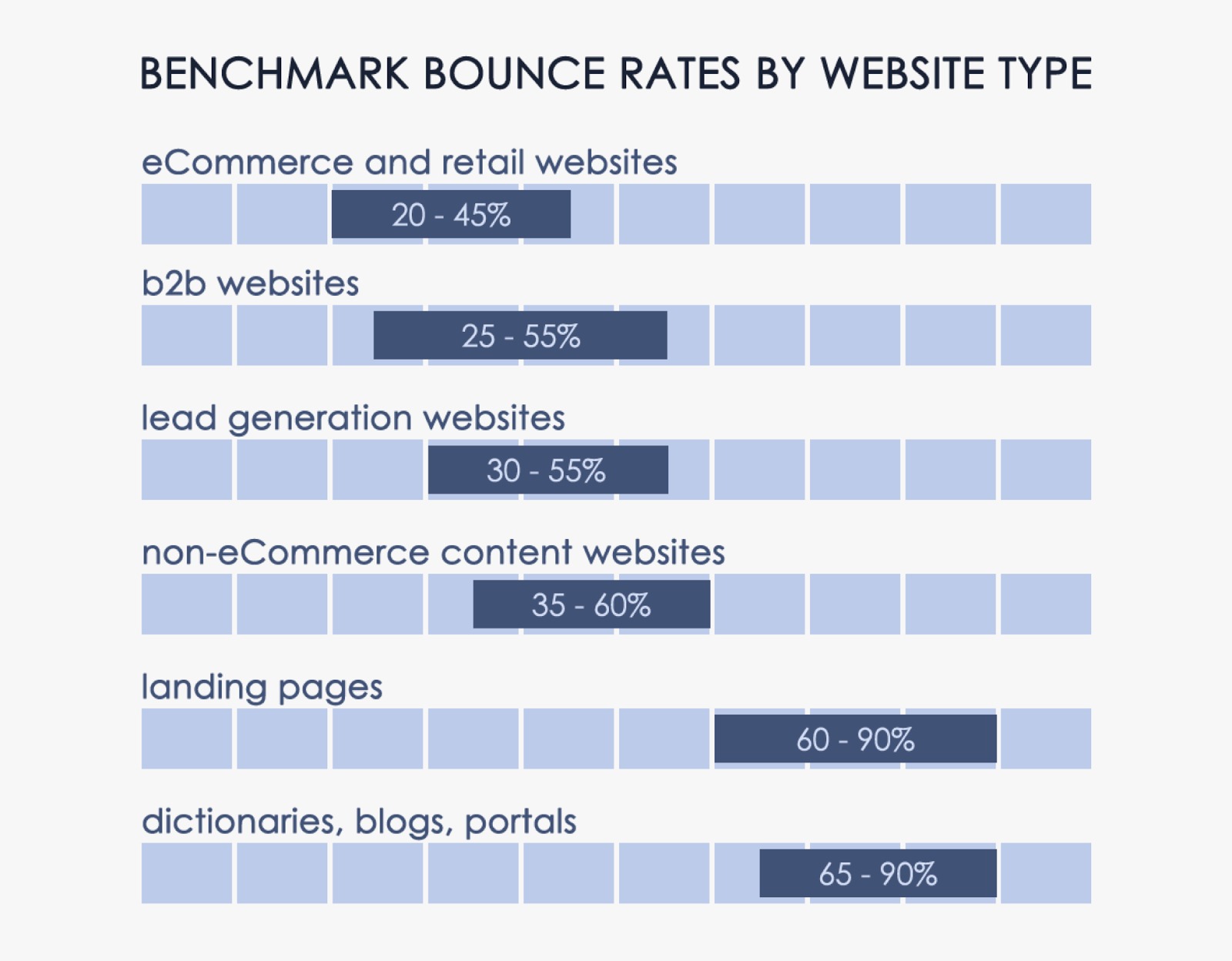
It’s important that you quickly introduce the problem, and how it could be resolved within the first 150-200 words. Your keywords should also appear once in the introduction. This tells the reader that this article isn’t playing any games, and will answer their question within due time. The average bounce rate on an eCommerce It’s a bit lower on desktops and higher on mobile devices.

(Image source)

It can be difficult to write better articles, but the best way is to understand the intent of the content being written.

This brings us to number 5…

5. Writing without intent

Are you writing content without any sort of plan or intent? Do you know the purpose of the written content and how it benefits the brand or company? Content should have a purpose.

Content written for different social media applications, websites, or blogs all looks different. It’s also important to set goals with the content made. Will it be posted on social media to go viral, or is it written to rank high on SEO and get more organic traffic? Whatever the purpose of the content, having a roadmap will make writing it easier. It’ll also make it easier for you to gauge if it was successful or not. If you’ve written an informational piece to go on your website’s blog, then you’d most likely want it to rank high on SEO, as well as be able to guide readers to another page on your website.

If you’re writing a promotional piece to post on social media, it might be a lot shorter and much more promotional, convincing the reader why your brand is better than the rest.

You also need to keep the audience you’re writing for in mind.

(Image source)

Keeping an eye on gender, age and location you can tweak your content to fit their interests.

6. Consider negative feedback as useless information

Negative feedback should never be disregarded. Even better, it can be used to your advantage. Answering a complaint on a social media post or review can increase your brand advocacy by up to 25%. Sure, sometimes feedback from customers can be very vague and downright unreasonable. If you can stomach digging through some of this feedback, you’ll find a gold mine of excellent feedback that the company can use. There are plenty of avenues to acquire negative feedback in a way that won’t ever be confrontational.

Social media is the way most people will leave negative feedback and reviews. Make sure to at least check your brand’s social media pages for any negative feedback every week. The reason is that negative reviews are read more than positive reviews. A negative review is 63% more likely to be clicked on than a positive review. That’s why leaving feedback on negative reviews can help your business keep a good image. A company can also go old school with feedback questions for willing customers to fill in before leaving. This is especially great if your brand is aimed at an older demographic. Also, make sure that customers can easily contact you when needed with your email and phone number available on your website.

7. Avoiding social media

49% of content marketers surveyed said that social media is the hardest skill to master.

Almost half of the world’s population uses some form of social media, whether it be Facebook, Instagram, or TikTok.

(Image source)

The social media marketing rule book is constantly changing since the social media landscape is an ever-changing entity of its own.

Trends come and go in the blink of an eye, and what’s doing well today might sink like a rock tomorrow.

Here are some common mistakes content marketers make when working with social media:

  • Inconsistency. You need to be posting at regular intervals so users have an idea of when to expect new content.
  • Only posting promotions. Promos are fine, but what users want is interesting, educational posts that have more impact on them.
  • Not engaging with your followers on social media. Respond to users in the comment section and make sure to build a relationship with them.
  • Buy followers. Don’t saturate your follower count with fake followers. People who follow you only to get something will never read your content, let alone purchase anything from you.

It can be really difficult to stay on top of social media, but it’s a valuable part of your content marketing strategy that shouldn’t be overlooked. 

Luckly, many great tools are available on the market to help you save time and step up your game. That being said, choosing the right social media management software needs to be done based on your needs, preferences and goals. 

8. Overlooking other devices

In 2021, 4.32 billion unique users used the internet on mobile devices. That’s over 90%  of the global internet population. When creating content, it must be optimized for all devices, not just desktops. That includes the page layout and loading speeds.

Here’s a graph of the average time spent on the internet per day by a single user on desktops and mobile devices.

(Image source)

Not only has time on the internet per day increased as the years went on, but the time spent on the internet on mobile devices has increased three-fold, whilst desktop usage declined in the last few years.

It’s now more important than ever to optimize your website for mobile use.

Avoid these content marketing mistakes

These 8 mistakes that content marketing teams fall trap to could spell doom for the content your brand puts out.

Keep content well optimized for SEO, written with intent, and don’t forget mobile users and social media.

If you keep this in mind you’ll find that crafting the perfect content marketing strategy isn’t as difficult as it seemed at first.

Shane Barker is a digital marketing consultant who specializes in influencer marketing, content marketing, and SEO. He is also the Founder and CEO of Content Solutions, a digital marketing agency. He has consulted with Fortune 500 companies, influencers with digital products, and a number of A-List celebrities.

Topics:

Advice From the Pros, Be Inspired

Posts navigation

Older posts
Newer posts
Featured Jobs
Kirkus Media
Editorial Intern
Kirkus Media
New York City, New York (US)

Gaia Inc
MEDIA COORDINATOR
Gaia Inc
Louisville, CO

Gaia Inc
Global Paid Media Specialist
Gaia Inc
Louisville, CO

Gaia Inc
Director of Media Strategy
Gaia Inc
Louisville, CO

Hearst Television
Account Executive
Hearst Television
Milwaukee, WI, United States

All Jobs »
PREMIUM MEMBER
DB

Dolzodnyam Boldbaatar

Washington, DC
2025 Years Experience
View Full Profile »
Join Mediabistro Membership Today

Stand out from the crowd with a premium profile

Mediabistro Logo Find your next media job or showcase your creative talent
  • Job Search
  • Hot Jobs
  • Membership
  • Newsletter
  • Career Advice
  • Media News
  • Hiring Tips
  • Creative Tools
  • About
Facebook YouTube Instagram LinkedIn
Copyright © 2026 Mediabistro
  • Terms of Use
  • Terms of Service
  • Privacy