Jess Focht is a writer and content strategist with 6+ years of experience in media, publishing, and brand storytelling. She has contributed to Insider, Grammarly, and The Creative Independent.
1 min read • Originally published June 3, 2022 / Updated March 19, 2026
Jess Focht is a writer and content strategist with 6+ years of experience in media, publishing, and brand storytelling. She has contributed to Insider, Grammarly, and The Creative Independent.
1 min read • Originally published June 3, 2022 / Updated March 19, 2026
New month, new Mediabistro roles.
Mediabistro is the #1 job board, community, and career destination for media and content professionals. Once a week, we’ll be updating this list with different types of creative jobs featured. Take a look below:
Jess Focht is a writer and content strategist with 6+ years of experience in media, publishing, and brand storytelling. She has contributed to Insider, Grammarly, and The Creative Independent.
3 min read • Originally published June 3, 2022 / Updated March 19, 2026
Jess Focht is a writer and content strategist with 6+ years of experience in media, publishing, and brand storytelling. She has contributed to Insider, Grammarly, and The Creative Independent.
3 min read • Originally published June 3, 2022 / Updated March 19, 2026
Are you tired of reading about how millennials have entered and evolved the workplace for years? Good—because a new generation is taking the world by storm and shaking up the workplace: Gen Z.
Who is Gen Z exactly? This category is made up of people born between the mid-90s and mid-2000s.
In the past several years, they’ve either entered the workplace or have prepared to—while also up against a pandemic, rapid technology changes, and more. They’ve taken these experiences and brought them into their ideal work preferences, demanding things like mental health days and flexible hours.
“These younger generations are cracking the code and they’re like, ‘Hey guys turns out we don’t have to do it like these old people tell us we have to do it,’” said Colin Guinn, 41, co-founder of the robotics company Hangar Technology. “‘We can actually do whatever we want and be just as successful.’ And us old people are like, ‘What is going on?’”
As the working world continues to evolve with new elements like remote work and flexibility, here’s how Gen Z is shaking it up.
They want to find meaning in their work
According to a recent Firstup survey, Gen Z longs to find meaning in their jobs—and they want to know what’s expected of them right off the bat. They are more likely to stay at a company that prioritizes being a good global citizen. Also, they are more likely to take an interesting job that pays less as opposed to an uninteresting job.
They are more versed in technology
Gen Z is the most tech-savvy generation yet. Not only can they bring their tech skills to their job, but some companies are even creating reverse mentoring programs in which Gen Z employees mentor senior execs.
Jake Poses, who leads product for video, creators & events at LinkedIn shared:
“I’m obsessed w/ this genius Mentoring Program at The Estée Lauder Companies Inc. where Gen Z employees mentor senior execs to help them understand the culture and perspectives of the younger generations who are among their most important customers.”
They are demanding more non-traditional benefits from companies
Recent research also shows that Gen Z doesn’t just want flexibility in their next role, they also want non-traditional benefits including mental health days, financial wellness programs, and healthy company culture.
They are more skeptical than previous generations
This generation arrived up against many major shifts in the economy, a pandemic, rapid changes, and misinformation. They’re moving into the workplace with this experience and therefore value trustworthiness and transparency within their company. In other words, you can expect them to tolerate nonsense less than previous generations.
Each generation communicates and operates differently. Gen Z is a prime example of how changes in the world will reflect changes in the workplace—and the people who make it up.
Jess Focht is a writer and content strategist with 6+ years of experience in media, publishing, and brand storytelling. She has contributed to Insider, Grammarly, and The Creative Independent.
2 min read • Originally published June 9, 2022 / Updated March 19, 2026
Jess Focht is a writer and content strategist with 6+ years of experience in media, publishing, and brand storytelling. She has contributed to Insider, Grammarly, and The Creative Independent.
2 min read • Originally published June 9, 2022 / Updated March 19, 2026
In the world of content creation, one is constantly taking in content of all kinds—and then create new content themselves. While content creators are typically innovative and highly creative, even they can get into a creative rut.
Depending on the type of content one creates and how often, it may be necessary to get out of their typical rhythm and find new inspiration.
According to Forbes, more than 50 million independent content creators, curators, and community builders are fueling the creator economy, which is valued at 20 billion—predicted to grow to 104.2 billion in 2022.
There’s no denying that the world of content is rapidly growing. And while content creation is on the rise, one’s usual cycle of creating has a chance of getting old.
Here are five different ways you can get inspired to create new content.
1. Take notes from the content you love
A newsletter. A picture. A blog. A TikTok video.
These are all forms of content that you can take inspiration from. Even if it’s outside of your typical industry (or comfort zone), there are countless sources to observe. Look at the content you are engaged with daily. What makes you enjoy it? What stands out about it in the sea of content out there? Answering these types of questions will help you find new ways of inspiration.
2. Utilize new content tools
Because the world of content is constantly evolving, so are the tools used to enhance it. New tools such as Answer the Public and Buzzsomo are just for that. Answer the Public helps you understand what questions your audience are asking so you can build content from that. Buzzsomo helps with keyword research and social listening.
3. Become a member of social media groups
Social media groups on platforms like Facebook and LinkedIn are a great place to find others like you, chat with them about their strategies, and gain exposure to new developments in your field.
4. Ask your consumers what content they’d like to see
It never hurts to simply ask! Creating a space for your audience to tell you what they’d like to see on your platform can be tremendously helpful. And in the meantime, you’ll help them feel heard and appreciated—and you may even learn something from them.
5. Expand old content
Is there specific content that has performed well in the past? Consider re-purposing or expanding it into a larger concept. If it resonates with your audience, you can use that to your advantage.
Jess Focht is a writer and content strategist with 6+ years of experience in media, publishing, and brand storytelling. She has contributed to Insider, Grammarly, and The Creative Independent.
1 min read • Originally published June 10, 2022 / Updated March 19, 2026
Jess Focht is a writer and content strategist with 6+ years of experience in media, publishing, and brand storytelling. She has contributed to Insider, Grammarly, and The Creative Independent.
1 min read • Originally published June 10, 2022 / Updated March 19, 2026
New month, new Mediabistro roles.
Mediabistro is the #1 job board, community, and career destination for media and content professionals. Once a week, we’ll be updating this list with different types of creative jobs featured. Take a look below:
Jess Focht is a writer and content strategist with 6+ years of experience in media, publishing, and brand storytelling. She has contributed to Insider, Grammarly, and The Creative Independent.
2 min read • Originally published June 10, 2022 / Updated March 19, 2026
Jess Focht is a writer and content strategist with 6+ years of experience in media, publishing, and brand storytelling. She has contributed to Insider, Grammarly, and The Creative Independent.
2 min read • Originally published June 10, 2022 / Updated March 19, 2026
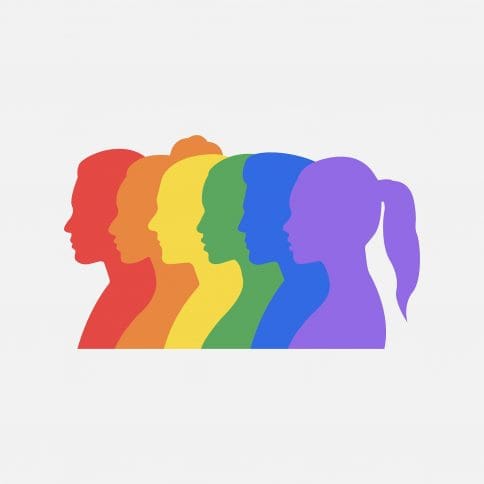
June is Pride Month, a time when the world’s LGBTQIA+ communities come together to celebrate and honor the 1969 Stonewall Uprising in Manhattan. Every year, the percentage of people who identify as a member of these communities increases, also increasing the odds of them being someone you work with. And while your employer may be making particular choices to promote diversity, you always have the option to be more inclusive with a powerful tool: your words. Here are some ways you can make sure you’re using LGBTQIA+-inclusive language in your workplace.
Check pronouns
Terms surrounding one’s gender identity are evolving and more people within the workplace are using pronouns. Pay attention to your coworkers’ pronouns—and never assume them. To add clarity, you can add your pronouns to your email signature and any other online work communication platforms. Be sure to also share yours when you’re introducing yourself. This will help people when they need to reference you—and it’s an easy step to show you care.
Use gender-neutral terms
How often do you use gendered terms? It’s common for people to say or write them without thinking twice because of how normalized they are within our society. Instead of saying “hey guys,” you can use “hey team.” Instead of referring to someone as a businessman or businesswoman, you can use “business person.” Here’s a full list of gender-neutral terms for reference.
Stay educated
Language is continually evolving—specifically inclusive language used for the LGBTQIA+ community. It’s okay to acknowledge you may not be as up-to-date on terminology as possible, but it’s important to be open-minded and curious as new language and terms may develop.
Jess Focht is a writer and content strategist with 6+ years of experience in media, publishing, and brand storytelling. She has contributed to Insider, Grammarly, and The Creative Independent.
1 min read • Originally published June 17, 2022 / Updated March 19, 2026
Jess Focht is a writer and content strategist with 6+ years of experience in media, publishing, and brand storytelling. She has contributed to Insider, Grammarly, and The Creative Independent.
1 min read • Originally published June 17, 2022 / Updated March 19, 2026
New month, new Mediabistro roles.
Mediabistro is the #1 job board, community, and career destination for media and content professionals. Once a week, we’ll be updating this list with different types of creative jobs featured. Take a look below:
Frankie Wallace is a freelance content writer covering technology, sustainability, and business trends, with a background in journalism from the University of Montana.
4 min read • Originally published June 21, 2022 / Updated March 19, 2026
Frankie Wallace is a freelance content writer covering technology, sustainability, and business trends, with a background in journalism from the University of Montana.
4 min read • Originally published June 21, 2022 / Updated March 19, 2026
Augmented Reality (AR) and Virtual Reality (VR) spaces are growing, and their need for specialized teams is too. Such specialized teams are ideally adept at not just creating the most fantastic experiences in these digital realms, but also making them accessible to all. Here are four facts about emerging jobs in digital creative fields as well as three jobs that are needed for a more accessible future.
Content is difficult to access
As much as we wish content in the digital space was easily accessible no matter where or who accesses it, that isn’t the case. Instead, content is difficult to access on the web, especially if you live with a disability.
When things like keyboard navigation, captions, alt text, and audio aren’t available, content becomes inaccessible to a massive pool of people.
The experience isn’t the same for everyone
People also raise awareness about how the digital experience differs between those who are and aren’t living with a situational, temporary, or permanent disability. The whole point of accessibility is to ensure things are accessible and enjoyable for all people.
Many brands and businesses make their respective digital experiences accessible to most people. But unfortunately, they’re hardly the exciting experience that those living without a disability get.
AR and VR Tech isn’t affordable for everyone
AR and VR require tech accessories. You can access AR with a smartphone, while VR requires a headset device to engage. In addition, you might need other accessories like apps and games, a treadmill, hand controllers, a game system, or a joystick to enhance either experience.
Unfortunately, these accessories can be expensive. For example, the best VR headsets can cost you upwards of $500 apiece. If these accessories don’t become more affordable, AR and VR experiences won’t ever be accessible to everyone.
Internet access is still an issue
And what about the internet? AR and VR experiences need some sort of internet connection to work correctly.
Many households struggle to afford internet service, and various others don’t have it at all. So, there’s a continuing conversation about making the internet more affordable to become that much more accessible.
So, who will we need for a better, more accessible future in the digital space?
As we work to solve some of the digital world’s accessibility challenges, we’ll need teams with specific digitally-focused specializations to do it. At the very least, our future is in the hands of individuals who specialize in visualizations and implementation of accessibility in the AR and VR space.
You can pursue many creative careers to help make our future in the digital space more inclusive and enjoyable for everyone, regardless of experience, background, or ability. We’ll start you off with three emerging niches rooted in creativity.
3D Artists
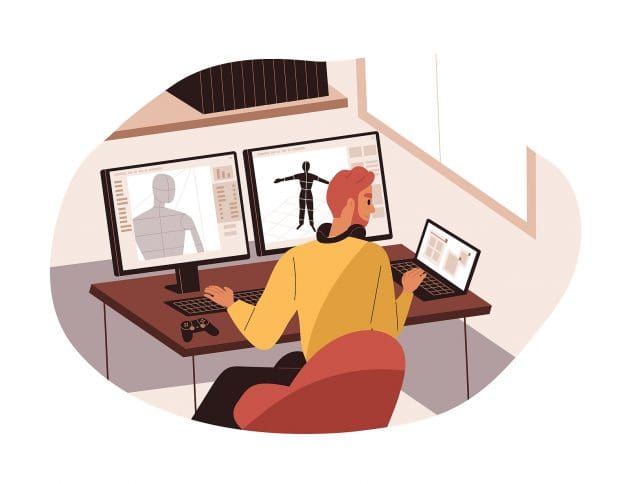
The next generation of creators should be well-versed in 3-dimensional art. A 3D artist creates 3D models of products, environments, and other creations in creative projects, virtual worlds, games, AR experiences, and other digital spaces.
For example, let’s say you’re interested in the metaverse. Specifically, the real estate economy within the metaverse platform is booming. As the demand for metaverse real estate agents grows, so does the need for 3D artists.
This is because 3D artists are the go-to source for guidance on making real estate more appealing to buyers in the metaverse. You can help model the things folks are attracted to in real life, like great landscaping and lighting in metaverse real estate.
If you want to build a memorable brand in the metaverse, or one that uses VR and AR effectively, 3D artists can help craft the necessary unique experience.
NFT Designers
Non-fungible tokens (NFTs) are exploding in popularity. NFTs are essentially digital collector’s items. They’re used in the metaverse and other virtual worlds. They also can’t be replicated because they’re etched into the blockchain.
A digital piece of art, an in-game item, 3D fashion, GIFs, and metaverse real estate are great examples of NFTs. All of which come alive at the hands of an NFT designer. You can create digital artworks for brands and mint and sell them as NFTs once they’re finished. You can also help navigate emerging NFT platforms to find the best home for your creations.
Web Accessibility Specialists
Whether it’s the metaverse, AR, VR, or another digital experience, it should be accessible to everyone. Regardless of ability or background, an individual should be able to access any digital space and be captivated by it.
A web accessibility specialist can test digital experiences for accessibility inefficiencies and improve them to meet accessibility standards. So, if you want to focus more on the technical aspects of inclusion and accessibility, this could be an excellent role for you.
There are many topics surrounding accessibility in the digital world to discuss. Affordable tech accessories and internet, content accessibility, and vying for the same exceptional experience for everyone are just a few. Pursuing your dream job in one of the emerging niches mentioned above can help form a more inclusive, accessible, and enjoyable digital world for all.
Jess Focht is a writer and content strategist with 6+ years of experience in media, publishing, and brand storytelling. She has contributed to Insider, Grammarly, and The Creative Independent.
3 min read • Originally published June 21, 2022 / Updated March 19, 2026
Jess Focht is a writer and content strategist with 6+ years of experience in media, publishing, and brand storytelling. She has contributed to Insider, Grammarly, and The Creative Independent.
3 min read • Originally published June 21, 2022 / Updated March 19, 2026
Many industries have been impacted by the Great Resignation. One of them, specifically, is the media industry which is composed of numerous creatives: writers, photographers, producers, designers, and more. The media industry is broad and therefore difficult to fully examine when looking at how the most recent wave of remote work has shaped it. Some jobs simply can’t be fully remote or even hybrid. However, an overwhelming amount can be—and research has shown that remote work is directly impacting many facets of the media industry. Companies such as Twitter and Reddit are offering permanent remote or hybrid work. And this is just the beginning, as the media industry is predicted to have a growing demand for remote workers.
“The Great Resignation hit many sectors in the world because people are beginning to value their quality of life more than their job. That is a major change in trend and I don’t see it ever going back to the way it was, where people based their entire life around their career,” Ehsaan B. Islam, Chief Technology Officer of BE, told Forbes.
Here are some ways remote work is impacting the media industry.
Remote work is boosting creativity
Recent studies have shown that remote work is boosting not only productivity—but also creativity. This may not come as a shock to those who fail to find inspiration in an office cubicle. When one works from home, they can design the space they’re working in so it can suit them best, or they can go to a café or shared office space. They also have the potential for a better work-life balance in a remote or hybrid setup, allowing more time for their own inspiration or creativity.
Remote work is leading to more content
One’s room for creativity and flexibility typically leads them to produce more content.
“It’s no question that remote working allows media creators to produce more content because it enables creatives to collaborate in the moment and exchange feedback without having to schedule ahead and account for travel time,” states Jessica Cyrell.
With more people spending time at home due to remote work, they’re also more likely to consume content as opposed to if they were commuting or in an office.
Remote work is shifting to cater to freelancers
The flexible nature of freelancing caters to the media industry as it allows connection and creativity around the world and outside a standard nine-to-five job. Freelancers are predicted to make up a larger portion of the media industry in the next few years due to this specific demand.
Remote work is resulting in more spending on social media & SEO
The world was becoming more digital and online before March 2020, but the pandemic provided a decent boost to this shift. A recent study shows that because more people are online now than ever before, media companies are spending more money on social media and SEO. Therefore, the media industry will continue to focus on digital marketing efforts instead of print journalism and advertising.
While the nature of remote work is continually evolving, it has offered the world of media a chance to test its flexibility—which has led to positive outcomes such as boosted creativity, more content, and spending in freelance and digital marketing areas. It’s hard to tell what the future has in store for the world of media and the jobs within it, but remote work has proven to strengthen it in numerous ways.
Jess Focht is a writer and content strategist with 6+ years of experience in media, publishing, and brand storytelling. She has contributed to Insider, Grammarly, and The Creative Independent.
2 min read • Originally published June 24, 2022 / Updated March 19, 2026
Jess Focht is a writer and content strategist with 6+ years of experience in media, publishing, and brand storytelling. She has contributed to Insider, Grammarly, and The Creative Independent.
2 min read • Originally published June 24, 2022 / Updated March 19, 2026
There is much debate surrounding the topic of whether cover letters are still important or not, leaving applicants wondering if their letter is even read. Most companies nowadays use special programs to scan applicants’ resumes for buzzwords relating to the job(s) they have posted. However, it typically depends on the company when it comes to a cover letter’s relevancy.
A cover letter’s purpose
Think of a cover letter as an expansion of your resume. It’s your chance to write to the hiring manager or HR team stating why they should hire you. Some companies value it more than others, either closely examining it or seeing it as a cherry on top of your job application.
Because sometimes it’s hard to tell how much the company values cover letters, it’s a safe bet to always write one when it’s required. It’s your chance to go into more detail about why you’re a great candidate for the role. It’s your chance to write about what sets you apart from other candidates who could be applying. Most importantly, it’s your chance to show how much you care—with your writing.
When to include a cover letter
You should include a cover letter if the company has a section for one. If they don’t mention it, you can either include one to be safe or reach out to the HR team to ask about it.
Don’t include one when the company explicitly states not to.
What to include in a cover letter
While a cover letter is your chance to differentiate yourself from other candidates, they typically have a standardized format.
This format includes:
A header with your name and contact information
A greeting
An opening paragraph
A body paragraph
A conclusion paragraph
How long a cover letter should be
Yes, this is a chance to show off your writing. No, it’s not a chance to write a dissertation. Keep your cover letter no longer than a full page—and no more than 400 words.
Other tips
Writing different cover letters for different jobs can be tough—especially when you need to make yourself stand out as an ideal candidate while adjusting your cover letter template used for other applications. However, try to tailor your letter to each job as best as you can. Use the hiring manager’s name (if you can) and start the letter with a compelling intro.
Jess Focht is a writer and content strategist with 6+ years of experience in media, publishing, and brand storytelling. She has contributed to Insider, Grammarly, and The Creative Independent.
1 min read • Originally published June 24, 2022 / Updated March 19, 2026
Jess Focht is a writer and content strategist with 6+ years of experience in media, publishing, and brand storytelling. She has contributed to Insider, Grammarly, and The Creative Independent.
1 min read • Originally published June 24, 2022 / Updated March 19, 2026
New month, new Mediabistro roles.
Mediabistro is the #1 job board, community, and career destination for media and content professionals. Once a week, we’ll be updating this list with different types of creative jobs featured. Take a look below: