Jess Focht is a writer and content strategist with 6+ years of experience in media, publishing, and brand storytelling. She has contributed to Insider, Grammarly, and The Creative Independent.
1 min read • Originally published September 30, 2022 / Updated March 19, 2026
Jess Focht is a writer and content strategist with 6+ years of experience in media, publishing, and brand storytelling. She has contributed to Insider, Grammarly, and The Creative Independent.
1 min read • Originally published September 30, 2022 / Updated March 19, 2026
New month, new Mediabistro roles.
Mediabistro is the #1 job board, community, and career destination for media and content professionals. Once a week, we’ll be updating this list with different types of creative jobs featured. Take a look below:
Frankie Wallace is a freelance content writer covering technology, sustainability, and business trends, with a background in journalism from the University of Montana.
5 min read • Originally published October 5, 2022 / Updated March 19, 2026
Frankie Wallace is a freelance content writer covering technology, sustainability, and business trends, with a background in journalism from the University of Montana.
5 min read • Originally published October 5, 2022 / Updated March 19, 2026
Creative blocks are common for artists. Sometimes the ideas are flowing, and other times it may feel like no matter what you do, you just can’t get past the block. However, in some cases, it could be more than just your average creative block — it could be burnout.
What is Burnout and How Does it Affect Creativity?
If your “internal fire” is what keeps you going — what keeps you working, inspired, and motivated — then burnout is a smothering of that fire. It is essentially an exhaustion or depletion of your energies, creative and otherwise.
The term “burnout” was first introduced in the 1970s by psychologist Herbert Freudenberger. He defined burnout as “a state of mental and physical exhaustion caused by one’s professional life.”
Burnout is now a well-known and studied phenomenon that affects many individuals, no matter their field of study. However, it can be an especially difficult thing to battle for artists and creatives.
Creativity requires a person to be open to new ideas. The mind needs to essentially be free and relaxed to thoroughly explore new possibilities.
Unfortunately, when burnout occurs, the mind is neither free nor relaxed. It is stressed, exhausted, and depleted. Thus, instead of an overflowing of ideas, an artist who is burnout is effectively like a well that has run dry, which can feel especially upsetting for creative types.
Symptoms of burnout can include:
Chronic fatigue
Feeling drained
Frequent illness
Trouble sleeping
Body aches and pains
Lack of appetite
Feeling withdrawn
Procrastinating more than usual
Low self-esteem
Lack of motivation
Cynical and negative thoughts
Feeling detached
Lack of creative ideas
Feelings of loneliness
What Causes Creative Burnout?
There are a number of things that can lead to burnout. It can often vary from one person’s situation to the next. But some of the most common and known causes include:
Poor work-life balance
Feeling immense pressure to create and succeed
Working too many long days/nights
Feeling pressure to please others
Having no control over the work you are creating
Doing too many things — spreading yourself thin
Falling into a monotonous routine
Lack of recognition
Feeling the need to be perfect or for your art to be perfect
A generally poor or pessimistic attitude
Feeling too much pressure to create for money
Losing sight of why you enjoyed creating in the first place
Tips to Help Combat Burnout and Creative Blocks
In many ways, curing or combatting creative burnout and creative block requires the same things as improving your mental health. Burnout and mental health issues are closely linked, so the more you do things to improve your mental health, the more you will renew your creative juices and energies.
1. Don’t ignore it
First and foremost, do not attempt to work through your burnout or ignore it. Denying that you are burnt out will only make matters worse. The sooner you recognize that you are burnout, the sooner you can overcome it and start creating again.
2. Don’t isolate yourself
For many, the first thing they do when they feel burnt out is to isolate themselves and spend time alone. While giving yourself a break and spending quality time with yourself can help, it’s important to be careful not to rely solely on alone time to heal.
You should balance time alone with social engagement. If you isolate yourself too much, it can make your burnout worse. Burnout can already cause feelings of loneliness, so going into self-inflicted isolation can make you feel even lonelier and lead to depression.
3. Try an unrelated creative outlet
Trying something else creative that is unrelated to your primary work can also help you find new inspiration that encourages creativity and combat creative block. Journaling or even just reading some new books, for example, can take your mind and stress off of your main work, which can help you relax and discover new inspiration.
4. Socialize and connect with others
Creatives often feed off other people’s energy, so it’s important to continue socializing and staying connected to avoid feeling burnt out. Creatives who work remotely can be especially prone to feeling isolated, which can contribute to burnout. So make sure you get out and network with others while working remotely. And even if you don’t work from home, it’s still crucial that you stay connected and socialize.
5. Get enough sleep and exercise
Lack of sleep and exercise can also make you feel physically and mentally worse. And the poorer your physical and mental health is, the more likely you are to experience burnout or creative blocks. So make sure you are getting enough sleep every night, and move your body for at least 20 minutes vigorously every day.
6. Unplug
Sometimes you just need to disconnect and take a break from your work entirely to feel better and renew your creative energies. If you work too much and often don’t give yourself a break, it might be time to finally step away and take a vacation.
This doesn’t have to be an expensive or costly break. You can unplug and relax at home, even just for a long weekend if you can’t get an entire week off. However you choose to disconnect, just make sure you truly let yourself unwind and avoid thinking about your work for more than just one day.
7. Set healthy boundaries
If your burnout is a result of poor work-life balance, then you likely need to start setting boundaries. It’s okay to say no and to decline work/jobs/gigs if you are already overworked. It’s understandable that you might want to fill your time with work to make more money, but it’s not sustainable to constantly do all work and no play.
You have to balance your work life and your personal life if you want to grow and have success well into your future. If you don’t, you will continually burn yourself over and over again.
8. Look into therapy
Finally, if you are really struggling with your burnout, don’t hesitate to reach out for professional help. Therapy is nothing to be ashamed of, and it can help you find healthier coping mechanisms that can help you better overcome your burnout and avoid it in the future.
Therapy has come a long way, and there are many types of therapy and therapeutic methods today to suit individual needs, such as cognitive behavioral therapy, psychodynamic therapy, narrative therapy, and more.
So even if you have tried therapy in the past and not had success, don’t assume it can’t help you now. You might just need to try or research different therapists until you find the right one for you.
Creative block and burnout can feel devastating to artists and creative types, but you can overcome these feelings. It may take time, but if you are willing to recognize your burnout and put in the effort, you can get back to a better place where you are creating on a regular schedule again.
9 Practical Ways to Set Healthy Boundaries While Working Remotely
By
Molly Hopper
Molly Hopper is a business manager with a keen interest in new ways to improve career opportunities and employee engagement. A big fan of remote working, Molly believes that the possibilities it offers are endless. She is always looking for new ways to improve her skills and knowledge so that she can offer the best possible service to her clients.
3 min read • Originally published October 5, 2022 / Updated March 19, 2026
By
Molly Hopper
Molly Hopper is a business manager with a keen interest in new ways to improve career opportunities and employee engagement. A big fan of remote working, Molly believes that the possibilities it offers are endless. She is always looking for new ways to improve her skills and knowledge so that she can offer the best possible service to her clients.
3 min read • Originally published October 5, 2022 / Updated March 19, 2026
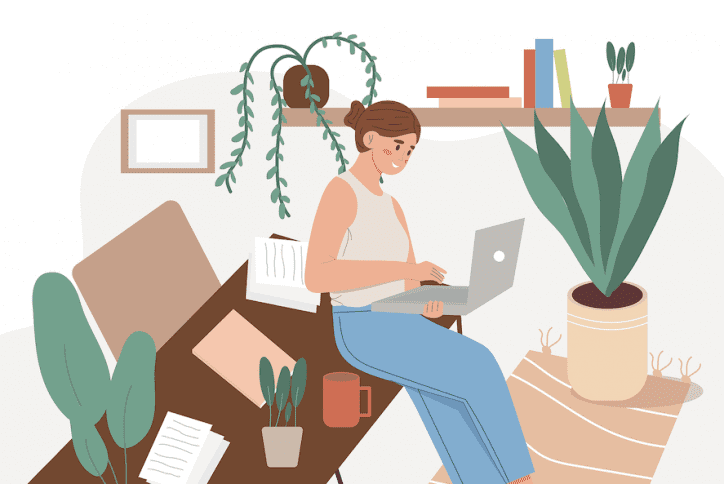
The world of work has changed so much in just a few short years – driven in part by the pandemic and also by broader changes, such as the arrival of Gen Z in the employment sector and changing societal attitudes. One of the biggest shifts has been towards working remotely, whether on a permanent or more occasional, hybrid basis with some time still spent in a physical office. But whether you work from home full-time or just occasionally, it’s important to know how to optimize your space so that you can maintain those vital workplace boundaries.
Here are some tips for maintaining workplace boundaries while working remotely:
1. Have a dedicated work area
It’s very difficult to get into the right frame of mind for your job if you are looking at piles of laundry, unwashed dishes or personal life admin. Ideally, you want to create your own home office, but if you don’t have the luxury of a dedicated room, at least have a clean and clear desk that you can reserve solely for your job during working hours.
2. Dress the part
What we wear affects how we feel, so don’t sit in your pyjamas! Wear something smart and comfortable, so that you clearly denote your working status – even to yourself. It’s important to feel professional and you’ll speak and interact differently online if you take care of your appearance and feel your best.
3. “Walk to work”
Commutes are tedious but they do add some exercise and thinking time into the day. Try and replicate your old commute by going for a short walk before you log on. The fresh air will clear your head and boost your blood circulation so that your brain is firing and ready to go.
4. Ask others to respect your working space
If you live with flatmates or family, ask them to respect your working space and working hours as much as possible. Interruptions are unprofessional and will distract you from your work and performance. Remember, this is your employment and it needs to be treated as a priority.
5. Watch out for too many notifications
Distractions won’t just come from your home. You may get too many emails or messages, constantly fighting for your attention (and impacting your productivity). In order to stay on top of your workload and manage your own wellbeing, it’s important to learn how to manage workplace communications.
6. Have a plan
Start the day with a plan that focuses on three things you want to achieve that day and some key priorities. Work on your hardest and most important task before beginning anything else and then reward yourself with ten minutes of downtime and a drink.
7. Invest in your ongoing development
Read about your industry, take online courses, find out which development opportunities exist for you and generally continue to commit to your own upskilling and personal development so that you can develop your own career path from home, in the same way that you would in a traditional office setting.
8. Join in
If you are part of an online team of homeworkers, join in as much as possible with any social occasions, whether they are related to team chat online, or take place after work. It’s great to enjoy that social interaction and to build up relationships, even if your teammates work in an entirely different geographical location.
9. Switch off
At the end of your working day, resist the temptation to keep checking emails. Log off properly, clear away your desk space or shut your office door. Treat your ‘home time’ with respect and begin your family, social and leisure time with commitment and focused enjoyment. Successful careers require work-life balance, so the more you can enjoy both, the better your performance will be.
Working from home has become increasingly popular in recent years, and for good reason. It offers a flexible schedule, eliminates commuting time, and can be a more cost-effective way to work. However, it’s important to remember to set some clear workplace boundaries in order to stay focused and avoid distractions while at work, but also to respect your own time and space.
Jess Focht is a writer and content strategist with 6+ years of experience in media, publishing, and brand storytelling. She has contributed to Insider, Grammarly, and The Creative Independent.
1 min read • Originally published October 7, 2022 / Updated March 19, 2026
Jess Focht is a writer and content strategist with 6+ years of experience in media, publishing, and brand storytelling. She has contributed to Insider, Grammarly, and The Creative Independent.
1 min read • Originally published October 7, 2022 / Updated March 19, 2026
New month, new Mediabistro roles.
Mediabistro is the #1 job board, community, and career destination for media and content professionals. Once a week, we’ll be updating this list with different types of creative jobs featured. Take a look below:
Jess Focht is a writer and content strategist with 6+ years of experience in media, publishing, and brand storytelling. She has contributed to Insider, Grammarly, and The Creative Independent.
5 min read • Originally published October 11, 2022 / Updated March 19, 2026
Jess Focht is a writer and content strategist with 6+ years of experience in media, publishing, and brand storytelling. She has contributed to Insider, Grammarly, and The Creative Independent.
5 min read • Originally published October 11, 2022 / Updated March 19, 2026
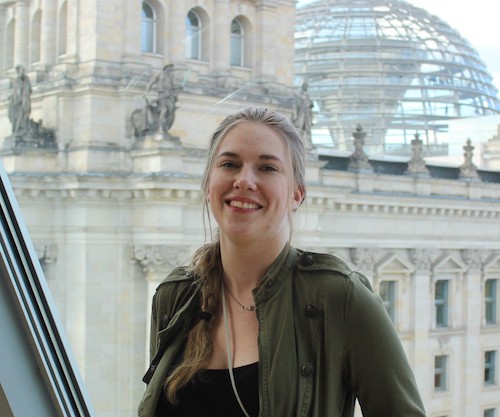
In this Q&A, freelance journalist Darby Murnane shares helpful tips and tricks for navigating the freelance world.
1. Tell me a bit about your freelance journey. How did it start and how did you get to where you are now?
My journey started more recently. I had published some fiction, poetry, and artwork in literary magazines between graduating with my BFA in creative writing in 2020 and starting my master’s degree in journalism later that year but hadn’t immediately tried my hand at what felt like more serious reporting. Imposter syndrome made me hesitant as I moved from student publications to local news outlets, and it was not helped by sudden illness demanding the brunt of my energy and attention. Amid the height of the pandemic and my own health complications, the struggle to work created a sense of distance between myself and my craft as I felt like my identity as a writer was founded upon a consistent output that I couldn’t realistically achieve under those circumstances. I had to ask myself how my experiences could inform my reporting and the beats I pursue to reframe my mindset from one of hinderance to reclaiming and learning.
I got my first assignment almost by accident at a professional networking event sponsored by my graduate program. While speaking with the food editor at the Dallas Observer, who I now write frequently for, I told her about a new restaurant opening in town, thinking she ought to have dibs as editor. But she responded, “Why would I write about it when you could?” Food writing was new to me, but like any new beat, I was eager for the challenge and excited to use my creative voice in ways hard news doesn’t typically allow. That led to more food stories, assignments from the arts and culture section, and then the news desk. I say yes to everything offered to me.
I’ve since become a go-to freelancer for the Observer, contributing stories ranging from healthcare to LGBTQ+ issues. In December, I’ll be graduating with my masters and hopefully using my growing portfolio of work to get my foot in the door for a full-time staff writing position.
2. What’s your favorite part about your job?
I chose journalism because I love learning and the job allows me to be a perpetual student of every new topic assigned to me. Reporting lets me experience a little bit of everything through the lens of writing. I’ve always had this feeling that I can never possibly know enough about anything, and this job is the best outlet to curb that insatiable curiosity.
As a freelancer, I’m grateful to decide my own hours around my coursework and have more choice in my stories that I initially thought I would. I’ve been incredibly fortunate to work with editors who are receptive to and encouraging of my ideas.
3. What does your day-to-day look like?
My daily schedule consists of juggling classes, coursework, story assignments sent to me and pitching my own. It’s hectic and changeable and not often confined to typical business hours as I have to work around my sources’ schedules for interviews. But I’m able to work from where I please, be it home, campus, or a coffee shop, and I’m never confined to one spot as the nature of this work requires some movement. I’m able to accomplish a lot over the phone, email, or zoom which gives me the flexibility to balance my freelance work with my classes.
4. How do you see the world of freelancing and journalism evolving?
With social media, the way we network and represent our work is changing. I think now every reporter is also their own PR representative in the way we have to build and maintain something of a brand that backs a name that gets assignments. Social media is also diminishing the need for old-fashioned shoe-leather journalism now that you can track down all manner of sources online. I think this digital revolution also means that journalists need to reconsider how we frame and write our stories to avoid feeding into sensationalized trending topics that don’t value context or nuance.
5. What is your advice to aspiring freelance journalists?
Say yes to everything. No assignment at this stage is unworthy because every chance to practice and put your writing out into the word is too valuable. Write about the return of pumpkin spice coffee in August, do the write ups on press releases, all of it. Talk to everybody because you’d be amazed at how one story can lead to another.
6. Anything else you’d like to add:
Learning to advocate for yourself and your skills can feel a lot like arrogance when you’re in the grips of imposter syndrome, but it’s really just acknowledging your own value. When you embark on your first big assignments, the feeling that you don’t know what you’re doing can be paralyzing. Sometimes the way around that is to steer into the feeling and to know that the whole point of writing the story in the first place is to learn and inform. Embracing “I don’t know” is freeing. You stop wasting energy and time trying to compensate for perceived inadequacies that could be used learning and growing.
And learn to ask for help. This is not a job done in a vacuum and the “lone wolf” reporter is a myth. Your editors want you to succeed because they want good stories so don’t kneecap yourself by refusing to ask for help when you need it.
Jess Focht is a writer and content strategist with 6+ years of experience in media, publishing, and brand storytelling. She has contributed to Insider, Grammarly, and The Creative Independent.
1 min read • Originally published October 13, 2022 / Updated March 19, 2026
Jess Focht is a writer and content strategist with 6+ years of experience in media, publishing, and brand storytelling. She has contributed to Insider, Grammarly, and The Creative Independent.
1 min read • Originally published October 13, 2022 / Updated March 19, 2026
New month, new Mediabistro roles.
Mediabistro is the #1 job board, community, and career destination for media and content professionals. Once a week, we’ll be updating this list with different types of creative jobs featured. Take a look below:
Frankie Wallace is a freelance content writer covering technology, sustainability, and business trends, with a background in journalism from the University of Montana.
4 min read • Originally published October 19, 2022 / Updated March 19, 2026
Frankie Wallace is a freelance content writer covering technology, sustainability, and business trends, with a background in journalism from the University of Montana.
4 min read • Originally published October 19, 2022 / Updated March 19, 2026
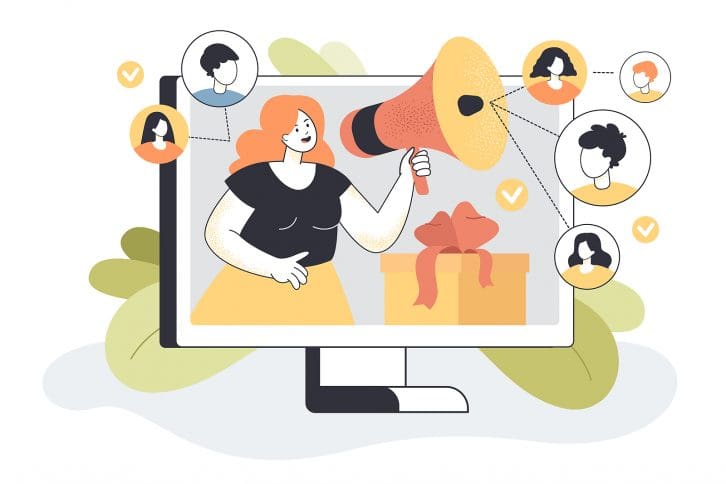
It’s hard to ignore the impact that influencers have had on content creation and business/product promotion over the last few years. If you have a small business, working with the right influencers can help you grow while introducing new people to your brand. Consumers tend to trust social media influencers over brands due to their perceived authenticity and established rapport with their followers. You can expand your target audience and build trust by letting an influencer use the relationship they have with their fans to vouch for your business.
However, it’s not always as simple as reaching out to the most popular influencers and expecting immediate results. Partnering with influencers requires some planning and preparation, and you’ll have to decide ahead of time exactly how you want your brand to be portrayed.
With that in mind, let’s look at some effective tips and ideas your small creative business can try as you consider partnering with influencers, and how to make the most out of that relationship. Along the way, you might end up learning more about your brand and what you want your business to look like in the future.
Technically, influencer marketing is considered a part of social media marketing, depending on where things are getting shared. However, popular influencers can be costly to work with due to their massive reach. Before you automatically assume any influencer is too much for your budget, look locally or in your niche. Micro-influencers are often less expensive and can have a huge pull on a local or niche audience. If you’re a small, creative business that just wants to advertise within a specific region or industry, micro-influencers can offer the best of both worlds.
2. Partner with the right people
When looking at your goals, one of the most important things to consider is whom you want to work with. Even if you have the budget to hire a top-tier influencer, they might not be the right fit for your business.
That’s another reason why looking for local and niche influencers can be beneficial. They’re likely to have industry recognition and an established audience that trusts their recommendations. However, if you want to branch out, make sure the influencers you consider are relevant, trustworthy, and credible. The reason consumers trust influencers more than brands is the human quality they provide. If someone isn’t authentic, it won’t take long for your audience to find out, and the influencer you’re working with could end up doing more harm than good. Nowadays, consumers want to connect with companies that are interested in forming relationships, not ones that are trying to make a quick sale with a celebrity spokesperson.
The idea behind influencer marketing is to help your brand grow organically through trust and engagement. If you’re a creative business, you’ll want to choose influencers that have that same flair for the creative, and people who cater to an audience that is excited about thinking outside the box.
At the end of the day, the right influencers will also share your values and positively reflect your brand. For example, if you pride yourself on being a sustainable business, you’re not going to want to partner with someone who doesn’t view sustainability as a priority. If you want to express inclusivity through advertising, consider working with diverse influencers from different backgrounds. The more in touch your influencers are with your brand, the better your relationship will be.
3. Maintain brand authenticity
If you’re struggling to find someone to represent your brand, it could be because you haven’t fully established your brand identity yet. Brand identity starts with discovering whom your audience is and what problems you can solve for them. If you’re a creative business, this might look different than providing tangible solutions. Instead, figure out how you can enrich the lives of your consumers.
From there, there are a few key steps to finding your identity as a business, including:
Researching competition
Having a unique idea or perspective
Showing consistency
Choosing your voice
When you have a clear identity, you can share those values and expectations with any influencer you want to work with. It will make it easier to find the right people, establish a strong relationship, and appear as authentic and transparent to your audience as possible. Remember, influencer marketing isn’t going to take over your entire strategy. Everything else you do when it comes to advertising needs to line up in the same way. Consistency is key, and your audience will call you out on it if you aren’t being true to the brand you’ve established.
Whether you want to keep things local or grow your small, creative business to global proportions, partnering with influencers can help. Keep these tips in mind to establish a clearer vision of your brand and your goals and ensure you’re partnering with the right people to help your business grow and engage more fully with your audience.
Jess Focht is a writer and content strategist with 6+ years of experience in media, publishing, and brand storytelling. She has contributed to Insider, Grammarly, and The Creative Independent.
5 min read • Originally published October 21, 2022 / Updated March 19, 2026
Jess Focht is a writer and content strategist with 6+ years of experience in media, publishing, and brand storytelling. She has contributed to Insider, Grammarly, and The Creative Independent.
5 min read • Originally published October 21, 2022 / Updated March 19, 2026
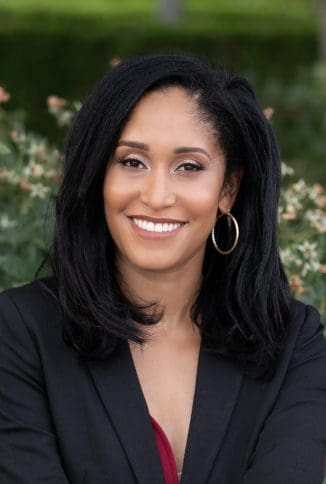
In this Q&A, founder & president of the National Black Movie Association, Agnes Moss, shares her inspirations and how she sees the media world evolving.
1. Tell us a bit about your background. What were your first few jobs and how did they get you to where you are today?
I have an extensive background in media, television, communications/PR, and education. I have always wanted to connect with people and share stories. While my passion was filmmaking, I landed in television early in my career.
My first few jobs were in television and the media. My very first job was working at a local television station in Washington, DC as a production assistant. The job consisted of long hours, challenging work and low pay. I was genuinely happy to have that job as it was highly competitive, so I took the time to network and learn all that I could. Because I wanted that job and I was motivated to advance in the industry, I gave it my all. That job set the tone for my work ethic. I learned that if you want anything in life, you have to go out and get it. I also learned that I cannot depend on others to create opportunities for me, and yet it is up to me to make it happen when I am given an opportunity. In essence, opportunities are not a birthright, but when you are fortunate enough to get one – you have to exceed the expectations.
2. What inspired you to start the National Black Movie Association?
I started the National Black Movie Association because I love connecting with people and sharing stories. However, there is a huge void in Black representation. The lack of diversity in the film industry inspired me to start the association. We are a 501(c)3 organization consisting of filmmakers, film stakeholders, and film enthusiasts who champion Black films, advocate for diversity and inclusion in the film industry, and promote equity in film education.
I was once an aspiring filmmaker. I did not lack the talent or passion to create or share stories; however, I lacked the resources and access to make it a viable career. I pursued a career in television news because I thought it was a more accessible vehicle to telling and sharing stories. I quickly learned that it was not the same type of stories I was enthusiastic about, so it led to years of feeling unfulfilled professionally.
I started the National Black Movie Association for our community to celebrate who we are, our culture and to have a voice in how our stories are told on a global level through the media. I also started the organization to be a bridge for the next generation of Black storytellers, especially those attending Historically Black Colleges and Universities.
3. What does your day-to-day look like working at the association?
I have learned that a nonprofit is initiated by passion, but many factors must be in place to sustain a nonprofit, especially in the film/media industry. My day-to-day activities at the association primarily include networking, fundraising and researching opportunities to expand the organization’s reach. As a result, I am constantly using media – both traditional and social – to share who we are and what we do with the world. The most important day-to-day activities revolve around ensuring we have the funds to provide services and expand our programs. It is imperative to stay abreast of latest media/film industry trends and best practices for nonprofits.
My day-to-day activities vary. I start mornings with a coffee meeting at least three times a week. I go into the office for an internal meeting with my team before starting external meetings- either Zoom, phone or in-person – for the day. If I do not have a coffee meeting that morning, I try to schedule a lunch meeting since networking is key for nonprofits. The latter part of the day is reserved for west coast meetings before I close out with my team.
I am also the mother of a seven-year-old daughter, and I try to make sure we do not miss a beat. She is a competitive cheerleader, so I manage my day-to-day work activities and meetings around making sure my “Mommy Duties” are fulfilled. It is hard work, but I would not have it any other way.
4. How do you see the media world evolving each day?
The media world is one of the most fast-evolving industries in the world. I think we do not really see it because we are in it. You just look up one day and things are completely different. Just think, thirty years ago social media did not exist and today we are heavily dependent on it. Now there is the Metaverse, and things are not slowing down. Someone once said to me, “Today is the slowest day of your life because of the media and technology.” I totally believe them now. As the media evolves, I am learning I must evolve with it.
5. What is your advice to young people looking to get into the world of media & entertainment?
I am a resolute mentor. I tell my mentees all the time to become a student of the media and entertainment industry. To cut through the clutter, you have to find a void or something that is needed – either a product, service or something unique. If you are providing something that already exists, make sure your offering is spectacular. Twenty years ago, the National Black Movie Association did not exist; however, we are providing a service that is much needed for aspiring filmmakers attending Historically Black Colleges and Universities. I know because I was one of those students who needed this association. My trajectory would have been different if I had a resource like the National Black Movie Association. I advise young people in the world of media and entertainment to be bold, creative, and persistent.
6. Anything else you’d like to add:
The National Black Movie Association is for everyone who champions Black films, advocates for diversity and inclusion in film and the media and promotes equity in film education. For more information, visit blackmovieassociation.org and join the community on social media:
Jess Focht is a writer and content strategist with 6+ years of experience in media, publishing, and brand storytelling. She has contributed to Insider, Grammarly, and The Creative Independent.
1 min read • Originally published October 21, 2022 / Updated March 19, 2026
Jess Focht is a writer and content strategist with 6+ years of experience in media, publishing, and brand storytelling. She has contributed to Insider, Grammarly, and The Creative Independent.
1 min read • Originally published October 21, 2022 / Updated March 19, 2026
New month, new Mediabistro roles.
Mediabistro is the #1 job board, community, and career destination for media and content professionals. Once a week, we’ll be updating this list with different types of creative jobs featured. Take a look below:
Jess Focht is a writer and content strategist with 6+ years of experience in media, publishing, and brand storytelling. She has contributed to Insider, Grammarly, and The Creative Independent.
1 min read • Originally published October 28, 2022 / Updated March 19, 2026
Jess Focht is a writer and content strategist with 6+ years of experience in media, publishing, and brand storytelling. She has contributed to Insider, Grammarly, and The Creative Independent.
1 min read • Originally published October 28, 2022 / Updated March 19, 2026
New month, new Mediabistro roles.
Mediabistro is the #1 job board, community, and career destination for media and content professionals. Once a week, we’ll be updating this list with different types of creative jobs featured. Take a look below: