
Mediabistro Logo Mediabistro Logo
  • Jobs
    Search Creative Jobs Hot Jobs Remote Media Jobs Create Job Alerts
    Job Categories
    Creative & Design Marketing & Communications Operations & Strategy Production Sales & Business Development Writing & Editing
    Quick Links
    Search All Jobs Remote Jobs Create Job Alerts
  • Career Resources
    Career Advice & Articles Media Industry News Media Career Interviews Creative Tools Resume Writing Services Interview Coaching Job Market Insights Member Profiles
  • Mediabistro Membership
    Membership Overview How to Pitch (Premium Tool) Editorial Calendars (Premium Access) Courses & Training Programs Membership FAQ
  • Showcase
    Featured Creative Stories Submit your Story
  • Log In
Post Jobs
Mediabistro Logo Mediabistro Logo
Search Creative Jobs Hot Jobs Remote Media Jobs Create Job Alerts
Job Categories
Creative & Design Marketing & Communications Operations & Strategy Production Sales & Business Development Writing & Editing
Quick Links
Search All Jobs Remote Jobs Create Job Alerts
Career Advice & Articles Media Industry News Media Career Interviews Creative Tools Resume Writing Services Interview Coaching Job Market Insights Member Profiles
Membership Overview How to Pitch (Premium Tool) Editorial Calendars (Premium Access) Courses & Training Programs Membership FAQ
Featured Creative Stories Submit your Story
Log In
Post Jobs
Log In | Sign Up

Follow Us!

Be Inspired

How Creative Small Businesses Can Protect Client Data and Stay Secure

How Creative Small Businesses Can Protect Client Data and Stay Secure
Frankie icon
By Frankie Wallace
Frankie Wallace is a freelance content writer covering technology, sustainability, and business trends, with a background in journalism from the University of Montana.
5 min read • Originally published September 21, 2022 / Updated March 19, 2026
Frankie icon
By Frankie Wallace
Frankie Wallace is a freelance content writer covering technology, sustainability, and business trends, with a background in journalism from the University of Montana.
5 min read • Originally published September 21, 2022 / Updated March 19, 2026

Whether you are a content creator, have a web design agency, run a freelance writing business, or sell your crafts online, you must not forget to make cybersecurity a cornerstone of your creative endeavors. It is important to remember that hackers can use any piece of stolen information for malicious means, so you must make your customers and their data the priority.

Remote work has impacted the media and creative industries as it has become the norm for these types of businesses. Cybersecurity becomes even more important when working remotely due to the decreased protocols and vulnerability to hackers in public spaces. If you start working out of a traditional office, you can also encounter a number of cybersecurity risks. If you don’t have the proper protections in place for your creative business, then you can start with these tips.

The importance of cybersecurity

As a small creative company, you may think that you are not at risk of cybercrime because you don’t stand out like the major enterprises. However, that couldn’t be further from the truth. The fact of the matter is that hackers often seek out the smaller companies because they know that either you don’t believe that your company is in danger or that you don’t have the resources necessary to protect your operation.

If your company does become the victim of a data breach, it could mean big trouble for your future. These days, the average breach can cost a company millions of dollars, and you may not have the funds to recover. Even worse, as a new business, you depend on the loyalty of your customers. If it is discovered that you put their data at risk, then they may decide to go to a competitor instead. That stain on your reputation could put your business in danger before you even gain traction.

That is why it is very important that you start protecting your company. That means learning about common threats like phishing scams and malware and also learning the tactics to properly defend your organization. Take the time to educate yourself by reading information online and talking to other small business operators about what they do to protect their customers.

Also, it is important to remember that it isn’t only bad actors that can put your company at risk. Often, human error is behind cybersecurity issues. The creation of weak passwords and the failure to install security updates can be the catalyst to vulnerability to cybercrimes. Learn about these internal threats so you can be protected on all fronts.

Considerations as your company grows

Protecting client information will become even more important as your operation expands and you begin to better understand what your clients truly want. Keep in mind that even if you aren’t collecting credit card and social security numbers, hackers may still want your data. Even email addresses and birth dates can be sold on the black market or used to commit phishing scams against your clients.

As you grow and start working with multiple parties, it is a smart idea to use collaboration software to help your team keep every digital activity in check. In addition to aiding in increased productivity and allowing the easy organization of documentation, many collaboration software packages store the information in the cloud. The great thing about cloud companies is that they often have their own security teams that monitor your data, and they can spot a threat right away before it becomes a bigger issue. If you vet the company and they have secure servers, you don’t have to worry about vulnerability as much and you can focus on running your business.

When your company has reached a point where you have more money to hire additional professionals, you may want to consider adding a department to your small business and bringing in an IT professional. In addition to managing your systems and introducing you to new tech, an IT expert also knows just about every cybersecurity threat, and they can spot a potential problem a mile away. The knowledge of an IT professional can also be helpful when securing the technology that could keep you ahead of your competitors.

Common-sense security

No matter how big your operation becomes, you still need to enact the basic security measures that can keep your company protected against common threats. The most essential of those is to use smart passwords on every program that you use throughout the day. A strong password will have a combination of numbers, letters, and special characters, and it should be paired with a form of two-factor authentication, like a fingerprint or eye scan, that cannot be easily duplicated.

You also need to find a good antivirus program and install it on all computers and remote devices. Use it to run scans every couple of days so that you can catch threats immediately before they can infect your system. Antivirus software is only useful if it is updated regularly, so always be on the lookout for new versions and install them right away to protect against the newest threats.

Finally, take the steps necessary to prevent hackers from accessing your systems and reaching your data at all costs. Be sure to incorporate a firewall that will keep hackers out in the first place. You can often put all of your devices on the same firewall. Then, in the case that hackers can get in, make sure to encrypt all of your data by using a virtual private network (VPN) that makes it so the criminals are unable to read your real information even if they get it in their possession. Both of these solutions aren’t very expensive, but they can be real lifesavers.

As you can see, there are many ways that you can protect your small creative business against the threats of hackers and cybercriminals. Implement these steps today, and you can watch your company grow without worrying about a costly breach.
Topics:

Be Inspired, Work Spaces
Be Inspired

4 Ways Small Businesses Can Make Social Media Content More Inclusive

4 Ways Small Businesses Can Make Social Media Content More Inclusive
By Reggie Jane
4 min read • Originally published September 21, 2022 / Updated March 19, 2026
By Reggie Jane
4 min read • Originally published September 21, 2022 / Updated March 19, 2026

Despite 65% of consumers expecting brands to promote diversity and inclusion in their online advertising, 53%, on the other hand, feel they aren’t fully represented. Modern consumers now view representation as an important value that brands should prioritize in social media channels, believing that their content should be inclusive.

Great social media content is created with an informed understanding of your brand’s target audience. Maryville University’s post on international science outlines how global businesses and organizations need to understand their customers’ demands. This means companies should meet the demands of their consumers who wish to see content that features diverse portrayals. That being said, social media campaigns should encompass different kinds of people. Brands are tasked with a twofold purpose: to recognize the role they play within the conversation of inclusivity and to highlight unheard voices in appropriate ways.

Here are some ways small businesses can make social media content more inclusive.

1. Work with a diverse marketing team

Though this section doesn’t directly deal with how you can promote diversity in your social media content, it’s still significant. Before you can create an inclusive marketing campaign, you’ll need to first consult the right people that can strengthen your understanding of how diversity should be shown. For small businesses, ensure that your limited workforce employs a diverse marketing team that can offer valuable insights. Because these workers represent different backgrounds and ethnicities, you’re granted a closer look into the values they wish to see on social media, too. For example, female marketing employees can suggest strategies that can democratize content about sporting goods so they’re not male-focused. This change in perspective can help you better cater to the demographic you want to reach.

2. Feature diverse people in your imagery

Businesses should feature diverse people to improve the perception of their brand. Not only that, but by showcasing a range of ages, body types, or races, consumers from underrepresented communities can aspire to become part of an ideal look in mass media. Several beauty companies have limited shade options (with a focus on lighter skin tones), which can be demotivating for shoppers of color. Beauty brand creators like Samantha Ravndahl, however, champion inclusivity in their online marketing campaigns. Auric Cosmetics’ posts on social media are centered on representing a whole range of skin tones, specifically for their foundations. For smaller businesses that don’t have the luxury of creating an extensive product line, you can start by making sure your existing products are endorsed by different people. You may also work with influencers who are people of color or have disabilities, although we advise you to create a thoughtful collaboration proposal if you plan on doing so.

3. Contribute to conversations on important issues

In our post ‘How to Break Into Foreign Affairs Writing’, we discussed the need to identify disparate stories and how they connect to a larger audience— this is so people are given a chance to understand the importance of these issues. The same effort (of boosting lesser-known narratives) should go into your social media content; this is your cue to speak about important issues. For instance, Altra Running opened a dialogue about disordered eating and body shaming with their recent campaign for International Women’s Day. On Instagram, the brand shared stories of women who felt disadvantaged as runners, all because of the male-set standards of health and fitness, with #ThisIsARunnersBody. Ultimately, for smaller businesses, audience engagement is important. Partaking in relevant discussions can inspire your customers to express support or share their own experiences on the matter.

4. Amplify diverse voices through Instagram takeovers

Featuring product models of varying backgrounds shouldn’t be the only option for brands who want to diversify their social media content. After all, customers are interested in features or in-depth content from people who share their ethnicity or sexuality, and Instagram takeovers are a great way to do exactly that. An Instagram takeover essentially means a brand invites a guest or a worker to “take over” the platform for a day or two— and it’s also a low-cost means for small businesses to elevate their content. For example, if you have an LGBTQ+ employee, consider asking them to cover one of the local pride marches. This way, your social media followers are given a chance to immerse themselves in the event. Not to mention, your business gets to amplify voices that aren’t typically heard.

Topics:

Be Inspired, Work Spaces
Get Hired

Mediabistro Jobs Roundup: Top Media & Creative Openings for September 23

Mediabistro Jobs Roundup: Top Media & Creative Openings for September 23
Jess icon
By Jess Focht
@jessfocht
Jess Focht is a writer and content strategist with 6+ years of experience in media, publishing, and brand storytelling. She has contributed to Insider, Grammarly, and The Creative Independent.
1 min read • Originally published September 22, 2022 / Updated March 19, 2026
Jess icon
By Jess Focht
@jessfocht
Jess Focht is a writer and content strategist with 6+ years of experience in media, publishing, and brand storytelling. She has contributed to Insider, Grammarly, and The Creative Independent.
1 min read • Originally published September 22, 2022 / Updated March 19, 2026

New month, new Mediabistro roles.

Mediabistro is the #1 job board, community, and career destination for media and content professionals. Once a week, we’ll be updating this list with different types of creative jobs featured. Take a look below:


Senior Sales Account Executive

@ OvationCXM

(Remote)


Reporter

@ Hearst Television

(New Orleans, LA)


Director of Digital Design and Production

@ Brooklyn College

(Brooklyn, NY)


Junior Designer

@ Penguin Random House

(New York, NY)


None of these feel like a match? Check out more Mediabistro roles here.

Topics:

Get Hired, Hot Jobs
Get Hired

Mediabistro Jobs Roundup: Top Media & Creative Openings for September 30

Mediabistro Jobs Roundup: Top Media & Creative Openings for September 30
Jess icon
By Jess Focht
@jessfocht
Jess Focht is a writer and content strategist with 6+ years of experience in media, publishing, and brand storytelling. She has contributed to Insider, Grammarly, and The Creative Independent.
1 min read • Originally published September 30, 2022 / Updated March 19, 2026
Jess icon
By Jess Focht
@jessfocht
Jess Focht is a writer and content strategist with 6+ years of experience in media, publishing, and brand storytelling. She has contributed to Insider, Grammarly, and The Creative Independent.
1 min read • Originally published September 30, 2022 / Updated March 19, 2026

New month, new Mediabistro roles.

Mediabistro is the #1 job board, community, and career destination for media and content professionals. Once a week, we’ll be updating this list with different types of creative jobs featured. Take a look below:


Senior Sales Account Executive

@ OvationCXM

(Remote)


Senior Product Manager

@ Consumer Reports

(New York, NY)


Reporter

@ Altice USA

(Brooklyn, NY)


Integrated Marketing Content Specialist

@ Hatcher

(Bethesda, MD)


None of these feel like a match? Check out more Mediabistro roles here.

Topics:

Get Hired, Hot Jobs
Climb the Ladder

8 Proven Ways to Break Through Creative Block and Burnout

8 Proven Ways to Break Through Creative Block and Burnout
Frankie icon
By Frankie Wallace
Frankie Wallace is a freelance content writer covering technology, sustainability, and business trends, with a background in journalism from the University of Montana.
5 min read • Originally published October 5, 2022 / Updated March 19, 2026
Frankie icon
By Frankie Wallace
Frankie Wallace is a freelance content writer covering technology, sustainability, and business trends, with a background in journalism from the University of Montana.
5 min read • Originally published October 5, 2022 / Updated March 19, 2026

Creative blocks are common for artists. Sometimes the ideas are flowing, and other times it may feel like no matter what you do, you just can’t get past the block. However, in some cases, it could be more than just your average creative block — it could be burnout.

What is Burnout and How Does it Affect Creativity?

If your “internal fire” is what keeps you going — what keeps you working, inspired, and motivated — then burnout is a smothering of that fire. It is essentially an exhaustion or depletion of your energies, creative and otherwise.

The term “burnout” was first introduced in the 1970s by psychologist Herbert Freudenberger. He defined burnout as “a state of mental and physical exhaustion caused by one’s professional life.” 

Burnout is now a well-known and studied phenomenon that affects many individuals, no matter their field of study. However, it can be an especially difficult thing to battle for artists and creatives.

Creativity requires a person to be open to new ideas. The mind needs to essentially be free and relaxed to thoroughly explore new possibilities.

Unfortunately, when burnout occurs, the mind is neither free nor relaxed. It is stressed, exhausted, and depleted. Thus, instead of an overflowing of ideas, an artist who is burnout is effectively like a well that has run dry, which can feel especially upsetting for creative types.

Symptoms of burnout can include:

  • Chronic fatigue
  • Feeling drained
  • Frequent illness
  • Trouble sleeping
  • Body aches and pains
  • Lack of appetite
  • Feeling withdrawn
  • Procrastinating more than usual
  • Low self-esteem
  • Lack of motivation
  • Cynical and negative thoughts
  • Feeling detached
  • Lack of creative ideas
  • Feelings of loneliness

What Causes Creative Burnout?

There are a number of things that can lead to burnout. It can often vary from one person’s situation to the next. But some of the most common and known causes include:

  • Poor work-life balance
  • Feeling immense pressure to create and succeed
  • Working too many long days/nights
  • Feeling pressure to please others
  • Having no control over the work you are creating
  • Doing too many things — spreading yourself thin
  • Falling into a monotonous routine
  • Lack of recognition
  • Feeling the need to be perfect or for your art to be perfect
  • A generally poor or pessimistic attitude
  • Feeling too much pressure to create for money
  • Losing sight of why you enjoyed creating in the first place

Tips to Help Combat Burnout and Creative Blocks

In many ways, curing or combatting creative burnout and creative block requires the same things as improving your mental health. Burnout and mental health issues are closely linked, so the more you do things to improve your mental health, the more you will renew your creative juices and energies.

1. Don’t ignore it

First and foremost, do not attempt to work through your burnout or ignore it. Denying that you are burnt out will only make matters worse. The sooner you recognize that you are burnout, the sooner you can overcome it and start creating again.

2. Don’t isolate yourself

For many, the first thing they do when they feel burnt out is to isolate themselves and spend time alone. While giving yourself a break and spending quality time with yourself can help, it’s important to be careful not to rely solely on alone time to heal.

You should balance time alone with social engagement. If you isolate yourself too much, it can make your burnout worse. Burnout can already cause feelings of loneliness, so going into self-inflicted isolation can make you feel even lonelier and lead to depression.

3. Try an unrelated creative outlet

Trying something else creative that is unrelated to your primary work can also help you find new inspiration that encourages creativity and combat creative block. Journaling or even just reading some new books, for example, can take your mind and stress off of your main work, which can help you relax and discover new inspiration.

4. Socialize and connect with others

Creatives often feed off other people’s energy, so it’s important to continue socializing and staying connected to avoid feeling burnt out. Creatives who work remotely can be especially prone to feeling isolated, which can contribute to burnout. So make sure you get out and network with others while working remotely. And even if you don’t work from home, it’s still crucial that you stay connected and socialize.

5. Get enough sleep and exercise

Lack of sleep and exercise can also make you feel physically and mentally worse. And the poorer your physical and mental health is, the more likely you are to experience burnout or creative blocks. So make sure you are getting enough sleep every night, and move your body for at least 20 minutes vigorously every day.

6. Unplug

Sometimes you just need to disconnect and take a break from your work entirely to feel better and renew your creative energies. If you work too much and often don’t give yourself a break, it might be time to finally step away and take a vacation.

This doesn’t have to be an expensive or costly break. You can unplug and relax at home, even just for a long weekend if you can’t get an entire week off. However you choose to disconnect, just make sure you truly let yourself unwind and avoid thinking about your work for more than just one day.

7. Set healthy boundaries

If your burnout is a result of poor work-life balance, then you likely need to start setting boundaries. It’s okay to say no and to decline work/jobs/gigs if you are already overworked. It’s understandable that you might want to fill your time with work to make more money, but it’s not sustainable to constantly do all work and no play.

You have to balance your work life and your personal life if you want to grow and have success well into your future. If you don’t, you will continually burn yourself over and over again.

8. Look into therapy

Finally, if you are really struggling with your burnout, don’t hesitate to reach out for professional help. Therapy is nothing to be ashamed of, and it can help you find healthier coping mechanisms that can help you better overcome your burnout and avoid it in the future.

Therapy has come a long way, and there are many types of therapy and therapeutic methods today to suit individual needs, such as cognitive behavioral therapy, psychodynamic therapy, narrative therapy, and more.

So even if you have tried therapy in the past and not had success, don’t assume it can’t help you now. You might just need to try or research different therapists until you find the right one for you.

Creative block and burnout can feel devastating to artists and creative types, but you can overcome these feelings. It may take time, but if you are willing to recognize your burnout and put in the effort, you can get back to a better place where you are creating on a regular schedule again.

Topics:

Climb the Ladder, Skills & Expertise
Climb the Ladder

9 Practical Ways to Set Healthy Boundaries While Working Remotely

9 Practical Ways to Set Healthy Boundaries While Working Remotely
By Molly Hopper
Molly Hopper is a business manager with a keen interest in new ways to improve career opportunities and employee engagement. A big fan of remote working, Molly believes that the possibilities it offers are endless. She is always looking for new ways to improve her skills and knowledge so that she can offer the best possible service to her clients.
3 min read • Originally published October 5, 2022 / Updated March 19, 2026
By Molly Hopper
Molly Hopper is a business manager with a keen interest in new ways to improve career opportunities and employee engagement. A big fan of remote working, Molly believes that the possibilities it offers are endless. She is always looking for new ways to improve her skills and knowledge so that she can offer the best possible service to her clients.
3 min read • Originally published October 5, 2022 / Updated March 19, 2026

The world of work has changed so much in just a few short years – driven in part by the pandemic and also by broader changes, such as the arrival of Gen Z in the employment sector and changing societal attitudes. One of the biggest shifts has been towards working remotely, whether on a permanent or more occasional, hybrid basis with some time still spent in a physical office. But whether you work from home full-time or just occasionally, it’s important to know how to optimize your space so that you can maintain those vital workplace boundaries.

Here are some tips for maintaining workplace boundaries while working remotely:

1. Have a dedicated work area

It’s very difficult to get into the right frame of mind for your job if you are looking at piles of laundry, unwashed dishes or personal life admin. Ideally, you want to create your own home office, but if you don’t have the luxury of a dedicated room, at least have a clean and clear desk that you can reserve solely for your job during working hours.

2. Dress the part

What we wear affects how we feel, so don’t sit in your pyjamas! Wear something smart and comfortable, so that you clearly denote your working status – even to yourself. It’s important to feel professional and you’ll speak and interact differently online if you take care of your appearance and feel your best.

3. “Walk to work”

Commutes are tedious but they do add some exercise and thinking time into the day. Try and replicate your old commute by going for a short walk before you log on. The fresh air will clear your head and boost your blood circulation so that your brain is firing and ready to go.

4. Ask others to respect your working space

If you live with flatmates or family, ask them to respect your working space and working hours as much as possible. Interruptions are unprofessional and will distract you from your work and performance. Remember, this is your employment and it needs to be treated as a priority.

5. Watch out for too many notifications

Distractions won’t just come from your home. You may get too many emails or messages, constantly fighting for your attention (and impacting your productivity). In order to stay on top of your workload and manage your own wellbeing, it’s important to learn how to manage workplace communications.

6. Have a plan

Start the day with a plan that focuses on three things you want to achieve that day and some key priorities. Work on your hardest and most important task before beginning anything else and then reward yourself with ten minutes of downtime and a drink.

7. Invest in your ongoing development

Read about your industry, take online courses, find out which development opportunities exist for you and generally continue to commit to your own upskilling and personal development so that you can develop your own career path from home, in the same way that you would in a traditional office setting.

8. Join in

If you are part of an online team of homeworkers, join in as much as possible with any social occasions, whether they are related to team chat online, or take place after work. It’s great to enjoy that social interaction and to build up relationships, even if your teammates work in an entirely different geographical location.

9. Switch off

At the end of your working day, resist the temptation to keep checking emails. Log off properly, clear away your desk space or shut your office door. Treat your ‘home time’ with respect and begin your family, social and leisure time with commitment and focused enjoyment. Successful careers require work-life balance, so the more you can enjoy both, the better your performance will be.

Working from home has become increasingly popular in recent years, and for good reason. It offers a flexible schedule, eliminates commuting time, and can be a more cost-effective way to work. However, it’s important to remember to set some clear workplace boundaries in order to stay focused and avoid distractions while at work, but also to respect your own time and space.

Topics:

Climb the Ladder, Skills & Expertise
Get Hired

Mediabistro Jobs Roundup: Top Media & Creative Openings for October 7

Mediabistro Jobs Roundup: Top Media & Creative Openings for October 7
Jess icon
By Jess Focht
@jessfocht
Jess Focht is a writer and content strategist with 6+ years of experience in media, publishing, and brand storytelling. She has contributed to Insider, Grammarly, and The Creative Independent.
1 min read • Originally published October 7, 2022 / Updated March 19, 2026
Jess icon
By Jess Focht
@jessfocht
Jess Focht is a writer and content strategist with 6+ years of experience in media, publishing, and brand storytelling. She has contributed to Insider, Grammarly, and The Creative Independent.
1 min read • Originally published October 7, 2022 / Updated March 19, 2026

New month, new Mediabistro roles.

Mediabistro is the #1 job board, community, and career destination for media and content professionals. Once a week, we’ll be updating this list with different types of creative jobs featured. Take a look below:


Public Affairs and Communications Strategist

@ Earthjustice

(Seattle, WA)


External Communications Senior Specialist

@ The MITRE Corporation

(McLean, VA)


Internet Technology Writer

@ Launch Potato

(New York, NY)


Media Planner 

@ Petrol Advertising

(Burbank, CA)


None of these feel like a match? Check out more Mediabistro roles here.

Topics:

Get Hired, Hot Jobs
Be Inspired

Freelance Journalist Darby Murnane on Building a Sustainable Writing Career

Freelance Journalist Darby Murnane on Building a Sustainable Writing Career
Jess icon
By Jess Focht
@jessfocht
Jess Focht is a writer and content strategist with 6+ years of experience in media, publishing, and brand storytelling. She has contributed to Insider, Grammarly, and The Creative Independent.
5 min read • Originally published October 11, 2022 / Updated March 19, 2026
Jess icon
By Jess Focht
@jessfocht
Jess Focht is a writer and content strategist with 6+ years of experience in media, publishing, and brand storytelling. She has contributed to Insider, Grammarly, and The Creative Independent.
5 min read • Originally published October 11, 2022 / Updated March 19, 2026

In this Q&A, freelance journalist Darby Murnane shares helpful tips and tricks for navigating the freelance world.

1. Tell me a bit about your freelance journey. How did it start and how did you get to where you are now?

My journey started more recently. I had published some fiction, poetry, and artwork in literary magazines between graduating with my BFA in creative writing in 2020 and starting my master’s degree in journalism later that year but hadn’t immediately tried my hand at what felt like more serious reporting. Imposter syndrome made me hesitant as I moved from student publications to local news outlets, and it was not helped by sudden illness demanding the brunt of my energy and attention. Amid the height of the pandemic and my own health complications, the struggle to work created a sense of distance between myself and my craft as I felt like my identity as a writer was founded upon a consistent output that I couldn’t realistically achieve under those circumstances. I had to ask myself how my experiences could inform my reporting and the beats I pursue to reframe my mindset from one of hinderance to reclaiming and learning.

I got my first assignment almost by accident at a professional networking event sponsored by my graduate program. While speaking with the food editor at the Dallas Observer, who I now write frequently for, I told her about a new restaurant opening in town, thinking she ought to have dibs as editor. But she responded, “Why would I write about it when you could?” Food writing was new to me, but like any new beat, I was eager for the challenge and excited to use my creative voice in ways hard news doesn’t typically allow. That led to more food stories, assignments from the arts and culture section, and then the news desk. I say yes to everything offered to me.

I’ve since become a go-to freelancer for the Observer, contributing stories ranging from healthcare to LGBTQ+ issues. In December, I’ll be graduating with my masters and hopefully using my growing portfolio of work to get my foot in the door for a full-time staff writing position.

2. What’s your favorite part about your job?

I chose journalism because I love learning and the job allows me to be a perpetual student of every new topic assigned to me. Reporting lets me experience a little bit of everything through the lens of writing. I’ve always had this feeling that I can never possibly know enough about anything, and this job is the best outlet to curb that insatiable curiosity.

As a freelancer, I’m grateful to decide my own hours around my coursework and have more choice in my stories that I initially thought I would. I’ve been incredibly fortunate to work with editors who are receptive to and encouraging of my ideas.

3. What does your day-to-day look like?

My daily schedule consists of juggling classes, coursework, story assignments sent to me and pitching my own. It’s hectic and changeable and not often confined to typical business hours as I have to work around my sources’ schedules for interviews. But I’m able to work from where I please, be it home, campus, or a coffee shop, and I’m never confined to one spot as the nature of this work requires some movement. I’m able to accomplish a lot over the phone, email, or zoom which gives me the flexibility to balance my freelance work with my classes.

4. How do you see the world of freelancing and journalism evolving?

With social media, the way we network and represent our work is changing. I think now every reporter is also their own PR representative in the way we have to build and maintain something of a brand that backs a name that gets assignments. Social media is also diminishing the need for old-fashioned shoe-leather journalism now that you can track down all manner of sources online. I think this digital revolution also means that journalists need to reconsider how we frame and write our stories to avoid feeding into sensationalized trending topics that don’t value context or nuance.

5. What is your advice to aspiring freelance journalists?

Say yes to everything. No assignment at this stage is unworthy because every chance to practice and put your writing out into the word is too valuable. Write about the return of pumpkin spice coffee in August, do the write ups on press releases, all of it. Talk to everybody because you’d be amazed at how one story can lead to another.

6. Anything else you’d like to add:

Learning to advocate for yourself and your skills can feel a lot like arrogance when you’re in the grips of imposter syndrome, but it’s really just acknowledging your own value. When you embark on your first big assignments, the feeling that you don’t know what you’re doing can be paralyzing. Sometimes the way around that is to steer into the feeling and to know that the whole point of writing the story in the first place is to learn and inform. Embracing “I don’t know” is freeing. You stop wasting energy and time trying to compensate for perceived inadequacies that could be used learning and growing.

And learn to ask for help. This is not a job done in a vacuum and the “lone wolf” reporter is a myth. Your editors want you to succeed because they want good stories so don’t kneecap yourself by refusing to ask for help when you need it.

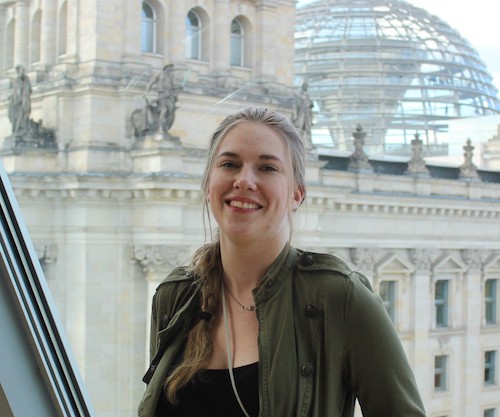
Darby Murnane is a freelance journalist.

Interested in a creative gig? We have some open jobs for you!

Topics:

Advice From the Pros, Be Inspired
Get Hired

Weekly Jobs Roundup: Top Media & Creative Openings (Oct. 14, 2022)

Weekly Jobs Roundup: Top Media & Creative Openings (Oct. 14, 2022)
Jess icon
By Jess Focht
@jessfocht
Jess Focht is a writer and content strategist with 6+ years of experience in media, publishing, and brand storytelling. She has contributed to Insider, Grammarly, and The Creative Independent.
1 min read • Originally published October 13, 2022 / Updated March 19, 2026
Jess icon
By Jess Focht
@jessfocht
Jess Focht is a writer and content strategist with 6+ years of experience in media, publishing, and brand storytelling. She has contributed to Insider, Grammarly, and The Creative Independent.
1 min read • Originally published October 13, 2022 / Updated March 19, 2026

New month, new Mediabistro roles.

Mediabistro is the #1 job board, community, and career destination for media and content professionals. Once a week, we’ll be updating this list with different types of creative jobs featured. Take a look below:


Operations Technician

@ Hearst Television

(Sacramento, CA)


Assistant Product Manager

@ The Museum of Modern Art

(New York, NY)


Internet Technology Writer

@ Launch Potato

(New York, NY)


Technical Illustrator/Graphic Designer 

@ American Astronomical Society

(Cambridge, MA)


None of these feel like a match? Check out more Mediabistro roles here.

Topics:

Get Hired, Hot Jobs
Be Inspired

3 Proven Tips for Successful Influencer Partnerships

3 Proven Tips for Successful Influencer Partnerships
Frankie icon
By Frankie Wallace
Frankie Wallace is a freelance content writer covering technology, sustainability, and business trends, with a background in journalism from the University of Montana.
4 min read • Originally published October 19, 2022 / Updated March 19, 2026
Frankie icon
By Frankie Wallace
Frankie Wallace is a freelance content writer covering technology, sustainability, and business trends, with a background in journalism from the University of Montana.
4 min read • Originally published October 19, 2022 / Updated March 19, 2026

It’s hard to ignore the impact that influencers have had on content creation and business/product promotion over the last few years. If you have a small business, working with the right influencers can help you grow while introducing new people to your brand. Consumers tend to trust social media influencers over brands due to their perceived authenticity and established rapport with their followers. You can expand your target audience and build trust by letting an influencer use the relationship they have with their fans to vouch for your business.

However, it’s not always as simple as reaching out to the most popular influencers and expecting immediate results. Partnering with influencers requires some planning and preparation, and you’ll have to decide ahead of time exactly how you want your brand to be portrayed. 

With that in mind, let’s look at some effective tips and ideas your small creative business can try as you consider partnering with influencers, and how to make the most out of that relationship. Along the way, you might end up learning more about your brand and what you want your business to look like in the future. 

1. Plan ahead

Before you consider working with an influencer, it’s important to look at your long-term goals, as well as how influencers might fit in with your budget. Social media is often a great low-cost marketing strategy for small businesses. Social media allows you to build your brand on a budget by:

  • Learning more about your audience
  • Encouraging user-generated content
  • Engaging with your audience
  • Building your professional network

Technically, influencer marketing is considered a part of social media marketing, depending on where things are getting shared. However, popular influencers can be costly to work with due to their massive reach. Before you automatically assume any influencer is too much for your budget, look locally or in your niche. Micro-influencers are often less expensive and can have a huge pull on a local or niche audience. If you’re a small, creative business that just wants to advertise within a specific region or industry, micro-influencers can offer the best of both worlds. 

2. Partner with the right people

When looking at your goals, one of the most important things to consider is whom you want to work with. Even if you have the budget to hire a top-tier influencer, they might not be the right fit for your business. 

That’s another reason why looking for local and niche influencers can be beneficial. They’re likely to have industry recognition and an established audience that trusts their recommendations. However, if you want to branch out, make sure the influencers you consider are relevant, trustworthy, and credible. The reason consumers trust influencers more than brands is the human quality they provide. If someone isn’t authentic, it won’t take long for your audience to find out, and the influencer you’re working with could end up doing more harm than good. Nowadays, consumers want to connect with companies that are interested in forming relationships, not ones that are trying to make a quick sale with a celebrity spokesperson. 

The idea behind influencer marketing is to help your brand grow organically through trust and engagement. If you’re a creative business, you’ll want to choose influencers that have that same flair for the creative, and people who cater to an audience that is excited about thinking outside the box. 

At the end of the day, the right influencers will also share your values and positively reflect your brand. For example, if you pride yourself on being a sustainable business, you’re not going to want to partner with someone who doesn’t view sustainability as a priority. If you want to express inclusivity through advertising, consider working with diverse influencers from different backgrounds. The more in touch your influencers are with your brand, the better your relationship will be.

3. Maintain brand authenticity

If you’re struggling to find someone to represent your brand, it could be because you haven’t fully established your brand identity yet. Brand identity starts with discovering whom your audience is and what problems you can solve for them. If you’re a creative business, this might look different than providing tangible solutions. Instead, figure out how you can enrich the lives of your consumers. 

From there, there are a few key steps to finding your identity as a business, including: 

  • Researching competition
  • Having a unique idea or perspective
  • Showing consistency
  • Choosing your voice

When you have a clear identity, you can share those values and expectations with any influencer you want to work with. It will make it easier to find the right people, establish a strong relationship, and appear as authentic and transparent to your audience as possible. Remember, influencer marketing isn’t going to take over your entire strategy. Everything else you do when it comes to advertising needs to line up in the same way. Consistency is key, and your audience will call you out on it if you aren’t being true to the brand you’ve established. 

Whether you want to keep things local or grow your small, creative business to global proportions, partnering with influencers can help. Keep these tips in mind to establish a clearer vision of your brand and your goals and ensure you’re partnering with the right people to help your business grow and engage more fully with your audience.

Topics:

Advice From the Pros, Be Inspired

Posts navigation

Older posts
Newer posts
Featured Jobs
Kirkus Media
Editorial Intern
Kirkus Media
New York City, New York (US)

Gaia Inc
MEDIA COORDINATOR
Gaia Inc
Louisville, CO

Gaia Inc
Global Paid Media Specialist
Gaia Inc
Louisville, CO

Gaia Inc
Director of Media Strategy
Gaia Inc
Louisville, CO

Hearst Television
Account Executive
Hearst Television
Milwaukee, WI, United States

All Jobs »
PREMIUM MEMBER
DN

Dmitriy Nassenkov

Sherman Oaks, CA
2024 Years Experience
View Full Profile »
Join Mediabistro Membership Today

Stand out from the crowd with a premium profile

Mediabistro Logo Find your next media job or showcase your creative talent
  • Job Search
  • Hot Jobs
  • Membership
  • Newsletter
  • Career Advice
  • Media News
  • Hiring Tips
  • Creative Tools
  • About
Facebook YouTube Instagram LinkedIn
Copyright © 2026 Mediabistro
  • Terms of Use
  • Terms of Service
  • Privacy