Jess Focht is a writer and content strategist with 6+ years of experience in media, publishing, and brand storytelling. She has contributed to Insider, Grammarly, and The Creative Independent.
1 min read • Originally published June 17, 2022 / Updated March 19, 2026
Jess Focht is a writer and content strategist with 6+ years of experience in media, publishing, and brand storytelling. She has contributed to Insider, Grammarly, and The Creative Independent.
1 min read • Originally published June 17, 2022 / Updated March 19, 2026
New month, new Mediabistro roles.
Mediabistro is the #1 job board, community, and career destination for media and content professionals. Once a week, we’ll be updating this list with different types of creative jobs featured. Take a look below:
Frankie Wallace is a freelance content writer covering technology, sustainability, and business trends, with a background in journalism from the University of Montana.
4 min read • Originally published June 21, 2022 / Updated March 19, 2026
Frankie Wallace is a freelance content writer covering technology, sustainability, and business trends, with a background in journalism from the University of Montana.
4 min read • Originally published June 21, 2022 / Updated March 19, 2026
Augmented Reality (AR) and Virtual Reality (VR) spaces are growing, and their need for specialized teams is too. Such specialized teams are ideally adept at not just creating the most fantastic experiences in these digital realms, but also making them accessible to all. Here are four facts about emerging jobs in digital creative fields as well as three jobs that are needed for a more accessible future.
Content is difficult to access
As much as we wish content in the digital space was easily accessible no matter where or who accesses it, that isn’t the case. Instead, content is difficult to access on the web, especially if you live with a disability.
When things like keyboard navigation, captions, alt text, and audio aren’t available, content becomes inaccessible to a massive pool of people.
The experience isn’t the same for everyone
People also raise awareness about how the digital experience differs between those who are and aren’t living with a situational, temporary, or permanent disability. The whole point of accessibility is to ensure things are accessible and enjoyable for all people.
Many brands and businesses make their respective digital experiences accessible to most people. But unfortunately, they’re hardly the exciting experience that those living without a disability get.
AR and VR Tech isn’t affordable for everyone
AR and VR require tech accessories. You can access AR with a smartphone, while VR requires a headset device to engage. In addition, you might need other accessories like apps and games, a treadmill, hand controllers, a game system, or a joystick to enhance either experience.
Unfortunately, these accessories can be expensive. For example, the best VR headsets can cost you upwards of $500 apiece. If these accessories don’t become more affordable, AR and VR experiences won’t ever be accessible to everyone.
Internet access is still an issue
And what about the internet? AR and VR experiences need some sort of internet connection to work correctly.
Many households struggle to afford internet service, and various others don’t have it at all. So, there’s a continuing conversation about making the internet more affordable to become that much more accessible.
So, who will we need for a better, more accessible future in the digital space?
As we work to solve some of the digital world’s accessibility challenges, we’ll need teams with specific digitally-focused specializations to do it. At the very least, our future is in the hands of individuals who specialize in visualizations and implementation of accessibility in the AR and VR space.
You can pursue many creative careers to help make our future in the digital space more inclusive and enjoyable for everyone, regardless of experience, background, or ability. We’ll start you off with three emerging niches rooted in creativity.
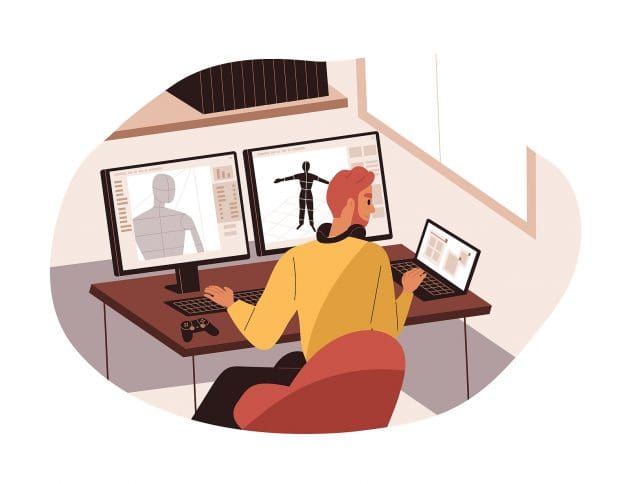
3D Artists
The next generation of creators should be well-versed in 3-dimensional art. A 3D artist creates 3D models of products, environments, and other creations in creative projects, virtual worlds, games, AR experiences, and other digital spaces.
For example, let’s say you’re interested in the metaverse. Specifically, the real estate economy within the metaverse platform is booming. As the demand for metaverse real estate agents grows, so does the need for 3D artists.
This is because 3D artists are the go-to source for guidance on making real estate more appealing to buyers in the metaverse. You can help model the things folks are attracted to in real life, like great landscaping and lighting in metaverse real estate.
If you want to build a memorable brand in the metaverse, or one that uses VR and AR effectively, 3D artists can help craft the necessary unique experience.
NFT Designers
Non-fungible tokens (NFTs) are exploding in popularity. NFTs are essentially digital collector’s items. They’re used in the metaverse and other virtual worlds. They also can’t be replicated because they’re etched into the blockchain.
A digital piece of art, an in-game item, 3D fashion, GIFs, and metaverse real estate are great examples of NFTs. All of which come alive at the hands of an NFT designer. You can create digital artworks for brands and mint and sell them as NFTs once they’re finished. You can also help navigate emerging NFT platforms to find the best home for your creations.
Web Accessibility Specialists
Whether it’s the metaverse, AR, VR, or another digital experience, it should be accessible to everyone. Regardless of ability or background, an individual should be able to access any digital space and be captivated by it.
A web accessibility specialist can test digital experiences for accessibility inefficiencies and improve them to meet accessibility standards. So, if you want to focus more on the technical aspects of inclusion and accessibility, this could be an excellent role for you.
There are many topics surrounding accessibility in the digital world to discuss. Affordable tech accessories and internet, content accessibility, and vying for the same exceptional experience for everyone are just a few. Pursuing your dream job in one of the emerging niches mentioned above can help form a more inclusive, accessible, and enjoyable digital world for all.
Jess Focht is a writer and content strategist with 6+ years of experience in media, publishing, and brand storytelling. She has contributed to Insider, Grammarly, and The Creative Independent.
3 min read • Originally published June 21, 2022 / Updated March 19, 2026
Jess Focht is a writer and content strategist with 6+ years of experience in media, publishing, and brand storytelling. She has contributed to Insider, Grammarly, and The Creative Independent.
3 min read • Originally published June 21, 2022 / Updated March 19, 2026
Many industries have been impacted by the Great Resignation. One of them, specifically, is the media industry which is composed of numerous creatives: writers, photographers, producers, designers, and more. The media industry is broad and therefore difficult to fully examine when looking at how the most recent wave of remote work has shaped it. Some jobs simply can’t be fully remote or even hybrid. However, an overwhelming amount can be—and research has shown that remote work is directly impacting many facets of the media industry. Companies such as Twitter and Reddit are offering permanent remote or hybrid work. And this is just the beginning, as the media industry is predicted to have a growing demand for remote workers.
“The Great Resignation hit many sectors in the world because people are beginning to value their quality of life more than their job. That is a major change in trend and I don’t see it ever going back to the way it was, where people based their entire life around their career,” Ehsaan B. Islam, Chief Technology Officer of BE, told Forbes.
Here are some ways remote work is impacting the media industry.
Remote work is boosting creativity
Recent studies have shown that remote work is boosting not only productivity—but also creativity. This may not come as a shock to those who fail to find inspiration in an office cubicle. When one works from home, they can design the space they’re working in so it can suit them best, or they can go to a café or shared office space. They also have the potential for a better work-life balance in a remote or hybrid setup, allowing more time for their own inspiration or creativity.
Remote work is leading to more content
One’s room for creativity and flexibility typically leads them to produce more content.
“It’s no question that remote working allows media creators to produce more content because it enables creatives to collaborate in the moment and exchange feedback without having to schedule ahead and account for travel time,” states Jessica Cyrell.
With more people spending time at home due to remote work, they’re also more likely to consume content as opposed to if they were commuting or in an office.
Remote work is shifting to cater to freelancers
The flexible nature of freelancing caters to the media industry as it allows connection and creativity around the world and outside a standard nine-to-five job. Freelancers are predicted to make up a larger portion of the media industry in the next few years due to this specific demand.
Remote work is resulting in more spending on social media & SEO
The world was becoming more digital and online before March 2020, but the pandemic provided a decent boost to this shift. A recent study shows that because more people are online now than ever before, media companies are spending more money on social media and SEO. Therefore, the media industry will continue to focus on digital marketing efforts instead of print journalism and advertising.
While the nature of remote work is continually evolving, it has offered the world of media a chance to test its flexibility—which has led to positive outcomes such as boosted creativity, more content, and spending in freelance and digital marketing areas. It’s hard to tell what the future has in store for the world of media and the jobs within it, but remote work has proven to strengthen it in numerous ways.
Jess Focht is a writer and content strategist with 6+ years of experience in media, publishing, and brand storytelling. She has contributed to Insider, Grammarly, and The Creative Independent.
2 min read • Originally published June 24, 2022 / Updated March 19, 2026
Jess Focht is a writer and content strategist with 6+ years of experience in media, publishing, and brand storytelling. She has contributed to Insider, Grammarly, and The Creative Independent.
2 min read • Originally published June 24, 2022 / Updated March 19, 2026
There is much debate surrounding the topic of whether cover letters are still important or not, leaving applicants wondering if their letter is even read. Most companies nowadays use special programs to scan applicants’ resumes for buzzwords relating to the job(s) they have posted. However, it typically depends on the company when it comes to a cover letter’s relevancy.
A cover letter’s purpose
Think of a cover letter as an expansion of your resume. It’s your chance to write to the hiring manager or HR team stating why they should hire you. Some companies value it more than others, either closely examining it or seeing it as a cherry on top of your job application.
Because sometimes it’s hard to tell how much the company values cover letters, it’s a safe bet to always write one when it’s required. It’s your chance to go into more detail about why you’re a great candidate for the role. It’s your chance to write about what sets you apart from other candidates who could be applying. Most importantly, it’s your chance to show how much you care—with your writing.
When to include a cover letter
You should include a cover letter if the company has a section for one. If they don’t mention it, you can either include one to be safe or reach out to the HR team to ask about it.
Don’t include one when the company explicitly states not to.
What to include in a cover letter
While a cover letter is your chance to differentiate yourself from other candidates, they typically have a standardized format.
This format includes:
A header with your name and contact information
A greeting
An opening paragraph
A body paragraph
A conclusion paragraph
How long a cover letter should be
Yes, this is a chance to show off your writing. No, it’s not a chance to write a dissertation. Keep your cover letter no longer than a full page—and no more than 400 words.
Other tips
Writing different cover letters for different jobs can be tough—especially when you need to make yourself stand out as an ideal candidate while adjusting your cover letter template used for other applications. However, try to tailor your letter to each job as best as you can. Use the hiring manager’s name (if you can) and start the letter with a compelling intro.
Jess Focht is a writer and content strategist with 6+ years of experience in media, publishing, and brand storytelling. She has contributed to Insider, Grammarly, and The Creative Independent.
1 min read • Originally published June 24, 2022 / Updated March 19, 2026
Jess Focht is a writer and content strategist with 6+ years of experience in media, publishing, and brand storytelling. She has contributed to Insider, Grammarly, and The Creative Independent.
1 min read • Originally published June 24, 2022 / Updated March 19, 2026
New month, new Mediabistro roles.
Mediabistro is the #1 job board, community, and career destination for media and content professionals. Once a week, we’ll be updating this list with different types of creative jobs featured. Take a look below:
Frankie Wallace is a freelance content writer covering technology, sustainability, and business trends, with a background in journalism from the University of Montana.
4 min read • Originally published June 27, 2022 / Updated March 19, 2026
Frankie Wallace is a freelance content writer covering technology, sustainability, and business trends, with a background in journalism from the University of Montana.
4 min read • Originally published June 27, 2022 / Updated March 19, 2026
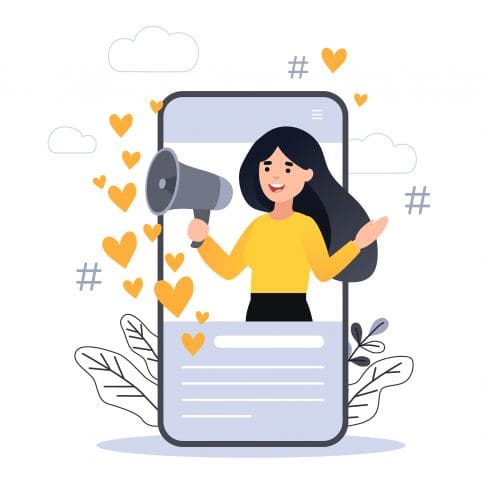
We hear more and more about social media’s influence and power. From keeping families and friends connected to sharing news and information to shopping and finding jobs, people use social media for many things daily.
Social media is also significant for building memorable brands. Of course, big and small businesses are using social media to increase brand awareness and grow more robust customer relationships. But what about creatives?
Creatives have a massive opportunity with social media to share their talents with people worldwide. They can and should use social media to build up their brand. Here’s how to do so effectively:
1. Find out more about your customers
Using social media to build your brand in a creative field starts with understanding your customers’ behaviors on these platforms. Find out which platforms your customers engage on the most. Then, use the built-in analytics tools on your social media platforms to find out:
The behavioral patterns of your customers on social media
What content your customers are looking at
How they come across your content on these platforms
The demographic information of the people viewing your content
How successful different posts are among your audience
With this information, you can create content your customers can resonate with and engage with them in a way you know they’ll be receptive to.
2. Engage with your audience often
It’s crucial to engage with your audience often on social media. Constant engagement is critical when using social media to build your brand as a creative. If you don’t talk to your audience, how will you ever get the word out about your brand?
Engage with your audience as much as possible on your social media platforms. Respond to all comments, even the negative ones. Use the story features to give followers a glimpse into your life and day-to-day processes. Answer all direct messages, mentions, and shoutouts. Be sure you’re commenting on others’ posts too.
3. Show your work and who you are
To build your creative brand using social media, you must show your work and let your personality shine in your content. Doing so will help you emotionally connect with your customers and create strong bonds with them.
So, get into the habit of standing out with original content. For example, share content that shows you during your creative process. Show off how you’ve intertwined your brand’s aesthetic with your office’s interior design. Show videos and pictures of a piece in progress. You could even do live Q&A sessions so your audience can get to know you personally.
Whatever content you decide to share on your social media pages, be sure it’s unapologetically you.
4. Encourage customers to leave reviews
You can also boost your brand-building efforts on social media by encouraging customers to leave reviews. More people are leaning on reviews from real people before making a purchase or supporting a brand.
Show how amazing your brand is through the eyes of actual customers with social proof. Ask those who purchase from you to leave a video review of the product or service on social media. Then, give them an incentive for doing the review and ask them to use the video on your own platforms.
Also, encourage customers to leave written reviews in the comments and in your direct messages. You can always screenshot the written reviews and post them on your pages.
5. Build your professional network
Developing a professional network on social media helps you build your brand too. Customers aren’t the only ones who can spread the good word about your brand. Other creatives in your industry, indirect competitors, and other business owners can build up your brand’s reputation as well.
Join groups on these platforms dedicated to your craft or industry. Lead thoughtful conversations with others. Make friends. And go for any opportunity that allows you to share your talent, like podcast interviews, guest posts, conferences, and panel discussions.
6. Stay on top of the conversation surrounding your brand
Social media is a gold mine for discovering what people say about your brand. People always talk about their experiences with different businesses and how they genuinely feel about brands, products, and services on social media.
Keeping up with these conversations allows you to optimize what people enjoy and adjust what they don’t. The most efficient way to stay on top of the discussion surrounding your brand on social media is through social listening tools. Do your research on the best fit for your needs and ensure it’s easy to use.
Using social media to build your brand in a creative field is a brilliant business move. Creating a presence on these platforms is a must if you want your brand to be top of mind for potential and current customers. The tips above can help you solidify your brand through social media in the most authentic, efficient way.
Jess Focht is a writer and content strategist with 6+ years of experience in media, publishing, and brand storytelling. She has contributed to Insider, Grammarly, and The Creative Independent.
2 min read • Originally published June 30, 2022 / Updated March 19, 2026
Jess Focht is a writer and content strategist with 6+ years of experience in media, publishing, and brand storytelling. She has contributed to Insider, Grammarly, and The Creative Independent.
2 min read • Originally published June 30, 2022 / Updated March 19, 2026
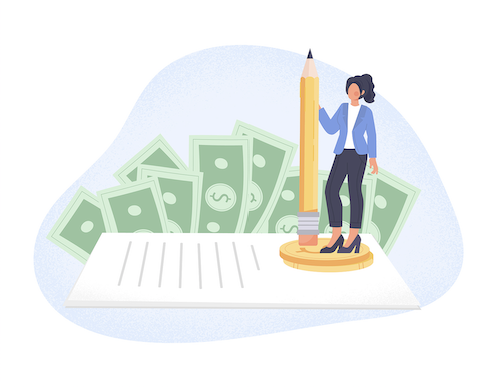
The world of freelancing full-time offers many perks to those who want to work for themselves: it’s flexible, fulfilling, and sometimes more profitable than if one had a traditional salary. For those dodging a traditional 9-to-5 job, it may seem like an ideal option. However, it also comes with the great responsibility of being fully in charge of one’s money. It includes keeping track of invoices, finding new clients, and making sure deadlines are hit. Most importantly, a full-time freelancer must be cognizant of their money flow and getting paid what they deserve.
Here are four money tips for freelancers to keep in mind.
1. Don’t accept low-paying (or no paying) work
Seasoned freelancers who have a strong portfolio may not encounter this as much as those who are just getting started freelancing. Either way, it’s crucial to remember your worth—and even if you’re just getting your feet wet in the freelancing world, it doesn’t mean you have to accept low-paying (or no paying) work. Always accept jobs at your rate.
There are countless tools online to help freelancers see what rate is appropriate to set. Apps like Wave can help one price their work and make the money they deserve.
2. Look at competition
Which freelancers do you follow? More importantly, whom would you consider your competition in your freelancing field?
Take a closer look at your competitors and the rates they charge to gain a better sense of what you should (or could) be charging. Looking at your competition is also a great way to gain inspiration and stay on top of current trends in your field and will help you earn more money as a freelancer.
3. Negotiate your rate
Rates aren’t always set in stone. Once your editor tells you how much they offer for a piece, always try to negotiate for more. Remember: negotiating is part of freelancing. Here are some further tips for negotiating.
4. Stay organized
Organization is key for freelancers. Not only do you have to organize pitches and stay on top of deadlines, but you also need to make sure you’re submitting invoices and getting paid on time. A way to ensure this happens is by being as organized as you can—and thinking one step ahead when it comes to all of these moving components.
Jess Focht is a writer and content strategist with 6+ years of experience in media, publishing, and brand storytelling. She has contributed to Insider, Grammarly, and The Creative Independent.
1 min read • Originally published July 1, 2022 / Updated March 19, 2026
Jess Focht is a writer and content strategist with 6+ years of experience in media, publishing, and brand storytelling. She has contributed to Insider, Grammarly, and The Creative Independent.
1 min read • Originally published July 1, 2022 / Updated March 19, 2026
New month, new Mediabistro roles.
Mediabistro is the #1 job board, community, and career destination for media and content professionals. Once a week, we’ll be updating this list with different types of creative jobs featured. Take a look below:
Jess Focht is a writer and content strategist with 6+ years of experience in media, publishing, and brand storytelling. She has contributed to Insider, Grammarly, and The Creative Independent.
3 min read • Originally published July 5, 2022 / Updated March 19, 2026
Jess Focht is a writer and content strategist with 6+ years of experience in media, publishing, and brand storytelling. She has contributed to Insider, Grammarly, and The Creative Independent.
3 min read • Originally published July 5, 2022 / Updated March 19, 2026
The answer is very much so. A job application may not be the first thing that crosses your mind when looking for a potential partner. After all, most people like to keep their personal and professional lives separate. However, there are shocking similarities between job hunting and dating. Both involve things like putting yourself out there, making a good impression, and researching before the first date or interview.
Are you looking for your perfect match? Here are some ways job hunting is like dating.
There’s some research involved
Think of how you prepare before a job interview—and then think of how you compare to a first date. Typically before a job interview, you Google the company and prepare for any questions that could come up related to the company’s mission. And because dating apps allow people to only show specific information, it’s common for people to Google their dates before seeing them in person for the first time. In fact, a survey points to the fact that 40% of people look up their dates on Google and 44% scroll their dates’ social media feeds. So whether you’re lingering on someone’s social media profile or getting a sense for a future coworker through their LinkedIn profile, research goes into both before one meets these people in person.
You have to put yourself out there
Applying for jobs and being an active dater both involve putting yourself out there. Putting yourself out there involves vulnerability. While you may be putting a different version of yourself on dating apps than you would your resume and cover letter, you’re still setting yourself—your talents, your personality, and more—on display to be reviewed by someone, and then ultimately accepted or rejected.
It’s all about first impressions
You can appear one way on a dating app and through a resume or LinkedIn profile, but once you meet your date or a hiring manager face-to-face, you are typically concerned about making a good first impression. Just because a dating app algorithm matched you with someone doesn’t mean you have a new partner, just like a call for an interview doesn’t mean you have a job. You’ll want to make a good impression in both scenarios.
You have to trust your gut
Have you ever gone into a job interview and initially had a bad feeling about the company or conversation with the hiring manager, but couldn’t put your finger on what? Have you been on a date and got a strange feeling about the person but couldn’t figure out why? Both of these cases involve listening—and trusting—your gut feelings and what they’re telling you. While logically, nothing could be wrong with the job or date, it’s valuable to trust your gut.
You have to remind yourself not to settle
A key reminder when going on dates and into job interviews: know your worth. You don’t want to settle for a future partner just like you don’t want to settle for a lower salary or mediocre benefits. Most jobs give you the opportunity to negotiate, so even if you don’t get offered the salary you deserve, you will hopefully be able to be paid a salary you want without settling for something different.
You may need to weed out the bad ones to get to the good ones
While it does rarely happen, the odds of going on a first date and meeting “the one” are slim. Similarly so, you may need to go on many job interviews or try out different jobs before you end up in one you’re actually compatible with. It takes time and patience to find your dream job.
Jess Focht is a writer and content strategist with 6+ years of experience in media, publishing, and brand storytelling. She has contributed to Insider, Grammarly, and The Creative Independent.
3 min read • Originally published July 6, 2022 / Updated March 19, 2026
Jess Focht is a writer and content strategist with 6+ years of experience in media, publishing, and brand storytelling. She has contributed to Insider, Grammarly, and The Creative Independent.
3 min read • Originally published July 6, 2022 / Updated March 19, 2026
Imposter syndrome, to put it simply, is the feeling of not being as qualified at the level your peers view you at. Ironically, it often affects those who are high-achievers or perfectionists. If you’ve ever felt like an imposter at work, you’re not alone. One recent study found that about 70% of people have felt like an imposter at some point.
Imposter syndrome can greatly affect one within the workplace—leading them to overwork or be unnecessarily harsh towards themselves when it comes to work-related tasks. In fact, early research on this topic was centered around high-achieving women in the workplace, and then gradually more research was done with a wider audience.
While a good dose of doubt can be healthy, imposter syndrome holds one back from reaching their full potential. Here are five tips for overcoming imposter syndrome at work.
1. Monitor your internal dialogue
What kind of things are you telling yourself that lead you to believe you’re not qualified for your role or worthy to be where you are? Now think of those things and ask yourself if you’d say that to a friend or coworker. The answer is most likely no. While it’s good to keep yourself in check and be aware of your work performance, also make sure you give yourself a break and see your hard work for what it is.
2. Talk to your manager
If your manager is happy with your work but you’re still feeling imposter syndrome, talk to them about it. They’ll most likely appreciate the transparency—and they may even offer ways to help. If it’s affecting your work, it’s important for them to know. If talking to your manager about it feels too daunting, try talking to a friend, coworker, or therapist. Talking to someone will help you get out of your head.
3. Practice self-care
Perfectionist thinking is ultimately not healthy for you in your work life, but sometimes it’s hard to control. Try practicing self-care after your workday and be kind to yourself. Take a bath, meditate, or do some yoga—there are plenty of self-care options available out there. And it’s a mutually beneficial relationship. The more you are kind to yourself and rest, the more likely you’ll be putting your best foot forward for the workday.
4. Celebrate your successes
A major part of imposter syndrome is minimizing your accomplishments. This can be easy to do when we get into a routine of not patting ourselves on the back enough. Try celebrating your successes when they happen—and making a routine of doing so. This will help prevent those negative thoughts and will make you feel better in the meantime.
5. Learn to accept it
A big part of overcoming imposter syndrome is acceptance. Once you gain awareness of your imposter syndrome (which you most likely have if you’re reading this article!) you will be more ready to accept it, and therefore work through it with the help of the above tips.